2018 Travel Diary

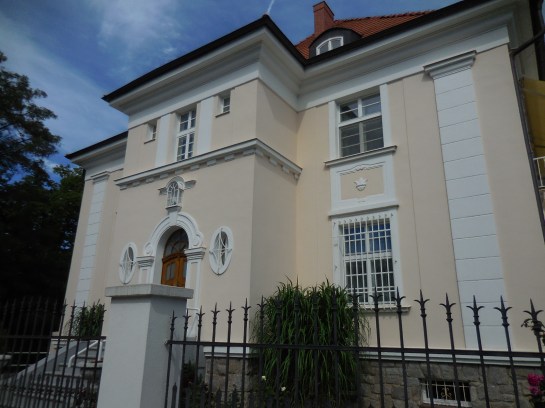
Roveretoext1

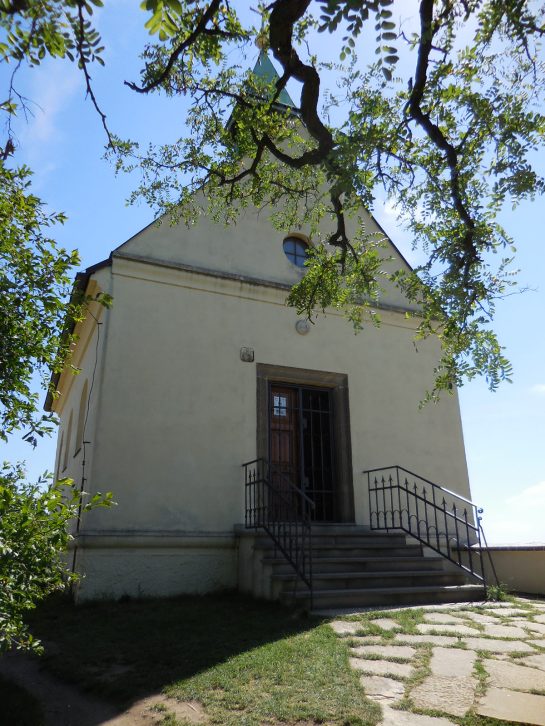
A building in Rovereto, one of my favorite places I discovered this past year

For me 2018 will always be associated with Palladian villas and the Veneto region of Italy, the excitement of Berlin and remarkable Czech sights. I also visited some unforgettable art exhibitions in Prague and elsewhere in Europe.

VicenzaBasilicata6

Basilicata Palladiana, Vicenza

During March I traveled with a friend via the arsviva agency to the Veneto to see Palladian sights and other architectural gems in Vicenza, Padua and Rovereto. The three cities were fascinating, each with its own unique character. I was especially drawn to Vicenza for the Teatro Olimpico, Palazzo Leoni Montanari and Palazzo Chiericati. Of course, I admired the elegant arches and arcades of the Basilicata Palladiana.

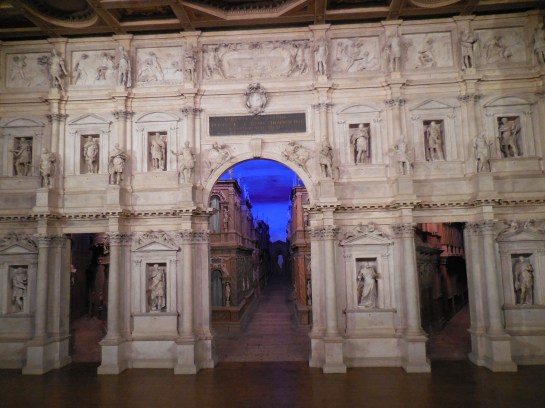
VicenzaTeatroOint14

VicenzaTeatroOint17

The highlight of my tour of Palladian architecture was the Teatro Olimpico, one of only three Renaissance theatres in existence. Palladio’s plan was based on classical architecture. I most admired the illusive architecture in the set for Oedipus Rex, the oldest existing theatre scenery, which featured painting with a false perspective. It looked as if the seven roads of Thebes led from the stage into the horizon. Also, it was difficult to fathom that the clear sky was really painted. The illusion seemed so real.

VicenzaGIintRus25

A Russian icon in the Gallerie d’Italia

I cherished my time in the galleries of Vicenza. The Gallerie d’Italia was decorated with rich statuary, stucco ornamentation and frescoes. It houses 18th century Venetian painting, a unique 17th century sculpture made of Carrara marble and vases from Attica and Magna Graecia. However, the highlight of the gallery for me was its superb collection of Russian icons. I had only seen more intriguing collections in St. Petersburg.

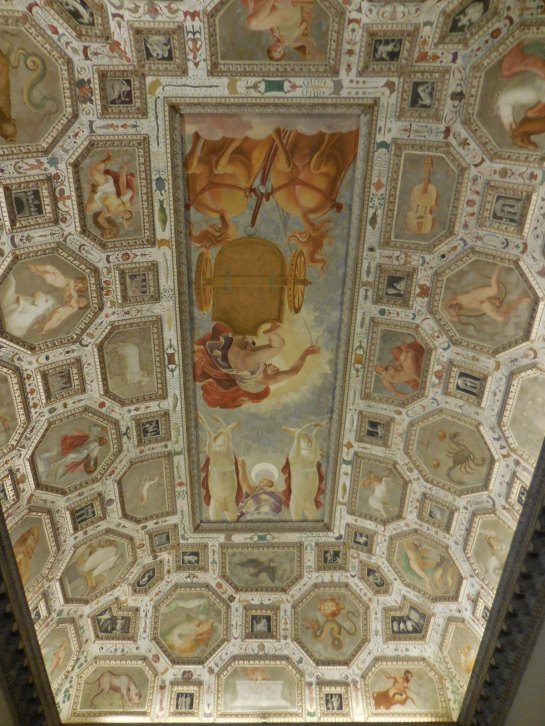
VicenzaMCint18

VicenzaMCint3

The interior of the Civic Museum

The Civic Museum in the Chiericati Palace also caught my undivided attention. The palace itself was a work of art, designed by Palladio in 1550 with frescoes and stucco adornment decorating the interior. The art spanning from the 1200s to the 20th century was incredible.

VilladellaRotundaext1

Villa Rotunda – no pictures allowed inside

I also saw some Palladian villas, including La Rotunda, which inspired Thomas Jefferson in his design of his home at Monticello. The exterior’s appearance is that of an antique villa. The geometric design connects the sloping portico roofs with the ribs of the dome. The geometric interior was planned for comfort and beautiful views. The rooms are organized around a central hall with a dome. The villa has three floors and a mezzanine.

PadiuaBasilicadelSanto1

Basilica of San Antonio or Basilica del Santo – no photos allowed inside

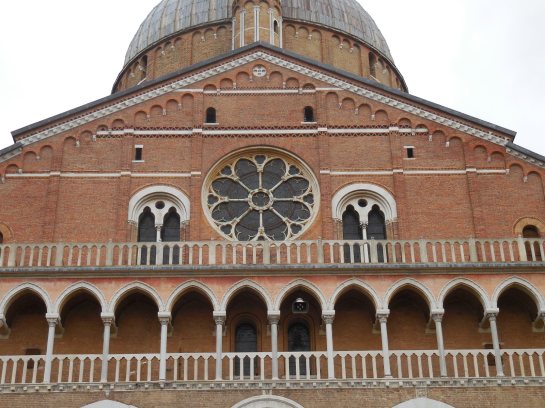
In Padua I gazed in wonder at the Basilica of Saint Antonio, which is huge with eight cupolas. The interior has a Latin cross pattern with three naves separated by pilasters. The various chapels were outstanding. The Chapel of Saint Giacomo, hails from the 14th century with six columns of red marble included in the décor. The work, “The Crucifixion” is divided into three parts on the walls. Pictures on lunettes narrate the life of Saint Giacomo the Great.
PaduaBasilicadelSanto8

Basilica of San Antonio, Padua

The main altar of the basilica was created by Donatello. The pictorial narration of the altar includes four miracles of Saint Antonio, sculpture of the Crucifixion, Madonna with Child and the figure of Saint Antonio, for example. The Chapel of the Saint includes the tomb of Saint Antonio. On the walls are nine reliefs of marble figures recalling miracles performed by Saint Antonio. There was so much to see, a person would need a few days to do this place of worship justice.

PaduaScrovegni1

Scrovegni Chapel, Padua

I also was enthralled with the Scrovegni Chapel, which featured amazing 14th century frescoes by Giotto di Bondone. Thirty-eight panels of frescoes cover three walls on three levels. I was flabbergasted, staring at each fresco in a trance.

Roveretoext17

Rovereto

RoveretoDepero20

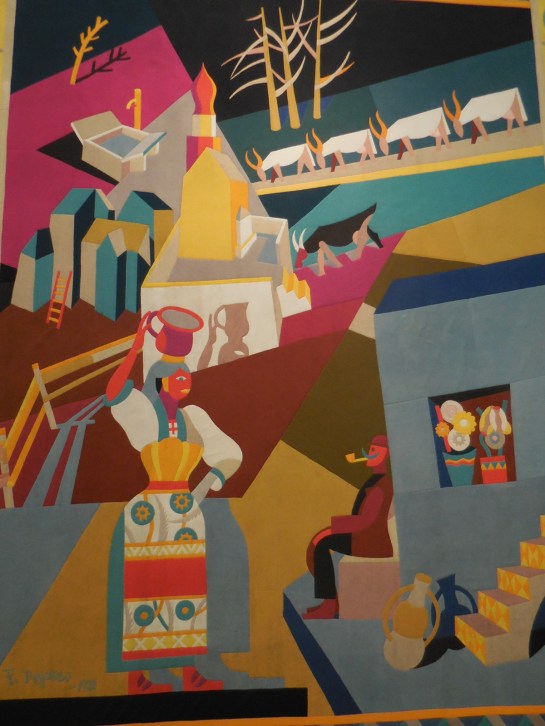
From the Depero Futurist House of Art, by Fortunato Depero

I was very impressed with Rovereto, a picturesque town below the Dolomites. Its charming, narrow streets and squares cast a magic spell on me. I visited the Depero Futurist House of Art, the only Futurist museum in Italy, featuring the works of Fortunato Depero, a painter, sculptor, writer and graphic designer. I learned that Futurism rejected the past and celebrated modernity as well as technological advances. The museum included furniture, painting, tapestries, cloth material, drawings, collages, posters, toys and a film. I loved the vibrant colors of many of the works.

BerlinWallM4

Nowadays school children hang out or wait for tours at the Berlin Wall remnants
BerlinReichstag12dome

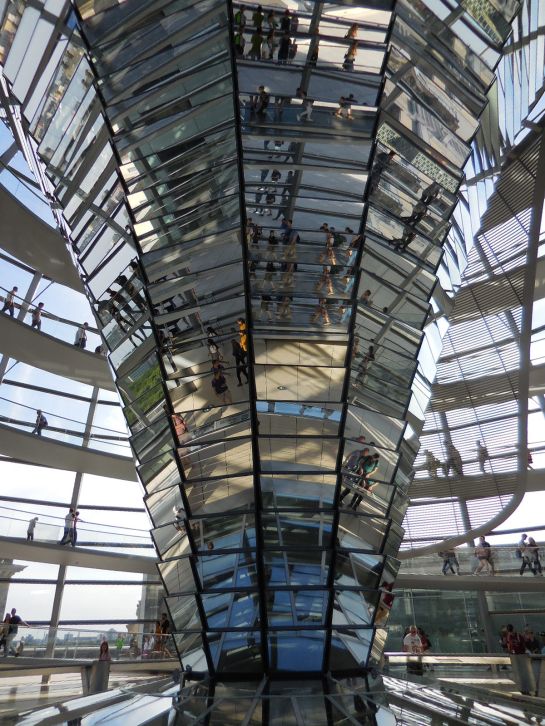
Glazed dome of Reichstag

In May I spent five days in Berlin, a city I had not visited since 1991 except for a one-day visit to the Gemaldegalerie several years earlier. The East had undergone radical changes since then, to say the least. Most of the Wall is gone. The former Communist section of the city is lively with bars and restaurants and includes most of the main sights. Now a Dunkin Donuts and Starbucks greet visitors past the Brandenberg Gate. Back in 1991, the difference between East and West Berlin was almost tangible, the East being gray, depressing and drab.
BerlinHolocaustM6

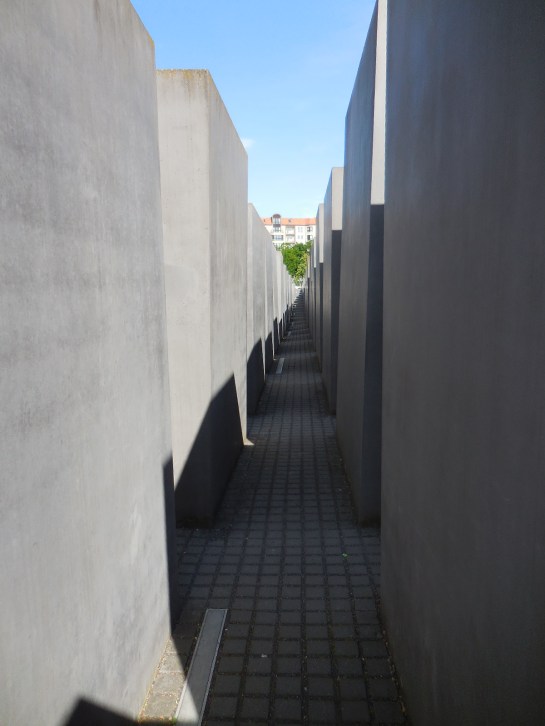
The Memorial to the Murdered Jews of Europe

BerlinGemald30

Pieter Bruegel the Elder in the Gemaldegalerie

Once again I inspected the art ranging from medieval days to Neoclassicism in the Gemaldegalerie. I was very moved by the 220 meters of original Berlin Wall at the memorial on Bernauer Strasse. Berlin’s Cathedral impressed me a great deal with the eight mosaics decorating its dome. I had a tour of the Reichstag’s glazed dome, a superb structure of modern architecture soaring 47 meters. The Memorial to the Murdered Jews of Europe greatly moved me with its 2,711 concrete blocks of equal size but different heights. The DDR Museum with its multimedia exhibits gave me an idea of what life was like for East Germans under Communism. The Old National Gallery bewitched me with its 19th century art collection, and the temporary exhibition Wanderlust featured 19th century landscapes with travelers on foot. I particularly liked the pictorial renditions of Naples and places in Sicily. I saw the Ishtar Gate and a building from Aleppo in the Pergamon Museum, for instance. The Museum of Decorative Arts was a treasure, too, with amazing exhibits in fashion, design and object art from the Middle Ages through Art Deco.
BerlinGHM47

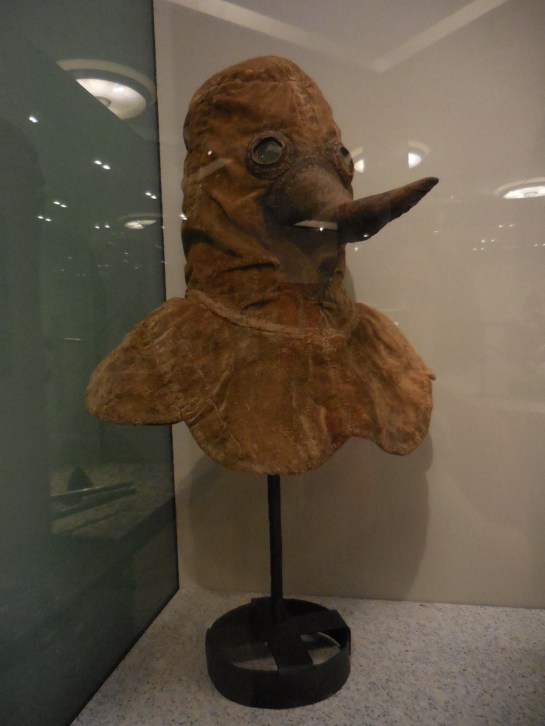
Plague mask worn by doctors in the German Historical Museum

BerlinGHM40

BerlinGHM64

Pictures of concentration camp prisoners

What impressed me the most was the German Historical Museum, where I spent a good part of two days. Encompassing 2,000 years of German history, the museum takes the visitor from the reign of Charlemagne to the departure of the Allies in 1994 by presenting historical facts, personalities and events and by portraying everyday life in the various eras. I especially liked the plague mask worn by doctors treating patients with this disease. Made of leather, it had a long beak and looked as if it belonged in a commedia dell’arte play. The section about World War II was especially gripping. The Germans were certainly facing that horrific part of their past head-on in this museum.
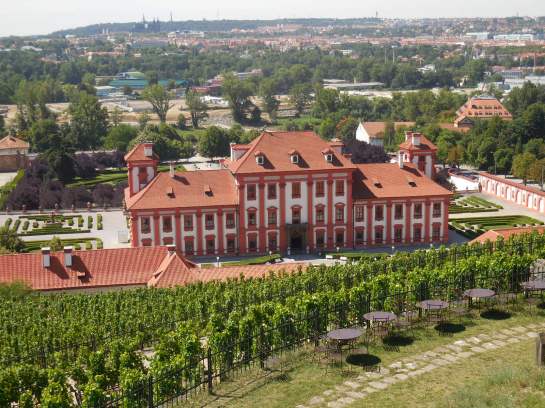
PragueBG28chateau

Troja Chateau from Prague’s Botanical Gardens

When my parents visited, we toured the dazzling Rudolfinum with its beautiful Dvořák concert hall. President Tomáš G. Masaryk was elected in that building on three occasions, when Parliament had met there during the First Republic. I visited the lovely and vast Botanical Gardens in Troja, examining the southern part and the greenhouse. The views of Troja Chateau from the gardens were unbeatable.
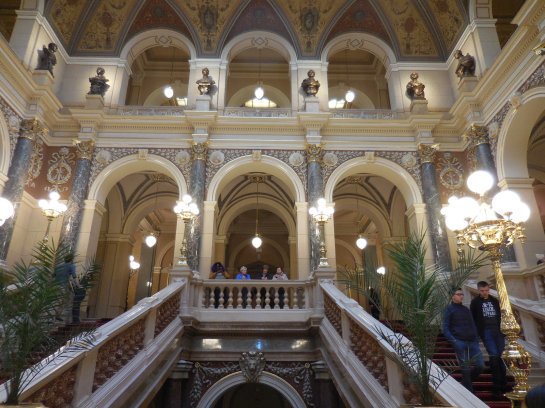
NtlMuseumint1

Prague’s National Museum restored

NtlMuseuminthrad5

Painting of Karlštejn Castle in National Museum

Shortly after it reopened after a seven-year renovation, I spent time in the National Museum of Prague. The exhibition about Czech and Slovak relations during the past 100 years and life under Communism was outstanding. The permanent display also was captivating, but the place was so crowded. A Neo-Renaissance gem, the National Museum features amazing sculpture, painting and architectural elements. I especially liked the pantheon, where paintings, statues and busts celebrate Czech culture and history. The four paintings of castles in Bohemia impressed this avid castlegoer. I also explored the Hanspaulka, Ořechovka and Baba sections of Prague with their distinctive villas.
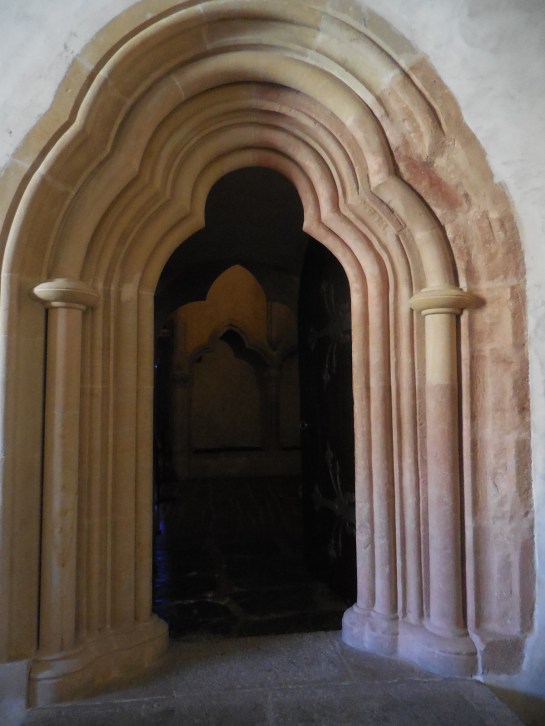
HorsTyninthradarchwaychapel

Gothic archway in Horšovský Týn Castle
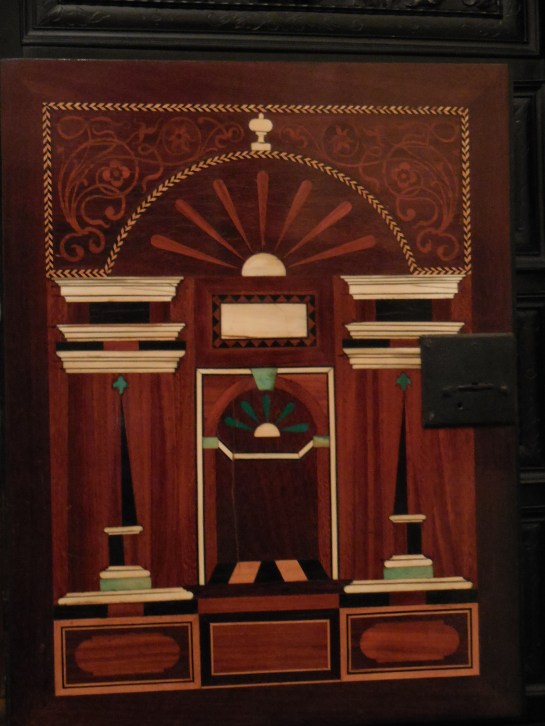
HorsTynintzamek6

From Horšovský Týn Chateau

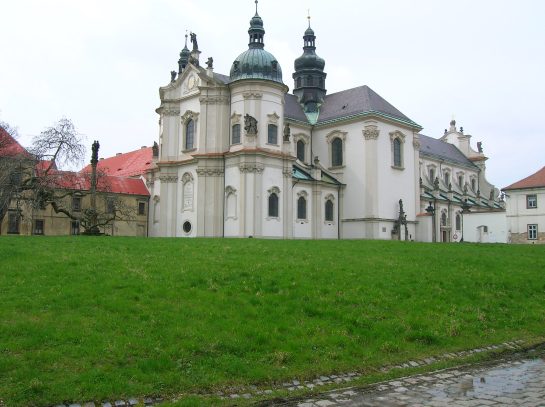
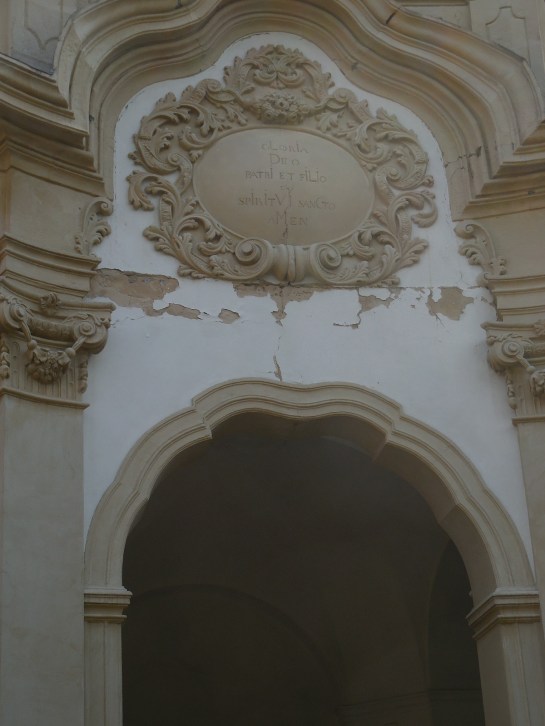
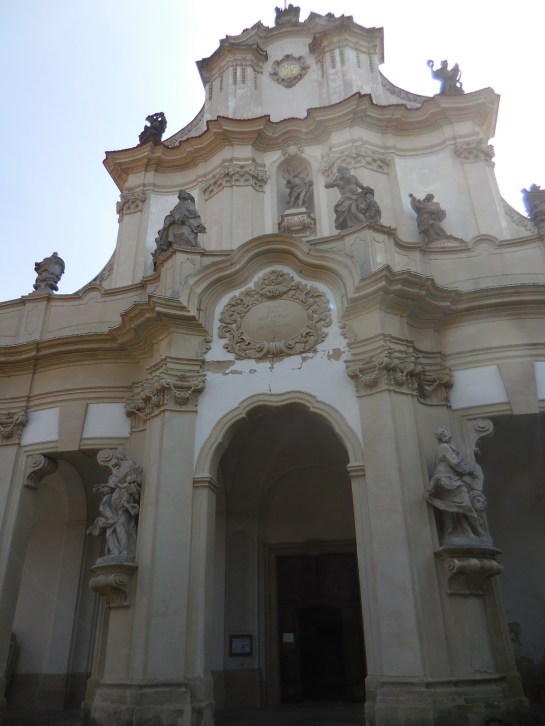
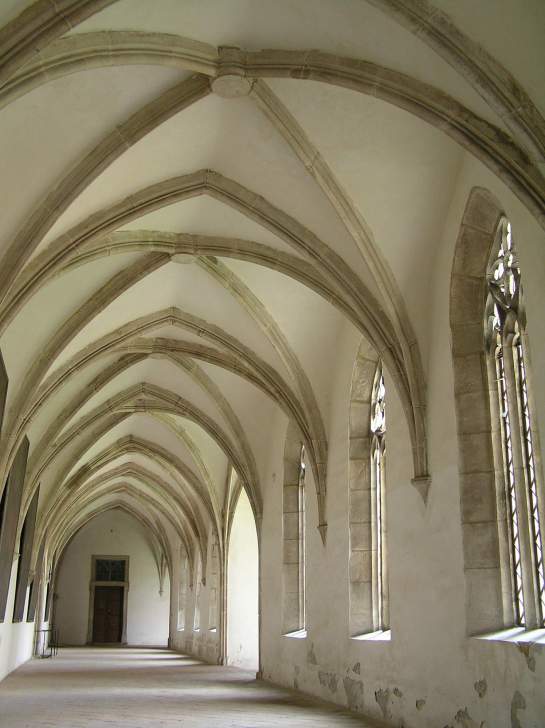
Out of Prague I made my way back to Osek Monastery below the Krušné Mountains, established in the 13th century. The Chapter Hall was one of the first Gothic buildings erected in the Czech lands while the interior of the church takes on a Baroque appearance. Hořovice Chateau is much younger, hailing from the late 17th century. The Late Baroque décor includes a fantastic ceiling fresco in the hall of the main staircase. The Large Dining Hall amazes with Second Rococo adornment. Horšovský Týn Castle and Chateau offers six tours; we had time for two. Established in the 13th century, it includes an 18th century pool table with its sides decorated in tortoiseshell and intarsia. A Rococo jewel case and Holland Rococo display case caught my attention, too. The Italian vedutas of Venice made me long for that Italian city. The 18th century Dancing Hall features four big wall mirrors and a 28-branch chandelier made of Czech glass. Ceiling frescoes also captured my interest. However, the original Gothic portal at the entrance to the chapel was the most outstanding architectural feature. The chapel was magical, too. Velké Březno, one of the youngest and smallest chateaus in the Czech lands, also amazed.
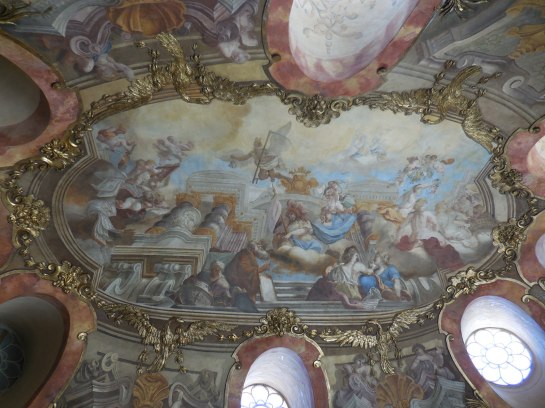
Horoviceintfresco1

Ceiling fresco at Hořovice Chateau

VelkeBreznoint15

Velké Březno Chateau interior

VelkeBreznoext18

Velké Březno Chateau exterior

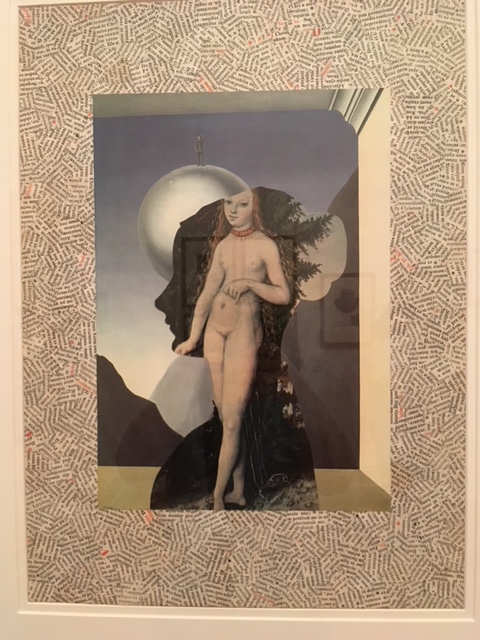
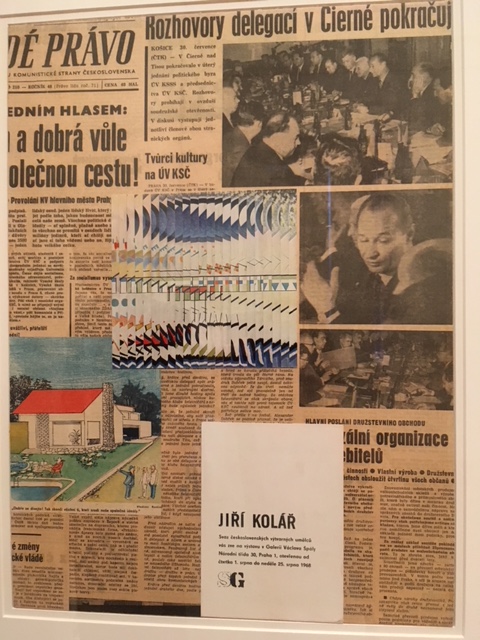
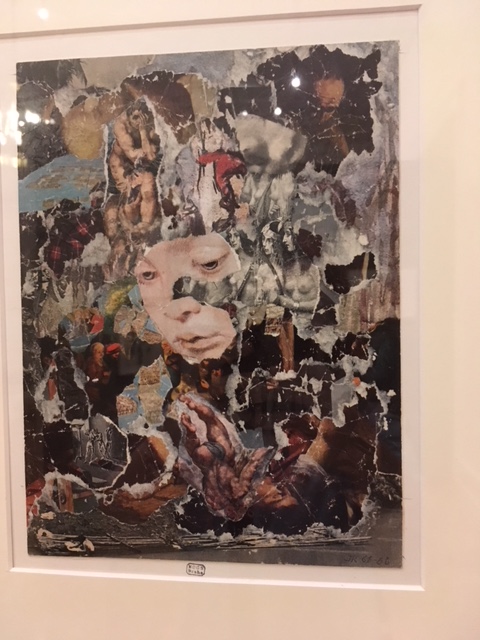
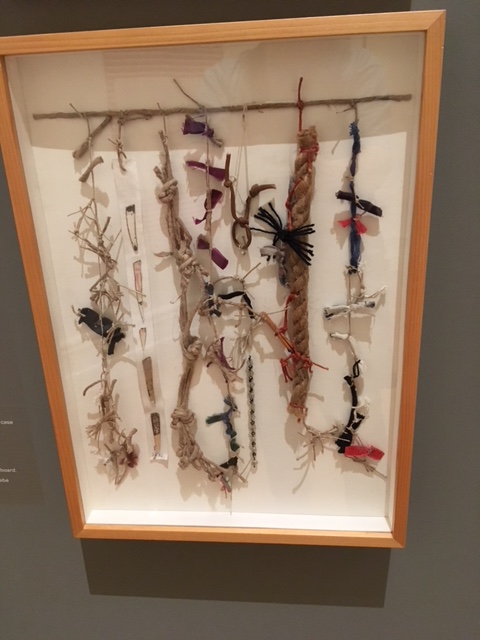
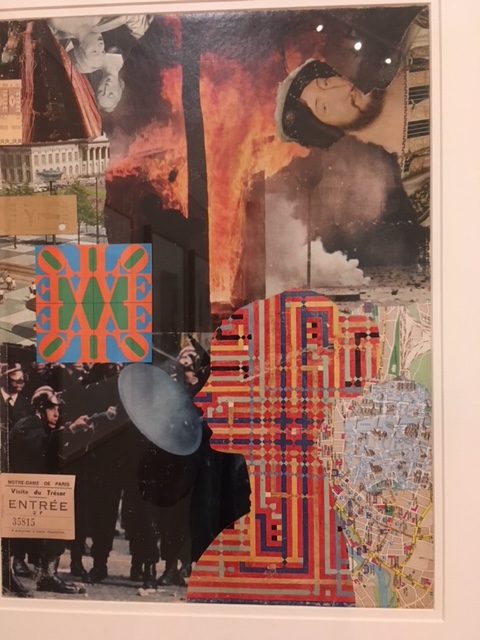
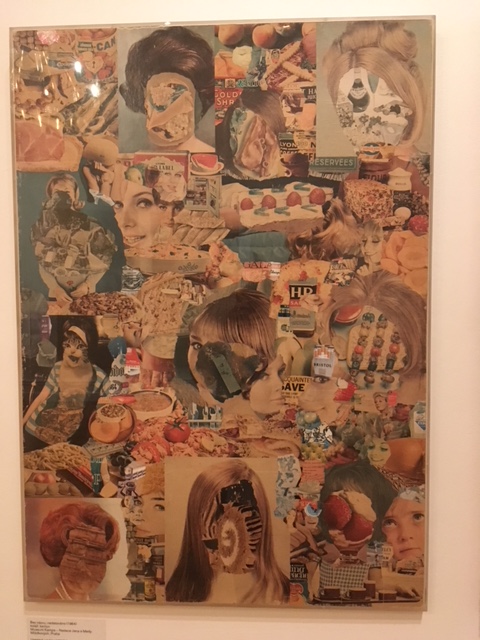
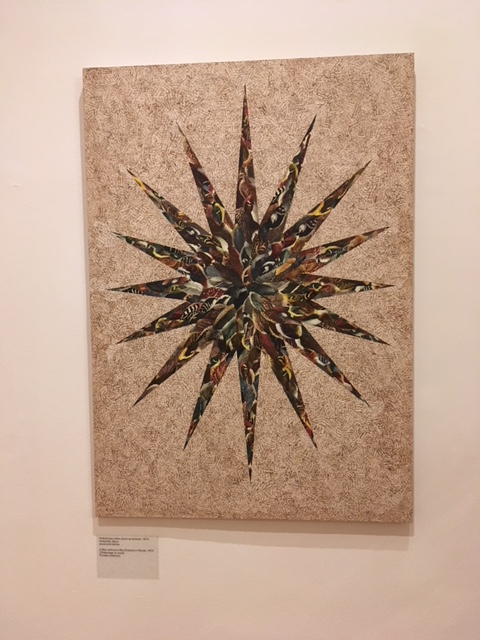
I also spent time in museums this past year. In Vienna I saw the excellent Monet exhibition as well as the Pieter Bruegel the Elder exhibition. Both captivated me. In Prague the exhibition showcasing the various collages of Jiří Kolář was an art highlight. The exhibition about Czech and Czechoslovak history in the Riding School of Prague Castle was unforgettable. There were many more art-related highlights, but I do not have time to mention them all.

Kolar18

Collage by Jiří Kolář

PragueCastleexhibit14

Prague Castle Riding School exhibition

NtlMuseumexhibit57

From Czechoslovak Exhibition at National Museum, cash register from beginning of 20th century

Tracy A. Burns is a writer, proofreader and editor in Prague.


National Museum Diary

NtlMuseumint2

I was introduced to Prague’s National Museum during July of 1991, when, for the first time, I saw objects and attire from World War II on exhibit there. I couldn’t believe that I was actually looking at real Nazi uniforms and authentic items from the horrific era of the Protectorate of Bohemia and Moravia, a period I had only read about in books while growing up in the USA. The exhibition made me even more aware of what a nightmarish time of oppression and terror it had been. I had never felt so close to history before that trip to Prague. It was an unforgettable experience for me, as were many moments during that first foray to one of the lands of my ancestors. By the time I moved to Prague in September of that year, the exhibition was gone. I occasionally visited the museum after that, but nothing there would influence me that strongly.

NtlMuseumint13

Fast forward to late October of 2018, when the National Museum reopened after seven years of reconstruction. The once grimy façade of the Neo-Renaissance gem now looked squeaky clean. Inside the most significant scientific and cultural institution in Bohemia was an exhibition about Czechs and Slovaks during the 100 years of existence since Czechoslovakia was formed in 1918. Right now, though, I am going to write about what I saw in the building itself as I savored the beauty of the sculpture, painting and architecture of the interior.

NtlMuseumint14

First, it is necessary to have some background about the museum in order to appreciate it fully. The year 2018 marks the 200th anniversary of its founding, as Kašpar Maria Šternberg and other prominent Czechs established the institution in 1818. During the 19th century, the museum became a symbol for Czech nationalism. At the time, Czechs were experiencing an era of Germanization with the Habsburg rulers at the helm. The Journal of the Bohemian Museum published there in Czech had a profound influence on Czech literature.

NtlMuseumint12

The current building was erected from 1885 to 1891 thanks to architect Josef Schulz. The edifice survived World War II but not without damage. The items normally housed in the museum had been transferred to another location, fortunately. Still, that wouldn’t be the last time the National Museum became a victim of historical events. When the Warsaw Pact armies invaded Prague in August of 1968, the Soviets shot at the museum, riddling it with bullet holes. The Russians also destroyed some sculptures, for instance. During 1969, university student Jan Palach set fire to himself as a protest against the rigid normalization period in front of the museum. He would succumb to his injuries in the hospital. The National Museum was also damaged during the construction of the Prague Metro in 1972. Six years later a large highway around the museum would prove a detriment.

NtlMuseumint9

The museum has served as a backdrop for many demonstrations and events throughout Czech history. I recalled the museum looming in the background as I walked around the State of Saint Wenceslas in December of 2011, observing all the candles and tributes to former dissident-turned-president Václav Havel shortly after his death. I had set a rose in front of the statue. Thinking back, I missed those days when Havel had been in the Castle.

NtlMuseumint11

The exterior of the National Museum that dominates Wenceslas Square is noteworthy. Sandstone statues, stucco and exquisite reliefs all add to its elegance and distinction. Allegorical statues are situated above a fountain, for example. The building consists of a large central tower with a dome and a lantern. There are four domes. A pantheon is located beneath the main dome. The exterior staircase is grandiose, too. In front of the museum, there is a splendid view of Wenceslas Square.

NtlMuseuminthrad20

The moment I stepped inside the museum I was again entranced with its elegance. The entrance hall consisted of a monumental staircase fit for royalty with a coffered ceiling and 20 tall columns of red Swedish granite. Above are two floors with decorated arcades and beautiful floors. Upstairs I saw portraits of rulers of Bohemia and four paintings of significant castles in Bohemia – Prague Castle, Karlštejn, Zvíkov and Křivoklát. I loved spending my spring and summer weekends castle-hopping. I remember the many strolls I took to Prague Castle across the Charles Bridge many early mornings when I first moved to Prague and resided in the center. The chapel at Karlštejn Castle was one of the most beautiful sights in a castle interior. I also spent time admiring the 12 depictions of historical places in Bohemia, such as that of Český Krumlov, the most picturesque town in the country after Prague with its castle boasting three tours and Baroque theatre as well as extensive castle garden. Bronze busts rounded out the decoration.

NtlMuseuminthrad5

NtlMuseuminthrad22

The pantheon is perhaps my favorite section of the museum because it celebrates Czech history and culture, two subjects dear to my heart. The paintings, statues and busts serve as poignant reminders of the nation’s cultural accomplishments and historical contributions. Even the door of the pantheon is magnificent with its rich woodcarving. In the pantheon I found statues of Czech historical figures who have made me excited about the nation’s history – František Palacký, a 19th century historian, politician and writer dubbed The Father of the Nation. His seven-volume History of the Czech Nation in Bohemia and Moravia remains a significant source of information for modern day historians. He also was a major participant in the Czech National Revival.

NtlMuseumint15

NtlMuseumint17

Jan Amos Comenius’s likeness was there, too. He was a religious and educational reformer who authored textbooks, encyclopedias and dictionaries as well as one of the most important works of Czech literature, The Labyrinth of the World and Paradise of the Heart. The statue of Antonín Dvořák made me think of his New World Symphony, which I saw the Czech Philharmonic perform in an awe-inspiring concert. Karel Čapek’s statue brought to mind my graduate studies that in part focused on his plethora of works of various genres. The paintings in the chamber are also extraordinary. One of the lunettes that celebrates Czech history in the pantheon shows the founding of Prague University, now Charles University, in 1348 with Emperor Charles IV playing the central role.

NtlMuseumint6

NtlMuseumint7

The statue of first Czechoslovak President Tomáš Garrigue Masaryk has an intriguing history. It was removed during World War II and slated to be melted, but somehow survived a tenure in a junkyard and was reinstalled after the war. During the Stalinist 1950s, the government wasn’t exactly enthralled with Masaryk, so his statue was placed in the depository. When the liberal reforms of the 1968 Prague Spring were in full swing, the statue of Masaryk was reinstated in the pantheon. Throughout the 1970s and 1980s, Masaryk’s likeness remained there, even though the Communists did not put him in a favorable light. If I could live in another time period, I would choose the 1920s of Czechoslovakia, when the country was freshly on a democratic path with Tomáš Garrigue Masaryk leading the way.

NtlMuseumint18

Once again, the building cast a magical spell on me as I felt overwhelmed by the painting and sculptural decoration. Both the exterior and interior were filled with a sense of grandeur and splendor that made me reluctant to leave.

Tracy A. Burns is a writer, proofreader and editor in Prague.

NtlMuseumview1

View of Wenceslas Square from the National Museum

Jiří Kolář Exhibition Diary

Kolar7

Kolar1

I recently saw an exhibition of artist Jiří Kolář’s breathtaking collages and other works at the Kinský Palace in downtown Prague and was very moved by Kolář’s emphasis on freedom, personal expression and democracy. Many of his works were created when Czechoslovakia was oppressed during the totalitarian regime. His 66 political collages from 1968, after the Russians sent in the Warsaw Pact tanks to crush the liberal reforms of what was called “Prague Spring,” poignantly show how the Soviets had strangled Czechoslovakia in what would lead to an era of normalization, which encompassed rigid totalitarian reforms. Kolář confronts viewers and challenges their perceptions by often combining images that do not necessarily seem to correlate. He distorts and destroys images, expressing the cruelty of the Communist era and the longing for democratic ideals.

Kolar2

Kolar5

Born in 1914 in the decaying Austro-Hungarian Empire that enforced Germanization, Kolář witnessed the establishment of a democratic Czechoslovakia at the age of four. While he took up cabinet making initially, he would go on to become one of the most significant poets, writers, painters and translators. Even an injury that resulted in him losing a finger did not stop him from making a difference on Czechoslovakia’s literary and art scene. For a while, he took on odd jobs, working as a construction worker, butcher, waiter, security guard and bartender, for example.

Kolar4

Kolar10

The country was introduced to his collages as early as 1937. During 1942, he joined the Group 42 existentialist artists that greatly influenced Czechoslovak culture. It was not until 1943 that he started to devote all his time to writing and, soon after, to editing as well. His brief stint in the Communist Party, during 1945, lasted less than a year.

Kolar12

Kolar13

Certainly, the Communist regime was far from kind to him. When the Communists took control of Czechoslovakia in 1948, Kolář became a banned author. While he was not allowed to publish, he scribed poetic diaries and authored manuscripts such as Prometheus’ Liver and Aesop from Vršovice. In the early 1950s, he was even imprisoned for nine months after the authorities found at his home a samizdat work written by a fellow dissident.

Kolar11

Kolar17

During the 1960s, he took up experimental poetry, writing literary collages, and was one of the most influential artists to frequent the Café Slavia in Prague, where he met a young Václav Havel and others who voiced opposition to the Communist regime. His work was seen abroad during the 1960s, too. Some of his collages from this time included items that seemed misplaced, such as string, keys and shavers. He also started placing apples in his collages and designing apples of various sizes in various colors. The apples might symbolize temptation and the fact that all fruit looks similar, a powerful reminder of mass society in the modern world.

Kolar9

Kolar14

Kolar16

Kolář experimented with various techniques of collage, even using textile and paper in his works. It was also during that decade that he mixed poetry with painting, finding a powerful and provocative voice by using both forms of expression that combined visual and literary art in a masterful way. He made collages of pictures he cut out of magazines and utilized excerpts of texts that epitomized the fragmentation of his country and the world. By doing so, he created new thought-provoking images.

Kolar8

Kolar3

Even after the Soviets invaded Czechoslovakia during 1968, he continued to support freedom and democracy despite the rigid era of normalization that followed. He even signed Charter 77, a document drafted by dissidents, calling for human rights in Czechoslovakia. The Communist regime made sure there were severe repercussions for anyone brave enough to put their John Hancock on the proclamation.

Kolar18

Kolar19

The Communist authorities forced him to emigrate, not allowing him back in his homeland after a stint in West Berlin. From 1980, he resided in Paris, though his Czech wife was not permitted to visit him there until five years later. He obtained French citizenship in 1984.

Kolar20

Kolar21

After the 1989 Velvet Revolution that toppled the Communist regime, he visited Prague often. When he became severely ill in 1998, he moved back to Prague and even had to relearn how to walk. At the age of 88, in 2002, he succumbed to the spinal injury that had kept him hospitalized for the last years of his life.

Kolar22

Kolar24

Kolář’s creations have entranced me for decades. I was introduced to his work in the early 1990s. I admire his direct confrontation with the viewer. He combines images that I would have never thought could be grouped together, challenging my view of the world. His messages often deal with harsh reality, but he also yearns for personal and national freedom.

Kolar25

Tracy A. Burns is a writer, editor and proofreader in Prague.

Osek Monastery Diary

Osek Monastery 1

Note: No photos were allowed inside

I traveled to the picturesque region below the Krušné Mountains to see Osek Monastery in 2018. It was my second visit in eight years. I remembered shivering with cold as I wore my rather thin jacket during that first visit, probably in October of 2010. Feeling partially frozen, I waited patiently for the bus back to Prague after a wonderful tour. I had enjoyed my time there immensely, but what I remember most is the cold that seeped through my garments.

Osek Church 2

It was July when I came back for another look at the Cistercian monastery that was founded in the early 13th century, though monks had called the area home even at the end of the 12th century. This time, I arrived by car with a friend.

The Church of Our Lady at the monastery was a Romanesque creation, built as a three-aisled basilica in the shape of a Latin cross. The chapels and choir are rectangular. Measuring 76 meters long, during Romanesque days it was the biggest monasterial church in Bohemia.

The monastery was damaged during the Hussite wars of the 15th century during two years. The Hussites detested the Cistercians because, among other reasons, they were the wealthiest order in the Czech lands. The Thirty Years’ War brought devastation to the holy place. From 1580 to 1628, the monastery was closed.

Osek Church facade 2

In the early 18th century, the Abbot Benedict Littweig ordered Baroque reconstruction. Two cupolas, the façade, sculptural ornamentation and the main altar all hail from that time period. The main architect of the makeover was an Italian born in Bohemia, Octavian Broggio from the Litoměřice region. He favored radical Baroque style and had experience working in Prague and in the area where he was born.

Osek1

During 1945 and 1946, the German monks who were living there were resettled in Germany for a while, and during 1961, they were sent to Germany again. At one point, the Salesians lived there, but the order was closed in 1950. The year 1950 would be the beginning of dreadful times. From 1950 to 1953, the monastery was used a detention center for priests. After that, it became a detention center for nuns. The Cistercian monks reclaimed the property in 1991 and left in 2010, when Abbot Bernard Thebej, who had overseen the monastery from 1991, died.

Osek8

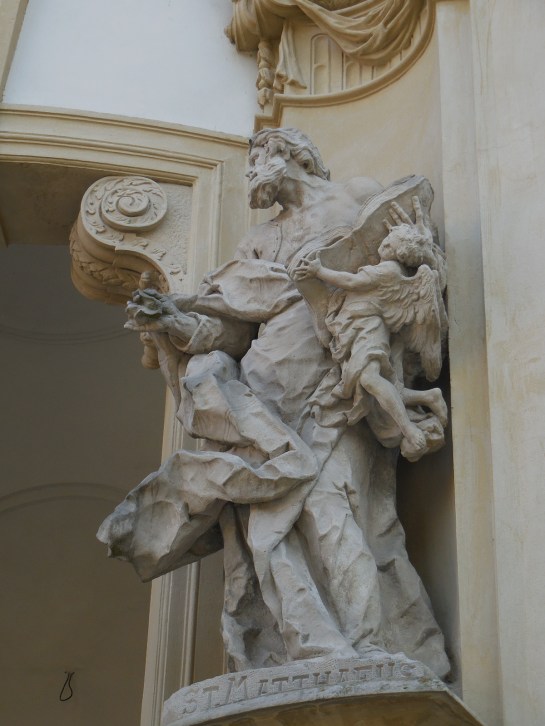
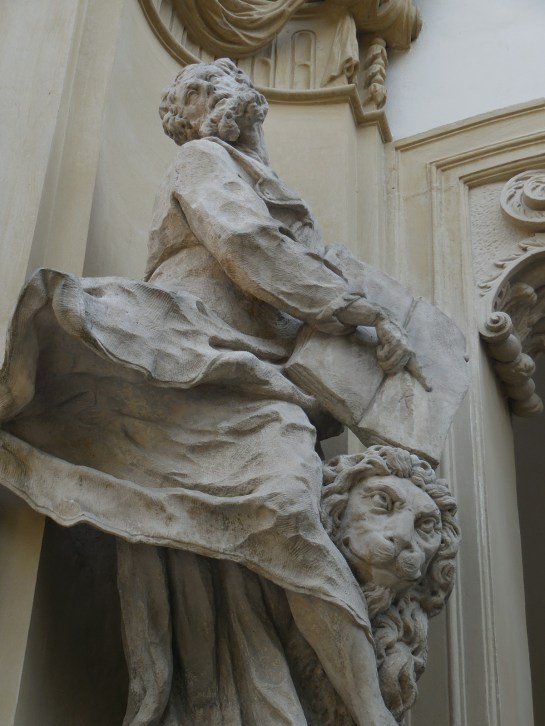
I waited for the tour as I gazed at the Baroque façade with a superb portico. Saints John, Mark, Luke and Matouš faced me. I saw Saints Peter and Paul above them. I thought of the other Cistercian monasteries I had visited. In south Bohemia, I had seen both Vyšší Brod and Zlatá Koruna. At Vyšší Brod, I was most enamored by the library of 70,000 volumes, the third Czech monastic library. The Theological Hall with one of the largest collections of Bibles in Central Europe had also captivated me. I recalled the elaborate Rococo stucco decoration and numerous Rococo wall paintings at Zlatá Koruna as well as the early Gothic Chapel of Guardian Angels. Near Kutná Hora, not far from Prague, Sedlec Monastery had amazed me with its Santini-created Baroque Gothic style interior and paintings by Baroque master Petr Brandl. Plasy in west Bohemia also came to mind. Santini had done his magic there as well, and the Baroque pharmacy had such superbly painted drawers. I had toured Plasy at least three times. I had been impressed by Velehrad in Moravia, but I had been there so many, too many, years ago.

Osek10

The guide took us inside. The superb interior was pure Baroque with much stucco ornamentation. I was particularly drawn to one side altar because of its extremely morbid character. The altar featured Christ on the Cross, flanked by two angels, but the ornamentation made it feel creepy. It was adorned with figures of skulls and bones in Classicist style. At the foot of the Cross, there was a golden skull. I recalled the Cycle of Death murals at Kuks, a former hospital in splendid Baroque style. I had visited it on several occasions, so I was well-versed with the Baroque obsession for skeletons, skulls and bones. At the altar, there was a reliquary with remnants of Saint John the Baptist and other saints. All the chapels were impressive, but this one especially caught my attention.

OLYMPUS DIGITAL CAMERA

Interior of the church, from http://www.rajce.net, Photo Album from 2006

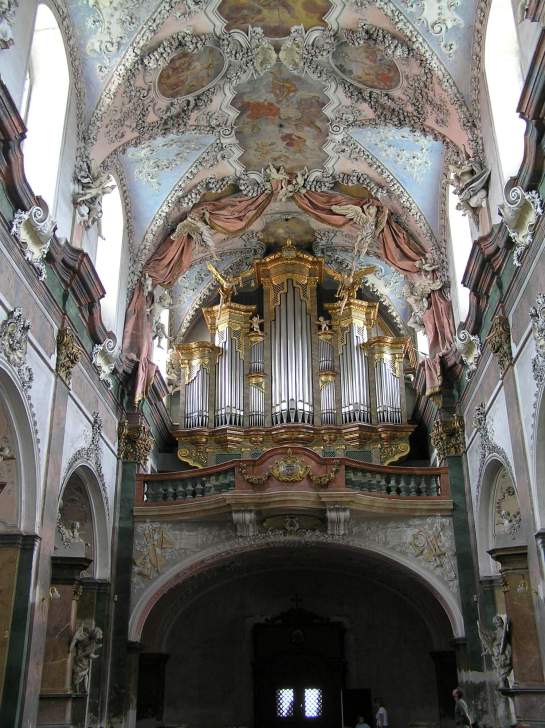
There were two Baroque cupolas. I saw painted windows on one – a trademark of the Baroque style. Two Baroque organs graced the church. One of them had 666 pedals, giving it a mystical quality.

The choir benches – Baroque, of course – were amazing, made with intarsia decoration of wood on wood. The inlays were breathtaking. Black spiral columns and gold ornamentation added to the Baroque ambience. The guide opened a cabinet behind a bench: Hymnbooks were stored there. I could imagine the Cistercian monks singing in celebration and could almost hear their voices resound through the church. In front of the choir, there were modern benches where services were currently held. Facing these benches, underneath the floor, was the tomb of the last abbot.

Osek16

The main altar included impressive sculptures of the four apostles. Figures of angels also had prominent roles in the adornment. The painting of Assumption of Our Lady – the patron saint of the Cistercians – was the work of Jan Krištof Liška, a truly remarkable Czech artist. Václav Vavřinec Reiner, whose monumental painting I had seen at Duchcov Chateau a few months earlier, was responsible for the painting of the side altars as was Michael Leopold Willmann. Reiner also had created, along with Jan Jakub Steinfels, the ceiling paintings in the main nave and chancel. They portrayed scenes from the life of Christ and from the Old Testament.

Osekaerialview

Aerial view of Osek, from http://www.mapio.net

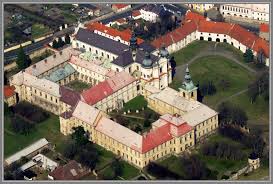
The cloister surrounds a garden that is decorated with three tombstones from the 14th to 16th centuries. Eighteenth century paintings promoting the history of the order are features of the cloister. I could see Romanesque traits in the entrance portal to the cloister from the church.

OLYMPUS DIGITAL CAMERA

Vaulted ceiling, from http://www.rajce.net, Photo Album from 2006

We passed by Well Chapel. A well, the monks’ source of water for a lengthy period, was the central element of the chapel, as the name suggests. Sculptural decoration adorned the well. On the wall behind it, there was a bright orange sliver of glass. This piece was original, dating back to the Gothic era. At that time, the glass had been brightly colored.

OLYMPUS DIGITAL CAMERA

Reader’s Lectern in Chapter Hall, from http://www.rajce.net, Photo Album from 2006

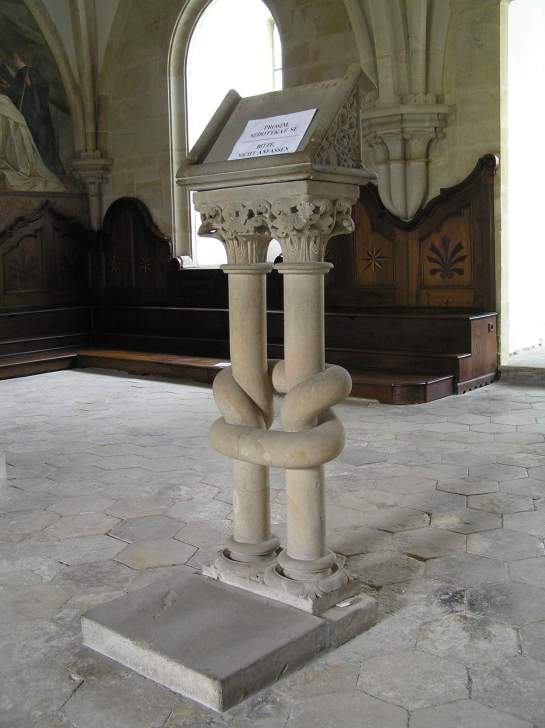
The Chapter Hall was a Gothic delight. Constructed from 1225 to 1250, it was one of the first Gothic buildings in the Czech lands. The sandstone sculptures from this era were impressive. A Gothic statue of the Madonna hails from around 1430. Monks had frequented this area every day. In the middle of a room was a reader’s lectern from which monks would read aloud to those gathered in the space. A Gothic mechanism allowed the top of the lectern to swivel from side to side. In the chapel, the altar looked a bit flamboyant for late Gothic, with white and gold decoration. The wall paintings illustrating the history of the order were newer, dating from 1750.

OLYMPUS DIGITAL CAMERA

Gothic ceiling, from http://www.rajce.net, Photo Album from 2006

Near the entranceway to the chapter hall was a dog’s paw print. I wondered what kind of dog had made the imprint and if the dog had lived during the Gothic period or Baroque era.

I loved that the monastery’s architecture celebrated both spectacular Baroque and Gothic styles. After the tour, my friend and I found a busy restaurant with outside tables, where we had delicious food. The establishment seemed to be the popular place for lunch in the town.

Osek15

Our stomachs filled with a satisfying lunch, we headed back to Prague. I had learned during the tour that the monastery would soon be closing for three years to have the entire interior renovated. I felt lucky I had had the chance to visit before the renovation and knew I had to come back in three years, to see an even more superb Baroque and Gothic creation.

Tracy A. Burns is a writer, proofreader and editor in Prague.

Osek18


Prague’s Botanical Gardens in Troja Diary

PragueBG14

PragueBG15frog

PragueBG30

I had visited Prague’s Botanical Gardens in the Troja district about 15 years earlier, but, for some reason, every time I thought of going back, the weather was bad or I did not have time. I love botanical gardens in foreign cities I have visited, such as Madrid. Why hadn’t I spent more time in the botanical gardens in the city where I lived? I chided myself one day in 2018.

PragueBG31

PragueBG17

I finally got there again in the summer. I went with a friend in the morning, before the humidity and heat became too much to bear. The botanical gardens in Troja is vast. It measures more than 20 hectares with a greenhouse that had not been there when I last visited and an outdoor area divided into the southern and much larger northern parts.

PragueBG7

PragueBG9

PragueBG10

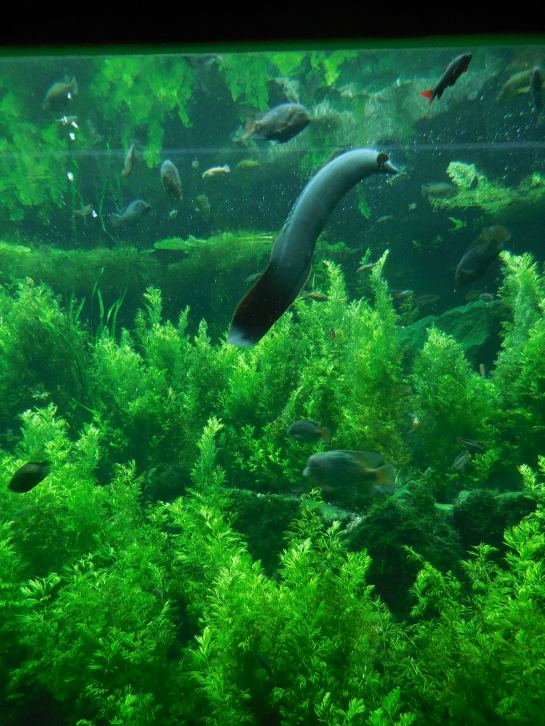
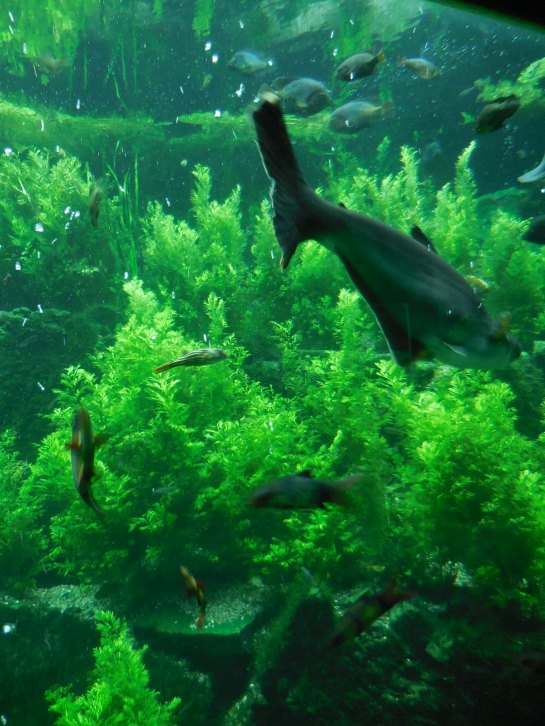
First, we explored the greenhouse that was erected in 2004. It is 130 meters long and 17 meters wide. Inside was a tropical forest. I loved the small bridge surrounded by foliage. The structure looked like it had jumped straight out of a Monet painting. I loved watching the fish in the glass tunnel that divided the freshwater pond into two sections. The fire eels and iridescent sharks were amazing. I would not like to stick my hand in that tank. I’m sure it would have been bit off right away. We also saw meter-long arowanas, angelfish and archerfish. We wanted to see some butterflies, but we only managed to set our eyes on two, but they were two beautiful butterflies!

PragueBGgreenhouse5

PragueBGgreenhouse9

In the greenhouse, there is a lowland rainforest section with species from Australia, Africa and Vietnam, for instance. The biggest section features lowland rainforests of tropical areas in America, Asia, Australasia and Africa. Here we saw deciduous trees, lianas, coniferous trees and palms. We saw some well-known plants, such as begonias, but there were many rare species as well. One section of the greenhouse features vegetation from subtropical and tropical regions, which often experience dry seasons. We saw plants from Australia, Central America, Madagascar and places in Africa. The smallest section is dedicated to tropical regions found in the high mountainous regions. Only a few greenhouses in Europe have a cooled section that could support such species in that kind of climate. The air in this part is humidified by mist.

PragueBGgreenhouse12

PragueBGgreenhouse16

Intriguing species that we saw include the Dutchman’s pipe, which is one of the most endangered species in the world. Its brown flowers look like mushrooms. It is located in the wild only in seven places in Central America. The giant fern is one of the oldest plants in the world. Its leaves can grow up to seven meters long. The trunk can be as much as three meters tall and one meter in diameter. The climbing pandanus, which can grow to 20 meters in height, is found in the wild in the Luzon Island of the Philippines. We also saw cocoa trees, which were once sacred to the Aztecs, who considered it to have seeds that are the food of the Feathered Serpent. I loved the turquoise color of the jade vine, which is found in the wild only on three islands in the Philippines. The torch ginger flowers, red with yellow edges, were beautiful. It is from Southeast Asia, and paper can be produced from its stems. We also saw the marsh pitcher plant, native to the mountains of Venezuela.

PragueBG35

PragueBG38

PragueBG39

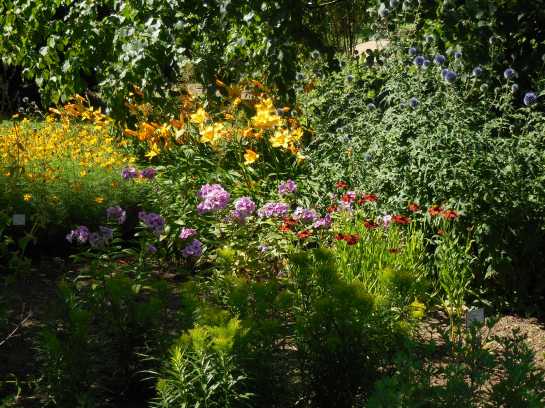
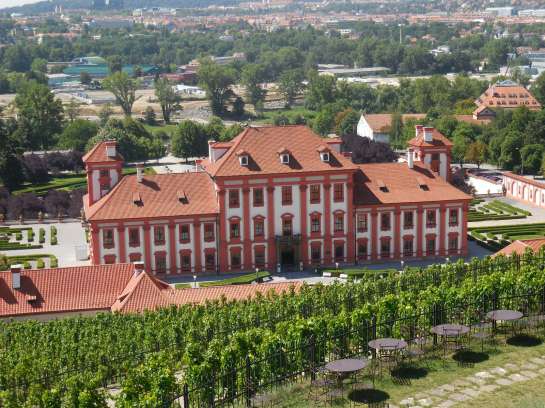
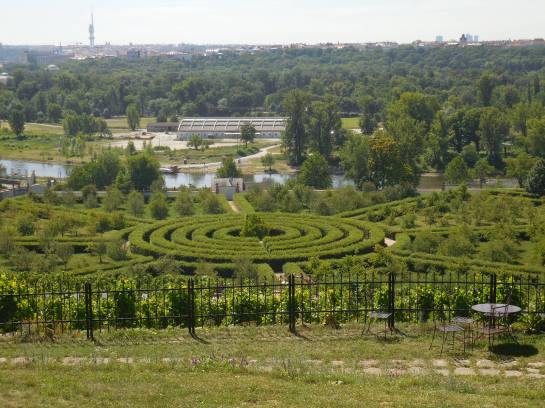
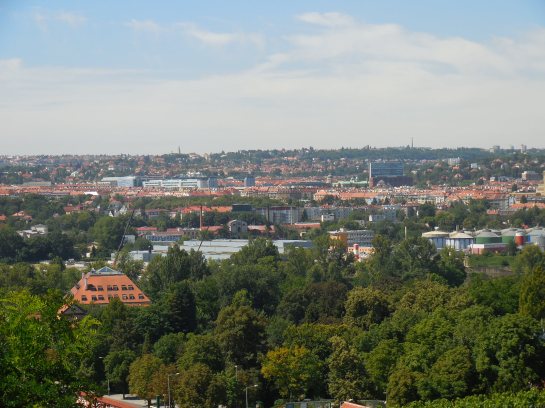
Then we visited the southern part of the gardens. I loved the Ornamental Garden best with its large, colorful flowerbed. The Japanese Gardens dotted with azaleas is another delight. A wine press, a wine shop and Mediterranean vegetation are also located in the southern section. In addition to the Ornamental Garden, my favorite feature was the view of St. Claire’s Vineyard and Troja Chateau, a place dear to my mother and me. The Baroque chateau had been built from 1679 to 1685, its desin inspired by Roman villas. The chateau’s French garden boasted superb statuary. From the Botanical Garden the views of the city and of the chateau were breathtaking.

PragueBG29chateau

Baroque Troja Chateau

PragueBG20view

PragueBG24chapel

PragueBG26intchapel

St. Claire’s Vineyard, which we saw from the top of a hill, has a long history that goes back to the 13th century. You can buy wine made from its grapes in the wine shop, but I do not drink alcohol, so I have not tried it. We saw the Baroque chapel of St. Claire, too.

PragueBG32

PragueBG22view

Alas, it became too hot and humid to continue after a few hours, so I did not get to the northern section during this visit, though I did go there when I first came to the gardens. I have to go back to see the variety of gems that it offers – a Mediterranean garden, forest biotopes from Asia and North America, a North American prairie, a cacti section, wetlands, a lake and a semi-desert section. I saw a picture of the peony meadow, and it was so enchanting. I will definitely go back there when the weather is not scorching hot. The northern part is so big that I do not know if I could see everything in one visit.

I was very glad that I had begun to get acquainted with Prague’s botanical gardens again, and I am sure I will be back to discover more of its treasures.

Tracy A. Burns is a writer, proofreader and editor in Prague.

PragueBG42

PragueBG28

PragueBG1

Jablonné v Podjěštedí and the Minor Basilica of Saints Zdislava and Lawrence Diary

Jablonnebasilicaext1

The Minor Basilica of Saints Zdislava and Lawrence

I had wanted to visit Jablonné v Podještědí for a long time. I was not disappointed. I thought that Jablonné v Podjěštedí was a tranquil town. My friend and I savored delicious ice cream on the main square. Only later did I read about the history of the town, a tale, which is no less captivating than the town itself.

Nestled under the Lusatian Mountains of north Bohemia near Lemberk Castle, the town was first settled by Czechs and Germans. It was founded by Havel from Markvartice in the 13th century. His wife Zdislava came from a religious, noble family. She would become a saint for helping the poor and healing people. The monastery in the town was founded during the mid-13th century and was inhabited by Dominicans. During the 14th century, Jablonné v Podjěštedí held a prominent position as a customs checkpoint, and in 1369 Holy Roman Emperor Charles IV visited the town.

Jablonneoldpostcard

An old postcard of the town from http://www.luzicke-hory.cz

The 15th century brought destruction and havoc as the Hussite Wars raged throughout the Czech lands. The Hussites razed the town. The monastery and church also sustained much damage.

Things would get better, though. By the mid-15th century, life was good again. During the 16th century, prospects looked even brighter as trades and businesses flourished. New buildings were erected, too, including a chateau, school, town hall and brewery.

Jablonnesquare

The main square of the town, aerial view, from http://www.luzicke-hory.cz

The owner of the town, Jindřich Berka from Dubá, did not get along well with the Dominicans in the monastery. Luther’s Reformation played a major role in religious life as Lutheran pastors preached there. There was so much friction between the Catholics and Lutherans in the town at that time that Emperor Rudolf II had to intervene in order to calm things down.

The Thirty Years’ War brought much destruction and plundering. Afterwards, the Lutheran pastors were expelled, and Catholicism dominated religious life again. Still, there was no love lost between the owners of the town and the Dominicans. In 1628 all Protestant books and pictures of Czech martyr Jan Hus as well as renditions of Martin Luther were burned on the town square. By 1648, the town was in very poor shape. Less than 160 families called Jablonné v Podjěštedí home. A plague epidemic did not help matters.

Jablonneaerial

Aerial view of Jablonné v Podjěštedí, from http://www.turistka.cz

The 1680s was a decade of reconstruction. The monastery was transformed into a Baroque jewel thanks to architect Jan Lukáš Hildenbrandt. The Baroque church was consecrated in 1729. Two years later the remains of Saint Zdislava were brought to the church to stay.

During the 18th century weaving and many other professions characterized the town. Markets took place in Jablonné v Podjěštedí, and economically the town prospered.

Unfortunately, the seven-year Silesian war between Austria and Prussia destroyed parts of the town. By the end of the 1760s, typhus and famine had hit. Things got even worse when, in 1788, a fire ravaged almost the entire town. Then the Dominican Monastery was shut down by the edict of Emperor Joseph II.

The beginning of the 19th century did not bring any tranquility to Jablonné v Podjěštedí. Most of Europe was at war with Napoleon. Soldiers from Poland, France, Austria and Russia came to the town. One day in August of 1813, Napoleon even made an appearance.

Jablonnecottage2

On the main square, from http://www.turistka.cz

Then the damage was repaired, and the textile industry took off.  Many guilds cropped up, and 350 weavers worked there. The second half of the 19th century featured expansion and construction as well as a cultural boom. Factories also came into existence there.

Then World War I broke out. On the outskirts of town, there was a POW camp with 14,000 Jews plus Russian, Serbian, Italian, French and British soldiers. The camp was closed down in 1918. Some Ukrainians made Jablonné v Podjěštedí home from 1919 to 1921. Czech soldiers took control as 1918 came to a close. The German National Party resonated with many of the German inhabitants, but there were also attempts to promote Czech nationalism by establishing Czech schools.

Jablonnebasilicaint24

The interior of the Minor Basilica of Saints Zdislava and Lawrence

An economic crisis ensued, and the Sudeten Party found many followers in the town. On October 3, 1938 this part of the Sudetenland was taken over by Germany, and the few Czechs living there moved. Days later, Jablonné v Podjěštedí became part of the Third Reich. During World War II, refugees from towns that had been bombarded came there for shelter. The Russian army liberated the town on May 9, 1945. After the war, a school cafeteria was located in the monastery. The Dominicans were sent to work camps

During the Communist era of the late 1960s and 1970s, high-rises that became eyesores of the town came into being. A poultry farm and a food processing plant also were built.

After the 1989 Velvet Revolution toppled the Communist regime, tourists came to the town. In 1995 Saint Zdislava was canonized by Pope John Paul II. Now there are about 4,000 inhabitants.

Jablonnebasilicaint44

The interior of the basilica

I was struck by the history of this town because it seemed so peaceful, even though it had been through so many trials and tribulations. I tried to imagine flags of the Third Reich flapping from the buildings on the main square. I tried to imagine the dancing flames on the piles of books and pictures that were burned as an attempt to purge the town of Lutheran beliefs. I tried to imagine the main square with so many buildings destroyed, in ruins, during the Hussite wars and during later wars. To be sure, that main square could tell a lot of stories if it could talk. Life went on, through good and bad the town persevered, and now tourists have taken an interest in the place due to the dazzling basilica.

Jablonnebasilicaint22

A church stood on this site as far back as the 13th century, established by Zdislava, the wife of Havel of the Markvartice clan and future saint. She was buried in the church during 1252. By the 17th century, the church and priority were in such a bad state that they were demolished. A Baroque church was built on the site of the Gothic church that had been torn down. It would become a church to which pilgrims flocked because Zdislava was buried there. The church was not consecrated until 1729.

The year 1788 was a particularly bad one. A fire destroyed the church and priory and then the Dominican brothers, who had settled in the monastery as far back as the 13th century, were abolished due to Emperor Joseph II’s edict.

While the exterior of the basilica enthralled me, I was surprised to find the interior just as enticing. if not more so. The floor plan takes the shape of a Greek cross. The interior is 45 meters high, 29 meters wide and 49 meters long.

Jablonnebasilicaint5

The first room in which the group gathered featured medallions of Zdislava holding a model of the church she had founded and renditions of Dominican monks. There were 24 pictures about the life of Zdislava from 1660. A Baroque standard of a craft guild also adorned the space.

Jablonnebasilicastandard

Then we saw the courtyard and went into the hallway where I saw some remarkable contemporary paintings with political symbolism. I liked the one showing families seated in front of the television while the Communist hammer and sickle emblems were displayed on the screens. The painting served as a warning about how tempting it had been under Communism to normalize propaganda and platitudes. The family members in the painting looked resigned to their fates. They were as if in a trance and had adjusted to the rules and regulations of totalitarian society. It also showed the importance of family, which played a major role in the lives of Czechoslovak citizens during that era.

Jablonnebasilicaint10

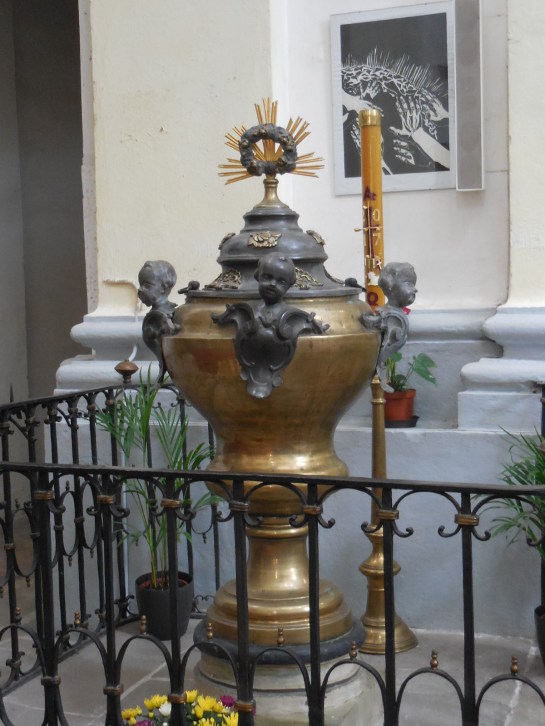
Now to the interior of the minor basilica: Because much of the interior was destroyed during the 1788 fire, most of the furnishings dated from the last two centuries. Newer sections even hailed from this century. The frescoes in the vaulted cupola featured the life of Zdislava. The baptismal font was Rococo, dating from 1764, one of the few pieces that survived the fire. I liked the Late Gothic statue of the Madonna, which hailed from before 1510, decorating the Rococo Marian-Zdislava altar. The pulpit was Classicist from the late 18th century and included a bust of Saint Peter. The altars of Saint Anna and the Virgin Mary were both Rococo in style, hailing from the 18th century. The altar of Our Lady of the Rosary, on the contrary, flaunted Baroque features with intriguing statuary.

Jablonnebasilicaint15

Jablonnebasilicaint16

Jablonnebasilicaint18

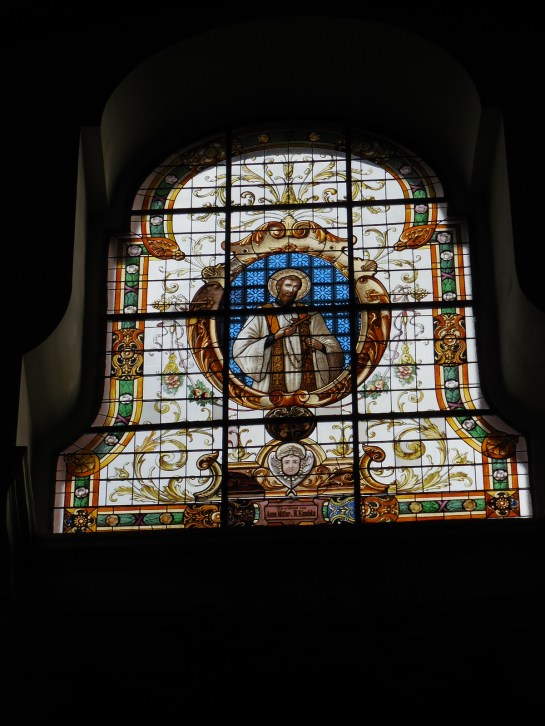
The main altar, though, was younger, built in 1898 in pseudo-Baroque style. Paintings of Saint Lawrence and Saint Zdislava adorned the altar. The choir benches were Rococo and featured intarsia. I love stained glass windows, and the ones in this basilica lived up to my expectations. I took note of the designs portraying Saint Stephan and Saint Philip.

Jablonnebasilicaint20

Jablonnebasilicaint26

We also visited the tomb of Saint Zdislava, viewing the marble sarcophagus. Tombs are not really my cup of tea, but it was intriguing to think that in that sarcophagus were the remains of someone who had lived in the 13th century, someone who did much good for humankind. I vowed to get to Lemberk Castle, the residence of Saint Zdislava and her husband so many centuries ago, the following season. I had visited it once, many years earlier. I remember it was romantically situated in a forest, and the interiors had been intriguing, to say the least.

Jablonnebasilicaint31

Jablonnebasilicaint33

I loved visiting small towns, especially those in the mountains because I have always loved mountains. I felt at peace with the world, standing on the main square. There is nothing like discovering a gem that earlier had been a mere name on a map.

Soon we said goodbye to north Bohemia and returned to Prague. It had been a good day.

Tracy A. Burns is a writer, proofreader and editor.

Jablonnebasilicaint34

Rococo baptismal font

Jablonnebasilicaint38

Jablonnebasilicaint50


2017 Travel Review Diary

PUGLIAMaterasassi5

Sassi in Matera, Italy

My travels during 2017 made my year very special. I went to Italy twice and spent time exploring the Czech Republic on day trips, taking jaunts to numerous chateaus and a basilica, for instance.

Trentocastle1

Castle in Trento

Treviso10canal

Treviso

During my first trip to Italy in 2017, I saw a wonderful Impressionist art exhibition in Treviso. I visited the impressive castle and picturesque streets of Trento. I also ransacked a few good bookstores in Treviso and picked up a year’s worth of reading in Italian. (I took advantage of the fact that we were traveling by bus.) I especially enjoyed discovering the charming town of Bassano del Grappa with its wooden Palladian bridge and, most importantly, its superb collection of paintings by Jacopo Bassano and others.

BassanodelGrappaCM17

Civic Museum in Bassano del Grappa

BassanodelGrappaCM27

Civic Museum in Bassano del Grappa

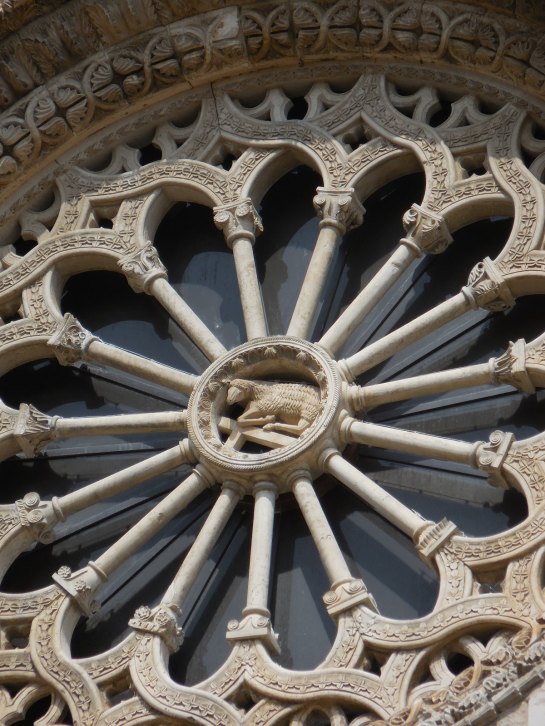
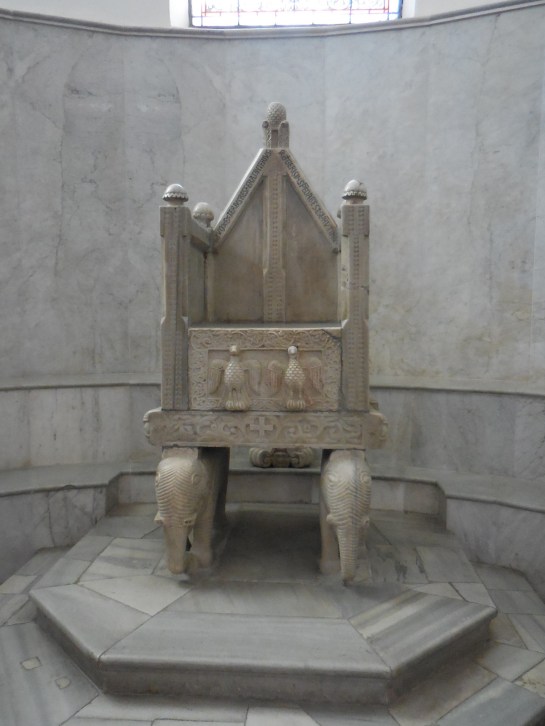
In June, I took one of my best trips ever, to the lesser known and lesser travelled regions of Puglia and Basilicata. Most of the sights were not so crowded. We saw many charming, sleepy towns, refreshingly not inundated with tourists. I was entranced with all the Apulian-Romanesque cathedrals. The intricate design of the main portal of the cathedral in Altamura and the rose window surrounded by lions perched on columns on the Cathedral of Saint Valentine in Bitonto are only two of the many gems designed in this rich architectural style. The bishop’s throne from the 12th century in Canosa di Puglia featured two elephant figures for legs and was a true delight.

PUGLIAAltamuracathrosette3

Altamura, cathedral

PUGLIACanosacathchair1

Bishop’s throne in cathedral in Canosa di Puglia

Lecce with its Baroque wonders, Roman theatre and Roman amphitheatre left me speechless. The Baroque craftsmanship of Lecce’s most notable architect, Giuseppe Zimbalo, was breathtaking. The Cathedral of Our Lady the Assumption, one of many Baroque gems, had a stunning side façade and 75-meter tall belfry with balustrades, sculptures and pyramids. Inside, the structure was no less amazing. The gilt coffered ceiling over the nave and transept and the 18th century marble main altar decorated with angels were just a few of the awe-inspiring features of the interior.

PUGLIALeccecathint18

Ceiling of cathedral in Lecce

PUGLIALeccechurch35

Altar in church in Baroque Lecce

A castle buff, I was also more than intrigued by the octagonal Castel del Monte and the way the number eight was so symbolic in its architectural design. I was impressed with the French windows, Romanesque features and mosaic floor, for instance.

PUGLIACasteldelMonte2

Castel del Monte

PUGLIACasteldelMonte15

Castel del Monte

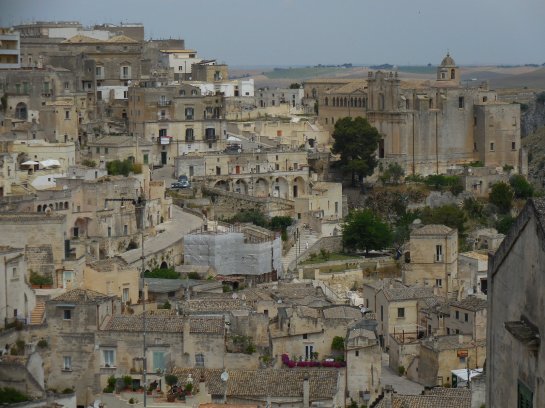
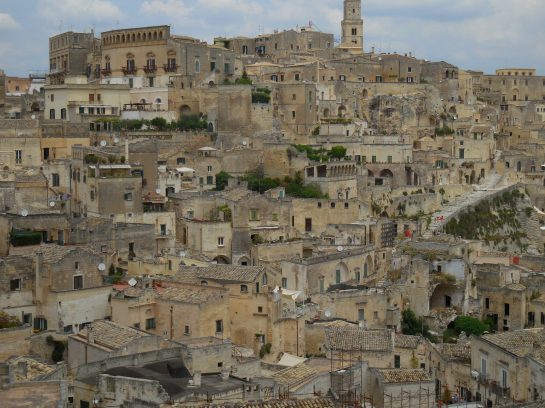
What fascinated me most of all on that trip was the rock town of Matera with its two “sassi” districts. I have never seen a place that is so unique and moving, except for Pompeii. I explored the Sasso Caveoso. Its structures were dug into the calcareous rock on different levels of a hillside. They were cave dwellings that had been turned into restaurants, cafes, hotels and sightseeing gems. It was difficult to believe that, until the 1950s, the sassi had been poverty-stricken, riddled with unsanitary conditions and overcrowding.

PUGLIAMaterasassi19

Sassi Caveoso in Matera

The Rupertian churches especially caught my attention. They boasted frescoes from the 11th and 12th centuries. The Santa Maria de Idris Church had a main altar made of tufo and chalk and decorated with 17th and 18th century frescoes. The rocky churches had actually been places of worship until 1960.

PUGLIAMaterasassi24

Sassi Caveoso in Matera

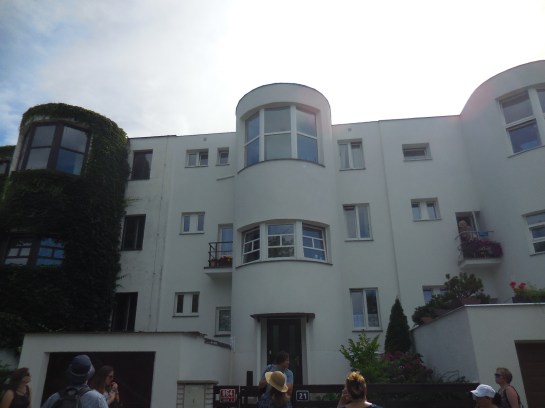
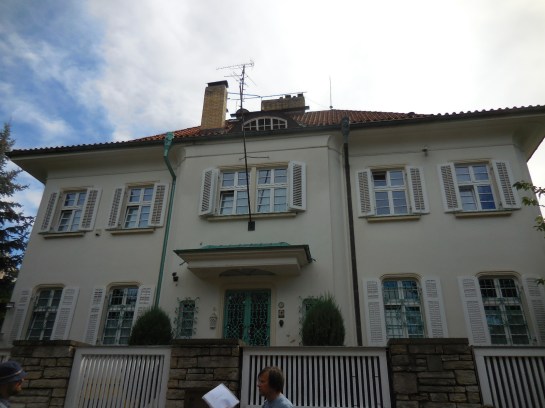
I also explored two neighborhoods of Prague, parts of the city that I have always loved. In Hanspaulka I became more familiar with the various types of villas – Neo-Classical and Neo-Baroque, functionalist and purist, for example. I saw the villas where actress Lída Baarová had lived and where her sister had committed suicide as well as the villa where comedian Vlasta Burian had resided. I love the Art Deco townhouses in the area.

HanspaulkaArtDeco13

Art Deco townhouses in Hanspaulka

HanspaulkaBurian25

The villa where actor Vlasta Burian once lived, Hanspaulka

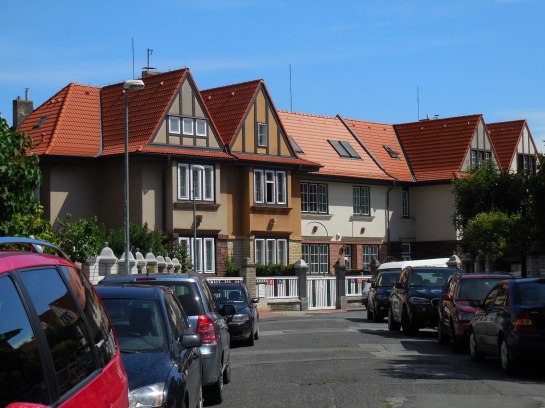
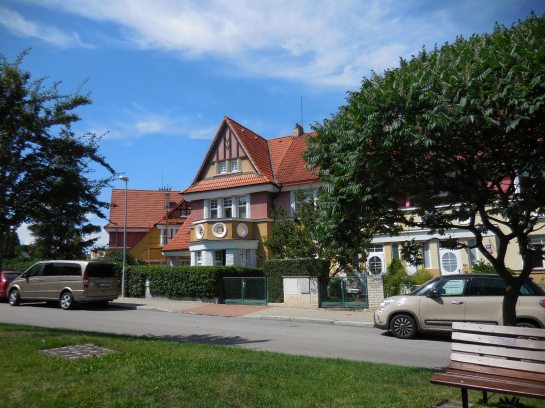
There are just as beautiful Art Deco townhouses in the nearby Ořechovka district, where I saw villas created by the well-known Czech modern architect Pavel Janák and many former homes of famous Czech artists. The Rondocubist dwellings with their designs inspired by folk art also excited me. I loved the folk art elements in Rondocubism. My favorite place in the quarter is Lomená Street. The 1920s townhouses are modelled after English cottages.

Orechovka14

Lomená Street in Ořechovka

I also visited the Winternitz Villa, designed by Viennese architect Adolf Loos and his Czech colleague Karel Lhota, situated in Prague’s fifth district. Winternitz, a lawyer by trade, was forced to leave with his family in 1941 due to their Jewish origin. His wife and daughter miraculously survived Auschwitz. The villa features the Raumplan, Loos’ trademark, in which every room is on a different level. I also saw two apartments designed by Loos in Pilsen. The Brummel House with its bright yellow furnishings and Renaissance fireplace amazed.

Winternitzext1

Exterior of Winternitz Villa, Prague

Winternitzint3

Living room of Winternitz Villa

I took many day trips outside of Prague. Červený Újezd Castle, only built in 2001, looked like it belongs in a medieval fairy tale. The park and open-air architectural museum were just as appealing. Braving the D1 highway that is partially under construction, my friend and I made our way to Telč. I admired its Renaissance burgher houses lining the main square and its chateau that features a Renaissance gilded coffered ceiling in the Golden Hall, 300 Delft faience plates on a wall in the Count’s Room and an African Hall with a gigantic elephant’s ear.

CervenyUjezd1

Červený Ujezd Castle

Telcsquare6

Burgher houses on the main square in Telč

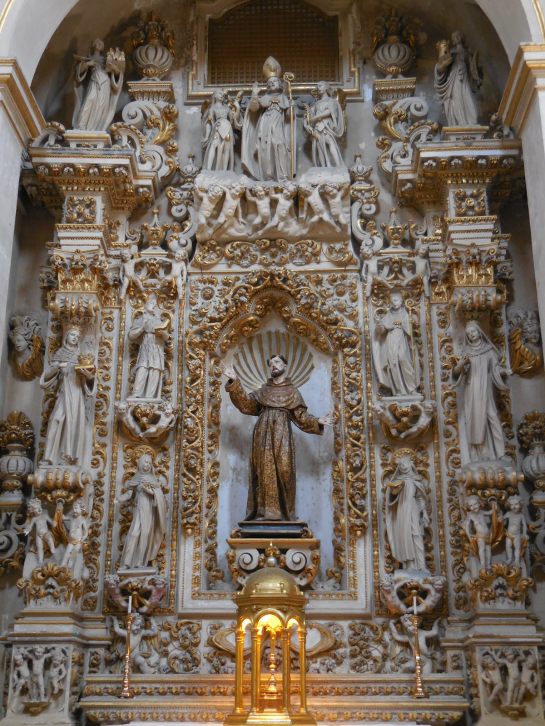
At Zákupy I was entranced by the ceiling paintings of Josef Navrátil. Its Chapel of St. Francis sparkled in 17th century Baroque style with frescoes on the ceiling. I finally made it to the Minor Basilica of St. Zdislava and St. Lawrence in the tranquil north Bohemian town of Jablonné v Podještědí. The main altar is in pseudo-Baroque style while the pulpit and the baptismal font hailed from the 18th century. One chapel’s altar is Rococo, adorned with a late Gothic statue. The stained glass windows amazed me.

Zakupyintchapel8

Interior of chapel at Zákupy Chateau

Jablonnebasilicaint22

Interior of Basilica of St. Zdislava and St. Lawrence

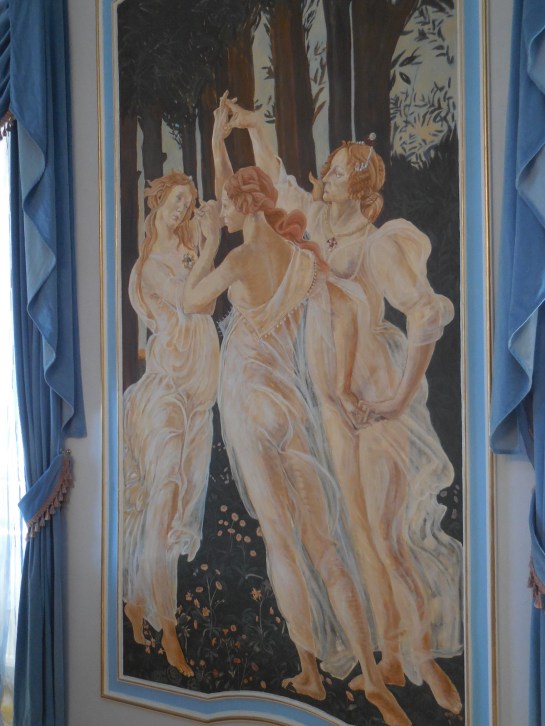
The chateau of Dětenice in late Baroque style had an interior that mostly dates from the 18th century with rooms small enough to give an intimate feel but large enough to hold many architectural delights. In the Blue Dining Room the wall paintings were made to look like works by Botticelli. The tapestries in the Music Salon were wonderful. The Golden Hall was unbelievably breathtaking.

Detenice17int10

Interior of Detěnice Chateau

Detenice17int44

Interior of Detěnice Chateau

My favorite chateau of this past year’s trips is Hrubý Rohozec, which I have toured many times. It is filled with original furnishings and objects – lots of them – that I found captivating. Most of all, I loved the lively history that made the chateau unique and unforgettable. Bullet holes can still be seen in the Main Library. A thief on the run had barricaded himself in the room, and the policemen had to shoot the door open. Before World War II, the two sons of the castle’s owner were caught reading erotic magazines in the Children’s Room. There were bars on the window to prevent them from throwing chairs into the courtyard at midnight.

HrubyR17int10organ

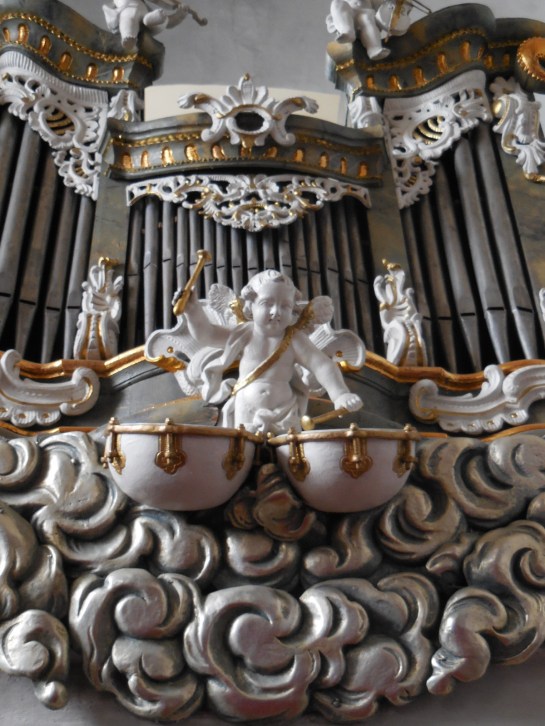
Organ in chapel of Hrubý Rohozec Chateau

HrubyR17int64BlueSalon

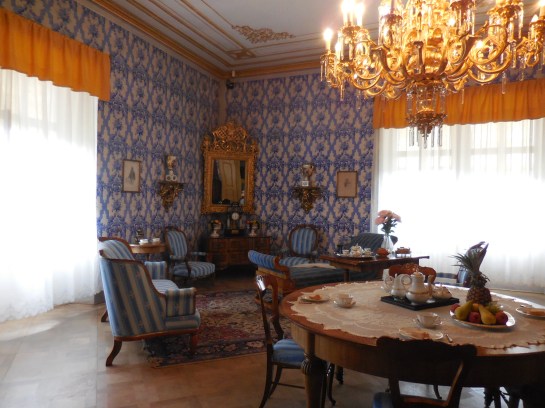
Blue Salon of Hrubý Rohozec Chateau

The Porcelain Museum at Klášterec nad Ohří held some delights. The Birth of the Virgin Mary Church in Doksany charmed in Baroque style with much stucco decoration. I admired many other chateaus as well, including Orlík and Březnice with its spectacular chapel.

Breznicechapelint12

Interior of chapel at Březnice Chateau

The year was extra special because my parents were able to visit me. We toured the Rudolfinum concert hall in Prague, where I have season tickets for three cycles. The concert hall has played a role in Czechoslovak history. Democrat statesman Tomáš Garrigue Masaryk was elected president three times in its large Dvořák Hall during the 1920s and 1930s, when the Rudolfinum was the home of Czechoslovak Parliament. The statuary and view of Prague Castle on the roof were splendid, and the Conductors’ Room boasted various styles of furnishings, black-and-white photos of well-renowned musicians and an impressive Petrov piano.

Rudolfinum5

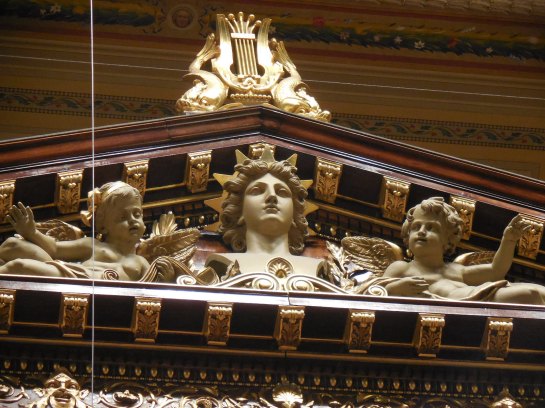
Dvořák Hall, Rudolfinum

Rudolfinum11

Rudolfinum, upper level

We also toured Nelahozeves Chateau near Prague, a place that has been dear to me for many years. For me the highlight of visiting this chateau is superb collection of art, especially Pieter Brueghel the Younger’s painting of a winter scene. The painting by Rubens was a delight, too. I also loved the small 18th century table inlaid with 20 kinds of wood. The exterior was captivating as well. The graffito on one wall and the Renaissance courtyard were two stunning architectural elements.

Nelahoz26

Renaissance courtyard of Nelahozeves Chateau

Nelahoz22

Sgraffito on wall of Nelahozeves Chateau

I took my parents on a trip around Hanspaulka and pointed out one of the Baroque chapels, the chateau and other sights. We admired the villas of various styles. We ate paninis in the local café.

Hanspaulkachapel1

Chapel in Hanspaulka

Perhaps the highlight of their visit was seeing a Czech play in the Žižkov Theatre of Jára Cimrman. We laughed along to the music of Cimrman in the Paradise of Music, which focuses on the operatic works of the fictional legendary Jára Cimrman, who was an unlucky man of all trades – inventor, philosopher, teacher, self-taught gynecologist, to name a few of his many professions. The opera in the second half of the play involves a Czech engineer introducing the great taste of pilsner beer to India. The British colonel in the play is so impressed with the taste of Czech beer that he wishes he had been born Czech. It was terrific that I was able to introduce my parents to the character of Jára Cimrman, who has played such a major role in Czech culture and folklore, even though he is not real.

CimrmanMus13bust1

Almost featureless bust of Jára Cimrman

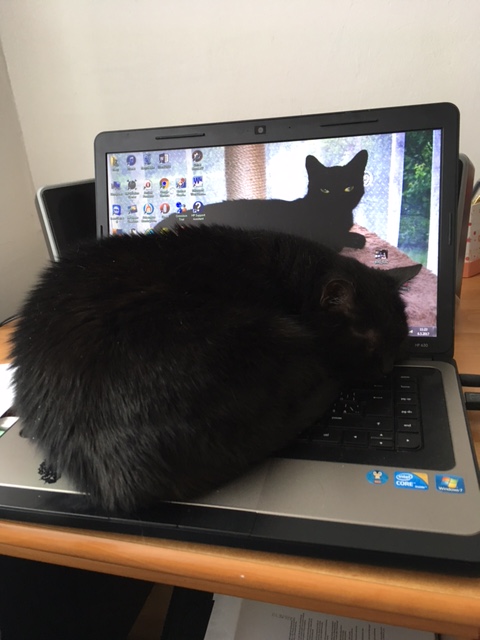
I was thankful that I had my best friend, my black cat Šarlota Garrigue Masaryková Burnsová by my side throughout the year. She is happy here, much happier than she was in a shelter four years ago.

SarlotaApril1710

Šarlota Garrigue Masaryková Burnsová

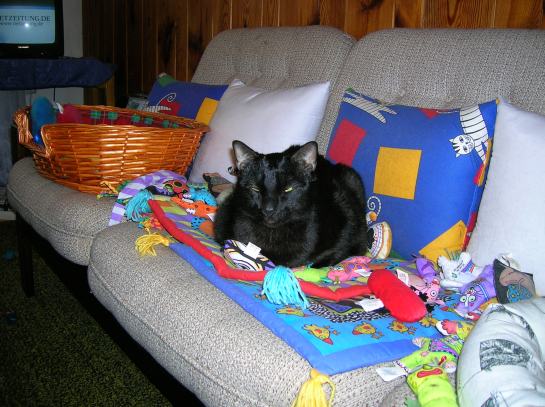
Every day I think of Bohumil Hrabal Burns, my feisty and naughty black cat who died three-and-a-half years ago. He remains with me in spirit every moment of my life. I know that somewhere in Cat Heaven, he is vomiting for fun on white rugs and playing with Fat Cat toys.

Bohous on boogie-mat

Bohumil Hrabal Burns, 1999 – 2014

Those were my travels of 2017. I look forward to more adventures this year. I have planned one trip to Italy and will soon jot down a list of day trips I would like to take.

Tracy A. Burns is a writer, proofreader and editor in Prague.

PUGLIALecceS.Croce12

Santa Croce Church in Lecce


Rudolfinum Diary

Rudofinum1

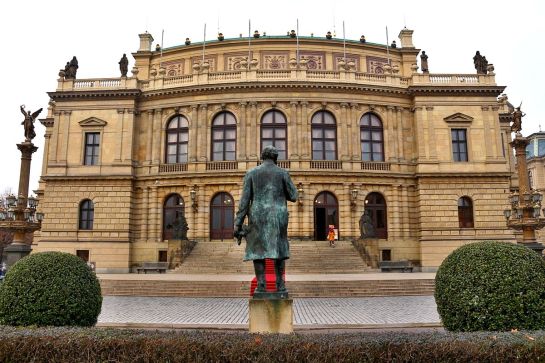
The Rudolfinum with the statue of Antonín Dvořák

Back in college, on a whim I took a classical music course, and soon I was hooked. Beethoven’s Pastoral Symphony and Dvořák’s New World Symphony enthralled me, but I became a fan of many other composers as well – Rachmaninoff, Vaughan Williams, Smetana, Charles Ives, Aaron Copland, Martinů, Mozart, Chopin, Bartók. Even the dissonance of Arnold Schoenberg captured my undivided attention. During my university years, I would take the bus from Smith College to Springfield, Massachusetts in order to attend Springfield Symphony concerts once a month.

Rudolfinum3

In Prague I would sometimes admire the statue of Dvořák in front of the Rudolfinum, and, occasionally, I would visit the art gallery in the building to see intriguing contemporary exhibitions. However, for some reason, I did not go into the concert hall of the Rudolfinum for a long time. I assumed all the concerts would be too expensive, and everything would sell out immediately.

Rudolfinum2

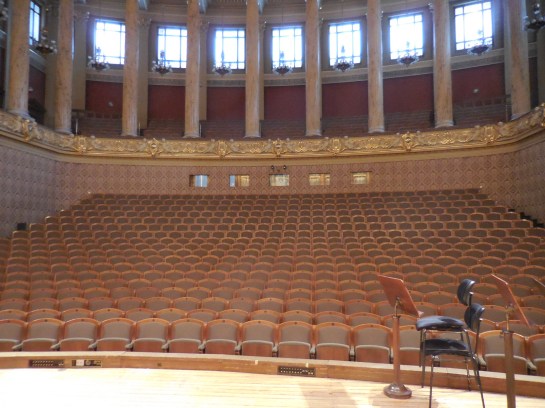
Then, a few years ago, in the midst of a classical music craving, I went to a piano recital in the Dvořák Hall of the Rudolfinum. I just had to go back. Again. And again. I went as often as I could, both to concerts in the large Dvořák Hall auditorium and to chamber concerts in the Suk Hall.  Dvořák Hall, one of the oldest in Europe, has the capacity of 1,148 places with 1,104 seats. Standing room is big enough for 40 concertgoers, and there are four places designated for the wheelchair-disabled.

Rudolfinum10

The following year I purchased season tickets to three cycles. Attending concerts not only allows me to hear worldwide acclaimed musicians but also to relieve stress and get my mind off any worries or concerns for a few hours.

Rudolfinum11

Although I studied piano for fun in college, my favorite instrument is the violin. In Prague, I discovered the masterful interpretations of Czech violinists Josef Suk, Jiří Vodička and Josef Špaček. The violin enchants me, all the more because it is an instrument I know I could never even hold properly let alone play.

Rudolfinum4

I did not know that there were tours of the Rudolfinum until I wrote to the box office and asked. I recommend all tourists interested in Czechoslovak history to take the tour, which is available in English. The story of the Rudolfinum is not only the story of Czech and Czechoslovak music but also the tale of Czech and Czechoslovak history. The Rudolfinum is not merely another music venue in Prague. It is a remarkable Neo-Renaissance building in which Czechoslovak history has been played out.

Rudolfinum13

The Rudolfinum opened its doors February 7, 1885. It was designed by architect Josef Zítek and his student Josef Schulz and named after Crown Prince Rudolf of the Habsburg clan. The Crown Prince was present at the inaugural performance. The Czech Philharmonic played here for the first time on January 4, 1896, in a concert that Dvořák himself conducted. The Czech Philharmonic has called the building home since 1946.

Rudolfinum8

However, the Rudolfinum has not only been a captivating venue for concerts. From 1919 to 1939, the seat of Czech Parliament was here. In Dvořák Hall during 1920, 1924 and 1934, Tomáš Garrigue Masaryk was elected President of Czechoslovakia. Sometimes, waiting for a concert to start, I try to imagine the atmosphere of those elections playing out in the very same hall where I am seated.

Rudolfinum9

Because I like to know something about the history of the orchestra I am seeing perform, I looked up information about the various conductors of the Czech Philharmonic.

Rudolfinum5

After Czechoslovakia was founded in 1918, Václav Talich became the main conductor and would serve in that capacity until 1941. His tenure lasted almost 1,000 concerts. Thanks to Talich, the Czech Philharmonic received worldwide acclaim. He first conducted with the Czech Philharmonic in 1917 at age 34.

Rudolfinum6

Talich’s personal history is colorful. He was put in jail after World War II, accused of collaborating with the Nazis, but there was no proof to support the charge. After the Communist coup in 1948, he found himself immersed in troubles again. The Communists forbid him from conducting in any public place until 1954.

Rudolfinum12

From 1942 to 1948, Raphael Kubelík worked as the main Czech conductor with the Philharmonic, but he also was known for his accomplishments as a composer and as a violinist. He was an expert on pieces created by Czech and other Slavic composers. He also was known for his interpretations of compositions by Gustav Mahler and Béla Bartók. He emigrated after the 1948 Communist coup, when the Communists took over the Czechoslovak government.

Rudolfinumbighall1

Karel Ančerl’s biography is fraught with tragedy. He was making a name for himself as a conductor when World War II changed everything. The Nazis forced him to work as a forester, and then incarcerated him. During 1942, he was transported to Terezín, where even the depressing atmosphere of a concentration camp could not stop him from continuing musical endeavors. Two years later, Ančerl was sent to Auschwitz. He was the only member of his family to survive the war. Ančerl took over the Czech Philharmonic in 1948. He would stay for 20 seasons, until he emigrated after Russian tanks invaded Czechoslavkia, crushing the liberal reforms of the Prague Spring in 1968.

Rudolfinumbighall2

For the past few seasons, I had watched Jiří Bělohlávek at the helm of the Czech Philharmonic. His interpretations of music received praise throughout the world. He worked with the Prague Philharmonic from 1994 to 2005 and then conducted with the BBC Symphony Orchestra from 2006 to 2012. He first held the post of main conductor with the Czech Philharmonic from 1990 to 1992. He rejoined the Czech Philharmonic again in 2012. His interpretation of the third and fourth symphonies of Bohuslav Martinů earned him a nomination for a Grammy in 2005. In April of 2012, he received the medal of the British Imperial Order. Unfortunately, he died May 31, 2017. I am honored that I was able to attend so many of his concerts.

Rudolfinumbighall5

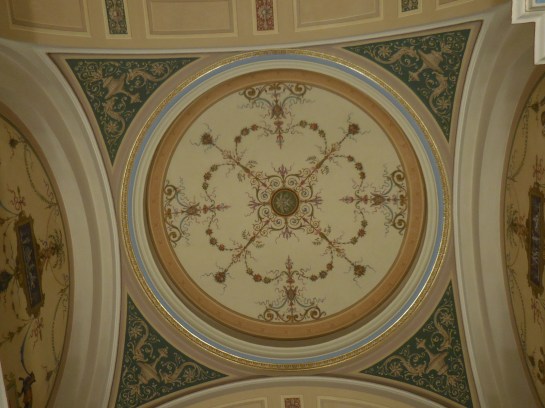
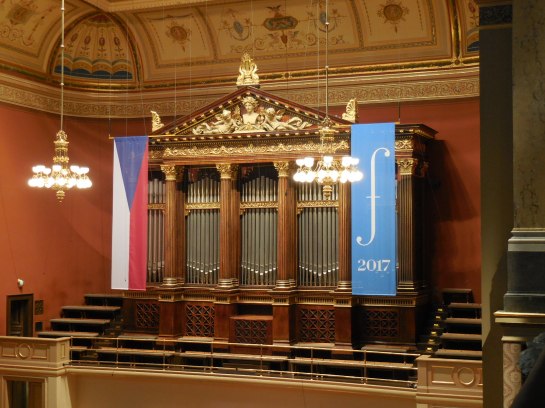
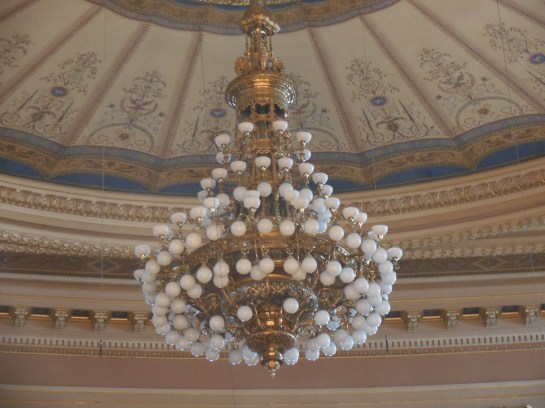
The tour of the Rudolfinum takes music enthusiasts onto the stage of the Dvořák Hall where one can appreciate the rich decoration on the balustrades and painted ceiling with elegant chandelier. I loved the bright blue color in the superb ceiling painting. On the balcony, there is an intimate reception room for special guests. On the roof I saw many statues as well as beehives. (The National Theatre also makes its own honey, by the way.) I admired the superb views of Prague Castle.

Rudolfinumbust1

Rudolfinumbust2

Rudolfinumpic1

On the first floor, I took note of the busts of various Czech musicians and conductors. I took a photo of the bust of Karel Šejna, who was a double bassist with the Czech Philharmonic who served as main conductor in 1950. That year he led the Czech Philharmonic in concerts in England as well as East and West Germany. He was known for his interpretations of the music of Hector Berlioz, Richard Strauss and Gustav Mahler.

Rudolfinumconductorrm3

The Conductor’s Room

Rudolfinumconductorrm4

Rudolfinumconductorrm5

I was also entranced with the black-and-white photos of Czechs who made great contributions to musical history. Some of the photos were even autographed. I especially liked the Conductor’s Room. The blues and reds of the carpet appealed to me as did the various styles of furniture. I could imagine one of the former conductors playing a Mozart melody on the Petrov piano, deep in thought. The photos of musicians on the walls gave me the feeling the space was imbued with historical resonance.

Rudolfinumroof1

Rudolfinumroof2

Seeing the building from a tourist’s perspective was enlightening. Still, I am most content as a concertgoer in elegant Dvořák Hall, listening to musicians warm up their instruments, anticipating the concert soon to come.

Tracy A. Burns is a writer, proofreader and editor in Prague.

Rudolfinumroof4

Rudolfinumroof5

Rudolfinumroof8

Rudolfinumviewfromroof1


Winternitz Villa Diary

Winternitzext1

I had relished my visits to Prague’s Müller Villa, designed by Viennese Adolf Loos and Czech Karel Lhota. Therefore, I was very excited to be touring the Winternitz Villa, on which those same two architects cooperated from 1931 to 1932. The three-floor house is located at Na Cihlářce 10 in Prague’s Smíchov district, perched on a hill from which there are superb views of the city.

Winternitzintphotos

Adolf Loos and Karel Lhota

Lawyer Josef Winternitz and his wife, son and daughter lived there until 1941, when they were sent to concentration camps, eventually winding up in Auschwitz. His wife and daughter miraculously survived. (His wife, Jana, would die in 1979 while the daughter, Susanne, would pass away in 1991.) In 1943 the villa was transferred to the city of Prague and became the home of a kindergarten. It was used in this capacity until 1995.

Winternitzext2

In 1997 the family’s request for restitution came through after a six-year battle. The villa underwent a three-year reconstruction period starting in 1999. Then the owners rented it to private companies because they needed the money. During 2017 the great grandson of Josef Winternitz decided to open the villa to the public for one week. The response was tremendous. About 5,000 people came to see it. The villa was open to the public on a permanent basis in April of 2017.

Winternitzint7

Shelves designed by Adolf Loos

Winternitzintvacuum

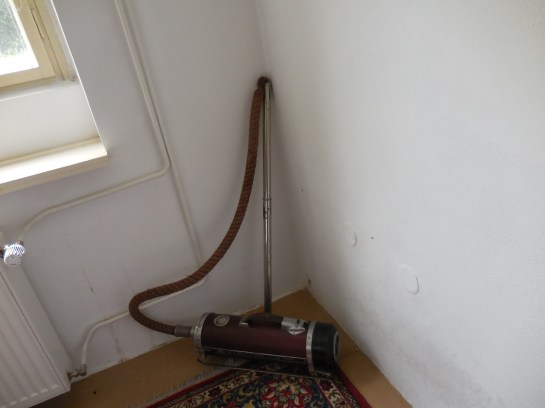
Vacuum cleaner from 1930s

Winternitzintfridge

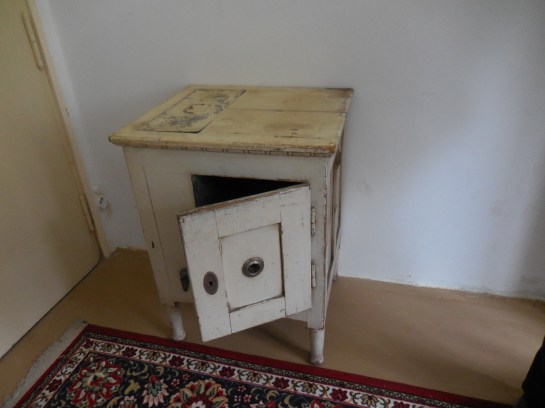
Refrigerator designed by Loos

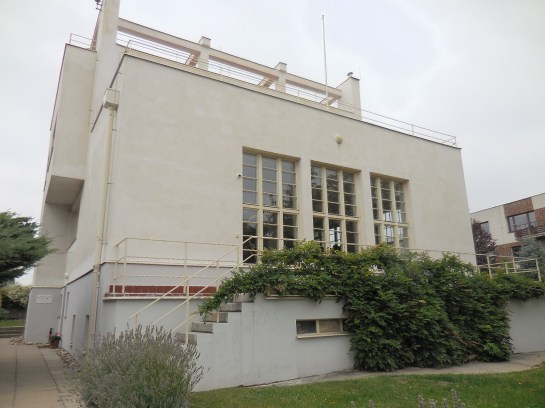
The exterior of the villa is similar to the Müller Villa. It is an austere cube-like shape without ornamentation of any kind, a trademark of Loos’ architecture. I admired the symmetry of the north façade and windows. However, for Loos the most important characteristic of this villa was not symmetry but incorporating the Raumplan, which involves each room being situated on a different level. There were six levels of complicated spaces.

Winternitzint1

The living room

Winternitzint2

Living room

Soon, it was time to go inside. I walked down a narrow, dark corridor that opened onto a light, airy living room. I recalled the living room of the Müller Villa, which also was airy, light and a big space. The living room of the Winternitz Villa was 56 meters squared in size with a high ceiling measuring four meters. It was on a lower level than the dining room and small salon, which were both smaller rooms. The wooden floor of the living room was original as were the fireplaces and heaters. However, the furniture throughout the villa was not original. It had been lost during the war. The Müller Villa, though, had original furniture.

Winternitzint4

The small salon

The small salon had cabinets with small shelves inside. Both the small salon and dining room were symmetrical. Although the library was connected to the salon, it was not possible to go inside because it was a private space.

Winternitzint5

The dining room

On the next level, I loved the yellow and blue doorframes. Loos so often employed bright colors in his designs. Even the bright yellow fence outside was its original color. I recalled the bright colors of the children’s room in the Müller Villa. The red floors of this space in the Winternitz Villa also appealed to me. The first floor terrace offered some intriguing views of Prague. This terrace, though, had only been used by the kindergarten, not by the Winternitz family.

Winternitzint8

Winternitzint9

On the second floor, I particularly liked the small room where portraits of the family members hung. Seeing the faces of the family members made the experience of touring the villa more intimate. Thanks to the photos, I felt a certain connection to the family. I could imagine them in this villa, the kids coming home from school, the parents listening to the radio. One picture that was not a portrait showed the villa in 1995, at the time when the kindergarten was closed. It had been in such poor condition. I could not believe the difference between the condition of the building back then and the condition of the villa now. By the way, the grandson of Josef Winternitz designed the reconstruction that followed.

Winternitzintbedroom1

Winternitzintbedroom3

The second floor terrace had been used by the Winternitz family. The stunning views were framed by horizontal beams that came out onto the terrace. There did not seem to be a reason for having these beams there. At one time, it was possible to see Vyšehrad hill from the terrace, but a big building now got in the way. From the terrace, I saw the large high-rise in Pankrác, an eyesore to say the least. I could also see the National Theatre and Týn Church on Old Town Square.

Winternitzintphotos2

Pictures of the Winternitz family

Winternitzintphotos3

The condition of the villa in 1995, when the kindergarten closed

The villa had been well worth visiting, especially after having toured the Müller Villa. Even though the furniture in the Winternitz Villa was not authentic, the pieces fit the style of the villa well. It was still possible to imagine the family members in those rooms, even without original furnishings. The villa was a perfect example of Loos’ Raumplan feature, so characteristic of his designs. The austerity of the outside contrasted the comfortable, intimate atmosphere of the interior. This was another trademark of Loos’ work. For those interested in modern architecture, this villa is sure to please.

Tracy A. Burns is a writer, editor and proofreader in Prague.
Winternitzview2balcony1

The second floor terrace

Winternitzview2balcony7

View from the second floor terrace with Týn Church and the National Theatre in the background

Ořechovka Diary


OrechovkaZlomena12During 2017, I went on a walk through the Ořechovka section of Prague with Praha Neznámá or Unknown Prague tour company. The guide was excellent, the tour comprehensive. If you speak Czech, I recommend discovering parts of Prague with this agency. However, it was far from my first visit to the area.

Orechovka22

The villa-dotted Ořechovka quarter of Prague’s sixth district is one of the most picturesque parts of the city. For years, I have loved taking walks through the area, admiring the various styles of architecture. Some centuries ago, the property belonged to Jan Kryštof Bořek, who had a superb chateau built in a French style garden that was dotted with sculptures. The chateau was destroyed in wartime during 1742. The land was later used for other purposes, and, after Czechoslovakia was born in 1918, the first villas were constructed there thanks to architects Jaroslav Vondrák and Jan Šenkýř. The duo was especially inspired by English garden towns. The villas often consisted of apartments, from one-room accommodations to flats of four rooms. Many prominent artists settled in Ořechovka.

Orechovka15

The villas that intrigued me the most were the ones designed by Czech modernist architect Pavel Janák, whose creations include the functionalist plan for the Baba Housing Estate, also in Prague’s sixth district. He designed three of the 32 houses in Baba. Janák also drew up the plans for reconstruction work at Prague Castle and made innovative Cubist ceramics. His Kafka Villa – no, it has nothing to do with Franz! – was constructed for sculptor Bohumil Kafka whose works include the Monument to Jan Žižka in Prague’s Žižkov district. That sight ranks as the world’s largest equestrian statue. Inspired by the works of Auguste Rodin, Kafka favored symbolism and secession. Situated at 41/484 Na Ořechovce Street, this villa combines various styles as I noticed features of symbolism, naturalism and impressionism. It also is adorned with a superb Art Nouveau sculpture.

Orechovka20

Janák also cast his magic spell with the villa for painter Vincenc Beneš, a painter influenced by French modernism as well as Cubism and Fauvism. Later works included stylized figural creations and battlefields as well as landscapes for the National Theatre. Located at Cukrovarnická 24/492, this house flaunts a distinctive Dutch style and features coarse brickwork that appealed to me. (The villa for painter, graphic artist and illustrator Václav Špála also is dominated by the Dutch style that shows off coarse brickwork, though it was not designed by Janák.)

Orechovkasquare6

The third villa that Janák contributed to Ořechovka consists of two villas together, built for Cubist painter, graphic artist and sculptor Emil Filla and his father-in-law, psychologist, philosopher and politician František Krejčí, in the 1920s. The structure of these villas is similar to the Beneš Villa.

Orechovka18

Filla’s story is intriguing. Inspired by Picasso, Braque, Munch and Van Gogh, he was noted for his Cubist painting and sculpture. Before World War I, he traveled to Paris and then fled to the Netherlands when war erupted. After the war, he came back to Prague, and traits of surrealism could be found in his works, which included painting on glass. On the first day of World War II, he was arrested by the Nazis, along with other prominent Czechs. He spent time in several concentration camps during the war, but somehow survived. After the war Filla took up teaching at Prague’s Academy of Arts, Architecture and Design and created mostly landscape paintings.

Orechovka14

OrechovkaZlomena10

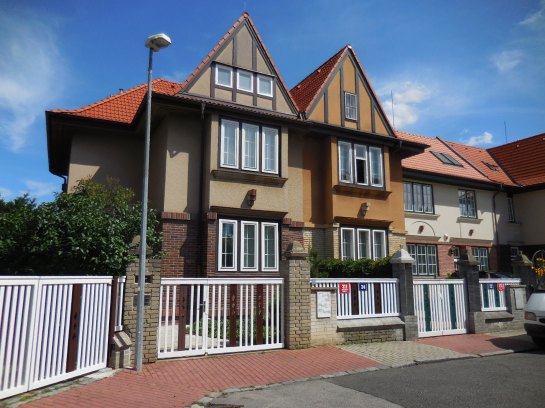
My favorite street in the quarter and also my second favorite street in Prague – my favorite is a short, dead-end street in Prague 6, where I lived for 10 happy years – is called Lomená Street. The design of the 1920s townhouses by Vondrák and Šenkýř resemble English cottages. They are so quaint and have an intimate atmosphere that immediately makes me feel calm and at ease despite the world’s turmoil and with my own problems, be they big or small. I love the triangular gables. Other characteristics are narrow, rectangular windows and high chimneys.

OrechovkaRondocubism9

Another one of my favorite places in Prague is the Rondocubism triangular area made by Dělostrelecká and Klidná streets. Similar to Art Deco, Rondocubism is unique to the Czech Republic. Janák paired with fellow architect Josef Gočár to create works in this nationalistic, folk-inspired style. The bright colors make the homes even more lively and dynamic. I like to imagine the time period when these townhouses were constructed, a few years after Czechoslovakia had been christened a new country in 1918. So much hope and positive energy was in the air. I would not mind calling one of these architectural gems home.

Orechovkasquare8

Now the main square of Ořechovka is depressing and dilapidated with only a few small shops, but back in 1926, when it was completed, the central building featured not only shops but also a cinema (which was only recently shut down), restaurants, a café and doctors’ offices. In 1927, the building was extended with a theatre, dance hall and library. I remember seeing the film Kolya, which won an Oscar in 1996 for best foreign film, at the small, intimate movie theatre there. The movie directed by Jan Svěrák and starring his father, Zdeněk, remains one of my favorite films. Back in the late 1920s, the square must have been quite the gathering place, bustling with activity and excitement.

Orechovka24

There is another reason Ořechovka is dear to me. Back in the 1990s, when war was causing havoc in former Yugoslavia, I was teaching English to two girls, a 9-year old and an 11-year old, living in Ořechovka. They resided in a beautiful townhouse resembling an English cottage. Their father worked for the Czech Embassy in Belgrade, but the children and their mother had been sent back to Prague because it was deemed too dangerous for them in Belgrade.

Orechovka27VH

The late Václav Havel, president of Czechoslovakia and the Czech Republic for 13 years, resided in the villa pictured above. His widow still lives there.

I have not taught many children. I had previously taught only two youngsters. I do not have any children and do not understand them well. However, these two girls opened their hearts to me. They were such kind and decent people, obviously influenced by their mother, who was a wonderful human being. I looked forward to the lessons because it was so pleasant to teach them. Moreover, with each lesson, I learned a little better how to communicate with children. I remember they loved learning about the US presidents. I had flash cards, one for each president, and we used to create games with them. Therefore, Ořechovka is a place I associate with genuinely good people who have influenced my life. I often wondered what ever happened to those girls. Are they living in Prague or abroad? Do they have families? Did they keep up with their English studies?

Orechovka21Eichmann

This villa was once the home of high-ranking Nazi Adolf Eichmann.

Unfortunately, not only good people have called Ořechovka home. The most evil person to live in the quarter was Adolf Eichmann, who took up residence in a neoclassical villa that had belonged to Jew Rudolf Fišer. Eichmann fled in April of 1945, and the previous owner was allowed to return to the villa but only to rent a few rooms.

Orechovka3

Ořechovka remains dear to me, and I love taking walks there whenever weather permits. Along with Hanspaulka, it is one of my favorite parts of Prague. I recommend travelers take walks through these villa-dotted quarters in order to get out of the crowded center and experience a more tranquil side of Prague.

Orechovka4statue

Tracy A. Burns is a writer, proofreader and editor in Prague.