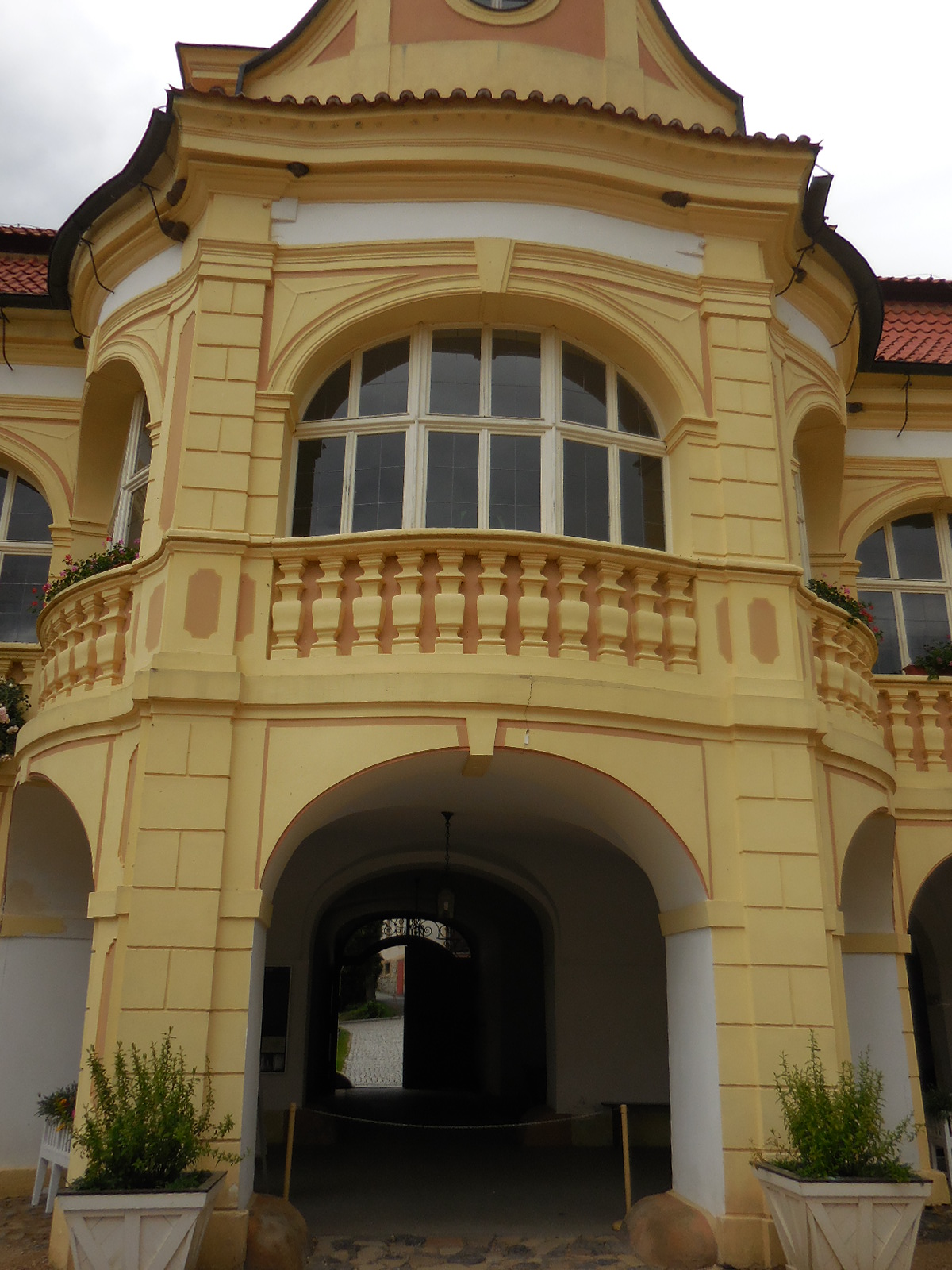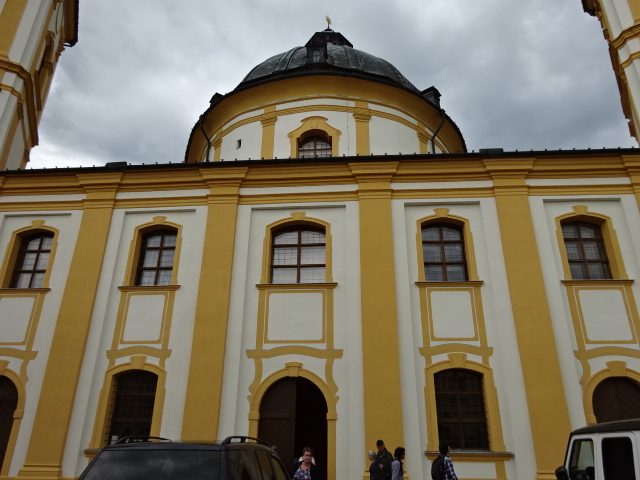
The first time I visited this chateau in Moravia, back in the late 1990s, it had been an adventure to get there. The train broke down just as it was nearing the town. All the passengers had to disembark. It was too far to walk there. I happened to see a taxi, rare in those parts, driving by the main street, and I flagged it down. After a short ride, I came upon the large Baroque chateau, one of the biggest in the country. I was amazed at its beauty and elegance. When I visited the chateau for the second time during 2025, on a tour bus, the ride was thankfully sans adventure. Walking toward the main entrance, I was just as fascinated as I had been during my first visit so many decades earlier.
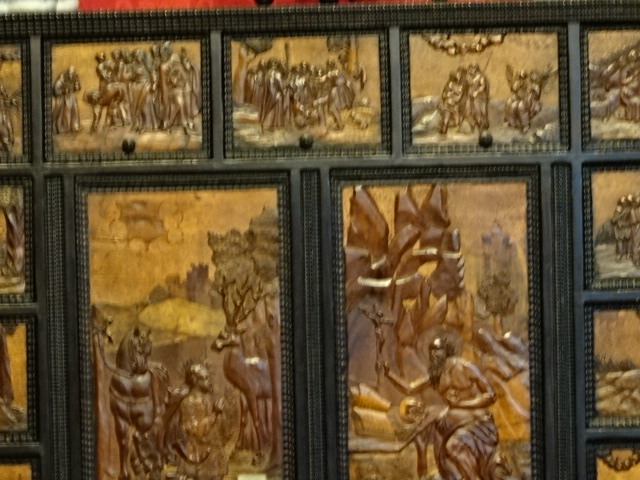
The stunning chateau began as a medieval fortress. The Meziříčtí family of Lomnice transformed the structure into a Renaissance castle during the early 17th century. This clan fought for the Protestants in the Czech Estates Uprising, and, when the Protestant nobles lost, the chateau was given to Gerhard of Questenberk. He died in 1646.
His grandson, Count Jan Adam of Questenberk, would be responsible for the major reconstruction in 1700, and his name would forever be connected to the glory days of the chateau’s existence. After extensive travel throughout Europe, Count Jan Adam decided to call Jaroměřice his home. He was fascinated by the Baroque style and was determined to make his chateau a Baroque gem. Reconstruction ended in 1737.
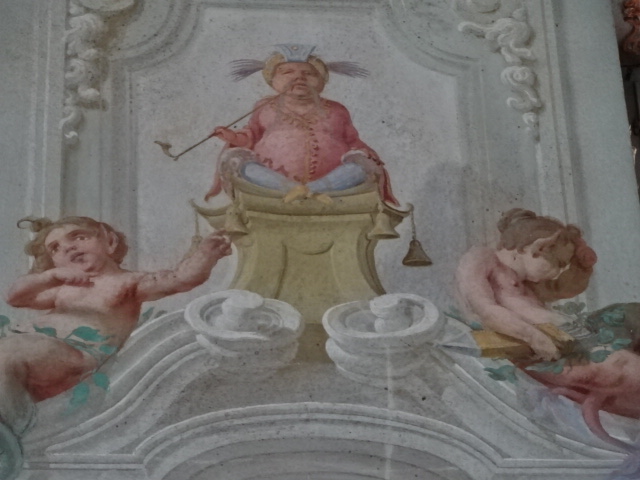
Dance Hall fresco
Jan Adam loved the arts, particularly music and theatre. The chateau became a bustling center for these passions. He created a theatre group in Jaroměřice, and musical concerts as well as operas were performed there, too. Children’s plays also made up the repertoire. Italian operas were the count’s favorites. Masterfully made Baroque theatre sets were utilized as well as elaborate costumes. A large theatre came into existence from 1731 to 1739. Music and theatre came alive in stellar performances on this stage.
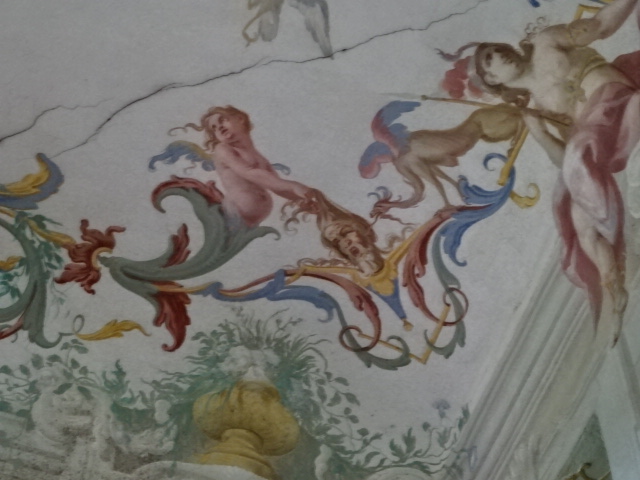
Dance Hall
However, when Jan Adam died in 1752, his widow did not continue the music and theatre traditions of her late husband. The glory days were gone. With Jan Adam’s death, the Questenberk lineage also ended.
Several families controlled the chateau after Questenberk’s passing, but no major changes were made. The chateau today is a testament to Jan Adam’s dedication to architectural elegance as it is punctuated by charming and astounding spaces.
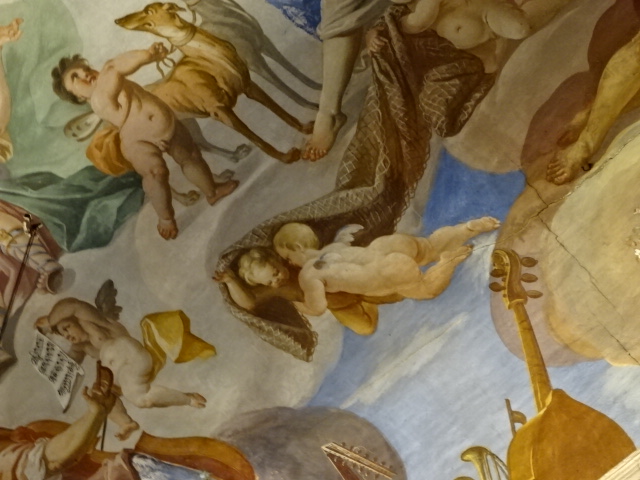
Ancestral Hall ceiling fresco
The rooms that impressed me the most were the Ancestral Hall, the Dance Hall, the small but intricate Chinese Salon and the last place on the tour, the amazing Salla Terrana with adjacent Roman baths.
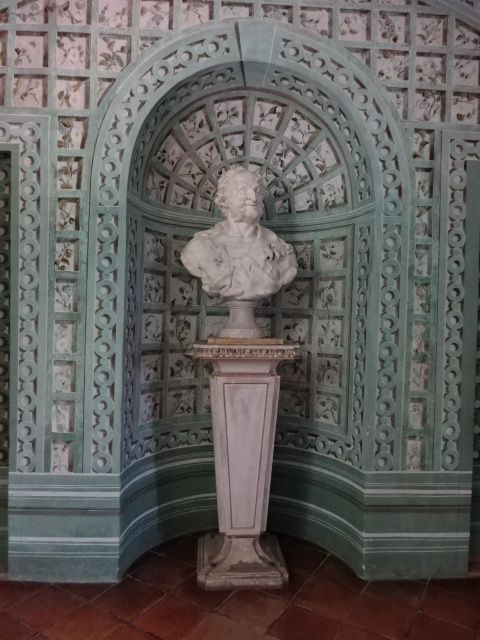
The grotto
What I noticed first in the Ancestral Hall was the masterful wooden panels on the wall, Baroque in style. The colossal portraits filled me with awe. The Corinthian pilasters added to the elegance. However, the best part about this space was above me: the ceiling fresco focused on allegorical figures in a pictorial narration of the founding of the town. Olympian gods, including goddess of the hunt Diana and god of time Chronos, surrounded Prince Jaromír on his hunt. Passions of the count were depicted as allegories of theatre and music. Gods also represented the four seasons.
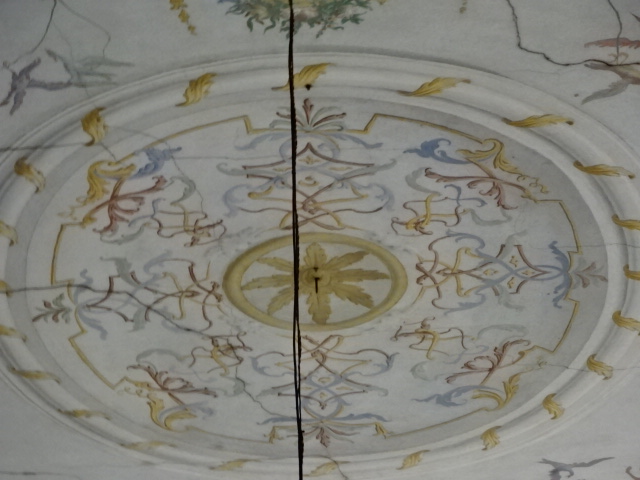
Dance Hall
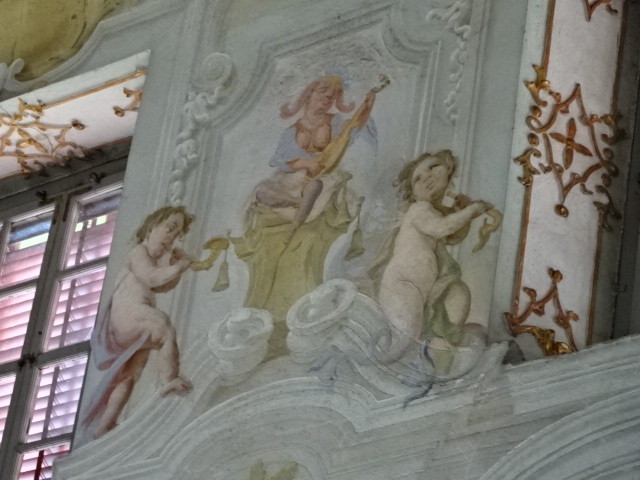
The light and airy Dance Hall fascinated me with its fresco decor. The grotesque made appearances on the walls and ceilings in an early Rococo creation from the 1730s. The fresco took my breath away as I almost became dizzy with emotion.
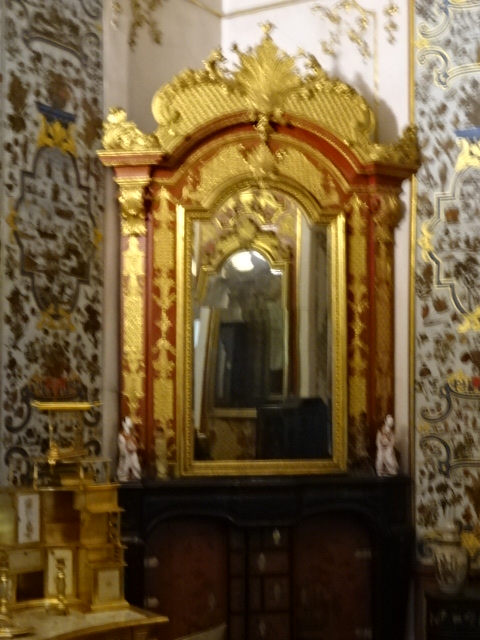
Chinese Salon
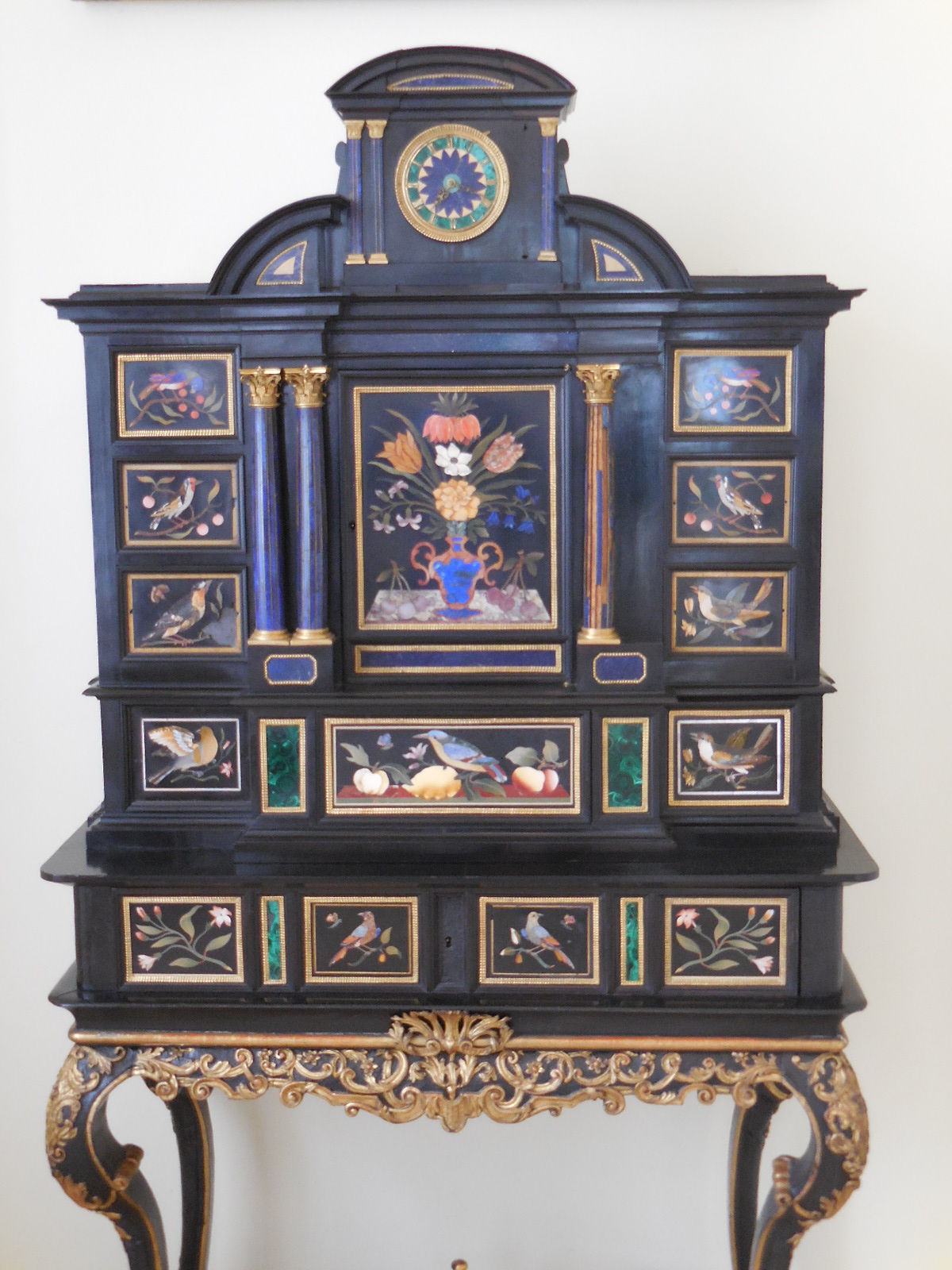
It wasn’t possible to go into the Chinese Salon. I could only peer at it behind a rope. Still, I could tell that it was very elaborate and elegant. Various colored woods made up the flooring. The walls were richly decorated, and gold carvings gave it an opulent feeling. I also saw Oriental vases and a gold-and-red large frame of a mirror. The red and gold colors appealed to me.
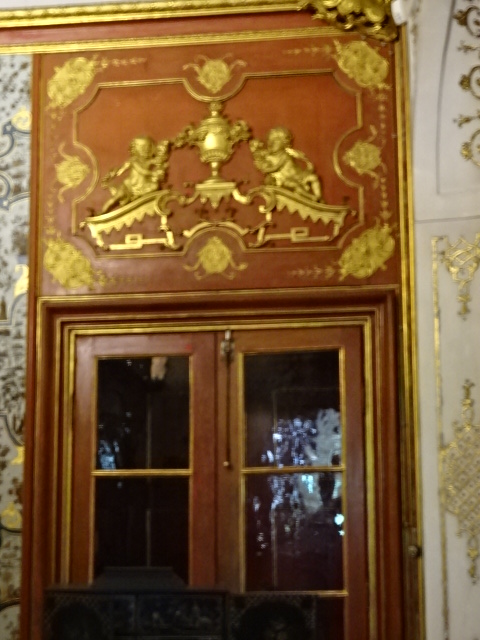
Chinese Salon
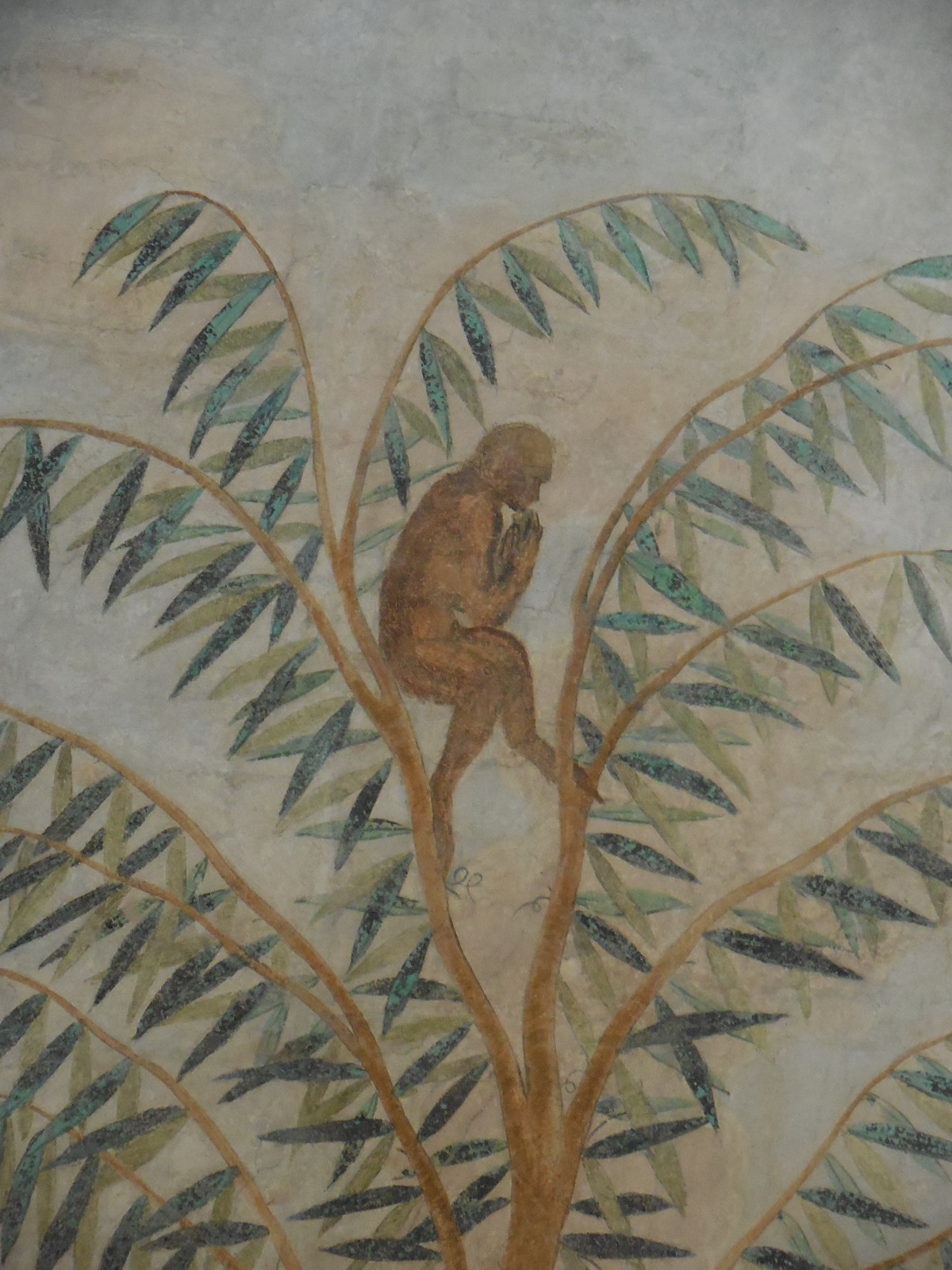
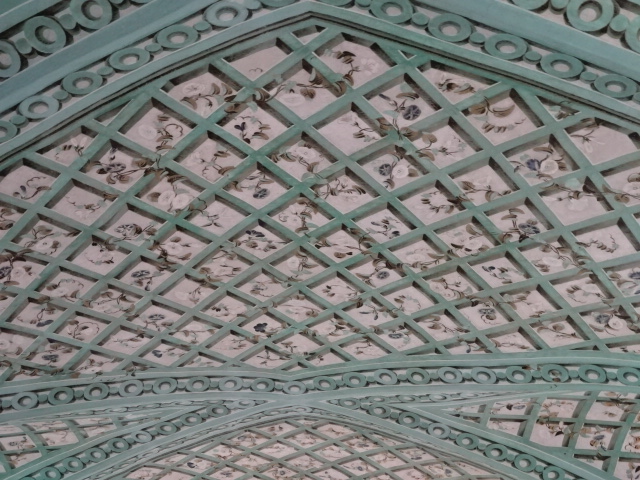
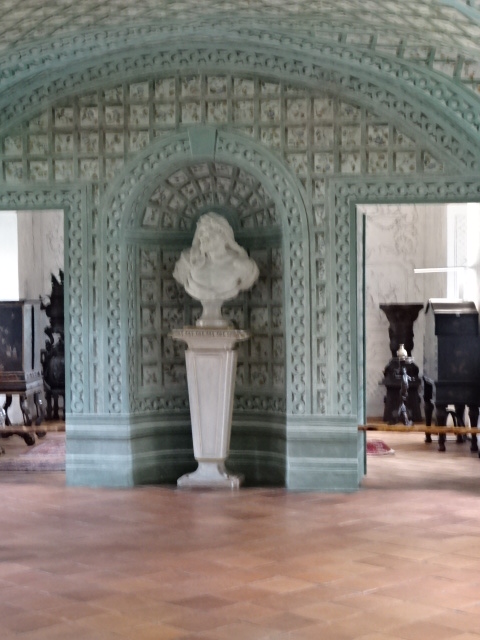
The Sala Terrana was the last space on the tour. The green-and-white ceiling decoration, plants and busts made for a stunning and vibrant atmosphere. The walls included masterful illusory paintings of a plant-filled pergola. I found the light green color that dominated the space to be soothing and tranquil. I considered this to be a place where I could truly relax.
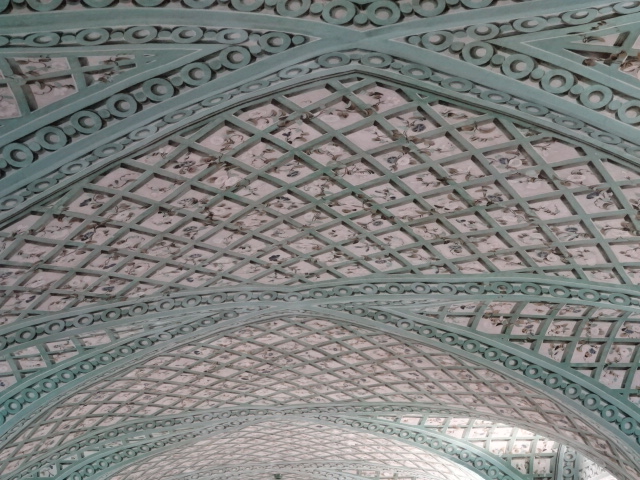
Grotto
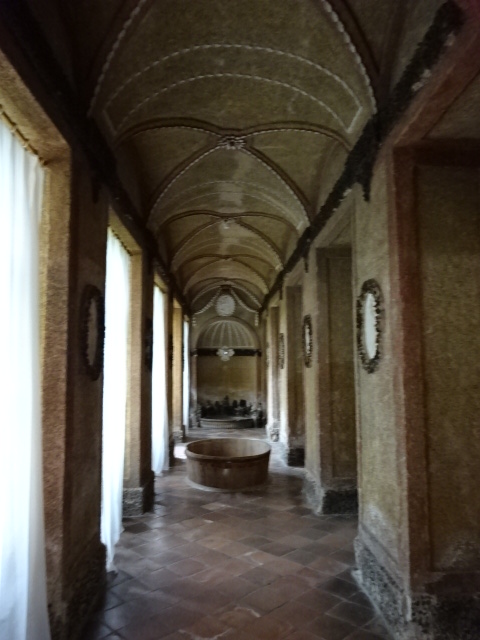
The Roman baths also captured my interest. On the walls around the wooden pool was plaster inlaid with shells and lava. Medallions showed portraits of fictional Roman emperors. The decoration was captivating.
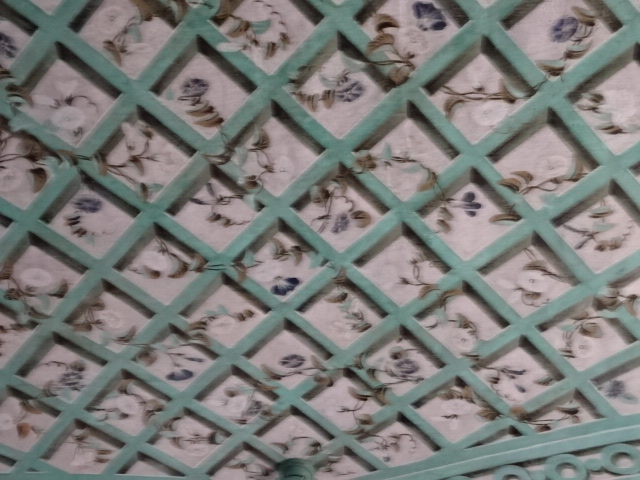
Grotto
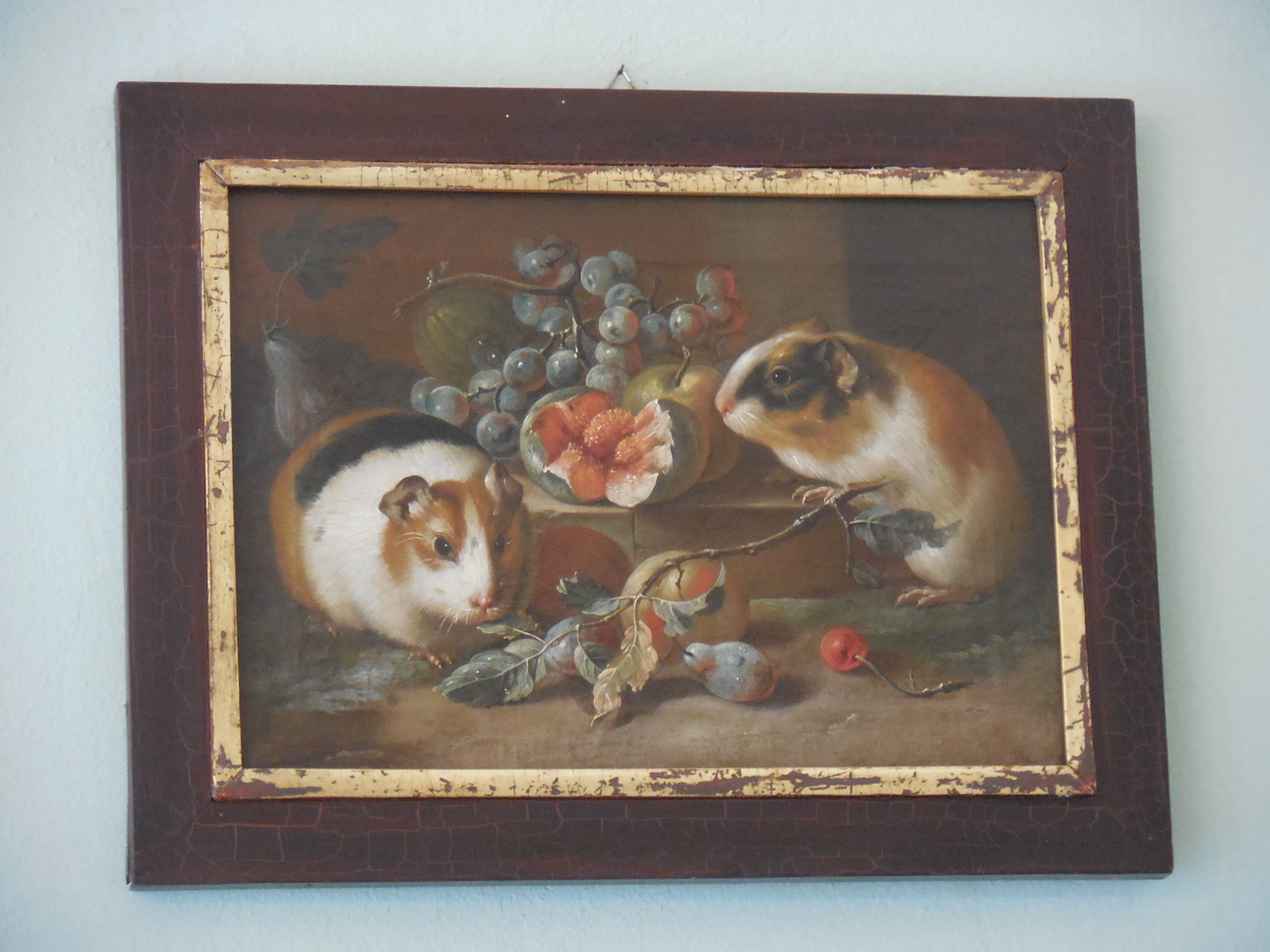
There was more, much more. The Blue Salon, utilized as a picture gallery, included some Baroque landscapes, my favorites. Impressive Dutch, German and French painters from the 17th to 19th centuries were represented.
Grotto
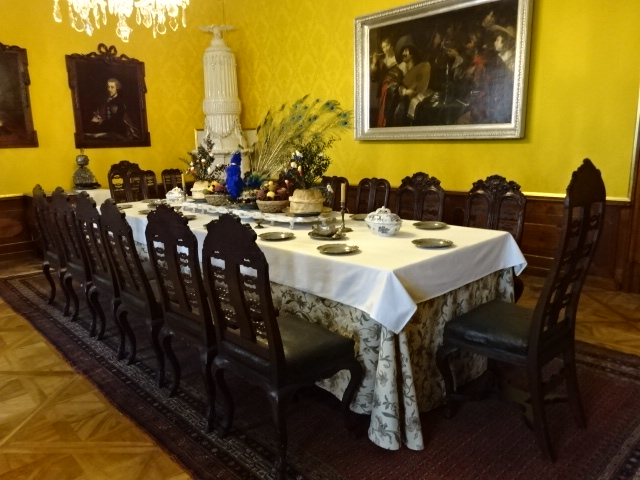
The Ladies’ Salon was decorated with yellow furniture that reminded me of the yellow kitchen in the townhouse where I spent my childhood and part of my adulthood. I had many light-hearted as well as serious conversations with my mother in that kitchen while I grew up from a five-year old to an adult. My mother doesn’t live there anymore. I can never go back to that yellow kitchen.
Grotto
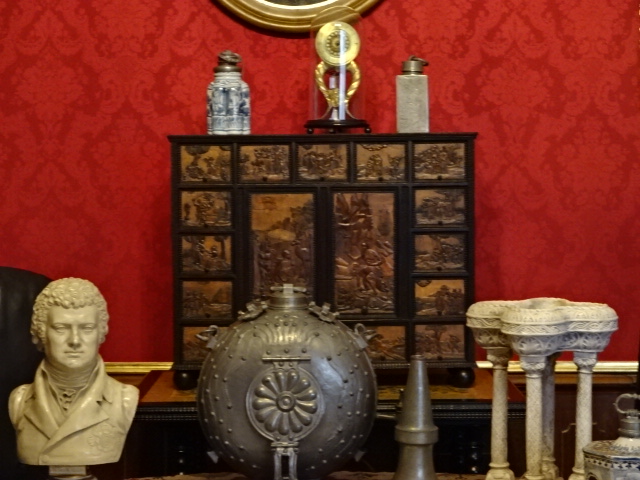
The Count’s Study featured allegories of countries represented in four large late Renaissance paintings. No less than three salons in Empire and Biedermeier styles represented Jan Adam’s love of music with collections of astounding musical instruments used during the Baroque era.
Dance Hall
The chateau gardens were just as splendid, even though on this day there were spattering of rain. Of course, the gardens were Baroque. A theatre made from nature was situated on an island with an English park, and there were French style gardens, too. Altogether, the gardens measured 10 hectares. Statues from the 1730s depicted ancient deities.
Roman baths
I was enthralled by everything, most of all by the Ancestral Hall, Chinese Salon, Dance Hall and Sala Terrana with Roman baths. I didn’t do much exploring in the gardens due to the temperamental weather.
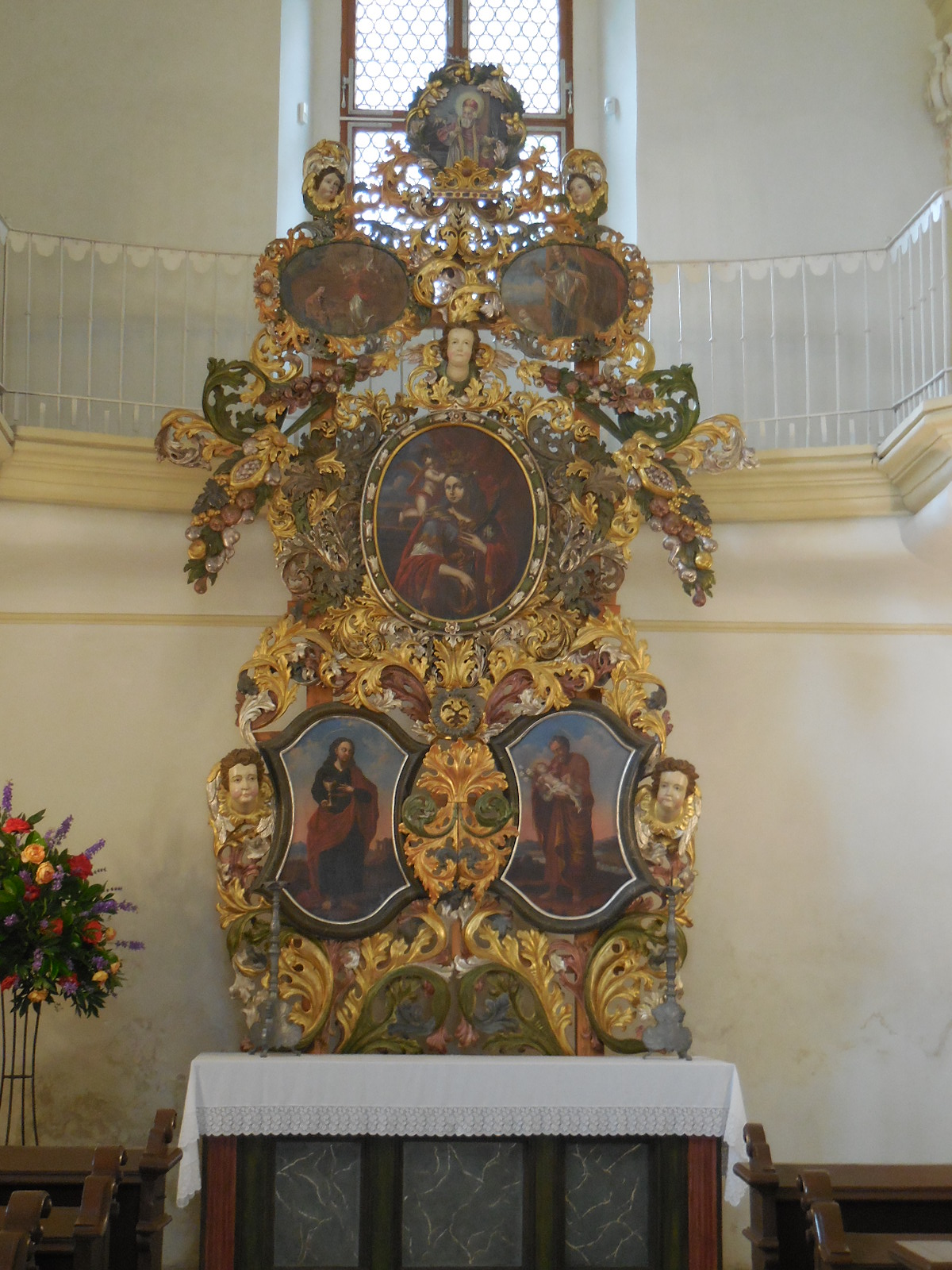
Next on the itinerary was the Church of Saint Markéta, another gem that would bring me immense joy.
Tracy A. Burns is a writer and teacher in Prague.