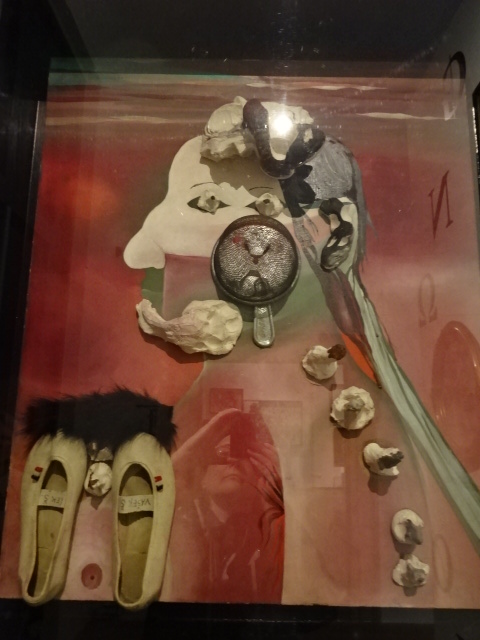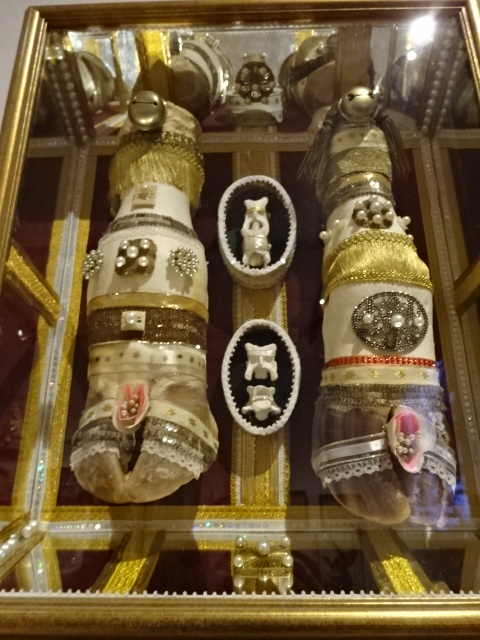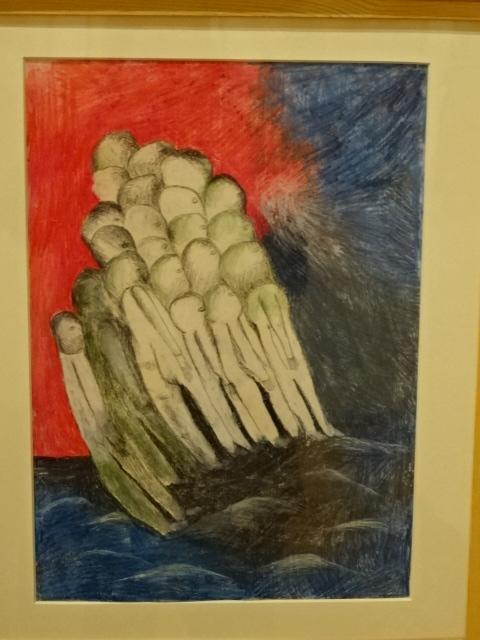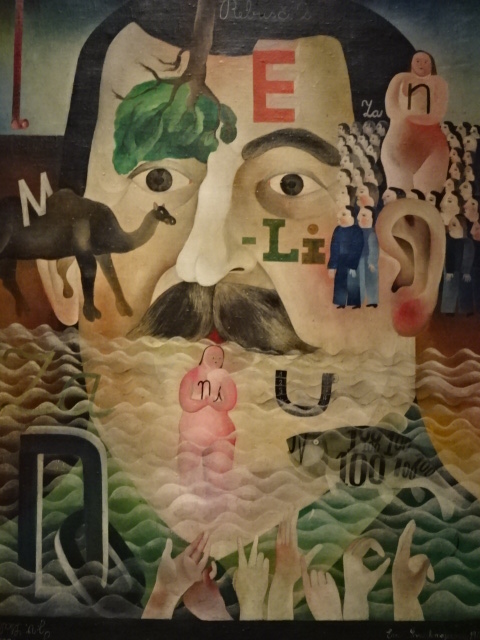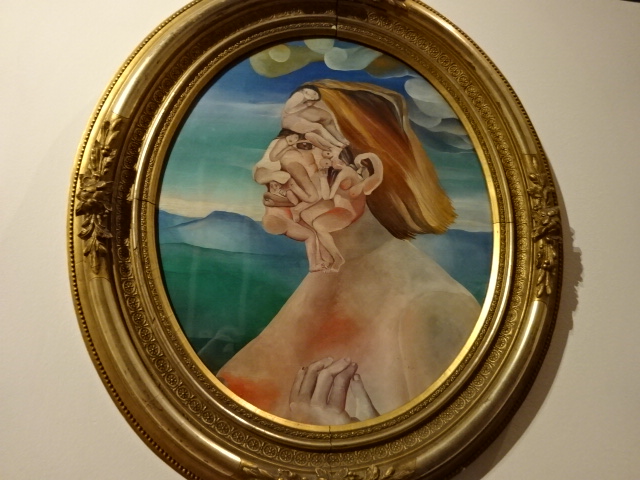
Self-portrait of Eva Švankmajerová
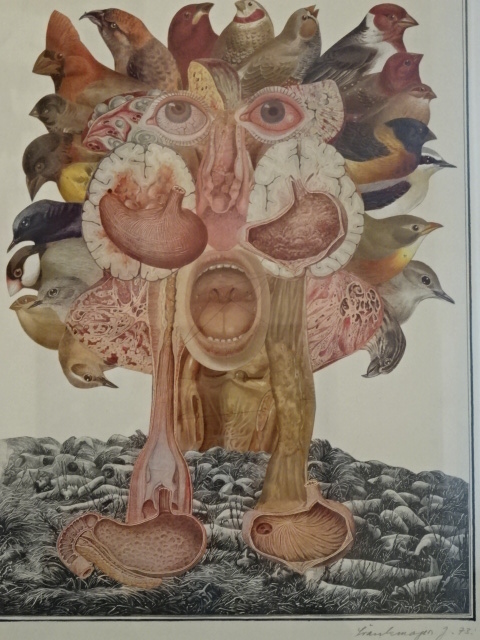
During 2024 I went to the comprehensive exhibition of the late surrealist works by Czech artists Eva Švankmajerová and Jan Švankmajer, her husband, in honor of the male artist’s 90th birthday. The exhibition took place in Kutná hora, near Prague, at the impressive GASK gallery. Prominent in Czech surrealism at least since the 1970s, this married couple delved into drawings, collages, graphic art, illustrations, painting, writing, objects, cabinets of curiosities, fetishes, ceramics, puppetry, scenography, costume design and film. Their creations were punctuated by the grotesque. Often their art can be described as magical, mystical and at times even erotic.
While their works have been categorized as surrealist, the prominent features were influenced by, among others, the portraits of Giuseppe Arcimboldo, who was a painter of fruit-filled, distorted portraits for Emperor Rudolf II’s Court. This emperor was a big supporter of alchemy, and alchemists made their concoctions at Prague Castle, the seat of the Habsburgs during Rudolf II’s reign. The magic of alchemy and the many cabinets of curiosities collected by Rudolf II clearly inspired this couple’s creations.
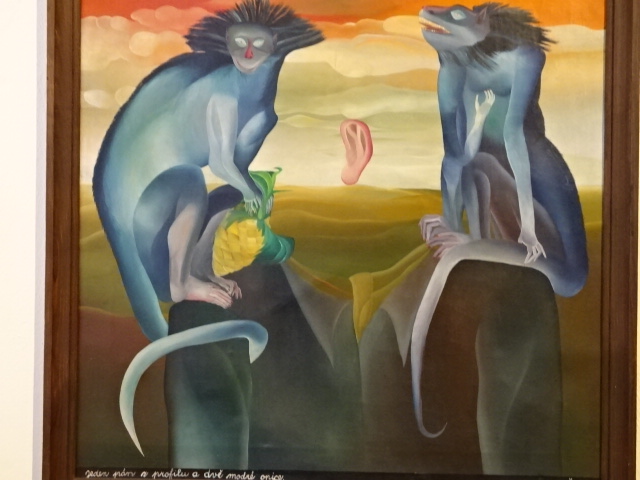
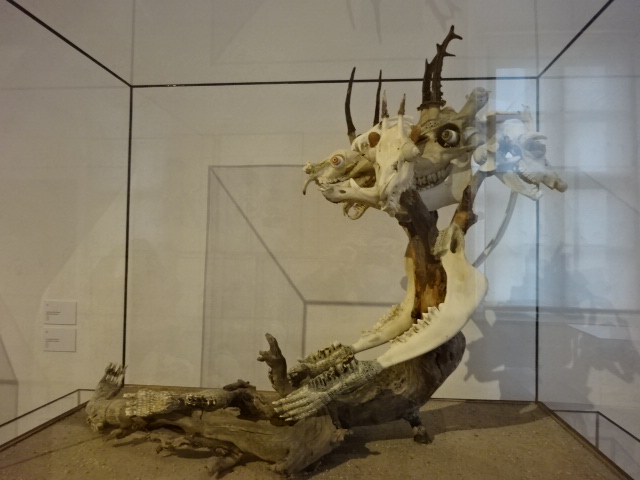
The Baroque style influenced many of their designs while others leaned toward Rudolfine Mannerism. The surreal and mysterious worlds of Alice in Wonderland and the creations of Edgar Allan Poe were other influences. The novel Valerie and Her World of Wonders by Vítězslav Nezval included many similar features, too. Other writers who influenced the Švankmajers were the stellar surrealists Karel Teige and André Breton. The duo’s artworks were punctuated symbolically by disturbing worlds like those found in paintings by Hieronymus Bosch. Max Ernst, Paul Klee and René Magritte’s canvases also made big impressions.
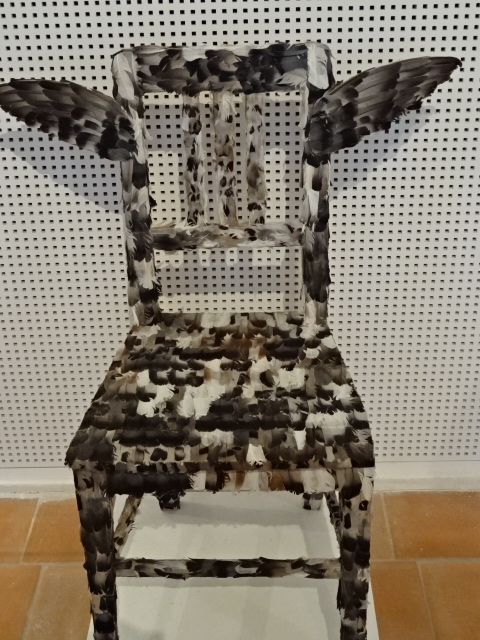
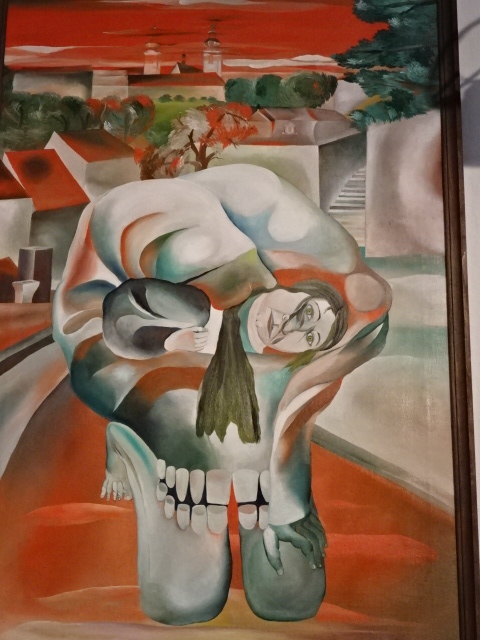
The rational met the irrational while tradition did a morbid dance with innovation. Absurdity was another trait found in the displays as well as in the Švankmajers’ writings. Dreams, a reality composed of magic and the power of myths are other characteristics at the forefront. Crude and imaginative black humor often appeared. Playful motifs were present, too. The motif of touch and the use of tactile designs were noteworthy. The duo utilized features of Primitive art in some works and were fascinated by African and Polynesian masks.
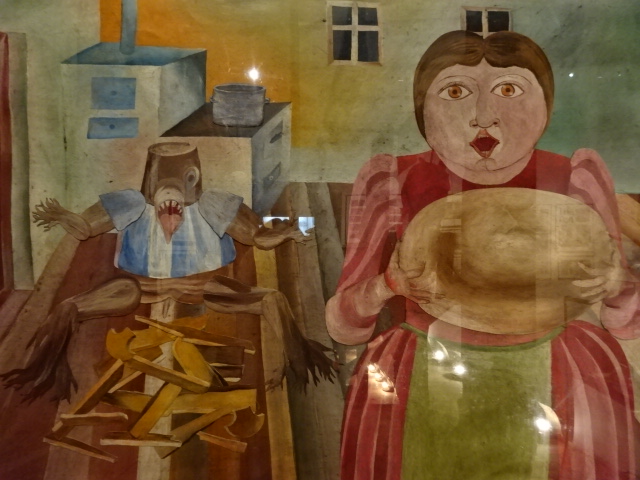
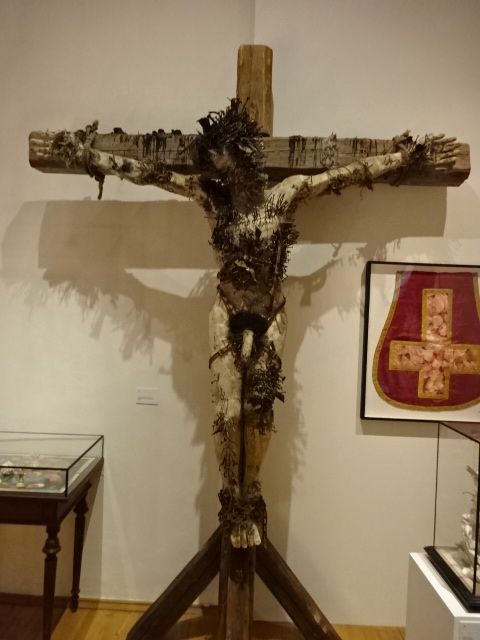
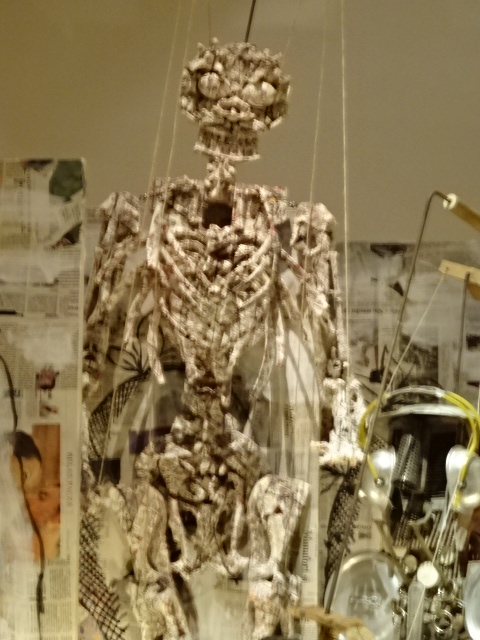
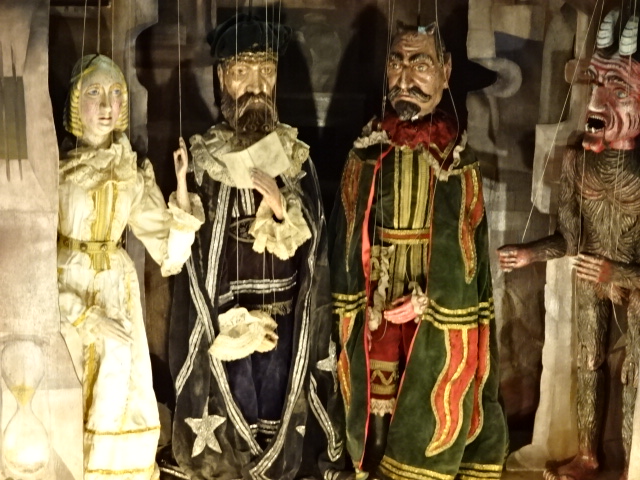
The extensive exhibition showed off many facets of the couple’s works, including an animated film that played on a TV. A theatre set with puppets that they had created was installed, too. The puppet of a skeleton caught my attention.
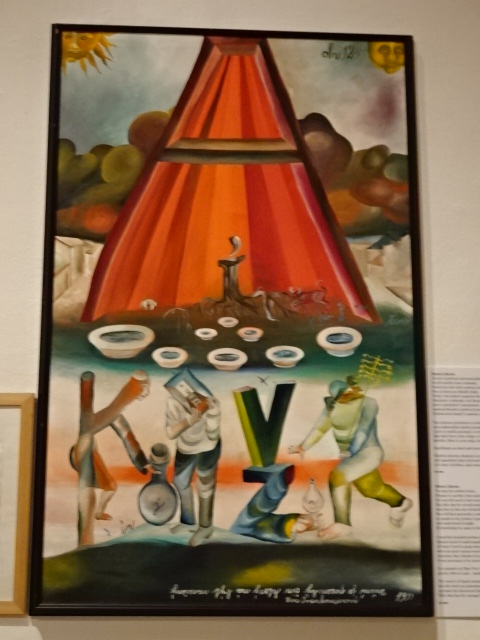
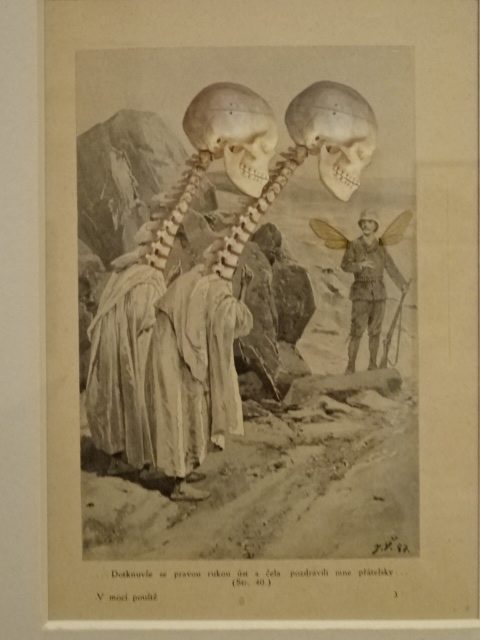
I was glad I had a chance to see this fascinating exhibition in an inspiring space. I could understand why both Eva and Jan had received both Czech and international acclaim and why they had nabbed so many awards. Eva, who had passed in 2005, had made a name for herself in the art world. Since 1960, she had been exhibiting with Jan in the Czech lands and abroad. I especially was drawn to her surrealist paintings.
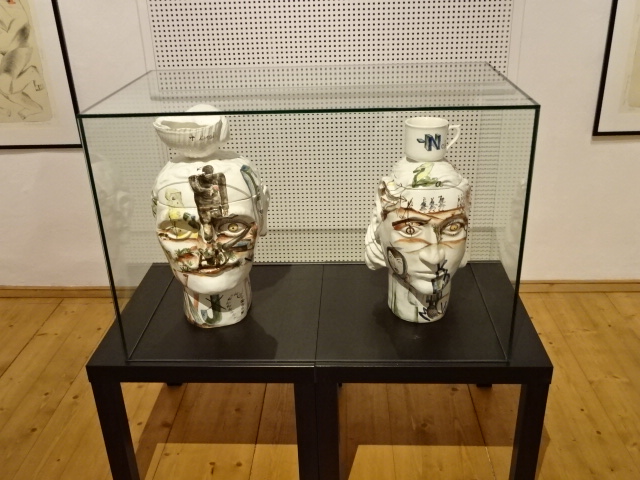
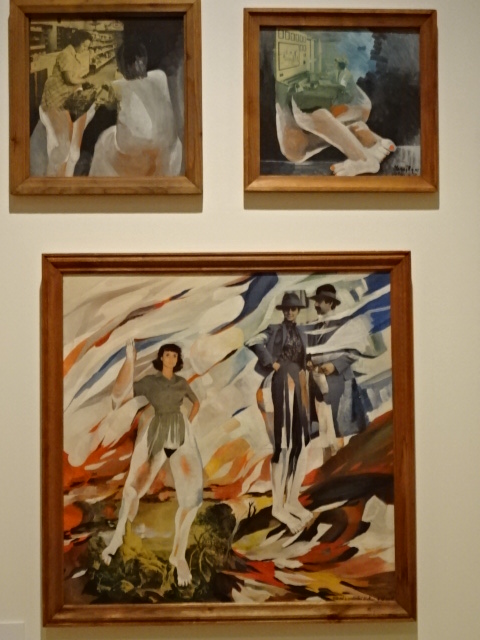
I hadn’t been to GASK for many years. I hoped to come there to visit more shows in the near future. Afterwards, we found a quaint restaurant for lunch, and the entire day was delightful.
Tracy A. Burns is a writer and teacher in Prague.