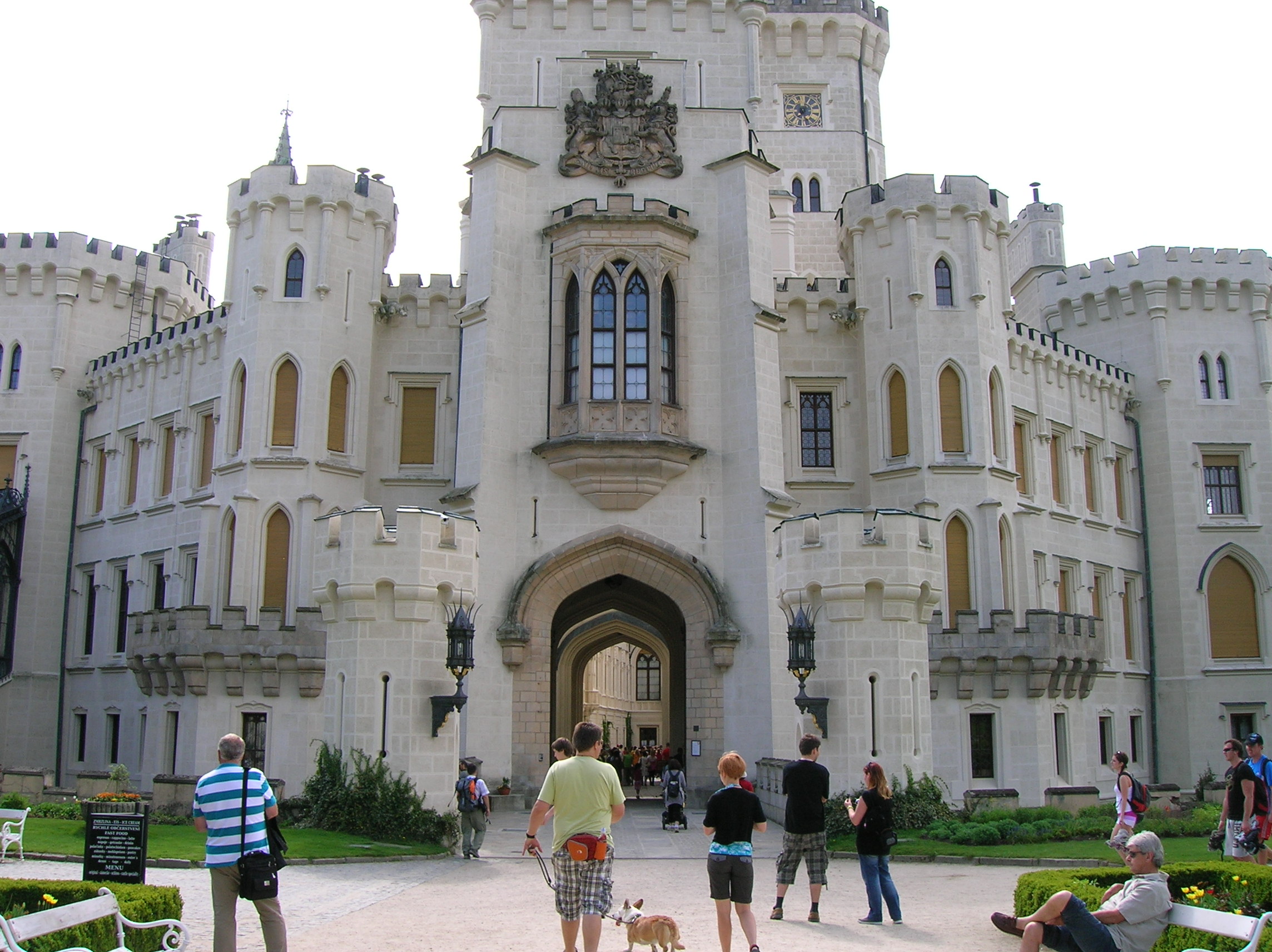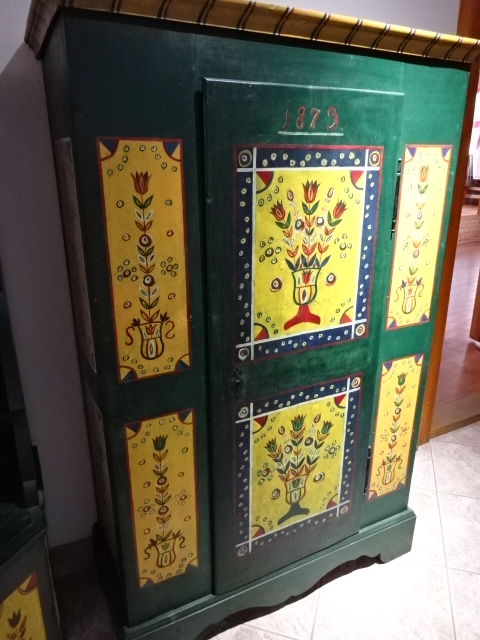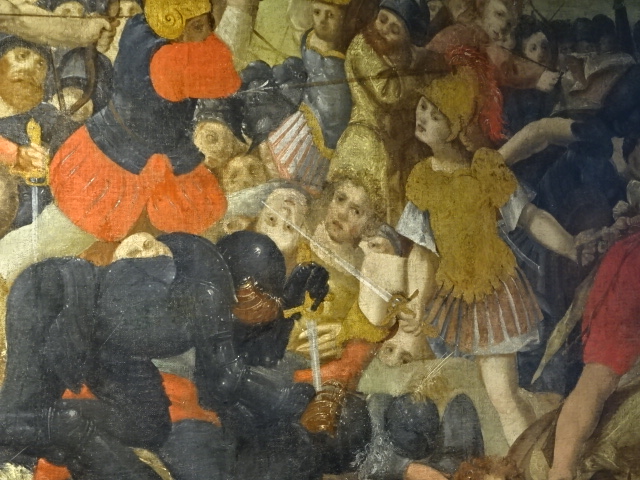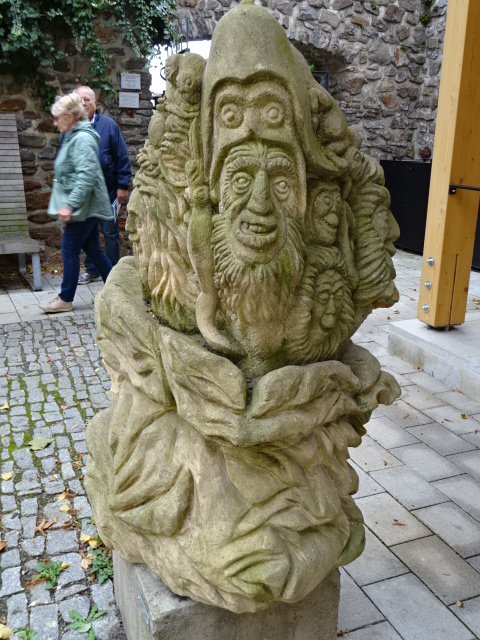
Church of Saint Barbara in Kutná Hora Diary

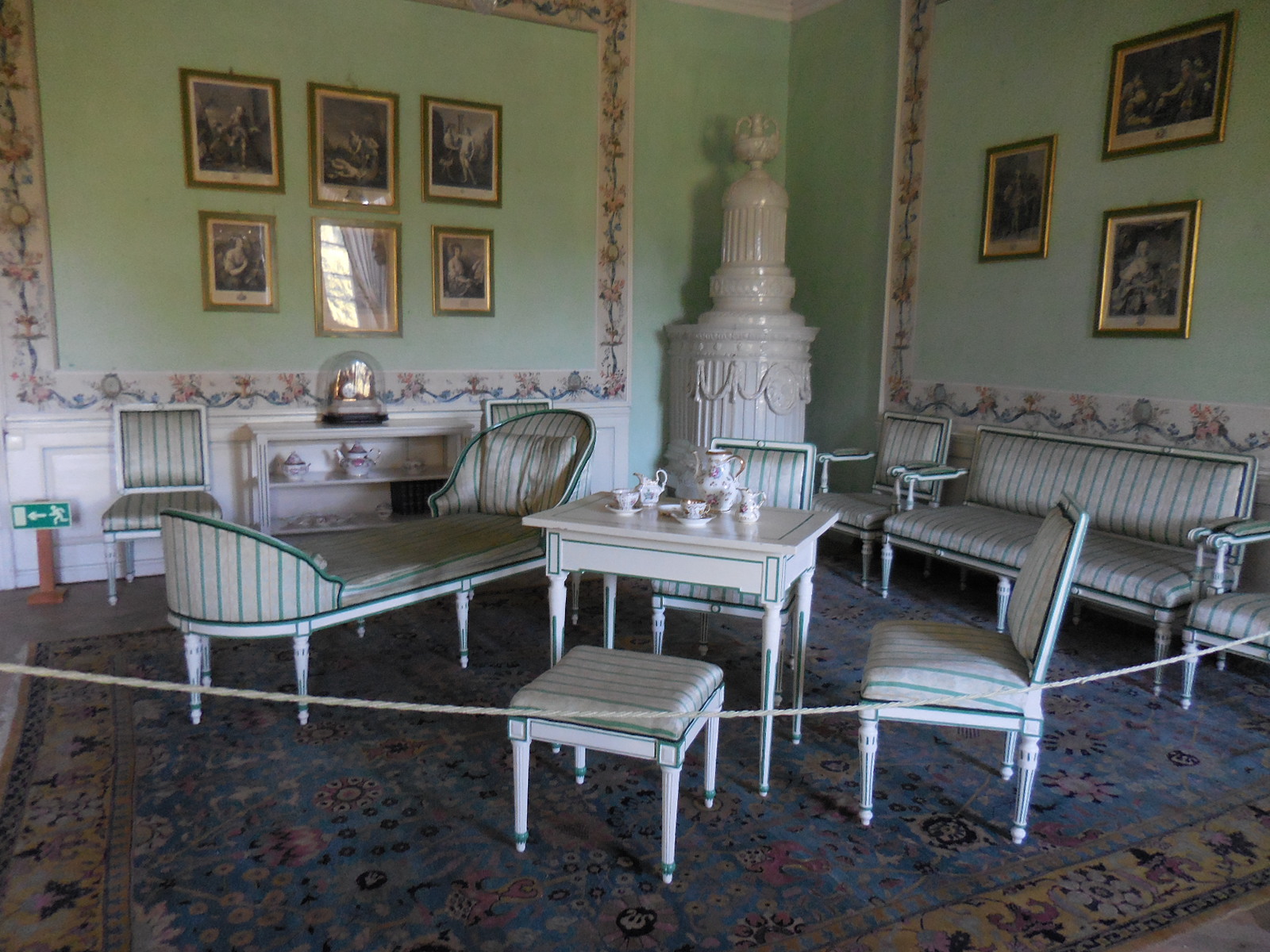
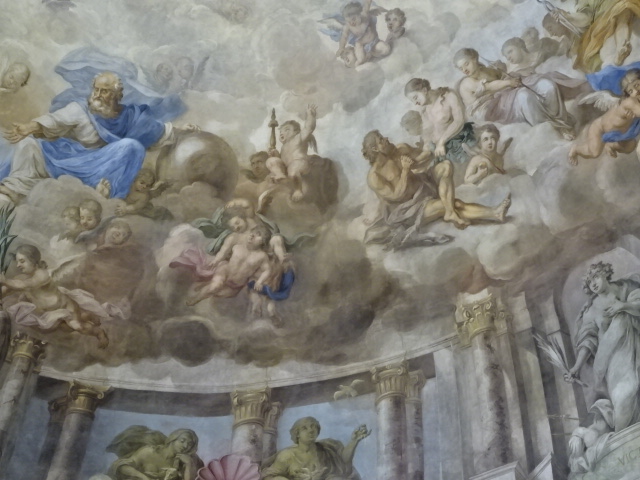
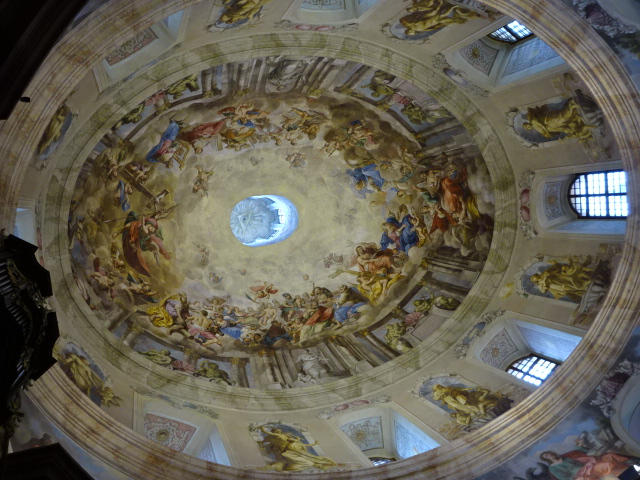
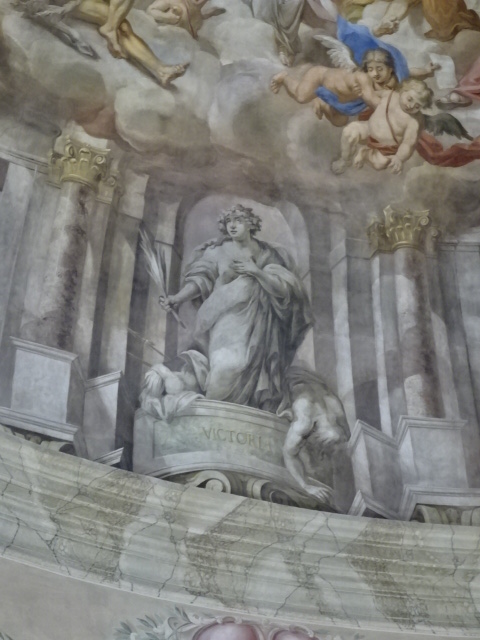
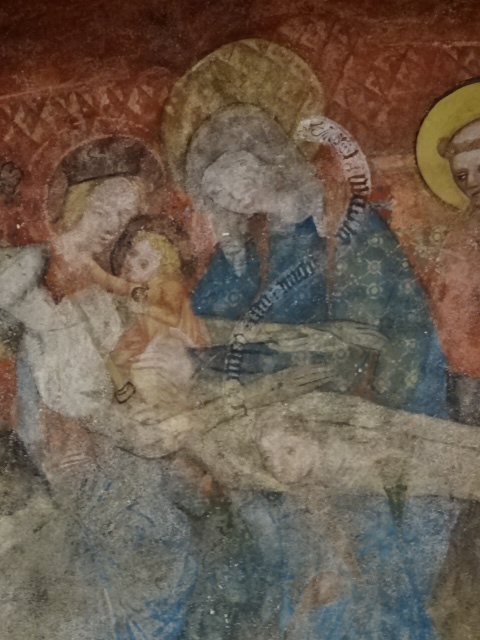
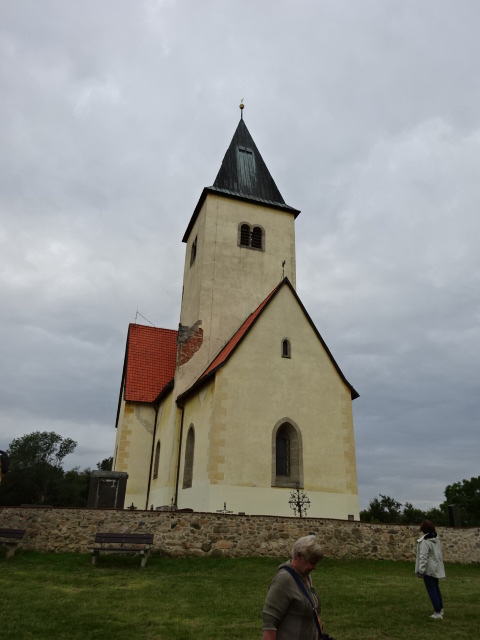
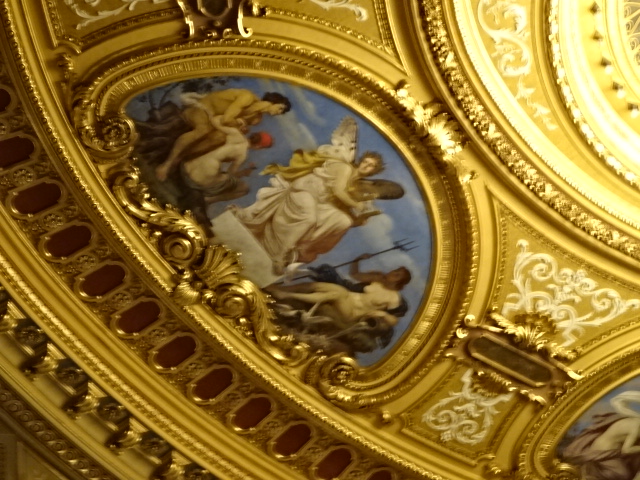
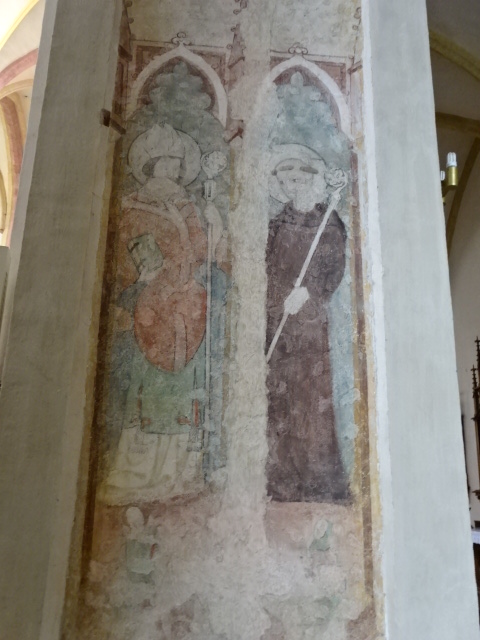
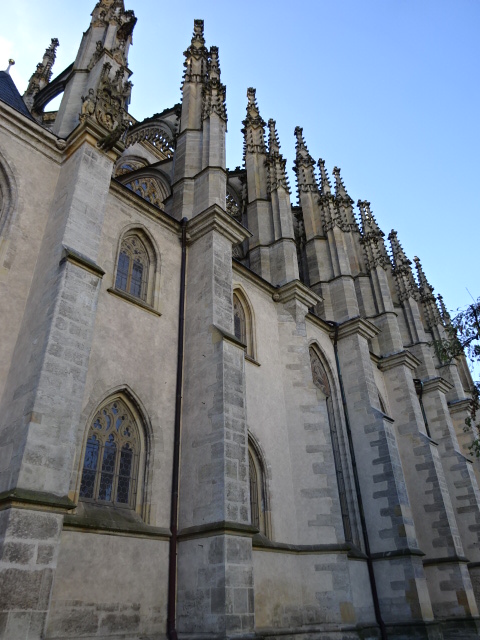
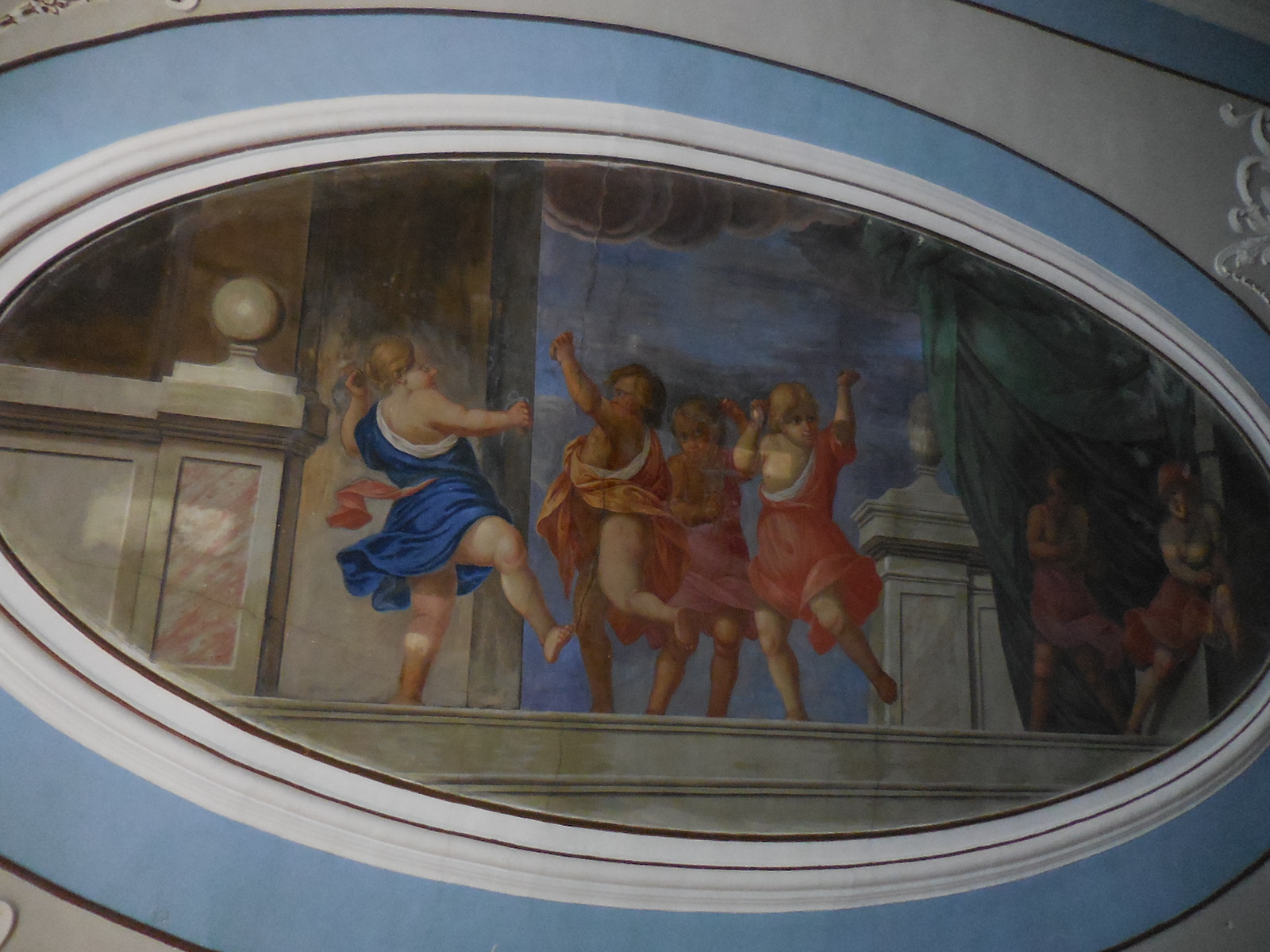
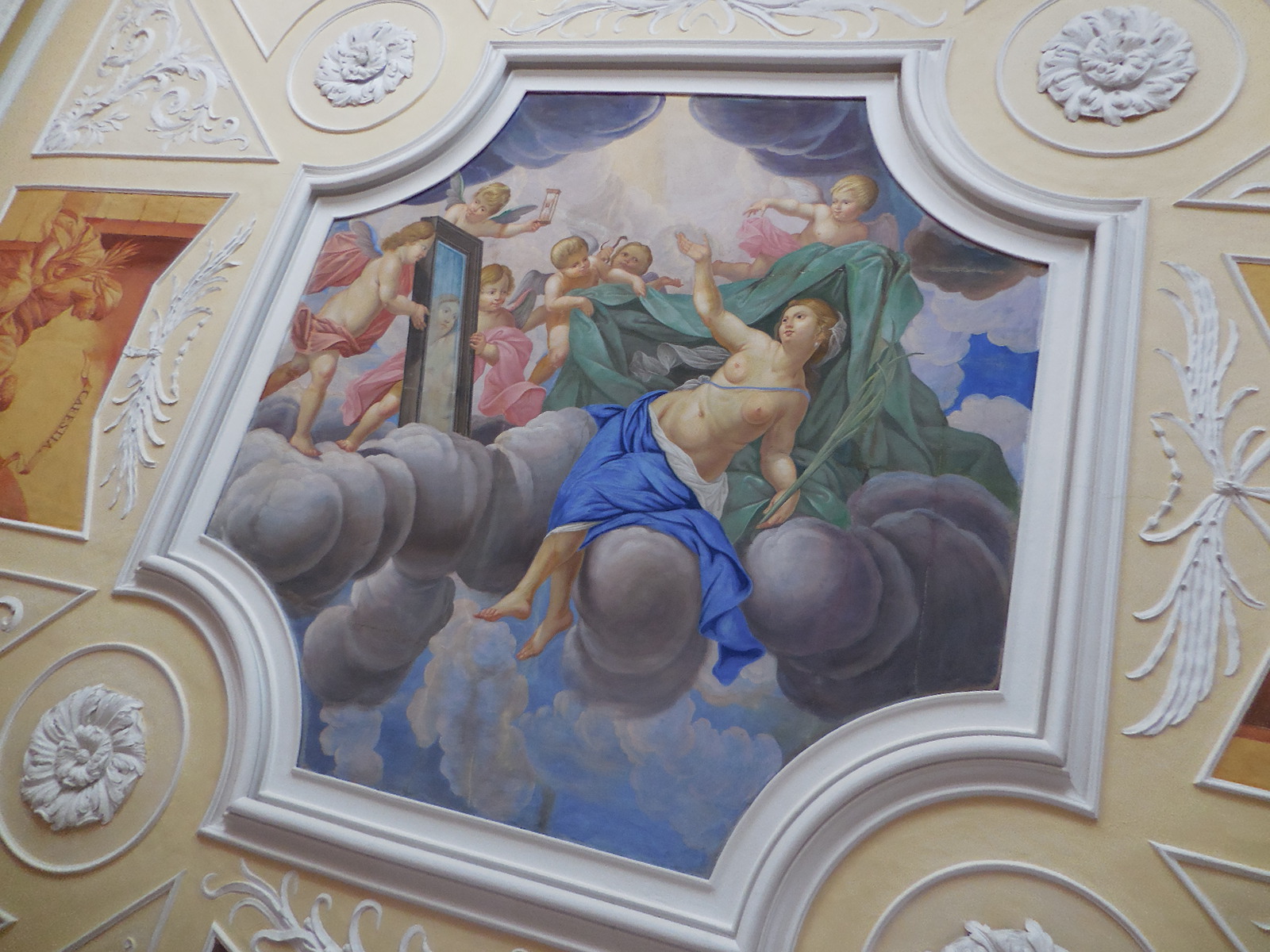
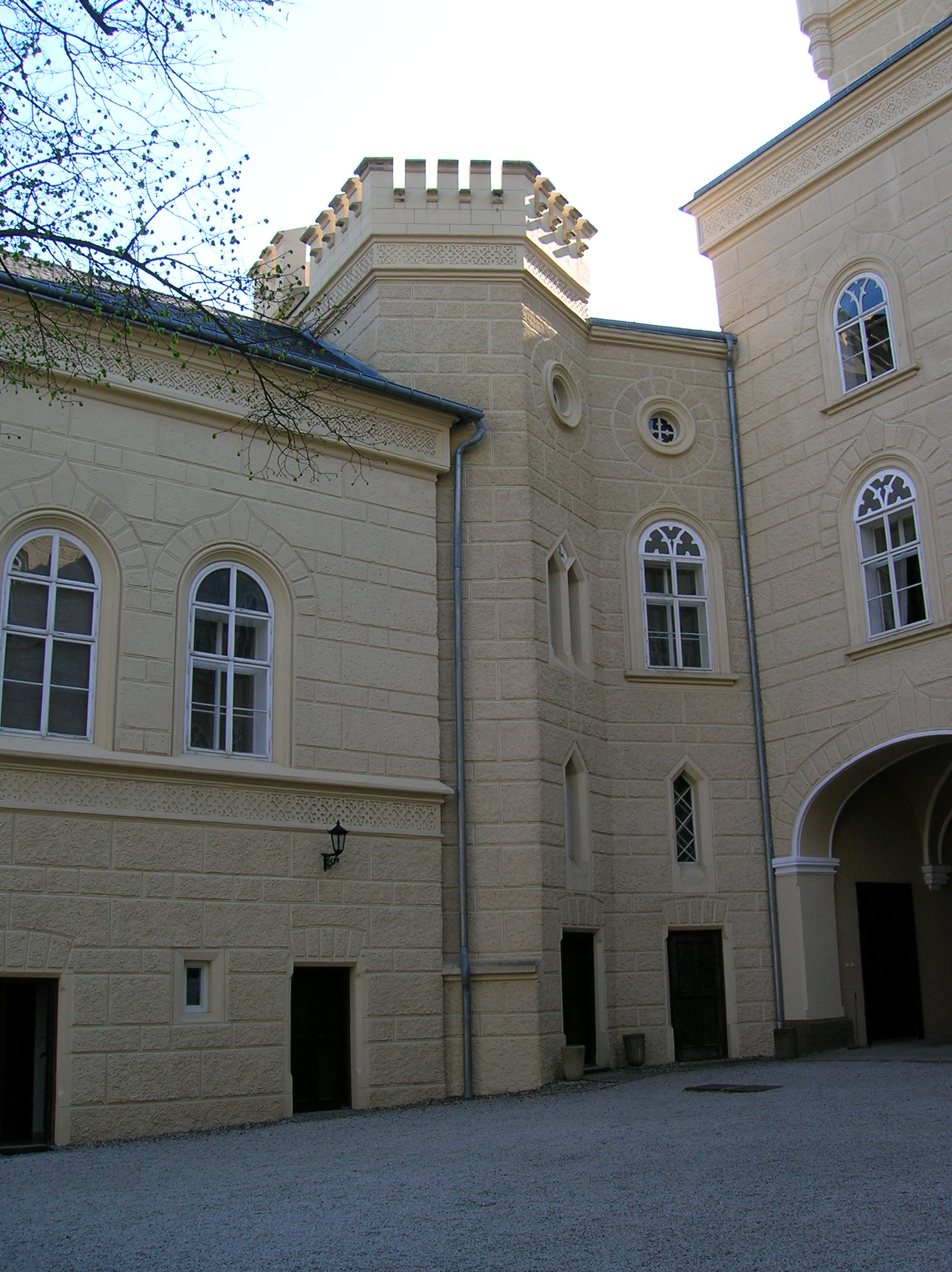
Whenever I visit Kutná Hora, the highlight of my trip there is the Late Gothic Church of Saint Barbara, a five-nave structure dedicated to the martyr representing the mining profession. During the Middle Ages, when the building of the church began, Kutná hora had been thriving thanks to its mining of silver and minting of groschen coins.

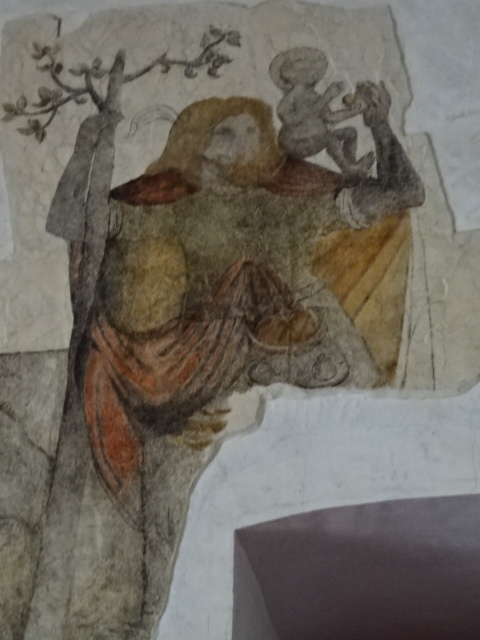
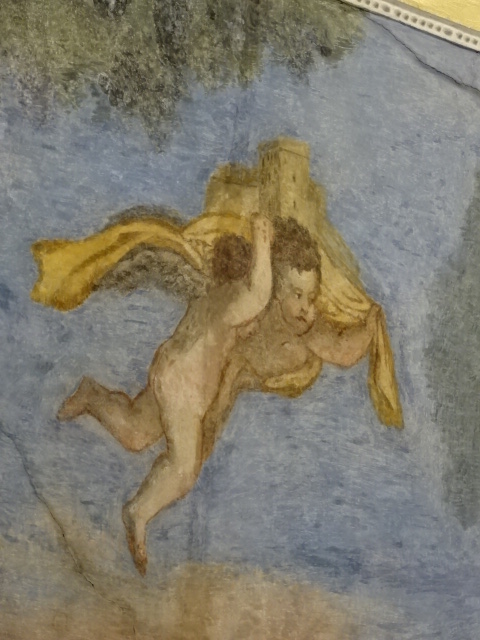
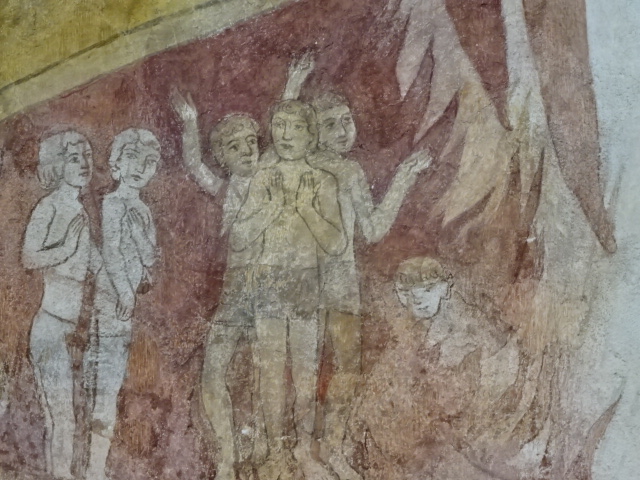
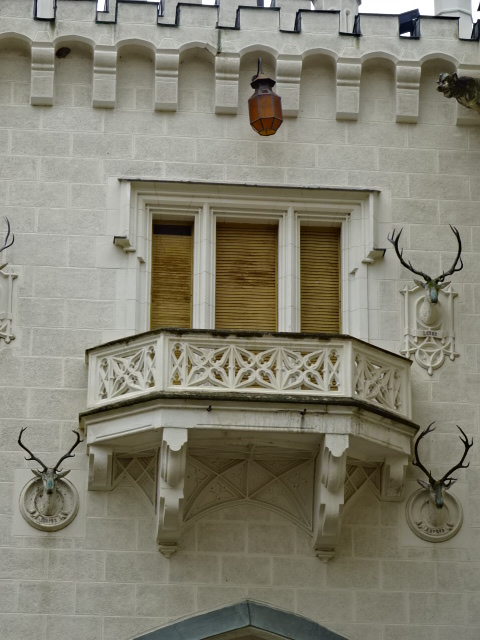
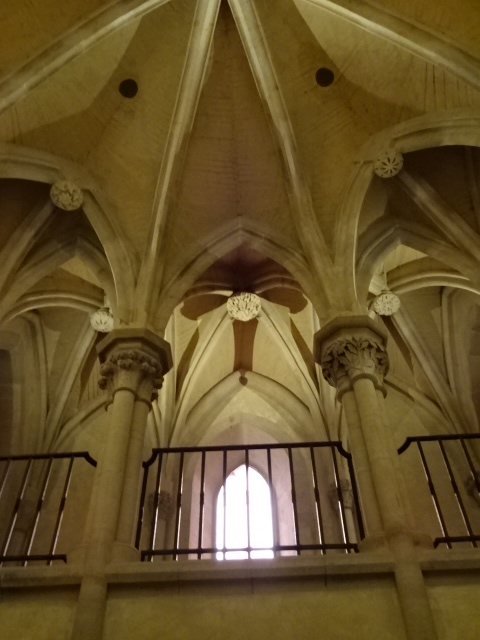
The exterior captures my undivided attention every time thanks to its double-arched flying buttresses and gargoyles. I loved the Late Gothic style that was preserved on the outside. While some of the interior had been transformed into Baroque and Neo-Gothic style, the church still retained many Gothic elements, including frescoes from the Middle Ages.

The construction on the church, initiated in the 14th century, was carried out by Jan Parler, son of Petr Parler. Jan’s father had been one of the most prominent architects and sculptors of the Holy Roman Empire under Emperor Charles IV’s reign, when Prague was the capital. Petr’s major accomplishments included work on Saint Vitus’ Cathedral at Prague Castle and the building of the Charles Bridge. Petr also planned the New Town part of Prague. His unique architectural style can be seen on Prague’s Old Bridge Tower, too. Jan took part in the construction of Saint Vitus’ Cathedral and was the main builder of the Church of Saint Barbara in Kutná Hora.

However, the Hussite wars of the 15th century got in the way, and work was halted as the church was pillaged. Construction was interrupted for 60 years. Then, at the end of the 15th century, Master Hanuš crafted much of the magnificent vaulting and part of the triforium.

After he died in 1489, a stonemason, sculptor and architect named Matyáš Rejsek took over. A master of the Late Gothic style, Rejsek had been inspired by Petr Parler’s creations. Rejsek made Prague’s statue-decorated Powder Tower, for instance. He also built Kutná Hora’s town hall, but that structure no longer stands. A large portion of the Church of Saint Barbara’s Gothic exterior was Rejsek’s work, including the gargoyles and upper triforium. He was responsible for interior décor as well, including the tabernacle, balustrades of the choir and the awe-inspiring choir vaulting adorned with emblems of countries and guilds. During his time, the church became a true Late Gothic gem. Construction did not stop until six years after his death, in 1506.

Then in the 16th century work started again with Benedikt Rejk (sometimes called Reid) in control. I knew him best as the architect of Prague Castle’s Vladislav Hall with its magnificent vaulting. He was responsible for the main nave and the Late Gothic large vaulting with helical ribs of the Church of Saint Barbara, for example.

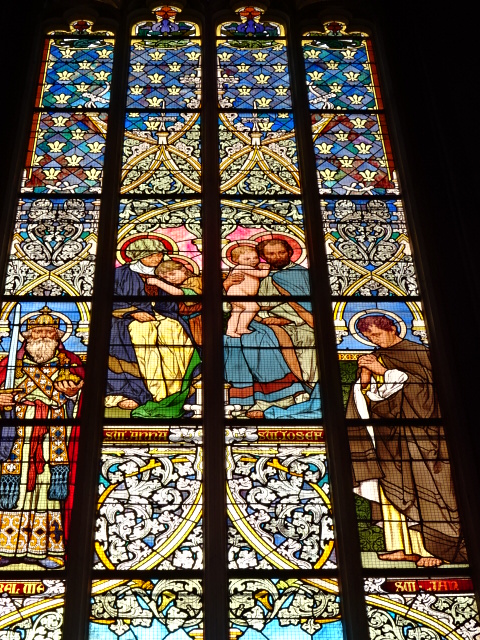
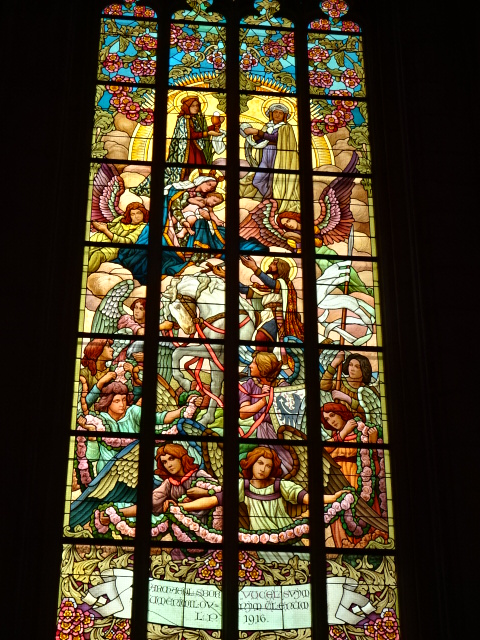
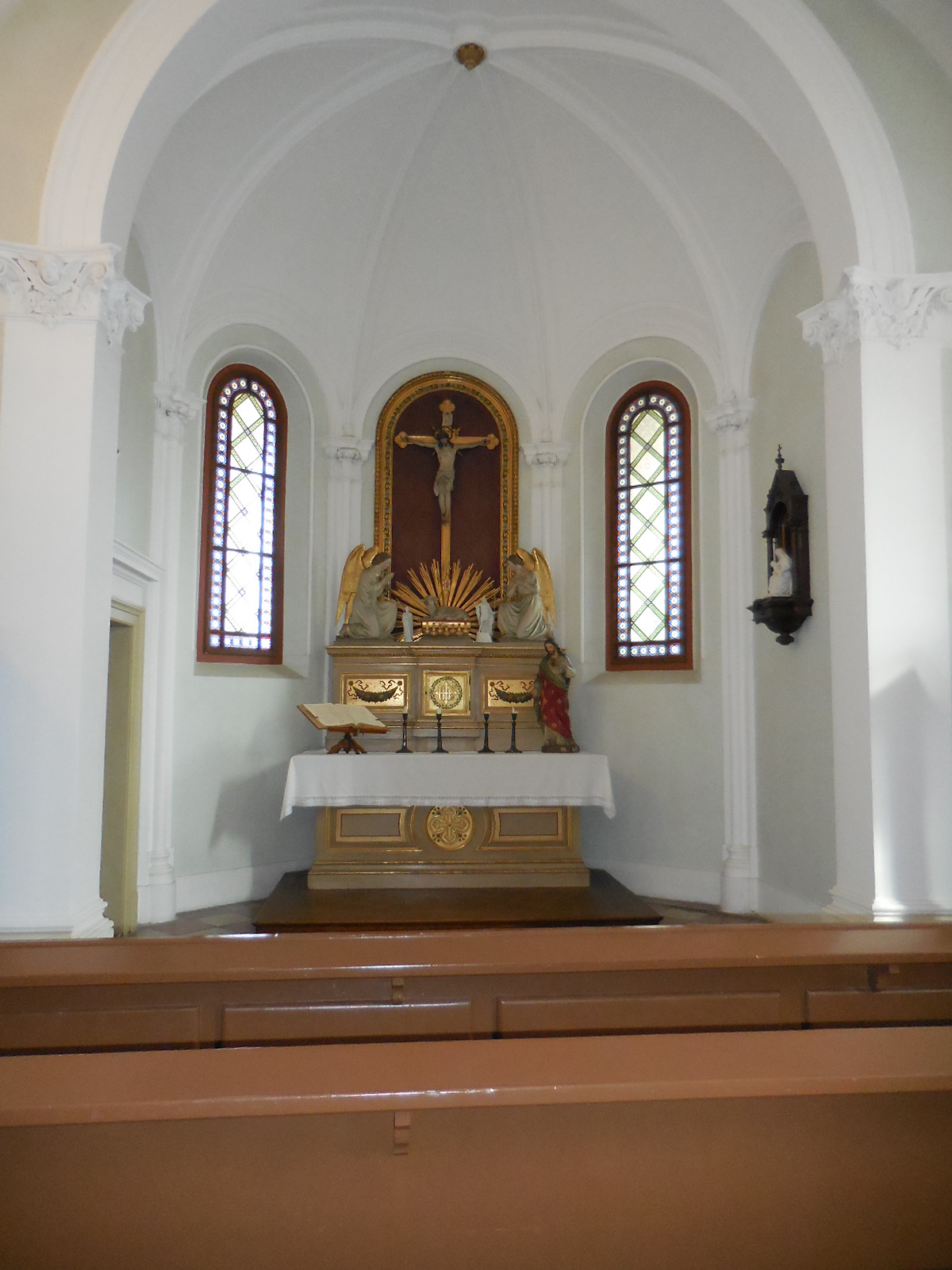
Baroque reconstruction took place when the Jesuits took charge. Then, from 1885 to 1905, remodeling was carried out. At this time the main altar and stained glass windows were formed. I was always particularly captivated with the windows dating from the end of the 19th century and beginning of the 20th century. The stained glass decoration portrays events in Kutná Hora and Czech history. Habsburg Emperor Franz Josef’s visit to Kutná Hora in the early 20th century makes up one scene.

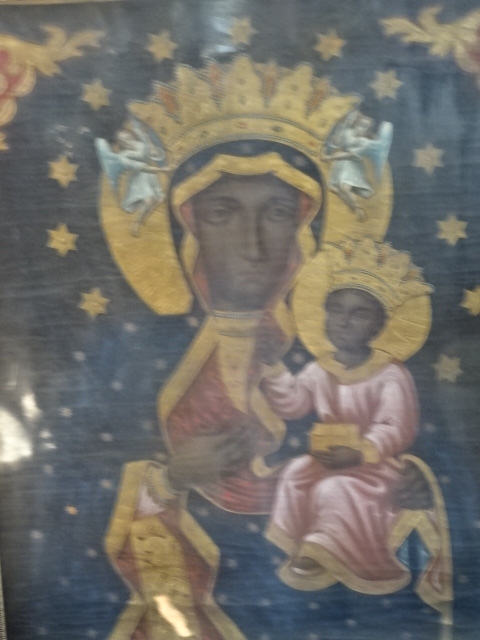
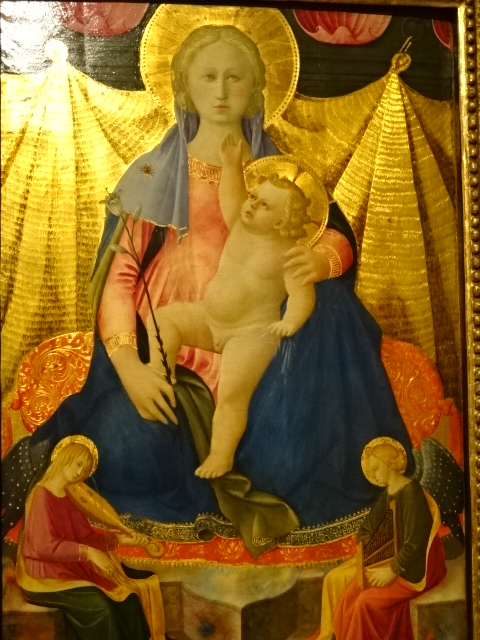
One of my favorite works in the church is the statue of a miner, which hails from 1700. The miner is holding a lamp and tool in his hands as he seems ready to traverse the depths of the mines. Another gem, the statue of Our Lady Enthroned, dates from 1308.

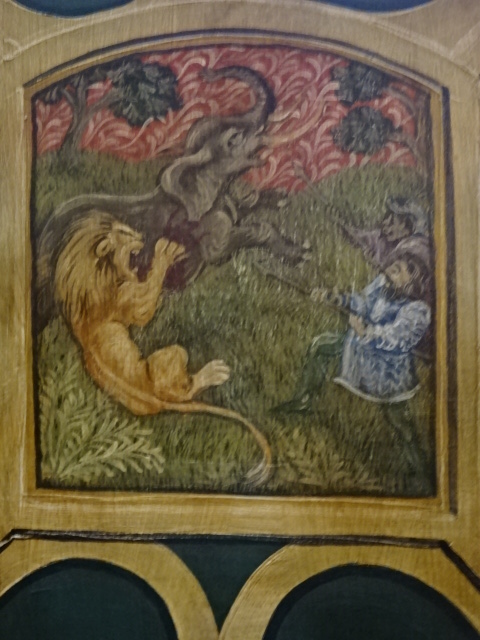
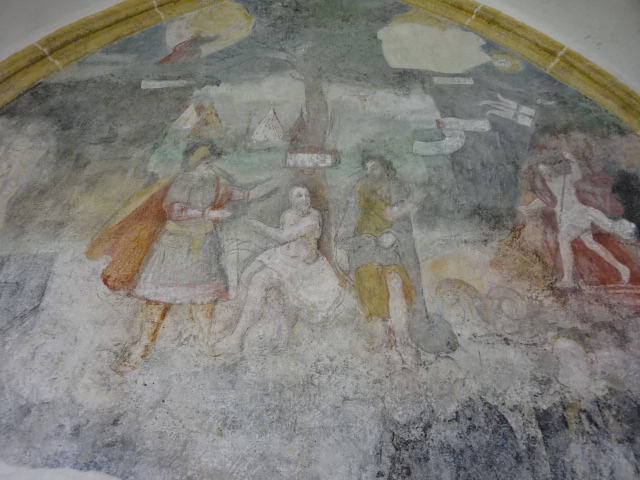
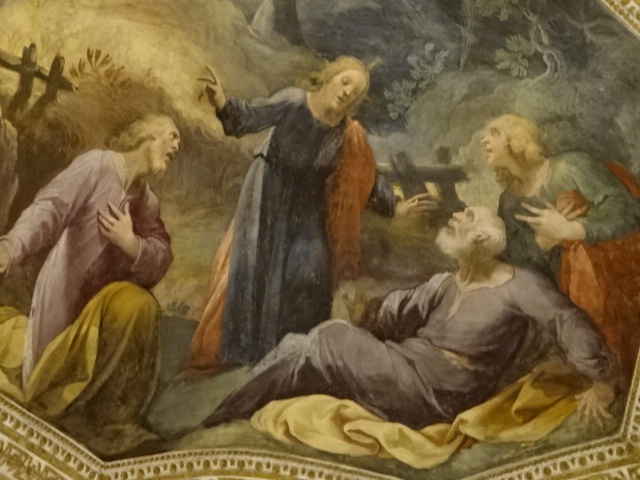
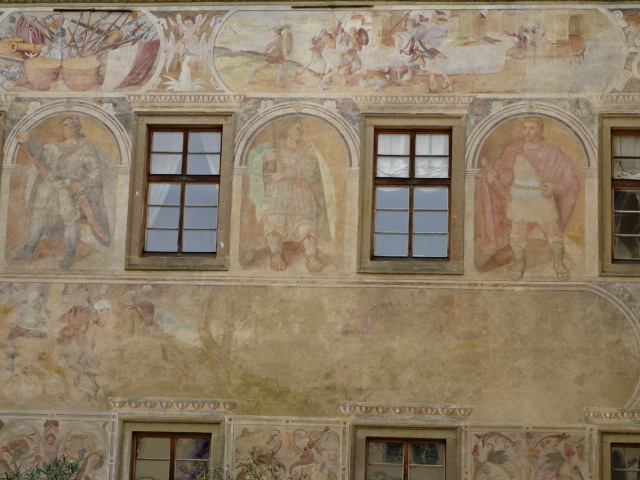
The Minters’ Chapel is one of my favorites with 15th century frescoes that include a scene of two miners doing their job and a mallet-wielding minter making the groschen coins that Kutná Hora was famous for in the Middle Ages. In Smíšek’s Chapel visitors see the family gathered around an altar and other remarkable works. Baroque frescoes also dot the interior, including the altar of Ignatius of Loyola, which shows off the conversion of Ignatius.

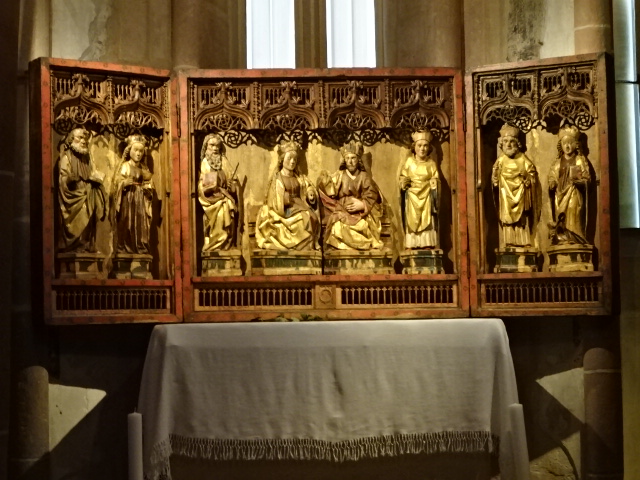
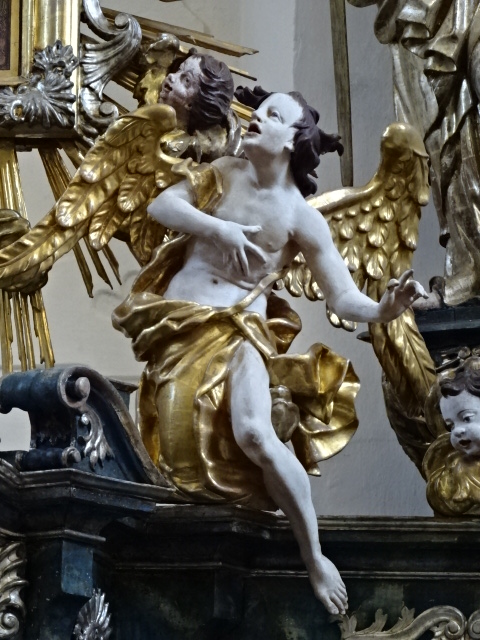
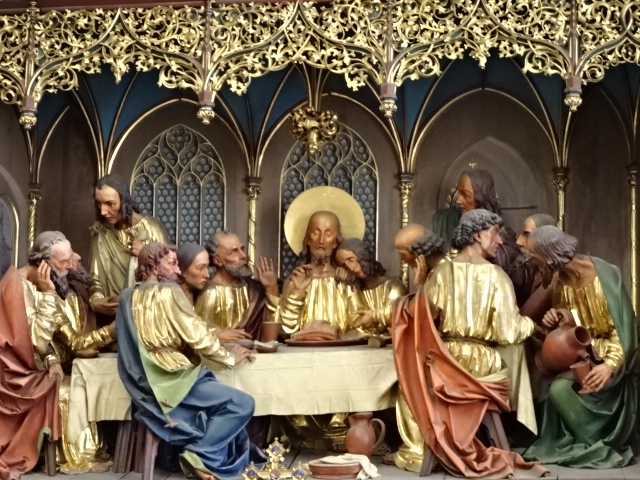
The intricate woodcarving of the choir benches hails from the late 15th century. The main altar is a Neo-Gothic replica of the original Late Gothic altar with the theme of the Last Supper. The Baroque altar of Saint Agatha is home to four Baroque paintings depicting the life of Saint Wenceslas, the patron saint of the Czech lands. The impressive stone pulpit dates from 1566.

I have never grown bored of visiting the Church of Saint Barbara, even though I have been there on numerous occasions. Both the exterior and interior are astounding as this church is the highlight of any trip to Kutná Hora.

Tracy A. Burns is a writer, proofreader and editor in Prague.

2023 Travel Diary

Amalfi Coast

Amalfi Coast

This past year’s travels included two trips to Italy, one to my beloved Milan and environs and the other to the Amalfi Coast, somewhere I have dreamed of going for many years. I also spent time visiting sights in the Czech Republic, such as Zbiroh and Karlova Koruna chateaus and the towns of Kutná hora and Hradec Králové. I also dined in the traditional Czech pub Hájenka in Kersko. I flew to northern Virginia to see my parents for two weeks in March and had a great time with them as well as with four friends. In Washington, D.C., I visited the National Portrait Gallery and Museum of American Art.

From Petr Brandl Exhibition

I saw many thrilling art exhibitions, including ones focused on the Baroque art of Petr Brandl and the Art Nouveau works of Alphonse Mucha. Karel Teige, Czech avant-garde artist best known for his interwar works, was the focus of an exhibition at the Museum of Czech Literature, which I visited for the first time in 2023.

Campari Tomb at Monumental Cemetery in Milan

My May trip to Italy last year saw me back in Milan, which I had visited for the first time the previous year. I went to several sights I had not seen before. I toured Milan’s Monumental Cemetery to see the architectural gems of tombstones in various styles from the 18th century to contemporary. A colossal sculptural grouping of Da Vinci’s The Last Supper, made for the Campari family, was my favorite.  I also saw a structure resembling the Tower of Babel and another looking like Trajan’s Column. An Egyptian pyramid shape made up another monument. Another artistic delight was Italian artist Lucio Fontana’s design of a modern angel. The sculptural decoration throughout the cemetery was astounding.

At National Museum of Science and Technology Leonardo da Vinci in Milan

I also visited the National Museum of Science and Technology Leonardo da Vinci, where I was enamored by the 170 models of Da Vinci’s drawings of buildings, machines and weaponry. I also loved the hangars featuring planes, ships and trains. A Vega Launcher hailed from 2012. A submarine also stood outside.

Paintings lined the walls at the House Museum of Boschi Da Stefano in Milan.

The House Museum of Boschi Da Stefano, located in a posh apartment outside the city center, featured 300 works of 20th century art, mostly paintings but also drawings, furniture and sculpture. Most pieces hailed from 1900 to 1960. The walls were covered with art from top to bottom. Some artists represented were Fontana, Giorgio De Chirico, Pablo Picasso and Amadeo Modigliani.

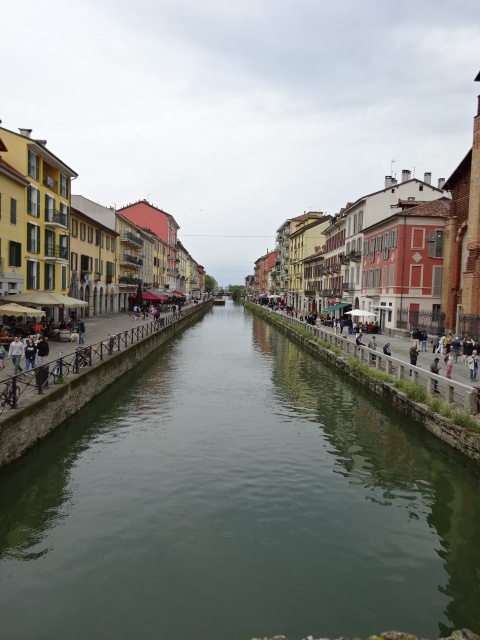
Navigli section of Milan

I also visited the Navigli district of Milan, where two picturesque streets flanked a canal, making for a picturesque setting. The Navigli is dotted with outdoor cafes and stores, including a few intriguing bookshops.

Basilica of Saint Anastasia, Verona

I spent time outside of Milan, too. I traveled to Verona for the second time. I marveled at the Basilica of Saint Anastasia, the largest church in the city as well as the cathedral and three museums – the Castelvecchio Museum, the modern art museum and the House Museum Palace Maffei – my favorite. The Basilica of Saint Anastasia was built in the 13th century and boasted a Late Gothic façade. The main altar was made from light yellow marble while one chapel housed a famous 15th century fresco. Red and white marble columns decorated the interior. The Pelligrini Chapel included a fresco from the 14th and 15th century as well as intriguing sculpture. A fresco at the left transept had been rendered by a disciple of Giotto. A rudder of a 16th century ship added to the splendid interior decoration.

Verona, House Museum Palace Maffei

Verona, House Museum Palace Maffei

However, it was the House Museum Palace Maffei that captured my heart. Half of the Palace Maffei was designed as a luxurious home punctuated by art from various eras ranging from the 14th century to modern day. The other half was a 20th century art gallery, featuring works by Picasso, Duchamp, De Chirico, Warhol, Ernst, Modigliani, Fontana and others. Paintings, sculpture, drawings, engravings, pottery, bronzes, frescoes and furniture of both Italian and foreign origin dazzled my mind.

In the Castelvecchio Museum, Verona

The Castelvecchio Museum, established in the 14th century, included 30 halls of Italian and European painting and sculpture from the Romanesque days to the 1700s. Not only did I see many paintings but also ancient weapons, ceramics, gold objects and more. The exterior featured panoramic views of the romantic city.

A romantic lane in Bellagio

My other day trip was to Lake Como, where I visited picturesque Como, Bellagio and Mennagio. Unfortunately, it rained all day, but I still had a great time. I also saw the exterior of some noteworthy villas, such as Richard Branson’s waterfront home, the Villa Carlotta and a villa where some episodes of Succession had been filmed. I saw a hotel where Greta Garbo had acted, too. The Villa Olmo in Como had a neoclassical exterior and stunning lake views. Bellagio featured steep, cobblestoned lanes and the Romanesque Basilica of San Giacomo. Mennagio was home to several intriguing churches and had a picturesque lakefront square.

House Museum Bagatti Valsecchi, Milan

House Museum Poldi Pezzoli, Milan

In Milan I also visited beloved sights that I had first seen the previous year. I returned to the House Museum Bagatti Valsecchi with its Renaissance and Neo-Renaissance art and to the House Museum Poldi Pezzoli with its art of various eras, such as medieval triptychs, ceramics, historical pocket watches and other time pieces.

Gallery of Modern Art, Milan

Gallery of Modern Art, Milan

I visited the second floor of the Gallery of Modern Art with its Grassi and Vismara Collections. The Grassi Collection featured both Italian and foreign works ranging from the 14th century to contemporary times. Oriental art was displayed, too. The Vismara Collection concentrated on 20th century masterpieces. On that floor I saw impressive art by Manet, Picasso, Gauguin, Renoir, Van Gogh and Cezanne. Toulouse Lautrec was well-represented, too.

Museum of the Risorgimento, Milan

Brera Art Gallery, Milan, Work of Andrea Mantegna

The Museum of Risorgimento remains another of my favorites with its painting, prints, sculptures and artifacts depicting Italian historical events from 1796 to 1870. The Brera Art Gallery was another highlight, as I gawked at the Italian art from the 13th to 20th century as well as at the foreign works in the 38 vast halls. I loved the paintings from the Netherlands, including those by Peter Paul Rubens and Jacob Jordaens. Other Brera-represented artists dear to my heart included Francesco Hayez, Andrea Montegna, Tintoretto and Caravaggio. I even visited an exhibition of ancient manuscripts in the historical Baroque library. Once again, I was amazed by the 16th century frescoes by Bernardino Luini, his brothers and his son in the Renaissance Church of San Maurizio in downtown Milan.

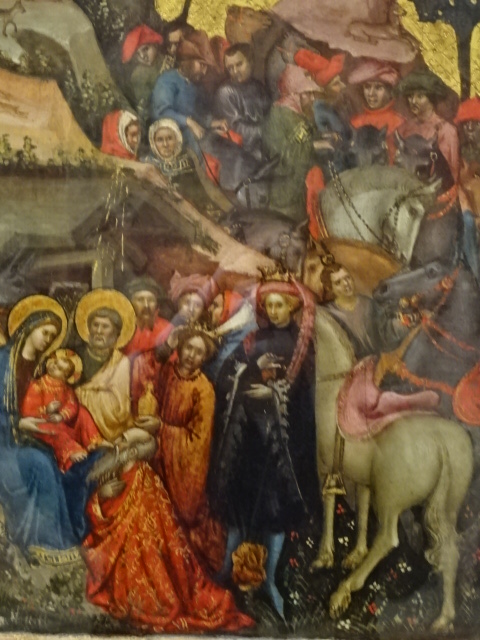
Sorrento, Nativity Scene, Cathedral of Saints Filippo and Giacomo

During my trip with arsviva travel agency to the Amalfi Coast in June, I fell in love with Sorrento. The streets were picturesque, and the Cathedral of Saints Filippo and Giacomo was Romanesque with a Neo-Gothic façade. Three lunettes showed off beautiful frescoes while a rose window also astounded. Inside, the Latin cross interior boasted three naves with 14 pilasters. The pulpit, hailing from the 16th century, had Doric columns. Stunning frescoes on the cupola, intarsia adornment and a Baroque ceiling were other remarkable elements. The Chapel of Nativity displayed a Neapolitan Nativity scene from the 17th century.

Correale Museum, Sorrento

Museum of Intarsia, Sorrento

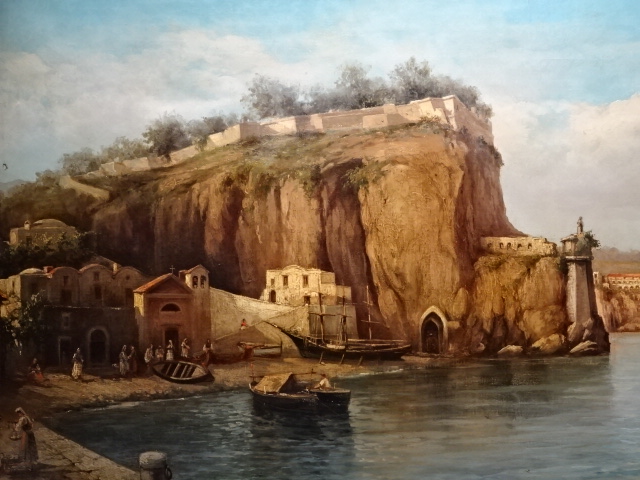
The Correale Museum served as a provincial art gallery, and I was enthralled by the 17th and 18th century Italian landscapes, especially those of Castellammare di Stabia, where we were staying. Greek and Roman fragments, historical furniture, clocks, ceramics and porcelain were also on display. The waterfront boasted spectacular views of the sea, which were very soothing. The highlight of my visit to Sorrento was the Museum of Intarsia, with everything from music stands to large beds showing off intarsia decoration by local artists. Some historical paintings were also on display. Downstairs, I saw the innovative, avantgarde designs of contemporary intarsia artwork.

Pompei

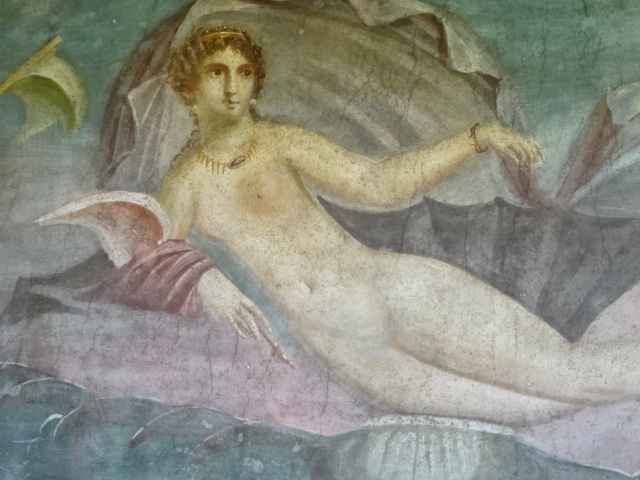
I also visited Pompei for a second time. Even though the day was scorching hot, I enjoyed seeing the small and big theatre, the basilica and three temples, especially the one named after Apollo with its 48 Ionic columns. The amphitheatre with a capacity of 20,000 spectators also caught my undivided attention. The wall paintings and mosaic floors of what had been luxurious homes were sights to behold as well.

Ravello, pulpit in cathedral

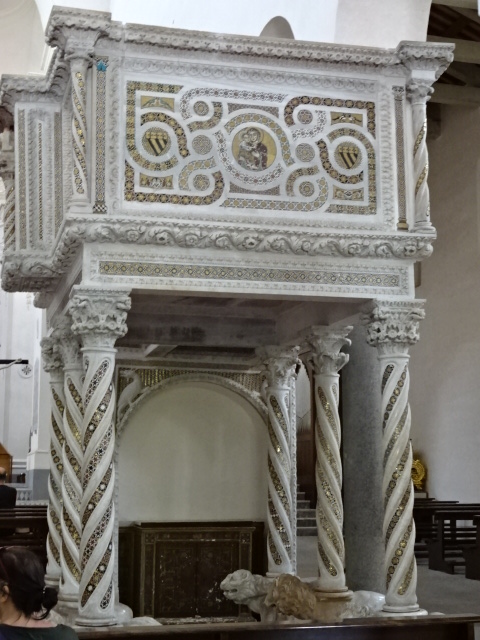
We moved to a nice hotel in the picturesque, tranquil town of Maiori, where I could spend time in a café or restaurant overlooking the beach or savor homemade ice cream. The town that had made it on UNESCO’s list during 1997 was a perfect place to relax after a busy day out. Before arriving at our hotel in Maiori, we saw Ravello’s Romanesque Cathedral of Saint Maria Assunta and Saint Panteleone, hailing from the 11th century. I admired the 12th century bronze doors and remarkable 13th century Pulpit of Gospels adorned with mosaics. One 16th century chapel contained an phial of blood of Saint Panteleone. The views of the sea from the hilly town were spectacular, too. Numerous famous guests, from Richard Wagner to Virginia Woolf and Greta Garbo, had graced the streets of this town.

Ravello Cathedral, bronze doors of central portal

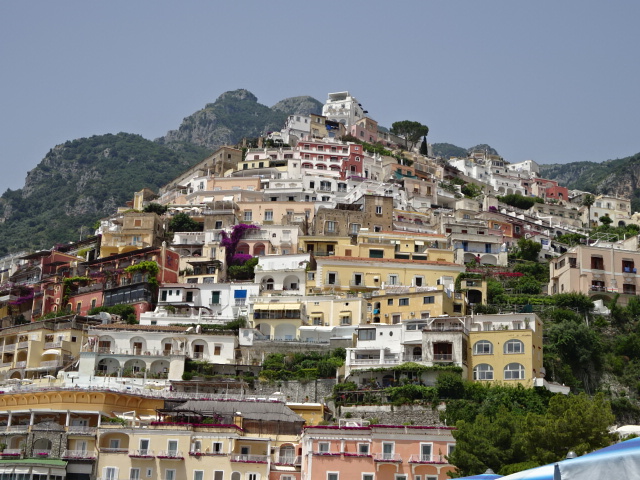
Positano, a UNESCO-listed tourist site since 1997, was a picturesque hillside town, but, unfortunately, during this past June, it was much too crowded to enjoy. I did peek into the church, though. Its main altar showed off a Byzantine icon from the 13th century. The views of the sea were fabulous.

Cathedral of Saint Andrew, Amalfi

Cathedral of Saint Andrew, Amalfi

Another highlight of my trip was visiting the Cathedral of Saint Andrew in Amalfi, which was founded in the ninth century AD and boasted a 13th century Arab-Norman exterior with Italian Neo-Gothic elements. The mosaic adornment in the tympanum is stunning. Sixty-two steep steps led to the bronze doors of the central portal that hailed from Constantinople, made in the 11th century. A cloister included some intriguing fragments of wall paintings while the interior had Baroque features along with Gothic and Renaissance chapels. The Basilica of the Crucifix harkened back to the ninth century and served as a museum of sacral objects, including sculpture and vestments. The crypt, where the relics of Saint Andrew were held, was stunning with much ceiling and wall decoration.

Paper Museum at paper mill, Amalfi

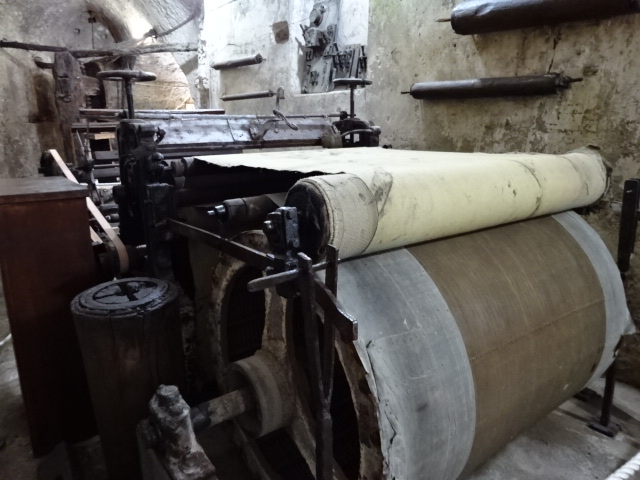
I also was enamored with the still functioning paper mill at the Paper Museum. The Pope used paper made in Amalfi, which held the distinction of being the oldest paper manufacturer in Europe. The machines and the processes of making and drying the paper were enthralling.

Cathedral of Saint Matthew, Salerno

Salerno was a pleasant surprise. The Romanesque Cathedral of Saint Matthew hailed from the 11th century. The tower was a mixture of Byzantine and Norman styles. The central bronze door was made in Constantinople. Two Byzantine mosaic-decorated pulpits with intricate intarsia amazed in the once Romanesque interior that had been mostly transformed into Baroque style. Mosaics throughout the cathedral were stunning. Frescoes in the treasury chapels were accompanied by a silver statue of Pope Gregory VII. The Late Mannerist ceiling and wall frescoes in the crypt were remarkable, hailing from the middle of the 17th century. A reliquary of Saint Matthew’s arm was on display, too.

Diocese Museum, Salerno

I also visited the nearby Diocese Museum, which featured paintings, sculpture and objects from the Middle Ages to the 20th century.  I was most drawn to the medieval altarpieces. The provincial picture gallery was small but included an eclectic array of intriguing works from the 15th to 18th century.

Cathedral of Saint Barbara, Kutná hora

Cathedral of Saint Barbara, Kutná hora

I took some day trips in the Czech Republic, too. We visited Kutná hora, the home of prosperous silver mines from the 13th to 15th century, during one stunning fall day. Saint Barbara’s Cathedral, with its Neo-Gothic exterior of buttresses and gargoyles, astounded me. Inside, I admired exquisite stained glass windows as well as remarkable late Gothic frescoes and a 16th century stone pulpit. The Gothic royal chapel with Art Nouveau decoration at the Italian Court was another remarkable gem.

Pub in Kersko

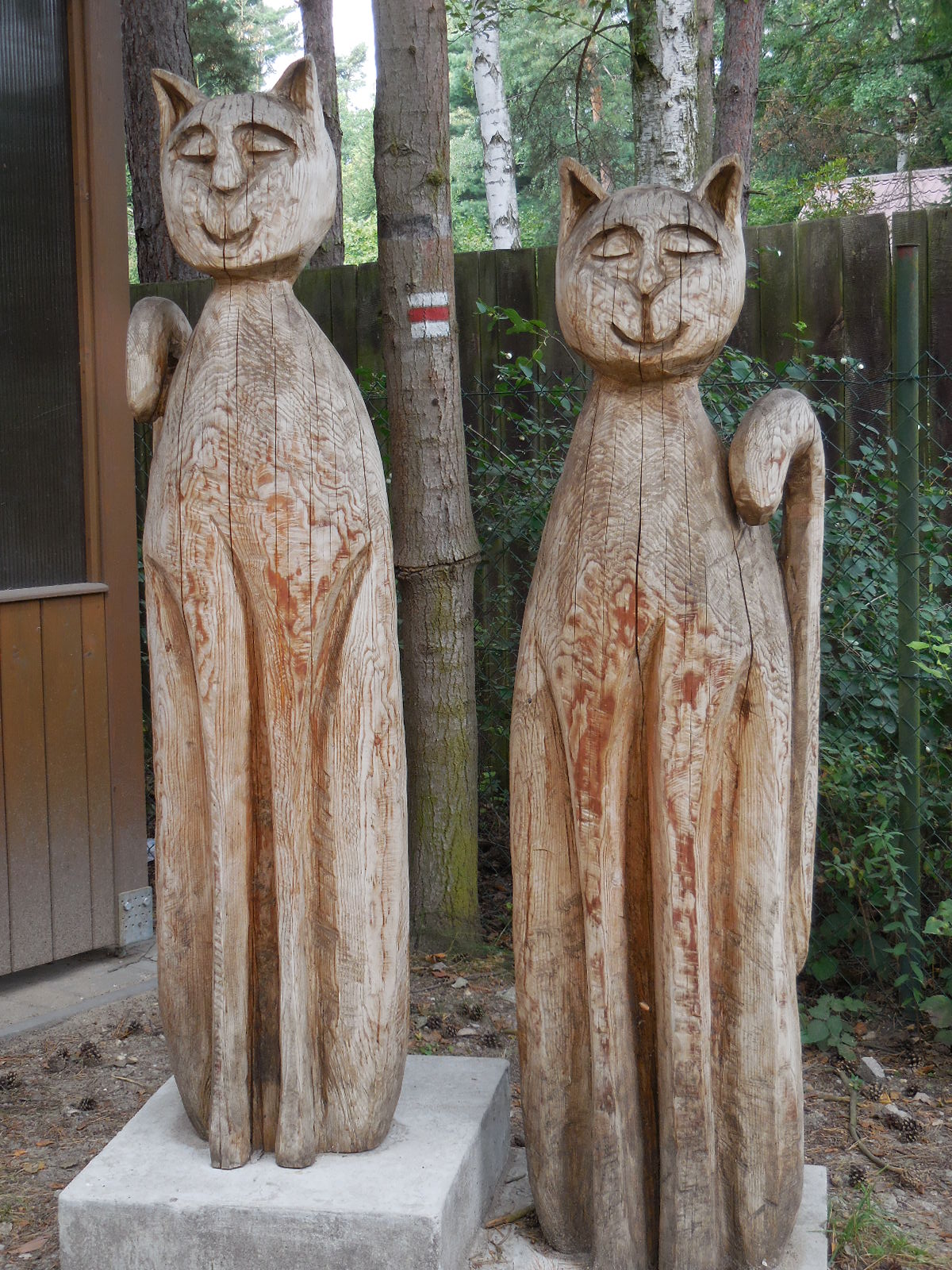
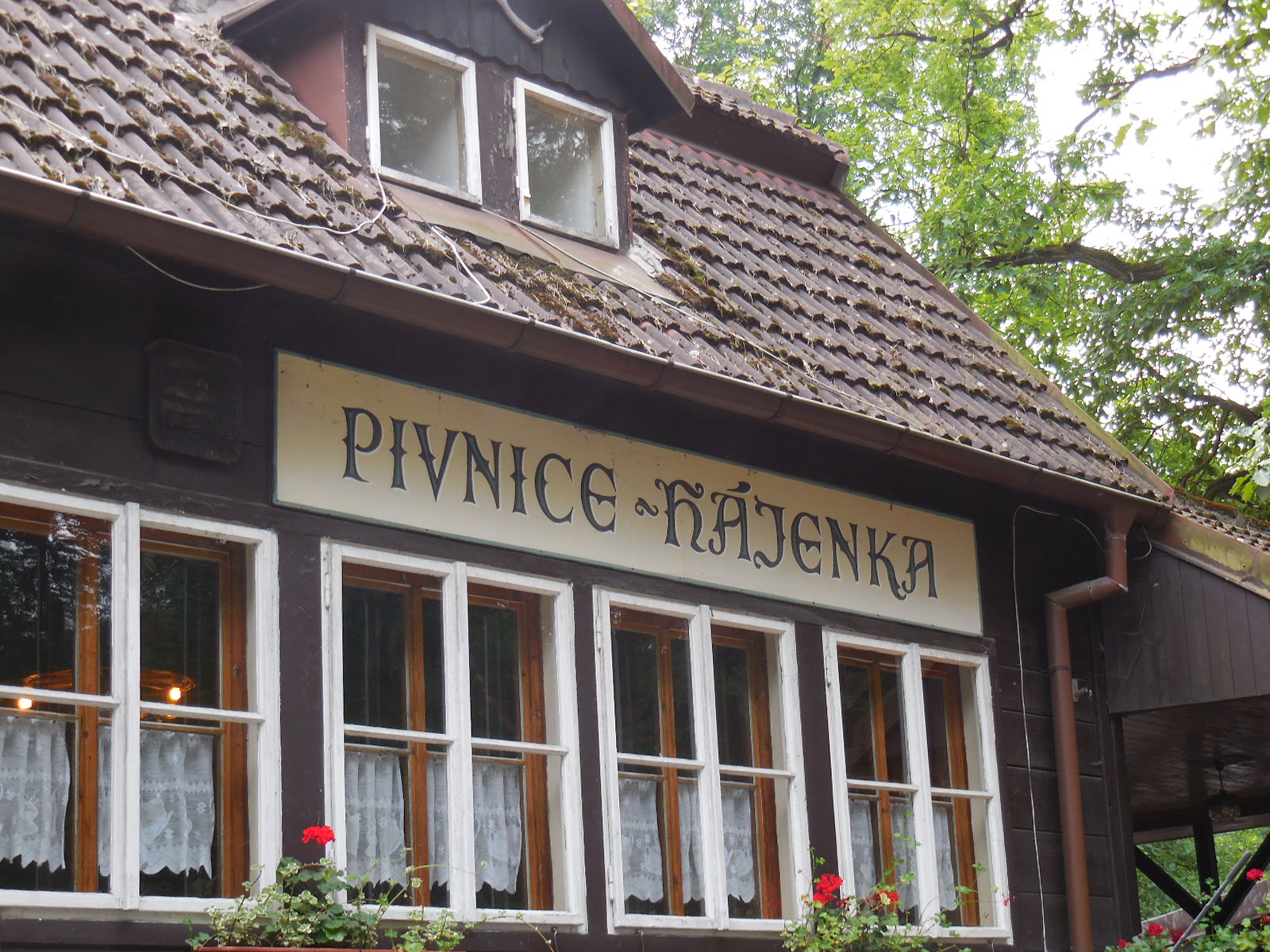
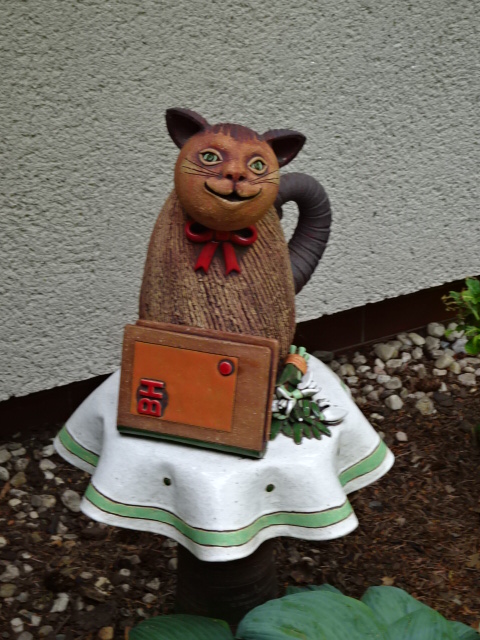
I visited Kersko twice this fall. I dreamed of owning a cottage in the tranquil, wooded village. I had lunch at the traditional Czech pub called Hájenka, where several films based on Bohumil Hrabal’s writings had been shot. Hrabal had lived in a cottage nearby for many years, feeding all the feral cats that would wander hungrily toward his home.

Zbiroh Chateau

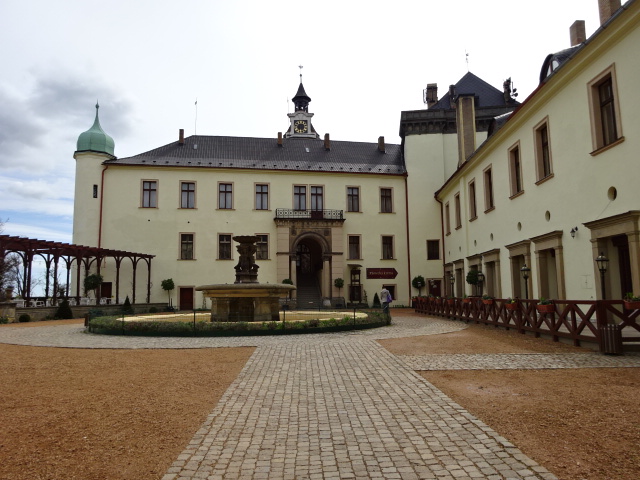
I also toured the chateaus of Zbiroh and Karlova Koruna. Zbiroh, built before 1230, for decades served as a top-secret facility for the Czechoslovak army. Its representative rooms were open to the public only in 2005. The chateau boasted many Madonna statues and other sculpture of great interest as well as African masks, tapestries, Empire furnishings and copies of Leonardo da Vinci paintings. Alphonse Mucha had used the spectacular main hall as his studio early in the 20th century. A beautiful skylight, two Czech crystal chandeliers and impressive paintings adorned Mucha’s former studio.

Exterior of Karlova Koruna Chateau

Karlova Koruna Chateau, designed by Santini-Aichel and built during the 18th century, had a roof shaped as a crown. The chateau consisted of two stories in cylindrical shape with three one-floor wings. The interior featured paintings of horses, including the unique gold-colored horses that the Kinský family had bred as well as pictures of steeplechase races. One painting of a horse race was made of 12 pieces of deerskin.

Beneš Villa

We visited the former villa of Edvard Beneš, president of Czechoslovakia during the interwar years and a prominent member of the Czechoslovak governments-in-exile during the First World War. The stunning Neo-Spanish structure included the room where Beneš died, a dark landscape painting by Antonín Slavíček hanging over his single bed. The furnishings and artworks in the house were intriguing, to say the least. Beneš and his wife Hana were buried in a monumental tomb on the premises as well.

Sucharda’s Second Villa, Prague

In Prague I visited the second villa of sculptor and relief artist Stanislav Sucharda in the Bubeneč district. Jan Kotěra designed the structure with many architecturally intriguing elements. Much of the remarkable interior furnishings had been designed by Kotěra and Sucharda. I saw examples of Sucharda’s artwork as well as pieces by Edvard Munch, Auguste Rodin and many Czech artists.

Gallery of Modern Art, Hradec Králové, Work by Emil Filla

Gallery of Modern Art, Hradec Králové, Věra Jičínská, Brittany

I saw many impressive art exhibitions this year. I traveled to Hradec Králové, where I saw the Gallery of Modern Art with its impressive collection of works by 20th century artists including Bohumil Kubišta, Emil Filla, Jaroslav Róna, Ladislav Zívr, Quido Kočian and many others. The temporary exhibition of artist and writer Věra Jičínská’s works included paintings of her travels to Brittany and Paris. Her renderings of Paris showed off orange rooftops and the Eiffel Tower. She also created paintings inspired by folk art and dance. Her photography amazed me as well. Influenced by her work as a journalist, she created a painting dedicated to this genre.

Museum of East Bohemia, designed by Jan Kotěra, Hradec Králové

The museum devoted to the history of Hradec Králové was an architectural gem designed by Kotěra. I especially liked the furnishings and designs by Josef Gočár and Kotěra as well as the sculpture by Sucharda. The mock shops from the First Republic (1918-1938) were very intriguing as I could see goods that were sold during that era and feel the atmosphere of those times.

National Technical Museum, Prague

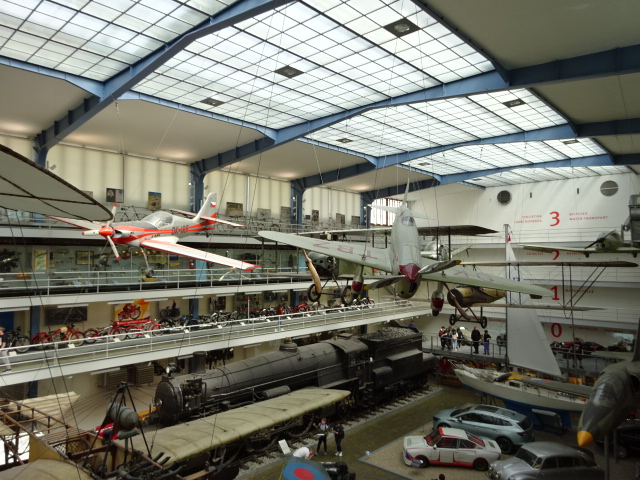
In Prague I saw the National Technical Museum for the first time. The cars, especially the 1935 Tatra 80 vehicle belonging to first Czechoslovak President Tomas G. Masaryk, fascinated me as did the motorcycles, bicycles and planes. The dining car of Habsburg Emperor Franz Joseph I, later used by President Masaryk, was also on display. I also was enamored by the architecture and engineering section and the display of old household items in another section. The TV studio, in use from 1997 to 2011, was another delight. Other areas of interest included astronomy, chemistry, printing, photography, time pieces, metallurgy and mining.

Museum of Czech Literature, book cover by Karel Teige

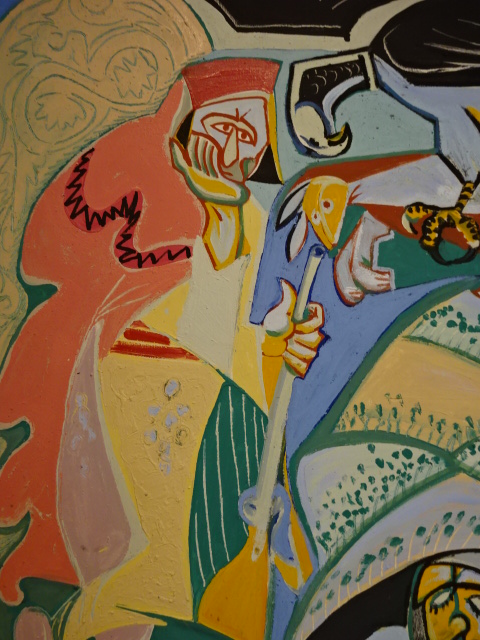
Another astounding sight in Prague was the newly-located Museum of Czech Literature, which moved to the Petschek Villa in Bubeneč during 2022. The displays cover literary developments from the 19th century National Revival movement through the 20th century. I came to appreciate the significance of the literary and art criticism periodical The Critical Monthly from the 1930s and 1940s as well as the symbolist and mystical paintings of Josef Váchal. I was most enamored by the avantgarde book covers designed by Karel Teige in the 1920s and 1930s. His unique typographical work in Vítězslav Nezval’s The Alphabet book was on display, too. A pantheon of great Czech 19th century artists included objects associated with the writers and their busts.

Karel Teige, Greetings from a Journey

A temporary exhibition focusing on Teige’s youth and early career from 1912 to 1925 was amazing, showing off his artwork, photographs, correspondence and more. I understood very well why this artist, writer, theoretician, critic, translator, book designer, typographer and photographer was considered the leading figure of the Czech avantgarde movement between the wars.

Trade Fair Palace, Prague, Fire by Josef Čapek

At The Trade Fair Palace in Prague, I saw the newly installed End of the Black-and-White Era permanent exhibition of art from 1939 to 2021 in chronological order. More than 300 works, mostly Czech, were displayed with historical context. Josef Čapek’s painting “Fire,” showing a fury of flames behind a woman, presents an anti-Nazi theme. The focus on urban life and factories as well as everyday life was highlighted with the works of Kamil Lhoták. The exhibition featured many works made during the Stalinization period of the 1950s with the style of social realism. Martin Slanský depicted Lenin in a snowy Prague. A model of the design of the monument to Stalin in Prague was on display, too.

Trade Fair Palace, Prague, The Dialogue by Karel Nepráš

The progressive movements of the 1960s made way for the red abstract figures of Karel Nepráš. From the late 1960s to early 1980s art as installation came to the forefront. Action art, performance and body art were often the focus of the times. The late 1980s triggered the impersonal postmodernism movement. After the 1989 Velvet Revolution that toppled the Communist regime in Czechoslovakia, individuality and quests for personal identity came to the fore. Some artists focused on the commercialization of society. This new exhibition was extensive and moving. I felt drawn into each historical period up to the present day. The works displayed well represented the movements expressed. I could see how society and culture kept changing and how art reflected those changes.

Saint Jerome by Petr Brandl

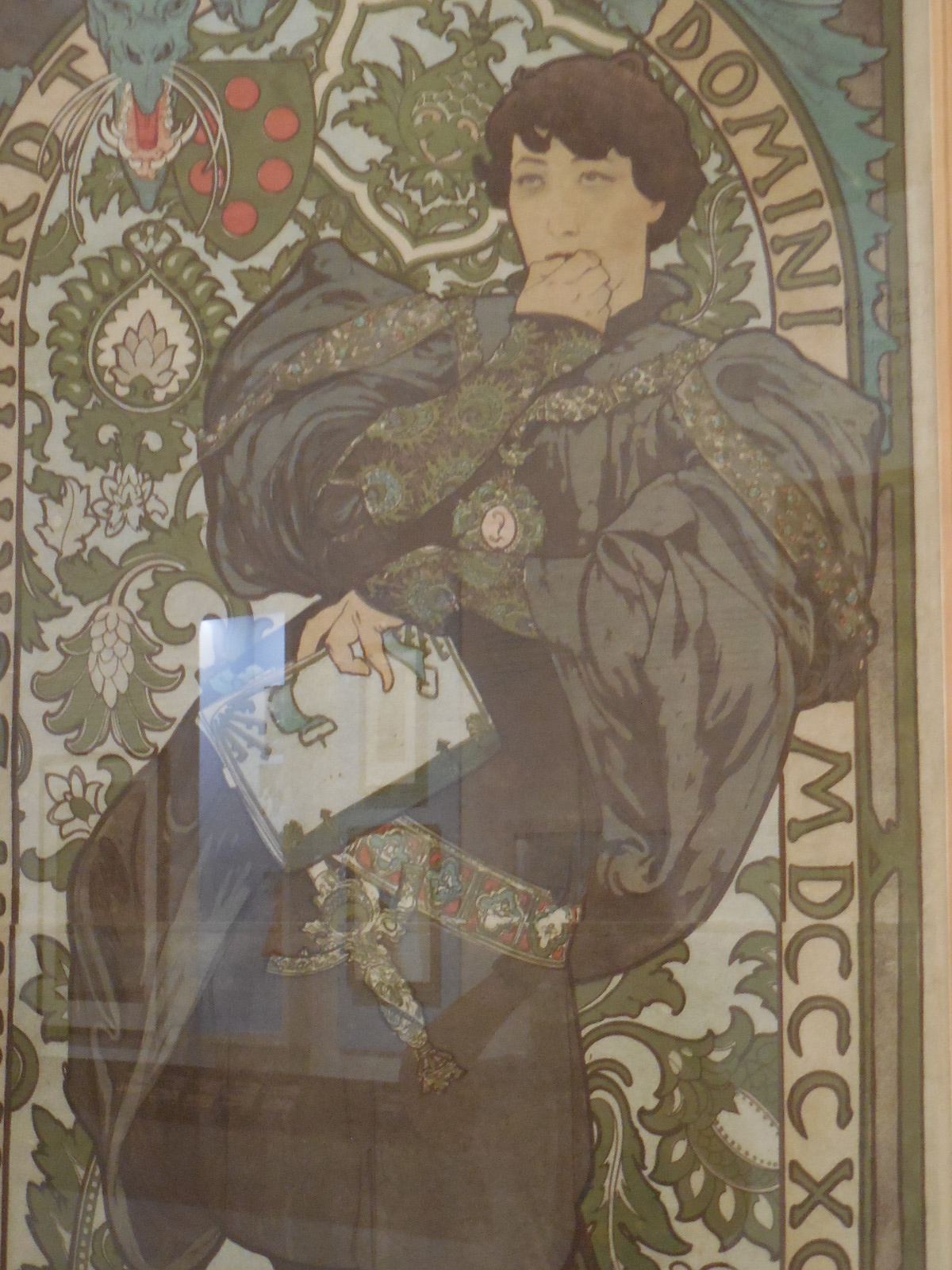
I went to many intriguing temporary exhibitions in Prague, too. I saw 64 religious works, genre paintings and portraits by Czech Baroque artist Petr Brandl. An extensive exhibition of Alphonse Mucha’s versatile works owned by his descendants included some originals never before put on display. Mucha’s ad posters, drawings, paintings, sculptures, photographs and jewelry all captured my undivided attention.

Sculpture by Janouch

I saw sculpture of athletes in motion and busts of illustrious Czechs by Petr Janouch in Prague’s Kooperativa Gallery. An earlier exhibition there featured Czech 19th and 20th century paintings involving water – puddles, lakes, waterfalls, streams, rivers and so on. I especially liked one painting by Josef Čapek showing a fisherman on a boat in a river. Landscapes with water themes by Slavíček and Antonín Hudeček also astounded.

Sculpture by Ivan Mestrovic

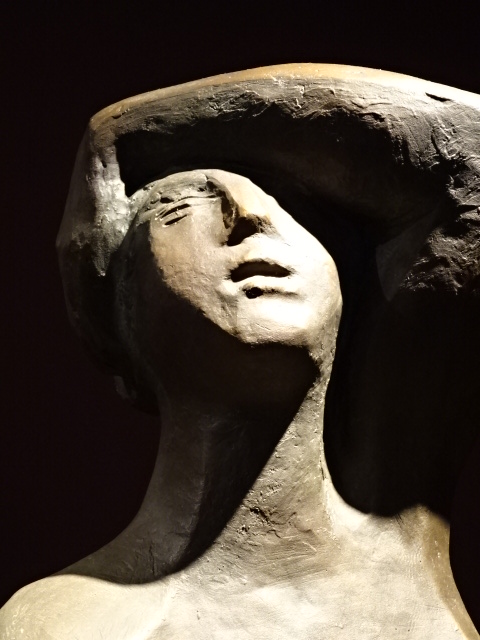
At the City Library Gallery I saw an exhibition of sculpture by Croatian Ivan Mestrovic (1883-1962). I had come across his art at his villa in Split during a vacation many years ago. Mestrovic, who had befriended first Czechoslovak President Masaryk and Czech sculptor Bohumil Kafka, had delved into a variety of styles, including Art Nouveau, Symbolism, Impressionism, Art Deco, Neoclassicism and late Realism, while preserving a Classical foundation. He focused on numerous themes – religious motifs, portraits and monumental works as well as studies of figures.

Olinka

However, shortly after I returned from the Amalfi Coast, I had to temporarily halt any traveling so I could be at home with Olinka, who was diagnosed with neurological issues that greatly affected her mobility. A MRI showed that she suffered from inflammation of the middle ear. A terrified Olinka spent a total of four nights in the hospital and was on antibiotics for ten weeks. Every two weeks we went to the vet so she could get her antibiotic shot.

Olinka

The first four days at home after three nights in the hospital she could hardly walk and was very disoriented. Those initial few days she stayed mostly in the bedroom closet, only appearing for food and the use of the litter box. She didn’t play with her toys for three weeks. Before her illness, I had been frustrated with Olinka because she always knocked everything off tables and the kitchen counter. Sometimes it felt like a never-ending battle. At the start of her illness, I came to appreciate even her most frustrating quirks. I just wanted her knocking everything off surfaces again, back to her old self. The broken glass on the screen of my mobile phone is proof that she is once again doing just that. 

Olinka

I will never forget her first night back from the hospital. She somehow made her way onto the bed and reclined below my pillow. I rested next to her, my arms around her. We stayed like that for an hour or two, just spending time with each other, appreciating that she was alive and at home. I will always remember that feeling of relief and love more profoundly than any experience during my exciting travels.

Tracy A. Burns is a writer, proofreader and editor in Prague.

Olinka on Christmas Eve

From Alphonse Mucha exhibition

Municipal House, Prague, Mayor’s Hall, decoration by Alphonse Mucha

I toured the Municipal House in Prague. Once again, I was captivated by its Art Nouveau interior.

2021 Travel Diary

Bust of first President of Czechoslovakia, Tomáš Garrigue Masaryk from TGM Museum in Lány

This past year my travel was once again marred by the dangers of the pandemic, and I didn’t want to take any unnecessary risks. I took day trips in the Czech Republic during the summer months, when the chateaus and castles were open. While I did not wander far from Prague, these trips did provide me with a fresh perspective of the world around me and of my own life. I tended to spend most of my time at home as a sort of recluse, and these trips offered me a chance to appreciate the world around me. Fears of getting coronavirus despite being vaccinated prevented me from gathering with friends in cafes. When I went on these trips, I traveled with a good friend, and that also helped keep me sane. We always went by car, which was much easier and much more comfortable than going by public transportation.

Tomáš Garrigue Masaryk
Czech soldiers during World War I

Our first trip in late May was to Lány, where the presidential summer residence was located along with its stunning park. I also visited an intriguing museum dedicated to the founder of Czechoslovakia and its first president, Tomáš Garrigue Masaryk. I had named my cat Šarlota after the first First Lady of Czechoslovakia, American Charlotte Garrigue Masaryk. (Šarlota is Charlotte in Czech.) I also paid my respects to the Masaryk family at the cemetery nearby.

Furnishings from the First Republic period
Panels explaining architecture and construction during the First Republic

The museum highlights, for example, Masaryk’s time as head of the government-in-exile in London and his trip to the USA to convince US President Woodrow Wilson to support Czechoslovakia becoming a country of its own. Masaryk abdicated due to poor health  after 17 years in office. His many accomplishments and problems during his tenure are well-explained in these exhibits. One section shows off the role of the Czechoslovak legions fighting in Russia as part of the French army during World War I. Intriguing information about society and sport during the First Republic are on display, too.

The Masaryk graves in Lány

Then we went to the cemetery, where simple slabs mark the graves of Tomáš, his wife Charlotte (who died in 1923), son Jan and daughter Alice. I admired the modest yet eloquent gravestones in a quiet part of this cemetery. I recalled watching a film about Tomáš’ son Jan, a prominent politician whom the Communists pushed out a bathroom window to his death. I had visited the scene of the crime in the Ministry of Foreign Affairs palace some years ago, when an employee showed me around. I recalled that Tomáš, the first president of Czechoslovakia, had died at Lány chateau, where we were headed next.

Lány Chateau
The park at Lány

Only the park was open to the public. I had fallen in love with this park during my first visit back in the summer of 1991, less than two years after the Velvet Revolution had toppled Communism in Czechoslovakia. Lány Chateau has served as the summer residence of Czechoslovak and Czech presidents since the state purchased it in 1921. From the late 17th century until 1921 it was the property of the Furstenberg family. In earlier days it had even been owned by Holy Roman Emperor Rudolf II. Masterful Slovenian architect Josip Plečník had decorated the park during Masaryk’s tenure. A symbolic, spectacular fountain, two ponds, three small bridges, a cottage with fairy-tale decoration, beehives and Neo-Gothic Riding Stables all mesmerized me along with a greenhouse. Walking down the main chestnut-lined path, I saw better the beauty of the world around me as well as the beauty inside me. I tried to imagine Masaryk riding one of his beloved horses in the park or seated on a bench talking with prominent Czech writer Karel Čapek, one of my favorite authors.

Červená Lhota Chateau
Interior of Červená Lhota Chateau

We made the trip to the fairy-tale bright red chateau Červená Lhota, which used to be surrounded by water. Alas, there is no water around it now. I recalled my first visit, when I was entranced by the reflection of the cheerful-looking structure in the pond. I also recalled my first attempted trip to the chateau, more than 15 years earlier, when I mistakenly traveled to another village with the same name in an entirely different part of the country. I also recalled the four friends I had made the first time I was successful at traveling to the chateau, walking the 10 kilometers from the train station while talking about life with my friendly companions.

Interior of Červená Lhota Chateau

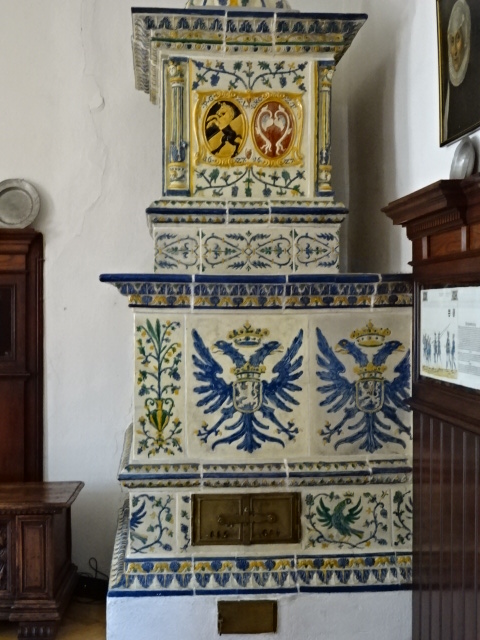
The chateau got the name Červená Lhota – červená means red in Czech – during 1597, when it was painted that color. Legend claims that the devil had kidnapped a lady at the chateau, and she had died. After her murder, a spot of blood could be seen under a window of the then white façade. Another legend says that her blood had covered the chateau exterior, and the red color was permanent. Perhaps the family best associated with the chateau is the Schonburg-Hartenstein clan, who owned it from 1835 for 110 years. Indeed, the interior took its appearance from the start of the 20th century, when this family was in residence. We saw mostly authentic furnishings, which is always a treat. The painted ceilings, superb artwork, elaborate clocks, beautiful tiled stoves, intarsia-decorated furniture and graphics collection all held my undivided attention.

Jemniště Chateau

Another week we traveled about an hour from Prague to Jemniště Chateau, a Baroque gem completed about 1725, though most of it burned down in 1754 and had to be rebuilt. Leading Czech Baroque painter Václav Vavřinec Reiner and legendary Baroque sculptor Matyáš Bernard Braun did some of the reconstruction. The Sternberg family took possession of the chateau in 1898, but it was confiscated by the Nazis in 1943 and then nationalized by the Communists in 1951. After the Velvet Revolution, the Sternbergs did get the chateau back, and some members of the family live there today.

Park of Jemniště Chateau
Jemniště Chateau from the park

The Main Hall was astounding with four portraits of Habsburg rulers on the walls, ceiling frescoes with mythological themes and a superb rendition of three allegories of the four seasons. In other spaces, I loved the Dutch Baroque furniture with colored woods. Saint Joseph’s Chapel featured remarkable frescoes.

Český Šternberk Castle in the distance
View from Český Šternberk Castle

Another trip took us to Český Sternberk Castle, which is, in my opinion, the most impressive of the three medieval castles in Central Bohemia, outdoing Karlštejn and Křivoklát. The exterior is imposing Gothic with a steep climb to the entrance gate. The interior spaces are decorated in various historical styles from Renaissance to Rococo. The castle dates back to the mid-thirteenth century, when Zdeslav of Divišov changed his name to Sternberg, the family that owns the castle today. When the Communists took the castle away from then owner Jiří Sternberg in 1949, he and his family still resided there, allowed to use only two small rooms. Jiří even gave tours of the castle. At long last, in 1992, the current owner got the property back.

Interior of Český Šternberk Castle
Knights’ Hall

The Knights’ Hall dated from around 1500 and features ornate 17th century stucco adornment. Life-size portraits on the walls showed generals from the Thirty Years’ War and King George of Poděbrady. Two 250-kilogram Czech crystal chandeliers amaze. This was the first but certainly not the last room where the eight-pointed Sternberg star had a prominent presence. The Yellow Salon featured its Empire wall painting of idyllic country scenes. The Dining Room showed off marvelous paintings. Dutch Baroque furniture with a floral motif graced another room. On the tour, we saw many renditions of battles – Sternberg owns 545 paintings of the battles during the Thirty Years’ War. Paintings by Filip Sternberg also are on display.

Karlštejn Castle from the picturesque main street

It was stupid of me to book a tour of Karlštejn Castle for a Friday afternoon. Traffic was hell, but there was nowhere to turn back. It was scorching hot. We walked up the steep road to the castle, gasping for air and needing a few short water breaks. Astounding Gothic Karlštejn Castle loomed above us. Its history was legendary. The castle was constructed for Holy Roman Emperor Charles IV in 1348, and the crown jewels of the Holy Roman Empire had been stored there until 1420. Throughout the centuries, the castle would never be totally conquered. Even a seven-month siege by the Hussites in the 15th century was successfully warded off. I had been to Karlštejn many times but not for some years. The Church of the Assumption of the Virgin Mary showed off beautiful 14th century frescoes. The walls of the small Chapel of Saint Catherine were decorated with exquisite frescoes and semi-precious stones.

Entrance gate at Karlštejn Castle

Gothic frescoes are by no means in short supply on the tour that included the chapel.  On one ceiling about 40 angels played various medieval instruments. The Chapel of the Holy Cross, the highlight of the tour, dazzled with its ornate decoration. Designed by Charles IV, the space featured semi-precious stones and 129 paintings of saints, popes, knights, emperors, martyrs, kings plus the Apostles and others. The legendary Master Theodoric, Charles IV’s court painter, created the impressive works. The gold ceiling was adorned with thousands of stars made from Venetian glass.
Blatná Chateau

Unlike Červená Lhota, Blatná in south Bohemia was surrounded by water, adding a romantic flair to the already impressive structure. It was first mentioned in writing during the 13th century. Renovation during the 15th century was carried out in part by famous architect Benedikt Ried, who was responsible for designing part of Prague Castle. The highlight for me was the Green Chamber with its exquisite Renaissance art. The Sternbergs feature in the story of this chateau as well. They took control of the structure in 1541 and added a Renaissance palace. During 1798 Baron Karel Hildprandt bought it and held onto it until the chateau was nationalized in 1948. The family was able to live there, albeit in two small rooms, despite the takeover. In 1952 they were forced out, though. When the Emperor of Ethiopia paid a visit to Czechoslovakia in 1959, he asked that the Hildprandt family be allowed to emigrate to his country. They got permission and resided in Ethiopia until the Soviet coup in the 1970s. During 1992, the family returned to the chateau and made their home at Blatná.

The chapel includes Gothic vaulting and thin, high Gothic windows. The cheerful yellow color of the Baroque Salon reminded me of the yellow kitchen in my parents’ home – a kitchen I would never see again. I loved the intarsia furniture in this space. An English clock’s decoration showed the four seasons. I also was captivated by an Oriental jewel chest with hidden drawers. I recalled my visit to the extensive ruins of Rabí Castle when I saw that structure rendered in an impressive artwork. The Painting Gallery featured a rendition of a vast landscape on a wall and a superb chandelier made of Czech glass. A map in a hallway amazed. It hailed from the 17th century and was one of only two copies in existence. I saw Prague’s Charles Bridge before the statues had been built on it.

Park at Blatná Chateau

In the Hunting Salon some furniture was made from deer antlers. Archduke Franz Ferdinand d’Este visited occasionally to go on hunting trips with the Hildprandt owner. In the Dining Room, I was drawn to the red-and-black chairs and the daiquiri green tiled stove. The 19th century Neo-Gothic furniture was impressive.  Japanese plates decorate a wall of another space with a Neo-Renaissance tiled stove and chandelier in Empire style. I noticed some Egyptian features of the Empire furniture. In other spaces an exotic landscape graced a tapestry and four paintings of Italian towns decorated a wall. A huge black Empire style tiled stove stood out in one space. In the Study of Jaroslav Rožmítl, I saw paintings of Adam and Eve plus renditions of saints George, Wenceslas and Catherine. There was an intriguing room with artifacts from Ethiopia that I had seen on previous tours, but for some reason, we did not visit that space this time. My friend and I were disappointed.

Děčín Chateau gate

We also went north to Baroque – Classicist Děčín Chateau, which had served as barracks for the Austro-Hungarian army, the Germans and the Soviets for many decades. The last Soviet soldier had departed in 1991. Its history dates back to the end of the 10th century. Děčín became a castle in the second half of the 13th century, though later it was burned down. In the 16th century the Knights from Bunau transformed it into a Renaissance chateau. The historical landmark gets its current appearance from the Thun-Hohenstein period. That family owned it from 1628 to 1932 and had nurtured a friendship with Franz Ferdinand d’Este. In fact, after Ferdinand d’Este and his wife Sophia were assassinated in Sarajevo during 1914, his children spent time at Děčín. Emperor Franz Joseph and his wife Sissy also stayed at the chateau three weeks after their wedding during the 19th century.  A 270-meter steep street gave access to the chateau. Blind arcades adorned seven-meter high walls flanking the street. There was an exquisite Rose Garden, too. A gloriette and statues of mythological gods added to the splendor of this section as did a sala terrena.

View from the chateau

The interior was vast and impressive. The library, which at one time was situated in the biggest hall, had held 90,000 books, but due to financial problems, the Thuns had to sell them. Since no one wanted to buy the entire collection, the Thun clan sold the books by the pound. Only 4,500 volumes of the previous collection have been returned. This huge space currently looked like a ballroom with splendid crystal chandeliers.

Rose Garden
Statue in Rose Garden

The exquisite Blue Room included two blue-painted walls with rich decoration, only uncovered during a 2001 restoration. A classical landscape showed people, boats, trees and temples. A large painting of the Thun family tree weighed 150 kilograms. Another room was decorated with floral motifs on blue walls. A wooden bed was made for women who slept half-seated as to not upset their elaborate hair styles. Also, people slept half-seated because they were worried they would die if they lay down on beds. A room showed off the paintings of Děčín by Karl Graff. The Chapel of Saint George was very impressive, too.

The house where my family lived for almost 50 years

In September, my last trip of the year, I spent two weeks in Virginia visiting my parents and four friends. I was constantly worried I would get covid as cases were on the rise. I tended to spend most of the time in my parents’ apartment for this reason. I wanted to go into DC to museums, but I chose to take precautions against covid and stay with my parents. It was the first time I had seen them in two years. That May they had moved from the townhouse where I had lived since the age of three. I missed the red, white and blue rug in my old room, the mahogany piano in the living room and most of all the sunny yellow kitchen where I had talked through so many problems over tea and muffins or scones. I felt as if I had not had the chance to say goodbye to the previous abode, and that rankled me. The thought of a stranger using my childhood home upset me. I liked the apartment, but my heart was back in the townhouse. Still, nothing could compare to the moment I stepped out of the taxi and saw my mother with her hands out, ready for a hug, for the first time in two years. That was one of the best moments of my life.

Šarlota on her cat tree
Šarlotka on her Prague castle
Šarlotka napping with her toys when she was 11

Yet, during that summer I had experienced one of the worst moments of my life, too. My 11-year-old black cat Šarlota suddenly lost the use of her back legs and had to be rushed to the emergency vet. She had heart problems and stayed overnight in the hospital. The next morning, I was on the balcony, trying to read but unable to concentrate, when the vet called. He said there was no hope. She had to be put to sleep. I was at the vets in an hour or less and spent about 20 minutes talking to Šarlota and petting her, explaining that she was going to meet Bohumil soon in Heaven.

I was crushed. After four horrible years, Šarlota had found me, and she had been so happy living by my side. She had been such a good cat, always thankful and appreciative of her rosy life. It was cruel for her to die after only six years with me, I thought. I spoke to her calmly and thanked her profusely for being my best friend. I will always treasure those 20 minutes. Her death was so sudden that her death still greatly pains me. Every day I almost burst into tears because she is not here.

Olinka

Four days after she died, I adopted a four-year old black cat I named Olinka Havlová Burnsová after Václav Havel’s wife, the first First Lady of the Czech Republic. Olinka’s history was tinged with sadness as well. About two weeks before I got her from a cat shelter, Olinka’s human, with whom she had a wonderful life, had been murdered at her home by a drug addict. For several days Olinka and her brothers and sisters had been alone in the house with the corpse. When the police came, they all ran away. Olinka was the first to come back to her previous territory, returning the next evening. The cat shelter where I knew the owner had caught her, and she had spent a few weeks there.

Olinka on Christmas Eve, 2021
Olinka resting while I read on the couch

The moment I saw a photo of her on the cat shelter’s Facebook page, I wanted to adopt her. When I got her, she was dealing with the death of her first mother, and I was dealing with the death of Šarlota. Now she is happy again, loves playing with all her toys, eating soft food and napping in one of her many beds. She also loves knocking everything off tables, so I have to be careful. Pens, notes and cases for glasses are sprinkled on the carpets of my flat. So far she has destroyed one alarm clock and one lampshade. She was just playing.

I wanted Christmas to be special for Olinka so I filled two stockings with toys. She was very happy during her first Christmas without her first mother, brothers and sisters. I am always astounded at how friendly she is. If a stranger comes in, she will go to him or her and demand petting. The only person she is not sure about is the cleaning lady who moves her toys in order to vacuum.

I so badly want to go back to Italy next year, to travel a little outside the Czech Republic, to wander through museums I have never visited before, to contemplate life in cathedrals, gaze up at the dome and be overcome with awe. I want to walk down picturesque streets for the first time, discovering something new at each corner. I plan on visiting my parents again, too. I hope the situation will be better in the USA whenever I do fly there again.

Tracy A. Burns is a writer and proofreader in Prague.

Italy – Puglia, Altamura
Puglia, Matera
Rome – Colosseum

Assisi

Libochovice Chateau Diary

Lobochovice6
I discovered Libochovice Chateau in 2005 and wrote about it in an article describing chateaus in north Bohemia. It was published during October of that year in The Washington Post. Libochovice is certainly a hidden gem in north Bohemia. I recalled its dazzling displays, stunning tapestries, breathtaking ceiling frescoes and beautiful tiled stoves plus exquisite jewel chests. It is a shame there are not more foreign tourists making the trip there. It has so much to offer the curious castlegoer.
Lobochovicestatue
Before entering the chateau courtyard, I peered at the statue of Jan Evangelista Purkyně, who was born in Libochovice during 1787 and who became one of the leading scientists in the world, as he delved into the studies of anatomy and physiology. His father had worked for the Dietrichsteins, the family who had owned the chateau at that time. For two years Purkyně served as a tutor at Blatná Chateau, a remarkable sight in south Bohemia. Later, he made numerous discoveries in the scientific sphere, such as the Purkinje effect, Purkinje cells, Purkinje fibers, Purkinje images and the Purkinje shift. He also coined the scientific terms plasma and protoplasm. A crater on the moon and an asteroid are named after him.
Lobochovice3
Before my trip, I had read up on the history of the town and chateau. Located near the romantic ruins of Házmburk Castle, Libochovice was first mentioned in writing at the beginning of the 13th century. At that time, Házmburk Castle, then called Klapý and by no means a ruin, played a major role in the development in the town. A wooden fortress was built in Libochovice, and it was later replaced by a stone Gothic structure. During the Hussite Wars of the 15th century, the castle in Libochovice was razed, the town conquered.
Lobochovice4
The Lobkowiczs took over the properties in 1558, and they were responsible for constructing a Renaissance chateau with 28 rooms on the premises. When Jiří Lobkowicz revolted against Emperor Rudolf II in 1594, he was imprisoned, and his property was confiscated. That’s when the Sternberg family took control. Still, times were not rosy. The Thirty Years’ War did much damage, and during a fire in 1661, the chateau was destroyed.
Lobochovice1
When Václav Vojtěch Sternberg sold Libochovice to Austrian noble Gundarkar from Dietrichstein in 1676, a new era had begun. The Dietrichsteins would retain ownership until 1858. The chateau was reborn from 1683 to 1690, designed in early Baroque style. There were four wings with a courtyard decorated with Tuscan pilasters and arcades. A sala terrena on the ground floor led to the garden.
Lobochovicefresco2
Unfortunately, Gundakar died before the construction of the two-floor structure was completed. His daughter Terezie was then in charge of the chateau, and she had renovations made in the 1870s. More reconstruction occurred from 1902 to 1912. In the 19th century Johann Friedrich Herberstein added many objects of interest to the chateau collection. An avid traveler, he toured Egypt, Syria, Persia and India, for instance.
Lobochovicefresco4
During World War II the chateau’s history was bleak. That’s when Nazis took over Libochovice Chateau. Sixty-five residents of the town and surroundings revolted against the Third Reich and were beheaded by the Nazis. After 1945 the chateau was confiscated and nationalized because wartime owner Friedrich Herberstein had obtained German citizenship. More reconstruction took place throughout the decades, and in 2002 the chateau was declared a national monument.
Lobochovicesallaterrana
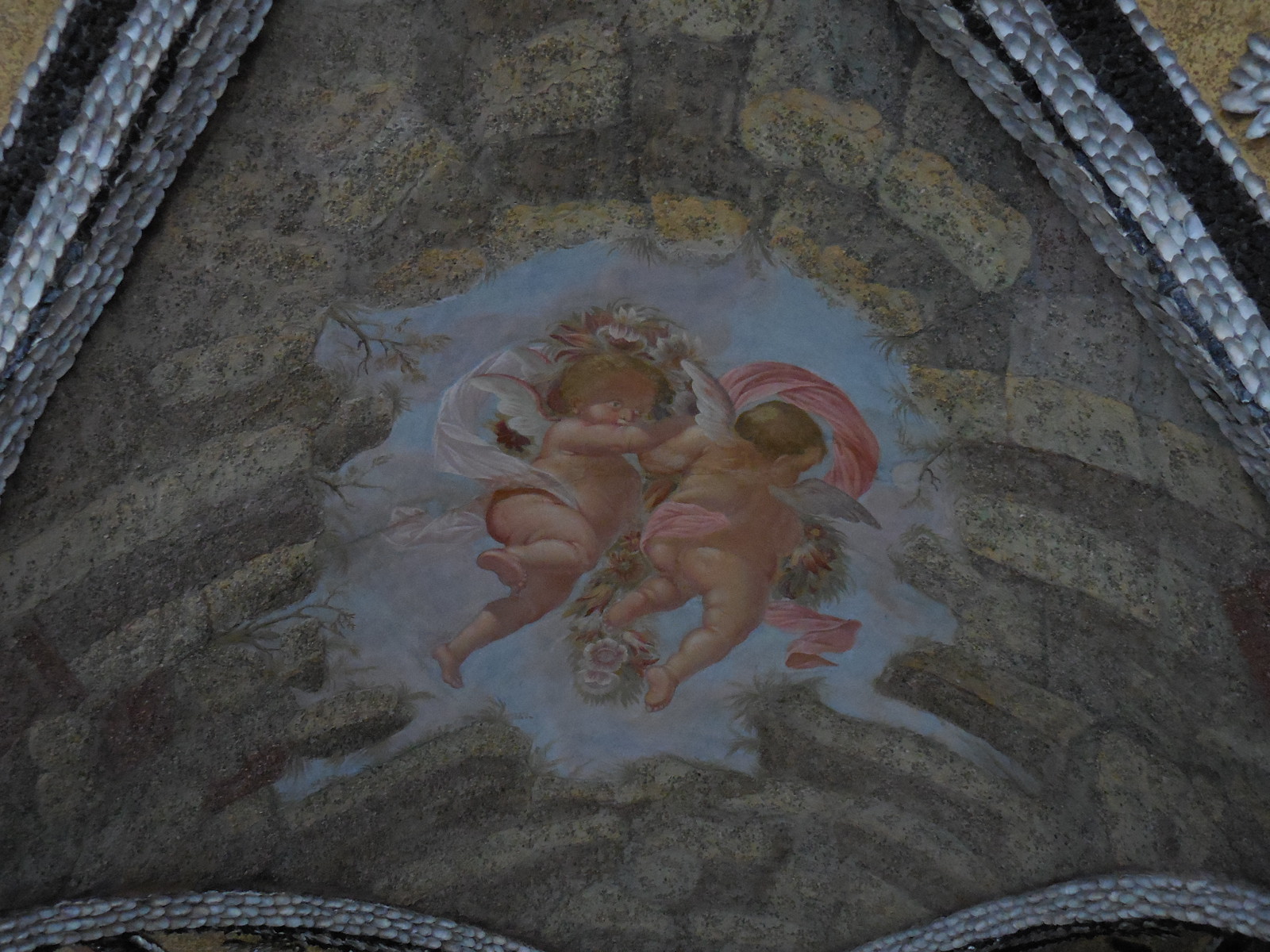
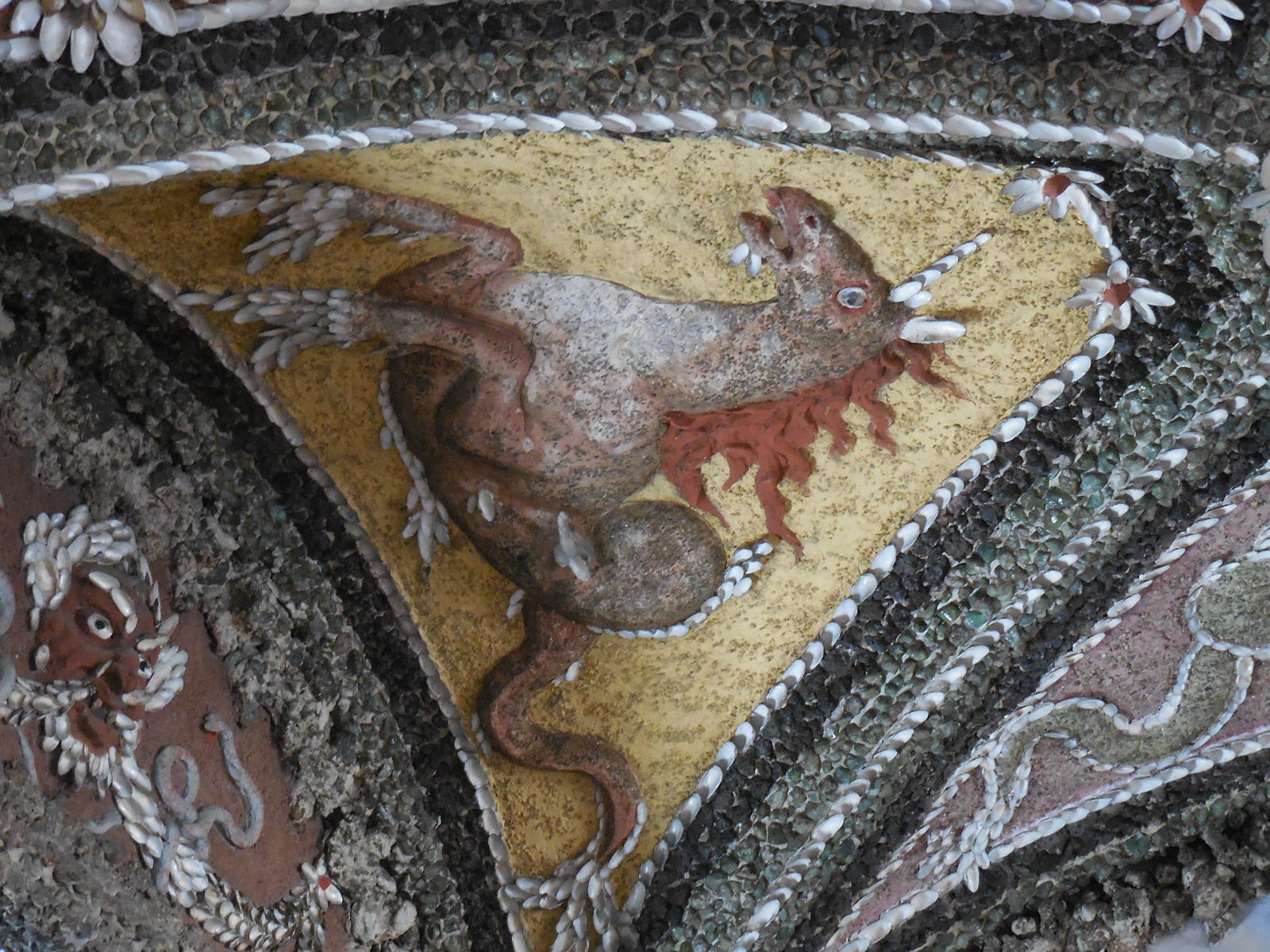
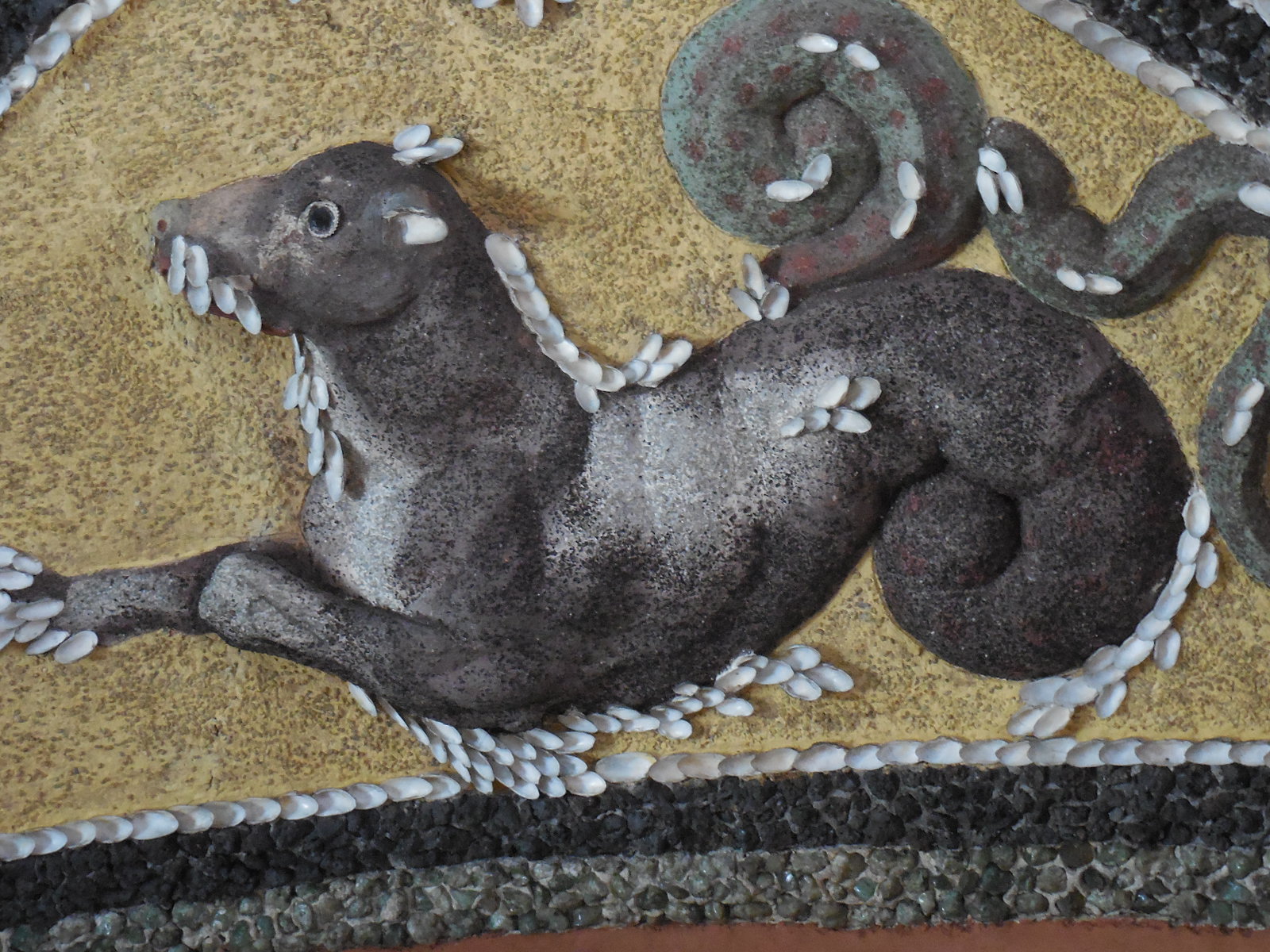
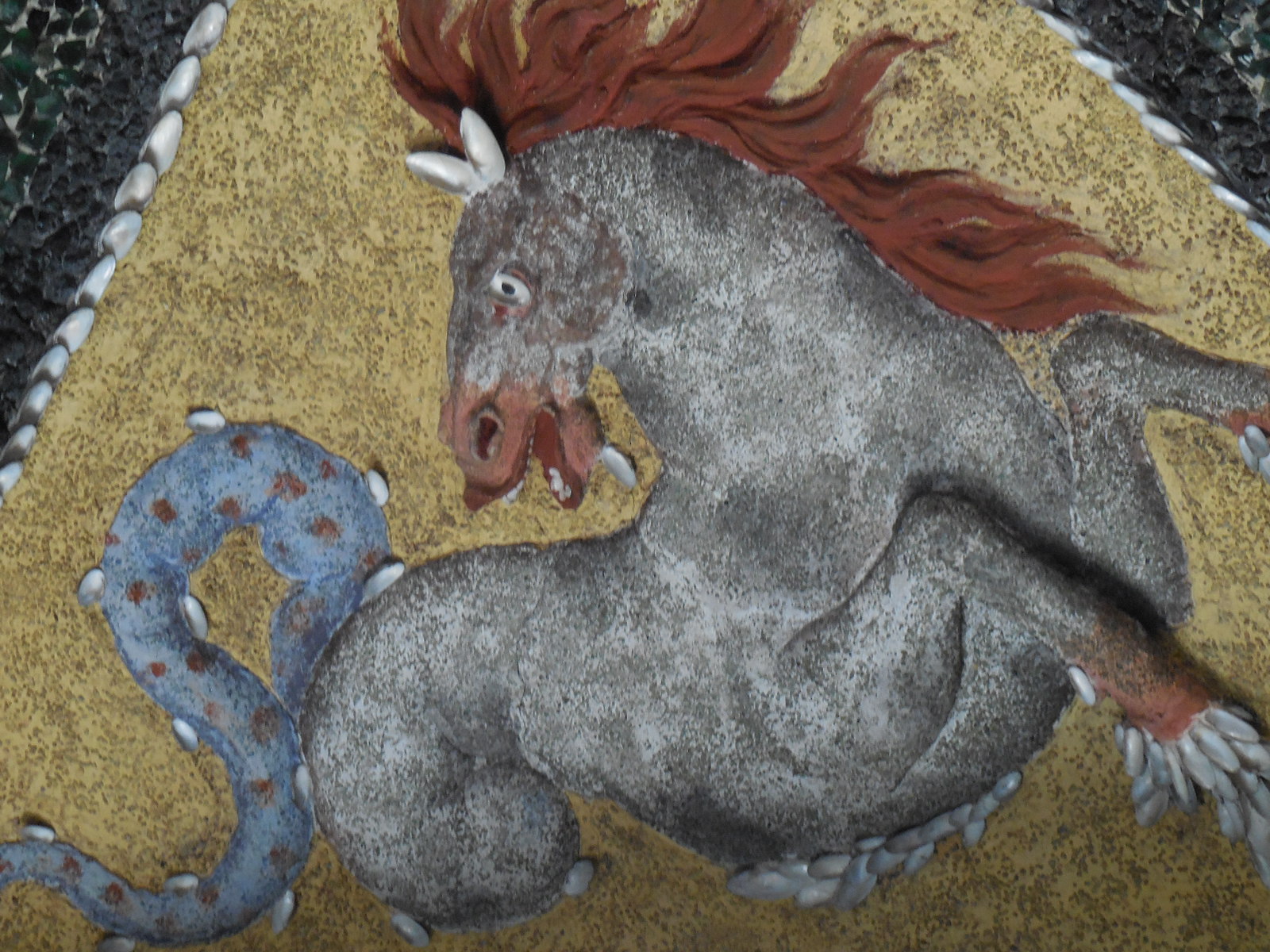
I was so excited about this tour. First, we visited the sala terrena, which looked like a richly adorned cave. The vaulted ceiling was incredible. I loved the sea motif as decorative seashells took the shape of a floral design. The reliefs of a sea monster also enthralled me.
Lobochovicefireplace
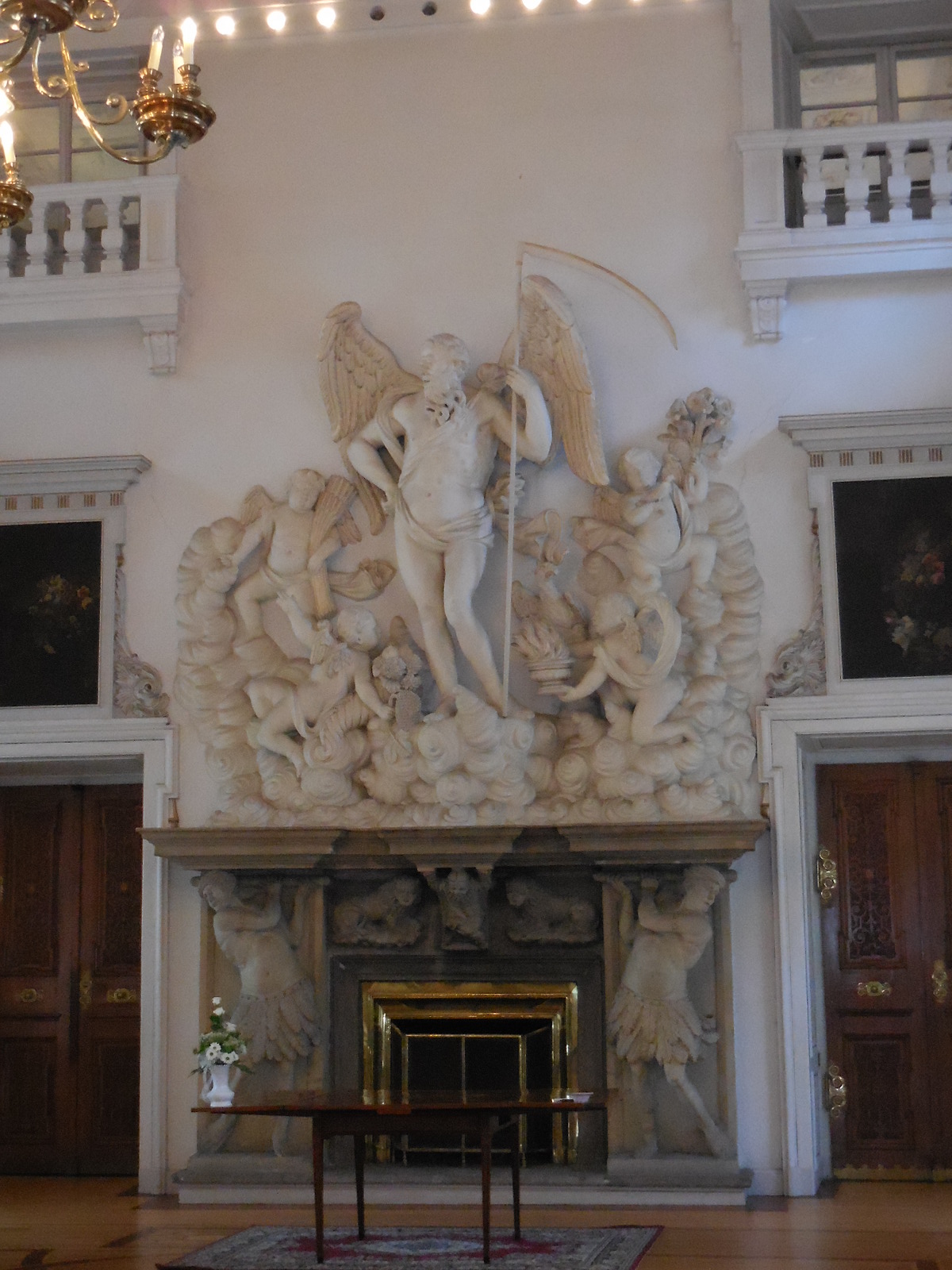
Next, we came to one of the highlights of the chateau, large Saturn Hall, where banquets, balls and concerts had been held. Above the fireplace a stucco sculptural grouping focused on Saturn. The Baroque chandelier, hailing from Holland, also captured my interest.
Lobochovicefresco6
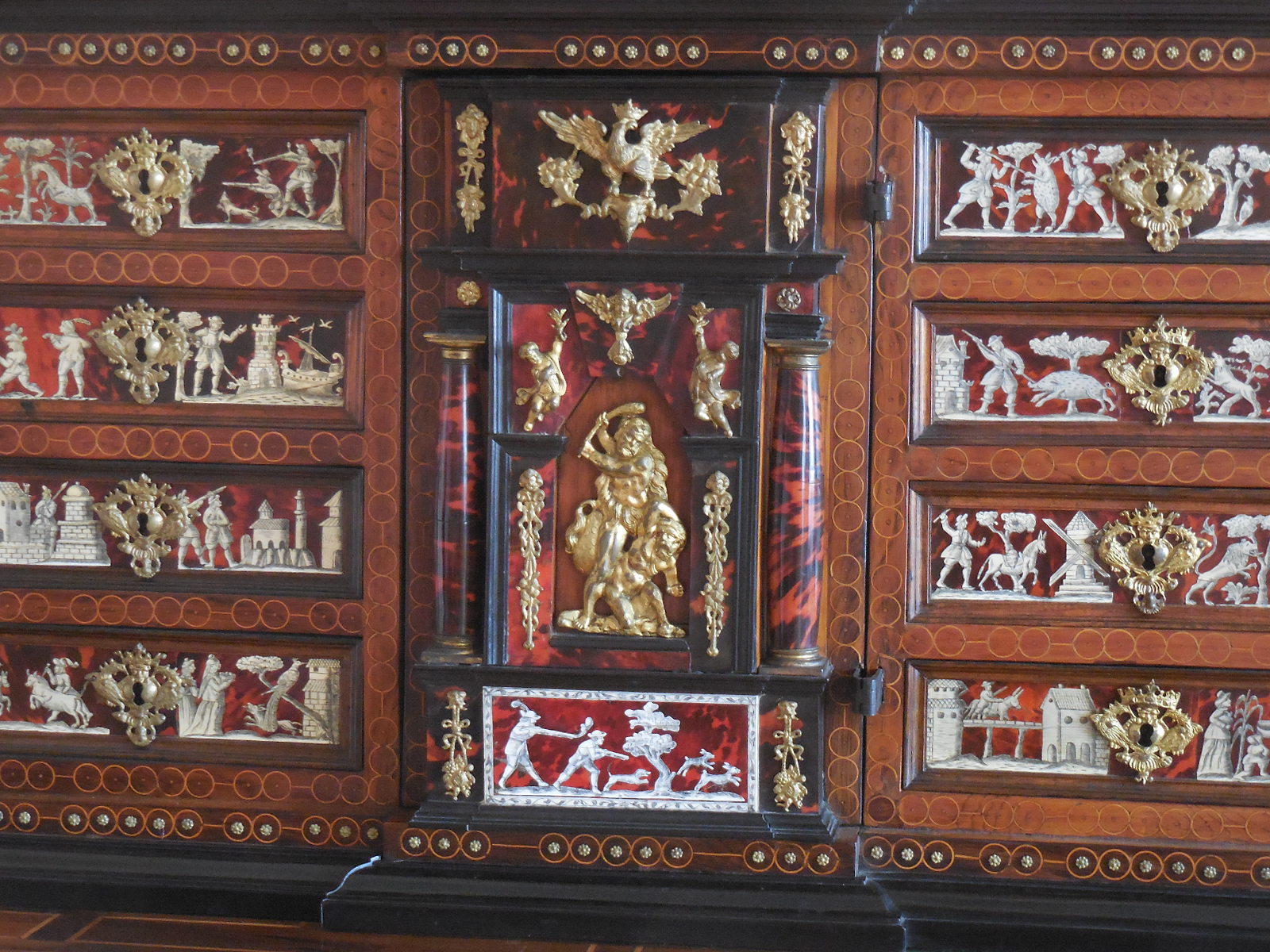
From there, we continued to the Baroque section of the chateau. The ceiling fresco in the first room was breathtaking, displaying a mythological scene. A Renaissance chest gilded with ivory and a Baroque jewel chest inlaid with ivory and tortoiseshell were two delights.
Lobochovicetapestry2
I marveled at the tapestry, one of many I would see in this chateau, in the Big Gallery. It dated from the 16th century, and its theme was the Trojan War. The guide remarked that the tapestries were not put up for merely for show; they had also helped heat the rooms. A Baroque fireplace hailed from 1620. Still, that was not all this room had to offer. A jewel chest featuring carved reliefs hailed from the beginning of the 17th century.
Lobochoviceint3
The Study included an atlas from 1775 with pages of handmade paper. I wanted to turn the pages to find out what the handmade paper felt like. I recalled visiting the papermill in Velké Losiny, located in north Moravia, long ago, when I also toured the chateau there. It had been an enthralling experience, I mused. Then a jewel chest made with intarsia dazzled me. One tapestry in this room showed off a garden party while another sported a plant motif in an idyllic setting. The Baroque stove hailed from 1690. There were so many impressive Baroque stoves in this chateau!
Lobochoviceint7
During the 17th and 18th centuries in the Czech lands, there was much interest in Chinese and Japanese porcelain. The Chinese and Imari Japanese vases in the Oriental Salon reminded me of a trip to Dresden’s Porcelain Museum. The pieces in the chateau were so exquisite. Upon seeing an impressive French Baroque clock, I recalled the one I had seen at Loučeň Chateau a few months earlier. And how I loved jewel chests! This particular jewel chest was inlaid with ivory and tortoiseshell, featured intarsia craftsmanship and portrayed a hunting scene. Another thrilling tapestry was on display. I recalled the exciting tapestries at the Residence Palace Museum in Munich.

In the Bedroom I admired the spiral carved columns of the 17th and 18th century Baroque closets as well as the bed with canopy. A Rococo crucifix was also on display. The tapestry in this room featured King Solomon. I was enthusiastic because I knew there were even more tapestries to come.
Lobochovicefresco9
Rococo furniture from the 18th century decorated the Morning Salon. I mused that it must have been delightful to sit in this room and sip black or green tea. Two tapestries portraying the apostles adorned the space. And there was yet another ceiling fresco! This one showed Persephone venturing into the Underworld. I was especially drawn to the jewel chest with pictures of a town carved on its drawers. The attention to detail fascinated me.

In the Ladies’ Cabinet there was a Baroque commode with exquisite intarsia plus a Rococo table and desk also created with intarsia. The three tapestries took up themes of nature and architecture, offering a respite from the religious scenes that the tapestries often portrayed.
Lobochoviceint15
The Men’s Cabinet was decorated mostly with Neo-Renassaince and Second Rococo furniture. A large desk was Baroque. If I had not visited so many chateaus, it would have never occurred to me that the big bowl decorated with images of birds and floral motifs used to serve as an aquarium.
Lobochovicechapel2
Next came the chapel. While it was originally designed in Gothic style, the chapel now looks as it did after a 19th century renovation. I admired the stained glass windows. I love stained glass! The Neo-Gothic altar featured the apostles. What captured my attention the most, however, was a 16th century exquisitely carved altar showing off the adoration of the Three Kings. The woodwork was incredible, so detailed, so exquisite.
Lobochovicechapel1
The Big Dining Room took on Renaissance and Baroque characteristics. A carpet covered the large table, set for a feast. The tableware was made of pewter, typical of the Renaissance era. On the table there was a bowl that served as a washbasin for guests to clean their hands while eating. And more tapestries to behold! This time the two tapestries portrayed Alexander of Macedonia. Two paintings rendered scenes from antiquity. (The paintings throughout the chateau also are worthy of undivided attention.) Once again, I admired yet another ceiling fresco. This one centered around Aphrodite and Athena. In the corners four female figures in oval medallions represented the four continents. (Australia had yet to be discovered.)
Lobochoviceint10
I liked the Biedermeier furniture in the Small Dining Room. That style seemed to me to have such a sense of order and rationality. Yet I was enthralling by all styles of all eras. The colored decorative porcelain from Dresden and the pink-and-white Viennese porcelain service also caught my eye. The Baroque stove was quite a sight, too.

The Rococo Salon featured furniture of the Second Rococo style from the mid-19th century. The pink walls made the room feel quaint and inviting. Stucco adorned the ceiling fresco. Another Baroque stove and Meissen porcelain made appearances. In a flattering portrait, Terezie Dietrichsteinová – Herbersteinová, a former owner of the chateau, looked calm and content with life. I wondered if I was at a time in my life when I was calm and content. To some extent, yes. And traveling certainly played a major, positive role in my contentment.
Lobochoviceptng
The Empire Salon was decorated with furniture of that style from the 19th century. On the walls were pictures of Dietrichstein properties – Nové Město nad Metují Chateau, Kounice and Mikulov, all rendered masterfully by František Kučera. I liked the clock featuring a tongue that showed the time. The clock making time with its tongue brought to mind images of the living objects in The Beauty and the Beast. From the window there was a splendid view of the park.
Lobochoviceint16
The 19th century library was intriguing because it contained mostly books about natural science and travel, all printed in numerous languages. I had not heard of chateau libraries concentrating on only a few subjects. While about 2,500 books were on display, there were approximately 6,000 volumes in total. Objects that Josef Herberstein had brought back from his travels adorned the room, too. I saw African masks, an African crocodile and a Japanese sword, for instance. Another exquisite Baroque stove stood in the space.
Lobochoviceint18
The last room was the casino. A Russian pool table made in Prague dominated the room. I noticed that the card tables were made with intarsia. Portraits of the Dietrichstein clan hung on the walls. Josef, who loved traveling and hunting, was rendered in hunting attire, armed with a rifle and accompanied by a dog. I mused that he must have been a brave man to travel to such distant lands.
Lobochovicegarden2
Next I took a look at the park, which had been created in French style during 1683. Later, it got a Baroque makeover, and then it was changed into an English park. Now it is once again in French style, thanks to 20th century reconstruction. I loved the view of the chateau from the back, which sported floral adornment and a fountain. The chateau looked so majestic when viewed from that area.

I ate lunch at a nearby restaurant on the main square that was sleepy on a Saturday afternoon. Libochovice Chateau had dazzled me once again. The combination of ceiling frescoes, Baroque stoves, jewel chests and tapestries made the chateau unique and irresistible. The paintings also contributed to the majestic interior, where no object or piece of furniture failed to enthrall.
Lobochoviceint11
The interior had plenty to offer. I mused that there should be tours of the chateau offered from Prague. Libochovice deserved numerous accolades, and it was a chateau I would never forget, no matter how many chateaus I visited. The combination of artifacts and the design of the interior made Libochovice unforgettable, a place I could tour 100 times and not be bored. Every object spoke to me; nothing failed to capture my interest and curiosity. Yes, Libochovice is a special place, and my visit made my day a huge success.
Lobochoviceceiling
Tracy A. Burns is a writer, proofreader and editor in Prague.

More photos from a 2022 visit:

Sychrov Chateau Diary

Continue reading

Lednice Chateau and Park Diary

Ledniceext9
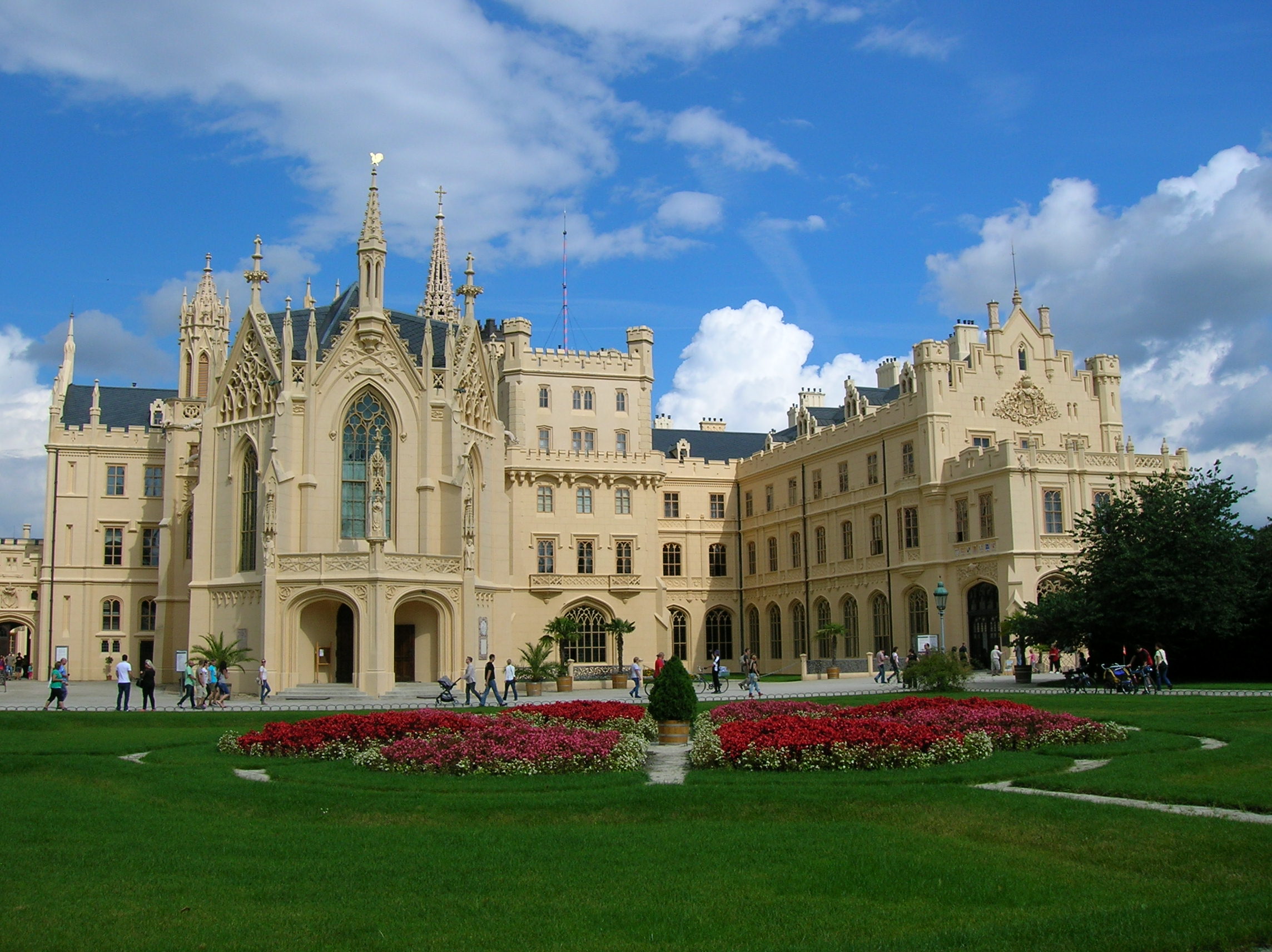
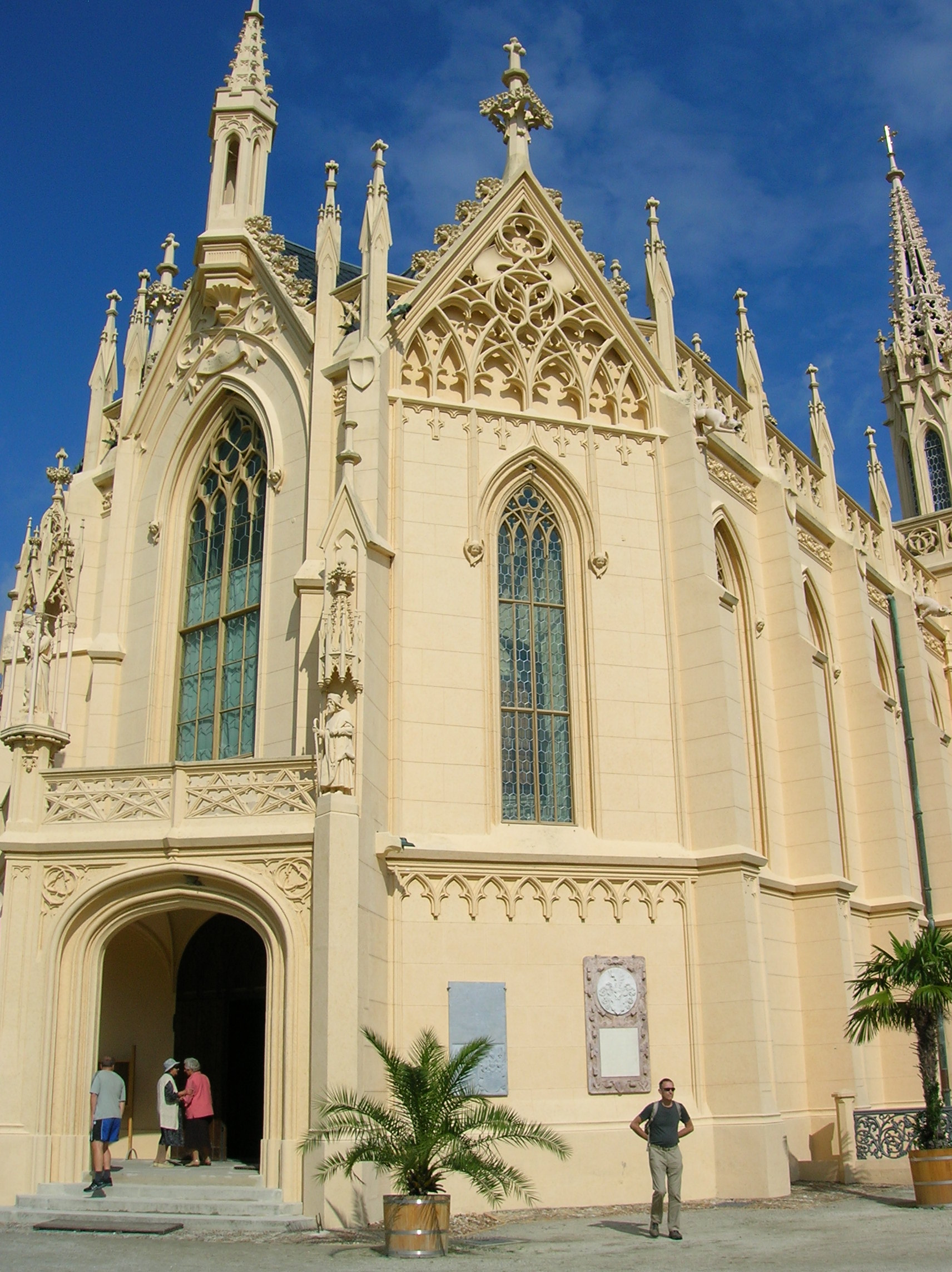
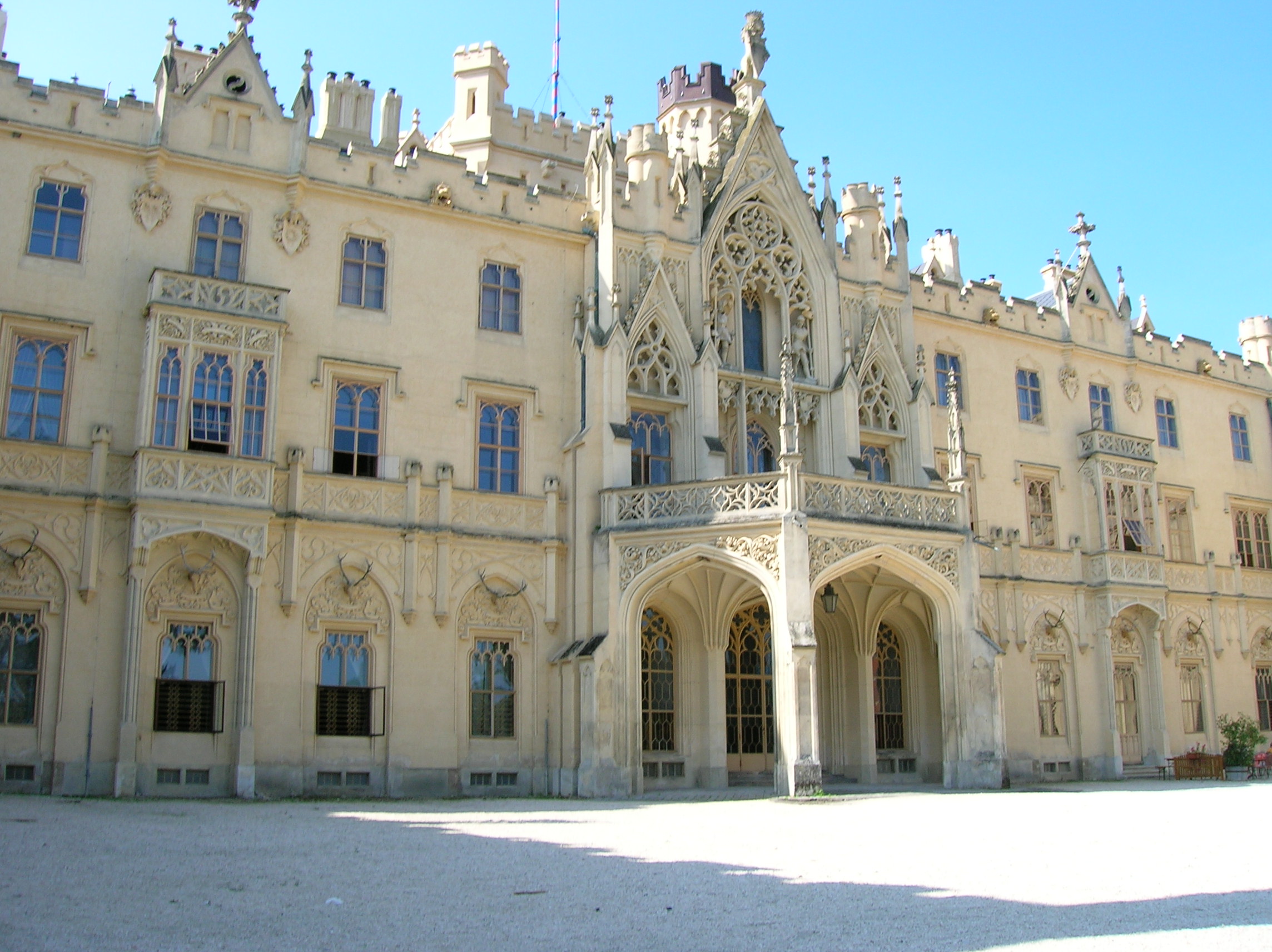
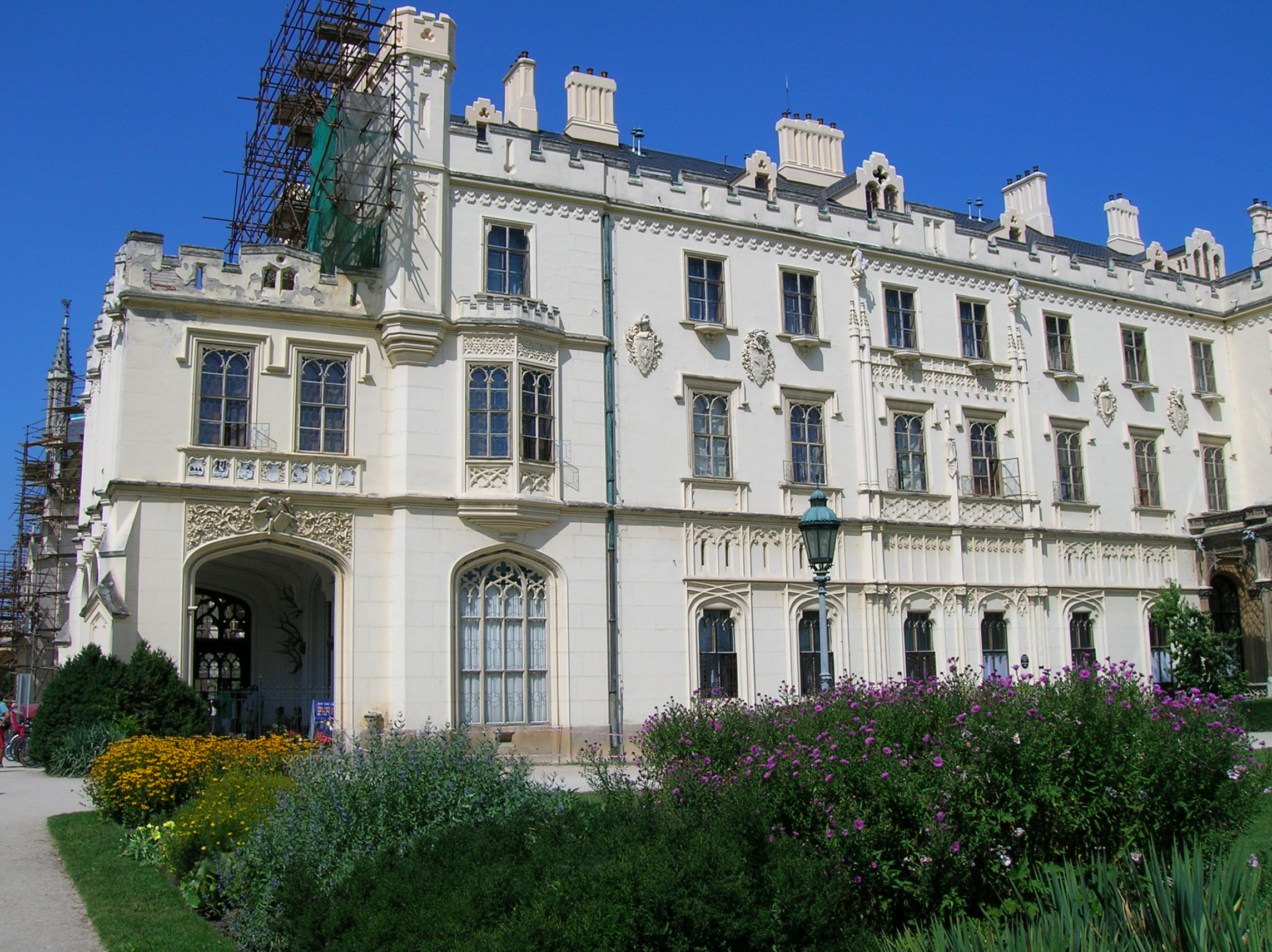
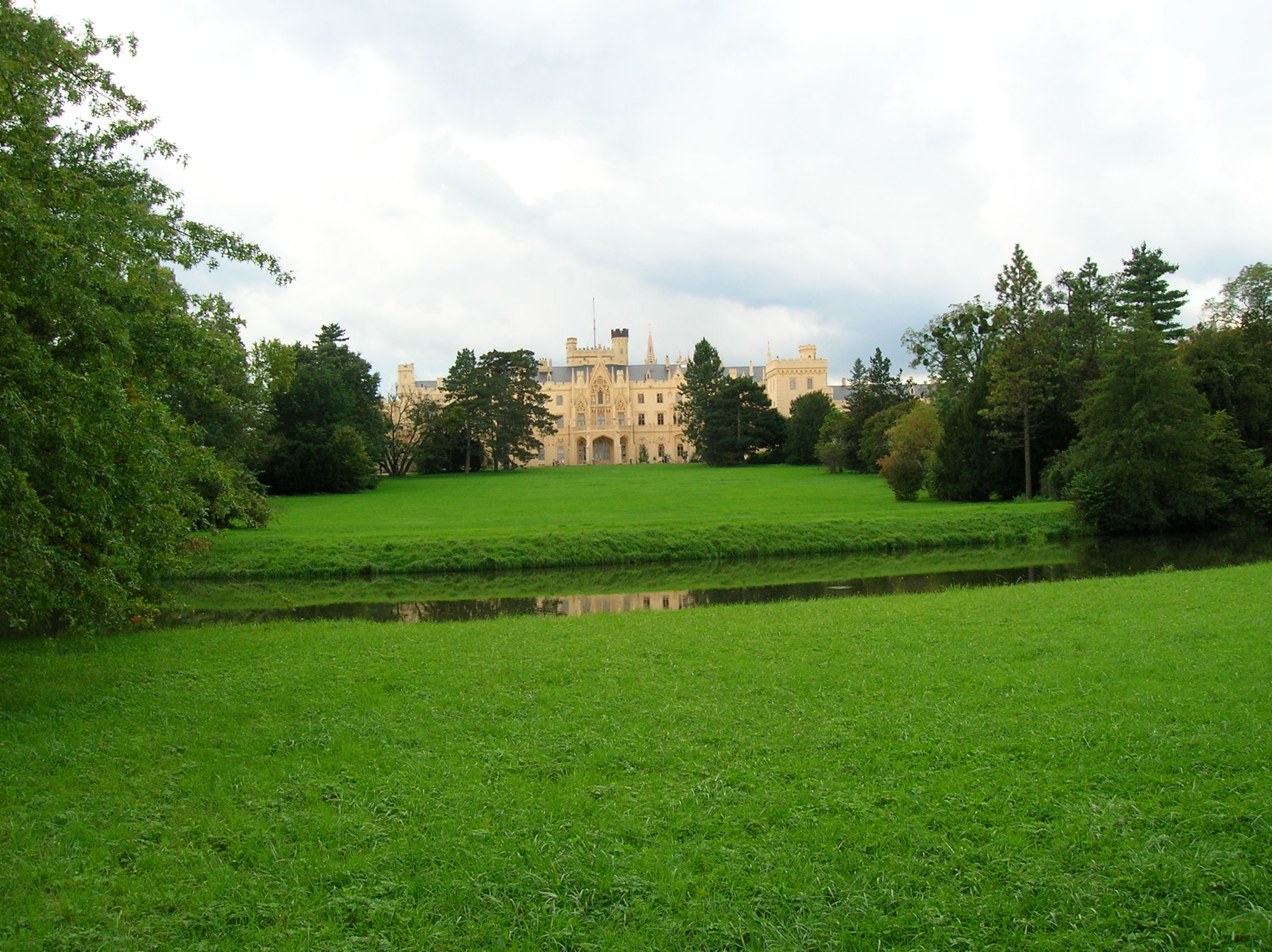
Lednice Chateau in south Moravia has always been one of my favorites because I love Neo-Gothic architecture. Just gazing at the exterior takes my breath away. The interior does not disappoint, either.

Ledniceext6
I was visiting the chateau for the third time. Usually I came alone, but now I was with the arsviva travel agency with whom I had taken tours throughout the Czech Republic and abroad. I had never had time to visit the magnificent park as I was always hurrying to nearby Valtice Chateau to see two chateaus in one day. Now I would not be so rushed. I could enjoy my visit without worrying about catching the bus to Valtice.

Lednice1
I already knew something about the chateau’s background. Lednice was first mentioned in writing as a Gothic fort in 1222. At the end of that century, the Liechtensteins took over Lednice, and they would hold on to it until 1945, for some 700 years. The Liechtensteins would make Lednice their summer residence. Lednice was transformed into a Renaissance chateau during the 16th century. In the following century, when the Czech Protestant nobles revolted against the Catholic Habsburgs, the Liechtensteins took a Catholic stance. Because they supported the Catholics, the chateau remained their property after the Protestants were defeated.

Lednice3
The following years proved to be a golden era for the wealthy family. Lednice was turned into a Baroque masterpiece during the 17th century. It got its Neo-Gothic appearance, inspired by English Gothic architecture, from 1846 to 1858. Fortunately, the family was able to remove most of the furnishings during World War II, so visitors can see much of the original décor today. The Lednice and Valtice area was added to the UNESCO List of World Cultural and Natural Heritage sites in 1996.

Ledniceext5
I had been on all tours of the interior, but this time our visit would focus on the representative rooms, which was my favorite tour. The other tour of the rooms concentrated on the princely apartments. There were also four tours of the park plus two others. We would see the park on one hour-long tour.
In the hallway we saw the biggest chandelier in the Czech Republic, made in Vienna. It had 116 arms and weighed 690 kilos. I also noticed the richly carved wooden staircase and banister, though I knew an even more impressive staircase awaited me. What I loved most about Lednice was its richly carved woodwork, the most impressive woodcarving in the country, in my opinion. It never failed to astound me. I could stare at it for hours.

Ledniceintdesk
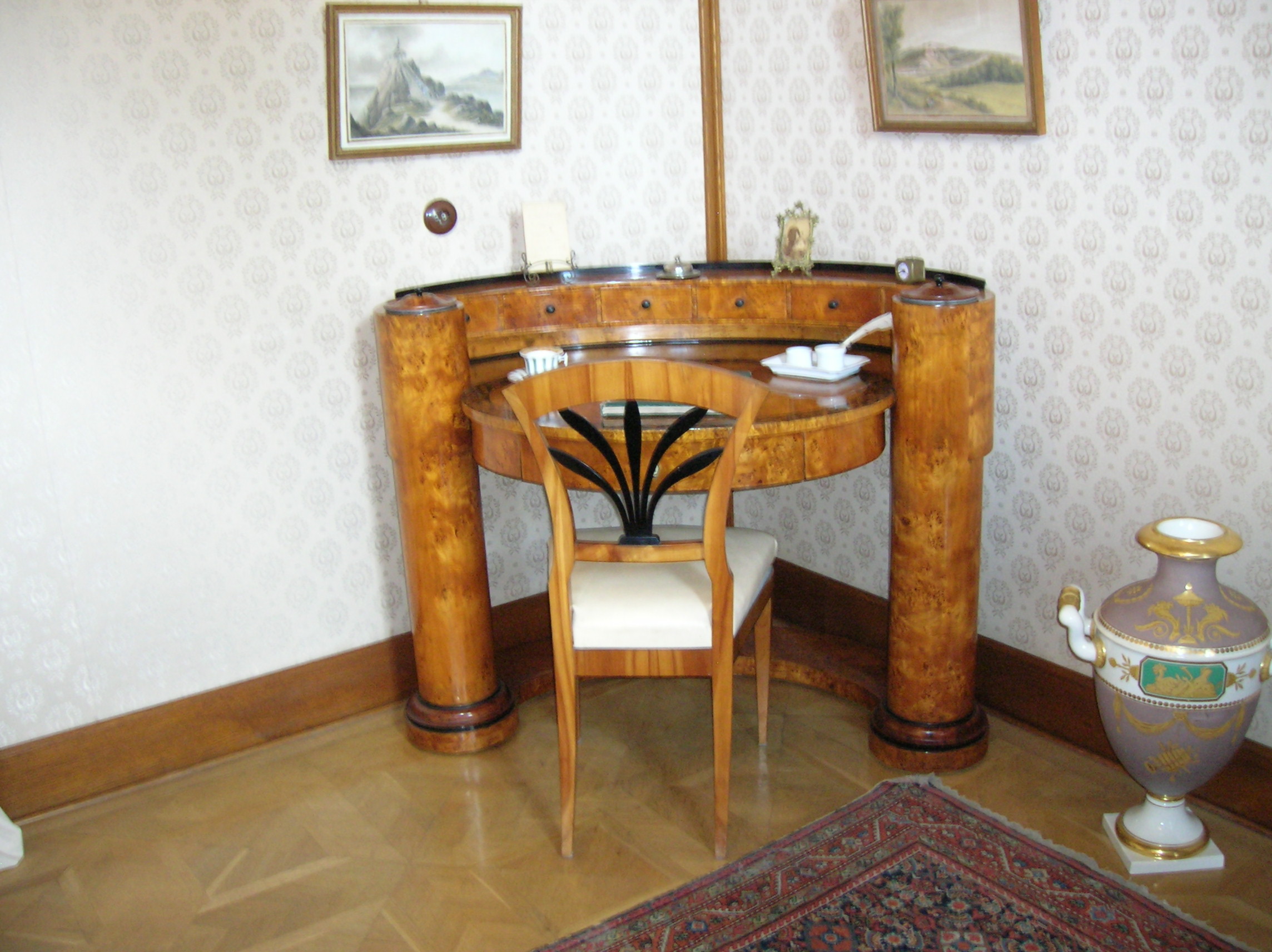
I was impressed by the Viennese porcelain in the Ladies’ Salon. In the Empire style Ladies’ Bedroom a 19th century Mexican cross captivated me. It was so exquisitely and richly decorated with such amazing detail. A splendid desk also took my breath away.
The small Chinese Rooms were two of my favorite spaces in the chateau. The wallpaper of the Oriental Salon was hand-painted, made with Chinese paper during the beginning of the 18th century. It featured an idyllic landscape with figures in a vibrant green color.

LedniceintChcabinet
Another space showed off medieval ceiling vaulting and richly carved wood paneling. I found the wood paneling to be comforting. It somehow made me feel safe, as if I were in a place where I could temporarily forget all my worries. I was so awed by the detail of the paneling decoration throughout the chateau. The view was idyllic, too. The room looked out on the garden and a pond. I would explore the park soon. I was psyched.

Ledniceintpainting

The Big Summer Dining Room showed off a Gothic table with pewter dishes. The vaulting was Neo-Gothic, influenced by the Gothic style.
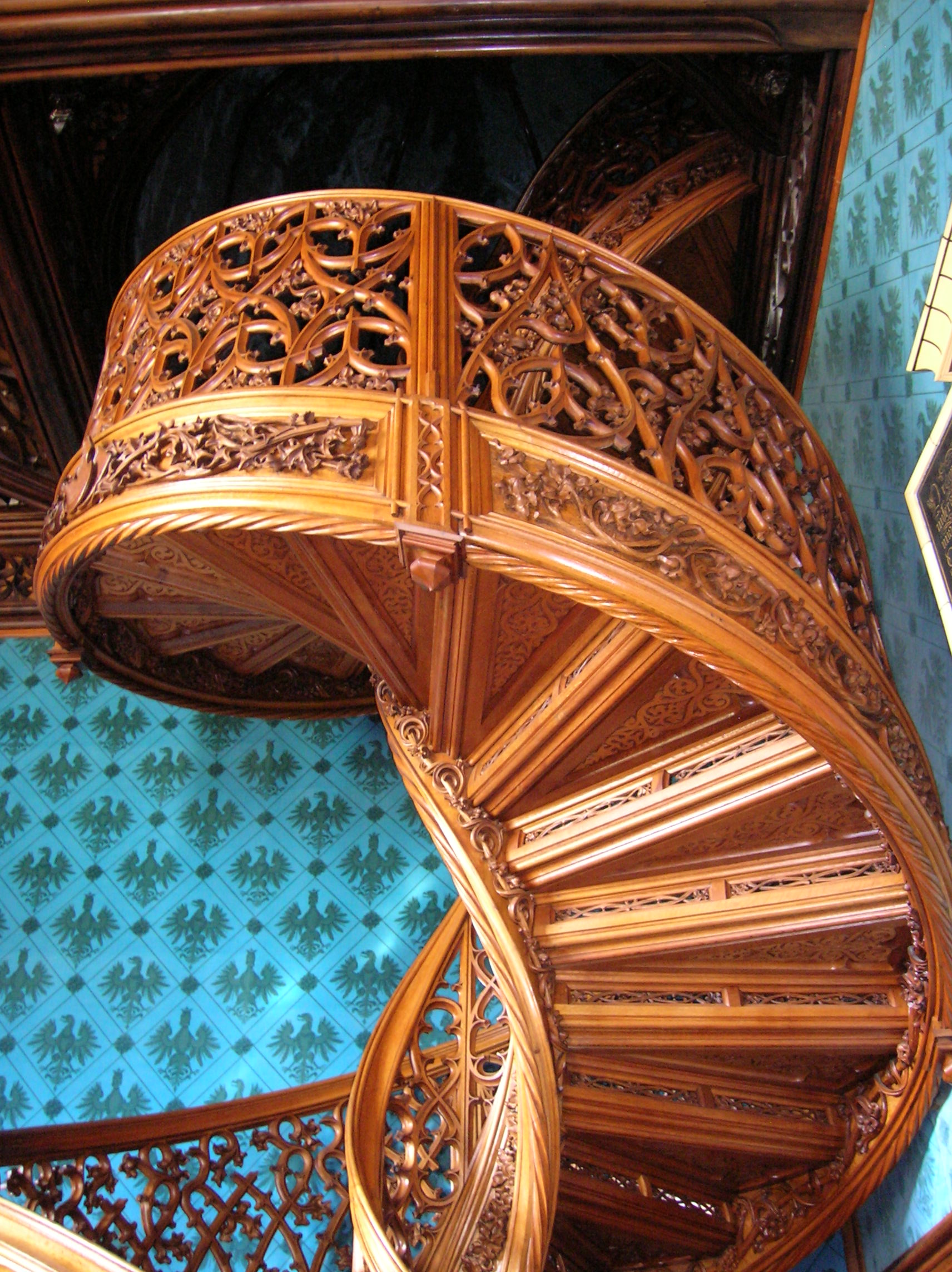
Then came my favorite room, the library. A voracious reader, I have always felt comfortable in libraries, but this one was extra special due to its richly carved oak, self-supporting, spiral staircase, the most exquisite example of richly carved wood I had ever seen. The architectural wonder was created in 1850. The rich blue furnishings and matching blue wallpaper complemented the wood ornamentation perfectly. Even the door boasted an intricate wood design. The library itself held about 2,000 volumes, including many books about architecture, art and travel. The astounding ceiling was made of oak. A 16th century Italian altar showed the genealogy tree of Jesus Christ.

The spiral, self-supporting staircase

The spiral, self-supporting staircase

Ledniceintstaircase2
I loved the wallpaper throughout the chateau, but my favorite was the turquoise with green wallpaper in the Turquoise Hall. The wood furnishings were made from Canadian walnut wood. A copy of a painting by Raphael added to the charm as did an 18th century Chinese vase. Those Neo-Gothic chairs with detailed designs on the backs captivated me not only in this room but also throughout the chateau. The Red Salon or Smoking Salon boasted wallpaper the color of red wine. Coats-of-arms décor was situated high on the walls. Its chandeliers were splendid, too.

The Turquoise Hall

The Turquoise Hall

The Blue Hall was the biggest space in the chateau with crystal candelabras and a ceiling made from linden wood in Neo-Gothic style. I loved the wood ceilings in this chateau, this one especially. This ceiling was extra special because every motif on it was original – no motif was repeated. That made it one of the most impressive ceilings I had seen in chateaus in this country.

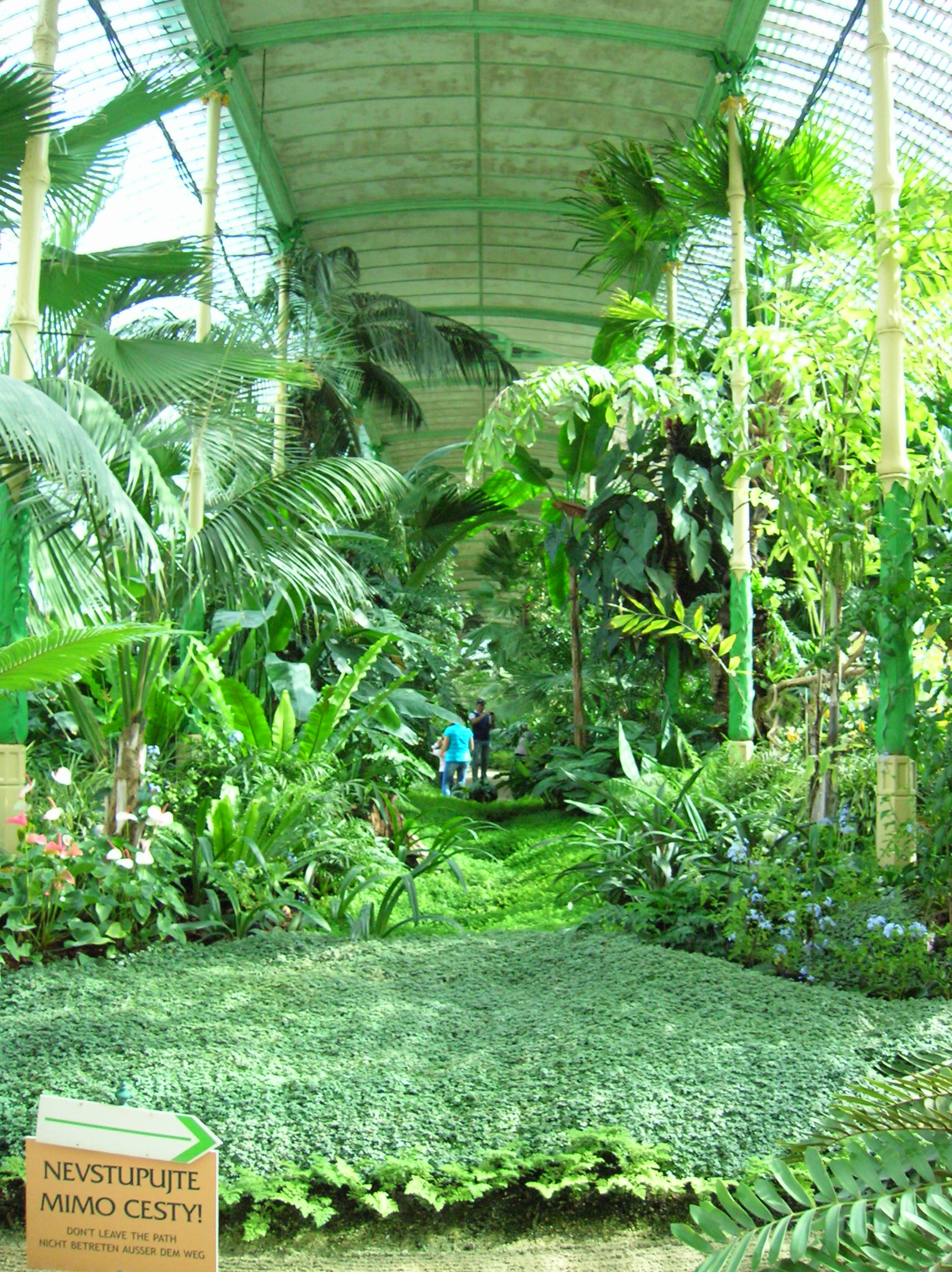
The greenhouse at Lednice

The greenhouse at Lednice

After touring the interior, it was time to explore the park. First, though, I went into the greenhouse to see all the stunning plants. The greenhouse was finished in 1845, restored in 1996 and renovated again in 2002. Yet it retained its early 20th century appearance. It was 92.6 meters long and 13.6 meters wide. Its decoration included 44 pillars showing off a bamboo motif. An elliptical pond was one of the highlights.

The greenhouse

The greenhouse

Next we visited the park made up of the natural park and the regular garden. More than 600 types of woody plants now appear in the park. The park harkens back to the 16th century when Lednice was a Renaissance chateau. At the turn of the 18th and 19th centuries, the park took on a Baroque and Classicist look. At the end of the 18th century, exotic plants were added to the park, which has been open to the public since the end of the 18th century. A Chinese pavilion was added by Austrian architect Josef Hardtmuth in 1795, when the park was expanded.

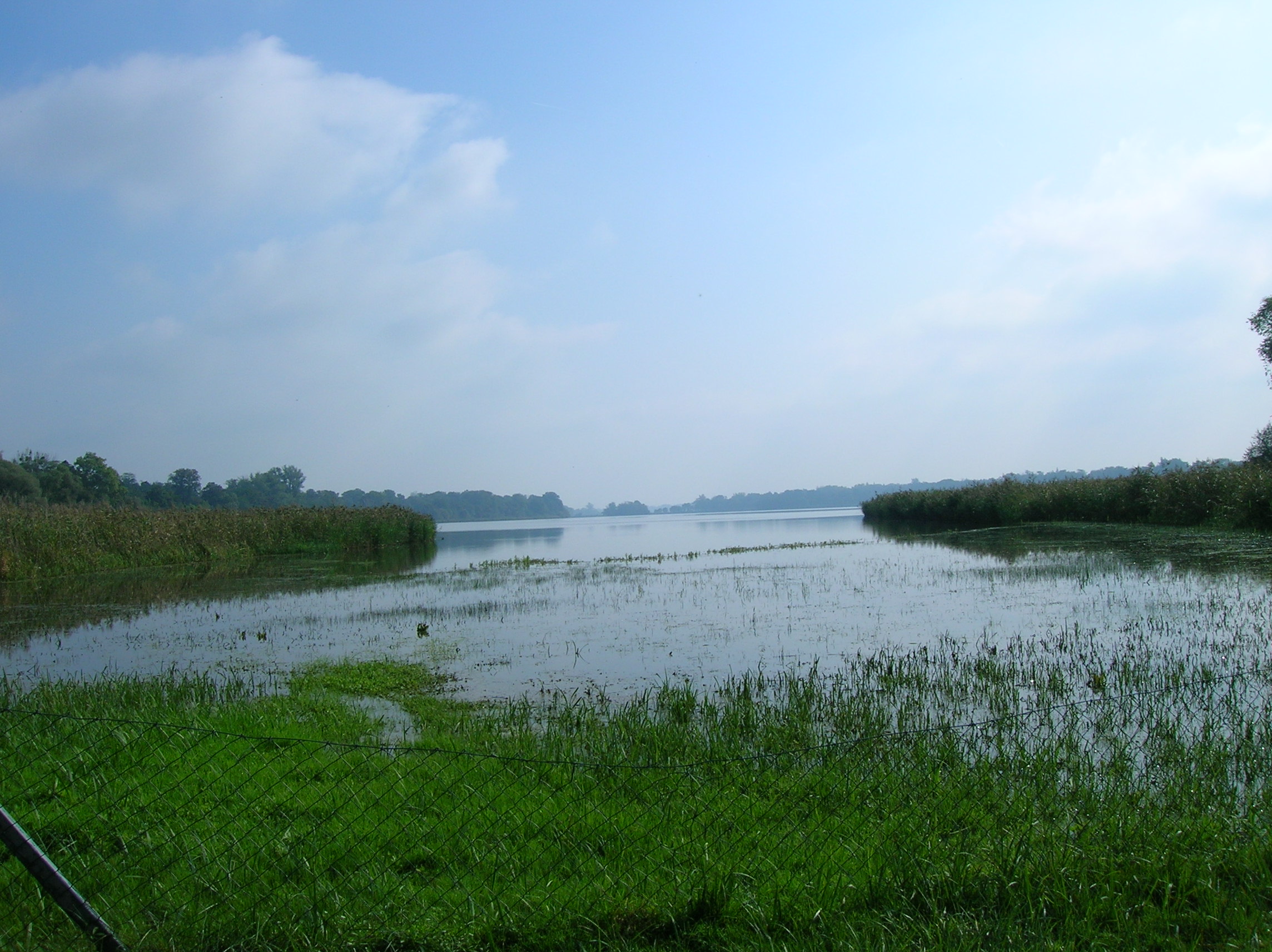
A tranquil stream in Lednice Park

A tranquil stream in Lednice Park

Hardtmuth had served as the prince’s court builder and architect for the Liechtenstein family. He was responsible for the design of many objects in the Lednice – Valtice area. But architecture was not Hardtmuth’s only talent – he also was a skilled inventor, and he came up with the idea of the modern pencil. He even founded a pencil manufacturing company in the late 18th century.

The pond with the Minaret in the distance

The pond with the Minaret in the distance

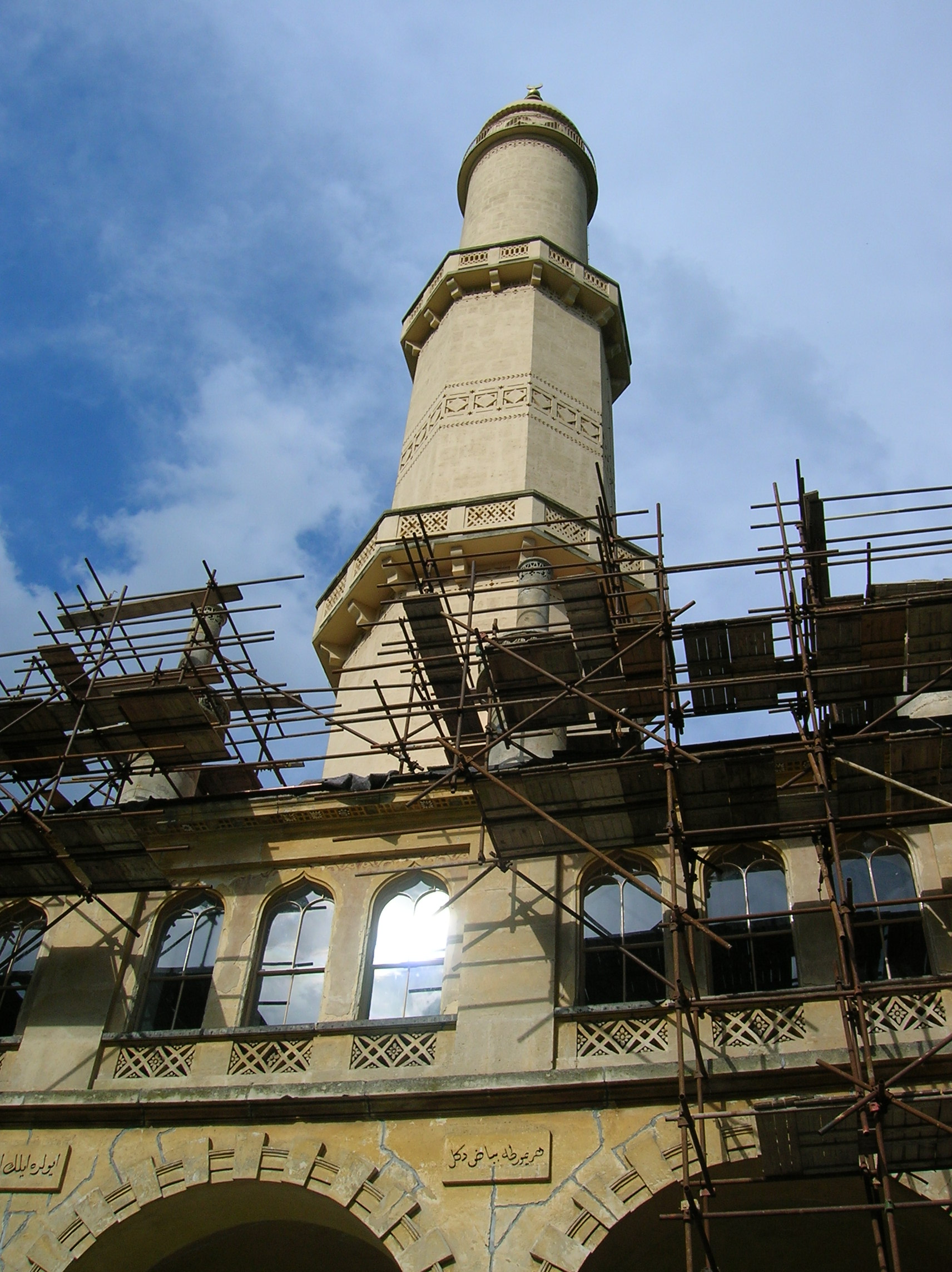
We gazed across a pond to the Minaret, which was under reconstruction at that time, so there was scaffolding on the lower levels. Built between 1797 and 1804, the Minaret featured a pseudo-Oriental style. It was designed by Hardtmuth as well, and he received much acclaim for his design.

The Minaret was under renovation during my visit.

The Minaret was under renovation during my visit.

Architecturally, the Minaret was composed of a square ground plan that opened with triple axial arcades on the ground floor. The upper floor consisted of eight rooms. The tower was three storeys high, measuring about 60 meters. The Minaret was crowned by a helmet with a half moon. Now the Minaret is the only structure that dates back to the Baroque and Classicist appearance of the park. I wish we had been able to climb to the highest gallery, where it is said that one can see St. Stephen’s Cathedral in Vienna.

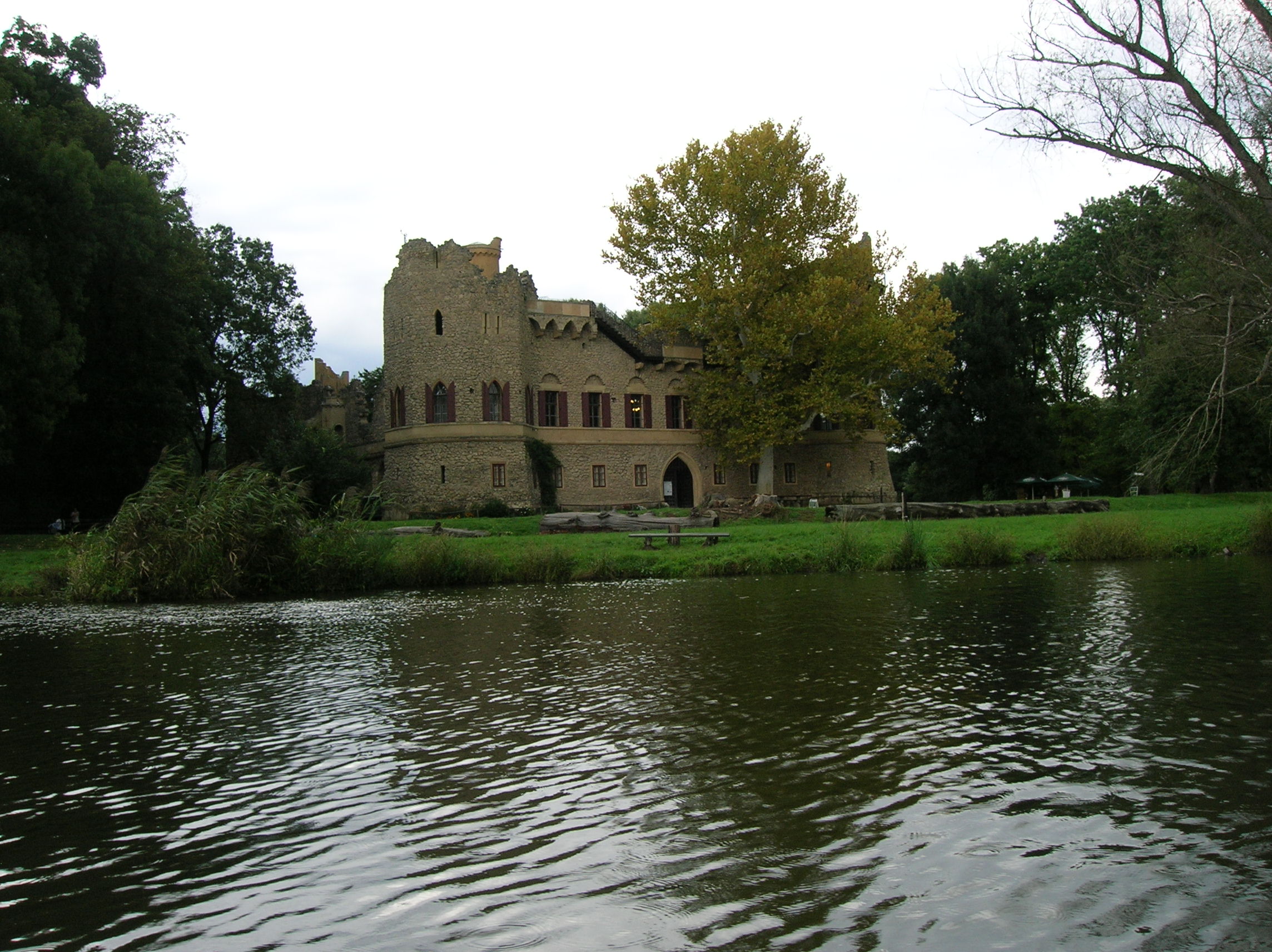
Jan's Castle

Jan’s Castle

Then we took a rickety boat ride to Jan’s Castle, a 19th century copy of Romantic castle ruins created on the banks of the River Dyje, according to Hardtmuth’s design. Inspired by Gothic architecture, it had four wings and three gates. The Knights’ Hall was on the first floor, and banquets had been held there. The southern tower had two floors with a balcony. It exemplified the transition from Classical Romanticism to Early Romanticism that was popular in the 19th century. The castle looked like something out of a Gothic novel. The book Valerie and her Week of Wonders by Vítězslav Nezval came to mind.

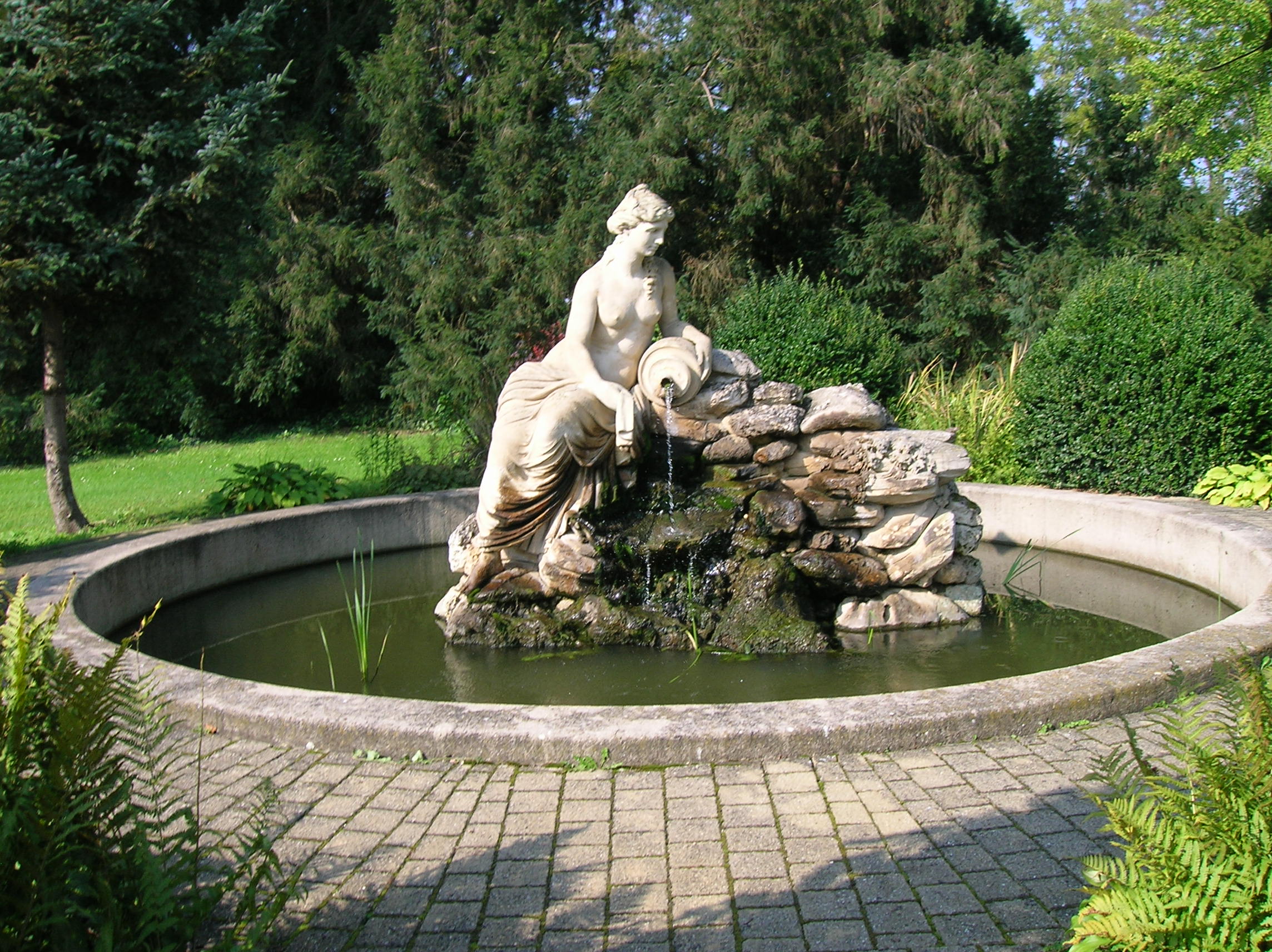
Statue at the Border Chateau

Statue at the Border Chateau

We saw other structures in the Lednice – Valtice area as well. The Border Chateau, created from 1826 to 1827, was situated near the historical border between Austria and the Czech Republic. The historical border of the two countries was a brook that flowed through the vase of a sculpture of a reclining nymph. Then it went under the chateau and into a nearby pond.

View from the Border Chateau

View from the Border Chateau

It was inspired by Palladian architecture, a style inspired by the designs of 16th century Italian architect Andrea Palladio. The Venice native had focused on symmetry and the characteristics of the formal classical temple from the architecture of the Greeks and Romans in antiquity. This style was often used in the 17th and 18th centuries.

The facade of the Border Chateau

The facade of the Border Chateau

The inside of the chateau featured some Cubist style rooms. The pavilions were connected to wings with a terrace offering spectacular views. It was so harmonious with the nature that surrounded it. Architecturally, it seemed to respect its natural surroundings.

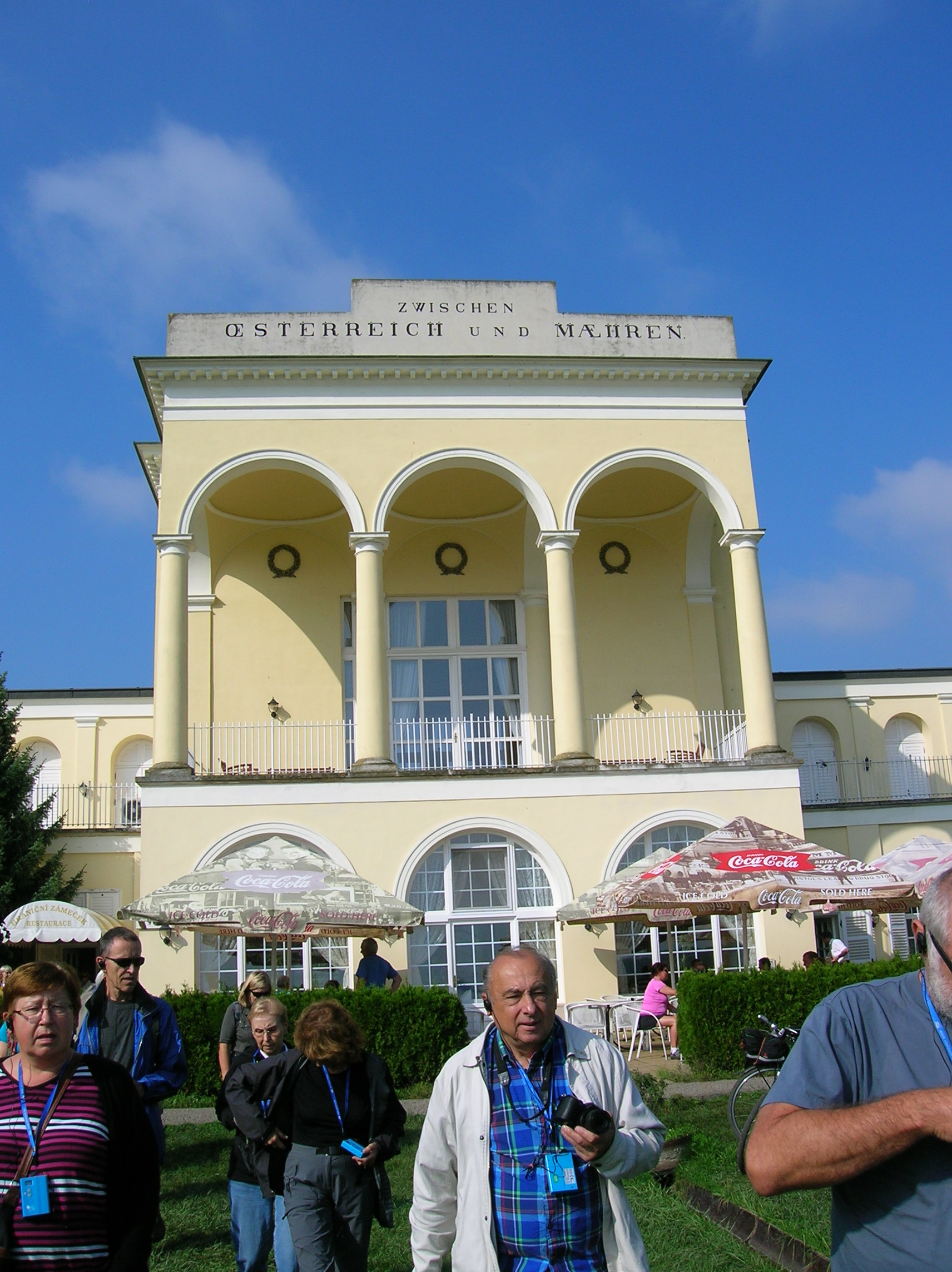
The Rajsná Colonnade

The Rajsná Colonnade

We also saw the Colonnade at Rajsná, which combined a triumphal arch with a colonnade. It was located near the present Austrian and Czech border. You could even see the border buildings from Communist times, and there was an Iron Curtain Museum located there. (Unfortunately, I did not have time to visit it.)

A spectacular view from the Rajsná Colonnade

A spectacular view from the Rajsná Colonnade

Inspired by architecture from Roman and Greek antiquity, this Classicist structure was built from 1810 to 1823 by Hardtmuth and Josef Kornhäusel. The sculptural decoration, designed by Josef Klieber, showed off motifs of triumph and meditation. Reliefs portrayed the allegories of science, art and work. The figures in Roman togas represented the Liechtenstein nobles. The roof terrace offered spectacular views of three countries –the Czech Republic (specifically Moravia), Austria and Slovakia.

The view from the Rajsná Colonnade

The view from the Rajsná Colonnade

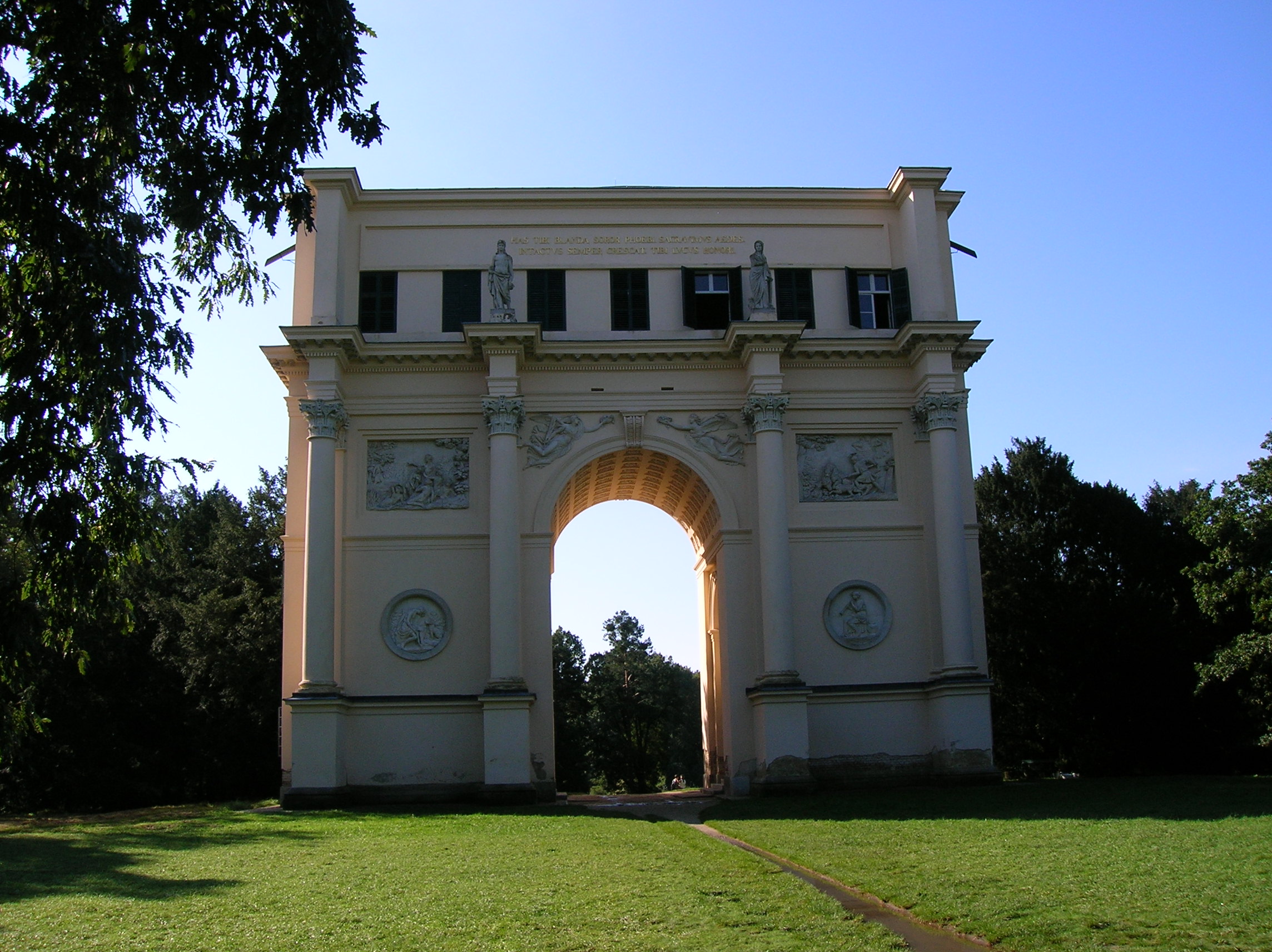
The Classicist Diana’s Temple, created from 1810 to 1813 by Hardtmuth, also greatly impressed me. Dedicated to Diana, goddess of the hunt, it looked like a triumphal arch but was really a hunting lodge. Inspired by Roman architecture from antiquity, it had a terrace that must have offered splendid views. Allegories of hunting were portrayed on reliefs. I was surprised how the building was in harmony with nature. It complemented its natural surroundings instead of intruding upon nature.

The Diana Temple hunting lodge

The Diana Temple hunting lodge

There were more structures in the park that we did not have time to see. For instance, there was an obelisk, a fountain, more temples, manor houses and a chapel that all belonged to the Lednice – Valtice area. It would take a visitor days to see everything.

The Diana Temple

The Diana Temple

We went by boat to Břeclav and then took a bus back to Prague. The trip was splendid. Our tour guides were excellent and enthusiastic about their work. I was so glad that I was able to devote so much time to the Lednice -Valtice area as opposed to seeing only the interior of the two chateaus that left me in awe every visit. This part of south Moravia was certainly a special and magical place.

Lednice Chateau from the park

Lednice Chateau from the park

Tracy A. Burns is a writer, proofreader and editor in Prague.

Chyše Chateau Diary

Chyse
I had come across Chyše chateau by chance while flipping through my old Kamenný klíč publication of castles and chateaus. When I read that the tour included an exposition about Karel Čapek, I was hooked.
Karel Čapek had been perhaps the greatest Czech writer ever, a master at all kinds of genres – science fiction, mysteries, novels, poetry, fairy tales, nonfiction, travelogues and more. I had studied his works for my master’s degree in Czech literature and was eager to see an exhibition about him. I had never known that he had worked as a tutor at the chateau. Curiously enough, I had never heard of Chyše before that, even though it had been opened to the public since May 30, 1999.

Karel Čapek writing

Karel Čapek writing

The only public transportation was by train through Rakovník, but I would only have five minutes to change trains, or I would have to wait two hours for the next train. The transportation back to Prague was awful as well. So, I went to Karlovy Vary again and took a taxi to the chateau that would charm and bewitch me as soon as I set eyes on its romantic, Neo-Gothic façade (I love Neo-Gothic facades!) and impressive park. I also hoped to visit the brewery next door. I had heard that Chyše made a decent beer.

Chysechateau2
The history of Chyše Chateau was enthralling. It stretched back to the second half of the 12th century, when the then medieval fortress was owned by the Odolenovic clan for 200 years. The castle was destroyed by the Hussites during the Hussite wars in 1422. (Lasting from 1419 to around 1434, the Hussite wars pitted the Radical Hussites against the Moderate Hussites, Holy Roman Empire, the Pope, Hungary and others. Neither party was really victorious.)
Six years later, its new owner Burián z Gutštejn restored it and built a hospital and a church as well. Although he died in 1489, his descendants manned the castle until the 16th century when it fell into the hands of the Lobkovicz family. It was Mikuláš from Lobkovicz who changed the appearance from Gothic castle to Renaissance chateau in 1578, but a year later he sold the chateau to Bohuchval Berka from Dubé.

Chysechateau3
Unfortunately, the chateau was confiscated after Bohuchval revolted against the Emperor in the early 17th century. The Michna family gained control of the chateau and retained it for almost 90 years, though there was a 20-year gap when the family did not own it. The Michnas were responsible for much valuable construction at the chateau and in the town. Thanks to them, a monastery was erected, the Carmelite church was renovated, another church was built and the chateau was transformed into Baroque style. It was under their supervision that legendary Czech Baroque painter Petr Brandl executed the biblical ceiling fresco called “The head of son Saul is brought to King David.”
A turning point in the chateau’s ownership came when Count Prokop Lažanský obtained it during 1766. Chyše would stay in his family until it was confiscated due to the Beneš decrees that took property from German citizens in 1945, as the owners at that time had German citizenship. From 1946 to 1976 the chateau served as several types schools, but in 1976 it was closed and became decrepit and dilapidated. Chyše was put up for sale in 1993. During 1996 it was saved thanks to the efforts of Vladimír Lažanský from Děčín, who bought it for 10 million crowns. The chateau was open to the public in 1999.

Chysechateau4
The first room of the tour presented pictures of the chateau in a dilapidated state during 1996, when Lažanský bought it. It seemed a miracle that it had been transformed into such magical beauty during three years, I thought to myself. Even the well-manicured park had looked like a jungle back then.
We walked through one room that exhibited a spectacular Renaissance ribbed vault as well as black-and-white graphic portraits. The next room would become one of my favorites. Baroque master Brandl’s fresco with a biblical motif swirled above me in vibrant colors. I also was impressed by the enticing stucco work in the space as well as the coat-of-arms above the fireplace. From there we entered the space in which concerts and weddings are held. The white Baroque stucco decoration included cherubs, shells and swirls. I was fond of the pink, Czech tea service. The Baroque closet and dresser also amazed.

Chysechateau5
The Venetian porcelain in the following room was one of the most exquisite and fascinating works I have ever seen in a chateau. The blue tea cups were decorated with white lace, it seemed. Even in a close-up examination, the decoration looked like lace. But it was really painted onto the cups. The wooden chandelier also got my attention.
There was Czech porcelain from the early part of the 19th century in the Summer Dining Room. I saw an exhibition of porcelain and pots in the small space where they prepared food near a hallway that led to the kitchen. In another hallway was a lush carriage from 1913. It had been used for weddings.
Then we went upstairs. I was taken in by the painted, diamond shapes on the ceiling in the hallway. The apartment of Prokop II Lažanský included portraits of his great grandparents and a 400-year old fireplace that dazzled. A clock with what looked like gold griffins on its sides dated back 150 years. A portrait of Count Vladimír Lažanský, who had employed Karel Čapek, hung in the portrait gallery. I noticed that he had a puffy moustache, beard and oblong face. Two tables were set with delicately painted Easter eggs, as it was a few weeks before Easter when I was there.

Chysechateau6
The small library contained 30,000 volumes. In it I saw a black-and-white fireplace in Second Rococo style; it appeared to be made of marble. The piece of furniture that got my attention in the children’s room was a dresser that marked the end of Rococo style and the beginning of Classicism. A bedroom was decorated in white – a white bed, a white dresser, a white chaise lounge. It emitted a feeling of purity. The furniture in this room was about 200 years old.
Then we came to Karel Čapek’s modest room which only got sunlight in the early morning, not providing optimal writing conditions. The furniture consisted of a small, wooden bed and a desk on which was an old bottle of Mattoni water with a German label, a white porcelain cup, about 10 books, an inkpot and a porcelain dog.

A young Karel Čapek

A young Karel Čapek

Čapek had taken the job as home tutor to the often misbehaving 13-year old Prokop IV Lažanský in 1917 when he was 27 years old, a year and a half after finishing his university studies. He had wanted a job that entitled writing, but could not find anything as an editor or journalist. (That fact astonished me and gave me some hope as I at the time could not find much work in writing or publishing.)
Čapek spent five months at Chyše Chateau, having tutored the boy in Prague for two months prior to his stay there. In his letters the to-be renowned author complained about not having time for his writing, though he did get some inspiration. During his tenure there a factory employing 14- and 15-year old teenagers exploded. Perhaps that influenced his decision to write Krakatit in 1933. He also spent time chatting with the gardener, as he was a lover of gardening and even wrote a book about the subject.

The prominent author Karel Čapek

The prominent author Karel Čapek

I could not believe that I was actually seeing a place where Karel Čapek had lived! He had walked on these floors, slept there, wrote there, woken up to the sun shining through the window there. This small, modest room was the highlight of the tour for me. I felt as if I was stepping on holy ground in this almost claustrophobic room.
After leaving Čapek’s room, I saw hunting trophies – a zebra decorated a wall as did the heads of antelopes. A boar hung above the doorway while a leopard skin rug decorated the floor. I am not too fond of anything to do with hunting, though.

Chysechateau7
Soon the tour was over, and it was time to visit the Karel Čapek exposition in part of the chateau’s ground floor. I stared for a long time in awe at the round, wooden desk and blue- with-white decorated chair where Čapek had written the philosophical, third volume of a trilogy called An Ordinary Life. The chair did not look especially comfortable, and I wondered if Čapek had suffered from a bad back.
I read information about Čapek’s tenure at Chyše Chateau on the walls. The then aspiring author had earned 100 crowns monthly for his tutoring of Prokop IV. That was almost nothing today. I wondered if it had been a substantial amount back in 1917. After his seven months in Prague and Chyše, he did become an editor, by the way.
I also saw reproductions of photos of Čapek, the chateau and 13-year old Prokop. Vladimír Lažanský sported a top hat and big moustache. I also looked at an aerial view of the town. The reproductions of Čapek’s letters were intriguing. In one correspondence with Czech writer S.K. Neumann, he complained that he had no time for writing here.

Chyše Chateau park

Chyše Chateau park

Various editions of a book about Capek’s sojourn there, called Kruh mého času and authored by Marie Šulcová, also decorated one wall. On the walls I also took notice of quotations from An Ordinary Life and scenes from his plays such as The White Plague and The Makropolis Thing. His time during 1932 in Karlovy Vary was documented as well. There, Čapek had worked on the second volume of his trilogy, Meteor.

But that was not all Chyše had to offer. I also saw the brewery next door. While beer-brewing in this town dates back to the 16th century, this brewery was constructed between 1839 and 1841. Behind the brewery is what remains of Renaissance walls from the original building. The chateau’s brewery closed down in 1932 due to its inability to keep up with other brands . It was used as a granary and then boiler house. In 1994 the place began to deteriorate.

A statue at Chyše Chateau

A statue at Chyše Chateau

Then, during 2003, the Lažanskýs bought it, and restoration began. Even the cellars were restored to their Renaissance appearance. The brewery opened again June 1, 2006. I found the beer very tasty. It was a golden color, not too light and not too dark. I tend to drink gold-colored or dark beer, so it was perfect for my palette.
After I had walked through the dazzling park, I had lunch in the brewery restaurant as I devoured chicken with ham and cheese and, of course, diet Coke. I was happy that day as I made the journey back to Prague, via taxi and Karlovy Vary, with a two-hour Student Agency bus ride that did not feel long at all.

Chysechateau8
Tracy A. Burns is a writer, proofreader and editor in Prague.

Častolovice Chateau Diary


The facade of the chateau

The facade of the chateau

I had visited Častolovice about 10 years earlier, but I did not remember many details of the interior, though I had fond recollections of the picturesque courtyard. For some reason I had fixed in my mind that the chateau was on rather large main square with a pub on one corner, so I expected that the direct bus from Prague would drop me off there.  It turned out to be a three-hour trek to Častolovice, located in northeast Bohemia near the Orlické Mountains, via Hradec Králové, but the trip didn’t actually take so long. There was a 40-minute layover in Hradec Králové, which is only 30 kilometers away.


When the bus arrived in Častolovice, I did not recognize it at all. “This is where I get off?” I asked the elderly woman sitting next to me. She answered affirmatively. I couldn’t believe my eyes. There was no big square with a pub. The main square was hardly a square at all, just a few buildings along the main street with a small parking lot.  I got off the bus, feeling utterly lost. Luckily, a passerby pointed out how to get to the chateau. It was hardly more than a stone’s throw away. I walked by a decent-looking restaurant. I wondered if it was the only one in town. I hoped I would be able to get a table there later in the day.

The Baroque fountain

The Baroque fountain

I entered the main gate of the chateau, eager to become reacquainted with the place. A Baroque fountain charmed me in the chateau’s courtyard, where birds in an aviary fluttered while singing pleasant melodies. The gentle, soft tones of classical music also filled the air. The atmosphere made me feel at ease on this sunny, warm, spring day.  I noticed that the wall of the chateau facing the fountain was covered in what I would later find out were 16th and 17th century frescoes depicting six Roman emperors and a battle. Tourists sat idly at the courtyard’s outdoor café.

The 16th and 17th century frescoes of six Roman emperors and a battle

The 16th and 17th century frescoes of six Roman emperors and a battle

After going to the box office, where the attendant announced that I would have a private tour at 11:00 o’clock because I was writing about the chateau, I followed an arcade to the 19th century English park that featured a rose garden, pond and small animal farm with an intriguing combination of ostriches, pheasants and pigs.  I sat on a bench and read a David Hewson mystery in English for a while, feeling relaxed and enthusiastic, after walking to the pond with gazebo. The flowers in the garden were ravishing, in full bloom, bringing vibrant colors to the natural setting.


I still had time to kill, so I went inside the café, as all the outdoor tables were taken. The establishment featured plush couches and armchairs, one of which I sunk into. The pastel colors decorating the space were lively, vibrant. It was also very quaint. I sipped a cappuccino before heading for the box office to start my tour.


The guide told me about the chateau’s long history, much of which was dominated by the Sternberg dynasty. While the first written records of what was then a stronghold dated back to 1342, the chateau was transformed into Renaissance style in the 16th century, renovated into a Neo-Gothic style during the 19th century and then changed back to Renaissance style at the beginning of the 20th century.

The picturesque courtyard

The picturesque courtyard

The Sternberg family has owned the chateau for 11 generations, dating back to 1694, when Count Adolph Vratislav Sternberg, the Highest Burgrave in Bohemia, purchased it. From 1694 to 1948 – not counting the Nazi Occupation of the country – Sternbergs have lived here. During the 15th century, it was Zdeněk of Sternberg who guided the Catholics in their battles with the Hussites and their king, Jiří of Poděbrady (also a former owner of Častolovice).


I hadn’t realized what a mark the Sternbergs had made on Czech culture. Franz Josef Sternberg founded the National Gallery and, along with his cousin Casper Maria Sternberg, established the National Museum. The chateau was returned to interior designer Diana Phipps Sternberg in 1992, and at that time she was residing in one wing where she also had a pension. Even during Communism visitors had a chance to see the chateau’s interior as one wing of the chateau was open to the public while the other served as a school for refrigerator repairmen and repairwomen.

Soon it was time to see the interior of the Renaissance architectural masterpiece. It featured furnishings from the 16th to the 19th century, and the many family portraits attested to the significant role of the Sternberg dynasty.  To be sure, the interior was more than impressive: Take the Gallery of the Bohemian Kings, for instance. Or the Knight’s Hall, one of the largest of its kind in Bohemia. And I certainly didn’t overlook the small, though exquisite, chapel.

The view from the park

The view from the park

In the Dining Room overwhelming, mammoth portraits of four Bohemian kings filled me with awe. I felt so small compared to the vast portraits. These included the black-armor clad Jiří of Poděbrady, who was King of Bohemia, leader of the Christian Hussite movement and owner of the chateau during the 15th and 16th centuries. Breathtaking as well were the portraits of seven Habsburg Emperors who ruled from 1526 to 1705. Two portraits of the Spanish side of the Habsburg dynasty plus three others hung nearby.  What is more, the painted coffered ceiling, another architectural thrill, illustrated a biblical scene from the Old Testament.


The Knight’s Hall was decked with many portraits of Sternbergs, including one of Kateřina Sternberg, also called the Black Lady of Častolovice, because, as a result of an unhappy love affair, she became the chateau’s ghost. I was particularly drawn to her painting. I gazed up at the coffered ceiling, which shows 24 pictures from the Old Testament.  I noticed that the marble fireplace had a bronze relief in the middle; it showed a woman praying.  Another portrait depicted Emperor Charles V, a Great Dane by his side.  In yet another, a woman donning a serious expression and dressed in black stood next to blooming pink roses. I found the juxtaposition of her black attire and the pink roses intriguing.

The park

The park

The adjoining chapel was a real gem, too. The painted doors depicted the 12 apostles, and the painted pews were adorned with floral decoration, which immediately caught my eye. The green and yellow tiles on the floor were original, some bearing imprints of dogs’ paws. I thought this was an impressive, unique touch. The wooden altar dated from 1601, and one of the frescoes inside the chapel harkened back to the Late Gothic period.

While family portraits were scattered throughout the chateau, there were other intriguing paintings as well. Two noblewomen in shepherds’ attire were the work of Czech Baroque master Karel Škréta or one of his students. Škréta was definitely the artist of the 17th century work, “The Young Huntsman,” who gazed confidently at the viewer. Two small pictures of an elderly woman in the Coat-of-Arms Room were from the Peter Paul Rubens’ School, possibly executed by Jacob Jordaens. A copy of a portrait by Rubens, depicting his second wife, Helen Fourment, hailed from 1640.

One painting that drew me into its artistic power was the head of Medusa, with bulging eyes and blue and golden snakes slithering around her head; it was another painting after Rubens. The gem “The Temptation of Anthony” by Flemish artist David Teniers was painted on wood in the Empire Room.

One huge portrait shows a red-robed Vilém Slavata, who was thrown out a window of Prague Castle during the Defenestration of Prague in 1618, when Protestant nobleman rebelled against the Catholic hardliners in an event that would in part trigger the Thirty Years’ War. Slavata lived through the ordeal as he landed on a pile of manure, but was then arrested. The ordeal reminded me of the black humor in the stories and novels by Czech legendary writer Bohumil Hrabal.

Another shot of the frescoes

Another shot of the frescoes

Paintings of Venice, specifically of St. Mark’s Square, the Doges Palace and the Rialto Bridge, decorated the Tower Room and brought to mind my happy days as a tourist in that jewel of an Italian city. Realistic paintings from the Netherlands adorned the chateau, too. I have been fascinated by art from that country ever since taking a course about it in college. In one small portrait, a poor man is eating fish, the bones and head left on the plate he is holding. This work captured the man’s miserable existence – the despair and hopelessness of his life. Another picture from this era depicted a man reading, though he seems lost in thought.

The guide pointed out four portraits of women representing the four seasons. Dating from the middle of the 18th century, they included a woman holding grapes for autumn and one holding a flower for spring. If you look closely, the guide explained, it was possible to discern that one woman was the subject of all the portraits, and she aged as each season went by. I was intrigued by these four unique works of art.

Numerous other objects of interest cropped up in the chateau.  There was a 150-year old Mignon portable folding typewriter and a portable, folding Napoleonic desk in the Empire Room, both of which caught my attention. The Biedermeier Room boasted furniture of that style. I noticed a small statue of Austro-Hungarian Emperor Franz Joseph I and his wife Elizabeth of Austria along with a large portrait of General Leopold M. Sternberg. I was impressed by the many military medals that the general donned.

The frescoes and the arcades

The frescoes and the arcades

The State Bedroom featured a stirring portrayal of a figure bringing a drink to his guest in the Flemish tapestry “Welcome to Guests” from the end of the 16th century. I loved Flemish tapestries! Two mirrors seemed to be decorated with small gem stones in the frames, but it was just imitation, painted under the glass. In the Ladies Sitting Room, I noticed that Meissen porcelain birds were suspended from the wall. I found it to be a nice, elegant touch to the interior.

The Wallpaper Room gets its name from gold-and-black wallpaper that imitated leather, though it was made of paper. In the library, which contains political and religious books as well as novels and poetry written in Latin, English, German, French and Czech, I saw a tapestry showing Cleopatra and Mark Antony. It was Flemish, from around 1600. Another thrill for me!

The flowers bursting with color in the garden

The flowers bursting with color in the garden

The Renaissance arcaded Gallery, with its vibrant dark pink walls and flourishing plants, featured lavish silver-framed mirrors that dated from the Second Baroque period.  I marveled at the elegance of the elaborate silver frames. The Ladies Sitting Room also was home to an intriguing item – a small watercolor, on the back of which is a note of condolence by Empress consort of the Holy Roman Empire and Queen of Bohemia Maria Theresa of Austria on the occasion of the death of Francis Phillip Sternberg’s wife. The Children’s Room also moved me. It was almost all white, with dolls, portraits of children and a dollhouse, exuding a sense of purity.

After the breathtaking tour, I walked to the only restaurant in sight and found a table outside. Again I was able to order my favorite – chicken with peaches and cheese – plus a Diet Coke. After a delicious lunch, I made my way to the bus stop to wait 20 minutes. I always arrived early because I was always nervous I would miss my  bus. I stood at the small ČSAD sign, watching cars and trucks drive by.

The chateau from the park

The chateau from the park

Finally, after two o’clock, it was time for the bus to come. And it did. I watched it whiz by the other bus stop, without even slowing down. I was at the wrong stop! I chided myself for being so stupid. I had thought the bus would come to this stop and turn around. I sure felt like an idiot!

Then I thought that maybe it was a blessing in disguise. There was another bus in two hours, so I went back to the chateau and sat outside at the café. I read about another murder in front of the Baroque fountain.

The bus was slated to arrive after four o’clock. So, I got there at 3:30, determined not to  miss this bus as it was the last direct one to Prague. Shortly after I arrived, five others with big duffle bags and shopping bags gathered there, too. Then, a little after 3:30, a bus to Prague showed up. Bewildered at the timing of its arrival, I got on and made my way back to Prague. I wondered if it was a bus run by a private company that wasn’t listed on the schedule posted on the Internet.

Curiously enough, the bus driver told me that no bus comes through the town after four o’clock.

Tracy A. Burns is a writer, editor and proofreader in Prague.


The stunning chateau from the park

The stunning chateau from the park