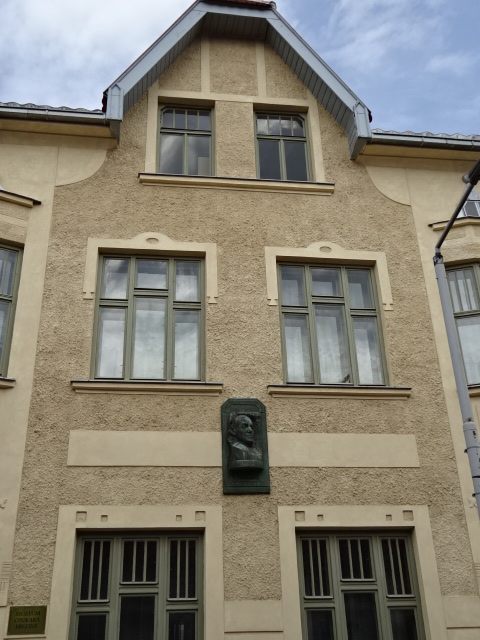
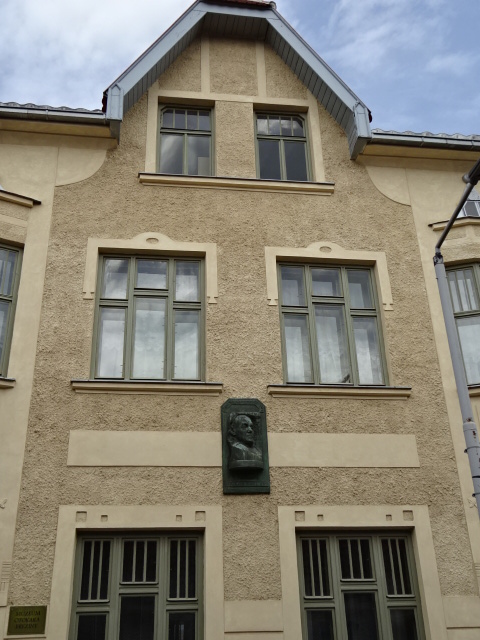
Although I hold a M.A. in Czech literature, I wasn’t very familiar with the poetry and essays of Otakar Březina before visiting the museum, located in the three-room apartment where he had lived and died. (I had focused on the Czech fiction of four writers for my master’s thesis.) I was excited to get to know about the life and work of a Czech writer whom I only knew by name. The guide even mentioned that Březina had been in the running for the Nobel Prize eight times, but hadn’t ever won.
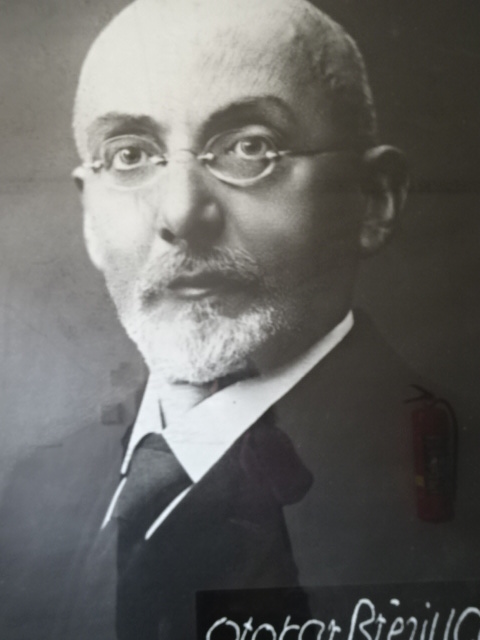
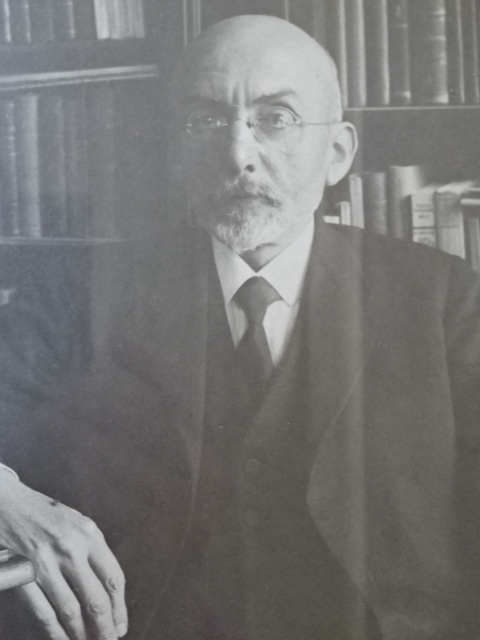
Otakar Březina
The man who would greatly influence 20th century poetry was born Václav Ignác Jebavý in the village of Počátky on March 25, 1929. After graduating from high school in Telč, he became a teacher, working for a while in Nová Ríše. However, all was not rosy. His feelings of isolation and solitude from this time would make major appearances in his poetry. He got his teacher’s degree in Prague and taught in a Moravian town from 1888 to 1901.
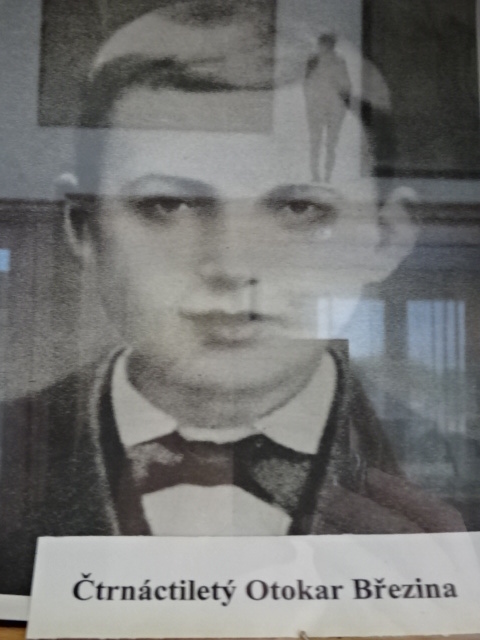
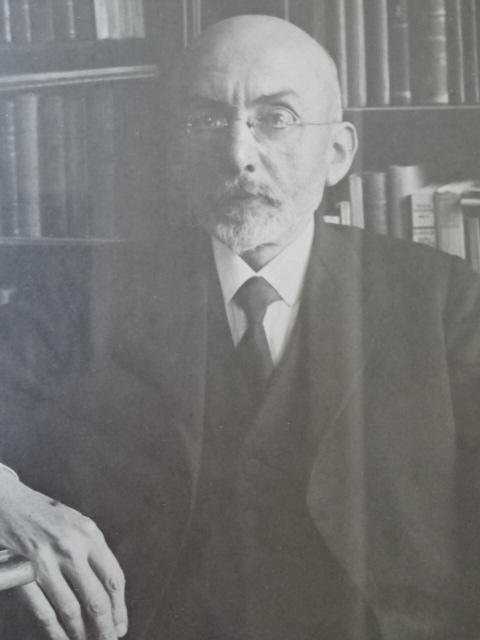
14-year old Otakar Březina
Then double tragedy hit. Březina was devastated when both his parents passed in one week during February of 1890. At this time, he experienced severe bouts of depression, loneliness and solitude. These tragedies played roles in his writings and thought processes, too.
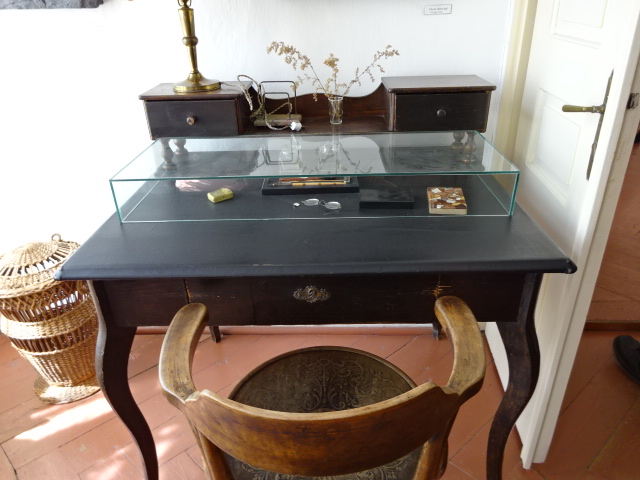
The desk of Otakar Březina
In 1901 he moved to Jaroměřice. Březina got to know many writers, including Karel Čapek, who had visited Jaroměřice on more than one occasion. He also made friends with poet, prose writer and priest Jakub Deml as well as philosopher and novelist Ladislav Klíma, who, like Březina, was influenced by Arthur Schopenhauer and Friedrich Nietzsche.
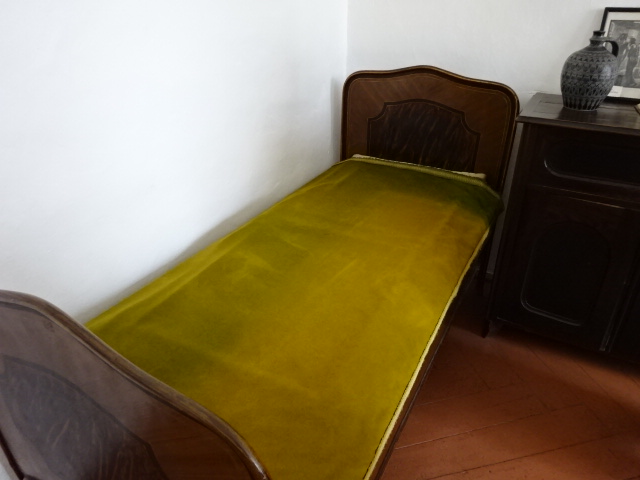
The bed where Otakar Březina died
Březina retired in 1925. Four years later, he would die of heart complications in the narrow, single bed that I saw in his former home. The President of Czechoslovakia, Tomáš G. Masaryk sent Březina a doctor who said that nothing could be done. Březina died in his narrow single bed two days later. He was buried in the nearby cemetery. Bílek designed his impressive grave.
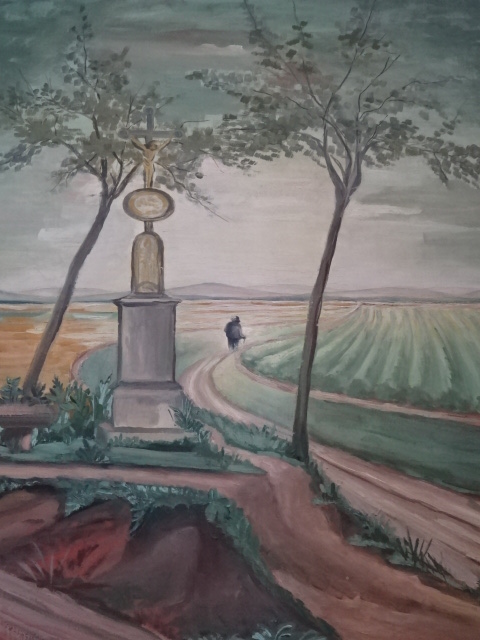
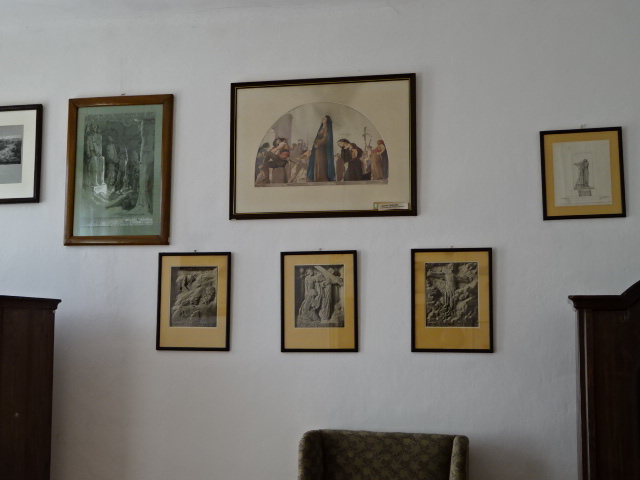
Painting in the flat of Otakar Březina
In the first floor flat, I saw intriguing furniture, paintings, graphic art, photos, correspondence, diplomas and editions of Březina’s books as well as biographies about him. More than 4,500 volumes of his work were housed in a museum in Brno, the capital of Moravia. In this museum, though, the collection of volumes was noteworthy. In fact, downstairs there was a small library dedicated to the Symbolist writer. In the display cases of his first floor apartment, I spotted several of his books in English as well as many old Czech editions. I studied the pictures of him as a child and teenager. I had read that he had experienced much suffering as a child because he had no one to help him. He had to do everything for himself.
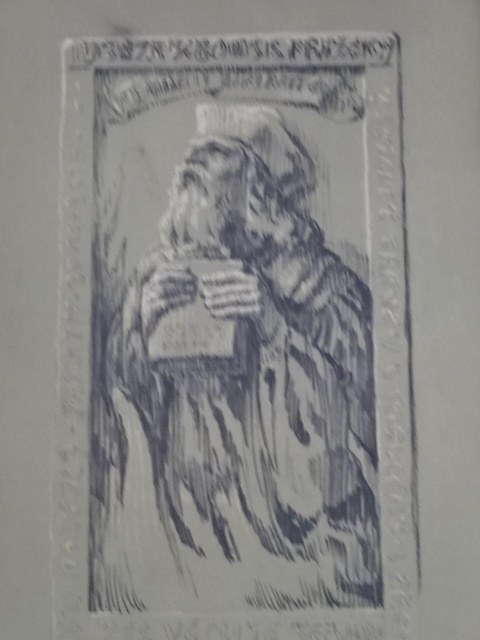
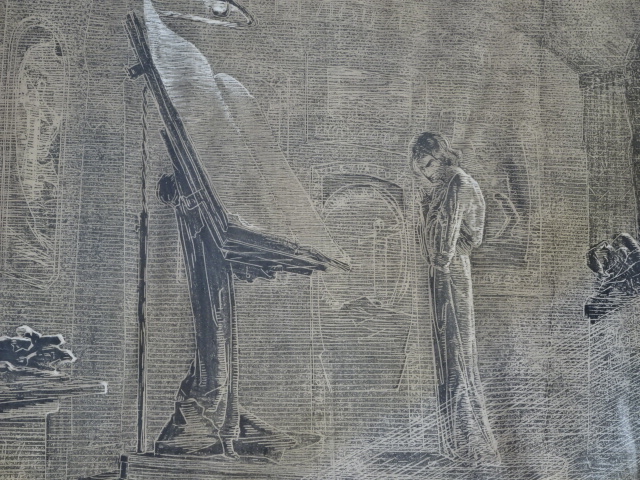
Art by František Bílek in the flat
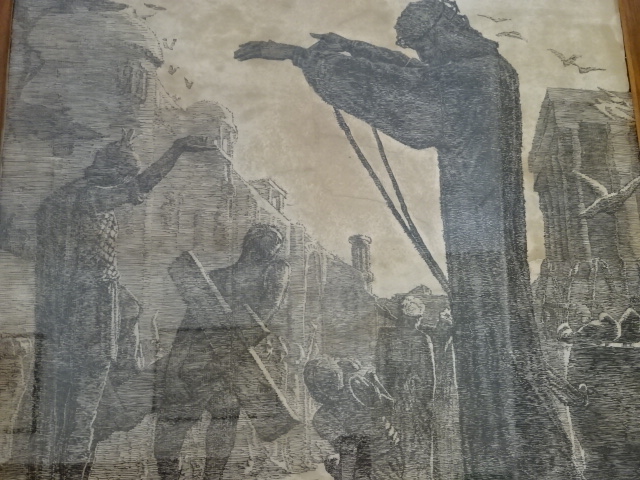
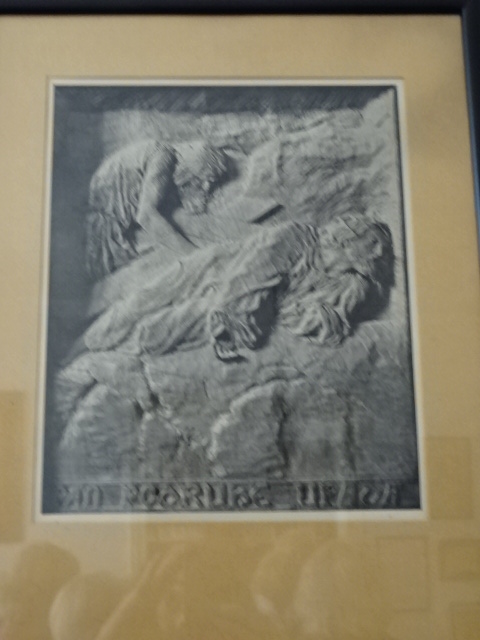
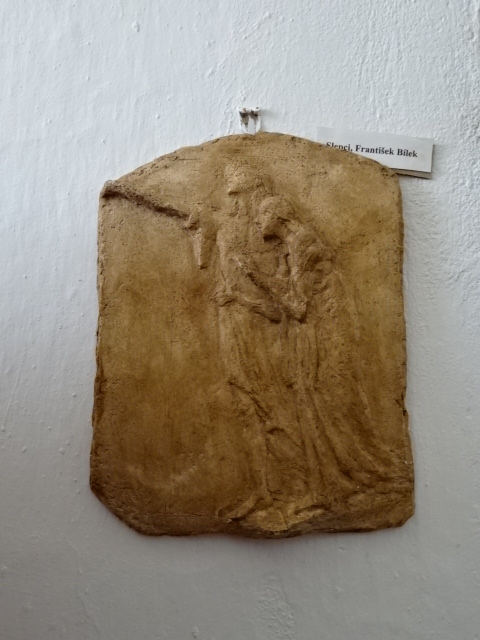
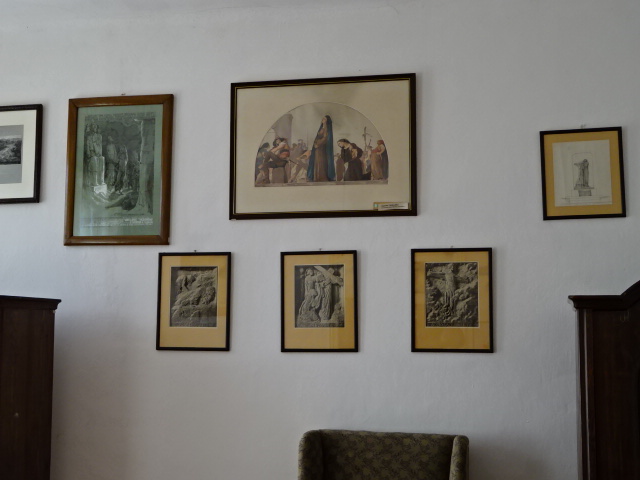
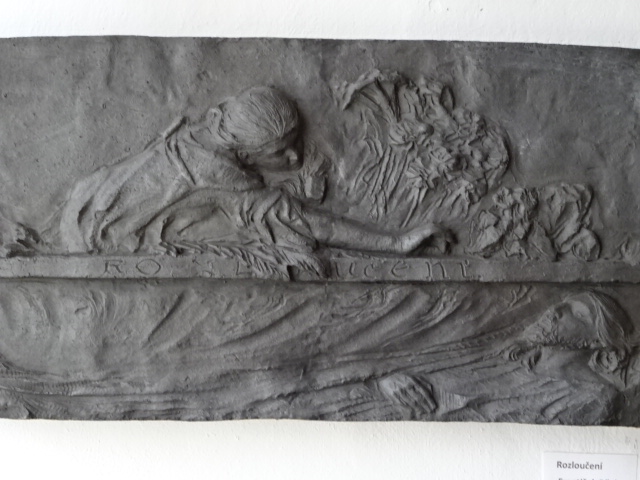
I liked best the artwork in his flat, especially that by Symbolist sculptor František Bílek, who had been a close friend. I fondly recalled my many visits to Bílek’s villa in Prague. It was an architectural gem punctuated by his sculpture, furniture and more. His works were emotional, symbolic, religious and mystical.
Another artwork by Bílek in the flat
Bílek, born in 1862, initially wanted to become a painter but switched to sculpture because he was colorblind. He would wind up making a name for himself not only for his evocative sculptures but also for his prints, architectural designs, ceramics and books, for instance. A man of many talents, he was very religious, and the works of the Catholic Modernists greatly influenced his works. He later worshipped at a Czechoslovak Hussite Church, inspired by the teachings of Czech martyr Jan Hus who was burned at the stake for heresy in 1415.
More art by Bílek in the flat
I had also visited Bílek’s hometown of Chýnov in south Bohemia, where his villa there housed more of his fascinating creations. It was easy to find his grave in the cemetery there – a huge sculpture marked the spot. Bílek passed away during the Nazi Occupation, in 1941.
Another work by Bílek in the flat of Otakar Březina
Back to Otakar Brezina. He started writing during high school in Telč from 1883 to 1887. Back then, he penned stories and feuilletons with a small town environment. His poetry was first published in the magazine Vesna during 1886. As a young author, he was inspired by Jan Neruda, who made his characters come alive in stories about the Lesser Quarter in Prague, for instance. The small town atmosphere was prominent in Neruda’s writings. The future leader of Symbolist poetry decided to use the pseudonym Otakar Březina after he spotted the name on the door of a house, and from 1892 he wrote under that name.
Another masterpiece by František Bílek in the flat
His poetry was philosophical, symbolic, mystical and religious with complex metaphors. The theme of looking for God played a prominent role. He often wrote about depression, suffering, sadness as well as the conflict between dreams and reality.
Art in the flat of Otakar Březina
At first Březina wrote mostly prose, often dealing with death and loneliness. This period of his career was greatly influenced by the passing of his parents. Březina suffered bouts of depression and had a negative attitude to reality, shaped by Schopenhauer’s ideas. Březina used symbolism more often in his works and turned to poetry. His poems were punctuated by secrets, symbolism, mysticism and religion. His search for God was symbolic. He believed that death symbolized a new beginning and opened up a new path. He wrote about the material and spiritual worlds, faith and love, and sometimes he addressed the social problems of his era. Březina also wrote essays in magazines during the early 1900s, focusing on art and life.
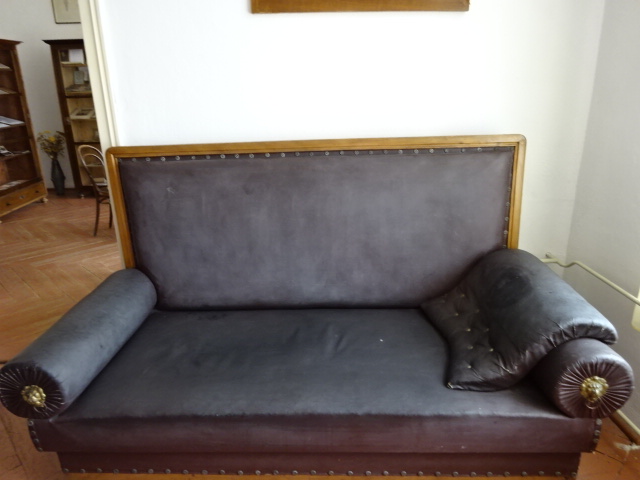
Furniture in the flat
After World War II, the town of Jaroměřice owned Březina’s former apartment. In the 1950s the Communists had all the artifacts moved to a museum in another town. The building was in poor condition and remained that way for a long time. After the 1989 Velvet Revolution, reconstruction took place, and the museum was revived. The newly-opened home of the Symbolist poet was inaugurated September 11, 1993, owned by the Society of Otakar Březina. In 2005 the museum received more recognition, becoming a cultural monument.
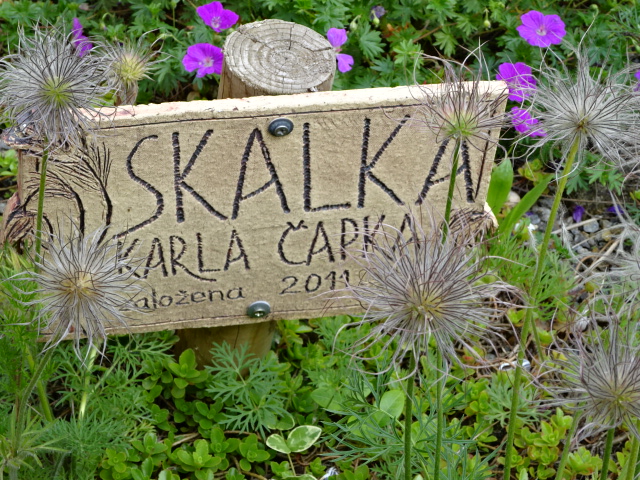
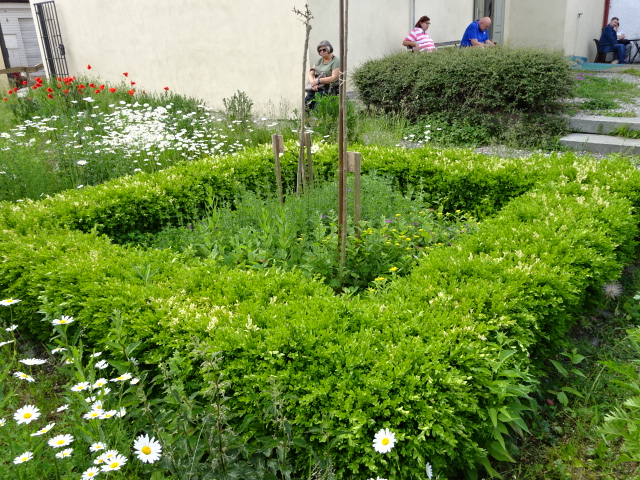
Part of the garden dedicated to Karel Čapek
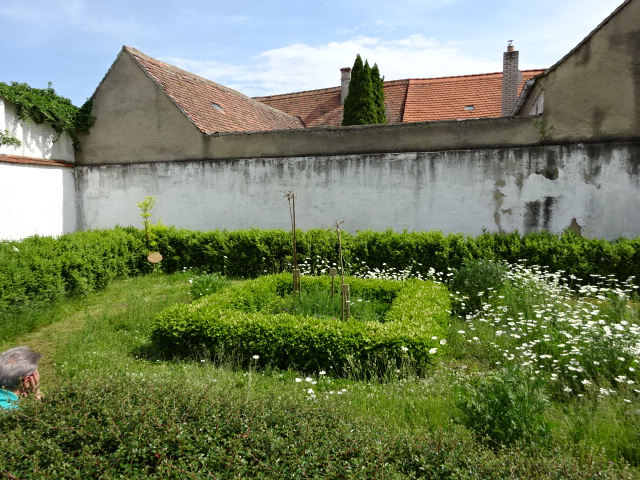
The Garden of Symbols
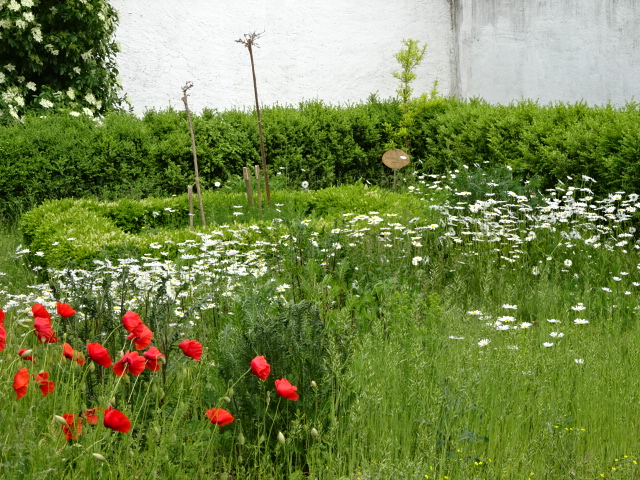
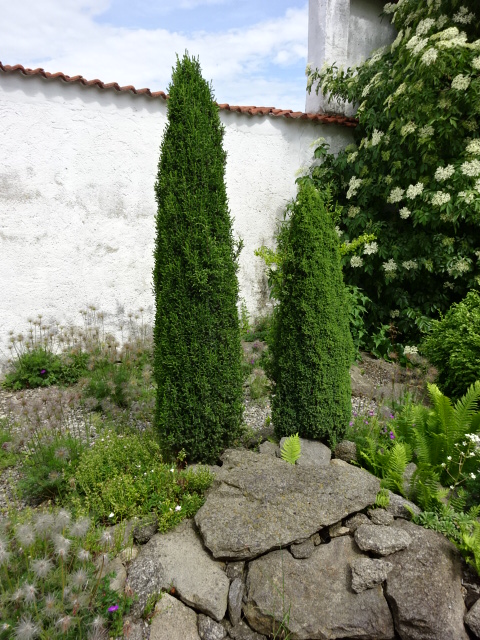
In 2011 the museum opened the Garden of Symbols in its small but impressive garden dedicated to Otakar Březina, Jan Adam Questenberk (who owned the town’s chateau during its heyday), Bílek and Karel Čapek, for example. A path through the garden looked like it came to an end when it suddenly continued to the left, symbolizing immortality because the path did not end just as death did not end in Březina’s philosophy. Reconstruction of the garden took place in 2017 and 2018, the year it opened again. It was masterfully planned to represent Březina’s works, writing style and life as well as acknowledging other famous historical figures who had influenced Březina and the town.
The sign denoting the tree dedicated to Jan Adam Questenberk, the owner of the chateau during its golden age
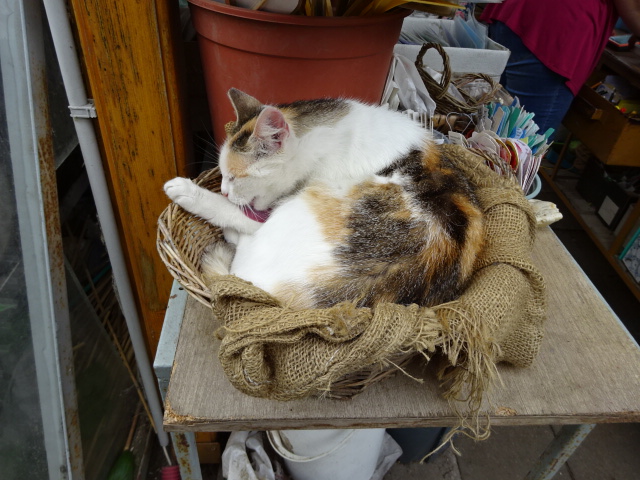
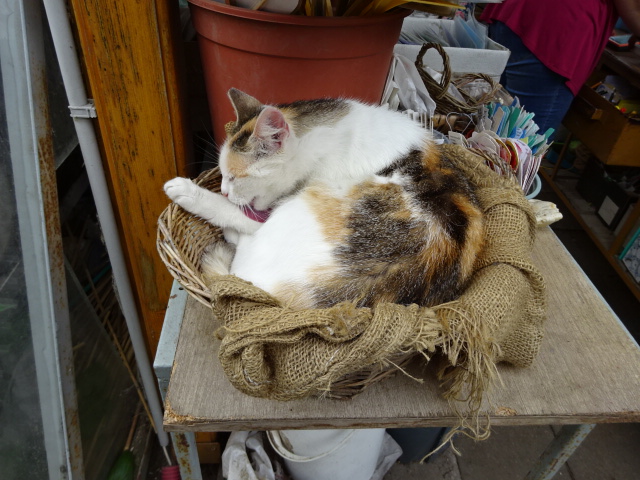
We also went to a gardening center that first opened in 1901, a store where Karel Čapek had bought plants. Still in business, it offered customers a wide variety of plants in a large space. Cats reclined in baskets near the cash register.
One of the cats at the gardening center
This was one of the best sights I had visited, even though it contained only three rooms. Literary landmarks were close to my heart. I learned so much about Březina and saw so many astounding artworks. We also saw the chateau and the Church of Saint Markéta that day, making for a wonderful trip.
Tracy A. Burns is a writer and proofreader in Prague.
This past year marked more day trips, some with friends and others with travel agencies. Of course, chateaus were high on my list, so I will start with those.
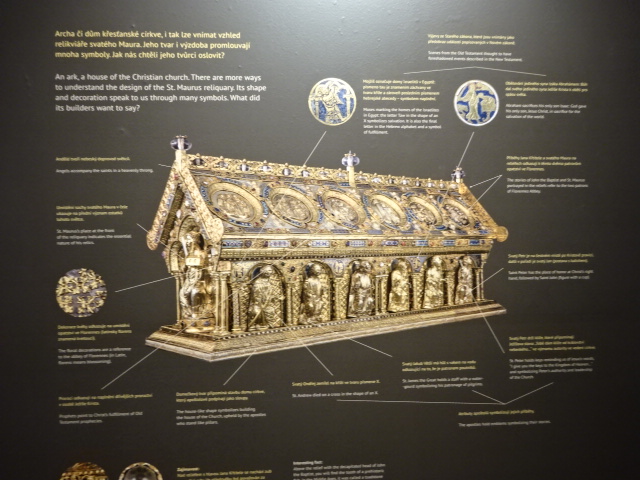
Bečov nad Teplou Castle and Chateau, Reliquary of Saint Maurus
At Bečov nad Teplou Castle and Chateau, the group admired the reliquary of Saint Maurus, one of the most precious objects in the country. The remarkable Romanesque artifact contained the remains of saints and hailed from 1225 to 1230. Its exterior featured 12 reliefs, 14 statuettes in silver, about 200 semi-precious and precious stones, gems and other masterful goldsmith works. During World War II it was hidden under the chapel floor. The reliquary was only discovered again in the 1980s. For a long time its location was a mindboggling mystery.
Stránov Chateau
Stránov Chateau
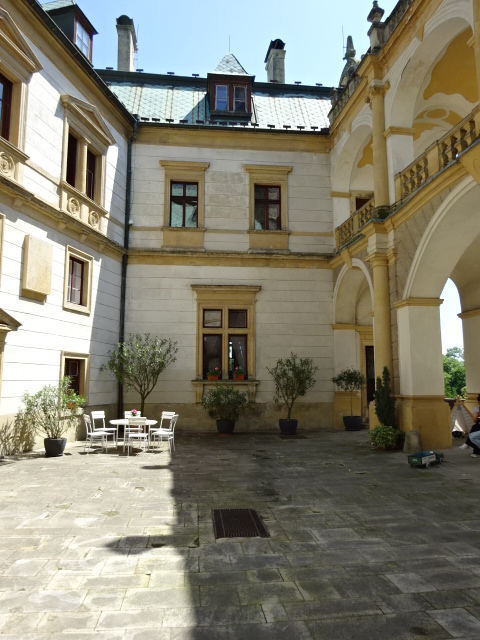
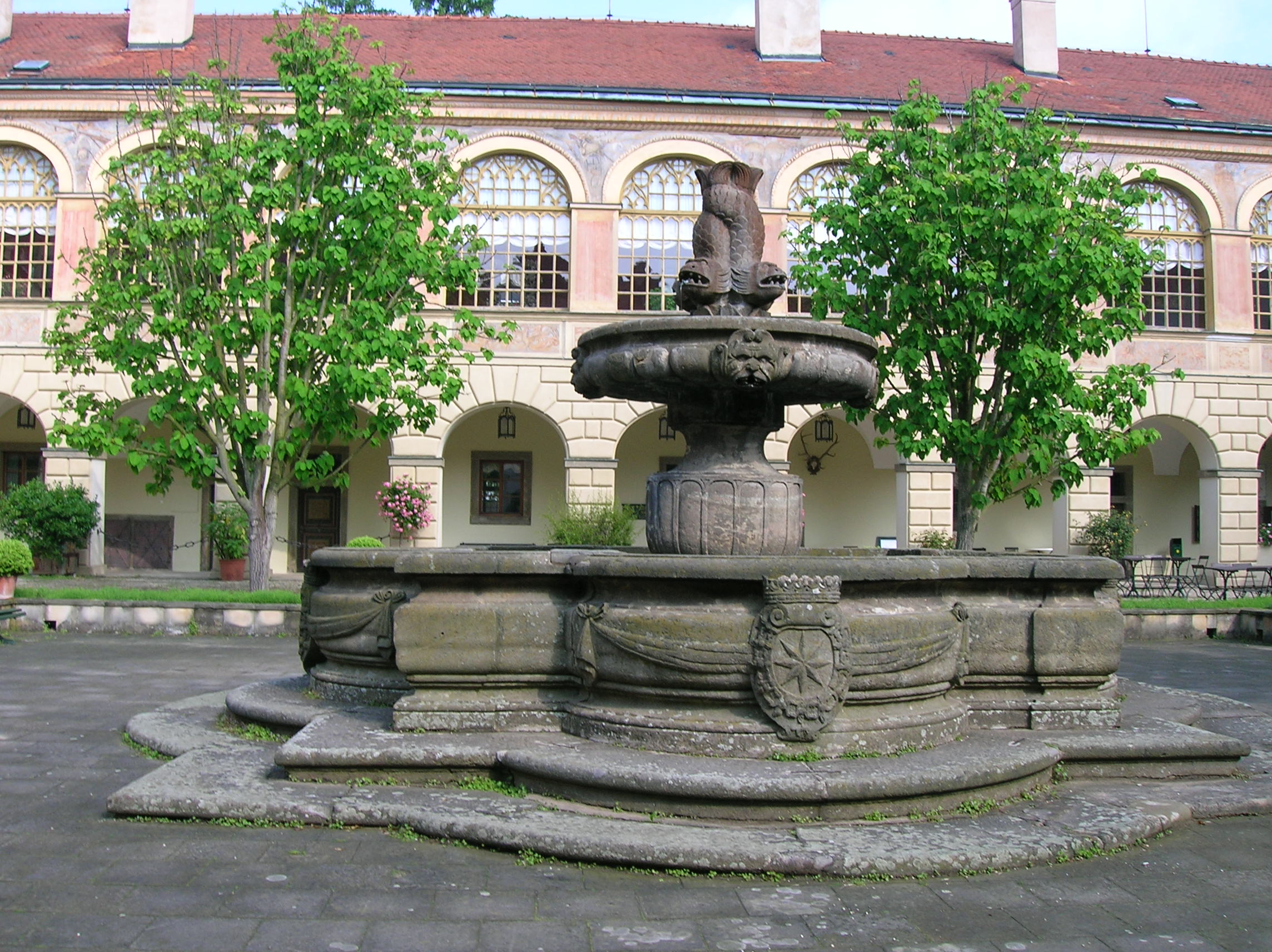
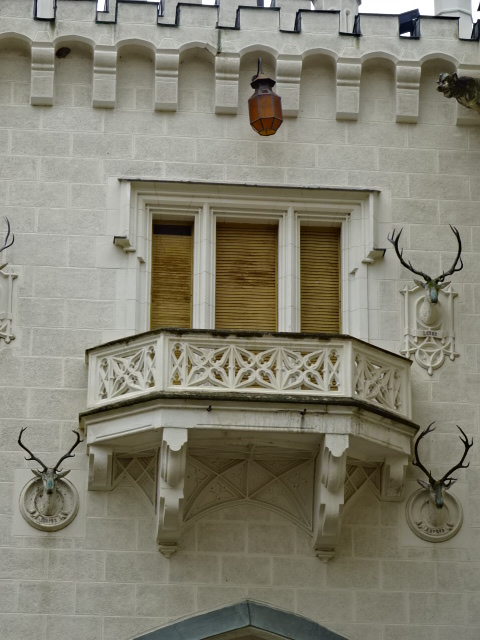
With my best friend I visited Stránov Chateau for the first time. The Neo-Renaissance wonder featured a Gothic tower and splendid arcades in a courtyard punctuated by a beautiful fountain. The Šimonek family had lived there during the First Republic, which was the chateau’s heyday, as well as in later years, until the Communists kicked them out during 1950. They were forced to leave with only several suitcases. While there wasn’t much original furniture, the descendants had commissioned interiors that resembled those from the First Republic’s days of democratic Czechoslovakia. Seeing the chateau for the first time was exciting, to say the least.
Krásný Dvůr Chateau
Krásný Dvůr Chateau, interior
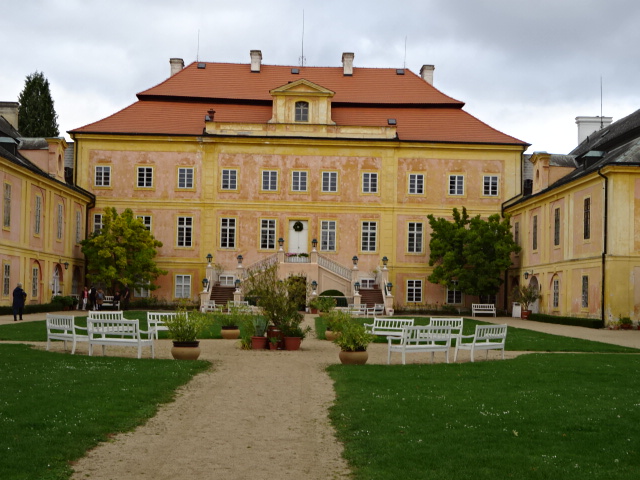
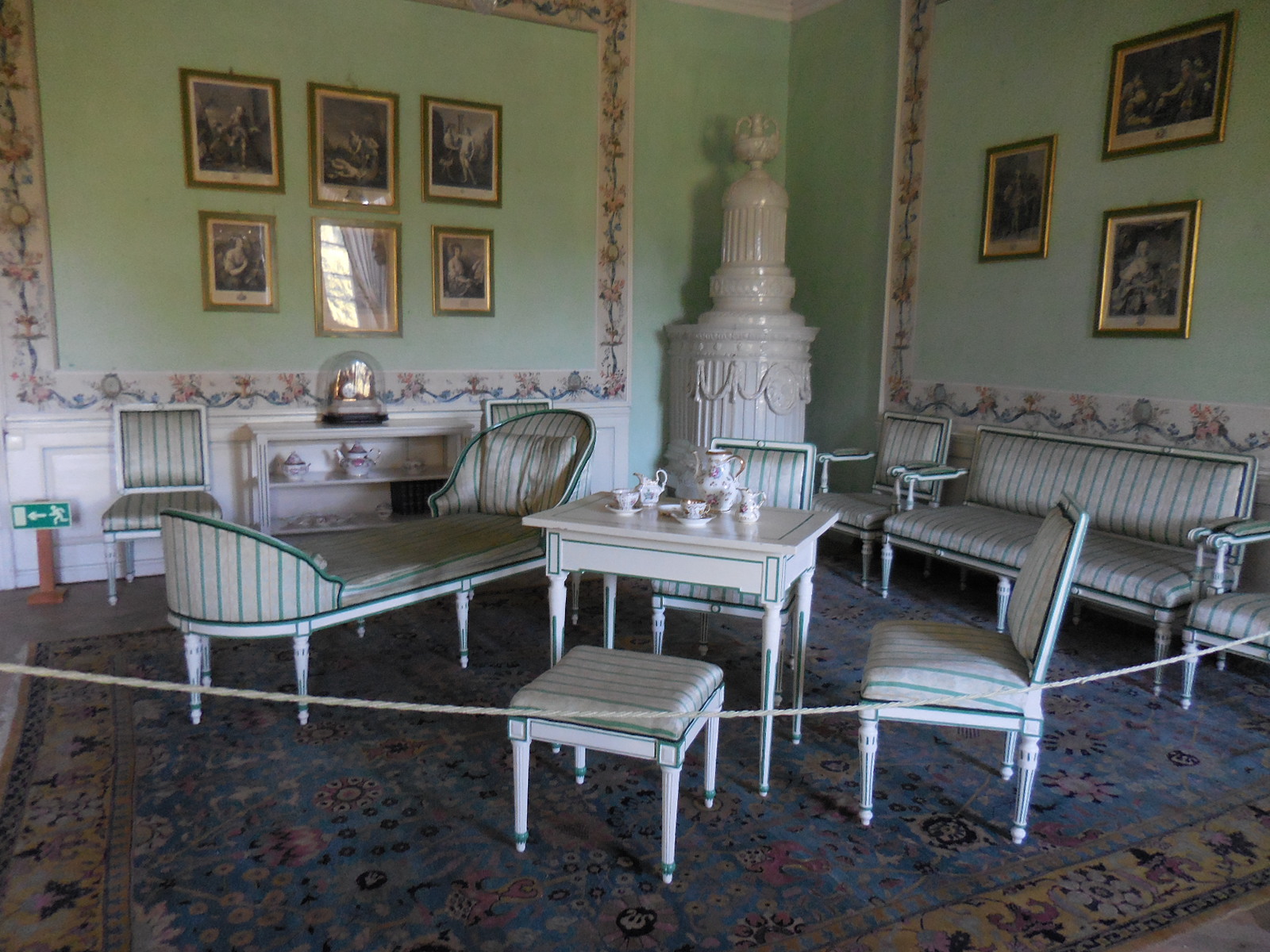
The luxury of the 18th and 19th century nobility was evident at Krásný Dvůr Chateau, partially under reconstruction when we were there on this occasion. The exquisite furnishings from 18th and 19th century periods punctuated the visit. Unique historic portraits of dogs and horses caught my attention as the horses were rendered without tails, for instance. The Meissen porcelain, gilded clocks, ancient jewel chests, decorative wall painting and various intriguing canvases in the chateau gallery all exuded the grandeur of old times. Even the upholstery of the chairs was admirable. The Černín family had this chateau designed by well-known architect František Maxmilián Kaňka from 1720 to 1724. The Černín dynasty would hold onto the chateau until World War II.
Horšovský Týn Castle and Chateau, interior
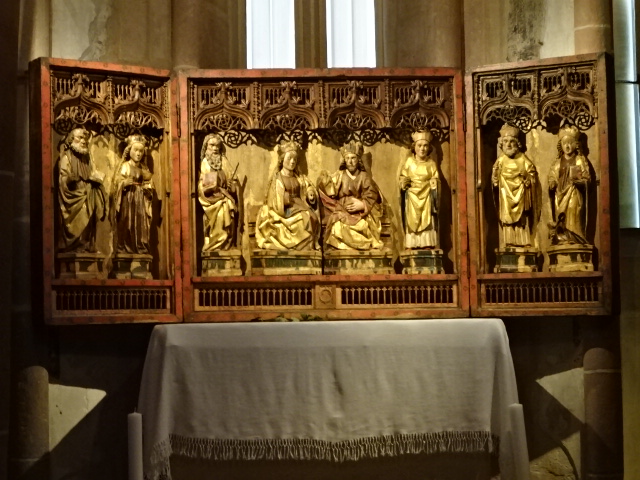
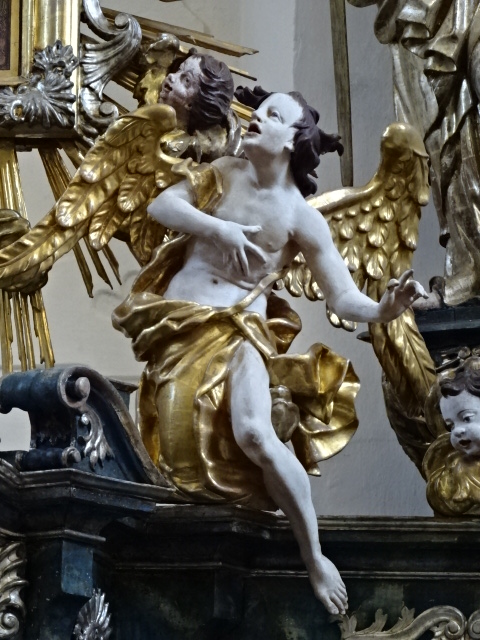
Horšovský Týn Castle and Chateau, Gothic chapel, main altarpiece
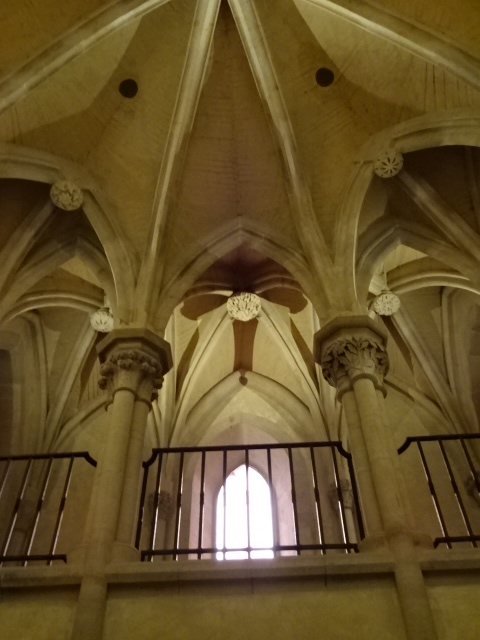
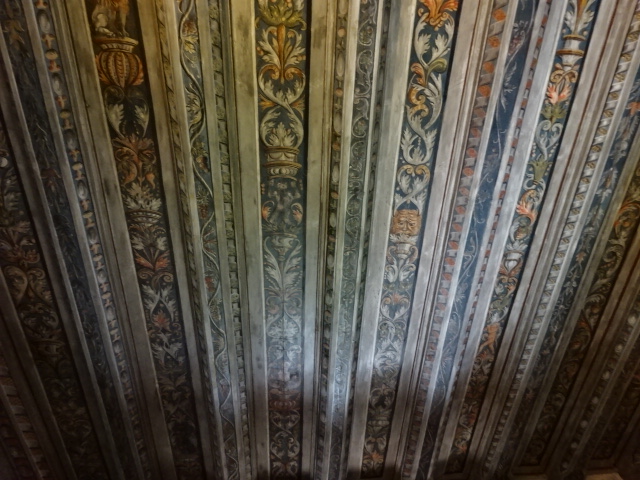
Horšovský Týn Castle and Chateau offered numerous tours. This time I went with a travel agency on one tour; in the past I had been there with my best friend on both the castle and chateau main tours. Once again, I was most impressed with the early Gothic chapel, its stunning wall painting and magnificent altarpiece. The early Gothic arch welcoming visitors to the chapel was a splendid architectural specimen. I saw much intriguing furniture from the Renaissance. A cassette ceiling hailed from the 16th century, and a superb tapestry dated from that century as well. Paintings from the Venetian School and splendid wall painting decorated another space. The Dancing Hall featured Rococo painting and a unique piano. In the Small Dining Room, I was surprised to see Edison light bulbs from 1906. The library included 15,000 volumes.
Doudleby Chateau
Doudleby Chateau
Doudleby Chateau
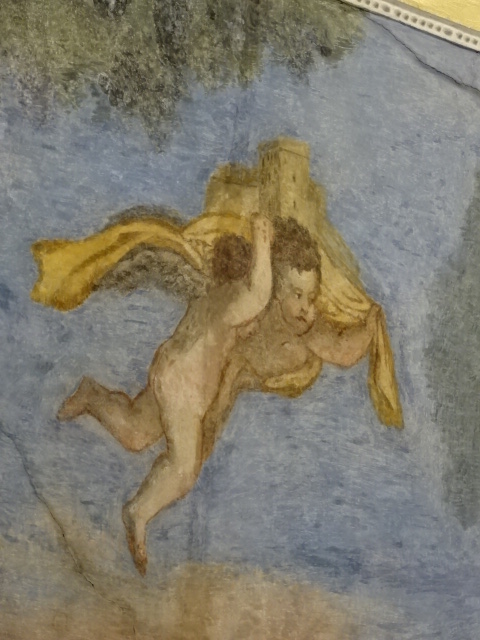
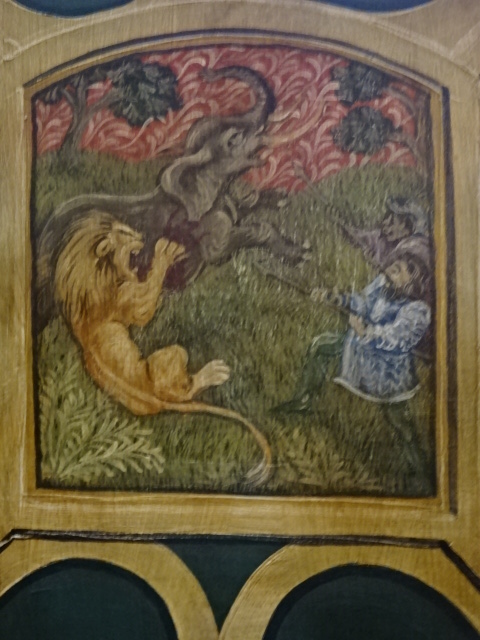
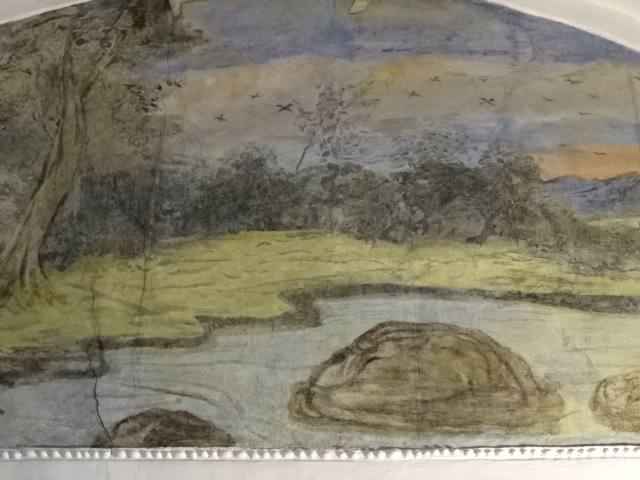
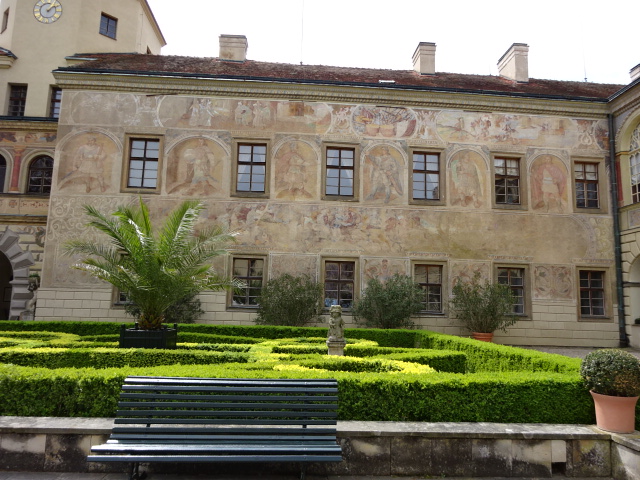
My good friend and I traveled with a travel agency to Častolovice and Doudleby chateaus, places to which I yearned to return for some years. Doudleby Chateau had undergone main reconstruction. It was stunning with its early Baroque wall and ceiling frescoes. Some were mythological, others religious and yet others symbolic. The lunettes of emblems with French writing were spectacular, too. I saw a parrot’s nest, flowers in a circle and a boat with a partially submerged oar, for instance. Finished in 1590, the chateau’s exterior includes unique sgraffito, open arcades and Tuscan columns. I was very impressed.
Elegant exterior of Častolovice Chateau
Častolovice Chateau exterior
The fantastic park at Častolovice Chateau
Častolovice hailed from the 13th century and boasted an extensive English park, one of the most beautiful, in my opinion. Furnishings hailed from Renaissance, Baroque, Empire and Biedermeier periods. A Renaissance cassette ceiling dated back to 1600. In the vast Knights’ Hall, I admired paintings of 24 scenes from the Old Testament. The collection of portraits showing Czech rulers was extremely impressive, too. The Renaissance arcades and distinctive fountain plus aviaries outside were noteworthy as well. There was a small zoo, but I saw an irate turkey coming my way and decided not to pay admission. The park was punctuated by peacocks and other animals as well as ponds and fantastic flora, among other attributes.
Jaroměříce Chateau interior
Interior of Jaroměřice Chateau
Jaroměřice Chateau
With a travel agency I made a very memorable trip to Jaroměřice nad Rokytnou Chateau, the biggest Baroque chateau in the country. I hadn’t been there since the late 1990s. The Ancestors’ Hall amazed with a fabulous frescoed ceiling and masterfully carved wood paneling. The ceiling and wall painting in the Ballroom was just as exquisite. The Chinese Cabinet also made a great impression.
Church of Saint Markéta, Jaroměřice
Cupola of Church of Saint Markéta
Decoration on walls of Church of Saint Markéta
Yet that was not all there was to Jaroměřice. The town had much more to offer. Nearby was the Church of Saint Markéta, measuring 450 m2 with a splendid frescoed ceiling. Pictures of the Evangelists and Roman gods decorated the walls. The main altar, celebrating Saint Markéta and the creation of light, did not disappoint, either. Our guide even played for us the impressive historic organ.
Otakar Březina
Museum of Otakar Březina, art by František Bílek
Museum of Otakar Březina
The Museum of Otakar Březina was another highlight of Jaroměřice. Březina had been a poet who was in the running for the Nobel Prize eight times. In the apartment where Březina had lived from 1913 until his death in 1929, I saw not only editions of his many books and childhood photos but also fascinating works of art by his close friend František Bílek, whose villas I had visited in Prague and in south Bohemia. Březina had promoted democracy as he had developed steadfast friendships with Czech writer Karel Čapek and President of the First Republic Tomáš G. Masaryk.
Garden of Symbols, Museum of Otakar Březina
Garden at Museum of Otakar Březina
Garden outside Museum of Otakar Březina
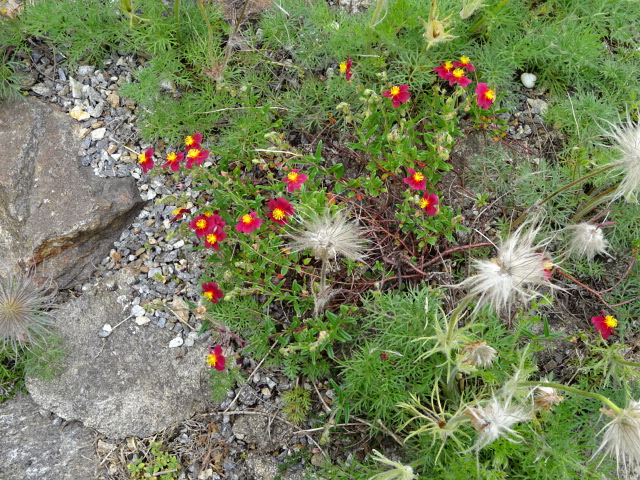
The garden outside the home was unique and symbolic just like Březina’s poetry. Parts of the garden were dedicated to Karel Čapek, Bílek and the most influential owner of Jaroměřice Chateau, Jan Adam Questenberk. Many flowers, plants and small trees graced the well-kept garden. One section of this Garden of Symbols represented immortality because Březina had believed that death was not an end but rather a new beginning.
Museum of Otakar Březina
Garden of Museum of Otakar Březina
Yet there was more. We visited Březina’s grave, designed by Bílek, as well as an extensive garden center established in 1901. Karel Čapek had been a devoted customer during the 1920s and 1930s. I could imagine Čapek enthusiastically picking out plants as I perused all the interesting specimens and gazed at the cats who lounged around the center without disturbing the plants.
Museum of Otakar Březina, artwork by František Bílek
Museum of Otakar Březina, art by František Bílek
With a master’s degree in Czech literature, I was always enthusiastic to learn more about Czech writers, especially poets whose works I had never read. Březina’s writing was so complex and symbolic that I had always feared I would not understand it. Visiting writers’ museums was always a big thrill for me in any country but especially in the Czech Republic. It never failed to open up new worlds.
Radim Chateau, ceiling in main hall
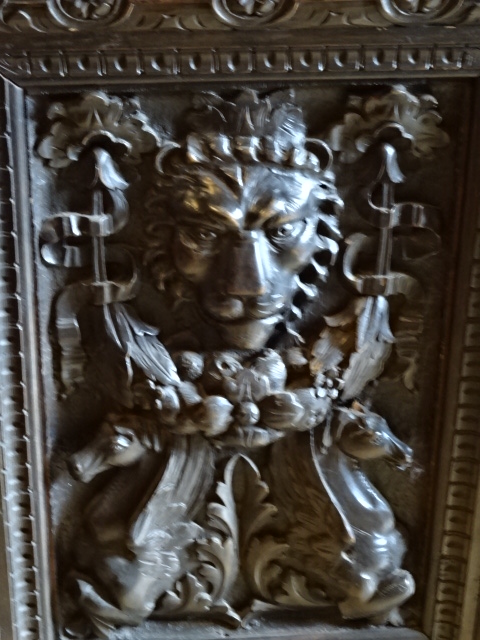
Radim Chateau, dining room cabinet
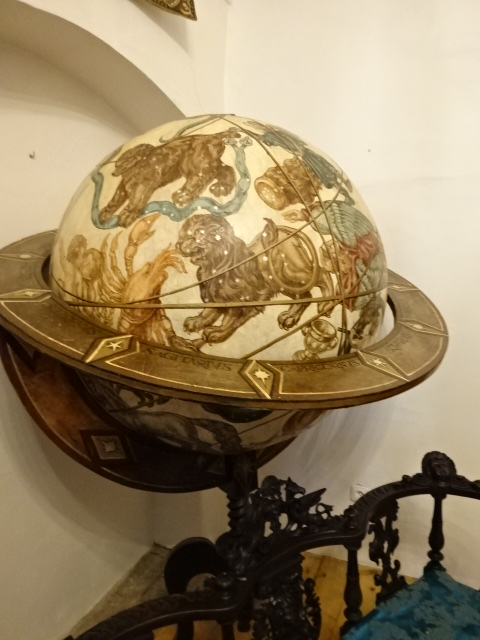
Radim Chateau, historical globe
Another chateau that I visited for the first time was called Radim, not far from Prague. Built in 1610, it had served as a Renaissance countryside seat of nobles, and, while it did not contain many original furnishings, the owners had amassed a great deal of impressive artifacts from various periods, especially the Renaissance. Exquisite tapestries lined a hallway. I saw a Neo-Gothic throne and an altar in the same style, both masterfully carved. Renaissance furniture also was prominent. A decorated coffered ceiling from the early 17th century and wall painting filled me with awe. The decorative main hall certainly did not disappoint.
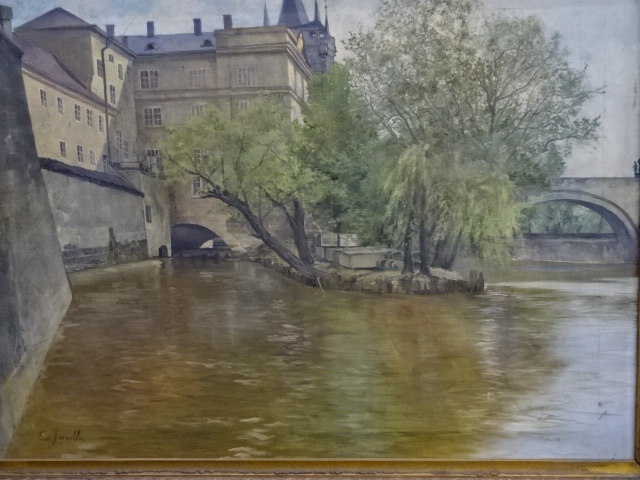
Radim Chateau art gallery, painting of Kampa Island
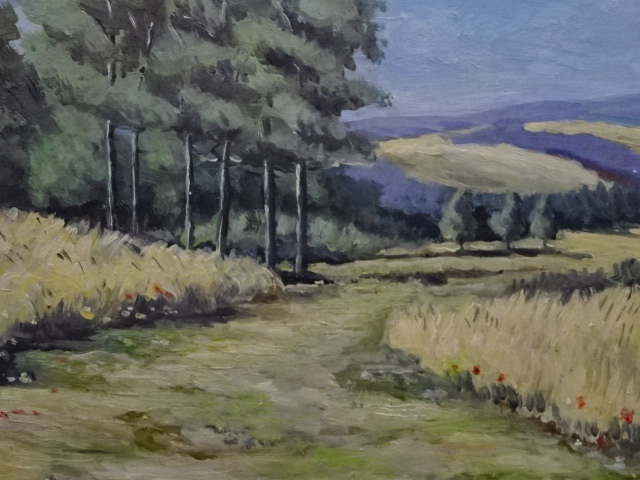
Painting in Radim Chateau art gallery
Radim Chateau art gallery ceiling
What enamored me the most about this chateau was not the first floor interior, though, but the amazing art collection the owner had put together. The owner proudly showed me his impressive collection. I saw a hallway lined with landscapes, paintings of Kampa Island and the Charles Bridge as well as the Berounka river and the Pilsen countryside region. Landscape after landscape from various parts of the country amazed me. I gazed with awe at works by Otakar Nejedlý, Vlastimil Toman, Otto Stein, Vojtěch Hyněk Popelka and many others.
Religious art in Radim Chateau gallery
Russian icon, Radim Chateau art gallery
Yet that was not all the art to be seen. In another space there was a fascinating collection of religious works, including a copy of a Titian painting and a Russian icon. Visiting Radim Chateau was a double thrill for me – I loved the furnishings and painted ceilings as well as the art gallery. The entire chateau exuded charm and splendor.
Březnice Chateau interior
Březnice Chateau ceiling
I went back to Březnice Chateau, which I had not visited for some years. The Renaissance chateau from the 16th century featured a former library with well-preserved ceiling and wall painting hailing from Renaissance days. The chateau showed off various styles – Renaissance, Baroque, Empire and Biedermeier. The Baroque chapel was stunning. The Renaissance dining room was full of historic grandeur. The armory was impressive, too.
Hluboká nad Vltavou Chateau exterior
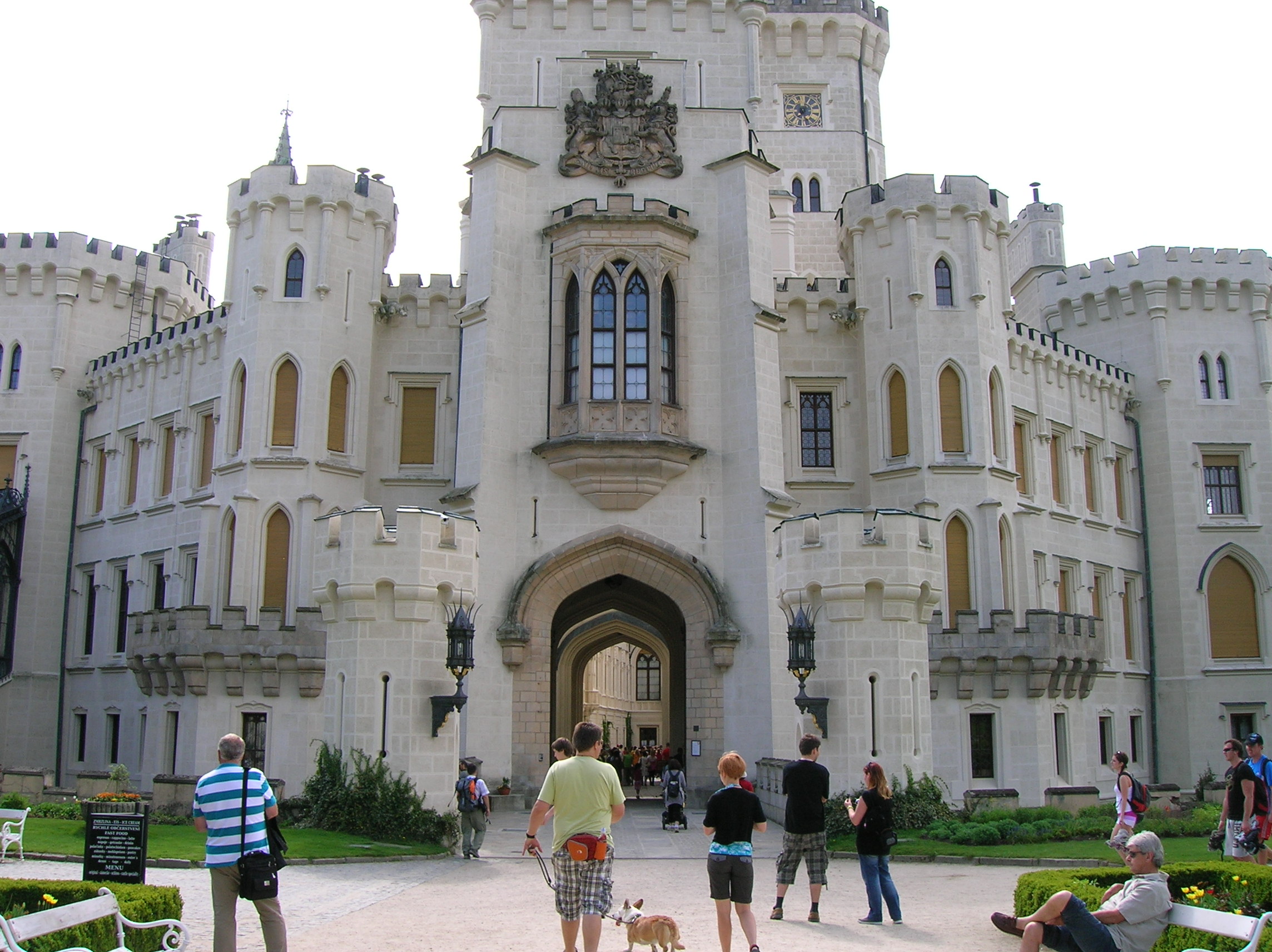
One of my most favorites chateau was in Hluboká nad Vltavou, one of the most popular in the country, and I loved gazing at its masterful Neo-Gothic exterior. The wood-paneling with remarkable furnishings and the 57 tapestries from Brussels astounded. The library with 12,000 volumes and the armory were more than stunning. This chateau could never disappoint.
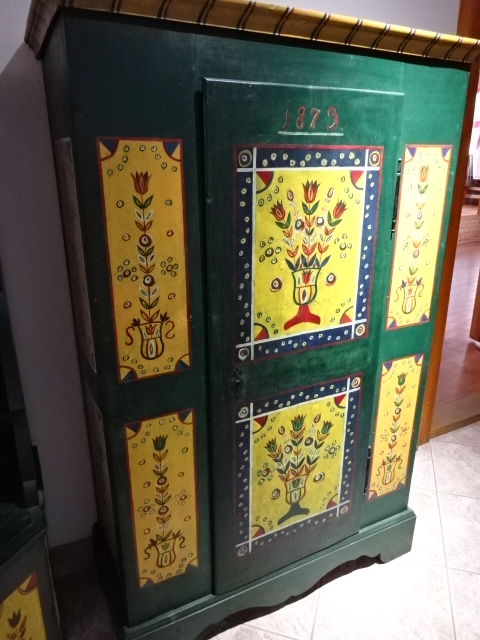
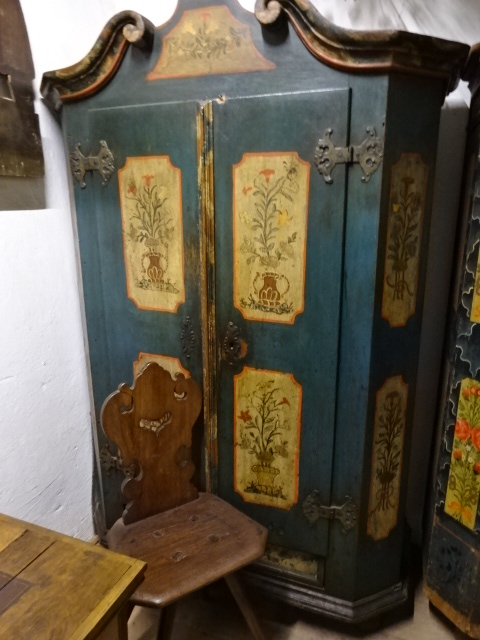
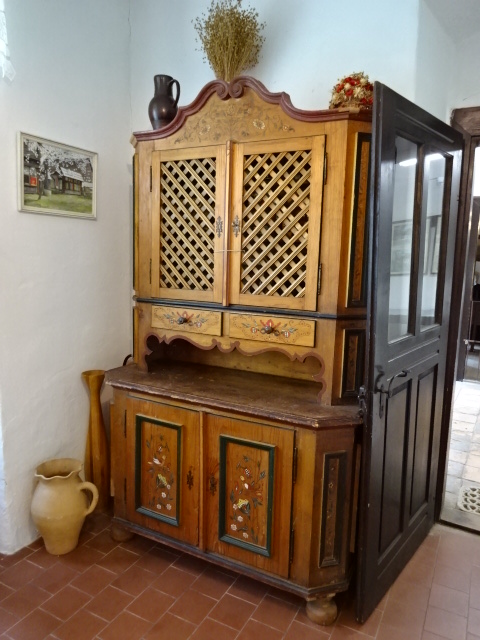
Domažlice Castle Museum, folk style wardrobe
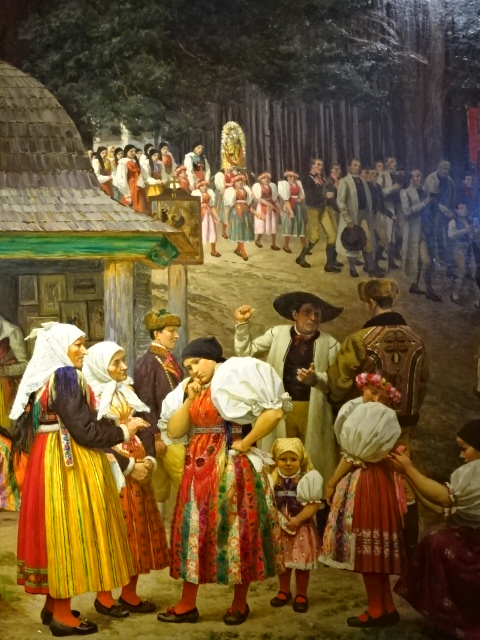
Historical painting in Domažlice Castle Museum
I saw a castle museum in Domažlice, where I learned about the region. The other castle museum was in Kadaň, where there were displays of the history of the town and fortress-like edifice. In Domažlice the folk costumes of the area were prominently on display as were the beautiful ceramics notable for the region. Holy Roman Emperor Charles IV’s visit to Kadaň and the years the castle spent as a barracks as well as the dark Nazi period were elaborated upon during that tour.
Sculpture in Kadaň
Kadaň scenery
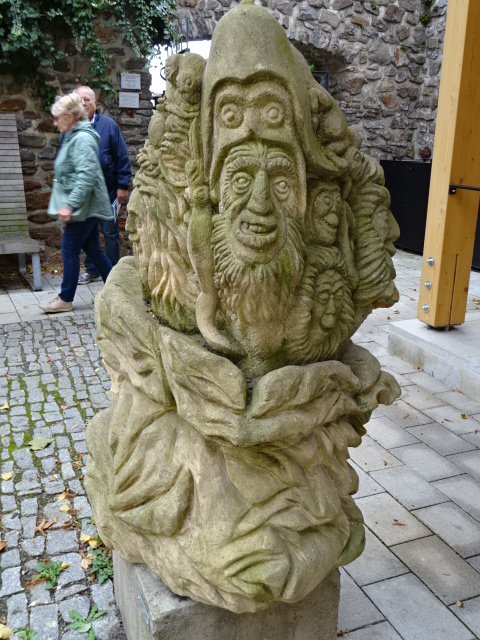
Yet there was more to Kadaň and Domažlice than merely their castles. We saw picturesque squares, churches, town halls, a monastery and much more in those towns. The path from the center of Kadaň to the castle was surrounded by lush flowers and plants as well as unique grotesque sandstone statues. The narrowest street in the country, Katova Street, is located in Kadaň. The monastery in Kadaň with its Gothic wall painting and other splendors was a real treat, too.
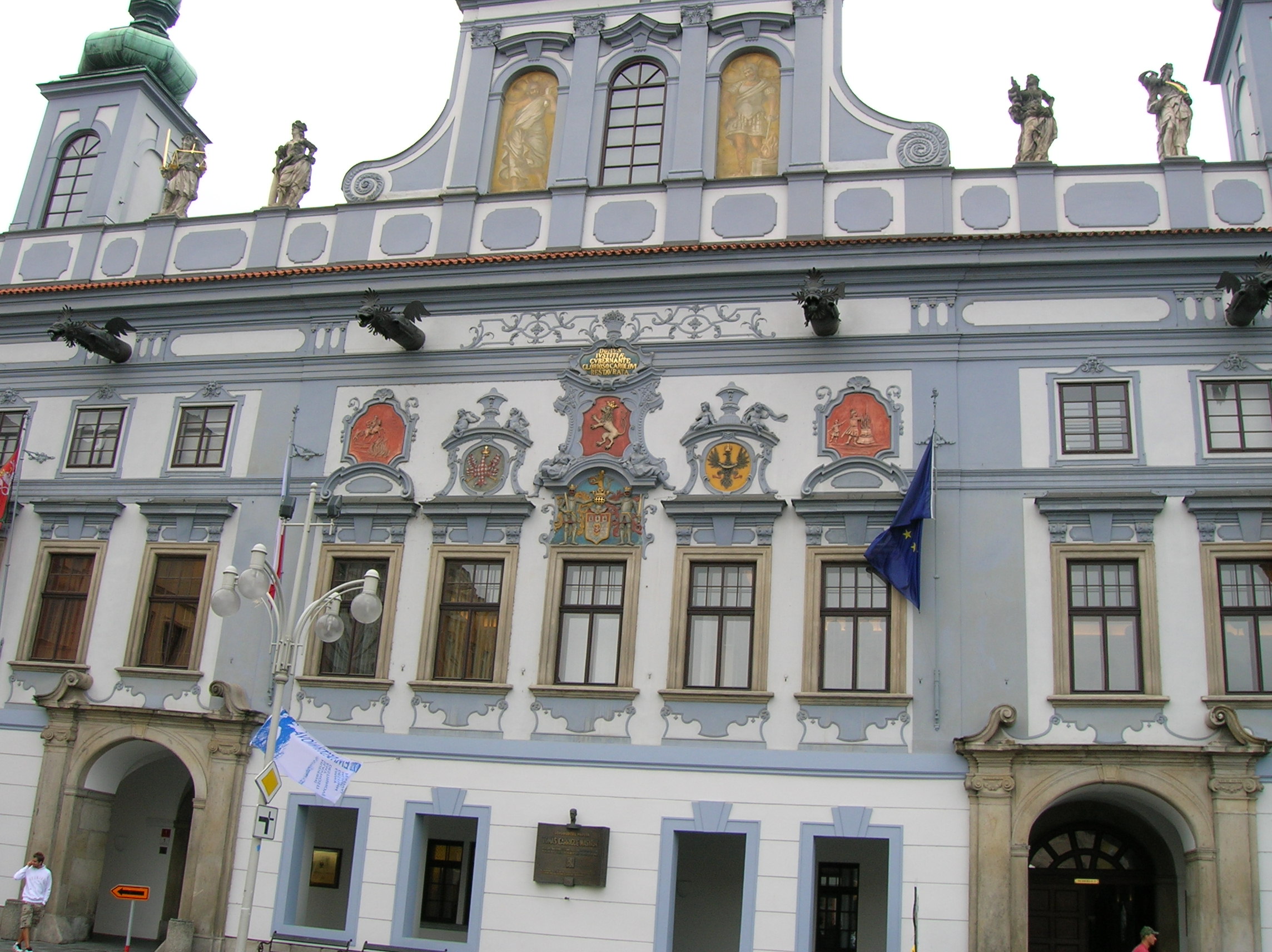
Town Hall in České Budějovice, main square
Sculpture in České Budějovice
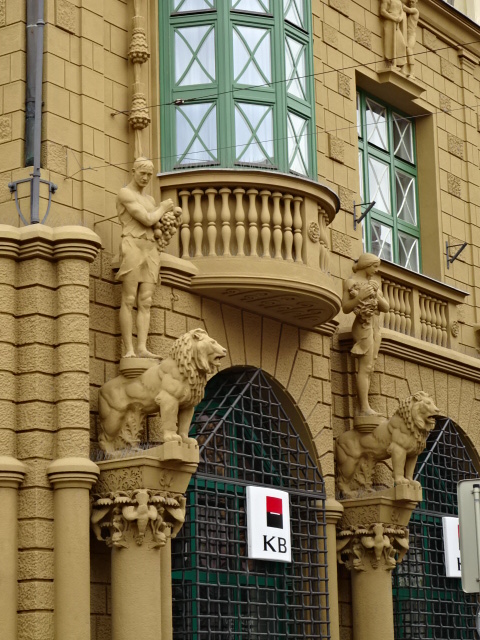
Komerční Bank sculptural decoration
Another city sans chateau or castle that I visited was České Budějovice, one of the gems of south Bohemia for its unique and stunning architecture. Previously, I had only admired the vast main square of the city with its delightful Renaissance buildings and prominent town hall.
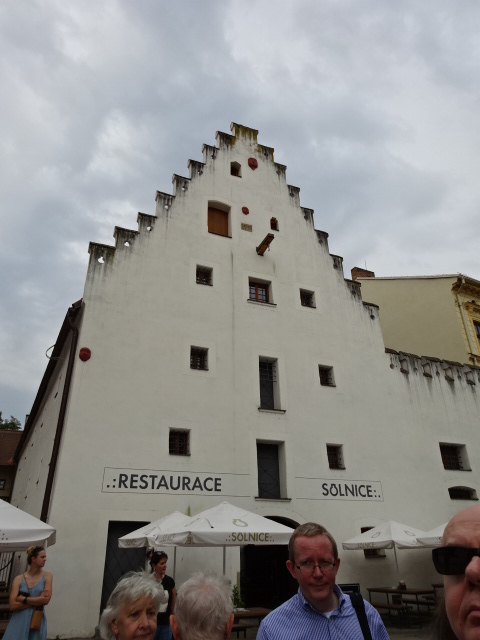
Former salt house in České Budějovice
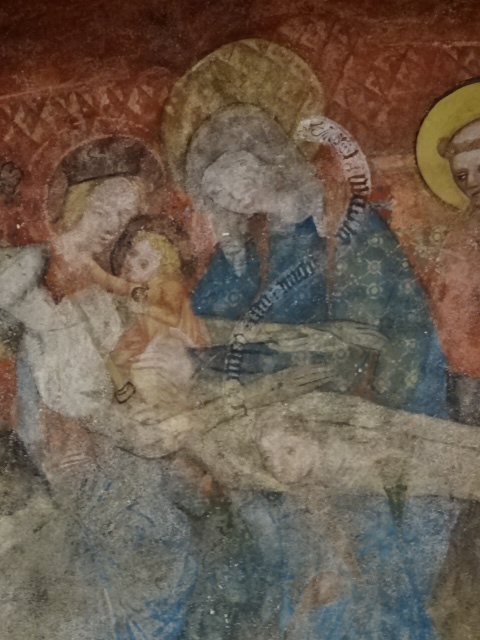
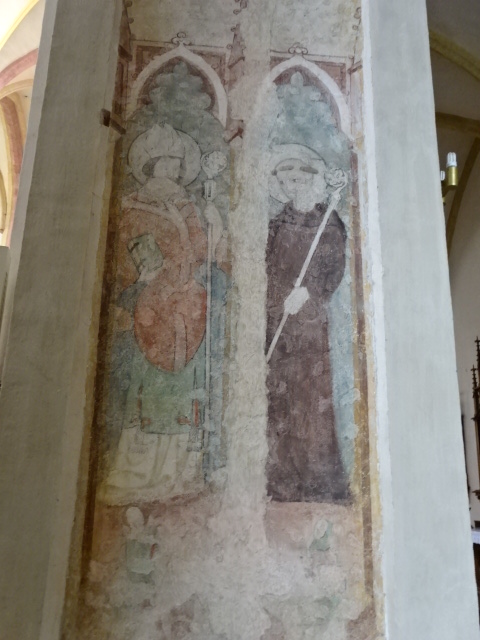
Gothic wall painting in church in České Budějovice
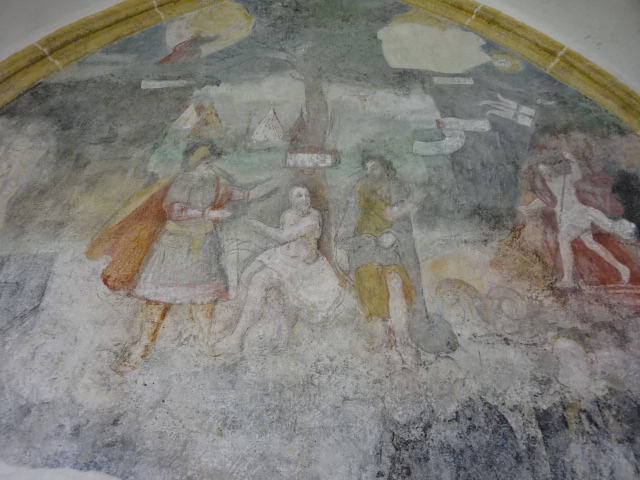
Wall painting in church in České Budějovice
This time I saw the entire downtown area and soon learned that there was much more to the city than merely its picturesque square. The main church with Gothic (13th century) and Baroque wall painting as well as a Neo-Gothic main altar was incredible. The former salt house’s unique roof was one to remember. A large bank’s sculptural decoration was more than impressive. Other buildings were architectural gems, too. Some boasted religious paintings on the exteriors. Narrow and romantic Panská Street was another highlight of the city. The architecture throughout the city was truly breathtaking.
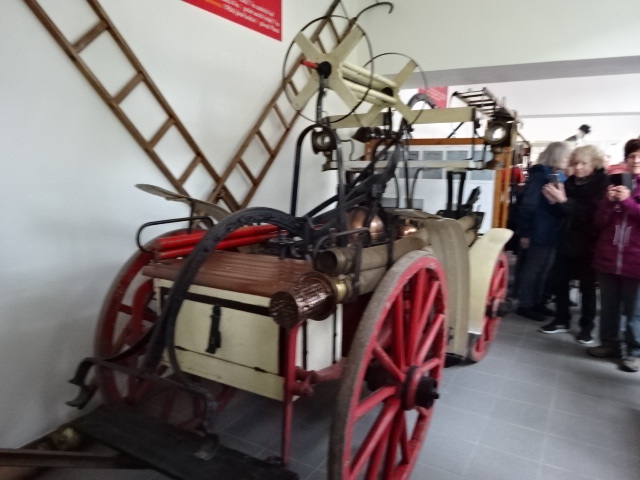
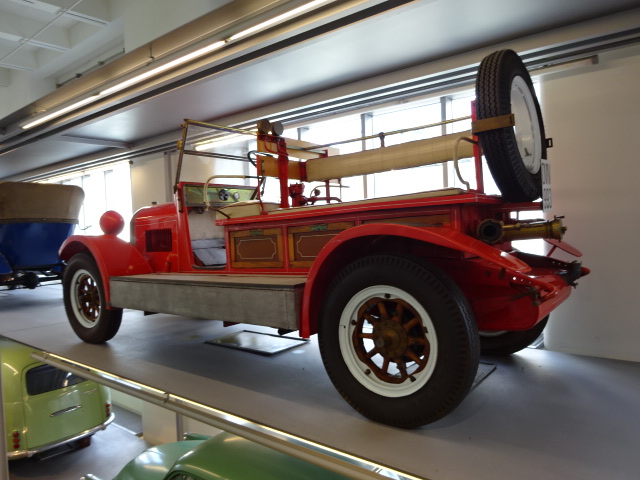
Firetruck museum in Constantine Spa
We also visited a small enclave called Constantine Spa. On the charming small square was a claustrophobic museum of fire trucks hailing from 1900 to 1912. Each had one ladder, and they had once been driven by horses. While it was raining during our time in the spa town, we did see some beautiful greenery as we walked to a café with delicious desserts.
Votice Monastery, town museum, painting of region
Vladimír Kaska painting in Votice Monastery
Fresco on wall and ceiling of Votice Monastery
In addition to the monastery in Kadaň, I toured two other monasteries – Votice and Teplá. Displays narrated Votice’s turbulent history during Nazism and Communism. I admired the town museum at Votice monastery. Paintings of the town in decades past caught my undivided attention. The 17th century frescoes on one wall and ceiling section at Votice were astounding. I also was amazed at the modern paintings of a local artist, Vladimír Kaska. His grotesque, playful, symbolic and colorful renditions delighted me. His works were so vibrant and dynamic. Discovering an artist whose works I did not know was one highlight of my trip there.
At Teplá Monastery
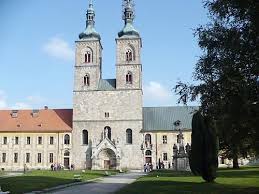
Teplá Monastery was founded in 1193, and King Václav I participated in the first mass. The Baroque church had been rebuilt in the 18th century by a prestigious architect – Kryštof Dientzenhofer. Poignant wooden statues by Ignác Platzer stood out in the church as did astounding Baroque frescoes. The church, 62.5 meters long, also featured a Rococo altar decorated with Baroque paintings.
Teplá Monastery
Still, the library that contained about 100,000 volumes in Latin, German and Czech was for me the highlight of Teplá. The two floors of masterfully carved bookcases featured an elaborate balustrade. The fabulous fresco on the ceiling represented monks and angels celebrating with religious figures, including the Evangelists. The ceiling painting was so beautiful that it almost made me dizzy with delight.
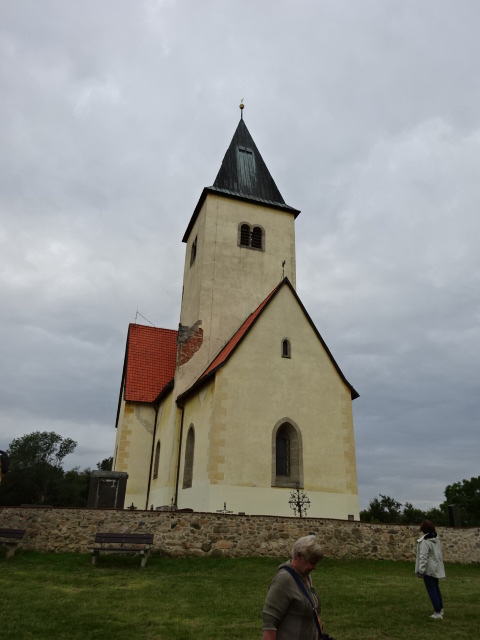
Chovojen church
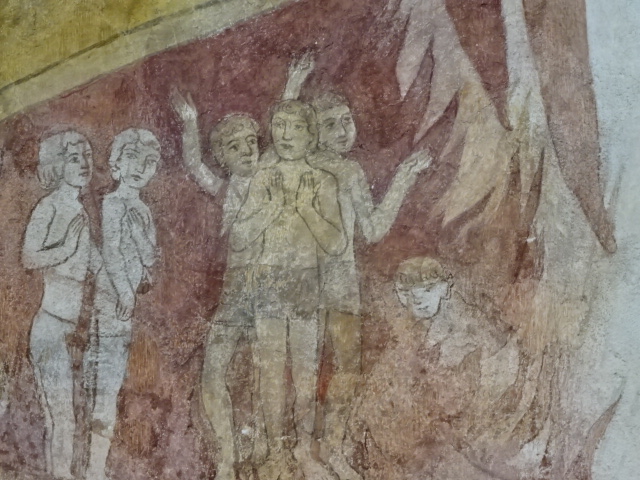
Medieval wall painting in Chovojen church
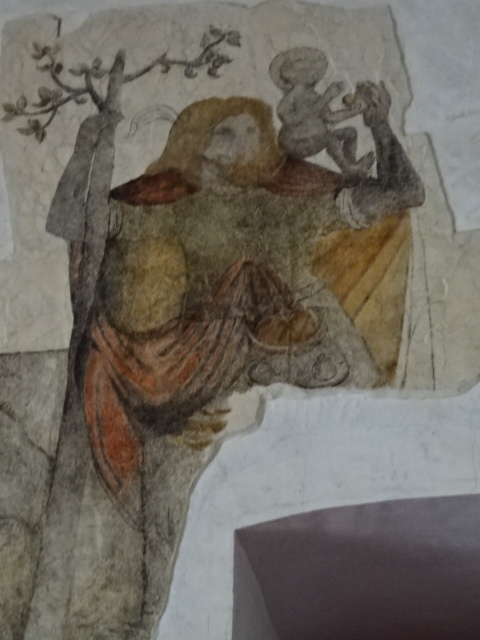
I also toured a small church in Chovojen, surrounded by fields and offering a view of nearby Konopiště Chateau. The Romanesque elements of the small church were noteworthy. The rare medieval frescoes amazed me. I even saw a painting showing the medieval solar system with the Earth at the center. So many amazing artifacts located in a small church filled me with awe.
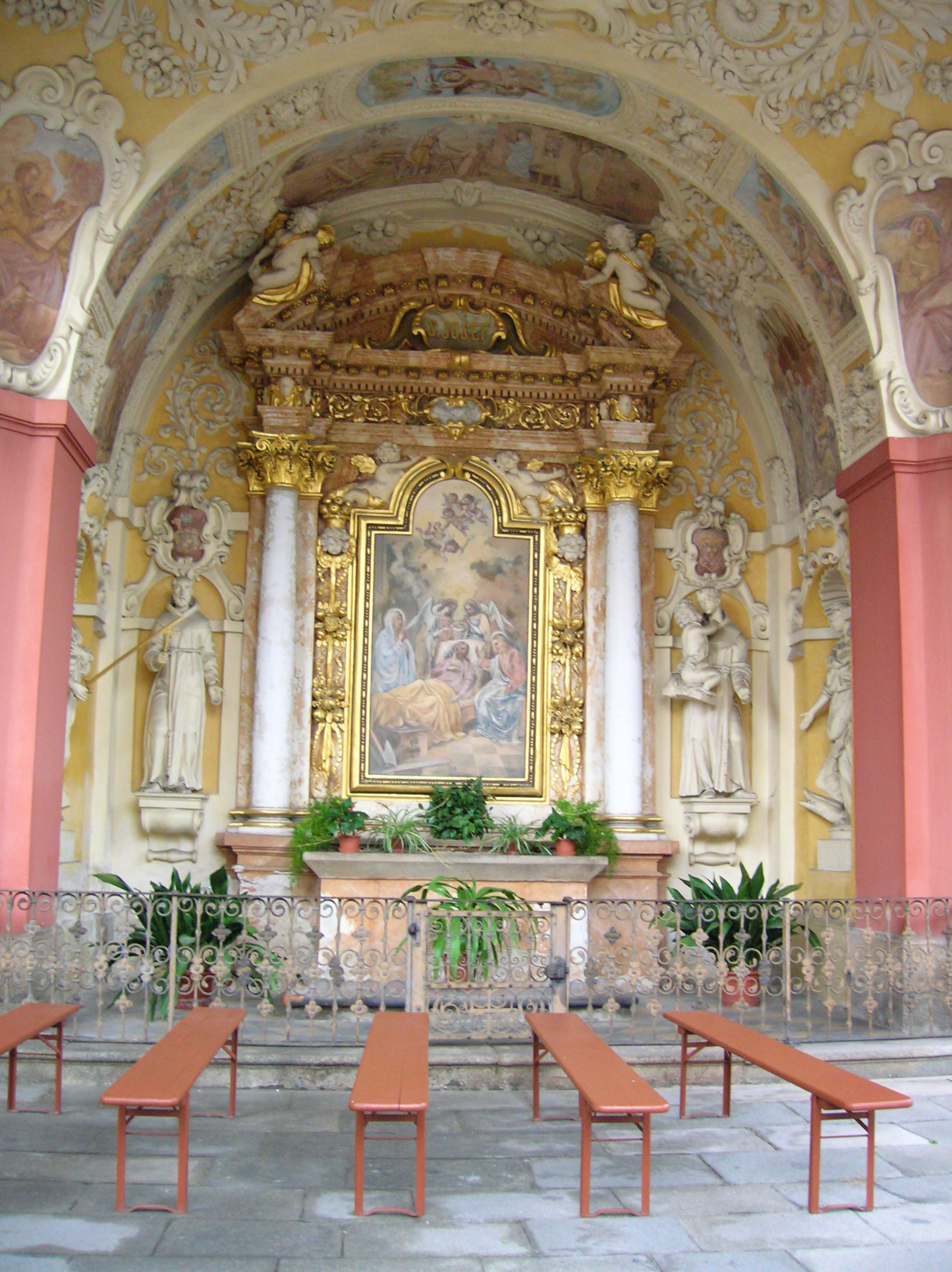
Outside altar at Holy Mountain
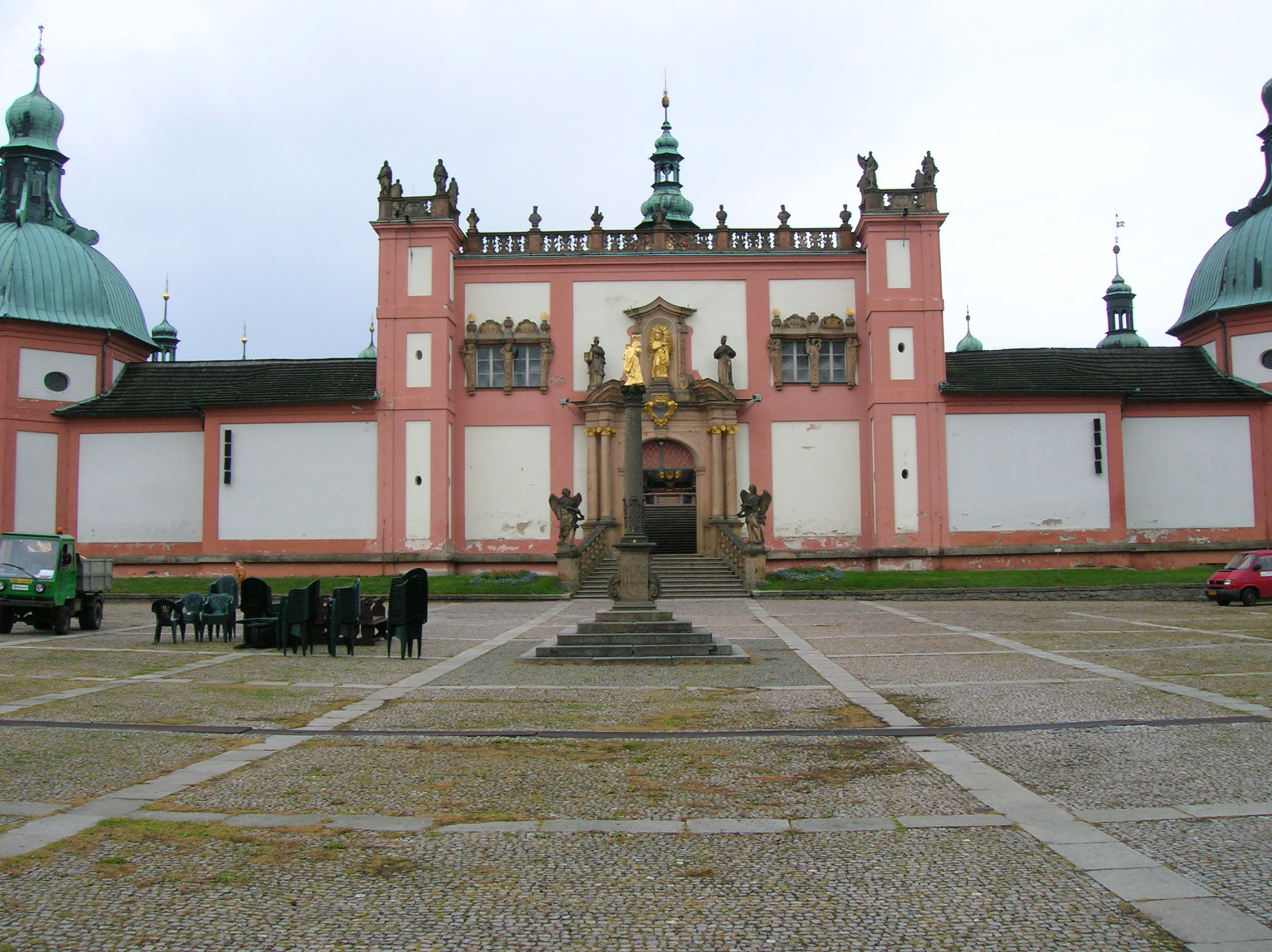
Holy Mountain entrance
Another religious site that I toured with my best friend was Holy Mountain, which included a church featuring a pure silver altar and nine open chapels with spectacular biblical wall and ceiling painting. The unique attraction was breathtaking. I had been there many times, but showing it to my best friend was a highlight for me.
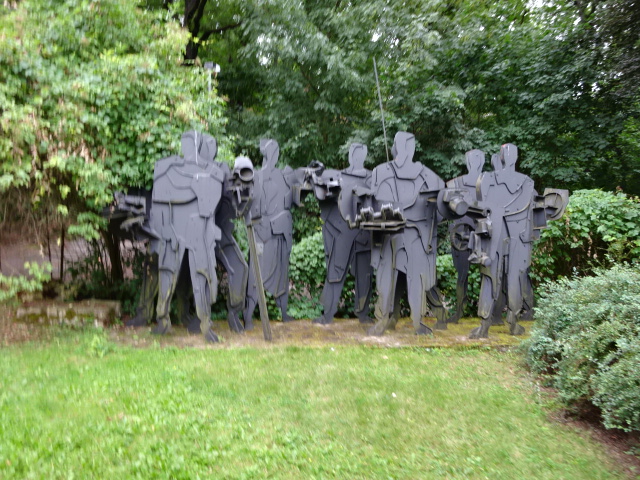
Sculpture in garden of Janoušek studio villa
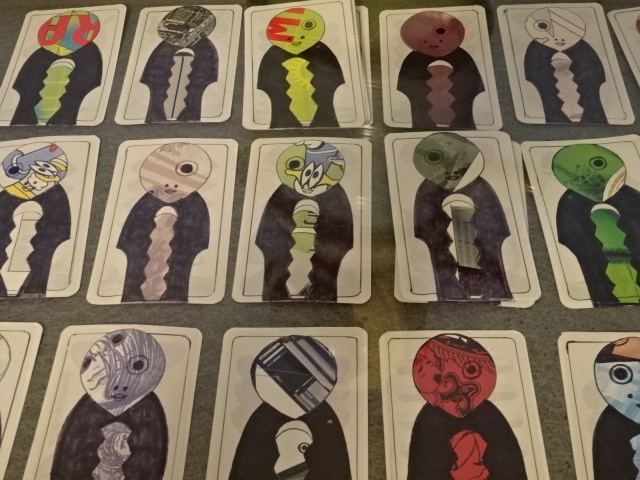
Inspired by Japanese playing cards, created by Vladimír Janoušek
I was excited to discover the studio of the Janoušek couple, 20th century artists whose workplace had been designed in the Brussels style of the 1950s and 1960s. They had used the architecturally unique studio from 1964 to 1986. In the garden stood several monumental sculptures, such as enormous figures in metal. During the tour I saw abstract sculpture from diverse periods of the artistic couple’s lives. Věra had made exquisite collages and tapestries as well as astounding sculptures of metal figures utilizing kitchen utensils and pans. Very colorful, these creations fascinated me. I had never seen anything like them.
Věra Janoušková sculpture made of kitchen utensils and pans
Věra Janoušková, tapestry
Vladimír’s work included a stunning large metal sculpture depicting the Fall of Icarus as well as a unique statue of Perseus. His combination of mythological themes and the abstract amazed me. I also was captivated by Vladimír’s creation of Japanese playing cards, so different from his monumental metal renditions. Various creations by both artists decorated shelves and showed how their styles had evolved. Panels on one wall showed photos of the two and their studio throughout the years and narrated the history of the couple’s accomplishments in a clear fashion. The studio was not without a charming library, either.
Sculpture in garden of Janoušek studio villa
I had never heard of the Janoušek artists before coming across an ad on the GoOut ticket site several months before my visit to the Smíchov house, mostly hidden from the street by garden greenery. Once again, I was excited to see an architectural wonder for the first time and learn about the couple’s unique abstract art.
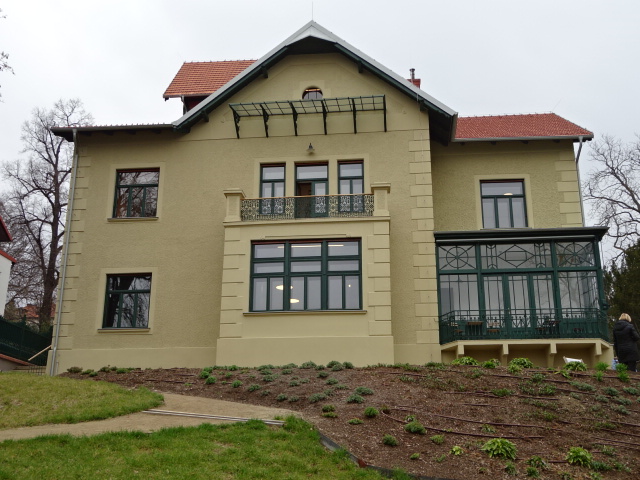
Arnold Villa, reconstructed, in Brno
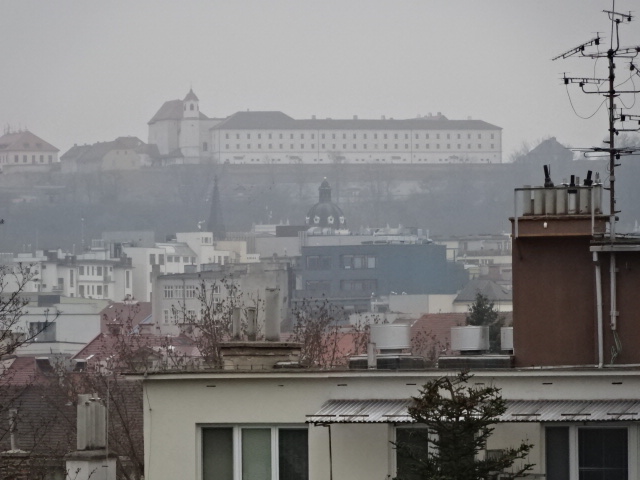
View from garden of Arnold Villa
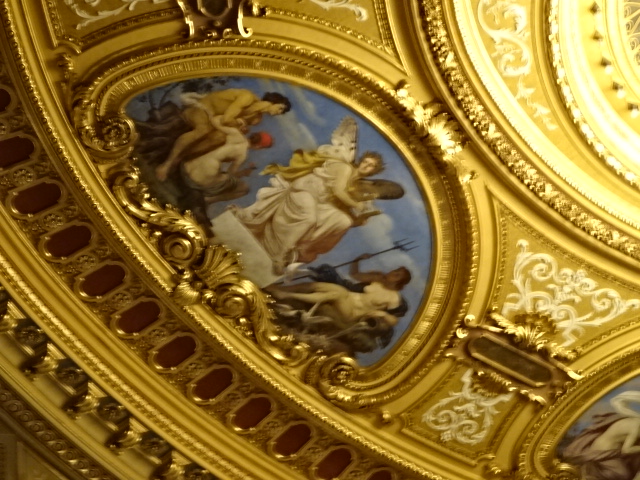
Mahen Theatre in Brno
Another place I toured for the first time was the Arnold Villa in Brno, the capital of Moravia. Recently reconstructed, it hailed from 1862 and had been situated in the first colony of villas in Brno, very close to the famous Tugendhat Villa. While the original furnishings were long gone, the architect did a valiant job, including a film about the lives and times of the owners and a small collection of Jewish historical objects. Photos of the people who had lived there and in nearby villas gave the place a personal, intimate feel. While in Brno, I also toured the Mahen Theatre, the first electrified theatre in Europe. Its ceiling painting and exquisite chandelier astounded.
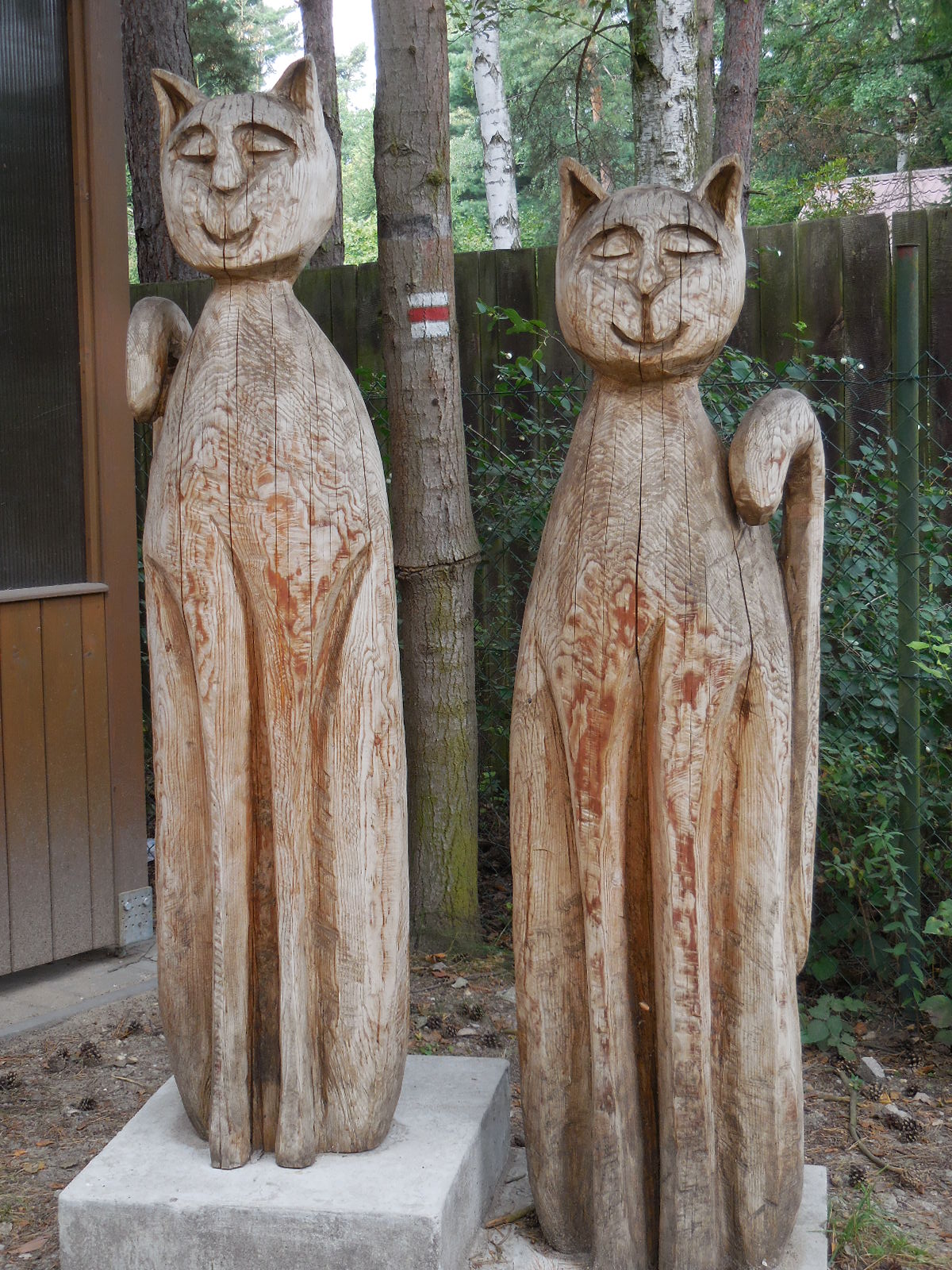
Kersko, sculptures of cats
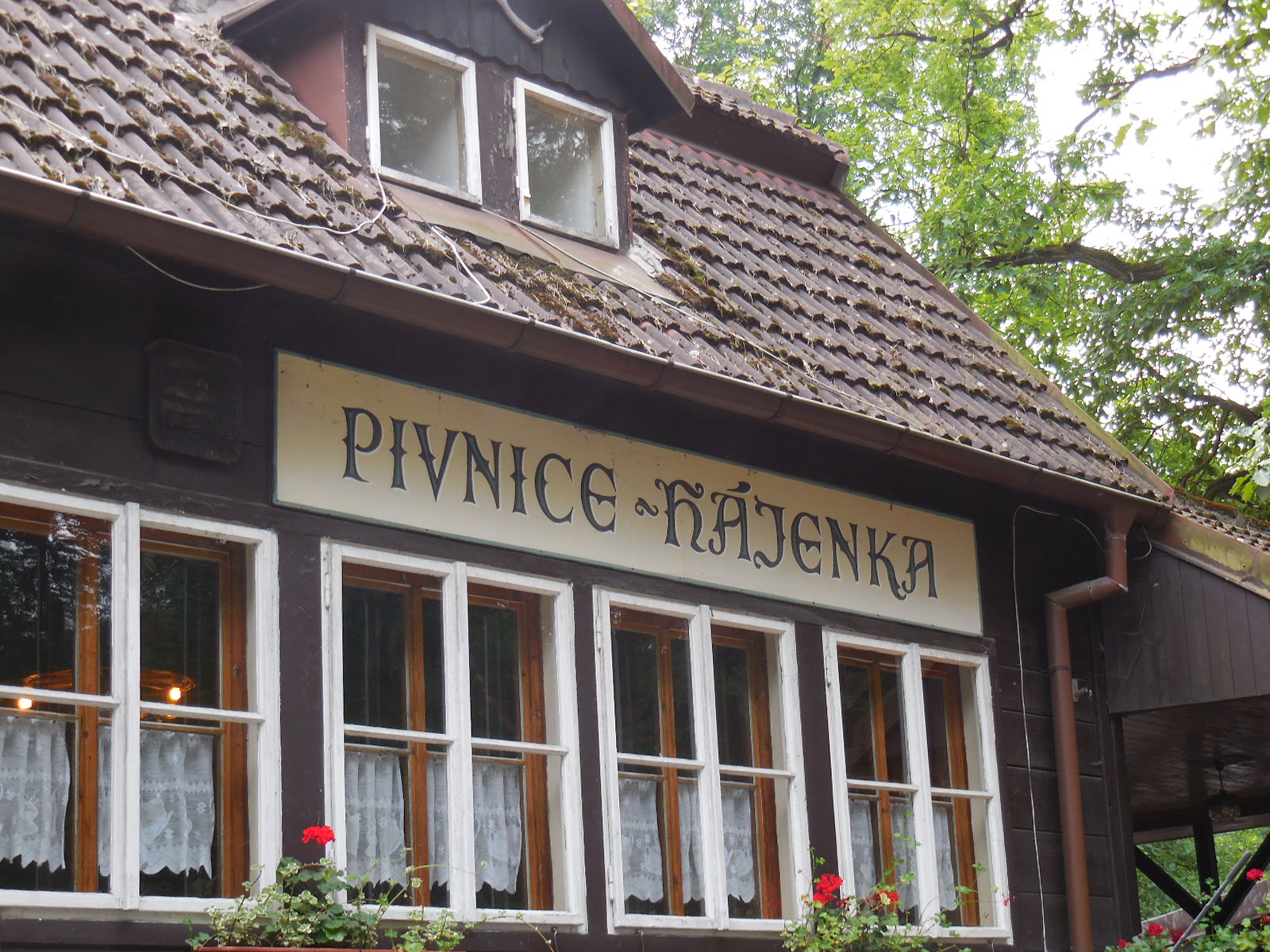
My favorite restaurant, Hájenka Pivnice in Kersko
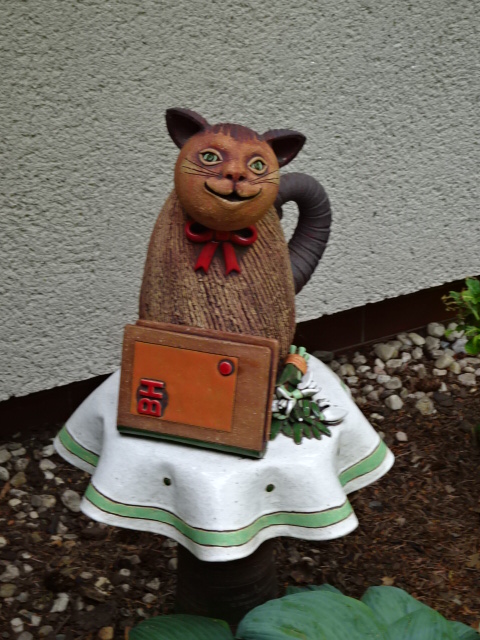
Ceramic cats made in Kersko shop I love
Of course, I visited Kersko with my best friend once again. It was one of our rituals. We ate at the rustic restaurant Hájenka, where a film based on one of Bohumil Hrabal’s books played in the background. The traditional Czech food was always delicious. We also bought coconut cookies – I hated coconut except for that in these cookies – at the local shop, which featured homemade ceramic cats inspired by legendary Czech writer Hrabal’s stray felines, revered and fed at his nearby cottage for so many decades. This wooded village brought me serenity in a poignant way that no place in Prague ever could. Hájenka was my favorite restaurant of all-time, and Kersko would always be a place close to my heart.
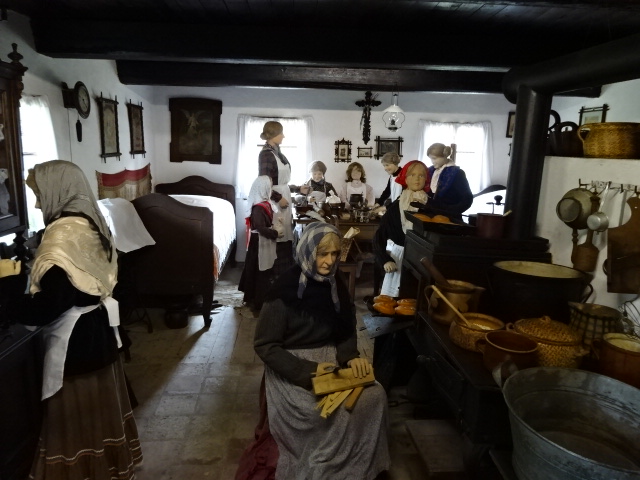
Interior at Přerov nad Labem architectural museum
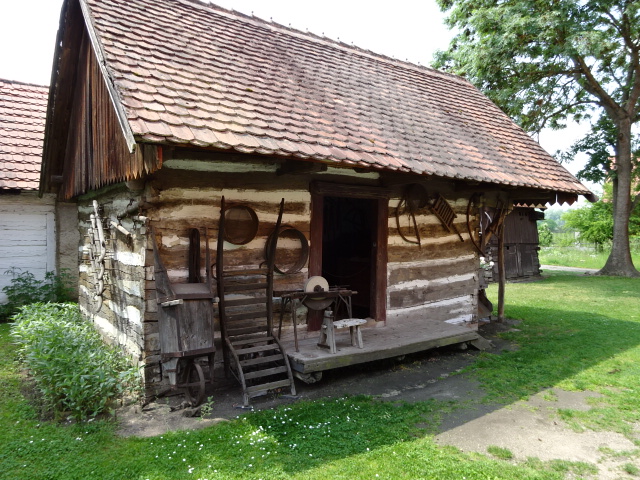
Cottage in Přerov nad Labem museum
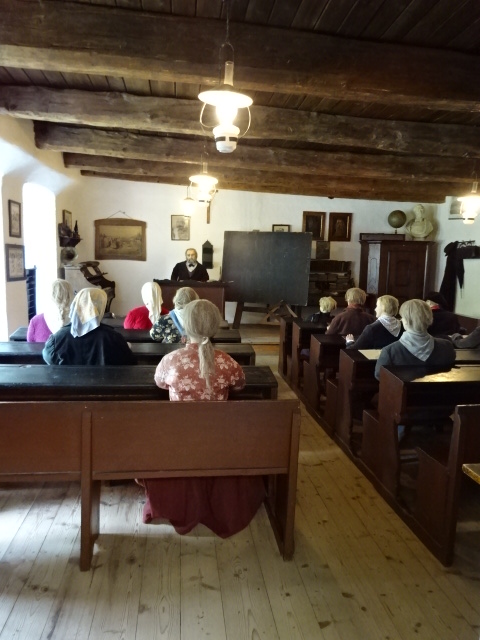
19th century schoolhouse in Přerov nad Labem museum
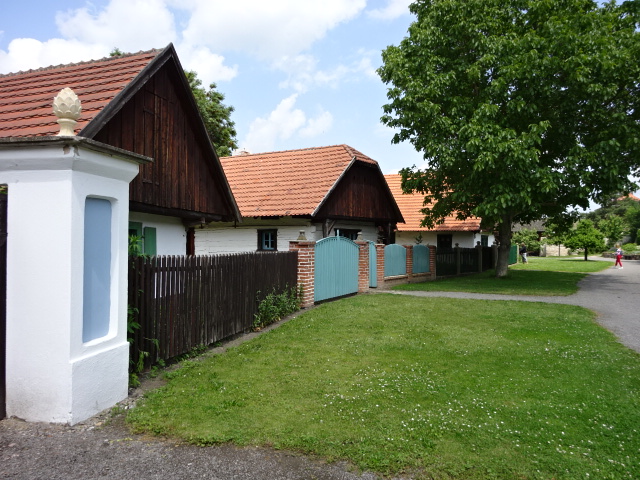
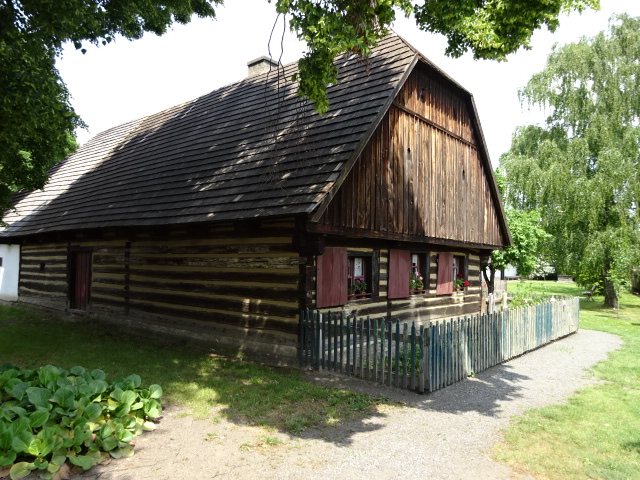
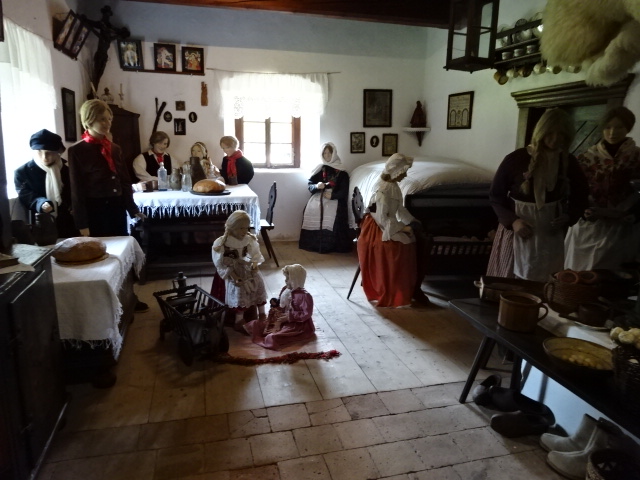
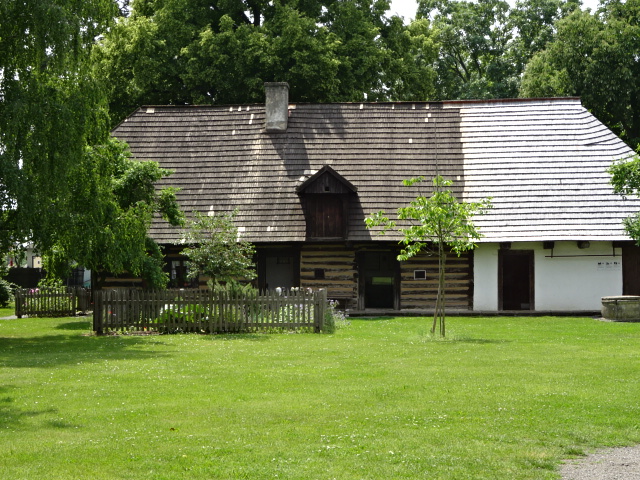
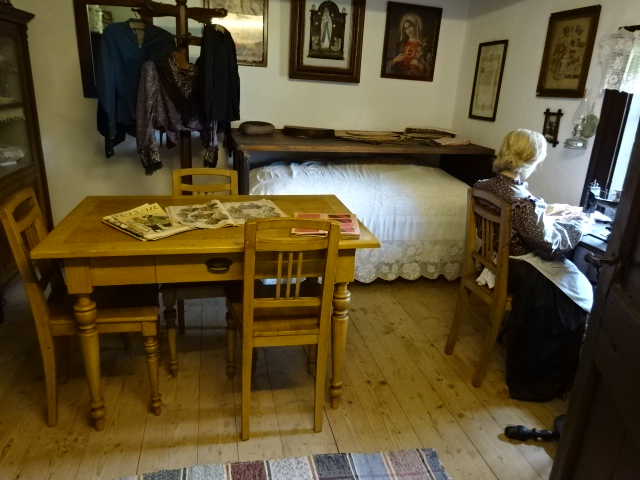
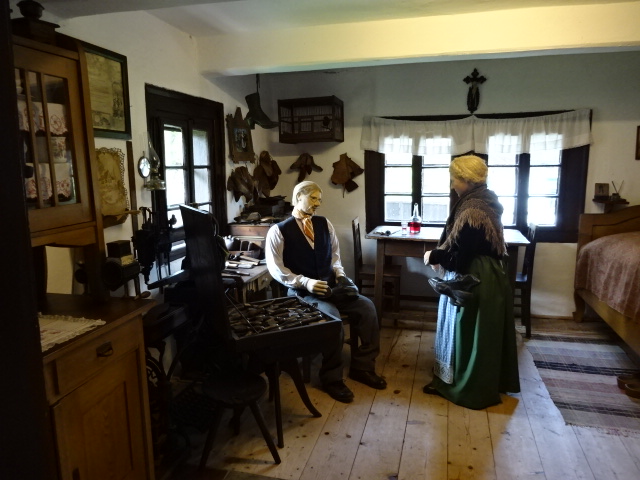
Přerov nad Labem, an open-air architectural museum, was another attraction to which I returned after many years. I admired the 18th and 19th century cottages and buildings with mannequins often dressed in the folk costumes of the eras. I loved folk style art – the furniture, ceramics and hand-painted glass as well as the clothing enamored me. It was hard to believe that so many people had lived in such small spaces. I also saw a one-room school where boys sat on one side, girls on the other. A shoemaker’s and a blacksmith’s were two other intriguing attractions.
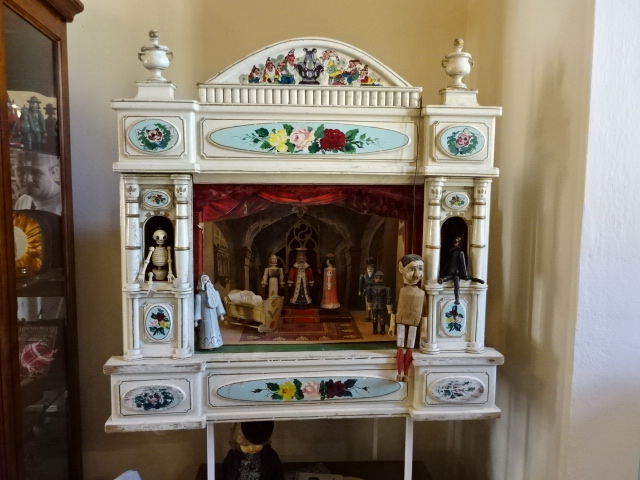
Porcelain puppet theatre at Stránov Chateau
Medieval painting at church in České Budějovice
These travels took me to places I had treasured for years and to places I was visiting for the first time. I learned about Otakar Březina and the Janoušek artists. I marveled at the Neo-Gothic exterior and exquisite furnishings of Stránov Chateau for the first time. Votice Monastery was also new to me, and I learned much about its tragic history. I hadn’t been in Kadaň before 2025 and found the town charming with many sights. I finally saw the entire center area of České Budějovice and greatly appreciated its immense beauty. I thought I had known Brno well, but I was at the Arnold Villa and inside the Mahen Theatre for the first time in my life. The Church of Saint Markéta in Jaroměřice was for me another new attraction. There were so many firsts for me this past year. I was so grateful I had discovered Radim Chateau and Stránov. I also visited the Barberini Museum in Potsdam twice, which was a first for me, though I had been in Potsdam during 1992.
Hluboká nad Vltavou Chateau, exterior
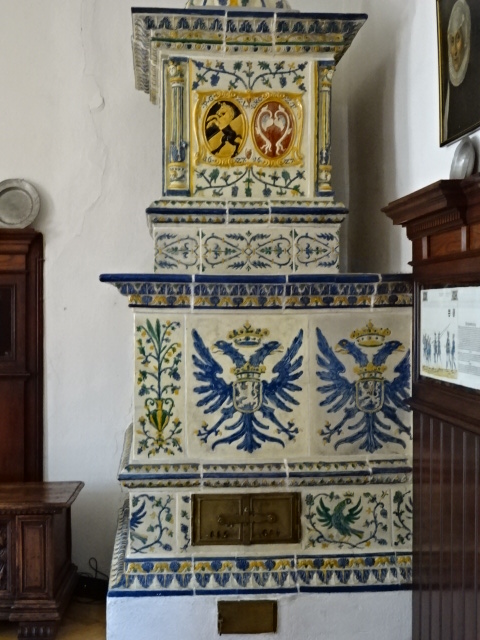
18th century tiled stove in Březnice Chateau
Returning to so many places also brought me great comfort – Hluboká nad Vltavou, Krásný Dvůr, Březnice, Teplá, Jaroměřice Chateau, Holy Mountain, Chovojen, Kersko, Častolovice, Doudleby, Přerov nad Labem, Horšovský Týn, Kersko. While I only had time to go on day trips in 2025, I was astounded, as usual, by all the sights the Czech Republic has to offer as well as three one-day trips abroad, to museums in Potsdam and Vienna. After almost 30 years here, I was still discovering new places. Going on these trips made me realize that the world, though at times cruel and ruthless, is also full of wonder and delight.
Domažlice Castle Museum folk painting
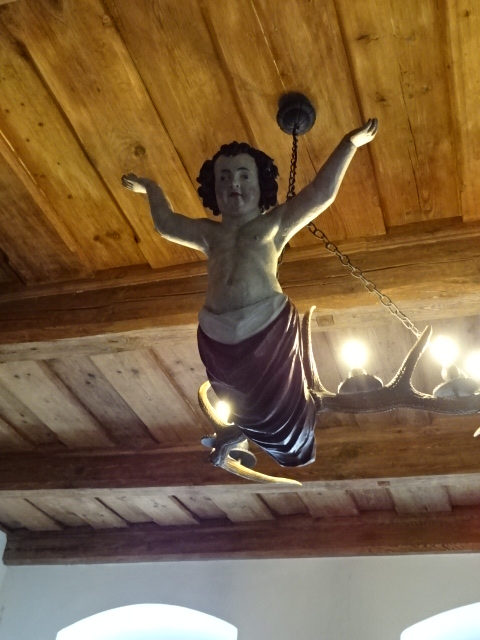
Horšovský Týn Castle and Chateau chandelier
Garden center established in 1901, cat relaxing in basket near cash register
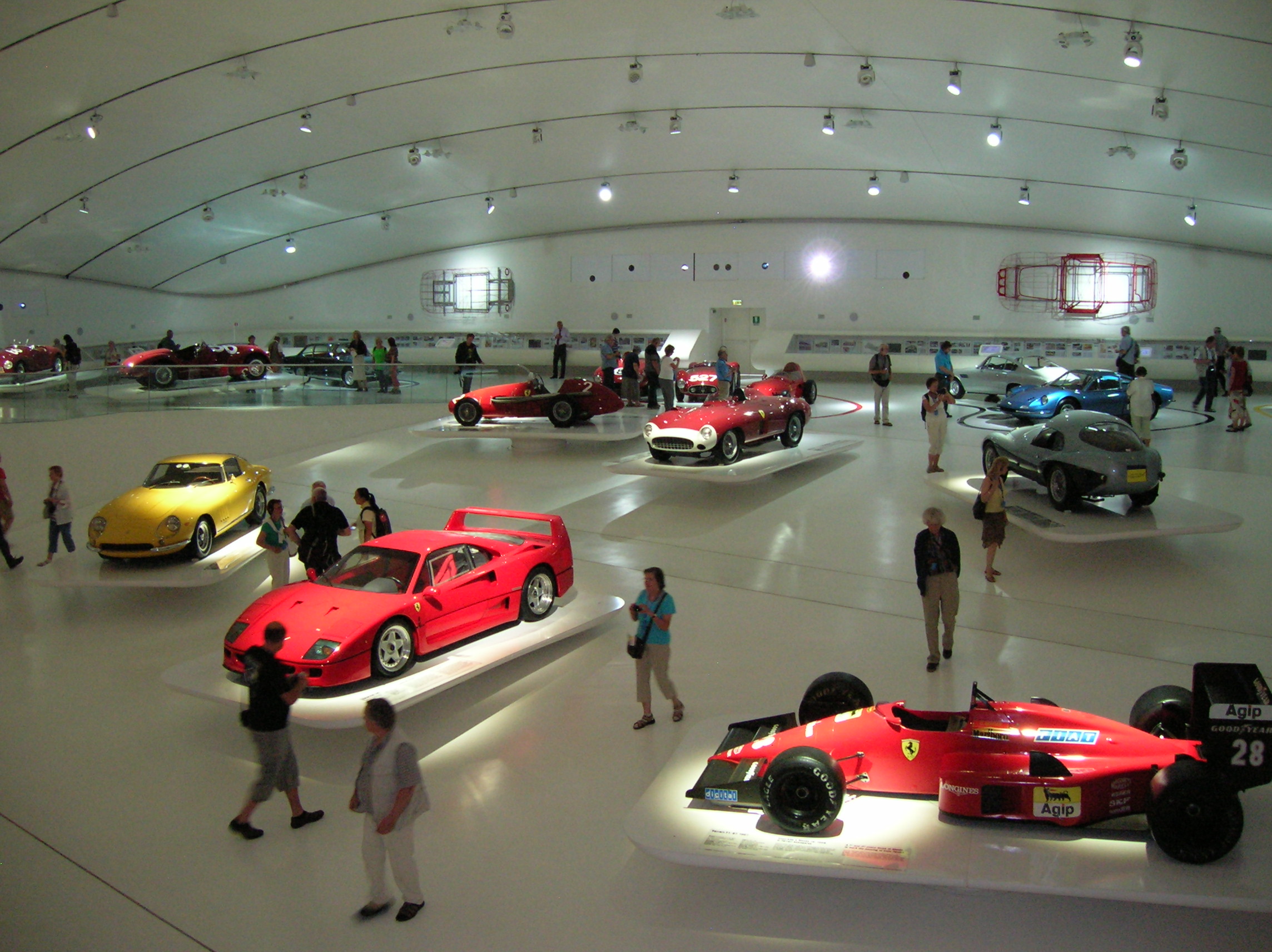
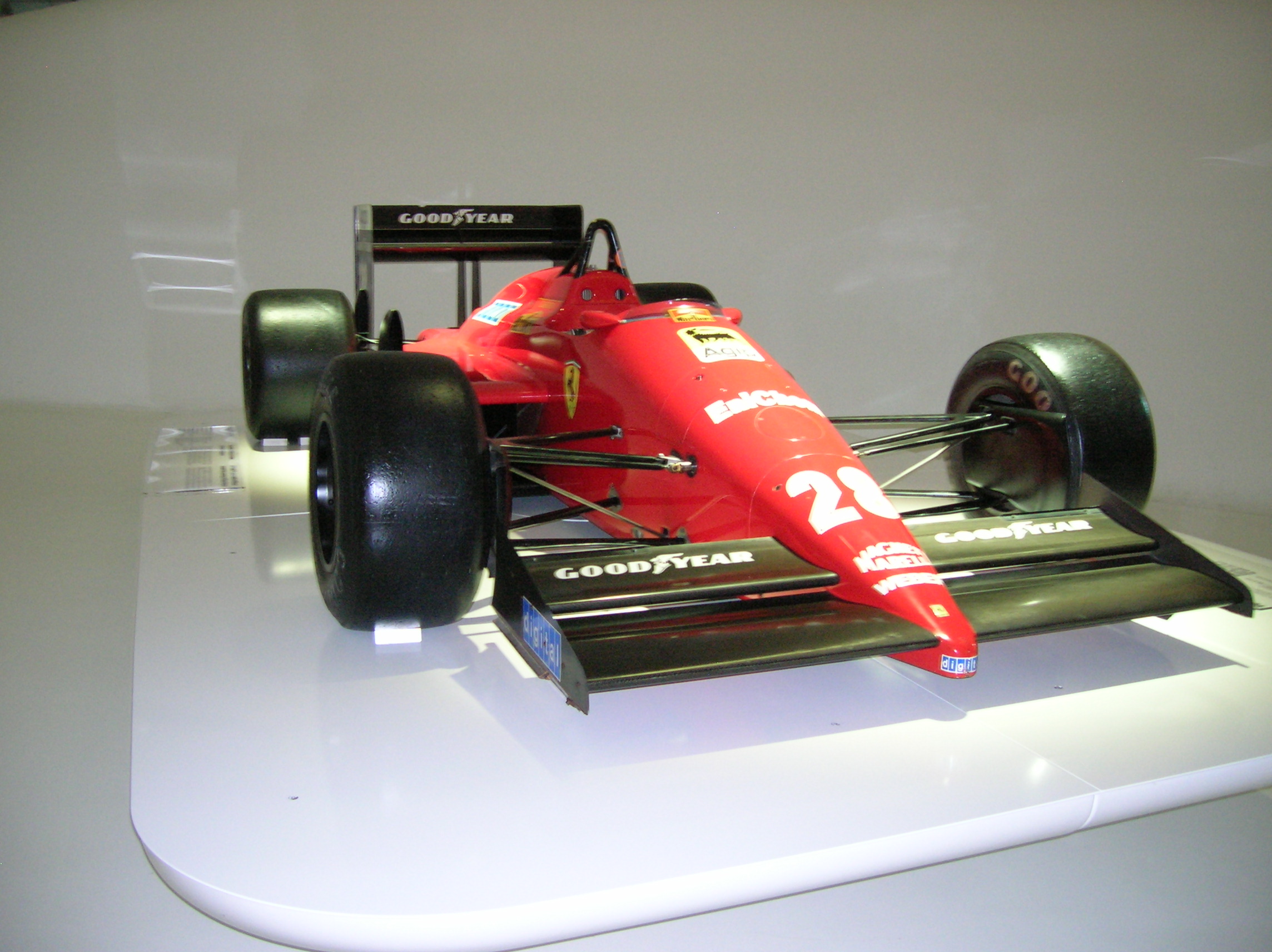
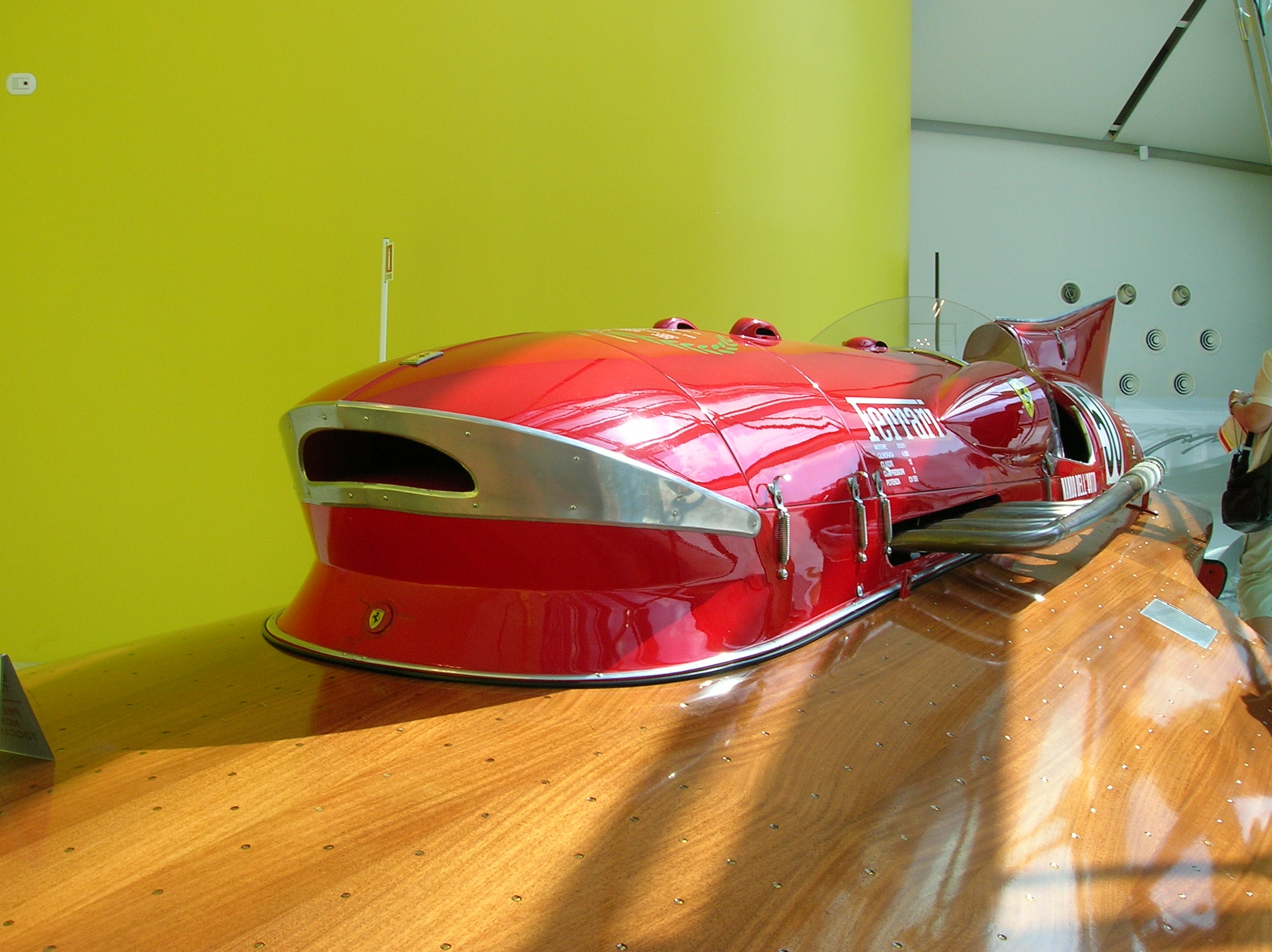
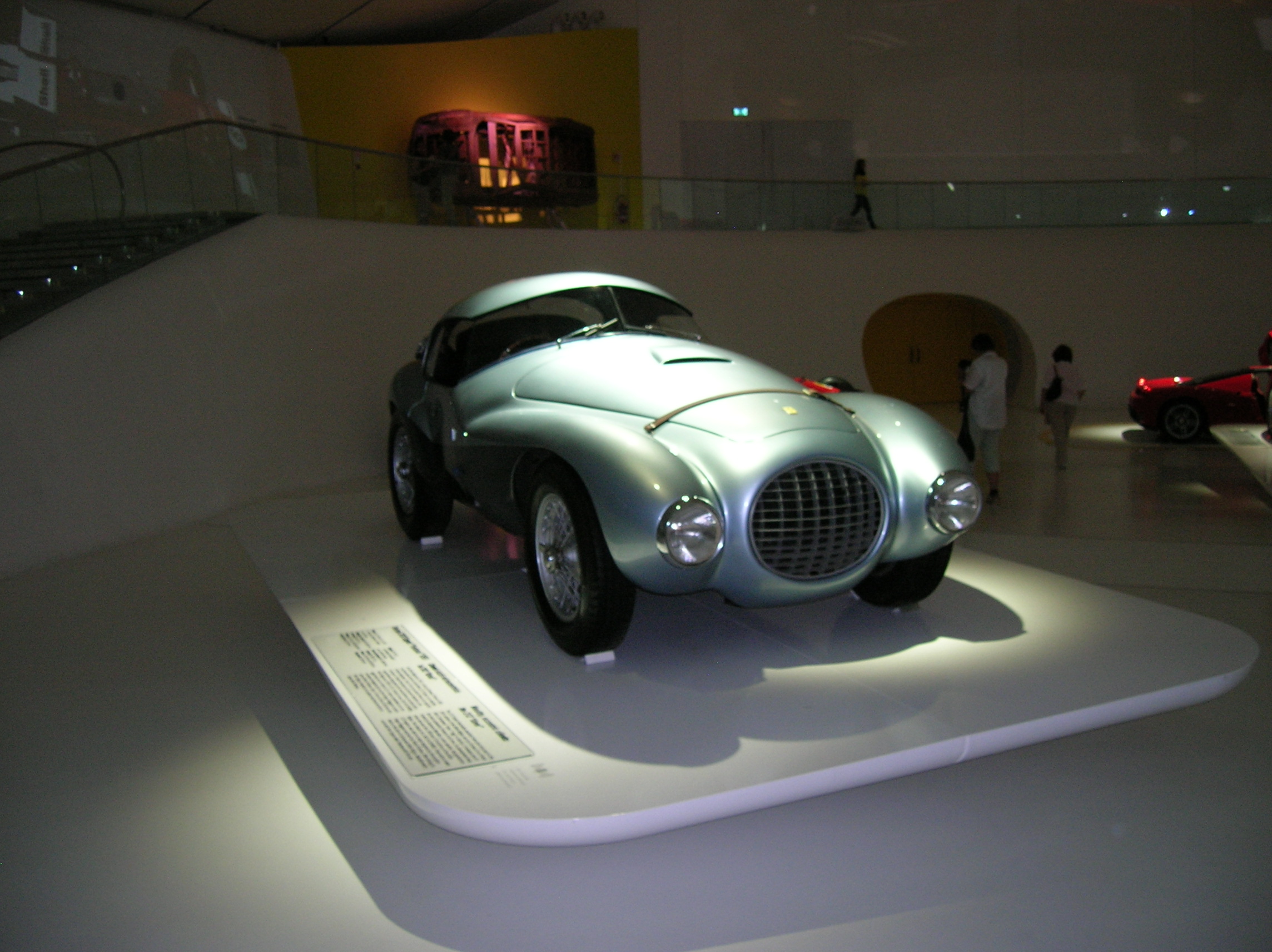
I hadn’t ever been interested in cars. Then I was traveling through Italy with a travel agency, and we stopped at the Enzo Ferrari Museum in Modena. The place captured my undivided attention. The museum, on the premises of the former metal-making shop of the founder’s father, is named after the man who created the Ferrari brand, Enzo Ferrari (1898-1988). Enzo used to be a stellar racing driver. Behind the wheel he won 11 Grand Prix competitions, nine World Driver’s Championships and eight World Constructors’ Championships, to name a few. He chose the career of a racing driver over singing tenor in operas or focusing on sports journalism, two of his other passions.
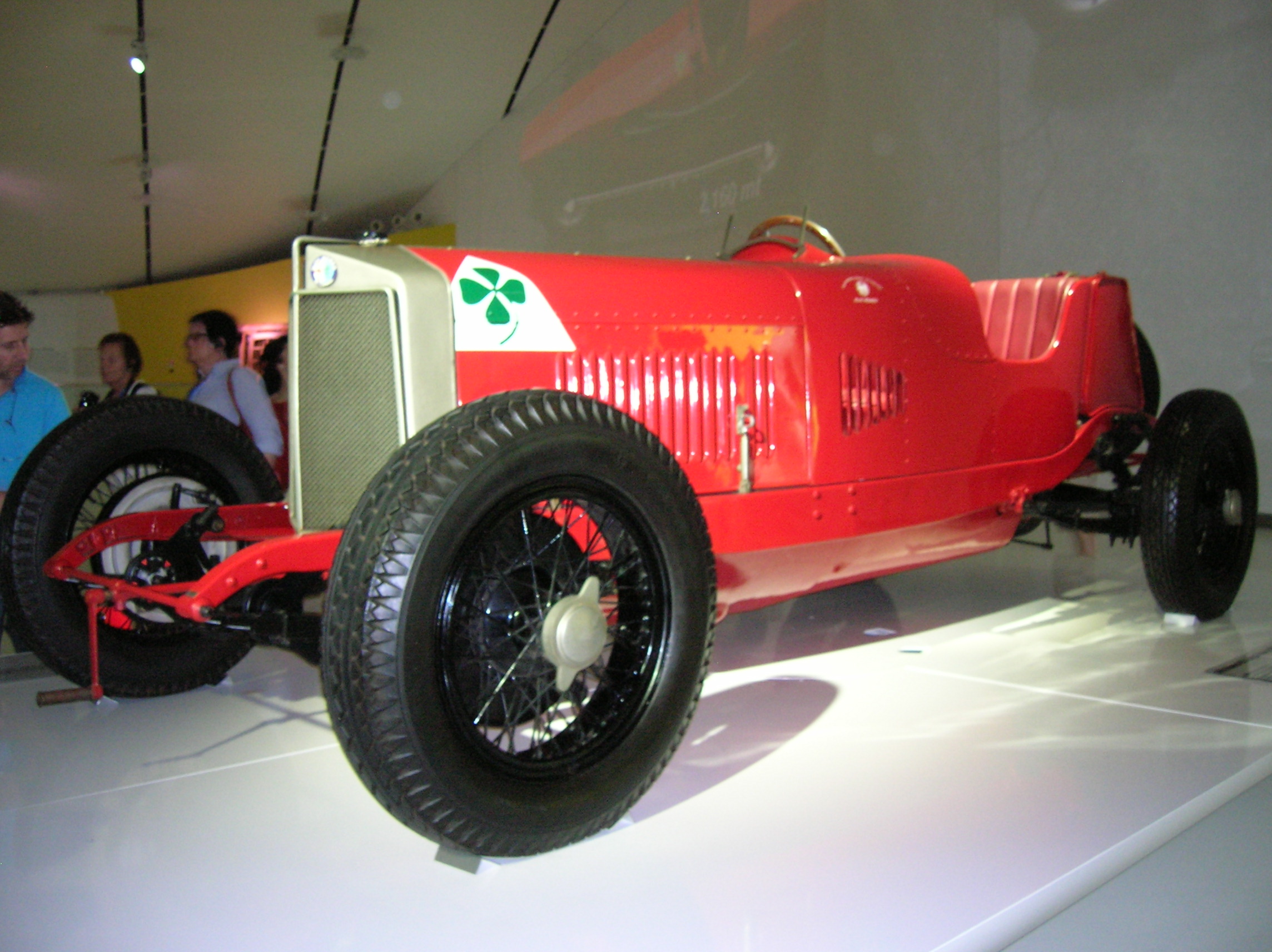
During World War I, he fought for the Italian army amidst family tragedy. Both his father and older brother passed from the flu epidemic in 1918. Enzo survived a severe bout of the flu himself, and the army sent him home. He made his debut as a professional racing car driver in 1919 and joined Alfa Romeo the following year. During 1923, he won his first Grand Prix. His career was punctuated by accomplishments. In 1932 he retired and formed his own team, Scuderia Ferrari, but the company only lasted until 1937. Two years later, he started a business making car parts for racing teams. During World War II, his company focused on manufacturing for the war.
However, when the war ended, Ferrari decided to produce cars. He established Ferrar S.p.A with his own drivers during 1947. The praiseworthy team was successful, winning its first Grand Prix during 1951. That’s when Enzo decided to branch out and sell sports cars in addition to overseeing his racing team’s competitions.
The late 1950s proved to be a dark time in Ferrari’s history. Few people showed up for races, and the roads were in horrible condition, for instance. To make matters worse, in 1957, during a race, a Ferrari crashed. It was a nightmare. Not only did the two drivers die, but 11 pedestrians, including children, also lost their lives. Criminal charges were filed against Enzo, but the case was later dismissed.
The 1960s proved a stellar time for the company, despite the fact that many employees left in 1962. The Ferrari team won six consecutive years at Le Mans, nabbing victories from 1960 to 1965. Also, the popular Dino cars began to be produced in the 1960s.
During the 1970s, a three-kilometer racing track was added to the Modena premises so Enzo could make sure his cars drove well. It is still in use. Having achieved much success, Enzo died of leukemia during 1988. To this day, the Ferrari brand remains one of the most significant worldwide.
Tracy A. Burns is a writer and proofreader in Prague.
I never imagined I could be fascinated by automobiles because I despise driving. In fact, I have never owned a car.
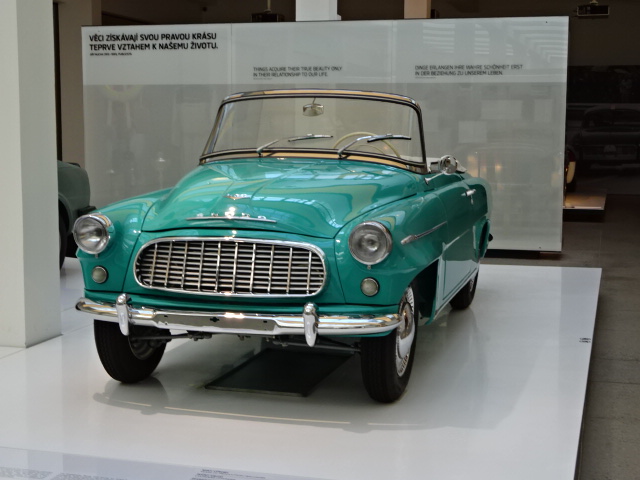
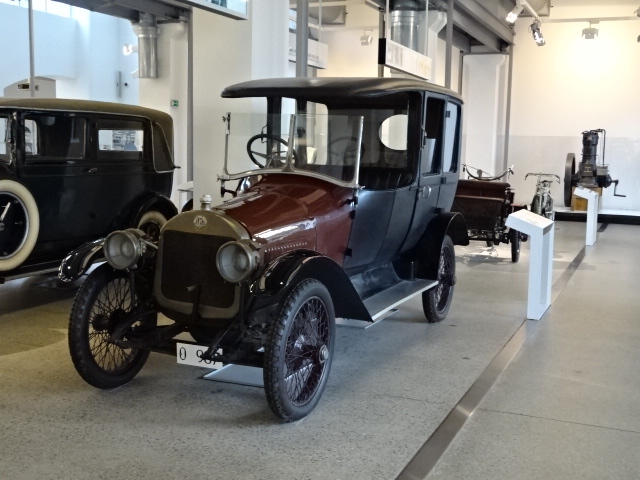
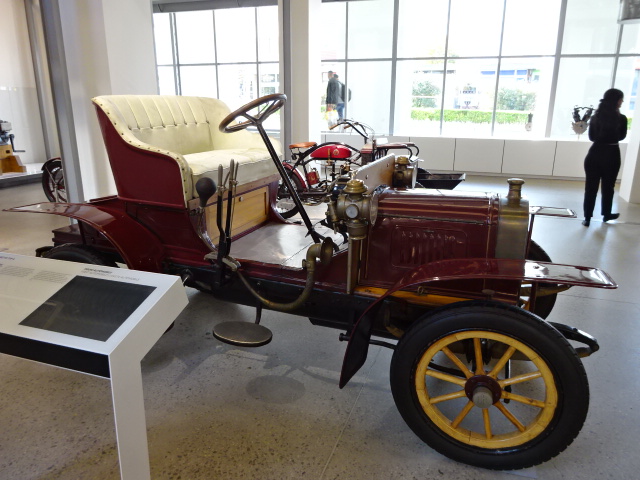
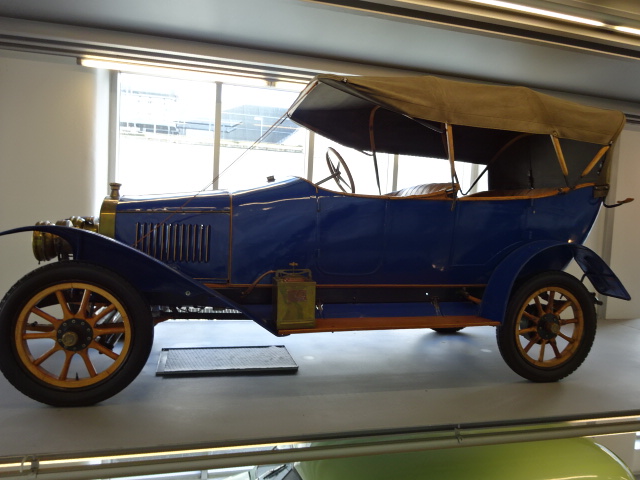
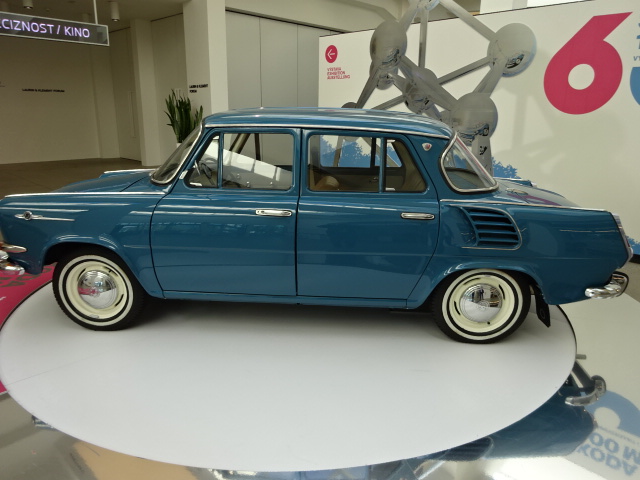
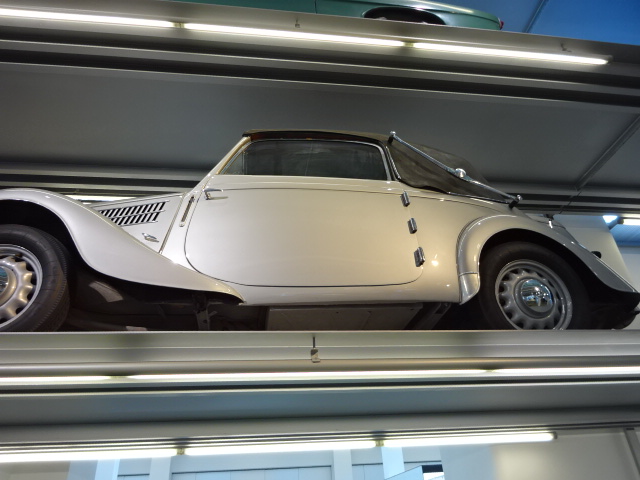
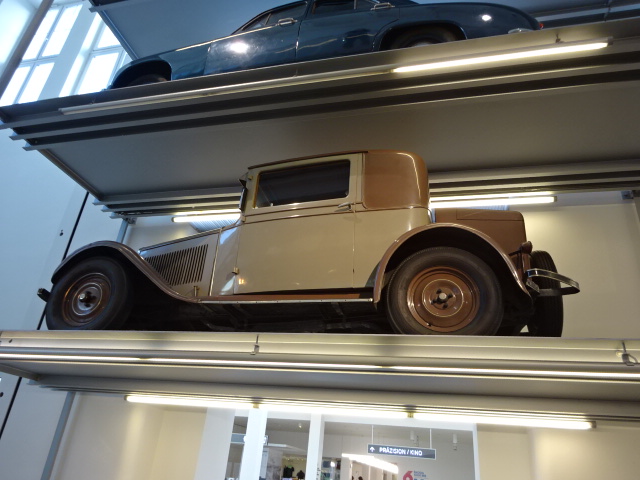
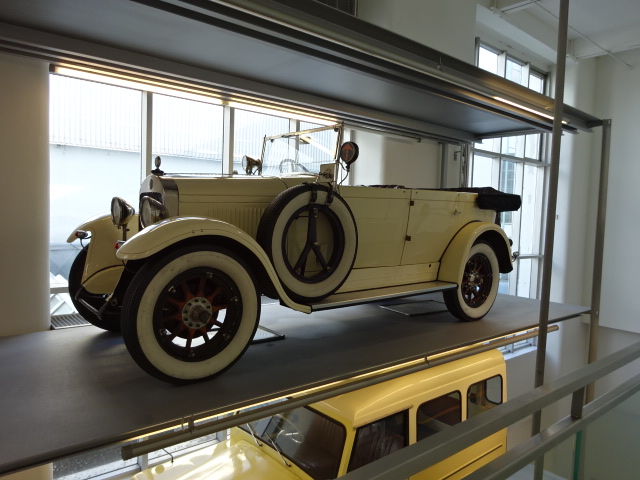
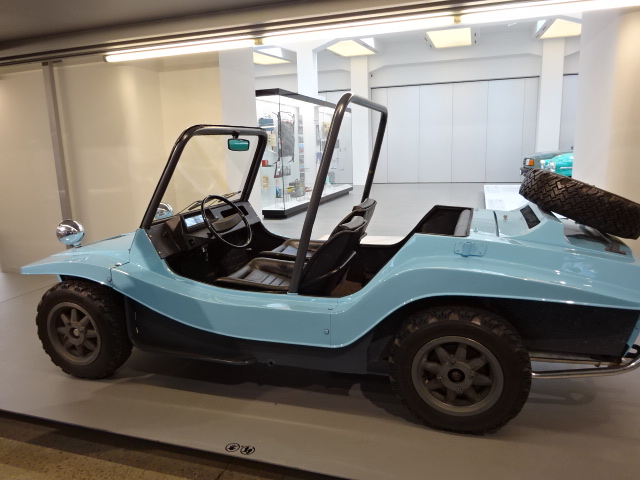
However, during 2024, I would be pleasantly surprised when my friend and I visited the Škoda Museum in Mladá Boleslav, about 70 km from my home in Prague. Škoda is the biggest manufacturer of cars in the Czech Republic. The company has made a name for itself as one of the oldest automobile manufacturers in the world. The museum presented 360 vehicles from the end of the 19th century to contemporary times in a former production hall that measured 1800m2.
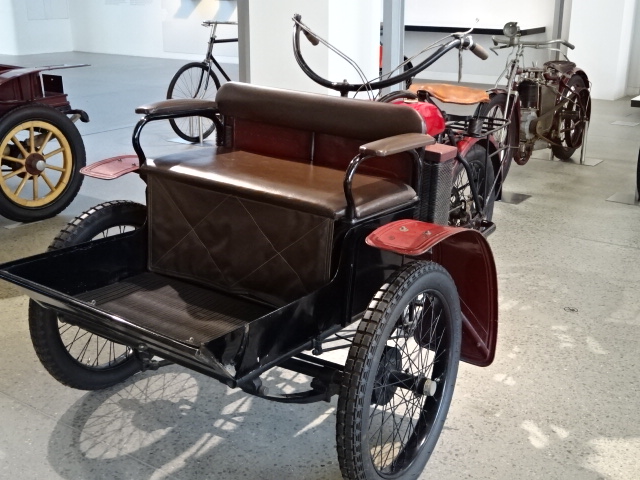
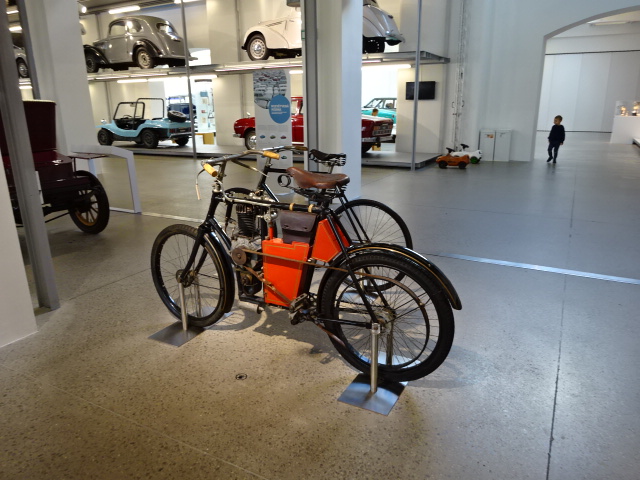
I was most fascinated by the oldest cars – from the late 19th century and early 20th century. The late 19th century and early 20th century bicycles, especially the double-seated one for postal workers, also caught my undivided attention.
Václav Laurin
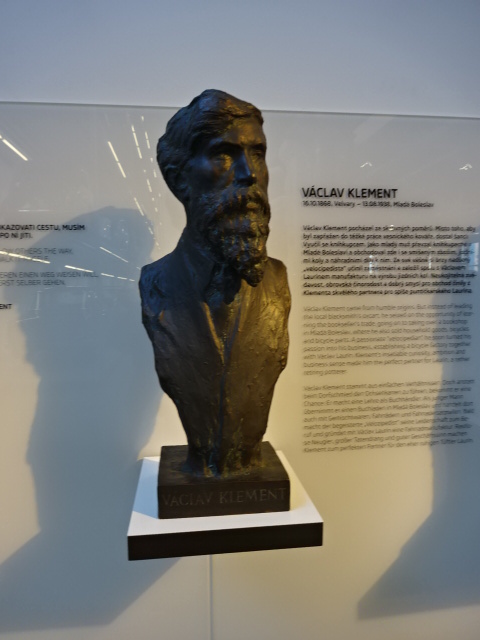
Václav Klement
The company’s history began in 1895, when cyclists Václav Laurin and Václav Klement founded it. They decided to manufacture bicycles after Klement was dissatisfied with a bike he bought. His criticism of the company received an undignified response. So the duo opened their own business.
By 1899, they had begun manufacturing Slavia motorcycles, becoming the first motorcycle manufacturer in the Austro-Hungarian Empire and Germany. Several motorcycles are on display at the museum.
Laurin and Klement branched out into the automobile industry during 1905, when they produced the Voiturette A, a car that received much praise from the public. Even World War I didn’t stop the company from functioning. After the war, the company expanded.
However, a fire in 1924 did much damage. Still, Škoda made a successful comeback. During 1933, the company felt the economic crisis, though, with only 1,607 cars produced that year. However, with their ingenuity and innovation, the manufacturer was able to come up with a cheap car – the Škoda 420 that weighed only 650 kg. By 1936, the company was receiving much acclaim, producing 4,990 vehicles that year, including many exported to other countries. Škoda would branch out and make not only cars but also trucks, buses and trams, similar to trolley buses.
During World War II the company had to manufacture cars, planes and weapons for the Third Reich as the Czech lands were part of the Nazi Protectorate of Bohemia and Moravia.
After World War II, Skoda was nationalized. By 1960, the company had 40 new buildings and was touted as one of the most modern factories in Europe. Leading up to 1968, the factory produced about 500 vehicles per day.
However, due to the strict totalitarian regime of the 1970s called Normalization, many projects were not brought to fruition. In August of 1969, a fire in Mladá Boleslav took four days to extinguish. Yet the company continued to produce cars and other vehicles regardless of the trials and tribulations of the times.
In the early 1980s, the manufacturer moved the engine from the back of its cars to the front. Produced in 1987, the well-known Škoda Favorit became very popular.
By 1989, the company put to use more modern technology, and during that year more than 100,000 Favorits were manufactured. Since the 1989 Velvet Revolution that toppled Communism and brought democracy to Czechoslovakia, the company has continued to make great strides in the automobile industry, achieving much success in subsequent decades.
That day we visited both the aviation museum and automobile museum in Mladá Boleslav. I was surprised how impressed I was with both of them because I usually went to art galleries, castles, chateaus and monasteries. This proved to be one of my most memorable trips.
Tracy A. Burns is a writer and proofreader in Prague.
I have visited many open-air architectural museums, dotted with historical, rural buildings and structures, throughout my time in the Czech Republic as well as during my many trips to Slovakia. They serve an important ethnographical purpose. Přerov nad Labem’s skanzen, as they are referred to in Czech – was the first of its kind founded in Bohemia as the complex was set up in 1967. It is composed of buildings from the Central Labe Valley area. The structures were constructed in the 18th or 19th century and together make up a sort of village that has long since disappeared.
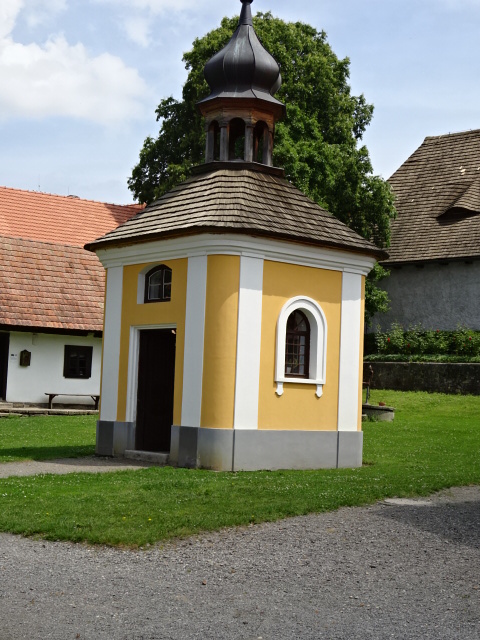
I saw many quaint and idyllic-looking log-built cottages as well as granaries, winch-operated wells, a small garden, a gateway with stucco, Baroque decoration and a sun motif, a gamekeeper’s lodge, an outdoor beekeeping display and more. A fruit drying kiln and belfry also made appearances. A dovecote had five floors and a hexagonal shape. I peered at a shoemaker’s, a seamstress’ and a basket weaver’s workshops.
The World War I Memorial plaque touched me emotionally as I perused the names of locals who had perished in The Great War. The other building that made a distinct impression on me was the old school classroom, with boys seated on one side and girls on the other. What I liked best about the buildings in which mannequins were dressed in 18th or 19th century clothing was the colorfully painted folk art closets, beds, cupboards, chests, the backs of chairs and other furnishings. Pictures painted on glass in a rural cottage also captivated me. I was dazzled by the folk costumes with delicate embroidery on display. In one cottage I peered at hand-painted prayer books and admired a gable with Baroque features. I also noticed that the folk art sculptural rendition of Saint John Nepomuk hailed from 1746.
I saw how the kitchens were set up for baking bread. Some had large open fireplaces with big chimneys. Tiled stoves were located in some kitchens. Spices were important for the cuisine, too. There was a collection of historical washboards and washing machines as well as irons, which, I found out, were first used in the Czech countryside only 100 years ago. A collection of various stoves stood out in one space. Many wheels and farming tools were present, too.
The history of the Old Czech Cottage, which dates from the 18th century, is intriguing. During Czechoslovakia’s First Republic, which lasted from 1918 to 1938, Bedřich Smetana’s opera The Bartered Bride was performed in front of the building that contains much folk art furnishings. When the Nazis were in control, evacuees were housed there after all the historical furnishings had been taken out. This is probably my favorite structure because folk art plays such an important role in the displays.
Skanzens always make me better appreciate the technological advancements of the modern world. In 18th and 19th century village life was so much more unbelievably difficult. I admire the idyllic cottages constructed with logs and old equipment utilized in the 18th and 19th century. The folk art displays have always been my favorite aspect of open-air architectural museums. Seeing kinds of villages that no longer exist except as museums is a real treat. I always am enthralled by the architecture specific to that area and by the architecture in general.
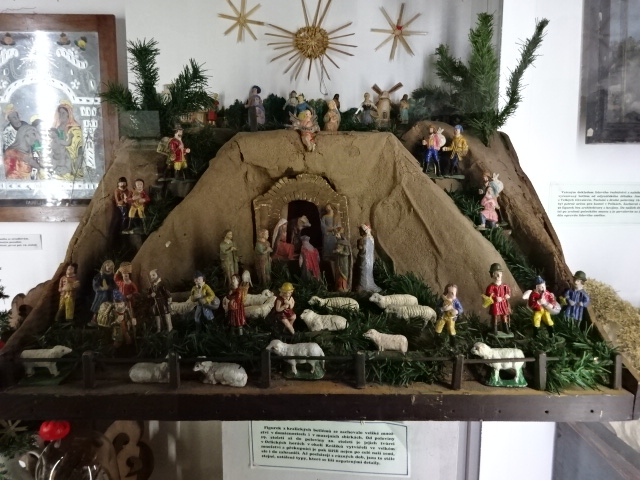
A Nativity scene, popular at Christmas time
While I love visiting chateaus and castles, I always appreciated skanzens. Open-air architectural ethnographical museums of long gone rural life provide an important purpose in the history of the country and serve as valuable historical landmarks.
Tracy A. Burns is a writer, proofreader and editor in Prague.
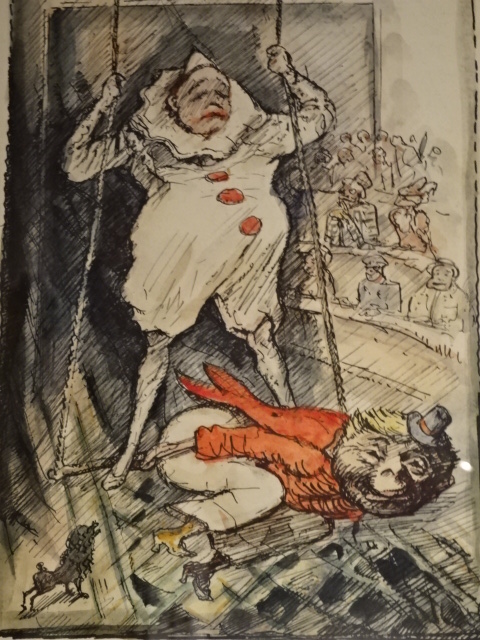
During the summer and fall of 2024, the West Bohemian Gallery in Pilsen showed off the riveting exhibition “Through the Eyes of Franz Kafka: Between Picture and Language.” It focused on the ways in which the visual world around Kafka had been influential in the language Kafka chose for his writings. There was a direct connection between the visual world and the literary world in Prague, Kafka would have seen the works on display in his everyday Prague life that boasted of a multilingual society immersed in the languages of Czech, German and Hebrew. Kafka resided in Prague his entire life – from July 3, 1883 to June 3, 1924, when he died at the age of 40 from tuberculosis. He spoke German as well as Czech and wrote in German. His parents spoke German mingled with Yiddish.
At the end of the 19th and beginning of the 20th century, posters were displayed all over the city. Designed in the Art Nouveau style, they showed off art exhibitions, cabaret shows, literary events, advertisements and much more. Japanese art played a role in the decoration of these posters. Later, the artistic focus was Cubist features. German-Czech spiritualism also was influenced by the time period. Silent films, both European and American, were popular in Prague. Going to the cabaret, ballet and theatre were pastimes of Praguers.
Exhibition Wordwede in Kinská Garden, Prague, 1903.
Modern French Art exhibition, Kinská Garden, Prague, 1902.
I would like to highlight several of the artists represented in the show, including the posters of Jan Preisler, a Czech painter and university professor. For a while his works promoted the Art Nouveau style, which is evident in this poster for an art exhibition. He also decorated Art Nouveau buildings in Prague. For example, the Hotel Central in Prague features his ornamentation. The triptych Spring was made for the Peterka building in the capital city. Preisler made a name for himself as a Secession artist, even though he would take on a different style later in his career.
Girl in Flowers, 1922, by Anton Bruder
Many of his works could be designated as Neo-Romantic, punctuated with allegorical Symbolism. His art often showed a fondness for fairy tales or moods characterized by depression and sadness. Preisler attempted to reveal the depth of one’s soul. Early in his career he became friends with Czech landscape painter Antonín Hudeček. Preisler was also influenced by the art of Edvard Munch as he helped plan the 1905 exhibition of Munch’s depictions in Prague. Preisler also had developed friendships with painters Bohumil Kubišta and Vincenc Beneš. He was very inspired by the poetry of Otakar Březina, a Czech artist who wrote in a complex, symbolist style and was nominated for the Nobel Prize eight times. Vitezslav Nezval and Josef Suk were other poets who made an impression on him. Perhaps his best known painting is the triptych “Spring,” from the turn of the century. It depicted the complex feelings of someone entering the 20th century. Man experienced a nostalgia for the past, but, at the same time, was looking forward to adventures awaiting him in the new century. A person’s connection to nature was another theme promoted in this triptych.
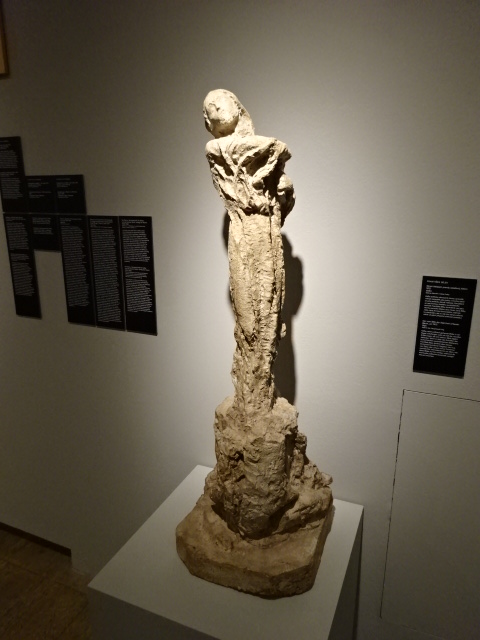
Sculpture by František Bílek
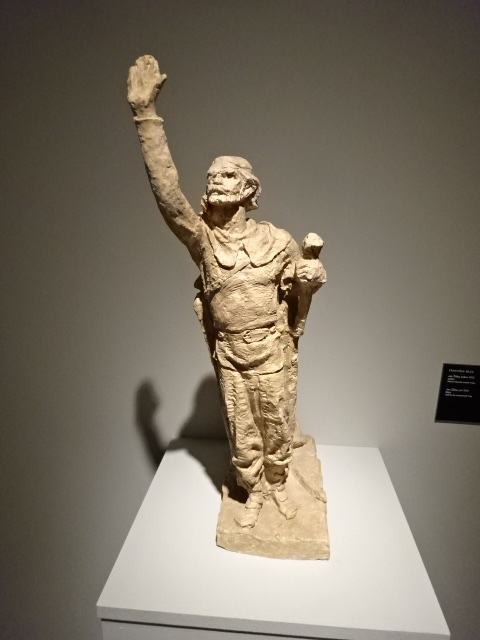
Jan Žižka, by František Bílek, 1912
Sculpture that permeated the exhibition included that of Art Nouveau symbolist František Bílek, whose Secession homes in Prague and Chýnov I had visited. Miniature versions of several of his sculptures were on display. He utilized mostly religious themes with a sense of mysticism. While Bílek was best known as a sculptor, he also designed furniture and created graphic art, drawings and illustrations. An architect as well, he designed cemeteries and made gravestones, for instance. His woodcarving skills were astounding, too. A year later, in 2025, I would see Bílek’s amazing works in the former flat of Czech poet Otakar Březina, incorporated into a museum for the symbolist poet in Jaroměřice of the Vysočany region. To be sure, Bílek’s creations caught the attention of society during the Art Nouveau age.
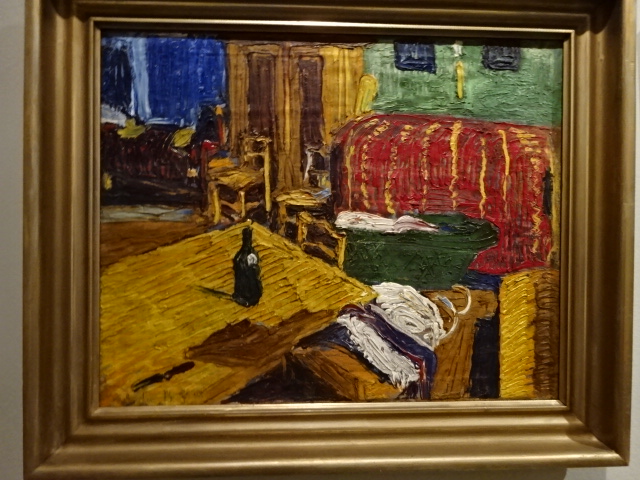
The Interior, by Bohumil Kubišta, 1908
One of my favorite Czech painters of this period, Bohumil Kubišta played a role in the exhibition. One of the first to paint in a modern Czech style, Kubišta created a new path for artists as he helped establish the significant Osma group of painters who were oriented toward Munch’s style. In Kubišta’s paintings, bright color played a large role as did mysticism and symbolism. At times he took up religious themes. Kubišta often concentrated on the spiritual as the symbolism of life and death featured in many of his works. He emphasized the spiritual meaning of the countryside, too. The styles that made an impact on his work included Fauvism, Futurism and Surrealism. Self-portraits and still lives were common in his repertoire, too.
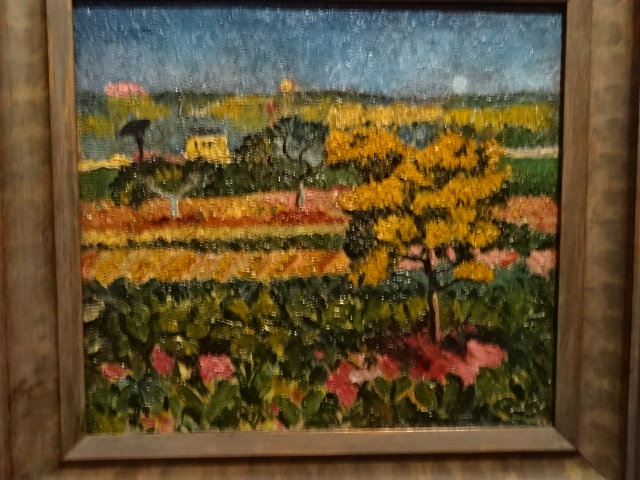
Landscape, by Georges Kars, 1910
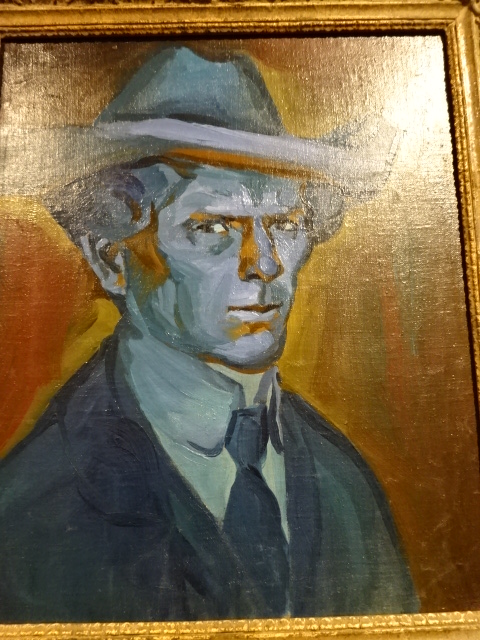
I knew the name Czech-French painter Georges Kars from a Prague exhibition of Czech artists in Paris between the wars. While initially taken with Impressionism, Cubism and Fauvism, he found his own path with dynamic and vibrant compositions. He made a lot of women’s portraits, self-portraits, nudes and half-nudes in his figural works. Sometimes he rendered still lifes and landscapes. Kars utilized the neoclassicist style for his portraits, nudes and still lifes. His paintings were world-renowned, displayed throughout Europe, the USA and Japan.
During World War I he served for the Austro-Hungarian army and even was captured by the Russians. He survived the experience and continued painting after the war.
A Walk in a Park in Florence, by Bohumil Kubišta, 1907
Of Jewish origin, Kars escaped France during 1942 and settled in Switzerland. However, he was so traumatized by the persecution of the Jews that he took his own life, jumping to his death from the fifth floor of the Geneva Hotel. During 1949 he was buried with his family in Prague’s New Jewish Cemetery.
Brindisi, by Otakar Kubín, 1906
Another artist who was well-known while residing in Paris between the wars, Otakar Kubín, who also went by the name Othon Coubin, worked as a painter, sculptor and graphic artist, mostly living in France. Holding citizenship from France and Czechoslovakia, he made a name for himself rendering landscapes, mostly of Provence but also of Moravia. I loved his landscapes of Provence in the exhibition of Czech artists between the wars. These paintings were perhaps the highlight of his career.
While living in France during World War I, Kubín and his wife were interred in a camp imprisoning foreigners in Bordeaux. However, they were not held for long. In the 1920s, he held exhibitions in Paris with Pablo Picasso and Henri Matisse. Kubin was impressed with the Expressionism of Vincent Van Gogh. His depictions with figural motifs often were influenced by the death of his wife and son. His works were also seen in Japan, Switzerland and the USA. Some of his praiseworthy portrayals include a portrait of Kubišta, House in the Countryside, Cemetery Chapel in Boskovice, Imaginary Likeness of Edgar Alan Poe, Moravian Landscape and Auvergne Landscape.
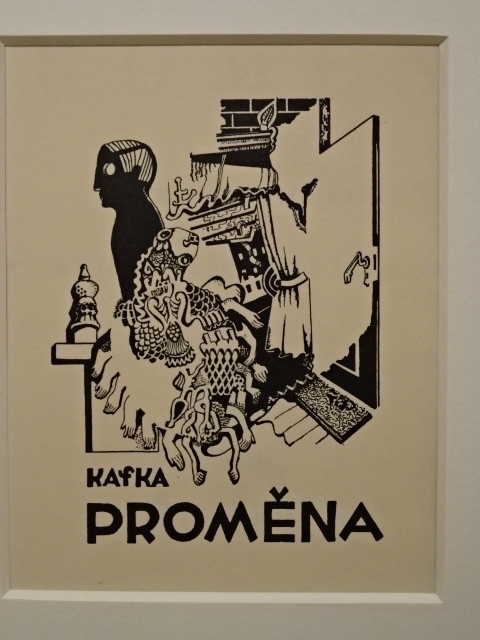
The Metamorphosis, by Otto Coester, 1920
One of Kafka’s small black-and-white drawings as a young child was on display, and art promoting his various books also had a prominent place in the exhibition. Artistic renditions of The Metamorphosis were represented, for instance. German art and literature at this time also played prominent roles in society. An antisemitic attitude was seeping into some of the publications. The exhibition did not only concentrate on works in Prague but also art that had immersed itself into European society as well, providing a European context for these powerful renditions.
The Metamorphosis, by Wilhelm Wessel, 1924.
This exhibition took up my favorite Czech era of art – the end of the 19th and beginning of the 20th century. The Art Nouveau and symbolic nature of the works greatly impressed me as did emphasis on color in many paintings. I loved the expressionistic qualities of Munch’s artistic creations. Several paintings were by Japanese artists, and I saw a direct connection between the Czech Art Nouveau and the Japanese style. I could see the influence of Cubism in some paintings with many geometrical traits. I loved the Art Nouveau posters advertising exhibitions. The multifaceted visual experience of a person living in Prague during that era reminded me of the mixture of languages that had permeated culture and society.
The exhibition was thrilling as I thought back to that age and the various cultures people were experiencing. I felt that time period come alive through the artistic creations. Some of my favorite artists were represented, such as Bílek and Kubišta.
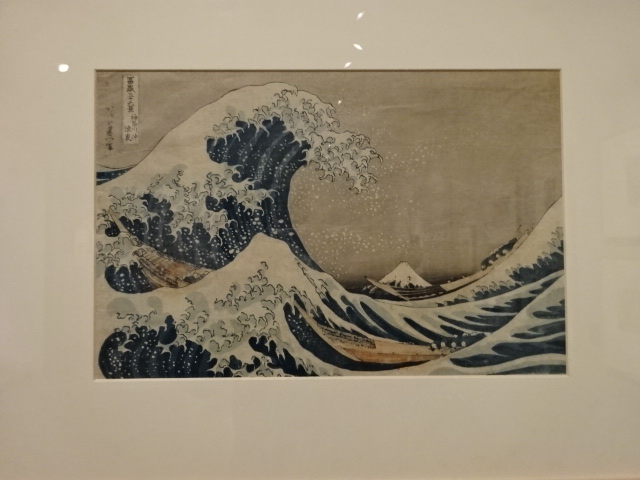
A Wave at Kanagawy, by Hokusai Kacušika, 1831
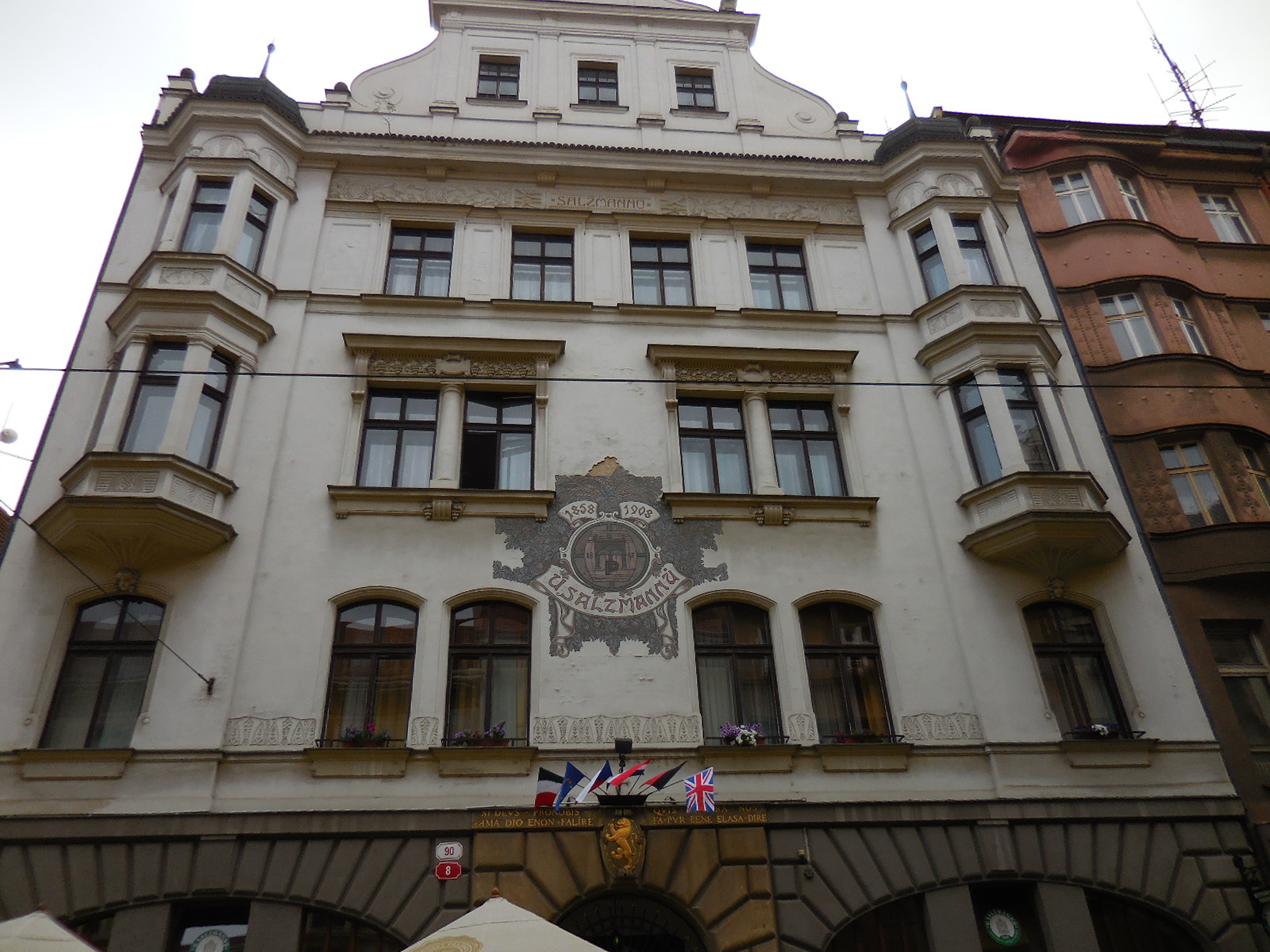
I also was enamored by the building in which the West Bohemian Gallery was housed. It had been used as a market place during the Middle Ages and boasted of a unique architectural style. I longed to learn even more about the end of the 19th and early 20th century as I left the exhibition and made my way to my favorite restaurant in Pilsen, U Salzmannů.
Tracy A. Burns is a writer, proofreader and editor in Prague.
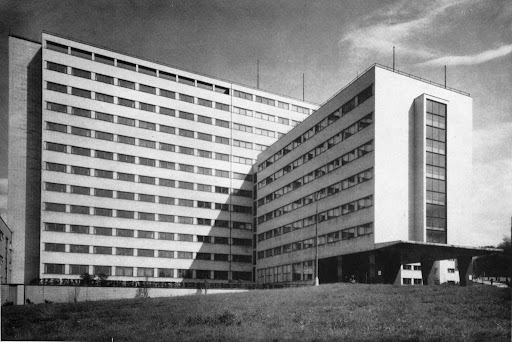
The six buildings designed by Josef Havlíček in Kladno, photo from Vysehradskej.cz
In Kladno, not far from Prague, I visited the Museum of the High-Rises, located in one of the tall buildings designed by Czech functionalist architect Josef Havlíček during the 1950s. The tour consisted of the minimalist lobby and mailboxes, a small museum room, an atomic shelter, roof terraces and a flat that was considered to be luxurious during the 1950s, housing for high-ranking Communist families.
House sign by Marta Jirásková-Havlíčková
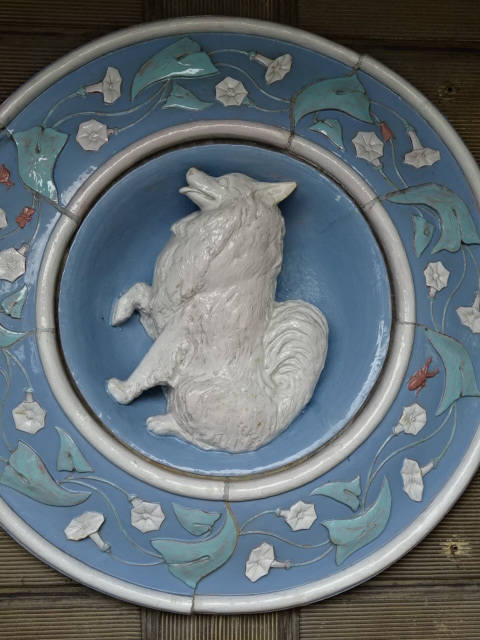
In the Rozdělov neighborhood, the high-rise’s exterior was decorated with two ceramic house signs, one of a cat and the other of a dog, showing circular blue backgrounds with the animals in white. I learned that they had been created by Havlíček’s wife, a sculptor named Marta Jirásková Havlíčková, who originally had made 12 of them for the six buildings in the complex. Other ceramic house sings had featured a hawk, an owl, a rooster, a turkey, sheep and a ram. In the small museum space I saw more of Jirásková-Havlíčková’s work, including a statue of a dignified-looking white cat. She certainly had been talented. Models of some of Havlíček’s designs were also in the space.
I also noticed that the façade consisted of ceramic materials. The use of intriguing materials was a reason that this one-time complex had caught international attention. The French especially were interested in the structures, as Havlíček had been inspired by the architecture of neoclassicist French guru August Perret, who was known for utilizing reinforced concrete in fascinating ways without eliminating the harmony of the design. Perhaps Perret is most renowned for the rebuilding of the port town Le Havre after World War II. His reconstruction helped make Le Havre into a World Heritage Site. Another of his most prominent designs involved the first Art Deco edifice in Paris, the Theatre des Champs-Élysées.
You can see the various house signs behind the sculpture of the cat.
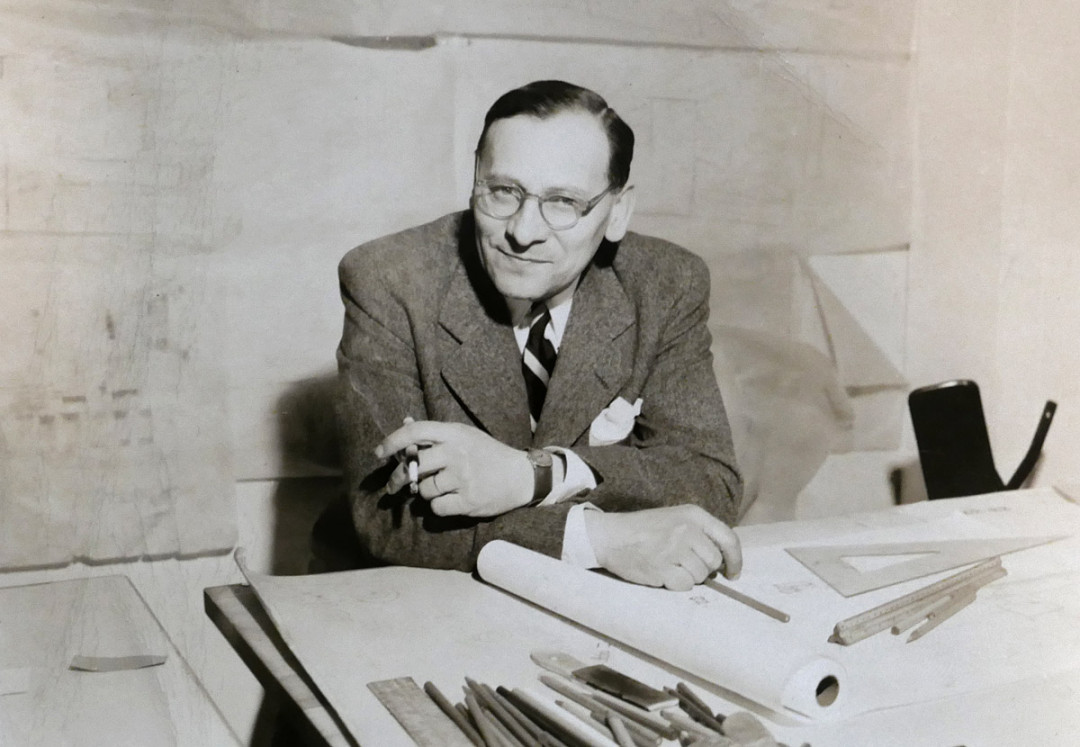
Who was Josef Havlíček? That question was answered in the small museum under the ground floor. Havlíček lived from 1899 to 1961, when he died from exhaustion. As a prominent architect, he was a member of Devětsil, Artěl and SVÚ Mánes, the most influential artistic groups of the time. His mentor at school during the Czechoslovak First Republic of the 1920s was Czech architect Josef Gočár, who designed many important Cubist works in Prague, Hradec Králové and other places. Gočár took Havlíček under his wing and employed him in his studio until 1928.
Josef Havlíček, photo from Muzeum věžáků Kladno webpages.
While Havlíček was given the title of director of the architectural Stavoproject in 1948, he left two years later due to frustration with totalitarian politics. For a while his plans were not realized due to his political stance, but later he used Stalinist social realism architecture that pleased the authorities, even though his style combined creativity while fulfilling the ideology of the times.
Havlíček’s building constructed in Žižkov
Some of his other accomplishments included a building in Prague’s Žižkov, built from 1932 to 1934 with the help of Karel Honzík and dubbed “the first Prague skyscraper.” He also designed the residential development Labská Kotlina in Hradec Králové from 1946 to 1959 and residential buildings in Ostrava. He presented designs for a United Nations building in New York City and a town hall in Toronto, though they were not carried out.
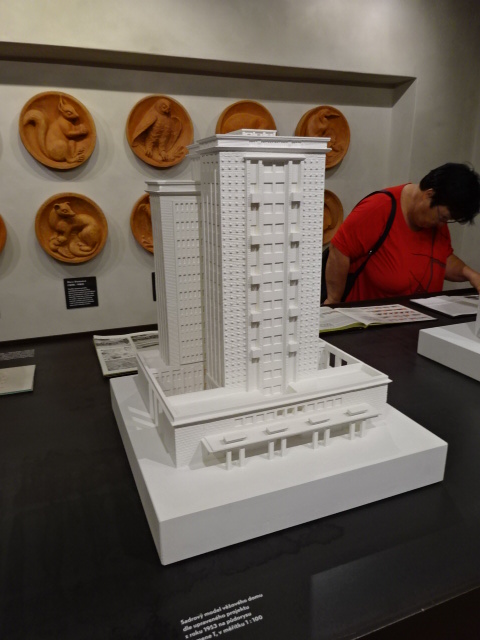
Some models of Havlíček’s creations were on display in the museum.
In the museum space that presented a large timeline and much information about the life and career of Josef Havlíček, we stood around a detailed model of the Rozdělov high-rises in Kladno as they had been planned. In 1946 Havlíček had intended for the project to appear differently – with six buildings of 10 floors each in a Y pattern, flaunting a functionalist style. Due to the political changes in the country during and after 1948, these designs never came to fruition.
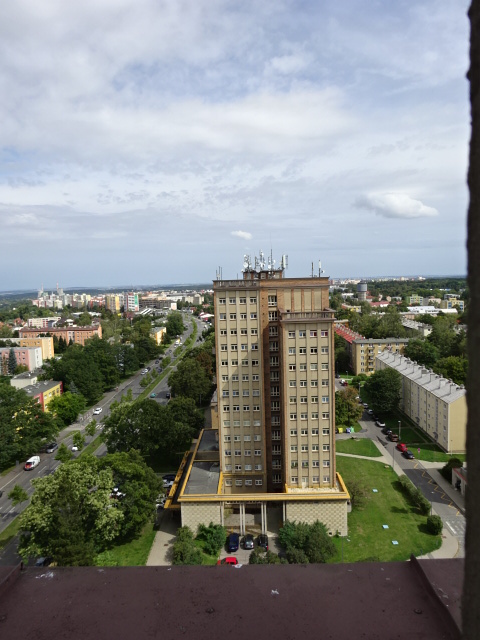
From the roof terrace looking down on another of Havlíček’s designs
During the late forties and fifties Kladno was in dire need of more housing. The city had become much more industrialized after the Communist coup of 1948. For example, Kladno was the prominent home of the Poldi steelworks. Construction of new buildings was necessary to accommodate the new workers who were toiling in the black coal industry.
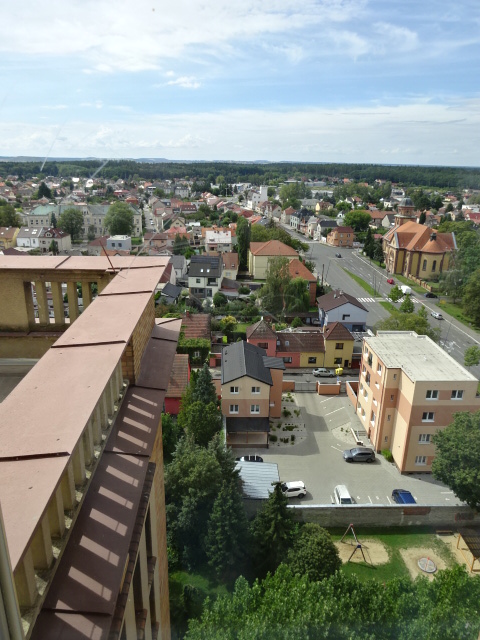
View from the roof terrace
In 1951 Havlíček redid his conception of the suburb, pressured to conform to social realist architectural regulations. He received permission that year. He came up with something that was accepted by the authorities but was also modern and authentic. From 1952 to 1958, Havlíček worked on the design along with Karel Filsák and Karel Bubeníček. Construction began on the project with the first and second buildings. Tenants moved into the first building at the end of 1956 and into the sixth building at the end of the following year.
You can see some of the suburb’s high-rises from the roof terrace.
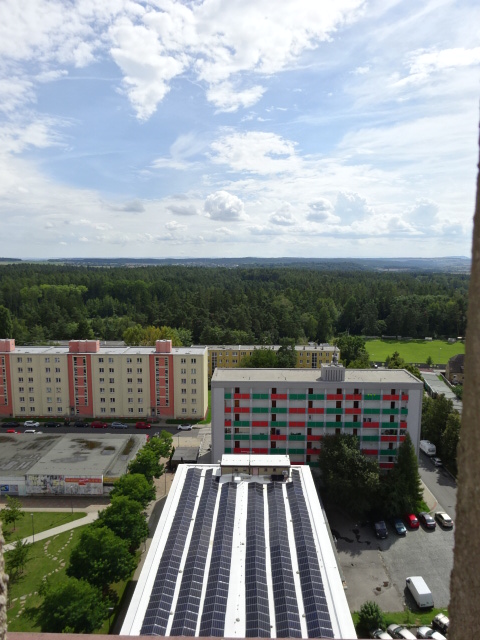
The six buildings that formed the letter T were inaugurated as the Victorious February suburb to commemorate the February Communist coup of 1948. The building we were in had 13 floors, not including the ground floor and upper ground floor. Each floor consisted of six apartments, two much bigger than the others. The more luxurious flats of that era had balconies.
Another view from the roof terrace
The project was planned to be much more elaborate than the 48-meter high residential buildings. Havlíček and his colleagues envisioned the suburb to flourish with cultural and shopping centers. It was slated to become a major hub for cultural activities, such as theatre, and to have much needed impressive stores. While the shopping center plans were carried out, the theatre was never built. Financial problems and other barriers did not allow the designs to be fully developed. From the model it was possible to see how Havlíček had proposed that the suburb become a leading place for activities as well as original housing made from inventive materials.
We went down to the second basement floor, the atomic shelter. I saw many gas masks and rows of hard, wooden benches in several spaces. It would certainly be depressing and frightening to be trapped down there for any reason let alone a nuclear war. Many buildings were constructed with atomic shelters during the 1950s in Czechoslovakia.
Then we visited the roof with impressive terrace, which was a prominent component of the project in its day. Even though now ugly high-rises surrounded the building, during a clear day it was possible to see the historic Říp Hill and the mountains of central Bohemia, even some of the mountains at the German border.
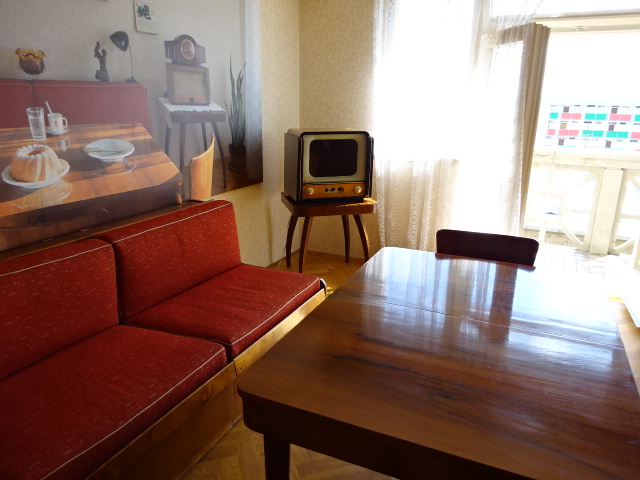
The living room of the flat
Then we went into a 55 meters squared flat preserved with 1950s furnishings and equipment, looking as it had during its construction as a luxury home for high-ranking Communist families. The living room had a couch and table on which were a cake and mugs. I noticed one cup was adorned with a red Communist star and the other sported a Communist symbol. On the table there was also an open pack of cigarettes and an ashtray filled with cigarette butts. A lace tablecloth covered part of the table. A large radio and a black-and-white TV with three buttons under the screen also stood out in the room. Social realist-styled statuettes decorated cabinets.The bedroom was dominated by a big double bed. On each nightstand was a framed photo. A large mirror adorned the wall above the bed.
The bedroom
The kitchen included a gas stove, a counter and pantry with shelves for storing food as well as cabinets. Although it looked small to me, at that time this type of kitchen had been luxurious, only available to the most prominent families. The flat featured a big balcony, too, something that not many apartments in the building had.
Now the museum, which opened in 2020, is a cultural monument to an innovative style designed during Stalinist times. This was Havlíček’s last big project to be carried out as he died of exhaustion in 1961, exasperated by his discomfort with the country’s Communist ideology of which he had been a critic. It had taken a toll on his physical and mental state.
The kitchen
This is the first Czech museum showing off suburban Czech architecture. The museum was something totally different than the kind I usually visited. I had never been to a museum focusing on a suburb of a city. I had thought of the suburbs of Kladno as eyesores with socialist high-rises that scarred the landscape. This one was different. During the period of its construction, the architecture had forged a new path in suburban appearances. It was a pity that only two of the buildings survive today and that fate had intervened and prevented the project from being completed.
The gas stove in the kitchen
I took all the necessities such as the stove and kitchen space for granted. I thought the flat seemed relatively small. At one time, though, a flat this size had been a luxury. I could see the accomplishments in modern architecture as I viewed all the spaces through a 1950s lens. I could better appreciate the modernity of the present by immersing myself into the past.
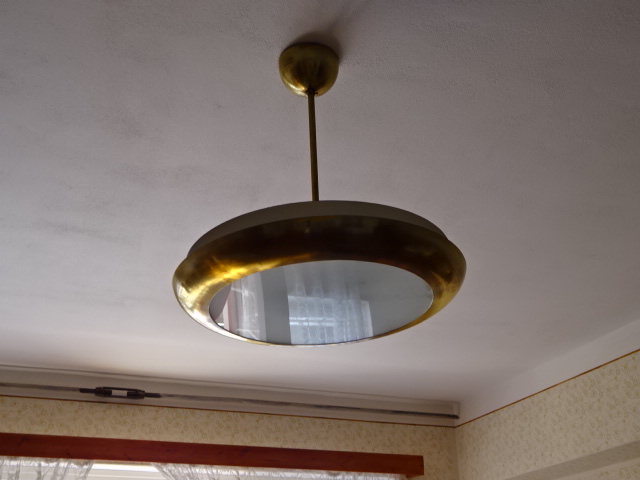
The simple chandelier in the living room
Tracy A. Burns is a writer, proofreader and editor in Prague.
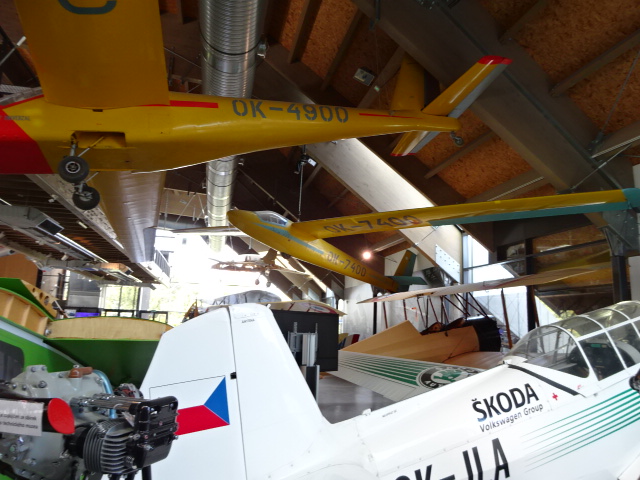
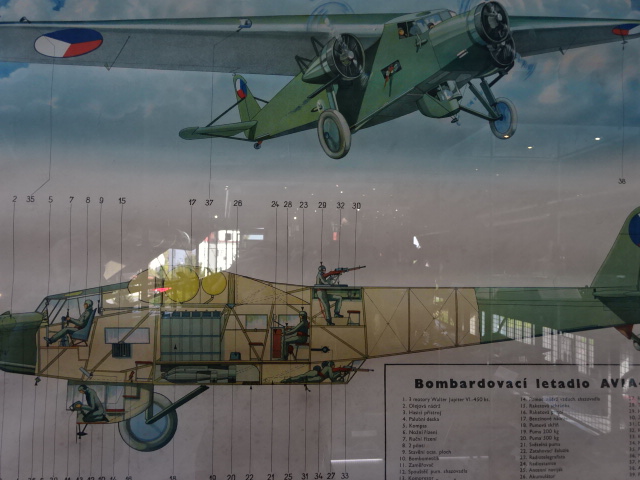
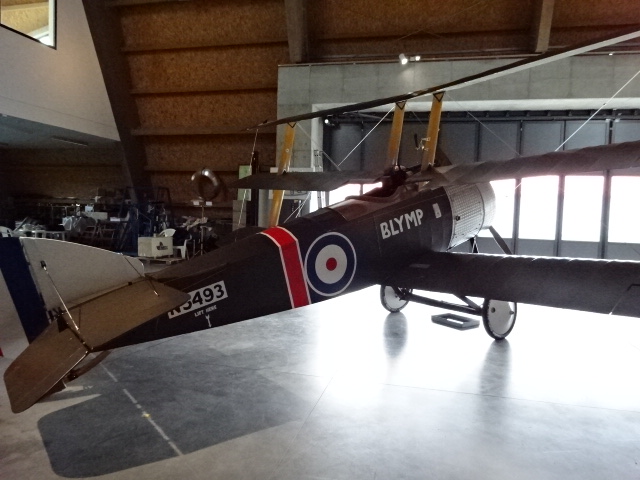
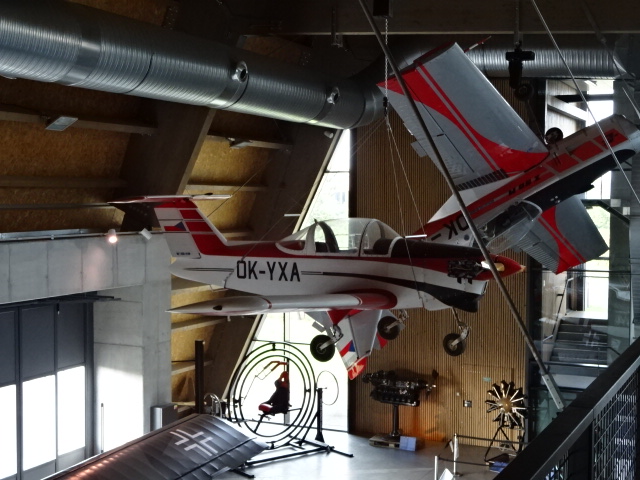
I hadn’t visited an aviation museum before fall of 2024 because, quite simply, I had never shown much interest in planes. That all changed when I went to Mladá Boleslav, about 70 kilometers from Prague. The 25 historic planes in this collection – mostly Czechoslovak, German and Soviet – had me hooked.
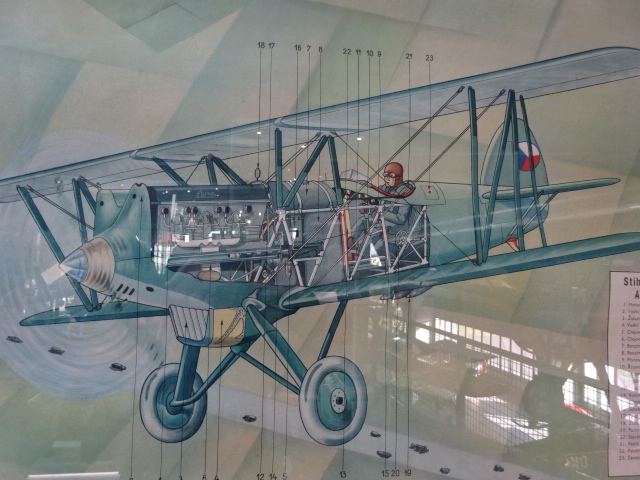
Construction on the museum in a hangar of the Mladá Boleslav airport finished in 2014, and it had been open to the public since 2015. The architecture received much acclaim as it was chosen one of five buildings in the country to be dubbed “Construction of the Year” for 2014. The museum also included two plane simulators and a gyroscope. I perused period uniforms, radio equipment, watches, photography, aviation trophies and posters. From an observation tower there were excellent views of the environs. After walking up steep stairs to the first floor of the museum, I got a good look at the planes hanging from the ceiling.
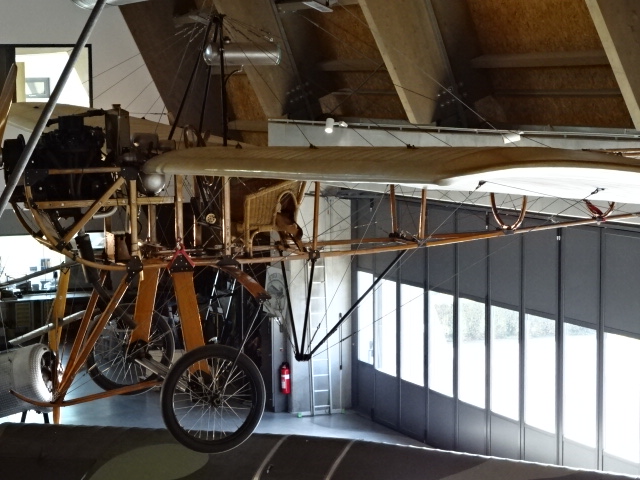
I had not heard of the name Metoděj Vlach before visiting this museum. Vlach had made a name for himself as the first Czech pilot. From 1908 he worked for Mladá Boleslav’s Laurin and Klement business, known for its bicycles and cars, an enterprise that would later become the world famous Škoda automobile manufacturer. He had to use his own money to finance his flying attempts. While his first try was not successful, the second plane he produced in 1909 managed short jumps between 30 and 50 meters. However, the third time was a charm as on November 8, 1912, his aircraft, constructed from 1910 to 1912, made the first flight – reaching 20 meters in the air. It flew a distance of 300 to 500 meters at 100 km/h. The plane weighed 720 kg, and the motor, the kind an automobile used, was 28 kW. The aircraft was successful during five attempts.
One of the aspects about museum-going that I like best is learning about important historical figures and events that I had not known anything about. Learning about Vlach was one of those lessons that certainly enriched my experience at the museum. I spent a lot of time peering at the various specimens, dating from World War I to the later years of the 20th century.
The Little Beetle
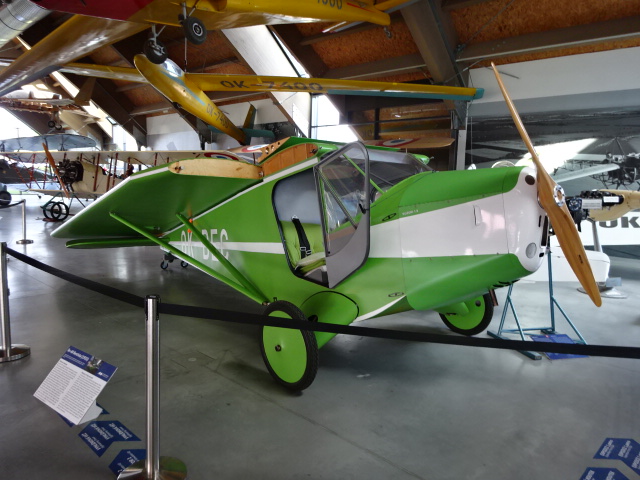
A plane called the Little Beetle captured my attention. The first modern Czechoslovak amateur aircraft, the W-01 Little Beatle was built at the owner’s home in Brandýs nad Labem during the 1960s. The public set eyes on the plane for the first time in 1970. With a wingspan of 6.08 meters and an empty weight of 280 kilograms, the Little Beetle was a frequent participant in Czechoslovak air shows. It was five meters long and could fly up to 180 kilometers per hour. During the mid-1970s, international audiences took notice of the Little Beetle as it was shown off in airshows that took place in the German Federal Republic, Holland and England. Sadly, an accident in 2003 ended the Little Beetle’s career. During 2015 the specimen was brought to this aviation museum.
German Bucker Bu 130 Jungmann
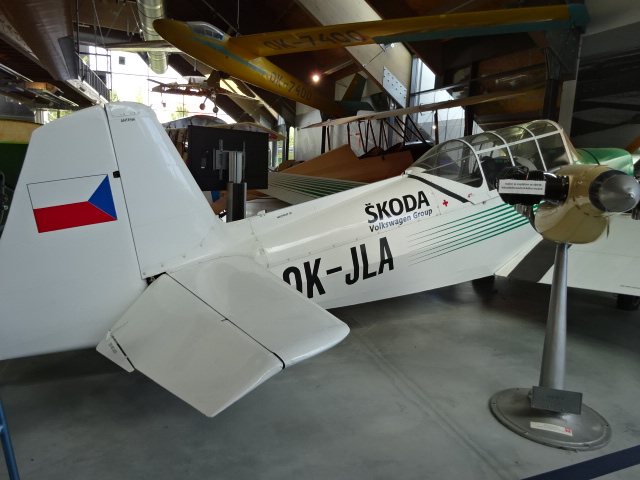
I also took notice of the German Bucker Bu 130 Jungmann, a two-seater designed for training and aerobatics. It took off for the first time in May of 1934 and became a popular training aircraft for the Luftwaffe. The Germans were not the only ones to use this model aircraft, though. It received worldwide acclaim in Czechoslovakia, Spain, Japan, Hungary, Switzerland and other countries.
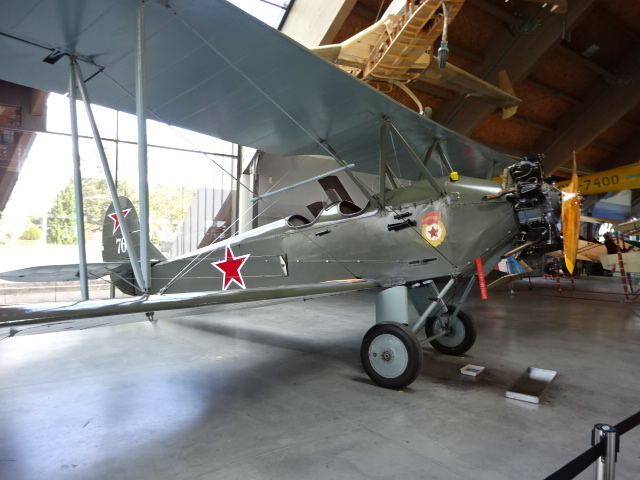
PO-2, The Sewing Machine or The Maize Cutter
Another plane with an interesting history was the PO-2, a prototype of a U-2 biplane that was adopted by the Soviet Air Force. It was also used for civilian aviation. More than 40,000 PO-2 planes were produced. This popular two-seater came into existence during 1927, and production started the following year. During World War II the Germans called the plane “The Sewing Machine,” describing the distinctive sound of the engine. Soviets had a different nickname for the aircraft with an engine of 100 to 115 horsepower. They dubbed it the “Maize Cutter.” It was also historically significant because a regiment of female Soviet pilots conducted nighttime air raids on Germany using this aircraft. The Germans dubbed these female military personnel “Night Witches.” Production did not stop when the war came to a close. The PO-2 was manufactured in Poland post-wartime.
Klemm L 25
I took note of another German plane. The Klemm L 25 aircraft was designed by Dr. Ing. Hanns Klemm, created in 1926. It was possible to use various kinds of engines with these training, sports and aerobatic planes. About 600 planes were manufactured from 1928 to 1939. During the 1930s the Klemm L 25 participated in competitions in Germany.
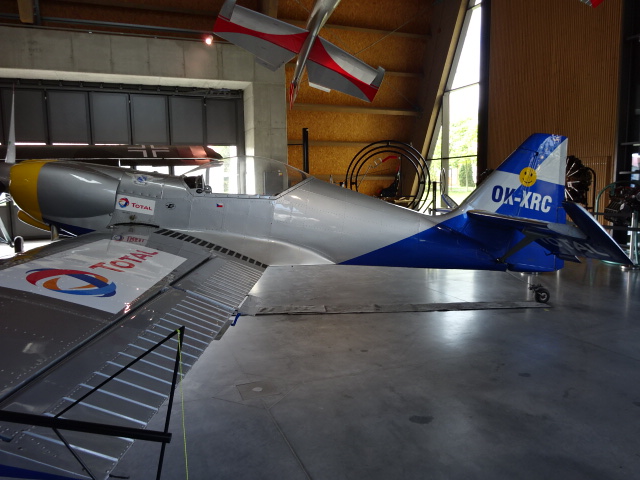
Zlín Z-50L
I also saw the Zlín Z-50L aerobatic plane made in Moravia. In the 1970s and 1980s its pilots clinched first place in international competitions, both European and world championships, while flying this plane. The last world championship won by this aircraft was as recent as 1989.
Be-60 Bestiola
The two-seater, wooden aircraft called the Be-60 Bestiola was designed in 1935 as a Czechoslovak aircraft to be used for training and tourism purposes. Its life span was relatively short, though, as production was halted not long after the 1939 Nazi Occupation. Some of these planes were flown by the fascist-oriented Slovak State during World War II. Unfortunately, there are no longer any original planes of this type in existence. The replica in the museum is quite impressive, though.
Zlín Tréner
Used for training and aerobatics, the Zlín Tréner captured my attention. It was a two-seater monoplane with low wings and first took off in 1947. Later, it was powered by a four-cylinder engine and was composed of wings and tails made of metal. The career of that prototype began in 1953. The wingspan measured 10.26 meters while the take-off weight was 750 kilograms. The engine was 105 hp, and the maximum speed it could reach was 203 km/h. The aircraft has had a stellar career and is still used for training.
G – III plane
Brothers Gaston and Réné Caudron had been plane designers since 1909. Their G-III did a loop for the first time in December of 1913. In May of 1917 ,it hit another milestone by setting a new record: It flew non-stop for 16 hours and 28 minutes. About 150 planes of this type were produced. The aircraft had a wingspan of 13.4 meters with a take-off weight of 735 kg.
Fokker E.V.
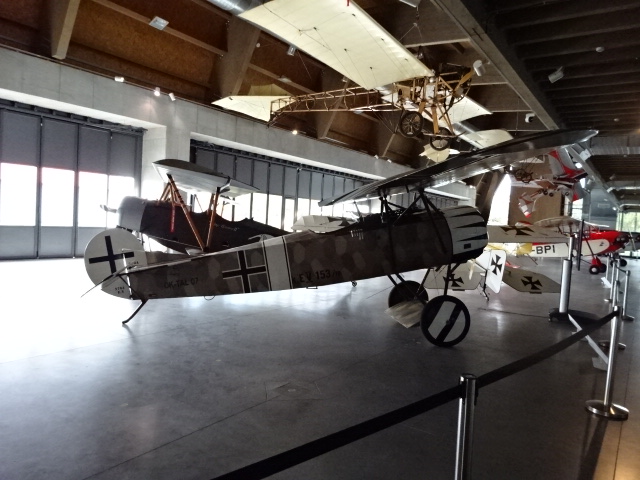
I also saw the Fokker E.V. German fighter plane from World War I. Some 289 aircraft of this model were manufactured. The planes were 5.85 meter long and utilized a 110 hp or 160 hp engine. The wingspan was 8.35 meters while the take-off weight was 605 kg. It could go as fast as 200 km/h.
ŠK – I Trempík
The two-seater ŠK – I Trempík was known for its stability. It was not difficult to take care of, either. Its wingspan measured 9.3 meters, and it was powered by an engine of 75 hp. The maximum take off weight was 578 kg, and it could fly 185 km/h.
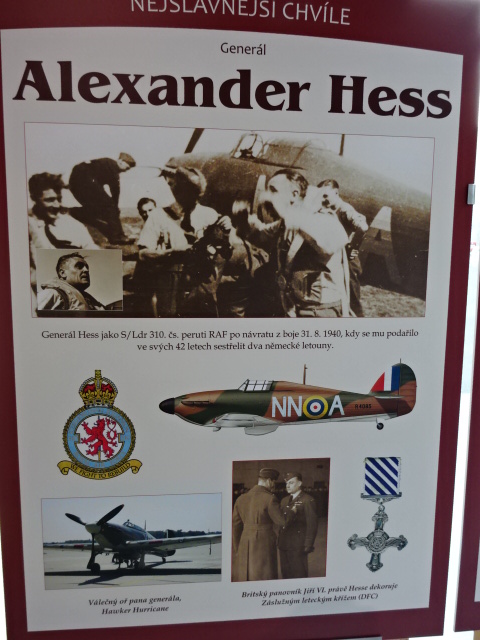
1926 silent film with Alexander Hess as the pilot
General Hess after returning from his service in the RAF when he shot down two German planes; British royal George VI awarding Hess a medal; War plane Hawker Hurricane used by the general
On the first floor there were panels about General Alexander Hess, a pilot I had not heard of before. He also had starred in a 1926 silent Czechoslovak film as well as working as a pilot. Hess was the organizer of the Czechoslovak aircraft for the 1936 Olympics. After the Nazi Occupation in 1939, he helped pilots escape, equipping them with false passports, and General Hess wound up fleeing from the Nazi Protectorate to France and then to the USA in January of 1940. After World War II, he returned to Czechoslovakia but fled again, this time from the Communist regime. General Hess settled in New York City, where he worked as a technical assistant with PAN AM.
So I became acquainted with the career of not only Metoděj Vlach but also that of Alexander Hessman. I found the exhibit most intriguing. In fact, the entire museum was engrossing with so many planes from various countries and eras, each unique with compelling attributes. While I still despised the eight-hour flights from Europe to the USA, I comprehended the historical importance of these aircraft. In Mladá Boleslav for the first time, the city made a good impression on me. After visiting this museum, I would take a look at the Škoda Museum of bicycles and automobiles, another delight.
Tracy A. Burns is a writer, proofreader and editor in Prague.
Early in 2023, I went to an exhibition of sculpture by late Croatian sculptor, architect and writer Ivan Meštrović. The art gallery at Prague’s main library hosted the intriguing show. I was familiar with the artist’s name: I had admired his villa, the Ivan Meštrović Gallery, in Split on my last trip to Croatia some years ago. It contained 86 sculptures made with various materials, showing off his dramatic, dynamic and expressive style that was both poetic and poignant. Drawings and reliefs were displayed, too. The bronze statue-dotted garden was delightful. One of my favorite things about traveling was being introduced to the works of various artists. I was enamored with Meštrović’s creations, and his unique, powerful style was forever embedded in my memory.
During Meštrović’s illustrious career that spanned six decades, he had been influenced by a number of styles ranging from Art Nouveau, Symbolism, Impressionism, Art Deco, Neoclassicism and Late Realism. Classicism played a major role in shaping his artistic style, too. Auguste Rodin’s naturalist style, which he had meticulously studied, greatly inspired him. During his extensive travels, Meštrović also saw Michelangelo’s creations, which affected his own work. poignant.
Meštrović’s subjects were diverse as well. He took on religious themes, created portrait busts, made sculptural monuments and delved into studies of figures. A firm believer in promoting Yugoslav national identity, he also presented folk themes and national myths. He fervently advocated for pan-Slavism, and some of his works represented historical events in Slav history.
The sculptor’s career took off when he exhibited his works in Vienna during 1905 as part of the Secession Group. While living in Paris for two years, he received recognition from all over the world and was very prolific. Then he spent four years in Rome, where he was lauded for his design of the Serbian Pavilion at Rome’s1911 International Exhibition. During World War I, he traveled extensively and spoke out against the Habsburg monarchy that controlled his homeland.
He returned to his homeland after the war ended and achieved much success while living in Zagreb. He even created many sculptures for King Alexander I of the Kingdom of Serbs, Croats and Slovenes. He continued to travel, even having an exhibition at the Brooklyn Museum in New York during the 1920s.
During World War II, Meštrović’s life was far from rosy. In 1941, he spent three-and-a-half months in prison. The following year his first wife died, and many of her Jewish relatives perished during the war. Thanks to the Vatican, Meštrović was let out of prison and took off to Venice and then back to Rome. He even met Pope Pius XII.
After World War II, he refused to return to Yugoslavia because the Communists were in control. He wound up in the USA during 1946, when he took a position as a professor at Syracuse University. His works were displayed at the Metropolitan Museum of New York the following year, and he was the first Croatian to do so. He continued to achieve great success and much recognition in the USA and even received the American Academy of Arts and Letters’ Gold Medal in the field of sculpture during1953. American President Dwight D. Eisenhower was so impressed with Meštrović that he gave him US citizenship. Meštrović took a job at the University of Notre Dame in Indiana soon after that. He designed monuments at Notre Dame, and his sculpture is featured in the university’s art museum.
He died in Indiana during 1962 at the age of 79 and was buried in his hometown of Otavice, though the Communists in control of Yugoslavia created many difficulties. His sculptures can be seen all over the world: in Serbia and Romania as well as in the United States, including Louisiana, Indiana, New York and Illinois.
This exhibition focused on Meštrović’s Czechoslovak connection as he had developed an affinity for Czech culture. He befriended the first democratic President of Czechoslovakia, Tomáš Garrigue Masaryk. They both had taken an anti-Habsburg stance during World War I. Also, Meštrović and Masaryk had lived in exile during the first World War. They both admired Slav history. While Meštrović wanted a united Yugoslavia of Croats, Serbs and Slovenes, Masaryk tried to forge a united Czechoslovakia of Czechs and Slovaks. Meštrović sculpted two busts of Masaryk in 1923 as well as busts of his wife Charlotte and his daughter Alice. He created these busts at the Czechoslovak President’s summer residence, Lány Chateau. I recalled spending some sunny afternoons in the park of the chateau in Lány as well as paying my respects at the Masaryk family graves.
Masaryk was by no means the only Czech Meštrović knew. For example, Meštrović was friends with Czech sculptor Bohumil Kafka and even created a portrait bust of Kafka during 1908.
Meštrović’s work was first unveiled in Prague during 1903, when the Habsburgs ruled the Czech lands. His work was included in an exhibition featuring Croatian artists at the Mánes Association in Prague. Mestrovic had another exhibition in Prague during 1933. President Masaryk was so impressed with Meštrović that he presented the Croatian sculptor with the Order of the White Lion award during 1926.
I was enthralled with the Czech connection between Meštrović and artists in Czechoslovakia. Tomáš Garrigue Masaryk was one of my heroes, and I was very interested in life during the First Republic, when Masaryk was president. I felt strong emotions when viewing Meštrović’s powerful works. I also thought back to my introduction to Meštrović’s creations in Split. What a discovery! I was glad to be reacquainted with Meštrović’s sculptures. Seeing his renditions in person was a profound experience.
Tracy A. Burns is a writer, proofreader and editor in Prague.
This library and art gallery in Milan is named after the patron saint of the city, Ambrose. The library harkens back to 1609, when Cardinal Federico Borromeo founded it, and the same year it opened to the public.
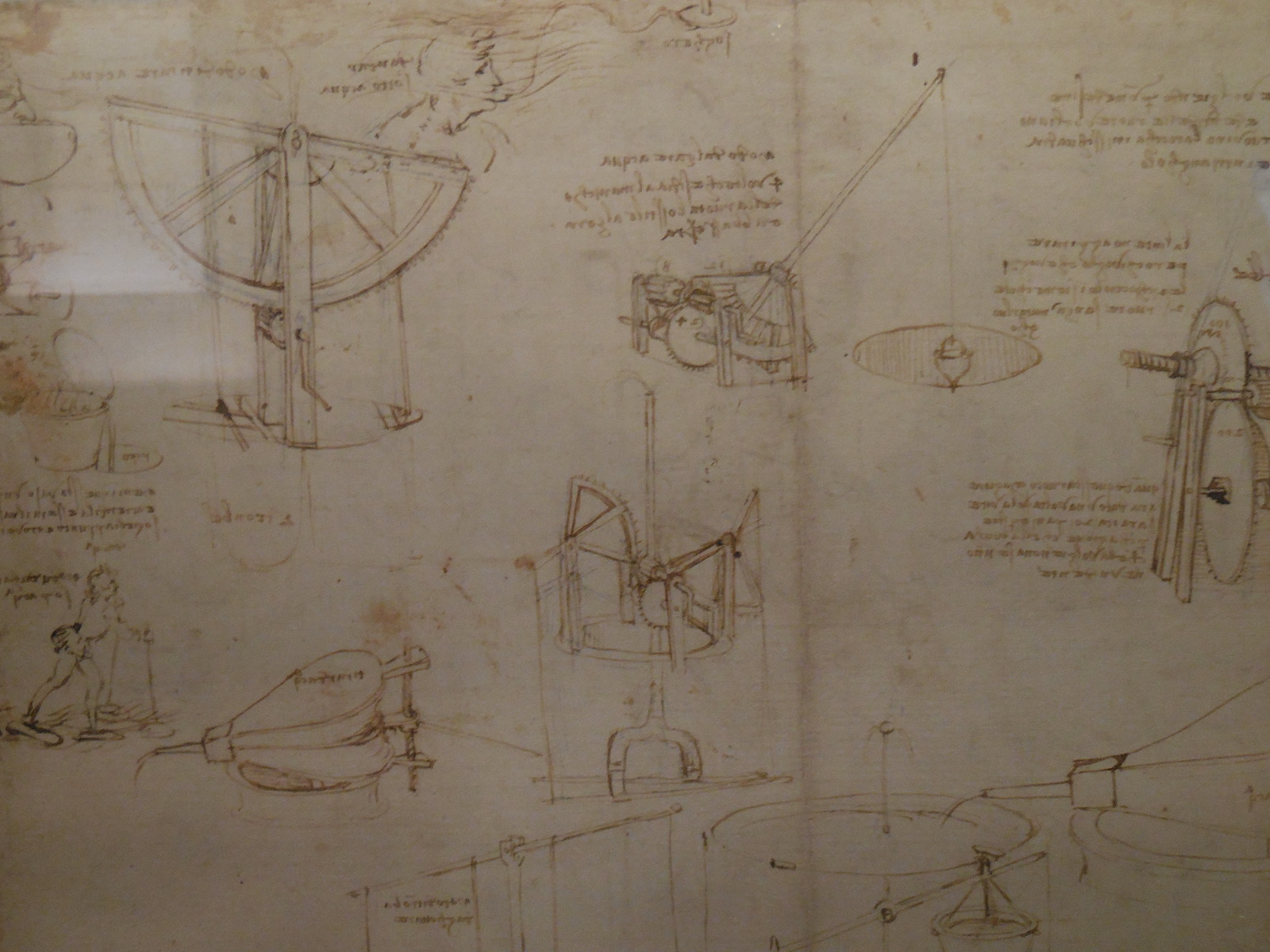
One of Leonardo da Vinci’s drawings of the Codex Atlanticus
The biblioteca houses the Codex Atlanticus by Leonardo da Vinci as well as many of his other manuscripts plus about 12,000 drawings by European artists, ranging from the 14th to 19th century. Raphael and Pisanello are represented in this collection of drawings, too. Many of its more than a million printed volumes hail from the 16th century. There are almost 40,000 manuscripts in numerous languages, including Italian, Latin, Greek and Arabic as well as some 22,000 engravings. Ancient maps, musical manuscripts and parchments also make up the collection. Some prominent guests included poet Lord Byron and novelist Mary Shelley.
Another of Leonardo’s drawings from the Codex Atlanticus
During World War II the library was damaged, and the opera libretti for La Scala Opera House were destroyed. The building was opened again in the early 1950s after undergoing renovations. More reconstruction took place in the 1990s.
When I visited, some of Leonardo’s works for the Codex Atlanticus, the largest collection of da Vinci’s drawings and writings, were on display in the library. The exhibition left me spellbound. I perused studies in aerodynamics and drawings of mechanical wings as well as various types of weapons. Leonardo rendered a large sling to throw stones and a machine to pump water from a well inside a building, for example.
I gazed upwards after studying the drawings by Leonardo, and I was filled with awe. I don’t know if I have ever seen such an incredible library. I just wanted to stand there all day, gazing at the wall-to-wall bookcases as I wondered about the titles and contents of each volume.
Established in 1618 with the collections of Cardinal Federico Borromeo, the pinacoteca was just as impressive as the library. The 24 rooms were dominated by Renaissance artworks but also boasted of renditions by 17th century Lombard artists, 18th century painters and 19th and early 20th century creators. I was especially struck by da Vinci’s 15th century “Portrait of a Musician” as it was the only portrait that he had painted. I noted the musical scroll in one hand of the sitter and was captivated by the detailed curly locks of hair, the musician’s brown eyes and his red cap.
Caravaggio’s insect-infested “Basket of Fruit” tells a story of diminishing beauty by displaying rotting fruit. Bramantino’s “Adoration of the Christ Child” shows the kneeling Bernardino of Siena, Francis of Assisi, Benedict of Nursia and the Virgin Mary making an understandable fuss over baby Jesus. I loved the angels playing musical instruments behind those figures. Emperor Augustus also makes an appearance.
Bergognone’s “Sacred Conversation” shows the Virgin Mary and Christ Child on a massive golden throne, baby Jesus on the Virgin Mary’s lap. Solemn angels flutter in the background. I was struck by the details of the Virgin Mary’s hair and by the material of the clothing worn by the Virgin Mary and baby Jesus. The two were surrounded by saints with captivating headwear, including Saint Ambrose and Saint Jerome.
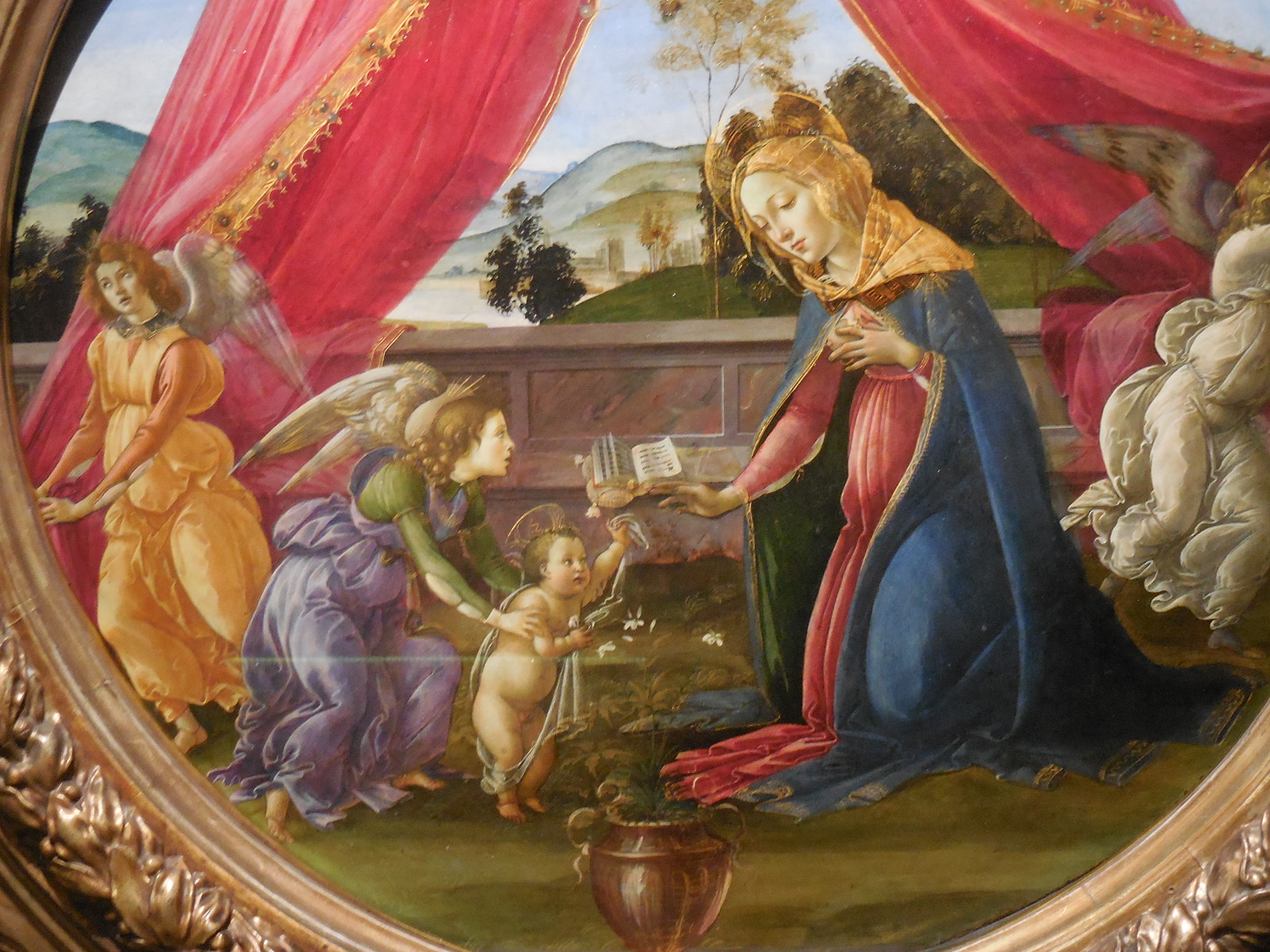
Another painting that left me speechless was Sandro Botticelli’s “The Madonna of the Pavilion.” The artist’s meticulousness was evident. The artwork shows the Virgin and Child with much symbolism. The pavilion that two angels open to reveal the Christ Child is rich in biblical meaning both in the Old and New Testament. I could almost feel the paper of the pages making up the open book in the painting.
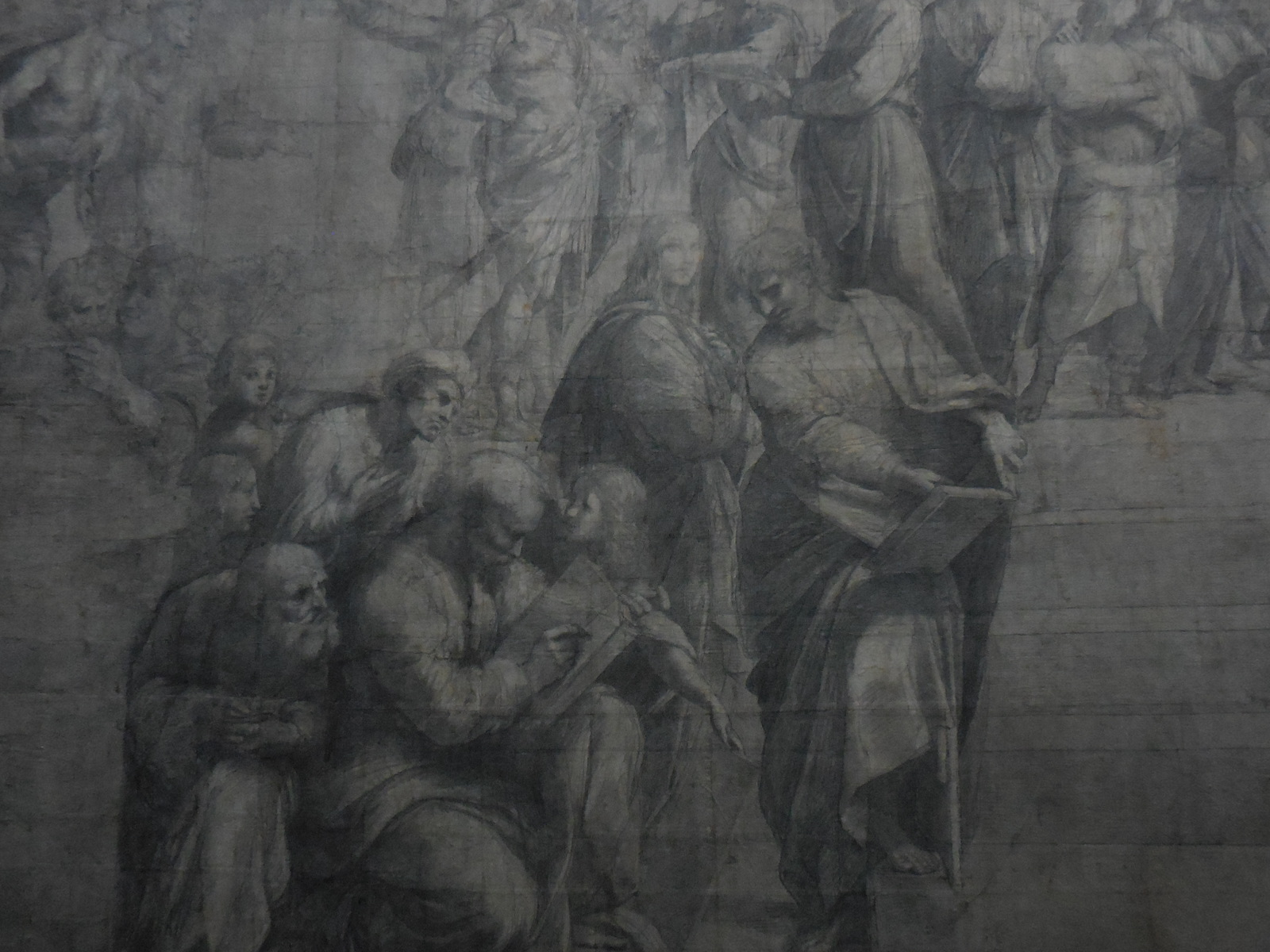
Raphael’s School of Athens
Raphael’s cartoon of the “School of Athens” is a study for the Italian Renaissance fresco painted in the early 1500s for the Raphael Rooms in the Vatican Museum. I recalled seeing the skillful rendition of philosophers and scientists from Ancient Greece at the Vatican on my 40th birthday as I mulled over the dominant role that perspective played in the artwork. Plato, Aristotle and Pythagoras appear in the fresco. Leonardo and Michelangelo are present as Plato and Heraclitus.
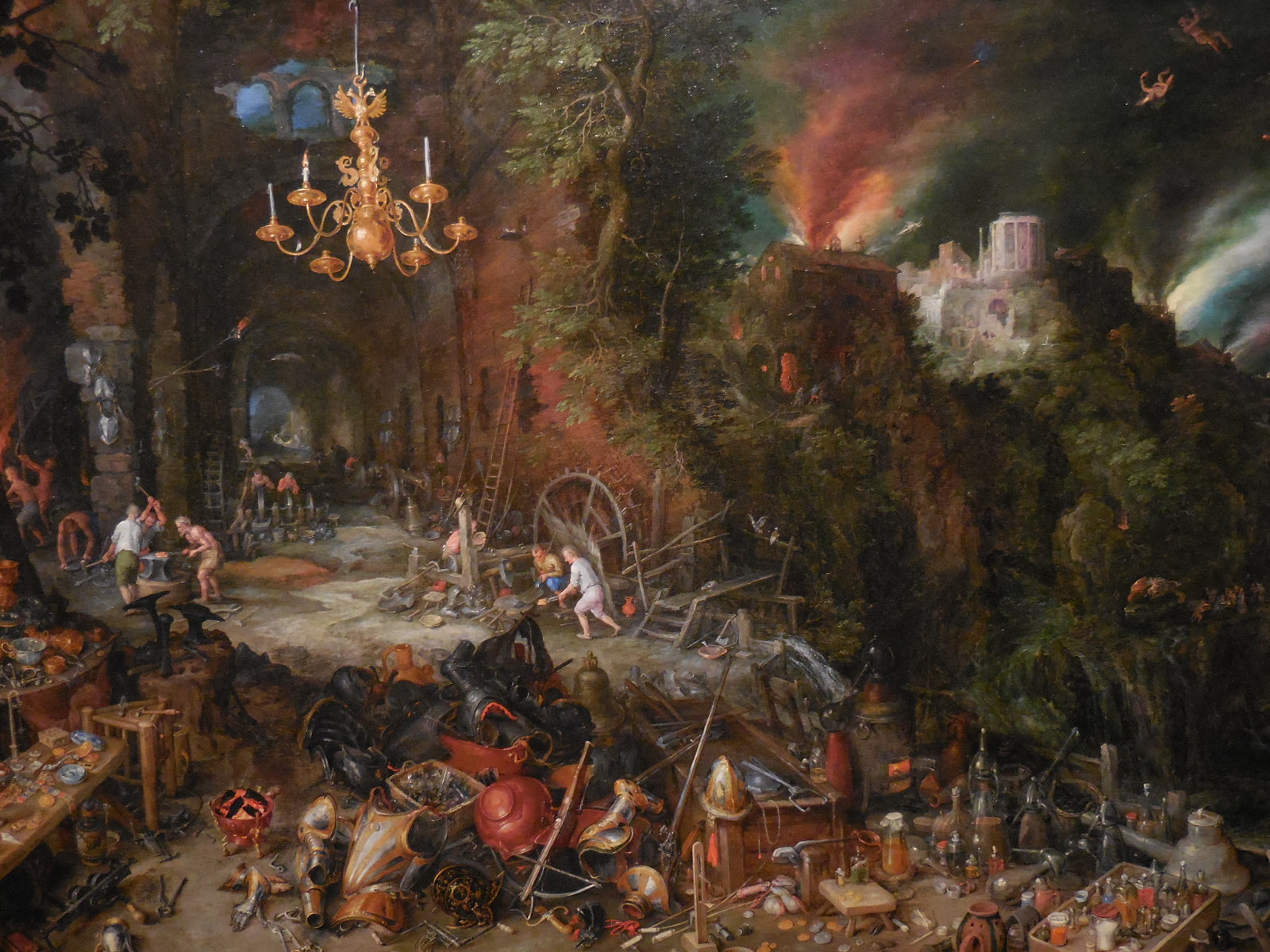
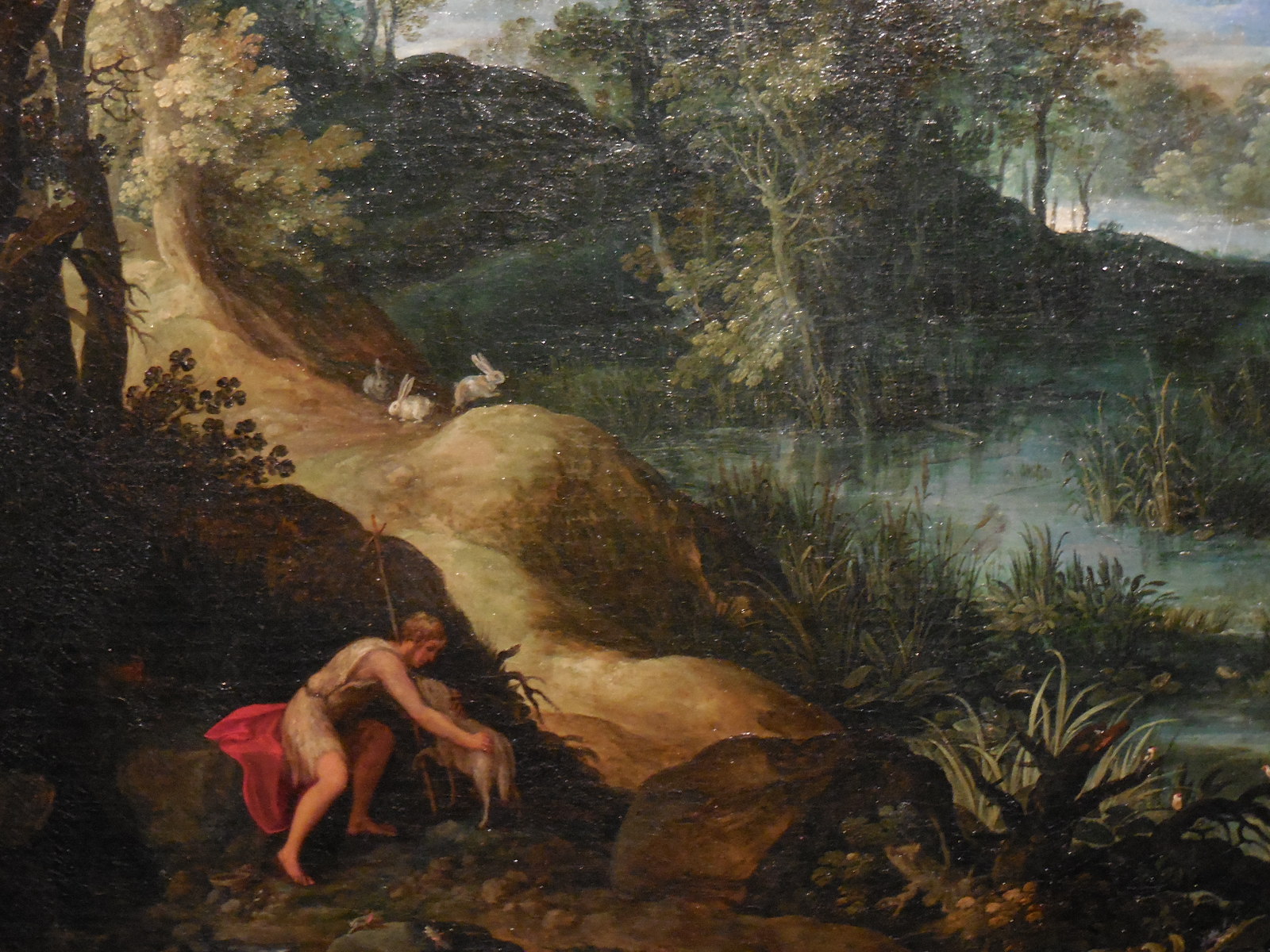
Other paintings that awed me were the fantastic landscapes of Paul Brill, whose works I had discovered some years earlier in Edinburgh. Jan Brueghel’s detailed landscapes and still lifes also are close to my heart, and I adored masterpieces from the Netherlands. I stared at these paintings, losing myself in the fantastical landscapes and details that were so masterfully rendered by both artists. I felt a special connection to these works featuring a dream-like quality as if I could be transported into a fantasy world by merely peering at the canvases.
Other paintings that captured my undivided attention had been created by Bernardino Luini (I fondly recalled his paintings in Milan’s Church of Saint Maurizio), Tizian, Jacopo Bassano, Moretto and Daniele Crespi as well as Francesco Hayez, whose works I knew well from the Brera Gallery in the same city. Andrea Bianchi had created “The Last Supper,” imitating da Vinci’s masterpiece. Tizian’s “Adoration of the Magi,” Bramantino’s “Madonna of the Towers” and the locks of hair of Lucrezia Borgia all left me awe-struck.
The sculptures and frescoes from the second to 16th century in the Sala del Bambaia are very noteworthy. The Hindu art of the Berger Collection captivated me. The Flemish and German painting from the 15th to 17th century enthralled. Ceramics also play an intriguing role in the collection.
I was so awed by this gallery and library that I visited it twice during my first trip to Milan. I peered at every painting and sculpture, trying to take in each artistic creation, feeling so blessed to be able to see all these masterpieces with my own eyes.
Tracy A. Burns is a writer, proofreader and editor in Prague.
































































 Tracy's Travels