2025 Art Exhibitions Diary

Barberini Museum, Potsdam

During 2025 I visited many art exhibitions, and each one opened up a new world for me, giving me a new perspective on the time periods represented in the shows. I took two days trips abroad. I went to the Barberini Museum in Potsdam to see temporary exhibitions of works by Wassily Kandinsky and another of paintings by Camille Pissarro. I especially liked Kandinsky’s early works, in which color played such a symbolic role. Vasari, Stella and Mondrian were also represented.
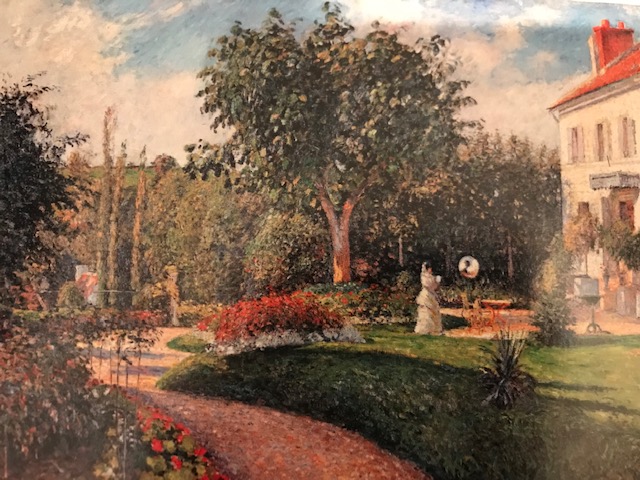
Camille Pissarro, The Garden of Les Mathurins at Pontoise, 1876, Postcard from exhibition.

The Pissarro exhibition was close to my heart. I was overwhelmed by his landscapes, some punctuated by workers in the fields. His early Caribbean scenes and his renditions of Paris made significant impressions on me. His bold and vivacious colors amazed me and gave me a sense of serenity about the often chaotic and problematic world.
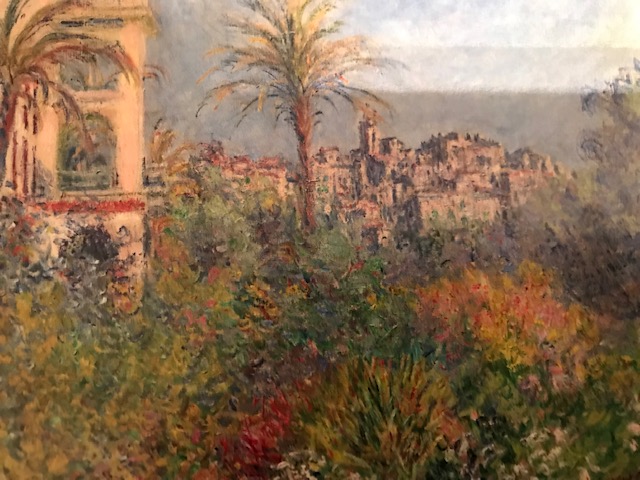
Claude Monet, Villas at Bordighera, 1884, Postcard

I loved the permanent exhibition at the Barberini with its vast Impressionist collection that included 40 works by Claude Monet, one of my favorite all-time artists. Most fascinating for me were Monet’s landscapes of Bordighera, Italy and his renditions of Venice. Paintings by Alfred Sisley and Auguste Renoir also captured my undivided attention. I was overwhelmed by the astounding Impressionist art in this museum. Seeing the permanent collection was a dream come true.
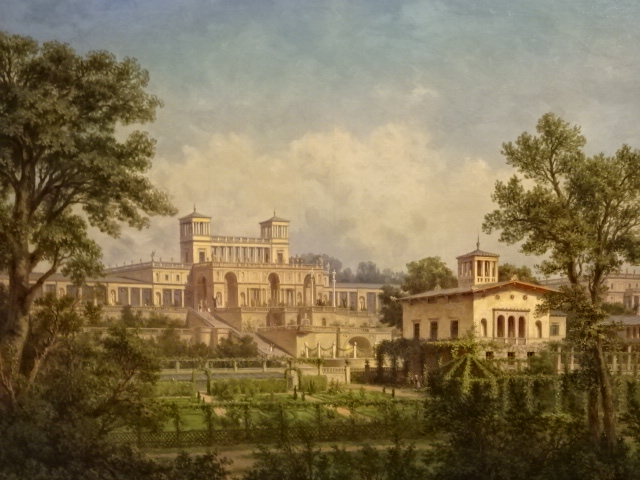
An early rendition of the palace in Potsdam
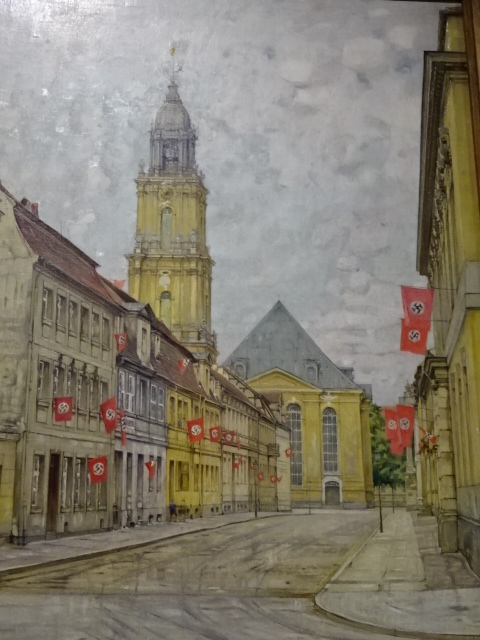
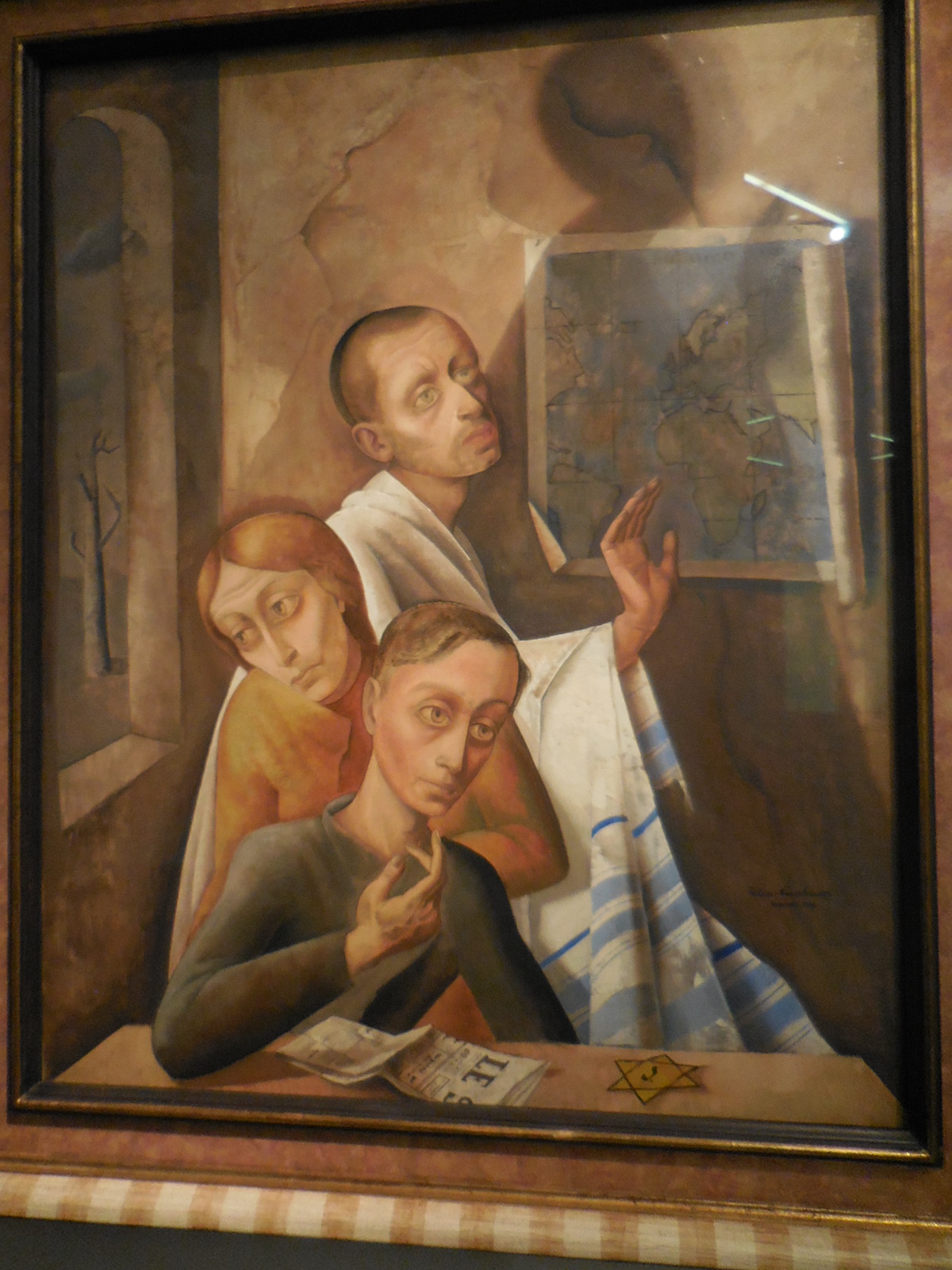
Potsdam City Museum, painting of the Third Reich era

Nearby was the Museum of the City of Potsdam, which I visited twice. I saw the developments of the city via paintings of villas, monuments and the luxurious palace from the glorious era of Frederick III. The furnishings and objects that accompanied each historical display were poignant. I especially was drawn to the exhibitions on the city during the Nazi and Communist eras.
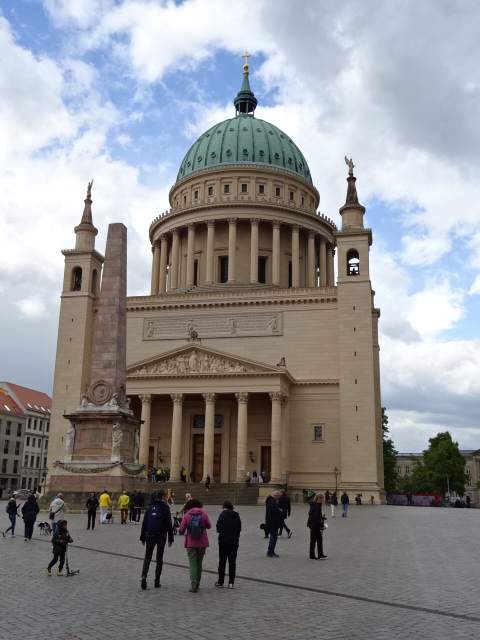
Potsdam, Church of Saint Nicholas
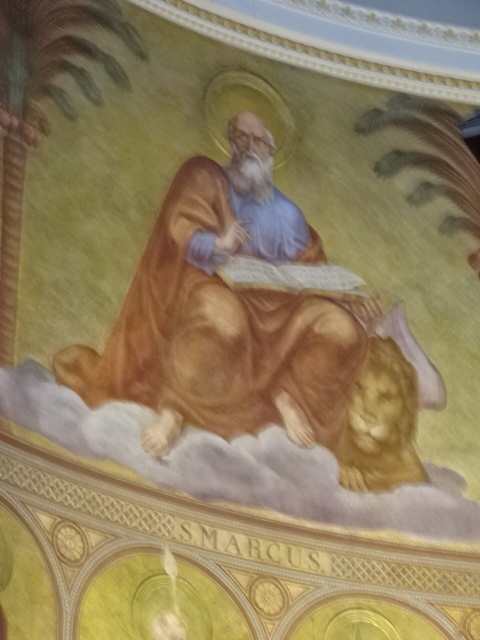
Potsdam, interior of the Church of Saint Nicholas

I also visited Saint Nicholas’ Church across the square from the museum. Its colorful frescoes inside represented the Evangelists and Apostles. The exterior featured Corinthian columns, and the church stood 42 meters high. The reconstruction after World War II was laudable. In addition, I saw the Dutch section of Potsdam. It resembled a backdrop of a Vermeer painting.
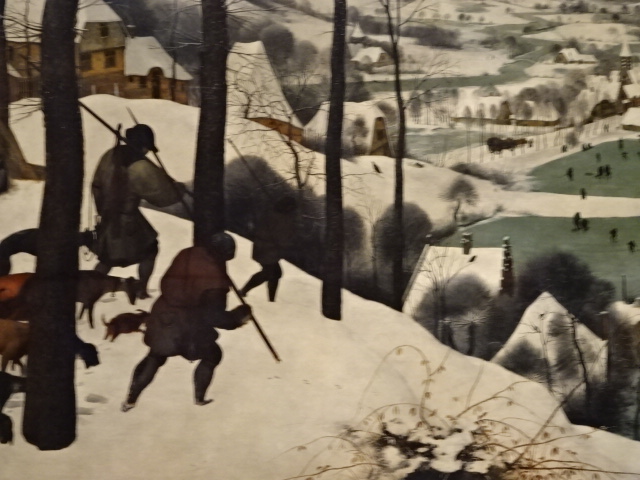
Kunsthistorisches Museum, Vienna, Pieter Bruegel the Elder, Hunters in the Snow
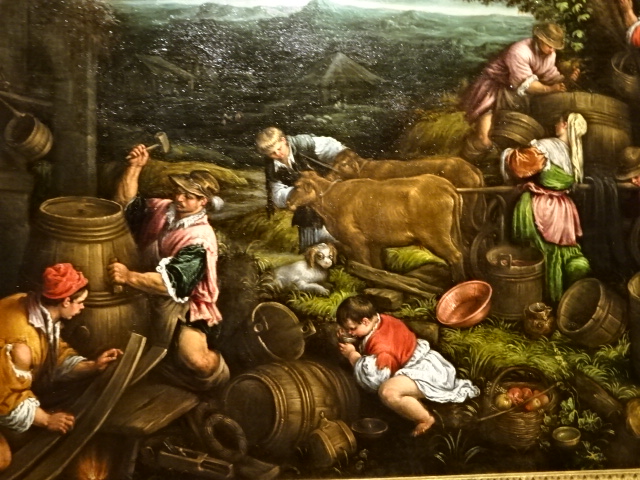
Kunsthistorisches Museum, Vienna, work by the Bassano family

At the Kunsthistorisches Museum in Vienna, Austria I enjoyed the exhibition of works by Pieter Bruegel the Elder, the Bassano family and Giuseppe Arcimboldo along with some by the master of North Renaissance style Albrecht Durer. Bruegel the Elder is my all-time favorite (along with Monet) painter. I loved his landscapes, peasant scenes and religious works. His attention to detail was amazing as the many figures in his paintings were all engaged in various activities. The Kunsthistorisches Museum was known for their permanent collection of his Dutch Renaissance renditions. Arcimboldo, who worked for Habsburg emperors, was a significant painter in the 16th century Italian Mannerist style. He is best known for his unique portrait heads made of objects, such as fruit, vegetables, flowers and fish. His works were the epitome of the grotesque, and nature was a recurrent theme in his paintings. The High Renaissance style was visible in his portrait heads, too.
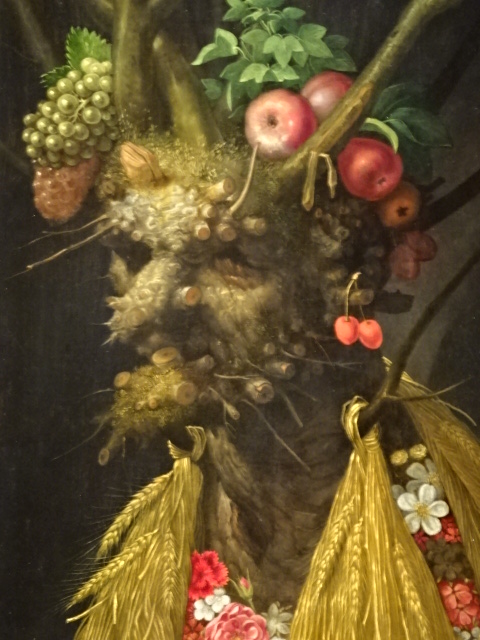
Giuseppe Arcimboldo, portrait of a head
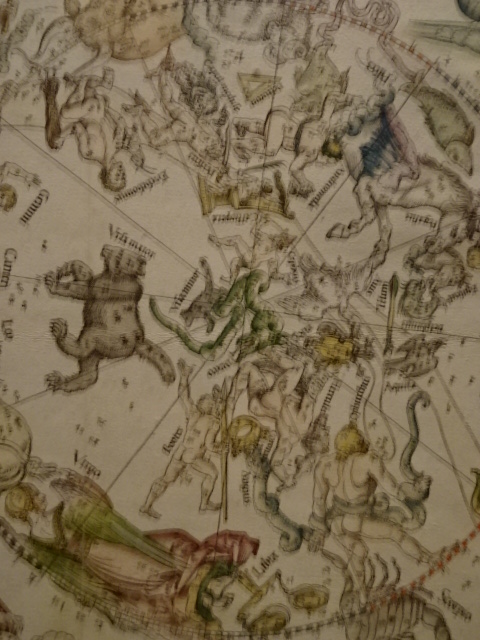
By Albrecht Durer during the German Renaissance

A prominent painter during the German Renaissance, Durer was a master at engravings, prints and watercolors, for instance. I loved his still lifes of nature as well as his portrayal of praying hands.
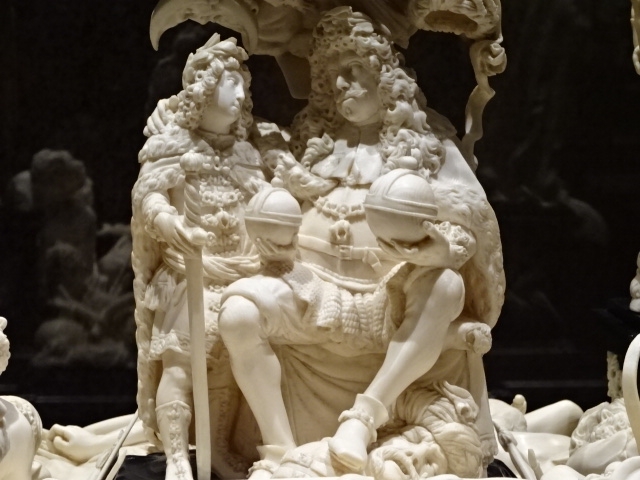
Kunstkammer, Kunsthistorisches Museum, Vienna
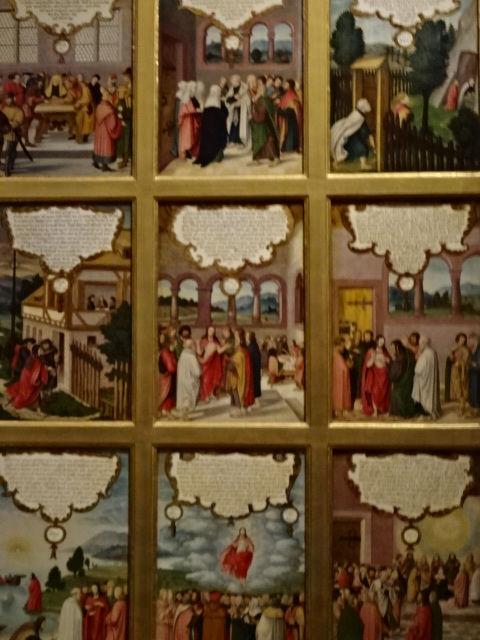
Kunstkammer, Kunsthistorisches Museum, Vienna

I also gazed at the artifacts in the permanent exhibitions – Egyptian and near Eastern art, Greek and Roman antiquities and masterpieces of European painting, such as those by Vermeer and Rembrandt. The Kunstkammer world of curiosities focused on gold, silver and ivory objects as well as paintings, sculptures, scientific instruments and miniatures. The art showed off a variety of styles courtesy of the Habsburg rulers. I couldn’t resist a cappuccino in the museum’s restaurant, permeating with a sense of grandeur as well as elegance. The restaurant was a work of art in itself.
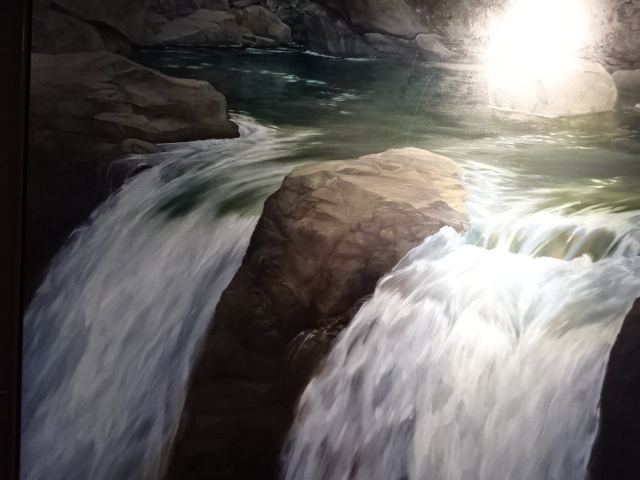
Ivana Bachová, 1995, Fairy Pools
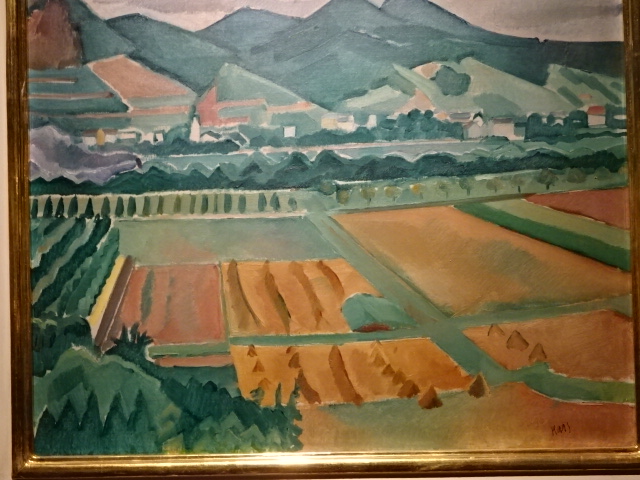
Jiří Kars, French Landscape, 1910-1914

Back in Prague, I went to another exhibition of 19th and 20th century Czech art at the Kooperativa Gallery, an intimate space located in an office building. The landscapes enthralled me, especially the French landscape by Jiří Kars. Artists Otakar Lebeda, Amálie Mánesová and Vojtěch Preissig were just a few of the painters represented in the thrilling exhibition. Sculptures by Ladislav Janouch and Jaroslav Horejš also were on display.
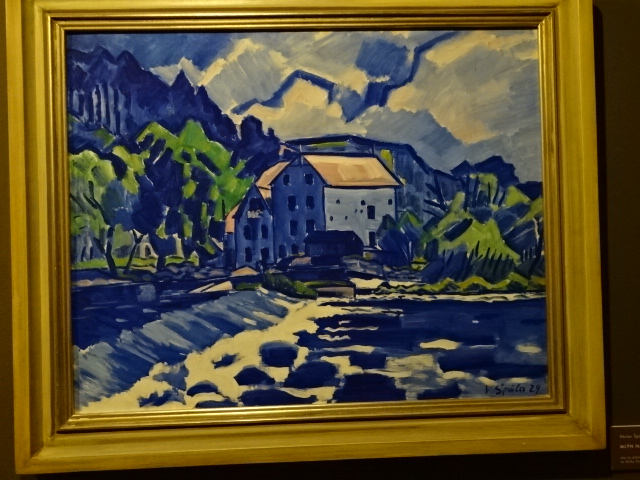
Václav Špála, Mill at Otava, 1929
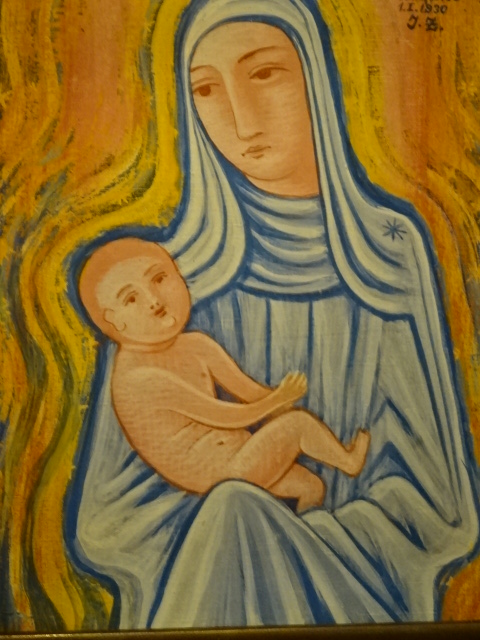
Jan Zrzavý, Madonna, 1930

Also at the Kooperativa during 2025 was a stunning exhibition of modern 20th century art. Václav Špála’s brilliant blues caught my attention in his rendition of a mill at Otava from 1929. Jan Zrzavý’s elements of Primitivism awed me in his Madonna from 1930. Vincenc Beneš’ view of Kampa Island and Preissig’s rendition of a village also enthralled me.
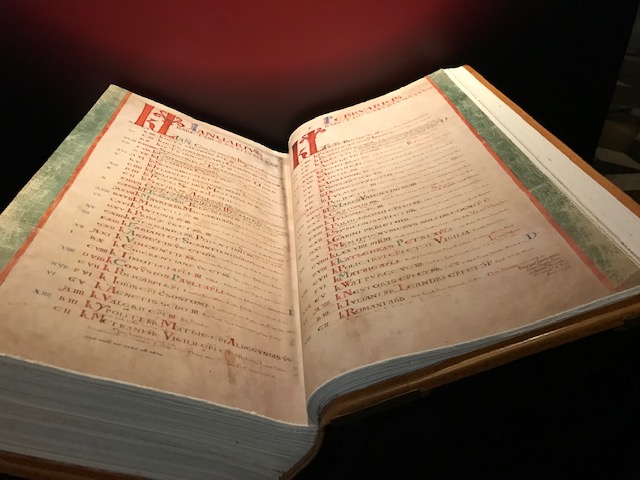
Cosmas Chronicle

At the chapel in the Clementinum, I viewed various editions of the Cosmas Chronicle, one of the most important books in Czech history, These medieval manuscripts narrated stories about Czech rulers of Bohemia and Moravia, for example. It remains the most significant story of the Czechs told through a historical lens. The oldest, the Chronicle of Leipzig, hailed from the 12th century while the Chronicle of Vienna dated from the 13th century.

National Museum, 100 Treasures, 100 Stories exhibition of artifacts from Chinese emperors

The illustrated manuscripts enthralled me. Each one was unique and remarkable. I have always been fascinated by illustrated manuscripts. (One of the highlights of my visit to Dublin, in fact, was seeing the Book of Kells and the manuscripts at the Chester Beatty Library Museum.) With a master’s in Czech literature, I am very enamored by Czech medieval works and could stare at them for hours, if allowed.
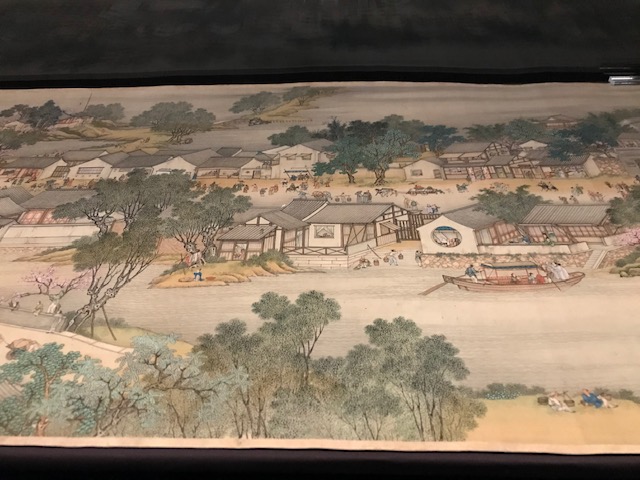
National Museum, 100 Treasures, 100 Stories

I also made a trip to the National Museum on Wenceslas Square. I saw the “100 Treasures, 100 Stories” exhibition on artifacts from the dynasties of Chinese emperors. The paintings and figurines of cats were my favorite. I also loved the renditions of villas, the sea and scenes from daily life during the eras of the emperors. The objects with dragons and elephants also enthralled me.
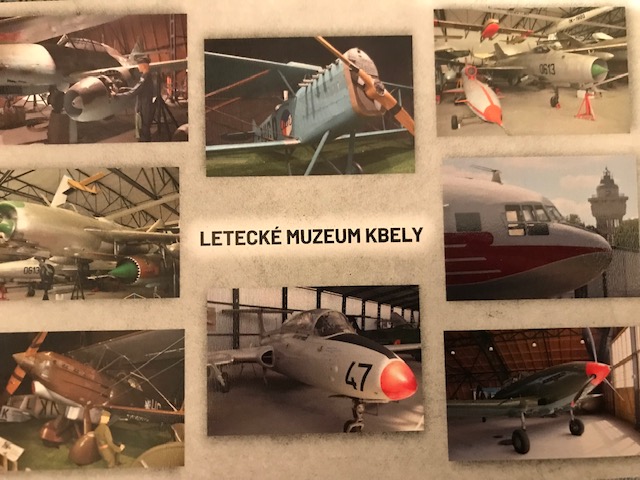
Military Aviation Museum, Kbely, Postcard

A vast museum that I visited for the first time was the Military Aviation Museum in the Kbely district of Prague. I was fascinated by the contents of the five large hangars – the war planes, the show planes, the training planes, the passenger planes. There was so much to see from so many eras. I was most drawn to the planes and bicycles from World War I. It was so intriguing to see how aviation had developed in the military sphere ever since the first planes were designed. One of the most significant objects for me was the space capsule in which a Czech astronaut had returned to Earth during the 1970s. The American Douglas planes also were very noteworthy. The sleek modern military helicopters also gave me sense of awe.
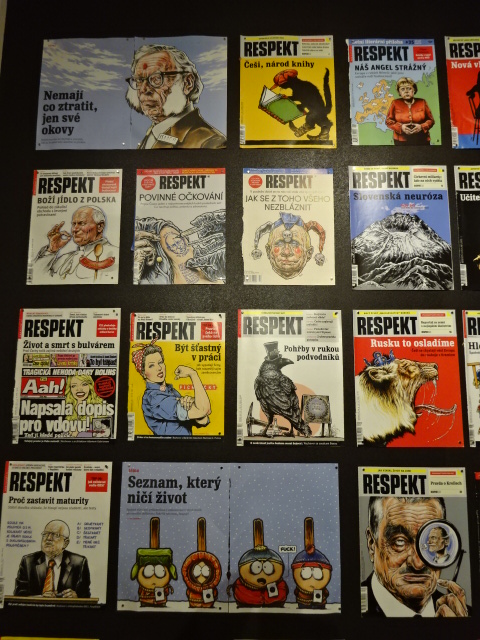
Covers of the magazine Respekt, Pavel Reisenauer

Painting by Pavel Reisenauer

The Kampa Museum in Prague hosted amazing exhibitions this past year. I admired paintings, photos, drawings, illustrations and covers of the magazine Respekt as well as his art for Lidové noviny’s supplement Orientace by the late Pavel Reisenauer. His paintings captured so many themes, including the periphery of Prague, solitude and emptiness. His magazine covers prominently commented on political and societal topics of the well-reputed magazine.

Václav Špála, The roofs of Malá strana
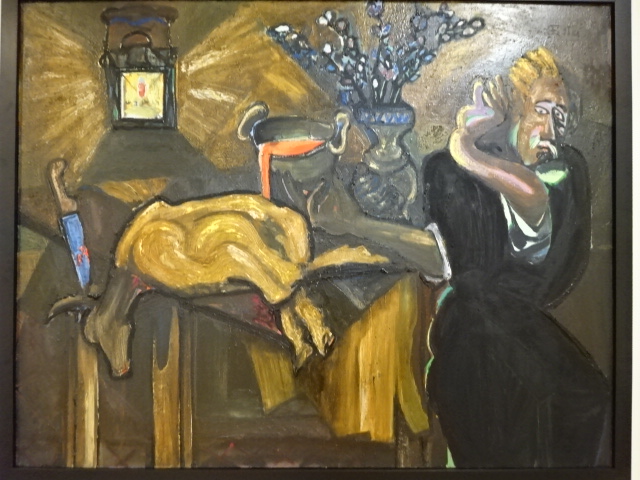
Emil Filla painting

Kampa also showed off the permanent collection of a Pilsen art gallery with significant Cubist works, such as those by Bohumil Kubišta and Špála, who painted the roofs of Malá strana with such excellence. Kubišta’s colorful religious works played a prominent role in the exhibition. Sculpture by Otto Gutfreund, such as his tortured Hamlet, was not lost upon me, either. Because there are often temporary exhibitions at this Pilsen gallery, the permanent collection is not often on display. One floor was filled with mythological paintings and still lifes by the stellar artist Emil Filla. I saw monsters in his works representing the dangers of Nazism and other grotesque figures playing prominently in his renditions. I especially enjoyed seeing the characteristics of Fauvism in Filla’s works.

Caricatures from French magazines, created by František Kupka, made up another exhibition at Kampa Museum. The publications were printed at the end of the 19th century and beginning of the 20th century. Through grotesque images, such as those of monkeys, I came to understand better the political and societal tensions in France and in the world.
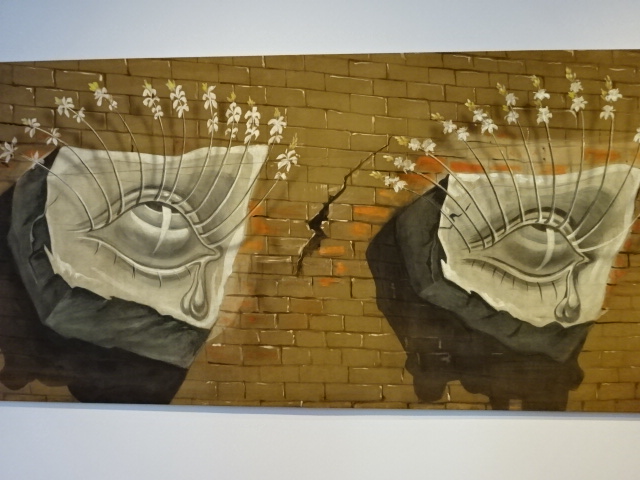
Salvidor Dali painting in Eye to Eye exhibition

Franz Kafka by Andy Warhol

Another exhibition that I admired at Kampa was the “Eye to Eye” show of works with motifs of eyes. I saw how the eye can symbolize the soul and be an open door to the internal world. Vision was sometimes portrayed as a religious miracle. I was so moved by the paintings at this exhibition. The portrait of a curious Franz Kafka by Andy Warhol was one of many that affected me. Two works by Salvidor Dali also held my attention. Czech artists such as Toyen, František Muzika and Antonín Hudeček were represented, too. Sculpture by Karel Nepráš and Ladislav Zívr also were moving. A distorted head by Picasso was another masterpiece.
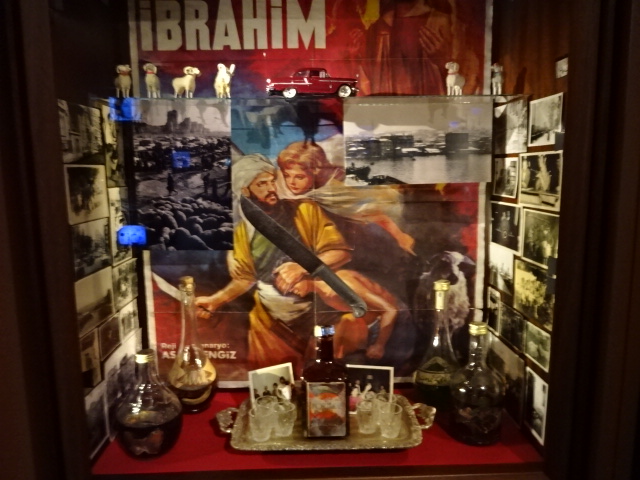
From Wunderkammer by Orhan Pomuk

At the contemporary art museum DOX, I was fascinated by the Cabinet of curiosities or Wunderkammer designed by famous writer Orhan Pomuk. The three-dimensional works in collage form told the story of Istanbul from 1950 to 2000 as well as events in Turkish history. I learned about the history of a country I knew little about. I had had no idea that Pomuk’s talent included more than writing.

A puppet of the Good Soldier Švejk saluting
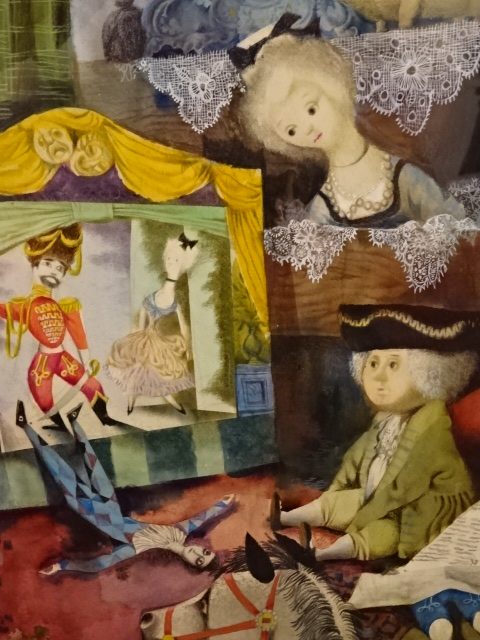
By Jiří Trnka

At the Villa Pellé there was an astounding exhibition of the art of Jiří Trnka, who had been a puppet maker, sculptor, painter and director of animated film. He also held the distinction of being the co-founder of Czech animated film. I especially enjoyed seeing the puppet of the Good Soldier Švejk, based on the antimilitaristic, novel by Jaroslav Hašek, a Czech class that took place during the Austro-Hungarian Empire. The humor and satire in the book are brilliant and profound.
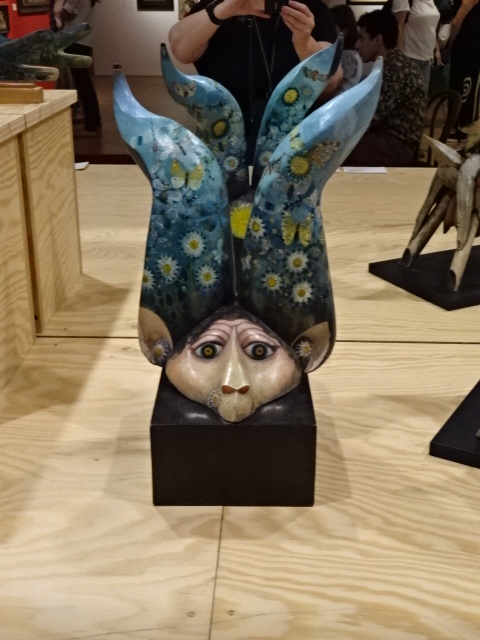
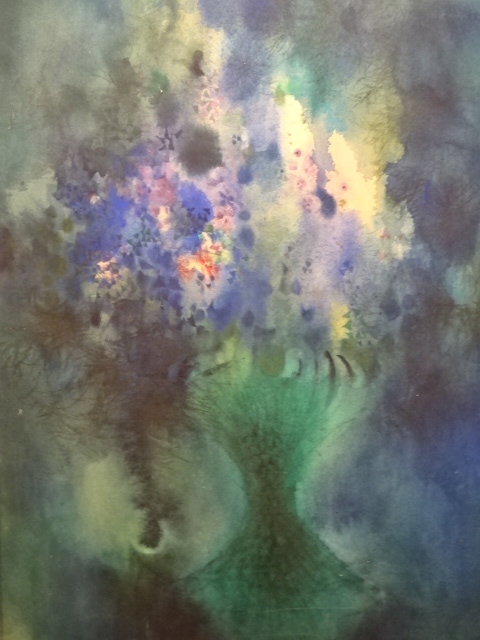
Yet Trnka was known for so much more than his masterful puppetry. I loved his paintings of a fantastical, dreamy and fairy tale-like world. I admired his utilization of the grotesque in his sculptures and paintings. Illustrations from children’s books also were prominently displayed. I saw depictions from American, British and Czech fairy tales, for instance. I especially admired the illustrations from Trnka’s own book, The Garden, in which gnomes, bespectacled whales and naughty cats made appearances. His illustrations for Jan Werich’s children’s book Finfarum were very noteworthy, too.
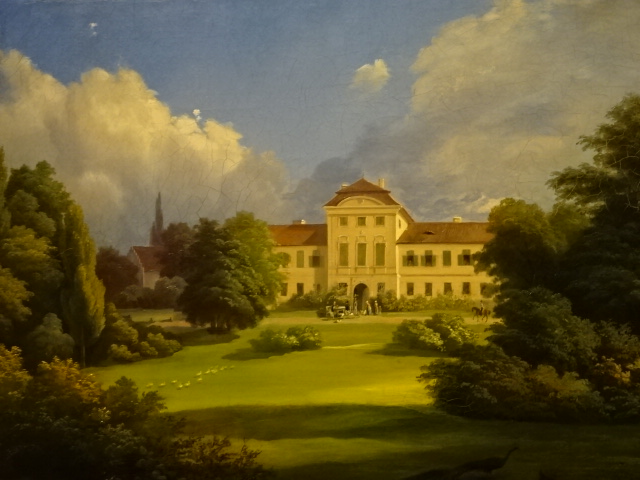
Amálie Mánesová, Vrbičany Chateau, 1846
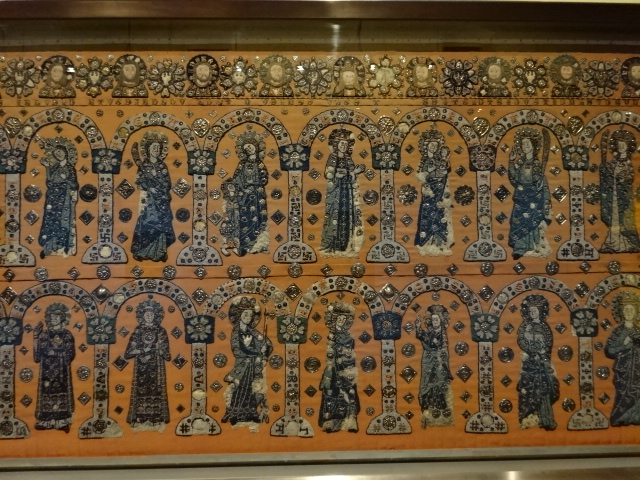
Cheb Antependium from Přemyslid Dynasty era

One excellent exhibition at the Wallenstein Riding Stables venue was a comprehensive showcase of women in art from 1300 to 1900. I marveled at the medieval works, tapestries, portraits and landscapes, for instance. I was drawn to the paintings of Venice’s Bridge of Sighs and the Ducal Palace because of my love for Italy. The religious Italian art was intense and dynamic. The prints from the 16th and 17th centuries made strong impressions on me, too. One Dutch painting influenced by the work of Frans Hals stood out for me, too. My favorites were the renditions by Amálie Mánesová, who hailed from the legendary Mánes family. Her painting of a chateau with landscape and her portraits were especially to my liking.
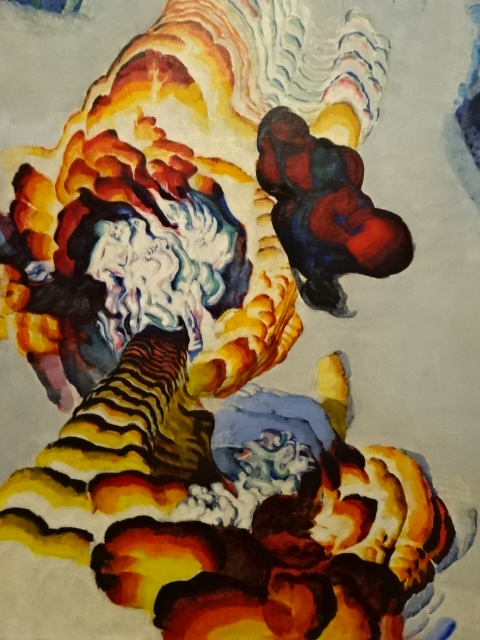
From Silent Spring Exhibition, František Kupka, Tale of Pistils and Stamens I, 1919-20
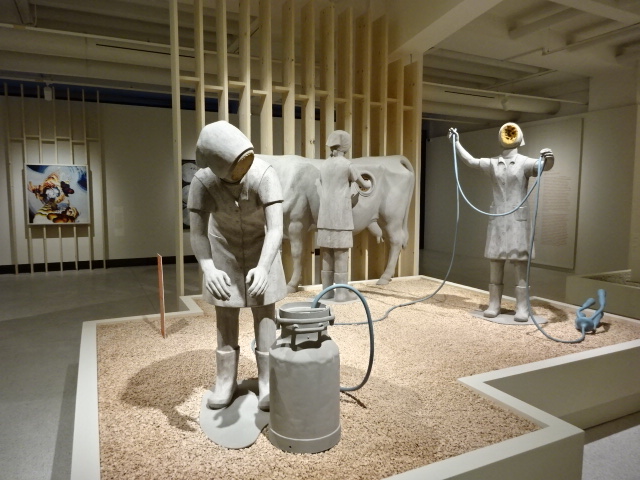
From Silent Spring Exhibition, Anna Hulačová, After Bugonia, 1984

At the Trade Fair Palace, I saw the exhibition “Silent Spring” about man’s relationship with nature from 1930 to 1970 and beyond. The surrealistic paintings and abstract sculpture from the 1960s captured my undivided attention. I also perused the permanent exhibition “The Long Century,” which focused on artistic tendencies from 1796 to 1918. Portraits of artists, landscapes, sculpture and art with a theme of the progress in transportation all were very moving. I especially was thrilled by František Bílek’s sculpture “The Blind Leading the Blind” This colossal work always made a strong impression on me. Auguste Rodin’s sculpture also enthralled me. Paintings by Monet, Pablo Picasso and Paul Signac greatly influenced me as did the works by many Czech artists.
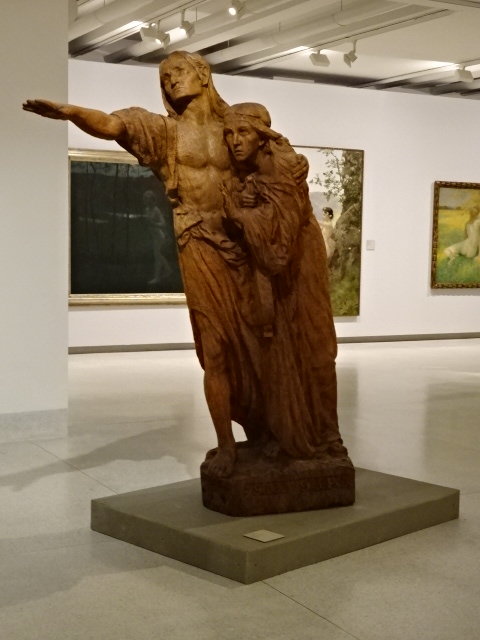
From The Long Century, František Bílek, The Blind Leading the Blind
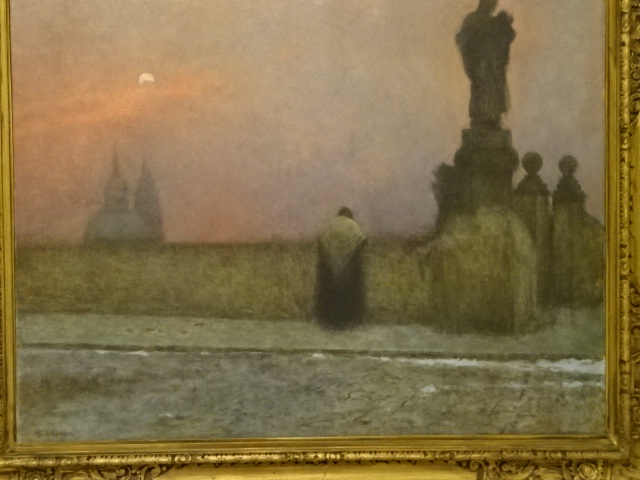
From the Long Century, Jakub Schikander, Early Evening at Hradčany, 1910-1915

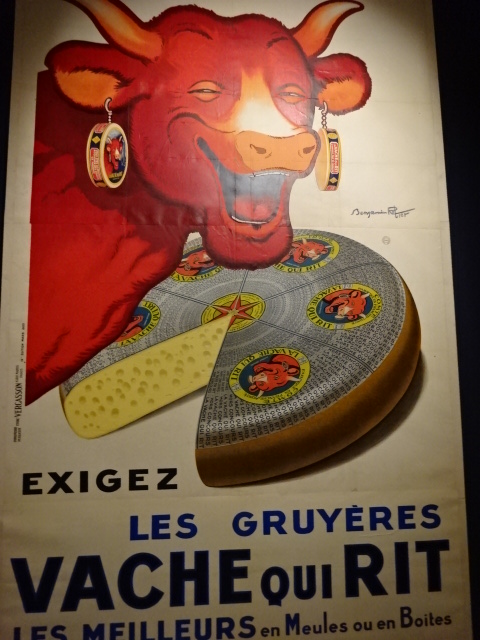
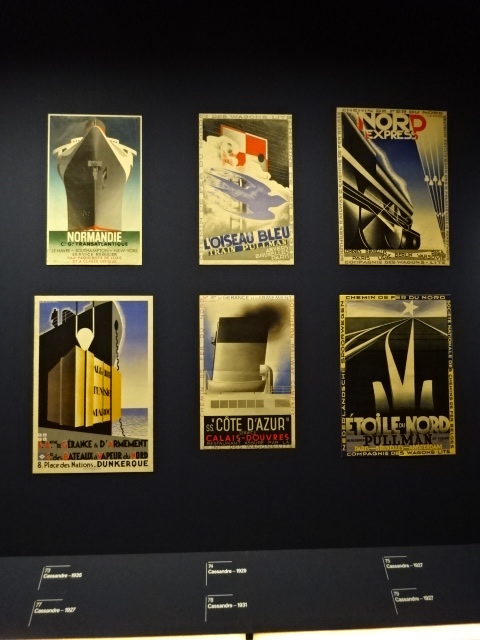
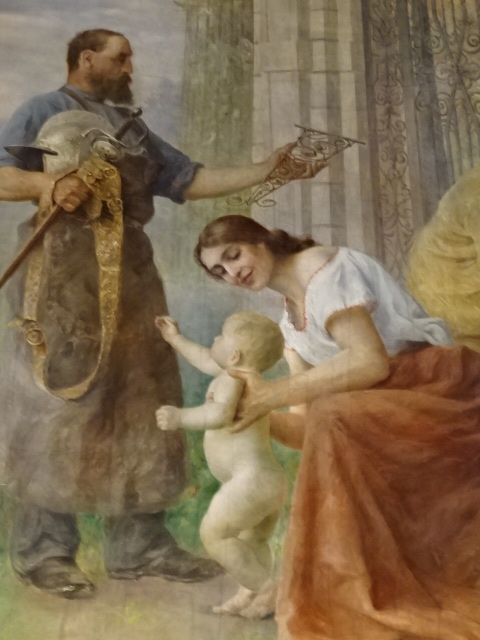
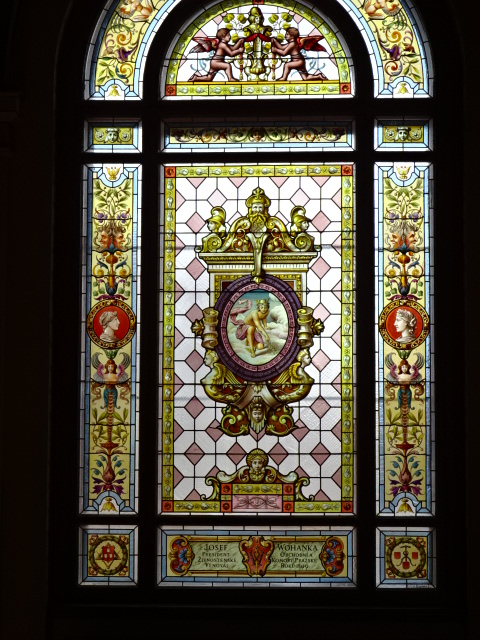
At the end of 2025, I visited an exhibition of French advertising posters from the 1920s and 1930s at the Museum of Decorative Arts in Prague. The 25 posters were bold, vivacious, grotesque and humorous. Many utilized caricature. I saw posters advertising progress in forms of transportation – trains, planes and ships. The travel posters were close to my heart. I gazed at the beaches of France and a townscape of Nice, for instance. I recognized the ad for cheese promoted by a gigantic red cow. The glass designs in the permanent exhibition at the museum also captured my attention. The dresses, shoes, ties and other garments were noteworthy. The interior of the building itself with stunning paintings on the walls and ceiling gave the museum such personality and a sense of grandeur.
I was thrilled with all the exhibitions that helped shape my year in a positive way. The exhibitions gave me solace and hope during a year riddled with sadness despite the excellent cultural events I experienced. Gazing at the art filled my heart with joy and gave me mental strength. I was thankful that I had been able to see so many influential exhibitions during 2025.
Museum of Decorative Arts, Prague
Museum of Decorative Arts, Prague
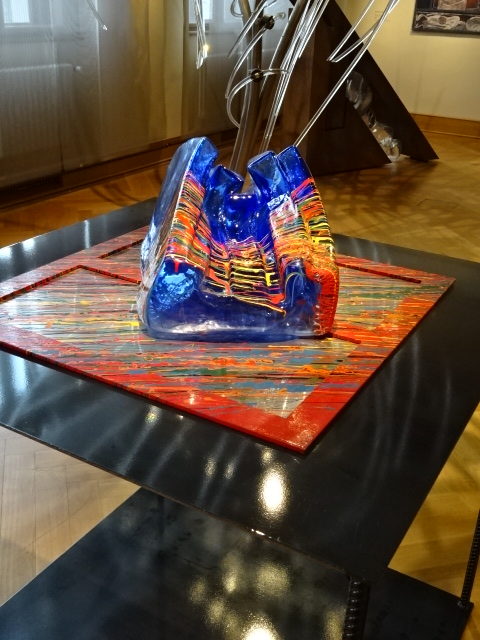
Museum of Decorative Arts, Prague
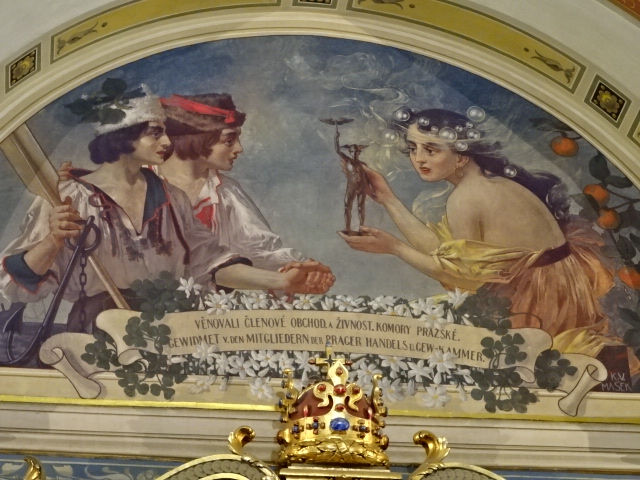
Museum of Decorative Arts, Prague
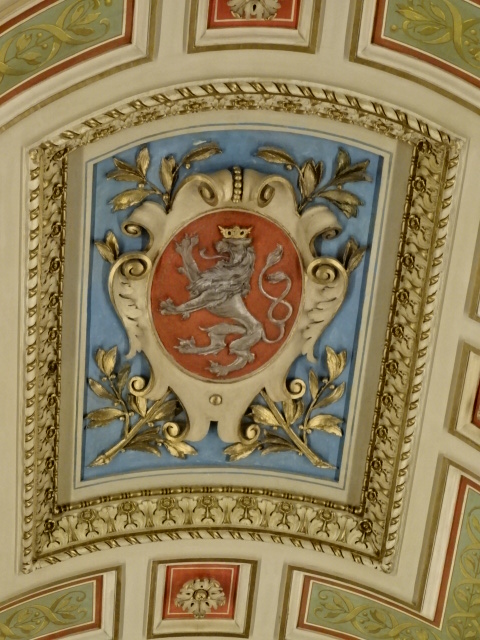
Museum of Decorative Arts, Prague
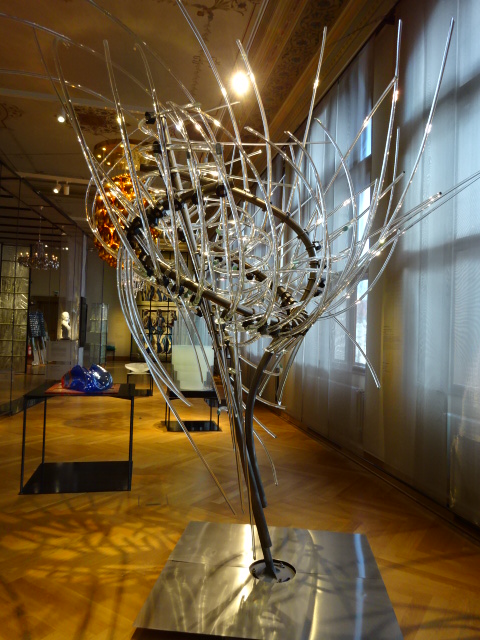
Museum of Decorative Arts, Prague
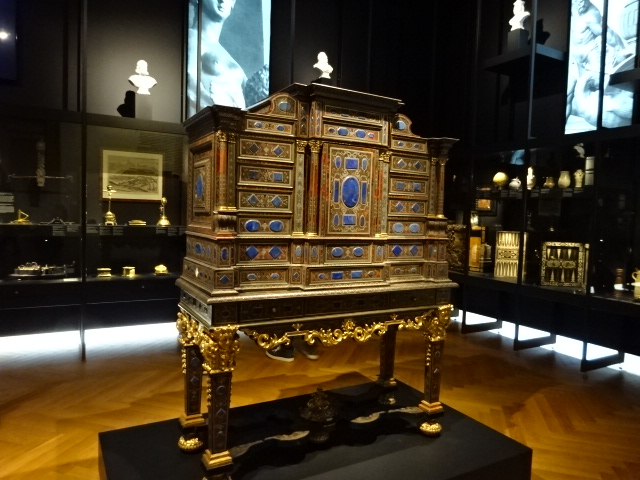
Museum of Decorative Arts, Prague

The Art of Mannerist Printmaking Exhibition Diary

Caricature of Laocoon, Niccolo Boldrini, 1540-45, woodcut.

In the exhibition “From Michelangelo to Callot: The Art of Mannerist Printmaking,” held at Prague’s Wallenstein Riding Stables, I studied more than 200 works of 16th and 17th century graphic art, drawings, paintings, jewelry, etchings, lithographs, ceramics and other artistic crafts that hailed from the Netherlands, Germany, France and the Czech lands. The Louvre lent Prague’s National Gallery many works. Some pieces in the collections were being displayed to the public for the first time. A superb small drawing by Michelangelo drew crowds, and art by Hendrick Goltzius, Paul Bril,  Aegidius Sadeler and Niccolo Boldrini stood out to me.

The Great Hercules, Hendrick Goltzius, 1589, engraving.

While Mannerism became a major trend during the 16th century in Italy, Northern Mannerism lasted into the 17th century. Because European artists north of the Alps did not have as many opportunities to travel to Italy in order to familiarize themselves with Mannerism, they often studied the style through prints and books. The decoration at the Chateau of Fontainebleau impressed many artists utilizing this style, and France was the center of the Mannerist movement. The Northern Mannerists also looked to da Vinci, Raphael, Vasari and Michelangelo for inspiration.

The Martyrdom of Saint Lawrence, Cornells Cort, 1571.

The Northern Mannerist style was very visible in Holy Roman Emperor Rudolf II’s collection in Prague, then the capital city. Influenced by prints, Mannerism appeared in Prague during 1576. An avid art collector, Emperor Rudolf II had hired the Flemish painter Bartholomeus Spranger and German artist Hans von Aachen to work for him, and they produced some works in Northern Mannerist style. Both Spranger and von Aachen were known for their Mannerist mythological scenes while von Aachen also concentrated on portraits of the emperor. Rudolf II’s father, Emperor Maximillian II, had chosen Giuseppe Arcimboldo as one of his painters, and Arcimboldo’s fantasy-filled still lifes and portraits feature Mannerist traits. This style also suited Rudolf II when he took over for his father.
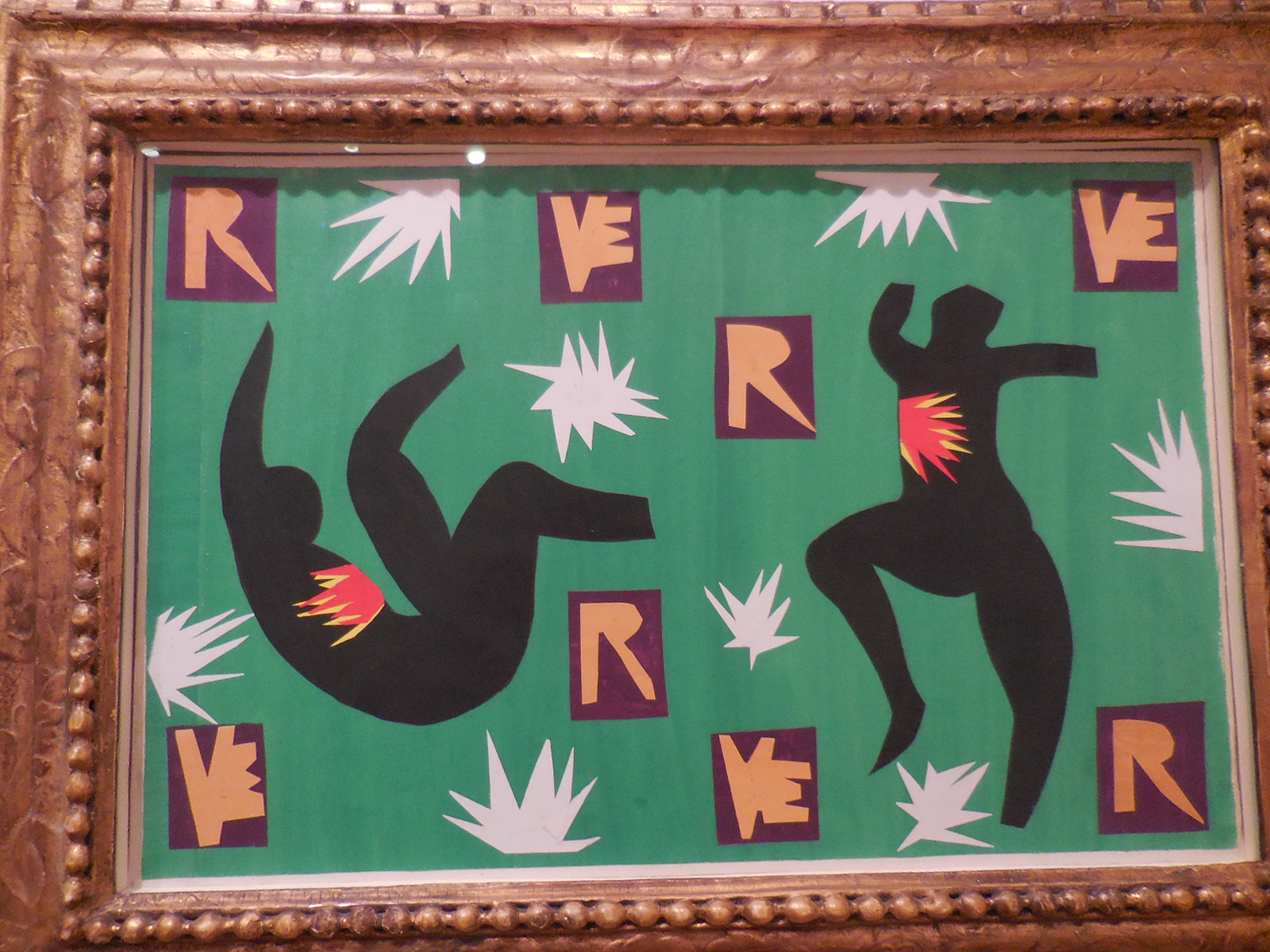
The Combat of the Monkey and the Rat, Christoph Jamnitzer.

Mannerist art often included mythological scenes, the grotesque and fantasy. Harmony, symmetry and rationality were notably absent. While Mannerists showed a great interest in anatomy, the figures were often elongated, and many forms had a sculptural quality. Clothing was elaborate. Attention to detail prevailed. Complex and unstable poses as well as dramatic lighting also characterized the Mannerist style. Artists of this era liked to employ symbols and utilize hidden meanings in their works. Black backgrounds were common. A distorted perspective was employed. Mannerism did not often feature religious themes. After Mannerism came the Baroque style, which focused heavily on religious art.

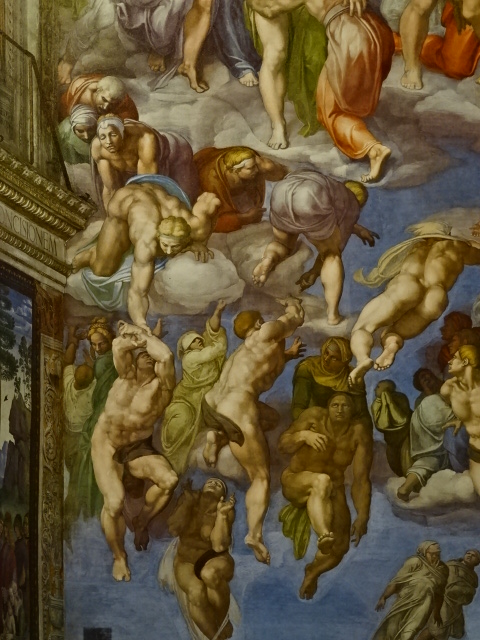
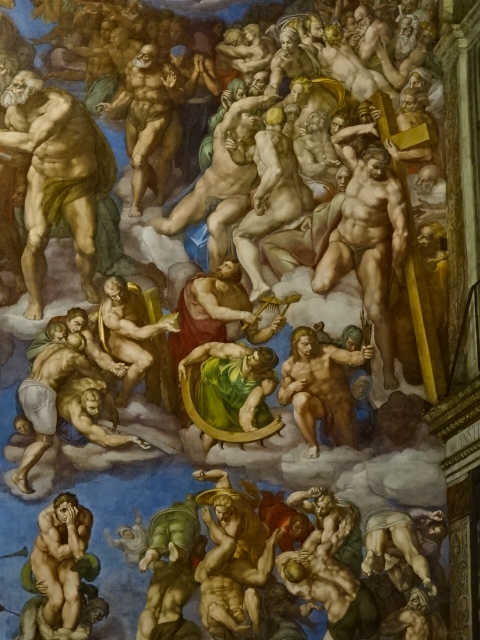
The Last Judgment, Michelangelo, 1536-1541.

The Last Judgment, Michelangelo.

The Last Judgment, Michelangelo.

The Last Judgment, Michelangelo.

A copy of a section of “The Last Judgment” as seen in the Sistine Chapel was on display at this exhibition, as this masterpiece greatly influenced Mannerist art. This fresco at The Vatican portrayed more than 300 figures as the dead made their way to idyllic Heaven or horrific Hell. Mythological figures and devils appeared along with a beardless Jesus Christ, the Virgin Mary and saints. I noticed the looks of horror on descending figures. Details in superb portrayals of human anatomy greatly impressed me.

Head of a 12-Year Old Christ, Albrecht Durer, 16th century.

For me, German Albrecht Durer’s 16th century “Head of the 12-year old Christ” was one of the highlights in the exhibition. Durer was a master of High Renaissance printmaking, especially of woodcuts and engravings. He inspired Raphael and Titian. I realized how Durer’s portrayal of human anatomy had impressed Mannerists. While most works displayed did not focus on religion, the Mannerist engraving “The Martyrdom of Saint Lawrence” from 1571 also caught my attention. Cornells Cort created it in the style of Titian.

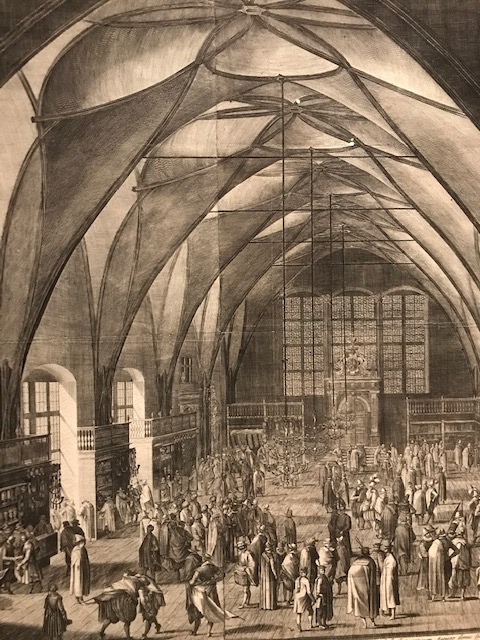
Vladislav Hall, Aegidius Sadeler, 1607.

Some prints showed off specific architectural structures, such as Aegidius Sadeler’s Vladislav Hall from 1607. A fan of Czech architectural history, I was especially engrossed in this rendition of the late 15th century and early 16th century section of Prague Castle built by Benedikt Reid. I loved its complex vaulting system. I noticed Late Gothic and Renaissance elements of the building. This was one of my favorite buildings in Prague due to its exquisite vaulting and its past use for historical events, such as coronations and knights’ tournaments.
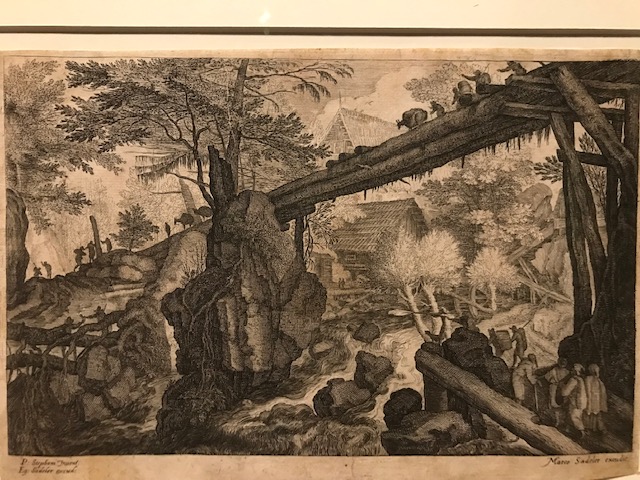
Wooden Bridge from Series Eight Bohemian Landscapes, Aegidius Sadeler, 1605, engraving.

Mountain Landscape, Paul Bril.

Another work by Sadeler, created in the style of Pieter Stevens, was the landscape “Wooden Bridge from Series Eight Bohemian Landscapes.” The 1605 engraving of the idyllic, romantic bridge reminded me of picturesque Vermont, where I had lived for a while. I was also enamored with “Mountain Landscape” by Flemish painter and printmaker Paul Bril. Inspired by my favorite artist Pieter Bruegel the Elder, Bril authored works in the Vatican and Italy. I appreciated the power and beauty of nature as I peered at these two tranquil landscapes.

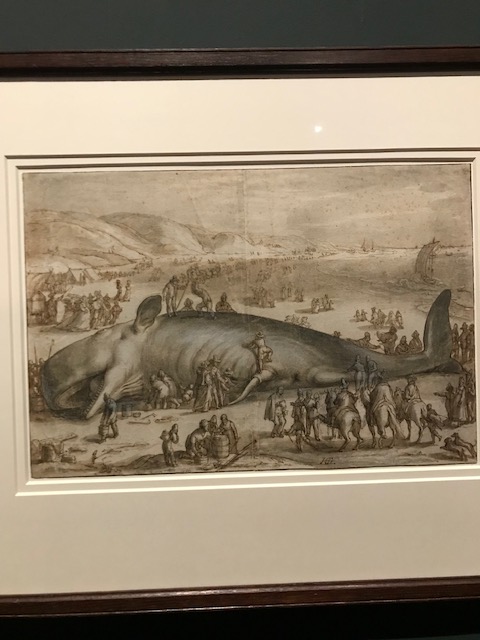
Beached Sperm Whale near Berkhey, Hendrick Goltzius, 1598.

A prominent name in the exhibition, Henrick Goltzius was a stellar printmaker whose works were influenced by drawings he acquired from Prague. My favorite of his contributions was “Beached Sperm Whale near Berkhey” from 1598. People gathered around the gigantic, deceased animal. This artwork was inspired by a real event as a 58-foot long whale had washed up on that shore.

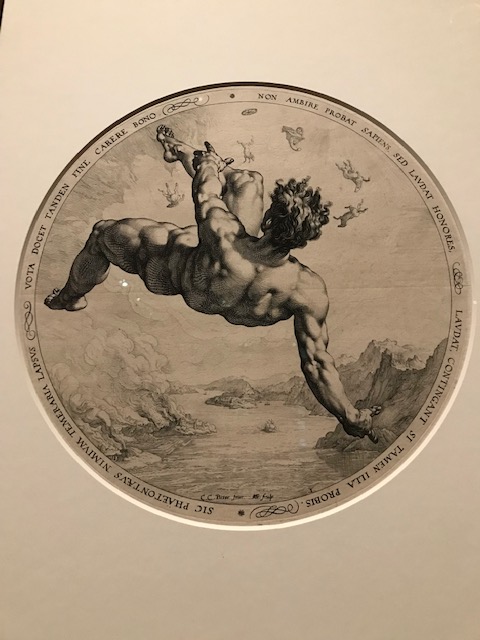
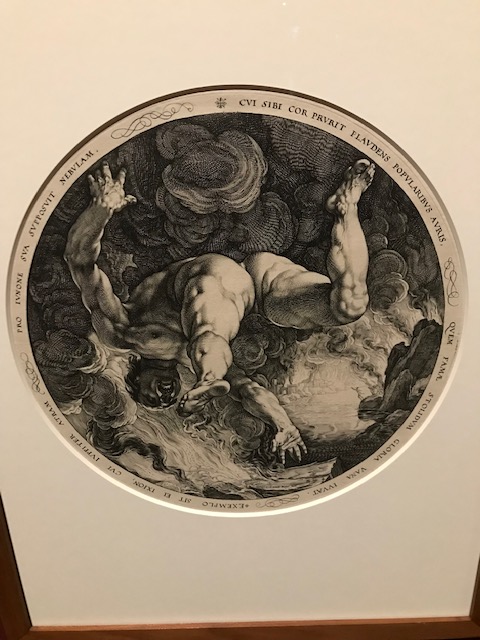
The Four Disgracers, Hendrick Goltzius, 1588, engraving.

The Four Disgracers, Henrick Goltzius, 1588, engraving.

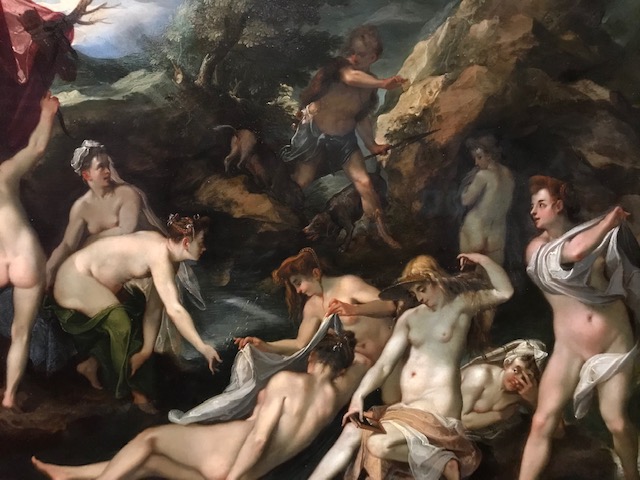
Goltzius also took on mythological themes, such as his rendition of “The Four Disgracers (Tantalus, Icarus, Phaethon and Ixion).” This engraving appeared to have a three-dimensional quality. The illusion of three-dimensional features, mastered by engravers in the Netherlands during the late 16th century,  was often featured in Northern Mannerist art. Goltzius was the author of “The Great Hercules,” an engraving from 1589. The detailed anatomy, though not correct, interested me. Other works with mythological themes that caught my attention were “Diana and Actaeon” by Joseph Heintz the Elder from 1597 to 1598 and Niccolo Boldrini’s “Caricature of Laocoon,” a woodcut from 1540 to 1545.

The Pairs of Grotesque Heads, Philippe Soye, 1550-65.

The grotesque played a significant role in Northern Mannerist creations. Philippe Soye rendered “The Pairs of Grotesque Heads” after a masterpiece by da Vinci. Soye’s portrayal hailed from 1550 to 1565. Christoph Jamnitzer also stressed grotesque features in his “The Combat of the Monkey and the Rat.” I was also impressed with the masked figures in “Venetian Carnival,” a 1595 engraving by Pieter de Jode the Elder. Seeing the grotesque made me think of gargoyles on cathedrals, such as Milan’s Duomo or Saint Vitus’ Cathedral in Prague.

Fantastic Sea Creatures, Nicolaes de Bruyn, 1594, engraving.

Prints with scenes immersed in the fantasy world made numerous appearances. At the end of the 16th century, Nicolaes de Bruyn became known for his portrayal of animals and fictional sea creatures. His “Fantastic Sea Creatures,” depicted here from a series, was an engraving that made up part of a book about fish. Engravers often worked with fantasy themes in this style.

Diana and Actaeon, Joseph Heintz the Elder, 1597-98.

A section of the exhibition was devoted to Northern Mannerist decoration of objects such as vases, plates, mirrors and jewelry. Adornment was often floral or geometric, and I noted similarities to illuminated manuscripts. Artists of this sort of ornamentation were inspired by the grotesque, mythological figures and Roman wall paintings, for instance. I saw examples of mythological themes and the grotesque in the decoration of a majolica plate from the second half of the 16th century. A 16th century black enamel mirror exuded elegance with Mannerist designs.

Venetian Carnival, Pieter de Jode the Elder, 1596, engraving.

The exhibition was comprehensive, divided into clear sections. I was drawn most to the landscapes as I was reminded of the work of Pieter Bruegel the Elder. I also thought of Paul Bril’s creations in Milan’s Ambrosiana Picture Gallery. It was intriguing that the scenes on many prints showed the main figures in the background and the lesser important ones in the foreground. I liked the decorative patterns that were influenced by illuminated manuscripts. I spent my fortieth birthday gazing at the Sistine Chapel and mulled over the experience of seeing those writhing, terrified souls guided by devils and the blessed blissfully ascending into Paradise. I also thought of the awe-inspiring experience of walking into Vladislav Hall because I loved Late Gothic vaulting. That print captured the daunting atmosphere perfectly. Seeing a masterpiece by Durer brought me back to an exhibition of his works at the Albertina in Vienna some years ago. I could hardly catch my breath because I had been so impressed. I had learned a lot about Mannerism from this exhibition and had discovered works that I would never forget.

Tracy A. Burns is a writer, proofreader and editor in Prague.

2019 Travel Diary

BerlinEastSideGallery5

At East Side Gallery

Despite battling illnesses and undergoing an operation, I did manage to do some exciting traveling last year. I returned to Berlin, a city that I had only a year earlier become reacquainted with after a 27-year absence. Last year I explored the Charlottenburg district and even found time to visit the East Side Gallery for the second time in 28 years.

IsolaBellaint17

Inside the palace on Isola Bella

In the summer, I spent a brief but bewitching time in the Lake District of Italy. Seeing the Borromean Islands off Lake Maggiore was the highlight for me, although Malcesine, Verona, Bergamo and other spots were all fascinating.

Kuksstatue13515

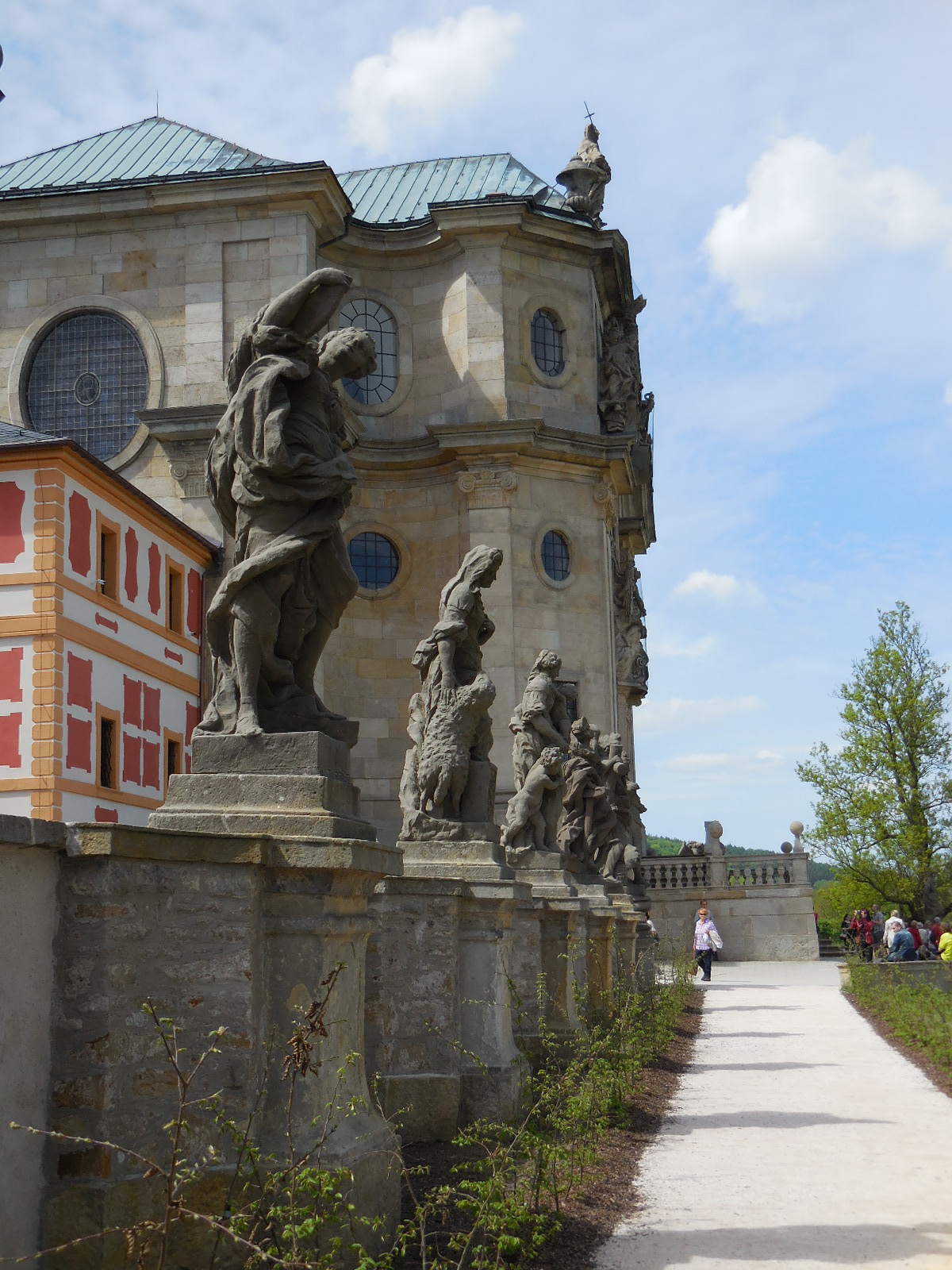
Baroque former hospital Kuks with its 24 statues of vices and virtues

I did not have much time to travel in the Czech Republic because I had an operation during the summer. I did travel to the Baroque former hospital Kuks – one of my favorite sights in the country – as well as Ploskovice Chateau. I also was glad to be able to spend time at the Azyl Lucky Cat Shelter in Černov, located about an hour from Prague. I adopted my beloved Šarlota from that shelter and since then, I have enjoyed visiting the owner of the shelter and the beautiful cats and dogs that await forever homes.

AzylLucky201918AzylLucky201919

Cats at the Azyl Lucky Shelter

Let’s start with Berlin in May. The weather was coldish and windy, but the sights were as magnificent as always. There’s always something fascinating to see in Berlin.

BerlinCharlottenburgext2

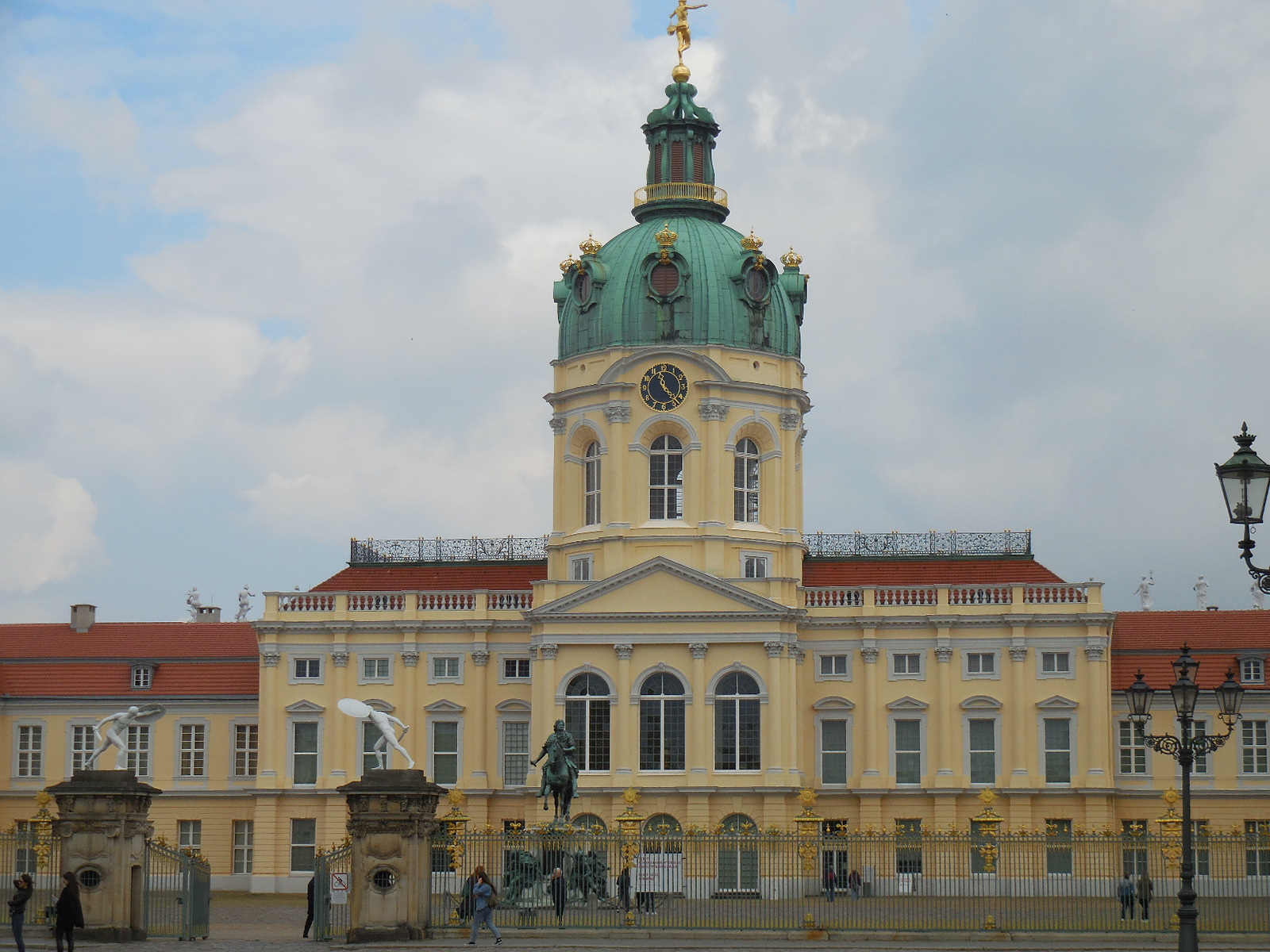
Charlottenburg Palace

The objective of my short stay was to visit Charlottenburg Palace. I stayed in the Charlottenburg district with its tranquil, wide streets. There were not many tourists in the area, which was very pleasant.

Charlottenburg Palace began as Lietzenburg, commissioned by then Electress and future Queen Sophie Charlotte. Frederick the Great renamed it after his wife when she died in 1705 at age 37. Under the guidance of Sophie Charlotte, the chateau had been a cultural hubbub.

BerlinCharlottenburgint7BerlinCharlottenburgint11BerlinCharlottenburgint26BerlinCharlottenburgint29

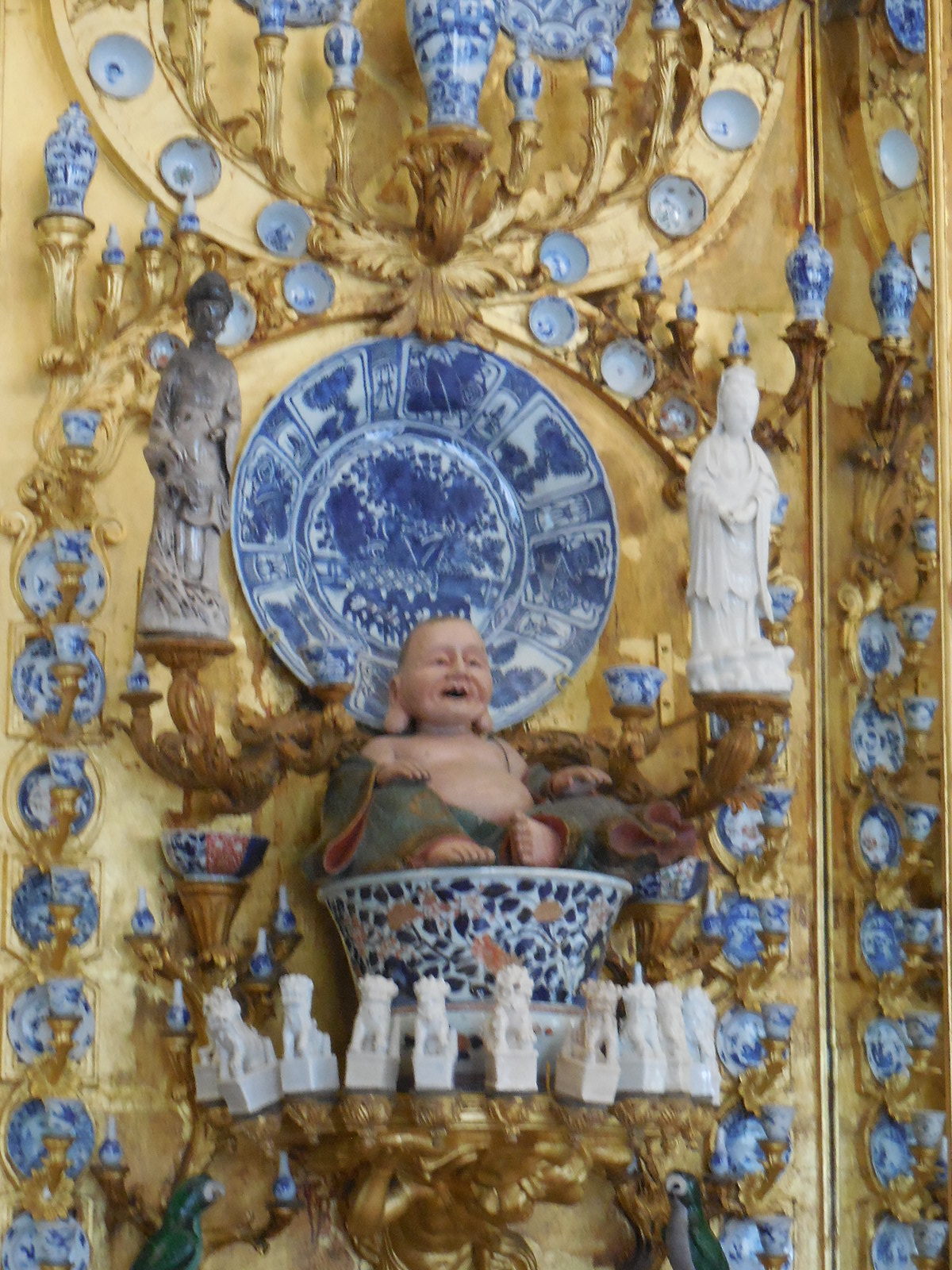
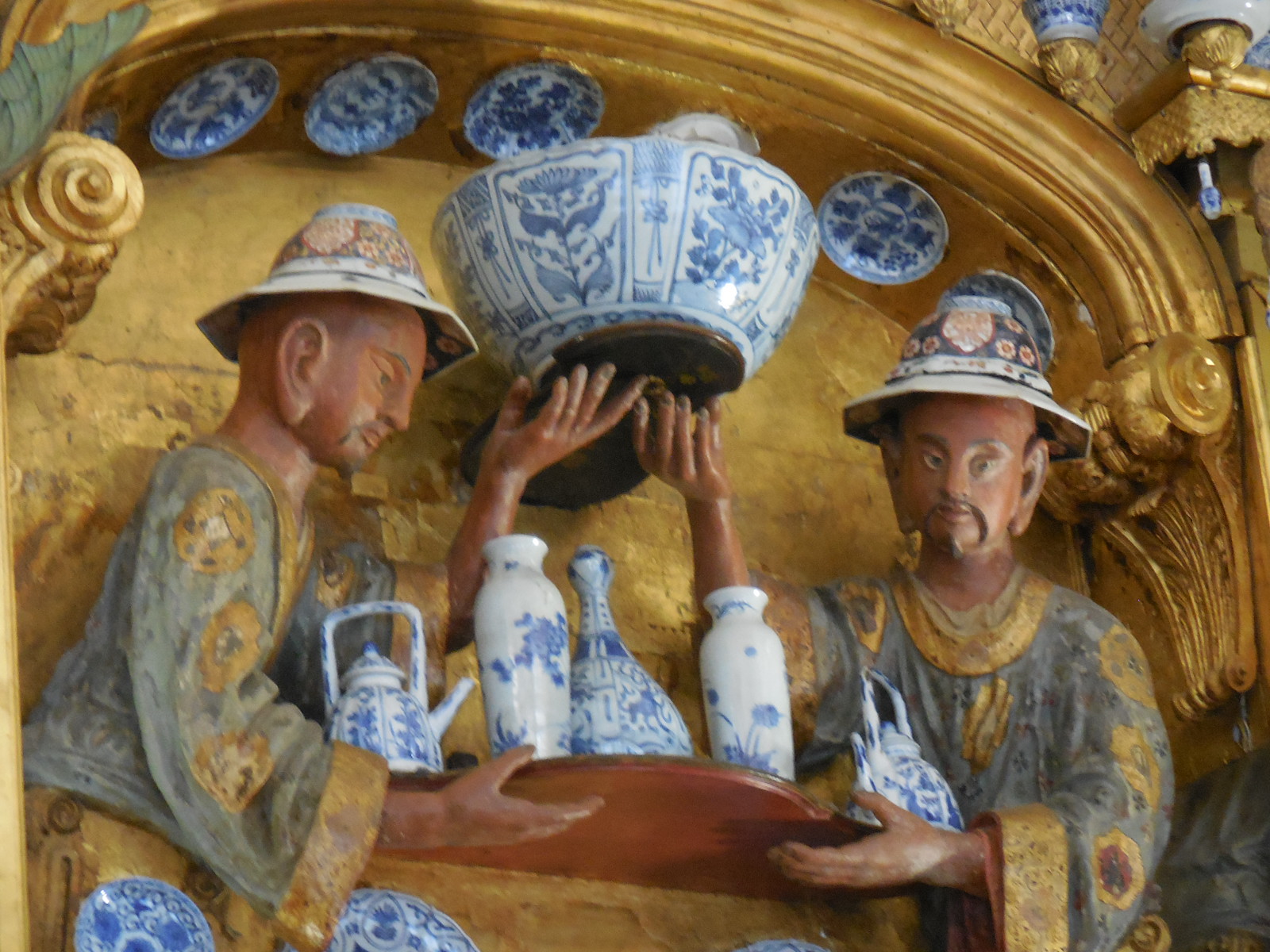
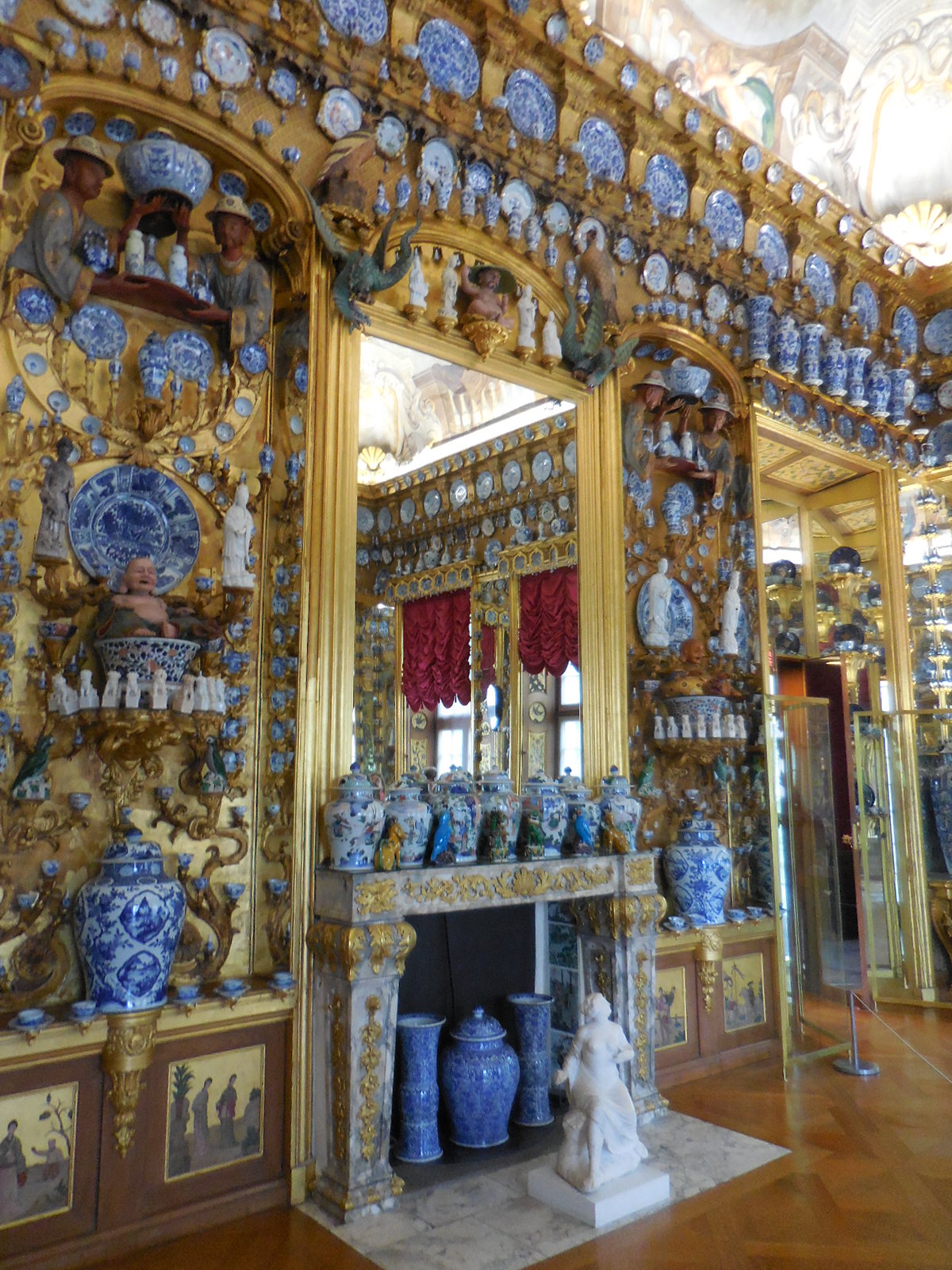
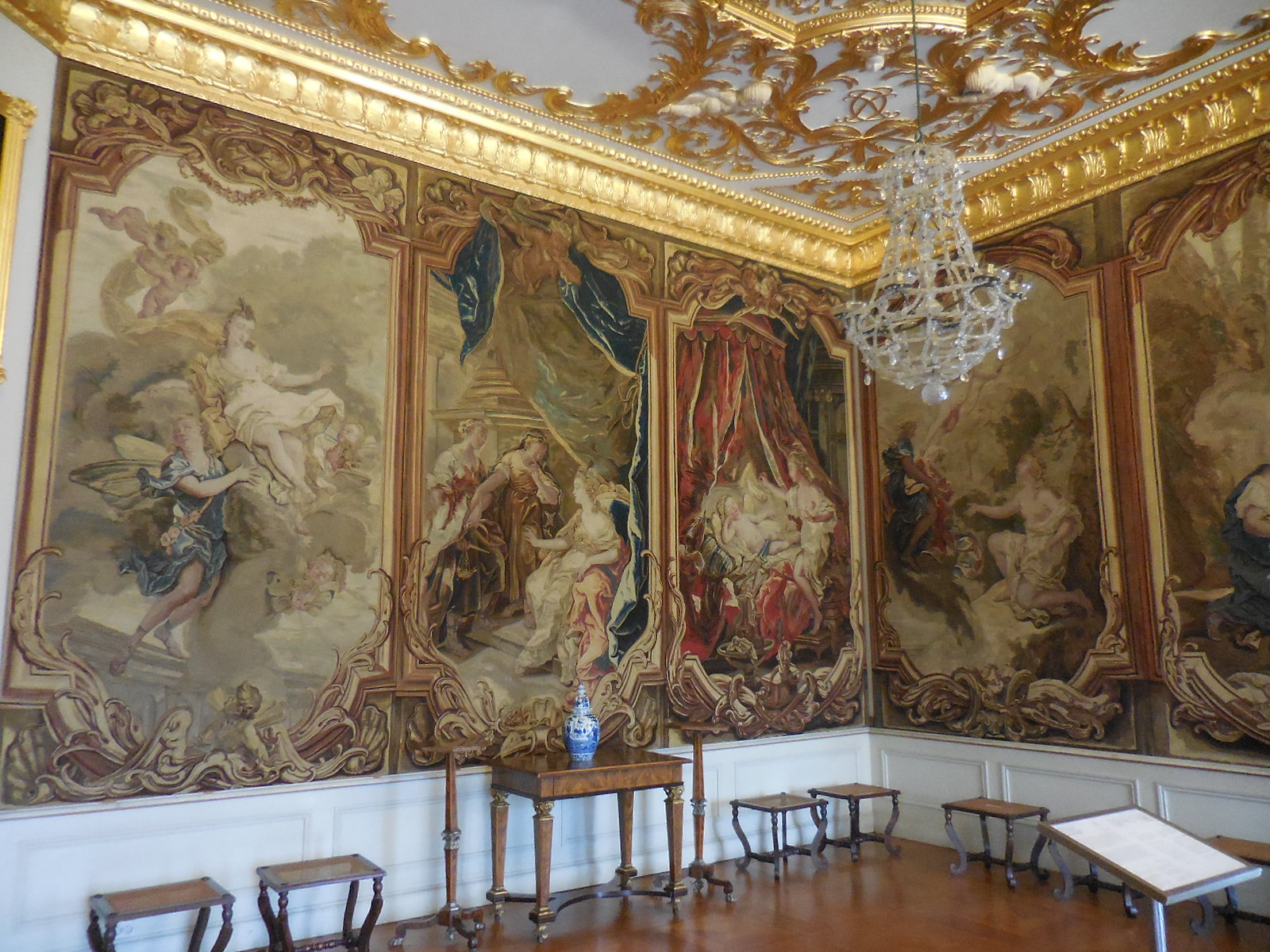
I was overwhelmed by the Baroque and Rococo décor and especially by the chinoiserie ornamentation. My favorite room was the Porcelain Cabinet, which featured about 2,700 objects in a luxurious and elegant space. I also loved the white harpsichord decorated with chinoiserie features in the Golden Cabinet.

BerlinBerggruen3BerlinBerggruen5BerlinBerggruen6BerlinBerggruen13

Several museums are located across from the palace. While one museum featuring Art Deco and Art Nouveau works was closed, I did get to explore the Museum Berggruen, where I excitedly perused paintings by Picasso, Braque, Matisse and Klee. Sculptures by Alberto Giacometti and African art rounded out the exposition. The museum of surrealist art nearby also had some intriguing works by artists such as Goya and Klee.

BerlinEastSideGallery6BerlinEastSideGallery14BerlinEastSideGallery18BerlinEastSideGallery24

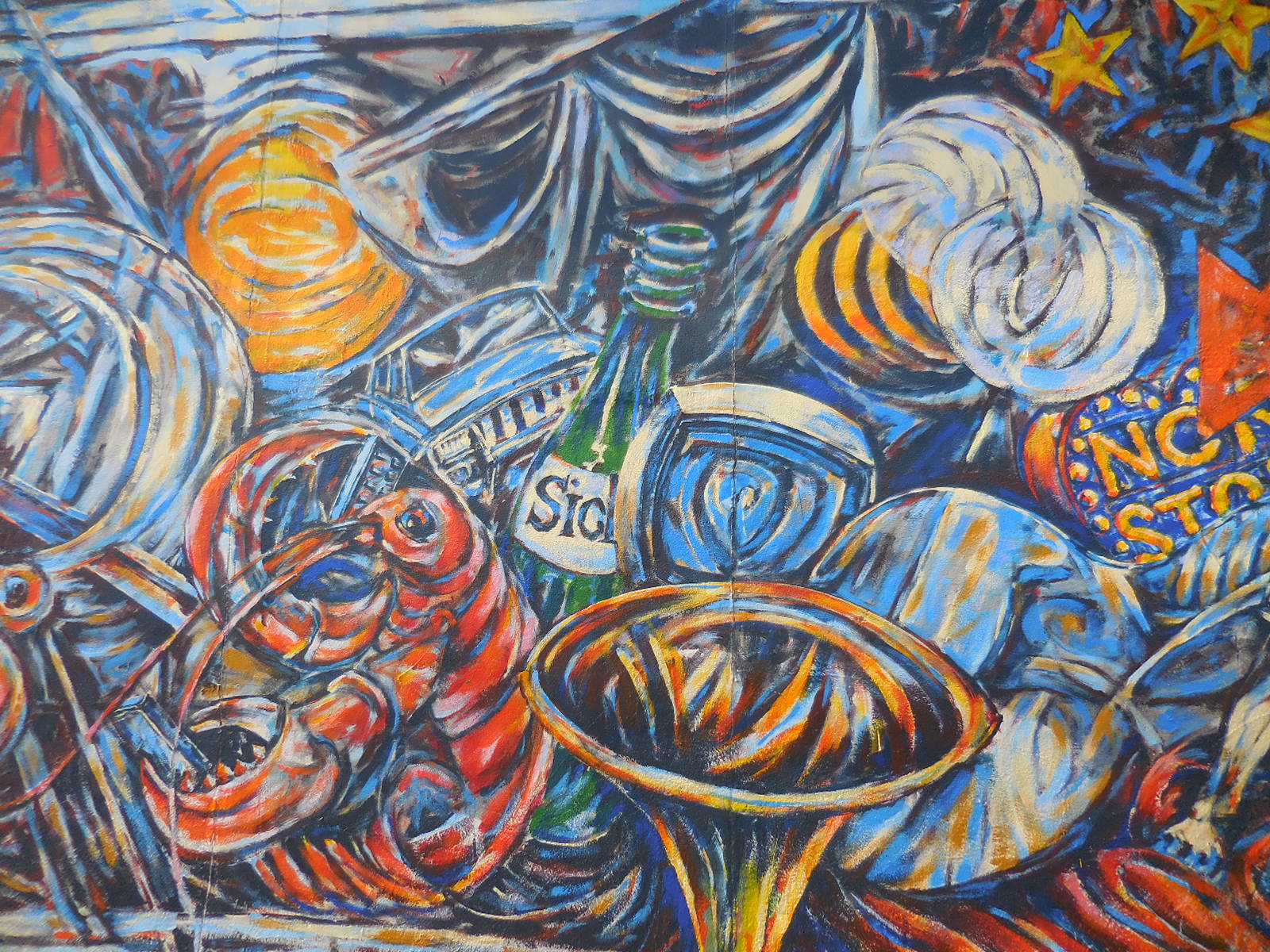
I wound up having some time to revisit the politically motivated murals of the East Side Gallery that had entranced me so much when I was a tourist back in the summer of 1991. Back then, when I was visiting after graduating from college in the States, the Berlin Wall had fascinated me. Now I knew many people who had lived and suffered under totalitarian rule, and the Wall to an extent sickened me. But not this portion of the Wall. The murals represented an exuberant and vivacious celebration of freedom, a good riddance to the oppression that had darkened so many decades of life behind the Iron Curtain. I loved these bright and bold statements of euphoria and optimism. Sure, some murals portrayed fear and anxiety as a new era beckoned, but that was only to be expected. This was the longest stretch of the Berlin Wall still standing. During my visit in 1991, so much more of the Wall had yet to be taken down.

BorIslands7BorrIslands5

My four-day jaunt to Italy was not without its disappointments. I fell ill shortly after the lengthy bus ride and five-minute breakfast that we were allowed. I went to Italy with my good friend, traveling with an agency that I had not used before.

IsolaBellaint11IsolaBellaint23IsolaBellaint31IsolaBellaint45tap

Isola Bella palace interior

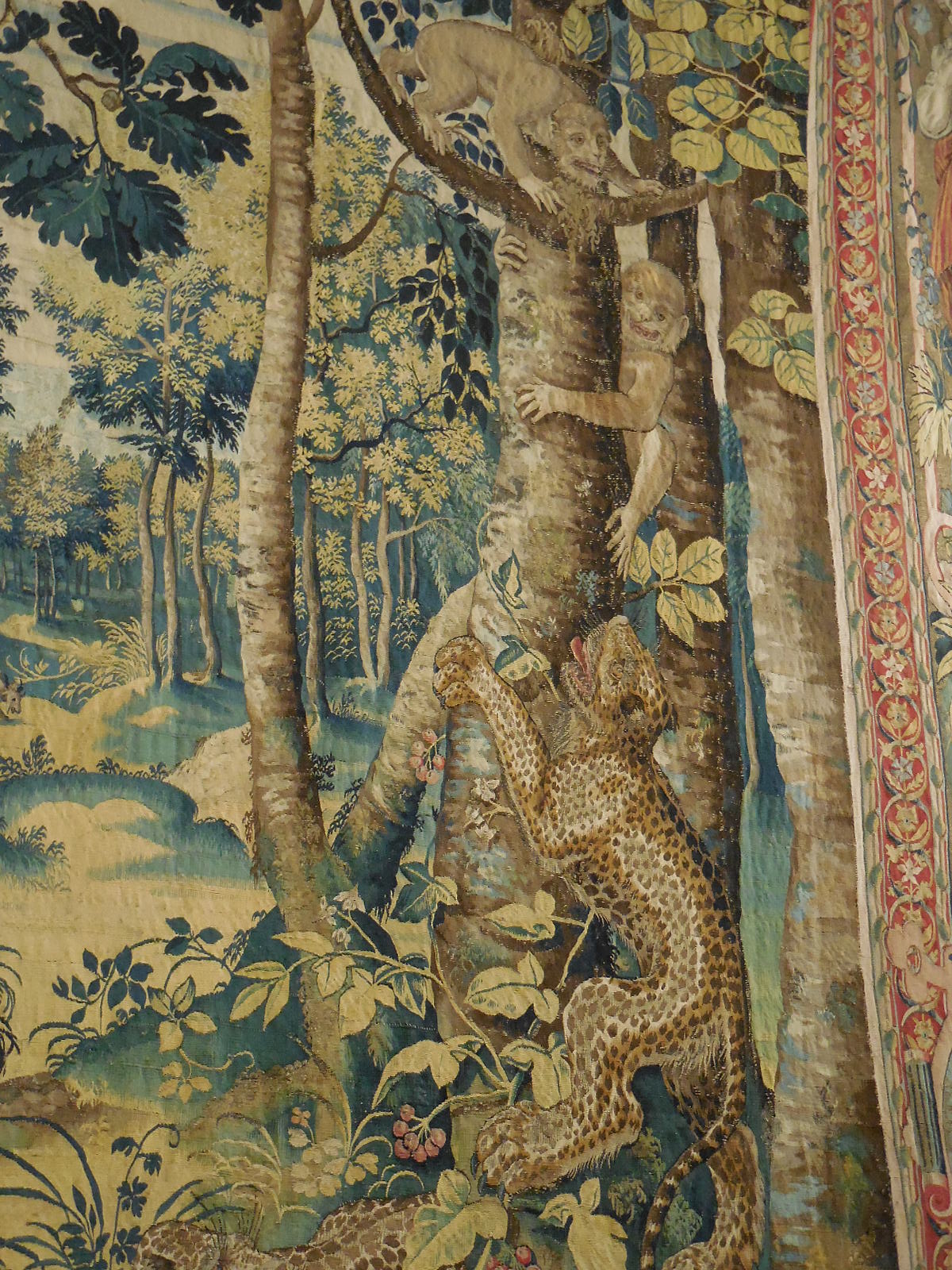
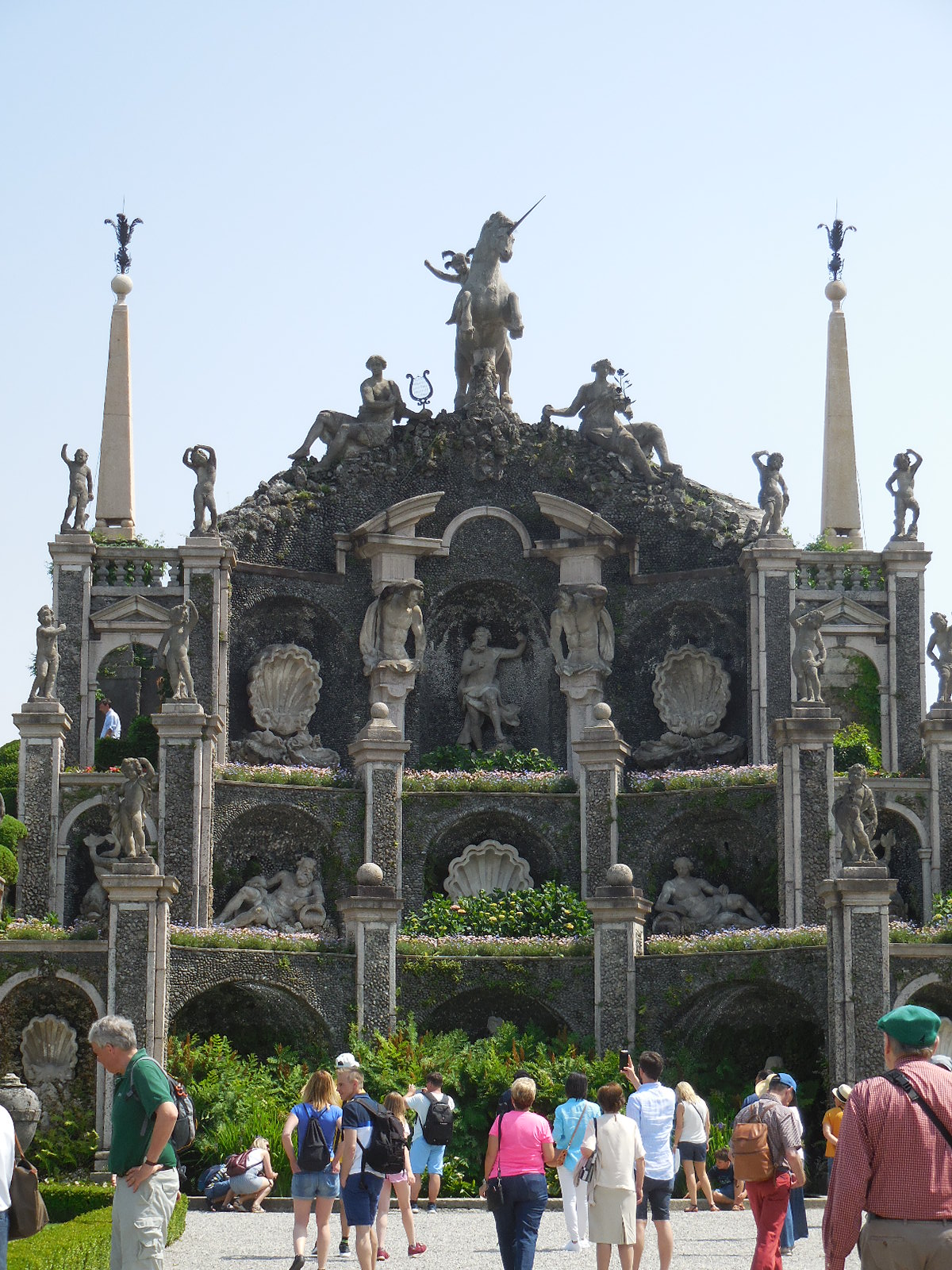
My favorite day was the one when I felt healthy, the last day of the trip, but it was also the most special to me because I saw the amazing Borromean Islands that had me bewitched. My favorite island was Isola Bella, the site of a magnificent palace and ten-tiered garden shaped as a truncated pyramid. Shaped as a boat, the island boasted a luxurious palace along with six grottoes. The Music Room included 80 paintings by Pieter Muller the Younger, who was known for his renditions of stormy landscapes and thus had earned the nickname “The Tempest.” I was awed by the harpsichord in golden cypress wood, too. The Throne Room featured Lombard Baroque art. The gilded, wooden throne hailed from the 18th century. I also liked the two large cabinets made with tortoiseshell. The Tapestry Gallery was remarkable for its six Flemish tapestries. I have always loved tapestries! Visiting the Italian Baroque gardens topped off a great day.

IsolaBellagarden10IsolaBellagarden4IsolaBellagarden5

Garden of Isola Bella

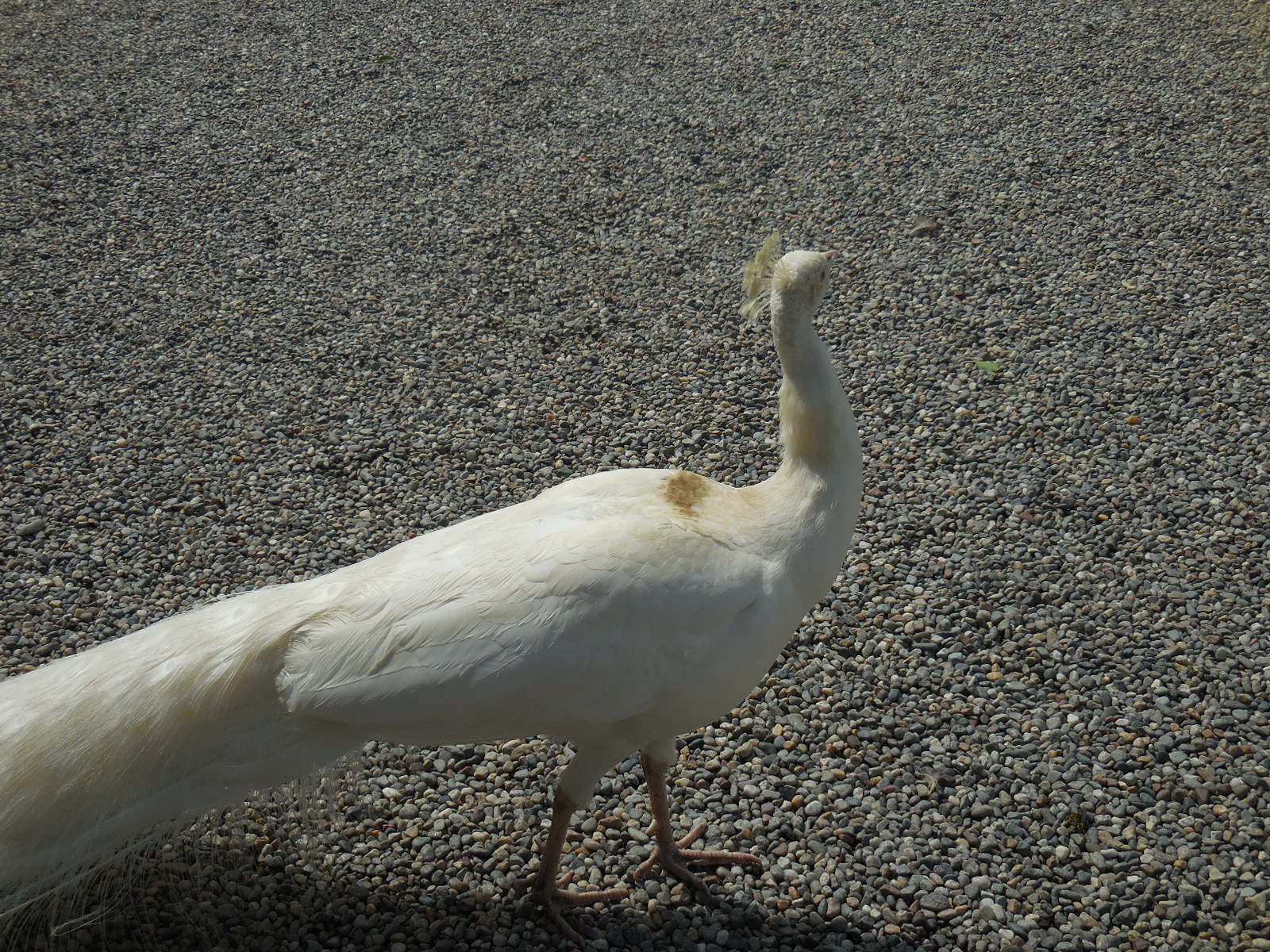
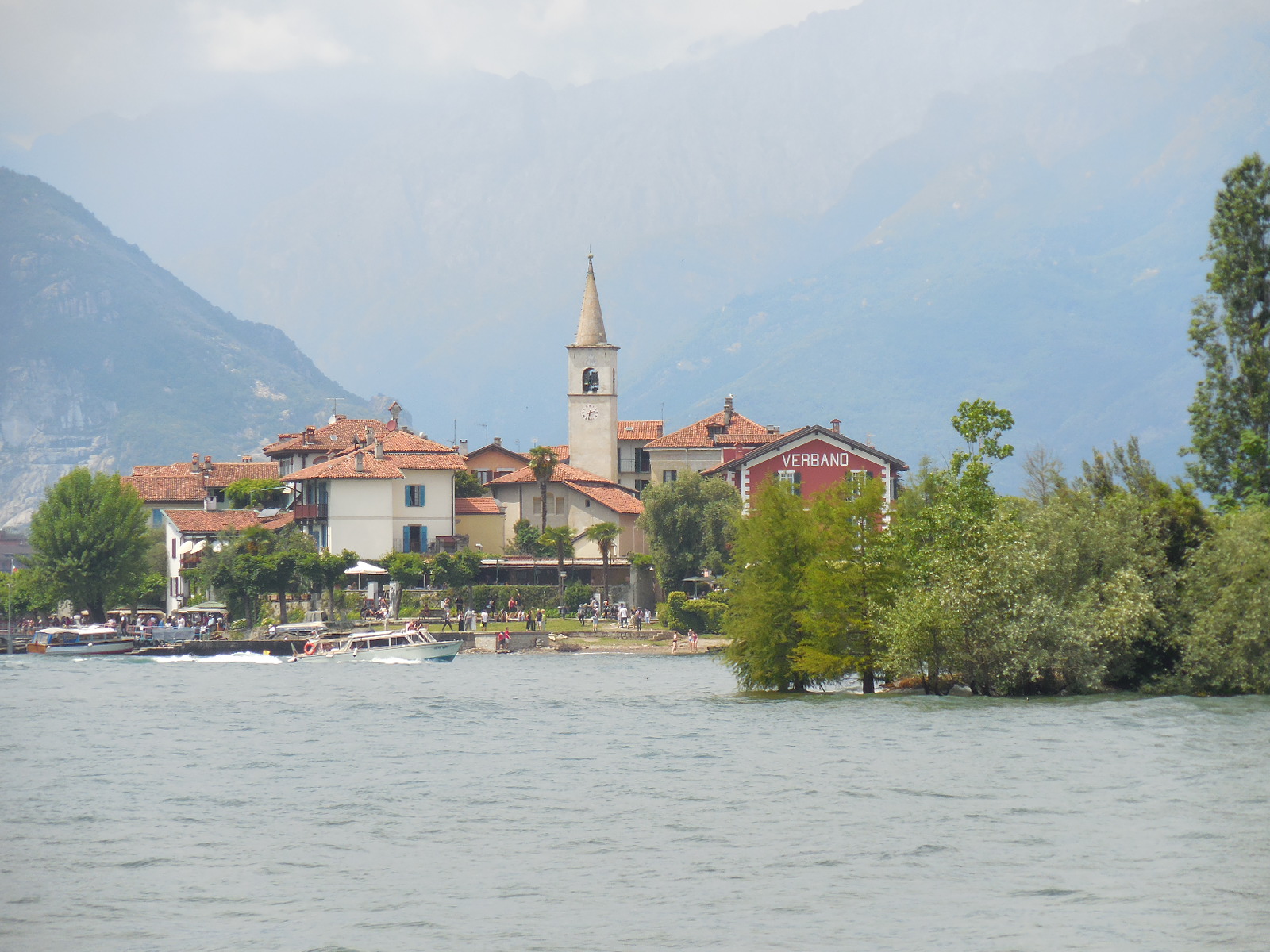
Before experiencing the glamor of Isola Bella, I had been engrossed in the beauty of Isola Madre and Isola dei Pescatori or Fishermen’s Island. Isola Madre was a botanical park dotted with white peacocks and rare birds. The largest of the three islands, it boasted a palace with 16th to 19th century furnishings, including Lombard paintings, marionettes and puppet theatre stage sets, such as a grotesque one punctuated by dragons, devils and skeletons. I also liked the machinery for making thunder and lightning as well as terrifying noises. The five-terraced garden also showed off a pond of water lilies, among other delights.

IsolaMadre5

Birds on Isola Madre were plentiful.

IsolaMadrechapel1

Church on Isola Madre

IsolaMadrepalace2

In Palace on Isola Madre

IsolaMadrepalace13

In Palace on Isola Madre

IsolaMadreview4

View from Isola Madre

Isola dei Pescatori was the only of the three islands with permanent residents – as of 2018 there were 25 people who called the small place home year-round. The cobbled streets and narrow passageways that led to gorgeous views of Lake Maggiore were postcard-perfect. The modest yet elegant Church of St. Victor was furnished in Baroque style, though it had been built as a chapel during the 11th century. I also saw the picturesque town of Stresa, a wonderful place to relax after a day of island hopping.

IsoladeiPescatori2

House on Isola dei Pescatori

IsoladeiPescatori6

Street on Isola dei Pescatori

IsoladeiPescatorichapel6

Church of St. Victor on Isola dei Pescatori

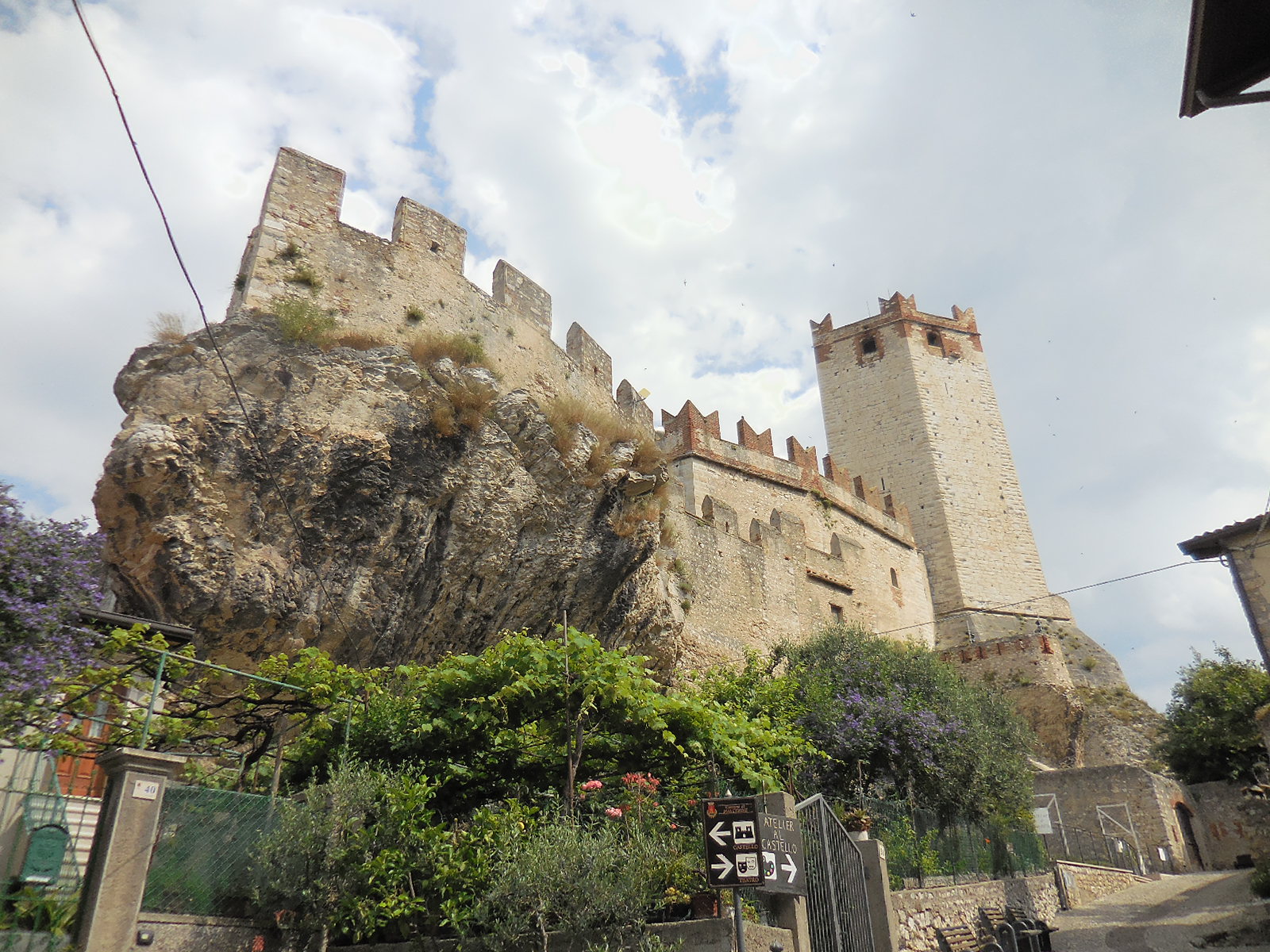
I spent one day in Malcesine during the scorching heat of the early summer. Even though I started to feel ill while riding the funicular to Mount Baldo, which is 1,800 feet above sea level, I appreciated the amazing views from the first cable car installation in the world with an all-rotating cabin. (It did not help my dizziness, though!) On Mount Baldo it was cold and windy at 8 am, so I did not spend much time there. I preferred to explore the picturesque town of Malcesine and chill out at cafes, drinking mineral water to ward off the effects of the harsh hot weather. The castle ruins were romantic and offer superb views of Lake Garda. Goethe was even briefly imprisoned there because the authorities thought he was a spy. There are several medieval frescoes in the castle complex.

Malcesinecastle2

Castle in Malcesine

Malcesinecastle9

Castle ruins in Malcesine

Malcesineview3Malcesineview10

Views from rotating cable car from Malcesine to Mount Baldo

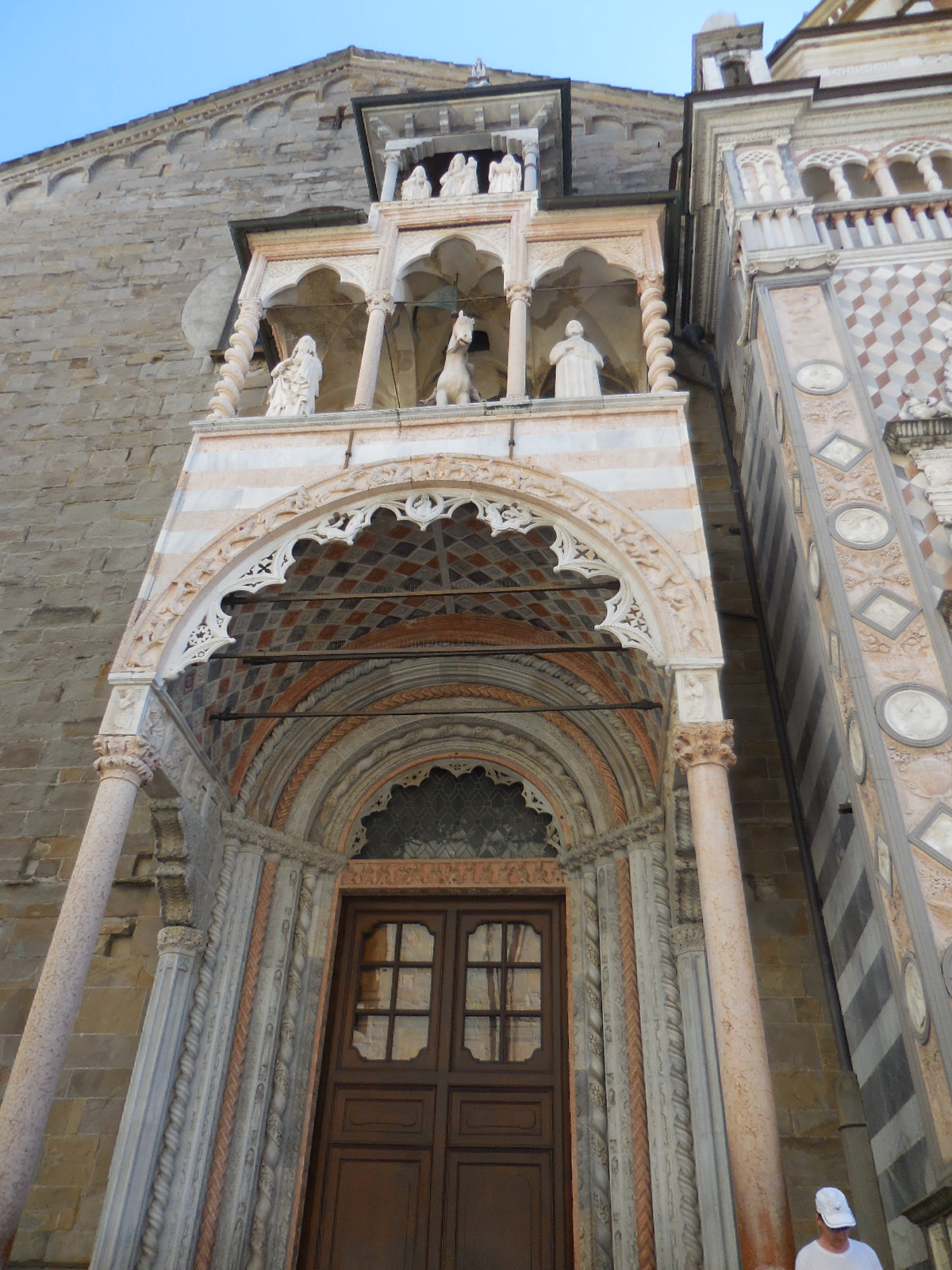
Bergamo was another town that will always be close to my heart. We only had time to explore the Upper Town, so I was not able to visit the Accademia Carrara art museum in the Lower Town, but it gave me a good reason to make a trip back there someday. Just standing on the Piazza Vecchia was awe-inspiring. The Palazzo della Ragione, located on this square, was built in the second half of the 12th century and boasted elegant arches and three-mullioned windows as well as porticoes. The most amazing architectural delight was the Colleoni Chapel, which was closed, unfortunately. Still, the façade sporting delicate colors of marble exuded such a sense of harmony and balance plus a vivaciousness that overwhelmed me. It is one of the best examples of Renaissance architecture in northern Italy. The sculptural decoration did not disappoint, either.

Bergamochurch1Bergamochurch2Bergamochurch3

Colleoni Chapel in Bergamo

The cathedral, which was not completed until the 19th century, was impressive with a Baroque altar that featured a carved Episcopal throne. Unfortunately, the Diocese Museum was not open, but that was another reason to come back to this bewitching town.

Bergamo4Bergamocathint3Bergamostreet1

What I liked best about Bergamo were the romantic, narrow, hilly streets that reminded me of those in Urbino. Walking by medieval houses or houses with facades from the 16th or 17th century was magical. The best thing about Bergamo’s Upper Town was that there were no souvenir shops. There were shops selling local delicacies and bookstores, but no shops promoting crazy t-shirts and gaudy objects. It was so refreshing. I wish the Old Town of Prague had banned souvenir shops.

Verona2VeronaJbalcony4

Juliet’s balcony in Verona

We were only in Verona for half a day, so we did not see much of the city. After several minutes there, I know I would be yearning to come back for a longer stay. We saw Juliet’s House, the balcony that was said to be famous for the Romeo and Juliet scene in Shakespeare’s play. In reality, Verona created a tourist trap when they bought the house from the Cappello family. No one named Capulet had ever lived there. The house’s façade is impressive, in Gothic style, dating back to the 13th century. The balcony hails from last century. A statue of Juliet stood in the small courtyard. It is said to be lucky to rub her left breast, but I didn’t try it.

Veronastreet1

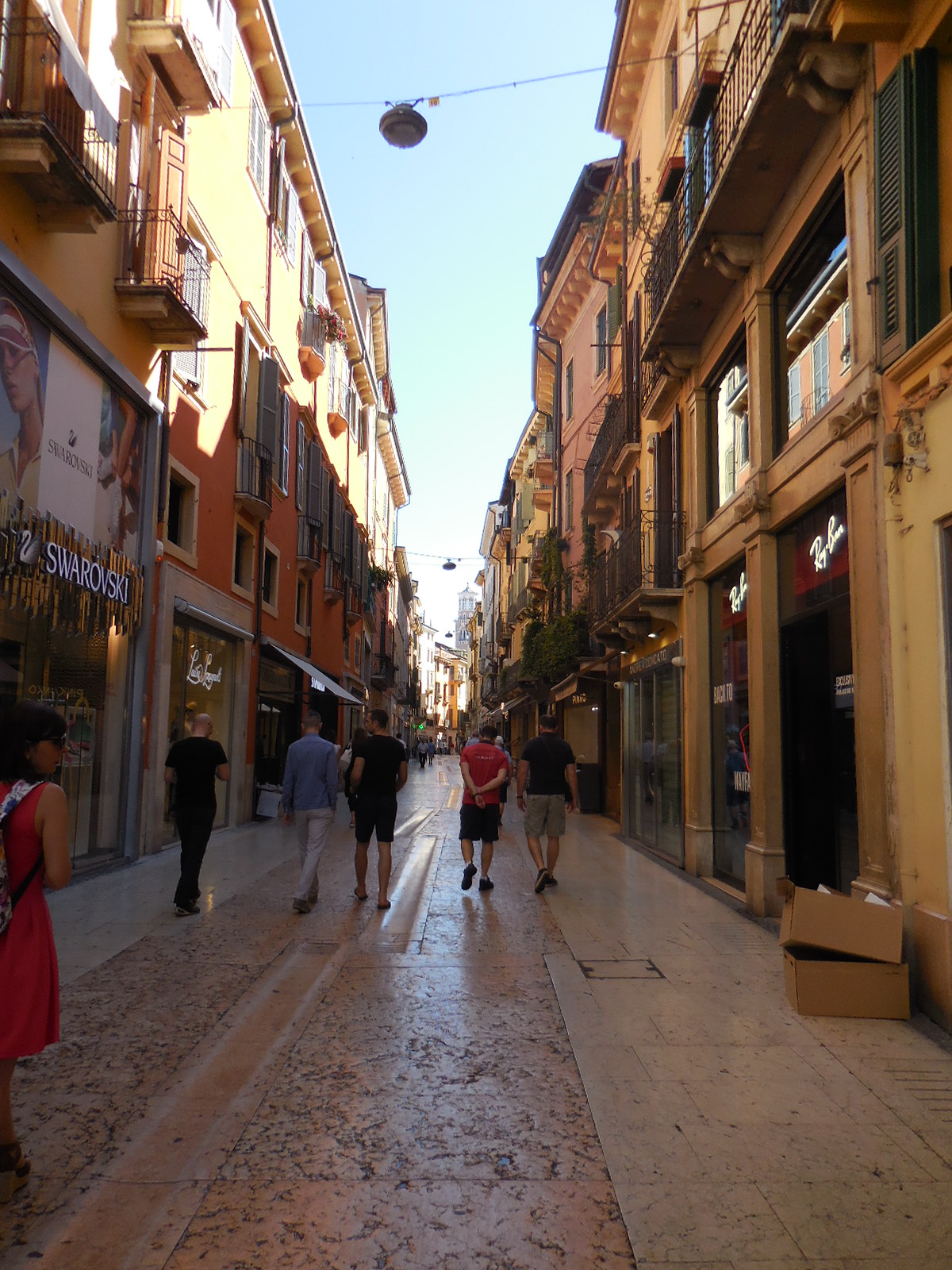
The main drag in Verona

I also saw the exterior of Romeo’s House, which never belonged to the Montague family. It was only given this name for sightseers. The building is medieval, in Gothic style and includes an archway with crenelated walls.

Verona11Verona16

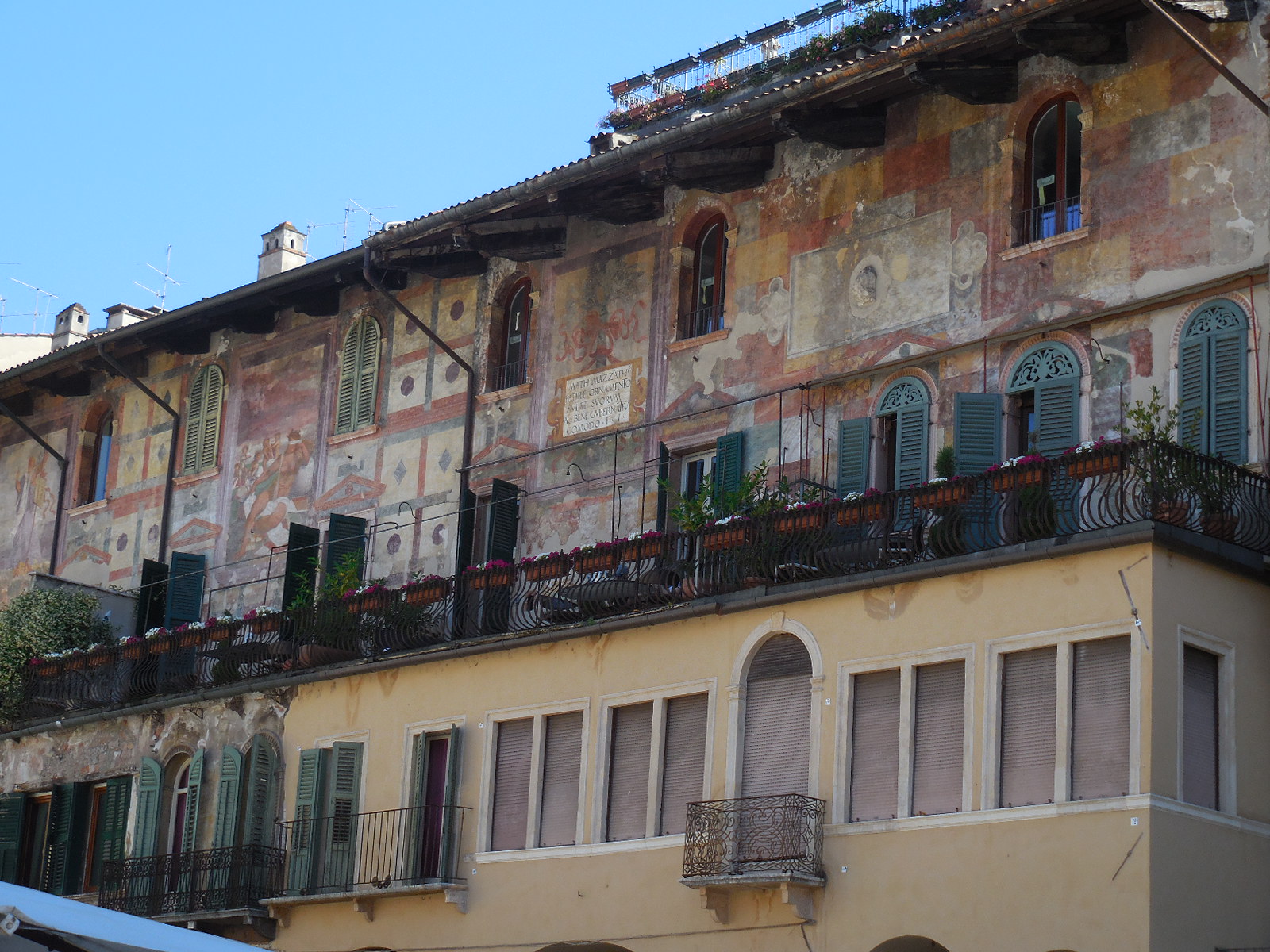
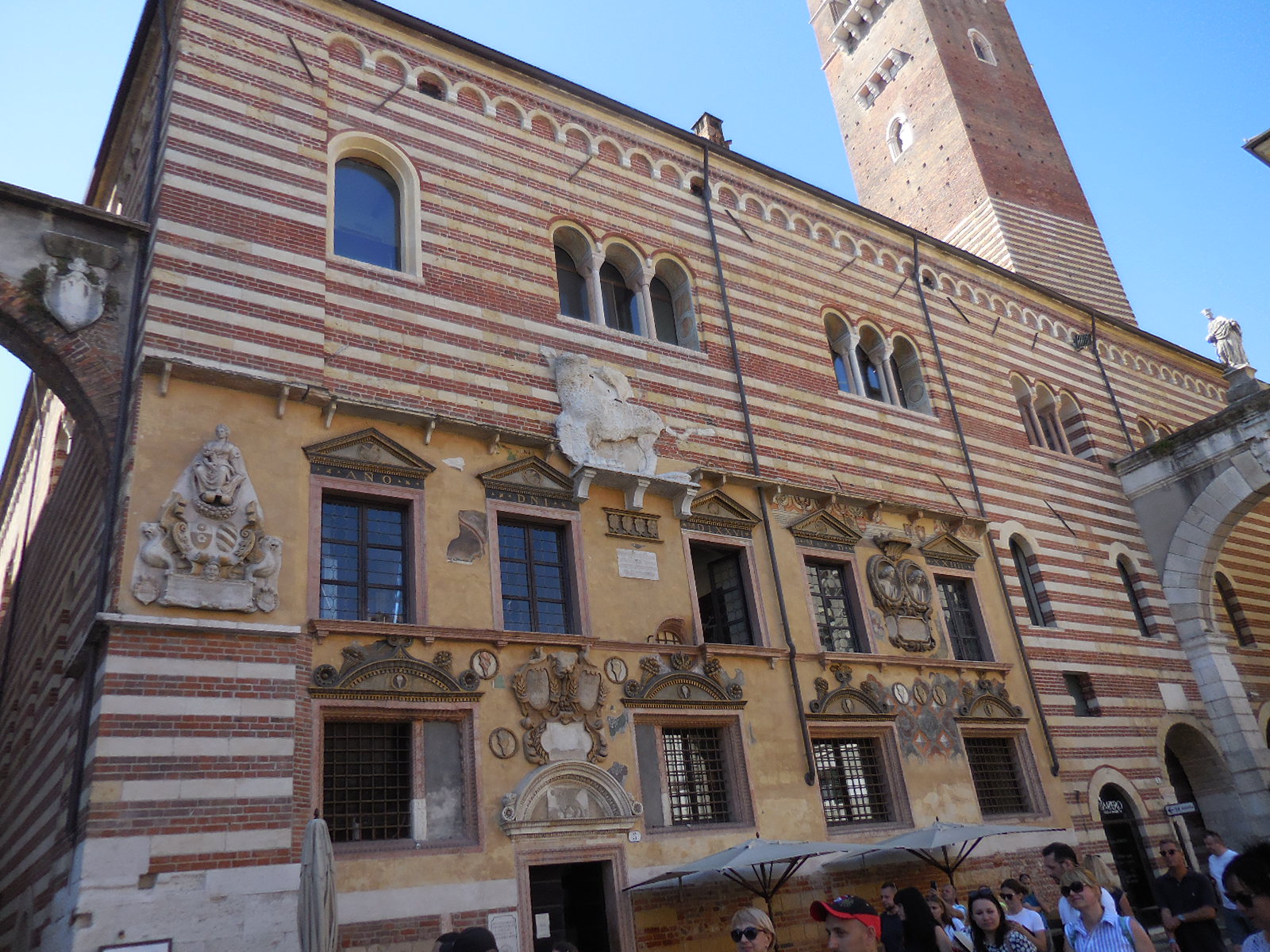
Then we saw a few of Verona’s main squares. Piazza Brà is one of the largest in Europe and boasts palaces, a museum and the city hall. Piazza delle Erbe was once the site of chariot races. During the Roman era, a large market took place there. Now visitors see palaces, a tower and a remarkable fountain dating from 1368. We walked down Via Giuseppe Mazzini, the central shopping street that was, during medieval times, dirty and lined with warehouses as well as barracks. Now expensive shops call the stunning renovated houses home.

Veronaarena1Veronaarena4Veronaarena6

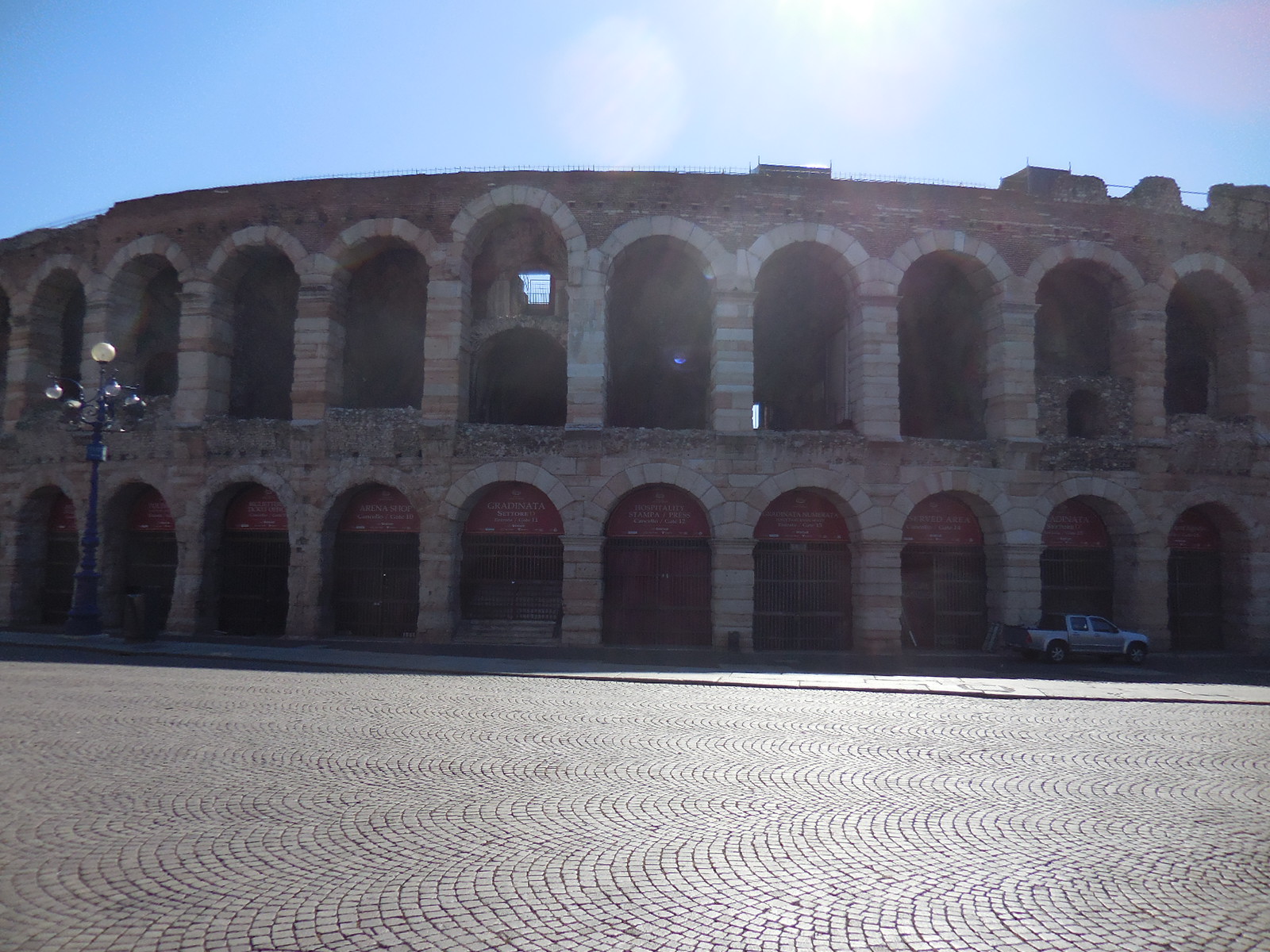
I loved the arena, though I did not get much time there. Built in the first century AD, it is the third largest area, measuring 140 meters in length and 110 meters in width. The original seating capacity was 30,000, back when it was used for games and gladiator events. It became dilapidated after Emperor Honorius banned events there in 404 AD. For centuries, it was abandoned. At one point, prostitutes used the arena. Now, though, the arena is a remarkable sight that should not be missed.

Sigurta8Sigurta35Sigurta37Sigurtalillypond4

Sigurtà Park

We also visited Sigurtà Park with its extensive, beautiful grounds. I loved the water lily ponds and many monuments plus views of the villages beyond. You really needed a full day to explore the vast grounds properly.

Kukscycleofdeath2Kukscycleofdeath6

Dance of Death Baroque frescoes at Kuks
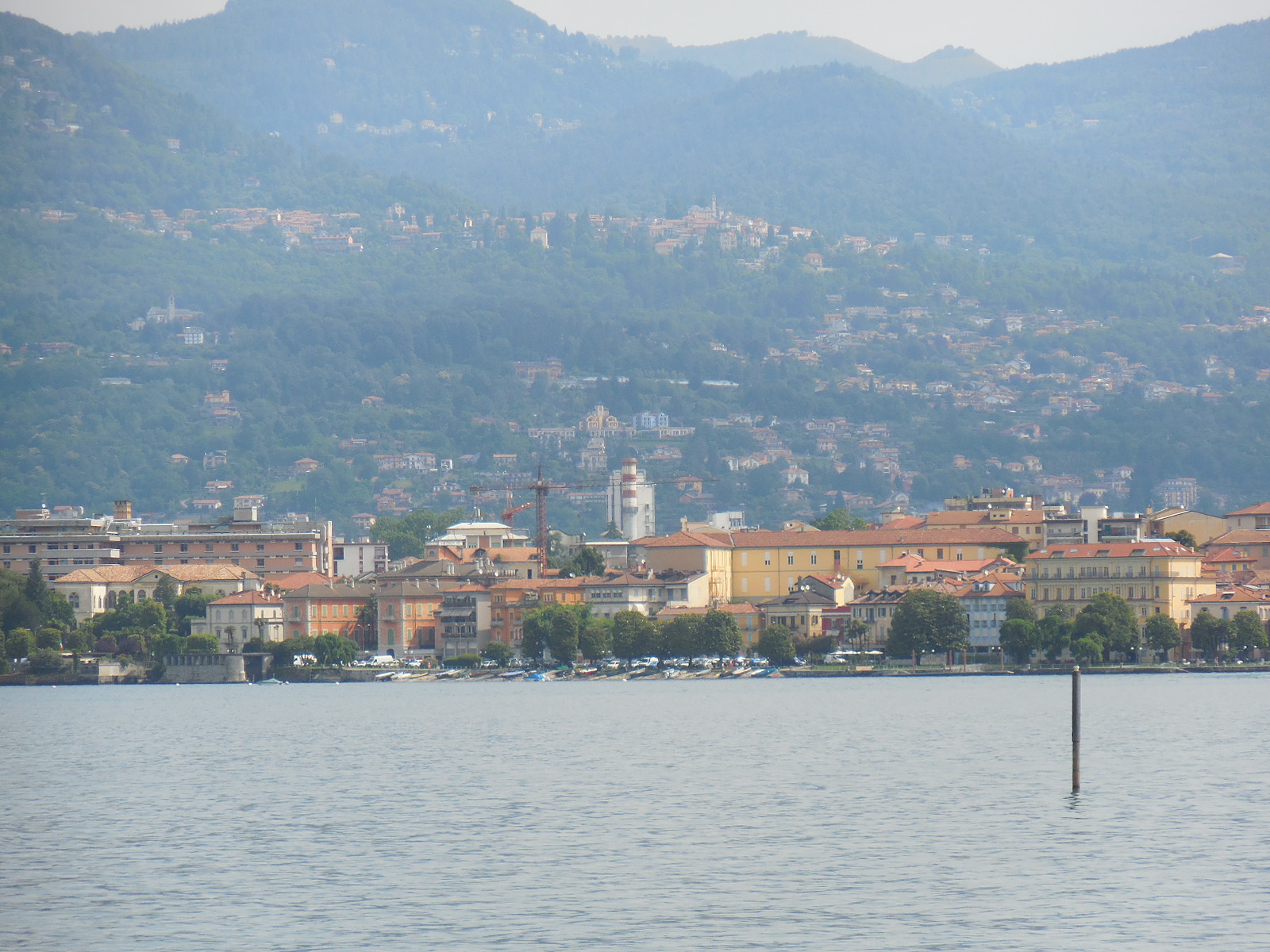
Kukslapid8515Kukslapid9515

Braun’s statues in the lapidarium at Kuks

Kukspharmacy2515

The pharmacy at Kuks

I also visited several places in the Czech Republic last year. Kuks, a former hospital in gushingly Baroque style, is famous for its twenty-four 18th century statues of virtues and vices, sculpted by Matyáš Braun. In the lapidarium I was almost in a trance while peering at Love, Despair, Sloth and Hope. I also was enamored by the grotesque Dance of Death frescoes, as the figure of Death intruded on people’s lives. The pharmaceutical museum and one of the oldest pharmacies in the country were also very intriguing. There’s a lot to love about Kuks.

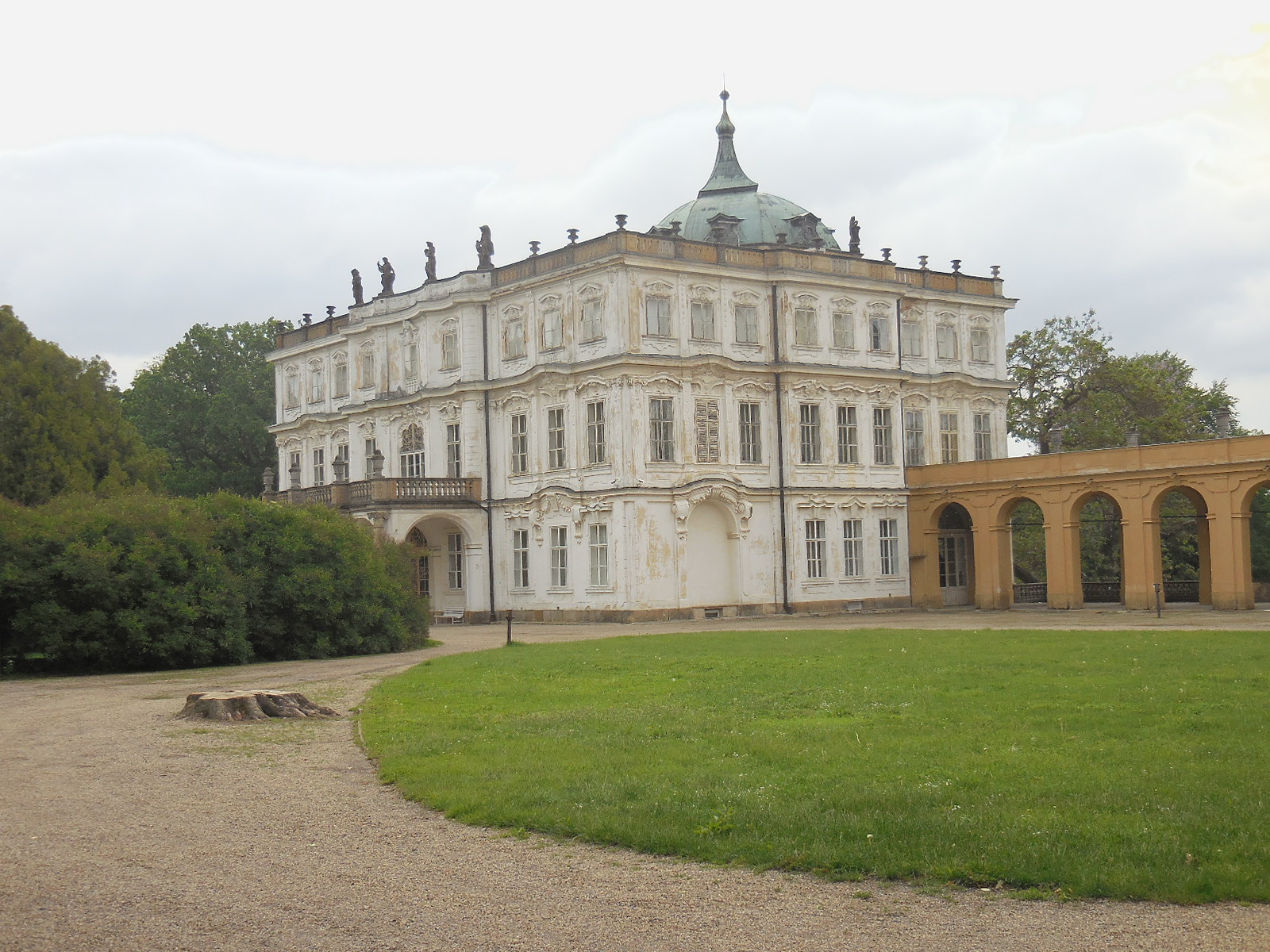
Ploskoviceext1

Ploskovice Chateau

Ploskoviceint9Ploskoviceint25

Painting by Navrátil at Ploskovice

Ploskoviceint28

The Main Hall at Ploskovice

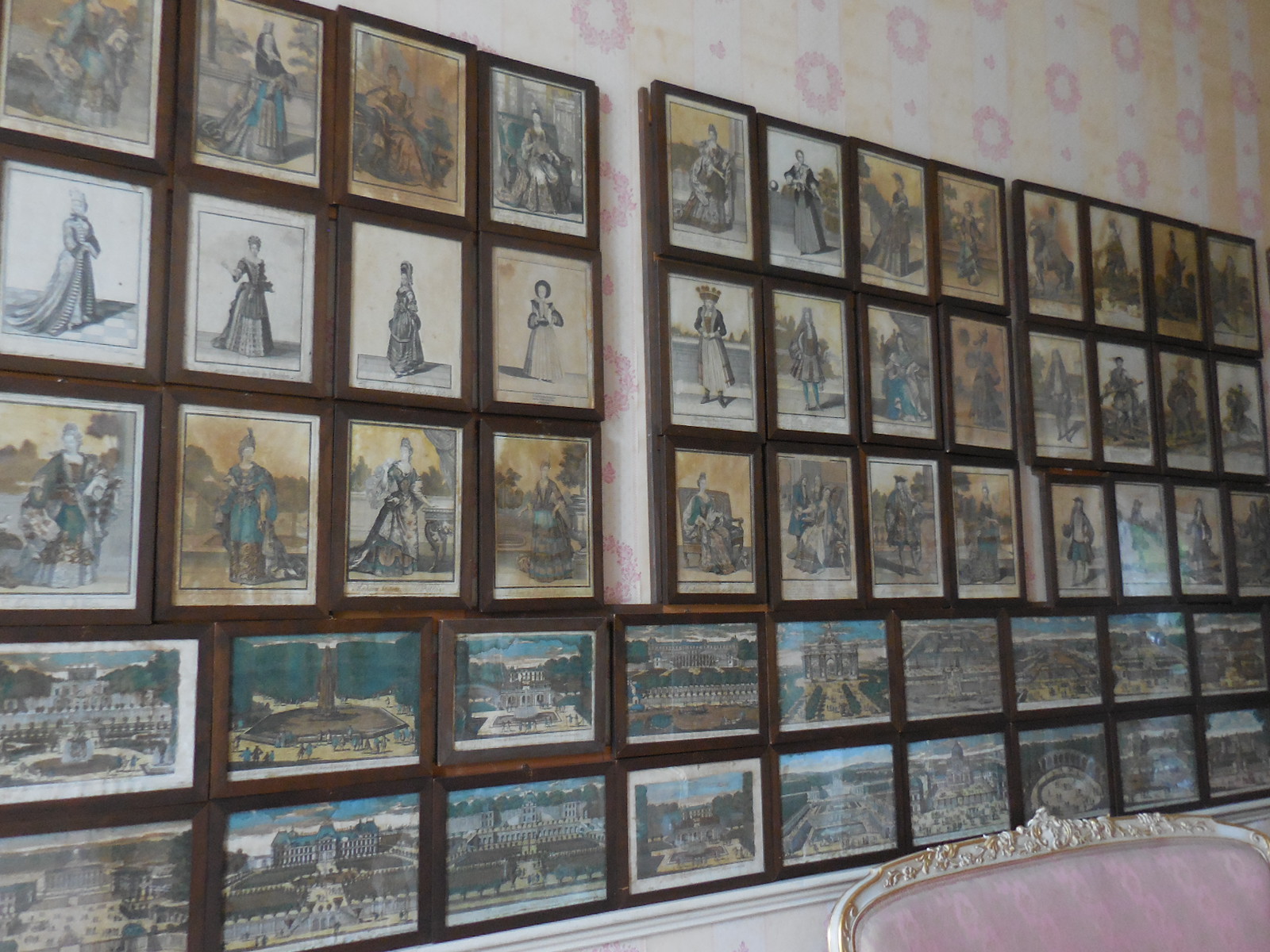
Ploskovice was first mentioned in writing during the 11th century. The chateau was born in the 16th century. The vestibule was decorated with sculpture, frescoes and stucco ornamentation. The Knights’ Salon is Rococo in style. Vedutas of French kings’ castles and French parks hung on the walls. The Ladies’ Bedroom showed off the Rococo style as well while an early Baroque jewel chest was decorated with bas-reliefs and inlaid with various kinds of woods.

Ploskoviceint40Ploskoviceint47Ploskoviceint48

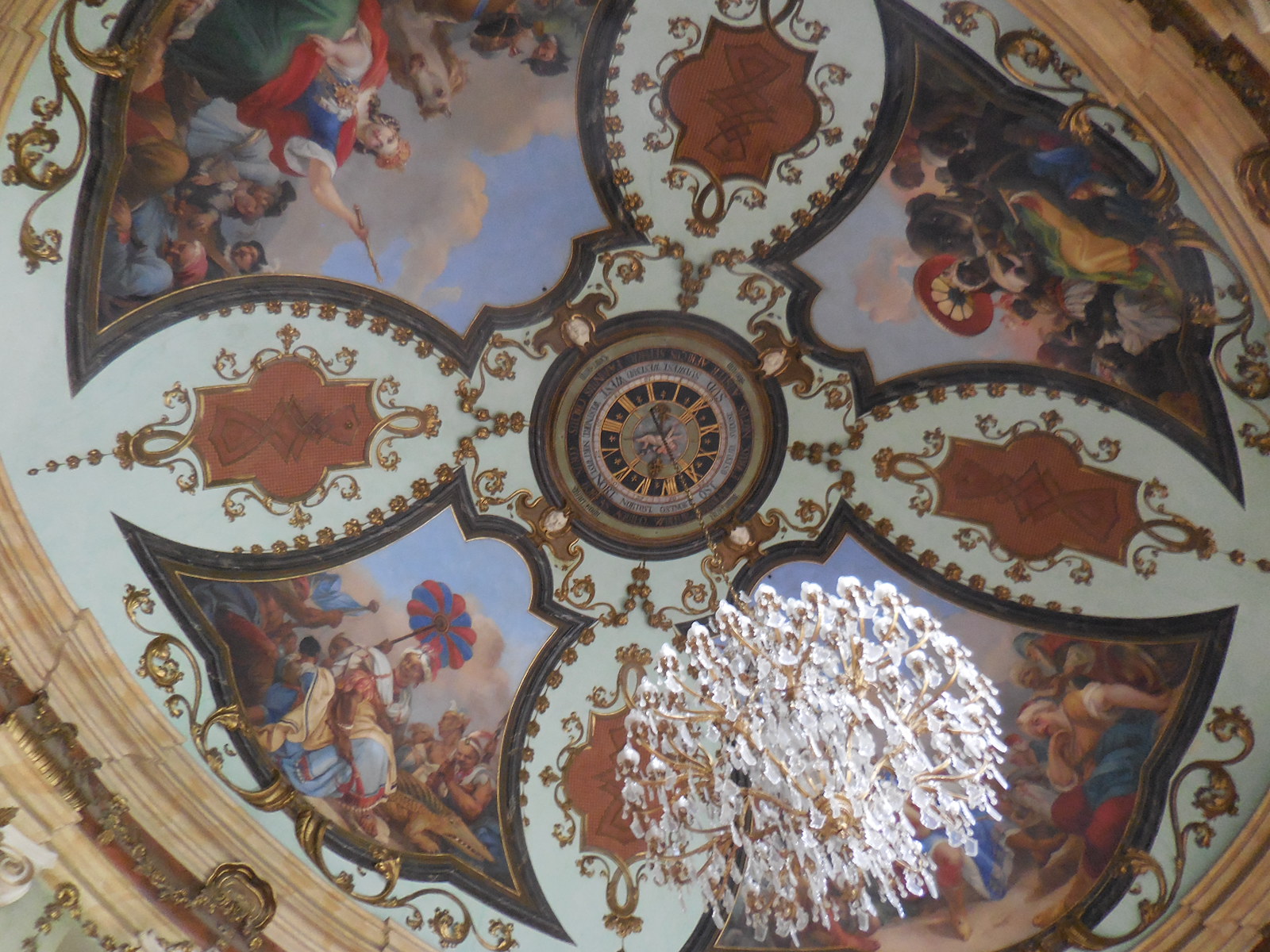
The painted ceiling in the Ladies’ Study was the work of the renowned Josef Navrátil, whose masterful work I had also witnessed at Zákupy Chateau a year earlier. His remarkable and delicate painting was evident on the ceiling of the Dining Room as well. The Main Hall has 12 pilasters and shows off stucco works of Hope, Motherhood, Bravery and Nature. The painting on the cupola was remarkable, showing the four continents, created by masterful Czech artist V.V. Reiner. I had seen his masterpieces at Duchcov Chateau a few years earlier. Navrátil painted 36 oval medallions in the Main Hall.

Ploskoviceint70Ploskoviceint77Ploskovicepeacock1

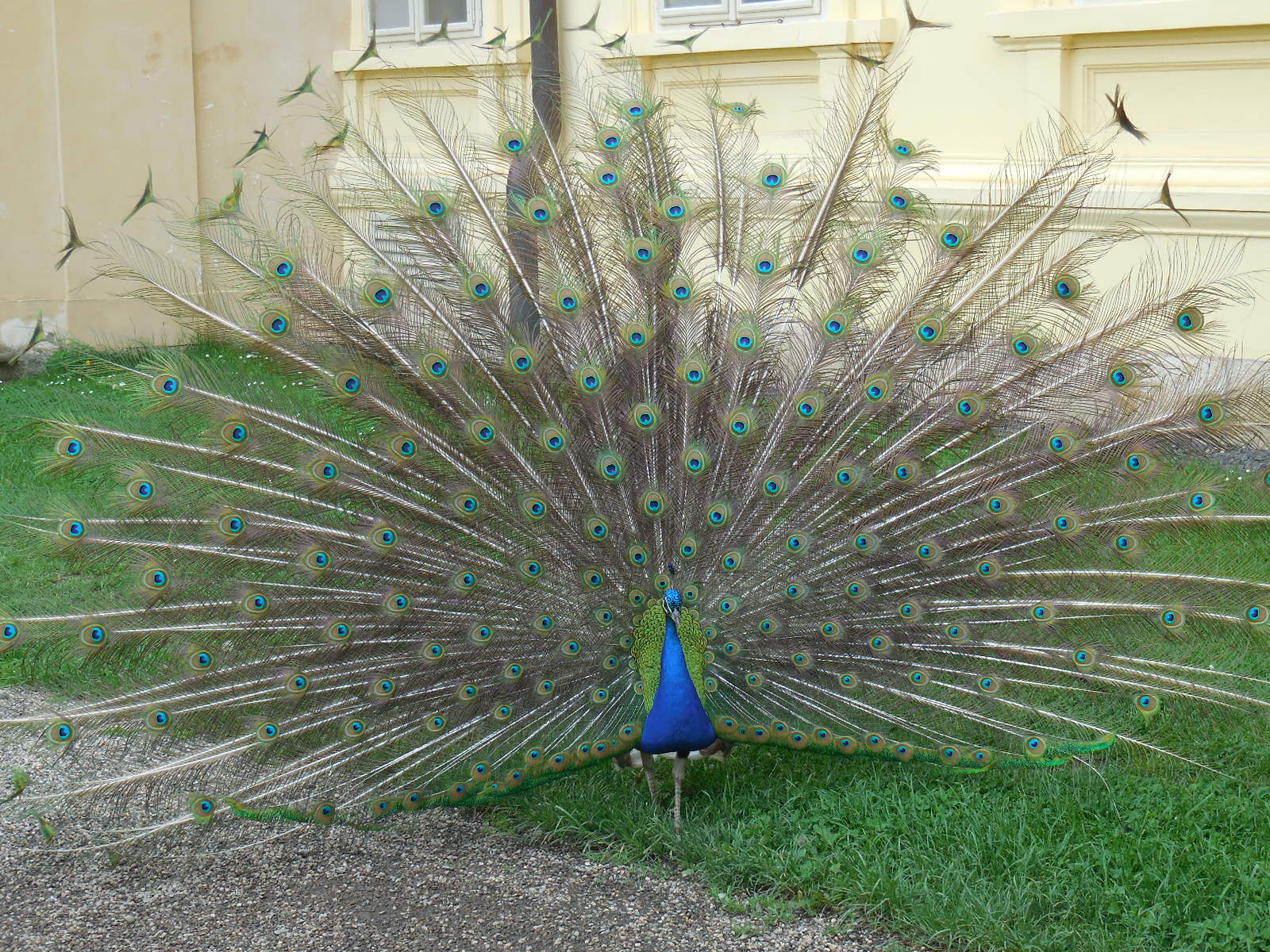
I also liked the grottoes at the chateau. They originated during the Baroque era. Baroque fountains in the grottoes boasted figural decoration. Perhaps what I loved most about Ploskovice were the peacocks fluttering around the grounds.

I wish I had had more time to explore the Czech Republic last year, but my health and occasionally the weather prevented me from doing so. This year I am planning to go back to Italy and to take more trips in the Czech Republic. I also hope to see art exhibitions in Berlin and Vienna.

Tracy A. Burns is a writer, proofreader and editor in Prague.

IsolaBellaview2IsolaBellaviewfromgarden6


Museum Berggruen Diary


berlinberggruen11.jpg

BerlinBerggruen6

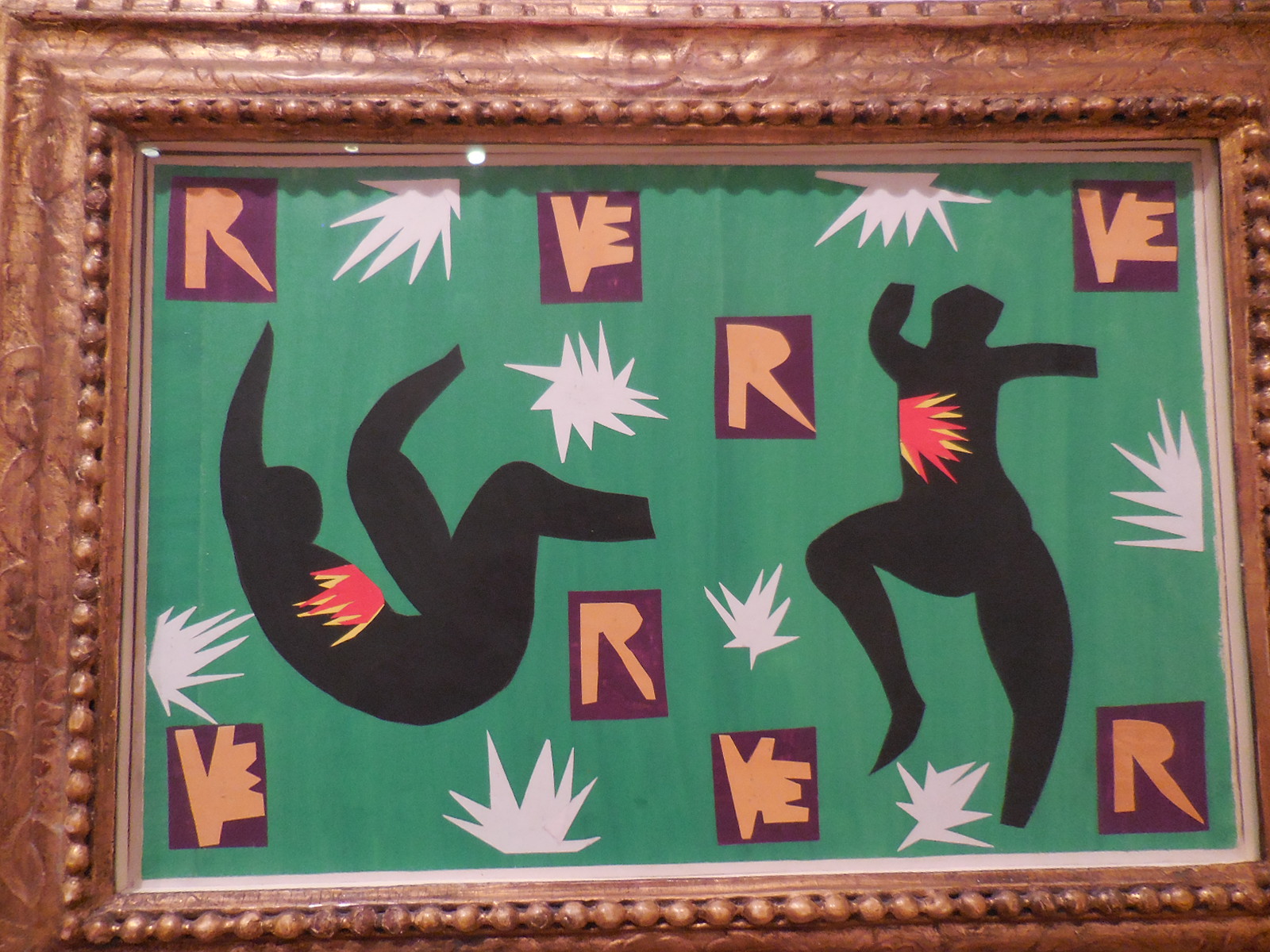
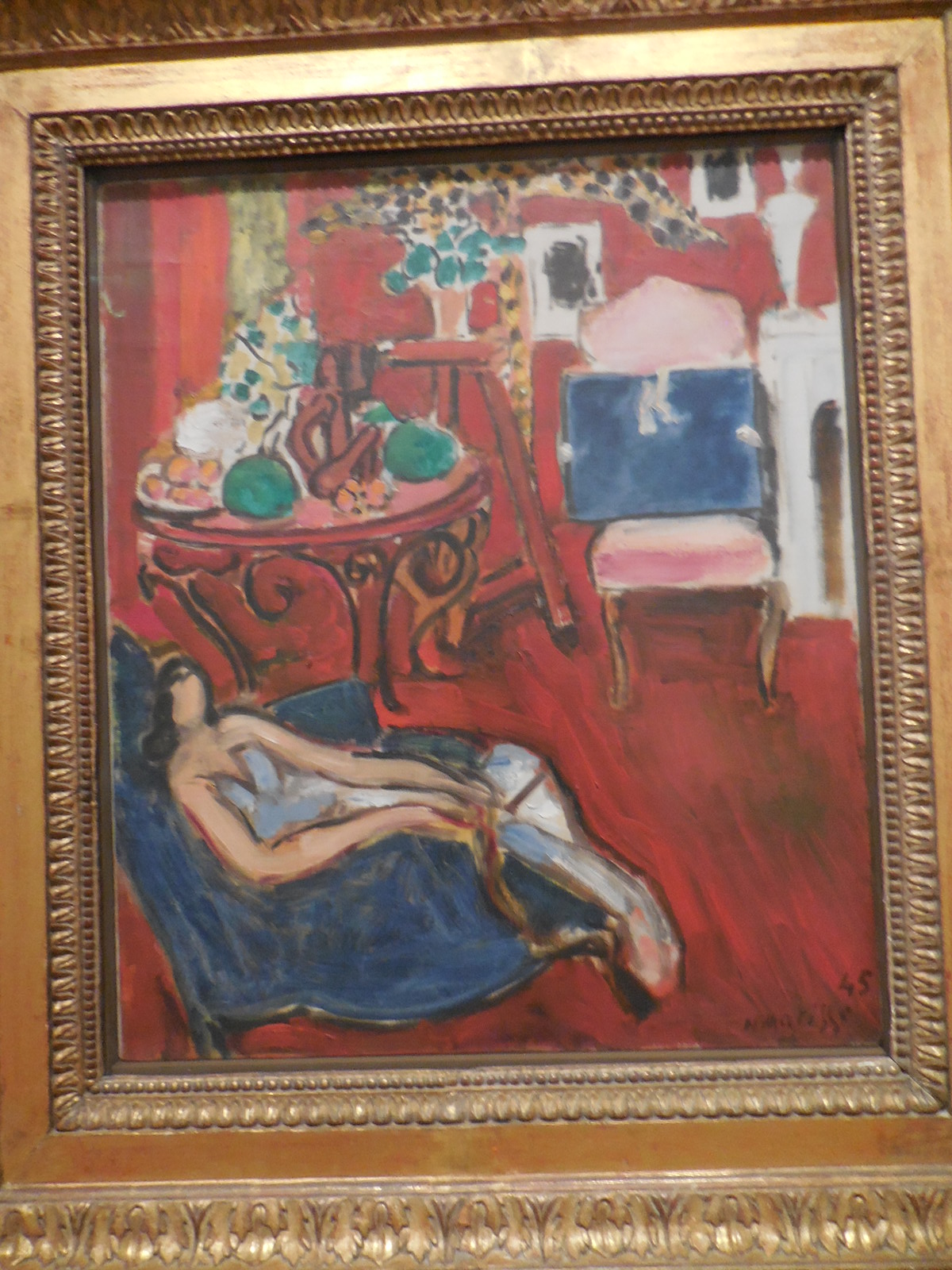
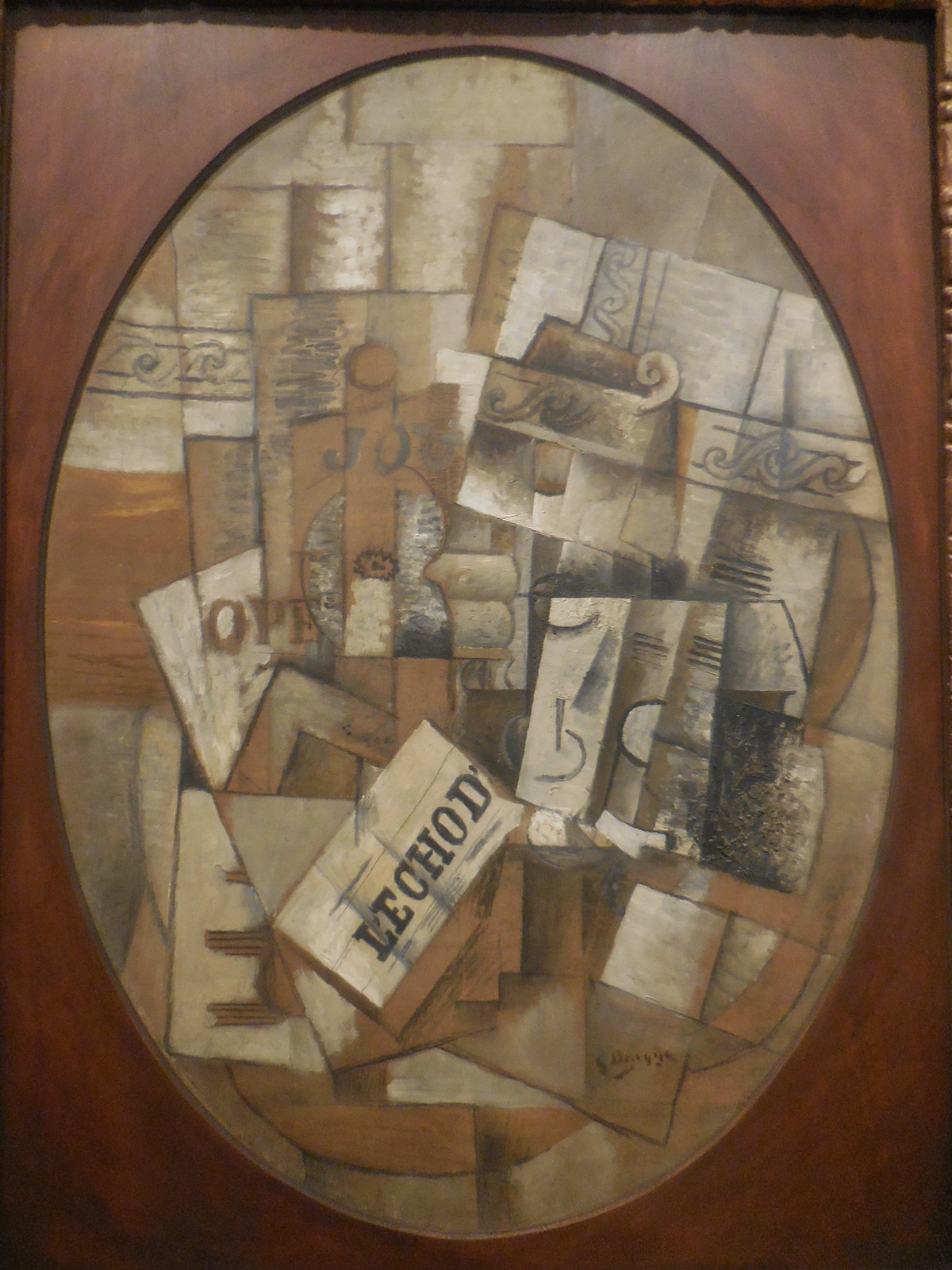
The last time I visited Berlin I made sure to peruse the collection of paintings by Pablo Picasso, Henri Matisse, Georges Braque and Paul Klee at the Museum Berggruen, situated opposite Charlottenburg Palace. I am a big fan of early modern art. As a young child, I picked out a book of Paul Klee’s works from my parents’ bookshelves and often looked at the geometric shapes that fascinated me. Seeing Picasso’s masterpieces in Barcelona, Madrid, Paris and many other cities had been thrilling. I think back fondly to an exhibition of Matisse’s cutouts in Ferrara, Italy. I’ve been mesmerized by Matisse’s creations at The National Gallery in Washington, D.C. for ages. The museum also displays sculpture by Alberto Giacometti and African art, which I admire greatly. I recall that the Czech writer and painter Josef Čapek was influenced by African art. Still, I was there to see the paintings by artists of works that had enthralled me for years.

berlinberggruen1.jpg


BerlinBerggreun4

The Berggruen Museum boasts 165 works of art from the collection of Berlin-native Heinz Berggruen. He left Berlin in 1936 and went to the USA and Paris, where he worked as an art dealer specializing in early modern works. He also made a name for himself as an author. Berggruen was the recipient of many awards, including Germany’s High Order of Merit, bestowed upon him in 1997. He died in 2007. The museum opened in 1996.

BerlinBerggruen3

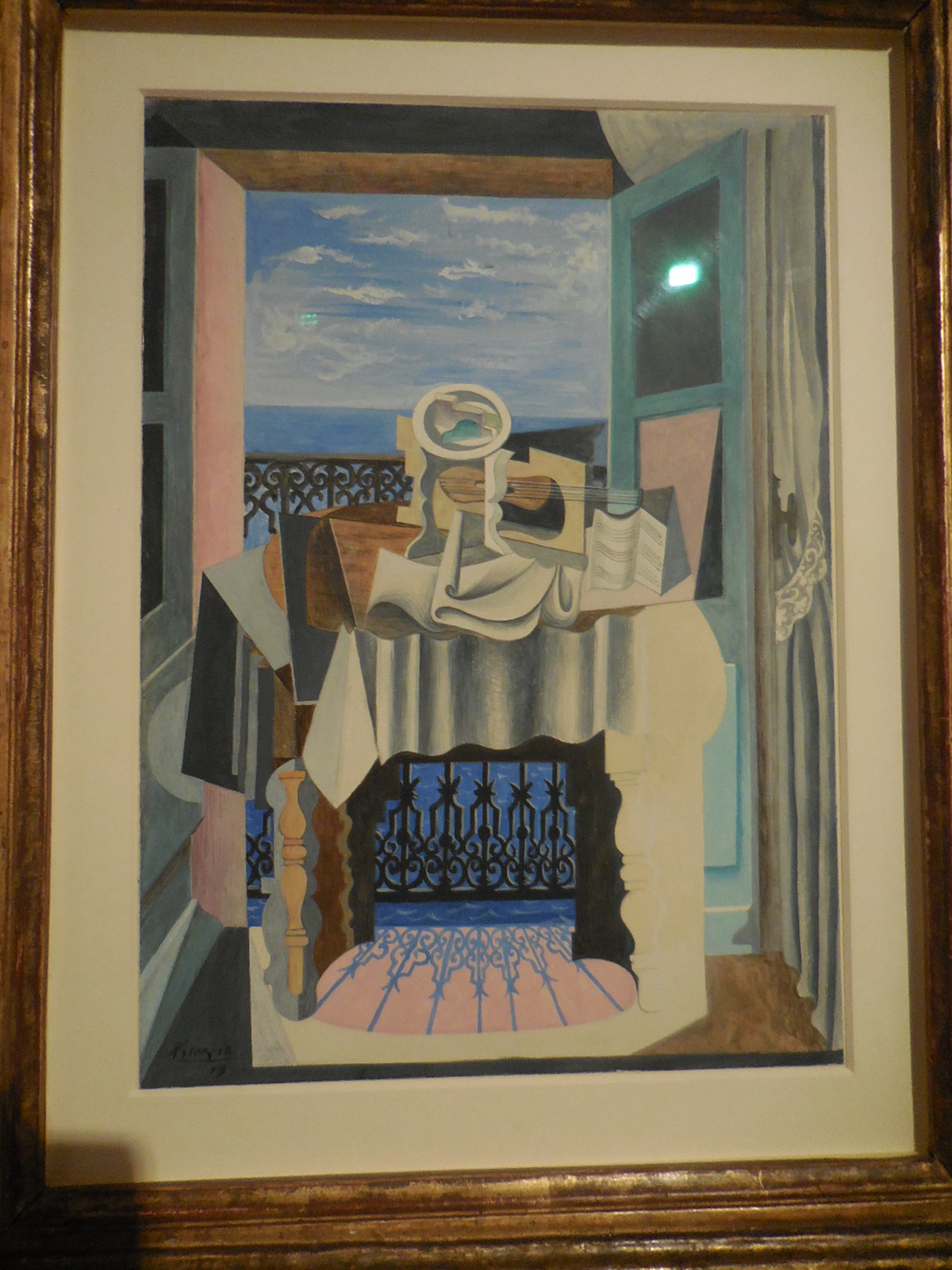
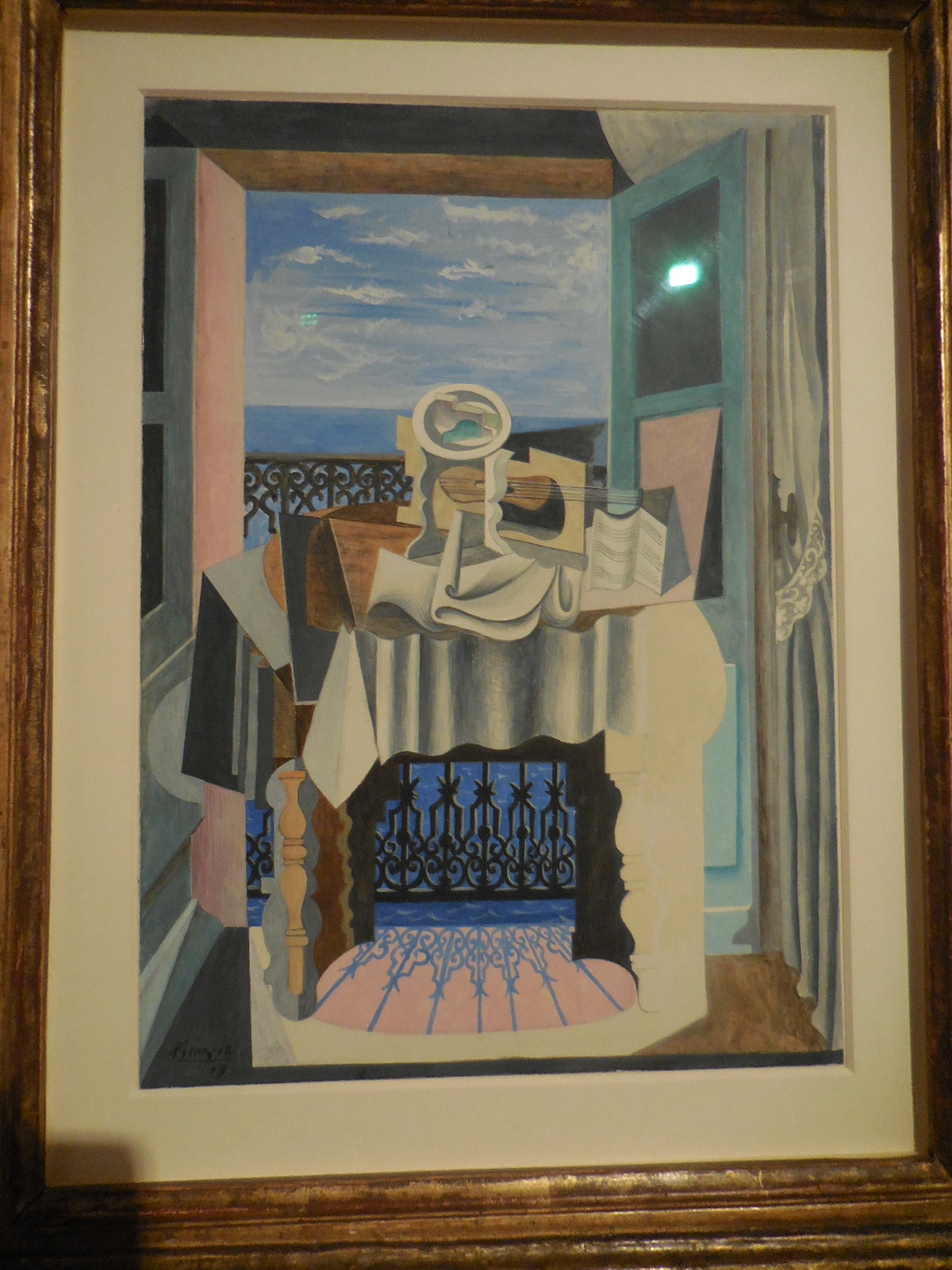
Still Life in front of a Window in St. Raphael, 1919

Of all the paintings by Picasso, the one that spoke to me the most was his “Still Life in front of a Window in St. Raphaël,” created in 1919 at a resort in St. Raphaël, France, rendered from his hotel room.

A surreal quality dominates the painting that is Cubist in character. I love the blue of the sea and how the calm sea seems to come into the room that boasts a violin and a blank musical score. The sea gives me a feeling of tranquility. The green door complements the pale yellows and blues, too.

BerlinBerggruen20

KleeTown-LikeConstruction

Town-Like Construction, 1917, photo from m.blog.naver.com

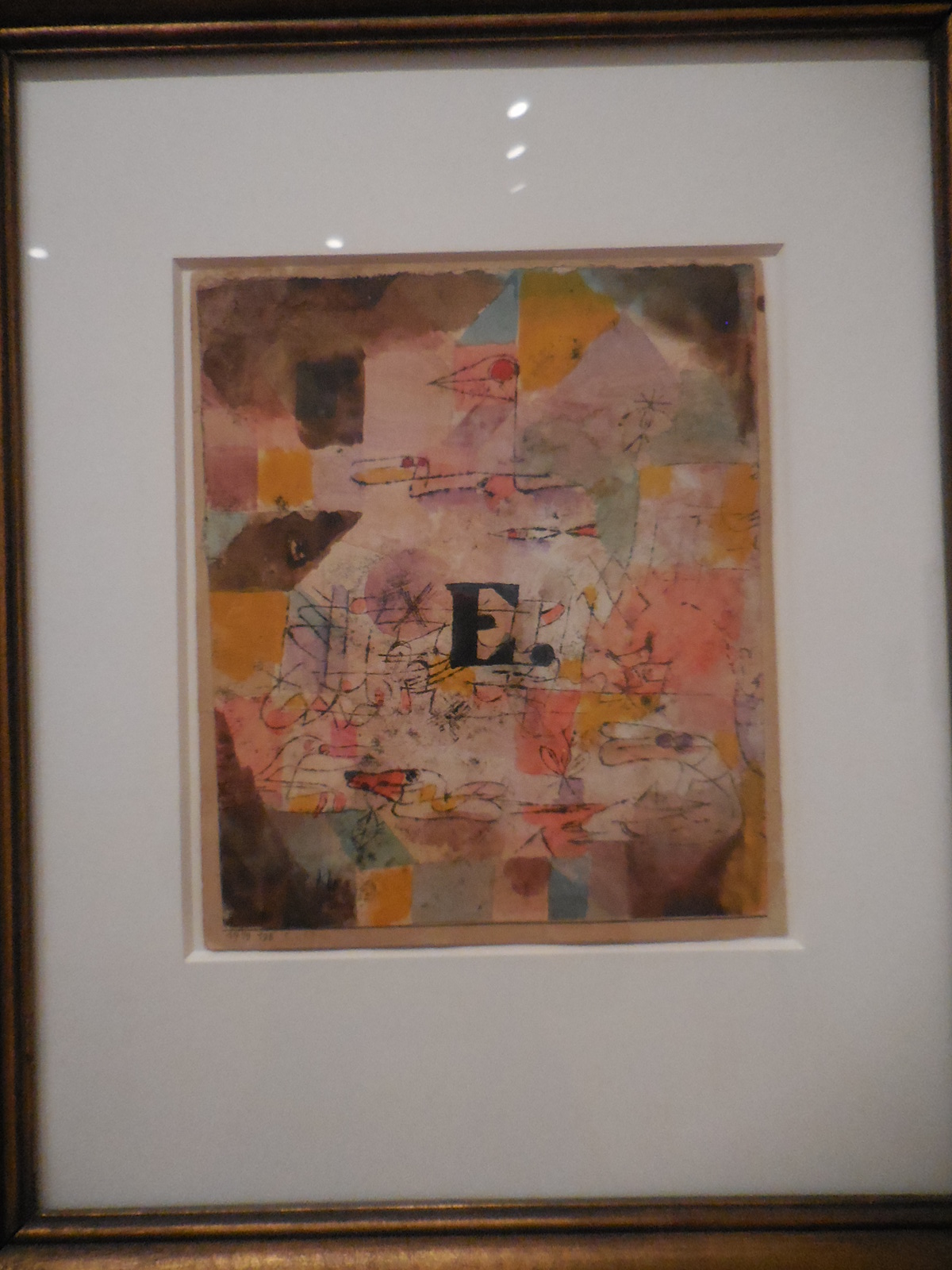
Paul Klee’s “Town-Like Construction,” with a black rectangle at its center, dates from 1917. I could imagine the triangles, squares and rectangles as elements of a town, representing rooftops and facades of buildings. I could feel the bustling city with its constant movement. I’ve always liked visiting cities that have many sights, especially cultural ones. I like the rhythm of the painting that exemplifies the rhythm of a town. I feel as if I am looking at a town from an aerial view.

BerlinBerggruen13

BerlinBerggruen15

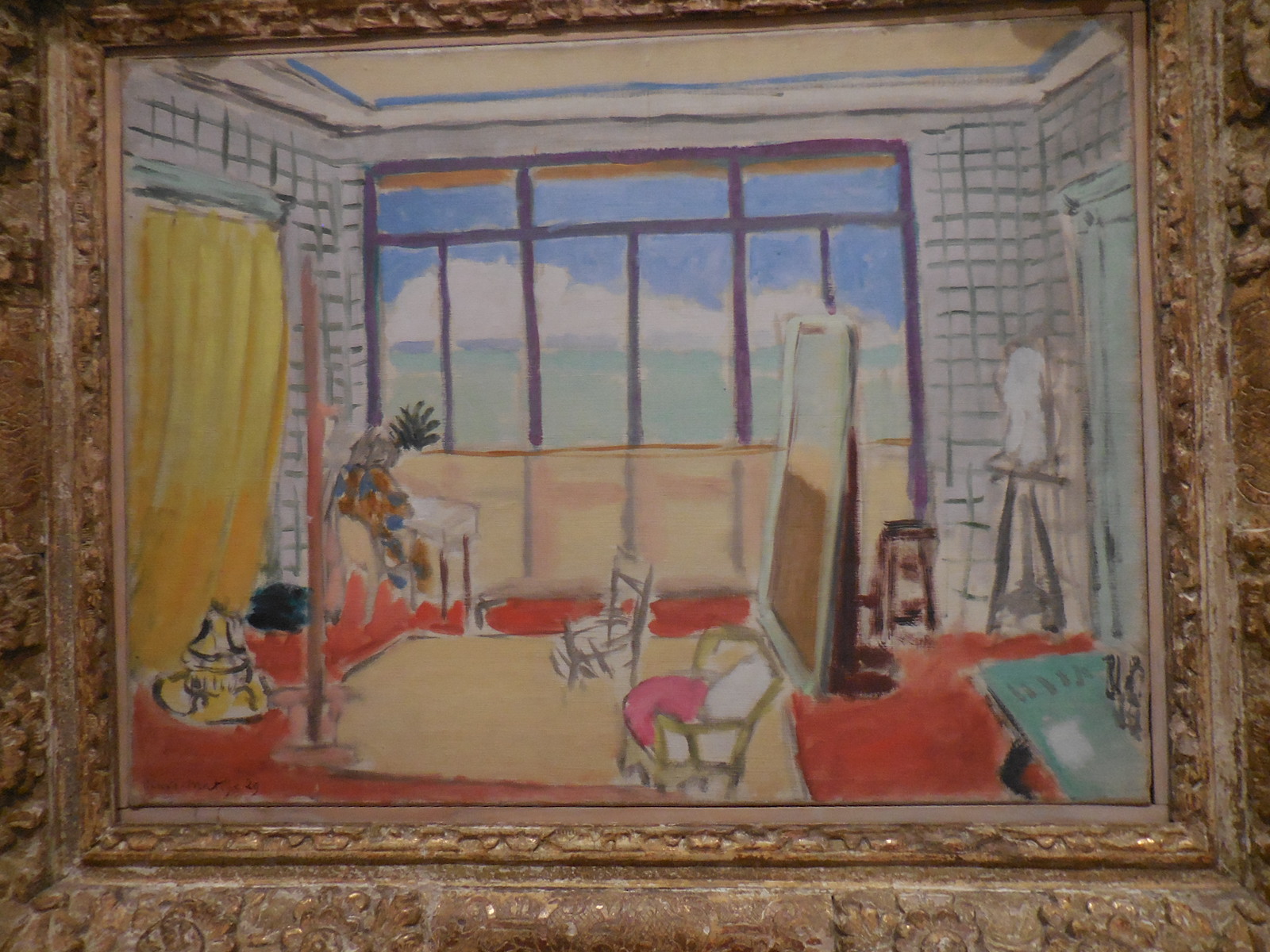
Matisse’s “In the Studio” was rendered 12 years after my favorite painting by Klee, when Matisse was residing in Nice. I liked the way light seemed to fill the room. I liked looking at the sea stretching into the horizon. As in Picasso’s painting, the sea had a calming effect. The pastel colors emitted feelings of joy and contentment. I love Matisse’s use of pastel colors. The carpet and curtain were portrayed in bright yellow while the sky and sea were represented in amazing hues of blue. The window divides the painting into one section with the sea that has an light quality while the part with the furnished room has a heavy quality.

berlinberggruen12.jpg

BerlinBerggruen14

I left the museum feeling cheerful because I had had the possibility to see works by three of my favorite painters of early modernist style. The next day I would visit Charlottenberg Palace, another gem of architecture with spectacular art.

Tracy A. Burns is a writer, proofreader and editor in Prague.

BerlinBerggruen16

BerlinBerggruen17

BerlinBerggruen18

BerlinBerggruen10

BerlinBerggruen5

BerlinBerggruen2


BerlinBerggruen8

BerlinBerggruen9

Charlottenburg Palace Diary

BerlinCharlottenburgext1

I hadn’t had time to tour this palace during my visit to Berlin in May of 2018 because it was so far away from my lodging in East Berlin and difficult to get to. This time I stayed in the more tranquil Charlottenburg district, which, along with the palace, Frederick the Great had renamed after his wife Sophie Charlotte, who had died in 1705 at age 37. I quickly grew fond of Charlottenburg’s wide streets with shops that didn’t cater to tourists. There was only one souvenir shop near my hotel, and it was at the Metro stop. Charlottenburg had an appealing ambiance and cast a spell on me.

BerlinCharlottenburgext2

My first stop, after quickly learning the ropes of the Berlin Metro, was Charlottenburg Palace. Both the Old Palace and New Wing were very crowded. Because it was rainy, windy and very cold on that spring day, I did not spend time in the garden or see the buildings situated in it. Next time. . . .

BerlinCharlottenburgext7

First, in the Great Courtyard I took a good look at the equestrian statue that glorified Great Elector Frederick William of Brandenburg, the father of Elector Frederick III. The son was the husband of Sophie Charlotte who became King Frederick I.

BerlinCharlottenburgext6

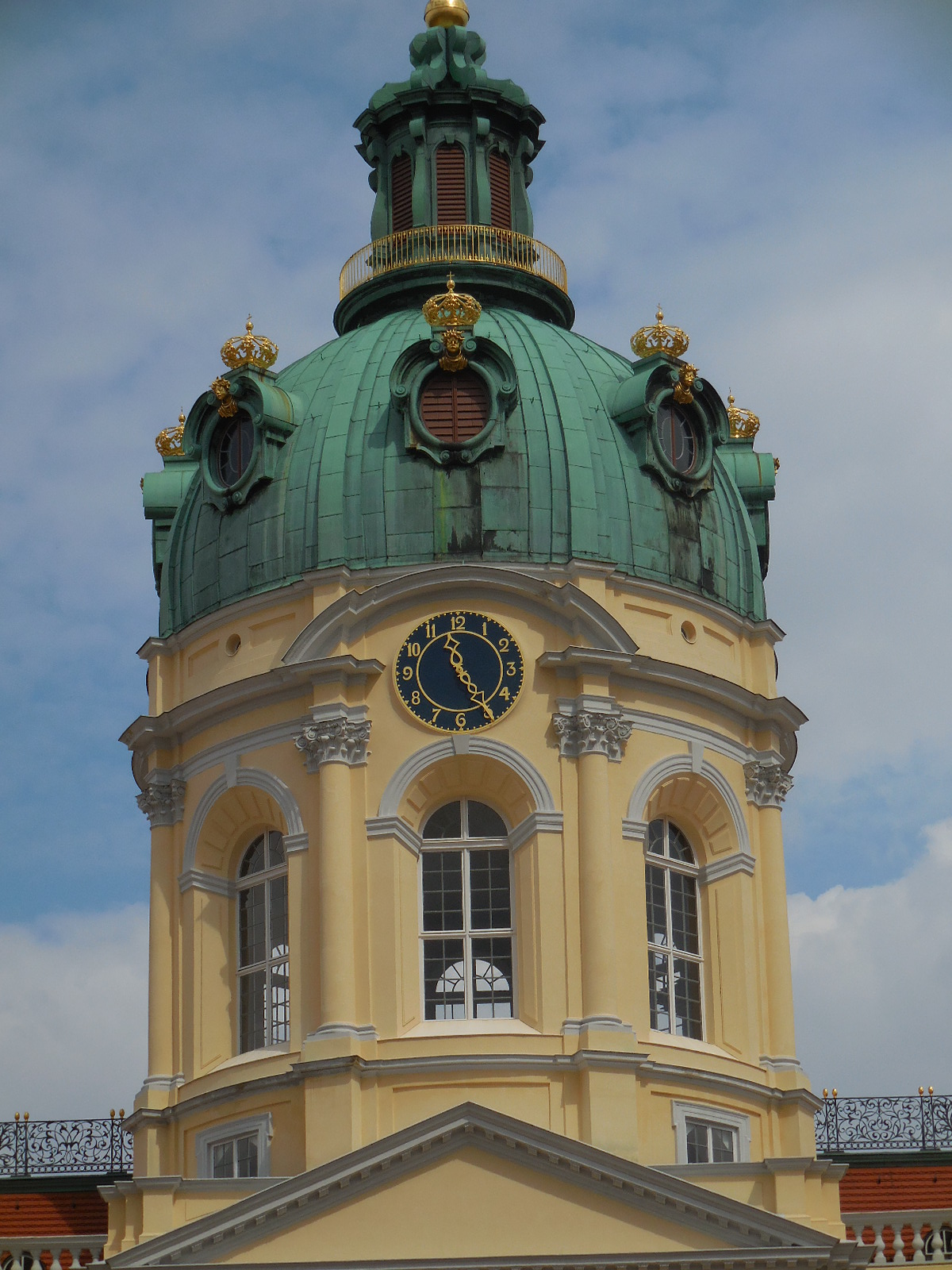
I studied the external appearance of the impressive complex. The 50-meter high domed tower of the Old Palace caught my attention instantly. Fortuna, the gilded goddess of luck, was perched atop a lantern on the tower. The New Wing, built by Frederick the Great in the 1740s, was on the left side of the Great Courtyard. Its entrance portal was simple yet elegant.

BerlinCharlottenburgext4BerlinCharlottenburgext5

First, some background information: Charlottenburg Palace was born in the late 17th century as Lietzenburg, commissioned by then Electress and future Queen Sophie Charlotte. The couple adopted it as their summer residence. It grew into a lavish Baroque building with three wings. Cultural life flourished at the palace during Sophie Charlotte’s time. When she died in 1705, the lively cultural life ended, though King Frederick I still favored the palace.


After Frederick I died in 1713, the palace was only used for receiving guests and for family events because his successor, Frederick William I, was more passionate about the military and hunting and didn’t pay much attention to the palace. Then Frederick II took over in 1740 and had the New Wing built and furnished in Rococo grandeur. When Frederick William II came to the throne in 1788, he used a summer apartment in the New Wing.

BerlinCharlottenburgint9BerlinCharlottenburgint10

King Frederick William III and his wife Queen Louisa enjoyed life at Charlottenburg. They altered the appearance of the interior in 1810, the same year Queen Louisa died at the tender age of 34. A mausoleum with her Carrara marble tomb was erected in the garden. It was a simple yet intimate structure, resembling a Doric temple. The mausoleum is accessible to visitors today.

BerlinCharlottenburgint16BerlinCharlottenburgint17

Frederick William IV and Elizabeth of Bavaria were often present at the palace after the 1848 Revolution, but the first German Emperor, William I, only paid homage to Queen Louisa in the mausoleum. Otherwise, he was not attached to Charlotenburg. When Frederick III was emperor in the late 19th century, Queen Victoria put in an appearance at Charlottenburg.

BerlinCharlottenburgint18BerlinCharlottenburgint19

The year 1918 brought a halt to the monarchy, and Charlottenburg Palace then served as a hospital. During the Second World War, the palace took some destructive hits, but many of the priceless objects had been stored elsewhere by the time the bombs had been dropped. After the war, the palace was in much need of lengthy restoration. That work would last from the 1950s to the 1990s. At long last, Charlottenburg was restored to its former glory, presenting life of the royals from the Baroque age through the beginning of the 20th century. Charlottenburg Palace was even the home of the President of Germany from 2004 to 2006.


The interiors were very intriguing, many rooms even astounding. The lavish Baroque and Rococo décor of some spaces overwhelmed me. Still, I was a bit distracted by the size of the crowds walking from room to room, but that is what happens when you visit such a popular sight. I especially liked the chinoiserie adornment in many rooms. I found the Chinese-inspired style very impressive. I had not appreciated the remarkable effects that chinoiserie designs could have on a building before I visited the largest former resident of the Hohenzollern clan.

BerlinCharlottenburgint32BerlinCharlottenburgint37

One intriguing fact: The Amber Room that can now be found near St. Petersburg, Russia was built in this very palace. The amber covering walls were dazzling, as I saw when I visited Russia. Frederick William I gave the lavish room to Tsar Peter the Great in 1716.

BerlinCharlottenburgint26BerlinCharlottenburgint27BerlinCharlottenburgint28BerlinCharlottenburgint29

BerlinCharlottenburgint25

One superb space decorated in chinoiserie fashion was the Porcelain Cabinet, my favorite room in the entire palace. There are some 2,700 objects displayed in the luxurious and extravagant space. Before World War II did its damage, there were many more objects decorating the collection that celebrated the reign of Frederick I with abundant grandeur. There was so much porcelain that it was almost a shock to look at the space. Cleverly positioned mirrors magnified the number of Chinese and Japanese artifacts. The collection holds the distinction of being one of the oldest and biggest in the country.

BerlinCharlottenburgint7

The Glass Bedchamber of Sophie Charlotte’s First Apartment

BerlinCharlottenburgint13harps

Golden Cabinet with white harpsichord

BerlinCharlottenburgint14BerlinCharlottenburgint15

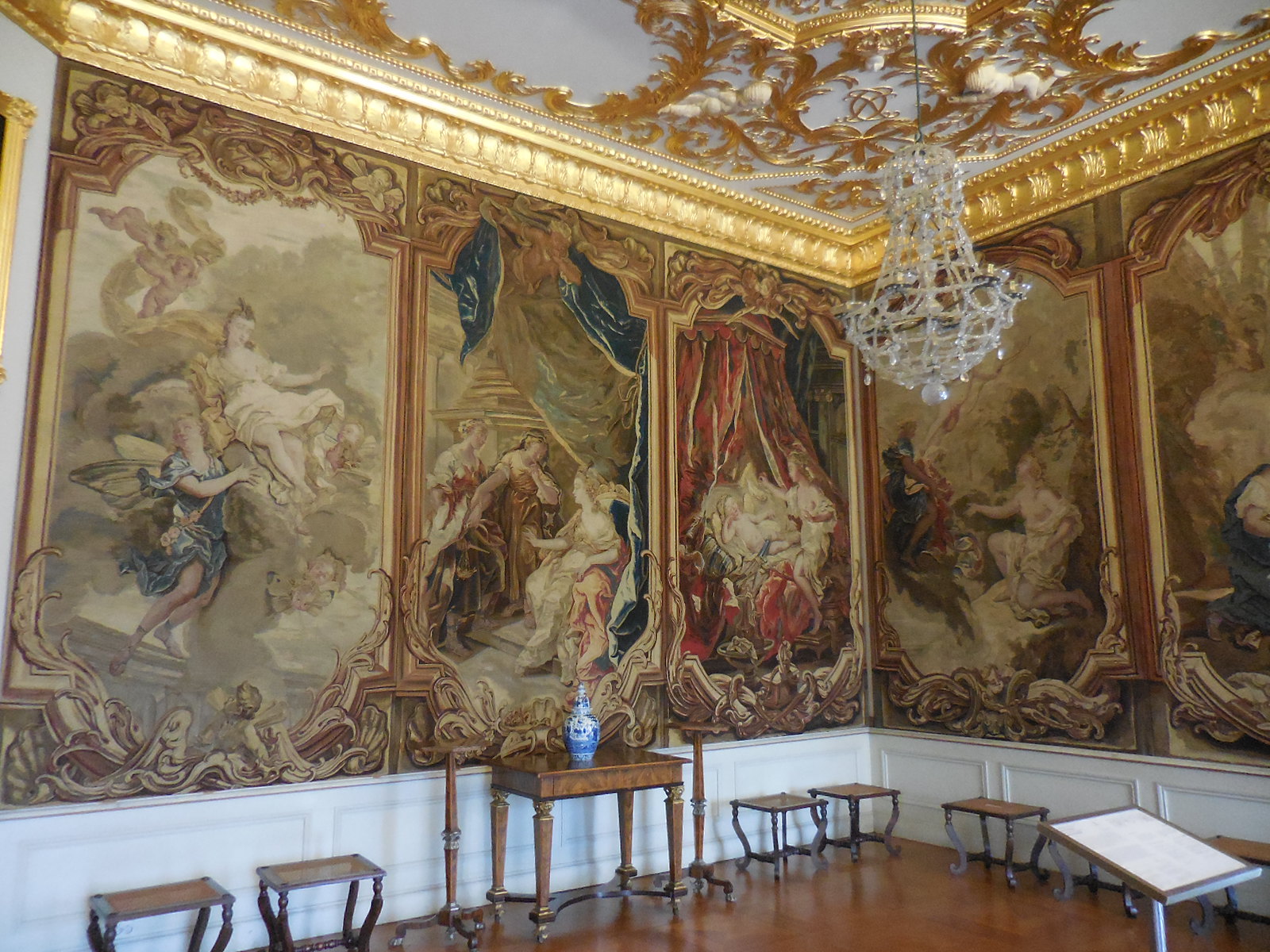
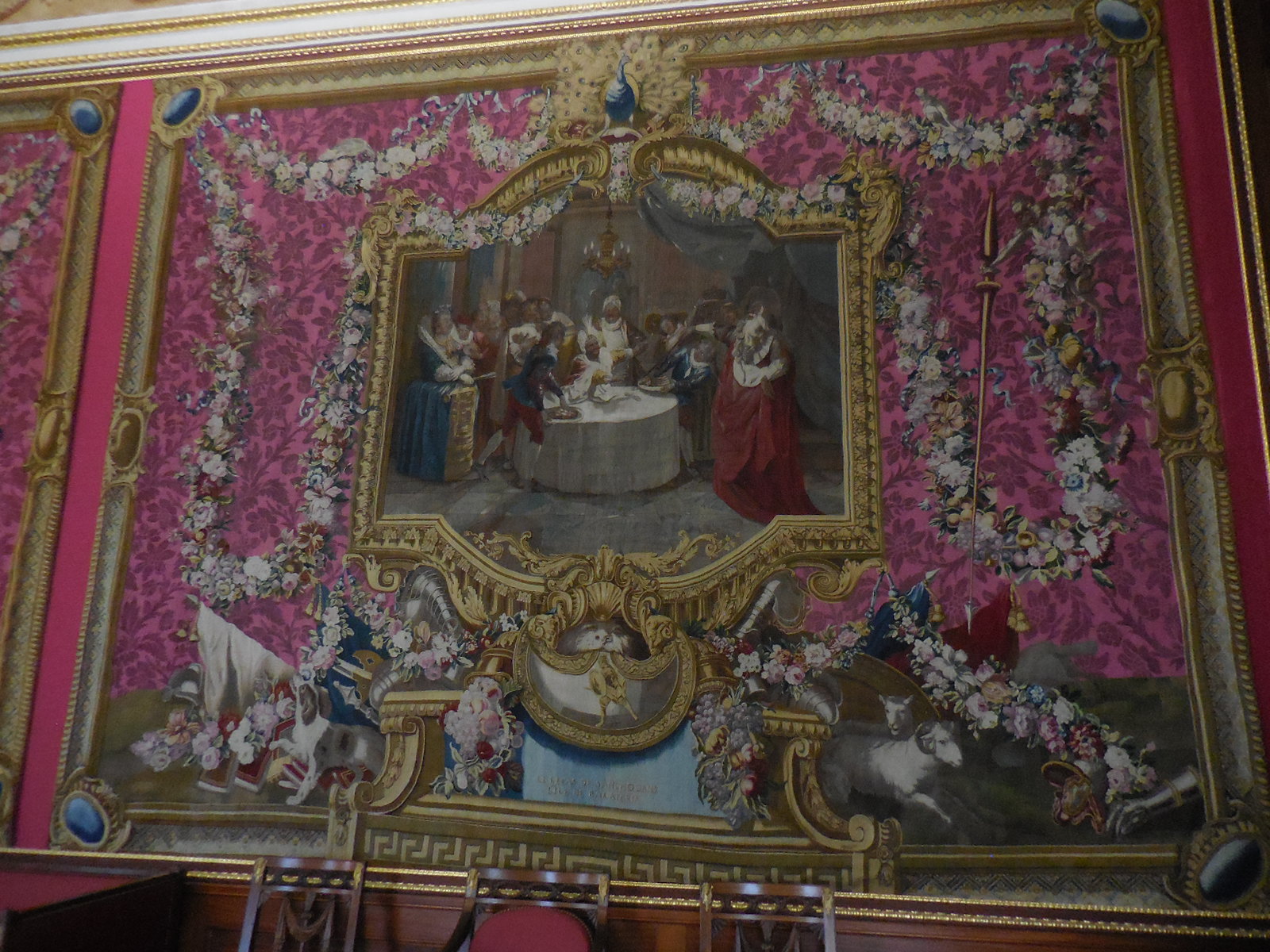
Another room that caught my undivided attention was the Golden Cabinet with its white harpsichord decorated with painted chinoiserie features. The Glass Bedchamber of Sophie Charlotte’s First Apartment showed off masterfully carved furniture and sported chinoiserie elements in its painted lacquer furniture and porcelain. The Brussels tapestries from 1730 in the Audience Chamber of Frederick I showed off scenes taken from Plutarch’s writings. I have always been a sucker for tapestries! Lacquer furniture and Far Eastern porcelain highlighted the chinoiserie effect. The Japanese Chamber is another space in which the chinoiserie style abounds.

BerlinCharlotteburgint51

Japanese Chamber

BerlinCharlottenburgint11

Audience Chamber of Frederick I

The chapel was phenomenal. It was here, seated in the royal gallery, that the Hohenzollern rulers, worshiped as Reformed Calvinists. Its decoration is awe-inspiring with a superb ceiling painting and carved pulpit. I looked up and saw the lavish decoration of a huge crown and the Prussian eagle.

BerlinCharlottenburgint40

The Gris-de-lis Room featured an important painting by Watteau as well as other Rococo gems. In Watteau’s work, the protagonists have been indulging in earthly delights on the island of Cythera and are on their way to a golden ship that will take them home. The Golden Gallery was stunning with its green and gold Rococo adornment. The room, once used for balls, measured 42 meters long. Some of the gilt decoration includes shapes of flowers and shells. The Etruscan Rooms were influenced by Etruscan, Greek and Roman art and took on an exotic quality in the Rococo style.

BerlinCharlottenburgint5

Ancestral Gallery

The Ancestral Gallery was regal in appearance with portraits of the Hohenzollern dynasty. Frederick the Great’s portrait was life-size and impressive. Even the details of the King’s Bathroom were not to be overlooked. Taps on the faucets appeared as dolphins. These sorts of details greatly impressed me.


I really was drawn to the Bedroom of Frederick William II, which was decorated in a white-striped bright yellow pattern. I recalled the bright yellow of my mother’s kitchen, a cheerful room where so many topics have been discussed as we set the world to rights, voiced our dreams and hopes as well as our disappointments and sorrows.

BerlinCharlotteburgint45

East Indian Chintz Room

BerlinCharlottenburgint44

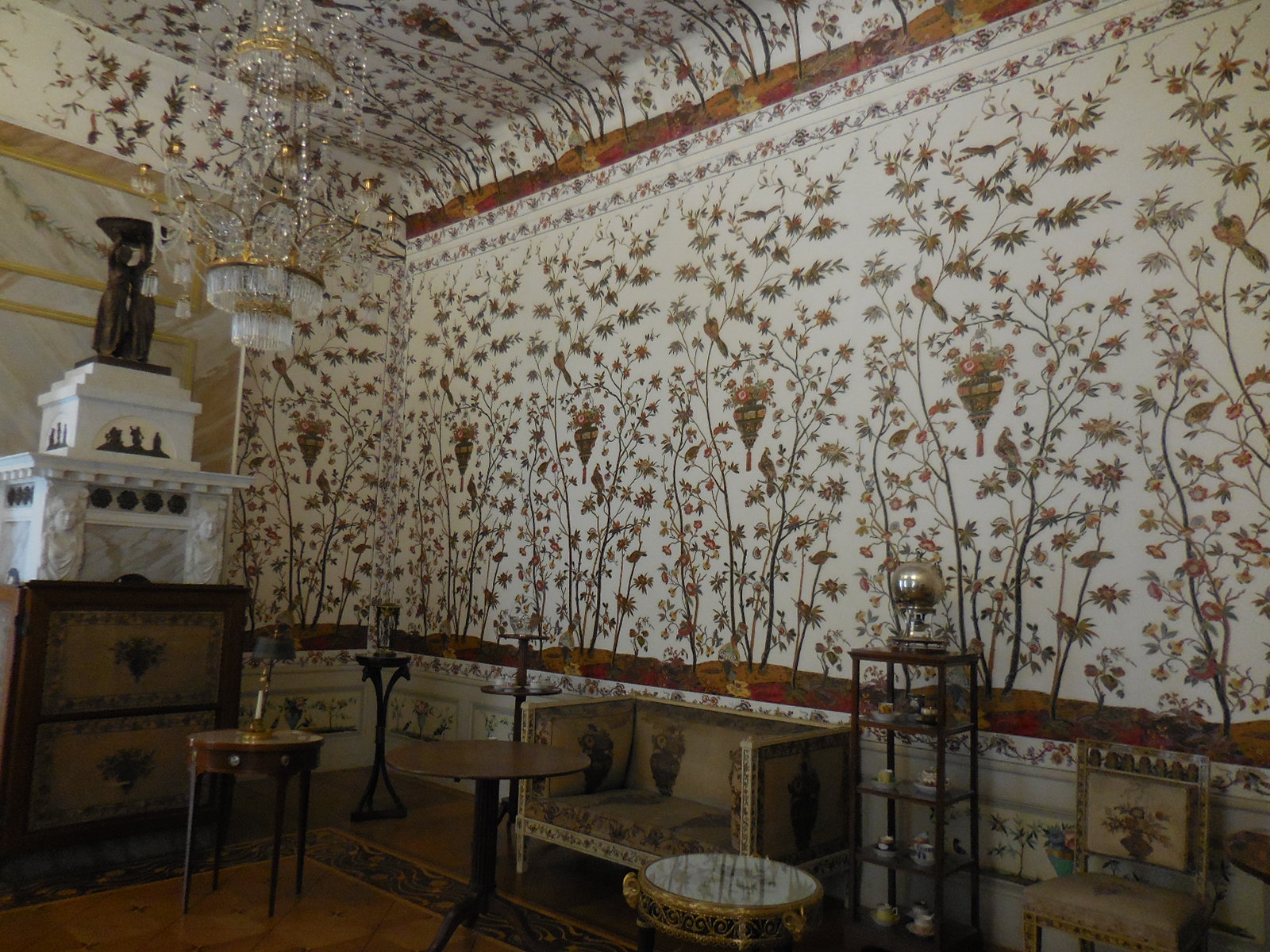
The East Indian Chintz Room was no less spectacular. A favorite of Queen Louisa, the walls were covered in chintz, a waxed cotton fabric decorated with plant ornamentation as well as bird themes. The Adjutant Room was also intriguing for its South American rain forest landscapes. Paintings of Italian vistas in another room brought to mind my love of Italy, a country I tried to visit every year.

BerlinCharlottenburgint47BerlinCharlottenburgint53

Other buildings in the 55-hectare Baroque garden with Great Orangery included the New Pavilion, constructed from 1797 to 1869 and inspired by a villa in Naples. Romantic and Biedermeier paintings adorned its interior. The Belvedere, once a three-storey observation tower, was now home to a Berlin porcelain museum. The Great Orangery was another plus. During the late 18th century, plays and operas were staged at the impressive former theatre building.


I hope to visit these places, plus the mausoleum for Queen Louisa, next time I visit, weather permitting. There were three museums across from the palace, two of which were opened. I explored them and found a small hamburger joint for locals where I savored a juicy burger.

There always seems to be something drawing me back to Berlin.

Tracy A. Burns is a writer, proofreader and editor in Prague.

BerlinCharlotteburgint48BerlinCharlotteburgint49


East Side Gallery Photo Diary

BerlinEastSideGallery2

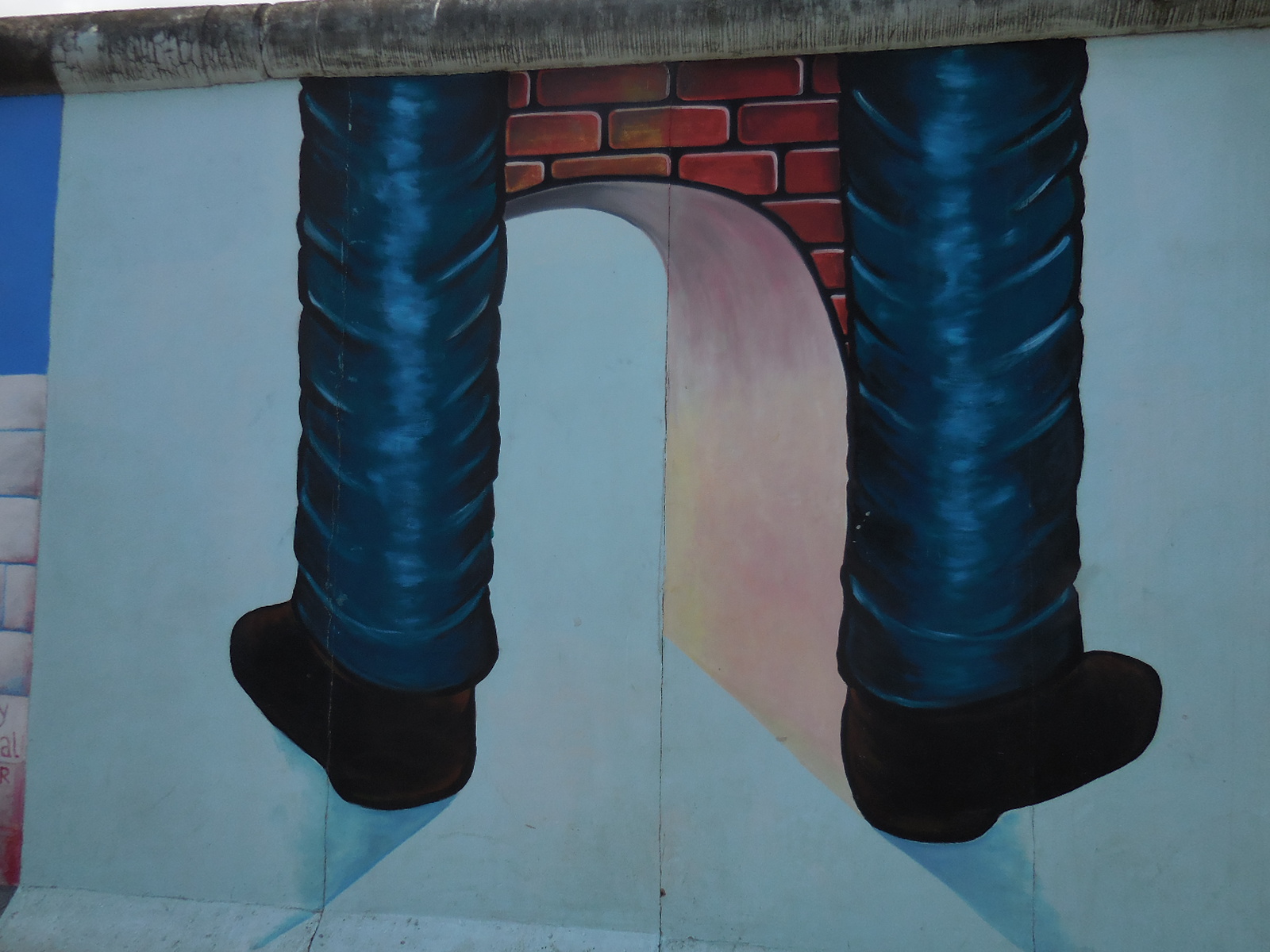
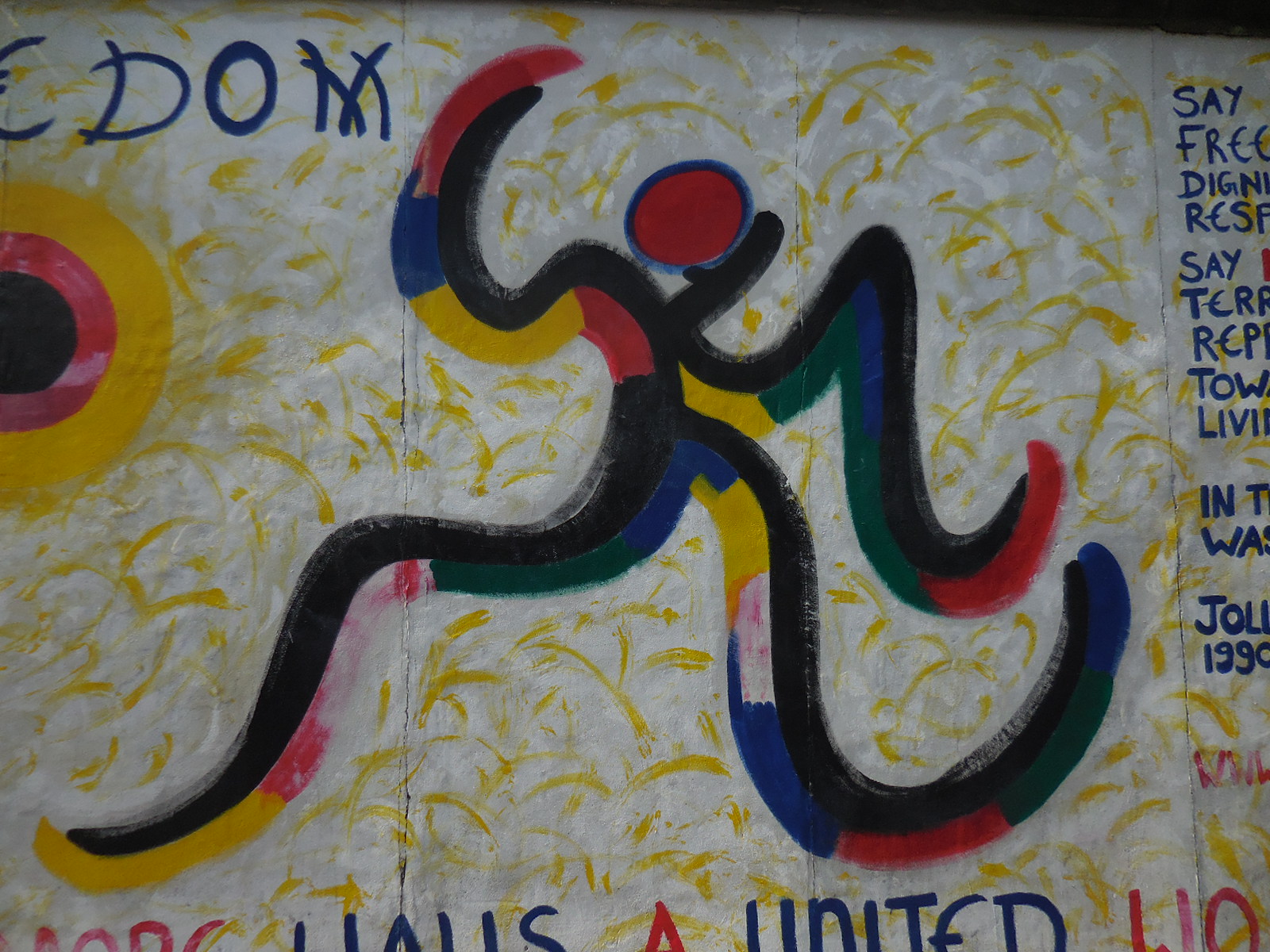
I first visited this permanent exhibition of politically motivated murals on the longest stretch of the Berlin Wall, reaching 1.3 kilometers or just under a mile, back in 1991, when there were six more murals. The East Side Gallery was created in 1990, shortly after the fall of the Berlin Wall on November 9, 1989. Artists from more than 20 countries took part.

BerlinEastSideGallery4

I was fascinated by the bold, brightly colored visual statements displayed in the open-air gallery back then, although I had not truly understood them before my second visit in 2019. Having lived in the Czech Republic and Czechoslovakia for more than 20 years, I have heard from friends what it was like to live under a totalitarian regime. I have friends who greatly suffered under the Communist regime. The messages of newly found freedom and the zest with which the fall of the Berlin Wall was depicted in those more than 100 murals took on another dimension for me in 2019. I could better appreciate the sheer euphoria and utter joy triggered by that historic event in 1989.

BerlinEastSideGallery11

When the wall was renovated in 2009, six artists refused to recreate their work, so I was able to see more in 1991. Also, the East Side Gallery had been longer back then. In 2006 45 meters of the wall was destroyed for commercial purposes. Then, in 2013, six more meters were taken down.

BerlinEastSideGallery24

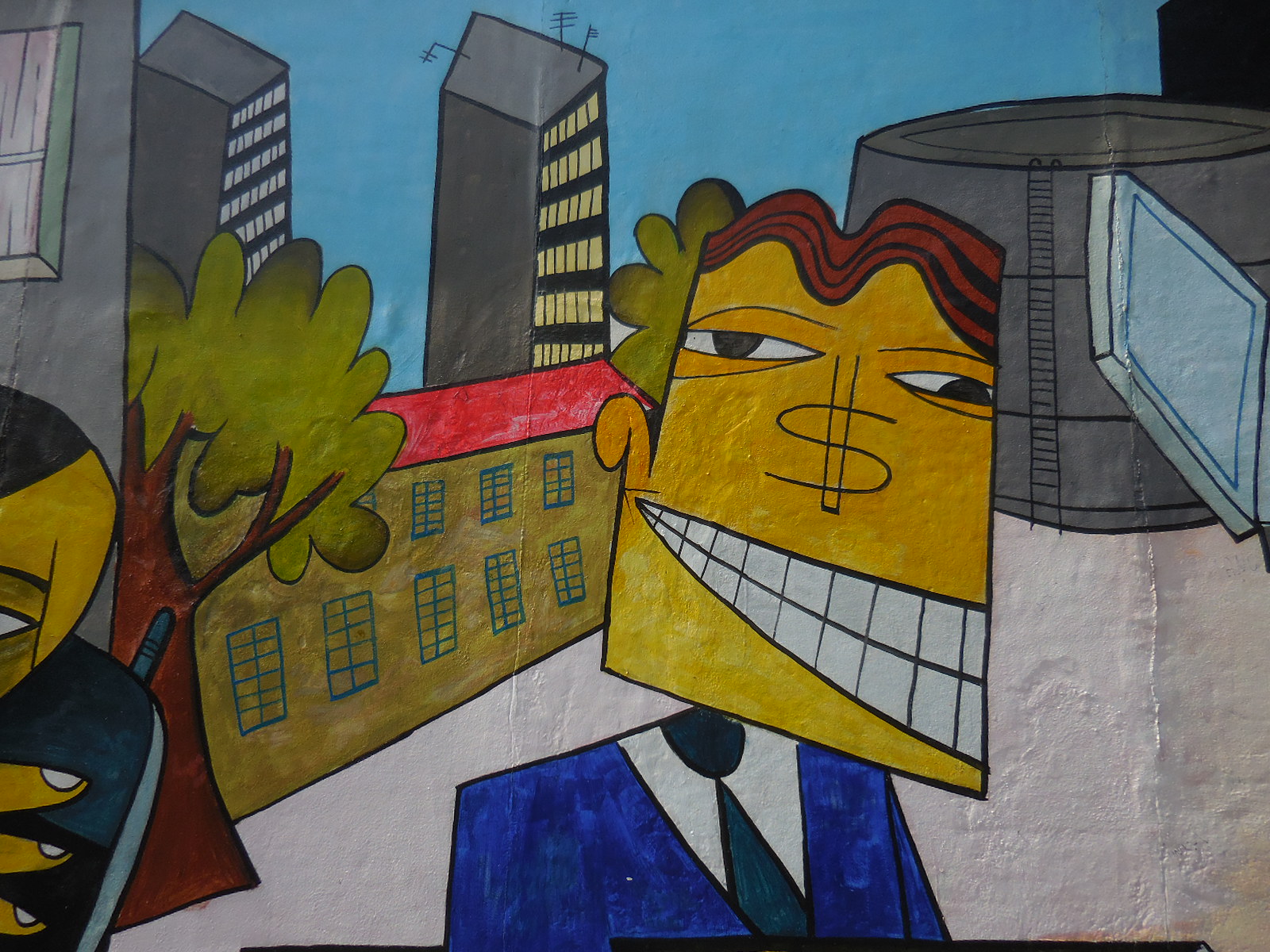
Many of the murals made a great impression on me. Of course, the mural of Soviet and GDR leaders Leonid Brezhnev and Erich Honecker kissing was poignantly repulsive. For me, it certainly epitomized the political climate under Communism.

BerlinEastSideGallery25

The Trabant (a GDR-made car that came to symbolize the Communist country) almost leaping through the wall had an amazing three-dimensional quality. The mural challenged me to appreciate better the euphoria of the East Germans as the Wall came down and their thirst for freedom. I noticed that the license plate of the car was the date that the Berlin Wall fell – November 9, 1989.

BerlinEastSideGallery18

I also enjoyed studying the faces in the crowd trying to scramble through the hole in the Wall on November 9, 1989. Not all expressions emitted joy. In those faces I read apprehension and fear as well. A new world had suddenly opened up, and there would be challenges to form a stable democracy, to make the country blossom economically and culturally. The transformation would not happen overnight. There would be trials and tribulations before the change was complete.

BerlinEastSideGallery8

BerlinEastSideGallery9

One mural that stood out for me was dominated by the word Berlin in white letters on black. In the left-hand corner were some tall buildings with the words New York. Balloons hovered above the name of the German city. For me this painting celebrated Berlin’s identity. It showed pride in the city of Berlin and the sense of hope that immersed the city after the unification. As one city, without the East and West divisions, Berlin would flourish, it seemed to say. (I am sorry I do not have a picture of this mural.)

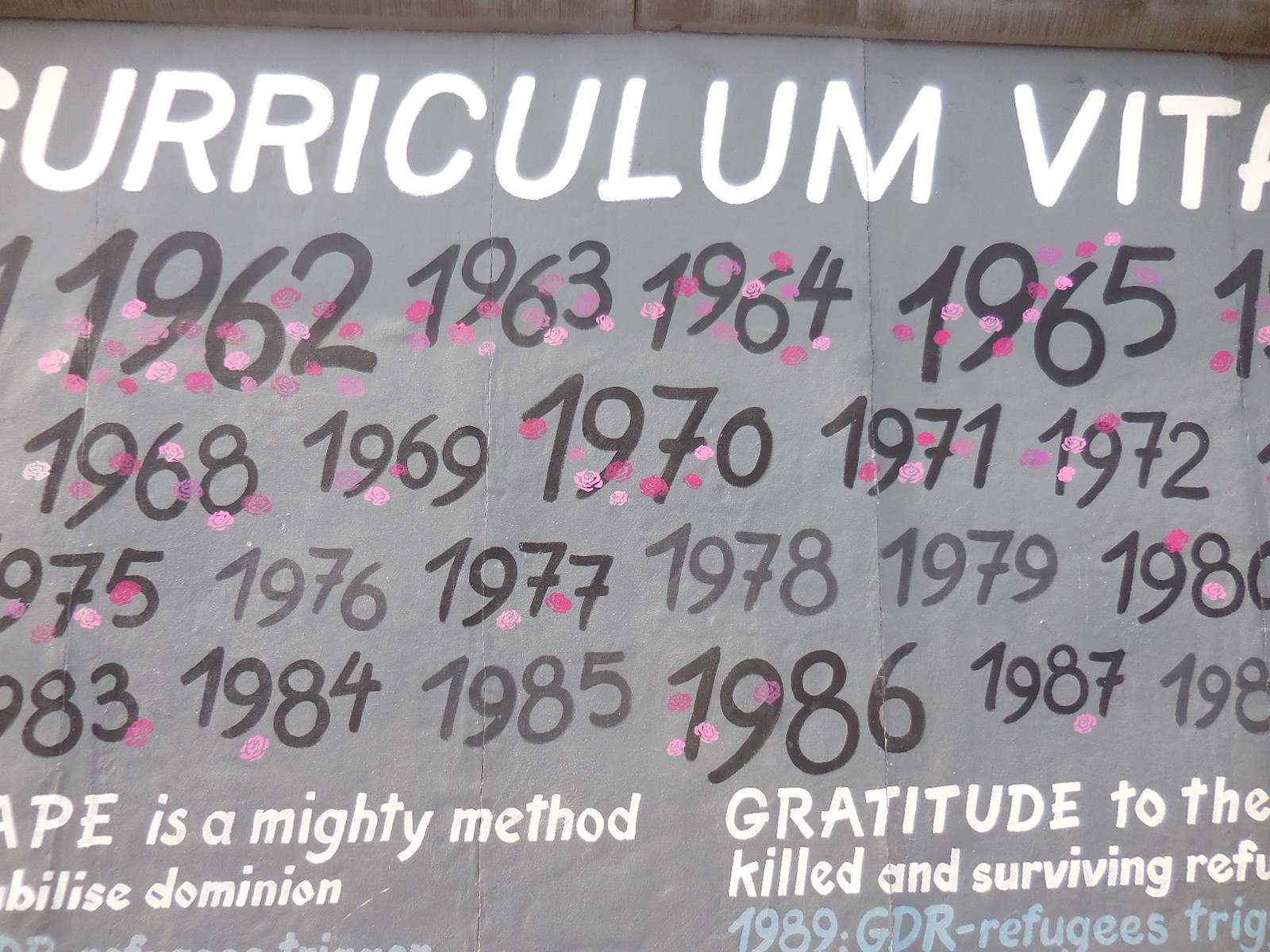
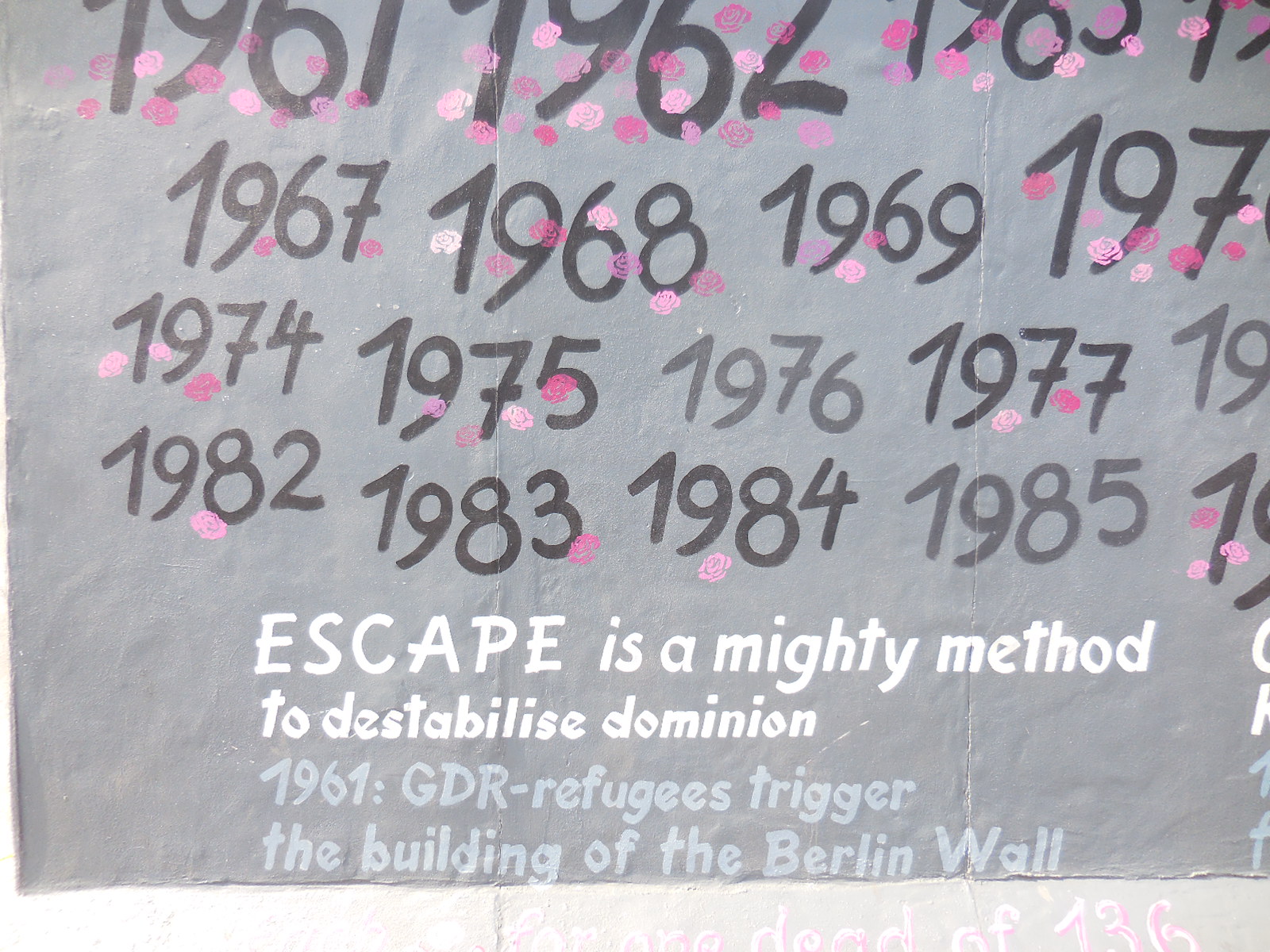
Another that caught my attention read Curriculum Vitae at the top and listed many years from 1961 to 1989. Below the numbers I saw the words, “Gratitude to the killed and surviving refugees.”  It made me think of the people that had escaped to West Berlin and then had helped others escape, risking their lives so that others could enjoy the freedom they had found.

BerlinEastSideGallery6

BerlinEastSideGallery5


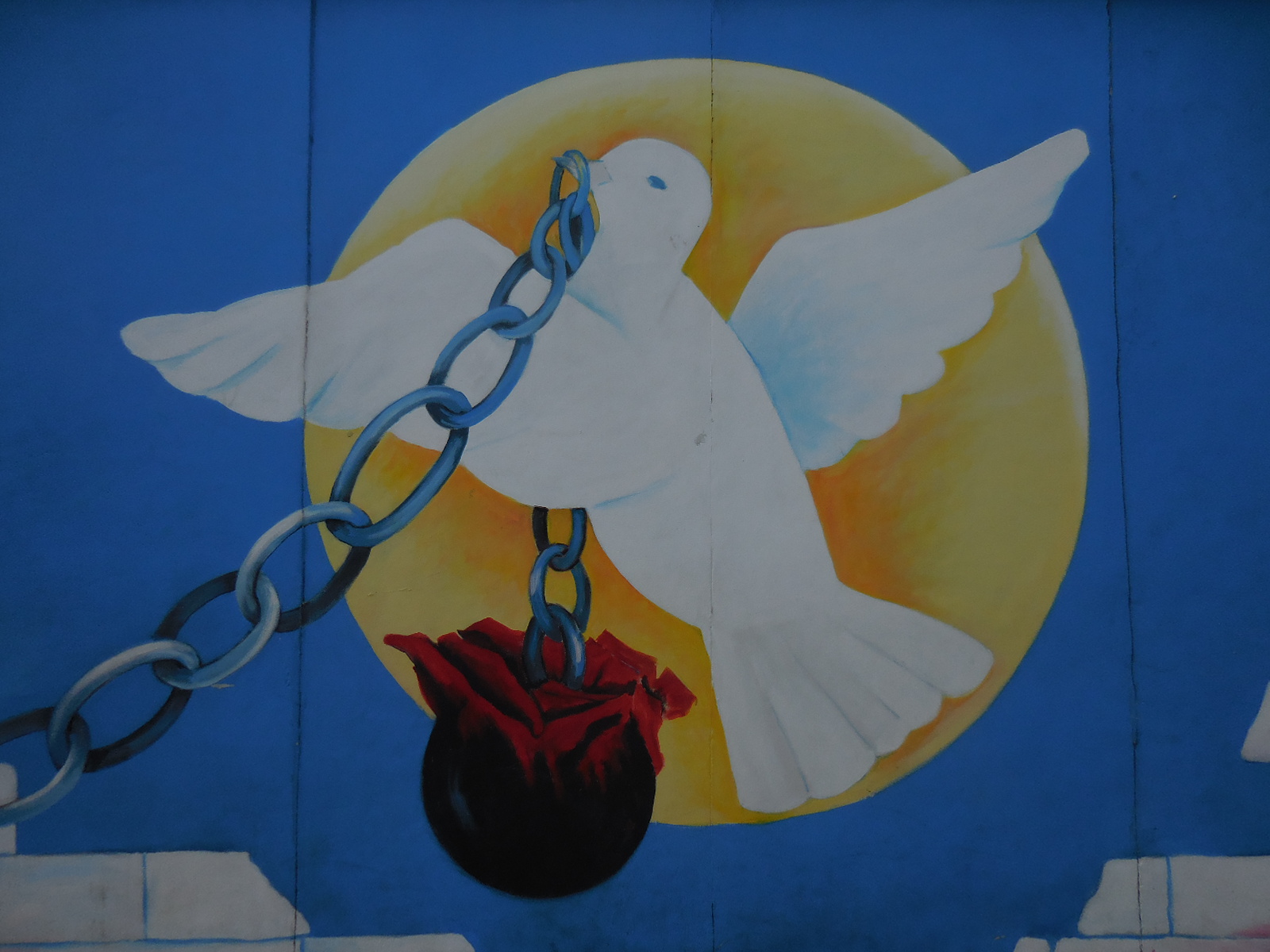
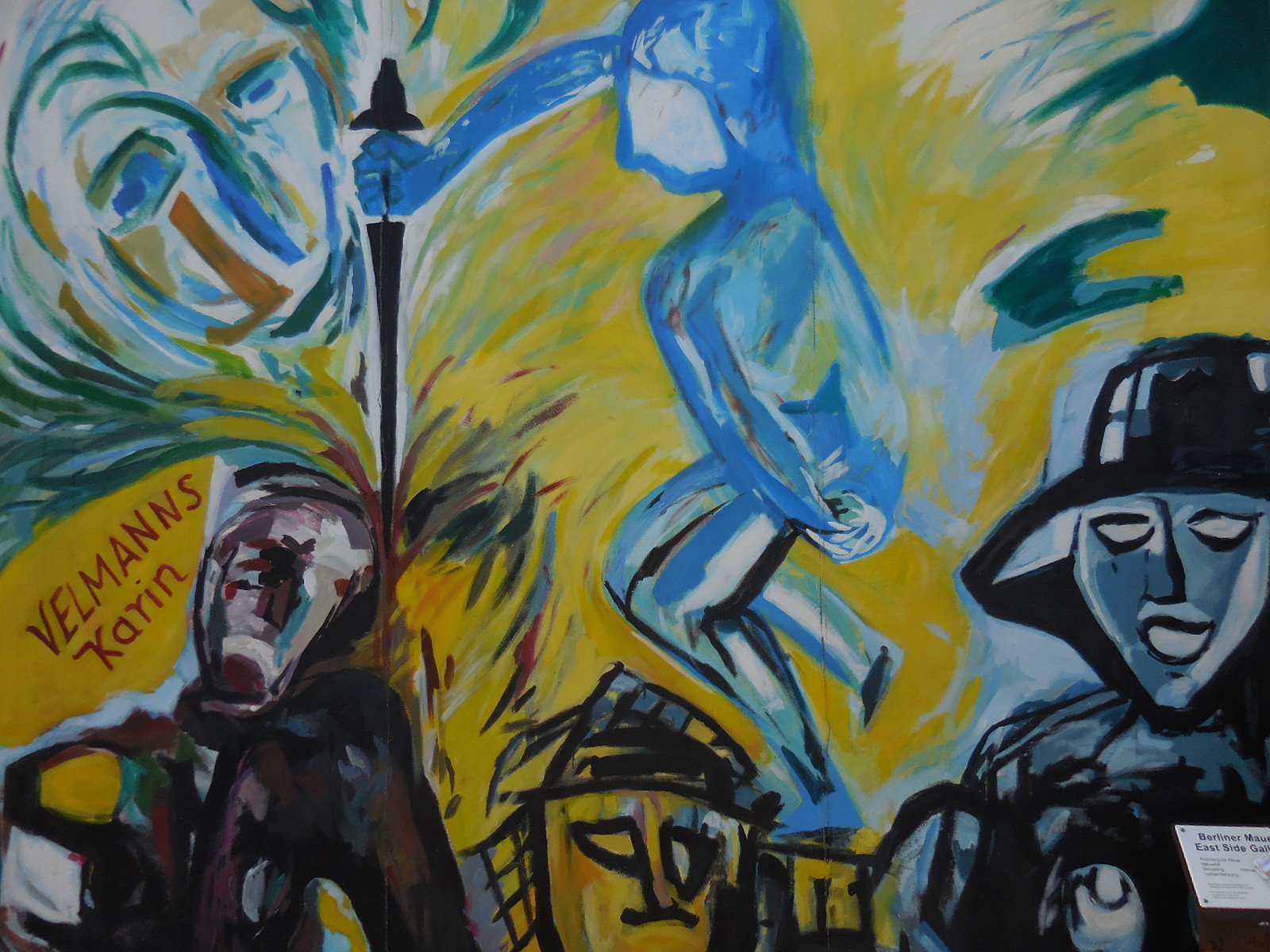
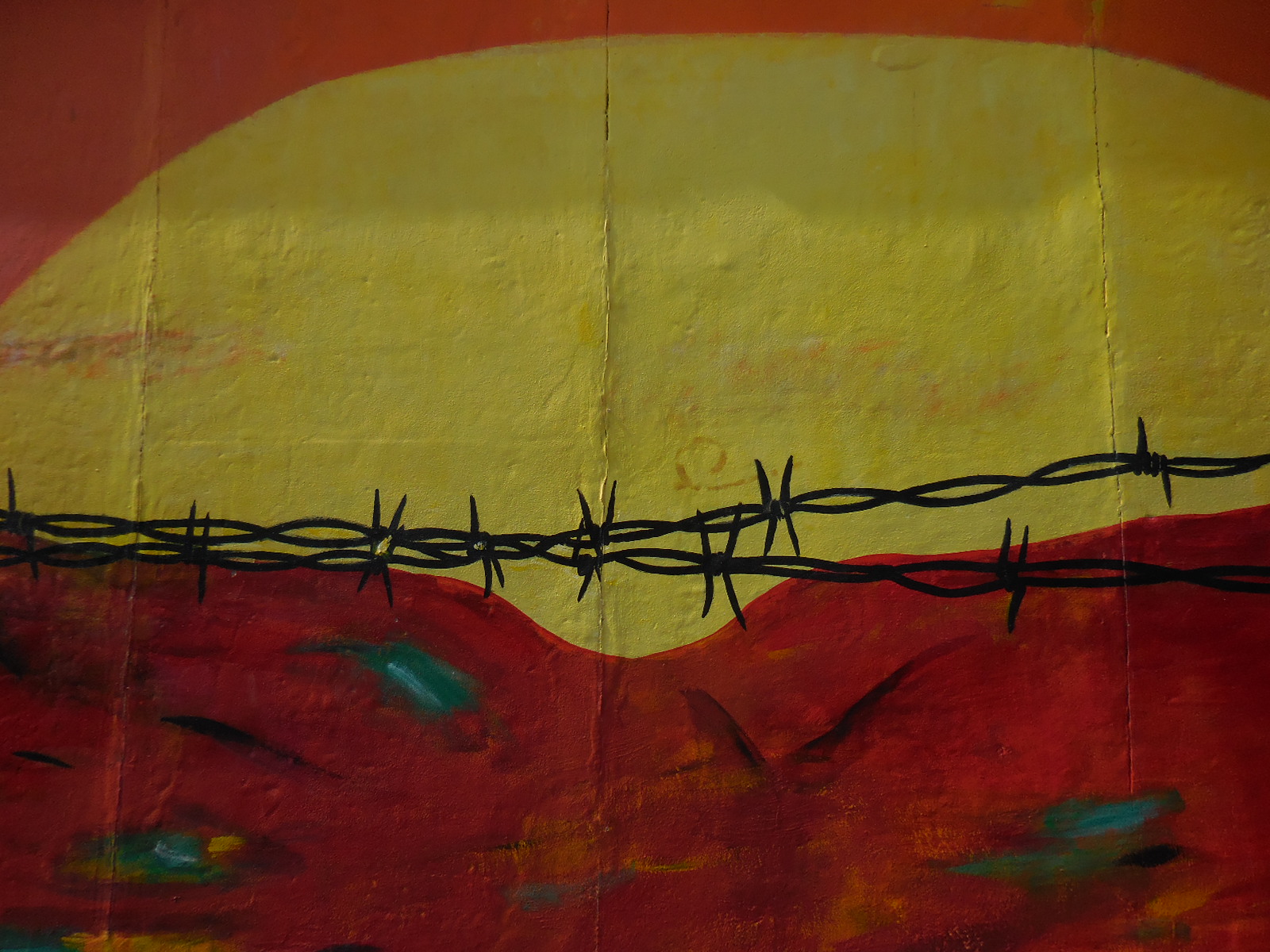
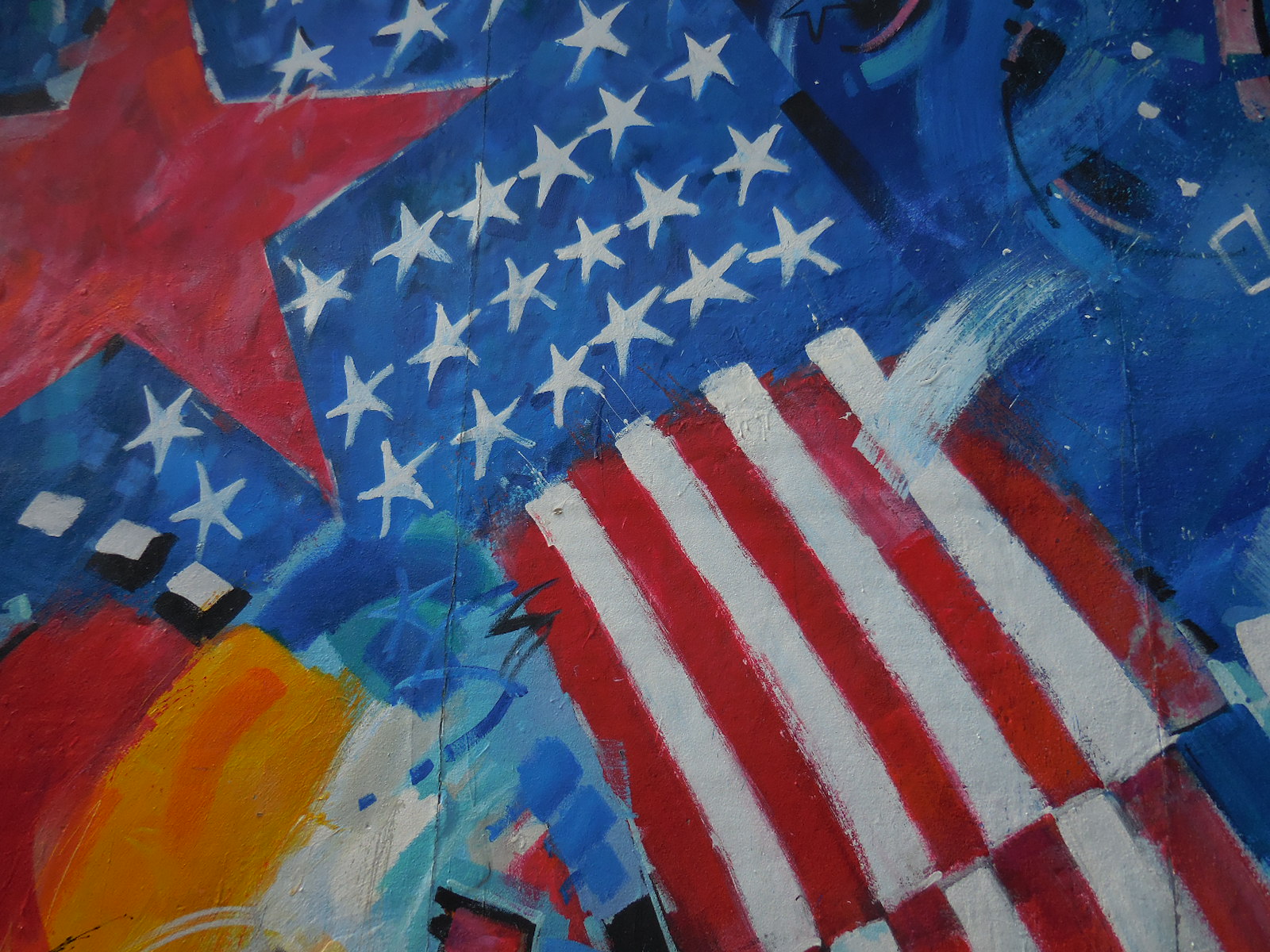
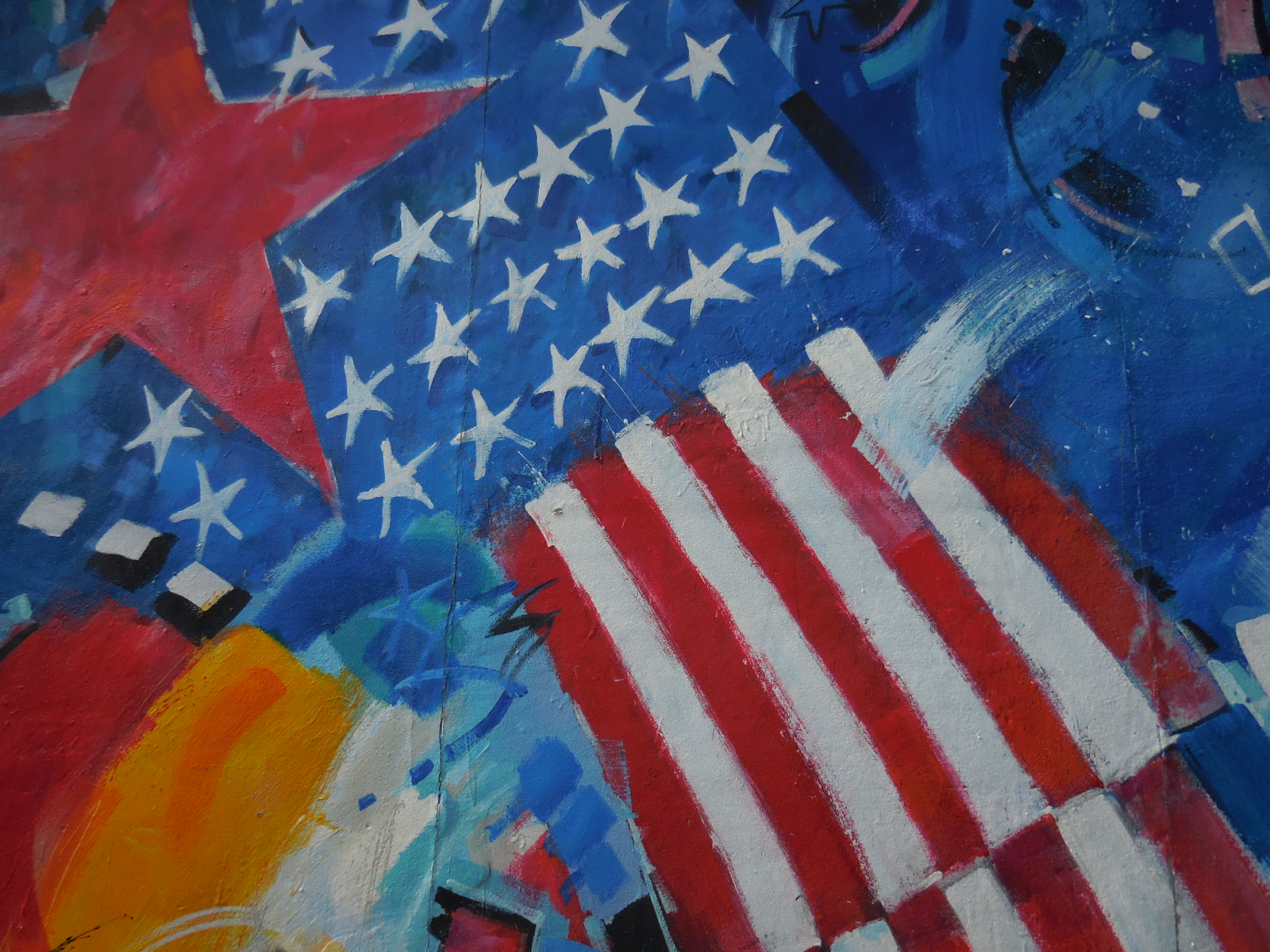
Other murals included joyful people dismantling a wall. White doves fluttered on a blue background in one visual statement celebrating peace. Another mural showed a hand making the peace sign through bars and chained to a white dove, the sun behind the bird that symbolized peace. Some consisted of grotesque or cartoon-like figures. Cartoonish gas masks, all connected to each other, dominated one picture. A few of the paintings seemed set in a sci-fi world. In one mural an American flag and red star appear in the foreground while the Brandenburg Gate is pictured in the background.

BerlinEastSideGallery3

BerlinEastSideGallery7

I felt exposed at the gallery because I sensed that I was in the middle of nowhere, though I was near a train and subway station as well as a modern arena, a hotel and high-rise housing. I felt as though I was in the East Berlin I had visited in 1990 – a desolate, dreary place as opposed to what had been the lively western part. After seeing the murals, I fled back to Charlottenburg, a quarter in which I felt very comfortable because it was inhabited mostly by locals, there was an absence of tourist shops, and the streets were tranquil. At the East Side Gallery, I did not feel comfortable. Frazzled, I was even relieved when I had finished touring the sight.

Tracy A. Burns is a writer, proofreader and editor in Prague.

BerlinEastSideGallery1

BerlinEastSideGallery12

BerlinEastSideGallery13

BerlinEastSideGallery14

BerlinEastSideGallery16BerlinEastSideGallery17BerlinEastSideGallery19BerlinEastSideGallery20

BerlinEastSideGallery22BerlinEastSideGallery26

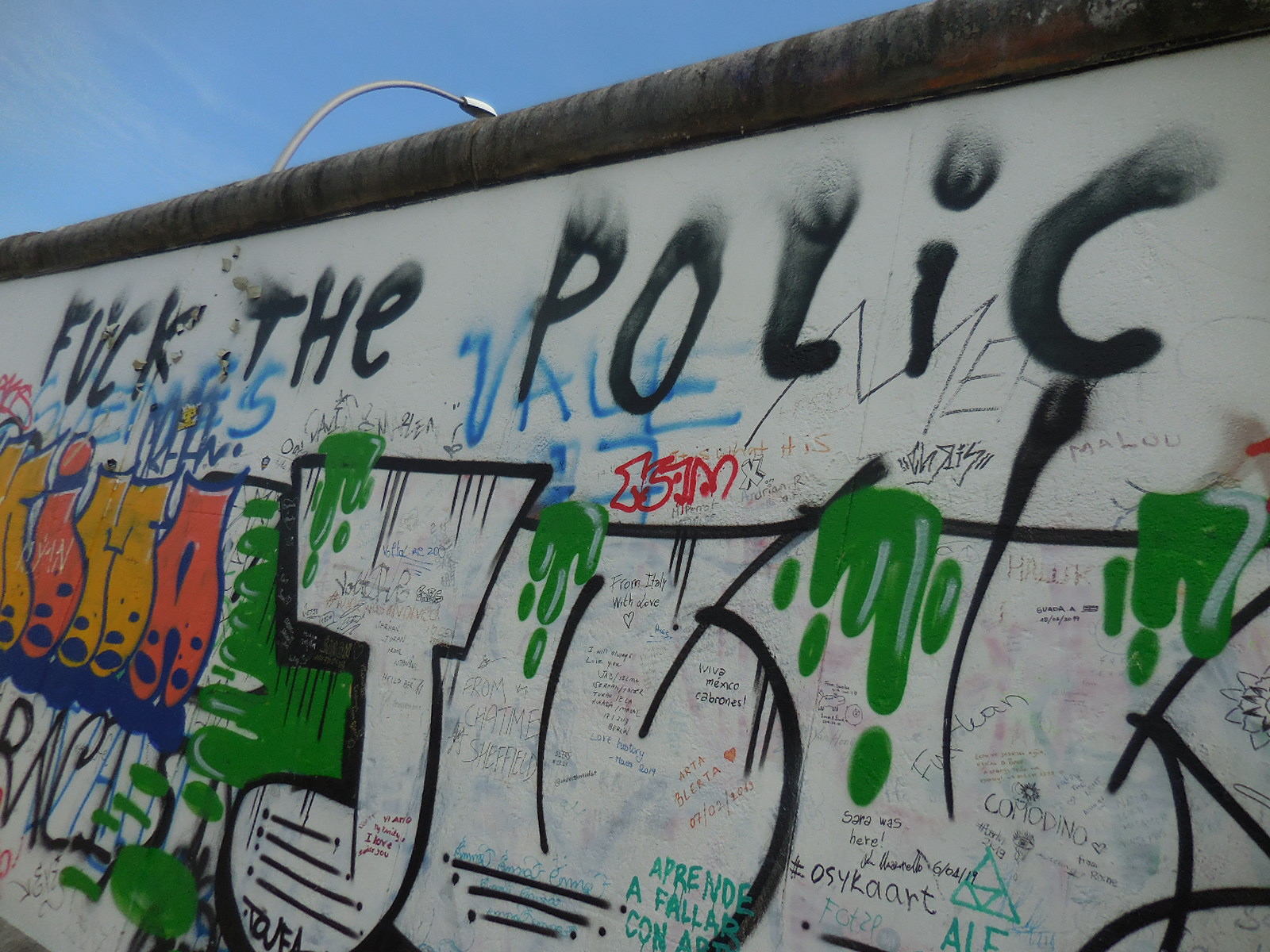
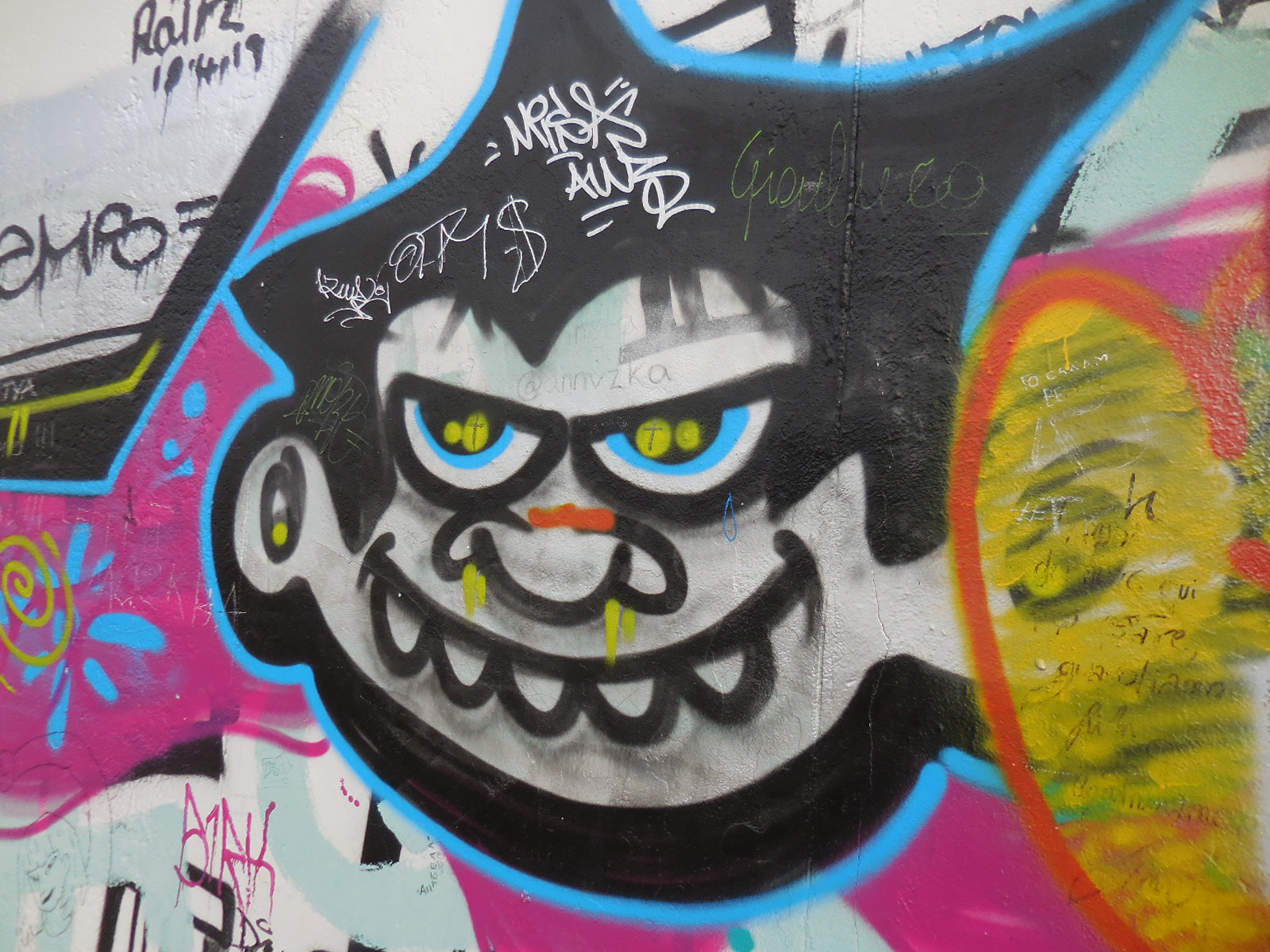
On the other side of the Wall, there was some interesting graffiti and more murals.

BerlinEastSideGallery27BerlinEastSideGallery28BerlinEastSideGallery33BerlinEastSideGallery34BerlinEastSideGallery35BerlinEastSideGallery37

The other side of the Wall with the graffiti

BerlinEastSideGallery39BerlinEastSideGallery40

German Historical Museum Diary

BerlinGHM101

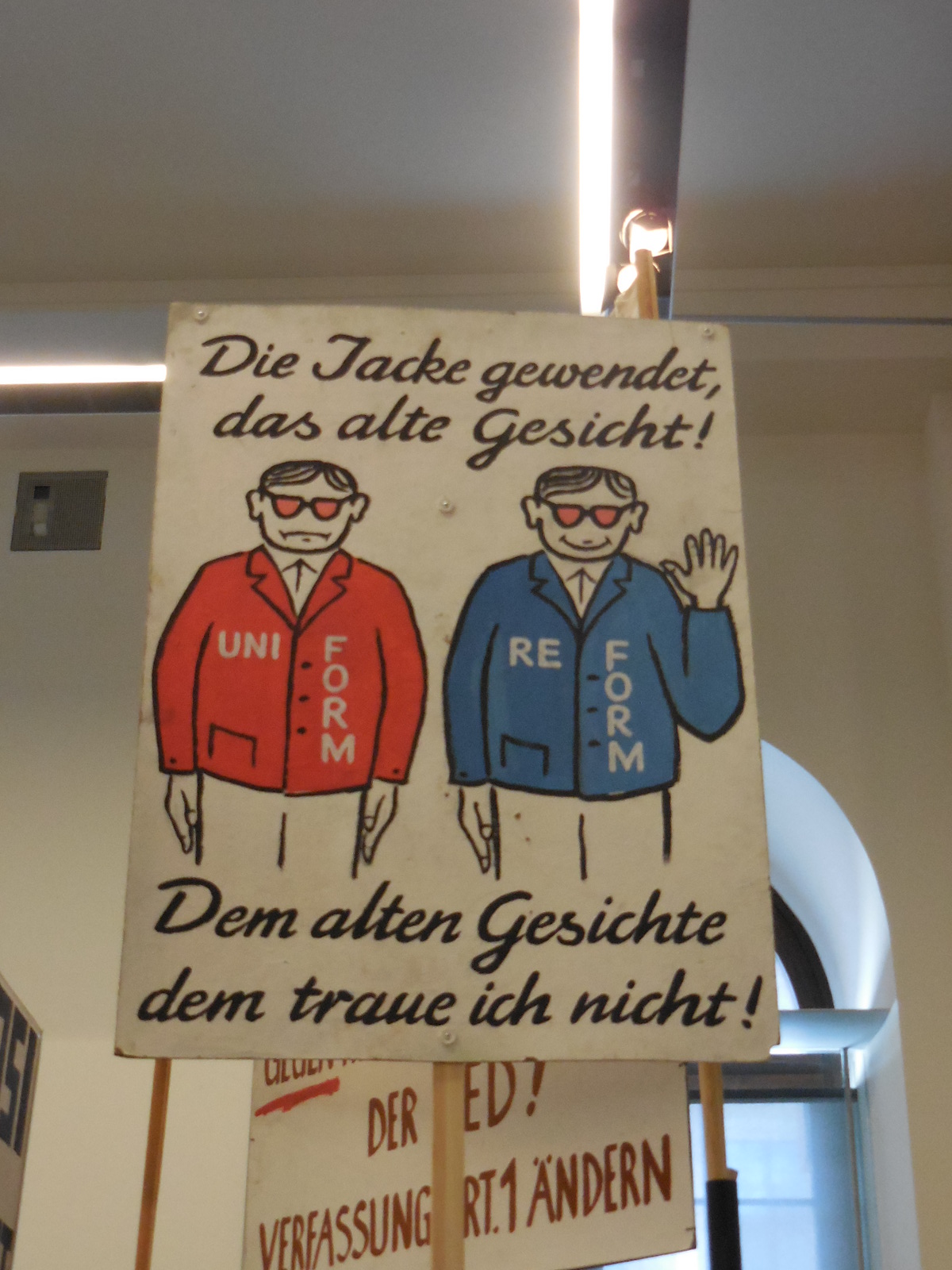
Signs from the demonstrations of 1989

This museum was the highlight of my time in Berlin, and I visited it twice because I was so impressed with the more than 7,000 objects representing 2,000 years of trials, tribulations, joyous occasions and everyday life in German history from the reign of Charlemagne to the departure of the Allies in 1994. The museum not only enthralled me with its portrayal of significant events but also with its depiction of everyday life during the various epochs. The upper floor, where I spent the better part of an entire day, tells a narrative ranging in time from 500 AD all the way to the Germany’s defeat in World War I. The ground floor focuses on topics from the Weimar Republic to the departure of the Allies in 1994. The section on World War II is particularly fascinating. We see Hitler’s ascent to power in 1933 through the historical narrative of World War II horrors.

BerlinGHM47

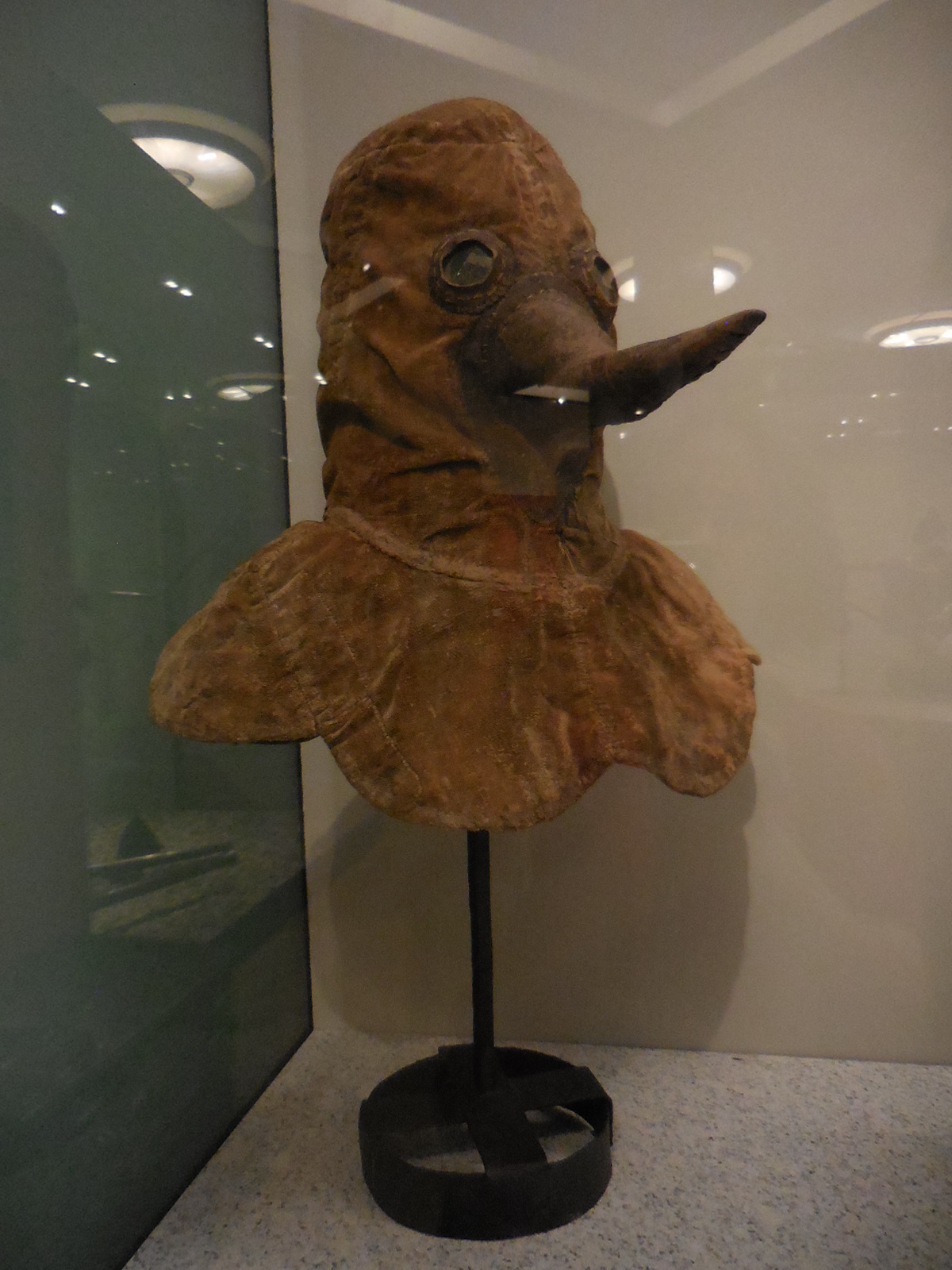
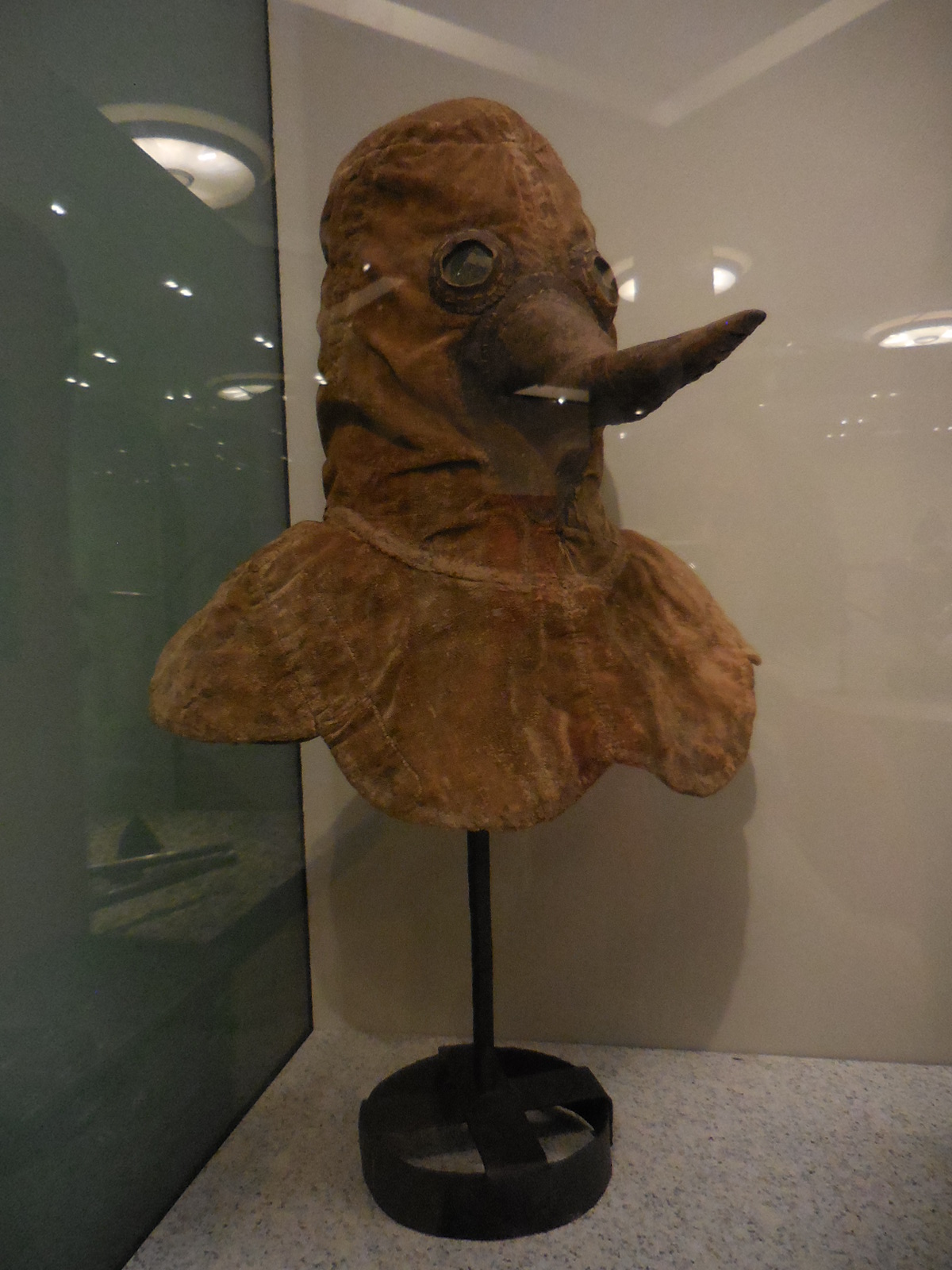
A plague mask from the 17th century

Perhaps the item that intrigued me the most was a mask with a long beak that doctors had donned when tending to patients with the plague. It reminded me of a commedia dell’arte mask. Doctors wore leather gowns with these masks. Herbs or sponges were soaked with vinegar and placed into the beak in order to filter air. This mask was made of velvet, green glass and leather.

An artwork that I found thought-provoking depicted 19th century German emigrants huddled in a boat, trying to escape the awful conditions of their homeland, trying to build a better life for themselves, on their way to another country. Their sorrow of leaving so much behind and their uncertainty of what awaited them were revealed so well in the 1860 painting by Antonie Volkmar, “The Emigrants’ Farewell.” The sad yet brave people who were risking their lives for a better future moved me.

BerlinGHM16BerlinGHM41BerlinGHM57BerlinGHM58

I wondered how my ancestors had felt leaving Slovakia and Bohemia in the Austro-Hungarian Empire for America in the late 19th century. Did they miss their homeland? When they crossed the ocean, did their faces reveal sorrow and uncertainty, too? Had they had second thoughts during their long, arduous journey, or had the hope in their hearts given them strength to weather any storm, to overcome all the inevitable difficulties?

BerlinGHM60BerlinGHM64BerlinGHM66BerlinGHM93BerlinGHM99

I also saw photos of concentration camp prisoners that almost made me burst into tears. The photos reminded me of my trip to Auschwitz some years earlier. That visit remains forever etched in my memory. Sculptures of emaciated concentration camp prisoners vividly portrayed their suffering and desperation.

BerlinGHM61

BerlinGHM63

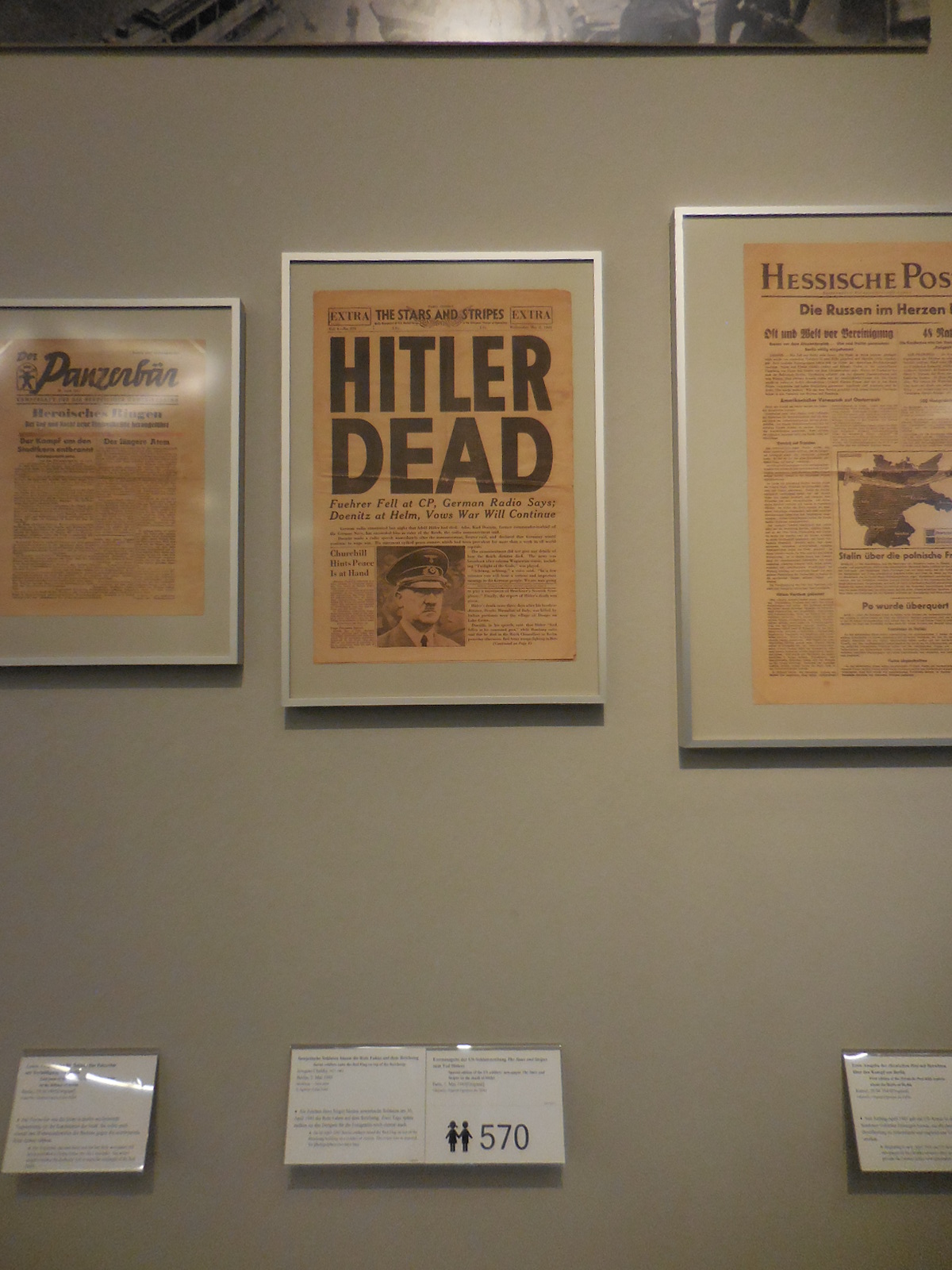
The front page of one newspaper caught my attention. On it a big, bold headline announced, “Hitler Dead.” I could imagine the relief that so many people had felt after perusing those two words.

BerlinGHM82BerlinGHM85BerlinGHM86


A photograph of a corpse-ridden street in Dresden, shortly after the Allies’ bombing in 1945, made me shiver. I saw the horrors of war vividly in John Hearside Clark’s painting depicting the morning after the Battle of Waterloo, with so many dead and injured lying on the ground. I found the portrayal of the aftermath of the battle in which Napoleon was defeated to be chilling.

BerlinGHM71

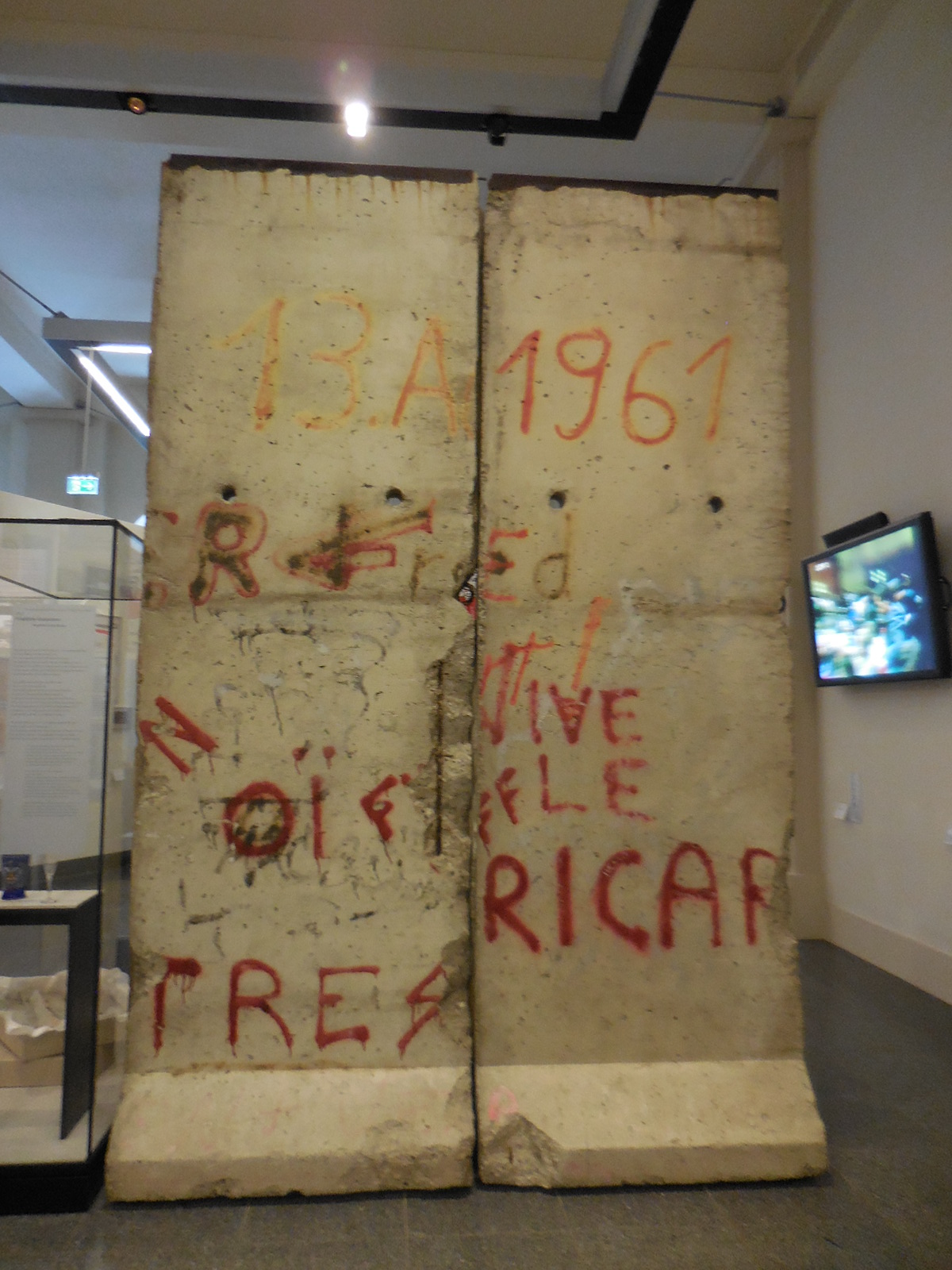
Viewing parts of the Berlin Wall, marked with graffiti, triggered memories of my first visit to Berlin in 1991, when I saw parts of the wall still standing. At that time, I had found it fascinating to see how a city could be divided in this way, how two different worlds had evolved from the construction of that wall, one representing freedom, the other oppression. My perspective changed when I went to see the Wall Memorial featuring a standing segment of the Wall during my 2018 visit. Then, seeing the Wall then made my stomach churn and made me want to throw up. I had met too many Czechs and Slovaks who had lived under the Communist regime – which had asserted its own mental walls – to see the Wall as anything but horrific. I was no longer fascinated by the disgusting structure. Living more than 20 years in Central Europe had changed my perspective.

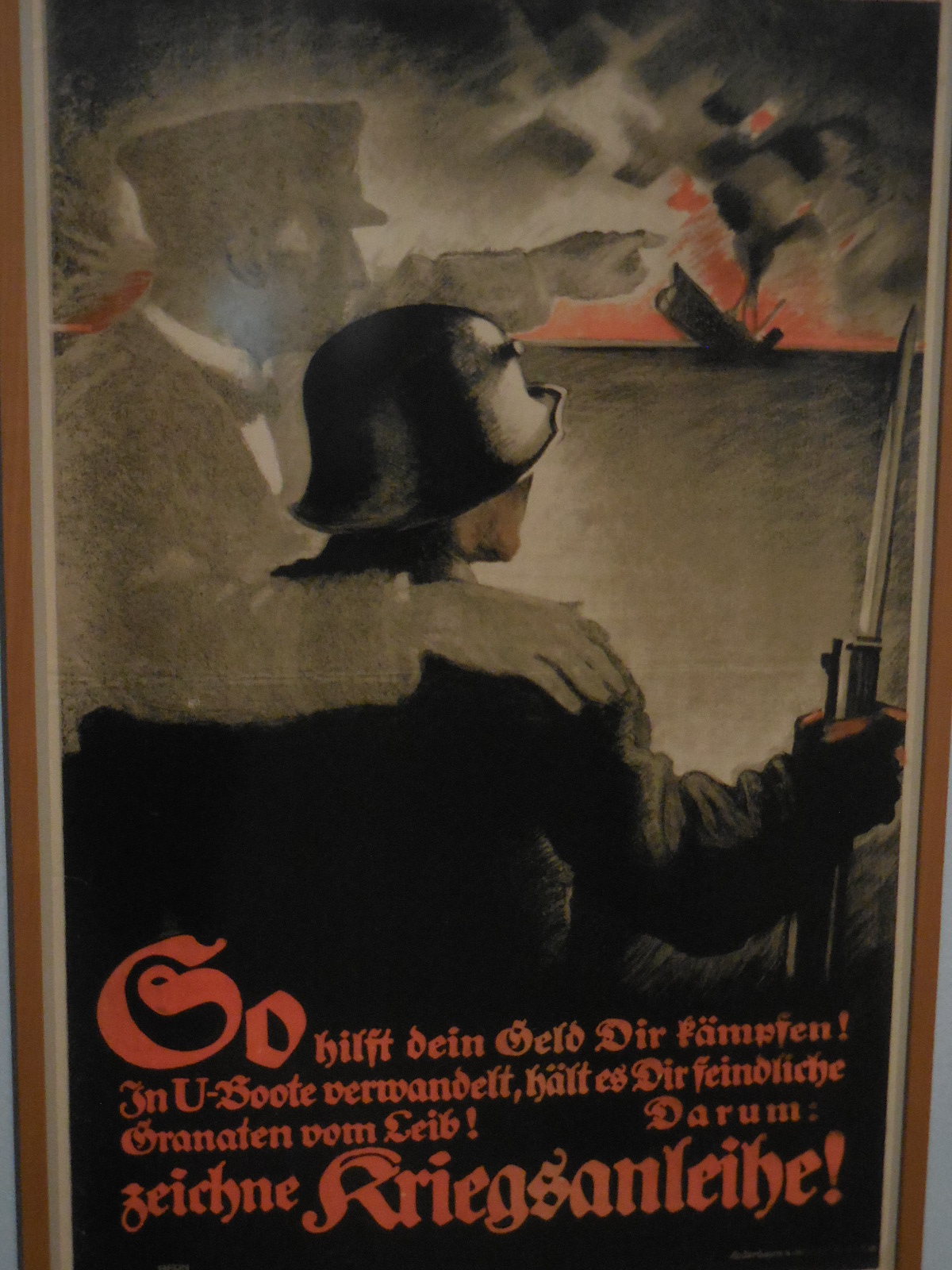
I also took notice of an 18th century ornate Swabian glass bridal crown donned at rustic weddings. I saw a remarkable tapestry of a festive procession of explorers returning from one of the first expeditions to India in 1504. Shields from the 13th century were also on display. A triptych from the 16th century included a panel with the coats-of-arms of the territories governed by Charles V while a likeness of this ruler dominated the central part of the artwork. I also saw handkerchiefs decorated with pictures of current events from the 19th century. I viewed tapestries promoting Nazi Germany plus many posters from that era.

For me my two visits to this museum gave me unforgettable lessons in German history. I learned that when Napoleon beat Prussia in 1806, he took the Quadridge from the Brandenburg Gate with him to Paris. Luckily, it was returned eight years later. I learned that in the 18th century, two-thirds of the population of Germany lived in the countryside as opposed to cities. I learned that the abdication of Emperor Franz II in 1806 had triggered a trend of nationalism in Germany.

BerlinGHM75BerlinGHM74BerlinGHM72BerlinGHM69

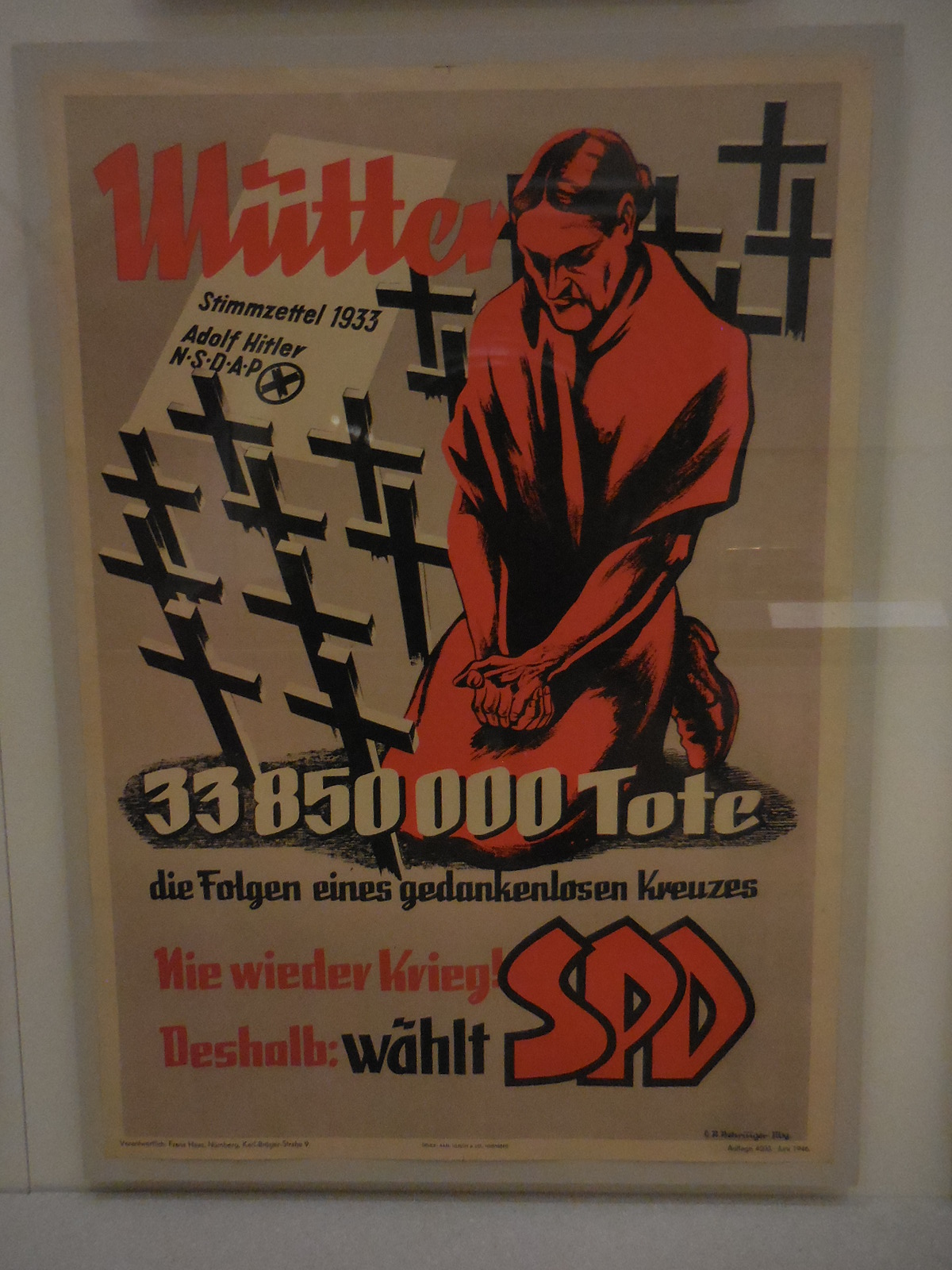
I learned about the industrialization and economic crash of 1873. I learned how the Social Democratic Movement had grown in the 19th century. I learned that the Marxist SPD Social Democratic Party of Germany had the largest membership before World War I started. I learned that 700,000 Germans died of malnutrition and related illnesses in World War I and that, in the summer of 1918, two million US soldiers fought on western front against the Germans.

BerlinGHM28BerlinGHM29BerlinGHM31BerlinGHM32

BerlinGHM38

After each visit, I took my time in the atmospheric, bustling museum café and enjoyed an omelet. Then, when I walked out into the sunshine, I realized that the history in which I had been immersed was not only contained on two floors of the museum. It was everywhere, on every street corner, in each building, on the prominent Unter den Linden and down less noticeable side streets. Lessons from German history had allowed Berlin to grow into the vibrant city it was in the present, into a magical place dominated by the Reichstag and Brandenburg Gate but also by the many cafes, busy streets, parks and museums. Most of all, these lessons of history reverberate in the city’s spirit and soul.

Tracy A. Burns is a writer, proofreader and editor in Prague.

BerlinGHM102BerlinGHM103

2018 Travel Diary

Roveretoext1

A building in Rovereto, one of my favorite places I discovered this past year

For me 2018 will always be associated with Palladian villas and the Veneto region of Italy, the excitement of Berlin and remarkable Czech sights. I also visited some unforgettable art exhibitions in Prague and elsewhere in Europe.

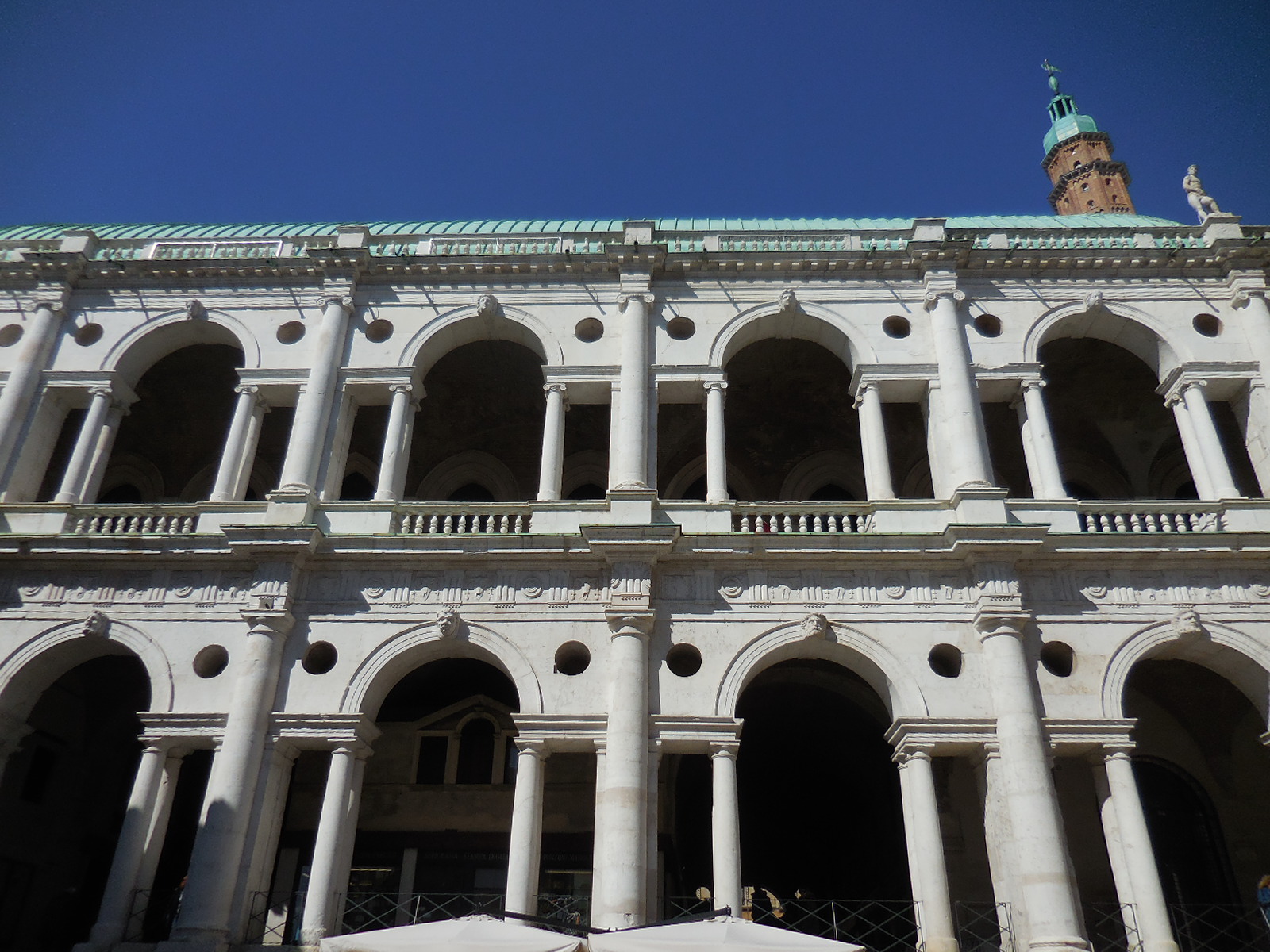
VicenzaBasilicata6

Basilicata Palladiana, Vicenza

During March I traveled with a friend via the arsviva agency to the Veneto to see Palladian sights and other architectural gems in Vicenza, Padua and Rovereto. The three cities were fascinating, each with its own unique character. I was especially drawn to Vicenza for the Teatro Olimpico, Palazzo Leoni Montanari and Palazzo Chiericati. Of course, I admired the elegant arches and arcades of the Basilicata Palladiana.

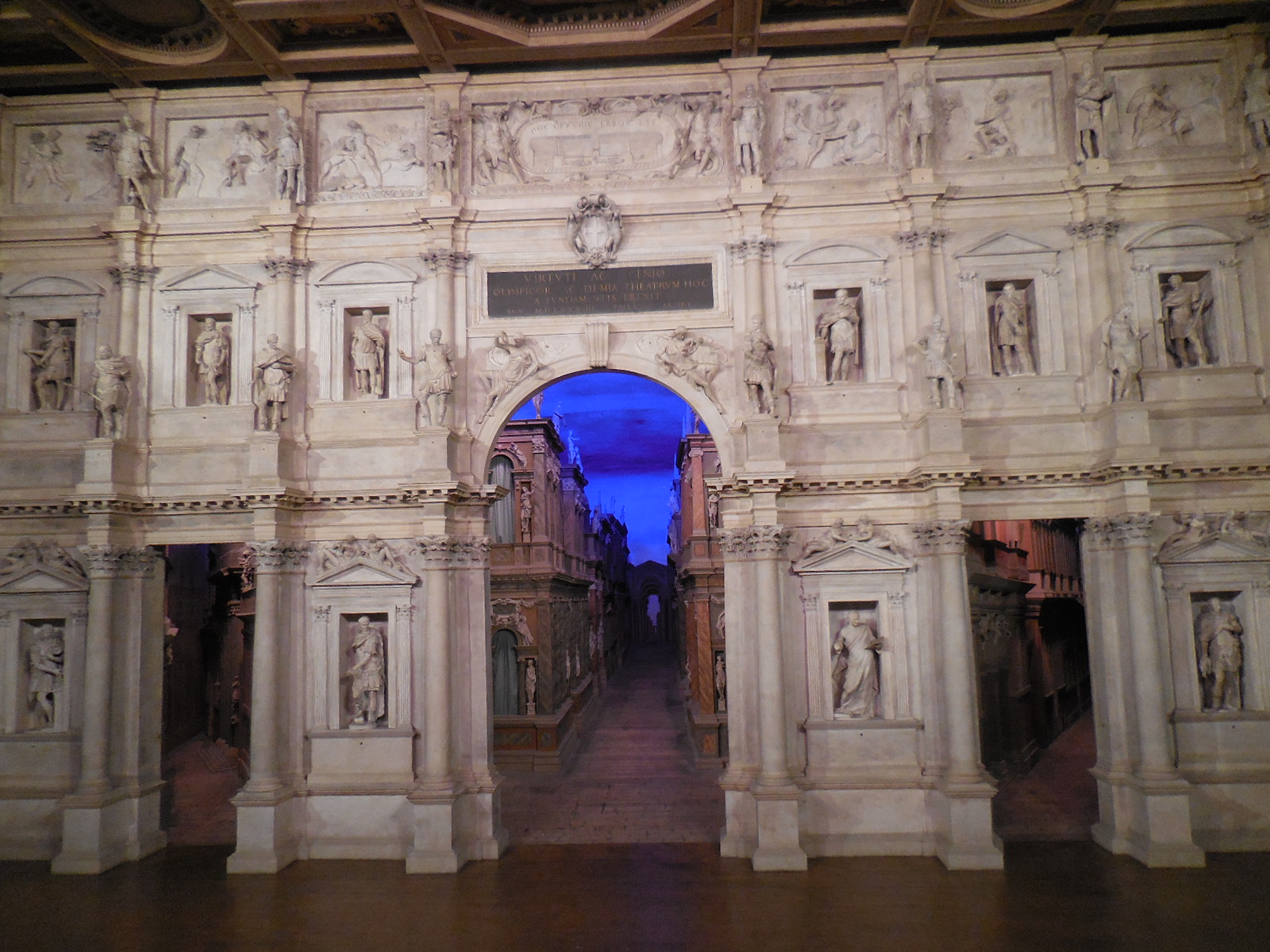
VicenzaTeatroOint14

VicenzaTeatroOint17

The highlight of my tour of Palladian architecture was the Teatro Olimpico, one of only three Renaissance theatres in existence. Palladio’s plan was based on classical architecture. I most admired the illusive architecture in the set for Oedipus Rex, the oldest existing theatre scenery, which featured painting with a false perspective. It looked as if the seven roads of Thebes led from the stage into the horizon. Also, it was difficult to fathom that the clear sky was really painted. The illusion seemed so real.

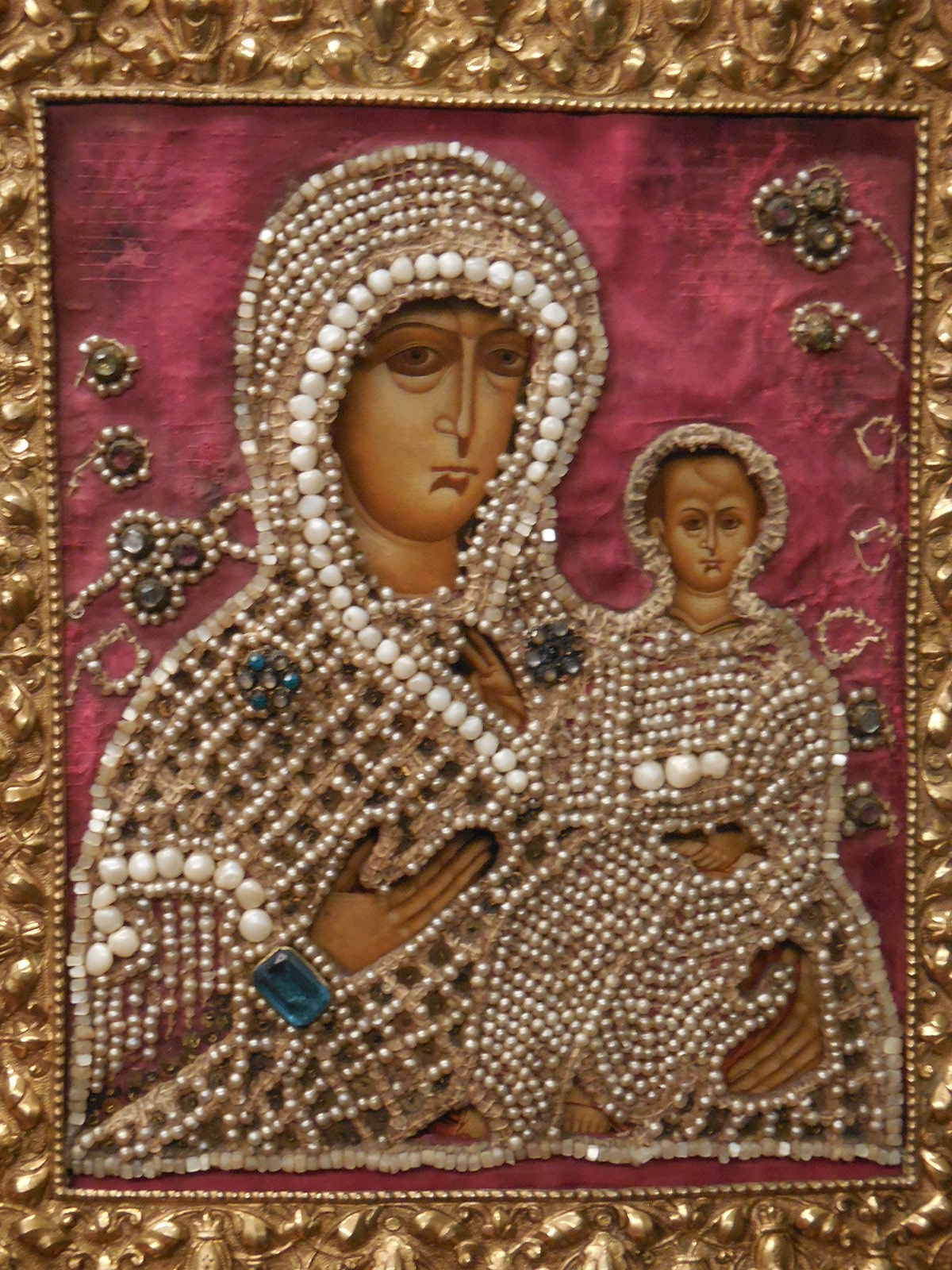
VicenzaGIintRus25

A Russian icon in the Gallerie d’Italia

I cherished my time in the galleries of Vicenza. The Gallerie d’Italia was decorated with rich statuary, stucco ornamentation and frescoes. It houses 18th century Venetian painting, a unique 17th century sculpture made of Carrara marble and vases from Attica and Magna Graecia. However, the highlight of the gallery for me was its superb collection of Russian icons. I had only seen more intriguing collections in St. Petersburg.

VicenzaMCint18

VicenzaMCint3

The interior of the Civic Museum

The Civic Museum in the Chiericati Palace also caught my undivided attention. The palace itself was a work of art, designed by Palladio in 1550 with frescoes and stucco adornment decorating the interior. The art spanning from the 1200s to the 20th century was incredible.

VilladellaRotundaext1

Villa Rotunda – no pictures allowed inside

I also saw some Palladian villas, including La Rotunda, which inspired Thomas Jefferson in his design of his home at Monticello. The exterior’s appearance is that of an antique villa. The geometric design connects the sloping portico roofs with the ribs of the dome. The geometric interior was planned for comfort and beautiful views. The rooms are organized around a central hall with a dome. The villa has three floors and a mezzanine.

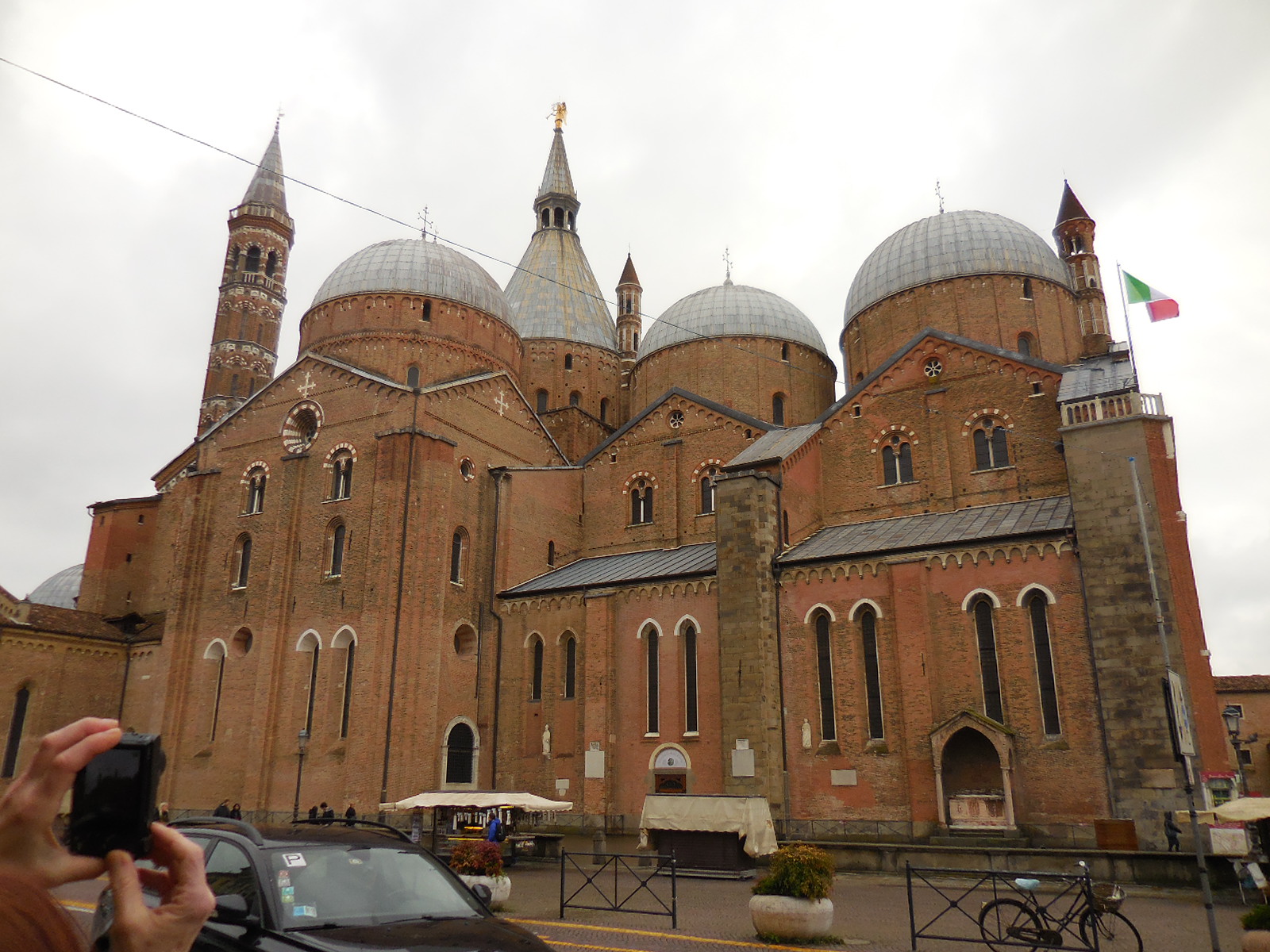
PadiuaBasilicadelSanto1

Basilica of San Antonio or Basilica del Santo – no photos allowed inside

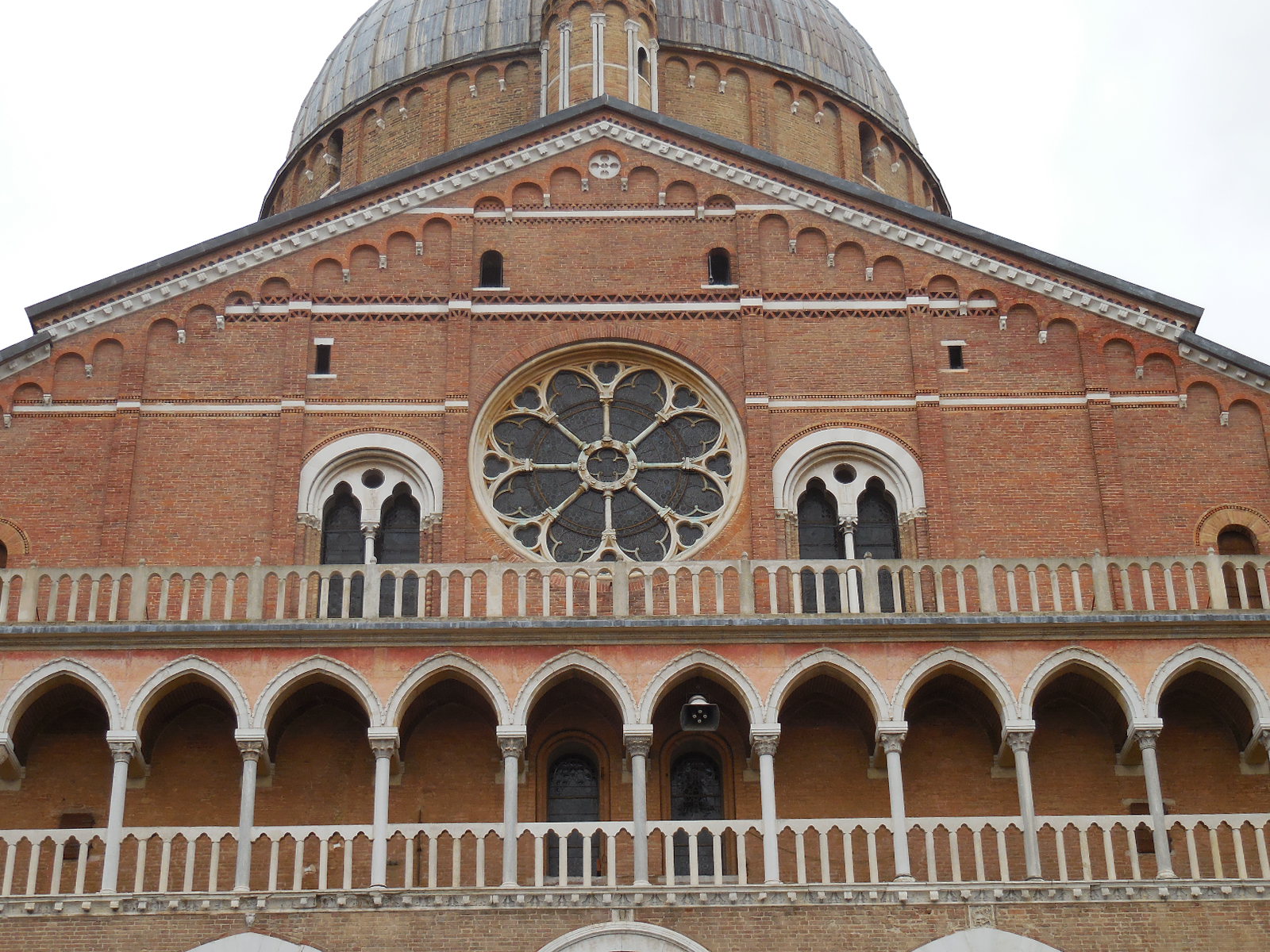
In Padua I gazed in wonder at the Basilica of Saint Antonio, which is huge with eight cupolas. The interior has a Latin cross pattern with three naves separated by pilasters. The various chapels were outstanding. The Chapel of Saint Giacomo, hails from the 14th century with six columns of red marble included in the décor. The work, “The Crucifixion” is divided into three parts on the walls. Pictures on lunettes narrate the life of Saint Giacomo the Great.

PaduaBasilicadelSanto8

Basilica of San Antonio, Padua

The main altar of the basilica was created by Donatello. The pictorial narration of the altar includes four miracles of Saint Antonio, sculpture of the Crucifixion, Madonna with Child and the figure of Saint Antonio, for example. The Chapel of the Saint includes the tomb of Saint Antonio. On the walls are nine reliefs of marble figures recalling miracles performed by Saint Antonio. There was so much to see, a person would need a few days to do this place of worship justice.

PaduaScrovegni1

Scrovegni Chapel, Padua

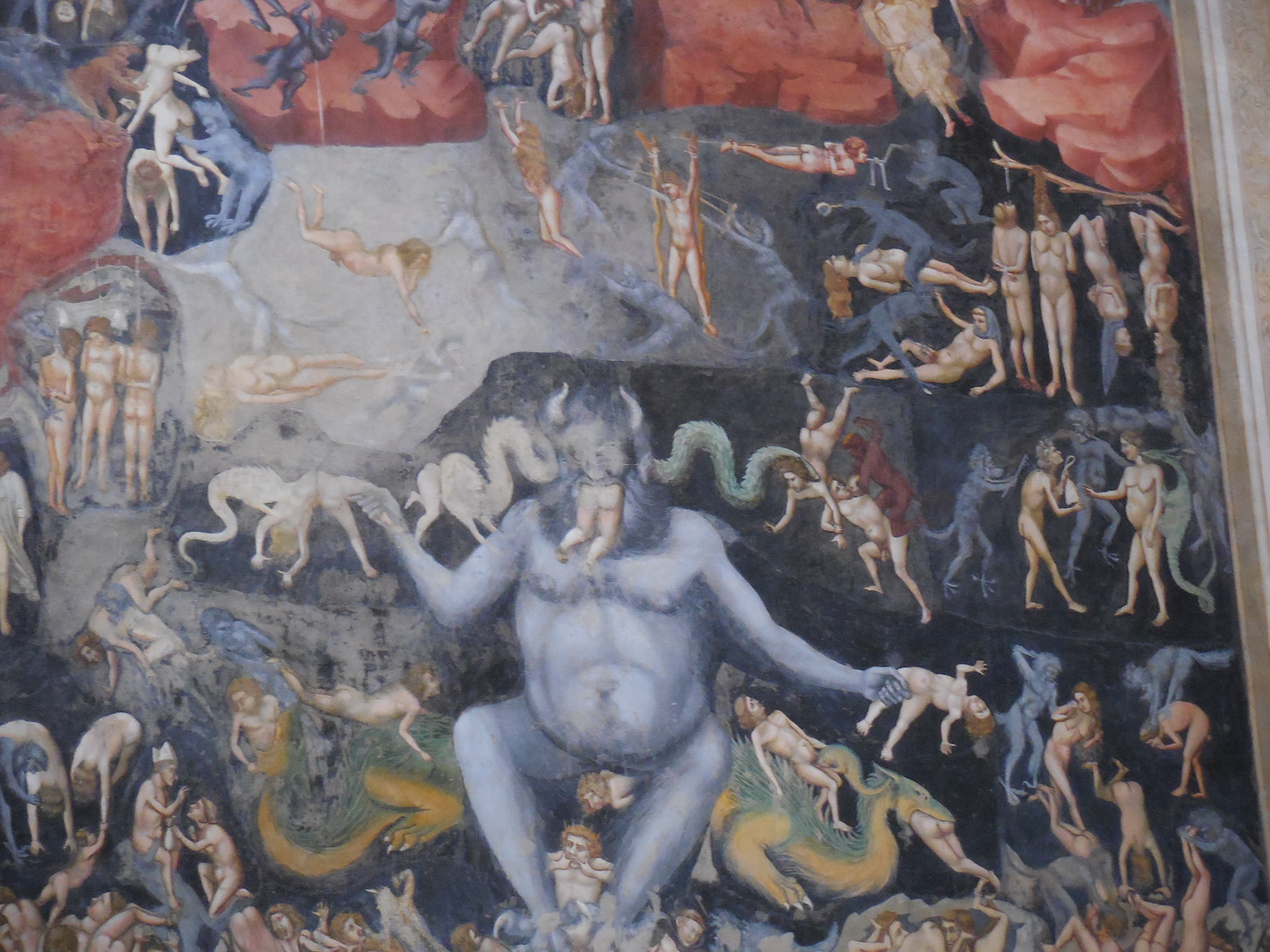
I also was enthralled with the Scrovegni Chapel, which featured amazing 14th century frescoes by Giotto di Bondone. Thirty-eight panels of frescoes cover three walls on three levels. I was flabbergasted, staring at each fresco in a trance.

Roveretoext17

Rovereto

RoveretoDepero20

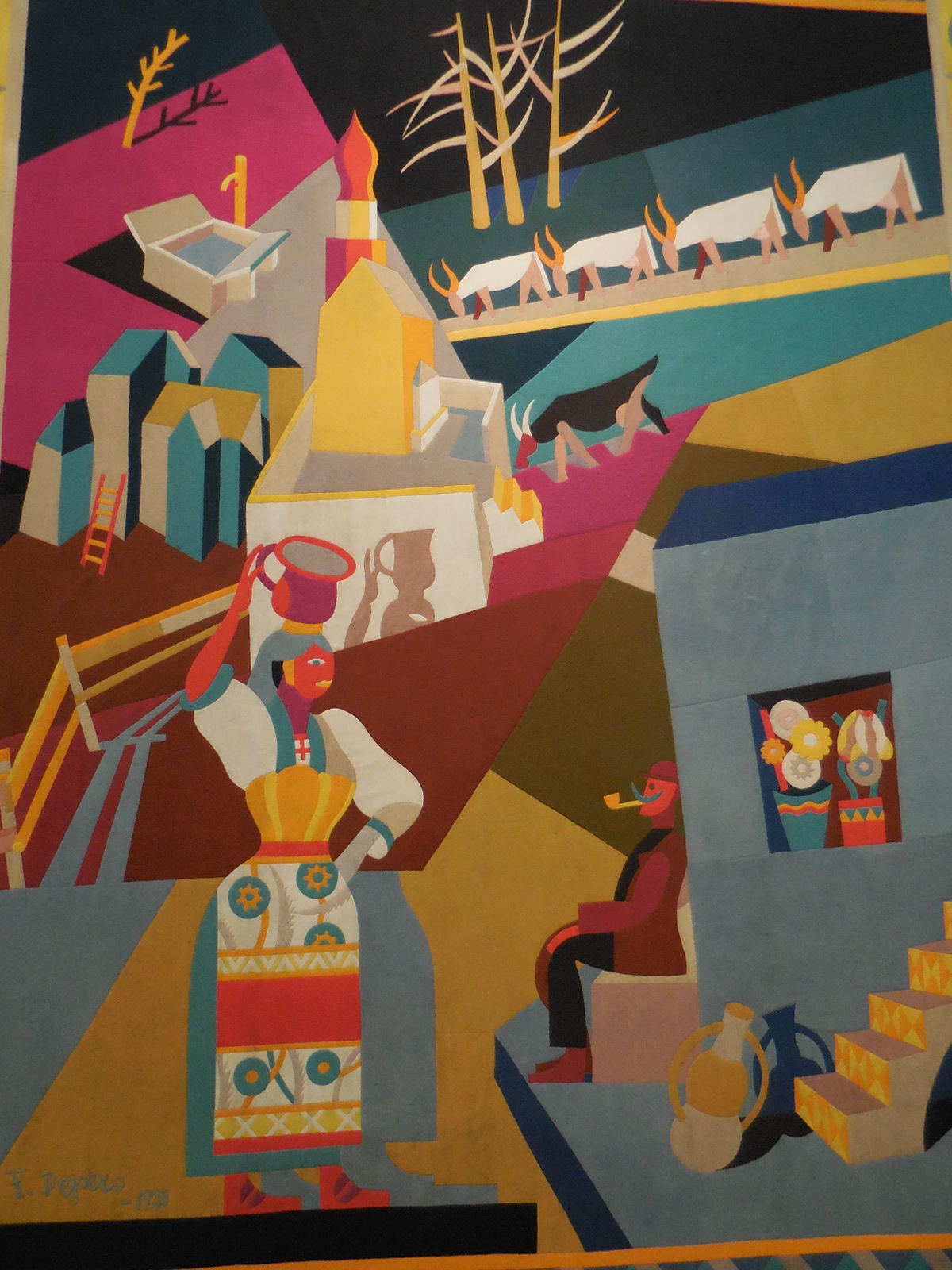
From the Depero Futurist House of Art, by Fortunato Depero

I was very impressed with Rovereto, a picturesque town below the Dolomites. Its charming, narrow streets and squares cast a magic spell on me. I visited the Depero Futurist House of Art, the only Futurist museum in Italy, featuring the works of Fortunato Depero, a painter, sculptor, writer and graphic designer. I learned that Futurism rejected the past and celebrated modernity as well as technological advances. The museum included furniture, painting, tapestries, cloth material, drawings, collages, posters, toys and a film. I loved the vibrant colors of many of the works.

BerlinWallM4

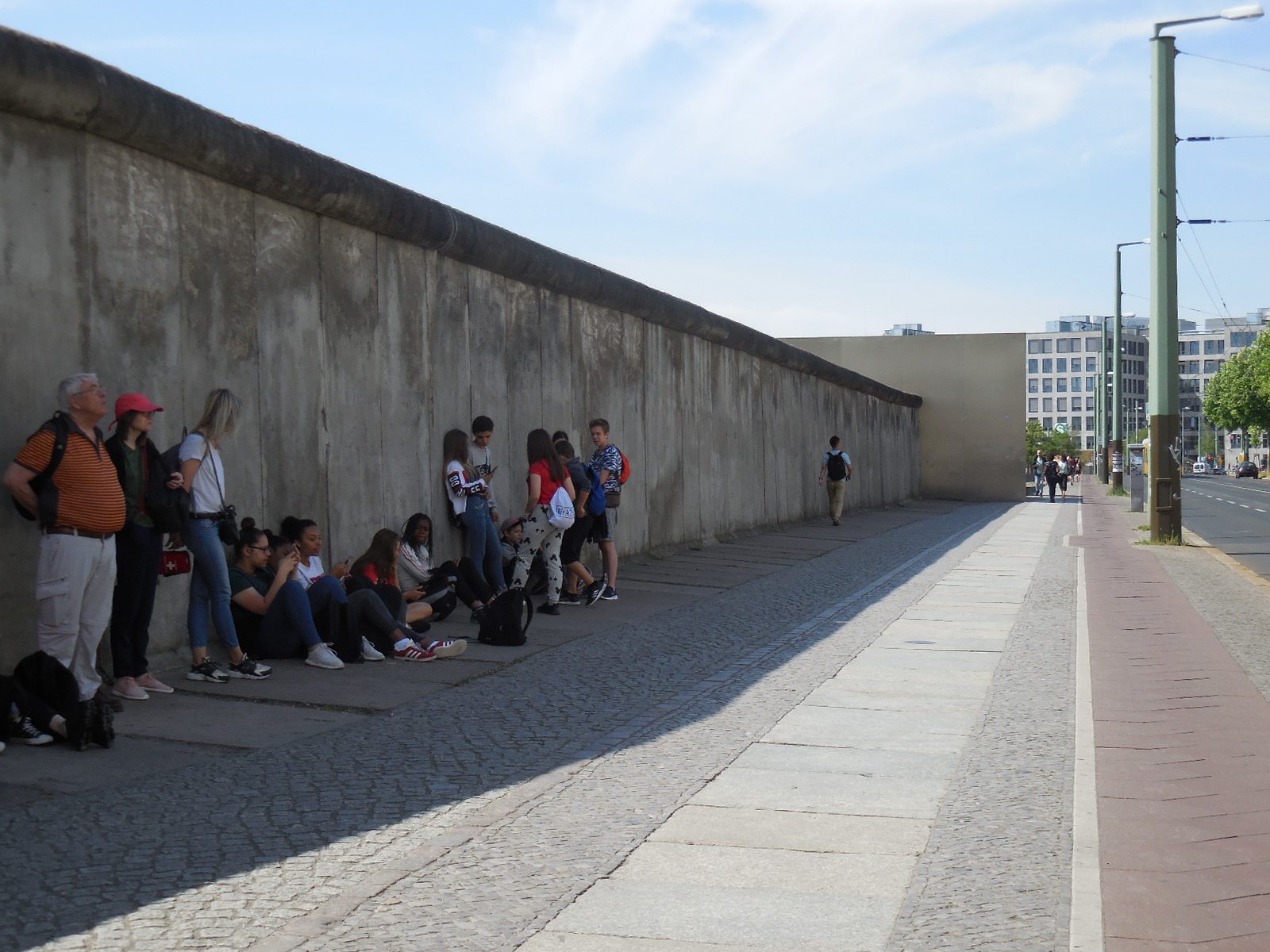
Nowadays school children hang out or wait for tours at the Berlin Wall remnants

BerlinReichstag12dome

Glazed dome of Reichstag

In May I spent five days in Berlin, a city I had not visited since 1991 except for a one-day visit to the Gemaldegalerie several years earlier. The East had undergone radical changes since then, to say the least. Most of the Wall is gone. The former Communist section of the city is lively with bars and restaurants and includes most of the main sights. Now a Dunkin Donuts and Starbucks greet visitors past the Brandenberg Gate. Back in 1991, the difference between East and West Berlin was almost tangible, the East being gray, depressing and drab.

BerlinHolocaustM6

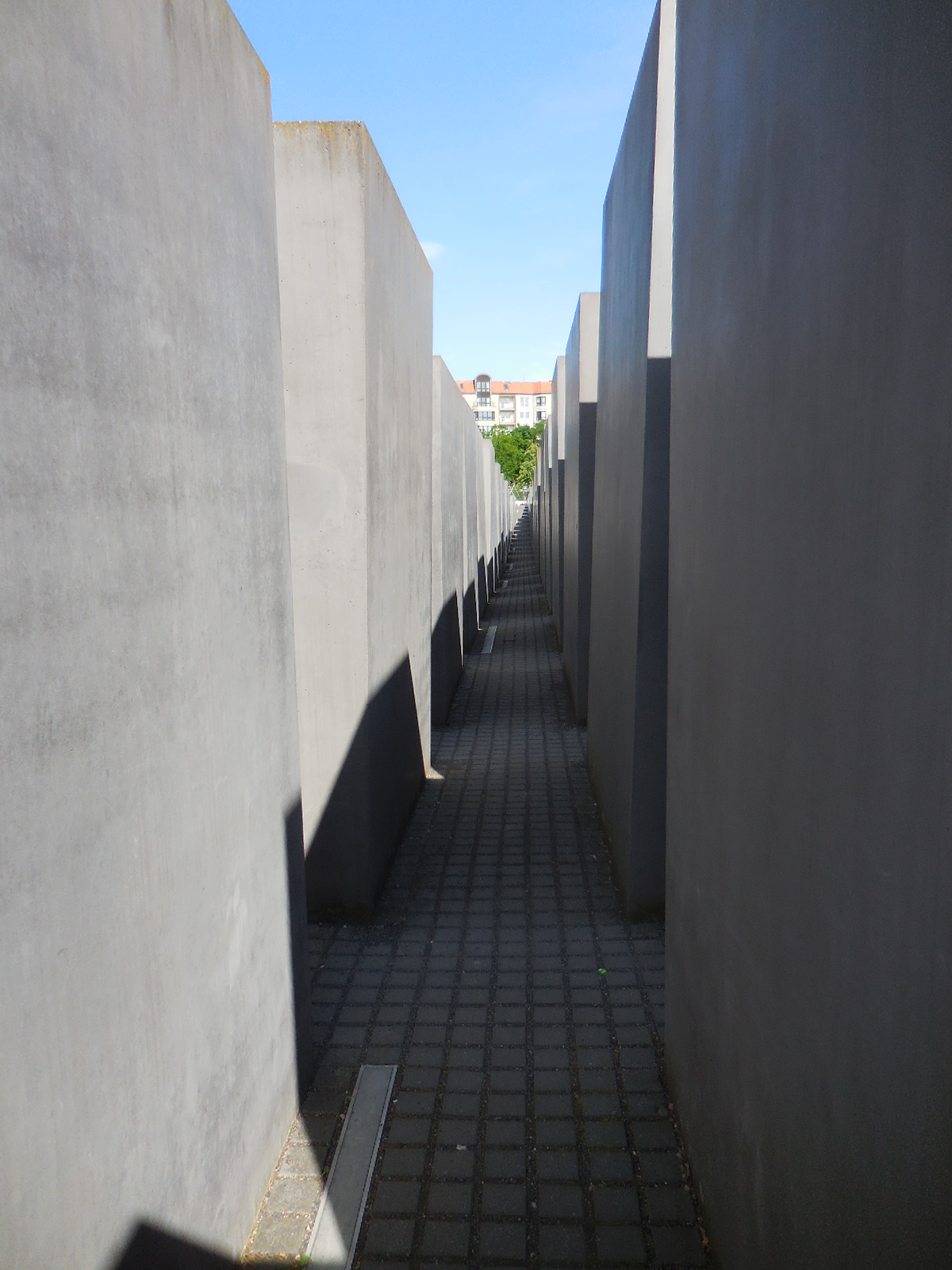
The Memorial to the Murdered Jews of Europe

BerlinGemald30

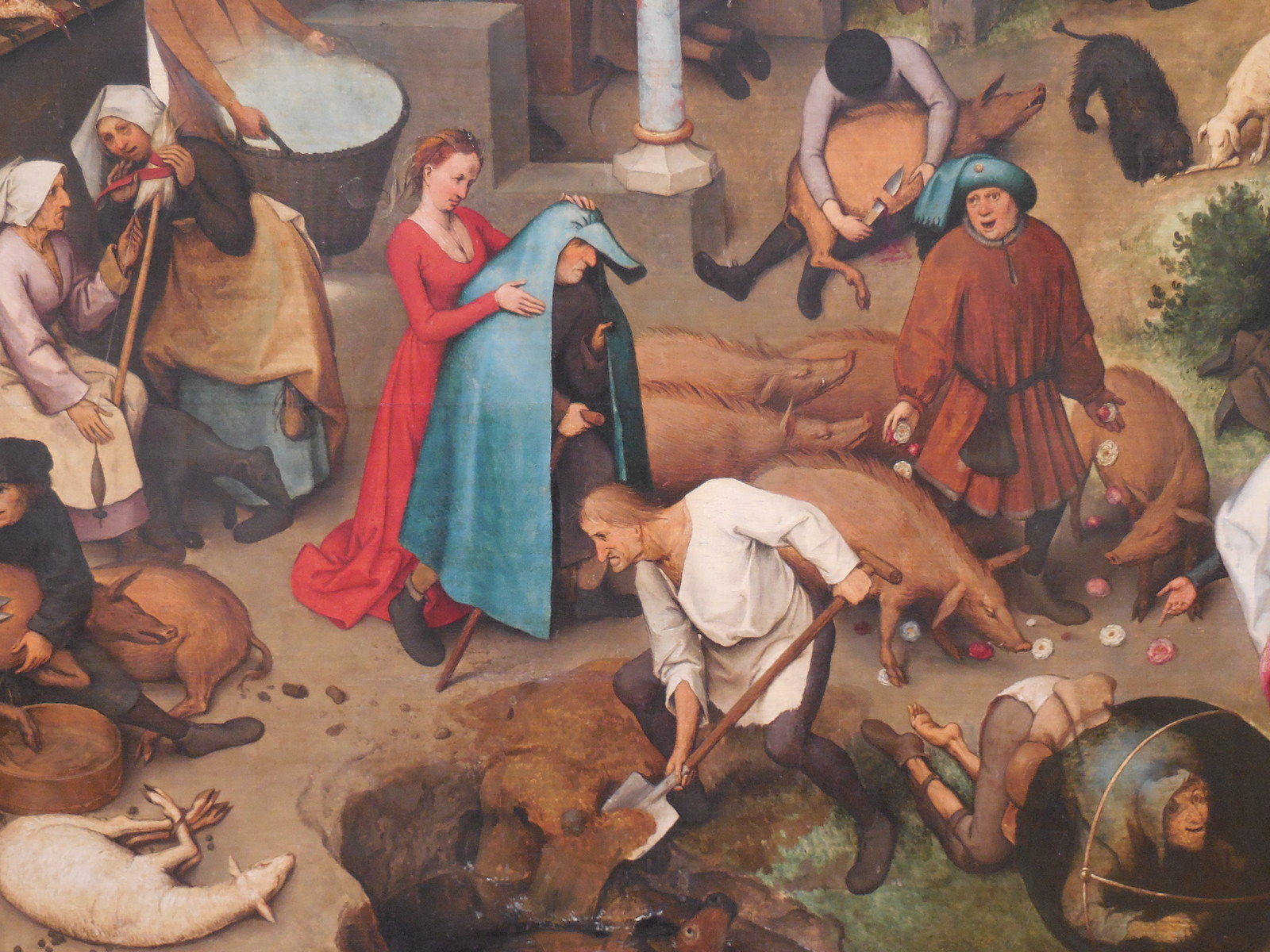
Pieter Bruegel the Elder in the Gemaldegalerie

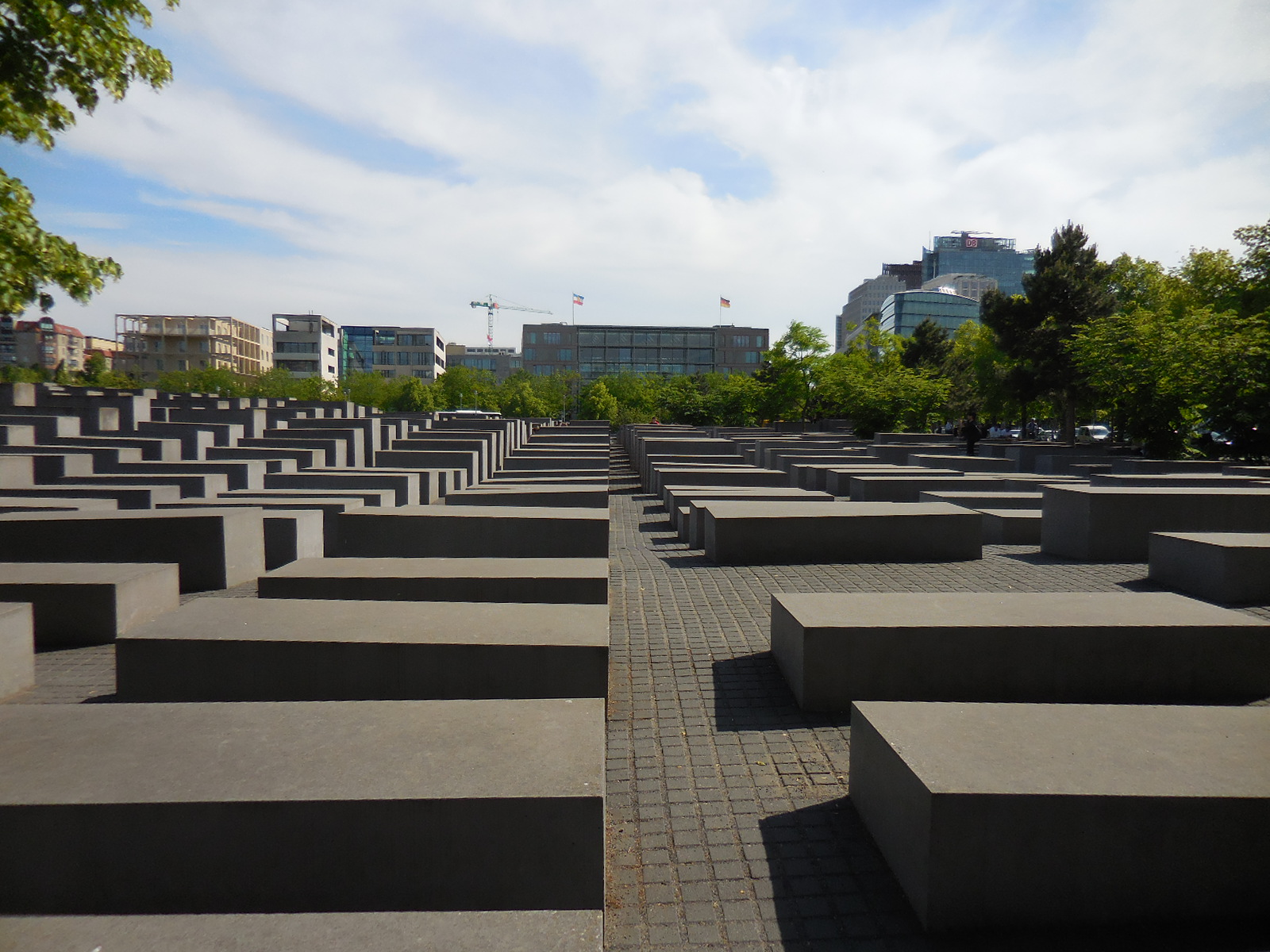
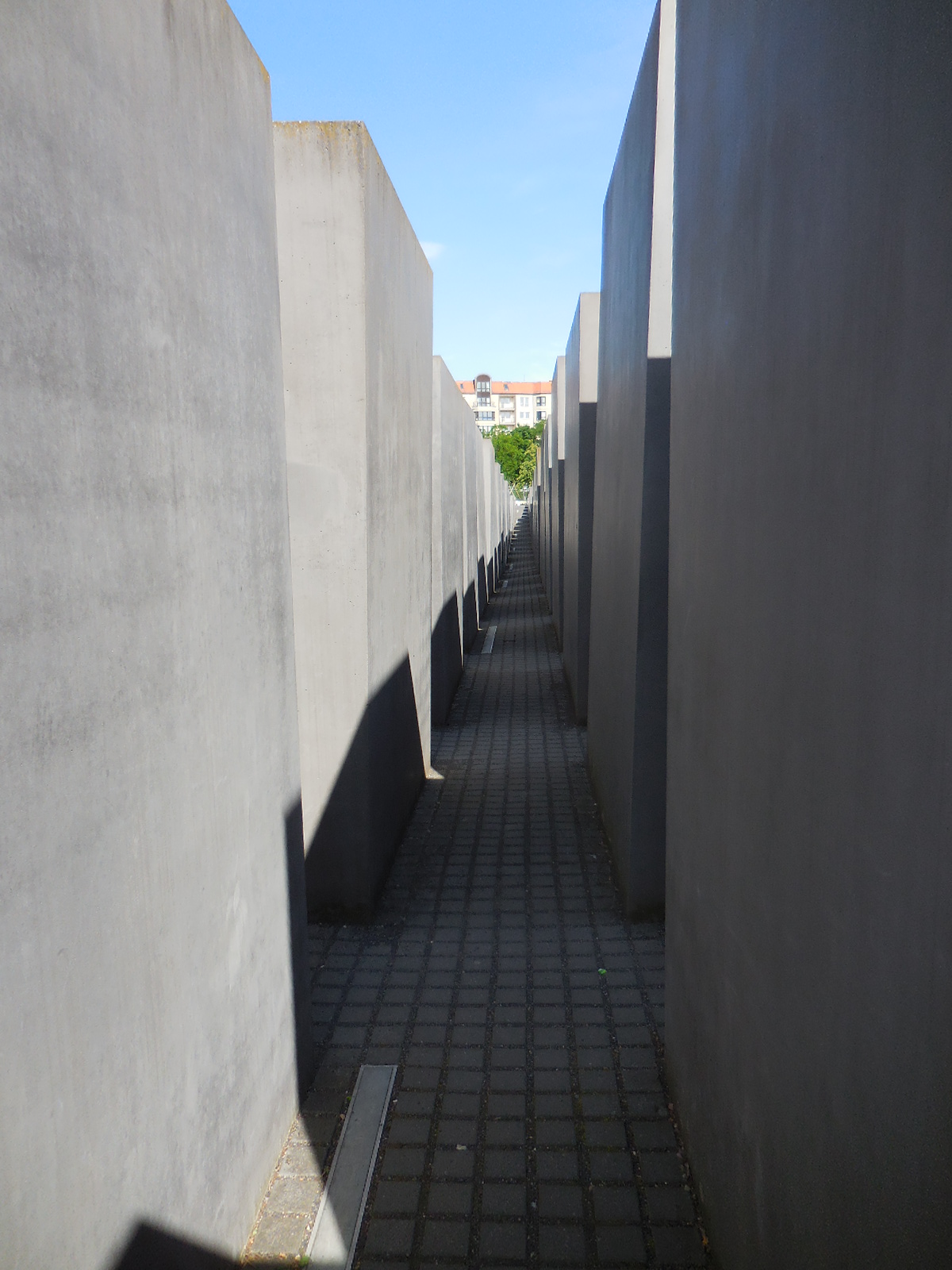
Once again I inspected the art ranging from medieval days to Neoclassicism in the Gemaldegalerie. I was very moved by the 220 meters of original Berlin Wall at the memorial on Bernauer Strasse. Berlin’s Cathedral impressed me a great deal with the eight mosaics decorating its dome. I had a tour of the Reichstag’s glazed dome, a superb structure of modern architecture soaring 47 meters. The Memorial to the Murdered Jews of Europe greatly moved me with its 2,711 concrete blocks of equal size but different heights. The DDR Museum with its multimedia exhibits gave me an idea of what life was like for East Germans under Communism. The Old National Gallery bewitched me with its 19th century art collection, and the temporary exhibition Wanderlust featured 19th century landscapes with travelers on foot. I particularly liked the pictorial renditions of Naples and places in Sicily. I saw the Ishtar Gate and a building from Aleppo in the Pergamon Museum, for instance. The Museum of Decorative Arts was a treasure, too, with amazing exhibits in fashion, design and object art from the Middle Ages through Art Deco.

BerlinGHM47

Plague mask worn by doctors in the German Historical Museum

BerlinGHM40

BerlinGHM64

Pictures of concentration camp prisoners

What impressed me the most was the German Historical Museum, where I spent a good part of two days. Encompassing 2,000 years of German history, the museum takes the visitor from the reign of Charlemagne to the departure of the Allies in 1994 by presenting historical facts, personalities and events and by portraying everyday life in the various eras. I especially liked the plague mask worn by doctors treating patients with this disease. Made of leather, it had a long beak and looked as if it belonged in a commedia dell’arte play. The section about World War II was especially gripping. The Germans were certainly facing that horrific part of their past head-on in this museum.

PragueBG28chateau

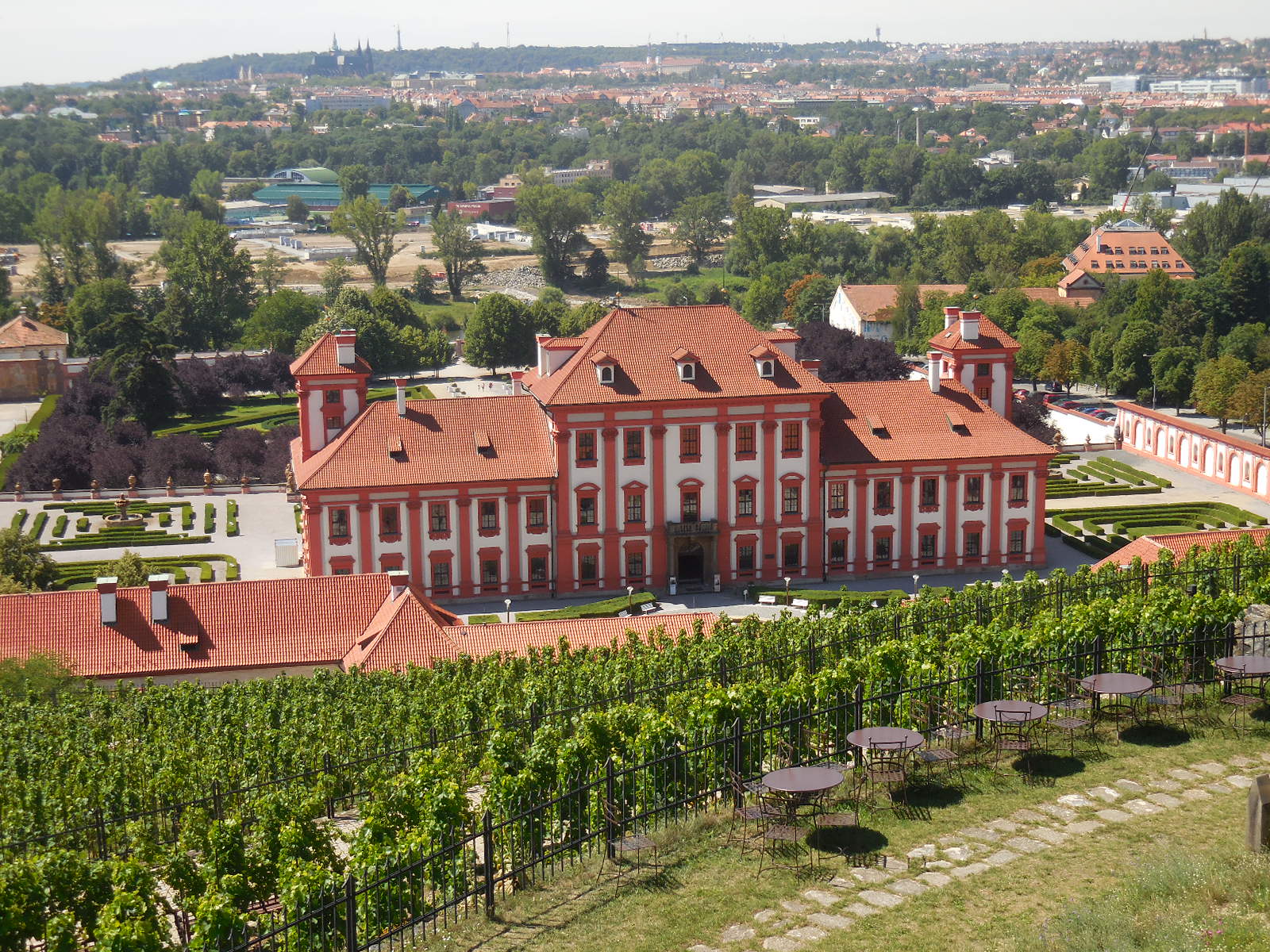
Troja Chateau from Prague’s Botanical Gardens

When my parents visited, we toured the dazzling Rudolfinum with its beautiful Dvořák concert hall. President Tomáš G. Masaryk was elected in that building on three occasions, when Parliament had met there during the First Republic. I visited the lovely and vast Botanical Gardens in Troja, examining the southern part and the greenhouse. The views of Troja Chateau from the gardens were unbeatable.

NtlMuseumint1

Prague’s National Museum restored

NtlMuseuminthrad5

Painting of Karlštejn Castle in National Museum

Shortly after it reopened after a seven-year renovation, I spent time in the National Museum of Prague. The exhibition about Czech and Slovak relations during the past 100 years and life under Communism was outstanding. The permanent display also was captivating, but the place was so crowded. A Neo-Renaissance gem, the National Museum features amazing sculpture, painting and architectural elements. I especially liked the pantheon, where paintings, statues and busts celebrate Czech culture and history. The four paintings of castles in Bohemia impressed this avid castlegoer. I also explored the Hanspaulka, Ořechovka and Baba sections of Prague with their distinctive villas.

HorsTyninthradarchwaychapel

Gothic archway in Horšovský Týn Castle

HorsTynintzamek6

From Horšovský Týn Chateau

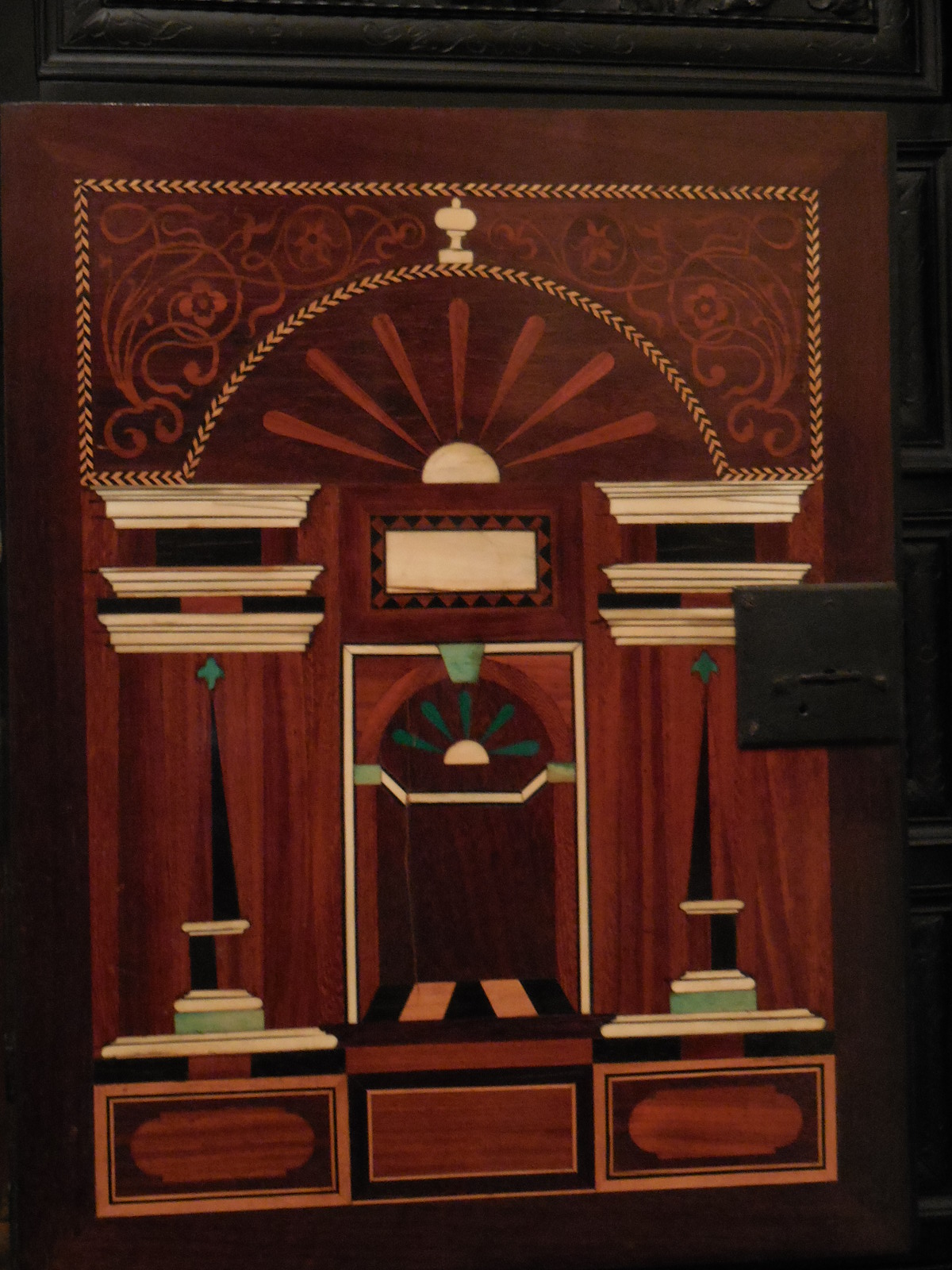
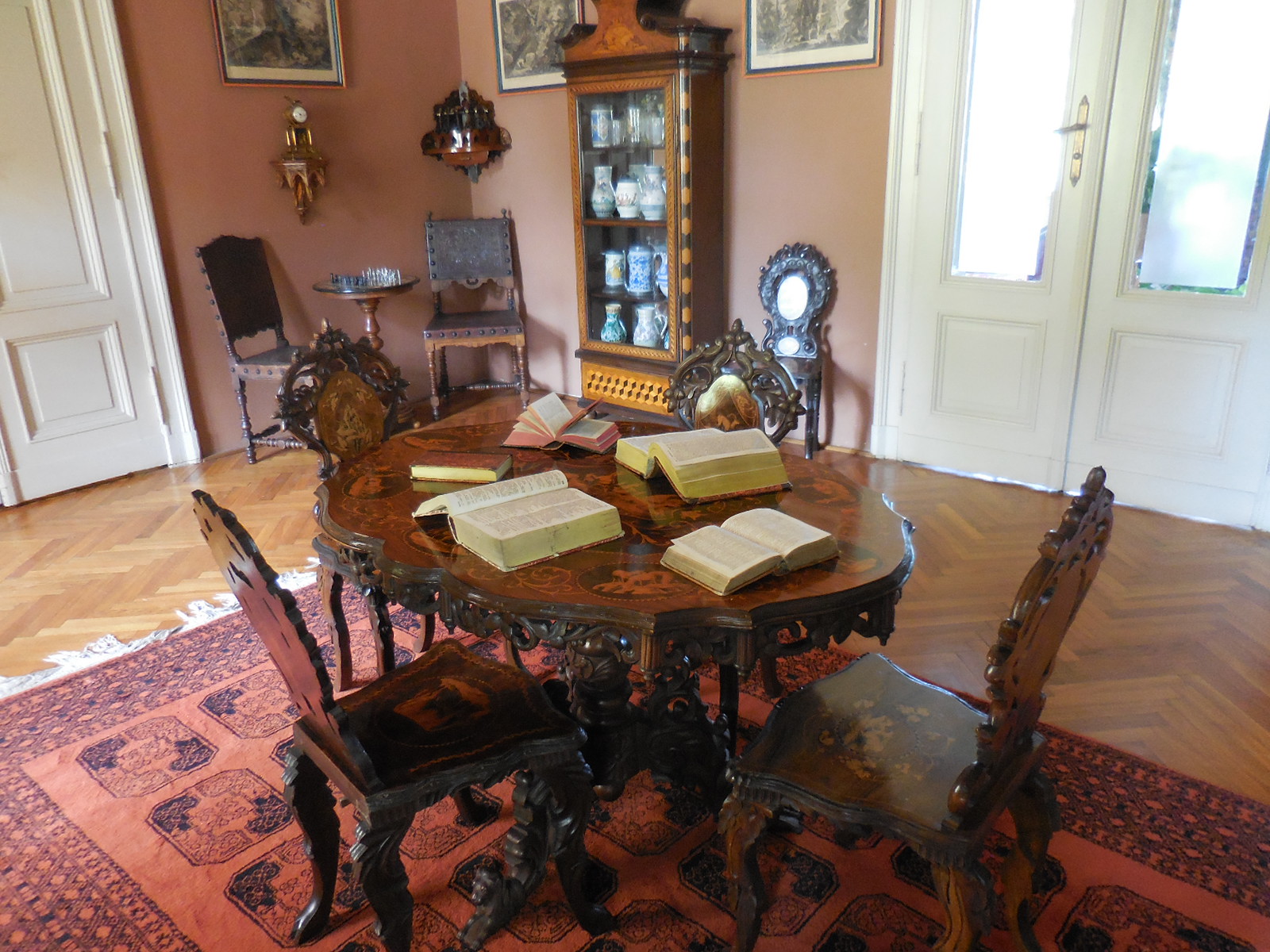
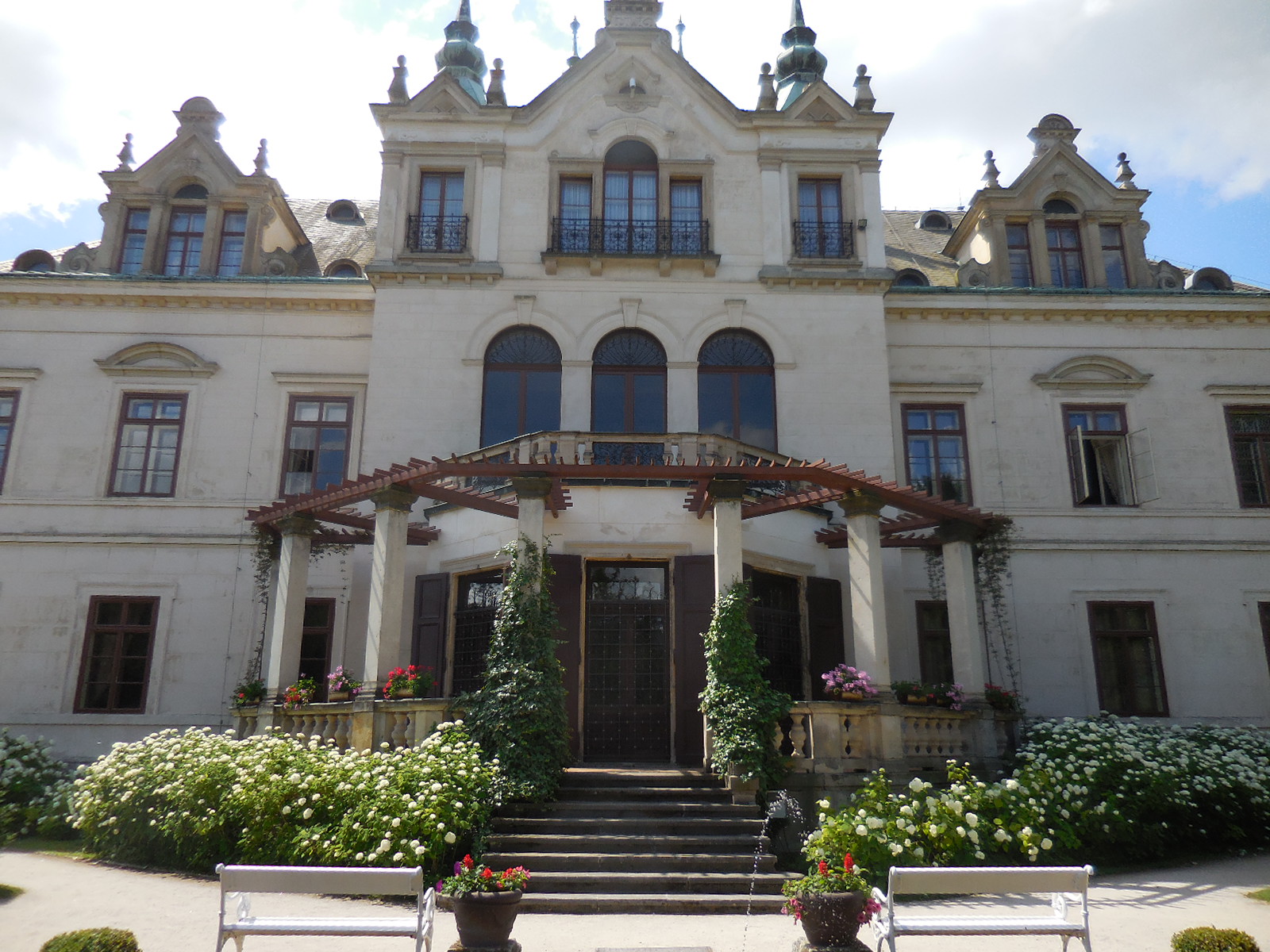
Out of Prague I made my way back to Osek Monastery below the Krušné Mountains, established in the 13th century. The Chapter Hall was one of the first Gothic buildings erected in the Czech lands while the interior of the church takes on a Baroque appearance. Hořovice Chateau is much younger, hailing from the late 17th century. The Late Baroque décor includes a fantastic ceiling fresco in the hall of the main staircase. The Large Dining Hall amazes with Second Rococo adornment. Horšovský Týn Castle and Chateau offers six tours; we had time for two. Established in the 13th century, it includes an 18th century pool table with its sides decorated in tortoiseshell and intarsia. A Rococo jewel case and Holland Rococo display case caught my attention, too. The Italian vedutas of Venice made me long for that Italian city. The 18th century Dancing Hall features four big wall mirrors and a 28-branch chandelier made of Czech glass. Ceiling frescoes also captured my interest. However, the original Gothic portal at the entrance to the chapel was the most outstanding architectural feature. The chapel was magical, too. Velké Březno, one of the youngest and smallest chateaus in the Czech lands, also amazed.

Horoviceintfresco1

Ceiling fresco at Hořovice Chateau

VelkeBreznoint15

Velké Březno Chateau interior

VelkeBreznoext18

Velké Březno Chateau exterior

I also spent time in museums this past year. In Vienna I saw the excellent Monet exhibition as well as the Pieter Bruegel the Elder exhibition. Both captivated me. In Prague the exhibition showcasing the various collages of Jiří Kolář was an art highlight. The exhibition about Czech and Czechoslovak history in the Riding School of Prague Castle was unforgettable. There were many more art-related highlights, but I do not have time to mention them all.

Kolar18

Collage by Jiří Kolář

PragueCastleexhibit14

Prague Castle Riding School exhibition
NtlMuseumexhibit57

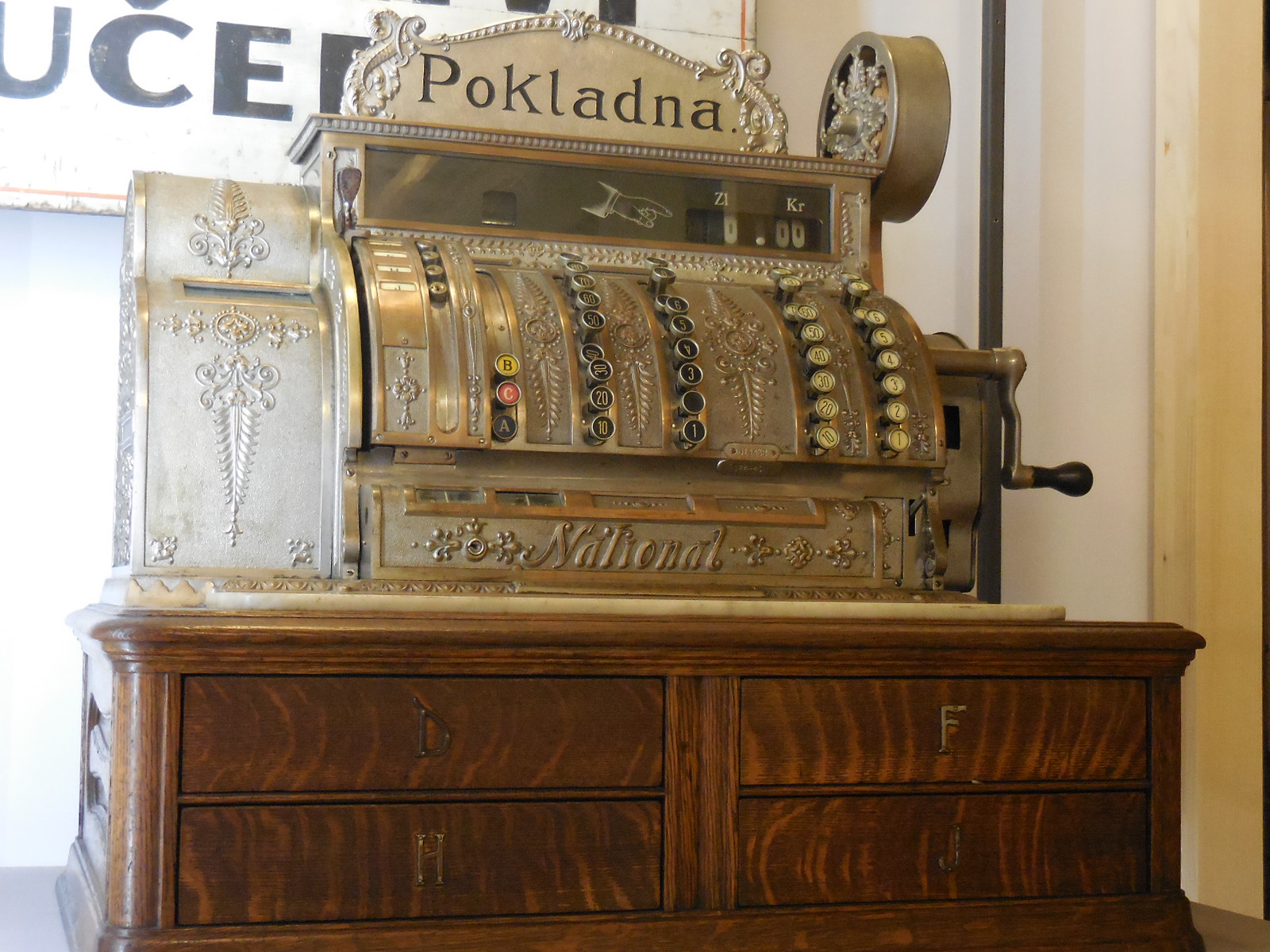
From Czechoslovak Exhibition at National Museum, cash register from beginning of 20th century

Tracy A. Burns is a writer, proofreader and editor in Prague.


The Reichstag and other Monuments Diary

BerlinBrandenburg9

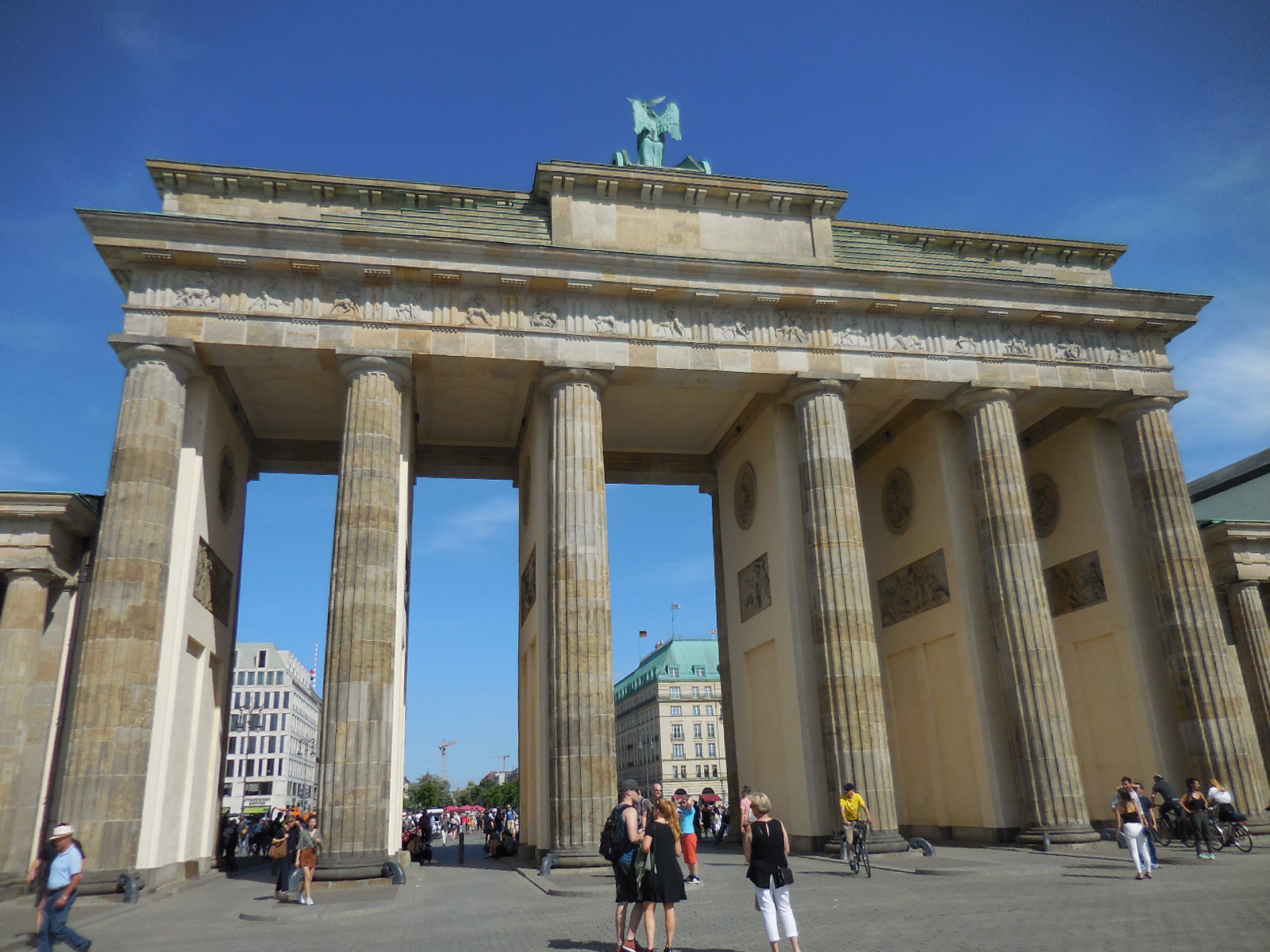
The Brandenburg Gate

On my way to the Reichstag, I stopped to admire the Brandenburg Gate. I noticed the Dunkin Donuts and Starbucks on the Unter der Linden near the monument in what had once been East Berlin. I remembered passing through the Brandenburg Gate on the way to East Berlin in July of 1991. The moment I walked through the gate, I felt as if I had entered a different world – a grey, stagnant, suffocating and gloomy one. However, I remember West Berlin as vibrant and bustling during that visit.

BerlinBrandenburg4

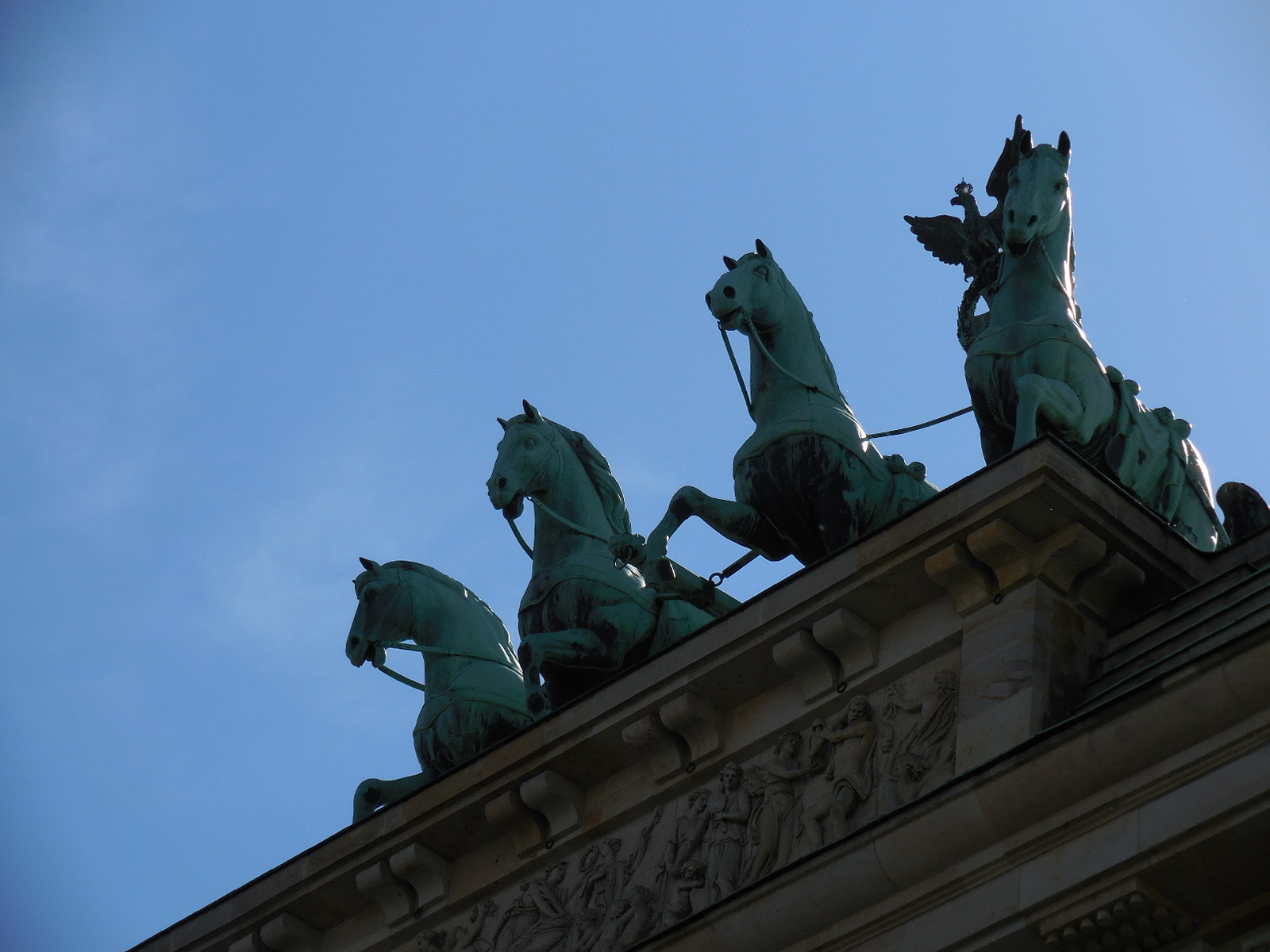
I took a few moments to reflect on the historical moments associated with the neoclassical gate in front of me. It was built in the 18th century for Prussian King Frederick William II to symbolize peace, but what turbulent times it has witnessed! I counted the 12 Doric columns and took a good look at the Quadriga, the goddess Victoria on a horse-drawn chariot, perched on top of the monument. Napoleon’s troops had marched through it triumphantly and then soon after the Prussians had done the same. For the Nazis, the gate made a political statement. The monument suffered damage during World War II.

BerlinBrandenburg6

When the Berlin Wall was erected in August of 1961, it functioned as a border crossing that was closed off. West Berliners often took part in demonstrations calling for freedom near the gate. During that magic date of November 9, 1989, when the Berlin Wall no longer was a barrier between East and West, Germans celebrated their newly found freedom there. The wall was torn down in that area during 1990. U.S. Presidents had made speeches there. It was the site of President Ronald Reagan’s famous words, “Mr. Gorbachev, tear down this wall.” Presidents Kennedy, Clinton and Obama had spoken there as well.

BerlinReichstag2

After some minutes of reflection, I went to the Reichstag entrance and presented my booking confirmation in front of a tent. I booked a tour of the glazed dome at least three weeks in advance. I had heard it was an architectural gem, and it was not possible to visit it without making a reservation. I was too early, so I decided to take a look at some monuments nearby, such as the Memorial to the Murdered Jews of Europe.

BerlinPoliticiansM

Memorial to Politicans who Opposed Hitler

First, I noticed a small monument of crooked slabs next to the entrance tent of the Reichstag. I had read that there were 96 slabs, symbolizing the 96 members of Parliament who had opposed Hitler and had paid the ultimate price for their bravery. The sharpness of the slabs made me think of the harsh times in which the politicians had lived and how it was a time when they had to pay with their lives to stand up for what they believed in. The monument had a harshness about it – the harshness of history, the harshness of their punishment. The slabs resembled gravestones.

BerlinHolocaustM2

Memorial to the Murdered Jews of Europe

Then I walked across from the American Embassy and found the 2,711 concrete pillars that made up the Memorial to the Murdered Jews of Europe. All the blocks were the same size, but their heights varied. It was possible to stand on the pillars or walk between them. I was very moved by this abstract memorial. Walking through the pillars, I felt claustrophobic and trapped, feelings I would associate with the plight of the Jews commemorated by this monument. The shadows around the pillars made me think of danger lurking around every corner, Jews not knowing who would give them up if they were in hiding, not knowing when they would be gassed in the concentration camps – for them, danger had lurked around every corner. I stood on one block and looked at the others. I thought they resembled caskets. In my opinion, this monument was ingenious. I would have never guessed that a memorial made up of concrete blocks could make such a strong impression on me.

BerlinHolocaustM6

In a park near the Reichstag, I walked through a rusty gate and noticed a small, tranquil circular pond. In the middle of the pond was a triangular stone with one flower on top. This was the Monument to the Murdered Sinti and Roma (commonly called gypsies) of Europe. On the pavement around the monument, the names of concentration camps had been inscribed. With my head down, I looked at the word Dachau on one paving stone and Auschwitz on another. Just seeing those names was poignant and powerful, heart wrenching even. It astonished me that something so simple as the names of the camps could move me so strongly. In fact, the entire monument moved me precisely because of its simplicity. The single flower on the stone slab symbolized reverence and respect for the lives lost, making me think that now the 500,000 Roma and Sinti who had died during World War II were no longer forgotten, no longer buried in history.

BerlinRomaHMonument2

BerlinRomaHMonument4

Monument to the Murdered Sinti and Roma of Europe

Then it was time to return to the Reichstag for my tour. First, I was ushered in a tent with many others and underwent a security check there. Then a large group crowded near the exit of the tent, waiting for the signal that we could walk up to the historical building.

BerlinReichstag30

Finally, we got the go ahead, and I stopped in front of the façade of the building, above which the words proclaimed “Dem Deutschen Volke” or “To the German People,” an ironic phrase considering the edifice’s turbulent history. The outer shape of the elegantly columned Reichstag had been preserved.

BerlinReichstag25

I thought back to the history of the building that was inaugurated in 1894. Back then, the Imperial Diet of the German Empire discussed and debated politics there. The Reichstag continued to serve this purpose until 1933. I tried to imagine standing in the crowd below as, during 1918, politician and head of the Social Democratic Party of Germany, Philipp Scheidemann, announced the formation of the German Republic from one of the Reichstag’s windows. When democracy came to an end in Germany and Hitler asserted more power in 1933, the Reichstag was set on fire and severely damaged. Who did the evil deed is still a mystery.

BerlinReichstag5

When the Russians set foot in Berlin during 1945, they placed a Soviet flag above the Reichstag. I could almost see the red flag with the hammer and sickle flapping in the breeze. The Berlin Wall, constructed in 1961, stood very near the Reichstag, which was situated in the West. During 1973, the Reichstag became home to a permanent exhibition on German history, and sometimes political meetings were held there.

BerlinReichstag16

During 1990, the reunification ceremony of Germany took place in the building by which I was so entranced. In 1995 British architect Norman Foster began reconstructing the building, leaving the exterior as a sort of outer shell in its old style while redoing the interior in a modern way. During 1999 the German Parliament made its home in the Reichstag after moving from Bonn.

BerlinReichstag12dome

The moment I walked inside the Reichstag, I got a taste of the modern interior. It was a different world from the majestic exterior. The modern design was sleek, impressive. After taking an audio guide, I took an elevator and then made my way up the dome. For 20 minutes, I listened to interesting information about the Reichstag and the historic buildings that dotted the panorama as seen from the dome. I also learned about Berlin Cathedral and the three new parliamentary buildings surrounding the Reichstag, for instance. The modern cupola had replaced the original one that burned down in 1933. The modern architectural creation had a transparent quality that I found enlightening.

BerlinReichstag18dome

During this visit to Berlin, I felt as if the city was being transparent about its past, particularly about the horrors of World War II. The official names of the Holocaust Memorial and Monument to the Sinti and Roma have the word “murdered” in them, epitomizing harsh reality and a good, long look in the mirror of history, an acceptance of the past and a determination never to repeat it. With the right lighting, from the top of the dome there was a view of the plenary chamber. I felt as if nothing was hidden from the dome. Everything was there for everyone to see, judge and criticize as they pleased. There was a sense of fluidity and freedom in the architecture. During my visit in 1991, however, I had felt as if Berlin was trying to hide the horrific part of its past, which, of course, was impossible to do.

BerlinReichstag14

I also spent time taking photos from the extensive roof terrace, which also offered stunning views of the city. Unfortunately, I did not see the graffiti the Soviets left on the roof when they occupied the Reichstag at the end of World War II. The café on the terrace was closed during my visit.

BerlinReichstag7

I was very impressed with the preservation of the outer form of the building and the daring fresh look of the interior and dome. It was as if the Germans were not forgetting the past but were also moving forward.

Tracy A. Burns is a writer, proofreader and editor in Prague.

BerlinReichstag24

BerlinReichstag29

BerlinWallReichstagScan

Berlin Cathedral Diary

Berlincath6

When I entered Berlin Cathedral, the word that best described my impression was grandeur. I looked up at the dome’s eight mosaics portraying the beatitudes of the Sermon on the Mount and was almost overcome with a sense of awe, even more of a sense of awe than I had felt when I viewed the western façade of the 98-meter high building. The mosaics by Anton V. Werner were stunning, indeed and my favorite feature of the cathedral.

Berlincath11

Mosaics in half-domes of diagonal apses showed the evangelists, and of the four sandstone figures representing personalities in the German Reformation to the left and right of the triumphal arch, I only recognized Martin Luther. There were also statues of John Calvin, a French theologian, pastor and reformer in Geneva; Huldrych Zwingli, a leader of the Reformation in Switzerland; and Philip Melanchthon, the first systematic theologian of the Protestant Reformation who had great influence on the educational system. The cathedral took 11 years to build, from 1894 to 1905. Back then, it was Emperor Wilhelm II’s personal church, constructed in Italian Renaissance style. Today it takes on a neo-Baroque character and stands out prominently in the skyline as I would find out when I walked up the ramp in the dome of the Reichstag, peering down at the marvelous and magical city.

Berlincath1

I was aware that the history of the cathedral was a turbulent one. Much of the cathedral had been destroyed by a bomb in May of 1944. That is when the dome had collapsed. Much of the interior had been reduced to ruins, and even the tombs in the crypt hadn’t fared well at all. While reconstruction did not get underway until 1975, it would take many years to do a full makeover so that Berlin Cathedral could once again be a place epitomizing grandeur. The baptism and matrimonial church section was ready for the public within five years, but for the main church, the path back to grandeur would be a very long one. The main church was reopened in 1993, but the reconstruction wasn’t actually finished until 2002.

Berlincath3

The sarcophagi in the cathedral were made in various styles, created from an array of materials, making an eclectic display of funerary monuments to significant players in German history. The medieval sarcophagus of Electoral Prince Johann Cicero was the oldest, dating back to the 16th century. While that memorial was bronze, the monument of Emperor Friedrich III was made of marble. King Friedrich I and Queen Sophie Charlotte had golden sarcophagi, both with impressive statuary decoration at the foot of the monuments. I liked the figure of Death writing in a book on the funerary tribute to Queen Sophie Charlotte. Electoral Prince Friedrich Wilhelm and his second wife Dorothea were buried in sarcophagi featuring Baroque elements.

Berlincath4

The main altar was made of white marble with yellow onyx columns. Candleholders were created from gilded iron while the Apostles’ Screen was constructed from gilded bronze. I admired the masterful carving of the pulpit with its elegant gold decoration.

Berlincath10

I’ve always admired stained glass windows, and the windows in this cathedral were no exception. I saw stained glass representing the birth, crucifixion and resurrection of Jesus Christ. In another window, a stained glass banner denoting victory symbolized hope.

Berlincath8

Four sandstone reliefs showed scenes from the Acts of the Apostles. I admired the majestic atmosphere created by the red velvet banner decorated with gold that was part of the Emperor’s Box, from which the royals would have observed the religious service. Candelabras and a coat-of-arms added to the elegance. The chancel boasted gold decoration in wall panels, for instance.

Berlincath9

Built at the same time as the cathedral, the organ was once the largest in Germany. Manufactured by Wilhelm Sauer, the organ is one of the most important instruments of its kind from the German Late Romantic period. It includes 7,269 pipes, 113 stops and four manuals. Later, I was reading about the history of the organ. While it suffered only minor damage during World War II, after the war more than a thousand of its pipes were stolen and sold as scrap metal. The organ was under reconstruction from 1991 to 1993.

Berlincath5

The Emperor’s Staircase added to the superb grandeur of the place, made with various colors of marble and decorated with a gilded bronze chandelier. The golden glass in the doors and panels was also impressive, to say the least. I tried to imagine the nation’s leaders entering by this staircase.

Berlincath12

The upper level was not without its delights, either. No less than thirteen wall and ceiling paintings there depicted stories from the life of Christ and parables of Jesus. The baptism and matrimonial chapel, still in use today, flaunted three impressive paintings and a superb organ.

Berlincath13

The crypt was a visual narration of 500 years of the prominent figures in history from the Hohenzollern dynasty. There were 94 members of the clan buried in tombs, coffins and sarcophagi, dating from the end of the 16th to the beginning of the 20th century.

Berlincath14

I did not remember the cathedral from my trip to Berlin in 1991. At that time, perhaps only the baptism and matrimonial church had been open to visitors as the crypt had been under reconstruction for a while after being severely damaged during the war. I remember that everything was centered on what was then West Berlin in those days, so I may not have even ventured as far as the cathedral site.

Berlincath15

Berlin Cathedral was the first monument I visited during my second trip to Berlin, and I knew that I would be very impressed with the city after my trip got off to such a good start. It was in delightful location, too, on the embankment of the Spree River. From the cathedral, I made my way to museums on Museum Island. There was much to see in a city whose magic was already casting a spell on me.

Tracy A. Burns is a writer, proofreader and editor in Prague.

Berlincathandbridge1