2025 Travel Diary

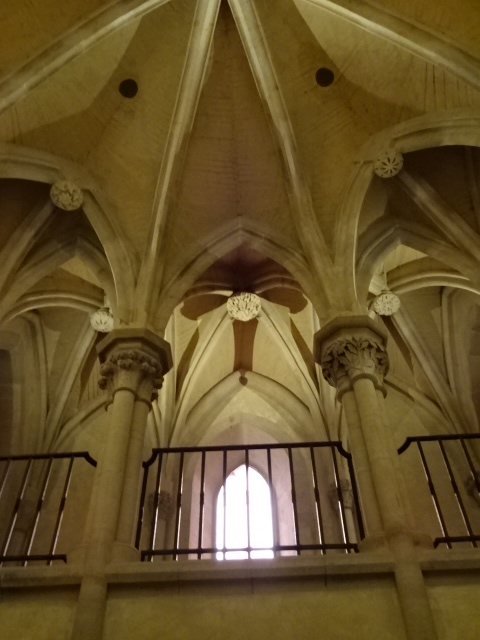
Horšovský Týn Castle and Chateau, Gothic chapel

This past year marked more day trips, some with friends and others with travel agencies. Of course, chateaus were high on my list, so I will start with those.
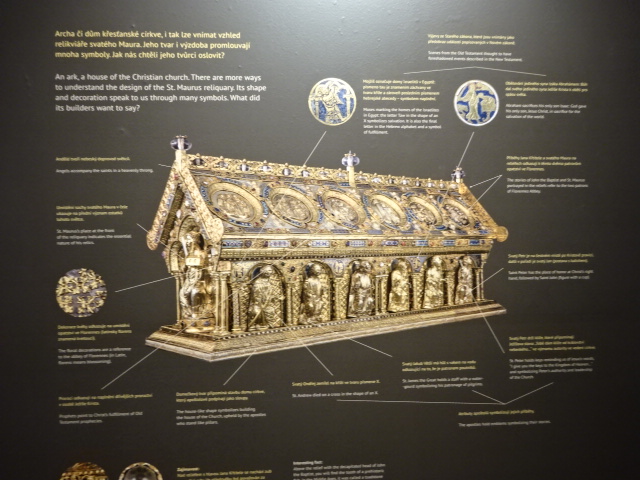
Bečov nad Teplou Castle and Chateau, Reliquary of Saint Maurus

At Bečov nad Teplou Castle and Chateau, the group admired the reliquary of Saint Maurus, one of the most precious objects in the country. The remarkable Romanesque artifact contained the remains of saints and hailed from 1225 to 1230. Its exterior featured 12 reliefs, 14 statuettes in silver, about 200 semi-precious and precious stones, gems and other masterful goldsmith works. During World War II it was hidden under the chapel floor. The reliquary was only discovered again in the 1980s. For a long time its location was a mindboggling mystery.
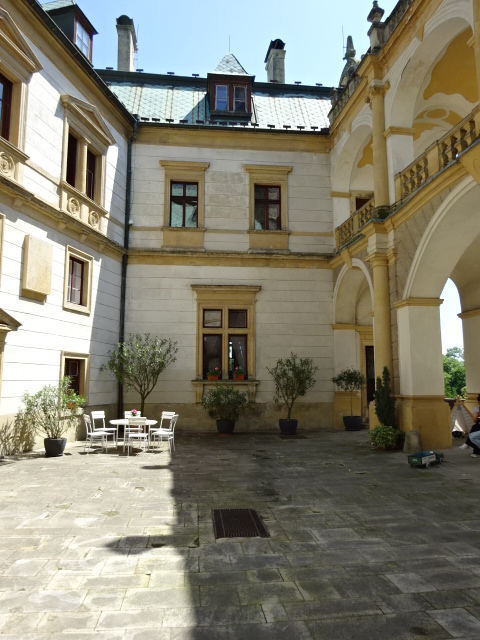
Stránov Chateau
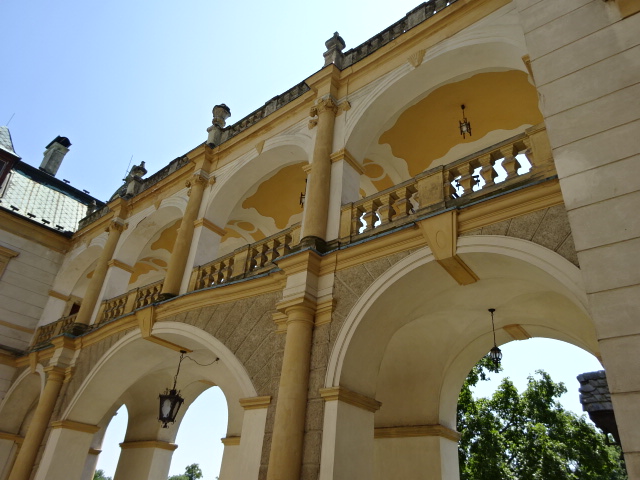
Stránov Chateau

With my best friend I visited Stránov Chateau for the first time. The Neo-Renaissance wonder featured a Gothic tower and splendid arcades in a courtyard punctuated by a beautiful fountain. The Šimonek family had lived there during the First Republic, which was the chateau’s heyday, as well as in later years, until the Communists kicked them out during 1950. They were forced to leave with only several suitcases. While there wasn’t much original furniture, the descendants had commissioned interiors that resembled those from the First Republic’s days of democratic Czechoslovakia. Seeing the chateau for the first time was exciting, to say the least.
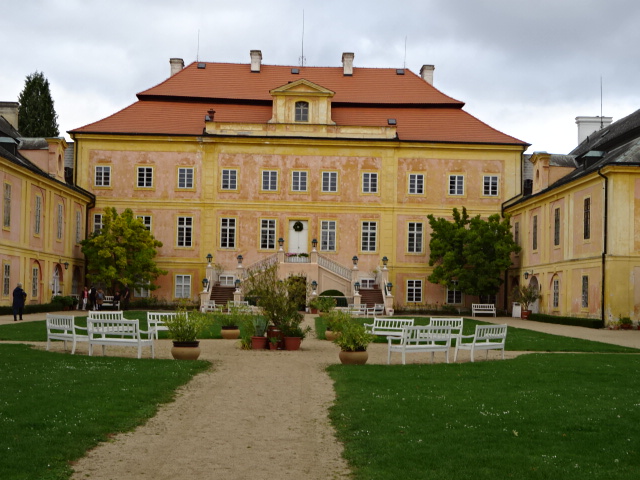
Krásný Dvůr Chateau
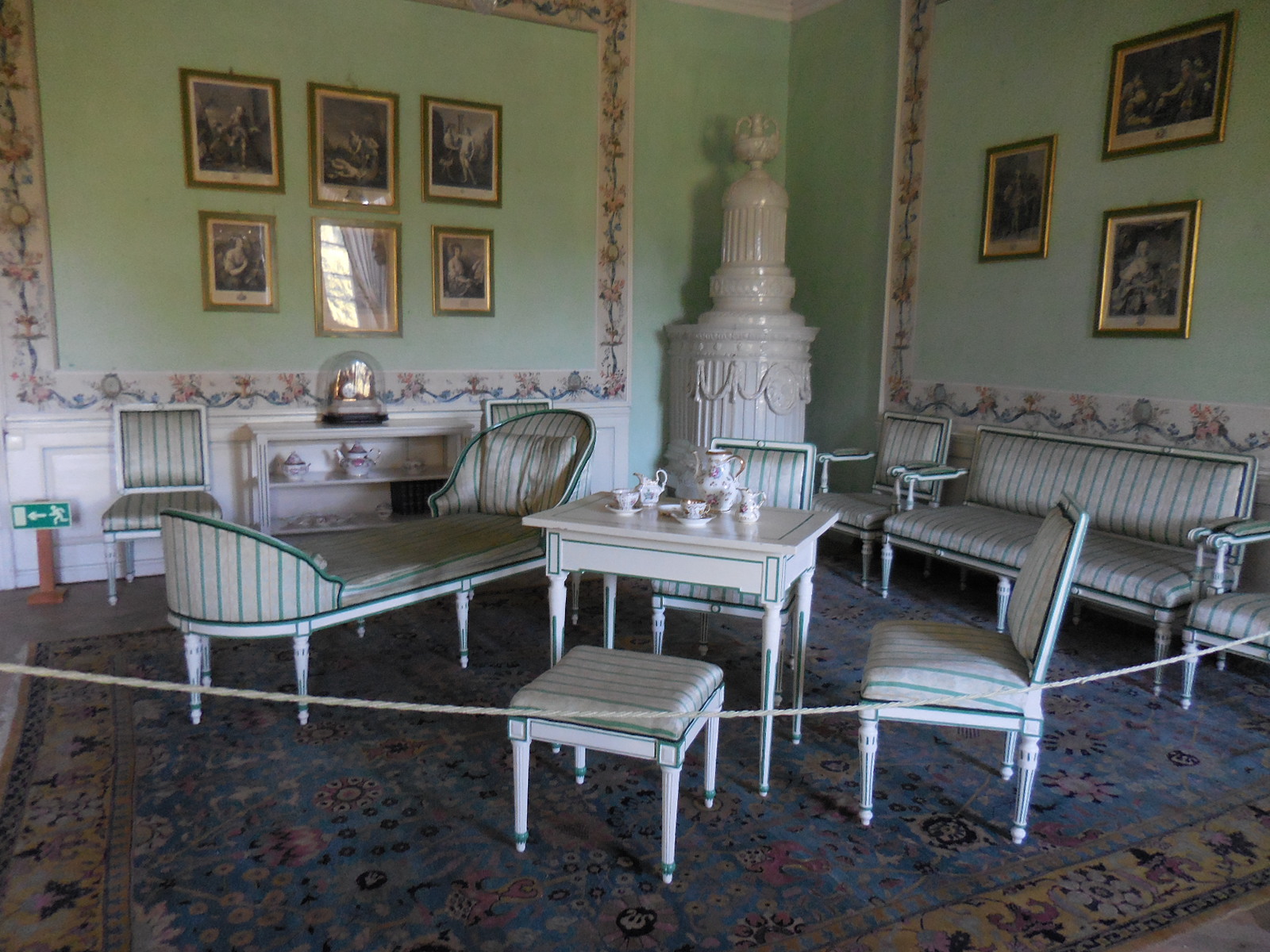
Krásný Dvůr Chateau, interior

The luxury of the 18th and 19th century nobility was evident at Krásný Dvůr Chateau, partially under reconstruction when we were there on this occasion. The exquisite furnishings from 18th and 19th century periods punctuated the visit. Unique historic portraits of dogs and horses caught my attention as the horses were rendered without tails, for instance. The Meissen porcelain, gilded clocks, ancient jewel chests, decorative wall painting and various intriguing canvases in the chateau gallery all exuded the grandeur of old times. Even the upholstery of the chairs was admirable. The Černín family had this chateau designed by well-known architect František Maxmilián Kaňka from 1720 to 1724. The Černín dynasty would hold onto the chateau until World War II.
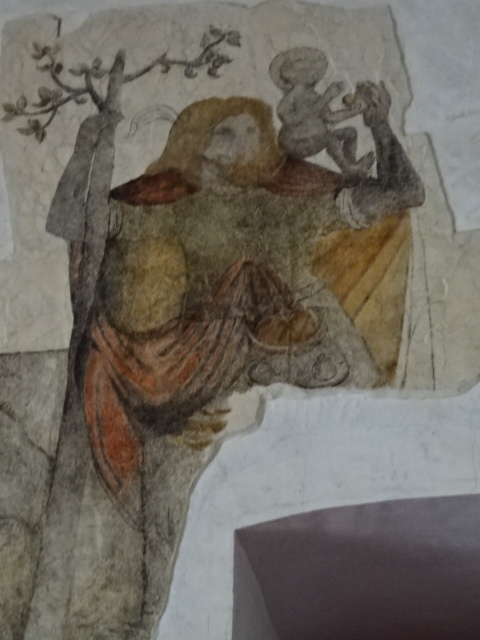
Horšovský Týn Castle and Chateau, interior
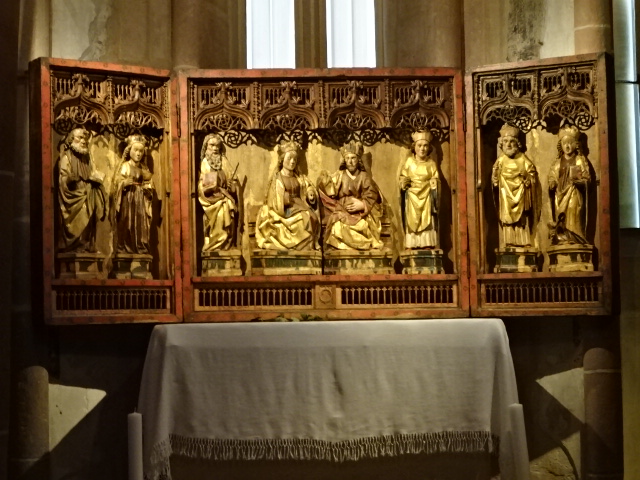
Horšovský Týn Castle and Chateau, Gothic chapel, main altarpiece

Horšovský Týn Castle and Chateau offered numerous tours. This time I went with a travel agency on one tour; in the past I had been there with my best friend on both the castle and chateau main tours. Once again, I was most impressed with the early Gothic chapel, its stunning wall painting and magnificent altarpiece. The early Gothic arch welcoming visitors to the chapel was a splendid architectural specimen. I saw much intriguing furniture from the Renaissance. A cassette ceiling hailed from the 16th century, and a superb tapestry dated from that century as well. Paintings from the Venetian School and splendid wall painting decorated another space. The Dancing Hall featured Rococo painting and a unique piano. In the Small Dining Room, I was surprised to see Edison light bulbs from 1906. The library included 15,000 volumes.
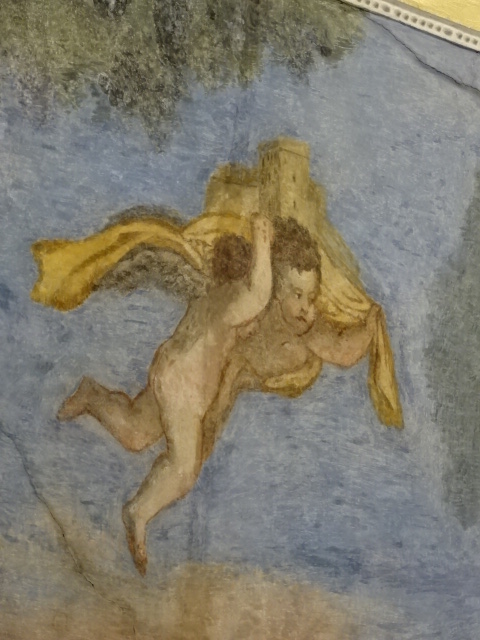
Doudleby Chateau
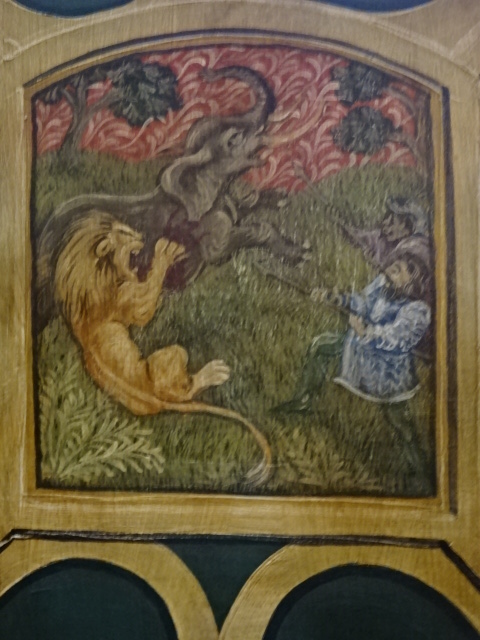
Doudleby Chateau
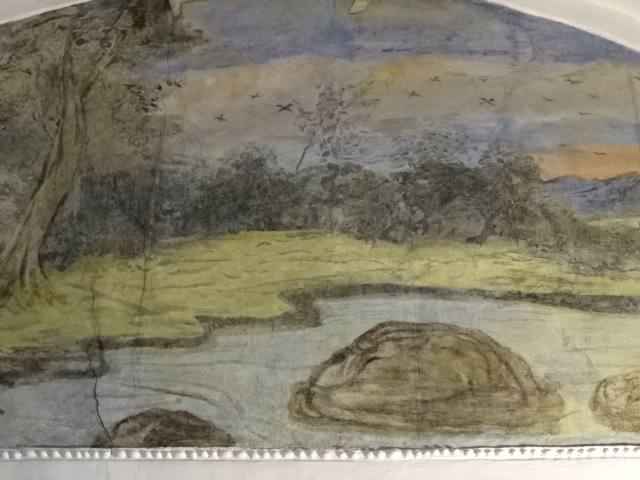
Doudleby Chateau

My good friend and I traveled with a travel agency to Častolovice and Doudleby chateaus, places to which I yearned to return for some years. Doudleby Chateau had undergone main reconstruction. It was stunning with its early Baroque wall and ceiling frescoes. Some were mythological, others religious and yet others symbolic. The lunettes of emblems with French writing were spectacular, too. I saw a parrot’s nest, flowers in a circle and a boat with a partially submerged oar, for instance. Finished in 1590, the chateau’s exterior includes unique sgraffito, open arcades and Tuscan columns. I was very impressed.
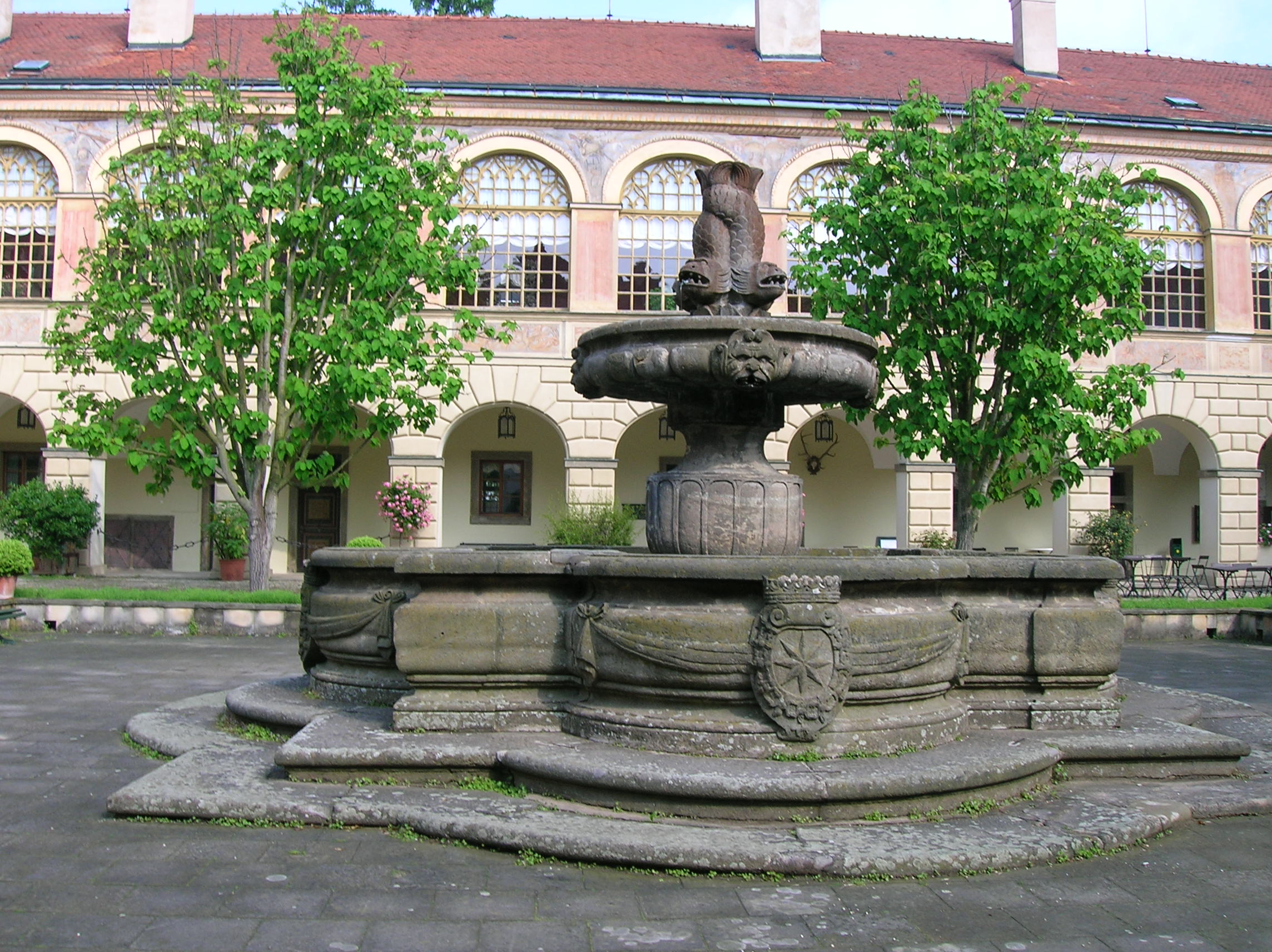
Elegant exterior of Častolovice Chateau
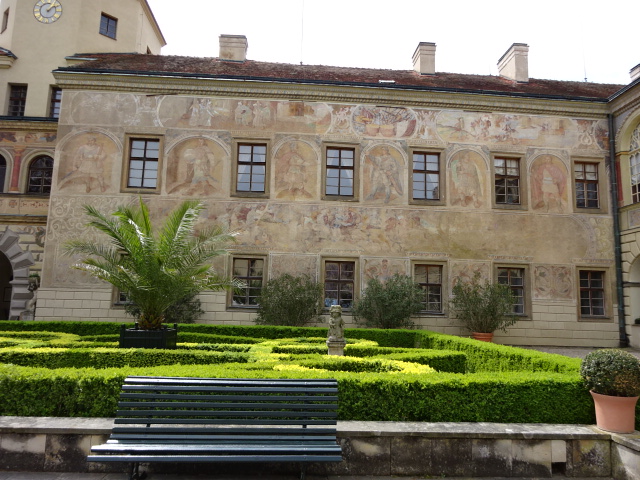
Častolovice Chateau exterior
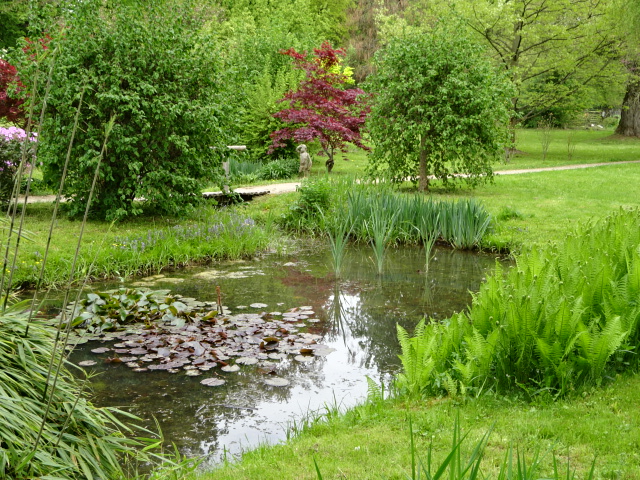
The fantastic park at Častolovice Chateau

Častolovice hailed from the 13th century and boasted an extensive English park, one of the most beautiful, in my opinion. Furnishings hailed from Renaissance, Baroque, Empire and Biedermeier periods. A Renaissance cassette ceiling dated back to 1600. In the vast Knights’ Hall, I admired paintings of 24 scenes from the Old Testament. The collection of portraits showing Czech rulers was extremely impressive, too. The Renaissance arcades and distinctive fountain plus aviaries outside were noteworthy as well. There was a small zoo, but I saw an irate turkey coming my way and decided not to pay admission. The park was punctuated by peacocks and other animals as well as ponds and fantastic flora, among other attributes.
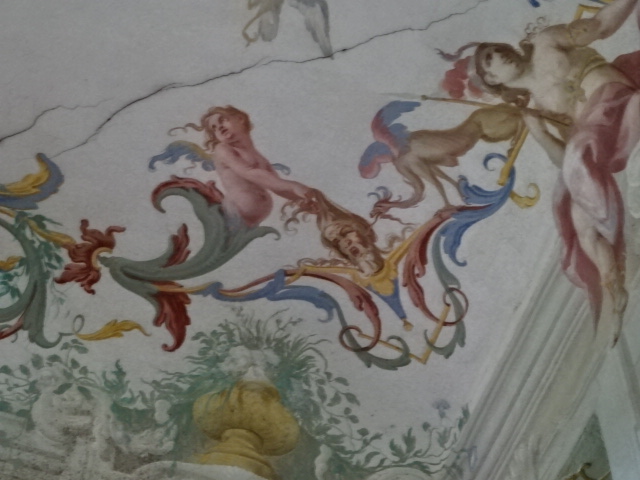
Jaroměříce Chateau interior
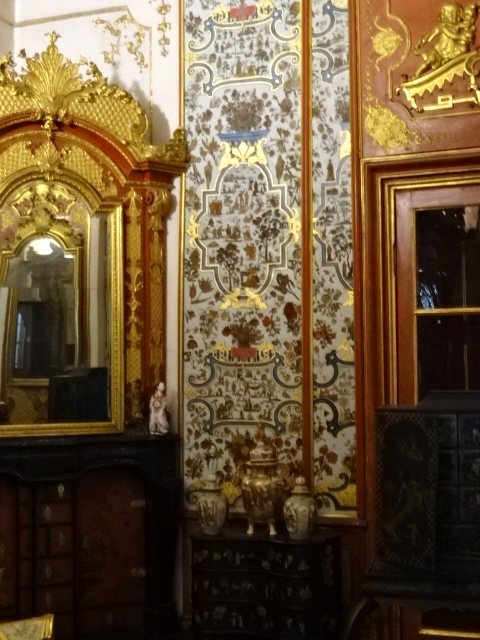
Interior of Jaroměřice Chateau
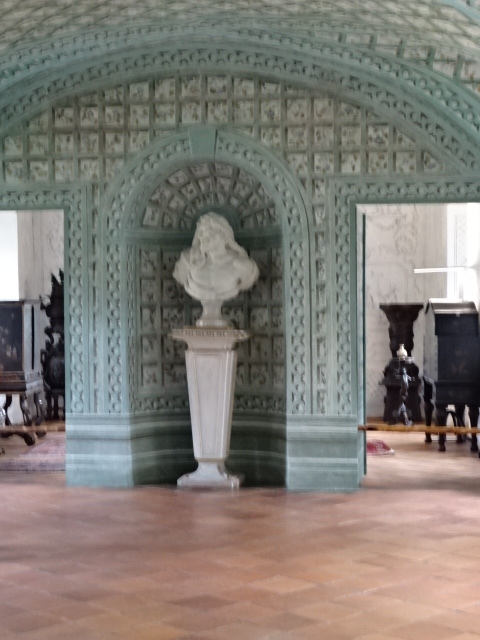
Jaroměřice Chateau

With a travel agency I made a very memorable trip to Jaroměřice nad Rokytnou Chateau, the biggest Baroque chateau in the country. I hadn’t been there since the late 1990s. The Ancestors’ Hall amazed with a fabulous frescoed ceiling and masterfully carved wood paneling. The ceiling and wall painting in the Ballroom was just as exquisite. The Chinese Cabinet also made a great impression.
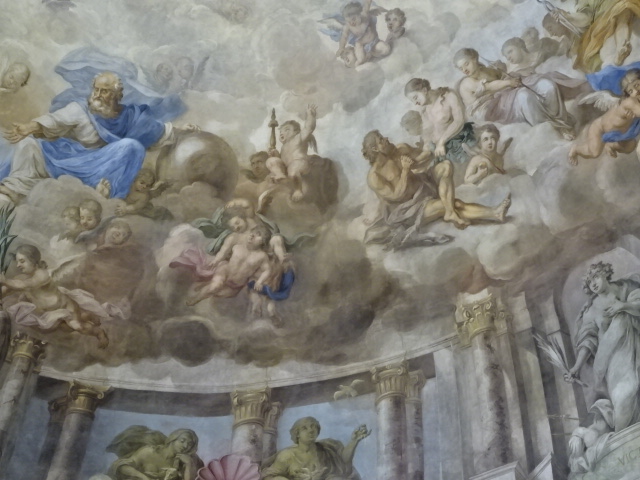
Church of Saint Markéta, Jaroměřice
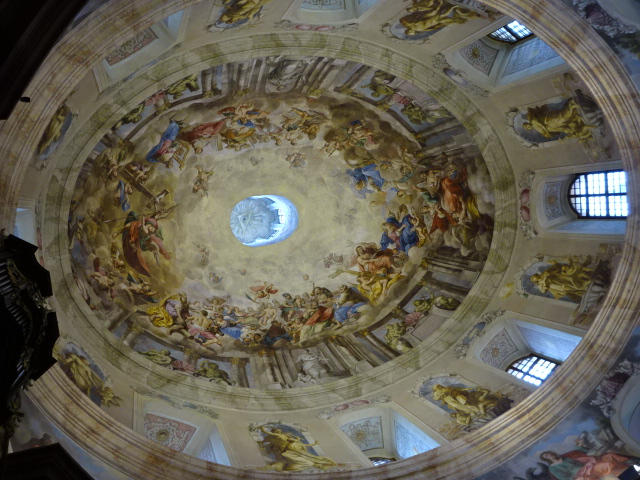
Cupola of Church of Saint Markéta
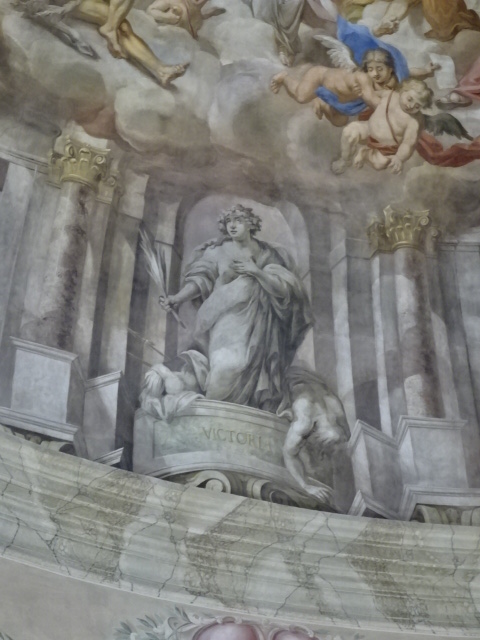
Decoration on walls of Church of Saint Markéta

Yet that was not all there was to Jaroměřice. The town had much more to offer. Nearby was the Church of Saint Markéta, measuring 450 m2 with a splendid frescoed ceiling. Pictures of the Evangelists and Roman gods decorated the walls. The main altar, celebrating Saint Markéta and the creation of light, did not disappoint, either. Our guide even played for us the impressive historic organ.
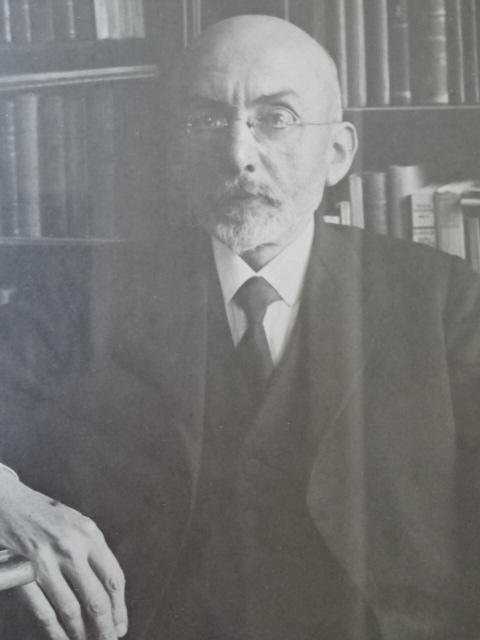
Otakar Březina
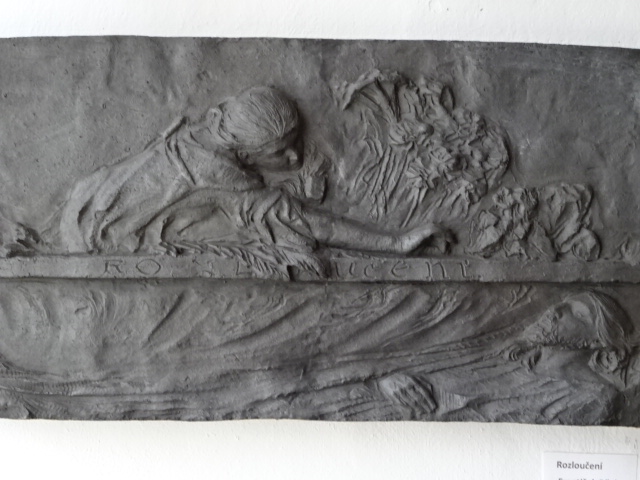
Museum of Otakar Březina, art by František Bílek
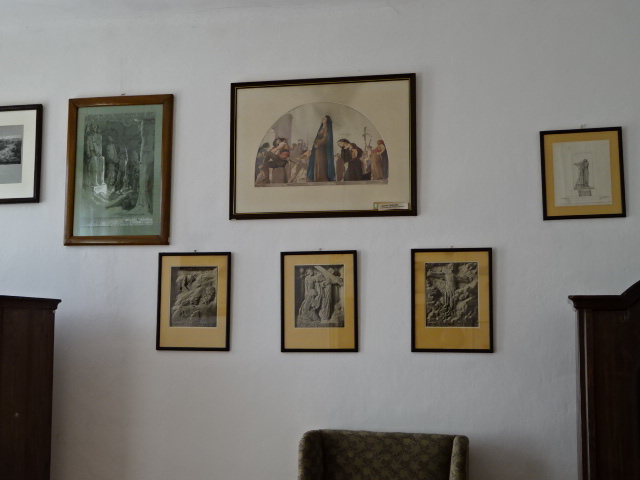
Museum of Otakar Březina

The Museum of Otakar Březina was another highlight of Jaroměřice. Březina had been a poet who was in the running for the Nobel Prize eight times. In the apartment where Březina had lived from 1913 until his death in 1929, I saw not only editions of his many books and childhood photos but also fascinating works of art by his close friend František Bílek, whose villas I had visited in Prague and in south Bohemia. Březina had promoted democracy as he had developed steadfast friendships with Czech writer Karel Čapek and President of the First Republic Tomáš G. Masaryk.
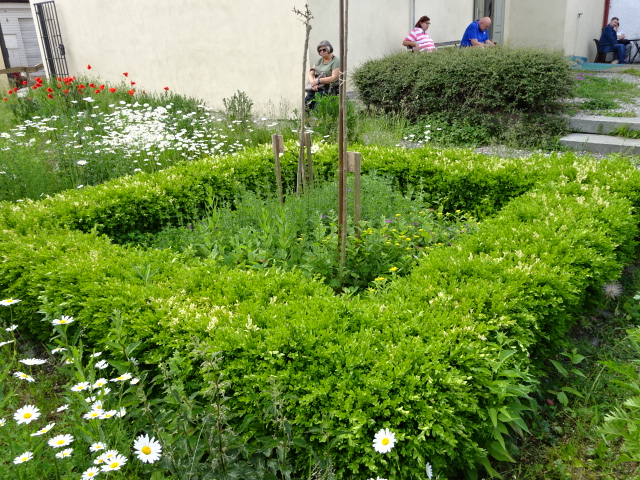
Garden of Symbols, Museum of Otakar Březina
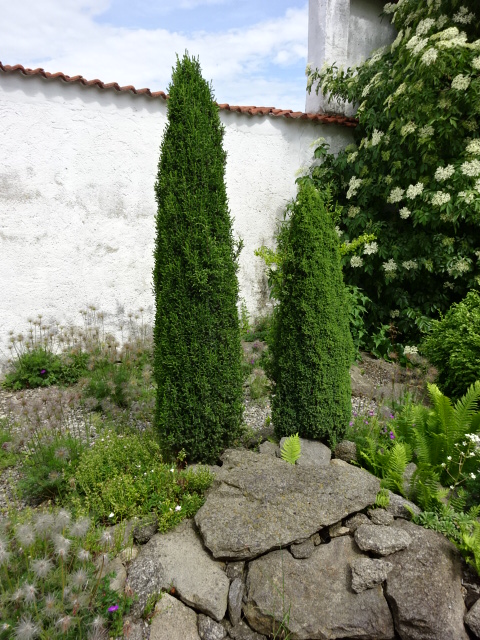
Garden at Museum of Otakar Březina
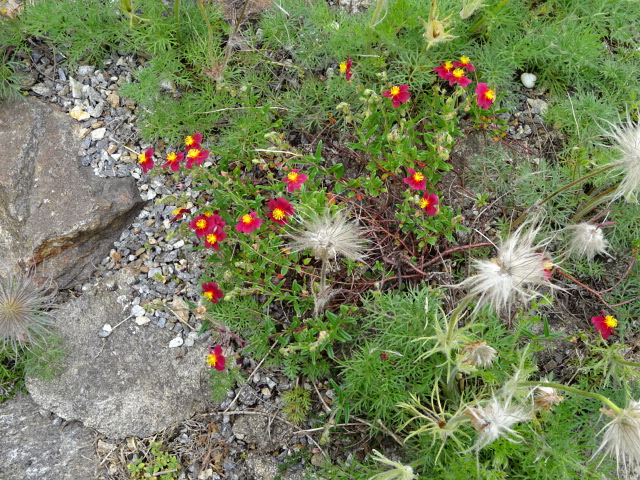
Garden outside Museum of Otakar Březina

The garden outside the home was unique and symbolic just like Březina’s poetry. Parts of the garden were dedicated to Karel Čapek, Bílek and the most influential owner of Jaroměřice Chateau, Jan Adam Questenberk. Many flowers, plants and small trees graced the well-kept garden. One section of this Garden of Symbols represented immortality because Březina had believed that death was not an end but rather a new beginning.
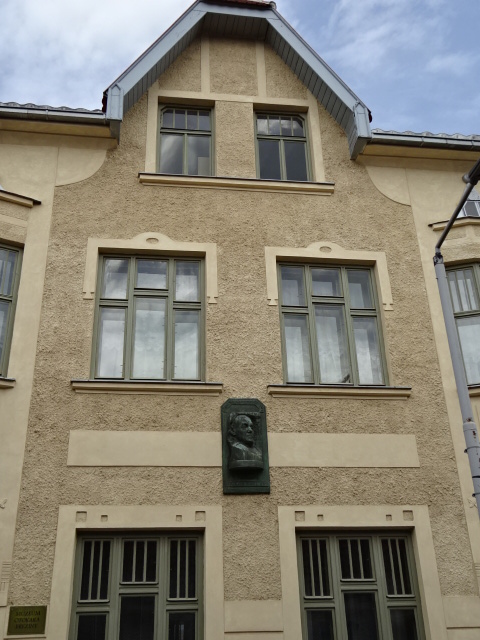
Museum of Otakar Březina
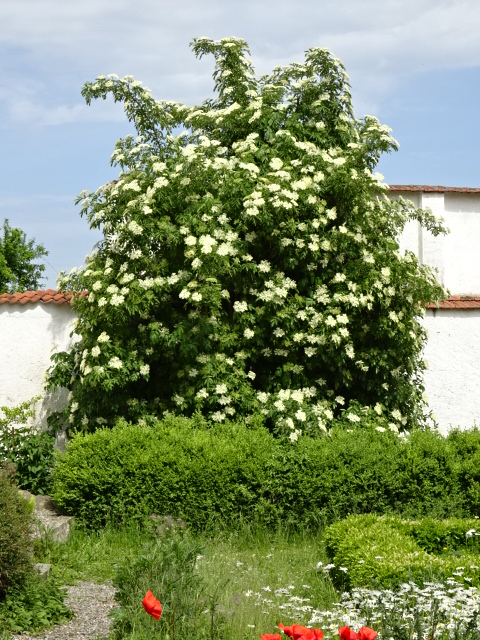
Garden of Museum of Otakar Březina

Yet there was more. We visited Březina’s grave, designed by Bílek, as well as an extensive garden center established in 1901. Karel Čapek had been a devoted customer during the 1920s and 1930s. I could imagine Čapek enthusiastically picking out plants as I perused all the interesting specimens and gazed at the cats who lounged around the center without disturbing the plants.
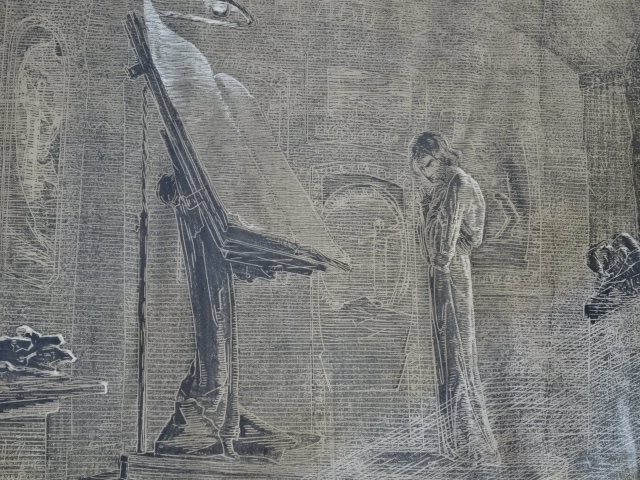
Museum of Otakar Březina, artwork by František Bílek
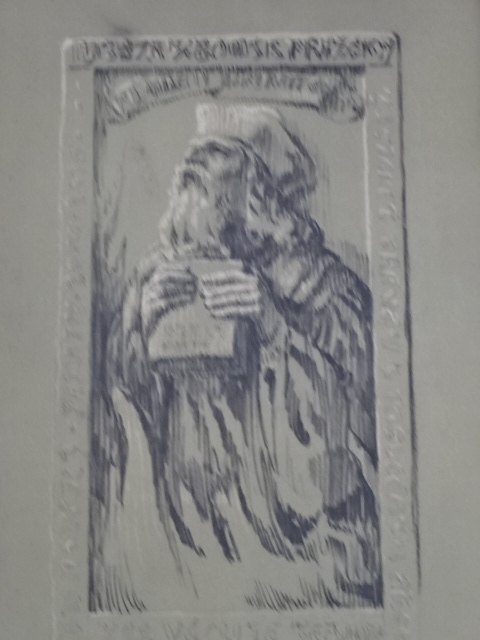
Museum of Otakar Březina, art by František Bílek

With a master’s degree in Czech literature, I was always enthusiastic to learn more about Czech writers, especially poets whose works I had never read. Březina’s writing was so complex and symbolic that I had always feared I would not understand it. Visiting writers’ museums was always a big thrill for me in any country but especially in the Czech Republic. It never failed to open up new worlds.
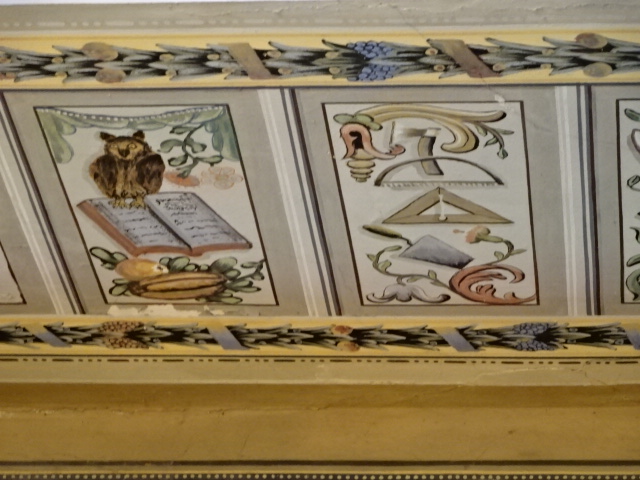
Radim Chateau, ceiling in main hall
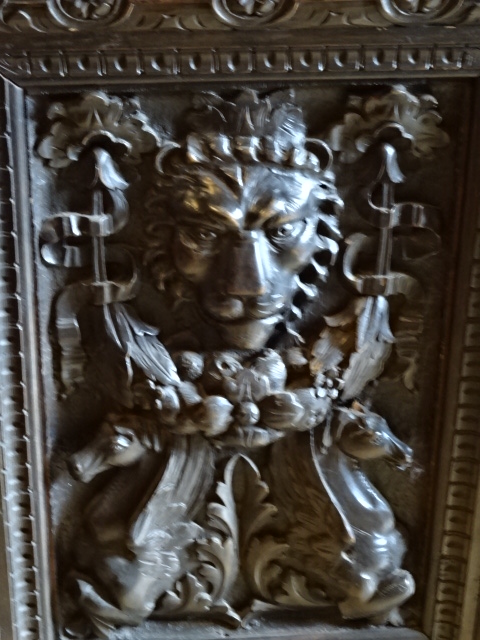
Radim Chateau, dining room cabinet
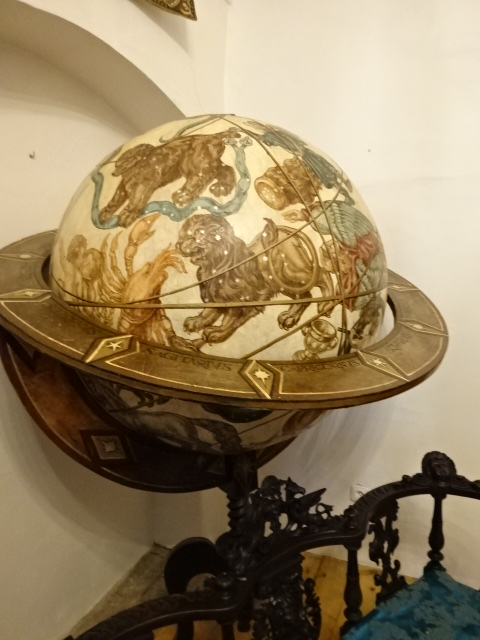
Radim Chateau, historical globe

Another chateau that I visited for the first time was called Radim, not far from Prague. Built in 1610, it had served as a Renaissance countryside seat of nobles, and, while it did not contain many original furnishings, the owners had amassed a great deal of impressive artifacts from various periods, especially the Renaissance. Exquisite tapestries lined a hallway. I saw a Neo-Gothic throne and an altar in the same style, both masterfully carved. Renaissance furniture also was prominent. A decorated coffered ceiling from the early 17th century and wall painting filled me with awe. The decorative main hall certainly did not disappoint.
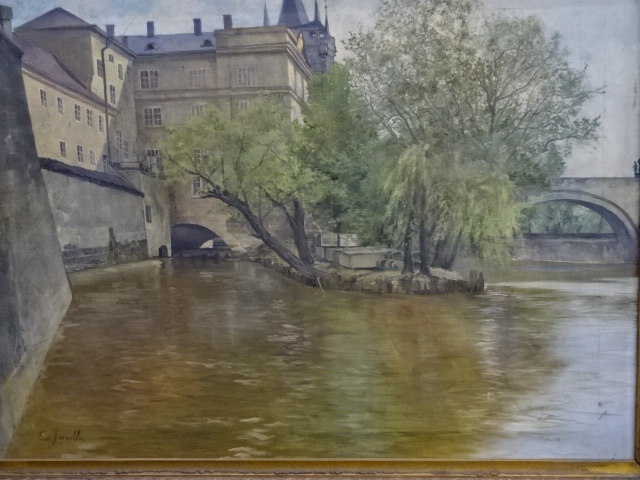
Radim Chateau art gallery, painting of Kampa Island
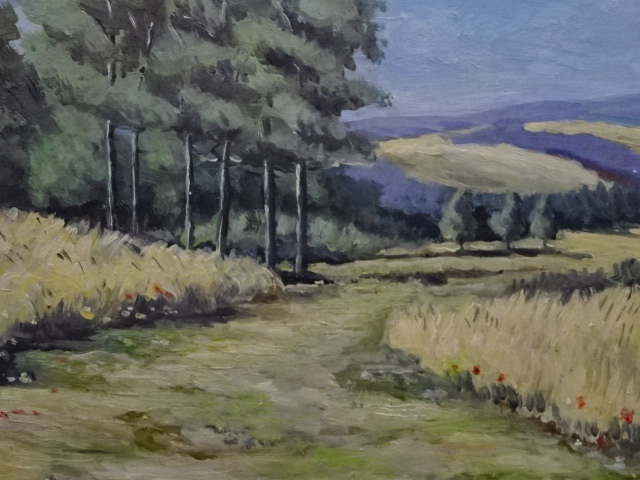
Painting in Radim Chateau art gallery
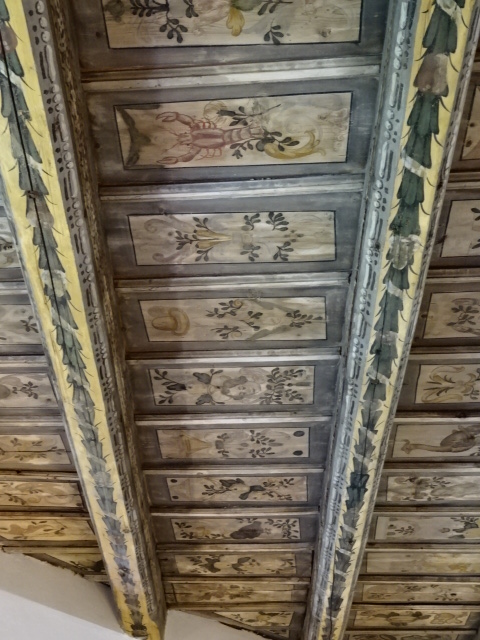
Radim Chateau art gallery ceiling

What enamored me the most about this chateau was not the first floor interior, though, but the amazing art collection the owner had put together. The owner proudly showed me his impressive collection. I  saw a hallway lined with landscapes, paintings of Kampa Island and the Charles Bridge as well as the Berounka river and the Pilsen countryside region. Landscape after landscape from various parts of the country amazed me. I gazed with awe at works by Otakar Nejedlý, Vlastimil Toman, Otto Stein, Vojtěch Hyněk Popelka and many others.
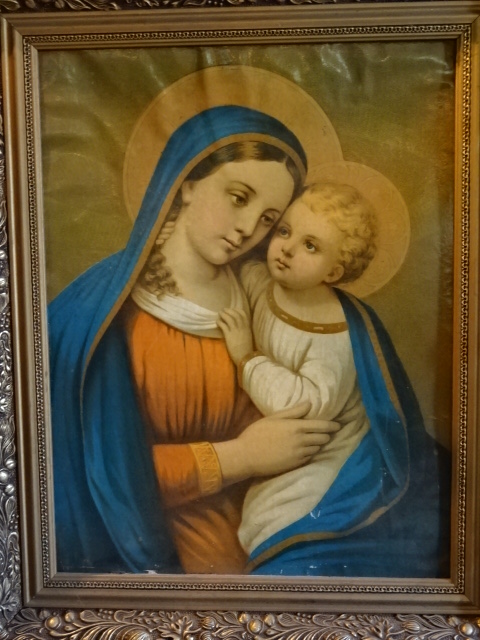
Religious art in Radim Chateau gallery
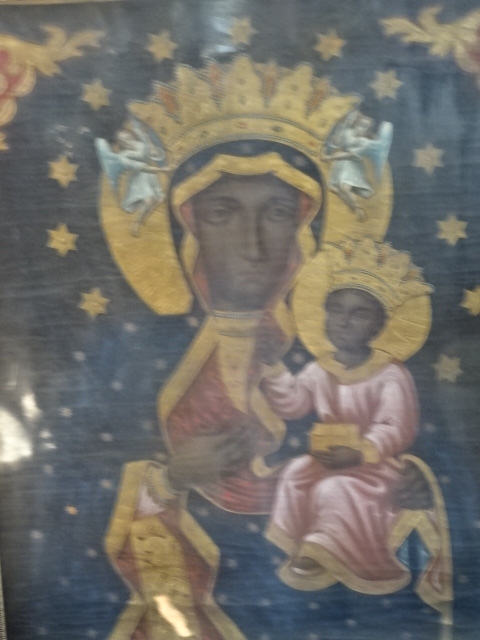
Russian icon, Radim Chateau art gallery

Yet that was not all the art to be seen. In another space there was a fascinating collection of religious works, including a copy of a Titian painting and a Russian icon. Visiting Radim Chateau was a double thrill for me – I loved the furnishings and painted ceilings as well as the art gallery. The entire chateau exuded charm and splendor.
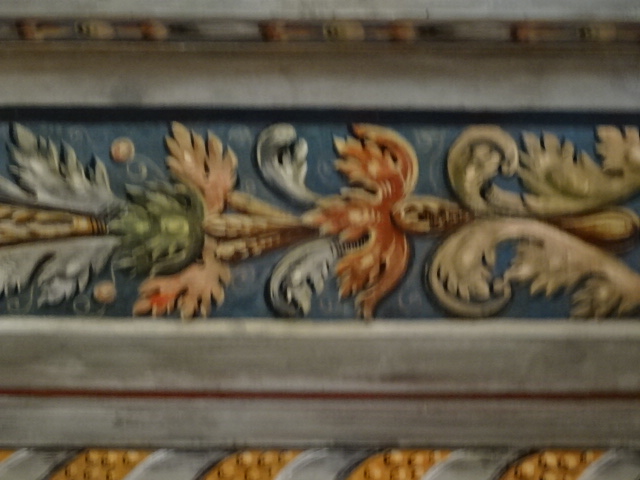
Březnice Chateau interior
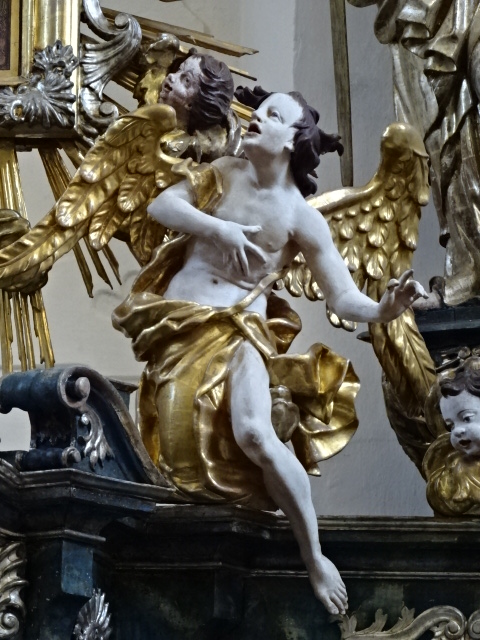
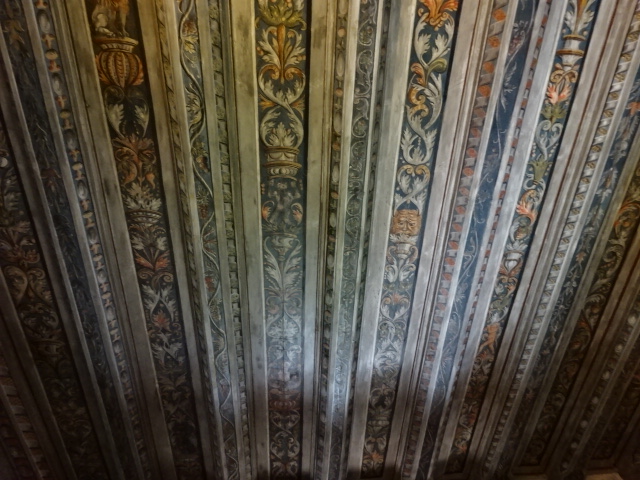
Březnice Chateau ceiling

I went back to Březnice Chateau, which I had not visited for some years. The Renaissance chateau from the 16th century featured a former library with well-preserved ceiling and wall painting hailing from Renaissance days. The chateau showed off various styles – Renaissance, Baroque, Empire and Biedermeier. The Baroque chapel was stunning. The Renaissance dining room was full of historic grandeur. The armory was impressive, too.
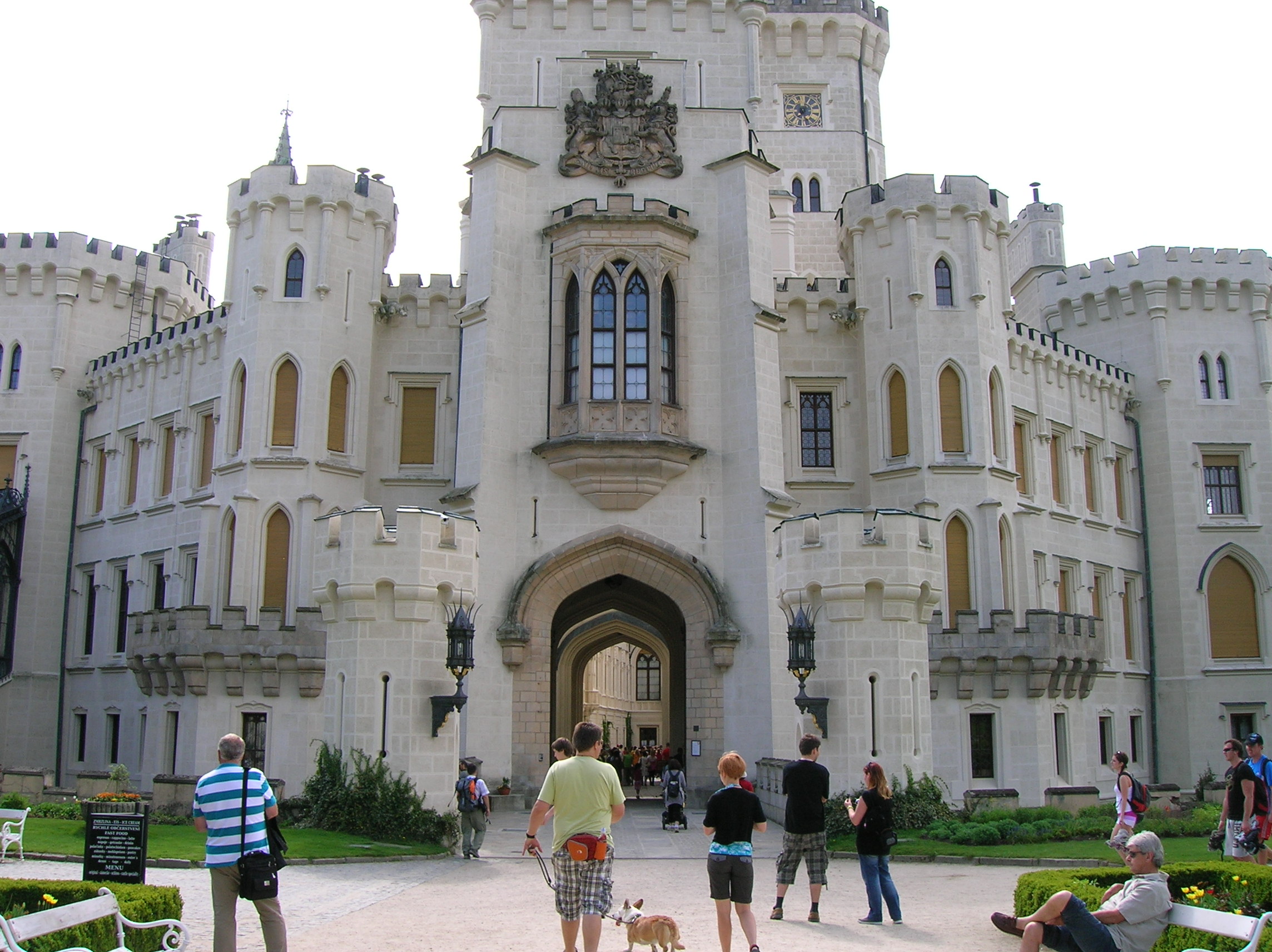
Hluboká nad Vltavou Chateau exterior

One of my most favorites chateau was in Hluboká nad Vltavou, one of the most popular in the country, and I loved gazing at its masterful Neo-Gothic exterior. The wood-paneling with remarkable furnishings and the 57 tapestries from Brussels astounded. The library with 12,000 volumes and the armory were more than stunning. This chateau could never disappoint.
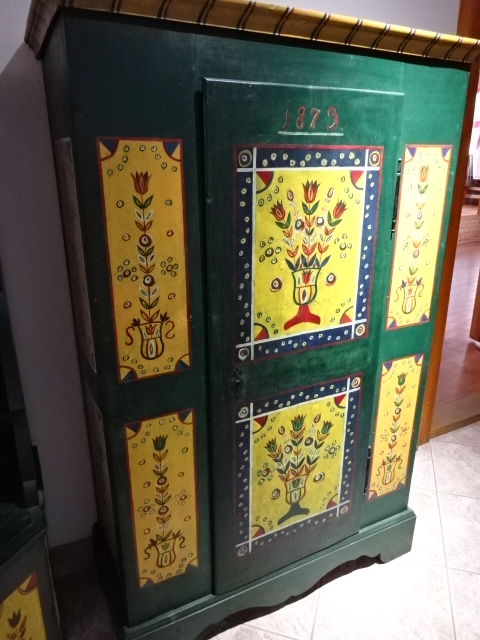
Domažlice Castle Museum, folk style wardrobe
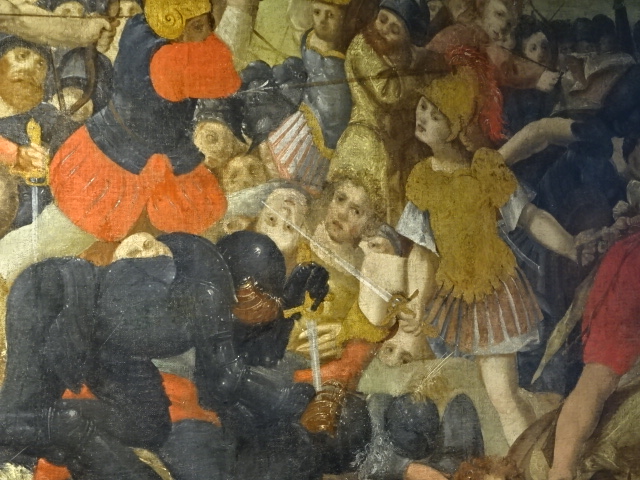
Historical painting in Domažlice Castle Museum

I saw a castle museum in Domažlice, where I learned about the region. The other castle museum was in Kadaň, where there were displays of the history of the town and fortress-like edifice. In Domažlice the folk costumes of the area were prominently on display as were the beautiful ceramics notable for the region. Holy Roman Emperor Charles IV’s visit to Kadaň and the years the castle spent as a barracks as well as the dark Nazi period were elaborated upon during that tour.
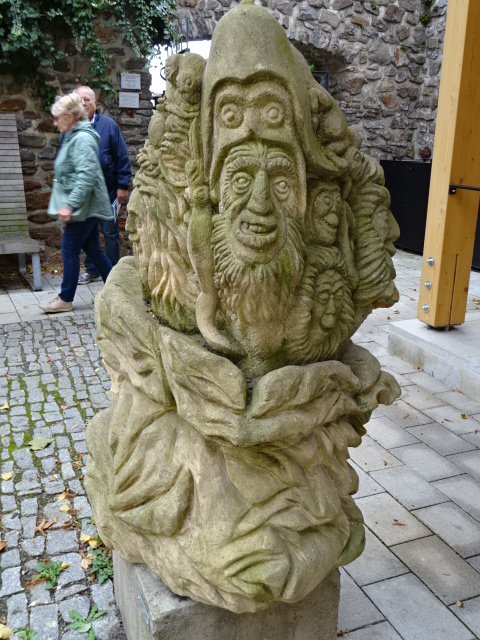
Sculpture in Kadaň

Kadaň scenery

Yet there was more to Kadaň and Domažlice than merely their castles. We saw picturesque squares, churches, town halls, a monastery and much more in those towns. The path from the center of Kadaň to the castle was surrounded by lush flowers and plants as well as unique grotesque sandstone statues. The narrowest street in the country, Katova Street, is located in Kadaň. The monastery in Kadaň with its Gothic wall painting and other splendors was a real treat, too.
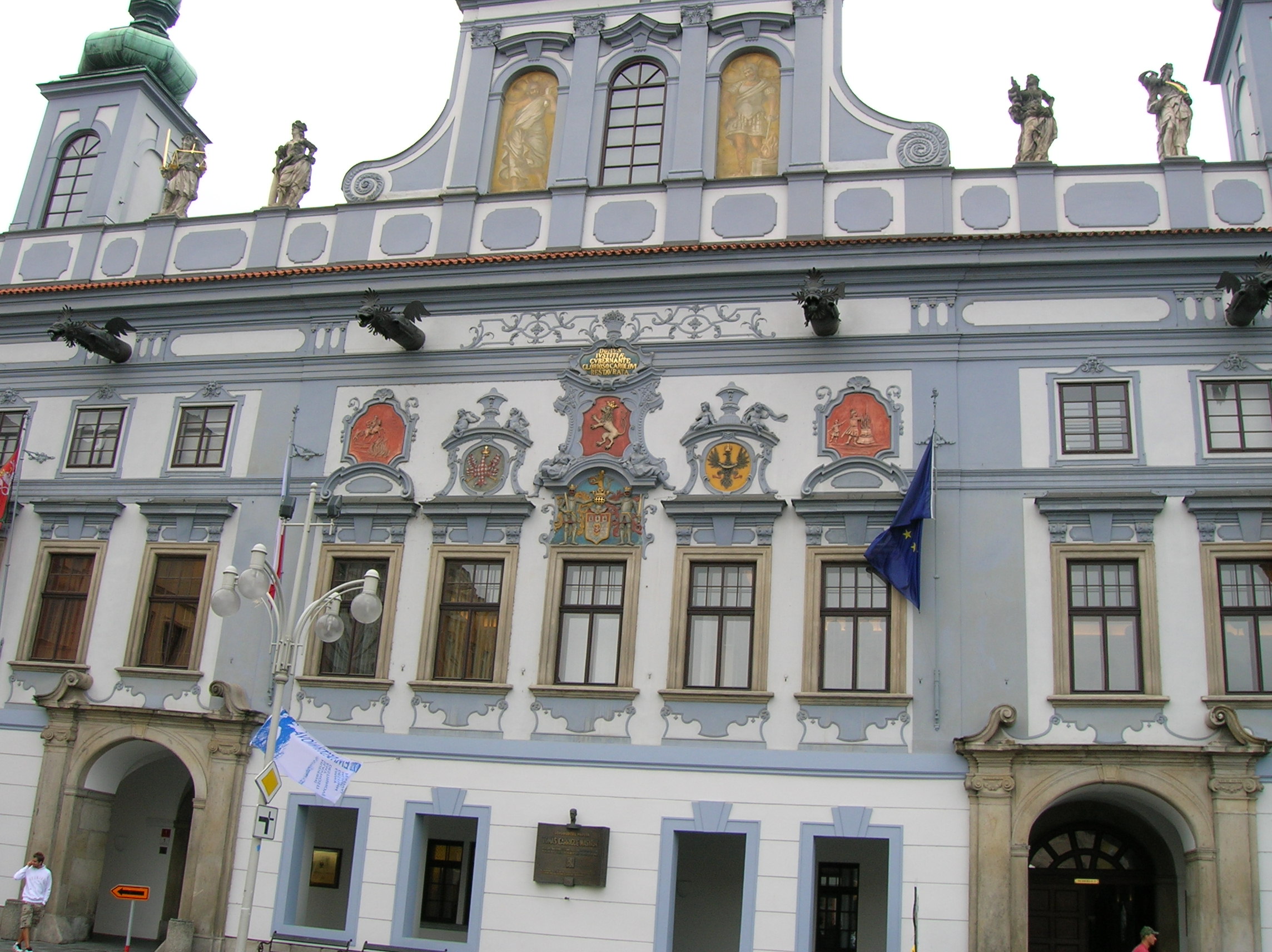
Town Hall in České Budějovice, main square
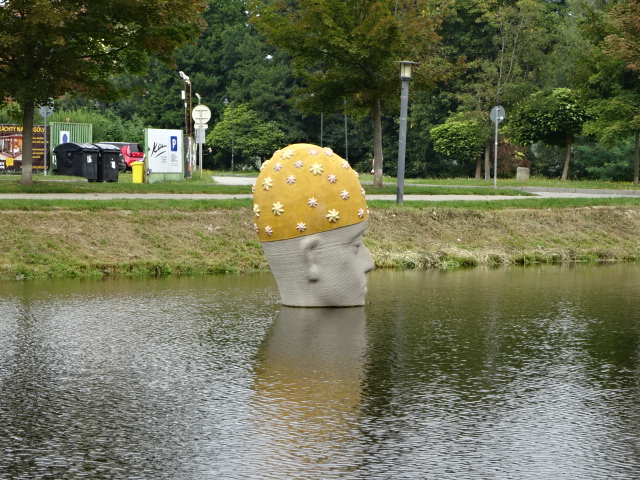
Sculpture in České Budějovice
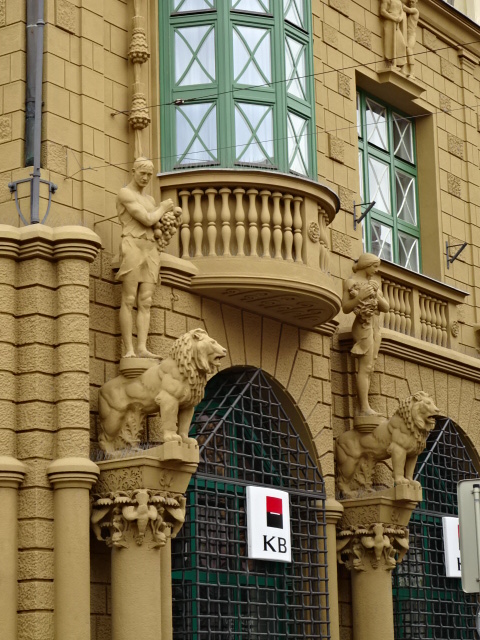
Komerční Bank sculptural decoration

Another city sans chateau or castle that I visited was České Budějovice, one of the gems of south Bohemia for its unique and stunning architecture. Previously, I had only admired the vast main square of the city with its delightful Renaissance buildings and prominent town hall.
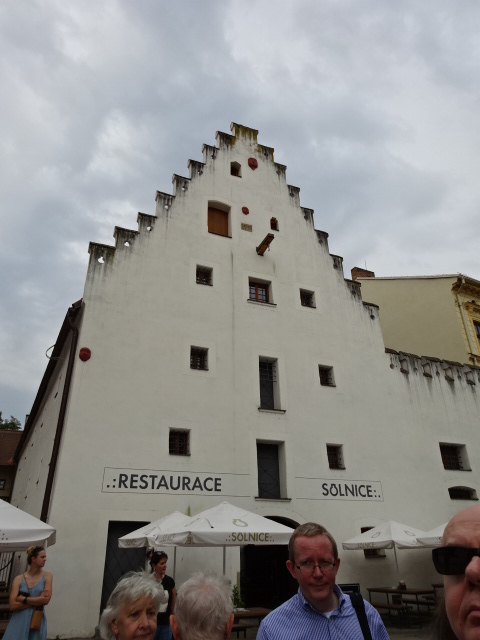
Former salt house in České Budějovice
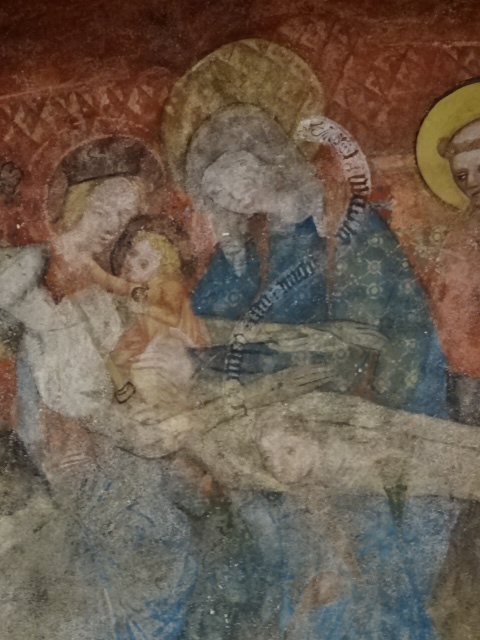
Gothic wall painting in church in České Budějovice
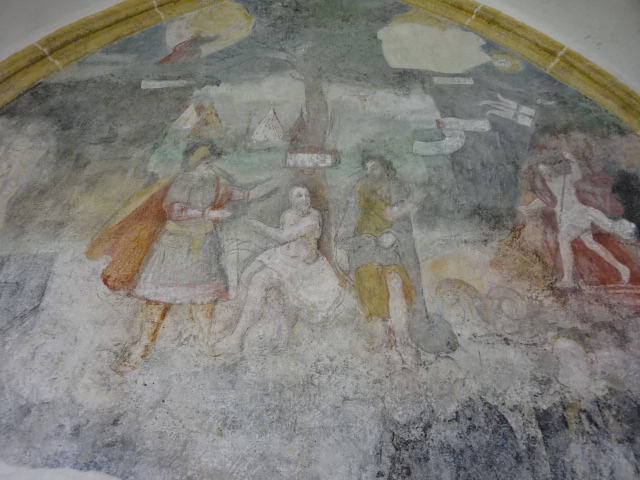
Wall painting in church in České Budějovice

This time I saw the entire downtown area and soon learned that there was much more to the city than merely its picturesque square. The main church with Gothic (13th century) and Baroque wall painting as well as a Neo-Gothic main altar was incredible. The former salt house’s unique roof was one to remember. A large bank’s sculptural decoration was more than impressive. Other buildings were architectural gems, too. Some boasted religious paintings on the exteriors. Narrow and romantic Panská Street was another highlight of the city. The architecture throughout the city was truly breathtaking.
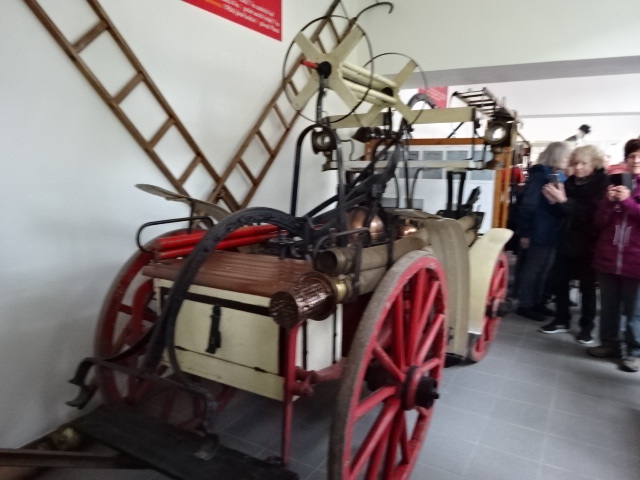
Firetruck museum in Constantine Spa

We also visited a small enclave called Constantine Spa. On the charming small square was a claustrophobic museum of fire trucks hailing from 1900 to 1912. Each had one ladder, and they had once been driven by horses. While it was raining during our time in the spa town, we did see some beautiful greenery as we walked to a café with delicious desserts.
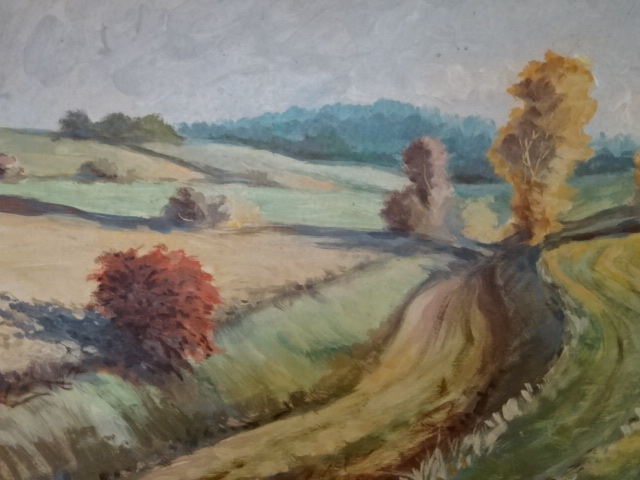
Votice Monastery, town museum, painting of region
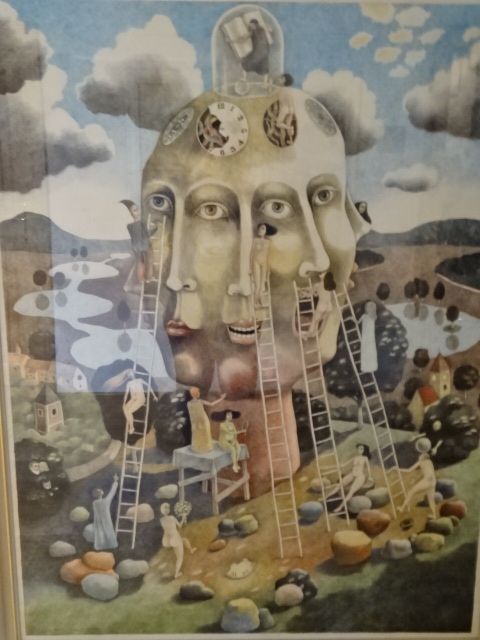
Vladimír Kaska painting in Votice Monastery
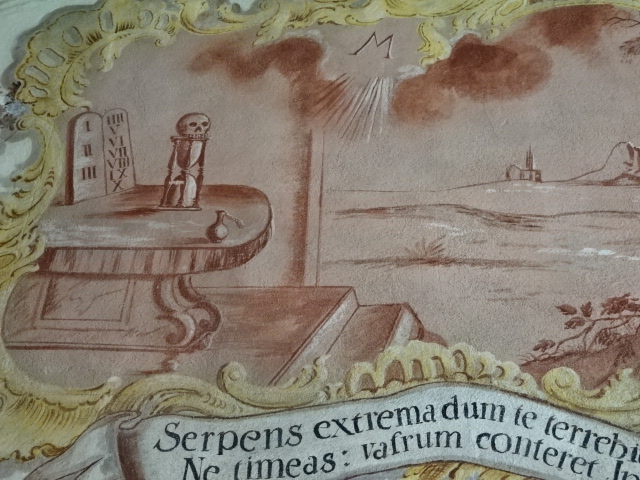
Fresco on wall and ceiling of Votice Monastery

In addition to the monastery in Kadaň, I toured two other monasteries – Votice and Teplá. Displays narrated Votice’s turbulent history during Nazism and Communism. I admired the town museum at Votice monastery. Paintings of the town in decades past caught my undivided attention. The 17th century frescoes on one wall and ceiling section at Votice were astounding. I also was amazed at the modern paintings of a local artist, Vladimír Kaska. His grotesque, playful, symbolic and colorful renditions delighted me. His works were so vibrant and dynamic. Discovering an artist whose works I did not know was one highlight of my trip there.
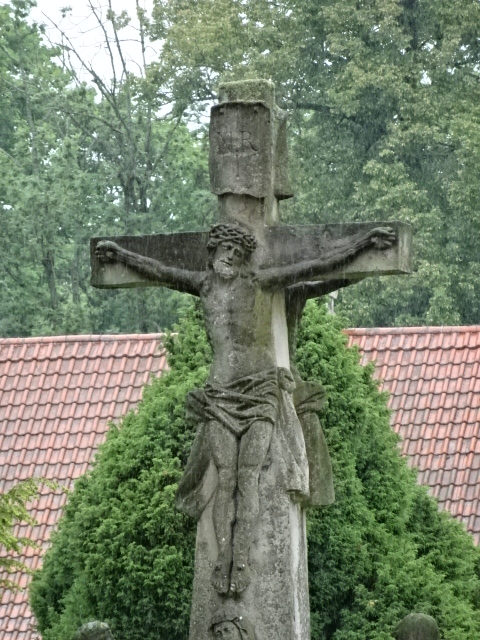
At Teplá Monastery

Teplá Monastery was founded in 1193, and King Václav I participated in the first mass. The Baroque church had been rebuilt in the 18th century by a prestigious architect – Kryštof Dientzenhofer. Poignant wooden statues by Ignác Platzer stood out in the church as did astounding Baroque frescoes. The church, 62.5 meters long, also featured a Rococo altar decorated with Baroque paintings.
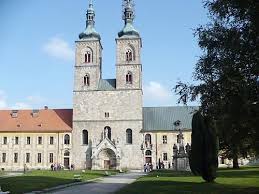
Teplá Monastery

Still, the library that contained about 100,000 volumes in Latin, German and Czech was for me the highlight of Teplá. The two floors of masterfully carved bookcases featured an elaborate balustrade. The fabulous fresco on the ceiling represented monks and angels celebrating with religious figures, including the Evangelists. The ceiling painting was so beautiful that it almost made me dizzy with delight.
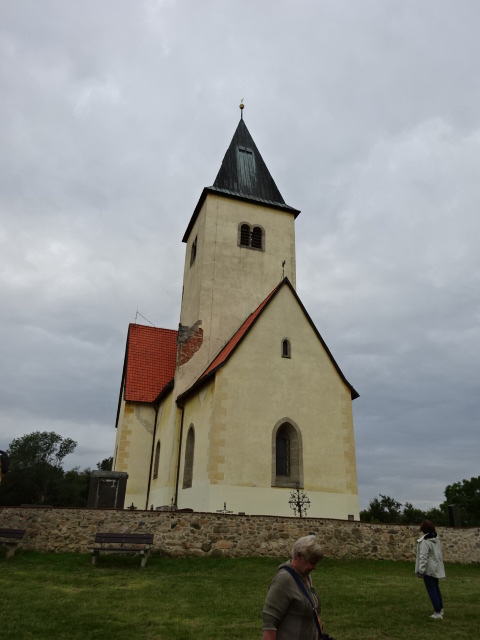
Chovojen church
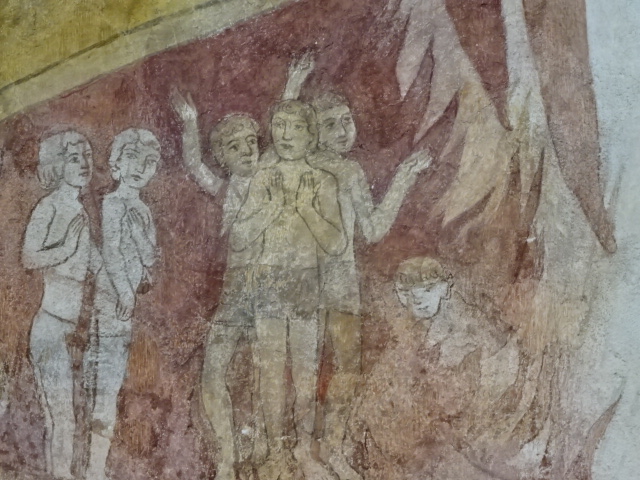
Medieval wall painting in Chovojen church

I also toured a small church in Chovojen, surrounded by fields and offering a view of nearby Konopiště Chateau. The Romanesque elements of the small church were noteworthy. The rare medieval frescoes amazed me. I even saw a painting showing the medieval solar system with the Earth at the center. So many amazing artifacts located in a small church filled me with awe.
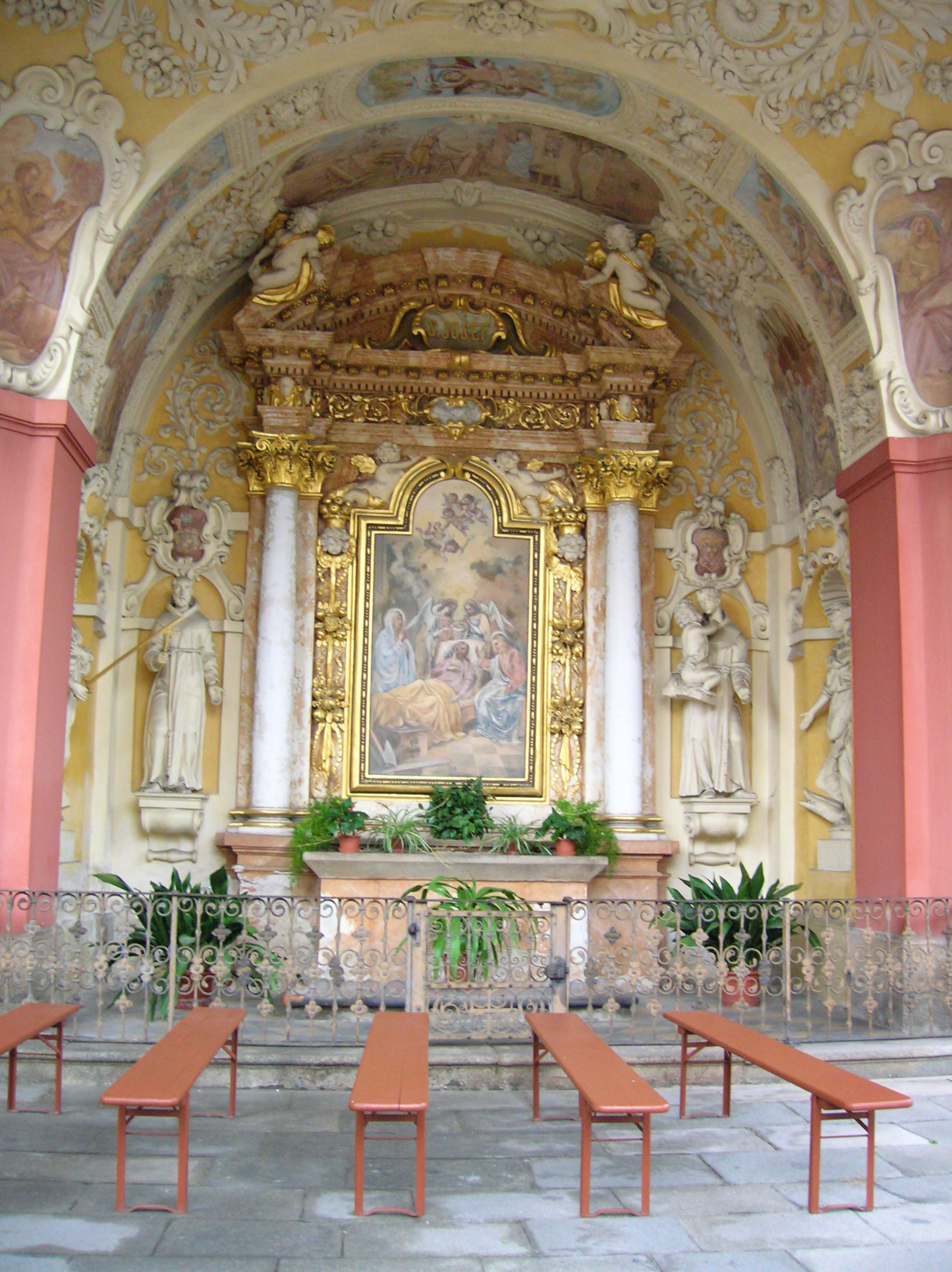
Outside altar at Holy Mountain
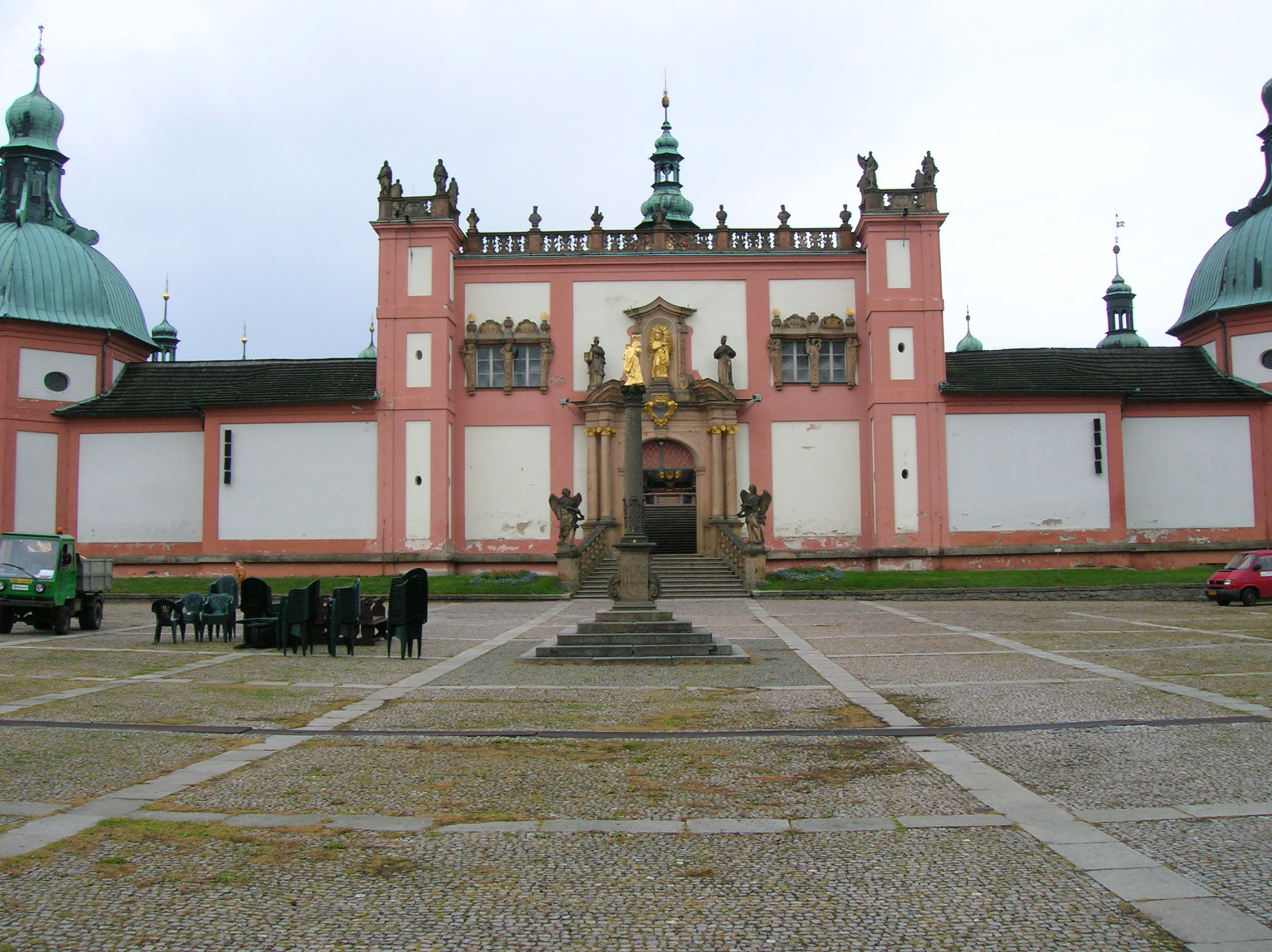
Holy Mountain entrance

Another religious site that I toured with my best friend was Holy Mountain, which included a church featuring a pure silver altar and nine open chapels with spectacular biblical wall and ceiling painting. The unique attraction was breathtaking. I had been there many times, but showing it to my best friend was a highlight for me.
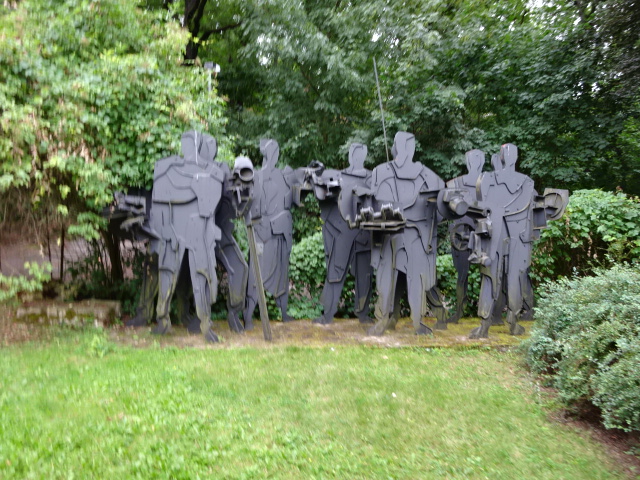
Sculpture in garden of Janoušek studio villa
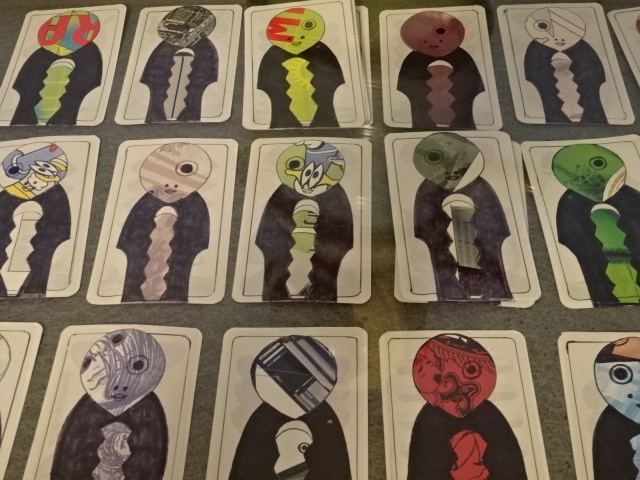
Inspired by Japanese playing cards, created by Vladimír Janoušek

I was excited to discover the studio of the Janoušek couple, 20th century artists whose workplace had been designed in the Brussels style of the 1950s and 1960s. They had used the architecturally unique studio from 1964 to 1986. In the garden stood several monumental sculptures, such as enormous figures in metal. During the tour I saw abstract sculpture from diverse periods of the artistic couple’s lives. Věra had made exquisite collages and tapestries as well as astounding sculptures of metal figures utilizing kitchen utensils and pans. Very colorful, these creations fascinated me. I had never seen anything like them.
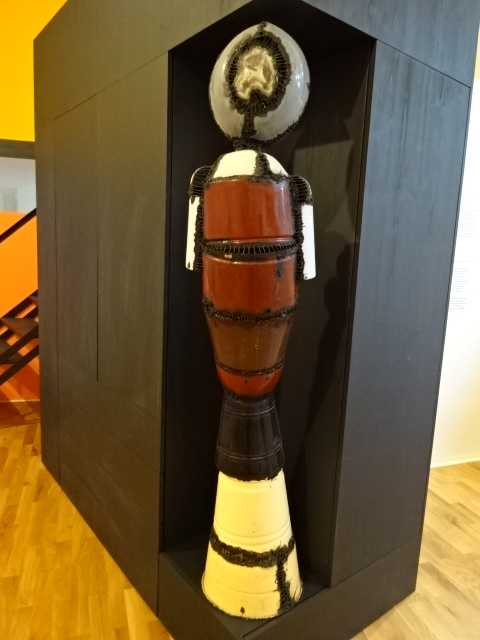
Věra Janoušková sculpture made of kitchen utensils and pans
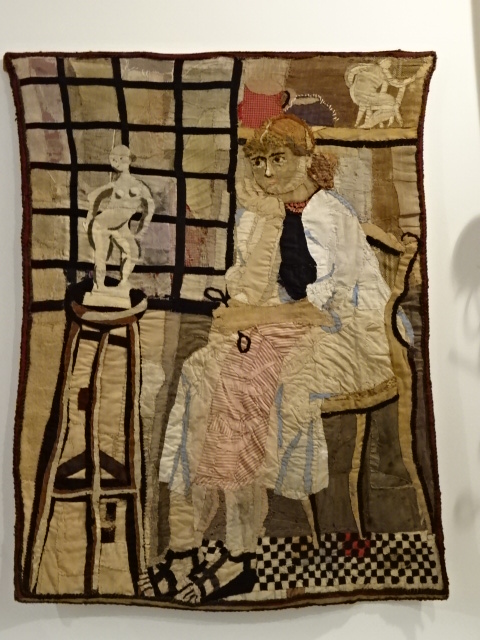
Věra Janoušková, tapestry

Vladimír’s work included a stunning large metal sculpture depicting the Fall of Icarus as well as a unique statue of Perseus. His combination of mythological themes and the abstract amazed me. I also was captivated by Vladimír’s creation of Japanese playing cards, so different from his monumental metal renditions. Various creations by both artists decorated shelves and showed how their styles had evolved. Panels on one wall showed photos of the two and their studio throughout the years and narrated the history of the couple’s accomplishments in a clear fashion. The studio was not without a charming library, either.
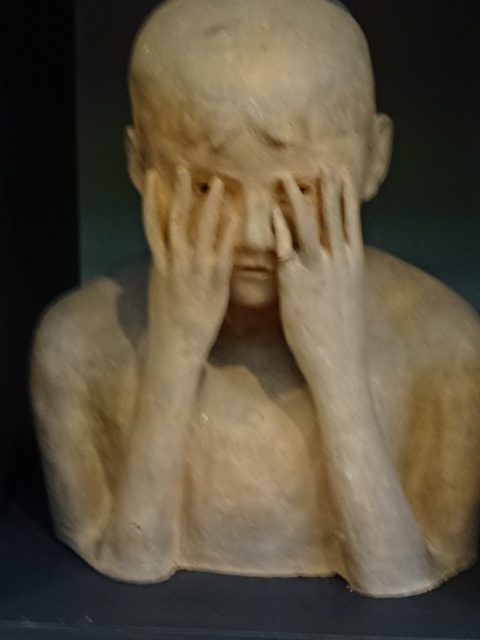
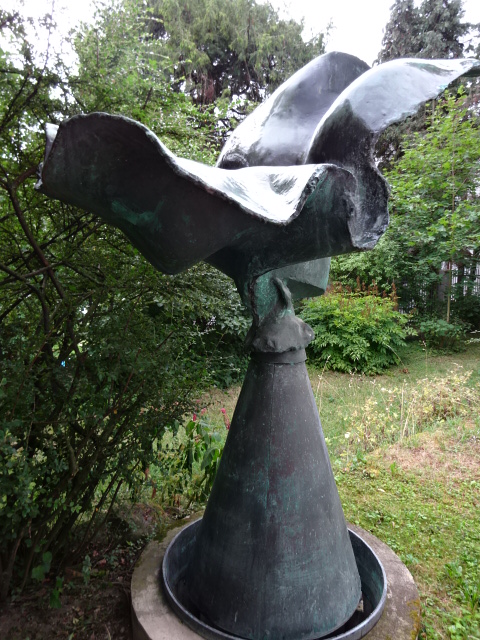
Sculpture in garden of Janoušek studio villa

I had never heard of the Janoušek artists before coming across an ad on the GoOut ticket site several months before my visit to the Smíchov house, mostly hidden from the street by garden greenery. Once again, I was excited to see an architectural wonder for the first time and learn about the couple’s unique abstract art.
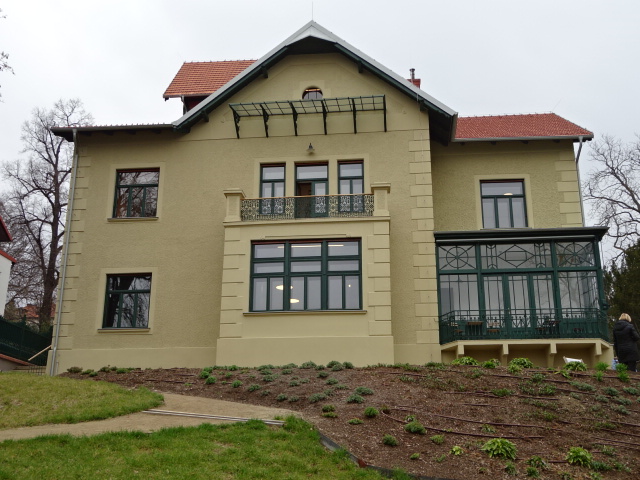
Arnold Villa, reconstructed, in Brno
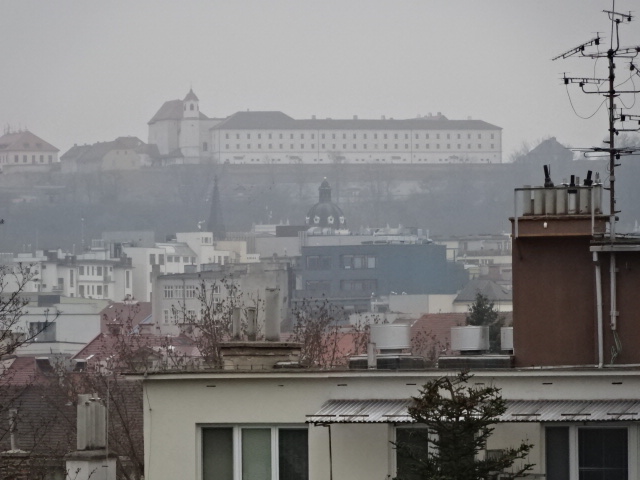
View from garden of Arnold Villa
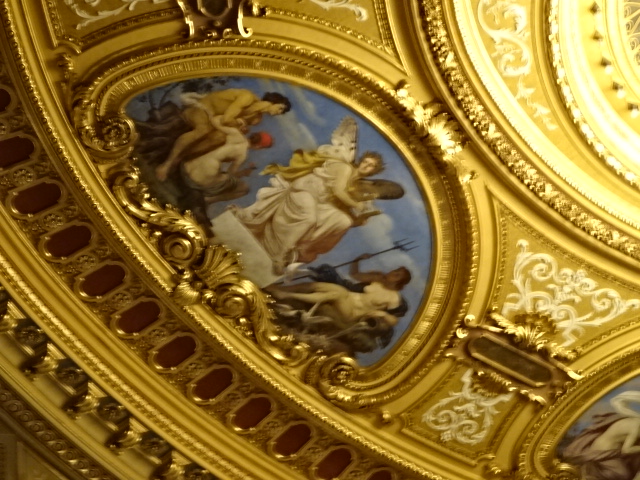
Mahen Theatre in Brno

Another place I toured for the first time was the Arnold Villa in Brno, the capital of Moravia. Recently reconstructed, it hailed from 1862 and had been situated in the first colony of villas in Brno, very close to the famous Tugendhat Villa. While the original furnishings were long gone, the architect did a valiant job, including a film about the lives and times of the owners and a small collection of Jewish historical objects. Photos of the people who had lived there and in nearby villas gave the place a personal, intimate feel. While in Brno, I also toured the Mahen Theatre, the first electrified theatre in Europe. Its ceiling painting and exquisite chandelier astounded.
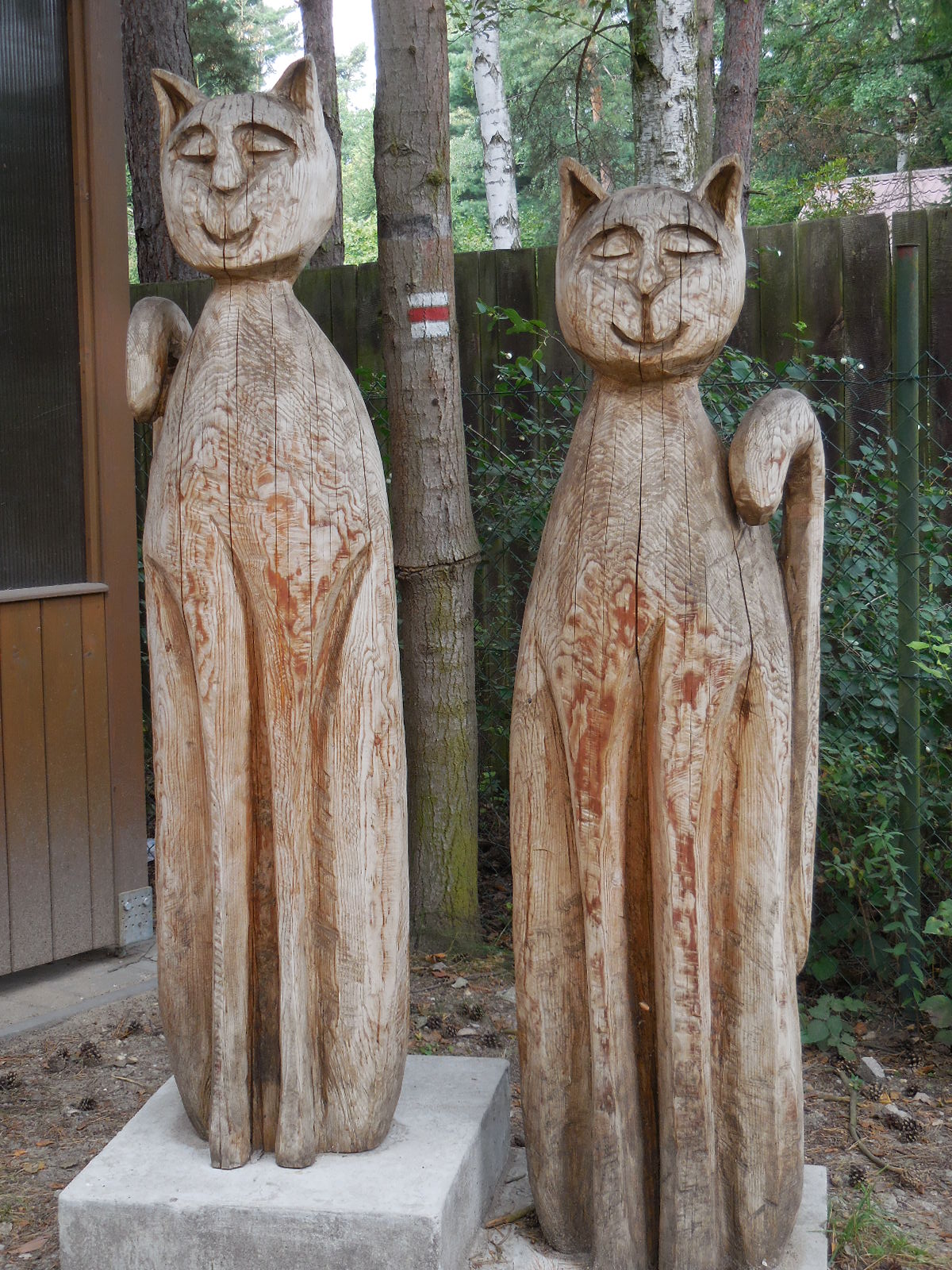
Kersko, sculptures of cats
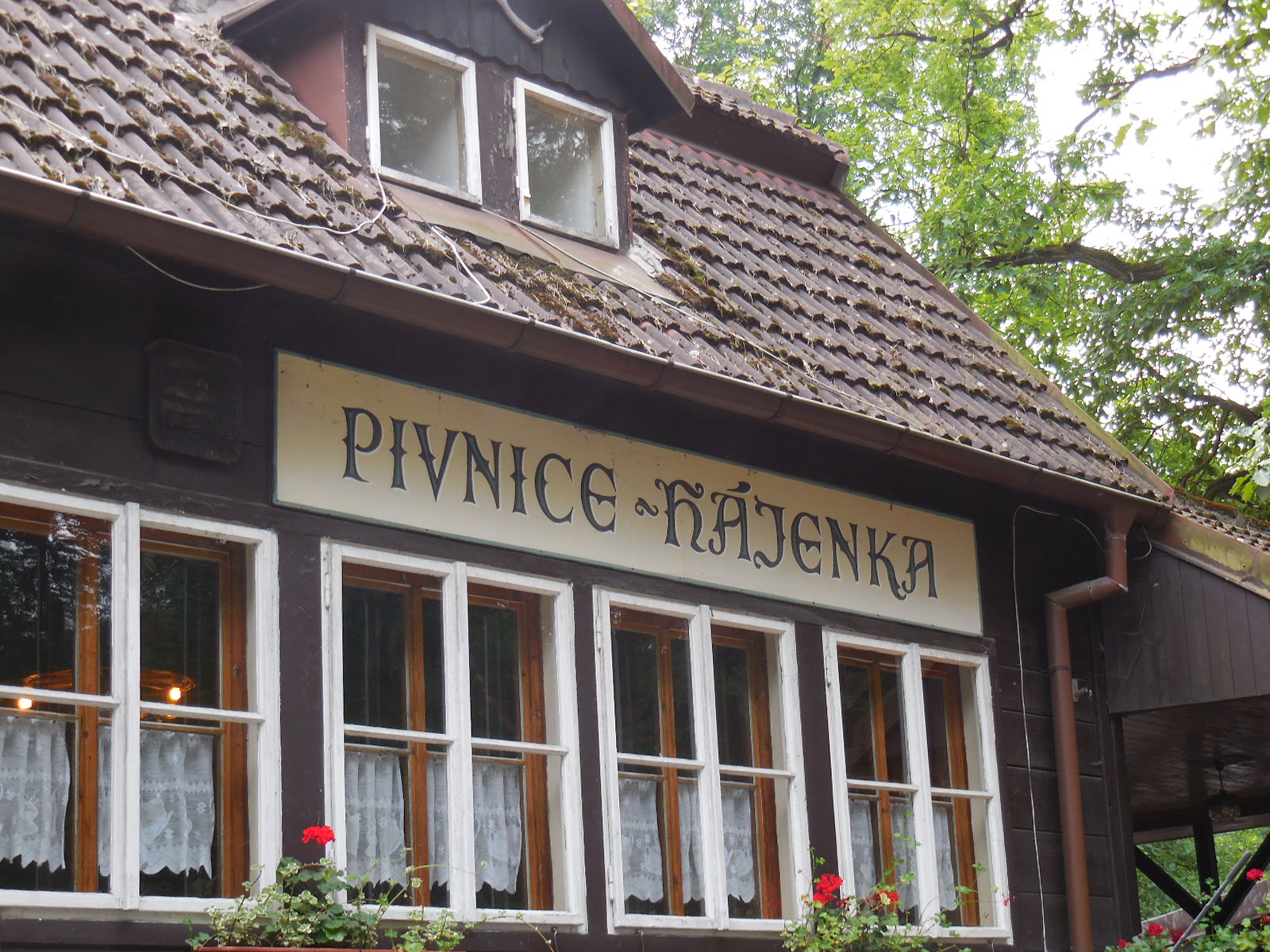
My favorite restaurant, Hájenka Pivnice in Kersko
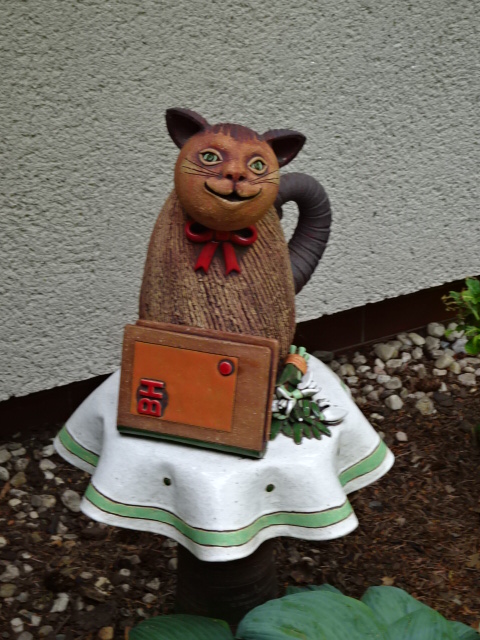
Ceramic cats made in Kersko shop I love

Of course, I visited Kersko with my best friend once again. It was one of our rituals. We ate at the rustic restaurant Hájenka, where a film based on one of Bohumil Hrabal’s books played in the background. The traditional Czech food was always delicious. We also bought coconut cookies – I hated coconut except for that in these cookies – at the local shop, which featured homemade ceramic cats inspired by legendary Czech writer Hrabal’s stray felines, revered and fed at his nearby cottage for so many decades. This wooded village brought me serenity in a poignant way that no place in Prague ever could. Hájenka was my favorite restaurant of all-time, and Kersko would always be a place close to my heart.
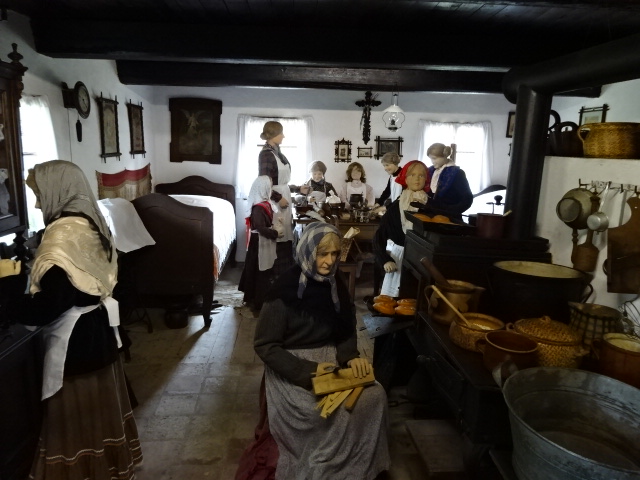
Interior at Přerov nad Labem architectural museum
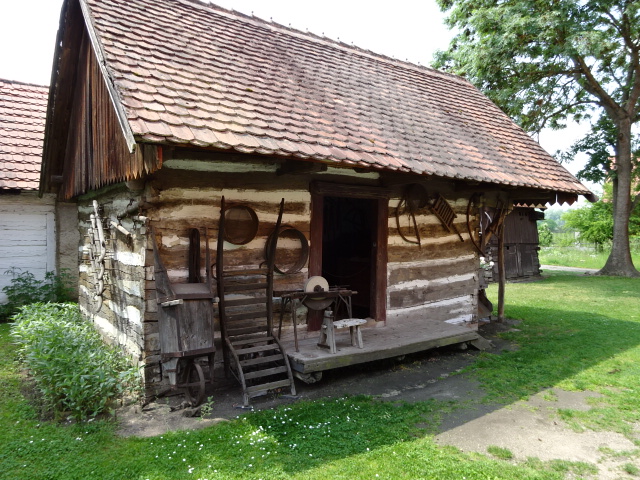
Cottage in Přerov nad Labem museum
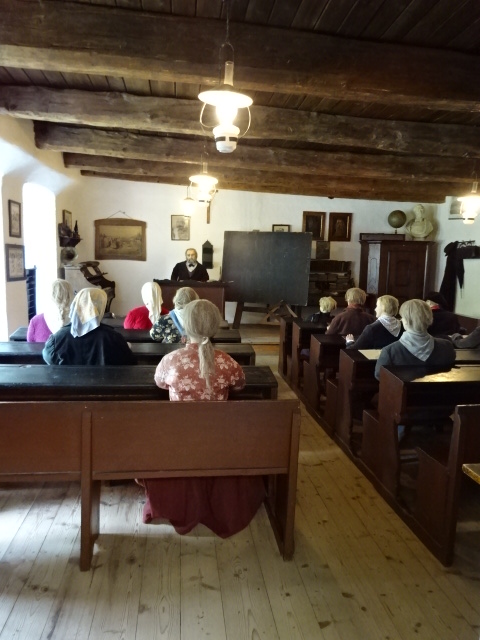
19th century schoolhouse in Přerov nad Labem museum

Přerov nad Labem, an open-air architectural museum, was another attraction to which I returned after many years. I admired the 18th and 19th century cottages and buildings with mannequins often dressed in the folk costumes of the eras. I loved folk style art – the furniture, ceramics and hand-painted glass as well as the clothing enamored me. It was hard to believe that so many people had lived in such small spaces. I also saw a one-room school where boys sat on one side, girls on the other. A shoemaker’s and a blacksmith’s were two other intriguing attractions.
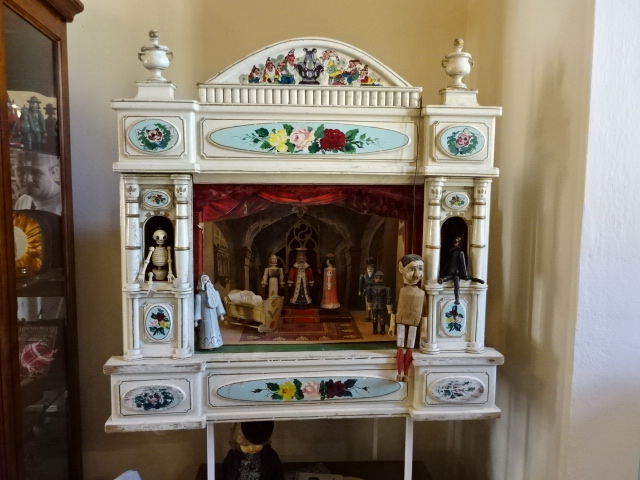
Porcelain puppet theatre at Stránov Chateau
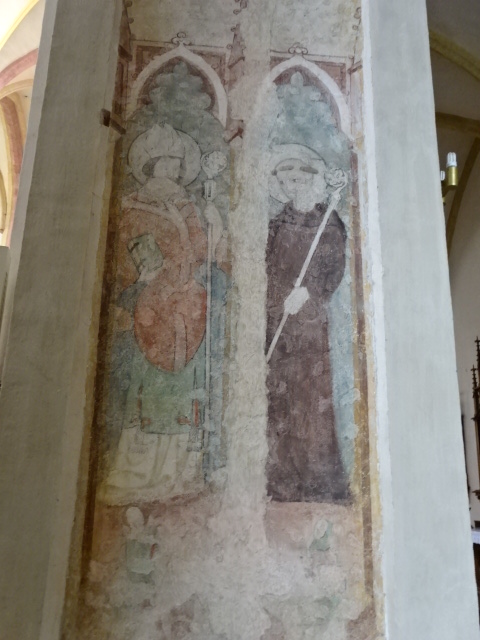
Medieval painting at church in České Budějovice

These travels took me to places I had treasured for years and to places I was visiting for the first time. I learned about Otakar Březina and the Janoušek artists. I marveled at the Neo-Gothic exterior and exquisite furnishings of Stránov Chateau for the first time. Votice Monastery was also new to me, and I learned much about its tragic history. I hadn’t been in Kadaň before 2025 and found the town charming with many sights. I finally saw the entire center area of České Budějovice and greatly appreciated its immense beauty. I thought I had known Brno well, but I was at the Arnold Villa and inside the Mahen Theatre for the first time in my life. The Church of Saint Markéta in Jaroměřice was for me another new attraction. There were so many firsts for me this past year. I was so grateful I had discovered Radim Chateau and Stránov. I also visited the Barberini Museum in Potsdam twice, which was a first for me, though I had been in Potsdam during 1992.
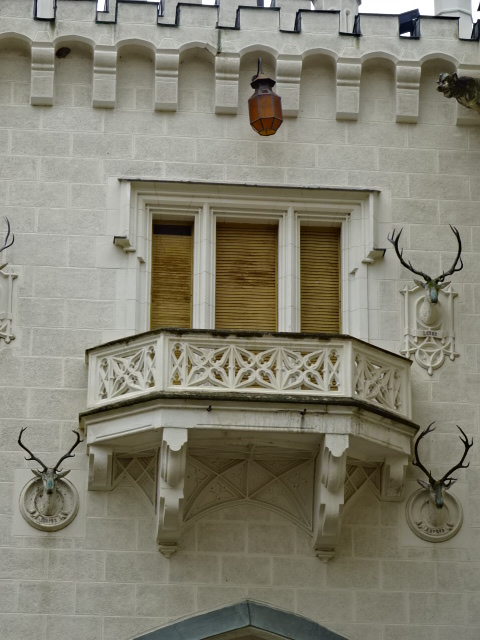
Hluboká nad Vltavou Chateau, exterior
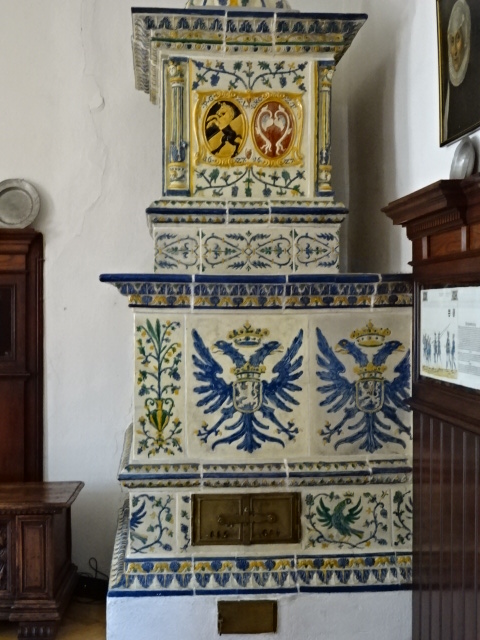
18th century tiled stove in Březnice Chateau

Returning to so many places also brought me great comfort – Hluboká nad Vltavou, Krásný Dvůr, Březnice, Teplá, Jaroměřice Chateau, Holy Mountain, Chovojen, Kersko, Častolovice, Doudleby, Přerov nad Labem, Horšovský Týn, Kersko. While I only had time to go on day trips in 2025, I was astounded, as usual, by all the sights the Czech Republic has to offer as well as three one-day trips abroad, to museums in Potsdam and Vienna. After almost 30 years here, I was still discovering new places. Going on these trips made me realize that the world, though at times cruel and ruthless, is also full of wonder and delight.
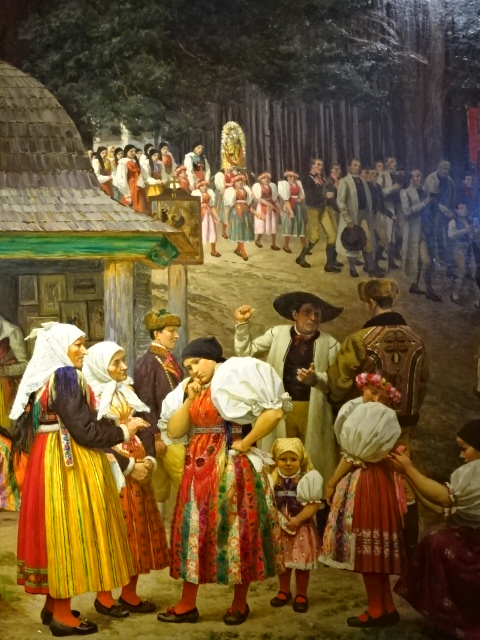
Domažlice Castle Museum folk painting
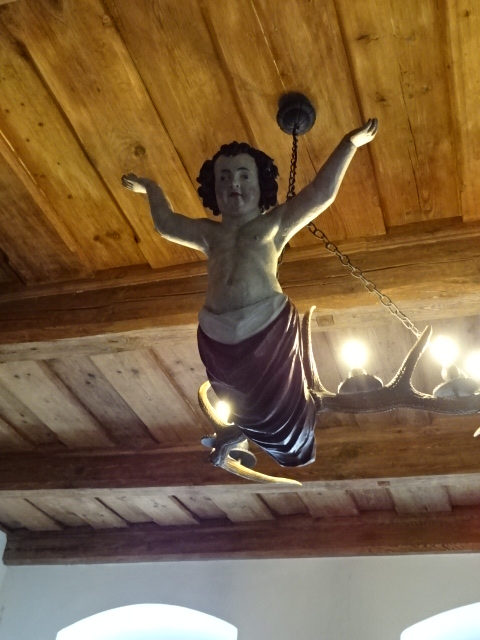
Horšovský Týn Castle and Chateau chandelier
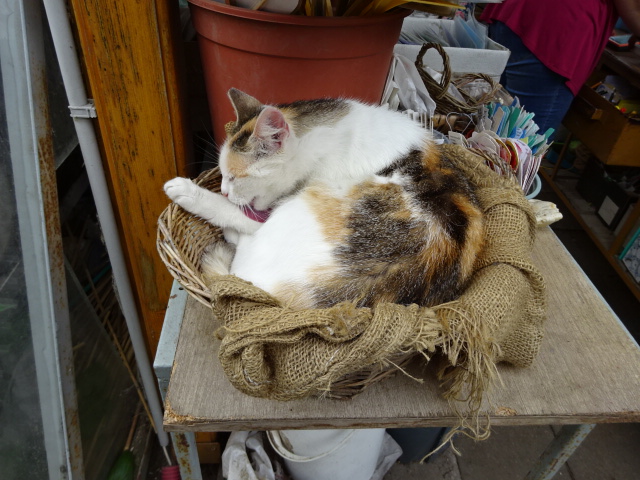
Garden center established in 1901, cat relaxing in basket near cash register

Blatná Chateau Diary

I had visited Blatná twice before, but not during the last five years. Those first two trips I had traveled to the south Bohemian town by bus, but now I had the luxury of going by car with a friend. Blatná is a chateau that makes an everlasting first impression as it is surrounded by water. By the summer of 2021, I knew very well that its romantic exterior was matched by an enthralling interior. Unfortunately, it was prohibited to take photos inside.

I already knew the history of the chateau, which harkened back to at least the  13th century, when the name first appeared in writing. Benedikt Reid, the acclaimed 15th century architect who helped designed Prague Castle, worked his magic on this chateau as well. The highlight for me was the Green Chamber with its exquisite Late Gothic art. The Sternbergs featured in the story of Blatná, as they had in the history of Český Šternberk Castle and Jemniště Chateau, which we had also visited during that summer of 2021. This family bought Blatná in 1541 and added a Renaissance palace.

Another clan played a major role in the chateau’s long and vibrant life. During 1798, Baron Karel Hildprandt purchased Blatná, and it remained his property until 1948. Even after the chateau was nationalized by the Communists that year, the Hildprandts were allowed to live there, albeit in two small rooms. When the Emperor of Ethiopia paid a visit to Czechoslovakia in 1959, he asked that the Hildprandt family be allowed to emigrate to his country. They got permission and resided in Ethiopia until the Soviets took charge in the 1970s. From there, the Hildprandts’ journey continued to Spain and West Germany. After the 1989 Velvet Revolution that triggered the end of Communist rule, the family got the chateau back. During 1992, the descendants returned to the chateau and later made their home there.

A legendary 19th century Czech scientist was connected with the chateau, too. Jan Evangelista Purkyně had lived and studied at Blatná. The library where he spent much of his time now holds 13,000 volumes. Acclaimed worldwide, he excelled as a physiologist, botanist, anatomist, poet and philosopher. He also contributed to the art of animated film. Purkyně translated poetry from German and Italian to Czech, especially the works of Friedrich Schiller. Other writings focused on slavistic studies and autobiography. He joined the Piarist Order when he was young, but he left and became a tutor to noble families. Later, he joined Prague’s medical faculty of Charles University as a professor. Holy Roman Emperor Franz Josef knighted him in 1868. I recalled that as a youth he had lived at Libochovice Chateau, where his father had worked. Libochovice was a marvelous chateau, one I had visited several times and had described in several articles.

Two spaces in Blatná made the chateau most notable. The Ethiopia Room was a delight with souvenirs from the Hildprandts’ tenure in that country. Unfortunately, during our 2021 tour, we did not see this room, although it was listed on our ticket.

The other remarkable space was the Green Chamber with Late Gothic frescoes. I saw plant motifs and coats-of-arms of well-known Czech noble families painted on the walls of this small space. There were many religious scenes as well. The birth of Christ and St. George fighting the dragon were the subjects of two frescoes that captured my undivided attention. I recalled the numerous Saint George relics housed at Konopiště Chateau, where my friend and I had been the previous summer. I had written articles about that chateau and the Saint George Museum as well. In the Green Chamber, Saints Wenceslas (Václav), Barbora and Markéta made appearances in religious scenes, too. One painting showed a landscape with Blatná in the background. I have always been mesmerized by this small space. It was so well-preserved, and the wall paintings were astounding. The Green Chamber was always the highlight of my visit.

The chapel was a thrill, too. It included Gothic vaulting and thin, high Gothic windows. The cheerful yellow color of the Baroque Salon reminded me of the yellow kitchen in my former parents’ home – a kitchen I would never see again because my parents had moved.  I loved the intarsia furniture in this space. An English clock’s decoration showed the four seasons. I also was captivated by an Oriental jewel chest with hidden drawers. I recalled my visit to the extensive ruins of Rabí Castle when I saw that structure rendered in an impressive artwork. The Painting Gallery included a portrayal of a vast landscape on one wall and a superb chandelier made of Czech glass. A map in a hallway amazed. It hailed from the 17th century and was one of only two copies in existence. I saw Prague’s Charles Bridge before the statues had been built on it. I imagined strolling along the Charles Bridge sans the Baroque statues it was known for.

In the Hunting Salon some furniture was made from deer antlers. Archduke Franz Ferdinand d’Este visited occasionally to go on hunting trips with the Hildprandt owner. I recalled that during a previous visit, a guide had told our group that a chandelier had fallen during one of Ferdinand d’Este’s visits, but I didn’t remember anything about anyone being hurt.

In the Dining Room, I was drawn to the red-and-black chairs and the daiquiri green tiled stove. The 19th century Neo-Gothic furniture was impressive.  Japanese plates decorate a wall of another space with a Neo-Renaissance tiled stove and chandelier in Empire style. I noticed some Egyptian features of the Empire furniture. In other spaces an exotic landscape graced a tapestry, and four paintings of the Italian seaside decorated a wall.

Drawings of Venice also captivated me. I remembered walking through Venice on an early Sunday morning some years ago when I practically had the city to myself. That was one of my favorite experiences in my travel adventures. A huge black Empire style tiled stove stood out in one space as did other Empire furniture, including the black-and-gold chandelier made in that 19th century style.  In the Study of Jaroslav Rožmitál, I saw paintings of Adam and Eve plus renditions of saints George, Wenceslas and Catherine. A 1720 map of Bohemia in another space caught my attention, too.

The tours were comprehensive. We had all worn masks, so I had felt protected from coronavirus, and there were not many cases in the country at the time. Afterwards, my friend and I went to a hotel for lunch, the same restaurant where I had eaten during my previous visits. We both had the fried chicken steak, a popular meal in the Czech Republic. We talked about where we would travel the following week. Life was good.

Tracy A. Burns is a writer, proofreader and editor in Prague.

Červená Lhota Diary

From the moment I saw a picture of Neo-Renaissance Červená Lhota Chateau, I yearned to see it with my own eyes. Its cheerful red appearance cast a spell on me. Comprised of two stories, the pictured chateau dominated a rocky island surrounded by a pond. Červená Lhota looked as if it had jumped out of a fairy tale. How beautiful and romantic the reflection of the four-winged structure looked in the water! I read that a forest was situated nearby as was as a park with the Renaissance Chapel of the Holy Trinity.

There was only one problem: I had heard that the chateau was a 10-kilometer walk from the nearest public transportation, a train station. I was afraid I would get lost as I didn’t have a great sense of direction. I had no one to go with me and didn’t have access to a car. I wondered if I even could walk 10 kilometers. I loved playing sports, but 10 kilometers – was that even possible?

One afternoon I found myself at Prague’s main bus station, arriving home from a day trip. I decided to ask at a window if it was possible to travel to Červená Lhota by bus. I was in luck! It was! I got my bus ticket for the following Saturday. I would have to change buses at Jihlava, in Moravia. I hadn’t realized that the chateau was in Moravia, but I didn’t think any more about it.

I set off for Červená Lhota on a scorching summer day, enthusiastic, elated even, as I listened to the melodic singing of Slovak soft rock star Pavol Habera on my Walkman. I was sure nothing could destroy my ecstatic mood.

Two and a half hours later, I got off the bus at Jihlava and waited for another bus to take me – finally! – to Červená Lhota. Soon I would see that cheerful red façade that featured prominently on the craggy rocks! I would gaze at the sublime reflection of the chateau in the pond! It would be bliss! Before long, I walked to platform number 10, thinking that I could not have hoped for better weather and that nothing surely could go wrong.

Finally, the bus came, and on a sign behind the windshield I saw the words Červená Lhota. I was so close to my destination. It would not be long now.

The bus driver announced “Červená Lhota” when we came to a village. As I exited, I asked the driver, “How do I get to the chateau?”

The driver looked at me as if I was crazy.

“The chateau is near Jindřichův Hradec, in south Bohemia. This is another Červená Lhota.”

My face fell with disappointment.

The driver continued, “I’ll be stopping here again in an hour. Wait, and then you can go back with me to Jihlava.”

I thanked him, tempted to burst into tears. I sat on the bench at the bus stop, my mind reeling. How could I be so stupid? Hadn’t I read that the chateau was in south Bohemia? When I got my bus ticket, I had been so happy, so full of hope. Now I didn’t even know exactly where I was. Somewhere not too far from Jihlava in Moravia. I felt lost – in more ways than one. I didn’t like teaching with the agency full-time. I didn’t want to get up at five every morning and finish work at seven or nine at night. I wanted to do other things, to be able to sleep until seven am, at least several days a week. I didn’t like my housing situation. I felt like my life was just one disappointment after another, as if it was full of days spent in the wrong places. Is this all there was? Was this the only life I could live? I was in my early thirties. I wanted to make a change, but what? And how? I knew I didn’t want to move out of Prague. I felt that I was stuck at a crossroads.

No one else came to the bus stop during that hour. I was alone. It was quiet. I got myself together mentally, many thoughts going through my head. I had to persevere; I knew that. I had to move onward one small step at a time. During those 60 minutes of solitude, I decided that I wouldn’t let life get me down. The following Saturday I would take the train to Kardašovy Řečice, which was 10 kilometers from the right Červená Lhota. I was determined to see the chateau. I would walk the 10 kilometers alone. I could do it, I kept telling myself. When I saw the bus approaching, I breathed a sigh of relief.

From Jihlava I easily found a bus to Prague. When I got off in the capital city, I did not feel lost anymore. Instead, I was filled with purpose and determination.

The following Saturday I made it to Kardašovy Řečice in the morning. The weather was beautiful though very hot. I was so kanxious. What if I got lost in the middle of nowhere? Casting these thoughts aside, I started walking. Soon I came upon four adults in their twenties, two women and two men who had exited the same train.

“Is this the way to Červená Lhota?” I asked.

“Yeah. We’re going there, too. Come with us!”

We walked to Červená Lhota together, talking about their vacation in south Bohemia and their home in north Bohemia as well about Czech culture and literature. They recommended Zákupy Chateau near their hometown and Děčín Chateau, where I had been when it was still closed to the public in 1991. We talked about our respective travels, too. Our conversations were very pleasant, and I was glad to have met them. I had made four new friends.

I was tired when we arrived at the chateau. However, I totally forgot about my fatigue when I gazed upon that cheerful red façade and its reflection in the calm waters. The chateau was everything I imagined it to be. I almost pinched myself, not believing that the enchanting structure in front of me was real. I took photos on my disposable Kodak camera – I was saving to buy a digital one – while we waited for the tour. I also had a bite to eat in the chateau restaurant, sitting outside with a spectacular view of the red beauty.

The chateau rooms were small but intimate. However, the tour was crowded. Sometimes I had to almost push my way to the front of the large group so I could see because I was short. Still, I didn’t mind. I had reached my goal and met some nice people on the way. The furnishings and decorations were superb, in styles from Renaissance to Beidermeier. Each room had its own charm. I loved the intimate feel of the chateau. It really felt as if a family could live there rather than as a cold representative space.

We all left the chateau feeling elated and set off for the 10-kilometer walk to the train station. Could I trek another 10 kilometers? I needn’t have worried. A bus came and took us to the train station in a five-minute journey. As I stepped off this bus, I felt so different from the moment I had exited the bus in the village of Červená Lhota the previous weekend. This time I felt triumphant, victorious, full of energy despite my weary legs.

My four friends were catching a later train, so we parted at the station, promising to keep in touch. We said our goodbyes, and I started my journey back to Prague. I knew I had to come back here one day.

And, 18 years later, I would.

My second trip to the right Červená Lhota took place during August of 2021, when the situation with covid cases was not too horrible. A friend drove me there. I often visited castles and chateaus with her. She had visited the chateau decades ago but had never seen it surrounded by water. It was much easier than walking 10 kilometers, that was for sure, though I knew I could use the exercise. During the pandemic I had become lax about fitness.

The moment I saw the chateau I was flabbergasted because the pond had disappeared. My friend was so disappointed. The chateau still had me in a trance with its bewitching exterior, but the lack of water made it seem more steeped in reality than in a fairy-tale. Later, we would find out that the chateau would not have water around it for at least two more years. It was simply too expensive to maintain. A garden area was set up on one part of the dry land below the rocky terrain, but it still didn’t make up for the appearance of yesteryear.

It had been a long 18 years. I had stopped teaching full-time about 11 years ago, and I had moved twice. Now I was happy with my work as I was doing more writing and content with my accommodation. I was excited to be back. I hadn’t realized how much I had missed this chateau until I set my eyes on it again. It was scorching hot just like the first time I had visited. The guide told us that we had to wear masks. I was glad because when I was at Jemniště Chateau that rule had not been enforced. I was also pleased that only 20 people were allowed on the tour due to health concerns. I wouldn’t have to deal with a crowd like I had at Jemniště or Děčín chateaus, and there was less of a chance of catching covid during this visit.

I had refamiliarized myself with the chateau’s history before making the trip. The structure was first mentioned in writing during 1465 when it had been a Gothic fortress under the control of the sons of Ctibor of Zásmuk. During 1530 the knighted family of Káb from Rybňany became the owners. Jan Káb’s tombstone would be placed in the nearby chapel. Jan Káb’s two children had succumbed to the plague, so, after his death, his brothers took over. Then called Nová Lhota, the structure was transformed into Renaissance style from 1542 to 1555. A private chapel, now the Church of the Trinity, was built near the chateau in the 1550s. It would become known for its illusive fresco decoration that originated in the second half of the 16th century.

It got the name Červená Lhota (červená means red in Czech) during 1597, when it was painted the same color it is today. The chateau had changed owners again. Vilém Rút of Dírná had chosen this bright color for his residence. A legend claims that the devil had kidnapped a lady at the chateau, and she had been killed. After her murder, a spot of blood could be seen under a window of the then white façade. Another legend claimed that her blood had gushed over the chateau exterior, making it red, and the color could not be changed.

When the Catholics defeated the Protestants at White Mountain in November of 1620, the chateau was confiscated from the Rút family because they were Utraquists. It didn’t make a difference that they had not fought in the battle that would start the Thirty Years’ War.

During 1621 an Italian aristocrat named Antonio Bruccio took charge of Červená Lhota when the imperial army occupied it. After the war he made sure the chateau was not looted. The chapel was plundered, though, and Bruccio reconstructed it, so that the holy space could be reconsecrated in 1635. He founded a spa nearby, and it earned as much praise as the one in Karlovy Vary (Carlsbad), which has for centuries grabbed world-wide attention. Bruccio’s spa, alas, is no more. The stone bridge was built during his era, in 1622. He died in 1639, childless.

Vilém Slavata from Chlum and Košumberk purchased it after Bruccio passed, but he wouldn’t use the chateau as his main residence. I recalled that during the Third Defenestration of Prague, in 1618, he had been thrown out the window of the Castle. He didn’t die because he fell on a heap of dung. While looking after the chateau, he had some reconstruction completed. In 1641 the tower with distinguished portal was built. By 1678 the chateau sported a Baroque appearance. To this day the tower’s portal is decorated in Baroque style. Stuccowork seen in the chateau hails from this era.

Vilém Slavata from Epochaplus.cz

When the Slavata dynasty died out, the niece of the last of the Slavata clan was given possession of the chateau. Marie Theresa married into the Windischgratz family. Two owners in this clan accumulated a great debt due to their bad handling of finances. They wound up selling the chateau to barons, who started having construction work done. A fire damaged the chateau.

Two years after the fire, in 1776, Baron Ignác Stillfried bought the place. Karl Ditters von Dittersdorf, a composer and co-founder of the German opera, lived at the chateau from 1796 to 1799, when he died. Then the dukes of Schonburg-Hartenstein took control in 1835. They would own Červená Lhota for 110 years. During the second half of the 19th century, the chateau was given pseudo-Gothic features, inspired by Hluboká Chateau, one of my all-time favorites. From 1903 to 1913, the chateau got a Neo-Renaissance makeover, giving Červená Lhota the appearance it has today. The chapel was renovated at the beginning of the 20th century, too. In 1907 mass began to be held here again. (Services had been halted during the early 19th century.) After World War I, Johann, the then current owner who had been awarded Golden Fleece and Maltese Cross medals, lived there and added to the chateau’s splendor. When Johann died in 1937, he was buried in the chapel nearby.

Because the family was German, the chateau was handed over to the Czechoslovak state after the war. A children’s sanatorium was set up there in 1946, but its existence was short-lived. During 1949, Červená Lhota was open to the public. Some services, such as weddings, still take place in the former private chapel.

Soon it was time to tour the 16 rooms. So glad that we were in a small group, I was enamored of the interior, which once again felt like a home instead of mere representative spaces. The first floor showed off the life of the Schonburg-Hartenstein clan at the start of the 20th century. It was thrilling to see mostly original furnishings of various styles. Not many chateaus showed off authentic furnishings. At the beginning of our tour, we watched a flutist and pianist in period dress superbly play Renaissance music. The painted ceilings, elaborate clocks and stunning chandeliers all caught my undivided attention. Exquisite religious paintings and portraits, beautiful tiled stoves, furniture with intarsia, black-and-white graphics of various animals and fine porcelain also complemented the spaces. The intricate gilded headboard of a bed sported a hovering putti.

While we perused each room protected by our FFP2 masks, I recalled that Jan Káb’s two children had died of the plague, and I realized that, as the current coronavirus pandemic continued, I had learned how to live all over again. I had spent the first three weeks of the pandemic hiding in my apartment, tuned all day and night to CNN, only leaving to take out the trash. I had been that scared of catching the virus. I had kept my windows closed; my life closed off. Now I was doing things the best I could, being as cautious as I could, but still living rather than merely existing.

I thought back to those 60 minutes spent on that bench at the bus stop in another Červená Lhota, where I had mustered up the courage to face challenges and disappointments head-on, where I had become determined to make changes in my life, even if the changes meant sometimes taking small steps at a time. The tranquility of the hour that seemed to last for such a long time allowed me to get to grips with my present and helped guide me into the future.

Perhaps finding the village of Červená Lhota in Moravia had not been a mistake, but rather it had marked the beginning of a journey that had taken me here, for the second time, to this neo-Renaissance architectural wonder, visited during a pandemic that I had weathered the best I could, making changes along the way, directing my life story one day at a time as I came to new revelations about my journey and my destination. Perhaps it was only fitting that Červená Lhota would be the last chateau I would visit during the summer of 2021. After the tour, my friend and I promised to come back when the pond was restored. So, until then, I said my goodbyes to the place that has been close to my heart for several decades.

Tracy A. Burns is a writer, proofreader and editor in Prague.