Through the Eyes of Franz Kafka Exhibition in Pilsen Diary

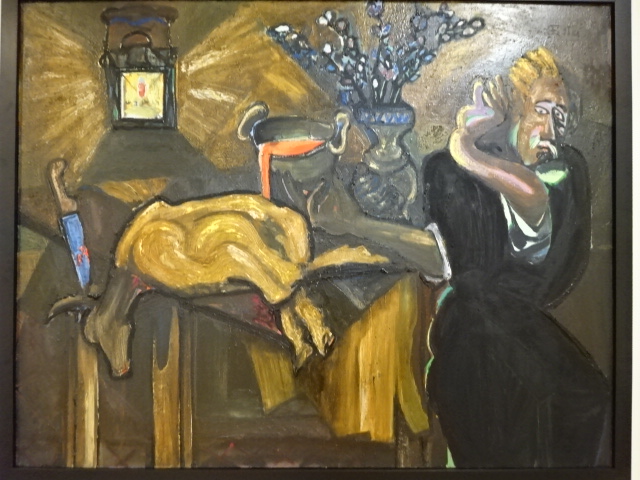
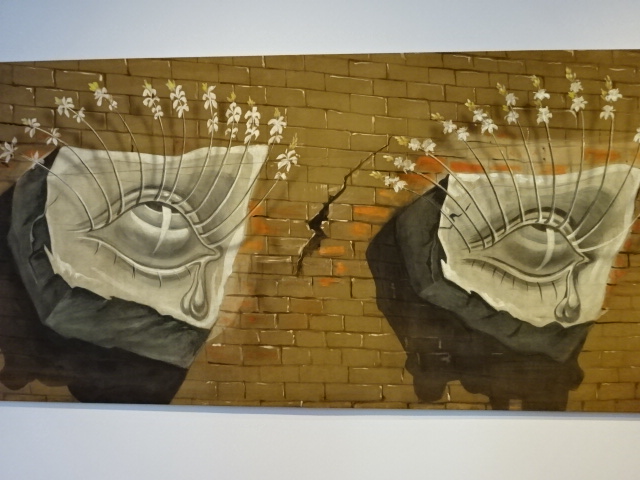
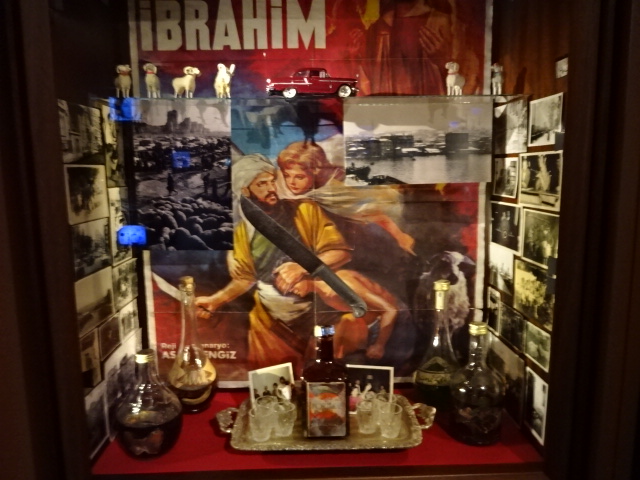
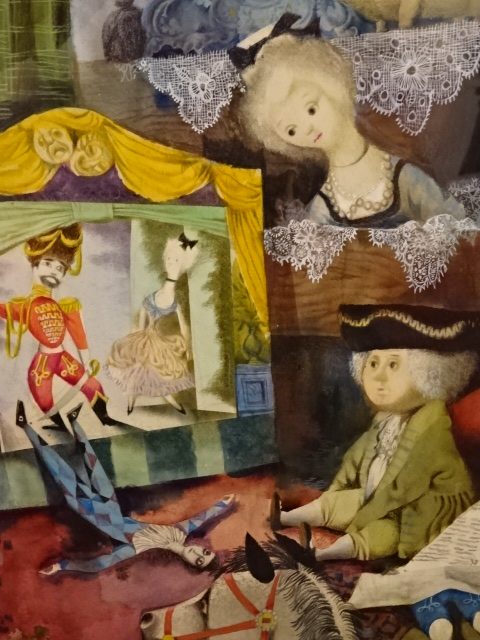
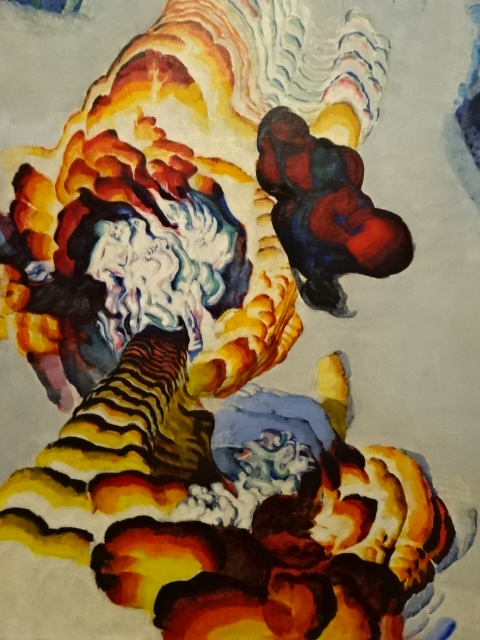
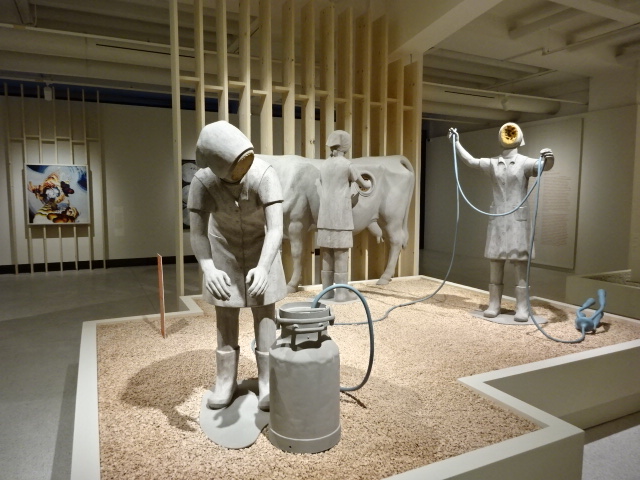
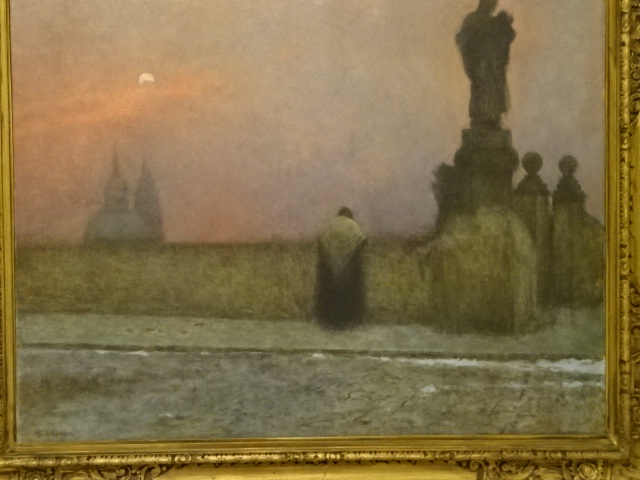
During the summer and fall of 2024, the West Bohemian Gallery in Pilsen showed off the riveting exhibition “Through the Eyes of Franz Kafka: Between Picture and Language.” It focused on the ways in which the visual world around Kafka had been influential in the language Kafka chose for his writings. There was a direct connection between the visual world and the literary world in Prague, Kafka would have seen the works on display in his everyday Prague life that boasted of a multilingual society immersed in the languages of Czech, German and Hebrew. Kafka resided in Prague his entire life – from July 3, 1883 to June 3, 1924, when he died at the age of 40 from tuberculosis. He spoke German as well as Czech and wrote in German. His parents spoke German mingled with Yiddish.
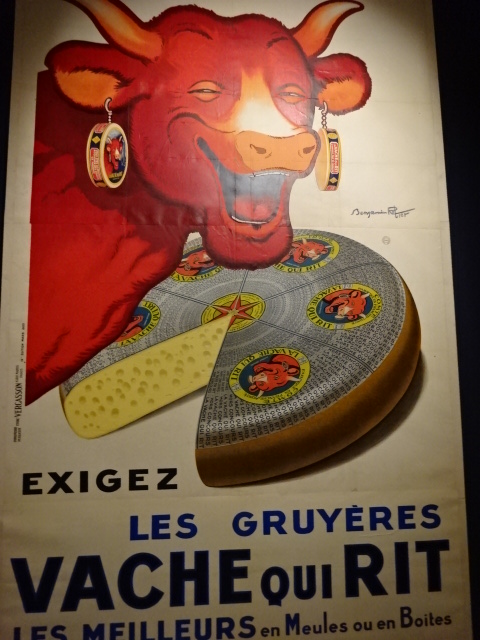
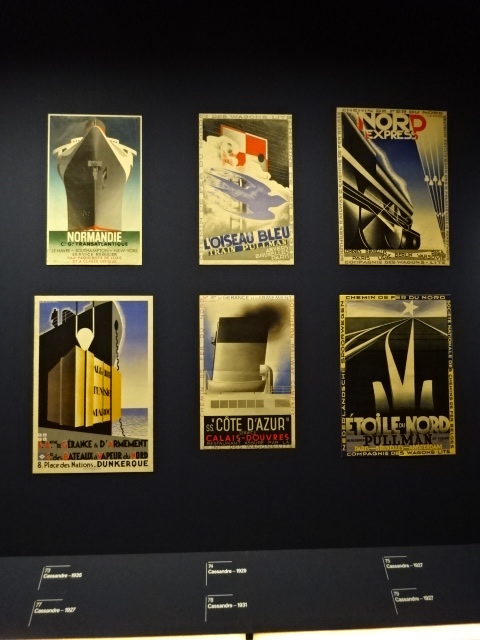
At the end of the 19th and beginning of the 20th century, posters were displayed all over the city. Designed in the Art Nouveau style, they showed off art exhibitions, cabaret shows, literary events, advertisements and much more. Japanese art played a role in the decoration of these posters. Later, the artistic focus was Cubist features. German-Czech spiritualism also was influenced by the time period. Silent films, both European and American, were popular in Prague. Going to the cabaret, ballet and theatre were pastimes of Praguers.

Exhibition Wordwede in Kinská Garden, Prague, 1903.

Modern French Art exhibition, Kinská Garden, Prague, 1902.

I would like to highlight several of the artists represented in the show, including the posters of Jan Preisler, a Czech painter and university professor. For a while his works promoted the Art Nouveau style, which is evident in this poster for an art exhibition. He also decorated Art Nouveau buildings in Prague. For example, the Hotel Central in Prague features his ornamentation. The triptych Spring was made for the Peterka building in the capital city. Preisler made a name for himself as a Secession artist, even though he would take on a different style later in his career.
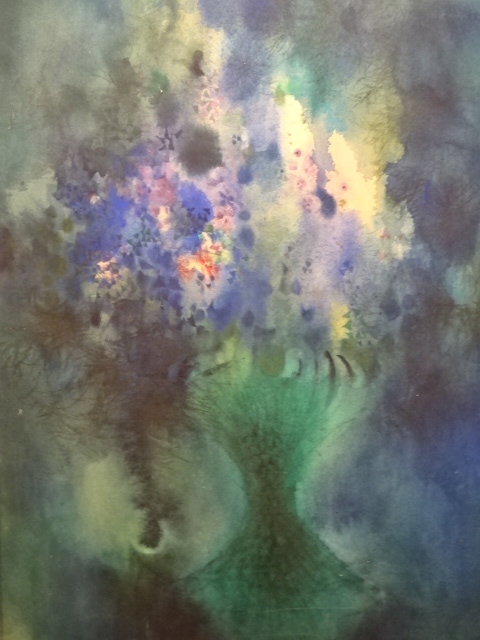
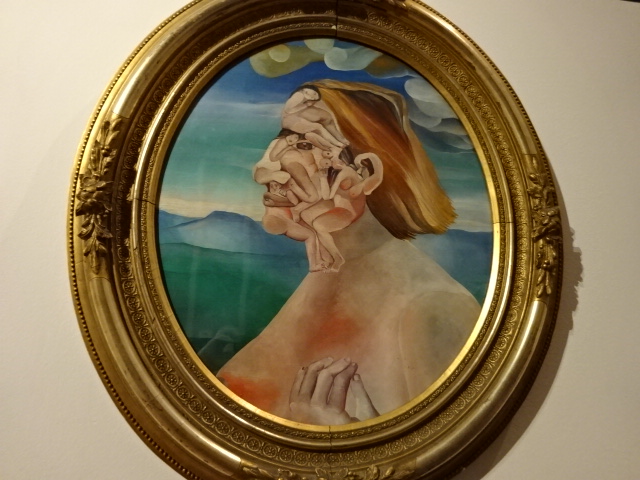
Girl in Flowers, 1922, by Anton Bruder

Many of his works could be designated as Neo-Romantic, punctuated with allegorical Symbolism. His art often showed a fondness for fairy tales or moods characterized by depression and sadness. Preisler attempted to reveal the depth of one’s soul. Early in his career he became friends with Czech landscape painter Antonín Hudeček. Preisler was also influenced by the art of Edvard Munch as he helped plan the 1905 exhibition of Munch’s depictions in Prague. Preisler also had developed friendships with painters Bohumil Kubišta and Vincenc Beneš. He was very inspired by the poetry of Otakar Březina, a Czech artist who wrote in a complex, symbolist style and was nominated for the Nobel Prize eight times. Vitezslav Nezval and Josef Suk were other poets who made an impression on him. Perhaps his best known painting is the triptych “Spring,” from the turn of the century. It depicted the complex feelings of someone entering the 20th century. Man experienced a nostalgia for the past, but, at the same time, was looking forward to adventures awaiting him in the new century. A person’s connection to nature was another theme promoted in this triptych.

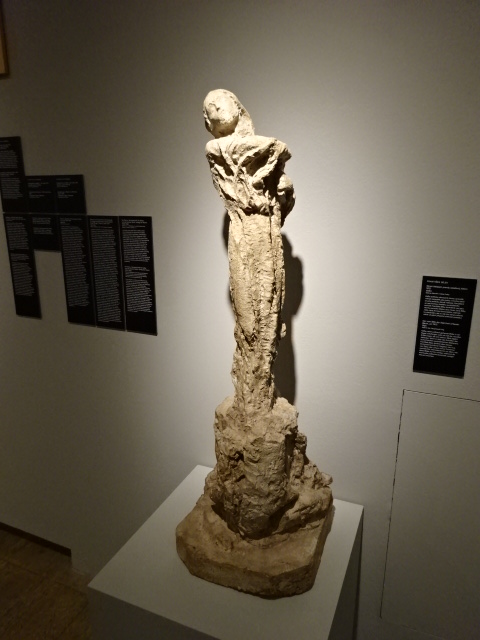
Sculpture by František Bílek

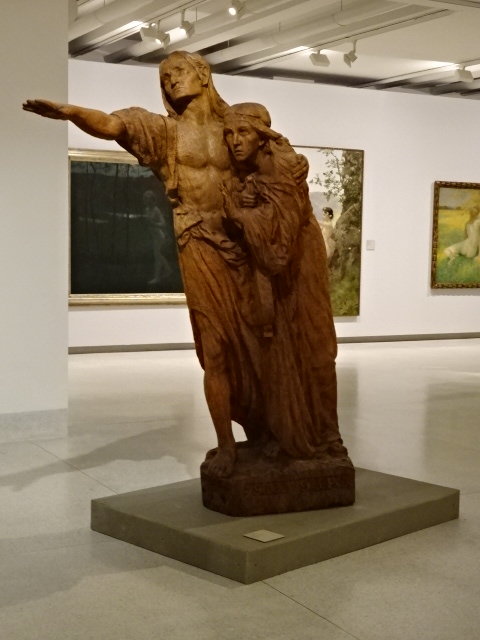
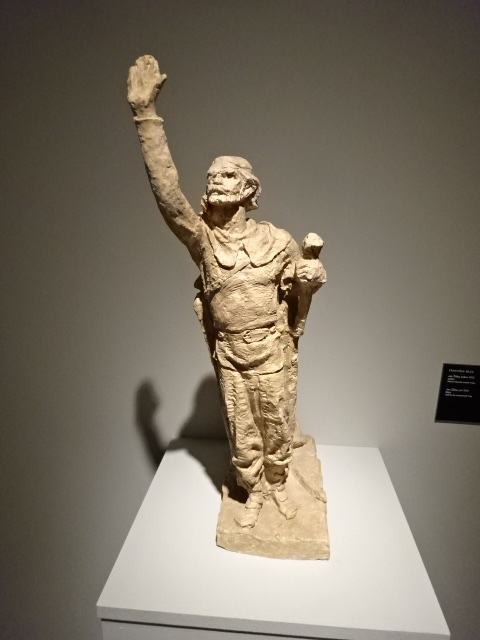
Jan Žižka, by František Bílek, 1912

Sculpture that permeated the exhibition included that of Art Nouveau symbolist František Bílek, whose Secession homes in Prague and Chýnov I had visited. Miniature versions of several of his sculptures were on display. He utilized mostly religious themes with a sense of mysticism. While Bílek was best known as a sculptor, he also designed furniture and created graphic art, drawings and illustrations. An architect as well, he designed cemeteries and made gravestones, for instance. His woodcarving skills were astounding, too. A year later, in 2025, I would see Bílek’s amazing works in the former flat of Czech poet Otakar Březina, incorporated into a museum for the symbolist poet in Jaroměřice of the Vysočany region. To be sure, Bílek’s creations caught the attention of society during the Art Nouveau age.
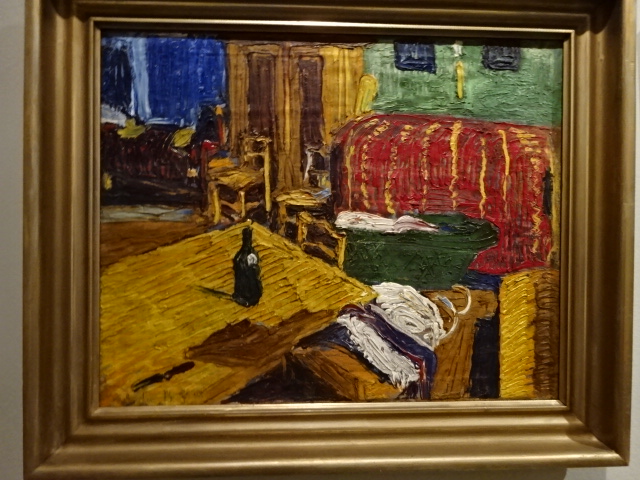
The Interior, by Bohumil Kubišta, 1908

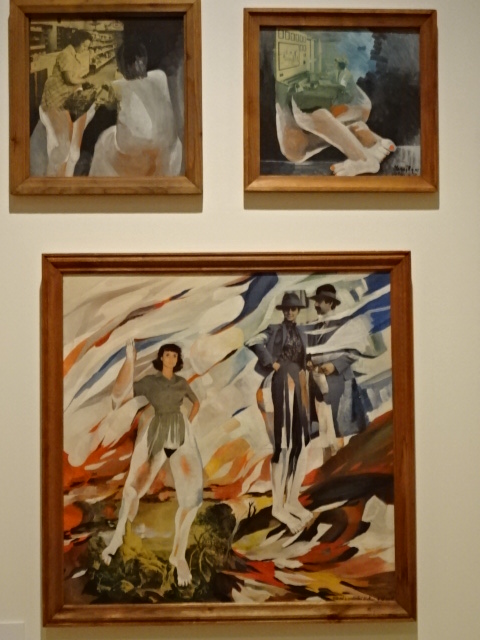
One of my favorite Czech painters of this period, Bohumil Kubišta played a role in the exhibition. One of the first to paint in a modern Czech style, Kubišta created a new path for artists as he helped establish the significant Osma group of painters who were oriented toward Munch’s style. In Kubišta’s paintings, bright color played a large role as did mysticism and symbolism. At times he took up religious themes. Kubišta often concentrated on the spiritual as the symbolism of life and death featured in many of his works. He emphasized the spiritual meaning of the countryside, too. The styles that made an impact on his work included Fauvism, Futurism and Surrealism. Self-portraits and still lives were common in his repertoire, too.

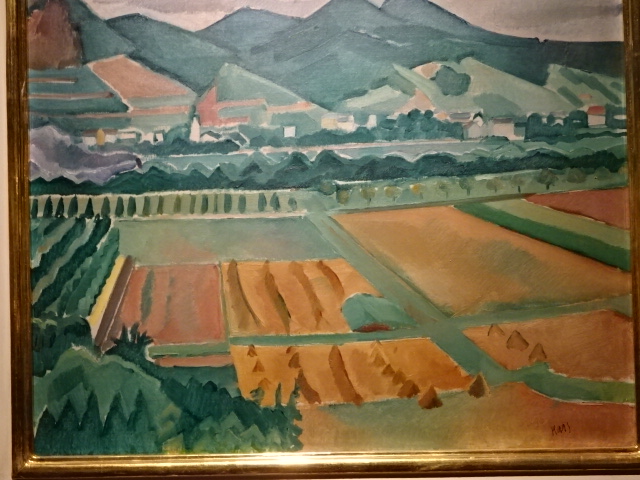
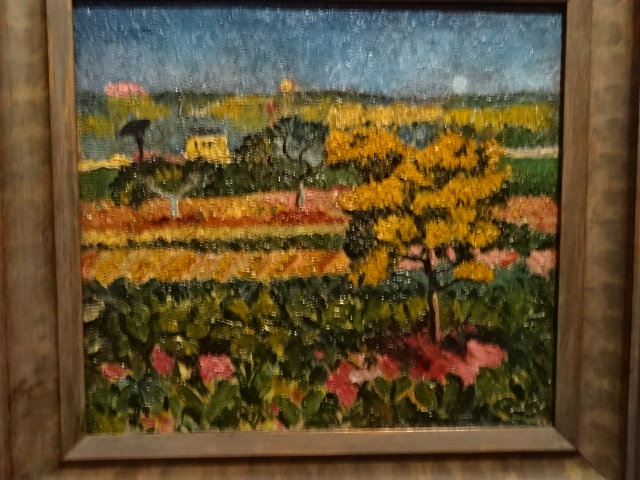
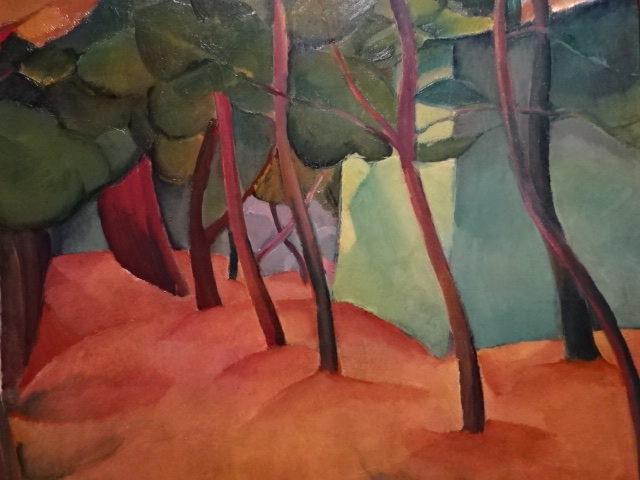
Landscape, by Georges Kars, 1910

I knew the name Czech-French painter Georges Kars from a Prague exhibition of Czech artists in Paris between the wars. While initially taken with Impressionism, Cubism and Fauvism, he found his own path with dynamic and vibrant compositions. He made a lot of women’s portraits, self-portraits, nudes and half-nudes in his figural works. Sometimes he rendered still lifes and landscapes. Kars utilized the neoclassicist style for his portraits, nudes and still lifes. His paintings were world-renowned, displayed throughout Europe, the USA and Japan.
During World War I he served for the Austro-Hungarian army and even was captured by the Russians. He survived the experience and continued painting after the war.

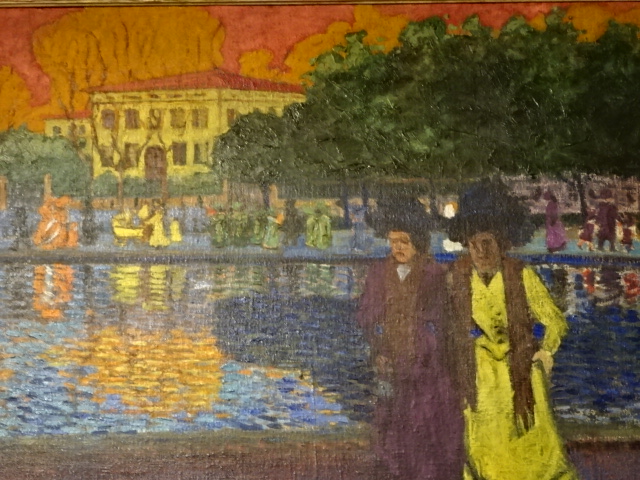
A Walk in a Park in Florence, by Bohumil Kubišta, 1907

Of Jewish origin, Kars escaped France during 1942 and settled in Switzerland. However, he was so traumatized by the persecution of the Jews that he took his own life, jumping to his death from the fifth floor of the Geneva Hotel. During 1949 he was buried with his family in Prague’s New Jewish Cemetery.

Brindisi, by Otakar Kubín, 1906

Another artist who was well-known while residing in Paris between the wars, Otakar Kubín, who also went by the name Othon Coubin, worked as a painter, sculptor and graphic artist, mostly living in France. Holding citizenship from France and Czechoslovakia, he made a name for himself rendering landscapes, mostly of Provence but also of Moravia. I loved his landscapes of Provence in the exhibition of Czech artists between the wars. These paintings were perhaps the highlight of his career.

While living in France during World War I, Kubín and his wife were interred in a camp imprisoning foreigners in Bordeaux. However, they were not held for long. In the 1920s, he held exhibitions in Paris with Pablo Picasso and Henri Matisse. Kubin was impressed with the Expressionism of Vincent Van Gogh. His depictions with figural motifs often were influenced by the death of his wife and son. His works were also seen in Japan, Switzerland and the USA. Some of his praiseworthy portrayals include a portrait of Kubišta, House in the Countryside, Cemetery Chapel in Boskovice, Imaginary Likeness of Edgar Alan Poe, Moravian Landscape and Auvergne Landscape.

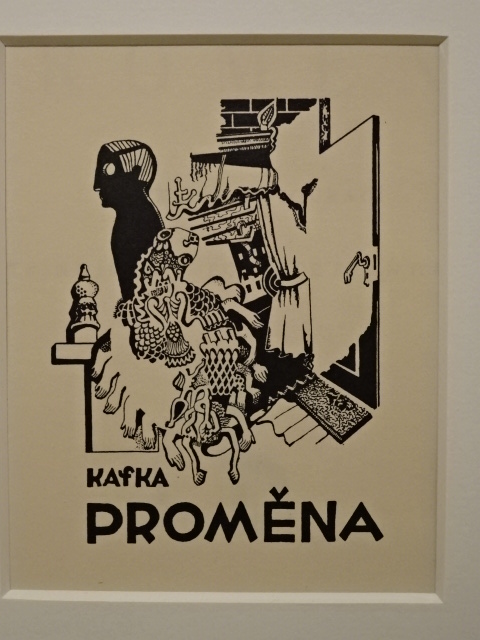
The Metamorphosis, by Otto Coester, 1920

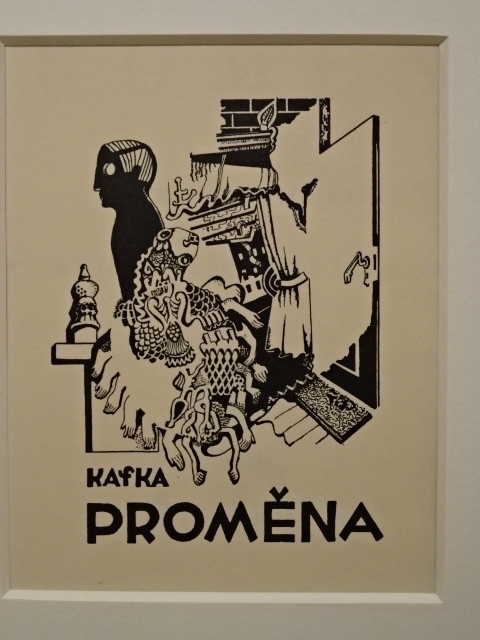
One of Kafka’s small black-and-white drawings as a young child was on display, and art promoting his various books also had a prominent place in the exhibition. Artistic renditions of The Metamorphosis were represented, for instance. German art and literature at this time also played prominent roles in society. An antisemitic attitude was seeping into some of the publications.  The exhibition did not only concentrate on works in Prague but also art that had immersed itself into European society as well, providing a European context for these powerful renditions.

The Metamorphosis, by Wilhelm Wessel, 1924.

This exhibition took up my favorite Czech era of art – the end of the 19th and beginning of the 20th century. The Art Nouveau and symbolic nature of the works greatly impressed me as did emphasis on color in many paintings. I loved the expressionistic qualities of Munch’s artistic creations. Several paintings were by Japanese artists, and I saw a direct connection between the Czech Art Nouveau and the Japanese style. I could see the influence of Cubism in some paintings with many geometrical traits. I loved the Art Nouveau posters advertising exhibitions. The multifaceted visual experience of a person living in Prague during that era reminded me of the mixture of languages that had permeated culture and society.

The exhibition was thrilling as I thought back to that age and the various cultures people were experiencing. I felt that time period come alive through the artistic creations. Some of my favorite artists were represented, such as Bílek and Kubišta.

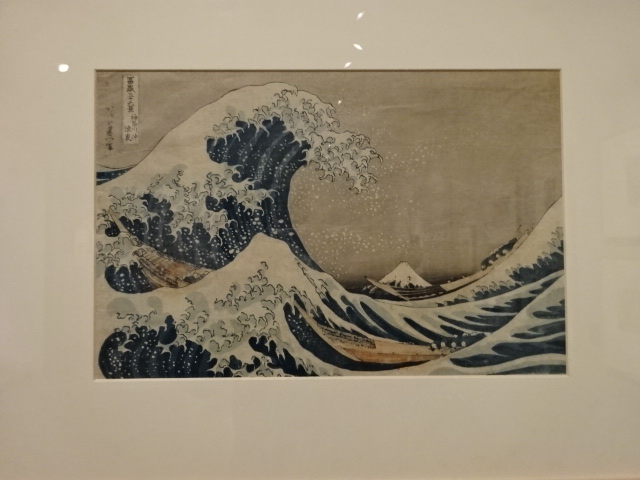
A Wave at Kanagawy, by Hokusai Kacušika, 1831

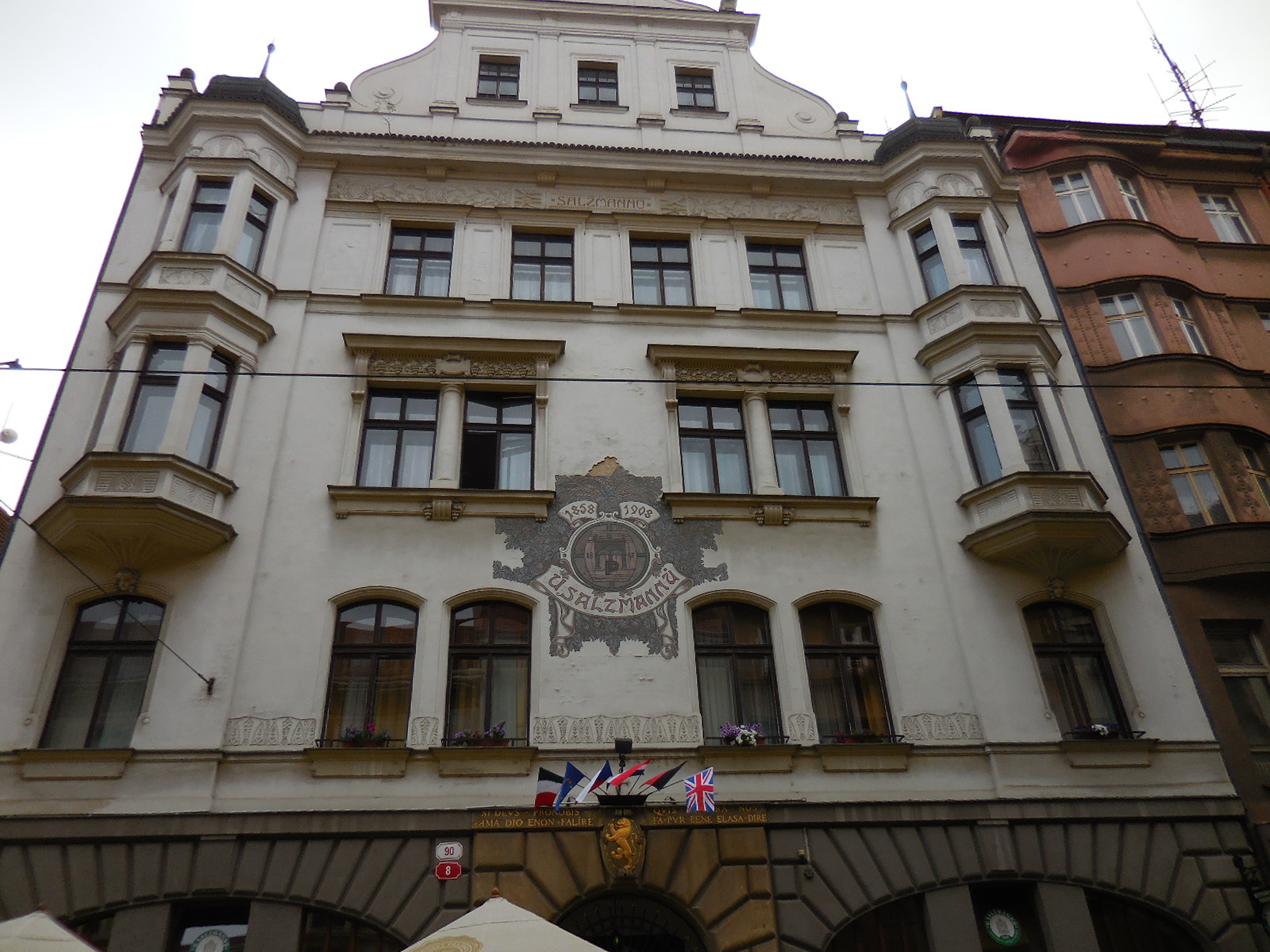
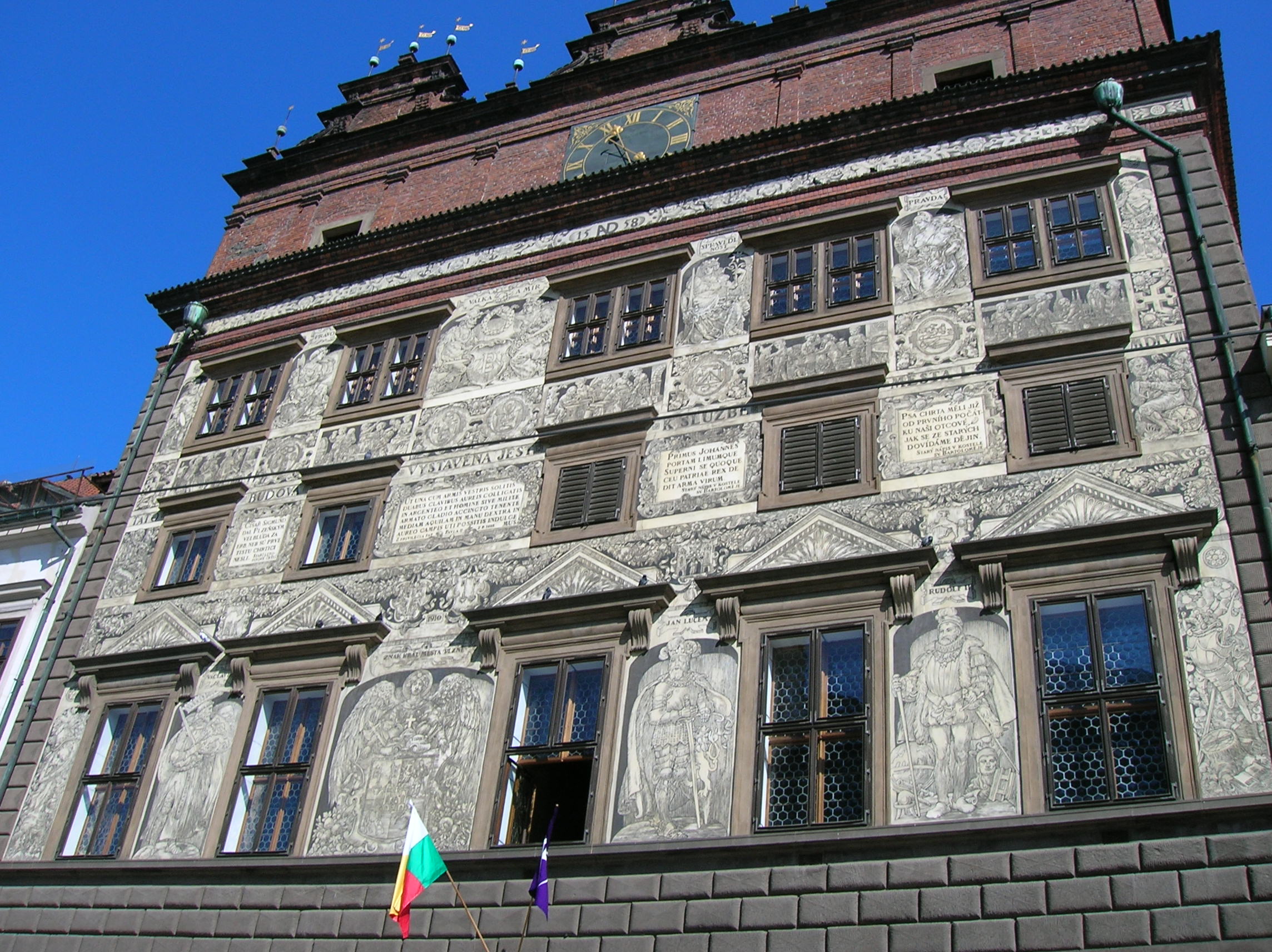
I also was enamored by the building in which the West Bohemian Gallery was housed. It had been used as a market place during the Middle Ages and boasted of a unique architectural style. I longed to learn even more about the end of the 19th and early 20th century as I left the exhibition and made my way to my favorite restaurant in Pilsen, U Salzmannů.

Tracy A. Burns is a writer, proofreader and editor in Prague.

Restaurant U Salzmannů, Pilsen

The Great Synagogue in Pilsen Diary

It is very easy to get to Pilsen from Prague – only a one-hour bus journey, courtesy of the Student Agency bus company. From the bus station I took a tram three stops to Republic Square. The synagogue was within walking distance. I was curious about the second largest synagogue in the world and the third largest in the world with a capacity of 2,500 people.

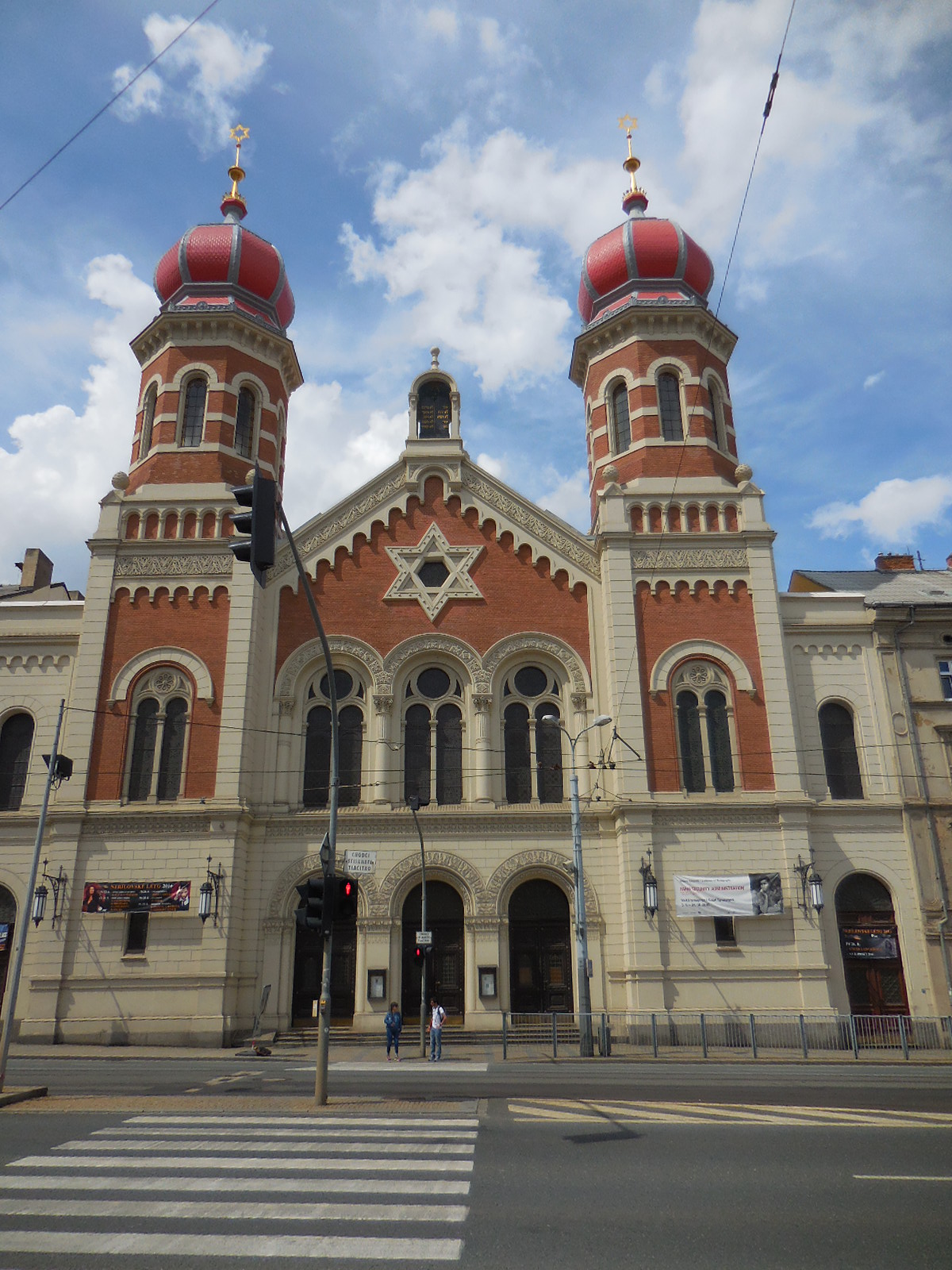
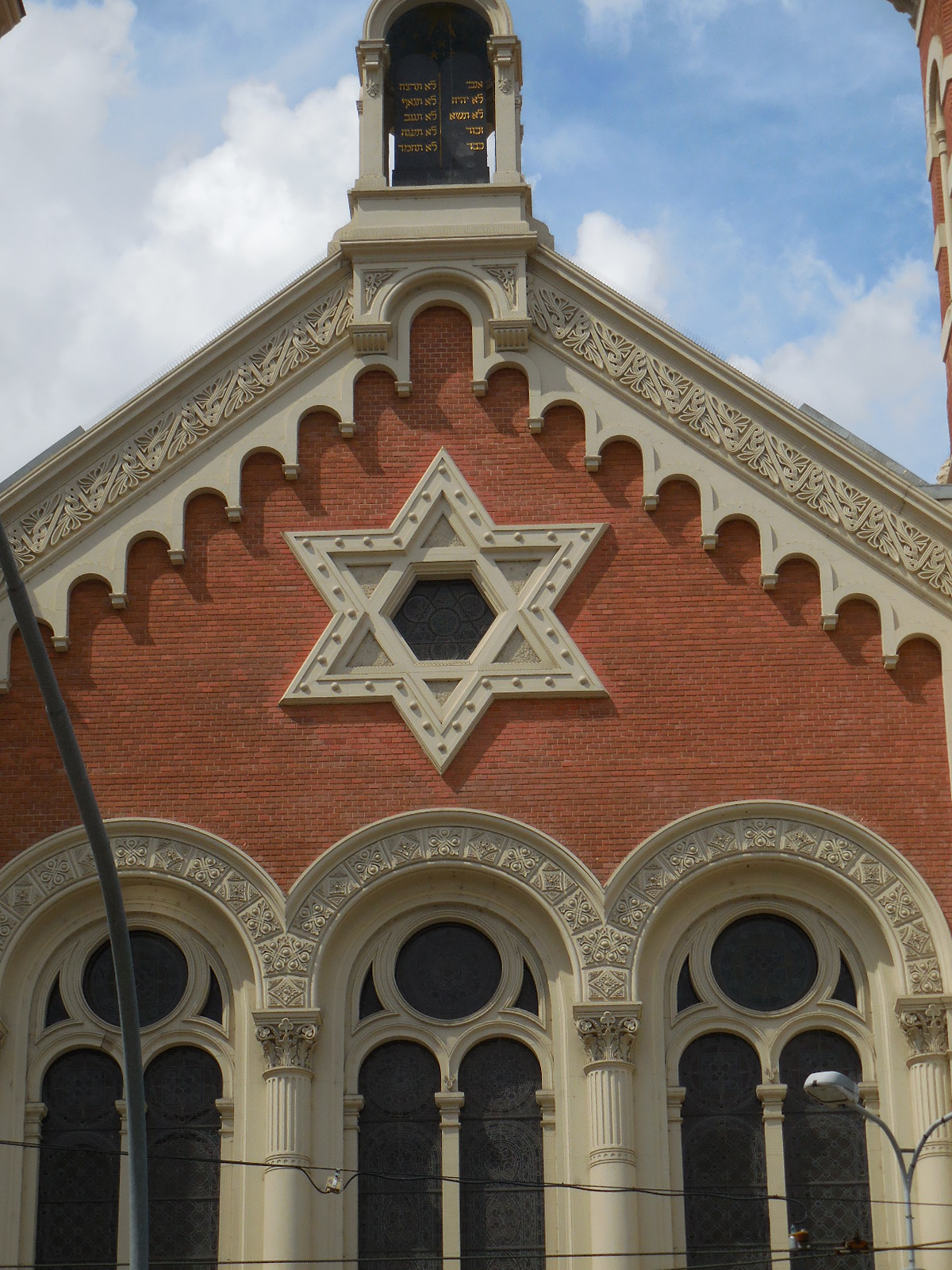
I was very impressed by the façade and two towers. Under the gabled roof of the structure of capping brick and stone blocks is a large Star of David. The two towers flanking the middle portion of the building have imperial domes and a belfry as well as a crown and the Star of David. The onion-shaped domes reminded me of some of the churches I had seen in Saint Petersburg, Russia.

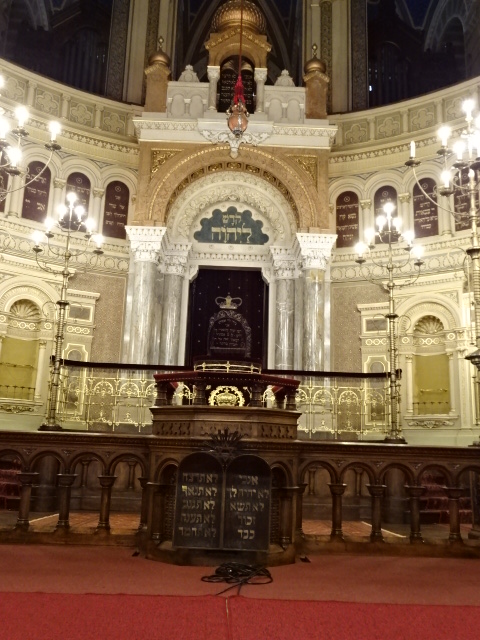
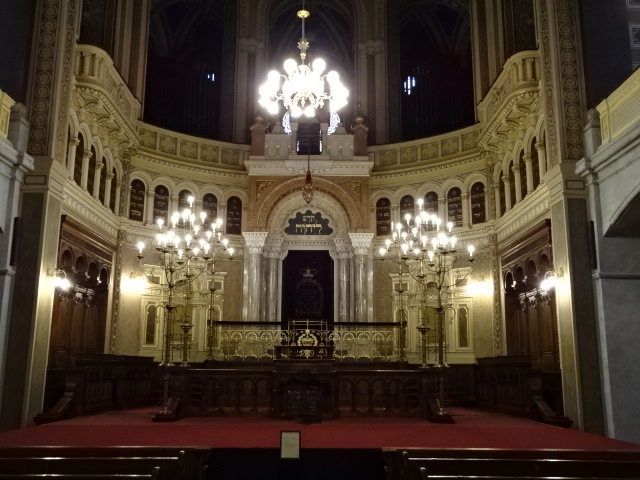
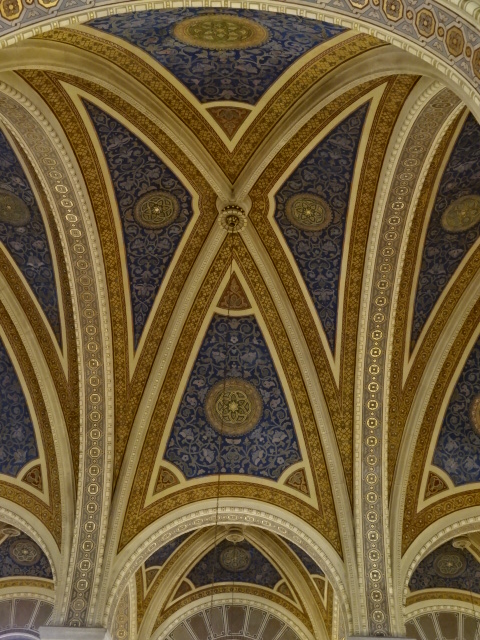
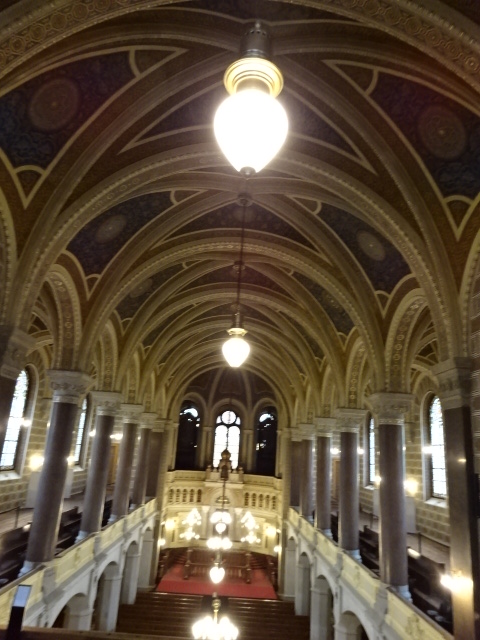
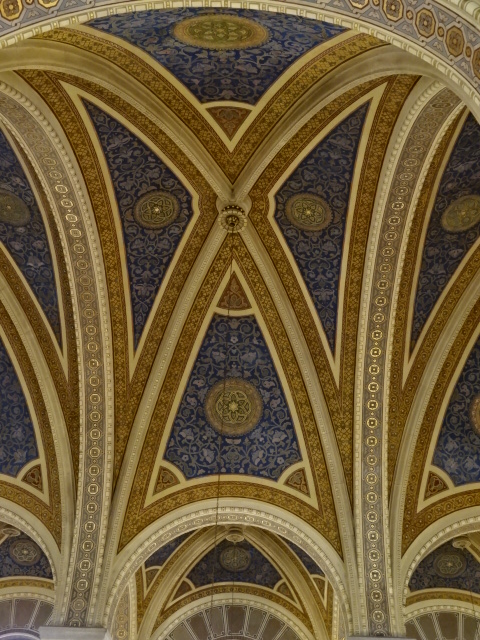
I gaped as I perused the spellbinding features. Built in 1892, the synagogue combines an Oriental interior with elements of Neo-Renaissance, found mostly in the corridors.  The carved rostrum of the three-aisled ground floor has a simple, yet dignified design. Two stairways lead up to the platform with the rostrum. One of the things I admired most was the vaulted ceiling decoration of blue with gold painting with plant motifs. The use of gold for decoration throughout the synagogue was very pleasing to the eye. The staircase had a metal, golden balustrade. The vestibule included beautiful stucco decoration with gold as well. I also noticed the stucco décor with motifs such as David’s Star on the balustrade. I saw the organ, dating from 1890. I remembered reading that there had been a big choir here until World War II.

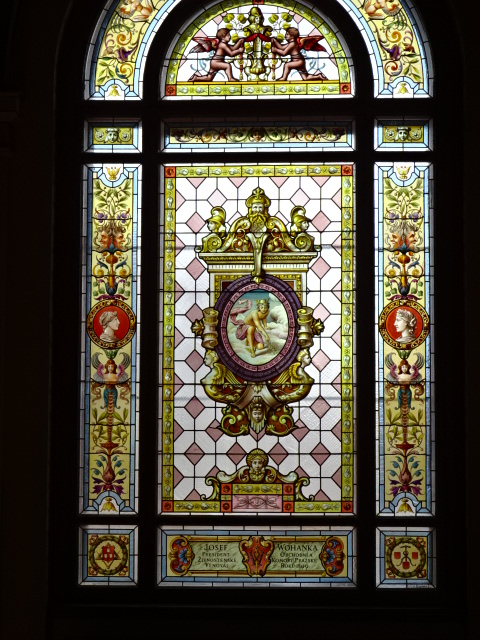
What entranced me the most, though, was not the exquisite vaulted ceiling, but the three stained glass windows above the cornice in the western side of the synagogue. Dating from 1893, the three windows show a design of circles and oblong shapes, geometric figures in bright colors. They seemed to glisten in the dim lighting. I walked to the upper gallery, where I could have touched them if I had wanted to. Instead, I just stood there, fascinated at their beauty.

I sat down in the balcony, where women had sat for generations because they were not allowed to sit with the men, and I pondered over the history of Jews in Pilsen. It all began in the 13th century when Jews first came to this city, and King Přemysl Otakar II allowed them religious freedom. At the start of the 15th century, most Jews bartered in spices, pepper and ginger, and two synagogues existed here during that time period. Yet during the reign of King Vladislav II, in 1504, Jews were expelled from Pilsen, and they didn’t return until 1584. Other hardships occurred.

Then things got better. Jews obtained more freedom during 1848-49, when the ghetto that had been created due to the reforms of Holy Roman Emperor and ruler of the Habsburg Empire Joseph II was destroyed. (Emperor Joseph II had been a devout Catholic and an enthusiast for Germanization.) Jews no longer had to pay special taxes. Then, finally in 1867, a constitution was passed, stating political and religious equality, allowing Jews to move house as they pleased and to own property. They were even offered state citizenship. It is no wonder, then, that many Jews headed for this city in the 1860s. The Jewish community of Pilsen thrived during the 19th and beginning of the 20th century, and Jews ran significant businesses in the city.

After World War II, the synagogue was returned to the Jewish community, but the last regular service took place in 1973 as the building became more and more dilapidated. Finally, it was closed down.  Reconstruction occurred from 1995-97, and it reopened to the public on February 11, 1998. A service was held here once again, after 26 years, on September 20, 1998, celebrating the Jewish New Year. The first wedding in 61 years was held at this synagogue on June 6, 1999. There was extensive renovation during the 21st century, too.

Before heading back to Prague, I took advantage of the beautiful, sunny weather and sat outside at a café on the main square. I also visited an art exhibition called Through the eyes of Franz Kafka, focusing on art in the Czech lands during the time period Kafka was in Prague. There I gazed at Kafka’s drawings, paintings by Czech artist Bohumil Kubišta and sculpture by Czech master František Bílek. I also saw some Japanese art that was popular during that era. I ate lunch in U Salzmannů, the oldest pub in the city and my favorite restaurant in Pilsen. The Czech food at that establishment is top-notch. I also stayed at the restaurant’s pension upstairs for several nights many years ago, during a theatre festival. I was very pleased with the accommodation. Since I only rarely drink alcohol, though, I did not try the legendary Pilsner Urquell beer brewed in this city.

Tracy A. Burns is a writer, proofreader and editor in Prague.

My favorite restaurant in Pilsen – U Salzmannů

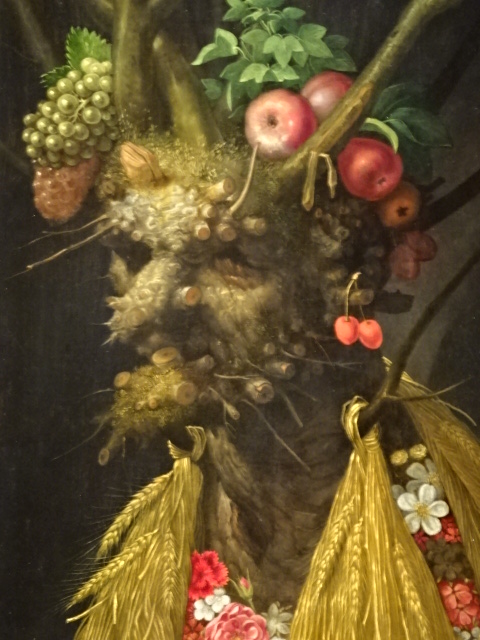
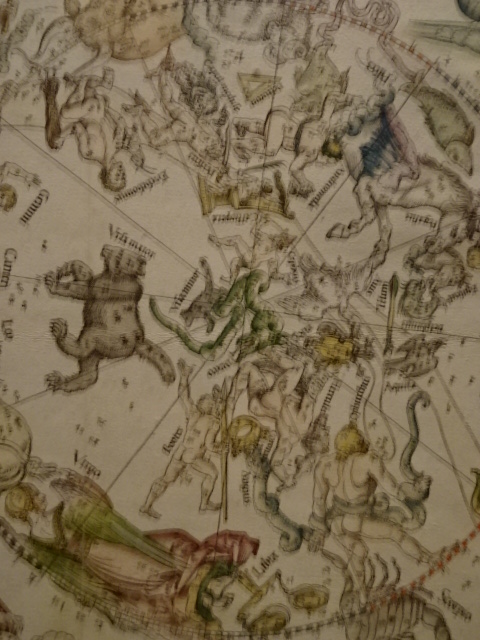
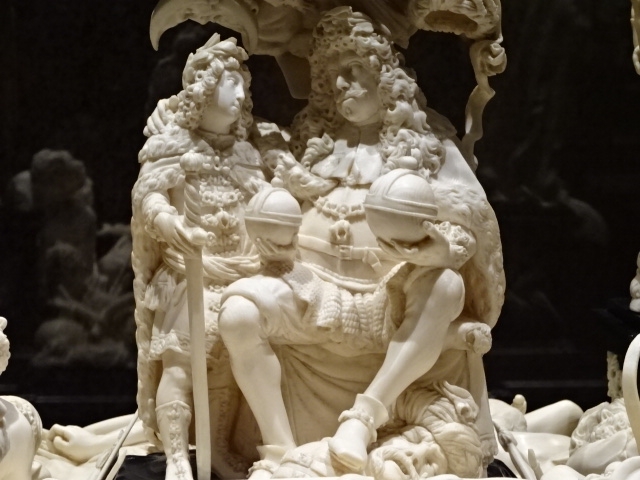
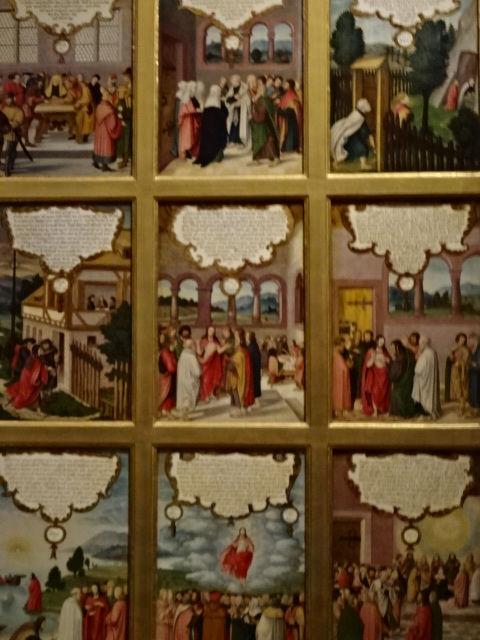
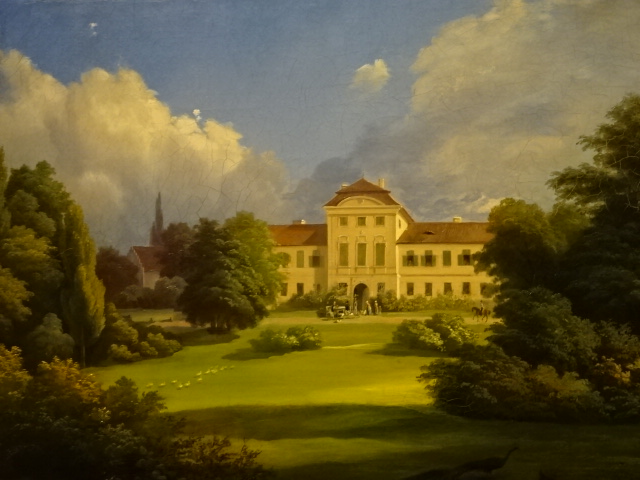
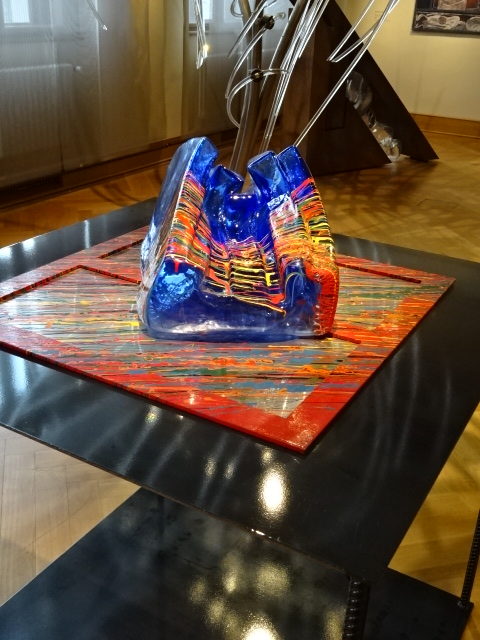
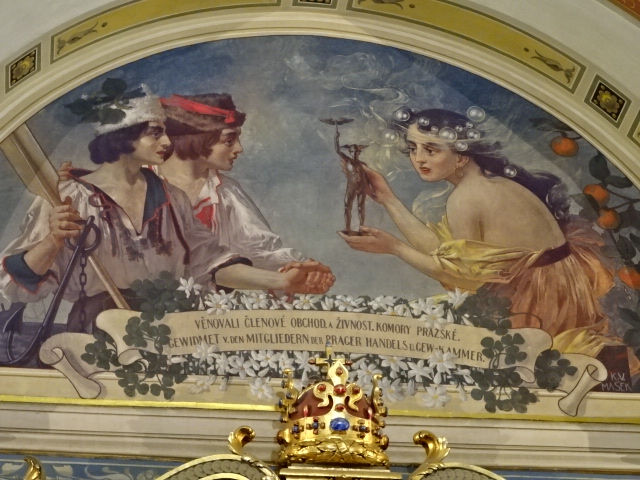
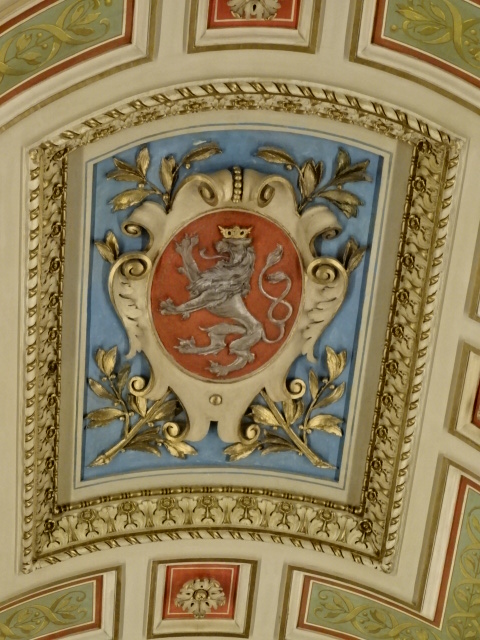
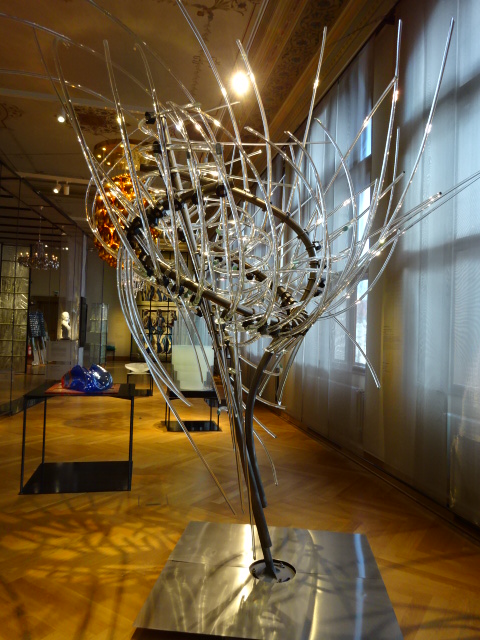
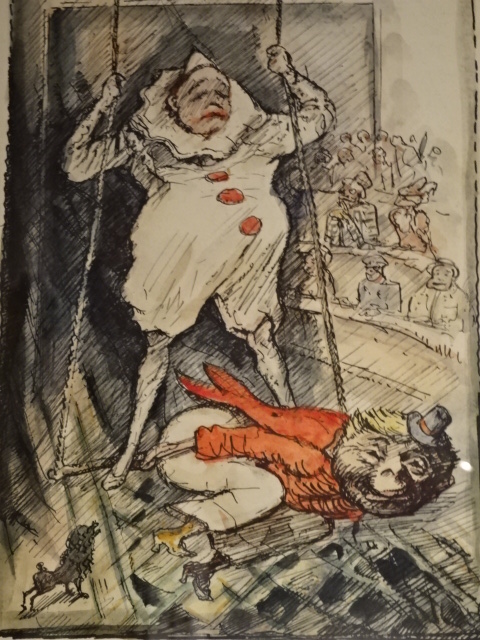
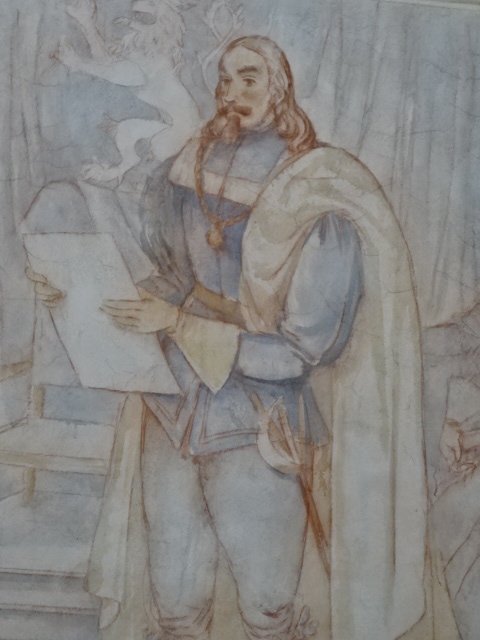
From Pilsen art gallery exhibition Through the Eyes of Franz Kafka

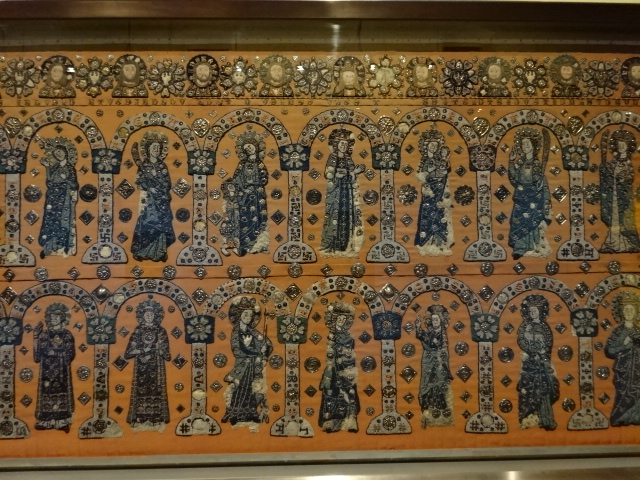
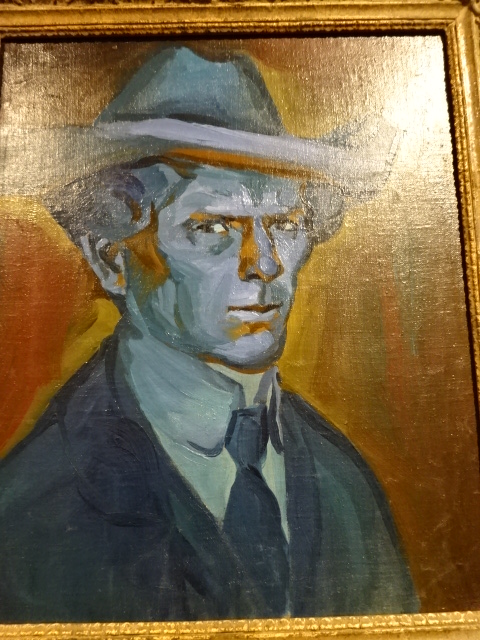
From Pilsen art gallery exhibition Through the Eyes of Franz Kafka

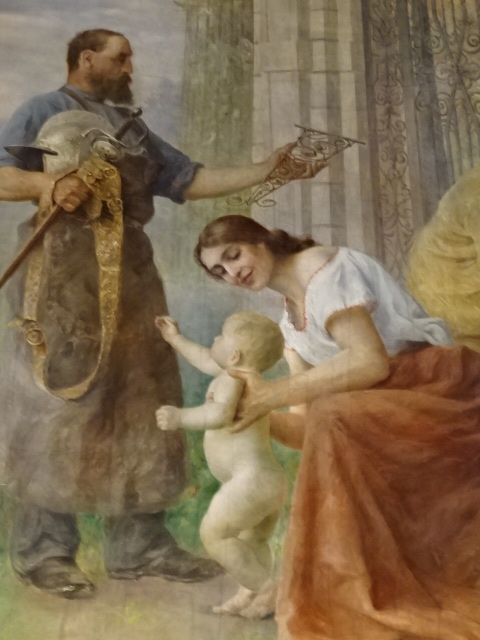
From Pilsen art gallery exhibition Through the Eyes of Franz Kafka

2024 Travel Diary

David Caspar Friedrich, The Wanderer

As usual, this past year was punctuated by travel, though most trips only lasted one day or half of a day. Still, I was able to explore many sights within a two-hour distance of Prague. Once again, I realized that the Czech Republic blossoms with beauty in every niche of the country.

Perhaps the painting that best expresses my year of travel is one I saw at an exhibition of David Caspar Friedrich’s paintings from the Romanticist era. While admiring his “The Wanderer,” I saw the back of a male figure in the forefront, standing on a cliff as he peered at the mist-filled mountains beyond. It epitomizes why I love travelling: to discover new worlds, to muddle through that mist, reaching a clarity that allows me better to understand myself as well as to gain historical knowledge.

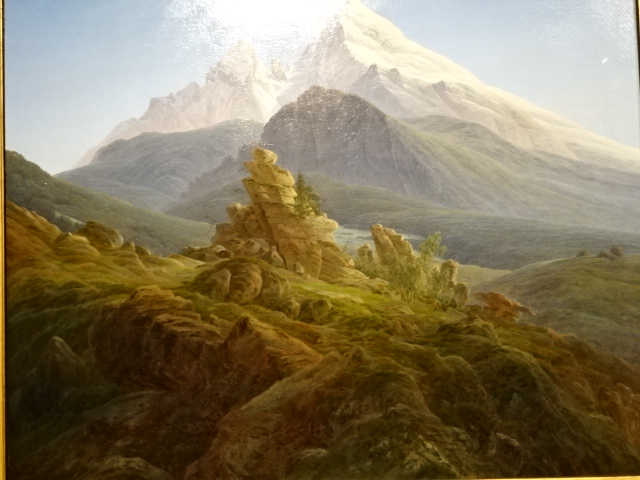
By David Caspar Friedrich, on display at Albertinum for temporary exhibition

In the Dresden Albertinum, I was mesmerized by Friedrich’s landscapes. Many featured vibrant colors and a brilliant use of light. He also created dark paintings with a chiaroscuro element that gave them a mystical appearance. Some of his landscapes included a solitary figure traveling alone in nature. Friedrich’s gnarled trees in barren environments were symbolic. I felt especially drawn to his portrayal of mountains in shades of pink.

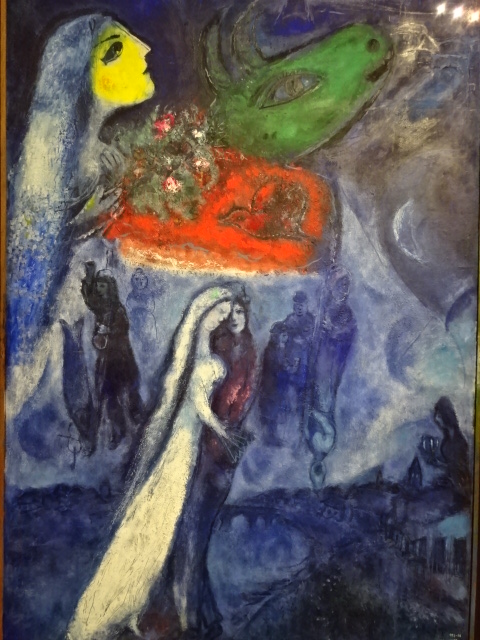
By Marc Chagall, on display at Albertina in Vienna for temporary exhibition

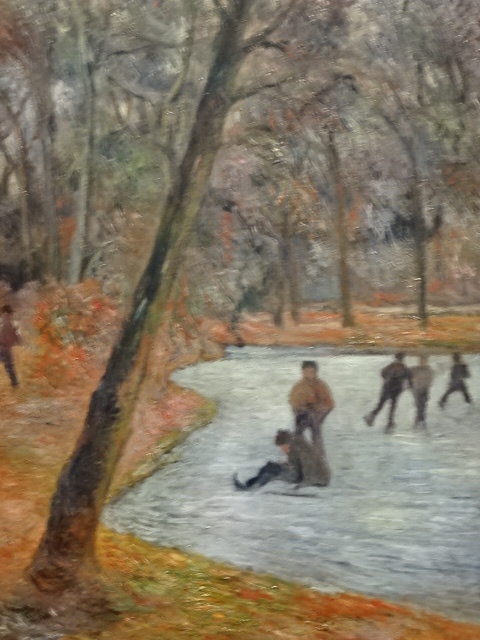
By Paul Gauguin

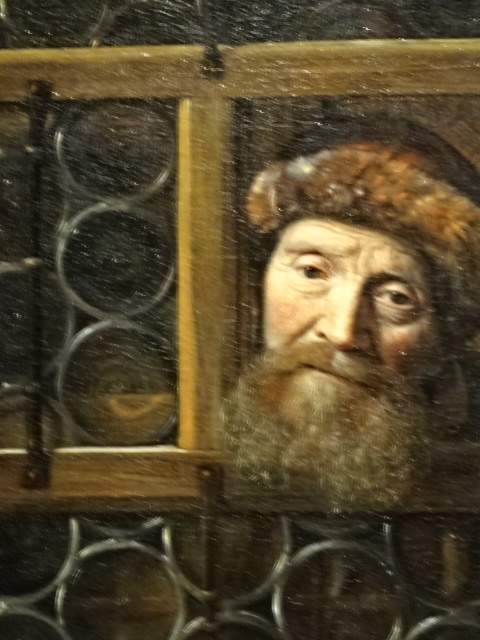
By Hoogstraten, Rembrandt’s pupil

I spent three days in Vienna going to major exhibitions featuring works by Chagall, Gauguin and Hoogstraten, a star pupil of Rembrandt. I hadn’t realized how many of Chagall’s paintings took on Jewish themes and serious topics. I had always thought of Chagall’s art as fun-loving and colorful. My favorites were those inspired by Paris and the circus, created in bright blues and yellows. The Gauguin retrospective showed his works from various time periods, so it was possible to see his specific artistic developments. I was most impressed with his early landscapes. I had not heard of Hoogstraten, whose portraits brought out the soul in the sitters just as Rembrandt’s did. His intriguing use of perspective in some paintings also impressed me. Works by Rembrandt also enchanted me in this exhibition.

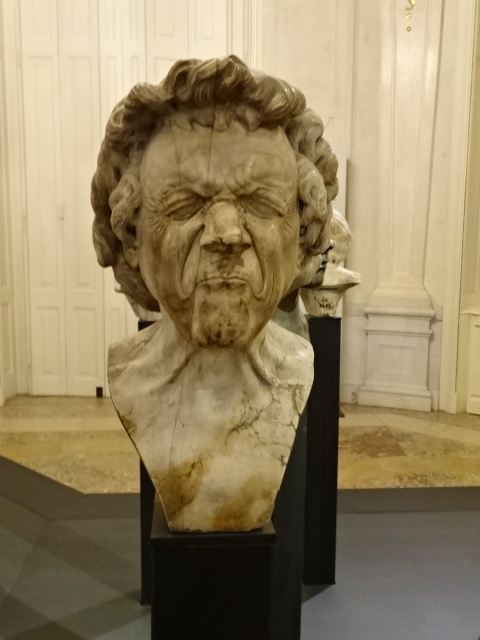
Franz Xaver Messerschmidt, Character Heads

by Gustav Klimt on permanent display at Upper Belvedere

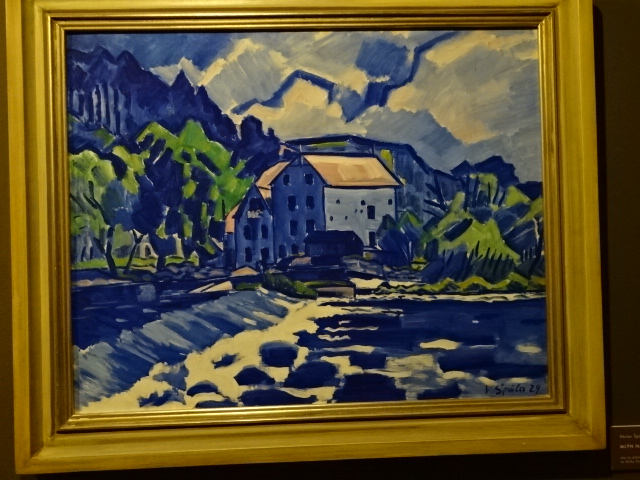
By Václav Špála, on display at Upper Belvedere

City of Vienna Museum, permanent collection

We also visited the Upper Belvedere Palace Museum in Vienna. While it is best known for its Gustav Klimt and Egon Schiele creations, I was entranced with the medieval art in the basement and the Central European collection that featured Czech greats such as Jan Procházka, Bohumil Kubišta and Václav Špála. The Klimt paintings were extremely powerful as were all the Impressionist and Post-Impressionist works. My favorite part of the museum involves the unique Late Baroque Character Heads by Franz Xaver Messerschmidt, who rendered alabaster busts of insane people with unique facial expressions. You could see into their souls. In Vienna I entered the City Museum for the first time. The exhibits trace the history of the city from the beginnings to modern day. I saw intriguing paintings, furnishings, posters and objects, among others.

by Eva Švankmajer

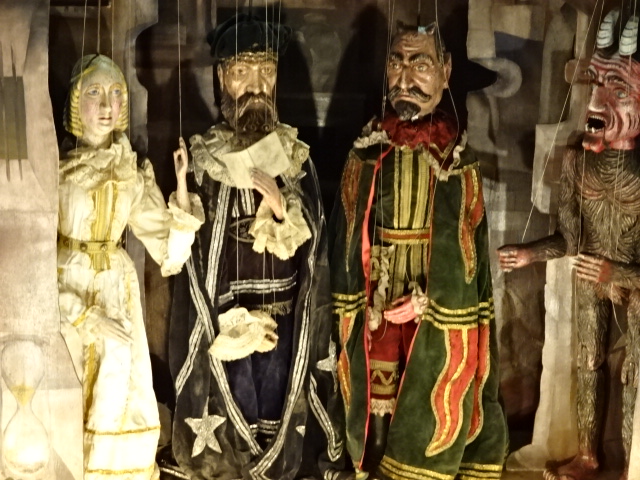
Puppets by Jan Švankmajer

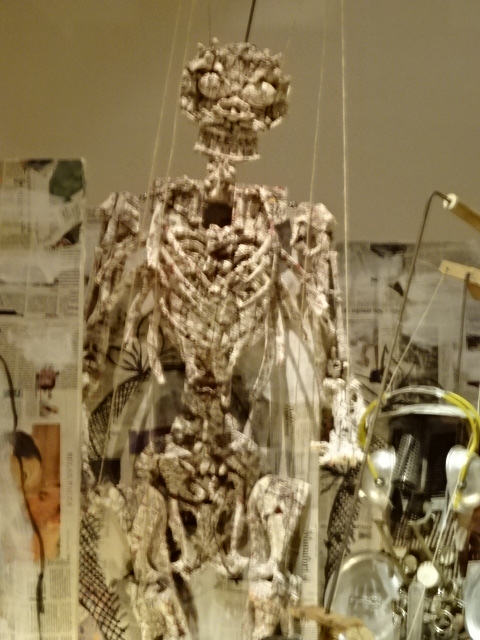
Puppet by Jan Švankmajer

I also went to many exhibitions in the Czech Republic outside of Prague. In Kutná Hora I visited an exhibition of works celebrating the 90th birthday of Jan Švankmajer, a surreal artist, along with creations by his wife Eva. The exhibition Disegno Interno included collages, graphic art, objects, book illustrations, drawings, paintings, animated film creations and puppet theatre of both artists from the 1960s and later. Their creations included works that resemble Rudolfine Mannerist renditions as kinds of cabinet of curiosities and art inspired by Giuseppe Arcimboldo. I also noted the inspiration of the Baroque tradition in puppet theatre. Other works fell into the categories of art-brut, eroticism, fetishes and collages influenced by Max Ernst. Much of their art was deeply rooted in the writings of Edgar Allan Poet and Lewis Carrol. Scenography for Czech film was another section. I realized for the first time that surrealist art had been influenced to a great extent by Mannerist trends.

From Through Kafka’s Eyes, graphic art about The Metamorphosis

Through Kafka’s Eyes, Oto Kubín, Brindisi, 1906

In Pilsen I went to an exhibition called Through Kafka’s Eyes, featuring the art that had surrounded Kafka at the end of the 19th century and the beginning of 20th century. I saw posters for Czech art exhibitions in the early 20th century and those advertising 19th century Japanese art as well as works by stellar Czech artists. Paintings by Kubišta, colorful and vibrant, were represented along with sculpture by František Bílek. Czech artists who spent their interwar years in Paris were included, such as Oto Kubín and Georges Kars. Kafka’s own Jewish-themed drawings were a highlight. German art and literature rounded out the intriguing exhibition.

Great Synagogue, Pilsen

Great Synagogue, Pilsen

I also took the time to visit the Great Synagogue in Pilsen, the second largest synagogue in Europe and third largest in the world. On the onion-shaped dome the Star of David stood out. What I admired most was the vaulted ceiling punctuated with blue and gold adornment. Another feature that amazed me was the artistic mastery of the stained glass windows with geometric shapes and figures. The interior is furnished in Oriental style with Neo-Renaissance elements.

Pilsen, U Saltzmannů

We ate at my favorite restaurant in Pilsen, U Saltzmannů, the oldest pub in the city. The Czech food at this establishment cannot be surpassed. I had fried chicken steak this time.

Škoda Museum

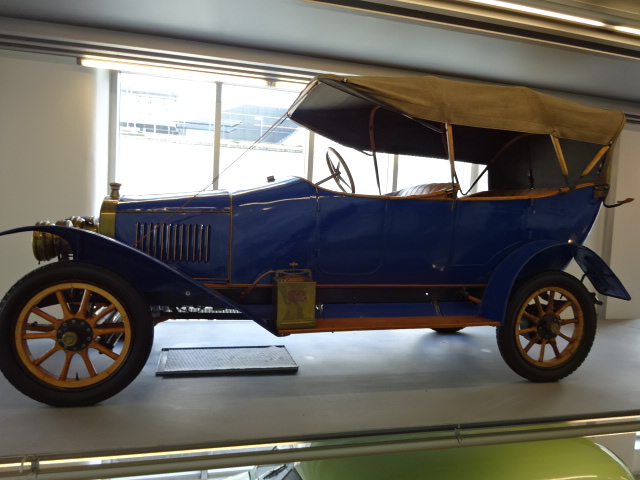
In Mladá Boleslav, about 70 kilometers from Prague, I visited for the first time the Škoda Museum, named after the popular Czech automobile manufacturer. The company began making bicycles with Václav Klement and Václav Laurin at the helm in 1895 and soon developed a rich tradition of producing cars. The automobiles on display ranged from vehicles made at the end of the 19th century to those produced in the modern day. I liked the early bicycles, including a two-seater for postal carriers. The cars from the early 20th century were also favorites.

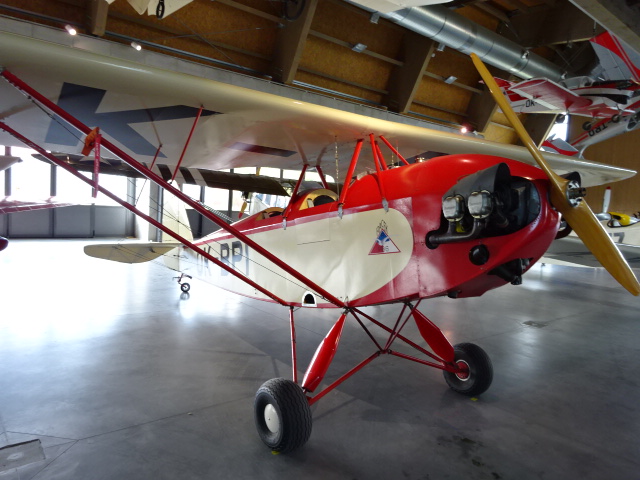
In that same city, we also visited the Aviation museum of Metoděj Vlach, which explored the history of aviation with more than 25 airplanes in the main hall, some hailing from World War I. I saw the 1913 G-III by Gaston and Réné Caudron. It had an open cockpit and 9-cylinder rotary engine. The two-seater wooden plane constructed by the Beneš company called a Be-60 Bestiola featured a 4-cylinder engine and had been flown from 1936 to 1940. The adorable W-01 Little Beetle had been used for airshows in the 1970s.

At that museum, I also learned about the career of pilot Alexander Hessman, who also had starred in a 1926 silent Czechoslovak film. He was the organizer of the Czechoslovak aircraft for the 1936 Olympics. After the Nazi Occupation in 1939, he helped pilots escape with false passports, and he wound up fleeing from the Protectorate to France and then to the USA in January of 1940. After World War II, he returned to Czechoslovakia but fled from the Communist regime, settling in the USA, where he was a technical assistant with PAN AM in New York City.

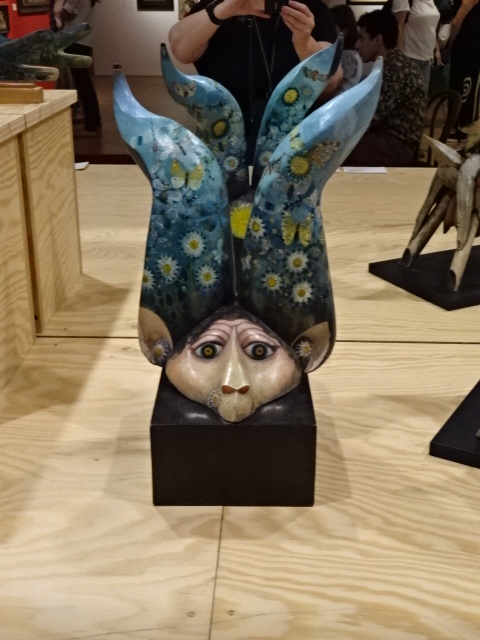
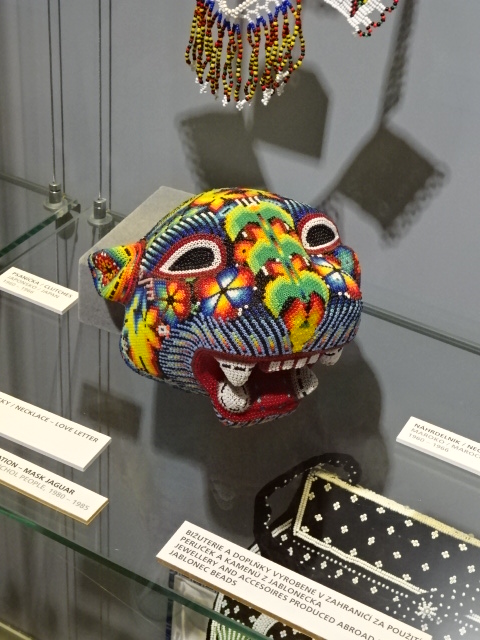
Mexican mask, Museum of Glass and Jewellery, Jablonec nad Nisou

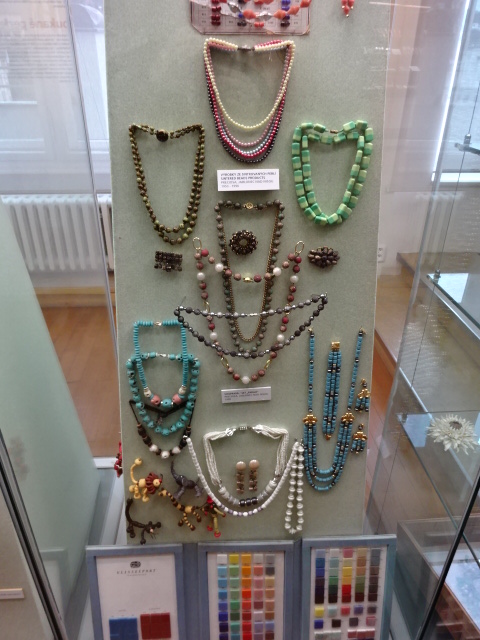
I traveled several times to north Bohemia this past year. One time I went to Jablonec nad Nisou, where the Museum of Glass and Jewellery was located because of the rich local tradition in these fields. I was immersed in the exotic jewellery of strung and woven glass seed beads by North American Indians, using products from north Bohemia. A mask of the jaguar hailed from the Huichol Indian tribe in Mexico. Glass seed beads from Jablonec nad Nisou were used to make a necklace by the South African Zulu tribe, dated from 1880 to 1900. Jablonec has been the location of the mint for the country’s currency, so many commemorative coins were on display.

I also was impressed by buttons made of glass, metal jewellery and black glass jewellery as well as wooden and plastic jewellery. Colorful handbags, masterfully designed, also made up the collection. The Waldes Museum of Buttons and Pins included more than 5,00 buttons, clasps and buckles with the oldest dating from 9 BC. The Bohemian glass exhibition showed off glass in many styles  ranging from medieval and Renaissance to Empire and Biedermeier to Art Nouveau and Art Deco to modernism and contemporary. The museum also has the largest public collection of glass Christmas ornaments in the world with more than 15,000 objects. I saw ornaments of angels, birds, cats, dogs, Santa Clauses, gingerbread men and much more, all contemporary.

Josef Lada’s Villa in Hrusice

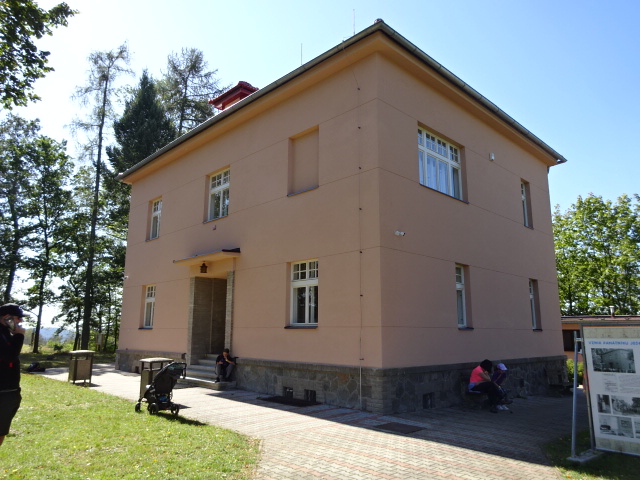
I made my first visit to Josef Lada’s Villa in Hrusice, where that author, painter, book illustrator and scenographer had lived while making some 600 paintings and 15, 000 illustrations. I saw his paintings of idyllic village life featuring all four seasons. Children threw snowballs and make snowmen in a quaint village in one painting while a squirrel was perched attentively on a tree branch, overseeing a tranquil village scene in another. Pub scenes showed humorous drunken brawls. I would have loved to have owned one of the charming cottages depicted in his paintings. I loved the paintings of knights and dragons from fairy tales as well as the paintings representing the months of the year. His paintings of scenes from Jaroslav Hašek’s antimilitaristic, multi-volume classic about the Good Soldier Švejk in the First World War caught my attention. Many of his paintings focused on holiday traditions. I also saw his humorous drawings and caricatures.

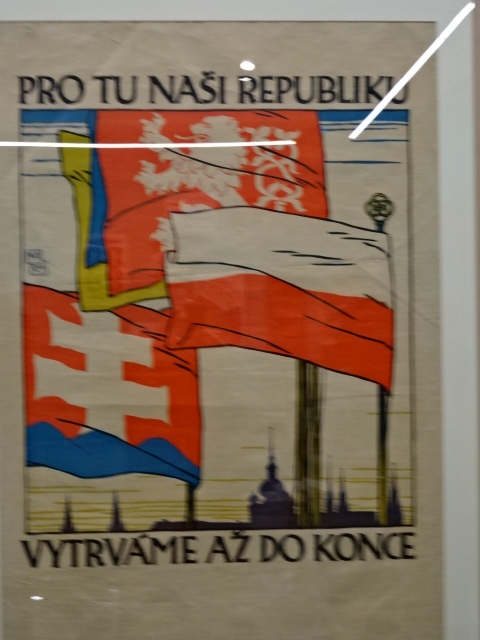
From the First Republic of Czechoslovakia

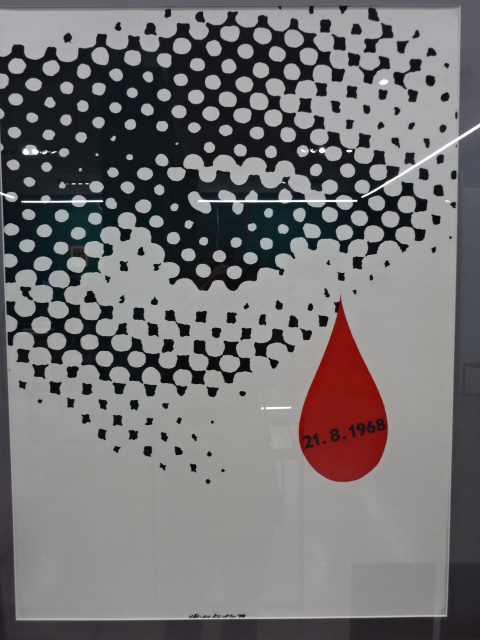
Poster by Václav Ševčík commemorating the day of the invasion by the Warsaw Pact armies, August 21, 1968

In Prague I took advantage of the stunning exhibitions this past year. I went to two excellent shows at Kampa Museum. One featured Czech graphic art from the founding of Czechoslovakia in 1918 to the present. I saw the first star-studded designs for the Czechoslovak flag as well as many political posters from the World War II era through Communist times to the Velvet Revolution of 1989. Václav Ševčík made a poster focusing on the day of invasion of the Warsaw Pact armies into Czechoslovakia on August 21, 1968, when the country’s liberal reforms were squashed. The poster shows a blood-red tear below an eye outlined in black on a white background.

Vítězslav Nezval, Alphabet, with typography by Karel Teige

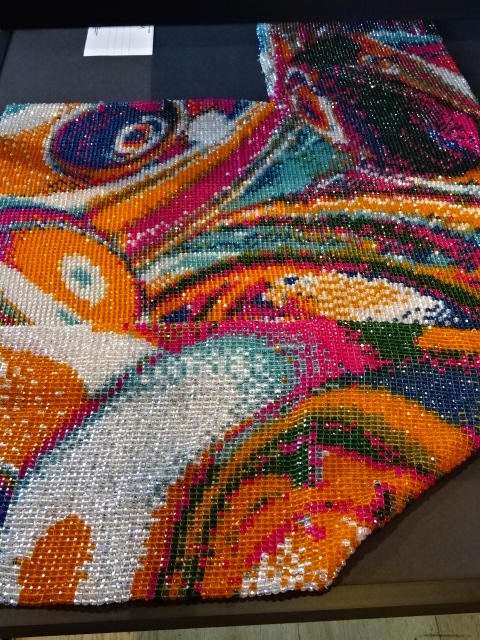
Kampa Museum, Identity exhibition of graphic art, Cindy Kutíková

Other sections concentrated on magazine and book design. I saw beautiful children’s volumes illustrated by Lada, Josef Čapek and Jiří Trnka. I was drawn to the covers and typography of Karel Teige, an avantgarde interwar artist. The exhibition showcased contemporary times by displaying a colorful, large Quantum Beaded Sweater created in 2020 and 2021 by Cindy Kutíková, for instance.

Václav Tíkal, 1944

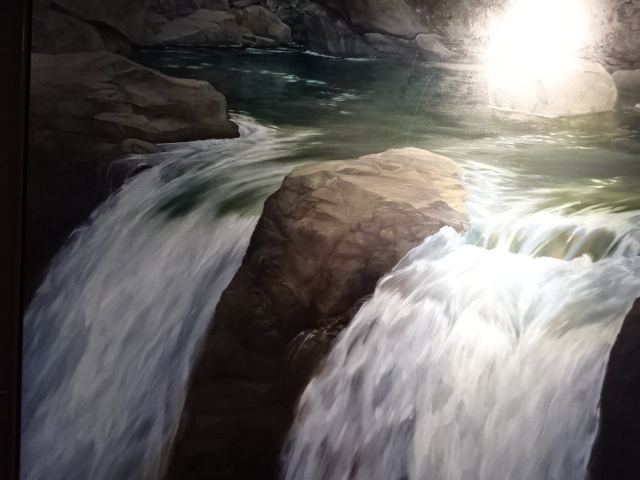
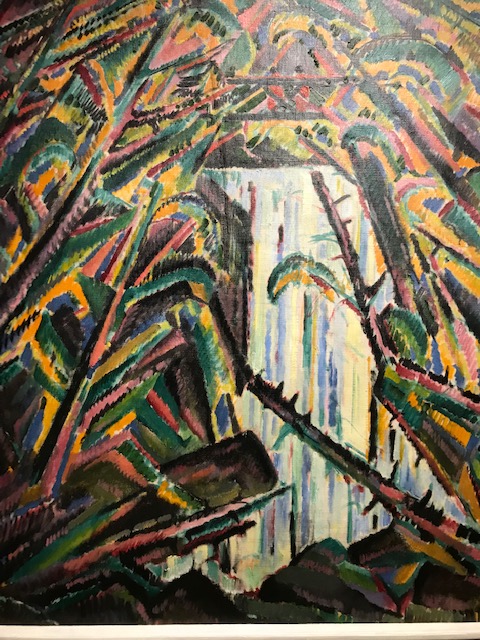
Otakar Nejedlý, Waterfall, 1913-14

Another exhibition at Kampa Museum focused on paintings from the private collection of entrepreneur Vladimír Železný, purchased for his Golden Goose Gallery. Called The Goose on Kampa, the show featured 70 paintings representing works from the beginning of the 20th century through the 1960s, such as creations by Toyen, Jiří Štyrský, Špála, Emil Filla, Jan Zrzavý and Mikuláš Medek. One painting that caught my undivided attention was Václav Tíkal’s 1944. A hand partially covered in a ripped black glove showing the fingertips, thumb and part of the palm was emerging out of the frozen, snow-covered earth in a barren landscape.

Otto Gutfreund, Viki, 1912-13 from Cubist period

On that day I also explored the Kampa Museum’s permanent collection, specifically the sculptures of Otto Gutfreund, whose early works can be classified as Cubist. His later creations, made after World War I, featured traits of Civilism, which promoted themes of everyday life.

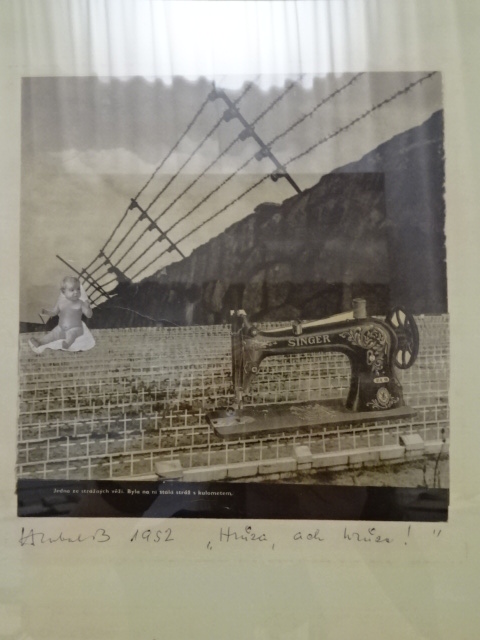
Bohumil Hrabal, 1952, Tragedy! What a Tragedy!

At the Museum of Czech Literature, I greatly appreciated a small exhibition due to my interest in the works of the late 20th century Czech fiction writer Bohumil Hrabal. The modest show emphasized the artistic relationship and friendship of Hrabal and abstract artist Vladimír Boudník, who created the “Explosionism” style. I was most impressed by Hrabal’s collages from the 1950s. One featured a Singer sewing machine, a naked baby and barbed wire heading into the horizon as white crosses in a graveyard punctuated the picture. It was called “Tragedy, What a Tragedy!”

Oto Kubín, Chapel in Simione, 1926

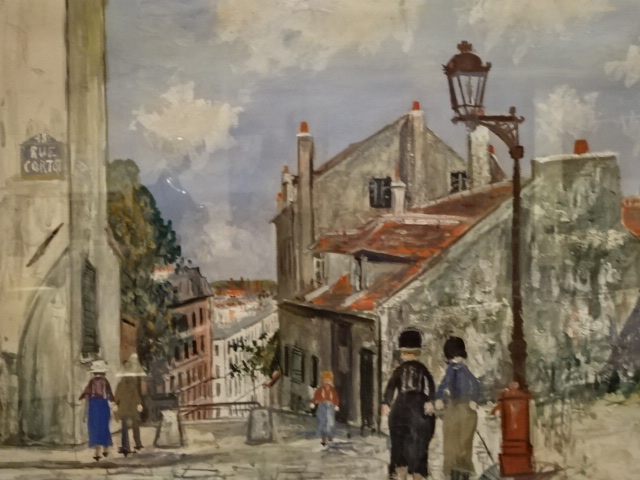
Maurice Utrillo, Chateau de la Seigliere (Aubusson), 1930

The Wallenstein Riding Stables was the site of an intriguing exhibition about artists from Bohemia residing in Paris between the wars. They were part of the “Paris School,” which featured a variety of styles. Czechs Kars, Kubín (Othon Coubine) and Francois Zdeněk Eberl made strong impressions in the lively, vibrant Paris of the 1920s. The themes of the paintings were many: portraits, cityscapes, street life scenes, café and entertainment scenes as well as a focus on the circus and cabaret. I was drawn to Kubín’s landscapes of Provence. The lavender fields were my favorite. Also represented were foreign artists, including Marc Chagall and Maurice Utrillo.

Hendrick Goltzius, The Four Disgracers, 1588

Also at the Wallenstein Riding Stables, the exhibition “From Michelangelo to Callot: The Art of Mannerist Printmaking showed off more than 200 works of 16th and 17th century graphic art, drawings, paintings, jewelry, etchings, lithographs, ceramics and other artistic crafts that hailed from the Netherlands, Germany, France and the Czech lands. The Louvre lent Prague’s National Gallery many works. Some pieces in the collections were being displayed to the public for the first time. A superb small drawing by Michelangelo drew crowds, and art by Hendrick Goltzius, Paul Bril,  Aegidius Sadeler and Niccolo Boldrini stood out to me.

Painting by Karel Kryl, temporary exhibition at House of the Golden Ring

Karel Kryl giving a concert

On my birthday I went to the House of the Golden Ring near Old Town Square. I saw an exhibition about the late dissident singer and songwriter Karel Kryl, whose music had been poetic, profound and political. He had lived in West Germany during much of the Communist era and had worked for Radio Free Europe. I realized how politically-motivated his songs had been and how he had supported the Poles as well as the Czechoslovaks in their fights for freedom. I was engrossed by his artwork, disturbing and grotesque scenes with one-legged clowns and half-human, half-creature figures.

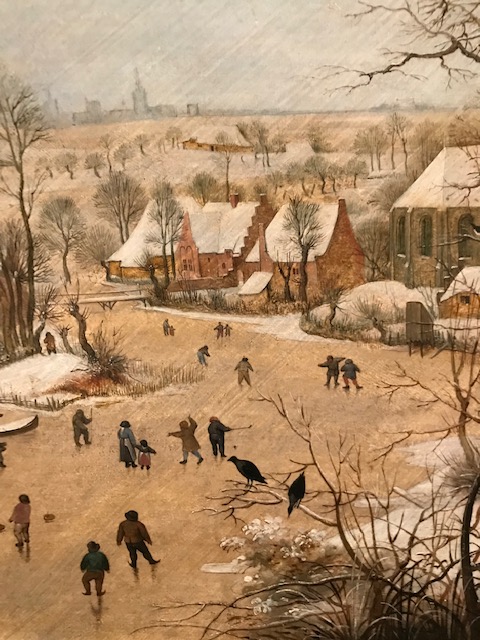
Pieter Brueghel II

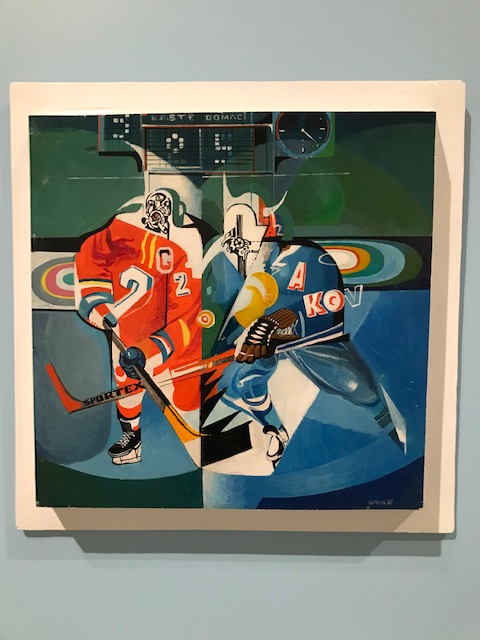
One of my favorite exhibitions of the year, taking place in Kinský Palace, was called “Get on the ice!”, featuring hockey and skating in paintings and other artistic creations. It reinforced the fact that ice hockey and skating have played significant roles in Czech and Slovak identity. I especially was impressed by the works of the Dutch masters who had inspired Czech painting. Pieter Brueghel II’s scene of skating on a pond caught my undivided attention. Czechs first represented skating on the Vltava River and on ice rinks.

Then hockey became the major theme, first portrayed realistically and then in the 1960s expressed in an experimental fashion. I was drawn to František Tavík Šimon’s “Ice Rink Under the Charles Bridge” (1917) with its large falling snowflakes and idyllic, historical setting. One example of the experimentation of the 1960s is Vojtěch Tittlebach’s “Hockey” from 1965, with abstract shapes and simple forms. The players in this painting had no facial traits. Jiří Kolář also added to the experimentation of the 1960s with his “Hockey Sticks,” composed of three wooden sticks decorated with paper collages, many of them maps and some historical scenes. The 1998 Czech Olympic victory at Nagano was celebrated in large photographs, including one that showed the moment Czech Petr Svoboda scored the winning goal while the crowd in Old Town Square erupted in joy.

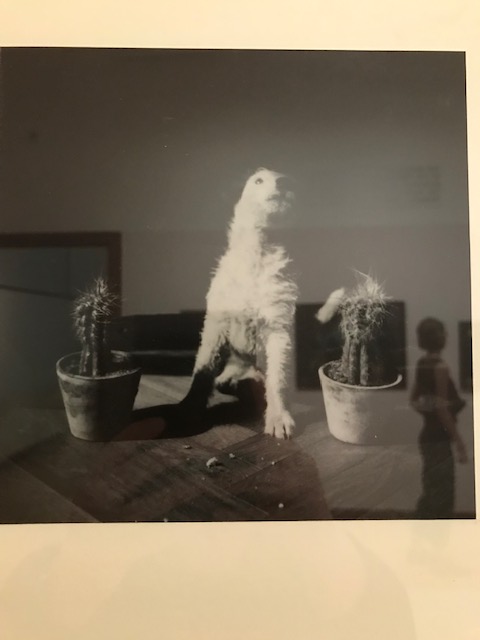
New Realisms, Karel Čapek from series Cactuses, first half of the 1930s

One-Handed Ice Cream Man, Miloslav Holý, 1923

In Prague I also saw the New Realisms exhibition, which focused on modern Realist trends in Czechoslovak art from 1918 to 1945. The more than 600 works hailed from the Czech and Slovak lands as well as Germany and Hungary. I especially liked Karel Čapek’s photographs of cactuses and his dog Dašenka as this field focused on the everyday during this era. I also liked the many café scenes, realistic portraits of people, magic realism in landscapes, the focus on the societal and economic dilemmas in Czechoslovakia and the depiction of modern labor. I have always been interested in the paintings of Group 42 as their works had an existential quality, often punctuated by telegraph wires and deserted streets.

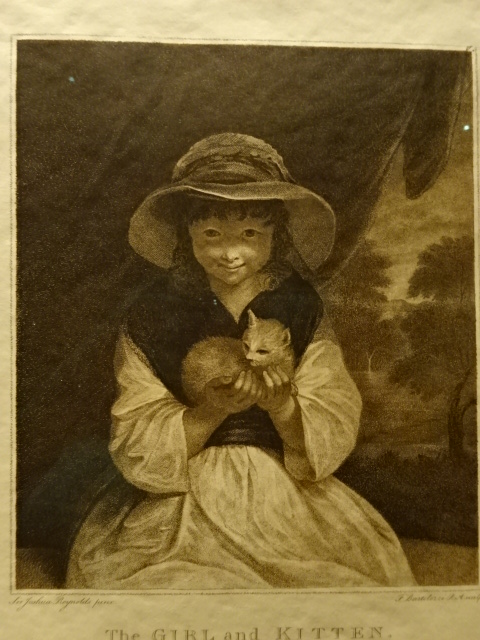
Francesco Bartolozzi, The Girl and the Kitten, 1787

One of my favorite exhibitions in Prague this past year was called “The Good Cat and the Treacherous One,” featuring cats in graphic art from the 16th to the 18th century. The art shows how some people revered cats while others hated felines. They often symbolized something or were shown for entertainment. Some considered them to be a form of the devil. Others gave them positive religious connotations. I especially enjoyed the Mannerist works by Goltzius and the graphic art by Wenceslaus Hollar, who portrayed cats with both positive and negative qualities. I saw pictures of cats symbolizing maternal love, sight, hearing, devotion, courage, yearning for freedom, foolishness, frivolity, cruelty, greed, treachery, lust and adultery. I also noticed cats as protectors against snakes. A French painting showed how, in 18th century France, cats had epitomized personal and political freedom.
Clam-Gallas Palace

I focused mostly on day trips when traveling this past year. While I visited chateaus, castles and monasteries outside of Prague, I did also become acquainted with the renovated Clam-Gallas Palace in the capital city. The Baroque palace became the property of the Gallas family in the 17th century. The palace has a rich musical and theatrical history as Mozart and Beethoven both performed there during the late 18th century. The colossal exterior portal is decorated with statuary by Baroque master Matyáš Bernard Braun, and he also created the fountain portraying Triton.

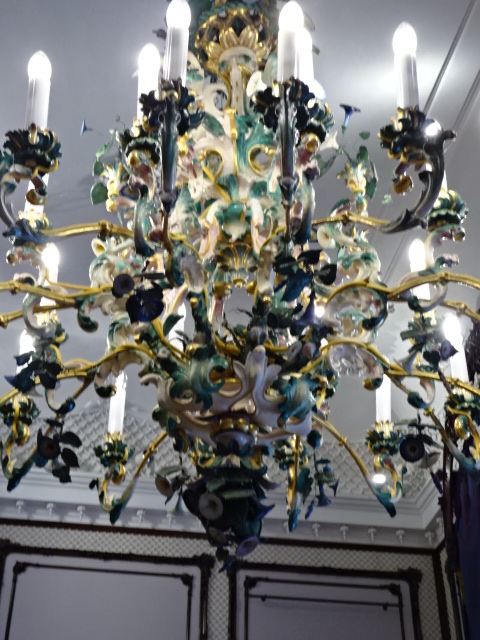
Murano chandelier in Clam-Gallas Palace

The many monumental frescoes amazed as did the chandeliers, especially the 19th century chandelier made of Chinese porcelain cups, saucers and vases. Frescoes depict the triumph of Apollo and gathering of the gods on Olympus, for instance. Allegorical figures representing sculpture, architecture and painting stand out in another fresco. I was very impressed with the former office of the first Czechoslovak Minister of Finance, Alois Rašín, though it was sparsely furnished. He had tried to gather support for the creation of Czechoslovakia during World War I and had even been imprisoned for taking part in the resistance. Rašín was assassinated in Prague during January of 1923 by a 19-year old anarchist.

Bohumil Hrabal’s cottage in Kersko

Kersko near Prague is one of my favorite tranquil spots in the country, a village where Hrabal resided from the 1960s until his death in 1997 and where he fed many feral cats daily. Hrabal’s two-story cottage opened to the public for the first time this spring. I saw the garden where he wrote some books and the charming enclosed terrace where he composed his works when weather did not permit him to spend time in his garden. I saw the chair in which Hrabal wrote his last literary piece, during 1995. The top floor was adorned with many paintings – a moving portrait of Hrabal by Jan Jirů, a drawing featuring heads of Hrabal from his youth to old age in a rendition by Jiří Anderle. Another portrayed cats on chairs in a forest setting along with Hrabal himself. Portraits of his family and a collage focusing on one of his books also caught my undivided attention. The place captured the soul of Hrabal, and I was very moved.

In the local shop, known for its ceramic figures of cats, there was an exhibition of drawings of Hrabal – at the pub, in Heaven, in Kersko, each rendition celebrating the author in a creative way. We ate at my favorite restaurant outside of Prague, Hájenka, a prominent landmark in Kersko. Whether I chose the chicken with cheese sauce, the meat with dumplings or the fried chicken steak, I was always delighted by the meal in a rustic, charming atmosphere.

Mariánská Tynice complex

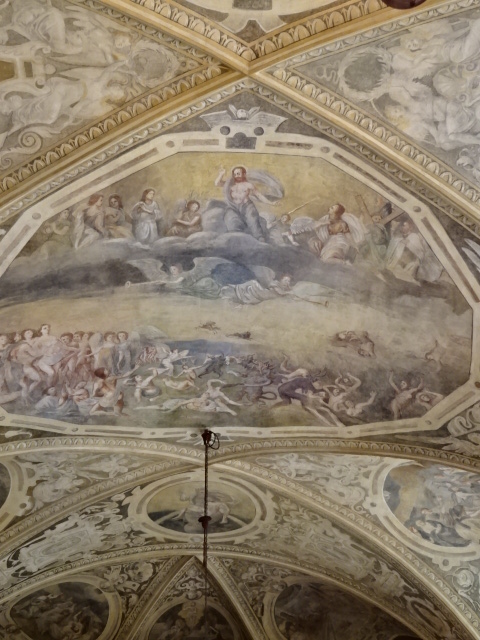
I traveled about 35 kilometers north of Pilsen to pay a second visit to the High Baroque complex with pilgrimage church Mariánská Tynice, an aerial constructed by renowned architect Jan Blažej Santini during the 18th century, using geometric forms such as quadrangles and triangles as features of his Baroque Gothic style. The church with a Greek cross plan had an impressive illusionary main altar of the Holy Trinity while the east and west ambits were constructed with open arcades featuring eight chapels. The masterful painting on the vaulting and walls celebrates the lives of the Virgin Mary and Cistercian saints. The cupola of the church is lit by eight windows.

Frescoes on the walls and vaults of the ambits

Part of the complex was the Museum and gallery of the North Pilsen region. I liked the Gothic altarpieces and Baroque paintings as well as the 19th paintings of pilgrimage sights. The reconstruction of rooms resembling 19th century and early 20th century village life included a classroom, a countryside chapel and a pub.

Museum of the High-Rises, Kladno, ceramic tile on the facade

Gas masks in the nuclear bunker of the Museum of the High-Rises

In Kladno near Prague, I toured the Museum of the High-Rise, which was located in one of the six Rozdělov high-rises designed by Czech functionalist architect Josef Havlíček in the 1950s. He received acclaim during the interwar years as a member of the avantgarde and studied under Cubist architect Josef Gočár. The façade of the 13-floor building was created from ceramic material, and on that particular high-rise were ceramics of a cat and a dog. There was a small museum in one basement floor. We also visited the nuclear bunker, complete with numerous gas masks and many hard benches. The big rooftop terrace was a prominent feature for that time period. In the representative flat for the higher-ups, we saw 1950s furniture and a balcony. The flat measured about 65 meters squared, quite a luxury in that day and age.

Humprecht Chateau

View from Humprecht Chateau

I also visited many chateaus within a two-hour distance of Prague. Seventeenth century Humprecht Chateau in the central Bohemian Paradise region had an elliptical shape. Much of the interior featured hunting themes. I saw paintings of Venice, Biedermeier bookcases in the two libraries of about 4,000 volumes, a black kitchen with an original fireplace and utensils from the 17th century. The main hall featured four frescoes from the 1930s, showing scenes from the life of the Černín family, the long-time owners of the chateau. Baroque furniture decorated several rooms. The picture gallery includes works from the 17th century. What I liked best about the chateau were the panoramic vistas from the top floor.

Volman Villa

Also, not far from Prague, the newly reconstructed Volman Villa, a large, geometric functionalist structure built from 1938 to 1939, featured big terraces, a circular driveway, a monumental winding staircase and outer stairs that lead to a bridge heading into the building. It is possible to access the terrace from each spacious room. Volman used exotic materials such as travertine and marble for the construction. The marble bathrooms with beautiful pink and light blue bathtubs were vast. While there are now many trees obstructing the view, at one time it was possible to see the Labe River in the 40-hectare English park.

Grabštejn Castle, Chapel of Saint Barbara

I visited several castles and chateaus in north Bohemia – Grabštejn Castle, Jezeří Chateau and Červeny Hrádek Chateau. I was shocked at the vast improvements made during the reconstruction of Grabštejn and Jezeří as I had last visited the two about 20 years ago. Grabštejn, originally a 13th century castle, took on the structure of a Renaissance chateau in the 16th century. The 16th century Chapel of Saint Barbara featured exquisite vaulting and wall painting that included 13 apostles. One tour featured the 18th century administrative offices that made up the castle interior during that time period while another showed the rooms of the nobility, including a gigantic wall painting with chateau-like gardens and fountain. I saw furnishings and artifacts from the 16th to 19th centuries.

Jezeří Chateau, painting by Carl Robert Croll

While only a few rooms of Jezeří Chateau were opened about 25 years ago, now there are about 10 impressive spaces on the tour. I loved the paintings of Carl Robert Croll, renditions which showed the interior of the chateau during the early 19th century. I was especially impressed with the room dedicated to Jan Masaryk, the son of the first president of Czechoslovakia and once the Minister of Foreign Affairs. He was thrown out a bathroom window at the Ministry of Foreign Affairs by the Communists after the 1948 coup. The Winter Garden was light and airy, punctuated by much greenery. The lavish Theatre Hall included sculptural and stucco adornment as well as an original fireplace. The paintings throughout were impressive, too.

Červený Hrádek, Knights’ Hall

Červený Hrádek dated back to the early 15th century and gets it current appearance from the 17th century. The Knights’ Hall from that era included lavish sculptural decoration with medallions featuring battle scenes and exquisite crystal chandeliers. Other spaces harkened back to the 18th and 19th centuries with period furnishings. Seventeenth century sculptor Jan Brokoff created sculptures, fountains and vases that decorated the monumental staircase. The English style park was beautiful, too. In August of 1938 the Sudeten Party leader Konrad Henlein and English Lord Walter Runciman had a meeting there, shortly before the Munich Agreement was signed.

Dobříš Chateau Park

Dobříš Chateau Park

Because the interior had been recently renovated, I returned to Dobříš Chateau not far from Prague. I was disappointed there were not as many rooms decorated with period furniture. Instead, the self-guided tour mostly featured spaces celebrating the Colloredo-Mansfield family’s accomplishments, which were very intriguing and noteworthy, to be sure. Still, I missed the longer, guided tour and former exciting interior décor of the Rococo and Classicist eras. The Writers’ Room remained on display, decorated the way the space would have looked when the chateau belonged to the Writers’ Union from the 1950s to the 1990s. It was possible to enter one side of the spectacular Hall of Mirrors, although it was roped off and walking through the room was not permitted. The fresco-filled hall amazed with 18th century décor and eight Venetian chandeliers as well as monumental fireplaces.

Illusionary painting on the orangery in Dobříš Chateau Park

The park, measuring nearly two hectares, was the reason to visit the chateau. On that sunny summer day, it was spectacular to stroll through the Rococo style park established in the 1770s. It had five terraces, a fountain with astounding Baroque sculptural grouping and an orangery with illusionary wall painting.

Slatiňany Chateau

Interior of Slatiňany Chateau

I traveled to Slatiňany Chateau for the second time and noted the prominent hunting and horseback riding themes. The Auerspergs held on to the chateau for 200 years and were responsible for the charming interior. I loved the exquisite canopied beds decorated with religious paintings. The tapestries were another delight. In the Big Dining Room I admired a large painting of hunters and their dogs getting ready for the hunt as well as a stunning 18th century Murano chandelier.

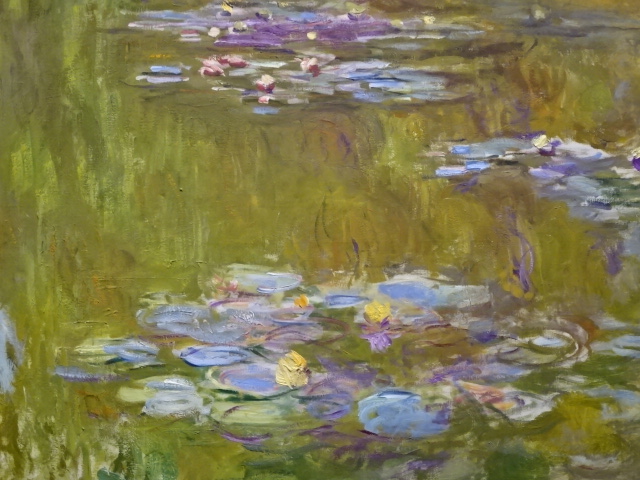
Vienna, Albertina, Monet, Waterlillies, in the permanent collection

I had many exciting adventures traveling in 2024 and had many impactful experiences at art exhibitions in the Czech Republic, Germany and Austria. Every time I go on a trip or to an art show, I come away changed, with a sharper perspective on life and with more enthralling knowledge.

Albertinum, Dresden, Hans Grundig, The Thousand-Year Empire, in the permanent collection

Tracy A. Burns is a writer, proofreader and editor in Prague.

Pilsen Brewery Museum Diary

pilsenbeermuseum1


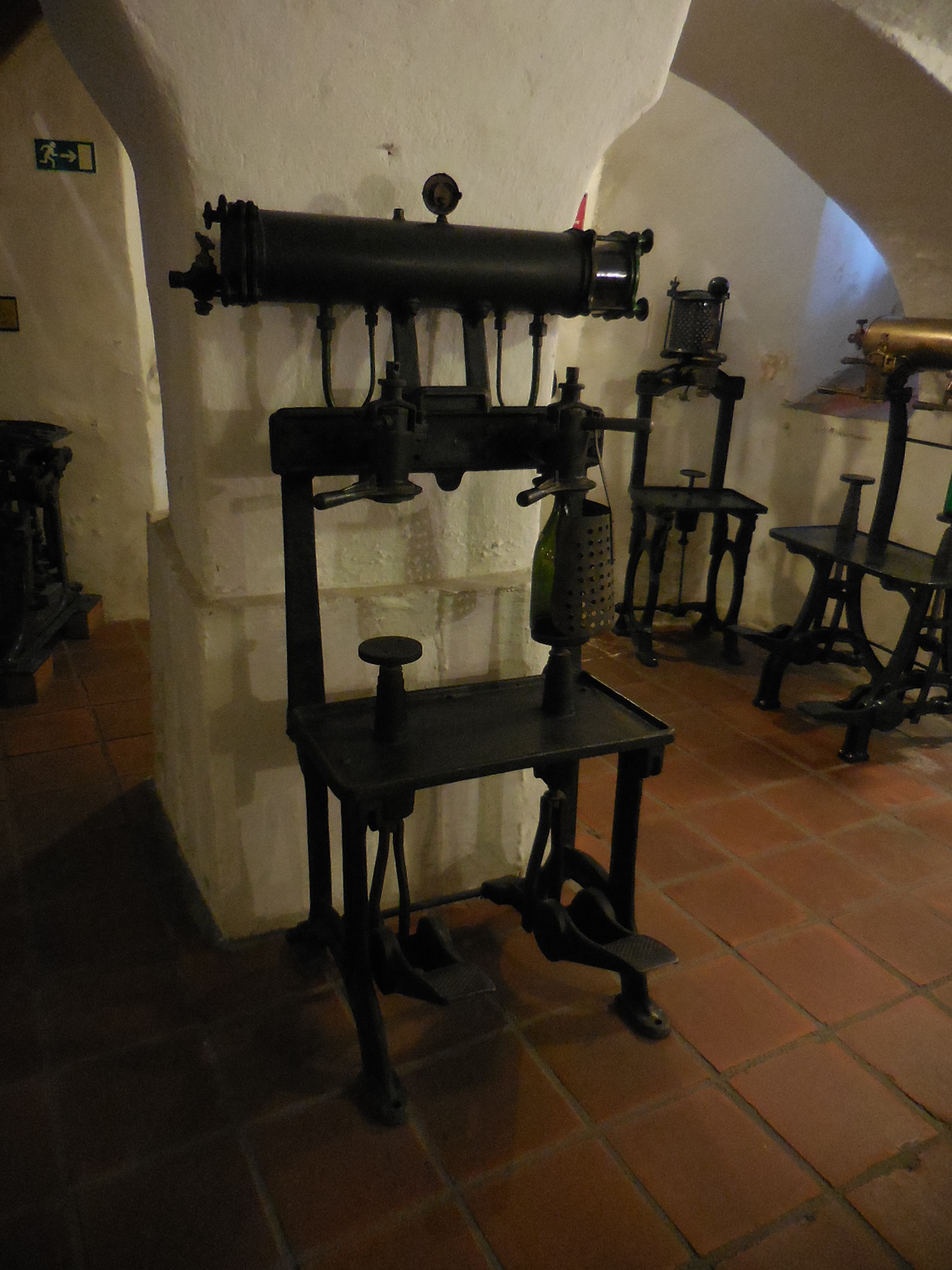
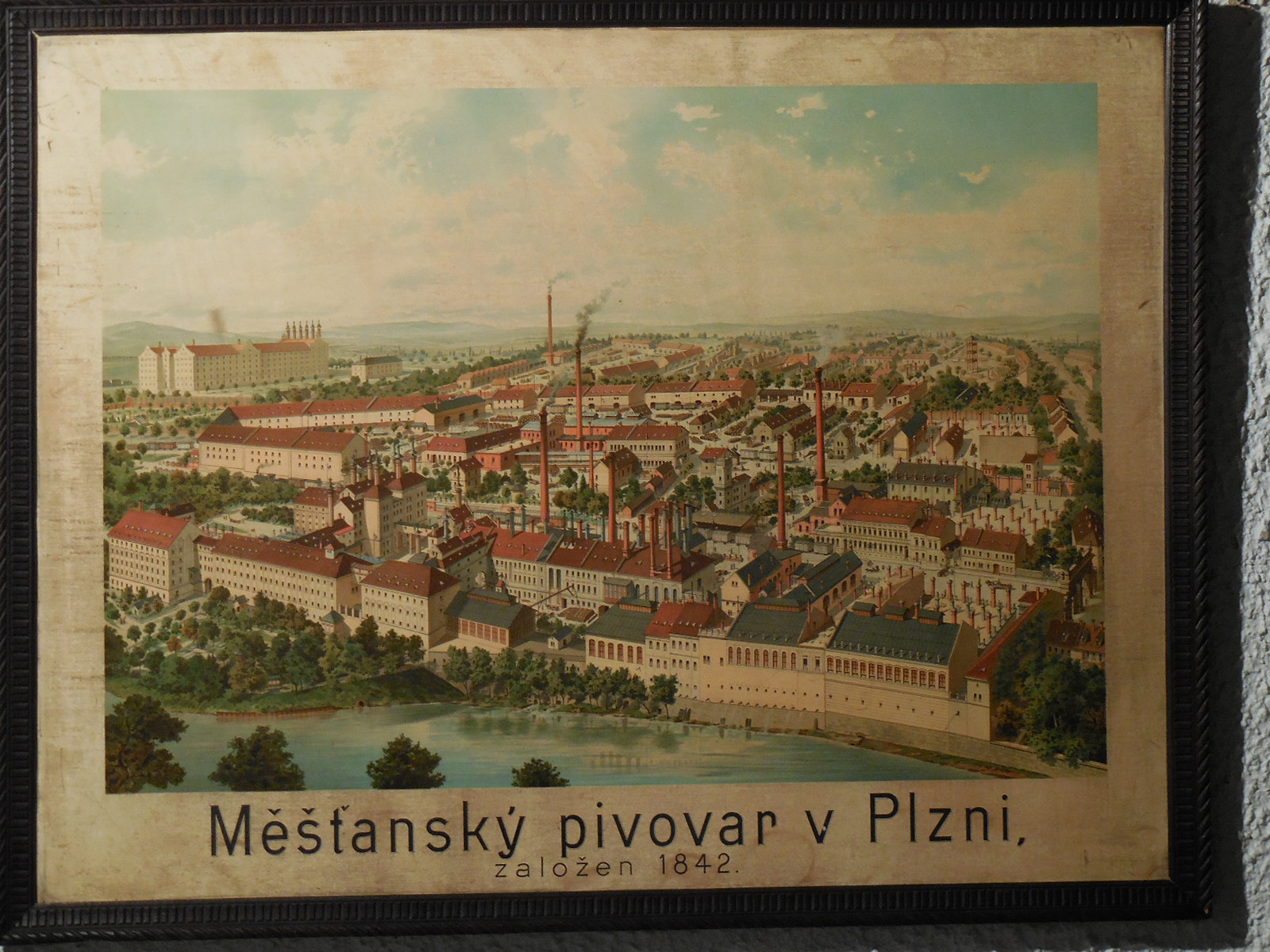
There are a lot of eclectic sights to visit in the west Bohemian town of Pilsen (Plzeň) from apartments featuring the architecture of Adolf Loos to St. Bartholomew’s Cathedral on the main square to the Great Synagogue nearby. Pilsen’s Brewery Museum is an intriguing sight for beer lovers and for people who want to learn about how significant a role beer played in the history of the Czech lands generally and in Pilsen specifically.

pilsenbeermuseum3

I strongly recommend that you supplement a tour of the Pilsen Underground (see my post about this sight) with a look at this museum. It sure is convenient; both are located in the same building. Also, a tour of the Pilsner Urquell Brewery (see my post about this sight) is a must-see for visitors. The Brewery Museum adds a more general historical perspective to the tour.

pilsenbeermuseum2

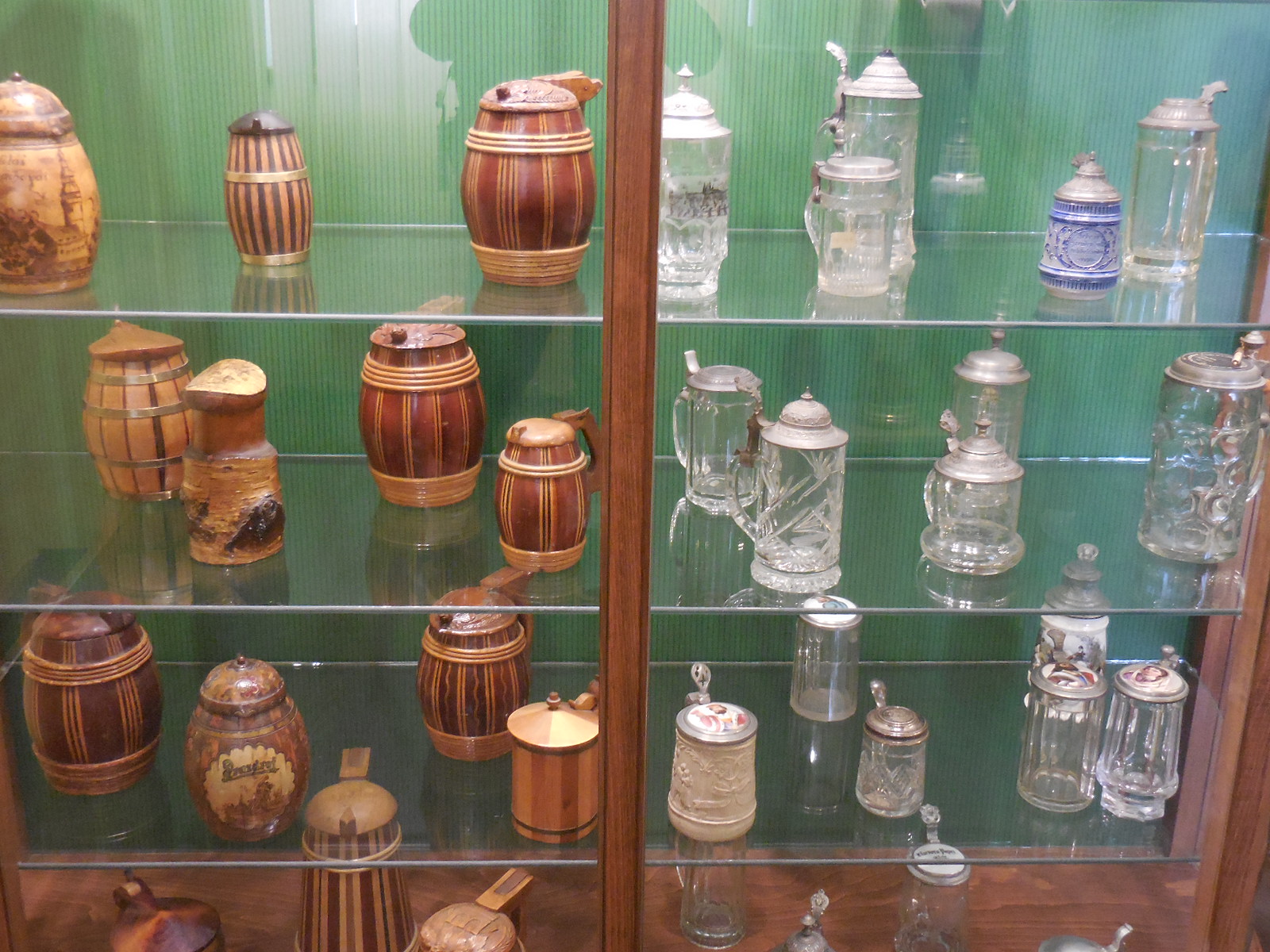
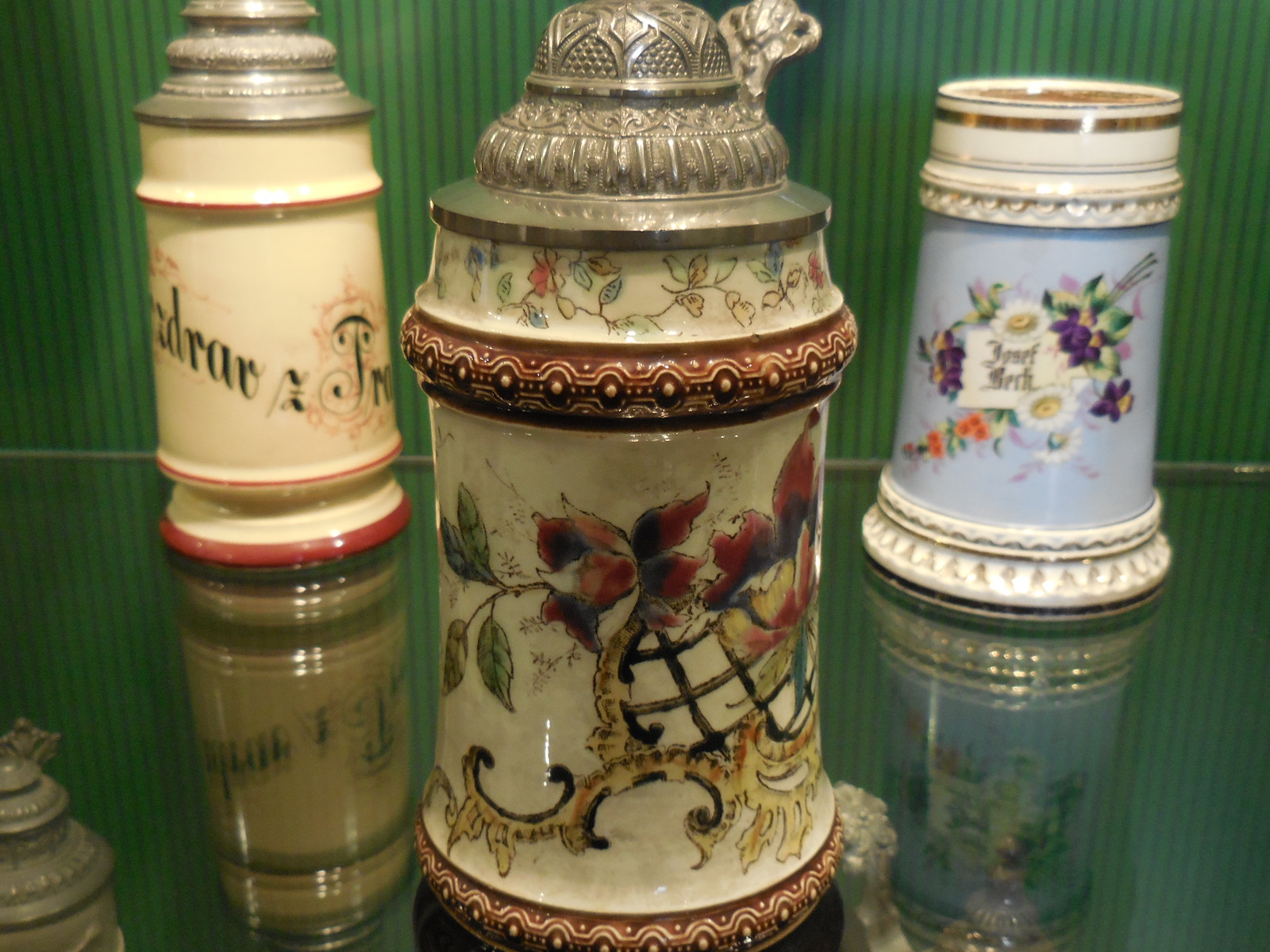
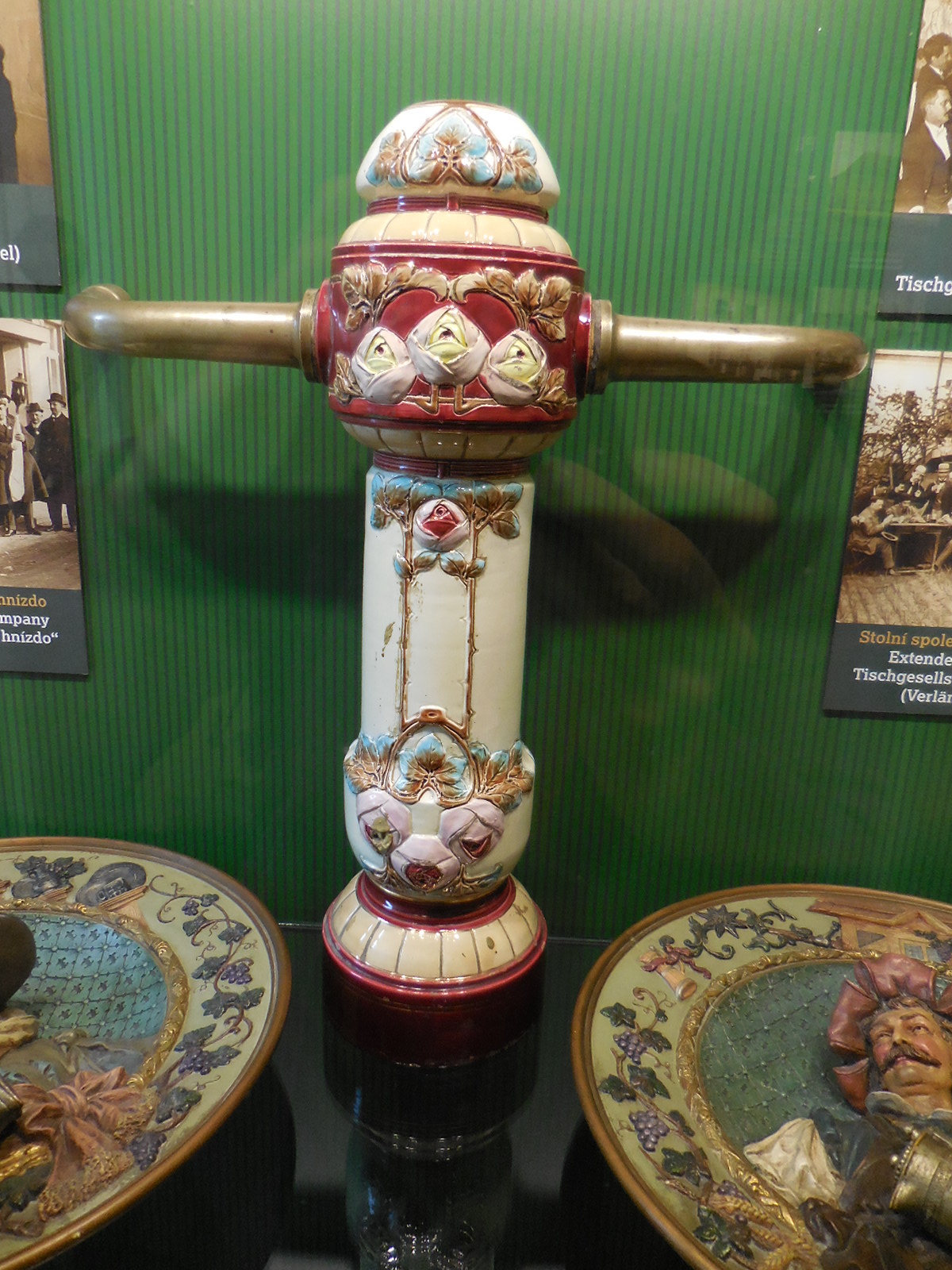
Some of my favorite exhibits at the museum are the displays of beer mugs, glasses and jugs throughout the centuries. The handmade painting and detailed designs are exquisite. Many installations that offer insight into the history of beer as well as panels to read in English.

pilsenbeermuseum26

pilsenbeermuseum27

To prepare for a visit to the Brewery Museum, let’s take a look at the history of beer in the Czech lands. The first beer made in the Czech lands existed even before the Slavs arrived in the sixth century, but it used different ingredients.

pilsenbeermuseum5

pilsenbeermuseum6

The oldest brewery was at Prague’s Břevnov Monastery, which was established in 993, and, by the way, also deserves the attention of tourists. In the 11th century, the Canons of Prague’s Vyšehrad (the name of a hill which included a castle with cathedral) were given the right to brew beer. The oldest document about harvesting hops was drawn up in the 11th century. Czech beer was first exported in the 11th century, when the town of České Budějovice sent its brew to Bavaria and other places abroad.

pilsenbeermuseum15

In the 12th century, the brewing of beer flourished and was a significant part of people’s diet. Women made beer at home, using it not only as a beverage but also as a soup and sauce. That same century the first royal towns received the privilege of making beer, though many did not get permission until the 13th and 14th centuries. In the 13th century, King Václav (Wenceslas) II proclaimed that only townspeople living in royal towns inside the town walls had the right to brew beer. Pilsen was granted this privilege when it was founded, in the late 13th century. Monasteries also were allowed to make the alcoholic concoction.

pilsenbeermuseum17

pilsenbeermuseum20

In the 15th and 16th centuries, a heated conflict between nobles and towns ensued over whether the nobles should have the right to brew beer. They argued over the matter for 33 years, from 1484 to 1517. The nobles won the legal battle, and, as of 1484, nobles, townspeople and monasteries had the right to make beer. From 1517 to 1869, the Saint Wenceslas Agreement (Svatováclavská smlouva) was in effect. It put in writing specific rules for the brewing of beer.

pilsenbeermuseum21

From the 16th century to the 18th century, Pilsen alone had 36 malthouses and 26 small town breweries. At the end of the 18th century, barley and hops replaced wheat as key ingredients. Czech beer was lauded at an international exhibition in Paris during 1837, when the Pilsner Prazdroj and Pilsen town brewery (Městanský pivovar) were recognized for their high quality of beer.

pilsenbeermuseum14

The city of Pilsen has played an extraordinary role in the history of beer through the ages. The most common beer is the pilsner lager, easily recognized due to its golden color and light flavor. Perhaps the most significant date in Pilsen’s beer-brewing history is October 5, 1842, when German beer guru Josef Groll, inspired by Bavarian lagers, invented Pilsner Urquell, which holds distinction of being the first light-colored beer in the world.

pilsenbeermuseum22

Fourteen years later, Pilsner Urquell beer began to be exported abroad, as trains transported it to Vienna on a daily basis. The tasty concoction was introduced to the United States in 1874. Pilsen’s beer-making ability won many prizes, including first place at Prague’s Jubilee Exhibition in 1891. A million hectoliters of beer were manufactured in 1913. The Pilsen brewery became the biggest in all of Europe, and its beer was sold in 34 countries.

pilsenbeermuseum23

pilsenbeermuseum24

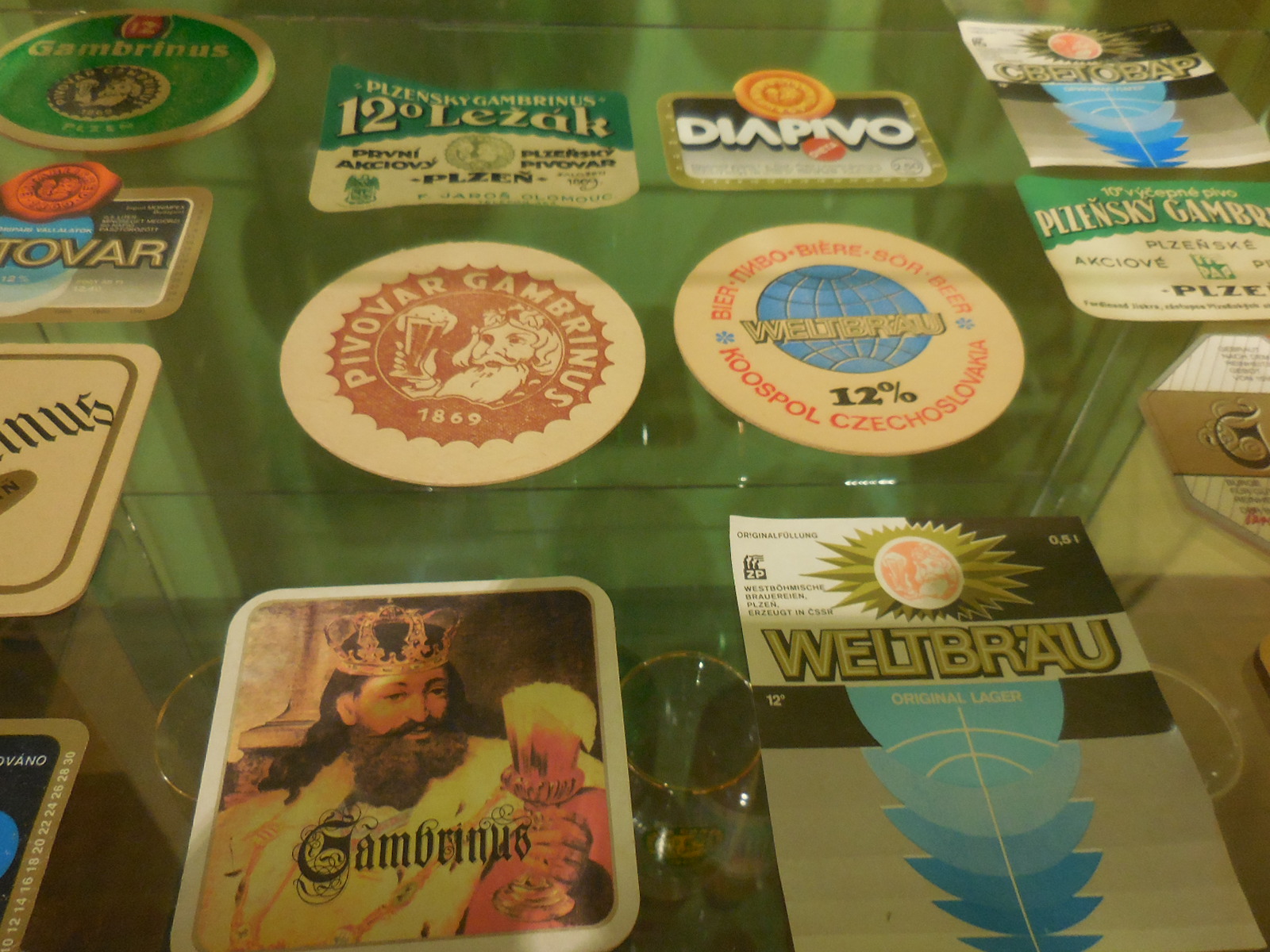
Beer-brewing continued to flourish in Pilsen, but then in April of 1945, more than a hundred bombs fell on one of its breweries. It was rebuilt, but in 1946 both Pilsen breweries became the property of the state. That did not impede the breweries from continuing to receive worldwide recognition, though. Pilsen’s beer achieved success after success in the following decades. In 1990 cylindrical tanks were installed. Now Plzeňský Prazdroj can be found in more than 50 countries. It encompasses the Czech beers Pilsner Urquell, Gambrinus, Velkopopovický Kozel, Radegast and others. The enterprise runs four breweries in the Czech Republic.

pilsenbeermuseum30

However, Pilsen is not the only city where beer has a long and impressive history. Take České Budějovice and its Budějovický Budvar beer, for example. The town brewery there was established in 1795, when České Budějovice was  a mostly populated with Germans. Czechs, however, founded the Budějovický Budvar brewery during 1895. The beer had reached worldwide acclaim by 1913.

pilsenbeermuseum32

In the 20th and 21st centuries, Budvar has continued to earn recognition throughout the world. Now it is sold in 76 countries and is especially popular in Germany, Austria and Britain. It officially became known as Budvar beer in 1930. During World War II the Nazis took over the brewery, and, later, with the onset of Communism, the brewery became the property of the state. After the 1989 Velvet Revolution, it was privatized.

Please note that this is not the same as the American Budweiser beer! There are many legal battles over the patent between the Czech brewery and the American Anheuser-Busch brewery, which makes another beer called Budweiser.

While I was at this museum, there was also a small, intriguing exhibition of abstract sculpture inside. Although I rarely drink alcohol, I did not want to pass up the opportunity to familiarize myself with the beer-making success of this city and in the Czech lands.

Tracy A. Burns is a writer, proofreader and editor in Prague.

pilsenbeermuseum33

Kozel Chateau Diary

kozelext1

I took a bus with Student Agency to Pilsen (Plzeň in Czech), a city in west Bohemia where I have explored the historical underground, the Pilsner Urquell Brewery, art galleries, excellent restaurants and the main square, to name just a few. Pilsen was very dear to me, and I loved coming here on day trips. This time, though, I was getting a train to Šťáhlavy, and from there I walked to Kozel Chateau, which I had visited about 10 years earlier on a perfect, sunny summer day.

kozelextview1

This day was by no means perfect. It was cold, and the dark clouds threatened rain. Still, I knew that would not stop me from enjoying this unique chateau, built in Classical style, with four wings surrounded by an inner rectangular courtyard. The architect was Václav Haberditz, who had been based in Prague. I wished I had more information about him, but he was not well-known.

kozelext19

The design had a simplicity and sobriety to it that I admired. It was restrained, symmetrical and orderly. While I loved traveling to Baroque chateaus, I also appreciated this style that harkened back to forms utilized in classical antiquity. The chateau did not need any fancy exterior fittings to project its beauty.

kozelfountain1

I reacquainted myself with its intriguing history. Kozel was erected from 1784 to 1789 for its owner, Jan Vojtěch Černín of Chudenice, who worked for Emperor Joseph II as the supreme huntsman of the Czech kingdom. The chateau, not surprisingly, was designed as a hunting lodge, though a few years later it became the family’s summer residence.

kozelext6

In the 1790s the chateau was expanded. Four new buildings came into being thanks to Prague architect of Italian origin Jan Nepomuk Palliardi, who specialized in the Classicist style.

The chateau had not always been called Kozel. Its original name was the German Waldschloss or Jadgschloss bei Stiahlav. It is not known how the chateau came to be called the Czech word meaning goat, though a legend says that the ancient Slavs used to sacrifice a goat on this spot during the spring equinox in hopes of receiving a bountiful harvest.

kozelext18

Jan Vojtěch Černín died childless, so his grandnephew Count Kristian Vincenc Valdštejn-Vartenberk inherited the property. Kozel remained in the family until it was nationalized in 1945 and did not undergo any major changes. I admired that the chateau remained in its original style. So many chateaus underwent such drastic makeovers over centuries. During the 19th century, one owner was Arnošt Valdštejn-Vartenberk, whose claim to fame was establishing an ironworks in Pilsen during 1859. He sold it to Email Škoda in 1869, when the business took on the name Škoda Works, and before long this enterprise would become the most prestigious and largest engineering works in what was at the time Austria-Hungary.

kozelpark3

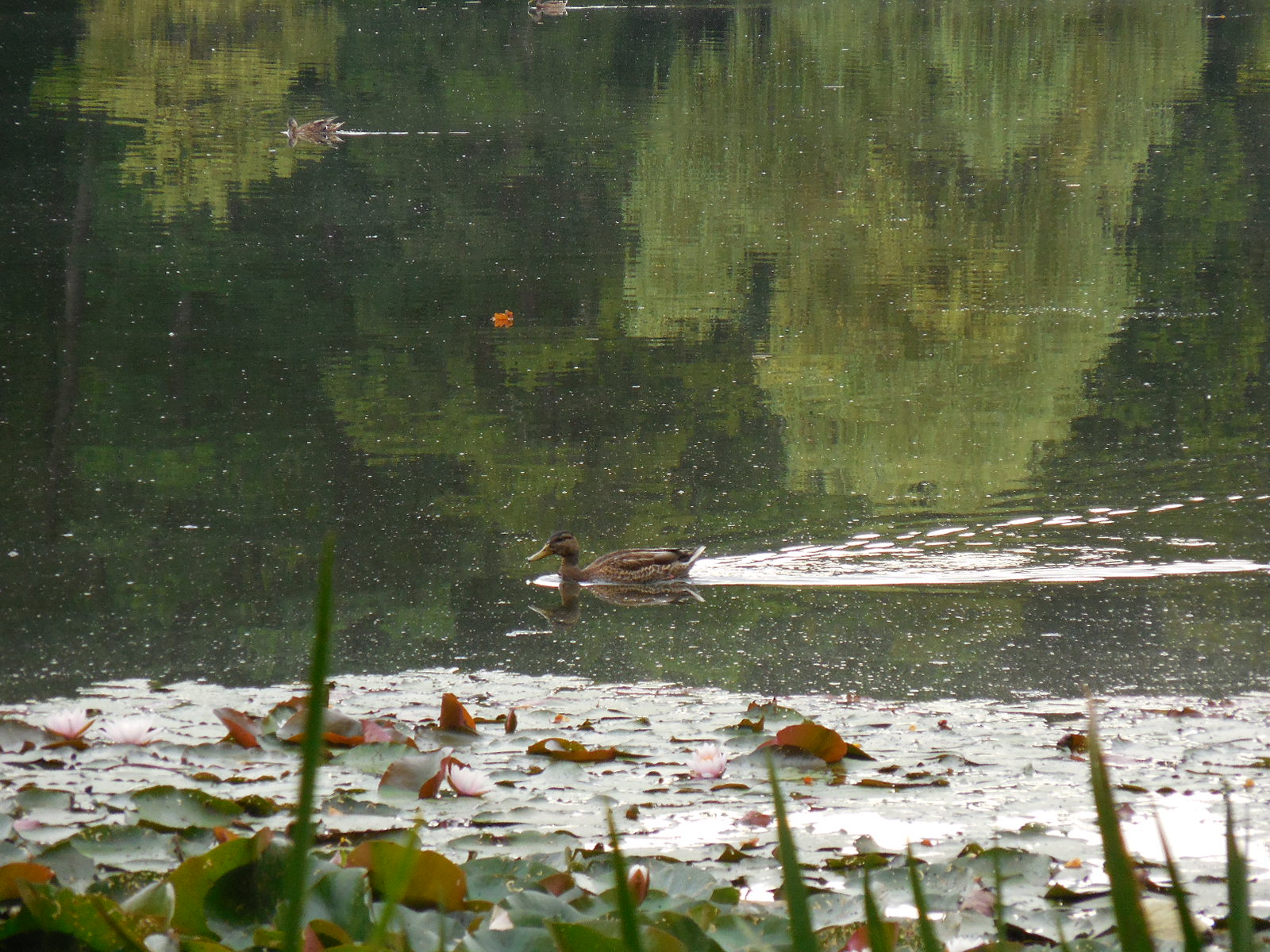
I walked through the park, though the weather was chilly. I saw ducks, swans, a big pond and a vast expanse of land that merged with the countryside. Here I felt at one with nature. I remembered the last time I was here. I had spent time reading on a bench as well as gazing at the idyllic scenery in the park.

kozelpark1

kozelparkswan

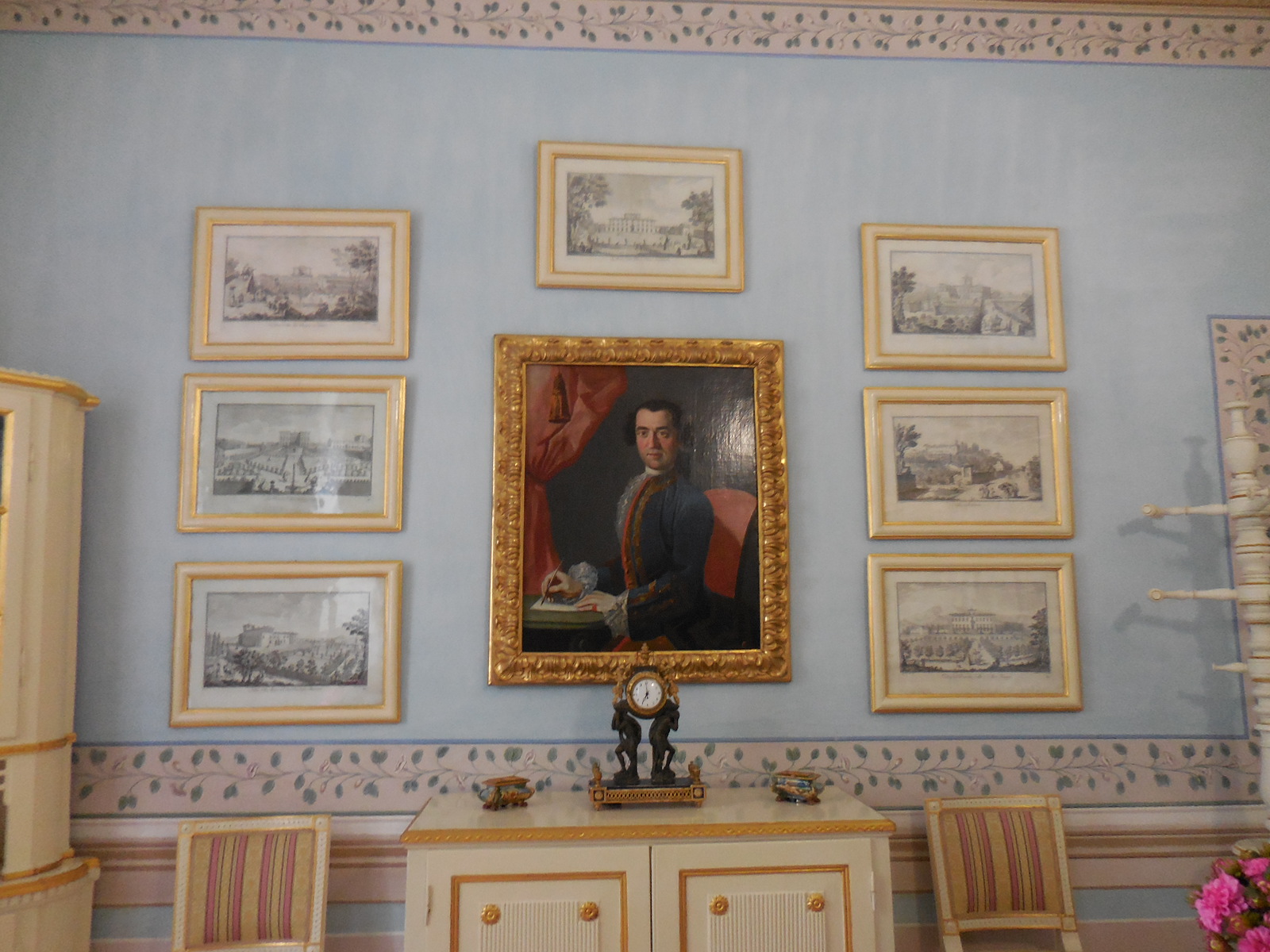
Now it was time for my tour. The interior was nothing like the Classicist exterior. It was extravagant, luxurious, plush. In one of the first rooms, I admired a clock from London that had only one hand; it dated back to the 16th century. I did not recall ever seeing a one-handed clock. Graphic sheets from Italy showed Italian villas and chateaus, and I was reminded of my passion for Italy and my exciting travels there. How I would love to visit those villas and chateaus! I wanted to see everything in Italy just as I wanted to see everything in the Czech Republic.

kozelint2

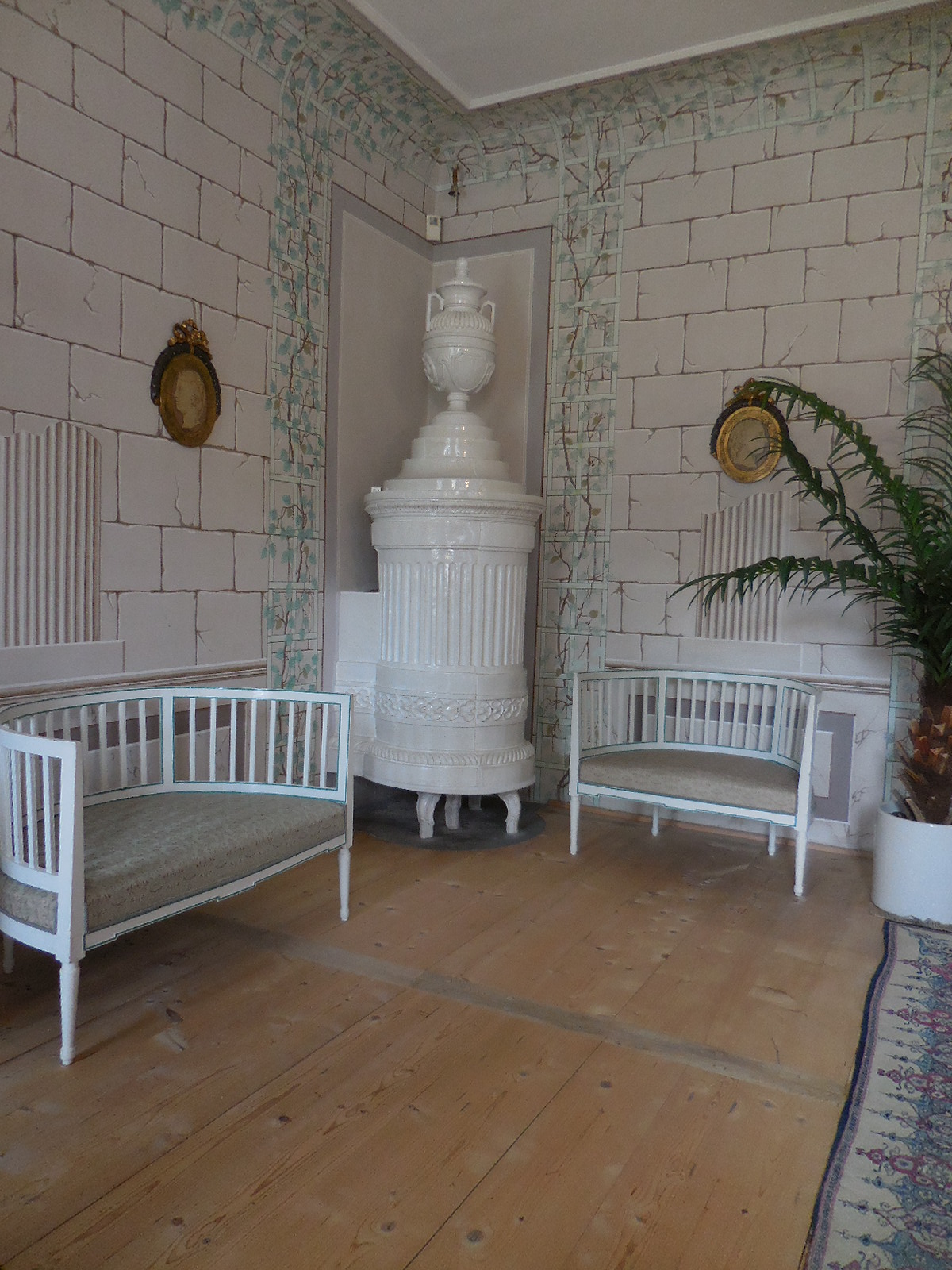
I saw a Classicist commode decorated with intarsia and a few Baroque fans, one showing off a scene of people, dogs and horses. A King Louis XVI bureau hailed from the 16th century and was adorned with Greek and Roman mythological scenes. The intarsia decorating the piece of furniture was outstanding. There also was an impressive tiled stove. I would see similar stoves in all but one space, it turned out.

kozelint4

Next, we came to the entrance hall. I loved the wall painting by Antonín Turova, who made the room resemble a winter garden with walls showing green ivy on trellises. His al secco method of painting on dry lime plaster was exquisite. I thought of the illusive painted altars I had seen in churches, such as the remarkable one at Hejnice Basilica in north Bohemia. A movable Rococo lamp also caught my attention.

kozelint8

The Smokers’ Drawing Room included a Classicist bureau and two Rococo cabinets with Meissen porcelain. A collection of pipes was on display, too. It reminded me of my grandfather, who had for many years smoked a pipe. I remember scrutinizing his collection of pipes when I was a child. Then I recalled how proud he was when I was nine and took up his hobby of coin collecting. We walked into one coin shop, and he announced, “This is my granddaughter!” Even today I can see the saleswoman’s smile.

kozelint10

A bedroom was decorated in 18th century Rococo style with a Classicist bed. The graphic sheets on the walls hailed from Germany and portrayed aristocratic life during the 18th century. I admired the shell decoration on the Viennese porcelain.

kozelint12

In the Dressing Room, I wanted to relax on the Rococo chaise-lounge and yearned to take home the Renaissance jewel chest inlaid with ivory. In the Hunting Salon, a Baroque desk featuring intarsia showed off hunting motifs. While I was not a fan of hunting, that piece of furniture did impress me.

kozelint14

There was a Billiard Room as well. I recalled playing pool with my father when I was a child. I played badly, but we had fun. It was treasured father-daughter time. My interest was riveted by the landscape paintings by German and Italian painters. In the Dining Room I gawked at the black-and-gold Baroque thermometer and faience portraying birds and cabbages. The only fireplace in the chateau was Rococo in style.

kozelint16

The biggest space was the Drawing Room for Social Occasions, where a painting by Turova caught my attention. It showed Radyně Castle, now a ruin, located near Pilsen. I recognized Kozel below it. There were birds, trees, ancient ruins, dogs and an eagle in the painting. The walls were stunning. Medallions were inspired by mythology. I saw Hercules holding a boar, for example.

kozelint24

The Blue Room or the Countess’ Study intrigued me with its Louis XVI style furnishings. I loved the intarsia table shaped as a globe. It could be adjusted to be an embroidery table or a desk. I would love to have that in my living room, though the cat would probably sharpen her claws on it. Another white tiled stove, this one quite ornate, was on display. A bedroom also boasted Louis XVI furniture and a Classicist mirror.

kozelint20

The Music Chamber had served that purpose when Jan Černín created it for his first wife Josefína. I took special notice of the piano and harp. I loved the music instruments painted on the walls. The grey-and-light blue painted walls impressed me, too. We came to the Grey Room, the original living room of the countess’ chambermaid. It included Biedermeier furniture from the 19th century. I loved the symmetry of that style, the orderliness, the simple elegance. I took special note of the portable embroidery table that can be closed like a purse – exquisite! Porcelain in display cases also caught my attention.

kozelint21

The Morning Dining Room showed off a series of Viennese porcelain with shell-shaped adornment. Meissen porcelain was no stranger to the room, either. The Count’s Study featured oriental objects. I loved the turtle figure that looked like a dragon. It hailed from the 18th century. A gilded Classicist desk that featured intarsia was another highlight.

kozelint22

The library was divided into two parts. It included over 7,900 volumes from 1517 to 1840, including the first edition of a French encyclopedia and 17th century maps. Books from 18th century France were in abundance. The library’s volumes were in various languages – Old German, French and Latin, for example – but, as was the case in many chateau libraries, none of the books were written in Czech. It is worth noting that the library was only moved to Kozel after 1945. It is not original.

kozelintlibrary1

The next room, the Empire Drawing Room, was decorated with Empire style furniture. I loved the painted vedutas of Italian spas on the walls. I thought back to Monreale’s Santa Maria Nuova Cathedral in Sicily and the Church of Saint Peter in Chains (San Pietro in Vincoli) in Rome. What about those arcades in Bologna and all the masterpieces in Ravenna? I loved Italy so much, but I loved the Czech Republic even more. One painting of the eruption of Mount Vesuvius caught my attention. I recalled the views from Mount Etna and from Mount Vesuvius during my trips there. The Viennese porcelain was another treat in that space.

kozelintlibrary2

There was a theatre on the premises, too. Created in the 1830s, it was originally a stable for Jan Vojtěch Černín’s favorite horse. Decorated in Empire style, it was composed of a small, modest stage that served as an intimate space. The equipment was original. The owners’ families had often performed here. I studied the stage set of a lush forest with a wooden church, a tree in the middle.

kozelintclock

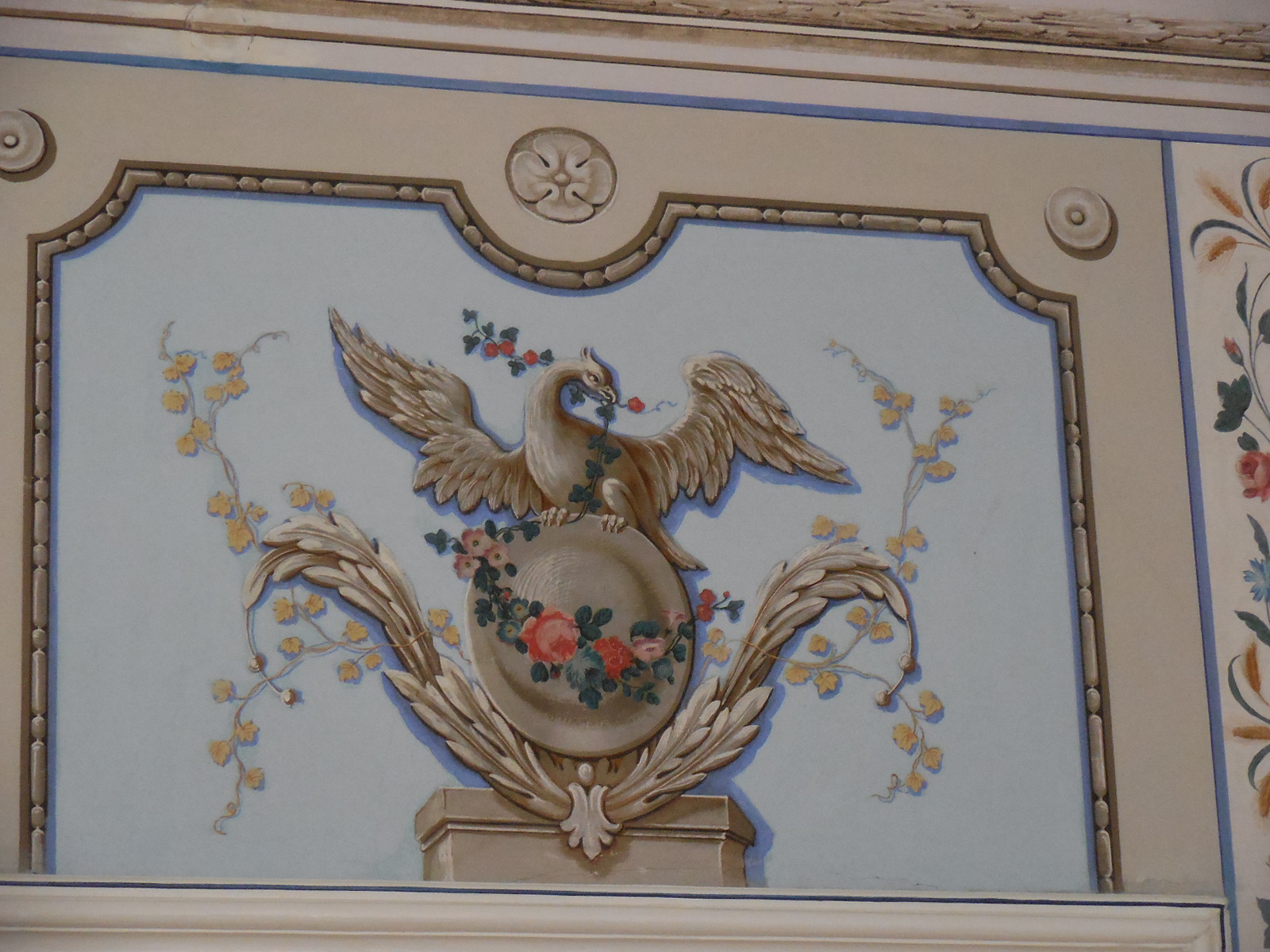
What impressed me more than the furnishings of the interior was the wall painting of the interiors, the work of Prague artist Turova, who drew his inspiration from Rococo painting with landscapes and ancient ruins. He also decorated part of the monastery of Břevnov in Prague’s sixth district, and I remember touring the impressive monastery church too many years ago. He painted the interiors over a two-year period, from 1787 to 1789. The reception rooms boasted female figures, putti and deities, for example. The main chateau Drawing Room featured romantic ruins and landscapes.

kozelint29

The Chapel of the Holy Rood was a vaulted structure with a cupola. The altar, created in 1794, featured a painting of the crucifixion by Turova. Columns and pilasters were not absent, either. The organ was Rococo in style.

kozelint34

Soon the tour finished. I greatly appreciated this unique architectural structure of pure Classicism. I was impressed that very few changes had been made over so much time. I was also impressed that the chateau had stayed in the family for so long rather than having many owners, each making his or her own changes to the place. The painting decoration inside particularly thrilled me. I was fascinated how the inside could be so different from the outside of the building. I thought the exterior and interior somehow created a sense of harmony, even though they were composed of such different architectural elements.

kozelint36

I went around the back of the chateau and looked at the countryside from a terrace with a fountain. The views from the chateau were astounding. I only wish the weather had been better. It was not possible to explore paths as it began to rain. Still, I was satisfied with my trip. I went back to Pilsen to take a look at the Brewery Museum and grab a bite to eat at the legendary U Salzmannů restaurant and pub. Then I took a Student Agency bus to Prague, where I returned home, happy to be living in such an amazing country with so many places to explore.

kozelint37

Tracy A. Burns is a writer, proofreader and editor in Prague.


The Kraus and Vogl Apartments in Pilsen Diary


PilsenLoosBendovaint1I traveled by bus with Regiojet to Pilsen to see two flats designed by Viennese architect Adolf Loos during the first third of the 20th century. I was already familiar with his architecture. Loos had made the Müller Villa in Prague into an architectural gem. When I visited the Müller Villa, I had been fascinated by the contrast of the spartan exterior and luxurious interior. Loos’ use of rare woods also greatly impressed me. I liked the symmetry and the harmony of the spaces in the Müller Villa. The Japanese theme in the Winter Dining Room entranced me, too.
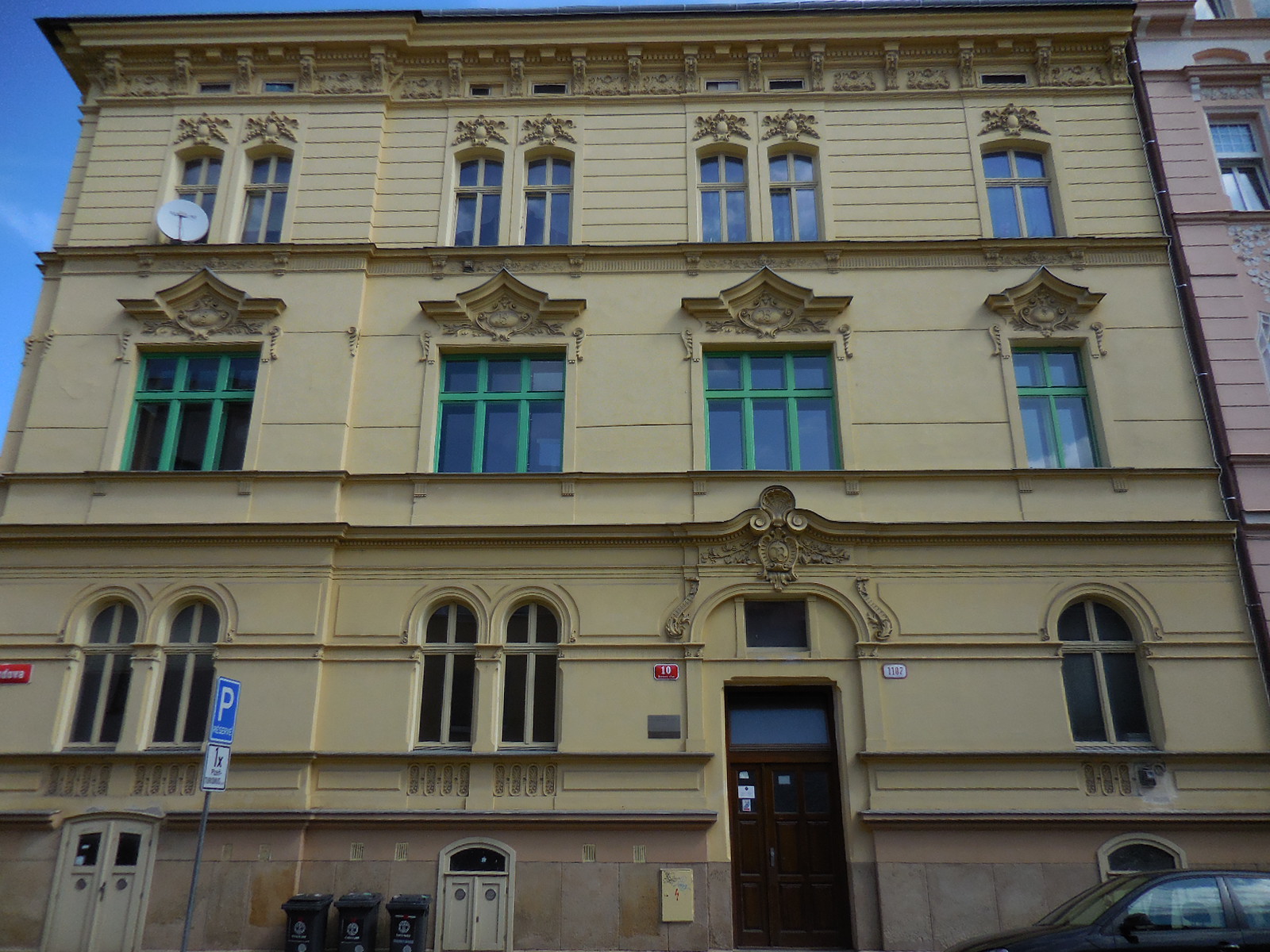
This tour included two flats – the one that Loos designed for the Kraus family at 10 Bendova Street and the apartment in which the Vogl family had resided at 12 Klatovská Street. Luckily, Bendova Street is within walking distance of the town center. You can almost see the Great Synagogue from there. I stood in front of the building on Bendova Street. It looked like a typical apartment building in the city, but, of course, Loos did not design the exterior – only one flat inside.

PilsenLoosBendova1

Soon it was time for the tour to begin. Facing me was a huge black-and-white photo of Loos. He was holding headphones because he was hard of hearing. He wore a pearl in his necktie. I was familiar with Loos’ background. Born in Brno, he received Czech citizenship thanks to Czechoslovak President Tomas G. Masaryk. Loos had lived in Vienna, the USA, Paris and Dresden, among other places. He had finished his studies in the Czech lands. Loos admired classicist modern architecture, which stressed simplicity and symmetry. His style was influenced by the architecture of ancient Greece and ancient Rome. Trademarks of Loos’ creations included a lack of decoration on exteriors, a penchant for symmetry and the use of expensive materials such as stone, marble and various types of wood. The Viennese architect had had a close relationship with the city of Pilsen. He designed no less than 13 interiors there, though only eight have been preserved. Four of them are open to the public.

PilsenLoosBendovaint3

The flat at Bendova 10 was commissioned by chemist Vilém Kraus, who lived there with his wife and two children. Loos worked on the project in 1930 and 1931. The family would not live at this address for long because they were of Jewish origin, and the Nazis took over in 1939. Gertrude and the children were sent to a concentration camp, where they perished. Vilém, however, survived World War II. After the war, the Communists confiscated the flat, so he moved to Britain. During totalitarian times, the flat was divided into three sections for three families, and part of Loos’ design was destroyed.

PilsenLoosBendovaint2

The guide led us into a space divided into the dining room and the living room. There were two mirrors opposite each other in the long space. They created a multiplying effect. I felt as if I was in the room full of mirrors at Lindenhof Palace in Bavaria. I had a feeling of being watched and of spying on others at the same time as I saw reflections of myself and the other participants of the tour. It made me self-conscious and paranoid. I found the mirrors to be jarring. Two pilasters made of rare marble flanked the mirror in the dining room. This feature reminded me of the living room in the Müller Villa, where Loos utilized two marble pilasters. The living room of the Müller Villa also had been divided into parts.

PilsenLoosBendovaradiator

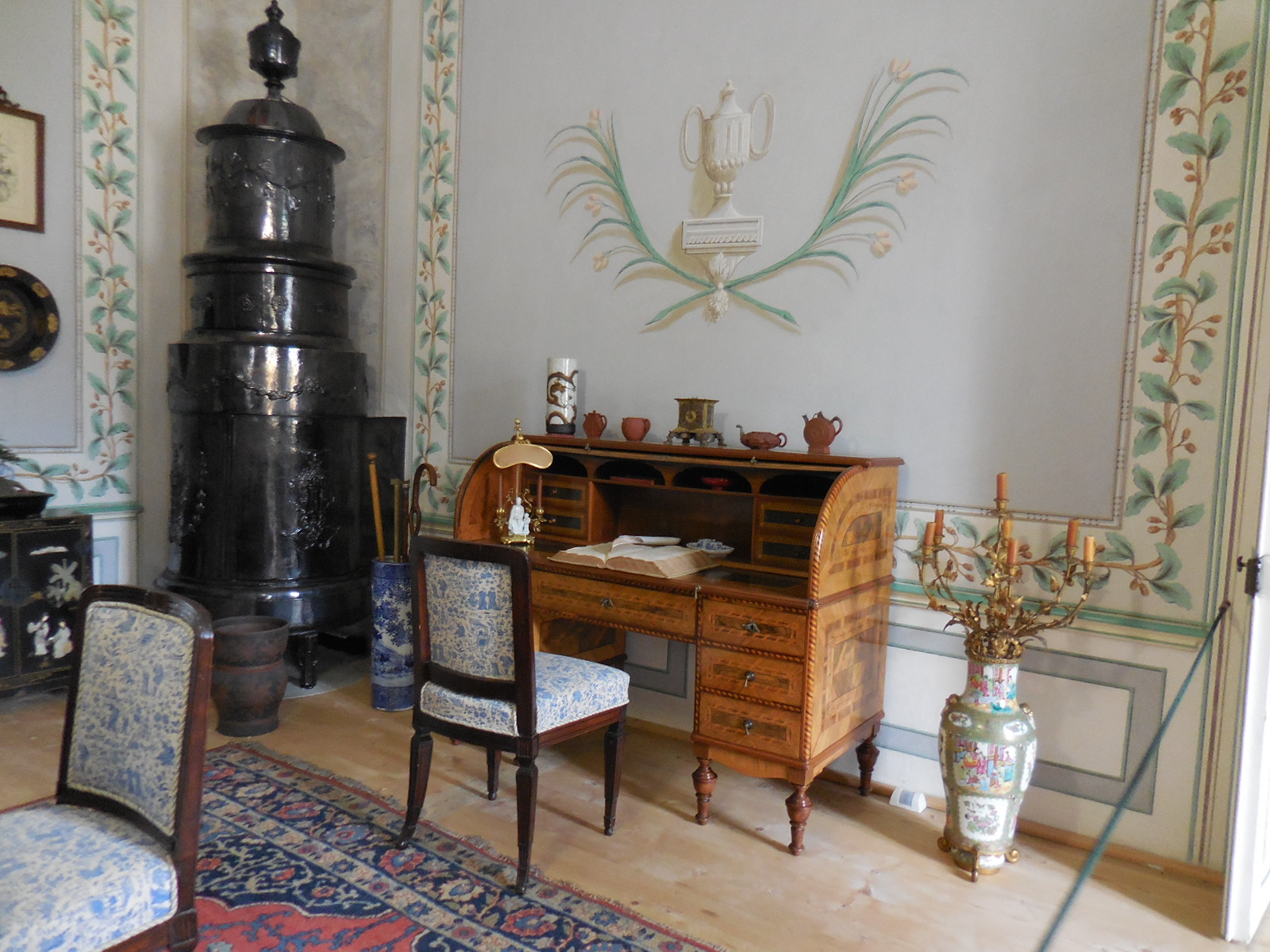
On the other side of the room, a fireplace played a central role. In the living room of the Müller Villa, there had been a fireplace as well. There was a mirror above the fireplace, and I noticed the white and green marble decoration. Typical for Loos, there was no ornamentation. His design emphasized the beauty of the materials, in this case, the marble used in the room. The ceiling also appealed to me. It was made of dark mahogany.

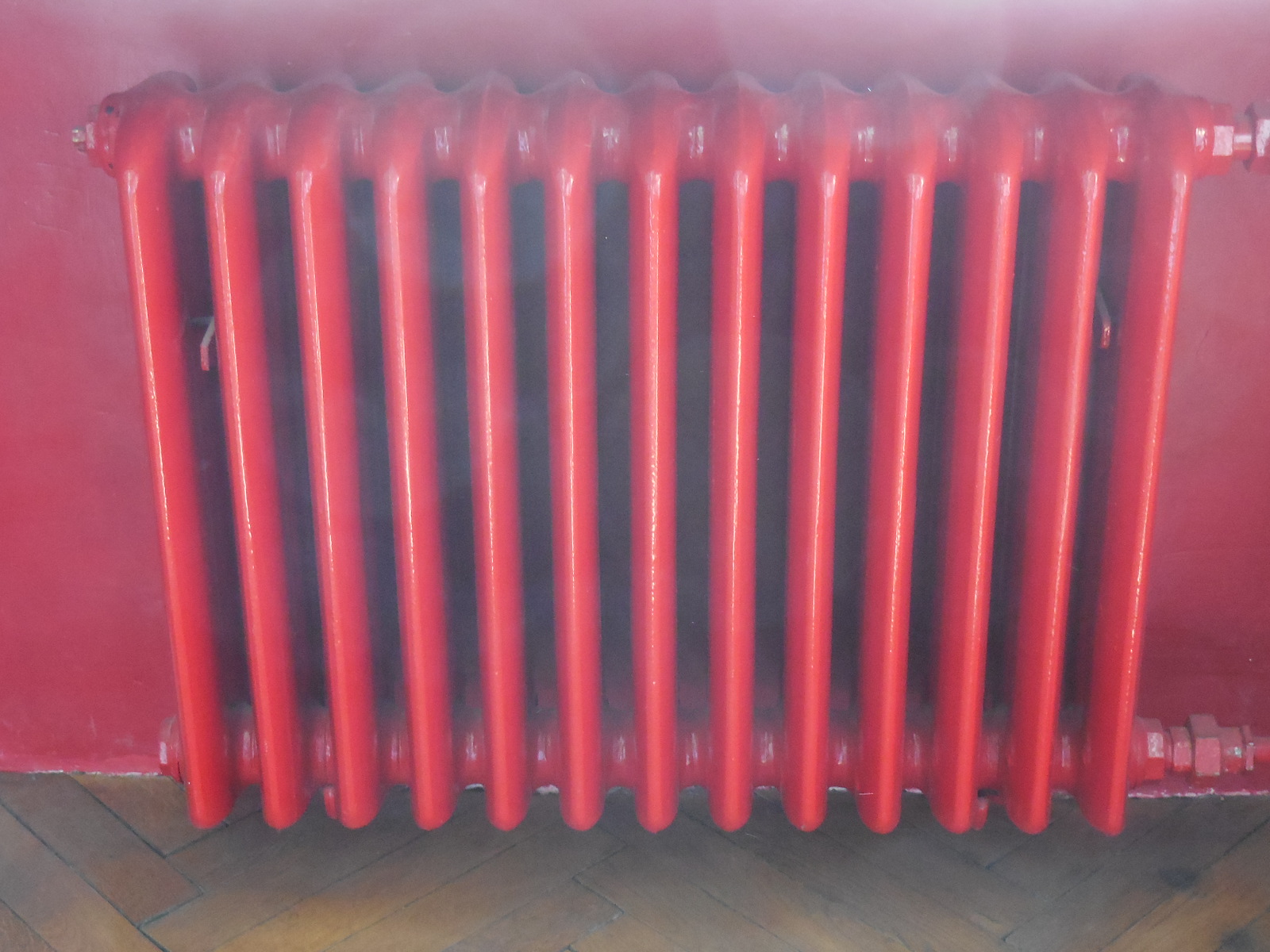
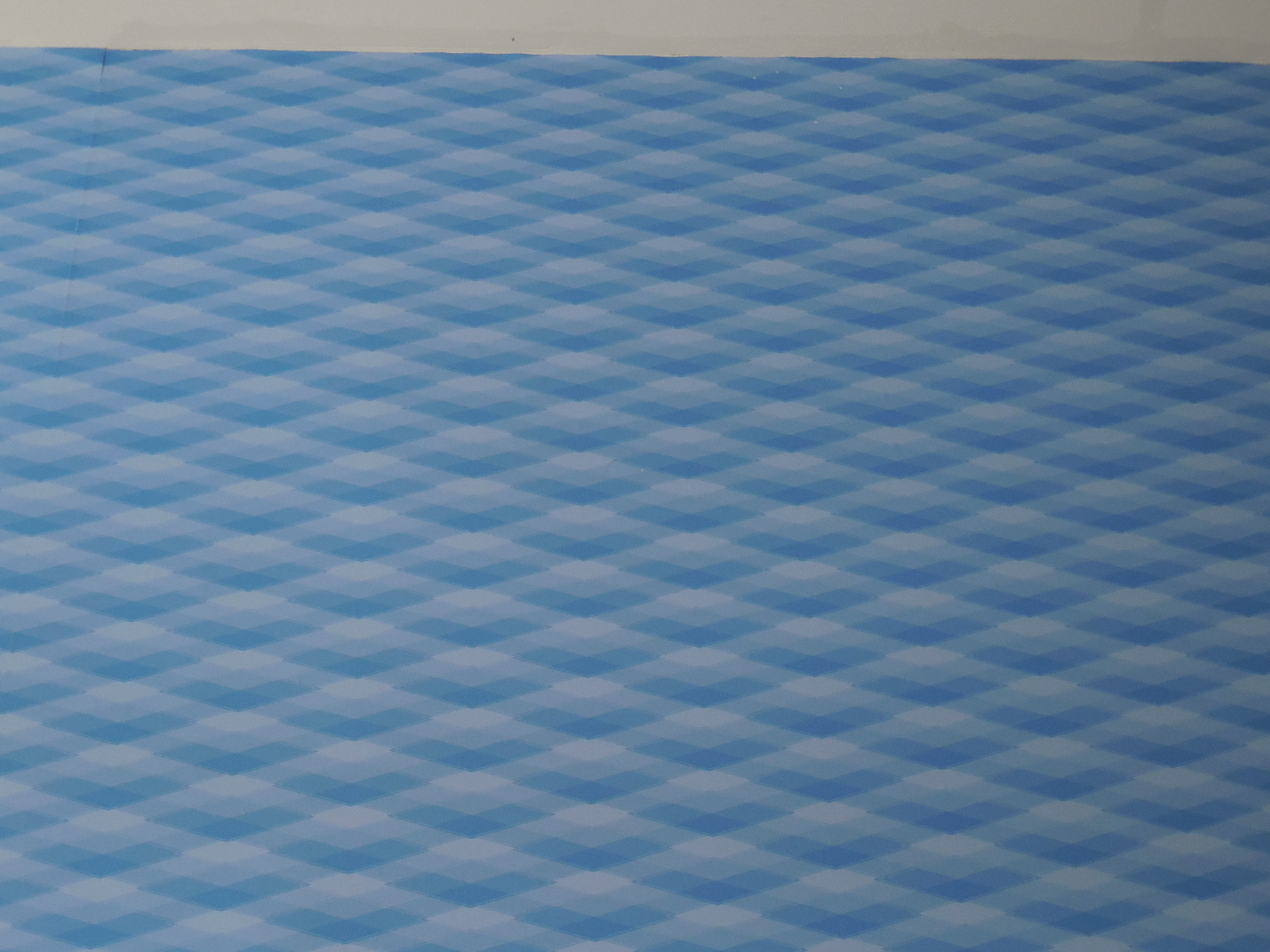
In the hallway a closet opened to reveal three sections where dirty laundry could be placed. I thought that the device was efficient and rational. We went into another room dominated by light blue wallpaper on one wall. It added a vibrancy to the small space where pictures of Loos and the apartment were on display. The wallpaper was not original, though. I noticed the bright red radiator. In the Müller Villa Loos had also had the radiators painted red. He wanted them to be visible instead of hidden.

PilsenLoosBendovawallpaper

In the bedroom the desk and closet were made of Finnish birch wood. The closets had drawers and hooks for hats. I remembered the moveable drawers and hooks in the closets of the men’s and women’s bedrooms in the Müller Villa. These were details that Loos often employed. In a side panel below a window, there was a safe. The bed was blue, and I wondered if it had been this color when the Krauses lived here.

Soon the tour ended. I was surprised that the flat was so small. I had been expecting something on a grander scale. Still, I was intrigued by Loos’ design, especially by the use of rare materials and mirrors.

PilsenLoosint11

Our group then walked about five minutes to 12 Klatovská Street. Again, the exterior of the building was nothing special. The two preserved rooms in this flat turned out to be located amidst a labyrinth of offices. Originally, the interior had been furnished for businessman Otto Beck, but when he moved out, the new tenant, Josef Vogl, wanted Loos to make adjustments because the dentist needed a section of the flat for his practice and another part for his family. It was Loos’ job to harmonize the two sections. In 1928 and 1929, Loos designed a waiting room and an X-ray room in addition to the doctor’s office. During the Second World War, the apartment was turned into offices. Unfortunately, the part of the flat used for Vogl’s practice was destroyed. The bedroom and children’s room are no longer visible, either. The family did not return after the war, and then the spaces had been used for administrative purposes.

PilsenLoosint14


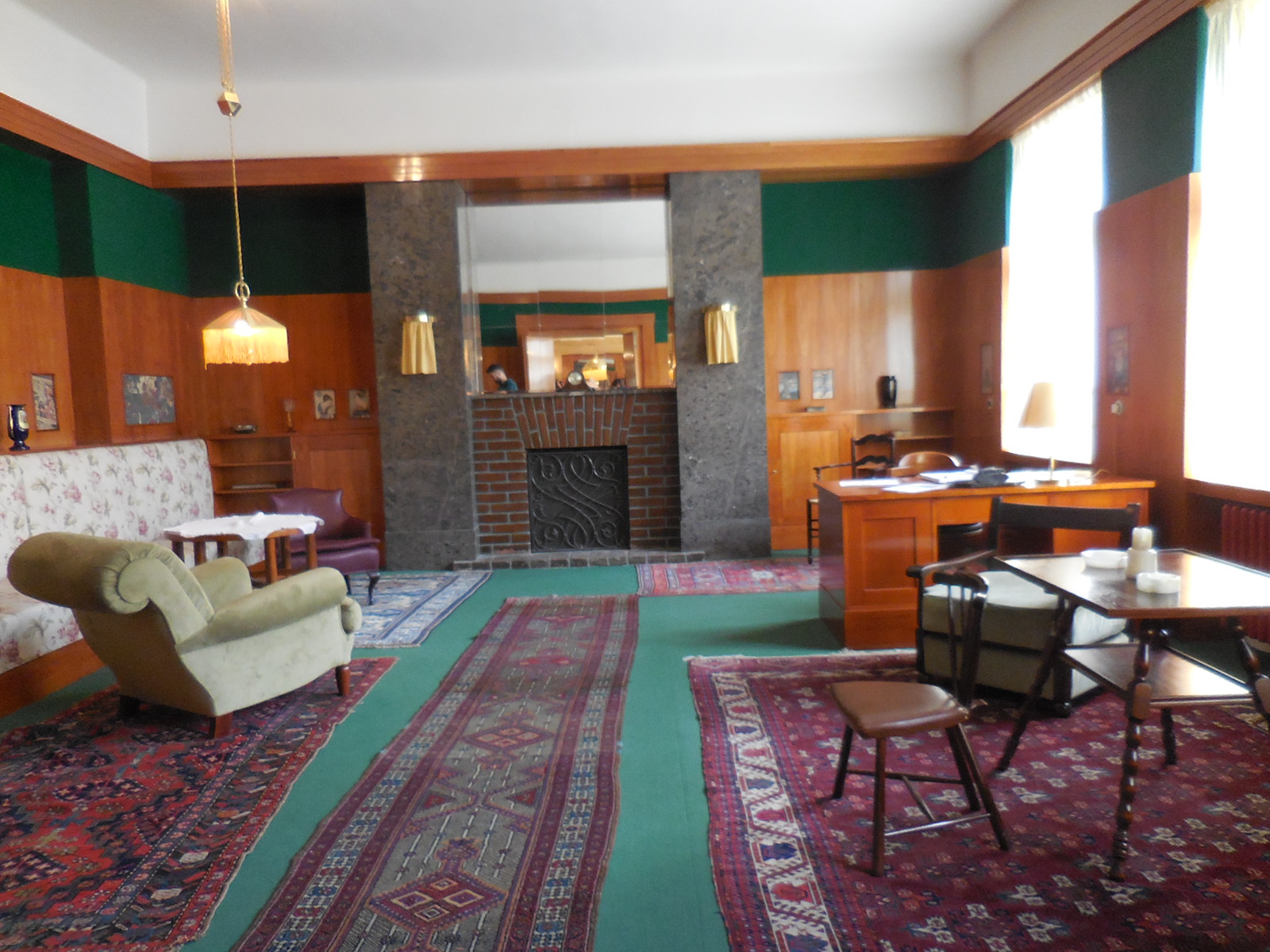
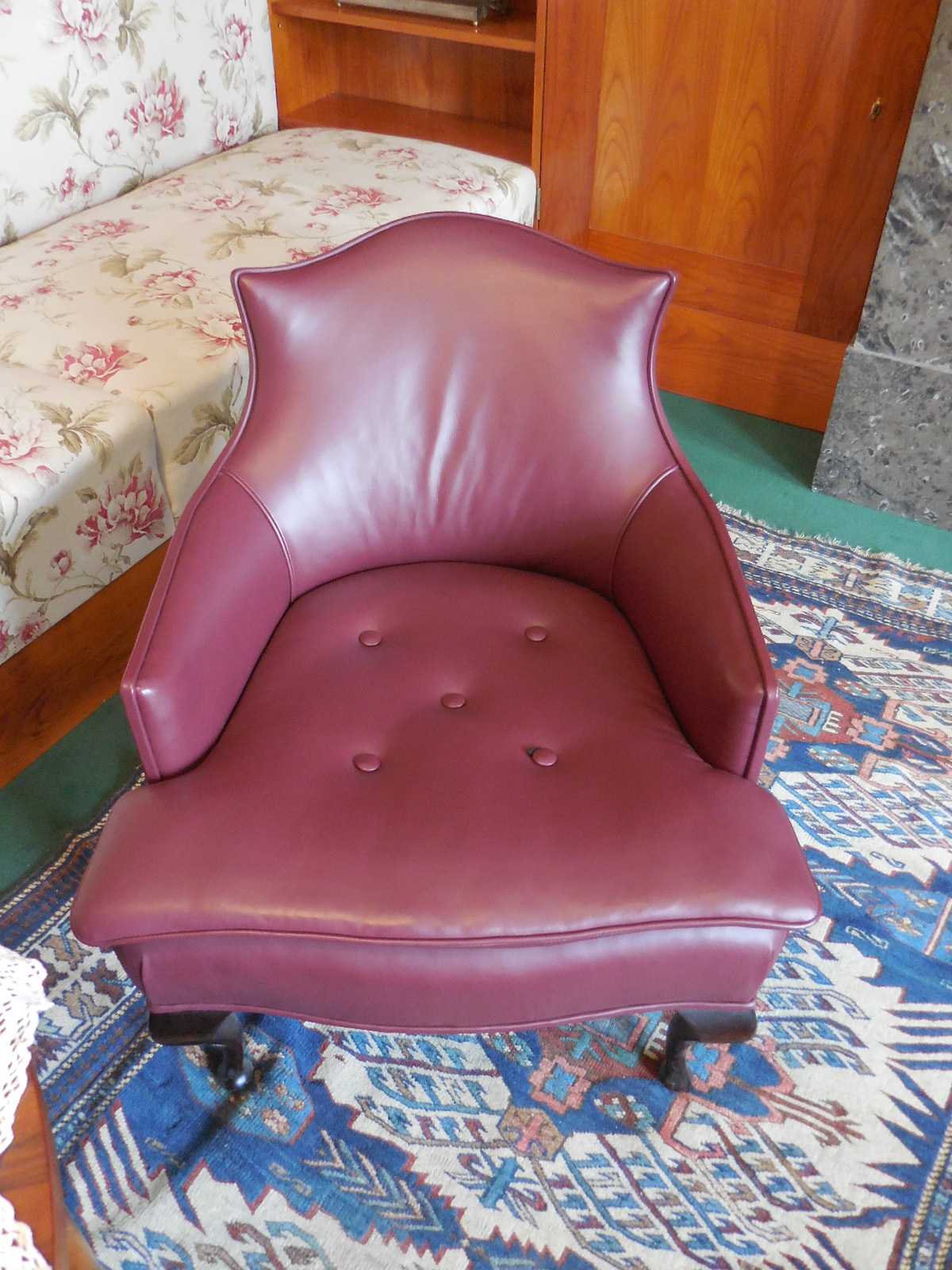
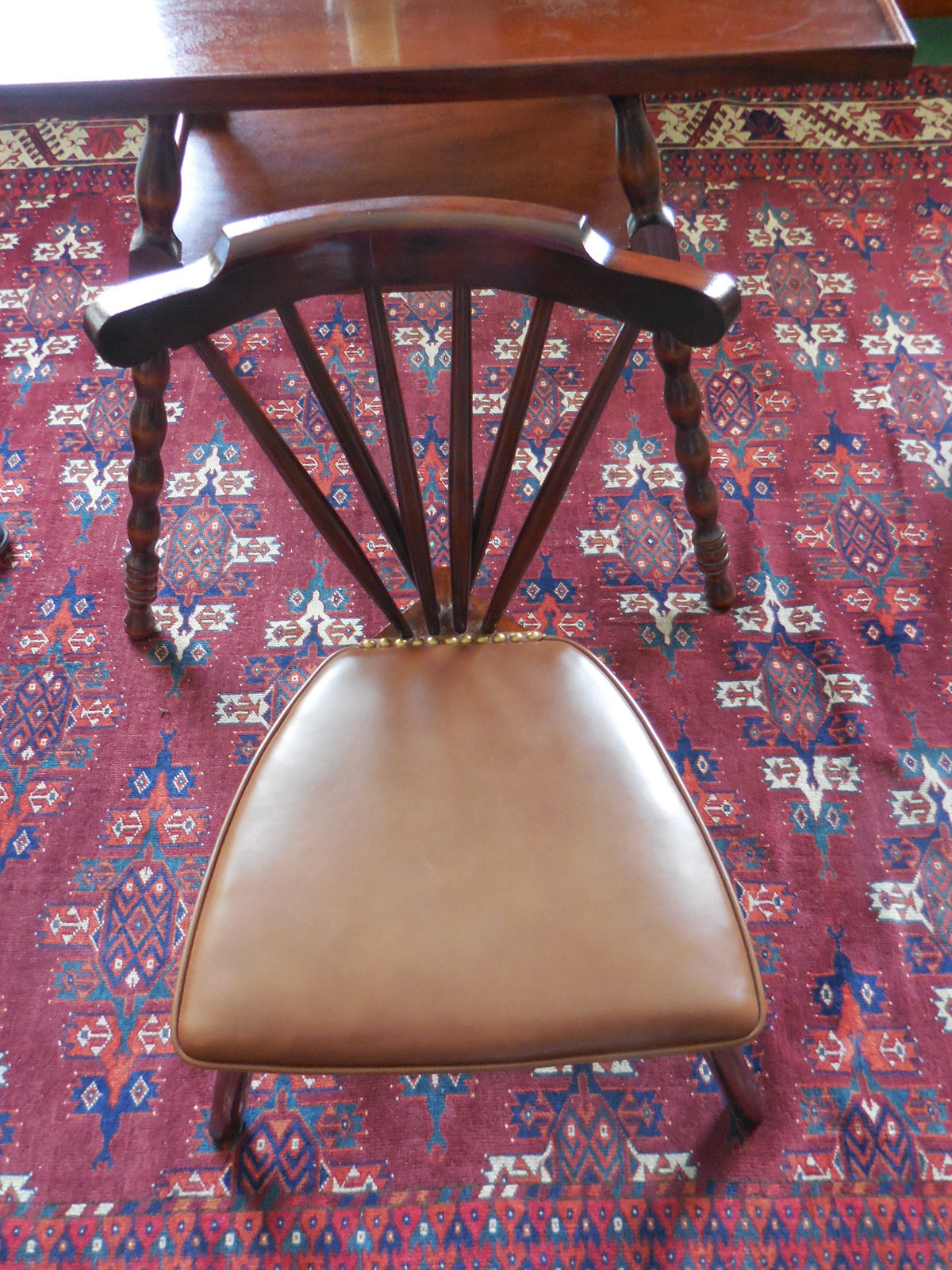
We did, however, have the opportunity to see the living room and dining room, both of which greatly intrigued me. One room was divided into a study with a desk and chair and a living room area with a floral-patterned couch and various chairs, each one unique. I recalled the chairs in the living room of the Müller Villa. There, too, all the chairs had been different, and each one had been extraordinary in some respect. I especially liked the low armchair, and I recalled the low armchairs in the Müller Villa. Another chair that fascinated me was the tiny one on which only a small child could sit. It was a copy of an Egyptian chair from a museum in London.

PilsenLoosintfireplace

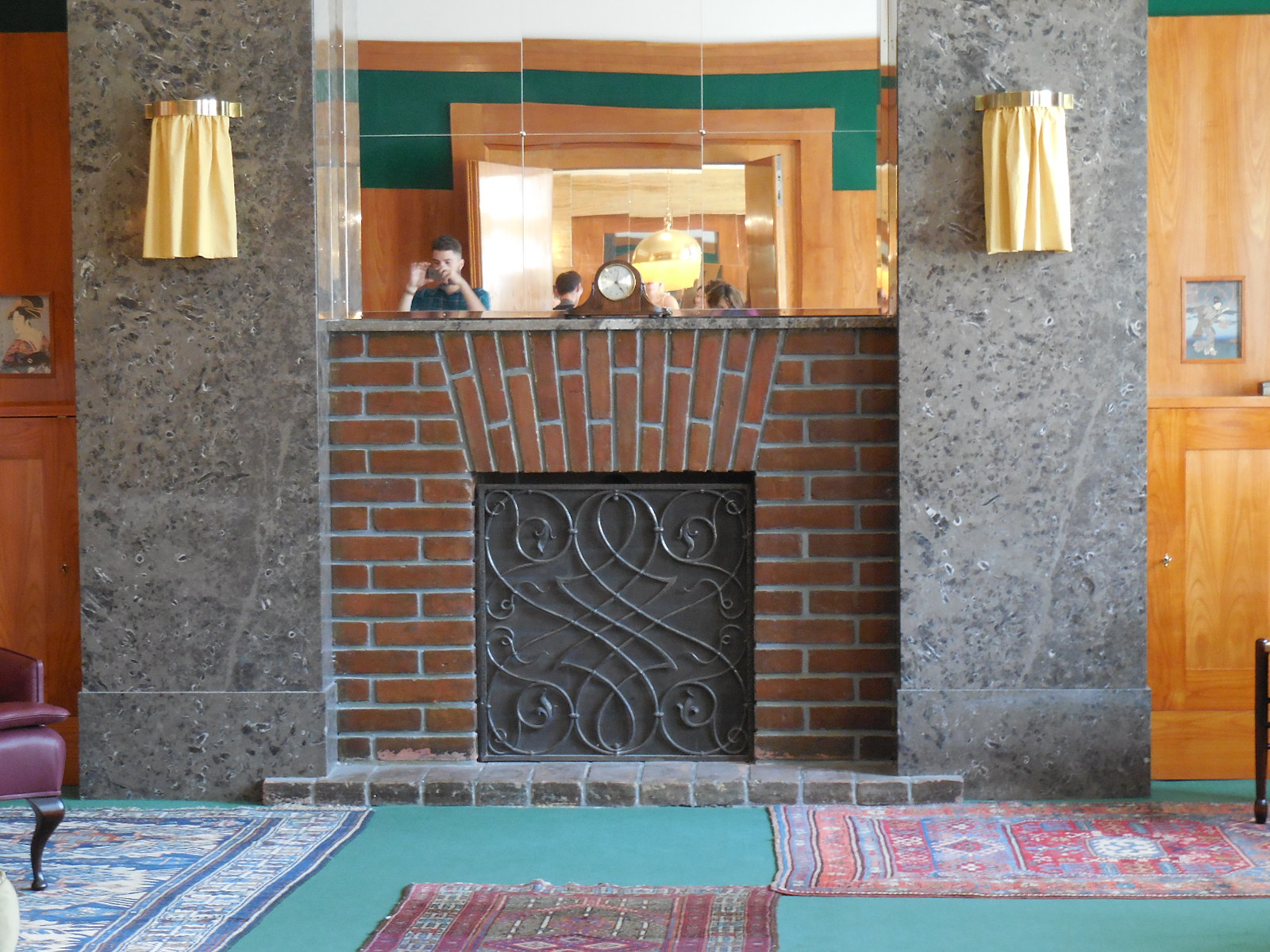
Marble pilasters flanked a fireplace made of red brick. Again, I noticed that the fireplace played an important role in Loos’ design. The walls were decorated with Japanese woodcuts. After Loos had visited the Chicago World’s Fair, he had become intrigued by Asian art. I recalled the Japanese lantern light and other Asian elements in the Winter Dining Room of the Müller Villa. There were even a few Japanese lantern lamps here, too. The room boasted symmetry, one of the features of Loos’ creations that appealed to me the most.

PilsenLoosintdiningrm

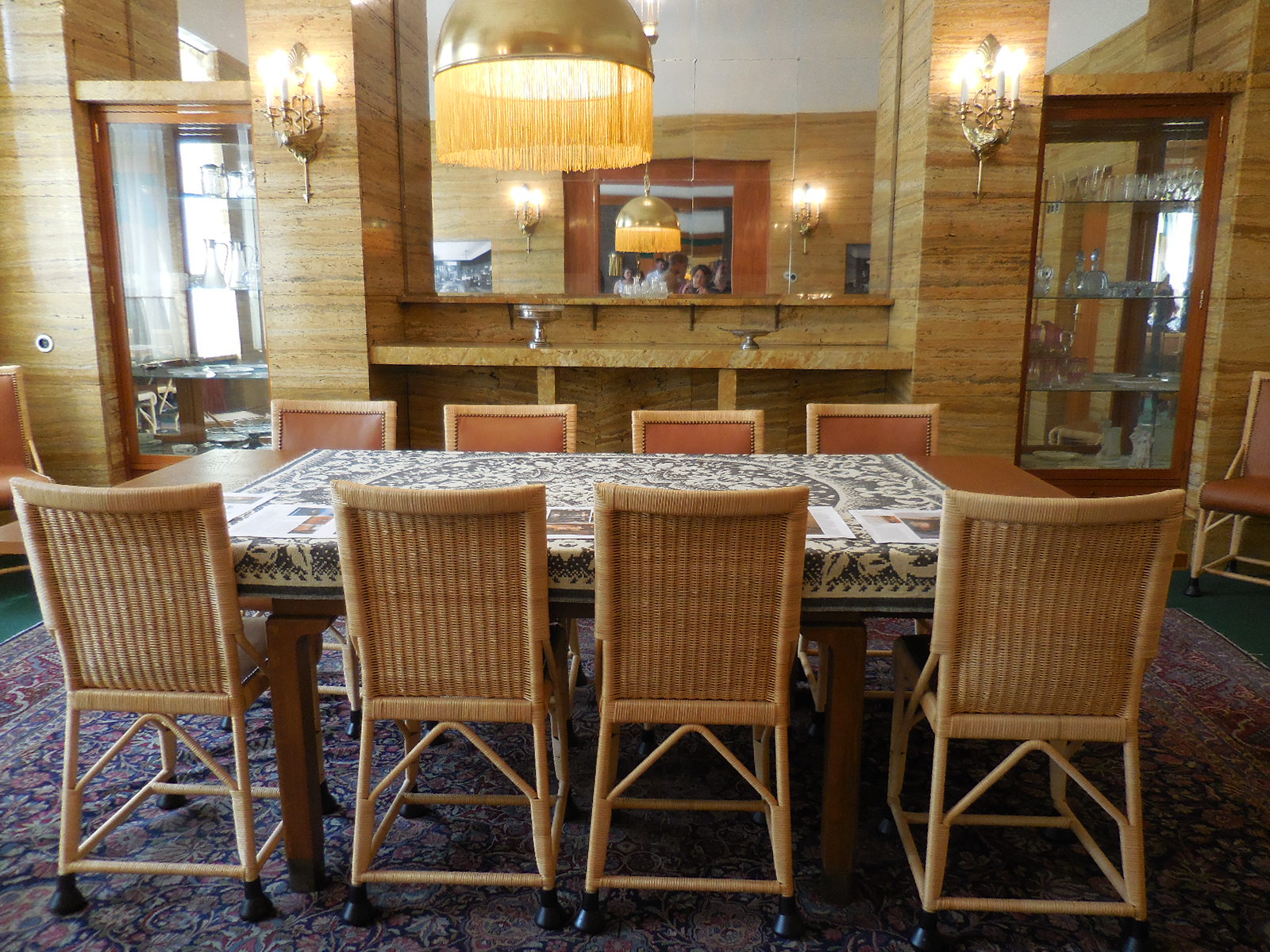
The dining room was a different, though no less intriguing, story. The yellow travertine walls gave it a warm orange color that I liked. I recalled that travertine had been one material used in the Müller Villa, too. Mirrors dominated the space, set above a long counter on the back wall. A big conference table took up most of the space. The dining room in the Müller Villa had been dark; this room was light and airy. The mirrors blended in with the rest of the design in this space. I did not feel awkward.
PilsenLoosintchair2

I liked the design of these two rooms more than I had liked the Kraus’ apartment, although I appreciated the unique and daring features in both flats. In the Vogl family apartment, I felt as if I could sit at the desk in the study and write or lie down on the couch and read. The space was comfortable and appealing. Even though the Vogl family apartment was now only comprised of two rooms, those spaces had a lot to say.

PilsenLoosintchair4

I left Pilsen, vowing to return to see the two other flats that Loos had designed in this city. I would recommend this tour to anyone interested in architecture and to anyone who had enjoyed visiting the Müller Villa.

Tracy A. Burns is a writer, proofreader and editor in Prague.

PilsenLoosintlamp


The Historical Underground of Pilsen Diary

PilsenPodzemi8

When I bought my ticket to visit the underground cellars below the center of Pilsen (Plzeň in Czech), I thought the tour would be interesting. However, I had no idea it would be fascinating and one of the highlights of my many trips to this dazzling city in west Bohemia. The ticket office was at the entrance to the Brewery Museum, which I also visited and found intriguing, even though I rarely drink alcohol.

Admittedly, I wasn’t a big fan of visiting underground areas, and I admit that I was a bit scared for my safety when I had to put on a hard hat. It turned out that there was no reason to be afraid. The corridors were not wide but provided enough room for one person to walk through. I can at times feel a bit claustrophobic, but I did not have a problem there. In some parts in caves I had visited, I had been squashed between rock formations, and the paths had been very tight.

PilsenPodzemi1

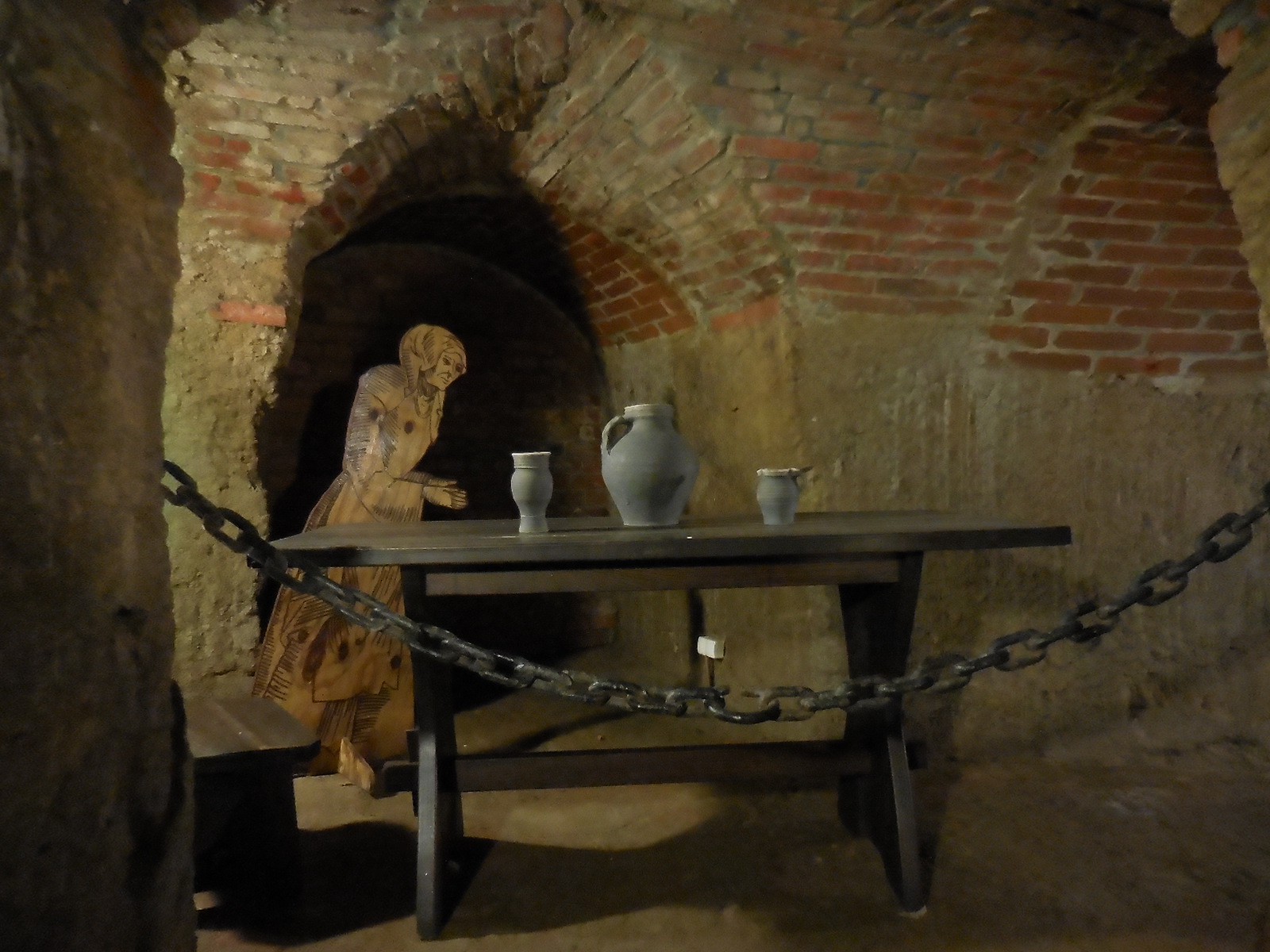
The guide explained that we would explore 800 meters of the underground area, though the cellars were actually much more extensive. The passages can be traced back to the early 14th century. They were built soon after the founding of the town by the first houses that had obtained the right to brew beer. The cellars served various purposes. Food was stored there, and beer was brewed in the underground areas. During sieges of the city, inhabitants took refuge in this labyrinth. The passages also became important parts of the city’s defense system. In addition, during the Middle Ages, the pubs above the passages were ordered to close at a certain hour, and the establishments carried on serving beer in the cellars after hours.

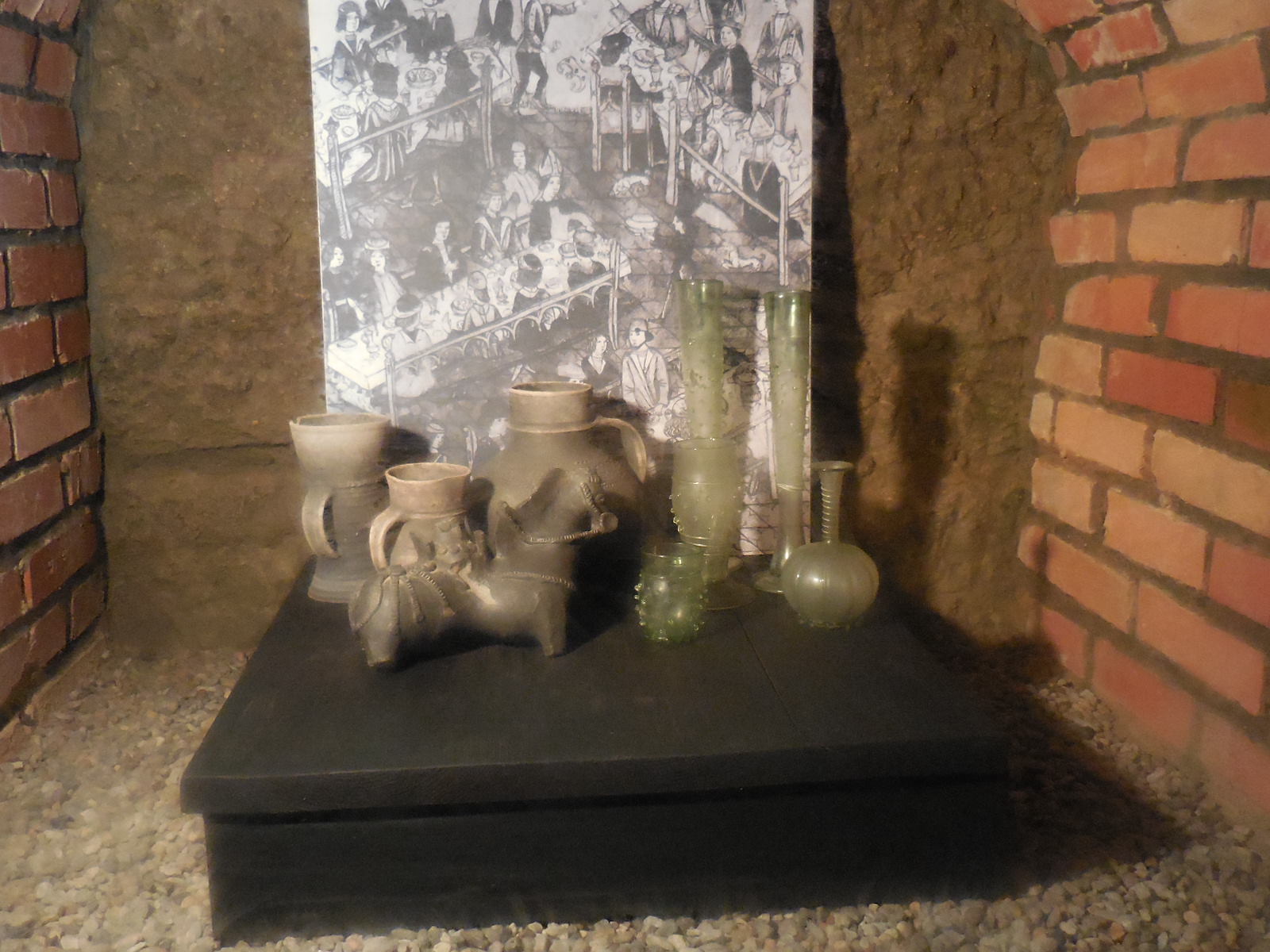
The eloquent guide told us the different eating habits of the poor and the rich during the Middle Ages. Poor people used ceramic tableware and ate mostly vegetarian food because meat was too costly. Birds and fish made up part of their diet. The wealthy, though, used glass, metal and silver tableware and ate a lot of meat and spices. They ate with their hands, though they used knives when eating meat. The well-off citizens refused to use forks because they thought they resembled pitchforks and were bad luck.

PilsenPodzemi2

I saw beautiful tiles from stoves constructed in the Middle Ages. One that caught my fancy showed Saint George fighting the dragon. I also saw an exquisite decorated water pot from medieval times.

The guide talked about the three symbols on Pilsen’s coat-of-arms – an angel, a camel and a greyhound. I loved the story about how the camel came to be one of the city’s symbols. During the Hussite wars, the Hussites attempted to overtake the city four times, but never prevailed. The Hussites tried to frighten the inhabitants of Pilsen with a camel. However, their plan backfired in a major way. The inhabitants liked the camel so much that they put the animal on their coat-of-arms. In the end, the Hussites left, defeated. The camel stayed.

Pilsensculpture3

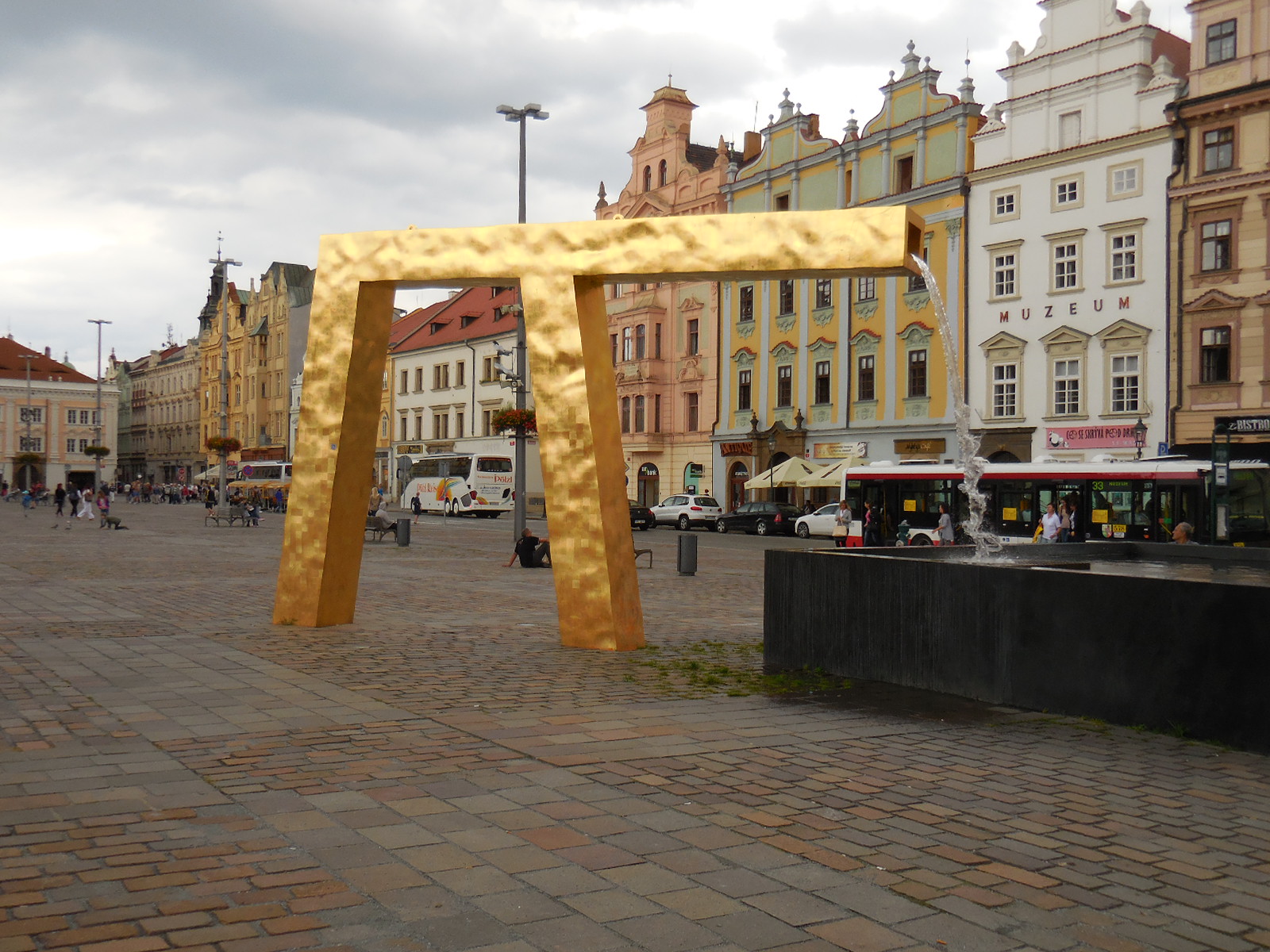
The guide also explained that the three golden fountains of contemporary art on the main square stood for the three symbols of the city. The T-shaped fountain stood for the angel while the F-shaped one represented the camel. The Greek letter stood for the greyhound. I was captivated by the three fountains, though I had not understood what they symbolized. Though contemporary, they fit in well with the medieval atmosphere of the main square dominated by the Church of Saint Bartholomew. I was impressed that they by no means take away from the square’s historical charm.

Pilsensculpture6

I also saw samples of ceramics from the 14th to the 17th centuries. Two objects that caught my attention included a unique 16th century sieve and a piggybank from the 17th century. I was intrigued by the many wells – we saw 20 of them!

When we reached one point, the guide told us that we were standing under a house that once printed books in Pilsen. The first book published in Pilsen hailed from 1468. I also was intrigued with a pair of very pointy shoes, often referred to as poulaines. They looked very uncomfortable. I did not understand how someone could squish up his or her feet into those shoes. How would it be possible to walk in them? During the Middle Ages, very pointy shoes were a sign of wealth. I recalled that they had been particularly fashionable in France during that era, as evidenced by The Book of Hours. The pointier your shoes were, the richer you were.

PilsenPodzemi7

There were many guilds during the Middle Ages, including a guild of manufacturers of tiled stoves. I saw many examples of tiles from stoves during the tour. Emperor Rudolf II lived in Pilsen for one year when the plague was ravaging Prague, and the inhabitants presented him with a tiled stove to show their appreciation that he had chosen their city as his temporary residence.

I saw some cannonballs used by the Hussites. They weighed 200 kilograms each!  The cannonballs were able to demolish the first town wall, but they did not destroy the second wall. The inhabitants of the city threw the cannonballs back at the Hussites, foiling their enemy’s plan.

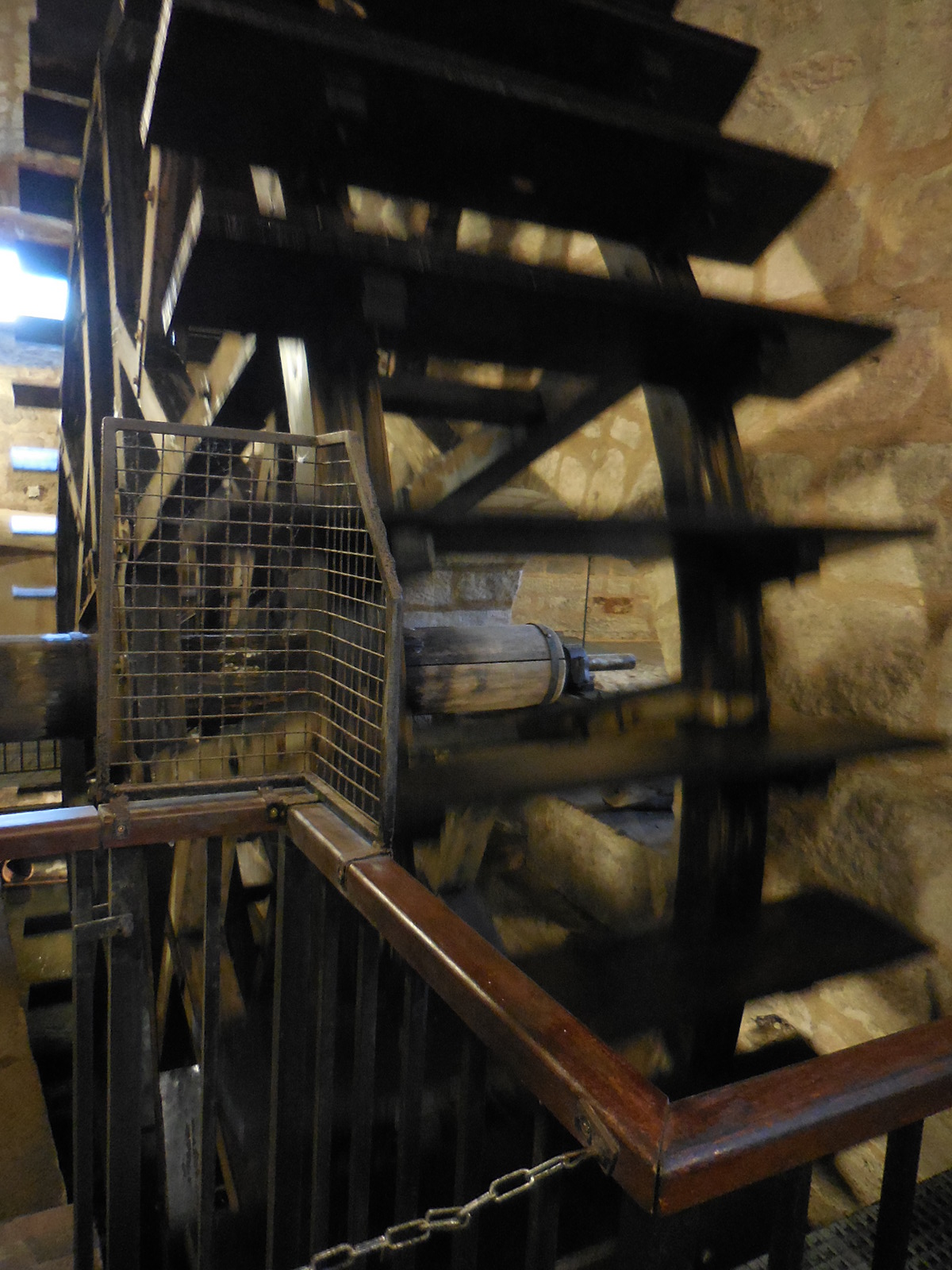
A functioning water wheel fascinated me. It was a replica of one that dated from 1532. I also saw remains of a water town hailing from 1847. It had played a role in the town’s defense system. Emil Škoda, an entrepreneur who set up the Škoda factory that would play a major role in European industry during the 19th and 20th centuries, was born in the water tower on November 19, 1839.

PilsenPodzemi3

The 2002 floods had made their way to Pilsen. A sign showed the high level the water reached on August 13 of 2002. The entire underground had been immersed in water. I recalled my personal experience with the floods for a few moments, lost in thought.

During 2002, devastating floods ravaged the republic. I was in Slovakia at the time, so I did not witness them first-hand. Even though the house where I lived in Prague was on a hill, there was significant water damage because we had had no roof because it was being repaired. There was only a protective covering. Rain from the downpours seeped into my flat. I came back to find some of my clothes ruined and mold on the walls. My cat was traumatized. Luckily, my books were all dry. Living through the aftermath of the floods was one of the most difficult times of my life in Prague, where I have lived for 23 years.

When we reached the end of the tour, I was enthusiastic and bewitched by the information I had learned about the Middle Ages and the history of Pilsen. The objects I had seen during the tour were very intriguing. I thought the tour was organized well. I had taken the tour in English because that was the one offered at the time I was able to visit, and the guide had an excellent command of the language and a talent for communicating effectively.

PilsenPodzemi6

I am convinced that the underground tour should not be missed when tourists are visiting Pilsen. It is a must-see. When you come back above ground, you understand how the Middle Ages affected Pilsen and have a greater appreciation for the city.

I left Pilsen for Prague about an hour after the tour, and I was certainly more than satisfied with my day trip.

Tracy A. Burns is a writer, proofreader and editor in Prague.

PilsenPodzemi9

Pilsen (Plzeň) Museum of West Bohemia and Pilsner Urquell Brewery Diary

The Cathedral of Saint Bartholomew, a landmark in Pilsen

The Cathedral of Saint Bartholomew, a landmark in Pilsen

I had been to Pilsen many times. After all, it was only an hour away via the comfortable Student Agency bus service. I had even spent several days in the town, staying in a pension above a beer hall-restaurant, but I did not do much sightseeing. I had been in town for a theatre festival and found myself in various theatres the entire time. Indeed, I was ashamed that did not really know Pilsen well after having lived in Prague for more than 20 years. It had always been one of those places where I changed trains.
I would soon find out that Pilsen certainly is worth visiting. It was even selected the European Capital of Culture for 2015. With a population of more than 170,000 inhabitants, Pilsen is the fourth biggest city in the Czech Republic.
A travel blogger on Twitter mentioned that he had really enjoyed the tour of the Pilsner Urquell brewery. Although I rarely drink alcohol, I thought it would be intriguing to see how beer had become an integral part of the town’s history. I wondered what processes were entailed in brewing it.

The town hall with its sgraffito Renaissance facade

The town hall with its sgraffito Renaissance facade

Before my tour of the brewery, I made a stop at the Museum of West Bohemia, where I visited an exhibition on the city’s history from medieval times to the 19th century. First, I explored other areas of interest in the museum. The Gothic armor in the armory was impressive, and the Meissen collection certainly caught my attention. I was especially drawn to a bowl with the entire surface covered in three-dimensional, handmade flowers with leaves. The handle looked like a tree branch. Dating from 1739, it was truly exquisite.
Then it was time to concentrate on the history of the town in context with the events that had so greatly affected this land. The exhibition also focused on everyday life from the various centuries. There was an exposition of a medieval, rural house, for instance and recipes from the 15th and 16th centuries as well as a section on food and textiles in the Middle Ages.

The Plague Column in Pilsen

The Plague Column in Pilsen

This is what I learned: Pilsen was established in 1295 by King Wenceslas II. It was designed in a regular Gothic ground plan with a rectangular square that was 193 meters x 139 meters. In the beginning about 3,000 people lived in 290 houses. The town was significant because it was situated on a trade route from the German borders to Prague.
When the Hussite wars ravaged the lands during the 15th century, the town at first supported the revolutionaries but then turned toward the Catholics in 1420. Pilsen was never conquered.
During the second half of the 15th century, Pilsen became a regional center. It had a Catholic majority, most of whom spoke Czech. Because the town was located on an important route to Germany, there was much trading with Germans. Non-Catholics wanted to teach Pilsen a lesson for taking such a strong Catholic stance, so they set fires deliberately and destroyed part of the town. This happened, for example, in 1507. During the 16th century, because the city had a Catholic majority, it supported the monarch.

The exquisite facade of a building on Republic Square

The exquisite facade of a building on Republic Square

In the mid-16th century Pilsen ranked third among the biggest cities in Bohemia. The town flourished by buying villages and creating ponds. The beer brewing industry also proved successful – but more about that later. By 1557 Pilsen was ranked as the second wealthiest town after Prague. The inhabitants were mostly from Bohemia. At the end of the 16th century, Emperor Rudolf II took refuge in Pilsen when the plague epidemic spread through Prague.
During the 17th century Thirty Years’ War, Pilsen, not surprisingly, supported the Catholics, who were victorious, so the town was not punished after the war. However, the 17th and 18th centuries were not all that rosy. In 1623 a fire destroyed parts of the town. The plague made its way to Pilsen in the 17th and early 18th centuries. There was another fire in 1729.
Pilsen soon found itself as a provincial town. The population decreased, and the city experienced financial problems. In the middle of the 18th century, many immigrants came to the town. Some of the newcomers were officers for the administration of the city.
At the beginning of the 19th century, Pilsen contributed to the National Revival, a movement to revive the Czech language, improve Czech culture and emphasize Czech national identity. Pilsen was one of many places where this revival was successful. Czech schools were established. Theatres put on performances in Czech. There were Czech technical organizations, and Pilseners contributed to Czech literature. Yet there were hardships, too. In the 1830s, ethnic controversies riddled the town. Poor harvests and financial crises did not help matters.
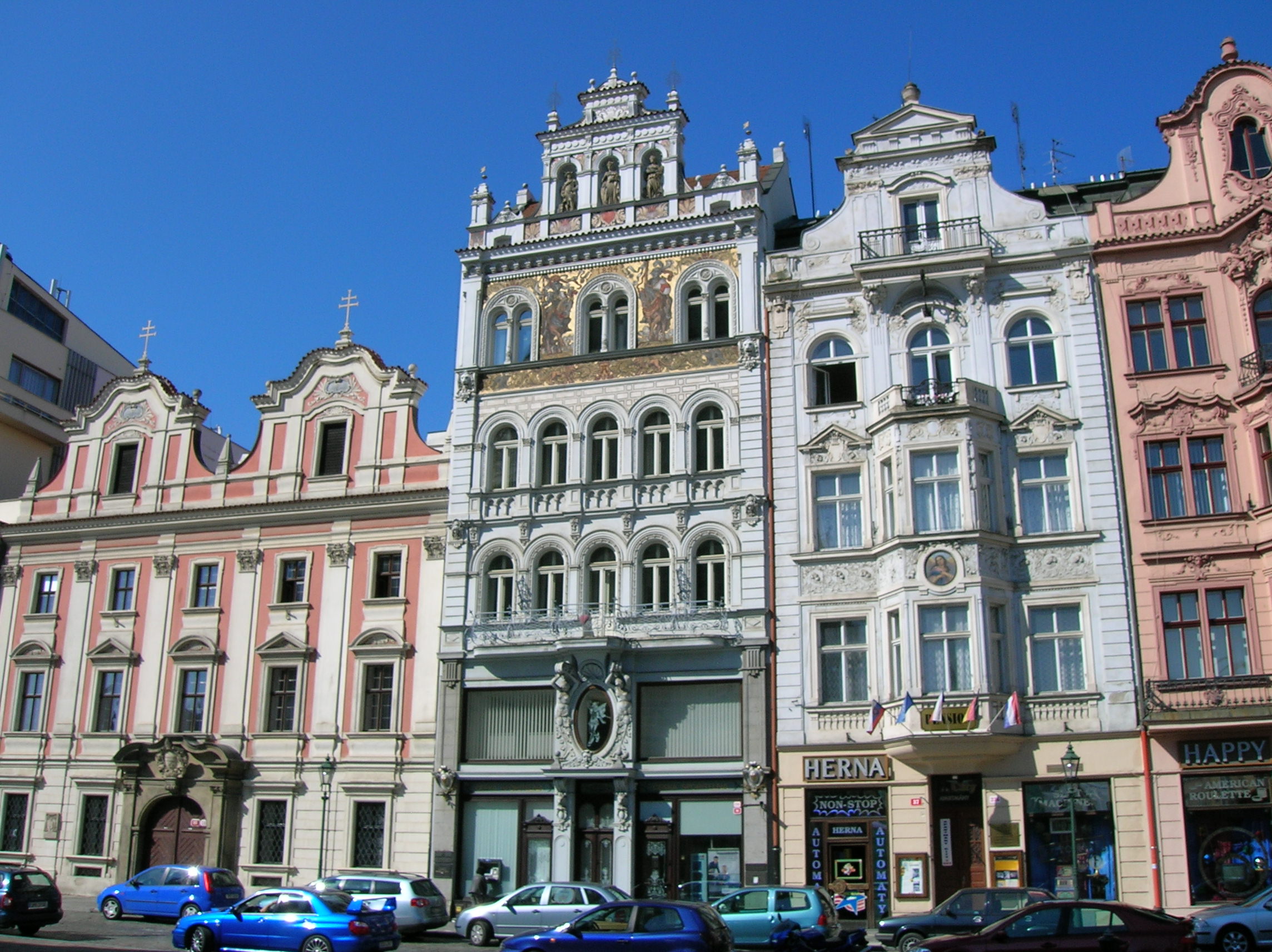
Republic Square

Republic Square

In 1848 Pilseners were among the Czechs who demanded national democratic and constitutional rights in the monarchy. At the end of the 18th century and at the beginning of the 19th century, Pilsen was a town oriented in trade and agriculture and had promise in the industrial sphere as well. The food industry grew thanks to breweries, mills and distilleries.
The 19th century brought major developments in the city. For instance, Škoda Works was established by Emil Skoda and became the top arms producer in the Austro-Hungarian Empire. Later the company became a leading engineering enterprise. The brewery brewed its first batch of beer on October 5, 1842. The Pilsner Urquell brand and the pilsner type of beer would capture worldwide attention. But more about that later.
One feature I really liked in the history section of the museum was the focus on individuals who had made a difference during these centuries – people who were not necessarily famous. I learned about Joseph Vojtěch Sedláček, for example. Active during the National Revival, he collected art-related objects for Prague’s National Museum. While he taught math and physics at a monastery, he also scribed poetry. He is also the author of the first Czech textbooks on math, geometry and physics.

Part of the Pilsner Urquell Brewery complex

Part of the Pilsner Urquell Brewery complex

Now it’s time to get to the main topic: beer. If there is one thing that symbolizes the city, it is beer. The beverage was first brewed there at the time of the founding of the city in 1295. King Wenceslas II gave 260 townspeople the right to brew beer in their homes. The quality of beer was controlled by town councilors in the entrance of the town hall. The town magistrate poured beer on oak benches. Then councilors would sit on the benches for an hour. If their leather britches did not stick to the bench when they stood up, the beer was deemed undrinkable.
In 1838, 36 barrels of undrinkable beer were spilled out in front of the town hall, an event which compelled some brewers to set up a brewery. The Burghers’ Brewery opened on October 5, 1842, when the very light, bottom-fermented Pilsner Urquell came into existence.
Pilseners have the then 29-year old Bavarian brewer Josef Groll to thank for their internationally-acclaimed beer. He’s the one who put local ingredients of soft Bohemian water, very pale malt and Saaz hops into the mixture using a new method to produce bottom-fermented beer and then came across the new type of beer – the pilsner type — by accident on October 5, 1842.

Historic barrels in the brewery cellars

Historic barrels in the brewery cellars

Two of the Czech Republic’s most famous brands of beer, Pilsner Urquell and Gambrinus, are made at the vast complex near the center of town in buildings that had been constructed on a former executioners’ site. I picked up my ticket in the Visitors’ Center, where an original wort barrel is displayed. The place was crowded with tour groups. It was not possible to tour the Gambrinus brewery. For some reason there were no tours in March.
When it was time for my English-speaking tour to start, we stepped outside, and the guide pointed out a few landmarks. The water tour hailed from 1907 and was 47.2 meters high. It reminded me of a lighthouse that I remember seeing as a child while on vacation near Freeport, Maine. As a young child I had wondered if some evil person had inhabited that lighthouse. The Pilsen water tour is no longer used.
There was also a decorated historical gate built on the 50th anniversary of the brewery, in 1892. By the way, that year 462,550 hectoliters of beer were brewed there, and the brewery had more than 600 employees. The cellars even already had electrical lighting. The gate brought to mind the historical gate at the entrance to the town of Mělník, where I had visited a chateau a week earlier. The guide elaborated on the history of the brewery, mentioning Josef Groll and the 1838 barrel-spilling event, for example.
Then we got on a shuttle bus and went to the packaging hall, where we would see the bottle lines in action. The packaging hall was modern, hailing from 2006. There were four lines, one reserved for cans. On the premises was a washing machine as well as a camera that takes a picture of each bottle to show if it is clean. The bottles were filled, warmed at 25 degrees Celsius, dried and then labelled. We saw the huge bottle lines from above, behind glass. At that time two lines were working.

The bottle lines at the packaging plant

The bottle lines at the packaging plant

Everything was so mechanical, so efficient. And to think that I only saw several people in the room while all this action was taking place! I almost expected to see Charlie Chaplin running from one side to the other as in Modern Times. It also made me think of Karel Čapek’s science fiction play R.U.R (Rossum’s Universal Robots) in which robots made by man take over the world, bringing about the extinction of the human race. Everything was so mechanical. It was as if an army of bottles were marching into battle.
The process also reminded me of one of my favorite episodes of I Love Lucy, when Lucy and Ethel are stuffing chocolates into their mouths, picking them off the conveyor belt at the chocolate plant. That scene had such a human quality to it, though. I missed seeing many people in the hall. I tried to imagine it back in the days when people had worked at the belts. It both impressed me and saddened me that technology was so advanced.

A bottle line at the Pilsner Urquell Brewery

A bottle line at the Pilsner Urquell Brewery

Then we took the bus to another location and saw some cylindrical tanks outside. They were used for the fermentation and saturation of the beer. The guide mentioned that there were 20 cylindrical tanks outside and 110 in the building. A green-and-white train from 1952 stood to my right. At one time it had been used to take beer to the brewery. We went inside and got onto the largest passenger elevator in the country with room for 72 passengers.
We watched a short film about beer production in a panorama cinema with a revolving floor. One of the things I learned from the film is that it takes about five weeks to make the beer. Then we went to an exposition on barley and the stages of malt production. You could hold the barley in your hand and sniff it. You could also see how yeast looks through a microscope and taste hops that came out of a machine that looked similar to a soap dispenser. The Saaz hops had a subtle aroma. An exposition explained about granulating the hops. It told how they had to be dried, ground and boiled.

The packaging plant

The packaging plant

Then we went to the old brewhouse in a 1930s era building and the new brewhouse above it, which has been used since 2004. The former brewhouse had been used for 75 years. During that time five million hectoliters of beer had been brewed there. The tanks used in the brewhouse looked like alien space ships and brought to mind the TV serial Mork and Mindy and the movie E.T.

The old brewhouse

The old brewhouse

Two million hectares of beer are produced in the new brewhouse annually. The filtration process, for example, takes two hours, and the boiling process lasts 90 minutes. After that, the wort is chilled to six degrees Celsius. Only two people seated in a small office behind a glass wall controlled the mechanisms. Such a complicated process and only two people are needed to monitor it! Again I viewed technology as both awesome and disheartening.

The brewhouse

The brewhouse

From there we went to the room called The Hall of Fame, where the brewery’s trophies and various awards are shown off. A copper bin on display once held the first batch of Pilsner Urquell. Habsburg Emperor Franz Joseph, who reigned from 1848 to 1916, had penned his name in the visitor’s book, but his handwriting was messy. The guide mused that the ruler of the Austro-Hungarian Empire might have been drunk when he signed it. I thought about the suicide of Franz Joseph’s son, Crown Prince Rudolf, and the assassination of his wife, Empress Elisabeth, nicknamed Sisi. To be sure, Franz had good reason to drink!
Nineteenth century Czech poet Jan Neruda even wrote a feuilleton praising the brewery after his visit. It was published in Hlas on May 5, 1863.

Emperor Franz Joseph signed the visitors' book at the brewery.

Emperor Franz Joseph signed the visitors’ book at the brewery.

The guide also mentioned that the oldest house where beer had been brewed is at number 58, but I do not remember the street. Now the Beer Museum is located in that building. I had hoped to get there that day, too, but I would not have enough time.
Then we explored the cellars. They were nine kilometers long, with a size of 32,000 square meters. Of course, we did not walk through every passage! I thought of how difficult it must have been to have built this vast underground area – it must have taken many people to make all these tunnels. No machines had been used to make the cellars. It had all been accomplished by hard, sweaty manual labor. I wondered who had done this sort of work. Poor people who needed the money? Prisoners? Maybe both.

The barrels in the cellar

The barrels in the cellar

These underground spaces were once used for the fermentation and saturation processes. We saw storage areas with big, historic barrels. We walked through an ice room, too. In the second half of the 19th century, they used to cut ice from rivers and ponds to keep the place cold.
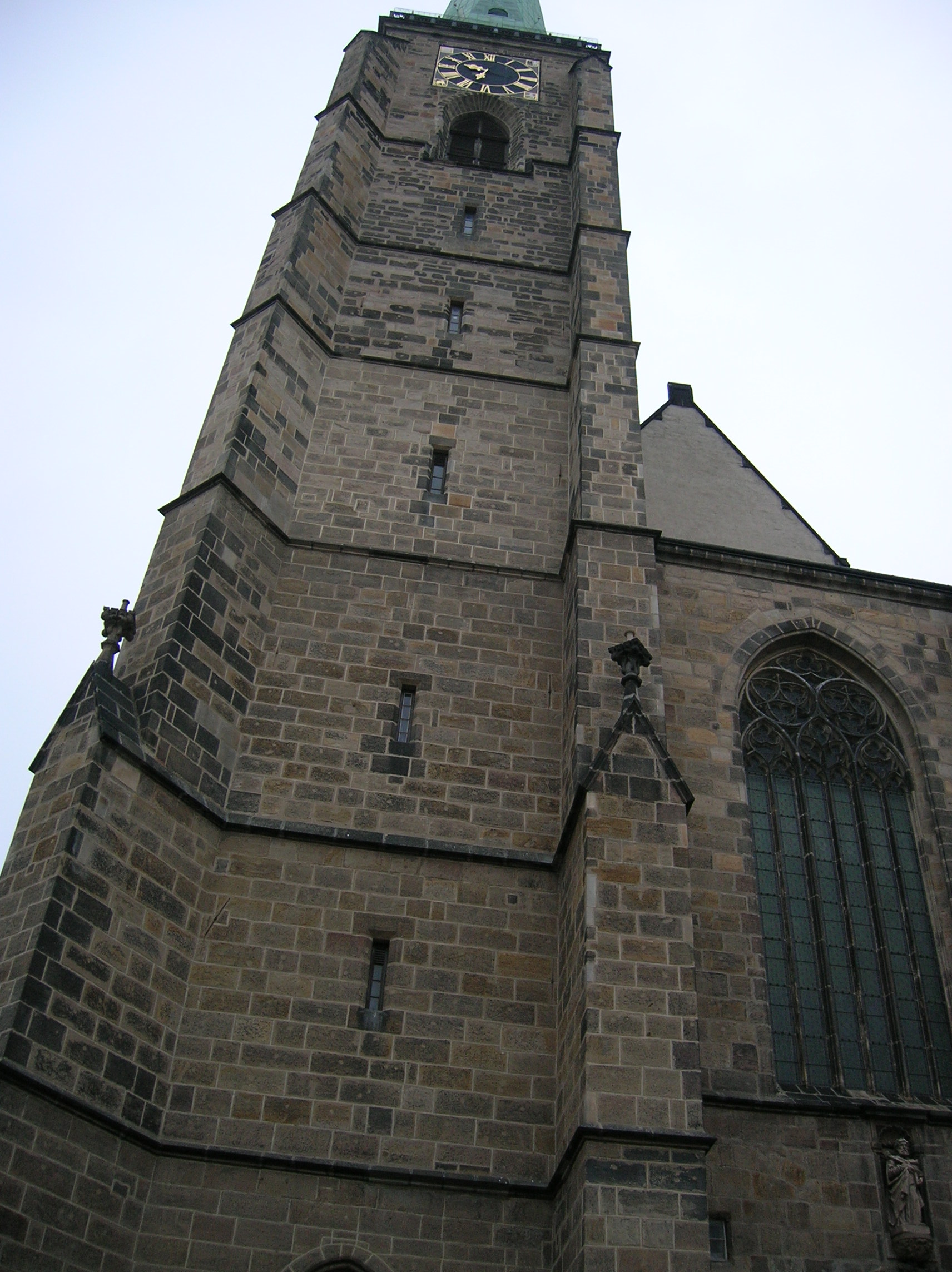
At the end of the tour, we tasted unfiltered and non-pasteurized Pilsner Urquell beer. It was tapped straight from an oak lager barrel. The beer was very good, but since I am not much of a beer drinker, I am not enough of an expert to compare it with other brands. I tended to like black beer, but this light brew was as good if not better than any of the dark beers I had tasted.

Republic Square

Republic Square

After the tour I went back to Republic Square in the center of town, where there are three modern gold fountains with black Chinese basins. I liked the gargoyles from which the water spewed. (I’ve always been a fan of gargoyles and the grotesque.) There was a 17th century Plague Column, too.
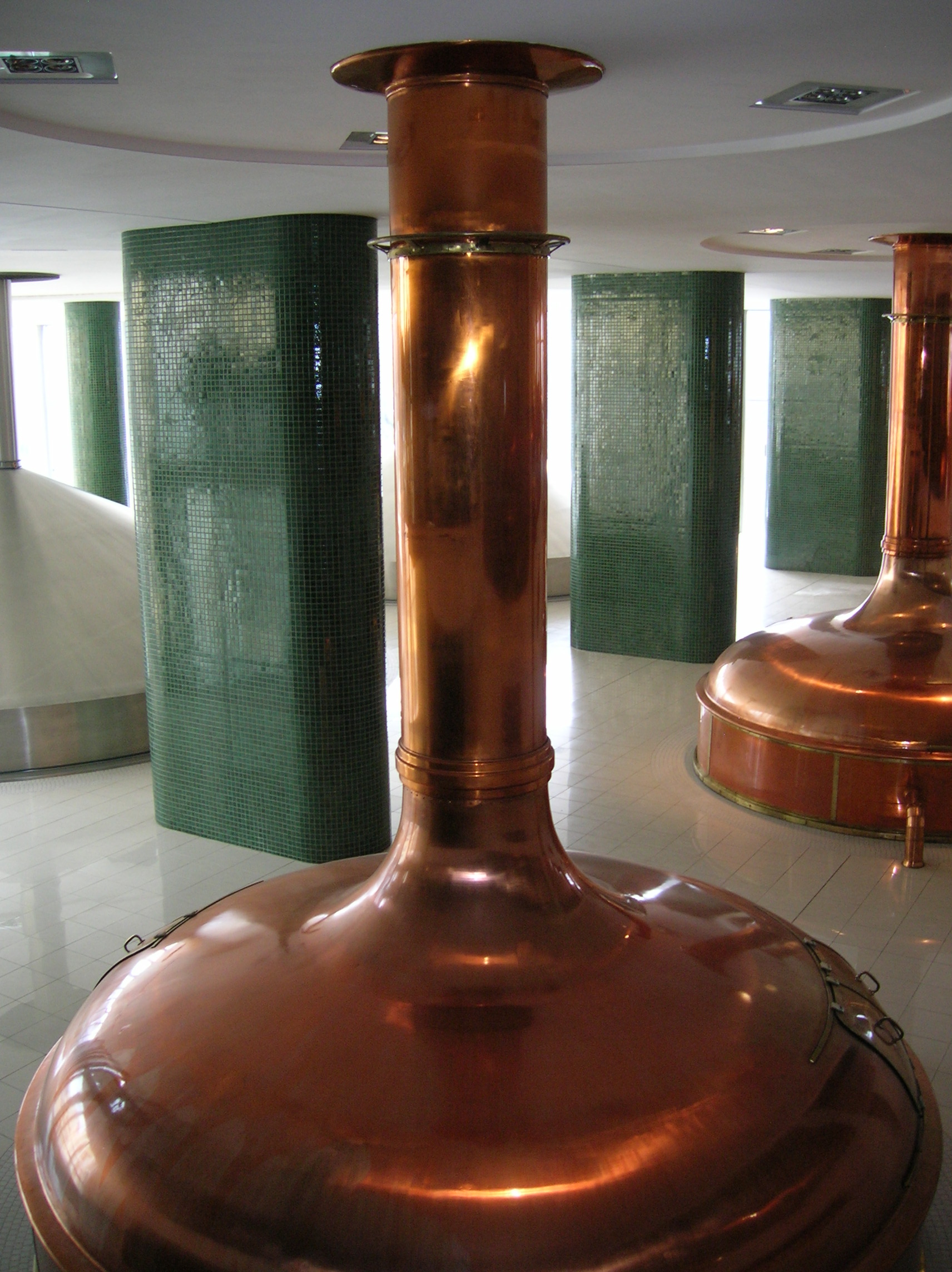
For years I had wanted to go inside the Cathedral of Saint Bartholomew on the square, but it was never open when I was in town. It was only open certain months during weekdays. I had read that a Neo-Gothic altar featured the Madonna of Pilsen showing the Virgin Mary with a very expressive and sorrowful look on her face. I loved gazing at the Renaissance town hall with all the sgraffito decoration on its façade that dates from 1558.
I was very hungry, and I decided to eat lunch at my favorite eating establishment in Pilsen – the famous U Salzmannů restaurant around the corner from the square. During the 19th century this had been the most significant pub in the city. A famous event in Pilsen’s history was connected with this former beer hall. In April of 1843, the original owner of the place, Martin Salzmann, sent some beer to his close friend in Prague, a tailor named Jakub Pinkas. The tailor was so impressed with the taste that he decided to hang up the scissors and open a pub, U Pinkasů. The pub still serves Pilsner Urquell beer.

A tower of the Cathedral of Saint Bartholomew

A tower of the Cathedral of Saint Bartholomew

Supposedly, Salzmann had been quite a character. He was known as a very grumpy and unpleasant man. He would place a coaster on the table for each customer and put the mug of beer on it. If he became disgruntled with a customer who was too drunk and too loud, he would take away the coaster and kick the guest out of the pub.
There was another way to lose your coaster. If you clinked glasses – Salzmann hated it when customers did this – you also lost your right to drink in the establishment. Salzmann also disliked students and deterred them from visiting his pub because they often did not have enough money to pay for their drinks.
After my late lunch, it was time to head back to the bus station. I vowed to come back to tour the underground areas of the city and to wander through the Beer Museum. I now am very aware that there were many sights to see in Pilsen, and I want to visit as many as possible.


Tracy A. Burns is a writer, proofreader and editor in Prague.

The new brewhouse

The new brewhouse