I visited this church, which became a national monument in 2002, for the very first time during 2025. The tour guide, who played for us the exquisite organ, narrated the history of the holy building. The first church on the premises was destroyed by a fire during 1631. The chateau, town hall and some houses also burned down during that catastrophe. There was only one object that survived the fire: a book about the church tower that was erected in 1562. This was not the only fire that would decimate the town during this era. The chateau’s owner Jan Adam of Questenberk, responsible for Jaroměřice’s golden era, promoted the reconstruction for the current church, built in 1737.
The church was in disrepair during the recent 2000s, but much reconstruction occurred from 2019 and lasted until 2022, taking three years to revive the structure that had been so dilapidated. A new sacristy was installed. Electrical and heating systems were redone.
I inspected the main altar. The painting showed fluttering angels surrounding Saint Markéta as they placed laurel wreaths on the holy figure’s head. The creation of light was a major theme in this artwork. I was overwhelmed by the ceiling fresco, which measured 450m2. Painted by Karel František Tepper in 1737, it showed off Saint Markéta in all her glory and celebrated the town of Jaroměřice.
I counted seven side altars and marveled at the paintings of the Evangelists and Roman gods on the upper walls of the church. The remains of Saint Vincent and Saint Rupert were in impressive reliquaries. The pulpit was astounding, too. An astounding altar of Saint Anna took my breath away, too. The church had two square towers, both more than 40 meters in height and each with two floors. I did not overlook the beauty of the exquisitely painted cupola, either. The baptismal font is new, from the most recent reconstruction.
I was dazzled by the church’s overwhelming beauty and was so thankful that I had had this chance to see it. I especially loved the stunning ceiling fresco and decoration on the upper walls. Another highlight was the tour guide playing the organ. The music permeated the church, and I had a great appreciation for the glory days of this church during Questenberk’s Jaroměřice. I was so impressed by the music that seemed to soar through the church and by the town that was seeping with historical importance.
Tracy A. Burns is a writer and proofreader in Prague.
This past year marked more day trips, some with friends and others with travel agencies. Of course, chateaus were high on my list, so I will start with those.
Bečov nad Teplou Castle and Chateau, Reliquary of Saint Maurus
At Bečov nad Teplou Castle and Chateau, the group admired the reliquary of Saint Maurus, one of the most precious objects in the country. The remarkable Romanesque artifact contained the remains of saints and hailed from 1225 to 1230. Its exterior featured 12 reliefs, 14 statuettes in silver, about 200 semi-precious and precious stones, gems and other masterful goldsmith works. During World War II it was hidden under the chapel floor. The reliquary was only discovered again in the 1980s. For a long time its location was a mindboggling mystery.
Stránov Chateau
Stránov Chateau
With my best friend I visited Stránov Chateau for the first time. The Neo-Renaissance wonder featured a Gothic tower and splendid arcades in a courtyard punctuated by a beautiful fountain. The Šimonek family had lived there during the First Republic, which was the chateau’s heyday, as well as in later years, until the Communists kicked them out during 1950. They were forced to leave with only several suitcases. While there wasn’t much original furniture, the descendants had commissioned interiors that resembled those from the First Republic’s days of democratic Czechoslovakia. Seeing the chateau for the first time was exciting, to say the least.
Krásný Dvůr Chateau
Krásný Dvůr Chateau, interior
The luxury of the 18th and 19th century nobility was evident at Krásný Dvůr Chateau, partially under reconstruction when we were there on this occasion. The exquisite furnishings from 18th and 19th century periods punctuated the visit. Unique historic portraits of dogs and horses caught my attention as the horses were rendered without tails, for instance. The Meissen porcelain, gilded clocks, ancient jewel chests, decorative wall painting and various intriguing canvases in the chateau gallery all exuded the grandeur of old times. Even the upholstery of the chairs was admirable. The Černín family had this chateau designed by well-known architect František Maxmilián Kaňka from 1720 to 1724. The Černín dynasty would hold onto the chateau until World War II.
Horšovský Týn Castle and Chateau, interior
Horšovský Týn Castle and Chateau, Gothic chapel, main altarpiece
Horšovský Týn Castle and Chateau offered numerous tours. This time I went with a travel agency on one tour; in the past I had been there with my best friend on both the castle and chateau main tours. Once again, I was most impressed with the early Gothic chapel, its stunning wall painting and magnificent altarpiece. The early Gothic arch welcoming visitors to the chapel was a splendid architectural specimen. I saw much intriguing furniture from the Renaissance. A cassette ceiling hailed from the 16th century, and a superb tapestry dated from that century as well. Paintings from the Venetian School and splendid wall painting decorated another space. The Dancing Hall featured Rococo painting and a unique piano. In the Small Dining Room, I was surprised to see Edison light bulbs from 1906. The library included 15,000 volumes.
Doudleby Chateau
Doudleby Chateau
Doudleby Chateau
My good friend and I traveled with a travel agency to Častolovice and Doudleby chateaus, places to which I yearned to return for some years. Doudleby Chateau had undergone main reconstruction. It was stunning with its early Baroque wall and ceiling frescoes. Some were mythological, others religious and yet others symbolic. The lunettes of emblems with French writing were spectacular, too. I saw a parrot’s nest, flowers in a circle and a boat with a partially submerged oar, for instance. Finished in 1590, the chateau’s exterior includes unique sgraffito, open arcades and Tuscan columns. I was very impressed.
Elegant exterior of Častolovice Chateau
Častolovice Chateau exterior
The fantastic park at Častolovice Chateau
Častolovice hailed from the 13th century and boasted an extensive English park, one of the most beautiful, in my opinion. Furnishings hailed from Renaissance, Baroque, Empire and Biedermeier periods. A Renaissance cassette ceiling dated back to 1600. In the vast Knights’ Hall, I admired paintings of 24 scenes from the Old Testament. The collection of portraits showing Czech rulers was extremely impressive, too. The Renaissance arcades and distinctive fountain plus aviaries outside were noteworthy as well. There was a small zoo, but I saw an irate turkey coming my way and decided not to pay admission. The park was punctuated by peacocks and other animals as well as ponds and fantastic flora, among other attributes.
Jaroměříce Chateau interior
Interior of Jaroměřice Chateau
Jaroměřice Chateau
With a travel agency I made a very memorable trip to Jaroměřice nad Rokytnou Chateau, the biggest Baroque chateau in the country. I hadn’t been there since the late 1990s. The Ancestors’ Hall amazed with a fabulous frescoed ceiling and masterfully carved wood paneling. The ceiling and wall painting in the Ballroom was just as exquisite. The Chinese Cabinet also made a great impression.
Church of Saint Markéta, Jaroměřice
Cupola of Church of Saint Markéta
Decoration on walls of Church of Saint Markéta
Yet that was not all there was to Jaroměřice. The town had much more to offer. Nearby was the Church of Saint Markéta, measuring 450 m2 with a splendid frescoed ceiling. Pictures of the Evangelists and Roman gods decorated the walls. The main altar, celebrating Saint Markéta and the creation of light, did not disappoint, either. Our guide even played for us the impressive historic organ.
Otakar Březina
Museum of Otakar Březina, art by František Bílek
Museum of Otakar Březina
The Museum of Otakar Březina was another highlight of Jaroměřice. Březina had been a poet who was in the running for the Nobel Prize eight times. In the apartment where Březina had lived from 1913 until his death in 1929, I saw not only editions of his many books and childhood photos but also fascinating works of art by his close friend František Bílek, whose villas I had visited in Prague and in south Bohemia. Březina had promoted democracy as he had developed steadfast friendships with Czech writer Karel Čapek and President of the First Republic Tomáš G. Masaryk.
Garden of Symbols, Museum of Otakar Březina
Garden at Museum of Otakar Březina
Garden outside Museum of Otakar Březina
The garden outside the home was unique and symbolic just like Březina’s poetry. Parts of the garden were dedicated to Karel Čapek, Bílek and the most influential owner of Jaroměřice Chateau, Jan Adam Questenberk. Many flowers, plants and small trees graced the well-kept garden. One section of this Garden of Symbols represented immortality because Březina had believed that death was not an end but rather a new beginning.
Museum of Otakar Březina
Garden of Museum of Otakar Březina
Yet there was more. We visited Březina’s grave, designed by Bílek, as well as an extensive garden center established in 1901. Karel Čapek had been a devoted customer during the 1920s and 1930s. I could imagine Čapek enthusiastically picking out plants as I perused all the interesting specimens and gazed at the cats who lounged around the center without disturbing the plants.
Museum of Otakar Březina, artwork by František Bílek
Museum of Otakar Březina, art by František Bílek
With a master’s degree in Czech literature, I was always enthusiastic to learn more about Czech writers, especially poets whose works I had never read. Březina’s writing was so complex and symbolic that I had always feared I would not understand it. Visiting writers’ museums was always a big thrill for me in any country but especially in the Czech Republic. It never failed to open up new worlds.
Radim Chateau, ceiling in main hall
Radim Chateau, dining room cabinet
Radim Chateau, historical globe
Another chateau that I visited for the first time was called Radim, not far from Prague. Built in 1610, it had served as a Renaissance countryside seat of nobles, and, while it did not contain many original furnishings, the owners had amassed a great deal of impressive artifacts from various periods, especially the Renaissance. Exquisite tapestries lined a hallway. I saw a Neo-Gothic throne and an altar in the same style, both masterfully carved. Renaissance furniture also was prominent. A decorated coffered ceiling from the early 17th century and wall painting filled me with awe. The decorative main hall certainly did not disappoint.
Radim Chateau art gallery, painting of Kampa Island
Painting in Radim Chateau art gallery
Radim Chateau art gallery ceiling
What enamored me the most about this chateau was not the first floor interior, though, but the amazing art collection the owner had put together. The owner proudly showed me his impressive collection. I saw a hallway lined with landscapes, paintings of Kampa Island and the Charles Bridge as well as the Berounka river and the Pilsen countryside region. Landscape after landscape from various parts of the country amazed me. I gazed with awe at works by Otakar Nejedlý, Vlastimil Toman, Otto Stein, Vojtěch Hyněk Popelka and many others.
Religious art in Radim Chateau gallery
Russian icon, Radim Chateau art gallery
Yet that was not all the art to be seen. In another space there was a fascinating collection of religious works, including a copy of a Titian painting and a Russian icon. Visiting Radim Chateau was a double thrill for me – I loved the furnishings and painted ceilings as well as the art gallery. The entire chateau exuded charm and splendor.
Březnice Chateau interior
Březnice Chateau ceiling
I went back to Březnice Chateau, which I had not visited for some years. The Renaissance chateau from the 16th century featured a former library with well-preserved ceiling and wall painting hailing from Renaissance days. The chateau showed off various styles – Renaissance, Baroque, Empire and Biedermeier. The Baroque chapel was stunning. The Renaissance dining room was full of historic grandeur. The armory was impressive, too.
Hluboká nad Vltavou Chateau exterior
One of my most favorites chateau was in Hluboká nad Vltavou, one of the most popular in the country, and I loved gazing at its masterful Neo-Gothic exterior. The wood-paneling with remarkable furnishings and the 57 tapestries from Brussels astounded. The library with 12,000 volumes and the armory were more than stunning. This chateau could never disappoint.
Domažlice Castle Museum, folk style wardrobe
Historical painting in Domažlice Castle Museum
I saw a castle museum in Domažlice, where I learned about the region. The other castle museum was in Kadaň, where there were displays of the history of the town and fortress-like edifice. In Domažlice the folk costumes of the area were prominently on display as were the beautiful ceramics notable for the region. Holy Roman Emperor Charles IV’s visit to Kadaň and the years the castle spent as a barracks as well as the dark Nazi period were elaborated upon during that tour.
Sculpture in Kadaň
Kadaň scenery
Yet there was more to Kadaň and Domažlice than merely their castles. We saw picturesque squares, churches, town halls, a monastery and much more in those towns. The path from the center of Kadaň to the castle was surrounded by lush flowers and plants as well as unique grotesque sandstone statues. The narrowest street in the country, Katova Street, is located in Kadaň. The monastery in Kadaň with its Gothic wall painting and other splendors was a real treat, too.
Town Hall in České Budějovice, main square
Sculpture in České Budějovice
Komerční Bank sculptural decoration
Another city sans chateau or castle that I visited was České Budějovice, one of the gems of south Bohemia for its unique and stunning architecture. Previously, I had only admired the vast main square of the city with its delightful Renaissance buildings and prominent town hall.
Former salt house in České Budějovice
Gothic wall painting in church in České Budějovice
Wall painting in church in České Budějovice
This time I saw the entire downtown area and soon learned that there was much more to the city than merely its picturesque square. The main church with Gothic (13th century) and Baroque wall painting as well as a Neo-Gothic main altar was incredible. The former salt house’s unique roof was one to remember. A large bank’s sculptural decoration was more than impressive. Other buildings were architectural gems, too. Some boasted religious paintings on the exteriors. Narrow and romantic Panská Street was another highlight of the city. The architecture throughout the city was truly breathtaking.
Firetruck museum in Constantine Spa
We also visited a small enclave called Constantine Spa. On the charming small square was a claustrophobic museum of fire trucks hailing from 1900 to 1912. Each had one ladder, and they had once been driven by horses. While it was raining during our time in the spa town, we did see some beautiful greenery as we walked to a café with delicious desserts.
Votice Monastery, town museum, painting of region
Vladimír Kaska painting in Votice Monastery
Fresco on wall and ceiling of Votice Monastery
In addition to the monastery in Kadaň, I toured two other monasteries – Votice and Teplá. Displays narrated Votice’s turbulent history during Nazism and Communism. I admired the town museum at Votice monastery. Paintings of the town in decades past caught my undivided attention. The 17th century frescoes on one wall and ceiling section at Votice were astounding. I also was amazed at the modern paintings of a local artist, Vladimír Kaska. His grotesque, playful, symbolic and colorful renditions delighted me. His works were so vibrant and dynamic. Discovering an artist whose works I did not know was one highlight of my trip there.
At Teplá Monastery
Teplá Monastery was founded in 1193, and King Václav I participated in the first mass. The Baroque church had been rebuilt in the 18th century by a prestigious architect – Kryštof Dientzenhofer. Poignant wooden statues by Ignác Platzer stood out in the church as did astounding Baroque frescoes. The church, 62.5 meters long, also featured a Rococo altar decorated with Baroque paintings.
Teplá Monastery
Still, the library that contained about 100,000 volumes in Latin, German and Czech was for me the highlight of Teplá. The two floors of masterfully carved bookcases featured an elaborate balustrade. The fabulous fresco on the ceiling represented monks and angels celebrating with religious figures, including the Evangelists. The ceiling painting was so beautiful that it almost made me dizzy with delight.
Chovojen church
Medieval wall painting in Chovojen church
I also toured a small church in Chovojen, surrounded by fields and offering a view of nearby Konopiště Chateau. The Romanesque elements of the small church were noteworthy. The rare medieval frescoes amazed me. I even saw a painting showing the medieval solar system with the Earth at the center. So many amazing artifacts located in a small church filled me with awe.
Outside altar at Holy Mountain
Holy Mountain entrance
Another religious site that I toured with my best friend was Holy Mountain, which included a church featuring a pure silver altar and nine open chapels with spectacular biblical wall and ceiling painting. The unique attraction was breathtaking. I had been there many times, but showing it to my best friend was a highlight for me.
Sculpture in garden of Janoušek studio villa
Inspired by Japanese playing cards, created by Vladimír Janoušek
I was excited to discover the studio of the Janoušek couple, 20th century artists whose workplace had been designed in the Brussels style of the 1950s and 1960s. They had used the architecturally unique studio from 1964 to 1986. In the garden stood several monumental sculptures, such as enormous figures in metal. During the tour I saw abstract sculpture from diverse periods of the artistic couple’s lives. Věra had made exquisite collages and tapestries as well as astounding sculptures of metal figures utilizing kitchen utensils and pans. Very colorful, these creations fascinated me. I had never seen anything like them.
Věra Janoušková sculpture made of kitchen utensils and pans
Věra Janoušková, tapestry
Vladimír’s work included a stunning large metal sculpture depicting the Fall of Icarus as well as a unique statue of Perseus. His combination of mythological themes and the abstract amazed me. I also was captivated by Vladimír’s creation of Japanese playing cards, so different from his monumental metal renditions. Various creations by both artists decorated shelves and showed how their styles had evolved. Panels on one wall showed photos of the two and their studio throughout the years and narrated the history of the couple’s accomplishments in a clear fashion. The studio was not without a charming library, either.
Sculpture in garden of Janoušek studio villa
I had never heard of the Janoušek artists before coming across an ad on the GoOut ticket site several months before my visit to the Smíchov house, mostly hidden from the street by garden greenery. Once again, I was excited to see an architectural wonder for the first time and learn about the couple’s unique abstract art.
Arnold Villa, reconstructed, in Brno
View from garden of Arnold Villa
Mahen Theatre in Brno
Another place I toured for the first time was the Arnold Villa in Brno, the capital of Moravia. Recently reconstructed, it hailed from 1862 and had been situated in the first colony of villas in Brno, very close to the famous Tugendhat Villa. While the original furnishings were long gone, the architect did a valiant job, including a film about the lives and times of the owners and a small collection of Jewish historical objects. Photos of the people who had lived there and in nearby villas gave the place a personal, intimate feel. While in Brno, I also toured the Mahen Theatre, the first electrified theatre in Europe. Its ceiling painting and exquisite chandelier astounded.
Kersko, sculptures of cats
My favorite restaurant, Hájenka Pivnice in Kersko
Ceramic cats made in Kersko shop I love
Of course, I visited Kersko with my best friend once again. It was one of our rituals. We ate at the rustic restaurant Hájenka, where a film based on one of Bohumil Hrabal’s books played in the background. The traditional Czech food was always delicious. We also bought coconut cookies – I hated coconut except for that in these cookies – at the local shop, which featured homemade ceramic cats inspired by legendary Czech writer Hrabal’s stray felines, revered and fed at his nearby cottage for so many decades. This wooded village brought me serenity in a poignant way that no place in Prague ever could. Hájenka was my favorite restaurant of all-time, and Kersko would always be a place close to my heart.
Interior at Přerov nad Labem architectural museum
Cottage in Přerov nad Labem museum
19th century schoolhouse in Přerov nad Labem museum
Přerov nad Labem, an open-air architectural museum, was another attraction to which I returned after many years. I admired the 18th and 19th century cottages and buildings with mannequins often dressed in the folk costumes of the eras. I loved folk style art – the furniture, ceramics and hand-painted glass as well as the clothing enamored me. It was hard to believe that so many people had lived in such small spaces. I also saw a one-room school where boys sat on one side, girls on the other. A shoemaker’s and a blacksmith’s were two other intriguing attractions.
Porcelain puppet theatre at Stránov Chateau
Medieval painting at church in České Budějovice
These travels took me to places I had treasured for years and to places I was visiting for the first time. I learned about Otakar Březina and the Janoušek artists. I marveled at the Neo-Gothic exterior and exquisite furnishings of Stránov Chateau for the first time. Votice Monastery was also new to me, and I learned much about its tragic history. I hadn’t been in Kadaň before 2025 and found the town charming with many sights. I finally saw the entire center area of České Budějovice and greatly appreciated its immense beauty. I thought I had known Brno well, but I was at the Arnold Villa and inside the Mahen Theatre for the first time in my life. The Church of Saint Markéta in Jaroměřice was for me another new attraction. There were so many firsts for me this past year. I was so grateful I had discovered Radim Chateau and Stránov. I also visited the Barberini Museum in Potsdam twice, which was a first for me, though I had been in Potsdam during 1992.
Hluboká nad Vltavou Chateau, exterior
18th century tiled stove in Březnice Chateau
Returning to so many places also brought me great comfort – Hluboká nad Vltavou, Krásný Dvůr, Březnice, Teplá, Jaroměřice Chateau, Holy Mountain, Chovojen, Kersko, Častolovice, Doudleby, Přerov nad Labem, Horšovský Týn, Kersko. While I only had time to go on day trips in 2025, I was astounded, as usual, by all the sights the Czech Republic has to offer as well as three one-day trips abroad, to museums in Potsdam and Vienna. After almost 30 years here, I was still discovering new places. Going on these trips made me realize that the world, though at times cruel and ruthless, is also full of wonder and delight.
Domažlice Castle Museum folk painting
Horšovský Týn Castle and Chateau chandelier
Garden center established in 1901, cat relaxing in basket near cash register
During 2025 I visited many art exhibitions, and each one opened up a new world for me, giving me a new perspective on the time periods represented in the shows. I took two days trips abroad. I went to the Barberini Museum in Potsdam to see temporary exhibitions of works by Wassily Kandinsky and another of paintings by Camille Pissarro. I especially liked Kandinsky’s early works, in which color played such a symbolic role. Vasari, Stella and Mondrian were also represented.
Camille Pissarro, The Garden of Les Mathurins at Pontoise, 1876, Postcard from exhibition.
The Pissarro exhibition was close to my heart. I was overwhelmed by his landscapes, some punctuated by workers in the fields. His early Caribbean scenes and his renditions of Paris made significant impressions on me. His bold and vivacious colors amazed me and gave me a sense of serenity about the often chaotic and problematic world.
Claude Monet, Villas at Bordighera, 1884, Postcard
I loved the permanent exhibition at the Barberini with its vast Impressionist collection that included 40 works by Claude Monet, one of my favorite all-time artists. Most fascinating for me were Monet’s landscapes of Bordighera, Italy and his renditions of Venice. Paintings by Alfred Sisley and Auguste Renoir also captured my undivided attention. I was overwhelmed by the astounding Impressionist art in this museum. Seeing the permanent collection was a dream come true.
An early rendition of the palace in Potsdam
Potsdam City Museum, painting of the Third Reich era
Nearby was the Museum of the City of Potsdam, which I visited twice. I saw the developments of the city via paintings of villas, monuments and the luxurious palace from the glorious era of Frederick III. The furnishings and objects that accompanied each historical display were poignant. I especially was drawn to the exhibitions on the city during the Nazi and Communist eras.
Potsdam, Church of Saint Nicholas
Potsdam, interior of the Church of Saint Nicholas
I also visited Saint Nicholas’ Church across the square from the museum. Its colorful frescoes inside represented the Evangelists and Apostles. The exterior featured Corinthian columns, and the church stood 42 meters high. The reconstruction after World War II was laudable. In addition, I saw the Dutch section of Potsdam. It resembled a backdrop of a Vermeer painting.
Kunsthistorisches Museum, Vienna, Pieter Bruegel the Elder, Hunters in the Snow
Kunsthistorisches Museum, Vienna, work by the Bassano family
At the Kunsthistorisches Museum in Vienna, Austria I enjoyed the exhibition of works by Pieter Bruegel the Elder, the Bassano family and Giuseppe Arcimboldo along with some by the master of North Renaissance style Albrecht Durer. Bruegel the Elder is my all-time favorite (along with Monet) painter. I loved his landscapes, peasant scenes and religious works. His attention to detail was amazing as the many figures in his paintings were all engaged in various activities. The Kunsthistorisches Museum was known for their permanent collection of his Dutch Renaissance renditions. Arcimboldo, who worked for Habsburg emperors, was a significant painter in the 16th century Italian Mannerist style. He is best known for his unique portrait heads made of objects, such as fruit, vegetables, flowers and fish. His works were the epitome of the grotesque, and nature was a recurrent theme in his paintings. The High Renaissance style was visible in his portrait heads, too.
Giuseppe Arcimboldo, portrait of a head
By Albrecht Durer during the German Renaissance
A prominent painter during the German Renaissance, Durer was a master at engravings, prints and watercolors, for instance. I loved his still lifes of nature as well as his portrayal of praying hands.
Kunstkammer, Kunsthistorisches Museum, Vienna
Kunstkammer, Kunsthistorisches Museum, Vienna
I also gazed at the artifacts in the permanent exhibitions – Egyptian and near Eastern art, Greek and Roman antiquities and masterpieces of European painting, such as those by Vermeer and Rembrandt. The Kunstkammer world of curiosities focused on gold, silver and ivory objects as well as paintings, sculptures, scientific instruments and miniatures. The art showed off a variety of styles courtesy of the Habsburg rulers. I couldn’t resist a cappuccino in the museum’s restaurant, permeating with a sense of grandeur as well as elegance. The restaurant was a work of art in itself.
Ivana Bachová, 1995, Fairy Pools
Jiří Kars, French Landscape, 1910-1914
Back in Prague, I went to another exhibition of 19th and 20th century Czech art at the Kooperativa Gallery, an intimate space located in an office building. The landscapes enthralled me, especially the French landscape by Jiří Kars. Artists Otakar Lebeda, Amálie Mánesová and Vojtěch Preissig were just a few of the painters represented in the thrilling exhibition. Sculptures by Ladislav Janouch and Jaroslav Horejš also were on display.
Václav Špála, Mill at Otava, 1929
Jan Zrzavý, Madonna, 1930
Also at the Kooperativa during 2025 was a stunning exhibition of modern 20th century art. Václav Špála’s brilliant blues caught my attention in his rendition of a mill at Otava from 1929. Jan Zrzavý’s elements of Primitivism awed me in his Madonna from 1930. Vincenc Beneš’ view of Kampa Island and Preissig’s rendition of a village also enthralled me.
Cosmas Chronicle
At the chapel in the Clementinum, I viewed various editions of the Cosmas Chronicle, one of the most important books in Czech history, These medieval manuscripts narrated stories about Czech rulers of Bohemia and Moravia, for example. It remains the most significant story of the Czechs told through a historical lens. The oldest, the Chronicle of Leipzig, hailed from the 12th century while the Chronicle of Vienna dated from the 13th century.
National Museum, 100 Treasures, 100 Stories exhibition of artifacts from Chinese emperors
The illustrated manuscripts enthralled me. Each one was unique and remarkable. I have always been fascinated by illustrated manuscripts. (One of the highlights of my visit to Dublin, in fact, was seeing the Book of Kells and the manuscripts at the Chester Beatty Library Museum.) With a master’s in Czech literature, I am very enamored by Czech medieval works and could stare at them for hours, if allowed.
National Museum, 100 Treasures, 100 Stories
I also made a trip to the National Museum on Wenceslas Square. I saw the “100 Treasures, 100 Stories” exhibition on artifacts from the dynasties of Chinese emperors. The paintings and figurines of cats were my favorite. I also loved the renditions of villas, the sea and scenes from daily life during the eras of the emperors. The objects with dragons and elephants also enthralled me.
Military Aviation Museum, Kbely, Postcard
A vast museum that I visited for the first time was the Military Aviation Museum in the Kbely district of Prague. I was fascinated by the contents of the five large hangars – the war planes, the show planes, the training planes, the passenger planes. There was so much to see from so many eras. I was most drawn to the planes and bicycles from World War I. It was so intriguing to see how aviation had developed in the military sphere ever since the first planes were designed. One of the most significant objects for me was the space capsule in which a Czech astronaut had returned to Earth during the 1970s. The American Douglas planes also were very noteworthy. The sleek modern military helicopters also gave me sense of awe.
Covers of the magazine Respekt, Pavel Reisenauer
Painting by Pavel Reisenauer
The Kampa Museum in Prague hosted amazing exhibitions this past year. I admired paintings, photos, drawings, illustrations and covers of the magazine Respekt as well as his art for Lidové noviny’s supplement Orientace by the late Pavel Reisenauer. His paintings captured so many themes, including the periphery of Prague, solitude and emptiness. His magazine covers prominently commented on political and societal topics of the well-reputed magazine.
Václav Špála, The roofs of Malá strana
Emil Filla painting
Kampa also showed off the permanent collection of a Pilsen art gallery with significant Cubist works, such as those by Bohumil Kubišta and Špála, who painted the roofs of Malá strana with such excellence. Kubišta’s colorful religious works played a prominent role in the exhibition. Sculpture by Otto Gutfreund, such as his tortured Hamlet, was not lost upon me, either. Because there are often temporary exhibitions at this Pilsen gallery, the permanent collection is not often on display. One floor was filled with mythological paintings and still lifes by the stellar artist Emil Filla. I saw monsters in his works representing the dangers of Nazism and other grotesque figures playing prominently in his renditions. I especially enjoyed seeing the characteristics of Fauvism in Filla’s works.
Caricatures from French magazines, created by František Kupka, made up another exhibition at Kampa Museum. The publications were printed at the end of the 19th century and beginning of the 20th century. Through grotesque images, such as those of monkeys, I came to understand better the political and societal tensions in France and in the world.
Salvidor Dali painting in Eye to Eye exhibition
Franz Kafka by Andy Warhol
Another exhibition that I admired at Kampa was the “Eye to Eye” show of works with motifs of eyes. I saw how the eye can symbolize the soul and be an open door to the internal world. Vision was sometimes portrayed as a religious miracle. I was so moved by the paintings at this exhibition. The portrait of a curious Franz Kafka by Andy Warhol was one of many that affected me. Two works by Salvidor Dali also held my attention. Czech artists such as Toyen, František Muzika and Antonín Hudeček were represented, too. Sculpture by Karel Nepráš and Ladislav Zívr also were moving. A distorted head by Picasso was another masterpiece.
From Wunderkammer by Orhan Pomuk
At the contemporary art museum DOX, I was fascinated by the Cabinet of curiosities or Wunderkammer designed by famous writer Orhan Pomuk. The three-dimensional works in collage form told the story of Istanbul from 1950 to 2000 as well as events in Turkish history. I learned about the history of a country I knew little about. I had had no idea that Pomuk’s talent included more than writing.
A puppet of the Good Soldier Švejk saluting
By Jiří Trnka
At the Villa Pellé there was an astounding exhibition of the art of Jiří Trnka, who had been a puppet maker, sculptor, painter and director of animated film. He also held the distinction of being the co-founder of Czech animated film. I especially enjoyed seeing the puppet of the Good Soldier Švejk, based on the antimilitaristic, novel by Jaroslav Hašek, a Czech class that took place during the Austro-Hungarian Empire. The humor and satire in the book are brilliant and profound.
Yet Trnka was known for so much more than his masterful puppetry. I loved his paintings of a fantastical, dreamy and fairy tale-like world. I admired his utilization of the grotesque in his sculptures and paintings. Illustrations from children’s books also were prominently displayed. I saw depictions from American, British and Czech fairy tales, for instance. I especially admired the illustrations from Trnka’s own book, The Garden, in which gnomes, bespectacled whales and naughty cats made appearances. His illustrations for Jan Werich’s children’s book Finfarum were very noteworthy, too.
Amálie Mánesová, Vrbičany Chateau, 1846
Cheb Antependium from Přemyslid Dynasty era
One excellent exhibition at the Wallenstein Riding Stables venue was a comprehensive showcase of women in art from 1300 to 1900. I marveled at the medieval works, tapestries, portraits and landscapes, for instance. I was drawn to the paintings of Venice’s Bridge of Sighs and the Ducal Palace because of my love for Italy. The religious Italian art was intense and dynamic. The prints from the 16th and 17th centuries made strong impressions on me, too. One Dutch painting influenced by the work of Frans Hals stood out for me, too. My favorites were the renditions by Amálie Mánesová, who hailed from the legendary Mánes family. Her painting of a chateau with landscape and her portraits were especially to my liking.
From Silent Spring Exhibition, František Kupka, Tale of Pistils and Stamens I, 1919-20
From Silent Spring Exhibition, Anna Hulačová, After Bugonia, 1984
At the Trade Fair Palace, I saw the exhibition “Silent Spring” about man’s relationship with nature from 1930 to 1970 and beyond. The surrealistic paintings and abstract sculpture from the 1960s captured my undivided attention. I also perused the permanent exhibition “The Long Century,” which focused on artistic tendencies from 1796 to 1918. Portraits of artists, landscapes, sculpture and art with a theme of the progress in transportation all were very moving. I especially was thrilled by František Bílek’s sculpture “The Blind Leading the Blind” This colossal work always made a strong impression on me. Auguste Rodin’s sculpture also enthralled me. Paintings by Monet, Pablo Picasso and Paul Signac greatly influenced me as did the works by many Czech artists.
From The Long Century, František Bílek, The Blind Leading the Blind
From the Long Century, Jakub Schikander, Early Evening at Hradčany, 1910-1915
At the end of 2025, I visited an exhibition of French advertising posters from the 1920s and 1930s at the Museum of Decorative Arts in Prague. The 25 posters were bold, vivacious, grotesque and humorous. Many utilized caricature. I saw posters advertising progress in forms of transportation – trains, planes and ships. The travel posters were close to my heart. I gazed at the beaches of France and a townscape of Nice, for instance. I recognized the ad for cheese promoted by a gigantic red cow. The glass designs in the permanent exhibition at the museum also captured my attention. The dresses, shoes, ties and other garments were noteworthy. The interior of the building itself with stunning paintings on the walls and ceiling gave the museum such personality and a sense of grandeur.
I was thrilled with all the exhibitions that helped shape my year in a positive way. The exhibitions gave me solace and hope during a year riddled with sadness despite the excellent cultural events I experienced. Gazing at the art filled my heart with joy and gave me mental strength. I was thankful that I had been able to see so many influential exhibitions during 2025.
During the summer and fall of 2024, the West Bohemian Gallery in Pilsen showed off the riveting exhibition “Through the Eyes of Franz Kafka: Between Picture and Language.” It focused on the ways in which the visual world around Kafka had been influential in the language Kafka chose for his writings. There was a direct connection between the visual world and the literary world in Prague, Kafka would have seen the works on display in his everyday Prague life that boasted of a multilingual society immersed in the languages of Czech, German and Hebrew. Kafka resided in Prague his entire life – from July 3, 1883 to June 3, 1924, when he died at the age of 40 from tuberculosis. He spoke German as well as Czech and wrote in German. His parents spoke German mingled with Yiddish.
At the end of the 19th and beginning of the 20th century, posters were displayed all over the city. Designed in the Art Nouveau style, they showed off art exhibitions, cabaret shows, literary events, advertisements and much more. Japanese art played a role in the decoration of these posters. Later, the artistic focus was Cubist features. German-Czech spiritualism also was influenced by the time period. Silent films, both European and American, were popular in Prague. Going to the cabaret, ballet and theatre were pastimes of Praguers.
Exhibition Wordwede in Kinská Garden, Prague, 1903.
Modern French Art exhibition, Kinská Garden, Prague, 1902.
I would like to highlight several of the artists represented in the show, including the posters of Jan Preisler, a Czech painter and university professor. For a while his works promoted the Art Nouveau style, which is evident in this poster for an art exhibition. He also decorated Art Nouveau buildings in Prague. For example, the Hotel Central in Prague features his ornamentation. The triptych Spring was made for the Peterka building in the capital city. Preisler made a name for himself as a Secession artist, even though he would take on a different style later in his career.
Girl in Flowers, 1922, by Anton Bruder
Many of his works could be designated as Neo-Romantic, punctuated with allegorical Symbolism. His art often showed a fondness for fairy tales or moods characterized by depression and sadness. Preisler attempted to reveal the depth of one’s soul. Early in his career he became friends with Czech landscape painter Antonín Hudeček. Preisler was also influenced by the art of Edvard Munch as he helped plan the 1905 exhibition of Munch’s depictions in Prague. Preisler also had developed friendships with painters Bohumil Kubišta and Vincenc Beneš. He was very inspired by the poetry of Otakar Březina, a Czech artist who wrote in a complex, symbolist style and was nominated for the Nobel Prize eight times. Vitezslav Nezval and Josef Suk were other poets who made an impression on him. Perhaps his best known painting is the triptych “Spring,” from the turn of the century. It depicted the complex feelings of someone entering the 20th century. Man experienced a nostalgia for the past, but, at the same time, was looking forward to adventures awaiting him in the new century. A person’s connection to nature was another theme promoted in this triptych.
Sculpture by František Bílek
Jan Žižka, by František Bílek, 1912
Sculpture that permeated the exhibition included that of Art Nouveau symbolist František Bílek, whose Secession homes in Prague and Chýnov I had visited. Miniature versions of several of his sculptures were on display. He utilized mostly religious themes with a sense of mysticism. While Bílek was best known as a sculptor, he also designed furniture and created graphic art, drawings and illustrations. An architect as well, he designed cemeteries and made gravestones, for instance. His woodcarving skills were astounding, too. A year later, in 2025, I would see Bílek’s amazing works in the former flat of Czech poet Otakar Březina, incorporated into a museum for the symbolist poet in Jaroměřice of the Vysočany region. To be sure, Bílek’s creations caught the attention of society during the Art Nouveau age.
The Interior, by Bohumil Kubišta, 1908
One of my favorite Czech painters of this period, Bohumil Kubišta played a role in the exhibition. One of the first to paint in a modern Czech style, Kubišta created a new path for artists as he helped establish the significant Osma group of painters who were oriented toward Munch’s style. In Kubišta’s paintings, bright color played a large role as did mysticism and symbolism. At times he took up religious themes. Kubišta often concentrated on the spiritual as the symbolism of life and death featured in many of his works. He emphasized the spiritual meaning of the countryside, too. The styles that made an impact on his work included Fauvism, Futurism and Surrealism. Self-portraits and still lives were common in his repertoire, too.
Landscape, by Georges Kars, 1910
I knew the name Czech-French painter Georges Kars from a Prague exhibition of Czech artists in Paris between the wars. While initially taken with Impressionism, Cubism and Fauvism, he found his own path with dynamic and vibrant compositions. He made a lot of women’s portraits, self-portraits, nudes and half-nudes in his figural works. Sometimes he rendered still lifes and landscapes. Kars utilized the neoclassicist style for his portraits, nudes and still lifes. His paintings were world-renowned, displayed throughout Europe, the USA and Japan.
During World War I he served for the Austro-Hungarian army and even was captured by the Russians. He survived the experience and continued painting after the war.
A Walk in a Park in Florence, by Bohumil Kubišta, 1907
Of Jewish origin, Kars escaped France during 1942 and settled in Switzerland. However, he was so traumatized by the persecution of the Jews that he took his own life, jumping to his death from the fifth floor of the Geneva Hotel. During 1949 he was buried with his family in Prague’s New Jewish Cemetery.
Brindisi, by Otakar Kubín, 1906
Another artist who was well-known while residing in Paris between the wars, Otakar Kubín, who also went by the name Othon Coubin, worked as a painter, sculptor and graphic artist, mostly living in France. Holding citizenship from France and Czechoslovakia, he made a name for himself rendering landscapes, mostly of Provence but also of Moravia. I loved his landscapes of Provence in the exhibition of Czech artists between the wars. These paintings were perhaps the highlight of his career.
While living in France during World War I, Kubín and his wife were interred in a camp imprisoning foreigners in Bordeaux. However, they were not held for long. In the 1920s, he held exhibitions in Paris with Pablo Picasso and Henri Matisse. Kubin was impressed with the Expressionism of Vincent Van Gogh. His depictions with figural motifs often were influenced by the death of his wife and son. His works were also seen in Japan, Switzerland and the USA. Some of his praiseworthy portrayals include a portrait of Kubišta, House in the Countryside, Cemetery Chapel in Boskovice, Imaginary Likeness of Edgar Alan Poe, Moravian Landscape and Auvergne Landscape.
The Metamorphosis, by Otto Coester, 1920
One of Kafka’s small black-and-white drawings as a young child was on display, and art promoting his various books also had a prominent place in the exhibition. Artistic renditions of The Metamorphosis were represented, for instance. German art and literature at this time also played prominent roles in society. An antisemitic attitude was seeping into some of the publications. The exhibition did not only concentrate on works in Prague but also art that had immersed itself into European society as well, providing a European context for these powerful renditions.
The Metamorphosis, by Wilhelm Wessel, 1924.
This exhibition took up my favorite Czech era of art – the end of the 19th and beginning of the 20th century. The Art Nouveau and symbolic nature of the works greatly impressed me as did emphasis on color in many paintings. I loved the expressionistic qualities of Munch’s artistic creations. Several paintings were by Japanese artists, and I saw a direct connection between the Czech Art Nouveau and the Japanese style. I could see the influence of Cubism in some paintings with many geometrical traits. I loved the Art Nouveau posters advertising exhibitions. The multifaceted visual experience of a person living in Prague during that era reminded me of the mixture of languages that had permeated culture and society.
The exhibition was thrilling as I thought back to that age and the various cultures people were experiencing. I felt that time period come alive through the artistic creations. Some of my favorite artists were represented, such as Bílek and Kubišta.
A Wave at Kanagawy, by Hokusai Kacušika, 1831
I also was enamored by the building in which the West Bohemian Gallery was housed. It had been used as a market place during the Middle Ages and boasted of a unique architectural style. I longed to learn even more about the end of the 19th and early 20th century as I left the exhibition and made my way to my favorite restaurant in Pilsen, U Salzmannů.
Tracy A. Burns is a writer, proofreader and editor in Prague.
During the fall of 2024, I went to the Paul Gauguin retrospective “Gauguin Unexpected” in Vienna, Austria at the Kunstforum Wein. The last extensive showing of Gauguin’s works in Austria had taken place during 1960. The recent exhibition included not only Gauguin’s paintings but also graphic art and sculpture, tracing his career from Post-Impressionism to the initial stages of the modern era. More than 80 works were on display from October of 2024 to January of 2025.
Eugene Henri Paul Gauguin was born in Paris on June 7, 1848, the revolutionary year of turmoil in Europe. At the age of 18 months, he and his parents moved to Peru because his father had to leave France. He was related to high-ranking politicians there. However, his father died during the voyage and never made it to Peru. Gauguin and his mother lived a privileged life there. Due to political turmoil in Peru, Gauguin returned to France when he was still a child. Gauguin would serve in the French navy before becoming a stockbroker at age 23.
In his early career, he worked in Impressionist style and had exhibitions of works in this style during the early 1880s. He worked as a stockbroker for 11 years, and in 1873 married Mette-Sophie Gad from Denmark. They had five children. His marriage fell apart in 1882, when he turned to painting full-time, a time when stock market prices plummeted. He lived in Rouen and then Pont-Aven, where the works of Vincent Van Gogh, Georges Seurat and Eduard Degas impressed him so much that he changed his style. His Post-Impressionist works were unique in use of color, which was the dominant feature of the paintings. His thick and bold brushstrokes also played a major role.
In the summer of 1886, he was influenced by the Pont-Aven School and spent time in Brittany, where he created many landscapes and pastel drawings. I liked his Brittany-based landscapes from this period as well as the scenes of everyday life in this region of France. His employment of Synthesist features comes from this time period of bold colors and dark outlines. Complexity was absent in the subject matter of this time in his career. He pictorially recorded simple, daily life in Brittany. He also thought that African and Asian art held great significance. Japanese art especially enthralled him. Then travels took him to the Panama Canal and Martinique, where he was influenced by Indian people and Indian symbols. His landscapes from his tenure in Martinique are very noteworthy, as I found out at the exhibition.
For a while, he lived with Van Gogh at Van Gogh’s Yellow House in Arles. Van Gogh had bought three of Gauguin’s paintings and held him in great esteem. However, the two had a falling out, and Van Gogh even cut off his ear when Gauguin was present. That’s when Gauguin left Arles.
In the late 1880s, Gauguin began making zinc plates or zincographs. Rejecting the traditional limestone material, he opted to use zinc plates combined with yellow poster paper, which made for bold creations in bright yellow. One of my favorite features of this exhibition was the number of zincographs displayed. Some showed female forms with black outlines on a bright yellow background. The result was stunningly bold and brazen.
Entranced with the exotic and a supporter of colonialism, Gauguin wanted to flee from Western civilization. After six years in Tahiti, which was under French colonial rule that took advantage of natives, Gauguin left but decided to settle again in the Polynesian Islands during 1895 and never to return to Europe. His works showed off the Primitivism style as he depicted island natives as well as gods in the traditional religion via painting and sculpture. The colors were brash, overly aggressive, the settings wild. His figures did not have realistic boy proportions and showed off geometric qualities. In Tahiti he often produced his works on a rough surface, such as sackcloth or hessian. He used thick and bold brushstrokes. His Primitivism style would greatly influence Pablo Picasso’s works. I was impressed how the exhibition did not fully focus on his time in Tahiti but took into consideration his entire career equally.
Gauguin experienced problems with his heart, sight and ankle, for instance. He took morphine for the pain. At the end of his life, he spent much time writing as his pain sometimes did not permit him to paint. On May 8, 1903 Van Gogh died from syphilis in the Marquéses Islands at age 54.
A sign at the entrance to the exhibition addressed Gauguin’s sexism and promotion of post-colonialism, inviting people to look at Gauguin’s work in these contexts. Gauguin had married three young teenagers at various times while living in the Polynesian Islands. Gauguin’s use of Primitivism showed Polynesian women in a racist way, and his works from this era pictorially asserted the power of colonialism. I was impressed with the curator’s attention to the present perspectives.
Overall, I was most impressed by the Brittany and Martinique landscapes as well as by the zinc plates. I had mostly seen Gauguin’s work from his Tahiti tenure. I was glad to get an overview of his work throughout the decades and to see how he developed as an artist in a chronological manner. His use of vibrant color and bold brushstrokes also spoke to me.
Tracy A. Burns is a writer, proofreader and editor in Prague.
I admired Marc Chagall’s works at the Albertina venue in Vienna, Austria during late October of 2024. I have always loved going to exhibitions in the Albertina. I recalled a comprehensive show of works by Durer at that venue some years ago. A long-time fan of Chagall, I loved his use of bright colors and atmosphere of playfulness in his paintings that had a dreamy, fantasy-filled quality. I was enamored with his mastery of color to express various emotions and to create new worlds. I loved his renditions of Paris, the Eiffel Tower often dominating his creations.
Before this show I hadn’t realized how strongly his Jewish background had influenced his art. Chagall’s paintings were punctuated with Jewish folklore and motifs. I saw a painting of a synagogue and portraits of rabbis, for instance. Many paintings boasted biblical themes. I also hadn’t realized how often he had rendered his hometown, both sadness and joy intermingled in the memories. His yearning to return to his hometown was extremely visible in his art.
The symbolic nature of his artistic creations also enamored me as I noted the many violinists, animals, half-human creatures, wooden houses, circus characters, roosters and floating married couples as well as beautiful floral arrangements. Because I had visited an exhibition in Prague’s Wallenstein Riding Stables about the interwar years of the École de Paris movement, I knew he had been associated with that era during his Paris sojourn.
The exhibition allowed me to become better acquainted with the artist’s life. Marc Chagall (1887-1985)was born as Moishe Shagal on July 6, 1885 into a Hasidic Jewish family in Vitebsk, located in today’s Belarus. During the late 19th century the town was situated in the Russian Empire. His impressive, varied resume includes paintings, drawings, book illustrations, ceramics, prints, tapestries, stained glass and stage sets, but this vast exhibition focused solely on his paintings.
While he spent World War I in his hometown, he went to Paris before the war broke out, moving there in 1910 when he was 23 years old. In France he made friends with Guillaume Apollinaire, Ferdinand Léger and others creating avant-garde works. He often depicted Jewish themes and also evoked Paris in many paintings. During World War I, back in Vitebsk, he married Bella and held exhibitions in Russia as the war made it impossible for him to leave the empire. He founded an arts college in his hometown, too. However, he was in dire financial straits during the Russian Civil War. After World War I, much of his work was Moscow-based.
Following the Bolshevik Revolution, he moved to Paris for the second time, but fled during World War II after the Germans took control of France. The Nazis in occupied France took away Chagall’s French citizenship, and he and his wife were arrested. However, with the help of others, he and his wife found a way to escape to the USA. He felt like an outsider and didn’t speak English.
While he was in New York City, tragedy struck his hometown of Vitebsk, which was destroyed by the Nazis. Things would get even worse. Bela passed in1944 because it was not possible to get her any penicillin. It was no surprise then that Chagall’s late spouse appeared in many of his paintings. In 1948, though, he returned to Paris, and there his paintings focused on Jewish themes and his yearning for the existence of his hometown. Also, he would marry two more times.
He devoted much time to other fields as well. Some of his accomplishments included creating stained glass decoration in the cathedral in Reims and at the Art Institute in Chicago. He also made stained glass adornment for places in Switzerland and Israel. He became even better known for his ceiling painting of the Paris Opera. I remembered gazing in awe at this ceiling several decades ago. It was an experience I will never forget, even though I saw it so long ago. He also made sculpture and ceramics as well as tapestries.
Chagall died at the age of 97 on March 28, 1985 at the age of 97. He is buried with his third wife in a cemetery in Saint Paul-de-Vence, located in the Provence region.
Tracy A. Burns is a writer, proofreader and editor in Prague.
As usual, this past year was punctuated by travel, though most trips only lasted one day or half of a day. Still, I was able to explore many sights within a two-hour distance of Prague. Once again, I realized that the Czech Republic blossoms with beauty in every niche of the country.
Perhaps the painting that best expresses my year of travel is one I saw at an exhibition of David Caspar Friedrich’s paintings from the Romanticist era. While admiring his “The Wanderer,” I saw the back of a male figure in the forefront, standing on a cliff as he peered at the mist-filled mountains beyond. It epitomizes why I love travelling: to discover new worlds, to muddle through that mist, reaching a clarity that allows me better to understand myself as well as to gain historical knowledge.
By David Caspar Friedrich, on display at Albertinum for temporary exhibition
In the Dresden Albertinum, I was mesmerized by Friedrich’s landscapes. Many featured vibrant colors and a brilliant use of light. He also created dark paintings with a chiaroscuro element that gave them a mystical appearance. Some of his landscapes included a solitary figure traveling alone in nature. Friedrich’s gnarled trees in barren environments were symbolic. I felt especially drawn to his portrayal of mountains in shades of pink.
By Marc Chagall, on display at Albertina in Vienna for temporary exhibition
By Paul Gauguin
By Hoogstraten, Rembrandt’s pupil
I spent three days in Vienna going to major exhibitions featuring works by Chagall, Gauguin and Hoogstraten, a star pupil of Rembrandt. I hadn’t realized how many of Chagall’s paintings took on Jewish themes and serious topics. I had always thought of Chagall’s art as fun-loving and colorful. My favorites were those inspired by Paris and the circus, created in bright blues and yellows. The Gauguin retrospective showed his works from various time periods, so it was possible to see his specific artistic developments. I was most impressed with his early landscapes. I had not heard of Hoogstraten, whose portraits brought out the soul in the sitters just as Rembrandt’s did. His intriguing use of perspective in some paintings also impressed me. Works by Rembrandt also enchanted me in this exhibition.
Franz Xaver Messerschmidt, Character Heads
by Gustav Klimt on permanent display at Upper Belvedere
By Václav Špála, on display at Upper Belvedere
City of Vienna Museum, permanent collection
We also visited the Upper Belvedere Palace Museum in Vienna. While it is best known for its Gustav Klimt and Egon Schiele creations, I was entranced with the medieval art in the basement and the Central European collection that featured Czech greats such as Jan Procházka, Bohumil Kubišta and Václav Špála. The Klimt paintings were extremely powerful as were all the Impressionist and Post-Impressionist works. My favorite part of the museum involves the unique Late Baroque Character Heads by Franz Xaver Messerschmidt, who rendered alabaster busts of insane people with unique facial expressions. You could see into their souls. In Vienna I entered the City Museum for the first time. The exhibits trace the history of the city from the beginnings to modern day. I saw intriguing paintings, furnishings, posters and objects, among others.
by Eva Švankmajer
Puppets by Jan Švankmajer
Puppet by Jan Švankmajer
I also went to many exhibitions in the Czech Republic outside of Prague. In Kutná Hora I visited an exhibition of works celebrating the 90th birthday of Jan Švankmajer, a surreal artist, along with creations by his wife Eva. The exhibition Disegno Interno included collages, graphic art, objects, book illustrations, drawings, paintings, animated film creations and puppet theatre of both artists from the 1960s and later. Their creations included works that resemble Rudolfine Mannerist renditions as kinds of cabinet of curiosities and art inspired by Giuseppe Arcimboldo. I also noted the inspiration of the Baroque tradition in puppet theatre. Other works fell into the categories of art-brut, eroticism, fetishes and collages influenced by Max Ernst. Much of their art was deeply rooted in the writings of Edgar Allan Poet and Lewis Carrol. Scenography for Czech film was another section. I realized for the first time that surrealist art had been influenced to a great extent by Mannerist trends.
From Through Kafka’s Eyes, graphic art about The Metamorphosis
Through Kafka’s Eyes, Oto Kubín, Brindisi, 1906
In Pilsen I went to an exhibition called Through Kafka’s Eyes, featuring the art that had surrounded Kafka at the end of the 19th century and the beginning of 20th century. I saw posters for Czech art exhibitions in the early 20th century and those advertising 19th century Japanese art as well as works by stellar Czech artists. Paintings by Kubišta, colorful and vibrant, were represented along with sculpture by František Bílek. Czech artists who spent their interwar years in Paris were included, such as Oto Kubín and Georges Kars. Kafka’s own Jewish-themed drawings were a highlight. German art and literature rounded out the intriguing exhibition.
Great Synagogue, Pilsen
Great Synagogue, Pilsen
I also took the time to visit the Great Synagogue in Pilsen, the second largest synagogue in Europe and third largest in the world. On the onion-shaped dome the Star of David stood out. What I admired most was the vaulted ceiling punctuated with blue and gold adornment. Another feature that amazed me was the artistic mastery of the stained glass windows with geometric shapes and figures. The interior is furnished in Oriental style with Neo-Renaissance elements.
Pilsen, U Saltzmannů
We ate at my favorite restaurant in Pilsen, U Saltzmannů, the oldest pub in the city. The Czech food at this establishment cannot be surpassed. I had fried chicken steak this time.
Škoda Museum
In Mladá Boleslav, about 70 kilometers from Prague, I visited for the first time the Škoda Museum, named after the popular Czech automobile manufacturer. The company began making bicycles with Václav Klement and Václav Laurin at the helm in 1895 and soon developed a rich tradition of producing cars. The automobiles on display ranged from vehicles made at the end of the 19th century to those produced in the modern day. I liked the early bicycles, including a two-seater for postal carriers. The cars from the early 20th century were also favorites.
In that same city, we also visited the Aviation museum of Metoděj Vlach, which explored the history of aviation with more than 25 airplanes in the main hall, some hailing from World War I. I saw the 1913 G-III by Gaston and Réné Caudron. It had an open cockpit and 9-cylinder rotary engine. The two-seater wooden plane constructed by the Beneš company called a Be-60 Bestiola featured a 4-cylinder engine and had been flown from 1936 to 1940. The adorable W-01 Little Beetle had been used for airshows in the 1970s.
At that museum, I also learned about the career of pilot Alexander Hessman, who also had starred in a 1926 silent Czechoslovak film. He was the organizer of the Czechoslovak aircraft for the 1936 Olympics. After the Nazi Occupation in 1939, he helped pilots escape with false passports, and he wound up fleeing from the Protectorate to France and then to the USA in January of 1940. After World War II, he returned to Czechoslovakia but fled from the Communist regime, settling in the USA, where he was a technical assistant with PAN AM in New York City.
Mexican mask, Museum of Glass and Jewellery, Jablonec nad Nisou
I traveled several times to north Bohemia this past year. One time I went to Jablonec nad Nisou, where the Museum of Glass and Jewellery was located because of the rich local tradition in these fields. I was immersed in the exotic jewellery of strung and woven glass seed beads by North American Indians, using products from north Bohemia. A mask of the jaguar hailed from the Huichol Indian tribe in Mexico. Glass seed beads from Jablonec nad Nisou were used to make a necklace by the South African Zulu tribe, dated from 1880 to 1900. Jablonec has been the location of the mint for the country’s currency, so many commemorative coins were on display.
I also was impressed by buttons made of glass, metal jewellery and black glass jewellery as well as wooden and plastic jewellery. Colorful handbags, masterfully designed, also made up the collection. The Waldes Museum of Buttons and Pins included more than 5,00 buttons, clasps and buckles with the oldest dating from 9 BC. The Bohemian glass exhibition showed off glass in many styles ranging from medieval and Renaissance to Empire and Biedermeier to Art Nouveau and Art Deco to modernism and contemporary. The museum also has the largest public collection of glass Christmas ornaments in the world with more than 15,000 objects. I saw ornaments of angels, birds, cats, dogs, Santa Clauses, gingerbread men and much more, all contemporary.
Josef Lada’s Villa in Hrusice
I made my first visit to Josef Lada’s Villa in Hrusice, where that author, painter, book illustrator and scenographer had lived while making some 600 paintings and 15, 000 illustrations. I saw his paintings of idyllic village life featuring all four seasons. Children threw snowballs and make snowmen in a quaint village in one painting while a squirrel was perched attentively on a tree branch, overseeing a tranquil village scene in another. Pub scenes showed humorous drunken brawls. I would have loved to have owned one of the charming cottages depicted in his paintings. I loved the paintings of knights and dragons from fairy tales as well as the paintings representing the months of the year. His paintings of scenes from Jaroslav Hašek’s antimilitaristic, multi-volume classic about the Good Soldier Švejk in the First World War caught my attention. Many of his paintings focused on holiday traditions. I also saw his humorous drawings and caricatures.
From the First Republic of Czechoslovakia
Poster by Václav Ševčík commemorating the day of the invasion by the Warsaw Pact armies, August 21, 1968
In Prague I took advantage of the stunning exhibitions this past year. I went to two excellent shows at Kampa Museum. One featured Czech graphic art from the founding of Czechoslovakia in 1918 to the present. I saw the first star-studded designs for the Czechoslovak flag as well as many political posters from the World War II era through Communist times to the Velvet Revolution of 1989. Václav Ševčík made a poster focusing on the day of invasion of the Warsaw Pact armies into Czechoslovakia on August 21, 1968, when the country’s liberal reforms were squashed. The poster shows a blood-red tear below an eye outlined in black on a white background.
Vítězslav Nezval, Alphabet, with typography by Karel Teige
Kampa Museum, Identity exhibition of graphic art, Cindy Kutíková
Other sections concentrated on magazine and book design. I saw beautiful children’s volumes illustrated by Lada, Josef Čapek and Jiří Trnka. I was drawn to the covers and typography of Karel Teige, an avantgarde interwar artist. The exhibition showcased contemporary times by displaying a colorful, large Quantum Beaded Sweater created in 2020 and 2021 by Cindy Kutíková, for instance.
Václav Tíkal, 1944
Otakar Nejedlý, Waterfall, 1913-14
Another exhibition at Kampa Museum focused on paintings from the private collection of entrepreneur Vladimír Železný, purchased for his Golden Goose Gallery. Called The Goose on Kampa, the show featured 70 paintings representing works from the beginning of the 20th century through the 1960s, such as creations by Toyen, Jiří Štyrský, Špála, Emil Filla, Jan Zrzavý and Mikuláš Medek. One painting that caught my undivided attention was Václav Tíkal’s 1944. A hand partially covered in a ripped black glove showing the fingertips, thumb and part of the palm was emerging out of the frozen, snow-covered earth in a barren landscape.
Otto Gutfreund, Viki, 1912-13 from Cubist period
On that day I also explored the Kampa Museum’s permanent collection, specifically the sculptures of Otto Gutfreund, whose early works can be classified as Cubist. His later creations, made after World War I, featured traits of Civilism, which promoted themes of everyday life.
Bohumil Hrabal, 1952, Tragedy! What a Tragedy!
At the Museum of Czech Literature, I greatly appreciated a small exhibition due to my interest in the works of the late 20th century Czech fiction writer Bohumil Hrabal. The modest show emphasized the artistic relationship and friendship of Hrabal and abstract artist Vladimír Boudník, who created the “Explosionism” style. I was most impressed by Hrabal’s collages from the 1950s. One featured a Singer sewing machine, a naked baby and barbed wire heading into the horizon as white crosses in a graveyard punctuated the picture. It was called “Tragedy, What a Tragedy!”
Oto Kubín, Chapel in Simione, 1926
Maurice Utrillo, Chateau de la Seigliere (Aubusson), 1930
The Wallenstein Riding Stables was the site of an intriguing exhibition about artists from Bohemia residing in Paris between the wars. They were part of the “Paris School,” which featured a variety of styles. Czechs Kars, Kubín (Othon Coubine) and Francois Zdeněk Eberl made strong impressions in the lively, vibrant Paris of the 1920s. The themes of the paintings were many: portraits, cityscapes, street life scenes, café and entertainment scenes as well as a focus on the circus and cabaret. I was drawn to Kubín’s landscapes of Provence. The lavender fields were my favorite. Also represented were foreign artists, including Marc Chagall and Maurice Utrillo.
Hendrick Goltzius, The Four Disgracers, 1588
Also at the Wallenstein Riding Stables, the exhibition “From Michelangelo to Callot: The Art of Mannerist Printmaking showed off more than 200 works of 16th and 17th century graphic art, drawings, paintings, jewelry, etchings, lithographs, ceramics and other artistic crafts that hailed from the Netherlands, Germany, France and the Czech lands. The Louvre lent Prague’s National Gallery many works. Some pieces in the collections were being displayed to the public for the first time. A superb small drawing by Michelangelo drew crowds, and art by Hendrick Goltzius, Paul Bril, Aegidius Sadeler and Niccolo Boldrini stood out to me.
Painting by Karel Kryl, temporary exhibition at House of the Golden Ring
Karel Kryl giving a concert
On my birthday I went to the House of the Golden Ring near Old Town Square. I saw an exhibition about the late dissident singer and songwriter Karel Kryl, whose music had been poetic, profound and political. He had lived in West Germany during much of the Communist era and had worked for Radio Free Europe. I realized how politically-motivated his songs had been and how he had supported the Poles as well as the Czechoslovaks in their fights for freedom. I was engrossed by his artwork, disturbing and grotesque scenes with one-legged clowns and half-human, half-creature figures.
Pieter Brueghel II
One of my favorite exhibitions of the year, taking place in Kinský Palace, was called “Get on the ice!”, featuring hockey and skating in paintings and other artistic creations. It reinforced the fact that ice hockey and skating have played significant roles in Czech and Slovak identity. I especially was impressed by the works of the Dutch masters who had inspired Czech painting. Pieter Brueghel II’s scene of skating on a pond caught my undivided attention. Czechs first represented skating on the Vltava River and on ice rinks.
Then hockey became the major theme, first portrayed realistically and then in the 1960s expressed in an experimental fashion. I was drawn to František Tavík Šimon’s “Ice Rink Under the Charles Bridge” (1917) with its large falling snowflakes and idyllic, historical setting. One example of the experimentation of the 1960s is Vojtěch Tittlebach’s “Hockey” from 1965, with abstract shapes and simple forms. The players in this painting had no facial traits. Jiří Kolář also added to the experimentation of the 1960s with his “Hockey Sticks,” composed of three wooden sticks decorated with paper collages, many of them maps and some historical scenes. The 1998 Czech Olympic victory at Nagano was celebrated in large photographs, including one that showed the moment Czech Petr Svoboda scored the winning goal while the crowd in Old Town Square erupted in joy.
New Realisms, Karel Čapek from series Cactuses, first half of the 1930s
One-Handed Ice Cream Man, Miloslav Holý, 1923
In Prague I also saw the New Realisms exhibition, which focused on modern Realist trends in Czechoslovak art from 1918 to 1945. The more than 600 works hailed from the Czech and Slovak lands as well as Germany and Hungary. I especially liked Karel Čapek’s photographs of cactuses and his dog Dašenka as this field focused on the everyday during this era. I also liked the many café scenes, realistic portraits of people, magic realism in landscapes, the focus on the societal and economic dilemmas in Czechoslovakia and the depiction of modern labor. I have always been interested in the paintings of Group 42 as their works had an existential quality, often punctuated by telegraph wires and deserted streets.
Francesco Bartolozzi, The Girl and the Kitten, 1787
One of my favorite exhibitions in Prague this past year was called “The Good Cat and the Treacherous One,” featuring cats in graphic art from the 16th to the 18th century. The art shows how some people revered cats while others hated felines. They often symbolized something or were shown for entertainment. Some considered them to be a form of the devil. Others gave them positive religious connotations. I especially enjoyed the Mannerist works by Goltzius and the graphic art by Wenceslaus Hollar, who portrayed cats with both positive and negative qualities. I saw pictures of cats symbolizing maternal love, sight, hearing, devotion, courage, yearning for freedom, foolishness, frivolity, cruelty, greed, treachery, lust and adultery. I also noticed cats as protectors against snakes. A French painting showed how, in 18th century France, cats had epitomized personal and political freedom.
Clam-Gallas Palace
I focused mostly on day trips when traveling this past year. While I visited chateaus, castles and monasteries outside of Prague, I did also become acquainted with the renovated Clam-Gallas Palace in the capital city. The Baroque palace became the property of the Gallas family in the 17th century. The palace has a rich musical and theatrical history as Mozart and Beethoven both performed there during the late 18th century. The colossal exterior portal is decorated with statuary by Baroque master Matyáš Bernard Braun, and he also created the fountain portraying Triton.
Murano chandelier in Clam-Gallas Palace
The many monumental frescoes amazed as did the chandeliers, especially the 19th century chandelier made of Chinese porcelain cups, saucers and vases. Frescoes depict the triumph of Apollo and gathering of the gods on Olympus, for instance. Allegorical figures representing sculpture, architecture and painting stand out in another fresco. I was very impressed with the former office of the first Czechoslovak Minister of Finance, Alois Rašín, though it was sparsely furnished. He had tried to gather support for the creation of Czechoslovakia during World War I and had even been imprisoned for taking part in the resistance. Rašín was assassinated in Prague during January of 1923 by a 19-year old anarchist.
Bohumil Hrabal’s cottage in Kersko
Kersko near Prague is one of my favorite tranquil spots in the country, a village where Hrabal resided from the 1960s until his death in 1997 and where he fed many feral cats daily. Hrabal’s two-story cottage opened to the public for the first time this spring. I saw the garden where he wrote some books and the charming enclosed terrace where he composed his works when weather did not permit him to spend time in his garden. I saw the chair in which Hrabal wrote his last literary piece, during 1995. The top floor was adorned with many paintings – a moving portrait of Hrabal by Jan Jirů, a drawing featuring heads of Hrabal from his youth to old age in a rendition by Jiří Anderle. Another portrayed cats on chairs in a forest setting along with Hrabal himself. Portraits of his family and a collage focusing on one of his books also caught my undivided attention. The place captured the soul of Hrabal, and I was very moved.
In the local shop, known for its ceramic figures of cats, there was an exhibition of drawings of Hrabal – at the pub, in Heaven, in Kersko, each rendition celebrating the author in a creative way. We ate at my favorite restaurant outside of Prague, Hájenka, a prominent landmark in Kersko. Whether I chose the chicken with cheese sauce, the meat with dumplings or the fried chicken steak, I was always delighted by the meal in a rustic, charming atmosphere.
Mariánská Tynice complex
I traveled about 35 kilometers north of Pilsen to pay a second visit to the High Baroque complex with pilgrimage church Mariánská Tynice, an aerial constructed by renowned architect Jan Blažej Santini during the 18th century, using geometric forms such as quadrangles and triangles as features of his Baroque Gothic style. The church with a Greek cross plan had an impressive illusionary main altar of the Holy Trinity while the east and west ambits were constructed with open arcades featuring eight chapels. The masterful painting on the vaulting and walls celebrates the lives of the Virgin Mary and Cistercian saints. The cupola of the church is lit by eight windows.
Frescoes on the walls and vaults of the ambits
Part of the complex was the Museum and gallery of the North Pilsen region. I liked the Gothic altarpieces and Baroque paintings as well as the 19th paintings of pilgrimage sights. The reconstruction of rooms resembling 19th century and early 20th century village life included a classroom, a countryside chapel and a pub.
Museum of the High-Rises, Kladno, ceramic tile on the facade
Gas masks in the nuclear bunker of the Museum of the High-Rises
In Kladno near Prague, I toured the Museum of the High-Rise, which was located in one of the six Rozdělov high-rises designed by Czech functionalist architect Josef Havlíček in the 1950s. He received acclaim during the interwar years as a member of the avantgarde and studied under Cubist architect Josef Gočár. The façade of the 13-floor building was created from ceramic material, and on that particular high-rise were ceramics of a cat and a dog. There was a small museum in one basement floor. We also visited the nuclear bunker, complete with numerous gas masks and many hard benches. The big rooftop terrace was a prominent feature for that time period. In the representative flat for the higher-ups, we saw 1950s furniture and a balcony. The flat measured about 65 meters squared, quite a luxury in that day and age.
Humprecht Chateau
View from Humprecht Chateau
I also visited many chateaus within a two-hour distance of Prague. Seventeenth century Humprecht Chateau in the central Bohemian Paradise region had an elliptical shape. Much of the interior featured hunting themes. I saw paintings of Venice, Biedermeier bookcases in the two libraries of about 4,000 volumes, a black kitchen with an original fireplace and utensils from the 17th century. The main hall featured four frescoes from the 1930s, showing scenes from the life of the Černín family, the long-time owners of the chateau. Baroque furniture decorated several rooms. The picture gallery includes works from the 17th century. What I liked best about the chateau were the panoramic vistas from the top floor.
Volman Villa
Also, not far from Prague, the newly reconstructed Volman Villa, a large, geometric functionalist structure built from 1938 to 1939, featured big terraces, a circular driveway, a monumental winding staircase and outer stairs that lead to a bridge heading into the building. It is possible to access the terrace from each spacious room. Volman used exotic materials such as travertine and marble for the construction. The marble bathrooms with beautiful pink and light blue bathtubs were vast. While there are now many trees obstructing the view, at one time it was possible to see the Labe River in the 40-hectare English park.
Grabštejn Castle, Chapel of Saint Barbara
I visited several castles and chateaus in north Bohemia – Grabštejn Castle, Jezeří Chateau and Červeny Hrádek Chateau. I was shocked at the vast improvements made during the reconstruction of Grabštejn and Jezeří as I had last visited the two about 20 years ago. Grabštejn, originally a 13th century castle, took on the structure of a Renaissance chateau in the 16th century. The 16th century Chapel of Saint Barbara featured exquisite vaulting and wall painting that included 13 apostles. One tour featured the 18th century administrative offices that made up the castle interior during that time period while another showed the rooms of the nobility, including a gigantic wall painting with chateau-like gardens and fountain. I saw furnishings and artifacts from the 16th to 19th centuries.
Jezeří Chateau, painting by Carl Robert Croll
While only a few rooms of Jezeří Chateau were opened about 25 years ago, now there are about 10 impressive spaces on the tour. I loved the paintings of Carl Robert Croll, renditions which showed the interior of the chateau during the early 19th century. I was especially impressed with the room dedicated to Jan Masaryk, the son of the first president of Czechoslovakia and once the Minister of Foreign Affairs. He was thrown out a bathroom window at the Ministry of Foreign Affairs by the Communists after the 1948 coup. The Winter Garden was light and airy, punctuated by much greenery. The lavish Theatre Hall included sculptural and stucco adornment as well as an original fireplace. The paintings throughout were impressive, too.
Červený Hrádek, Knights’ Hall
Červený Hrádek dated back to the early 15th century and gets it current appearance from the 17th century. The Knights’ Hall from that era included lavish sculptural decoration with medallions featuring battle scenes and exquisite crystal chandeliers. Other spaces harkened back to the 18th and 19th centuries with period furnishings. Seventeenth century sculptor Jan Brokoff created sculptures, fountains and vases that decorated the monumental staircase. The English style park was beautiful, too. In August of 1938 the Sudeten Party leader Konrad Henlein and English Lord Walter Runciman had a meeting there, shortly before the Munich Agreement was signed.
Dobříš Chateau Park
Dobříš Chateau Park
Because the interior had been recently renovated, I returned to Dobříš Chateau not far from Prague. I was disappointed there were not as many rooms decorated with period furniture. Instead, the self-guided tour mostly featured spaces celebrating the Colloredo-Mansfield family’s accomplishments, which were very intriguing and noteworthy, to be sure. Still, I missed the longer, guided tour and former exciting interior décor of the Rococo and Classicist eras. The Writers’ Room remained on display, decorated the way the space would have looked when the chateau belonged to the Writers’ Union from the 1950s to the 1990s. It was possible to enter one side of the spectacular Hall of Mirrors, although it was roped off and walking through the room was not permitted. The fresco-filled hall amazed with 18th century décor and eight Venetian chandeliers as well as monumental fireplaces.
Illusionary painting on the orangery in Dobříš Chateau Park
The park, measuring nearly two hectares, was the reason to visit the chateau. On that sunny summer day, it was spectacular to stroll through the Rococo style park established in the 1770s. It had five terraces, a fountain with astounding Baroque sculptural grouping and an orangery with illusionary wall painting.
Slatiňany Chateau
Interior of Slatiňany Chateau
I traveled to Slatiňany Chateau for the second time and noted the prominent hunting and horseback riding themes. The Auerspergs held on to the chateau for 200 years and were responsible for the charming interior. I loved the exquisite canopied beds decorated with religious paintings. The tapestries were another delight. In the Big Dining Room I admired a large painting of hunters and their dogs getting ready for the hunt as well as a stunning 18th century Murano chandelier.
Vienna, Albertina, Monet, Waterlillies, in the permanent collection
I had many exciting adventures traveling in 2024 and had many impactful experiences at art exhibitions in the Czech Republic, Germany and Austria. Every time I go on a trip or to an art show, I come away changed, with a sharper perspective on life and with more enthralling knowledge.
Albertinum, Dresden, Hans Grundig, The Thousand-Year Empire, in the permanent collection
Tracy A. Burns is a writer, proofreader and editor in Prague.
Prague’s Wallenstein Riding Stables hosted a comprehensive exhibition of Josef Mánes’ portraits, genre paintings, landscapes, drawings, prints, designs and illustrations of Slav history from the Czech Romanticism and Realism eras of the 19th century. Some 400 of his creations captured my undivided attention. He also created standards, insignia and uniforms for the Sokol physical education organization, some of which were also on display.
I knew the name well because Josef Mánes had been born into an artistic family: His father, Antonín, created landscapes while his brother and two sisters also became painters. Josef – I will refer to him by his first name so readers do not confuse him with his father or siblings – grew up in the Habsburg Empire when German was the official language of the Czech lands. He spoke only German as a youth. He didn’t learn Czech until he was grown up, even though he was one of the leading figures in the Czech National Revival that promoted the Czech language.
This prominent artist was inspired by his time in Munich, where he spent three years as a young man. For many years he resided in Moravia, including at the Čechy pod Košířem Chateau. In addition to making portraits, landscapes and Second Rococo style genre paintings, Josef developed a strong interest in folk costume, rendering portraits of Czechs in traditional dress. He created many works portraying villagers and everyday life in the Hana region of Moravia.
Inspired by Prague’s Old Town, Josef created portraits of its residents and even painted two genre paintings for Prague brothels. His work also decorated much more elegant structures, such as the Žofín concert hall in the center of Prague, for instance. When I first set foot in Prague, I fell in love with the Old Town. I could sense the history of the nation on its streets and in Josef Mánes’ paintings of that historical quarter.
His portraits are stunning because they are characterized by immense psychological depth and sensitivity. The viewer almost is looking into the sitter’s soul. Each portrait told an individual story of a unique life. Before this exhibition, I had considered him to be first and foremost a portrait painter, but I learned at the Wallenstein Riding Stables that he had been much more versatile in his accomplishments.
I was most enamored by his landscapes because I was fascinated by landscape painting in general, especially by Czech art in this field. I had seen many exciting Czech landscapes in galleries throughout the country as well as in chateaus. Josef’s work utilized subtle colors and masterful brushwork that portrayed both the Czech and Slovak countryside with elements of Romanticism and Realism. He was one of my favorite landscape painters, excelling at employing light and atmosphere in his renderings of the Hana region, the Czech Paradise region, the Krkonoše Mountains and the Šumava Mountains, for instance. I had traveled extensively throughout these parts of the country. Josef’s travels in the Austrian Alps also inspired the creations of some masterful landscapes. While I had never been there in person, I always wound up gawking at the sheer power, beauty and seemingly invincibility of the Austrian Alps. In several other works, he depicted nymphs, using the Šumava Mountains and Moravia’s Čechy pod Košířem as backdrops.
On Astronomical Clock
Astronomical Clock
Perhaps Josef’s greatest achievement was creating 12 medallions for Prague’s Astronomical Clock. I recalled how so many tourists crowded around the clock to watch its hourly show in the late morning and afternoon. I always came to admire the clock in the early morning to avoid the crowds and the possibility of getting pickpocketed. Painted in 1865, the original calendar dial was on display at this exhibition. The allegories of the months of the year dealt with agriculture themes. I often had admired the calendar in the Museum of the City of Prague, where it was usually on display.
Astronomical Clock
I looked closely at the calendar dial, which consisted of circular rings. Standing for the 12 months, figures dressed in folk costume glorified Slav identity. September was represented by the ruins of Troský Castle, which I had seen on my trips numerous times. The Czech village tradition of pig-slaughtering was the focus of December. I remember one irate acquaintance telling me that he did not support the European Union because its regulations did not allow citizens to slaughter their own pigs at home.
Bezděz Castle was in the background of March. I recalled the four-kilometer walk up to the castle ruins that had fascinated me, even though I was not usually so enthusiastic about ruins. A young farmer used a plough in the foreground of the March portrayal. Josef had also painted allegories of zodiac signs. I noticed dolphins and a plump cherub for Pisces. Capricorn was represented by a cherub leading a goat. Romanesque features were evident in Josef’s pictorial work for the dial.
Designed for Sokol physical education organization
Josef’s personal life had not been so rosy, however. After he got a servant pregnant, his parents made him marry her. Josef also was plagued by mental illness from 1866, when he began to lose much weight, to pronounce words badly and behave in a strange manner. It is possible that he suffered from syphilis affecting the brain or tuberculosis. He died in 1871 at the age of 51.
The exhibition also included explanations of how Josef’s work has been perceived throughout the centuries. After his death, he achieved fame because of his work for the Czech National Revival. As the 20th century approached, Josef became known as an artistic pioneer of new trends and advancements in his field. During Communism, though, his works took on an ideological meaning. It was not until after the downfall of Communism that people interested in art could once again express the masterful skill and individuality of his paintings as his works became appreciated in the cultural sphere.
While I had seen many works by Josef throughout the country, I was overwhelmed by viewing so many in one large exhibition hall. I had not truly understood the mastery of Josef’s art and realized that he had been so talented at many genres. For a long time, I had admired the works of his siblings and father, too. Now I knew that Josef was the most skilled in his family. I was fascinated by all aspects of this exhibition.
Tracy A. Burns is a writer, proofreader and editor in Prague.
One of my favorite experiences when I am on vacation is visiting local museums. In Sorrento I was enthralled with the variety of the impressive collections in the provincial Correale Museum (Museo Correale di Terranova), especially with the landscape paintings that portrayed Italian sites. I saw archeological artifacts, ceramics, furniture, time pieces, silver, tapestries, manuscripts, paintings from the 15th to the 19th century and porcelain in 24 halls on three floors.
Opened since 1924, the museum is housed in a superb 17th century villa with a delightful garden of tropical plants and trees. A path leads to a terrace with stunning views of the sea. From the museum itself, I was able to gaze at tranquil views of the Gulf of Naples.
Furnishings from the 17th to 20th century caught my attention, especially the pieces adorned with intarsia and mosaics. The archeology section included Greek and Roman objects and ceramics as well as artifacts from the Middle Ages.
Some of my favorite places in the world are libraries. The one at this museum contained hundreds of 17th century manuscripts and volumes dealing with many subjects, from botany to archeology to Italian history.
In the porcelain collection on the uppermost floor, I admired Oriental creations from the 17th and 18th centuries as well as Meissen and Sevres pieces. The School of Capodimonte was well-represented, too. Clocks and Italian glass hailed from the 18th century. Historical tapestries added to the museum’s impressive collection.
The paintings interested me the most. I saw works by both Flemish and other foreign artists. Two of the most renowned artists represented were Peter Paul Rubens and Camille Corot. Mannerist paintings were also displayed.
Both foreign and Italian artists created the landscape paintings. I was most impressed with the Italian works of the Posillipo School style. Hailing from the second half of the 18th century, these paintings depicted picturesque scenes inspired by foreign artists who had spent time in Naples, including William Turner. I especially liked the landscapes of cliffs and the tranquil sea dotted with row boats. Horse-drawn carriages made appearances on the shore in one painting that I had admired.
Sorrento certainly did not disappoint. This museum was just one of the highlights of my time there. The diversity of the collections was a big plus, and I was very enthusiastic to learn about the Posillipo School style.
Tracy A. Burns is a writer, proofreader and editor in Prague.
This past year’s travels included two trips to Italy, one to my beloved Milan and environs and the other to the Amalfi Coast, somewhere I have dreamed of going for many years. I also spent time visiting sights in the Czech Republic, such as Zbiroh and Karlova Koruna chateaus and the towns of Kutná hora and Hradec Králové. I also dined in the traditional Czech pub Hájenka in Kersko. I flew to northern Virginia to see my parents for two weeks in March and had a great time with them as well as with four friends. In Washington, D.C., I visited the National Portrait Gallery and Museum of American Art.
From Petr Brandl Exhibition
I saw many thrilling art exhibitions, including ones focused on the Baroque art of Petr Brandl and the Art Nouveau works of Alphonse Mucha. Karel Teige, Czech avant-garde artist best known for his interwar works, was the focus of an exhibition at the Museum of Czech Literature, which I visited for the first time in 2023.
Campari Tomb at Monumental Cemetery in Milan
My May trip to Italy last year saw me back in Milan, which I had visited for the first time the previous year. I went to several sights I had not seen before. I toured Milan’s Monumental Cemetery to see the architectural gems of tombstones in various styles from the 18th century to contemporary. A colossal sculptural grouping of Da Vinci’s The Last Supper, made for the Campari family, was my favorite. I also saw a structure resembling the Tower of Babel and another looking like Trajan’s Column. An Egyptian pyramid shape made up another monument. Another artistic delight was Italian artist Lucio Fontana’s design of a modern angel. The sculptural decoration throughout the cemetery was astounding.
At National Museum of Science and Technology Leonardo da Vinci in Milan
I also visited the National Museum of Science and Technology Leonardo da Vinci, where I was enamored by the 170 models of Da Vinci’s drawings of buildings, machines and weaponry. I also loved the hangars featuring planes, ships and trains. A Vega Launcher hailed from 2012. A submarine also stood outside.
Paintings lined the walls at the House Museum of Boschi Da Stefano in Milan.
The House Museum of Boschi Da Stefano, located in a posh apartment outside the city center, featured 300 works of 20th century art, mostly paintings but also drawings, furniture and sculpture. Most pieces hailed from 1900 to 1960. The walls were covered with art from top to bottom. Some artists represented were Fontana, Giorgio De Chirico, Pablo Picasso and Amadeo Modigliani.
Navigli section of Milan
I also visited the Navigli district of Milan, where two picturesque streets flanked a canal, making for a picturesque setting. The Navigli is dotted with outdoor cafes and stores, including a few intriguing bookshops.
Basilica of Saint Anastasia, Verona
I spent time outside of Milan, too. I traveled to Verona for the second time. I marveled at the Basilica of Saint Anastasia, the largest church in the city as well as the cathedral and three museums – the Castelvecchio Museum, the modern art museum and the House Museum Palace Maffei – my favorite. The Basilica of Saint Anastasia was built in the 13th century and boasted a Late Gothic façade. The main altar was made from light yellow marble while one chapel housed a famous 15th century fresco. Red and white marble columns decorated the interior. The Pelligrini Chapel included a fresco from the 14th and 15th century as well as intriguing sculpture. A fresco at the left transept had been rendered by a disciple of Giotto. A rudder of a 16th century ship added to the splendid interior decoration.
Verona, House Museum Palace Maffei
Verona, House Museum Palace Maffei
However, it was the House Museum Palace Maffei that captured my heart. Half of the Palace Maffei was designed as a luxurious home punctuated by art from various eras ranging from the 14th century to modern day. The other half was a 20th century art gallery, featuring works by Picasso, Duchamp, De Chirico, Warhol, Ernst, Modigliani, Fontana and others. Paintings, sculpture, drawings, engravings, pottery, bronzes, frescoes and furniture of both Italian and foreign origin dazzled my mind.
In the Castelvecchio Museum, Verona
The Castelvecchio Museum, established in the 14th century, included 30 halls of Italian and European painting and sculpture from the Romanesque days to the 1700s. Not only did I see many paintings but also ancient weapons, ceramics, gold objects and more. The exterior featured panoramic views of the romantic city.
A romantic lane in Bellagio
My other day trip was to Lake Como, where I visited picturesque Como, Bellagio and Mennagio. Unfortunately, it rained all day, but I still had a great time. I also saw the exterior of some noteworthy villas, such as Richard Branson’s waterfront home, the Villa Carlotta and a villa where some episodes of Succession had been filmed. I saw a hotel where Greta Garbo had acted, too. The Villa Olmo in Como had a neoclassical exterior and stunning lake views. Bellagio featured steep, cobblestoned lanes and the Romanesque Basilica of San Giacomo. Mennagio was home to several intriguing churches and had a picturesque lakefront square.
House Museum Bagatti Valsecchi, Milan
House Museum Poldi Pezzoli, Milan
In Milan I also visited beloved sights that I had first seen the previous year. I returned to the House Museum Bagatti Valsecchi with its Renaissance and Neo-Renaissance art and to the House Museum Poldi Pezzoli with its art of various eras, such as medieval triptychs, ceramics, historical pocket watches and other time pieces.
Gallery of Modern Art, Milan
Gallery of Modern Art, Milan
I visited the second floor of the Gallery of Modern Art with its Grassi and Vismara Collections. The Grassi Collection featured both Italian and foreign works ranging from the 14th century to contemporary times. Oriental art was displayed, too. The Vismara Collection concentrated on 20th century masterpieces. On that floor I saw impressive art by Manet, Picasso, Gauguin, Renoir, Van Gogh and Cezanne. Toulouse Lautrec was well-represented, too.
Museum of the Risorgimento, Milan
Brera Art Gallery, Milan, Work of Andrea Mantegna
The Museum of Risorgimento remains another of my favorites with its painting, prints, sculptures and artifacts depicting Italian historical events from 1796 to 1870. The Brera Art Gallery was another highlight, as I gawked at the Italian art from the 13th to 20th century as well as at the foreign works in the 38 vast halls. I loved the paintings from the Netherlands, including those by Peter Paul Rubens and Jacob Jordaens. Other Brera-represented artists dear to my heart included Francesco Hayez, Andrea Montegna, Tintoretto and Caravaggio. I even visited an exhibition of ancient manuscripts in the historical Baroque library. Once again, I was amazed by the 16th century frescoes by Bernardino Luini, his brothers and his son in the Renaissance Church of San Maurizio in downtown Milan.
Sorrento, Nativity Scene, Cathedral of Saints Filippo and Giacomo
During my trip with arsviva travel agency to the Amalfi Coast in June, I fell in love with Sorrento. The streets were picturesque, and the Cathedral of Saints Filippo and Giacomo was Romanesque with a Neo-Gothic façade. Three lunettes showed off beautiful frescoes while a rose window also astounded. Inside, the Latin cross interior boasted three naves with 14 pilasters. The pulpit, hailing from the 16th century, had Doric columns. Stunning frescoes on the cupola, intarsia adornment and a Baroque ceiling were other remarkable elements. The Chapel of Nativity displayed a Neapolitan Nativity scene from the 17th century.
Correale Museum, Sorrento
Museum of Intarsia, Sorrento
The Correale Museum served as a provincial art gallery, and I was enthralled by the 17th and 18th century Italian landscapes, especially those of Castellammare di Stabia, where we were staying. Greek and Roman fragments, historical furniture, clocks, ceramics and porcelain were also on display. The waterfront boasted spectacular views of the sea, which were very soothing. The highlight of my visit to Sorrento was the Museum of Intarsia, with everything from music stands to large beds showing off intarsia decoration by local artists. Some historical paintings were also on display. Downstairs, I saw the innovative, avantgarde designs of contemporary intarsia artwork.
Pompei
I also visited Pompei for a second time. Even though the day was scorching hot, I enjoyed seeing the small and big theatre, the basilica and three temples, especially the one named after Apollo with its 48 Ionic columns. The amphitheatre with a capacity of 20,000 spectators also caught my undivided attention. The wall paintings and mosaic floors of what had been luxurious homes were sights to behold as well.
Ravello, pulpit in cathedral
We moved to a nice hotel in the picturesque, tranquil town of Maiori, where I could spend time in a café or restaurant overlooking the beach or savor homemade ice cream. The town that had made it on UNESCO’s list during 1997 was a perfect place to relax after a busy day out. Before arriving at our hotel in Maiori, we saw Ravello’s Romanesque Cathedral of Saint Maria Assunta and Saint Panteleone, hailing from the 11th century. I admired the 12th century bronze doors and remarkable 13th century Pulpit of Gospels adorned with mosaics. One 16th century chapel contained an phial of blood of Saint Panteleone. The views of the sea from the hilly town were spectacular, too. Numerous famous guests, from Richard Wagner to Virginia Woolf and Greta Garbo, had graced the streets of this town.
Ravello Cathedral, bronze doors of central portal
Positano, a UNESCO-listed tourist site since 1997, was a picturesque hillside town, but, unfortunately, during this past June, it was much too crowded to enjoy. I did peek into the church, though. Its main altar showed off a Byzantine icon from the 13th century. The views of the sea were fabulous.
Cathedral of Saint Andrew, Amalfi
Cathedral of Saint Andrew, Amalfi
Another highlight of my trip was visiting the Cathedral of Saint Andrew in Amalfi, which was founded in the ninth century AD and boasted a 13th century Arab-Norman exterior with Italian Neo-Gothic elements. The mosaic adornment in the tympanum is stunning. Sixty-two steep steps led to the bronze doors of the central portal that hailed from Constantinople, made in the 11th century. A cloister included some intriguing fragments of wall paintings while the interior had Baroque features along with Gothic and Renaissance chapels. The Basilica of the Crucifix harkened back to the ninth century and served as a museum of sacral objects, including sculpture and vestments. The crypt, where the relics of Saint Andrew were held, was stunning with much ceiling and wall decoration.
Paper Museum at paper mill, Amalfi
I also was enamored with the still functioning paper mill at the Paper Museum. The Pope used paper made in Amalfi, which held the distinction of being the oldest paper manufacturer in Europe. The machines and the processes of making and drying the paper were enthralling.
Cathedral of Saint Matthew, Salerno
Salerno was a pleasant surprise. The Romanesque Cathedral of Saint Matthew hailed from the 11th century. The tower was a mixture of Byzantine and Norman styles. The central bronze door was made in Constantinople. Two Byzantine mosaic-decorated pulpits with intricate intarsia amazed in the once Romanesque interior that had been mostly transformed into Baroque style. Mosaics throughout the cathedral were stunning. Frescoes in the treasury chapels were accompanied by a silver statue of Pope Gregory VII. The Late Mannerist ceiling and wall frescoes in the crypt were remarkable, hailing from the middle of the 17th century. A reliquary of Saint Matthew’s arm was on display, too.
Diocese Museum, Salerno
I also visited the nearby Diocese Museum, which featured paintings, sculpture and objects from the Middle Ages to the 20th century. I was most drawn to the medieval altarpieces. The provincial picture gallery was small but included an eclectic array of intriguing works from the 15th to 18th century.
Cathedral of Saint Barbara, Kutná hora
Cathedral of Saint Barbara, Kutná hora
I took some day trips in the Czech Republic, too. We visited Kutná hora, the home of prosperous silver mines from the 13th to 15th century, during one stunning fall day. Saint Barbara’s Cathedral, with its Neo-Gothic exterior of buttresses and gargoyles, astounded me. Inside, I admired exquisite stained glass windows as well as remarkable late Gothic frescoes and a 16th century stone pulpit. The Gothic royal chapel with Art Nouveau decoration at the Italian Court was another remarkable gem.
Pub in Kersko
I visited Kersko twice this fall. I dreamed of owning a cottage in the tranquil, wooded village. I had lunch at the traditional Czech pub called Hájenka, where several films based on Bohumil Hrabal’s writings had been shot. Hrabal had lived in a cottage nearby for many years, feeding all the feral cats that would wander hungrily toward his home.
Zbiroh Chateau
I also toured the chateaus of Zbiroh and Karlova Koruna. Zbiroh, built before 1230, for decades served as a top-secret facility for the Czechoslovak army. Its representative rooms were open to the public only in 2005. The chateau boasted many Madonna statues and other sculpture of great interest as well as African masks, tapestries, Empire furnishings and copies of Leonardo da Vinci paintings. Alphonse Mucha had used the spectacular main hall as his studio early in the 20th century. A beautiful skylight, two Czech crystal chandeliers and impressive paintings adorned Mucha’s former studio.
Exterior of Karlova Koruna Chateau
Karlova Koruna Chateau, designed by Santini-Aichel and built during the 18th century, had a roof shaped as a crown. The chateau consisted of two stories in cylindrical shape with three one-floor wings. The interior featured paintings of horses, including the unique gold-colored horses that the Kinský family had bred as well as pictures of steeplechase races. One painting of a horse race was made of 12 pieces of deerskin.
Beneš Villa
We visited the former villa of Edvard Beneš, president of Czechoslovakia during the interwar years and a prominent member of the Czechoslovak governments-in-exile during the First World War. The stunning Neo-Spanish structure included the room where Beneš died, a dark landscape painting by Antonín Slavíček hanging over his single bed. The furnishings and artworks in the house were intriguing, to say the least. Beneš and his wife Hana were buried in a monumental tomb on the premises as well.
Sucharda’s Second Villa, Prague
In Prague I visited the second villa of sculptor and relief artist Stanislav Sucharda in the Bubeneč district. Jan Kotěra designed the structure with many architecturally intriguing elements. Much of the remarkable interior furnishings had been designed by Kotěra and Sucharda. I saw examples of Sucharda’s artwork as well as pieces by Edvard Munch, Auguste Rodin and many Czech artists.
Gallery of Modern Art, Hradec Králové, Work by Emil Filla
Gallery of Modern Art, Hradec Králové, Věra Jičínská, Brittany
I saw many impressive art exhibitions this year. I traveled to Hradec Králové, where I saw the Gallery of Modern Art with its impressive collection of works by 20th century artists including Bohumil Kubišta, Emil Filla, Jaroslav Róna, Ladislav Zívr, Quido Kočian and many others. The temporary exhibition of artist and writer Věra Jičínská’s works included paintings of her travels to Brittany and Paris. Her renderings of Paris showed off orange rooftops and the Eiffel Tower. She also created paintings inspired by folk art and dance. Her photography amazed me as well. Influenced by her work as a journalist, she created a painting dedicated to this genre.
Museum of East Bohemia, designed by Jan Kotěra, Hradec Králové
The museum devoted to the history of Hradec Králové was an architectural gem designed by Kotěra. I especially liked the furnishings and designs by Josef Gočár and Kotěra as well as the sculpture by Sucharda. The mock shops from the First Republic (1918-1938) were very intriguing as I could see goods that were sold during that era and feel the atmosphere of those times.
National Technical Museum, Prague
In Prague I saw the National Technical Museum for the first time. The cars, especially the 1935 Tatra 80 vehicle belonging to first Czechoslovak President Tomas G. Masaryk, fascinated me as did the motorcycles, bicycles and planes. The dining car of Habsburg Emperor Franz Joseph I, later used by President Masaryk, was also on display. I also was enamored by the architecture and engineering section and the display of old household items in another section. The TV studio, in use from 1997 to 2011, was another delight. Other areas of interest included astronomy, chemistry, printing, photography, time pieces, metallurgy and mining.
Museum of Czech Literature, book cover by Karel Teige
Another astounding sight in Prague was the newly-located Museum of Czech Literature, which moved to the Petschek Villa in Bubeneč during 2022. The displays cover literary developments from the 19th century National Revival movement through the 20th century. I came to appreciate the significance of the literary and art criticism periodical The Critical Monthly from the 1930s and 1940s as well as the symbolist and mystical paintings of Josef Váchal. I was most enamored by the avantgarde book covers designed by Karel Teige in the 1920s and 1930s. His unique typographical work in Vítězslav Nezval’s The Alphabet book was on display, too. A pantheon of great Czech 19th century artists included objects associated with the writers and their busts.
Karel Teige, Greetings from a Journey
A temporary exhibition focusing on Teige’s youth and early career from 1912 to 1925 was amazing, showing off his artwork, photographs, correspondence and more. I understood very well why this artist, writer, theoretician, critic, translator, book designer, typographer and photographer was considered the leading figure of the Czech avantgarde movement between the wars.
Trade Fair Palace, Prague, Fire by Josef Čapek
At The Trade Fair Palace in Prague, I saw the newly installed End of the Black-and-White Era permanent exhibition of art from 1939 to 2021 in chronological order. More than 300 works, mostly Czech, were displayed with historical context. Josef Čapek’s painting “Fire,” showing a fury of flames behind a woman, presents an anti-Nazi theme. The focus on urban life and factories as well as everyday life was highlighted with the works of Kamil Lhoták. The exhibition featured many works made during the Stalinization period of the 1950s with the style of social realism. Martin Slanský depicted Lenin in a snowy Prague. A model of the design of the monument to Stalin in Prague was on display, too.
Trade Fair Palace, Prague, The Dialogue by Karel Nepráš
The progressive movements of the 1960s made way for the red abstract figures of Karel Nepráš. From the late 1960s to early 1980s art as installation came to the forefront. Action art, performance and body art were often the focus of the times. The late 1980s triggered the impersonal postmodernism movement. After the 1989 Velvet Revolution that toppled the Communist regime in Czechoslovakia, individuality and quests for personal identity came to the fore. Some artists focused on the commercialization of society. This new exhibition was extensive and moving. I felt drawn into each historical period up to the present day. The works displayed well represented the movements expressed. I could see how society and culture kept changing and how art reflected those changes.
Saint Jerome by Petr Brandl
I went to many intriguing temporary exhibitions in Prague, too. I saw 64 religious works, genre paintings and portraits by Czech Baroque artist Petr Brandl. An extensive exhibition of Alphonse Mucha’s versatile works owned by his descendants included some originals never before put on display. Mucha’s ad posters, drawings, paintings, sculptures, photographs and jewelry all captured my undivided attention.
Sculpture by Janouch
I saw sculpture of athletes in motion and busts of illustrious Czechs by Petr Janouch in Prague’s Kooperativa Gallery. An earlier exhibition there featured Czech 19th and 20th century paintings involving water – puddles, lakes, waterfalls, streams, rivers and so on. I especially liked one painting by Josef Čapek showing a fisherman on a boat in a river. Landscapes with water themes by Slavíček and Antonín Hudeček also astounded.
Sculpture by Ivan Mestrovic
At the City Library Gallery I saw an exhibition of sculpture by Croatian Ivan Mestrovic (1883-1962). I had come across his art at his villa in Split during a vacation many years ago. Mestrovic, who had befriended first Czechoslovak President Masaryk and Czech sculptor Bohumil Kafka, had delved into a variety of styles, including Art Nouveau, Symbolism, Impressionism, Art Deco, Neoclassicism and late Realism, while preserving a Classical foundation. He focused on numerous themes – religious motifs, portraits and monumental works as well as studies of figures.
Olinka
However, shortly after I returned from the Amalfi Coast, I had to temporarily halt any traveling so I could be at home with Olinka, who was diagnosed with neurological issues that greatly affected her mobility. A MRI showed that she suffered from inflammation of the middle ear. A terrified Olinka spent a total of four nights in the hospital and was on antibiotics for ten weeks. Every two weeks we went to the vet so she could get her antibiotic shot.
Olinka
The first four days at home after three nights in the hospital she could hardly walk and was very disoriented. Those initial few days she stayed mostly in the bedroom closet, only appearing for food and the use of the litter box. She didn’t play with her toys for three weeks. Before her illness, I had been frustrated with Olinka because she always knocked everything off tables and the kitchen counter. Sometimes it felt like a never-ending battle. At the start of her illness, I came to appreciate even her most frustrating quirks. I just wanted her knocking everything off surfaces again, back to her old self. The broken glass on the screen of my mobile phone is proof that she is once again doing just that.
Olinka
I will never forget her first night back from the hospital. She somehow made her way onto the bed and reclined below my pillow. I rested next to her, my arms around her. We stayed like that for an hour or two, just spending time with each other, appreciating that she was alive and at home. I will always remember that feeling of relief and love more profoundly than any experience during my exciting travels.
Tracy A. Burns is a writer, proofreader and editor in Prague.
Olinka on Christmas Eve
From Alphonse Mucha exhibition
Municipal House, Prague, Mayor’s Hall, decoration by Alphonse Mucha
I toured the Municipal House in Prague. Once again, I was captivated by its Art Nouveau interior.
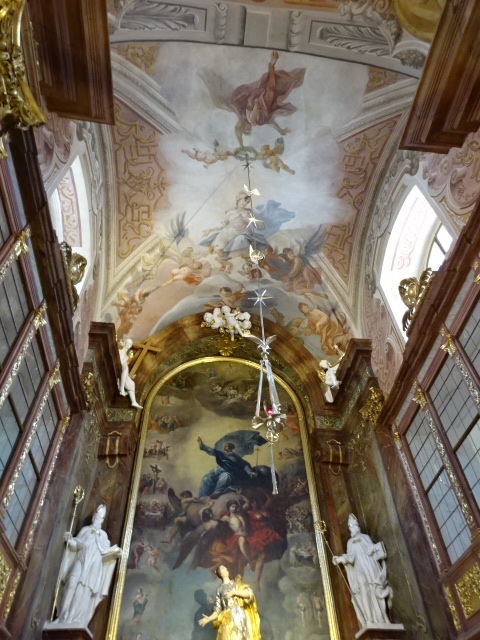
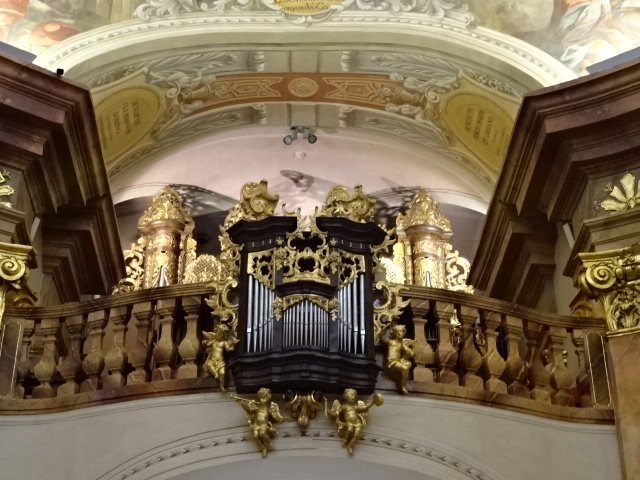
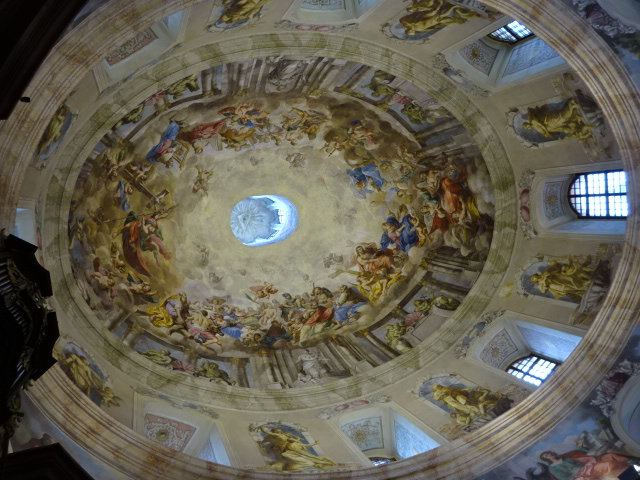
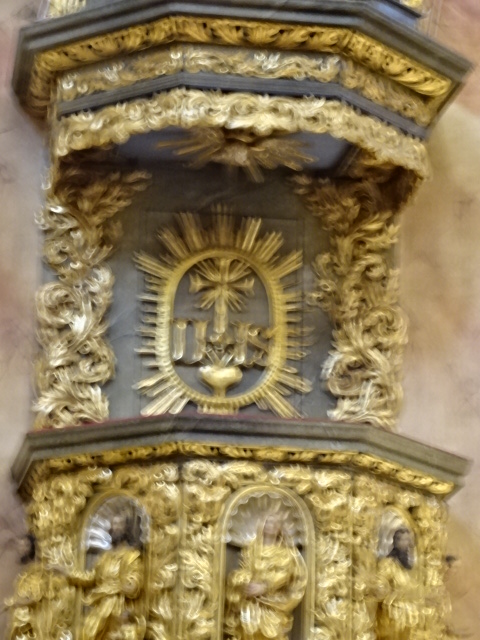
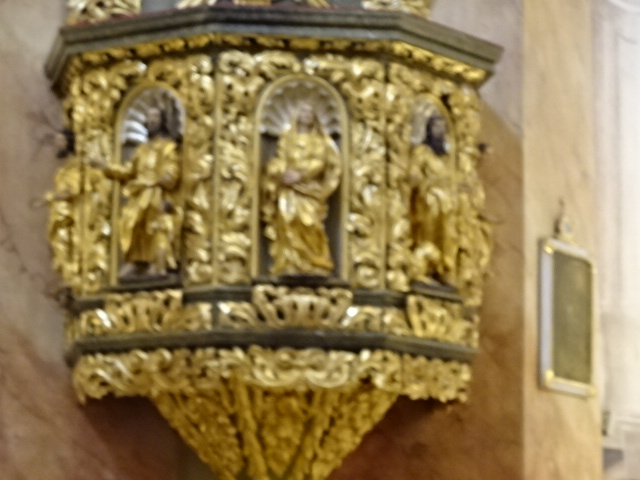
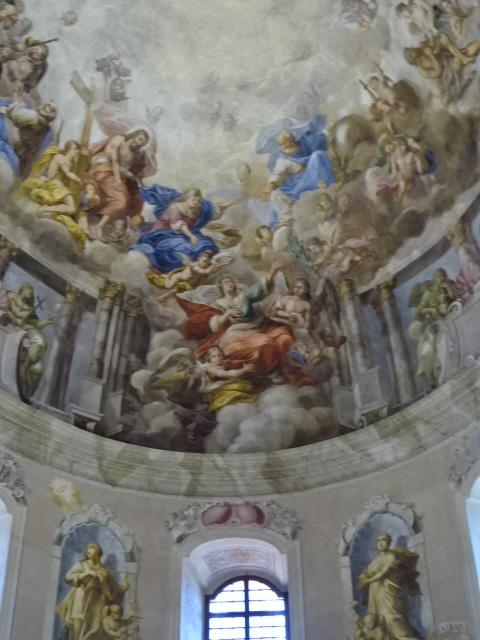
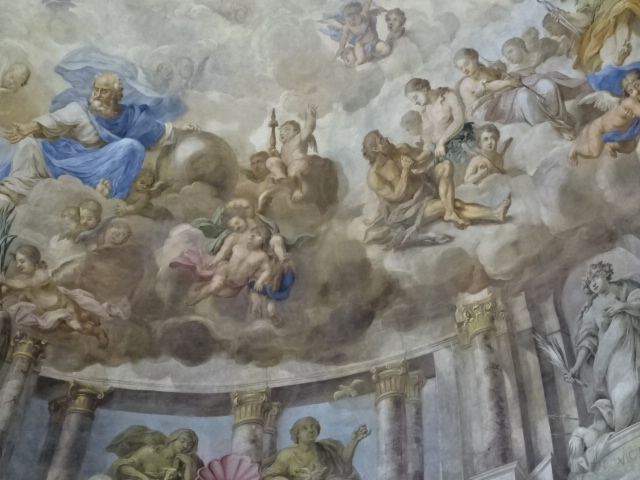
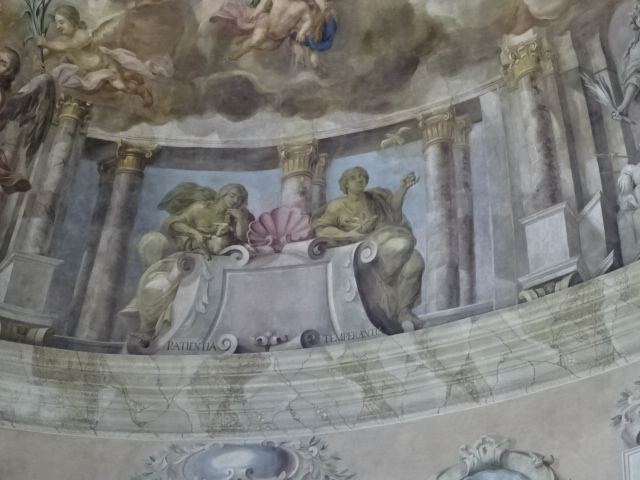
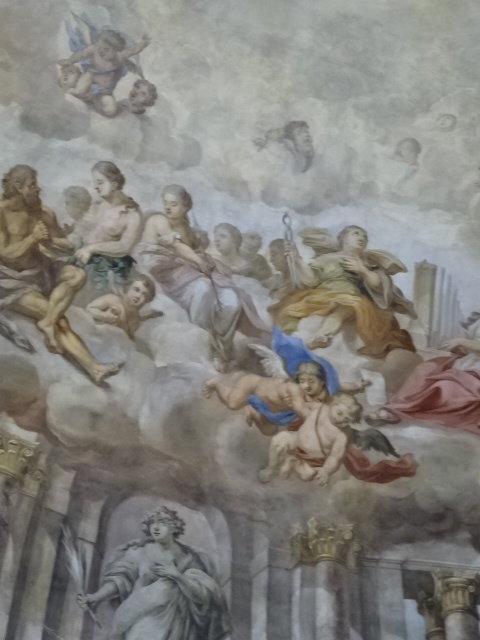
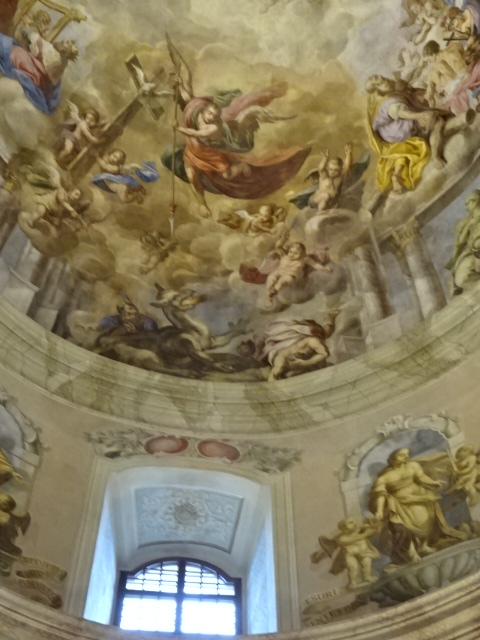
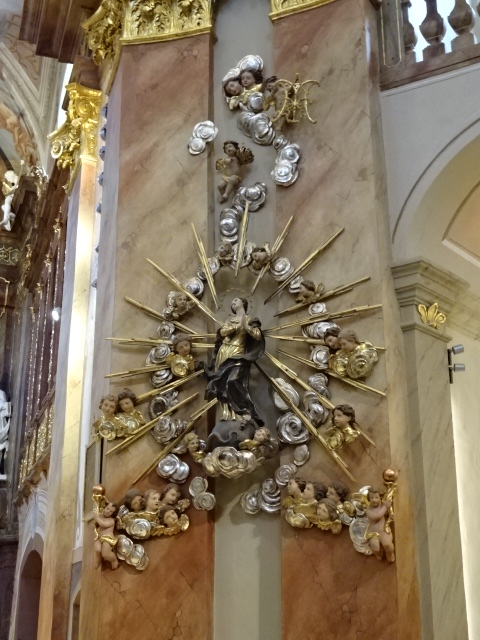
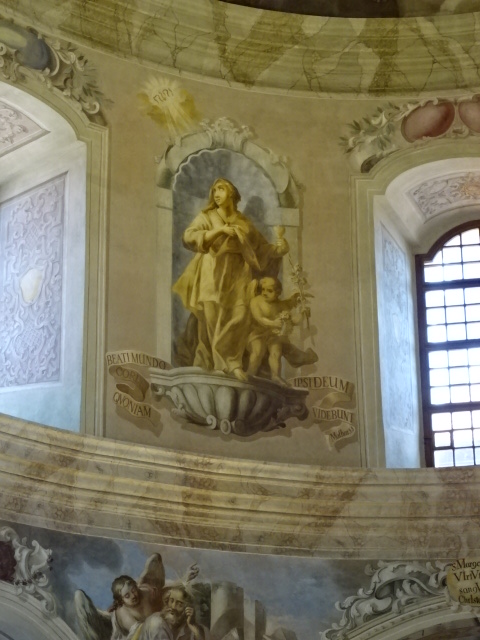
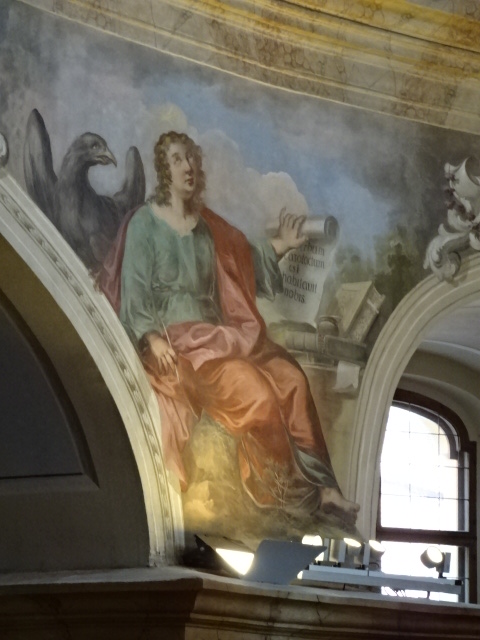
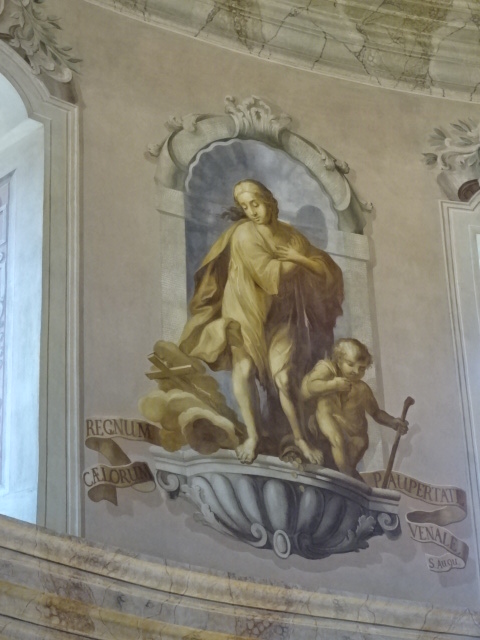
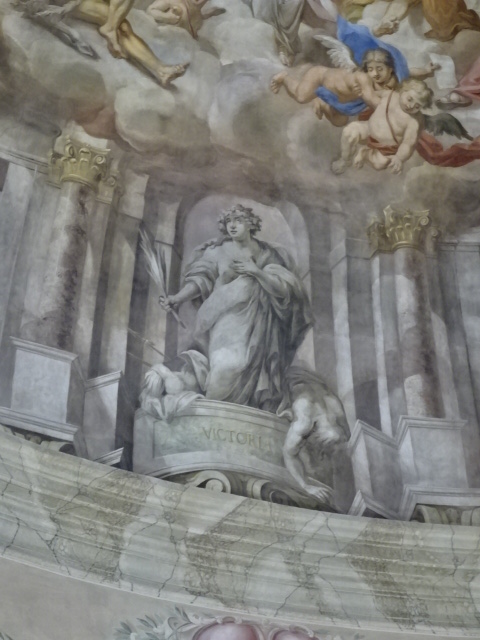
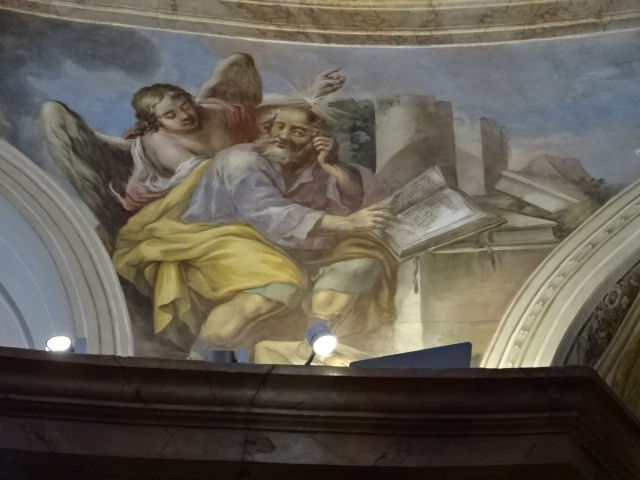
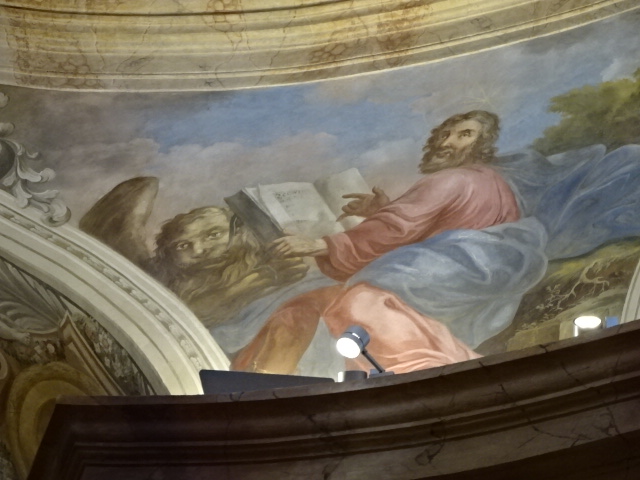
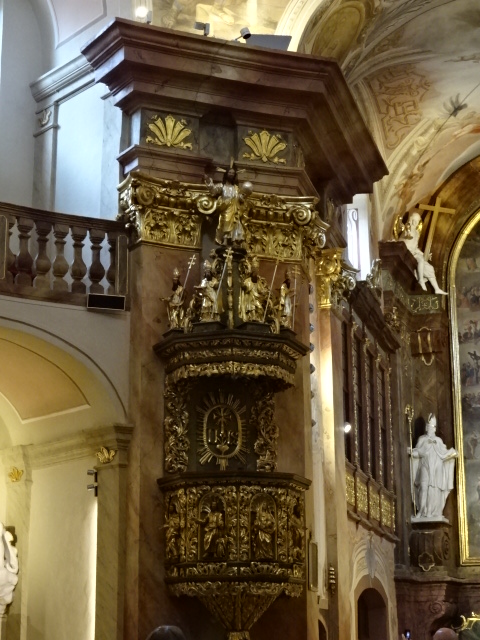
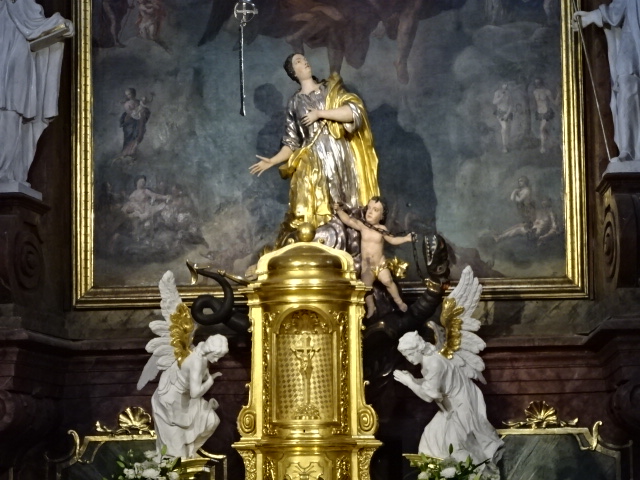
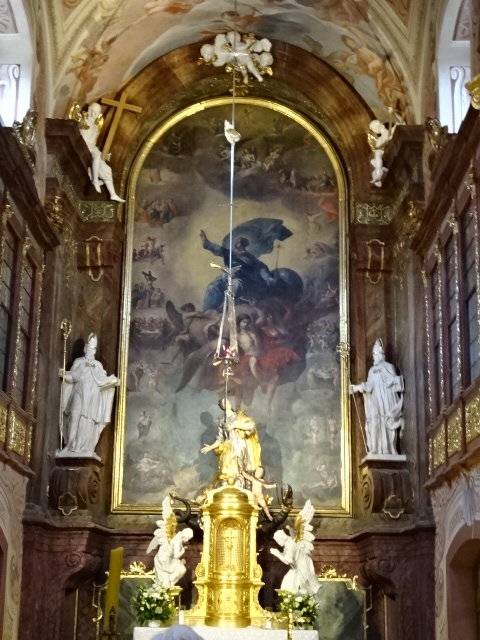
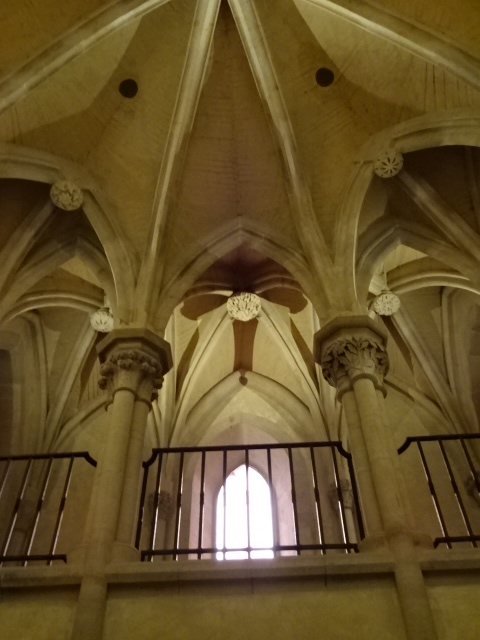
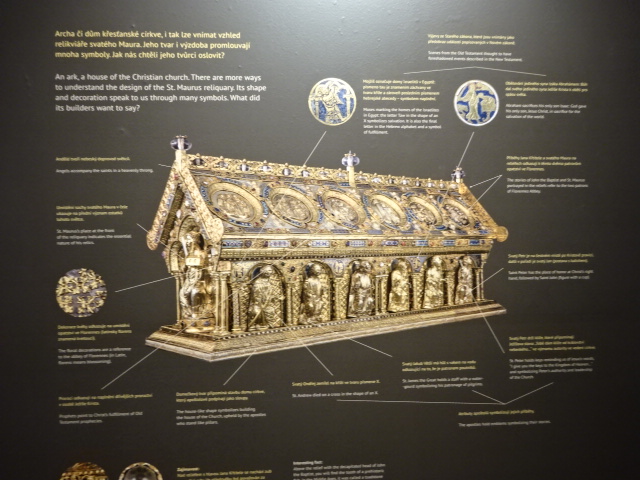
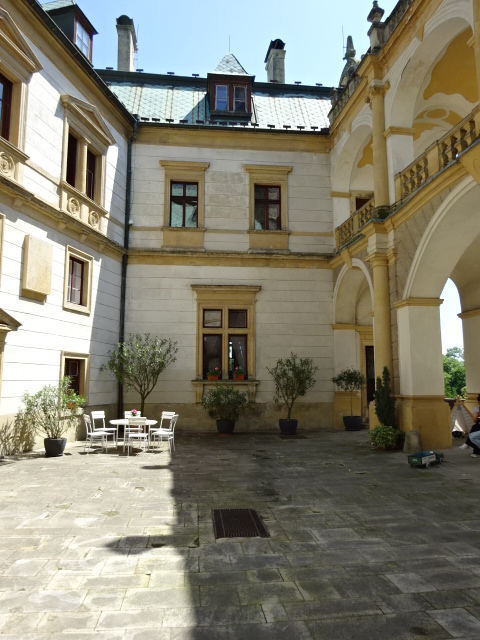
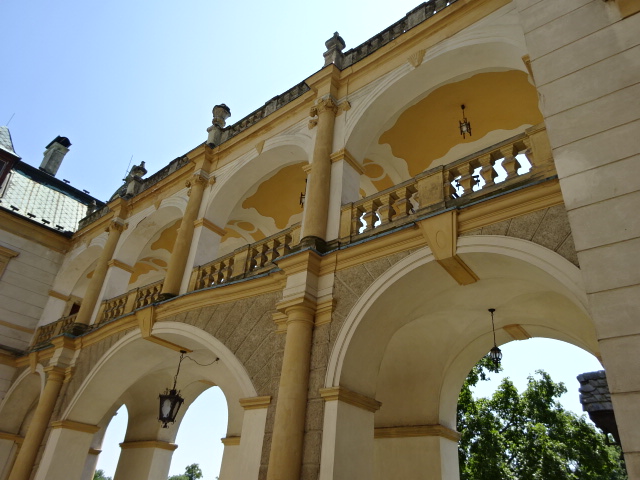
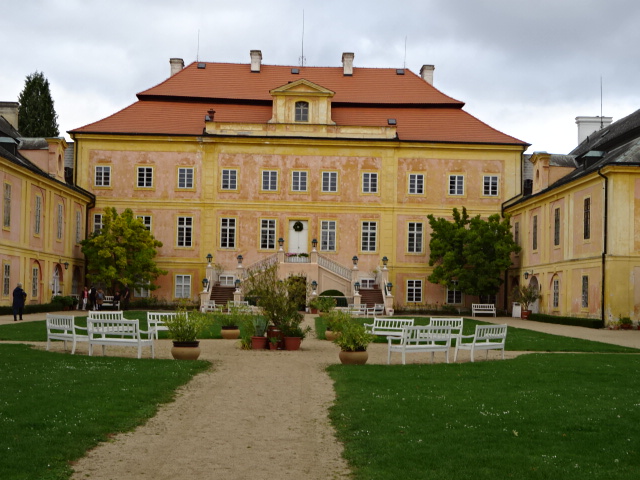
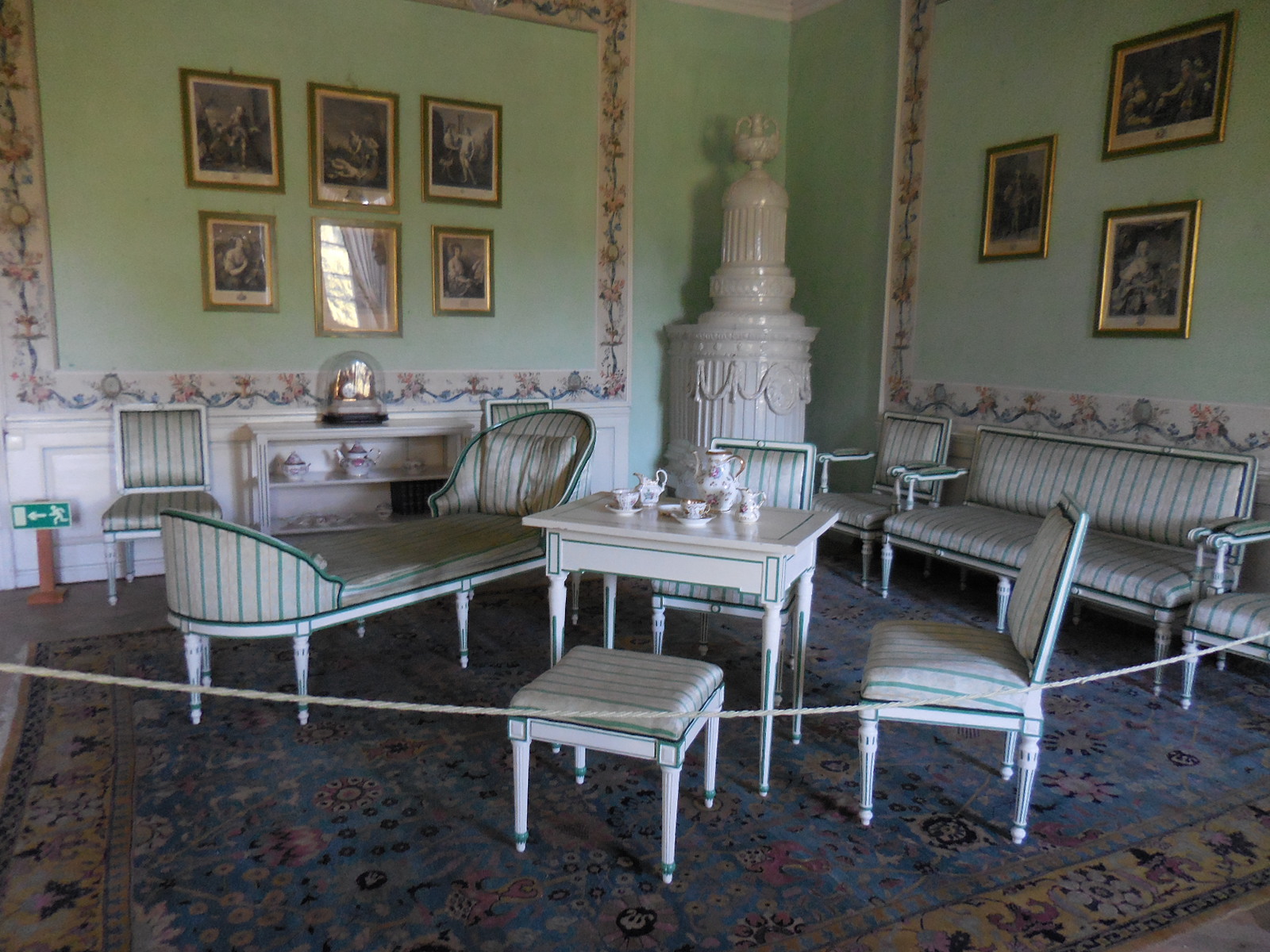
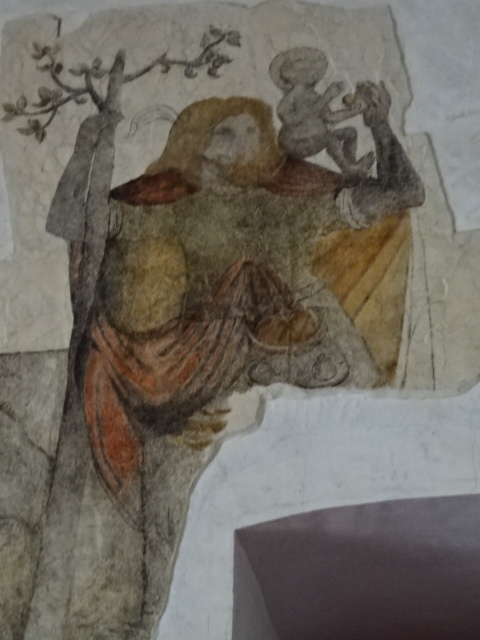
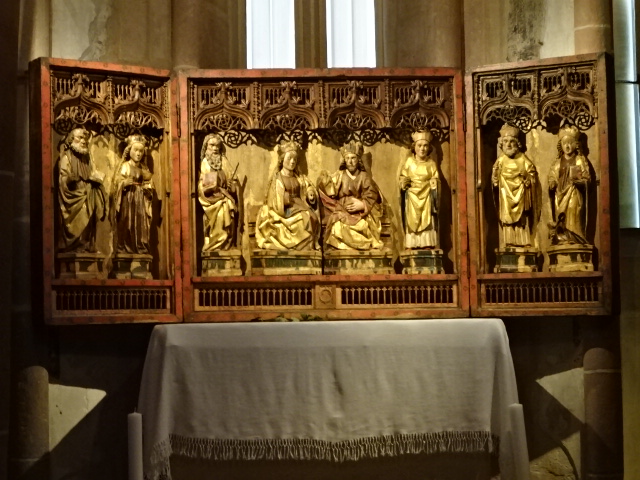
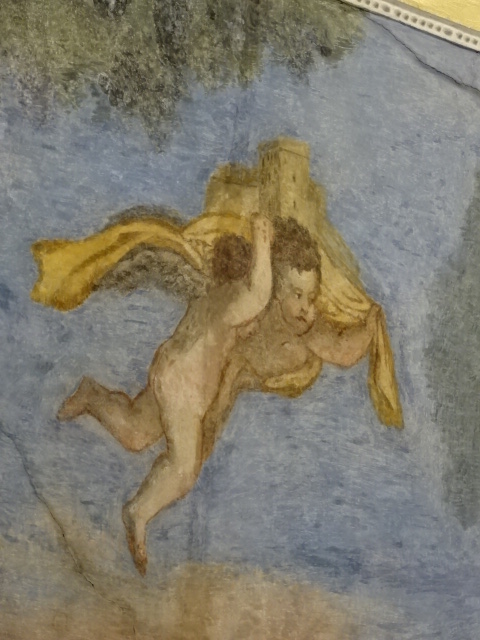
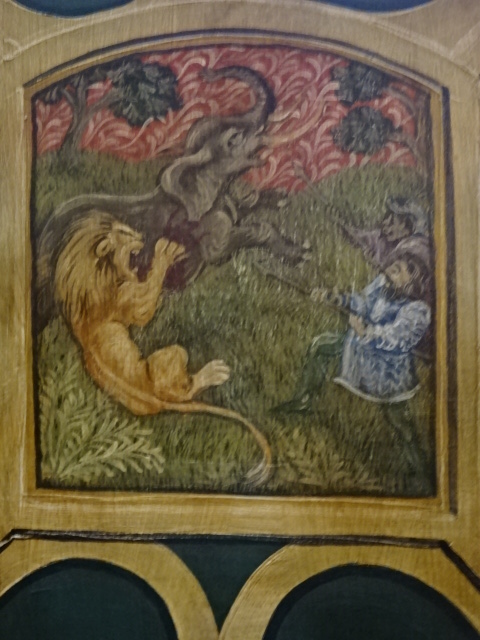
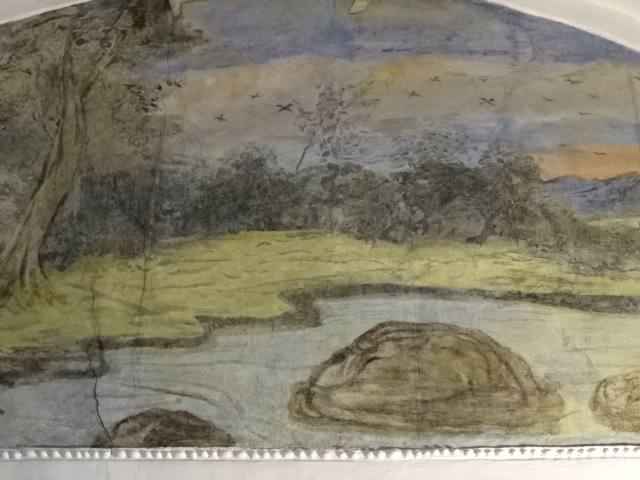
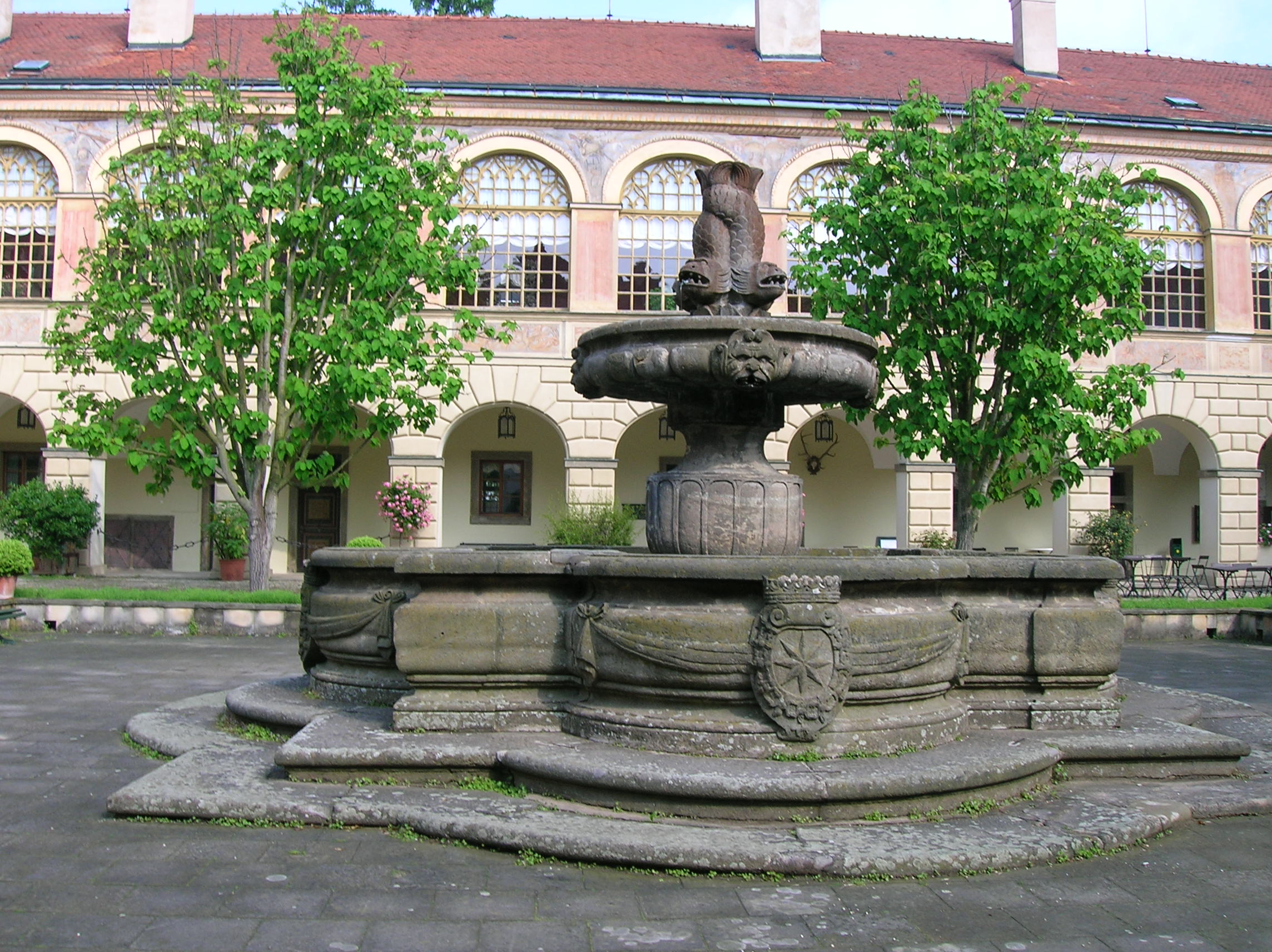
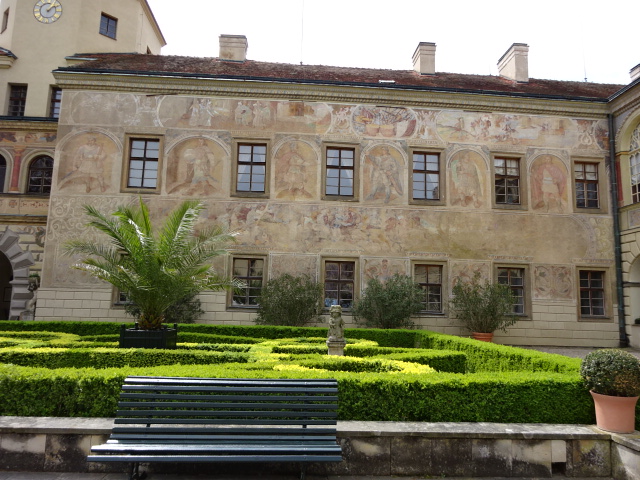
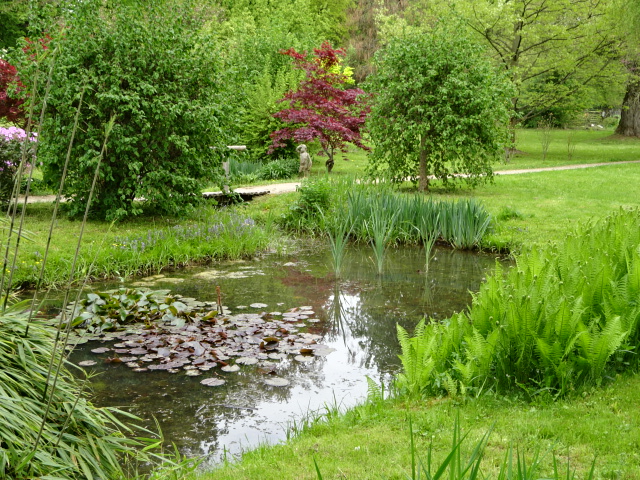
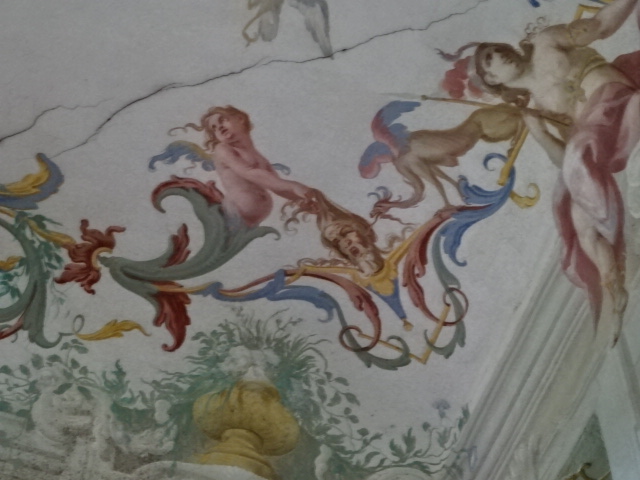
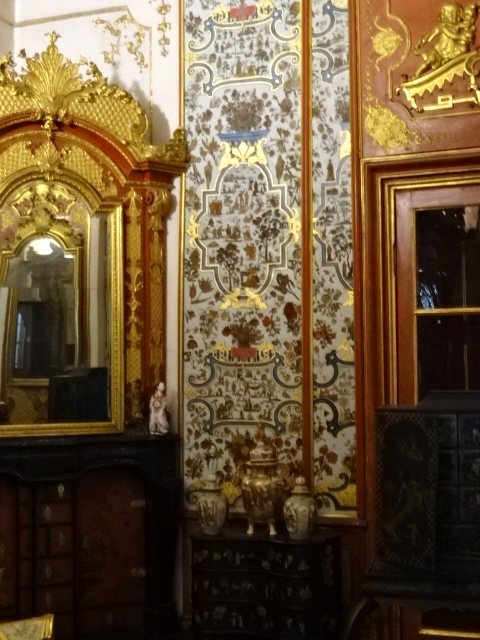
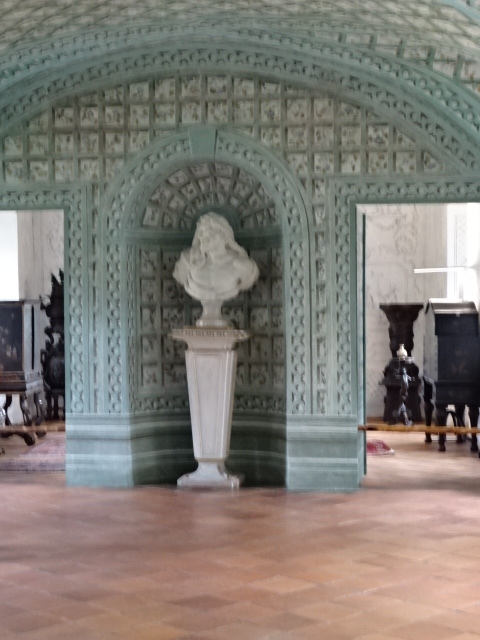
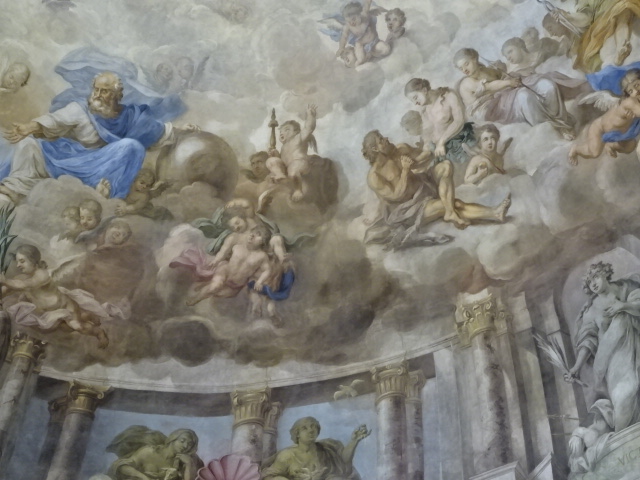
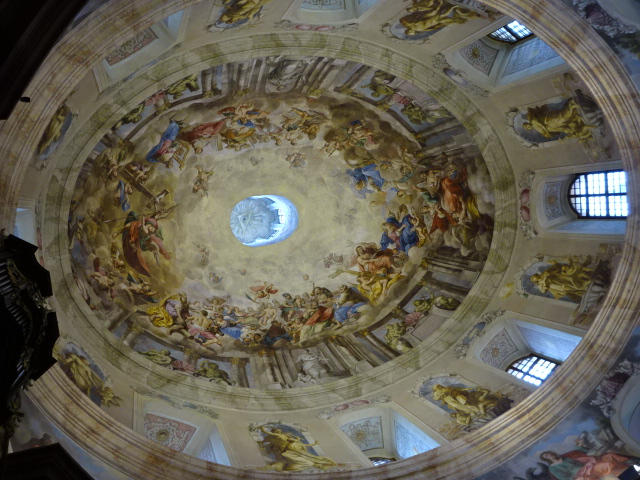
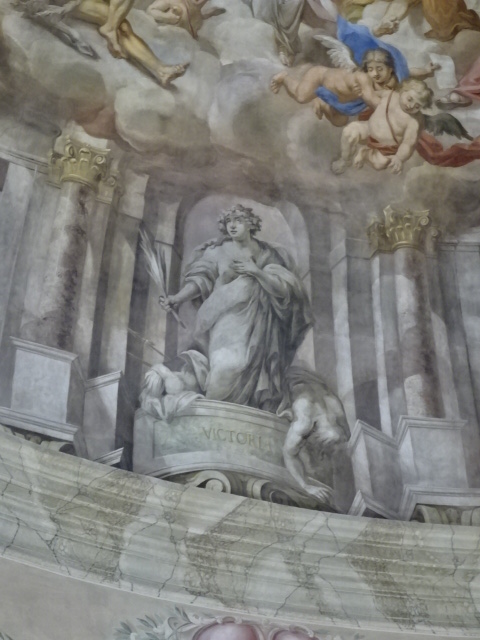
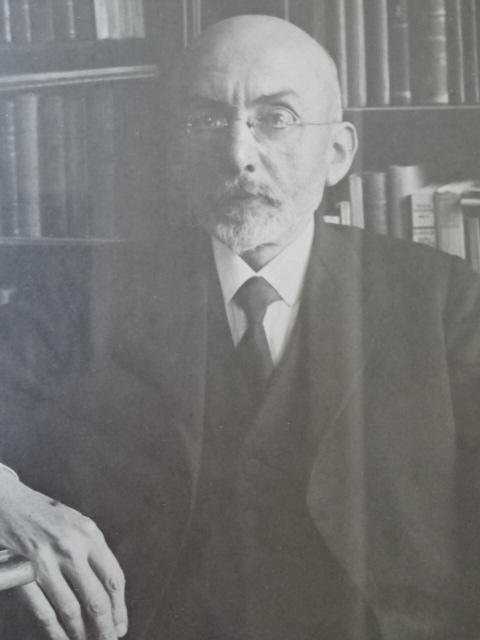
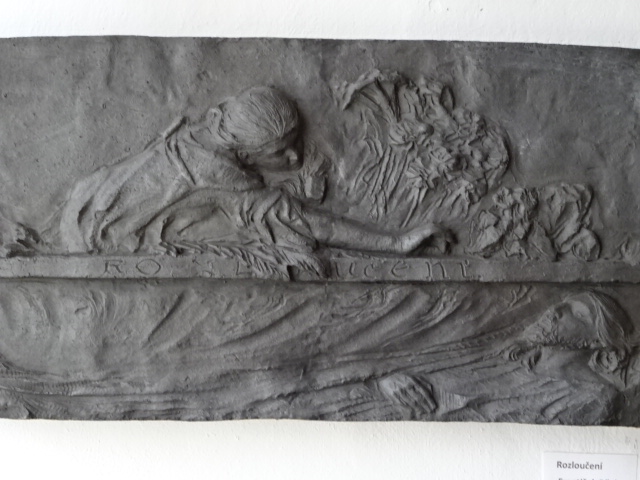
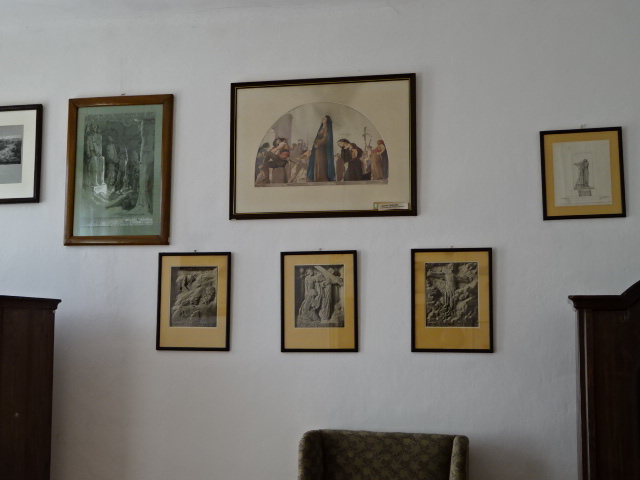
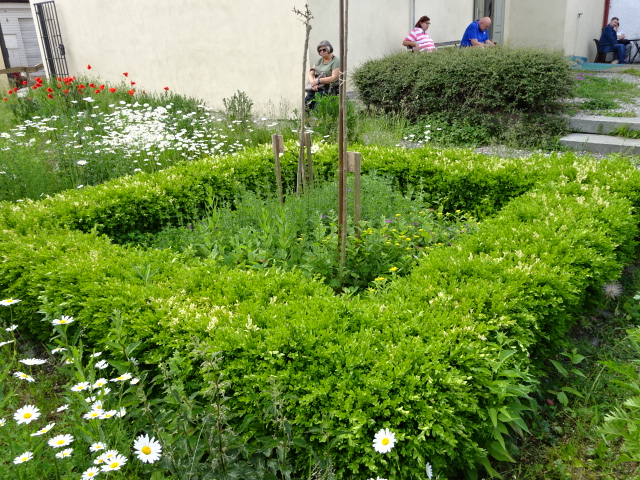
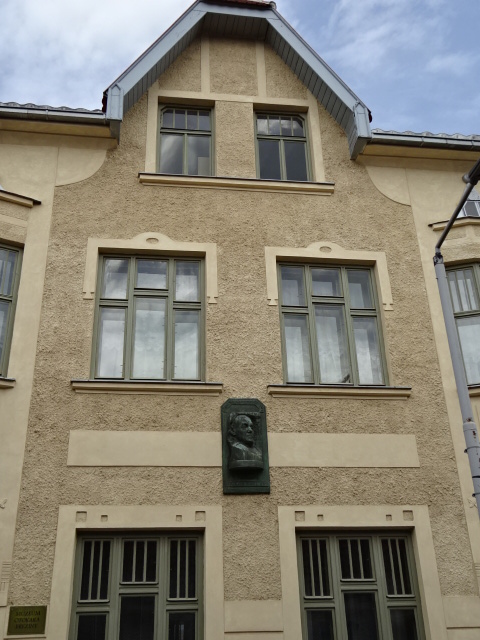
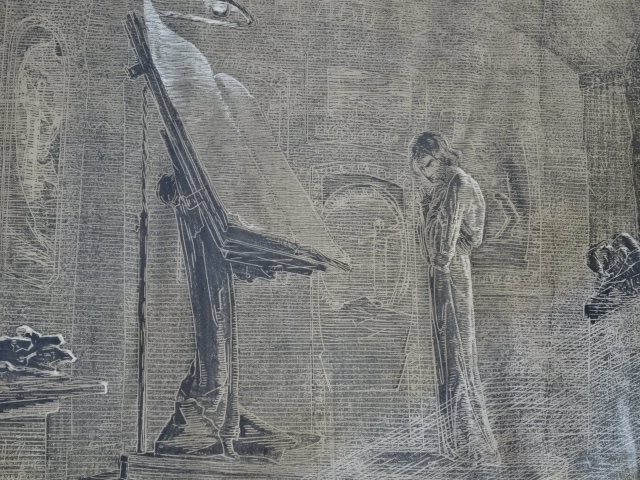
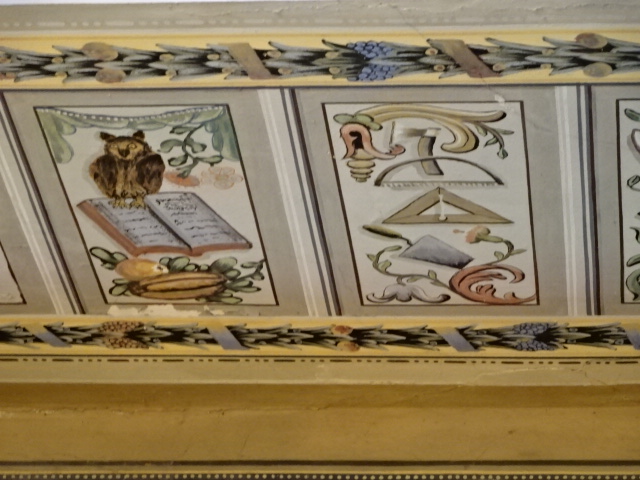
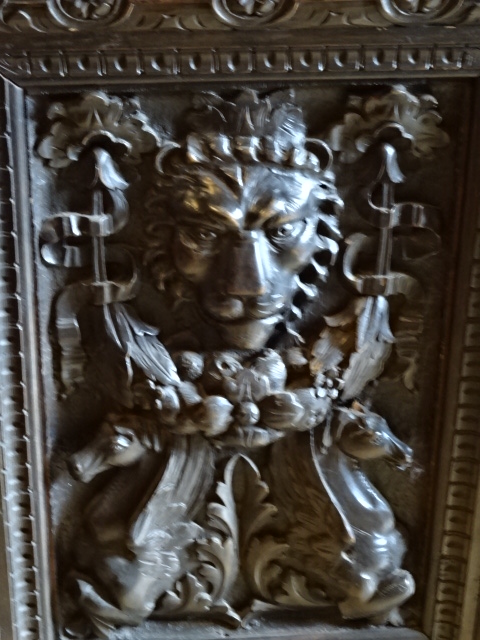
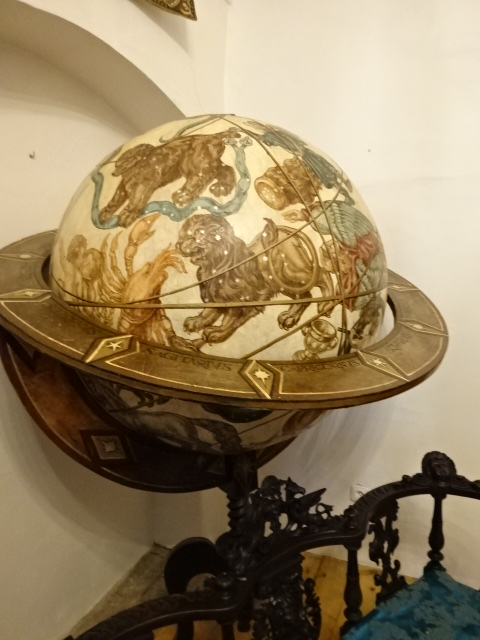
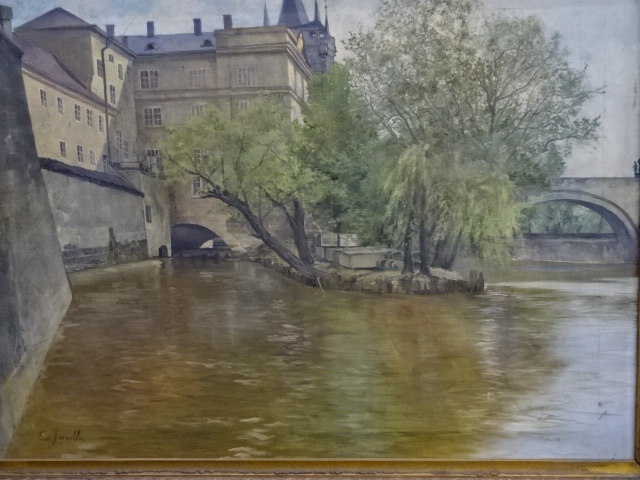
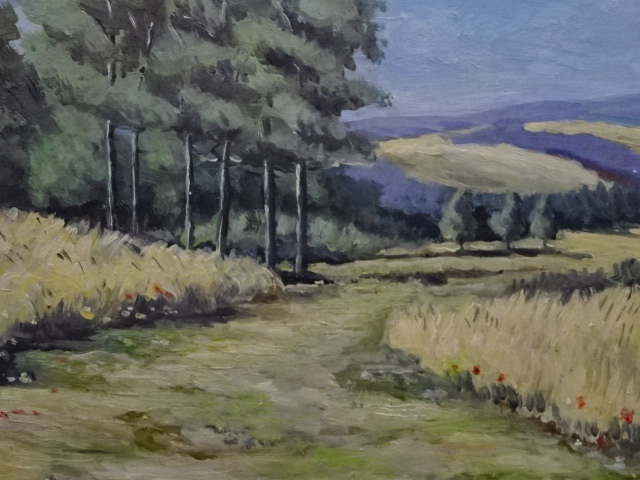
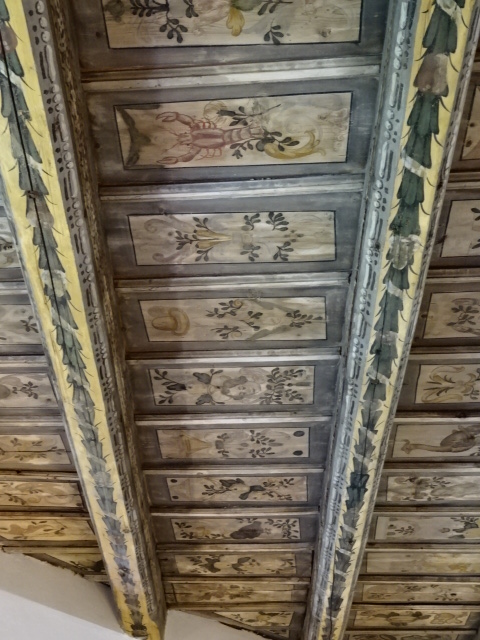
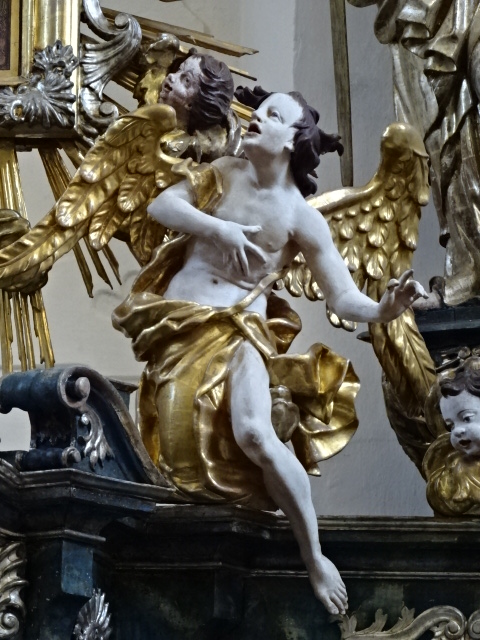
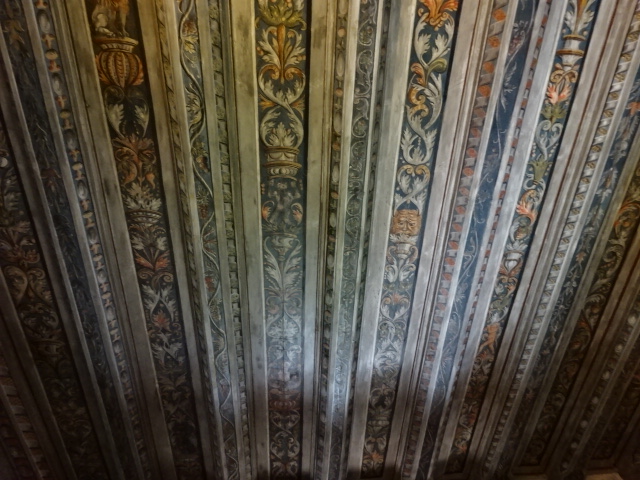
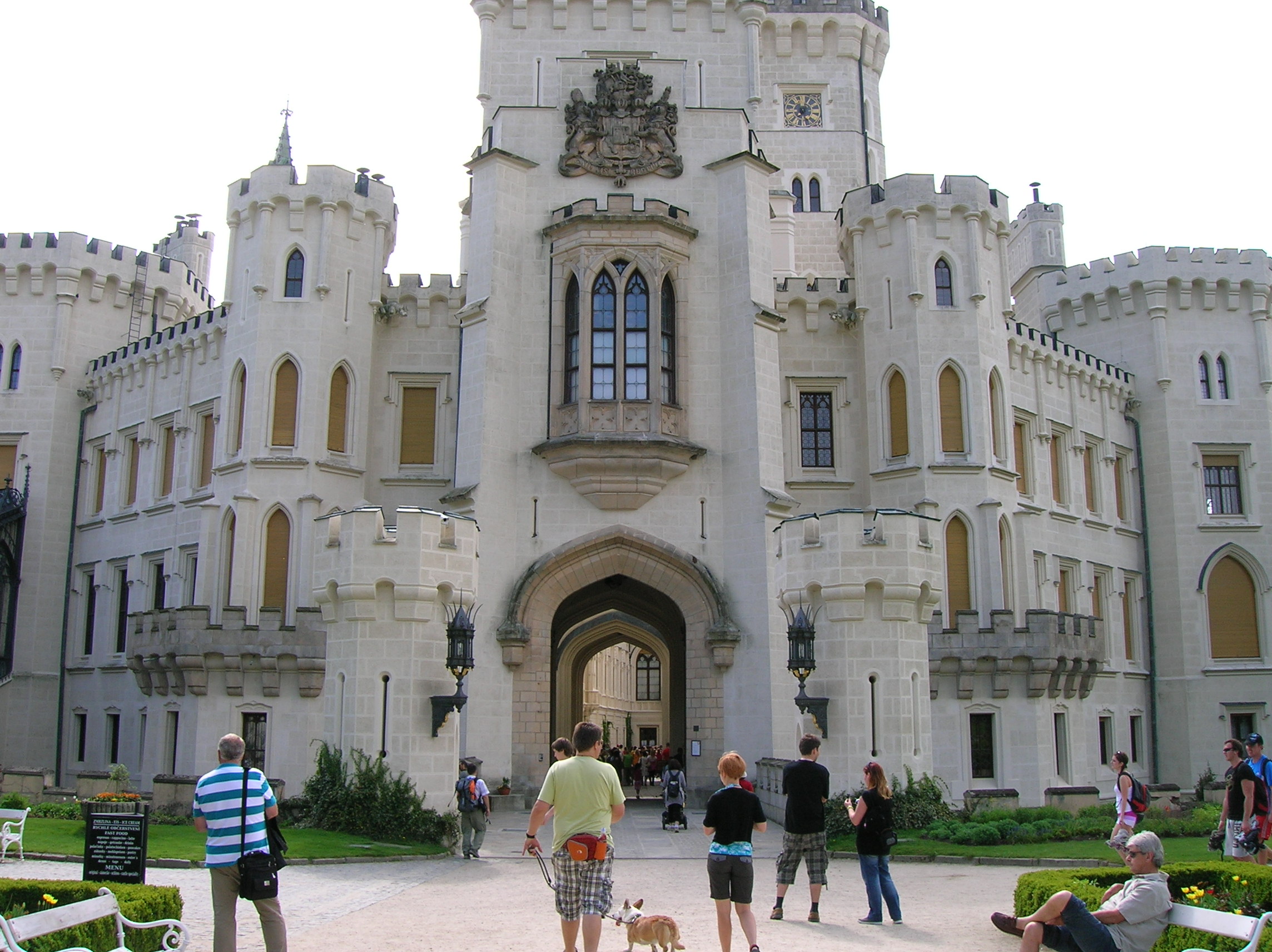
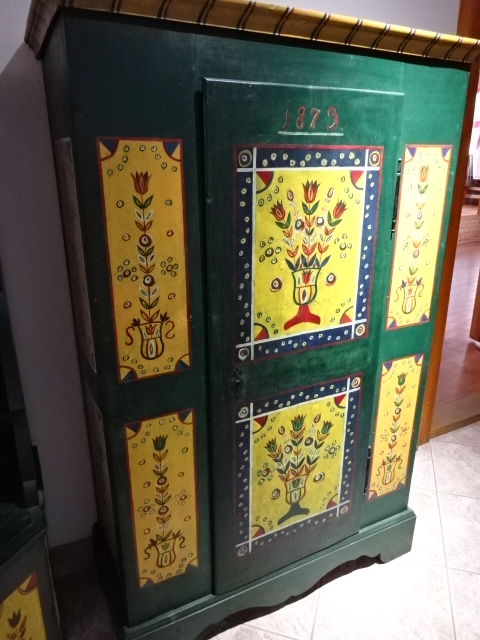
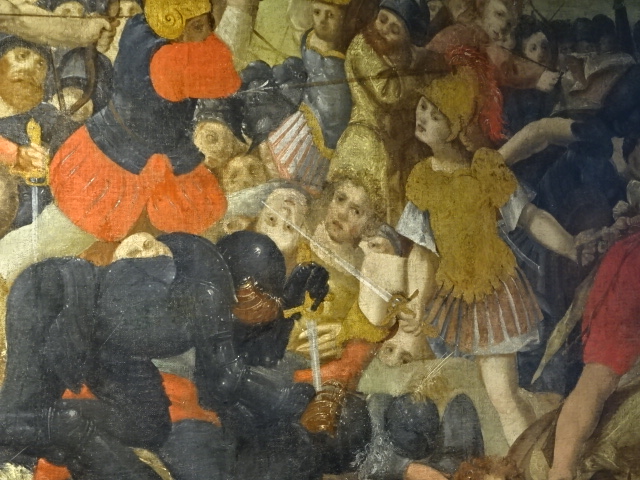
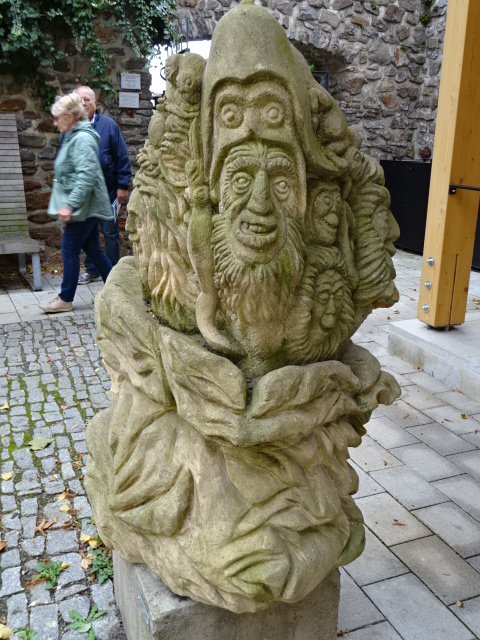

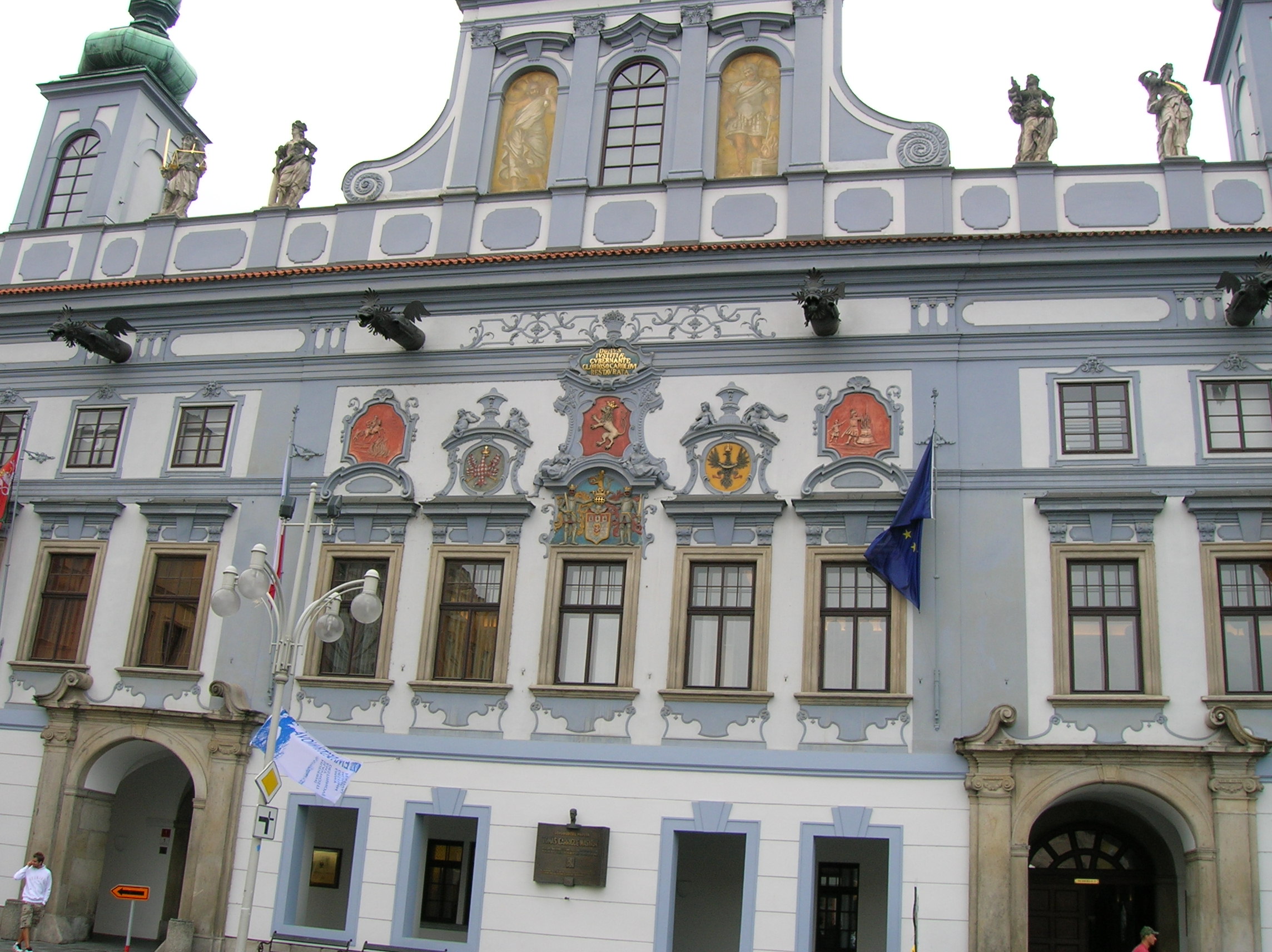
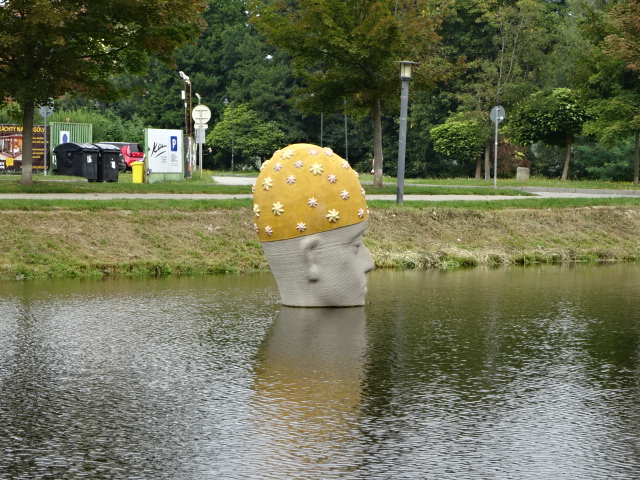
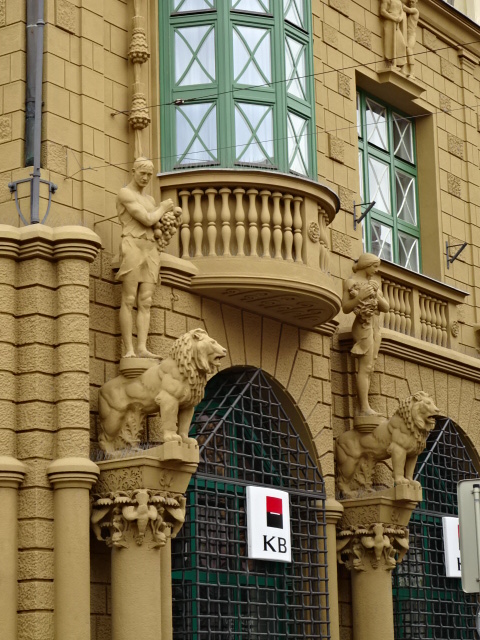
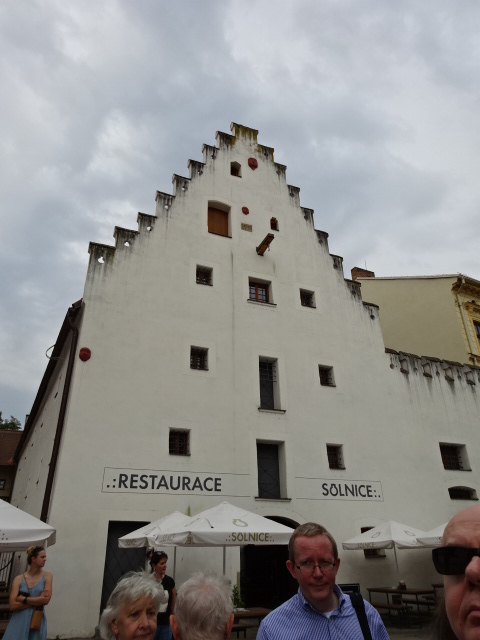
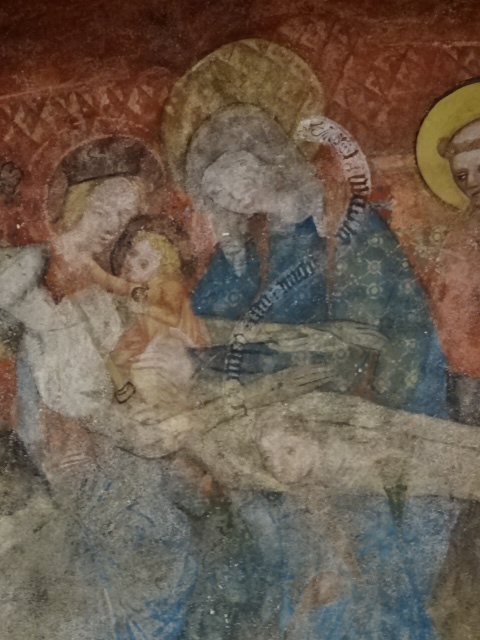
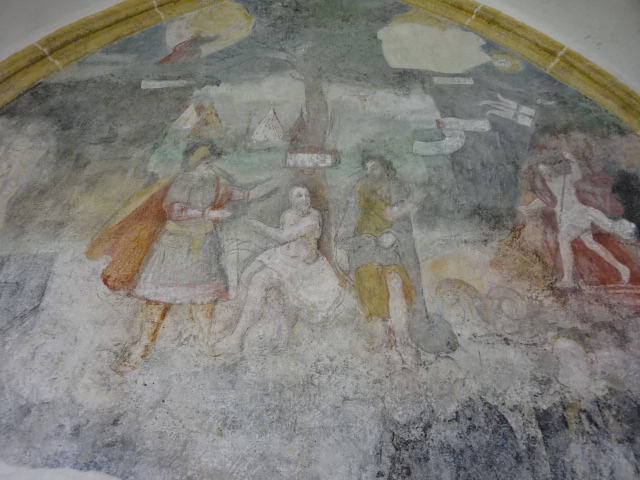
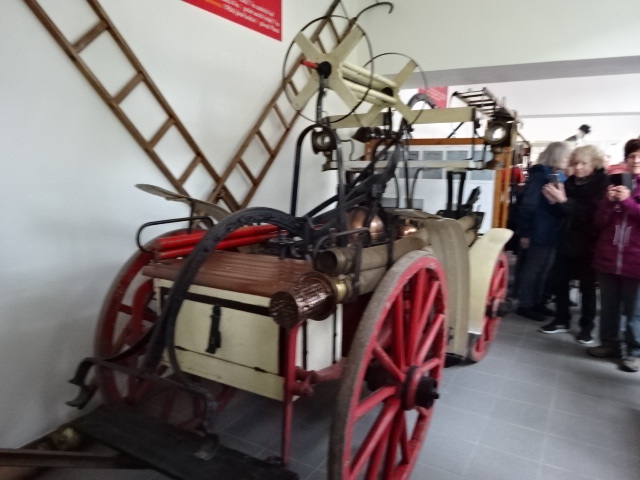
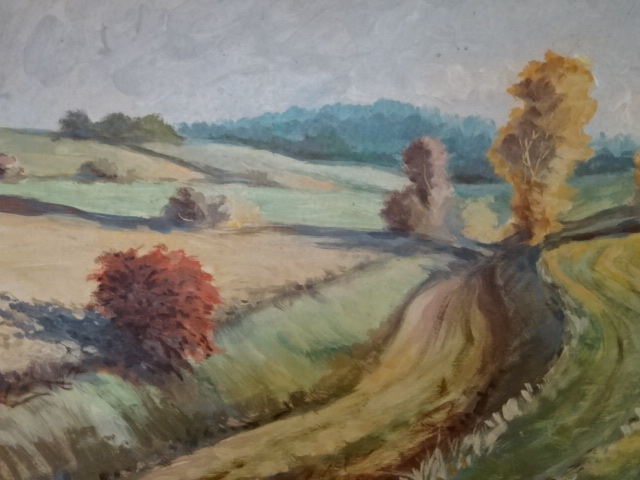
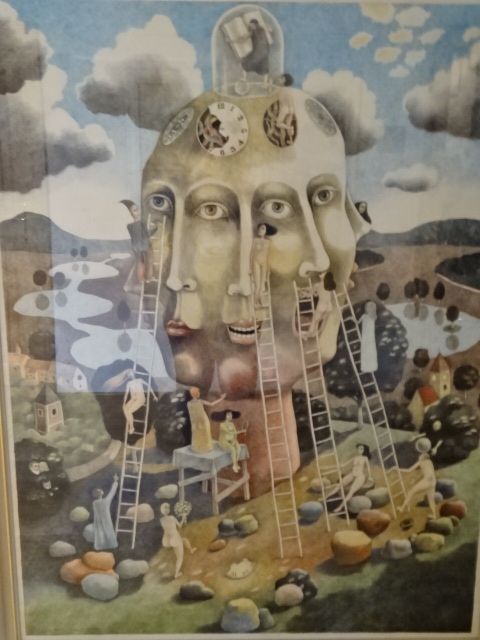
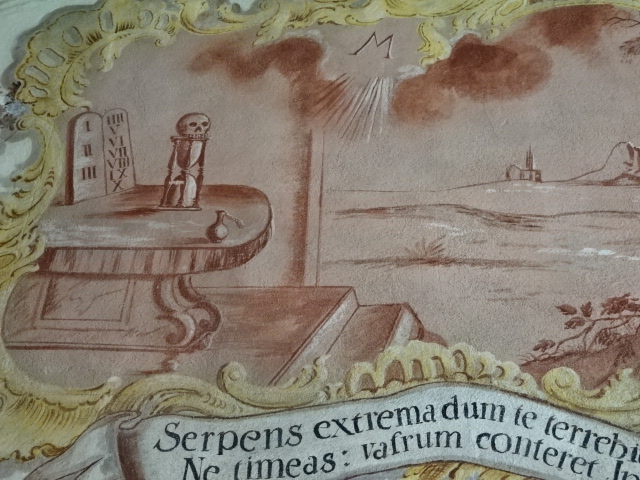
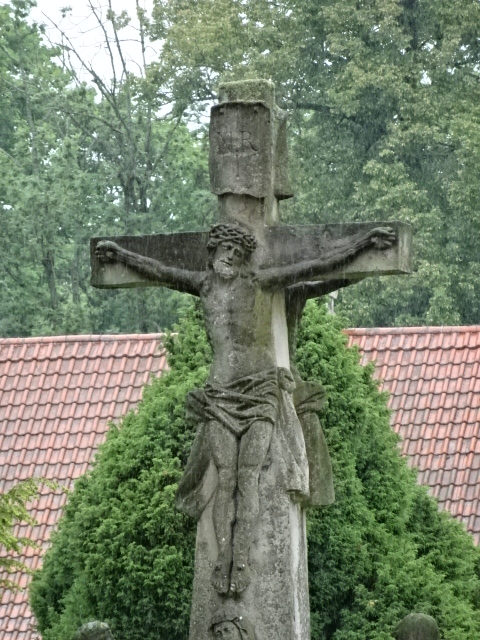
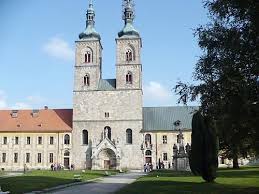
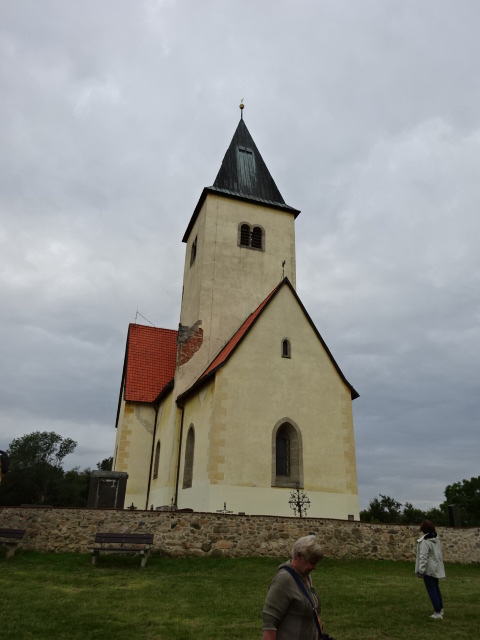
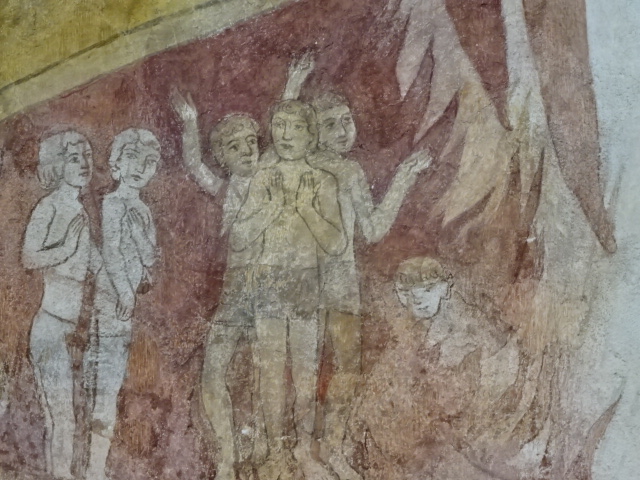
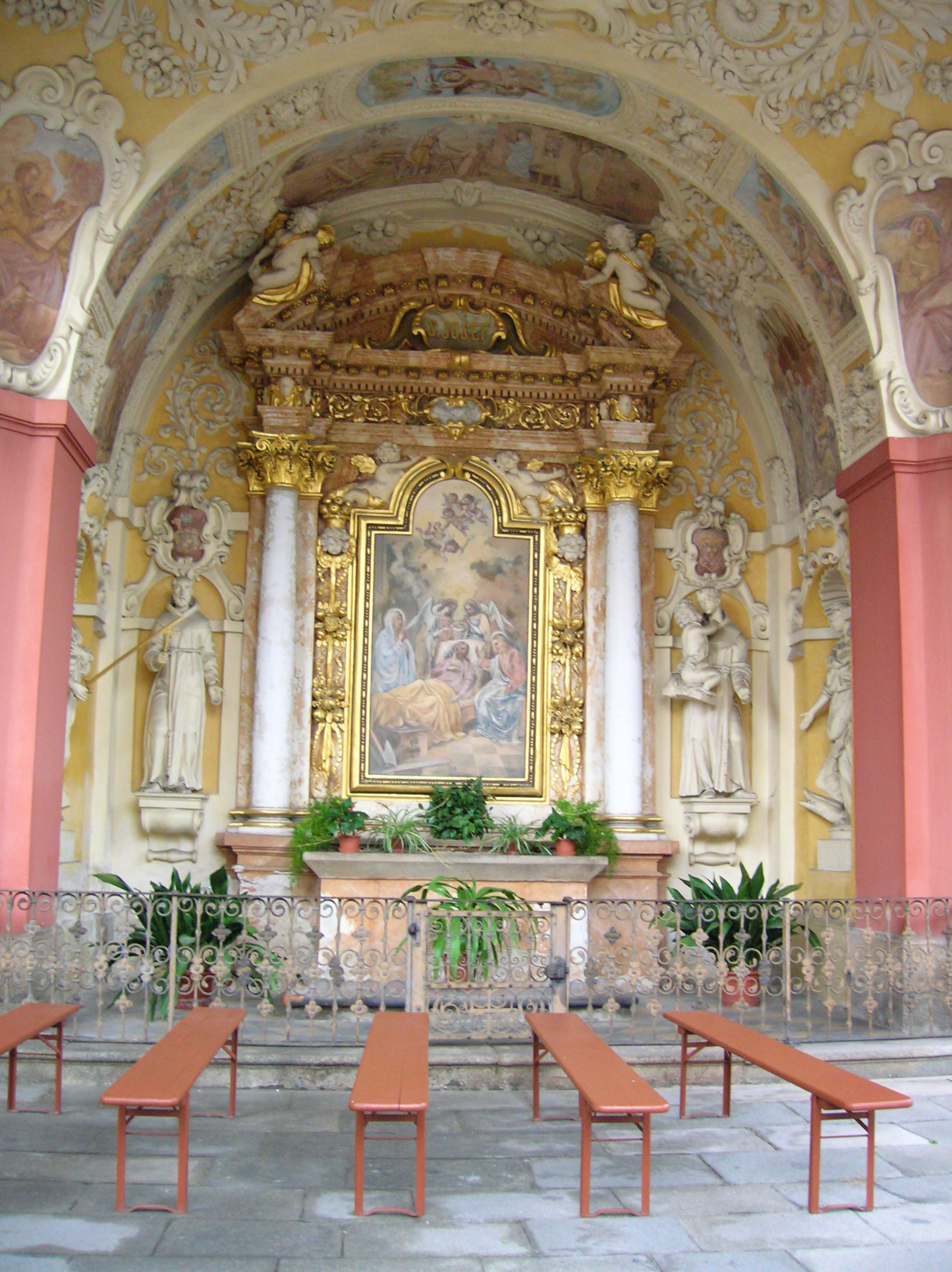
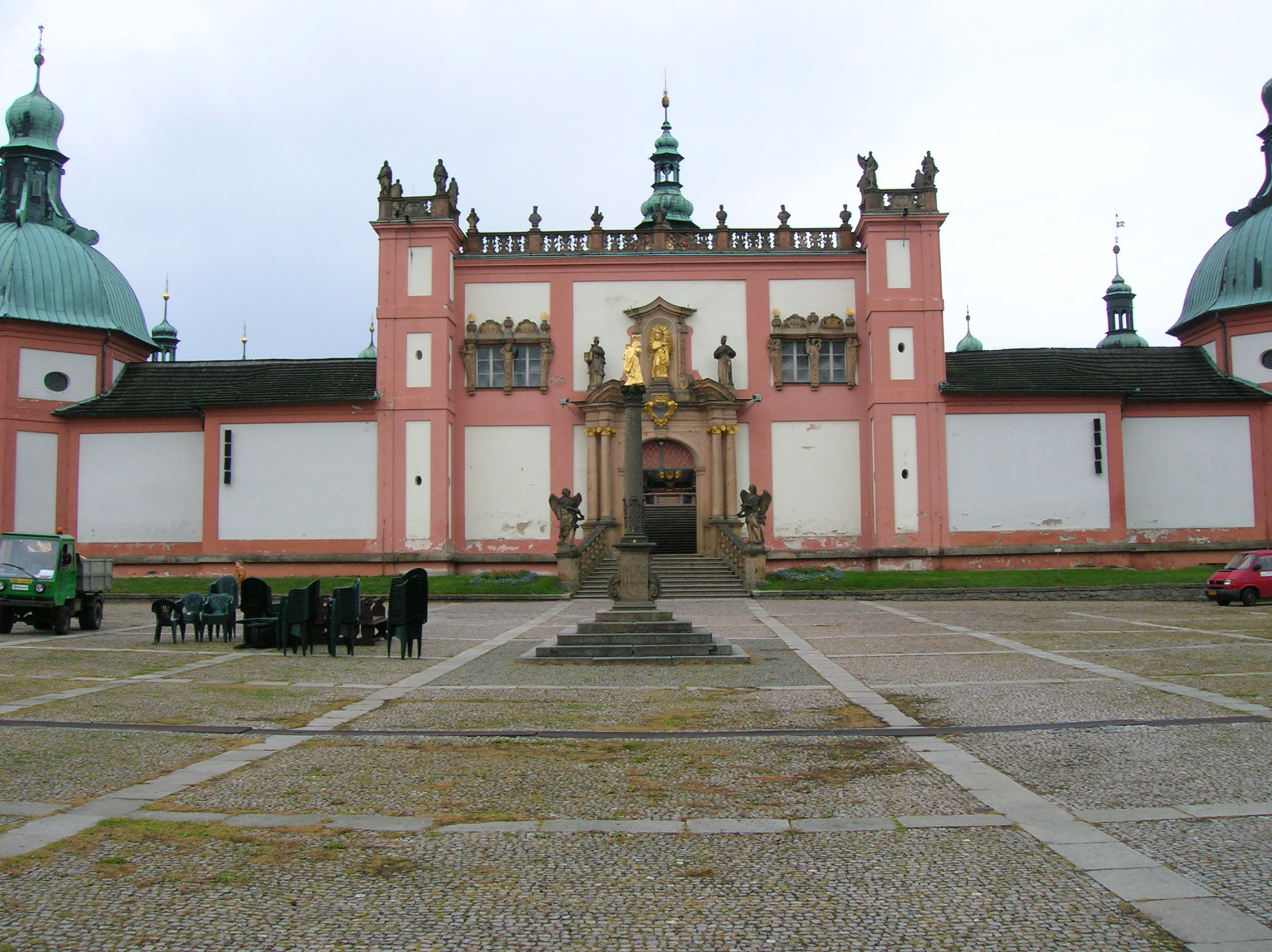
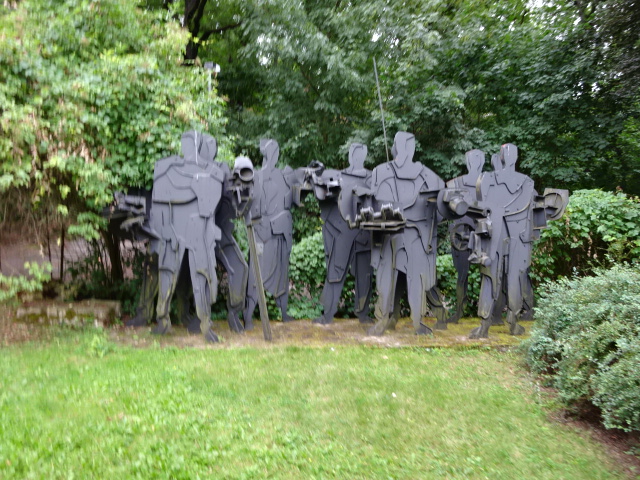
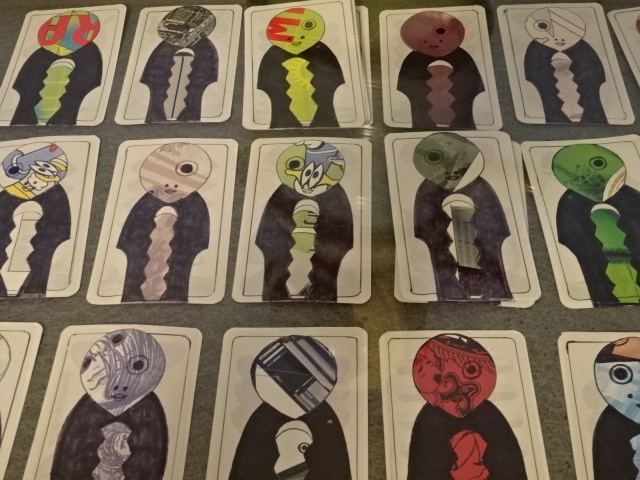
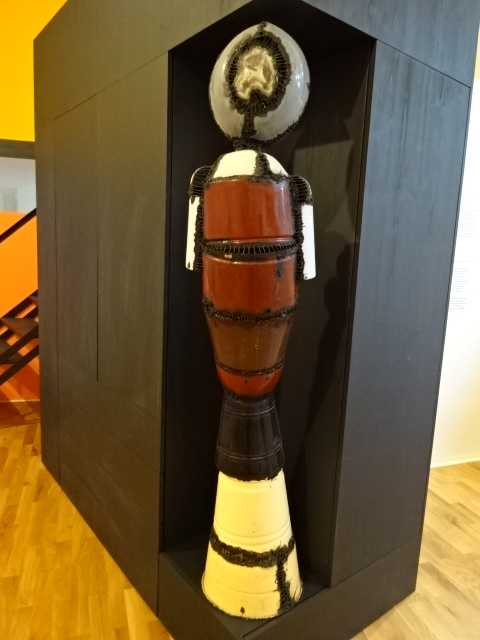
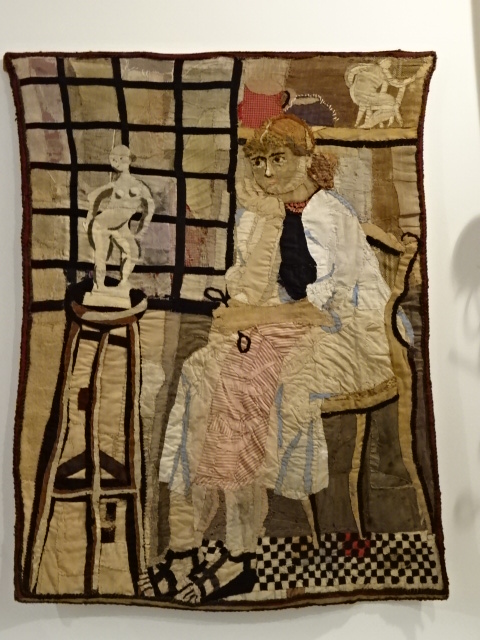
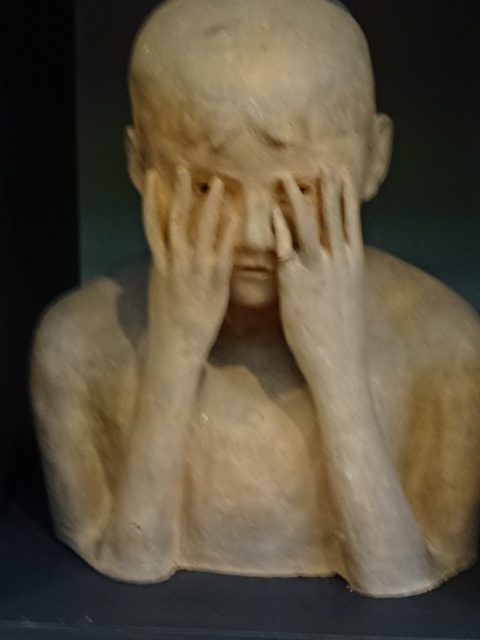
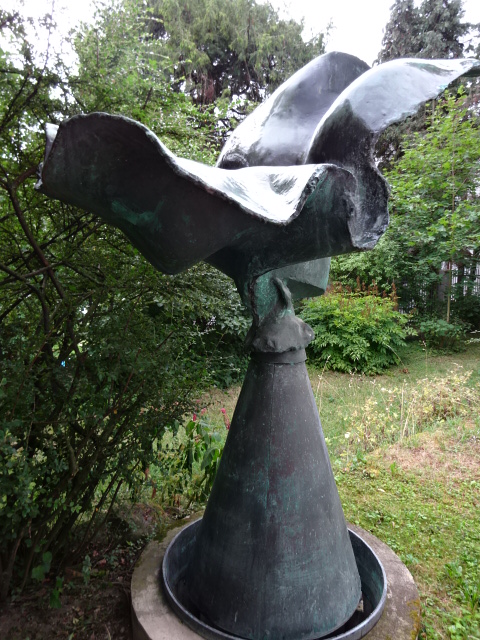
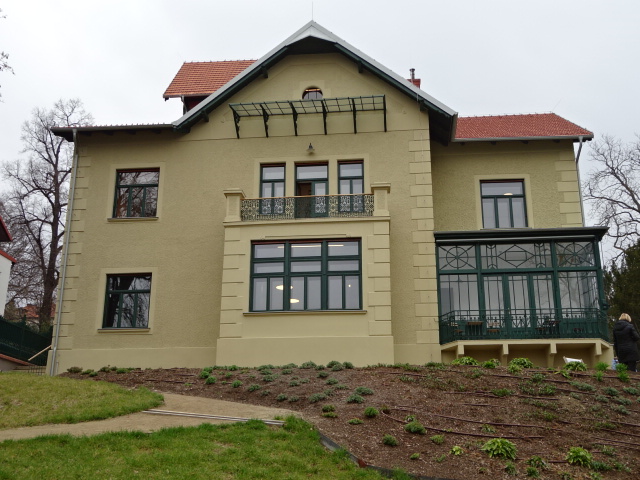
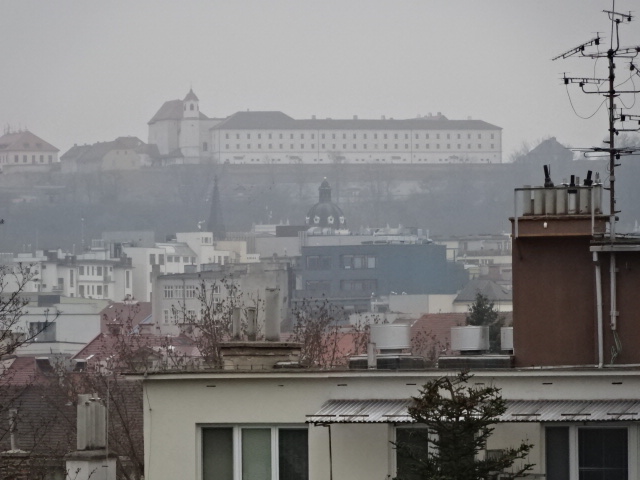
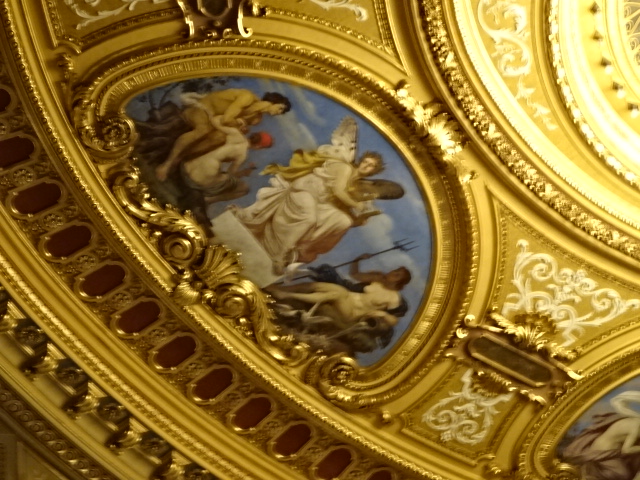
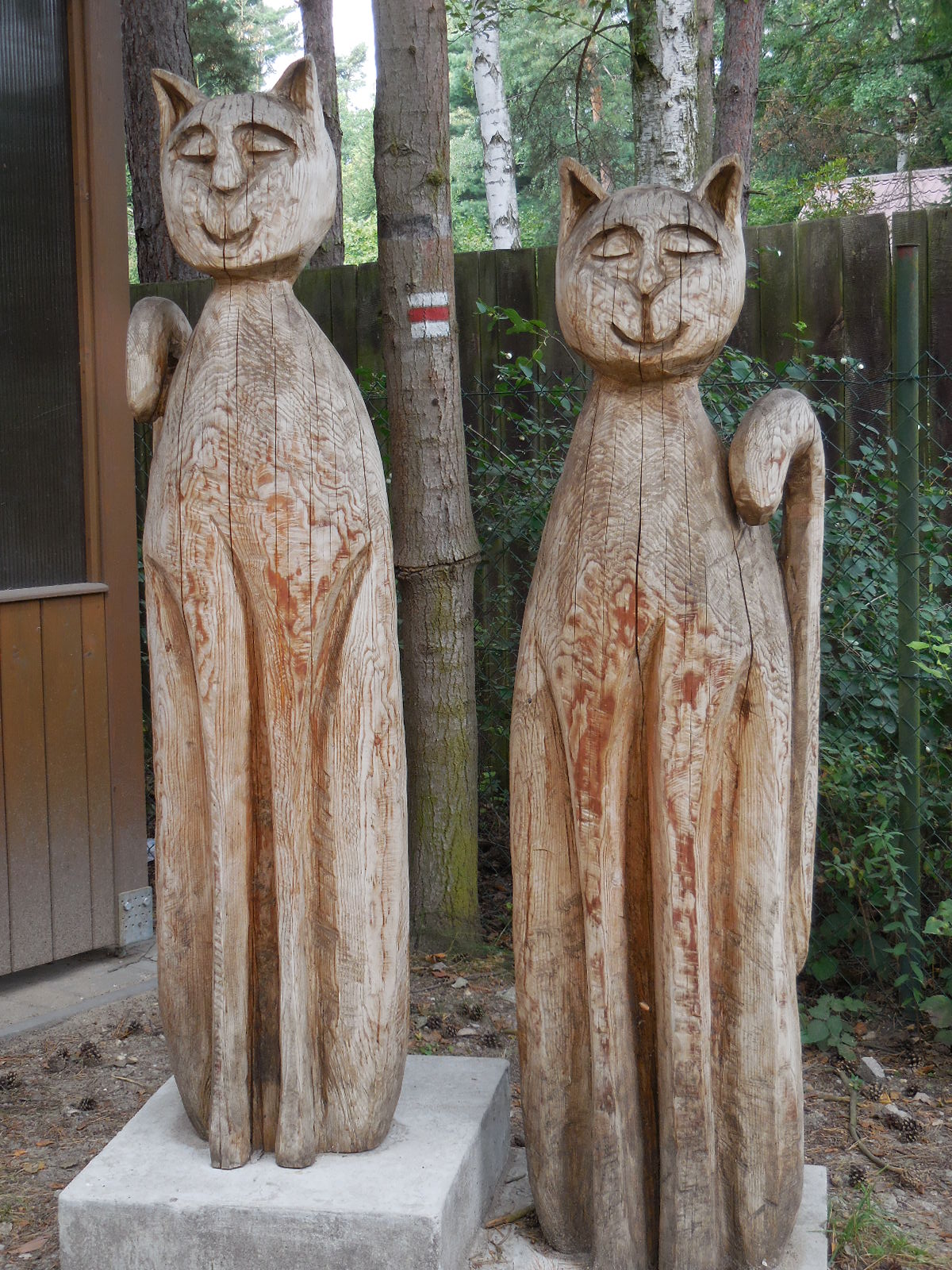
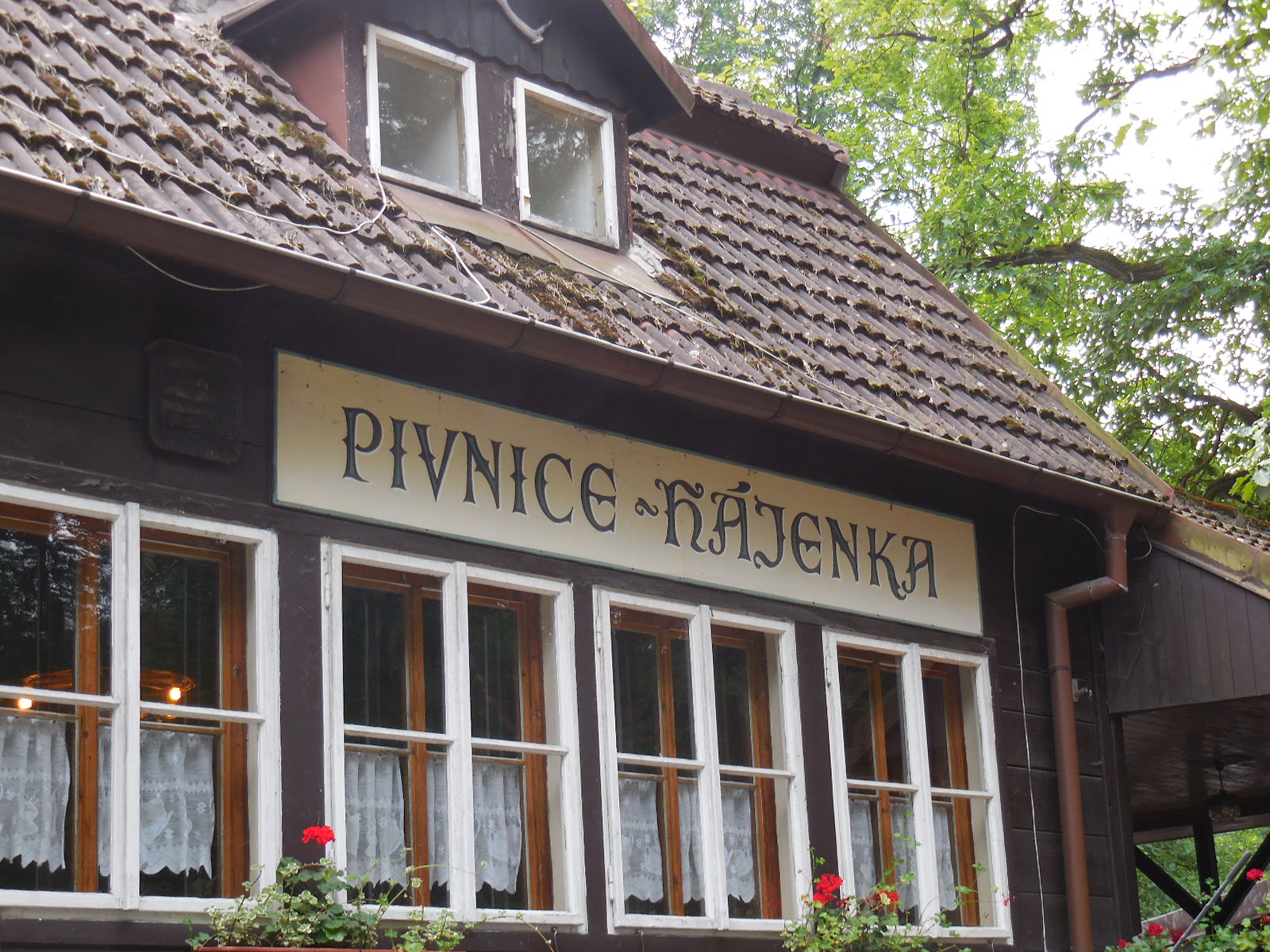
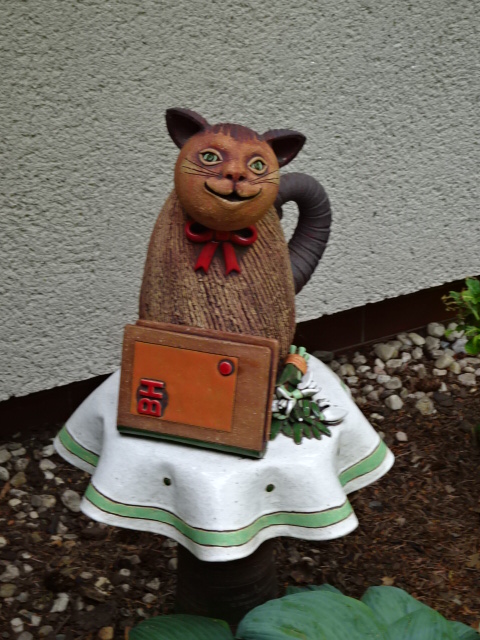
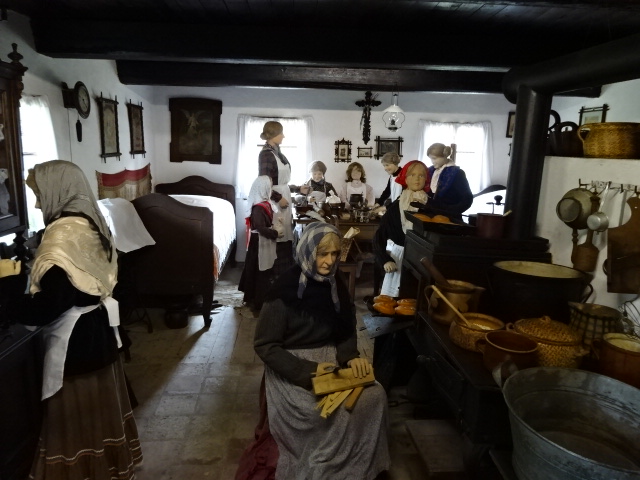
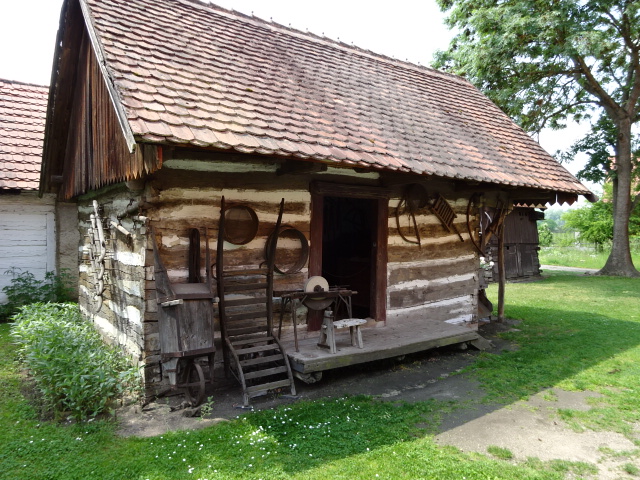
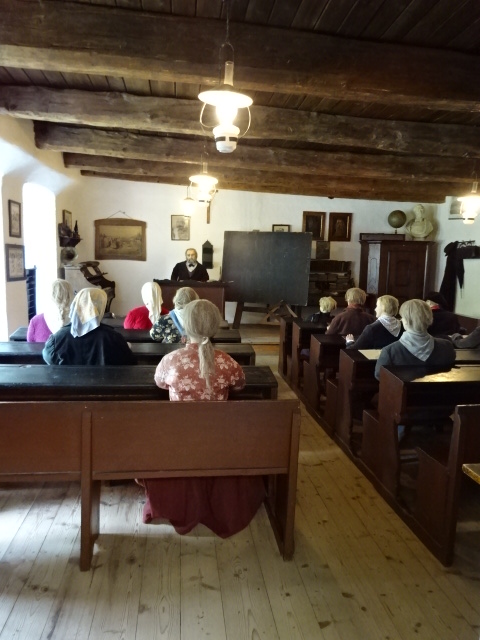
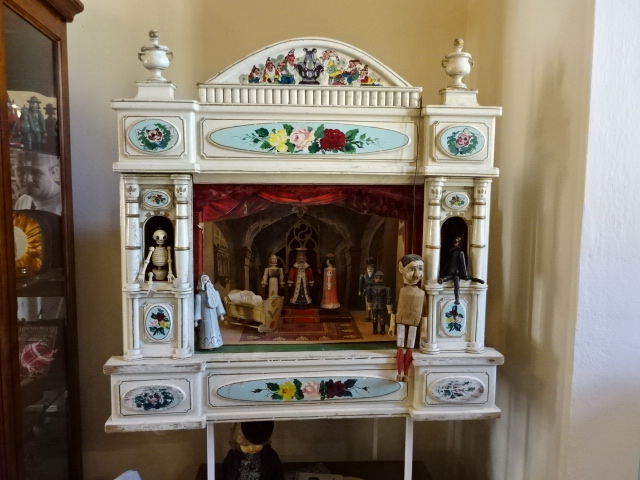
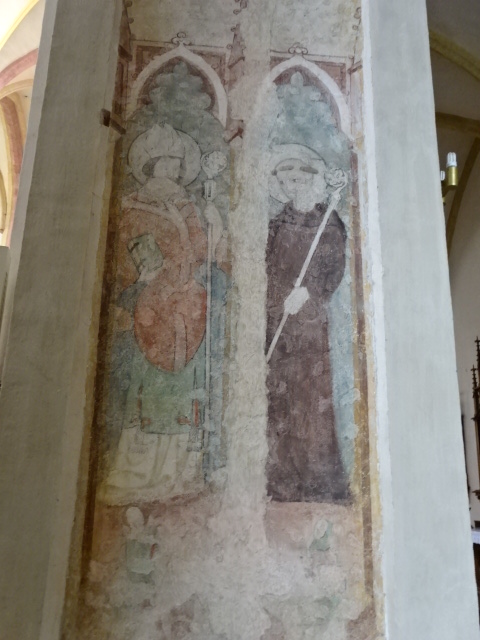
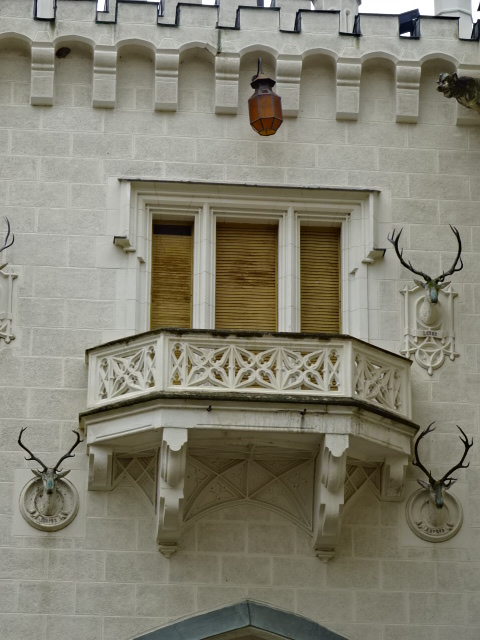
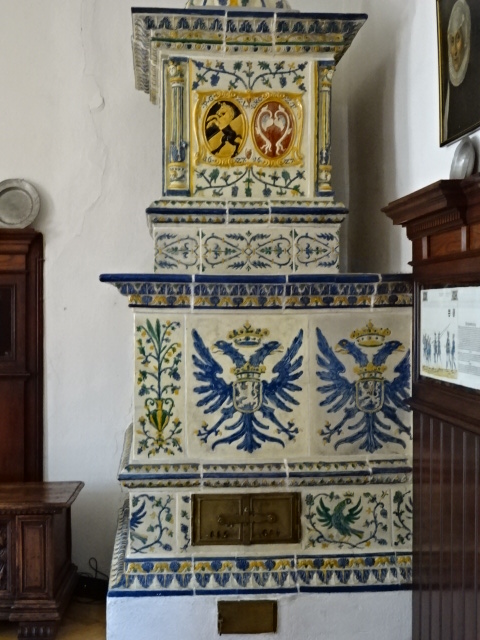
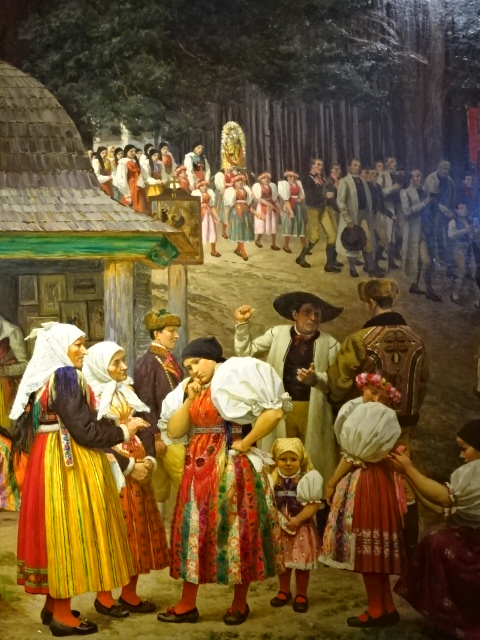
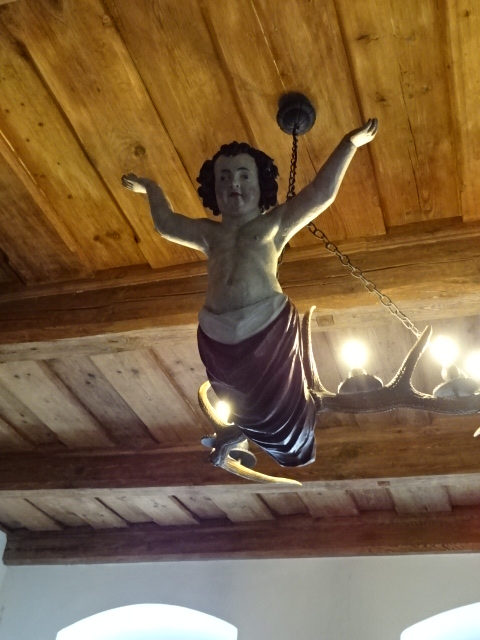
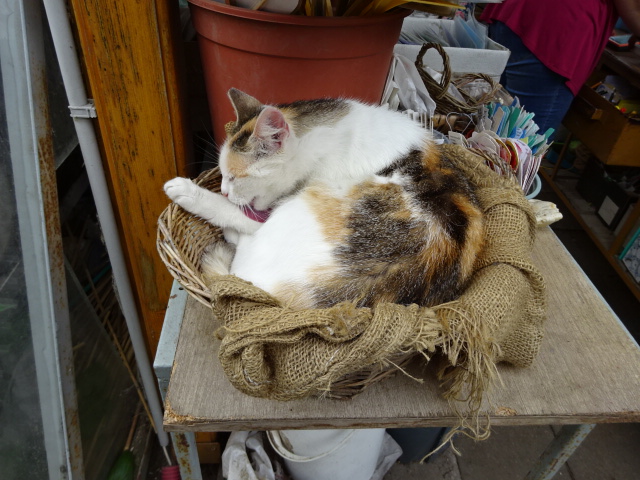

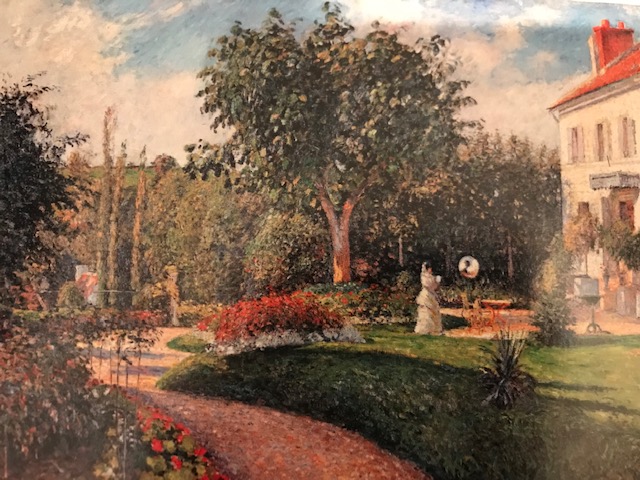
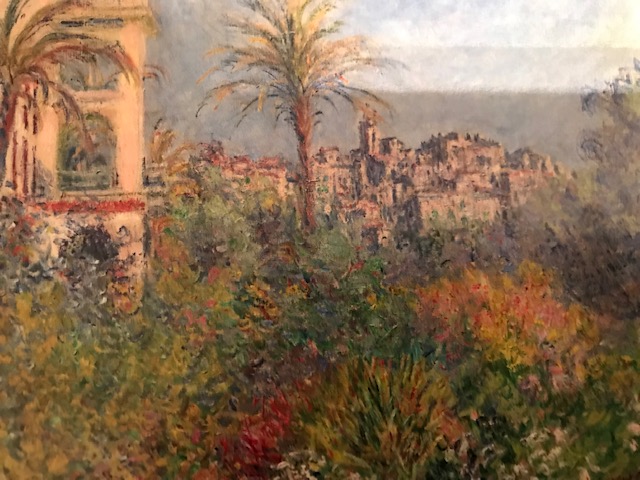
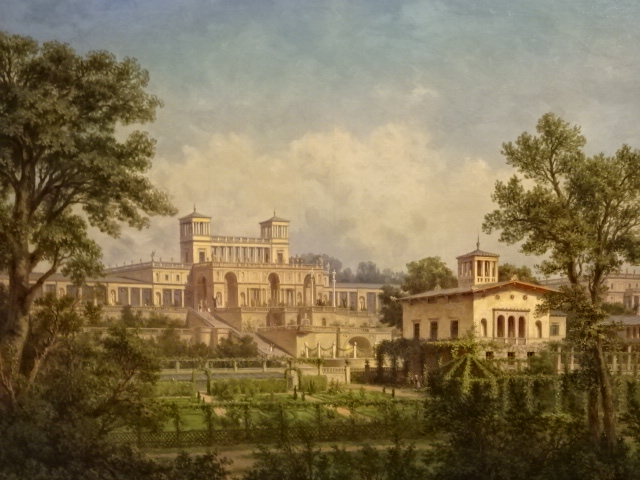
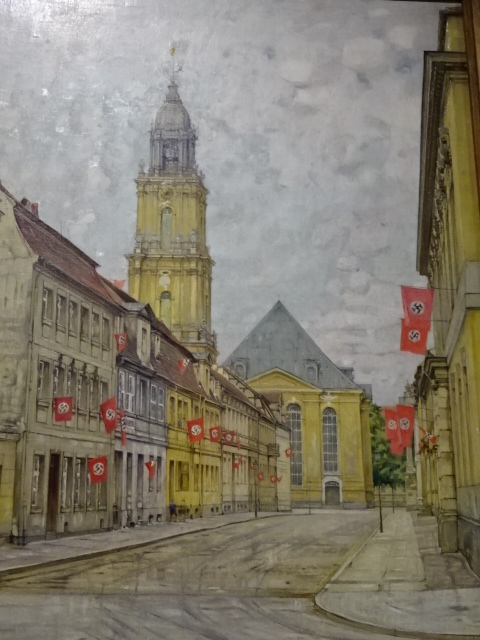
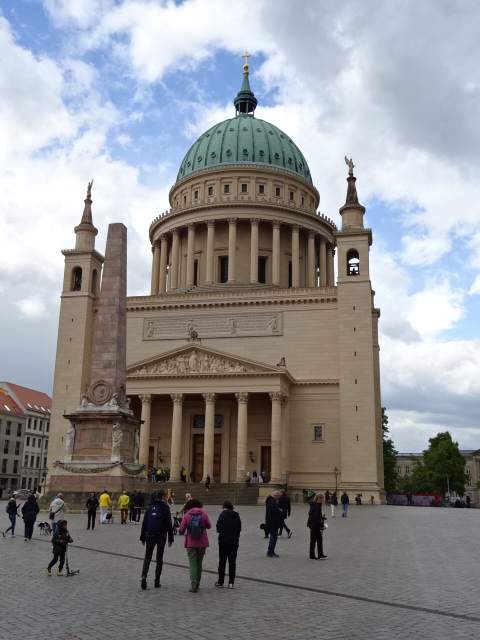
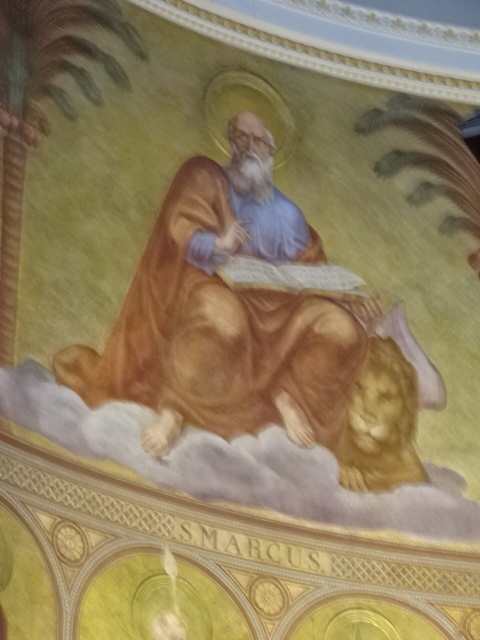
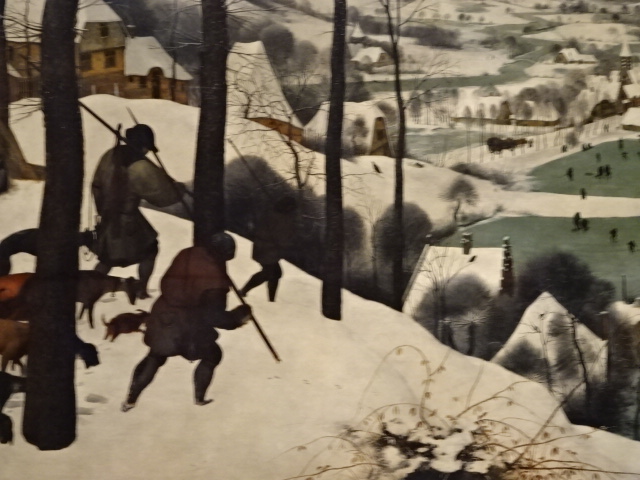
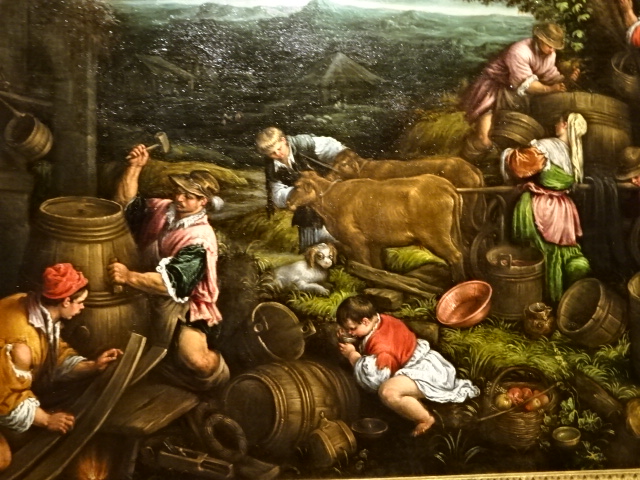
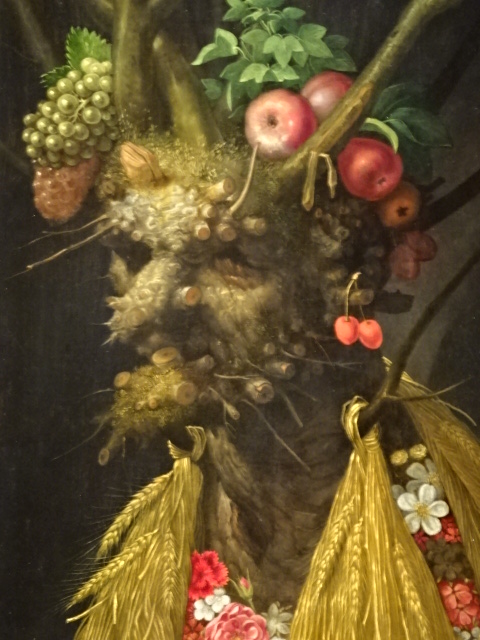
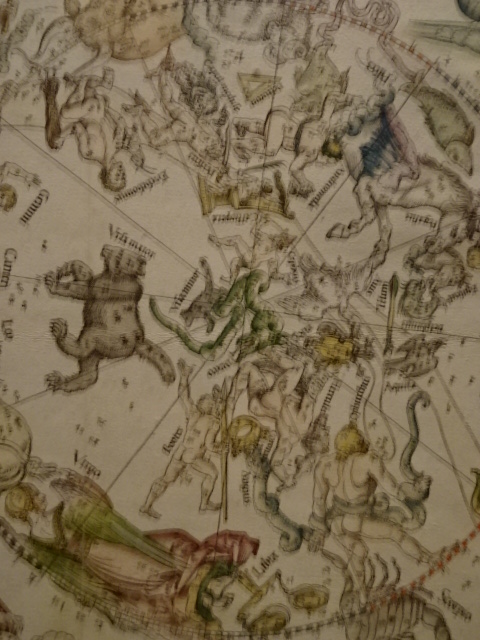
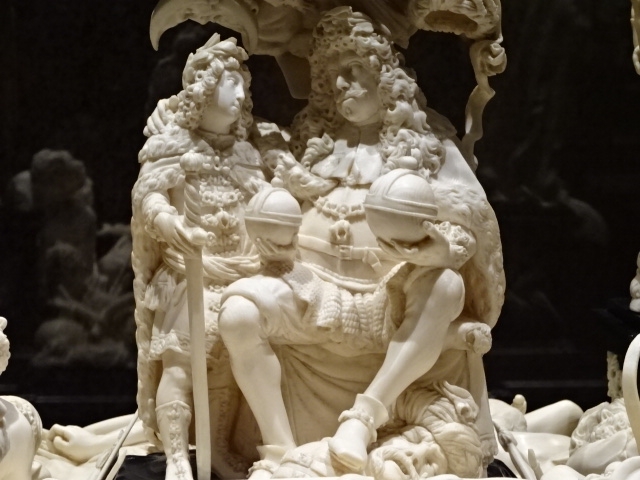
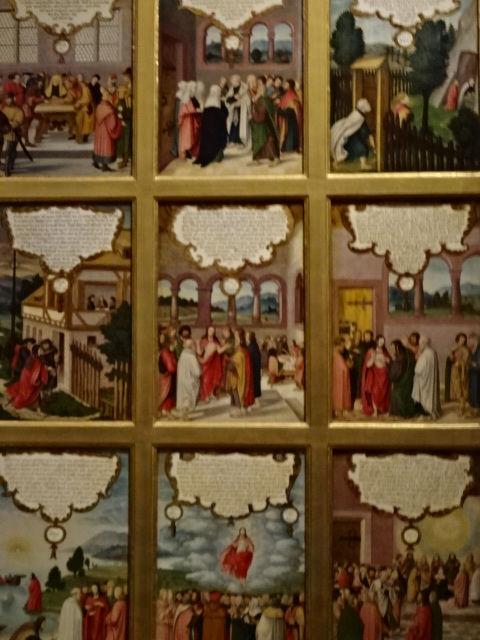
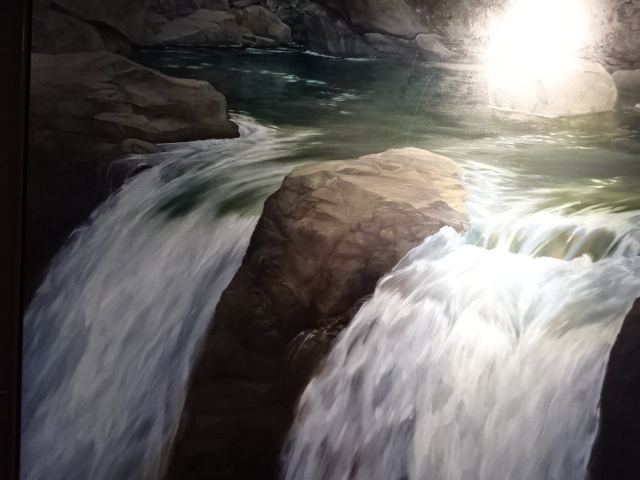
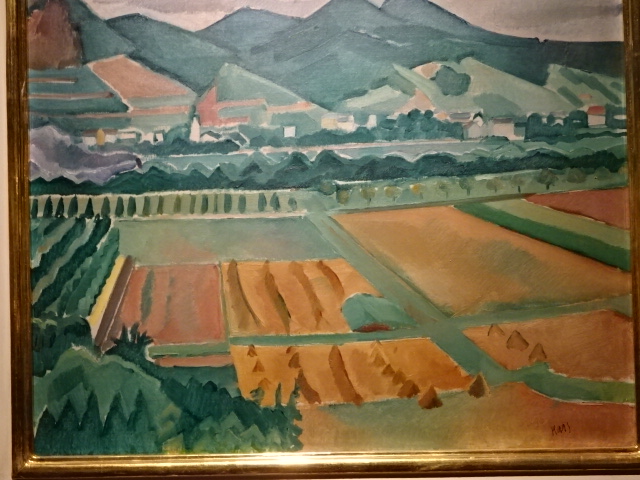
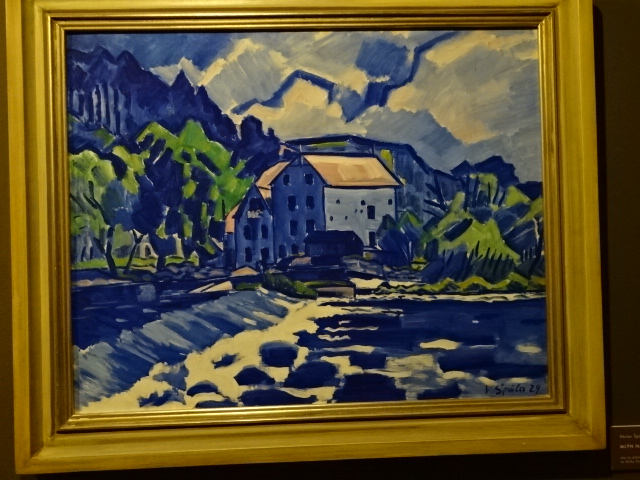
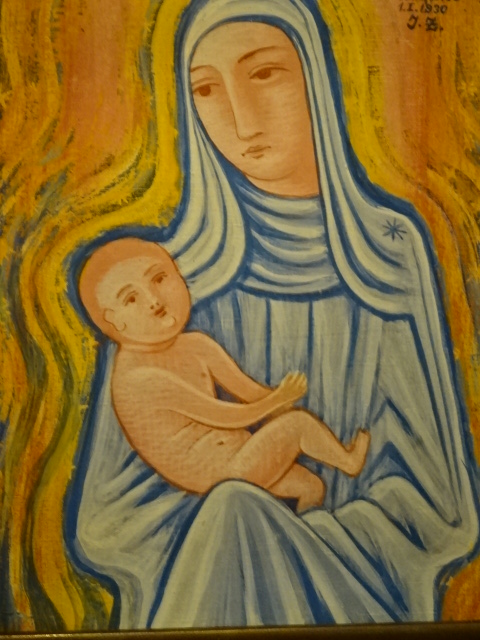
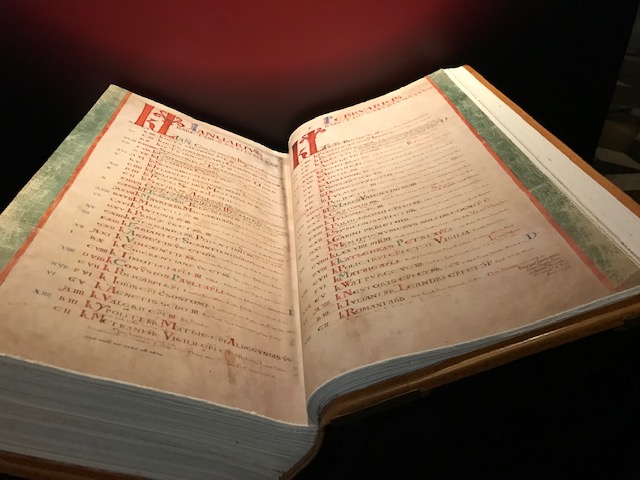

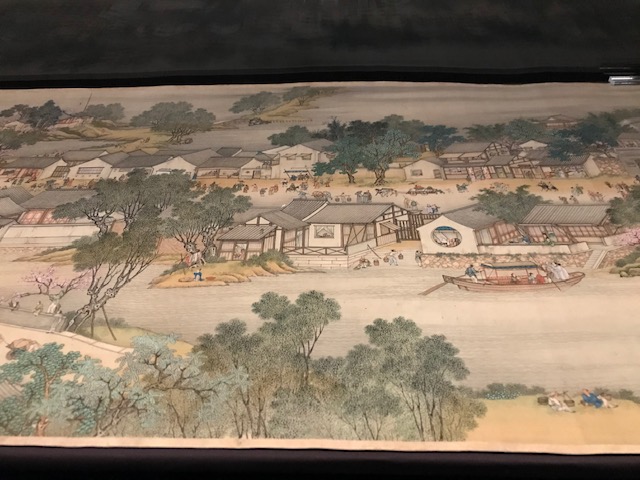
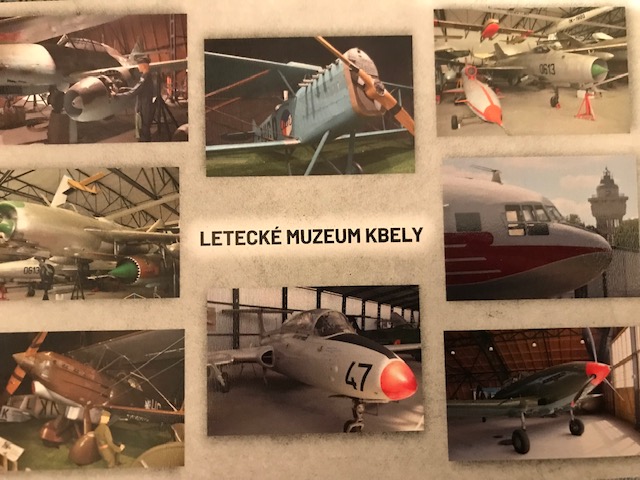
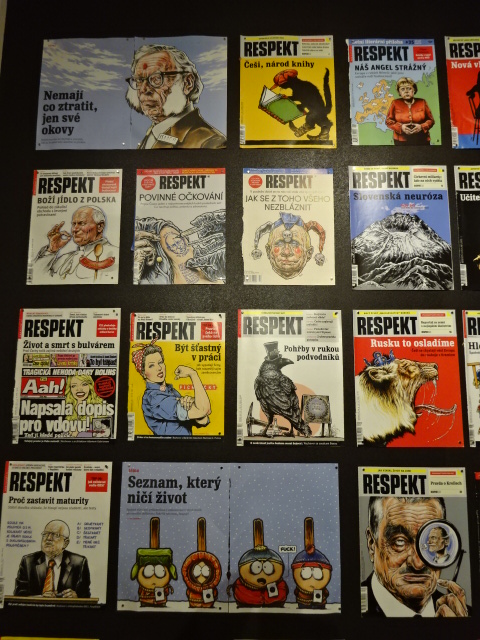


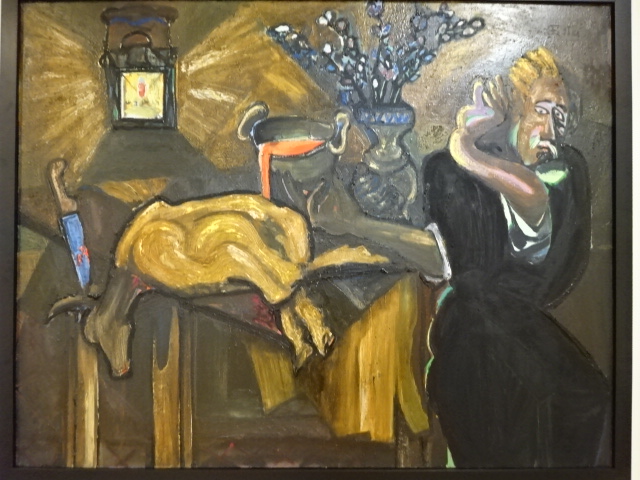


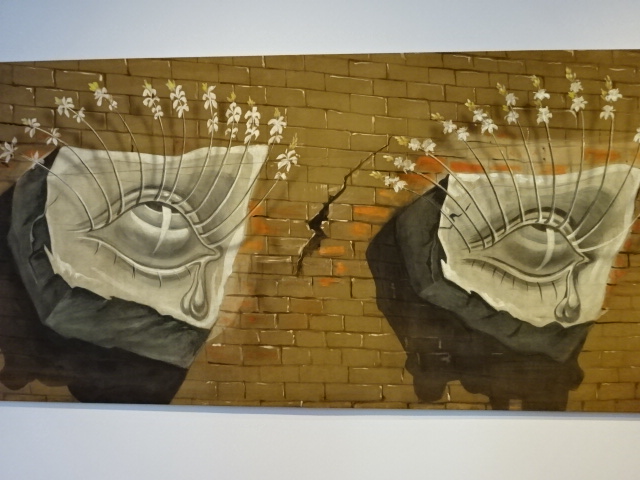

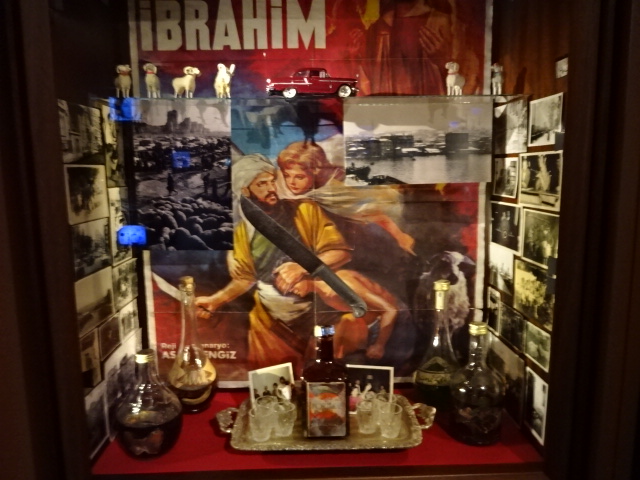

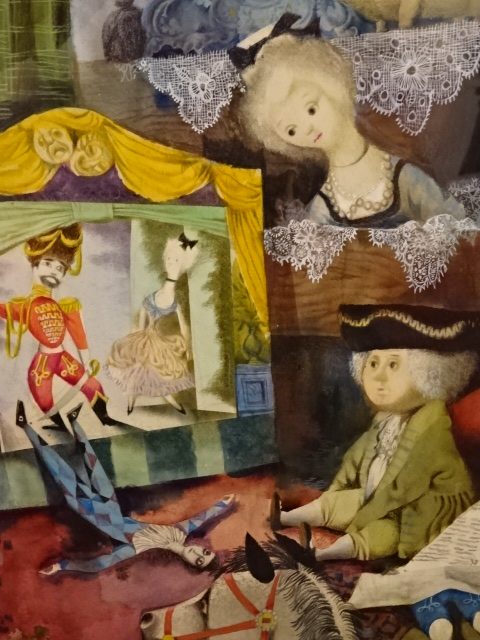
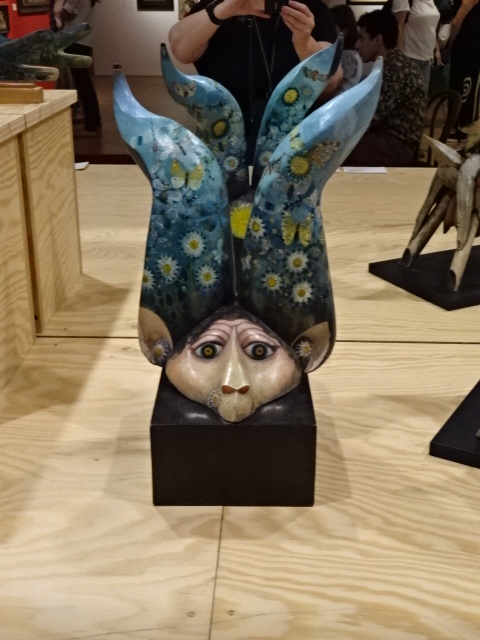
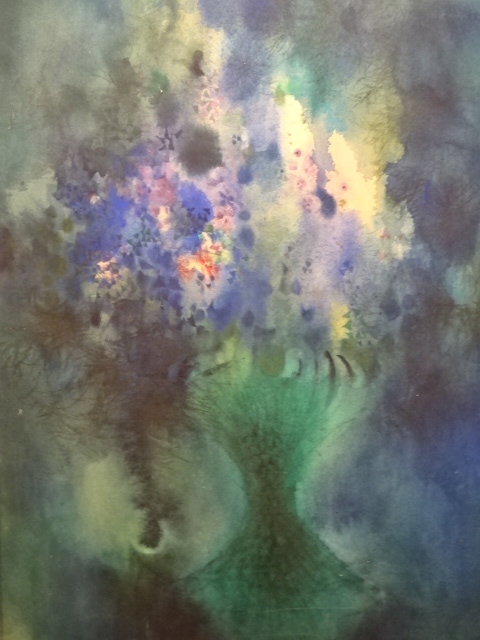
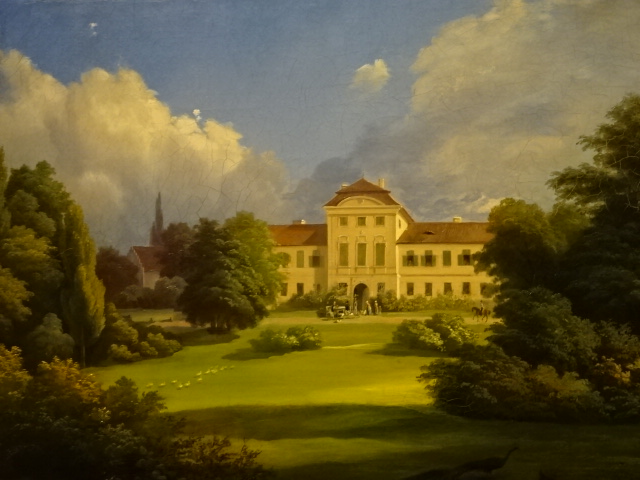
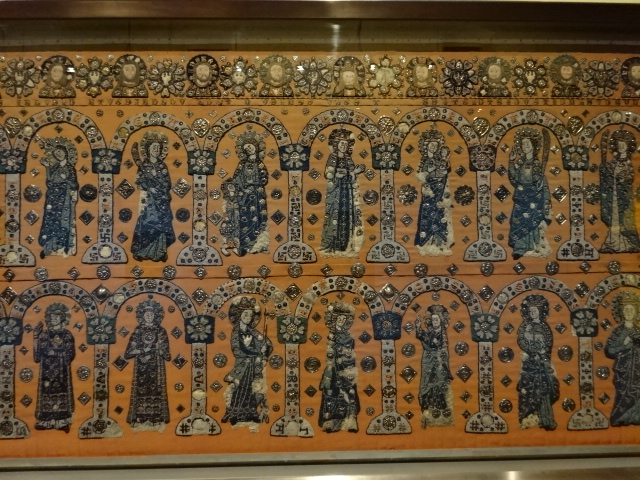
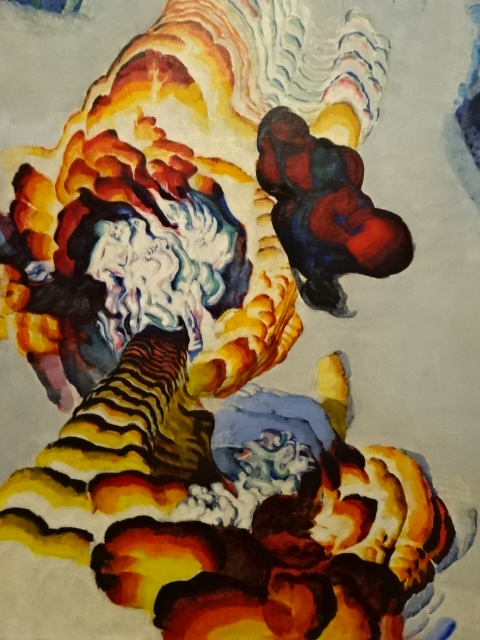
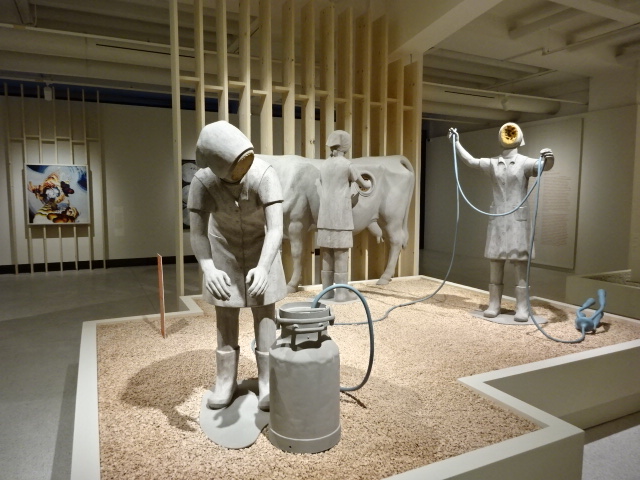
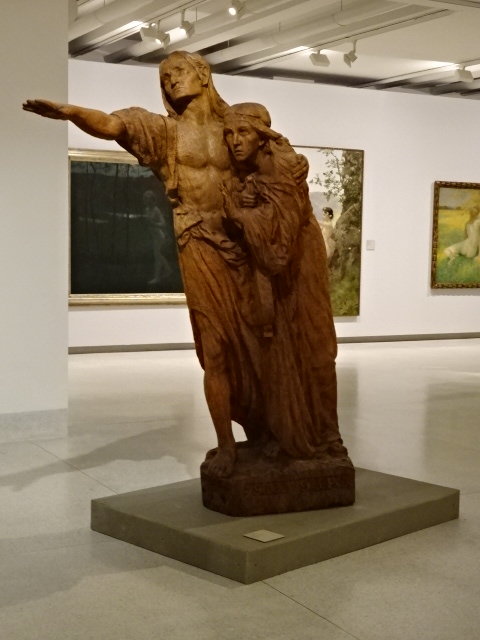
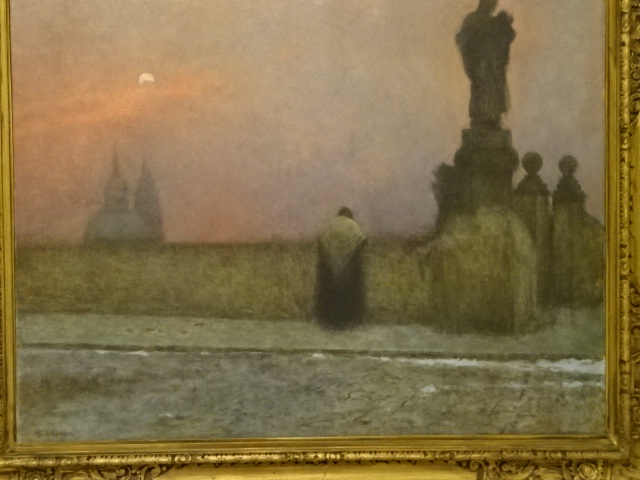
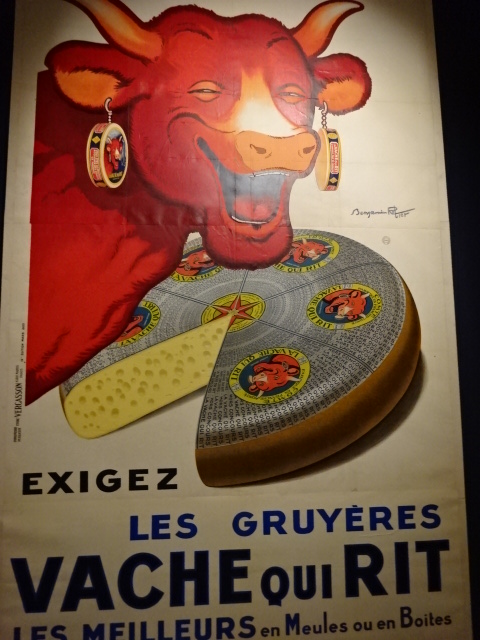
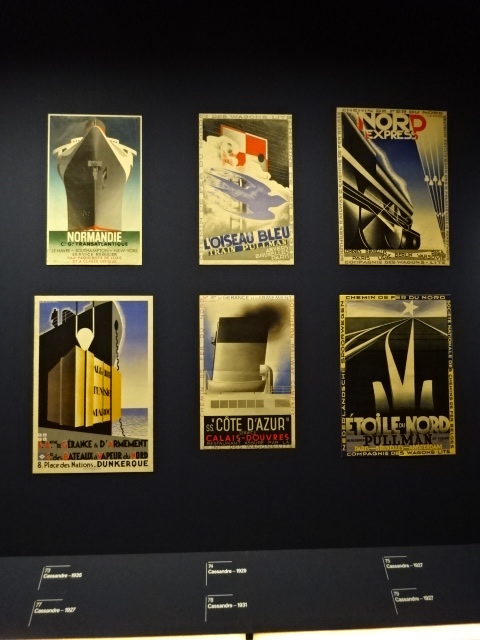
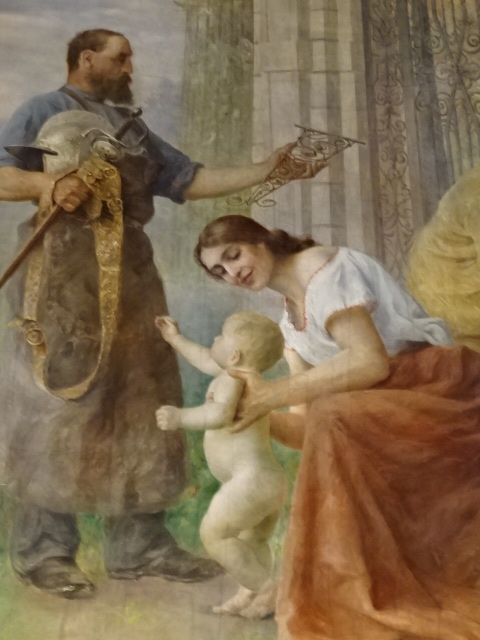
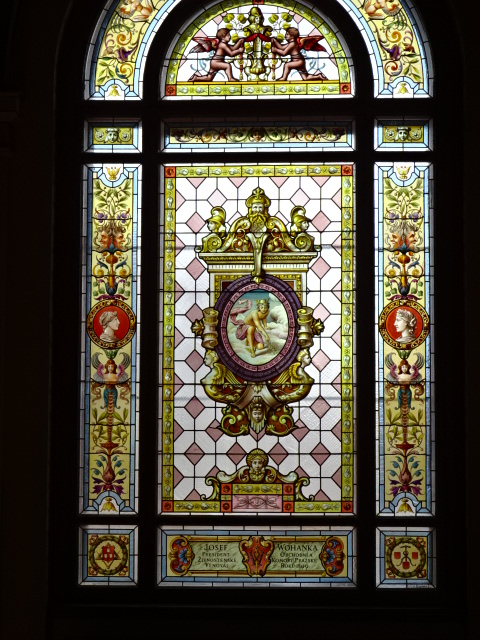
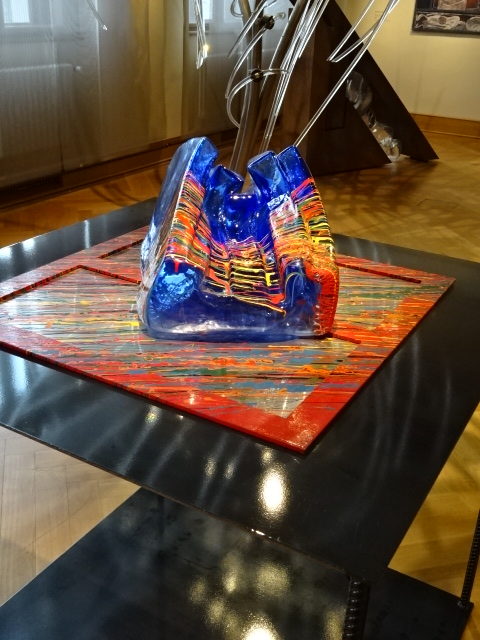
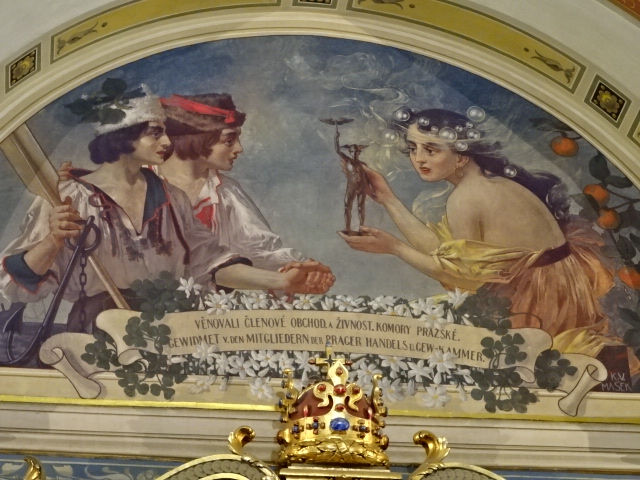
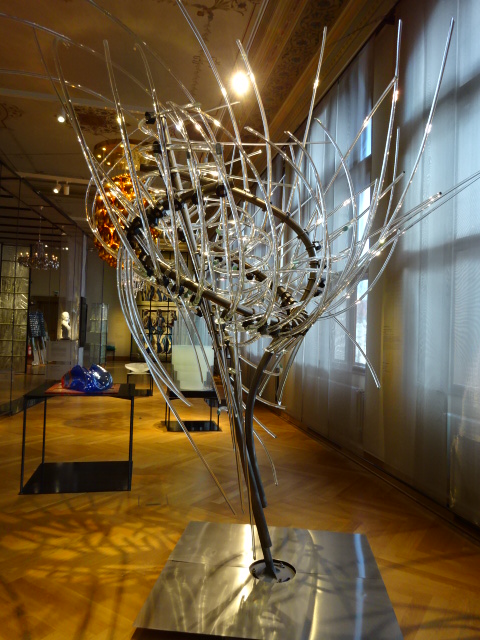
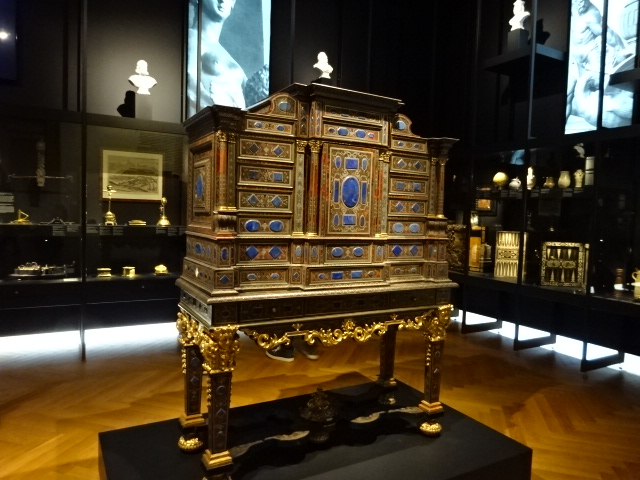

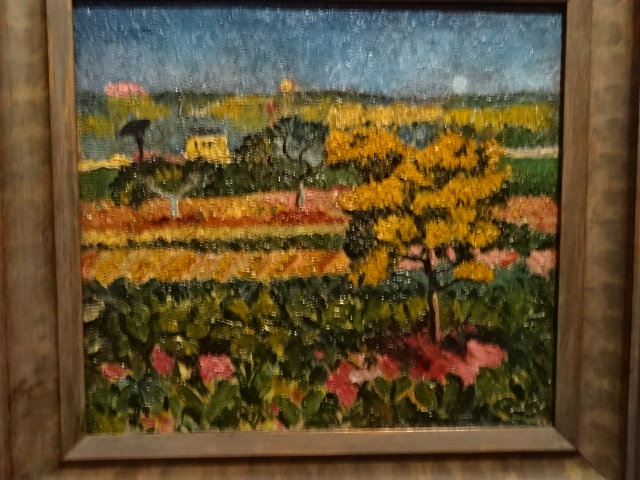


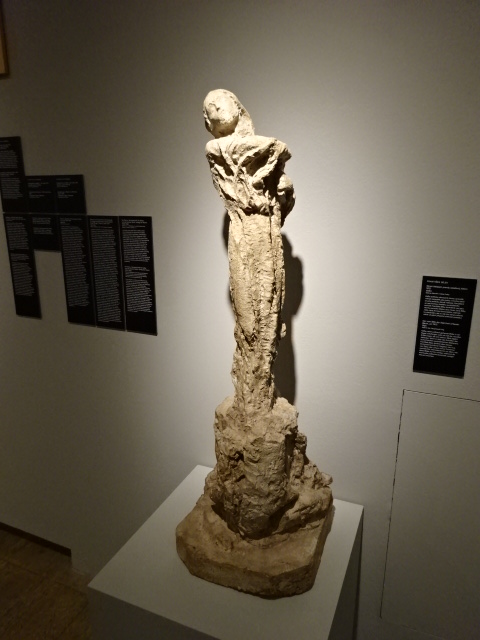
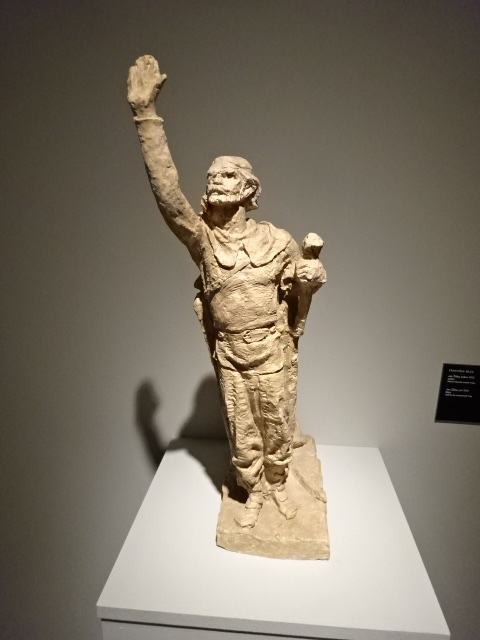
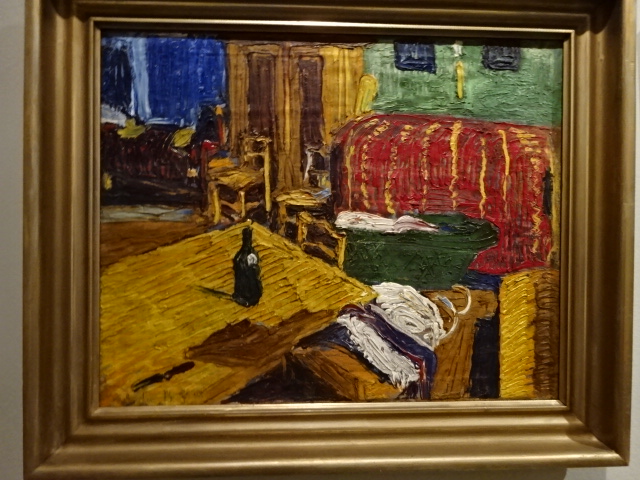


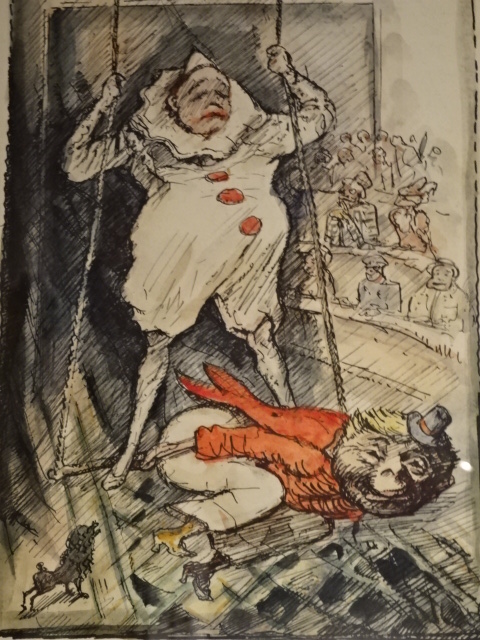
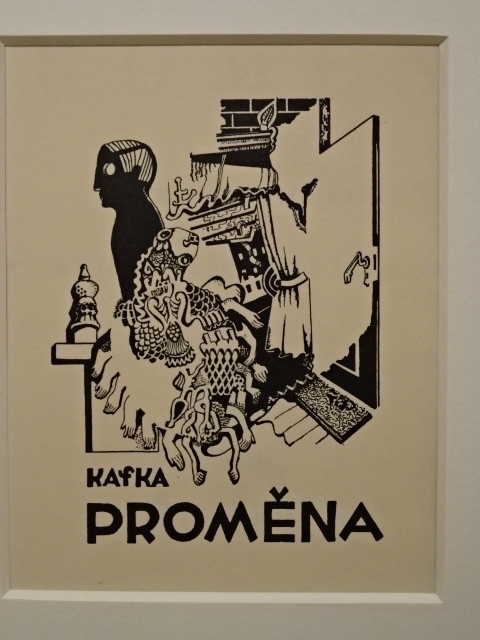
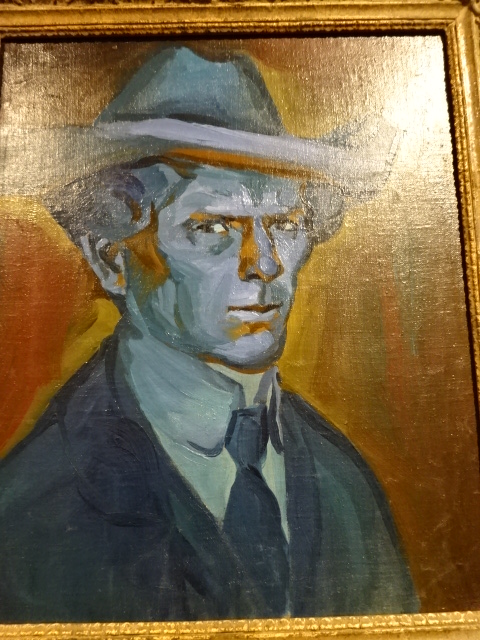


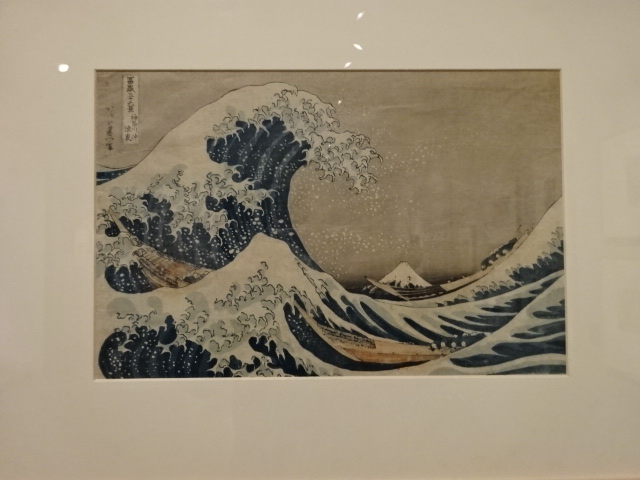


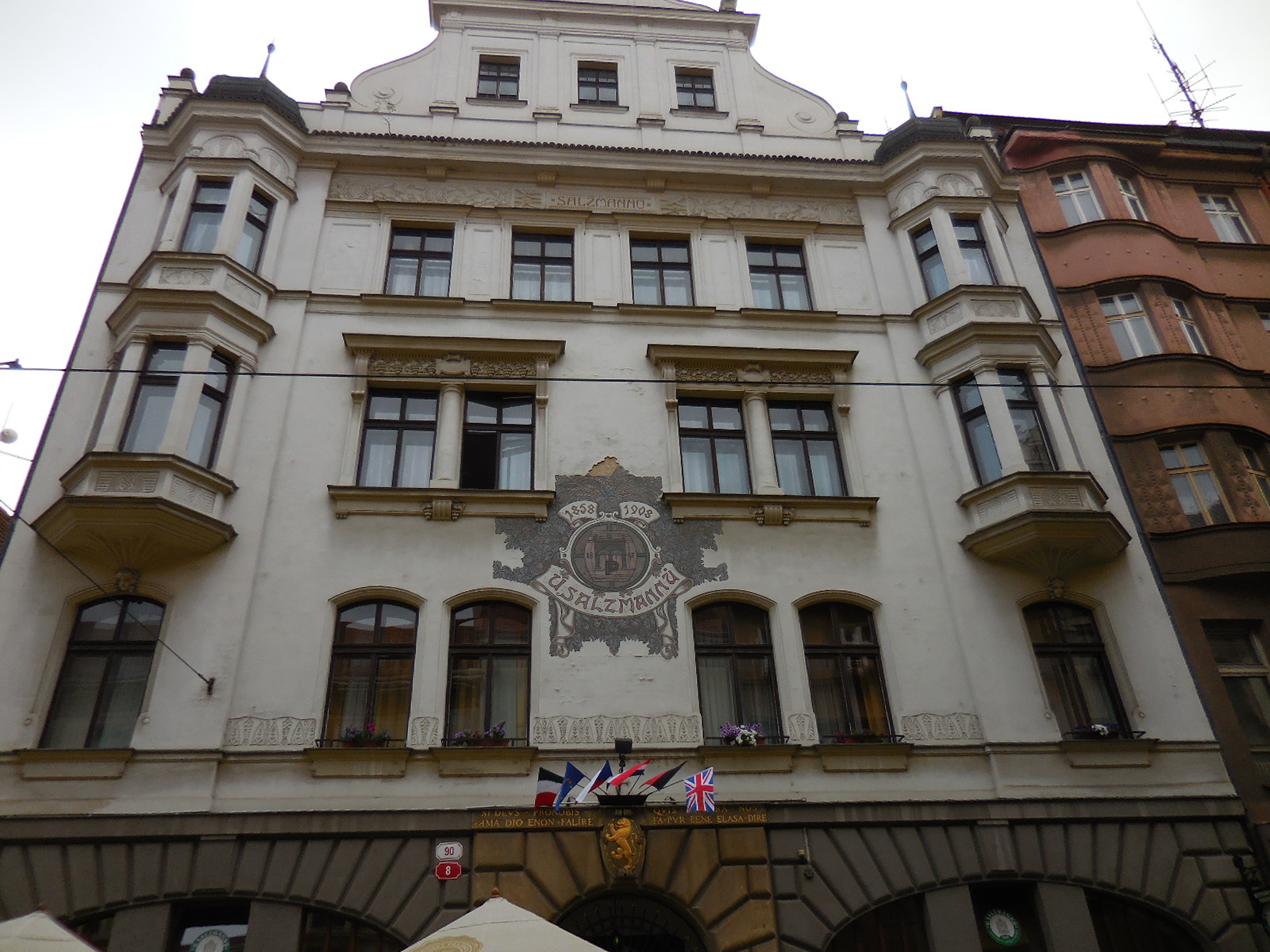


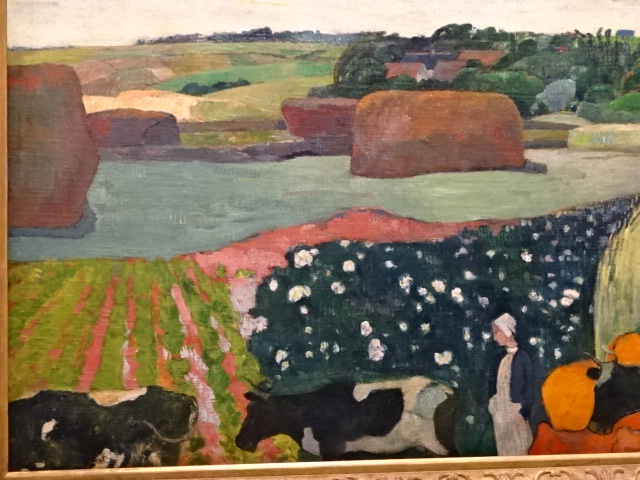

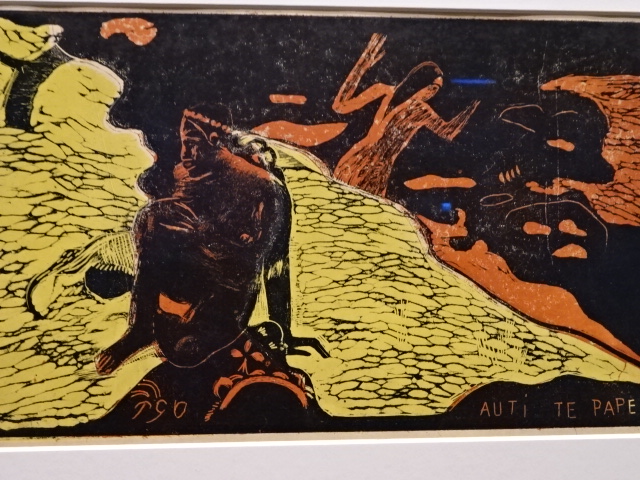


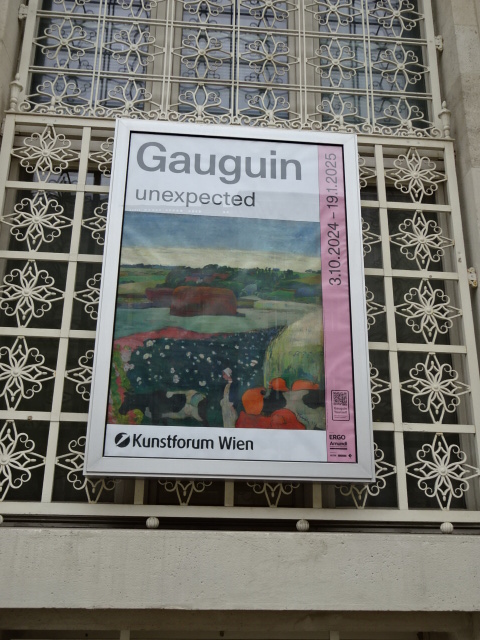


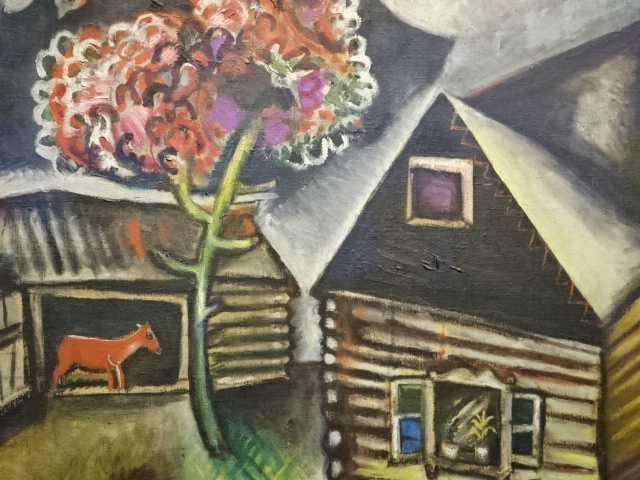
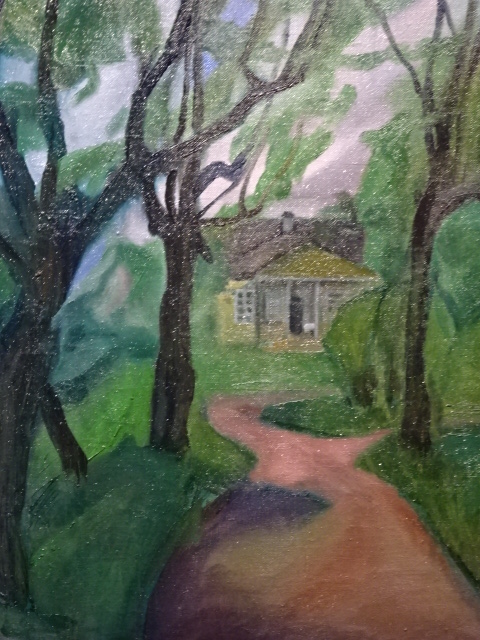
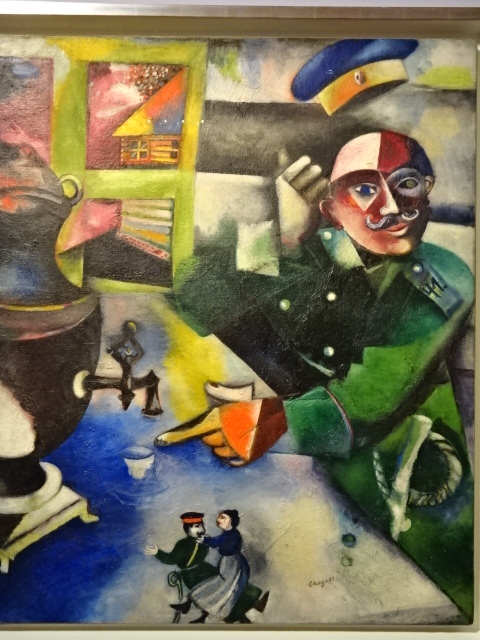

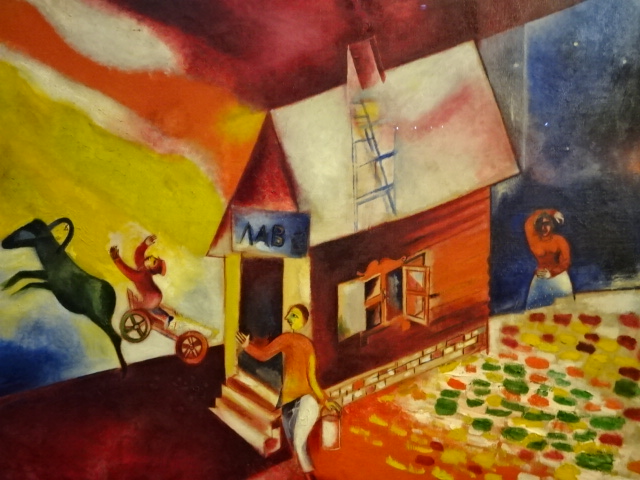


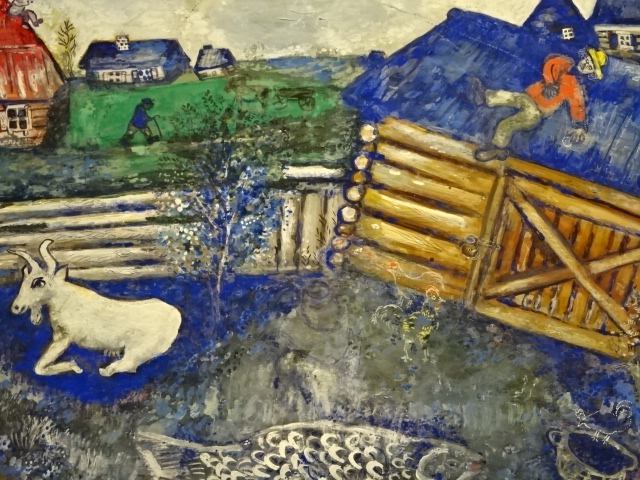
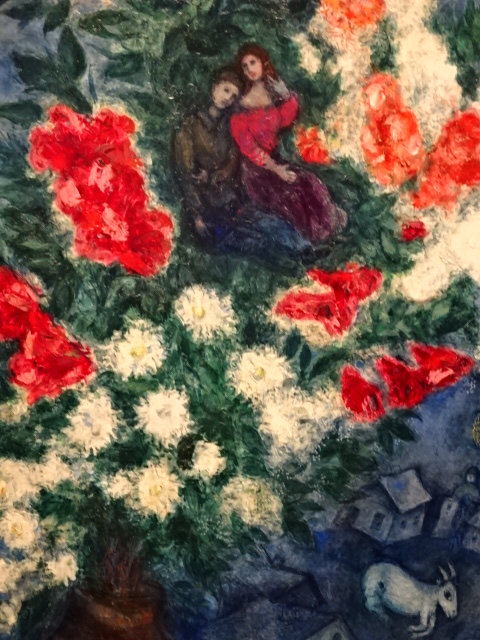

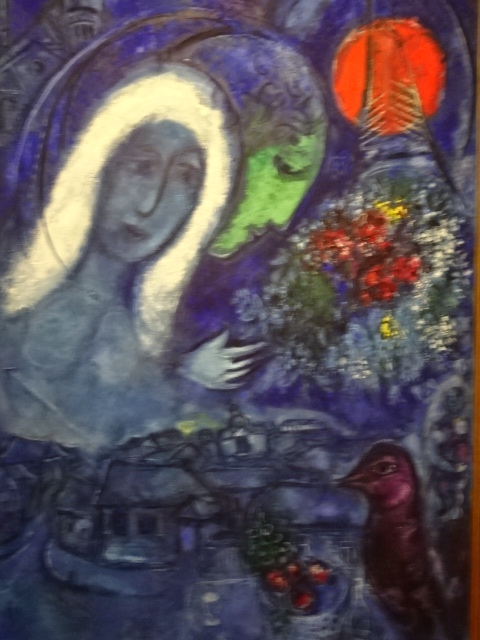

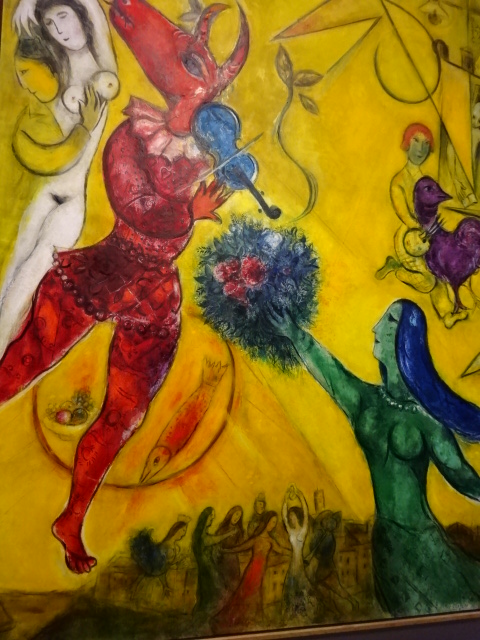
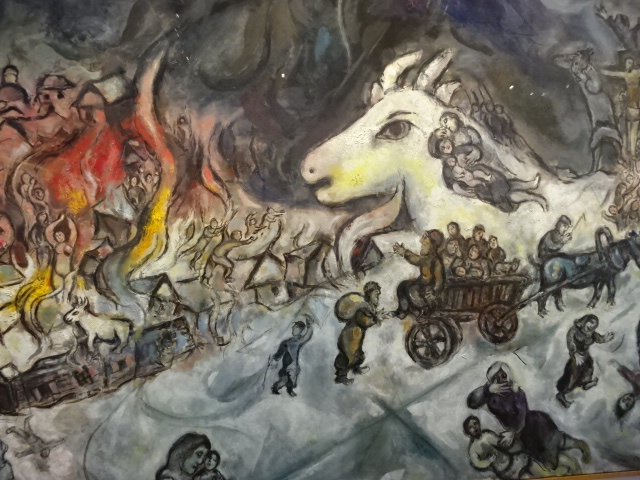


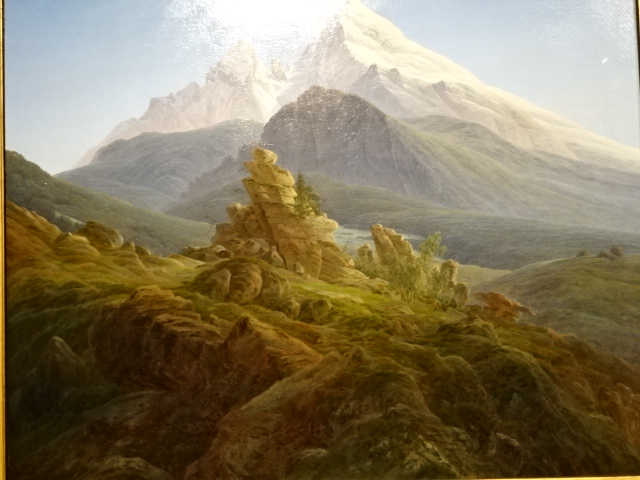
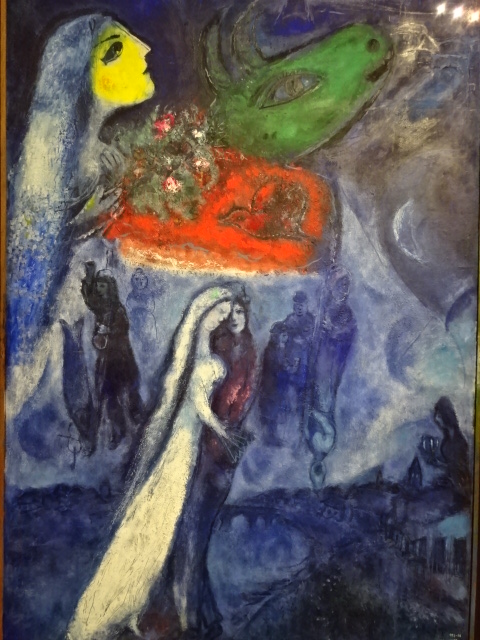
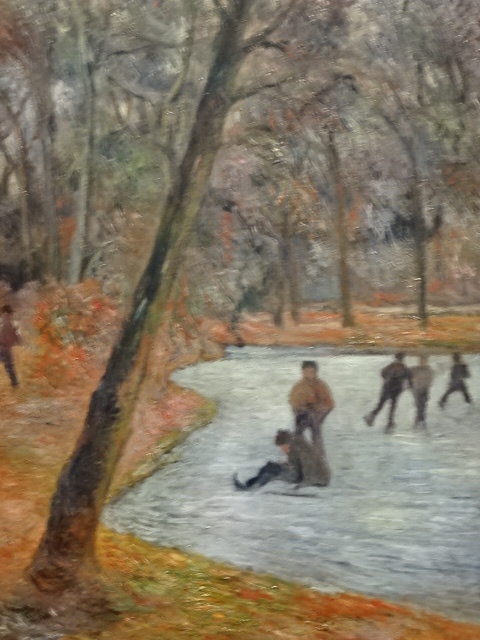
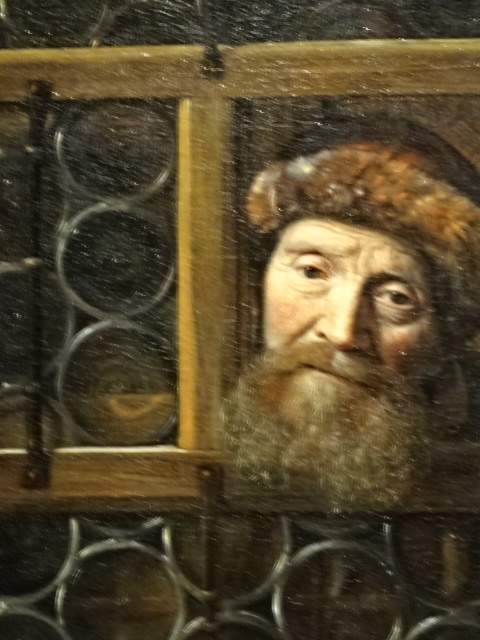
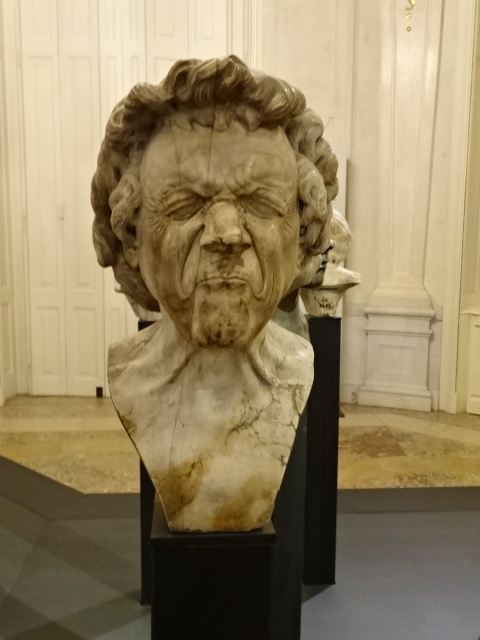


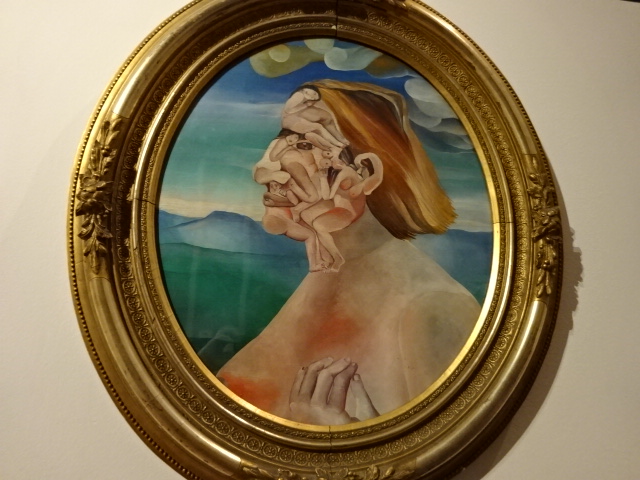
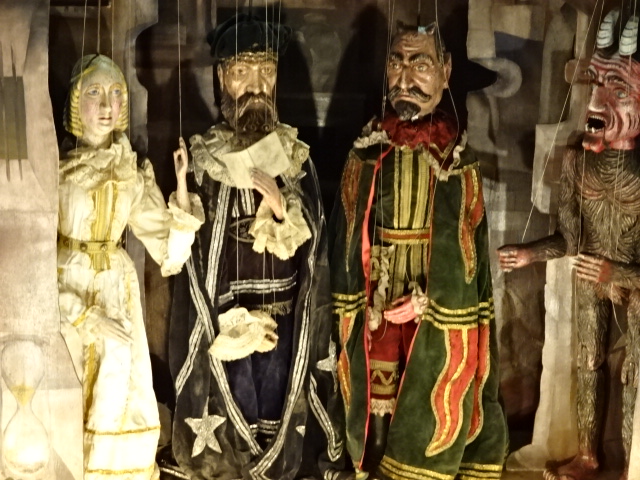
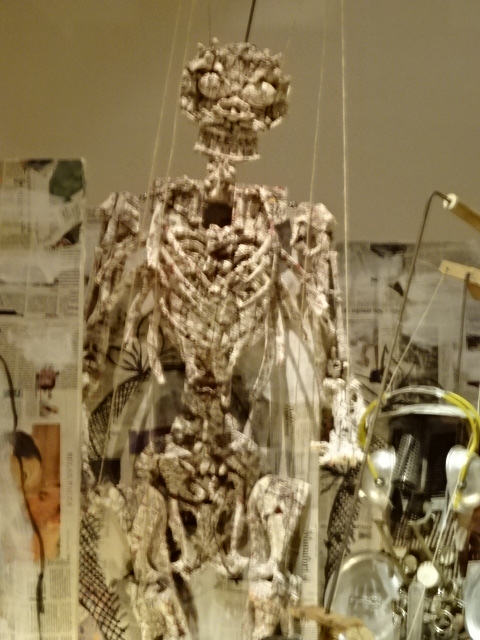
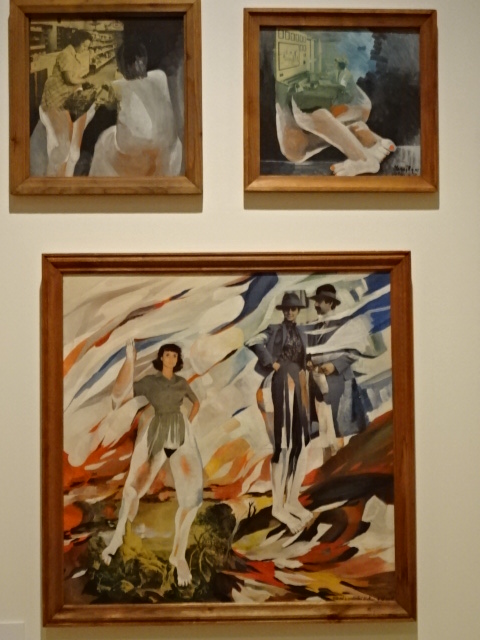

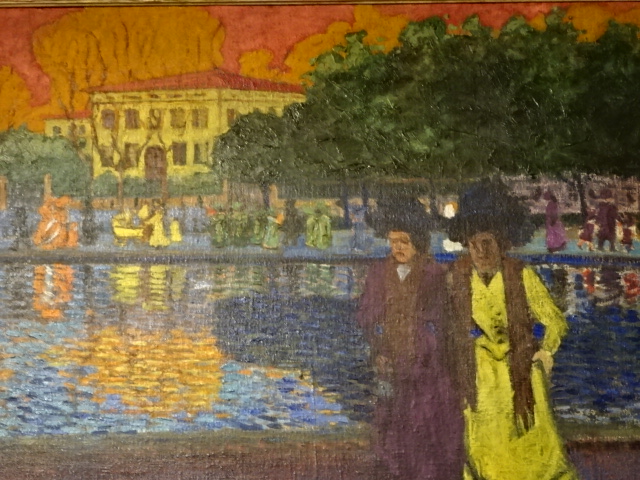

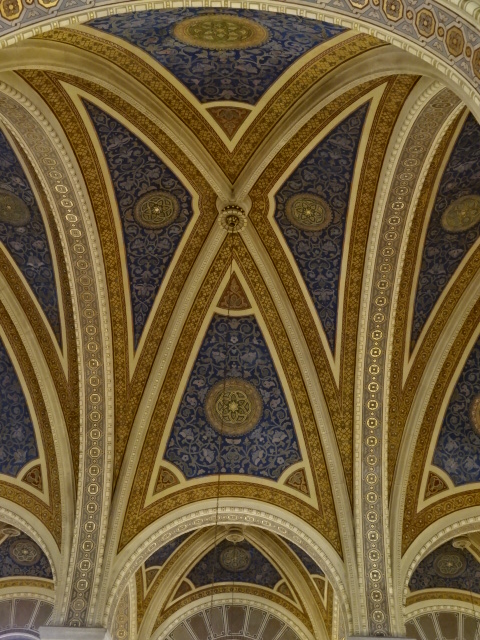


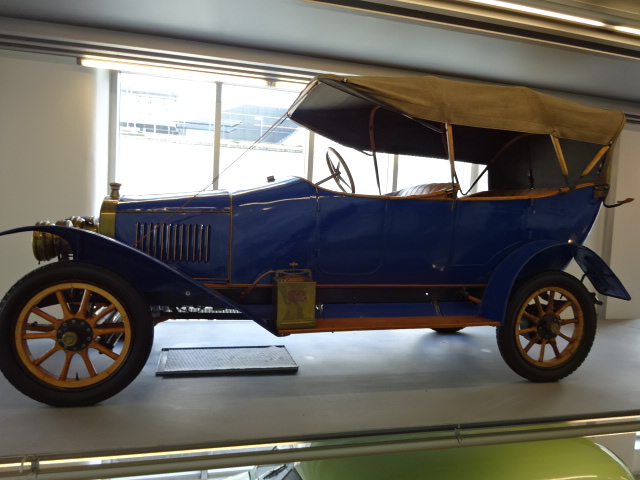
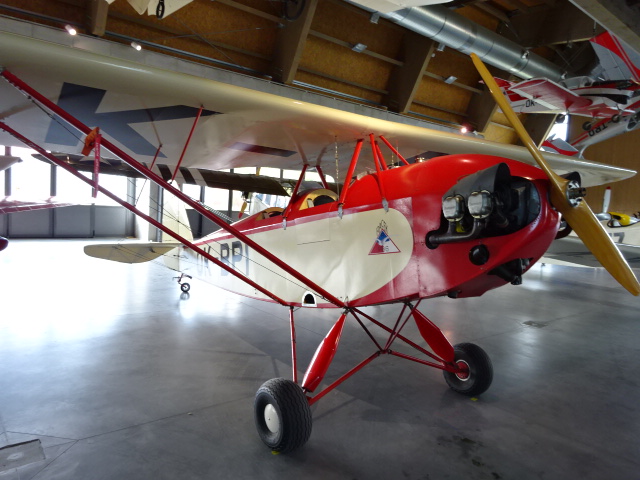

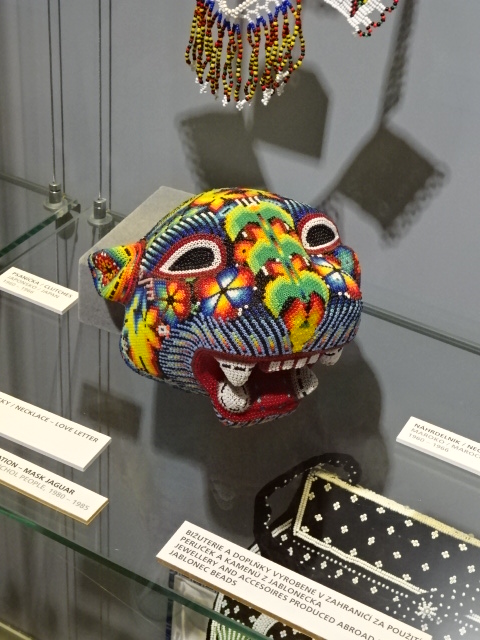
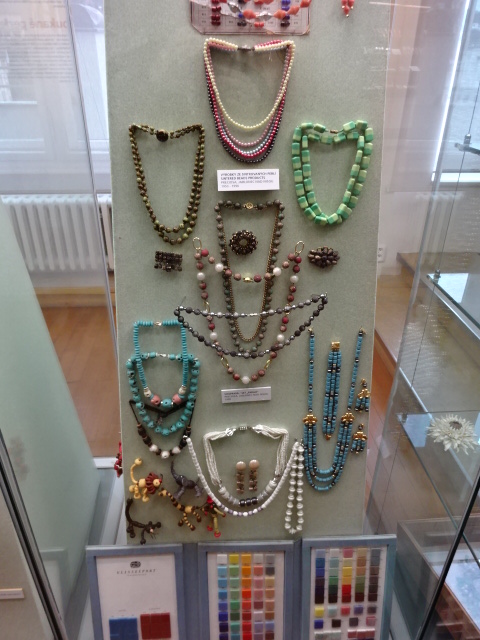


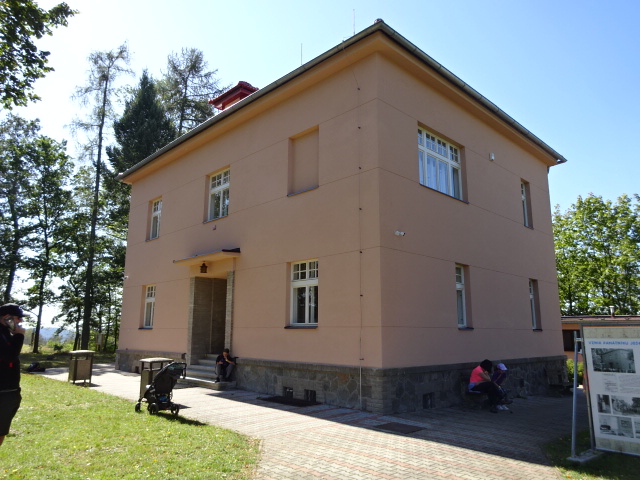
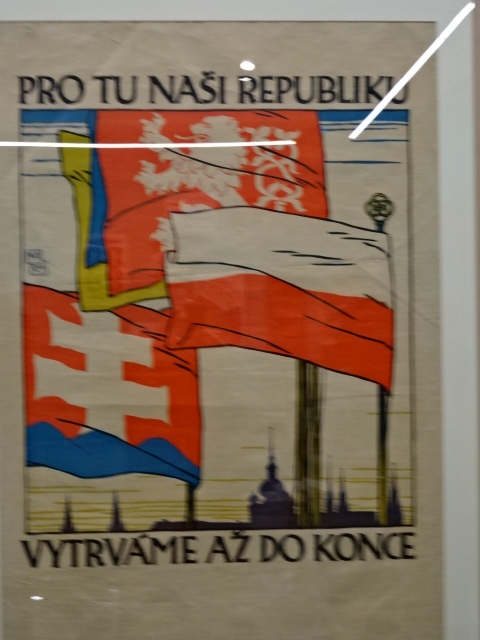
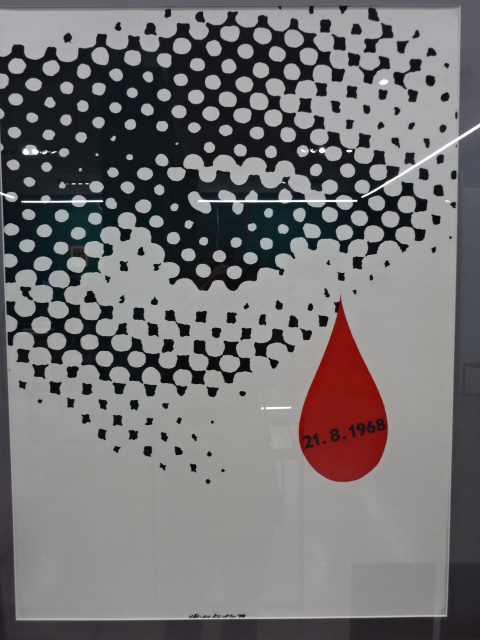

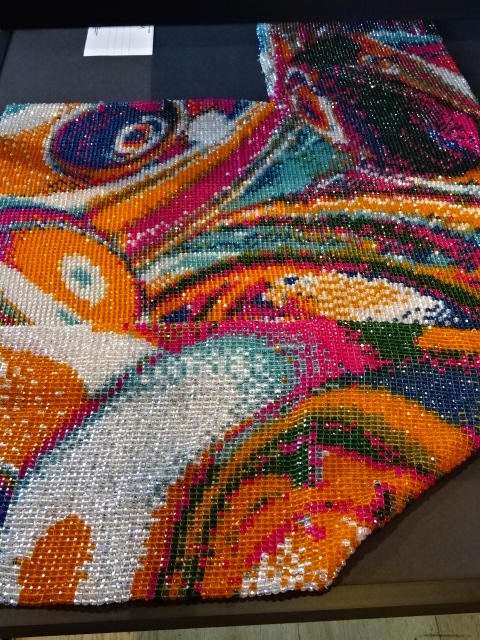

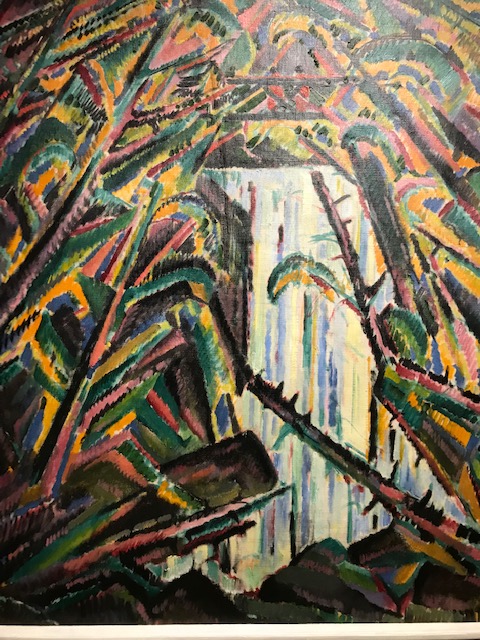

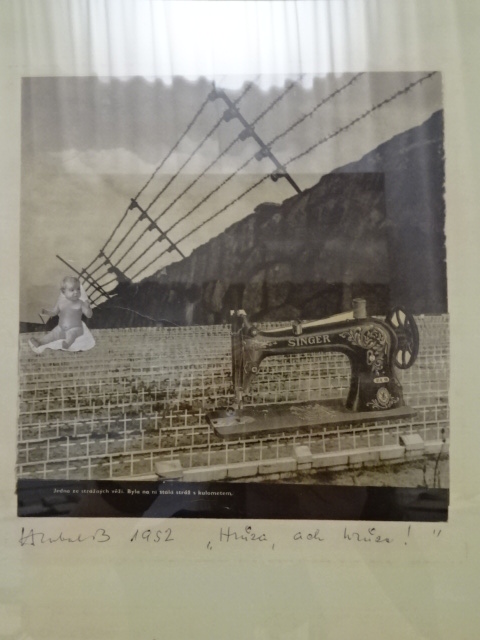

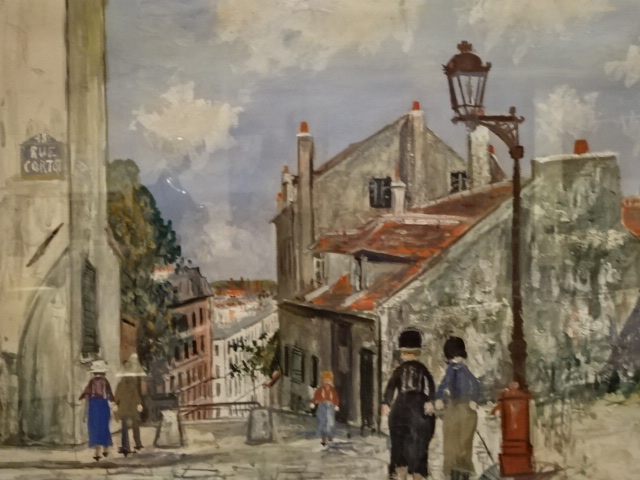


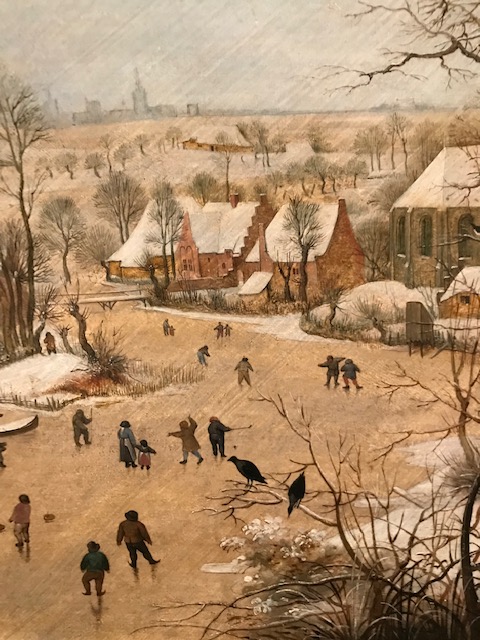

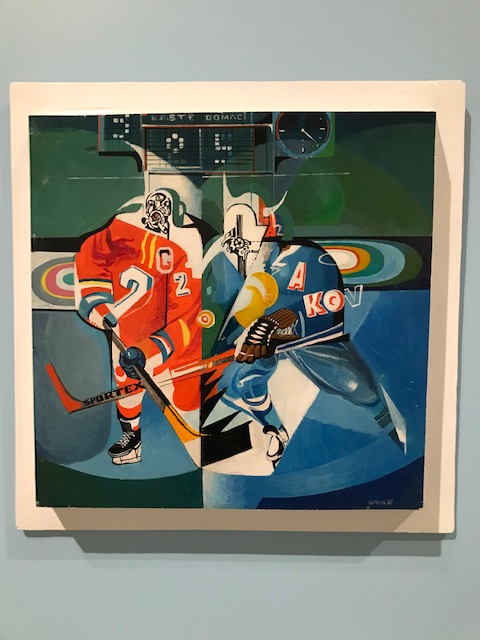
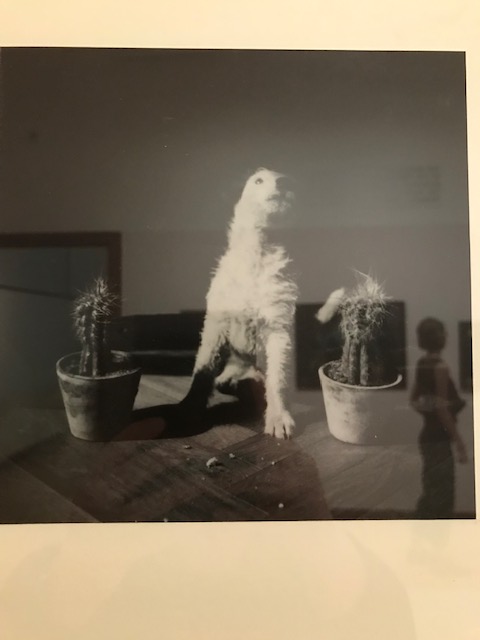

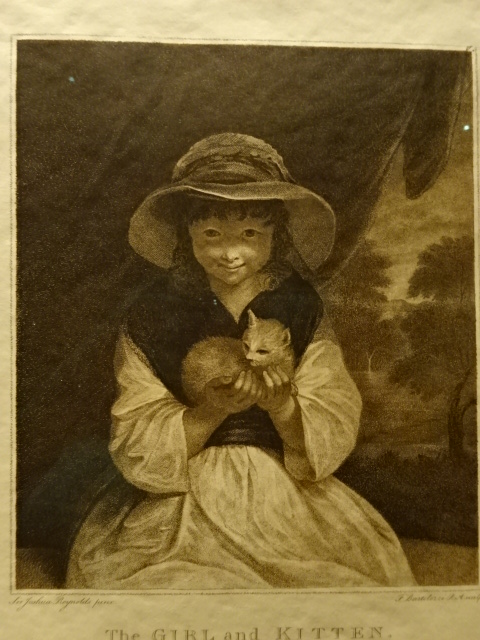

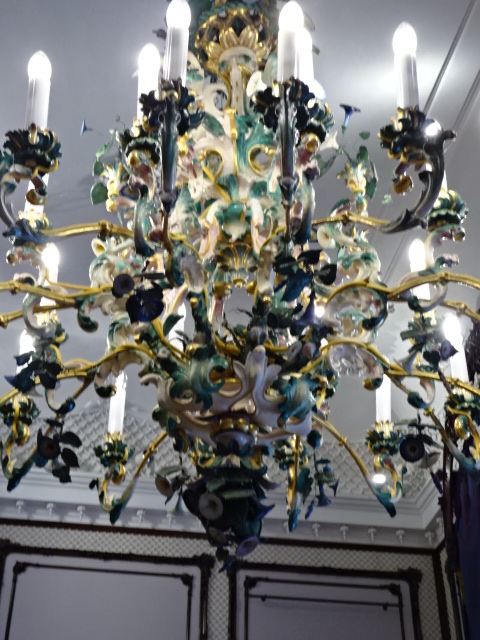


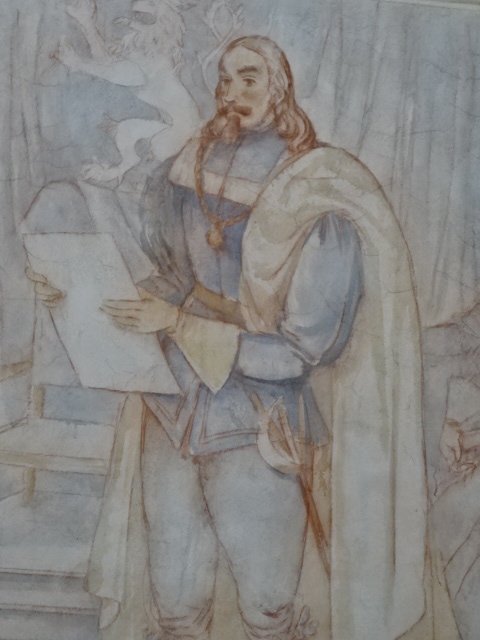


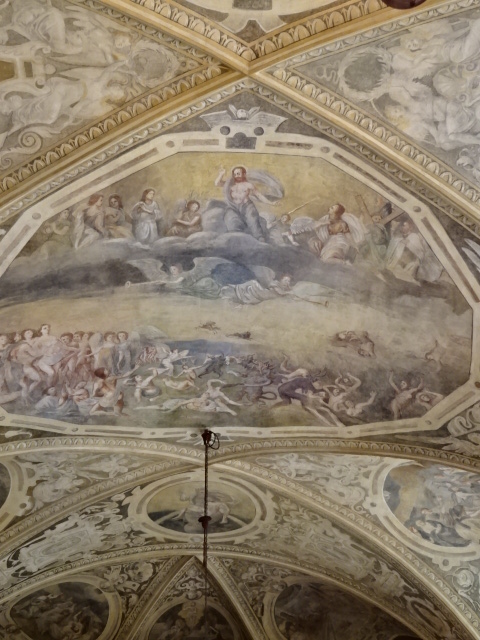
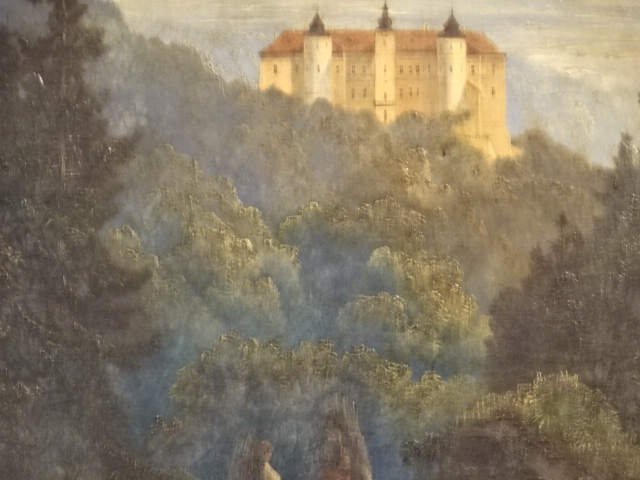


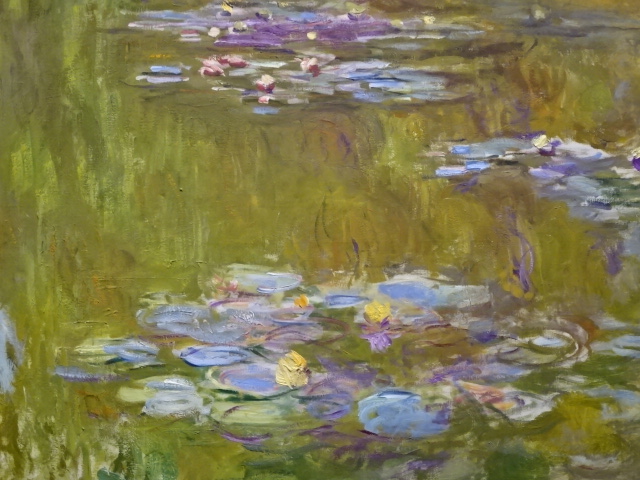


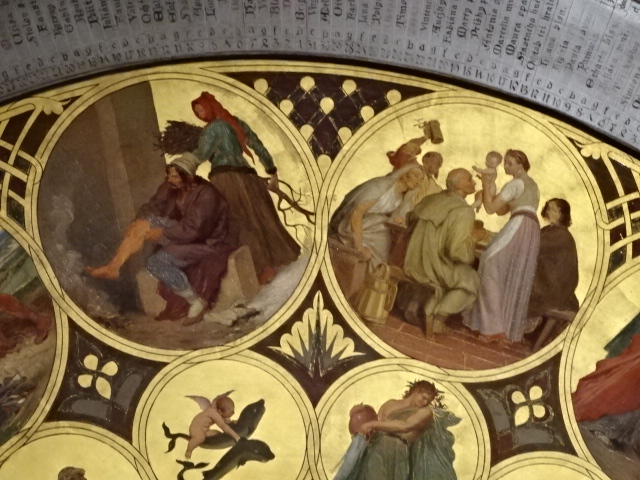


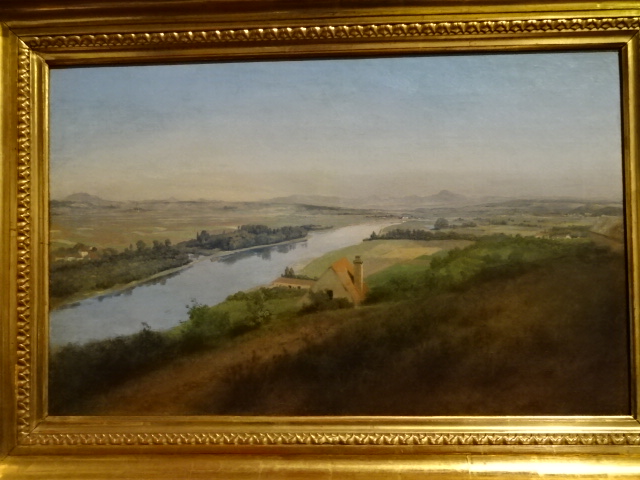


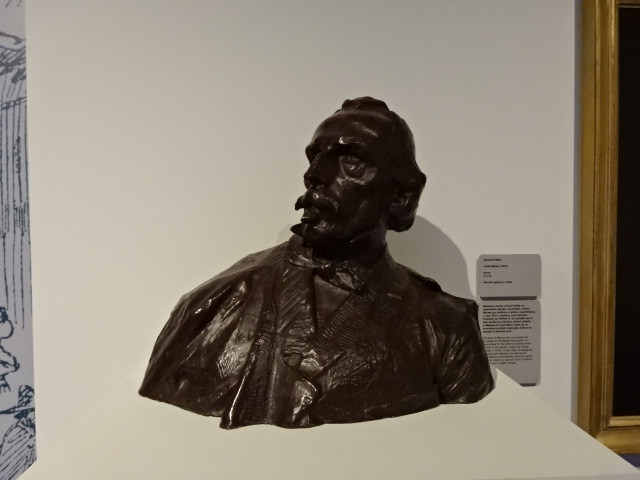
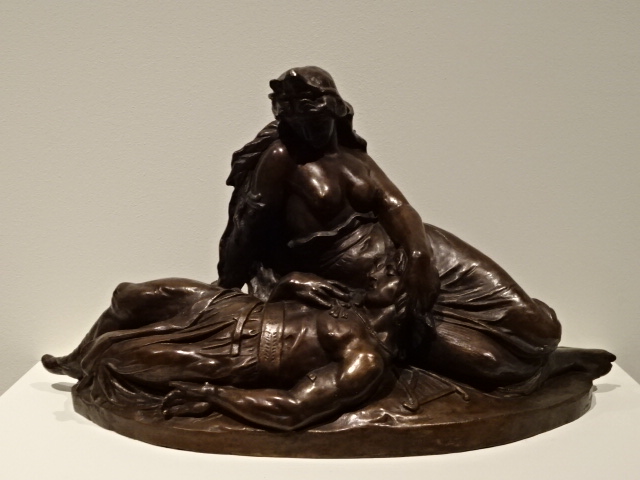
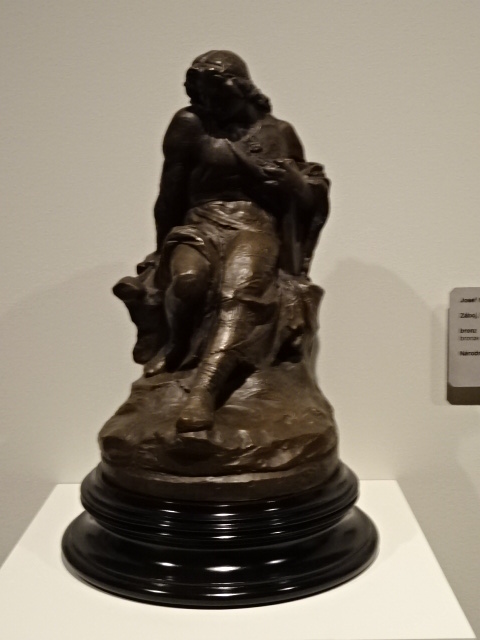


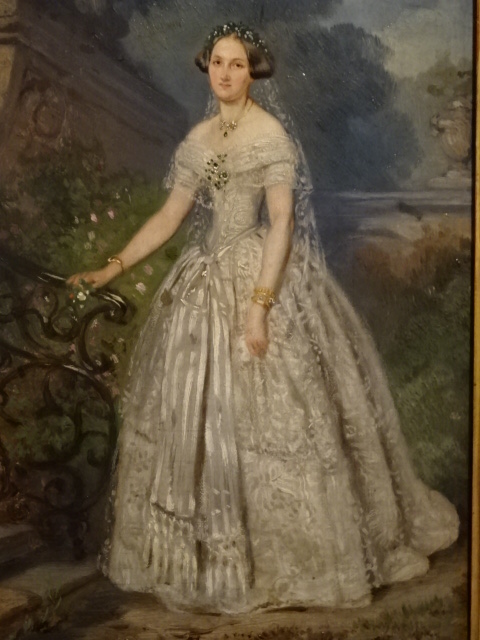
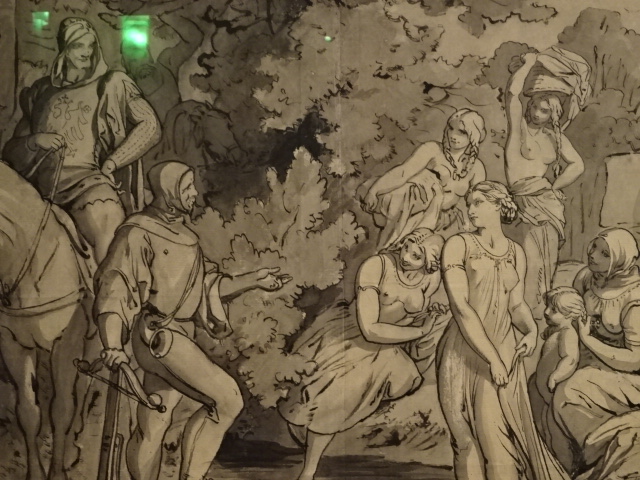

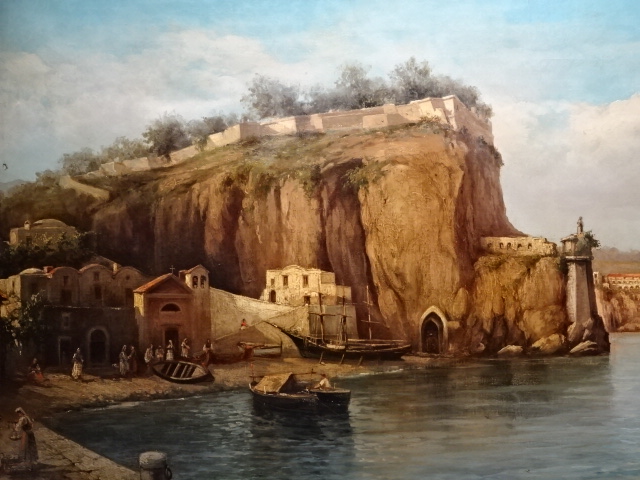
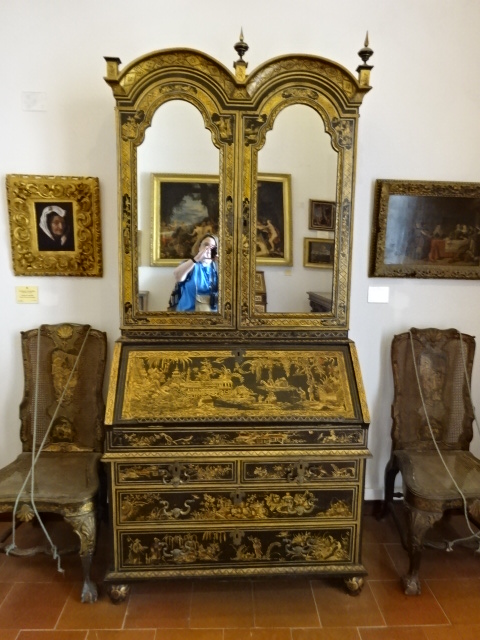
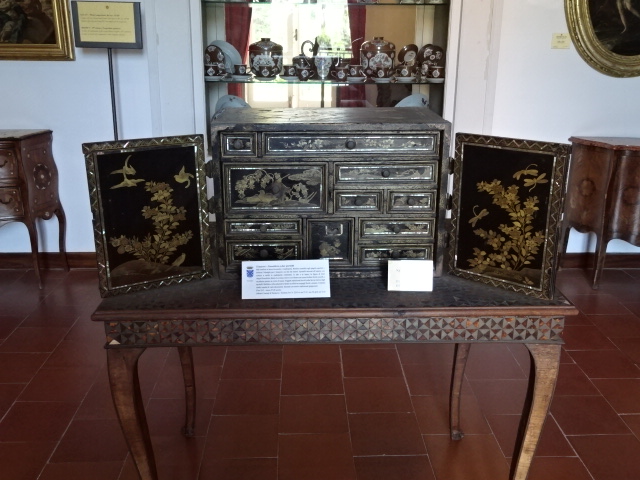
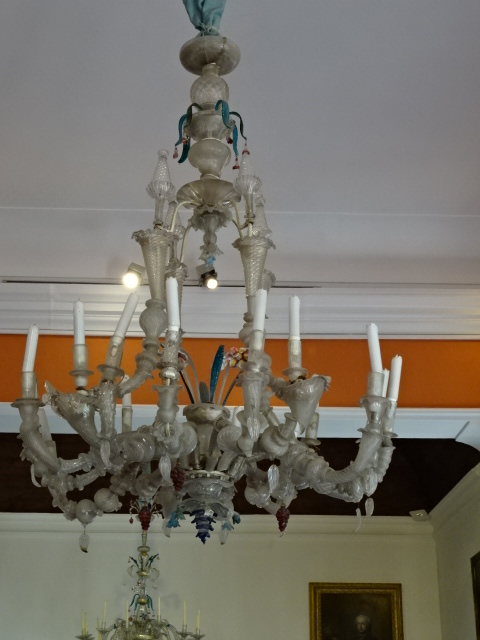

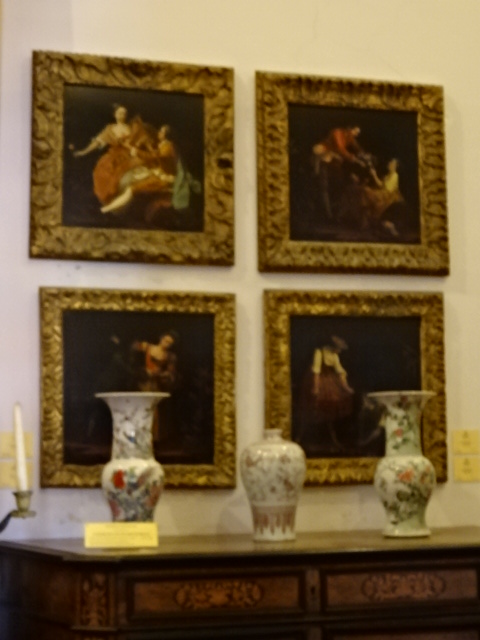





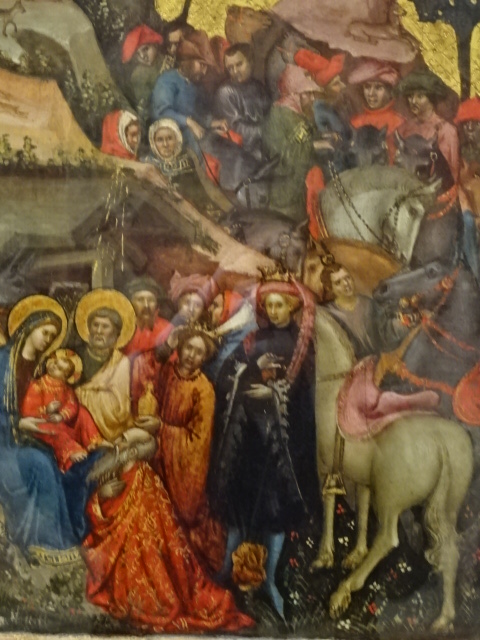


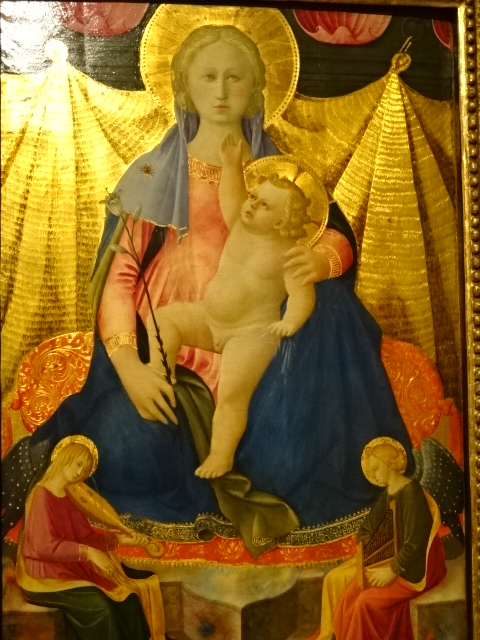


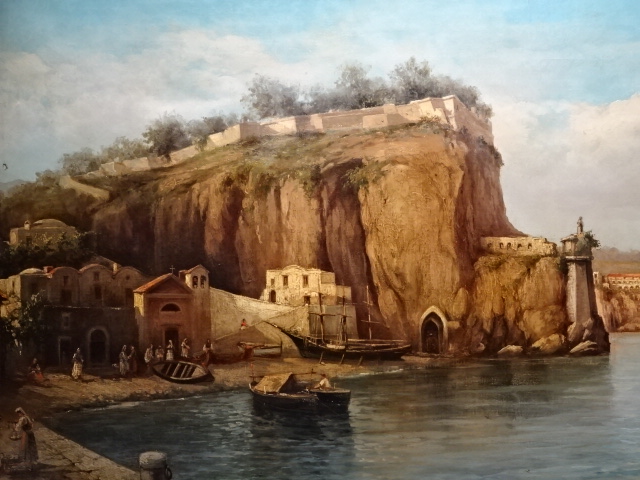

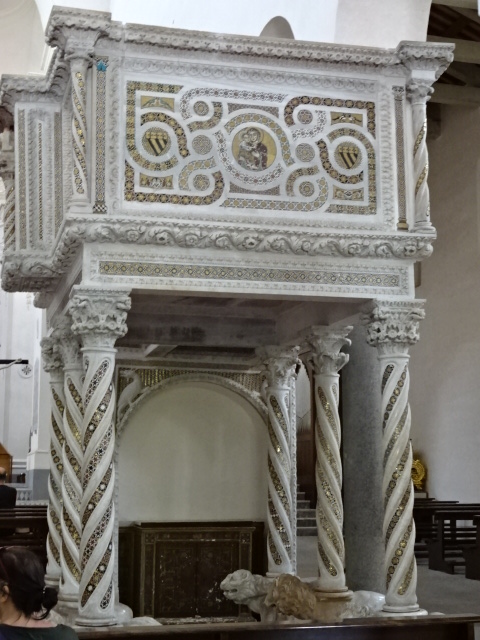

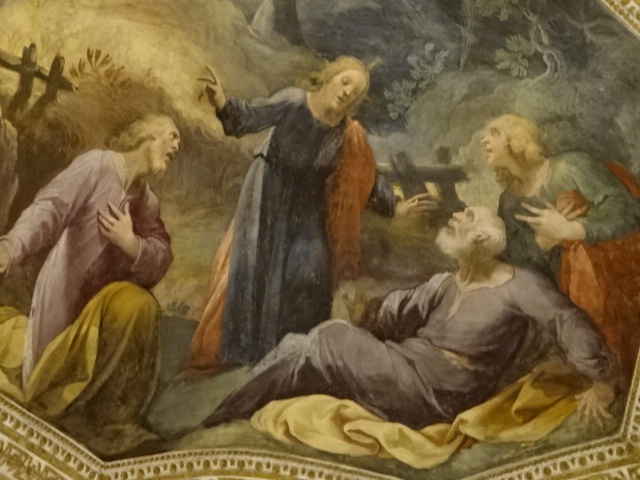



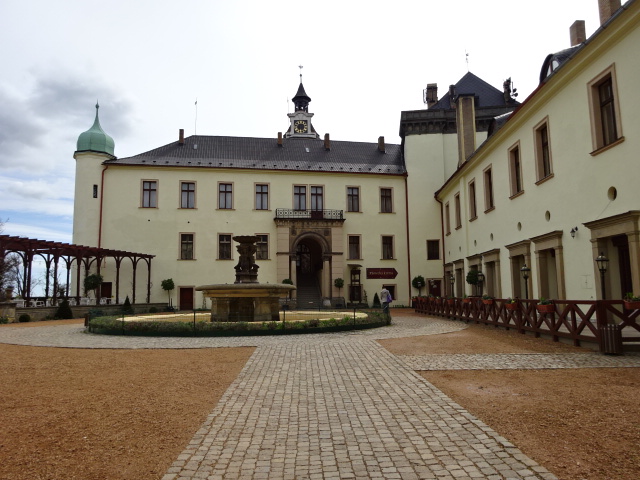


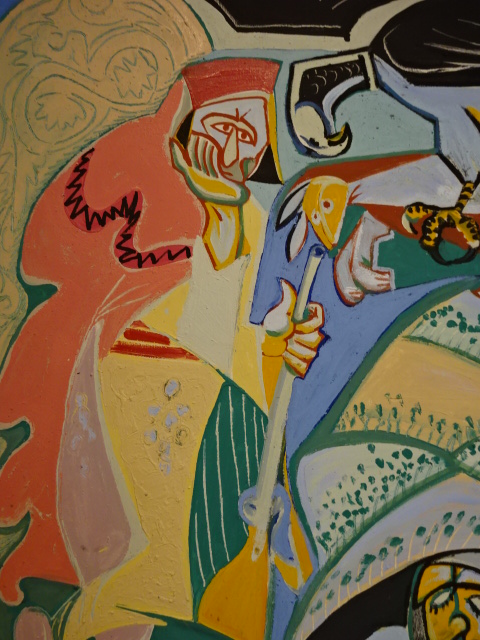


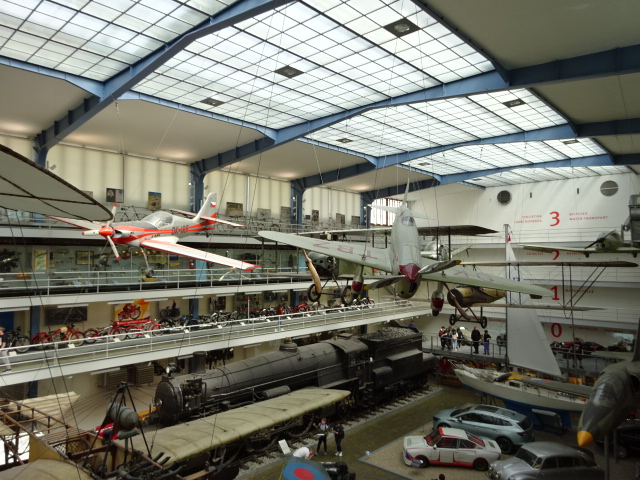


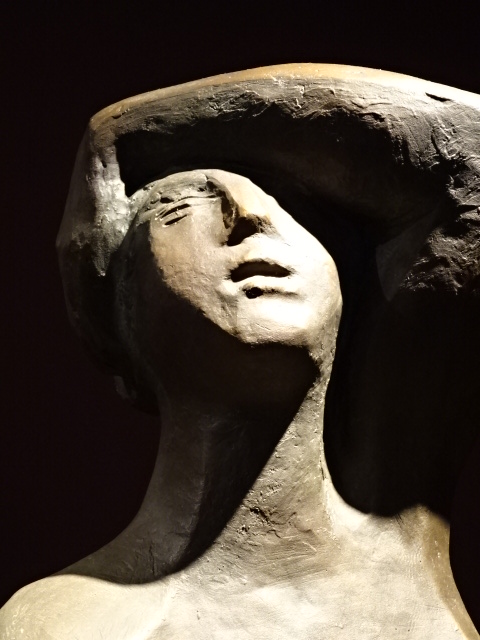


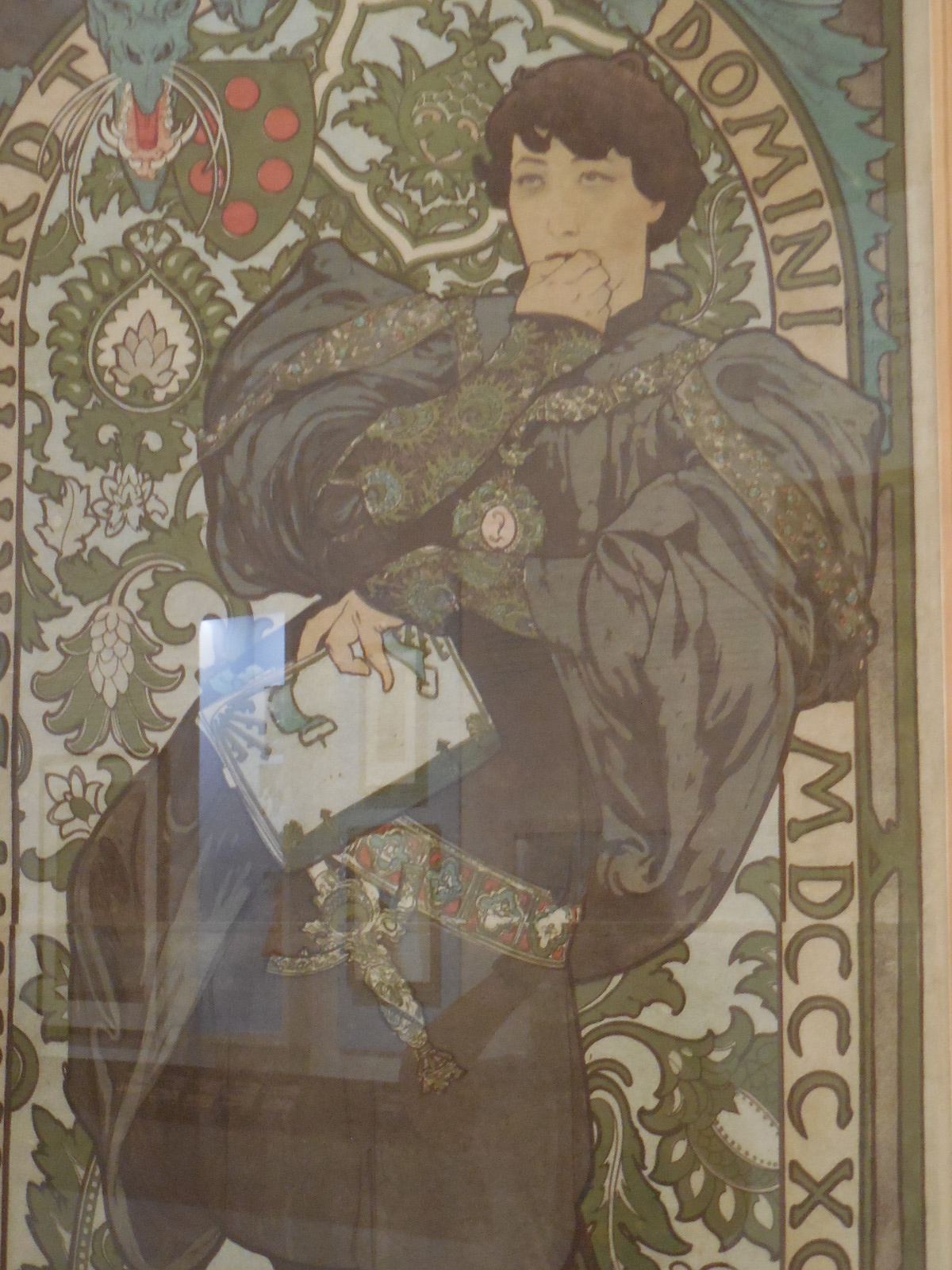

 Tracy's Travels