Jezeří Chateau Diary

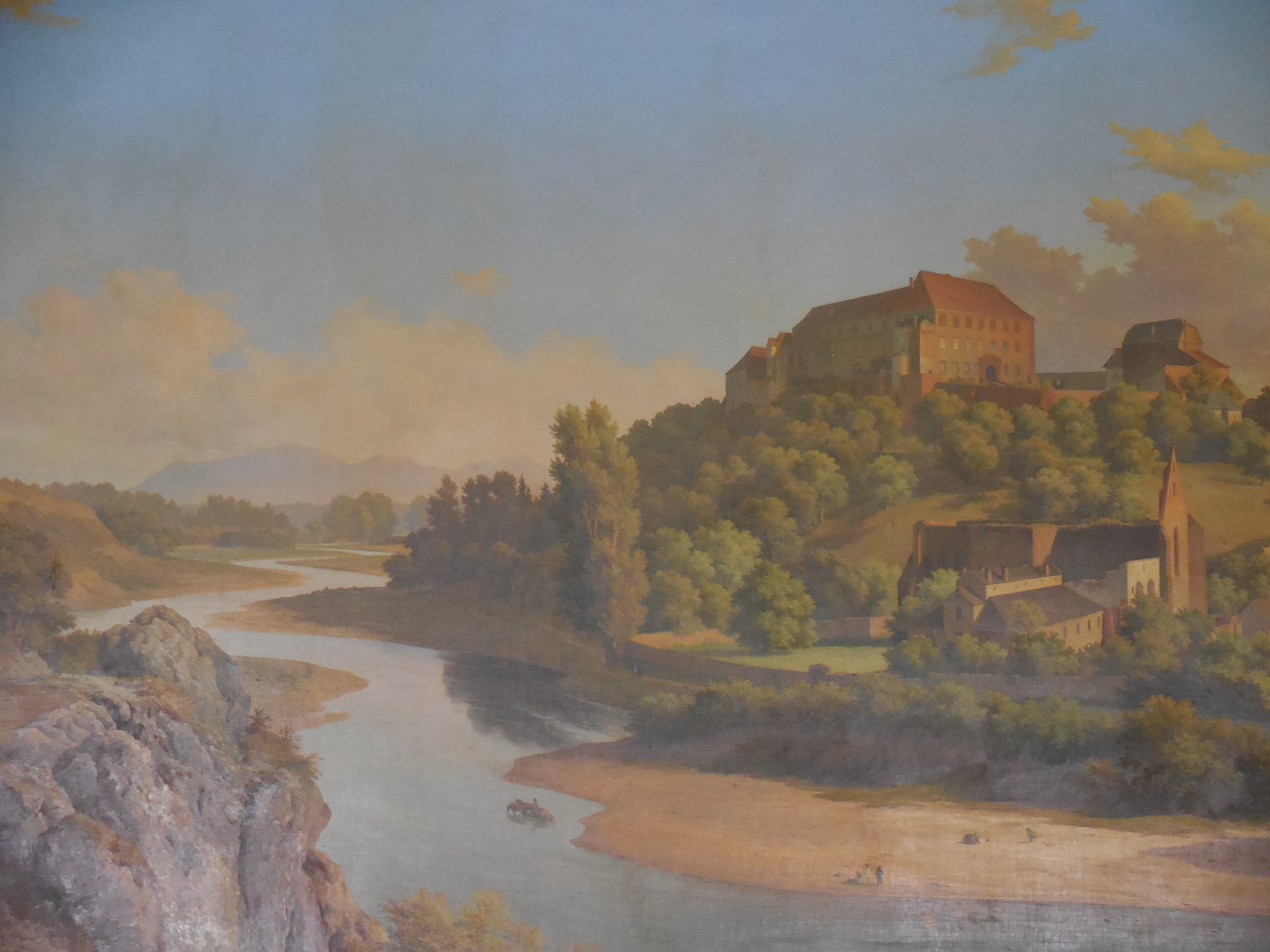
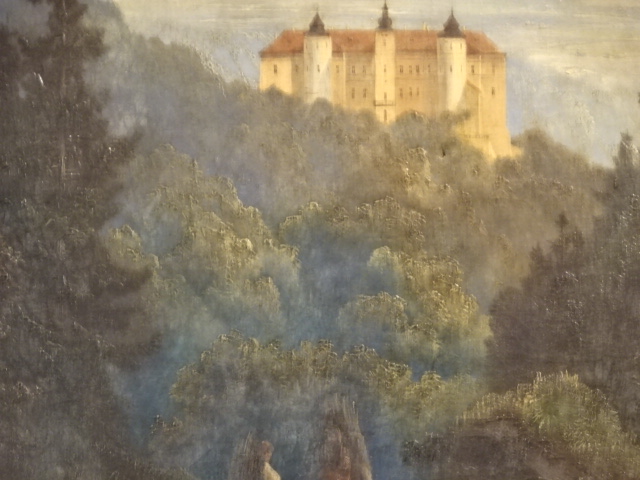
Painting of Jezeří by Carl Robert Croll

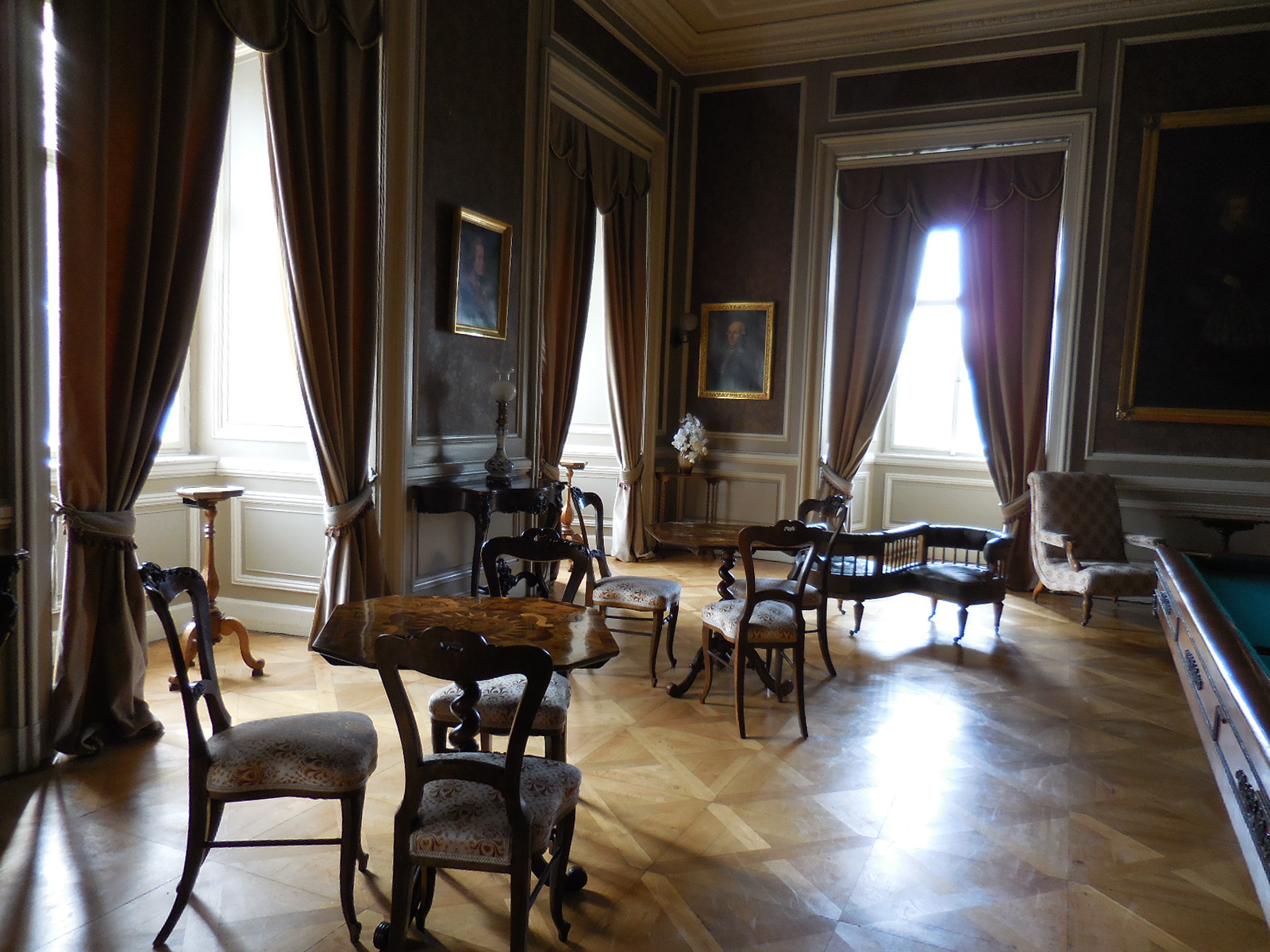
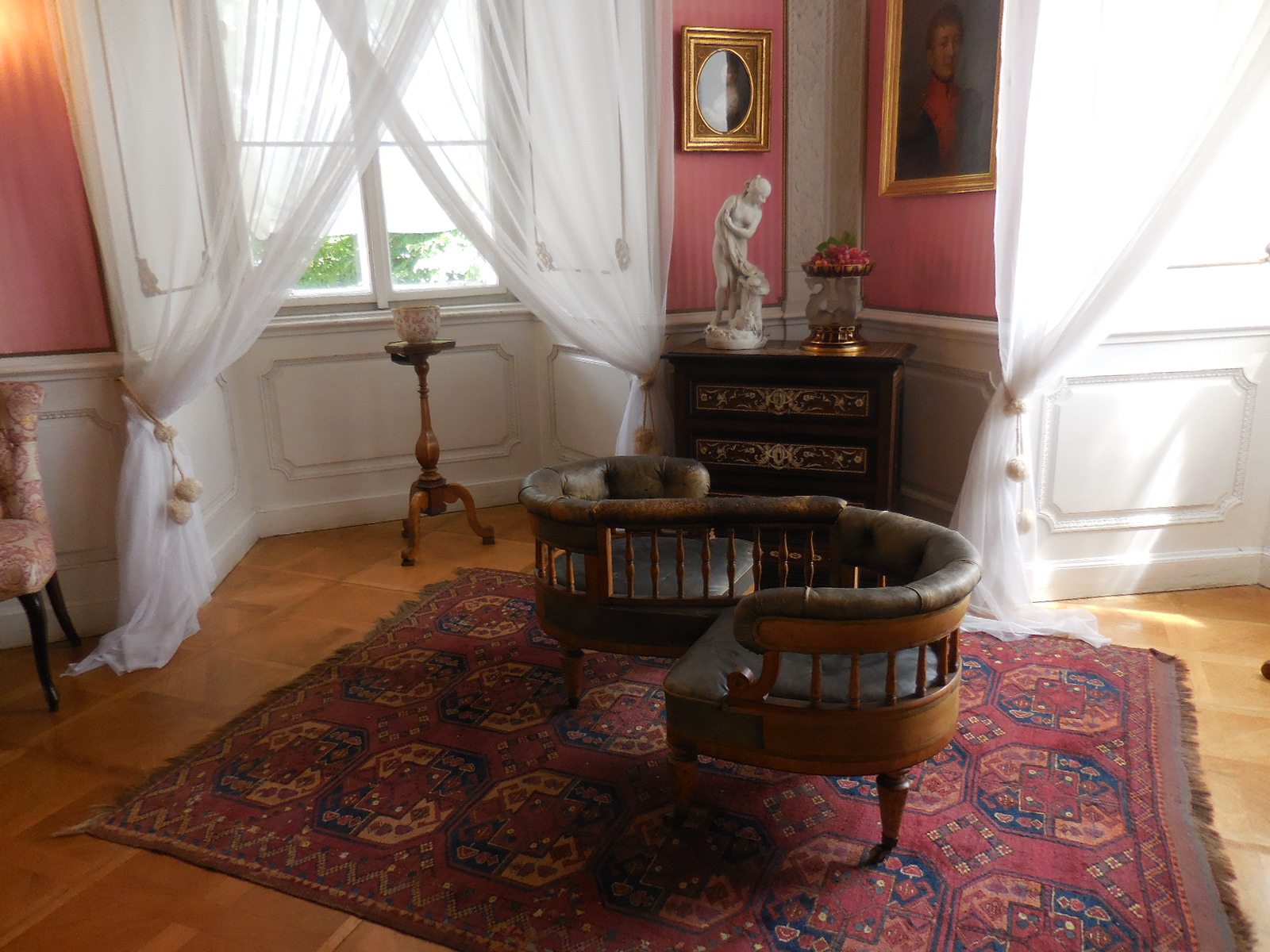
From the chateau interior

The first time I visited Jezeří Chateau was around the year 2000, about four years after it had opened to the public. While the chateau dominating the mountainous landscape appeared impressive from afar, up close it had looked derelict, as if it was about to collapse. The tour had covered only several rooms because much of the structure was under reconstruction. I left Jezeří feeling sad that a chateau with such promise had been derelict for so long. I wondered if the state would ever be able to make the chateau presentable again as so much rebuilding was necessary.
Now, 24 years later, I went back to the chateau situated in the Ore Mountains near the German border. About 10 rooms were open to the public, and they were impressive. I especially loved the paintings of Carl Robert Croll and the room where former Minister of Foreign Affairs and son of the first Czechoslovak President, Jan Masaryk, had stayed overnight. Spaces that had once succumbed to a sad plight now impressed, many harkening back to the golden days of the chateau.

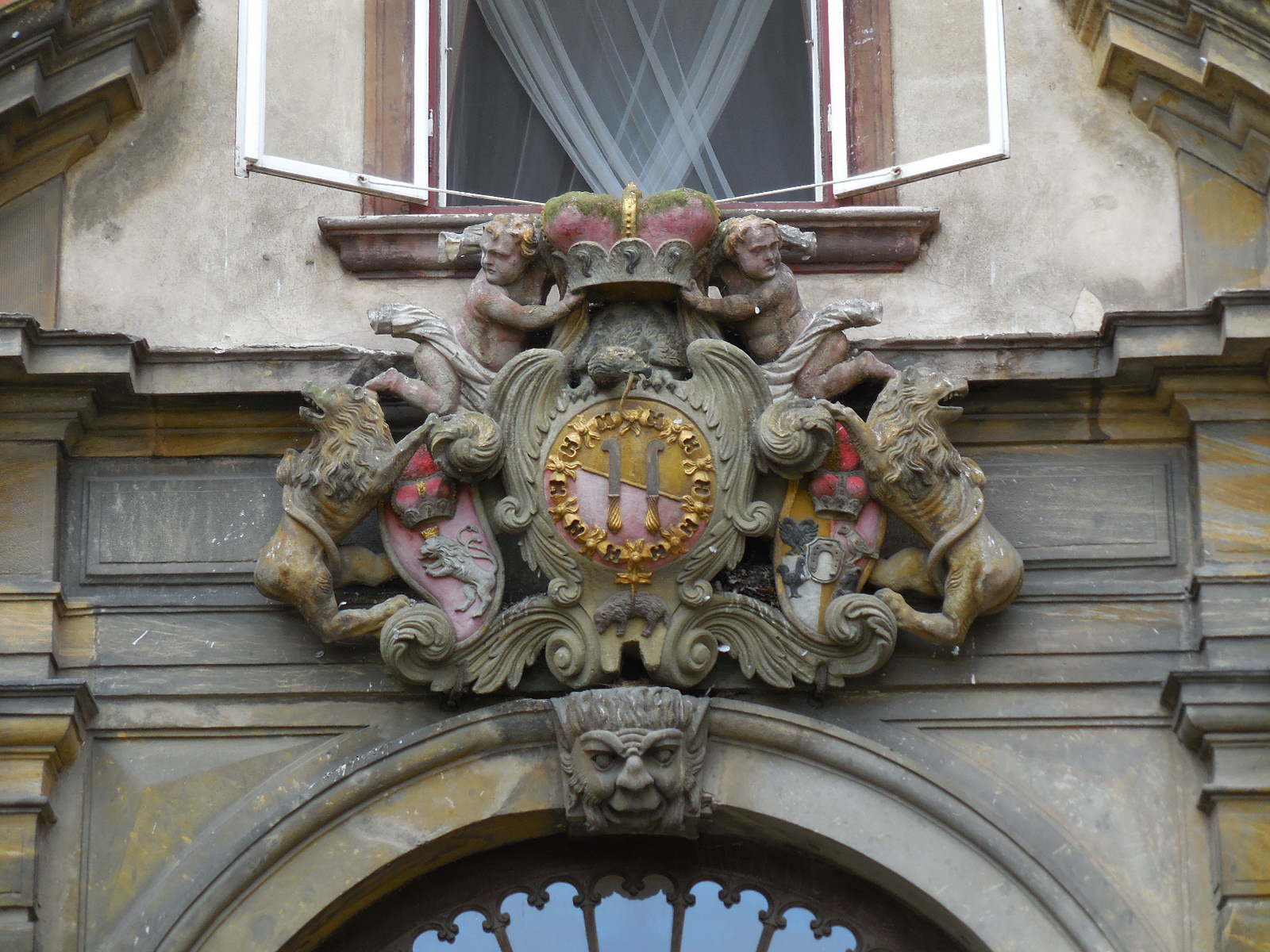
The main facade of the chateau

But it is necessary to start at the beginning and get to know Jezeří’s history and suffering throughout years of dilapidation before touching upon the current appearance. To appreciate Jezeří fully, one has to be aware of the chateau’s journey, a long and winding one that overcame many obstacles.

Atlantis statue on main portal of the chateau

Jezeří Chateau dominates the landscape as a Baroque structure in the Ore (Krušné) Mountains of north Bohemia. It had been transformed from a Gothic castle called De Lacu (from the lake) to a Renaissance chateau by the Hochhauser family and finally to its Baroque appearance today. It was first mentioned in writing as a Gothic castle in the 1360s. The Thirty Years’ War  brought much damage and destruction.

Statue of a dog above the main courtyard of the chateau

Then, in 1623, Vilém the Younger Popel Lobkowicz bought it, and the Lobkowicz name would punctuate the chateau’s history for centuries. Under Ferdinand Vilém Lobkowicz, from 1647 to 1708, extensive reconstruction took place. The property included 500 hectares. A hall replete with grandeur showed off oval vaulting, stucco decoration and large columns while a new richly decorated dining room sported a beautiful ceiling. Rooms were adorned with frescoes. The garden showed off fountains and cascades. A zoo was on the premises. However, all good things came to an end when a fire that could not be extinguished ravaged the building during 1713.

During 1722 the chateau passed into the hands of the Roudnice branch of the family. Jezeří would come to life again when reconstruction occurred during the 18th and 19th centuries. Jezeří flourished, filled with frescoes and paintings by masterful artists. The English style garden included an artificial grotto and lavish statues. The H-shaped chateau became a center for musical and theatrical events during the Baroque and Classicist eras as famous guests visited its renowned theatre.

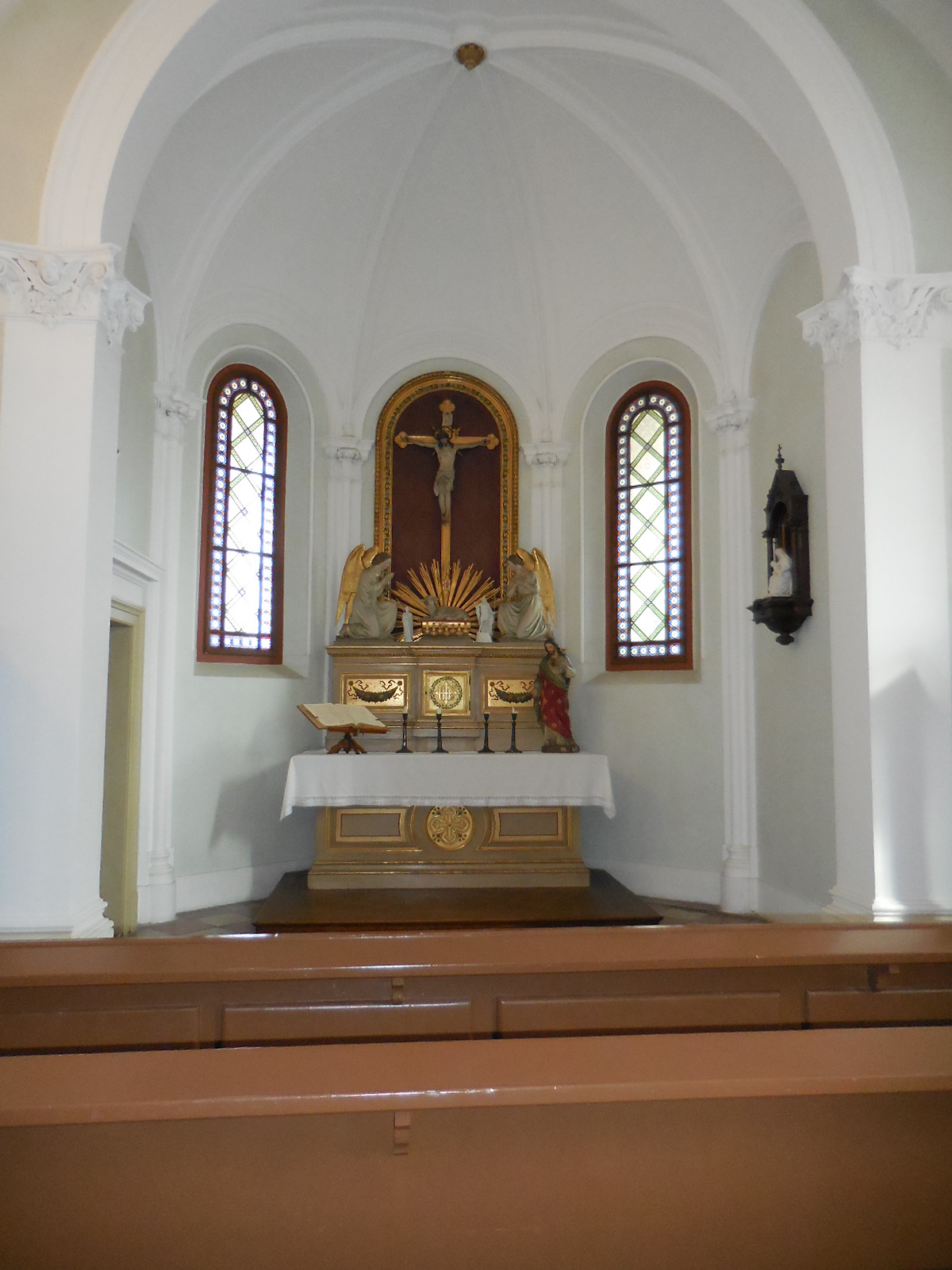
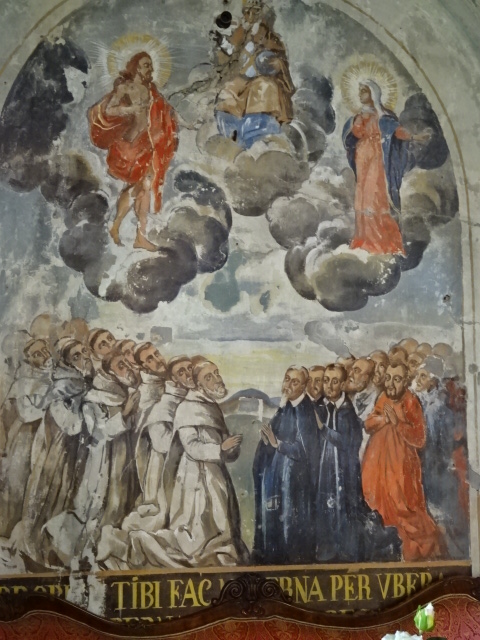
View of oratory of chateau chapel

Owner Maxmilián had opera singers visit from ensembles in Vienna and Dresden. Beethoven was friends with Prince František Maxmilián. The first private performance of Beethoven’s third “Eroica” Symphony, which the composer had dedicated to František Maxmilián, took place here. It also was the site of the first private performance (1797) of Haydn’s Creation. My favorite symphony by Beethoven, his sixth (the Pastoral), was also dedicated to Prince Lobkowicz.
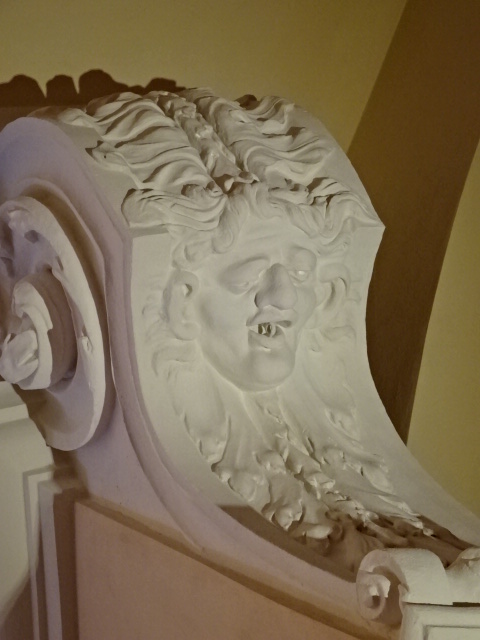
Sculpted heads with facial expressions adorn the Theatre Hall.

Another sculptural decoration in the Theatre Hall

At the time, vast Jezeří was buzzing with excitement in its 114 rooms and numerous smaller spaces. The English gardens and park were Baroque in style and showed off statues of mythological figures, greenhouses, pavilions, an artificial waterfall, terraces with magnificent views and an arboretum.
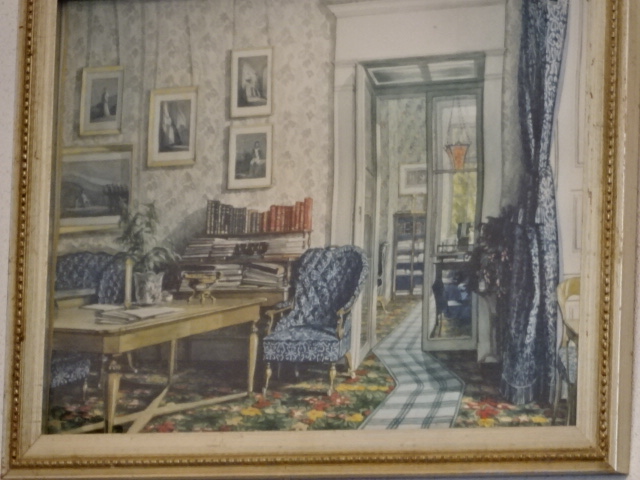
Painting of chateau interior by Carl Robert Croll

In the early 19th century, the prominent painter Carl Robert Croll created canvases for the Lobkowiczes, and his renditions of the chateau’s exterior and interior are magnificent. His “Winter Garden” from 1841 portrayed a light and airy room with many plants and windows, white walls and blue-upholstered furniture. The painting “The Big Salon,” created that same year, showed children dancing and men immersed in a game of billiards. Croll’s work “Smaller Salon at Jezeří” focuses on women and girls chatting and ordering tea or coffee. Croll painted the exterior of the chateau at night, presenting it as mystical and magical.

A painting of the chateau landscape by Carl Robert Croll

During the existence of The First Republic of Czechoslovakia, Jezeří was under the guidance of JUDr. Maxmilián Ervín Lobkowicz (1888 – 1968). Maxmilián served as a Czechoslovak diplomat and during World War II held the post of Czechoslovak Ambassador to Great Britain as he played a major role in the anti-fascist movement with the government-in-exile in London.

After he went into exile in 1938, Nazi soldiers took control of the chateau, and during 1943, a prison camp for Poles, Russians, French and out-of-favor German soldiers was situated on the property. Among the prominent figures incarcerated there was Pierre de Gaulle, brother of former French President Charles de Gaulle.

Jan Masaryk, Minister of Foreign Affairs and democrat

Maxmilián Lobkowicz returned after the war, and his good friend Jan Masaryk, then Czechoslovak Minister of Foreign Affairs, visited Maxmilián there on several occasions. However, Jan Masaryk would be shoved out a bathroom window by Communist officials at the Ministry of Foreign Affairs in Prague and fall to his death. The totalitarian regime categorized it as a suicide.
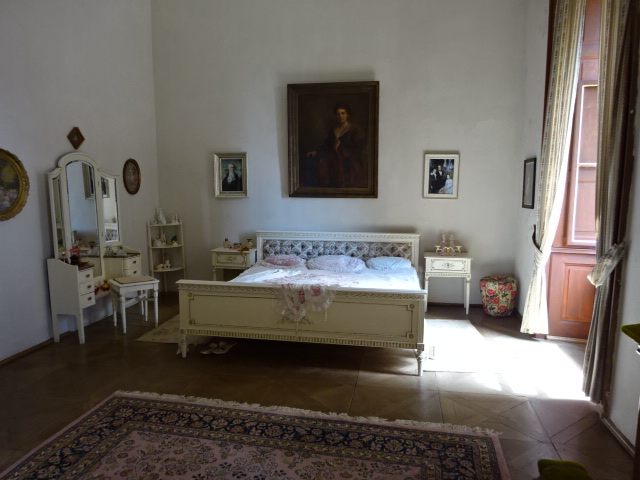
Times would change for the worst as Maxmilián and his family had to go into exile during 1948, carrying with them only a few belongings. The Communist coup had taken place, forcing the lifelong democrat Maxmilián to flee once again. At this time, the chateau was deteriorating.

Jan Masaryk, son of the first president of democratic Czechoslovakia

Jezeří certainly did not get a pretty makeover during the following decades. On the contrary, in 1950 the Czechoslovak army took over Jezeří, and the interior was destroyed. Then, five years later, the Ministry of the Interior used the building. Several other institutions were situated there in subsequent years, and times were definitely not rosy. The place was often vandalized until 1960. Jezeří Chateau became a cultural monument in 1963, though its condition did not improve. At the end of the 1960s and in the 1970s, extensive mining took place on the grounds. During the 1970s and 1980s, there was talk of tearing Jezeří down because the structure was not deemed safe due to the mining activities.
The chateau had been surrounded by intensive coal mining for centuries. Mines with dams and ditches punctuated the Ore Mountains. The mining history harkens back to the 16th century, and though it was halted for a while after the Thirty Years’ War of the 17th century, mining activities returned with a vengeance during the 19th century due to the discovery of cobalt blue and uranium in the mountains. During the first and second world war, much mining took place in the Ore Mountains. Then, after the Soviets took control of Czechoslovakia, the Ore Mountains were used as a source of uranium ore, but it was all kept hush-hush. The beautiful forests were destroyed under Communist rule. Jezeří didn’t even appear on maps anymore.

After the Velvet Revolution of 1989 that triggered the end of Communist rule, the Lobkowiczes got the chateau back in restitution. In 1991, the state declared the chateau a protected cultural monument. However, the chateau was in such bad condition that the Lobkowiczes were not able to do the necessary repairs because it would be so costly. In 1996 Martin Lobkowicz gave the chateau to the state. Repairs began, but it would be a long journey before the chateau appeared in a decent state.

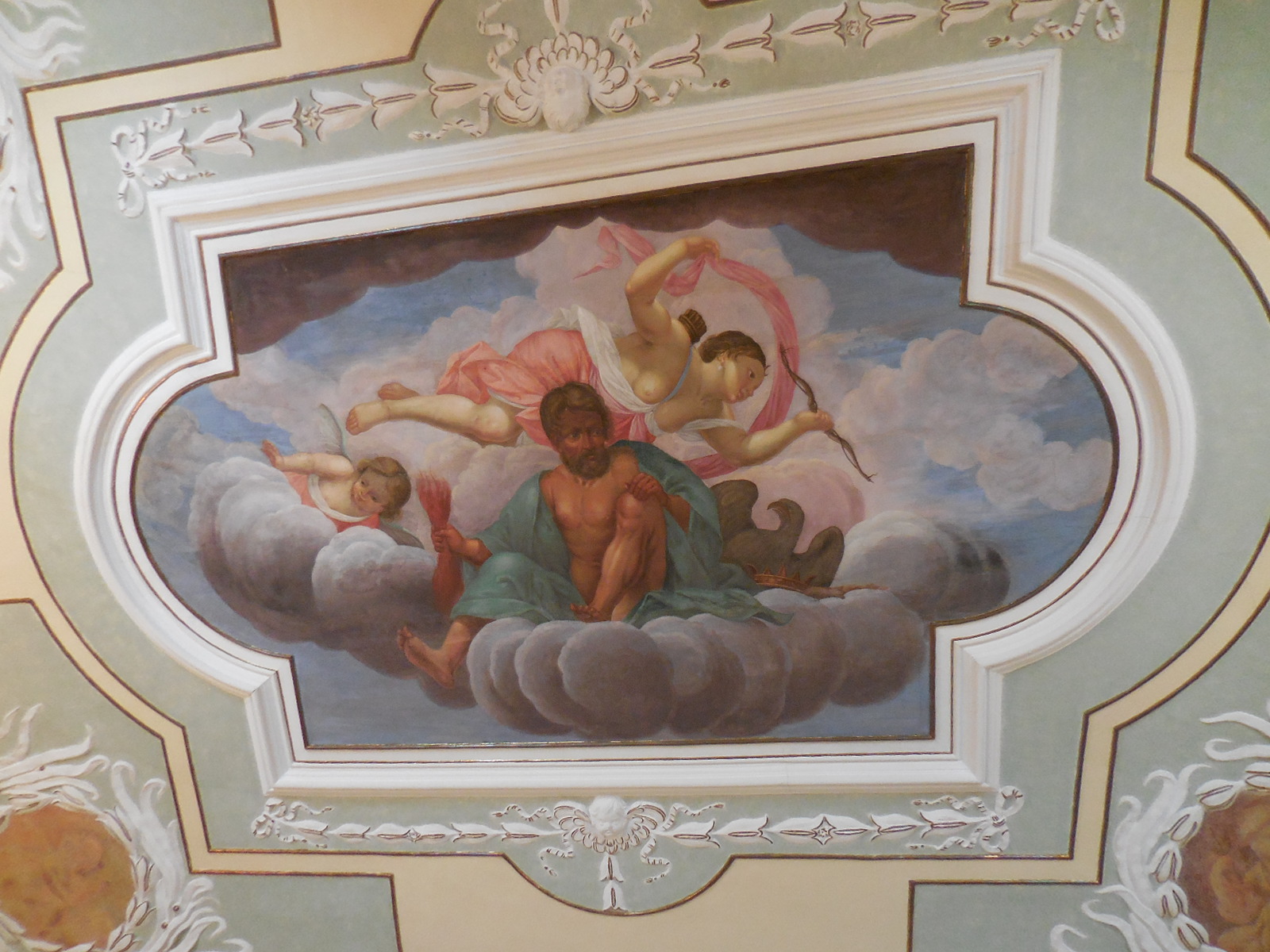
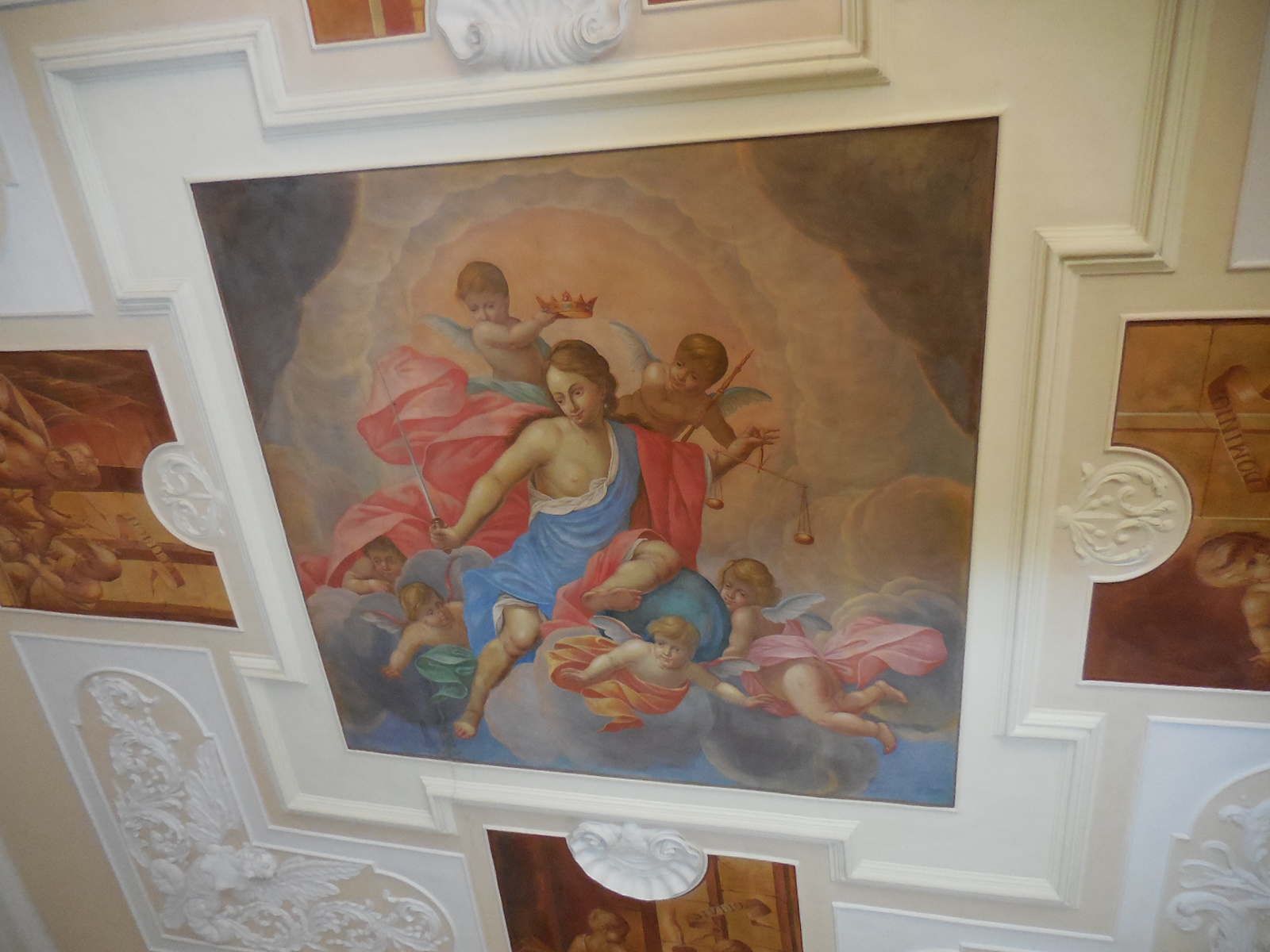
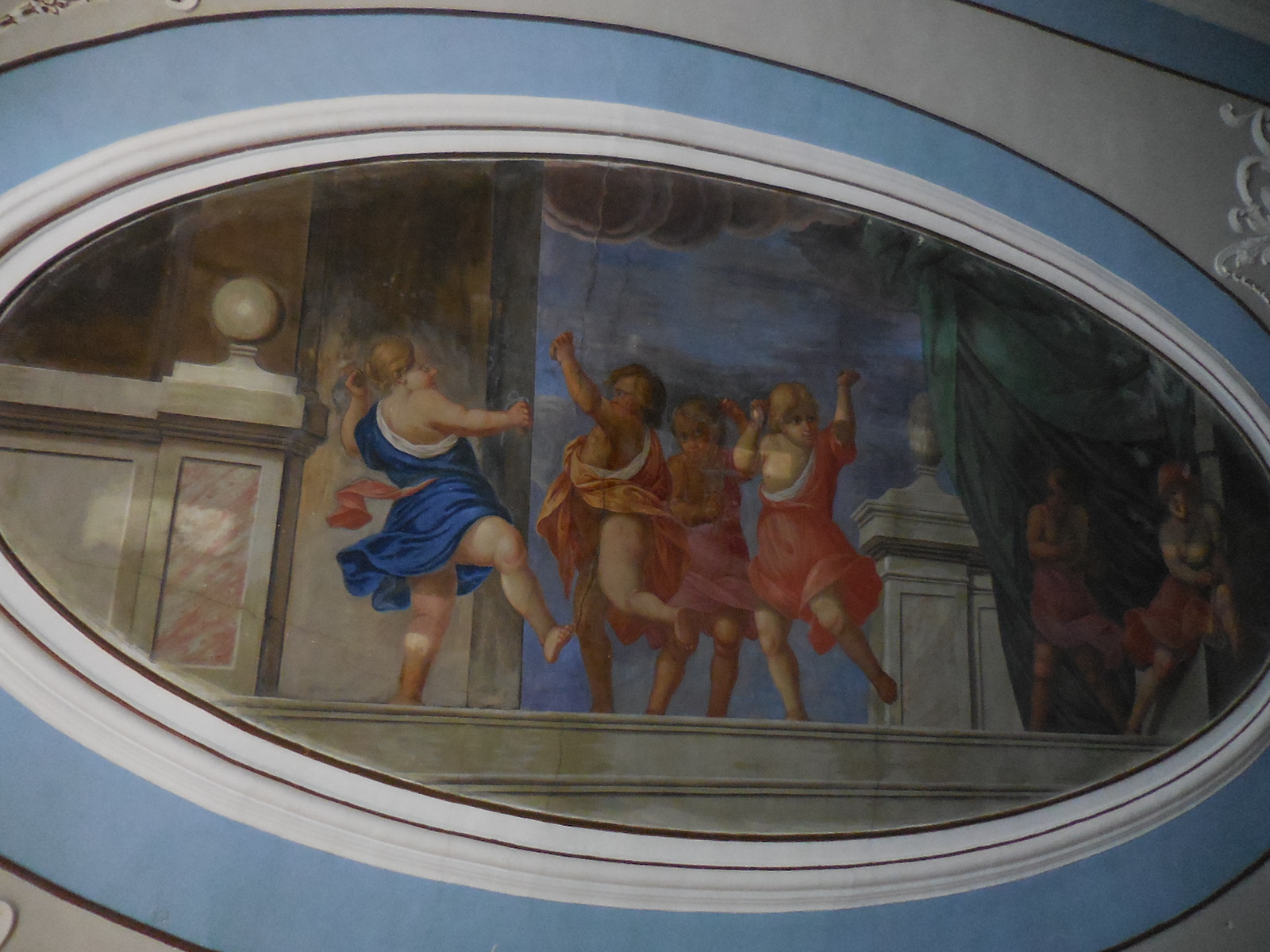
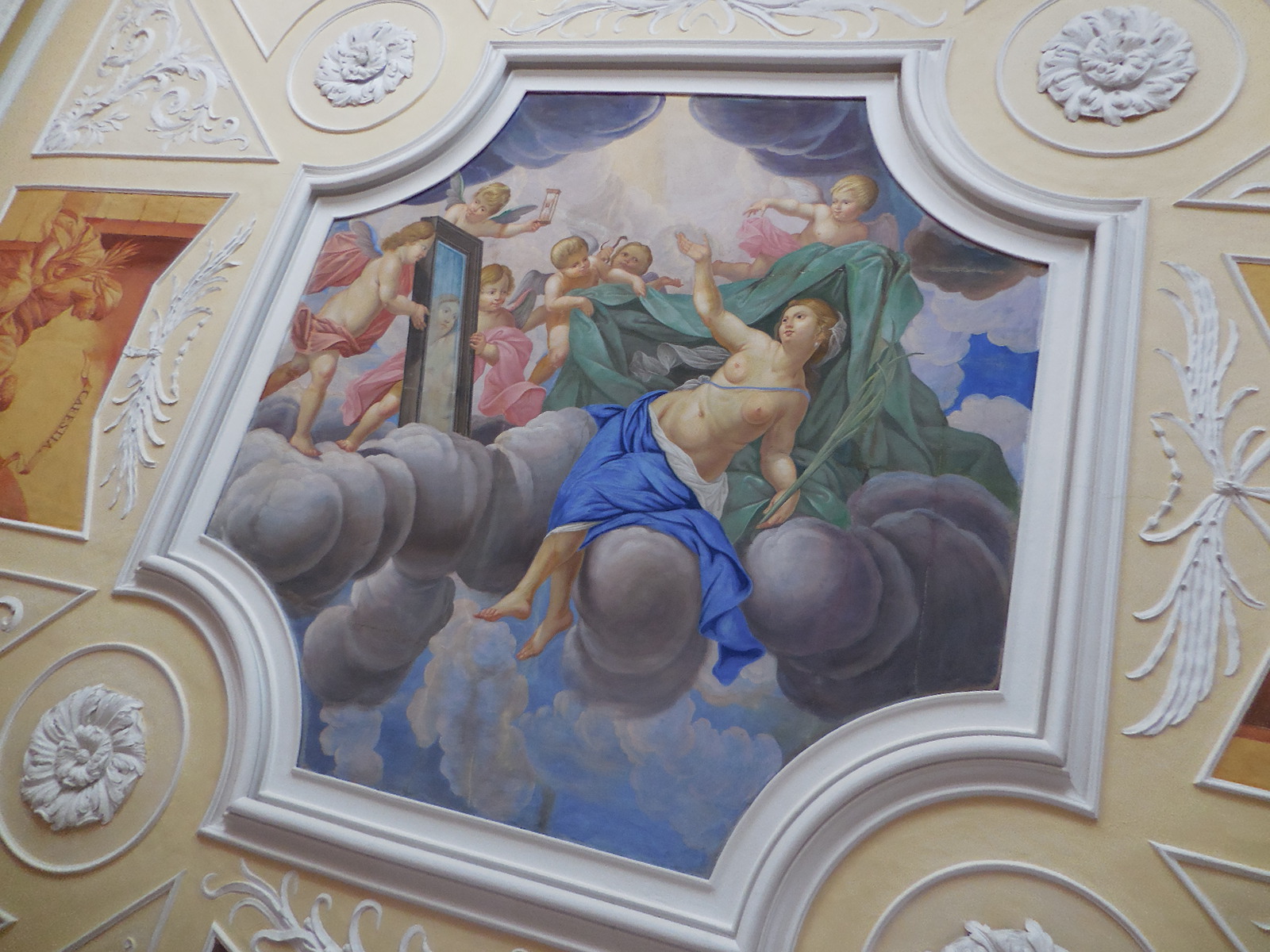
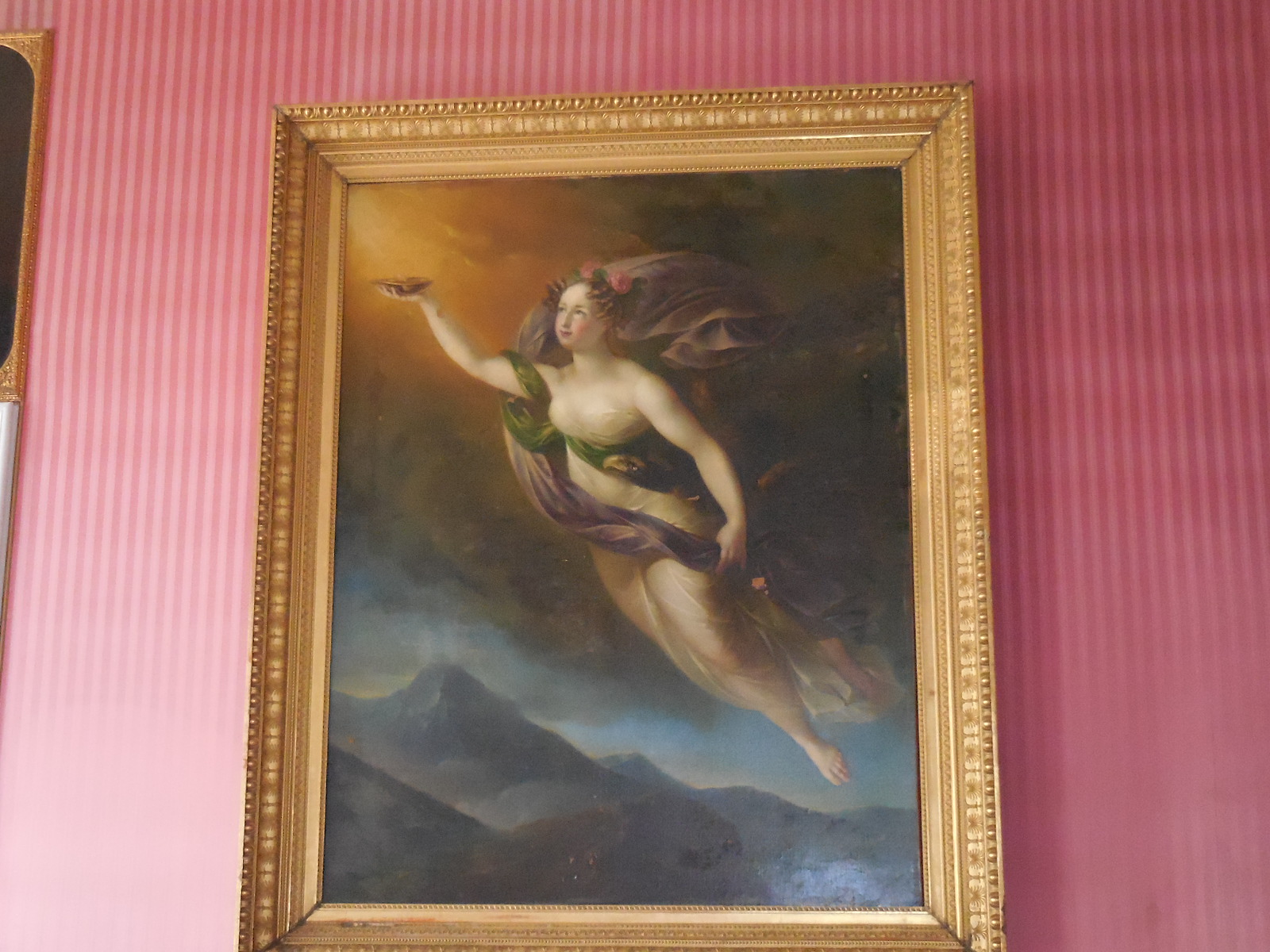
The artwork in the chateau is superb.

During 1996, one room in the chateau was open to the public. When I visited in 2000, more rooms were accessible, but there was a lot of reconstruction taking place. Back then, I felt a sense of profound sadness because the necessary reconstruction would take years to accomplish. Yet hope and determination won out. The chateau continued to be painstakingly restored, and finally part of the first floor and a section of the second floor were on display for visitors. It was made a national cultural monument in 2022.

The chateau Theatre Hall
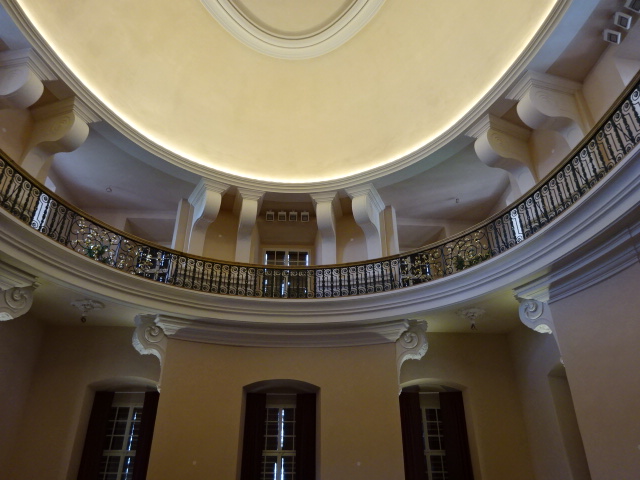
The stunning balustrade of the Theatre Hall

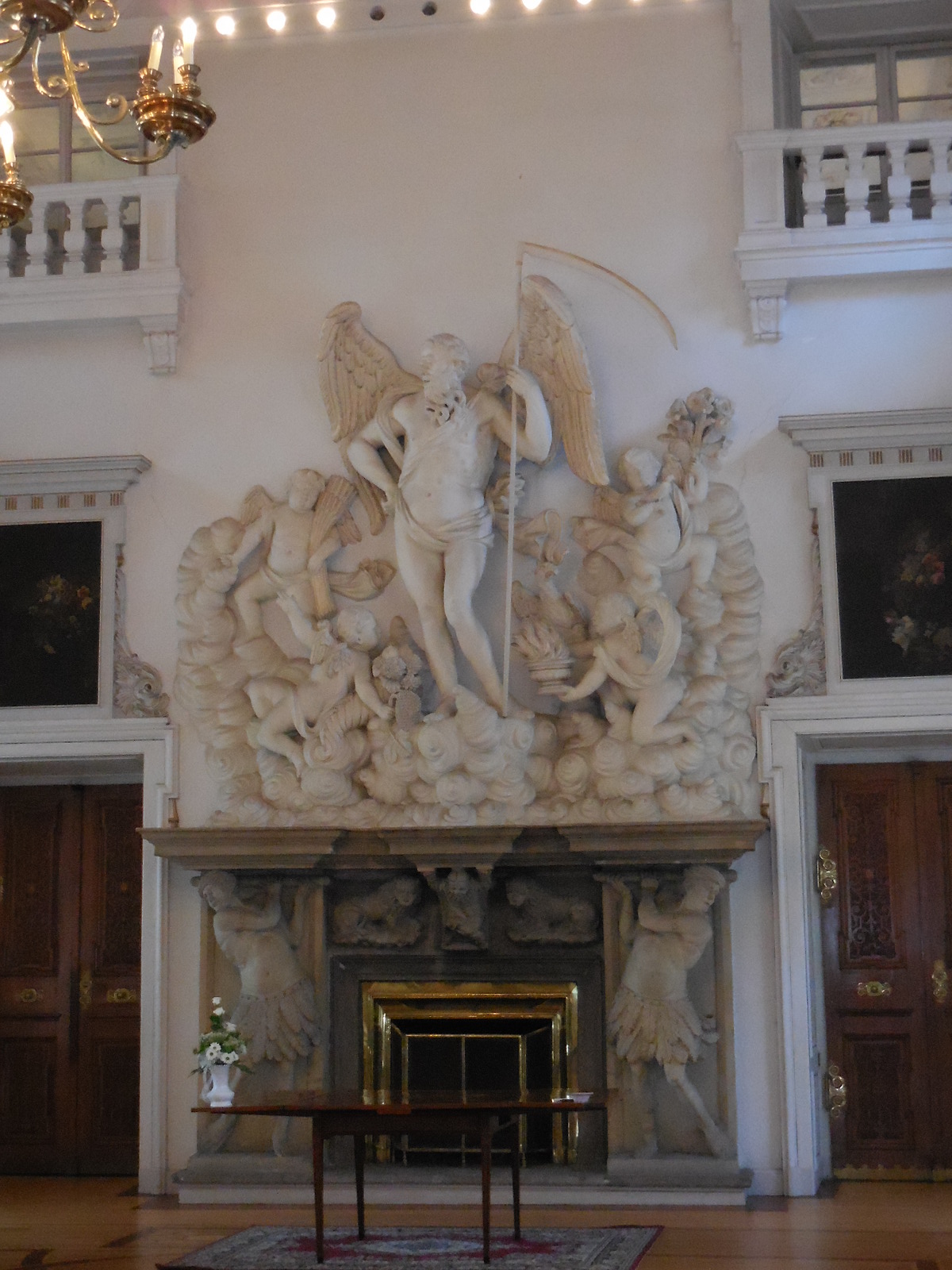
Now visitors can admire the renovated, lavish Theatre Hall with its original fireplace and stucco decoration. Heads of figures with various theatrical expressions decorate the walls. The cupola is impressive as is the balustrade above. Concerts are held here, reviving Jezeří’s musical tradition.

The Winter Garden today

The Winter Garden was renovated to look like it did in Carl Robert Croll’s paintings, and it is a tranquil, comfy place full of greenery. I would love to have tea in that soothing space.
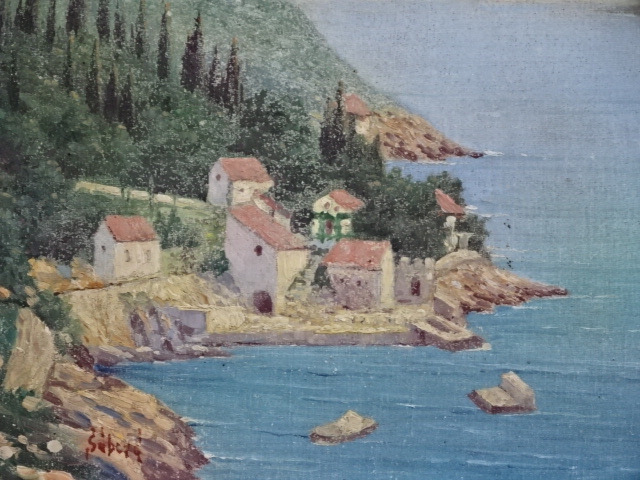
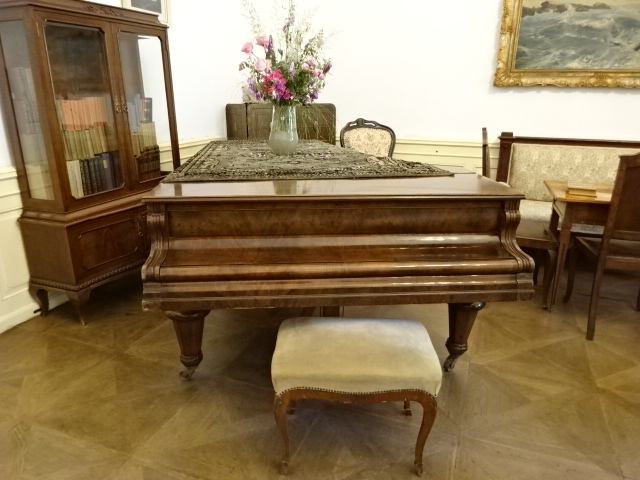
Paintings throughout the chateau are intriguing with Carl Robert Croll’s works showing a stunning chateau interior and exterior at the beginning of the 19th century. Many other artworks are impressive, too. Three pianos are on display. The vaulting and stucco ornamentation in rooms is intriguing to say the least.

Jan Masaryk’s room at the chateau
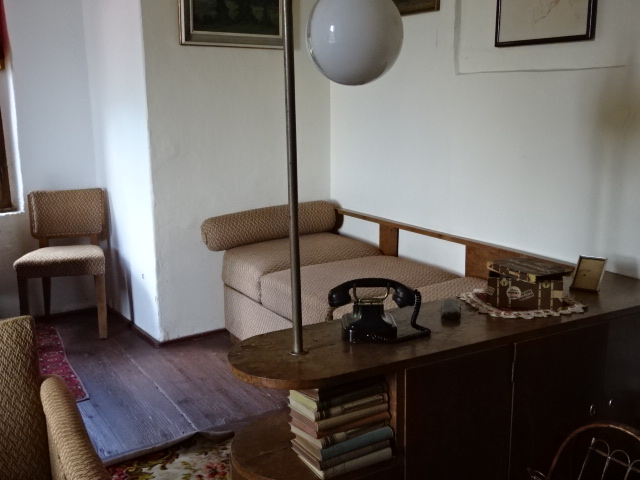
Jan Masaryk’s room at the chateau

My favorite room is the one dedicated to Jan Masaryk. Seeing his room at the chateau made me imagine his visits with the Lobkowiczes during the chateau’s better days. The portraits of Jan Masaryk across from the room brought to mind Masaryk’s fierce fight for democracy and his tragic fate. I remember, during a tour of the Ministry of Foreign Affairs, being shown the bathroom window from which he was shoved to the hard ground outside.

Bust of Tomáš Garrigue Masaryk, first president and Czechoslovakia and father of Jan Masaryk
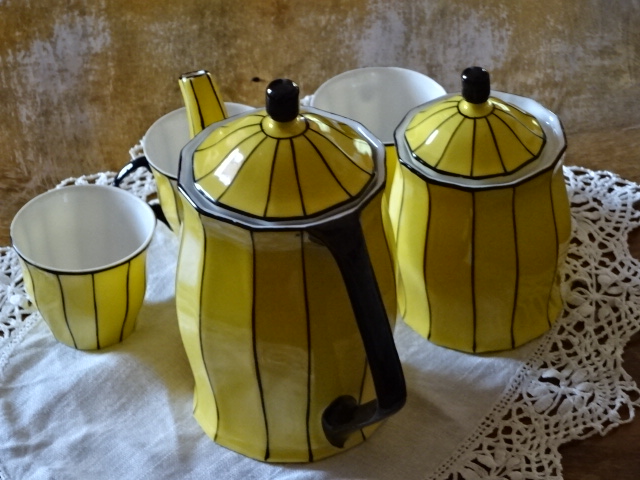
Twentieth century coffee and tea set in Jan Masaryk’s room at the chateau

I see Jezeří Chateau as a symbol of hope, of the determination that can painstakingly change a monument considered for demolition into an edifice with an intriguing interior that impresses visitors. There is still much reconstruction going on, but Jezeří continues to develop – slowly but surely. I was glad I had been able to witness so many positive developments.
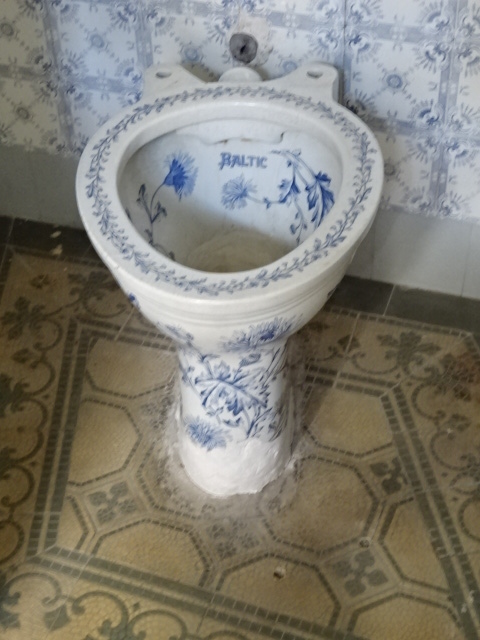
Handpainted toilet in the chateau

Tracy Burns is a writer, proofreader and editor in Prague.
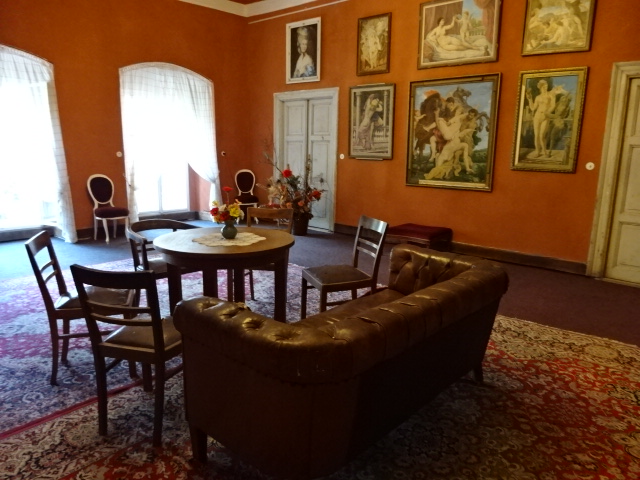
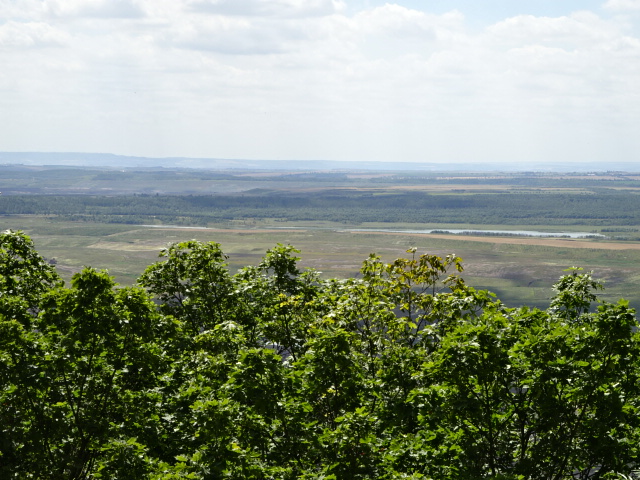
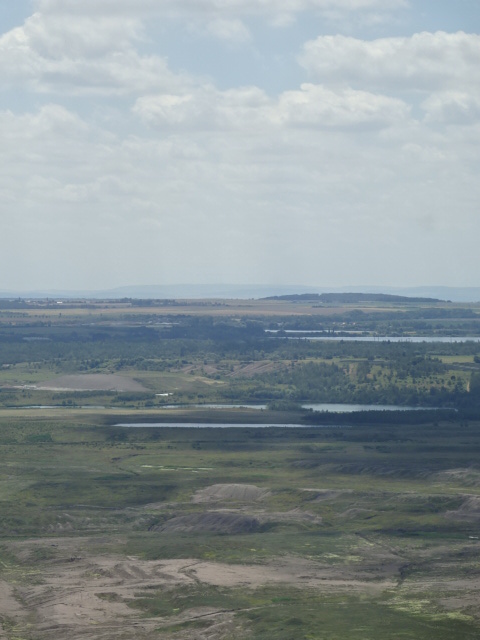
View from the chateau

Velké Březno Chateau Diary

VelkeBreznoext18VelkeBreznoext26

I wrote about Velké Březno in an article for The Washington Post during 2005. A fellow castlegoer had enthusiastically recommended the chateau. Nestled in the Central Bohemian hills near Ustí nad Labem, Velké Březno is a hamlet with one of the smallest but most charming chateaus in the Czech lands. My second visit in 2009 was long overdue. From the moment I saw the Neo-Renaissance structure, which looked more like a large villa than a chateau, I was entranced. Because we had time before the tour, we spent some minutes on the beautiful terrace that overlooks the park.

First, a little background information. Velké Březno has been inhabited since the Mesolithic era, and the Slavs settled there in the 9th century. The oldest document mentioning the village dates from the second half of the 12th century.

VelkeBreznoint2VelkeBreznoint5

While many people owned the chateau at various times, the most notable family to inhabit Velké Březno’s chateau is the Chotek clan. Not satisfied with the old castle in the town, Karl Chotek moved into Velké Březno with his wife and six sons in 1844. The chateau was built from 1842 to 1845 in Empire style. Karl had made a name for himself in Prague, where he promoted Czech national identity. Renowned Czech historian František Palacký had tutored him in the Czech language. (Later, Palacký taught Karl’s children.) Chotek had chipped in financially for the repairs of Karlštejn Castle near Prague. He was a key figure in setting up industrial exhibitions in Prague. He also helped the Prague public transport system in its early days. One interesting fact is that, during the 1820s, Karl initiated the tradition of Czechs sending New Year’s greeting cards.

VelkeBreznoint6

Famous guests set foot in the chateau, too. A young Franz Joseph, who would later become emperor, visited in 1847. Composer Franz Liszt came to the chateau on three occasions. Sophie Chotek, who would be assassinated in Sarajevo along with her husband Franz Ferdinand d’Este, resided there in the late 19th century.

VelkeBreznoint15

Karl’s son Anton took control of the chateau after Karl died, in 1868. Karl Maria, their son, dabbled in politics and took up many hobbies – traveling, photography and gardening, for instance. From 1885 to 1910, the chateau was reconstructed. The new Neo-Renaissance look featured a four-sided tower, chapel and attic. Major additions included balconies, balustrades, parapets, turrets and dormer windows. The interiors included wood paneling. The ground floor boasted of coffered ceilings. Tiled stoves also made appearances. Stables, stalls and a coach house were also built. During the 1890s, the chateau park was founded. In 1910, the chateau got electricity.

After the death of Karl Maria in 1926, his son Karl became the owner of Velké Březno. When the Sudeten lands, part of Czechoslovakia with a German majority, were annexed to the Third Reich, Karl took German citizenship and was able to keep the chateau during World War II. After the war, under the Beneš decrees, the chateau was nationalized as his property confiscated by the state because he had taken German citizenship. When Karl and his wife died during the same week in 1970, the Chotek line died out.

VelkeBreznoint23

Then the chateau was used for various purposes. In the 1950s, it became a school focusing on politics. During the 1960s, the chateau was utilized as a remand home for children.  In 1963 it became a cultural monument. Then the army made it into a storage facility. The chapel was demolished in 1965 because it was in such bad condition. The stables and coach house were sold. The chateau was in very dilapidated state. Reconstruction started at the end of the 1960s. Many of the original artifacts were returned. It was opened to the public in 1970.

VelkeBreznoint27

During the tour, I especially liked the Meissen figures and Meissen mirror with porcelain from Berlin in one of the first rooms to be viewed. The low furniture and dark pink and wine red carpet gave the space a charming appearance. I loved the wood paneled floors. A blue-and-white English tiled stove also stood in the room.

VelkeBreznoint7library

The library was in a small but cozy room, containing 2,200 books on two floors. It dated from the second half of the 19th century. The lower level held magazines. I also saw a jewel cabinet made with intarsia.

VelkeBreznoint25

In another space, I liked the Italian landscapes, as Italy is one of my favorite countries. At that point, I had visited Italy at least 12 times. The Smoking Salon featured a grandfather clock hailing from 1700. It was masterfully carved and richly decorated. I also saw a round table with intarsia, various stones used to make a mosaic with birds.

VelkeBreznoint19candlestickVelkeBreznoint20VelkeBreznoint20candlestick

One unique oddity was a large silver candlestick presented to a Chotek owner from 78 nobles. The coats-of-arms of the nobles were featured on the lower part of the candlestick. It weighed 28 kilograms. The Japanese chairs were small but charming. A Japanese cabinet featured hidden drawers.

VelkeBreznoint38

I saw a high ironing board that doubled as a bed for servants. I also liked the last owner’s bedroom adorned with many family photos. I found out that when the chateau was seized by the state, he was told he could only bring two suitcases with him.

VelkeBreznoint41

In a boy’s room, there was a painting of Prague Castle. I remember my daily walks to the Castle from Old Town during 1991, as I crossed the Charles Bridge at 9 am, when the sellers were just readying to display their wares. An Edison phonograph and small piano also were in the room.

VelkeBreznoint44bathrmVelkeBreznoint46bthrm

In the last room, the bathroom, we saw a toilet that was richly decorated with painting of brown leaves on the inside and outside. The top of the toilet was adorned with flowers and leaves. The sink was decorated with blue floral ornamentation. I had never seen a sink and toilet decorated in this way. It was certainly unique and intriguing.

VelkeBreznotower2

View from the tower

We walked around the English park that included magnolias and rhododendrons as well as red, scarlet and English oak and five species of sycamore. Some of the trees were 160 years old. The 110-year old white rhododendrons in front of the chateau were striking.

VelkeBreznotower3

View from the tower

We had a delightful lunch at the restaurant next to the chateau. In the restaurant an advertisement promoted the local beer as a brewery was in the town. I left Velké Březno Chateau very satisfied as the rooms, though modest in size, had exuded charm and elegance. The table with the mosaic of birds, the candlestick, the decorations on the toilet and sink, the grandfather clock from 1700 and the quaint two-storey library were all highlights that helped make this chateau a real delight.

VelkeBreznobeer1

Advertisement for beer from the local brewery

VelkeBreznodessert2

My dessert at the local restaurant, going off my diet for one day

VelkeBreznoext14VelkeBreznoext17

Tracy A. Burns is a writer, proofreader and editor in Prague.
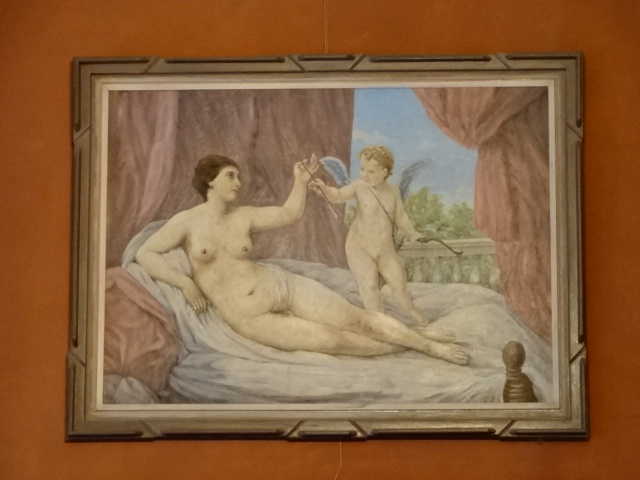
Jablonné v Podjěštedí and the Minor Basilica of Saints Zdislava and Lawrence Diary

Jablonnebasilicaext1

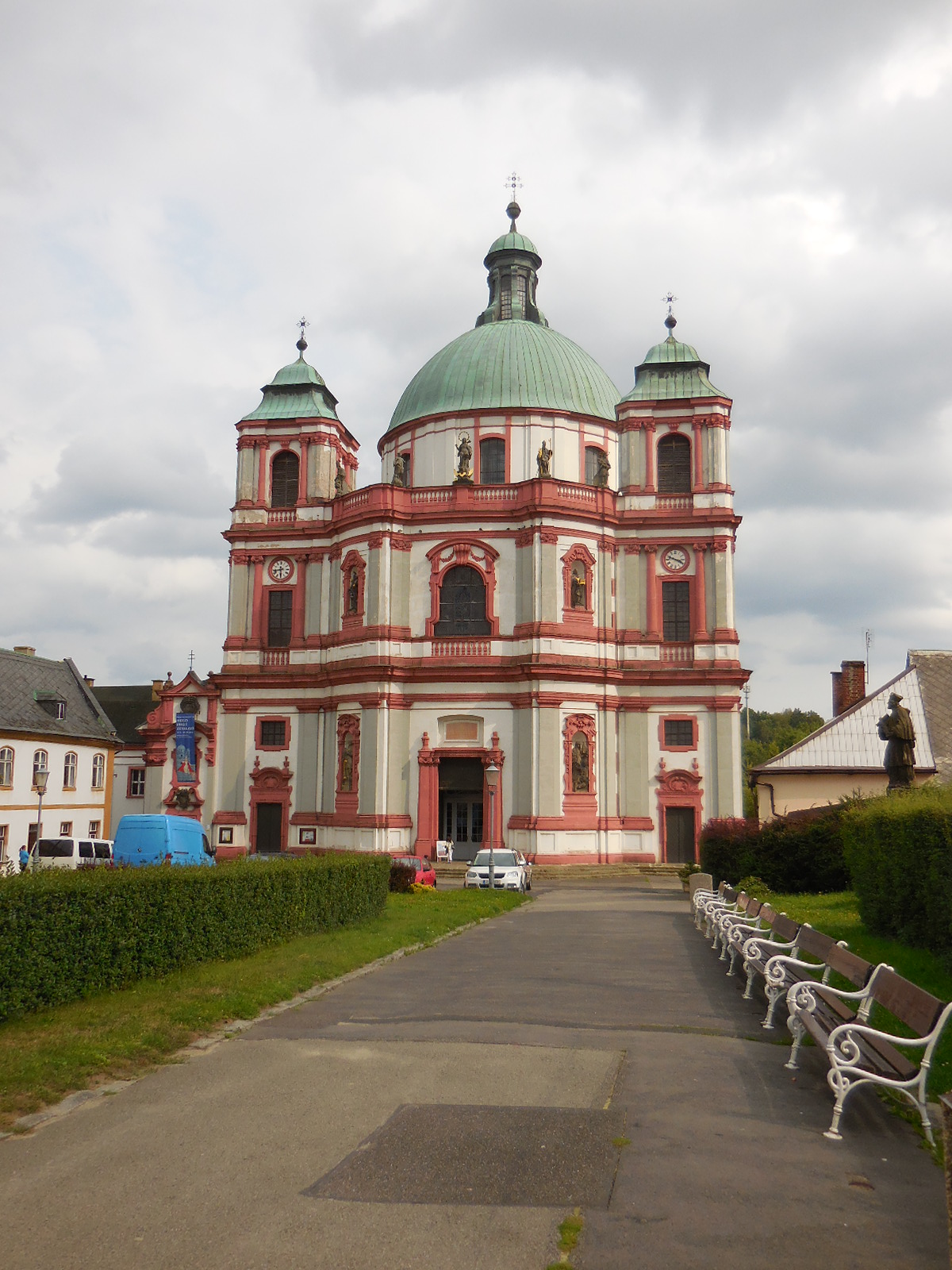
The Minor Basilica of Saints Zdislava and Lawrence

I had wanted to visit Jablonné v Podještědí for a long time. I was not disappointed. I thought that Jablonné v Podjěštedí was a tranquil town. My friend and I savored delicious ice cream on the main square. Only later did I read about the history of the town, a tale, which is no less captivating than the town itself.

Nestled under the Lusatian Mountains of north Bohemia near Lemberk Castle, the town was first settled by Czechs and Germans. It was founded by Havel from Markvartice in the 13th century. His wife Zdislava came from a religious, noble family. She would become a saint for helping the poor and healing people. The monastery in the town was founded during the mid-13th century and was inhabited by Dominicans. During the 14th century, Jablonné v Podjěštedí held a prominent position as a customs checkpoint, and in 1369 Holy Roman Emperor Charles IV visited the town.

Jablonneoldpostcard

An old postcard of the town from http://www.luzicke-hory.cz

The 15th century brought destruction and havoc as the Hussite Wars raged throughout the Czech lands. The Hussites razed the town. The monastery and church also sustained much damage.

Things would get better, though. By the mid-15th century, life was good again. During the 16th century, prospects looked even brighter as trades and businesses flourished. New buildings were erected, too, including a chateau, school, town hall and brewery.

Jablonnesquare

The main square of the town, aerial view, from http://www.luzicke-hory.cz

The owner of the town, Jindřich Berka from Dubá, did not get along well with the Dominicans in the monastery. Luther’s Reformation played a major role in religious life as Lutheran pastors preached there. There was so much friction between the Catholics and Lutherans in the town at that time that Emperor Rudolf II had to intervene in order to calm things down.

The Thirty Years’ War brought much destruction and plundering. Afterwards, the Lutheran pastors were expelled, and Catholicism dominated religious life again. Still, there was no love lost between the owners of the town and the Dominicans. In 1628 all Protestant books and pictures of Czech martyr Jan Hus as well as renditions of Martin Luther were burned on the town square. By 1648, the town was in very poor shape. Less than 160 families called Jablonné v Podjěštedí home. A plague epidemic did not help matters.

Jablonneaerial

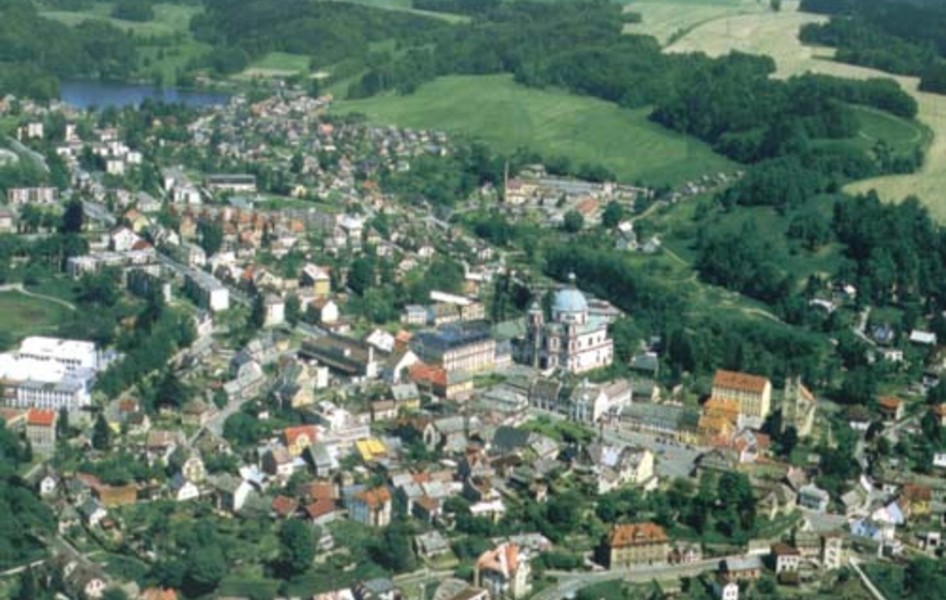
Aerial view of Jablonné v Podjěštedí, from http://www.turistka.cz

The 1680s was a decade of reconstruction. The monastery was transformed into a Baroque jewel thanks to architect Jan Lukáš Hildenbrandt. The Baroque church was consecrated in 1729. Two years later the remains of Saint Zdislava were brought to the church to stay.

During the 18th century weaving and many other professions characterized the town. Markets took place in Jablonné v Podjěštedí, and economically the town prospered.

Unfortunately, the seven-year Silesian war between Austria and Prussia destroyed parts of the town. By the end of the 1760s, typhus and famine had hit. Things got even worse when, in 1788, a fire ravaged almost the entire town. Then the Dominican Monastery was shut down by the edict of Emperor Joseph II.

The beginning of the 19th century did not bring any tranquility to Jablonné v Podjěštedí. Most of Europe was at war with Napoleon. Soldiers from Poland, France, Austria and Russia came to the town. One day in August of 1813, Napoleon even made an appearance.

Jablonnecottage2

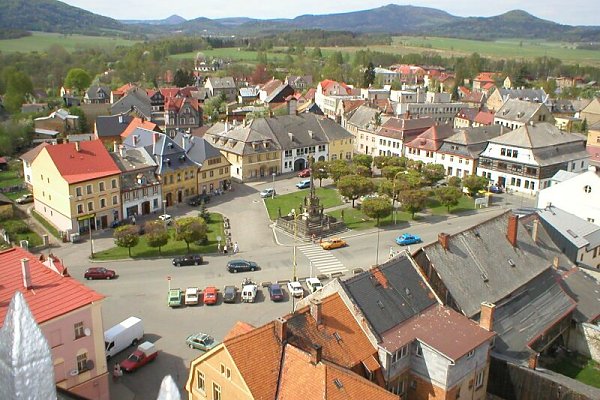
On the main square, from http://www.turistka.cz

Then the damage was repaired, and the textile industry took off.  Many guilds cropped up, and 350 weavers worked there. The second half of the 19th century featured expansion and construction as well as a cultural boom. Factories also came into existence there.

Then World War I broke out. On the outskirts of town, there was a POW camp with 14,000 Jews plus Russian, Serbian, Italian, French and British soldiers. The camp was closed down in 1918. Some Ukrainians made Jablonné v Podjěštedí home from 1919 to 1921. Czech soldiers took control as 1918 came to a close. The German National Party resonated with many of the German inhabitants, but there were also attempts to promote Czech nationalism by establishing Czech schools.

Jablonnebasilicaint24

The interior of the Minor Basilica of Saints Zdislava and Lawrence

An economic crisis ensued, and the Sudeten Party found many followers in the town. On October 3, 1938 this part of the Sudetenland was taken over by Germany, and the few Czechs living there moved. Days later, Jablonné v Podjěštedí became part of the Third Reich. During World War II, refugees from towns that had been bombarded came there for shelter. The Russian army liberated the town on May 9, 1945. After the war, a school cafeteria was located in the monastery. The Dominicans were sent to work camps

During the Communist era of the late 1960s and 1970s, high-rises that became eyesores of the town came into being. A poultry farm and a food processing plant also were built.

After the 1989 Velvet Revolution toppled the Communist regime, tourists came to the town. In 1995 Saint Zdislava was canonized by Pope John Paul II. Now there are about 4,000 inhabitants.

Jablonnebasilicaint44

The interior of the basilica

I was struck by the history of this town because it seemed so peaceful, even though it had been through so many trials and tribulations. I tried to imagine flags of the Third Reich flapping from the buildings on the main square. I tried to imagine the dancing flames on the piles of books and pictures that were burned as an attempt to purge the town of Lutheran beliefs. I tried to imagine the main square with so many buildings destroyed, in ruins, during the Hussite wars and during later wars. To be sure, that main square could tell a lot of stories if it could talk. Life went on, through good and bad the town persevered, and now tourists have taken an interest in the place due to the dazzling basilica.

Jablonnebasilicaint22

A church stood on this site as far back as the 13th century, established by Zdislava, the wife of Havel of the Markvartice clan and future saint. She was buried in the church during 1252. By the 17th century, the church and priority were in such a bad state that they were demolished. A Baroque church was built on the site of the Gothic church that had been torn down. It would become a church to which pilgrims flocked because Zdislava was buried there. The church was not consecrated until 1729.

The year 1788 was a particularly bad one. A fire destroyed the church and priory and then the Dominican brothers, who had settled in the monastery as far back as the 13th century, were abolished due to Emperor Joseph II’s edict.

While the exterior of the basilica enthralled me, I was surprised to find the interior just as enticing. if not more so. The floor plan takes the shape of a Greek cross. The interior is 45 meters high, 29 meters wide and 49 meters long.

Jablonnebasilicaint5

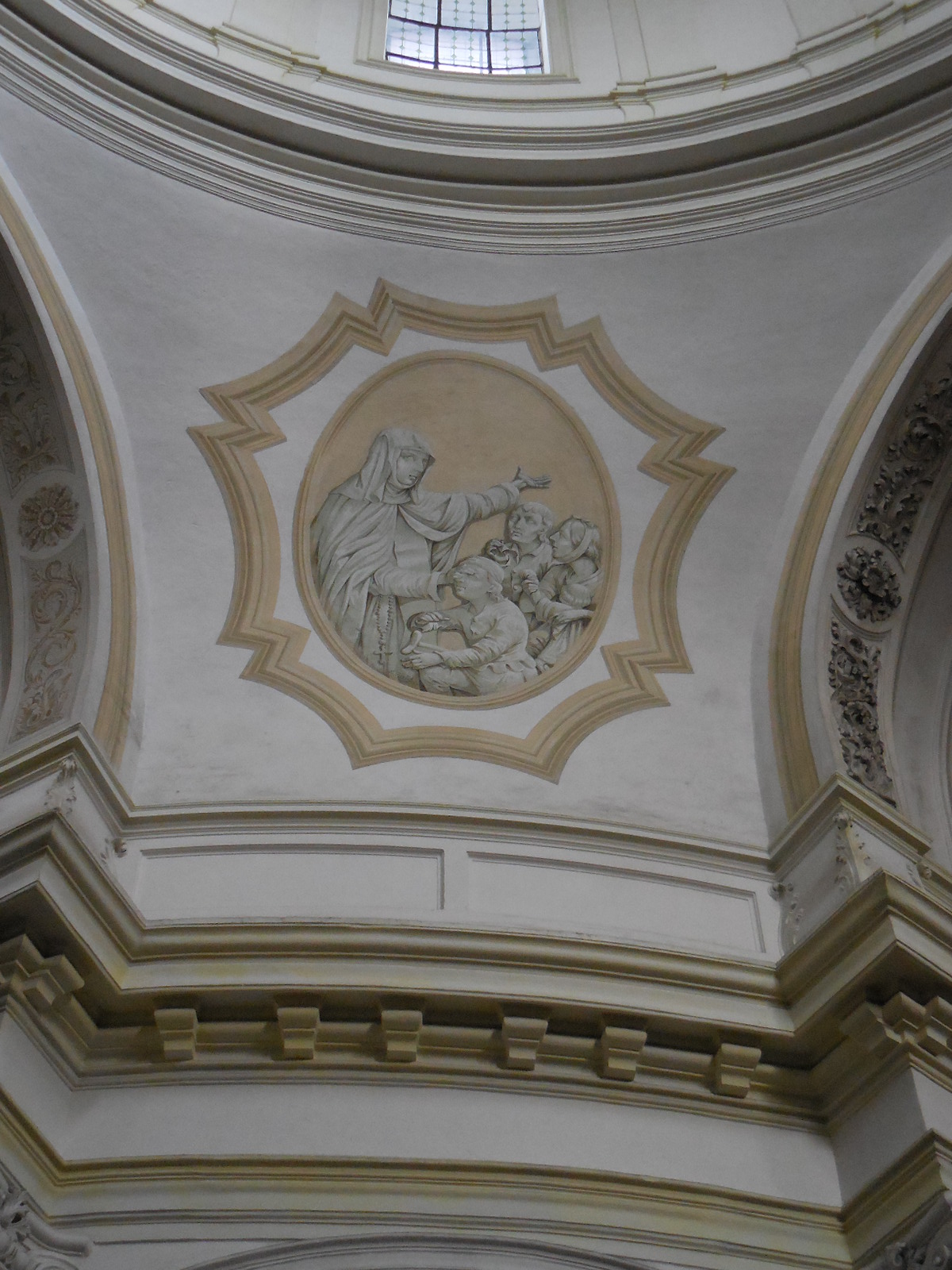
The first room in which the group gathered featured medallions of Zdislava holding a model of the church she had founded and renditions of Dominican monks. There were 24 pictures about the life of Zdislava from 1660. A Baroque standard of a craft guild also adorned the space.

Jablonnebasilicastandard

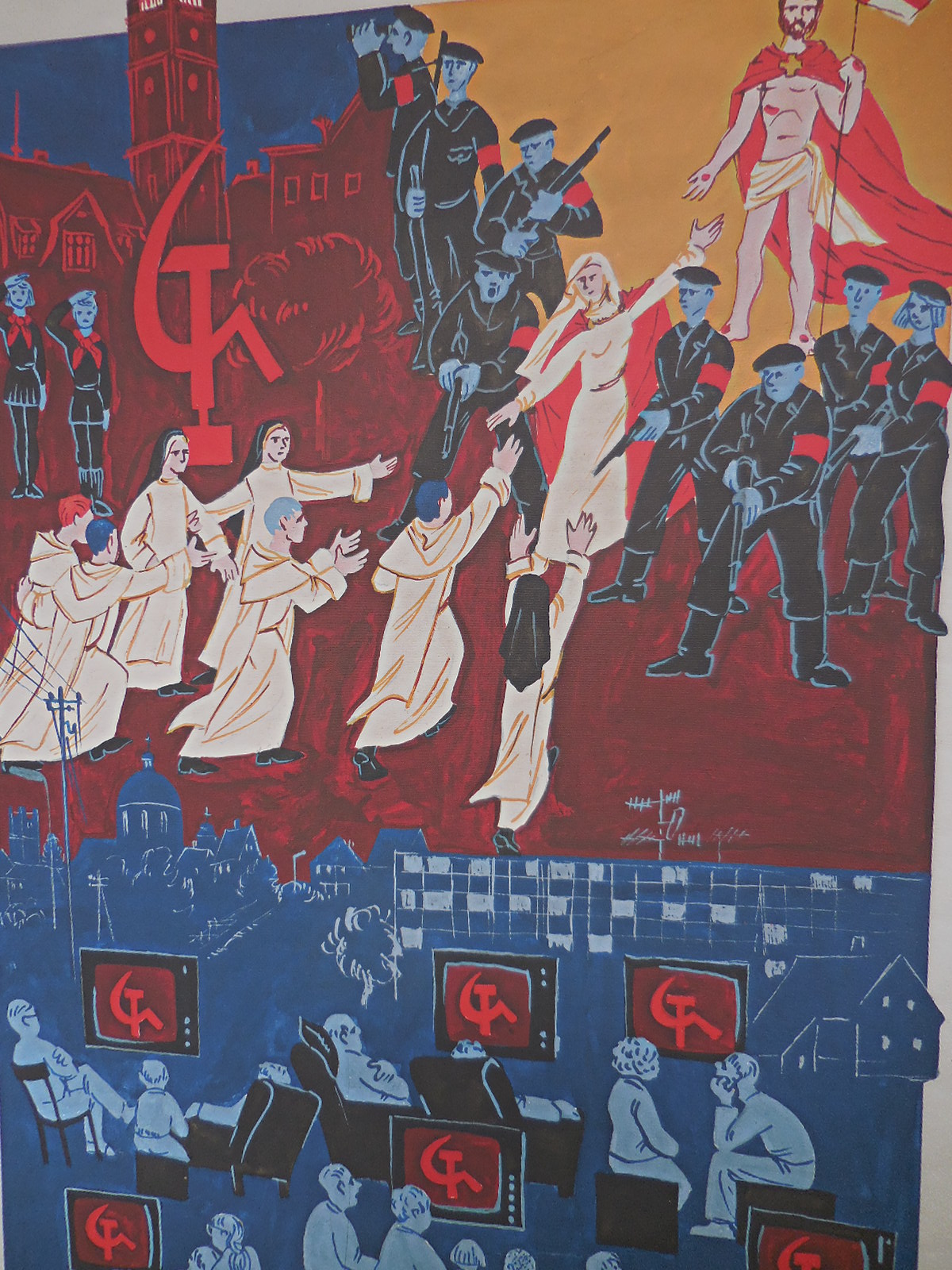
Then we saw the courtyard and went into the hallway where I saw some remarkable contemporary paintings with political symbolism. I liked the one showing families seated in front of the television while the Communist hammer and sickle emblems were displayed on the screens. The painting served as a warning about how tempting it had been under Communism to normalize propaganda and platitudes. The family members in the painting looked resigned to their fates. They were as if in a trance and had adjusted to the rules and regulations of totalitarian society. It also showed the importance of family, which played a major role in the lives of Czechoslovak citizens during that era.

Jablonnebasilicaint10

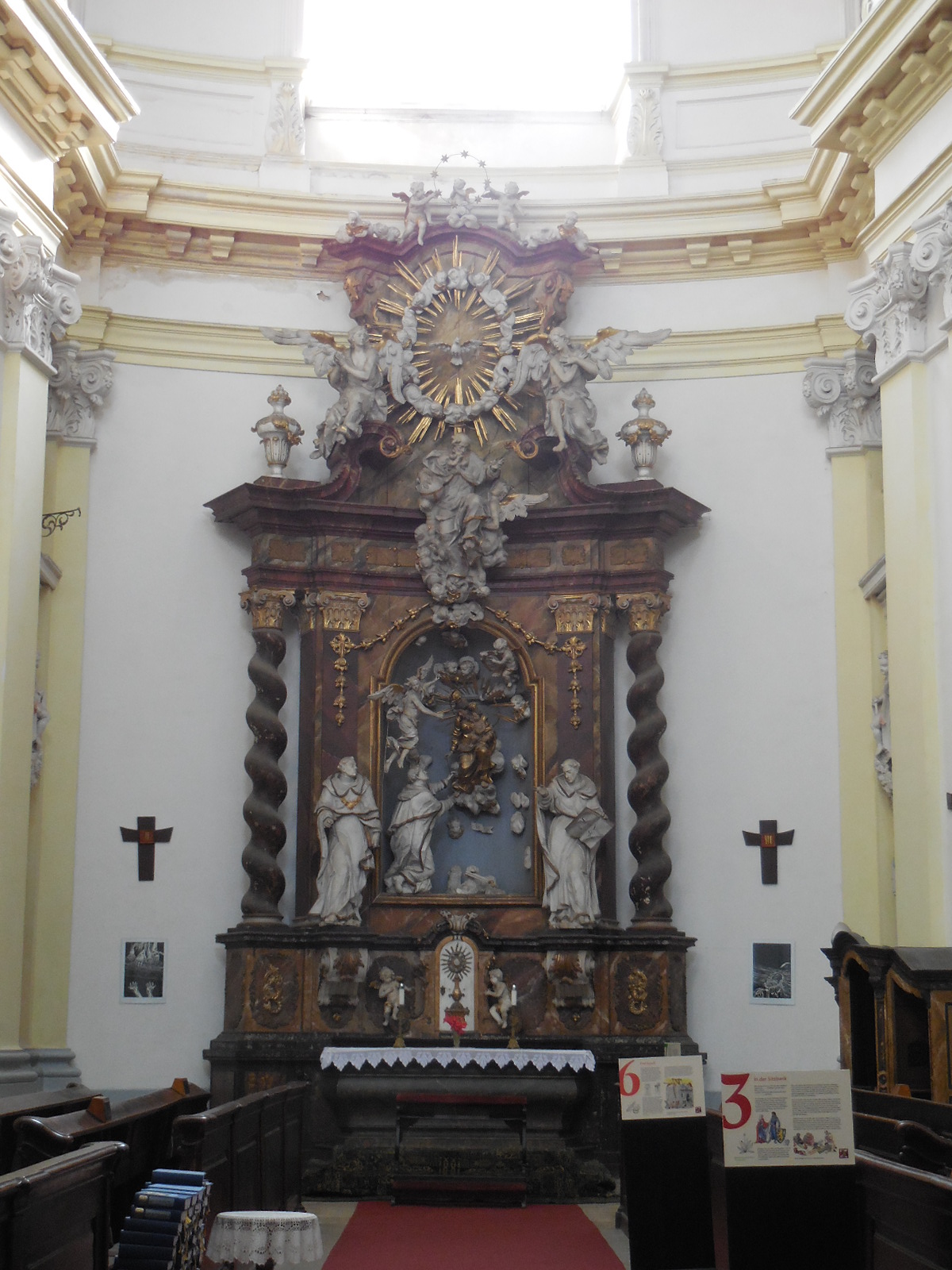
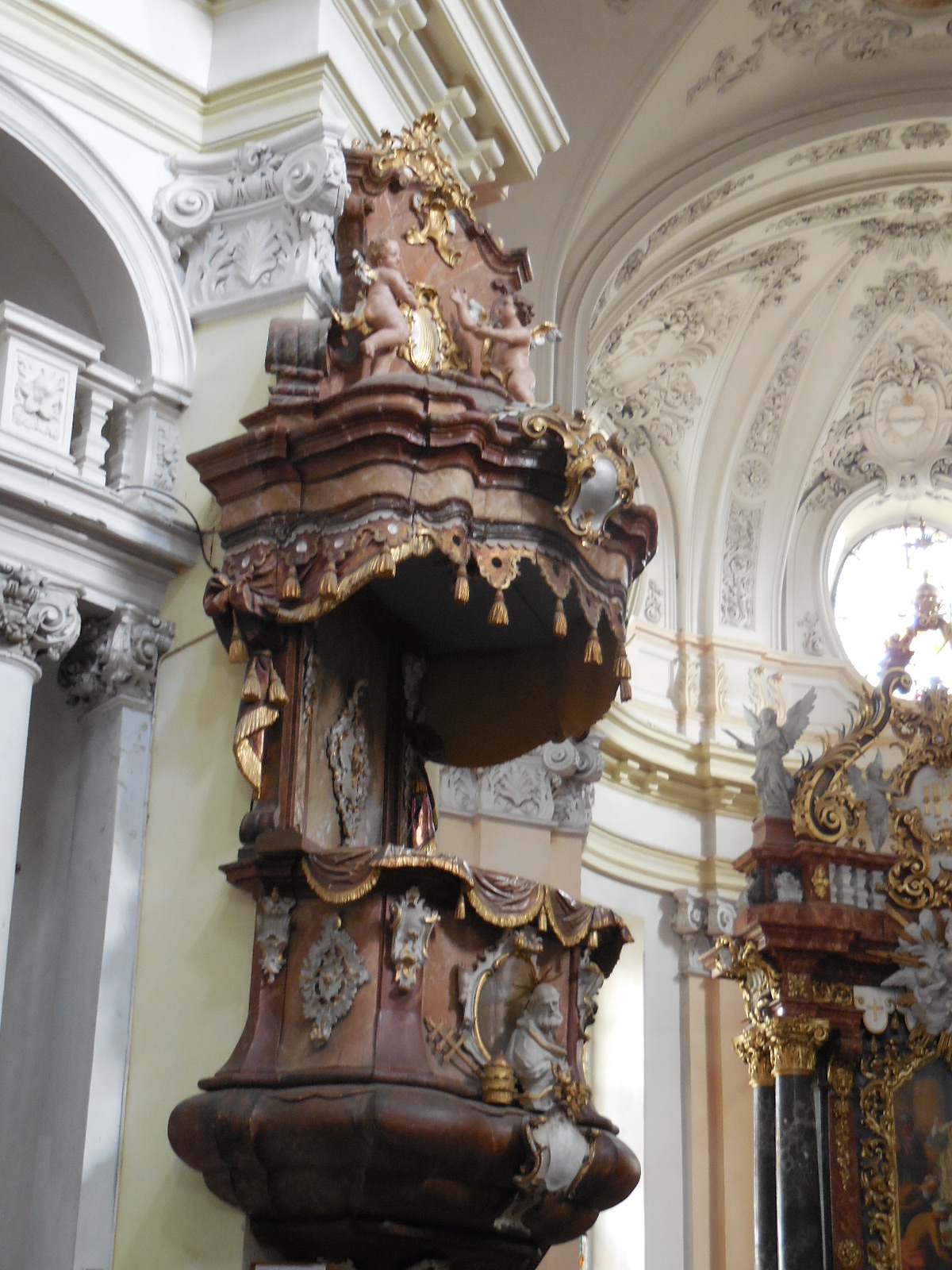
Now to the interior of the minor basilica: Because much of the interior was destroyed during the 1788 fire, most of the furnishings dated from the last two centuries. Newer sections even hailed from this century. The frescoes in the vaulted cupola featured the life of Zdislava. The baptismal font was Rococo, dating from 1764, one of the few pieces that survived the fire. I liked the Late Gothic statue of the Madonna, which hailed from before 1510, decorating the Rococo Marian-Zdislava altar. The pulpit was Classicist from the late 18th century and included a bust of Saint Peter. The altars of Saint Anna and the Virgin Mary were both Rococo in style, hailing from the 18th century. The altar of Our Lady of the Rosary, on the contrary, flaunted Baroque features with intriguing statuary.

Jablonnebasilicaint15

Jablonnebasilicaint16

Jablonnebasilicaint18

The main altar, though, was younger, built in 1898 in pseudo-Baroque style. Paintings of Saint Lawrence and Saint Zdislava adorned the altar. The choir benches were Rococo and featured intarsia. I love stained glass windows, and the ones in this basilica lived up to my expectations. I took note of the designs portraying Saint Stephan and Saint Philip.

Jablonnebasilicaint20

Jablonnebasilicaint26

We also visited the tomb of Saint Zdislava, viewing the marble sarcophagus. Tombs are not really my cup of tea, but it was intriguing to think that in that sarcophagus were the remains of someone who had lived in the 13th century, someone who did much good for humankind. I vowed to get to Lemberk Castle, the residence of Saint Zdislava and her husband so many centuries ago, the following season. I had visited it once, many years earlier. I remember it was romantically situated in a forest, and the interiors had been intriguing, to say the least.

Jablonnebasilicaint31

Jablonnebasilicaint33

I loved visiting small towns, especially those in the mountains because I have always loved mountains. I felt at peace with the world, standing on the main square. There is nothing like discovering a gem that earlier had been a mere name on a map.

Soon we said goodbye to north Bohemia and returned to Prague. It had been a good day.

Tracy A. Burns is a writer, proofreader and editor.

Jablonnebasilicaint34

Rococo baptismal font

Jablonnebasilicaint38

Jablonnebasilicaint50


Libochovice Chateau Diary

Lobochovice6
I discovered Libochovice Chateau in 2005 and wrote about it in an article describing chateaus in north Bohemia. It was published during October of that year in The Washington Post. Libochovice is certainly a hidden gem in north Bohemia. I recalled its dazzling displays, stunning tapestries, breathtaking ceiling frescoes and beautiful tiled stoves plus exquisite jewel chests. It is a shame there are not more foreign tourists making the trip there. It has so much to offer the curious castlegoer.
Lobochovicestatue
Before entering the chateau courtyard, I peered at the statue of Jan Evangelista Purkyně, who was born in Libochovice during 1787 and who became one of the leading scientists in the world, as he delved into the studies of anatomy and physiology. His father had worked for the Dietrichsteins, the family who had owned the chateau at that time. For two years Purkyně served as a tutor at Blatná Chateau, a remarkable sight in south Bohemia. Later, he made numerous discoveries in the scientific sphere, such as the Purkinje effect, Purkinje cells, Purkinje fibers, Purkinje images and the Purkinje shift. He also coined the scientific terms plasma and protoplasm. A crater on the moon and an asteroid are named after him.
Lobochovice3
Before my trip, I had read up on the history of the town and chateau. Located near the romantic ruins of Házmburk Castle, Libochovice was first mentioned in writing at the beginning of the 13th century. At that time, Házmburk Castle, then called Klapý and by no means a ruin, played a major role in the development in the town. A wooden fortress was built in Libochovice, and it was later replaced by a stone Gothic structure. During the Hussite Wars of the 15th century, the castle in Libochovice was razed, the town conquered.
Lobochovice4
The Lobkowiczs took over the properties in 1558, and they were responsible for constructing a Renaissance chateau with 28 rooms on the premises. When Jiří Lobkowicz revolted against Emperor Rudolf II in 1594, he was imprisoned, and his property was confiscated. That’s when the Sternberg family took control. Still, times were not rosy. The Thirty Years’ War did much damage, and during a fire in 1661, the chateau was destroyed.
Lobochovice1
When Václav Vojtěch Sternberg sold Libochovice to Austrian noble Gundarkar from Dietrichstein in 1676, a new era had begun. The Dietrichsteins would retain ownership until 1858. The chateau was reborn from 1683 to 1690, designed in early Baroque style. There were four wings with a courtyard decorated with Tuscan pilasters and arcades. A sala terrena on the ground floor led to the garden.
Lobochovicefresco2
Unfortunately, Gundakar died before the construction of the two-floor structure was completed. His daughter Terezie was then in charge of the chateau, and she had renovations made in the 1870s. More reconstruction occurred from 1902 to 1912. In the 19th century Johann Friedrich Herberstein added many objects of interest to the chateau collection. An avid traveler, he toured Egypt, Syria, Persia and India, for instance.
Lobochovicefresco4
During World War II the chateau’s history was bleak. That’s when Nazis took over Libochovice Chateau. Sixty-five residents of the town and surroundings revolted against the Third Reich and were beheaded by the Nazis. After 1945 the chateau was confiscated and nationalized because wartime owner Friedrich Herberstein had obtained German citizenship. More reconstruction took place throughout the decades, and in 2002 the chateau was declared a national monument.
Lobochovicesallaterrana
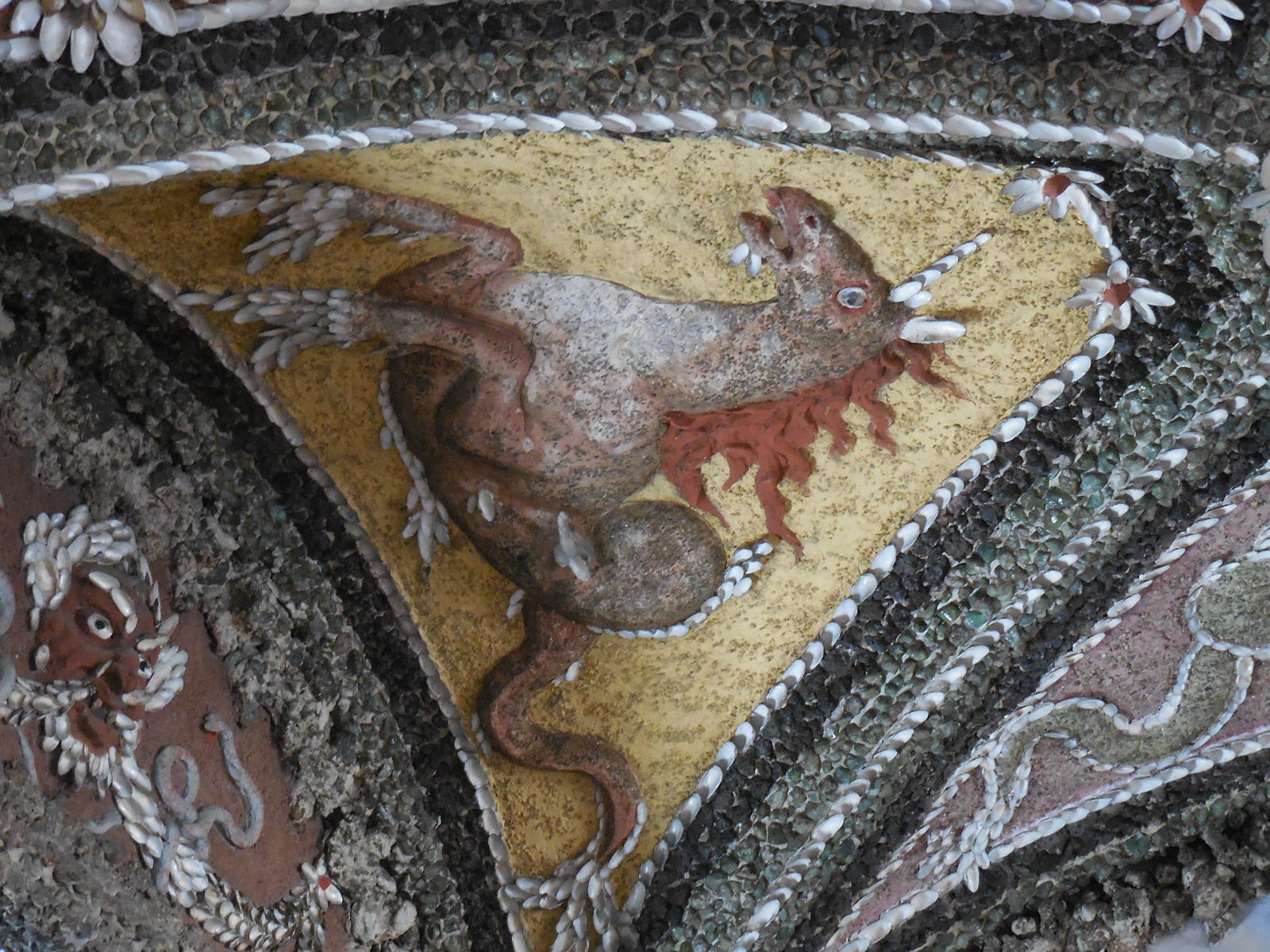
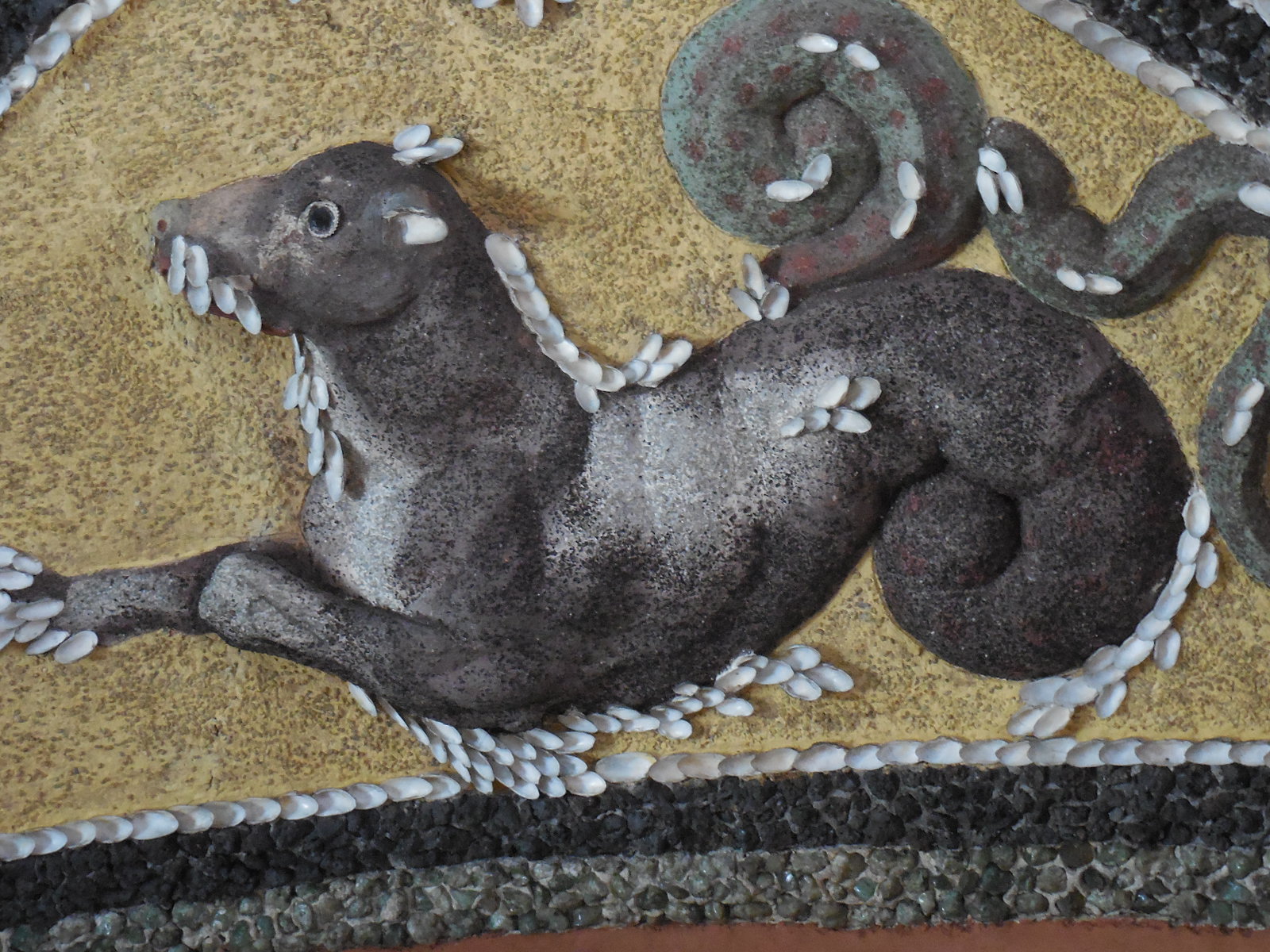
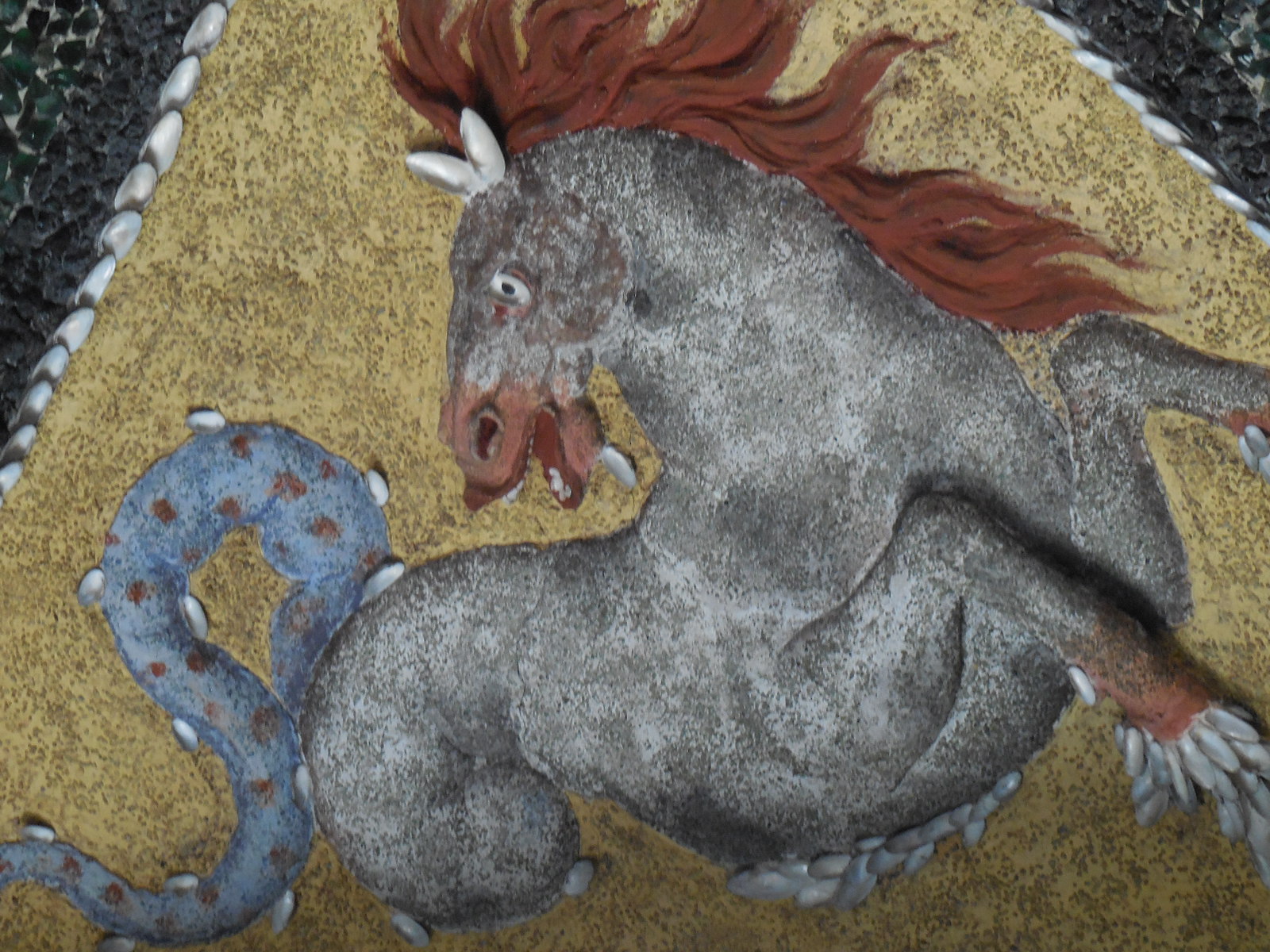
I was so excited about this tour. First, we visited the sala terrena, which looked like a richly adorned cave. The vaulted ceiling was incredible. I loved the sea motif as decorative seashells took the shape of a floral design. The reliefs of a sea monster also enthralled me.
Lobochovicefireplace
Next, we came to one of the highlights of the chateau, large Saturn Hall, where banquets, balls and concerts had been held. Above the fireplace a stucco sculptural grouping focused on Saturn. The Baroque chandelier, hailing from Holland, also captured my interest.
Lobochovicefresco6
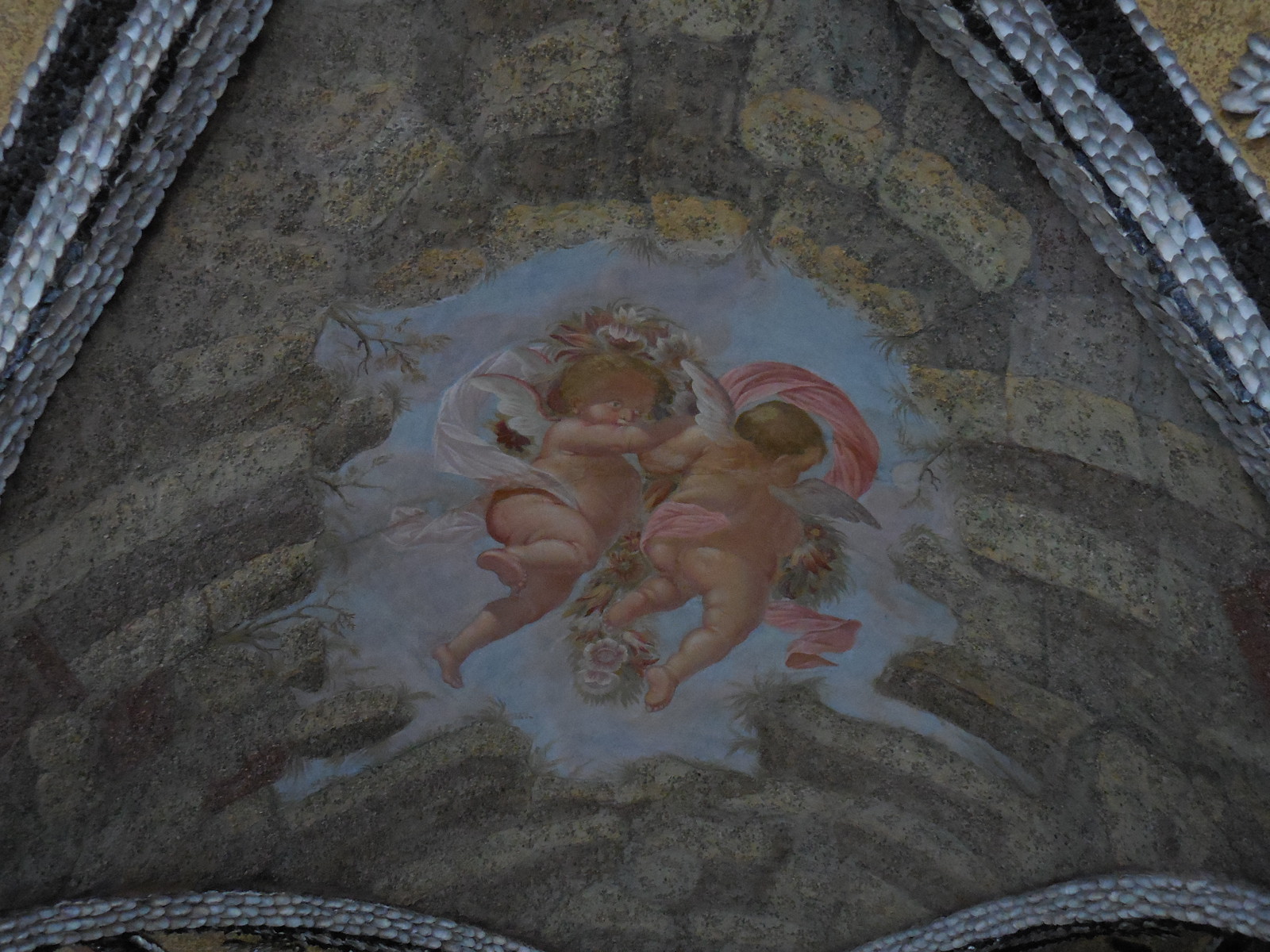
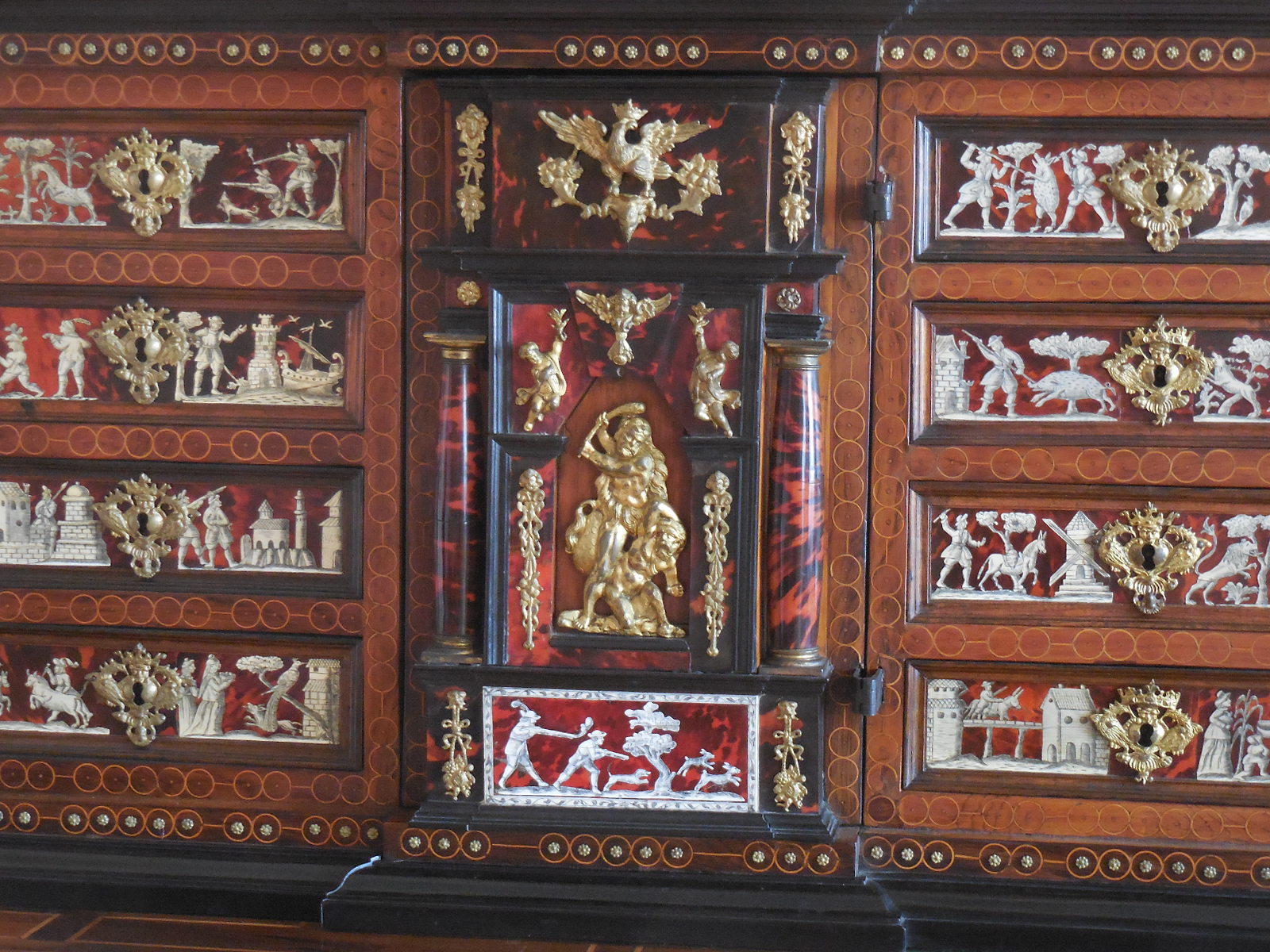
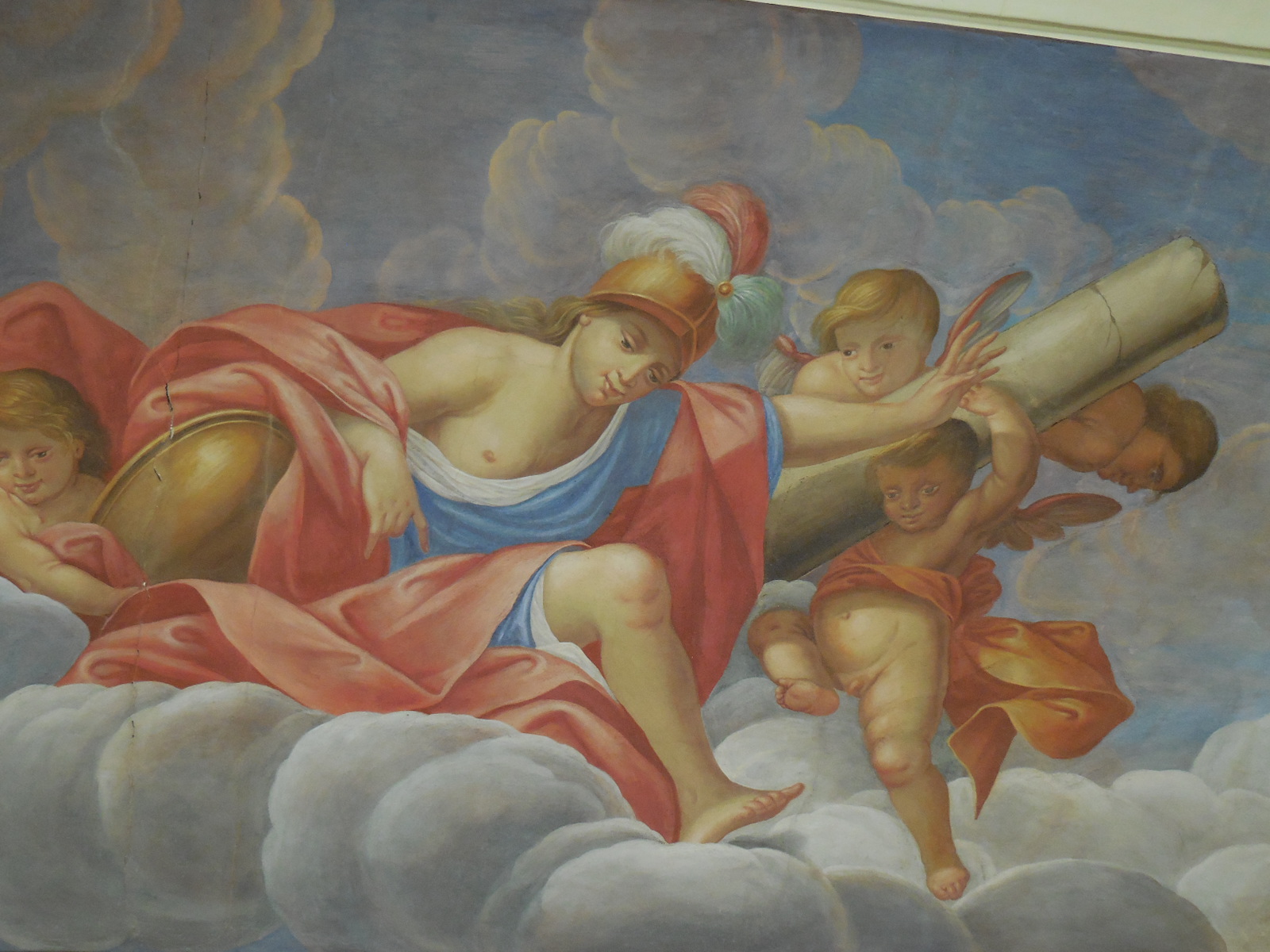
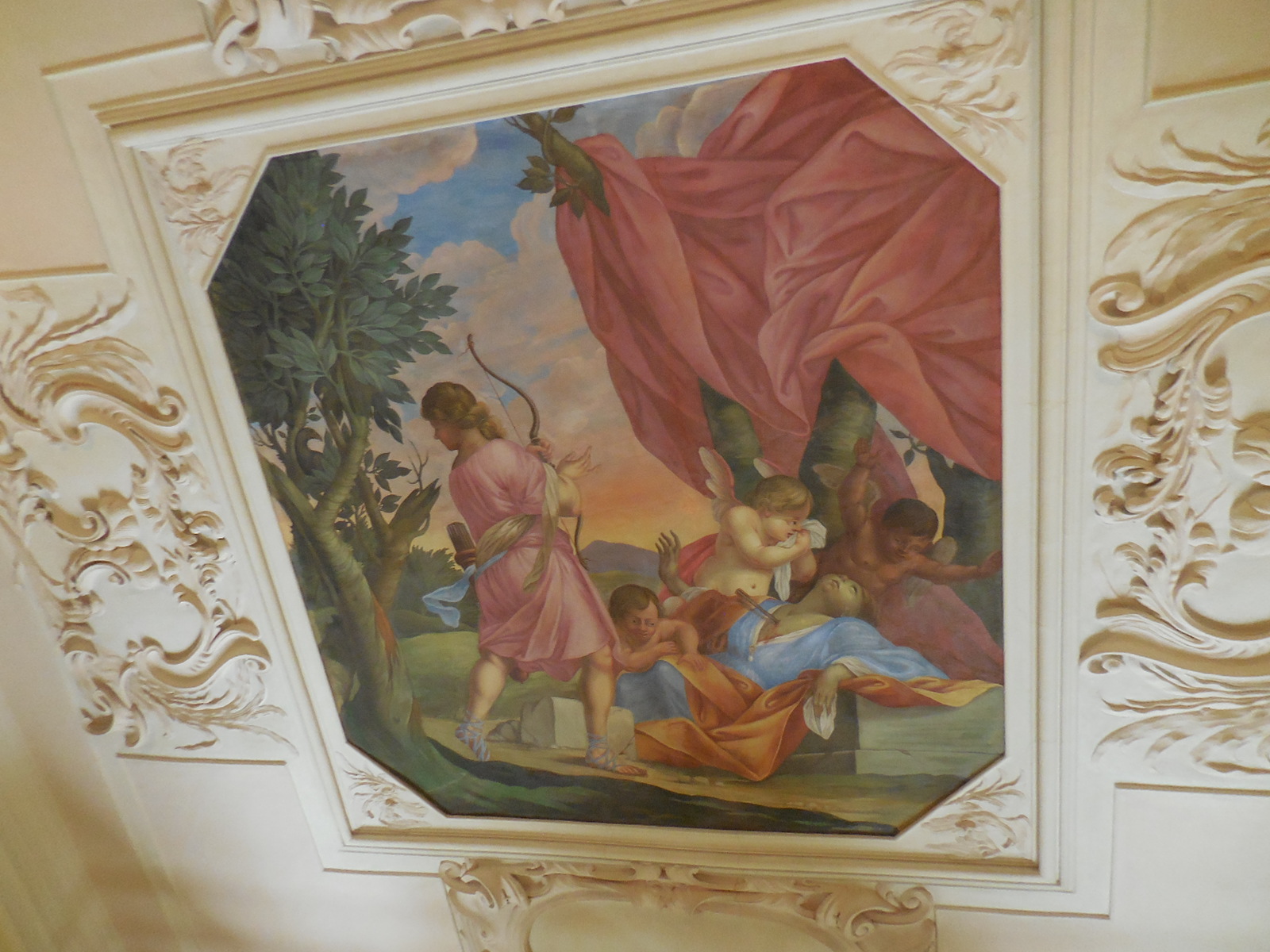
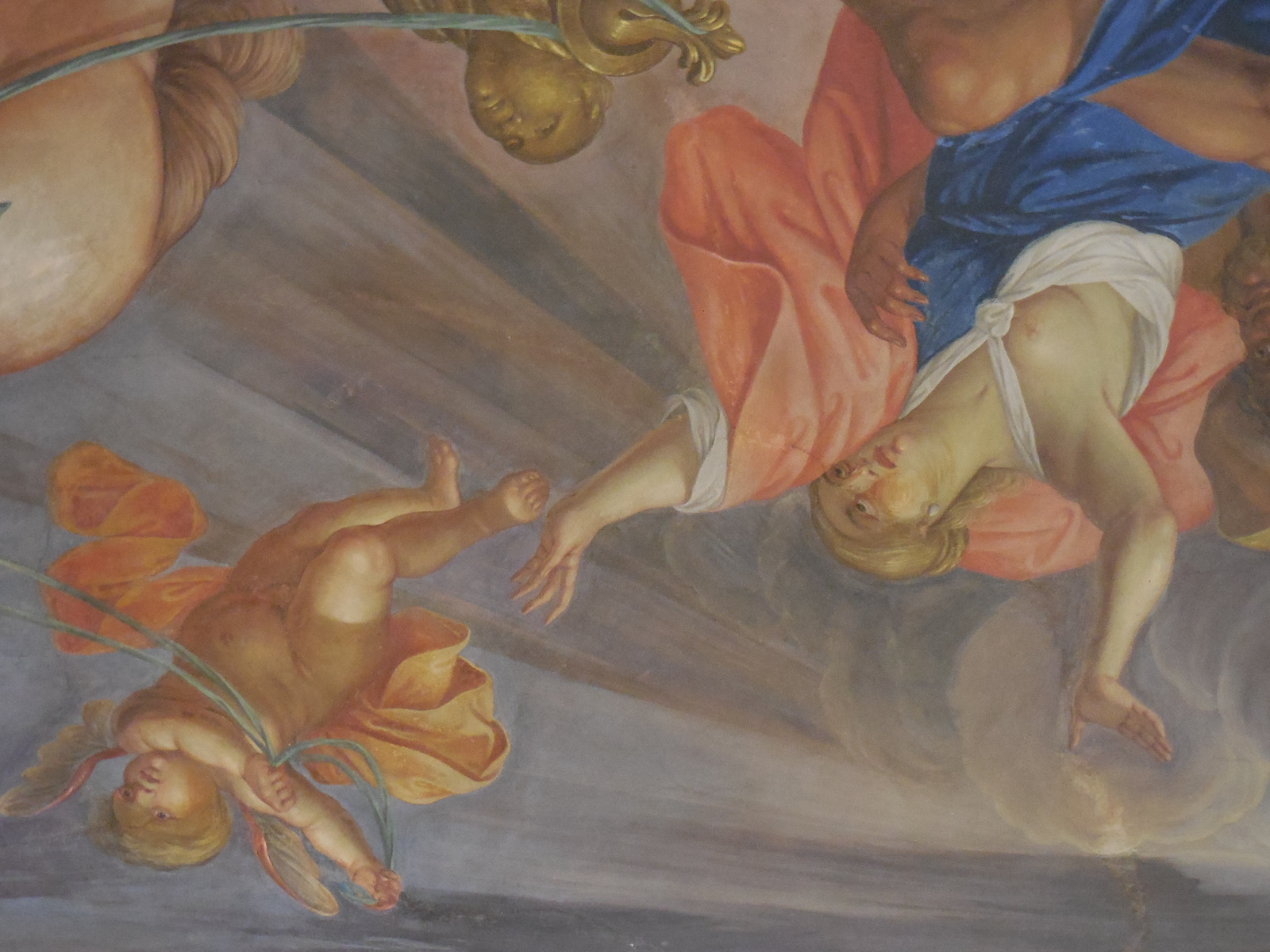
From there, we continued to the Baroque section of the chateau. The ceiling fresco in the first room was breathtaking, displaying a mythological scene. A Renaissance chest gilded with ivory and a Baroque jewel chest inlaid with ivory and tortoiseshell were two delights.
Lobochovicetapestry2
I marveled at the tapestry, one of many I would see in this chateau, in the Big Gallery. It dated from the 16th century, and its theme was the Trojan War. The guide remarked that the tapestries were not put up for merely for show; they had also helped heat the rooms. A Baroque fireplace hailed from 1620. Still, that was not all this room had to offer. A jewel chest featuring carved reliefs hailed from the beginning of the 17th century.
Lobochoviceint3
The Study included an atlas from 1775 with pages of handmade paper. I wanted to turn the pages to find out what the handmade paper felt like. I recalled visiting the papermill in Velké Losiny, located in north Moravia, long ago, when I also toured the chateau there. It had been an enthralling experience, I mused. Then a jewel chest made with intarsia dazzled me. One tapestry in this room showed off a garden party while another sported a plant motif in an idyllic setting. The Baroque stove hailed from 1690. There were so many impressive Baroque stoves in this chateau!
Lobochoviceint7
During the 17th and 18th centuries in the Czech lands, there was much interest in Chinese and Japanese porcelain. The Chinese and Imari Japanese vases in the Oriental Salon reminded me of a trip to Dresden’s Porcelain Museum. The pieces in the chateau were so exquisite. Upon seeing an impressive French Baroque clock, I recalled the one I had seen at Loučeň Chateau a few months earlier. And how I loved jewel chests! This particular jewel chest was inlaid with ivory and tortoiseshell, featured intarsia craftsmanship and portrayed a hunting scene. Another thrilling tapestry was on display. I recalled the exciting tapestries at the Residence Palace Museum in Munich.

In the Bedroom I admired the spiral carved columns of the 17th and 18th century Baroque closets as well as the bed with canopy. A Rococo crucifix was also on display. The tapestry in this room featured King Solomon. I was enthusiastic because I knew there were even more tapestries to come.
Lobochovicefresco9
Rococo furniture from the 18th century decorated the Morning Salon. I mused that it must have been delightful to sit in this room and sip black or green tea. Two tapestries portraying the apostles adorned the space. And there was yet another ceiling fresco! This one showed Persephone venturing into the Underworld. I was especially drawn to the jewel chest with pictures of a town carved on its drawers. The attention to detail fascinated me.

In the Ladies’ Cabinet there was a Baroque commode with exquisite intarsia plus a Rococo table and desk also created with intarsia. The three tapestries took up themes of nature and architecture, offering a respite from the religious scenes that the tapestries often portrayed.
Lobochoviceint15
The Men’s Cabinet was decorated mostly with Neo-Renassaince and Second Rococo furniture. A large desk was Baroque. If I had not visited so many chateaus, it would have never occurred to me that the big bowl decorated with images of birds and floral motifs used to serve as an aquarium.
Lobochovicechapel2
Next came the chapel. While it was originally designed in Gothic style, the chapel now looks as it did after a 19th century renovation. I admired the stained glass windows. I love stained glass! The Neo-Gothic altar featured the apostles. What captured my attention the most, however, was a 16th century exquisitely carved altar showing off the adoration of the Three Kings. The woodwork was incredible, so detailed, so exquisite.
Lobochovicechapel1
The Big Dining Room took on Renaissance and Baroque characteristics. A carpet covered the large table, set for a feast. The tableware was made of pewter, typical of the Renaissance era. On the table there was a bowl that served as a washbasin for guests to clean their hands while eating. And more tapestries to behold! This time the two tapestries portrayed Alexander of Macedonia. Two paintings rendered scenes from antiquity. (The paintings throughout the chateau also are worthy of undivided attention.) Once again, I admired yet another ceiling fresco. This one centered around Aphrodite and Athena. In the corners four female figures in oval medallions represented the four continents. (Australia had yet to be discovered.)
Lobochoviceint10
I liked the Biedermeier furniture in the Small Dining Room. That style seemed to me to have such a sense of order and rationality. Yet I was enthralling by all styles of all eras. The colored decorative porcelain from Dresden and the pink-and-white Viennese porcelain service also caught my eye. The Baroque stove was quite a sight, too.

The Rococo Salon featured furniture of the Second Rococo style from the mid-19th century. The pink walls made the room feel quaint and inviting. Stucco adorned the ceiling fresco. Another Baroque stove and Meissen porcelain made appearances. In a flattering portrait, Terezie Dietrichsteinová – Herbersteinová, a former owner of the chateau, looked calm and content with life. I wondered if I was at a time in my life when I was calm and content. To some extent, yes. And traveling certainly played a major, positive role in my contentment.
Lobochoviceptng
The Empire Salon was decorated with furniture of that style from the 19th century. On the walls were pictures of Dietrichstein properties – Nové Město nad Metují Chateau, Kounice and Mikulov, all rendered masterfully by František Kučera. I liked the clock featuring a tongue that showed the time. The clock making time with its tongue brought to mind images of the living objects in The Beauty and the Beast. From the window there was a splendid view of the park.
Lobochoviceint16
The 19th century library was intriguing because it contained mostly books about natural science and travel, all printed in numerous languages. I had not heard of chateau libraries concentrating on only a few subjects. While about 2,500 books were on display, there were approximately 6,000 volumes in total. Objects that Josef Herberstein had brought back from his travels adorned the room, too. I saw African masks, an African crocodile and a Japanese sword, for instance. Another exquisite Baroque stove stood in the space.
Lobochoviceint18
The last room was the casino. A Russian pool table made in Prague dominated the room. I noticed that the card tables were made with intarsia. Portraits of the Dietrichstein clan hung on the walls. Josef, who loved traveling and hunting, was rendered in hunting attire, armed with a rifle and accompanied by a dog. I mused that he must have been a brave man to travel to such distant lands.
Lobochovicegarden2
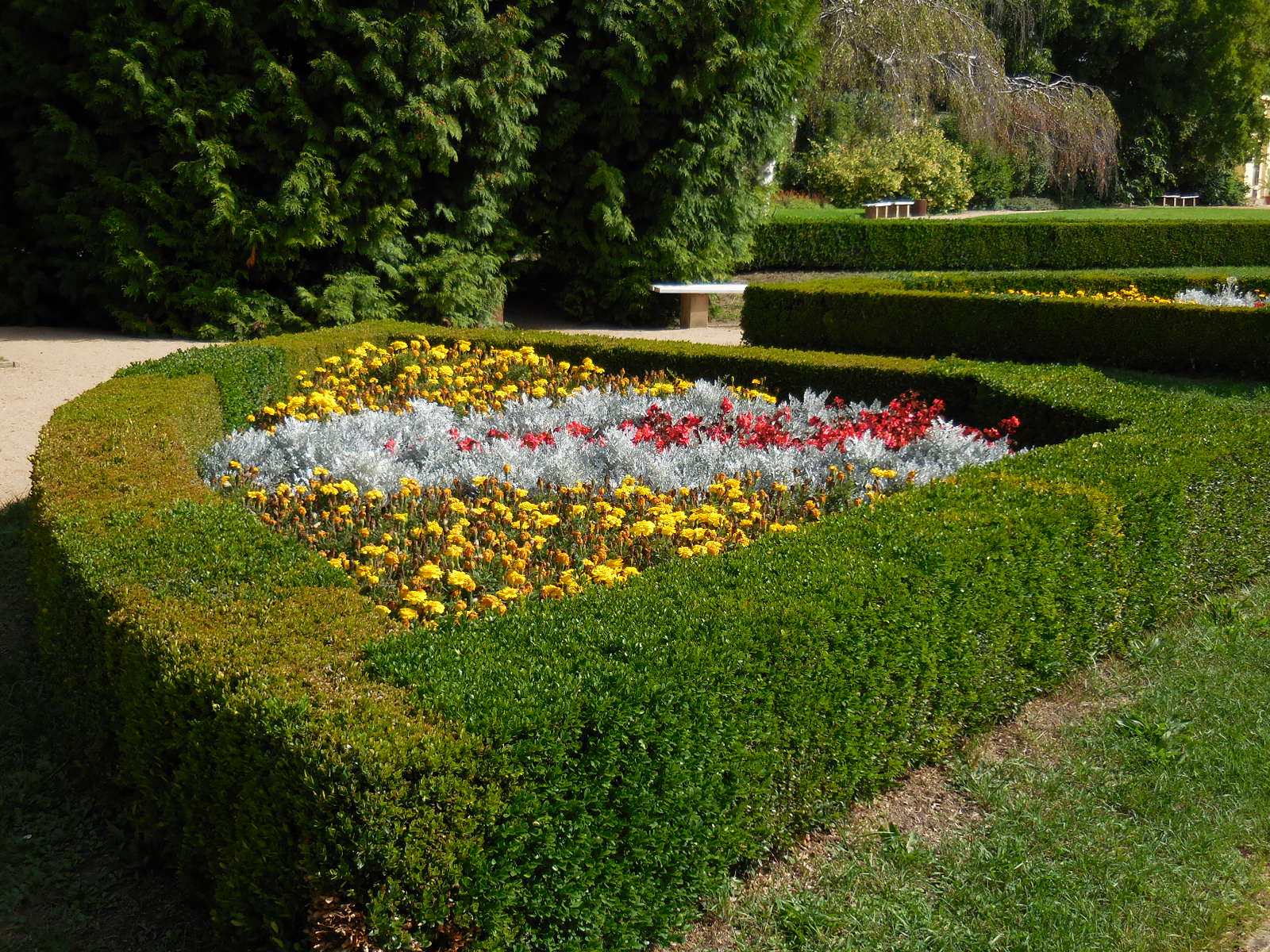
Next I took a look at the park, which had been created in French style during 1683. Later, it got a Baroque makeover, and then it was changed into an English park. Now it is once again in French style, thanks to 20th century reconstruction. I loved the view of the chateau from the back, which sported floral adornment and a fountain. The chateau looked so majestic when viewed from that area.

I ate lunch at a nearby restaurant on the main square that was sleepy on a Saturday afternoon. Libochovice Chateau had dazzled me once again. The combination of ceiling frescoes, Baroque stoves, jewel chests and tapestries made the chateau unique and irresistible. The paintings also contributed to the majestic interior, where no object or piece of furniture failed to enthrall.
Lobochoviceint11
The interior had plenty to offer. I mused that there should be tours of the chateau offered from Prague. Libochovice deserved numerous accolades, and it was a chateau I would never forget, no matter how many chateaus I visited. The combination of artifacts and the design of the interior made Libochovice unforgettable, a place I could tour 100 times and not be bored. Every object spoke to me; nothing failed to capture my interest and curiosity. Yes, Libochovice is a special place, and my visit made my day a huge success.
Lobochoviceceiling
Tracy A. Burns is a writer, proofreader and editor in Prague.
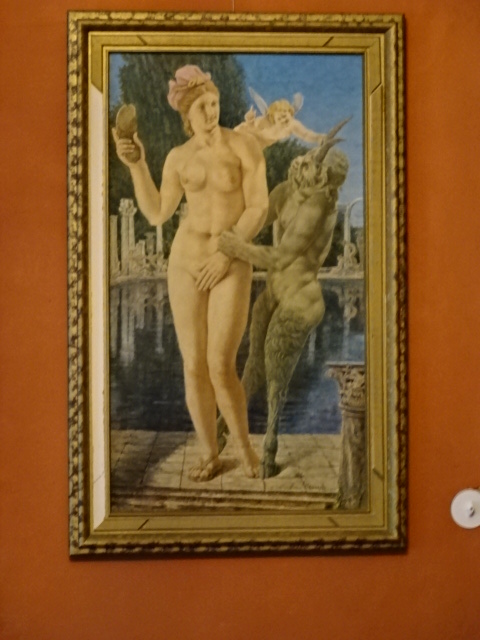
More photos from a 2022 visit:

Sychrov Chateau Diary

Continue reading

Czech Caves Diary


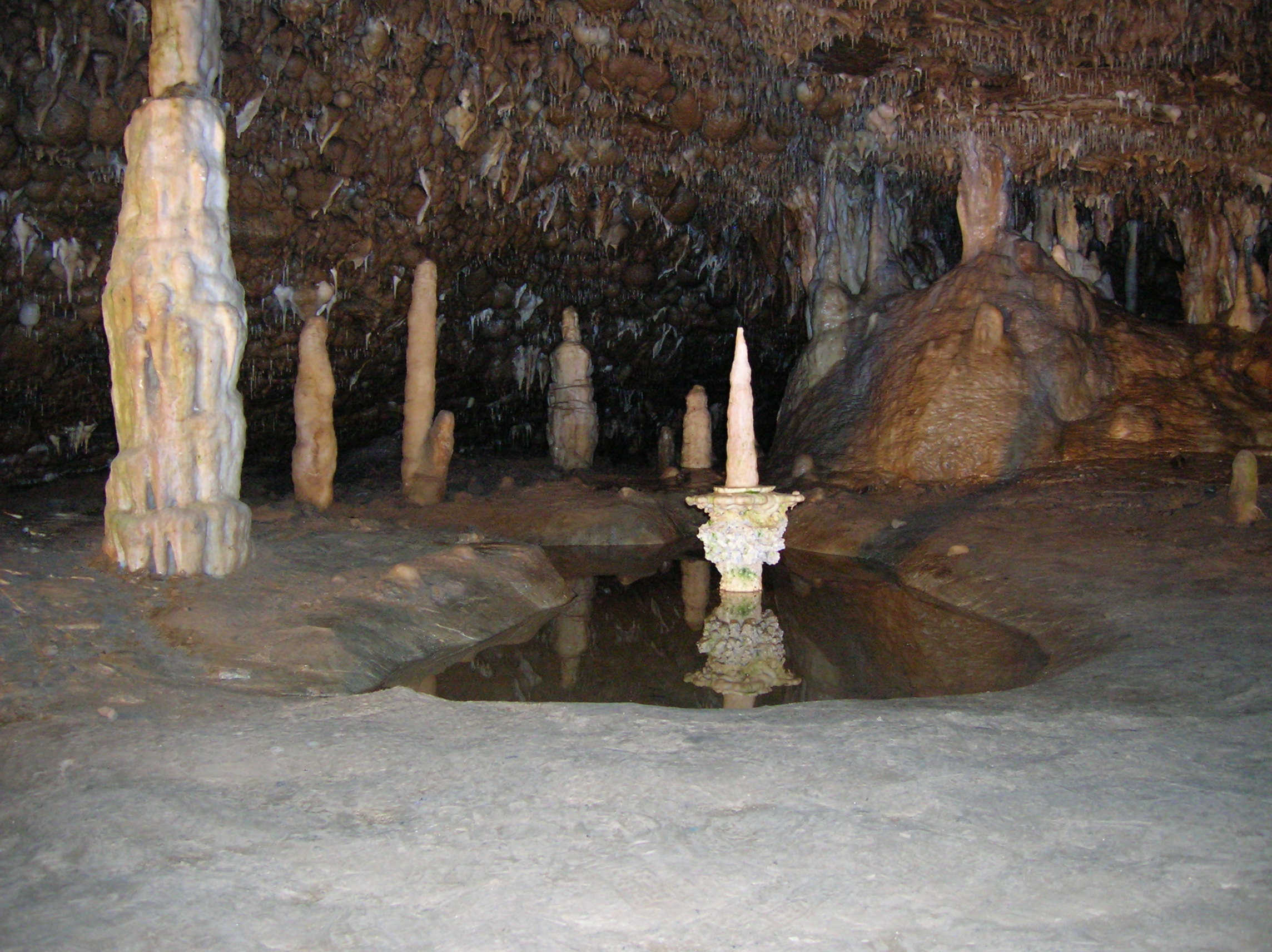
Koněprusy Caves

Koněprusy Caves

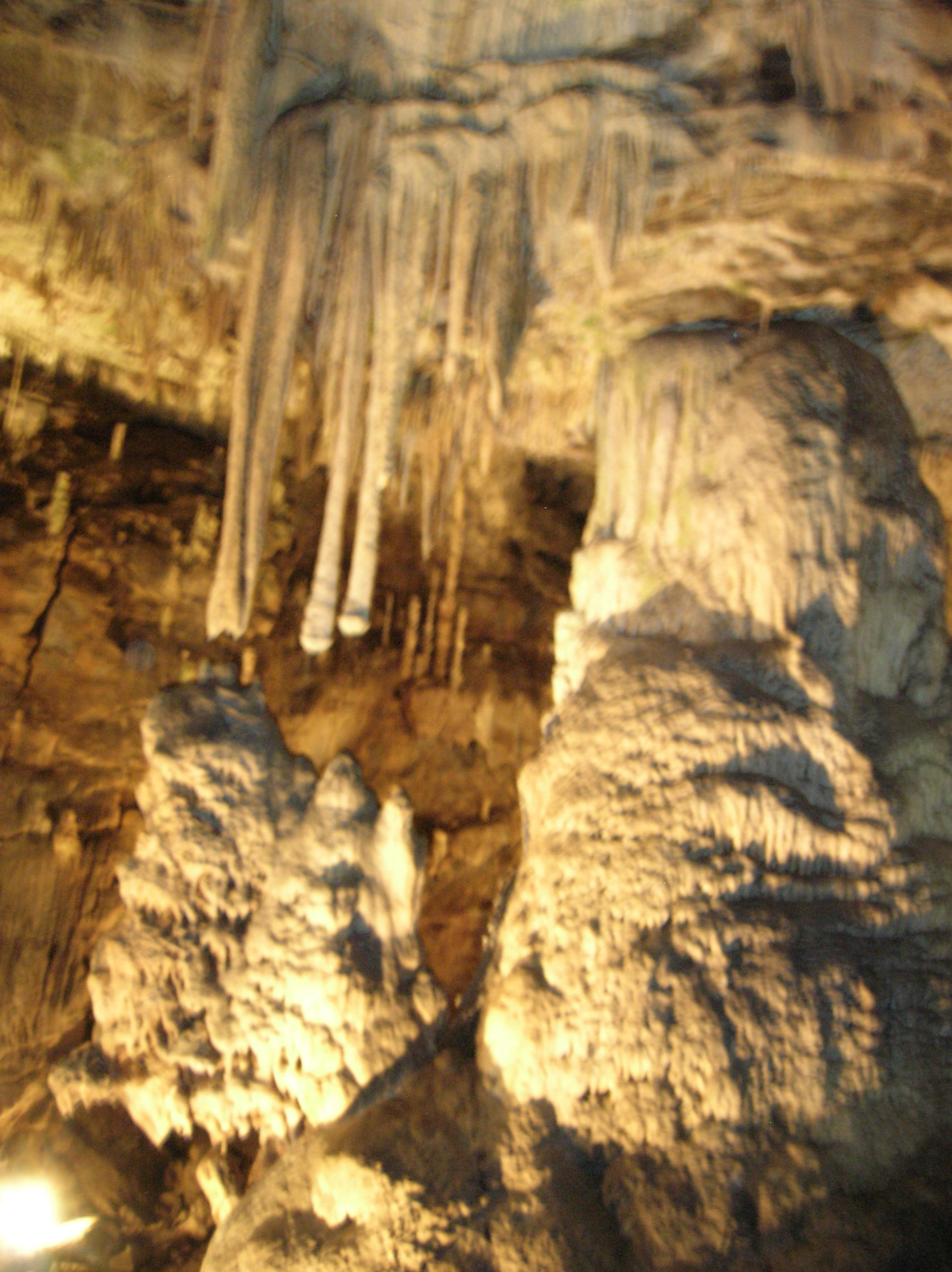
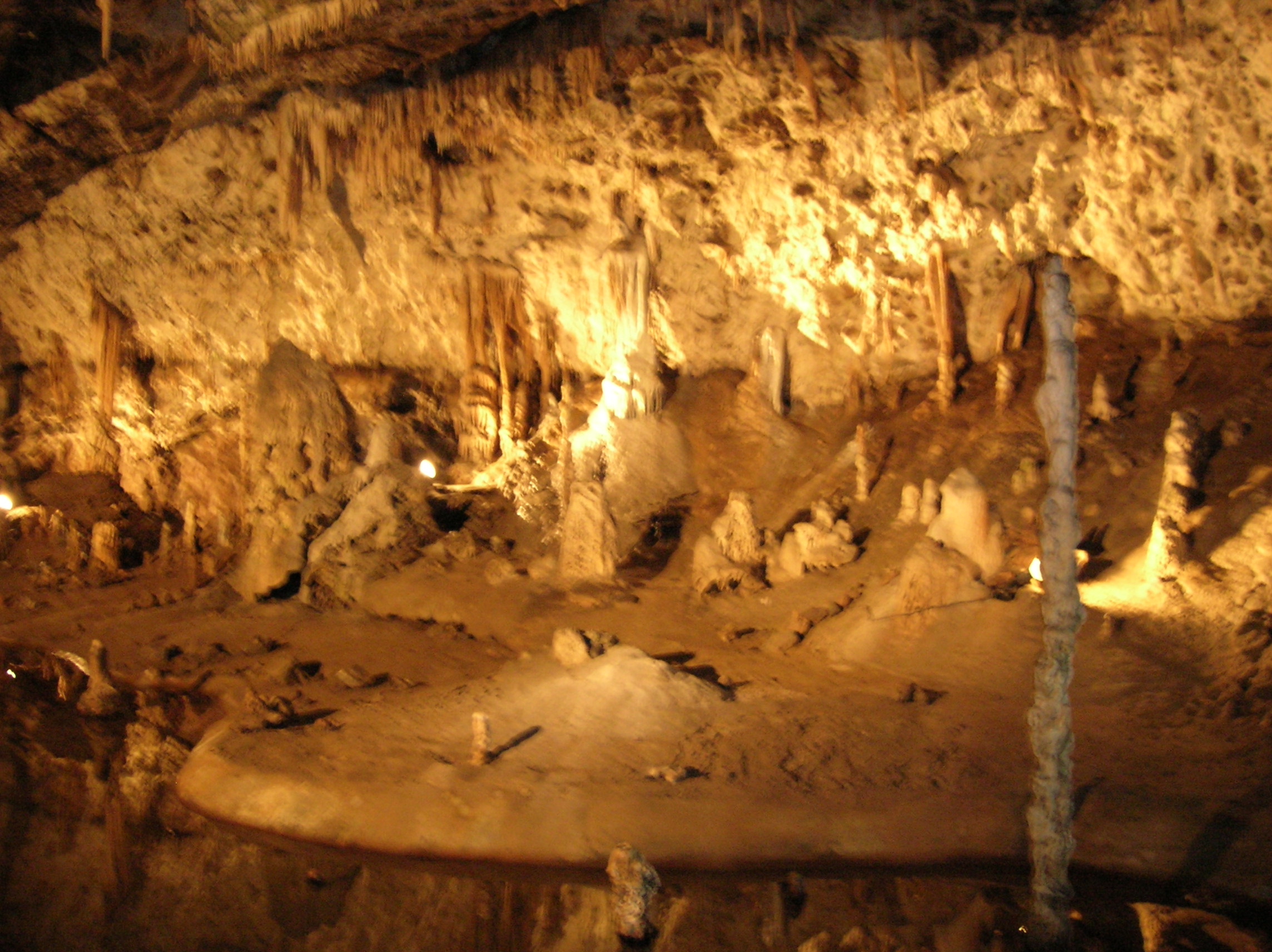
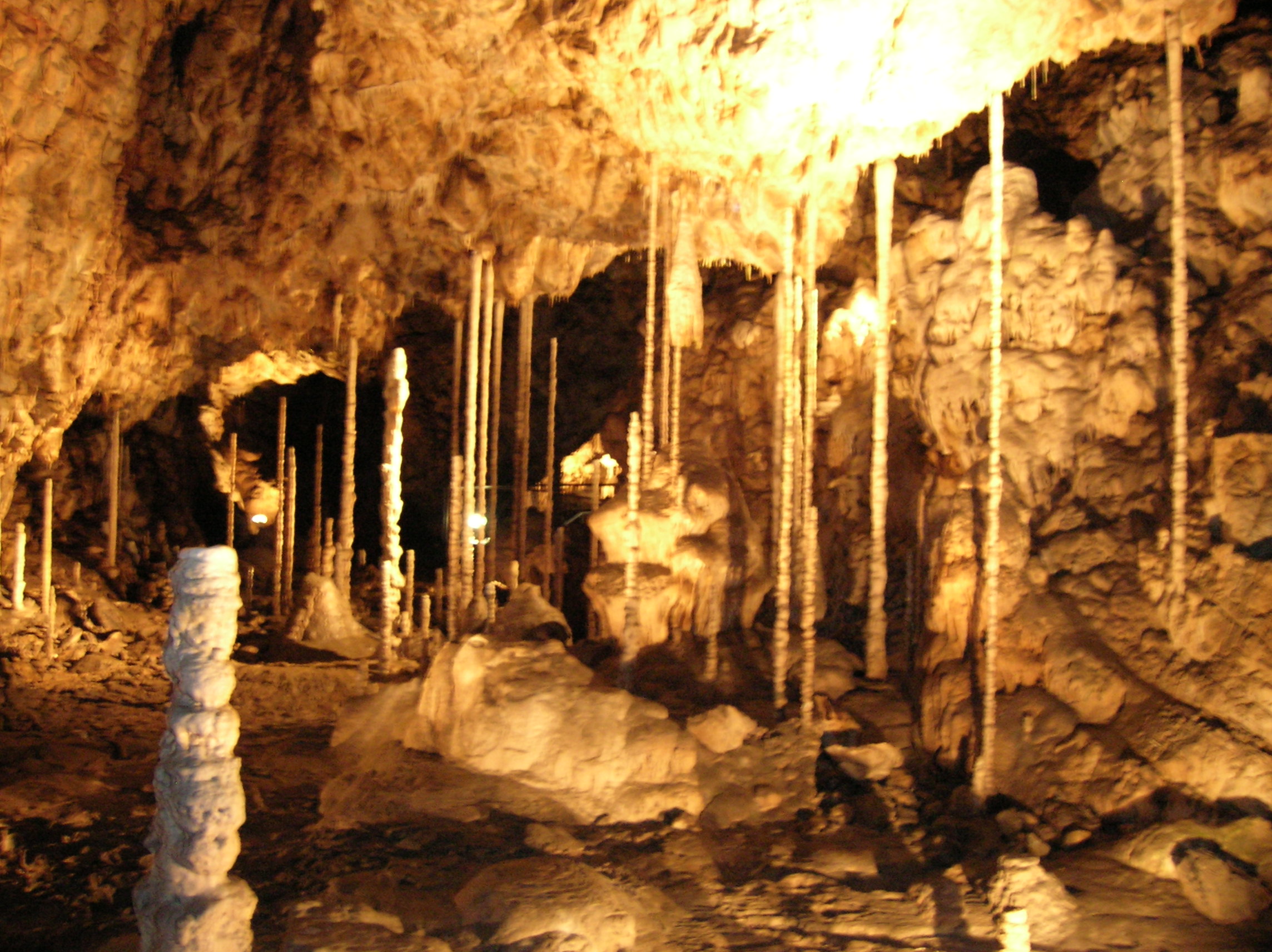
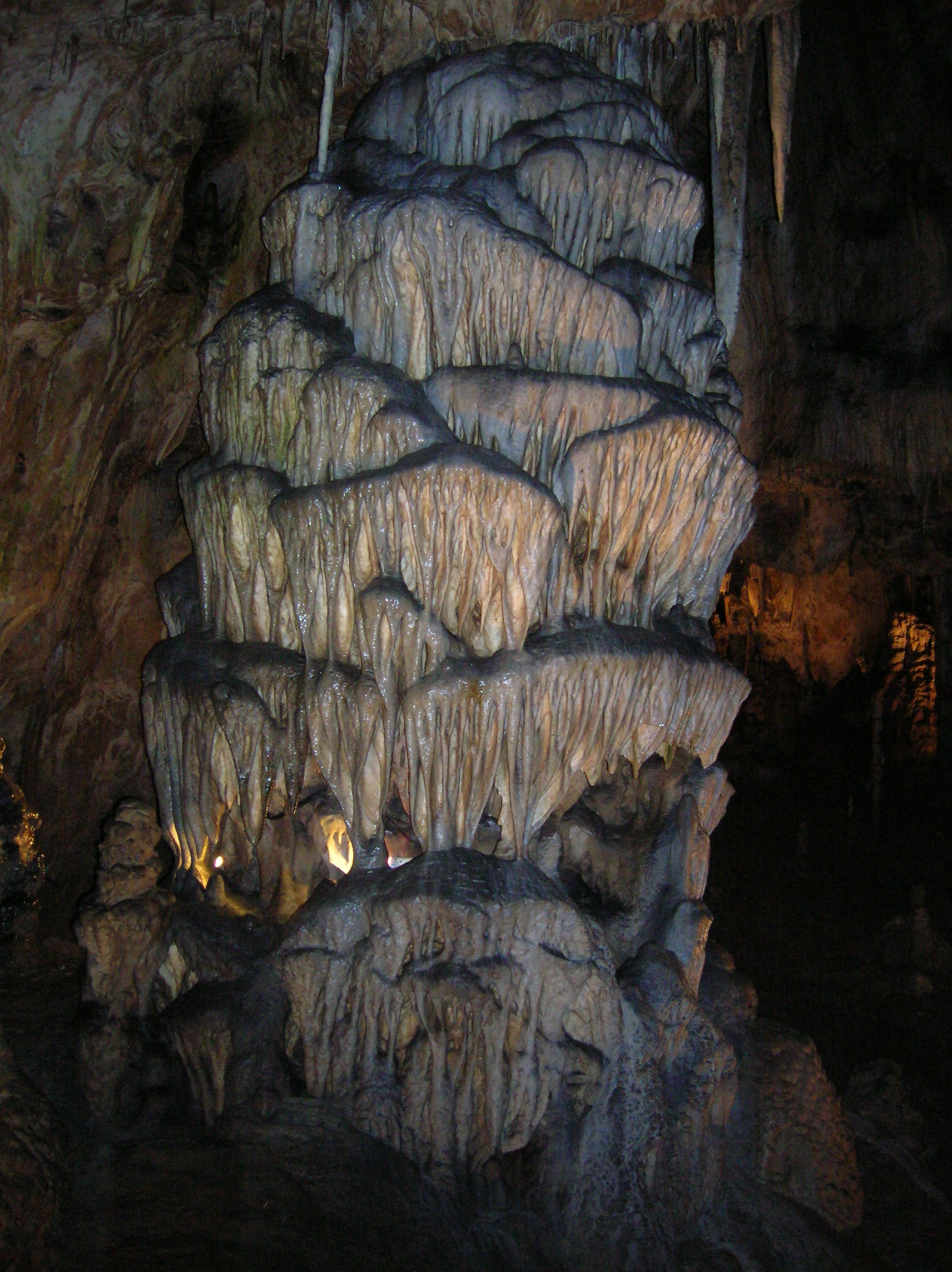
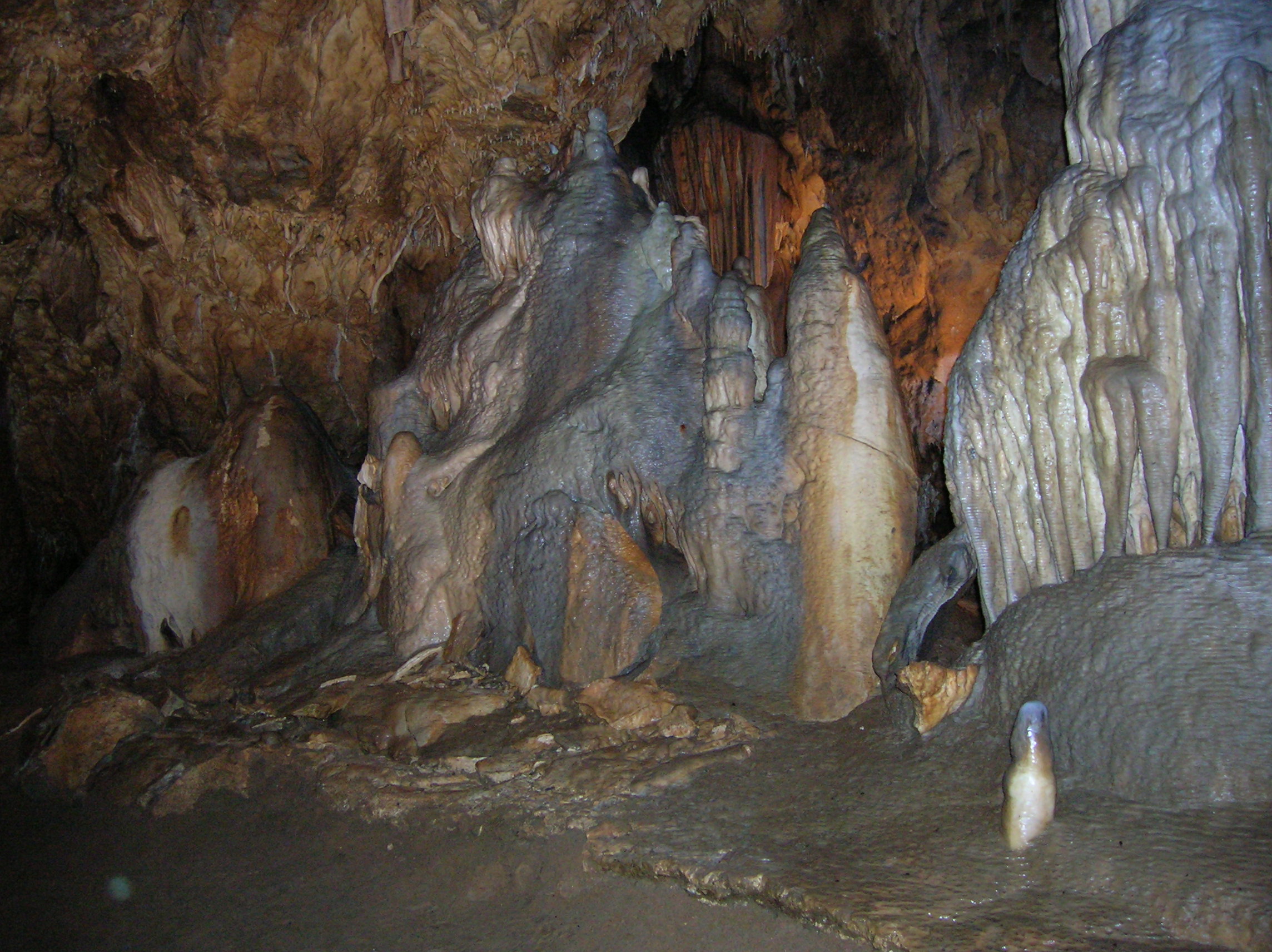
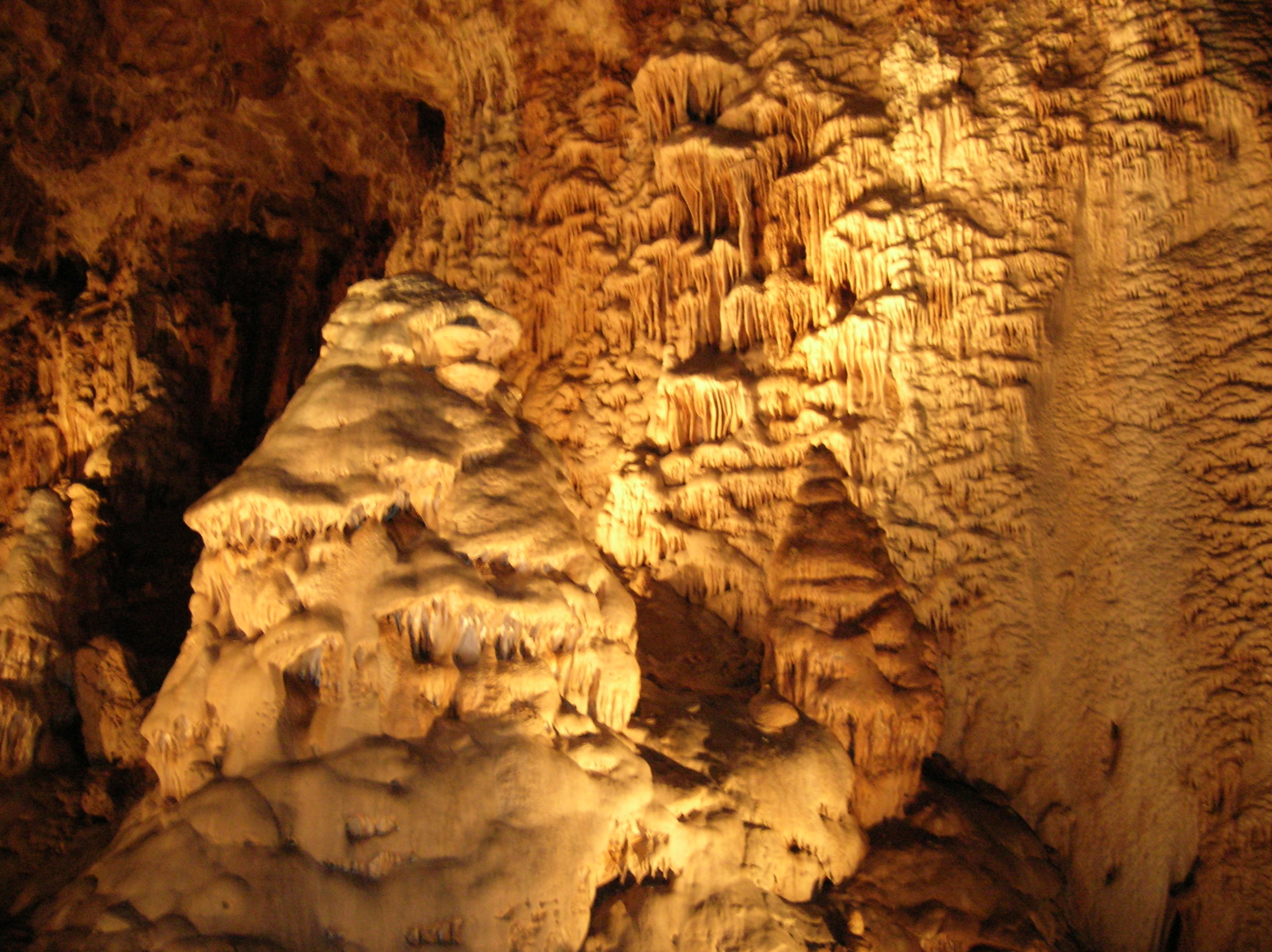
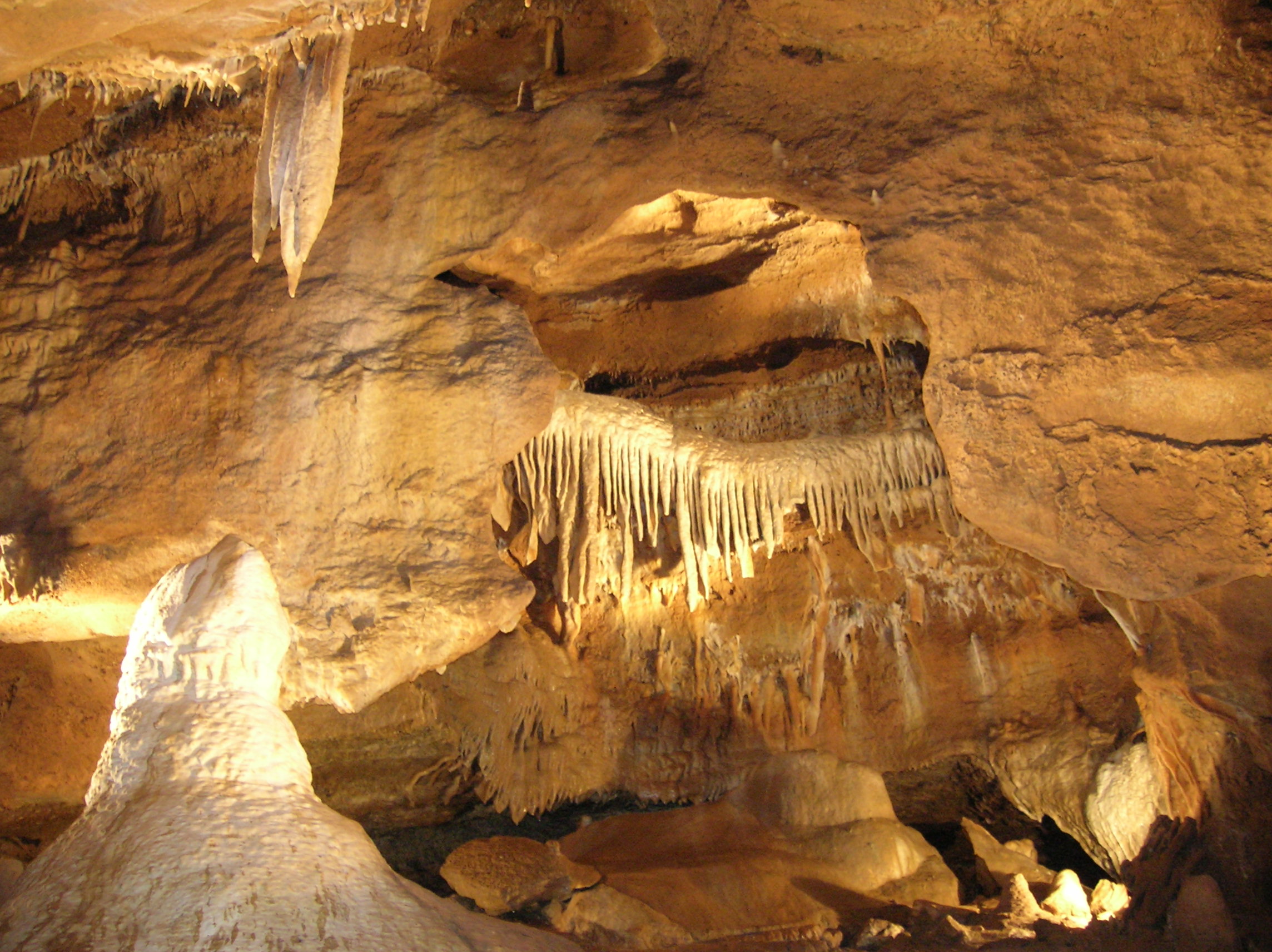
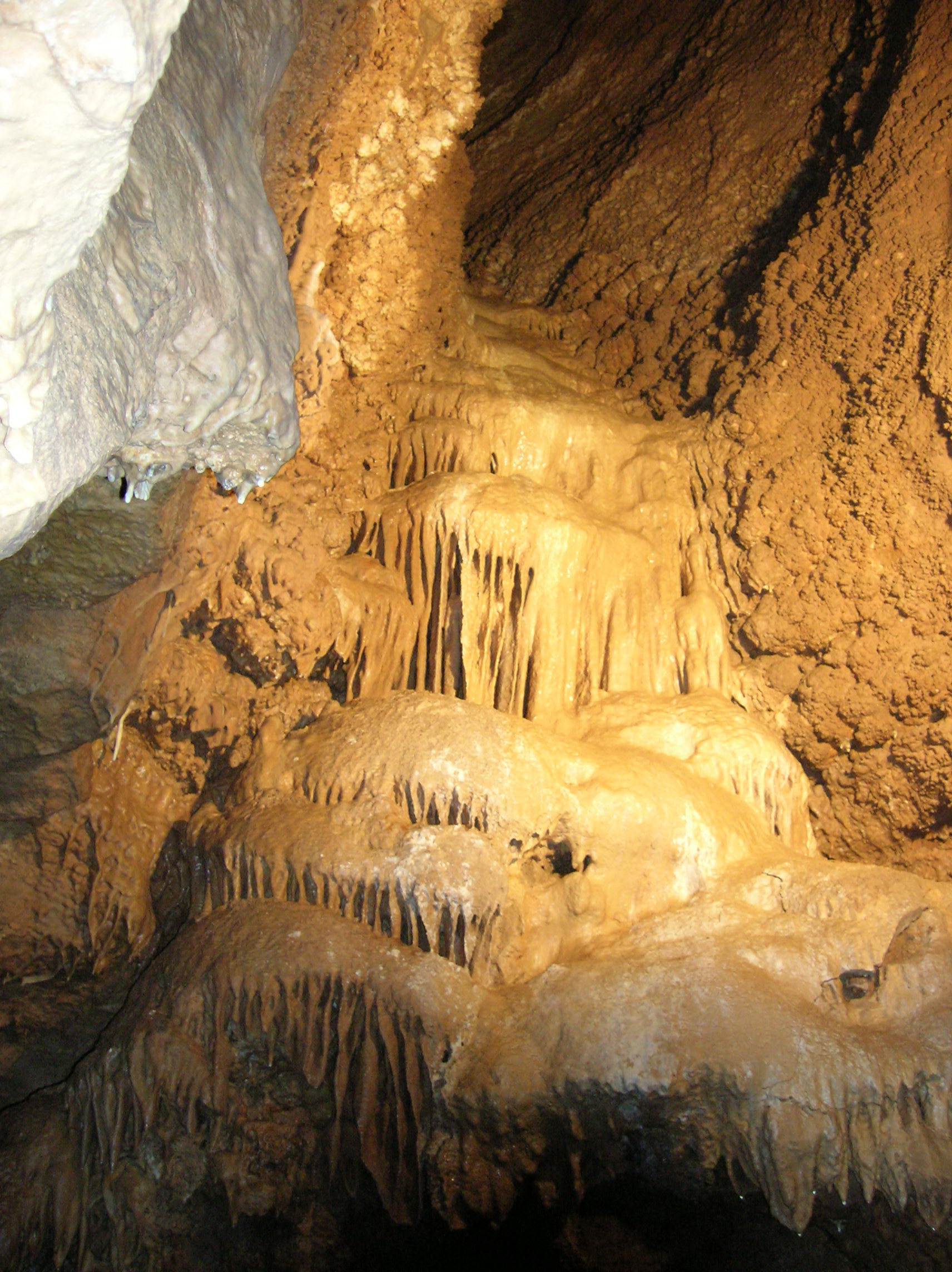
When I finished touring the Bozkov Dolomite Cave (Bozkovské dolomitové jeskyně), I had achieved my goal: I had finally visited all 14 caves accessible to the public in the country. The plethora of caves fascinated me with rich stalagmite and stalactite decoration, often taking grotesque forms in an Alice in Wonderland type of setting. Breathtaking rock formations resembled waterfalls, castle ruins and owls, for example.  There are almost 3,500 caves in the Czech Republic. While not all of them excited me, in many cases, it was well worth exploring the depths that whisper about the long-ago past and even contain remains of prehistoric man.  First, a little cave vocabulary is in order: stalactites hang down from the roof of a cave, while stalagmites point upwards from the floor of a cave.

PUNKVA CAVES

I have visited the Punkva Caves (Punkevní jeskyně)in the southern Moravian Karst region twice, once way back in 1992 and again in 2008. (The Moravian Karst region is known for its breathtaking caves. There are about 1,100 caves in the area, but only five are open to the public.) The first time I went to the Punkva Caves a friend drove me. For the second visit I took the train from Brno to Blansko (a short trip) and then took a bus to the information center near the caves. Back in the early 1990s, it wasn’t necessary to make a reservation in advance, and tickets were sold at a small kiosk. Now it is essential for visitors to make a reservation.

Punkva Caves

Punkva Caves

These caves are the most popular in the country. They are mentioned in many guide books and swamped with tourists from around the world. Discovered between 1909 and 1933, the Punkva Caves took me to the bottom of the Stepmother Abyss (Macocha), from which I felt the power and strength of the chasm, as if I was being swallowed up by its size.

Punkva Caves

Punkva Caves

Not only did I see stunning ornamentation, but I also enjoyed a magical motorboat ride through the Masaryk Cave and others. To be sure, fairy tale settings and grotesque shapes abound. Some of my favorite moments during the hour-long tour include the decoration of the wall of the Front Cave; the stalagmites and stalactites in the Mirrored Lake boasting Two Owls, A Castle on a Cliff and a Turkish Minaret, and the fantastic decoration of the Angel’s Cave.

Punkva Caves

Punkva Caves

KATEŘINA CAVE

Located near the Punkva Caves is Kateřina’s Cave (Kateřinská jeskyně), a short distance from the information center that hadn’t been there when I first visited the area in 1992. The 45-minute tour covers 430 meters. The name of the cave comes from a legend that enthralled me: The shepherd Kateřina entered the cave looking for one of her sheep that had gone astray. Unfortunately, she got lost and never saw daylight again.

Kateřina Cave

Kateřina Cave

At the beginning of the tour, I learned that the Main Dome is the biggest publicly accessible natural underground space in the country; concerts are even held there, the guide informed our group. In this space I felt swallowed up by its vastness just as I did in the Stepmother Abyss. Some shapes of intriguing stalagmites that I saw included Two Owls and The Shepherd Kateřina. I noticed many exquisite, tall stalagmites and stalactites, especially in the part of the cave nicknamed the Bamboo Forest. I especially liked one formation, in which stalactites appear as an angry storm cloud with claws.

Kateřina Cave

Kateřina Cave

SLOUP-ŠOŠŮVKA CAVES

Not far, in the same region of southern Moravia, are the Sloup-šošůvka Caves (Sloupsko-šošůvské jeskyně). I took a bus there from Blansko; they run every hour. The bus dropped me off 200 meters from the cave itself. The short tour covers 890 meters, while the long tour covers 1,670 meters. The total length of the underground corridors reaches 4,200 meters. Of course, I took the long tour.

Sloup-šošůvka Caves

Sloup-šošůvka Caves

I was fascinated that remains of Neanderthal man have been unearthed there. I crossed a bridge that allowed me to gaze to the bottom of Nagel Chasm, 80 meters in depth. That was something to remember! Some of the decoration that awed me included the rich ornamentation of the stalactites in the Gallery and a four-meter high formation called the Waterfall.

Sloup-šošůvka Caves

Sloup-šošůvka Caves

I also saw cave bear bones, and a vertical abyss that is 64 meters deep. In the Big Three Hall three huge stalagmites resemble a snow mountain, a waterfall and a fortress. I also imagined shapes of a spiraled totem pole and a spiraled tower as well as a gigantic top hat and swords stuck firmly in the cave floor. 

Sloup-šošůvka Caves

Sloup-šošůvka Caves

BALCARKA CAVE

Also nearby in the southern Moravian Karst region, the Balcarka Cave (Jeskyně Balcarka) features two floors of unique stalactite and stalagmite decoration, such as that exhibited in the Gallery. Since I did not have a car, I could not combine this visit with my trip to the Sloup-šošůvka Caves, even though the two are not that far apart. I went by bus from Blansko to Ostrov u Macochy. Buses ran every hour, so I did not have to wait long.

Balcarka Cave

Balcarka Cave

I was in awe that stone and bone instruments dating back to the Stone Age as well as bones of Pleistocene animals have been discovered there. One shape in the cave looked like an elderly hand with knobby, long fingers pointing downward, as if it was about to gently touch something.

Balcarka Cave

Balcarka Cave

Shapes similar to ruined castles and towers fascinated me as well. Some lumpy forms reached out with tentacles to touch the stalactite quills above.  Other ornamentation took on the appearance of a spiraling tower with a steeple on top. I saw many fragile-looking stalactites hanging from the roof of the caves, too.

Balcarka Cave

Balcarka Cave

JAVOŘÍČKO CAVES

As fascinating as the Punkva Caves are the Javoříčko Caves (Javoříčské jeskyně) near Litovel and Olomouc in central Moravia. Discovered in 1938, these caves boast some of the most exquisite stalactite and stalagmite decoration in the Czech Republic. In all, 788 meters are accessible to the public. Visitors can choose from a 40-minute or 60-minute tour. The short route takes one 450 meters, while the long one covers all 788 meters.  I chose the 60-minute version.

Javoříčko Caves

Javoříčko Caves

Perhaps this system of caves is the most grotesque, appearing to be part of a horrific fairy tale filled with monsters. Yet it was difficult to get to; I went by car from Olomouc, the historic town where I was staying. I could not find any suitable public transportation.

Javoříčko Caves

Javoříčko Caves

Some intriguing formations featured a stalagmite shaped as a pagoda, with what appeared to be a Rococo doll seated on it. Pastel colored limestone spikes took on the appearance of waterfalls, named Niagara Falls and the Falls of the Elbe. The Curtain, which appeared to be fringed with lace and measured more than two meters in length, fascinated me the most. It looked as if the curtain was almost flapping, captured in a single moment. Crystallizing calcite surfaces made up the lace while the red tint came from ferrous compounds.

The Sacred Hole has a spellbinding history. Banned religious groups used to gather there in the Middle Ages; I saw black stains on the ceiling that had resulted from torch smoke. The most beautiful decoration I saw, though, was in the Scree Dome and the Dome of Giants. The Scree Dome featured a unique-shaped mound sprinkled with what looked like white icing or virgin snow. The breathtaking ceiling was a composite of fragile, thin exquisite stalactite spikes.

Javoříčko Caves

Javoříčko Caves

In the Fairy Tale Cave there was even more astounding decoration of stalactites pointing down from the ceiling. In the Dome of Giants one shape looked like a monster with a multi-layered crown on his head. Another formation I liked featured stalactites hanging from the roof, looking like a cloud with droplets of rain frozen in the sky. One more intriguing characteristic about these caves is that some stalactites and stalagmites called heliotites grow against the laws of gravity.

MLADEČ CAVES

The Mladeč Caves (Mladečské jeskyně) are also located near Olomouc, not far from the Javoříčko Caves. I went by car the same day I visited the Javoříčko Caves. It was not easy to get to these caves, either, and I was there on a weekend, which made it even more complicated to go by public transportation.

Mladeč Caves

Mladeč Caves

Remains of prehistoric man have been found here, including many skeletons of people from the Early Stone Age. I saw skeletal-like formations in the Cave of the Dead while Nature’s Temple was dominated by what looks like it was once a shimmering white waterfall. In the Virgin Cave the shapes took on forms of hills with towers and castle ruins. One figure that impressed me looked like a mummy.

Mladeč Caves

Mladeč Caves

KONĚPRUSY CAVES

The Koněprusy Caves (Koněpruské jeskyně), only an hour or so from Prague and seven kilometers from Beroun, boast the largest system of caves in Bohemia. The caves were discovered in 1950 and opened to the public in 1959. They are easy to get to as well. I took the train to Beroun, about an hour from Prague, waited about an hour and then went by shuttle bus to the caves. I was impressed that bones of prehistoric animals have been unearthed there. The stalactite and stalagmite ornamentation was thrilling; one cave even used to be a medieval money forgers’ workshop in the 15th century. According to the guide, between 5,000 and 10,000 fake coins were made there using copper sheets and an amalgam of silver. I saw copies of the equipment the forgers used.

Koněprusy Caves

Koněprusy Caves

I took note of some stalactites shaped like an organ; Eternal Desire is composed of stalactite and stalagmite spikes that are almost touching; and another formation appeared as white gushing water, stopped in time. Perhaps Prošek’s Dome astounded me the most. In this cave I set my eyes on the 1,500-year old Koněprusy Roses stalactite formation. It fascinated me that this is the only place in the world where this sort of ornamentation has been discovered.

Koněprusy Caves

Koněprusy Caves

In another cave a certain formation could depict a rock-made window frame overlooking a grotesque landscape of quills, resembling swords, pointing down from the roof. Nearby a stalagmite appeared to me as a sandcastle, seemingly so fragile that it could be broken with the slightest moment. A shape on the ceiling looks like a gaping mouth about to swallow the visitor.

Koněprusy Caves - The Waterfall

Koněprusy Caves – The Waterfall

In the waterfall I saw the droplets of water gushing down, stopped for eternity. Also, in the Organ Hall, I noticed stalagmites taking the form of a small town made of cliffs. Replicas of bones unearthed in Prošek’s Dome were exhibited in the Empty Dome; for example, I took note of the skull of a woolly rhinoceros and part of a human skull, both 13,000 years old.

BOZKOV DOLOMITE CAVE

There are other caves that I liked, too. I went by bus to Semily and then took another bus about one kilometer from the Bozkov Dolomite Cave, but it can be difficult to find public transportation that goes there. This cave, in the foothills of the Giant Mountains of northern Bohemia, boasts the longest cave system in the country formed on dolomite limestone as well as the largest underground lake in Bohemia in the Lake Cave. Discovered in the 1940s, it is the only publicly accessible cave in northern Bohemia.

Bozkov Dolomite Cave

Bozkov Dolomite Cave

For me, the underground lake of glinting green water framed by rock formations was the thrill of this tour. Some of the rocks even formed an archway through which the water seemed to flow into the horizon. I saw other rich stalactite and stalagmite decoration on the tour, too. For example, I imagined that a squid was moving sideways in a strong current when setting my eyes on one formation. I was a bit frightened when I peered down a chasm into the depths of darkness. In another cave I took note of a waterfall bulging at its bottom.

Bozkov Dolomite Cave

Bozkov Dolomite Cave

NA POMEZÍ CAVES

I stayed in the spa town of Jeseník in northern Moravia when I visited the Na Pomezí Caves (Jeskyně Na Pomezí). I took the bus from Jeseník, but times were irregular. The Na Pomezí Caves have the largest cave system in the country.

Na Pomezí Caves

Na Pomezí Caves

While exploring the 530 meters of these caves, I saw a curtain-like formation that appeared to be made with coarse material. Cascades and large stalactites adorned the caves. I imagined one grotesque shape as someone’s dentures about to bite into two muffins. Some of the caves that enchanted me here included the Ice Dome, the Weeping-Willow Cave and the Roman Bath corridor.

Na Pomezí Caves

Na Pomezí Caves

There are other caves in the country, but those are the ones that excited me the most. Whenever I descended the steps and walked into the depths of a cave, I felt as if I was looking deep into my soul. When I listened to the legend of Kateřina getting lost in the cave of the same name, I thought about feeling lost myself, how I didn’t want to be an English teacher anymore, but for the time being couldn’t find another job that suited me. I felt that I had yet to find myself, and I was nearing 40.

Sloup-šošůvka Caves

Sloup-šošůvka Caves

In other caves I mused about my life as well.  I pondered over whether I should have had children. I wondered if I would be happy being single all my life as the few men I had loved hadn’t loved me. I thought about many things during those visits to caves, and I always felt enlightened by the time I exited each cave, leaving the darkness of my musings for the joyous light of day.

Tracy A. Burns is a writer, proofreader and editor in Prague.


Looking up at the Macocha Abyss from the Punkva Caves

Looking up at the Macocha Abyss from the Punkva Caves