The Last Century – Twenty Artists Exhibition Diary

This permanent exhibition at the Gallery of Modern Art in Hradec Králové showcases the works of some of the most influential Czech artists of the 20th century. I liked the fact that the works were organized by person with commentary about the artists’ backgrounds and styles. I will highlight the creations that most influenced me, although all the painters and sculptors are important.

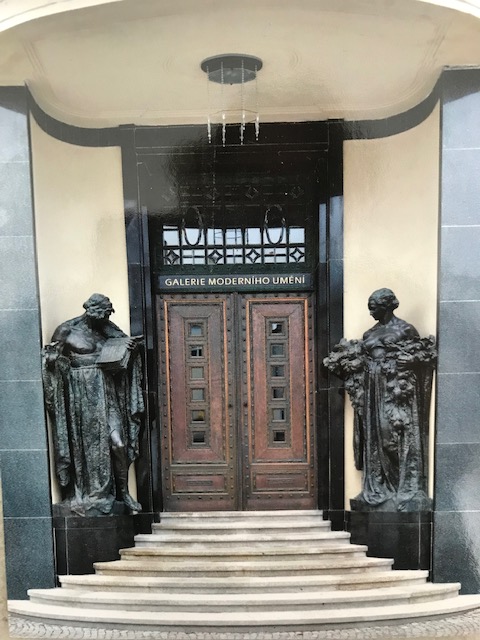
First, about the building housing the Gallery of Modern Art: Like many edifices in Hradec Králové, the museum is an architectural gem. Facing the town’s main square, the building that was completed in 1912 by Osvald Polívka is impressive with two statues flanking the façade. These sculptures were made by Ladislav Šaloun in 1908 and show allegories of commerce and the harvest. Reliefs of atlases with dogs at their feet also make up the external ornamentation. Polívka’s Art Nouveau designs can be found in Prague’s Municipal House, which he decorated from 1905 to 1912. I tell everyone coming to Prague to tour the Art Nouveau Municipal House, as it is certain to be a highlight of any visit. Šaloun created the statue of Jan Hus that dominates Prague’s Old Town Square.

Several banks were housed in this building before and during the First Republic. For many years under Communism, the Cotton Industry Association and an agricultural company called the place home. Renovations took place in the late 1960s. In 1987, the totalitarian regime transformed the building into the Museum of Revolutionary Traditions. This totalitarian exhibition was closed after the 1989 Velvet Revolution that freed Czechoslovakia from Communist control.
In 1990, the Gallery of Modern Art took up residence there. From 2014 to 2016, both the interior and exterior underwent a vast renovation. A walkway was formed around the central atrium, for example. The interior boasts geometric shapes, floral designs and Art Nouveau-styled adornment of garlands and cherubs. I especially liked the stained glass window decoration.

Here are some of my favorite artists represented in this exhibition:

Fate of the Artist, 1909

Quido Kocián

The expressive sculpture of Quido Kocián was influenced by symbolism and Art Nouveau. I love how he was able to express basic emotions like love and suffering. I went to a superb exhibition of his work about 15 years ago on Husova Street in Prague. In some statues I could see the turmoil and anguish of the persons depicted. Other sculptures triggered feelings of happiness and fulfillment. Kocián had a knack for depicting various psychological states and the depths of the human soul. He studied under legendary artist Josef Václav Myslbek but wound up rebelling against Myslbek’s traditional style, opting for expressiveness instead. Kocián’s works were not fully appreciated in the Czech art history sphere for a long time.

Ladislav Zívr
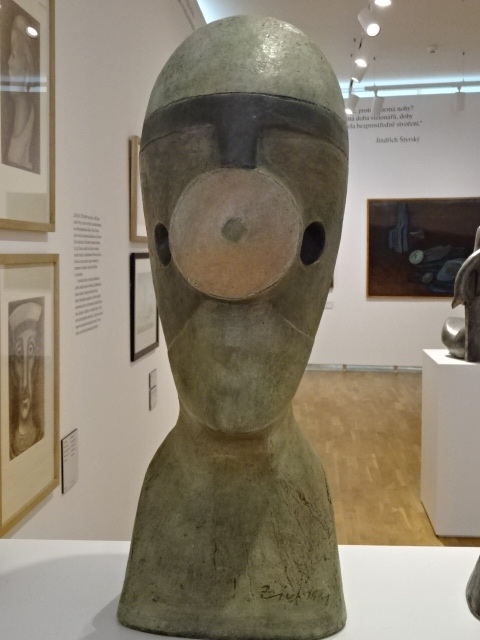
Surgeon, 1961

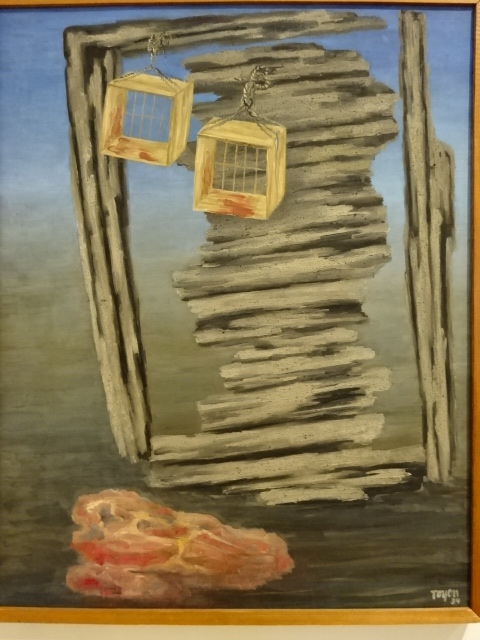
A member of the artist Group 42, Zívr focused on everyday life, a feature that is dear to me in all art forms. Inspired by Cubism and the creations of Otto Gutfreund, he made sculptures that have machine-like qualities as well as human traits. He had a penchant for surrealism. After the world wars, Zívr was influenced by nature, and his works portrayed strong symbolism. I liked the way he was able to express a person’s soul through primitive forms.

Jiří Kolář

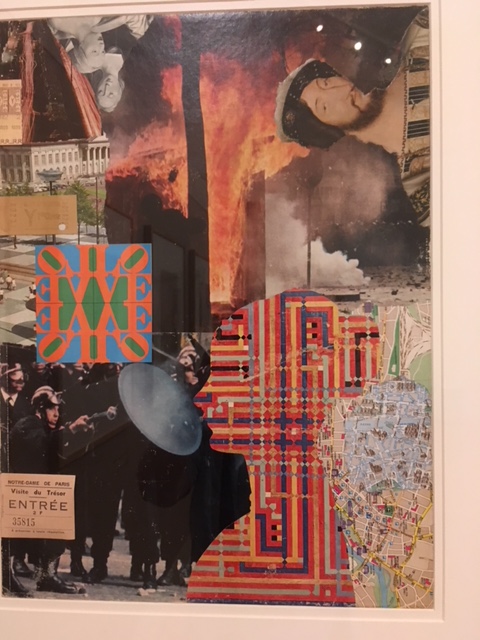
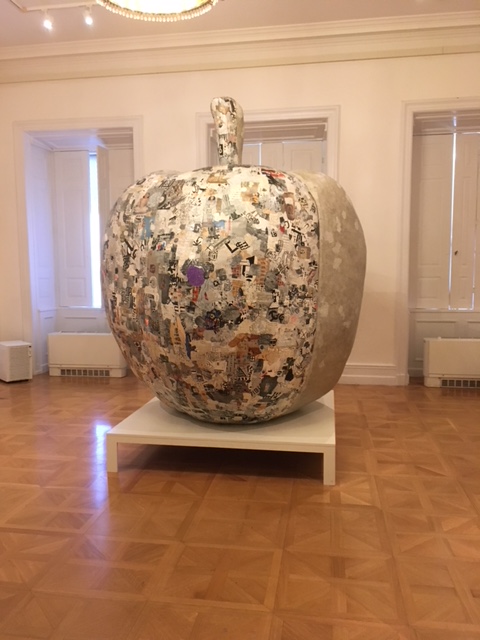
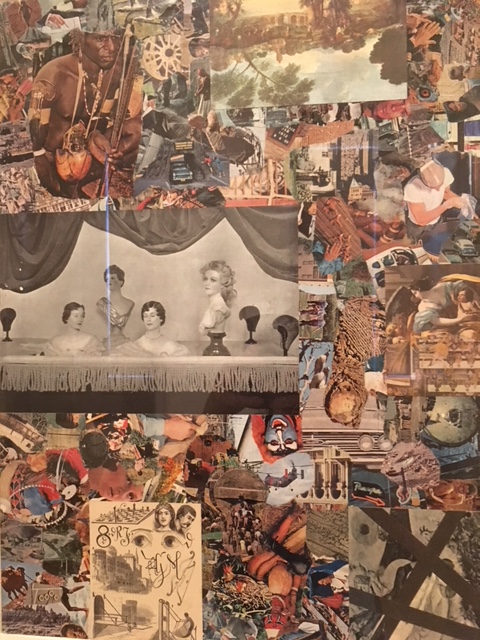
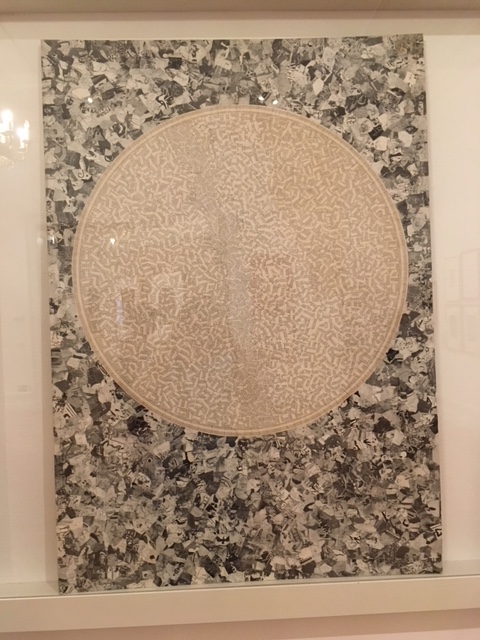
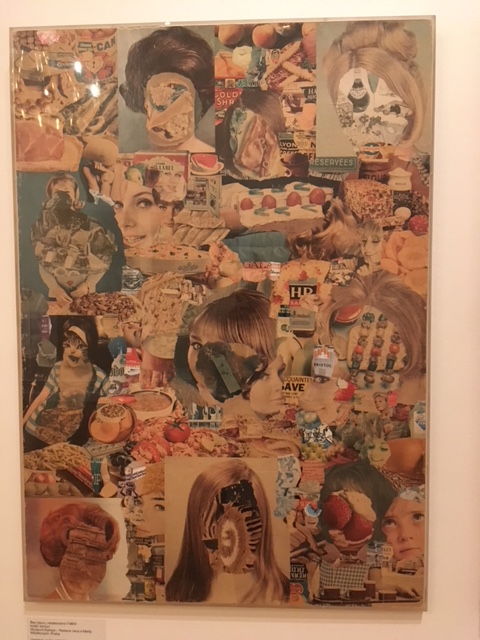
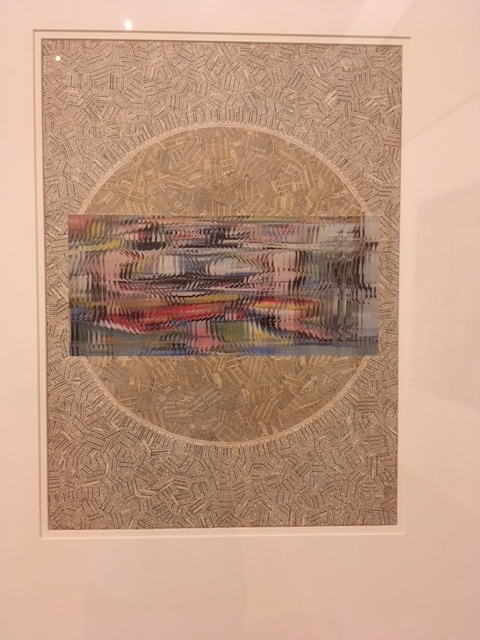
I had been to a large exhibition of Kolář’s works in Prague’s Kinský Palace some years ago and was very familiar with his collages that included cut out images and words from publications. (See my article about the exhibition in a much earlier post called Jiří Kolář Exhibition Diary) He was a poet and prose writer as well as a fierce critic of Communism. Kolář emigrated to Paris in 1979. He often used phrases from books or created his own poems in his collages. His works lingered on the border of the dream realm and reality, a trait I found very intriguing. A staunch supporter of democracy, Kolář was also one of the first Czechs to sign Charter 77, a document written by dissidents to promote human rights in the normalization era of Communist Czechoslovakia. He played a major role in publishing literature banned by the regime. Kolář was also one of the founders of the influential Group 42.

Jaroslav Róna
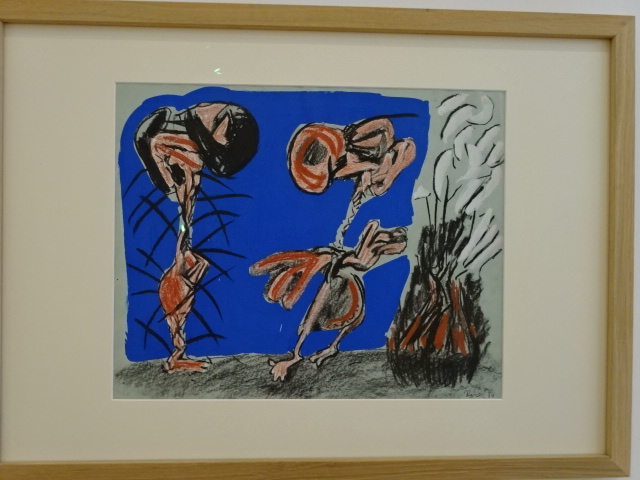
Scene by the Fire, 1984

I know Róna’s sculptures well, but I was not familiar with his paintings. Róna designed the abstract Franz Kafka Monument in Prague’s Jewish Quarter, an important sculpture to see in the Jewish Town. He is, indeed, a man of many talents: He has also worked as a painter, illustrator, screenwriter, author of books, actor, singer and educator. His works have a certain dynamic energy. He has been inspired by the Expressionism style of Edvard Munch, Oskar Kokoschka, Max Beckmann, Egon Schiele and Pablo Picasso. A supporter of democracy, he drew brochures for the Velvet Revolution during 1989. Rona is also an avid traveler. His sculptures can be found at Prague Castle as well as on the island of Crete and in many other places.

Josef Váchal

Sacrifice, undated

I liked the mystical quality in Váchal’s works. He was a graphic designer, wood engraver, bookmaker, writer and painter who excelled in all those genres. Váchal was inspired by expressionism. His works featured symbolism, naturalism and Art Nouveau tendencies. A soldier during World War I, he fought in 12 battles. The Communist coup brought hard times for Váchal, who remained isolated after 1948. People did not show much interest in his work then. In the 1960s, he received some acclaim. Much later people recognized that Váchal had created some of the most significant works of Czech graphic design in the 20th century.

Augusta Nekolová

Four Seasons, 1914

Because Nekolová was female, she had limited educational opportunities during the 19th and early 20th century. She did, however, study unofficially under the prominent Czech artist, Jan Preisler. Nekolová worked as a painter, illustrator and graphic artist. She steered away from representations of modern life in her works. She was known for her landscapes and for her emphasis on motherhood. Nekolová strove to promote the national identity of the Slav nation. She developed a strong interest in folk culture. At the end of World War I, Nekolová was hospitalized. She died in 1919 at the age of 29.

Bohumil Kubišta
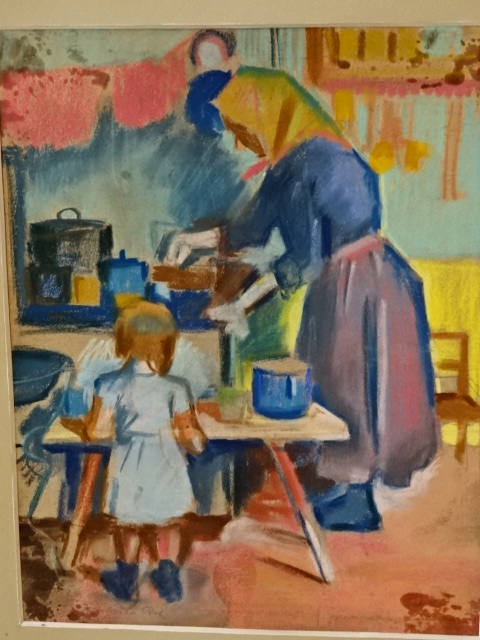
In the Kitchen, 1908
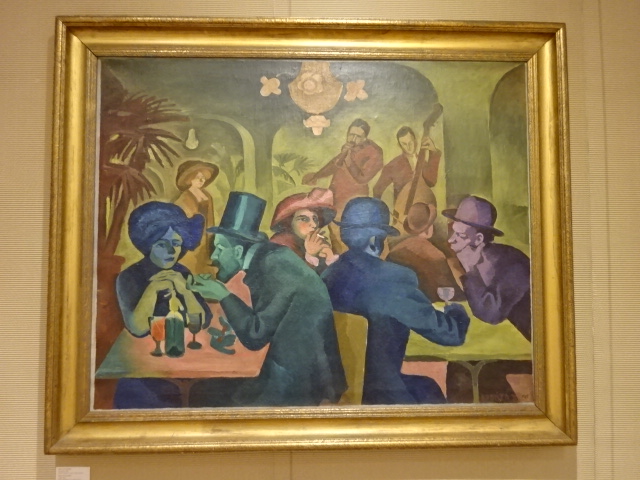
Café, 1910

A prominent avant-garde artist, Kubišta helped found the Expressionist group the Osma (The Eight). He was a painter, graphic designer and theoretician and is considered to be the founder of Czech modern painting. His works dealt with existential issues. Kubišta’s expressionism was inspired by Munch. He was also influenced by Braque and Picasso’s Cubism. Kubišta analyzed the works of Eugene Delacroix and Vincent Van Gogh. His works also contain elements of Futurism and Fauvism. Kubišta often explored themes dealing with modern technology and nature. While serving in the Austrian army during World War I, he won the distinguished Leopold Order. He died of the Spanish flu at the age of 34 in 1918.

Emil Filla

Dance of Salome, 1911

Hej hore háj, Folk Song, 1948

Along with Kubišta, Filla established the Osma group. He also was known for his writings about art theory. During his early artistic endeavors, he drew inspiration from Edvard Munch’s Expressionism. Later he took up Cubism, influenced by Picasso and Braque. He also was captivated by Baroque still lifes by Dutch painters. El Greco and his symbolism fascinated Filla. In the 1930s, he became enthralled with surrealism. His landscapes demonstrate his knowledge of Chinese calligraphy. My favorite trait in his paintings involves his use of a harmony of colors.

Repression (Anxiety) by Josef Wagner – temporary exhibition

I especially liked the exhibition’s pieces of art influenced by Expressionism and Cubism. The colors and shapes in Kubišta’s and Filla’s works caught my undivided attention. I was introduced to Nekolová’s art and intriguing background at this exhibition. I was fascinated how Quido Kocián captured the emotions of the human soul in his sculptures while Zívr concentrated on simple forms to create profound meaning. Kolář’s collages were a sort of visual poetry. Váchal and Róna’s creations displayed impressive energy.

Moscow Diary, 1989 by Anna Daučíková

It was my first visit to Hradec Králové, except for brief stops at the train station and bus station. The Gallery of Modern Art with its poignant exterior and interior decoration and use of space was one of the most impressive buildings I saw.

Tracy A. Burns is a writer, proofreader and editor in Prague.

Landscape, 1962 by Vladimír Boudník
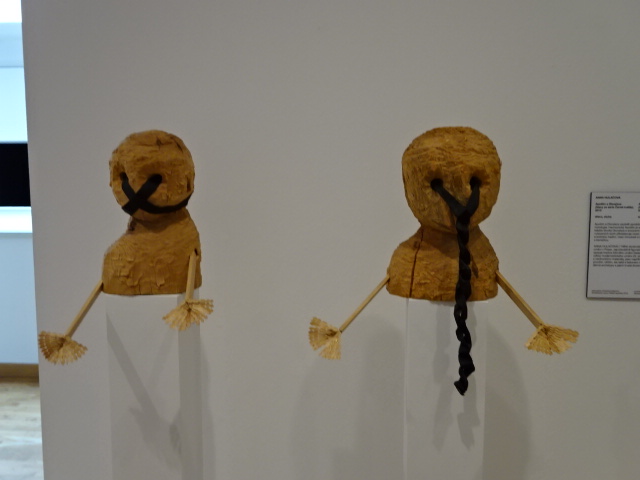
Apollo and Dionysus, 2013 by Anna Hulačová

The gallery also has an impressive collection of contemporary art.
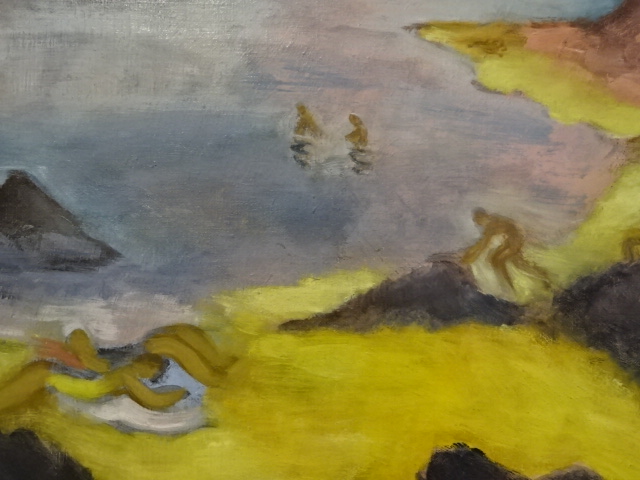
Beach in Crimea (In A Small Bay), 1936 by Věra Jičínská, temporary exhibition

See my post Věra Jičínská Exhibition Diary for more information on this temporary show.

2018 Travel Diary

Roveretoext1

A building in Rovereto, one of my favorite places I discovered this past year

For me 2018 will always be associated with Palladian villas and the Veneto region of Italy, the excitement of Berlin and remarkable Czech sights. I also visited some unforgettable art exhibitions in Prague and elsewhere in Europe.

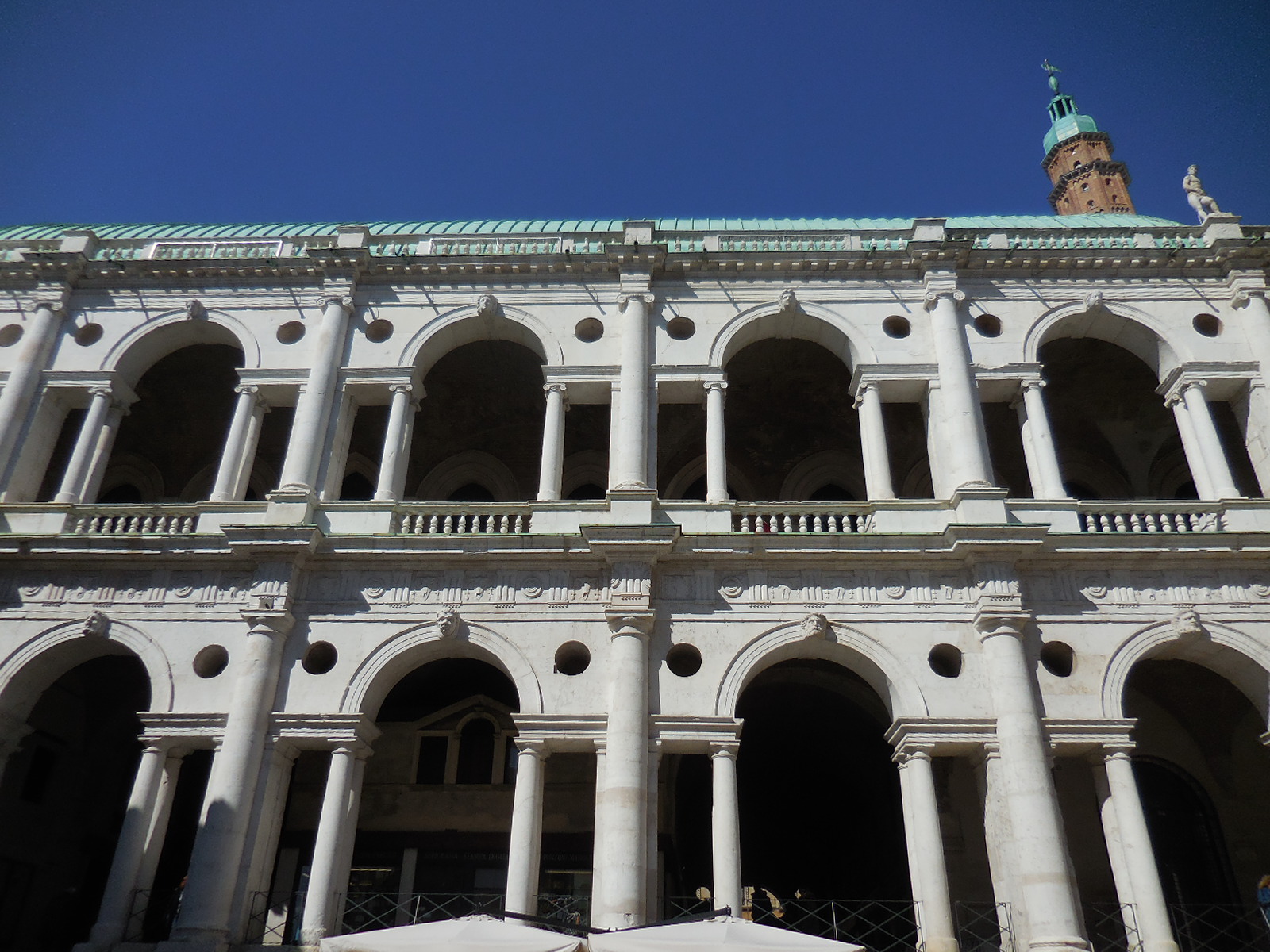
VicenzaBasilicata6

Basilicata Palladiana, Vicenza

During March I traveled with a friend via the arsviva agency to the Veneto to see Palladian sights and other architectural gems in Vicenza, Padua and Rovereto. The three cities were fascinating, each with its own unique character. I was especially drawn to Vicenza for the Teatro Olimpico, Palazzo Leoni Montanari and Palazzo Chiericati. Of course, I admired the elegant arches and arcades of the Basilicata Palladiana.

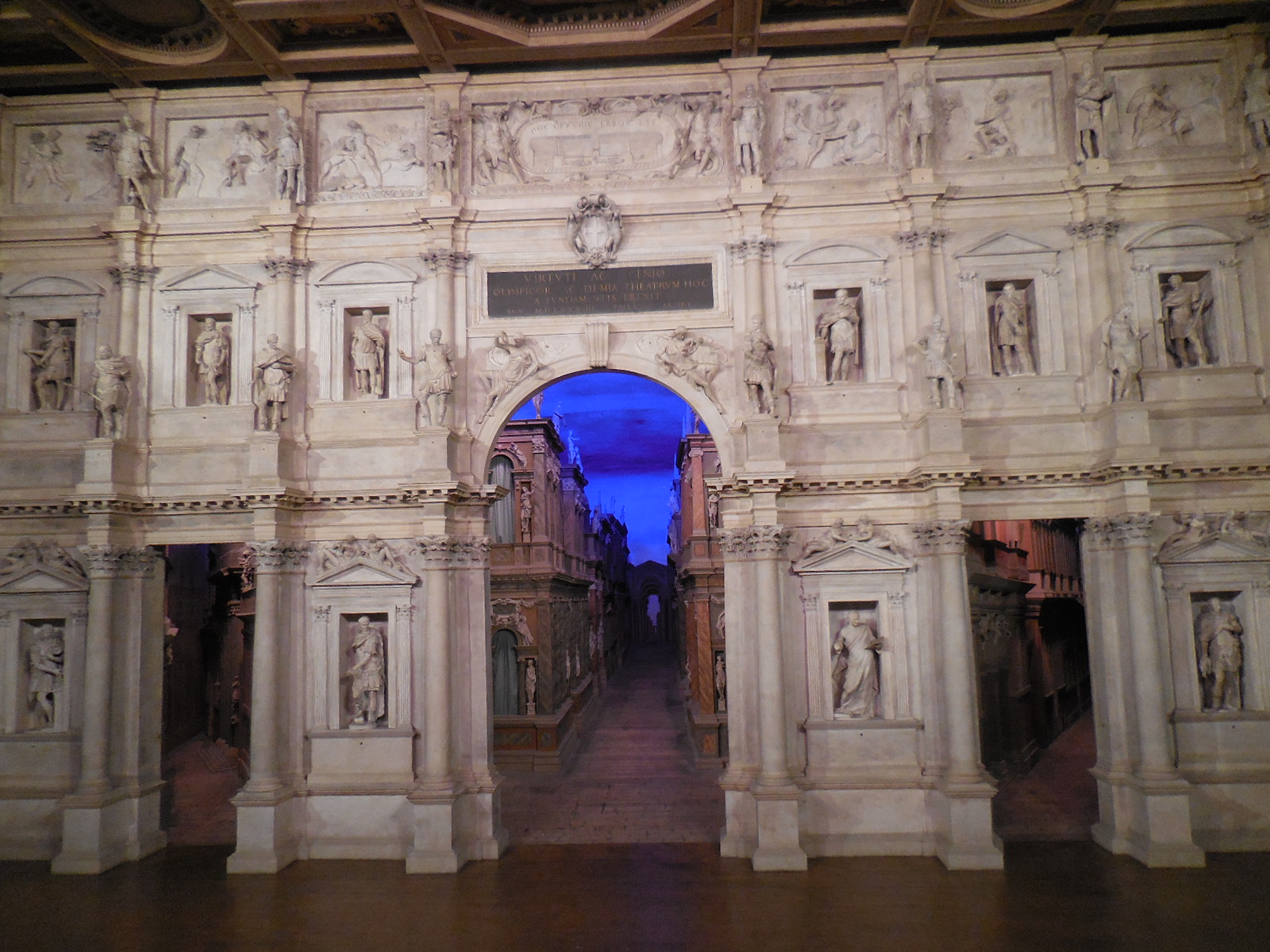
VicenzaTeatroOint14

VicenzaTeatroOint17

The highlight of my tour of Palladian architecture was the Teatro Olimpico, one of only three Renaissance theatres in existence. Palladio’s plan was based on classical architecture. I most admired the illusive architecture in the set for Oedipus Rex, the oldest existing theatre scenery, which featured painting with a false perspective. It looked as if the seven roads of Thebes led from the stage into the horizon. Also, it was difficult to fathom that the clear sky was really painted. The illusion seemed so real.

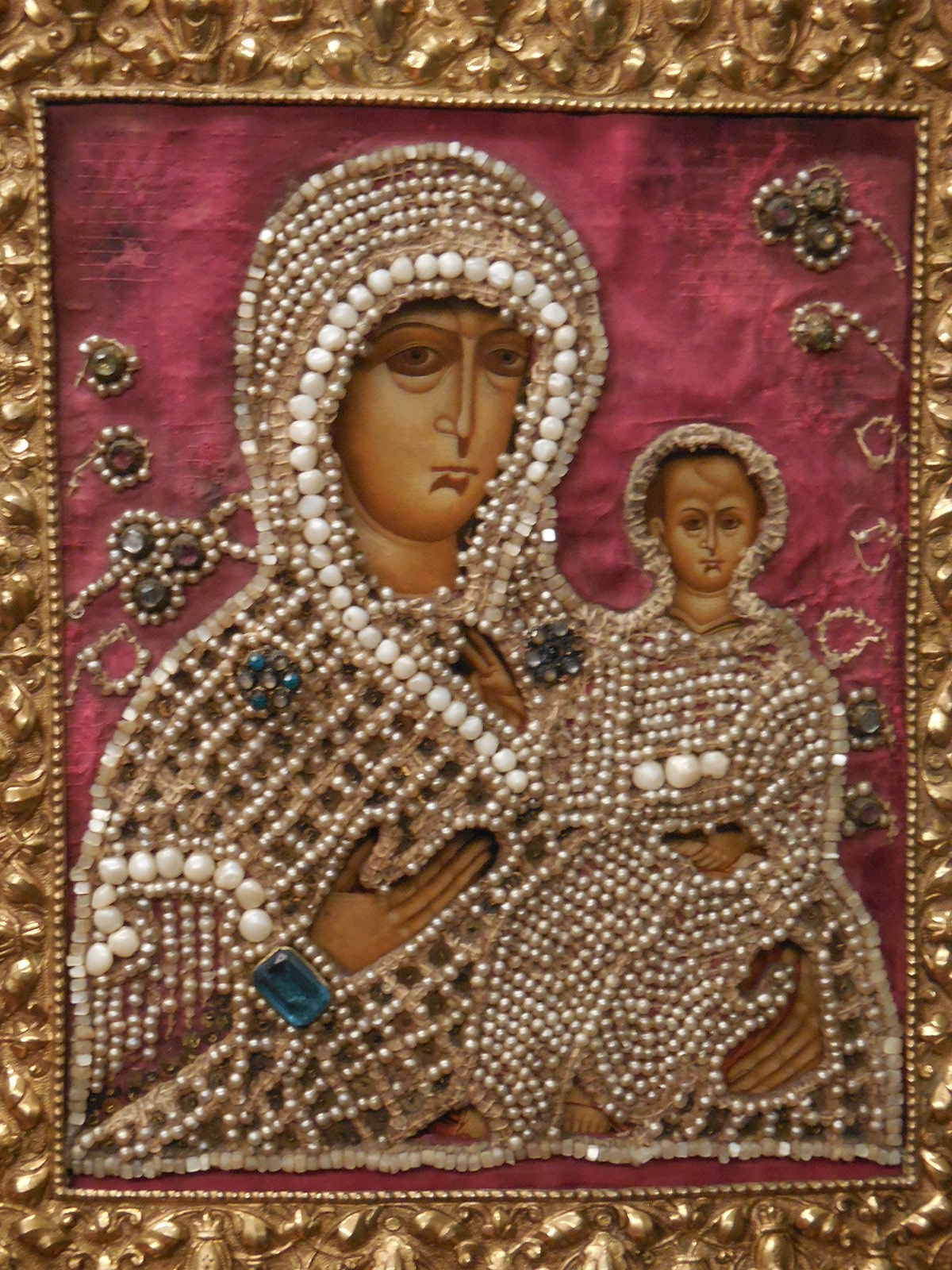
VicenzaGIintRus25

A Russian icon in the Gallerie d’Italia

I cherished my time in the galleries of Vicenza. The Gallerie d’Italia was decorated with rich statuary, stucco ornamentation and frescoes. It houses 18th century Venetian painting, a unique 17th century sculpture made of Carrara marble and vases from Attica and Magna Graecia. However, the highlight of the gallery for me was its superb collection of Russian icons. I had only seen more intriguing collections in St. Petersburg.

VicenzaMCint18

VicenzaMCint3

The interior of the Civic Museum

The Civic Museum in the Chiericati Palace also caught my undivided attention. The palace itself was a work of art, designed by Palladio in 1550 with frescoes and stucco adornment decorating the interior. The art spanning from the 1200s to the 20th century was incredible.

VilladellaRotundaext1

Villa Rotunda – no pictures allowed inside

I also saw some Palladian villas, including La Rotunda, which inspired Thomas Jefferson in his design of his home at Monticello. The exterior’s appearance is that of an antique villa. The geometric design connects the sloping portico roofs with the ribs of the dome. The geometric interior was planned for comfort and beautiful views. The rooms are organized around a central hall with a dome. The villa has three floors and a mezzanine.

PadiuaBasilicadelSanto1

Basilica of San Antonio or Basilica del Santo – no photos allowed inside

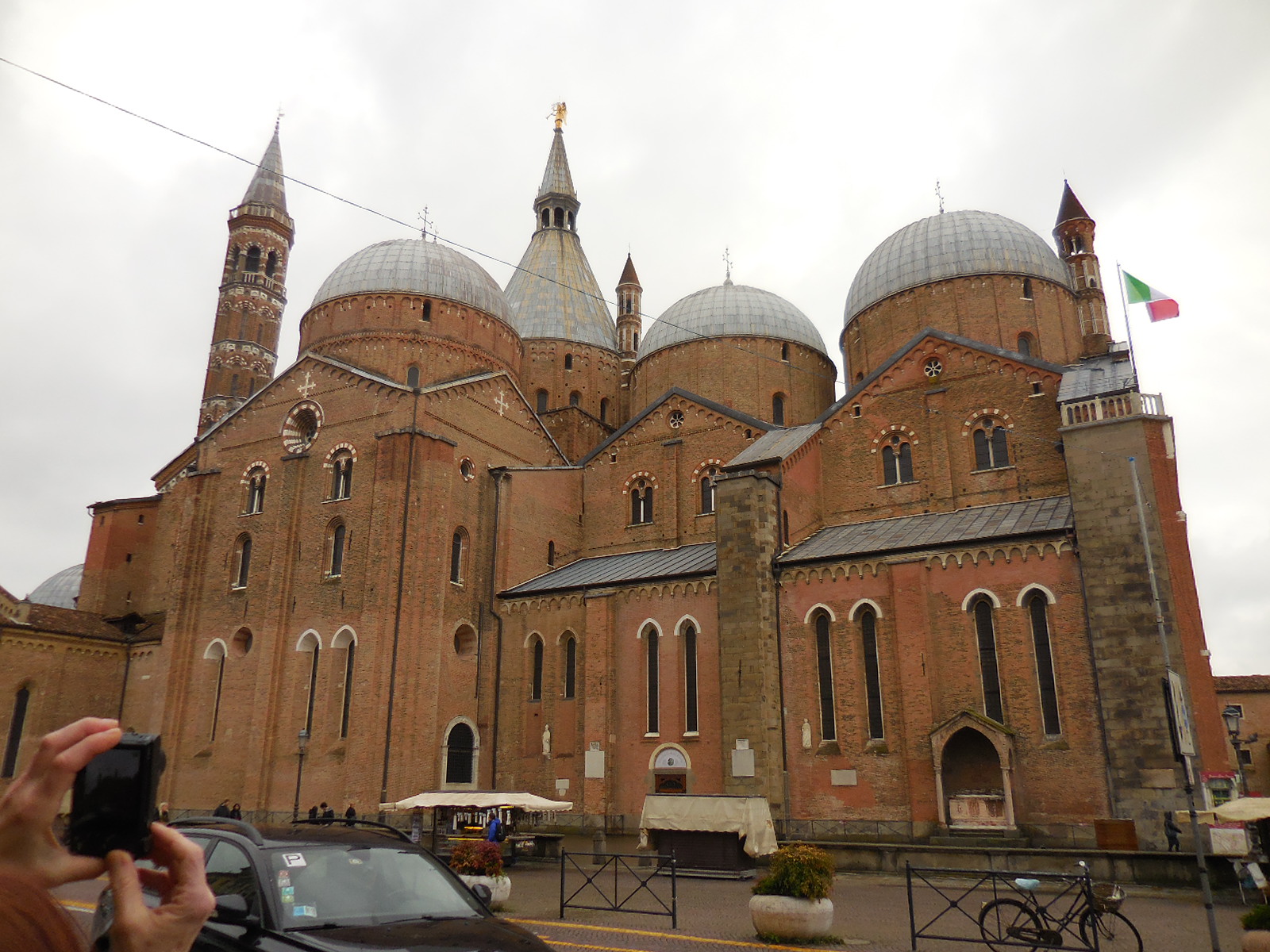
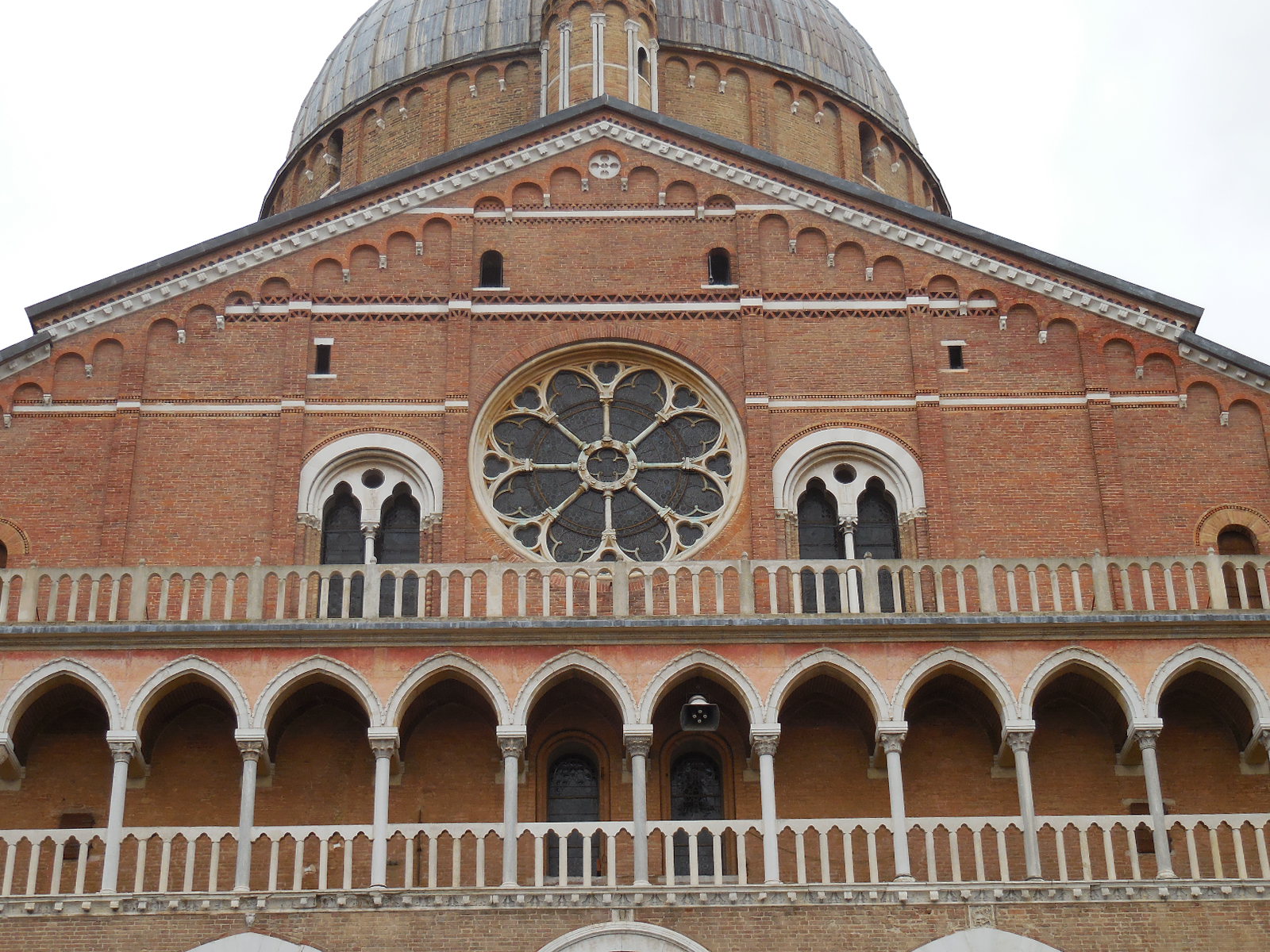
In Padua I gazed in wonder at the Basilica of Saint Antonio, which is huge with eight cupolas. The interior has a Latin cross pattern with three naves separated by pilasters. The various chapels were outstanding. The Chapel of Saint Giacomo, hails from the 14th century with six columns of red marble included in the décor. The work, “The Crucifixion” is divided into three parts on the walls. Pictures on lunettes narrate the life of Saint Giacomo the Great.

PaduaBasilicadelSanto8

Basilica of San Antonio, Padua

The main altar of the basilica was created by Donatello. The pictorial narration of the altar includes four miracles of Saint Antonio, sculpture of the Crucifixion, Madonna with Child and the figure of Saint Antonio, for example. The Chapel of the Saint includes the tomb of Saint Antonio. On the walls are nine reliefs of marble figures recalling miracles performed by Saint Antonio. There was so much to see, a person would need a few days to do this place of worship justice.

PaduaScrovegni1

Scrovegni Chapel, Padua

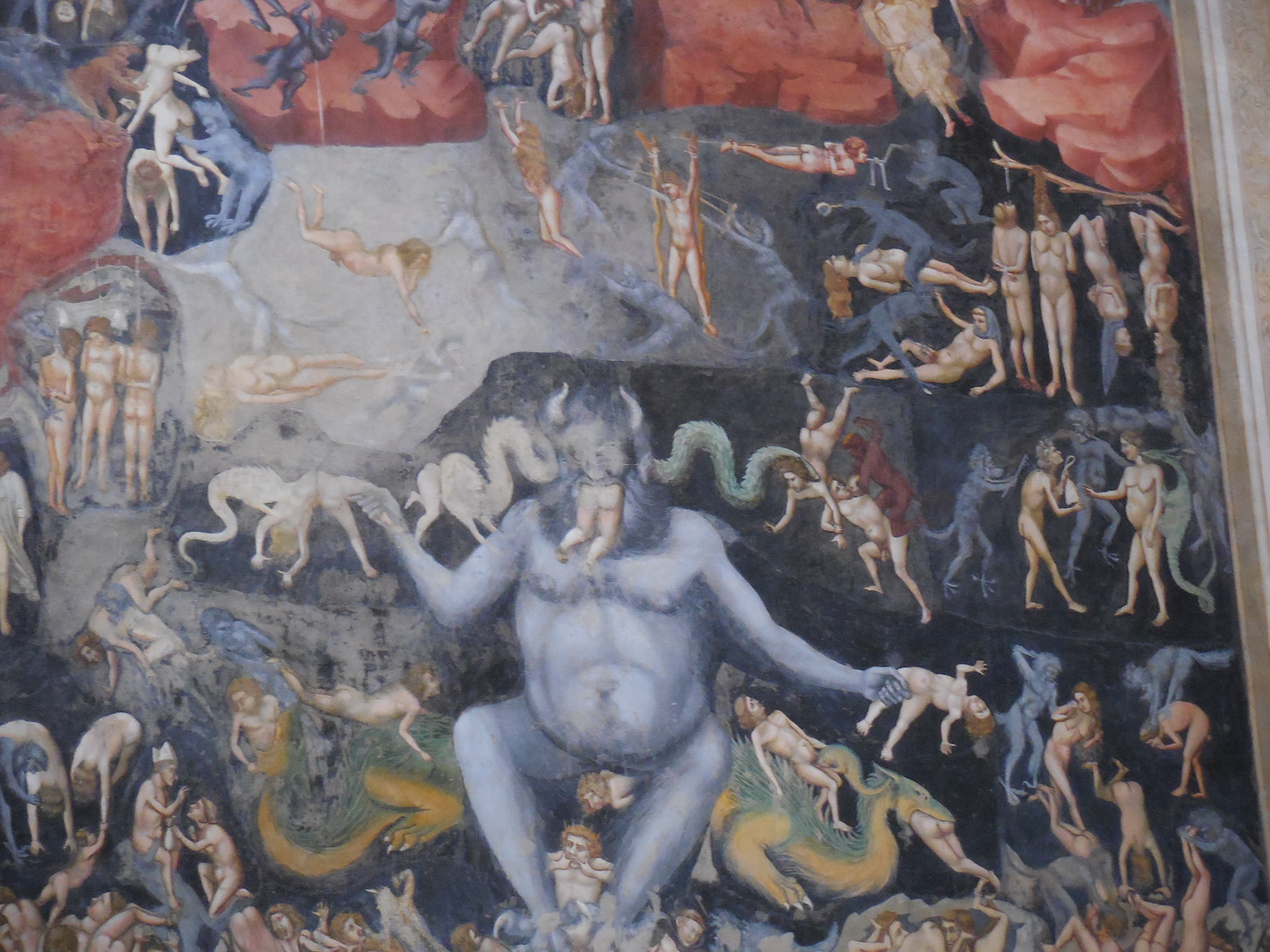
I also was enthralled with the Scrovegni Chapel, which featured amazing 14th century frescoes by Giotto di Bondone. Thirty-eight panels of frescoes cover three walls on three levels. I was flabbergasted, staring at each fresco in a trance.

Roveretoext17

Rovereto

RoveretoDepero20

From the Depero Futurist House of Art, by Fortunato Depero

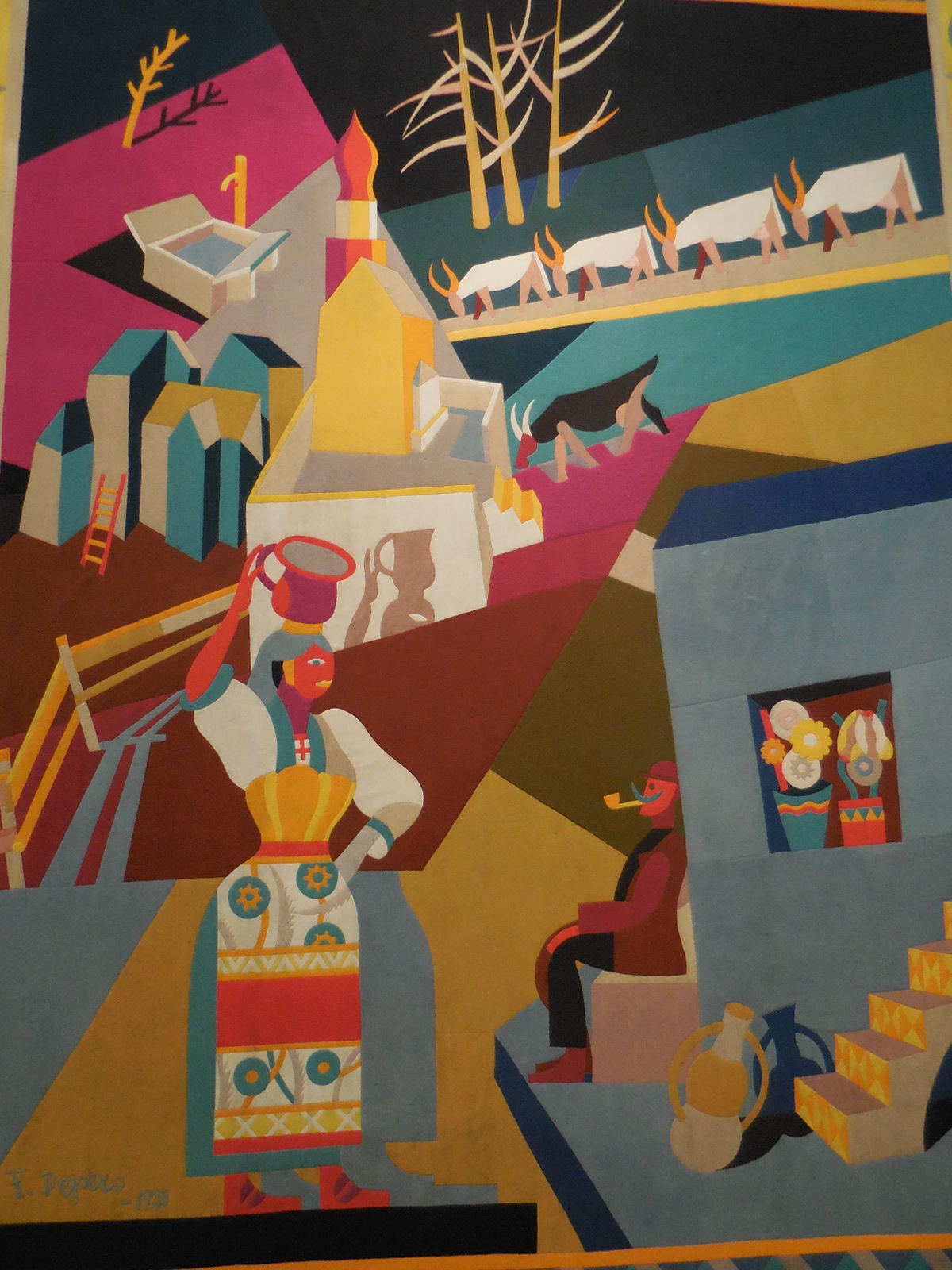
I was very impressed with Rovereto, a picturesque town below the Dolomites. Its charming, narrow streets and squares cast a magic spell on me. I visited the Depero Futurist House of Art, the only Futurist museum in Italy, featuring the works of Fortunato Depero, a painter, sculptor, writer and graphic designer. I learned that Futurism rejected the past and celebrated modernity as well as technological advances. The museum included furniture, painting, tapestries, cloth material, drawings, collages, posters, toys and a film. I loved the vibrant colors of many of the works.

BerlinWallM4

Nowadays school children hang out or wait for tours at the Berlin Wall remnants

BerlinReichstag12dome

Glazed dome of Reichstag

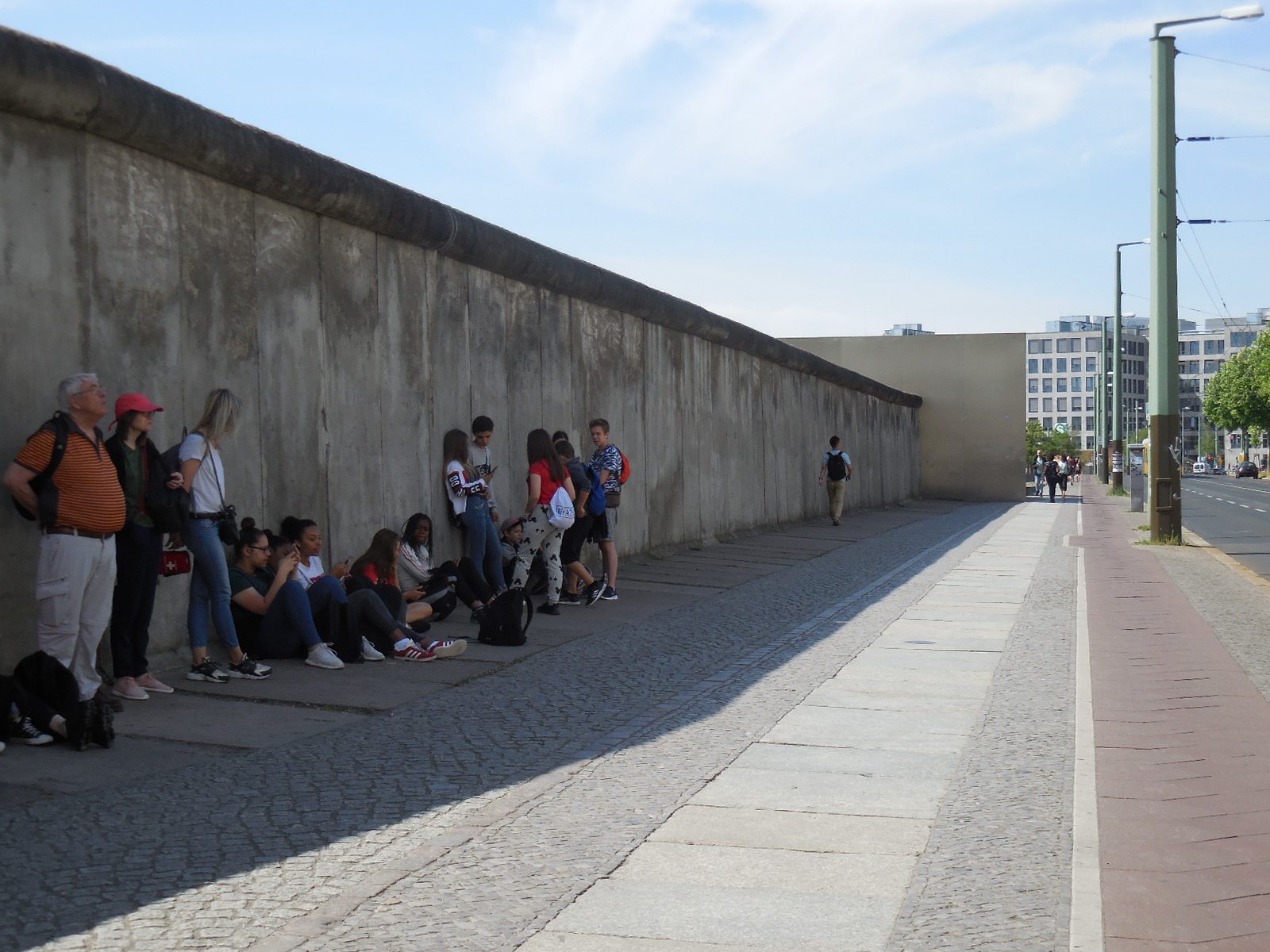
In May I spent five days in Berlin, a city I had not visited since 1991 except for a one-day visit to the Gemaldegalerie several years earlier. The East had undergone radical changes since then, to say the least. Most of the Wall is gone. The former Communist section of the city is lively with bars and restaurants and includes most of the main sights. Now a Dunkin Donuts and Starbucks greet visitors past the Brandenberg Gate. Back in 1991, the difference between East and West Berlin was almost tangible, the East being gray, depressing and drab.

BerlinHolocaustM6

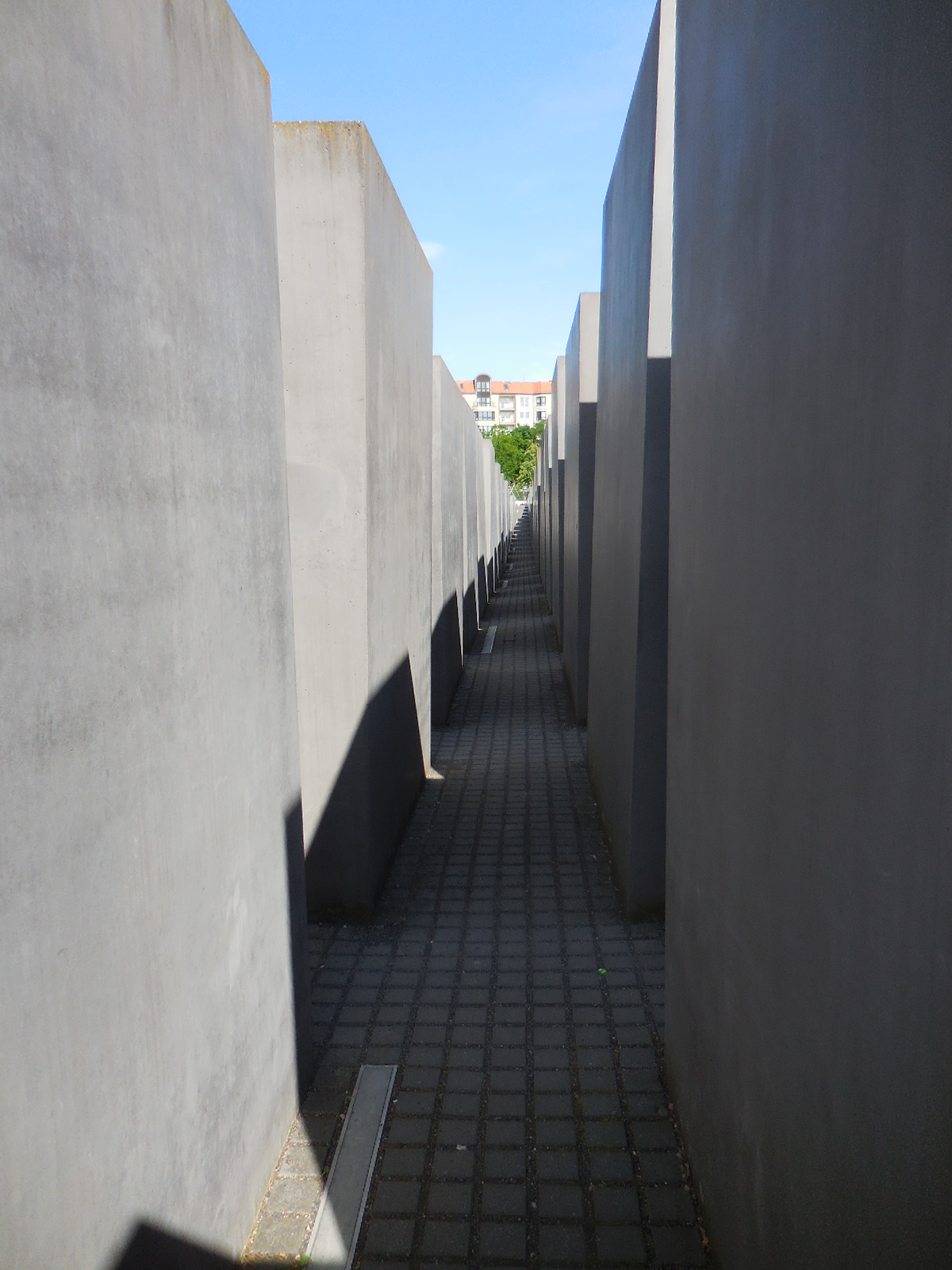
The Memorial to the Murdered Jews of Europe

BerlinGemald30

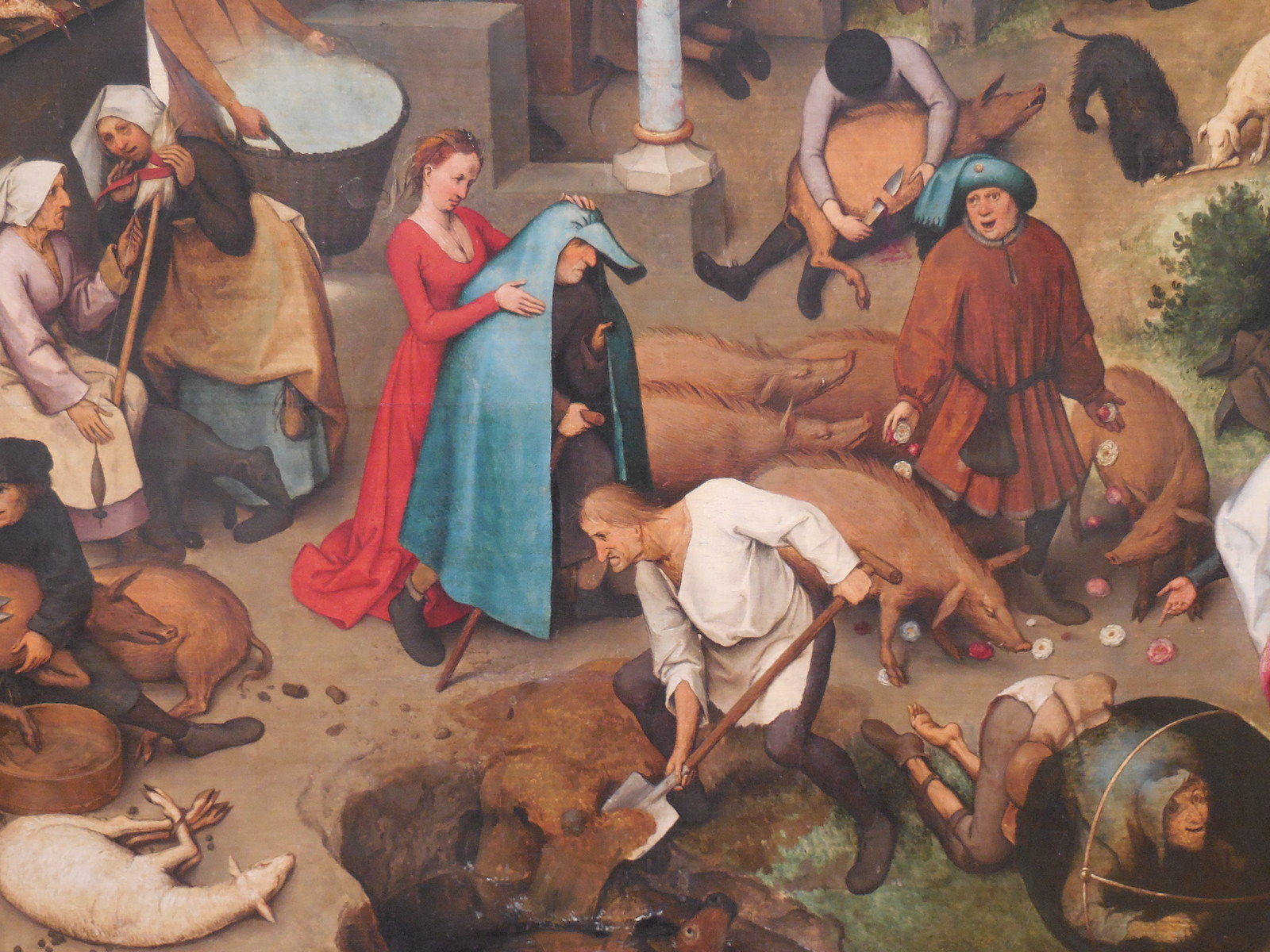
Pieter Bruegel the Elder in the Gemaldegalerie

Once again I inspected the art ranging from medieval days to Neoclassicism in the Gemaldegalerie. I was very moved by the 220 meters of original Berlin Wall at the memorial on Bernauer Strasse. Berlin’s Cathedral impressed me a great deal with the eight mosaics decorating its dome. I had a tour of the Reichstag’s glazed dome, a superb structure of modern architecture soaring 47 meters. The Memorial to the Murdered Jews of Europe greatly moved me with its 2,711 concrete blocks of equal size but different heights. The DDR Museum with its multimedia exhibits gave me an idea of what life was like for East Germans under Communism. The Old National Gallery bewitched me with its 19th century art collection, and the temporary exhibition Wanderlust featured 19th century landscapes with travelers on foot. I particularly liked the pictorial renditions of Naples and places in Sicily. I saw the Ishtar Gate and a building from Aleppo in the Pergamon Museum, for instance. The Museum of Decorative Arts was a treasure, too, with amazing exhibits in fashion, design and object art from the Middle Ages through Art Deco.

BerlinGHM47

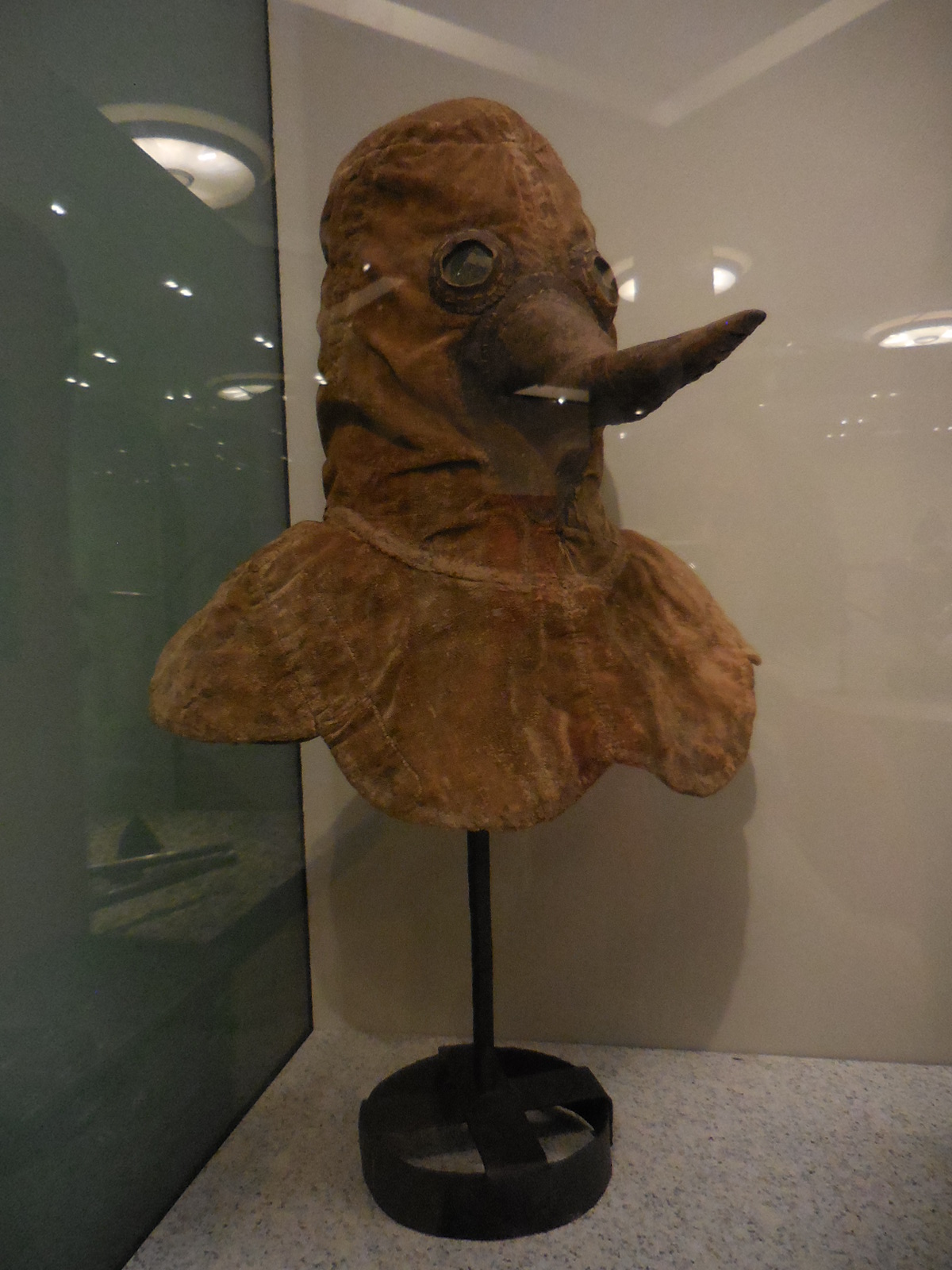
Plague mask worn by doctors in the German Historical Museum

BerlinGHM40

BerlinGHM64

Pictures of concentration camp prisoners

What impressed me the most was the German Historical Museum, where I spent a good part of two days. Encompassing 2,000 years of German history, the museum takes the visitor from the reign of Charlemagne to the departure of the Allies in 1994 by presenting historical facts, personalities and events and by portraying everyday life in the various eras. I especially liked the plague mask worn by doctors treating patients with this disease. Made of leather, it had a long beak and looked as if it belonged in a commedia dell’arte play. The section about World War II was especially gripping. The Germans were certainly facing that horrific part of their past head-on in this museum.

PragueBG28chateau

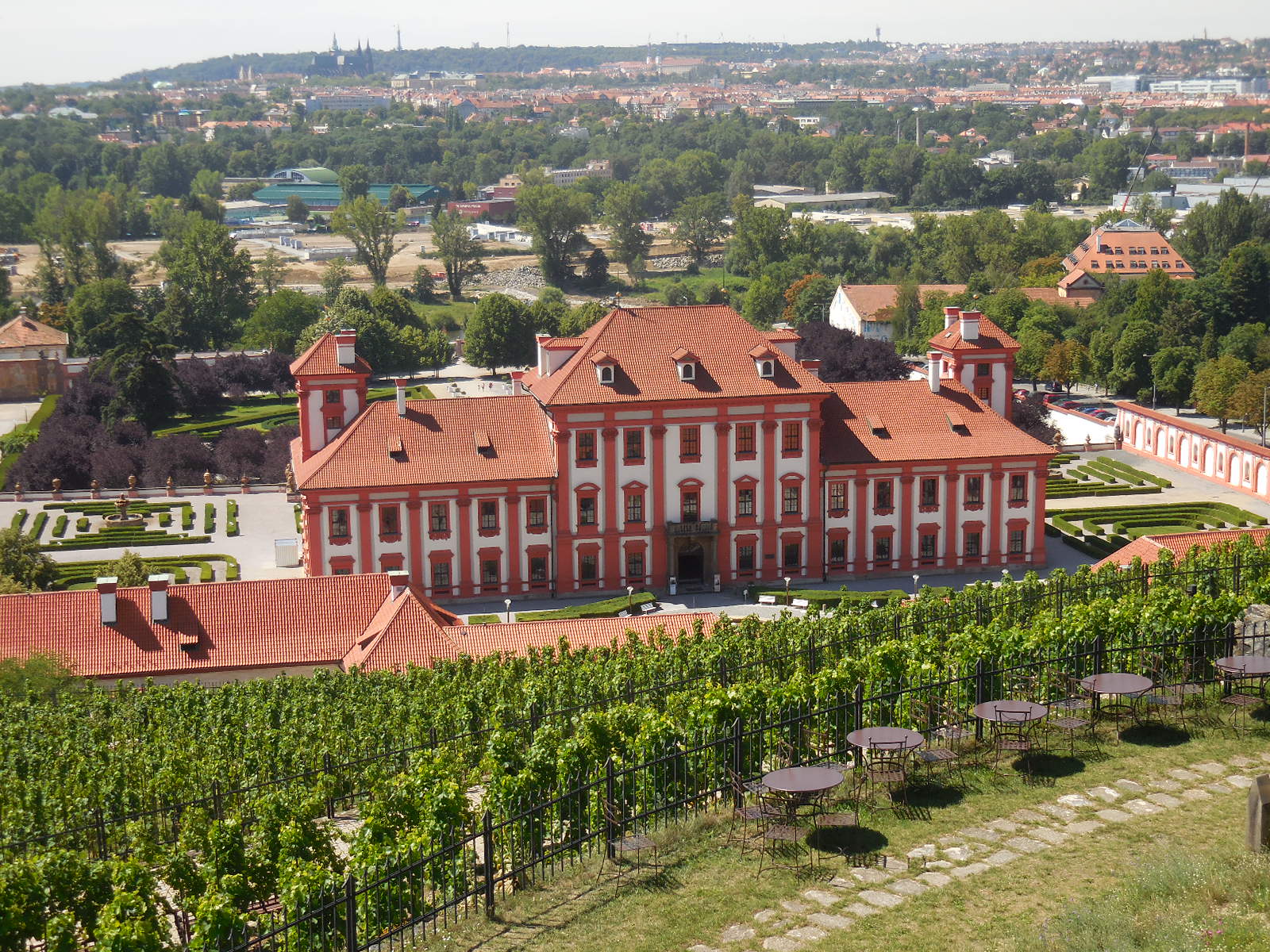
Troja Chateau from Prague’s Botanical Gardens

When my parents visited, we toured the dazzling Rudolfinum with its beautiful Dvořák concert hall. President Tomáš G. Masaryk was elected in that building on three occasions, when Parliament had met there during the First Republic. I visited the lovely and vast Botanical Gardens in Troja, examining the southern part and the greenhouse. The views of Troja Chateau from the gardens were unbeatable.

NtlMuseumint1

Prague’s National Museum restored

NtlMuseuminthrad5

Painting of Karlštejn Castle in National Museum

Shortly after it reopened after a seven-year renovation, I spent time in the National Museum of Prague. The exhibition about Czech and Slovak relations during the past 100 years and life under Communism was outstanding. The permanent display also was captivating, but the place was so crowded. A Neo-Renaissance gem, the National Museum features amazing sculpture, painting and architectural elements. I especially liked the pantheon, where paintings, statues and busts celebrate Czech culture and history. The four paintings of castles in Bohemia impressed this avid castlegoer. I also explored the Hanspaulka, Ořechovka and Baba sections of Prague with their distinctive villas.

HorsTyninthradarchwaychapel

Gothic archway in Horšovský Týn Castle

HorsTynintzamek6

From Horšovský Týn Chateau

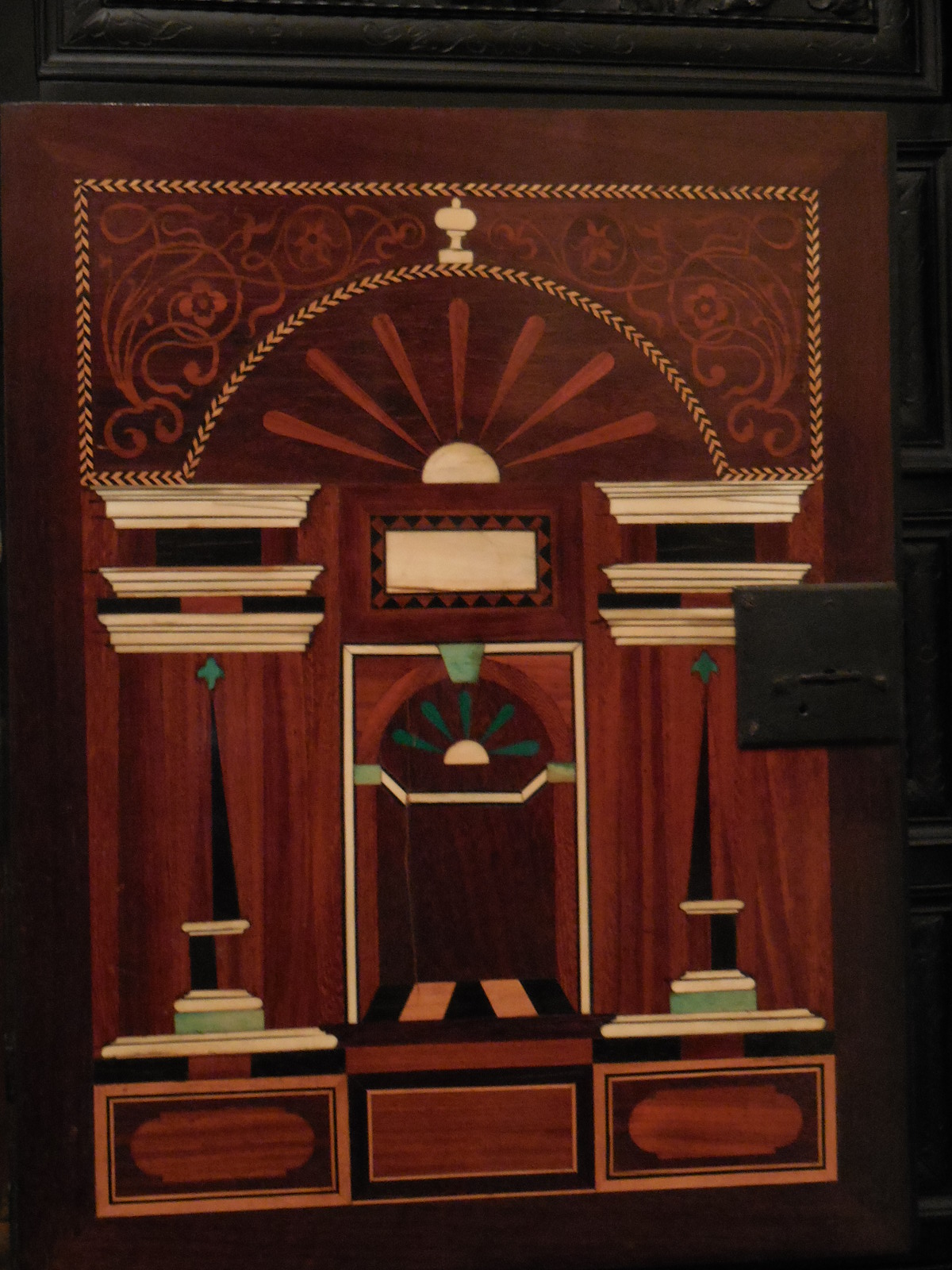
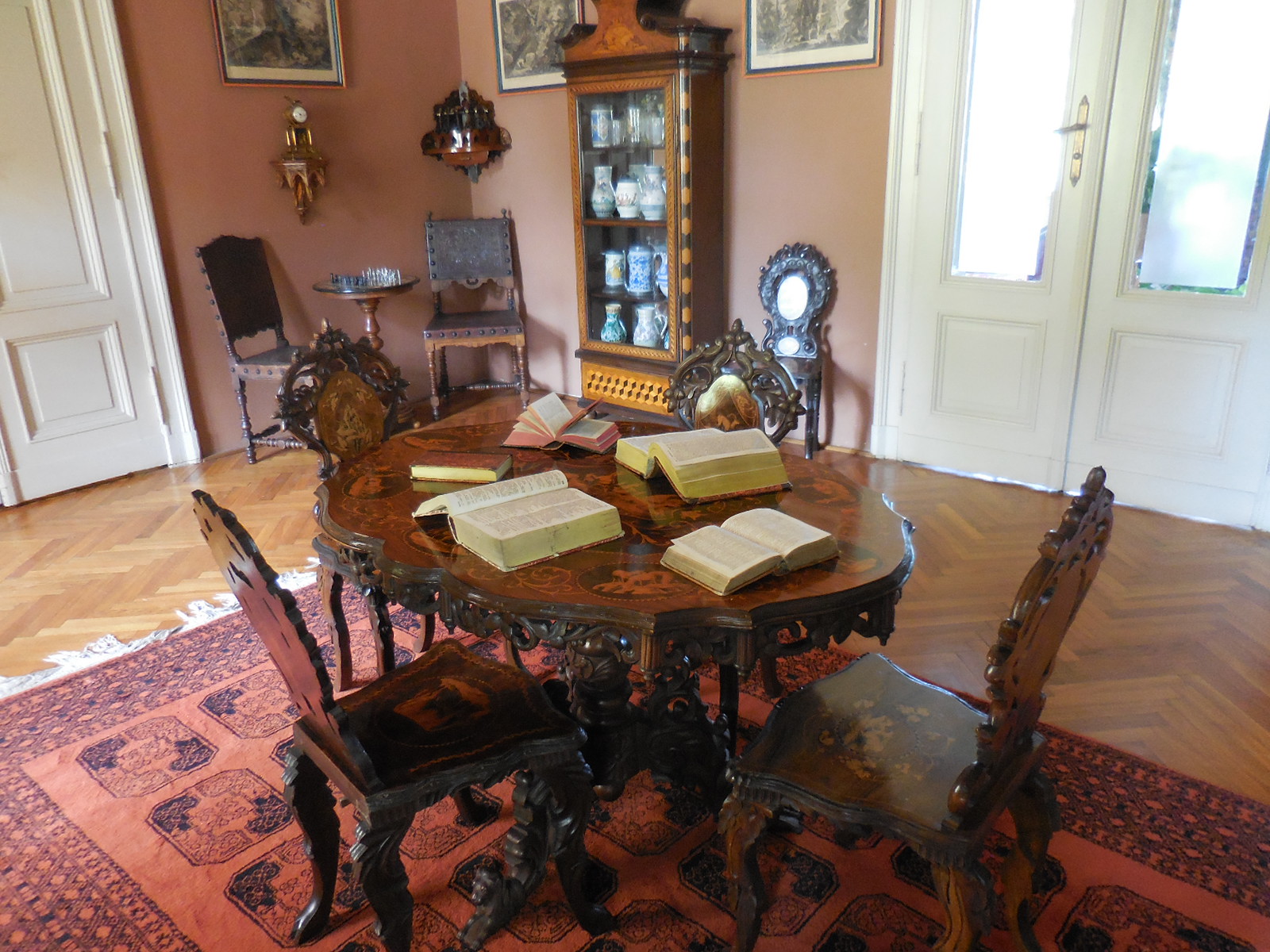
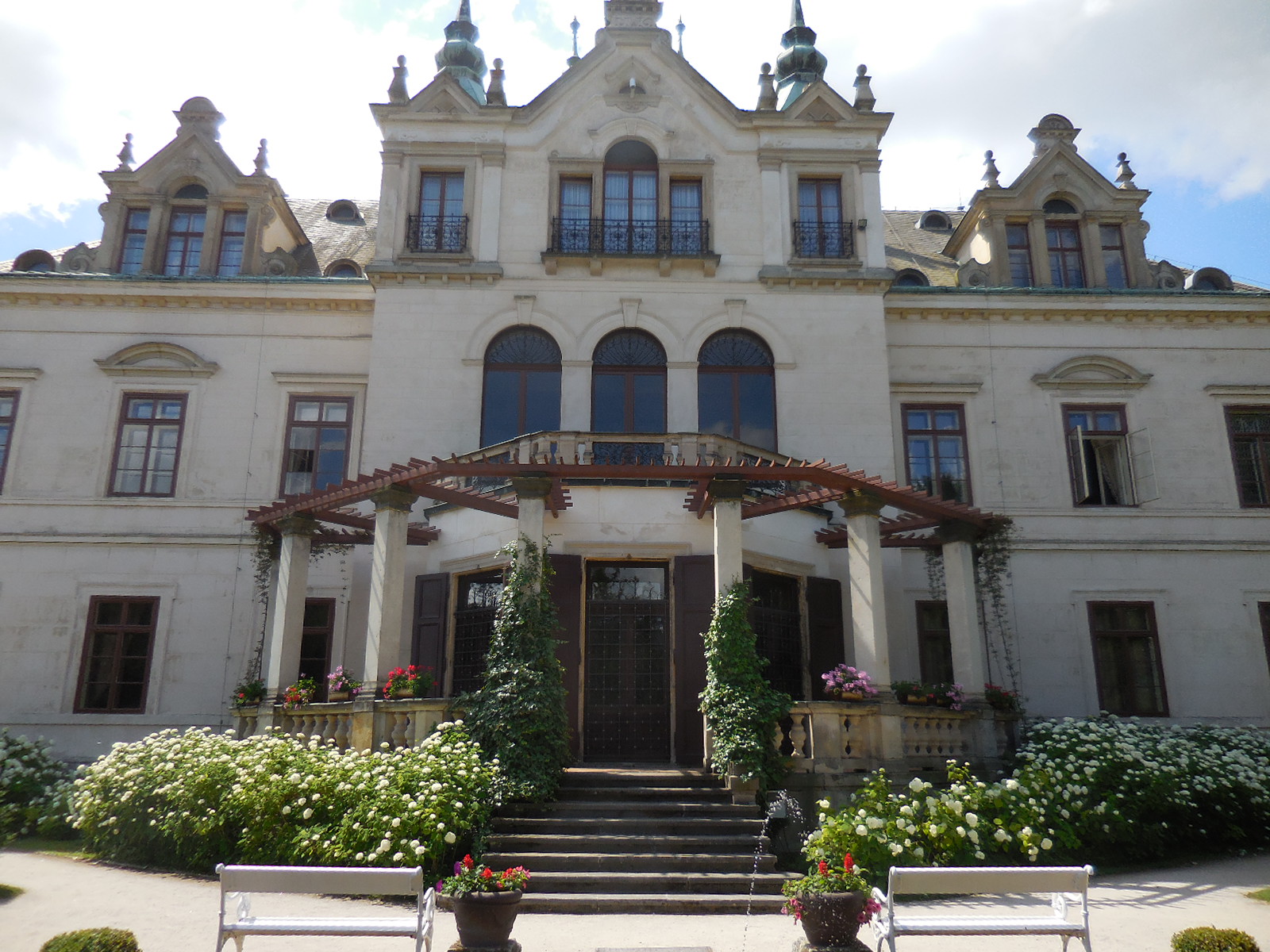
Out of Prague I made my way back to Osek Monastery below the Krušné Mountains, established in the 13th century. The Chapter Hall was one of the first Gothic buildings erected in the Czech lands while the interior of the church takes on a Baroque appearance. Hořovice Chateau is much younger, hailing from the late 17th century. The Late Baroque décor includes a fantastic ceiling fresco in the hall of the main staircase. The Large Dining Hall amazes with Second Rococo adornment. Horšovský Týn Castle and Chateau offers six tours; we had time for two. Established in the 13th century, it includes an 18th century pool table with its sides decorated in tortoiseshell and intarsia. A Rococo jewel case and Holland Rococo display case caught my attention, too. The Italian vedutas of Venice made me long for that Italian city. The 18th century Dancing Hall features four big wall mirrors and a 28-branch chandelier made of Czech glass. Ceiling frescoes also captured my interest. However, the original Gothic portal at the entrance to the chapel was the most outstanding architectural feature. The chapel was magical, too. Velké Březno, one of the youngest and smallest chateaus in the Czech lands, also amazed.

Horoviceintfresco1

Ceiling fresco at Hořovice Chateau

VelkeBreznoint15

Velké Březno Chateau interior

VelkeBreznoext18

Velké Březno Chateau exterior

I also spent time in museums this past year. In Vienna I saw the excellent Monet exhibition as well as the Pieter Bruegel the Elder exhibition. Both captivated me. In Prague the exhibition showcasing the various collages of Jiří Kolář was an art highlight. The exhibition about Czech and Czechoslovak history in the Riding School of Prague Castle was unforgettable. There were many more art-related highlights, but I do not have time to mention them all.

Kolar18

Collage by Jiří Kolář

PragueCastleexhibit14

Prague Castle Riding School exhibition

NtlMuseumexhibit57

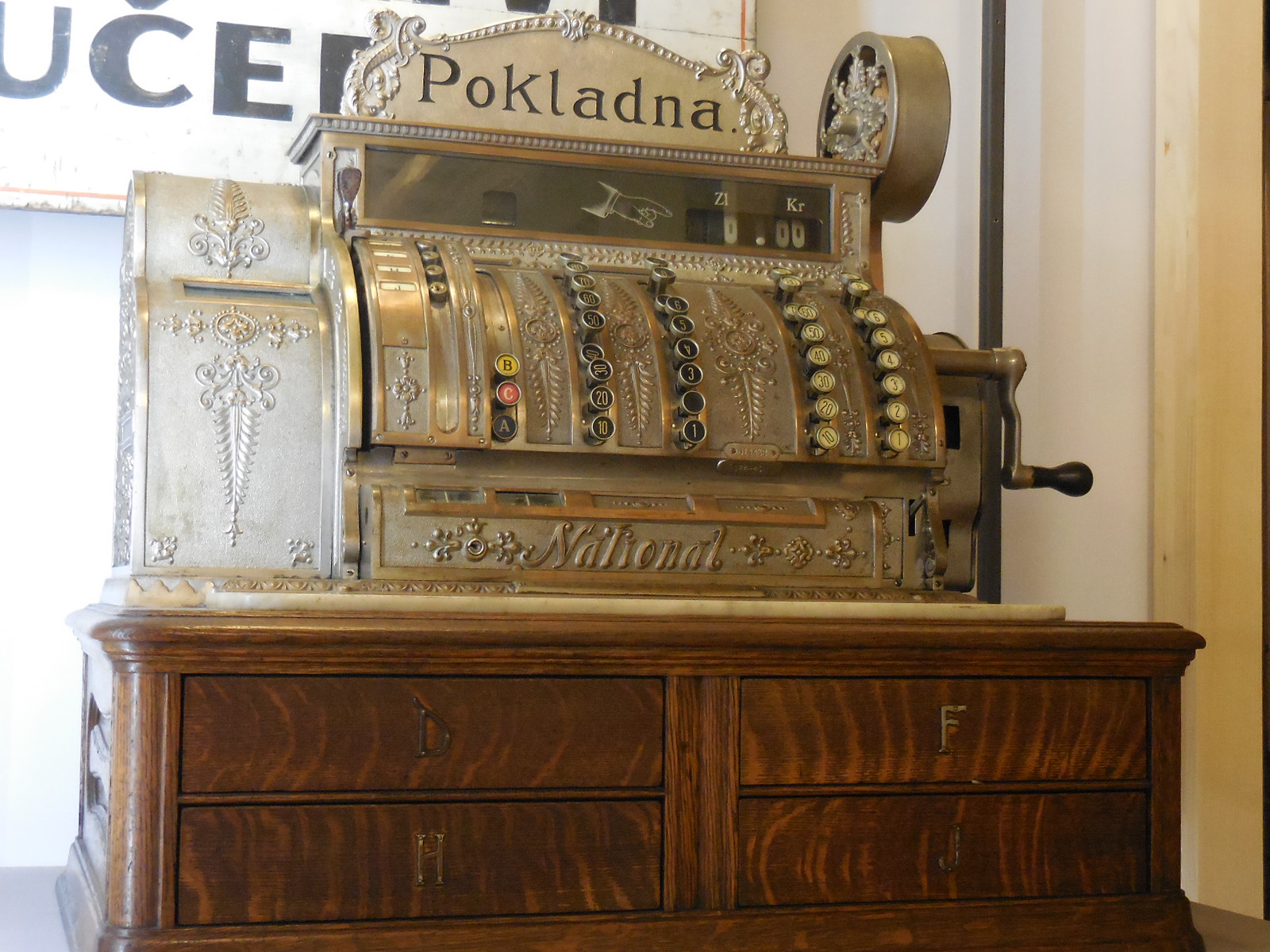
From Czechoslovak Exhibition at National Museum, cash register from beginning of 20th century

Tracy A. Burns is a writer, proofreader and editor in Prague.


Jiří Kolář Exhibition Diary

Kolar7

Kolar1

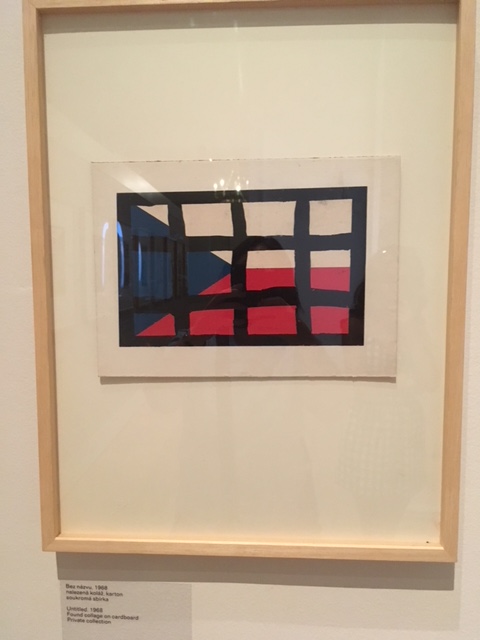
I recently saw an exhibition of artist Jiří Kolář’s breathtaking collages and other works at the Kinský Palace in downtown Prague and was very moved by Kolář’s emphasis on freedom, personal expression and democracy. Many of his works were created when Czechoslovakia was oppressed during the totalitarian regime. His 66 political collages from 1968, after the Russians sent in the Warsaw Pact tanks to crush the liberal reforms of what was called “Prague Spring,” poignantly show how the Soviets had strangled Czechoslovakia in what would lead to an era of normalization, which encompassed rigid totalitarian reforms. Kolář confronts viewers and challenges their perceptions by often combining images that do not necessarily seem to correlate. He distorts and destroys images, expressing the cruelty of the Communist era and the longing for democratic ideals.

Kolar2

Kolar5

Born in 1914 in the decaying Austro-Hungarian Empire that enforced Germanization, Kolář witnessed the establishment of a democratic Czechoslovakia at the age of four. While he took up cabinet making initially, he would go on to become one of the most significant poets, writers, painters and translators. Even an injury that resulted in him losing a finger did not stop him from making a difference on Czechoslovakia’s literary and art scene. For a while, he took on odd jobs, working as a construction worker, butcher, waiter, security guard and bartender, for example.

Kolar4

Kolar10

The country was introduced to his collages as early as 1937. During 1942, he joined the Group 42 existentialist artists that greatly influenced Czechoslovak culture. It was not until 1943 that he started to devote all his time to writing and, soon after, to editing as well. His brief stint in the Communist Party, during 1945, lasted less than a year.

Kolar12

Kolar13

Certainly, the Communist regime was far from kind to him. When the Communists took control of Czechoslovakia in 1948, Kolář became a banned author. While he was not allowed to publish, he scribed poetic diaries and authored manuscripts such as Prometheus’ Liver and Aesop from Vršovice. In the early 1950s, he was even imprisoned for nine months after the authorities found at his home a samizdat work written by a fellow dissident.

Kolar11

Kolar17

During the 1960s, he took up experimental poetry, writing literary collages, and was one of the most influential artists to frequent the Café Slavia in Prague, where he met a young Václav Havel and others who voiced opposition to the Communist regime. His work was seen abroad during the 1960s, too. Some of his collages from this time included items that seemed misplaced, such as string, keys and shavers. He also started placing apples in his collages and designing apples of various sizes in various colors. The apples might symbolize temptation and the fact that all fruit looks similar, a powerful reminder of mass society in the modern world.

Kolar9

Kolar14

Kolar16

Kolář experimented with various techniques of collage, even using textile and paper in his works. It was also during that decade that he mixed poetry with painting, finding a powerful and provocative voice by using both forms of expression that combined visual and literary art in a masterful way. He made collages of pictures he cut out of magazines and utilized excerpts of texts that epitomized the fragmentation of his country and the world. By doing so, he created new thought-provoking images.

Kolar8

Kolar3

Even after the Soviets invaded Czechoslovakia during 1968, he continued to support freedom and democracy despite the rigid era of normalization that followed. He even signed Charter 77, a document drafted by dissidents, calling for human rights in Czechoslovakia. The Communist regime made sure there were severe repercussions for anyone brave enough to put their John Hancock on the proclamation.

Kolar18

Kolar19

The Communist authorities forced him to emigrate, not allowing him back in his homeland after a stint in West Berlin. From 1980, he resided in Paris, though his Czech wife was not permitted to visit him there until five years later. He obtained French citizenship in 1984.

Kolar20

Kolar21

After the 1989 Velvet Revolution that toppled the Communist regime, he visited Prague often. When he became severely ill in 1998, he moved back to Prague and even had to relearn how to walk. At the age of 88, in 2002, he succumbed to the spinal injury that had kept him hospitalized for the last years of his life.

Kolar22

Kolar24

Kolář’s creations have entranced me for decades. I was introduced to his work in the early 1990s. I admire his direct confrontation with the viewer. He combines images that I would have never thought could be grouped together, challenging my view of the world. His messages often deal with harsh reality, but he also yearns for personal and national freedom.

Kolar25

Tracy A. Burns is a writer, editor and proofreader in Prague.