Radim Chateau Diary

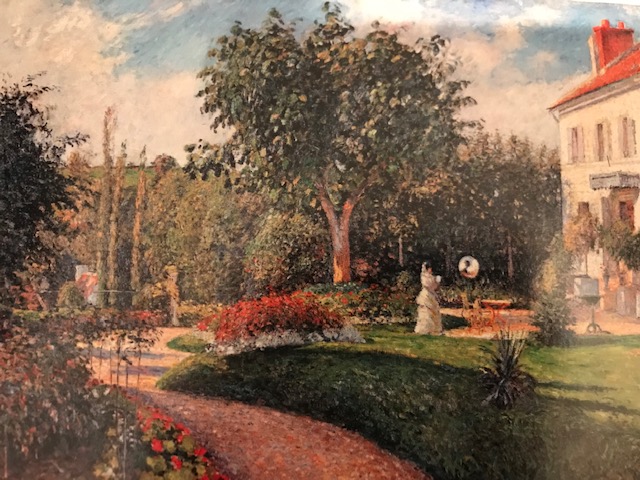
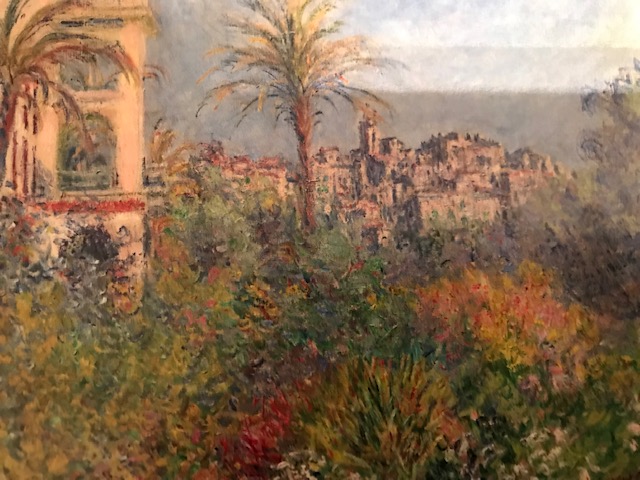
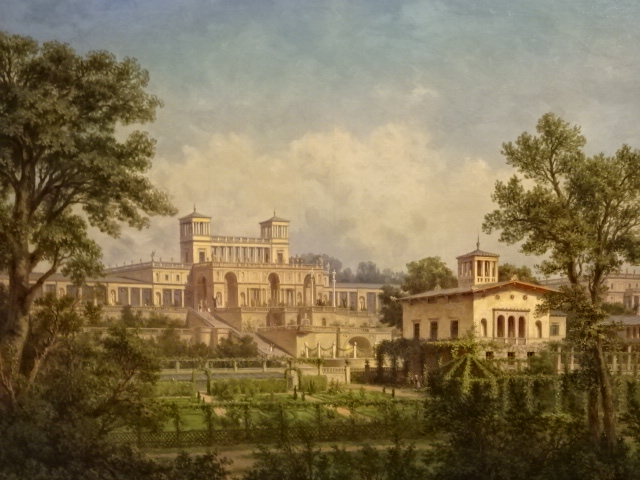
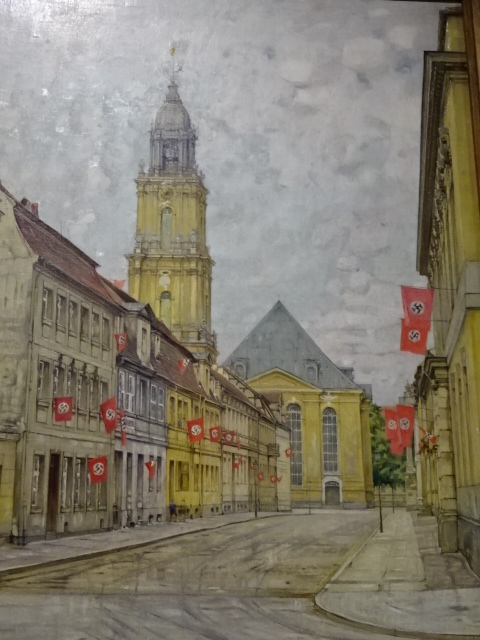
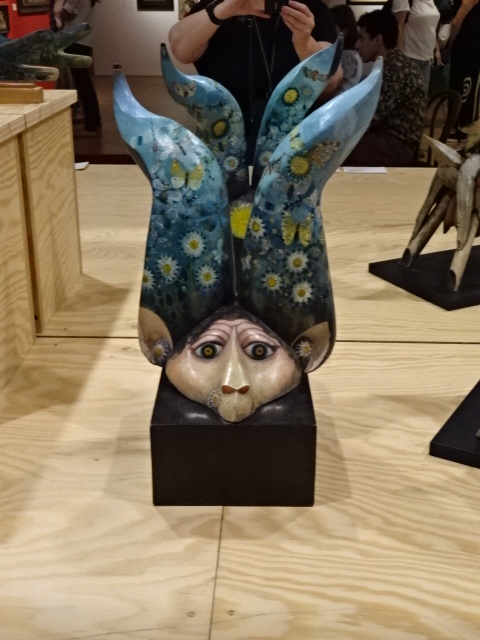
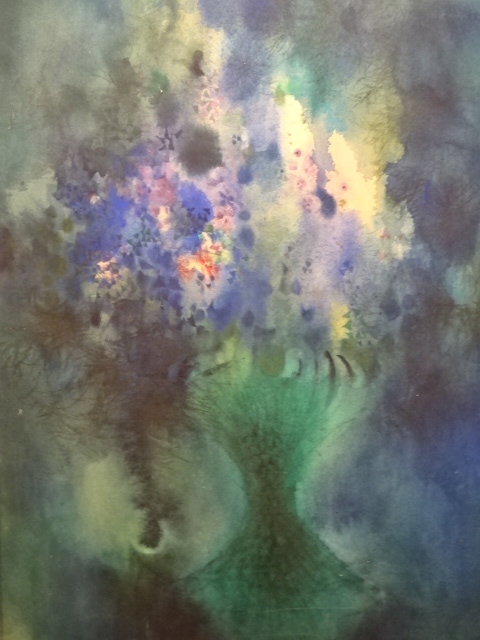
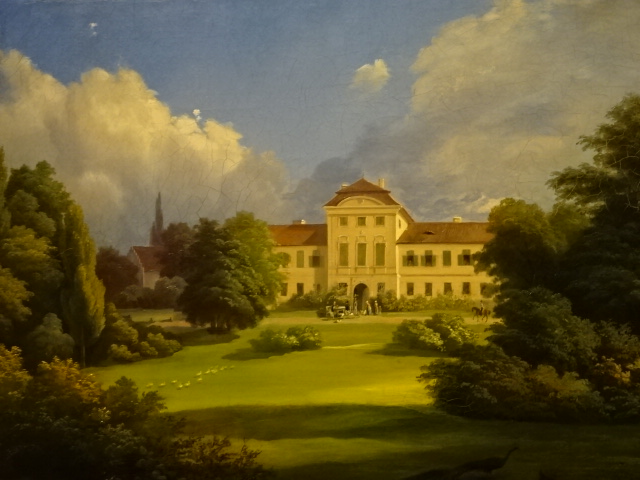
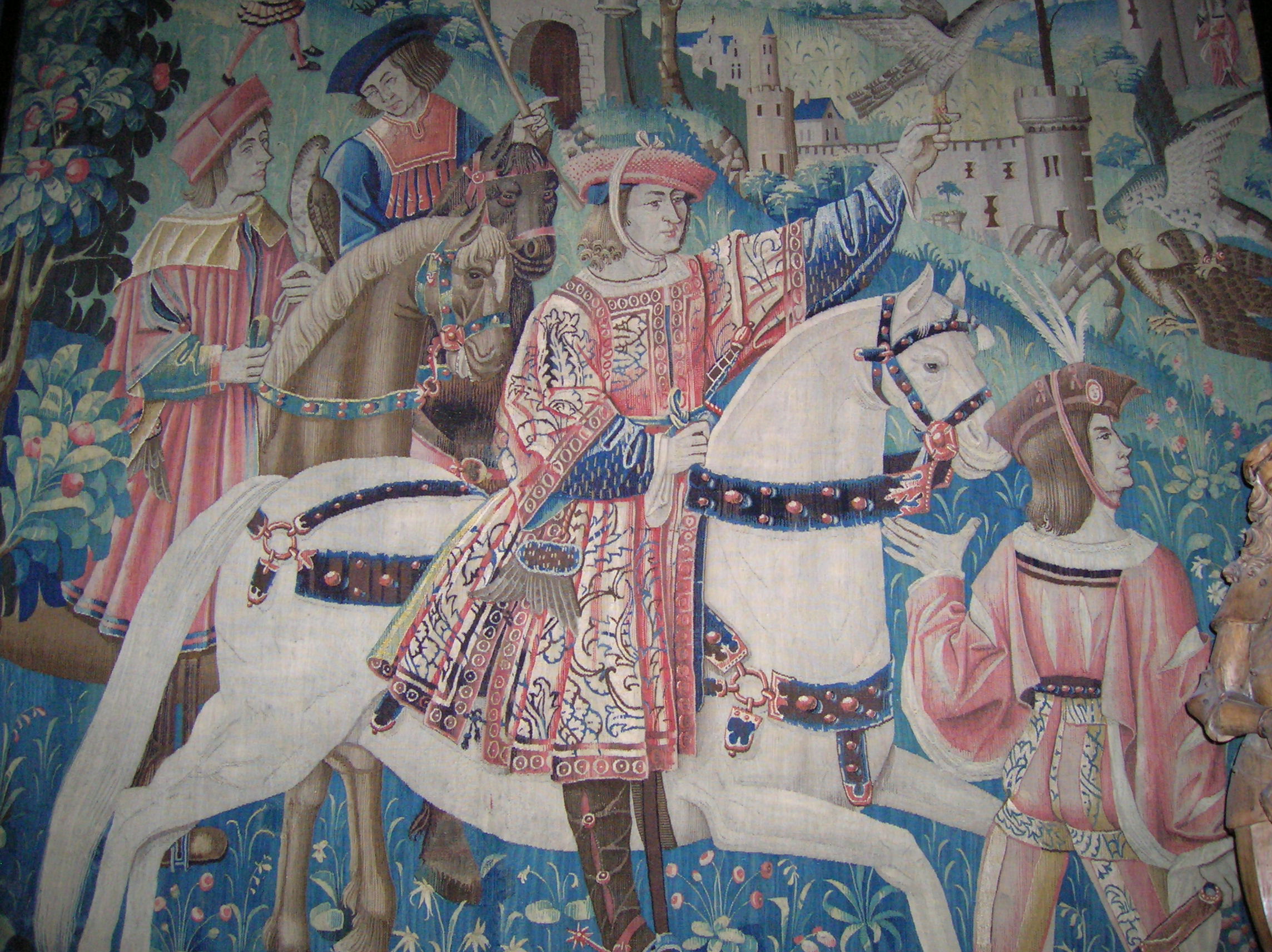
Peering at the paintings in the third floor art gallery and the furnishings on the first floor representative rooms, I came quickly to the conclusion that Radim Chateau was a hidden gem among sights near Prague. While there were not numerous spaces to visit, the ones viewed on tours of the representative rooms were outstanding in their content and beauty. Everywhere I looked in the gallery and on the representative floor, I saw magnificent artwork. Even the 19th century tapestries and Romantized furnishings in the hallways told intriguing stories of centuries gone by.

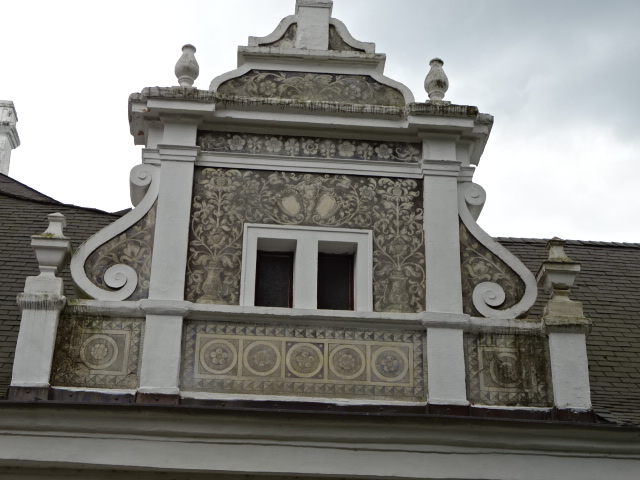
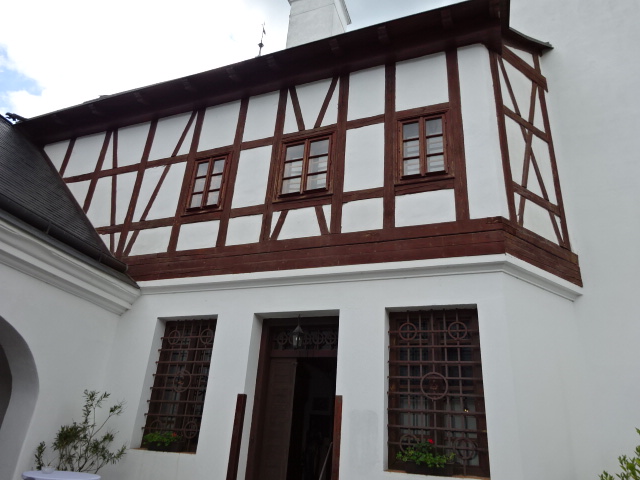
I was stunned by the masterful artistry of Radim Chateau during my first visit in 2025. This Renaissance chateau in central Bohemia was built next to a fortress that was first mentioned in writing during the early 14th century. The fortress had various owners. Then Karel Záruba from Hustířan had the chateau constructed in the early 17th century. The two-floor structure was ready for use by nobles in 1610. However, Karel passed two years later, and the property became the possession of his son Jan, who took the side of the defeated Protestants during the Thirty Years’ War. Because the Catholics triumphed, the chateau was confiscated, and Jan had to flee the country. However, when Adam the Younger of Wallenstein took over the chateau and property, he returned it to Jan Záruba. Soon it was purchased by the legendary Šternberk clan. At that time, Radim became an administrative seat where clerks rather than nobles occupied the chateau.

Several owners came and went after 1634. Then, in 1685, the well-known Gallas family took over Radim and held onto it until the 18th century. I thought back to the Clam-Gallas Palace in Prague, where the ceiling frescoes and ballroom with crystal chandeliers are superb. Getting back to Radim history: The next owner was a notable pioneer in the Czech publishing industry, the knighted František Jan Brahier. He printed breaking news in German. When Brahier died in 1721, he did not leave any heirs.

That is when the Kinský family came into the picture. A family that had had so much influence on horse breeding and horseracing, the Kinskýs sold the chateau to Prince Alois Josef Lichtenstein in 1783. This was an important purchase because the chateau stayed in this family for 143 years. During the Lichtenstein reign, the chateau once again served administrative purposes for a significant period of time.

A momentous occasion could have taken place in 1791, if fate had not gotten in the way. The Czech king Leopold II was returning to Vienna from his coronation in Prague and wanted to see Radim Chateau and take in some hunting there. However, plans had to be changed as Leopold II had to hurry back to Vienna without a hunting break. In the early 19th century, there was much reconstruction.

The Lichtenstein’s parted ways with Radim in 1927, when Dr. Jaroslav Bukovský took charge. Many changes took place as he used the chateau for representative purposes. Electricity was added to the chateau, and what was once a French park came to flourish in English style.

During the Nazi Occupation, the German army used the premises, although the owner’s wife, Mrs. Bukovská, was still allowed to have a small apartment there. After May of 1945, the Russian military took control of the chateau. The Communists held it from 1950, when Mrs. Bukovská was still permitted to reside on the premises in a tiny abode. Most of the chateau was changed into offices, and a few apartments were installed. District offices remained in the chateau until the 1990s. Then in restitution the Bukovský family got the chateau back. After selling the chateau in 2005 to Antonín Dotlačil, much reconstruction took place.

The chateau was sold again, this time to the present owner, Bohuslav Opatrý, who is a music and art lover, having restored many of the paintings in his third floor collection. The park and garden underwent reconstruction as did part of the chateau. It was not until this century that Radim Chateau was open to the public.

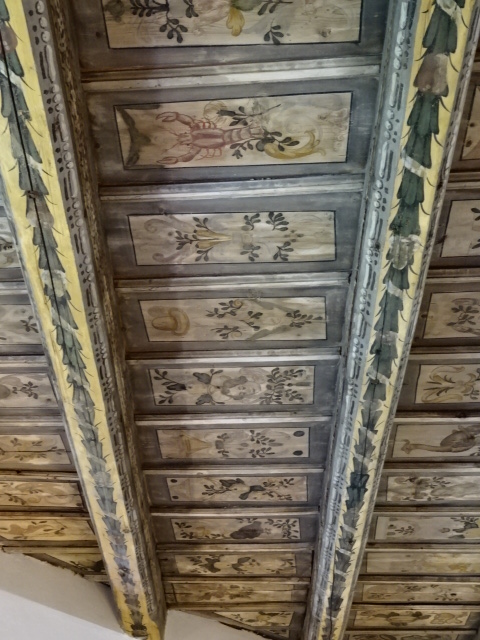
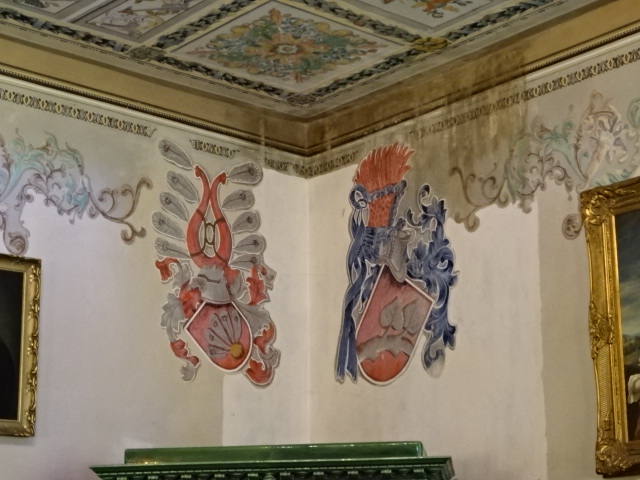
While most of the furnishings are not original due to the Nazi occupation of the chateau and the dereliction that occurred during socialist times, it does boast original 19th century flooring in the main hall. To be sure, the Communists destroyed most of the chateau interior. Yet, decades later, Radim would be resurrected by painstaking efforts that made it into the gem it is today. The painted ceilings in the bedroom, main hall and gallery have been preserved to a great extent. The painted decoration on several ceilings, such as a lobster and a horse, hails from 1607 to 1610.

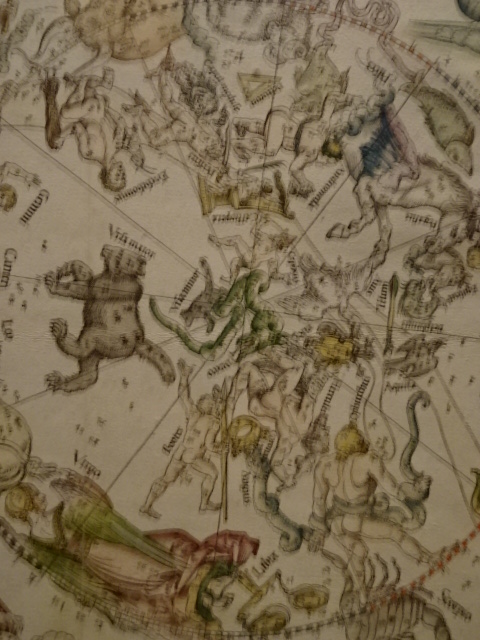
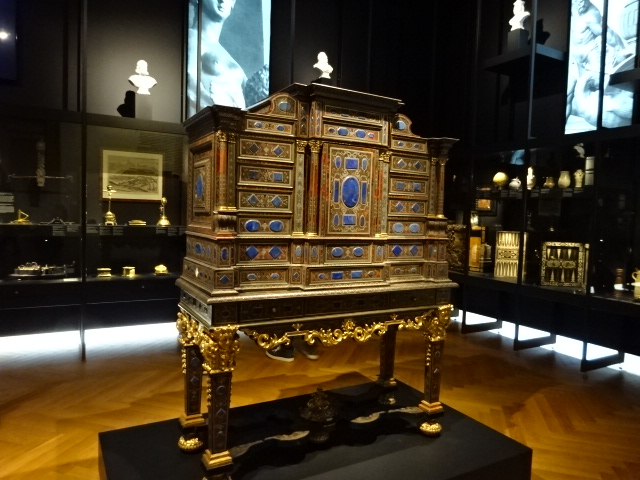
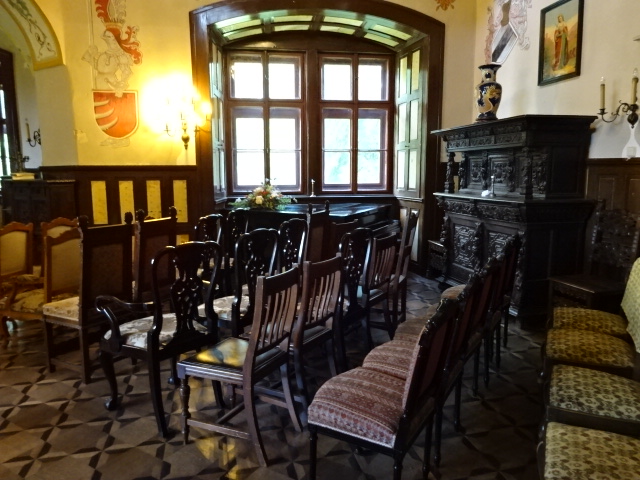
In the bedroom that we entered first, I was intriguing by the Baroque bed with exquisite carving. In the dining room, I was speechless at the sight of low Renaissance chairs around a Renaissance table. In other rooms, I saw many Gothic chairs, often Romanticized into 19th century style. A Mannerist cabinet with exquisite woodwork of figures and columns was a delight in one space. I spotted a portrait of Rudolf II among the pictures of rulers that decorated a high wall in the bedroom. I also saw in one space a 18th century globe decorated with allegorical figures of zodiac signs instead of continents. The ceiling decoration of a green-and-white pattern in the bedroom also awed me. So delicate and so much attention to detail.

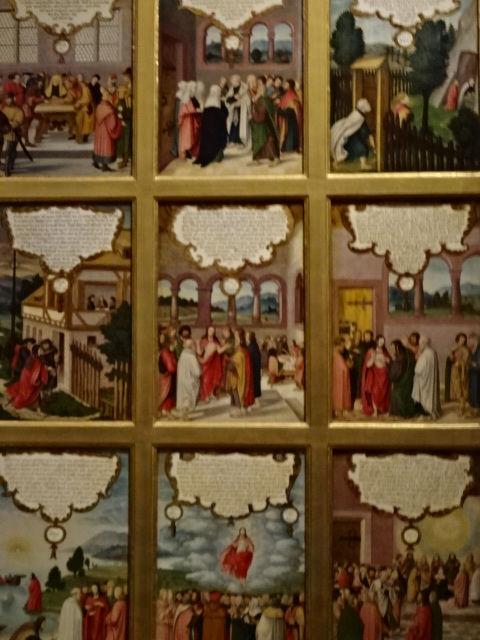
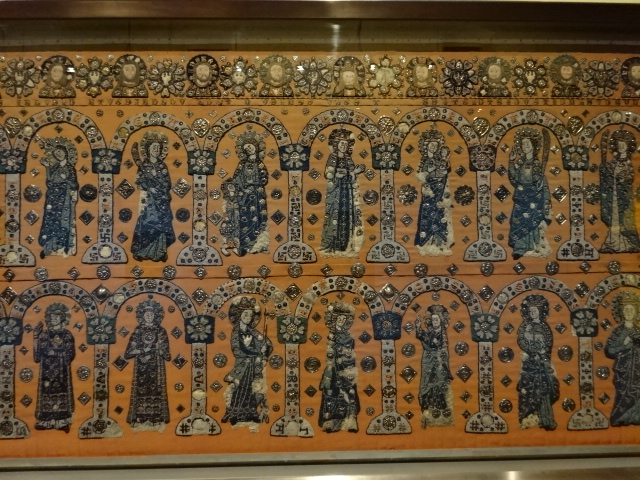
In the administrative office of the Lichtensteins, I saw pictures of Austro-Hungarian generals. In the study, portraits of past owners as well as the current owner hung on the walls. I recognized Adam the Younger Wallenstein as well as Adam Kinský. There was even a portrait of Octavian Kinský, who was never the owner of this chateau but had made a name for himself with that clan, specifically in horse breeding and horseracing. Work related to his successes could be seen in Karlova Koruna Chateau, which I had visited several times. A more modern likeness of the current owner also decorated one wall. In an isolated space, I peered at a Neo-Gothic altar with medieval elements. Tapestries from the 19th century were present throughout the chateau’s first floor and hallways.

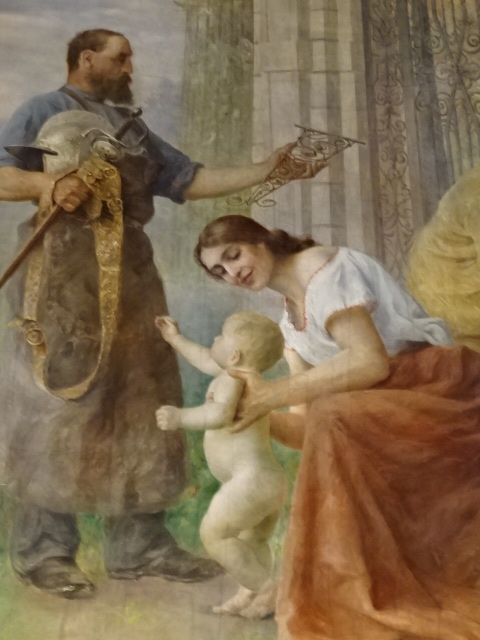
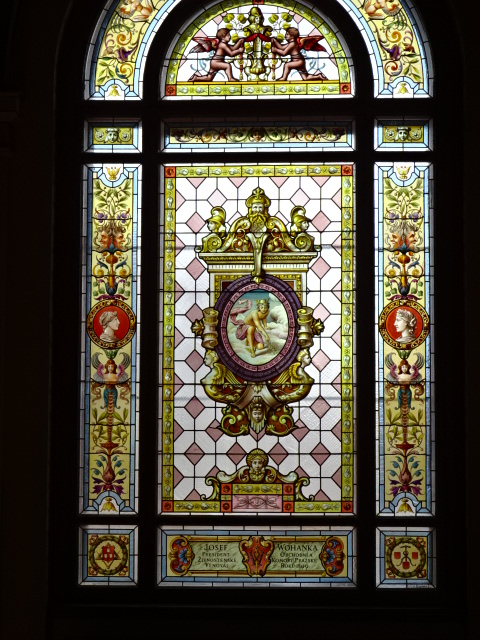
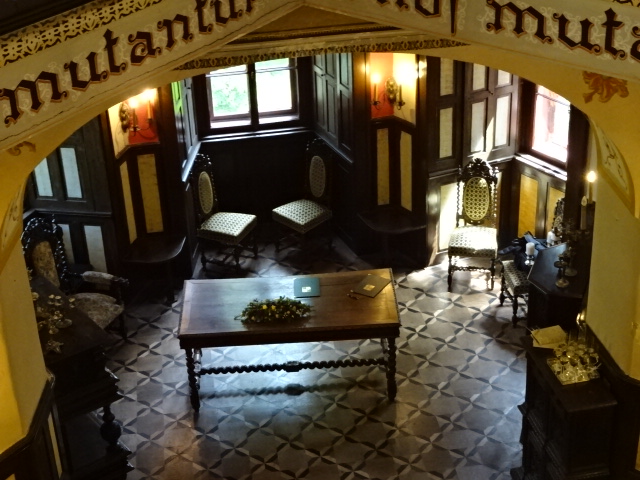
The main hall, often used for weddings, was one highlight of the tour. The painted ceiling featured various objects and animals in bright colors. A 19th century Petrov Grand piano also adorned the space. Paintings from various periods added to the décor.

Close-ups of the Mannerist cabinet

On a tour of the cellar places it was possible to see a Black Kitchen that was still functional as well as an armory and some bedrooms once used by princesses. This was another intriguing tour.

Portrait of Austrian general

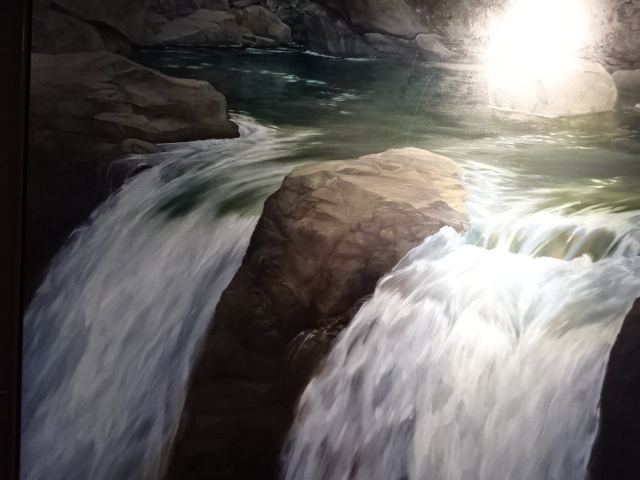
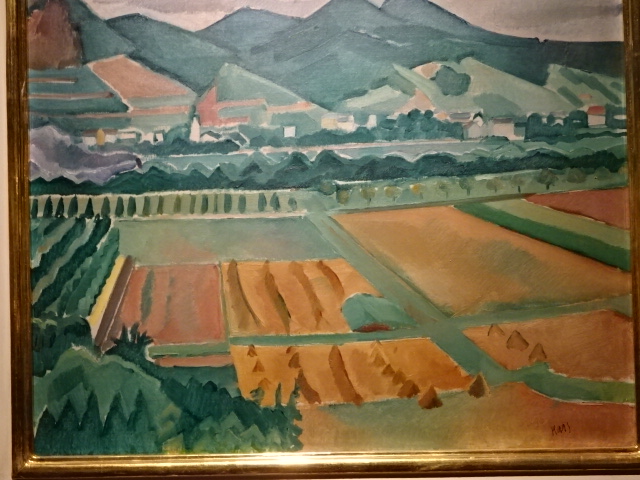
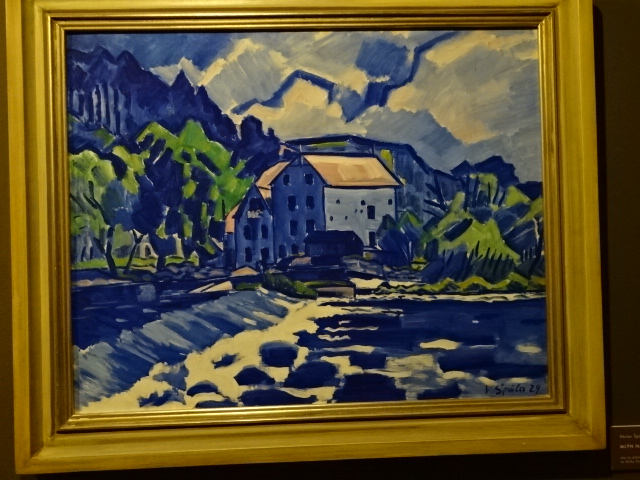
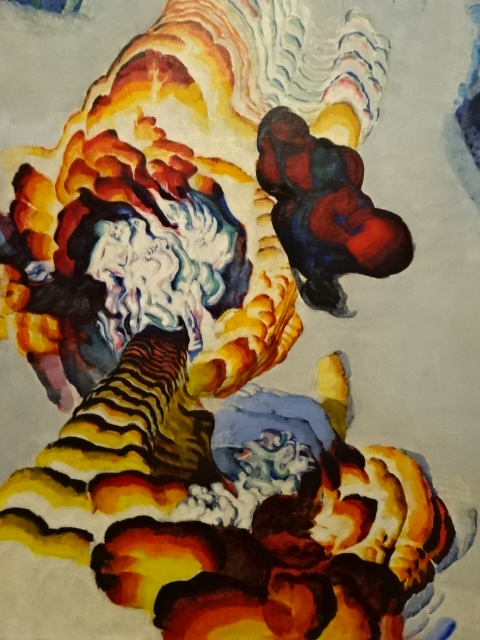
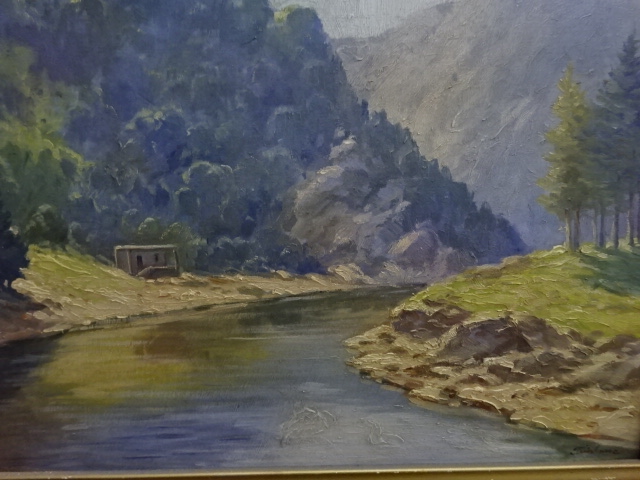
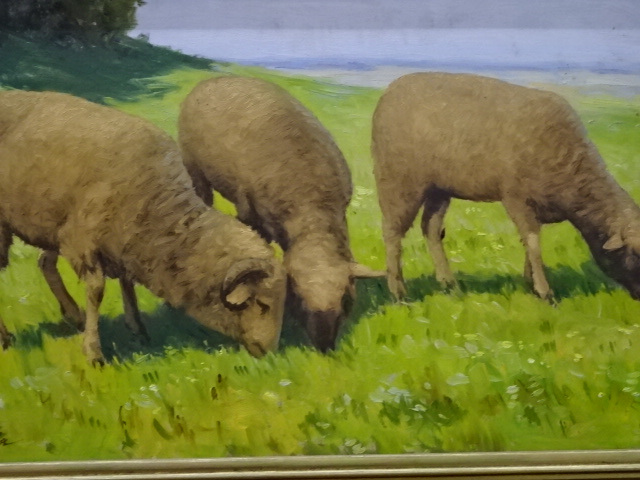
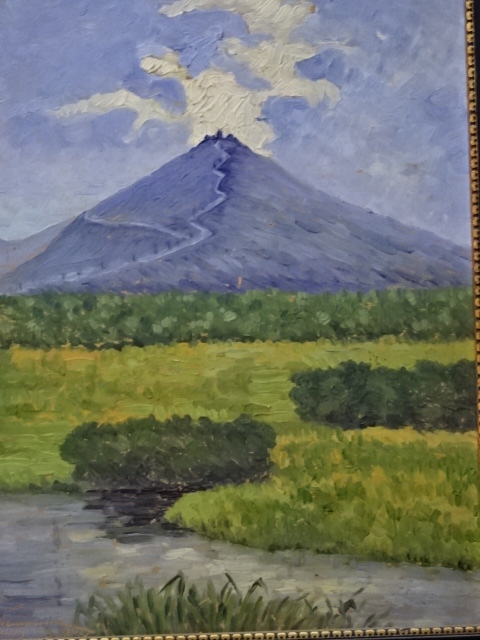
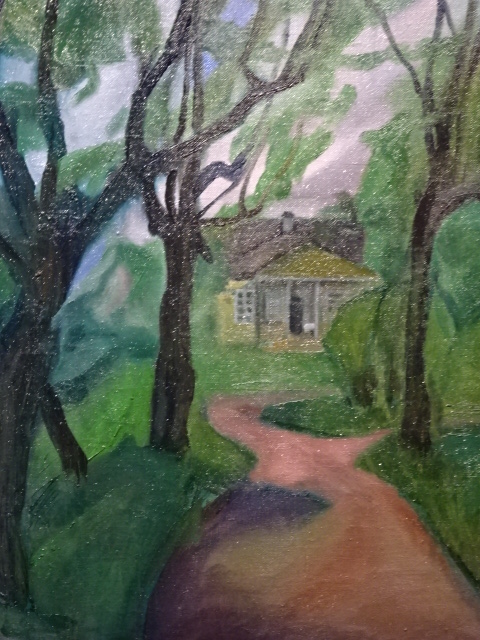
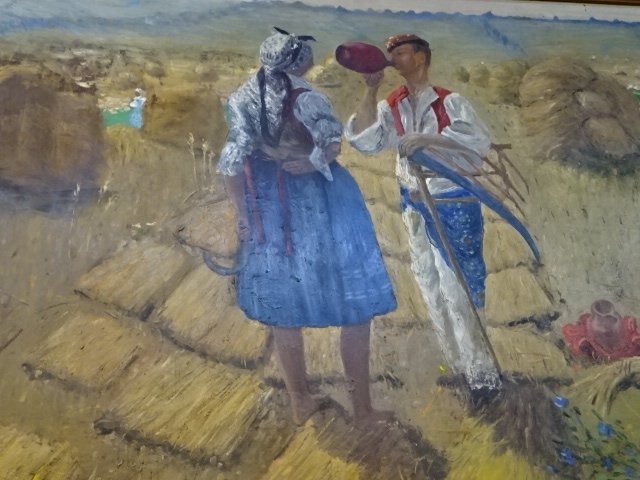
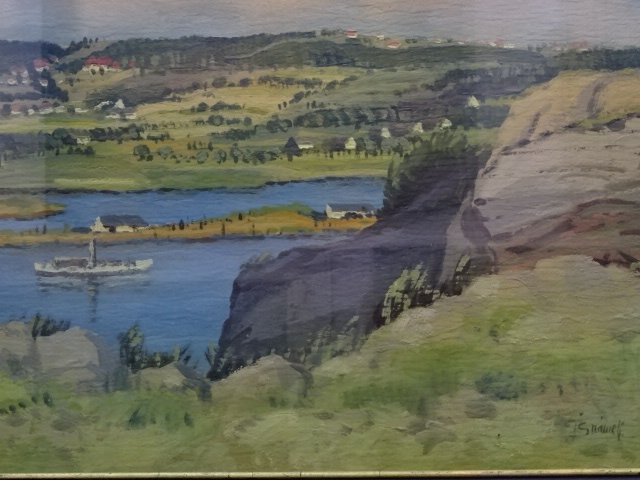
However, the biggest highlight for this art lover was the gallery on the third floor. Nineteenth and early 20th century landscapes dotted the hallway. I saw images of the slowly flowing Berounka River, the snow-covered Alps, charming cottages tucked into woodlands, the tranquil landscape in the Pilsen region, sights of Prague, portrayals of sheep, folk dancing figures and haymakers doing laborious work in the fields, mystical forests and other scenes. I was enamored by each painting as landscapes from this time period were my favorite. While most of the paintings were authored by lesser known artists who deserved much praise, one work was painted by the well-known Otakar Nejedlý.

Landscape with Berounka River, not by Nejedlý

This renowned Czech painter lived from 1883 to 1957. He was a pupil of the master landscape artist Antonín Slavíček. His travels to India greatly influenced his works. During World War I, he was mobilized to France where he painted places the Czech legionnaires had fought. After the war, he became an esteemed professor in Prague. He adored the south Bohemian countryside and was inspired by Romanticism, Impressionism and Expressionism.

Painting of sheep by Popelka

Vojtěch Hyněk Popelka created the renditions of moving sheep, and it was no surprise that he specialized in painting animals. He brought to life landscapes and animals in his works during the early 20th century.

Painter Otto Stein, who also was an accomplished graphic artist, lived from 1877 to 1958. Several of his works were displayed in this gallery. After studying in Prague and settling in Munich, he took part in Munich New Secession exhibitions in the early 20th century. During the war, he painted material used to promote the Austro-Hungarian Army. After the war, he became part of the Berlin Secession, having to move to that city. In 1922 his renditions were on display in Prague’s Rudolfinum. He gained acclaim in Germany and the USA.

In 1942 tragedy struck, and he and his family were deported to the Terezín concentration camp. He toiled in the technical department there and bided his free time with drawing. Miraculously, he and his entire family were spared, and, after the war, he moved to Prague. Then he went to live in the north Bohemian countryside, where he did a great deal of painting. He died there in 1958.

The German painter Adrian Ludwig Richter also had works on display in this gallery. He lived from 1803 to 1884 and also succeeded as a illustrator. His paintings featured the Romanticist style, inspired by Caspar David Friedrich. He was especially enamored with the countryside of north Bohemia and the ruins of Střekov Castle in that region. Richter also made 3,000 creations out of wood.

Vlastimil Toman (1930 – 2015) was a painter, graphic artist, illustrator, poet and photographer as well as professor. Several of his landscapes were represented in the gallery. He worked mainly in Třebíč, painting the Vyšocany and Moravian countryside. In the 1960s, he explored the styles of cubism, fauvism, expressionism and lyrical realism. In total, he had 24 solo exhibitions in Třebíč plus 50 collective exhibitions around the country.

Prague Castle in the distance

Čertovka on Kampa Island, Prague
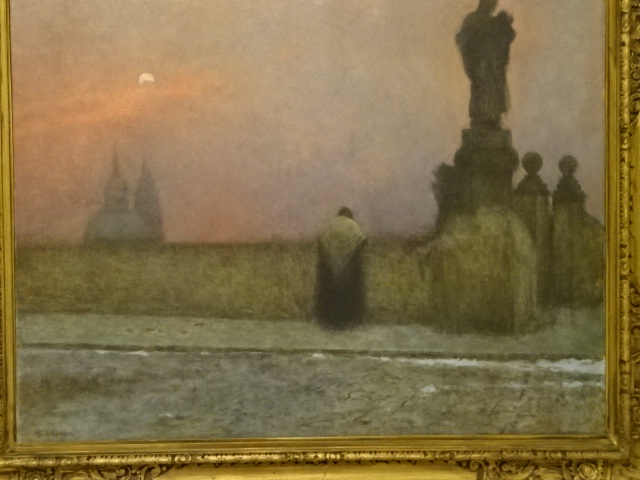
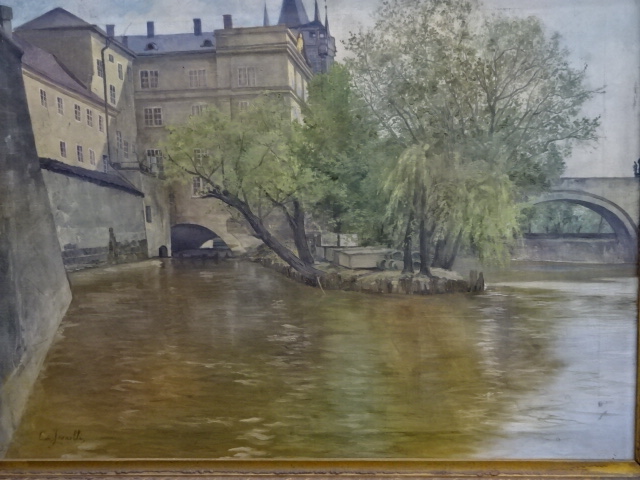
My favorites were the renditions of Prague. One painting featured Prague Castle in the horizon, another showed the Charles Bridge. Yet another displayed the Judith Bridge, which preceded the Charles Bridge. One portrayed Čertovka on Kampa Island.
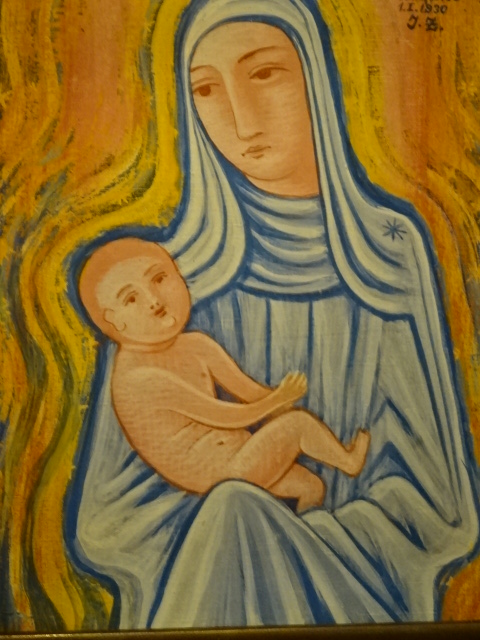
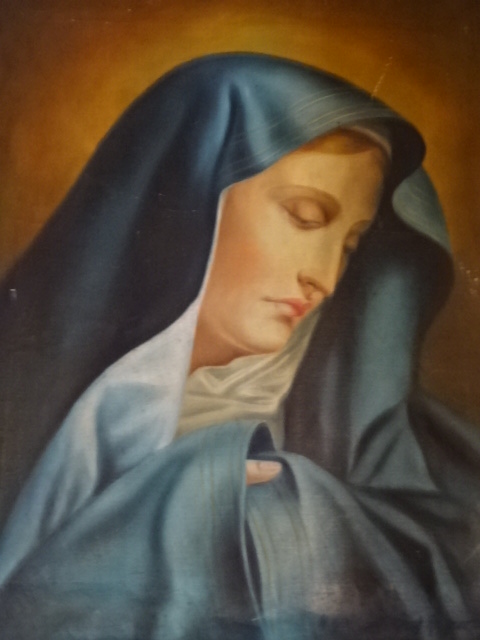
But there was more. A rather large space featured religious art. I saw numerous madonnas, scenes from the Bible and pictures of saints here as well as Gothic furniture. There was a range of styles, and works hailed from various eras, though none were modern. My head was swimming with this immersion into religious art.

From the third floor, it was easy to read the motto of Saint Benedict on the balustrade. “Tempora matuntur et nos matumar cum illus,” it read. It meant that times change, and we change with them. Other black-painted letters read “Ora et labora,” which translates from the Latin into “Pray and work.” The ceiling on the third floor was richly decorated with depictions of objects and animals.

Not only had I peered at masterfully carved furnishings and other notable objects in the representative rooms but I had also viewed numerous paintings in my preferred landscape genre. The religious art was very impressive, too. While the chateau’s representative spaces are not large, it is worth seeing for those interested in Czech history and sights with artifacts from various eras. Art enthusiasts are sure to love the third floor displays.

On that day there was a wedding, and the café offered various cakes and pastries outside as well as sausages that were cooked over a fire. Delicious bread was available, too.

I went to lunch at U Marka restaurant in Pecky, a small town nearby. The rustic interior was suitable for the delicious Czech food, which cost so much less than that in Prague. I had had a great day.

Tracy A. Burns is a writer, proofreader and editor in Prague.

Paul Gauguin Exhibition in Vienna Diary

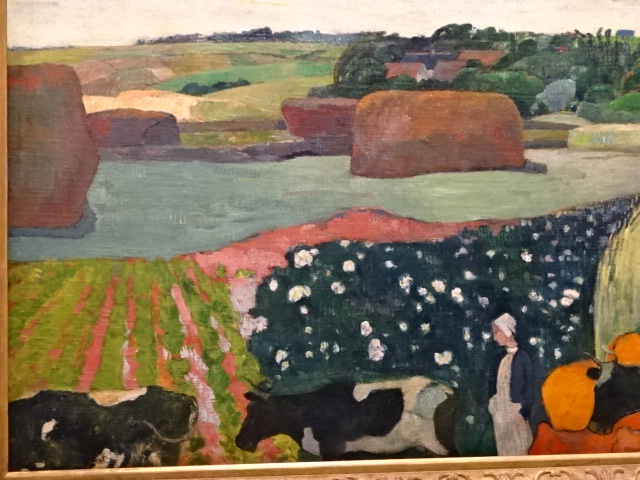
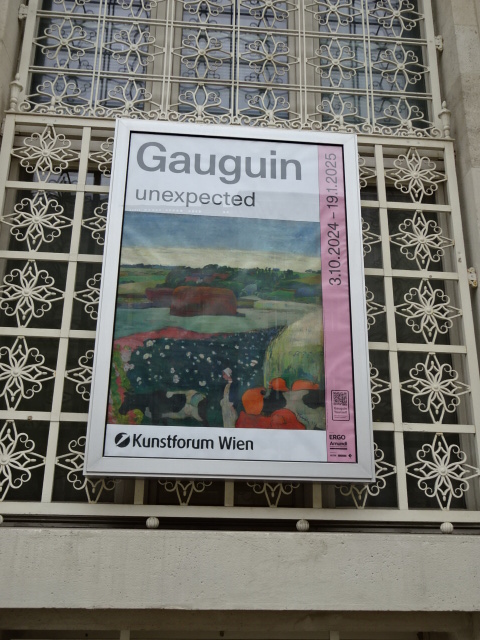
During the fall of 2024, I went to the Paul Gauguin retrospective “Gauguin Unexpected” in Vienna, Austria at the Kunstforum Wein. The last extensive showing of Gauguin’s works in Austria had taken place during 1960. The recent exhibition included not only Gauguin’s paintings but also graphic art and sculpture, tracing his career from Post-Impressionism to the initial stages of the modern era. More than 80 works were on display from October of 2024 to January of 2025. 

Eugene Henri Paul Gauguin was born in Paris on June 7, 1848, the revolutionary year of turmoil in Europe. At the age of 18 months, he and his parents moved to Peru because his father had to leave France. He was related to high-ranking politicians there. However, his father died during the voyage and never made it to Peru. Gauguin and his mother lived a privileged life there. Due to political turmoil in Peru, Gauguin returned to France when he was still a child. Gauguin would serve in the French navy before becoming a stockbroker at age 23.

In his early career, he worked in Impressionist style and had exhibitions of works in this style during the early 1880s. He worked as a stockbroker for 11 years, and in 1873 married Mette-Sophie Gad from Denmark. They had five children. His marriage fell apart in 1882, when he turned to painting full-time, a time when stock market prices plummeted. He lived in Rouen and then Pont-Aven, where the works of Vincent Van Gogh, Georges Seurat and Eduard Degas impressed him so much that he changed his style. His Post-Impressionist works were unique in use of color, which was the dominant feature of the paintings. His thick and bold brushstrokes also played a major role.

In the summer of 1886, he was influenced by the Pont-Aven School and spent time in Brittany, where he created many landscapes and pastel drawings. I liked his Brittany-based landscapes from this period as well as the scenes of everyday life in this region of France. His employment of Synthesist features comes from this time period of bold colors and dark outlines. Complexity was absent in the subject matter of this time in his career. He pictorially recorded simple, daily life in Brittany. He also thought that African and Asian art held great significance. Japanese art especially enthralled him. Then travels took him to the Panama Canal and Martinique, where he was influenced by Indian people and Indian symbols. His landscapes from his tenure in Martinique are very noteworthy, as I found out at the exhibition.

For a while, he lived with Van Gogh at Van Gogh’s Yellow House in Arles. Van Gogh had bought three of Gauguin’s paintings and held him in great esteem. However, the two had a falling out, and Van Gogh even cut off his ear when Gauguin was present. That’s when Gauguin left Arles.

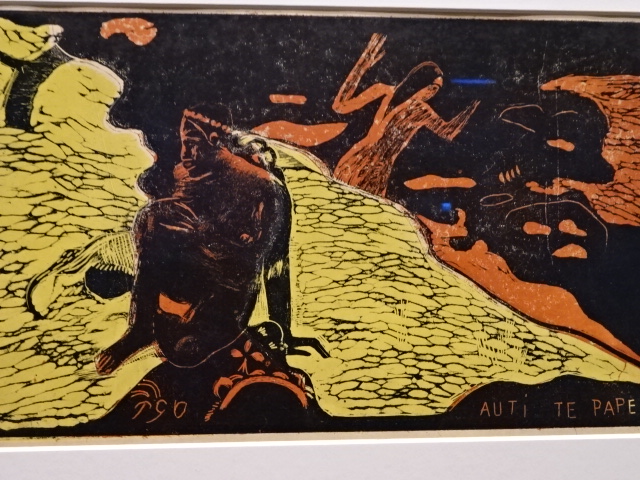
In the late 1880s, Gauguin began making zinc plates or zincographs. Rejecting the traditional limestone material, he opted to use zinc plates combined with yellow poster paper, which made for bold creations in bright yellow. One of my favorite features of this exhibition was the number of zincographs displayed. Some showed female forms with black outlines on a bright yellow background. The result was stunningly bold and brazen.

Entranced with the exotic and a supporter of colonialism, Gauguin wanted to flee from Western civilization. After six years in Tahiti, which was under French colonial rule that took advantage of natives, Gauguin left but decided to settle again in the Polynesian Islands during 1895 and never to return to Europe. His works showed off the Primitivism style as he depicted island natives as well as gods in the traditional religion via painting and sculpture. The colors were brash, overly aggressive, the settings wild. His figures did not have realistic boy proportions and showed off geometric qualities. In Tahiti he often produced his works on a rough surface, such as sackcloth or hessian. He used thick and bold brushstrokes. His Primitivism style would greatly influence Pablo Picasso’s works. I was impressed how the exhibition did not fully focus on his time in Tahiti but took into consideration his entire career equally.

Gauguin experienced problems with his heart, sight and ankle, for instance. He took morphine for the pain. At the end of his life, he spent much time writing as his pain sometimes did not permit him to paint. On May 8, 1903 Van Gogh died from syphilis in the Marquéses Islands at age 54.

A sign at the entrance to the exhibition addressed Gauguin’s sexism and promotion of post-colonialism, inviting people to look at Gauguin’s work in these contexts. Gauguin had married three young teenagers at various times while living in the Polynesian Islands. Gauguin’s use of Primitivism showed Polynesian women in a racist way, and his works from this era pictorially asserted the power of colonialism. I was impressed with the curator’s attention to the present perspectives.

Overall, I was most impressed by the Brittany and Martinique landscapes as well as by the zinc plates. I had mostly seen Gauguin’s work from his Tahiti tenure. I was glad to get an overview of his work throughout the decades and to see how he developed as an artist in a chronological manner. His use of vibrant color and bold brushstrokes also spoke to me.

Tracy A. Burns is a writer, proofreader and editor in Prague.

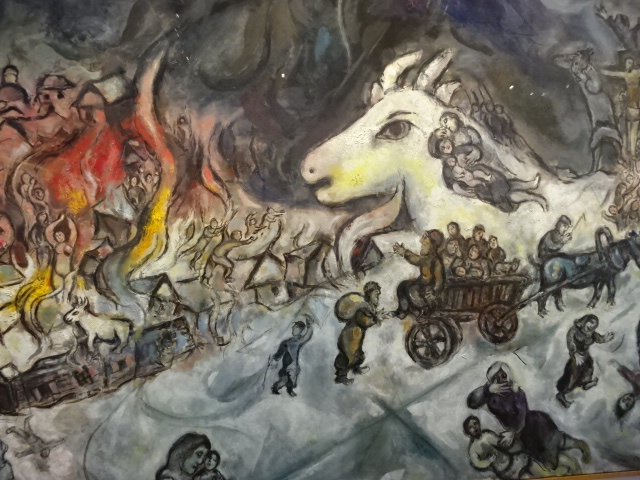
Marc Chagall Exhibition in the Albertina Photo Diary

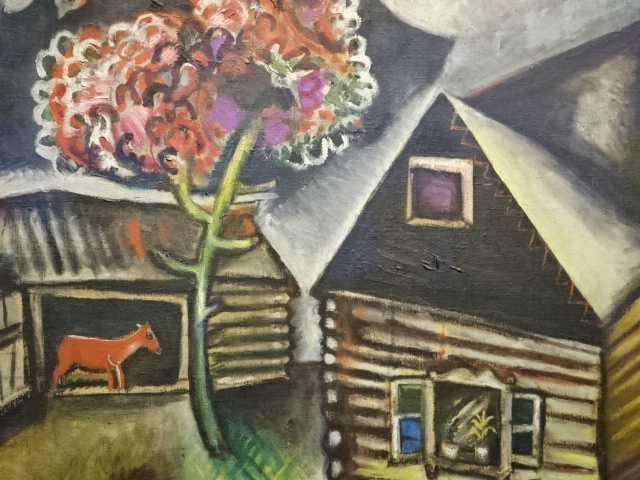
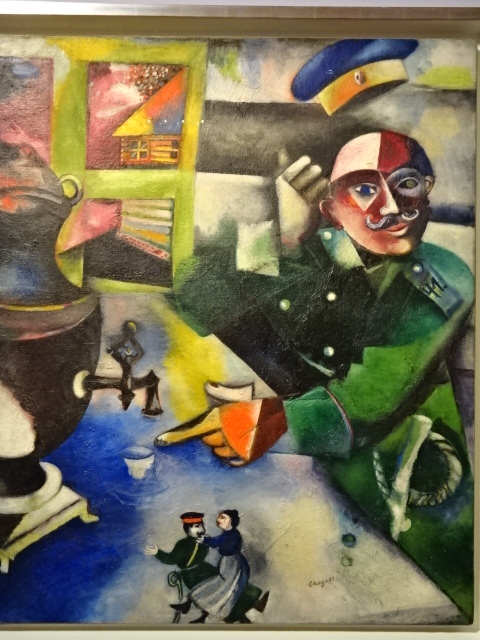
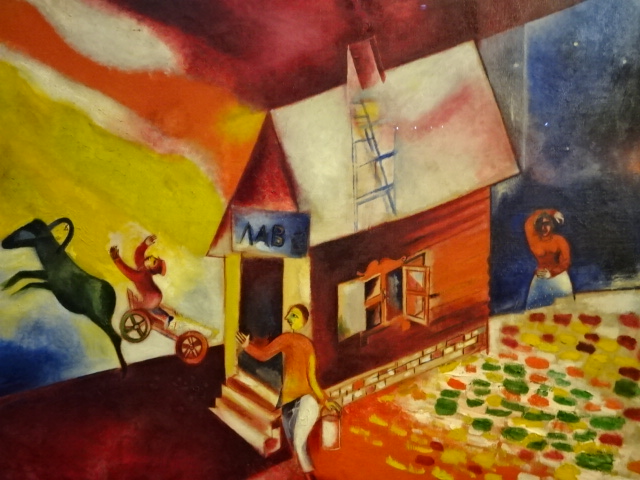
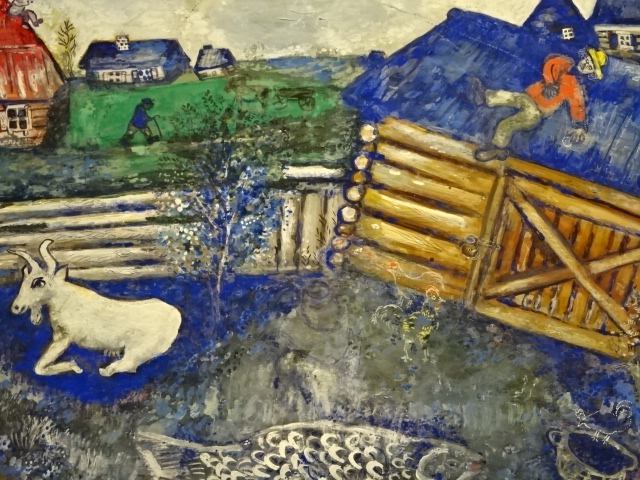
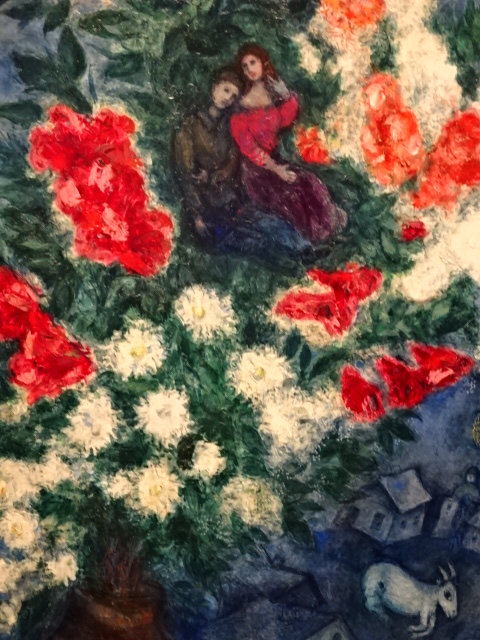
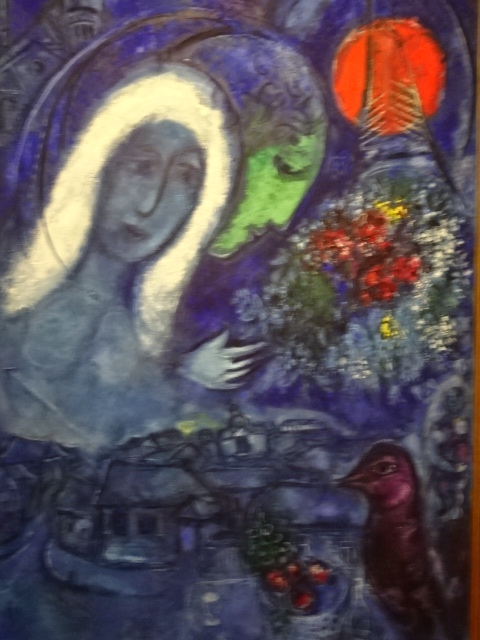
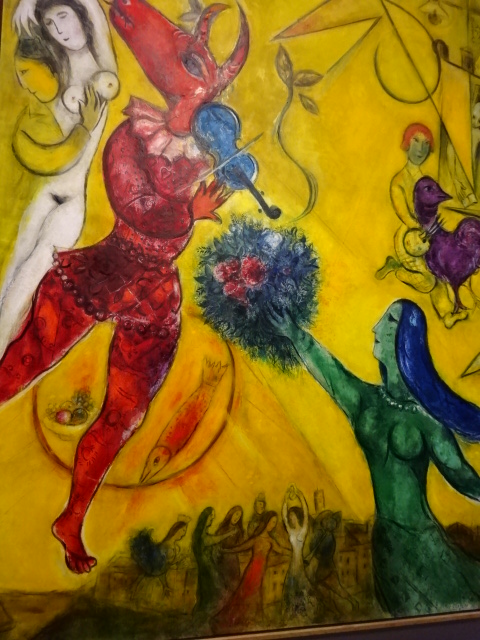
I admired Marc Chagall’s works at the Albertina venue in Vienna, Austria during late October of 2024. I have always loved going to exhibitions in the Albertina. I recalled a comprehensive show of works by Durer at that venue some years ago. A long-time fan of Chagall, I loved his use of bright colors and atmosphere of playfulness in his paintings that had a dreamy, fantasy-filled quality. I was enamored with his mastery of color to express various emotions and to create new worlds. I loved his renditions of Paris, the Eiffel Tower often dominating his creations.

Before this show I hadn’t realized how strongly his Jewish background had influenced his art. Chagall’s paintings were punctuated with Jewish folklore and motifs. I saw a painting of a synagogue and portraits of rabbis, for instance. Many paintings boasted biblical themes. I also hadn’t realized how often he had rendered his hometown, both sadness and joy intermingled in the memories. His yearning to return to his hometown was extremely visible in his art.

The symbolic nature of his artistic creations also enamored me as I noted the many violinists, animals, half-human creatures, wooden houses, circus characters, roosters and floating married couples as well as beautiful floral arrangements. Because I had visited an exhibition in Prague’s Wallenstein Riding Stables about the interwar years of the École de Paris movement, I knew he had been associated with that era during his Paris sojourn.

The exhibition allowed me to become better acquainted with the artist’s life. Marc Chagall (1887-1985)was born as Moishe Shagal on July 6, 1885 into a Hasidic Jewish family in Vitebsk, located in today’s Belarus. During the late 19th century the town was situated in the Russian Empire. His impressive, varied resume includes paintings, drawings, book illustrations, ceramics, prints, tapestries, stained glass and stage sets, but this vast exhibition focused solely on his paintings.

While he spent World War I in his hometown, he went to Paris before the war broke out, moving there in 1910 when he was 23 years old. In France he made friends with Guillaume Apollinaire, Ferdinand Léger and others creating avant-garde works. He often depicted Jewish themes and also evoked Paris in many paintings. During World War I, back in Vitebsk, he married Bella and held exhibitions in Russia as the war made it impossible for him to leave the empire. He founded an arts college in his hometown, too. However, he was in dire financial straits during the Russian Civil War. After World War I, much of his work was Moscow-based.

Following the Bolshevik Revolution, he moved to Paris for the second time, but fled during World War II after the Germans took control of France. The Nazis in occupied France took away Chagall’s French citizenship, and he and his wife were arrested. However, with the help of others, he and his wife found a way to escape to the USA. He felt like an outsider and didn’t speak English.

While he was in New York City, tragedy struck his hometown of Vitebsk, which was destroyed by the Nazis. Things would get even worse. Bela passed in1944 because it was not possible to get her any penicillin. It was no surprise then that Chagall’s late spouse appeared in many of his paintings. In 1948, though, he returned to Paris, and there his paintings focused on Jewish themes and his yearning for the existence of his hometown. Also, he would marry two more times.

He devoted much time to other fields as well. Some of his accomplishments included creating stained glass decoration in the cathedral in Reims and at the Art Institute in Chicago. He also made stained glass adornment for places in Switzerland and Israel. He became even better known for his ceiling painting of the Paris Opera. I remembered gazing in awe at this ceiling several decades ago. It was an experience I will never forget, even though I saw it so long ago. He also made sculpture and ceramics as well as tapestries.

Chagall died at the age of 97 on March 28, 1985 at the age of 97. He is buried with his third wife in a cemetery in Saint Paul-de-Vence, located in the Provence region.

Tracy A. Burns is a writer, proofreader and editor in Prague.

The Art of Mannerist Printmaking Exhibition Diary

Caricature of Laocoon, Niccolo Boldrini, 1540-45, woodcut.

In the exhibition “From Michelangelo to Callot: The Art of Mannerist Printmaking,” held at Prague’s Wallenstein Riding Stables, I studied more than 200 works of 16th and 17th century graphic art, drawings, paintings, jewelry, etchings, lithographs, ceramics and other artistic crafts that hailed from the Netherlands, Germany, France and the Czech lands. The Louvre lent Prague’s National Gallery many works. Some pieces in the collections were being displayed to the public for the first time. A superb small drawing by Michelangelo drew crowds, and art by Hendrick Goltzius, Paul Bril,  Aegidius Sadeler and Niccolo Boldrini stood out to me.

The Great Hercules, Hendrick Goltzius, 1589, engraving.

While Mannerism became a major trend during the 16th century in Italy, Northern Mannerism lasted into the 17th century. Because European artists north of the Alps did not have as many opportunities to travel to Italy in order to familiarize themselves with Mannerism, they often studied the style through prints and books. The decoration at the Chateau of Fontainebleau impressed many artists utilizing this style, and France was the center of the Mannerist movement. The Northern Mannerists also looked to da Vinci, Raphael, Vasari and Michelangelo for inspiration.

The Martyrdom of Saint Lawrence, Cornells Cort, 1571.

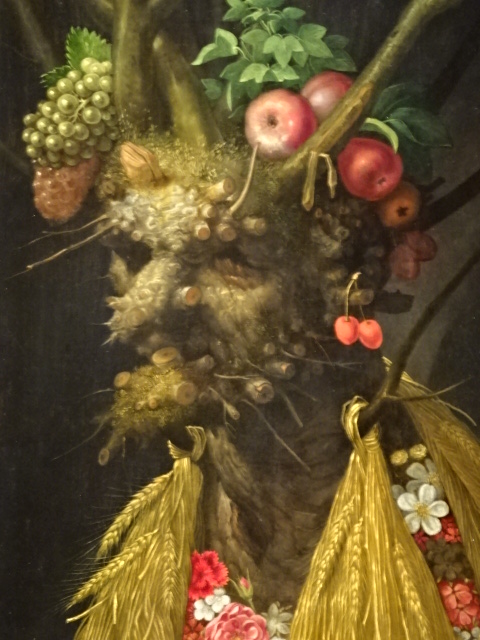
The Northern Mannerist style was very visible in Holy Roman Emperor Rudolf II’s collection in Prague, then the capital city. Influenced by prints, Mannerism appeared in Prague during 1576. An avid art collector, Emperor Rudolf II had hired the Flemish painter Bartholomeus Spranger and German artist Hans von Aachen to work for him, and they produced some works in Northern Mannerist style. Both Spranger and von Aachen were known for their Mannerist mythological scenes while von Aachen also concentrated on portraits of the emperor. Rudolf II’s father, Emperor Maximillian II, had chosen Giuseppe Arcimboldo as one of his painters, and Arcimboldo’s fantasy-filled still lifes and portraits feature Mannerist traits. This style also suited Rudolf II when he took over for his father.

The Combat of the Monkey and the Rat, Christoph Jamnitzer.

Mannerist art often included mythological scenes, the grotesque and fantasy. Harmony, symmetry and rationality were notably absent. While Mannerists showed a great interest in anatomy, the figures were often elongated, and many forms had a sculptural quality. Clothing was elaborate. Attention to detail prevailed. Complex and unstable poses as well as dramatic lighting also characterized the Mannerist style. Artists of this era liked to employ symbols and utilize hidden meanings in their works. Black backgrounds were common. A distorted perspective was employed. Mannerism did not often feature religious themes. After Mannerism came the Baroque style, which focused heavily on religious art.

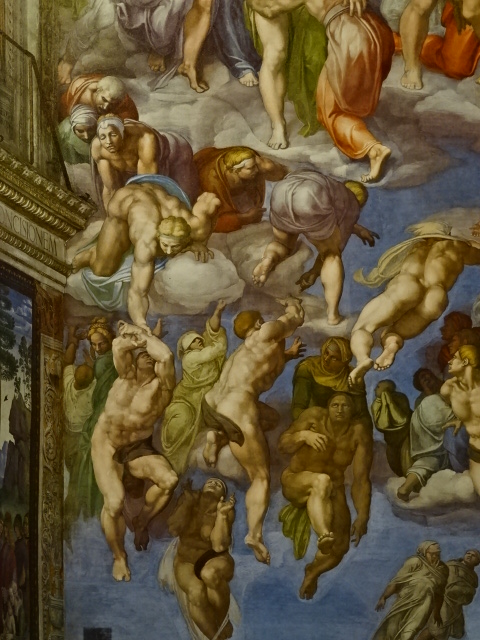
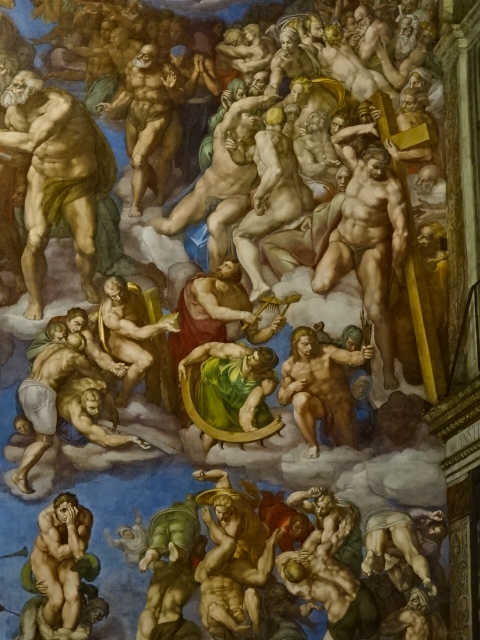
The Last Judgment, Michelangelo, 1536-1541.

The Last Judgment, Michelangelo.

The Last Judgment, Michelangelo.

The Last Judgment, Michelangelo.

A copy of a section of “The Last Judgment” as seen in the Sistine Chapel was on display at this exhibition, as this masterpiece greatly influenced Mannerist art. This fresco at The Vatican portrayed more than 300 figures as the dead made their way to idyllic Heaven or horrific Hell. Mythological figures and devils appeared along with a beardless Jesus Christ, the Virgin Mary and saints. I noticed the looks of horror on descending figures. Details in superb portrayals of human anatomy greatly impressed me.

Head of a 12-Year Old Christ, Albrecht Durer, 16th century.

For me, German Albrecht Durer’s 16th century “Head of the 12-year old Christ” was one of the highlights in the exhibition. Durer was a master of High Renaissance printmaking, especially of woodcuts and engravings. He inspired Raphael and Titian. I realized how Durer’s portrayal of human anatomy had impressed Mannerists. While most works displayed did not focus on religion, the Mannerist engraving “The Martyrdom of Saint Lawrence” from 1571 also caught my attention. Cornells Cort created it in the style of Titian.

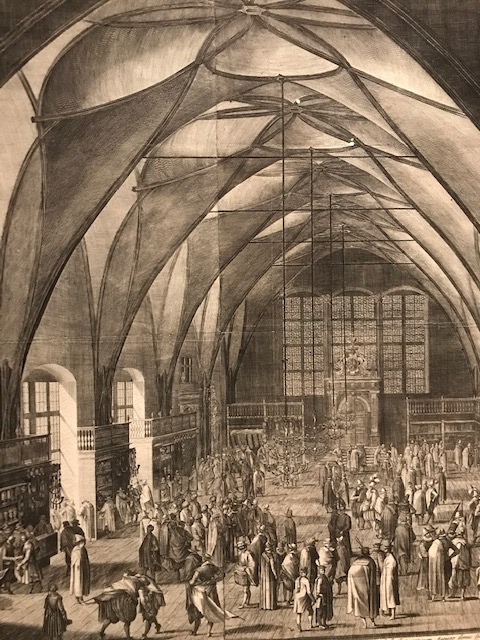
Vladislav Hall, Aegidius Sadeler, 1607.

Some prints showed off specific architectural structures, such as Aegidius Sadeler’s Vladislav Hall from 1607. A fan of Czech architectural history, I was especially engrossed in this rendition of the late 15th century and early 16th century section of Prague Castle built by Benedikt Reid. I loved its complex vaulting system. I noticed Late Gothic and Renaissance elements of the building. This was one of my favorite buildings in Prague due to its exquisite vaulting and its past use for historical events, such as coronations and knights’ tournaments.
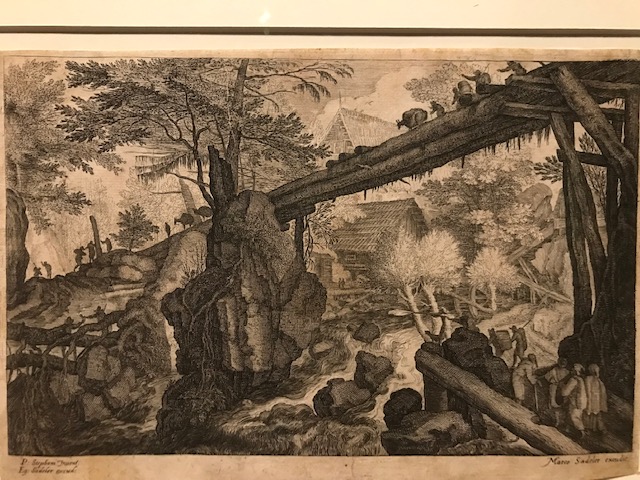
Wooden Bridge from Series Eight Bohemian Landscapes, Aegidius Sadeler, 1605, engraving.

Mountain Landscape, Paul Bril.

Another work by Sadeler, created in the style of Pieter Stevens, was the landscape “Wooden Bridge from Series Eight Bohemian Landscapes.” The 1605 engraving of the idyllic, romantic bridge reminded me of picturesque Vermont, where I had lived for a while. I was also enamored with “Mountain Landscape” by Flemish painter and printmaker Paul Bril. Inspired by my favorite artist Pieter Bruegel the Elder, Bril authored works in the Vatican and Italy. I appreciated the power and beauty of nature as I peered at these two tranquil landscapes.

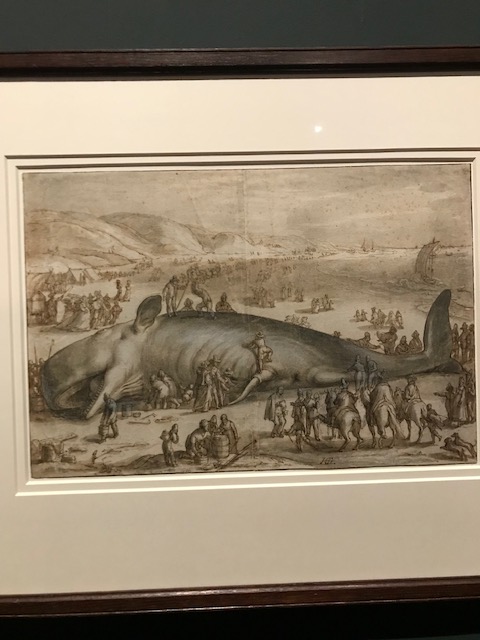
Beached Sperm Whale near Berkhey, Hendrick Goltzius, 1598.

A prominent name in the exhibition, Henrick Goltzius was a stellar printmaker whose works were influenced by drawings he acquired from Prague. My favorite of his contributions was “Beached Sperm Whale near Berkhey” from 1598. People gathered around the gigantic, deceased animal. This artwork was inspired by a real event as a 58-foot long whale had washed up on that shore.

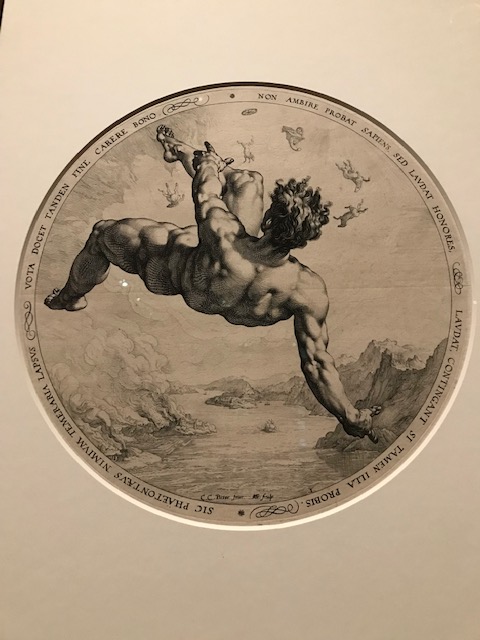
The Four Disgracers, Hendrick Goltzius, 1588, engraving.

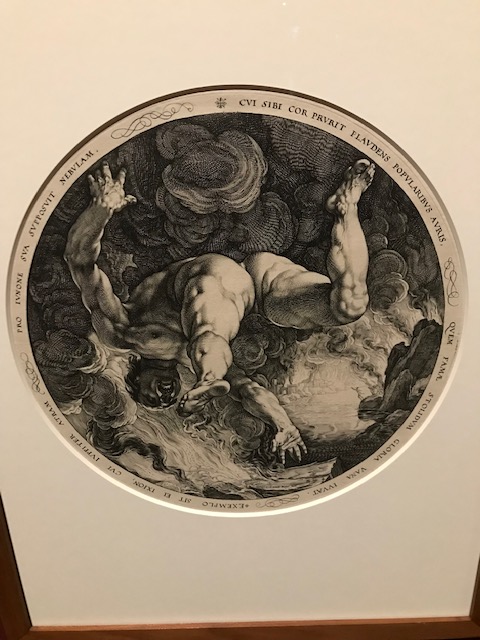
The Four Disgracers, Henrick Goltzius, 1588, engraving.

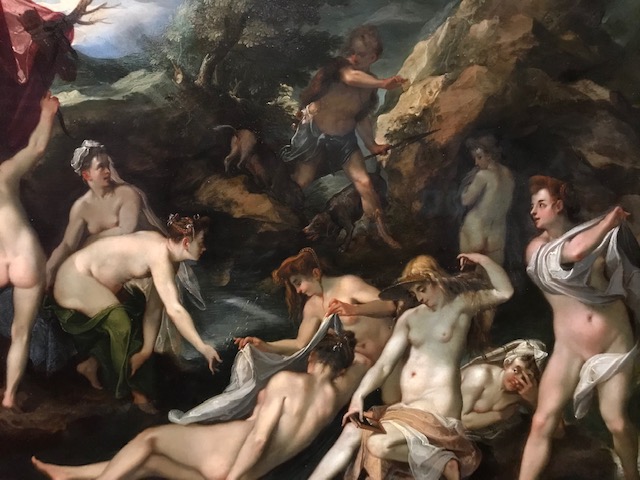
Goltzius also took on mythological themes, such as his rendition of “The Four Disgracers (Tantalus, Icarus, Phaethon and Ixion).” This engraving appeared to have a three-dimensional quality. The illusion of three-dimensional features, mastered by engravers in the Netherlands during the late 16th century,  was often featured in Northern Mannerist art. Goltzius was the author of “The Great Hercules,” an engraving from 1589. The detailed anatomy, though not correct, interested me. Other works with mythological themes that caught my attention were “Diana and Actaeon” by Joseph Heintz the Elder from 1597 to 1598 and Niccolo Boldrini’s “Caricature of Laocoon,” a woodcut from 1540 to 1545.

The Pairs of Grotesque Heads, Philippe Soye, 1550-65.

The grotesque played a significant role in Northern Mannerist creations. Philippe Soye rendered “The Pairs of Grotesque Heads” after a masterpiece by da Vinci. Soye’s portrayal hailed from 1550 to 1565. Christoph Jamnitzer also stressed grotesque features in his “The Combat of the Monkey and the Rat.” I was also impressed with the masked figures in “Venetian Carnival,” a 1595 engraving by Pieter de Jode the Elder. Seeing the grotesque made me think of gargoyles on cathedrals, such as Milan’s Duomo or Saint Vitus’ Cathedral in Prague.

Fantastic Sea Creatures, Nicolaes de Bruyn, 1594, engraving.

Prints with scenes immersed in the fantasy world made numerous appearances. At the end of the 16th century, Nicolaes de Bruyn became known for his portrayal of animals and fictional sea creatures. His “Fantastic Sea Creatures,” depicted here from a series, was an engraving that made up part of a book about fish. Engravers often worked with fantasy themes in this style.

Diana and Actaeon, Joseph Heintz the Elder, 1597-98.

A section of the exhibition was devoted to Northern Mannerist decoration of objects such as vases, plates, mirrors and jewelry. Adornment was often floral or geometric, and I noted similarities to illuminated manuscripts. Artists of this sort of ornamentation were inspired by the grotesque, mythological figures and Roman wall paintings, for instance. I saw examples of mythological themes and the grotesque in the decoration of a majolica plate from the second half of the 16th century. A 16th century black enamel mirror exuded elegance with Mannerist designs.

Venetian Carnival, Pieter de Jode the Elder, 1596, engraving.

The exhibition was comprehensive, divided into clear sections. I was drawn most to the landscapes as I was reminded of the work of Pieter Bruegel the Elder. I also thought of Paul Bril’s creations in Milan’s Ambrosiana Picture Gallery. It was intriguing that the scenes on many prints showed the main figures in the background and the lesser important ones in the foreground. I liked the decorative patterns that were influenced by illuminated manuscripts. I spent my fortieth birthday gazing at the Sistine Chapel and mulled over the experience of seeing those writhing, terrified souls guided by devils and the blessed blissfully ascending into Paradise. I also thought of the awe-inspiring experience of walking into Vladislav Hall because I loved Late Gothic vaulting. That print captured the daunting atmosphere perfectly. Seeing a masterpiece by Durer brought me back to an exhibition of his works at the Albertina in Vienna some years ago. I could hardly catch my breath because I had been so impressed. I had learned a lot about Mannerism from this exhibition and had discovered works that I would never forget.

Tracy A. Burns is a writer, proofreader and editor in Prague.

MUSÉE DE CLUNY DIARY

Sorry the photos do not always show the objects described in the text.

ParisCluny3Chapel

The chapel of the Musée de Cluny

One of my favorite museums in Paris is the Musée de Cluny, which houses a treasure trove of medieval art. Converted in 1843 to a museum, it is situated on the site of the former baths of Lutetia, a Gallo-Roman site. At one time, it was also home to abbots of Cluny.

ParisCluny4

The baths of Lutetia are situated on three levels. They were most likely constructed in late 1 AD and served this function for 200 years. In 1862, they were recognized as a historical monument.  The townhouse that once was the residence of the abbots is another architectural delight. The huge inner courtyard includes an external spiral staircase. The facades are adorned with many Gothic sculptures. The decoration of an oriel amazes, too. Renaissance and Gothic art features prominently there.

ParisCluny5

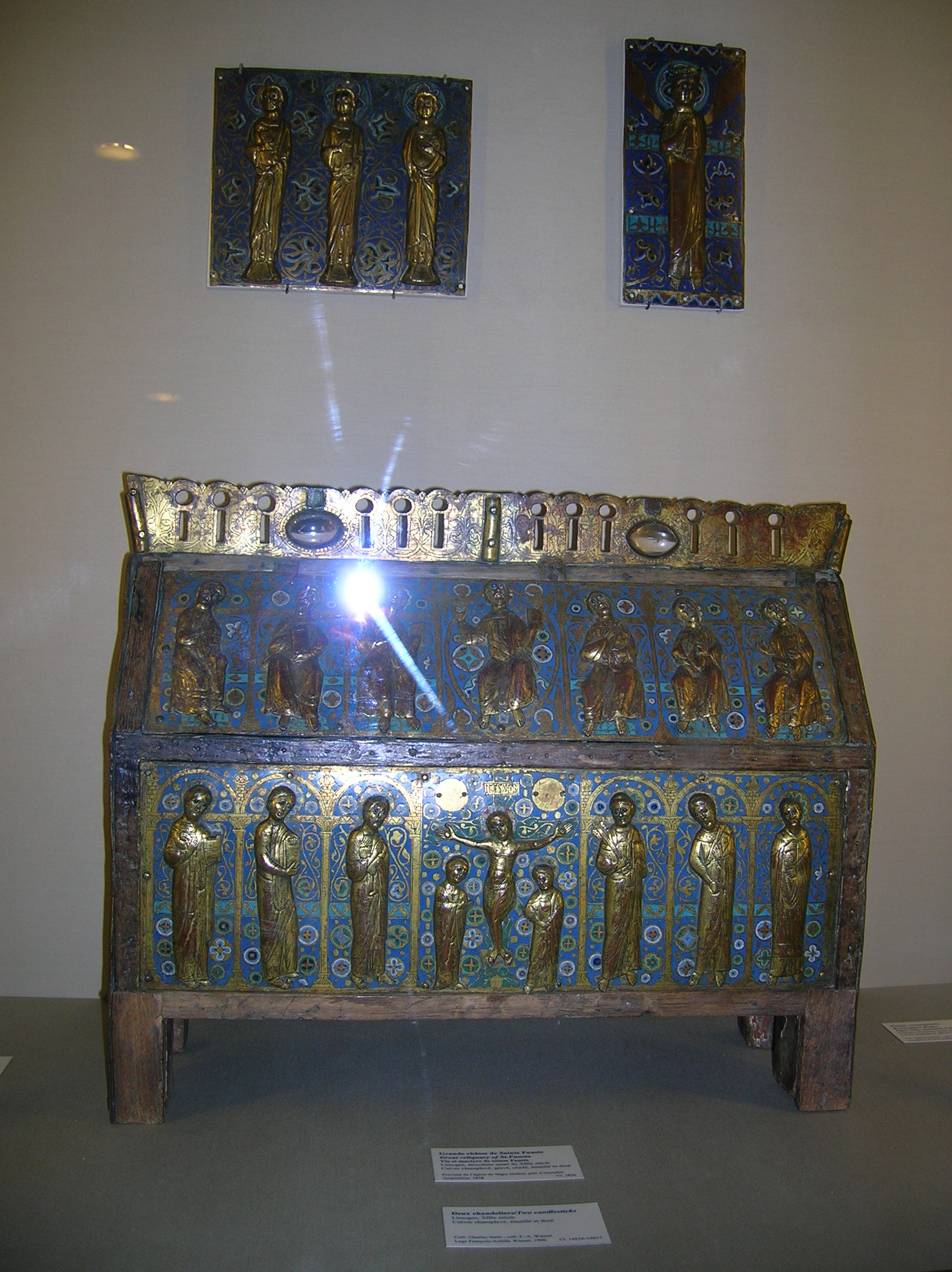
The museum isn’t only a showcase for medieval art. I also found Byzantine and Romanesque artifacts as well as metalwork and enamelware made in Limoges workshops. These included crosses, altarpieces and reliquaries, such as the reliquary of the murdered archbishop of Canterbury, Thomas Beckett (1170). The gold votive crowns from Visigoth Spain hailed from the seventh century and served as prime examples of early Western art.

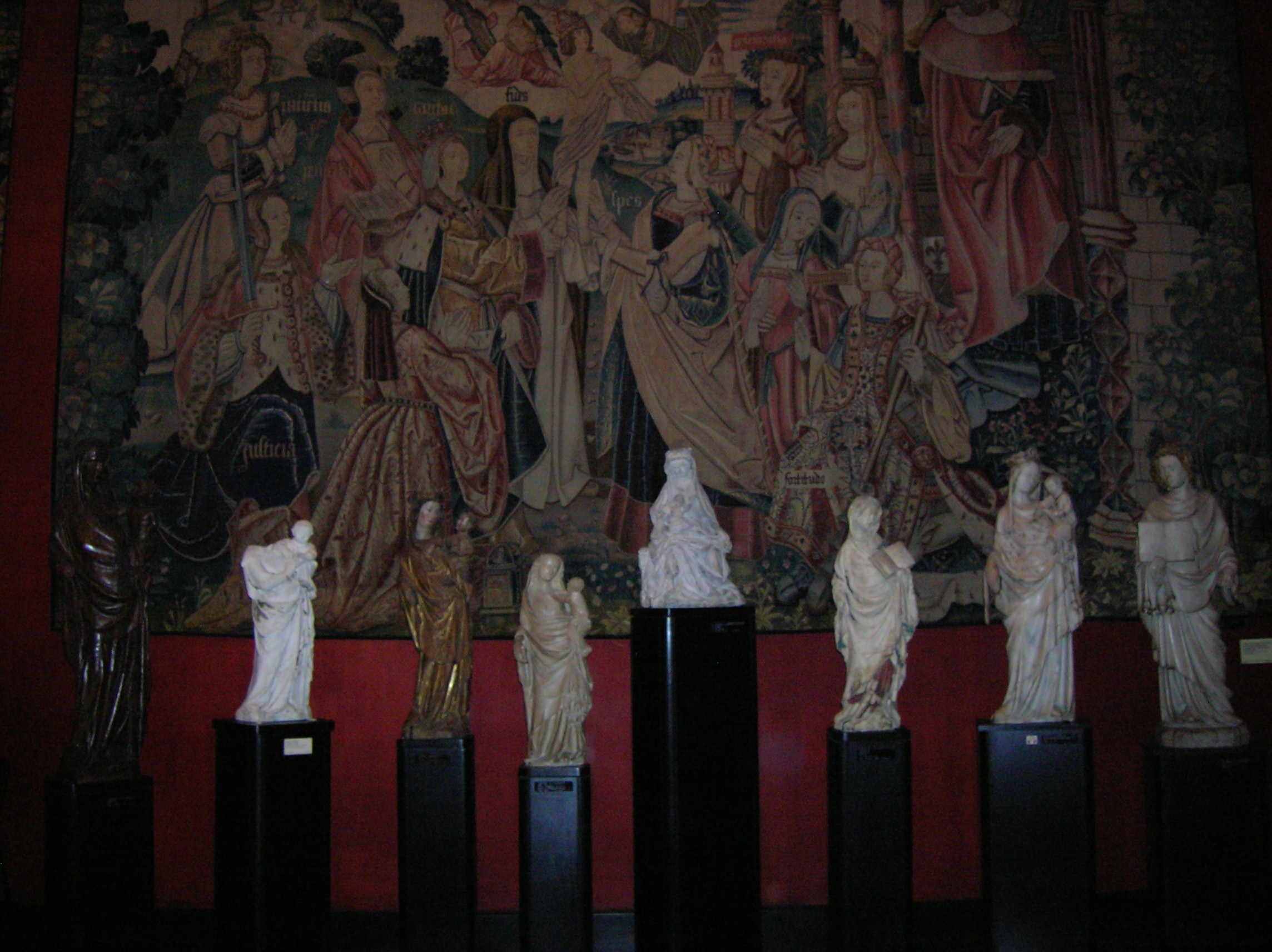
However, what fascinated me the most was the Gothic art. I loved the stained glass windows from Sainte Chapelle, a must for me every time I visited Paris. These windows dated from the middle of the 13th century. Three of the Apostle statues from Sainte-Chapelle were also on display. I loved the detailed drapery of the religious figures.

ParisCluny14

I also saw the Virgin and Child, dating from 1240 to 1250, carved out of elephant ivory with the detailed folds of drapery on both figures. The Virgin was in the midst of making a gesture with one hand. Her hand looked as though it was in motion. The other hand held onto Jesus so gently, so lovingly. The smile on Jesus’ face was so bright, cheerful and contagious.

The objects from 15th century France tended to be morbid in nature. Indeed, even pictures of decaying corpses were on display. These figures were mostly comprised of reliquaries, statues, small altarpieces and stained glass.

ParisCluny8

A winged vase was covered in brown and blue decoration on a white background and had a dynamic flair. Coats-of-arms adorned the central part of the vase. It hailed from Valencia, dating from 1465 to 1469.

ParisCluny1

However, my favorite items in the museum were the six panels of the Lady and the Unicorn tapestries, in which the unicorn and a lady of noble stature were the protagonists. The six tapestries were created in Flanders around 1500 from wool and silk. They are considered some of the premiere works of art made during the Middle Ages. Five of the six panels evoked the senses while the meaning of the sixth one remains a mystery.

ParisCluny12

In the sixth tapestry, a unicorn standing on two legs and a lion flanked the lady and her servant, a tent and trees behind them. In front of the tent, I saw French words that could be translated as “love desires only the beauty of the soul.” In the pictorial narrative, the servant was holding an open chest while the smiling lady put a necklace that she was wearing in the other tapestries into the chest. It was notable that the lady is smiling; in the other five tapestries, she was not. The background was made up of flowers and animals. The tapestry could have a spiritual or moral theme or could stand for love and understanding.

ParisCluny2

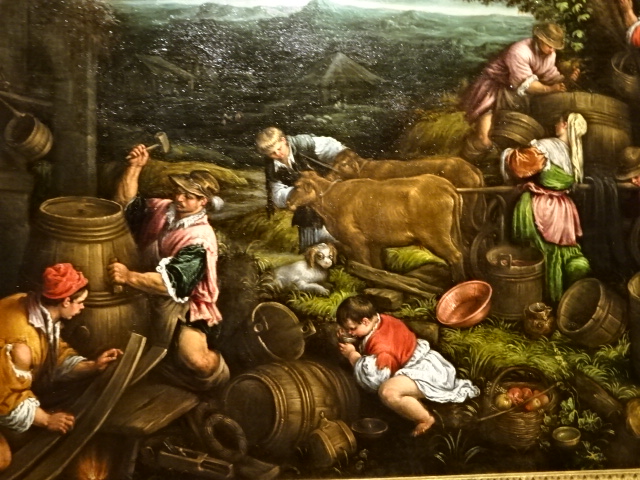
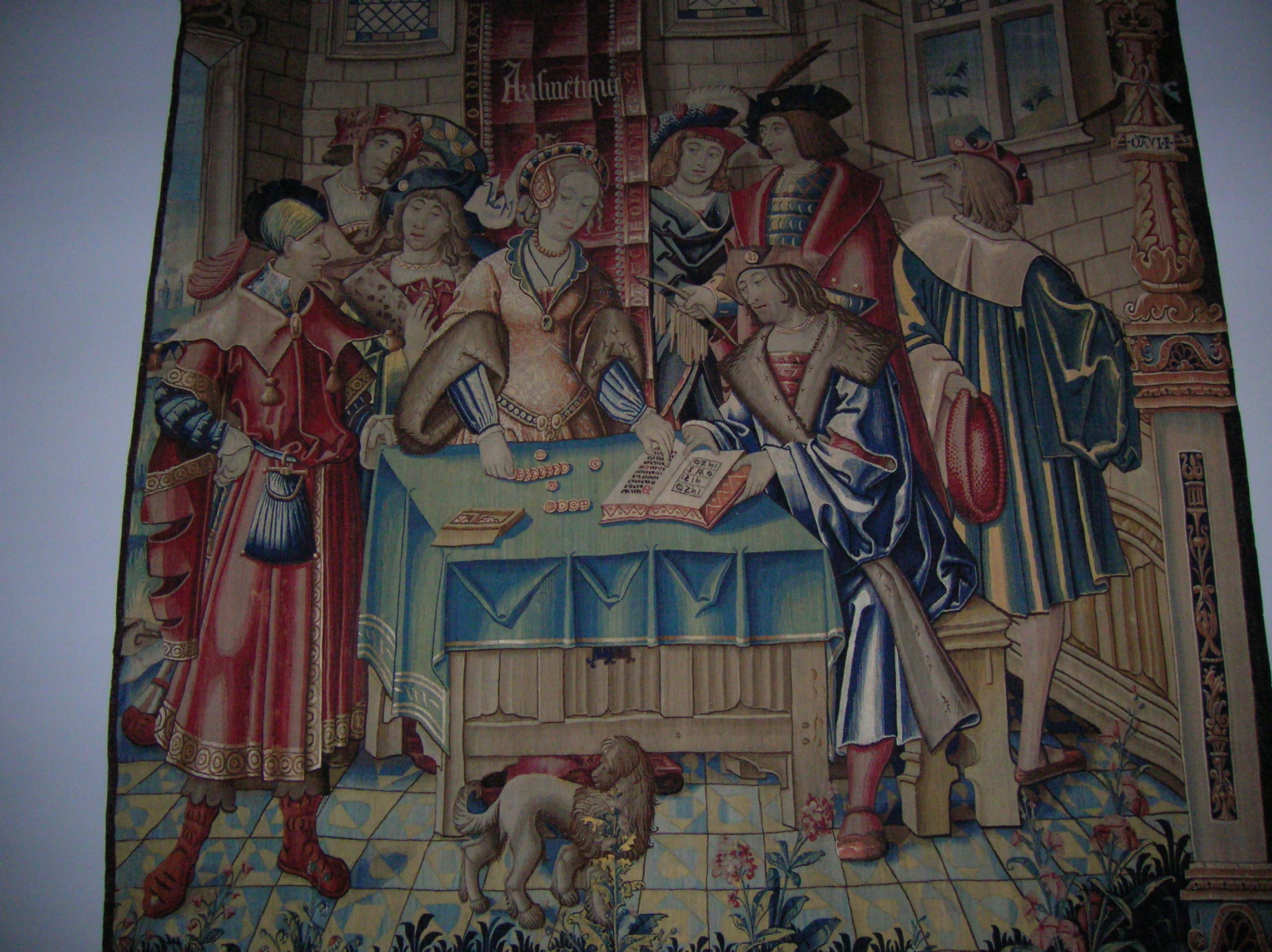
Other tapestries on display that astounded me included three scenes from the life of the Virgin Mary (1499) and the Tapestry of Saint Stephen (1500). The Grape Harvest tapestry, hailing from the Netherlands in the 16th century, showed figures with detailed clothing making precise gestures as some picked grapes and other pressed them. I recalled all the amazing tapestries I had seen in the Vatican Museums while I stared, in awe, at the many tapestries in the Cluny Museum.

ParisCluny10

I also loved the altarpieces and triptychs. The triptych of The Mass of Saint Gregory hailed from Westphalia in the late 15th century. It depicts the Pope seeing the apparition of Christ. The Presentation in the Temple is a triptych made in France during the third quarter of the 15th century. I liked the child’s wooden horse and the Gothic vaulting of the temple. The Life or the Virgin Mary was a gem of painted terracotta with much detail, created by Arnt von Zwolle in 1483. The Altarpiece of the Passion came from the Netherlands and Champagne in the early 16th century. Those are just a few examples.

ParisCluny6

I left the museum with a much more poignant perspective on medieval art. I can’t wait to go back there someday – hopefully, someday soon. . . .

ParisCluny7ParisCluny13


Tracy A. Burns is a writer, proofreader and editor in Prague.

Gordes Photo Diary

Gordes19

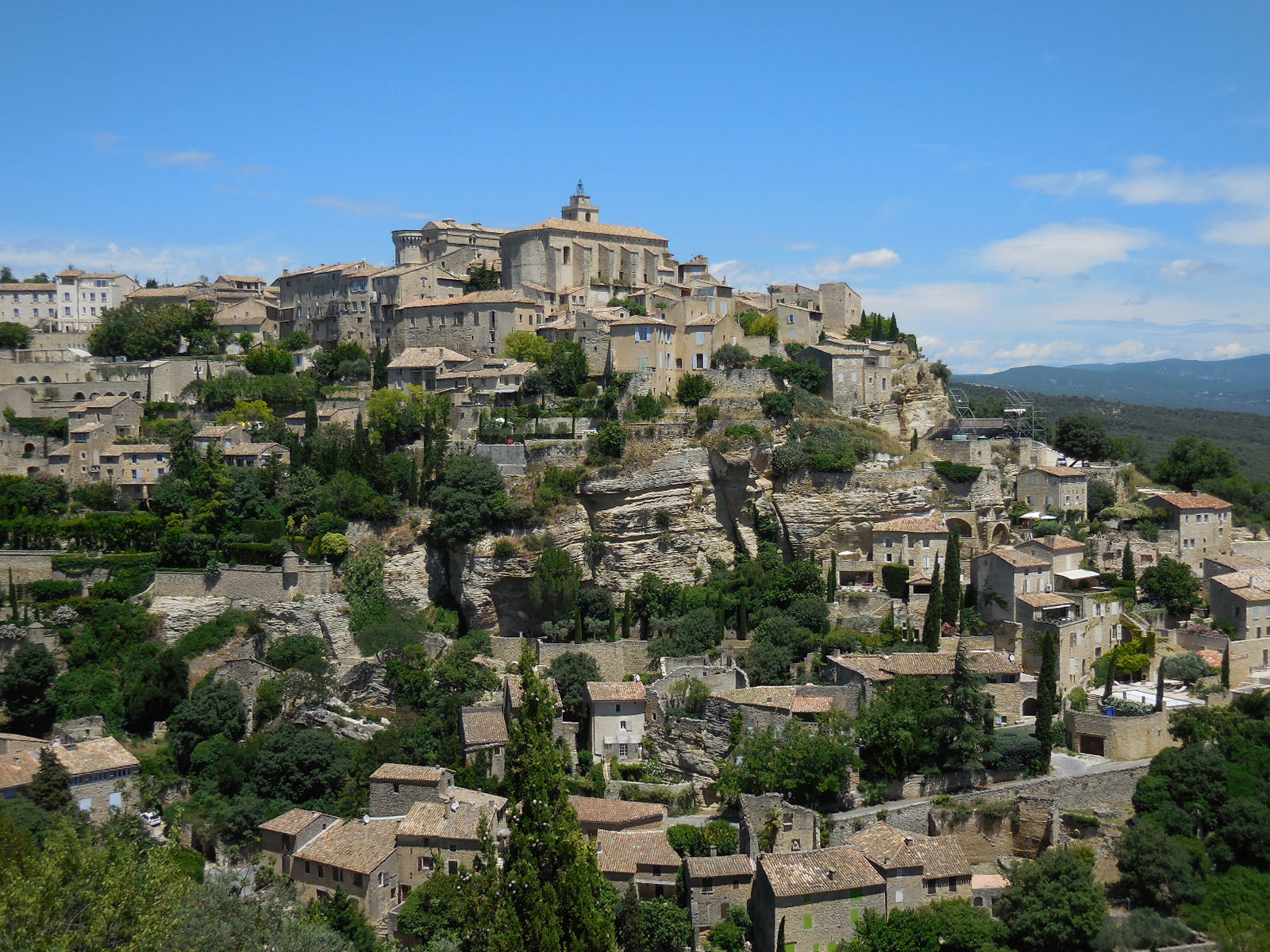
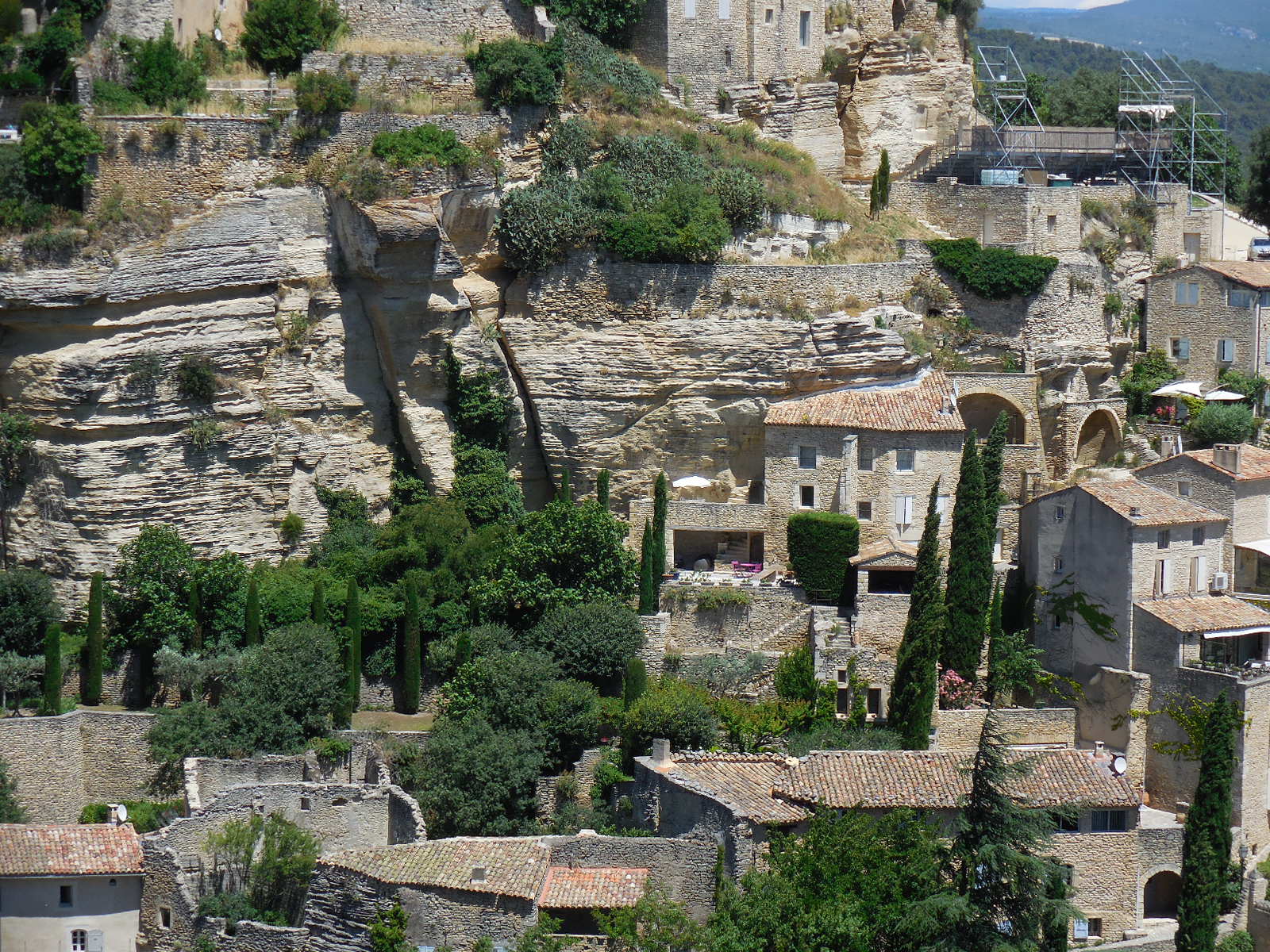
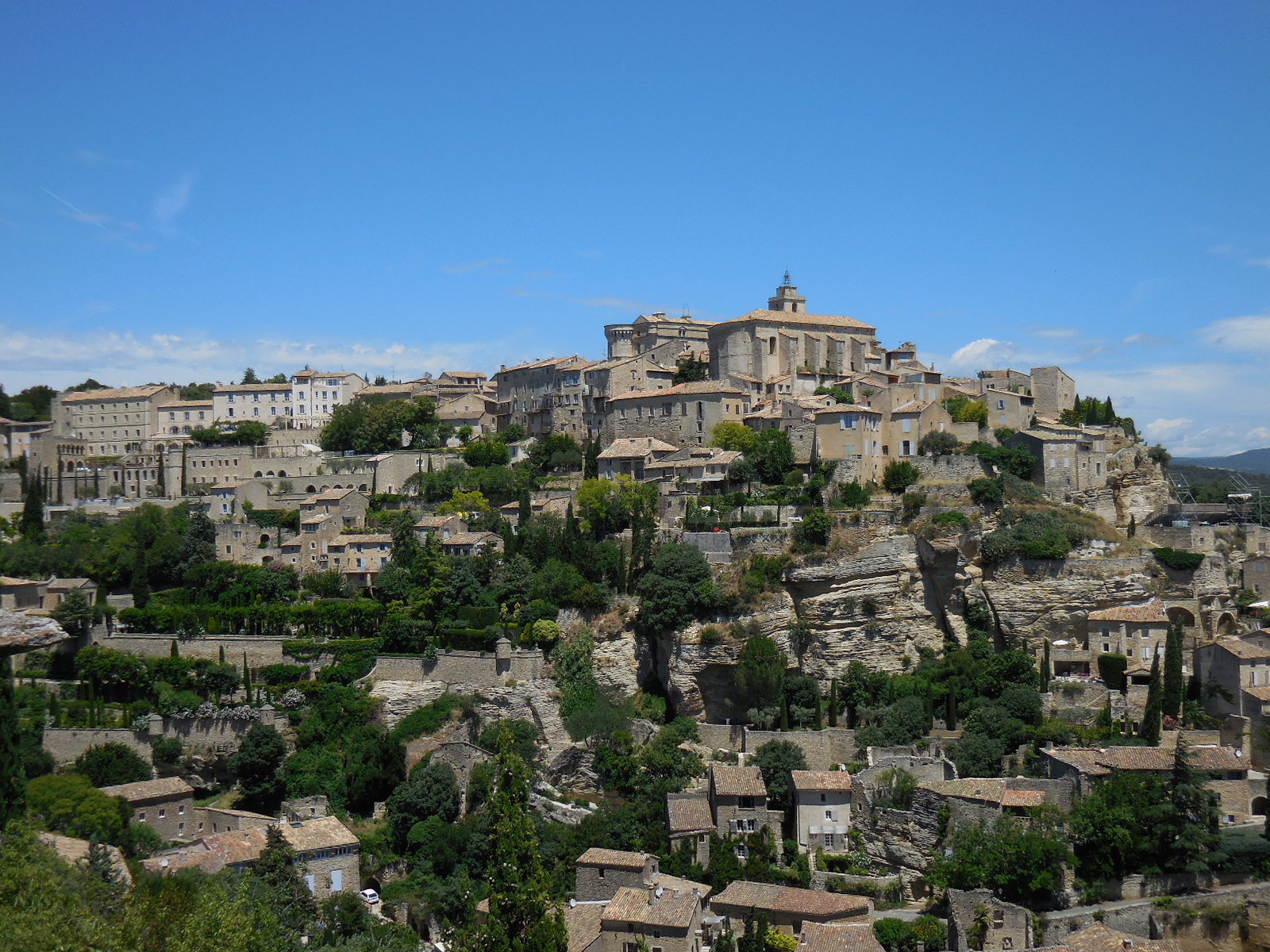
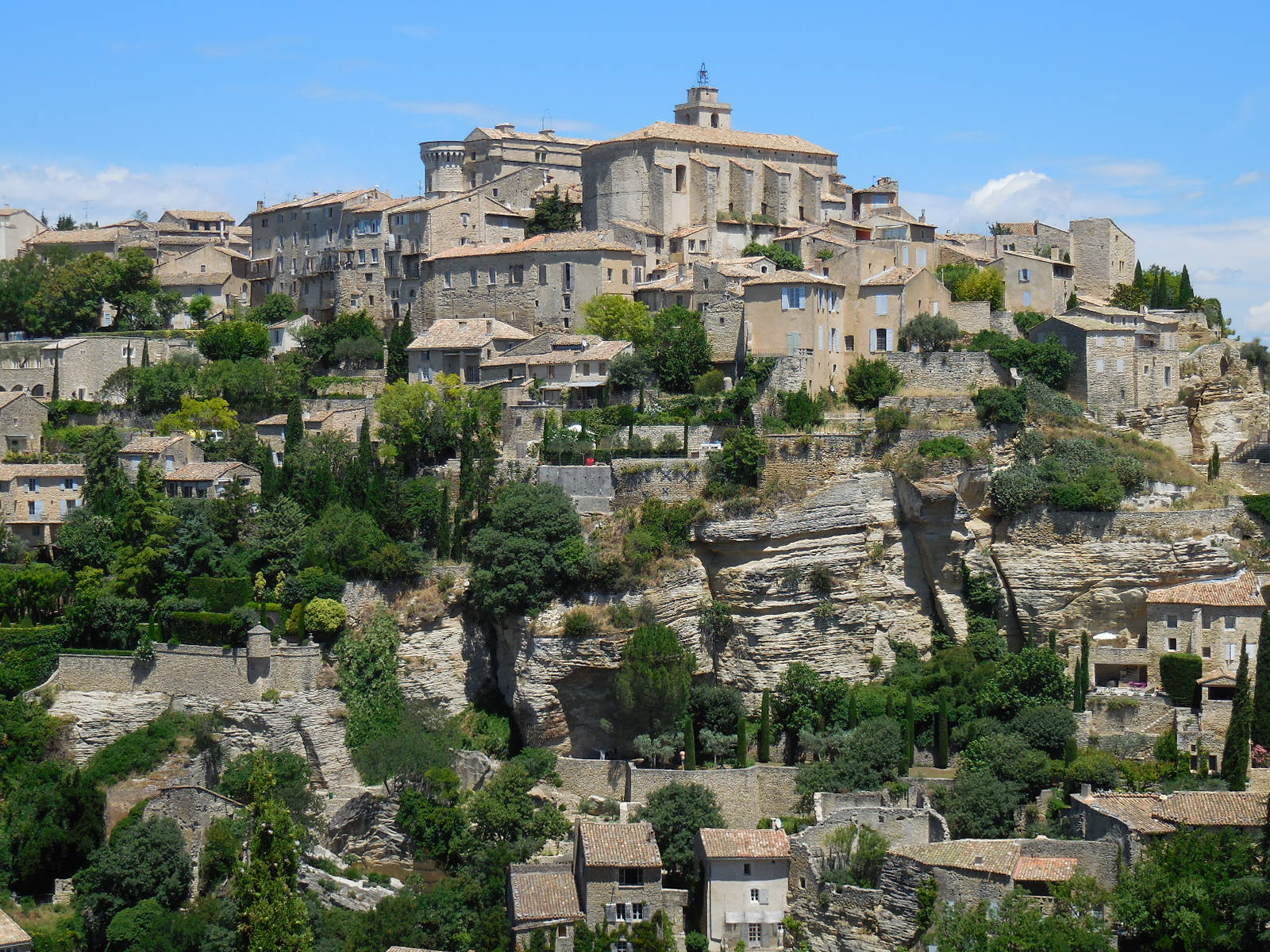
One of the most picturesque villages I have ever visited is Gordes. It was certainly a highlight of my 10-day trip to Provence. I loved meandering down the narrow, steep, romantic streets flanked by stone buildings with terracotta roof tiles. We were there on a Tuesday, when the weekly market is held, and I enjoyed examining the vendors’ wares and wound up buying two exquisite scarves. The views of the countryside were incredible, and away from the main square, it was tranquil. I found a quaint restaurant with simple yet attractive décor for lunch, too.

Gordes8

Gordes is located in the Vauclause Hills at 373 meters above sea level. It has about 2,000 inhabitants and encompasses 4,804 hectares. The name Gordes is Celtic in origin. Romans built forts in Gordes when they ruled. During the fifth century, when the Barbarians, Visigoths and Lombardians raided the plains where many settlements were located, people fled to the hills, which became villages in the 10th century.

The castle was first mentioned in writing during 1031 and was reconstructed in 1521, during the Renaissance. However, the lords did not reside there because Gordes was in such a remote location.

Gordes2

The village blossomed economically in the 18th and 19th centuries with craft production, tanners and shoemakers in great demand. Olive oil was also manufactured there. No less than 18 windmills were located in the village before the onset of the First World War, which brought terrible times to the village. Gordes was depopulated, and there was much poverty.

Gordes4

During World War II Gordes was home to many resistance fighters. When members of the resistance killed Nazi soldiers in the village during August of 1944, the Germans got revenge by shooting villagers and destroying property. Thirteen inhabitants were murdered in Gordes during the war. Later the village received a medal for its resistance activity.

Gordes10

After the war, Gordes got a new lease on life. Artists flocked to the village, and painter Marc Chagall and others settled there. During the 1950s, when tourists discovered the village, Gordes was rebuilt and acquired the picturesque appearance it has today.

Tracy A. Burns is a writer, proofreader and editor in Prague.

Gordes11

Gordes14

Gordes15

Gordes16

Gordes18

Gordes20

Gordes21

Gordes22

Gordes26

Gordes28

Gordes29

Gordes30


Les Baux-de-Provence Photo Diary

LesBauxdeP2

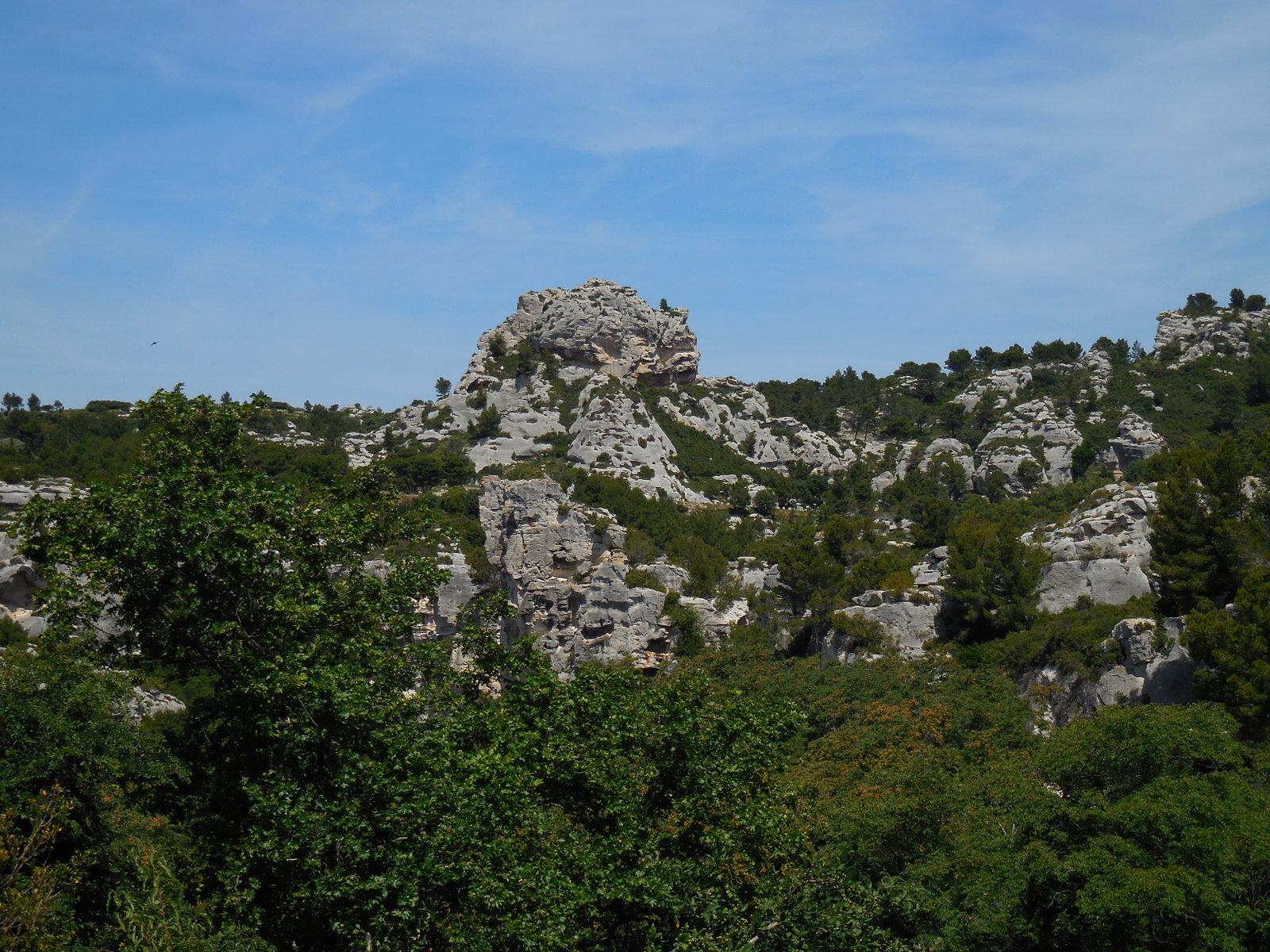
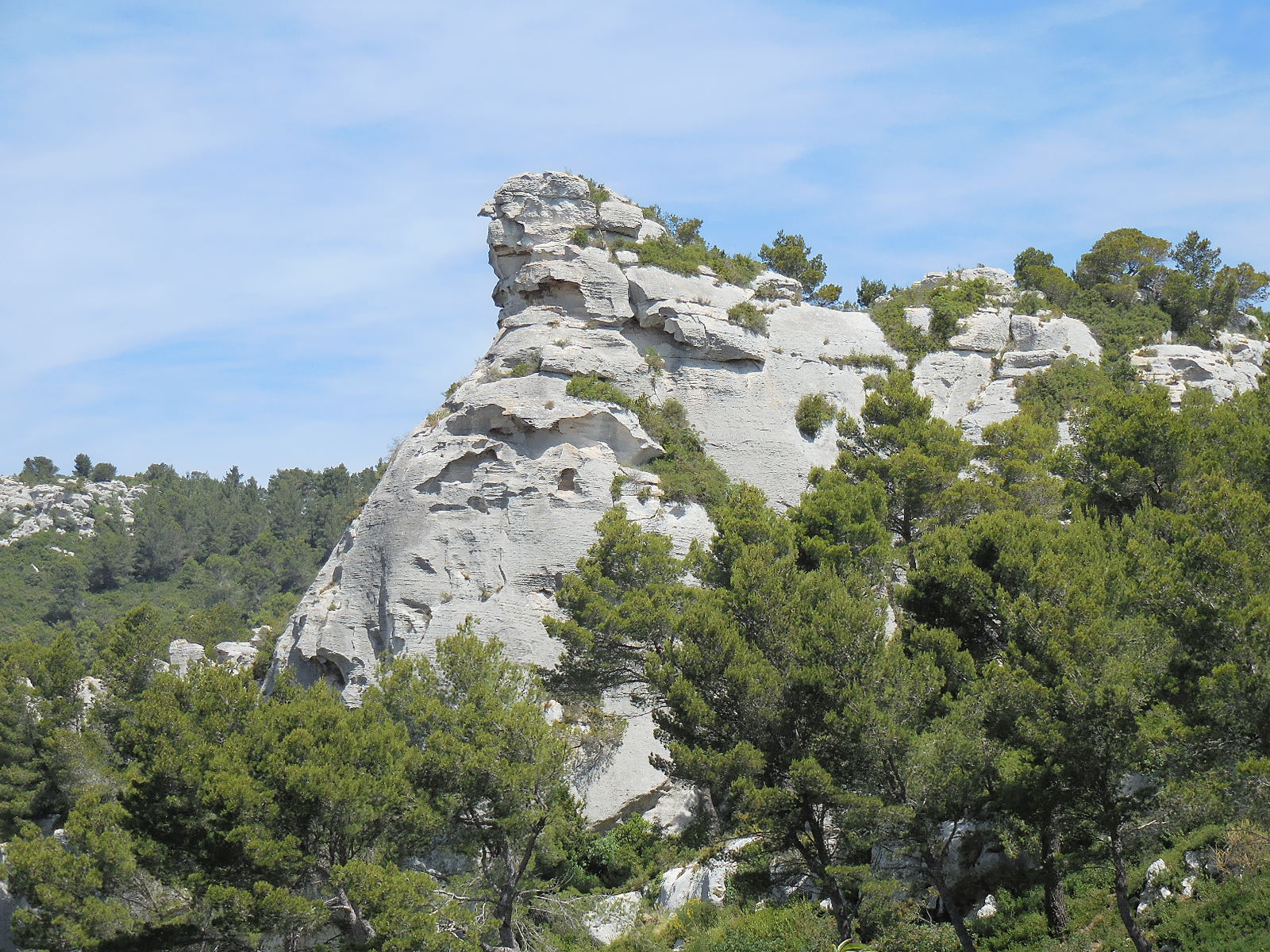
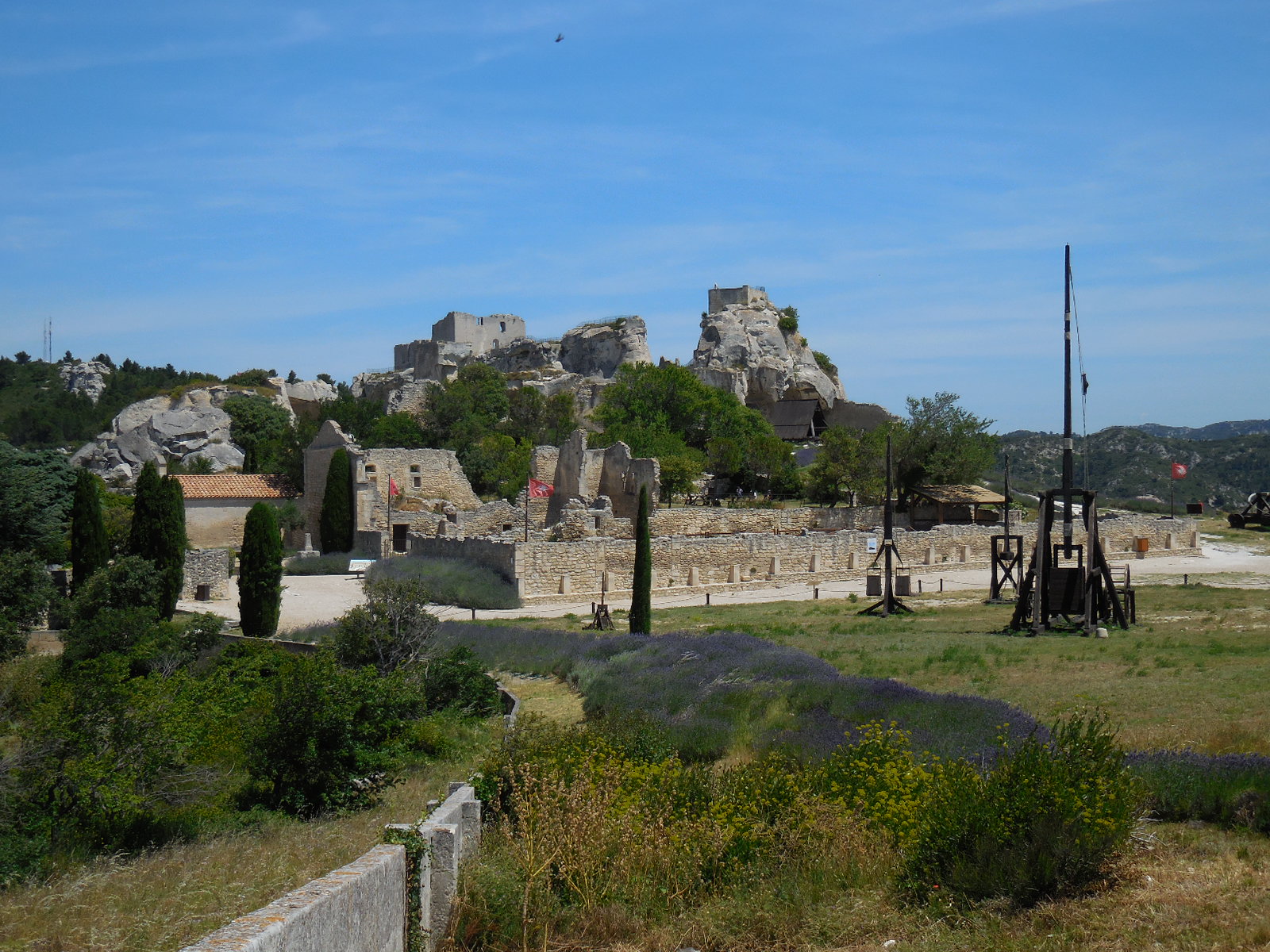
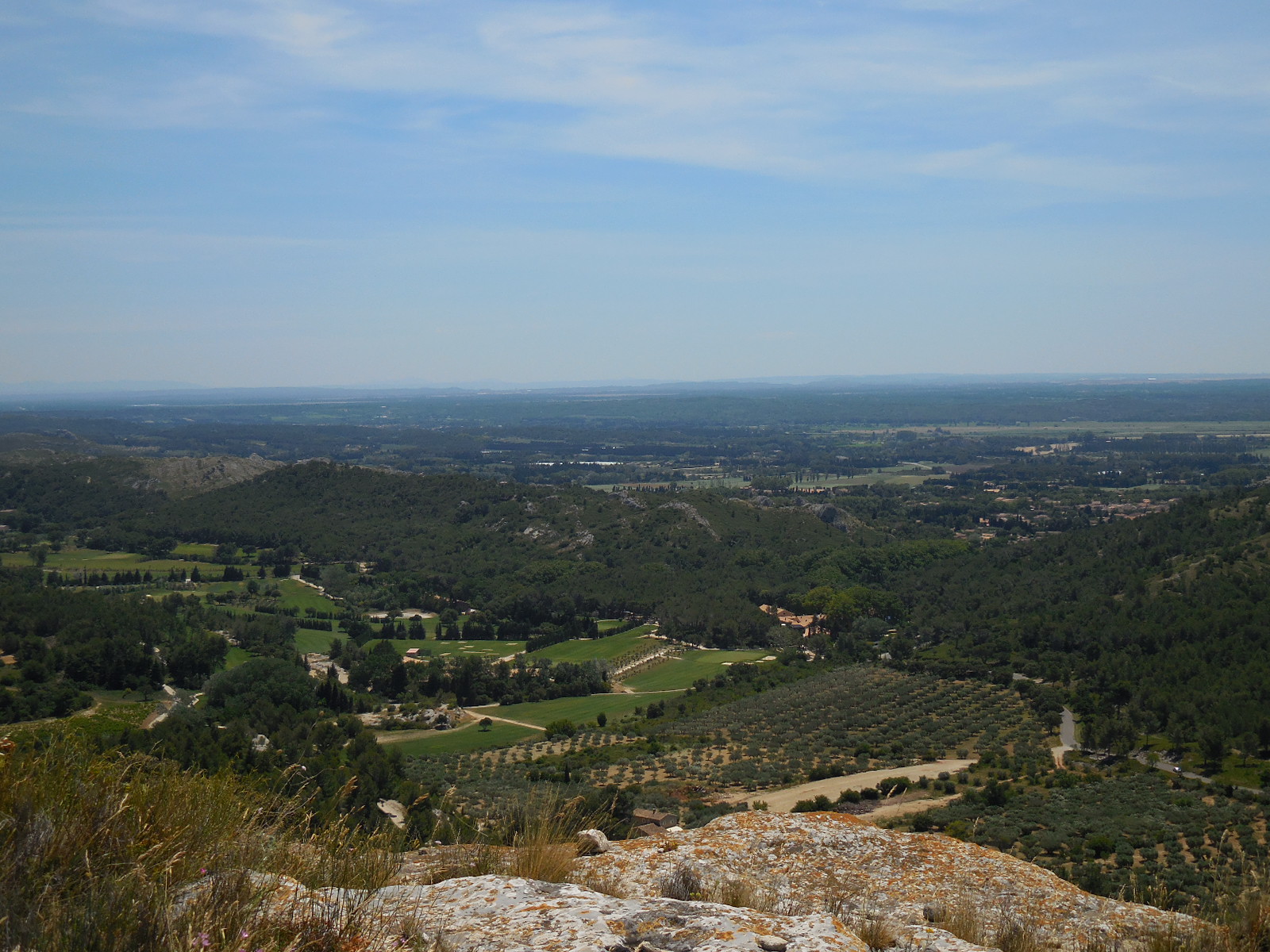
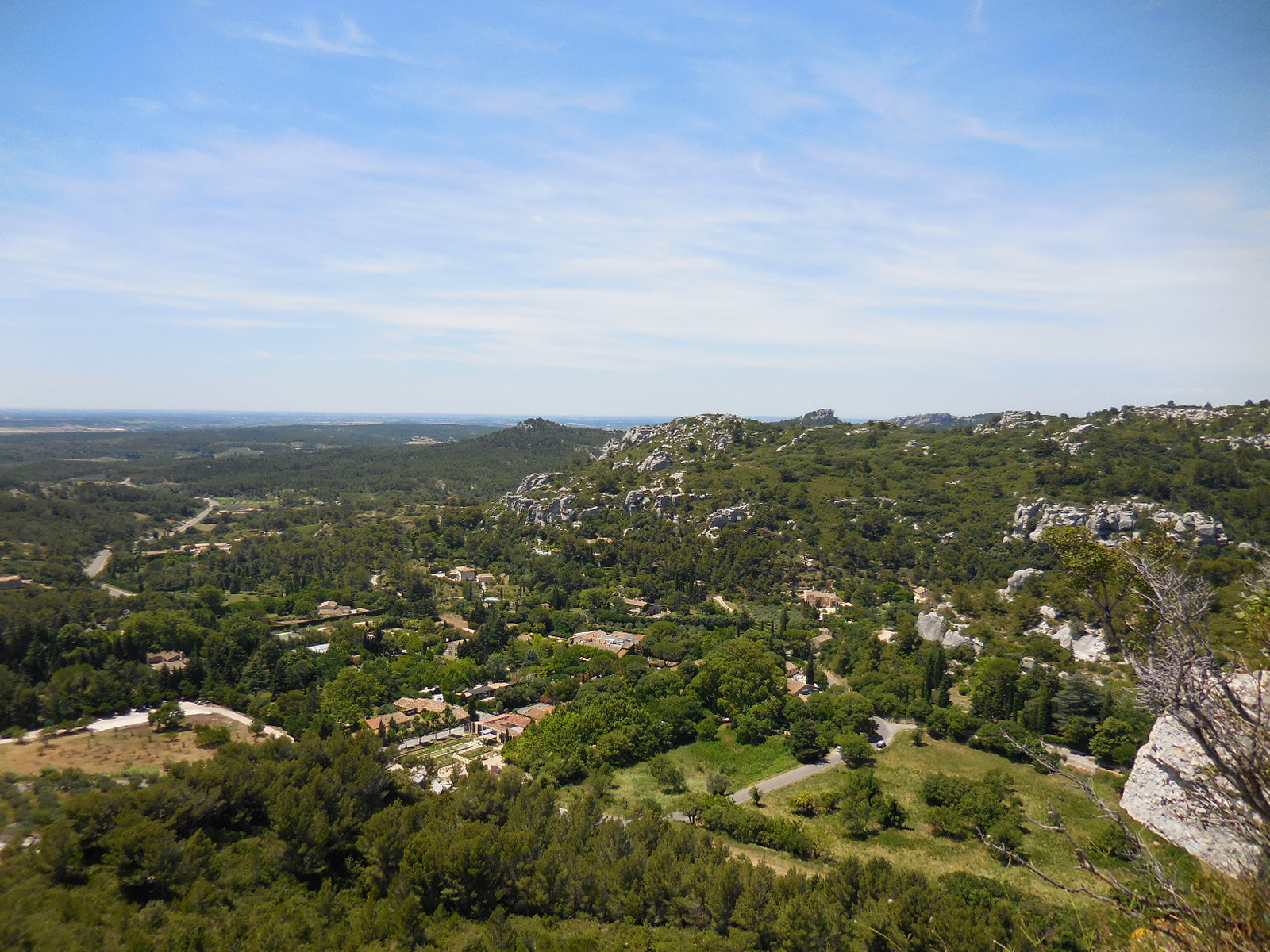
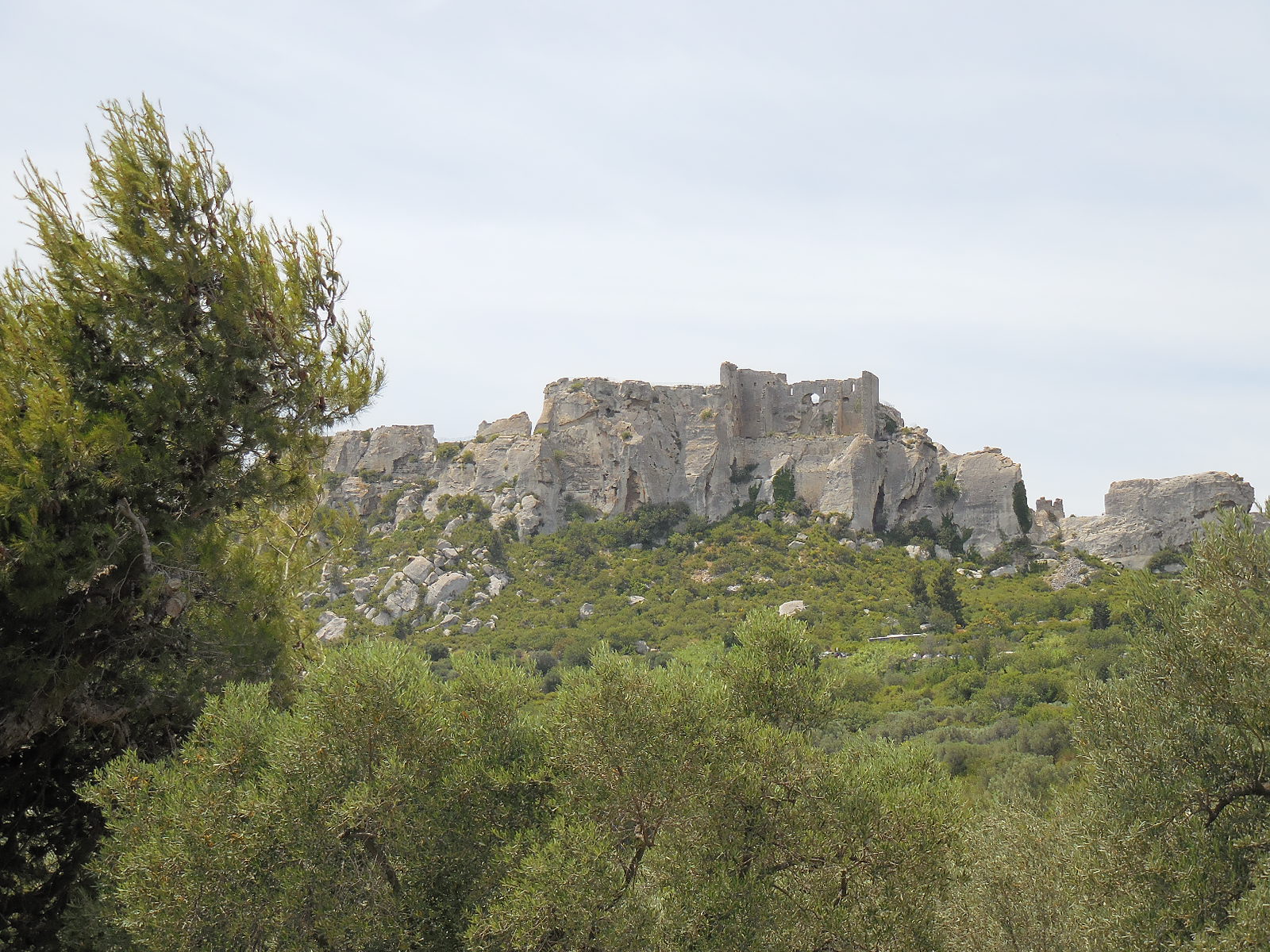
One glance at Les Baux-de-Provence and I understood why this village was dubbed one of the most picturesque in France. This rocky hilltown in Provence cast a spell on me from the moment I laid eyes on it. I walked along the narrow, steep streets flanked by art galleries, craft shops and a few churches. The small squares were enchanting, too. I tasted my first lavender ice cream, the most delicious flavor I had ever tried. The Renaissance facades were charming. There are no less than 22 historic monuments in Les Baux. I loved the romantic castle ruins, sprawled onto seven hectares. Breathtaking views of the Alpilles Mountains, Arles and the Camargue region abounded. Even though it was a ruin, I could feel the history of the castle that had been built from the 11th to 13th century.

LesBauxdeP3

Our guide told us about the history of the village. Les Baux-de-Provence can trace its origins back to the Bronze Age, to 6000 BC. The village is mentioned in 10th century documents. The Princes of Baux successfully guarded the region for many years until they were defeated in the Bauessenque Wars of the 12th century. The castle was attacked on numerous occasions during the Middle Ages. The Renaissance proved to be a prosperous time.
LesBauxdeP5

A significant event occurred in 1642, when King Louis XIII presented the lordship of Les Baux-de-Provence to Hercule Grimaldi, then the Prince of Monaco. Even today, the Prince of Monaco holds the official title of Marquis des Baux. During the 19th century, the village became a sort of ghost town; for the most part, it was abandoned. Then, following the Second World War, an entrepreneur opened a gourmet restaurant on the rocky outcrop. Food connoisseurs were not the only people who started to flock to Les Baux. It soon became a tourist attraction and remains so, as was evidenced during my day there by the large crowds that had inundated the village. Still, even the large number of tourists couldn’t make Les Baux lose its charm.

LesBauxdeP9

LesBauxdeP10

LesBauxdeP13

LesBauxdeP14

LesBauxdeP15

LesBauxdeP16

LesBauxdeP18

LesBauxdeP20

LesBauxdePcastlechapel

LesBauxdePchurch2

Tracy A. Burns is a writer, proofreader and editor in Prague.


Sychrov Chateau Diary

Continue reading