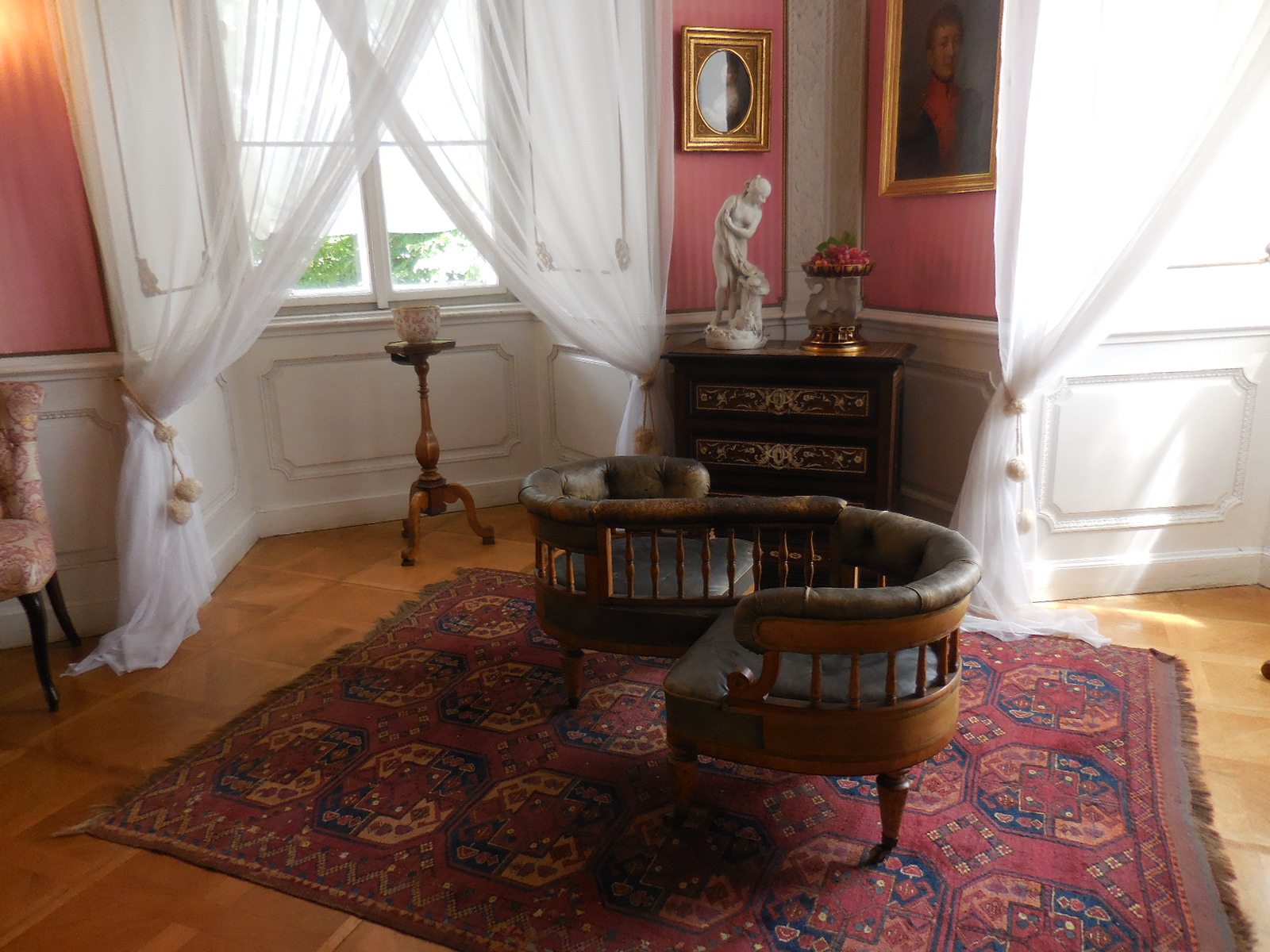
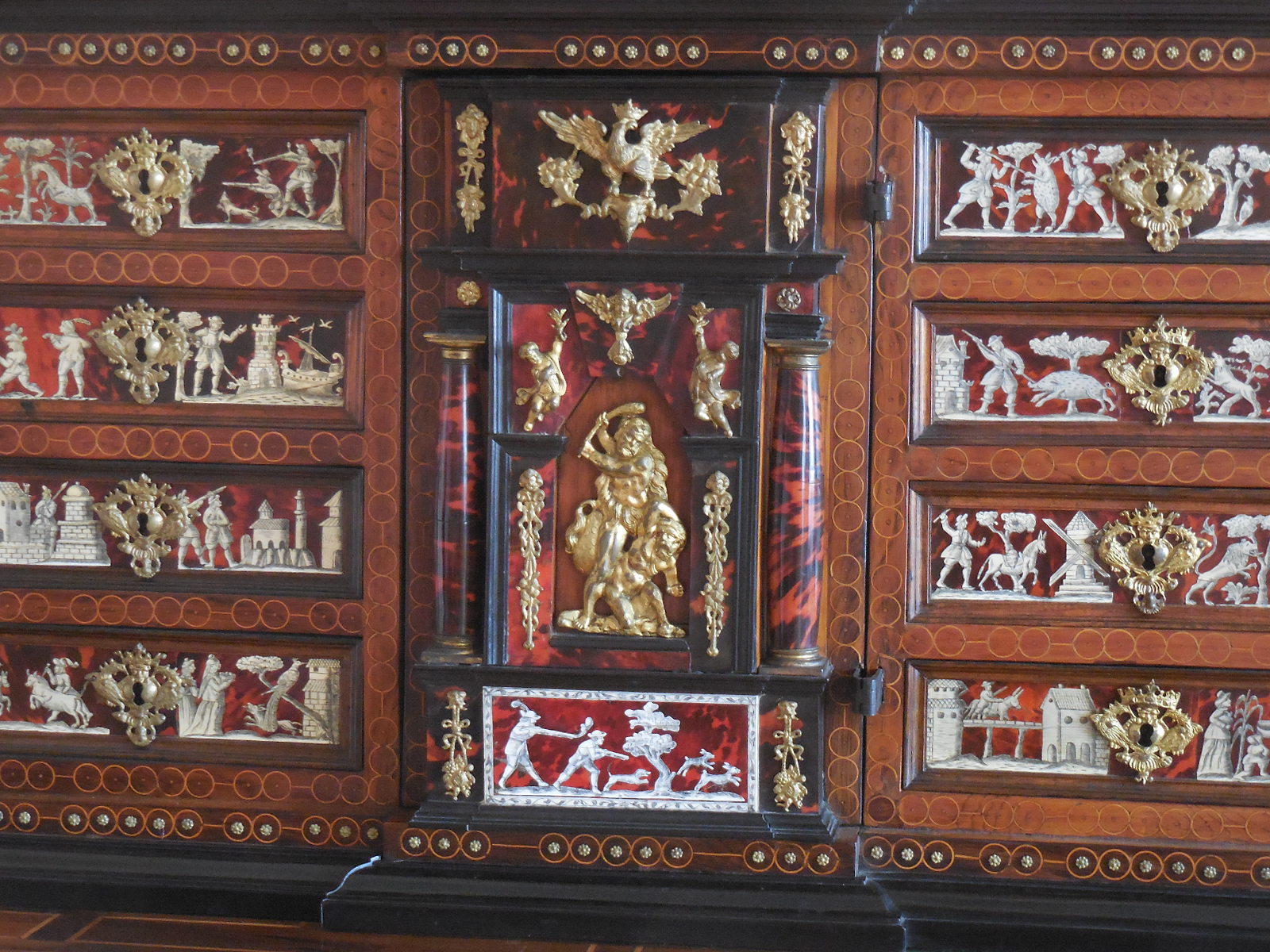
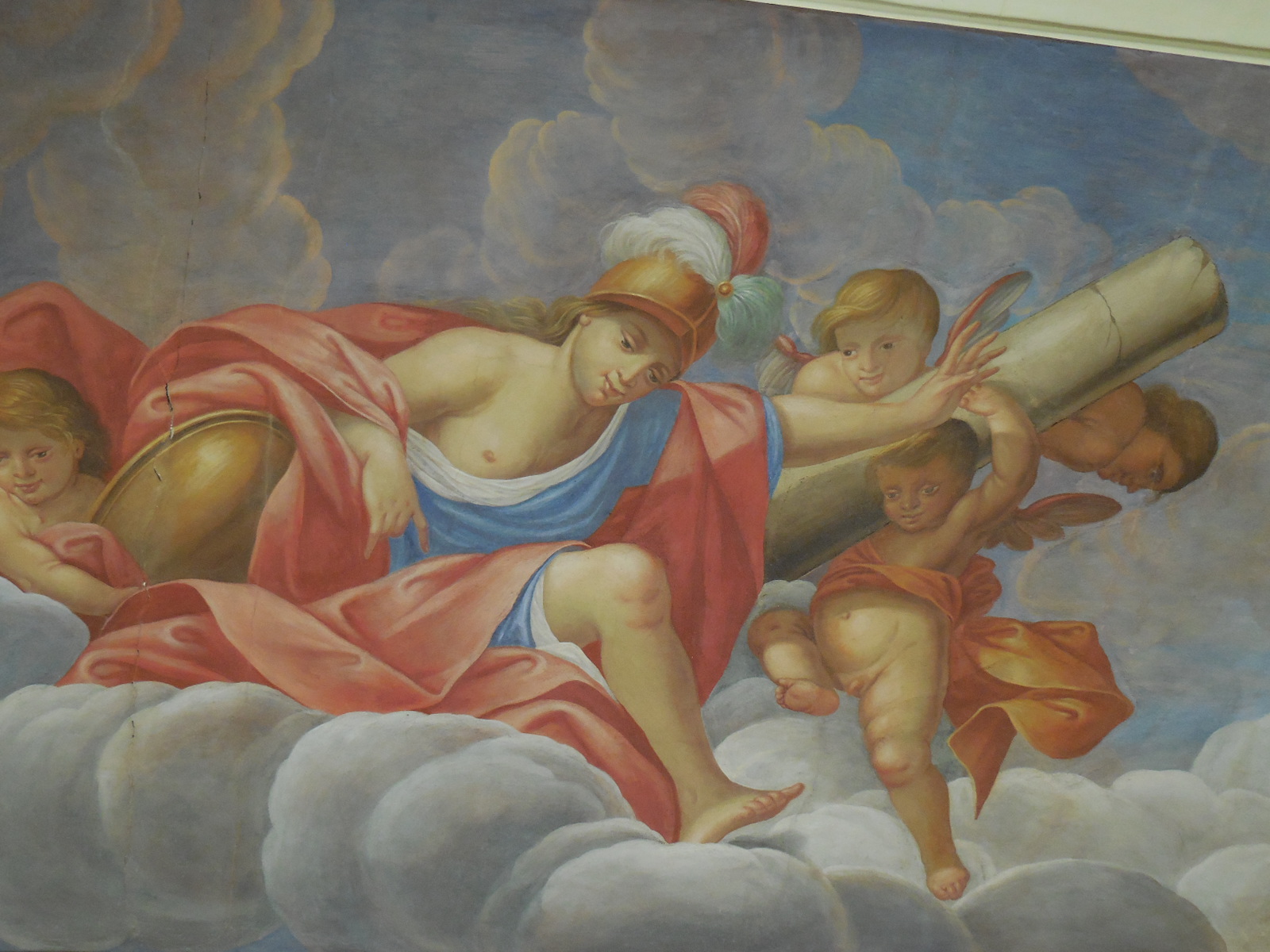
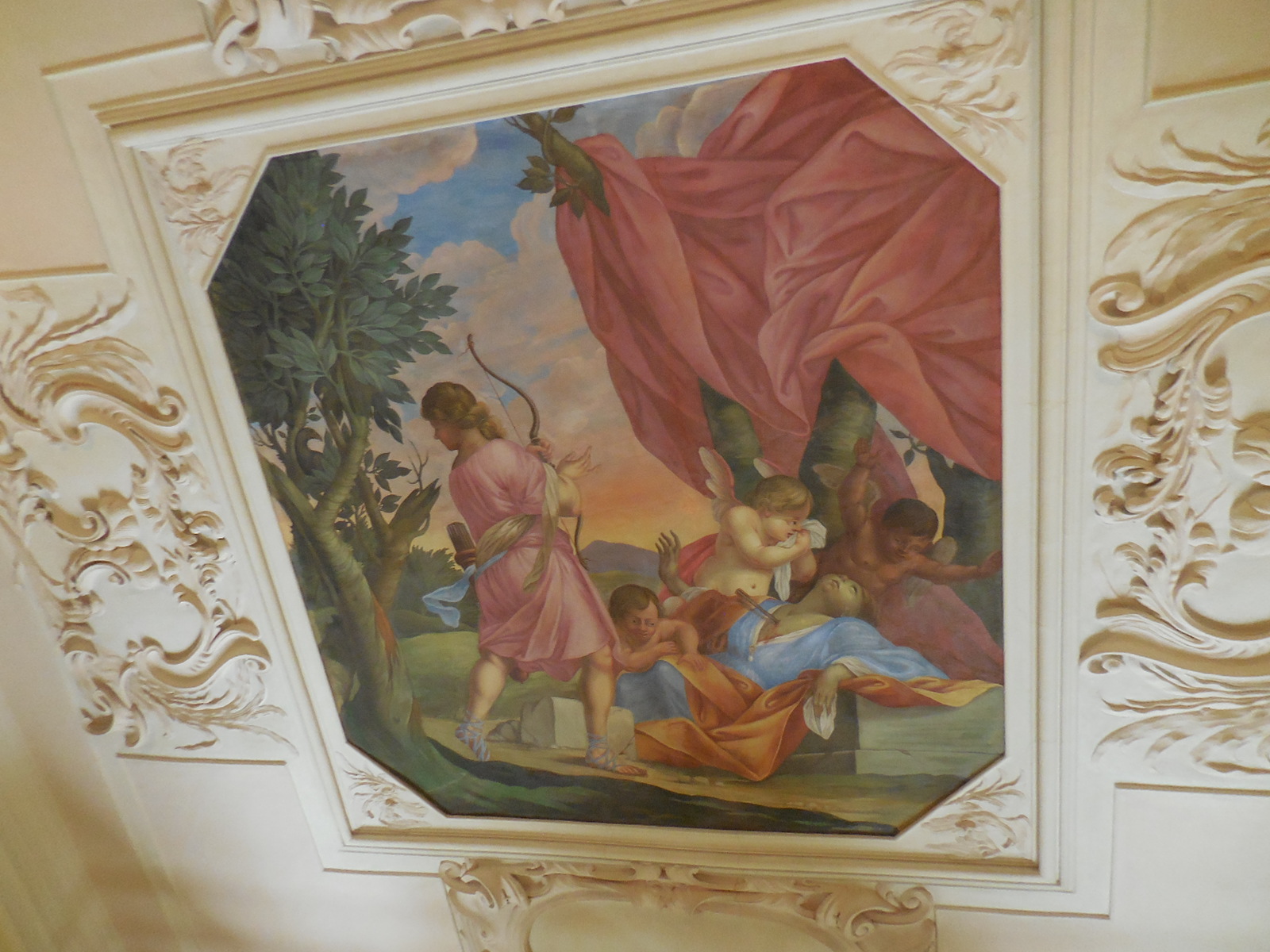
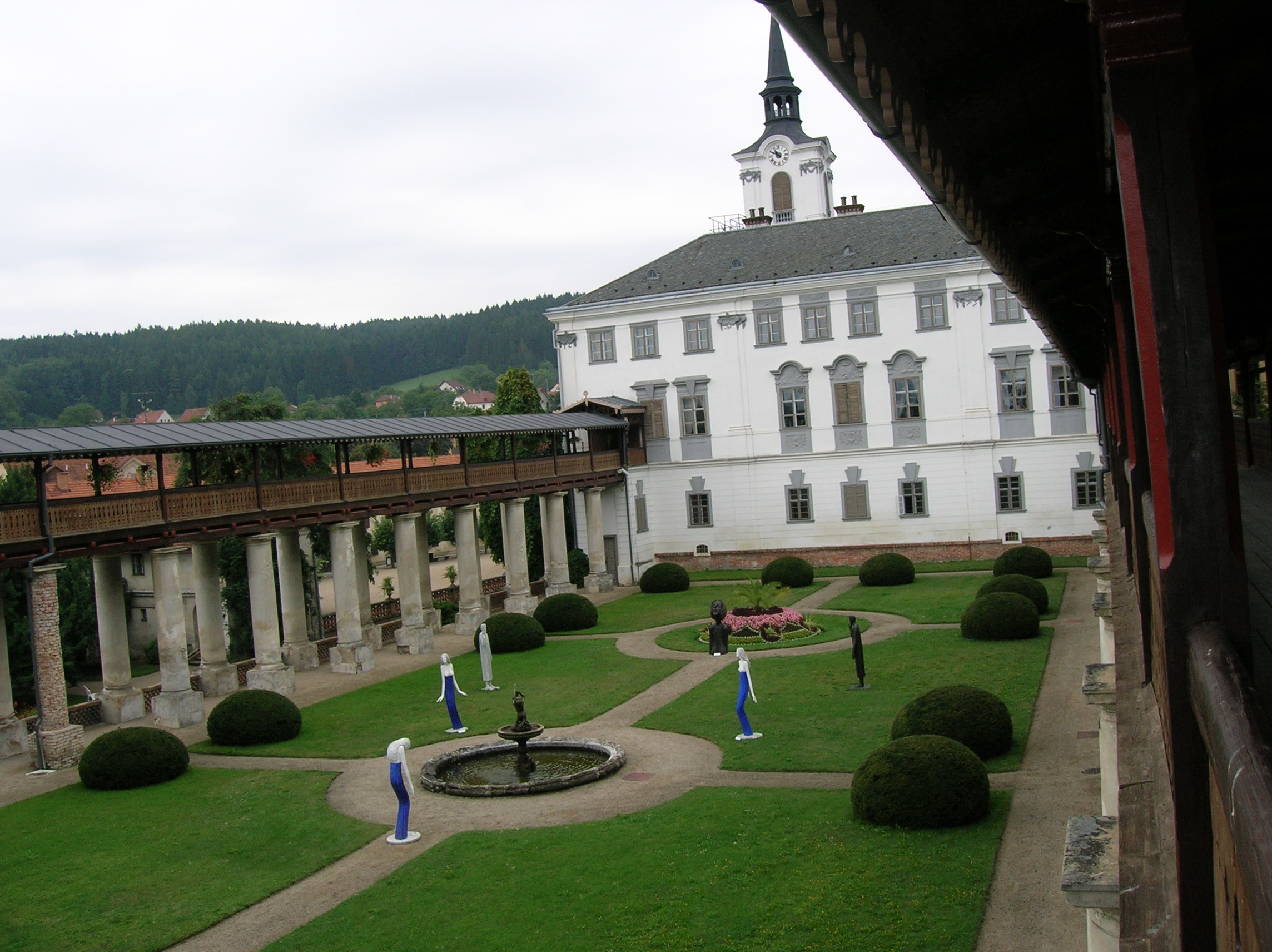
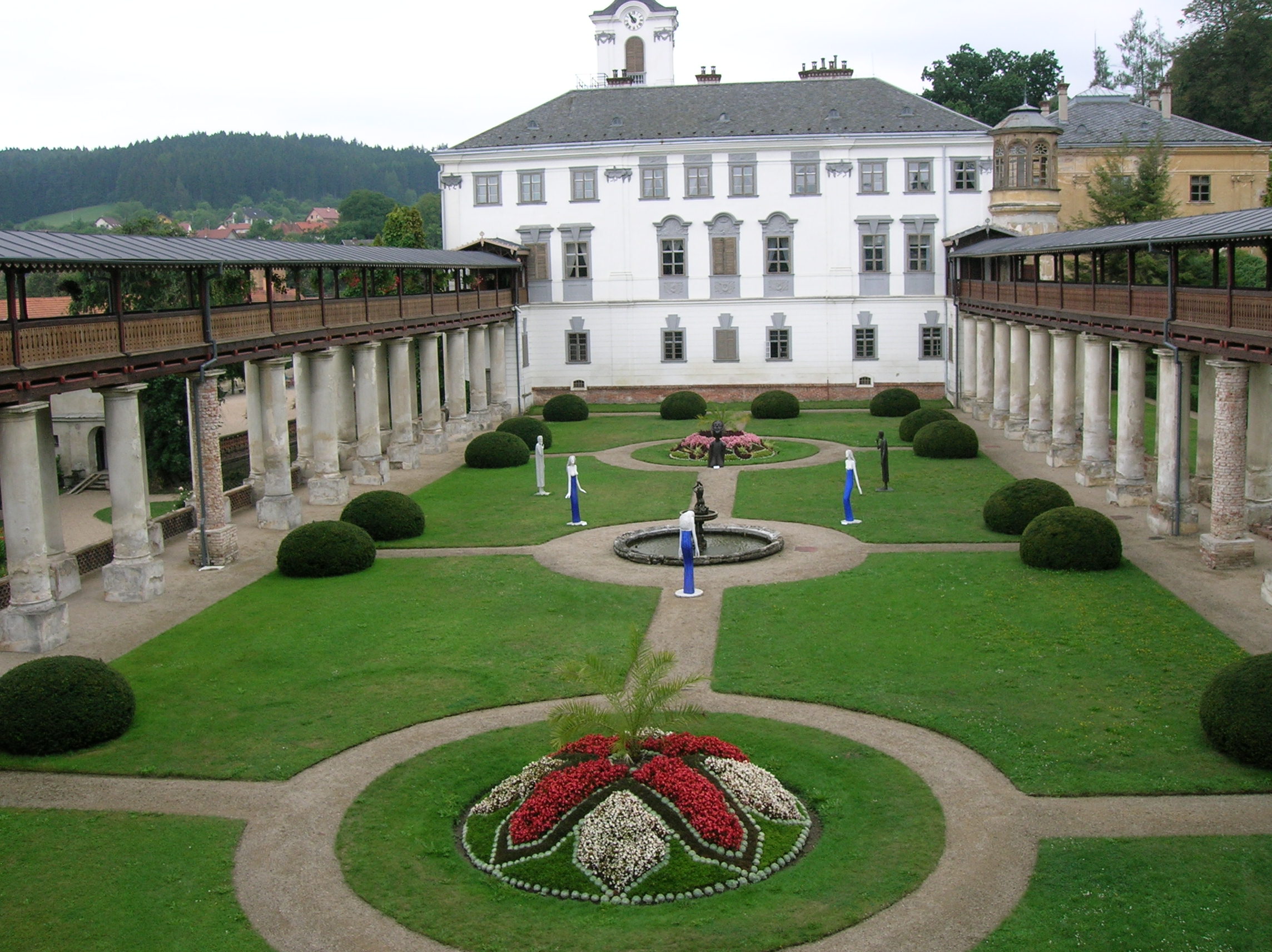
Stiassni Villa Diary

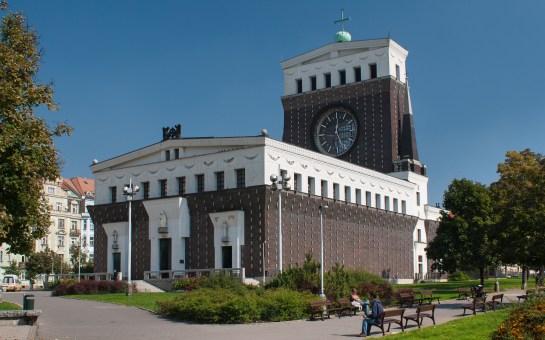
Stiassnivillaext2

I had heard that the Stiassni Villa in Brno had been open to the public since the end of 2014, but I did not have time to go there in 2015. When the Czech UNISMA travel agency offered a tour of the Stiassni and Löw-Beer villas in the Moravian capital, I immediately signed up. A prime example of modern functionalist architecture in the Czech lands, the Stiassni Villa had been under reconstruction from 2012 to 2014. During Communism renovations had taken place as well –during that time period furniture from various chateaus had been added to the interior. Still, the villa had original furniture, too.

I was entranced with the section of Brno where the architectural gem was located – in the villa-sprinkled Masaryk Quarter, a section that looked tranquil, so different from the hustle and bustle of the city center. It reminded me of the Hanspaulka section of Prague, where I enjoyed taking long walks along villa-flanked streets.

Stiassnivillaext3

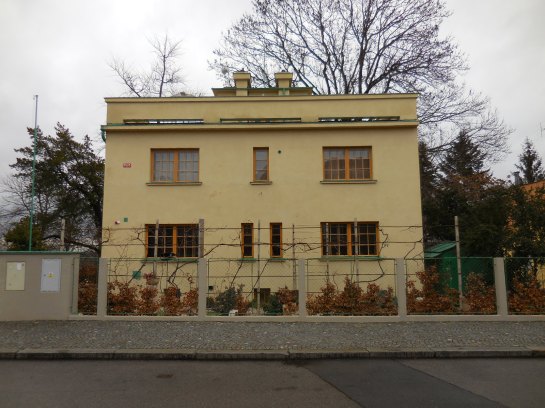
I am not a big fan of the functionalist style, but the exterior was intriguing. Its spartan appearance reminded me a bit of the exteriors of Prague’s Müller Villa and Rothmayer Villa. Shaped like the letter L, the Stiassni Villa was designed by architect Ernst Wiesner, who made quite a name for himself in Brno during the interwar years. His work was influenced by Austrian architect Adolf Loos, who designed the Müller Villa in Prague. Wiesner created the plans for other buildings in Brno as well, such as the Moravia Palace and crematorium. Wiesner fled to Great Britain in 1939, the year the Nazis took over. The villa was completed in 1929 for textile entrepreneur Alfred Stiassni and his family – his wife Hermine and his daughter Susanne. The structure features rectangular windows and a massive cassette cornice, for example.

StiassniVillaint1

The Stiassni’s tenure at the villa only lasted nine years. Because they were Jewish, the family fled Czechoslovakia in 1938, when they traveled to London and then continued to Brazil. Alfred Stiassni’s mother decided not to leave her homeland due to her age. She died at the Terezín concentration camp in central Bohemia during 1942, when she was 87 years old. The villa was taken over by the Nazis during World War II. During 1945, the Stiassnis obtained US citizenship. That same year Russian soldiers liberating the city would destroy furnishings in the villa. It was in good shape again when Czechoslovak President Edvard Beneš stayed there later that year, on his first visit to Brno after the war. He and his wife would reside in the villa again the following year during another trip to the Moravian capital.

StiassniVillaint2

Paintings of the owners of the villa, Alfred and Hermine Stiassni. The paintings are not part of the original furnishings.

From 1952 the villa was the property of the Regional National Committee and was used as accommodation for VIP guests, such as Fidel Castro. In 1961 Alfred Stiassni died in Beverly Hills, California. His wife passed away the following year. In 1964 leading Soviet Union politician Nikita Khrushchev spent time at the villa. From 1990 to 2005, the place served as a four-star hotel. Famous guests included Rudy Giuliani and Bill Gates. In 2005 Susanne, who had married an American, died in Beverly Hills.

StiassniVillaint5

Soon it was time for the tour to begin. In the Large Dining Room I admired the copy of a Baroque painting by 17th century Flemish Baroque painter Jacob Jordaens showing merry people drinking and laughing. I thought I could see the influences of Peter Paul Rubens and Jan Brueghel the Elder in the work. The onyx fireplace also caught my attention. My eyes were drawn to an elegant vase as well.

StiassniVillaint6

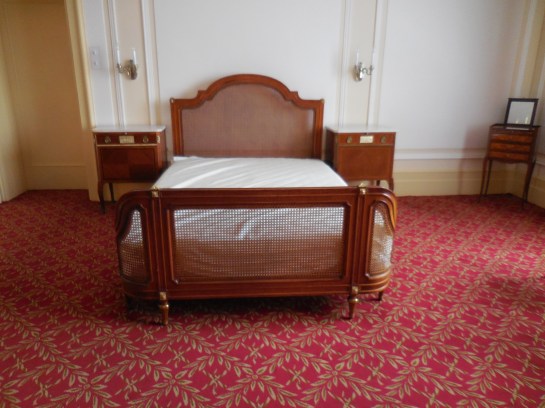
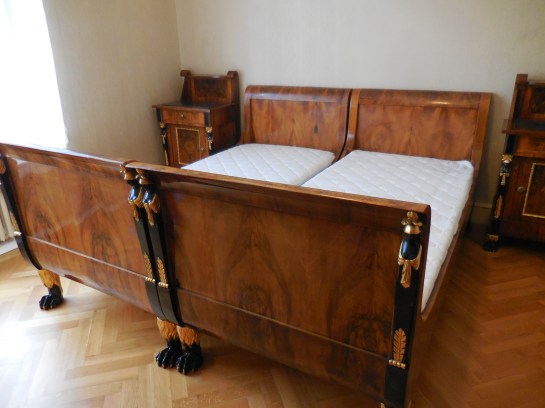
Another room featured watercolor paintings by Hermine and original chairs with grey upholstery. The pewter chandelier was also intriguing. An exquisite table had been originally in Bítov Castle, one of the largest and oldest castles in Moravia, a sight I had toured twice. I also admired a Baroque commode. The stucco decoration on the walls and ceiling was stunning. Then we visited some small rooms, and I especially liked the Empire space with side tables and a bed in that style. The bathroom was made of green marble. It had obtained its appearance during reconstruction in the 1980s. It is not known what the bathroom really looked like during the Stiassni’s tenure there.

StiassniVillaint7

The first floor was even more intriguing. Behind Alfred’s vast closet with moveable drawers was a space for more than 10 pairs of shoes. I recalled how the drawers in the dressing rooms of the Müller Villa were also moveable. In the bathroom the detail on the faucets was superb.

StiassniVillaint8

From Hermine’s bedroom it was possible to see the sloping English garden with hills and other greenery in the background. Other villas could also be seen in scenery that would have made a remarkable landscape painting. Mirrors covered Hermine’s closet in her dressing room. Her bathroom was green marble because the architects had no idea what it had looked like originally.

StiassniVillaint10

The daughter Susanne had the nicest rooms. Her playroom featured a dressing room, a bathroom and the terrace. I liked the yellow color of the rooms. It was my mother’s favorite color, and it brought back memories of my time spent with her in the yellow-painted kitchen of my parents’ house. So many discussions about so many topics, so many smiles, so many problems resolved. Susanne’s governess also had a small room.

StiassniVillaint20

The Small Dining Room, where the Stiassnis usually ate, was very modest with a small table set for three. The garden was another highlight of the villa. It was established in 1927 and included many foreign woody species. I noted its symmetrical design. Each section had been assigned a different use.

The Stiassnis were athletes. They took up swimming, skiing and skating, for example. There had been a swimming pool above the villa, and there still were tennis courts on the property.

StiassniVillaint11

I had enjoyed my tour of the villa, which contained some intriguing furnishings and was architecturally enthralling. I appreciated the functionalist design even though it was not my favorite style. I could imagine the villa in the early 1930s, when the family was settled there, not aware that their time in the villa would be cut short by the Nazis’ rise to power. From there we headed to the Löw-Beer Villa, which had a stunning Secession façade but only one piece of original furniture. Facing the famous Tugendhat Villa, the Löw-Beer Villa is now used as an exhibition space.

Tracy A. Burns is a writer, proofreader and editor in Prague.

StiassniVillaint13

StiassniVillaint12

StiassniVillaint19

StiassniVillaint23

StiassniVillaint25

Rothmayer Villa Diary

RothmayerVilla1
NOTE: It is not permitted to take photos inside the villa. Photos can only be taken outside from the street.
I was excited about my trip to the Rothmayer Villa in Prague’s Břevnov quarter of the sixth district. I had never been there, even though the villa had been open to the public since the fall of the previous year (2015). In fact, I had not even heard of the architect, Otto Rothmayer before I came across the listing of the villa in a Prague cultural guide. This definitely would be a new adventure.
When I first set eyes on the Rothmayer Villa on the corner of a tranquil street next to a hospital, I was surprised at how small it was. I had thought it would be bigger because I had visited the much larger Müller Villa a few days earlier. I was also surprised at the lack of decoration on the façade, which had symmetrical windows and a spartan cornice. Yet even the simplicity of the rectangular design exuded a sense of elegance. Certainly, the classicist-modernist style was not my favorite. I preferred styles with some ornamentation, such as Art Nouveau. Still, it was intriguing, and I appreciated the sobriety of the design.

OttoRothmayer

Otto Rothmayer, photo from bydleni.idnes.cz
Otto Rothmayer built this house for his family during 1928 and 1929, a time when the Tugendhat Villa was under construction in Brno, designed by legendary architect Ludwig Mies van der Rohe and a time when work on the Müller Villa, designed by Adolf Loos and Karel Lhotka, was underway in another section of Prague 6. Many villas in Prague were erected during the interwar years.
The guide started off by providing information about Rothmayer’s life and work. Rothmayer took up carpentry at a young age. He turned to architecture before World War I, studying under Slovenian architect Jože Plečník at Prague’s Academy of Applied Arts. Plečník’s creations would inspire Rothmayer for the rest of his life. After World War I, Rothmayer finished his studies and worked in the studio of Cubist architects Pavel Janák and Josef Gočár. He also cooperated with Janák and Gočár on the design of a pavilion for an exhibition in Lyon during 1920. In 1921 he took up the post of assistant architect at Prague Castle with Plečník as his boss and colleague. Rothmayer held the position until 1958, when he retired. After 1930 Plečník left Prague Castle while Rothmayer continued to work there.

RothmayerVilla2
Rothmayer’s impressive designs at Prague Castle includes renovating the apartment of the first president of Czechoslovakia, Tomáš Garrigue Masaryk. He also created plans for some of the courtyards and improved the appearance of the Theresian Wing of the Old Royal Palace. He designed the Staircase Hall using what was then a new material, faux marble. His style was also visible in interior renovations of the New Royal Palace.
Yet Rothmayer’s designs were not limited to Prague Castle. He designed three other family houses, all with porches so they would allow residents ready access to the outdoors. One of his creations was a weekend house for sculptor Otakar Hátlý. Rothmayer also served as a professor of Decorative and Applied Arts from 1947 to 1951. He stopped teaching because his ideas clashed with the social realism philosophy of the era. He also designed exhibitions for the Museum of Applied Arts and was responsible for installations of various exhibitions at the Museum of Decorative Arts and National Literary Monument. A side altar for the Church of the Most Sacred Heart in the Vinohrady quarter of Prague is another example of his work.

Plecnikvila-stadion-1928

Vila Stadion, 1928, from http://www.renton.si
The guide told us that Plečník’s Villa Stadion in Ljubljana inspired Rothmayer’s design of his family villa. I was familiar with the name and creations of Jože Plečník, whose style could be said to fit into the category of Art Nouveau while Rothmayer’s work was much simpler in design. There was a huge exhibition of Plečník’s architectural gems at Prague Castle many years ago. Also, when I had visited Ljubljana, I had made a trip to his studio. Plečník was responsible for the modern look of Ljubljana, designing architectural masterpieces throughout the city. For example, his creations there included the Triple Bridge, the Slovene National and University Library, a cemetery and parks. Elsewhere in Europe, he designed many structures in Vienna and his style can be found in Belgrade, too.

JozePlecnik1933

Jože Plečník, 1933, from http://www.dieselpunks.org. Photo by Karel Repa
Plečník’s works at Prague Castle under Masaryk’s tenure as president included reconstructing the first and third courtyards and reconstructing the appearance of the southern gardens. Plečník spent three years doing renovations on Masaryk’s apartment at the Castle, and Rothmayer took part in this project as well. Plečník’s distinctive style can also be seen in the Spanish Hall and Bellevue Summer Palace. Yet his designs are not limited to the Castle. He also designed structures in Vinohrady and the Old Town of Prague, for example. Outside of Prague he worked on the president’s summer residence at Lány and at Křivoklát Castle.

Kostel Nejsvětějšího srdce Páně

The most beautiful church in Prague Heart, designed by Plečník, photo from newchurcharchitecture.wordpress.com.

After explaining to the group about Rothmayer’s background, the tour guide drew our attention to black-and-white photos on an ash wood table designed by Rothmayer. The guide pointed out one photo in which Otto’s wife Božena had a short haircut and wore pants, signs that she was a modern woman. Another photo showed the villa surrounded by fields. Rothmayer had built it on an isolated plot of land. Now other villas flanked the street, and the villa was right next to a huge hospital. We also learned some basic information about the villa. It had a rectangular plan with a cylindrical shape that was the large, impressive spiral staircase connecting the floors. It was intriguing that the family had not owned a car. They walked to town, which was quite a distance away.

RothmayerVilla3
Like Plečník, Rothmayer favored wood for his furniture as was evident in this room. Other furnishings were created from spruce and pine. Jan Vaněk was responsible for the design of four impressive Windsor chairs. I was familiar with his designs. He was a Brno-based architect who had also collaborated on the Müller Villa not far from here. The floor was original, made of cork. A unique teapot in the space had once belonged to Plečník. The guide also commented that when the house was constructed, small heaters that used coal had been placed in each room. There was also a simple yet elegant white tiled stove in the space; these tiled stoves were sprinkled throughout the villa.
Božena’s room, currently the ticket office, was next. I saw examples of her embroideries with folk art themes framed on the walls. Her creations included clothes, including pants for women, plus purses and jewellery. She also set up an exhibition about the modern woman. I was drawn to the small bust of Božena Němcová, a 19th century Czech writer who is credited with founding modern Czech prose. She also wrote fairy tales and travelogues, for example. Her best known work is her novel, The Grandmother, based on memories of her happy childhood in the countryside. In the book the grandmother represents love, goodness and morality. Her literary masterpieces greatly contributed to the Czech National Revival movement. I certainly understood how a modern woman like Božena Rothmayer could be inspired by this author.

RothmayerVilla4
Then we came to the room where Otto had worked and slept. He had made all the furniture for this space, which had once been full of belongings – drawings, paintings and books. The desk was mobile; it could move back and forth to get the best light. The drawers in the desk could move from side-to-side. It reminded me of the moveable drawers in the closets designed by Vaněk for the Ladies’ Dressing Room at the Müller Villa.
The Children’s Room, where their son Jan Rothmayer (1932-2010) had slept, included an audio system that Jan had designed. He was an electrotechnician who had also taken up photography, inspired by family friend and legendary photographer, Josef Sudek. who had often visited in the 1950s and 1960s and had taken many pictures of the house and garden. Sudek was best known for his photos of Prague, such as the interior of St. Vitus Cathedral and panoramas of city. His style could be described as neo-romantic. Sudek was able to take such beautiful photographs, even though he had use of only one arm.

JosefSudek

Josef Sudek, photo from http://www.afuk.cz
In this room we watched an intriguing video about the Rothmayer family and their work. The photos taken by Jan were particularly intriguing. My favorite showed a lit candle next to a half-full glass of wine. Sudek’s still lifes had certainly been an inspiration for this picture.
The room on the highest floor was once the Winter Garden Room and became the Summer Study during the 1950s. I had expected that there would be more books on the shelves. I was drawn to the small sculptures that also decorated the space. At one time, the small terrace had included a herb garden.
Last, we went to the basement, which included a carpentry workshop where Otto had made his furniture. There was also a guest room, where Sudek had slept. The armchair and table were designed by Plečník.

RothmayerVilla5
Then we were free to go outside into the garden, which was sprinkled with glassware and rocks. Rothmayer had worked with glass artists. A big, blue vase caught my attention. The garden, like the villa, was simple yet elegant. I liked the white garden furniture made from rough steel. It had been very popular at the time.
Because the family had lived there until 2009, many of the furnishings were authentic. Also, the Museum of Decorative Arts in Prague had some furniture from the villa in its collection, so many of the furnishings were preserved. The villa had remained private property under Communism, when many places had been nationalized.

RothmayerVilla6cornice
I was surprised that the rooms were small and that the style of the furniture was so simple. Yet the simplicity was by no means a negative aspect. It had a certain elegance to it. I had expected the villa to have a lavish interior because I had visited the Müller Villa several days earlier. Designed by Viennese architect Adolf Loos, who also had Czech citizenship, and Czech Karel Lhotka from 1928 to 1930, the Müller Villa was much bigger, with a sober, unornamented exterior shaped like a cube. However, the interior greatly differed from the Rothmayer Villa in its extravagant decoration. Both villas, though, made use of wood as a key material for furnishings. Yet Loos had also utilized marble and stone, which were expensive materials.
Visiting this villa greatly improved my understanding of modern architecture. I became familiar with the lives of Otto Rothmayer and his family as well as with their contributions to Czech architecture, photography, fashion and textile design. I appreciated the simple, practical style. I would certainly recommend this villa to tourists interested in modern architecture.

RothmayerVilla7
Tracy A. Burns is a writer, proofreader and editor in Prague.

Libochovice Chateau Diary

Lobochovice6
I discovered Libochovice Chateau in 2005 and wrote about it in an article describing chateaus in north Bohemia. It was published during October of that year in The Washington Post. Libochovice is certainly a hidden gem in north Bohemia. I recalled its dazzling displays, stunning tapestries, breathtaking ceiling frescoes and beautiful tiled stoves plus exquisite jewel chests. It is a shame there are not more foreign tourists making the trip there. It has so much to offer the curious castlegoer.
Lobochovicestatue
Before entering the chateau courtyard, I peered at the statue of Jan Evangelista Purkyně, who was born in Libochovice during 1787 and who became one of the leading scientists in the world, as he delved into the studies of anatomy and physiology. His father had worked for the Dietrichsteins, the family who had owned the chateau at that time. For two years Purkyně served as a tutor at Blatná Chateau, a remarkable sight in south Bohemia. Later, he made numerous discoveries in the scientific sphere, such as the Purkinje effect, Purkinje cells, Purkinje fibers, Purkinje images and the Purkinje shift. He also coined the scientific terms plasma and protoplasm. A crater on the moon and an asteroid are named after him.
Lobochovice3
Before my trip, I had read up on the history of the town and chateau. Located near the romantic ruins of Házmburk Castle, Libochovice was first mentioned in writing at the beginning of the 13th century. At that time, Házmburk Castle, then called Klapý and by no means a ruin, played a major role in the development in the town. A wooden fortress was built in Libochovice, and it was later replaced by a stone Gothic structure. During the Hussite Wars of the 15th century, the castle in Libochovice was razed, the town conquered.
Lobochovice4
The Lobkowiczs took over the properties in 1558, and they were responsible for constructing a Renaissance chateau with 28 rooms on the premises. When Jiří Lobkowicz revolted against Emperor Rudolf II in 1594, he was imprisoned, and his property was confiscated. That’s when the Sternberg family took control. Still, times were not rosy. The Thirty Years’ War did much damage, and during a fire in 1661, the chateau was destroyed.
Lobochovice1
When Václav Vojtěch Sternberg sold Libochovice to Austrian noble Gundarkar from Dietrichstein in 1676, a new era had begun. The Dietrichsteins would retain ownership until 1858. The chateau was reborn from 1683 to 1690, designed in early Baroque style. There were four wings with a courtyard decorated with Tuscan pilasters and arcades. A sala terrena on the ground floor led to the garden.
Lobochovicefresco2
Unfortunately, Gundakar died before the construction of the two-floor structure was completed. His daughter Terezie was then in charge of the chateau, and she had renovations made in the 1870s. More reconstruction occurred from 1902 to 1912. In the 19th century Johann Friedrich Herberstein added many objects of interest to the chateau collection. An avid traveler, he toured Egypt, Syria, Persia and India, for instance.
Lobochovicefresco4
During World War II the chateau’s history was bleak. That’s when Nazis took over Libochovice Chateau. Sixty-five residents of the town and surroundings revolted against the Third Reich and were beheaded by the Nazis. After 1945 the chateau was confiscated and nationalized because wartime owner Friedrich Herberstein had obtained German citizenship. More reconstruction took place throughout the decades, and in 2002 the chateau was declared a national monument.
Lobochovicesallaterrana
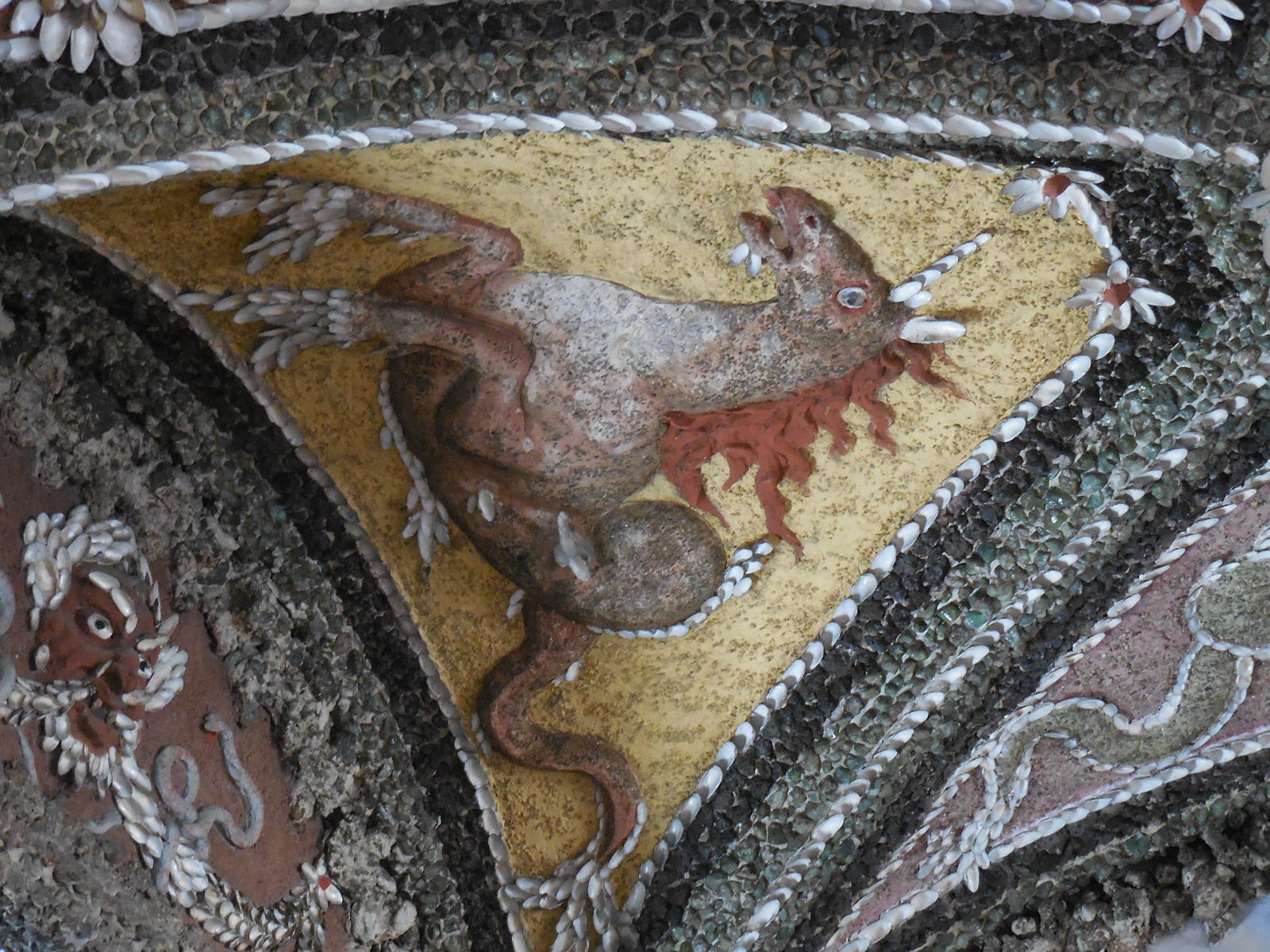
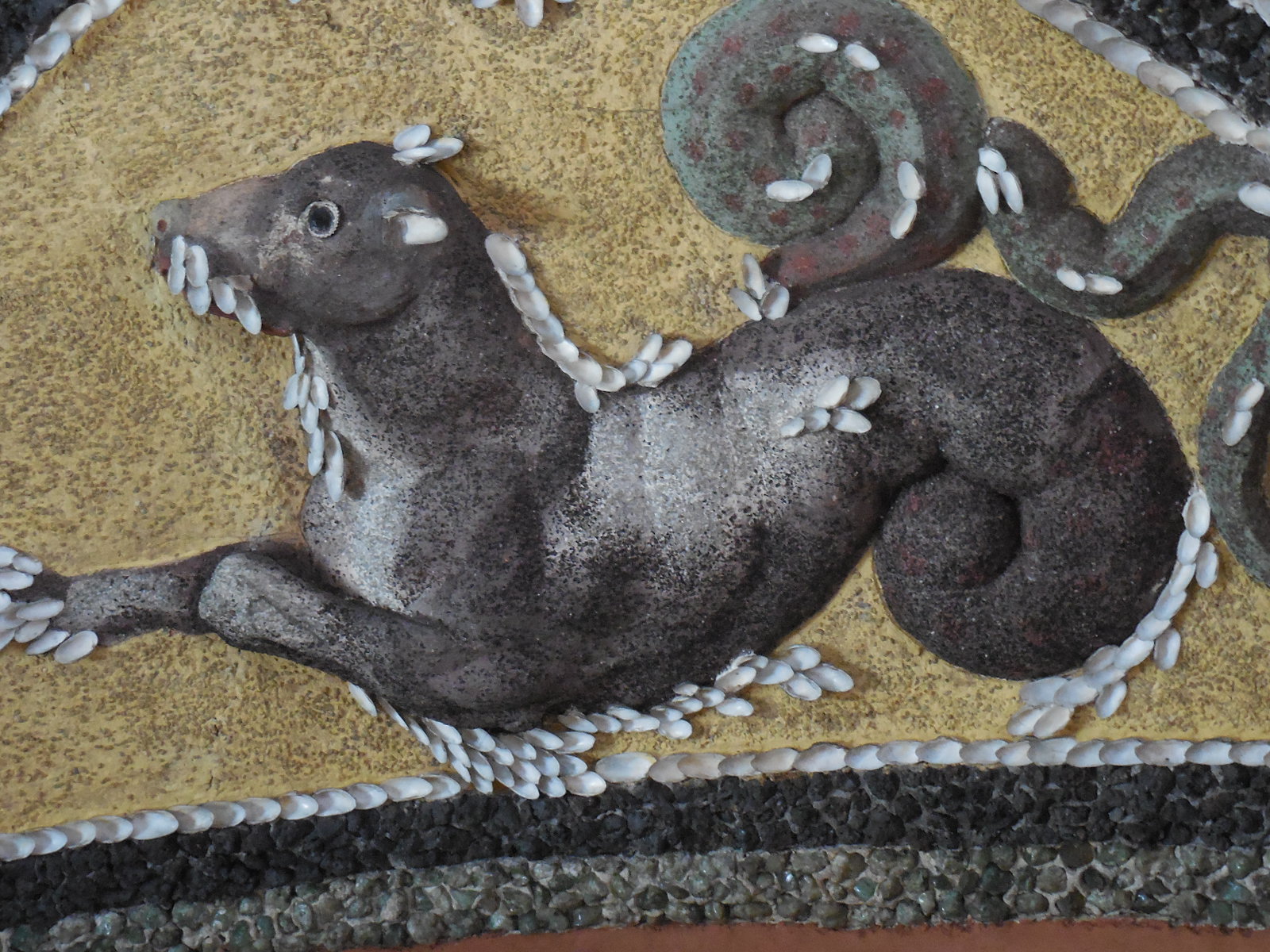
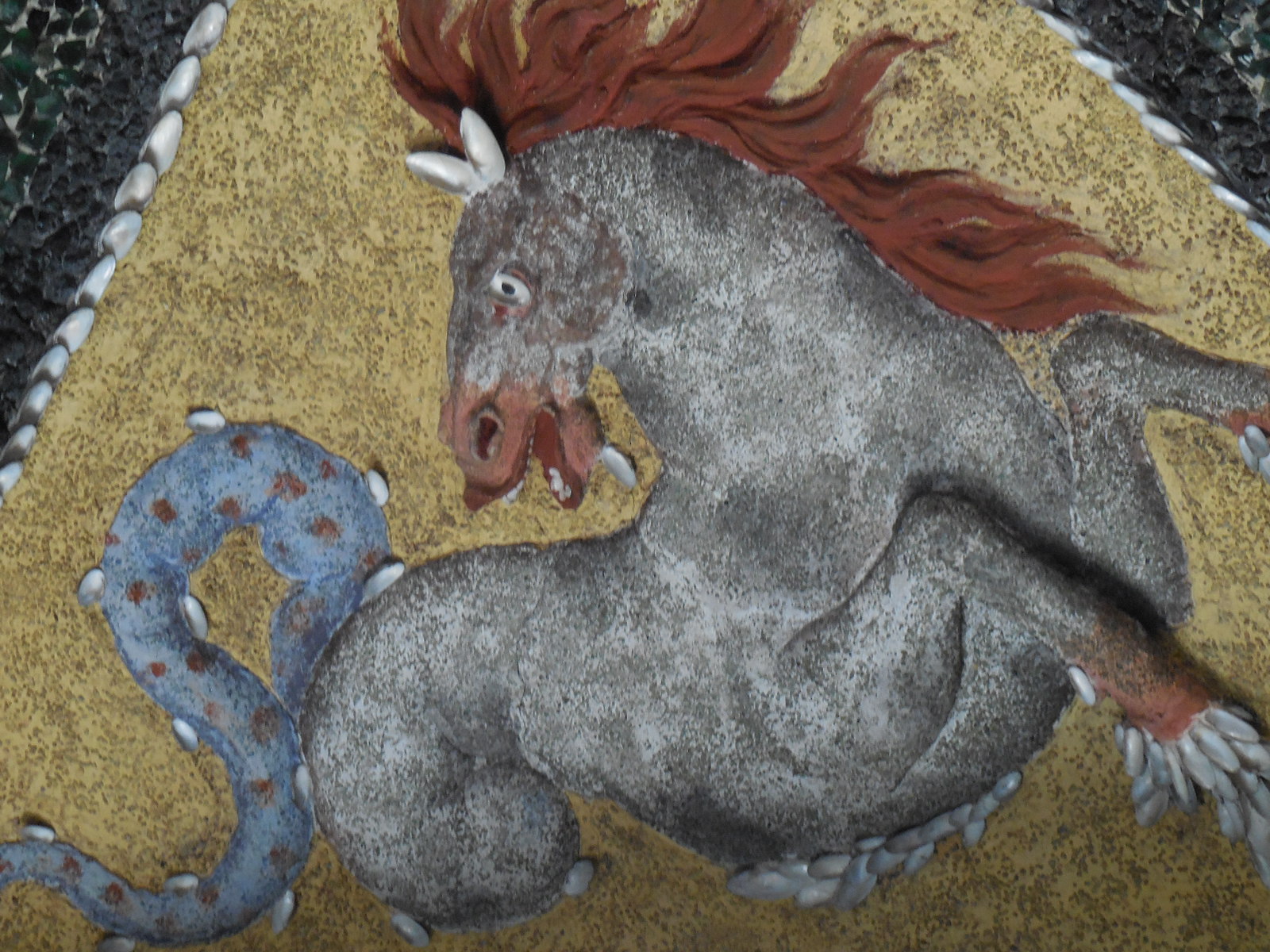
I was so excited about this tour. First, we visited the sala terrena, which looked like a richly adorned cave. The vaulted ceiling was incredible. I loved the sea motif as decorative seashells took the shape of a floral design. The reliefs of a sea monster also enthralled me.
Lobochovicefireplace
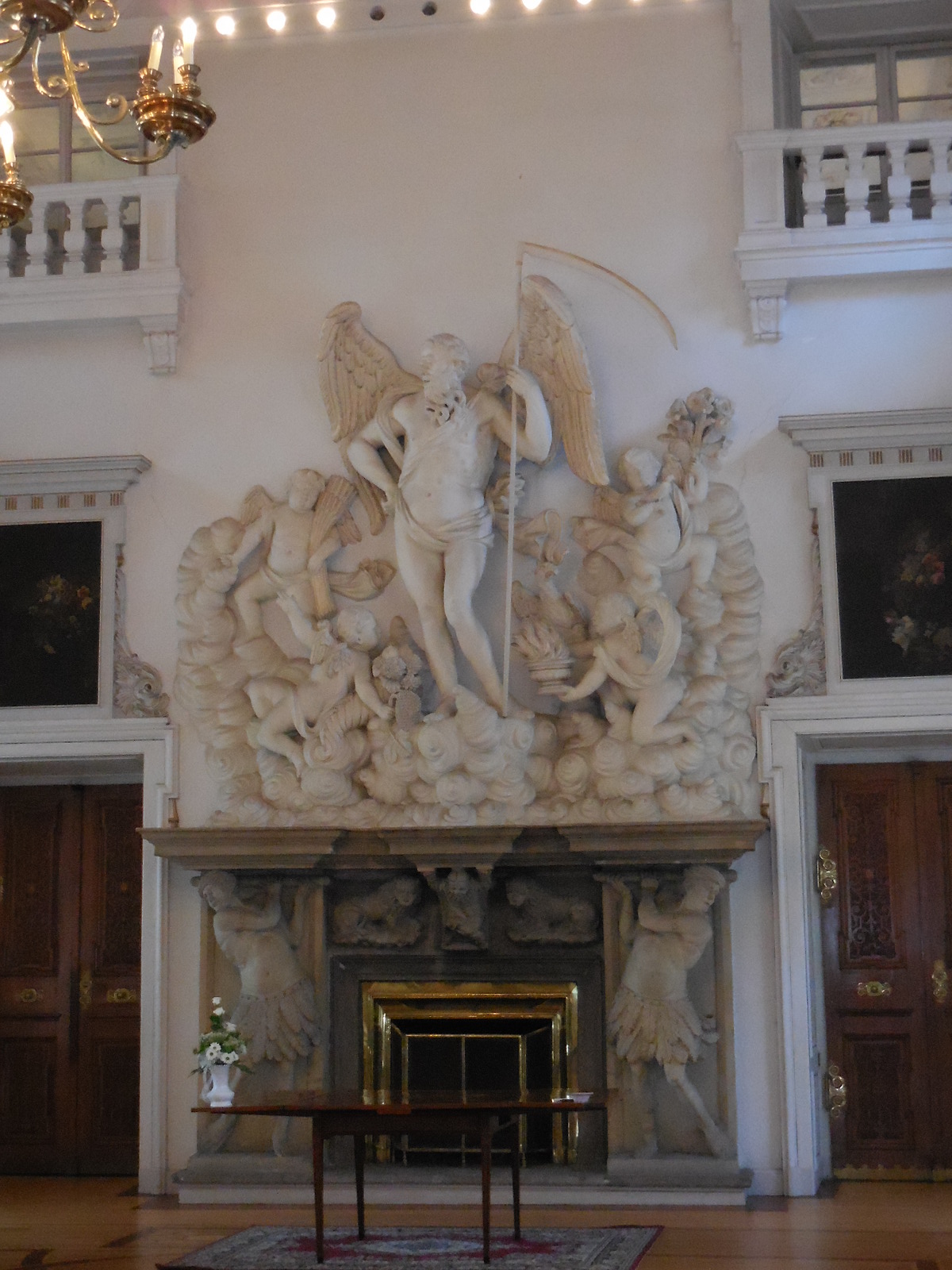
Next, we came to one of the highlights of the chateau, large Saturn Hall, where banquets, balls and concerts had been held. Above the fireplace a stucco sculptural grouping focused on Saturn. The Baroque chandelier, hailing from Holland, also captured my interest.
Lobochovicefresco6
From there, we continued to the Baroque section of the chateau. The ceiling fresco in the first room was breathtaking, displaying a mythological scene. A Renaissance chest gilded with ivory and a Baroque jewel chest inlaid with ivory and tortoiseshell were two delights.
Lobochovicetapestry2
I marveled at the tapestry, one of many I would see in this chateau, in the Big Gallery. It dated from the 16th century, and its theme was the Trojan War. The guide remarked that the tapestries were not put up for merely for show; they had also helped heat the rooms. A Baroque fireplace hailed from 1620. Still, that was not all this room had to offer. A jewel chest featuring carved reliefs hailed from the beginning of the 17th century.
Lobochoviceint3
The Study included an atlas from 1775 with pages of handmade paper. I wanted to turn the pages to find out what the handmade paper felt like. I recalled visiting the papermill in Velké Losiny, located in north Moravia, long ago, when I also toured the chateau there. It had been an enthralling experience, I mused. Then a jewel chest made with intarsia dazzled me. One tapestry in this room showed off a garden party while another sported a plant motif in an idyllic setting. The Baroque stove hailed from 1690. There were so many impressive Baroque stoves in this chateau!
Lobochoviceint7
During the 17th and 18th centuries in the Czech lands, there was much interest in Chinese and Japanese porcelain. The Chinese and Imari Japanese vases in the Oriental Salon reminded me of a trip to Dresden’s Porcelain Museum. The pieces in the chateau were so exquisite. Upon seeing an impressive French Baroque clock, I recalled the one I had seen at Loučeň Chateau a few months earlier. And how I loved jewel chests! This particular jewel chest was inlaid with ivory and tortoiseshell, featured intarsia craftsmanship and portrayed a hunting scene. Another thrilling tapestry was on display. I recalled the exciting tapestries at the Residence Palace Museum in Munich.

In the Bedroom I admired the spiral carved columns of the 17th and 18th century Baroque closets as well as the bed with canopy. A Rococo crucifix was also on display. The tapestry in this room featured King Solomon. I was enthusiastic because I knew there were even more tapestries to come.
Lobochovicefresco9
Rococo furniture from the 18th century decorated the Morning Salon. I mused that it must have been delightful to sit in this room and sip black or green tea. Two tapestries portraying the apostles adorned the space. And there was yet another ceiling fresco! This one showed Persephone venturing into the Underworld. I was especially drawn to the jewel chest with pictures of a town carved on its drawers. The attention to detail fascinated me.

In the Ladies’ Cabinet there was a Baroque commode with exquisite intarsia plus a Rococo table and desk also created with intarsia. The three tapestries took up themes of nature and architecture, offering a respite from the religious scenes that the tapestries often portrayed.
Lobochoviceint15
The Men’s Cabinet was decorated mostly with Neo-Renassaince and Second Rococo furniture. A large desk was Baroque. If I had not visited so many chateaus, it would have never occurred to me that the big bowl decorated with images of birds and floral motifs used to serve as an aquarium.
Lobochovicechapel2
Next came the chapel. While it was originally designed in Gothic style, the chapel now looks as it did after a 19th century renovation. I admired the stained glass windows. I love stained glass! The Neo-Gothic altar featured the apostles. What captured my attention the most, however, was a 16th century exquisitely carved altar showing off the adoration of the Three Kings. The woodwork was incredible, so detailed, so exquisite.
Lobochovicechapel1
The Big Dining Room took on Renaissance and Baroque characteristics. A carpet covered the large table, set for a feast. The tableware was made of pewter, typical of the Renaissance era. On the table there was a bowl that served as a washbasin for guests to clean their hands while eating. And more tapestries to behold! This time the two tapestries portrayed Alexander of Macedonia. Two paintings rendered scenes from antiquity. (The paintings throughout the chateau also are worthy of undivided attention.) Once again, I admired yet another ceiling fresco. This one centered around Aphrodite and Athena. In the corners four female figures in oval medallions represented the four continents. (Australia had yet to be discovered.)
Lobochoviceint10
I liked the Biedermeier furniture in the Small Dining Room. That style seemed to me to have such a sense of order and rationality. Yet I was enthralling by all styles of all eras. The colored decorative porcelain from Dresden and the pink-and-white Viennese porcelain service also caught my eye. The Baroque stove was quite a sight, too.

The Rococo Salon featured furniture of the Second Rococo style from the mid-19th century. The pink walls made the room feel quaint and inviting. Stucco adorned the ceiling fresco. Another Baroque stove and Meissen porcelain made appearances. In a flattering portrait, Terezie Dietrichsteinová – Herbersteinová, a former owner of the chateau, looked calm and content with life. I wondered if I was at a time in my life when I was calm and content. To some extent, yes. And traveling certainly played a major, positive role in my contentment.
Lobochoviceptng
The Empire Salon was decorated with furniture of that style from the 19th century. On the walls were pictures of Dietrichstein properties – Nové Město nad Metují Chateau, Kounice and Mikulov, all rendered masterfully by František Kučera. I liked the clock featuring a tongue that showed the time. The clock making time with its tongue brought to mind images of the living objects in The Beauty and the Beast. From the window there was a splendid view of the park.
Lobochoviceint16
The 19th century library was intriguing because it contained mostly books about natural science and travel, all printed in numerous languages. I had not heard of chateau libraries concentrating on only a few subjects. While about 2,500 books were on display, there were approximately 6,000 volumes in total. Objects that Josef Herberstein had brought back from his travels adorned the room, too. I saw African masks, an African crocodile and a Japanese sword, for instance. Another exquisite Baroque stove stood in the space.
Lobochoviceint18
The last room was the casino. A Russian pool table made in Prague dominated the room. I noticed that the card tables were made with intarsia. Portraits of the Dietrichstein clan hung on the walls. Josef, who loved traveling and hunting, was rendered in hunting attire, armed with a rifle and accompanied by a dog. I mused that he must have been a brave man to travel to such distant lands.
Lobochovicegarden2
Next I took a look at the park, which had been created in French style during 1683. Later, it got a Baroque makeover, and then it was changed into an English park. Now it is once again in French style, thanks to 20th century reconstruction. I loved the view of the chateau from the back, which sported floral adornment and a fountain. The chateau looked so majestic when viewed from that area.

I ate lunch at a nearby restaurant on the main square that was sleepy on a Saturday afternoon. Libochovice Chateau had dazzled me once again. The combination of ceiling frescoes, Baroque stoves, jewel chests and tapestries made the chateau unique and irresistible. The paintings also contributed to the majestic interior, where no object or piece of furniture failed to enthrall.
Lobochoviceint11
The interior had plenty to offer. I mused that there should be tours of the chateau offered from Prague. Libochovice deserved numerous accolades, and it was a chateau I would never forget, no matter how many chateaus I visited. The combination of artifacts and the design of the interior made Libochovice unforgettable, a place I could tour 100 times and not be bored. Every object spoke to me; nothing failed to capture my interest and curiosity. Yes, Libochovice is a special place, and my visit made my day a huge success.
Lobochoviceceiling
Tracy A. Burns is a writer, proofreader and editor in Prague.

More photos from a 2022 visit:

Karlova Koruna Chateau Diary

KarlovaKoruna1
A little over an hour on a fast train and a ten-minute walk was all it took to get to Karlova Koruna Chateau, which I had seen for the first time about 10 years ago. It was high time for a return visit.

Karlova Koruna Chateau, in English “Charles’ Crown,” is named in honor of Emperor Charles IV who visited there after his coronation in Prague during 1723. (He would visit a second time as well.) It was constructed for František Ferdinand Kinský from 1721 to 1723. During the Thirty Years’ War the imperial army, the Saxons and the Swedes took turns occupying it. When the castle was inherited by Václav Norbert Oktavián Kinský, he made it his main residence and built greenhouses there. This count was responsible for obtaining the services of architect Jan Santini Aichel and builder František Maxmilian Kaňka in 1721, when construction on the chateau began.

I was a big fan of Santini’s architecture, and this was no exception. I had even toured Santini’s dazzling structures in east Bohemia and Moravia earlier in 2015. The architectural design of the building was unique. I enthusiastically took snapshots. In the middle there are two stories in a cylindrical shape, and three one-floor wings are connected to them. Both floors divide into 10 main areas. I saw three-layered gables above a cornice. The chateau had a central composition, which reminded me of the Shrine of St. John of Nepomuk on Green Mountain (Zelená hora). Karlova Koruna also brought to mind the Gothic Parish Church of Saint Wenceslas in Zvole, in the Vysočina region, which was reconstructed by Santini from 1713 to 1717. I recalled my visit there in October. Its roof was shaped as a crown in honor of the Czech patron saint Wenceslas.
KarlovaKoruna3
I had always been enthralled with Santini’s Baroque Gothic style. I loved Santini’s penchant for mathematical symbolism and geometric forms. I thought his designs were rational yet radical. The outbuildings dated from the early 20th century, and the orangerie was designed in Empire style during the 19th century. The nearby Chapel of Saint John the Baptist had a hexagonal shape, but it was not possible to go inside.

I was familiar with some of Kaňka’s designs in Prague and outside the capital city.
Like Santini the builder Kaňka, who also worked as an architect, excelled at his field. He had reconstructed many palaces, chateaus and churches, mostly in Bohemia. One of his most famous works was Konopiště Chateau, where Archduke Franz Ferdinand of Austria had lived. In the early 18th century he designed parts of the Clementinum, including the Mirror Chapel, where I had been to many concerts had viewed illuminated manuscripts that had been on temporary display. He also did renovation work on Prague’s Karolinum. He even worked on St. Vitus’ Cathedral. I knew that he had built Loučeň Chateau, which I had recently visited.

The church at Karlova Koruna

The church at Karlova Koruna

I brushed up my knowledge of the Kinský family history in Chlumec. General František Josef Kinský, who became a colonel at age 29, greatly influenced the development of hunting and horsebreeding at the chateau during the 18th century. He began to have hunts called in Czech “parforsní hony,” taken from the French expression “par force.” In this type of hunting, the animal was hunted until it was exhausted and then killed. However, after the Napoleonic Wars, in 1836, a new type of hunting, inspired by the British, came about at Chlumec, thanks to Oktavián Kinský. This type of hunting did not involve killing the animal, which was usually a deer. The rider on horseback would have to overcome natural barriers to catch the deer. Then it was returned to the forest.
KarlovaKorunaint23ptng
The first long steeplechase took place in Chlumec in 1846, a mere nine years after the first one ever in Liverpool. The famous Pardubice steeplechase has its roots in Chlumec. Zdeňko Radslav Kinský won the Big Pardubice steeplechase. And he would not be the last Kinský to nab first place there. Rudolf and Karel Kinský also triumphed at the race. The niece of Oktavián Kinsky, Lata Brandisová, was the first woman to win this event, in 1937. Count Karel Kinský even won the Grand National race at Aintree, England in 1883. Many famous Kinský horses participated in this race.
KarlovaKorunaint10ptng
Oktavián Kinský also had played a significant role in Karlova Koruna’s history. He was a talented horse breeder. He had bred a unique gold-colored horse that he called isabela but would be later referred to as the Kinský breed of horse. It was the best horse for sport in Europe, lauded for its talent at steeplechasing, fox hunting and show jumping. While many are gold-colored, others have bay or chestnut hues. Otkavián started his own studbook, which is still in use today. Another unique breed at Chlumec was the dun horse or buckskin.

When Zdeňko Radslav inherited the property, he made Karlova Koruna his main residence. He had two sons, Norbert and Radslav and a daughter named Genilda. He was ardently against the Munich Agreement and in 1939 signed a declaration against the Nazi Occupation. As a result, Karlova Koruna and his other properties were taken over by the Nazi administration. Disaster came to the chateau when a fire broke out in 1943. I saw an article about this disaster in the hallway on the way to the women’s restroom. The roof of the chateau caved in, and the chateau was destroyed. It was rebuilt, though.
KarlovaKorunaint9portraits
Zdeňko’s oldest son, Norbert, was forced to work in the Reich, but he managed to flee and ride his bike back to Bohemia. After some negotiations, he was allowed to work as an interpreter at Orlík Chateau. In February of 1948, Norbert left his motherland for Italy, where he married Anna Marie dal Borgo-Netolická, an Italian who had spent her childhood at Kost Castle, which I had also visited earlier that year. When Norbert’s parents came to Italy for their son’s wedding, the Communists took stripped them of all their property. Penniless, they wound up staying in Pisa. Genilda and her two sons made a daring escape across the border, finding shelter in several refugee camps. Finally, they came to Pugnana, and then Genilda continued to Switzerland.
KarlovaKorunaint12ptng
Only Zdeňko’s son Radslav stayed in Czechoslovakia. He was allowed to work at the State Stud Farm, the famous breeding ground for Kinský horses. He is credited with keeping the Kinský horse alive during the Communist era. The Kinský horse was a dominant breed through the middle of the 20th century. Now, however, Kinský horses are very rare. At the time Radslav lived in a very small and claustrophobic space at Karlova Koruna. In 1958 he was allowed to travel to France and did not return to Czechoslovakia. Instead, he studied at the Sorbonne and later taught in Tunis, Algeria and Morocco. He died in 1975.

His son Dr. Norbert Kinský was given the property back after the Velvet Revolution of 1989. When he became a member of the Knights of Malta, Dr. Norbert Kinský gave his property to his two sons, who established the company Kinský dal Borgo, which now takes care of Karlova Koruna, Kost Castle and other properties. Radslav Kinský lives in Žďár nad Sázavou, where he owns property.
KarlovaKorunaint15
Now it was time for the tour of the interior that I remembered as dazzling from my first visit here so many years ago. In the central area that breaks off into three wings, I saw 12 exquisite armchairs and antler hunting trophies on the wall. Paintings on the walls featured Slovak motifs. Because my ancestry was part Slovak and I had a soft spot in my heart for Slovakia, I was interested in the paintings.
KarlovaKorunaint8
In the first room I saw the Kinský coat-of-arms – three silver boar horns on a red field. I recalled finding my Burns’ family coat-of-arms in Scotland. It featured a boar sticking out its tongue. I liked the Kinský coat-of-arms better. The guide explained to us that the Kinský dynasty could be traced back to the 13th century. I wished I could trace my Czech, Slovak and Scottish ancestors back to the 13th century. I was fascinated by an intarsia-made bureau forged with seven kinds of wood. A French gilded clock also caught my attention. In the next room I saw a Venetian mirror, and I was surprised to find out that it had not been manufactured in Venice. Rather, it hailed from Sloup in the Czech lands.
KarlovaKorunaint5clock
The Dining Room showed off distinguished portraits of the Kinský family as well as portraits of Emperor Joseph II and Emperor Leopold II. Another space boasted elegant Viennese porcelain. I loved the exquisite chairs, some of which were decorated with green roses on the tops of the backs. Those sporting the roses were designated for women while the ones without floral adornment were meant for men.

The next section was devoted to the Kinskýs’ love of horses as numerous pictures of horses adorned the walls. I saw dun horses bred at the Kinský’s studfarm and English horses. Other renditions showed horses from the Spanish Riding School. Paintings of horses jumping over barriers in steeplechase races also decorated the walls, and the guide proudly told us that the Pardubice steeplechase originated here. Other paintings showed horses and dogs going on hunts. A saddle hailed from World War I. I would never ride a horse because I would be too scared that the animal would bolt. Also, large animals frightened me, even big dogs. I knew many people who loved riding, but my fear did not allow me to share their excitement. I had not been very interested in horseracing or horsebreeding until I came here and learned about the Kinskýs’ passion for horses. They had certainly played a major role in horsebreeding.
KarlovaKorunaint11ptng
In the next room I saw Oktavián Kinský on the clan’s best horse, and other works featured representations of the isabela or Kinský beige horse. Another space featured paintings of hunts. The guide told us about the two types of hunting in which nobles had participated here – the French “par force” style during which the animal was killed and the English style during which the animal was returned to the forest. In paintings I saw the hunters sporting red jackets, black hats and white riding breeches. There was more than art featuring horses here, though. I marveled at a desk made with intarsia, hailing from the 18th or 19th century. A Venetian mirror also caught my eye.
KarlovaKorunaint13
In the third wing we learned about Zdeňko Kinský and his family of nine children while we gazed at black-and-white engravings of horses. One large, long painting got my undivided attention. It showed horses in motion as they raced. The artist had really captured the moment in the way a photograph would. That the painting was made of 12 pieces of deerskin intrigued me.
KarlovaKorunaint18ptng
Bookcases held volumes in various languages, such as Hungarian, French and German, but there were only a few books in Czech. The Kinskýs had spoken numerous languages. Laura Kinská, whose portrait was in the room, had managed to learn nine languages. In the portrait her expression looked gentle, but somehow I sensed an inner sadness as well. Gazing at a portrait of Tereza Kinská, I admired her beauty. It was sad to learn that she had died young and childless. A small painting showed two Kinský women without their wigs or elaborate hairstyles. I had never seen such intimate portraits of female nobility.
KarlovaKorunaint17
In the next room the guide talked about how the Kinský family had been enemies of the Germans during World War II and how the chateau had been used for the Nazi administration. He explained why Norbert Kinský stayed in Italy after coming there for his son’s wedding and said that after Norbert’s wife died, he had joined the Knights of Malta. Since Norbert had to give up his property, he passed it on to his two sons. In one photo Norbert sported his red Knights of Malta uniform.
KarlovaKorunaint19globe
After touring the three wings, we went upstairs to the Marble Hall. It was so elegant that I was speechless. The two lavish fireplaces were made of real marble, while most of the other marble in the large space was imitation. An exquisite chandelier was 2.2 meters high. The floor was decorated with geometric shapes, and I was reminded of Santini’s fondness for mathematical symbolism.
KarlovaKorunaint21chandelier
In the gallery above the Marble Hall I saw pictures of the chateau and its surroundings from the 1930s. I spotted a photo of Karel Schwarzenberg on a horse in 1934, Zdeňko Radslav Kinský in a historic uniform and the Kinský family playing tennis on the courts that were once on chateau grounds. The pictures brought the family to life. They were not merely names spouted out by the tour guide or found in a brochure about the chateau, but rather real people who skied, played tennis and went rowing. The photos of the interiors of the chateau from that time period were also intriguing. I wondered what it would have been like to have lived in Czechoslovakia during the 1930s with the democratic era of the Second Czechoslovak Republic as well as the threats that Adolf Hitler and the Nazi Party posed.

A fireplace in Marble Hall

A fireplace in Marble Hall

Marble Hall

Marble Hall

I ate marinated chicken at the chateau restaurant. I was seated outside, even though it was scorching hot. I recalled the days when I could almost always find my favorite food on Czech menus – it was chicken with peaches and cheese. How many years had it been since I had seen it offered at a restaurant? After lunch I went for a stroll in the park with its exotic species of woody plants and then wanted to read on a bench, but it was sweltering hot. I wound up going back to Prague in an uncomfortably hot train. Luckily, it was not a long ride back to the city I considered home. When I set foot in Prague’s main station, I smiled. Despite the heat and humidity, I had had a superb day and had a new appreciation for horseracing and horsebreeding.
KarlovaKorunaint14pink
Tracy A. Burns is a writer, proofreader and editor in Prague.

Kačina Chateau Diary

Kacina121

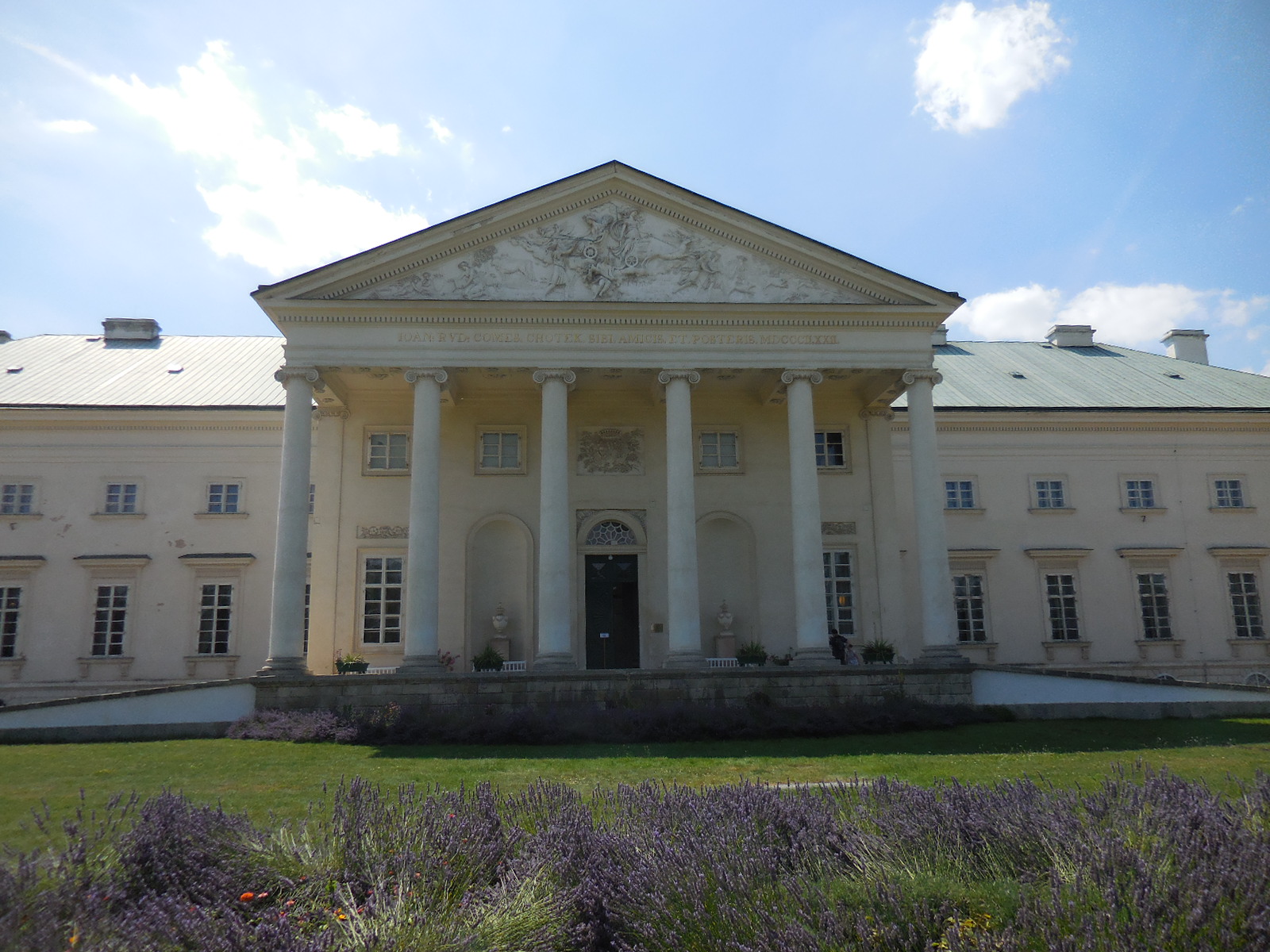
My friend and I went to the chateau by car, driving a little over an hour to the sprawling white-columned, two-floor chateau of Kačina, sporting an elegant tympanum on its main façade. I would visit again, in 2020, also by car.

Kacina2020ext11Kacina2020ext13

The huge chateau – the biggest 19th century Empire style chateau in the Czech lands – boasts not only representative rooms in 19th century Empire, Biedermeier and Classicist styles but also a 19th century library, theatre and pharmacy plus an agricultural museum. An unfinished chapel is on the vast grounds as well. The chateau was built from 1802 to 1822.
Kacina2020ext10

The balanced Empire style hails from the early 19th century when symbols and decorations were influenced by ancient Greece and Rome. Biedermeier style, from 1815-1845, refers to furniture that is simple yet elegant with very little decoration. During this period ebony, cherry, ash and oak woods were often used. The Classicist trend can be defined as symmetrical, proportional and geometrical, taking its name from the style utilized in Classical antiquity and that of ancient Rome.  Architecture of this style is very well-organized with columns, pilasters, lintels, hemispheric domes and niches.

Kacina2020ext2

I was lucky that I had a guide who was so enthusiastic and knowledgeable about the place. When I came back in 2020, I had another terrific guide. In fact, I had always had the best guides at this chateau: they were enthusiastic and animated, not merely uttering words they had memorized from a text. Their zeal was contagious. They were exactly the kind of guides I wished I had had on every tour I had taken. The details of each room just spewed spontaneously from this tour guide’s mouth. She even took me to parts of the chateau that were usually off-limits to tourists.

Kacina2020ext15

First, we hit the representative rooms. The ground floor consisted of the spaces used for social occasions and guest rooms while the first floor, which cannot be visited, had been made into a family residence.

Kacina124

The first room we walked into took my breath away. This hallway with a roundel or circular window that is 16 meters high was so light and airy yet elegant that it reminded me a bit of the Pantheon in Rome. I remembered sitting across from the Pantheon at a restaurant for my fortieth birthday dinner, an experience I shared with my parents. That was one of my most treasured travel-related memories. We continued into a hallway with some hunting trophies and black-and-white British lithographs sporting hunting and horse-jumping themes.

Kacina2020int2

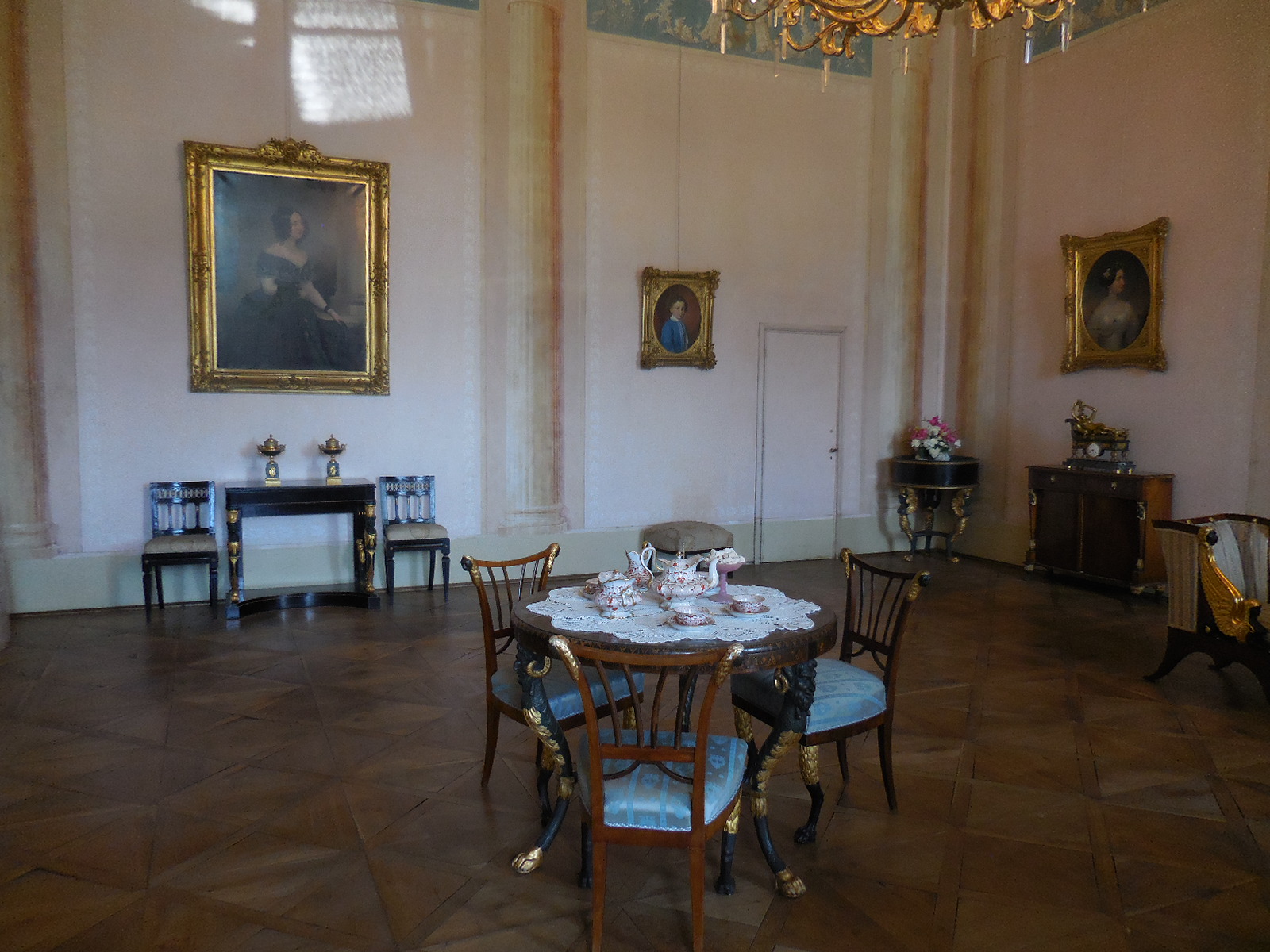
The first three rooms, formerly guest rooms, gave background information about the chateau and explained the history of the Chotek family, who had chosen this chateau as their summer residence during the 19th century. Models of chateaus adorned each room, such as the blood red model of Veltrusy, destroyed by the 2002 floods, the chateau where the Choteks had once had their family residence. In a portrait Jan Rudolf Chotek, the founder of Kačina, looked as if he was harboring a secret he would never reveal.
Kacina2020int3

First, you need some background about the Chotek family. Veltrusy Chateau was their family residence from 1716 to the 20th century. Jan Karel served the emperor as an armorer, and his youngest son Rudolf worked as the highest chancellor in the Czech lands. Because he did not have a son, his nephew Jan Rudolf took over in the 18th century. Jan Rudolf was a man of many achievements. He built the magnificent park in Veltrusy and Kačina chateau in the 19th century. He was responsible for the construction of many embankments and parks throughout the Czech lands.

Kacina2020int4chandelier

His youngest son Karel spent 17 years as the highest Czech burgrave and built the highway between Karlovy Vary and Mariánské Lážne. He even learned Czech from legendary historian František Palacký. He also established a residence at Velké Březno chateau, built from 1842-1854, in northern Bohemia – a charming building that looks like a hunting lodge or villa. I fondly recalled my trip to Velké Březno, where I had looked out the window at the park, suddenly feeling free of stress as if I had been cleansed of my worries. Ferdinand Maria Chotek, the fourth son of Jan Rudolf, was the Olomouc archbishop for four years. Žofie Chotková married František Ferdinand d’ Este, both of whom were assassinated in 1914.

Kacina2020int5

The last male Chotek was Karel, who along with his wife Lívie became German citizens after World War II and emigrated to Germany. During the war the chateau was sold to the Germans, and the HitlerJugend resided there. The chateau was nationalized after the war according to the Beneš decrees, which gave property owned by Germans during the war to the state.  In 1950 the chateau belonged to the Ministry of Agriculture, and it became an agricultural museum. Now the chateau looks as it did when Jan Rudolf lived here. The coat-of-arms for the Chotek family shows a half wheel, a gold bear in a blue field and a black imperial eagle on gold.

Kacina2020int6

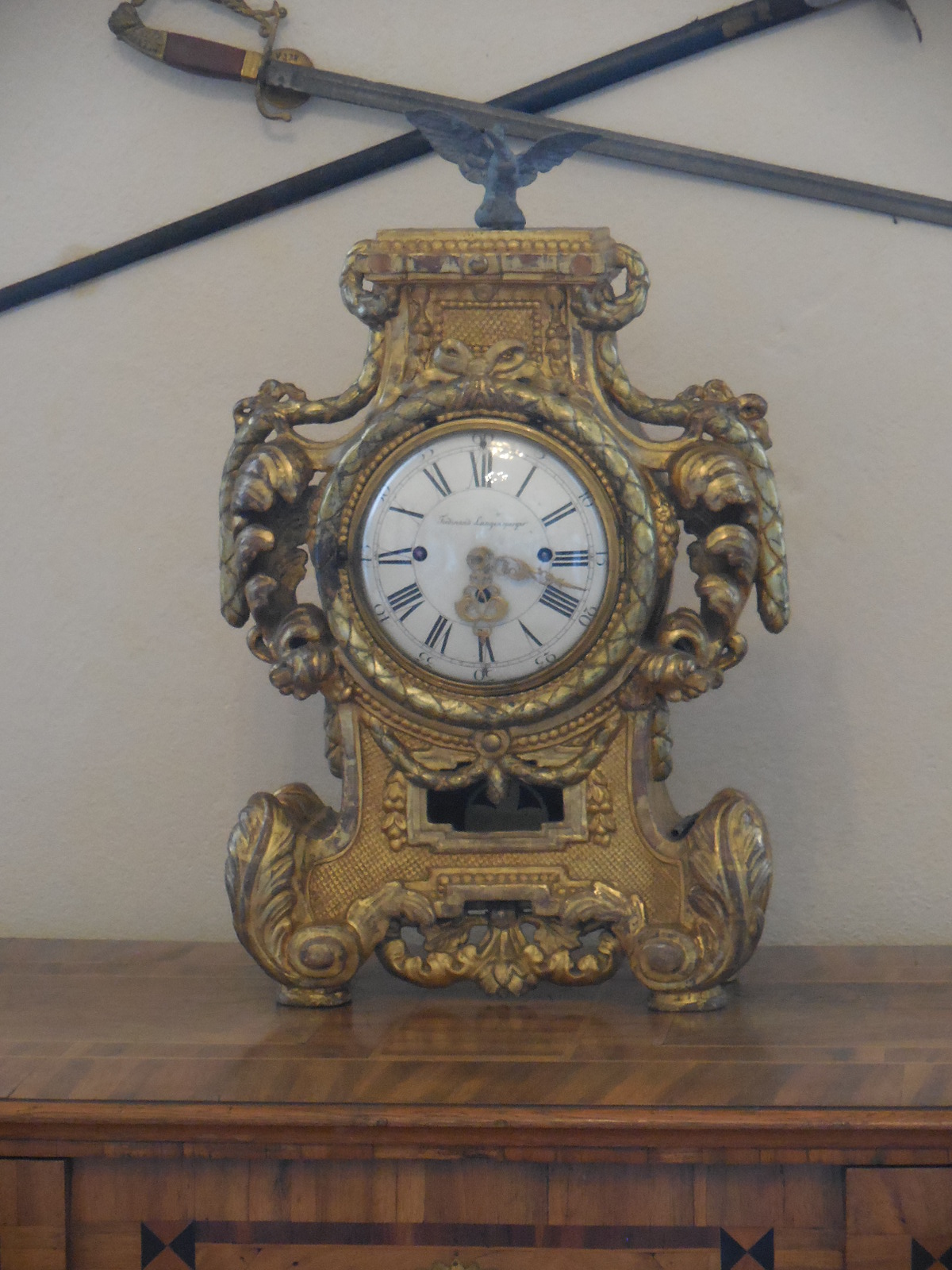
The ladies’ wing was first, then the men’s wing. The Ladies’ Study boasted pink and grey decor with white ornamentation. Family portraits adorned the walls as did pictures of three summerhouses that once graced the park, founded as far back as 1789 and now composed of 20 hectares with 61 kinds of trees and 20 kinds of bushes. An oil painting depicted knights readying for a tournament on Chotek property. I gazed at a square, gold clock in a gold frame, positioned high on a wall. I was drawn to the geometric symmetry of the square design.
Kacina2020int9

Next was the Pink Salon. The original chandelier was second Rococo in style, gilded with gold and dominated by Czech crystal. An Empire style small black table with gold legs and a circular table with the same decoration got my attention. Pink and white porcelain dominated a circular table in the middle of the room. Corinthian columns were painted on the walls.

Kacina2020int10

The Ladies’ Bedroom included some magnificent intarsia furniture. A picture with cupids was carved into a wooden bedframe.  I immediately took to the Empire style black-and-purple closets for accessories in the Ladies Changing Room. A light pink chair and couch complemented a Venetian mirror decorated with black and pink. The purple, pink and black colors went together superbly, I mused.
Kacina2020int17

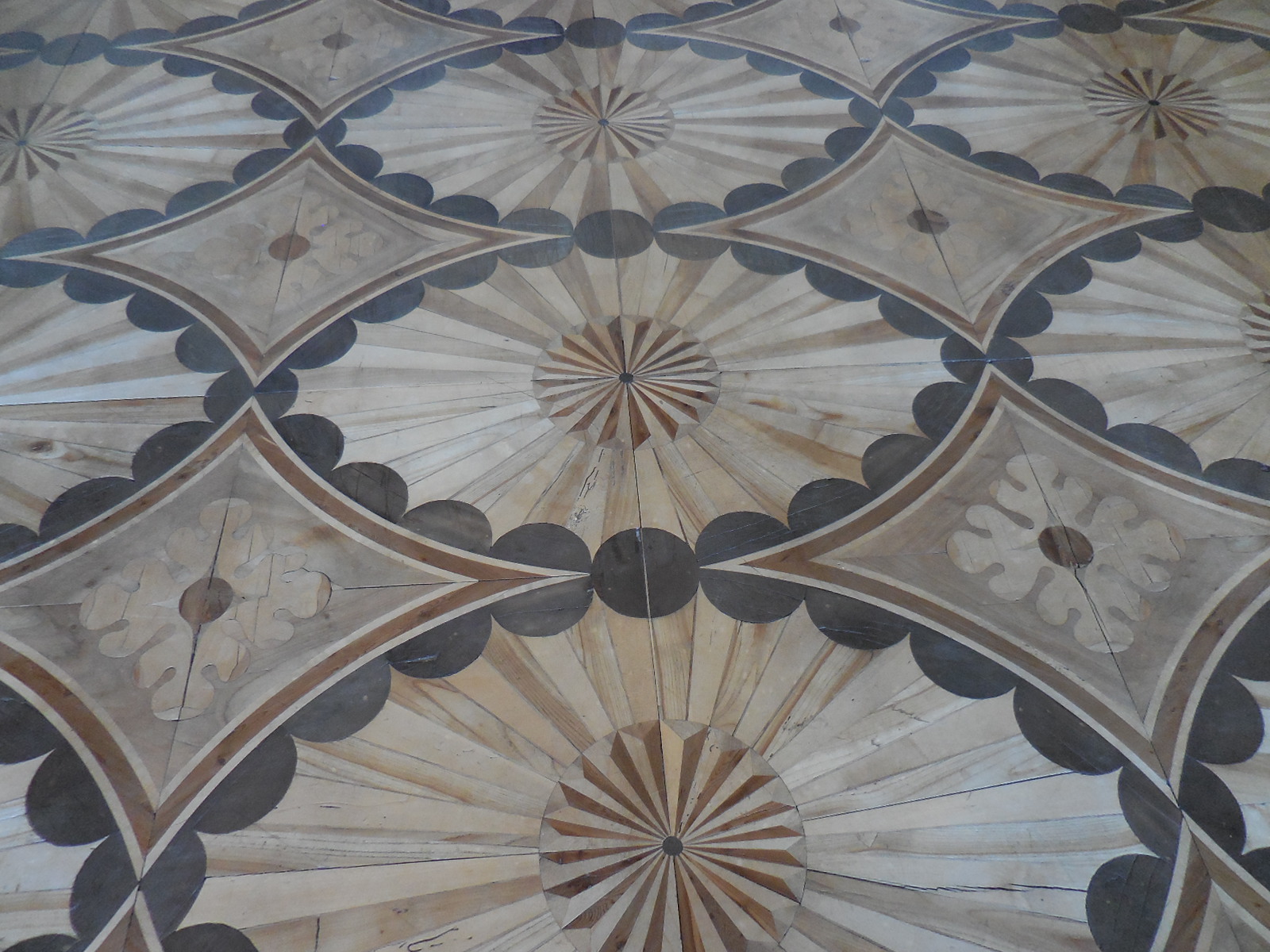
The Small Dining Room, still used for concerts, included an Empire style table and a Biedermeier side table plus a gold chandelier. The Dance Hall was 22 meters long, 12 meters wide and 16 meters high with fantastic roundels. A crystal chandelier captivated me. The brown parquets on the floor sported circular and diamond shapes. For a moment we stood on the terrace and took in the vastness of the park land around us.

Kacina2020int11

The Men’s Salon had a Baroque pool table, but it was the Renaissance brown tiled stove that entranced me. The unique feature of the room was the oak leaf motif. I recalled that oak was often utilized in the Biedermeier style. Wooden circles with oak leaf motifs decorated the ceiling and the tops of the walls. Frames were also covered in wooden oak leaf ornamentation. The couch and chairs were Second Rococo in style. I noticed that the armchairs where the Choteks sat when playing cards were very low.  I wondered what sort of conversations had taken place there while the Choteks had played cards. What had they talked about? What were their interests and worries? What events had brought them joy? Vienna porcelain and Czech glass also lit up the room.

Kacina2020int15

The white stove in the Music Room had white décor and hailed from the Second Rococo period. I also noticed a Baroque bureau and two big portraits of Jan Rudolf Chotek and his youngest son Karel, both wearing prestigious golden medals around their necks. Jan Rudolf was holding a plan of Kačina in one hand while Prague dominated the background of Karel’s portrait.

Kacina2020int19


The furniture in the Men’s Study or Smoking Room was captivating as well. The green couch and chairs were Empire style as was the chandelier. The desk hailed from the Biedermeier period. I notice a small statue of Empress Elizabeth, fondly called Sissy, on a desk top. I thought about how she had loathed the strict regimen of royal life and how she danced to the beat of her own drum. She had become a symbol of individual identity during her 44-year reign as the longest reigning Austrian empress. She had been so independent, traveling around the world. And she had had to deal with so many tragedies. A large portrait of her husband, Austro-Hungarian Emperor Frantisek Josef I, also hung here – in the painting he was a young man with many medals on his uniform. The young man in that painting would become the most respected and most beloved member of the Habsburg dynasty, ruling the Austrian Empire and then Austro-Hungarian Empire for 68 years, the third longest reign in the history of Europe.
Kacina2020int26

On another wall was a huge brown map of the Chotek property as of 1734. The guide pointed out that the fields were numbered. There was also a secret door to the south colonnade, but we went downstairs instead to see the former bathroom, which was a large hole in the dilapidated floor. The person taking the bath used to sit on a chair in the tub while servants poured water over him or her.
Kacina2020int29

We trekked upstairs again, this time to the Men’s Bedroom. The prayer stool was made with intarsia, wooden with wood decoration. Paintings with religious themes also adorned the room. Plants made the room come alive. In the Men’s Changing Room there were small paintings of Italian towns on the walls. The chandelier hailed from the Empire period. The Hunting Salon was dominated by a polar bear rug. I noticed the animal’s sharp teeth.  A white tiled stove boasted white ornamentation with two female figures on its sides. Oriental chairs also made up the space. The furniture was Baroque and pseudo-Baroque and included a Baroque bureau.

Kacina2020int30

The Big Dining Room featured a folding table that usually sat 24 guests during the Chotek’s days. The table was decorated with a green clover motif. Each chair had the coat-of-arms of the Chotek family with a crown on top. The rich wooden décor on the wooden sideboard got my attention. Ceramics and the Chotek coat-of-arms were displayed on the superb piece of wooden furniture. A Second Rococo mirror had a lavish gold frame with the coat-of-arms prominent at the top. The high walls were decorated with gilded wood, and an exquisite crystal chandelier hung from the ceiling. There was also a secret door.

Kacina2020intlib1

Next came the library, my favorite part of the tour. Roundels or circular windows with painted cupolas and stylized squares allowed light to stream into the three sections, onto the colored shapes on the floor. The library from the turn of the 19th century reminded me of a structure out of antiquity. The fake grey marble columns gave the place a dignified air. Tall bookcases were crammed with books, some of which looked like they had golden spines. A gallery above held magazines and newspapers. The Chotek coat-of-arms was present on all 40,000 volumes, the guide said. Mostly written in German, the books also included publications in French, Spanish, Italian and old Czech. Some of the volumes were older than 1500 – the oldest was a book of Russian psalms hailing from 1480.

Kacina2020intlib4

Among the most significant in the space was the 18-volume complete set of the French Description of Egypt from 1809-1818, which consisted of encyclopedias that documented everything French military leader and political leader Napoléon Bonaparte had seen in Egypt, from plants to pyramids. There were only two other complete sets in the world: one was in the Louvre and the other in the King’s Library in England. These books were printed specifically for European rulers. 

Kacina2020intlib2

The editions in the breathtaking space also included 398 handwritten manuscripts, 38 handwritten maps and 250 catalogues. Among the books, I saw downstairs in the first part were S. Dionysii Opera, a fat two-volume set and collections of Lumír magazine, established in 1851 and written by Czech patriots such as Karel Havlíček Borovksý, who is considered the founder of Czech journalism, satire and literary criticism. Tall medical books stood nearby.

Kacina2020intlib8

The second part of the library was a study with small statues of Czech rulers and one of Michelangelo. Among the 19th century statues, I spotted the mythical Libuše who prophesized the founding of Prague; Jiří of Poděbrady, a Czech king who ruled from 1458 to 1471; Emperor and Czech king Charles IV, who reigned from 1346 to 1378 and was responsible for founding Charles University, the New Town in Prague and the Charles Bridge; and Holy Roman Emperor and Czech king Rudolf II, who was in charge from 1576 to 1611 and is known for his love of alchemy and cultural pursuits.
Kacina2020intlib19

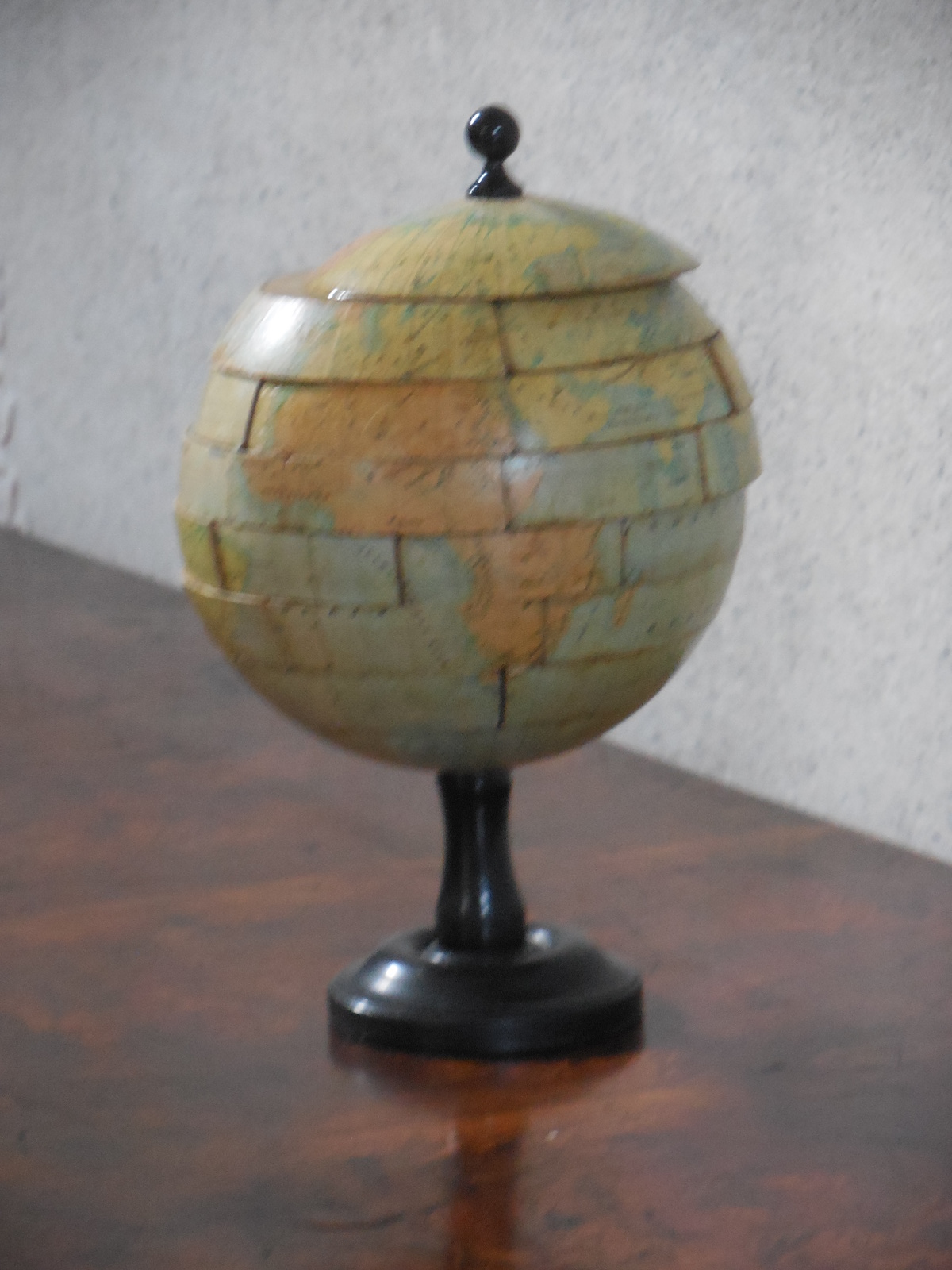
Then the guide showed me the object that enthralled me the most during my visit. It was a globe put together in eight layers. There were top and bottom layers and then six layers representing the continents. On one side was a picture of a continent, and on the other side there was information about it. I spotted a polar bear on one picture. It seemed to me to be an excellent visual teaching aide for young students.

Kacina2020intlib12

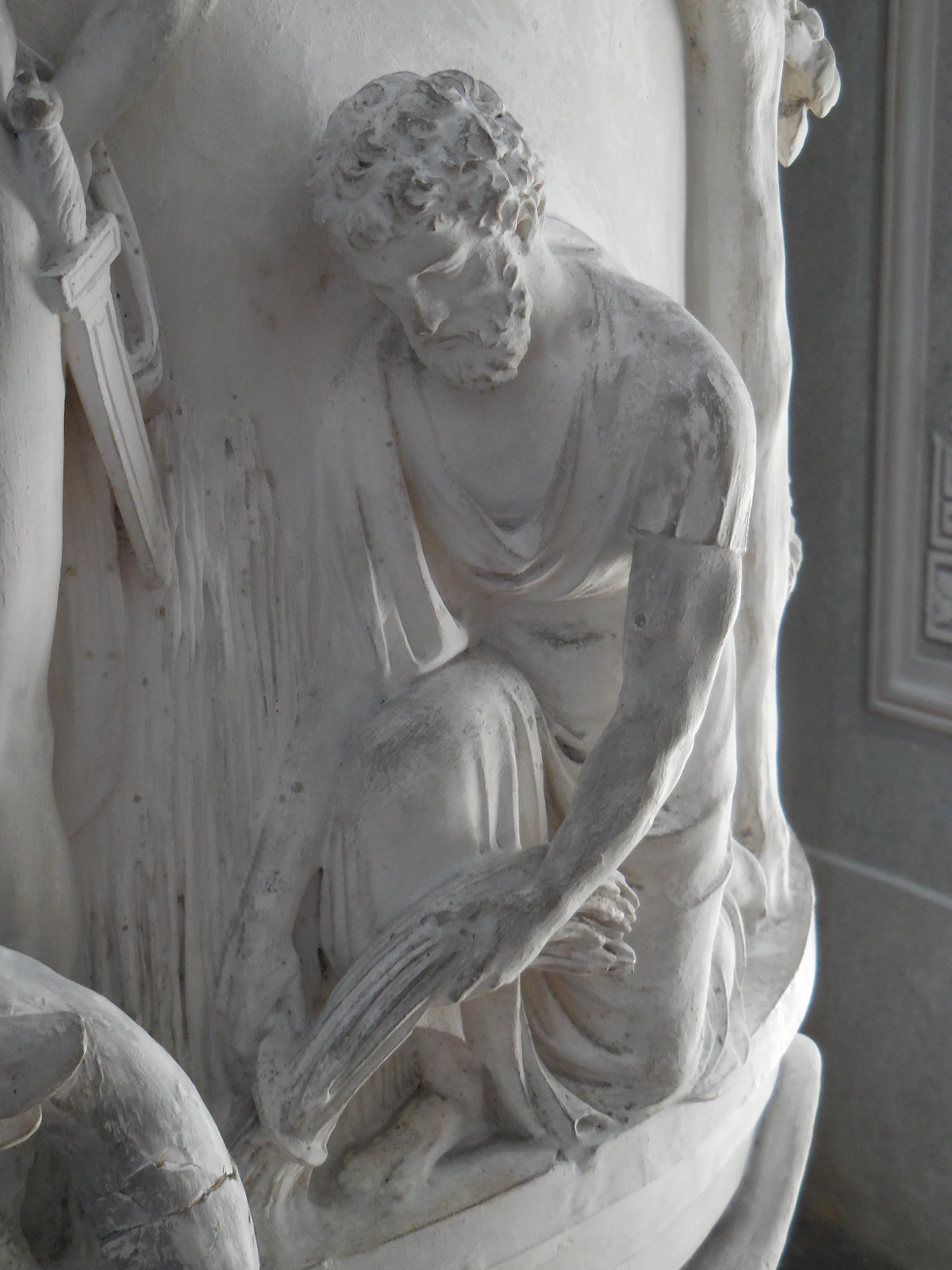
The third part was dominated by a huge vase with ornate décor. I could see Romulus and Remus with a wolf in relief on the exquisite object. Then the guide showed me an Empire style card catalogue, with a card for each book. The golden writing on the cards had been scribed in flowing, fancy script.

Kacina2020intlib17

Then we went up a narrow staircase to the gallery, a part that was usually off-limits to tourists. I spotted editions of the newspaper Prager Zeitung and sheets containing information about new publications in the Austro-Hungarian Empire. Illustrated magazines were also kept here.
Kacina2020intlib16

The guide even led me through the back study rooms. Paintings adorned the walls, and I spotted a grey tiled stove with white ornamentation. Each painting hung in one space had been executed with a different technique. A display case illustrated the technology of painting and materials for painters, such as paraffin. In another display case I saw handmade paper and an ancient book made from handmade paper.

Kacina2020intlib14

Yet another space featured brightly colored, dynamic scenes of Divoká Šárka Park in Prague, one painting for each month, though the set here was not complete. I was entranced by the green hills of the park I loved so much, where I felt so at home, one which reminded me a bit of Vermont. I was glad I lived so close to that park. It made me feel relaxed and worry-free.

Kacina2020intpharmacy1

Soon we came to the 19th century pharmacy. One exhibit showed how to dry herbs, another displayed various baskets. A machine for mixing syrup was on display, too. I saw a press for making fresh herbs and a press for making tablets as well. The jars behind the counter and old scale came in various colors. A large book about herbs dated from 1920. Ceramic jugs also decorated the room.

Kacina2020inttheatre1

The theatre, on the opposite side of the chateau, hailed from 1851. It had never been open to the public. It was used only by the Choteks and their good friends. The Chotek family wrote the plays themselves in German and acted them out. Jan Rudolf’s 15 plays on then current themes are now in Prague’s National Museum. The group had even prepared plays by William Shakespeare, tailoring them to their own needs. How I would have loved to have seen those plays!

Kacina2020inttheatre2

The stage was made of wood, but it was not original. The walls were made of imitation marble on the lower section while stylized painting adorned the upper half. A compartment seated four people in the middle of the back wall. The two balconies boasted gold and black decoration. There was an orchestra pit, and there were pulleys above the stage. A crystal chandelier hung from the ceiling that had been partially damaged by water during the 1960s. Some set designs had been saved. The gallery now contained wooden benches, but it had consisted of comfortable chairs back in the Chotek days. There were bleachers for standing room at the top level. On the relatively new ceiling I spotted the two bears holding a coat-of-arms.

Kacina2020inttheatre3

Last but not least we visited the unfinished chapel, which was occasionally decorated with flowers and candles and used for weddings. What had been initially planned to be a crypt was only a hole because it was never completed. In the 1950s the floor had been cemented. Before that, it was made of earth. The cross-shaped structure was composed of rock with brick so it could be dry. I imagined how breathtaking the chapel would have looked if it had been finished in a simple and elegant Empire style, for instance.

Kacina2020inttheatre4

Then it was time to say goodbye to one of the best guides I had ever met. I thanked her profusely and my friend and I went to nearby Kutná Hora, where a sumptuous chicken lunch awaited me. We walked briefly through the picturesque town, up the hill to Saint Barbara’s Cathedral and along the bridge flanked by statues. All too soon, though, it was time to head back to Prague.

Tracy A. Burns is a writer, proofreader and editor in Prague.

Kacina2020int22Kacina2020intlib5Kacina2020intlib7

Žleby Chateau Diary

Zleby3

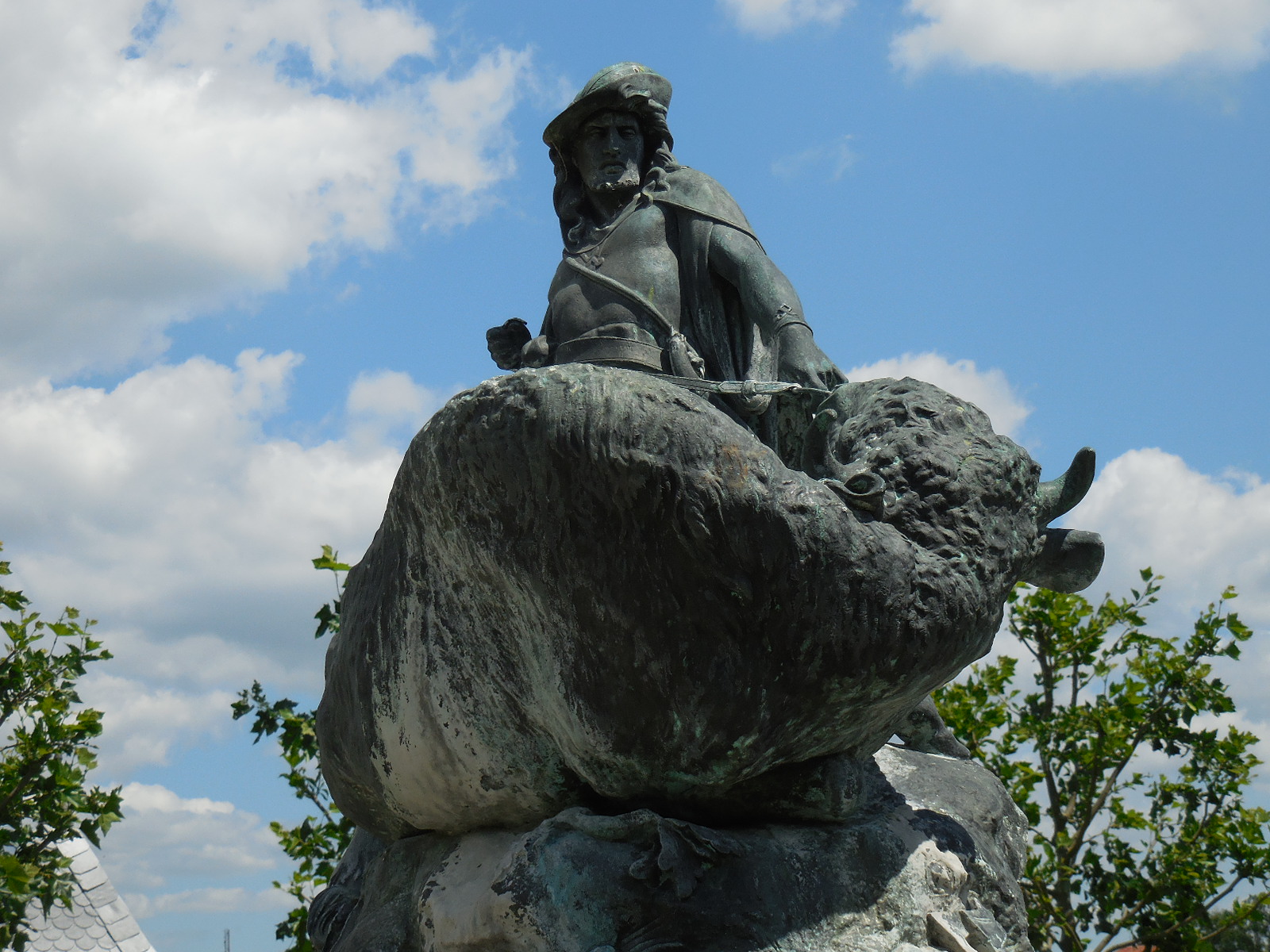
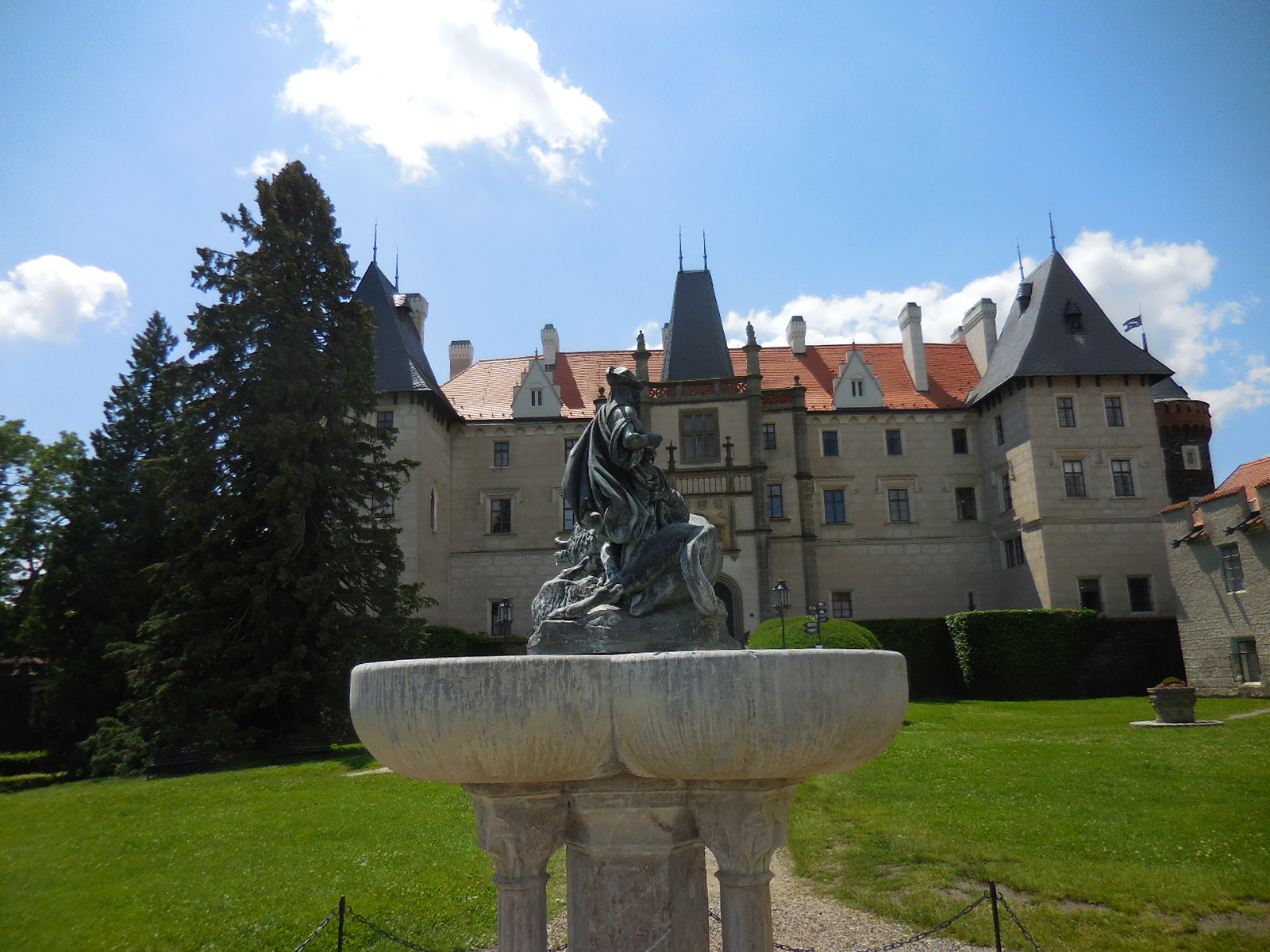
Miraculously, I made the train connection in Čáslav with four minutes to spare and not long afterwards found my way from the train station in the village of Žleby to the chateau. To say Žleby is majestic and romantic is a vast understatement. The chateau looks as if it has emerged from a fairy tale. I inspected the fountain in front of the chateau. It dates from 1860 and shows a member of the Auersberg family, who owned the chateau for over 200 years, grappling with a bison. As I bought my ticket, I was a bit disappointed, though. A 90-minute tour was available, but a third tour did not open until May. So, I would miss the chateau theatre and lower floor library, unfortunately. (I saw these during my 2020 visit by car.)

Zleby2020ext3Zleby2020ext5

While I waited for the tour to begin on that freezing April morning, I familiarized myself with the history of the chateau as described in a booklet I had purchased. Žleby was first mentioned in writing during 1289. The Lichtemburks owned Žleby until 1356, when Holy Roman Emperor Charles IV gave it to Markvart from Vartenberk. During the Hussite wars, the castle was razed, sharing the same fate as many other places in Bohemia during that bloody era. Then Jiří from Dubé and Vizmburk restored the castle in Late Gothic style. It was changed into a four-winged Renaissance chateau with an arcaded courtyard at the end of the 16th century and the beginning of the 17th century under another owner. During the first part of the 18th century, Baroque renovations began.

Zleby2020ext9Zleby2020ext27

In 1746, while the Schönfelds owned the chateau, their daughter Kateřina married Jan Adam from Auersperg. When Kateřina died, the Auersberg line took over ownership of the chateau, and the family would retain Žleby for 200 years. Baroque restorations continued, and the Auersbergs also designed Rococo interiors. Some years later, owner Vincenc Karel Auersberg and his wife Princess Vilemína Colloredo-Mansfield would become responsible for many changes that gave the place a romantic makeover as they were influenced by English architecture from the first half of the 19th century.

Zleby2020ext12Zleby2020ext33Zleby2020ext34

Thus, from the 1840s Žleby took on a more romantic air. The Auersberg couple wanted to give the chateau more of a Gothic character and added a prison and bastions. They fitted the interior with leather wallpaper, wood furnishings, weapons and historic furniture, all of which can be seen in the chateau today. In 1849 Vincenc bought land for the future park. In 1942 the chateau changed hands, and after the war it was nationalized.

Zleby2020int68

zleby2020int69-e1594564857806.jpg

Zleby2020int70

The chapel was first on the list. Upon entering the tiny, quaint two-floor chapel, the narrow, high and oblong stained glass windows behind the altar of the Annunciation of the Virgin Mary caught my attention. The windows bewitched me with their dynamic, bright colors. I then studied the main altar and was drawn to the bright red of an angel’s cloak. The chapel was the youngest part of the chateau, in 19th century Neo-Gothic style, the guide – probably a university student – explained. It dated from 1853 to 1858. Still, there were a few items that went back farther than the 19th century. For instance, a side altar hailed from the 15th century. The triptych showed the Virgin Mary with a sculptural grouping of a Pieta in the middle of two statues. I noticed the trickles of blood on Jesus’ crossed hands. The oldest item in the entire chateau was here – a 15th century richly engraved baptismal font. Statues of saints were positioned high on the side walls of the chapel. I spotted the flapping drapery of Saint Elizabeth.

Zleby2020int35Zleby2020int37

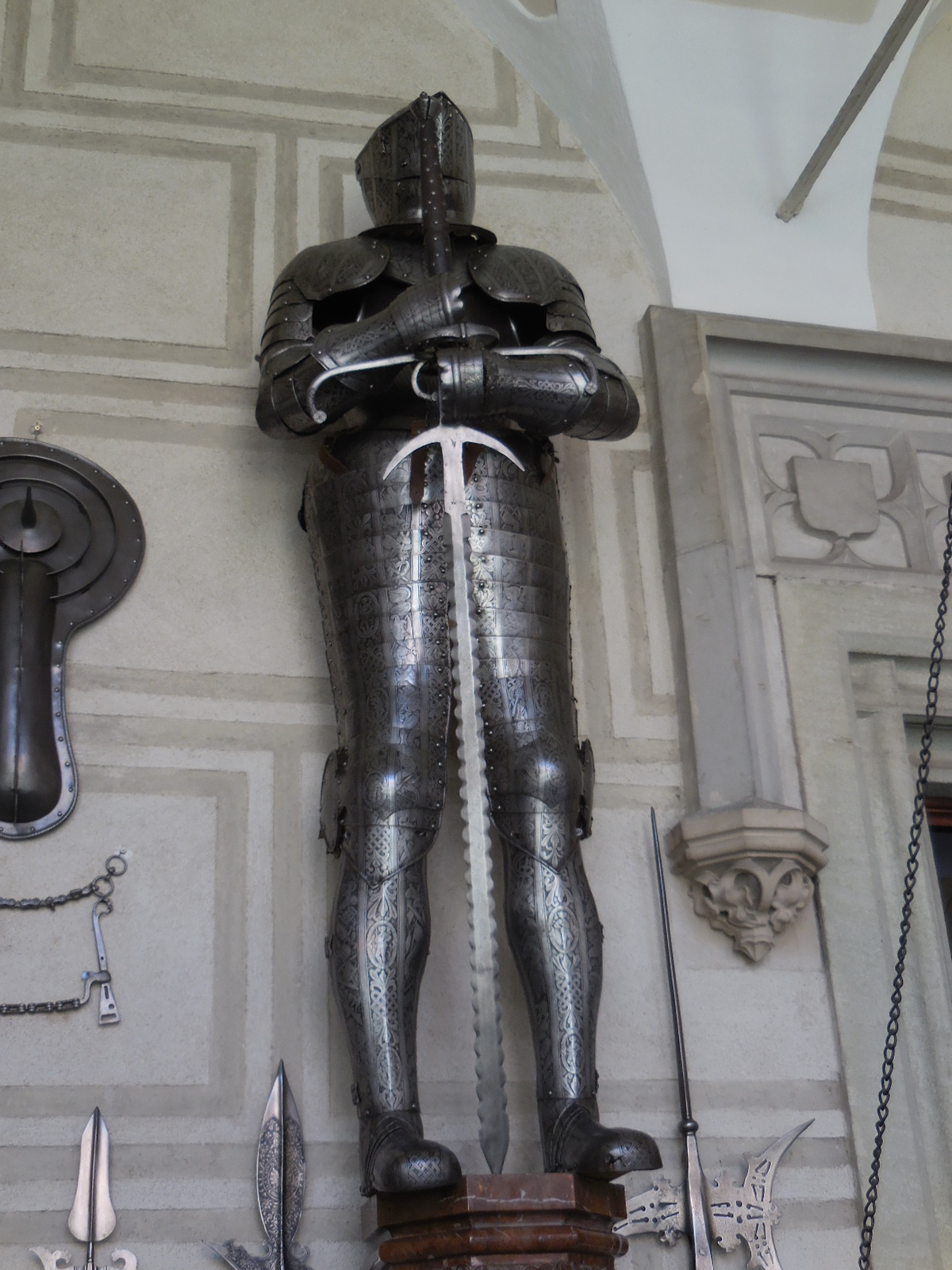
Then we left the interior and walked through the courtyard with its breathtaking Renaissance arcades to another entrance. The inside hallway was dominated by a 16th century knight in armor on the model of a horse cloaked in red. The guide said that the knight weighed 40 kilograms, the horse 20 kilograms. On the walls were very wide moose antlers. I also noticed slits for eyes in some helmets, the shoulder boards and the neck guards of armor, a two-handed sword and a rapier.

Zleby2020int2Zleby2020int4

As we made our way up the Renaissance stairway, the young man leading our group pointed out that the chateau had the second most weapons after Konopiště, a popular chateau located about an hour from Prague. Indeed, on the walls leading up to the next floor I saw many weapons. Ancient rifles covered one wall, and in another place I spotted a white ivory horn with detailed engravings, once used by Polish King Jan III. Sobiesky, who liberated Vienna from a Turkish threat in 1683.

Zleby2020intKnightsHall2Zleby2020intKnightsHall3Zleby2020KnightsHall5Zleby2020KnightsHall11

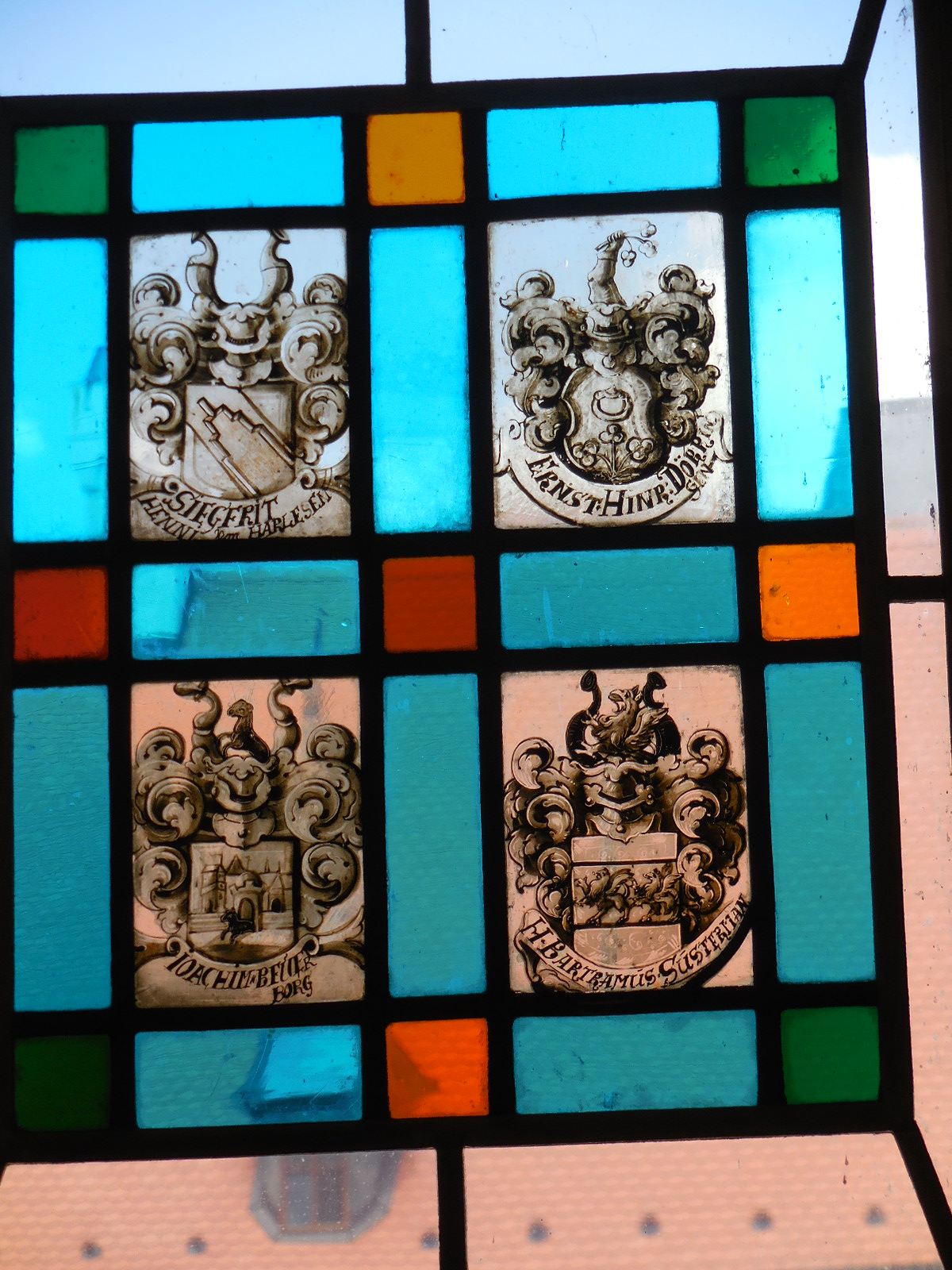
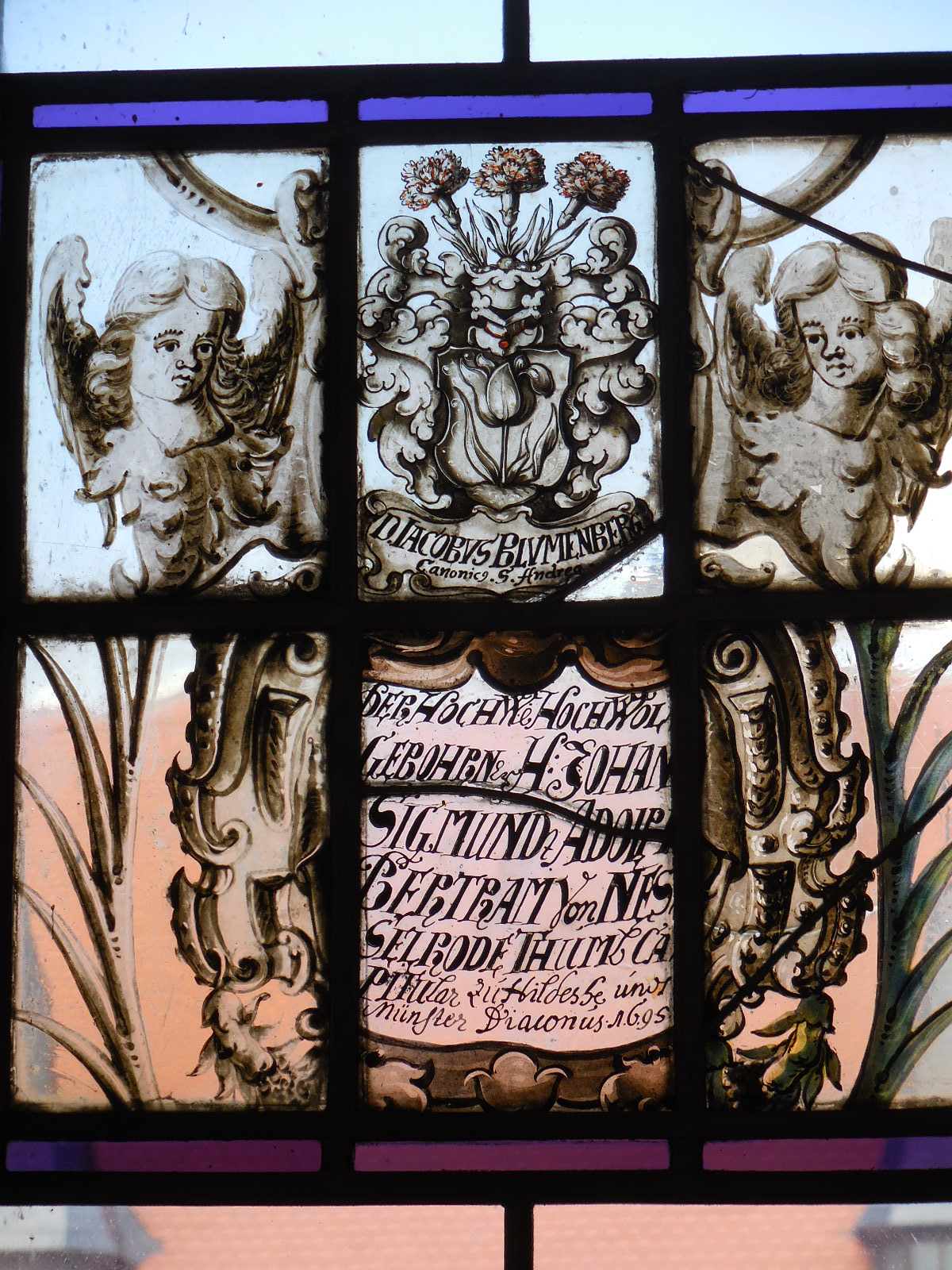
We entered the Knights’ Hall, which was decorated with 14 knights’ armors from the 16th century, hunting trophies, pistols and swords –  one with red and green gem decoration in the hilt caught my eye –  as well as 188 painted glass pictures covering one wall. These glass paintings hailed from 1503 to 1749 and were decorated with allegorical figures, biblical scenes and coats-of-arms. I spotted the coat-of-arms of the Auersberg family above the doors. Three paintings from the beginning of the 16th century showed tournament and banqueting scenes. The ceiling featured stucco designs. An intarsia-designed credence was a delight, too.

Zleby2020int23Zleby2020int24Zleby2020int30Zleby2020int32

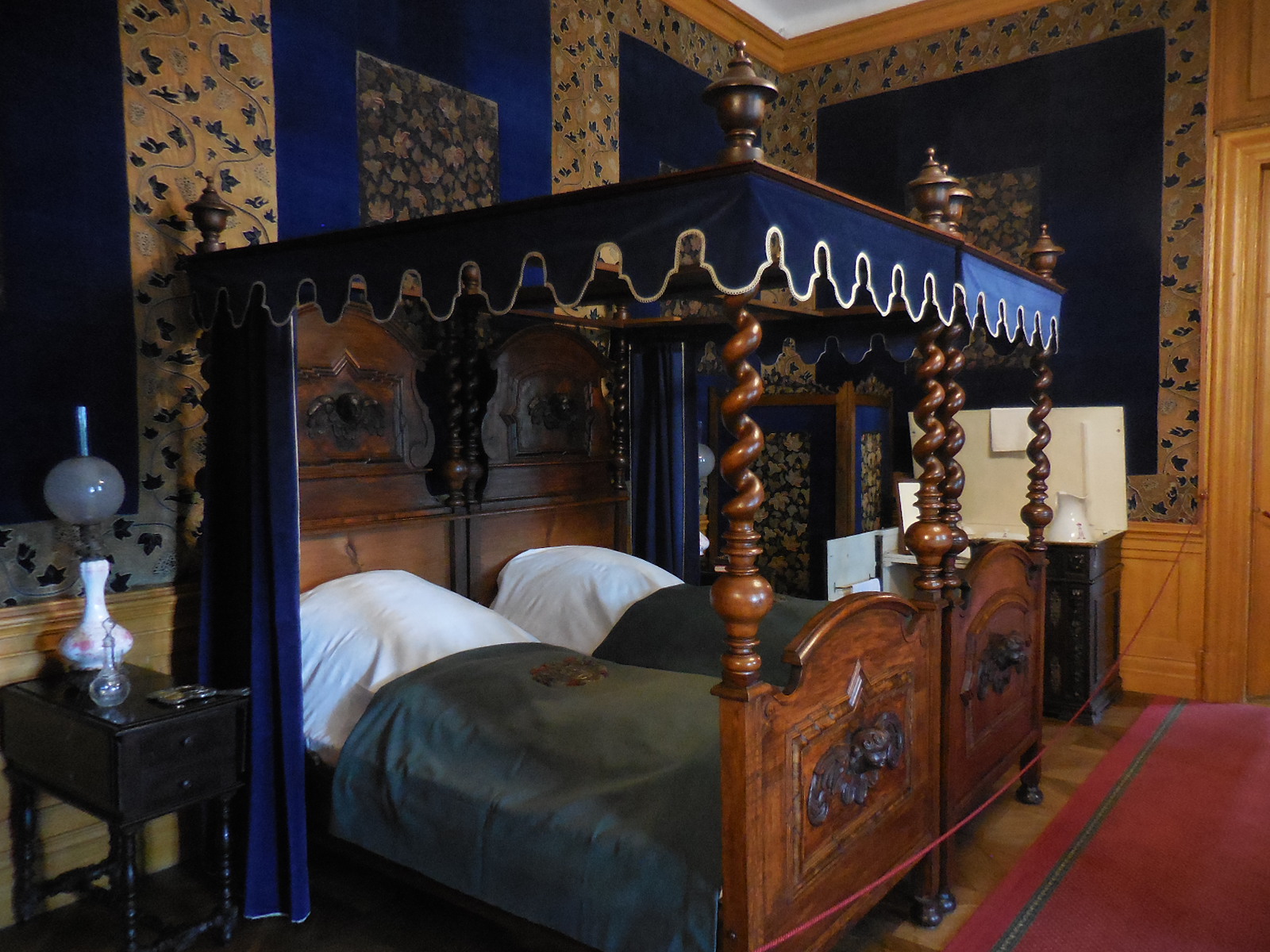
We went through the Emperor’s Room with its white swirls and flowers on brown wallpaper and dark brown table with white swirl decoration on the top. Then we moved on to the bedroom, where a brilliantly colored triptych from the 15th century entranced me. The gold and red colors complemented each other. A huge Baroque bed featured columns and a canopy. On the white tiled stove I saw scenes in nature. I noticed the sea, cliffs and a castle in the landscapes. A black and gold jewel chest was riveting as was an intarsia brown table. The golden wallpaper made an everlasting impression on me. Made with leather, it showed flowers with greenery and golden grapes. Little did I know that even more fascinating leather wallpaper awaited me in other rooms.

Zleby2020int78Zleby2020int82Zleby2020int90

The Prince’s Study was next on the agenda. The velvet leather wallpaper, colored dark blue and decorated with flowers, also heated the room. An intarsia closet was exquisite. In the Travel Room, silverware was packed in a box that fit into a portable chest that could be lugged around during journeys. The bed itself was enthralling – it could be packed up, appearing as a closet with intarsia design. A travel toilet in a box resembled a crate.

Zleby2020int14Zleby2020int16Zleby2020int20Zleby2020int21

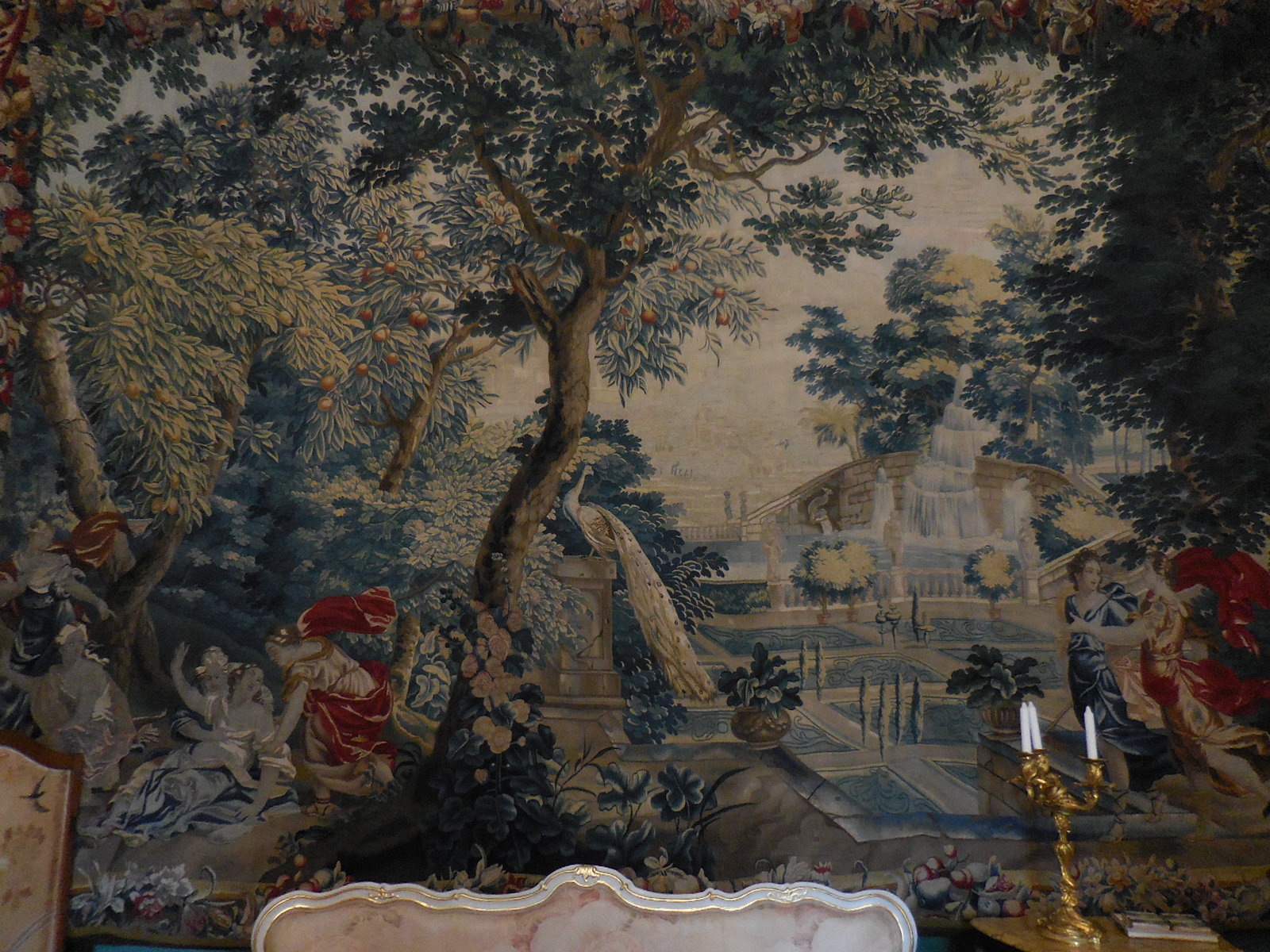
The Rococo Salon was dominated by a tapestry featuring fountains, trees, apples, peacocks and well-dressed women taking a stroll through the idyllic scenery. Again, the wallpaper amazed me. This time it was decorated with flowers and birds. The leather wallpaper in this chateau brought to mind that fascinating leather wallpaper at Šternberk Castle in central Moravia.

Zleby2020int51Zleby2020int54

Soon we came to the Small Men’s Study with its daiquiri tiled stove that boasted coat-of-arms – just one of many tiled stoves that would bewitch me with its beauty. The leather wallpaper above the desk consisted of royal blue and brown swirls. I also peered at ancient books with delicate, brown and gold bindings.

Zleby2020int38Zleby2020int40


From there we entered the representative rooms. In the hallway the chairs had carved, wooden figures in their backs, and the bench also had a finely carved back displaying coats-of-arms. In the Thirty Years’ War Room the walls were covered in Late Gothic carved wood paneling with swirls cut into the wood. Elegant, dark chairs complemented ivory rifles and swords as well as helmets. There were two secret doors in the room – one led to a dry toilet and the other to the downstairs library.

Zleby2020int75Zleby2020int79Zleby2020int80Zleby2020int86

The upper floor library consisted of 6,000 books and 6,000 engravings. The big books had beautiful spines. Smaller books were set on shelves high on the walls. The Gallery enthralled as well. Engravings made up one display case. Paintings on the walls included those with animal scenes and a delicate still life of fruit. The leather wallpaper came from 72 deer. The walls were decorated with wood paneling featuring the geometric motif of the Auersberg “A”. There was also a Renaissance dagger that caught my attention. The coronation sword of Emperor Ferdinand I was compelling, too. A Baroque ebony bureau was made of ivory and tortoiseshell.

Zleby2020int91Zleby2020int94Zleby2020int97

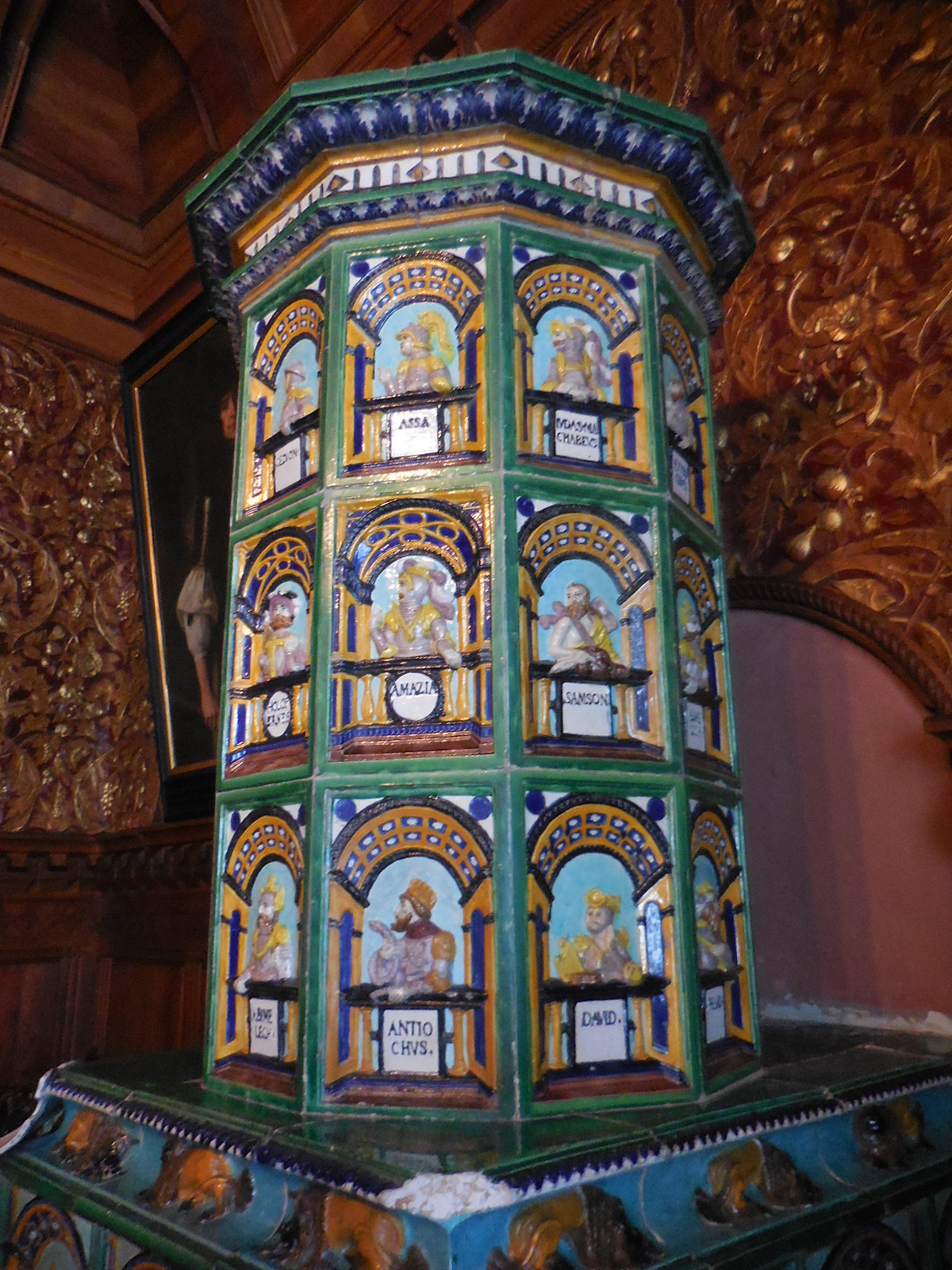
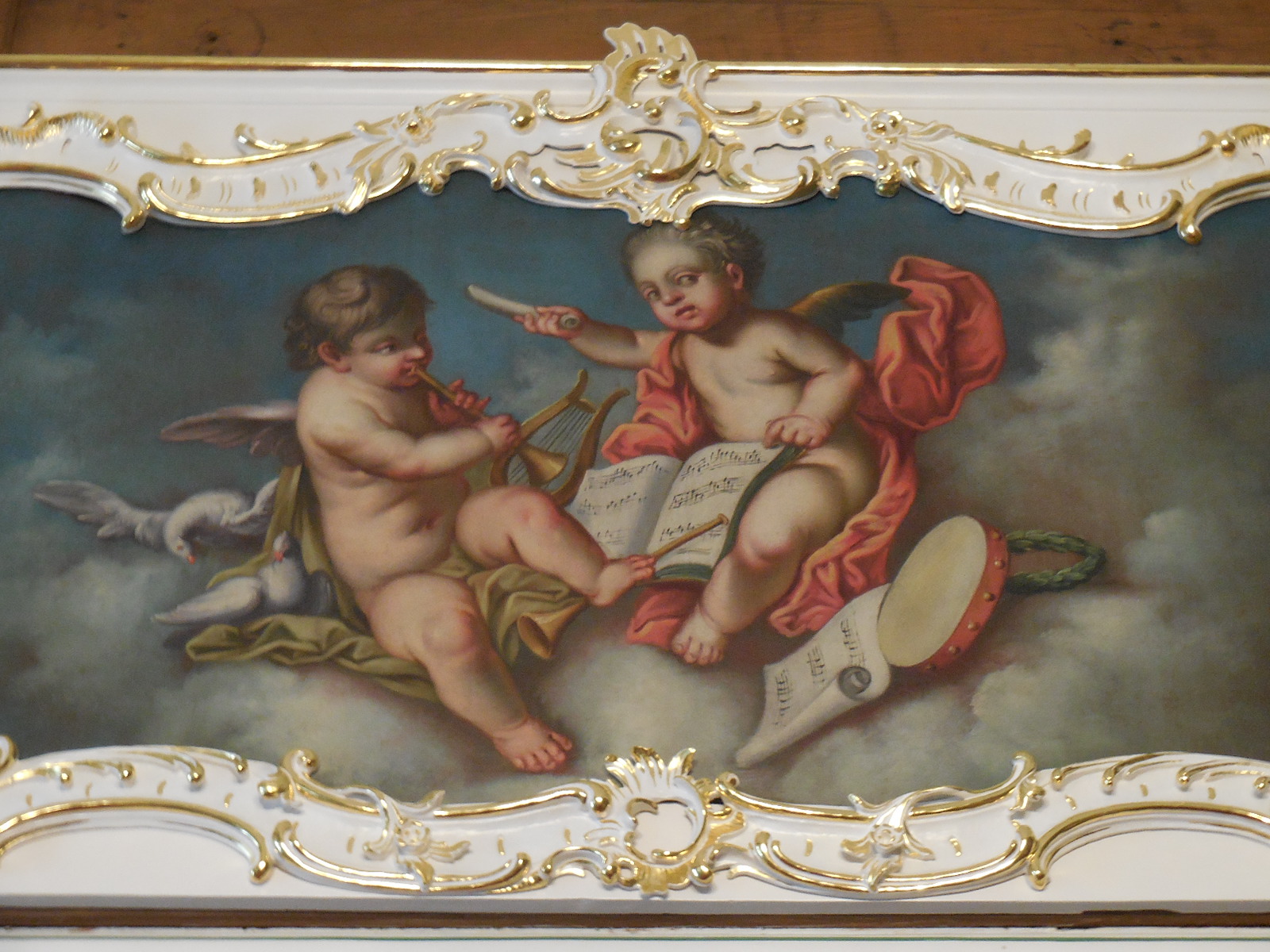
The Red Room, though, had the most enticing wallpaper, with its gold and red ornamentation. A painting on the ceiling showed fluttering cherubs.  The Late Renaissance tiled stove from the 16th and 17th century featured Old Testament scenes in the upper part and New Testament scenes in the lower section. The green and brown colors made it attractive as well. The door with intarsia dated from the Renaissance, from 1573 to be exact, and used to be part of the Jihlava town hall. Above me was a beautiful, coffered ceiling.

Zleby2020int11Zleby2020int15Zleby2020int16

The Tyrol Room boasted a Baroque tiled stove from the Tyrol region that was just as captivating as the one in the Red Room. The brown stove showed scenes from mythology in white relief. The swirling, white columns on the stove were complemented by the swirling, pine wood columns in the wood paneling hailing from the Tyrol. A wooden Rococo sleigh for children looked precious. A Delft fajan vase was exquisite, and on the walls were impressive fajan plates.

The stunning Blue Salon was decorated with the biggest tiled stove in the chateau, a blue, white and mustard yellow piece hailing from Bavaria and featuring grape harvest scenes from that region. A rare black desk was complemented by gemstones. A Spanish-Moorish bureau from the 17th century graced the room as well. A  Baroque ebony cabinet hailed from 17th century Germany. The walls in the lower half of the space were decorated with light wood panels while the upper part included blue and gold leather wallpaper. I looked up at the wood, coffered ceiling. It was astounding.

Zleby2020int98Zleby2020int99Zleby2020int102Zleby2020int103

The Knights’ Dining Room did not disappoint, either. The biggest space in the chateau included an intarsia closet and rare hand-painted goblets with colorful figures. Swords and hunting trophies covered the walls. Another bureau in the room was decorated with an ivory engraving of a man on a horse, spearing a boar.

Zleby2020int100Zleby2020int101

Blue-and-white porcelain dominated the space where meals were prepared, and rare rose porcelain from Slavkov in Moravia was exhibited in the kitchen itself with its huge, astounding brickwork. Blue-and-white English porcelain was displayed on a table. A unique, 19th century, cylindrical grill stood out. The kitchen smelled like a bakery. Chateau employees in historic dress were baking bread. A boiling house and smoke house were attached, too. The stove dated from the 19th century.

Zleby2020int104Zleby2020int105Zleby2020int106

After the 10 of us on the tour sampled some homemade Easter bread, the eloquent and enthusiastic guide said goodbye. I took a few more photos of the romantic, fairy tale façade with elegant gate before heading to the park. Then I walked down the street to a pub for a fattening, yet tasty, lunch of beef and dumplings. From the pub window I gazed at the chateau. I felt as if I was a trance. I was so drawn to the chateau. I knew that soon I would have to wake up from my trance and get on the train to Čáslav, where I would switch to a Prague-bound train. Looking out the window at the chateau, I decided that I had had a great day. I just wished that more tourists would visit the chateau that was located only 18 kilometers from Kutná Hora, a major attraction.

Tracy A. Burns is a writer, proofreader and editor in Prague, Czech Republic.

Zleby2020int39Zleby2020int57Zleby2020int58Zleby2020int60Zleby2020int61Zleby2020int62

Slatiňany Chateau Diary

 Image

I was excited. I was actually travelling to a chateau I had never been to. This was not a return visit after a 10 or 12-year absence. I had not even known that Slatiňany existed before I flipped through a book listing all the castles and chateaus in the land and came upon the page by accident. Then, at Žleby Chateau, I heard the chateau’s name connected to the Auersperg family, who owned both properties for more than 200 years.


Slatinany10124

The tranquil Winter Garden as seen in 2024

This time I had to change trains at Pardubice, an hour from Prague, and then I had about 20 minutes before the next train. For the first time I took the Student Agency Regio Jet and found that company’s trains to be just as comfortable and relaxing as their conspicuous yellow buses.  Student Agency got me to Pardubice on time, a little after 8:30. I had time to use the public restroom at Pardubice’s train station and was surprised that at the station of a relatively good-sized city the toilets did not flush. But I guess that is just life traveling through the Czech Republic.


Slatinany2524

The large painting with a hunting theme in the Big Dining Room

I caught the local train – a new one with a clean interior – without any delay and was in Slatiňany in about half an hour. From the miserable little train station there, it was a short, straight walk to the chateau. I arrived there a bit before 10 am, when the place would open.  I admired the side of the chateau facing the walkway. It was white with painted squares that reminded me of the Renaissance sgraffito façade of Litomyšl Chateau, though it was not at all that extravagant.

Slatinany8I also had time to take a peek at the small church nearby. Very quaint and intimate, it was designed with a partial rotunda. I peered through the open door, but it was dark inside. Still, I did make out a stunning altarpiece and some impressive paintings. I would have loved to go inside this church because the intimate atmosphere of the small, relatively plain but compelling interior made me feel at ease. It seemed to be a good place to meditate about life and its problems.


Slatinany2624

A look at the interior as viewed in 2024

At 10:00 am I entered the courtyard of the chateau. A statue with natural rock at its base showed off a small sculpture of a man on a horse. At the ticket office I paid for a ticket to the chateau interior exhibition – there was also a hippology tour – and bought a guidebook. I read about the background of the chateau while I waited for the caretaker give the tour.


Slatinany2224

Beautiful furniture as seen during a 2024 visit

At the end of the 13th century, a medieval fortress had stood on this spot, and the first owner, František of Slatiňany, managed the stronghold from 1294 to 1297. One of the later medieval owners even had a claim to fame. Václav of Slatiňany had been one of the signatories on a petition arguing against killing Jan Hus, who was accused of heresy against the Catholic Church and burned at the stake in July of 1415. (Hus was a key player in the development of the Protestant movement.)


Slatinany224

From 2024 trip to the chateau

Slatiňany was destroyed by fire several times. When Bohuslav Mazanec of Frymburk purchased the medieval fortress in 1575, he began to give the place a Renaissance makeover, and the renovations continued after his death in 1589. Not only was the chateau designed in Renaissance fashion but a mill, vineyard, brewery and malt house were also added.

A turning point in Slatiňany’s history came when Josef František, Count of Schönberg, bought the chateau in 1732 and had it rebuilt in Baroque style. A key event occurred when his only daughter, Marie Kateřina, married Jan Adam of Auersperg in 1746.


Slatinany424

From 2024 trip

Then the chateau became the property of the Auersperg family, who would rule here for 200 years, until World War II. The chateau got its present appearance from 19th century renovations during the Auerspergs’ tenure here. In 1942 the chateau became the property of Dr. Josef Karel Trauttmansdorff, who was from an Austrian noble family. After the war, it was nationalized, according to the Beneš decrees, which took away property possessed by Germans during the war. Since Trauttmansdorff had been Austrian, his properties had to be nationalized, the decrees declared.

Slatinany1In the tiny entranceway hung portraits of horses – there was a horse farm and a hippology museum on the chateau land as well. Another black-and-white portrait showed a bald, distinguished looking mustached man who the guide referred to as the popular and significant František Josef, Count of Schönberg. A bison featured prominently on the family’s coat-of-arms that was placed above the portrait. The caretaker explained that this is where the Auerspergs had lived – it was a sort of family home – as opposed to Žleby Chateau, which functioned more as a museum for all those weapons and tiled stoves among its monumental interior. Three of František Josef’s five children were born here – Kristína, Karolína and Ferdinand.  


Slatinany524

From 2024 trip

The guide also emphasized that Slatiňany was a modern chateau. There had been heaters in the place since 1925. A boiler room, a dumb waiter and flushing toilets also made up the modern conveniences.  As the guide opened a door off the entrance that had once led to the park and now contained many plants, he mentioned that in the mid-19th century there had been tennis courts, a small house for dolls and a small chapel on the grounds. Now there was only a small chapel and lake in the impressive park that features many kinds of trees.


Slatinany924

From 2024 trip

We walked up the small, narrow main staircase after putting on house slippers. Upstairs the pristine-looking, white hallway boasted pink chairs plus two tables with green and white décor and brown tops. White, porcelain horses manned by riders in hunting dress were featured in a display case. I was entranced with a mirror’s frame – it was silver but also with pink and light blue decoration. The room was indeed modern with its radiators and porcelain light switch. The pictures in the room showed views of Vienna. I immediately spotted the Graben with its Plague Column.

Slatinany7The next room was used for official visits, the guide said as he expounded on the family members in the portraits. I was also very interested in the history of the objects in the small room with many items. The first thing I noticed when I entered the room, however, was not an object but rather a smell – the stench of horse dung. Horses grazed nearby on the property, and the windows were open. I tried to concentrate on the details all around me. Maroon chairs and a couch made the space look cozy, and brown bureaus seemed to include intarsia. I admired the mirror with the ornate gold frame – it had to be Rococo. The doors and walls were white with gold décor, giving the place a light and airy feel that contrasted in a positive way with the maroon color. I also admired a red, white and blue bowl on a brown table.


Slatinany624

The outdoor sculptural fountain in 2024

The following room was used for unofficial visits. Facing me was a huge picture of a rider on a horse with a blue landscape and trees in the background. I stood near a brown dresser with intarsia and noticed a desk with intarsia, too. The rocking horse looked as if it had real horse hair for its mane. The white with gold tiled stove had a decorative gold jug on its top. In a portrait Vilemína Auersperg, František Josef’s wife, was clad in a black dress and pearls. Blue and white porcelain also featured prominently in the room as did a picture of a one-year old František Josef.


Slatinany724

The sculptures of dogs on the outdoor fountain of the chateau in 2024

The bedroom included a lovely white desk with a white chair partially covered with lace. Religious paintings decorated the back of the bed. The white tiled stove with the blue décor had to be Rococo. Black-and-white engravings covered one wall. I noticed a quaint family scene with a mother, child and dog in one picture. Vilemína’s daughter Kristína had been born in this room on November 11, 1878. There were two secret doors in the space. One hid a flushing toilet. Behind the other was a toiletry corner with porcelain items that bore the stylized A for Auersperg. The guide showed us a small, elongated bowl from Karlovy Vary. What was it for? Women were supposed to urinate in it. Another narrow, elongated porcelain case was made for a toothbrush.


Slatinany1824

The interior during 2024

In the Small Dining Room there was no table. However, there was a huge chandelier made in Murano. Hailing from the 18th century, the lavish light fixture boasted green, pink, blue and white glass, with blue and white flowers and green leaf formations. A compelling tapestry depicted a scene in nature with a sculpture in the middle of a fountain.  I was especially fond of the black-and-white jewel chest across from me. The grandfather clock had a beautiful, gold face. Black-and-white engravings with landscape scenes and portraits of animals covered the walls of the adjacent study.


Slatinany1124

The chateau decor in 2024

Bookshelves lined two walls of the library, and there was a secret door in a bookcase. In one photo Ferdinand, František Josef’s youngest son and the last of the Auersperg clan, looked like a member of the Mafia in a bowler hat. The caretaker remarked that very few people had attended Ferdinand’s funeral in 1942.


Slatinany1224

A bedroom of the chateau in 2024

The Big Dining Room was dominated by a painting that was longer than the wall on which it was hung. It depicted red coat-clad hunters preparing for a hunt as the hounds played in one corner, the background filled with a lush, green landscape. Dark green cups of various sizes stood out among the tableware. The white tiled stove boasted brown flower buds and green leaves.


Slatinany1524

One of the beautiful tapestries in the chateau during 2024

Then we went down to the kitchen in the cellar. On a high shelf white with brown vases boasted the Auersperg A. We also went into the boiler room, though the small and big boilers were no longer functional. The technology of the boiler room hailed from the First Republic in Czechoslovakia during the early 20th century.


Slatinany1324

As furnished during 2024

There was also a museum of hippology at the chateau, though I did not have time to visit it. The founder of Czech zootechny and prominent geneticist František Bílek had founded it. After World War II, during 1945, there were not suitable stables or pastures for all the horses in the area, so some were sent to Slatiňany, where there were vast grasslands and stables built by the Auerspergs at the end of the 19th century. Because there was a hippological tradition in eastern Bohemia, Professor Bílek decided to base the museum here. It included three sections: three representative rooms, five rooms of a scientific section and an exhibition of the horse in art. The scientific section focused on paleontology, zoology, anatomy and domestication. Another part centered on how the horse contributed to culture and society. The exhibits come from 122 Bohemian and Moravian castles and chateaus. The segment featuring the horse in art forms opened in 1950 while the scientific section was inaugurated two years later.


Slatinany1624

An exquisite canopied bed on display during 2024

I was sorry I did not have time to tour the second exhibition, but I had to have lunch and catch two trains back to Prague before the evening. I had to admit that horses had never been my cup of tea, but the tour sounded exciting nonetheless. Instead of waiting around, I found a restaurant with an inconspicuous sign on the main street. The interior, though, was delightful. Some backs of chairs were carved as figures of knights. Others featured coats-of-arms. My chair had a picture of a reindeer on it. The restaurant was dark with an almost romantic ambience, though the loud children were hardly romantic. The chicken was delicious as was the honey cake I had for dessert.


Slatinany1724

The interior as it looked during a 2024 visit

Then I headed for the dingy train station, and the train arrived soon. I was facing a dilemma, though. If this local train was on time, I would have seven minutes to change trains to Prague at Pardubice. If not, I would have an hour and a half to kill at the train station without flushing toilets. Even the chateau interior from the First Republic had flushing toilets! Why couldn’t the ones at the train station flush?


Slatinany1924

Decor of the chateau in 2024

The local train did not let me down, and I was glad because I had to go to the bathroom. I made my connection in seven minutes, and I have never been happier to use a toilet on a train.

Tracy A. Burns is a writer, proofreader and editor in Prague.

Slatinany2024

From a 2024 visit

An exquisite chandelier made in Murano

The black kitchen with its early 20th century appliances

The large black kitchen

Dobříš diary


Image


I loved the cheerful red and yellow façade of this charming chateau only a half hour from Prague. The captivating exterior always put me in a good mood. The short bus ride had taken me into a different and exciting world.

Because it was my third visit to Dobříš, I was well aware of its history. Unlike many other chateaus, Dobříš did not emerge as a Gothic castle or medieval fortress. It was built as a Renaissance chateau at the end of the 16th century when travelers stopped in the town on their way from Prague to Italy. The chateau was purchased by royal hunter Bruno Mannsfeld in 1630, beginning its long ties to that clan. It got a Baroque makeover at the end of the 17th century, when its lush French and English gardens came into being. Although a fire devastated the chateau in 1720, the Baroque jewel was reconstructed by 1765.

ImageThe Colloredo family came into the picture when Marie Isabella, the daughter of Jindřich Pavel Mannsfeld, married František Gundakar Colloredo in 1771, and the new name of the owners became Colloredo-Mannsfeld. World War II brought dark days to the chateau. In 1942 Dobříš was confiscated by the Nazis and served as the seat of acting Protector of the Reich Kurt Daluage, who succeeded the assassinated Reinhard Heydrich that same year. Vikard Colloredo-Mannsfeld, the owner of the chateau during this turbulent time, refused to become a German citizen, taking a stance against the Nazis and targeted as an enemy of the Reich.

In 1945 the chateau was taken over by the state and became the property of the Writers’ Syndicate. As the Writers’ Home from the 1950s to 1990s, the chateau housed scribblers for stays that lasted a week or months. Writers’ conferences were held here, too. A stormy legal battle began in 1992 when Jerome Colloredo-Mannsfeld wanted the chateau and both parks returned. Six years later he got his wish, but he died that same year. Now his descendent, also Jerome Colloredo-Mannsfeld, owns the chateau.

ImageBoth representative rooms and former guest rooms make up the 11 spaces on the tour that lasted an hour and depicted the chateau during the Rococo and Classicist eras. This time I had my own guide, which is the way I preferred to see the interiors. We began in the Salla Terrena where the glazed doors once served as an entrance to the stunning French garden I loved so much. Both the captivating statues in the room and those in the park were the work of legendary 18th century Czech sculptor František Ignác Platzer, who also designed the statue of Saint Norbert on the Charles Bridge and the ornamentation of Saint Nicholas Church in Prague’s Lesser Quarter. The walls of this space were decorated with hunting scenes.

The Hunting Lounge featured 18th century wallpaper with hunting motifs. Admiring the hand-painted décor, I spotted three hunters relaxing in lush scenery, accompanied by a dog.  I took note of the mixture of Classicist, Rococo and Louis XVI styles evident in the pieces of furniture. I found it intriguing that the legs of a chair fit into the Rococo style while the top part exuded Classicism. The exquisite chandelier hailed from Murano. Photos of the chateau from 1910 appeared throughout the rooms.

ImageThe Master Bedrooms were next. Although the furniture flaunted Classicist style, the desk in the space was Baroque. I was particularly drawn to the 18th century armchair upholstered with Gobelin tapestry that showed Venus coming out the sea as she was born. I also adored the gilt Japanese vase that depicted scenes from the life of Buddha. The oldest picture in the chateau, dating from the 16th century, showed Saint Jerome with a skull. The guide explained that St. Jerome was the patron saint of the Colloredo-Mannsfelds. Weird pictures on the drawer of an 18th century ebony bureau depicted angels with instruments of torture.

DobrisChateauThe picture on an easel in the Italian Lounge was called Canal Grande an original rendition by 18th century Venetian painter and printmaker Canaletto. I thought back to my short trip to Venice five years ago and recalled how I was bursting with energy each day. I wish I had that much energy now.  How I had loved meandering down the deserted streets on a Sunday at 7 am! That was when I became hooked on cappuccino.

There were other paintings of Venice in the room, too, as I spotted a gondola and a carnival in full swing. Views of Naples and Messina also adorned the space. A Classicist screen held a compartment for letters. The 50-kilogram chandelier hailing from Murano was light blue and white with floral ornamentation. I loved Italian chandeliers. The tan furniture with black stripes fell into the Classicist category.

ImageI tried to imagine an afternoon tea party in the Ladies’ Rocco Lounge with women relaxing on the maroon Rococo seats and sipping tea from Meissen porcelain cups while recounting anecdotes, telling jokes and complaining about their husbands. A display case with Dresden porcelain had a unique shape – it looked like a carriage. I imagined all the conversations that must have taken place under the Bohemian crystal chandelier hailing from the days of Holy Roman Empress Maria Theresa. Paintings of pastoral scenes rounded out the attractive room.

The first thing I noticed in the Ladies’ Bedroom was that the white bed with shell ornamentation looked too short, but I knew from other tours that people used to sleep sitting up or half-sitting. They were afraid they would die if they lay down, or women did not want to mess up their elaborate hairstyles. I was surprised to hear that the bed is actually two meters long. Ludwig XVI style furniture, harkening back to the 18th century, was featured in this opulent décor. A copy of Raphael’s Madonna hung in the room. The guide told me a legend about the Venetian mirror:  People who look into it will have their wishes fulfilled as long as they do not gaze into another mirror for a year.

ImageThe next room was totally different, seemingly from another world. This Writer’s Room was decorated the way the room would have looked when the chateau belonged to the Writers’ Union, from the 1950s to the 1990s. The space featured a modern bed, a typewriter, a record player and a modern bathroom with two tubs. The corridor in the chateau was home to intriguing, 18th century pictures of Prague and Vienna. I spotted graphics of Schönbrunn Palace and its surroundings plus a forest with a church and a pond. In the section focusing on Prague I recognized Old Town Square with a plague column in the center and Týn Church’s spires in the background.

Dobrischateau15Measuring 220 square meters, the Hall of Mirrors was the largest room on the tour. It was also the most astounding. It was often used for weddings and concerts, and I recalled attending a concert here in the early 1990s when the chateau’s rooms were not open to the public. Certainly this fresco-filled hall was suitable for weddings with its stucco ceiling décor and other ornamentation dating back to the 18th century. Craning my neck to see the ceiling fresco, I peered at a blue sky with angels fluttering to and fro. Allegories of the four seasons were painted above the door. The frescoes above the balcony represented the five senses.  Eight Venetian chandeliers captured my attention. Two marble fireplaces on opposite sides of the room and two Czech crystal chandeliers added to the room’s opulence. Above one fireplace, Josefína Czernínová held a small dog in one hand. Opposite her, Jindřich Pavel Mannsfeld gripped construction plans in his right hand.

Dobrispark1The Gobelin tapestry room charmed me with its tapestry upholstery on the furniture. I noted the armrests portraying scenes from Italian commedia dell’ arte performances. I especially admired the semi-precious stones in the 18th century jewel chest made of black ebony. In a portrait Marie Isabella Mannsfeld wore an attractive pink dress and had her hair up in a bob. Vases with Oriental motifs were also enticing.

DobrisgardensThe Rococo Room or Music Room featured Rococo stucco wall décor. Vases dotted the room – some Japanese and others made of Viennese porcelain and sporting floral designs. I took special note of the four Venetian mirrors with gold frames. I loved Venetian mirrors despite their opulence!  Above a dominating marble fireplace, a portrait of Joseph II showed the distinguished Holy Roman Emperor with one hand on his hip. Two Czech crystal chandeliers added to the noble atmosphere. An aquarium was unique. The big bowl showed off designs of orange fish and flowers.

Dobrispark6The oldest book in the library was open on the table – a German Bible from the 16th century. I admired its bewitching Gothic script. The 3,600 books on the dark wooden shelves were written in German, English and French with a few in Czech, and most hailed from the 18th and 19th centuries. The collection included the volumes of the History of the Czech Nation in Bohemia and Moravia by legendary Czech 19th century historian, František Palacký. Other valuable items were many books by Alexandre Dumas as well as the Encyclopedia Brittanica. Portraits of the Mannsfelds and Colloredos also adorned the room. I recognized one painting as a copy of the original I had seen in the Prado – Diego Velázquez’s “Portrait of the Spanish Infanta Margarita Teresa.”  Dolls had been placed throughout the rooms as part of a special exhibition, and in this space there were 50 doll figures from novels. Madame Bovary made a memorable appearance.

Dobrispark11The Dining Room boasted of 20th century Neo-Renaissance traits. The 12 chairs made of leather had armrests sporting the eagle on the coat-of-arms of the Colloredo family. Portraits of the Colloredo-Mannsfelds also decorated the walls. In one portrait Josef Colloredo-Mannsfeld was seated on a red chair, with books on a nearby table, perhaps symbolizing his vast knowledge obtained while he had traveled around the world.  The vases from Delft added ambience as did the stucco décor on the ceiling.

After touring the 11 rooms, I paid a visit to the JCM family Gallery. Family portraits and Baroque 17th and 18th century works by Italian painters dotted the walls of the small, intimate spaces. I noticed many biblical and mythological scenes as well as historical themes and landscapes. Salvatore Rosa executed “Saint Peter Fishing” in the 17th century while a portrait of Holy Roman Emperor Leopold II hailed from the end of the 18th century. Other works addressed topics such as the judgment of Paris and the murder of Saint Wenceslas. Leonardo Bassano’s depiction of the Last Supper from 1605 graced a wall, too.

Dobrispark13A temporary exhibition in the gallery featured the work of Belorussian painter Alexandr Iljuščenko. I admired one modern landscape with many greens and browns and his depiction of a tram over a bridge. I could almost hear it clattering over the tracks. An alley flanked by trees during the fall also caught my attention. In another work I saw a green pasture and hills. The people rendered in the paintings appeared too modern for me and took something away from the magical atmosphere of the scenery.

Next I walked into the bewitching French park of nearly two hectares. It was one of my favorites. Founded during the 1770s when the chateau got a Baroque makeover, the French park now boasts of Rococo style. Five terraces, an orangery and a fountain with a Baroque sculptural grouping of horses created by Platzer around 1760 were just a few of the pluses.  I also viewed allegorical statues of the seasons. I spotted Poseidon with a crown and Nares with an oar and ocean wreath, too. In the orangery I took note of the four statues of figures from mythology, including Apollo and Aphrodite.  The English park was much larger, spanning 30 hectares with a pond and stream. Three artificial caves were located here as well.

I had an appetizing lunch of chicken on a skewer in the quaint and busy chateau restaurant and then made my way to the nearby bus stop for the half hour ride back to Prague.

Tracy A. Burns is a writer, proofreader and editor in Prague.

Dobrischateau11

Return Trip to Dobříš Chateau in 2024

After learning that the chateau had changed its interior, I returned to Dobříš only to be disappointed by the transformation. Formerly richly decorated rooms had become bland spaces with panels narrating the history of the Colloredo-Mansfield clan, who, I recalled, had come into the picture during a 1630 purchase. The information about the family was intriguing as were the objects associated with each member, but these spaces did not compare with the Baroque and Rococo décor of the past. Several rooms were still lavishly adorned – but just a few. The Writers’ Room remained the same, thankfully, showing off objects from the Communist era. The fresco-filled Hall of Mirrors with eight Venetian chandeliers was roped off, so I could only take a few steps into the beautiful space.

Photos from the Writers’ Room, showing portraits and statuettes of Communists and furnishings from the totalitarian era

However, the park was as stunning as ever. The orangery had been reconstructed with illusionary wall painting. The five terraces, the fountain with Baroque statuary and the floral arrangements were just as I remembered them. Walking through the park on a sunny day was a real thrill.

Photos from other spaces in the interior

From the park

The orangery with wall painting

The orangery main gate

Illusionary wall painting on the orangery

More illusionary wall painting on the orangery

Manětín Chateau Diary


Image

I had wanted to visit the Baroque chateau Manětín, about 45 minutes from Plzeň by car in Western Bohemia, for many years, but for some reason I had been under the impression that it was closed to the public. Only while I was at Chyše Chateau did I find out that Manětín had been open to the public since 1997. Today I would finally see it with my own eyes. I was very excited about the trip. I had to go by car as there was no public transportation that went to Manětín. We drove through the bewitching countryside and passed many haystack-dotted fields.

Manetin1

When I arrived at Manětín, I was bewitched by the Baroque statues and a sculptural grouping of the Holy Trinity in front of the main square. A road led down to the Baroque chateau itself, situated behind the statues. At the small white church next to the chateau a group of six or seven musicians were playing funereal music on trumpets. People dressed in black walked solemnly into the church.

Image

It was almost 10 am, and my tour began at the top of the hour. I had a few minutes to pop into the park. The Baroque and English park looked elegant and well-kept, very different than it must have looked between 1945 and the 1990s, when it was in a decrepit state. It had been restored in the 1990s to appear like it had during 1790.

Manetinext4

Then it was time for the tour. The knowledgeable young man acquainted me with the history of the chateau that had been first mentioned in 1169. The chateau that had begun as a medieval fortress had been transformed into Renaissance style before 1600. After a devastating fire in 1712, it was reconstructed with a Baroque appearance thanks to the then owner, Marie Gabriela Lažanská.

Manetinext3

The chateau had been confiscated several times.  Volf Krajíř z Krajku owned the place from 1544 to 1547, when it was confiscated because he had rebelled against Holy Roman Emperor Ferdinand I.  Following The Battle of White Mountain in 1620, which pitted the Protestant nobles against the Emperor and Catholic Habsburgs, the defeated nobles lost their property. The chateau was confiscated for the second time in 1622.

ImageThat was when Ester Mitrovská from Nemyšle, born Lažanská from Bukova, bought the chateau. When she died, the chateau came into the hands of her brother, Ferdinand Rudolf Lažanský. The Lažanský family would keep the chateau for more than 300 years. Times of cultural prosperity followed, especially when Václav Josef Lažanský and Marie Gabriela Lažanská manned the chateau.

Manetinext9


After World War II, though, the chateau was confiscated for the third time, becoming the property of the state because two Lažanská women in charge of the chateau had married two Austrian brothers.  Thus, the chateau had been in part the property of the Austrian family. Due to the Beneš decrees that took away property from Germans and even expelled them from the country, Terezie Lažanská, one of the women who had married an Austrian, was deported to Austria. Some rooms were open to the public as early as 1959, and the chateau became a national monument in 2002.

Manetinint4Manetinint5

Upon entering the hallway, I was enthralled by the sculptures dotting the staircase as well as the ceiling fresco.  The four statues with putti on the staircase represented the four elements. One cherub was holding a fish, representing water. Another was depicted with a cannonball and decked in an old-fashioned fireman’s helmet that looked more like military headgear. This was Fire. Earth was portrayed by a cherub with a melon and snake, and Air was depicted by a putti flying on a bird. I could almost imagine the cherub whizzing through the cold, damp chateau air on the big bird.

Manetinint3Manetinint2

A portrayal of what the chateau was supposed to look like in the 18th century took centerstage in the ceiling fresco. Allegories of architecture and painting also adorned the fresco as did the coat-of-arms of Marie Gabriela Lažanská, perhaps the most influential of the Lažanský owners. (The guide mentioned that Marie Gabriela had been addicted to card playing. In fact, more than once she had put the chateau at stake when she had made her bet.)

Manetinint6

In the Reception Room there were four paintings depicting soldiers during the Thirty Years’ War, which lasted from 1618 to 1648 and started due to religious disputes. One held a spear, another a sword. The oldest piece of furniture in the chateau stood in this room as well; it was a 1640 bureau, dating from the Thirty Years’ War as well. I paid particular attention to the elegant, brown fireplace and gold with black clock and vases, all in lavish Rococo style. I liked the gold with black décor.

Manetinint7Manetinint8

The portrait of the young woman depicted in black was Terezie, who was killed in a hunting accident when she was 21 years old. (Note that this is a different Terezie than the one who was deported to Austria.) But perhaps it hadn’t been an accident at all, the guide conceded. Some say she was killed on purpose so she could not get married. Supposedly, her lover hated the man to whom she was engaged.

Manetinint12Manetinint13

In a corner of the next room, a window was painted onto the wall. The guide explained that there had been originally a window there, but it had been filled when new rooms had been added in the 19th century. An 18th century chaise lounge, a Venetian mirror made in Morano and a group of white, Viennese porcelain also adorned the room. On the ceiling there was a small fresco of part of a boat, dating from the first part of the 18th century; most of the fresco had been destroyed, though. I tried to imagine what it would have looked like if the entire fresco had been visible. A port with boats and nobility strolling along an embankment on a crisp afternoon? I wondered.

I loved the way the porcelain cups were displayed on small black shelves set at different levels on the wall. In a round portrait Marie Gabriela, clad in a silver dress, appeared strong-willed and somber with a no-nonsense expression. A light wood, Baroque desk hailed from the 18th century while the tapestry covering one wall showed a scene from the Old Testament with Moses. The two dressers, both green with floral patterns, were intriguing, for their irregular, curving shapes and color. A view of Venice was painted on each one. I recognized the Doges Palace on one and thought back to the thrilling time I toured the palace during my first day in that magical city.

Manetinint14

The next hallway was decorated with green pictures of castles, chateaus and various places – the pictures had been cut out of magazines. I recognized the chateau of Blatná, as two people rowed a small boat around it. Another scene showed woods in Karlovy Vary. Still others showed the castles Orlík, Točník and Žebrák. Then we came to a room with a hunting theme. Nineteenth century guns, petrified hawks and a woodpecker made up the décor. The Baroque desk, closet and dresser looked out of place.

Manetinint20

In the room where the nobility had gathered, the paintings on the wall showed boats at sea and hailed from 18th century Holland. A black Baroque table and bureau from the same era also adorned the room. The glass chandelier caught my attention.  It was exquisite. Made in Venice’s Morano, the chandelier was decorated with glass flower buds that looked almost as if they were icicles taking on decorative shapes. There was also an Italian mirror with a simple, gold frame.

Manetinint19

Decorating another hallway were more green pictures of castles, chateaus and places. I saw Plzeň, a major city now, as a 19th century village and Roundice nad Labem before its chateau had become dilapidated. A room with a horses’ theme was decked with small paintings of horses, a clock with four, white columns, a desk with cards and a German newspaper dated 1859.

Manetinint21

Then we came to a room with unique paintings on the walls. They did not depict the nobility, but instead the servants and clerks who had worked at the chateau. A rarity in chateaus, this collection included 13 portraits from 1716 to 1717 hanging in several rooms and in a hallway. They were painted by Václav Dvořák, whose life remains mostly a mystery. All the people portrayed in this room were dressed in black. Two carriage drivers next to a carriage wore tall, fluffy hats with big feathers. In one portrait a solemn-looking priest stared back at me. He had written a chronicle of Manětín in three languages, the guide said.

Manetinint22

Objects in the next room proved to be rarities as well. The space boasted a complete collection of porcelain, plates with tea and coffee service sporting white with brown decoration. It was not often that a chateau had a complete collection; usually there were only pieces of a collection featured.  In the former Billiards’ Room, there was no table, but there were more paintings of servants and clerks. Three men donning large, white wigs gazed at me. There were also portraits of a doctor, the chateau’s caretaker and the priest who was also a historian. An elderly woman held keys in one hand; she was responsible for the keys to the chateau and to the food storage rooms. The yellow tile stove with squiggly brown vertical lines appealed to me. A small device that functioned as a bell was there, too.

Manetinint26Manetinint28

The biggest room was now used for weddings and concerts. The 1730 ceiling fresco boasted its original, vibrant colors and portrayed three figures showing God’s qualities in the center. I spotted the one in red with the heart as Love. The female clad in blue represented Strength. The third portrayed a girl pouring water from a jug onto a coat-of-arms. This was symbolic of Luck or Fortune. In the corners of the ceiling, the painted figures represented the four seasons.  Fall showed a naked girl with grapes and Bacchus, the god of wine. Summer was represented by a girl donning a big, straw hat and weilding a sickle as well as a woman holding a parasol. Spring: One girl was pouring water while another was holding a parrot.

Manetinint30

Winter had two symbols. One was Death as an angel, but there was also a woman in a black mask to depict winter as a time of social gatherings and parties. When I went back to the chateau in 2020, the black mask triggered thoughts of the coronavirus pandemic as cases were increasing in the Czech Republic. In America, where my octogenarian parents lived, the situation was horrendous with over 1,000 dying every day. In the Czech Republic we didn’t have to wear masks anymore, though I still did because I wanted to be as careful as possible. I had spent the first three weeks of lockdown in my apartment, afraid to go out, before I started taking walks and calming down. Thoughts of the coronavirus and my parents’ and friends’ health often kept me up at night.

Manetinint32

Mythological events were also portrayed on the ceiling. I spotted Poseidon and a falling Icarus. There were two portraits of the Lažanský family in this room as well. One showed Marie Gabriela and her daughter along with a black servant. In the portrait of her husband with their sons, the painter put himself in the work, holding a palette and brushes.

Manetinint31Manetinint40

 Painted Baroque statues flanked the doorway that led to the magnificent library, which held 5,000 books, many with golden spines.  Most were in German and dealt with economy, but books by Johann Wolfgang von Goethe and Johann Christoph Friedrich von Schiller also graced the shelves. There were also books in English, Italian and French, for example. Only two books in Czech were in the collection, and both described how to make beer. Topics of other books included fishing, fruit growing, history and theatre. There was even a Turkish textbook. Above me was a fresco of Zeus and his daughter Pallas Athena, the goddess of war. The ceiling had been reconstructed in the 20th century due to a fire that had erupted because a tile stove had not been closed properly.

I found the remaining two portraits of servants in the hallway. One showed a cook and woman washing dishes in the chateau kitchen. Another showed a woman pouring water into a basin. Since there was no hot or cold water back then, the water had to be boiled in the kitchen, the guide explained. The woman pouring the water was decked in a traditional folk costume.

Manetinint45Manetinint44

We saw the chapel from the oratory behind glass. The main altar painting was by Baroque master Petr Brandl, my favorite Baroque artist. He also created two paintings on side altars. Brandl actually came to the chateau to paint the works during 1716.

Manetinint42Manetinint41

After the intriguing tour I went outside to take photos of some of the 30 Baroque statues that sprinkled the town and hailed from 1680 to 1780. I still could not enter the Baroque church next door. A simple, wooden coffin was placed in a black van, followed by a procession of people dressed in black, along with two decked in purple and white robes. I did not see the Church of Saint Barbara, either, though I later read it was Baroque in style and featured eight wooden statues of saints.

The St. John the Baptist statue, now situated at a church, had suffered much turmoil. It originally stood in front of an administrative building. Then it was placed on a small bridge. In 1944 it was severely damaged by the Nazis. Then children did more damage to the statue. After the Russians came in 1945, it was tied to a telephone pole. In 1954 it was moved to its current location.

Manetinstatue3

I went to the chateau restaurant and had my favorite excursion lunch of chicken with peaches and Cola light. Then I got back in the taxi and headed for the smallest town in Europe called Rabštejn nad Střelou, situated only nine kilometers away.

Manetinext6

Tracy A. Burns is a writer, editor and proofreader in Prague.


Lysice Chateau Diary

Image

When I first set my eyes on Lysice’s chateau and garden 10 years ago, I knew that someday I would be back. The two exceptional tours and extensive park enhanced by colonnades had captivated me.  I was certain that this chateau was one of the most underrated sights in the Czech Republic.

It had been a short bus ride from Brno, and the bus stop was near the chateau. As usual, I had written to administrators at the chateau, informing them that I would be arriving at 9 am on this Wednesday to take the tours and write about them. The woman at the box office greeted me warmly, and soon I was starting the first tour, guided by an enthusiastic, young man with a contagious smile.

ImageThe guide filled me in on the history of the chateau and its owners. Its history may go back as far as the 13th century, and there was a fortress at Lysice in the 15th century. It became an early Renaissance water fortress in the 16th century. At the end of that century, the country house there had been transformed into a castle with arcades in the courtyard and a terraced park.  Baroque changes had occurred in the 18th century. At this time a grotto had been created in the park along with allegorical figures representing the months of the year.

ImageWhen Antonia Piattis married into the Dubský  family, the Dubský dynasty at Lysice had begun. They owned the chateau from 1807 to 1945, when it was taken away due to the so-called Beneš decrees because the family had had Austrian citizenship during World War II. Count Emanuel Dubský was a significant member of the clan and made a name for himself in industry. His wife Matylda of Žerotín established the first children’s hospital in Moravia. It still exists today. Tragedy marked their lives as three of their sons were killed in military action, and another was murdered. Yet another died at the age of 45. Only Ervin, the second eldest, remained. He had distinguished himself as a Vice Admiral of the Austrian Navy. Ervin had also traveled all over the world. Many exhibits at the chateau came from his travels.

ImageThe interior of the chateau underwent much reconstruction in the 19th century under Emanuel’s guidance. In the 1830s the elegant colonnade was built in the park. Disaster struck at the beginning of the 20th century when, in 1902, the chateau theatre burned down. It was never rebuilt. After the chateau was confiscated by the state in 1945, much reconstruction took place. It became a national monument in 2001.

Now it was time for the tour to begin. First, we came to the Baroness Marie von Ebner-Eschenbach’s library, named after the prominent Austrian author who was related to the Dubský clan. She had been known for her psychological novels and was considered one of the most significant German-language writers of the late 19th century. The space established during the 1860s now housed many manuscripts of plays that had been performed at the chateau’s former theatre. There were impressive busts of artists on one wall. Those representing William Shakespeare, Alighieri Dante and Friedrich Schiller caught my attention immediately. The richly carved wood paneling of the veined bookshelves hid the 7,000 volumes in this Pseudo-Renaissance style room. I looked up at the ceiling, dizzy with delight. The carved cassette type ceiling was stunning, inlaid with silver and gold.

ImageThe Grand Dining Room flaunted Second Rococo style, and I was drawn to the wooden, gilt chandelier that could hold 30 candles. The guide instructed me to look down, too. The parquet floor was deeply inlaid with the intarsia woodworking technique that involved fitting together wood pieces to give a mosaic appearance and an illusion of depth. The Small Dining Room was Classicist in style with two exquisite, white marble tables.  Bohemian glassware and plates made of aragonite from Karlovy Vary (Karlsbad) and Belgian marble stood out in the room. The Meissen candlestick that could hold four candles was an exquisite pink and white color combination.

ImageThe Grand Representative Parlor featured illusive stucco painting on the ceiling. Japanese and Chinese colorful vases in the space were souvenirs from Ervin Dubský’s travels. The Neo-Gothic chapel hailed from the 1870s, but the Baroque altar featuring the Virgin Mary and Jesus was from the beginning of the 17th century. A richly carved rendition of the Holy Trinity caught my attention. The portable Baroque organ weighed 100 kilograms.

The highlight of the Ladies’ Parlor for me was the large Meissen porcelain clock, featuring flowers that represented nature and dating from the second half of the 19th century. It represented human life and the transience of time. Gazing at the clock reminded me of how I had changed as a person since I had moved to Prague in 1991, when I had been much more extroverted and had taken more chances. Sometimes I wanted to go back to that time, when everything in what was then Czechoslovakia was new and fresh. Other times I was glad I was wiser and no longer naive.

ImageI was also I was captivated by the copy of the Black Madonna of Saint Tome above the Baroque bed. Ervin Dubský had installed a ship telephone that one blew into. The Girls’ Room was dominated by stunning lithographic prints of Vienna and its surroundings. It soothed me to see pictures of Vienna. I felt comfortable there and always enjoyed my visits to the Austrian capital that reminded me a bit of Prague. I was intrigued by a doll of a nun on a shelf. I had read that dolls dressed as nuns were often devotional and given to young girls to try to convince them to take the veil when they grew up.

ImageThe highlight of the first tour was the Oriental Salon with its treasures from Turkey, Japan and China and other places. Four small Turkish tables were inlaid with pearls. I also saw Islamic prayer rugs plus Chinese and Japanese vases. Part of the display emphasized Japan. Imari porcelain was bright blue and orange, a pleasing color combination, I mused. A partition decorated with motifs of flowers and plants was made of silk on silk.

The Samurai armor intrigued me. I knew that armor plates were attached to cloth or leather and that it was considered to be lightweight. It looked like the armor had hand-woven, colorful cloth padding protecting its front and sides. The bright colors made it vibrant. A Chinese chandelier was exquisite, showing off painted scenes of everyday life in a home. What really grabbed my attention were the four black-and-white paintings by an unknown Chinese artist. The figures had such grotesque features and reminded me of commedia dell’arte characters.

We stepped onto the first floor outer hallway, from which I had a stunning view of the courtyard with its arcades below. I noticed the coats-of-arms decorating the walls facing the courtyard. We walked by frescoes celebrating hunting themes. Next on the itinerary was the armory, featuring a collection of weapons dating from the late Gothic era to World War I.  One sword was made of sawfish bone.  It was interesting that the execution swords had blunt points. There were also swords that had been used by the Swedish Guard in the Vatican. The oldest sword in the collection hailed from the 14th century and had been found near Lysice.

ImageThe Ervin Dubský Secession style library, the biggest space in the chateau, was impressive. Even though it was larger than the other library, it contained fewer books with 5,000 volumes, mostly concerned with military and nautical themes. I hovered over the miniature portraits in frames. Sailors had taken them on their journeys to remind them of the loved ones they had left behind. I was sure that behind each portrait there was an exciting story, perhaps for a short story or even a novel. Inspired by his navy days, Dubský had the cassette style ceiling built to look like a ceiling on a boat. Ervin had been not only a traveler but a painter as well. In the room Dubský had depicted himself on canvas as a wise man from the Renaissance period.

The second tour, covering the second floor, was next. The Hall Staircase had once been the theatre, the former home of the largest costume collection in Central Europe. I wondered what that theatre had looked like before it had burned down. On one wall I spotted an Oriental raincoat made of bamboo, something I had never seen before.

ImageThen we entered the private apartments.  I noted the low ceiling, which gave the spaces a more intimate feel. The Biedermeier furniture, which was the rage from 1815 to 1848, was exquisite. The style emphasized simplicity and elegance with minimal decoration. In the Count’s Parlor I was intrigued by a quill shaped as a green and white snail. The 19th century games in a display case included a wooden card shuffler. There was also a drawing of Pernštejn Castle, one of my all-time favorites, which I had visited last year.

I was drawn to the painting of Saint Peter’s Square at the Vatican in the Gentlemen’s Social Parlor. Women had been banned from this room. I recalled spending my fortieth birthday touring the Vatican and Saint Peter’s. I remembered walking to Saint Peter’s on that wintry morning around 7:30 am, watching the sun come up. The sunrise had looked so romantic, yet I had been alone.

ImageThe Small Shooting Gallery contained 13 hand-painted shooting targets, the oldest ones hailing from the 18th century. One target had a butterfly in the middle, others were decorated with crowns and still others showed off landscape scenes. The Reception Room was another space featuring Biedermeier decor. I loved the paintings showing Habsburg Emperor Franz Joseph I and his wife, fondly called Sisi, at the celebration of their Golden Wedding anniversary. 

ImageIn the next room the guide drew my attention to a June 1906 issue of Simplicissimus magazine and showed me an advertisement for an operation to make ears smaller. I was surprised that such surgery had existed so early in the 20th century. The Tapestry Salon featured tan furniture with a pink and green floral motif. The room got its name from the tapestries used to upholster the furnishings that had even been used in the shooting of Miloš Forman’s legendary film, Amadeus. The furnishing had been transported to Barrandov studios in Prague for the filming.

The last room was the Big Shooting Gallery, where there were 40 targets along with figures. Most of the inscriptions were German or Latin rhymes or proverbs. Only one target had Czech writing on it. I noticed that on a figural target of a scantily dressed woman there was a bullet hole through her left nipple.

I had been totally enthralled during these tours. The guide said that many foreigners have visited the chateau, but very few of them were Americans. I thought it was such a shame that Americans did not take the time to come to such an amazing chateau. I would recommend that Americans stay a week or five days in Brno and take day trips to various castles, chateaus and caves. I was also glad that my tour guide had been so enthusiastic, interesting, energetic and proud of the chateau.

ImageThen it was time to see the terraced park that I had fallen in love with during my last visit. It had been drizzling earlier, but it was no longer raining. Since there were no guided tours at this time, I walked around by myself, dazzled by the flowers, colonnades and bridge that offered excellent views of the park and gardens. On the lower terrace I saw a romantic so-called kitchen garden, based on geometric patterns and hailing from the 19th century. I loved the sunflowers and pink roses, though in late August some were wilting. A pond was decorated with allegorical sculptures of America, Asia and Europe.

In the middle terrace I was bewitched by the colonnade, raised flower beds and terracotta vases that dotted the terrain. I took note of the paint-chipped columns making up the colonnade. If I were a millionaire, I would donate money to restoring castles and chateaus in the Czech Republic.

ImageThe romantic upper terrace hailed from the 19th century. Decorating a wall niche was a Madonna statue. I also discovered a grotto that hailed from the 18th century. I spotted sculptures representing the months of a year. I did not go into the castle hothouses and orangery this time, but I remembered how stunning they had been. This park was tied with the castle parks in Kroměříž and Opočno as my favorite, I decided.
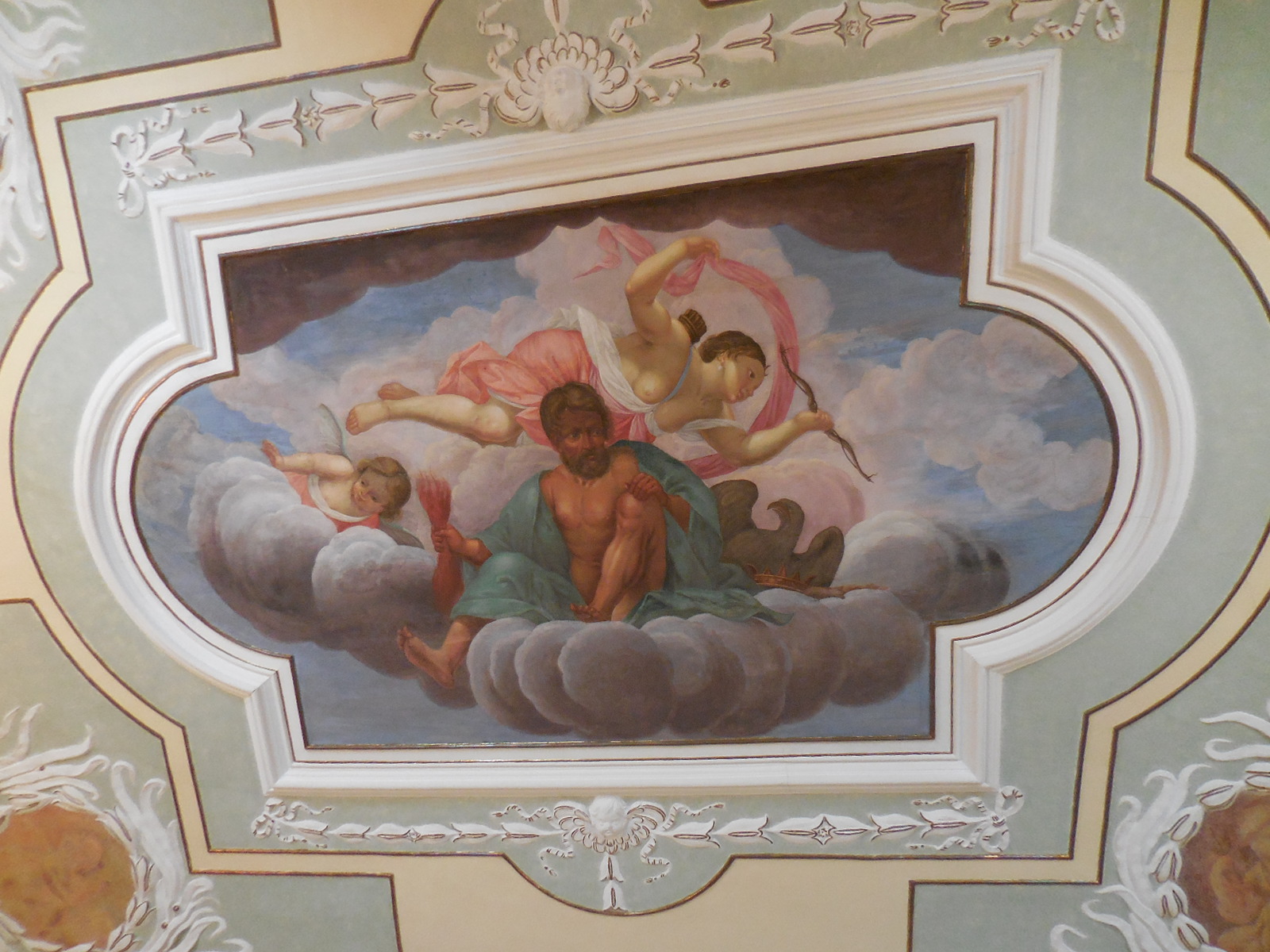
I left the chateau hesitantly. I wished I had more time to spend in the park, but the bus back to Brno was to leave soon. I knew that someday I would be back again.

 Image

Tracy A. Burns is a writer, proofreader and editor in Prague.