During this terrible pandemic that is devasting Italy, I have decided to post some photo diaries of memories of Italy in its glory, as it was and as it will be again. My trip to Puglia with arsviva travel agency was one of the best vacations I have ever had. I was fascinated by the simplicity and elegance of the Apulian Romanesque style as I discovered churches and cathedrals in sleepy towns with picturesque, narrow streets. I loved the balconies of houses, adorned with plants or with architectural elements that I admired. Lecce was a Baroque gem. Its churches and cathedral were breathtaking, overwhelming with their beauty. Matera’s sassi quarters were so unlike anything I had ever witnessed – the sassi were some of the most intriguing sights I had ever set eyes on. Bitonto, Grottoglie, Canosa di Puglia, Ruva di Puglia, Barletta, Castel del Monte, Ontranto, Taranto, Trani – all these places and more became dear to my heart and filled me with so many perfect memories.
Altamura, Cathedral S. Maria Assunta ceiling
Door of Cathedral of S. Maria Assunta, Altamura
Exterior, Cathedral, Altamura
Interior, Cathedral S. Maria Assunta, Altamura
Exterior, Cathedral S. Maria Assunta, Altamura
Tympanium, Cathedral S. Maria Assunta
Stained glass window from cathedral in Altamura
Street in Altamura
Balcony in Bari
Balcony in Bari
Cathedral of S. Sabino, Bari
Church of Saint Nicholas, Bari
Street in Bari
Barletta Cathedral S. Maria Maggiore
Cathedral in Barletta
Cathedral S. Maria Maggiore, Barletta
Cathedral S. Maria Maggiore, Barletta
Cathedral S. Valentino, Bitonto
Romanesque mosaic in 12th century crypt of Cathedral S. Valentino, Bitonto
Street in Bitonto
View from Canne de Battaglia, ruins of ancient town Cannae and site of famous battle, August 2, 216 when Carthingians with Hannibal defeated Romans. About 130,000 men took part, and 60,000 died, including 80 Roman senators.
Cathedral S. Sabino in Canosa di Puglia
Bishop’s throne from 11th century in S. Sabino Cathedral, Bitonto
Exterior of Cathedral S. Sabino, Canosa di Puglia
Stained glass window in Cathedral S. Sabino, Canosa di Puglia
Castel del Monte
Castel del Monte
Castel del Monte
View from Castel del Monte
Grottaglie, Ceramics Museum at Castello Episcopio
Grottaglie, Ceramics Museum
Amphitheatre in Lecce
Cathedral S. Maria dell’ Assunta, Lecce
Cathedral S. Maria dell’ Assunta, Lecce
Lecce, Cathedral S. Maria dell’ Assunta
Stained glass window at cathedral in Lecce
Church in Lecce – Sorry, I don’t remember which one.
Church in Lecce
Church in Lecce
Roman theatre in Lecce
S. Croce Church in Lecce
S. Croce Church in Lecce
Cathedral Madonna della Bruna in Matera
Cathedral Madonna della Bruna in Matera
Cathedral Madonna della Bruna in Matera
Cathedral Madonna della Bruna in Matera
View from Sasso Caveoso in Matera
Sasso in Matera
Sasso in Matera
Sasso in Matera
In Sasso Caveoso in Matera
View from Sasso Caveoso in Matera
Molfetta
Molfetta
Calm sea in Molfetta
Molfetta, Cathedral S. Corrado, built from 1150 to end of the 13th century
Otranto, Basilica S. Pietro
Otranto, Cathedral S. Maria Annunziata
Mosaic floor from 1163-1165 of cathedral in Otranto
Interior of Cathedral S. Maria Annunziata, Otranto
Rosette window of Cathedral S. Maria Annunziata, Otranto, from 16th century
Ruva di Puglia
Ruva di Puglia, S. Maria Assunta Cathedral
Castle, Taranto
Cathedral S. Cataldo, Taranto
Cathedral S. Cataldo, Taranto
Cathedral S. Cataldo, Taranto
Cathedral S. Cataldo, Taranto
Cathedral interior, Taranto
Street in Taranto
View from Taranto
Trani, Cathedral S. Nicola Pellegrino
Trani, Reliefs on door of cathedral, from 1179
Trani, 12th century reliefs on cathedral doors
Port in Trani
Street in Trani
Tracy A. Burns is a writer, proofreader and editor in Prague.
I was supposed to go to Milan for my birthday in November, but I came down with whooping cough. So I changed my trip to May, reasoning that I am usually fit in the spring. I could never have imagined the turn of events, that Italy would be hit so brutally by the coronavirus or that a pandemic would break out in the world. Now I hope to travel to Milan in October, but I wonder if I will have to cancel that, too. I cannot fathom the day-to-day tragedy that Italy has been experiencing, all the suffering of the friendly, bubbling Italian people who have made me feel so blessed to be in their country during my 12 or more visits.
I was going to write a long article about Italy, but I have decided to make this a photo diary of my travels in Italy, showing the country that is so dear to me during its better days. May those bright days return in the not-to-distant future.
NOTE: Sicily will be represented in a different photo diary.
Church in Ancona
Assisi
Basilica in Assisi
Clock in Bassano del Grappo
In Civic Museum of Bassano del Grappo
Church in Bergamo
Church of St. James Major in Bologna
Capri
Church in Vernazza, Cinque Terre
Street in Vernazza, Cinque Terre
Herculaneum
Isola Bella garden
Palace on Isola Bella
House on Isola dei Pescatori
Street on Isola dei Pescatori
View from Isola Madre
Black Madonna at Loreto shrine
Cupola of Loreto
Castle at Malcesine
Cathedral in Modena
View of Naples from Castel Sant Elmo
Certosa Church in Naples
Santa Chiara Church in Naples
Padua, Palazzo della Ragione
Last Judgment by Giotto in Scrovegni Chapel, Padua
Perugia, Collegio
Pisa
Pisa
Cemetery, Pisa
Porteverre Church
Cathedral of Altamura
Street in Bari
Cathedral crypt in Bitonto
Cathedral in Ruva di Puglia
House in Barletta
Throne in church in Canosa di Puglia
Castel del Monte
Santa Croce Church, Lecce
Sassi in Matera
Otranto, mosaic on cathedral floor
Street in Trani
One of the best memories of my life was showing my parents the Colosseum in Rome.
Pompeii
Rainbow on way back to Rome
Villa d’Este gardens
Rovereto
Spello
Church in Spello
Cathedral in Spoleto
Sant’ Apollinaire in Ravenna
Sigurta Park
Lake in Sirmione
Trento
Treviso
The Annunciation in cathedral in Treviso
Udine cathedral
Street in Urbino
Venice
Verona
Arena in Verona
Juliette’s balcony in Verona
Russian icon in Galleria Italia in Vicenza
Santa Corona Church in Vicenza
False perspective in Teatro Olimpico in Vicenza
Villa della Rotunda by Palladio
Villa Emo
Tracy Burns is a writer, proofreader and editor in Prague.
A building in Rovereto, one of my favorite places I discovered this past year
For me 2018 will always be associated with Palladian villas and the Veneto region of Italy, the excitement of Berlin and remarkable Czech sights. I also visited some unforgettable art exhibitions in Prague and elsewhere in Europe.
Basilicata Palladiana, Vicenza
During March I traveled with a friend via the arsviva agency to the Veneto to see Palladian sights and other architectural gems in Vicenza, Padua and Rovereto. The three cities were fascinating, each with its own unique character. I was especially drawn to Vicenza for the Teatro Olimpico, Palazzo Leoni Montanari and Palazzo Chiericati. Of course, I admired the elegant arches and arcades of the Basilicata Palladiana.
The highlight of my tour of Palladian architecture was the Teatro Olimpico, one of only three Renaissance theatres in existence. Palladio’s plan was based on classical architecture. I most admired the illusive architecture in the set for Oedipus Rex, the oldest existing theatre scenery, which featured painting with a false perspective. It looked as if the seven roads of Thebes led from the stage into the horizon. Also, it was difficult to fathom that the clear sky was really painted. The illusion seemed so real.
A Russian icon in the Gallerie d’Italia
I cherished my time in the galleries of Vicenza. The Gallerie d’Italia was decorated with rich statuary, stucco ornamentation and frescoes. It houses 18th century Venetian painting, a unique 17th century sculpture made of Carrara marble and vases from Attica and Magna Graecia. However, the highlight of the gallery for me was its superb collection of Russian icons. I had only seen more intriguing collections in St. Petersburg.
The interior of the Civic Museum
The Civic Museum in the Chiericati Palace also caught my undivided attention. The palace itself was a work of art, designed by Palladio in 1550 with frescoes and stucco adornment decorating the interior. The art spanning from the 1200s to the 20th century was incredible.
Villa Rotunda – no pictures allowed inside
I also saw some Palladian villas, including La Rotunda, which inspired Thomas Jefferson in his design of his home at Monticello. The exterior’s appearance is that of an antique villa. The geometric design connects the sloping portico roofs with the ribs of the dome. The geometric interior was planned for comfort and beautiful views. The rooms are organized around a central hall with a dome. The villa has three floors and a mezzanine.
Basilica of San Antonio or Basilica del Santo – no photos allowed inside
In Padua I gazed in wonder at the Basilica of Saint Antonio, which is huge with eight cupolas. The interior has a Latin cross pattern with three naves separated by pilasters. The various chapels were outstanding. The Chapel of Saint Giacomo, hails from the 14th century with six columns of red marble included in the décor. The work, “The Crucifixion” is divided into three parts on the walls. Pictures on lunettes narrate the life of Saint Giacomo the Great.
Basilica of San Antonio, Padua
The main altar of the basilica was created by Donatello. The pictorial narration of the altar includes four miracles of Saint Antonio, sculpture of the Crucifixion, Madonna with Child and the figure of Saint Antonio, for example. The Chapel of the Saint includes the tomb of Saint Antonio. On the walls are nine reliefs of marble figures recalling miracles performed by Saint Antonio. There was so much to see, a person would need a few days to do this place of worship justice.
Scrovegni Chapel, Padua
I also was enthralled with the Scrovegni Chapel, which featured amazing 14th century frescoes by Giotto di Bondone. Thirty-eight panels of frescoes cover three walls on three levels. I was flabbergasted, staring at each fresco in a trance.
Rovereto
From the Depero Futurist House of Art, by Fortunato Depero
I was very impressed with Rovereto, a picturesque town below the Dolomites. Its charming, narrow streets and squares cast a magic spell on me. I visited the Depero Futurist House of Art, the only Futurist museum in Italy, featuring the works of Fortunato Depero, a painter, sculptor, writer and graphic designer. I learned that Futurism rejected the past and celebrated modernity as well as technological advances. The museum included furniture, painting, tapestries, cloth material, drawings, collages, posters, toys and a film. I loved the vibrant colors of many of the works.
Nowadays school children hang out or wait for tours at the Berlin Wall remnants
Glazed dome of Reichstag
In May I spent five days in Berlin, a city I had not visited since 1991 except for a one-day visit to the Gemaldegalerie several years earlier. The East had undergone radical changes since then, to say the least. Most of the Wall is gone. The former Communist section of the city is lively with bars and restaurants and includes most of the main sights. Now a Dunkin Donuts and Starbucks greet visitors past the Brandenberg Gate. Back in 1991, the difference between East and West Berlin was almost tangible, the East being gray, depressing and drab.
The Memorial to the Murdered Jews of Europe
Pieter Bruegel the Elder in the Gemaldegalerie
Once again I inspected the art ranging from medieval days to Neoclassicism in the Gemaldegalerie. I was very moved by the 220 meters of original Berlin Wall at the memorial on Bernauer Strasse. Berlin’s Cathedral impressed me a great deal with the eight mosaics decorating its dome. I had a tour of the Reichstag’s glazed dome, a superb structure of modern architecture soaring 47 meters. The Memorial to the Murdered Jews of Europe greatly moved me with its 2,711 concrete blocks of equal size but different heights. The DDR Museum with its multimedia exhibits gave me an idea of what life was like for East Germans under Communism. The Old National Gallery bewitched me with its 19th century art collection, and the temporary exhibition Wanderlust featured 19th century landscapes with travelers on foot. I particularly liked the pictorial renditions of Naples and places in Sicily. I saw the Ishtar Gate and a building from Aleppo in the Pergamon Museum, for instance. The Museum of Decorative Arts was a treasure, too, with amazing exhibits in fashion, design and object art from the Middle Ages through Art Deco.
Plague mask worn by doctors in the German Historical Museum
Pictures of concentration camp prisoners
What impressed me the most was the German Historical Museum, where I spent a good part of two days. Encompassing 2,000 years of German history, the museum takes the visitor from the reign of Charlemagne to the departure of the Allies in 1994 by presenting historical facts, personalities and events and by portraying everyday life in the various eras. I especially liked the plague mask worn by doctors treating patients with this disease. Made of leather, it had a long beak and looked as if it belonged in a commedia dell’arte play. The section about World War II was especially gripping. The Germans were certainly facing that horrific part of their past head-on in this museum.
Troja Chateau from Prague’s Botanical Gardens
When my parents visited, we toured the dazzling Rudolfinum with its beautiful Dvořák concert hall. President Tomáš G. Masaryk was elected in that building on three occasions, when Parliament had met there during the First Republic. I visited the lovely and vast Botanical Gardens in Troja, examining the southern part and the greenhouse. The views of Troja Chateau from the gardens were unbeatable.
Prague’s National Museum restored
Painting of Karlštejn Castle in National Museum
Shortly after it reopened after a seven-year renovation, I spent time in the National Museum of Prague. The exhibition about Czech and Slovak relations during the past 100 years and life under Communism was outstanding. The permanent display also was captivating, but the place was so crowded. A Neo-Renaissance gem, the National Museum features amazing sculpture, painting and architectural elements. I especially liked the pantheon, where paintings, statues and busts celebrate Czech culture and history. The four paintings of castles in Bohemia impressed this avid castlegoer. I also explored the Hanspaulka, Ořechovka and Baba sections of Prague with their distinctive villas.
Gothic archway in Horšovský Týn Castle
From Horšovský Týn Chateau
Out of Prague I made my way back to Osek Monastery below the Krušné Mountains, established in the 13th century. The Chapter Hall was one of the first Gothic buildings erected in the Czech lands while the interior of the church takes on a Baroque appearance. Hořovice Chateau is much younger, hailing from the late 17th century. The Late Baroque décor includes a fantastic ceiling fresco in the hall of the main staircase. The Large Dining Hall amazes with Second Rococo adornment. Horšovský Týn Castle and Chateau offers six tours; we had time for two. Established in the 13th century, it includes an 18th century pool table with its sides decorated in tortoiseshell and intarsia. A Rococo jewel case and Holland Rococo display case caught my attention, too. The Italian vedutas of Venice made me long for that Italian city. The 18th century Dancing Hall features four big wall mirrors and a 28-branch chandelier made of Czech glass. Ceiling frescoes also captured my interest. However, the original Gothic portal at the entrance to the chapel was the most outstanding architectural feature. The chapel was magical, too. Velké Březno, one of the youngest and smallest chateaus in the Czech lands, also amazed.
Ceiling fresco at Hořovice Chateau
Velké Březno Chateau interior
Velké Březno Chateau exterior
I also spent time in museums this past year. In Vienna I saw the excellent Monet exhibition as well as the Pieter Bruegel the Elder exhibition. Both captivated me. In Prague the exhibition showcasing the various collages of Jiří Kolář was an art highlight. The exhibition about Czech and Czechoslovak history in the Riding School of Prague Castle was unforgettable. There were many more art-related highlights, but I do not have time to mention them all.
Collage by Jiří Kolář
Prague Castle Riding School exhibition
From Czechoslovak Exhibition at National Museum, cash register from beginning of 20th century
Tracy A. Burns is a writer, proofreader and editor in Prague.
My travels during 2017 made my year very special. I went to Italy twice and spent time exploring the Czech Republic on day trips, taking jaunts to numerous chateaus and a basilica, for instance.
Castle in Trento
Treviso
During my first trip to Italy in 2017, I saw a wonderful Impressionist art exhibition in Treviso. I visited the impressive castle and picturesque streets of Trento. I also ransacked a few good bookstores in Treviso and picked up a year’s worth of reading in Italian. (I took advantage of the fact that we were traveling by bus.) I especially enjoyed discovering the charming town of Bassano del Grappa with its wooden Palladian bridge and, most importantly, its superb collection of paintings by Jacopo Bassano and others.
Civic Museum in Bassano del Grappa
Civic Museum in Bassano del Grappa
In June, I took one of my best trips ever, to the lesser known and lesser travelled regions of Puglia and Basilicata. Most of the sights were not so crowded. We saw many charming, sleepy towns, refreshingly not inundated with tourists. I was entranced with all the Apulian-Romanesque cathedrals. The intricate design of the main portal of the cathedral in Altamura and the rose window surrounded by lions perched on columns on the Cathedral of Saint Valentine in Bitonto are only two of the many gems designed in this rich architectural style. The bishop’s throne from the 12th century in Canosa di Puglia featured two elephant figures for legs and was a true delight.
Altamura, cathedral
Bishop’s throne in cathedral in Canosa di Puglia
Lecce with its Baroque wonders, Roman theatre and Roman amphitheatre left me speechless. The Baroque craftsmanship of Lecce’s most notable architect, Giuseppe Zimbalo, was breathtaking. The Cathedral of Our Lady the Assumption, one of many Baroque gems, had a stunning side façade and 75-meter tall belfry with balustrades, sculptures and pyramids. Inside, the structure was no less amazing. The gilt coffered ceiling over the nave and transept and the 18th century marble main altar decorated with angels were just a few of the awe-inspiring features of the interior.
Ceiling of cathedral in Lecce
Altar in church in Baroque Lecce
A castle buff, I was also more than intrigued by the octagonal Castel del Monte and the way the number eight was so symbolic in its architectural design. I was impressed with the French windows, Romanesque features and mosaic floor, for instance.
Castel del Monte
Castel del Monte
What fascinated me most of all on that trip was the rock town of Matera with its two “sassi” districts. I have never seen a place that is so unique and moving, except for Pompeii. I explored the Sasso Caveoso. Its structures were dug into the calcareous rock on different levels of a hillside. They were cave dwellings that had been turned into restaurants, cafes, hotels and sightseeing gems. It was difficult to believe that, until the 1950s, the sassi had been poverty-stricken, riddled with unsanitary conditions and overcrowding.
Sassi Caveoso in Matera
The Rupertian churches especially caught my attention. They boasted frescoes from the 11th and 12th centuries. The Santa Maria de Idris Church had a main altar made of tufo and chalk and decorated with 17th and 18th century frescoes. The rocky churches had actually been places of worship until 1960.
Sassi Caveoso in Matera
I also explored two neighborhoods of Prague, parts of the city that I have always loved. In Hanspaulka I became more familiar with the various types of villas – Neo-Classical and Neo-Baroque, functionalist and purist, for example. I saw the villas where actress Lída Baarová had lived and where her sister had committed suicide as well as the villa where comedian Vlasta Burian had resided. I love the Art Deco townhouses in the area.
Art Deco townhouses in Hanspaulka
The villa where actor Vlasta Burian once lived, Hanspaulka
There are just as beautiful Art Deco townhouses in the nearby Ořechovka district, where I saw villas created by the well-known Czech modern architect Pavel Janák and many former homes of famous Czech artists. The Rondocubist dwellings with their designs inspired by folk art also excited me. I loved the folk art elements in Rondocubism. My favorite place in the quarter is Lomená Street. The 1920s townhouses are modelled after English cottages.
Lomená Street in Ořechovka
I also visited the Winternitz Villa, designed by Viennese architect Adolf Loos and his Czech colleague Karel Lhota, situated in Prague’s fifth district. Winternitz, a lawyer by trade, was forced to leave with his family in 1941 due to their Jewish origin. His wife and daughter miraculously survived Auschwitz. The villa features the Raumplan, Loos’ trademark, in which every room is on a different level. I also saw two apartments designed by Loos in Pilsen. The Brummel House with its bright yellow furnishings and Renaissance fireplace amazed.
Exterior of Winternitz Villa, Prague
Living room of Winternitz Villa
I took many day trips outside of Prague. Červený Újezd Castle, only built in 2001, looked like it belongs in a medieval fairy tale. The park and open-air architectural museum were just as appealing. Braving the D1 highway that is partially under construction, my friend and I made our way to Telč. I admired its Renaissance burgher houses lining the main square and its chateau that features a Renaissance gilded coffered ceiling in the Golden Hall, 300 Delft faience plates on a wall in the Count’s Room and an African Hall with a gigantic elephant’s ear.
Červený Ujezd Castle
Burgher houses on the main square in Telč
At Zákupy I was entranced by the ceiling paintings of Josef Navrátil. Its Chapel of St. Francis sparkled in 17th century Baroque style with frescoes on the ceiling. I finally made it to the Minor Basilica of St. Zdislava and St. Lawrence in the tranquil north Bohemian town of Jablonné v Podještědí. The main altar is in pseudo-Baroque style while the pulpit and the baptismal font hailed from the 18th century. One chapel’s altar is Rococo, adorned with a late Gothic statue. The stained glass windows amazed me.
Interior of chapel at Zákupy Chateau
Interior of Basilica of St. Zdislava and St. Lawrence
The chateau of Dětenice in late Baroque style had an interior that mostly dates from the 18th century with rooms small enough to give an intimate feel but large enough to hold many architectural delights. In the Blue Dining Room the wall paintings were made to look like works by Botticelli. The tapestries in the Music Salon were wonderful. The Golden Hall was unbelievably breathtaking.
Interior of Detěnice Chateau
Interior of Detěnice Chateau
My favorite chateau of this past year’s trips is Hrubý Rohozec, which I have toured many times. It is filled with original furnishings and objects – lots of them – that I found captivating. Most of all, I loved the lively history that made the chateau unique and unforgettable. Bullet holes can still be seen in the Main Library. A thief on the run had barricaded himself in the room, and the policemen had to shoot the door open. Before World War II, the two sons of the castle’s owner were caught reading erotic magazines in the Children’s Room. There were bars on the window to prevent them from throwing chairs into the courtyard at midnight.
Organ in chapel of Hrubý Rohozec Chateau
Blue Salon of Hrubý Rohozec Chateau
The Porcelain Museum at Klášterec nad Ohří held some delights. The Birth of the Virgin Mary Church in Doksany charmed in Baroque style with much stucco decoration. I admired many other chateaus as well, including Orlík and Březnice with its spectacular chapel.
Interior of chapel at Březnice Chateau
The year was extra special because my parents were able to visit me. We toured the Rudolfinum concert hall in Prague, where I have season tickets for three cycles. The concert hall has played a role in Czechoslovak history. Democrat statesman Tomáš Garrigue Masaryk was elected president three times in its large Dvořák Hall during the 1920s and 1930s, when the Rudolfinum was the home of Czechoslovak Parliament. The statuary and view of Prague Castle on the roof were splendid, and the Conductors’ Room boasted various styles of furnishings, black-and-white photos of well-renowned musicians and an impressive Petrov piano.
Dvořák Hall, Rudolfinum
Rudolfinum, upper level
We also toured Nelahozeves Chateau near Prague, a place that has been dear to me for many years. For me the highlight of visiting this chateau is superb collection of art, especially Pieter Brueghel the Younger’s painting of a winter scene. The painting by Rubens was a delight, too. I also loved the small 18th century table inlaid with 20 kinds of wood. The exterior was captivating as well. The graffito on one wall and the Renaissance courtyard were two stunning architectural elements.
Renaissance courtyard of Nelahozeves Chateau
Sgraffito on wall of Nelahozeves Chateau
I took my parents on a trip around Hanspaulka and pointed out one of the Baroque chapels, the chateau and other sights. We admired the villas of various styles. We ate paninis in the local café.
Chapel in Hanspaulka
Perhaps the highlight of their visit was seeing a Czech play in the Žižkov Theatre of Jára Cimrman. We laughed along to the music of Cimrman in the Paradise of Music, which focuses on the operatic works of the fictional legendary Jára Cimrman, who was an unlucky man of all trades – inventor, philosopher, teacher, self-taught gynecologist, to name a few of his many professions. The opera in the second half of the play involves a Czech engineer introducing the great taste of pilsner beer to India. The British colonel in the play is so impressed with the taste of Czech beer that he wishes he had been born Czech. It was terrific that I was able to introduce my parents to the character of Jára Cimrman, who has played such a major role in Czech culture and folklore, even though he is not real.
Almost featureless bust of Jára Cimrman
I was thankful that I had my best friend, my black cat Šarlota Garrigue Masaryková Burnsová by my side throughout the year. She is happy here, much happier than she was in a shelter four years ago.
Šarlota Garrigue Masaryková Burnsová
Every day I think of Bohumil Hrabal Burns, my feisty and naughty black cat who died three-and-a-half years ago. He remains with me in spirit every moment of my life. I know that somewhere in Cat Heaven, he is vomiting for fun on white rugs and playing with Fat Cat toys.
Bohumil Hrabal Burns, 1999 – 2014
Those were my travels of 2017. I look forward to more adventures this year. I have planned one trip to Italy and will soon jot down a list of day trips I would like to take.
Tracy A. Burns is a writer, proofreader and editor in Prague.
The place looked like it belonged in a fairy tale. That was my first impression of Cerveny Ujezd Castle back in 2002 and my first thought when I visited again during 2017. The beauty of the castle almost put me in a trance. I loved the medieval atmosphere of the courtyard with balcony and wooden bridge. The Renaissance sgraffito on one wall looked authentic. The Gothic style windows also captivated me.
Though it has a medieval feel, Cerveny Ujezd is a newcomer to the world of castles. It was built from 2001 to 2002, according to the wishes of Czech entrepreneur Pavel Orma. Cerveny Ujezd took about 18 months to complete. The museum in the castle features approximately 4,000 objects relating to countryside life in the Czech lands from the 17th to 19th centuries. It took Orma 40 years to collect the intriguing items. The museum is divided into sections that display artifacts from various regions in the country. There was also a part that reflected the life of the nobility with a Knights’ Hall and chapel.
While waiting for the tour of the museum to start, I also recalled from my first visit that the castle had a magnificent park and open-air architectural museum of countryside buildings. I could not wait to see it all again. On the drive to the castle, I saw many ugly mansions built in the garish pseudo-Baroque style, which the owners employed to display their wealth to the world. They were such eyesores in the countryside. I mused that this entrepreneur put his money to good use, creating an intriguing museum in a structure that looked like a real castle, bringing the Middle Ages to life. It was hard for me to believe that the building was so new. The castle featured so many traits of past architectural styles. Not surprisingly, many couples chose this castle as the place to exchange their wedding vows. I would not have minded getting married there, if I had found the right man.
During the tour led by an intelligent and enthusiastic guide, I saw a baking kiln from several centuries ago which reminded me of all the black kitchens I had seen in castles. Wooden dishes and utensils were also apparent in that kitchen area.
One room was devoted to instruments used for the once popular Czech pig slaughtering ritual that had taken place in villages throughout the country for decades. Now, though, it was illegal because of European Union regulations. This was one of the many reasons some Czechs I knew thought it would be better not to be in the European Union. Czechs are proud of their traditions that play an integral role in the country’s national identity. I saw axes and butchers’ tables, for instance. A Central Bohemian kitchen boasted a handpainted stove and exquisite ceramics. The section of the exhibition devoted to life in the Krkonoš (Giant) Mountains included a wooden machine for making linen. I especially liked the Christmas tree in the Litomyšl section. I could imagine small children gathered around the tree, tearing open wrapping paper and squealing with delight as they opened each package.
Handmade carvings from the Wallachia region of Moravia entranced me in a workshop. Wallachia is the easternmost part of Moravia near the Slovak border. I remembered visiting the open-air architectural museum in Wallachian Rožnov pod Radhoštěm many years ago and seeing the world from another perspective at the top of nearby Mount Radhošť.
The part devoted to ceramics caught my attention. I loved the colorful ceramics from south Moravia. The ceramics from Rožnov were traditionally brown and white. There were some black ceramics from north Moravia. I enjoyed seeing the big collection of Baroque Christmas molds, some shaped as crayfish, others as babies and still others as small and big lambs. The bed with bright blue, orange and red painted ornamentation and a floral pattern was superb. A long bench could be pulled upwards to make an – albeit very thin – bed.
In the Cheb and west Czech lands section, I marveled at the folklore-themed closets and chests. A tapestry stood out as did a machine for making them. I loved tapestries, especially those in the Residence Museum in Munich and in Náměšť nad Oslavou Chateau in Moravia. (I remembered my train ride to Náměšť nad Oslavou well because an elderly man died on the train. I will never forget the sobbing of the widow from a neighboring compartment.)
Next, I entered the part of the exhibition dedicated to the nobility. I saw a small chapel with a Crucifixion scene on its main altar. It had a distinct feeling of intimacy. There were also replicas of weapons that the Hussites had used in the 15th century during the Hussite Wars that had ravaged the Czech lands, when so many Czech castles had been destroyed.
I particularly was drawn to the Knights’ Hall that showed off four sets of knights’ armor. It was decorated with bearskin rugs and a big tiled stove. I noticed that there was no silverware. Back in the Middle Ages, even the nobility had eaten with their hands. There was also a model of a knight on a life-size horse. Weapons that could be used in a knights’ tournament were also displayed. I held in my hands a knight’s pair of pants and shirt armor – I was surprised the clothing was so heavy. It is hard to fathom how someone could wear such heavy clothing all day, especially in battle.
I passed a workshop for cutting and polishing precious stones. The large purple gemstone in the middle of the room was particularly pleasing to the eye. I also saw a typical blacksmith’s shop. Standing inside made me feel as if I had been transported back in time.
Soon, I strolled through the park and open-air architectural museum. The park included 2,500 kinds of woody plants. In the park, I thought I must be in a dream. The water lilies looked like they had jumped out of a Monet painting. The park was too picturesque for words. Not even superlative adjectives could do the place justice. I saw sheep grazing and an ancient beehive – without any bees, luckily. I walked by a windmill, belfry, wine cellar, charcoal kiln, hayloft and shepherd’s hut as well as a wooden chapel. I have always dreamed of visiting all the wooden churches in east Slovakia, set in the villages where I imagine time has stood still. I had seen several wooden churches in the Czech lands, and I immediately recalled the Church of the Virgin Mary in Broumov, which was the oldest preserved all-wood construction in Central Europe. Also, the wooden Church of All Saints in the village of Dobříkov came to mind.
Finally, I went to the medieval-style pub where musical instruments and various artifacts decorate a large space with picnic-like benches and tables. It was quaint, quite charming. The potato soup was exceptional.
Then it was time to make my way back to Prague. After being immersed in such beauty for several hours, it was hard to leave. I knew I would not wait another 15 years to come back.
Tracy A. Burns is a writer, proofreader and editor in Prague.
During the arsviva travel agency’s tour of Puglia, we stopped in the Ceramics Quarter of Grottaglie, a town famous for its superb ceramics made in artisans’ studios. What impressed me the most was the Museum of Ceramics in the 13th century Castello Episcopio. I loved discovering small, captivating museums during my trips. This museum only had three rooms, but they were three rooms with dynamic designs from the eighth century to the contemporary age. Creativity abounded.
Some of the 400 objects were archeological while others were made of majolica. There were traditional ceramics on display alongside abstract constructions. Nativity scenes also held a prominent position in the museum’s content. Through these objects, I got a sense how ceramics played a role in life, how ceramics depicted the age in which they were made. I particularly liked one abstract work that reminded me of a sculpture by Alexander Calder, whose art was well-represented in the National Gallery of Art of Washington, D.C., near my hometown.
That’s not all there was to see in Grottaglie, but we did not have time to see more of the town. The main church, Chiesa Matrice, was built in 1379. Princes and dukes once called the Palazzo Cicinelli home. Another palace, the Palazzo Urselli, sported a Renaissance façade and an impressive 15th century gate. The Monastery of San Francesco di Paolo was said to be a Baroque gem.
Tracy A. Burns is a writer, proofreader and editor in Prague.
I waited and waited. The tram going to the Dejvická Metro station was late. I kept glancing at my watch. If it did not come soon, I would miss the 6:40 a.m. Saturday bus to Karlovy Vary. I had been looking forward to seeing the castle and chateau in Bečov nad Teplou again for some time. I had planned this trip so carefully. Where was the tram? There were always trams coming in the direction of the metro station. Why did I have to wait so long? Had there been an accident? Was there a problem with the tracks? My heart was racing. Where was the tram?
Some nerve-racking minutes later, the tram did come, and I made it the Student Agency bus just as the doors were about to close. During the two-hour trip to the famous Czech spa town, I fretted about whether or not I would make the train to Bečov nad Teplou. I only had 15 minutes to change, which should be enough if the bus was on time. Still, after the incident with the tram, I was worried….
It turned out that the bus dropped passengers off at the Karlovy Vary train and bus station at 8:30 a.m. rather than its 8:45 designated time. I had an entire half hour before the train departed. First, I waited in line at the only window for train tickets. There was a line of potential passengers, but no one appeared to be manning the window. After waiting an excruciatingly long 15 minutes, someone did come.
The train was already on platform three. When I saw the Viamont train, I was surprised. It was new, clean and comfortable, not like those old red trains with uncomfortable seats that I had often taken to small towns for so many years. The stops were even announced and displayed electronically on a sign above the seats. I did not have to worry about getting off at the wrong stop – not this time anyway.
The train ride was scenic and relaxing. We traveled through woods and also past a golf course with ponds and a stream. I could see the Bečov nad Teplou chateau and castle on a high rock from the train stop in the valley. From there it was about a 15-minute walk through the small town with some narrow, steep side streets and a church on a hill. Passing a half-timbered house that seemed to belong in another century, I came to the picturesque square with its pensions, restaurants offering outdoor seating, antique store and souvenir shop.
On my way I noticed many Baroque or Classicist houses, which were in need of repair.
A view of the castle and chateau during the walk there from the train station
From the square I gazed at the pink Late Baroque chateau and headed directly to the box office. It was only 9:45 a.m. The chateau and castle opened at 10:00 a.m. Yet there was already a line of at least 10 people ahead of me, mostly seniors.
In the end there were about 20 people ready for the 10:00 a.m. tour, so they were split into two groups. One group started with the historic interiors, and the other group – my group – began with the Romanesque reliquary of St. Maurus, where fragments from the bodies of three saints – St. Maurus, St. John the Baptist, and St. Timothy– were kept. I had never been on this tour because the reliquary had opened to the public in May of 2002, and my first visit took place during March of that same year.
The small bridge featured two impressive statues.
First, I crossed a small bridge decorated with the statues of John Nepomuk and the Jesuitical clergyman Jan de Gotto, both of which dated from 1753. I reached the front gate, framed in a 16th century Renaissance portal. Before going upstairs to the rooms dealing with the holy relic, we stood in a hallway decorated with portraits of soldiers riding horses off to battle. I noticed the plume on a soldier’s helmet and the castle in the lower left-hand side background of that portrait. The castle seemed so small and powerless against the mammoth soldier seated on a horse that seemed almost to bolt out of the canvas. I also was impressed by the elaborate saddle that the artist had rendered.
On the floor above the hallway, a display case in the first room dealing with the unique treasure featured a small Christ figure, a marquetry cross that appeared to be inlaid with gems and scapulars of the Beaufort-Spontin family. It also contained pictures of relics found in the richly decorated tomb box, such as small textile bags, bits of paper and small stones.
The chateau from the square
A map covered another wall. The guide pointed to Belgium and explained that the reliquary hailed from a Benedictine abbey in that state, from a city called Florennes. The reliquary dated from 1225 to 1230 and contained the remains of the three saints mentioned above; yet more recent DNA tests proved that there were the remains of five people in the chest, two of whom are men from the third century AD, according to the guide. He also explained that these sorts of shrines were important in society because people believed that they were the source of health-related miracles. He added that Saint Maurus was a sort of mystery man for scholars; it is only known that he was a saint and martyr in the first or third century AD, nothing more.
A look at the chateau
After surviving the French Revolution, the unique object was kept at St. Gengulf’s Church in Florennes. When Alfréd de Beaufort bought the reliquary in 1838 from a Belgian church council for 2,500 francs, it was in a decrepit state. He brought it to Bečov and had it repaired from 1847 to 1851. When his grandson had to flee in 1945 after the second world war because he had cooperated with the Nazis, he hid the reliquary in a backfill of a chapel in the castle here.
In the next room there was a reproduction of a partial mural from the castle chapel, which, along with the rest of the castle, was not open to the public. (Visitors were, however, allowed inside the chateau’s chapel.) The guide elaborated on the fascinating history of the treasure, which sounded like something out of a detective story.
The reliquary had remained hidden for 40 years. In 1984 an American named Danny Douglas wanted to buy an unspecified treasure hidden in the Czech lands during World War II and was willing to pay 250,000 USD for it. This was a financial offer that the Czechoslovak government could not afford to pass up. But the Czechs had to figure out which artifact he intended to purchase. During further talks with Douglas, the Czechs were informed that the object was oblong, the size of a conference table, hollow, made of metal and buried about 100 kilometers from Nuremberg, among other facts. Finally, they narrowed it down to the reliquary, which had to be buried somewhere in this chateau and castle.
A black-and-white video dated November 5, 1985 showed criminologists unearthing the chest in the chapel. I could not help but notice how dilapidated the façade of the building was, how different it looked from today. Of course, the Czechs would not allow the treasure to leave the country. In the end, the contract with Douglas was not signed.
The next room dealt with the restoration process. In display cases I saw tools and utensils used to fix the reliquary, such as chasers, a metal chiseller and engravers. The guide also mentioned that the statues on the exterior of the reliquary were made of silver tin and took 11 years to restore. Imagine that! Eleven years! When the criminologists found the treasure, it was damaged. The metal pieces were corroded, and parts of the figures and reliefs were no longer attached to the relic. Due to issues relating to property rights, restoration did not begin until mid-1993.
The guide also explained why the treasure with its fragile, small gilded silver statues took such a long time to restore. Restorers had to make miniature, detailed parts for the statues, hands and arms for example. The restoration of the 12 apostles and reliefs on the roof proved the most challenging. The young man conducting the tour mentioned that the restorers had to drill about 3,000 holes for nails to keep the object from getting damaged. Don’t overlook the fact that the chest included filigree with pieces of glass, precious stones and gems.
A closeup of the reliquary of Saint Maurus from Wikimedia.org
Another display case featured the plaster casts for the circular reliefs on the chest, showing biblical scenes. In one Salome carried the head of St. John the Baptist. Another featured the dance of Salome. Plaster casts of saints were also displayed, including Saint Paul, Saint Jude Thaddeus and Saint Bartholomew. A large picture on one wall showed that the treasure was decorated with birds and mythological figures and inlaid with gems. No one knows how the gems were placed on the chest because not even a laser is capable of doing that kind of precise craftsmanship, and they certainly did not have microscopes back in Romanesque times.
In the fourth room I looked at the original oak box that had been found inside the chest. The restorers had to create a new wooden core for the object. The display cases along the walls showed various reliquaries. In one case I saw two gem-studded rings. I also gazed at a number of golden Baroque monstrances, so elaborate that they almost made me dizzy.
Then we finally came to the dark room containing the unique treasure. We only had five to seven minutes in the space. I noticed how Saint Maurus’ drapery seemed to flutter as he gripped a sword in one hand on the front of the chest. Christ was giving a blessing on the opposite side. On the roof were 12 large reliefs relating the life of Saint Maurus and of Saint John the Baptist. Small columns with floral decoration also decorated the chest. Apostles were shown with staffs; one gripped a cross. Saint John the Evangelist held a goblet. I noticed the precise curls in his hair as well as his flowing drapery. The detail in the saints’ facial expressions was also stunning.
Golden swirls and gems decorated the treasure as well. I noticed the precision of the inlaid gems and the precision with which the small hands of the apostles had to be made. My head was swimming. There was so much detailed decoration to take in at one time. I wanted to study the chest in small parts, truly appreciating the precision of the figures and reliefs. I knew I was staring at one of the most beautiful artifacts I would see in my life.
After a short time, we were ushered out of the dark room, and the first tour ended. In 10 minutes, it would be time for the tour of the interior rooms. I was enthralled by the first tour and excited about the second.
Another shot of the chateau
Part II
The tour of the historic interior rooms began, as did the last tour, in the hallway with the large wall paintings of soldiers on bolting horses. Then we went to a room displaying a model of the complex as it had looked in the 19th century, under the Beaufort family’s tenure. I admired the terraced gardens with pools and fountains. The guide pointed out the castle’s Chapel of the Visitation of the Blessed Virgin Mary in the tower, which was the oldest part of that building. (Only the chateau, not the castle, was open to the public.)
Donjon, taking its name from Early Gothic castles shaped like towers in southern France, had been a tower of four floors with toilets on every floor. The family had lived in this section of the castle. The Pluhovský Palace, still flaunting a Classicist style, was comprised of three houses. A watch-tower also had stood on the property, though it is only six meters high now, as it had been shortened and transformed into an observation terrace during the 19th century. The vibrant, pink Late Baroque chateau, built in the 18th century by the Kounic owners, was one dominating feature of the model.
The lovely and charming chateau
The guide familiarized us with the history of the castle and chateau as I glanced occasionally at the portraits, maps and black-and-white landscapes on the walls. In the 14th century the village’s status was raised to that of a town. The castle remained the property of the Hrabišic of Osek clan until the beginning of the 15th century. From the 13th to the 16th centuries, the place prospered thanks to its gold, silver and tin mining. In fact, during the 16th century, Czech tin from the Bečov region was praised as the best in Europe. The manufacturing of pewter added to the town’s wealth.
But times changed as the Hussite army destroyed the castle during the Hussite wars that took place from 1419 to 1434 and pitted several factions of the armies of martyr Jan Hus’ followers against each other. The Holy Roman Empire, Hungary, The Pope and others joined forces with the moderate Hussites. The castle was also in decline after the Thirty Years’ War, and the town never again reached its former level of prosperity. During the 18th century the Kounic family bought the castle, adding the chateau and bridge.
Then in 1813 Fridrich Beaufort-Spontini took over as the owner, which was a turning point in the buildings’ history. The Beauforts made many improvements to the castle and chateau. It was Alfréd Beaufort who created a Baroque style park with six levels of terraces. He repaired the castle and chateau, set up the botanical gardens, constructed an open-air theatre and brought the reliquary of Saint Maurus to Bečov. Because his grandson Heinrich collaborated with the Nazis during World War II, the property was confiscated. Objects in the castle were plundered. Townspeople stole some artifacts while other pieces of art and crafts were sold to antique stores.
After that, various owners were in charge of the castle and chateau. The castle became a school for workers while Pluhovský Palace was supposed to, but never did, become a museum. Reconstruction of the property took place from 1969 to 1996, when visitors were finally allowed inside the Late Baroque chateau. Back then a West Bohemian Gothic Art exhibition was housed in the chateau. Now the original furniture has been put back in the building, though the spaces are organized differently than they had been in the 19th century, when the chateau’s rooms had served a representative function, while the family had been living in the castle.
Another view of the chateau
On the ground floor we entered the library, where each bookcase was decorated with four columns and had a triangular slanting roof culminating in a point. Reliefs of a female reading adorned the bookcases, which shelved 3,000 books for representative purposes. The chateau had another 14,000 books stored elsewhere.
From there, we went up the staircase with the oak balustrade that originated in the 19th century to a landing decked with hunting trophies, rifles and swords intertwined as well as a tattered Austro-Hungarian army cap. I was impressed with the vibrancy of the pink hue in one room that sported a pink couch, pink chairs and a pink tablecloth under a glass table. The gold décor on the white tea cups also caught my attention. I could see the tower from the window.
But the most significant part of this room was its graphics’ collection, hailing from the 17th century Netherlands, including one by Sir Anthony van Dyck. There were also four portraits of properties – three chateaus and one castle – owned by the Beaufort family when they had Bečov. Graphics of mythological figures and floral still lifes were on display, too. I also noticed how the female figures in several portraits sat so stiffly and how delicately flowers were handpainted on one vase.
A look at part of the park
The Red Parlor was next. A blood red couch and four armchairs gave the space its name. One painting from the 17th century Netherlands sported a music theme. Another painting showed nobles in an Italian park. My eyes darted to the brown and white marble columns in the foreground. There were two mistakes in the painting, the guide explained. Firstly, the trees depicted could not grow there. Secondly, through the summerhouse window it would not be possible to see a forest but part of the port and sea rendered next to it. We also saw a toilet with a keyhole. Only the person who had the key could use it. Lower-class nobles would have cleaned it. I also glanced at a portrait of an elegant lady with ruddy cheeks.
The Tapestry Parlor featured two huge tapestries pictorially narrating the story of David and Goliath. They were made in Brussels from 1620 to 1630. The Baroque table was intriguing as well. Its legs seemed to be decorated in the shape of some strange sea animal. It turned out that the animal depicted was a dolphin, but the artist had never seen a real one so he had used his imagination. On a dresser stood a Baroque clock complete with a realistic-looking giraffe.
Another tapestry hung from the wall in the next room as did several Spanish paintings from the 16th and 17th centuries. In one a woman was crying over the death of the Spanish king and another woman was protecting a child.
A view of the park
Last but certainly not least we made our way into the chateau’s chapel. At the entrance stood two gold statues of what appeared to be griffins holding candlesticks. Saint Peter Chapel was built in Neo-Romanesque style around 1870. The gilded altar was simple with a painting of Madonna and the Christ Child. Mary held one hand down with her palm up as she looked straight at the viewer, challenging his or her gaze. Both the Madonna and Jesus sported golden halos. On the walls were 14 Stations of the Cross painted in white enamel on copper plates. I noticed how Christ was lugging a heavy, plain cross in one depiction. In another he was sprawled over Mary’s lap, dead, a halo over his head. A white tiled stove stood behind a secret door. What attracted me most, though, was the ceiling. The blue with gold décor on the ceiling made the room dynamic, made it feel almost alive, imbuing it with a distinctive power.
The guide let us into the terraced garden, Baroque in style. From the edge of the garden I got an excellent view of the surroundings, with homes in the valley and a forest beyond. I thought to myself that these last two hours had been well-spent.
The bench where I spent time relaxing after the tours
I made my way to an outdoor table at a pension’s restaurant in the picturesque square not far from the museum of toys, motorcycles and bicycles. I sat in the sun, facing the cheery, pink chateau façade for almost two hours, eating chicken, writing postcards and reading. Then I climbed the hill to the town’s church. I tried all three doors but found it locked. I had read in a brochure that the interior was in Rococo style. It was a pity that I could not see the interior.
Walking past the half-timbered, derelict-looking house on Railroad Street, I retraced my steps to the train station, where I waited for the new, clean train back to Karlovy Vary. After another scenic train ride, I made the next bus from Karlovy Vary to Prague with minutes to spare and spent a relaxing two hours thinking back on my exciting day.
View from the park
Tracy A. Burns is a writer, proofreader and editor in Prague.
Visit in summer of 2025
I went back to Bečov in 2025 after the chateau and castle had undergone lengthy reconstruction. I only had time to see the reliquary. I did not have a chance to go on the tour of the interior rooms. The entrance rooms to the reliquary of Saint Maurus had changed considerably. Now visitors read panels on walls to get their information about the history of the reliquary. There was no enthusiastic guide to narrate the mystery about hidden treasure, and this was something I sorely missed. I recalled the guide’s exuberance that made the viewing of the reliquary all the more intriguing. Perhaps these panels, in English and Czech, were more visitor-friendly. They were certainly detailed and easy to understand. When in the main space, tourists get 15 minutes to walk around the reliquary and look at the other objects found with it. There is a display of beautiful relics in the entranceway leading to the room where the reliquary is located, too. Old photographs of the castle also make an appearance.
Some pictures of the entrance rooms before the space with the reliquary:
A detailed explaination of the parts of the reliquary and their significance
A display that appears as did the church floor when it was excavated for the treasure
I traveled to Herrenchiemsee on a full-day excursion offered by Gray Line in Munich, the city where I was staying. I had been so impressed with Neuschwanstein and Linderhof Palace that I longed to see more Bavarian castles. Herrenchiemsee’s location on an island made it sound remote and romantic.
First, we took two boats to the Island of Fraueninsel, also called Frauenchiemsee or Ladies’ Island, a tranquil environment of 38.8 acres with 300 inhabitants and no crowds. The church with the distinctive onion-shaped tower was constructed in the 11th or 12th century during Romanesque times. The archway around the door dated back to that era. Romanesque frescoes inside the church hailed from 1130. The interior also included Gothic and Baroque characteristics. During the 14th century the flat wooden ceilings of the three naves were changed into star-shaped and net rib vaulting. A new high altar was added during the Gothic period as well.
Even though fires broke out in the convent during 1491 and 1572, the damage was mostly confined to the exterior of the building. Two Renaissance altars were built in the 17th century. The Gothic altars were transformed into Baroque creations during the 17th century as well.
Church interior on Ladies’ Island
The church has three naves, nine bays and 11 altars. There is a gallery with heavy Romanesque groin vaults. The round arched arcades are situated on rectangular pillars. The half columns have no capitals or plinths as well. The aisles of the main nave boast star-shaped rib vaults. The sacristy features Late Gothic vaulting and is two stories high. The altar stones are Late Gothic, but the altars’ upper structures are all Baroque in style. The high altar is High Baroque, created in 1694. In the middle of the 19th century the original altar was taken away, and a painting of The Risen Christ Appearing to His Mother replaced it. The upper part shows the crowning of the Virgin Mary. Saint Benedict, Saint John the Baptist and Saint George are a few of the holy characters who make appearances on the high altarpiece.
An altar in the church on Fraueninsel
We did not go inside the monastery, but I knew it had been founded by Bavarian Duke Tassillo III in the 8th century, making it the oldest monastery in Bavaria. In 830 about 45 nuns lived in a convent on the premises. Perhaps the monastery’s most famous abbess was Irmingard, a great-granddaughter of Charlemagne, living in the 9th century. A reliquary of the abbess’ remains is located in the church. Her life is still celebrated on the island. The convent holds the distinction of being the oldest still existing convent in Germany. As of 2007, about 30 sisters resided in the monastery.
A picturesque cottage on Ladies’ Island
We also saw the picturesque cottages on the island and the fishmongers’ stands. The island was so serene. It made me feel at peace with myself and with the world. I felt as though I could accept the joys plus the hardships life had thrown my way. I had a strong feeling of self-acceptance. If only I could take strolls around this island every day, my life would be so much more balanced and much less stressful!
A statue adorning a fountain in the garden
Then we took another boat to the New Palace and Old Palace of Herrenchiemsee. Tourists, notably absent from the Ladies’ Island, had flocked to the New Palace. Created for “mad” King Ludwig II, Herrenchiemsee’s New Palace is a copy of Versailles, though it does differ in some respects.
A statue decorating a fountain in the garden
King Ludwig II created his own fantasy world because he was dismayed that he could not be an absolute monarch. Ludwig II could not accept his royal post in a constitutional monarchy. He idolized French King Louis XIV, who led France for 72 years as the most powerful decision-maker in that realm. Soon after Ludwig became king, the government experienced a financial crisis, and Ludwig II withdrew from society, hiding in his own special, imaginative realm.
A fountain at Herrenchiemsee Palace
Very few of the interior furnishings of Versailles were original; they had been destroyed during the revolutions of 1789 and 1848. Therefore, Ludwig II could not make replicas of the authentic interiors of Versailles. He traveled to Versailles on two occasions. Construction began on his new rendition of Versailles in May of 1878. (King Ludwig II would die under mysterious circumstances on June 13, 1886.)
First, I visited the ornate garden. The fountains with stunning statuary impressed me as did the parterre with ponds. I saw marble statues of animals, of gods Diana and Venus and of Fata and Fortuna. Curiously enough, the garden was not an exact replica of that in Versailles. In fact, the statues of Fata and Fortuna had been greatly influenced by the gardens at the Spanish royal palace of San Ildefonso, Segovia.
The Latona Fountain in the garden of Herrenchiemsee
The Latona Fountain is based on the fountain at Versailles, though. Latona, who had given birth to Apollo and Diana, stood proudly in the center of the fountain. Below her were the farmers she had turned into frogs plus tortoises and toads. After giving birth to Apollo and Diana, Latona wandered around the land. She came upon a pond and was very thirsty. However, the farmers would not let her drink from the pond. So, she changed them into frogs. I loved the sculptures of the frogs and tortoises. The figures of the animals seemed so playful rather than merely majestic. They brought a smile to my face.
The New Palace from the garden
Then came the tour of the New Palace. The guide explained that there is nothing Bavarian in the palace. Everything was inspired by Louis XIV or Louis XV. We walked up a grandiose staircase that was a replica of the one at Versailles, the version that was destroyed in France during 1752. Stucco marble and statues, paintings, a crystal chandelier and a marble fountain showing Diana with two nymphs all added to the grandeur. However, there was an intriguing 19th century element – a glass roof that somehow complemented the classical characteristics. I was surprised that the skylight did not look out-of-place or mar the elegance of the staircase.
The parterre in the garden
In the Bodyguard Room I saw copies of halberds from Versailles. The ceiling fresco boasted a mythological theme, showing the triumph of Mars as the god peers at a burning city while gripping a white-and-red flag. Stucco marble paneling gave the room a sort of charm. Notably, no guards had ever been stationed in the Bodyguard Room.
In the First Antechamber the white and gold paneling was stunning. The ceiling painting glorified Bacchus and Ceres, who was the goddess of agriculture and fertility, among other things. I was fascinated by the Cornet Cabinet made with the Boullete technique, which was a French way of sculpting. The cabinet was inlaid with dark brown tortoiseshell and showed off gilt bronze figures. The professional and eloquent guide opened the cabinet. I expected to see some ornate jewels inside. However, it was empty because King Ludwig II had never said what he wanted to store there.
A beautiful fountain in the garden
The Second Antechamber included large bureaus, and the chandeliers seemed to enlarge the size of the room in a mirroring effect. Overall, there were 50 chandeliers in the palace, made of Bohemian lead crystal and gilded bronze. A bronze statue showed King Louis XIV on horseback. I was enamored by the detail of the horse’s mane and the riding boots. The draperies astounded with green silk and golden embroidery.
The State Bed Chamber was not a copy of the one at Versailles. It was, in fact, much more lavish than its French counterpart. The space featured a gold leaf gilded bed. Red velvet carpet with designs of suns covered the steps leading up to the bed. How I would like to sleep there! The red velvet textiles were made utilizing needlework and gold embroidering and boasted scenes of Venus and Cupid. However, King Ludwig II never slept there. He intended it to be only a copy of Versailles, not his personal bedroom.
The lavish State Bedroom at Herrenchiemsee
A life-size portrait of Louis XIV graced the Council Chamber or Conference Hall, carved in gold and white paneling. The Bourbon lily design was displayed on the carpet and curtains. The largest clock in the palace was in the room, too. There was at least one clock in every room in the palace. This particular clock, made with inlaid rosewood designs and gild bronze fittings, had been constructed for King Louis XIV. The ceiling painting portrayed the gods at Olympus. I took note of the white horses rearing up as though they were frightened of something.
The Conference Hall
The Hall of Mirrors was impressive as well. The Hall of Peace and the Hall of War were copies from Versailles. They were overwhelming. Some 2,200 candles were in the rooms. It had taken 30 to 40 servants to light them. The space also featured 35 chandeliers. The ceiling frescoes were stunning, copies of frescoes from Versailles showing battles with the French in the Spanish Netherlands, which resulted in a peace treaty during 1678. Both the Hall of Peace and Hall of War were decorated in stucco marble of various hues, and each hall boasted the busts of four Roman emperors. The halls there measured in total 98 meters in length. They were six meters longer than the ones in Versailles.
The Hall of Mirrors
Next we saw the private apartments built in the style of King Louis XV, but not totally faithful to the rooms at Versailles. The Second Rococo style of the rooms had been influenced by 18th century French and German palaces. King Ludwig II actually lived there from September 7 to September 16, 1885.
The Bedroom was decorated in blue, King Ludwig’s favorite color. I recalled that the elegant bedroom in Neuschwanstein was also decorated in this color. The bed was two meters and 40 centimeters long with a width of one meter and 80 centimeters. (Ludwig II stood one meter and 93 centimeters tall.) Statues of Venus and Adonis also featured prominently in the room. The ceiling painting dealt with mythological figures. When candles had been lit in this space, the blue globe light resembled moonlight. What an atmosphere that must have been! The space featured two secret doors as well.
A bedroom in the palace
The King’s Study was dedicated to Louis XV. I was enamored by the 1884 roll-top desk that was a replica of a desk that Louis XV had owned. How I would love to compose pieces on that! It was the most valuable piece of furniture in the palace, inlaid with 16 kinds of wood. Two astronomical clocks decorated the room. A half-ton chandelier was on display, too. Green velvet curtains showed off gold embroidery.
The captivating Meissen chandelier
The King’s Dining Room featured the most expensive chandelier and floral décor. The 18-armed Meissen chandelier was breathtaking. It showed off flower buds in various colors and tiny birds. The chandelier had been assembled in the room from small pieces. It was one of the most original chandeliers I had ever seen. Below it were white flowers in a vase made of porcelain.
King Ludwig II of Bavaria
The table was called a “Tischlein-deck-dich.” It could be lowered when servants needed to set it and then could be hoisted back up, so Ludwig II could dine alone without servants interrupting him. It reminded me of a similar sort of table at Linderhof Palace. White and gold paneling added to the room’s opulence. A porcelain cabinet in the corner of the room also proved intriguing. This space had taken its look from a room in the Hotel de Soubise in Paris.
Overall, King Ludwig II had planned for there to be 70 rooms in the palace, but only 50 rooms had been completed. The king’s private entrance was unfinished, too. I could hardly imagine the grandeur that would have pervaded if King Ludwig II had been able to build all 70 spaces.
Hadrian’s Villa near Rome
During the tour I thought back to my visit to Hadrian’s Villa in what is today Tivoli near Rome. Emperor Hadrian’s immense villa had imitated places and locations around the empire that he had liked the most. For example, there was a copy of the Nile at its estuary, two Greek valleys, several Athenian sites. In total, there had been 30 buildings, including temples, palaces, a theatre and libraries. I thought about how the architecture reflected his inner turmoil and how Herrrenchiemsee, Neuschwanstein and Linderhof Palace reflected Ludwig II’s troubles.
Hadrian’s Villa
Next I visited the Ludwig II Museum in the palace. In this museum I saw some intriguing artifacts. I was impressed with the long, blood red with silver trim wedding robes made for King Ludwig II and Sophie, Duchess of Bavaria. I could imagine them clad in those lavish robes if they had actually got married. Ludwig’s death mask was on display, too.
In the portrait of Ludwig as Grand Master of the Order of Knights of Saint George, the “mad” king looked devilish, angry even. Perhaps he had just been reminded that he would never have absolute rule in his kingdom. In the picture he was clutching a scabbard with one white-gloved hand.
A colorful tiled stove at Neuschwanstein Castle
I also spotted a tiled stove in playful, cheery colors. The stove was decorated in a mixture of green with yellow as well as gray with red and had been originally placed at Neuschwanstein, where I had set eyes on a similar tiled stove. I saw other ornate Meissen vases and sculpture as well. The models of stage sets exhibited Ludwig II’s passion for Richard Wagner’s music. In fact, there were many artifacts from Neuschwanstein and Linderhof Palace. One room boasted the original furniture from a bedroom at Linderhof. The original boat from Ludwig II’s winter garden that had been situated on the roof of the Residence Palace in Munich was on display, too.
A young King Ludwig II of Bavaria
Lastly, I visited the Old Palace – the Augustinian Monastery that was founded around 1125. The current monastery buildings dated from the Baroque period, though. The complex consisted of four wings with an almost rectangular courtyard and rose garden. Perhaps it was best known as the setting for the drafting of Germany’s new constitution in 1948, paving the way for Germany’s identity as a republic. Now there is a history museum dealing with the constitution on the premises, but all the placards were in German, so I did not understand it.
The Baroque hall in the Old Palace
My favorite room was covered in Baroque frescoes, an array of dynamic figures in bright colors. Another space was Ludwig II’s Study with intriguing furnishings. While it did not compare to the New Palace in grandeur, the Old Palace had a welcome sense of simplicity and a variety of objects and furnishings on display, not adhering to one, specific theme.
I took a break and sat outside on that beautiful, sunny day and drank some water. There was no doubt about it. Herrenchiemsee was one of my favorite palaces (or castles, as it is often called) though I liked the romantic, 19th century Gothic style of Neuschwanstein even better. Herrenchiemsee definitely ranked up there with Czech castles and chateaus. I was overwhelmed by the beauty and elegance of the palace. I was very satisfied with the tour guide that led our group through numerous rooms. The articulate guide had spoken perfect English and had described each room with contagious enthusiasm. In fact, all the guides that had showed me Bavarian castles and palaces had been excellent, giving vivid descriptions and pointing out intriguing details.
My favorite Bavarian castle – Neuschwanstein
The garden was outstanding, too, with fountains and sculptural decoration that enthralled me. The parterre was stunning as well. I could sit on a bench in this garden all day and read a good book, often gazing around me at the remarkable, calming scenery. I loved those tortoises and frog figures on the Latona Fountain most of all.
The magic of Herrenchiemsee would stay in my mind forever. Versailles had been so crowded when I visited some years ago on one unusually warm February day. It had not been possible to soak up the atmosphere with a throng of tourists elbowing me for positions to take the best photo. During the tour of Herrenchiemsee, I was able to appreciate the elegance of the rooms without fighting my way through crowds as there was only a fixed number of people allowed on each tour.
King Ludwig II of Bavaria
The mysterious circumstances of Ludwig II’s death came to my mind as we waited for a boat to take us back to the bus. On trial on June 8, 1886, the king was declared mentally ill and legally incompetent to rule. The statements for his defense were not taken into consideration. His death was mysterious. It seemed to jump out of a Sherlock Holmes whodunit. Five days after hearing the verdict, Ludwig took a walk with his doctor. He did not have any of his guards accompany them. What happened next? Nobody knows. Later both bodies were found in the water. The mystery may never be solved as the Wittelsbach clan will not allow Ludwig II’s corpse to be exhumed.
The New Palace from the Latona Fountain
Tracy A. Burns is a writer, proofreader and editor in Prague.
While I was staying in Munich, I went on a Gray Line tour of Harburg Castle, a medieval Bavarian gem and then on to Rothenburg ob der Tauber, one of the most picturesque towns in the world. I had been very satisfied with the Gray Line Munich tour I had taken to Palace Linderhof and Neuschwanstein Castle some months earlier.
Harburg Castle is one of the best preserved, oldest and largest castles in south Germany. In addition to the rooms open to the public, it houses the archives of the Oettingen-Wallerstein branch of the family that took control of the property in 1731. Spanning the 11th to 18th centuries, an art collection is on the premises, too, but unfortunately is not open to the public. Harburg Castle dates from the 11th century. It was first mentioned in writing during 1150.
Standing on the grounds, you can feel its history. Death penalties were carried out here, and bloody battles were fought here. The Oettingen Princes owned the castle for some 700 years. The Prince’s Building even goes back to the first half of the 10th century, where the archives are now located. The two towers were first mentioned in writing during 1150 but are actually much older, dating from 600 or 700 AD. The portcullis was built in 1752. Nailed behind it is the skull of a wolf, the last wolf ever shot in the region. The granary served judicial purposes from 1806 to 1852.
A significant part of Harburg’s history began when Ludwig III von Oettingen gained Harburg in 1251. The Oettingens made the castle their home after 1418. The clan made a name for itself in the military and in politics. Construction of a two-storey hall took place in the late 15th century. In the early 16th century the Oettingens took up the Protestant faith as the Reformation greatly influenced the history of the castle.
The Schmalkaldic War, pitting the Catholic Habsburgs against the Protestants in their Lutheran Schmalkaldic League within the Holy Roman Empire, was fought from 1546 to 1547. The Imperial troops won, triggering devastation for the castle during 1547. Still, the teachings of Martin Luther had already spread throughout the lands and could not be stopped by force.
Things did not fare as badly during the Thirty Years’ War, when it was not heavily damaged, though the area was in ruins. The Oettingen-Oettingen line of the family were elevated to princes during 1674. There was much reconstruction in the 17th century. Pillaging occurred during the Spanish War of Succession from 1701 to 1704. The castle soon rebounded, though. More repairs were carried out in the early 18th century. That’s when the Banquet Hall was built and the church was given a Baroque appearance.
In 1731 the Protestant line of the family ended, and the Catholic branch the Oettingen-Wallerstein line took charge. During the War of the Second Coalition, which was fought between the Austrians and Napoleon’s armies, much pillaging took place. In 1797 a military hospital was located on the premises. The Austrians were unable to protect the castle on June 24, 1800, when Napoleon’s troops captured the decisive victory. Even though there was much damage, that day is now celebrated at the castle as it was a blessing in disguise. Under French rule the 18th century was a time of imperial visits and reconstruction. Kaiser Franz II, the last Kaiser of the Holy Roman Empire of the German Nation paid it a visit in 1766. Napoleon even rode by the castle in a carriage during October of 1805.
We did not go inside the Castle Church of Saint Michael’s, but I read that its Baroque interior hails from 1720 and 1721. A Baroque pulpit and ceiling frescoes are a few of the highlights of this church. The tomb of the Oettingen-Oettingen line of the family has been under the pulpit since the 16th century. The church is still used for services. Now the church’s denomination is Lutheran. Take a good look at the well that is 450 meters deep. It took an hour to get water from its depths to the ground.
The castle featured many intriguing devices used during wartime. One loophole in its side was situated so that the defender could throw hot water on the enemy and burn him. Quicklime was often used, so that the opponent would go blind immediately. Another window in the wall had a beam to which a soldier could hook his weapon. Then there was a loophole that consisted of a wooden wall within a wall. It could swivel around so you could see in all directions. The hole was too small to be seen by the enemy.
We went inside and saw many richly decorated shields. Because people could not read or write, symbols of various clans decorated the shields. One featured the color red for blood and a yellow X for money. Three more showed a donkey, two wheels and a wooden shoe, which reminded me of an advertisement for L.L. Bean. A black shield with a red cow head symbolized the family of Cow Mouth, which would certainly not be a popular name in today’s world.
Then we entered a room that featured a stunning chair that was 500 years old, symbolizing that the person who would sit in it was very powerful. The richly decorated ceiling was made for another castle in Italy in 1750, and the princely family bought it in 1920. The Habsburg clan is not missing from the castle, either. (They seem to be present in all the castles I visit.) Decoration of ladies’ portraits in circular frames showed off females from this distinguished clan.
The two family trees also caught my attention. One dated from the 17th century and was painted on linen. The other dated from the 18th century and was painted on cow skin. That one was made with one hair of a pig. I could not believe it was possible to design a family tree with one hair. What exquisite craftsmanship! I thought of my own family tree and how many questions it posed. If only I had all my ancestors accounted for as the Oettingens did on theirs. From where exactly in Bohemia were my Czech great grandparents? Who exactly were my Mareš ancestors, and from where in Moravia were they?
Situated in many castles, life-size portraits also decorated the room. I recognized Charlemagne. The next room was in front of the first keep. Each wall was 2.5 meters thick, and below each wall it was three meters thick. The inside room was 9 meters deep. Because it was so cool there, it was possible to use it as a sort of refrigerator. A man went down to the fridge with a rope around his stomach and brought the food up. A dungeon was also below us. There’s no way I would want to be stuck down there. Other spaces featured weapons and hunting trophies. A beam was 1,000 years old while a middle pillar was 800 years old. A clock had a 24-hour face.
I was intrigued by the tour but disappointed that it was so short. It would have been nice to have seen at least four or five more rooms. The castle had such a fascinating medieval flair and some stunning objects, but people only got a glimpse of its character. Still, the castle was architecturally intriguing on the exterior and interior. It was worth visiting if you are combining it with a day trip somewhere else. It proved an excellent stop on the way to Rothenburg ob der Tauber.
Still, I considered Karlštejn Castle, Křivoklát Castle and Pernštejn Castle in the Czech Republic to be superior because you were able to take extensive tours and get a real sense of their medieval character. On the way to Rothenburg, our tour guide, an eloquent, friendly woman, told us that Michael Jackson at one time had tried to buy Harburg for 25 million euros. At the last moment, though, the deal fell through. I, for one, was glad. Who knows if he would have opened it to the public at all?
Tracy Burns is a writer, proofreader and editor in Prague.
I traveled with arsviva again, this time to Gothic churches in the Čáslav and Posázaví regions of central Bohemia. After the last trip spent seeing Romanesque and Gothic buildings in South Bohemia, I was psyched. We would have the same enthusiastic, informative, organized expert as our guide, too. During the last tour I had especially enjoyed visiting churches in villages because they played an integral role in the village’s identity and had helped me come to the realization that each village was unique, with its own story to tell.
My best friend ever
I was not sure if I would be able to go on the tour when my cat, Bohumil Hrabal Burns, suddenly died of a tumor in his mouth two days before the excursion. I lived alone and did not socialize much, and he had been my best friend, who had gotten me through so many troubles and heartbreaks over the previous 15 years. He always sat on my lap when I wrote on the computer. He always relaxed on my chest when I read in the evening. Since I worked mostly at home, we were almost always together. I would never have children. I cared about him as I would for my own child. He and I were inseparable.
Bohumil Hrabal Burns, 1999 – 2014
At times I felt bitter. Why did he have to die now? One day it became apparent that he had a tumor in his mouth, two days later he had to be put to sleep. He was supposed to be taking vitamins for his liver, and I was certain that his condition would be improving. It was so hard to see him so sick on my bed. He just wanted to die alone. He would not rest on my lap anymore. And it was the worst moment of my life when I had to take him to the doctor to put him to sleep, knowing he would never be coming back to the place he had called home, where he had shown me so much love. I couldn’t imagine life without him.
Český Šternberk Castle
The tour began, and I was happy. I was glad I was on the excursion and excited about the day to come. First, we stopped at Český Šternberk Castle to take in the view and to use the bathroom in a pub. I had toured the castle last year and had written about it for a travel agency.
Perched on a hill overlooking the Sazáva River, Český Šternberk Castle dominates the Posázaví region with its imposing, massive Gothic exterior. It looked both protective and threatening at the same time. I recalled the eclectic collection of treasures from Renaissance chests to Rococo furniture inside the castle. The castle’s history began sometime before 1242. I remembered seeing the Sternberg clan’s eight-pointed star throughout the castle, which is currently owned by one of the family. I would see that star on the tour that day as well.
The Neo-Gothic interior of the Church of Saint Havel
Then we were ready to devote our time to Gothic churches. The first was the Church of Saint Havel in Otryby. It had Romanesque and Gothic features, dating from around 1200. I was amazed at the portals before I entered the church. The side portal was French Gothic, dating from the 13th century. It never failed to amaze me that something that old could stand the test of so much time, so many centuries. I wondered who the people who had walked through that portal during the Middle Ages had been. Who were they, what had they done for a living? Had they been beggars, merchants or farmers? Maybe nobility?
The Neo-Gothic portal
The main portal was of a totally different nature, in 19th century Neo-Gothic style. The interior was Neo-Gothic, too, which strangely complemented the Early Gothic construction and the Romanesque apse. I liked the mixture of styles and have always been a fan of Neo-Gothic features, but I wondered what the entire church had looked like when it was pure Early Gothic or Romanesque style.
The Church of Saint Havel
The Church of Saint George in Malejovice was next on the itinerary. It was typical of Early Gothic village architecture, dating from 1250 or earlier, but parts were much younger. The tower dated from 1886 and the main altar from the end of the 18th century. The windows were NeoRomanesque, hailing from the 18th and 19th century. It was intriguing to see so many styles in a relatively small space. The different styles offered a sort of a pictorial narration of the church’s history.
Church of Saint George in Malejovice
Then we stopped in a town with a busy outdoor market on the main square. It was called Ulhířské Janovice, named after Jan Sternberg, who founded a settlement there back in the 13th or 14th century. First we entered the Baroque Church of Saint Alois on the square. The church had been built in 1777, completed in 1792. Its main portal dated from 1784.
The painted main altar of the Church of Saint Alois
The intriguing feature of this church was that the altars were painted onto the walls. The guide explained that this was cheaper and quicker than decorating the church with real, three-dimensional altars and statuary. I recalled the spectacular painted main altar at Hejnice Basilica in northern Bohemia. You would not even guess that the altar in Hejnice was painted; it looked so real. What surprised me about the main altar in this church was that even the statues were painted on.
Uhlířské Janovice, Church of Saint Giles, ceiling panting
Nearby was the Church of St. Giles, which could not be more different. The church had a Romanesque nave and a 14th century Gothic presbytery and sacristy. The one-nave church was made out of quarry rock with sandstone. A Romanesque window adorned the north side. However, the church did not only boast Romanesque and Gothic styles. The altar was Rococo while the pulpit was in Empire style.
It was a typical Gothic construction with Gothic wall painting. These frescoes dated from the 13th or 14th century but were in poor condition. They depicted the martyrdom and celebration of Jesus Christ. Even though a fire ravaged the church in the early 20th century, the frescoes and the Gothic presbytery had been saved. The church was rebuilt four years later, but the frescoes were not discovered until 1895. They were restored in 1953. I thought about the Stalinization of the 1950s, when Czechoslovakia was under harsh Communist rule and was surprised that frescoes in a church would have been restored then.
Wall paintings in the Church of Saint Giles
In the frescoes it was possible to make out Christ being taken to Jerusalem, and I saw the gate of Jerusalem with a palm tree in the background. I could make out Christ with a halo above his head, but the scene of the Last Supper was hardly visible. King David and King Solomon were present in the paintings, too. It was difficult to see the Crucifixion scene. The frescoes I liked best were the stars on what had been a blue background and the Sternberg family coat-of-arms.
Košice, Church of the Annunciation of the Virgin Mary
Then came the village of Košice, where the Church of the Birth of the Virgin Mary was located. As we entered the church through a magnificent Gothic portal, we saw an old inscription, but I am not sure what it said. The church had been originally built in Early Gothic style. The oblong nave and elongated square presbytery were Gothic, dating from 1300. The vaulting, which astounded me, hailed from 1563. One astounding feature of this church was its western tower, also going back to 1563. The tower had a Late Gothic portal and an inscription that dated from the year that the tower was built. The altar was much younger, from NeoBaroque days. I was so amazed that so much of the Gothic construction of this church remained. It was almost as if by walking through that Gothic portal, I had stepped into the Middle Ages.
The ceiling painting in Košice
I knew many castles, but I had never heard of the Sion Castle ruins. Located eight kilometers from the popular town of Kutná Hora, the castle had been constructed from 1426 to 1427 for Hussite leader Jan Roháč from Dubé as a representative seat rather than as a fortification. During the 15th century the castle had been the last stronghold of the Hussite revolutionary movement, when the followers of martyr Jan Hus took on several Catholic monarchs, including the King of Bohemia and the Holy Roman Empire. Hussite factions fought on both sides. The castle had then consisted of a triangular ground plan and a two-storey rectangular palace where Jan Roháč had lived.
A monument at the Sion Castle ruins
It was conquered by Emperor Zikmund Lucemberk after a four-month standoff during September of 1437 and ended the Hussite wars. During the attack about 100 cannonballs damaged the castle palace. After the emperor’s victory, the castle was razed. Two days later Jan Roháč from Dubé was tortured in Prague and executed, most likely in Old Town Square. I tried to imagine the defeated Jan Roháč in red clothes and gilded restraints as he was hanged in public on my favorite square in the world.
The moat had been preserved. We had to walk over flimsy wooden planks to get over it. I looked at these foundations and was amazed at what a story these ruins told in a scene that so resembled a painting by Caspar Friedrich.
The Church of Saint Andrew
Then we hustled through a forest with steep inclines to get to a field where we could see the Church of Saint Andrew with its remarkable wooden bell storey in Chlístovice. We did not go inside because it was not open, but I read that the presbytery was polygon-shaped without supporting pillars, and it had a rectangular nave. While the church dated back to 1352, the entranceway was Baroque.
The Church of Saint Markéta in Křesetice
The next stop was Křesetice, the Church of Saint Markéta. This church had a rectangular presbytery with crisscrossed, ribbed vaulting. One Gothic window had been preserved in the presbytery. The Baroque high tower dated from 1680. Many features of the church hailed from NeoBaroque days. The wooden organ loft was probably NeoBaroque. The windows of the nave and the pulpit were NeoBaroque, too.
The church had been the home of a spectacular Late Gothic Madonna, but it was not on display there anymore, unfortunately. A marble portal dated from 1706. The ceiling painting did not seem to complement the NeoBaroque interior with Gothic elements. It was too modern, dating from 1946. The children and rainbow depicted on the ceiling jumped directly out of the 20th century and marred the interior, in my opinion.
The 1946 ceiling painting in Křesetice
Next we came to Čáslav, where I had waited for a train for two hours about eight years earlier. I did not know the town at all, though. Dominating the town, the deacon’s church of Saints Peter and Paul stood at 12 meters high with a tower that loomed 88.5 meters over Čáslav. Not surprisingly, it was listed as a cultural monument in the Czech Republic. Just one look at the massiveness of the exterior overwhelmed me. This was one of the most powerful churches I had ever seen. Its history goes back to the 12th century, even before the founding of the town.
The exterior of Čáslav Church of Saints Peter and Paul
It had been through some tragic times. Several fires had made rebuilding necessary, and it was plundered more than once during the 15th, 16th and 17th centuries. During the 18th century the interior was changed to Baroque, but during the 19th century, Neo-Gothic furnishings were installed.
One can still see Romanesque elements of the church. Originally, the Romanesque Church of Saint Michael had been located where the sacristy stands today. The Church of Saint Michael had boasted a rectangular nave with apse. A Romanesque portal that still exists had an intriguing tympanum. A Romanesque tower had been preserved with its bell storey and Romanesque latticed windows.
The exterior of the church in Čáslav
The Gothic style was also well-represented in this huge sacral building. It had a 13th century early Gothic presbytery and Gothic ribbed vaulting that overwhelmed me. I just stared at that vaulting, gaping. For some reason Gothic vaulting made me feel a deep spiritual connection. The organ loft also dated from the Late Gothic period. During the Middle Ages the presbytery had been covered in wall paintings. I tried to imagine the space with brightly colored frescoes giving it a certain vibrancy. Now all that was left of the wall paintings there was the head of Saint Christopher.
The vaulting in Čáslav
There were other frescoes in the church, though, but they were younger, from about the 15th century. These included the red Crucifixion of Saint John scene from the 1430s. The Virgin Mary was missing from the left-hand side. I wondered if she had never been painted or had been painted over.
The astounding church had features from the Renaissance period, too. In addition to Renaissance tombstones, there was a Renaissance holy water font as well as a pewter baptismal font from that era. The tabernacle was Rococo in style. The Chapel of Saint Anne was 17th century Early Baroque with stucco décor and cross-shaped vaulting. The main altar was Baroque, dating from 1794. In the front of the church stood Neo-Gothic altars.
The interior of the church in Čáslav
I loved the way all these architectural styles came together to give each church its own personality. There was a little something of almost everything in this church that loomed protectively over the town and made me feel safe. This was one of the most monumental holy sites I had ever seen. And to think I had only been familiar with the train station before this trip!
The Crucifixion of Saint John wall painting
To get to the Church of Saint Mark in Markovice, we had to walk down an overgrown path surrounded by high grass in a cemetery that must have been neglected for some time. Only the presbytery still existed, and it looked very modest from the outside as someplace one might easily overlook. Inside, though, were Gothic wall paintings, but the centuries had not been kind to them. It was possible to make out scenes from the martyrdom of Christ and to see Saint Peter in what used to be green drapery. Another part of the wall showed Moses accepting the 10 Commandments. The paintings were probably symbolic of the Old and New Testament.
The wall paintings in Markovice
I tried to imagine it as it had looked at the end of the 13th century or the beginning of the 14th century when it was founded. The place with wall paintings must have been stunning. I stared in awe at its original Late Gothic portal from 1531. I also admired the Gothic windows. An Early Baroque altar dated from 1667. The church had been repaired in 1531, when it served as the parish church. But when the parish was moved to nearby Žleby (where there is a spectacular chateau, by the way), this church’s condition began to deteriorate. Though it was renovated in the 17th century, it still was not in good condition.
Among the wild, high grass we saw the grave of Alois Eliáš, a Czech military leader, politician and supporter of the resistance during World War II, even though he had served as chairman of the Nazi Protectorate government from 1939 to 1941. The Nazis executed him for his resistance activities in June of 1942, when they were killing prisoners to avenge the assassination attempt and subsequent death of high-ranking Nazi Reinhard Heydrich.
A fragment of a wall painting in Markovice
The more I read about Eliáš, the more intrigued I was. He had made a name for himself fighting with the Czechoslovak Legion during World War I. He had spent part of his military career in Čáslav, not far from Markovice and had met his future wife in Čáslav. During the democratic First Republic Eliáš also advised Czechoslovak Minister of Foreign Affairs and future president Edvard Beneš. Although he was a member of the Nazi government during World War II, he was a symbol of the Czech nation to many Czechs living under the regime. He stayed in contact with underground organizations and the foreign resistance led by Beneš. One intriguing story about his resistance work concerned how he, his wife and his doctor murdered a pro-Nazi journalist by poisoning the bread they gave him.
However, his resistance work did not go unnoticed by the Germans. The Nazis put him on trial, and he received the death penalty. Eliáš languished in prison for a while, and then the assassination attempt on Heydrich took place. After that, the Nazis sent prisoners to concentration camps or to the execution grounds. He was taken to the Kobylisy execution area and shot during June of 1942.
Perhaps Eliáš’ grave had not been looked after for some time because during 2006 his ashes had been brought to Vítkov in Prague. Yet I had read his urn had to be hidden from the Communists because the totalitarian regime considered him to be a traitor. I wondered why he had a grave when his ashes had been in an urn all this time. Maybe initially he had been buried there, but then his wife had been allowed to take his ashes home. I also wondered why he had been buried in this long-neglected church cemetery, where the grass was seemingly never mowed.
An ancient portal in Okřeseneč
The next stop was Okřesaneč, at the Church of Saint Bartholomew. The one-nave sacral building dated from 1300 and featured early Gothic construction. Yet there were Romanesque elements as well. The late Romanesque portal and three Romanesque windows enthralled me. While the sacristy on the north side and the nave were Gothic, the south side featured a Baroque side altar. The church also had a late Gothic tower with three floors. The cross-shaped ribbed vaulting in the presbytery was stunning. The interior was very modest. The church also included Neo-Gothic furnishings. The early Baroque altar featured Saint Bartholomew from 1680. Even though it had experienced Baroque and NeoBaroque reconstruction, the original core of the church was medieval.
The interior of the Church of Saint Bartholomew
Kozohlody was home to the Church of All Saints, constructed around 1300. There were Gothic wall paintings, but they were a bit difficult to decipher. The Last Judgment was pictured, but it was only possible to see Hell. At the top of the eastern side was the Escape into Egypt. Other scenes included the Birth of Christ and the Death of the Virgin Mary with two angels in the foray. On the south side I could barely make out Jesus Christ with Doubting Thomas, and behind the altar were fascinating though faded frescoes of the flogging of Christ. I tried to imagine these wall paintings full of vibrant colors. It was such a shame they had not been better restored and had not stood the test of time so well.
Church of All Saints in Kozohlody
The paintings on the triumphant arch
The wall paintings in Kozohlody
In Bohdaneč the Church of the Annunciation of the Virgin Mary featured an original Gothic portal with a Gothic presbytery that boasted ribbed vaulting and a rectangular nave. The pulpit hailed from the 13th century. Tombstones in the church went back to 1350. The tower, though, was Baroque, and the benches were younger – from the 18th century. There were two remarkable chandeliers made from Czech crystal. They dated from around 1890.
The church in Bohdaneč
In the entranceway I saw a plaque to the hometown victims of World War II and read names of people who had died in the Terezín and Mauthausen concentration camps. I was reminded of my most recent visit to Terezín, when I practically vomited from seeing the inhumane conditions in which prisoners were forced to live and die. Auschwitz had been even harder to swallow, but luckily, I somehow managed to get through both places without becoming physically ill. Seeing plaques referring to those lost in concentration camps certainly made me appreciate life more. Even with the death of my best friend, things were not that bad. The sun was shining, and I lived in a beautiful, democratic country.
The chandeliers in Bohdaneč
The Church of Saint Lawrence in Zbraslavice had a Romanesque core, dating from the 12th century, though not much from that period survived. There was a Romanesque portal, though. The church had been reconstructed around 1300 into Gothic style. There was one spacious Early Gothic nave with an Early Gothic polygon-shaped choir plus a Gothic sacristy. The three-storey tower was of Late Gothic origin.
The main altar in Zbraslavice
I loved the cross-shaped, ribbed vaulting in the presbytery. It somehow made me feel the presence of something or someone omnipresent. There had been Baroque and NeoBaroque reconstruction, and a lot of the furnishings were Neo-Gothic. Still, the medieval construction was very authentic. Once again, I felt as if I had stepped into a time period I could never know. For some minutes I felt such a strong connection to the distant past.
The Romanesque portal in Zbraslavice
The Church of the Elevation of the Cross in Zruč nad Sázavou was first mentioned in writing in 1328. The Gothic portals were breathtaking. Again I wondered about the personal histories of all the people who had walked under those portals back in the Middle Ages. Their stories would never be told, but they must be fascinating. The church had a rectangular nave. The pewter baptismal font hailed from around the turn of the 17th century. The organ dated from 1861. The presbytery featured arched ribbed vaulting. The tower had a pyramid-shaped roof with a bell storey.
The Church of the Elevation of the Cross
There was a Neo-Gothic chateau next to the church, and we had time to walk through the park. Since the town had prospered when a Bata shoe factory had been built there in 1939, the chateau featured a museum about shoe-making as well as an exhibition about dolls. It also offered two tours of its representative rooms. It had begun as a Gothic castle in the 14th century and had been changed into a chateau in 1547. It burned down in 1781, but various owners made repairs. Extensive reconstruction occurred from 1872 to 1878. In 1891 and 1892 it was changed into Neo-Gothic style with a stunning Neo-Gothic gate. There were also gazebos and garden terraces in the park.
The pulpit in the Church of the Elevation of the Cross
It was fascinating to be able to visit so many Gothic churches that were normally closed to the public. I was glad I went on the trip and had been happy throughout the tour. Now it was time to go home to an empty apartment, without my loving and faithful Bohumil Hrabal Burns, who I had lived with for so many years. After visiting so many churches, I believed that it must have been his time to die. He had had a long life and would have died much earlier if he had not been on a strict diet. I was glad I was home when he died, that I hadn’t been on a trip when he was feeling so miserable. I realized that everyone had their time.
Zruč nad Sázavou Chateau
There were things I could not control as much as I wanted to, and in time I would be able to go back to an apartment filled with the joy and excitement of a new cat who got a chance to live a normal life rather than live in a cage in a shelter because of me. I had been necessary for all these generations going back to Romanesque days to believe in God to get them through their trials and tribulations. It was necessary for me to believe, too. Maybe not in God, but in something or someone who had a reason for taking my best friend from me.
I came back to Prague, happy. I was ready to enter my empty apartment, ready to welcome tomorrow as a new day, as a fresh start.
Another wall painting in the Church of Saints Peter and Paul in Čáslav
Tracy A. Burns is a writer, editor and proofreader.
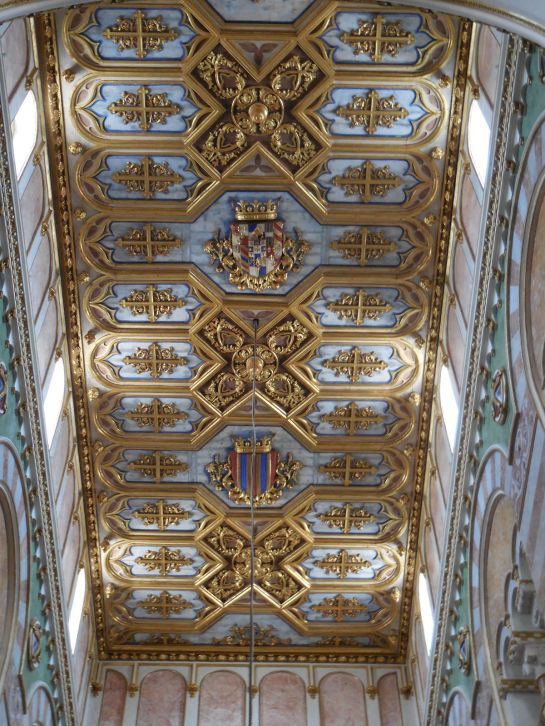


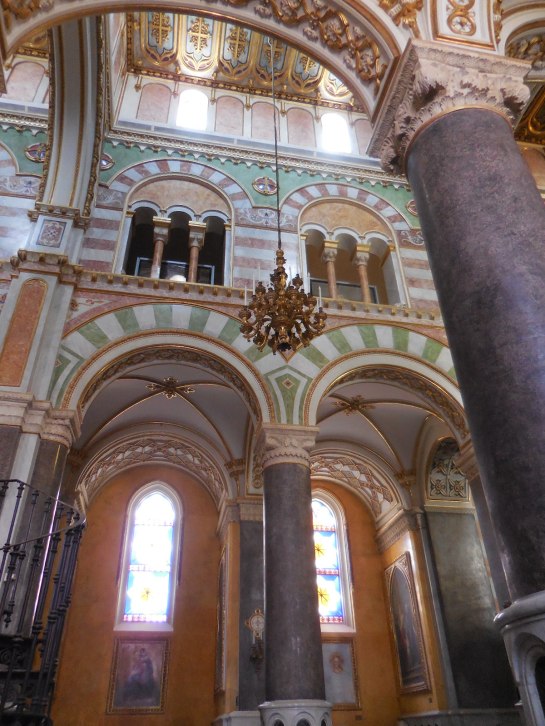
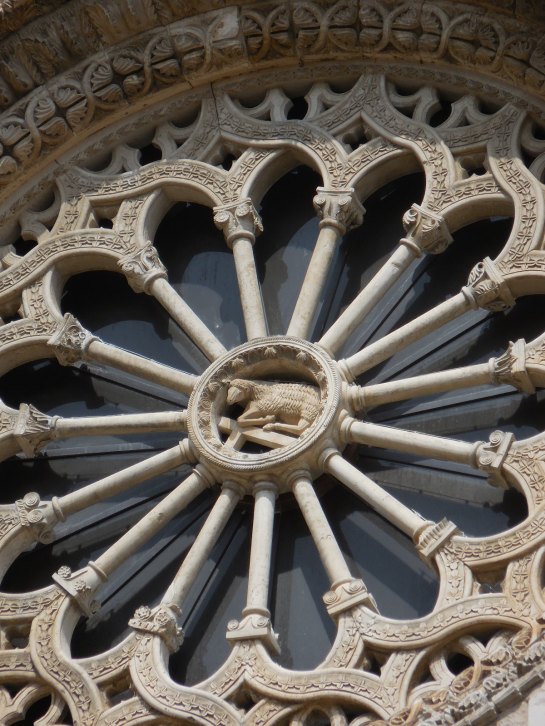
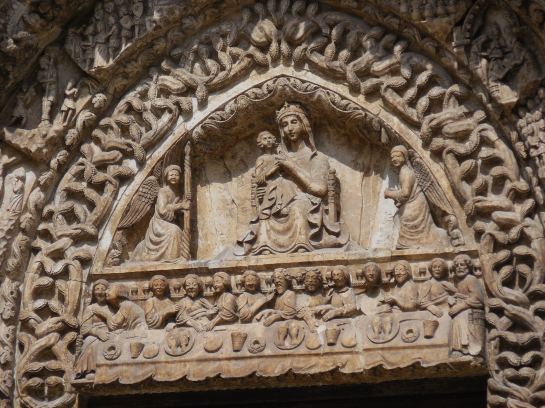


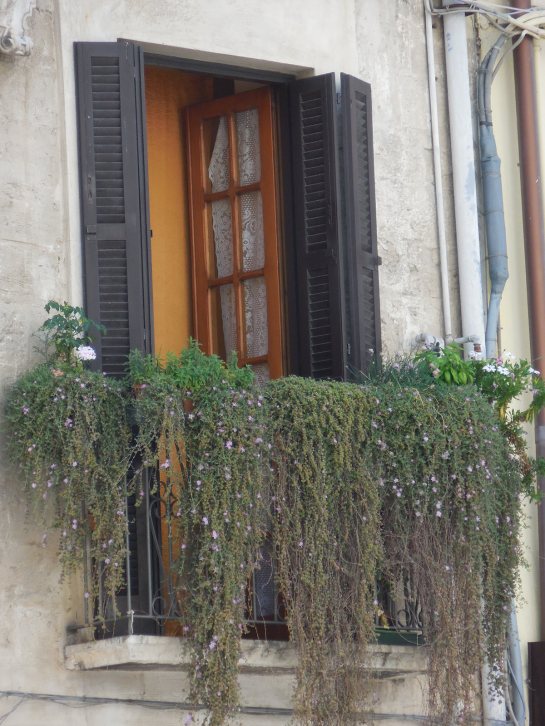

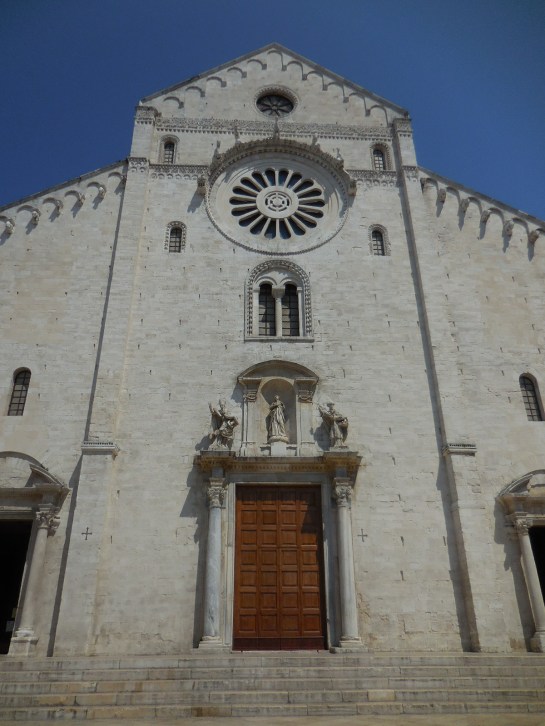

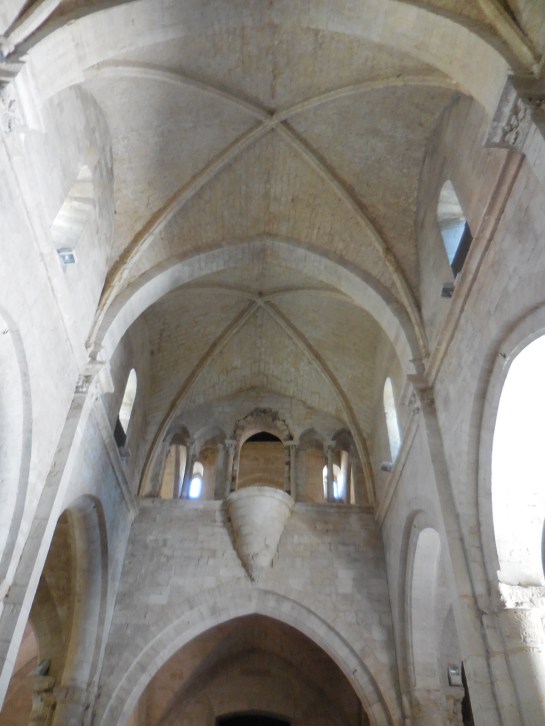


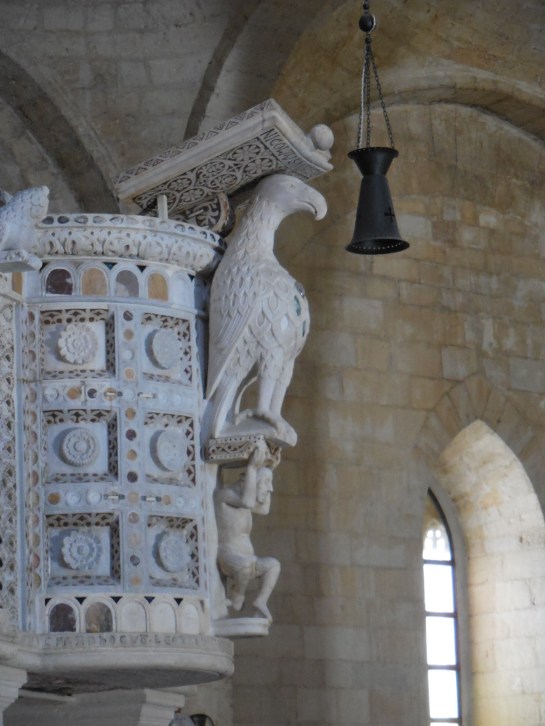
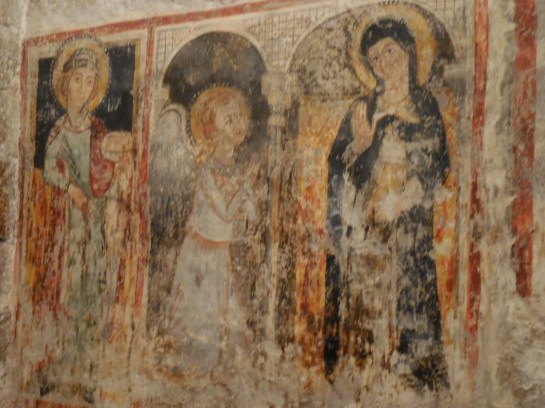

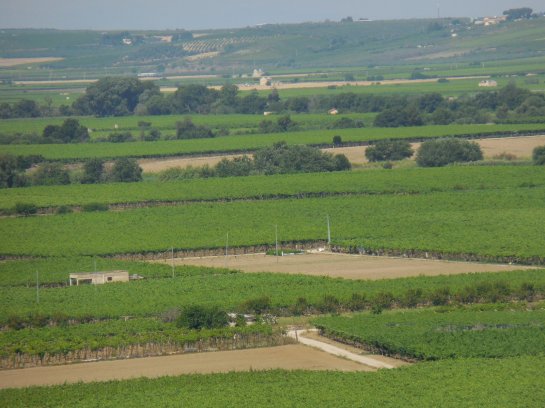
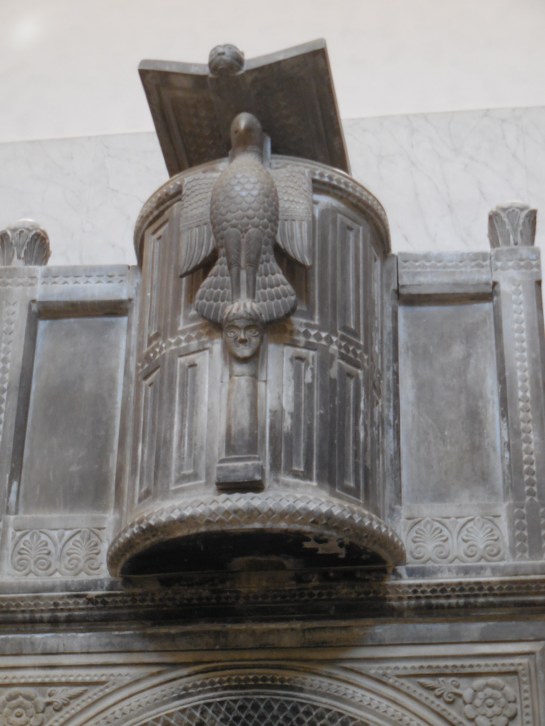
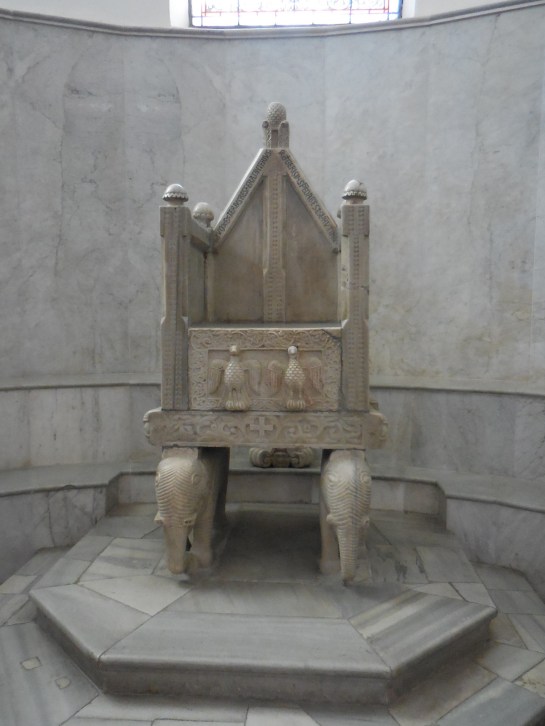

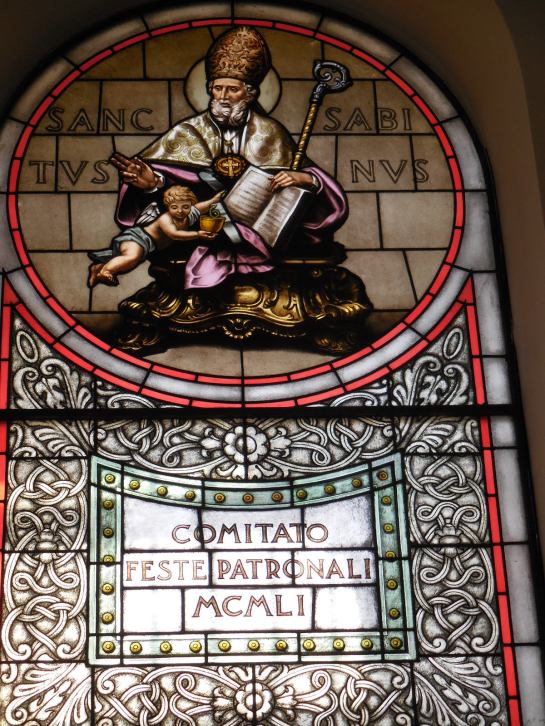
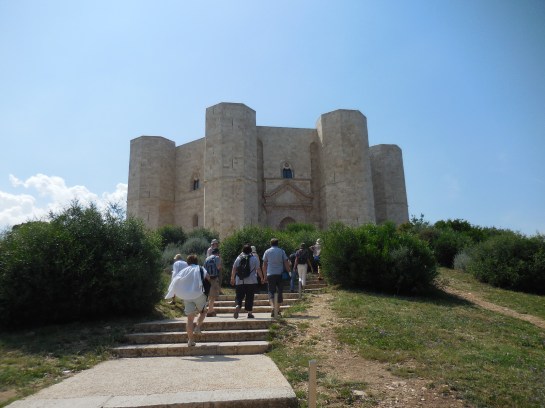
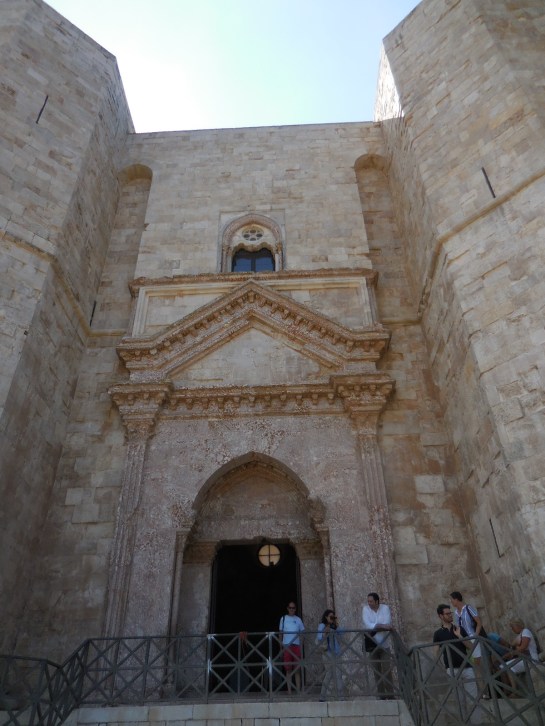


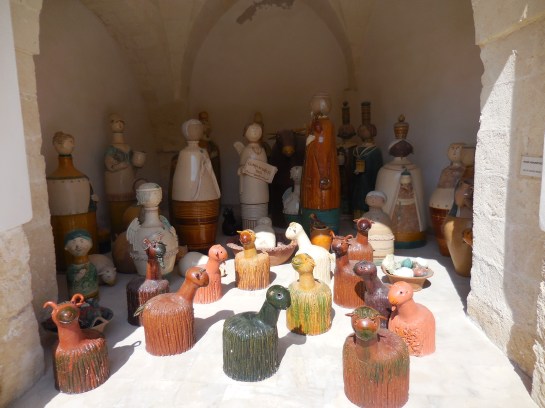

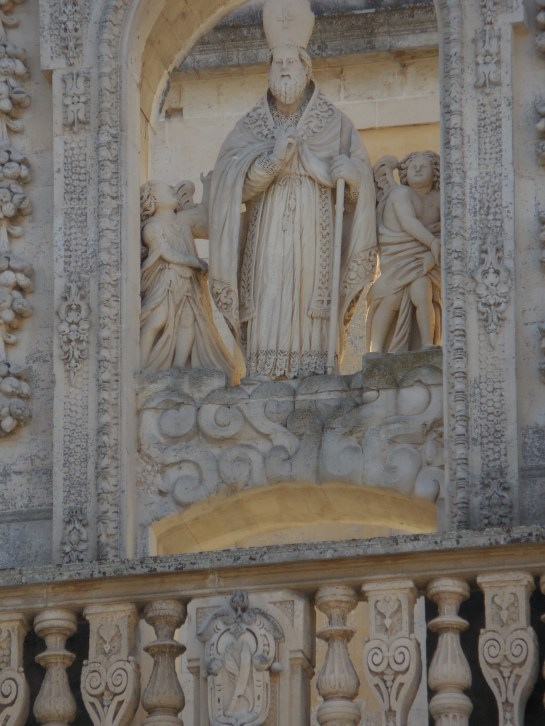

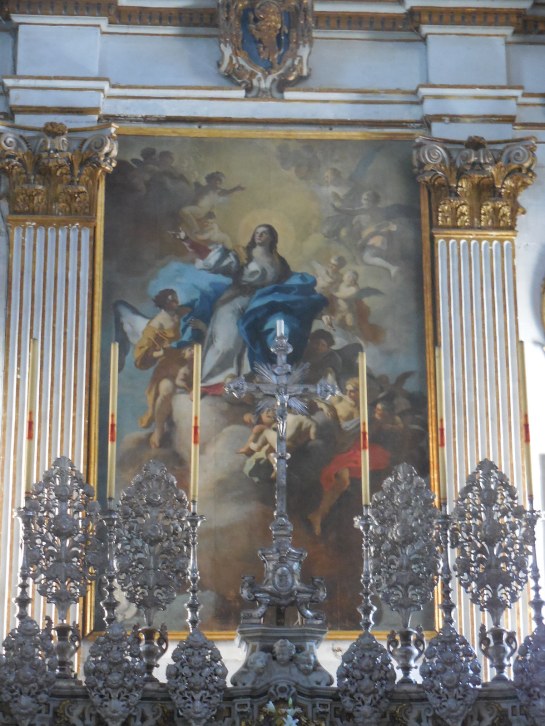


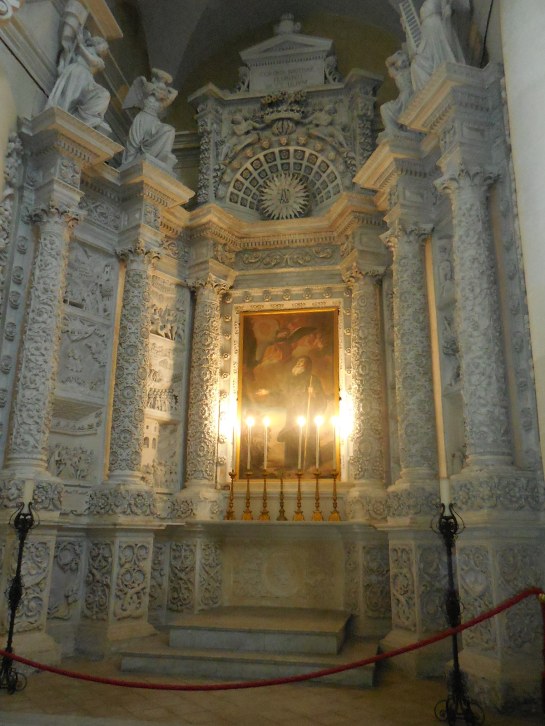

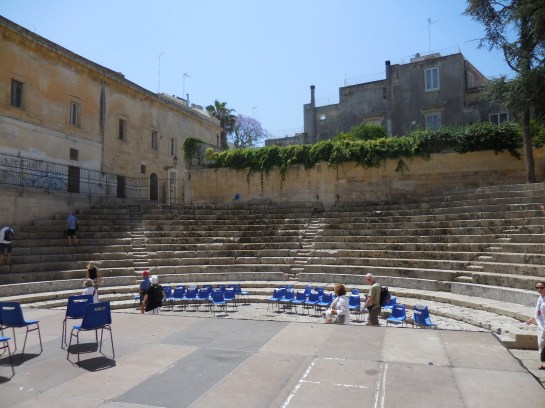
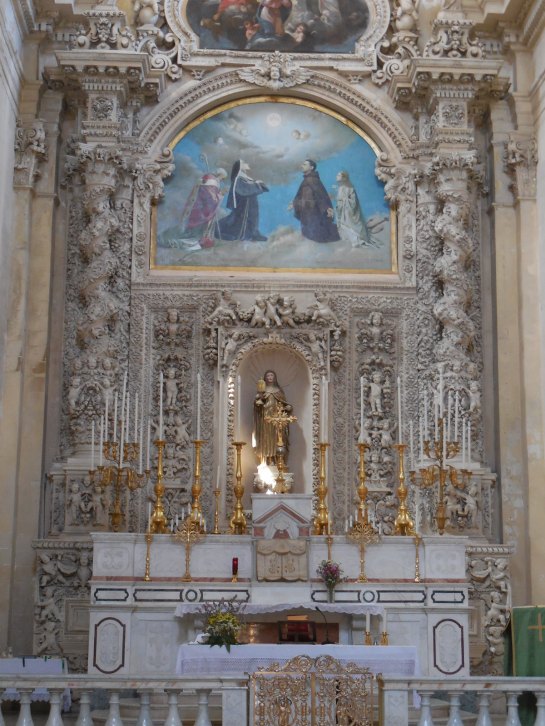
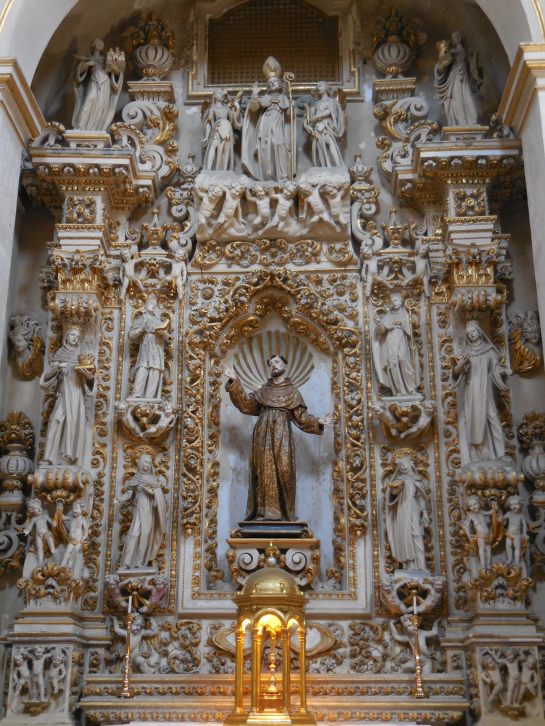


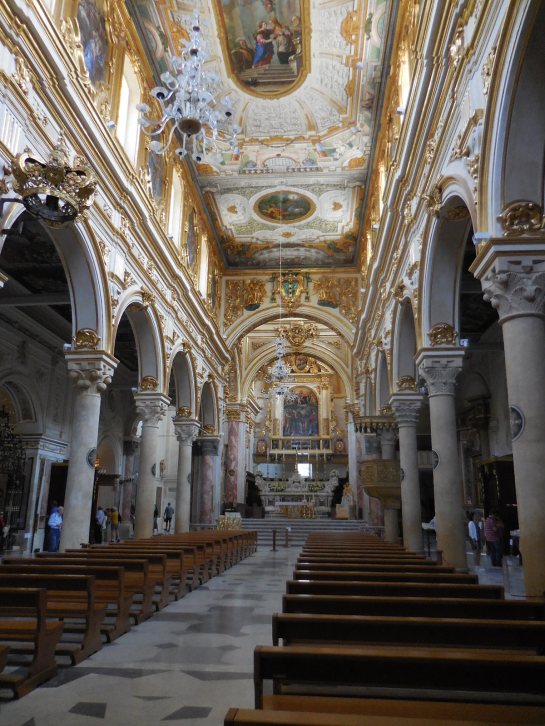

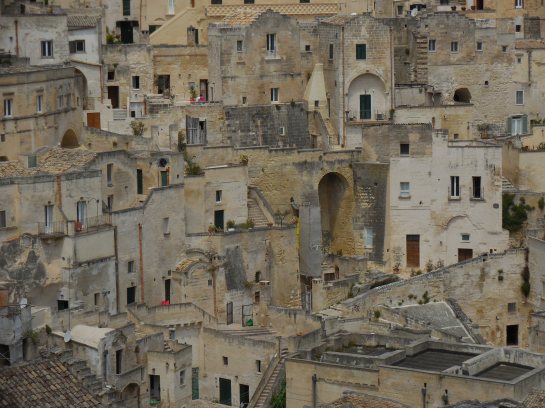

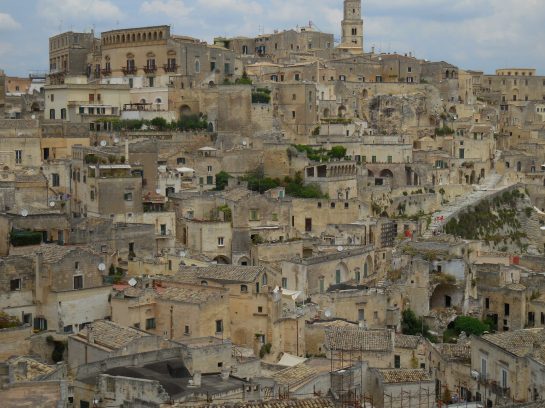

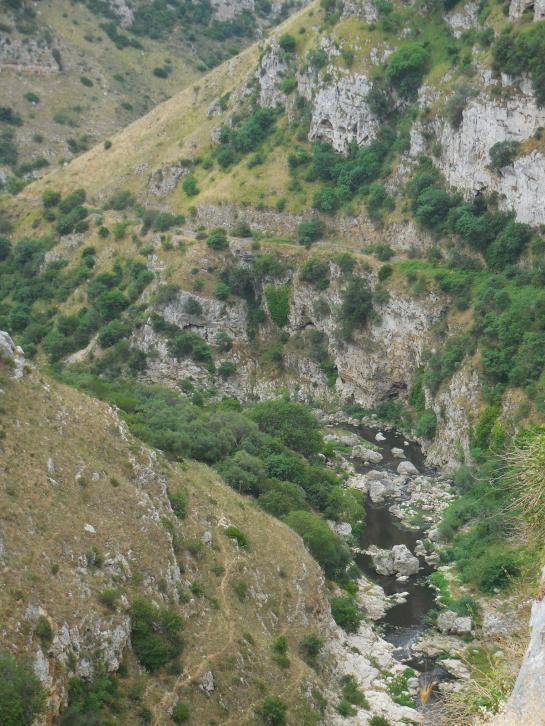
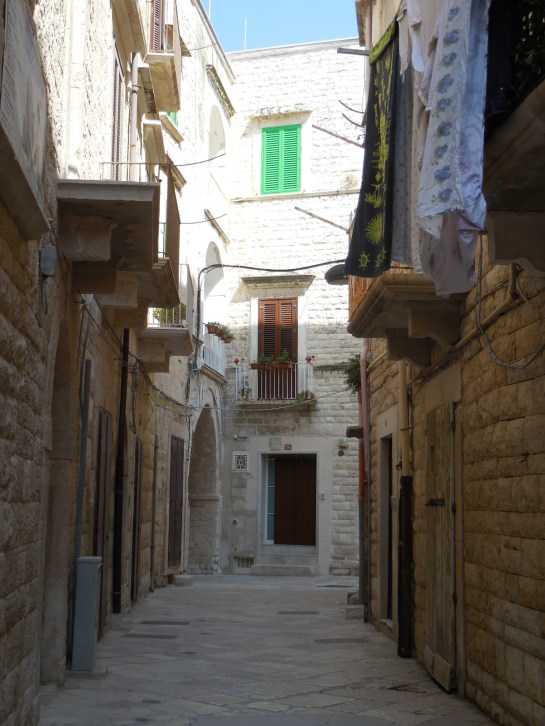
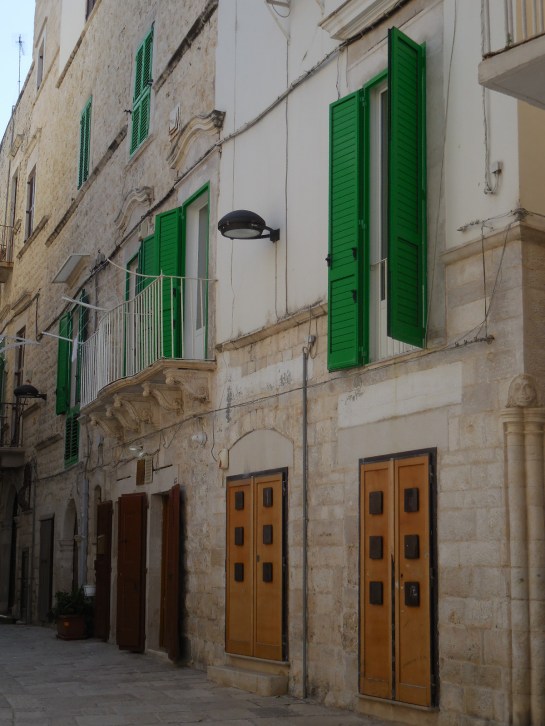


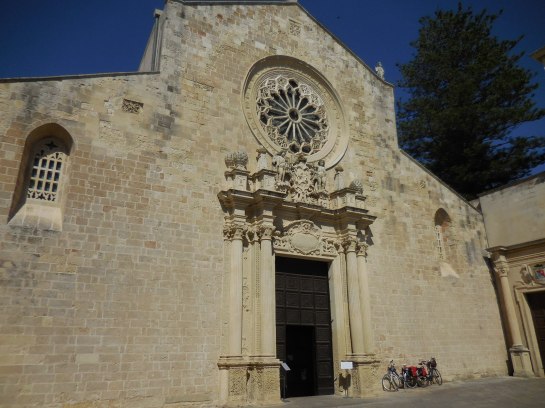

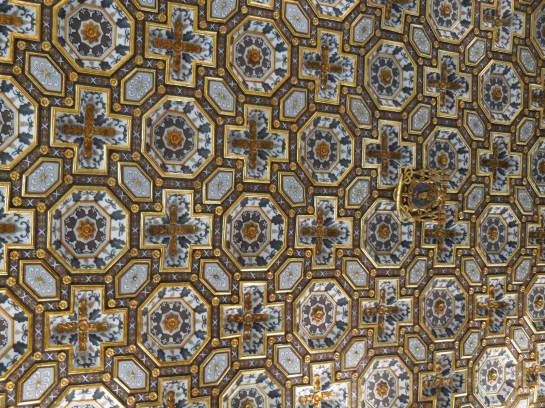

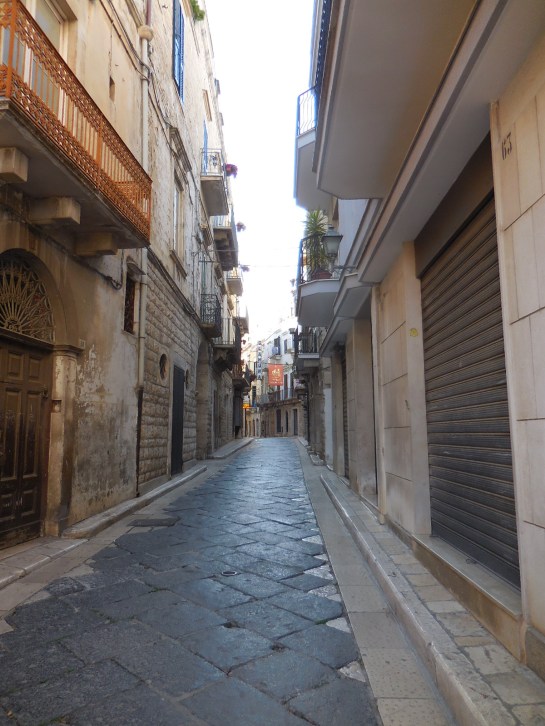
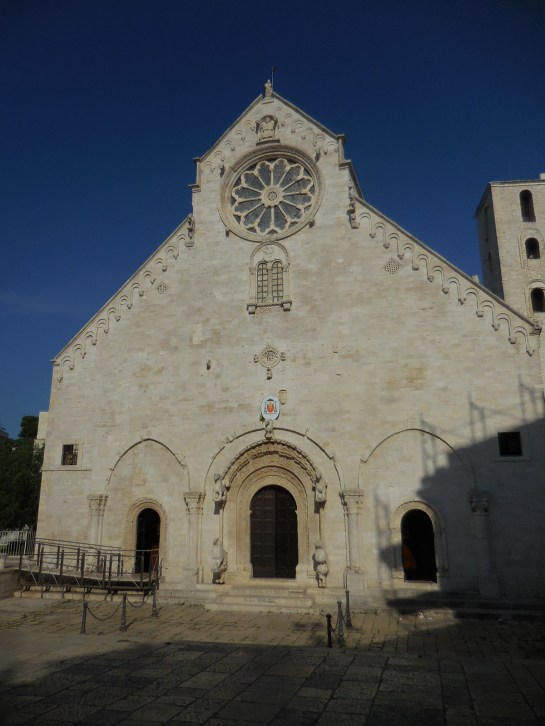

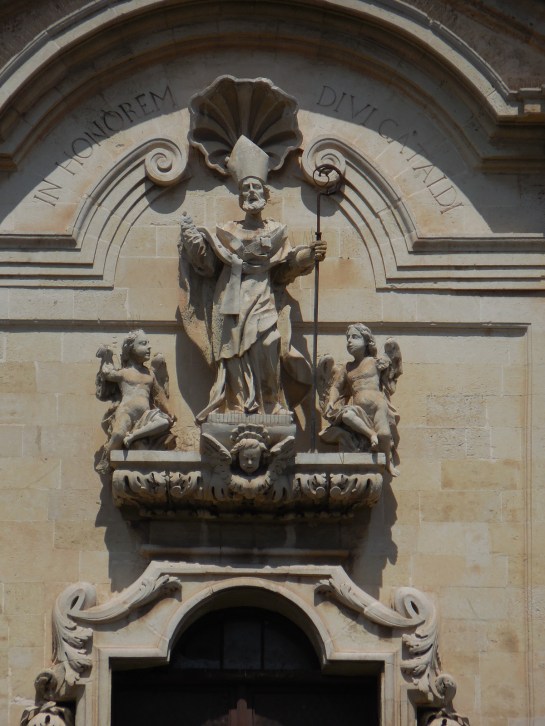

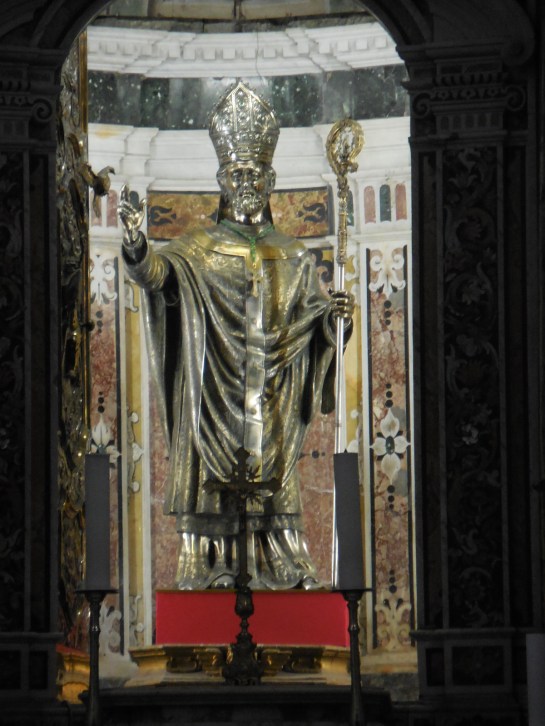


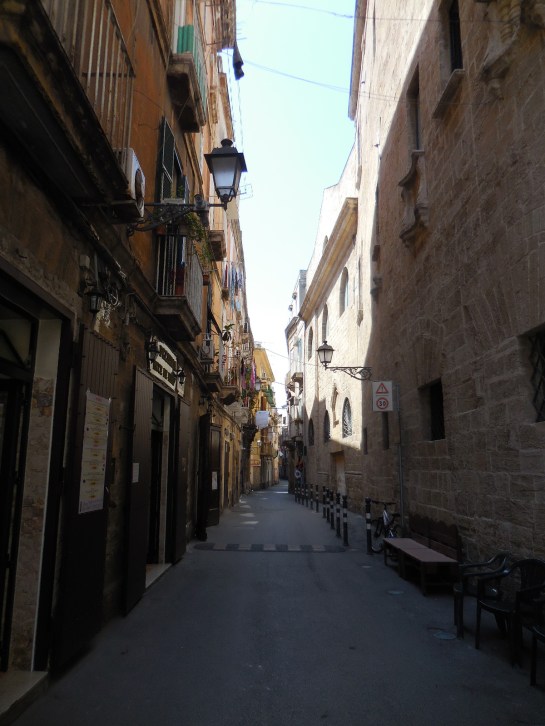
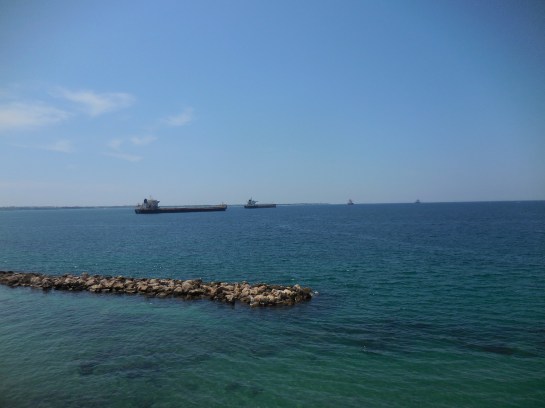

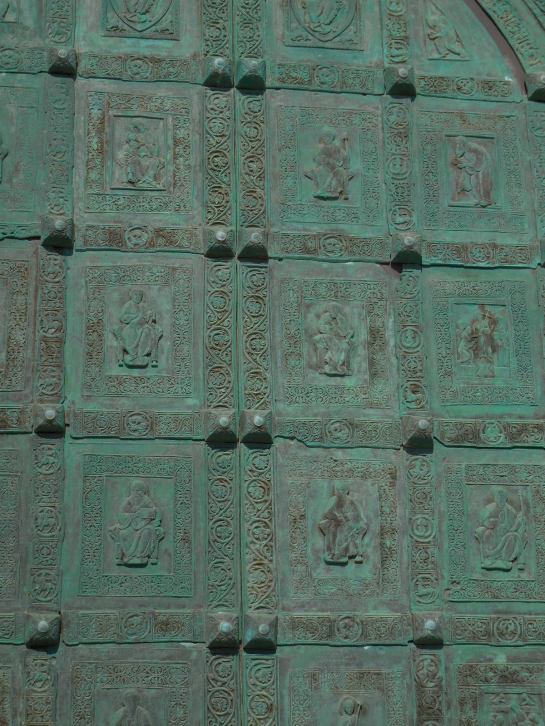


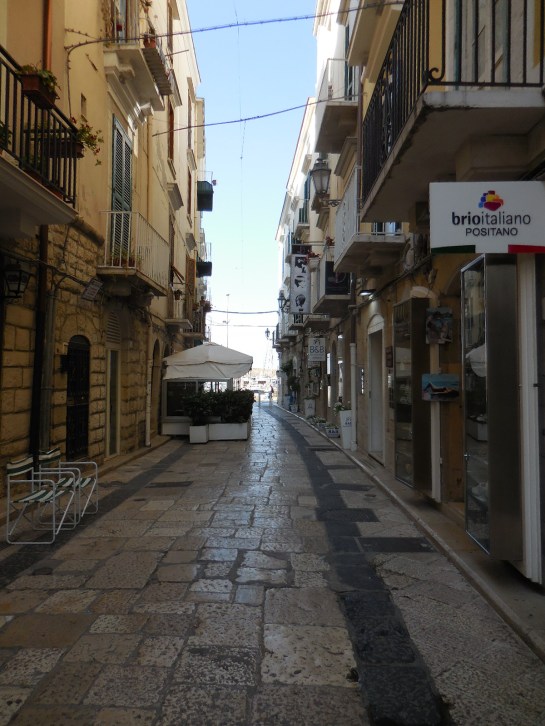
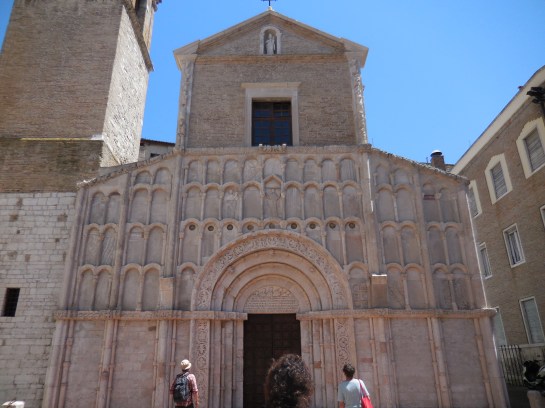
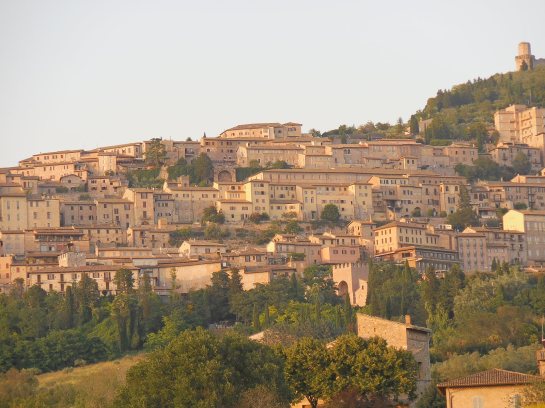


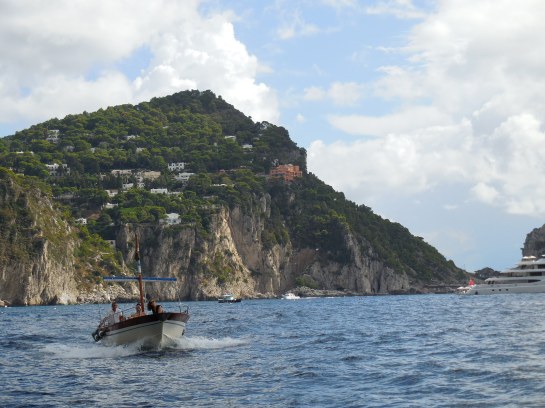

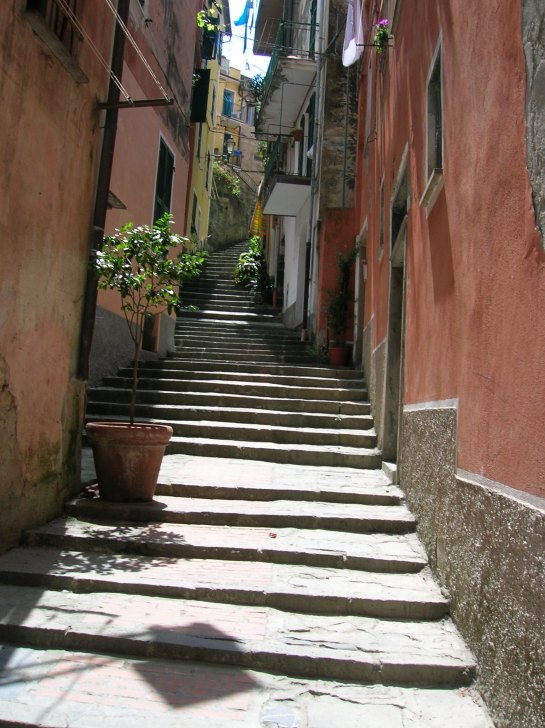
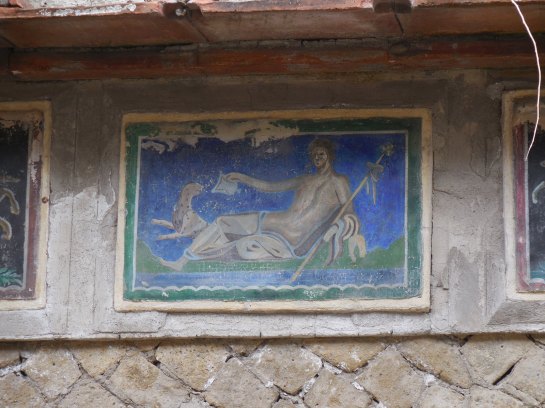
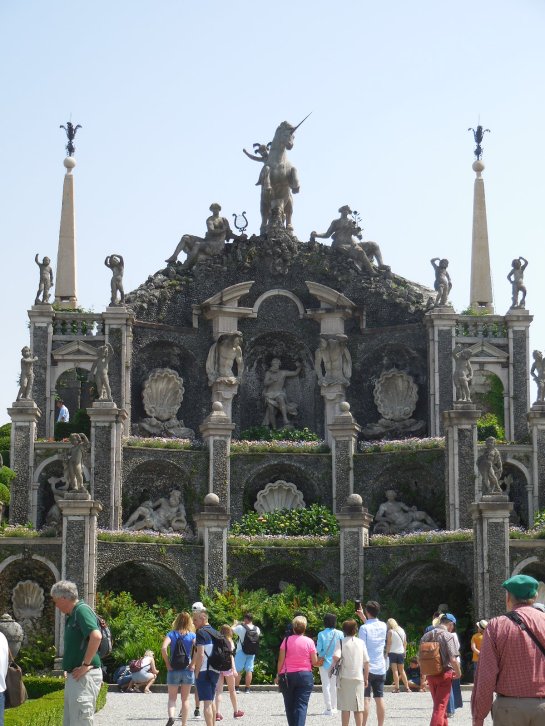

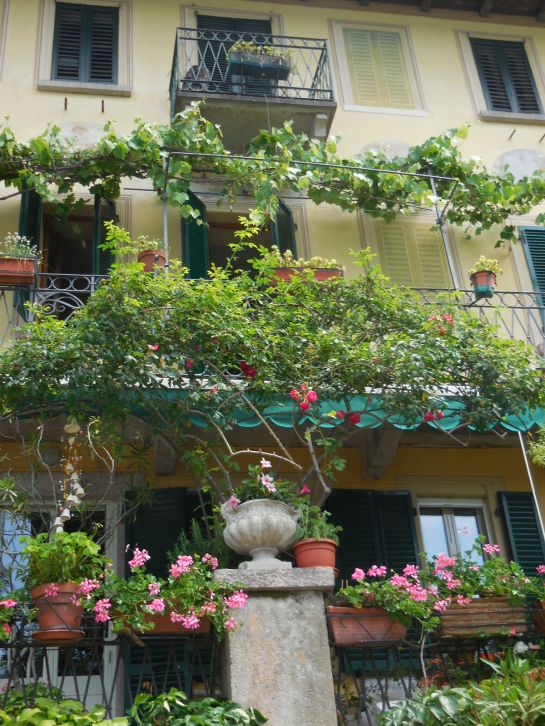


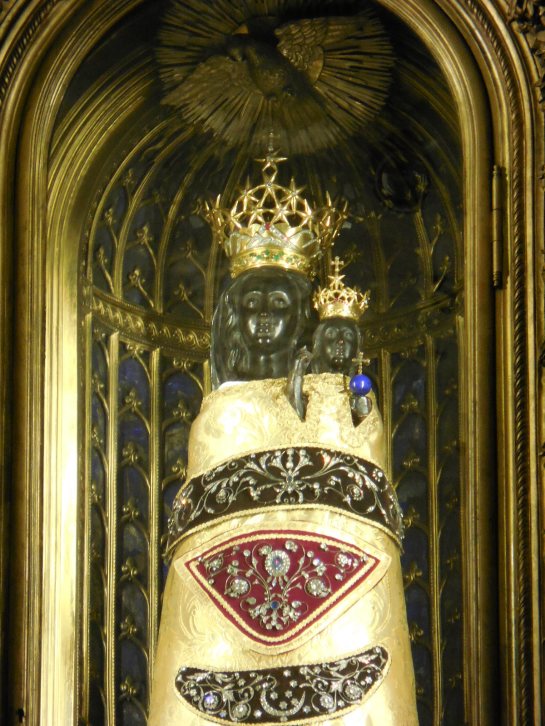
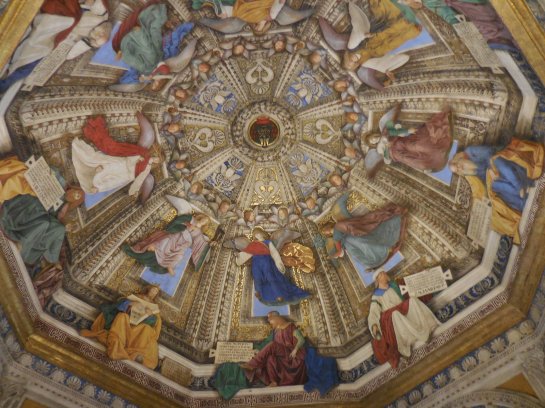
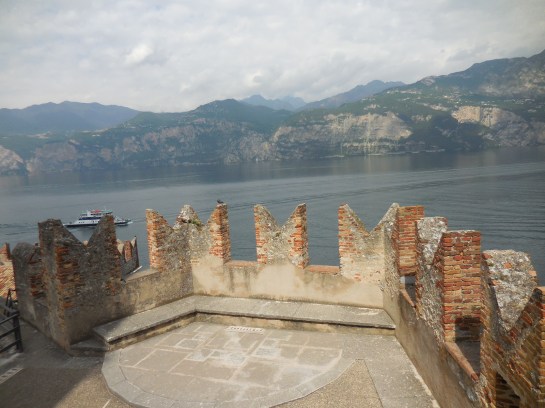


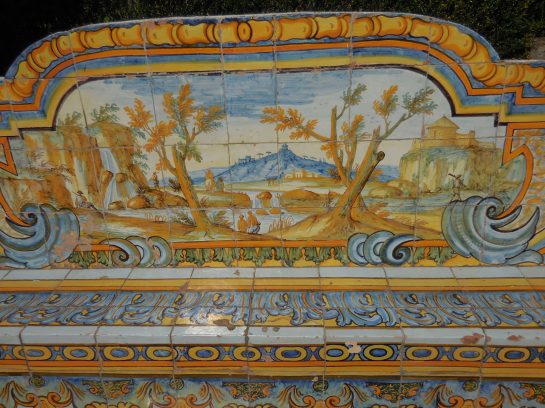


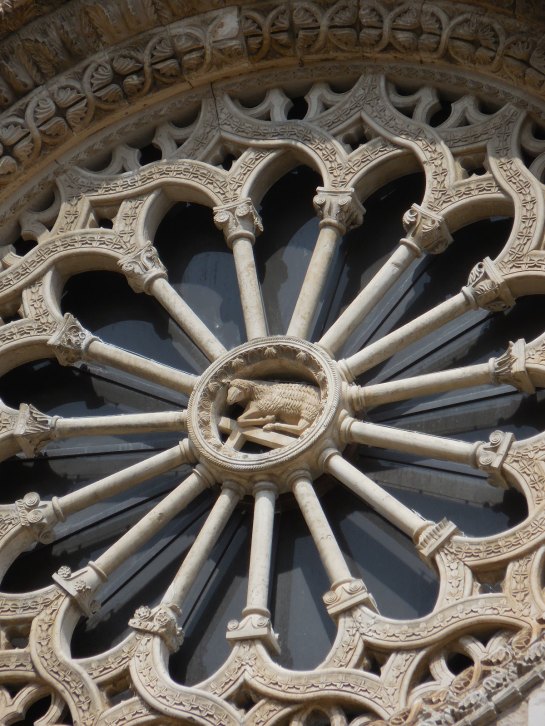


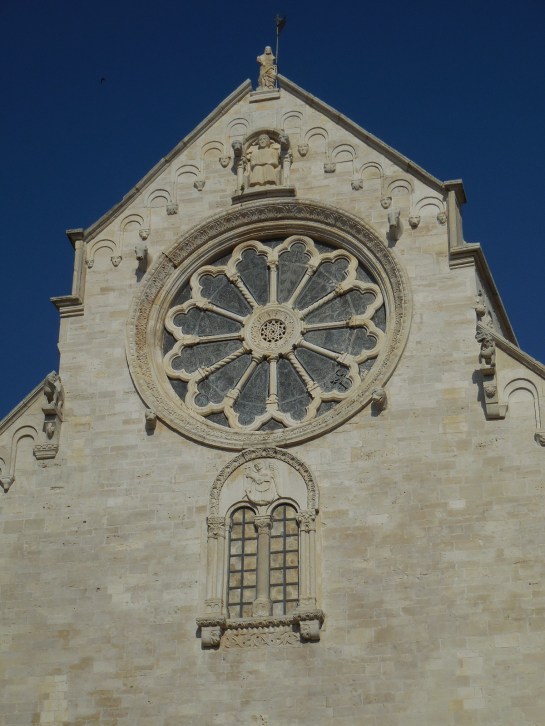

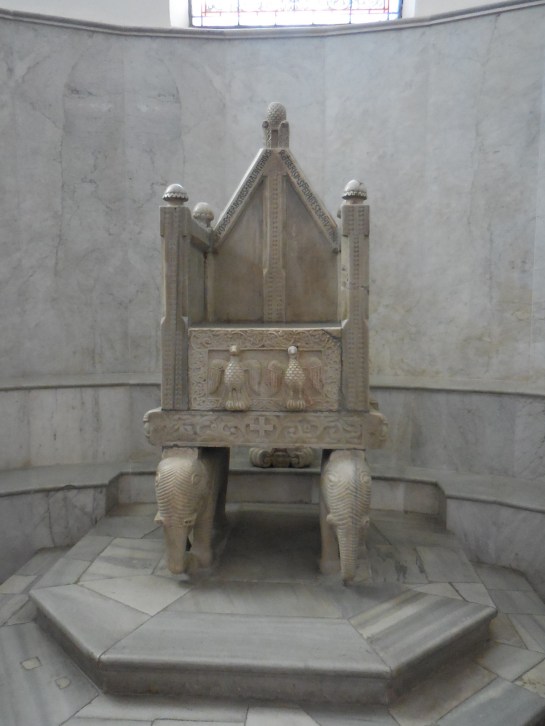
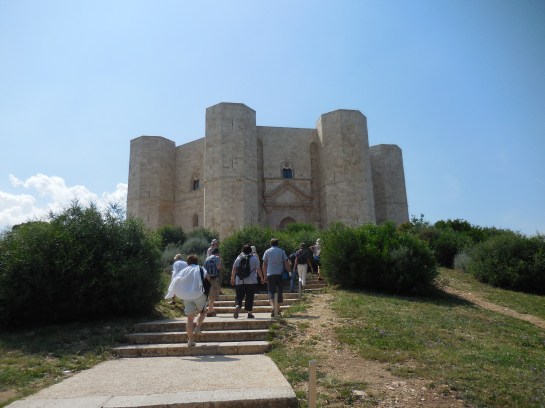
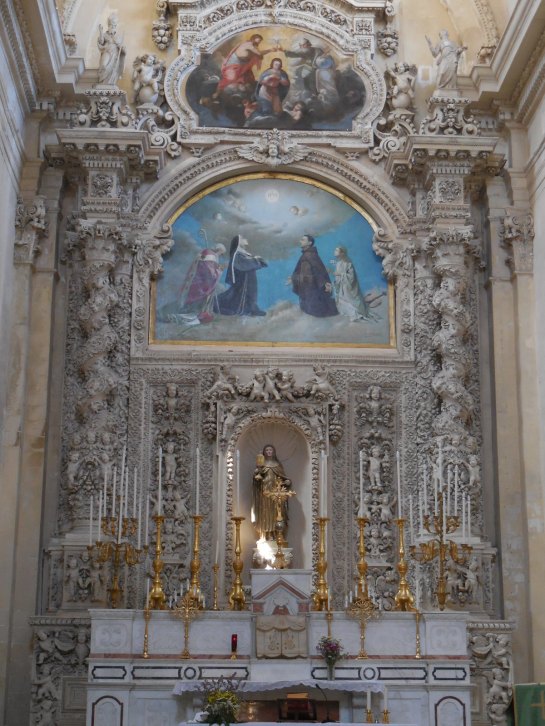

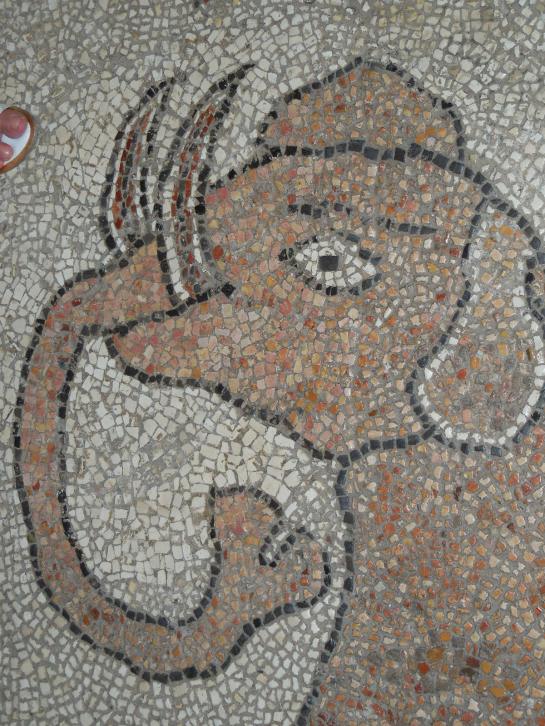

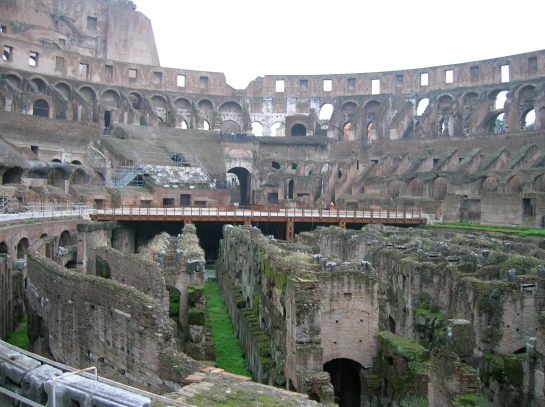
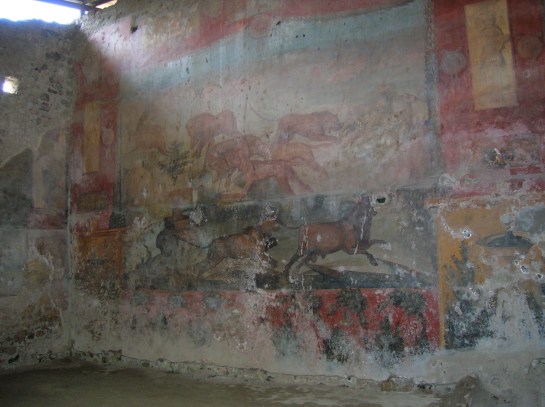

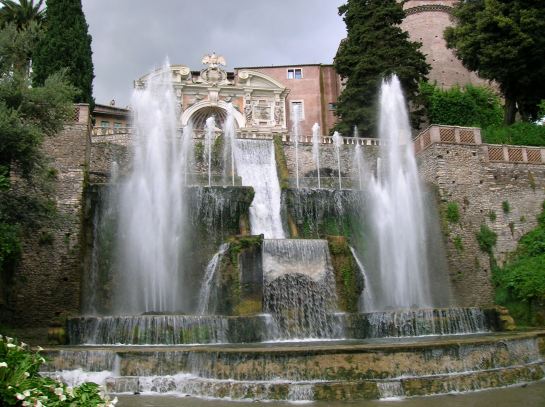

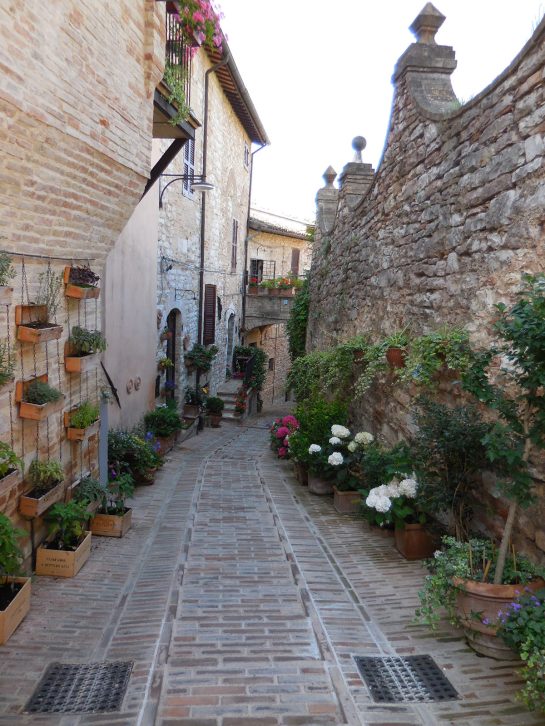

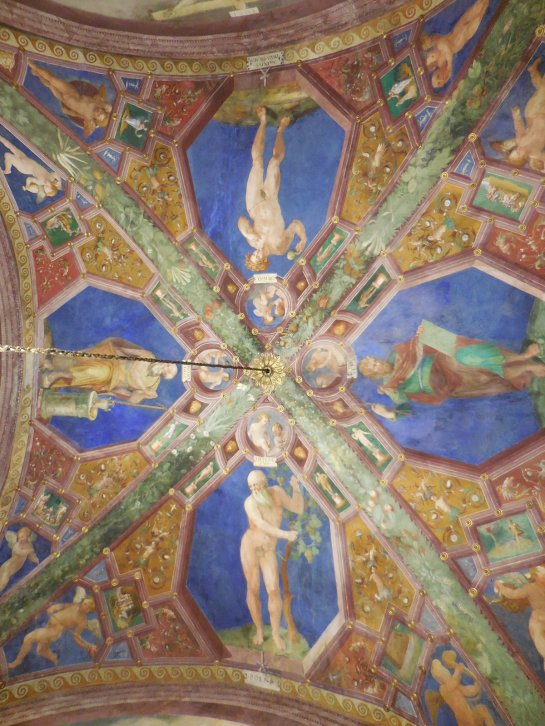


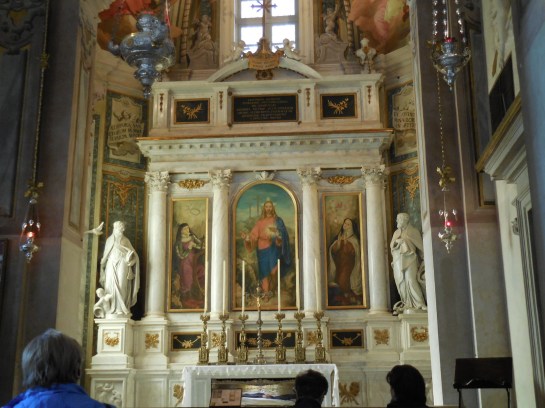

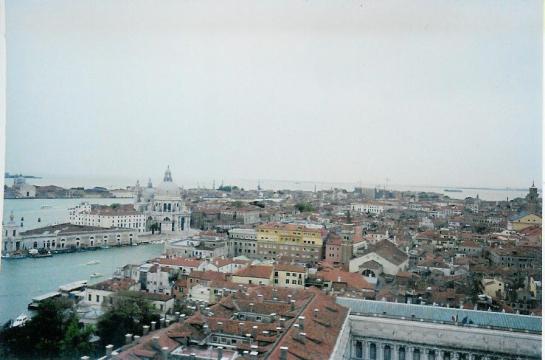
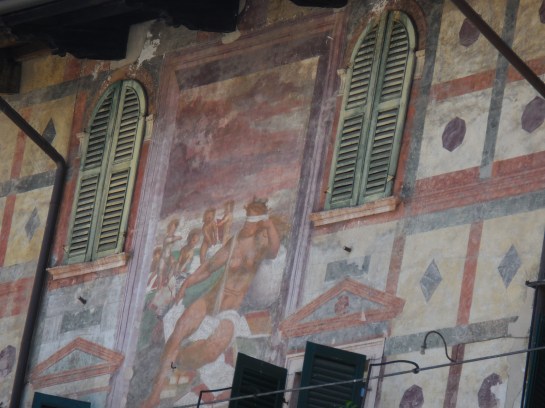


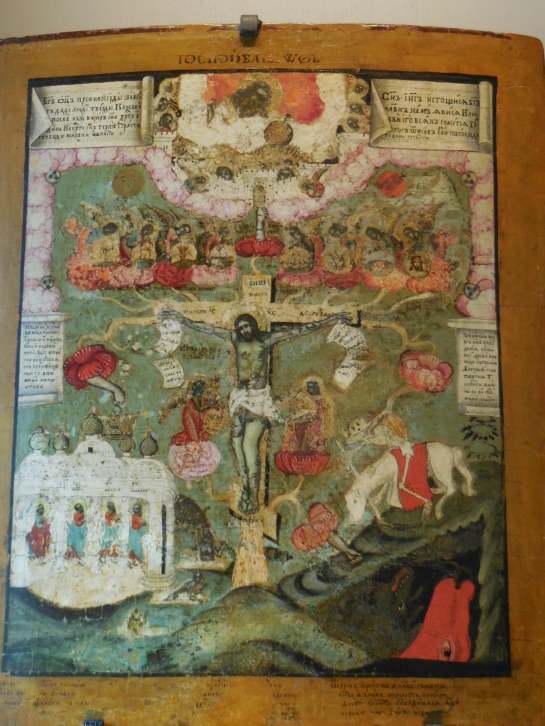
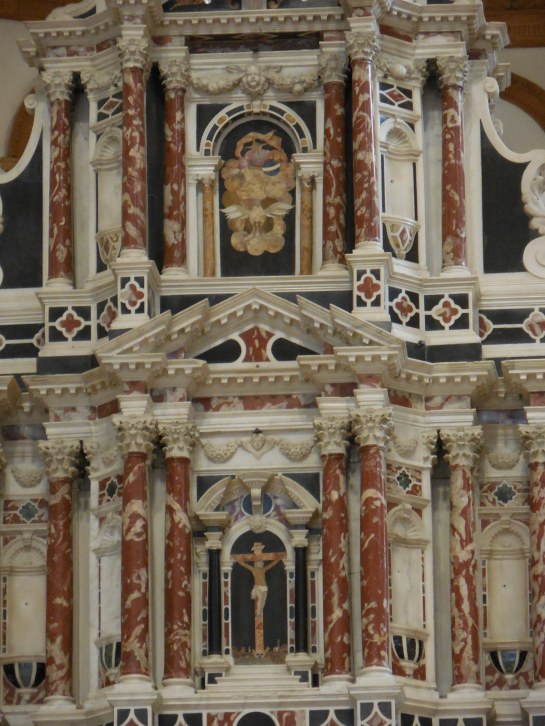
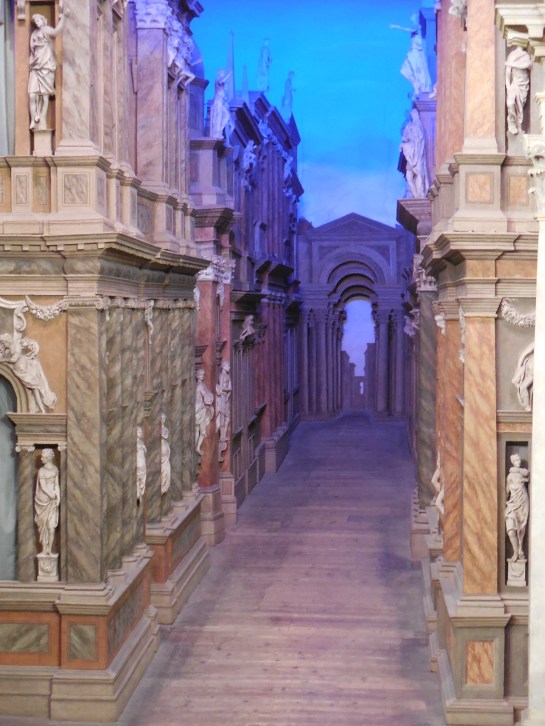
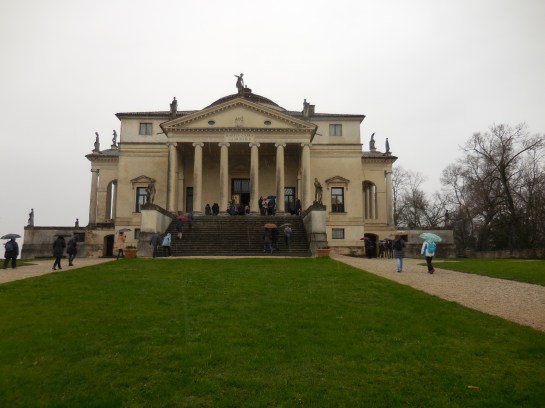
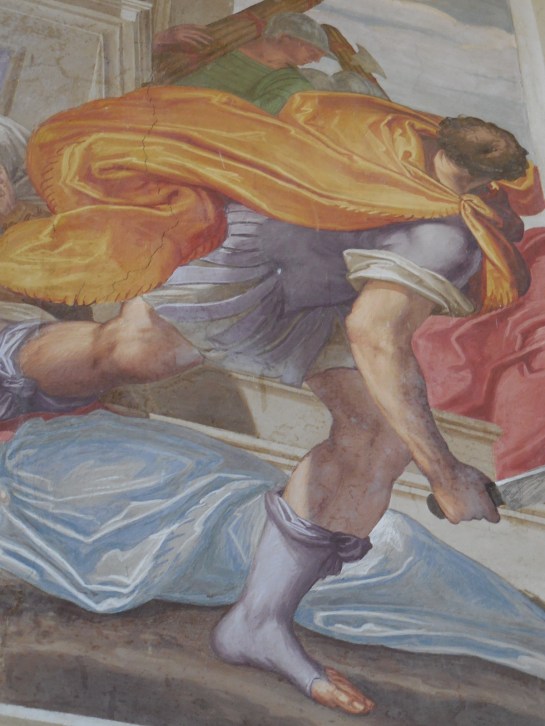


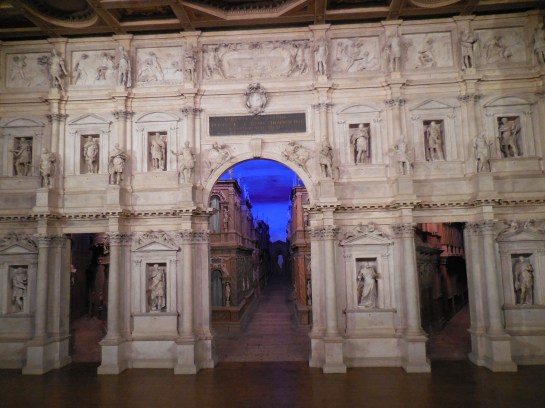


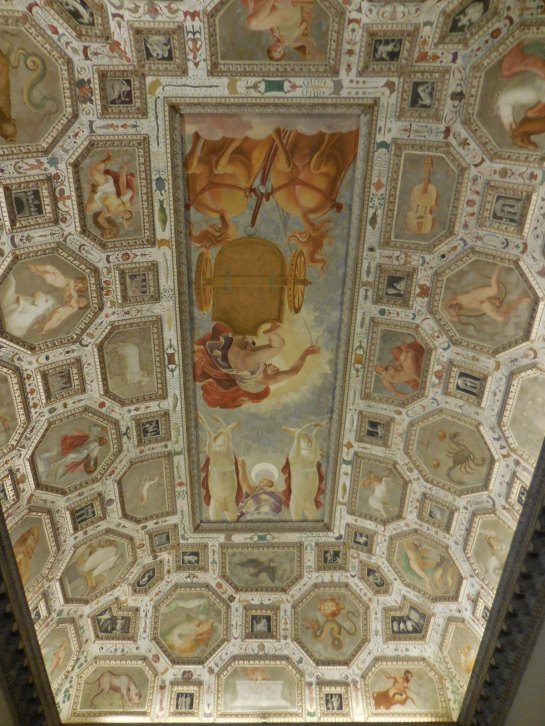


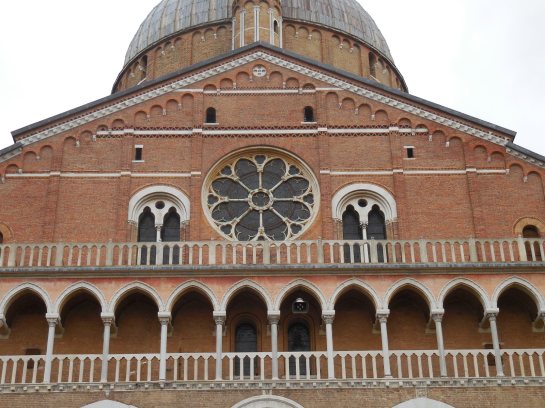


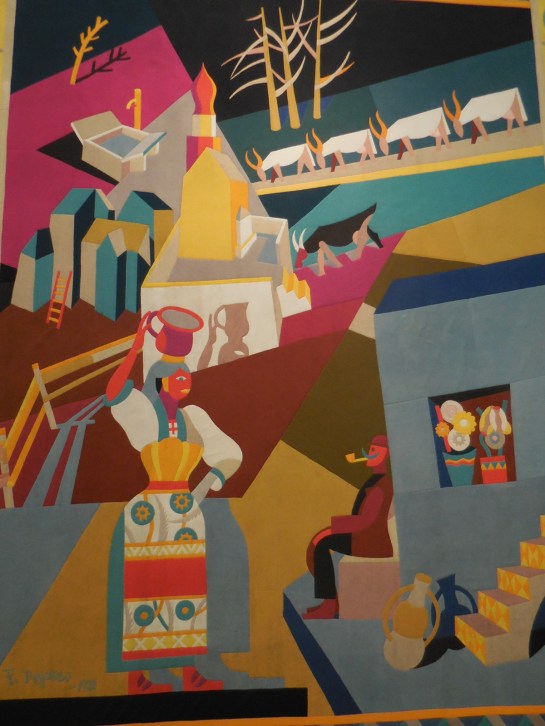

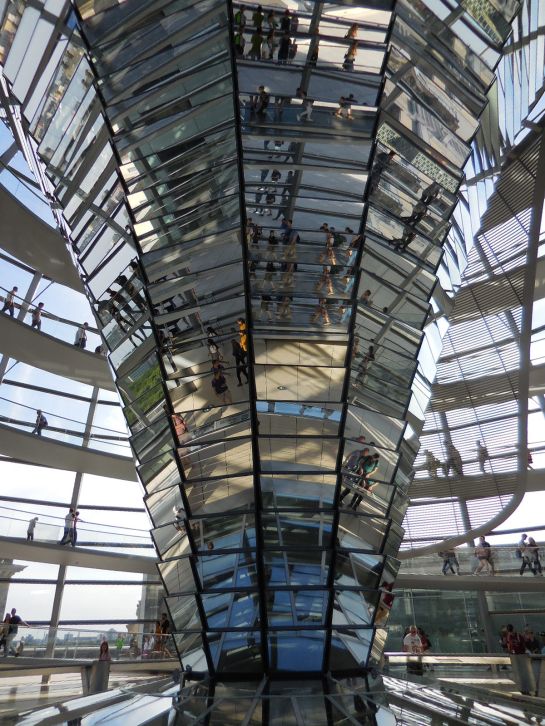
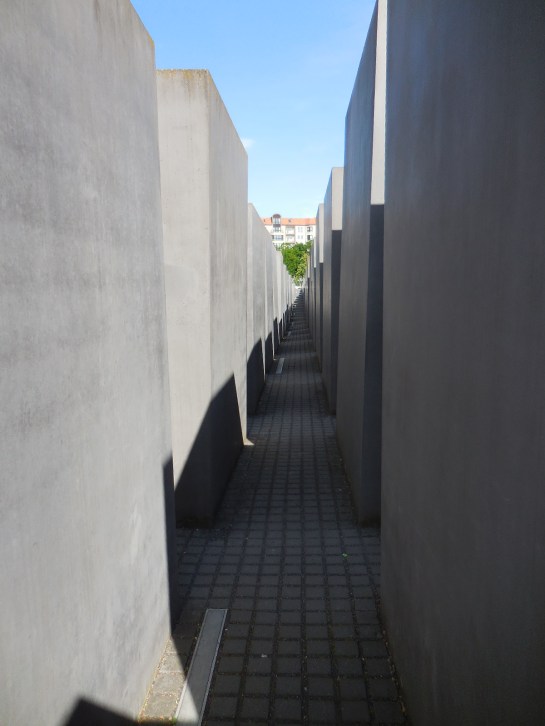

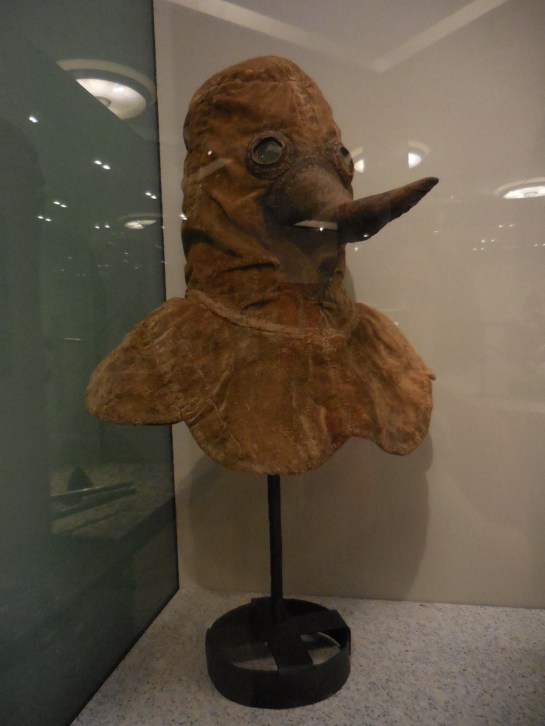


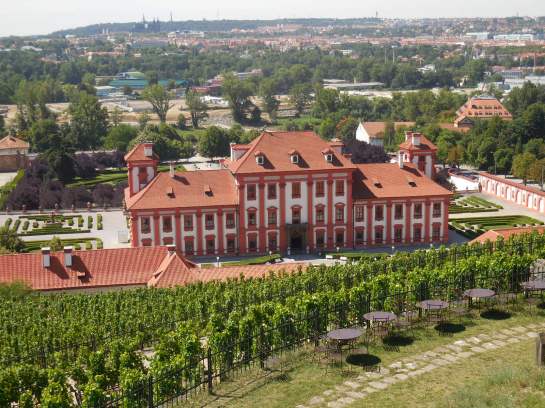
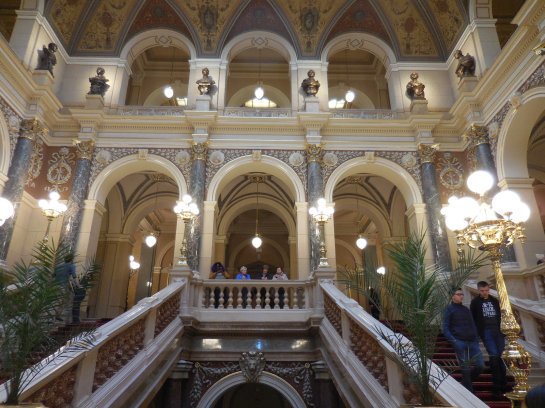

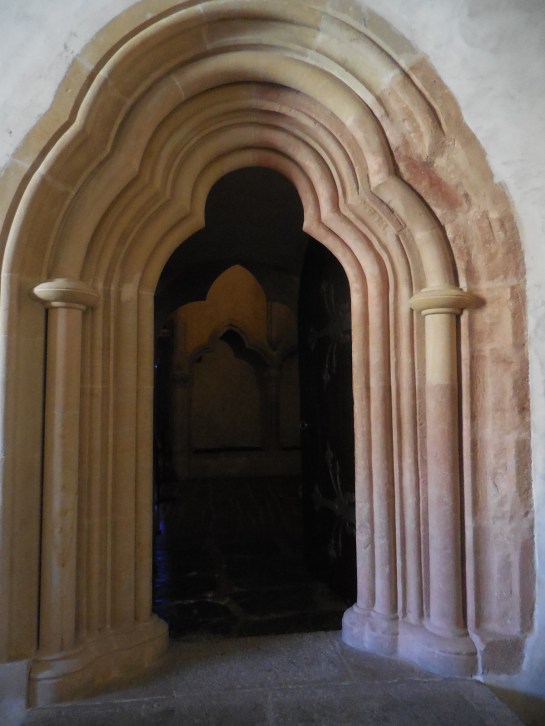
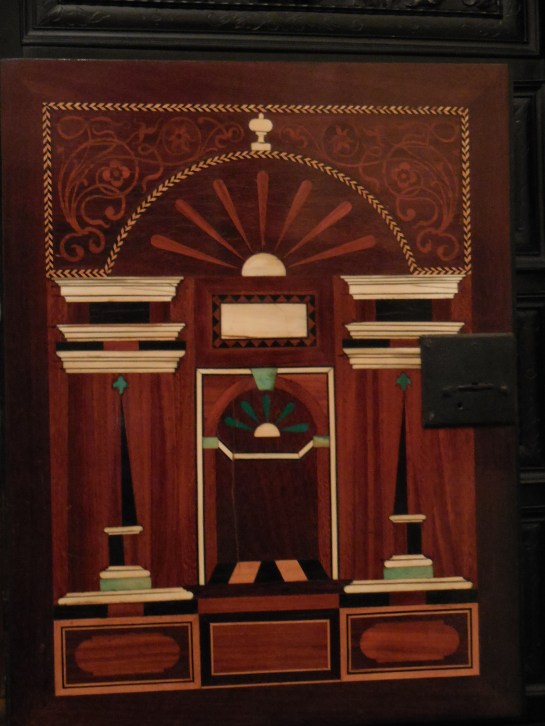
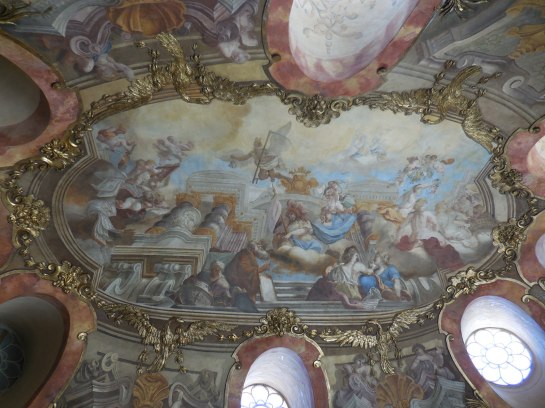
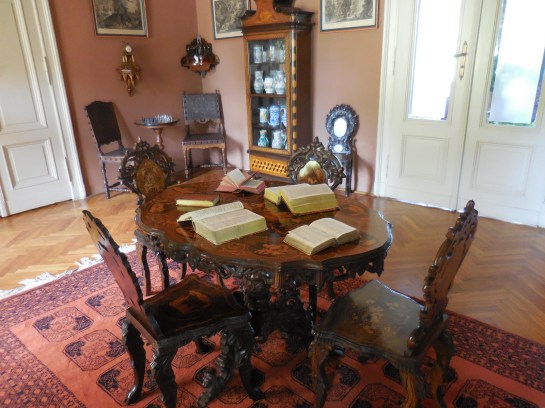


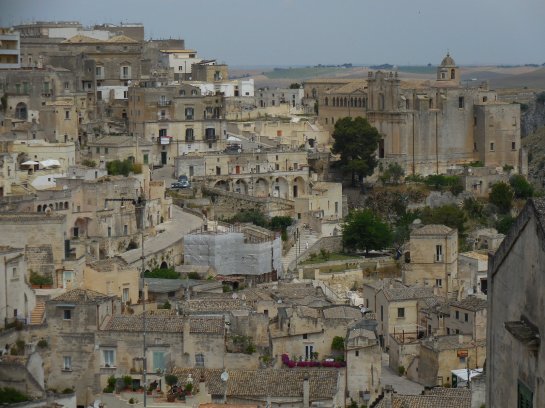


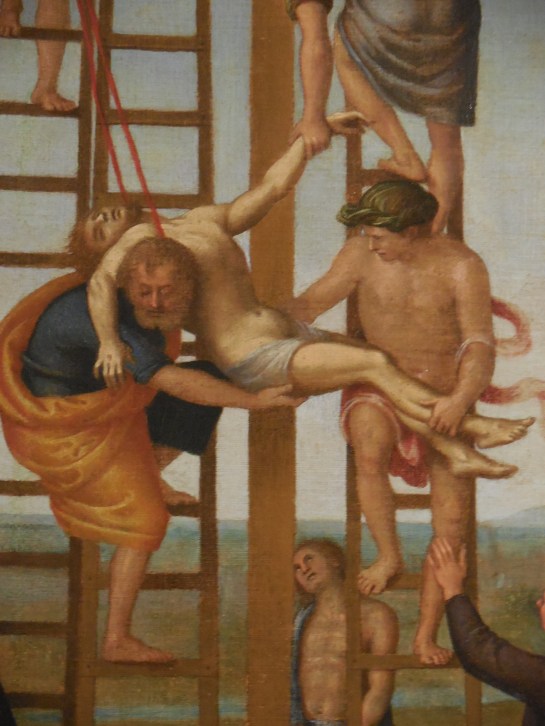
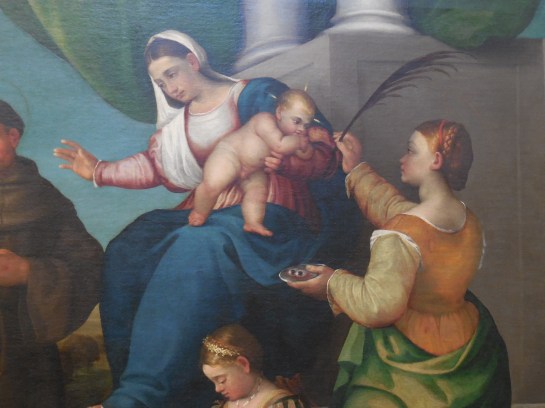
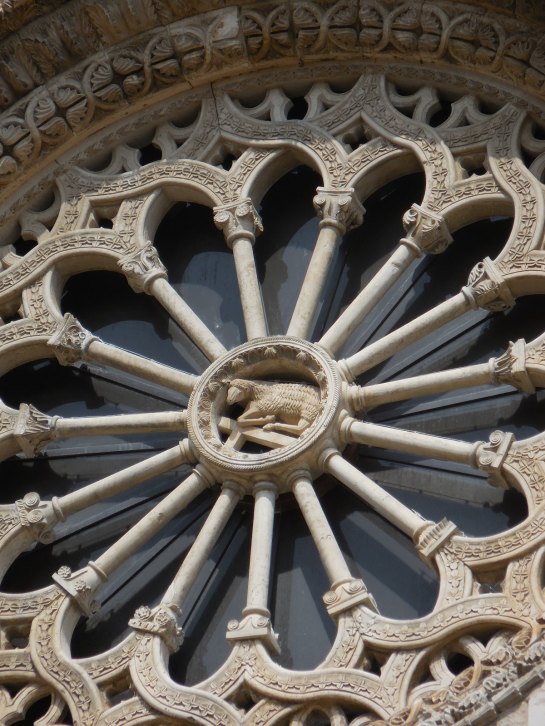
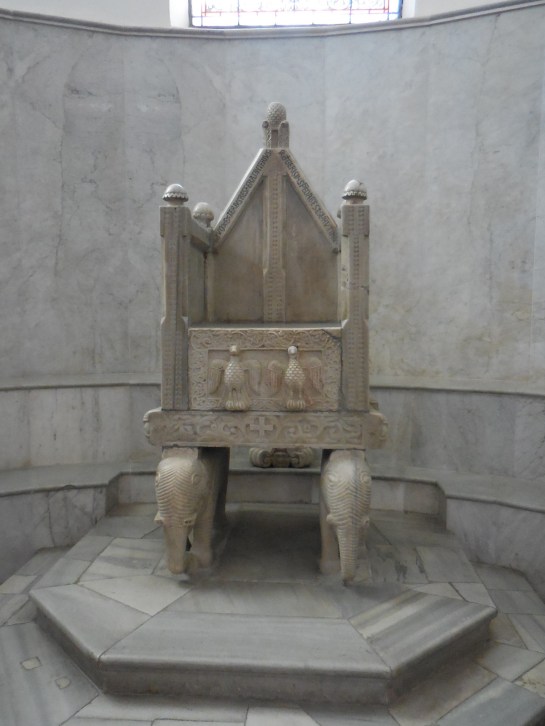


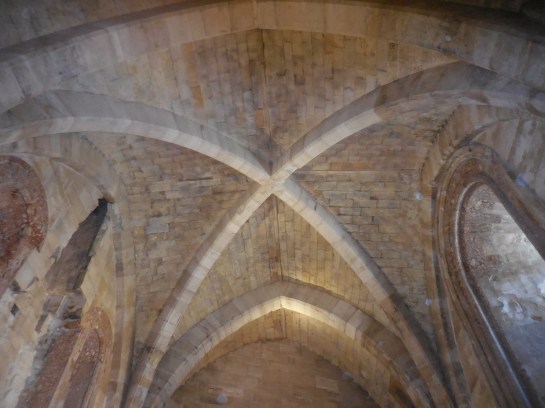
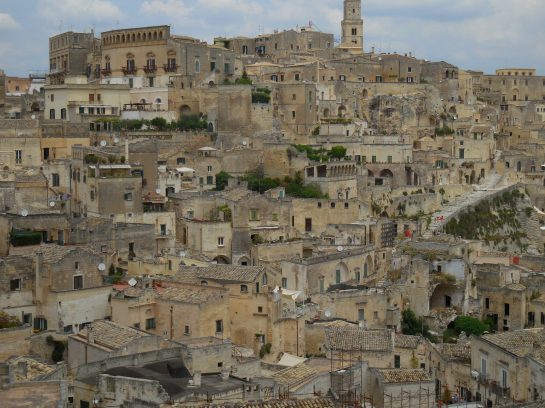


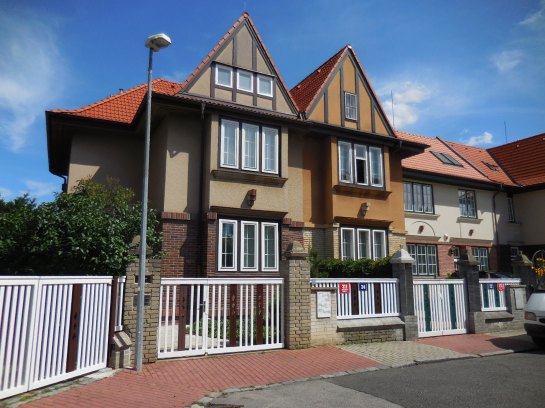


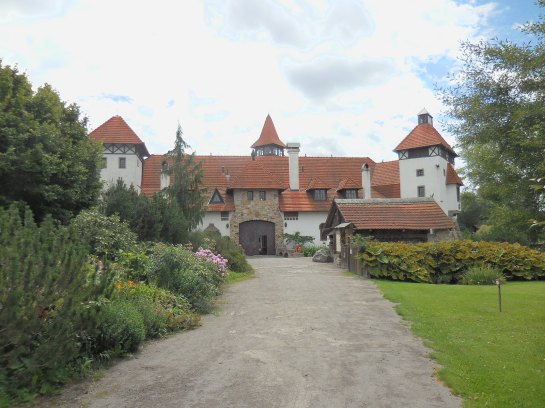


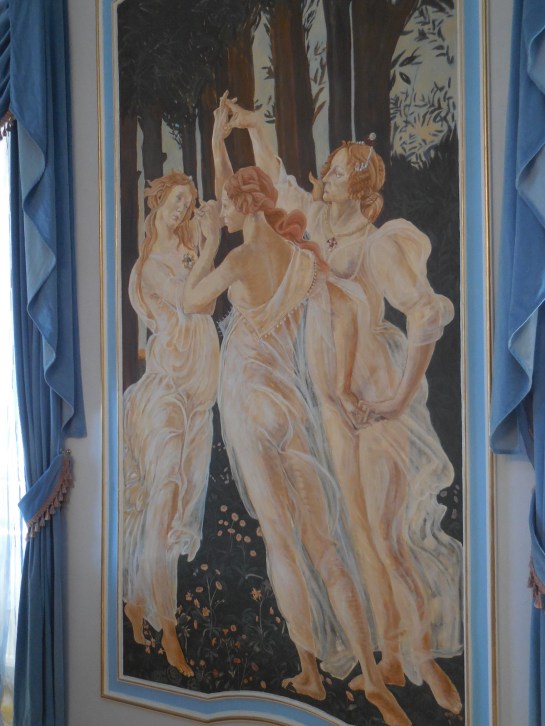
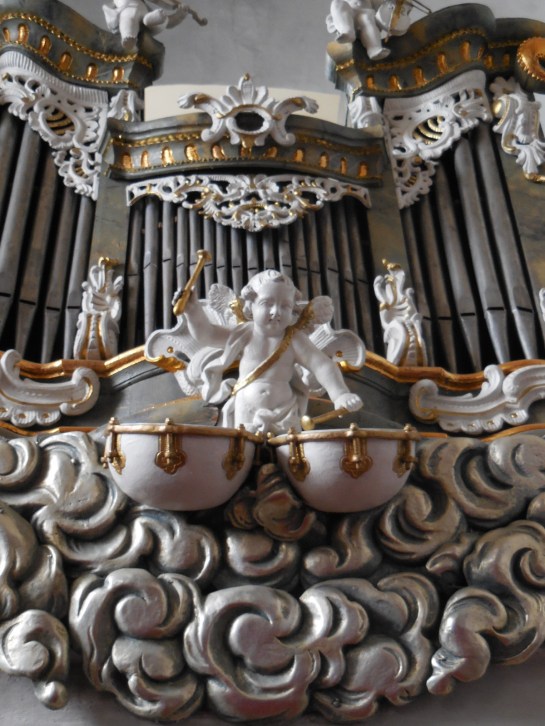
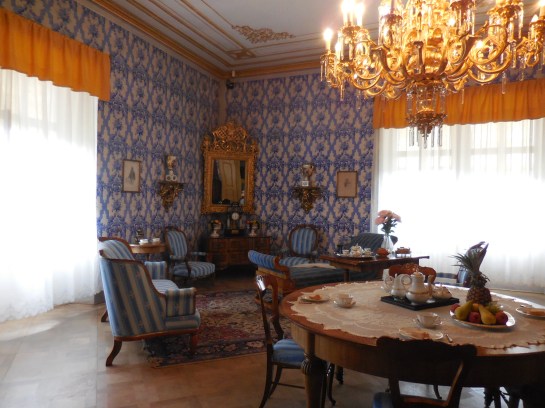

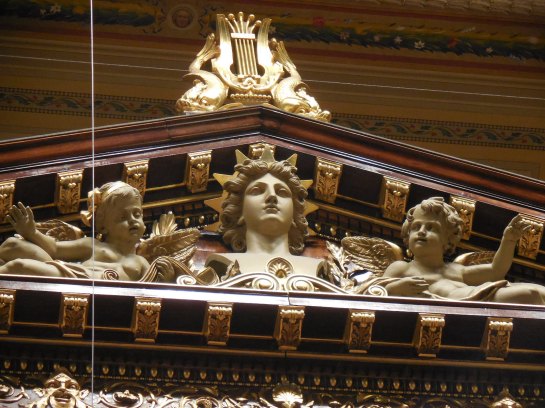


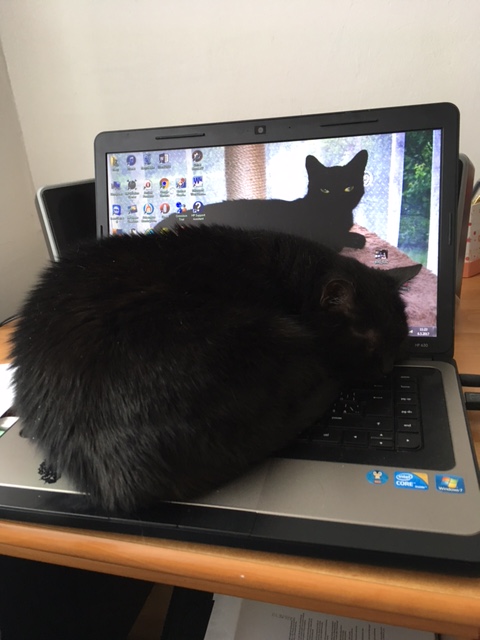
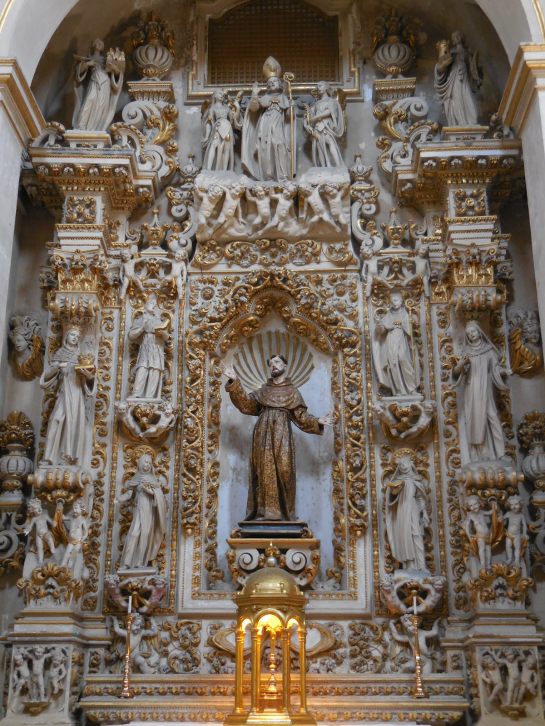


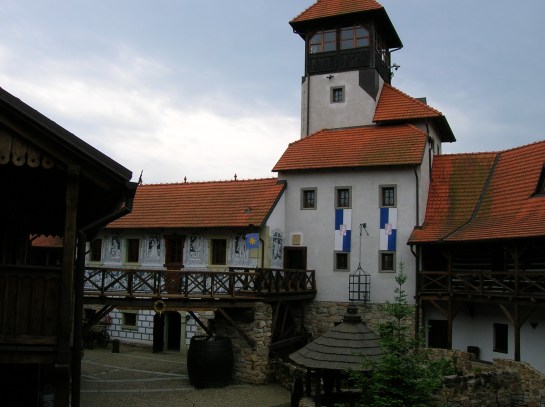

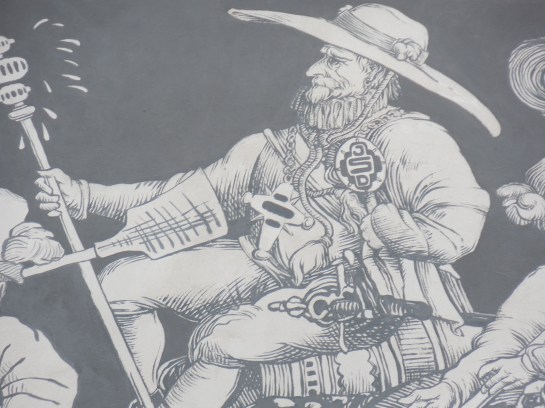
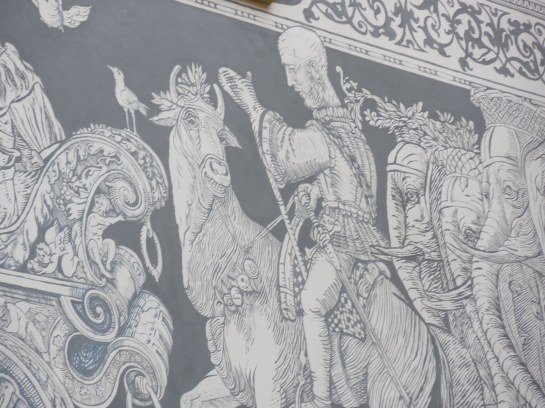


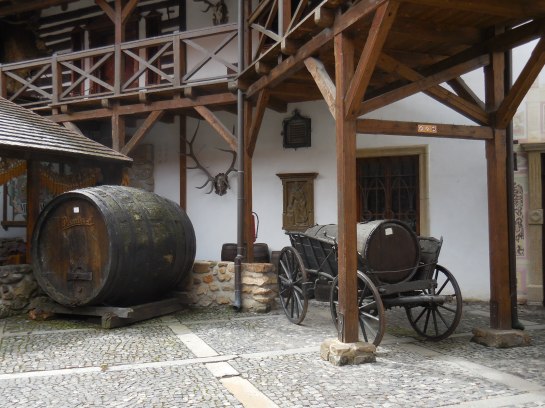

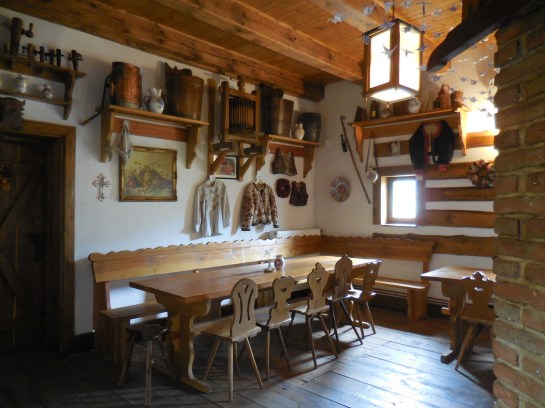

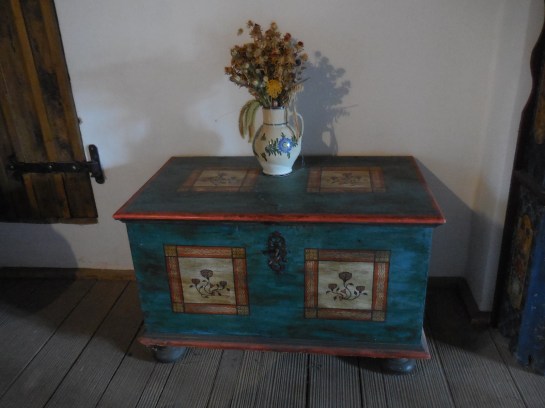
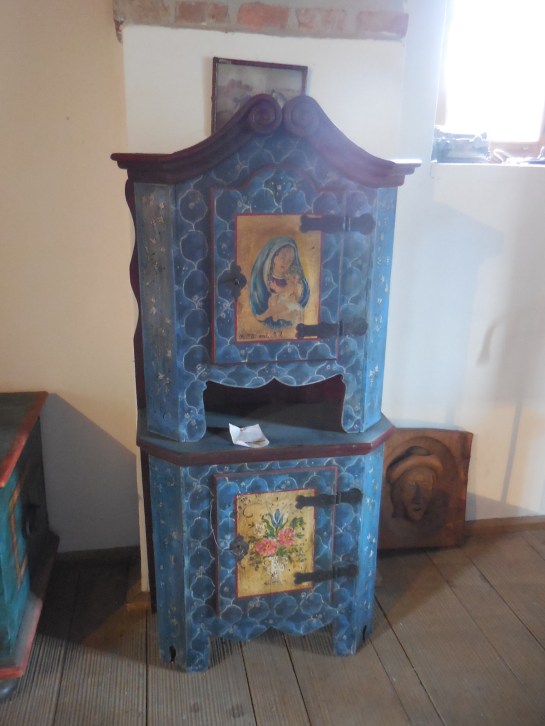
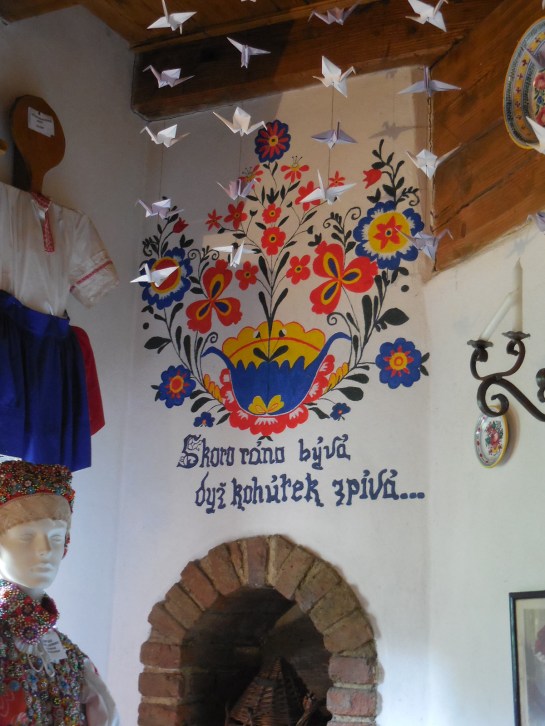

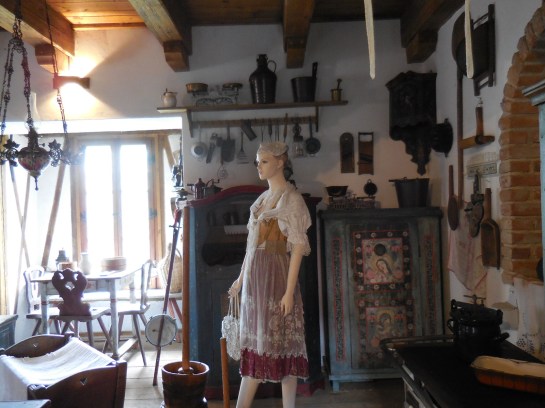
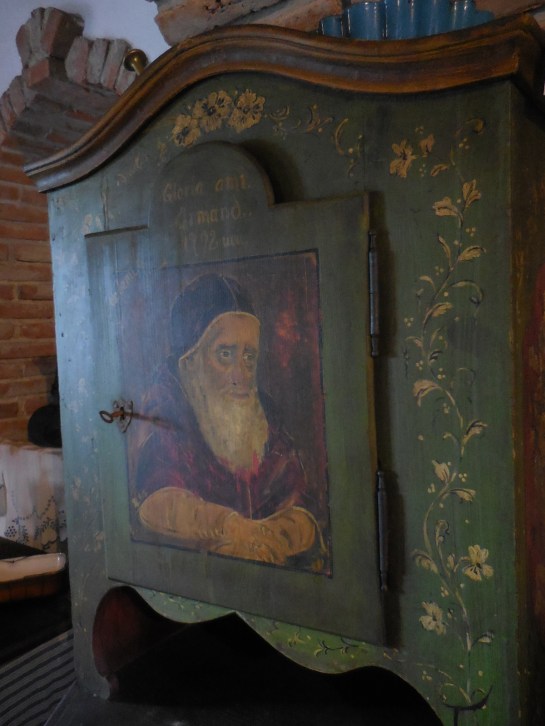
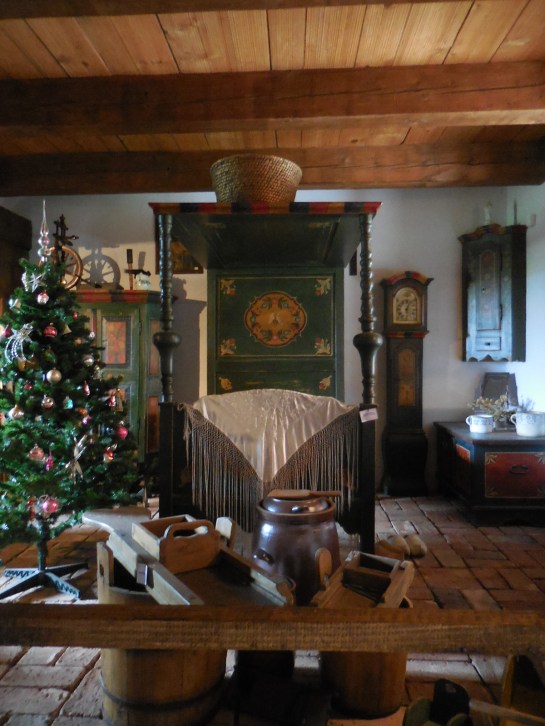
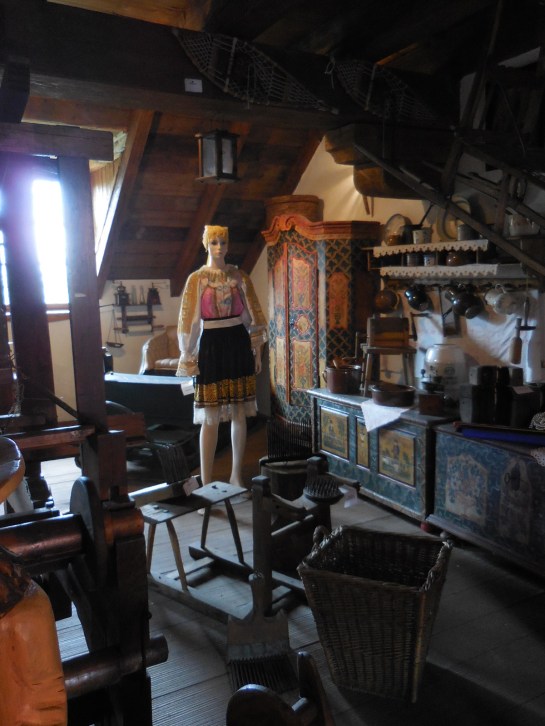


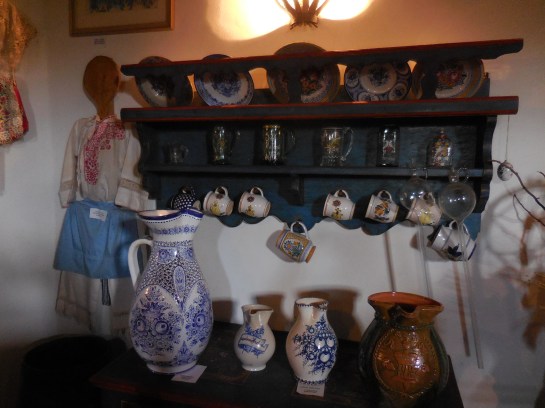


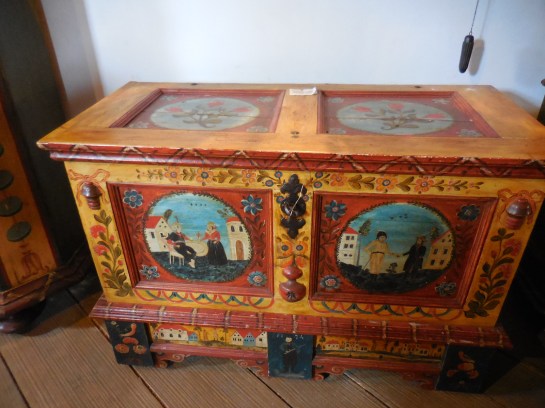
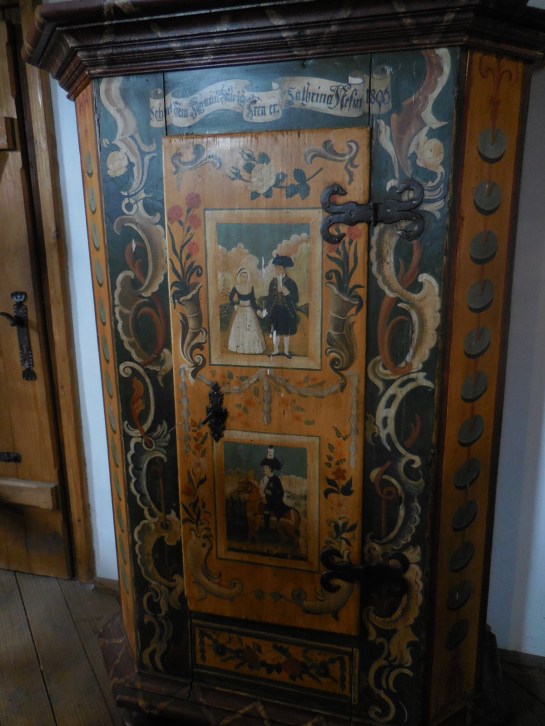
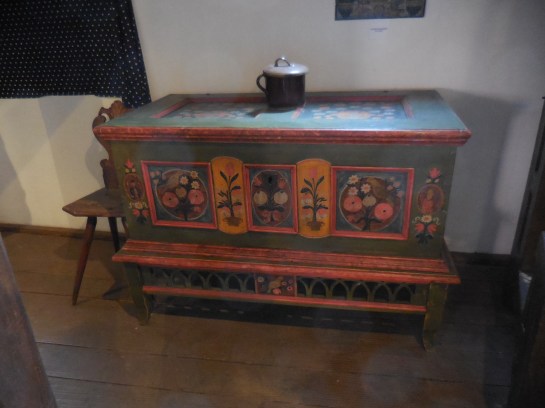


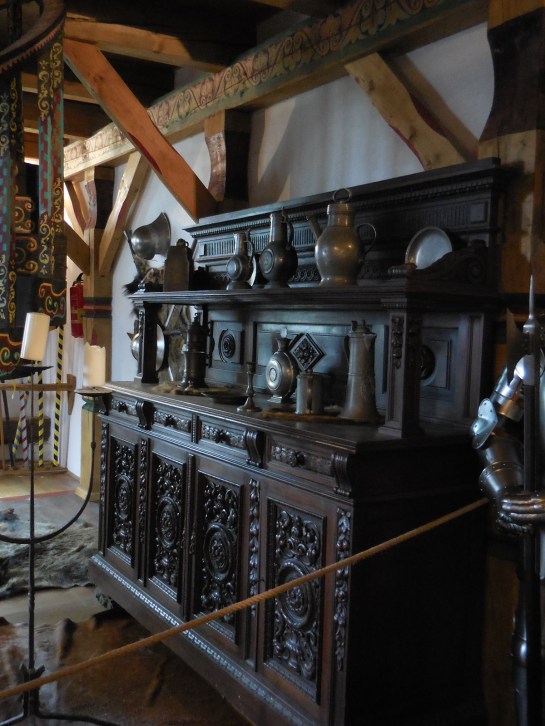


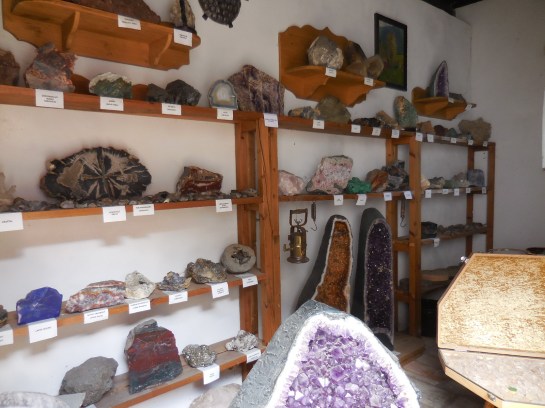
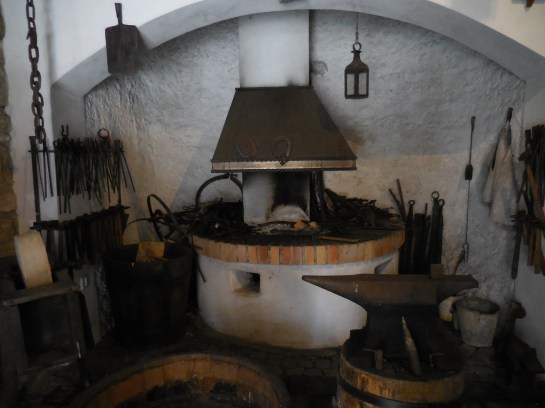


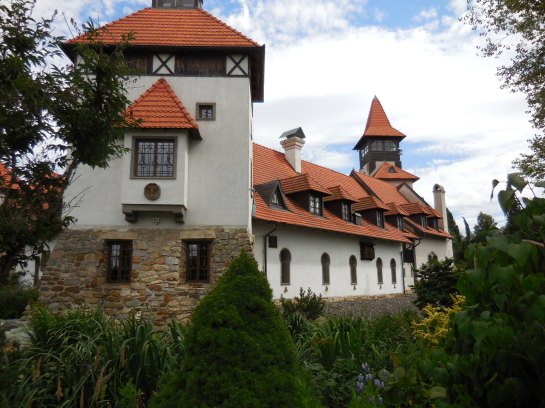
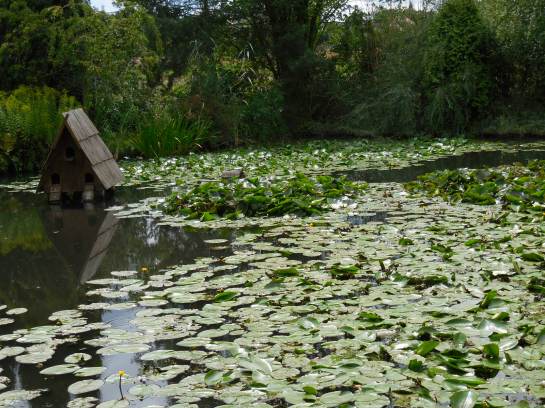

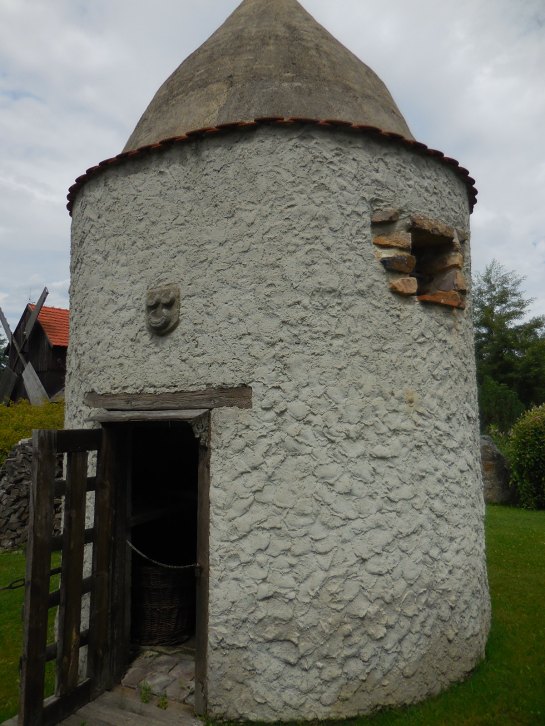

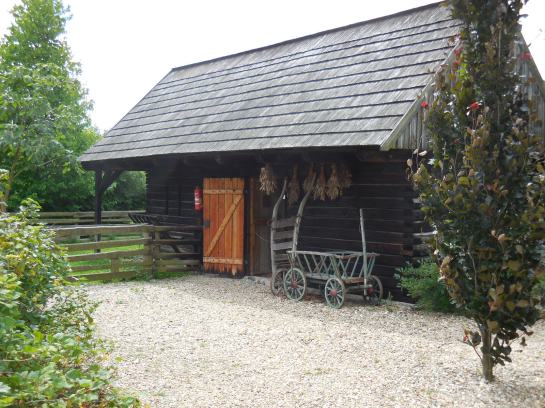
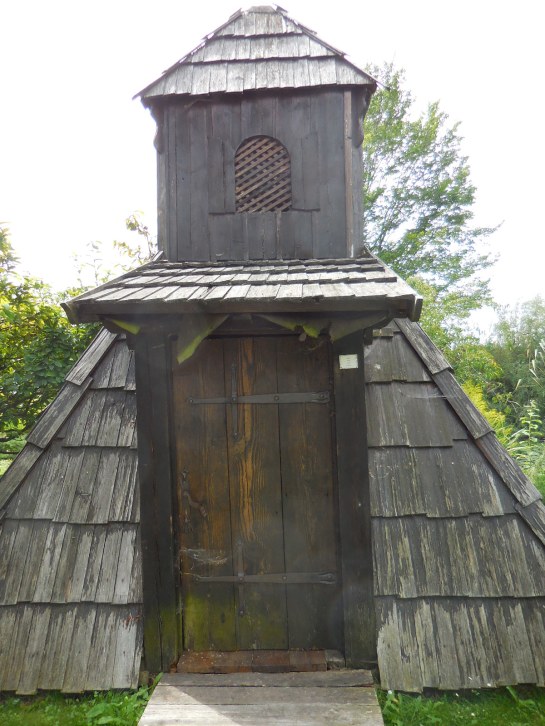

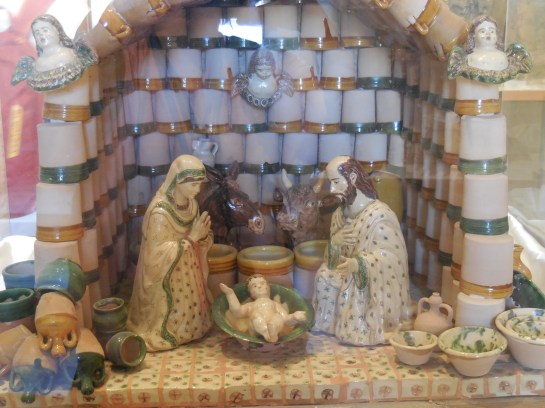
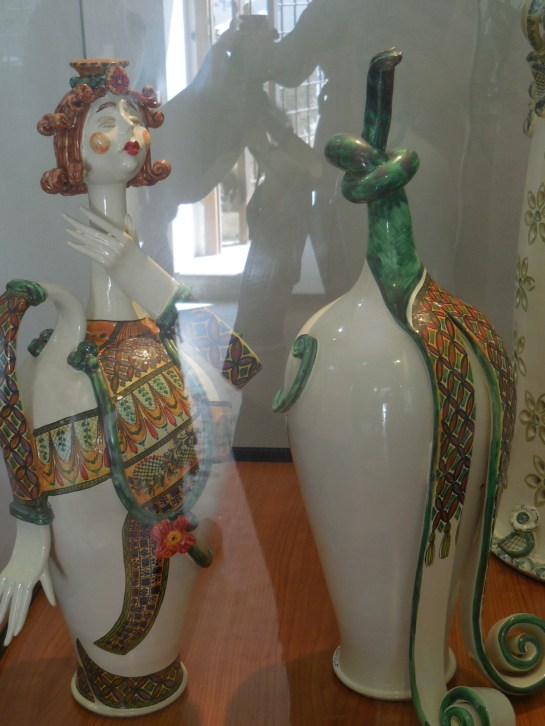
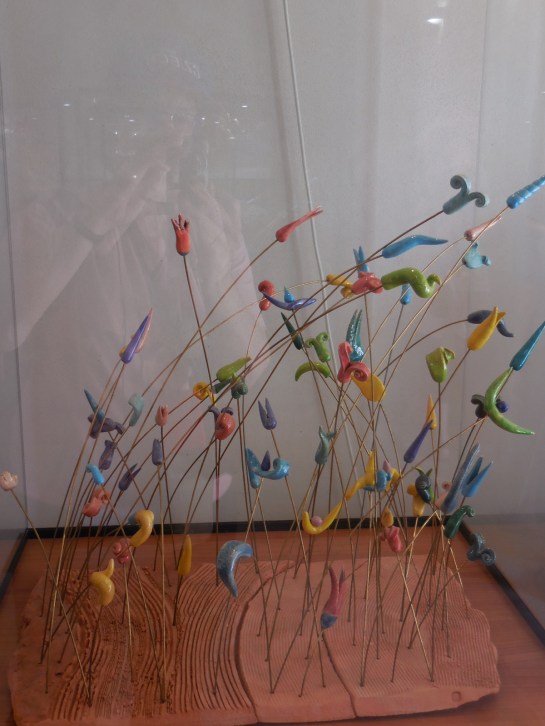


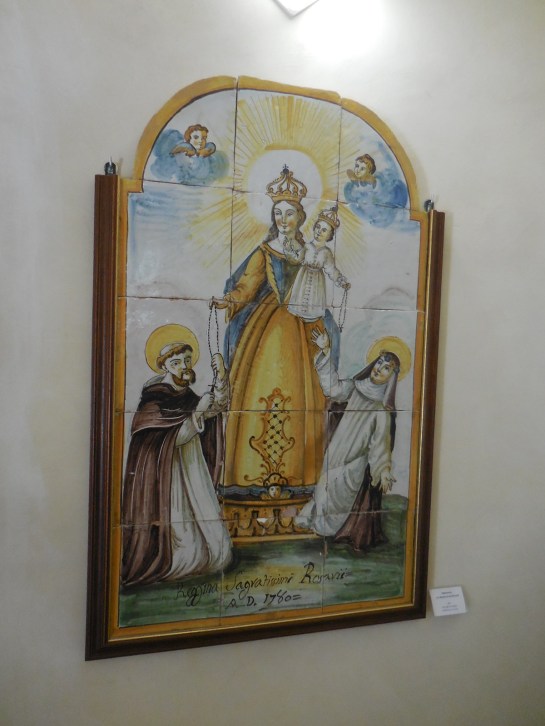

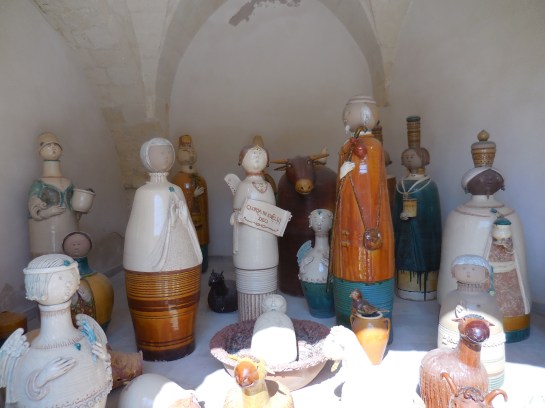
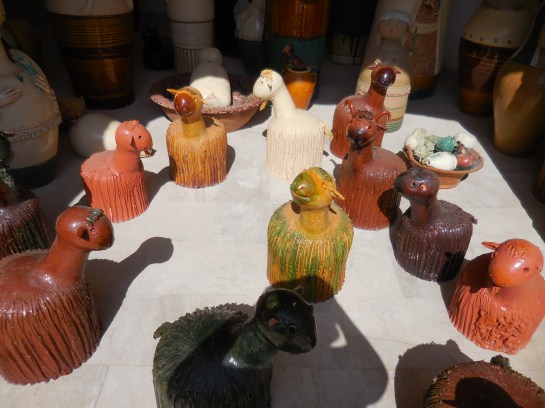
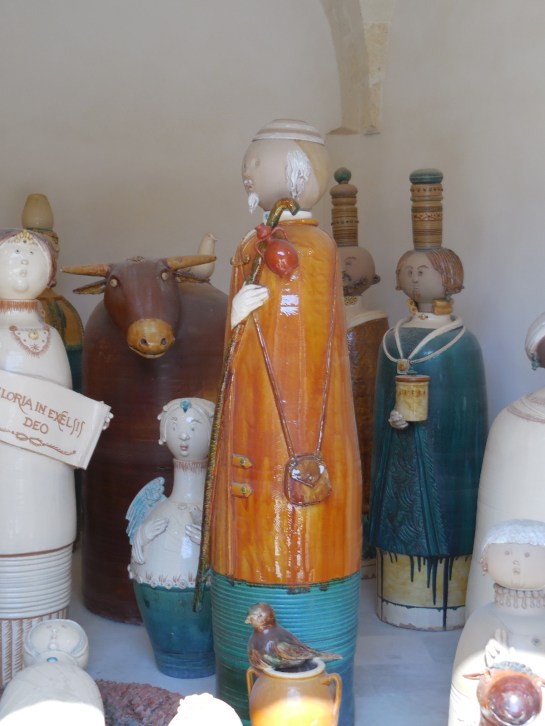
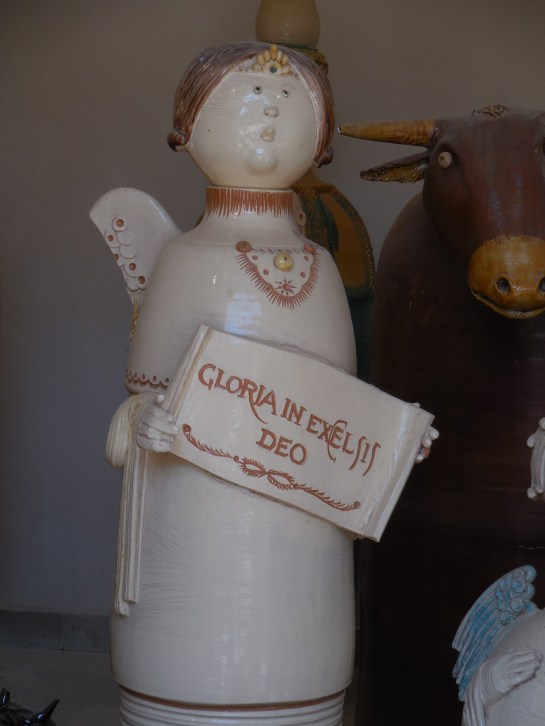


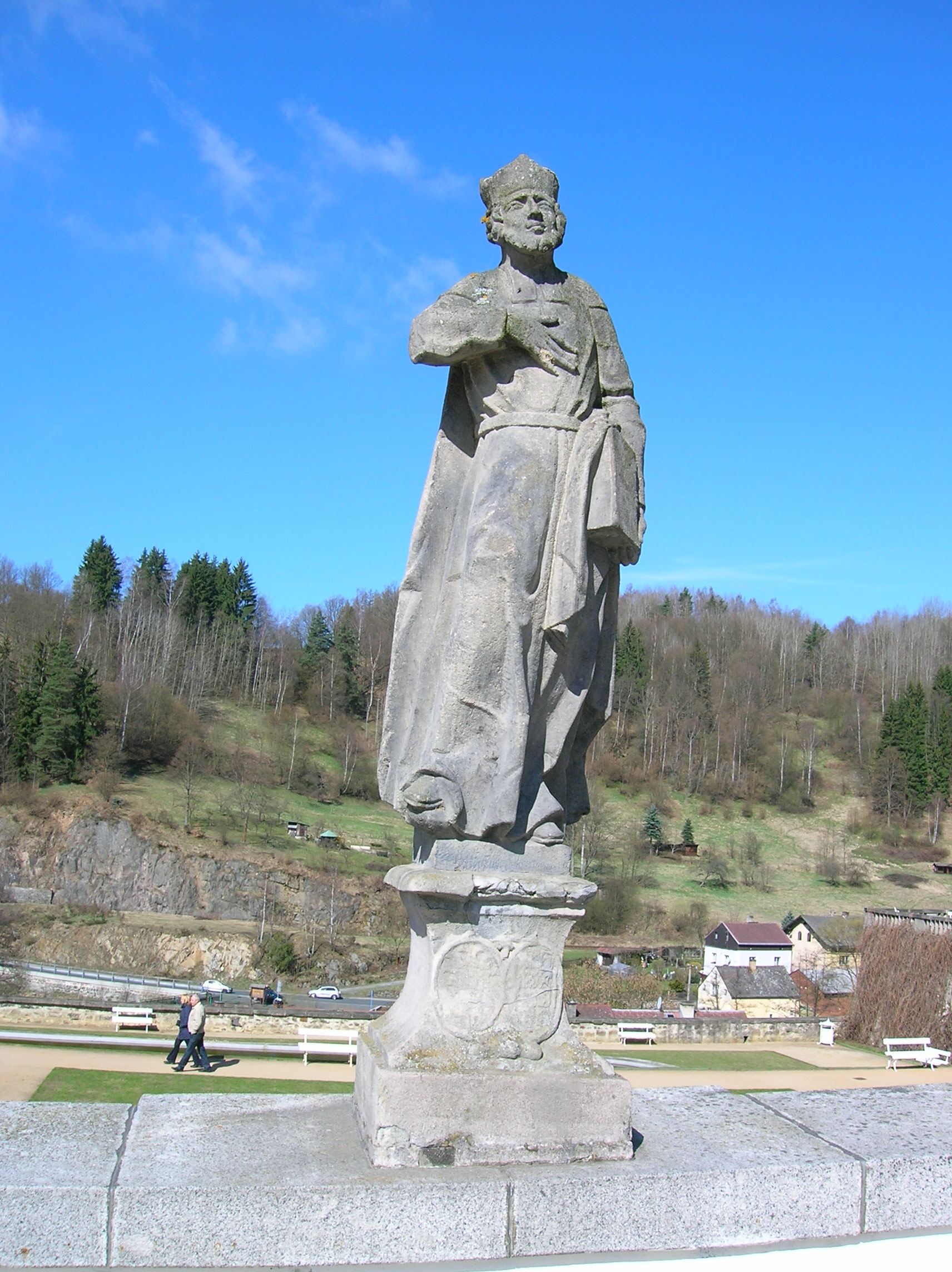


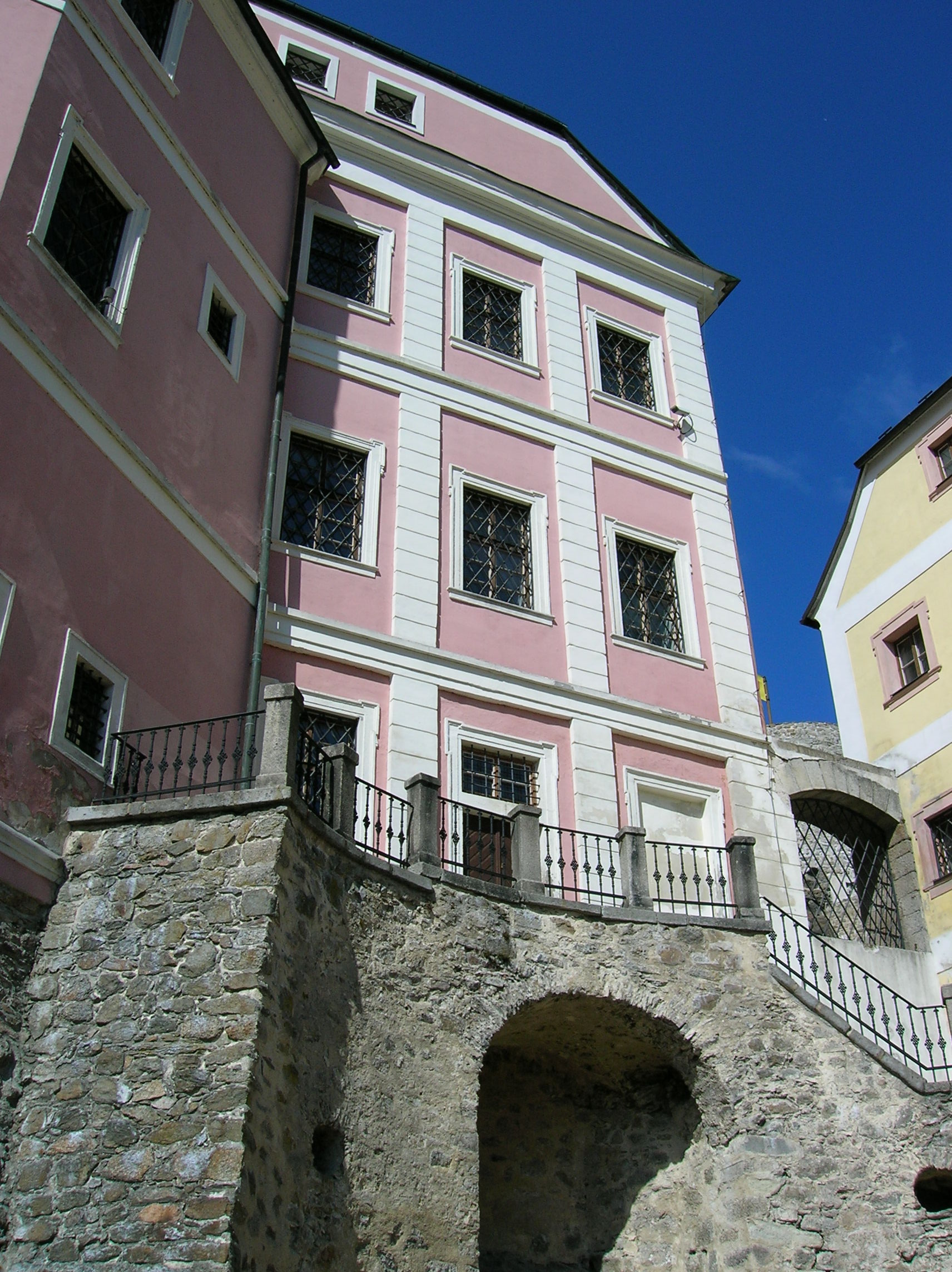


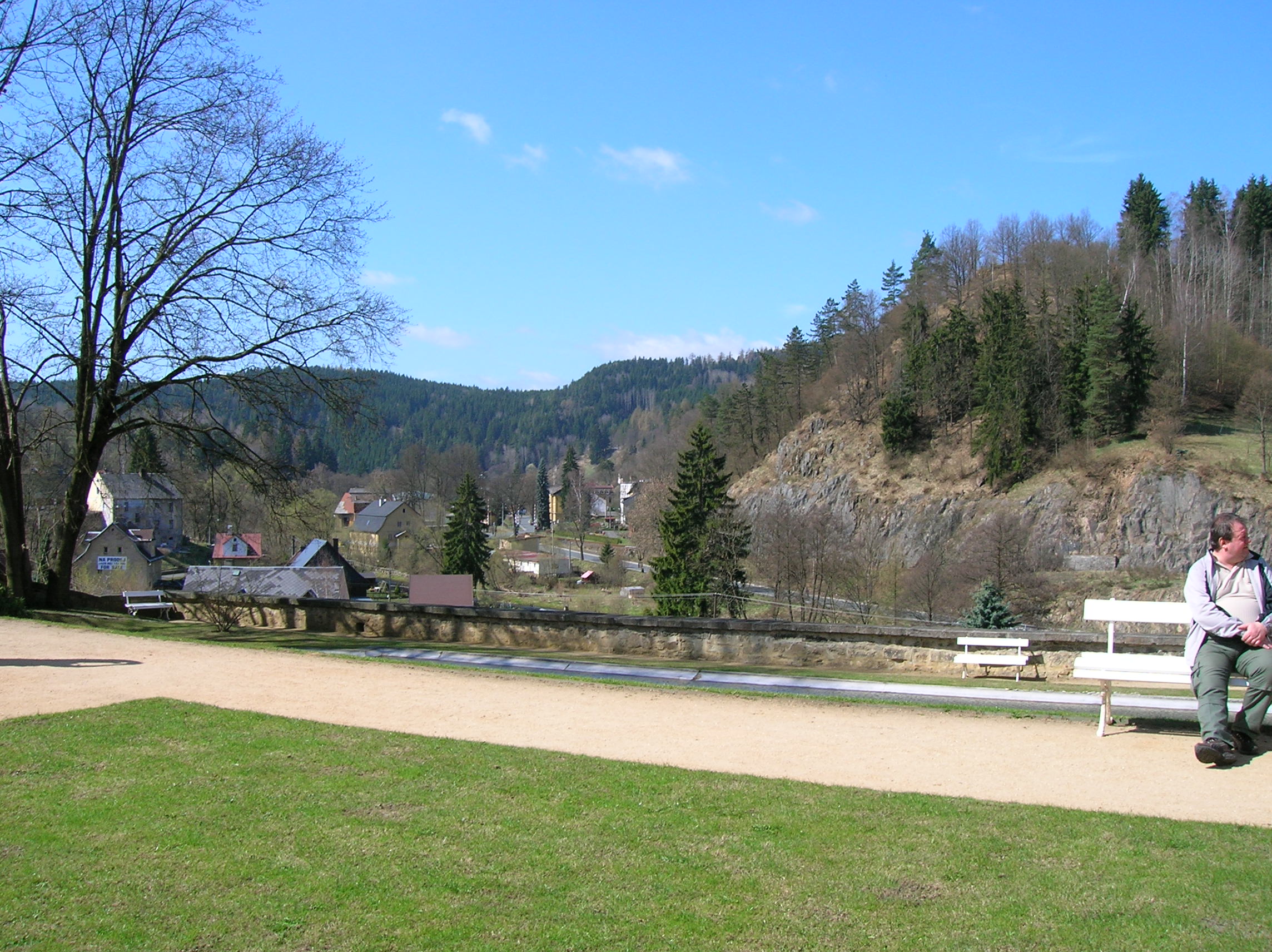


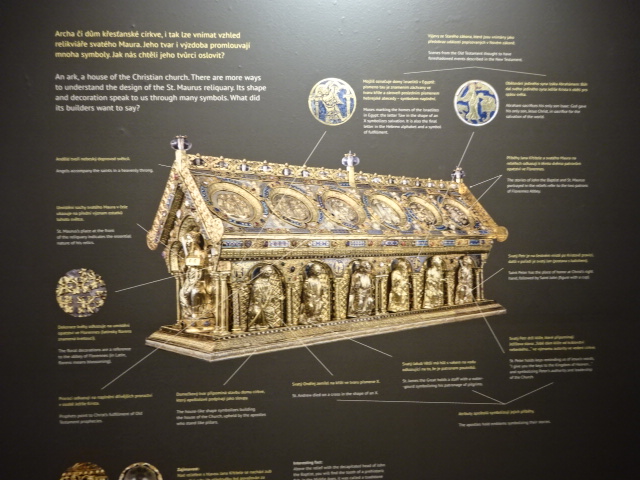

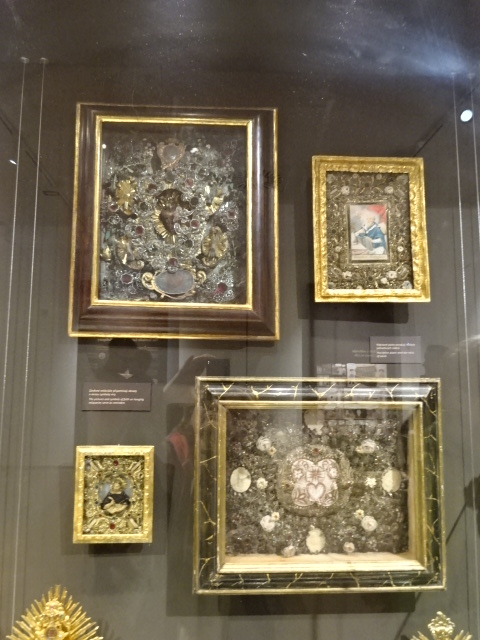

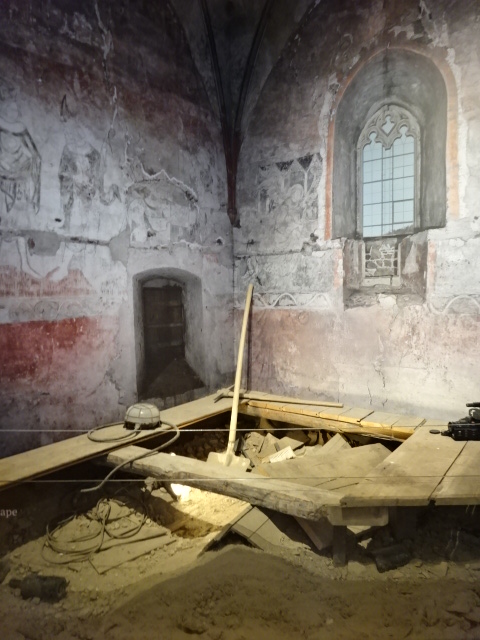

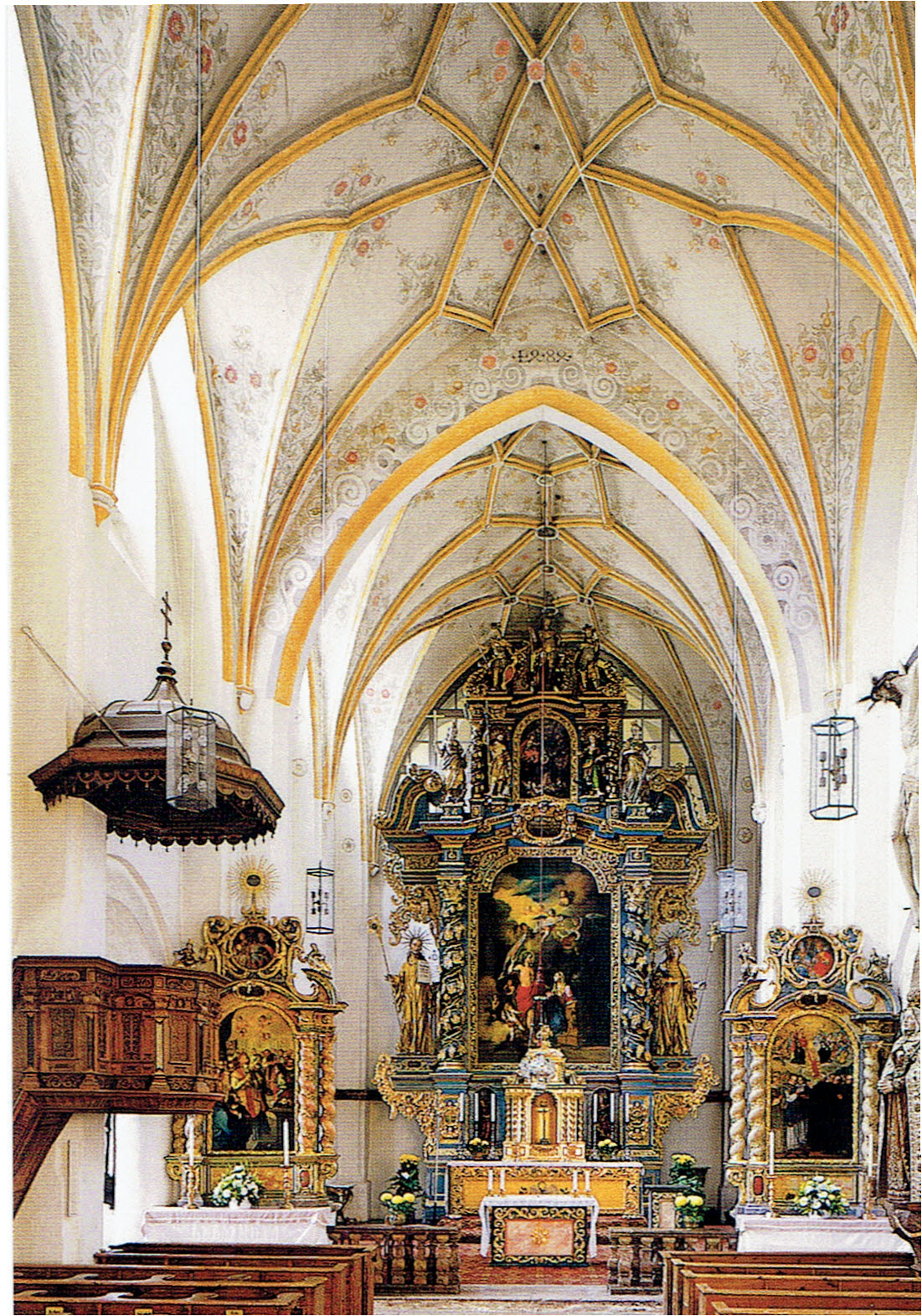
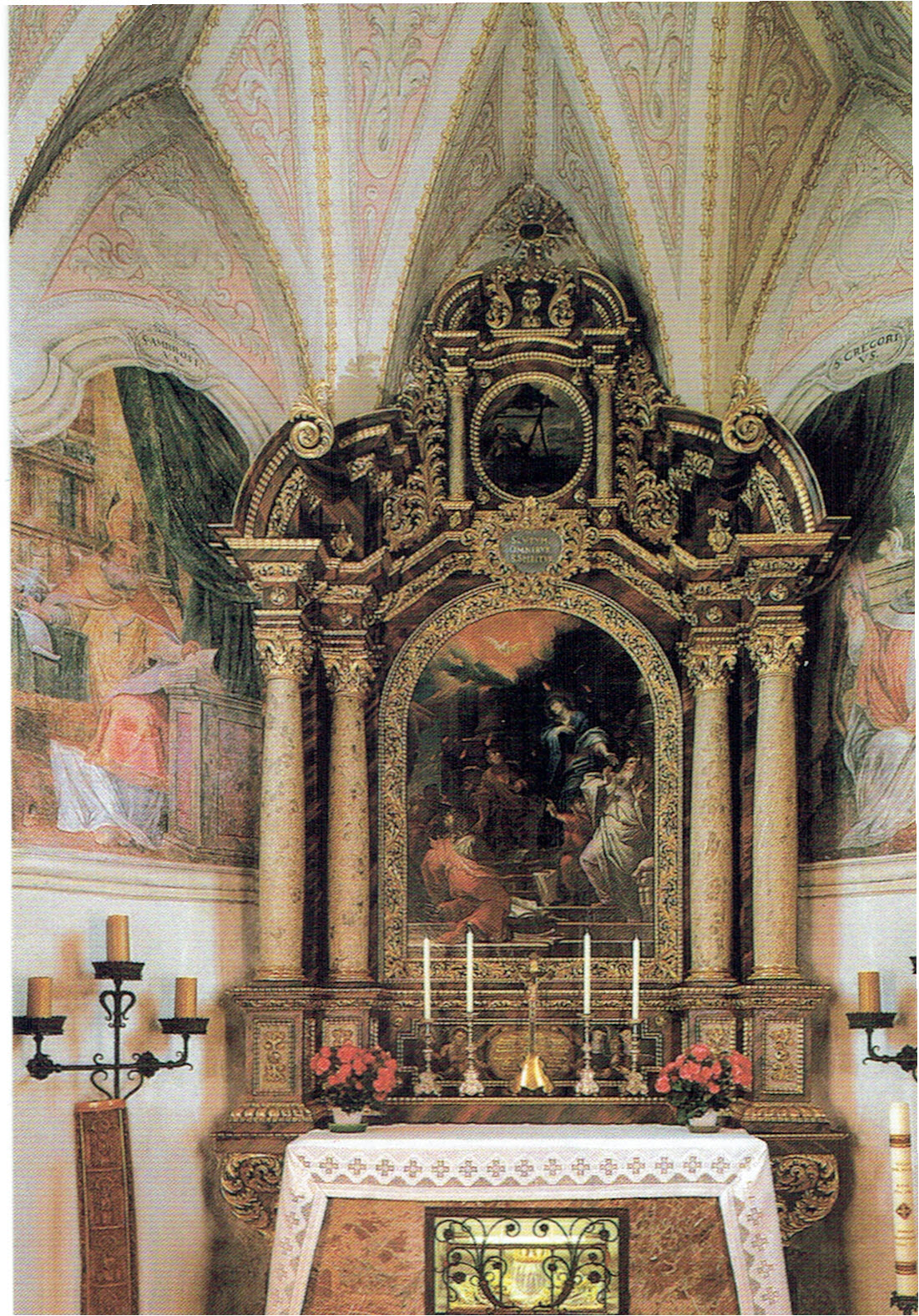


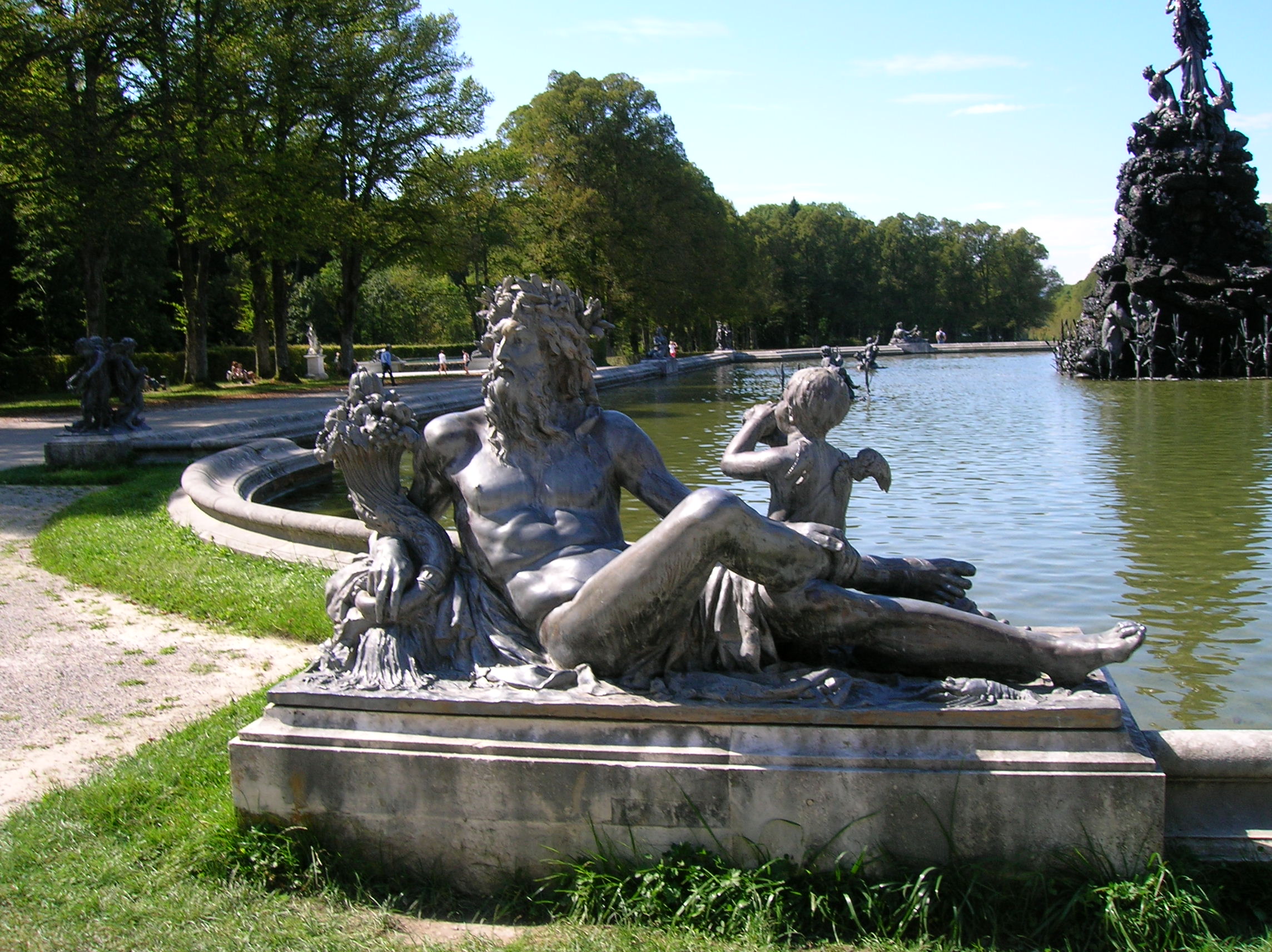
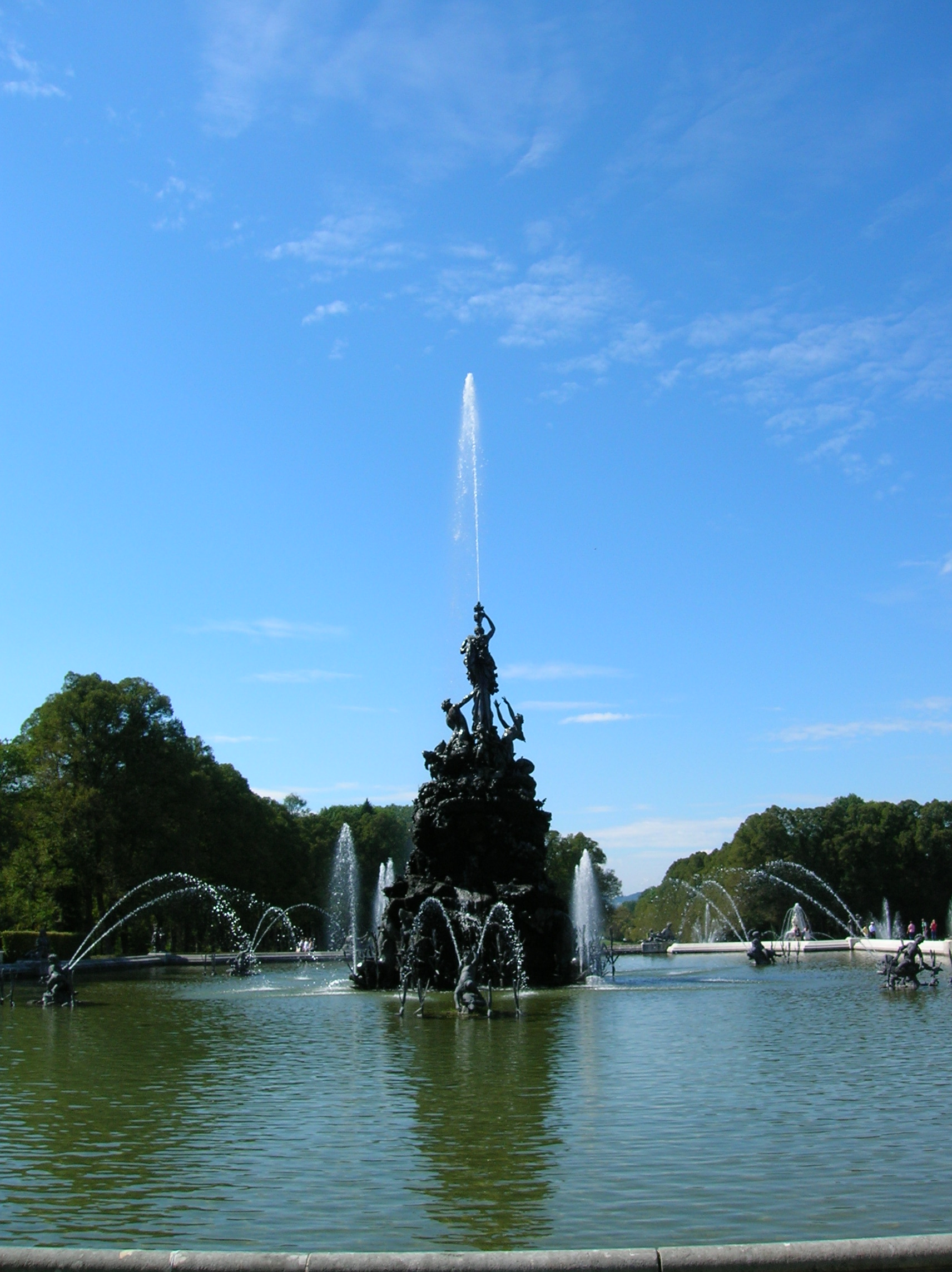


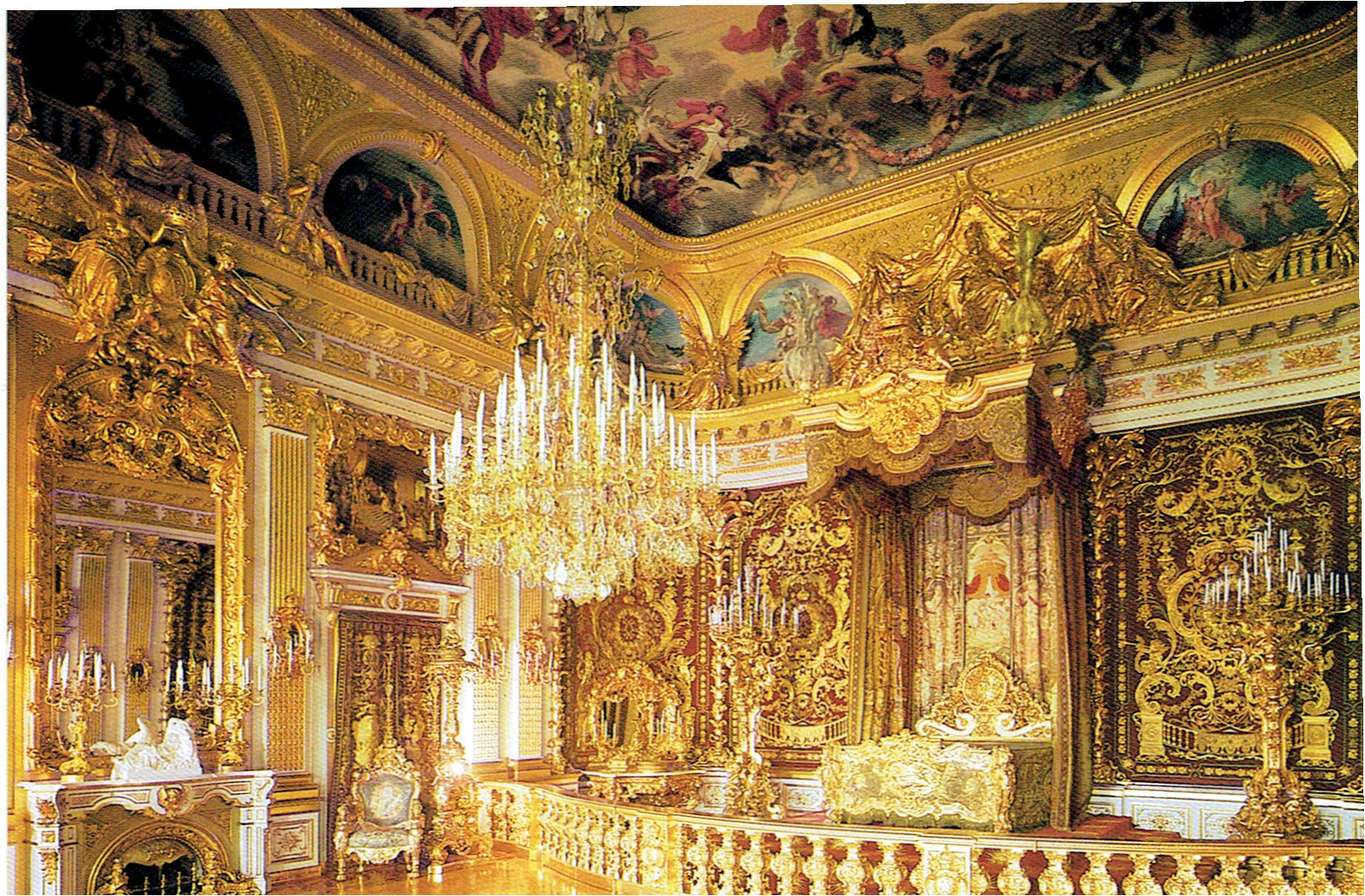


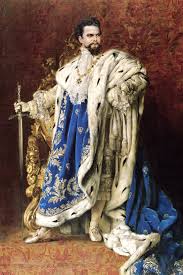

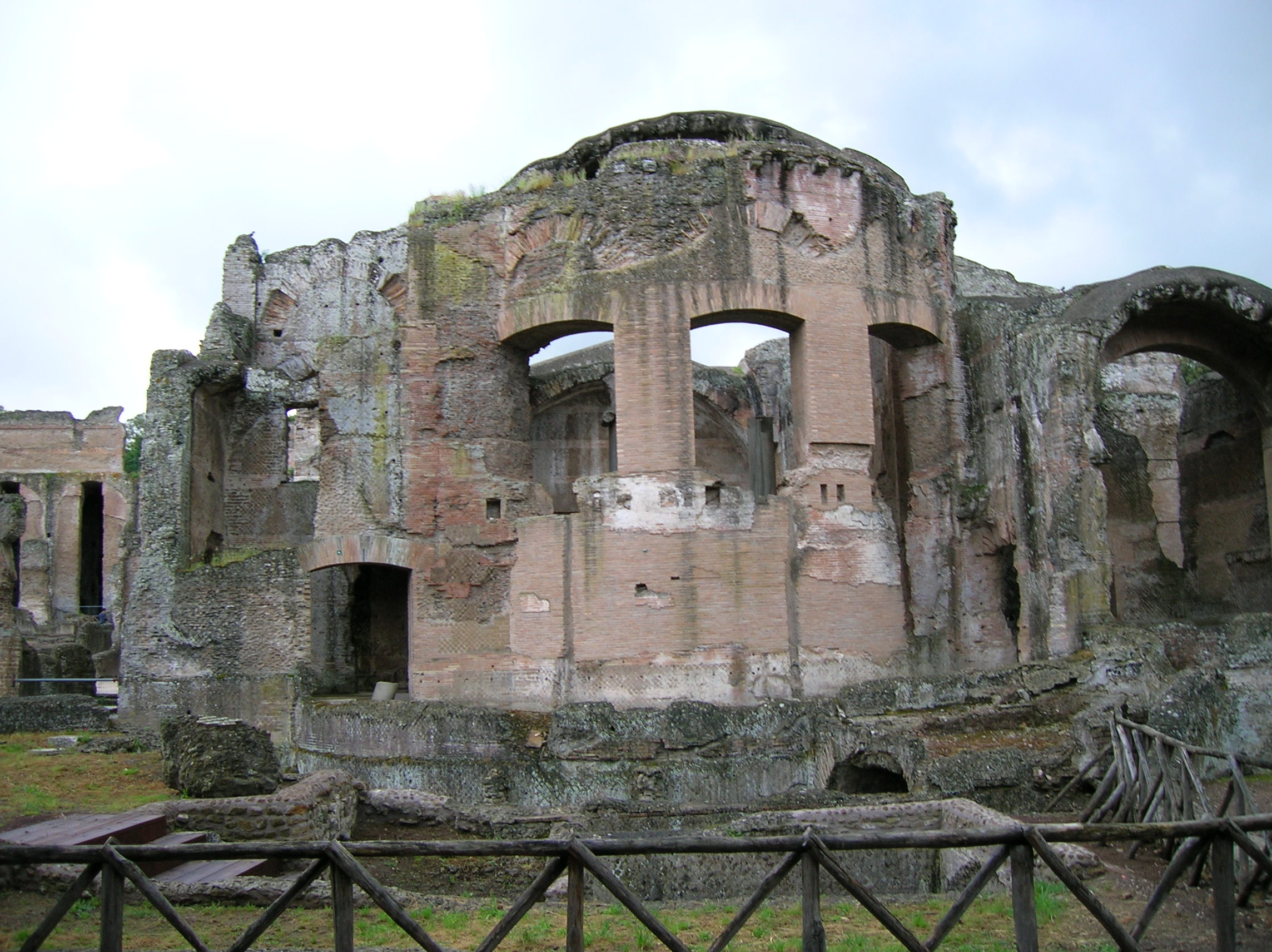

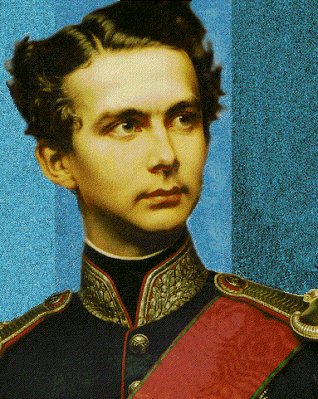

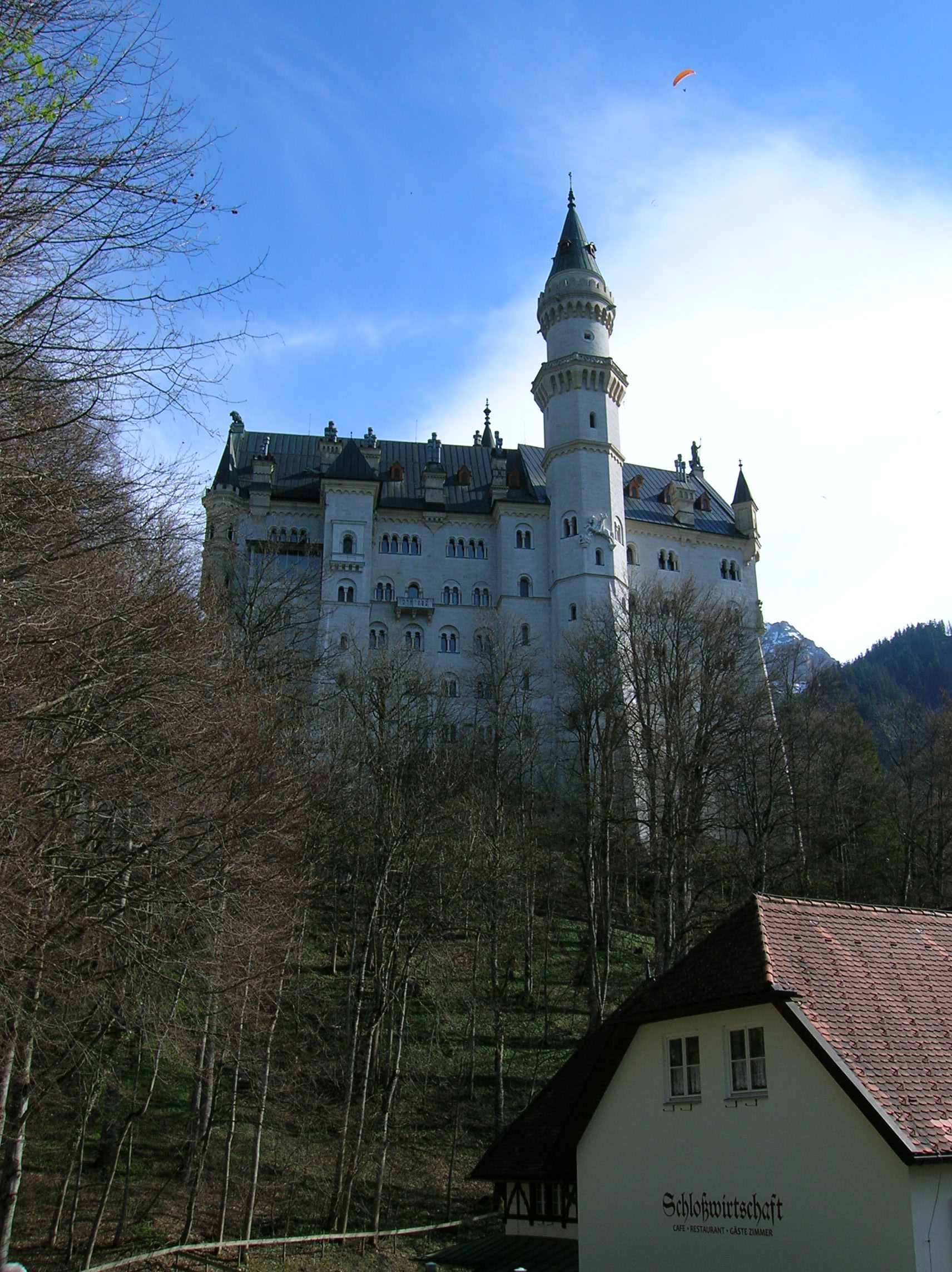
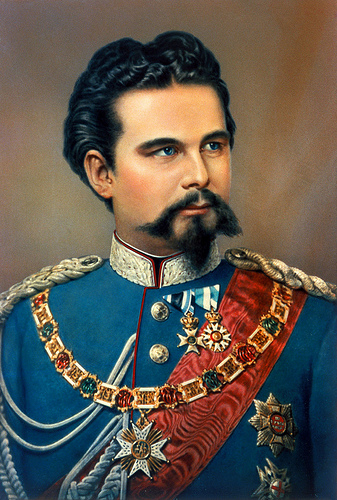
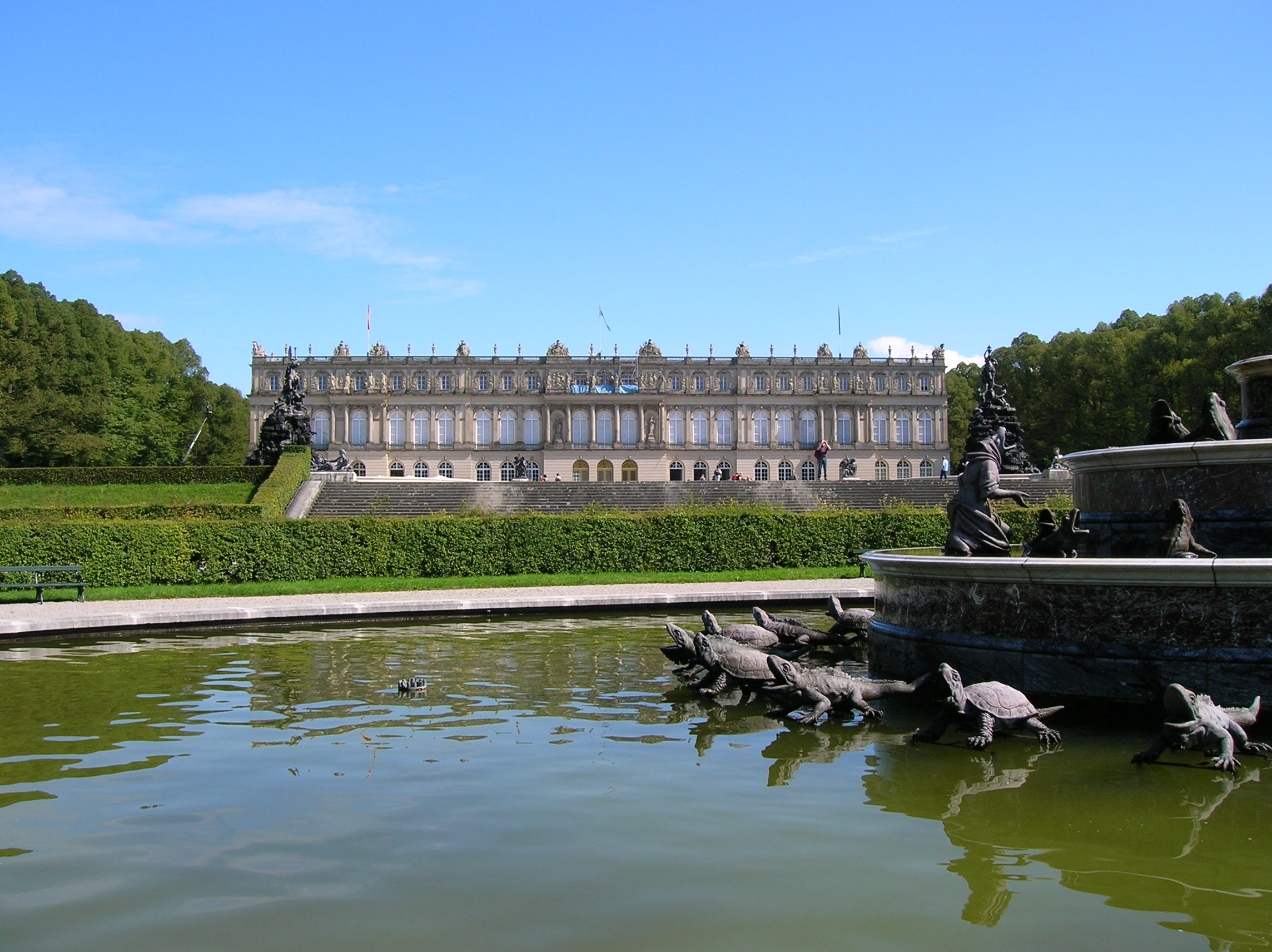


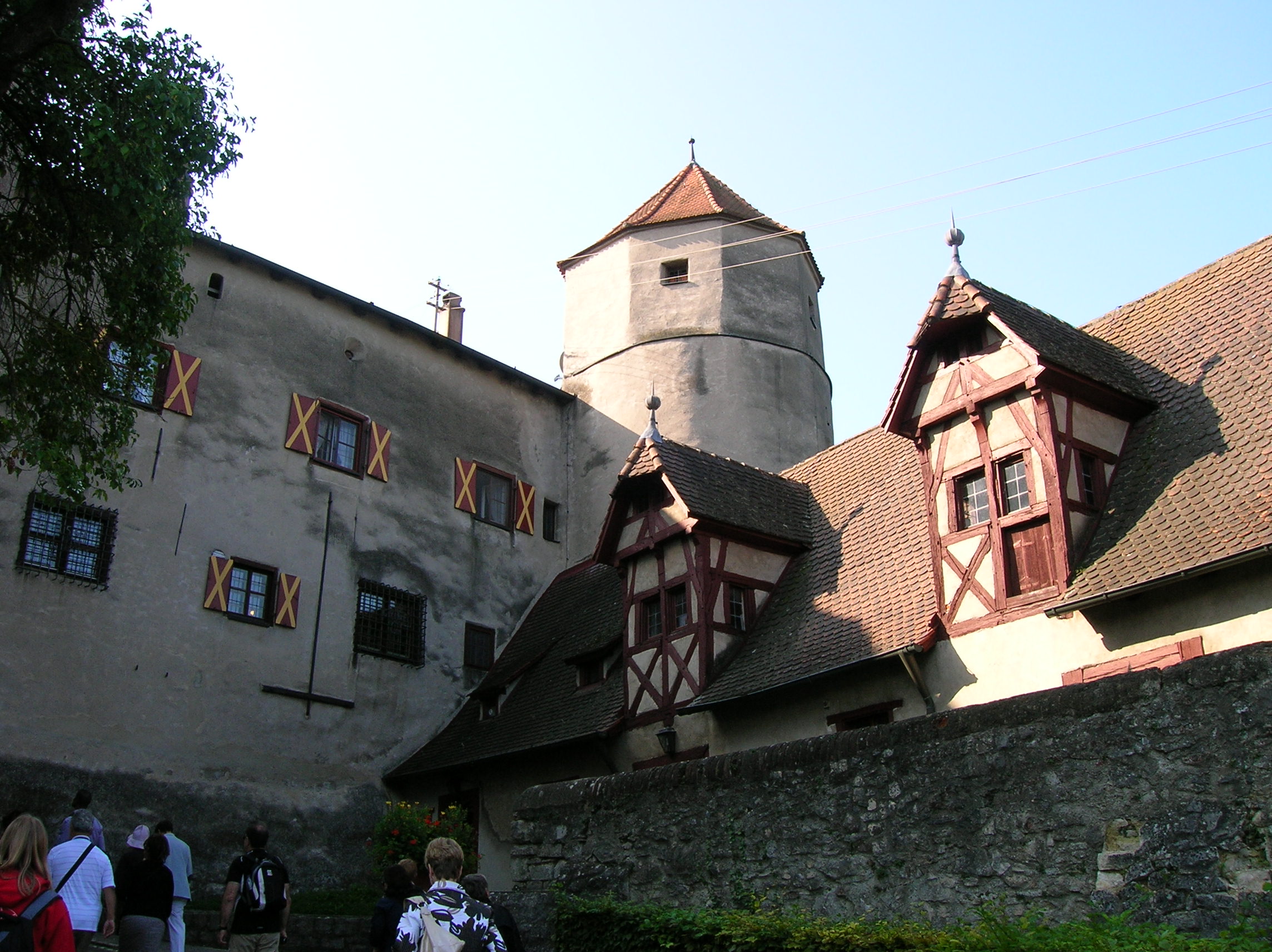
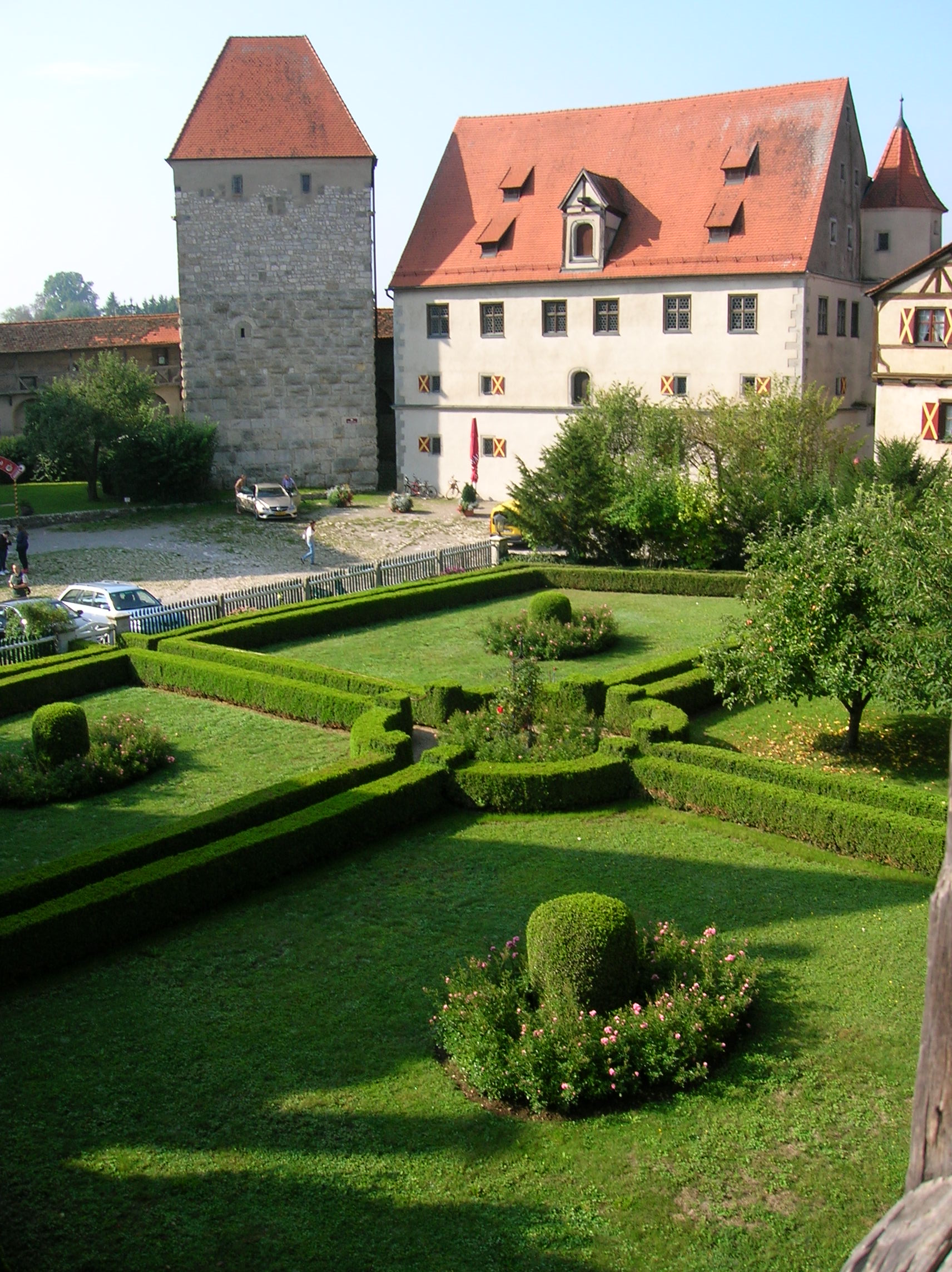

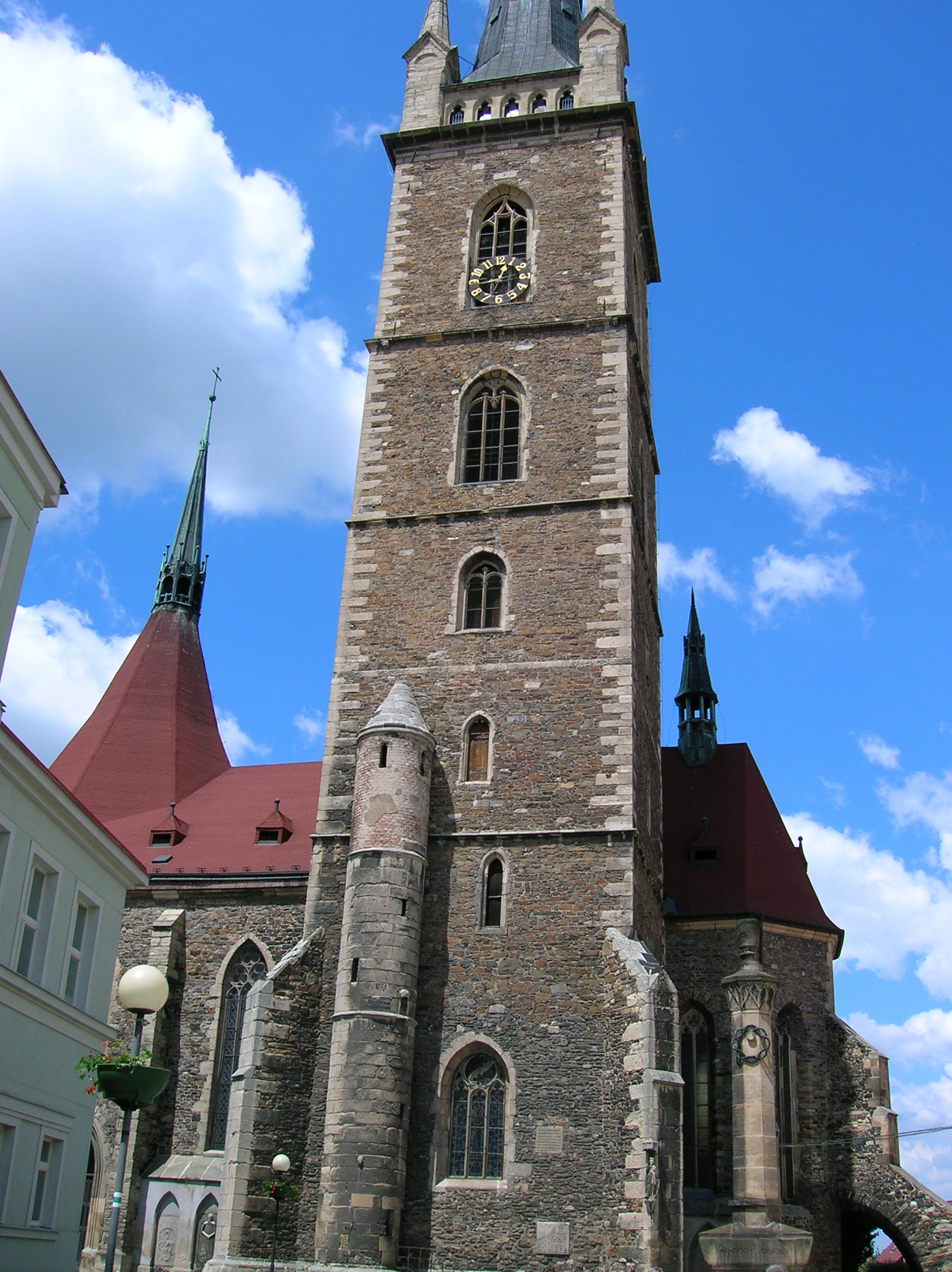
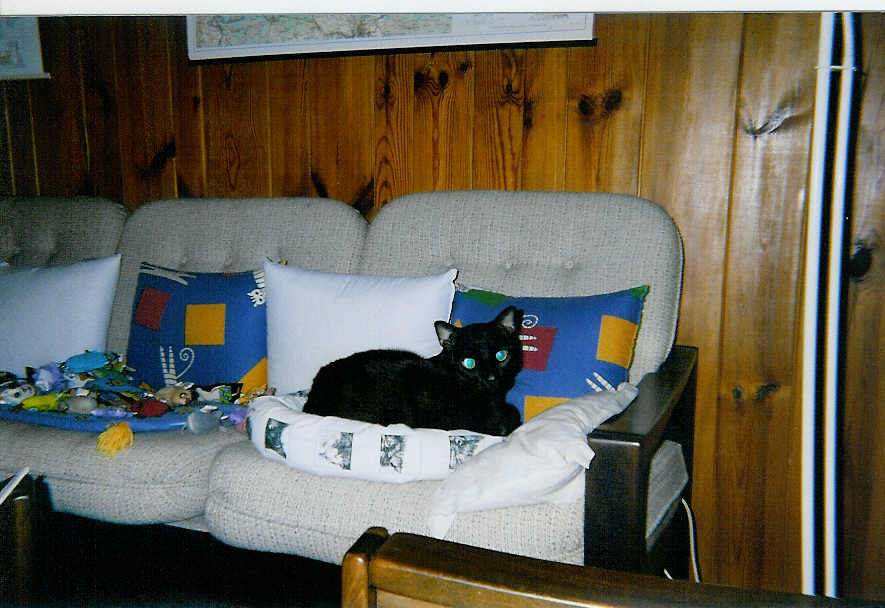
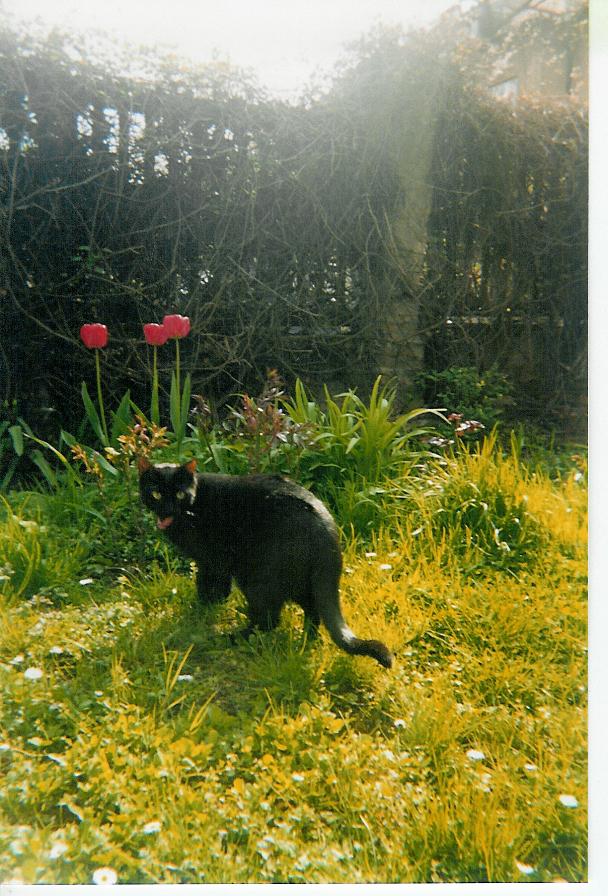
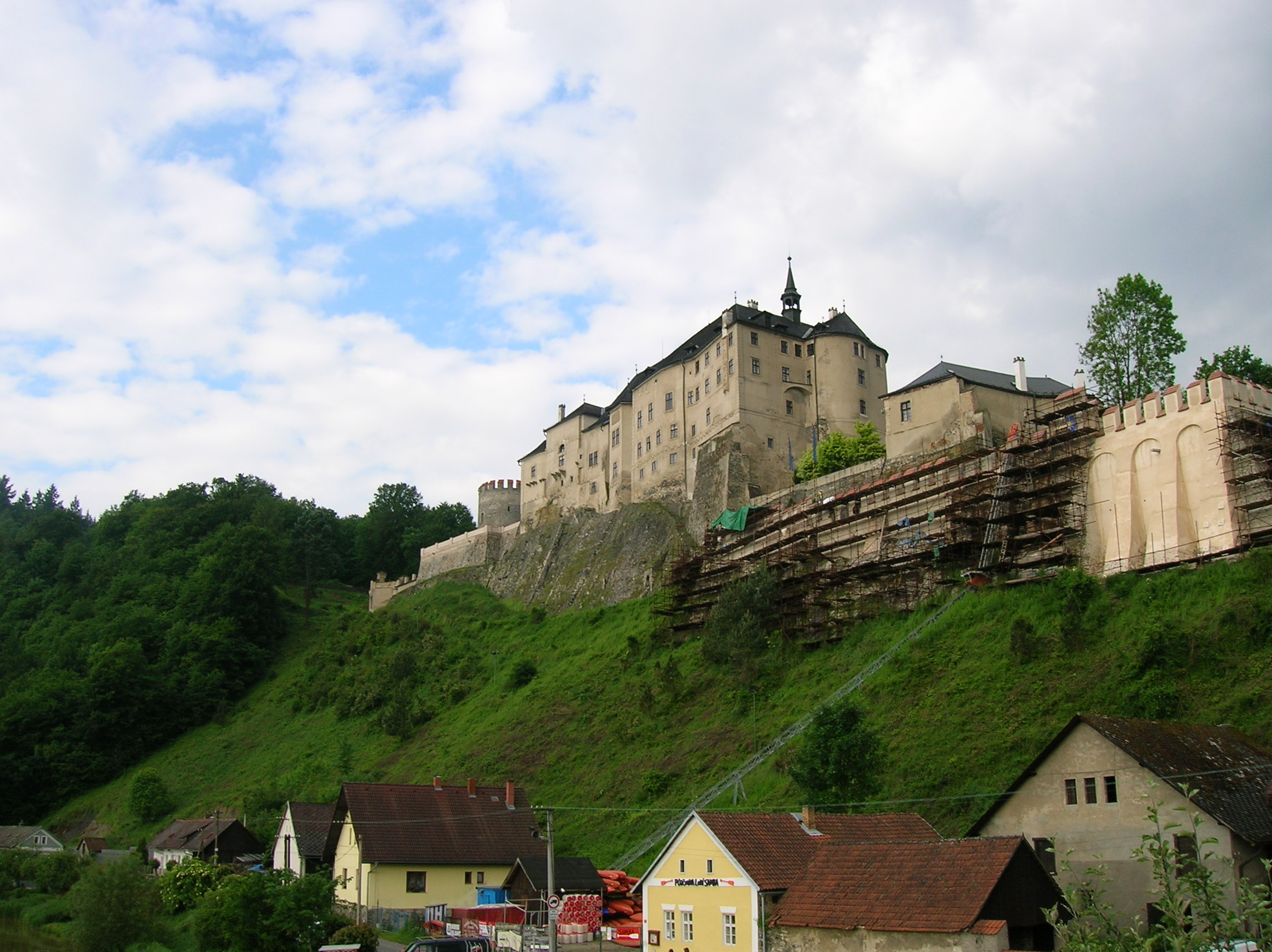
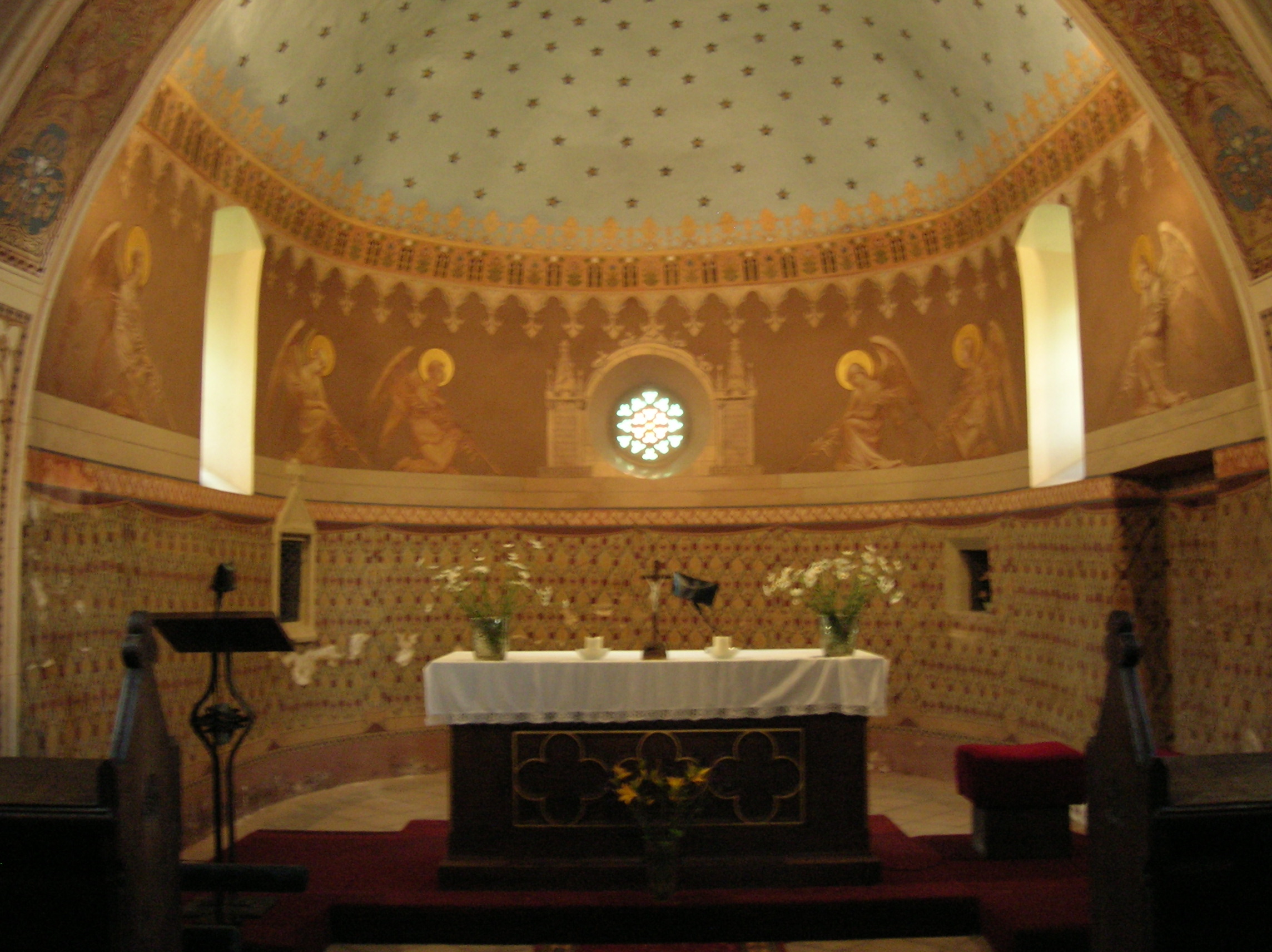
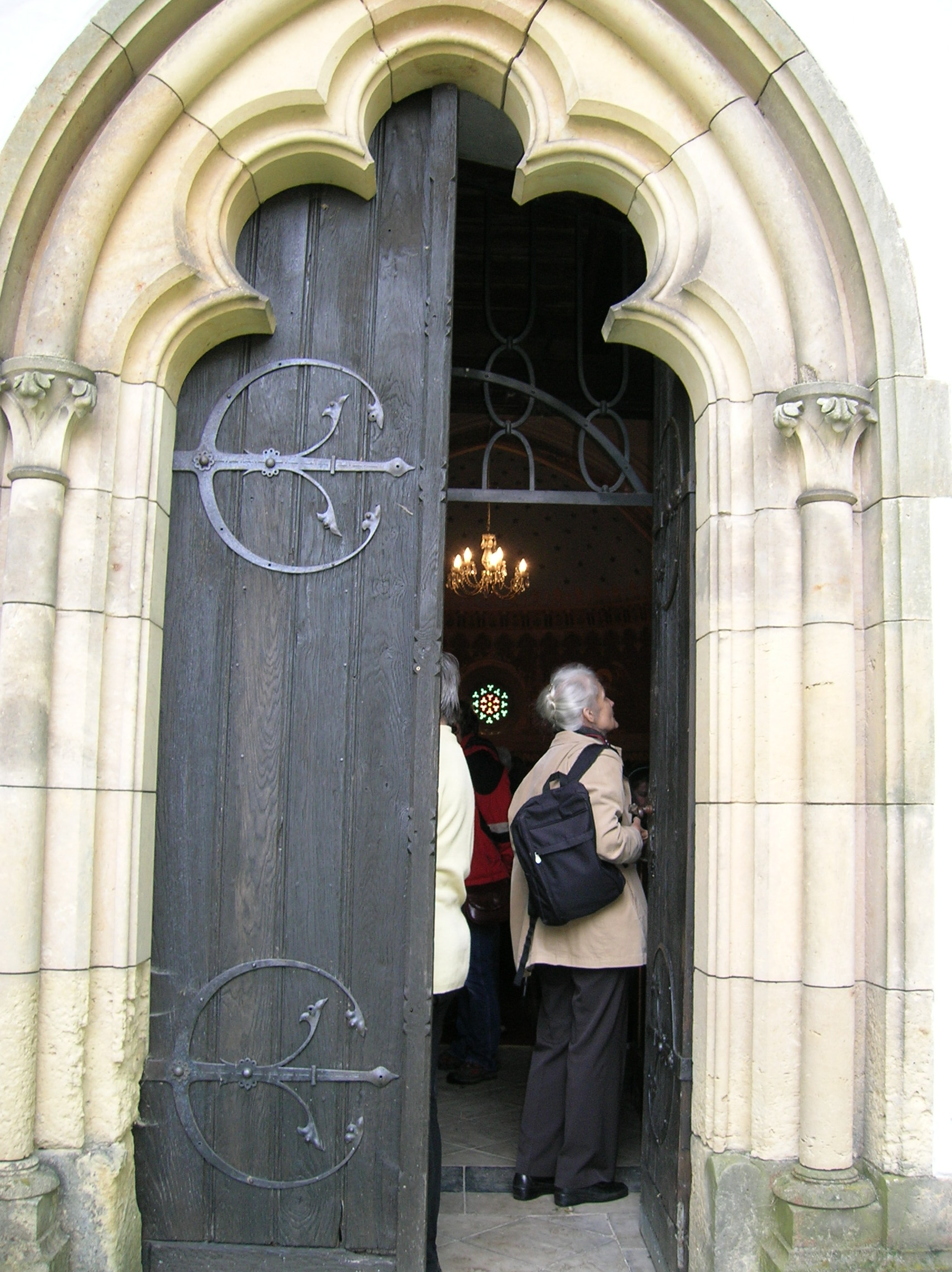
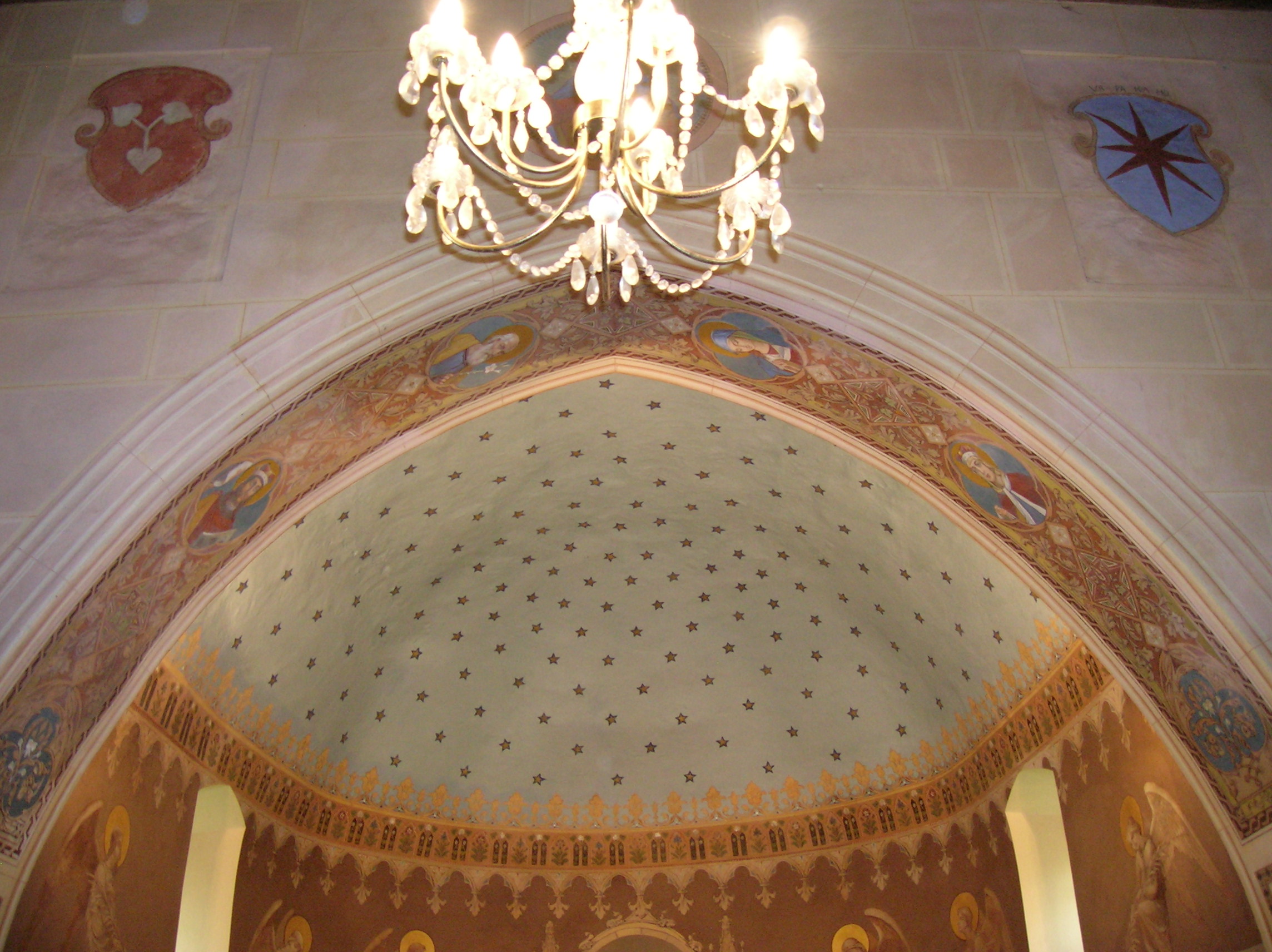
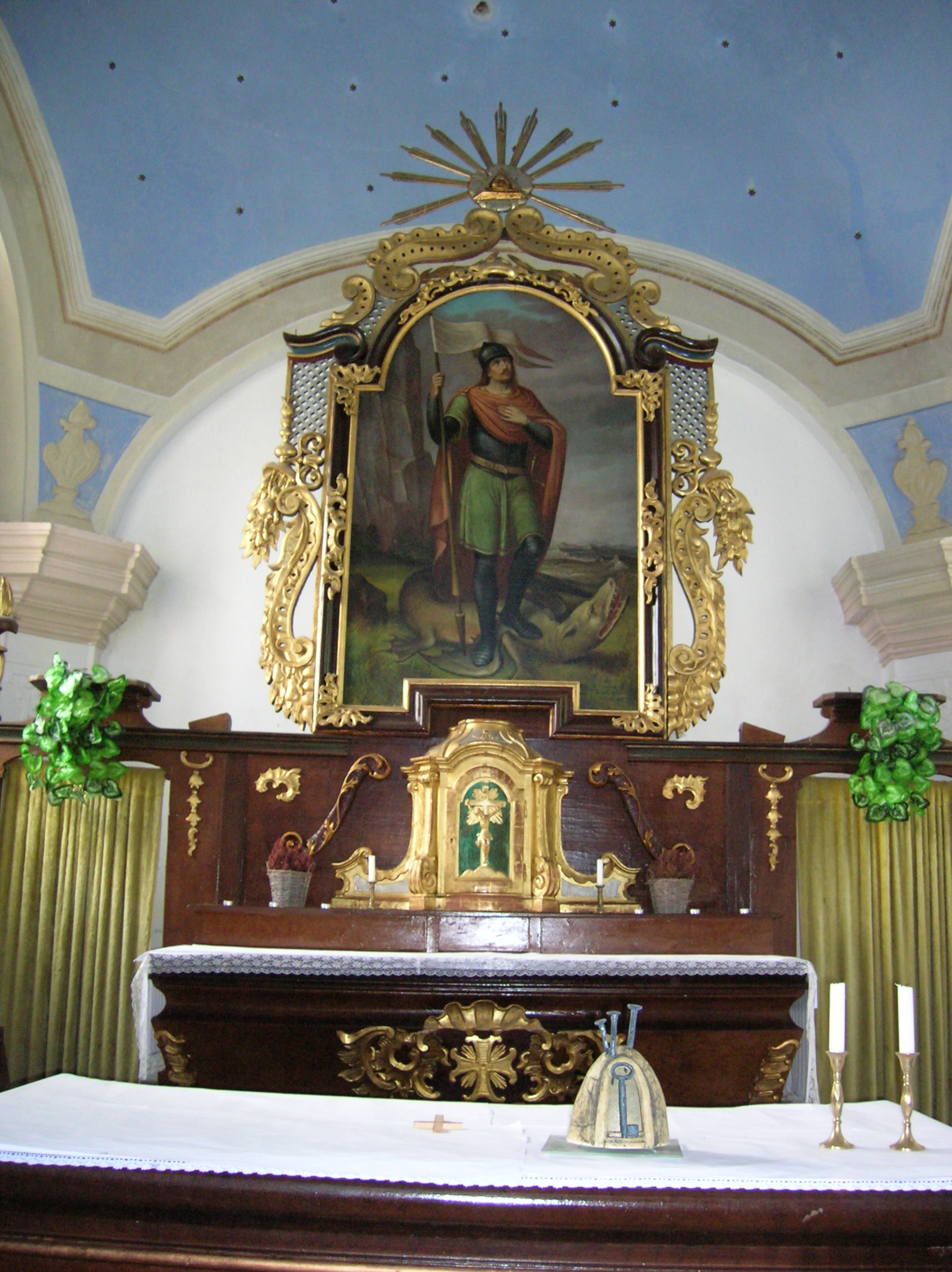
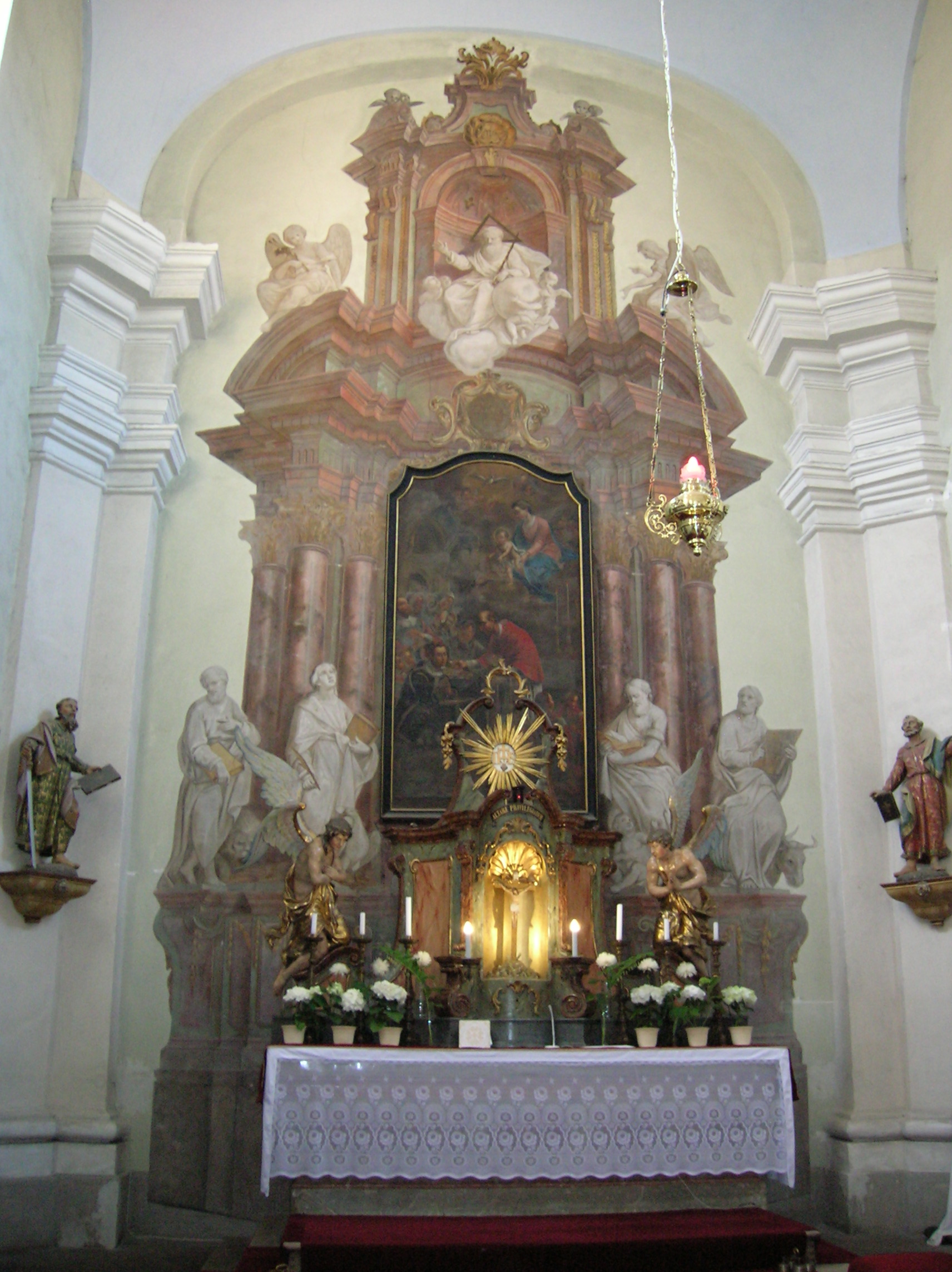

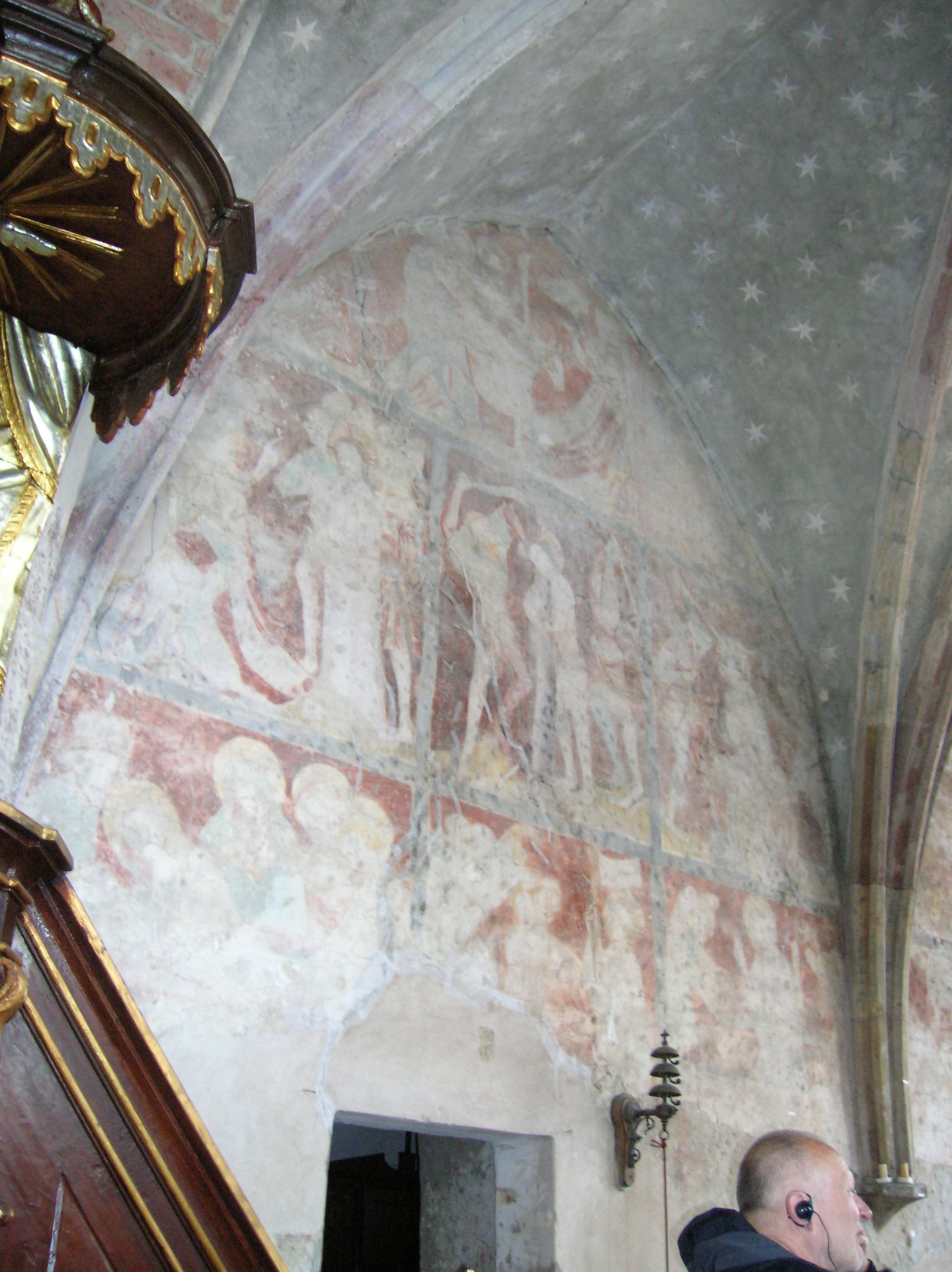

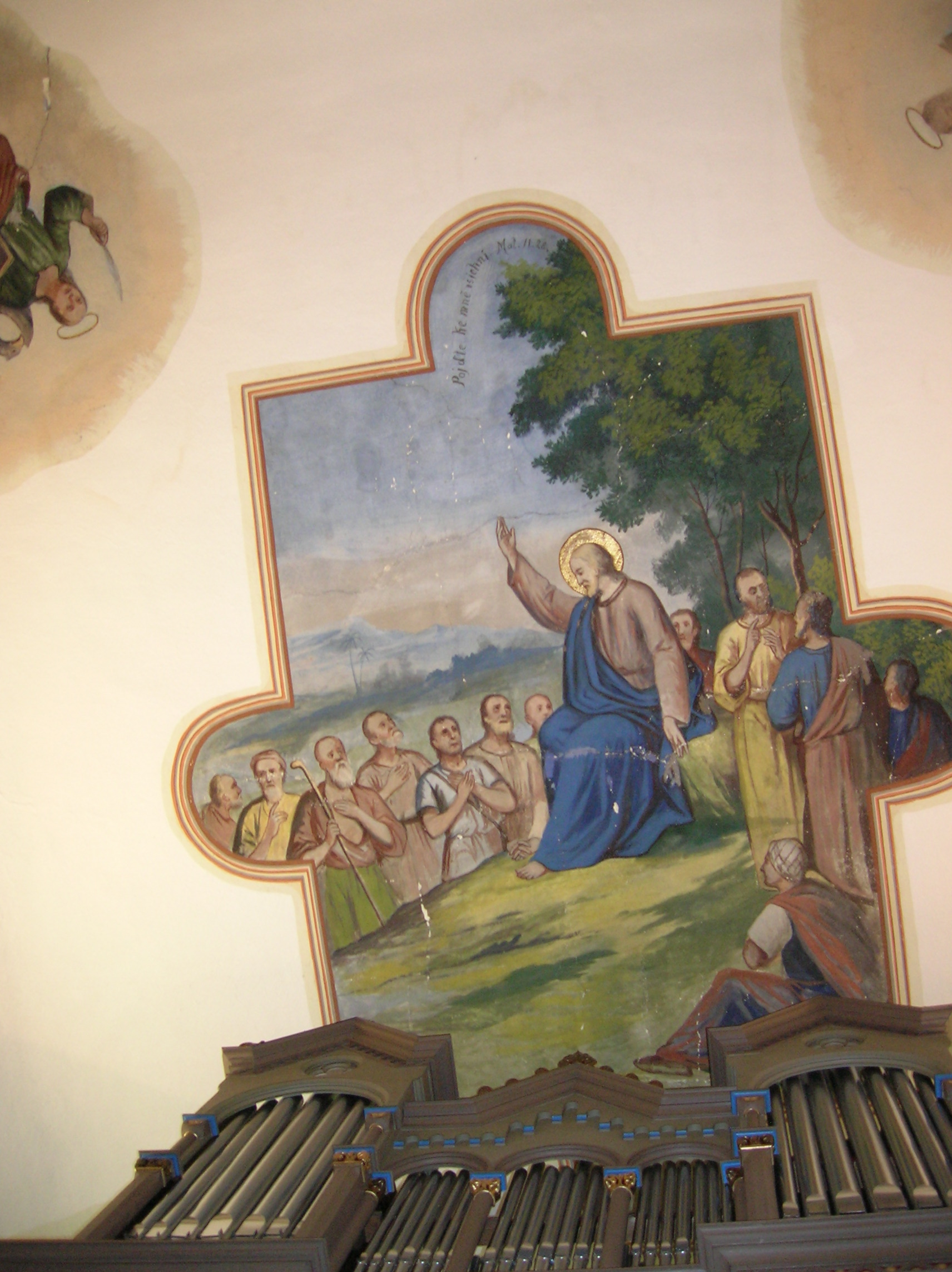
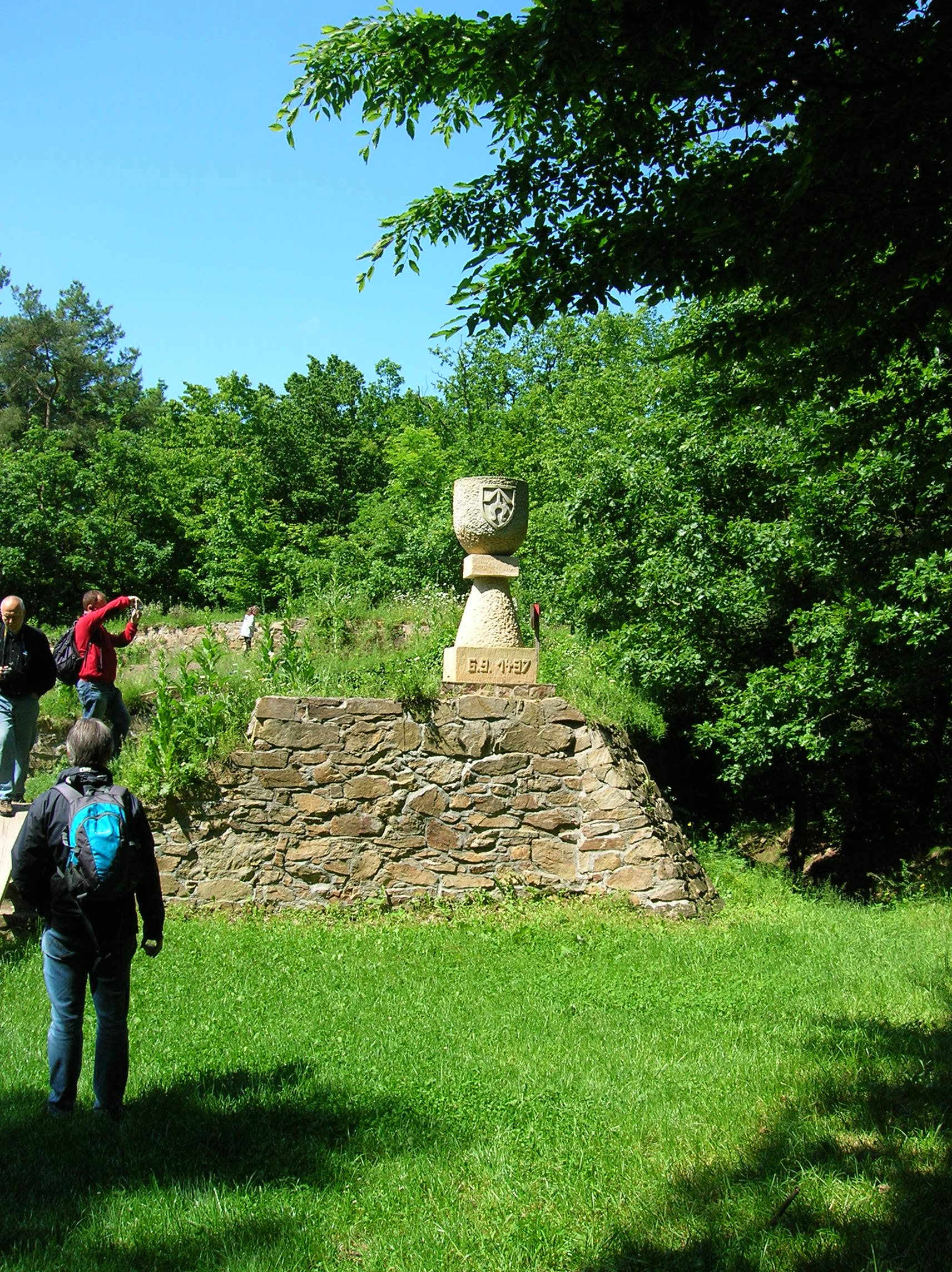
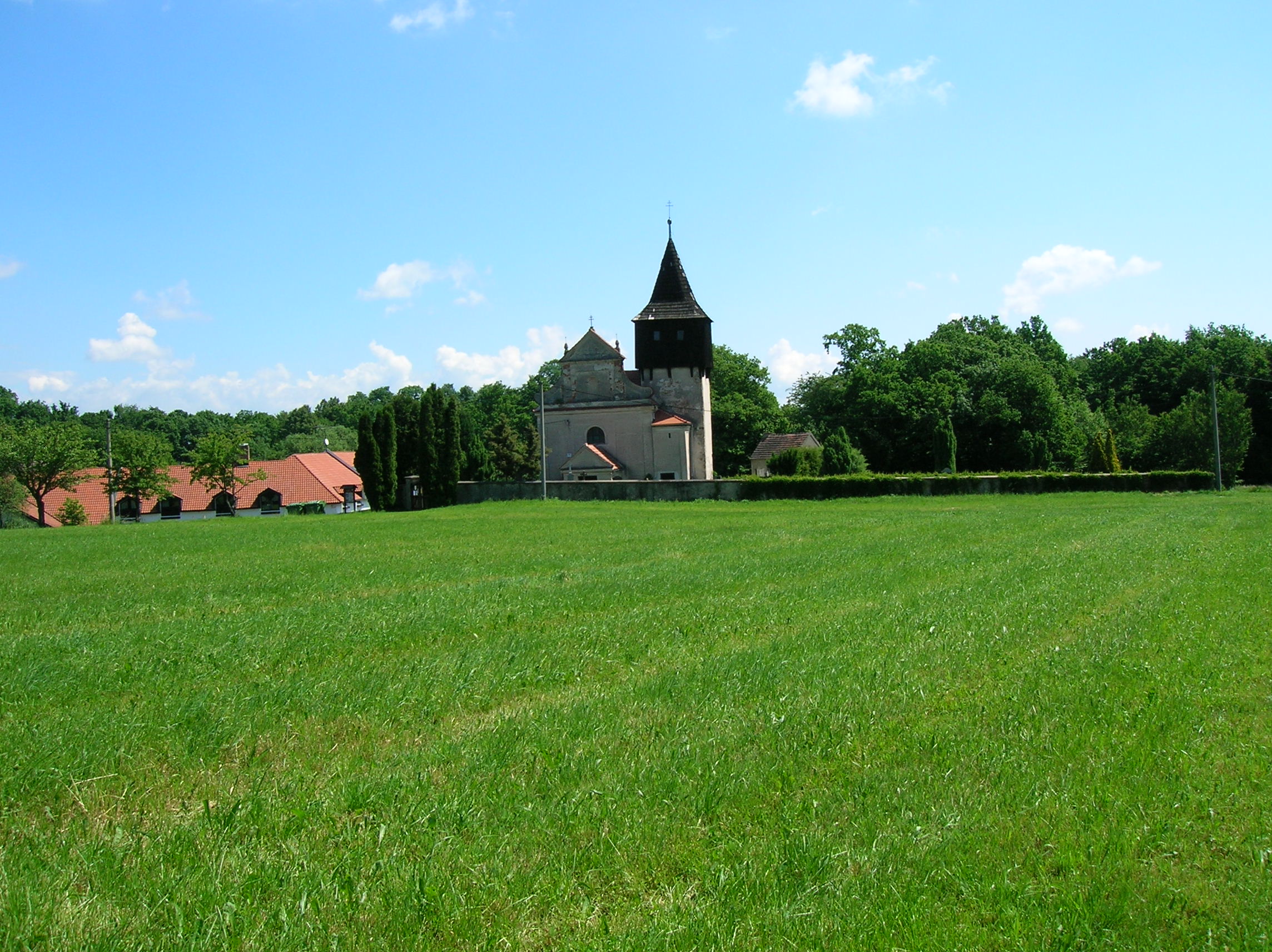


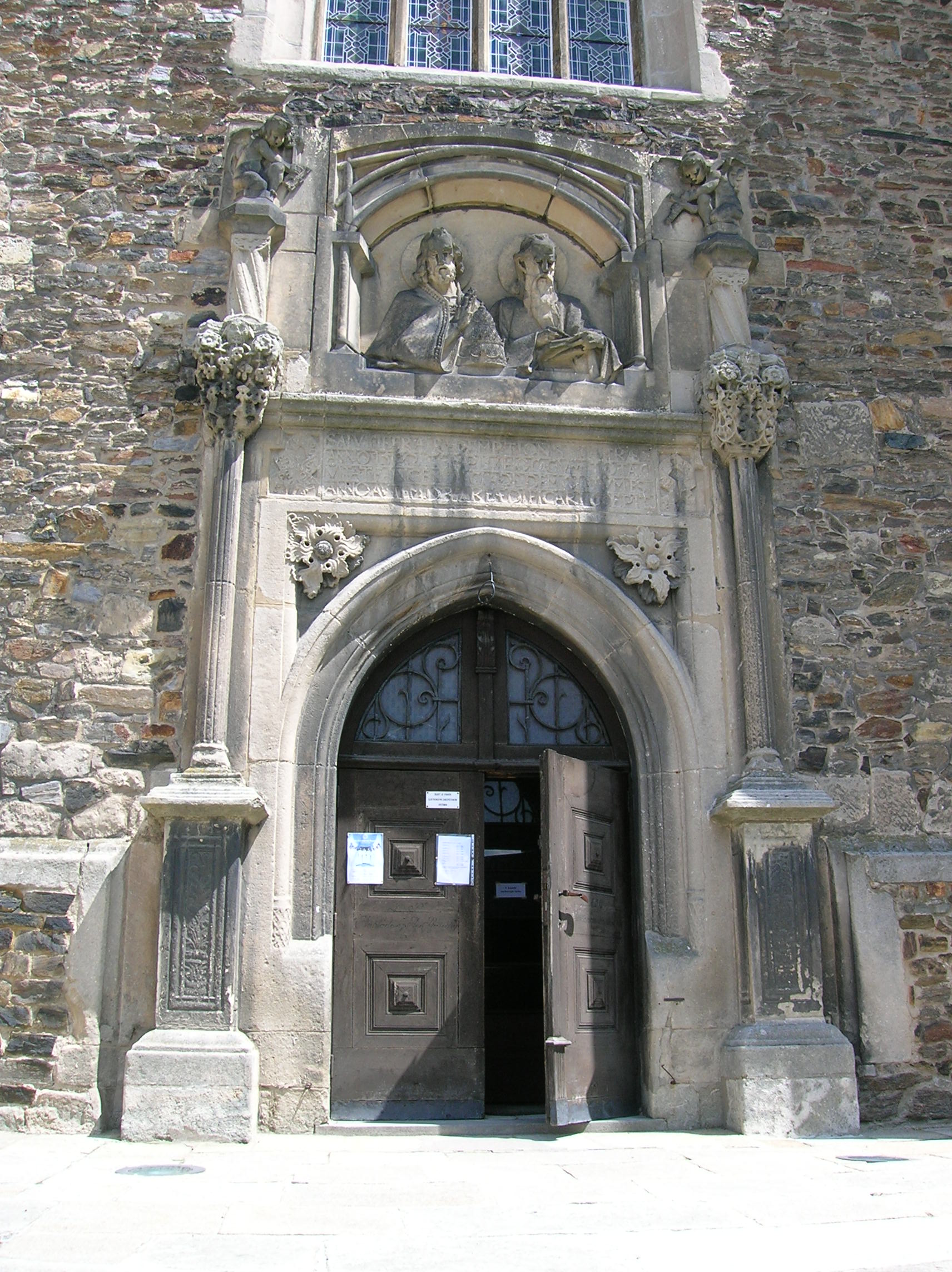
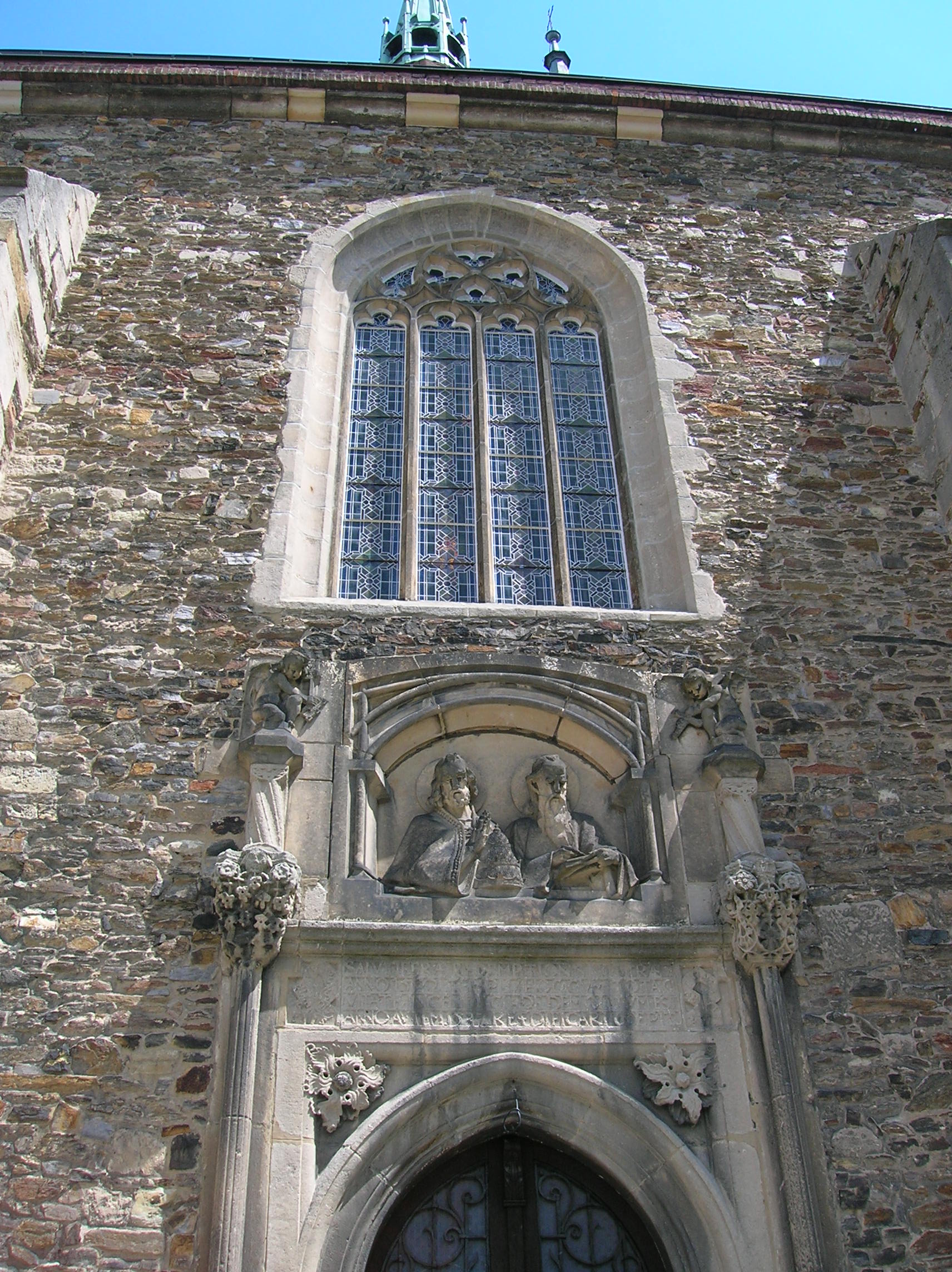

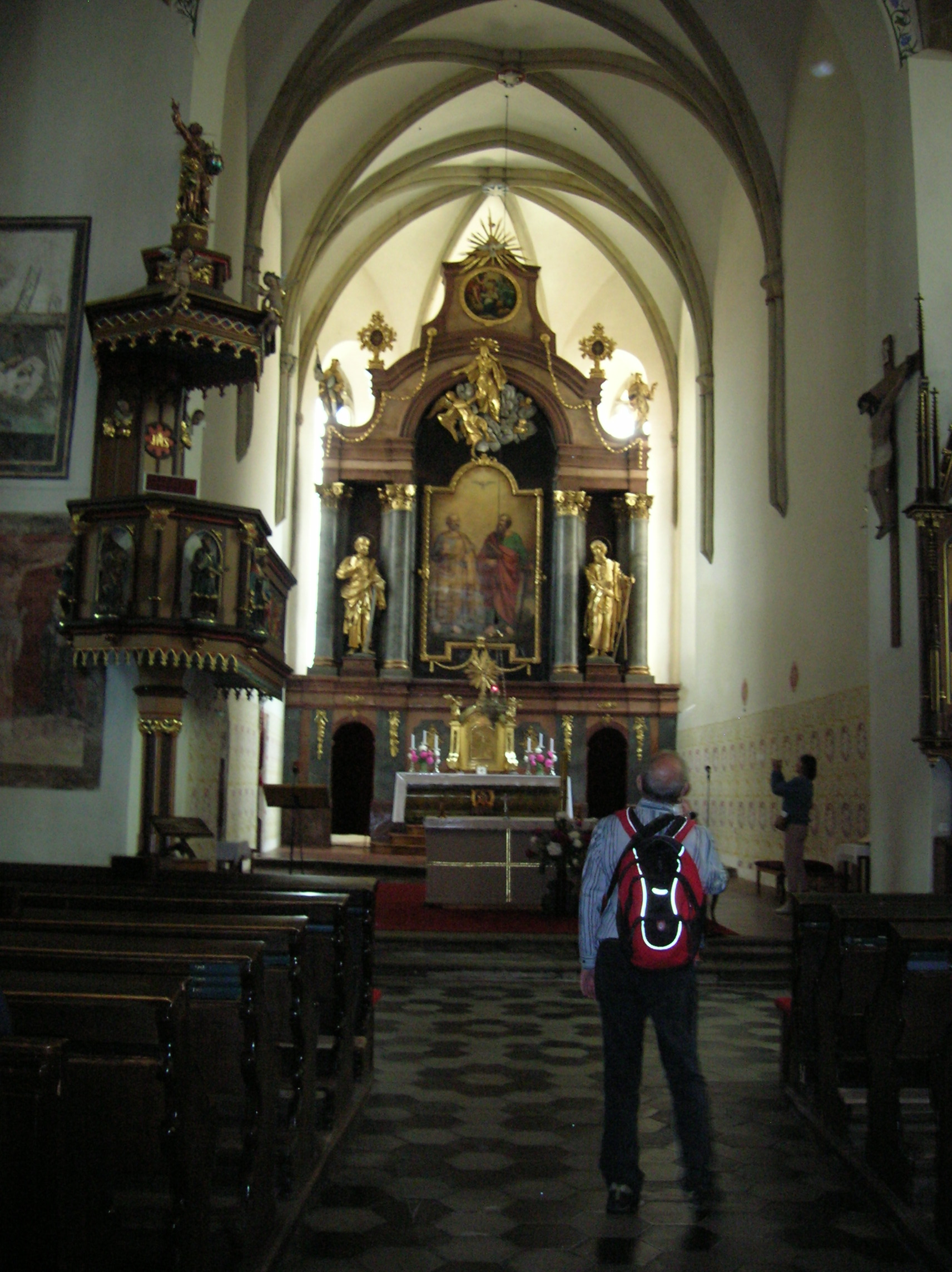


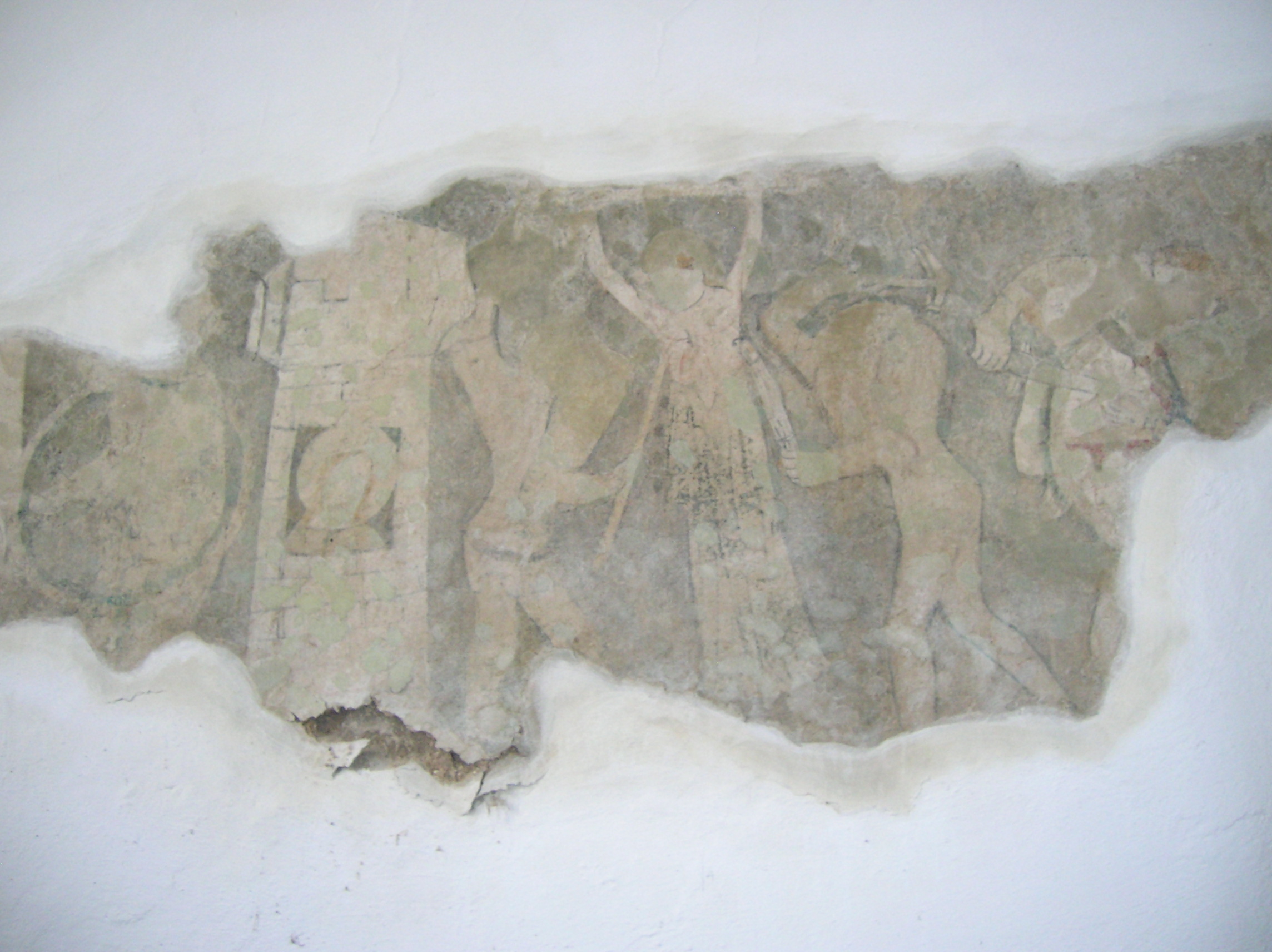
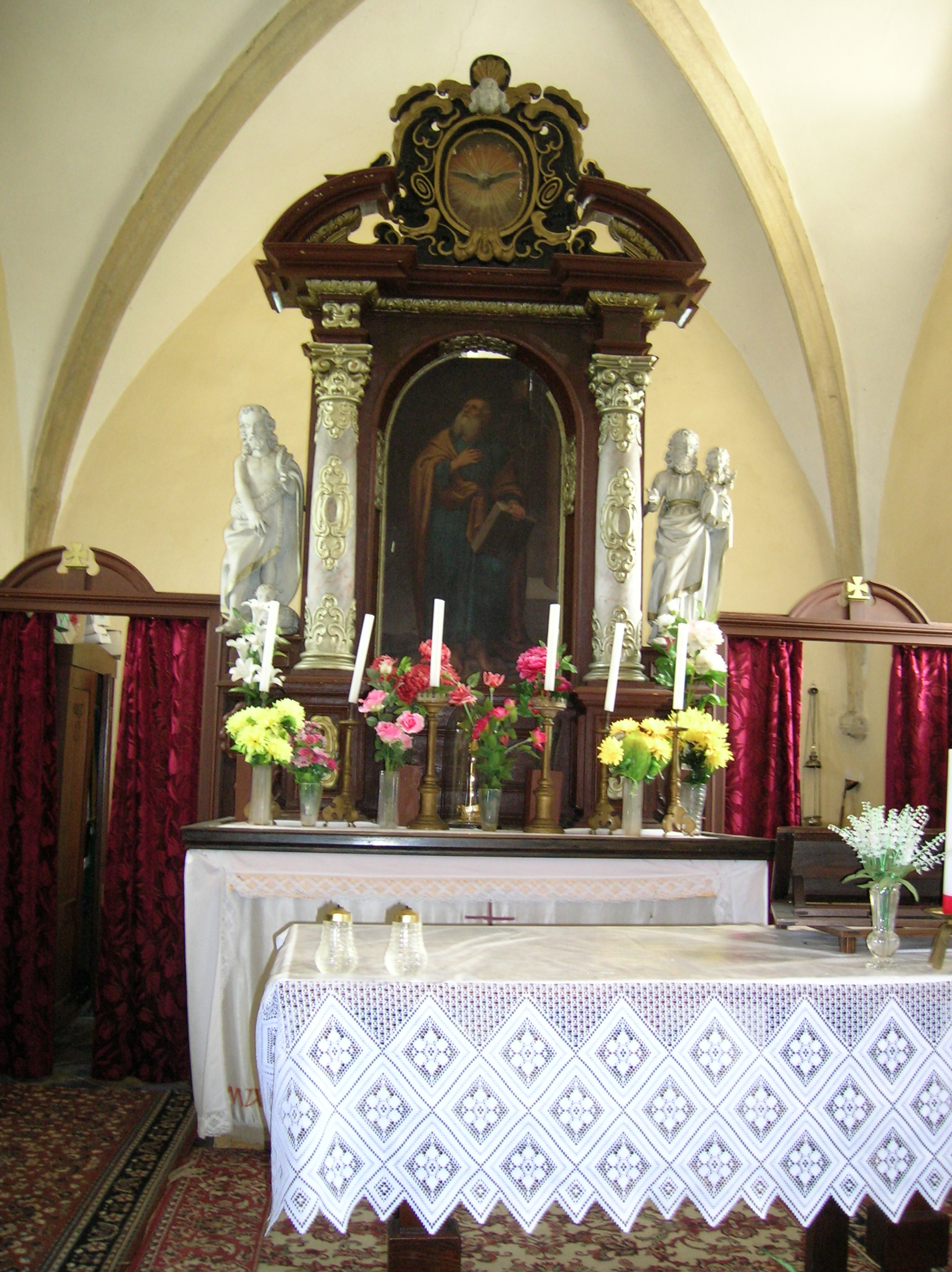
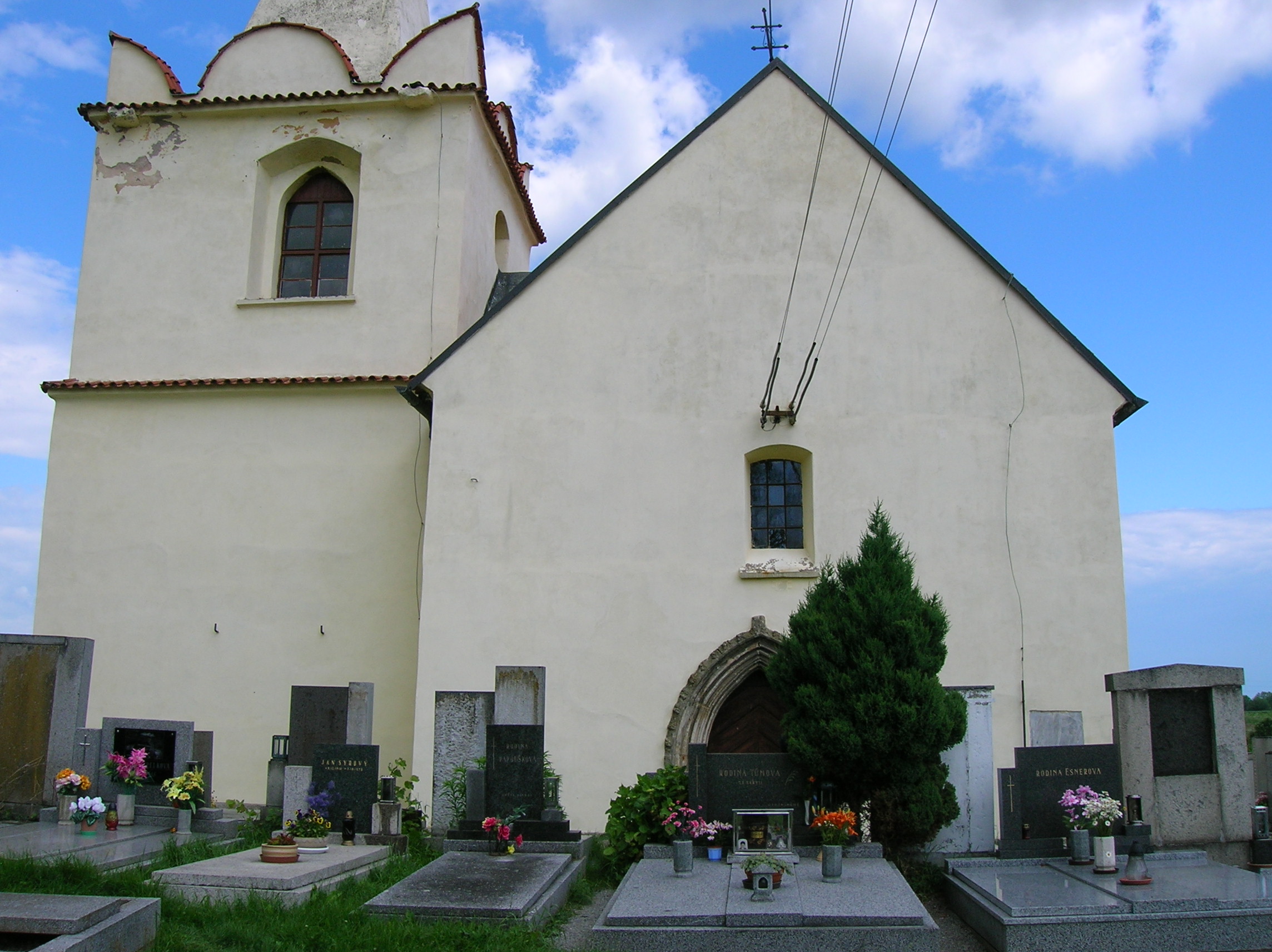

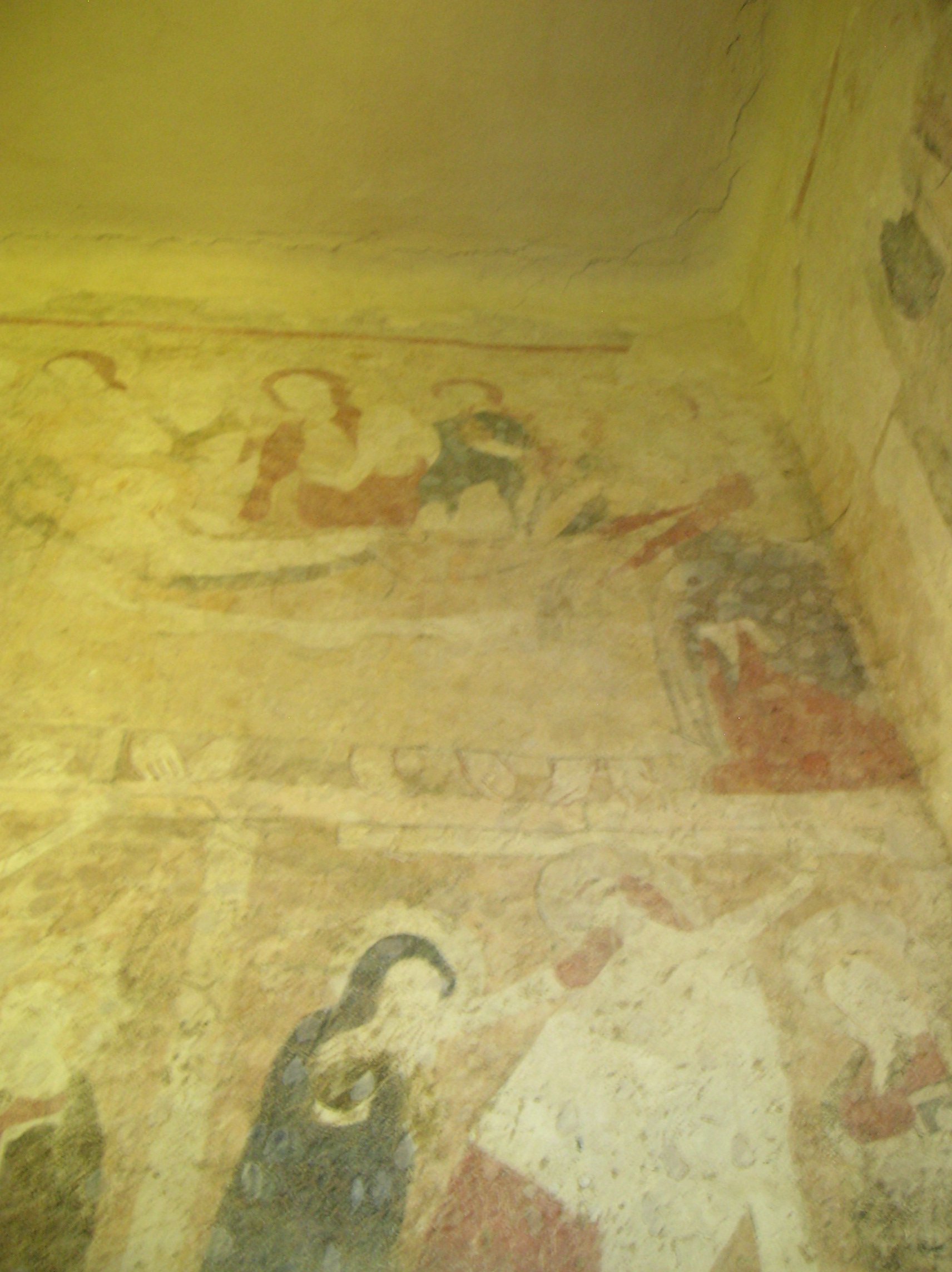
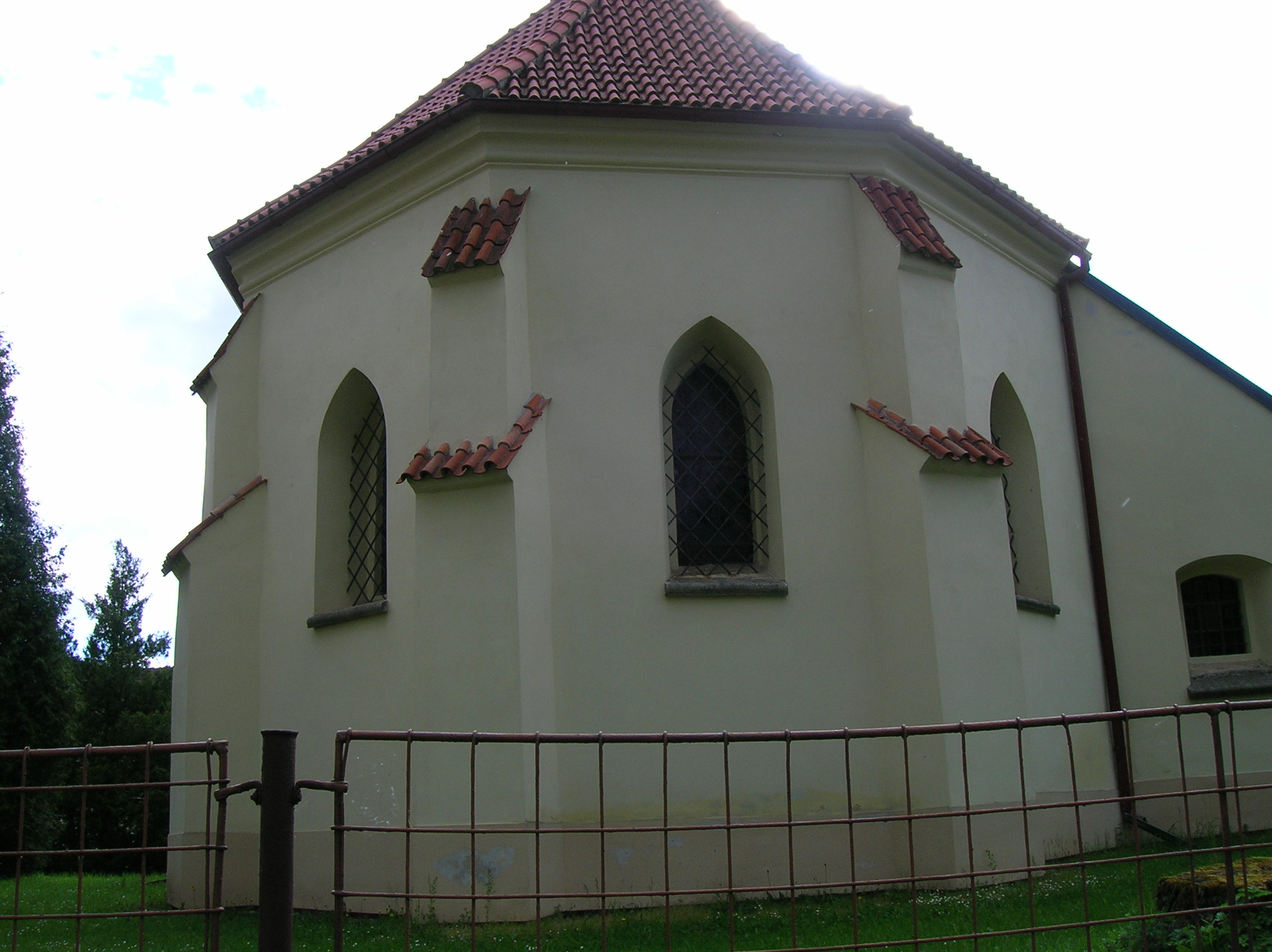
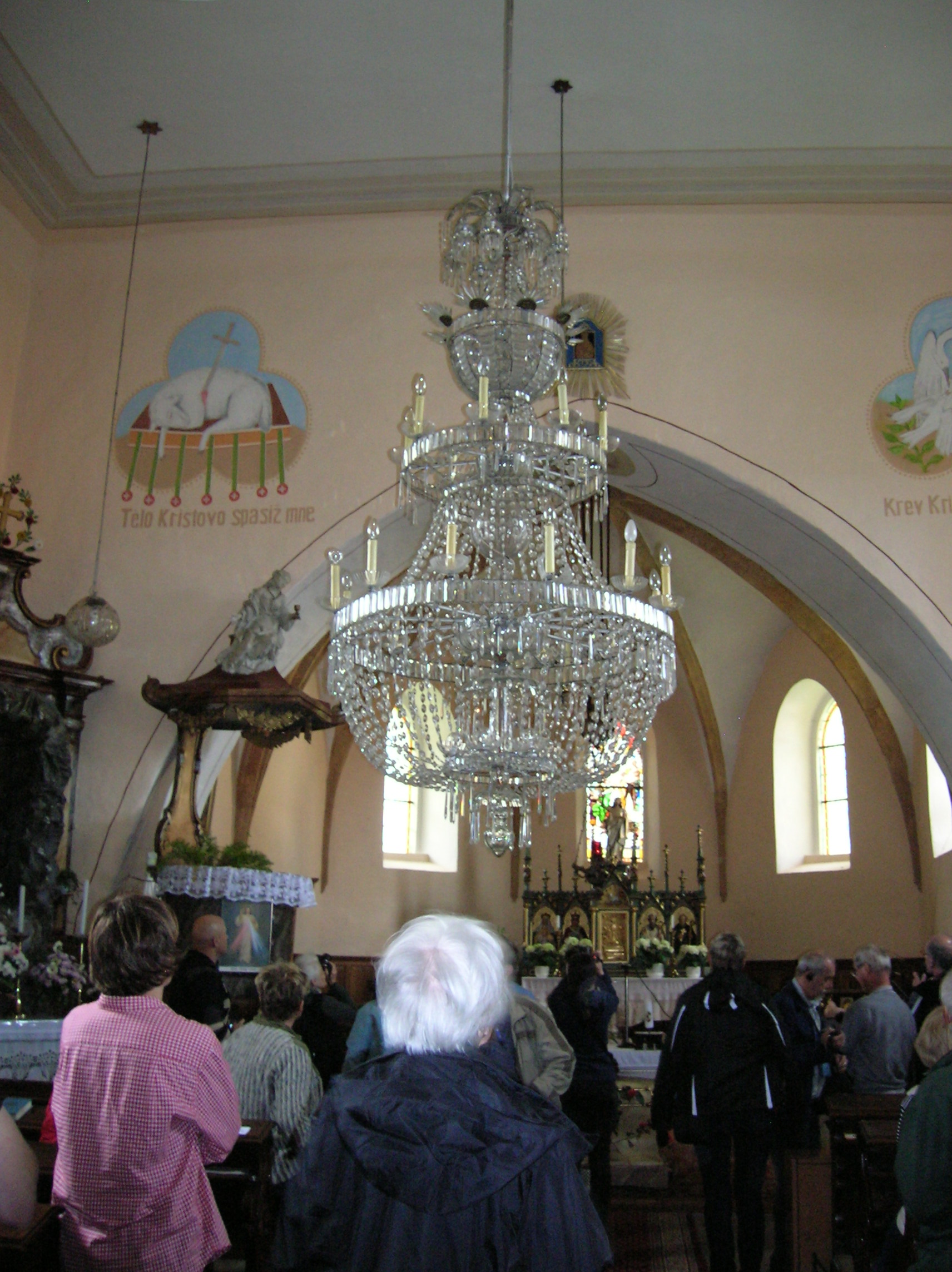
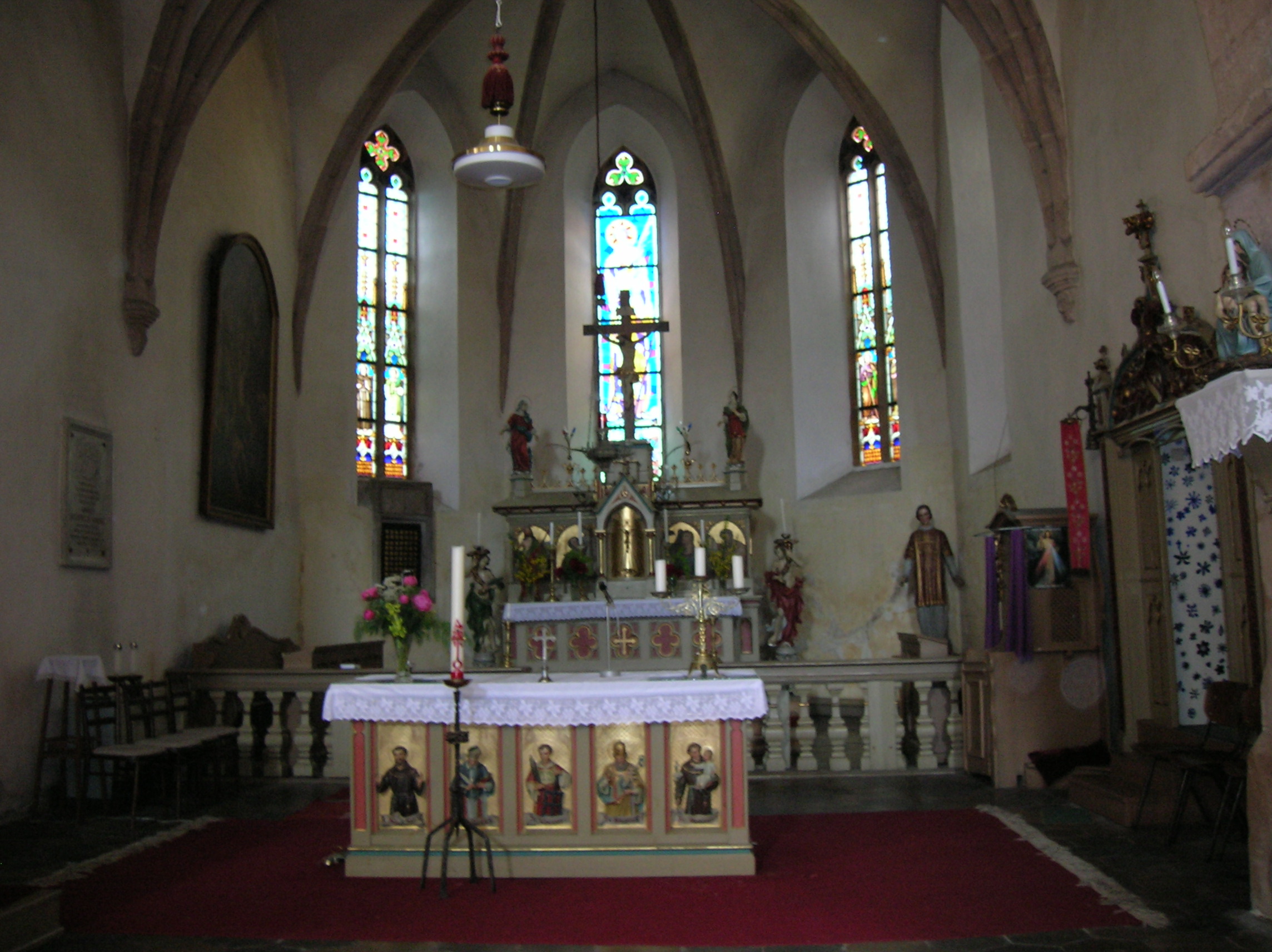
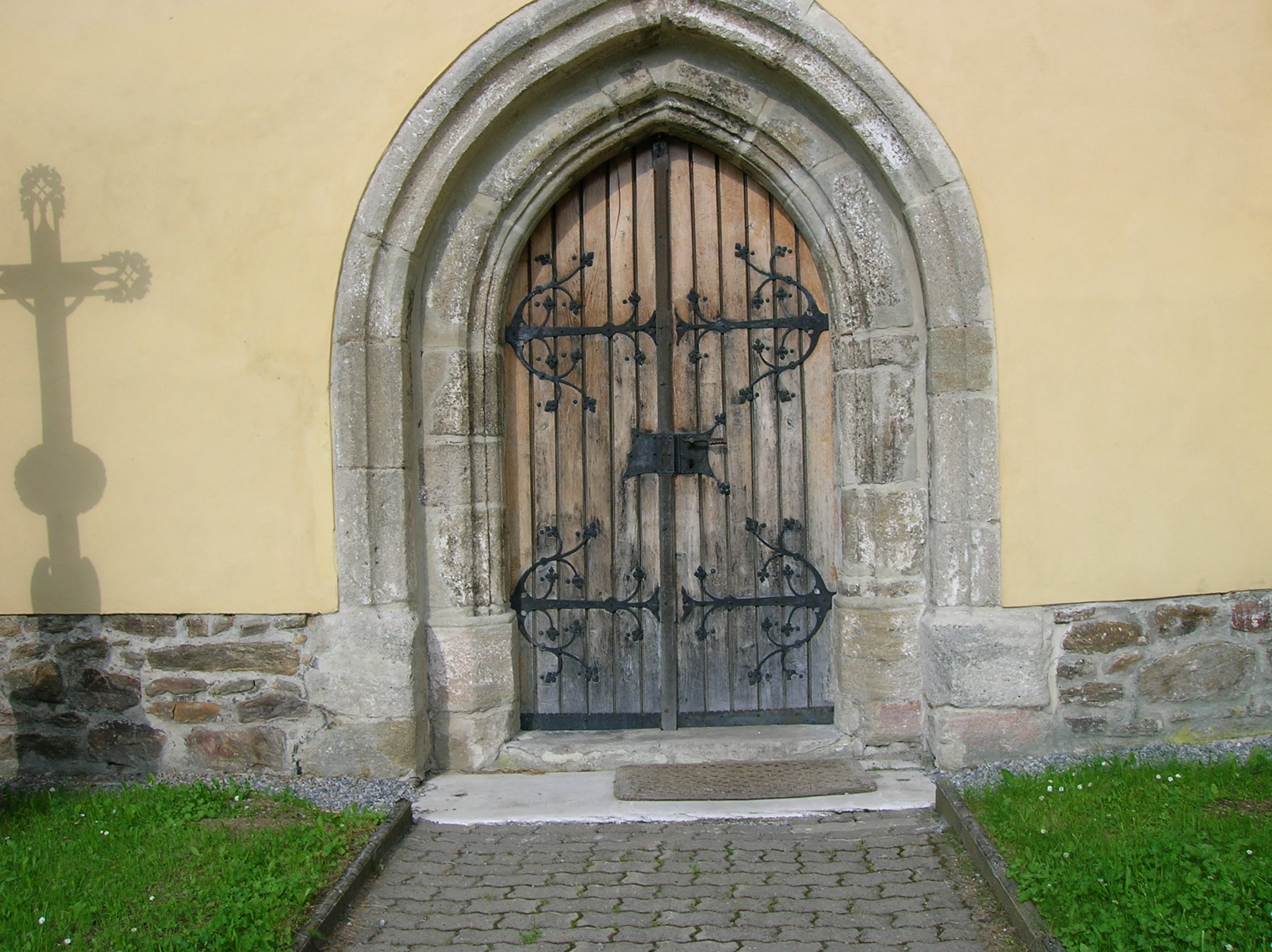
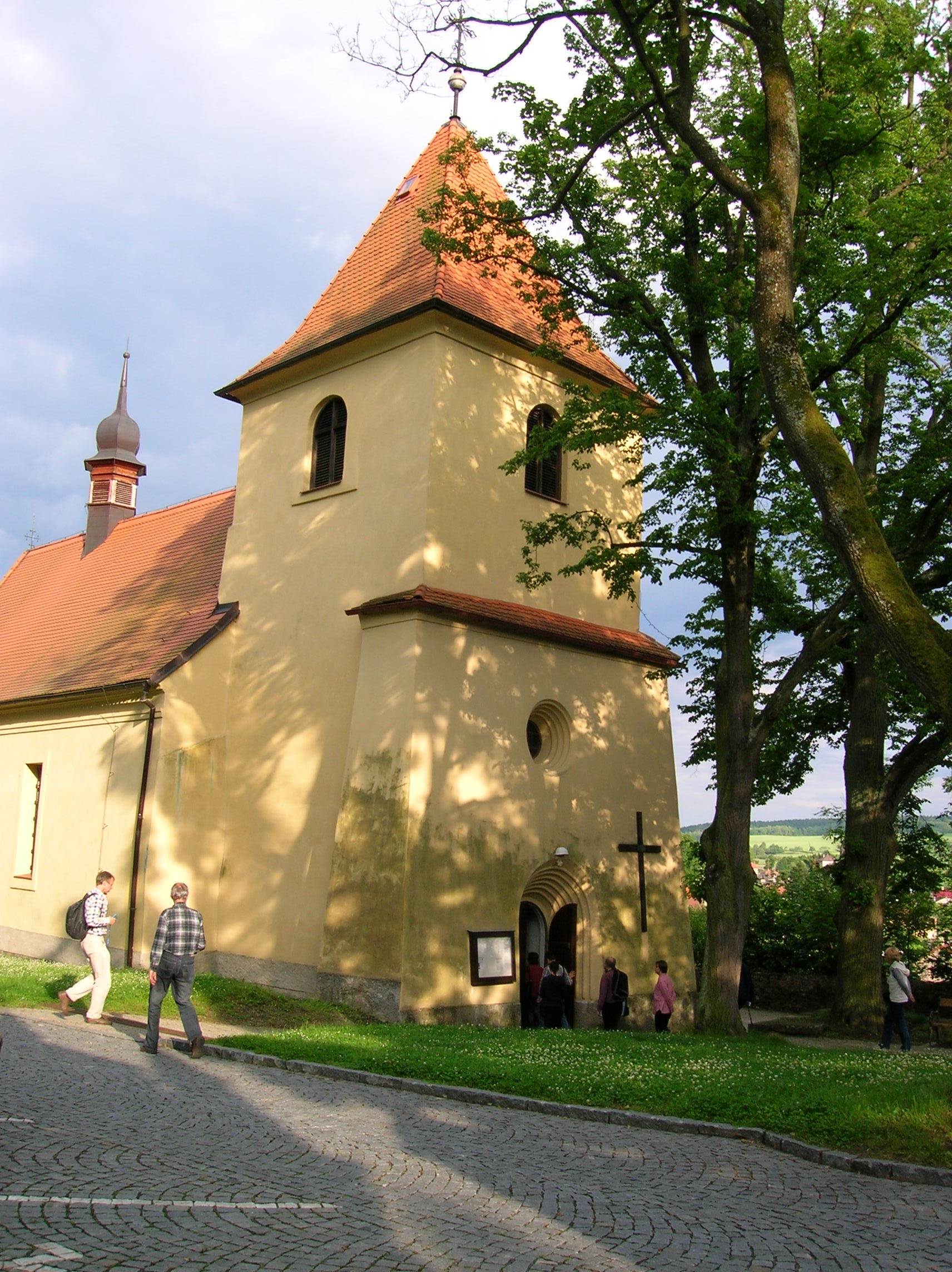
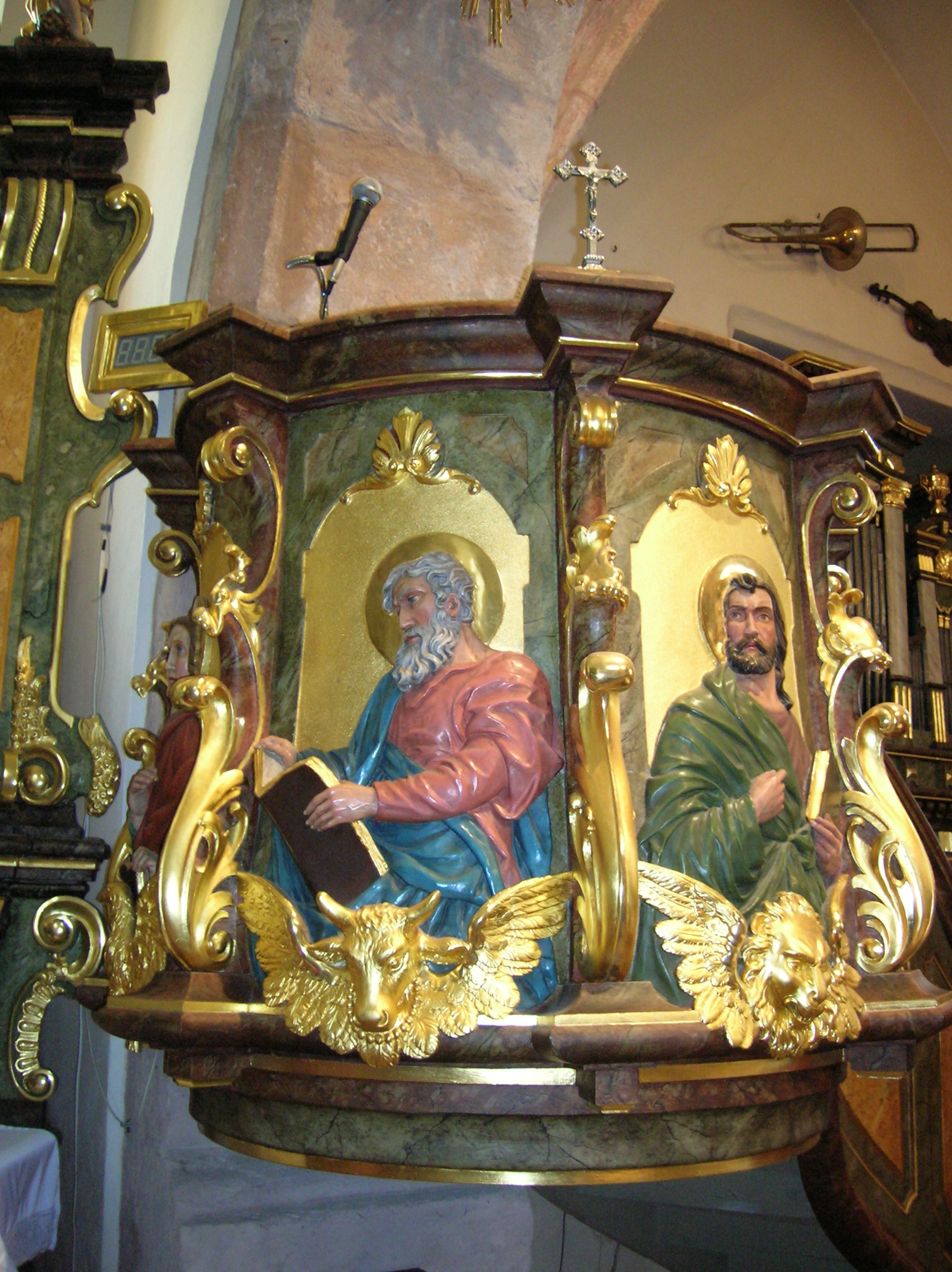

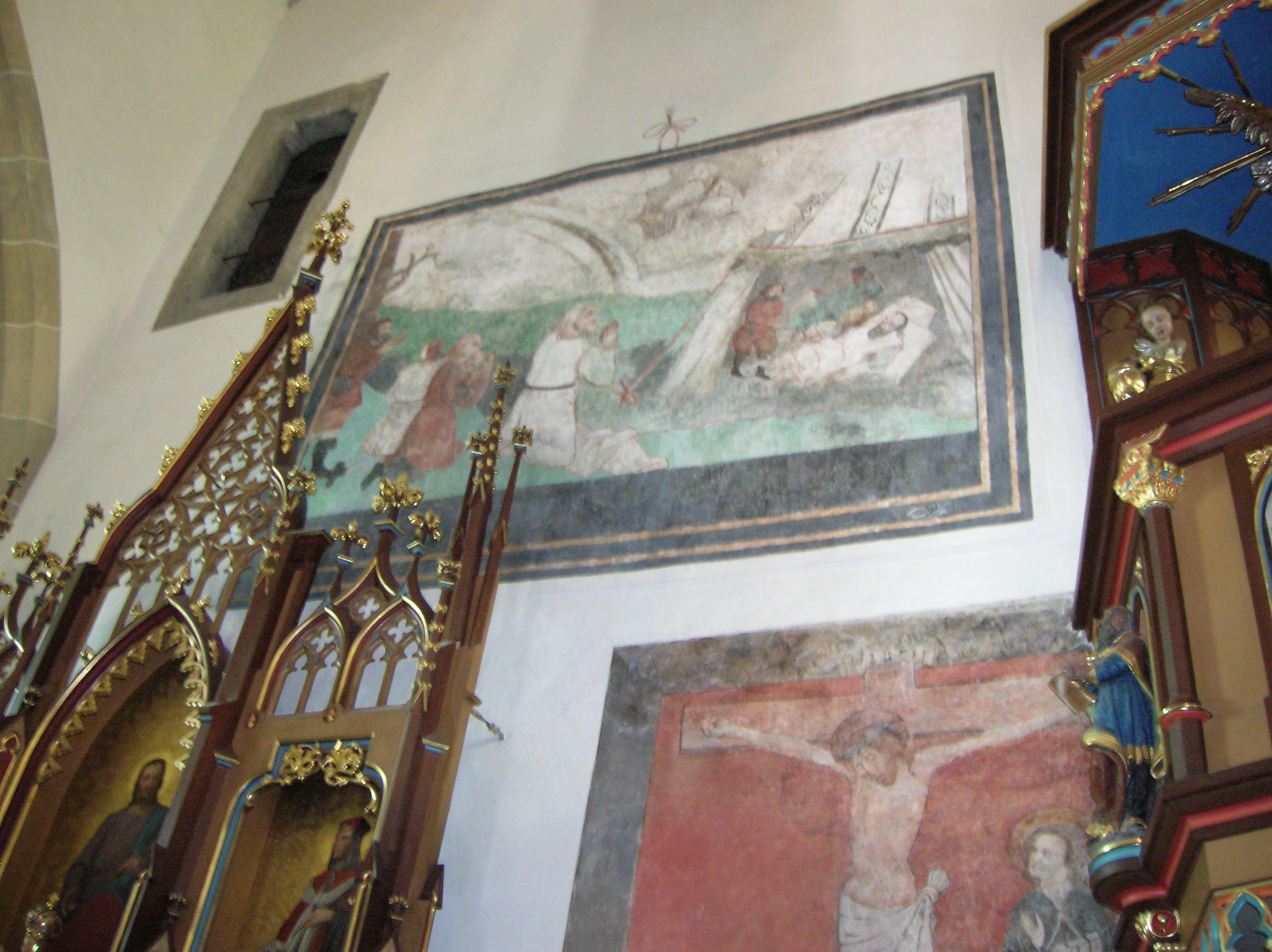
 Tracy's Travels