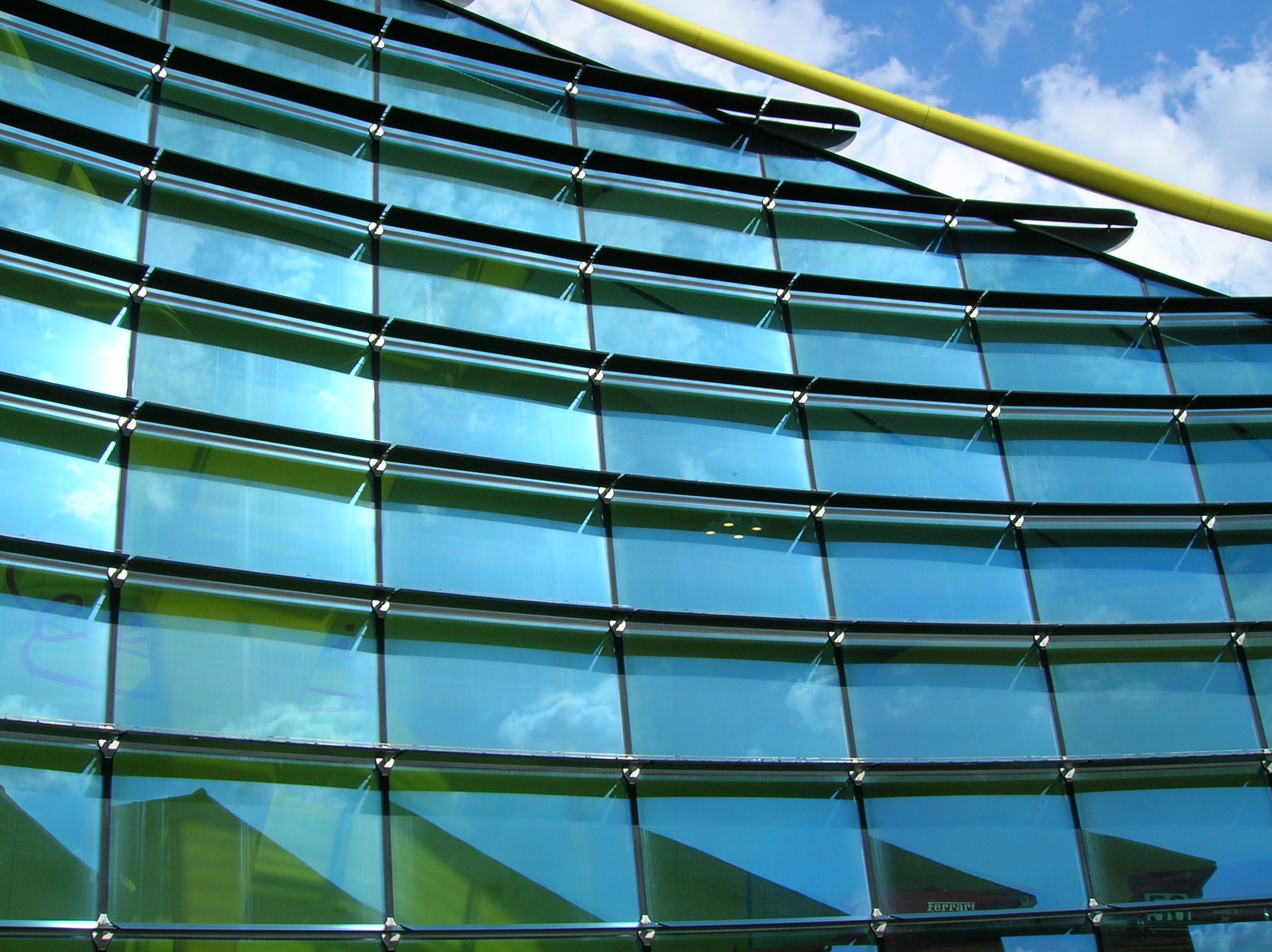
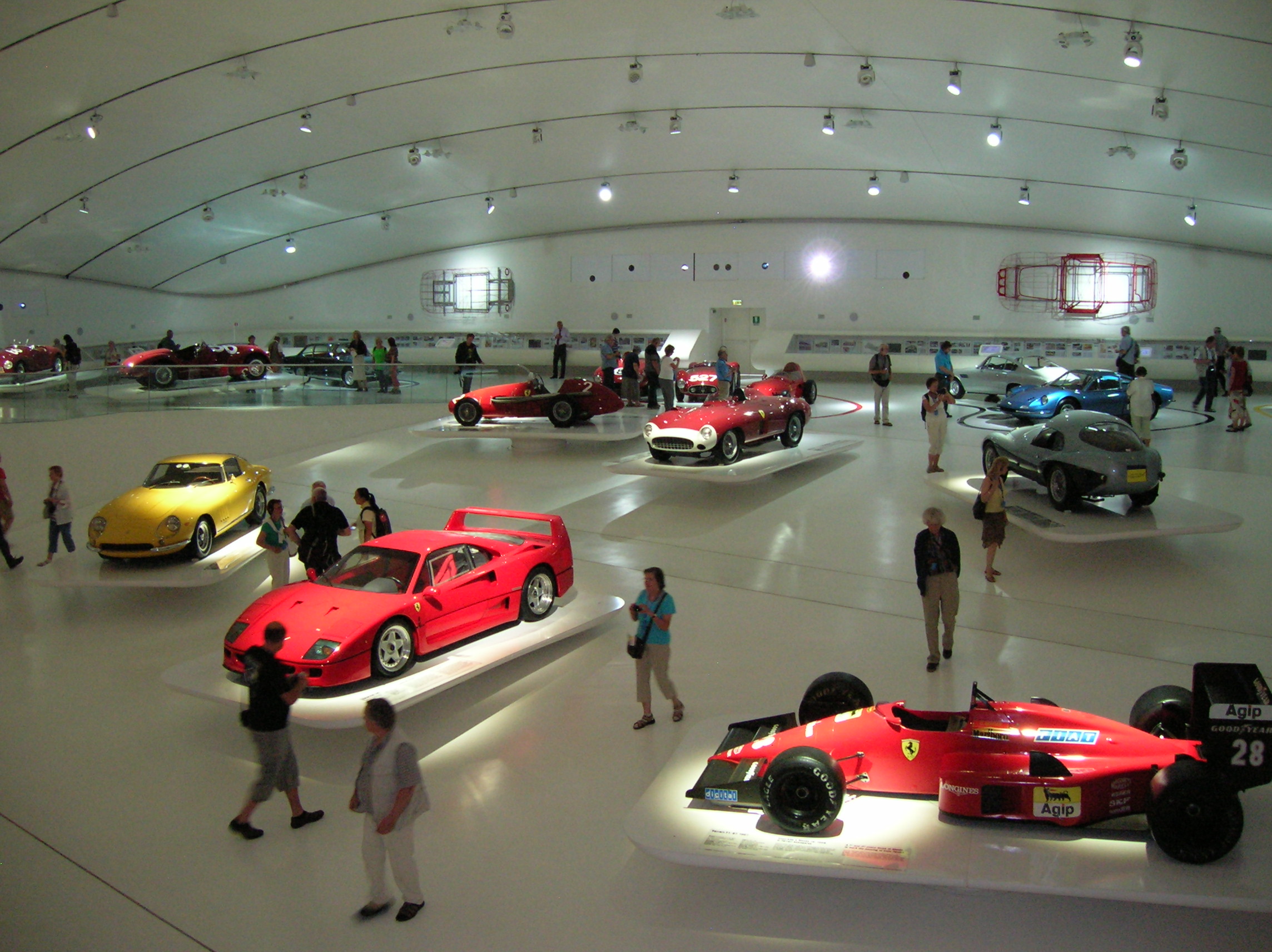
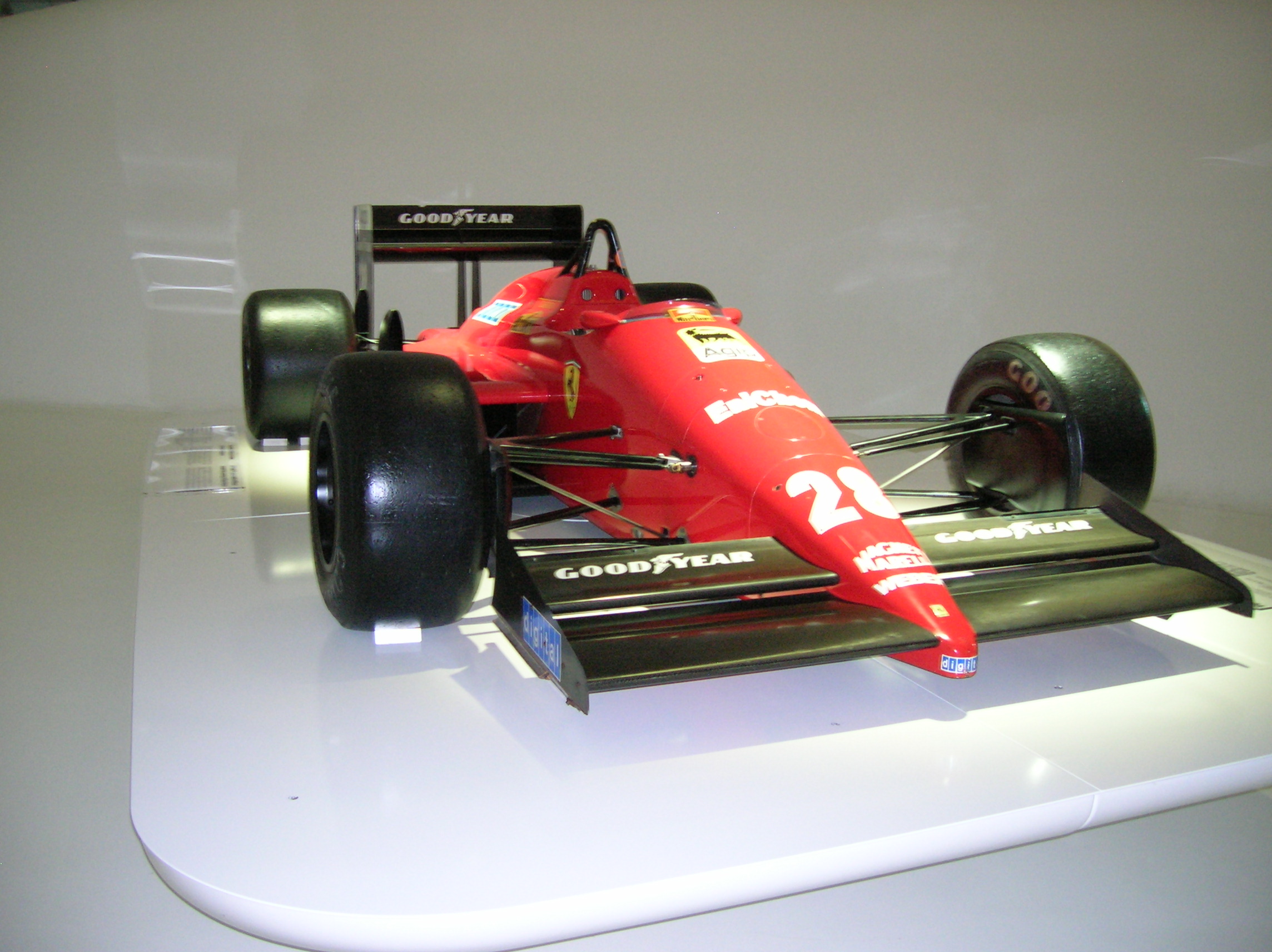
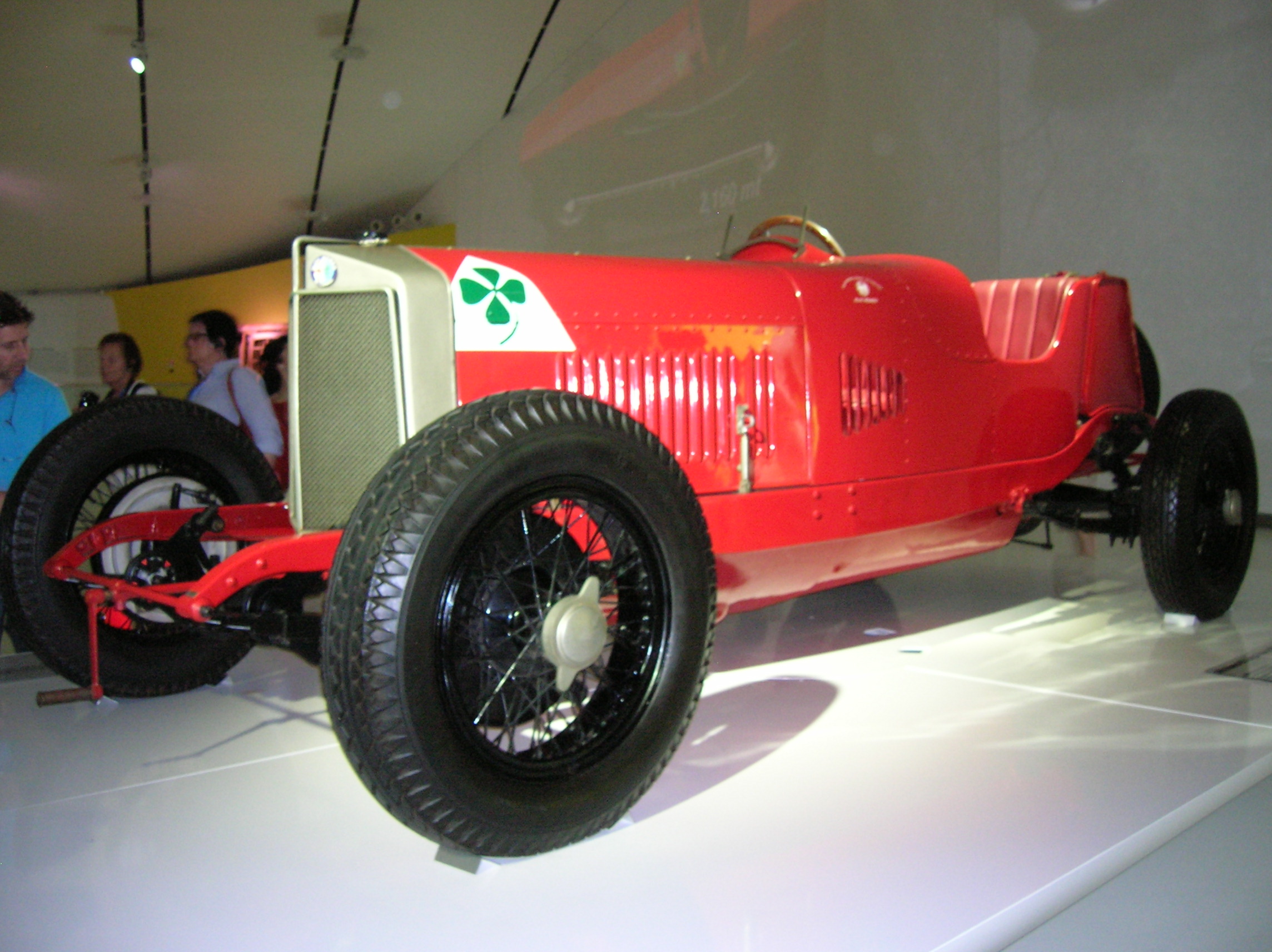
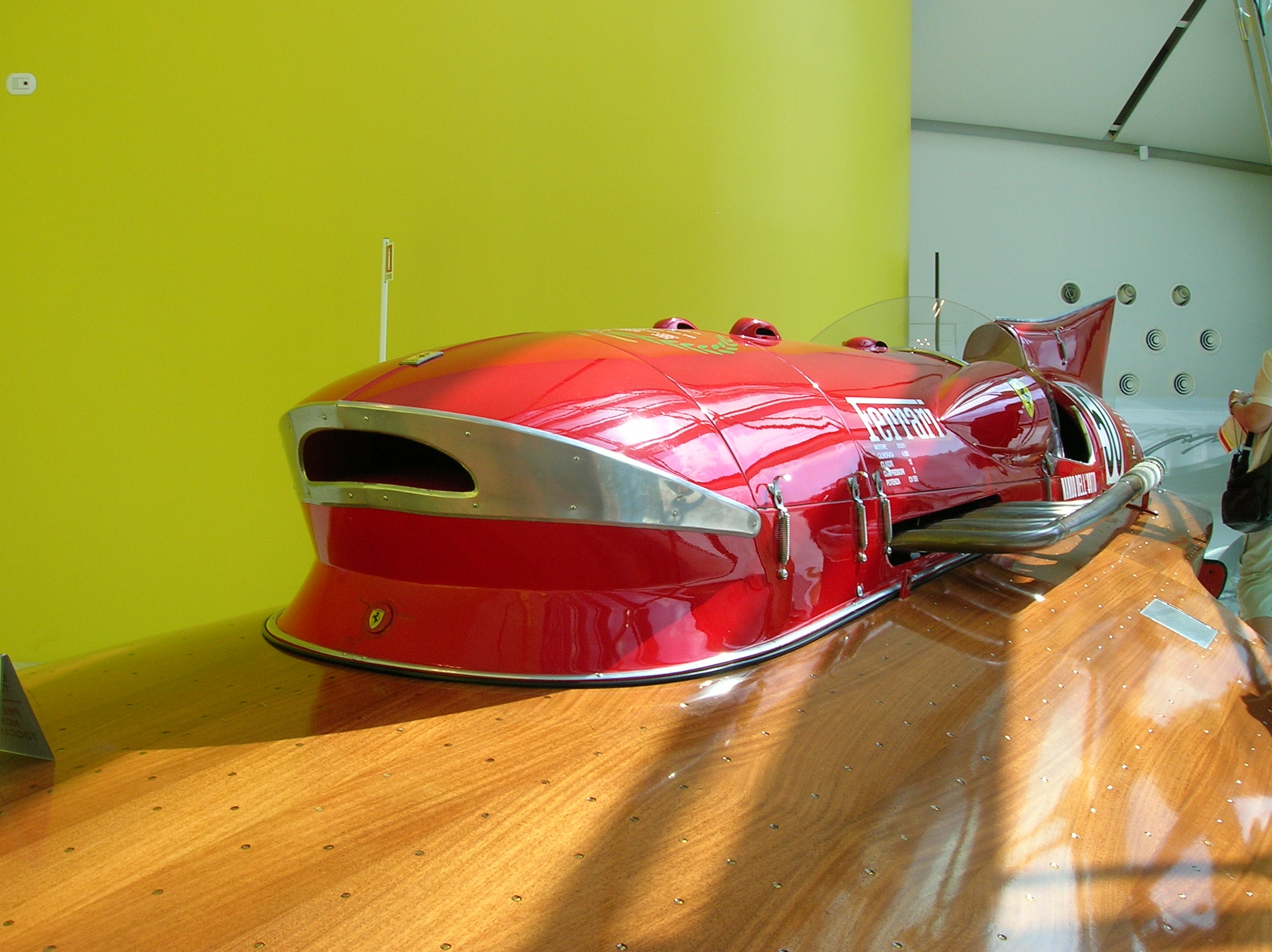
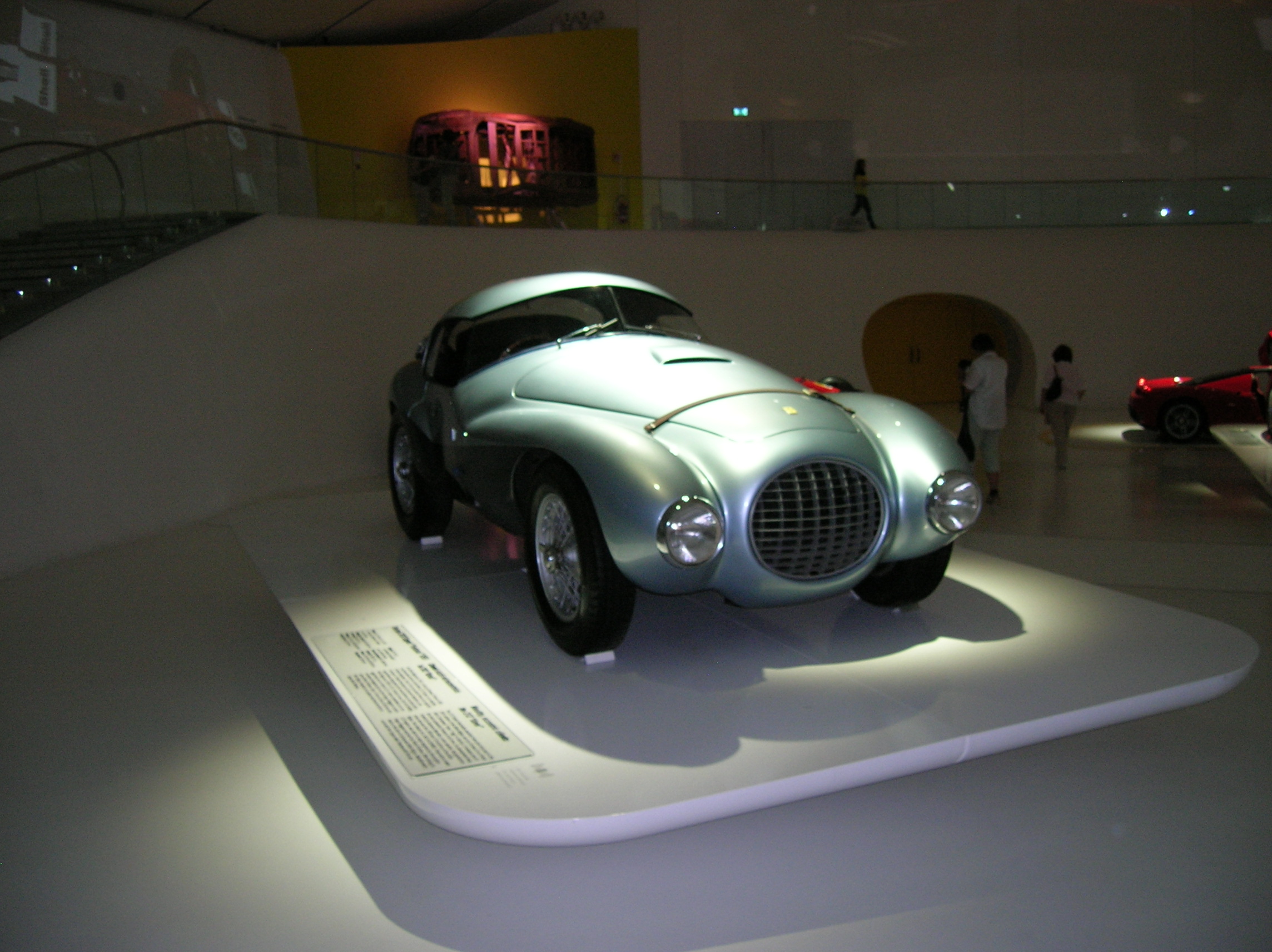
I hadn’t ever been interested in cars. Then I was traveling through Italy with a travel agency, and we stopped at the Enzo Ferrari Museum in Modena. The place captured my undivided attention. The museum, on the premises of the former metal-making shop of the founder’s father, is named after the man who created the Ferrari brand, Enzo Ferrari (1898-1988). Enzo used to be a stellar racing driver. Behind the wheel he won 11 Grand Prix competitions, nine World Driver’s Championships and eight World Constructors’ Championships, to name a few. He chose the career of a racing driver over singing tenor in operas or focusing on sports journalism, two of his other passions.
During World War I, he fought for the Italian army amidst family tragedy. Both his father and older brother passed from the flu epidemic in 1918. Enzo survived a severe bout of the flu himself, and the army sent him home. He made his debut as a professional racing car driver in 1919 and joined Alfa Romeo the following year. During 1923, he won his first Grand Prix. His career was punctuated by accomplishments. In 1932 he retired and formed his own team, Scuderia Ferrari, but the company only lasted until 1937. Two years later, he started a business making car parts for racing teams. During World War II, his company focused on manufacturing for the war.
However, when the war ended, Ferrari decided to produce cars. He established Ferrar S.p.A with his own drivers during 1947. The praiseworthy team was successful, winning its first Grand Prix during 1951. That’s when Enzo decided to branch out and sell sports cars in addition to overseeing his racing team’s competitions.
The late 1950s proved to be a dark time in Ferrari’s history. Few people showed up for races, and the roads were in horrible condition, for instance. To make matters worse, in 1957, during a race, a Ferrari crashed. It was a nightmare. Not only did the two drivers die, but 11 pedestrians, including children, also lost their lives. Criminal charges were filed against Enzo, but the case was later dismissed.
The 1960s proved a stellar time for the company, despite the fact that many employees left in 1962. The Ferrari team won six consecutive years at Le Mans, nabbing victories from 1960 to 1965. Also, the popular Dino cars began to be produced in the 1960s.
During the 1970s, a three-kilometer racing track was added to the Modena premises so Enzo could make sure his cars drove well. It is still in use. Having achieved much success, Enzo died of leukemia during 1988. To this day, the Ferrari brand remains one of the most significant worldwide.
Tracy A. Burns is a writer and proofreader in Prague.
I never imagined I could be fascinated by automobiles because I despise driving. In fact, I have never owned a car.
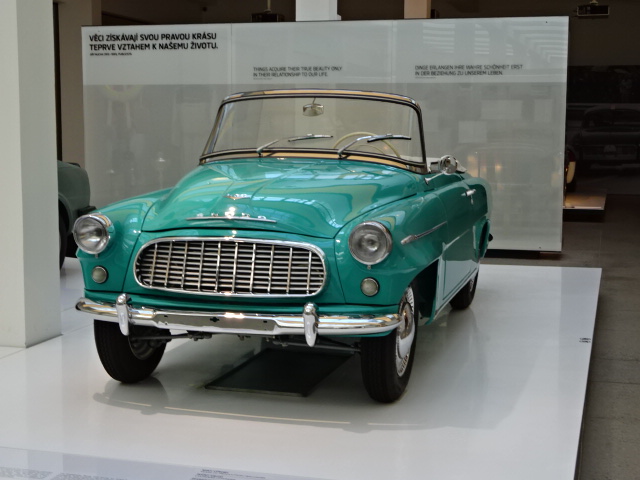
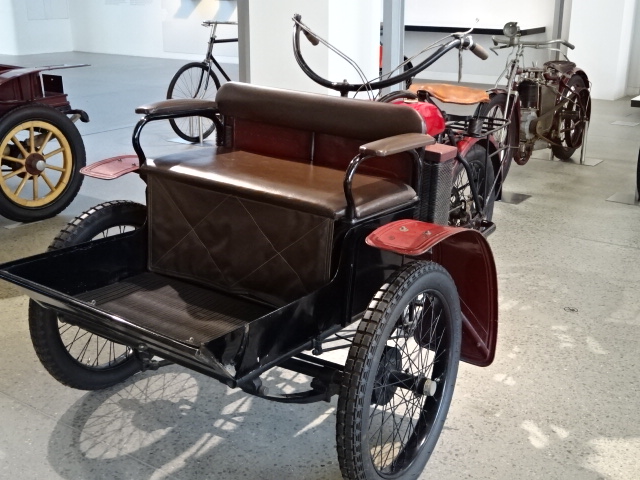
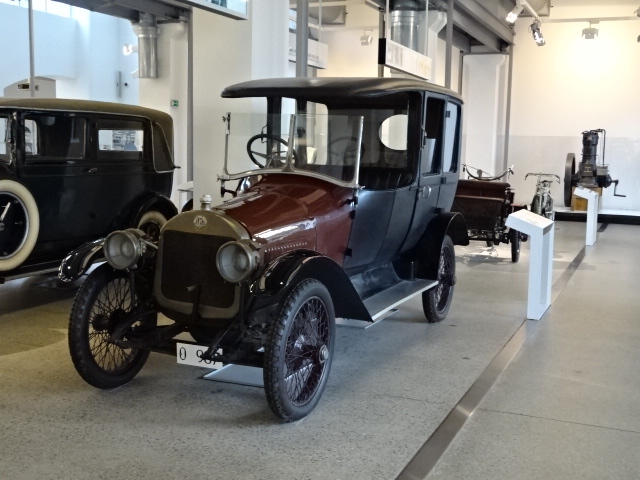
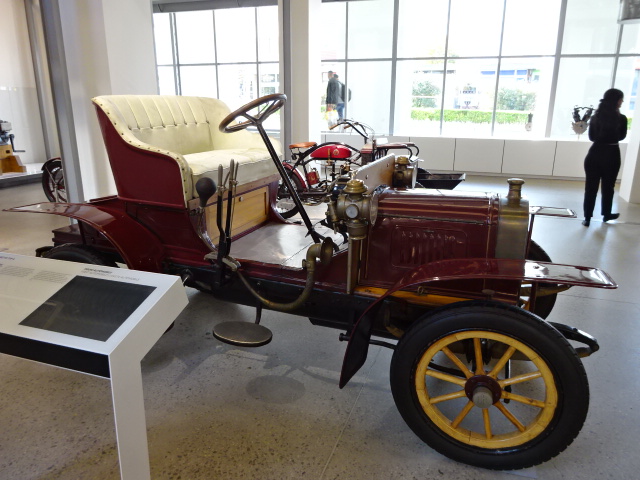
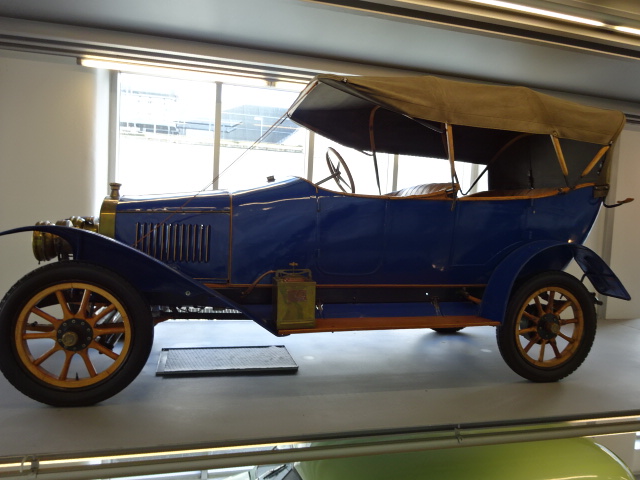
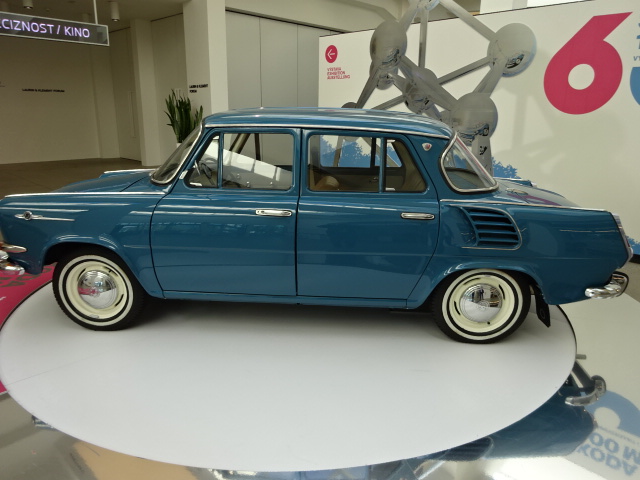
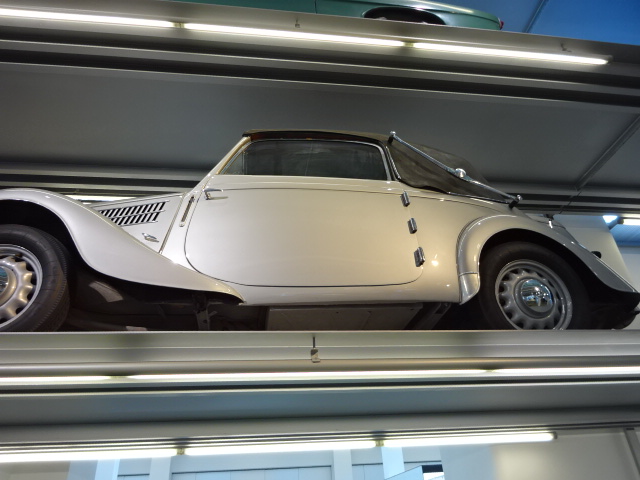
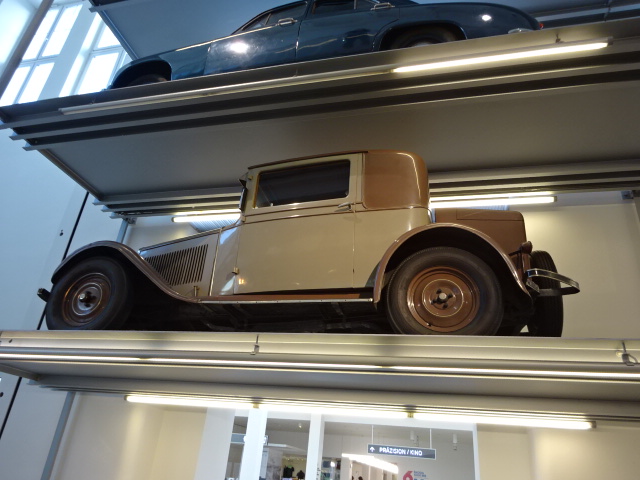
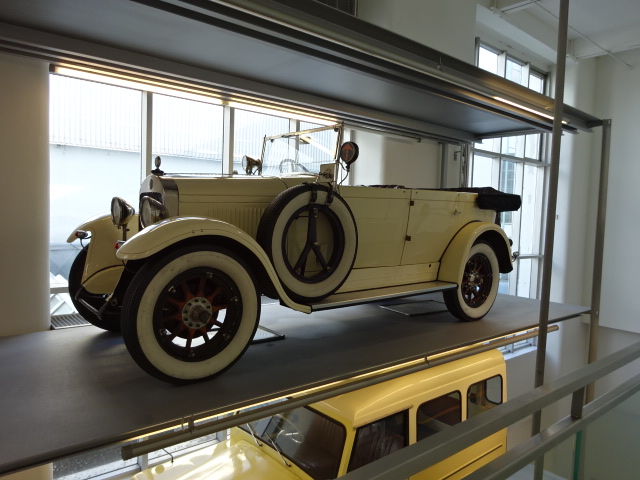
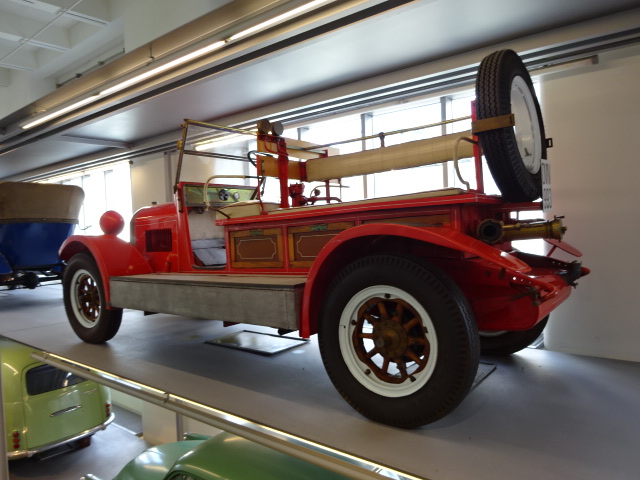
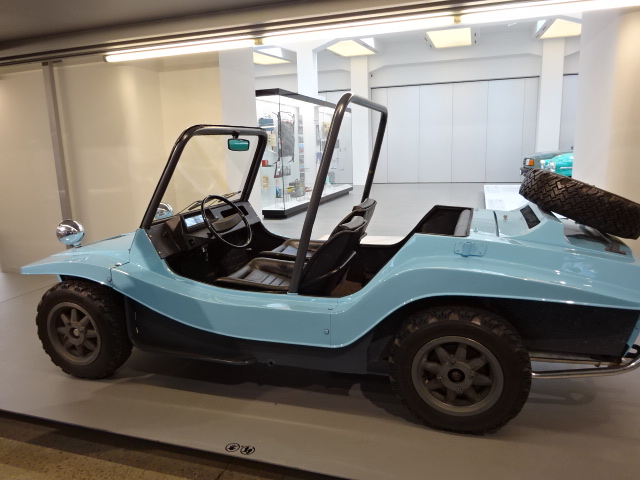
However, during 2024, I would be pleasantly surprised when my friend and I visited the Škoda Museum in Mladá Boleslav, about 70 km from my home in Prague. Škoda is the biggest manufacturer of cars in the Czech Republic. The company has made a name for itself as one of the oldest automobile manufacturers in the world. The museum presented 360 vehicles from the end of the 19th century to contemporary times in a former production hall that measured 1800m2.
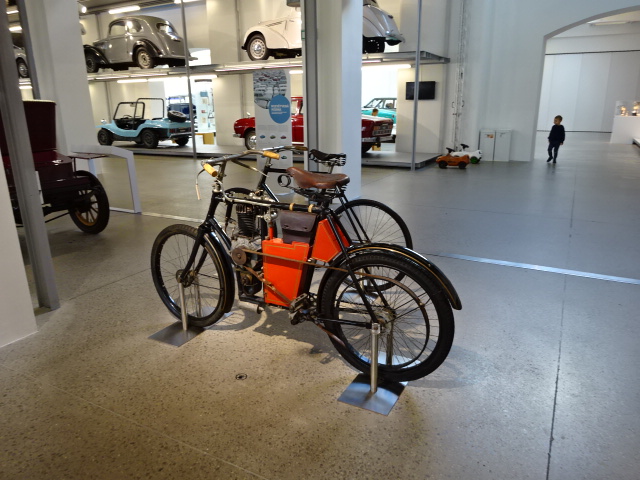
I was most fascinated by the oldest cars – from the late 19th century and early 20th century. The late 19th century and early 20th century bicycles, especially the double-seated one for postal workers, also caught my undivided attention.
Václav Laurin
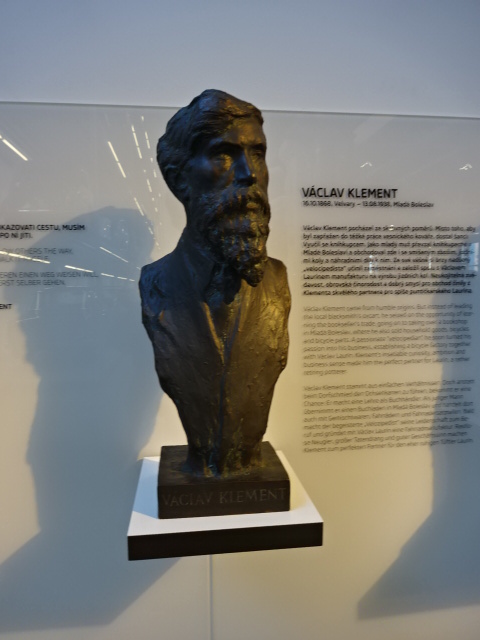
Václav Klement
The company’s history began in 1895, when cyclists Václav Laurin and Václav Klement founded it. They decided to manufacture bicycles after Klement was dissatisfied with a bike he bought. His criticism of the company received an undignified response. So the duo opened their own business.
By 1899, they had begun manufacturing Slavia motorcycles, becoming the first motorcycle manufacturer in the Austro-Hungarian Empire and Germany. Several motorcycles are on display at the museum.
Laurin and Klement branched out into the automobile industry during 1905, when they produced the Voiturette A, a car that received much praise from the public. Even World War I didn’t stop the company from functioning. After the war, the company expanded.
However, a fire in 1924 did much damage. Still, Škoda made a successful comeback. During 1933, the company felt the economic crisis, though, with only 1,607 cars produced that year. However, with their ingenuity and innovation, the manufacturer was able to come up with a cheap car – the Škoda 420 that weighed only 650 kg. By 1936, the company was receiving much acclaim, producing 4,990 vehicles that year, including many exported to other countries. Škoda would branch out and make not only cars but also trucks, buses and trams, similar to trolley buses.
During World War II the company had to manufacture cars, planes and weapons for the Third Reich as the Czech lands were part of the Nazi Protectorate of Bohemia and Moravia.
After World War II, Skoda was nationalized. By 1960, the company had 40 new buildings and was touted as one of the most modern factories in Europe. Leading up to 1968, the factory produced about 500 vehicles per day.
However, due to the strict totalitarian regime of the 1970s called Normalization, many projects were not brought to fruition. In August of 1969, a fire in Mladá Boleslav took four days to extinguish. Yet the company continued to produce cars and other vehicles regardless of the trials and tribulations of the times.
In the early 1980s, the manufacturer moved the engine from the back of its cars to the front. Produced in 1987, the well-known Škoda Favorit became very popular.
By 1989, the company put to use more modern technology, and during that year more than 100,000 Favorits were manufactured. Since the 1989 Velvet Revolution that toppled Communism and brought democracy to Czechoslovakia, the company has continued to make great strides in the automobile industry, achieving much success in subsequent decades.
That day we visited both the aviation museum and automobile museum in Mladá Boleslav. I was surprised how impressed I was with both of them because I usually went to art galleries, castles, chateaus and monasteries. This proved to be one of my most memorable trips.
Tracy A. Burns is a writer and proofreader in Prague.
It is very easy to get to Pilsen from Prague – only a one-hour bus journey, courtesy of the Student Agency bus company. From the bus station I took a tram three stops to Republic Square. The synagogue was within walking distance. I was curious about the second largest synagogue in the world and the third largest in the world with a capacity of 2,500 people.
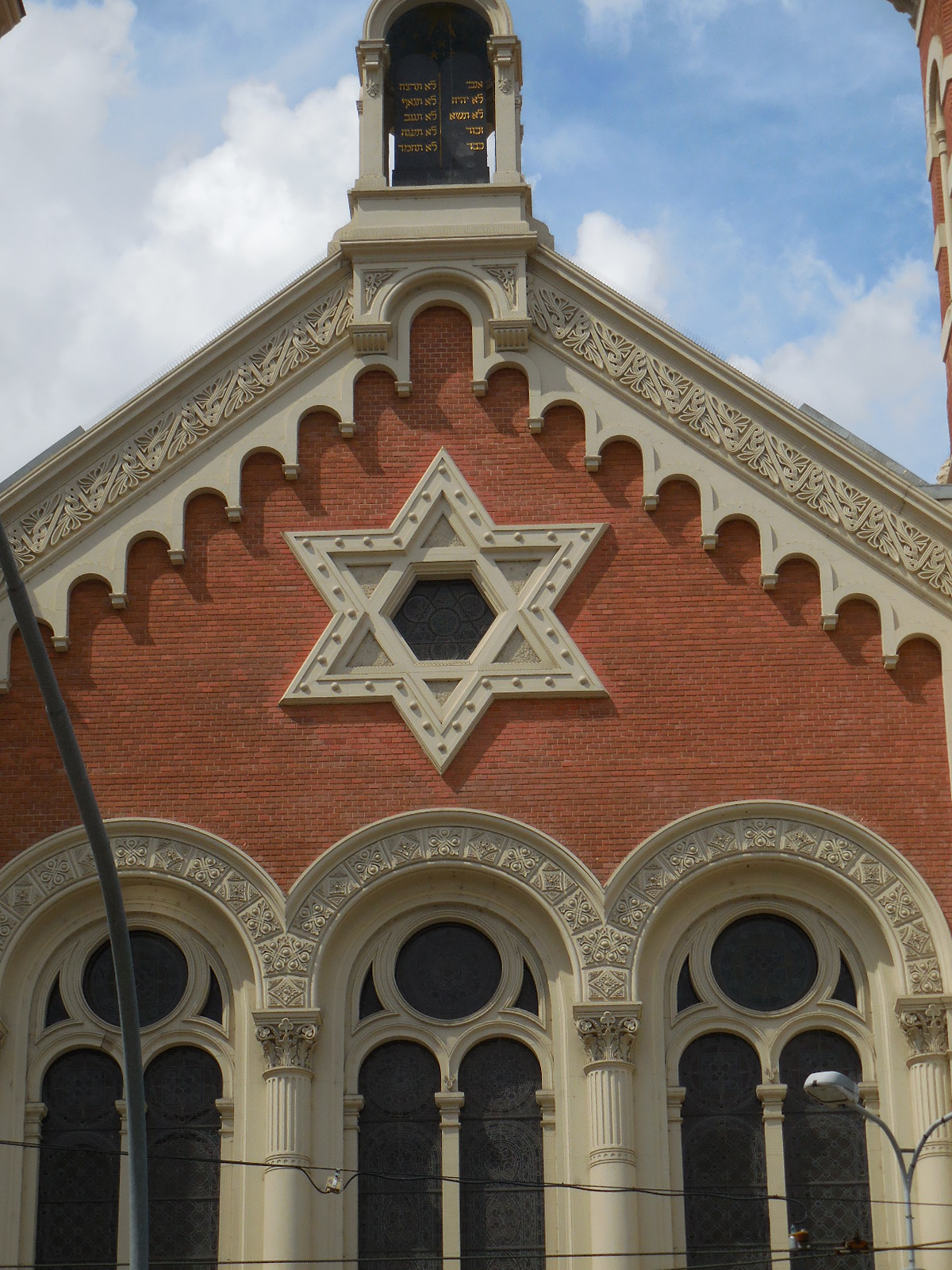
I was very impressed by the façade and two towers. Under the gabled roof of the structure of capping brick and stone blocks is a large Star of David. The two towers flanking the middle portion of the building have imperial domes and a belfry as well as a crown and the Star of David. The onion-shaped domes reminded me of some of the churches I had seen in Saint Petersburg, Russia.
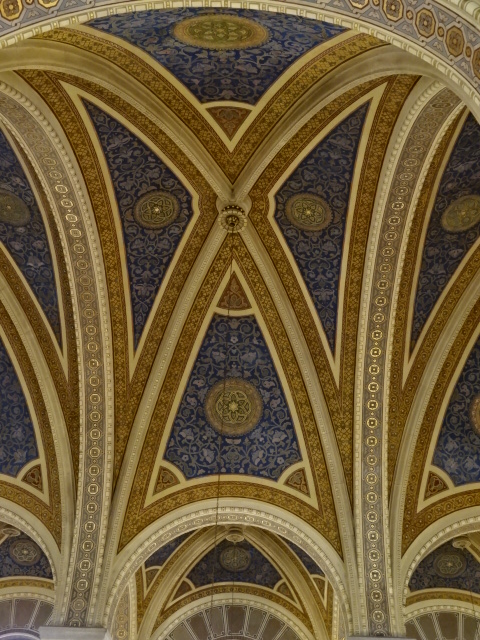
I gaped as I perused the spellbinding features. Built in 1892, the synagogue combines an Oriental interior with elements of Neo-Renaissance, found mostly in the corridors. The carved rostrum of the three-aisled ground floor has a simple, yet dignified design. Two stairways lead up to the platform with the rostrum. One of the things I admired most was the vaulted ceiling decoration of blue with gold painting with plant motifs. The use of gold for decoration throughout the synagogue was very pleasing to the eye. The staircase had a metal, golden balustrade. The vestibule included beautiful stucco decoration with gold as well. I also noticed the stucco décor with motifs such as David’s Star on the balustrade. I saw the organ, dating from 1890. I remembered reading that there had been a big choir here until World War II.
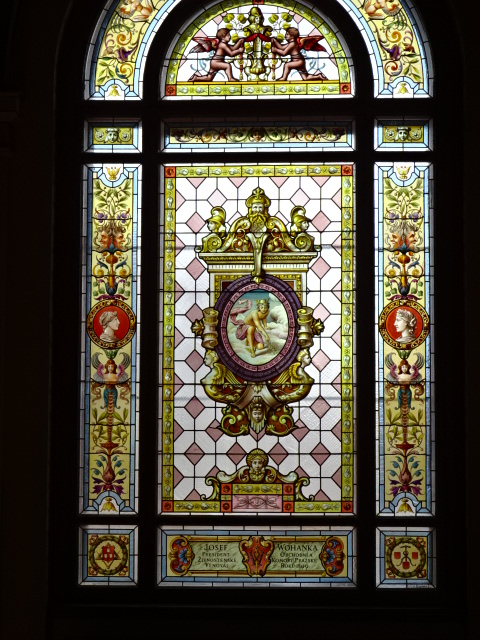
What entranced me the most, though, was not the exquisite vaulted ceiling, but the three stained glass windows above the cornice in the western side of the synagogue. Dating from 1893, the three windows show a design of circles and oblong shapes, geometric figures in bright colors. They seemed to glisten in the dim lighting. I walked to the upper gallery, where I could have touched them if I had wanted to. Instead, I just stood there, fascinated at their beauty.
I sat down in the balcony, where women had sat for generations because they were not allowed to sit with the men, and I pondered over the history of Jews in Pilsen. It all began in the 13th century when Jews first came to this city, and King Přemysl Otakar II allowed them religious freedom. At the start of the 15th century, most Jews bartered in spices, pepper and ginger, and two synagogues existed here during that time period. Yet during the reign of King Vladislav II, in 1504, Jews were expelled from Pilsen, and they didn’t return until 1584. Other hardships occurred.
Then things got better. Jews obtained more freedom during 1848-49, when the ghetto that had been created due to the reforms of Holy Roman Emperor and ruler of the Habsburg Empire Joseph II was destroyed. (Emperor Joseph II had been a devout Catholic and an enthusiast for Germanization.) Jews no longer had to pay special taxes. Then, finally in 1867, a constitution was passed, stating political and religious equality, allowing Jews to move house as they pleased and to own property. They were even offered state citizenship. It is no wonder, then, that many Jews headed for this city in the 1860s. The Jewish community of Pilsen thrived during the 19th and beginning of the 20th century, and Jews ran significant businesses in the city.
After World War II, the synagogue was returned to the Jewish community, but the last regular service took place in 1973 as the building became more and more dilapidated. Finally, it was closed down. Reconstruction occurred from 1995-97, and it reopened to the public on February 11, 1998. A service was held here once again, after 26 years, on September 20, 1998, celebrating the Jewish New Year. The first wedding in 61 years was held at this synagogue on June 6, 1999. There was extensive renovation during the 21st century, too.
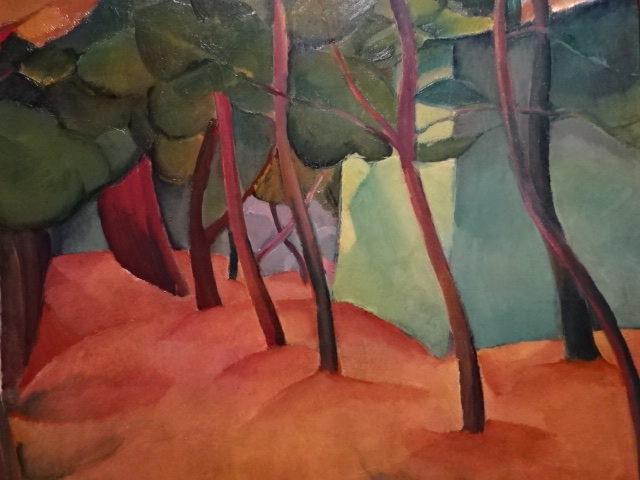
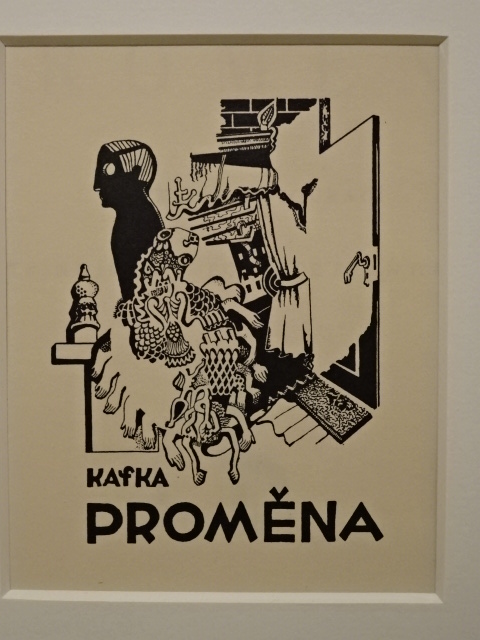
Before heading back to Prague, I took advantage of the beautiful, sunny weather and sat outside at a café on the main square. I also visited an art exhibition called Through the eyes of Franz Kafka, focusing on art in the Czech lands during the time period Kafka was in Prague. There I gazed at Kafka’s drawings, paintings by Czech artist Bohumil Kubišta and sculpture by Czech master František Bílek. I also saw some Japanese art that was popular during that era. I ate lunch in U Salzmannů, the oldest pub in the city and my favorite restaurant in Pilsen. The Czech food at that establishment is top-notch. I also stayed at the restaurant’s pension upstairs for several nights many years ago, during a theatre festival. I was very pleased with the accommodation. Since I only rarely drink alcohol, though, I did not try the legendary Pilsner Urquell beer brewed in this city.
Tracy A. Burns is a writer, proofreader and editor in Prague.
My favorite restaurant in Pilsen – U Salzmannů
From Pilsen art gallery exhibition Through the Eyes of Franz Kafka
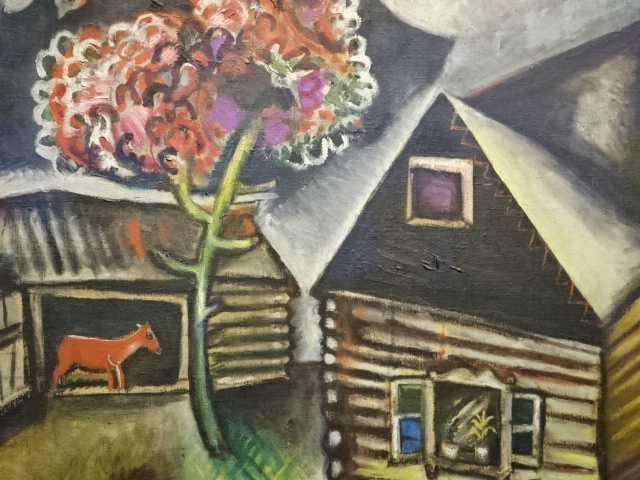
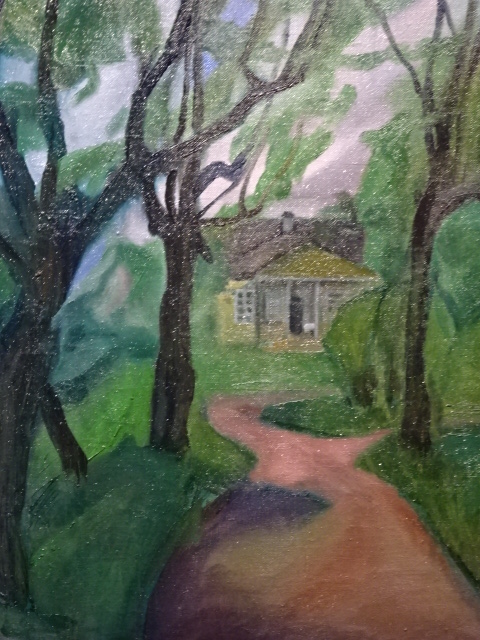
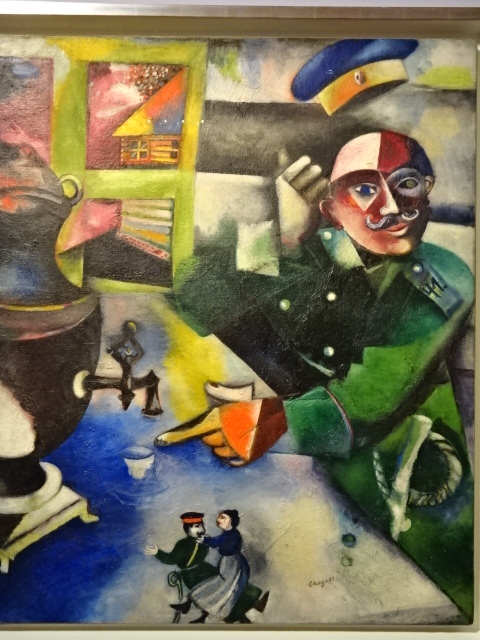
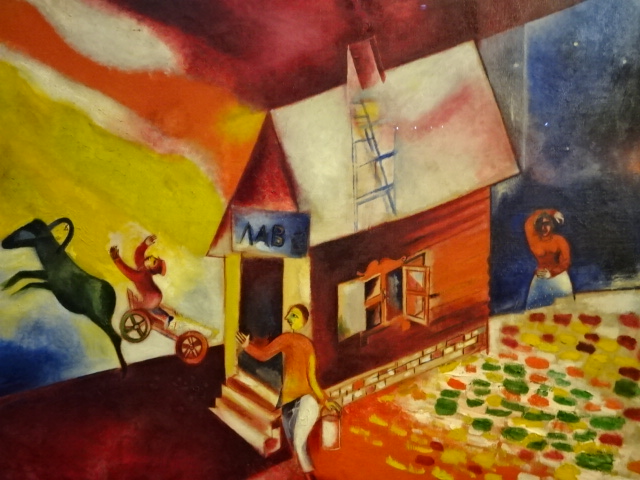
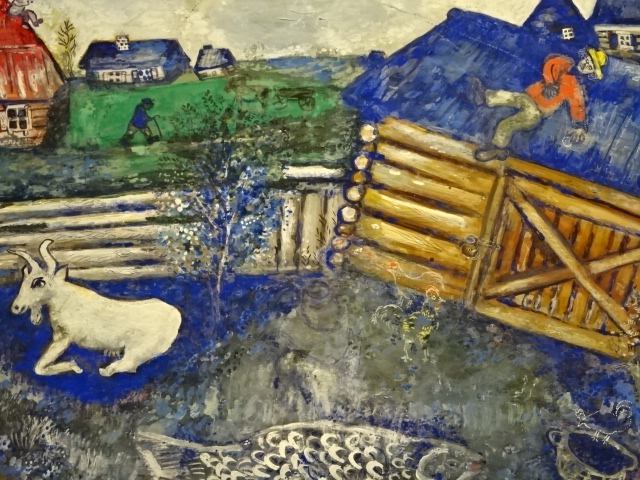
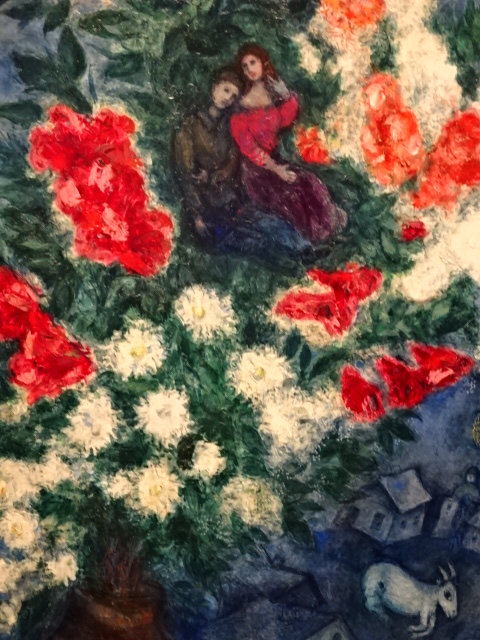
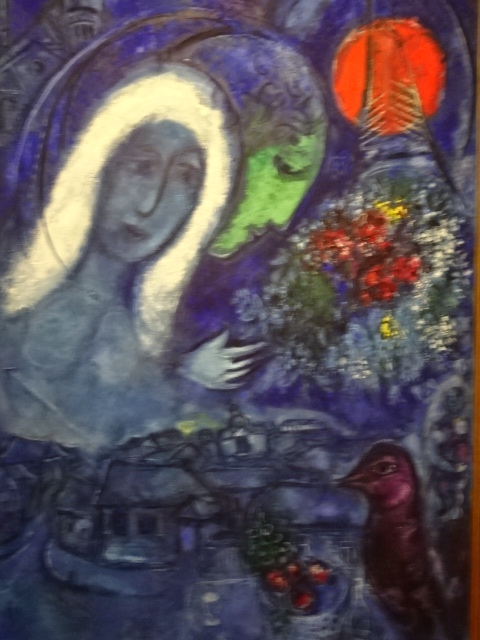
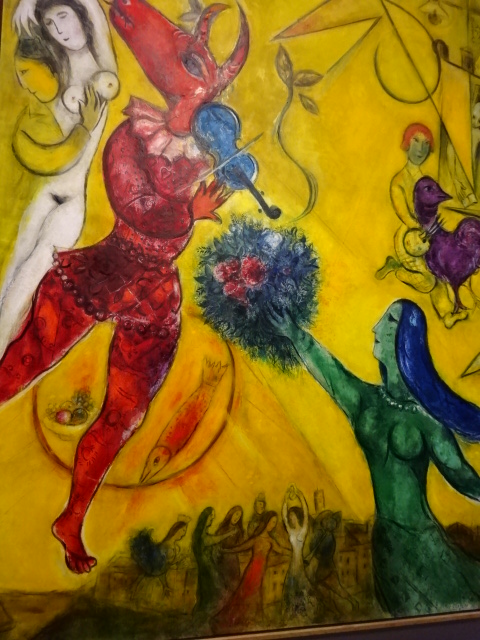
I admired Marc Chagall’s works at the Albertina venue in Vienna, Austria during late October of 2024. I have always loved going to exhibitions in the Albertina. I recalled a comprehensive show of works by Durer at that venue some years ago. A long-time fan of Chagall, I loved his use of bright colors and atmosphere of playfulness in his paintings that had a dreamy, fantasy-filled quality. I was enamored with his mastery of color to express various emotions and to create new worlds. I loved his renditions of Paris, the Eiffel Tower often dominating his creations.
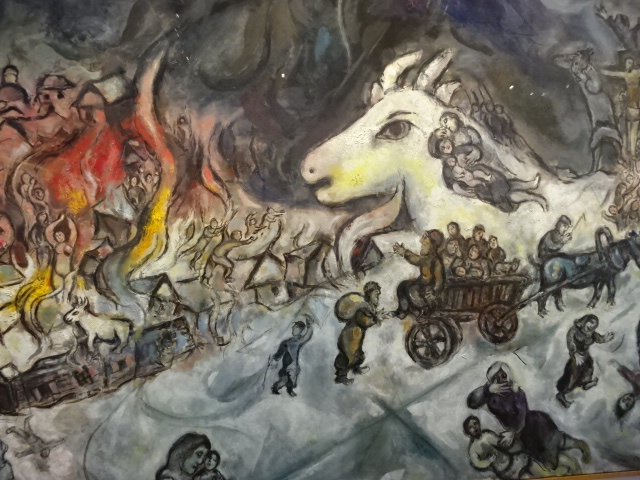
Before this show I hadn’t realized how strongly his Jewish background had influenced his art. Chagall’s paintings were punctuated with Jewish folklore and motifs. I saw a painting of a synagogue and portraits of rabbis, for instance. Many paintings boasted biblical themes. I also hadn’t realized how often he had rendered his hometown, both sadness and joy intermingled in the memories. His yearning to return to his hometown was extremely visible in his art.
The symbolic nature of his artistic creations also enamored me as I noted the many violinists, animals, half-human creatures, wooden houses, circus characters, roosters and floating married couples as well as beautiful floral arrangements. Because I had visited an exhibition in Prague’s Wallenstein Riding Stables about the interwar years of the École de Paris movement, I knew he had been associated with that era during his Paris sojourn.
The exhibition allowed me to become better acquainted with the artist’s life. Marc Chagall (1887-1985)was born as Moishe Shagal on July 6, 1885 into a Hasidic Jewish family in Vitebsk, located in today’s Belarus. During the late 19th century the town was situated in the Russian Empire. His impressive, varied resume includes paintings, drawings, book illustrations, ceramics, prints, tapestries, stained glass and stage sets, but this vast exhibition focused solely on his paintings.
While he spent World War I in his hometown, he went to Paris before the war broke out, moving there in 1910 when he was 23 years old. In France he made friends with Guillaume Apollinaire, Ferdinand Léger and others creating avant-garde works. He often depicted Jewish themes and also evoked Paris in many paintings. During World War I, back in Vitebsk, he married Bella and held exhibitions in Russia as the war made it impossible for him to leave the empire. He founded an arts college in his hometown, too. However, he was in dire financial straits during the Russian Civil War. After World War I, much of his work was Moscow-based.
Following the Bolshevik Revolution, he moved to Paris for the second time, but fled during World War II after the Germans took control of France. The Nazis in occupied France took away Chagall’s French citizenship, and he and his wife were arrested. However, with the help of others, he and his wife found a way to escape to the USA. He felt like an outsider and didn’t speak English.
While he was in New York City, tragedy struck his hometown of Vitebsk, which was destroyed by the Nazis. Things would get even worse. Bela passed in1944 because it was not possible to get her any penicillin. It was no surprise then that Chagall’s late spouse appeared in many of his paintings. In 1948, though, he returned to Paris, and there his paintings focused on Jewish themes and his yearning for the existence of his hometown. Also, he would marry two more times.
He devoted much time to other fields as well. Some of his accomplishments included creating stained glass decoration in the cathedral in Reims and at the Art Institute in Chicago. He also made stained glass adornment for places in Switzerland and Israel. He became even better known for his ceiling painting of the Paris Opera. I remembered gazing in awe at this ceiling several decades ago. It was an experience I will never forget, even though I saw it so long ago. He also made sculpture and ceramics as well as tapestries.
Chagall died at the age of 97 on March 28, 1985 at the age of 97. He is buried with his third wife in a cemetery in Saint Paul-de-Vence, located in the Provence region.
Tracy A. Burns is a writer, proofreader and editor in Prague.
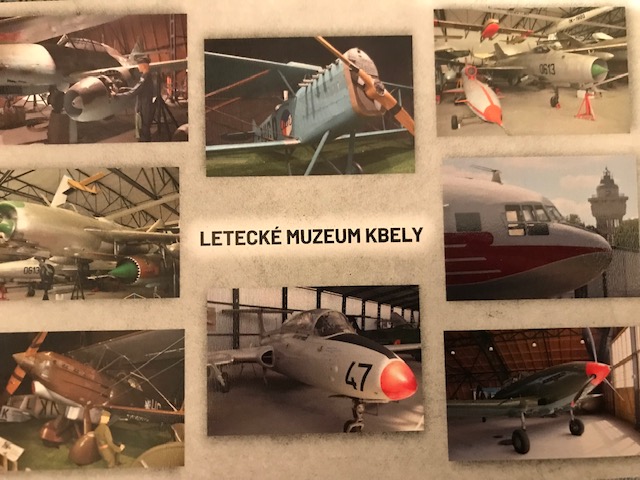
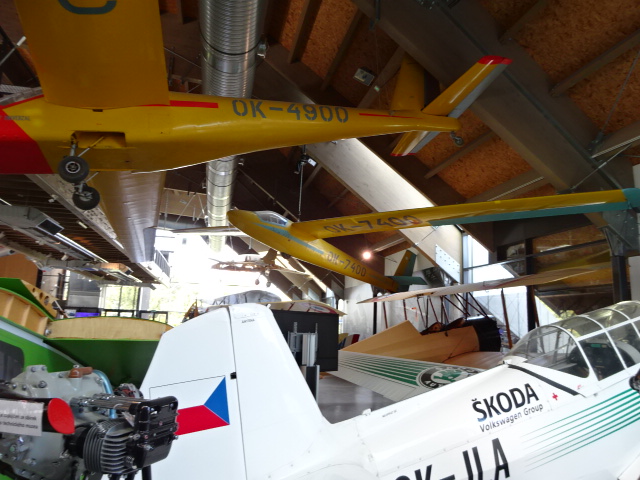
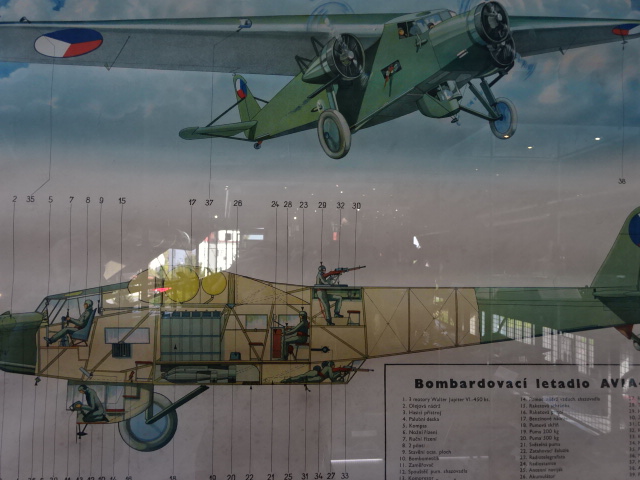
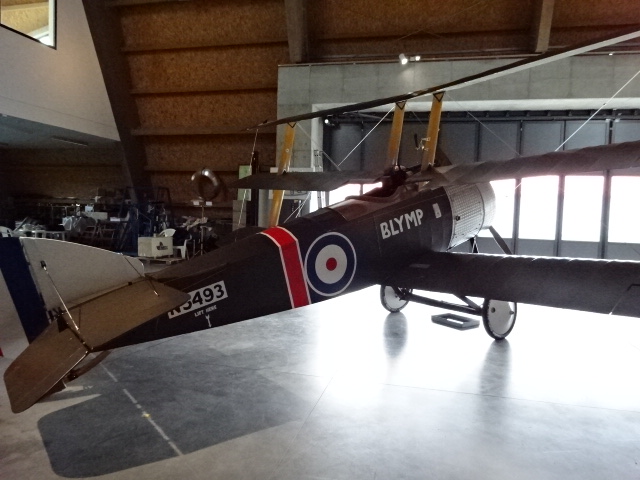
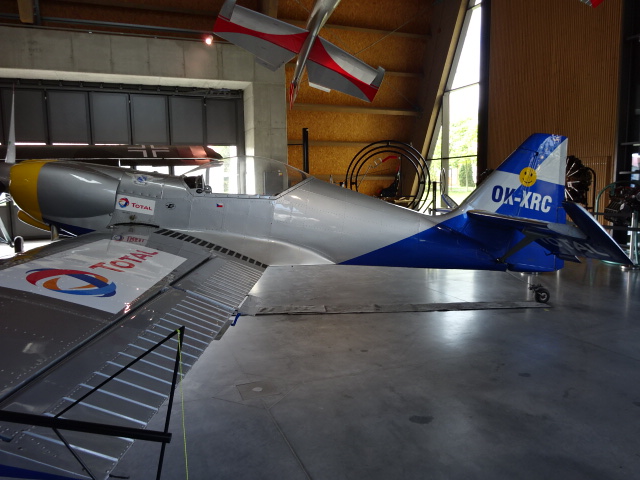
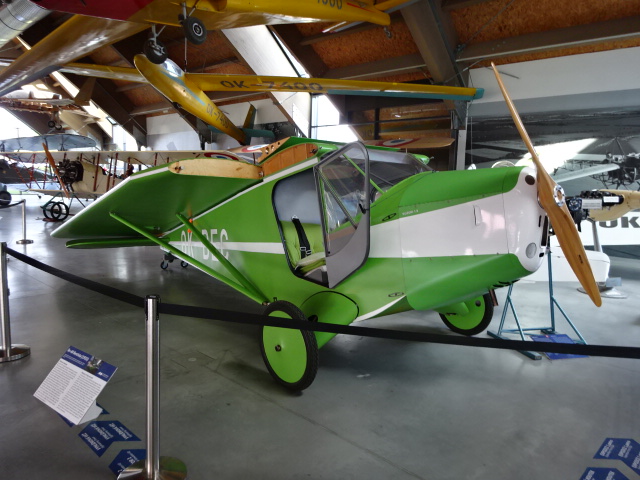
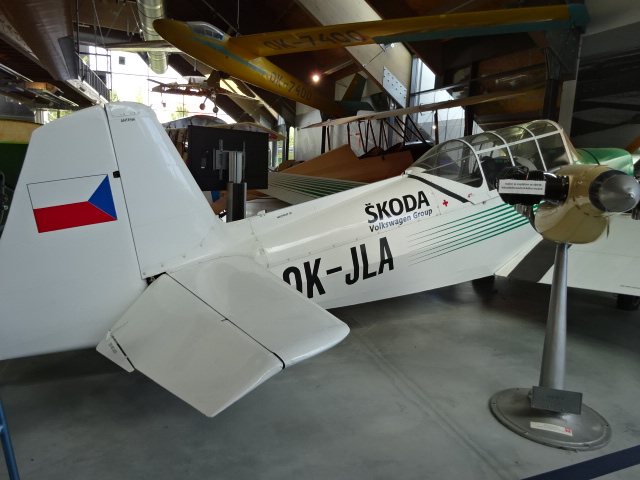
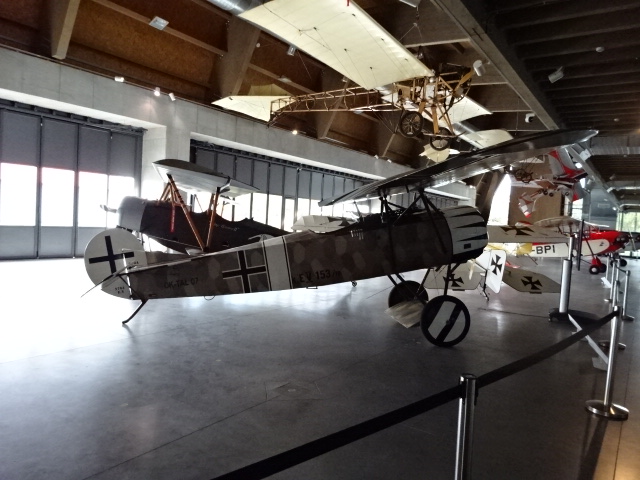
I hadn’t visited an aviation museum before fall of 2024 because, quite simply, I had never shown much interest in planes. That all changed when I went to Mladá Boleslav, about 70 kilometers from Prague. The 25 historic planes in this collection – mostly Czechoslovak, German and Soviet – had me hooked.
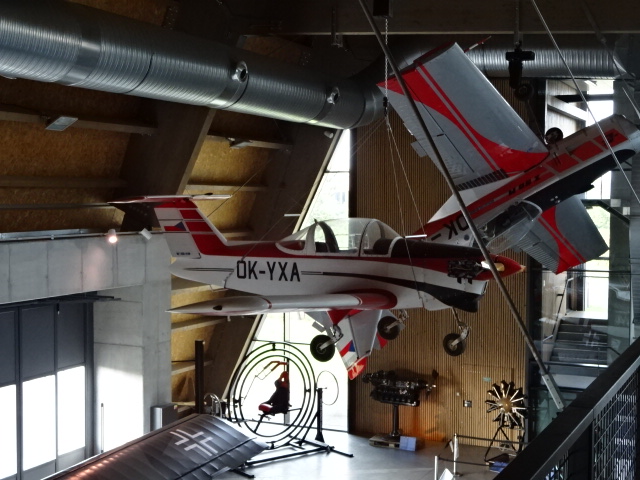
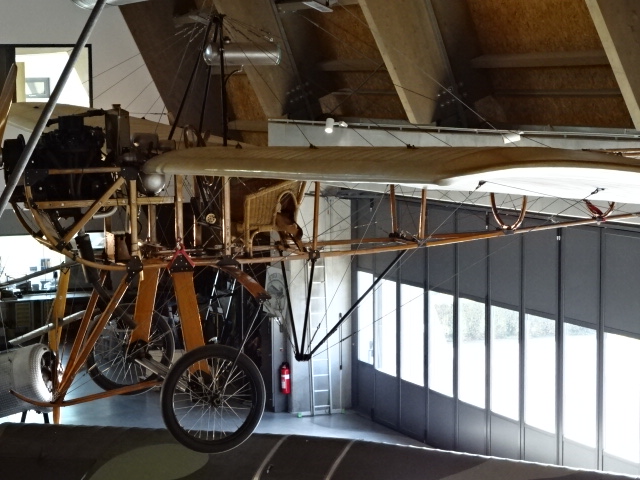
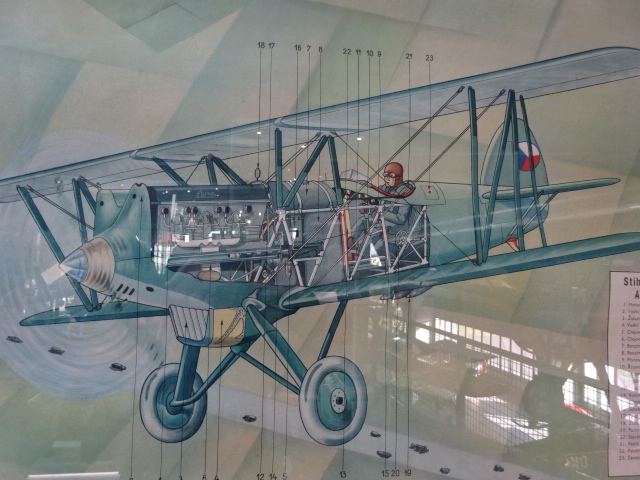
Construction on the museum in a hangar of the Mladá Boleslav airport finished in 2014, and it had been open to the public since 2015. The architecture received much acclaim as it was chosen one of five buildings in the country to be dubbed “Construction of the Year” for 2014. The museum also included two plane simulators and a gyroscope. I perused period uniforms, radio equipment, watches, photography, aviation trophies and posters. From an observation tower there were excellent views of the environs. After walking up steep stairs to the first floor of the museum, I got a good look at the planes hanging from the ceiling.
I had not heard of the name Metoděj Vlach before visiting this museum. Vlach had made a name for himself as the first Czech pilot. From 1908 he worked for Mladá Boleslav’s Laurin and Klement business, known for its bicycles and cars, an enterprise that would later become the world famous Škoda automobile manufacturer. He had to use his own money to finance his flying attempts. While his first try was not successful, the second plane he produced in 1909 managed short jumps between 30 and 50 meters. However, the third time was a charm as on November 8, 1912, his aircraft, constructed from 1910 to 1912, made the first flight – reaching 20 meters in the air. It flew a distance of 300 to 500 meters at 100 km/h. The plane weighed 720 kg, and the motor, the kind an automobile used, was 28 kW. The aircraft was successful during five attempts.
One of the aspects about museum-going that I like best is learning about important historical figures and events that I had not known anything about. Learning about Vlach was one of those lessons that certainly enriched my experience at the museum. I spent a lot of time peering at the various specimens, dating from World War I to the later years of the 20th century.
The Little Beetle
A plane called the Little Beetle captured my attention. The first modern Czechoslovak amateur aircraft, the W-01 Little Beatle was built at the owner’s home in Brandýs nad Labem during the 1960s. The public set eyes on the plane for the first time in 1970. With a wingspan of 6.08 meters and an empty weight of 280 kilograms, the Little Beetle was a frequent participant in Czechoslovak air shows. It was five meters long and could fly up to 180 kilometers per hour. During the mid-1970s, international audiences took notice of the Little Beetle as it was shown off in airshows that took place in the German Federal Republic, Holland and England. Sadly, an accident in 2003 ended the Little Beetle’s career. During 2015 the specimen was brought to this aviation museum.
German Bucker Bu 130 Jungmann
I also took notice of the German Bucker Bu 130 Jungmann, a two-seater designed for training and aerobatics. It took off for the first time in May of 1934 and became a popular training aircraft for the Luftwaffe. The Germans were not the only ones to use this model aircraft, though. It received worldwide acclaim in Czechoslovakia, Spain, Japan, Hungary, Switzerland and other countries.
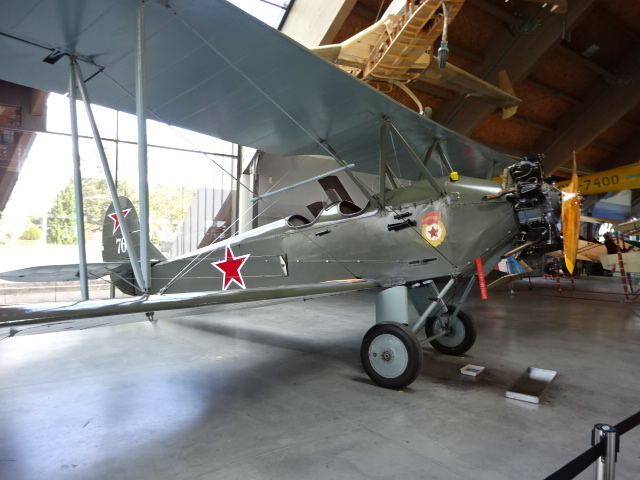
PO-2, The Sewing Machine or The Maize Cutter
Another plane with an interesting history was the PO-2, a prototype of a U-2 biplane that was adopted by the Soviet Air Force. It was also used for civilian aviation. More than 40,000 PO-2 planes were produced. This popular two-seater came into existence during 1927, and production started the following year. During World War II the Germans called the plane “The Sewing Machine,” describing the distinctive sound of the engine. Soviets had a different nickname for the aircraft with an engine of 100 to 115 horsepower. They dubbed it the “Maize Cutter.” It was also historically significant because a regiment of female Soviet pilots conducted nighttime air raids on Germany using this aircraft. The Germans dubbed these female military personnel “Night Witches.” Production did not stop when the war came to a close. The PO-2 was manufactured in Poland post-wartime.
Klemm L 25
I took note of another German plane. The Klemm L 25 aircraft was designed by Dr. Ing. Hanns Klemm, created in 1926. It was possible to use various kinds of engines with these training, sports and aerobatic planes. About 600 planes were manufactured from 1928 to 1939. During the 1930s the Klemm L 25 participated in competitions in Germany.
Zlín Z-50L
I also saw the Zlín Z-50L aerobatic plane made in Moravia. In the 1970s and 1980s its pilots clinched first place in international competitions, both European and world championships, while flying this plane. The last world championship won by this aircraft was as recent as 1989.
Be-60 Bestiola
The two-seater, wooden aircraft called the Be-60 Bestiola was designed in 1935 as a Czechoslovak aircraft to be used for training and tourism purposes. Its life span was relatively short, though, as production was halted not long after the 1939 Nazi Occupation. Some of these planes were flown by the fascist-oriented Slovak State during World War II. Unfortunately, there are no longer any original planes of this type in existence. The replica in the museum is quite impressive, though.
Zlín Tréner
Used for training and aerobatics, the Zlín Tréner captured my attention. It was a two-seater monoplane with low wings and first took off in 1947. Later, it was powered by a four-cylinder engine and was composed of wings and tails made of metal. The career of that prototype began in 1953. The wingspan measured 10.26 meters while the take-off weight was 750 kilograms. The engine was 105 hp, and the maximum speed it could reach was 203 km/h. The aircraft has had a stellar career and is still used for training.
G – III plane
Brothers Gaston and Réné Caudron had been plane designers since 1909. Their G-III did a loop for the first time in December of 1913. In May of 1917 ,it hit another milestone by setting a new record: It flew non-stop for 16 hours and 28 minutes. About 150 planes of this type were produced. The aircraft had a wingspan of 13.4 meters with a take-off weight of 735 kg.
Fokker E.V.
I also saw the Fokker E.V. German fighter plane from World War I. Some 289 aircraft of this model were manufactured. The planes were 5.85 meter long and utilized a 110 hp or 160 hp engine. The wingspan was 8.35 meters while the take-off weight was 605 kg. It could go as fast as 200 km/h.
ŠK – I Trempík
The two-seater ŠK – I Trempík was known for its stability. It was not difficult to take care of, either. Its wingspan measured 9.3 meters, and it was powered by an engine of 75 hp. The maximum take off weight was 578 kg, and it could fly 185 km/h.
1926 silent film with Alexander Hess as the pilot
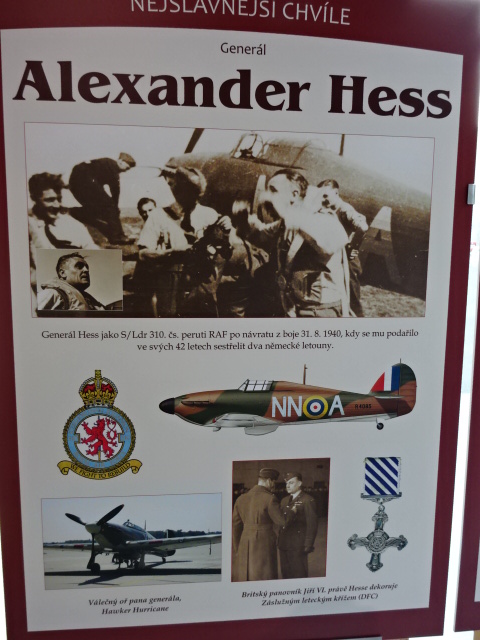
General Hess after returning from his service in the RAF when he shot down two German planes; British royal George VI awarding Hess a medal; War plane Hawker Hurricane used by the general
On the first floor there were panels about General Alexander Hess, a pilot I had not heard of before. He also had starred in a 1926 silent Czechoslovak film as well as working as a pilot. Hess was the organizer of the Czechoslovak aircraft for the 1936 Olympics. After the Nazi Occupation in 1939, he helped pilots escape, equipping them with false passports, and General Hess wound up fleeing from the Nazi Protectorate to France and then to the USA in January of 1940. After World War II, he returned to Czechoslovakia but fled again, this time from the Communist regime. General Hess settled in New York City, where he worked as a technical assistant with PAN AM.
So I became acquainted with the career of not only Metoděj Vlach but also that of Alexander Hessman. I found the exhibit most intriguing. In fact, the entire museum was engrossing with so many planes from various countries and eras, each unique with compelling attributes. While I still despised the eight-hour flights from Europe to the USA, I comprehended the historical importance of these aircraft. In Mladá Boleslav for the first time, the city made a good impression on me. After visiting this museum, I would take a look at the Škoda Museum of bicycles and automobiles, another delight.
Tracy A. Burns is a writer, proofreader and editor in Prague.
The first time I visited Jezeří Chateau was around the year 2000, about four years after it had opened to the public. While the chateau dominating the mountainous landscape appeared impressive from afar, up close it had looked derelict, as if it was about to collapse. The tour had covered only several rooms because much of the structure was under reconstruction. I left Jezeří feeling sad that a chateau with such promise had been derelict for so long. I wondered if the state would ever be able to make the chateau presentable again as so much rebuilding was necessary.
Now, 24 years later, I went back to the chateau situated in the Ore Mountains near the German border. About 10 rooms were open to the public, and they were impressive. I especially loved the paintings of Carl Robert Croll and the room where former Minister of Foreign Affairs and son of the first Czechoslovak President, Jan Masaryk, had stayed overnight. Spaces that had once succumbed to a sad plight now impressed, many harkening back to the golden days of the chateau.
The main facade of the chateau
But it is necessary to start at the beginning and get to know Jezeří’s history and suffering throughout years of dilapidation before touching upon the current appearance. To appreciate Jezeří fully, one has to be aware of the chateau’s journey, a long and winding one that overcame many obstacles.
Atlantis statue on main portal of the chateau
Jezeří Chateau dominates the landscape as a Baroque structure in the Ore (Krušné) Mountains of north Bohemia. It had been transformed from a Gothic castle called De Lacu (from the lake) to a Renaissance chateau by the Hochhauser family and finally to its Baroque appearance today. It was first mentioned in writing as a Gothic castle in the 1360s. The Thirty Years’ War brought much damage and destruction.
Statue of a dog above the main courtyard of the chateau
Then, in 1623, Vilém the Younger Popel Lobkowicz bought it, and the Lobkowicz name would punctuate the chateau’s history for centuries. Under Ferdinand Vilém Lobkowicz, from 1647 to 1708, extensive reconstruction took place. The property included 500 hectares. A hall replete with grandeur showed off oval vaulting, stucco decoration and large columns while a new richly decorated dining room sported a beautiful ceiling. Rooms were adorned with frescoes. The garden showed off fountains and cascades. A zoo was on the premises. However, all good things came to an end when a fire that could not be extinguished ravaged the building during 1713.
During 1722 the chateau passed into the hands of the Roudnice branch of the family. Jezeří would come to life again when reconstruction occurred during the 18th and 19th centuries. Jezeří flourished, filled with frescoes and paintings by masterful artists. The English style garden included an artificial grotto and lavish statues. The H-shaped chateau became a center for musical and theatrical events during the Baroque and Classicist eras as famous guests visited its renowned theatre.
View of oratory of chateau chapel
Owner Maxmilián had opera singers visit from ensembles in Vienna and Dresden. Beethoven was friends with Prince František Maxmilián. The first private performance of Beethoven’s third “Eroica” Symphony, which the composer had dedicated to František Maxmilián, took place here. It also was the site of the first private performance (1797) of Haydn’s Creation. My favorite symphony by Beethoven, his sixth (the Pastoral), was also dedicated to Prince Lobkowicz.
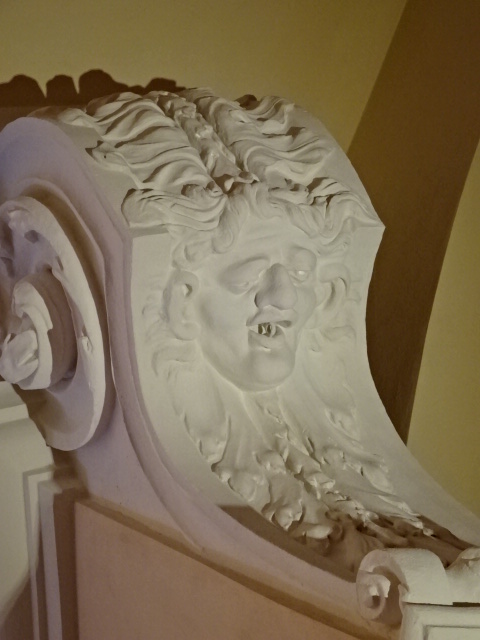
Sculpted heads with facial expressions adorn the Theatre Hall.
Another sculptural decoration in the Theatre Hall
At the time, vast Jezeří was buzzing with excitement in its 114 rooms and numerous smaller spaces. The English gardens and park were Baroque in style and showed off statues of mythological figures, greenhouses, pavilions, an artificial waterfall, terraces with magnificent views and an arboretum.
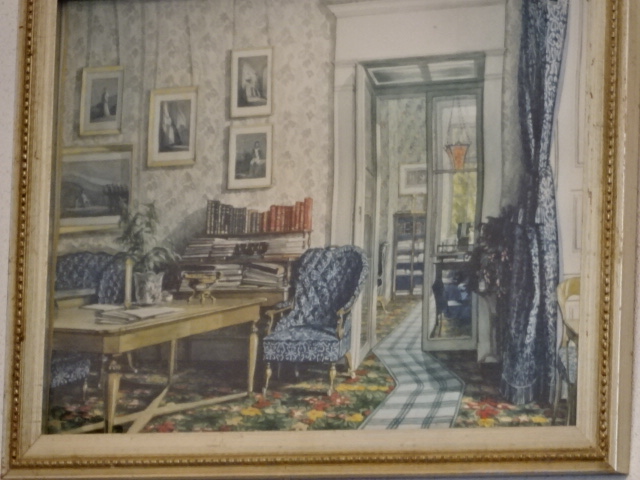
Painting of chateau interior by Carl Robert Croll
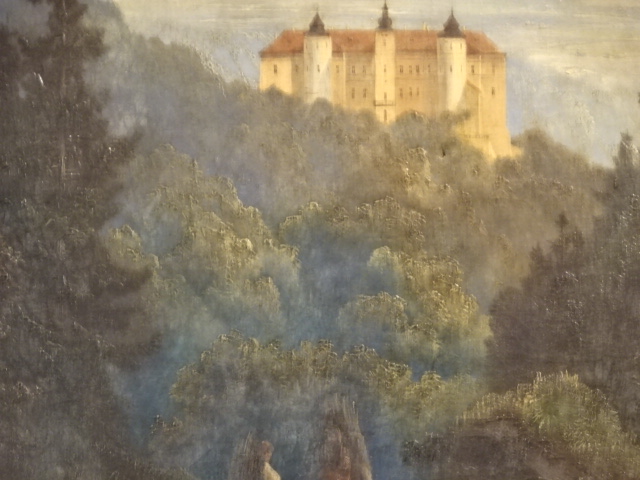
In the early 19th century, the prominent painter Carl Robert Croll created canvases for the Lobkowiczes, and his renditions of the chateau’s exterior and interior are magnificent. His “Winter Garden” from 1841 portrayed a light and airy room with many plants and windows, white walls and blue-upholstered furniture. The painting “The Big Salon,” created that same year, showed children dancing and men immersed in a game of billiards. Croll’s work “Smaller Salon at Jezeří” focuses on women and girls chatting and ordering tea or coffee. Croll painted the exterior of the chateau at night, presenting it as mystical and magical.
A painting of the chateau landscape by Carl Robert Croll
During the existence of The First Republic of Czechoslovakia, Jezeří was under the guidance of JUDr. Maxmilián Ervín Lobkowicz (1888 – 1968). Maxmilián served as a Czechoslovak diplomat and during World War II held the post of Czechoslovak Ambassador to Great Britain as he played a major role in the anti-fascist movement with the government-in-exile in London.
After he went into exile in 1938, Nazi soldiers took control of the chateau, and during 1943, a prison camp for Poles, Russians, French and out-of-favor German soldiers was situated on the property. Among the prominent figures incarcerated there was Pierre de Gaulle, brother of former French President Charles de Gaulle.
Jan Masaryk, Minister of Foreign Affairs and democrat
Maxmilián Lobkowicz returned after the war, and his good friend Jan Masaryk, then Czechoslovak Minister of Foreign Affairs, visited Maxmilián there on several occasions. However, Jan Masaryk would be shoved out a bathroom window by Communist officials at the Ministry of Foreign Affairs in Prague and fall to his death. The totalitarian regime categorized it as a suicide.
Times would change for the worst as Maxmilián and his family had to go into exile during 1948, carrying with them only a few belongings. The Communist coup had taken place, forcing the lifelong democrat Maxmilián to flee once again. At this time, the chateau was deteriorating.
Jan Masaryk, son of the first president of democratic Czechoslovakia
Jezeří certainly did not get a pretty makeover during the following decades. On the contrary, in 1950 the Czechoslovak army took over Jezeří, and the interior was destroyed. Then, five years later, the Ministry of the Interior used the building. Several other institutions were situated there in subsequent years, and times were definitely not rosy. The place was often vandalized until 1960. Jezeří Chateau became a cultural monument in 1963, though its condition did not improve. At the end of the 1960s and in the 1970s, extensive mining took place on the grounds. During the 1970s and 1980s, there was talk of tearing Jezeří down because the structure was not deemed safe due to the mining activities.
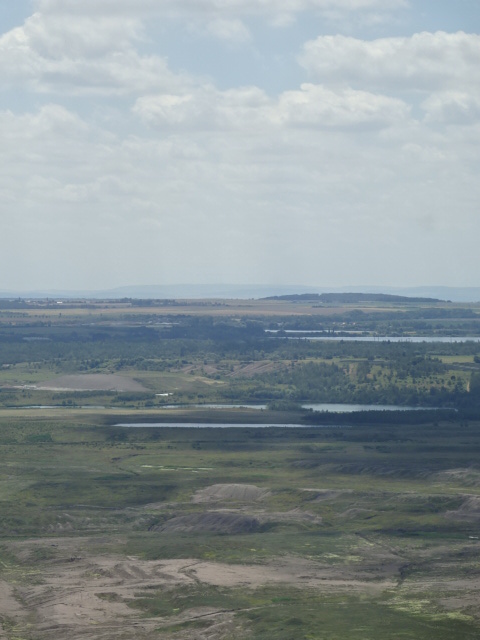
The chateau had been surrounded by intensive coal mining for centuries. Mines with dams and ditches punctuated the Ore Mountains. The mining history harkens back to the 16th century, and though it was halted for a while after the Thirty Years’ War of the 17th century, mining activities returned with a vengeance during the 19th century due to the discovery of cobalt blue and uranium in the mountains. During the first and second world war, much mining took place in the Ore Mountains. Then, after the Soviets took control of Czechoslovakia, the Ore Mountains were used as a source of uranium ore, but it was all kept hush-hush. The beautiful forests were destroyed under Communist rule. Jezeří didn’t even appear on maps anymore.
After the Velvet Revolution of 1989 that triggered the end of Communist rule, the Lobkowiczes got the chateau back in restitution. In 1991, the state declared the chateau a protected cultural monument. However, the chateau was in such bad condition that the Lobkowiczes were not able to do the necessary repairs because it would be so costly. In 1996 Martin Lobkowicz gave the chateau to the state. Repairs began, but it would be a long journey before the chateau appeared in a decent state.
The artwork in the chateau is superb.
During 1996, one room in the chateau was open to the public. When I visited in 2000, more rooms were accessible, but there was a lot of reconstruction taking place. Back then, I felt a sense of profound sadness because the necessary reconstruction would take years to accomplish. Yet hope and determination won out. The chateau continued to be painstakingly restored, and finally part of the first floor and a section of the second floor were on display for visitors. It was made a national cultural monument in 2022.
The chateau Theatre Hall
The stunning balustrade of the Theatre Hall
Now visitors can admire the renovated, lavish Theatre Hall with its original fireplace and stucco decoration. Heads of figures with various theatrical expressions decorate the walls. The cupola is impressive as is the balustrade above. Concerts are held here, reviving Jezeří’s musical tradition.
The Winter Garden today
The Winter Garden was renovated to look like it did in Carl Robert Croll’s paintings, and it is a tranquil, comfy place full of greenery. I would love to have tea in that soothing space.
Paintings throughout the chateau are intriguing with Carl Robert Croll’s works showing a stunning chateau interior and exterior at the beginning of the 19th century. Many other artworks are impressive, too. Three pianos are on display. The vaulting and stucco ornamentation in rooms is intriguing to say the least.
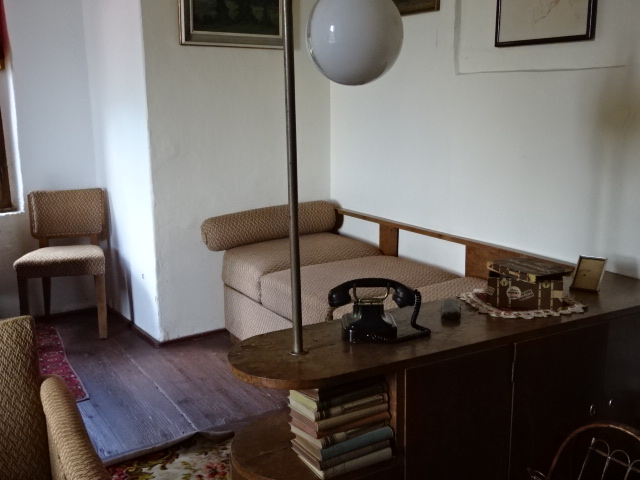
Jan Masaryk’s room at the chateau
My favorite room is the one dedicated to Jan Masaryk. Seeing his room at the chateau made me imagine his visits with the Lobkowiczes during the chateau’s better days. The portraits of Jan Masaryk across from the room brought to mind Masaryk’s fierce fight for democracy and his tragic fate. I remember, during a tour of the Ministry of Foreign Affairs, being shown the bathroom window from which he was shoved to the hard ground outside.
Bust of Tomáš Garrigue Masaryk, first president and Czechoslovakia and father of Jan Masaryk
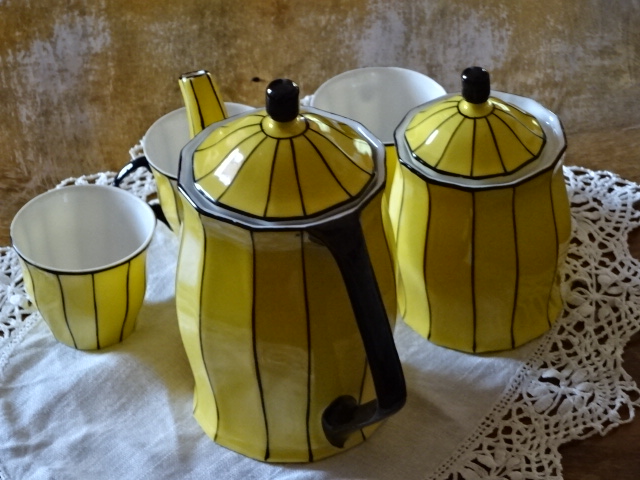
Twentieth century coffee and tea set in Jan Masaryk’s room at the chateau
I see Jezeří Chateau as a symbol of hope, of the determination that can painstakingly change a monument considered for demolition into an edifice with an intriguing interior that impresses visitors. There is still much reconstruction going on, but Jezeří continues to develop – slowly but surely. I was glad I had been able to witness so many positive developments.
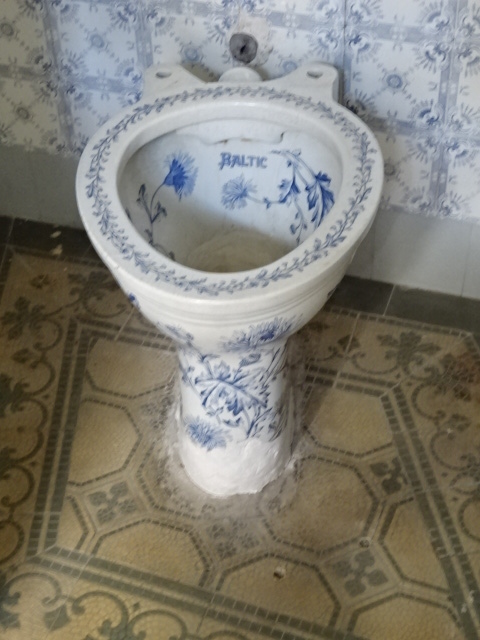
Handpainted toilet in the chateau
Tracy Burns is a writer, proofreader and editor in Prague.
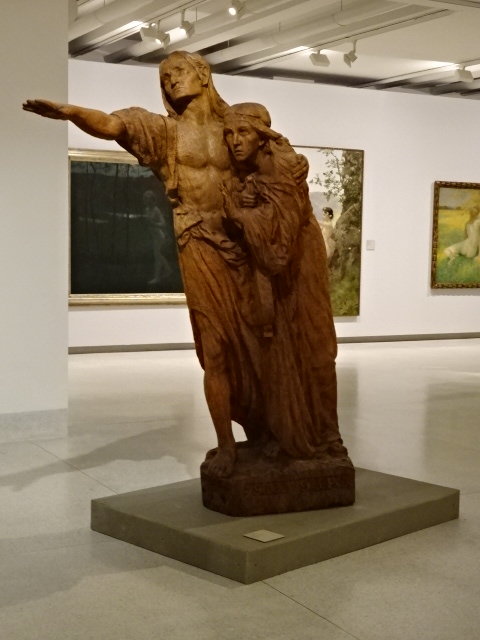
Early in 2023, I went to an exhibition of sculpture by late Croatian sculptor, architect and writer Ivan Meštrović. The art gallery at Prague’s main library hosted the intriguing show. I was familiar with the artist’s name: I had admired his villa, the Ivan Meštrović Gallery, in Split on my last trip to Croatia some years ago. It contained 86 sculptures made with various materials, showing off his dramatic, dynamic and expressive style that was both poetic and poignant. Drawings and reliefs were displayed, too. The bronze statue-dotted garden was delightful. One of my favorite things about traveling was being introduced to the works of various artists. I was enamored with Meštrović’s creations, and his unique, powerful style was forever embedded in my memory.
During Meštrović’s illustrious career that spanned six decades, he had been influenced by a number of styles ranging from Art Nouveau, Symbolism, Impressionism, Art Deco, Neoclassicism and Late Realism. Classicism played a major role in shaping his artistic style, too. Auguste Rodin’s naturalist style, which he had meticulously studied, greatly inspired him. During his extensive travels, Meštrović also saw Michelangelo’s creations, which affected his own work. poignant.
Meštrović’s subjects were diverse as well. He took on religious themes, created portrait busts, made sculptural monuments and delved into studies of figures. A firm believer in promoting Yugoslav national identity, he also presented folk themes and national myths. He fervently advocated for pan-Slavism, and some of his works represented historical events in Slav history.
The sculptor’s career took off when he exhibited his works in Vienna during 1905 as part of the Secession Group. While living in Paris for two years, he received recognition from all over the world and was very prolific. Then he spent four years in Rome, where he was lauded for his design of the Serbian Pavilion at Rome’s1911 International Exhibition. During World War I, he traveled extensively and spoke out against the Habsburg monarchy that controlled his homeland.
He returned to his homeland after the war ended and achieved much success while living in Zagreb. He even created many sculptures for King Alexander I of the Kingdom of Serbs, Croats and Slovenes. He continued to travel, even having an exhibition at the Brooklyn Museum in New York during the 1920s.
During World War II, Meštrović’s life was far from rosy. In 1941, he spent three-and-a-half months in prison. The following year his first wife died, and many of her Jewish relatives perished during the war. Thanks to the Vatican, Meštrović was let out of prison and took off to Venice and then back to Rome. He even met Pope Pius XII.
After World War II, he refused to return to Yugoslavia because the Communists were in control. He wound up in the USA during 1946, when he took a position as a professor at Syracuse University. His works were displayed at the Metropolitan Museum of New York the following year, and he was the first Croatian to do so. He continued to achieve great success and much recognition in the USA and even received the American Academy of Arts and Letters’ Gold Medal in the field of sculpture during1953. American President Dwight D. Eisenhower was so impressed with Meštrović that he gave him US citizenship. Meštrović took a job at the University of Notre Dame in Indiana soon after that. He designed monuments at Notre Dame, and his sculpture is featured in the university’s art museum.
He died in Indiana during 1962 at the age of 79 and was buried in his hometown of Otavice, though the Communists in control of Yugoslavia created many difficulties. His sculptures can be seen all over the world: in Serbia and Romania as well as in the United States, including Louisiana, Indiana, New York and Illinois.
This exhibition focused on Meštrović’s Czechoslovak connection as he had developed an affinity for Czech culture. He befriended the first democratic President of Czechoslovakia, Tomáš Garrigue Masaryk. They both had taken an anti-Habsburg stance during World War I. Also, Meštrović and Masaryk had lived in exile during the first World War. They both admired Slav history. While Meštrović wanted a united Yugoslavia of Croats, Serbs and Slovenes, Masaryk tried to forge a united Czechoslovakia of Czechs and Slovaks. Meštrović sculpted two busts of Masaryk in 1923 as well as busts of his wife Charlotte and his daughter Alice. He created these busts at the Czechoslovak President’s summer residence, Lány Chateau. I recalled spending some sunny afternoons in the park of the chateau in Lány as well as paying my respects at the Masaryk family graves.
Masaryk was by no means the only Czech Meštrović knew. For example, Meštrović was friends with Czech sculptor Bohumil Kafka and even created a portrait bust of Kafka during 1908.
Meštrović’s work was first unveiled in Prague during 1903, when the Habsburgs ruled the Czech lands. His work was included in an exhibition featuring Croatian artists at the Mánes Association in Prague. Mestrovic had another exhibition in Prague during 1933. President Masaryk was so impressed with Meštrović that he presented the Croatian sculptor with the Order of the White Lion award during 1926.
I was enthralled with the Czech connection between Meštrović and artists in Czechoslovakia. Tomáš Garrigue Masaryk was one of my heroes, and I was very interested in life during the First Republic, when Masaryk was president. I felt strong emotions when viewing Meštrović’s powerful works. I also thought back to my introduction to Meštrović’s creations in Split. What a discovery! I was glad to be reacquainted with Meštrović’s sculptures. Seeing his renditions in person was a profound experience.
Tracy A. Burns is a writer, proofreader and editor in Prague.
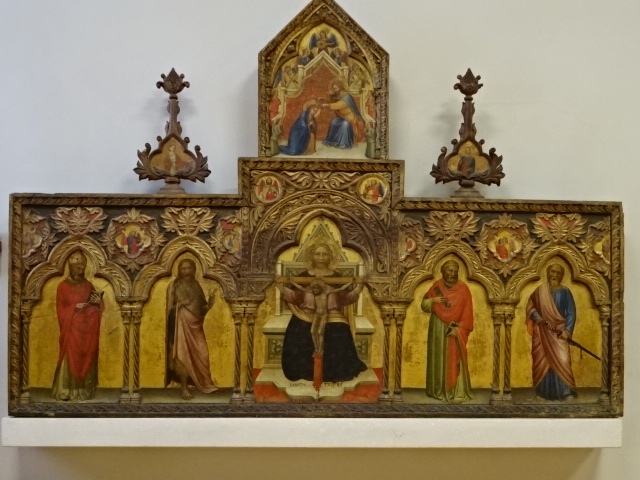
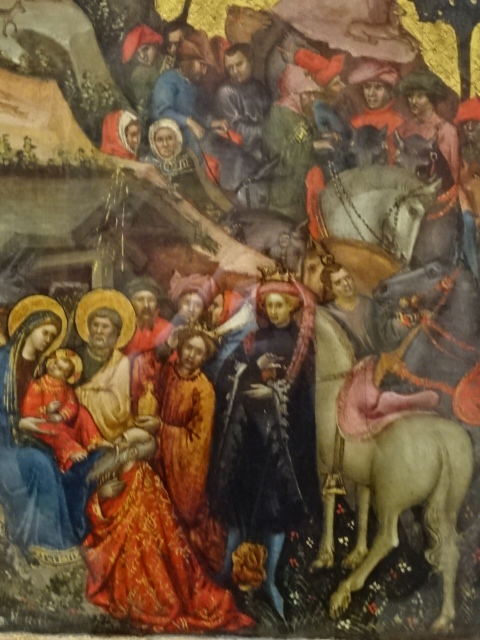
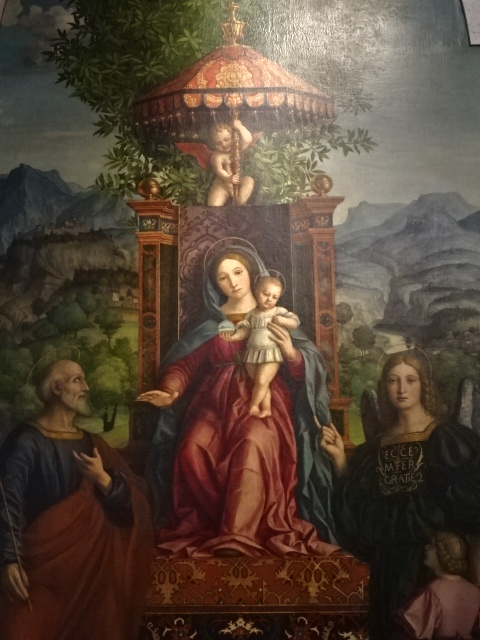
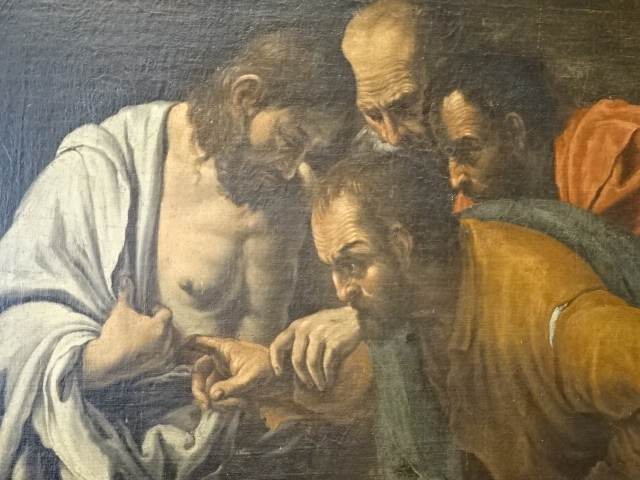
My first stop in Verona was the Castelvecchio Museum, a sprawling edifice that looks like a medieval fortress. The Castelvecchio hails from 1354 to 1356, when it was built for Cangrande II della Scala as a defensive structure. The Della Scala family lived there for a short time. During Napoleon’s reign, from 1801 to 1806, the building was transformed into barracks, and it served this purpose until 1924. The Castelvecchio was seriously damaged during World War II, during the time when the Germans destroyed all of Verona’s bridges. From 1958 to 1974, architect Carlo Scarpa renovated the Castelvecchio, adding modern elements to the original style that harkens back to the Middle Ages.
The expansive medieval and Renaissance spaces inside house 30 halls of Italian and European painting and sculpture, dating from the Romanesque era to the 1700s. I also saw ancient weapons, ceramics, gold artifacts, bells and miniatures, for instance. I especially liked the walkways outside. They offer panoramic views of romantic Verona.
Artists represented in the collection include Pisanello, Giovanni Bellini, Jacopo Bellini, Carlo Crivelli, Andrea Mantegna, Jacopo Tintoretto and Tiepolo. Pisanello’s “Madonna of the Quail,” Jacobo Bellini’s “Madonna of Humility” and Mantegna’s “Holy Family” are a few of the highlights. The Romanesque sculpture also is impressive.
An intriguing true crime story is connected to the museum. In 2015, three thieves made off with 17 paintings, including masterpieces by Jacopo Bellini, Giovanni Bellini, Andrea Mantegna, Tintoretto, Peter Paul Rubens and Hans de Jode. The following year, the museum got the works of art back from Odessa thanks to Ukrainian border guards. It remains one of the most significant art heists to take place in Italy.
Tracy A. Burns is a writer, proofreader and editor in Prague.
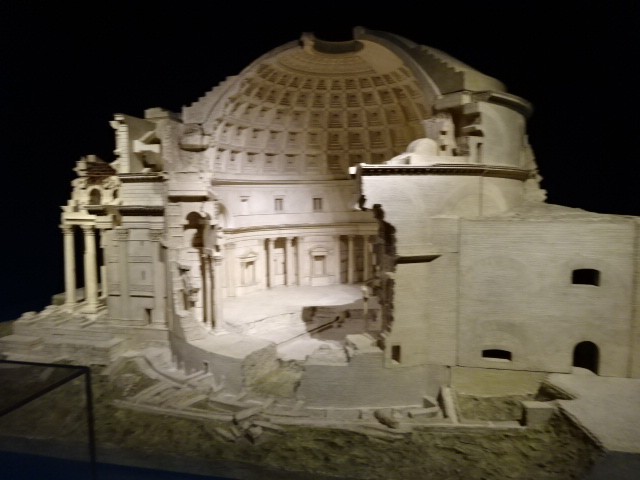
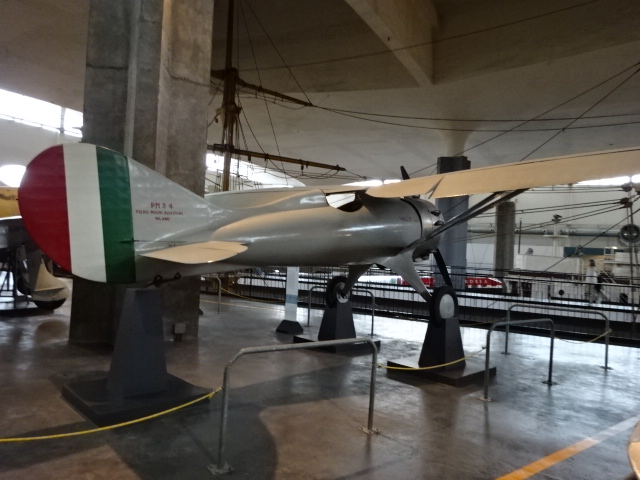
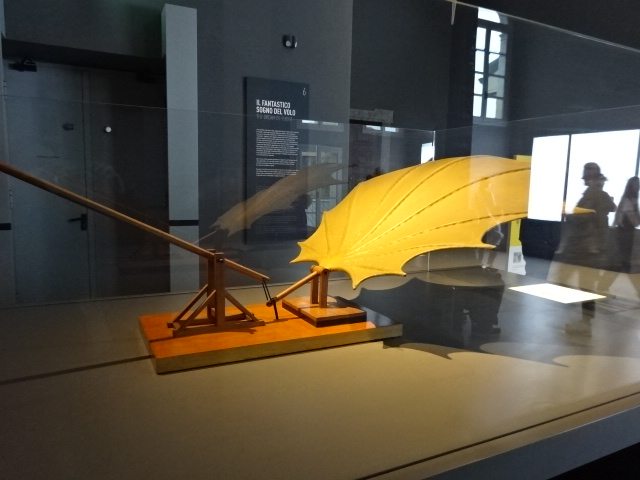
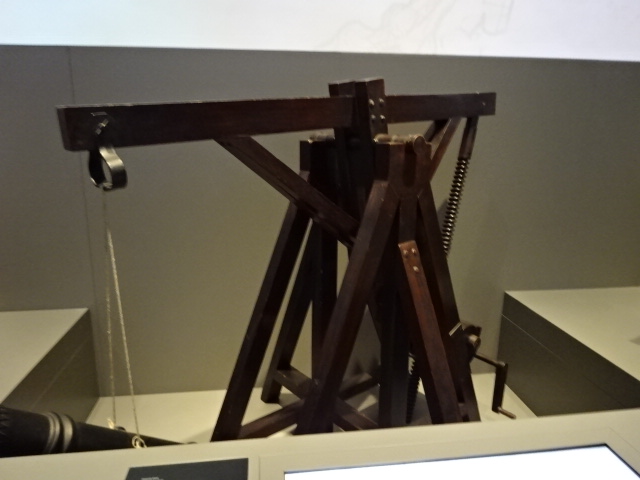
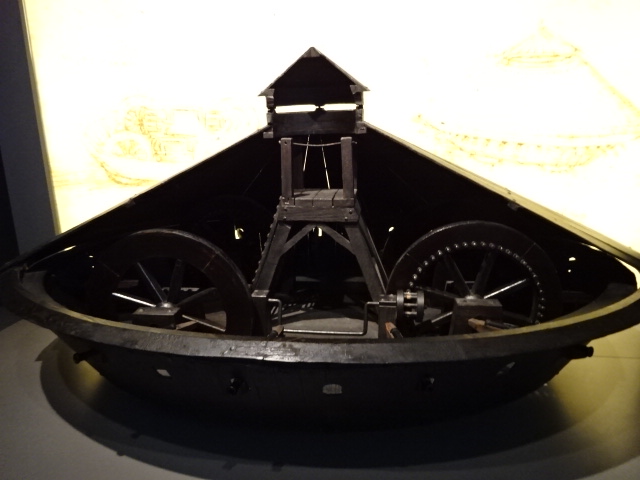
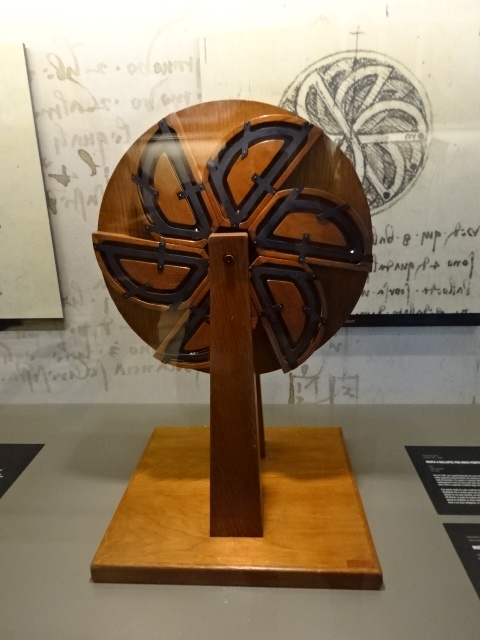
I visited the National Museum of Science and Technology dedicated to Leonardo da Vinci on my last trip to Milan, and, quite frankly, I didn’t expect I would be too enthusiastic because neither science nor technology is my cup of tea. However, the museum was fascinating. I especially was excited by the models made from drawings of Leonardo da Vinci. They showed machines and buildings he had designed on paper as well as his version of the ideal city. I also was enthralled with the hangars containing planes, ships and trains.
Opened in 1953, the museum is one of the largest scientific and technological museums in Europe. It is located in an ancient monastery not far from the Chiesa di Santa Maria delle Grazie, where I had seen Da Vinci’s Last Supper. Covering science and technology in Italy from the 19th century to the present, the museum holds the biggest collections of models of machines from designs by Leonardo da Vinci found anywhere. It includes 2,500 pictures, designs, sculptures, medals and artistic objects. There are seven sections, including materials, energy, communication, transport, food and science for young people as well as the Leonardo da Vinci Art and Science department. Musical instruments, clocks and jewelry are on display in this part.
The Leonardo da Vinci galleries display 170 military and civilian models, pieces of art and other objects. The models of buildings based on his drawings are architectural gems. Machines made from his drawings also impressed me. I saw a hydraulic saw, a flying machine and a spinning machine, for instance. I was awed with Da Vinci’s vast knowledge of anatomy, physics, mathematics, botany, geology and cartography.
The transport department includes air, rail and water. The trains are located in a pavilion originally built for the 1906 Expo. A façade resembling a 19th century structure has been added to the historic building. One train that caught my attention was the GR 552 036 locomotive from 1900. It had towed the Indian Mail train from Bardonecchia to Brindisi on its journey from London to Bombay. A horse-powered omnibus from 1885 was another delight.
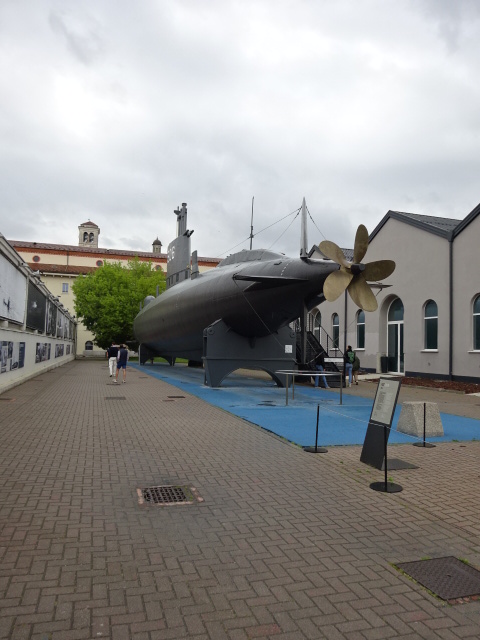
One of the top exhibits is the submarine S 506 Enrico Toti, the first submarine to be constructed in Italy after World War II. It began operation in 1968 and was roaming the seas for 30 years. During the Cold War, it searched for Soviet submarines.
The Vega Launcher from 2012 is a model of the first Vega made by the European Space Agency. It has a height of 30 meters and weighs 37 tons. The Vega can release satellites that weigh up to 2,000 kilograms.
The ships also intrigued me. One of the largest ships in the museum, the Ebe Schooner from 1921 was initially used by merchants to transport their wares through the Mediterranean. In the 1950s it became a training ship. The ballroom and bridge of the Conte Biancamano ocean liner also are worth seeing. They date from 1925. It has traveled extensively, making the journey from Genoa to Naples to New York and also going to South America and the Far East. During World War II it was used by American soldiers.
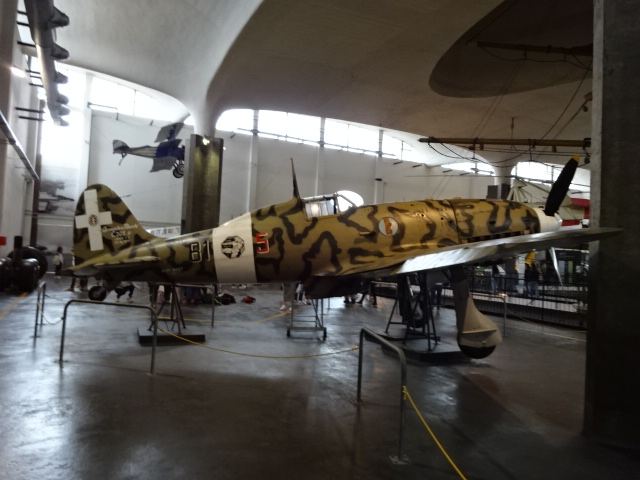
The planes were enthralling. I especially liked the Macchi MC 205 V from 1943. It made a name for itself during World War II. The plane has two machine guns and two cannons. Modern military planes and a modern helicopter also are on display.
Enrico Forlanini’s experimental helicopter from 1877 has the distinction of being the first object to fly. Pilotless, it has a steam engine and two counter-rotating propellors. During its flight, the helicopter rose about 13 meters and stayed in the air for 20 seconds. It also made an impressive landing.
I saw other intriguing exhibits. The Regina Margherita Thermoelectric plant had once provided lighting plus electrical power for 1,800 looms. Even King Umberto I and Margherita of Savoy were present for the opening ceremony. It hails from 1895.
Computers made up a significant part of the collections. I saw the Olivetti Programma 101 from the 1960s, the first personal computer. It was a programmable calculator that was small enough to fit on a desk. NASA utilized this contraption for calculating the Moon landing.
Space is another theme on which the museum focuses. I saw a moonrock that is 3.7 billion years old. Astronauts on Apollo 17 brought it back to Earth in 1972. Another exhibit showed space coveralls from 2014 and 2019. Astronomy plays a role, too. Two 17th century globes and telescopes are on display. Giovanni Schiaparelli used a telescope made in 1866 to study the surface of Mars. Schiaparelli peered through another telescope, this one hailing from 1774, when he discovered the asteroid 69 Hesperia and was able to describe what goes on with falling stars.
The diverse exhibits were a big thrill to see. I was so surprised that I had been so interested in the museum. Unfortunately, it was very crowded, so I didn’t get to peruse everything as well as I would have liked. The museum was definitely a popular destination for tourists and Milan dwellers alike. I could certainly understand why.
Tracy A. Burns is a writer, proofreader and editor in Prague.
The Sforza Castle in Milan was built for Galeazzo II Visconti in the second half of the 14th century. It was destroyed in the mid-15th century, but the duke of Milan, Francesco Sforza, rebuilt it. Then the Sforza family inhabited the castle. The end of the 1400s was a time of splendor. During the 15th century, Leonardo da Vinci and Bramante created frescoes in the castle. The castle became one of the largest in Europe in the 16th century.
Later, the castle fell on hard times and was transformed into a citadel. The ducal apartments were used as barracks and stables under Spanish, Austrian, French and again Austrian rule. An armory was for a time also on the premises. At the end of the 1800s, the castle became the property of the city of Milan. The unification of Italy prompted the complex to be reconstructed and made into a museum. The castle took on the appearance it had when it had been under Sforza control. Though the central tower is not original, it is made to look like it had when built in 1521.
During World War II, the complex suffered much damage but was reconstructed. Now the castle includes museums and cultural institutes. Several of the other museums include those featuring ancient art and arms as well as one highlighting antique wooden furniture and sculpture. The Pieta Rondanini by Michelangelo is also a sight not to be missed.
The Picture Gallery focuses on Milanese and Lombard paintings from the 15th to the 18th century with over 230 works on display. It also includes remarkable Venetian and 17th century Dutch and Flemish works. Some Lombard artists represented are Foppa, Bramantino and Bernardino Luini. Other artists whose paintings amaze are Andrea Mantegna, Bergognone, Giovanni Bellini, Lorenzo Lotto, Correggio, Tintoretto, Tiziano, Tiepolo and Canaletto. One highlight is the Trivulzio Madonna by Mantegna from 1497. This important work shows Madonna on a throne, flanked by saints. Angels sing, and cherub faces are included in the decoration. Yet the exhibition does not only contain paintings. Some sculptures, busts and medals are on display, too.
Tracy Burns is a writer, proofreader and editor in Prague.