2025 Art Exhibitions Diary

Barberini Museum, Potsdam

During 2025 I visited many art exhibitions, and each one opened up a new world for me, giving me a new perspective on the time periods represented in the shows. I took two days trips abroad. I went to the Barberini Museum in Potsdam to see temporary exhibitions of works by Wassily Kandinsky and another of paintings by Camille Pissarro. I especially liked Kandinsky’s early works, in which color played such a symbolic role. Vasari, Stella and Mondrian were also represented.
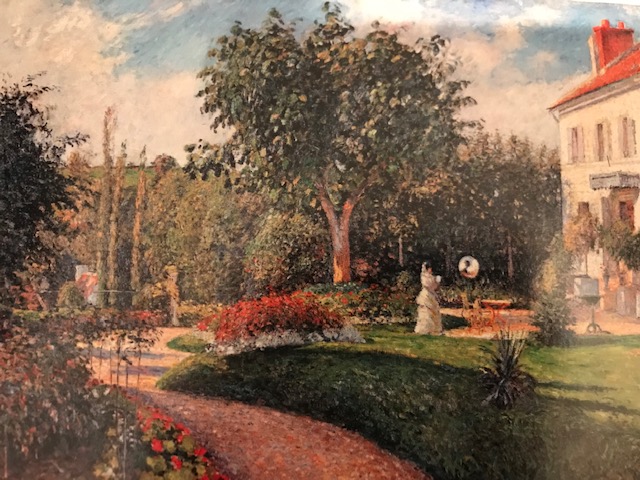
Camille Pissarro, The Garden of Les Mathurins at Pontoise, 1876, Postcard from exhibition.

The Pissarro exhibition was close to my heart. I was overwhelmed by his landscapes, some punctuated by workers in the fields. His early Caribbean scenes and his renditions of Paris made significant impressions on me. His bold and vivacious colors amazed me and gave me a sense of serenity about the often chaotic and problematic world.
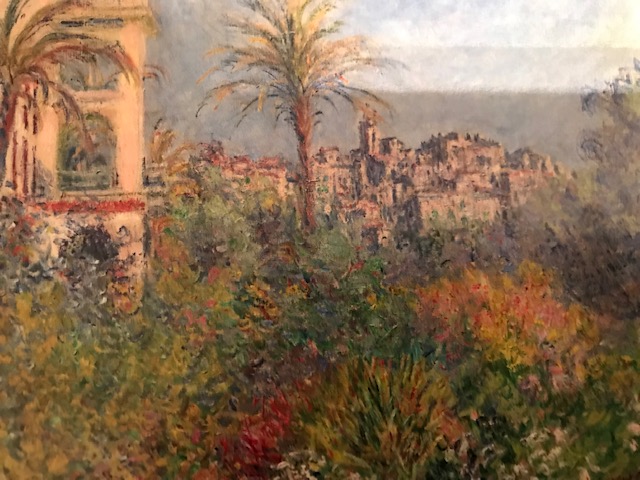
Claude Monet, Villas at Bordighera, 1884, Postcard

I loved the permanent exhibition at the Barberini with its vast Impressionist collection that included 40 works by Claude Monet, one of my favorite all-time artists. Most fascinating for me were Monet’s landscapes of Bordighera, Italy and his renditions of Venice. Paintings by Alfred Sisley and Auguste Renoir also captured my undivided attention. I was overwhelmed by the astounding Impressionist art in this museum. Seeing the permanent collection was a dream come true.
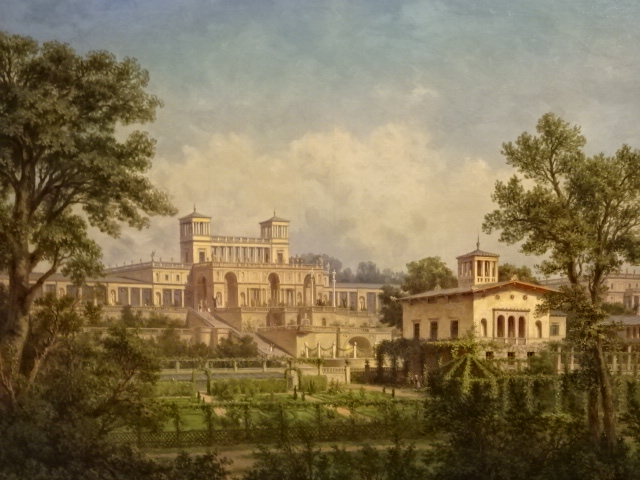
An early rendition of the palace in Potsdam
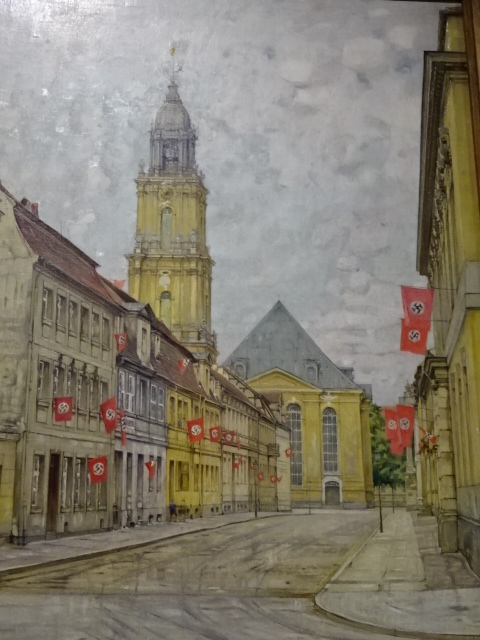
Potsdam City Museum, painting of the Third Reich era

Nearby was the Museum of the City of Potsdam, which I visited twice. I saw the developments of the city via paintings of villas, monuments and the luxurious palace from the glorious era of Frederick III. The furnishings and objects that accompanied each historical display were poignant. I especially was drawn to the exhibitions on the city during the Nazi and Communist eras.
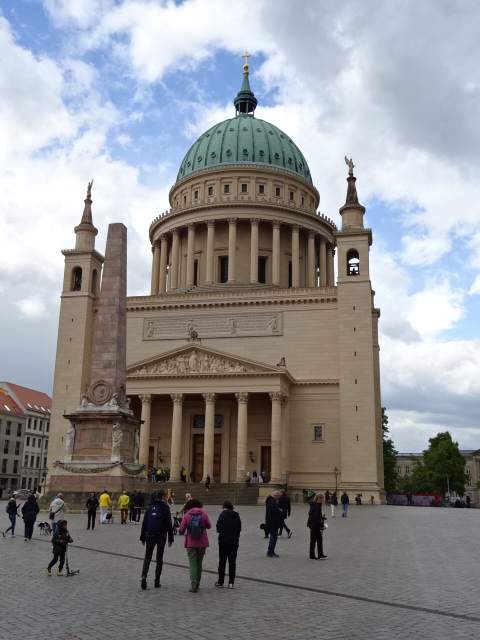
Potsdam, Church of Saint Nicholas
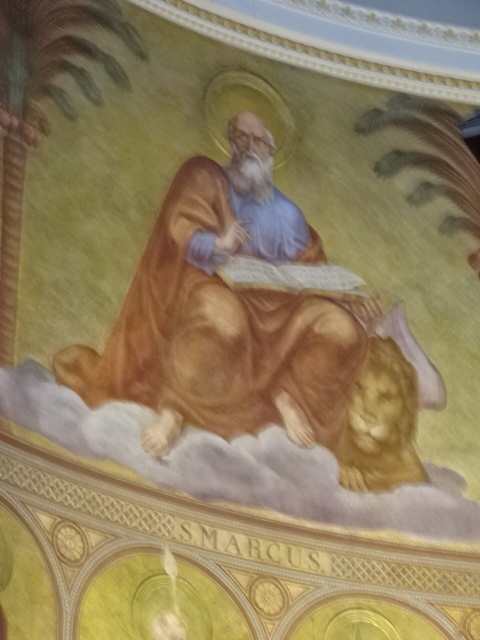
Potsdam, interior of the Church of Saint Nicholas

I also visited Saint Nicholas’ Church across the square from the museum. Its colorful frescoes inside represented the Evangelists and Apostles. The exterior featured Corinthian columns, and the church stood 42 meters high. The reconstruction after World War II was laudable. In addition, I saw the Dutch section of Potsdam. It resembled a backdrop of a Vermeer painting.
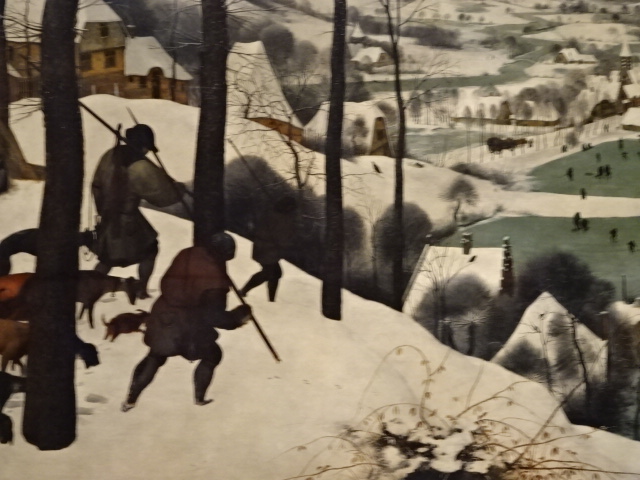
Kunsthistorisches Museum, Vienna, Pieter Bruegel the Elder, Hunters in the Snow
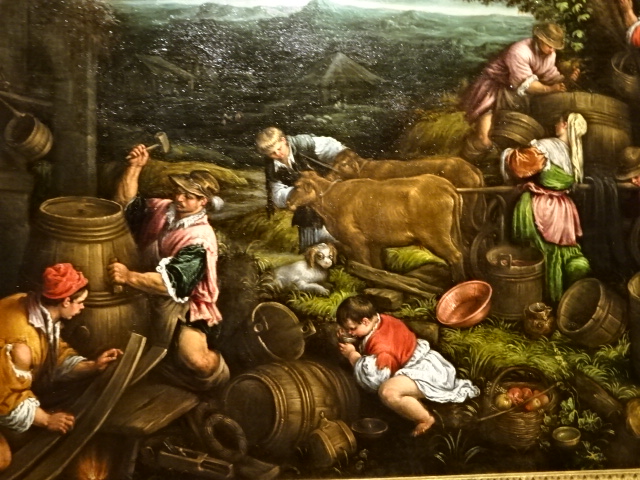
Kunsthistorisches Museum, Vienna, work by the Bassano family

At the Kunsthistorisches Museum in Vienna, Austria I enjoyed the exhibition of works by Pieter Bruegel the Elder, the Bassano family and Giuseppe Arcimboldo along with some by the master of North Renaissance style Albrecht Durer. Bruegel the Elder is my all-time favorite (along with Monet) painter. I loved his landscapes, peasant scenes and religious works. His attention to detail was amazing as the many figures in his paintings were all engaged in various activities. The Kunsthistorisches Museum was known for their permanent collection of his Dutch Renaissance renditions. Arcimboldo, who worked for Habsburg emperors, was a significant painter in the 16th century Italian Mannerist style. He is best known for his unique portrait heads made of objects, such as fruit, vegetables, flowers and fish. His works were the epitome of the grotesque, and nature was a recurrent theme in his paintings. The High Renaissance style was visible in his portrait heads, too.
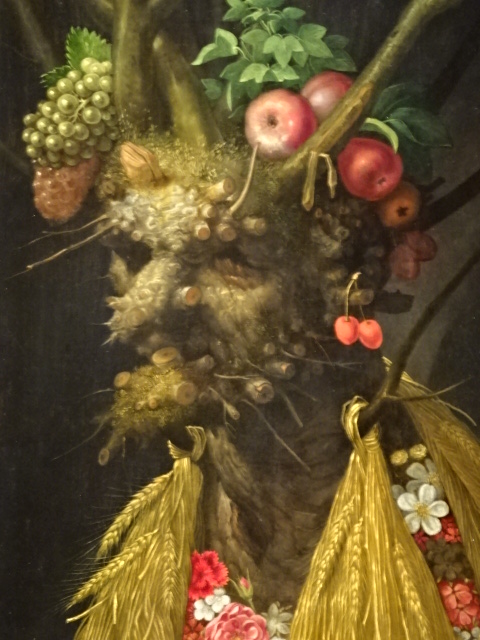
Giuseppe Arcimboldo, portrait of a head
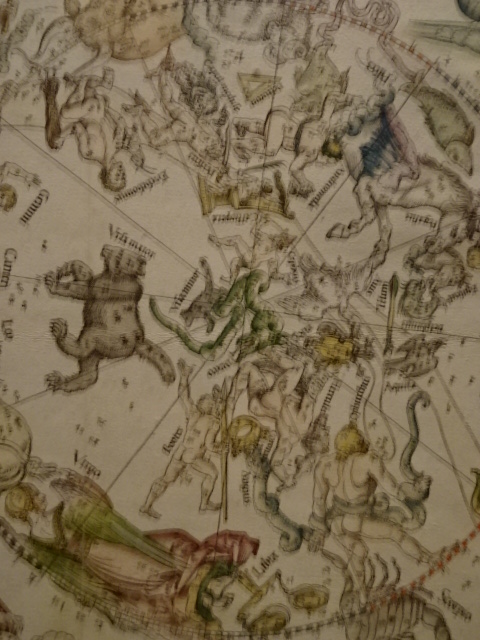
By Albrecht Durer during the German Renaissance

A prominent painter during the German Renaissance, Durer was a master at engravings, prints and watercolors, for instance. I loved his still lifes of nature as well as his portrayal of praying hands.
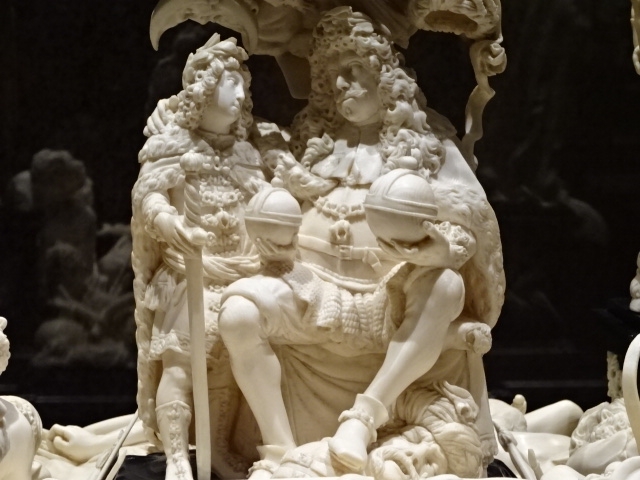
Kunstkammer, Kunsthistorisches Museum, Vienna
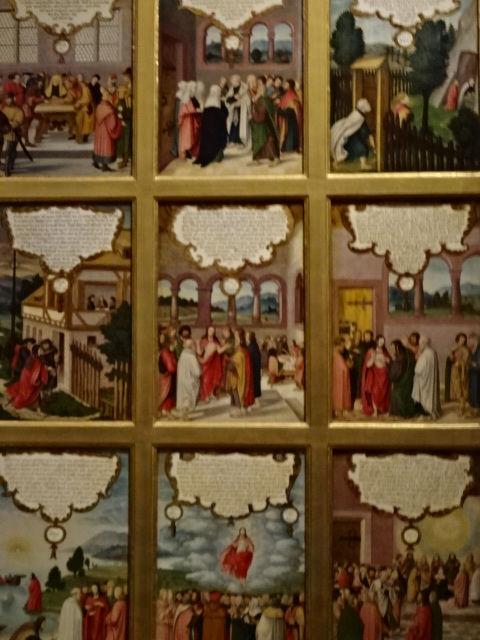
Kunstkammer, Kunsthistorisches Museum, Vienna

I also gazed at the artifacts in the permanent exhibitions – Egyptian and near Eastern art, Greek and Roman antiquities and masterpieces of European painting, such as those by Vermeer and Rembrandt. The Kunstkammer world of curiosities focused on gold, silver and ivory objects as well as paintings, sculptures, scientific instruments and miniatures. The art showed off a variety of styles courtesy of the Habsburg rulers. I couldn’t resist a cappuccino in the museum’s restaurant, permeating with a sense of grandeur as well as elegance. The restaurant was a work of art in itself.
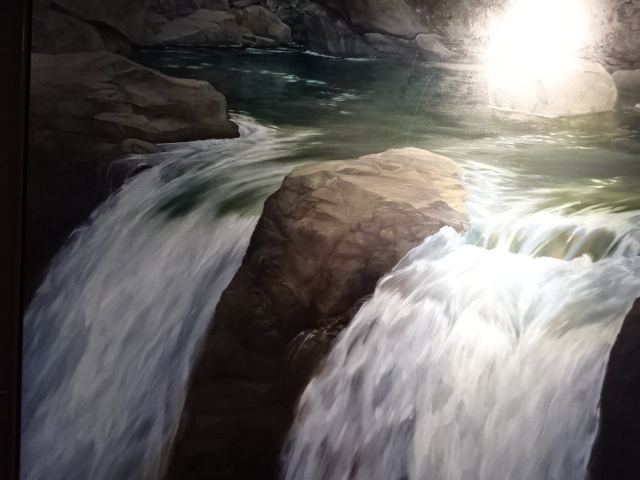
Ivana Bachová, 1995, Fairy Pools
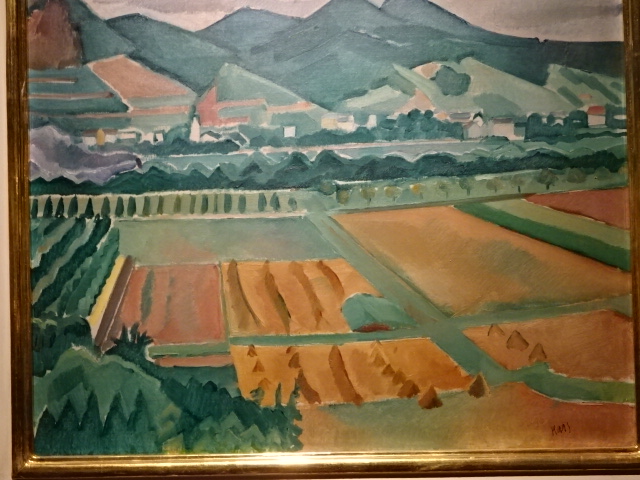
Jiří Kars, French Landscape, 1910-1914

Back in Prague, I went to another exhibition of 19th and 20th century Czech art at the Kooperativa Gallery, an intimate space located in an office building. The landscapes enthralled me, especially the French landscape by Jiří Kars. Artists Otakar Lebeda, Amálie Mánesová and Vojtěch Preissig were just a few of the painters represented in the thrilling exhibition. Sculptures by Ladislav Janouch and Jaroslav Horejš also were on display.
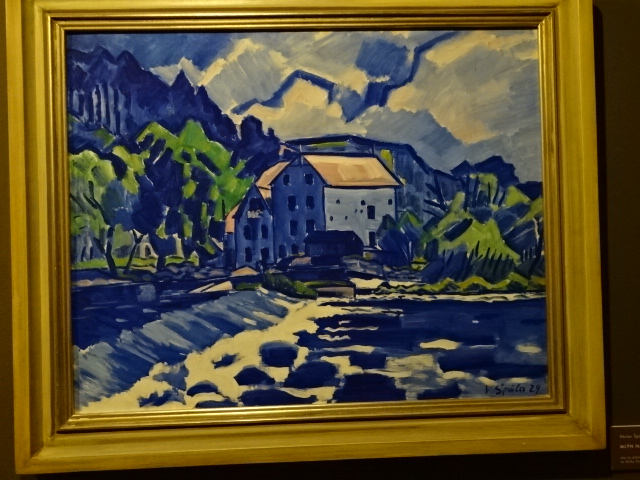
Václav Špála, Mill at Otava, 1929
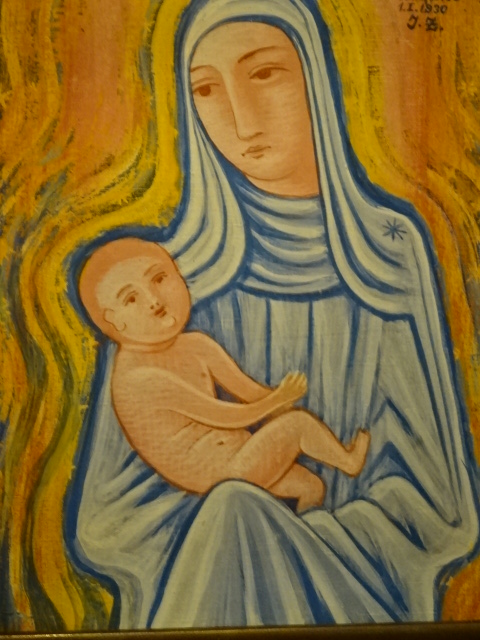
Jan Zrzavý, Madonna, 1930

Also at the Kooperativa during 2025 was a stunning exhibition of modern 20th century art. Václav Špála’s brilliant blues caught my attention in his rendition of a mill at Otava from 1929. Jan Zrzavý’s elements of Primitivism awed me in his Madonna from 1930. Vincenc Beneš’ view of Kampa Island and Preissig’s rendition of a village also enthralled me.
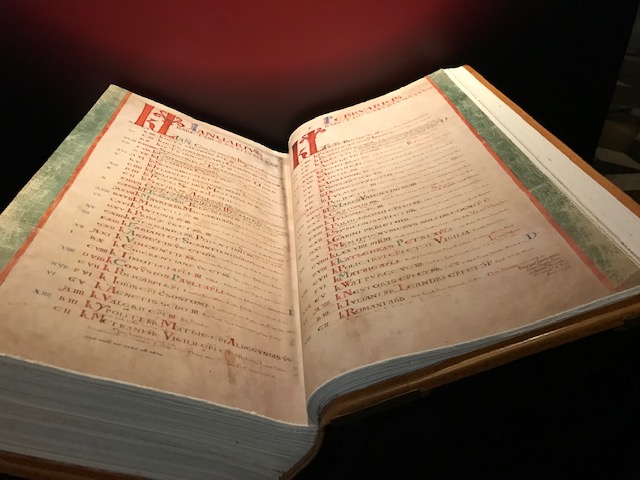
Cosmas Chronicle

At the chapel in the Clementinum, I viewed various editions of the Cosmas Chronicle, one of the most important books in Czech history, These medieval manuscripts narrated stories about Czech rulers of Bohemia and Moravia, for example. It remains the most significant story of the Czechs told through a historical lens. The oldest, the Chronicle of Leipzig, hailed from the 12th century while the Chronicle of Vienna dated from the 13th century.

National Museum, 100 Treasures, 100 Stories exhibition of artifacts from Chinese emperors

The illustrated manuscripts enthralled me. Each one was unique and remarkable. I have always been fascinated by illustrated manuscripts. (One of the highlights of my visit to Dublin, in fact, was seeing the Book of Kells and the manuscripts at the Chester Beatty Library Museum.) With a master’s in Czech literature, I am very enamored by Czech medieval works and could stare at them for hours, if allowed.
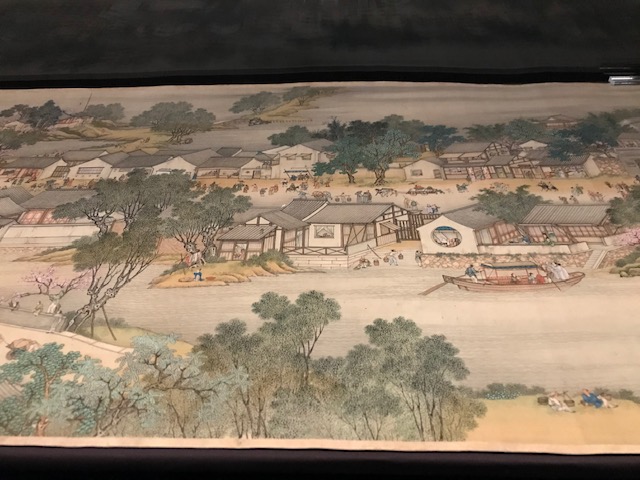
National Museum, 100 Treasures, 100 Stories

I also made a trip to the National Museum on Wenceslas Square. I saw the “100 Treasures, 100 Stories” exhibition on artifacts from the dynasties of Chinese emperors. The paintings and figurines of cats were my favorite. I also loved the renditions of villas, the sea and scenes from daily life during the eras of the emperors. The objects with dragons and elephants also enthralled me.
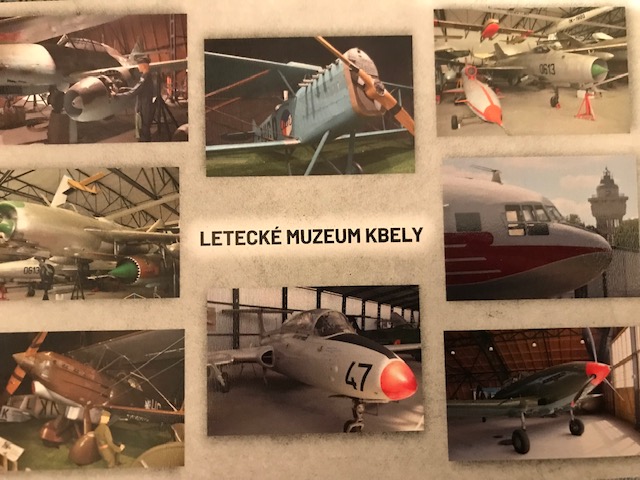
Military Aviation Museum, Kbely, Postcard

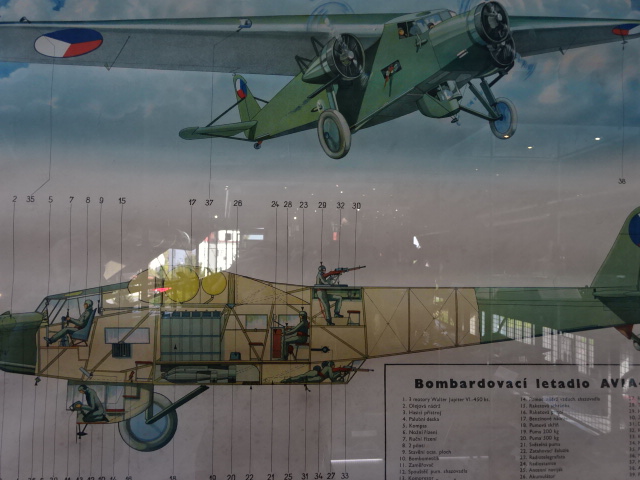
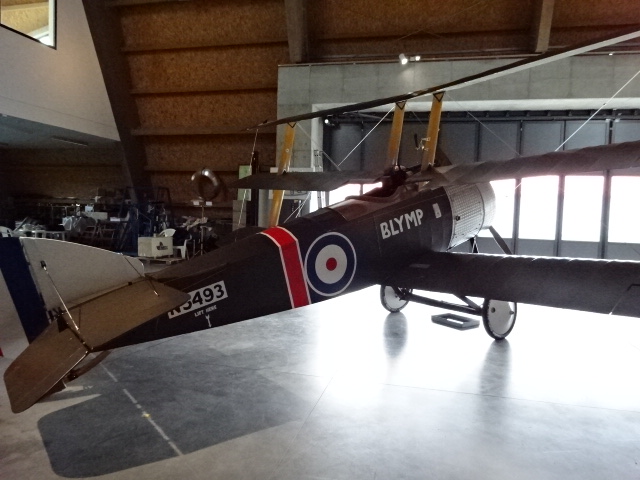
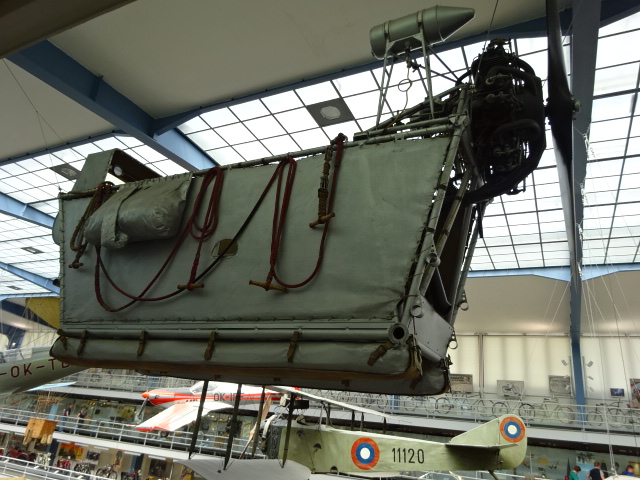
A vast museum that I visited for the first time was the Military Aviation Museum in the Kbely district of Prague. I was fascinated by the contents of the five large hangars – the war planes, the show planes, the training planes, the passenger planes. There was so much to see from so many eras. I was most drawn to the planes and bicycles from World War I. It was so intriguing to see how aviation had developed in the military sphere ever since the first planes were designed. One of the most significant objects for me was the space capsule in which a Czech astronaut had returned to Earth during the 1970s. The American Douglas planes also were very noteworthy. The sleek modern military helicopters also gave me sense of awe.
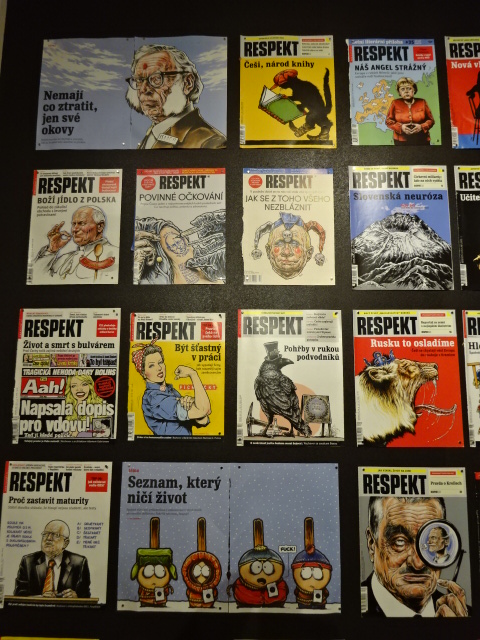
Covers of the magazine Respekt, Pavel Reisenauer

Painting by Pavel Reisenauer

The Kampa Museum in Prague hosted amazing exhibitions this past year. I admired paintings, photos, drawings, illustrations and covers of the magazine Respekt as well as his art for Lidové noviny’s supplement Orientace by the late Pavel Reisenauer. His paintings captured so many themes, including the periphery of Prague, solitude and emptiness. His magazine covers prominently commented on political and societal topics of the well-reputed magazine.

Václav Špála, The roofs of Malá strana
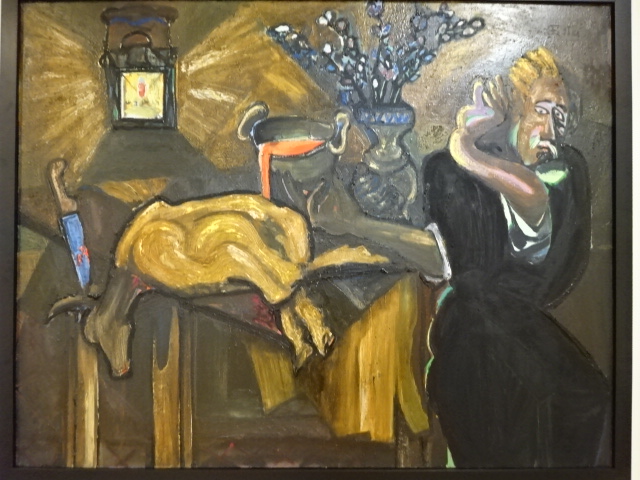
Emil Filla painting

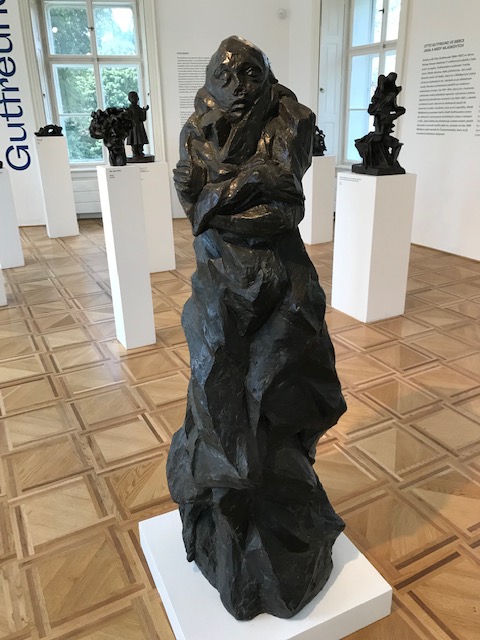
Kampa also showed off the permanent collection of a Pilsen art gallery with significant Cubist works, such as those by Bohumil Kubišta and Špála, who painted the roofs of Malá strana with such excellence. Kubišta’s colorful religious works played a prominent role in the exhibition. Sculpture by Otto Gutfreund, such as his tortured Hamlet, was not lost upon me, either. Because there are often temporary exhibitions at this Pilsen gallery, the permanent collection is not often on display. One floor was filled with mythological paintings and still lifes by the stellar artist Emil Filla. I saw monsters in his works representing the dangers of Nazism and other grotesque figures playing prominently in his renditions. I especially enjoyed seeing the characteristics of Fauvism in Filla’s works.

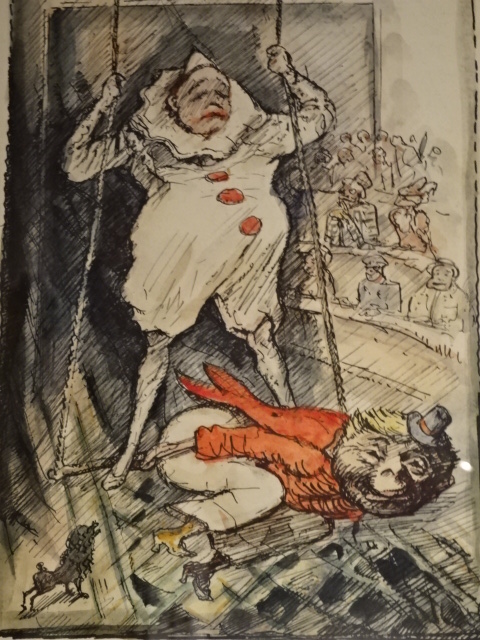
Caricatures from French magazines, created by František Kupka, made up another exhibition at Kampa Museum. The publications were printed at the end of the 19th century and beginning of the 20th century. Through grotesque images, such as those of monkeys, I came to understand better the political and societal tensions in France and in the world.
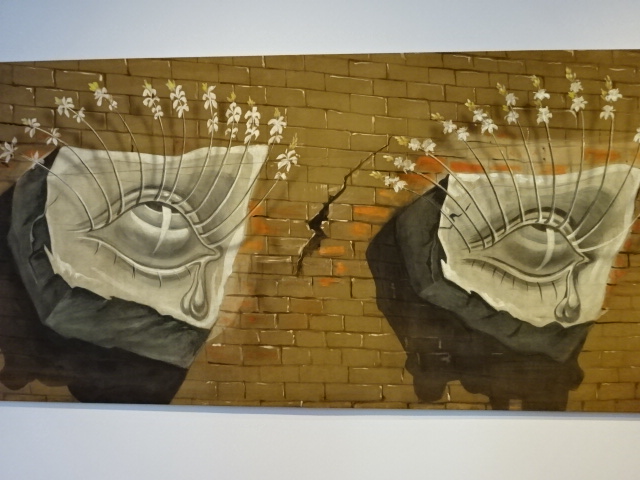
Salvidor Dali painting in Eye to Eye exhibition

Franz Kafka by Andy Warhol

Another exhibition that I admired at Kampa was the “Eye to Eye” show of works with motifs of eyes. I saw how the eye can symbolize the soul and be an open door to the internal world. Vision was sometimes portrayed as a religious miracle. I was so moved by the paintings at this exhibition. The portrait of a curious Franz Kafka by Andy Warhol was one of many that affected me. Two works by Salvidor Dali also held my attention. Czech artists such as Toyen, František Muzika and Antonín Hudeček were represented, too. Sculpture by Karel Nepráš and Ladislav Zívr also were moving. A distorted head by Picasso was another masterpiece.
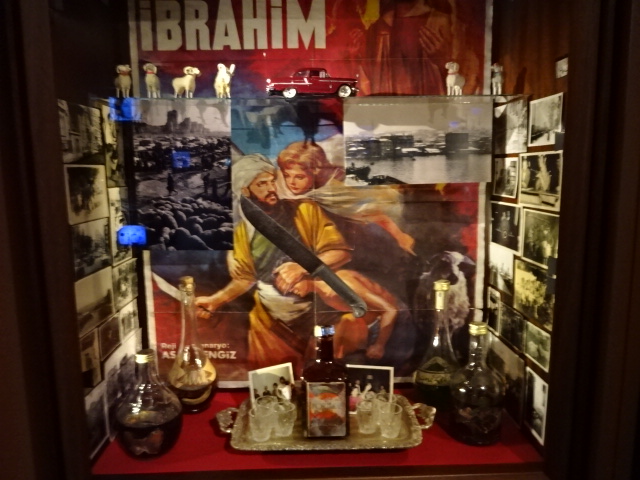
From Wunderkammer by Orhan Pomuk

At the contemporary art museum DOX, I was fascinated by the Cabinet of curiosities or Wunderkammer designed by famous writer Orhan Pomuk. The three-dimensional works in collage form told the story of Istanbul from 1950 to 2000 as well as events in Turkish history. I learned about the history of a country I knew little about. I had had no idea that Pomuk’s talent included more than writing.

A puppet of the Good Soldier Švejk saluting
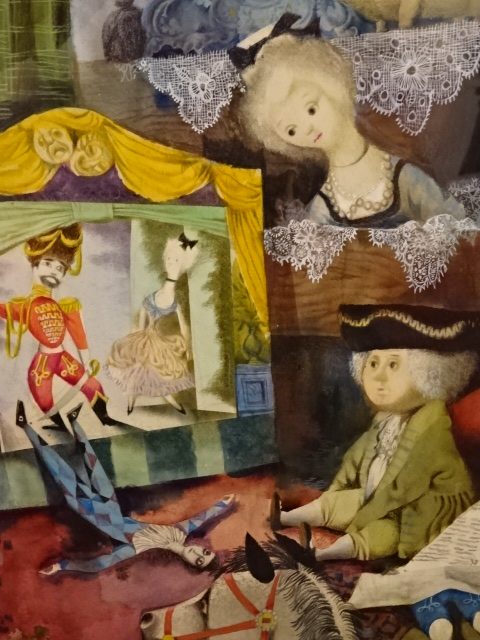
By Jiří Trnka

At the Villa Pellé there was an astounding exhibition of the art of Jiří Trnka, who had been a puppet maker, sculptor, painter and director of animated film. He also held the distinction of being the co-founder of Czech animated film. I especially enjoyed seeing the puppet of the Good Soldier Švejk, based on the antimilitaristic, novel by Jaroslav Hašek, a Czech class that took place during the Austro-Hungarian Empire. The humor and satire in the book are brilliant and profound.
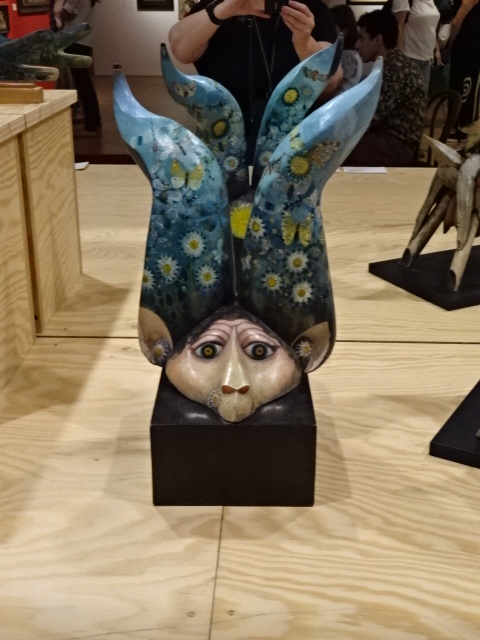
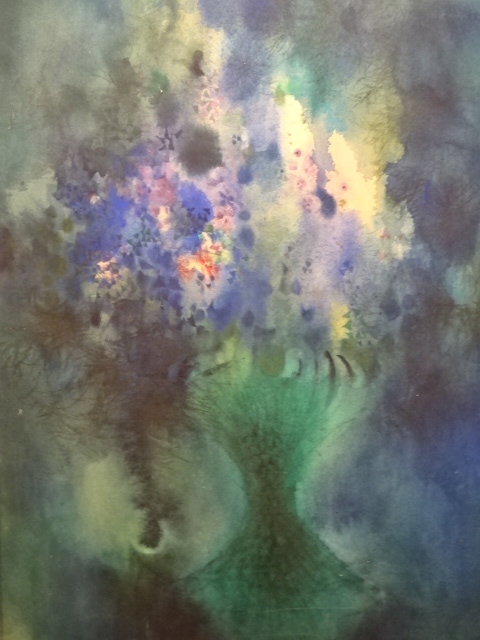
Yet Trnka was known for so much more than his masterful puppetry. I loved his paintings of a fantastical, dreamy and fairy tale-like world. I admired his utilization of the grotesque in his sculptures and paintings. Illustrations from children’s books also were prominently displayed. I saw depictions from American, British and Czech fairy tales, for instance. I especially admired the illustrations from Trnka’s own book, The Garden, in which gnomes, bespectacled whales and naughty cats made appearances. His illustrations for Jan Werich’s children’s book Finfarum were very noteworthy, too.
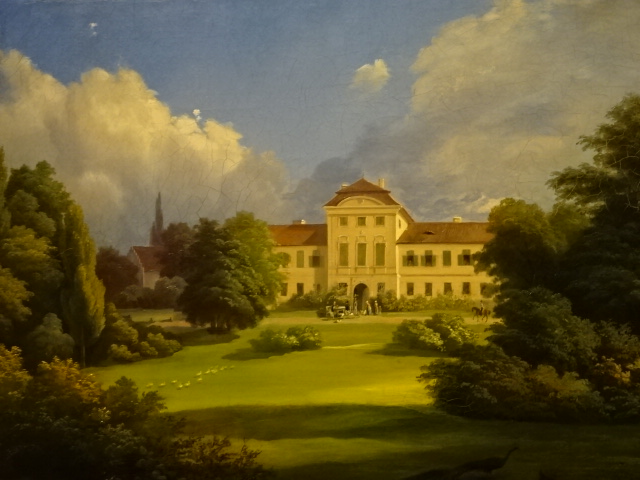
Amálie Mánesová, Vrbičany Chateau, 1846
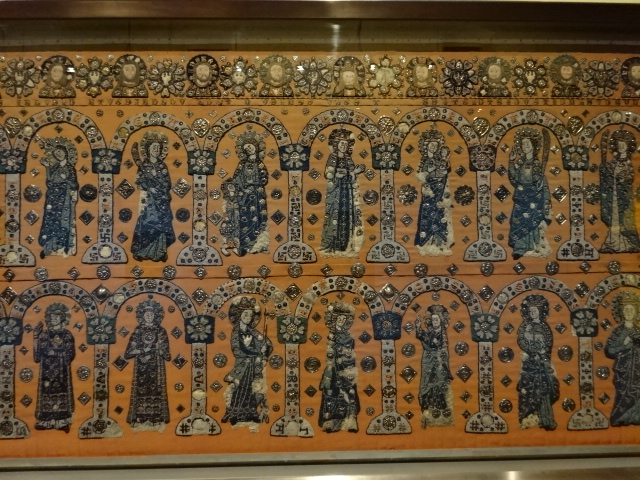
Cheb Antependium from Přemyslid Dynasty era

One excellent exhibition at the Wallenstein Riding Stables venue was a comprehensive showcase of women in art from 1300 to 1900. I marveled at the medieval works, tapestries, portraits and landscapes, for instance. I was drawn to the paintings of Venice’s Bridge of Sighs and the Ducal Palace because of my love for Italy. The religious Italian art was intense and dynamic. The prints from the 16th and 17th centuries made strong impressions on me, too. One Dutch painting influenced by the work of Frans Hals stood out for me, too. My favorites were the renditions by Amálie Mánesová, who hailed from the legendary Mánes family. Her painting of a chateau with landscape and her portraits were especially to my liking.
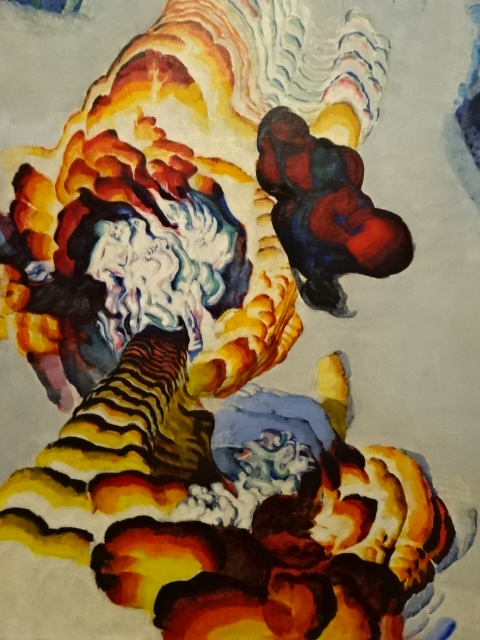
From Silent Spring Exhibition, František Kupka, Tale of Pistils and Stamens I, 1919-20
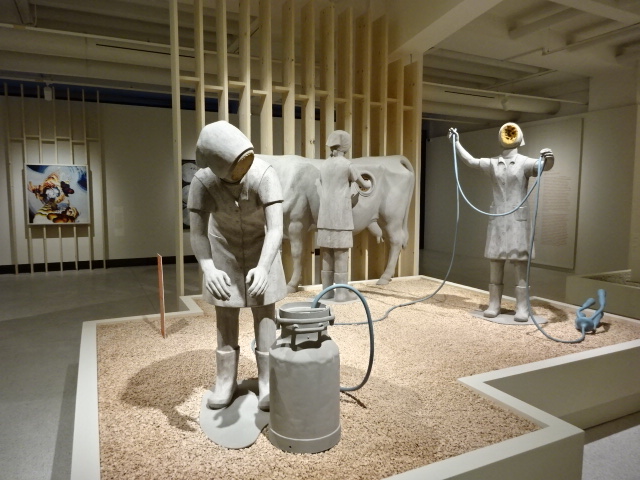
From Silent Spring Exhibition, Anna Hulačová, After Bugonia, 1984

At the Trade Fair Palace, I saw the exhibition “Silent Spring” about man’s relationship with nature from 1930 to 1970 and beyond. The surrealistic paintings and abstract sculpture from the 1960s captured my undivided attention. I also perused the permanent exhibition “The Long Century,” which focused on artistic tendencies from 1796 to 1918. Portraits of artists, landscapes, sculpture and art with a theme of the progress in transportation all were very moving. I especially was thrilled by František Bílek’s sculpture “The Blind Leading the Blind” This colossal work always made a strong impression on me. Auguste Rodin’s sculpture also enthralled me. Paintings by Monet, Pablo Picasso and Paul Signac greatly influenced me as did the works by many Czech artists.
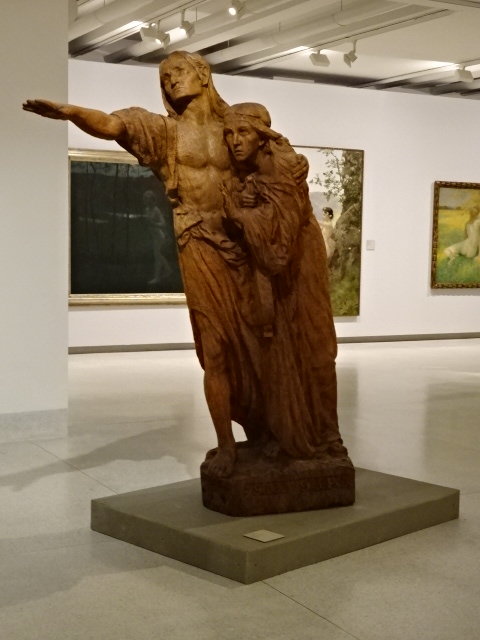
From The Long Century, František Bílek, The Blind Leading the Blind
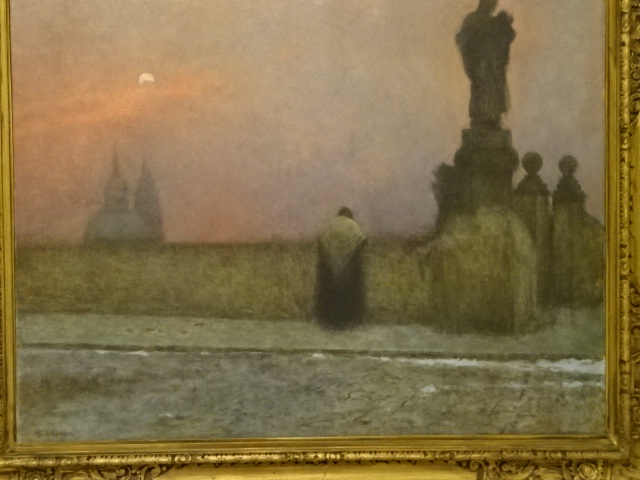
From the Long Century, Jakub Schikander, Early Evening at Hradčany, 1910-1915

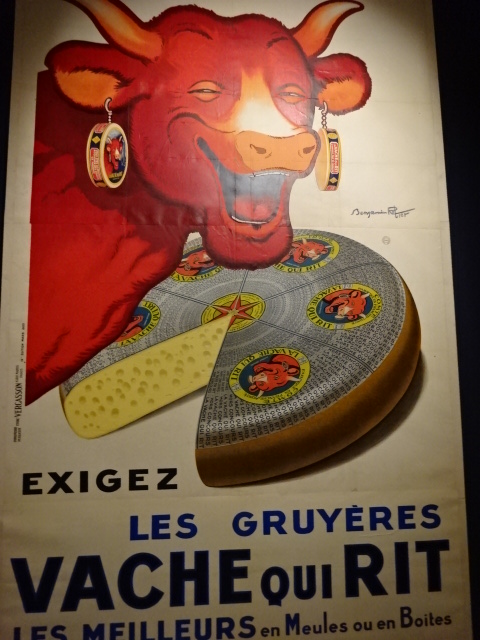
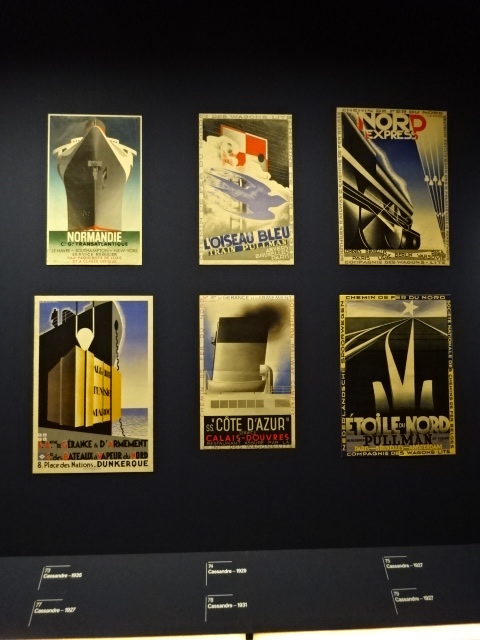
At the end of 2025, I visited an exhibition of French advertising posters from the 1920s and 1930s at the Museum of Decorative Arts in Prague. The 25 posters were bold, vivacious, grotesque and humorous. Many utilized caricature. I saw posters advertising progress in forms of transportation – trains, planes and ships. The travel posters were close to my heart. I gazed at the beaches of France and a townscape of Nice, for instance. I recognized the ad for cheese promoted by a gigantic red cow. The glass designs in the permanent exhibition at the museum also captured my attention. The dresses, shoes, ties and other garments were noteworthy. The interior of the building itself with stunning paintings on the walls and ceiling gave the museum such personality and a sense of grandeur.
I was thrilled with all the exhibitions that helped shape my year in a positive way. The exhibitions gave me solace and hope during a year riddled with sadness despite the excellent cultural events I experienced. Gazing at the art filled my heart with joy and gave me mental strength. I was thankful that I had been able to see so many influential exhibitions during 2025.
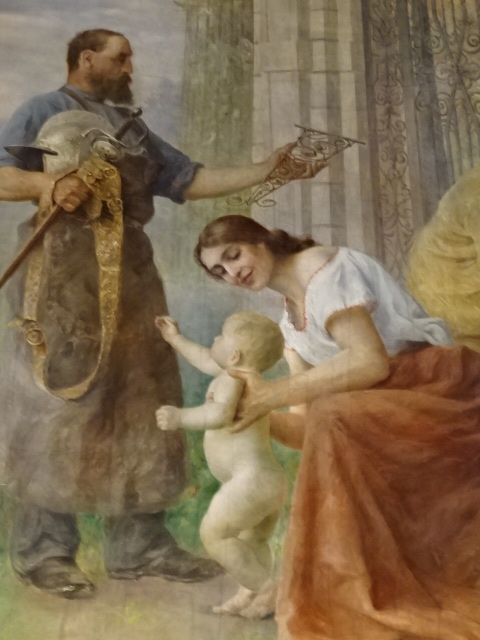
Museum of Decorative Arts, Prague
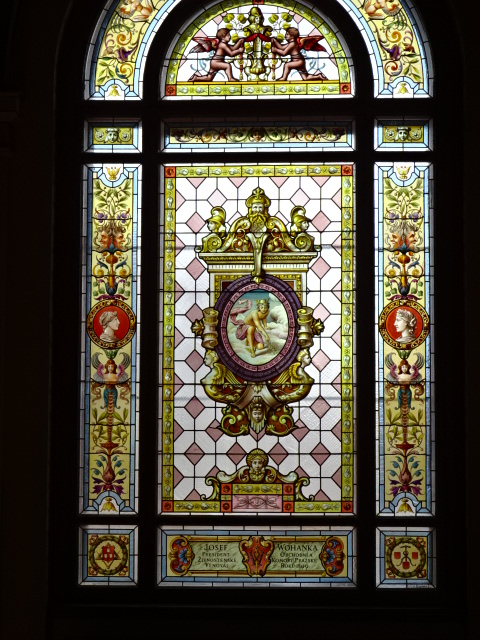
Museum of Decorative Arts, Prague
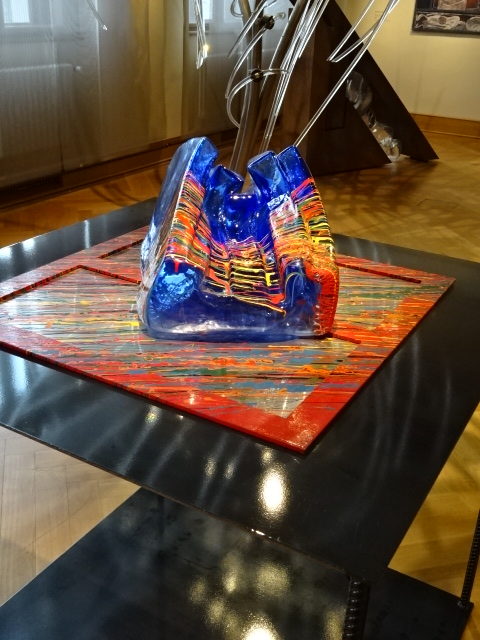
Museum of Decorative Arts, Prague
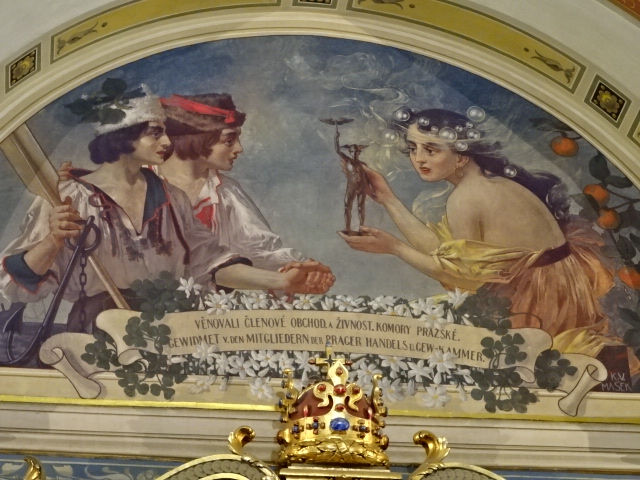
Museum of Decorative Arts, Prague
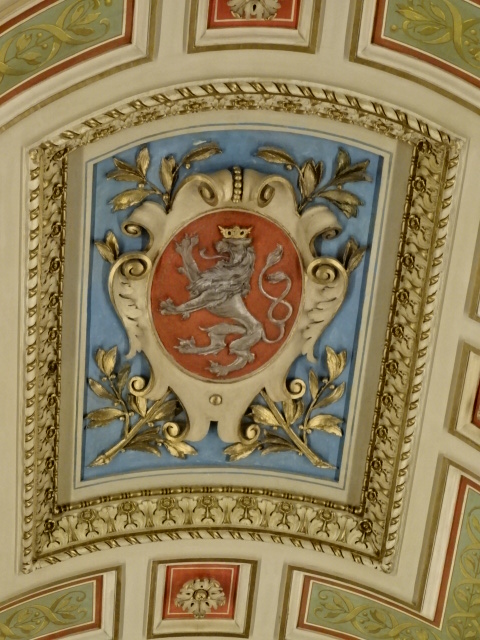
Museum of Decorative Arts, Prague
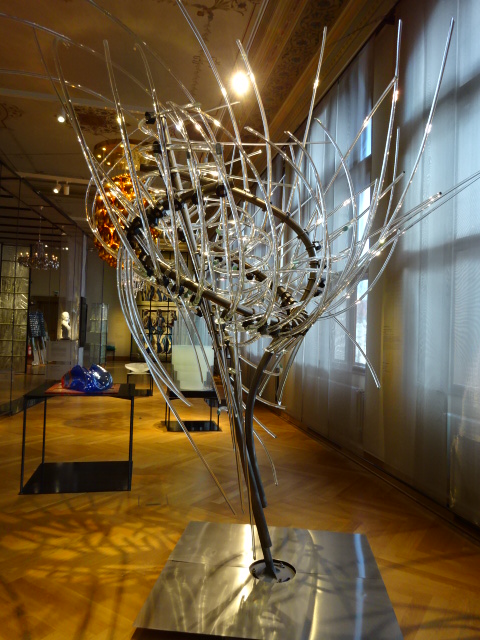
Museum of Decorative Arts, Prague
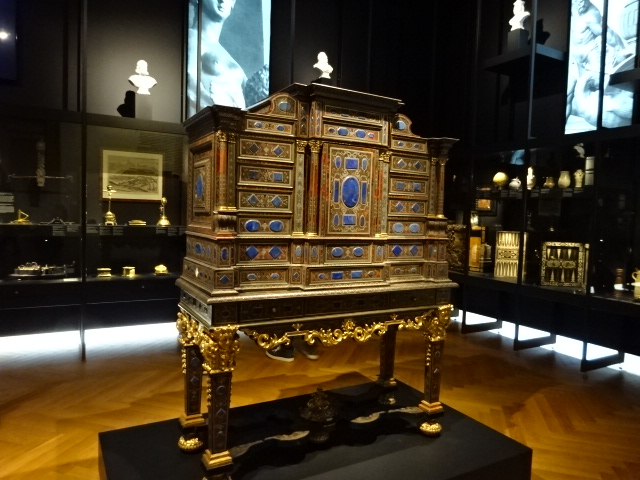
Museum of Decorative Arts, Prague

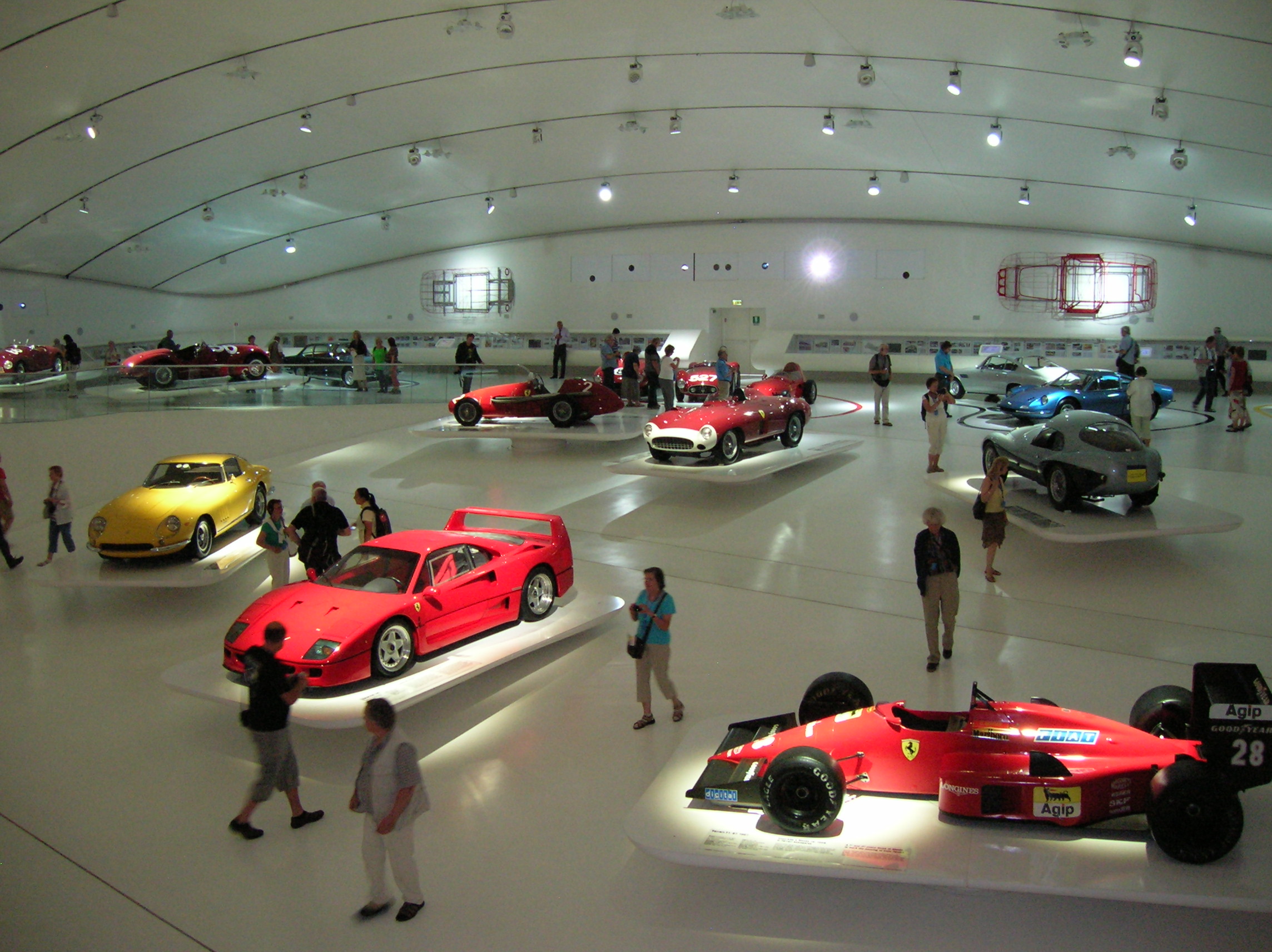
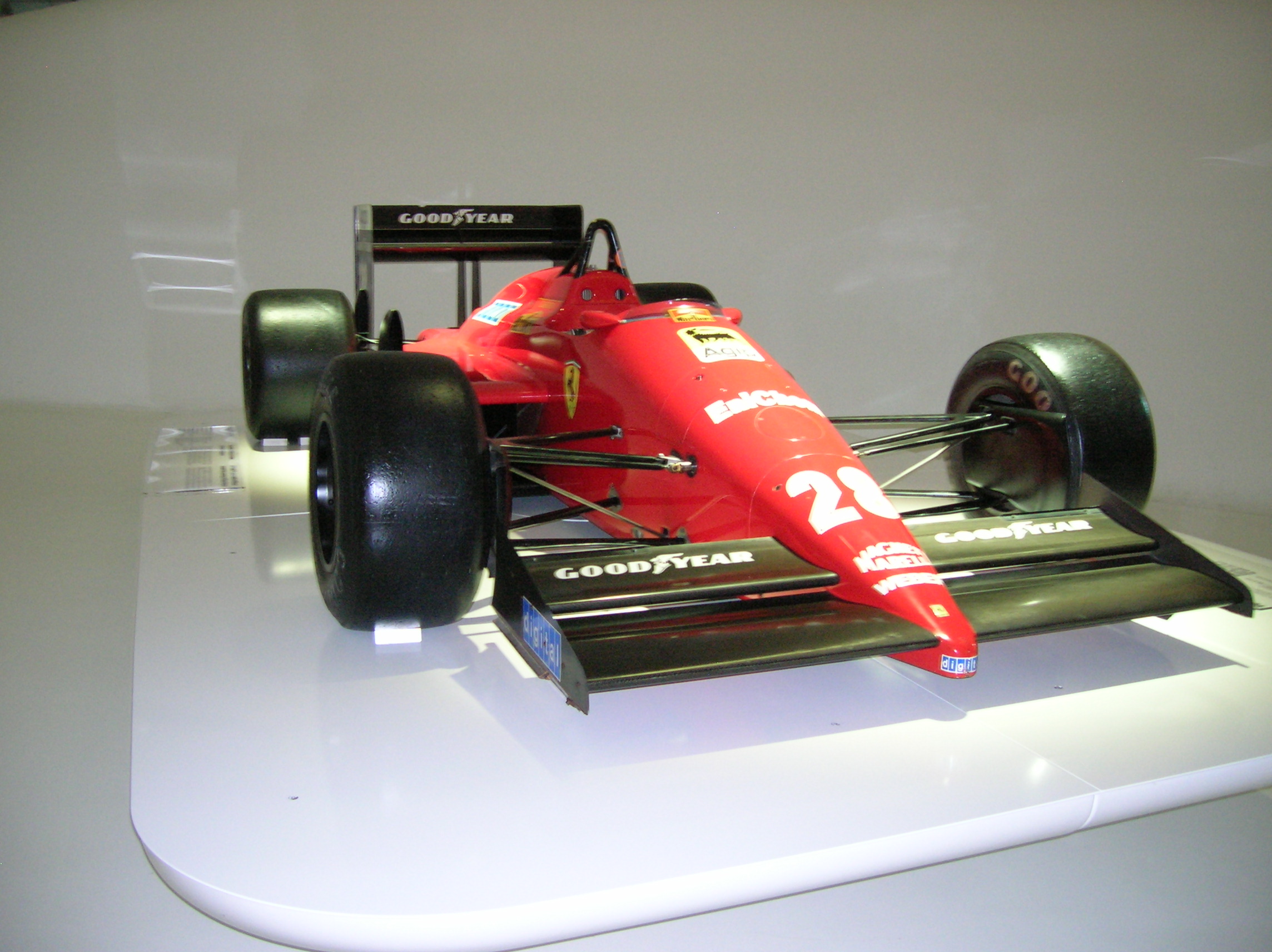
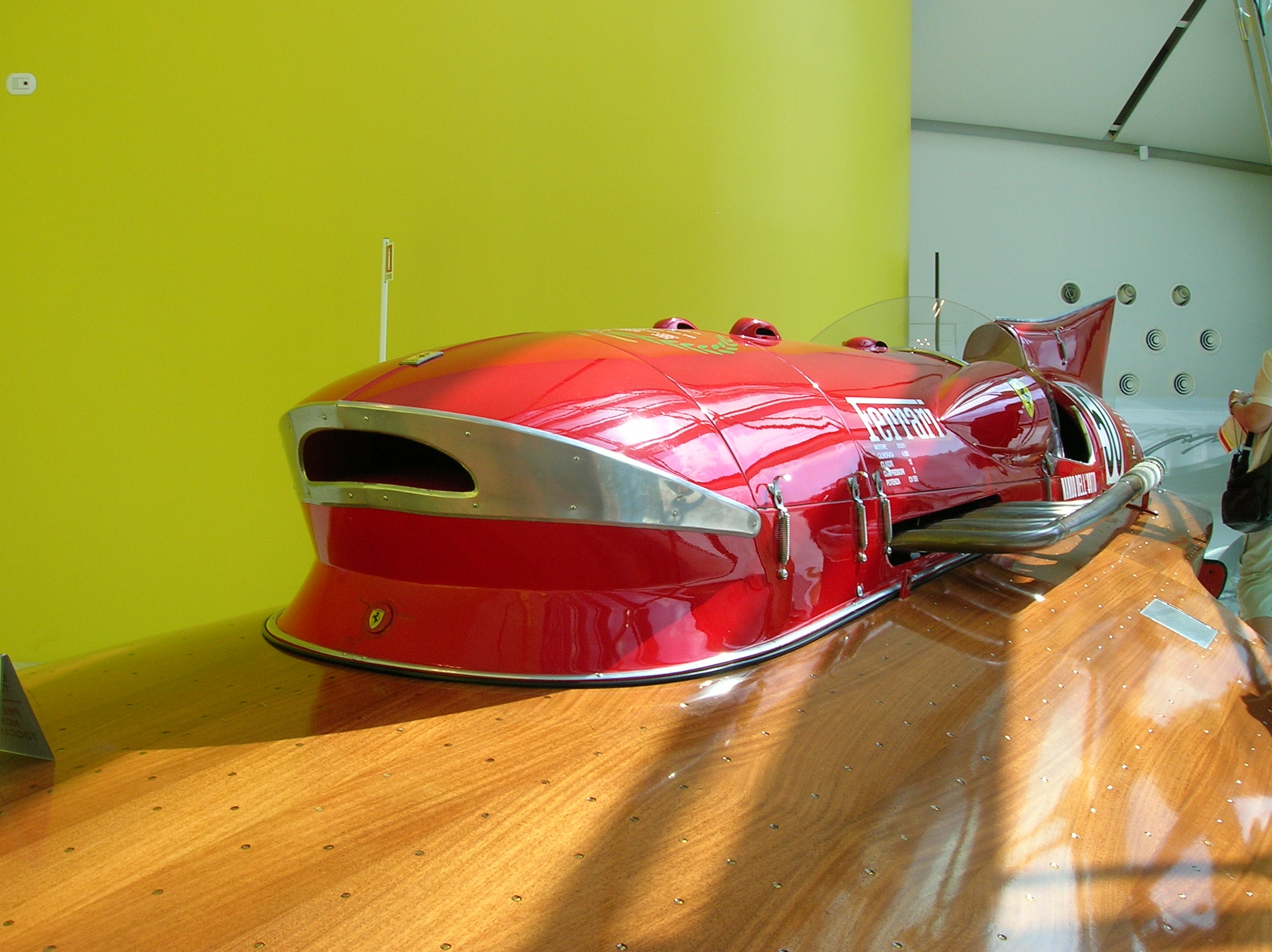
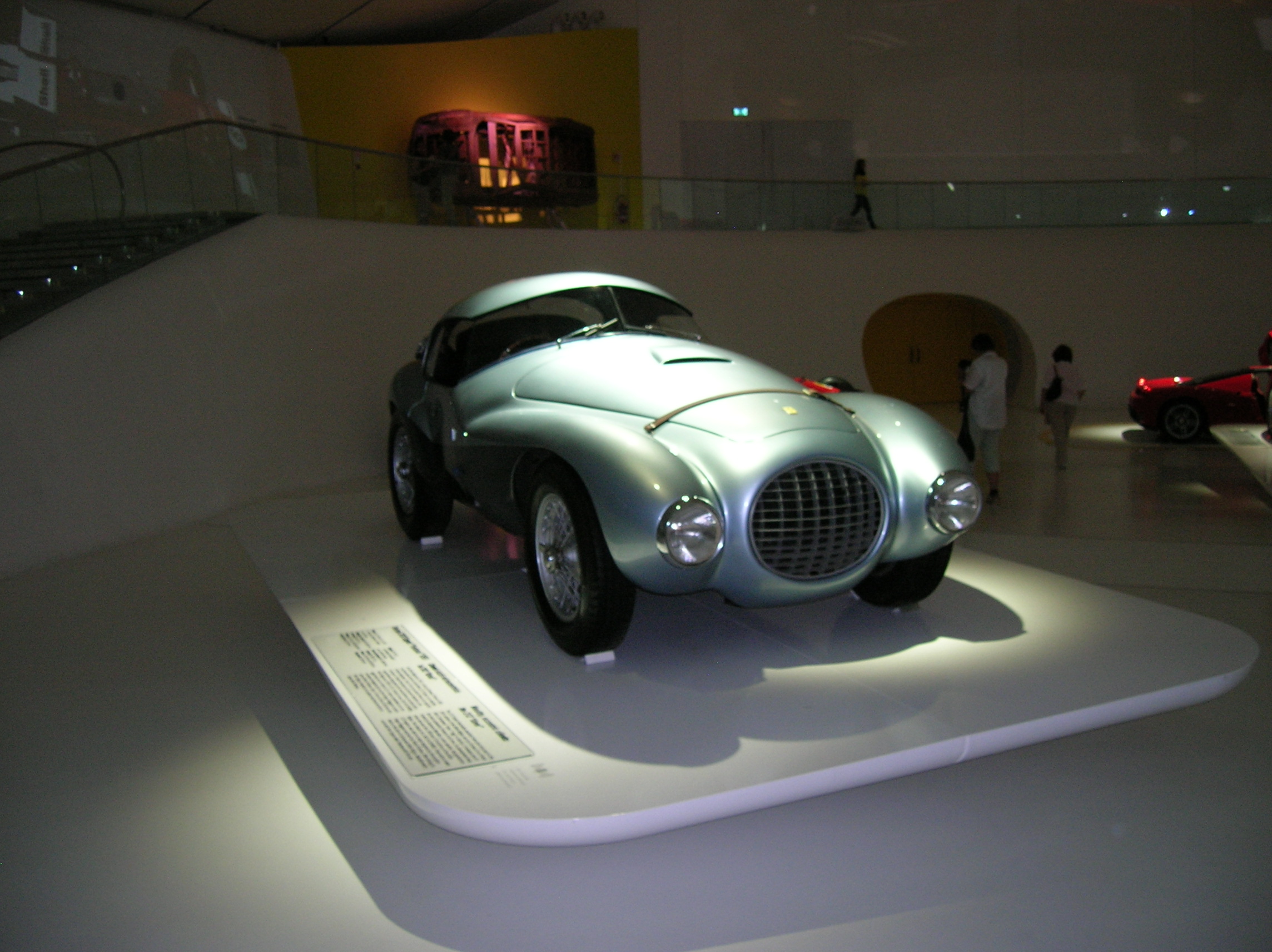
Enzo Ferrari Museum in Modena Diary

I hadn’t ever been interested in cars. Then I was traveling through Italy with a travel agency, and we stopped at the Enzo Ferrari Museum in Modena. The place captured my undivided attention. The museum, on the premises of the former metal-making shop of the founder’s father, is named after the man who created the Ferrari brand, Enzo Ferrari (1898-1988). Enzo used to be a stellar racing driver. Behind the wheel he won 11 Grand Prix competitions, nine World Driver’s Championships and eight World Constructors’ Championships, to name a few. He chose the career of a racing driver over singing tenor in operas or focusing on sports journalism, two of his other passions.

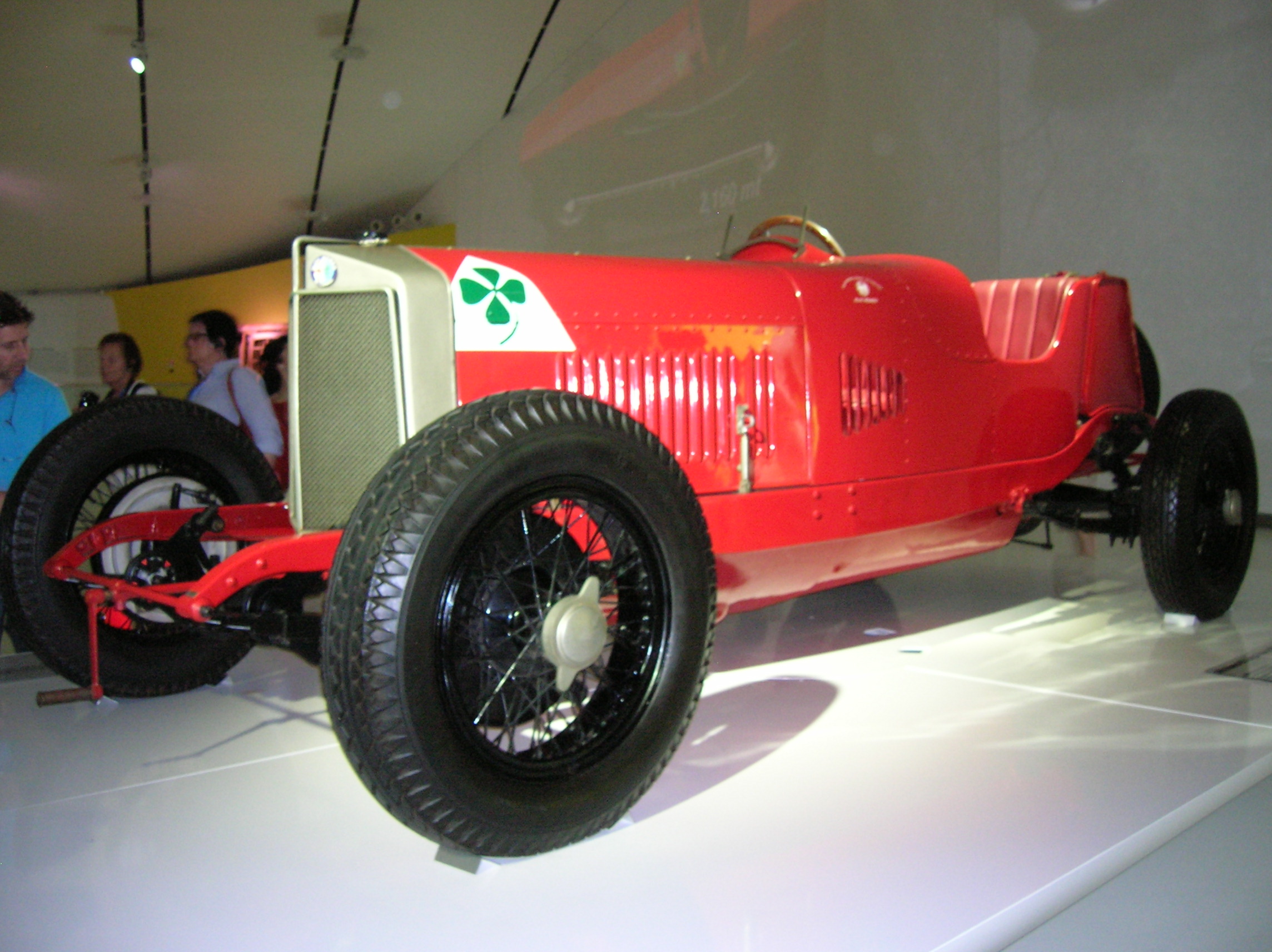
During World War I, he fought for the Italian army amidst family tragedy. Both his father and older brother passed from the flu epidemic in 1918. Enzo survived a severe bout of the flu himself, and the army sent him home. He made his debut as a professional racing car driver in 1919 and joined Alfa Romeo the following year. During 1923, he won his first Grand Prix. His career was punctuated by accomplishments. In 1932 he retired and formed his own team, Scuderia Ferrari, but the company only lasted until 1937. Two years later, he started a business making car parts for racing teams. During World War II, his company focused on manufacturing for the war.

However, when the war ended, Ferrari decided to produce cars. He established Ferrar S.p.A with his own drivers during 1947. The praiseworthy team was successful, winning its first Grand Prix during 1951. That’s when Enzo decided to branch out and sell sports cars in addition to overseeing his racing team’s competitions. 

The late 1950s proved to be a dark time in Ferrari’s history. Few people showed up for races, and the roads were in horrible condition, for instance. To make matters worse, in 1957, during a race, a Ferrari crashed. It was a nightmare. Not only did the two drivers die, but 11 pedestrians, including children, also lost their lives. Criminal charges were filed against Enzo, but the case was later dismissed.

The 1960s proved a stellar time for the company, despite the fact that many employees left in 1962. The Ferrari team won six consecutive years at Le Mans, nabbing victories from 1960 to 1965. Also, the popular Dino cars began to be produced in the 1960s.

During the 1970s, a three-kilometer racing track was added to the Modena premises so Enzo could make sure his cars drove well. It is still in use. Having achieved much success, Enzo died of leukemia during 1988. To this day, the Ferrari brand remains one of the most significant worldwide.

Tracy A. Burns is a writer and proofreader in Prague.

Škoda Museum Diary

I never imagined I could be fascinated by automobiles because I despise driving. In fact, I have never owned a car.

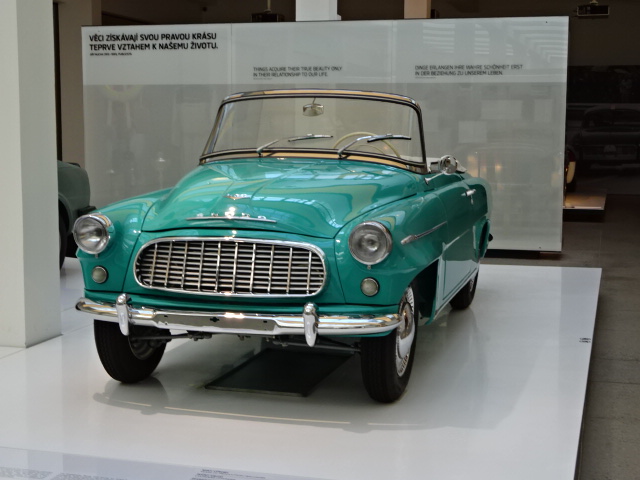
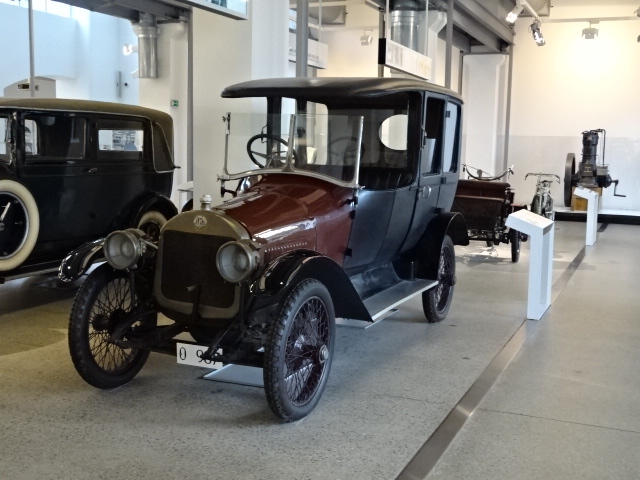
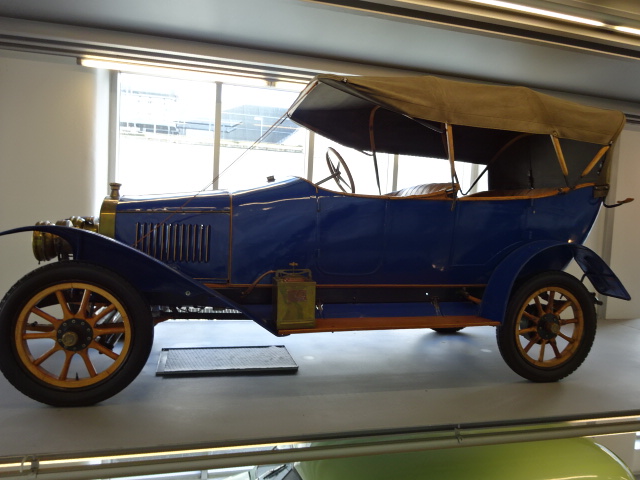
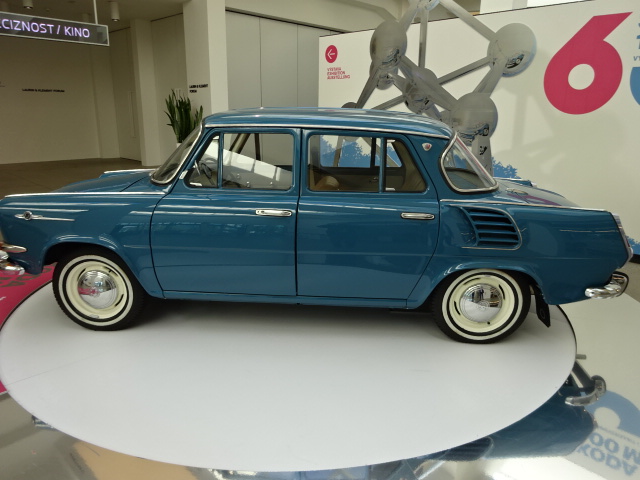
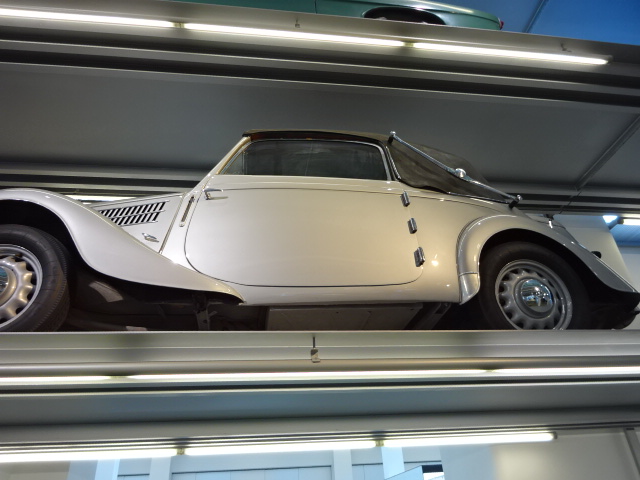
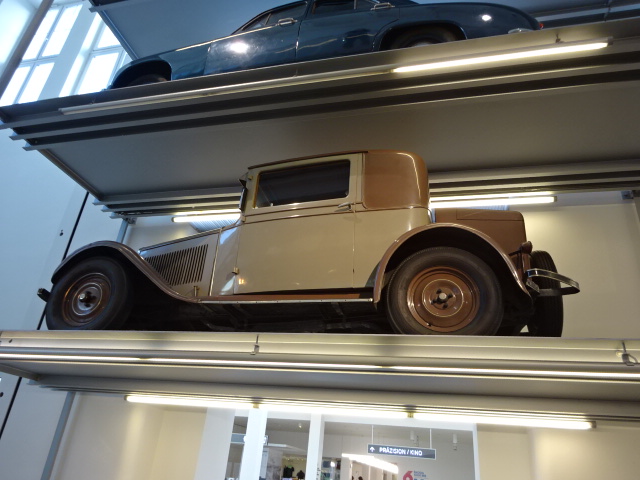
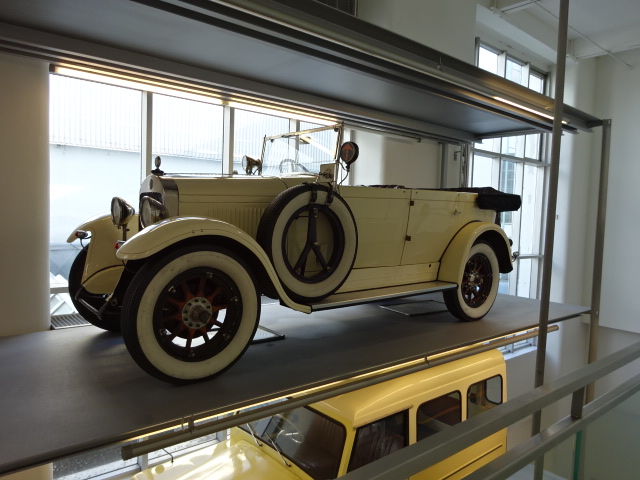
However, during 2024, I would be pleasantly surprised when my friend and I visited the Škoda Museum in Mladá Boleslav, about 70 km from my home in Prague. Škoda is the biggest manufacturer of cars in the Czech Republic. The company has made a name for itself as one of the oldest automobile manufacturers in the world. The museum presented 360 vehicles from the end of the 19th century to contemporary times in a former production hall that measured 1800m2.

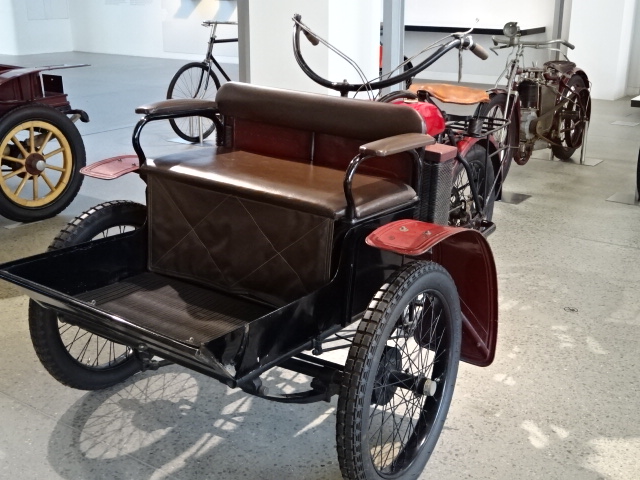
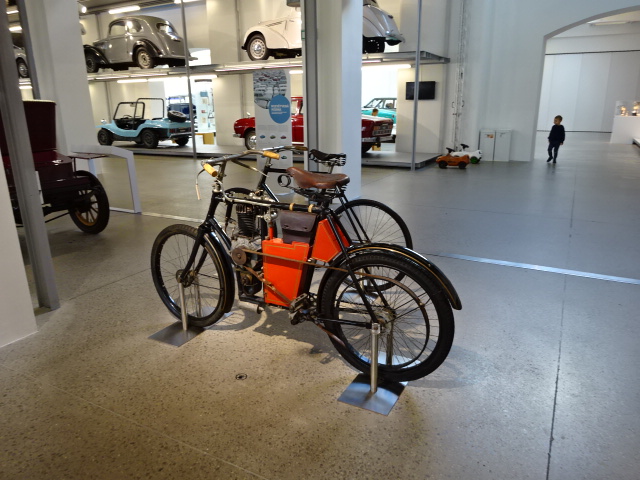
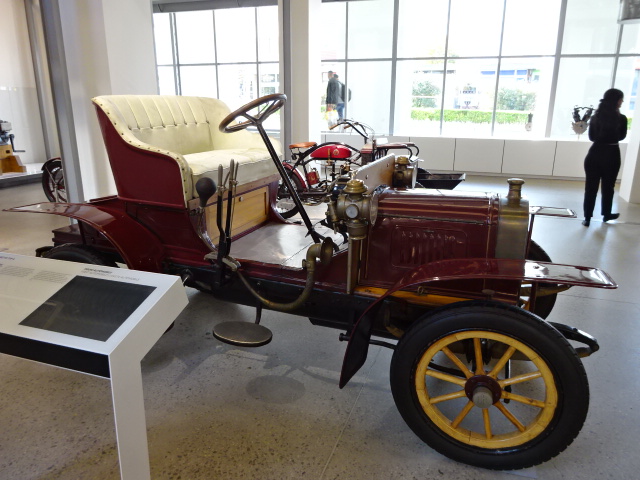
I was most fascinated by the oldest cars – from the late 19th century and early 20th century. The late 19th century and early 20th century bicycles, especially the double-seated one for postal workers, also caught my undivided attention.

Václav Laurin

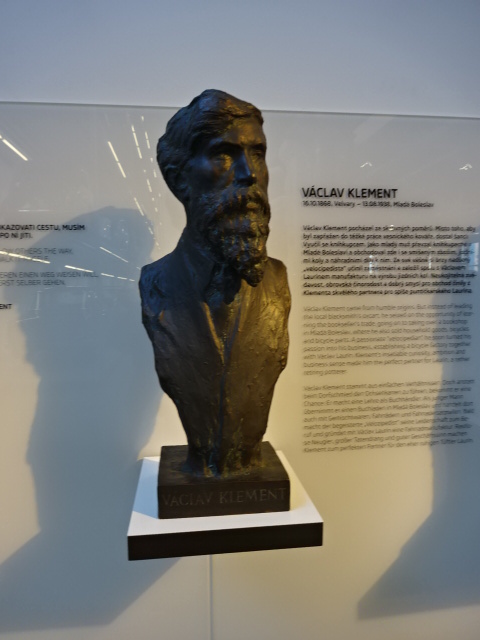
Václav Klement

The company’s history began in 1895, when cyclists Václav Laurin and Václav Klement founded it. They decided to manufacture bicycles after Klement was dissatisfied with a bike he bought. His criticism of the company received an undignified response. So the duo opened their own business.

By 1899, they had begun manufacturing Slavia motorcycles, becoming the first motorcycle manufacturer in the Austro-Hungarian Empire and Germany. Several motorcycles are on display at the museum.

Laurin and Klement branched out into the automobile industry during 1905, when they produced the Voiturette A, a car that received much praise from the public. Even World War I didn’t stop the company from functioning. After the war, the company expanded.

However, a fire in 1924 did much damage. Still, Škoda made a successful comeback. During 1933, the company felt the economic crisis, though, with only 1,607 cars produced that year. However, with their ingenuity and innovation, the manufacturer was able to come up with a cheap car – the Škoda 420 that weighed only 650 kg. By 1936, the company was receiving much acclaim, producing 4,990 vehicles that year, including many exported to other countries. Škoda would branch out and make not only cars but also trucks, buses and trams, similar to trolley buses.

During World War II the company had to manufacture cars, planes and weapons for the Third Reich as the Czech lands were part of the Nazi Protectorate of Bohemia and Moravia.

After World War II, Skoda was nationalized. By 1960, the company had 40 new buildings and was touted as one of the most modern factories in Europe. Leading up to 1968, the factory produced about 500 vehicles per day.

However, due to the strict totalitarian regime of the 1970s called Normalization, many projects were not brought to fruition. In August of 1969, a fire in Mladá Boleslav took four days to extinguish. Yet the company continued to produce cars and other vehicles regardless of the trials and tribulations of the times.

In the early 1980s, the manufacturer moved the engine from the back of its cars to the front. Produced in 1987, the well-known Škoda Favorit became very popular.

By 1989, the company put to use more modern technology, and during that year more than 100,000 Favorits were manufactured. Since the 1989 Velvet Revolution that toppled Communism and brought democracy to Czechoslovakia, the company has continued to make great strides in the automobile industry, achieving much success in subsequent decades.

That day we visited both the aviation museum and automobile museum in Mladá Boleslav. I was surprised how impressed I was with both of them because I usually went to art galleries, castles, chateaus and monasteries. This proved to be one of my most memorable trips.

Tracy A. Burns is a writer and proofreader in Prague.

Through the Eyes of Franz Kafka Exhibition in Pilsen Diary

During the summer and fall of 2024, the West Bohemian Gallery in Pilsen showed off the riveting exhibition “Through the Eyes of Franz Kafka: Between Picture and Language.” It focused on the ways in which the visual world around Kafka had been influential in the language Kafka chose for his writings. There was a direct connection between the visual world and the literary world in Prague, Kafka would have seen the works on display in his everyday Prague life that boasted of a multilingual society immersed in the languages of Czech, German and Hebrew. Kafka resided in Prague his entire life – from July 3, 1883 to June 3, 1924, when he died at the age of 40 from tuberculosis. He spoke German as well as Czech and wrote in German. His parents spoke German mingled with Yiddish.
At the end of the 19th and beginning of the 20th century, posters were displayed all over the city. Designed in the Art Nouveau style, they showed off art exhibitions, cabaret shows, literary events, advertisements and much more. Japanese art played a role in the decoration of these posters. Later, the artistic focus was Cubist features. German-Czech spiritualism also was influenced by the time period. Silent films, both European and American, were popular in Prague. Going to the cabaret, ballet and theatre were pastimes of Praguers.

Exhibition Wordwede in Kinská Garden, Prague, 1903.

Modern French Art exhibition, Kinská Garden, Prague, 1902.

I would like to highlight several of the artists represented in the show, including the posters of Jan Preisler, a Czech painter and university professor. For a while his works promoted the Art Nouveau style, which is evident in this poster for an art exhibition. He also decorated Art Nouveau buildings in Prague. For example, the Hotel Central in Prague features his ornamentation. The triptych Spring was made for the Peterka building in the capital city. Preisler made a name for himself as a Secession artist, even though he would take on a different style later in his career.

Girl in Flowers, 1922, by Anton Bruder

Many of his works could be designated as Neo-Romantic, punctuated with allegorical Symbolism. His art often showed a fondness for fairy tales or moods characterized by depression and sadness. Preisler attempted to reveal the depth of one’s soul. Early in his career he became friends with Czech landscape painter Antonín Hudeček. Preisler was also influenced by the art of Edvard Munch as he helped plan the 1905 exhibition of Munch’s depictions in Prague. Preisler also had developed friendships with painters Bohumil Kubišta and Vincenc Beneš. He was very inspired by the poetry of Otakar Březina, a Czech artist who wrote in a complex, symbolist style and was nominated for the Nobel Prize eight times. Vitezslav Nezval and Josef Suk were other poets who made an impression on him. Perhaps his best known painting is the triptych “Spring,” from the turn of the century. It depicted the complex feelings of someone entering the 20th century. Man experienced a nostalgia for the past, but, at the same time, was looking forward to adventures awaiting him in the new century. A person’s connection to nature was another theme promoted in this triptych.

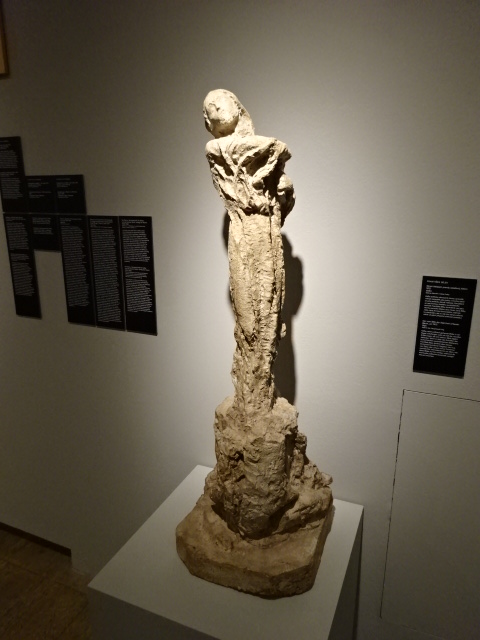
Sculpture by František Bílek

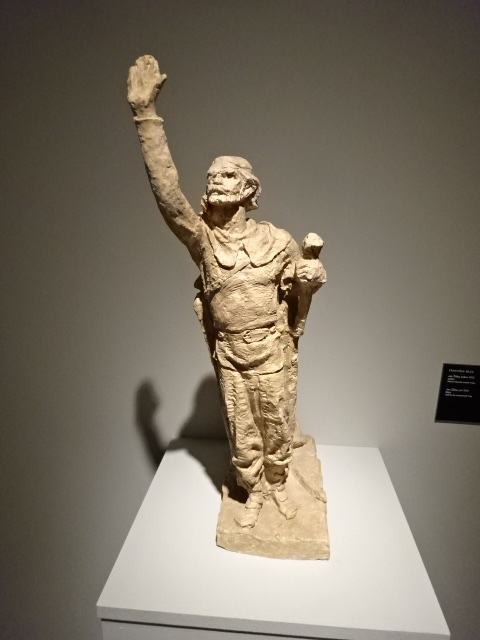
Jan Žižka, by František Bílek, 1912

Sculpture that permeated the exhibition included that of Art Nouveau symbolist František Bílek, whose Secession homes in Prague and Chýnov I had visited. Miniature versions of several of his sculptures were on display. He utilized mostly religious themes with a sense of mysticism. While Bílek was best known as a sculptor, he also designed furniture and created graphic art, drawings and illustrations. An architect as well, he designed cemeteries and made gravestones, for instance. His woodcarving skills were astounding, too. A year later, in 2025, I would see Bílek’s amazing works in the former flat of Czech poet Otakar Březina, incorporated into a museum for the symbolist poet in Jaroměřice of the Vysočany region. To be sure, Bílek’s creations caught the attention of society during the Art Nouveau age.

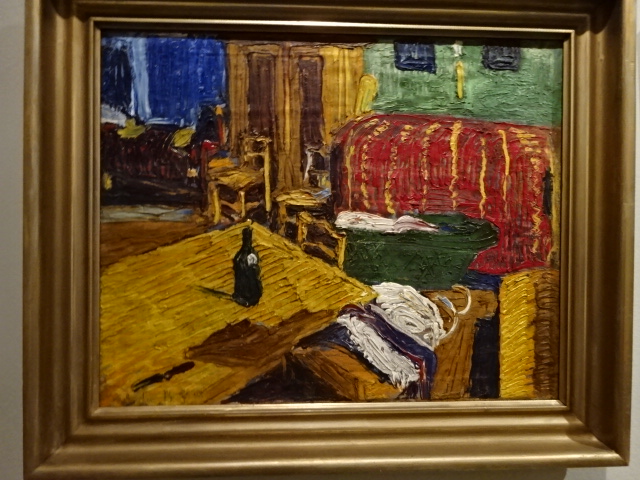
The Interior, by Bohumil Kubišta, 1908

One of my favorite Czech painters of this period, Bohumil Kubišta played a role in the exhibition. One of the first to paint in a modern Czech style, Kubišta created a new path for artists as he helped establish the significant Osma group of painters who were oriented toward Munch’s style. In Kubišta’s paintings, bright color played a large role as did mysticism and symbolism. At times he took up religious themes. Kubišta often concentrated on the spiritual as the symbolism of life and death featured in many of his works. He emphasized the spiritual meaning of the countryside, too. The styles that made an impact on his work included Fauvism, Futurism and Surrealism. Self-portraits and still lives were common in his repertoire, too.

Landscape, by Georges Kars, 1910

I knew the name Czech-French painter Georges Kars from a Prague exhibition of Czech artists in Paris between the wars. While initially taken with Impressionism, Cubism and Fauvism, he found his own path with dynamic and vibrant compositions. He made a lot of women’s portraits, self-portraits, nudes and half-nudes in his figural works. Sometimes he rendered still lifes and landscapes. Kars utilized the neoclassicist style for his portraits, nudes and still lifes. His paintings were world-renowned, displayed throughout Europe, the USA and Japan.
During World War I he served for the Austro-Hungarian army and even was captured by the Russians. He survived the experience and continued painting after the war.

A Walk in a Park in Florence, by Bohumil Kubišta, 1907

Of Jewish origin, Kars escaped France during 1942 and settled in Switzerland. However, he was so traumatized by the persecution of the Jews that he took his own life, jumping to his death from the fifth floor of the Geneva Hotel. During 1949 he was buried with his family in Prague’s New Jewish Cemetery.

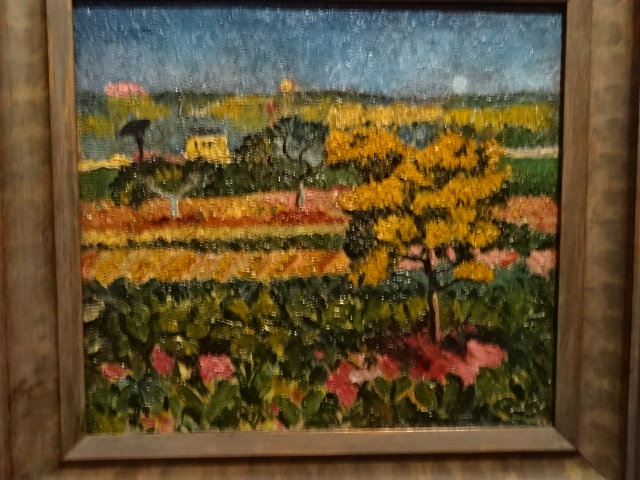
Brindisi, by Otakar Kubín, 1906

Another artist who was well-known while residing in Paris between the wars, Otakar Kubín, who also went by the name Othon Coubin, worked as a painter, sculptor and graphic artist, mostly living in France. Holding citizenship from France and Czechoslovakia, he made a name for himself rendering landscapes, mostly of Provence but also of Moravia. I loved his landscapes of Provence in the exhibition of Czech artists between the wars. These paintings were perhaps the highlight of his career.

While living in France during World War I, Kubín and his wife were interred in a camp imprisoning foreigners in Bordeaux. However, they were not held for long. In the 1920s, he held exhibitions in Paris with Pablo Picasso and Henri Matisse. Kubin was impressed with the Expressionism of Vincent Van Gogh. His depictions with figural motifs often were influenced by the death of his wife and son. His works were also seen in Japan, Switzerland and the USA. Some of his praiseworthy portrayals include a portrait of Kubišta, House in the Countryside, Cemetery Chapel in Boskovice, Imaginary Likeness of Edgar Alan Poe, Moravian Landscape and Auvergne Landscape.

The Metamorphosis, by Otto Coester, 1920

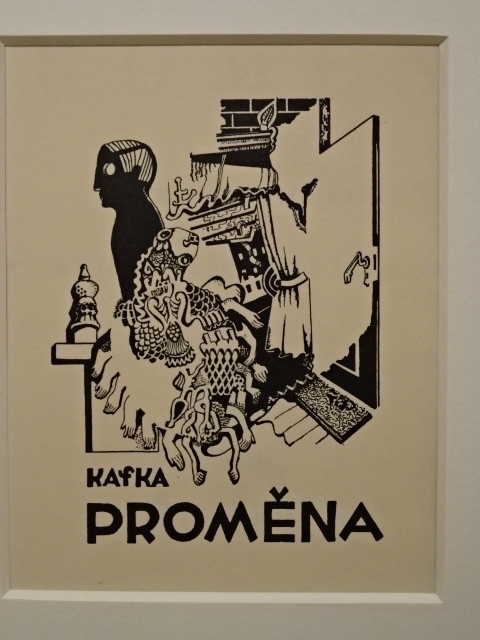
One of Kafka’s small black-and-white drawings as a young child was on display, and art promoting his various books also had a prominent place in the exhibition. Artistic renditions of The Metamorphosis were represented, for instance. German art and literature at this time also played prominent roles in society. An antisemitic attitude was seeping into some of the publications.  The exhibition did not only concentrate on works in Prague but also art that had immersed itself into European society as well, providing a European context for these powerful renditions.
The Metamorphosis, by Wilhelm Wessel, 1924.

This exhibition took up my favorite Czech era of art – the end of the 19th and beginning of the 20th century. The Art Nouveau and symbolic nature of the works greatly impressed me as did emphasis on color in many paintings. I loved the expressionistic qualities of Munch’s artistic creations. Several paintings were by Japanese artists, and I saw a direct connection between the Czech Art Nouveau and the Japanese style. I could see the influence of Cubism in some paintings with many geometrical traits. I loved the Art Nouveau posters advertising exhibitions. The multifaceted visual experience of a person living in Prague during that era reminded me of the mixture of languages that had permeated culture and society.

The exhibition was thrilling as I thought back to that age and the various cultures people were experiencing. I felt that time period come alive through the artistic creations. Some of my favorite artists were represented, such as Bílek and Kubišta.

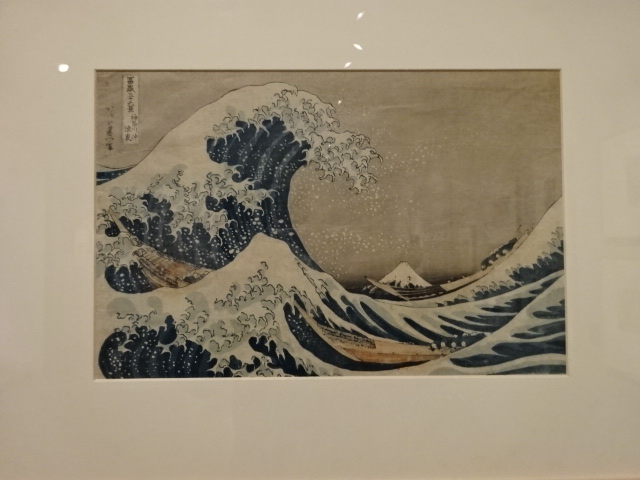
A Wave at Kanagawy, by Hokusai Kacušika, 1831

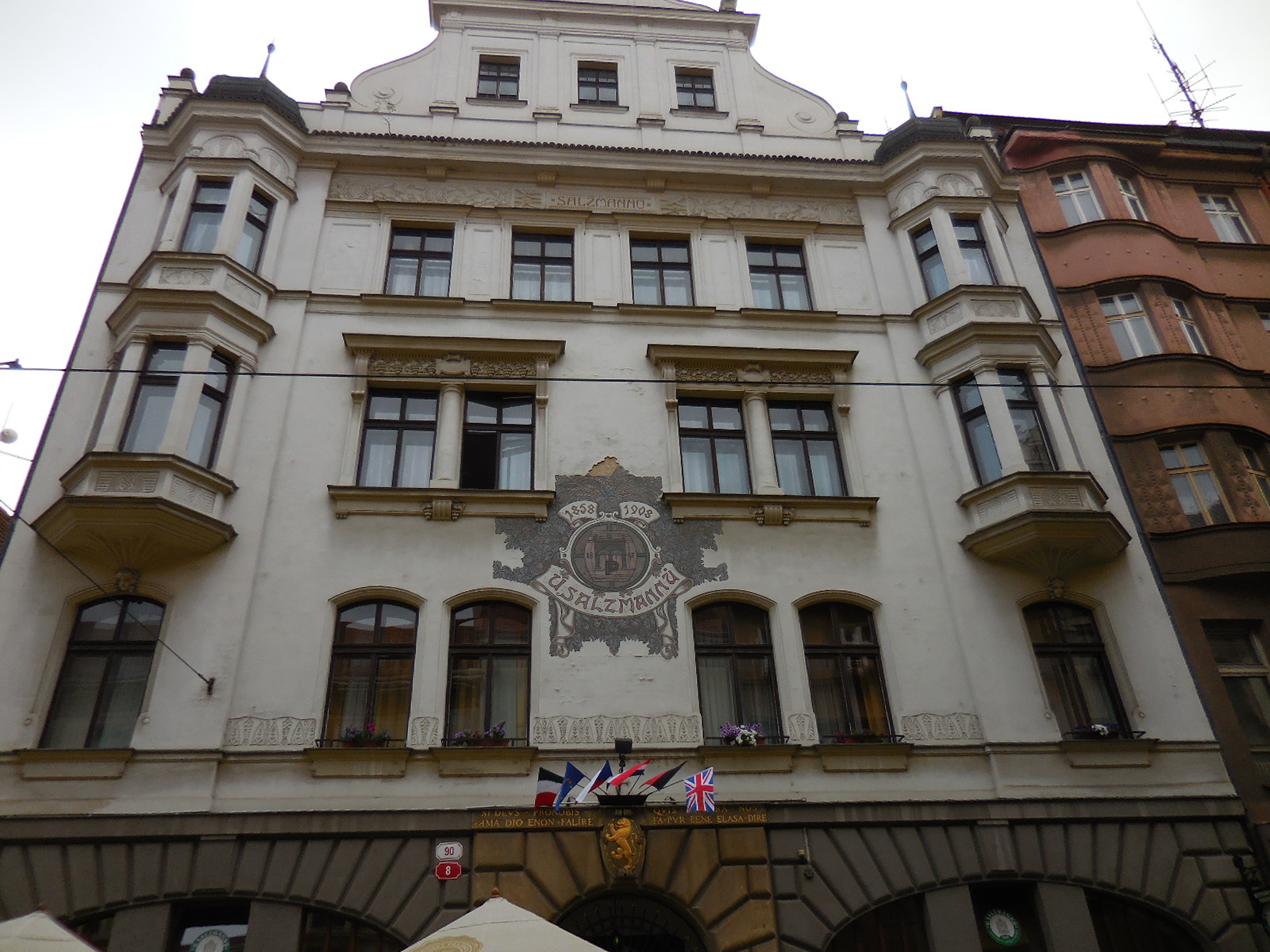
I also was enamored by the building in which the West Bohemian Gallery was housed. It had been used as a market place during the Middle Ages and boasted of a unique architectural style. I longed to learn even more about the end of the 19th and early 20th century as I left the exhibition and made my way to my favorite restaurant in Pilsen, U Salzmannů.

Tracy A. Burns is a writer, proofreader and editor in Prague.

Restaurant U Salzmannů, Pilsen

Marc Chagall Exhibition in the Albertina Photo Diary

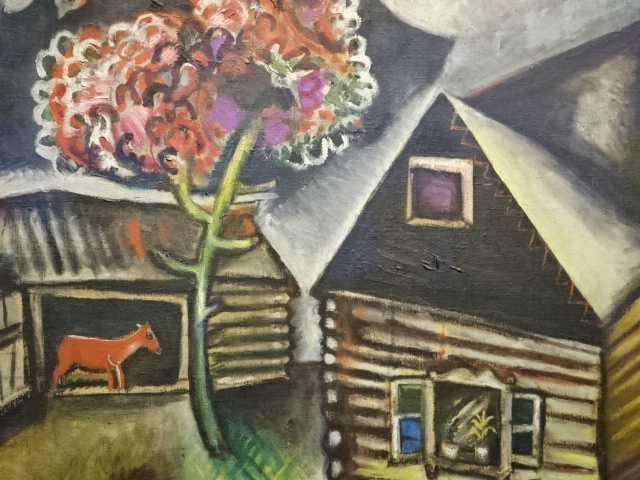
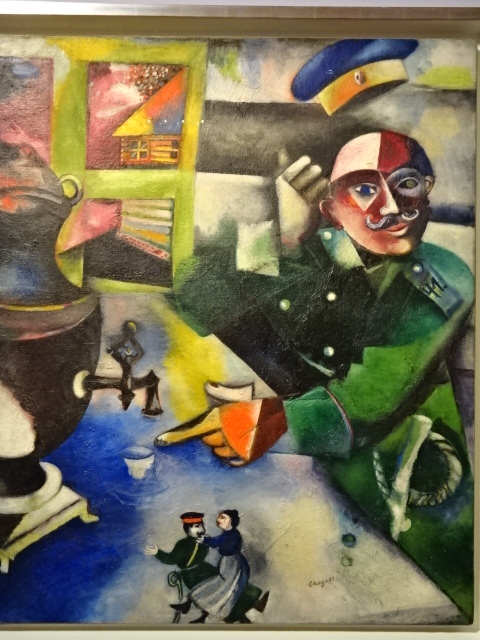
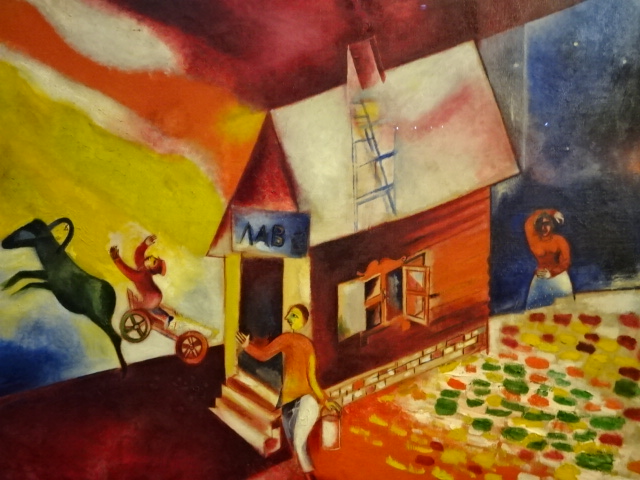
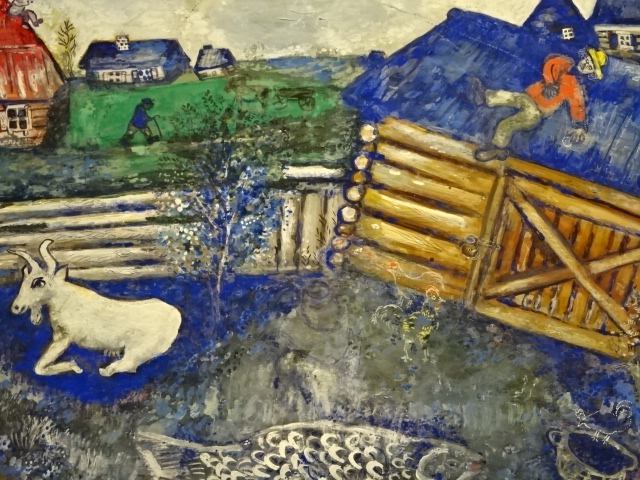
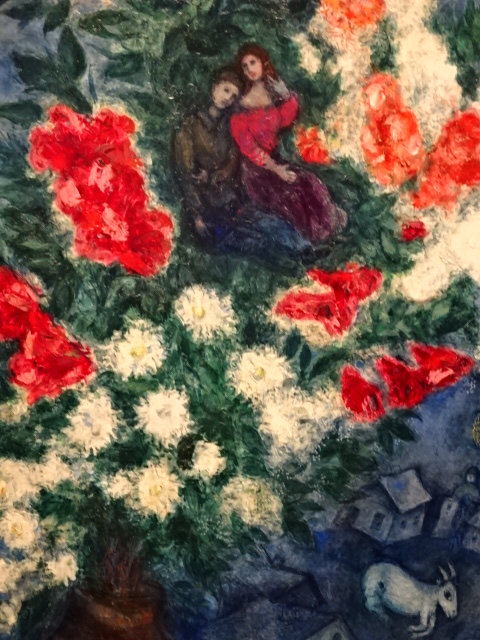
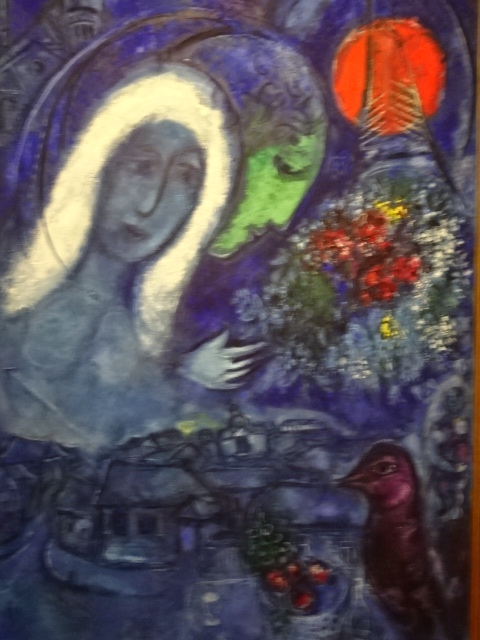
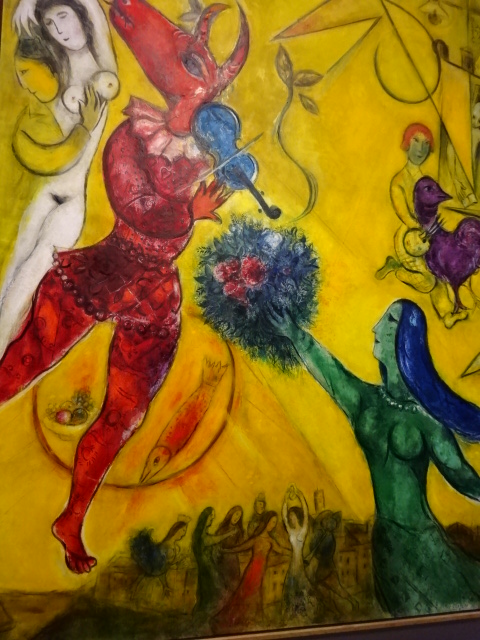
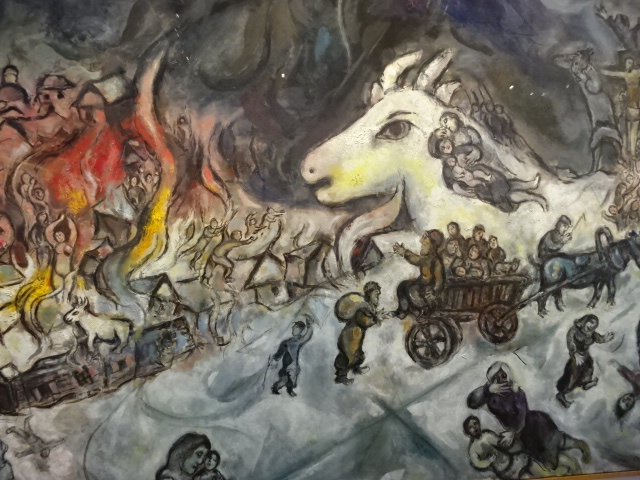
I admired Marc Chagall’s works at the Albertina venue in Vienna, Austria during late October of 2024. I have always loved going to exhibitions in the Albertina. I recalled a comprehensive show of works by Durer at that venue some years ago. A long-time fan of Chagall, I loved his use of bright colors and atmosphere of playfulness in his paintings that had a dreamy, fantasy-filled quality. I was enamored with his mastery of color to express various emotions and to create new worlds. I loved his renditions of Paris, the Eiffel Tower often dominating his creations.

Before this show I hadn’t realized how strongly his Jewish background had influenced his art. Chagall’s paintings were punctuated with Jewish folklore and motifs. I saw a painting of a synagogue and portraits of rabbis, for instance. Many paintings boasted biblical themes. I also hadn’t realized how often he had rendered his hometown, both sadness and joy intermingled in the memories. His yearning to return to his hometown was extremely visible in his art.

The symbolic nature of his artistic creations also enamored me as I noted the many violinists, animals, half-human creatures, wooden houses, circus characters, roosters and floating married couples as well as beautiful floral arrangements. Because I had visited an exhibition in Prague’s Wallenstein Riding Stables about the interwar years of the École de Paris movement, I knew he had been associated with that era during his Paris sojourn.

The exhibition allowed me to become better acquainted with the artist’s life. Marc Chagall (1887-1985)was born as Moishe Shagal on July 6, 1885 into a Hasidic Jewish family in Vitebsk, located in today’s Belarus. During the late 19th century the town was situated in the Russian Empire. His impressive, varied resume includes paintings, drawings, book illustrations, ceramics, prints, tapestries, stained glass and stage sets, but this vast exhibition focused solely on his paintings.

While he spent World War I in his hometown, he went to Paris before the war broke out, moving there in 1910 when he was 23 years old. In France he made friends with Guillaume Apollinaire, Ferdinand Léger and others creating avant-garde works. He often depicted Jewish themes and also evoked Paris in many paintings. During World War I, back in Vitebsk, he married Bella and held exhibitions in Russia as the war made it impossible for him to leave the empire. He founded an arts college in his hometown, too. However, he was in dire financial straits during the Russian Civil War. After World War I, much of his work was Moscow-based.

Following the Bolshevik Revolution, he moved to Paris for the second time, but fled during World War II after the Germans took control of France. The Nazis in occupied France took away Chagall’s French citizenship, and he and his wife were arrested. However, with the help of others, he and his wife found a way to escape to the USA. He felt like an outsider and didn’t speak English.

While he was in New York City, tragedy struck his hometown of Vitebsk, which was destroyed by the Nazis. Things would get even worse. Bela passed in1944 because it was not possible to get her any penicillin. It was no surprise then that Chagall’s late spouse appeared in many of his paintings. In 1948, though, he returned to Paris, and there his paintings focused on Jewish themes and his yearning for the existence of his hometown. Also, he would marry two more times.

He devoted much time to other fields as well. Some of his accomplishments included creating stained glass decoration in the cathedral in Reims and at the Art Institute in Chicago. He also made stained glass adornment for places in Switzerland and Israel. He became even better known for his ceiling painting of the Paris Opera. I remembered gazing in awe at this ceiling several decades ago. It was an experience I will never forget, even though I saw it so long ago. He also made sculpture and ceramics as well as tapestries.

Chagall died at the age of 97 on March 28, 1985 at the age of 97. He is buried with his third wife in a cemetery in Saint Paul-de-Vence, located in the Provence region.

Tracy A. Burns is a writer, proofreader and editor in Prague.

The Metoděj Vlach Aviation Museum Diary

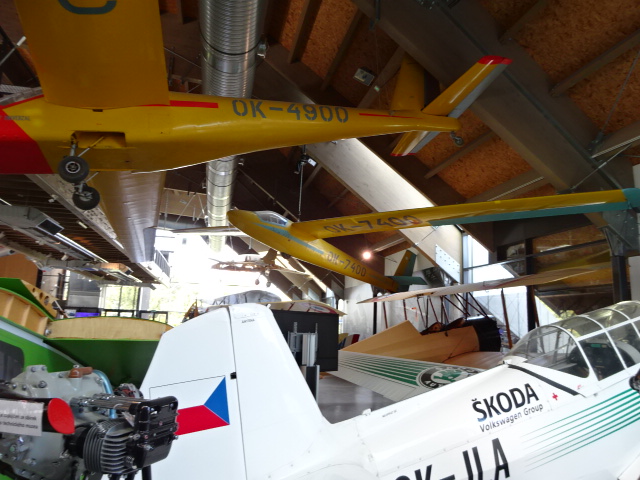
I hadn’t visited an aviation museum before fall of 2024 because, quite simply, I had never shown much interest in planes. That all changed when I went to Mladá Boleslav, about 70 kilometers from Prague. The 25 historic planes in this collection – mostly Czechoslovak, German and Soviet – had me hooked.

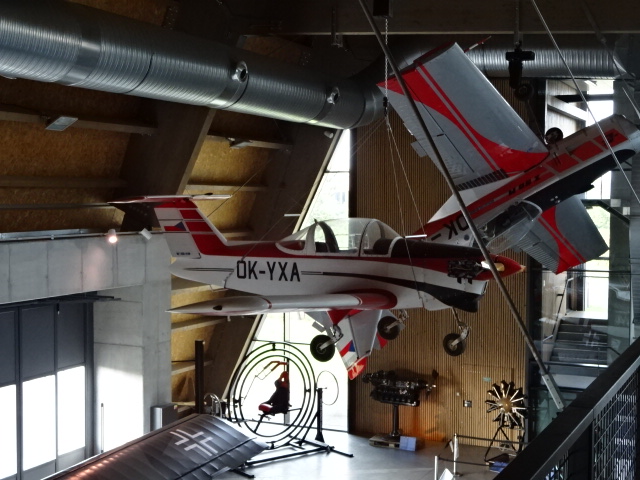
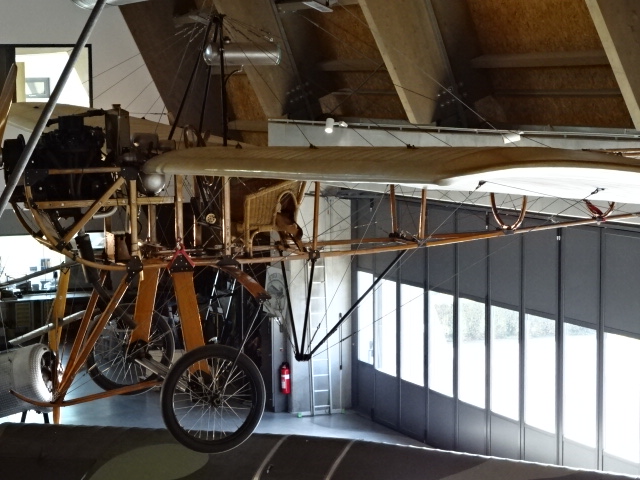
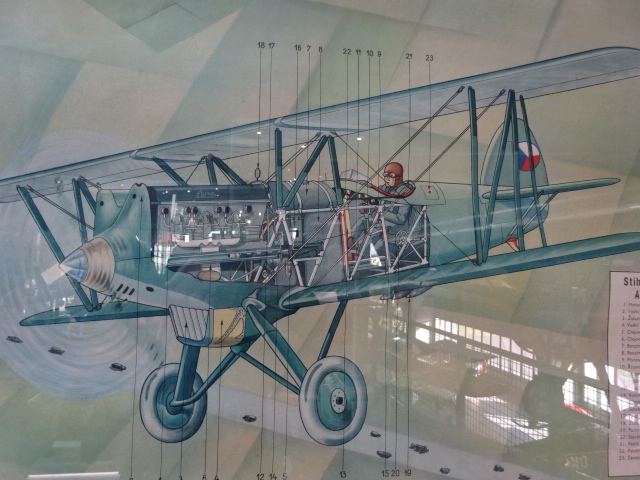
Construction on the museum in a hangar of the Mladá Boleslav airport finished in 2014, and it had been open to the public since 2015. The architecture received much acclaim as it was chosen one of five buildings in the country  to be dubbed “Construction of the Year” for 2014. The museum also included two plane simulators and a gyroscope. I perused period uniforms, radio equipment, watches, photography, aviation trophies and posters. From an observation tower there were excellent views of the environs. After walking up steep stairs to the first floor of the museum, I got a good look at the planes hanging from the ceiling.

I had not heard of the name Metoděj Vlach before visiting this museum. Vlach had made a name for himself as the first Czech pilot. From 1908 he worked for Mladá Boleslav’s Laurin and Klement business, known for its bicycles and cars, an enterprise that would later become the world famous Škoda automobile manufacturer. He had to use his own money to finance his flying attempts. While his first try was not successful, the second plane he produced in 1909 managed short jumps between 30 and 50 meters. However, the third time was a charm as on November 8, 1912, his aircraft, constructed from 1910 to 1912, made the first flight – reaching 20 meters in the air. It flew a distance of 300 to 500 meters at 100 km/h. The plane weighed 720 kg, and the motor, the kind an automobile used, was 28 kW. The aircraft was successful during five attempts.

One of the aspects about museum-going that I like best is learning about important historical figures and events that I had not known anything about. Learning about Vlach was one of those lessons that certainly enriched my experience at the museum. I spent a lot of time peering at the various specimens, dating from World War I to the later years of the 20th century.

The Little Beetle

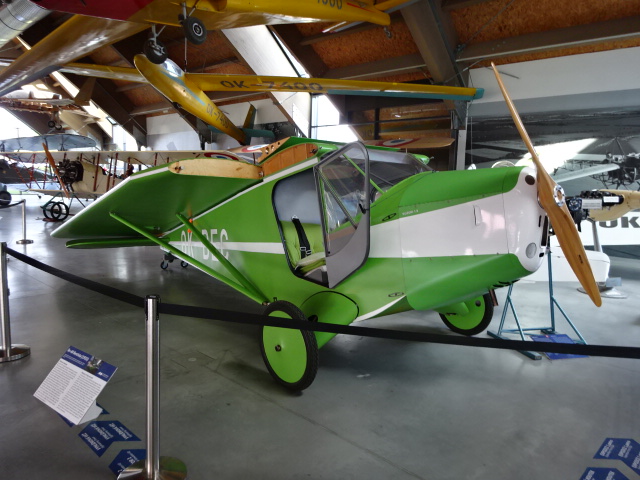
A plane called the Little Beetle captured my attention. The first modern Czechoslovak amateur aircraft, the W-01 Little Beatle was built at the owner’s home in Brandýs nad Labem during the 1960s. The public set eyes on the plane for the first time in 1970. With a wingspan of 6.08 meters and an empty weight of 280 kilograms, the Little Beetle was a frequent participant in Czechoslovak air shows. It was five meters long and could fly up to 180 kilometers per hour.  During the mid-1970s, international audiences took notice of the Little Beetle as it was shown off in airshows that took place in the German Federal Republic, Holland and England. Sadly, an accident in 2003 ended the Little Beetle’s career. During 2015 the specimen was brought to this aviation museum. 

German Bucker Bu 130 Jungmann

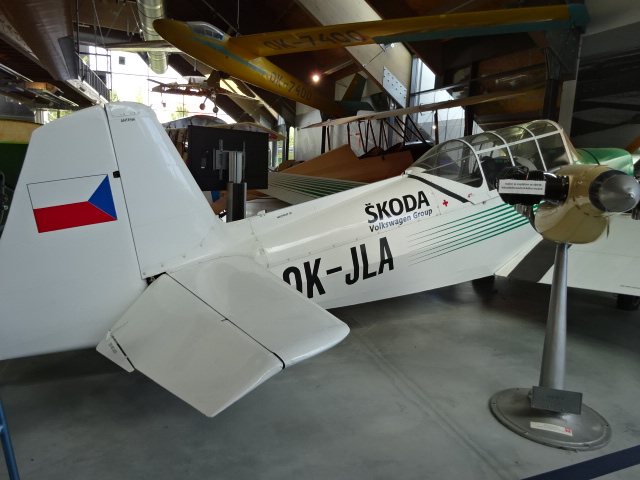
I also took notice of the German Bucker Bu 130 Jungmann, a two-seater designed for training and aerobatics. It took off for the first time in May of 1934 and became a popular training aircraft for the Luftwaffe. The Germans were not the only ones to use this model aircraft, though. It received worldwide acclaim in Czechoslovakia, Spain, Japan, Hungary, Switzerland and other countries.

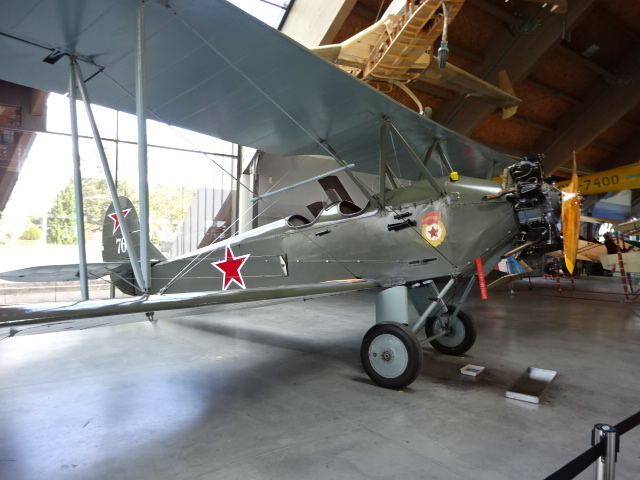
PO-2, The Sewing Machine or The Maize Cutter

Another plane with an interesting history was the PO-2, a prototype of a U-2 biplane that was adopted by the Soviet Air Force. It was also used for civilian aviation. More than 40,000 PO-2 planes were produced. This popular two-seater came into existence during 1927, and production started the following year. During World War II the Germans called the plane “The Sewing Machine,” describing the distinctive sound of the engine. Soviets had a different nickname for the aircraft with an engine of 100 to 115 horsepower. They dubbed it the “Maize Cutter.” It was also historically significant because a regiment of female Soviet pilots conducted nighttime air raids on Germany using this aircraft. The Germans dubbed these female military personnel “Night Witches.” Production did not stop when the war came to a close. The PO-2 was manufactured in Poland post-wartime.

Klemm L 25

I took note of another German plane. The Klemm L 25 aircraft was designed by Dr. Ing. Hanns Klemm, created in 1926. It was possible to use various kinds of engines with these training, sports and aerobatic planes. About 600 planes were manufactured from 1928 to 1939. During the 1930s the Klemm L 25 participated in competitions in Germany.

Zlín Z-50L

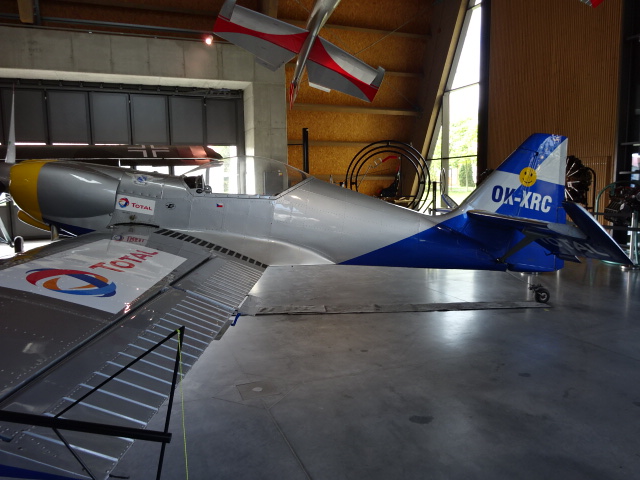
I also saw the Zlín Z-50L aerobatic plane made in Moravia. In the 1970s and 1980s its pilots clinched first place in international competitions, both European and world championships, while flying this plane. The last world championship won by this aircraft was as recent as 1989.

Be-60 Bestiola

The two-seater, wooden aircraft called the Be-60 Bestiola was designed in 1935 as a Czechoslovak aircraft to be used for training and tourism purposes. Its life span was relatively short, though, as production was halted not long after the 1939 Nazi Occupation. Some of these planes were flown by the fascist-oriented Slovak State during World War II. Unfortunately, there are no longer any original planes of this type in existence. The replica in the museum is quite impressive, though.

Zlín Tréner

Used for training and aerobatics, the Zlín Tréner captured my attention. It was a two-seater monoplane with low wings and first took off in 1947. Later, it was powered by a four-cylinder engine and was composed of wings and tails made of metal. The career of that prototype began in 1953. The wingspan measured 10.26 meters while the take-off weight was 750 kilograms. The engine was 105 hp, and the maximum speed it could reach was 203 km/h. The aircraft has had a stellar career and is still used for training.

G – III plane

Brothers Gaston and Réné Caudron had been plane designers since 1909. Their G-III did a loop for the first time in December of 1913. In May of 1917 ,it hit another milestone by setting a new record: It flew non-stop for 16 hours and 28 minutes. About 150 planes of this type were produced. The aircraft had a wingspan of 13.4 meters with a take-off weight of 735 kg.

Fokker E.V.

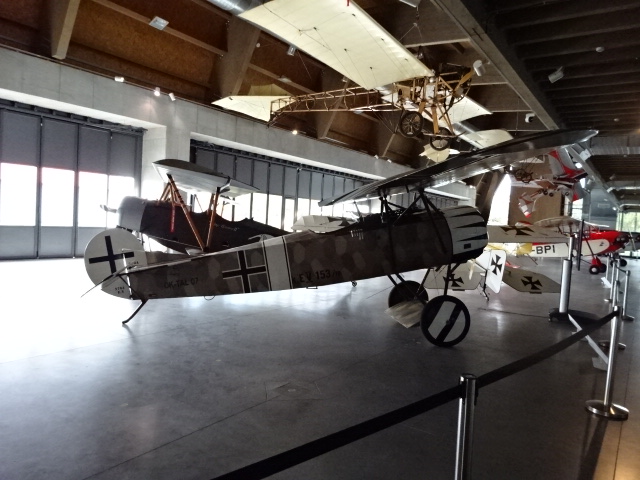
I also saw the Fokker E.V. German fighter plane from World War I. Some 289 aircraft of this model were manufactured. The planes were 5.85 meter long and utilized a 110 hp or 160 hp engine. The wingspan was 8.35 meters while the take-off weight was 605 kg. It could go as fast as 200 km/h.

ŠK – I Trempík

The two-seater ŠK – I Trempík was known for its stability. It was not difficult to take care of, either.  Its wingspan measured 9.3 meters, and it was powered by an engine of 75 hp. The maximum take off weight was 578 kg, and it could fly 185 km/h.

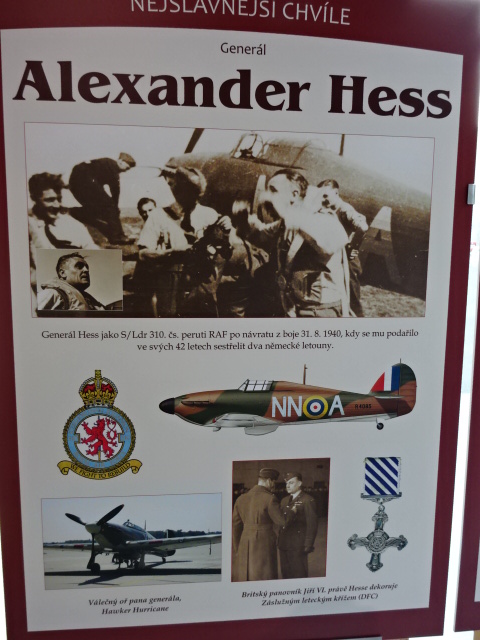
1926 silent film with Alexander Hess as the pilot

General Hess after returning from his service in the RAF when he shot down two German planes; British royal George VI awarding Hess a medal; War plane Hawker Hurricane used by the general

On the first floor there were panels about General Alexander Hess, a pilot I had not heard of before. He also had starred in a 1926 silent Czechoslovak film as well as working as a pilot. Hess was the organizer of the Czechoslovak aircraft for the 1936 Olympics. After the Nazi Occupation in 1939, he helped pilots escape, equipping them with false passports, and General Hess wound up fleeing from the Nazi Protectorate to France and then to the USA in January of 1940. After World War II, he returned to Czechoslovakia but fled again, this time from the Communist regime. General Hess settled in New York City, where he worked as a technical assistant with PAN AM.

So I became acquainted with the career of not only Metoděj Vlach but also that of Alexander Hessman. I found the exhibit most intriguing. In fact, the entire museum was engrossing with so many planes from various countries and eras, each unique with compelling attributes. While I still despised the eight-hour flights from Europe to the USA, I comprehended the historical importance of these aircraft. In Mladá Boleslav for the first time, the city made a good impression on me. After visiting this museum, I would take a look at the Škoda Museum of bicycles and automobiles, another delight.

Tracy A. Burns is a writer, proofreader and editor in Prague.

Otto Gutfreund Diary

Anxiety, 1911-12.

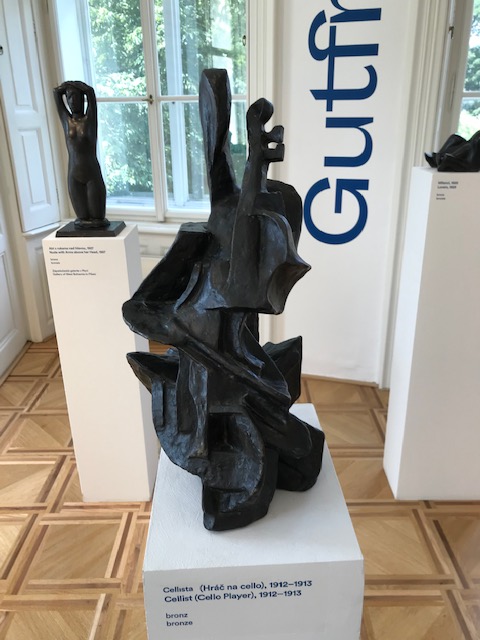
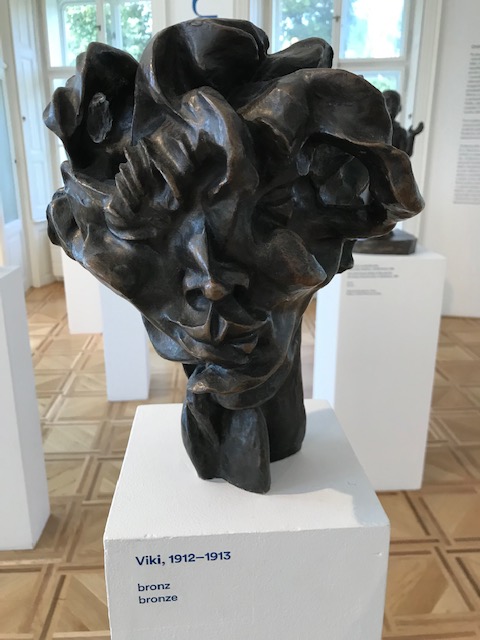
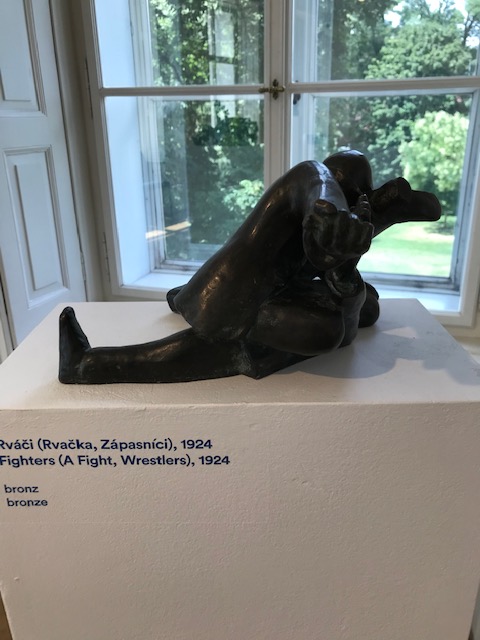
Whenever I come across a Cubist sculpture by Otto Gutfreund in a Czech gallery or museum, I take some time to appreciate the personal feelings that come to mind as I study the masterful figures. While I was perusing the impressive collection of Gutfreund’s works in Prague’s Kampa Museum, I was reminded that this was not the only style he employed in his career. As I studied the creations by Gutfreund there, I mused over the legendary sculpture’s career and the tragedy that befell him.

Lovers (Embracing Figures), 1913-14, bronze

Born in Dvůr Králové nad Labem in Bohemia during 1889, Gutfreund studied drawing and porcelain painting in Prague before turning to sculpture. In Paris his mentor was Antoine Bourdelle. Gutfreund was greatly influenced by the works of Auguste Rodin, whom he knew personally. While in Paris, he also became fascinated with Gothic art and nature. His travels then took him to England, Belgium and the Netherlands. He became immersed in the Cubist style after 1910 as he simplified natural forms into geometric shapes and showed objects and figures from multiple perspectives.
Cellist (Cello Player), 1912-13, bronze.

He made a name for himself as a Cubist guru with his first sculpture in this style, “Anxiety,” of 1911-12. Gutfreund joined the Group of Creative Artists around this time. This emotional and expressive work is my favorite as it stresses the sheer angst and fear that can be debilitating and personally destructive. It reminds me of the anxiety shown in works by Egon Schiele and the German Expressionists of the 1920s. I also see similarities to the emotion-immersed sculptures of František Bílek, a Czech Art Nouveau and Symbolist artist.

Cubist bust, 1913-14, bronze

Some of Gutfreund’s most renowned early Cubist works include his renditions of Don Quixote and Hamlet. Then, becoming more and more inspired by Picasso, he moved to Paris, where he met that artist as well as Apollinaire, to name a few.

World War I brought many changes to Gutfreund’s life. He became a soldier for the Foreign Legion in France and took part in the Battle of the Somme. He wound up in prison during 1916 and wasn’t released until three years later.

Viki, 1912-13, bronze

Two months after being freed, he moved back to Prague and was lauded as a sculptor of the social civilism style, which emphasized the everyday and was very realistic, nothing like the expressive Cubist movement in which he had participated before the war.
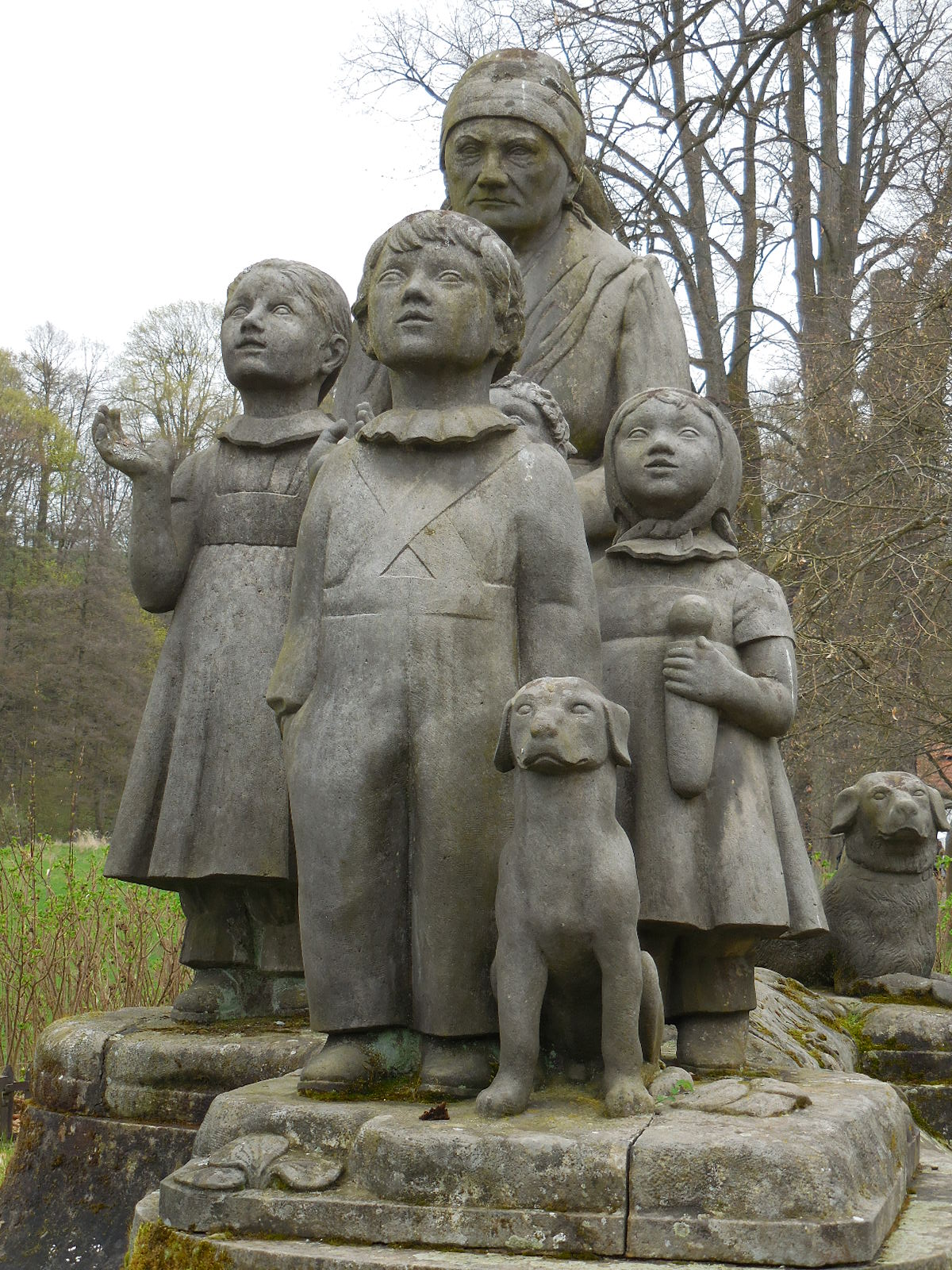
In the early 1920s, he received some big commissions. At this time, he created the monument to 19th century writer Božena Němcová in Ratibořice. The sculptural grouping showed off characters in Němcová’s stellar novel, The Grandmother, a 19th century Czech classic.

Industry, Study (sculpture on the right), 1923.

From 1922 to 1923, Gutfreund decorated the Legiobanka Building in Prague with a relief called “The Legions’ Return,” cooperating with renowned Czech architect Josef Gočár. In 1924 he designed a life-size statue of the first president of Czechoslovakia, Tomáš Garrigue Masaryk in Hradec Králové. I greatly admired likenesses of the first Czechoslovak president. Gutfreund held art shows, adding to his résumé of artistic mastery. During 1926 he became a professor of sculpture at Prague’s College of Decorative Arts, and Americans had the chance to admire his works in a New York City exhibition.
Fighters (A Fight, Wrestlers), 1924, bronze.

Unfortunately, his life was short-lived. On June 2, 1927, he drowned in the Vltava River in Prague. He accomplished so much in such a short time. If he had lived, there is no telling how much he could have influenced the Czechoslovak and world art scene. Gutfreund is buried in Prague.

At the Museum Kampa visitors can see a collection of both his Cubist and realistic sculptures as Otto Gutfreund lives on through his incredible art. It is worth traveling to Ratibořice to see the stunning chateau and park dedicated to Němcová and 19th century country life as well as the impressive statuary grouping by Gutfreund. Admirers of sculpture and architecture are sure to be amazed by Prague’s Legiobanka Building in the center of the city.

Tracy A. Burns is a writer, proofreader and editor in Prague.

Statuary grouping from Němcová’s book The Grandmother, by Otto Gutfreund, in Ratibořice

Ivan Meštrović Exhibition Diary

Early in 2023, I went to an exhibition of sculpture by late Croatian sculptor, architect and writer Ivan Meštrović. The art gallery at Prague’s main library hosted the intriguing show. I was familiar with the artist’s name: I had admired his villa, the Ivan Meštrović Gallery, in Split on my last trip to Croatia some years ago. It contained 86 sculptures made with various materials, showing off his dramatic, dynamic and expressive style that was both poetic and poignant. Drawings and reliefs were displayed, too. The bronze statue-dotted garden was delightful. One of my favorite things about traveling was being introduced to the works of various artists. I was enamored with Meštrović’s creations, and his unique, powerful style was forever embedded in my memory.

During Meštrović’s illustrious career that spanned six decades, he had been influenced by a number of styles ranging from Art Nouveau, Symbolism, Impressionism, Art Deco, Neoclassicism and Late Realism. Classicism played a major role in shaping his artistic style, too. Auguste Rodin’s naturalist style, which he had meticulously studied, greatly inspired him. During his extensive travels, Meštrović also saw Michelangelo’s creations, which affected his own work. poignant.

Meštrović’s subjects were diverse as well. He took on religious themes, created portrait busts, made sculptural monuments and delved into studies of figures. A firm believer in promoting Yugoslav national identity, he also presented folk themes and national myths. He fervently advocated for pan-Slavism, and some of his works represented historical events in Slav history.

The sculptor’s career took off when he exhibited his works in Vienna during 1905 as part of the Secession Group. While living in Paris for two years, he received recognition from all over the world and was very prolific. Then he spent four years in Rome, where he was lauded for his design of the Serbian Pavilion at Rome’s1911 International Exhibition. During World War I, he traveled extensively and spoke out against the Habsburg monarchy that controlled his homeland.

He returned to his homeland after the war ended and achieved much success while living in Zagreb. He even created many sculptures for King Alexander I of the Kingdom of Serbs, Croats and Slovenes. He continued to travel, even having an exhibition at the Brooklyn Museum in New York during the 1920s.

During World War II, Meštrović’s life was far from rosy. In 1941, he spent three-and-a-half months in prison. The following year his first wife died, and many of her Jewish relatives perished during the war. Thanks to the Vatican, Meštrović was let out of prison and took off to Venice and then back to Rome. He even met Pope Pius XII.

After World War II, he refused to return to Yugoslavia because the Communists were in control. He wound up in the USA during 1946, when he took a position as a professor at Syracuse University. His works were displayed at the Metropolitan Museum of New York the following year, and he was the first Croatian to do so. He continued to achieve great success and much recognition in the USA and even received the American Academy of Arts and Letters’ Gold Medal in the field of sculpture during1953. American President Dwight D. Eisenhower was so impressed with Meštrović that he gave him US citizenship. Meštrović took a job at the University of Notre Dame in Indiana soon after that. He designed monuments at Notre Dame, and his sculpture is featured in the university’s art museum.

He died in Indiana during 1962 at the age of 79 and was buried in his hometown of Otavice, though the Communists in control of Yugoslavia created many difficulties. His sculptures can be seen all over the world: in Serbia and Romania as well as in the United States, including Louisiana, Indiana, New York and Illinois.

This exhibition focused on Meštrović’s Czechoslovak connection as he had developed an affinity for Czech culture. He befriended the first democratic President of Czechoslovakia, Tomáš Garrigue Masaryk. They both had taken an anti-Habsburg stance during World War I. Also, Meštrović and Masaryk had lived in exile during the first World War. They both admired Slav history. While Meštrović wanted a united Yugoslavia of Croats, Serbs and Slovenes, Masaryk tried to forge a united Czechoslovakia of Czechs and Slovaks. Meštrović sculpted two busts of Masaryk in 1923 as well as busts of his wife Charlotte and his daughter Alice. He created these busts at the Czechoslovak President’s summer residence, Lány Chateau. I recalled spending some sunny afternoons in the park of the chateau in Lány as well as paying my respects at the Masaryk family graves.
Masaryk was by no means the only Czech Meštrović knew. For example, Meštrović was friends with Czech sculptor Bohumil Kafka and even created a portrait bust of Kafka during 1908.

Meštrović’s work was first unveiled in Prague during 1903, when the Habsburgs ruled the Czech lands. His work was included in an exhibition featuring Croatian artists at the Mánes Association in Prague. Mestrovic had another exhibition in Prague during 1933. President Masaryk was so impressed with Meštrović that he presented the Croatian sculptor with the Order of the White Lion award during 1926.

I was enthralled with the Czech connection between Meštrović and artists in Czechoslovakia. Tomáš Garrigue Masaryk was one of my heroes, and I was very interested in life during the First Republic, when Masaryk was president. I felt strong emotions when viewing Meštrović’s powerful works. I also thought back to my introduction to Meštrović’s creations in Split. What a discovery! I was glad to be reacquainted with Meštrović’s sculptures. Seeing his renditions in person was a profound experience.

Tracy A. Burns is a writer, proofreader and editor in Prague.

Prague’s National Technical Museum Diary

I visited Prague’s National Technical Museum for the first time in 2023, even though I have been living in Prague for more than 25 years. I am not a big technology fan and didn’t think I would be very interested in the exhibits.

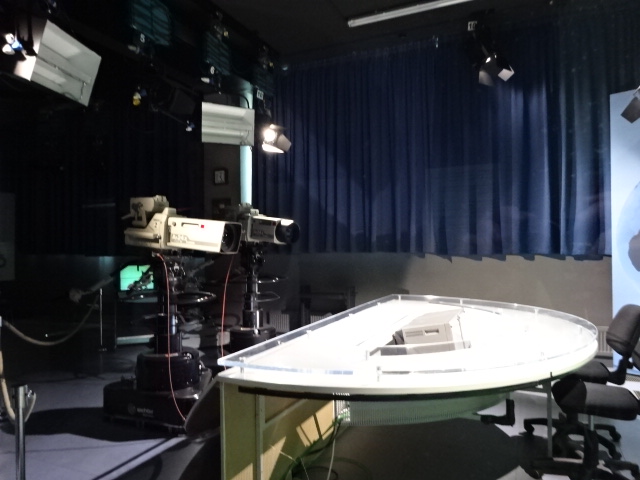
I couldn’t have been more wrong. The museum includes sections on astronomy; chemistry; sugar and chocolate; transportation; printing; household items; photography; the measurement of time; architecture, civil engineering and design; metallurgy and mining, for instance.  A TV studio used by Czech television from 1997 to 2011 allows visitors to sit behind a news desk and see how the TV technology works. A mock mine from the 1950s makes up another exposition. In this post I will concentrate on my two favorite parts – transportation and architecture, civil engineering and design.

Television studio in National Technical Museum

The history of the museum itself is intriguing. Vojtěch Náprstek, a Czech patriot and world-traveler, established the Czech Industrial Museum in 1862. While many exhibits from this museum are now in the Náprstek Museum, some pieces in the collection found their way to the National Technical Museum, which was founded in 1908. Two years later, the museum opened in Prague’s Schwarzenberg Palace near the Castle. After Czechoslovakia was founded in 1918, it moved to the Letná district of Prague, where it is situated today. Construction took place from 1938 to 1941, but, during the Nazi Occupation, the building was used as the ministry of the postal service. After World War II, the museum was located on Letná again, though it was not allocated the entire building. In 1951, new expositions were created, such as transportation, mining, astronomy and photography.

Wicker seat for passengers from Czechoslovak Aria BH-25 airliner, 1920

After the Velvet Revolution that had brought democracy to Czechoslovakia, the museum was able to utilize the entire building. However, there were difficult times ahead. During the 2002 floods, the museum’s depository in the Karlín district was heavily damaged, and some of the artifacts were ruined. Reconstruction started in 2003. In 2011, five expositions were opened. Still, construction wasn’t totally finished until 2013.

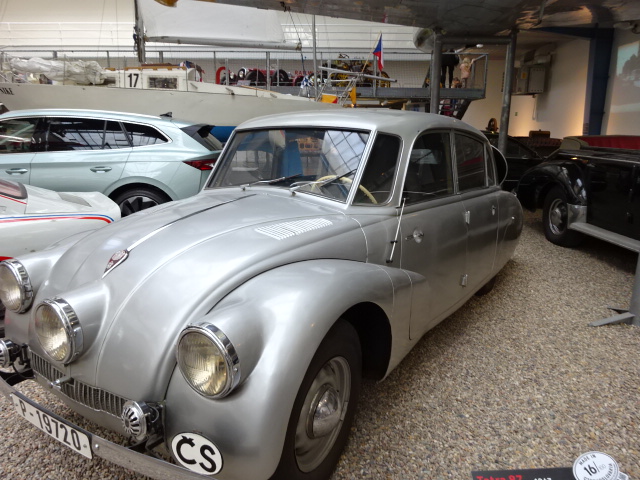
Masaryk’s presidential car

Zigmund and Hazelka’s car in which they traveled throughout Africa and South America

The main hall housing the transportation section is vast and overwhelming. Automobiles, a train dining car, planes, a boat, motorcycles and bicycles all make up the breathtaking exhibition. I liked the Tatra 80 car from 1935, the automobile of the first president of democratic Czechoslovakia, Tomáš Garrigue Masaryk, because I was interested in the First Republic era from 1918 to 1938. I also was excited to see the Tatra 87 car of world travelers Jiří Hanzelka and Miroslav Zigmund. They traveled around Africa and South America in that car from 1947 to 1950 and did more than 700 reports for radio broadcasts about their trips. The two had been the dynamic duo of travel: They visited more than 100 countries. They also made films, mostly documentaries, and wrote books together.

The dining car of Habsburg Emperor Franz Joseph I and later of President Masaryk

I was enamored by the dining car of Habsburg Emperor Franz Joseph I, which in 1923 became part of Masaryk’s presidential train. When President Edvard Beneš returned to his homeland from exile after the war in 1945, this dining car was part of his train. The dining car was put out of commission in 1959.

A sailing boat called Nike was on display, too. Czech Richard Kankolski had sailed around the world in it during 1972, and, at that time, it earned the distinction of being the second smallest boat to sail around the world.

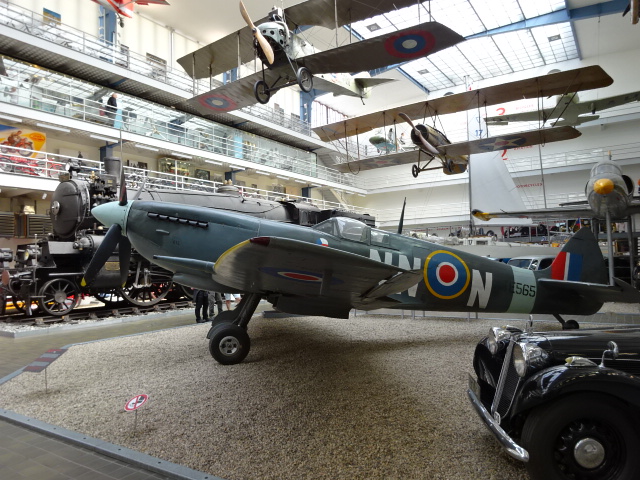
British Spitfire

Three planes that saw action in World War I also are displayed, including an American one. Dating from 1911, the plane manned by the first Czech pilot Jan Kašpar is part of the exhibition. I was drawn to the British Spitfire that members of a Czechoslovak squadron of the RAF had flown during World War II.

Germans drove this kind of motorcycle when they occupied Czechoslovakia in 1939.

I was very interested in the various bicycles and motorcycles, too, even though I vow never to ride either of them. A bamboo-made Slavia bike hails from 1905. The BMW R11 from 1932 caught my undivided attention because the Germans had driven these motorcycles when they occupied Czechoslovakia on March 15, 1939. I tried to imagine seeing so many of these motorcycles at Prague Castle with the flag of the Third Reich fluttering from the flagpole. The very thought was chilling.

Milan Špinka’s bike

The first series-manufactured motorcycle in the world

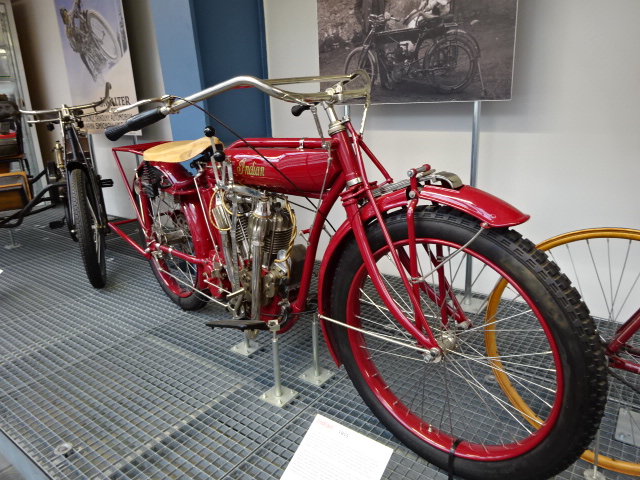
I also saw the Jawa 500 – 891 from 1973. While the Soviet Union had excelled on ice speedway competitions, this is the motorcycle on which Czech Milan Špinka defeated the USSR in the world championships of 1974. Another motorcycle that interested me was the Hildebrand & Wolfmuller from 1894. It was the first series-manufactured motorcycle in the world. The one on display is the first motorcycle manufactured for the Austro-Hungarian Empire.

Indian brand, 1915, manufactured in America

Czechoslovak observation balloon, 1934

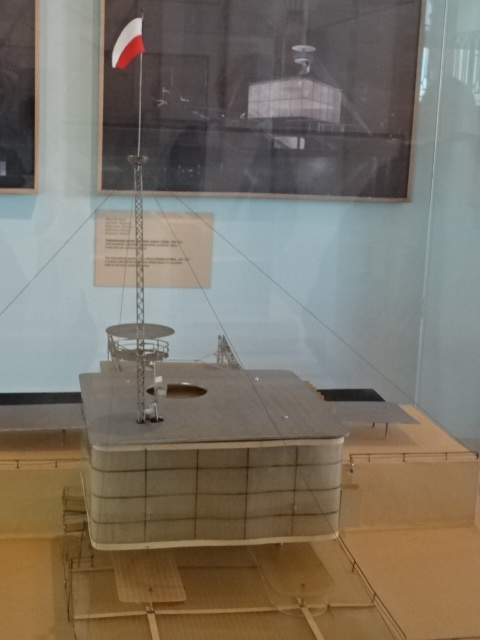
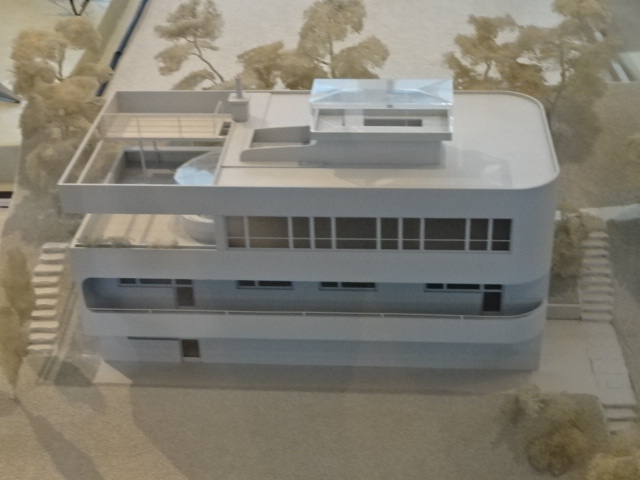
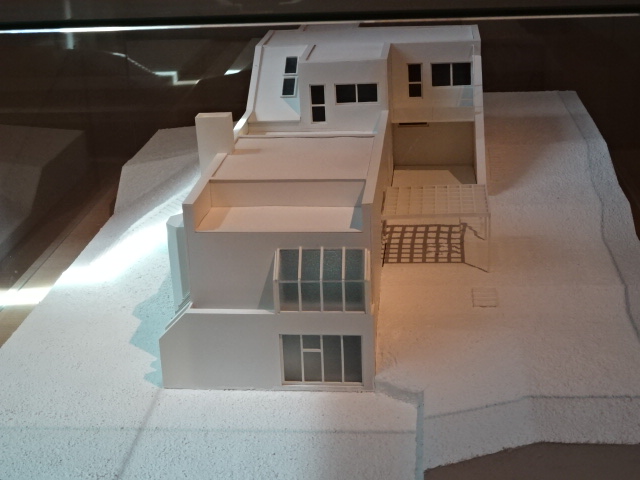
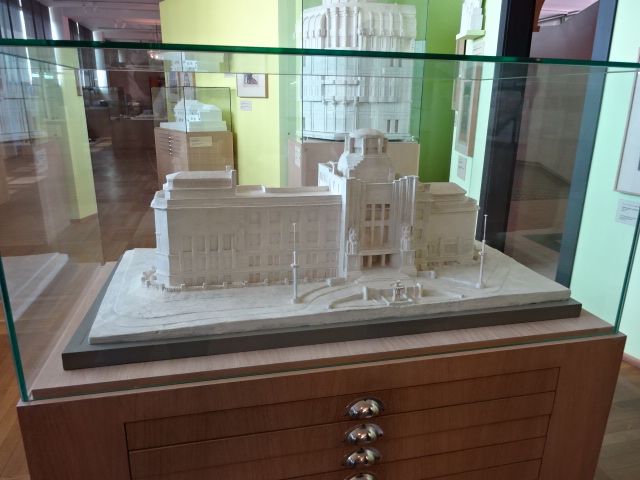
The architectural part of the museum covers the developments in the Czech lands from the second half of the 19th century to the present. Styles of historicism, secession, cubism, constructivism, functionalism and socialist realism as well as modern works are all represented. I loved the architectural models, especially those of villas in Prague, the Czech Pavilion at Expo 58 in Brussels and the Czechoslovak exhibition pavilion at the World Arts and Technology Exhibition in Paris during 1936. I loved to take walks through the villa-dotted sections of Prague’s Baba, Ořechovka and Hanspaulka quarters. In this museum, I saw models of famous villas in the Hodkovičky, Podolí and Troja districts of Prague, for instance.

Czechoslovak World Arts and Technology pavilion, Paris, 1936

Director Martin Frič’s villa in Hodkovičky, 1934-35

Top: Stýblo’s villa in Podolí quarter of Prague, 1935-36, Bottom: Villa of film director Věra Chytilová in Troja quarter of Prague, 1970-75

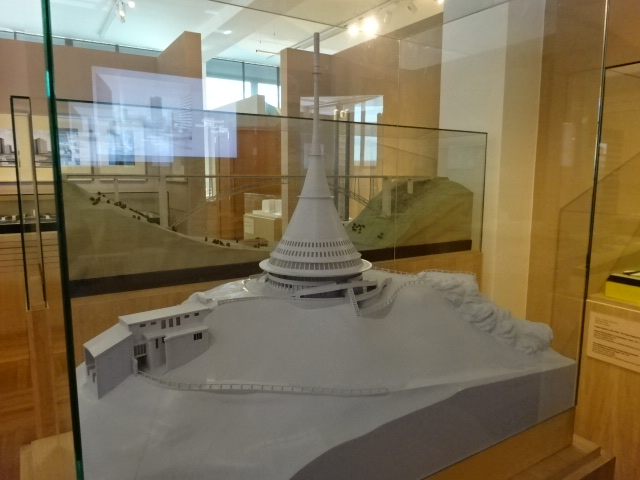
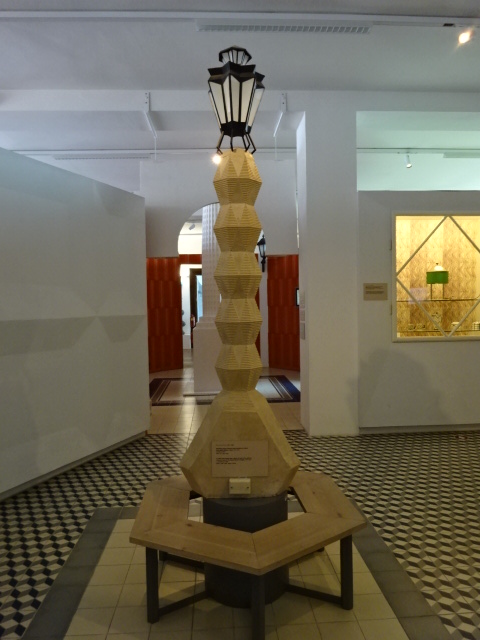
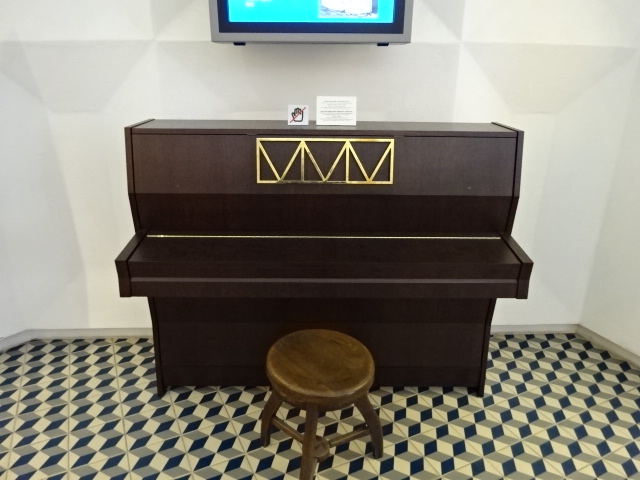
I liked the model of the column with lantern in front of Our Lady of the Snows Church in Prague because it was unique, Cubist in style. I also took notice of the Cubist Petrof BB upright piano. The model of the television transmitter and hotel on Ještěd Hill in Liberec brought back memories of the magnificent views from the observation point at the restaurant and hotel. Some models showed off designs by masterful Czech architect Jan Kotěra, including the East Bohemia Museum in Hradec Králové, which had extremely impressed me about a month previously, and the reconstruction of Saint George’s Church in Doubravka near Pilsen in west Bohemia. The museum in Hradec Králové was constructed from 1906 to 1913 while the church hails from 1899. Architectural plans and photography rounded out the exposition.

Ještěd Hill Hotel and Restaurant

Cubist column in front of church – top photo, Cubist piano – bottom photo

I was glad I had finally visited this museum that offers valuable insights into the technical world. The main hall with various exhibits of transportation was amazing, and my interest in architecture compelled me to take a close look at the exhibits in that section. Overall, it was a day well spent.

Tracy A. Burns is a writer, proofreader and editor in Prague.

Museum of East Bohemia designed by Jan Kotěra

St. George’s Church designed by Jan Kotěra

Sucharda’s Second Villa Diary

The second Sucharda Villa

I had waited months for the tour of Stanislav Sucharda’s second villa. The first time I had had to cancel due to illness. I had seen the exterior of the Sucharda Villa on Slavíčkova Street for the first time on a tour of Bubeneč in Prague’s sixth district. Constructed for sculptor, designer and medallist Stanislav Sucharda from 1904 to 1907 by architect Jan Kotěra, the villa is shaped like a cube and features a mansard roof, polygonal bay windows and half-timbered gables. To say I was impressed is an understatement.

The studio of the Sucharda Villa, now a separate building

A large studio building, influenced by Cubism, stood next to what was Sucharda’s second villa. A knight figure is featured on its steep roof. This had once been Sucharda’s atelier but now was owned by the government for administrative purposes. Sucharda had needed a large studio after he won the competition for the colossal monument to František Palacký, the founder of Czech historiography as well as a prominent politician. Palacký’s nickname was the Father of the Nation.

Jan Kotěra – Photo from Kralovehradecký architektonický manual

Kotěra received accolades not only as an architect but also as a theoretician of architecture, a furniture designer and a painter. He designed all the interior furnishings for this villa. I was familiar with Kotěra’s National Building in Prostějov, Moravia. The two-winged, L-shaped building in Prostějov was clearly divided into sections for a hall, restaurant and cafes. Kotěra had also designed half of the complex for the Law Faculty of what is now Charles University, which I had often passed on foot or on the tram.

Decoration on Sucharda’s first villa

As I have already pointed out, this was Sucharda’s second villa in Bubeneč. The first one is also on Slavíčkova Street. It is a neo-Renaissance structure that he and his family had inhabited for 10 years. An exquisite painting of the bishop Božetěch is featured on the exterior of this villa. Stanislav sold this building to his brother Vojtěch, who had made a name for himself as an artist, too.

Mašek’s Villa on Slavíčková Street

Indeed, Slavíčkova Street is dotted with villas built for artists, including architect Jan Koula and painter Karel Vítězslav Mašek. The prominent villas on this street were built from 1895 to 1907. On Mašek’s villa there is floral decoration with a painting of the Virgin Mary with Child. Both the Koula and Mašek villas feature motifs of white pigeons. The painting on one side of Koula’s villa is outstanding.

Koula’s Villa on Slavíčkova Street

Back to Stanislav Sucharda: Family members have taken up artistic professions for at least 250 years. Stanislav was brought up in Nová Paka, where his father, Antonín Sucharda, had created and restored sculptures. The five children helped out in their father’s workshop and would continue to pursue artistic careers.

Stanislav Sucharda

Stanislav attended the School of Decorative Arts in Prague, where he studied under the greatest Czech sculptor of the 19th and 20th century, Josef Václav Myslbek. Every Praguer knows Myslbek’s equestrian statue of Saint Wenceslas at the top of Wenceslas Square. I vividly remember the statue being decorated with votive candles and pictures of Václav Havel shortly after the former president and former dissident died in 2011. The sight had made an unforgettable impression of me and filled me with an immense feeling of loss. Many demonstrations have taken place around the statue, too, even under Communism.  

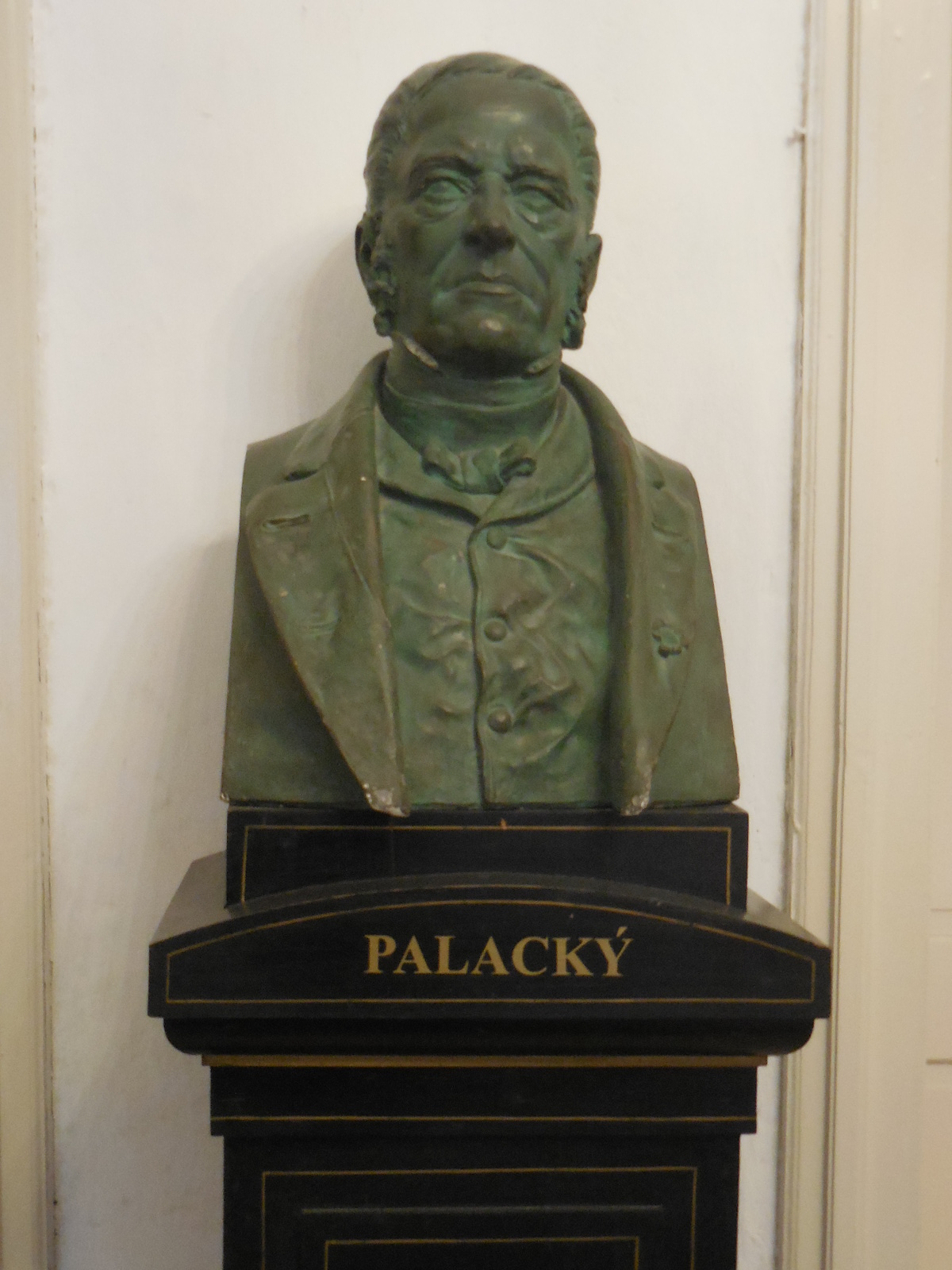
Bust of František Palacký from Maleč Chateau, where Palacky had resided.

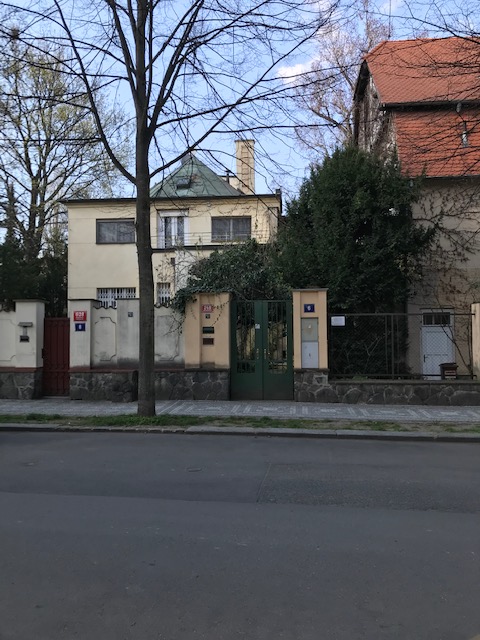
Myslbek had been very influenced by the Czech National Revival that promoted Czech culture and the Czech language. I was familiar with Myslbek’s sculptural portrait of František Palacký, who had supported the Czech National Revival, on Palacký’s former home in the street named after him.

Postcard of Sucharda’s Prague and Vltava (1902) printed by Museum of Stanislav Sucharda

It is not surprising that Sucharda’s early creations were greatly influenced by Myslbek’s realism. Sucharda became known for his creations of Czech historical figures and the Slavonic themes in his work, which are two of the reasons his works appeal to me. I love Czech history and studied it in graduate school. After a Prague exhibition of Auguste Rodin’s sculpture in 1902, however, Sucharda’s style became more vibrant and underwent some changes.

Postcard of Sucharda’s Liliana (1909), printed by Museum of Stanislav Sucharda

Sucharda is best known for his sculptural grouping of the monument to Palacký on Palacký Square in Prague’s second district. Many years ago, Palacký’s statue had greeted me every time I took the Metro at the square or rode by on a tram. I had become very interested in Palacký’s work during graduate studies in Czech history, and I found that having a monument dedicated to him near my apartment was refreshing and soothing. The bronze statues of the monument brought to mind the revitalization of Czech history and culture during the Czech National Revival.

Palacký monument on Palacký Square in Prague

The monument also made me think of the Czech nation finally gaining independence after World War I with the creation of Czechoslovakia, even though Palacký had not been alive to see that. I thought of the Czech nation breaking free from the Germanization of the Austro-Hungarian Empire whenever I passed by that sculptural grouping.

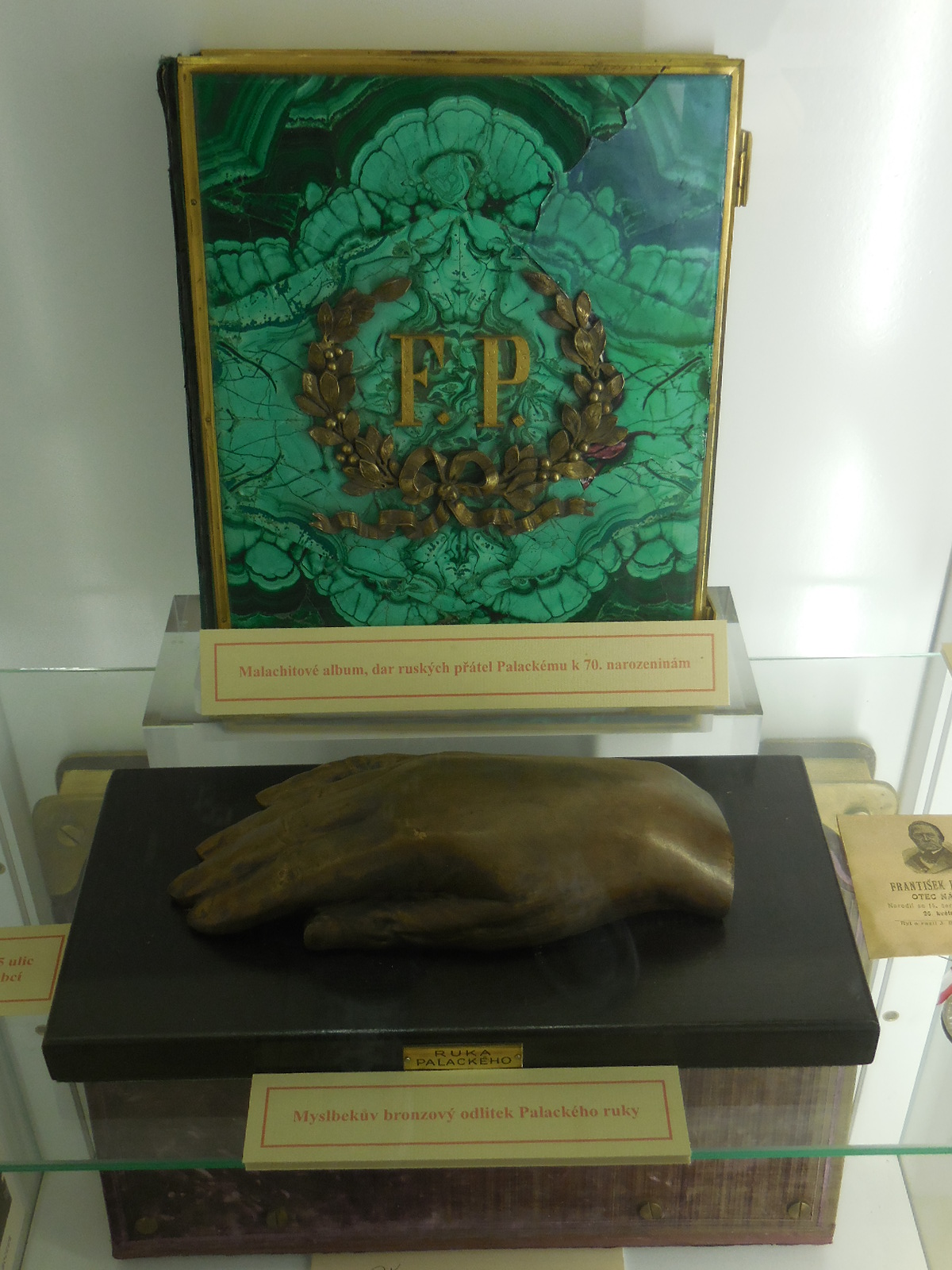
A cast of Palacký’s hand by Myslbek

In the same district as his villa, Sucharda had created a monument to composer Karel Bendl. He also built monuments to Czech historical figures Jan Amos Komenský (Comenius in English) and martyr Jan Hus, for instance. Other designs include sculpture for the study of the mayor of Prague from 1907 to 1909.

Sucharda also authored many reliefs, medals and plaques, and his medal designs were highly praised. His medal works even received international recognition. Stanislav became professor of the first Department of Medal Design of the Academy of Fine Arts in Prague after spending two decades as a professor at the School of Decorative Arts. He had also served for seven years as the chairperson of the Mánes Union of Fine Arts, which organized many influential exhibitions in Prague and was an important promoter of modern art.

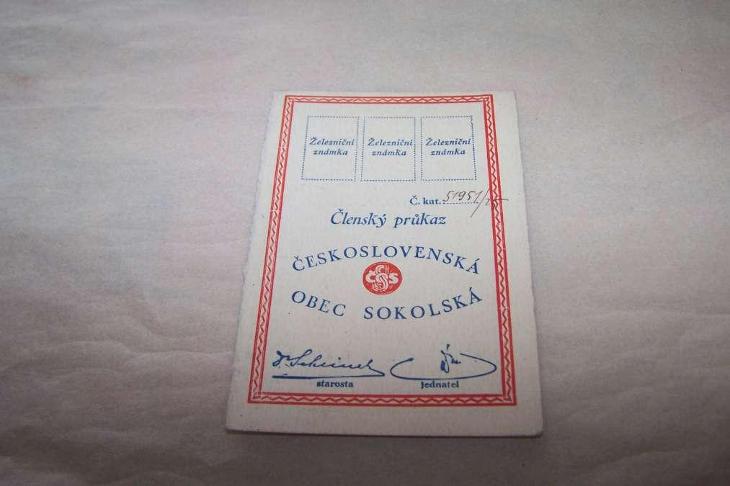
Sokol membership card from 1912. Photo from aukro.cz

For Sucharda there was more to life than artistry. He was an avid member of the legendary Sokol physical education organization, even working as an instructor there. His entire family was involved with this prominent Czech organization.

Then fate intervened. Stanislav served in the military during World War I and did battle on the eastern front. Wounded in the war, he died after returning to the Czech lands in 1916, a year after being chosen to head the medal design department of the Academy of Fine Arts. I thought it was such a shame that he did not get to see the establishment of independent Czechoslovakia with Tomáš Garrigue Masaryk at the helm.

Sucharda’s Second Villa as seen from the garden

The tour of the two-story villa was very impressive as Sucharda’s granddaughter told the group about her father’s work, the pieces of art in the building and the history of the villa. A professional guide was insightful, too. The interior consisted of an English style hall with stained glass decoration on high windows and sculptures, reliefs and paintings. The British architecture of the hall reminded me a bit of Staircase Hall in the Moravian villa of Slovak architect Dušan Jurkovič, who had been inspired by the English Arts and Crafts movement.

Jurkovič’s Villa in Moravia

We saw works by Edvard Munch and Rodin as well as many Czech creations. Small statues and other artworks decorated the top of an elegant decorative fireplace. Behind plush red seating shaped in a semi-circle was a beautiful stained glass window. I especially liked a large relief by Sucharda in the entrance hall and a life-size statue.

In the narrow hallway there was a fountain with sculptural decoration that employed religious motifs. We also saw the dining room with its paintings, statues, busts and ceramics. Works by Stanislav’s daughter were very impressive. The woodcarving of Kotěra furnishings was masterful. A small conservatory was adjoined to the dining room. Intriguing artifacts decorated the piano, and outstanding paintings decorated the walls. I especially liked a rendition of the Roman Forum by Cyril Bouda. It brought to mind my passion for Italy and the time I had showed my parents the Roman Forum

The garden had an intimate feel. I could imagine sitting there, reading a good book and relaxing on a sunny day.

The Muller Villa in Prague

Visiting villas in Prague was one of my favorite pastimes. I recalled touring the František Bílek Villa, the Muller Villa, the Winternitz Villa and the Rothmayer Villa in the capital city. I had also toured several intriguing villas in Brno and the Bauer Villa in central Bohemia. I would definitely recommend touring these villas. I was glad I was able to get to know Stanislav Sucharda better via his villa and the art within it. I developed a much stronger appreciation of Sucharda’s contribution to modern art. The tour was even more impressive than I had imagined it would be.

Tracy A. Burns is a writer, proofreader and editor in Prague.