Through the Eyes of Franz Kafka Exhibition in Pilsen Diary

During the summer and fall of 2024, the West Bohemian Gallery in Pilsen showed off the riveting exhibition “Through the Eyes of Franz Kafka: Between Picture and Language.” It focused on the ways in which the visual world around Kafka had been influential in the language Kafka chose for his writings. There was a direct connection between the visual world and the literary world in Prague, Kafka would have seen the works on display in his everyday Prague life that boasted of a multilingual society immersed in the languages of Czech, German and Hebrew. Kafka resided in Prague his entire life – from July 3, 1883 to June 3, 1924, when he died at the age of 40 from tuberculosis. He spoke German as well as Czech and wrote in German. His parents spoke German mingled with Yiddish.
At the end of the 19th and beginning of the 20th century, posters were displayed all over the city. Designed in the Art Nouveau style, they showed off art exhibitions, cabaret shows, literary events, advertisements and much more. Japanese art played a role in the decoration of these posters. Later, the artistic focus was Cubist features. German-Czech spiritualism also was influenced by the time period. Silent films, both European and American, were popular in Prague. Going to the cabaret, ballet and theatre were pastimes of Praguers.

Exhibition Wordwede in Kinská Garden, Prague, 1903.

Modern French Art exhibition, Kinská Garden, Prague, 1902.

I would like to highlight several of the artists represented in the show, including the posters of Jan Preisler, a Czech painter and university professor. For a while his works promoted the Art Nouveau style, which is evident in this poster for an art exhibition. He also decorated Art Nouveau buildings in Prague. For example, the Hotel Central in Prague features his ornamentation. The triptych Spring was made for the Peterka building in the capital city. Preisler made a name for himself as a Secession artist, even though he would take on a different style later in his career.

Girl in Flowers, 1922, by Anton Bruder

Many of his works could be designated as Neo-Romantic, punctuated with allegorical Symbolism. His art often showed a fondness for fairy tales or moods characterized by depression and sadness. Preisler attempted to reveal the depth of one’s soul. Early in his career he became friends with Czech landscape painter Antonín Hudeček. Preisler was also influenced by the art of Edvard Munch as he helped plan the 1905 exhibition of Munch’s depictions in Prague. Preisler also had developed friendships with painters Bohumil Kubišta and Vincenc Beneš. He was very inspired by the poetry of Otakar Březina, a Czech artist who wrote in a complex, symbolist style and was nominated for the Nobel Prize eight times. Vitezslav Nezval and Josef Suk were other poets who made an impression on him. Perhaps his best known painting is the triptych “Spring,” from the turn of the century. It depicted the complex feelings of someone entering the 20th century. Man experienced a nostalgia for the past, but, at the same time, was looking forward to adventures awaiting him in the new century. A person’s connection to nature was another theme promoted in this triptych.
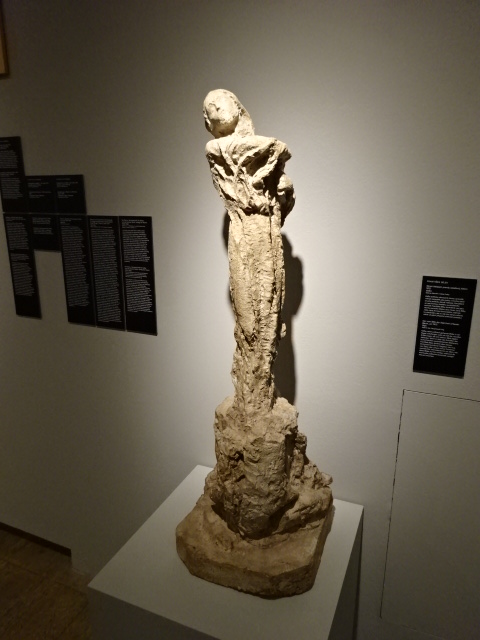
Sculpture by František Bílek
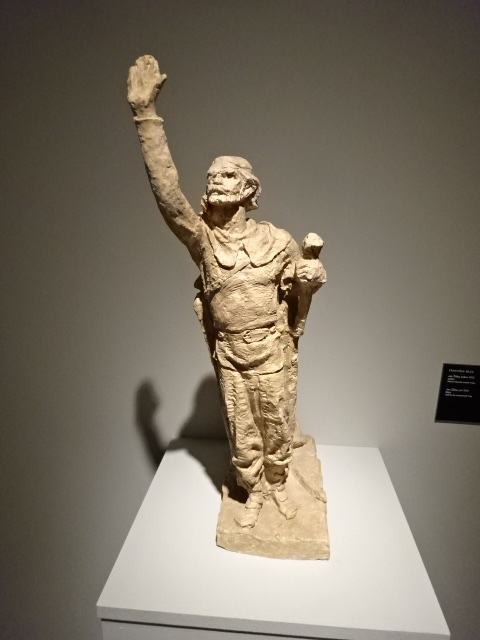
Jan Žižka, by František Bílek, 1912

Sculpture that permeated the exhibition included that of Art Nouveau symbolist František Bílek, whose Secession homes in Prague and Chýnov I had visited. Miniature versions of several of his sculptures were on display. He utilized mostly religious themes with a sense of mysticism. While Bílek was best known as a sculptor, he also designed furniture and created graphic art, drawings and illustrations. An architect as well, he designed cemeteries and made gravestones, for instance. His woodcarving skills were astounding, too. A year later, in 2025, I would see Bílek’s amazing works in the former flat of Czech poet Otakar Březina, incorporated into a museum for the symbolist poet in Jaroměřice of the Vysočany region. To be sure, Bílek’s creations caught the attention of society during the Art Nouveau age.
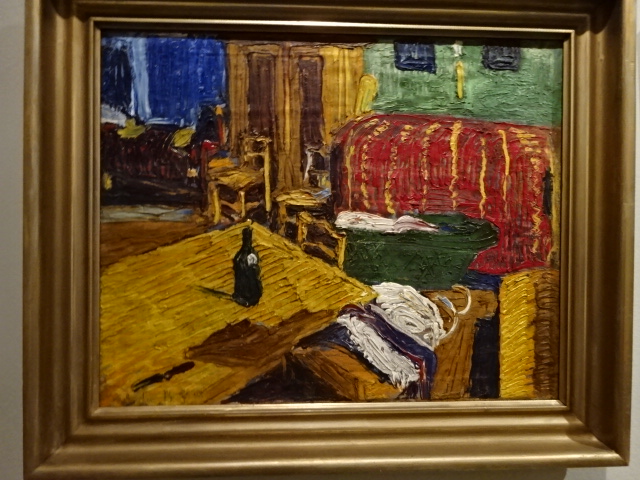
The Interior, by Bohumil Kubišta, 1908

One of my favorite Czech painters of this period, Bohumil Kubišta played a role in the exhibition. One of the first to paint in a modern Czech style, Kubišta created a new path for artists as he helped establish the significant Osma group of painters who were oriented toward Munch’s style. In Kubišta’s paintings, bright color played a large role as did mysticism and symbolism. At times he took up religious themes. Kubišta often concentrated on the spiritual as the symbolism of life and death featured in many of his works. He emphasized the spiritual meaning of the countryside, too. The styles that made an impact on his work included Fauvism, Futurism and Surrealism. Self-portraits and still lives were common in his repertoire, too.

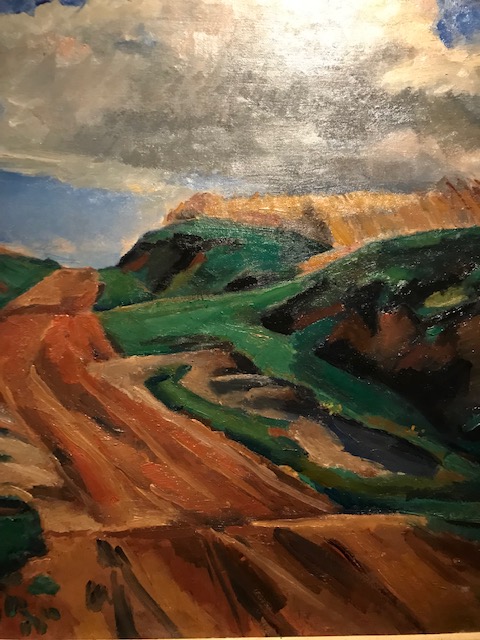
Landscape, by Georges Kars, 1910

I knew the name Czech-French painter Georges Kars from a Prague exhibition of Czech artists in Paris between the wars. While initially taken with Impressionism, Cubism and Fauvism, he found his own path with dynamic and vibrant compositions. He made a lot of women’s portraits, self-portraits, nudes and half-nudes in his figural works. Sometimes he rendered still lifes and landscapes. Kars utilized the neoclassicist style for his portraits, nudes and still lifes. His paintings were world-renowned, displayed throughout Europe, the USA and Japan.

During World War I he served for the Austro-Hungarian army and even was captured by the Russians. He survived the experience and continued painting after the war.

A Walk in a Park in Florence, by Bohumil Kubišta, 1907

Of Jewish origin, Kars escaped France during 1942 and settled in Switzerland. However, he was so traumatized by the persecution of the Jews that he took his own life, jumping to his death from the fifth floor of the Geneva Hotel. During 1949 he was buried with his family in Prague’s New Jewish Cemetery.

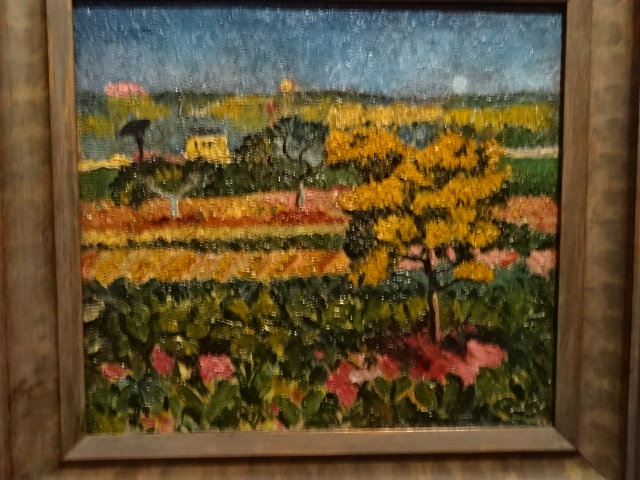
Brindisi, by Otakar Kubín, 1906

Another artist who was well-known while residing in Paris between the wars, Otakar Kubín, who also went by the name Othon Coubin, worked as a painter, sculptor and graphic artist, mostly living in France. Holding citizenship from France and Czechoslovakia, he made a name for himself rendering landscapes, mostly of Provence but also of Moravia. I loved his landscapes of Provence in the exhibition of Czech artists between the wars. These paintings were perhaps the highlight of his career.
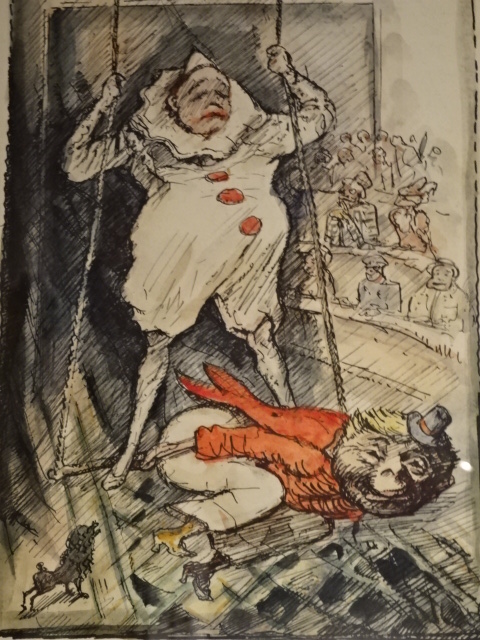
While living in France during World War I, Kubín and his wife were interred in a camp imprisoning foreigners in Bordeaux. However, they were not held for long. In the 1920s, he held exhibitions in Paris with Pablo Picasso and Henri Matisse. Kubin was impressed with the Expressionism of Vincent Van Gogh. His depictions with figural motifs often were influenced by the death of his wife and son. His works were also seen in Japan, Switzerland and the USA. Some of his praiseworthy portrayals include a portrait of Kubišta, House in the Countryside, Cemetery Chapel in Boskovice, Imaginary Likeness of Edgar Alan Poe, Moravian Landscape and Auvergne Landscape.
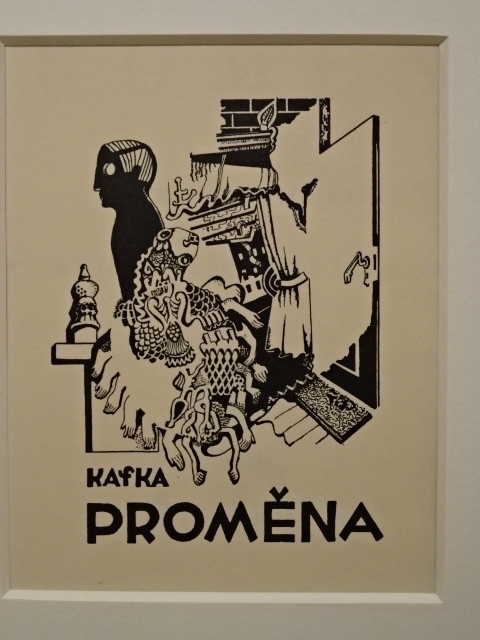
The Metamorphosis, by Otto Coester, 1920

One of Kafka’s small black-and-white drawings as a young child was on display, and art promoting his various books also had a prominent place in the exhibition. Artistic renditions of The Metamorphosis were represented, for instance. German art and literature at this time also played prominent roles in society. An antisemitic attitude was seeping into some of the publications.  The exhibition did not only concentrate on works in Prague but also art that had immersed itself into European society as well, providing a European context for these powerful renditions.
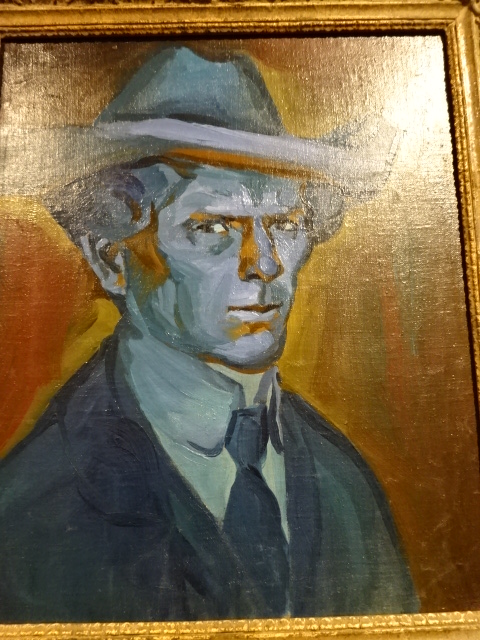
The Metamorphosis, by Wilhelm Wessel, 1924.

This exhibition took up my favorite Czech era of art – the end of the 19th and beginning of the 20th century. The Art Nouveau and symbolic nature of the works greatly impressed me as did emphasis on color in many paintings. I loved the expressionistic qualities of Munch’s artistic creations. Several paintings were by Japanese artists, and I saw a direct connection between the Czech Art Nouveau and the Japanese style. I could see the influence of Cubism in some paintings with many geometrical traits. I loved the Art Nouveau posters advertising exhibitions. The multifaceted visual experience of a person living in Prague during that era reminded me of the mixture of languages that had permeated culture and society.

The exhibition was thrilling as I thought back to that age and the various cultures people were experiencing. I felt that time period come alive through the artistic creations. Some of my favorite artists were represented, such as Bílek and Kubišta.

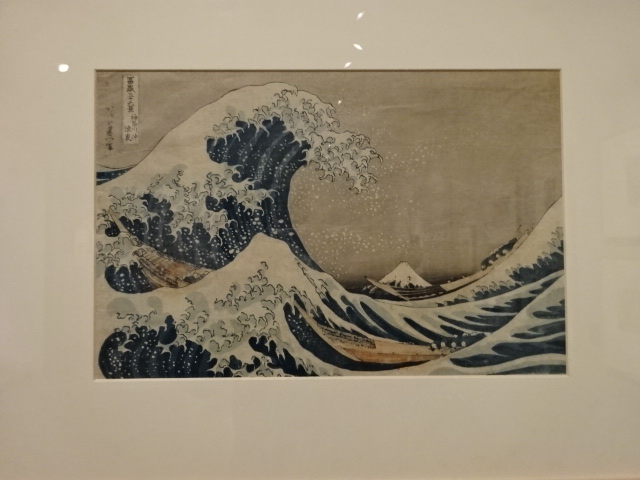
A Wave at Kanagawy, by Hokusai Kacušika, 1831

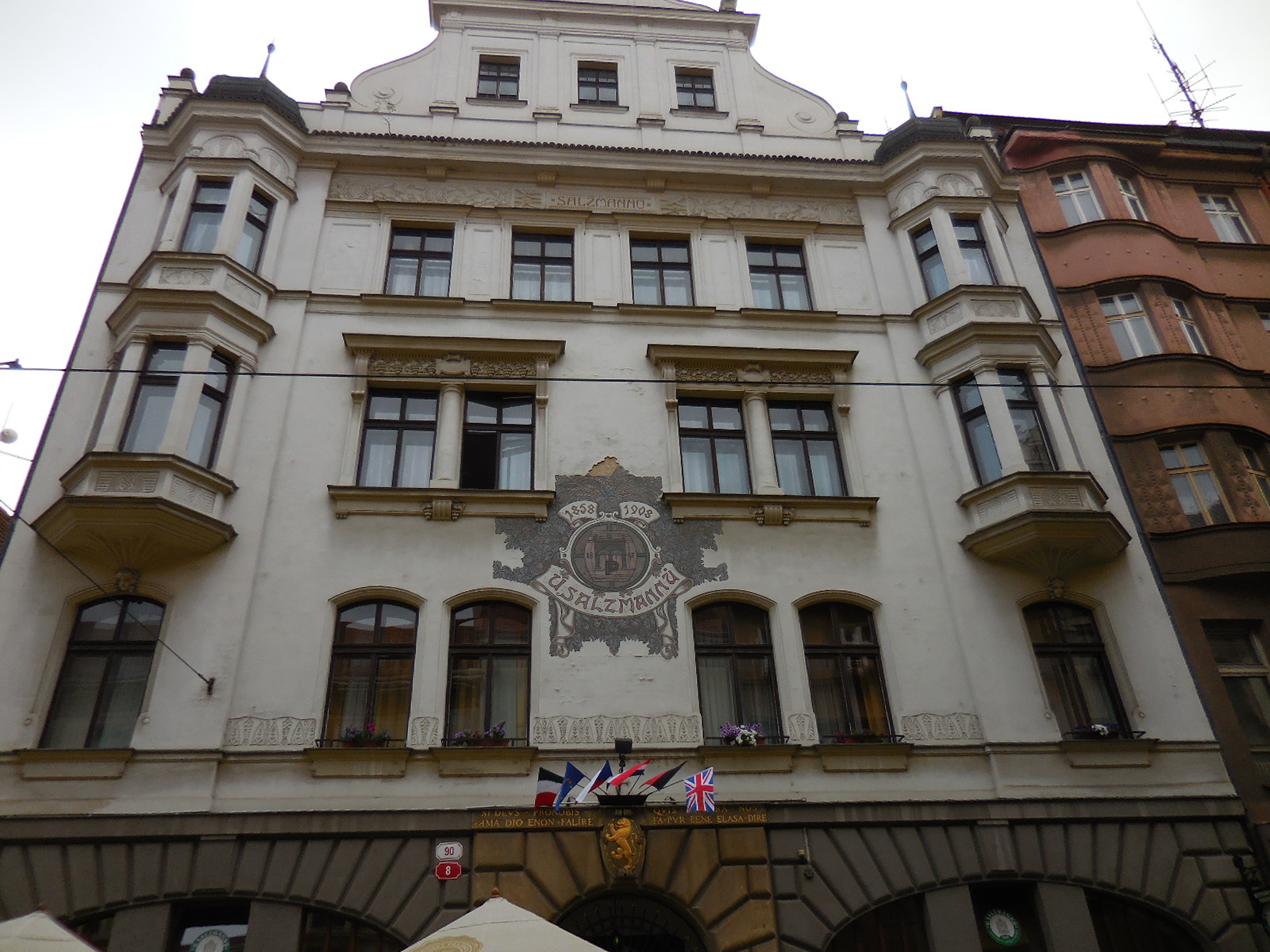
I also was enamored by the building in which the West Bohemian Gallery was housed. It had been used as a market place during the Middle Ages and boasted of a unique architectural style. I longed to learn even more about the end of the 19th and early 20th century as I left the exhibition and made my way to my favorite restaurant in Pilsen, U Salzmannů.

Tracy A. Burns is a writer, proofreader and editor in Prague.

Restaurant U Salzmannů, Pilsen

Marc Chagall Exhibition in the Albertina Photo Diary

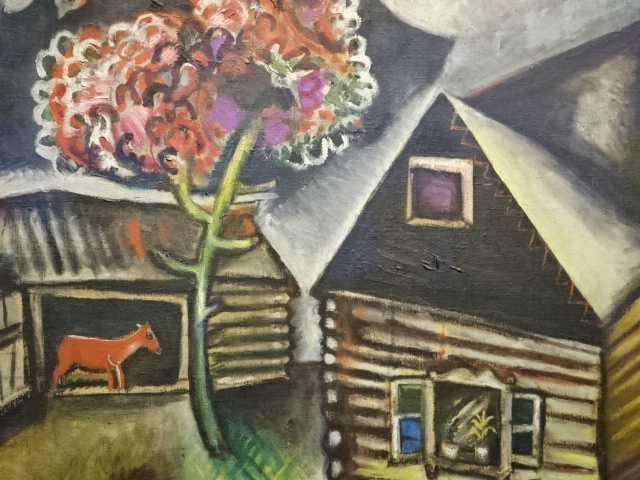
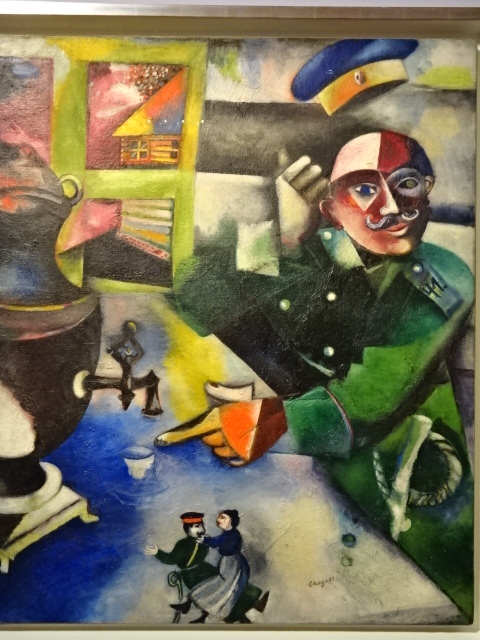
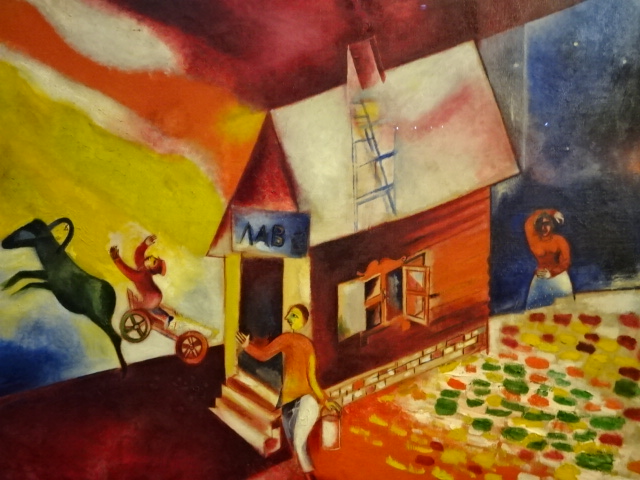
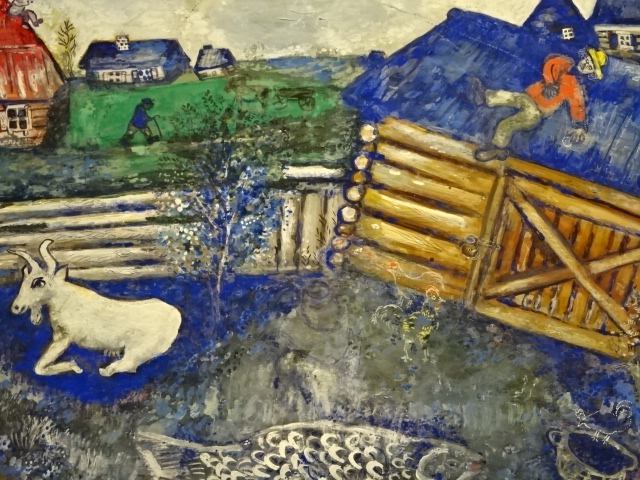
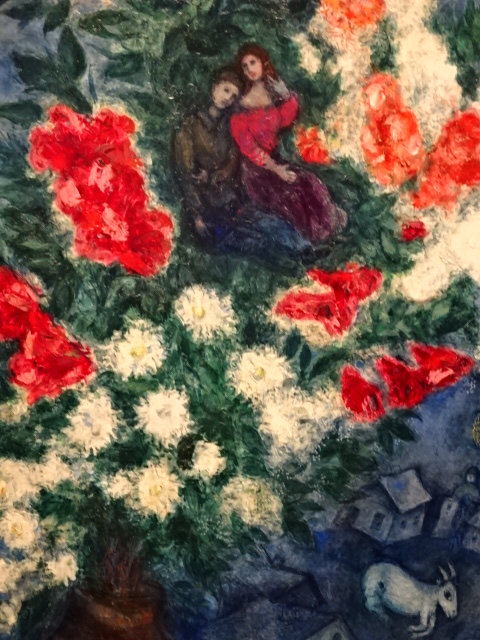
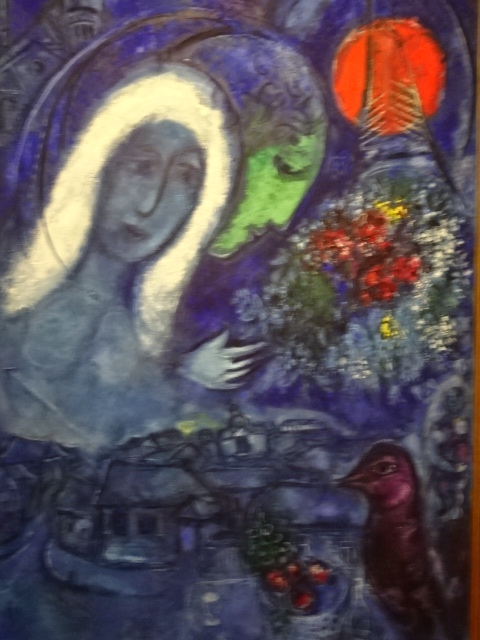
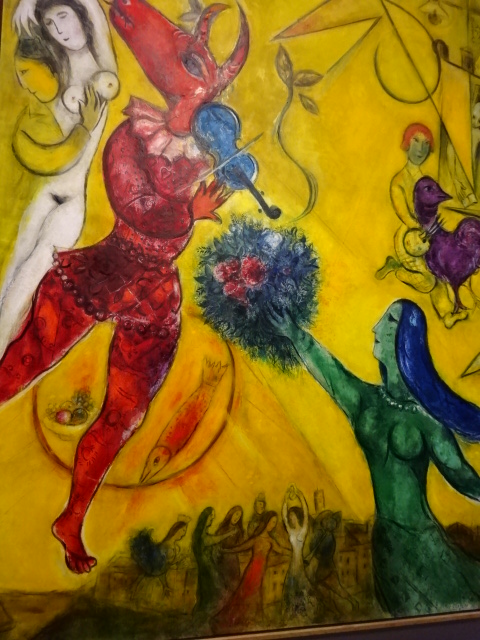
I admired Marc Chagall’s works at the Albertina venue in Vienna, Austria during late October of 2024. I have always loved going to exhibitions in the Albertina. I recalled a comprehensive show of works by Durer at that venue some years ago. A long-time fan of Chagall, I loved his use of bright colors and atmosphere of playfulness in his paintings that had a dreamy, fantasy-filled quality. I was enamored with his mastery of color to express various emotions and to create new worlds. I loved his renditions of Paris, the Eiffel Tower often dominating his creations.

Before this show I hadn’t realized how strongly his Jewish background had influenced his art. Chagall’s paintings were punctuated with Jewish folklore and motifs. I saw a painting of a synagogue and portraits of rabbis, for instance. Many paintings boasted biblical themes. I also hadn’t realized how often he had rendered his hometown, both sadness and joy intermingled in the memories. His yearning to return to his hometown was extremely visible in his art.

The symbolic nature of his artistic creations also enamored me as I noted the many violinists, animals, half-human creatures, wooden houses, circus characters, roosters and floating married couples as well as beautiful floral arrangements. Because I had visited an exhibition in Prague’s Wallenstein Riding Stables about the interwar years of the École de Paris movement, I knew he had been associated with that era during his Paris sojourn.

The exhibition allowed me to become better acquainted with the artist’s life. Marc Chagall (1887-1985)was born as Moishe Shagal on July 6, 1885 into a Hasidic Jewish family in Vitebsk, located in today’s Belarus. During the late 19th century the town was situated in the Russian Empire. His impressive, varied resume includes paintings, drawings, book illustrations, ceramics, prints, tapestries, stained glass and stage sets, but this vast exhibition focused solely on his paintings.

While he spent World War I in his hometown, he went to Paris before the war broke out, moving there in 1910 when he was 23 years old. In France he made friends with Guillaume Apollinaire, Ferdinand Léger and others creating avant-garde works. He often depicted Jewish themes and also evoked Paris in many paintings. During World War I, back in Vitebsk, he married Bella and held exhibitions in Russia as the war made it impossible for him to leave the empire. He founded an arts college in his hometown, too. However, he was in dire financial straits during the Russian Civil War. After World War I, much of his work was Moscow-based.

Following the Bolshevik Revolution, he moved to Paris for the second time, but fled during World War II after the Germans took control of France. The Nazis in occupied France took away Chagall’s French citizenship, and he and his wife were arrested. However, with the help of others, he and his wife found a way to escape to the USA. He felt like an outsider and didn’t speak English.

While he was in New York City, tragedy struck his hometown of Vitebsk, which was destroyed by the Nazis. Things would get even worse. Bela passed in1944 because it was not possible to get her any penicillin. It was no surprise then that Chagall’s late spouse appeared in many of his paintings. In 1948, though, he returned to Paris, and there his paintings focused on Jewish themes and his yearning for the existence of his hometown. Also, he would marry two more times.

He devoted much time to other fields as well. Some of his accomplishments included creating stained glass decoration in the cathedral in Reims and at the Art Institute in Chicago. He also made stained glass adornment for places in Switzerland and Israel. He became even better known for his ceiling painting of the Paris Opera. I remembered gazing in awe at this ceiling several decades ago. It was an experience I will never forget, even though I saw it so long ago. He also made sculpture and ceramics as well as tapestries.

Chagall died at the age of 97 on March 28, 1985 at the age of 97. He is buried with his third wife in a cemetery in Saint Paul-de-Vence, located in the Provence region.

Tracy A. Burns is a writer, proofreader and editor in Prague.
Horizons Exhibition Diary

Tábor, Jaroslav Šetelík

I have always loved to visit the exhibitions at the art gallery at the Kooperativa insurance company. Never have I exited that building without learning something new about art and about myself. This time the show was called Horizons, and it brought to mind memories of childhood innocence as well as a strong sense of freedom and personal identity achieved as an adult. The featured paintings dealt with the power and magic of nature and romantic towns as well as the devastation of war. Mythological themes also punctuated some paintings. Some of the scenes evoked in me sadness, and others brought joy.

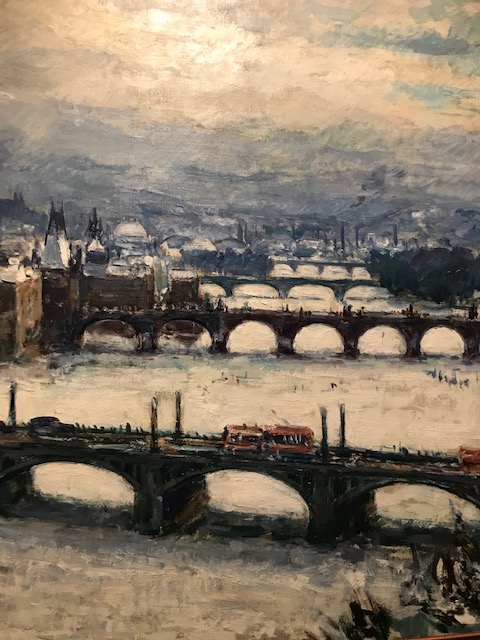
Prague Bridges, František Líbal

The townscapes were my favorites. My love of Prague drew me to the romantic and idyllic landscape “Prague Bridges” (1943) by the landscape and portrait painter František Líbal, who created vistas of the Czech capital during World War II, when he lived in Prague. Líbal studied in Germany and made trips to France and Italy while portraying cityscapes and cathedrals. He proceeded to travel throughout the Czech lands, Moravia and Slovakia, focusing on mountainous terrain. The south Bohemia native often visited the region where he was born and created many works of ponds and forests from scenery located there. After the war, he stopped creating Prague cityscapes and focused on landscapes of south Bohemia.
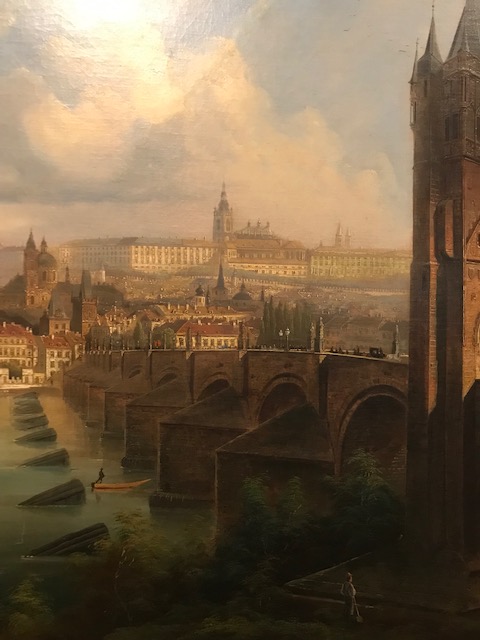
View of Charles Bridge, Ferdinand Lepié

His view of Prague brought to mind the power and magic of the capital city. He made the city appear idyllic and romantic. In the horizon of the painting, I saw the bright future that I imagined I would have when I was 21 years old, fresh out of college. I mused about my first visit to Prague in 1991, when I was initially enamored by the beauty of the city. So many decades later, I am still enthralled with the city’s beauty, and the panoramic views fill me with joy. Another painting in the exhibition that brought to mind the magic and masterful architecture in Prague was View of Charles Bridge (1861) by Ferdinand Lepié. My attention was drawn to Prague Castle in the background. I once again saw Prague imbued with historical significance and timeless beauty.

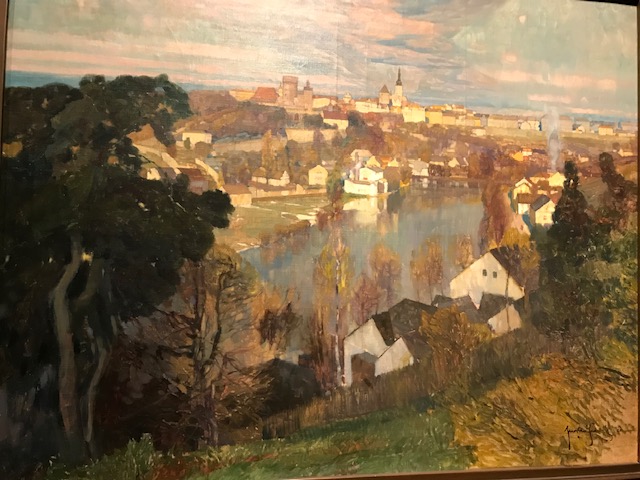
View of Třebíč, Bohumír Jaroněk

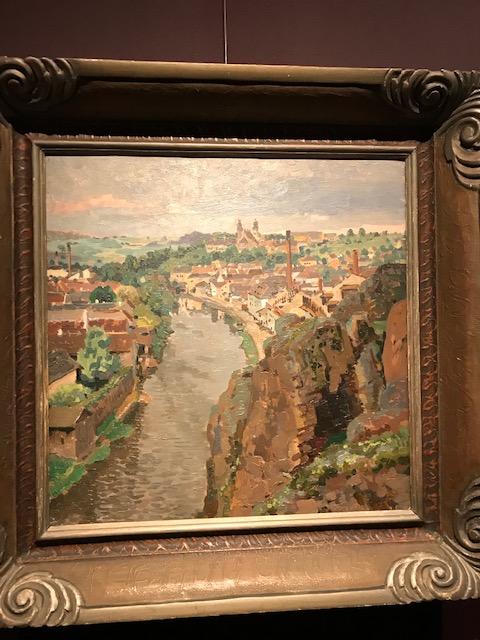
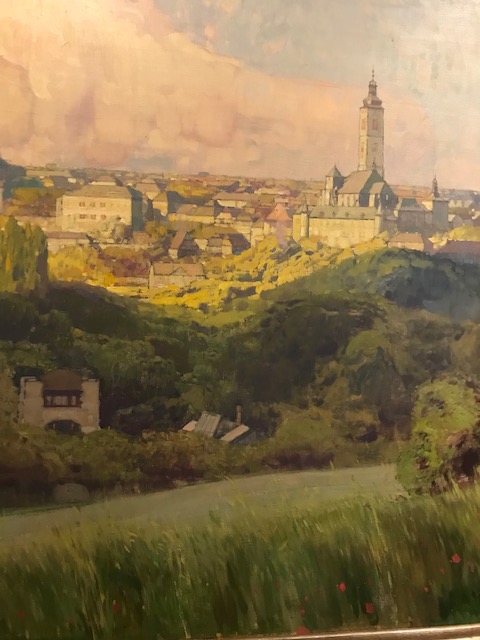
I loved the paintings of other towns, too, such as Jaroslav Šetelík’s “Tábor” from 1926 and his “Kutná Hora” from 1920. Bohumír Jaroněk’s “View of Třebíč” (1910) showed a river flowing through the center of the city, making the painting especially picturesque. Kutná Hora, Tábor and Třebíč are towns with fascinating history and intriguing sights. All three paintings brought to mind my trips to these towns and the sights with which I had become very familiar.

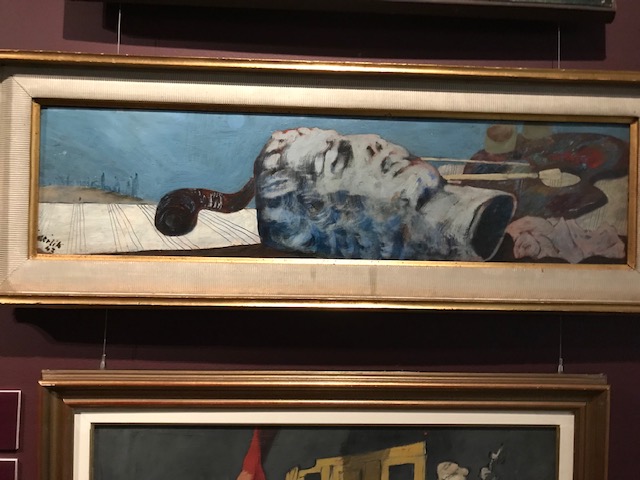
Painter’s Still Life, Arnošt Paderlík

Arnošt Paderlík’s “Painter’s Still Life” from 1943 takes on the theme of the suffering of mankind during wartime. This painter, sculptor, graphic artist and professor spent much of World War II making expressive, anti-military compositions ripe with hidden meanings. This particular painting shows, among other objects, an ancient bust from a statue. It has fallen on the ground, onto its side. After World War II, he drastically changed his style, devoting his time to still lifes that were inspired by Cubists Pablo Picasso and Georges Braque.

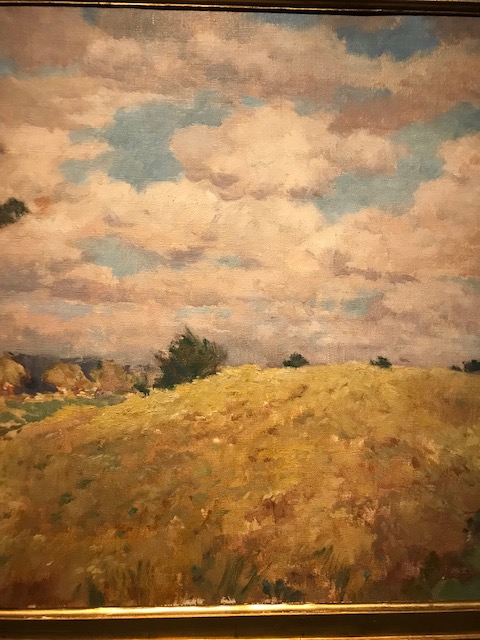
Rye, Antonín Slavíček

Paderlík delved into architectural adornment as well. His ceramic ornamentation graces the Kotva Department Store in Prague, and a bronze figure he designed is located at the Thermal Hotel in Karlovy Vary. I thought back to the sculptures and paintings I had seen throughout Europe, depicting the horrors of war. Even though he was focusing on World War II, Paderlík’s painting speaks to wartime oppression in general.

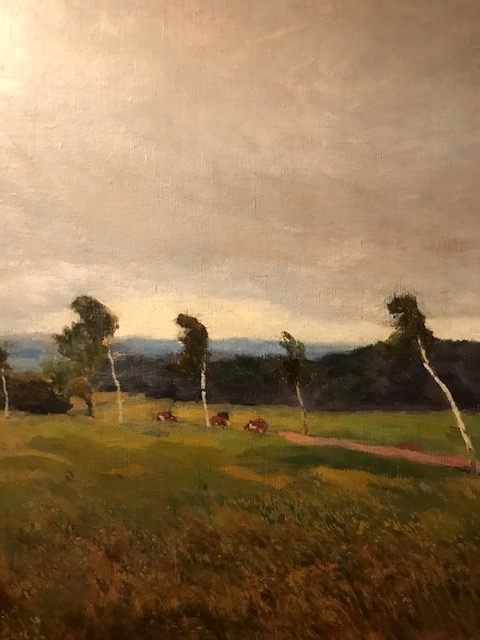
Landscape from Kameníčky, Antonín Slavíček

I was ecstatic that Antonín Slavíček’s landscapes, influenced by Impressionism, were represented in the exhibition. His “Landscape from Kameničky” from 1906 captured my undivided attention as did his “Rye” from 1908. He masterfully evoked the textures of the grass and dirt road in “Landscape from Kameničky.” I felt as though I could reach into the painting and touch the grass and dirt. I have always been drawn to the emotional quality of his works and to the strong use of color that permeates his renditions, including “Rye.” Slavíček was a student of Julius Mařák, perhaps the most prominent Czech landscape painter of the 19th century, who also worked as a professor promoting realism to many talented artists.

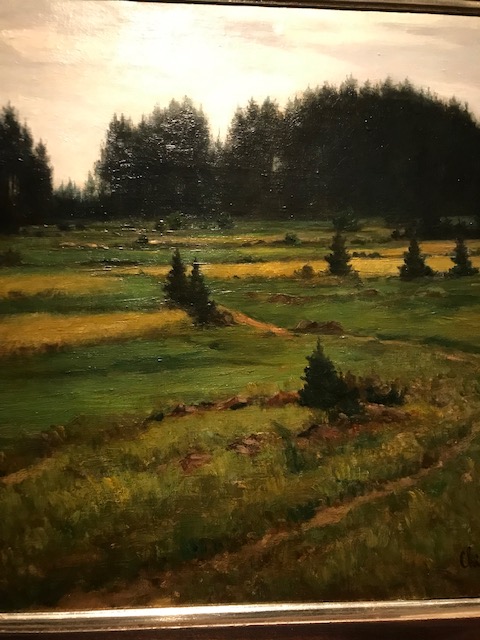
Meadow, Antonín Chittussi

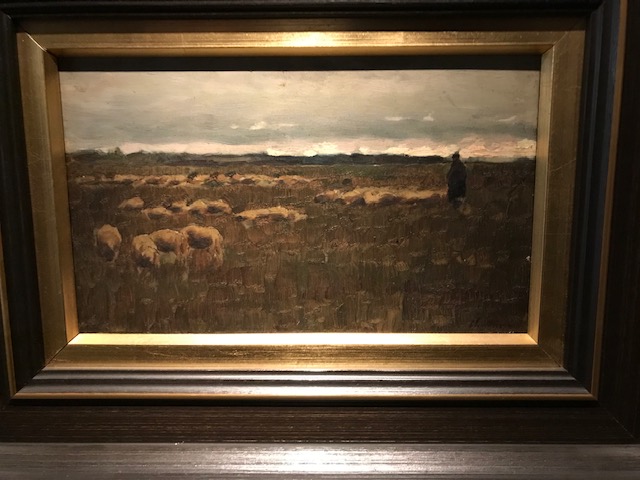
The work of one of the most important Czech painters of the 19th century, Antonín Chittussi, also was highlighted in the exhibition. His nature-themed canvases evoked strong emotions in me. His painting “Meadow” from 1886 made me take a deep breath as all tension and stress in my life momentarily disappeared. I also was gripped by his realist portrayal of sheep and a shepherd in “On the Pasture” (1882).

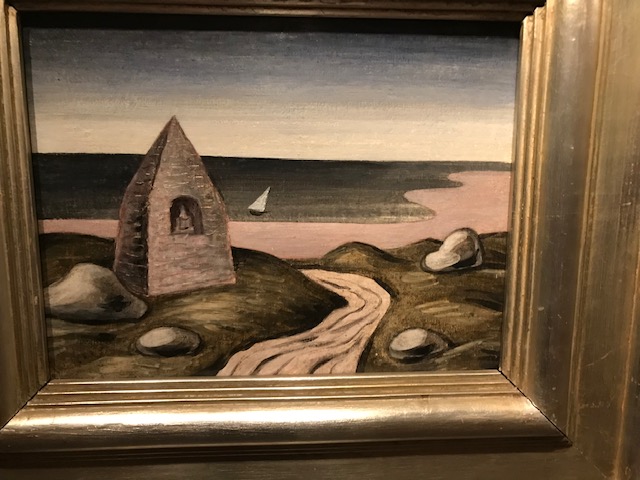
Chapel of Saint Brandan, Jan Zrzavý

Jan Zrzavý, one of my all-time favorites, was highly influenced by Italian primitive art and Symbolism. He also utilized light and color masterfully. His works have fantasy-like and mystical elements that correspond to magic realism. He didn’t only master painting but also graphic art, illustrations, teaching and scene design – all fields in which he worked for the National Theatre during the 20th century. Some of his paintings, such as his rendition of the “Chapel of Saint Brandan” (1946), evoke sadness and solitude, delving into the darkest depths of the human soul. I noticed the dominant greys in the painting, such as that of the gloomy winding lane. On the dark water floated a solitary sailboat.

Summer Landscape, Václav Rabas

One of the first Czechs to receive recognition as a national artist, Václav Rabas studied under the guidance of Max Švabinský and fought on the front in World War I, where he was injured and subsequently sent home. Influenced by 19th century landscape painting and the art of Paul Cézanne, Rabas created canvases rich with color, and some of his works showed features of magic realism. I loved the vibrant colors in his Summer Landscape (1930). His landscapes concentrated mostly on his native Rakovník. Rabas was not only a landscape painter by any means. Indeed, he excelled at rendering the human figure with his 1923 cycle of “Czech Heads” that represented famous personalities. Rabas also created 24 paintings demonstrating how to make bread. 

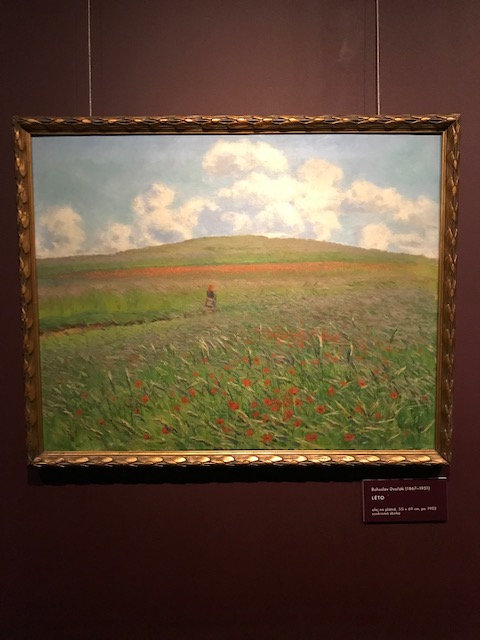
Summer, Bohuslav Dvořák

I felt like running through the meadow in Bohuslav Dvořák’s “Summer” (1902). I felt liberated, free to go my own way and follow my dreams while I peered at the painting. Dvořák studied under Mařák and began his career as a realist who was influenced by Chittussi. Later, though, he began to show more characteristics of Slavíček’s style. Color helped define his works, and some of his paintings had strong Impressionistic qualities.

On the sea coast, Norbert Grund

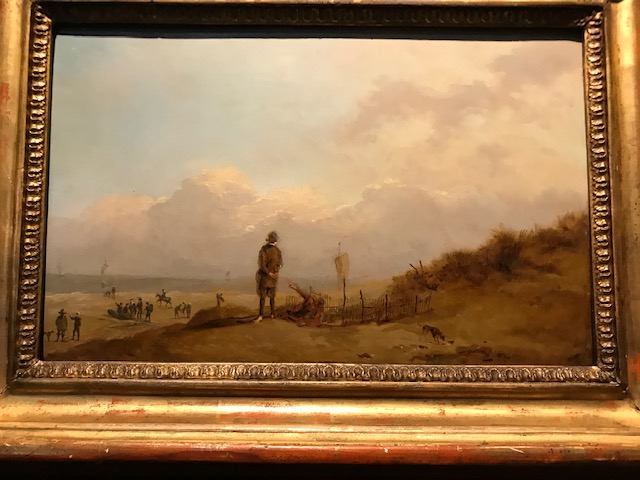
I have loved the small landscapes by 18th century Norbert Grund for decades and was enthusiastic when one of his paintings was included in this exhibition. His “On the Sea Coast” (1750) shows a man with his back to the viewer as he gazes at the sea and beach, where other people were present. The versatile Rococo artist was known for genre paintings, landscapes and biblical works. Whenever I saw one of Grund’s creations, especially a landscape, I felt drawn into the world of the painting because the works entranced me so much.

Motif from Gmundenu, Josef Mánes

Perhaps the most influential painter of the 19th century, Josef Mánes created “Motif from Gmundenu” in 1843. His landscape paintings and portraits fall into the styles of Romanticism and Realism. Hailing from a family of painters, Josef Mánes made around 500 works. Best known for painting the 1865 allegorical calendar on Prague’s Astronomical Clock, Josef Mánes also created portraits of Prague inhabitants and landscapes of the Moravian countryside.

Sunrise – Horizon of Hope, Ivan Exner

Landscape, Vojtěch Malaník

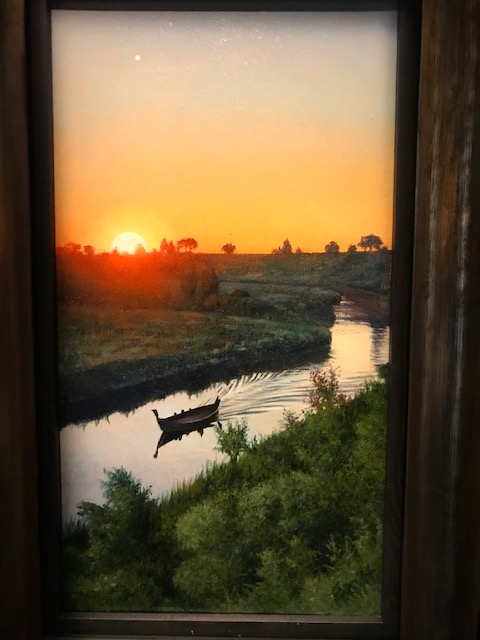
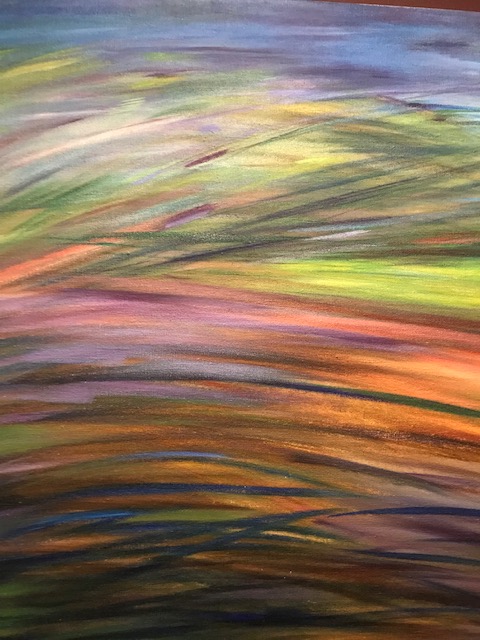
While some paintings hailed from the 18th and 19th centuries, others were contemporary and made just as strong an impression. Vojtěch Malaník’s “Landscape” from 2015 featured a mesh of lines of bright color, an abstract creation showing the vitality of nature in a very dynamic way. Ivan Exner’s “Sunrise – Horizon of Hope” (2024) was mesmerizing with its bright yellow sun rising in the pink and orange sky. An empty boat floated on the river as sunrays danced on the water.

On the Pasture, Antonín Chittussi

These are just a few of the masterpieces on display in this exhibition. Every painting spoke to me, narrating vibrant stories through nature, mythology and war. Lyricism and romanticism as well as realism punctuated this art show. While some stories were gloomy and foreboding, others were joyful and bright. I saw nature as a powerful force that mankind could not control. I sensed times marked by hope as well as days denoted by darkness. This was a poetic and powerful exhibition focusing on the joys and tribulations of life.

Kutná Hora, Jaroslav Šetelík

Tracy A. Burns is a writer, proofreader and editor in Prague.

Ivan Meštrović Exhibition Diary

Early in 2023, I went to an exhibition of sculpture by late Croatian sculptor, architect and writer Ivan Meštrović. The art gallery at Prague’s main library hosted the intriguing show. I was familiar with the artist’s name: I had admired his villa, the Ivan Meštrović Gallery, in Split on my last trip to Croatia some years ago. It contained 86 sculptures made with various materials, showing off his dramatic, dynamic and expressive style that was both poetic and poignant. Drawings and reliefs were displayed, too. The bronze statue-dotted garden was delightful. One of my favorite things about traveling was being introduced to the works of various artists. I was enamored with Meštrović’s creations, and his unique, powerful style was forever embedded in my memory.

During Meštrović’s illustrious career that spanned six decades, he had been influenced by a number of styles ranging from Art Nouveau, Symbolism, Impressionism, Art Deco, Neoclassicism and Late Realism. Classicism played a major role in shaping his artistic style, too. Auguste Rodin’s naturalist style, which he had meticulously studied, greatly inspired him. During his extensive travels, Meštrović also saw Michelangelo’s creations, which affected his own work. poignant.

Meštrović’s subjects were diverse as well. He took on religious themes, created portrait busts, made sculptural monuments and delved into studies of figures. A firm believer in promoting Yugoslav national identity, he also presented folk themes and national myths. He fervently advocated for pan-Slavism, and some of his works represented historical events in Slav history.

The sculptor’s career took off when he exhibited his works in Vienna during 1905 as part of the Secession Group. While living in Paris for two years, he received recognition from all over the world and was very prolific. Then he spent four years in Rome, where he was lauded for his design of the Serbian Pavilion at Rome’s1911 International Exhibition. During World War I, he traveled extensively and spoke out against the Habsburg monarchy that controlled his homeland.

He returned to his homeland after the war ended and achieved much success while living in Zagreb. He even created many sculptures for King Alexander I of the Kingdom of Serbs, Croats and Slovenes. He continued to travel, even having an exhibition at the Brooklyn Museum in New York during the 1920s.

During World War II, Meštrović’s life was far from rosy. In 1941, he spent three-and-a-half months in prison. The following year his first wife died, and many of her Jewish relatives perished during the war. Thanks to the Vatican, Meštrović was let out of prison and took off to Venice and then back to Rome. He even met Pope Pius XII.

After World War II, he refused to return to Yugoslavia because the Communists were in control. He wound up in the USA during 1946, when he took a position as a professor at Syracuse University. His works were displayed at the Metropolitan Museum of New York the following year, and he was the first Croatian to do so. He continued to achieve great success and much recognition in the USA and even received the American Academy of Arts and Letters’ Gold Medal in the field of sculpture during1953. American President Dwight D. Eisenhower was so impressed with Meštrović that he gave him US citizenship. Meštrović took a job at the University of Notre Dame in Indiana soon after that. He designed monuments at Notre Dame, and his sculpture is featured in the university’s art museum.

He died in Indiana during 1962 at the age of 79 and was buried in his hometown of Otavice, though the Communists in control of Yugoslavia created many difficulties. His sculptures can be seen all over the world: in Serbia and Romania as well as in the United States, including Louisiana, Indiana, New York and Illinois.

This exhibition focused on Meštrović’s Czechoslovak connection as he had developed an affinity for Czech culture. He befriended the first democratic President of Czechoslovakia, Tomáš Garrigue Masaryk. They both had taken an anti-Habsburg stance during World War I. Also, Meštrović and Masaryk had lived in exile during the first World War. They both admired Slav history. While Meštrović wanted a united Yugoslavia of Croats, Serbs and Slovenes, Masaryk tried to forge a united Czechoslovakia of Czechs and Slovaks. Meštrović sculpted two busts of Masaryk in 1923 as well as busts of his wife Charlotte and his daughter Alice. He created these busts at the Czechoslovak President’s summer residence, Lány Chateau. I recalled spending some sunny afternoons in the park of the chateau in Lány as well as paying my respects at the Masaryk family graves.

Masaryk was by no means the only Czech Meštrović knew. For example, Meštrović was friends with Czech sculptor Bohumil Kafka and even created a portrait bust of Kafka during 1908.

Meštrović’s work was first unveiled in Prague during 1903, when the Habsburgs ruled the Czech lands. His work was included in an exhibition featuring Croatian artists at the Mánes Association in Prague. Mestrovic had another exhibition in Prague during 1933. President Masaryk was so impressed with Meštrović that he presented the Croatian sculptor with the Order of the White Lion award during 1926.

I was enthralled with the Czech connection between Meštrović and artists in Czechoslovakia. Tomáš Garrigue Masaryk was one of my heroes, and I was very interested in life during the First Republic, when Masaryk was president. I felt strong emotions when viewing Meštrović’s powerful works. I also thought back to my introduction to Meštrović’s creations in Split. What a discovery! I was glad to be reacquainted with Meštrović’s sculptures. Seeing his renditions in person was a profound experience.

Tracy A. Burns is a writer, proofreader and editor in Prague.

The Last Century – Twenty Artists Exhibition Diary

This permanent exhibition at the Gallery of Modern Art in Hradec Králové showcases the works of some of the most influential Czech artists of the 20th century. I liked the fact that the works were organized by person with commentary about the artists’ backgrounds and styles. I will highlight the creations that most influenced me, although all the painters and sculptors are important.

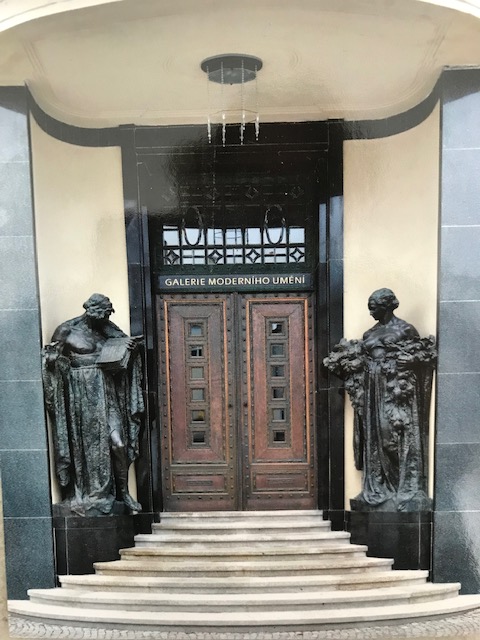
First, about the building housing the Gallery of Modern Art: Like many edifices in Hradec Králové, the museum is an architectural gem. Facing the town’s main square, the building that was completed in 1912 by Osvald Polívka is impressive with two statues flanking the façade. These sculptures were made by Ladislav Šaloun in 1908 and show allegories of commerce and the harvest. Reliefs of atlases with dogs at their feet also make up the external ornamentation. Polívka’s Art Nouveau designs can be found in Prague’s Municipal House, which he decorated from 1905 to 1912. I tell everyone coming to Prague to tour the Art Nouveau Municipal House, as it is certain to be a highlight of any visit. Šaloun created the statue of Jan Hus that dominates Prague’s Old Town Square.

Several banks were housed in this building before and during the First Republic. For many years under Communism, the Cotton Industry Association and an agricultural company called the place home. Renovations took place in the late 1960s. In 1987, the totalitarian regime transformed the building into the Museum of Revolutionary Traditions. This totalitarian exhibition was closed after the 1989 Velvet Revolution that freed Czechoslovakia from Communist control.

In 1990, the Gallery of Modern Art took up residence there. From 2014 to 2016, both the interior and exterior underwent a vast renovation. A walkway was formed around the central atrium, for example. The interior boasts geometric shapes, floral designs and Art Nouveau-styled adornment of garlands and cherubs. I especially liked the stained glass window decoration.

Here are some of my favorite artists represented in this exhibition:

Fate of the Artist, 1909

Quido Kocián

The expressive sculpture of Quido Kocián was influenced by symbolism and Art Nouveau. I love how he was able to express basic emotions like love and suffering. I went to a superb exhibition of his work about 15 years ago on Husova Street in Prague. In some statues I could see the turmoil and anguish of the persons depicted. Other sculptures triggered feelings of happiness and fulfillment. Kocián had a knack for depicting various psychological states and the depths of the human soul. He studied under legendary artist Josef Václav Myslbek but wound up rebelling against Myslbek’s traditional style, opting for expressiveness instead. Kocián’s works were not fully appreciated in the Czech art history sphere for a long time.

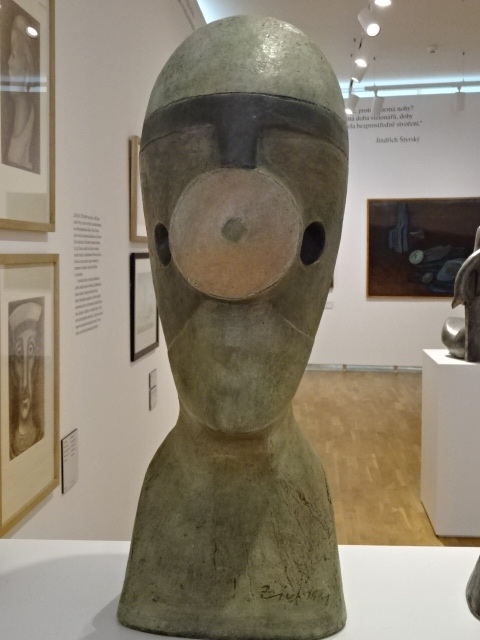
Ladislav Zívr

Surgeon, 1961

A member of the artist Group 42, Zívr focused on everyday life, a feature that is dear to me in all art forms. Inspired by Cubism and the creations of Otto Gutfreund, he made sculptures that have machine-like qualities as well as human traits. He had a penchant for surrealism. After the world wars, Zívr was influenced by nature, and his works portrayed strong symbolism. I liked the way he was able to express a person’s soul through primitive forms.

Jiří Kolář

I had been to a large exhibition of Kolář’s works in Prague’s Kinský Palace some years ago and was very familiar with his collages that included cut out images and words from publications. (See my article about the exhibition in a much earlier post called Jiří Kolář Exhibition Diary) He was a poet and prose writer as well as a fierce critic of Communism. Kolář emigrated to Paris in 1979. He often used phrases from books or created his own poems in his collages. His works lingered on the border of the dream realm and reality, a trait I found very intriguing. A staunch supporter of democracy, Kolář was also one of the first Czechs to sign Charter 77, a document written by dissidents to promote human rights in the normalization era of Communist Czechoslovakia. He played a major role in publishing literature banned by the regime. Kolář was also one of the founders of the influential Group 42.

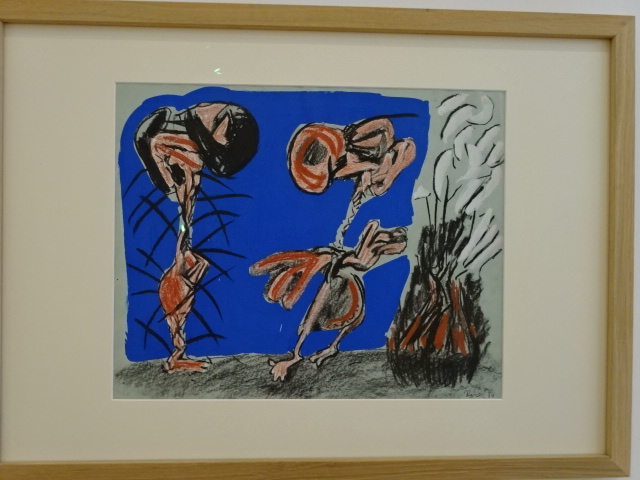
Jaroslav Róna

Scene by the Fire, 1984

I know Róna’s sculptures well, but I was not familiar with his paintings. Róna designed the abstract Franz Kafka Monument in Prague’s Jewish Quarter, an important sculpture to see in the Jewish Town. He is, indeed, a man of many talents: He has also worked as a painter, illustrator, screenwriter, author of books, actor, singer and educator. His works have a certain dynamic energy. He has been inspired by the Expressionism style of Edvard Munch, Oskar Kokoschka, Max Beckmann, Egon Schiele and Pablo Picasso. A supporter of democracy, he drew brochures for the Velvet Revolution during 1989. Rona is also an avid traveler. His sculptures can be found at Prague Castle as well as on the island of Crete and in many other places.

Josef Váchal

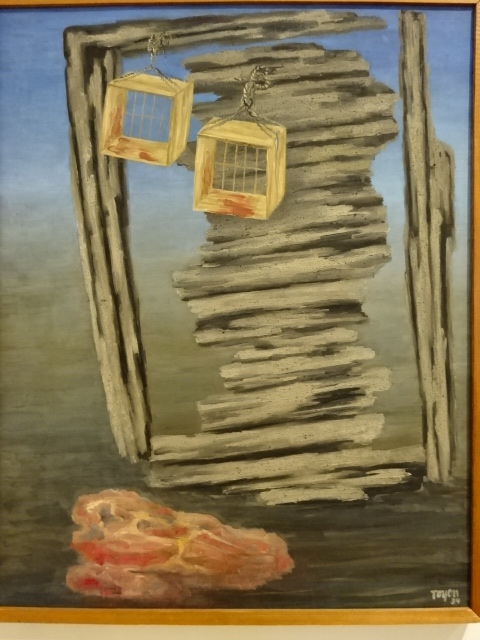
Sacrifice, undated

I liked the mystical quality in Váchal’s works. He was a graphic designer, wood engraver, bookmaker, writer and painter who excelled in all those genres. Váchal was inspired by expressionism. His works featured symbolism, naturalism and Art Nouveau tendencies. A soldier during World War I, he fought in 12 battles. The Communist coup brought hard times for Váchal, who remained isolated after 1948. People did not show much interest in his work then. In the 1960s, he received some acclaim. Much later people recognized that Váchal had created some of the most significant works of Czech graphic design in the 20th century.

Augusta Nekolová

Four Seasons, 1914

Because Nekolová was female, she had limited educational opportunities during the 19th and early 20th century. She did, however, study unofficially under the prominent Czech artist, Jan Preisler. Nekolová worked as a painter, illustrator and graphic artist. She steered away from representations of modern life in her works. She was known for her landscapes and for her emphasis on motherhood. Nekolová strove to promote the national identity of the Slav nation. She developed a strong interest in folk culture. At the end of World War I, Nekolová was hospitalized. She died in 1919 at the age of 29.

Bohumil Kubišta

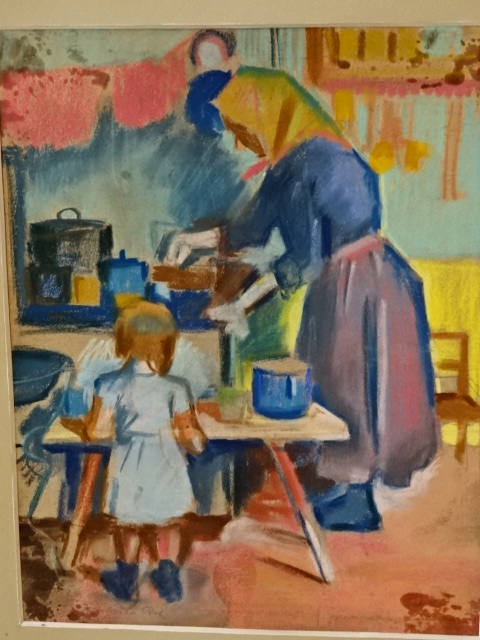
In the Kitchen, 1908

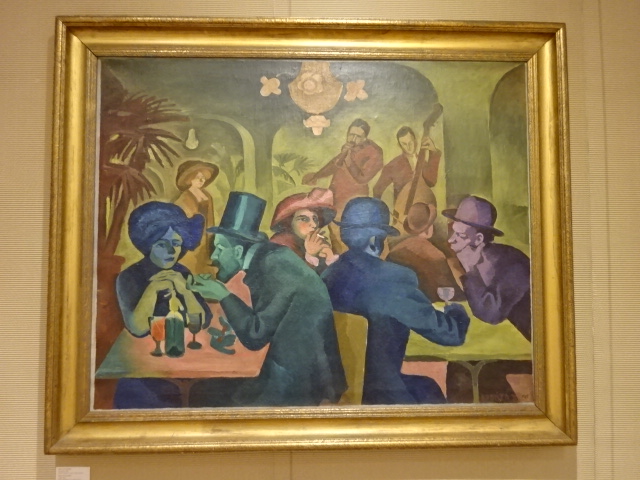
Café, 1910

A prominent avant-garde artist, Kubišta helped found the Expressionist group the Osma (The Eight). He was a painter, graphic designer and theoretician and is considered to be the founder of Czech modern painting. His works dealt with existential issues. Kubišta’s expressionism was inspired by Munch. He was also influenced by Braque and Picasso’s Cubism. Kubišta analyzed the works of Eugene Delacroix and Vincent Van Gogh. His works also contain elements of Futurism and Fauvism. Kubišta often explored themes dealing with modern technology and nature. While serving in the Austrian army during World War I, he won the distinguished Leopold Order. He died of the Spanish flu at the age of 34 in 1918.

Emil Filla

Dance of Salome, 1911

Hej hore háj, Folk Song, 1948

Along with Kubišta, Filla established the Osma group. He also was known for his writings about art theory. During his early artistic endeavors, he drew inspiration from Edvard Munch’s Expressionism. Later he took up Cubism, influenced by Picasso and Braque. He also was captivated by Baroque still lifes by Dutch painters. El Greco and his symbolism fascinated Filla. In the 1930s, he became enthralled with surrealism. His landscapes demonstrate his knowledge of Chinese calligraphy. My favorite trait in his paintings involves his use of a harmony of colors.

Repression (Anxiety) by Josef Wagner – temporary exhibition

I especially liked the exhibition’s pieces of art influenced by Expressionism and Cubism. The colors and shapes in Kubišta’s and Filla’s works caught my undivided attention. I was introduced to Nekolová’s art and intriguing background at this exhibition. I was fascinated how Quido Kocián captured the emotions of the human soul in his sculptures while Zívr concentrated on simple forms to create profound meaning. Kolář’s collages were a sort of visual poetry. Váchal and Róna’s creations displayed impressive energy.

Moscow Diary, 1989 by Anna Daučíková

It was my first visit to Hradec Králové, except for brief stops at the train station and bus station. The Gallery of Modern Art with its poignant exterior and interior decoration and use of space was one of the most impressive buildings I saw.

Tracy A. Burns is a writer, proofreader and editor in Prague.

Landscape, 1962 by Vladimír Boudník

Apollo and Dionysus, 2013 by Anna Hulačová

The gallery also has an impressive collection of contemporary art.

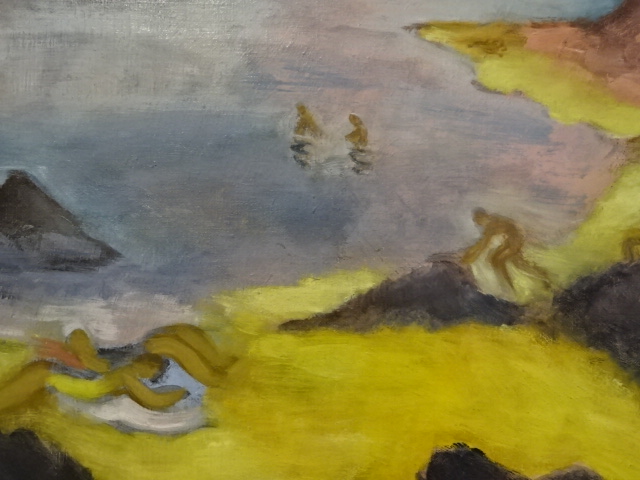
Beach in Crimea (In A Small Bay), 1936 by Věra Jičínská, temporary exhibition

See my post Věra Jičínská Exhibition Diary for more information on this temporary show.

Gallerie d’Italia of Milan Diary

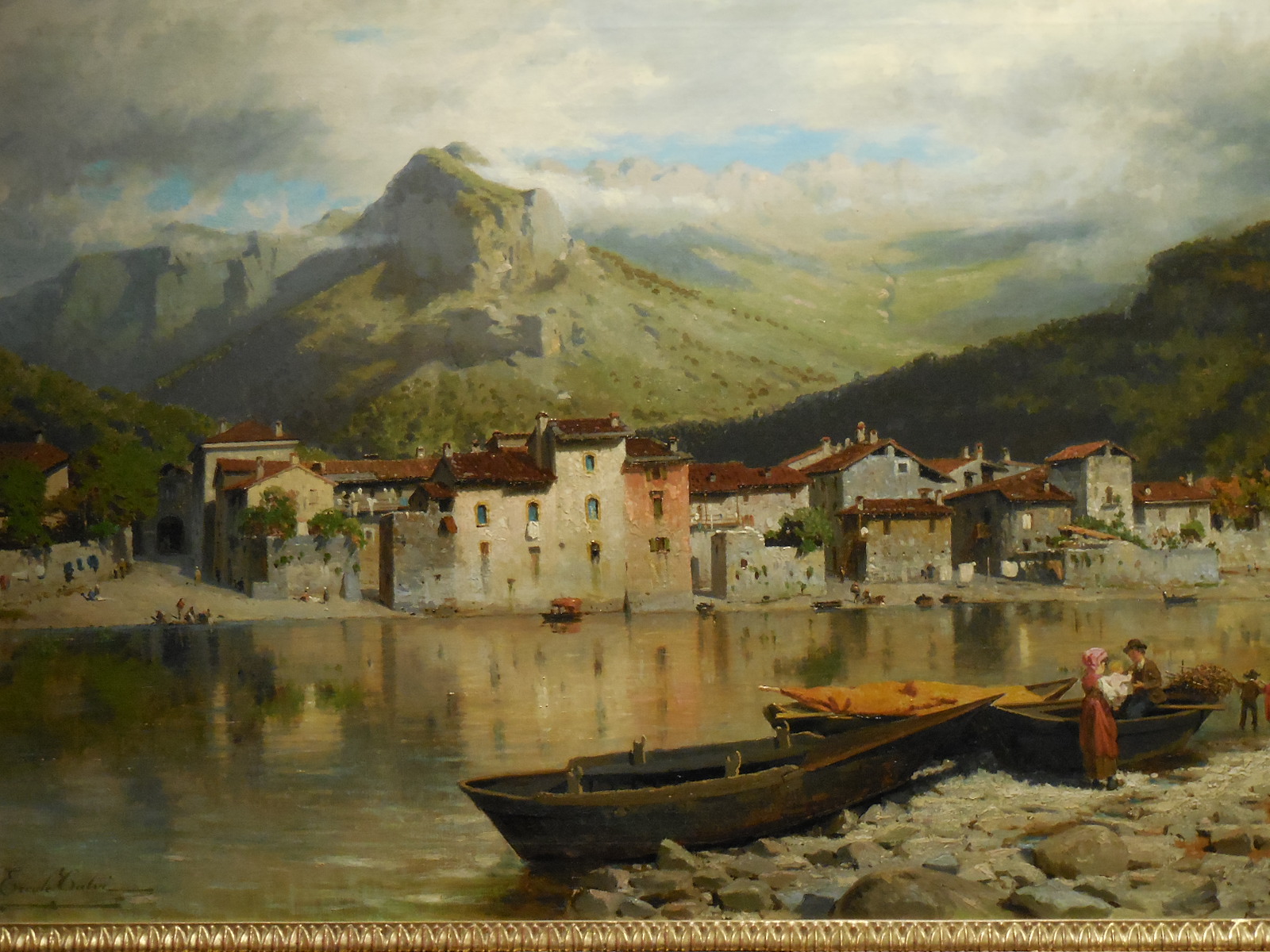
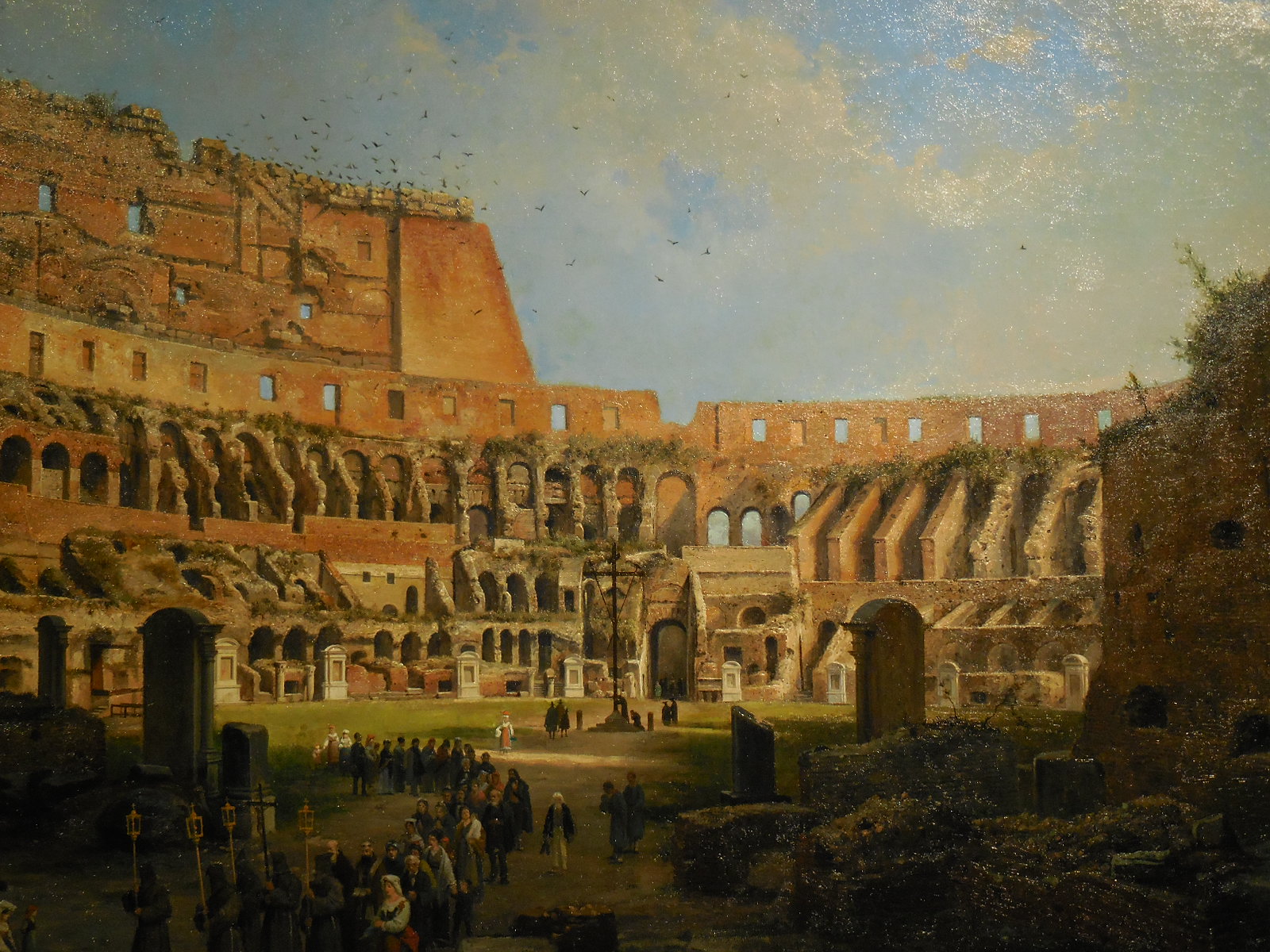
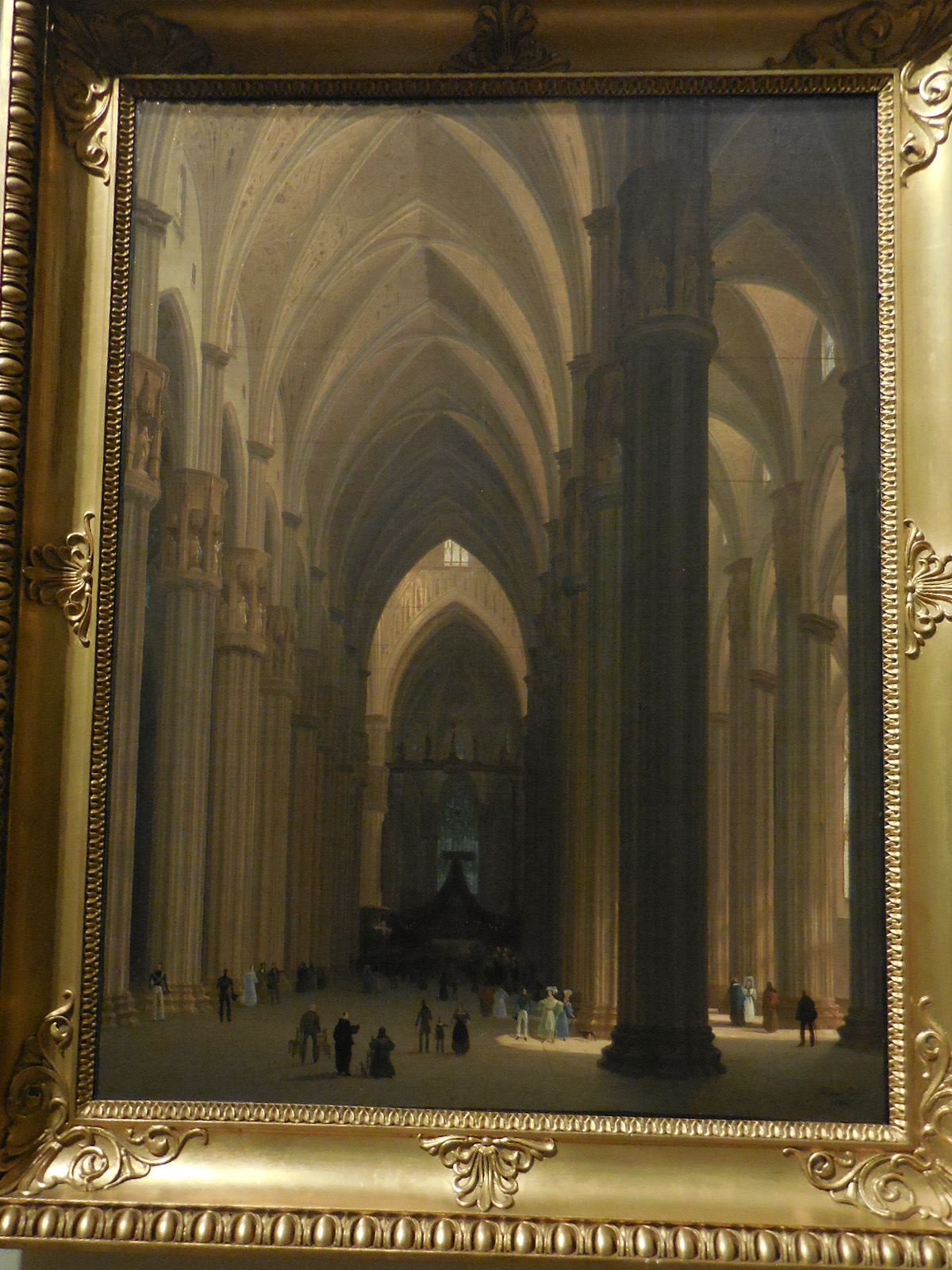
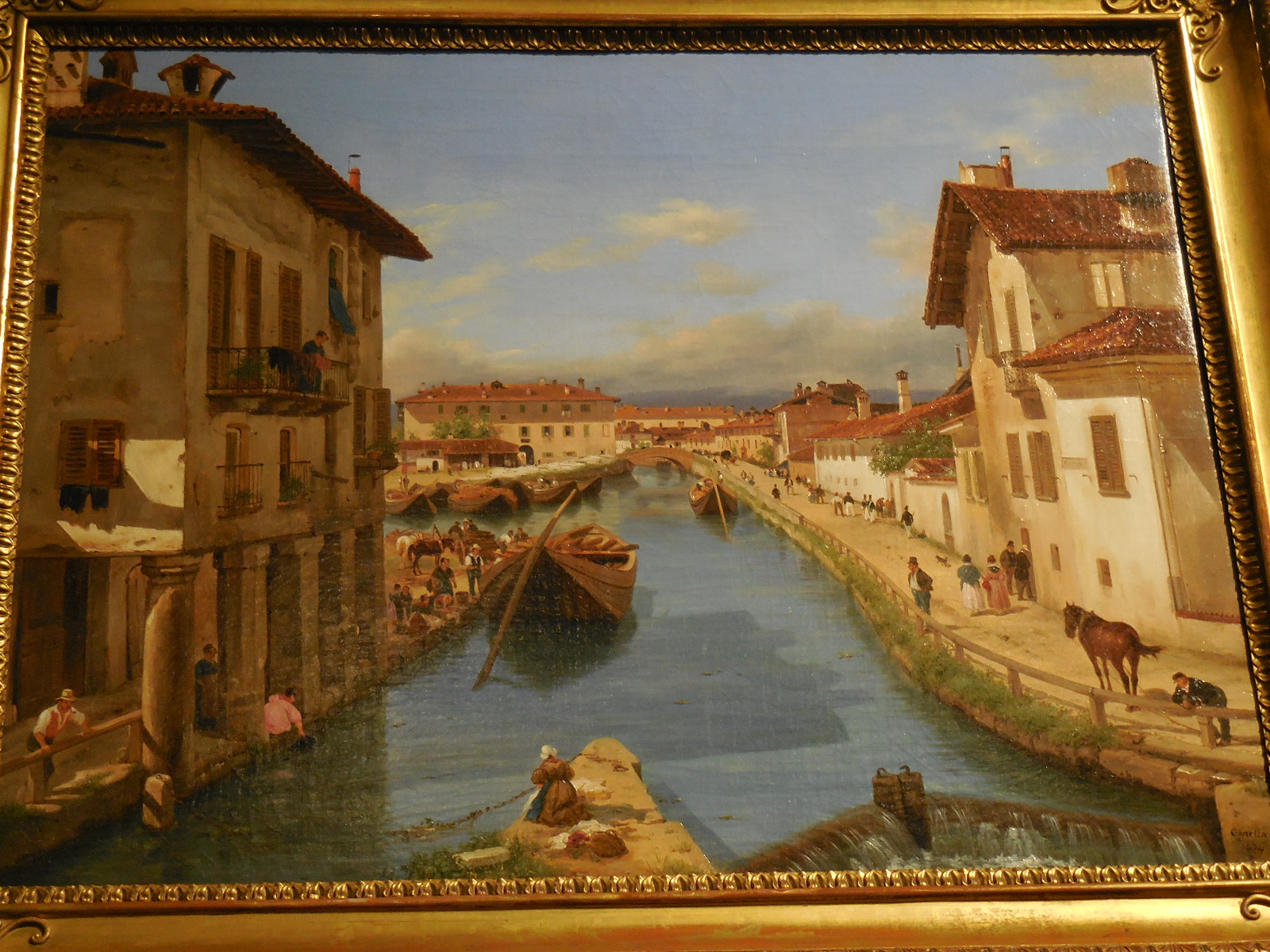
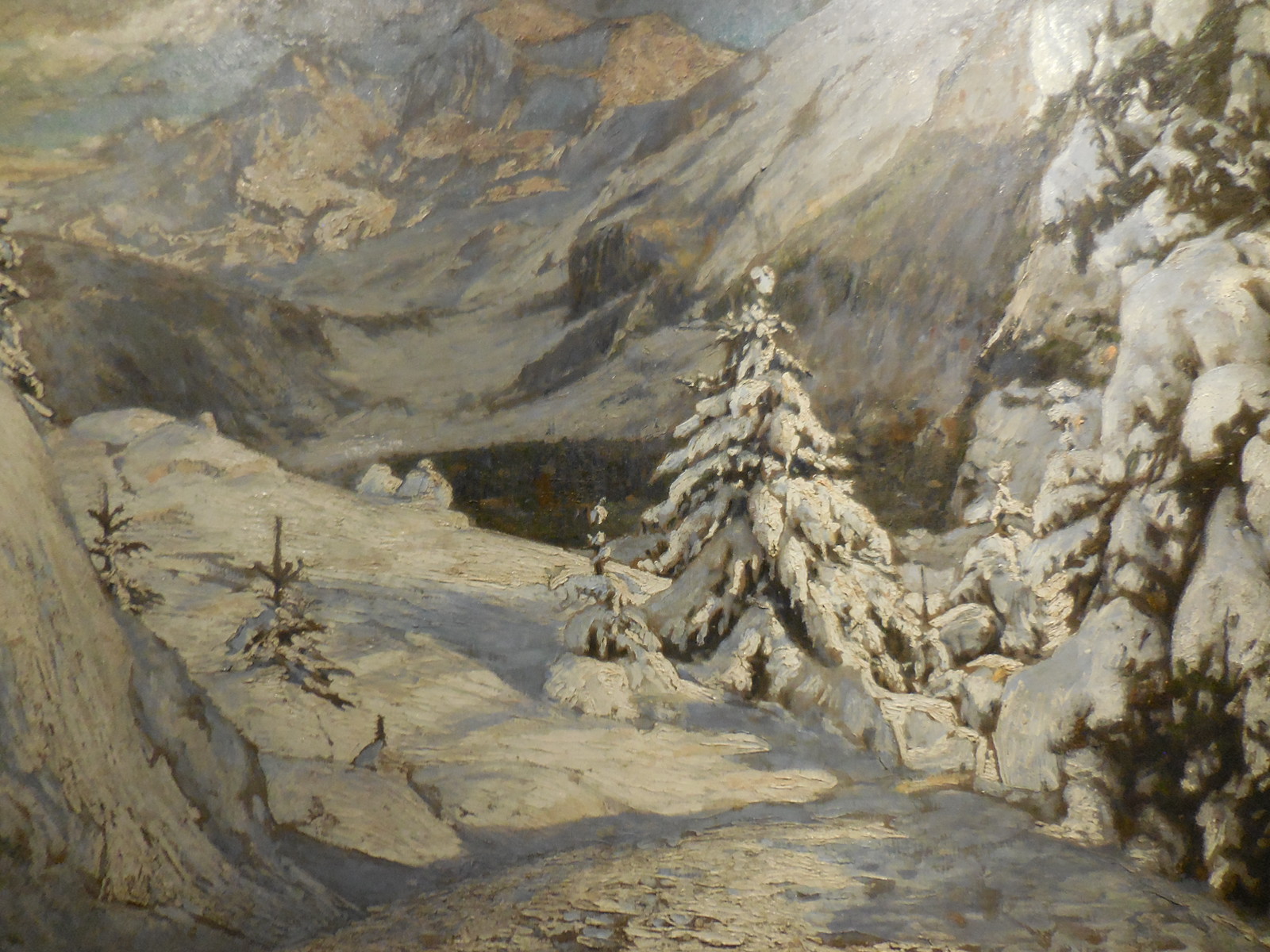
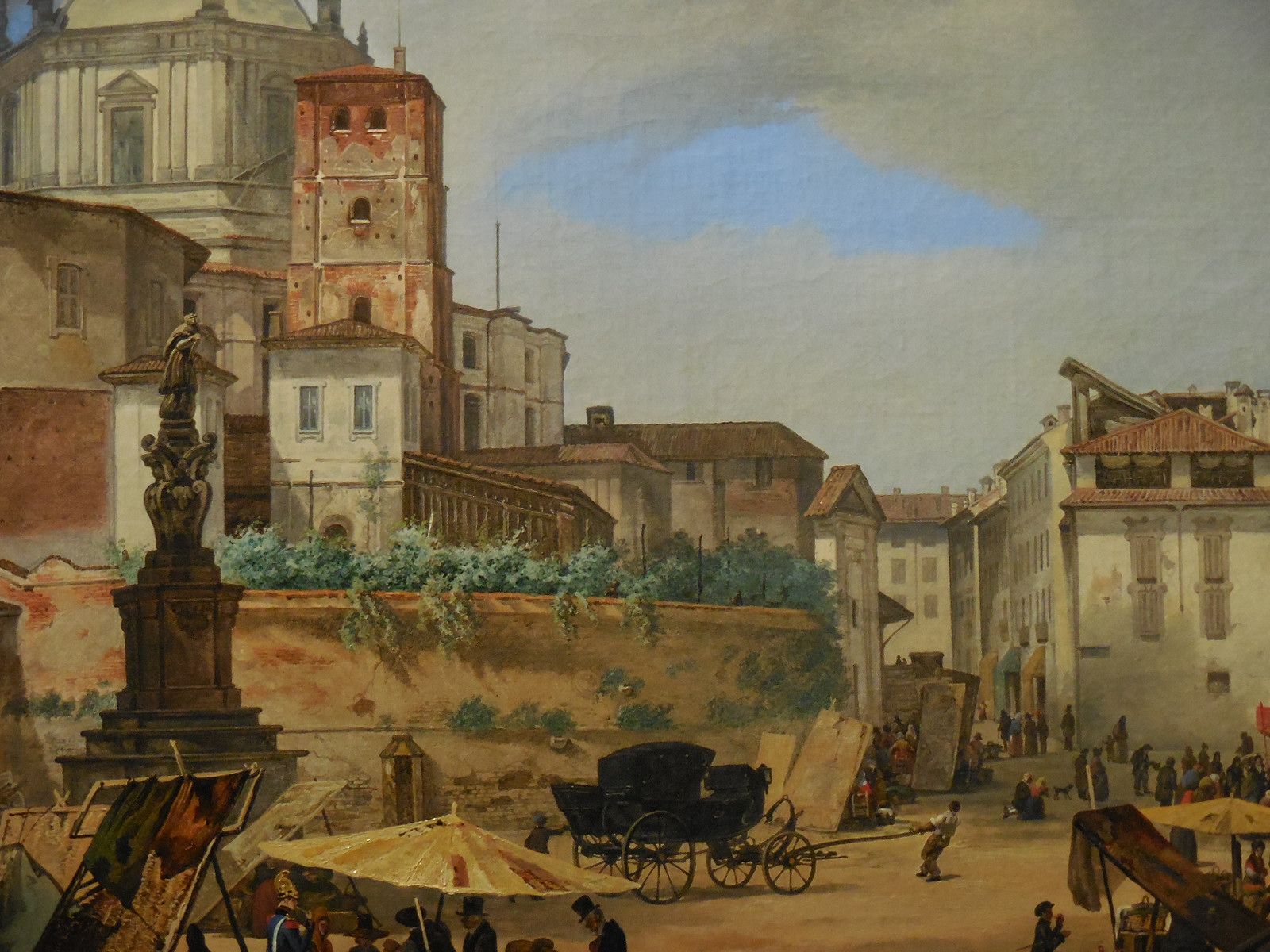
These three palaces, located on the Piazza della Scala near the Scala Theatre, displayed extraordinary artworks of the 19th and 20th century. In the 19th century sections, I was amazed at the vedutas of Milan Cathedral, the system of canals in Milan called Navigli and the Alpine scenes. I found myself thinking of vedutas I had seen in the Czech Republic, such as the masterful ones at Mělník Chateau near Prague.  

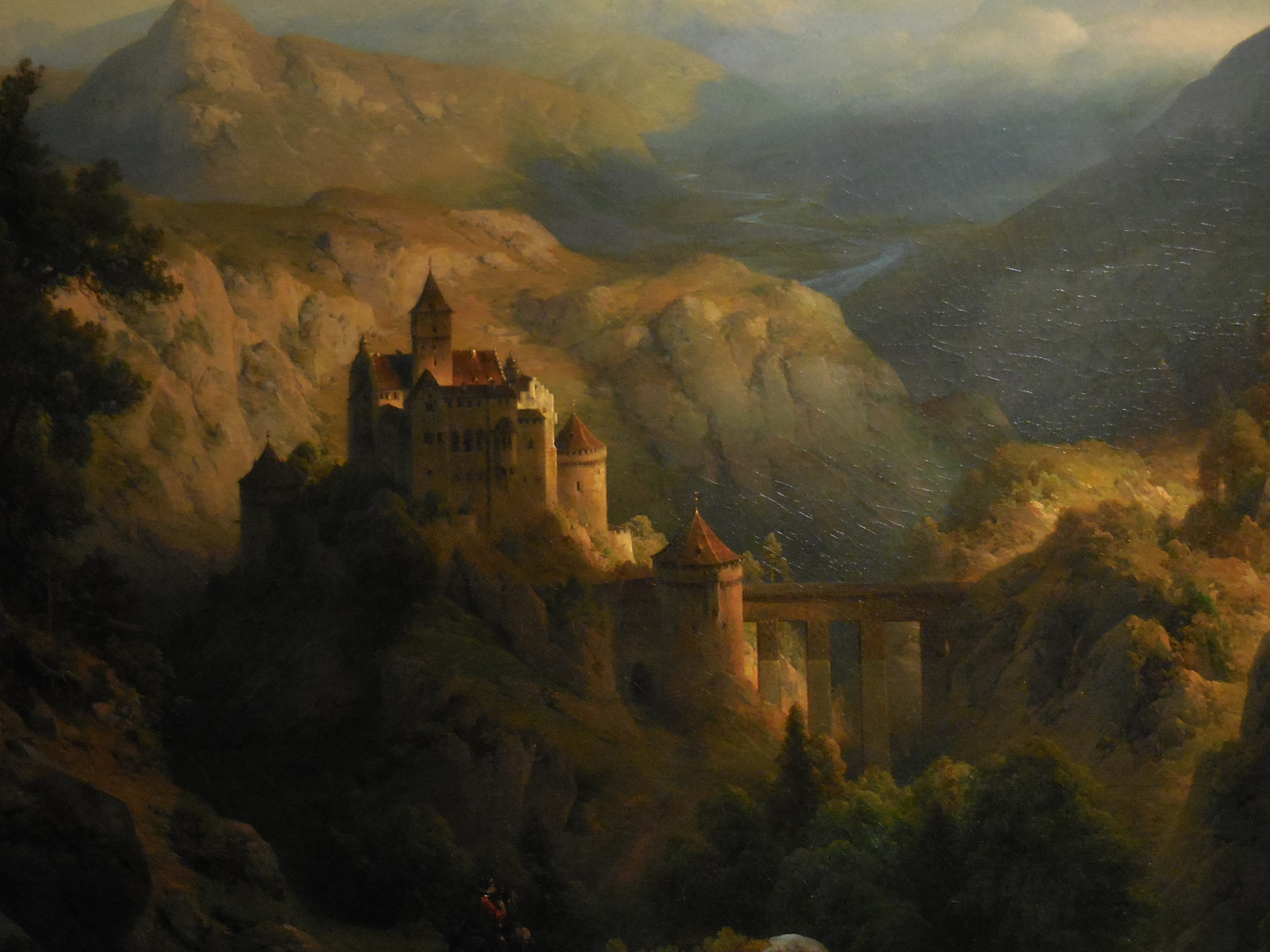
The landscapes from the second half of the 19th century gave me a tranquil feeling. I especially liked the landscape with a magnificent yet mysterious castle perched in the mountains. The painting of the Colosseum reminded me of showing that sight to my parents some years ago, watching them gaze with awe and amazement at the historic monument. That was one of the happiest moments of my life.

The paintings of Milan’s Duomo allowed me to appreciate the exterior and interior of that sight to an even greater extent. I recalled walking down from the roof to the ground floor of the cathedral. I had been worried I would fall because I had nursed a bad leg for nine months not long before my trip.

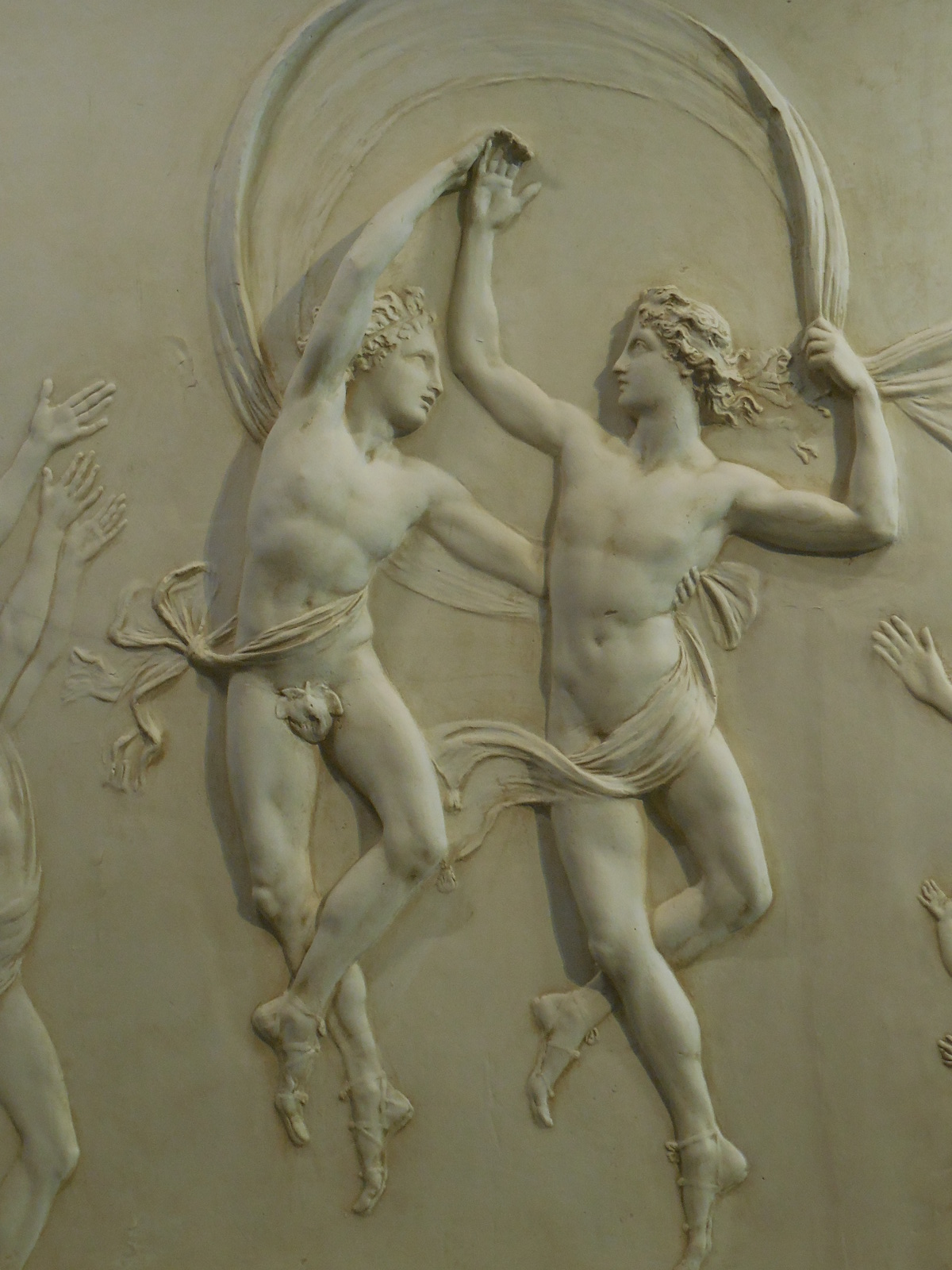
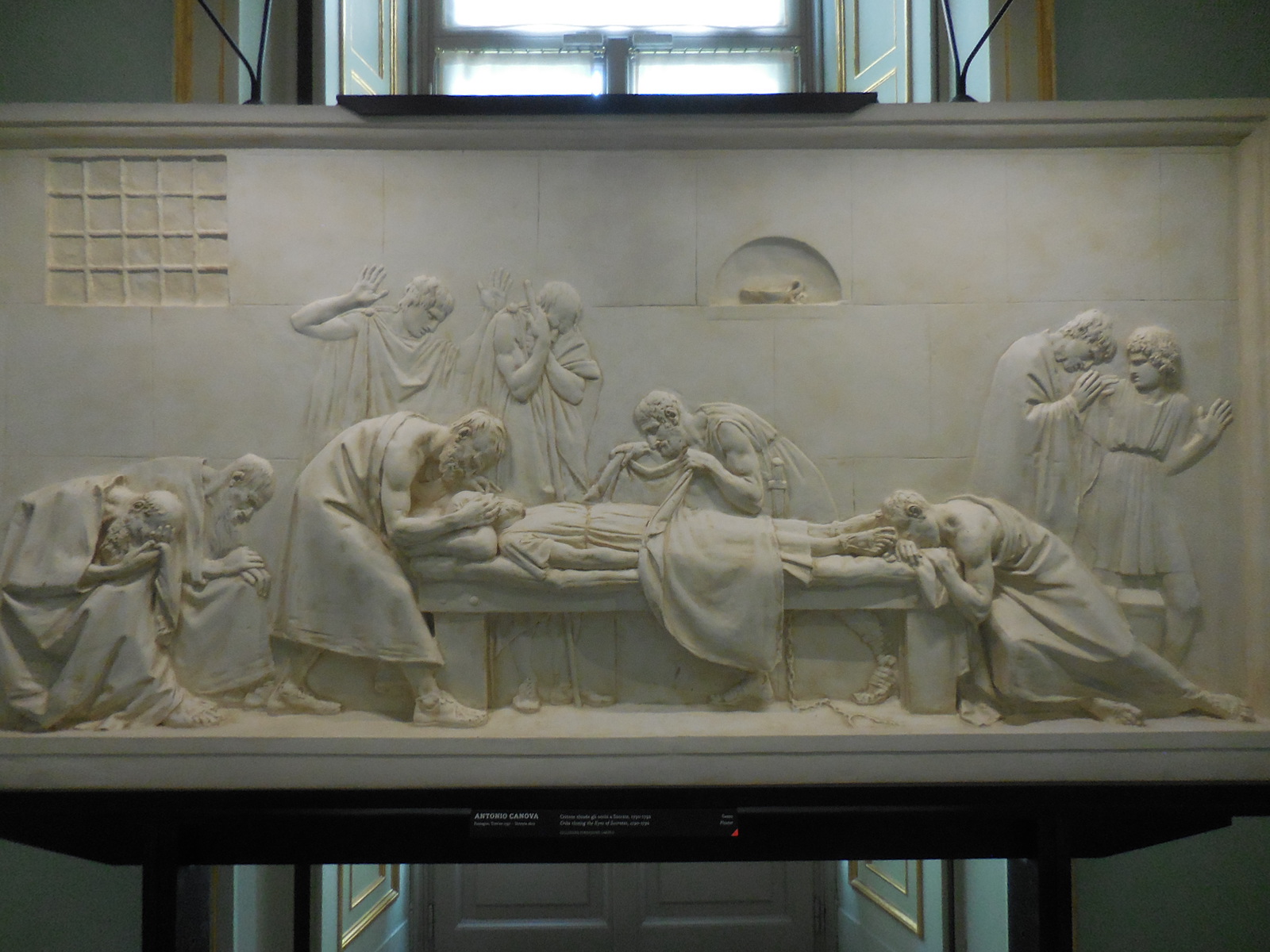
The bas reliefs of Antonio Canova were delights as well. They were inspired by the works of Homer, Virgil and Plato. I remembered seeing Canova’s works at the Borghese Gallery in Rome.

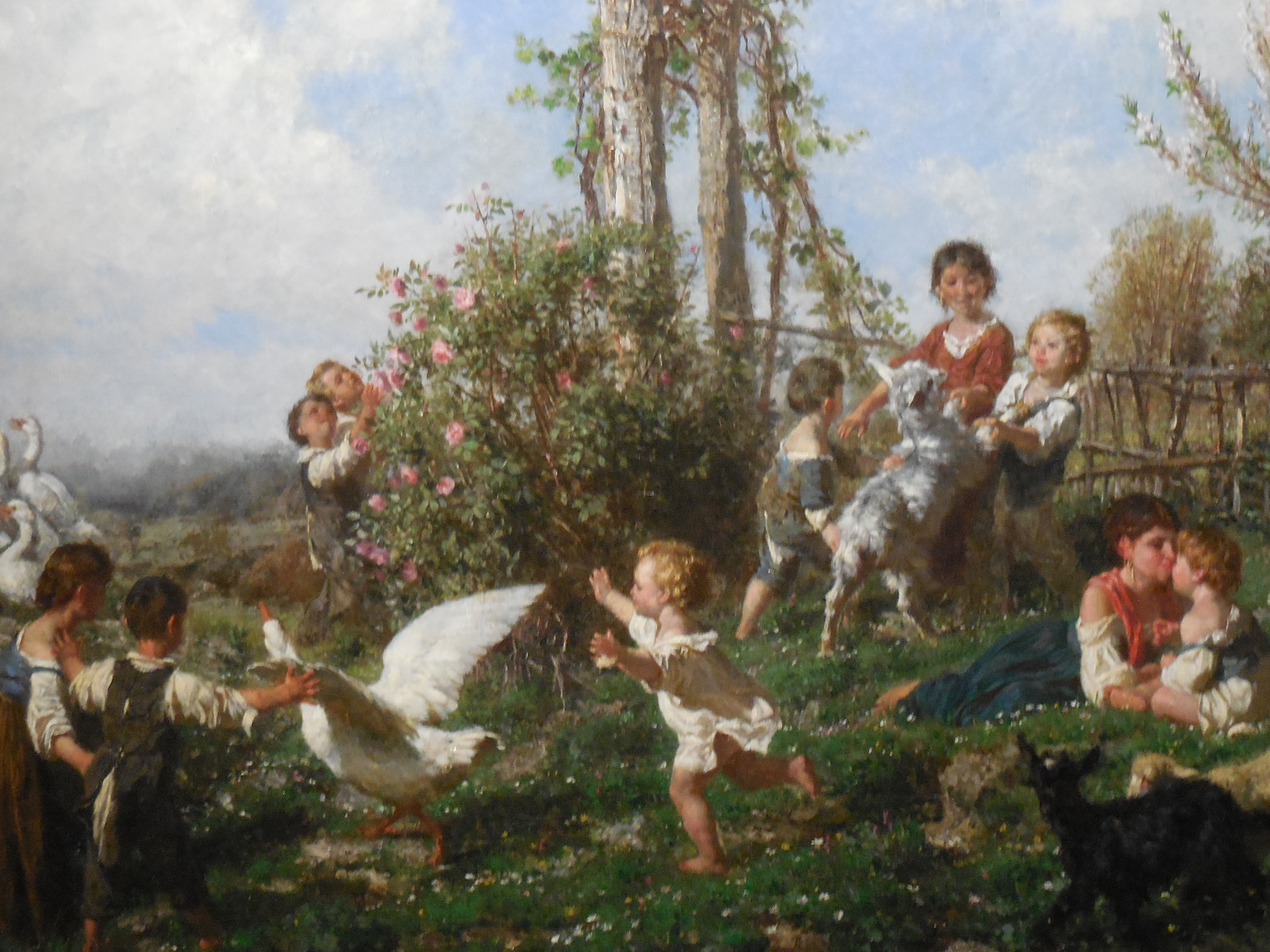
The Lombard painting of the 19th century showed Milan as a vibrant artistic hub and often told pictorial tales of a rapidly changing society. I saw works by Francesco Hayez and other Romanticist artists. Giovanni Migliara focused on ancient monuments.

Works representing Symbolism, Pointillism and Futurism also made up highlights of this museum’s collections. The historical paintings of fight for the unification of Italy profoundly expressed this political and social movement called the Risorgimento, which led to the formation of the Kingdom of Italy. Genre painting showcased people’s daily lives.

The Divisionism of Neo-Impressionist painting that separates colors into dots played a large role, too. The works falling into the Futurism category centered on technology and modernity, for instance. Often cars, airplanes and the industrial city figured in works of this nature.

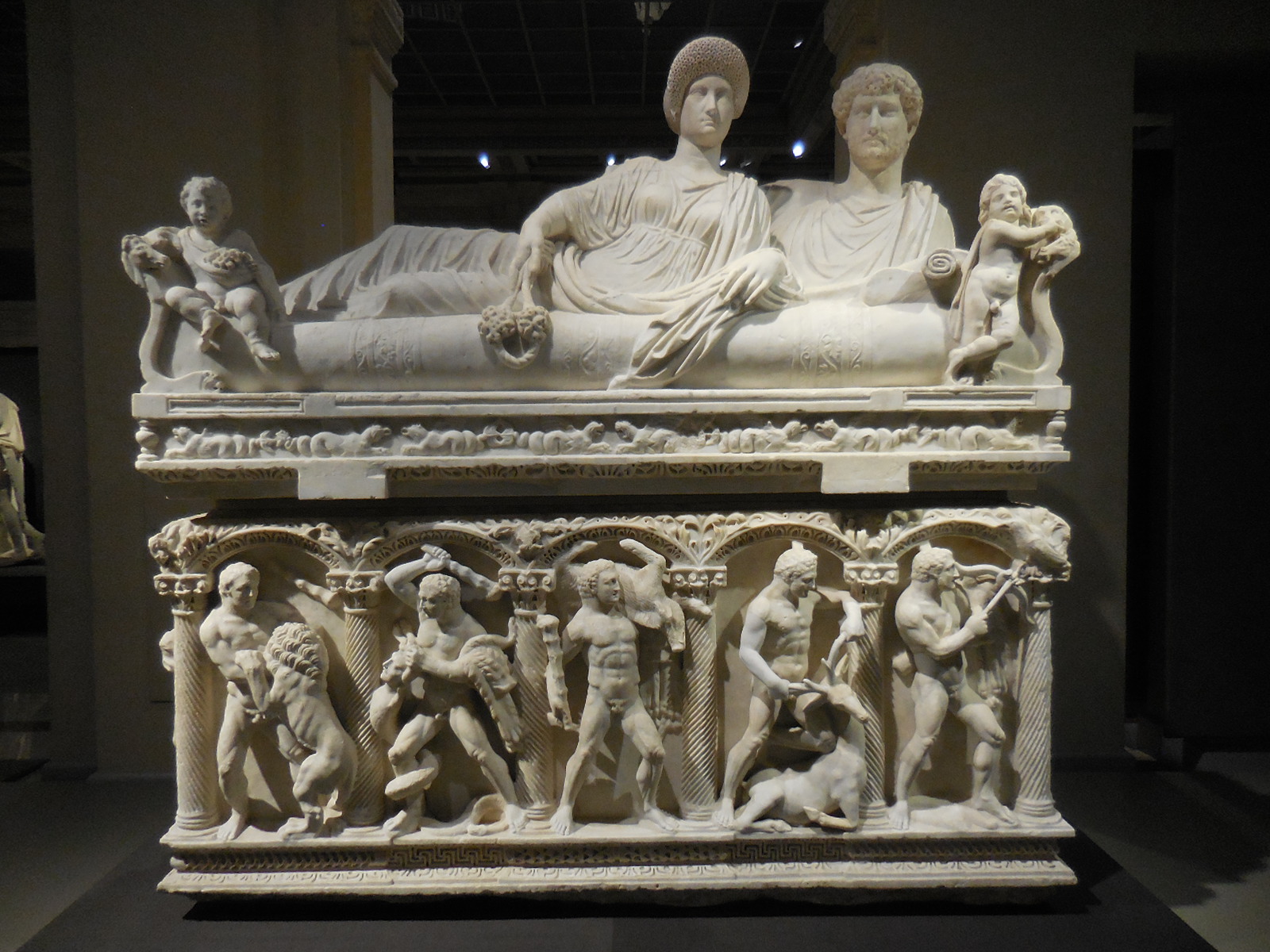
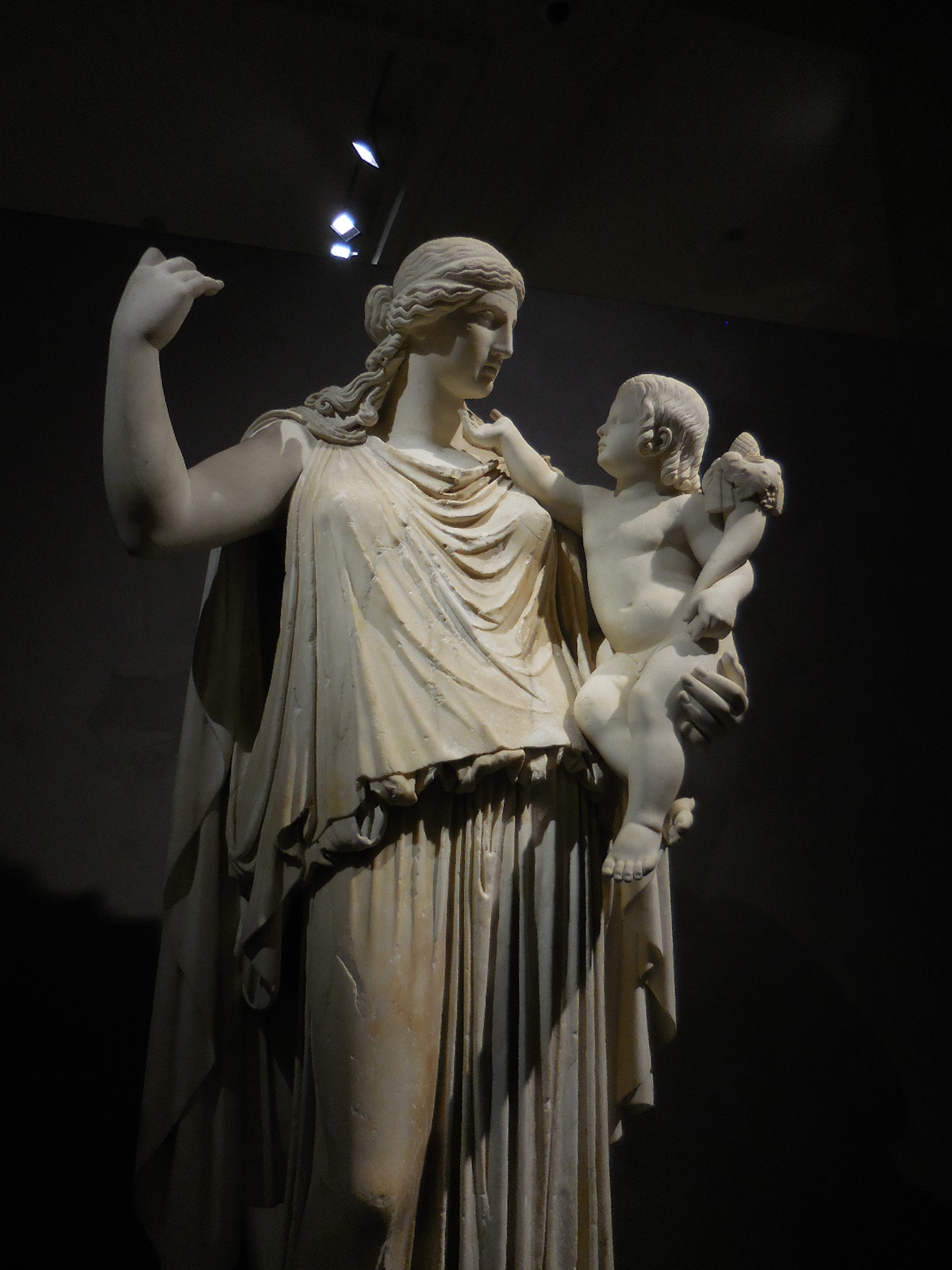
A special exhibition displayed the Torlonia Marbles, a very significant private collection of Roman statuary with many busts. I loved how the busts, though dating back many centuries, brought out the character of the person sculpted.

The 20th century was highlighted as well. Five halls housed artwork from the 1950s to 1980s. Abstract art between the 1940s and 1950s stood out, too. The Sixties were emphasized with a focus on signs, words and images. Kinetic art also was displayed.

While I was most impressed by the landscapes and pictures of Milan’s cathedral, I gazed at each and every piece of art with awe and wonderment. This was truly a great museum.

Tracy A. Burns is a writer, editor and proofreader in Prague.