Ivan Meštrović Exhibition Diary

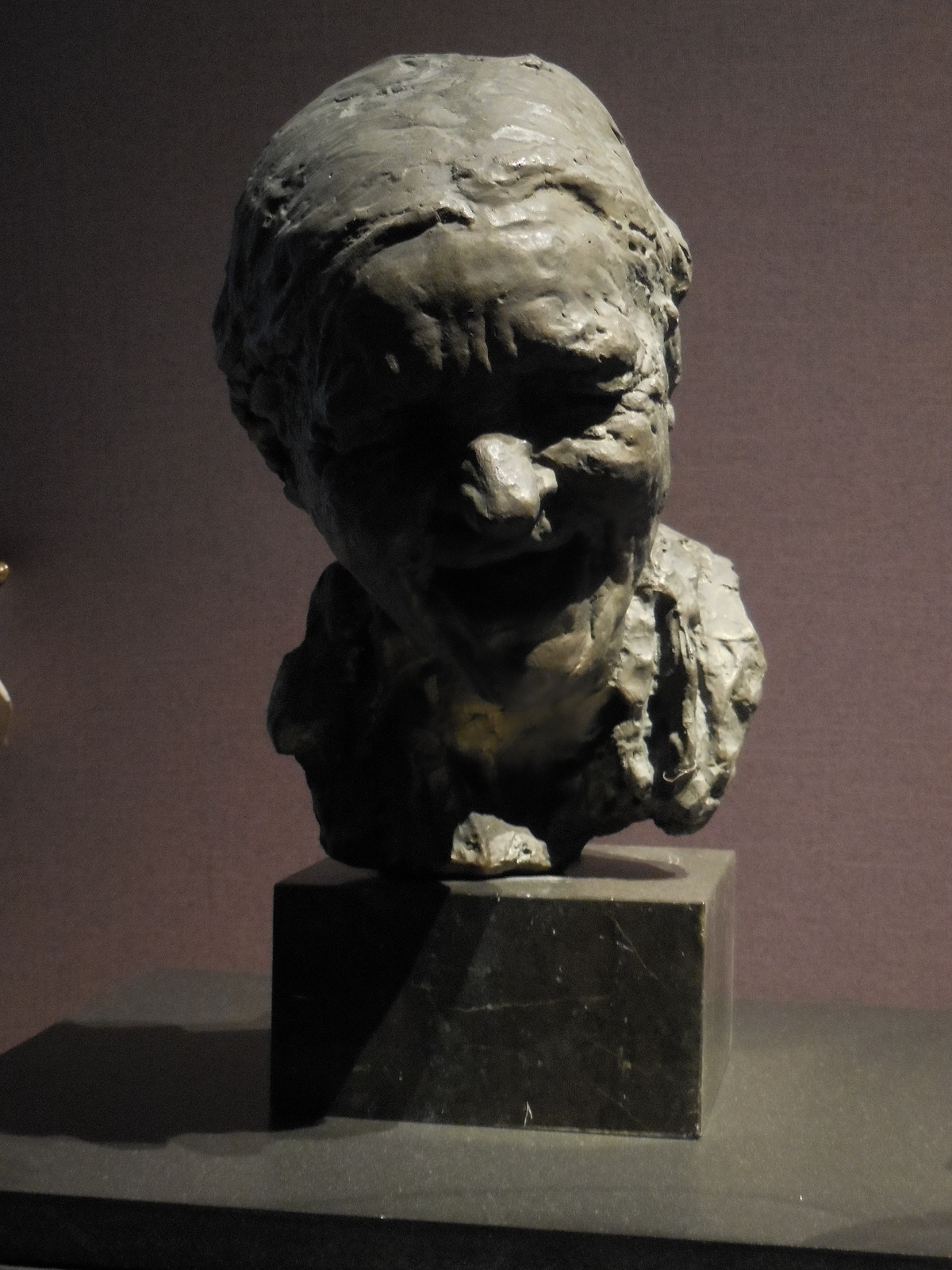
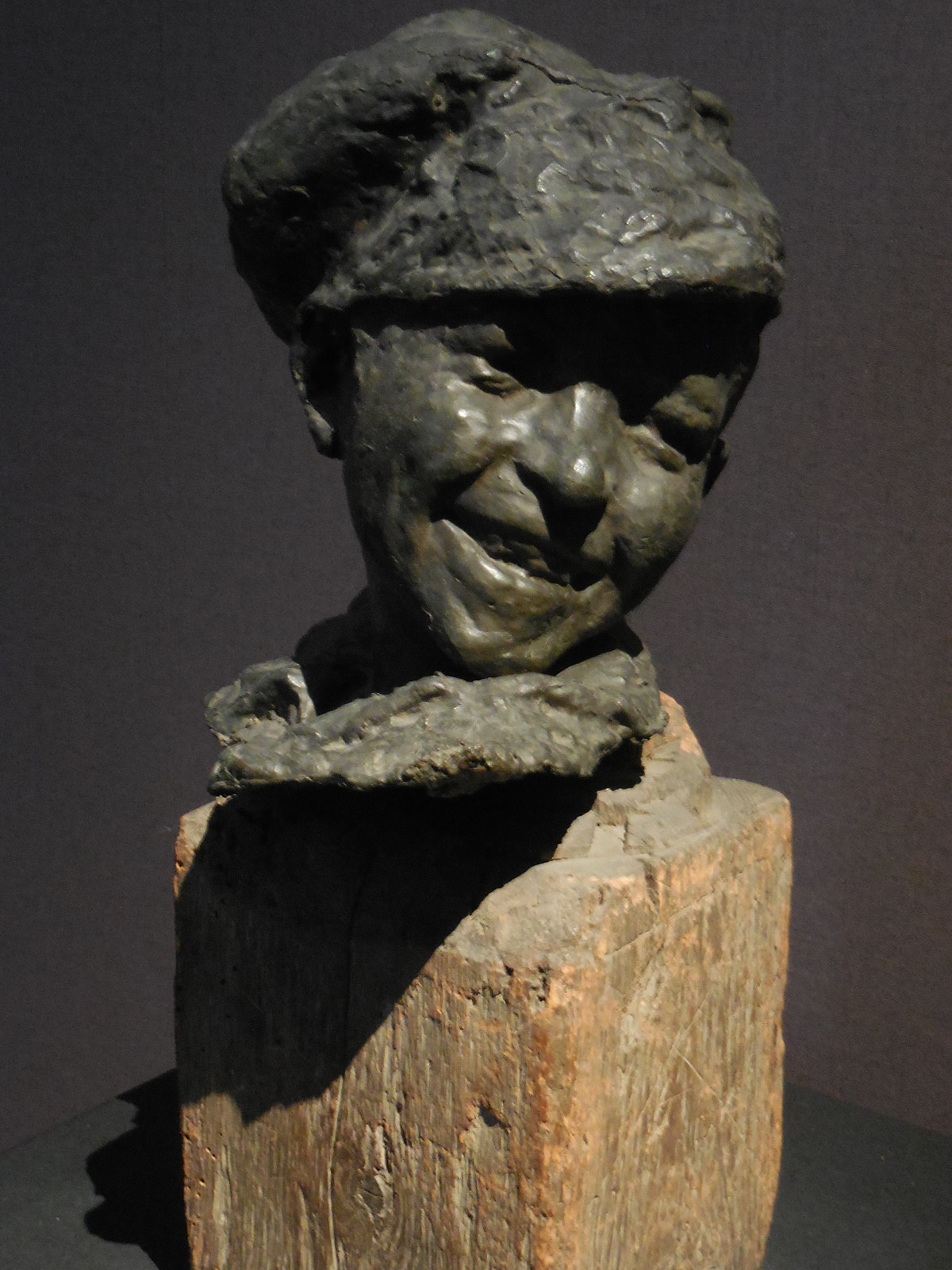
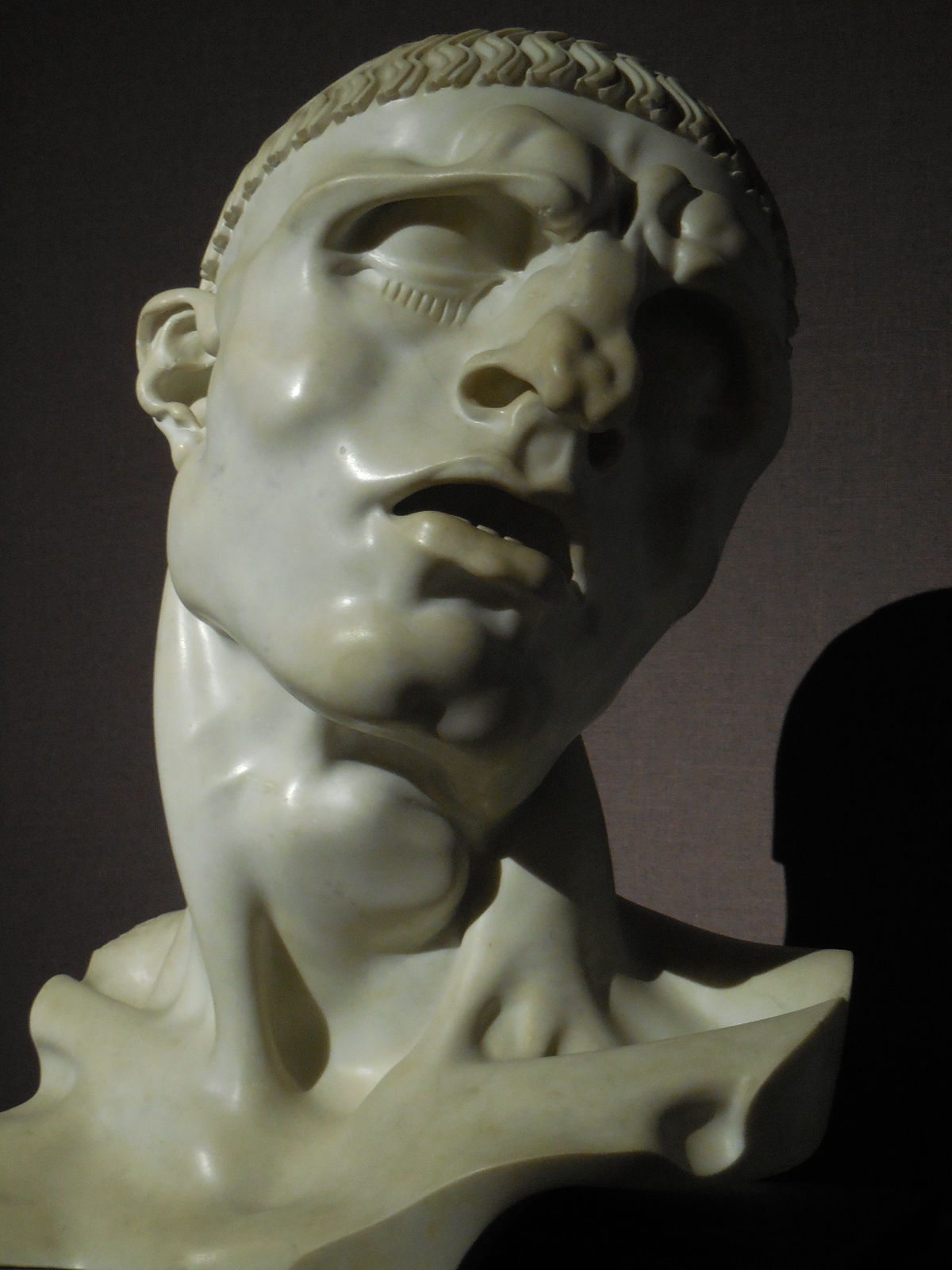
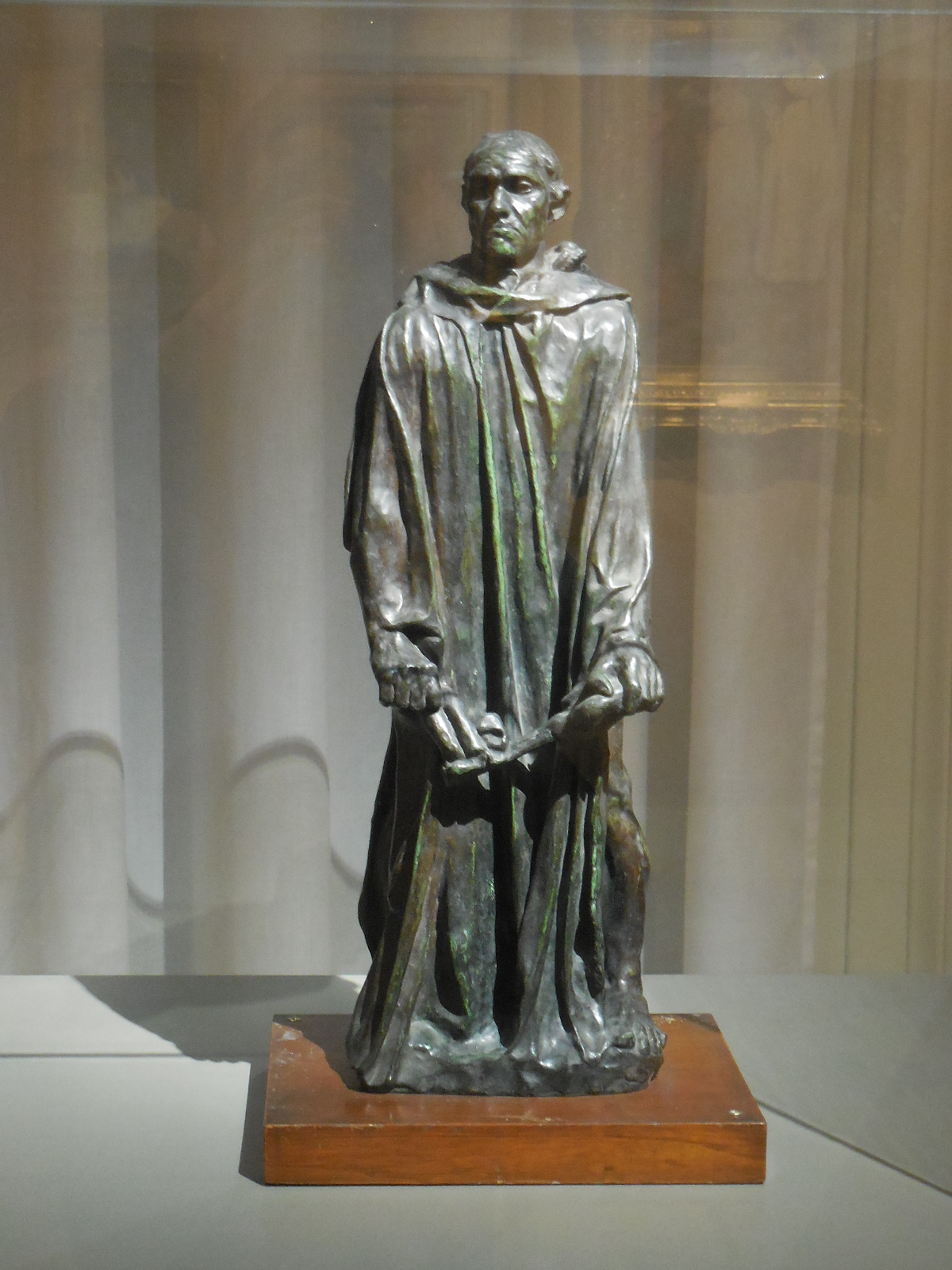
Early in 2023, I went to an exhibition of sculpture by late Croatian sculptor, architect and writer Ivan Meštrović. The art gallery at Prague’s main library hosted the intriguing show. I was familiar with the artist’s name: I had admired his villa, the Ivan Meštrović Gallery, in Split on my last trip to Croatia some years ago. It contained 86 sculptures made with various materials, showing off his dramatic, dynamic and expressive style that was both poetic and poignant. Drawings and reliefs were displayed, too. The bronze statue-dotted garden was delightful. One of my favorite things about traveling was being introduced to the works of various artists. I was enamored with Meštrović’s creations, and his unique, powerful style was forever embedded in my memory.

During Meštrović’s illustrious career that spanned six decades, he had been influenced by a number of styles ranging from Art Nouveau, Symbolism, Impressionism, Art Deco, Neoclassicism and Late Realism. Classicism played a major role in shaping his artistic style, too. Auguste Rodin’s naturalist style, which he had meticulously studied, greatly inspired him. During his extensive travels, Meštrović also saw Michelangelo’s creations, which affected his own work. poignant.

Meštrović’s subjects were diverse as well. He took on religious themes, created portrait busts, made sculptural monuments and delved into studies of figures. A firm believer in promoting Yugoslav national identity, he also presented folk themes and national myths. He fervently advocated for pan-Slavism, and some of his works represented historical events in Slav history.

The sculptor’s career took off when he exhibited his works in Vienna during 1905 as part of the Secession Group. While living in Paris for two years, he received recognition from all over the world and was very prolific. Then he spent four years in Rome, where he was lauded for his design of the Serbian Pavilion at Rome’s1911 International Exhibition. During World War I, he traveled extensively and spoke out against the Habsburg monarchy that controlled his homeland.

He returned to his homeland after the war ended and achieved much success while living in Zagreb. He even created many sculptures for King Alexander I of the Kingdom of Serbs, Croats and Slovenes. He continued to travel, even having an exhibition at the Brooklyn Museum in New York during the 1920s.

During World War II, Meštrović’s life was far from rosy. In 1941, he spent three-and-a-half months in prison. The following year his first wife died, and many of her Jewish relatives perished during the war. Thanks to the Vatican, Meštrović was let out of prison and took off to Venice and then back to Rome. He even met Pope Pius XII.

After World War II, he refused to return to Yugoslavia because the Communists were in control. He wound up in the USA during 1946, when he took a position as a professor at Syracuse University. His works were displayed at the Metropolitan Museum of New York the following year, and he was the first Croatian to do so. He continued to achieve great success and much recognition in the USA and even received the American Academy of Arts and Letters’ Gold Medal in the field of sculpture during1953. American President Dwight D. Eisenhower was so impressed with Meštrović that he gave him US citizenship. Meštrović took a job at the University of Notre Dame in Indiana soon after that. He designed monuments at Notre Dame, and his sculpture is featured in the university’s art museum.

He died in Indiana during 1962 at the age of 79 and was buried in his hometown of Otavice, though the Communists in control of Yugoslavia created many difficulties. His sculptures can be seen all over the world: in Serbia and Romania as well as in the United States, including Louisiana, Indiana, New York and Illinois.

This exhibition focused on Meštrović’s Czechoslovak connection as he had developed an affinity for Czech culture. He befriended the first democratic President of Czechoslovakia, Tomáš Garrigue Masaryk. They both had taken an anti-Habsburg stance during World War I. Also, Meštrović and Masaryk had lived in exile during the first World War. They both admired Slav history. While Meštrović wanted a united Yugoslavia of Croats, Serbs and Slovenes, Masaryk tried to forge a united Czechoslovakia of Czechs and Slovaks. Meštrović sculpted two busts of Masaryk in 1923 as well as busts of his wife Charlotte and his daughter Alice. He created these busts at the Czechoslovak President’s summer residence, Lány Chateau. I recalled spending some sunny afternoons in the park of the chateau in Lány as well as paying my respects at the Masaryk family graves.

Masaryk was by no means the only Czech Meštrović knew. For example, Meštrović was friends with Czech sculptor Bohumil Kafka and even created a portrait bust of Kafka during 1908.

Meštrović’s work was first unveiled in Prague during 1903, when the Habsburgs ruled the Czech lands. His work was included in an exhibition featuring Croatian artists at the Mánes Association in Prague. Mestrovic had another exhibition in Prague during 1933. President Masaryk was so impressed with Meštrović that he presented the Croatian sculptor with the Order of the White Lion award during 1926.

I was enthralled with the Czech connection between Meštrović and artists in Czechoslovakia. Tomáš Garrigue Masaryk was one of my heroes, and I was very interested in life during the First Republic, when Masaryk was president. I felt strong emotions when viewing Meštrović’s powerful works. I also thought back to my introduction to Meštrović’s creations in Split. What a discovery! I was glad to be reacquainted with Meštrović’s sculptures. Seeing his renditions in person was a profound experience.

Tracy A. Burns is a writer, proofreader and editor in Prague.

Teatro alla Scala Diary

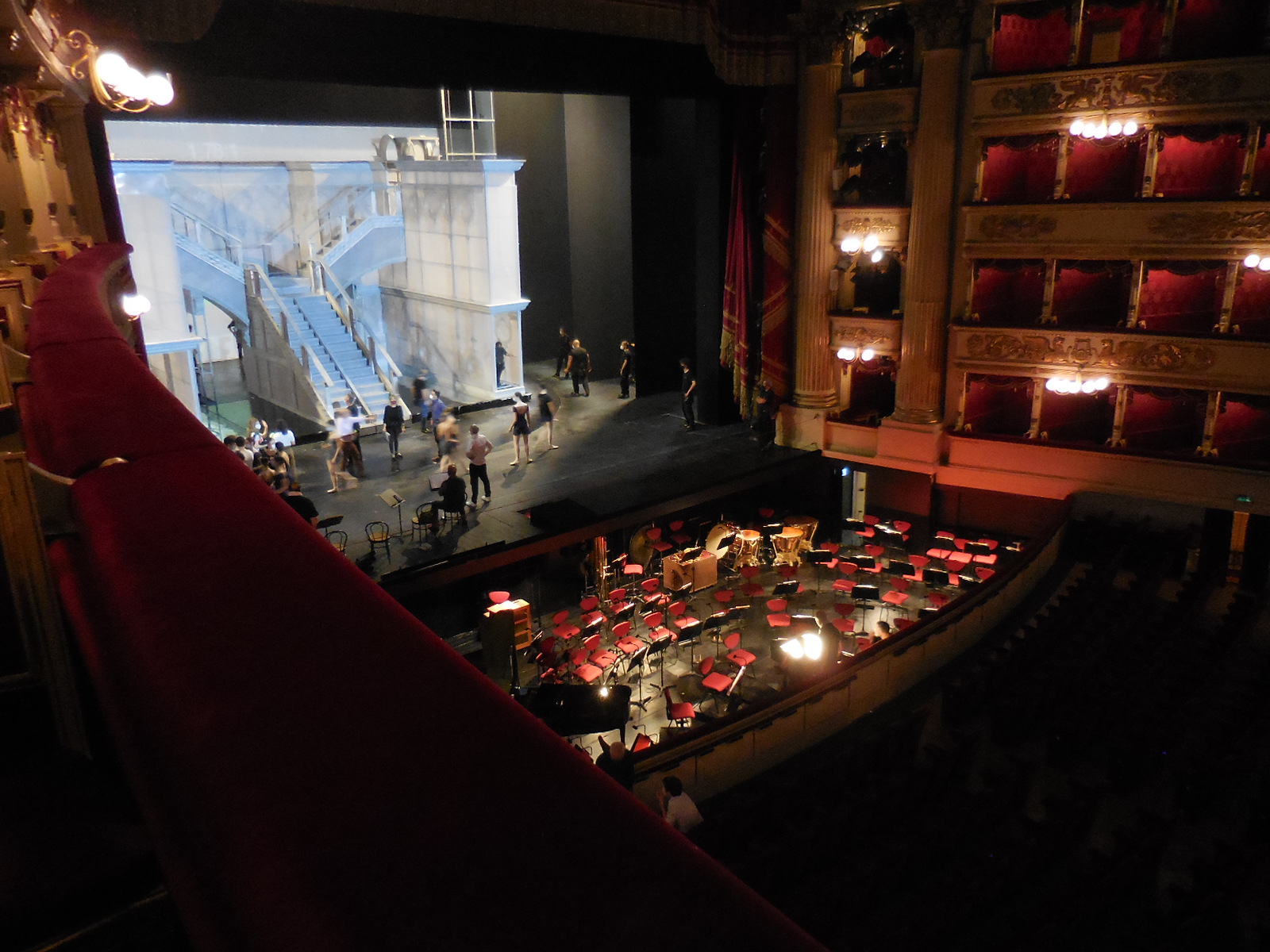
A theatre and classical music aficionado, I was excited to tour the La Scala Theatre in Milan, where operas and ballets were staged. Classical music concerts by two orchestras also took place there. A chorus called the theatre home, too. I bought my ticket for the tour online before traveling to Italy. I was not disappointed.

First, I gazed at the exterior. The neoclassical building emphasized functionality. It blended in with other buildings on La Scala Square. I had assumed the famous edifice would stand out with an exterior featuring much ornamentation. When the theatre was built, the square was nonexistent, and La Scala did not have a dominant location on the street. It was one of many buildings. Still, it looked elegant. I gazed at the decorated tympanum with bas relief and stucco adornment. I also saw half-columns and two sides of an interrupted balustrade along with decorated parapets.

Once inside, I had some free time before the tour so I walked through the Theatre Museum. I saw many busts of famous members of the opera ensemble, statues, paintings and musical instruments, such as a piano that Franz Liszt had played. There was a special costume exhibition there, too. I am afraid that I am not an expert at opera, so I was not able to recognize all the names of those represented in the museum. A legendary conductor that had worked magic at La Scala was Arturo Toscanini. He had put into place many reforms and had staged works by Richard Wagner, for instance.

Numerous operas by Verdi had been performed at La Scala, and Verdi had made a name for himself with Nabucco, staged at La Scala in 1842. Maria Callas had sung on that stage, her amazing voice filling the auditorium. Herbert von Karajan had conducted concerts at La Scala. I was familiar with his work. I had some of the concerts he had conducted in various places on CDs.

In 1965 Claudio Abbado made his debut. He conducted operas as well as concerts. Riccardo Muti first conducted there in 1981. From 1989 to 1998, he created productions of masterpieces such as Rigoletto, La Traviata and MacBeth.

Operas by Verdi, Giacomo Puccini, Amilcare Ponchielli, Vincenzo Bellini, Gioachino Rossini, Gaetano Donizetti and Karlheinz Stockhausen all had premiered at La Scala. The small museum was very intriguing and certainly a delight for opera lovers.

At the beginning of our tour, the guide told us about the history of the building. The city’s Teatro Regio Ducale burned down in 1776, and Milan needed a new theatre for operas. This edifice was constructed over the site of a demolished church called Santa Maria della Scala, from which the theatre got its name. The owners of the boxes at the destroyed Teatro Regio Ducale paid for the construction. It took two years to build.

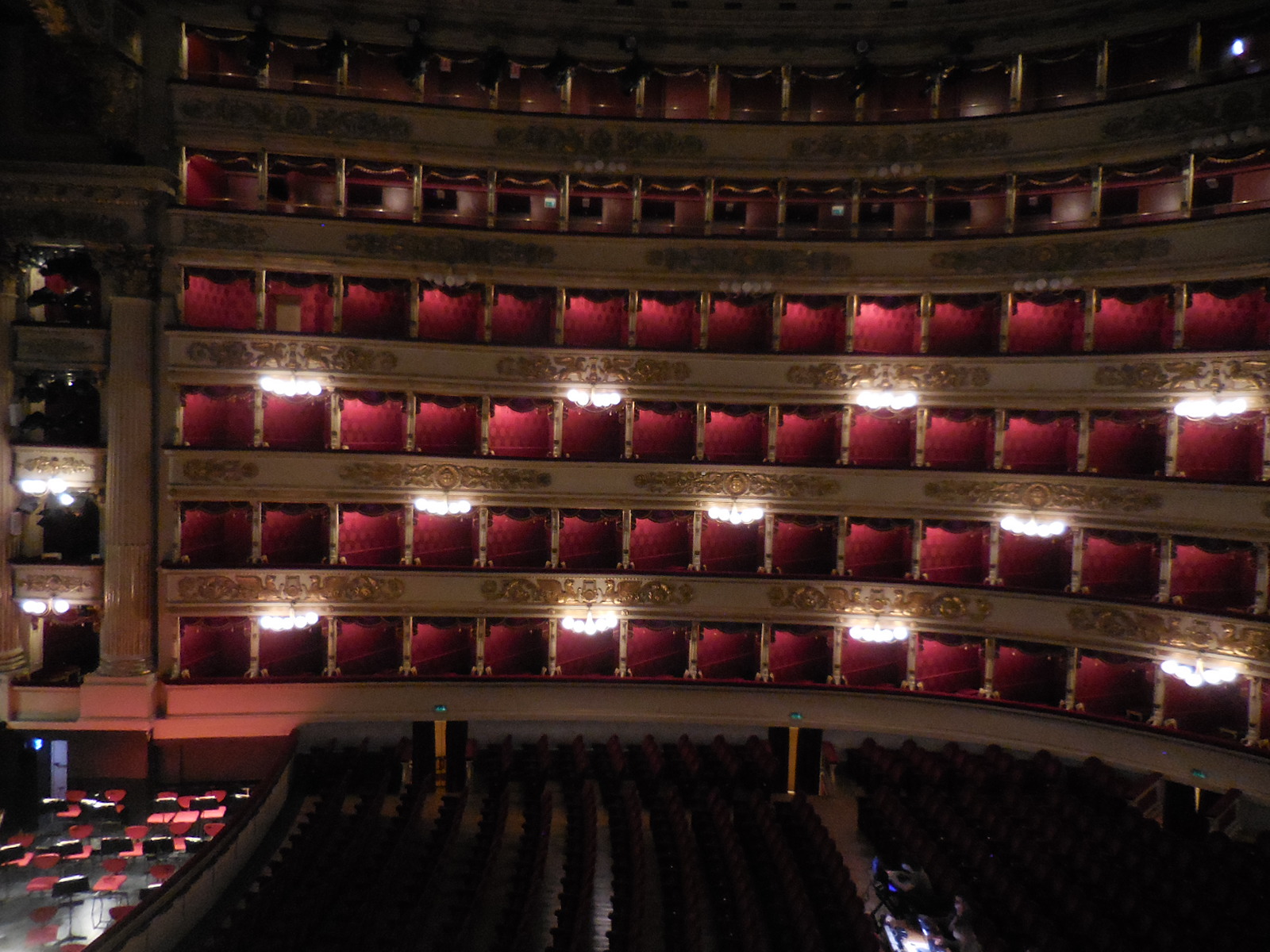
Teatro alla Scala opened on August 3, 1778, staging Antonio Salieri’s opera Europa riconosciuta. The La Scale Theatre became an important meeting point for the upper class. At that time, there were no chairs on the main floor, so spectators had to stand during the performance. Also, there was no orchestra pit. Over 80 oil lamps provided light on the stage area while about 1,000 additional lamps were situated elsewhere in the building. Buckets full of water were stored in several rooms in case of a fire. Electric lighting was not installed until 1883. In the early days, the owners of the boxes decorated their spaces themselves, choosing various colors of wallpaper, for instance. In 1844, the boxes all were decorated in red. Today remnants of the original décor can be seen in some boxes. Some are adorned with ceiling frescoes or with mirrors and stucco ornamentation.

However, a casino was also located in the building during the initial seasons. There was a space in the theatre where much bartering took place. For example, people swapped horses. The voices in the foyer could be quite loud so that it was sometimes difficult to hear the performance.

Significant renovation took place in 1907. The seating area originally had 3,000 seats, but after reconstruction the number of seats decreased to 1,987. In 1938 movable bridges and levels were added to the stage, so it was easy to change sets immediately. The system was actually quite complex.

La Scala was badly damaged by bombs during World War II. The theatre was reconstructed and opened with much aplomb in May of 1946. More restoration work occurred between 2002 and 2004, and the ensembles had to perform elsewhere for those two years. Today the theater is divided into four sections of boxes and two galleries for a total of six levels. The backstage area was enlarged during that renovation. The new stage remains one of the biggest in Italy. (Looking at the stage, I was struck by how large and deep it was.) Architect Mario Botta had an electronic system installed next to seats so spectators could read the libretto in English, Italian or the original language of the production while watching the spectacle. This technological feature intrigued me.

In 2005 there were many problems with management. In 2006, during a performance of Aida, the audience was incessantly booing tenor Roberto Alagna. The actor left the stage and did not return. His understudy had to take up the role immediately. He didn’t even have time to put on a costume.

The interior style was neoclassical with gold and red colors dominating the seating area. Medallions and floral as well as animal motifs provided adornment inside. I was overwhelmed by La Scala’s beauty. We sat in the royal box for a short time and watched a rehearsal for Gioconda, which had had its premiere at La Scala centuries earlier. We weren’t allowed to remain there for long, but it was still one of the highlights of my visit to Milan.

Maybe next time I come to Milan I will be able to attend an opera or a classical concert at La Scala.

Tracy A. Burns is a writer, editor and proofreader in Prague.

Galleria d’Arte Moderna Milano Diary

Walking through the charming courtyard of the gallery, I noticed that the villa was in Neoclassical style as was the La Scala Theatre, which I had toured a few days earlier. On the other side of the main street was a vast park. In part of the courtyard was a posh, crowded restaurant. The edifice had two facades, one visible to visitors. Statues and reliefs with a mythological theme decorated the facades. The second façade looked out upon Milan’s first English landscape garden.

Founded in 1903, the modern art gallery was initially housed in Milan’s Castle. In 1921 it moved to its current location, the Villa Reale. Built by Leopold Pollack from 1790 to 1796, the building was originally named Villa Belgiojoso and was used as a private residence. Later, when Napoleon’s adopted son lived there, many famous people gathered at the villa, which was notable for its lavish ornamentation. On August 6, 1849, the Pace di Milano treaty was signed there, making Milan part of Austria.

Austrian Field Marshall Joseph Radetzky von Radez, a Czech noble and Chief of General Staff for the Habsburgs during the Napoleonic Wars, even called the villa home for one year in the 1850s. At one point Radetzky was even knighted for his bravery. Johann Straus composed the Radetzky March after him. His troops appreciated his valor and fairness. He died in Milan during 1858.

When the various states merged into the Kingdom of Italy, the building was no longer used. It was nationalized in 1920 and was refurbished so the Modern Art Gallery could open there the following year. Still, the gallery had to wait until 2006 before they could use the entire building for their exhibits. Before that the gallery had shared the building with other institutions.

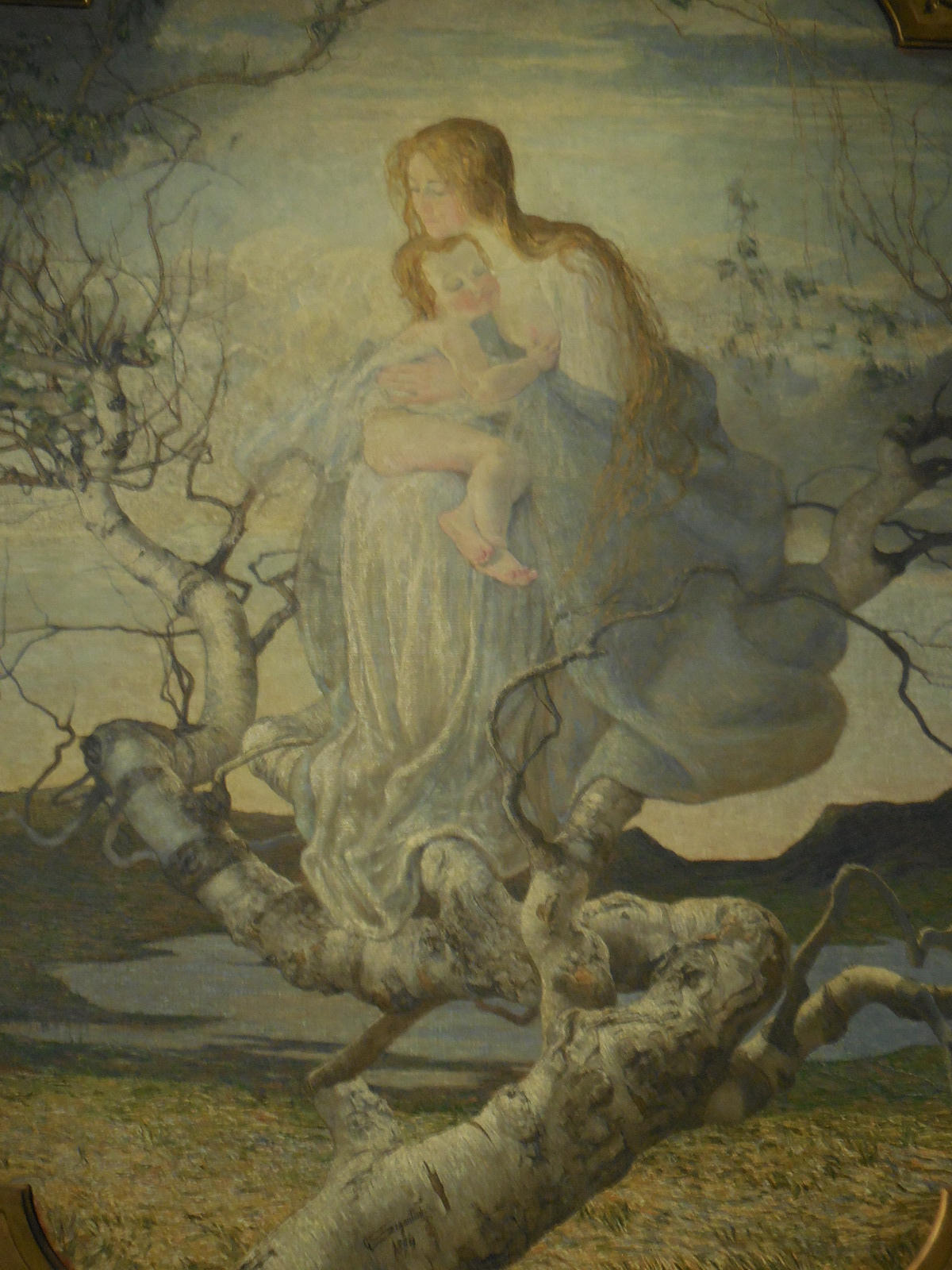
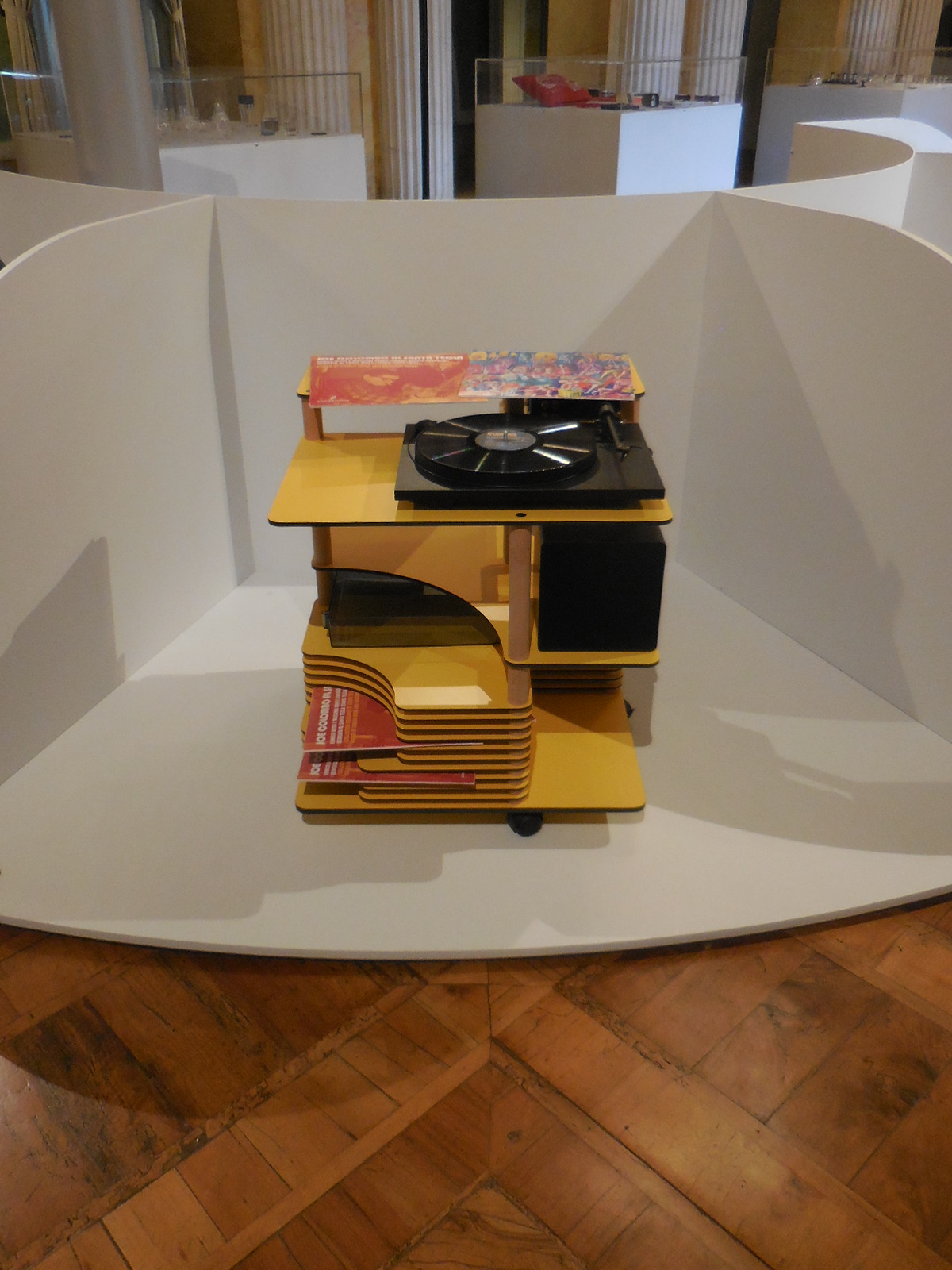
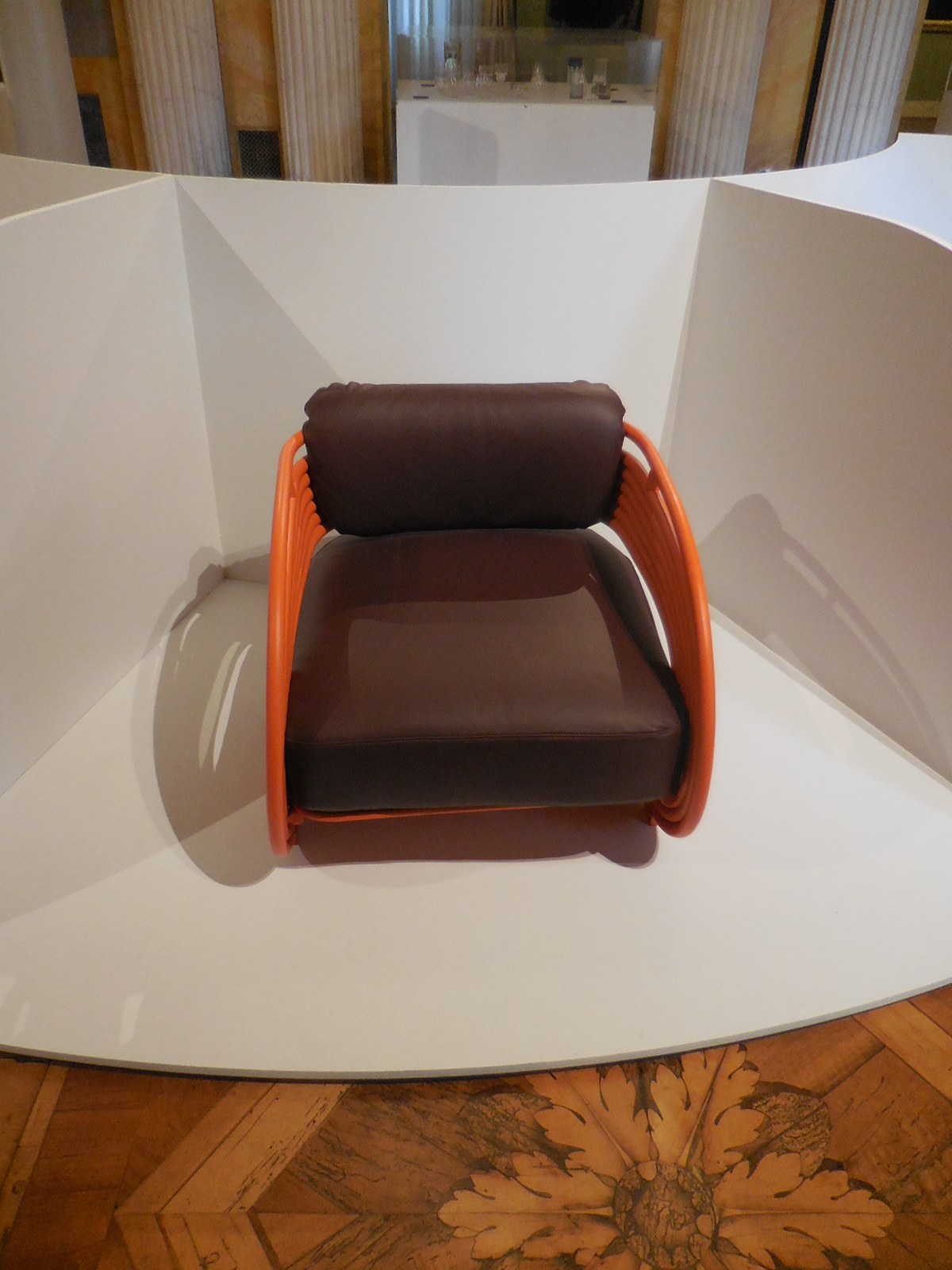
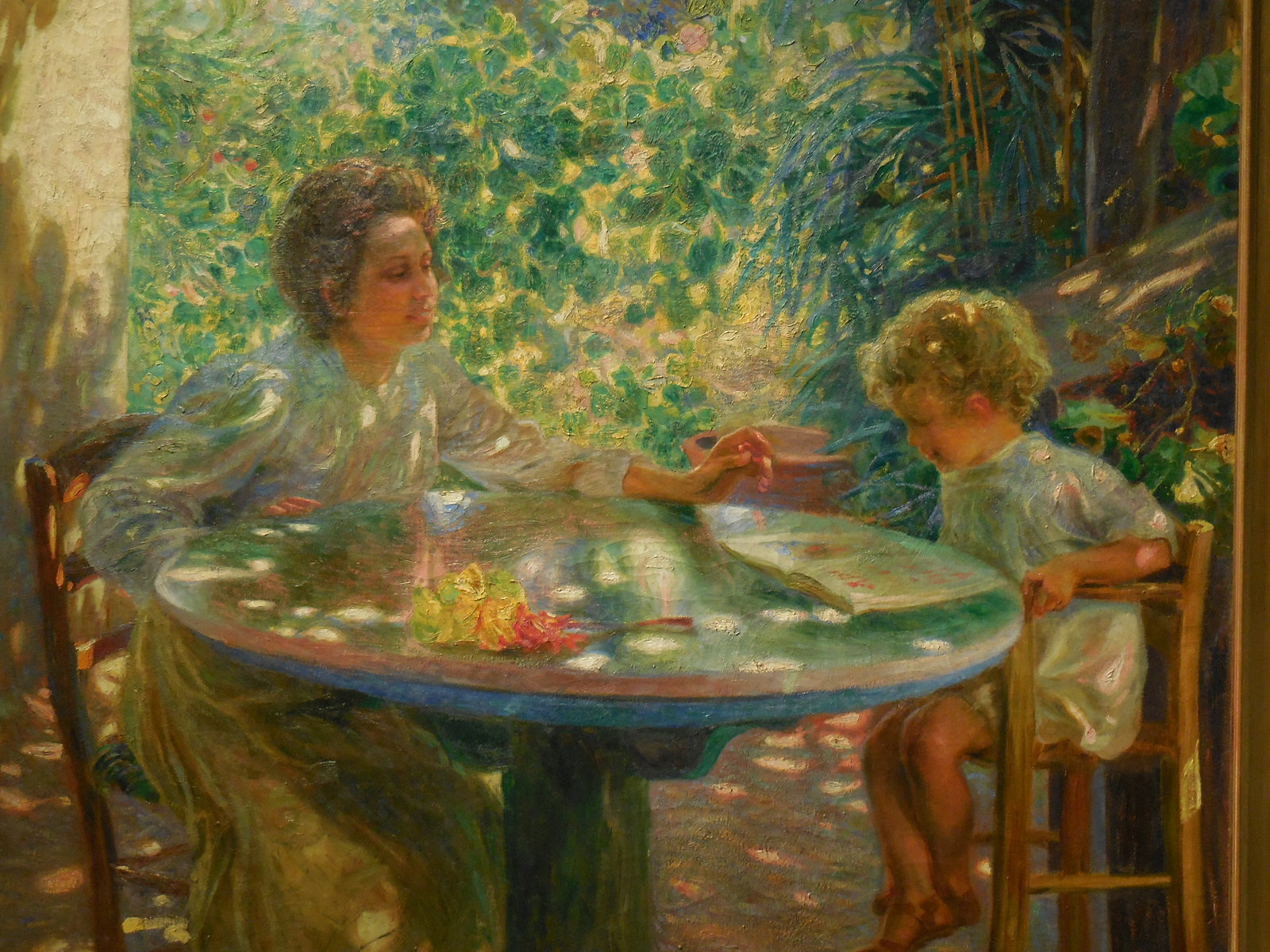
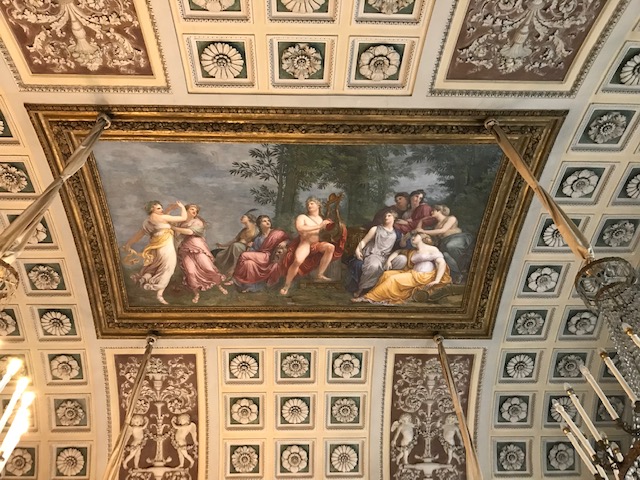
The permanent collection started on the first floor. The first six spaces covered Neoclassical art. The works of Antonio Canova were represented there. Two rooms were dedicated to portraiture, including the renditions of Francesco Hayez. His Portrait of Matilde Juva Brunea from 1851 was one of the gallery’s masterpieces. A luxurious ballroom and the Parnaso Room with its astounding 1811 fresco had come into being during Napoleon’s era. After gazing at these two luxurious spaces, I continued to peruse artwork from the Romantic, Divisionist and Symbolist periods. There was also a temporary exhibition of Italian designer Joe Columbo’s 20th century furnishings on that floor.

From the Joe Columbo exhibition

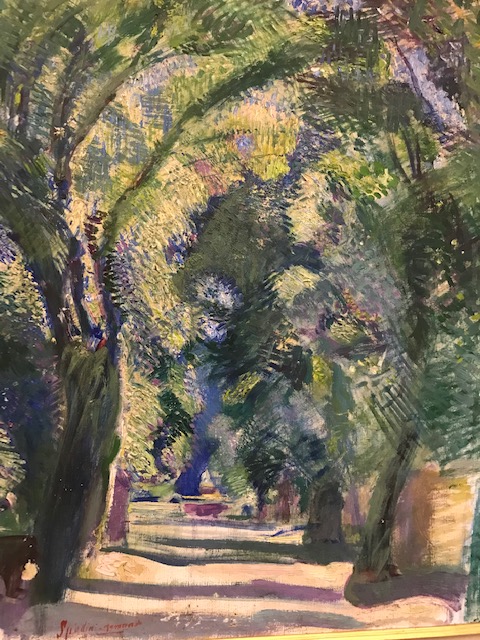
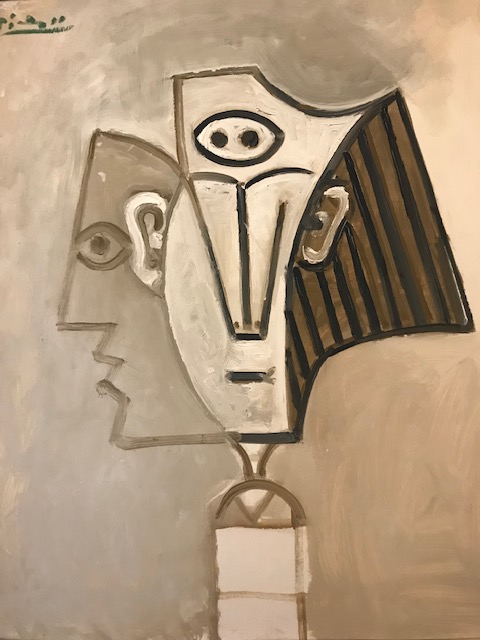
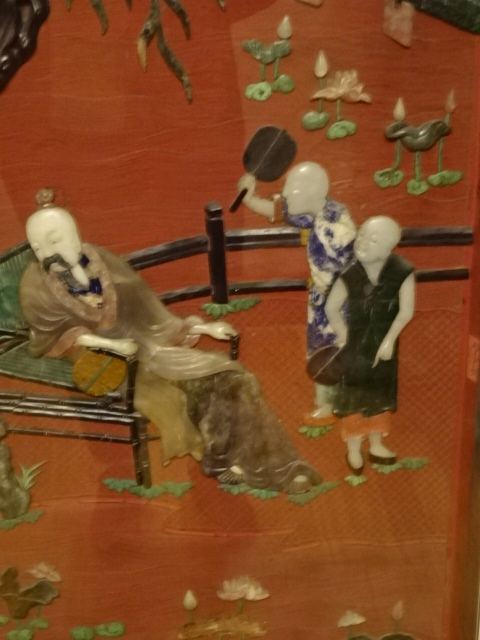
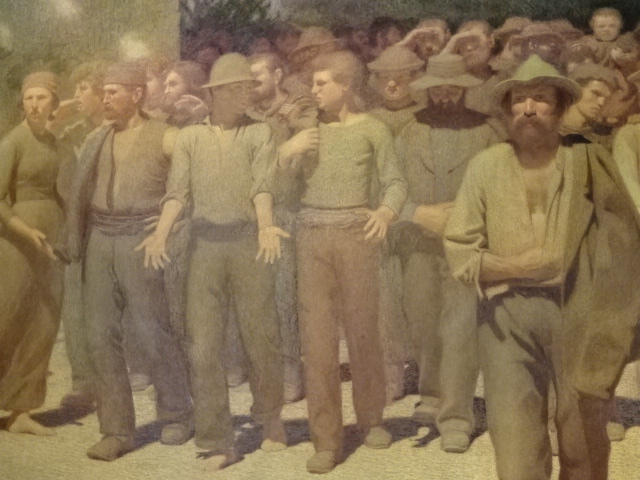
The second floor housed the Grassi Collection and Vismara Collection. The Grassi Collection covered both Italian and foreign works ranging from the 14th to 20th centuries. Eduard Manet, Paul Cezanne and Vincent Van Gogh were all represented. Oriental art was on display, too. The Vismara Collection showcased 40 works of art from the 20th century. The paintings and sculptures included creations by  Picasso, Matisse and Renoir.

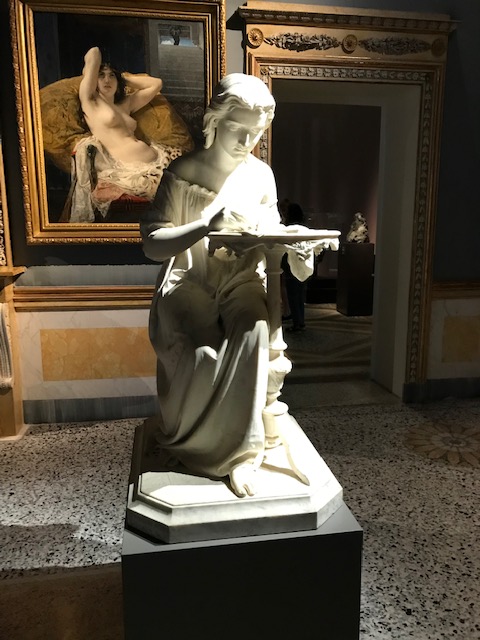
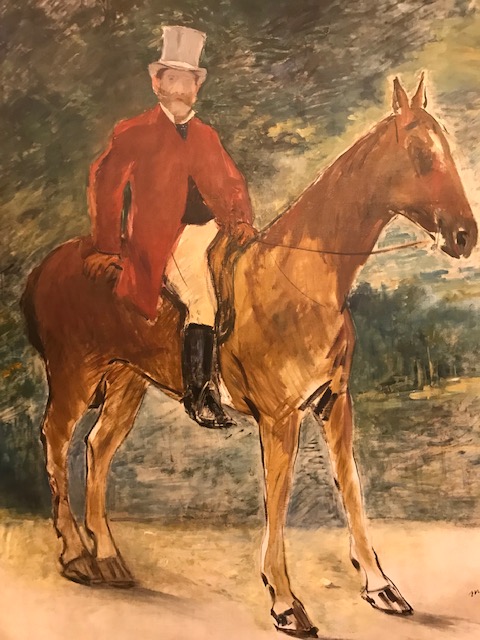
Some significant paintings on display included Paul Gauguin’s Donne di Tahiti from 1891; Vincent Van Gogh’s Breton Women and Children from 1888; Giuseppe De Nittis’ Breakfast in Posillipo from 1878; Eduard Manet’s Portrait of M. Arnaud from 1875 and Umberto Boccioni’s The Mother from 1907. The sculpture was just as impressive as the paintings. A bust of a madwoman caught my attention. It showed not only unique facial features but also delved into the psychological being of the woman. Via the sculpture, it was possible to see into the woman’s soul.  Other busts were just as revealing. A small statue by Rodin was exquisite, too. A bust of Beethoven was very expressive and innovative.

One bust that captured my attention.

I was thrilled to see so many amazing paintings and sculptures and looked forward to my next stop at another nearby villa, which was devoted to modern art of the 1930s.

Tracy A. Burns is a writer, editor and proofreader in Prague.

A bust of Beethoven

The Old National Gallery in Berlin Diary

BerlinONG20

BerlinONG21

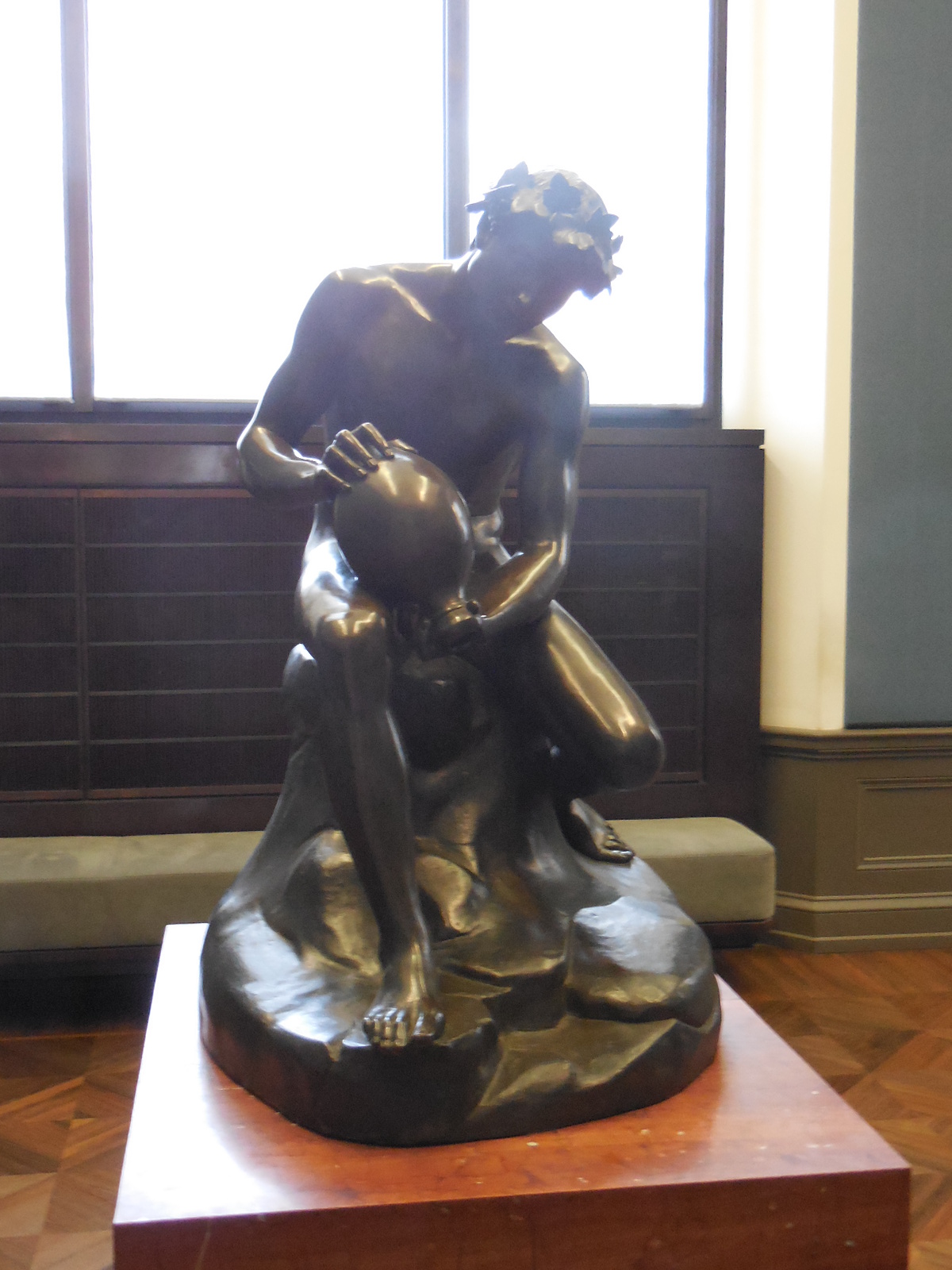
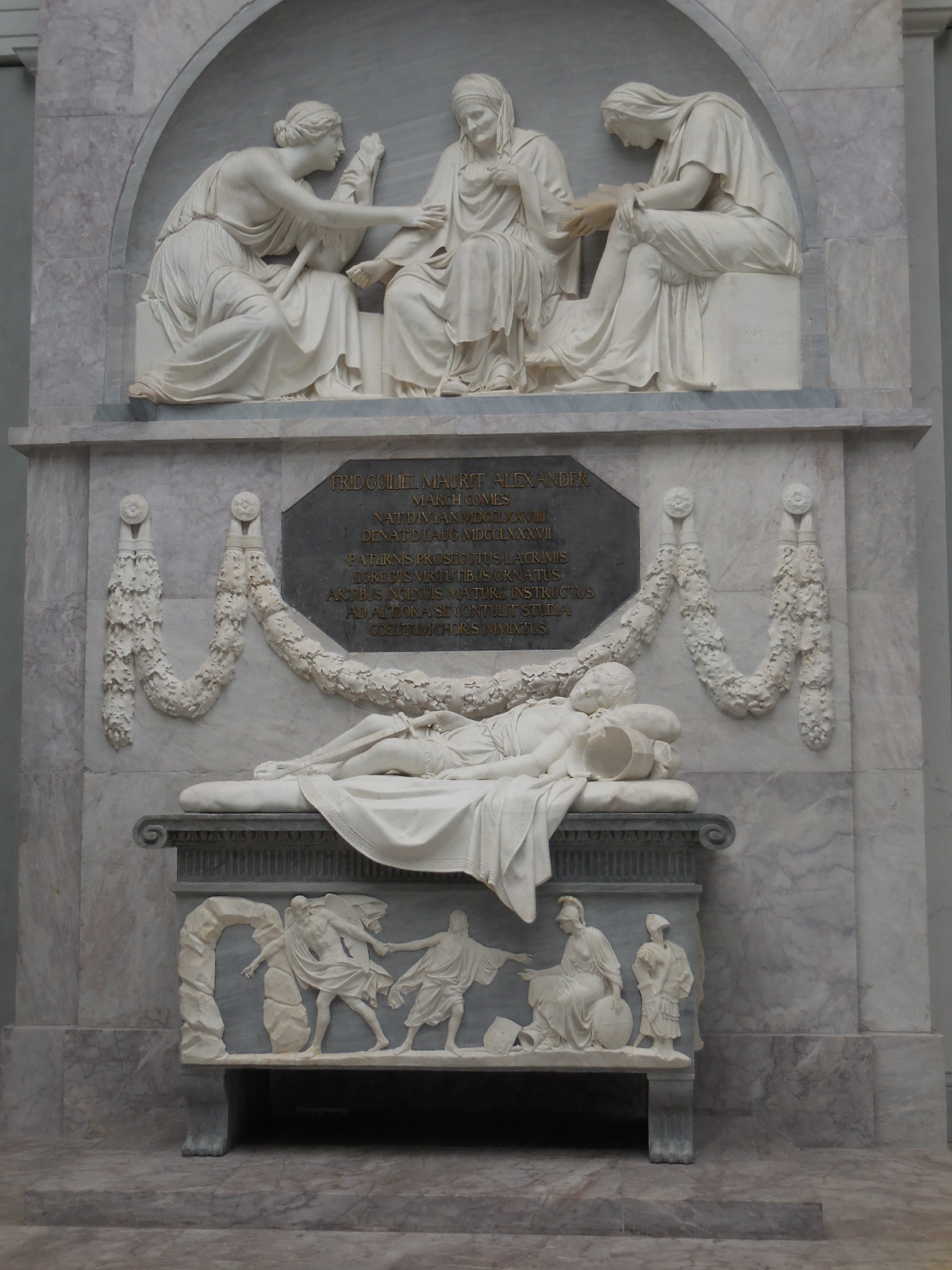
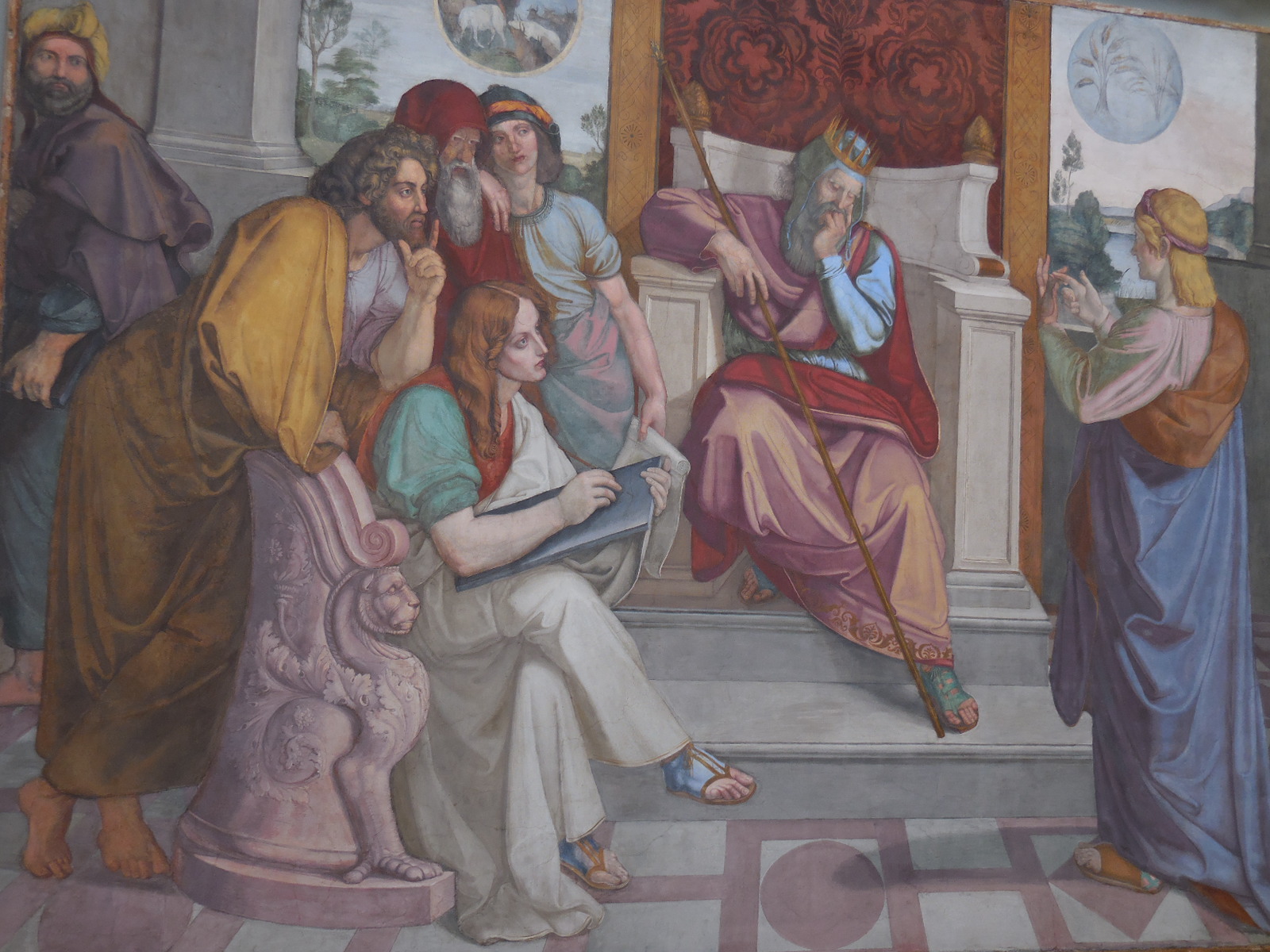
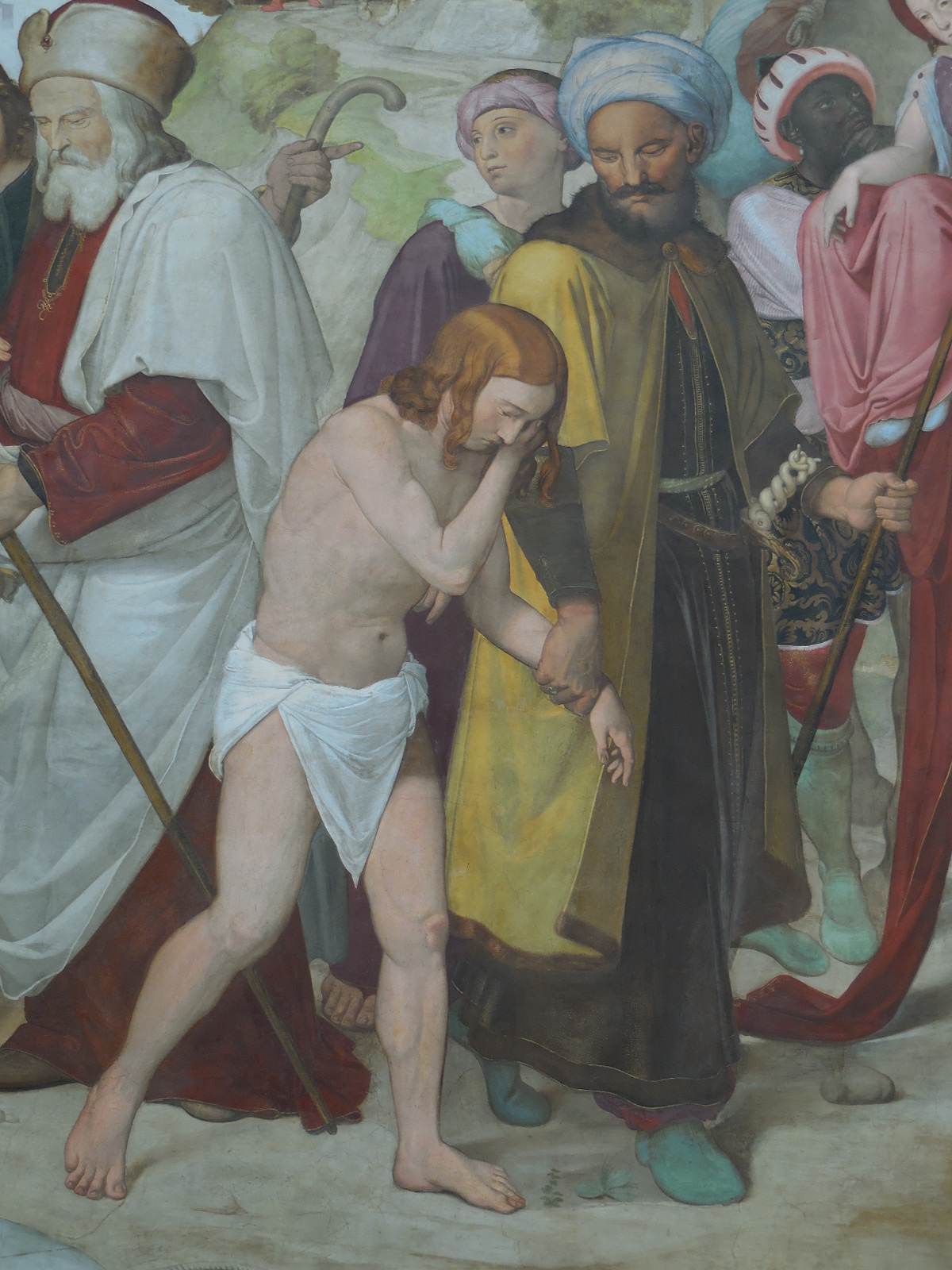
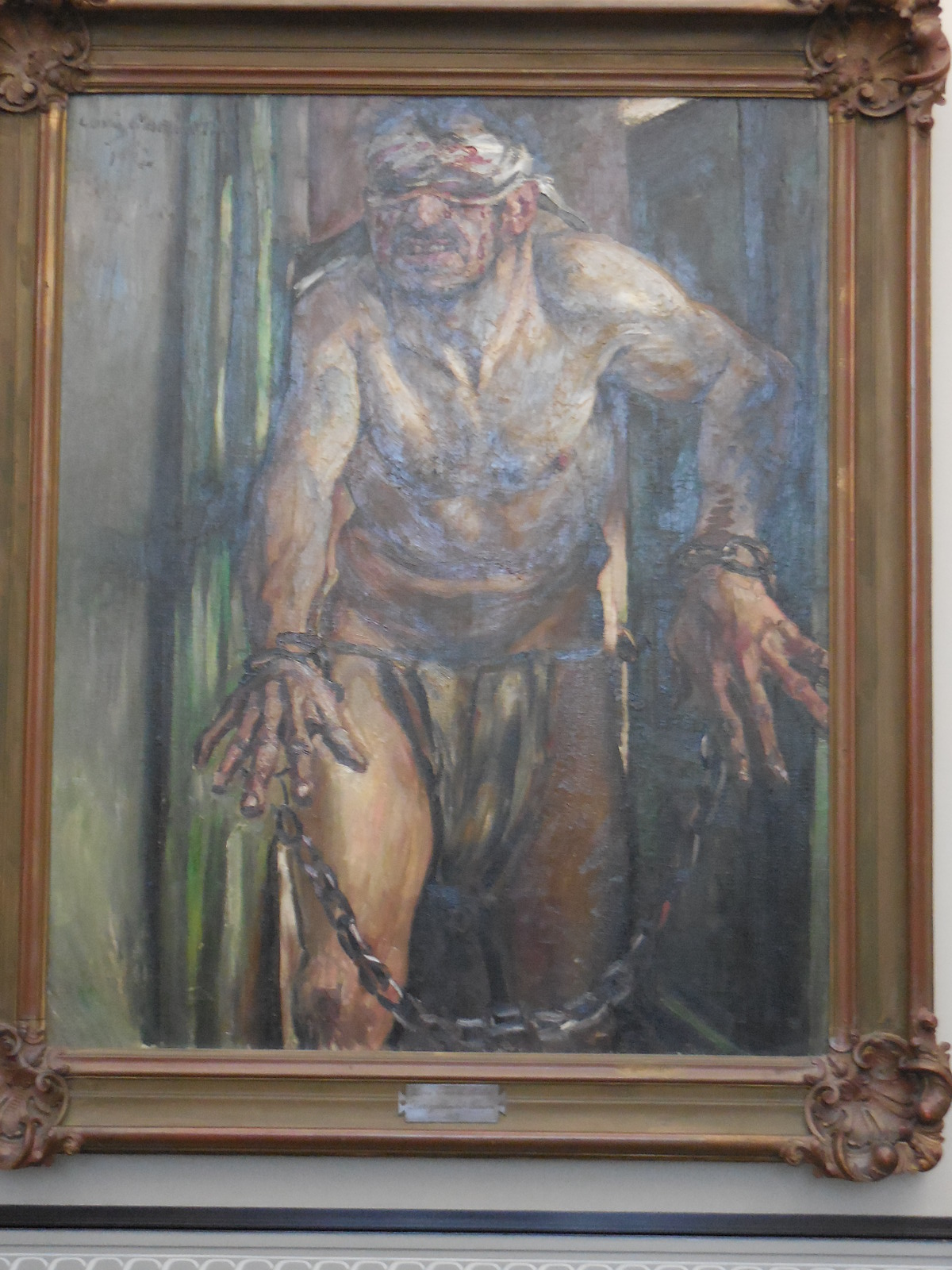
One of my favorite museums in Berlin, the Old National Gallery has the shape of a temple from antiquity, which appealed to me. The museum opened in 1876. While it suffered damage during World War II, it was renovated and opened again in 1949. From 1998 to 2001 it underwent modern reconstruction.

BerlinONG25

BerlinONG26

BerlinONG27

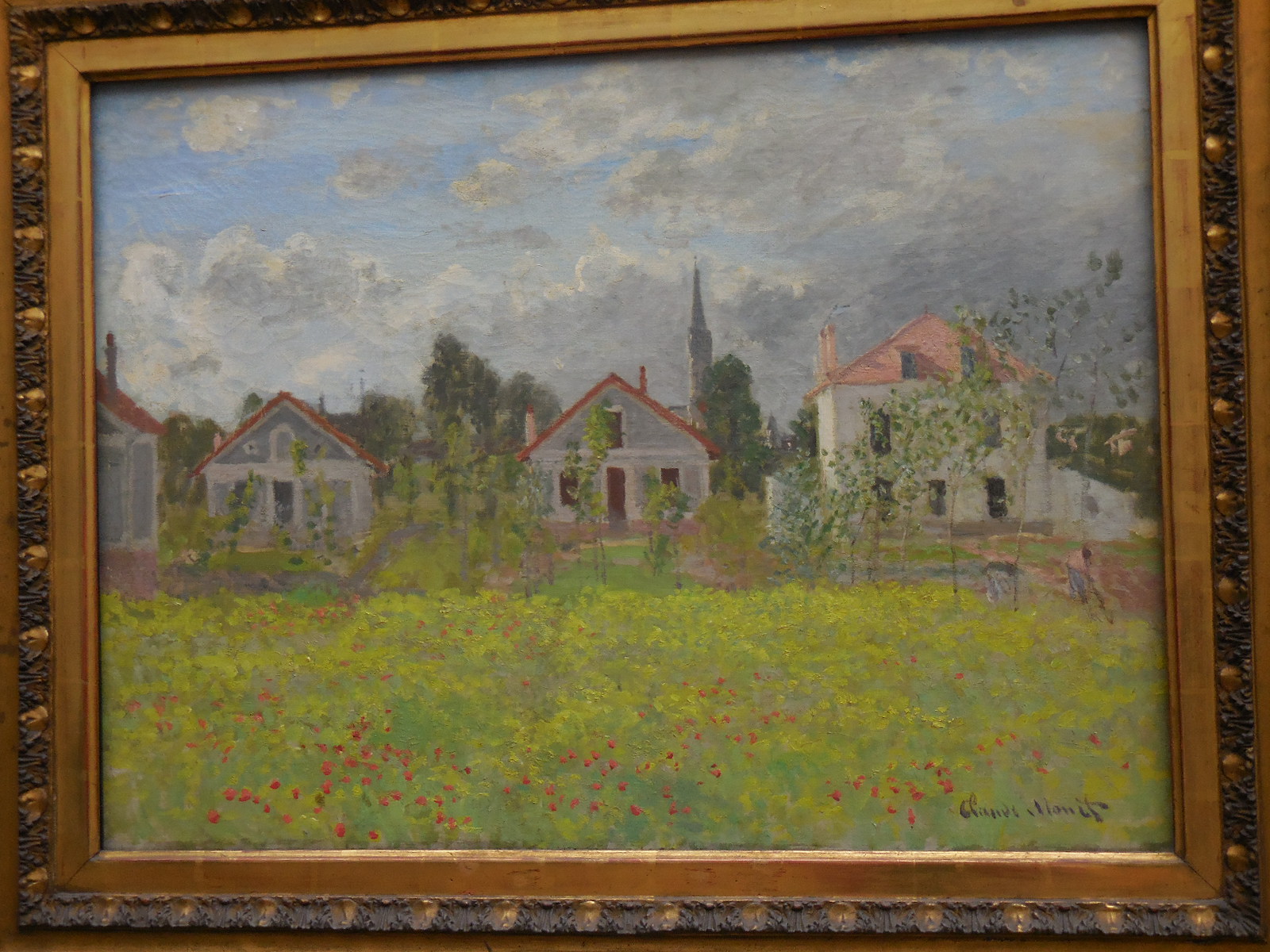
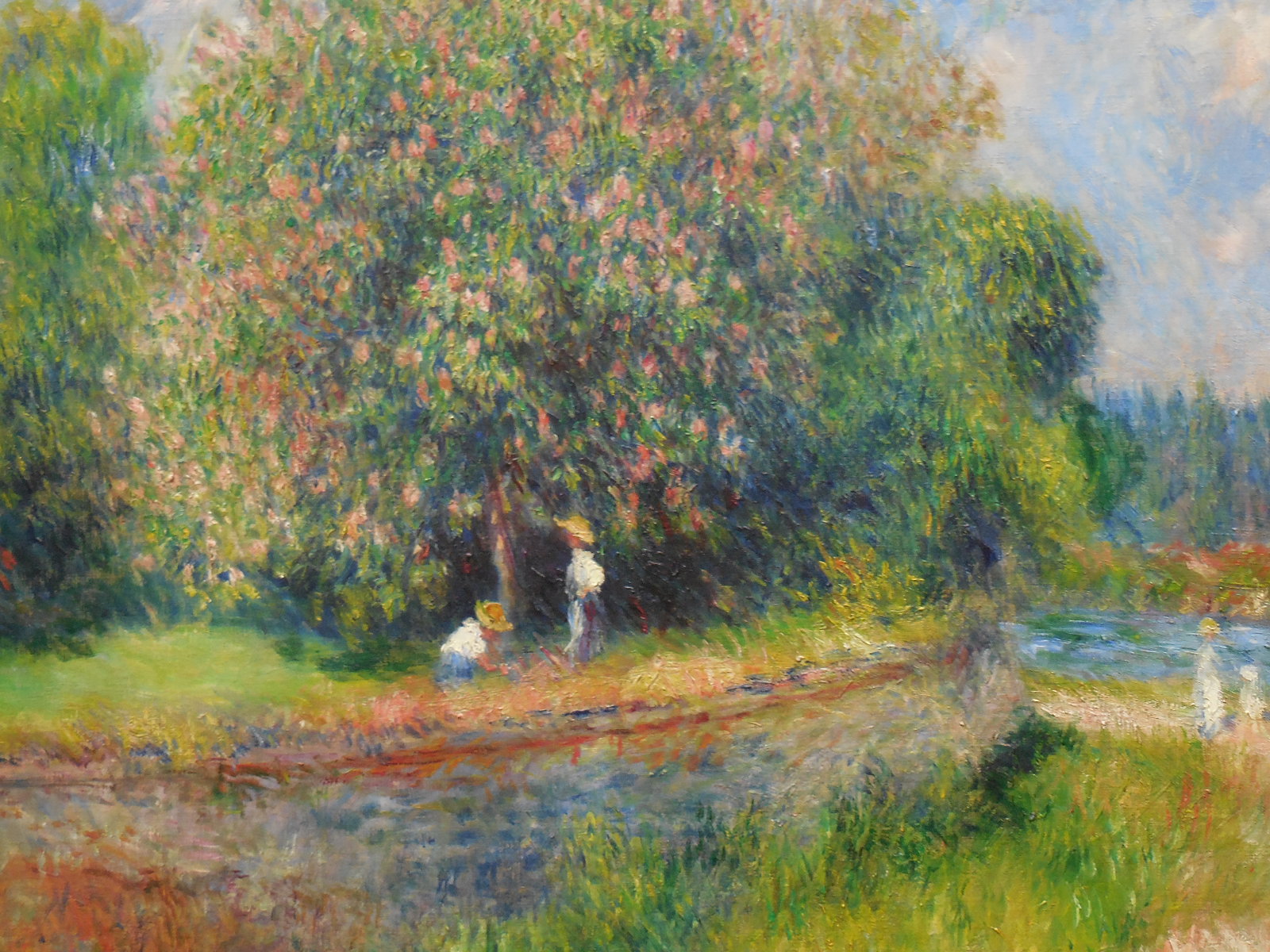
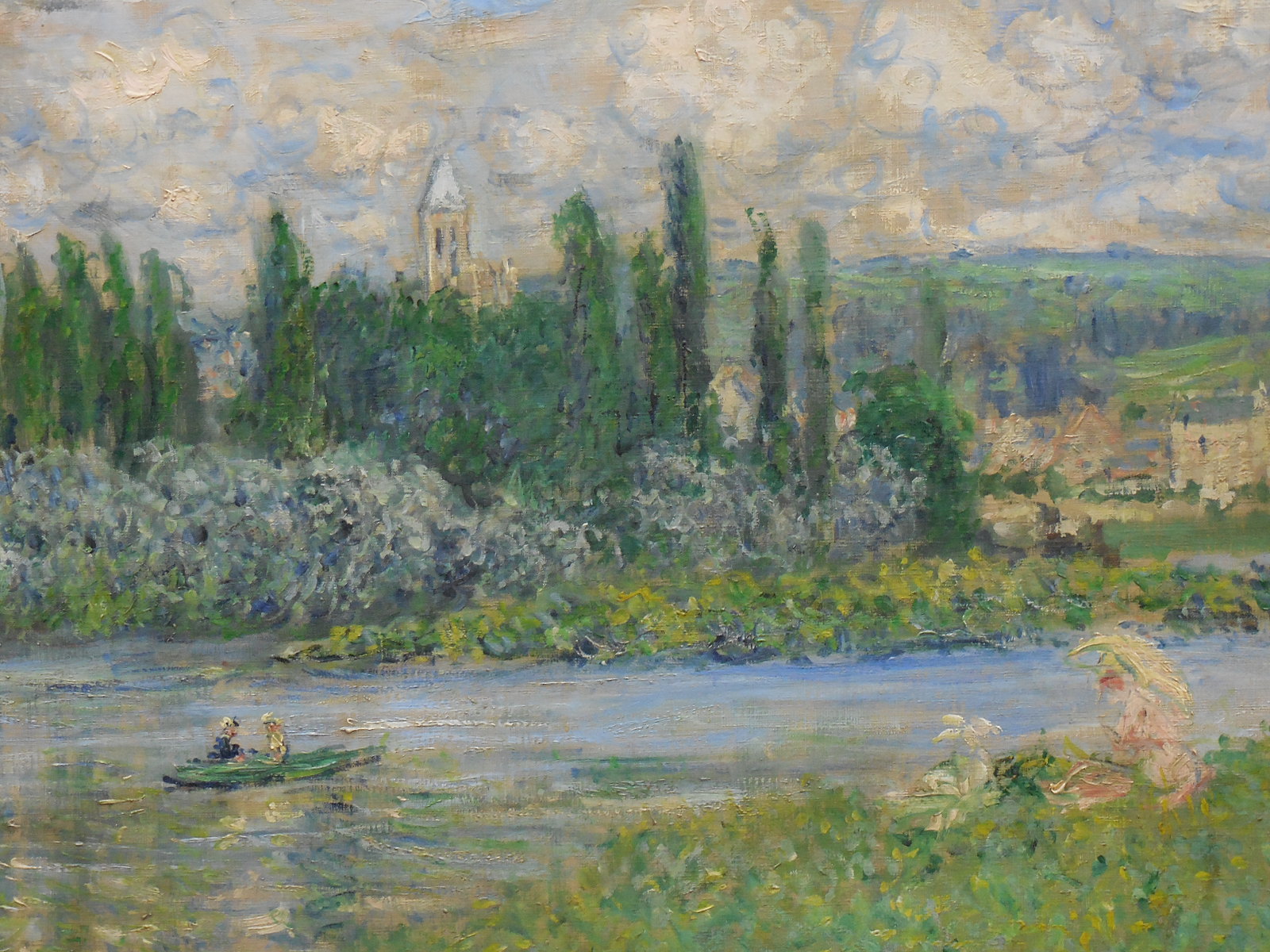
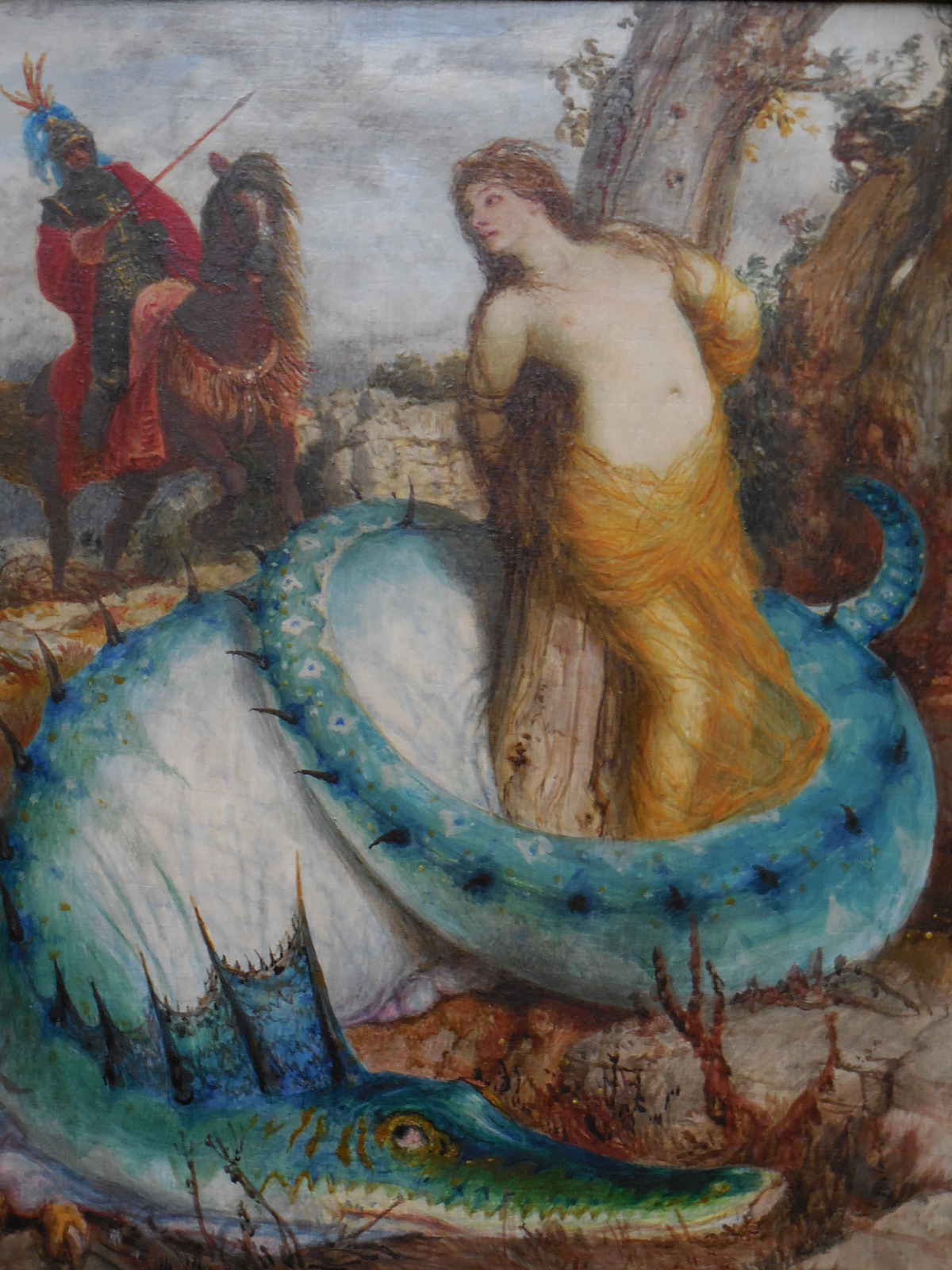
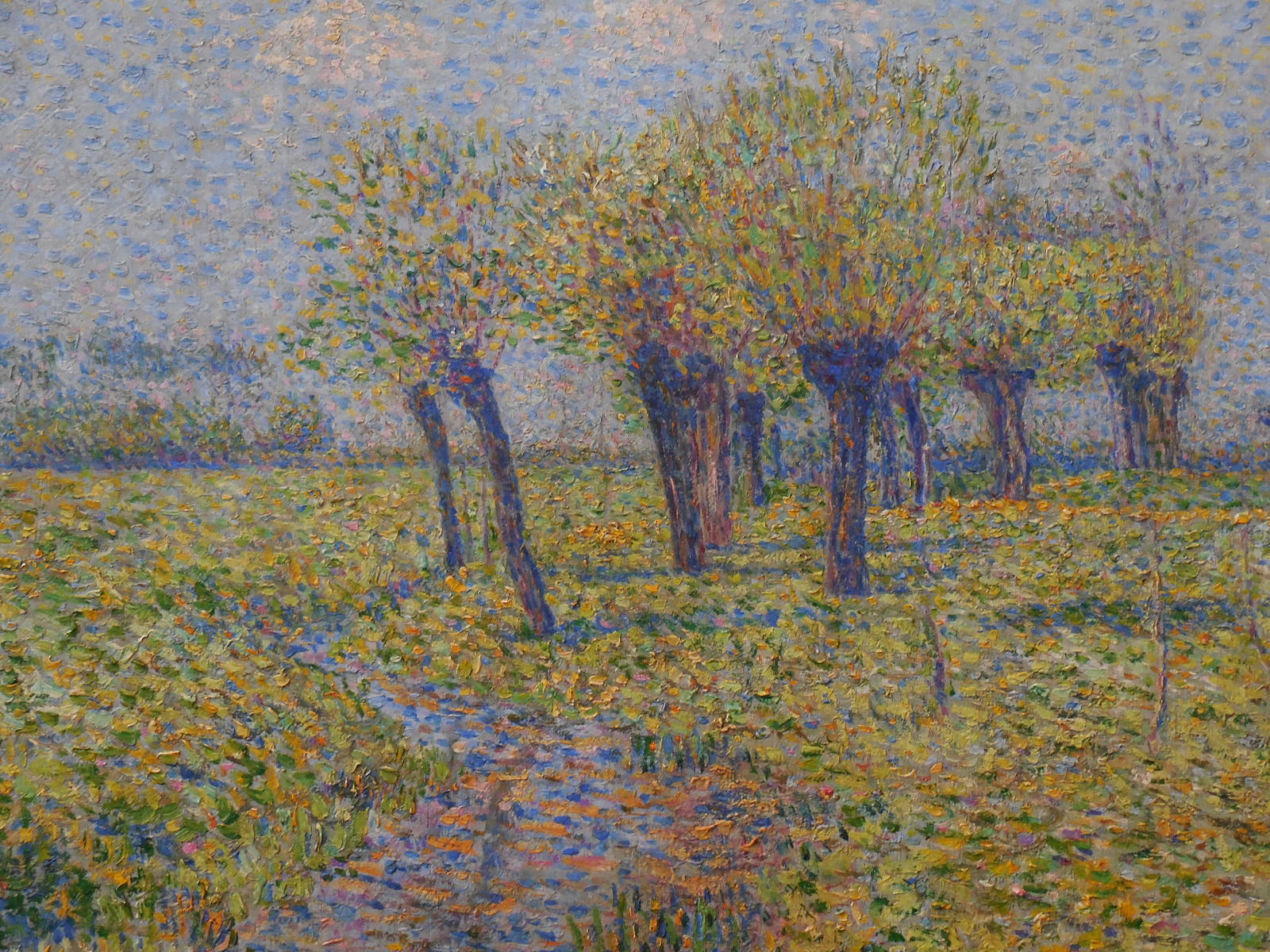
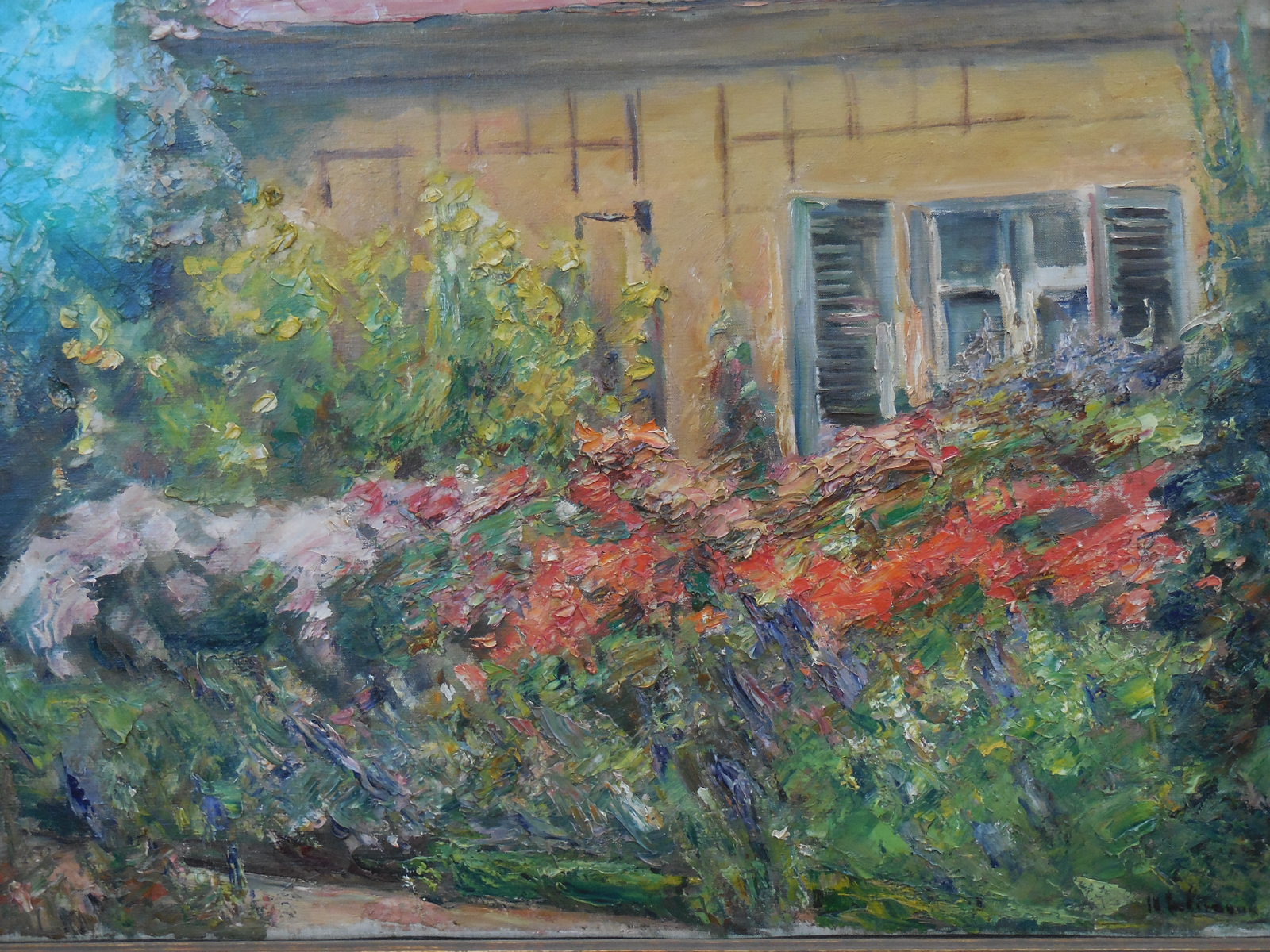
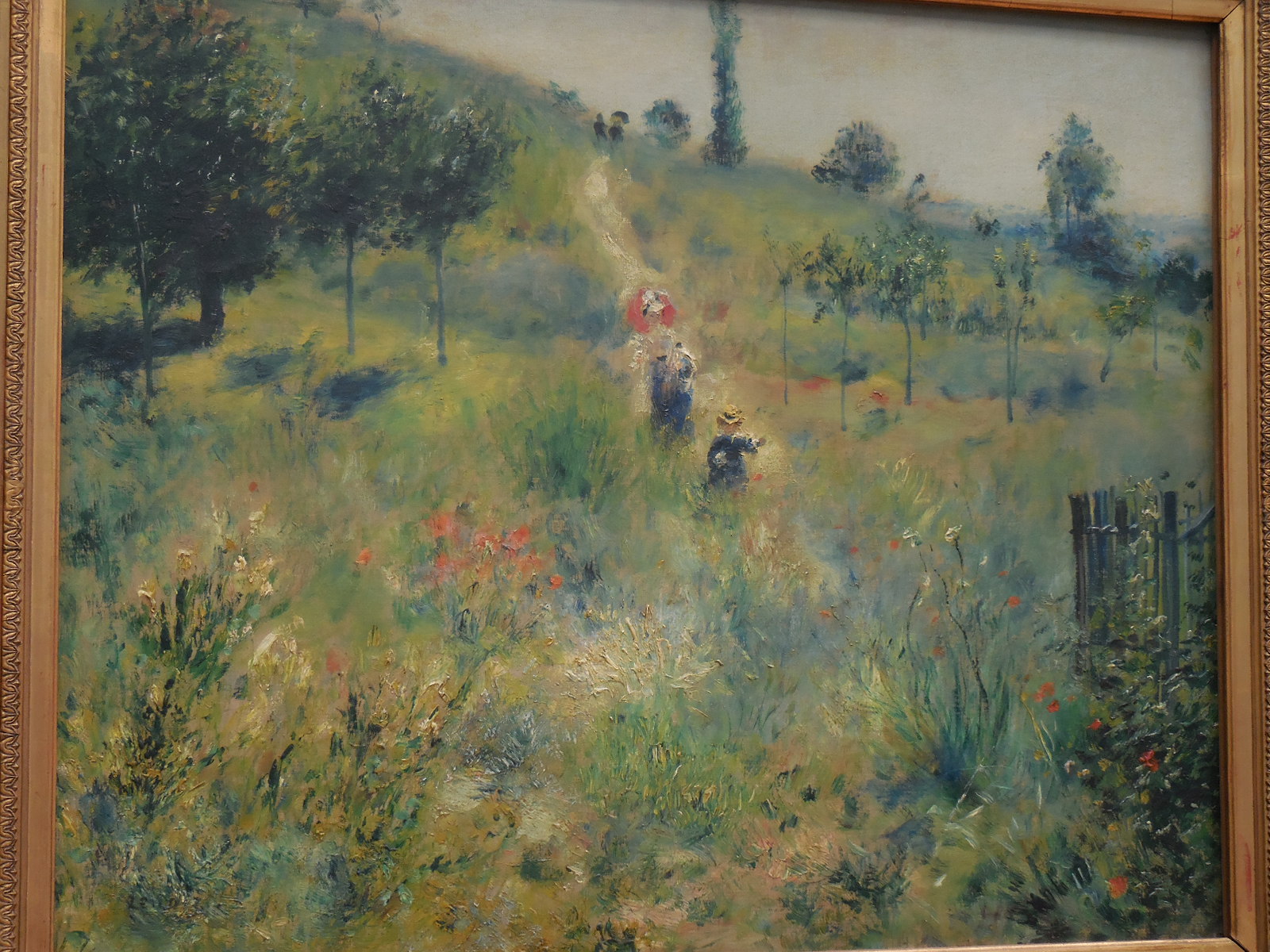
I was so impressed with the collection collection of 19th century art, which ranges in style from NeoClassicist, Romantic to Impressionist. Because Impressionism is my favorite period, I was most struck by the paintings of that era, specifically by the works of Monet. I also admired paintings by Manet and Renoir. The museum also is home to the largest collection of paintings by Adolph Menzel, who I had not heard of previously.

BerlinONG22

BerlinONG23

BerlinONG24

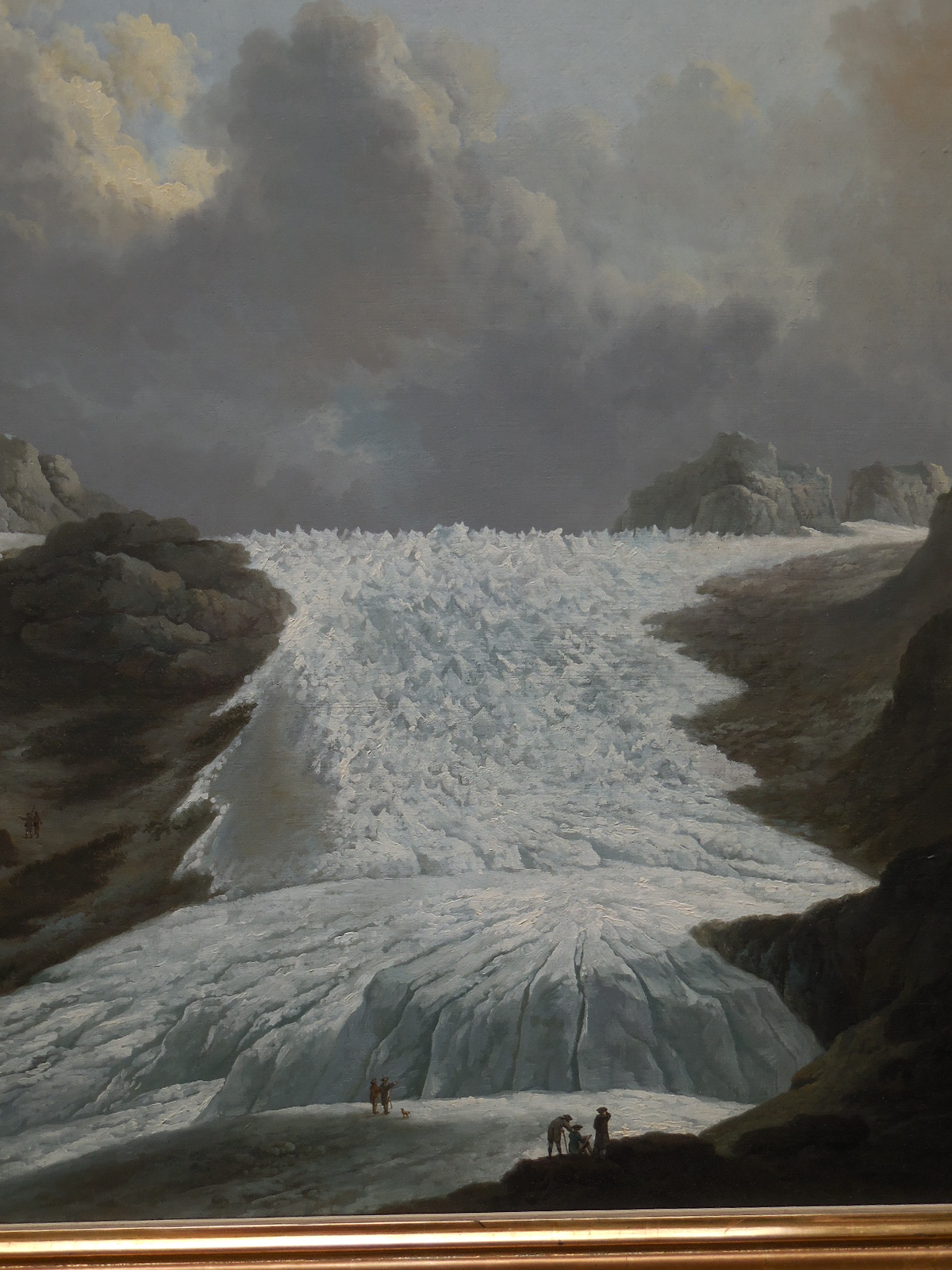
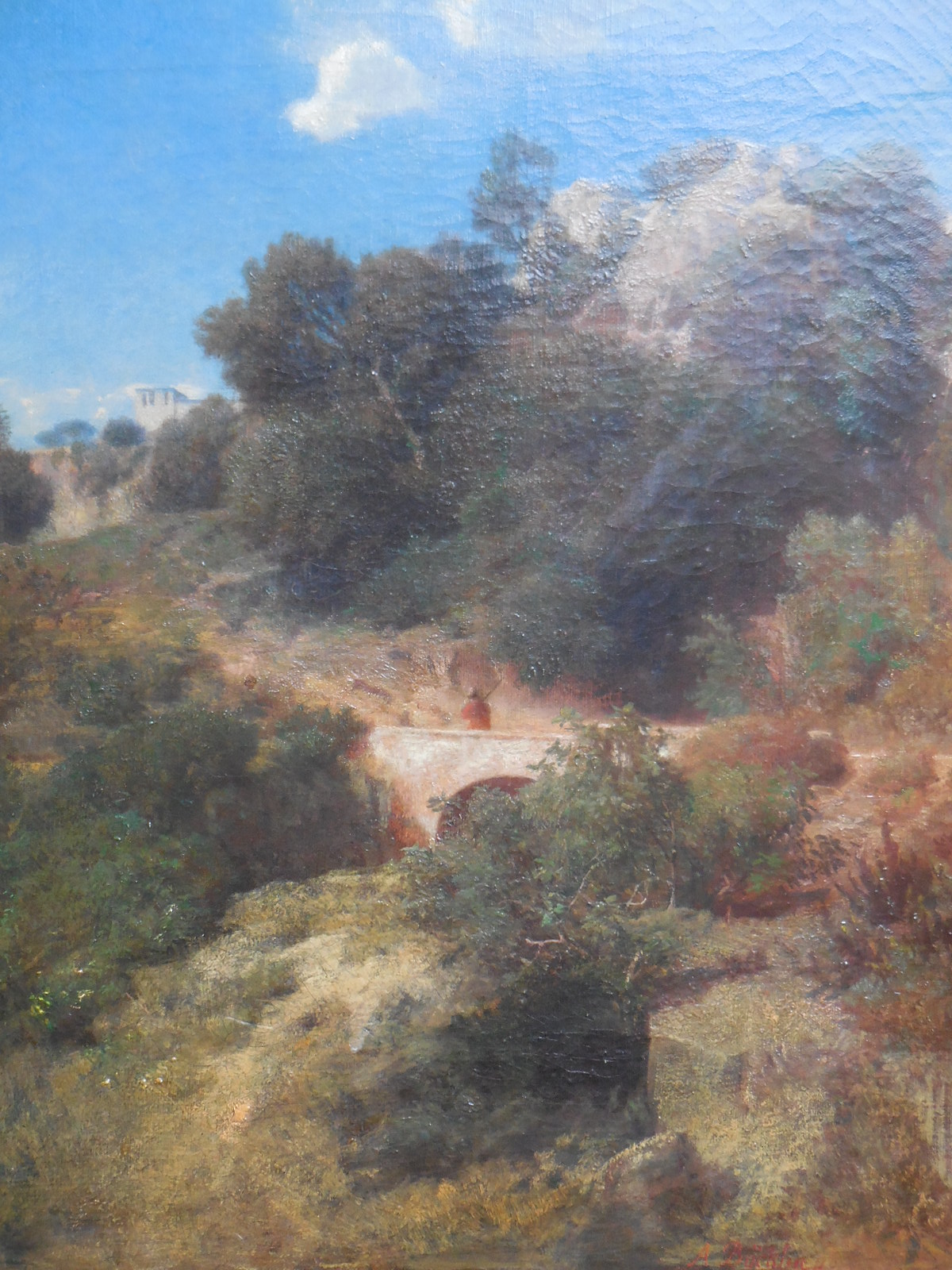
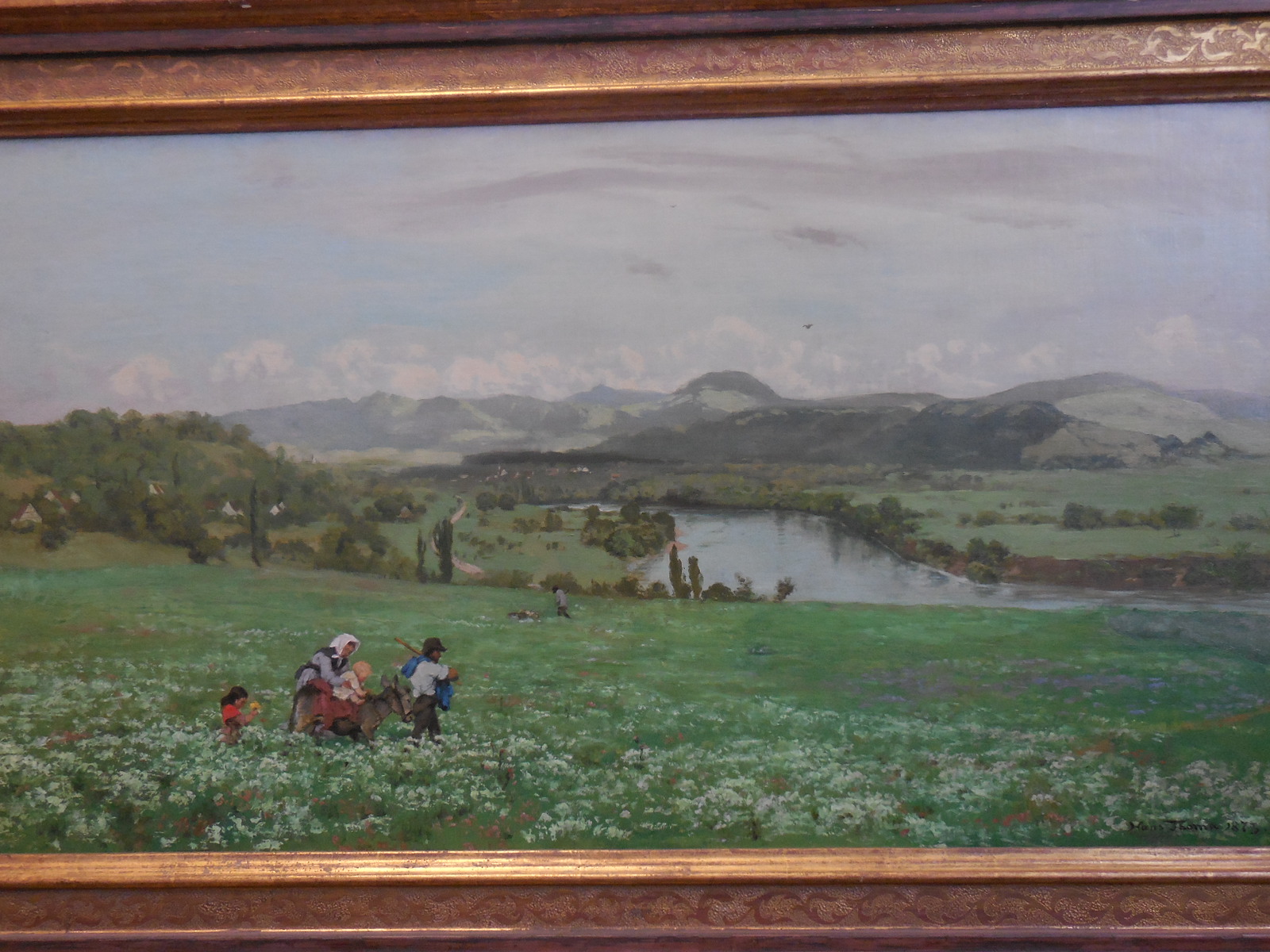
While I was visiting in 2018, there was a fantastic temporary exhibition called Wanderlust. It featured 19th century paintings of landscapes with travelers on foot. I had become a much stronger person from traveling alone, and it reminded me of all my solitary journeys to places unknown. The paintings could represent a person’s journey through life.

BerlinONGWanderlust1

From Wanderlust exhibition

BerlinONGWanderlust2

From Wanderlust exhibition

BerlinONGWanderlust3

From Wanderlust exhibition

I was particularly enamored by the Italian settings of Naples and Sicily in several paintings. I thought back to my trips to those places as I had discovered many gems in Italy and would develop a love for Italy almost as strong as my passion for the Czech Republic.

Tracy A. Burns is a writer, proofreader and editor in Prague.

From Permanent Exhibition

BerlinONG1

BerlinONG16

BerlinONG18

BerlinONG31

BerlinONG38

BerlinONG3

BerlinONG4

BerlinONG5

BerlinONG6

BerlinONG7

BerlinONG10

BerlinONG11

BerlinONG12

BerlinONG13

BerlinONG14

BerlinONG15

BerlinONG28

BerlinONG29

BerlinONG30

BerlinONG32

BerlinONG36

BerlinONG40

BerlinONG41

BerlinONG42

BerlinONG45

BerlinONG46

BerlinONG47

Wanderlust Temporary Exhibition

BerlinONGWanderlust7

BerlinONGWanderlust8

BerlinONGWanderlust10

BerlinONGWanderlust11

My favorite painting in the temporary exhibition

BerlinONGWanderlust12

BerlinONGWanderlust15

BerlinONGWanderlust16