Paul Gauguin Exhibition in Vienna Diary

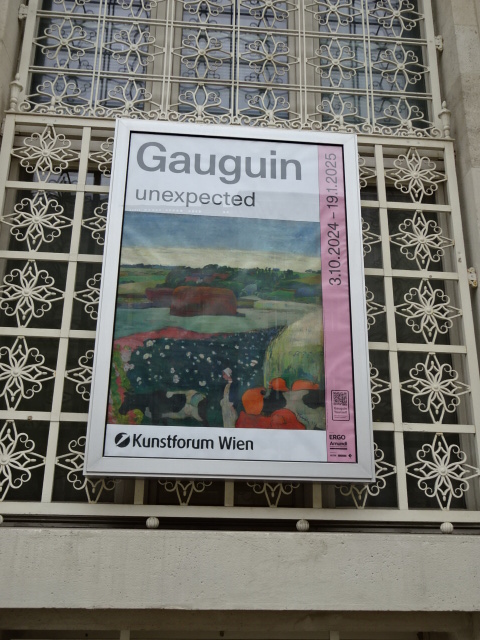
During the fall of 2024, I went to the Paul Gauguin retrospective “Gauguin Unexpected” in Vienna, Austria at the Kunstforum Wein. The last extensive showing of Gauguin’s works in Austria had taken place during 1960. The recent exhibition included not only Gauguin’s paintings but also graphic art and sculpture, tracing his career from Post-Impressionism to the initial stages of the modern era. More than 80 works were on display from October of 2024 to January of 2025. 

Eugene Henri Paul Gauguin was born in Paris on June 7, 1848, the revolutionary year of turmoil in Europe. At the age of 18 months, he and his parents moved to Peru because his father had to leave France. He was related to high-ranking politicians there. However, his father died during the voyage and never made it to Peru. Gauguin and his mother lived a privileged life there. Due to political turmoil in Peru, Gauguin returned to France when he was still a child. Gauguin would serve in the French navy before becoming a stockbroker at age 23.

In his early career, he worked in Impressionist style and had exhibitions of works in this style during the early 1880s. He worked as a stockbroker for 11 years, and in 1873 married Mette-Sophie Gad from Denmark. They had five children. His marriage fell apart in 1882, when he turned to painting full-time, a time when stock market prices plummeted. He lived in Rouen and then Pont-Aven, where the works of Vincent Van Gogh, Georges Seurat and Eduard Degas impressed him so much that he changed his style. His Post-Impressionist works were unique in use of color, which was the dominant feature of the paintings. His thick and bold brushstrokes also played a major role.

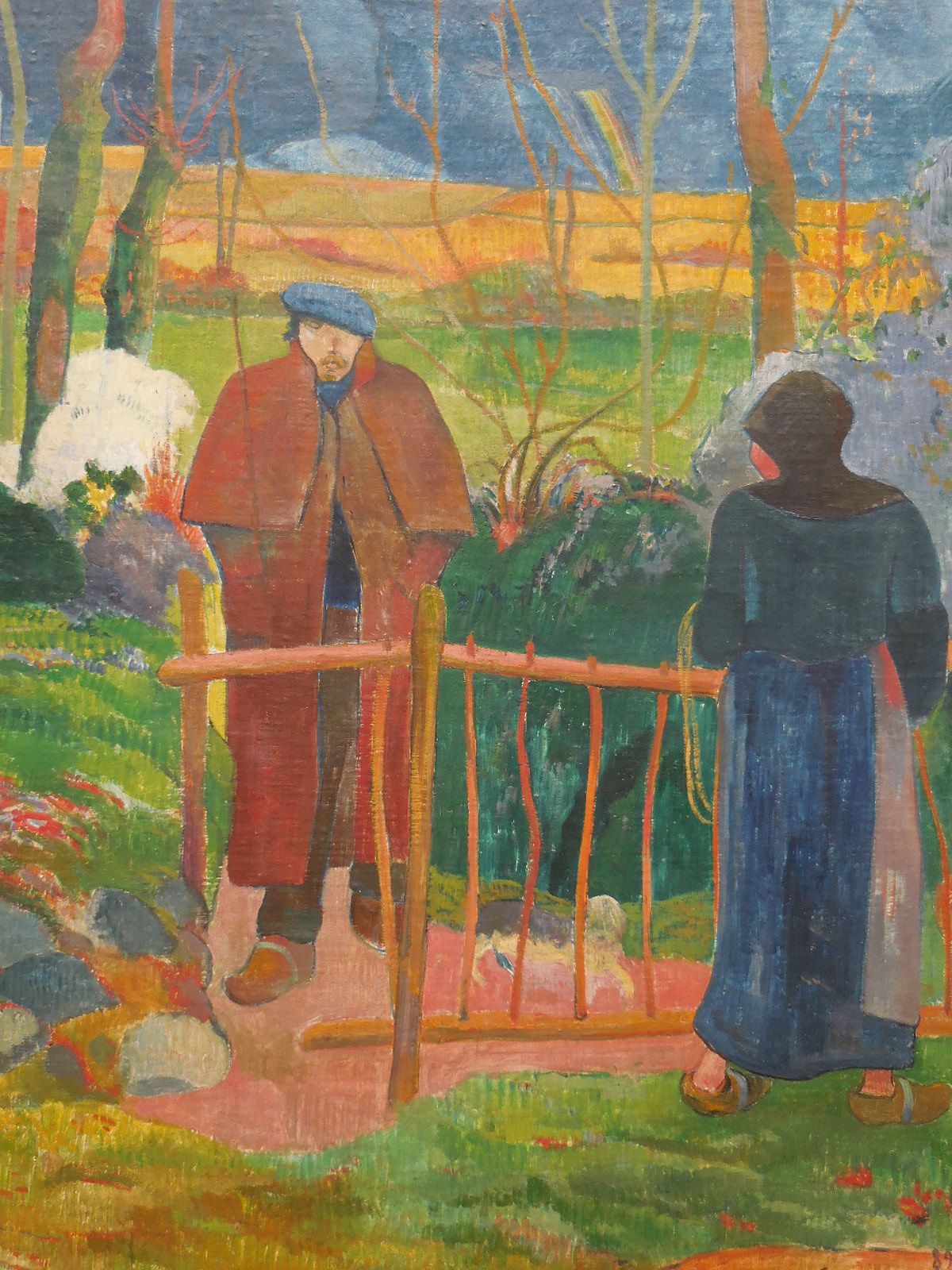
In the summer of 1886, he was influenced by the Pont-Aven School and spent time in Brittany, where he created many landscapes and pastel drawings. I liked his Brittany-based landscapes from this period as well as the scenes of everyday life in this region of France. His employment of Synthesist features comes from this time period of bold colors and dark outlines. Complexity was absent in the subject matter of this time in his career. He pictorially recorded simple, daily life in Brittany. He also thought that African and Asian art held great significance. Japanese art especially enthralled him. Then travels took him to the Panama Canal and Martinique, where he was influenced by Indian people and Indian symbols. His landscapes from his tenure in Martinique are very noteworthy, as I found out at the exhibition.

For a while, he lived with Van Gogh at Van Gogh’s Yellow House in Arles. Van Gogh had bought three of Gauguin’s paintings and held him in great esteem. However, the two had a falling out, and Van Gogh even cut off his ear when Gauguin was present. That’s when Gauguin left Arles.

In the late 1880s, Gauguin began making zinc plates or zincographs. Rejecting the traditional limestone material, he opted to use zinc plates combined with yellow poster paper, which made for bold creations in bright yellow. One of my favorite features of this exhibition was the number of zincographs displayed. Some showed female forms with black outlines on a bright yellow background. The result was stunningly bold and brazen.

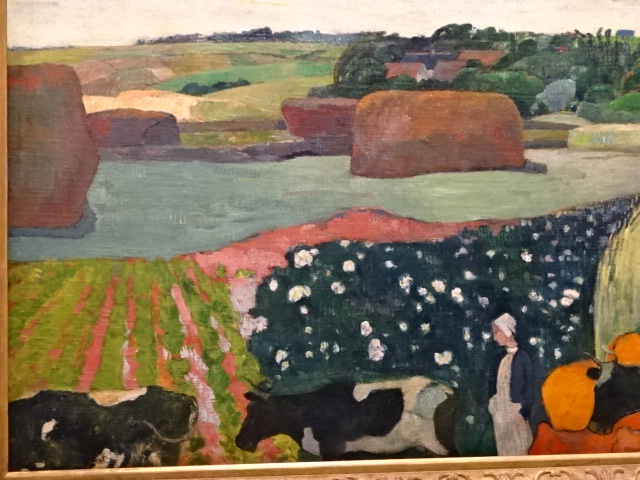
Entranced with the exotic and a supporter of colonialism, Gauguin wanted to flee from Western civilization. After six years in Tahiti, which was under French colonial rule that took advantage of natives, Gauguin left but decided to settle again in the Polynesian Islands during 1895 and never to return to Europe. His works showed off the Primitivism style as he depicted island natives as well as gods in the traditional religion via painting and sculpture. The colors were brash, overly aggressive, the settings wild. His figures did not have realistic boy proportions and showed off geometric qualities. In Tahiti he often produced his works on a rough surface, such as sackcloth or hessian. He used thick and bold brushstrokes. His Primitivism style would greatly influence Pablo Picasso’s works. I was impressed how the exhibition did not fully focus on his time in Tahiti but took into consideration his entire career equally.

Gauguin experienced problems with his heart, sight and ankle, for instance. He took morphine for the pain. At the end of his life, he spent much time writing as his pain sometimes did not permit him to paint. On May 8, 1903 Van Gogh died from syphilis in the Marquéses Islands at age 54.
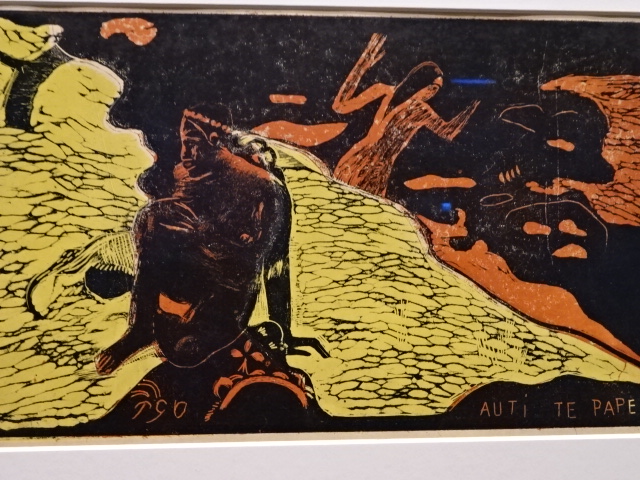
A sign at the entrance to the exhibition addressed Gauguin’s sexism and promotion of post-colonialism, inviting people to look at Gauguin’s work in these contexts. Gauguin had married three young teenagers at various times while living in the Polynesian Islands. Gauguin’s use of Primitivism showed Polynesian women in a racist way, and his works from this era pictorially asserted the power of colonialism. I was impressed with the curator’s attention to the present perspectives.

Overall, I was most impressed by the Brittany and Martinique landscapes as well as by the zinc plates. I had mostly seen Gauguin’s work from his Tahiti tenure. I was glad to get an overview of his work throughout the decades and to see how he developed as an artist in a chronological manner. His use of vibrant color and bold brushstrokes also spoke to me.

Tracy A. Burns is a writer, proofreader and editor in Prague.
Ivan Meštrović Exhibition Diary

Early in 2023, I went to an exhibition of sculpture by late Croatian sculptor, architect and writer Ivan Meštrović. The art gallery at Prague’s main library hosted the intriguing show. I was familiar with the artist’s name: I had admired his villa, the Ivan Meštrović Gallery, in Split on my last trip to Croatia some years ago. It contained 86 sculptures made with various materials, showing off his dramatic, dynamic and expressive style that was both poetic and poignant. Drawings and reliefs were displayed, too. The bronze statue-dotted garden was delightful. One of my favorite things about traveling was being introduced to the works of various artists. I was enamored with Meštrović’s creations, and his unique, powerful style was forever embedded in my memory.

During Meštrović’s illustrious career that spanned six decades, he had been influenced by a number of styles ranging from Art Nouveau, Symbolism, Impressionism, Art Deco, Neoclassicism and Late Realism. Classicism played a major role in shaping his artistic style, too. Auguste Rodin’s naturalist style, which he had meticulously studied, greatly inspired him. During his extensive travels, Meštrović also saw Michelangelo’s creations, which affected his own work. poignant.

Meštrović’s subjects were diverse as well. He took on religious themes, created portrait busts, made sculptural monuments and delved into studies of figures. A firm believer in promoting Yugoslav national identity, he also presented folk themes and national myths. He fervently advocated for pan-Slavism, and some of his works represented historical events in Slav history.

The sculptor’s career took off when he exhibited his works in Vienna during 1905 as part of the Secession Group. While living in Paris for two years, he received recognition from all over the world and was very prolific. Then he spent four years in Rome, where he was lauded for his design of the Serbian Pavilion at Rome’s1911 International Exhibition. During World War I, he traveled extensively and spoke out against the Habsburg monarchy that controlled his homeland.

He returned to his homeland after the war ended and achieved much success while living in Zagreb. He even created many sculptures for King Alexander I of the Kingdom of Serbs, Croats and Slovenes. He continued to travel, even having an exhibition at the Brooklyn Museum in New York during the 1920s.

During World War II, Meštrović’s life was far from rosy. In 1941, he spent three-and-a-half months in prison. The following year his first wife died, and many of her Jewish relatives perished during the war. Thanks to the Vatican, Meštrović was let out of prison and took off to Venice and then back to Rome. He even met Pope Pius XII.

After World War II, he refused to return to Yugoslavia because the Communists were in control. He wound up in the USA during 1946, when he took a position as a professor at Syracuse University. His works were displayed at the Metropolitan Museum of New York the following year, and he was the first Croatian to do so. He continued to achieve great success and much recognition in the USA and even received the American Academy of Arts and Letters’ Gold Medal in the field of sculpture during1953. American President Dwight D. Eisenhower was so impressed with Meštrović that he gave him US citizenship. Meštrović took a job at the University of Notre Dame in Indiana soon after that. He designed monuments at Notre Dame, and his sculpture is featured in the university’s art museum.

He died in Indiana during 1962 at the age of 79 and was buried in his hometown of Otavice, though the Communists in control of Yugoslavia created many difficulties. His sculptures can be seen all over the world: in Serbia and Romania as well as in the United States, including Louisiana, Indiana, New York and Illinois.

This exhibition focused on Meštrović’s Czechoslovak connection as he had developed an affinity for Czech culture. He befriended the first democratic President of Czechoslovakia, Tomáš Garrigue Masaryk. They both had taken an anti-Habsburg stance during World War I. Also, Meštrović and Masaryk had lived in exile during the first World War. They both admired Slav history. While Meštrović wanted a united Yugoslavia of Croats, Serbs and Slovenes, Masaryk tried to forge a united Czechoslovakia of Czechs and Slovaks. Meštrović sculpted two busts of Masaryk in 1923 as well as busts of his wife Charlotte and his daughter Alice. He created these busts at the Czechoslovak President’s summer residence, Lány Chateau. I recalled spending some sunny afternoons in the park of the chateau in Lány as well as paying my respects at the Masaryk family graves.

Masaryk was by no means the only Czech Meštrović knew. For example, Meštrović was friends with Czech sculptor Bohumil Kafka and even created a portrait bust of Kafka during 1908.

Meštrović’s work was first unveiled in Prague during 1903, when the Habsburgs ruled the Czech lands. His work was included in an exhibition featuring Croatian artists at the Mánes Association in Prague. Mestrovic had another exhibition in Prague during 1933. President Masaryk was so impressed with Meštrović that he presented the Croatian sculptor with the Order of the White Lion award during 1926.

I was enthralled with the Czech connection between Meštrović and artists in Czechoslovakia. Tomáš Garrigue Masaryk was one of my heroes, and I was very interested in life during the First Republic, when Masaryk was president. I felt strong emotions when viewing Meštrović’s powerful works. I also thought back to my introduction to Meštrović’s creations in Split. What a discovery! I was glad to be reacquainted with Meštrović’s sculptures. Seeing his renditions in person was a profound experience.

Tracy A. Burns is a writer, proofreader and editor in Prague.

The Old National Gallery in Berlin Diary

BerlinONG20

BerlinONG21

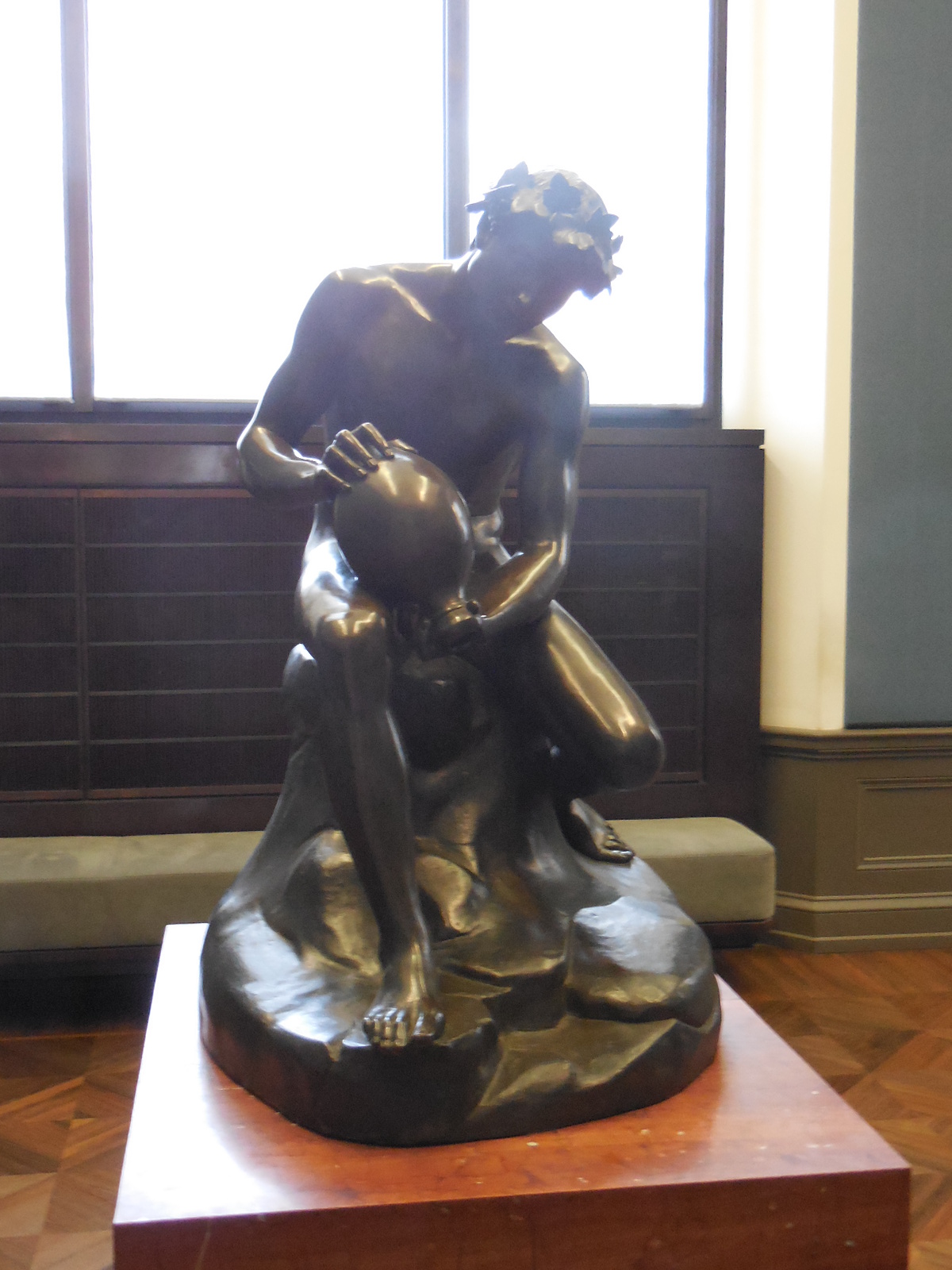
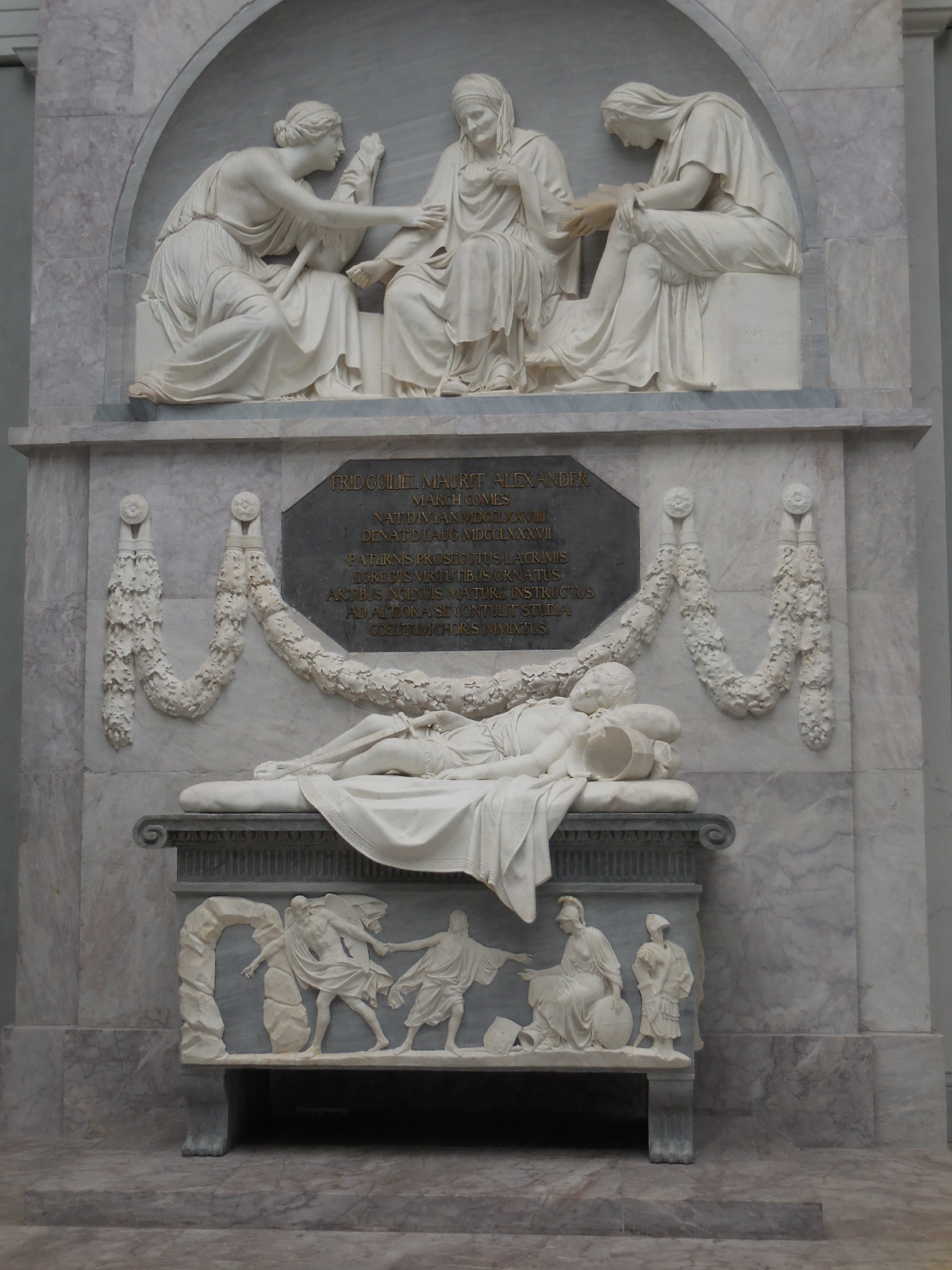
One of my favorite museums in Berlin, the Old National Gallery has the shape of a temple from antiquity, which appealed to me. The museum opened in 1876. While it suffered damage during World War II, it was renovated and opened again in 1949. From 1998 to 2001 it underwent modern reconstruction.

BerlinONG25

BerlinONG26

BerlinONG27

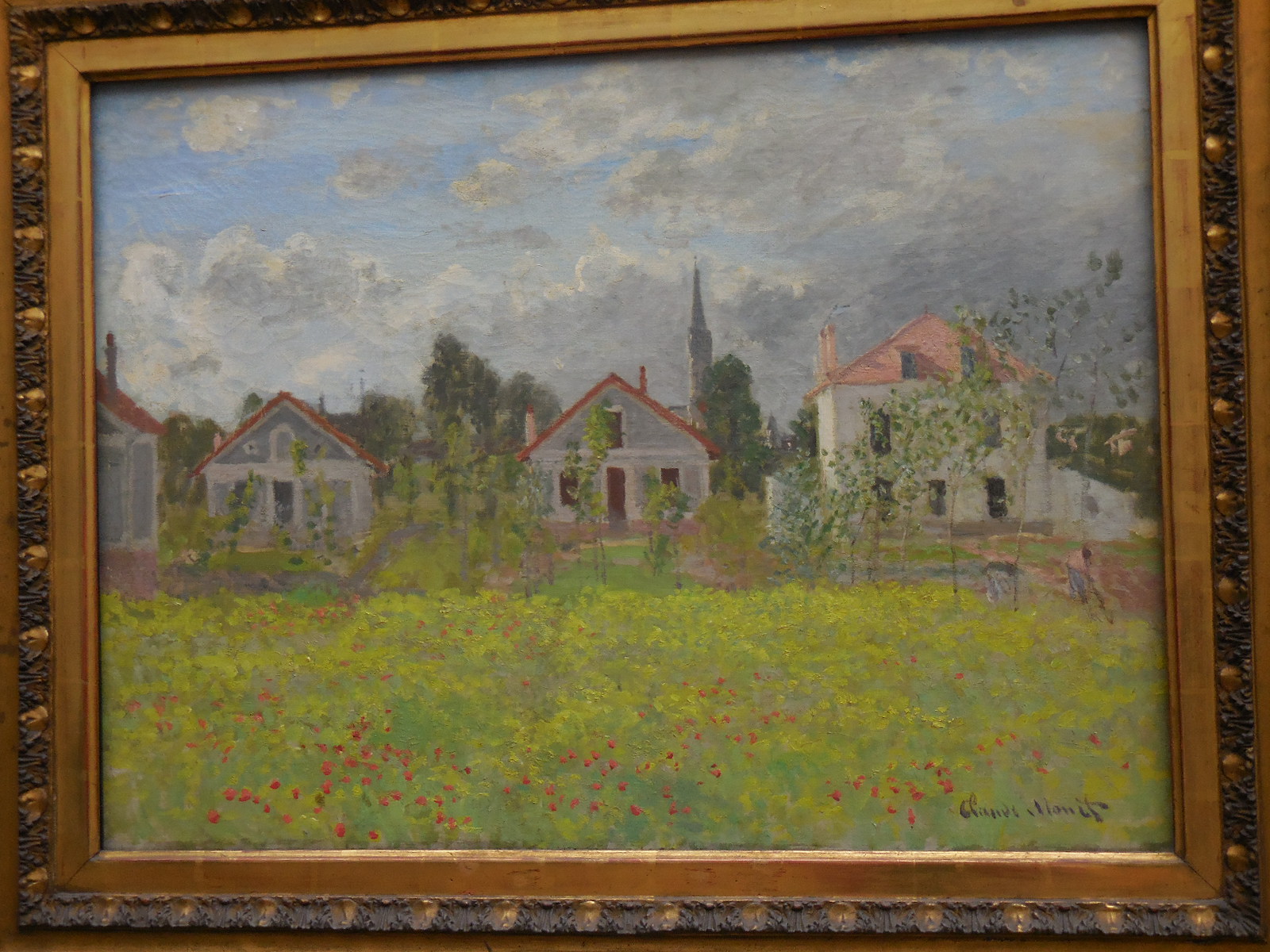
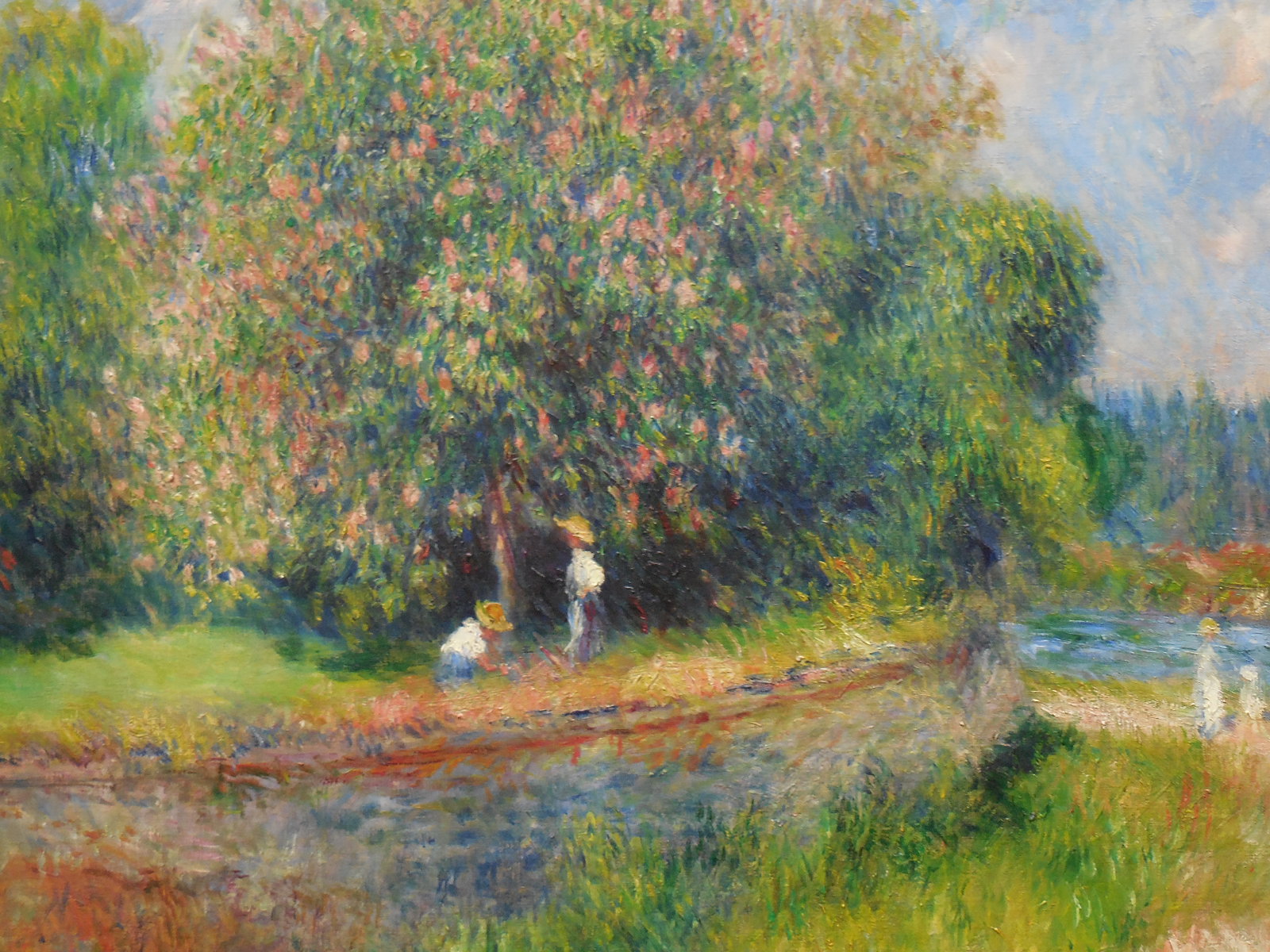
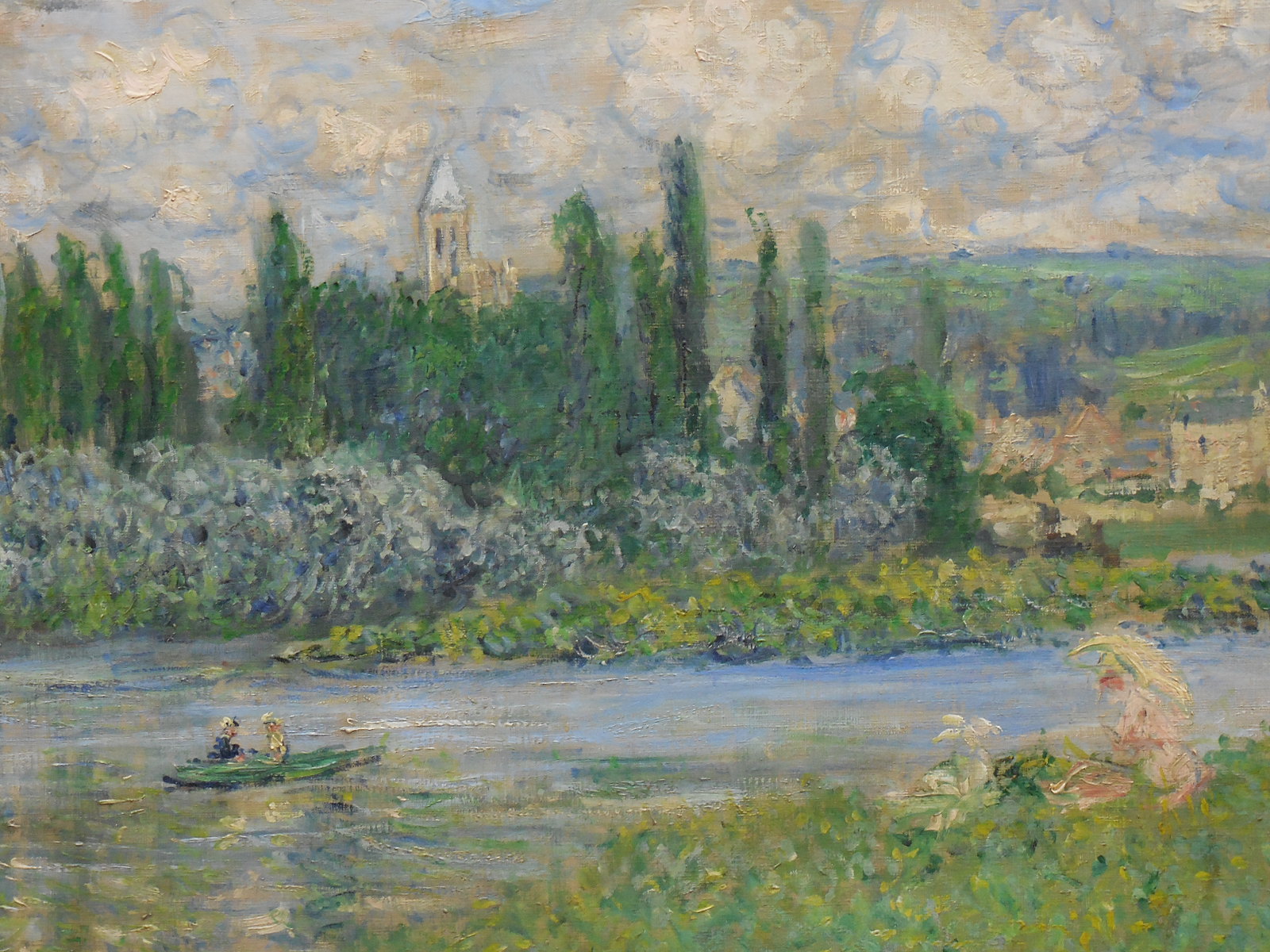
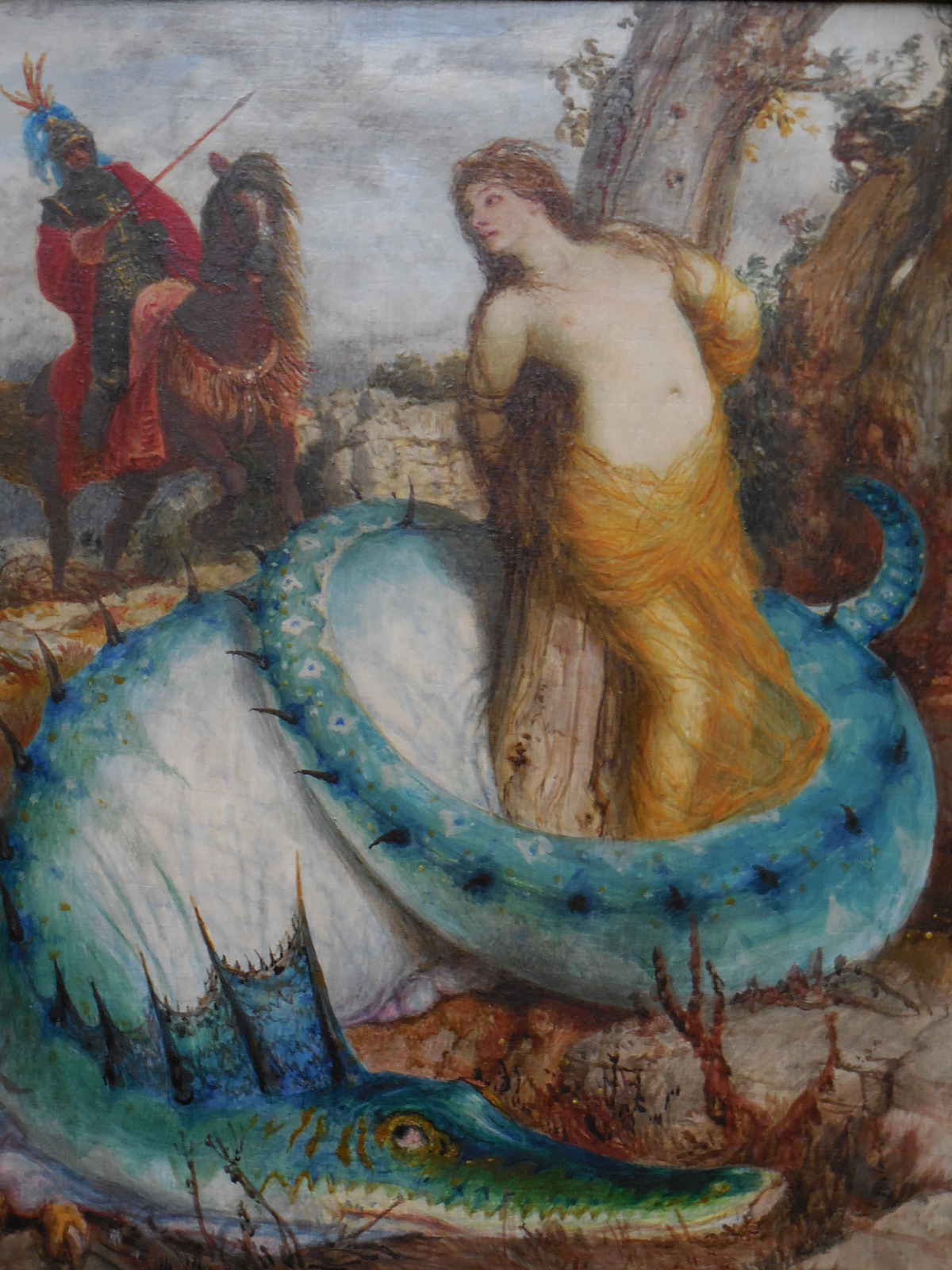
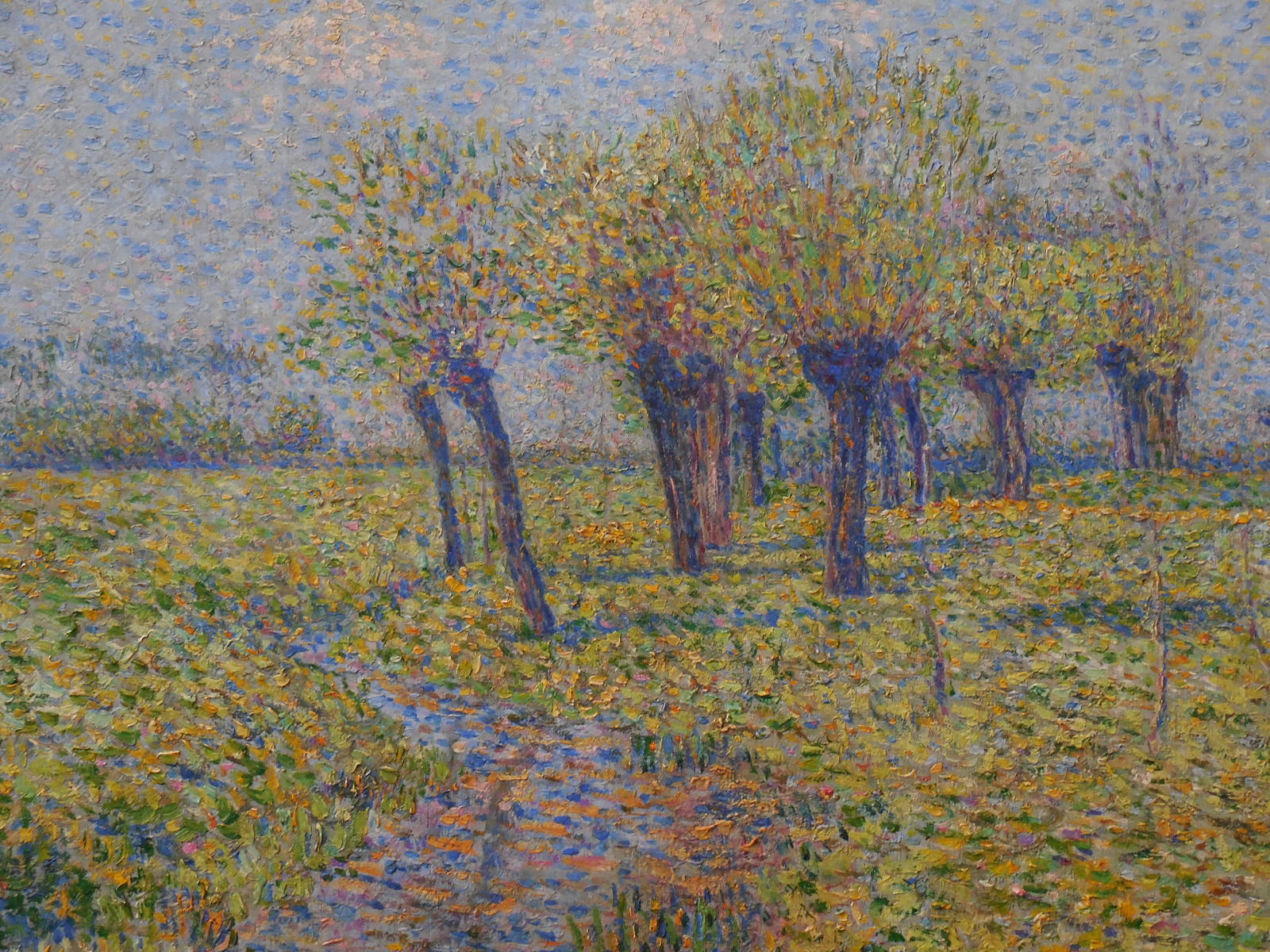
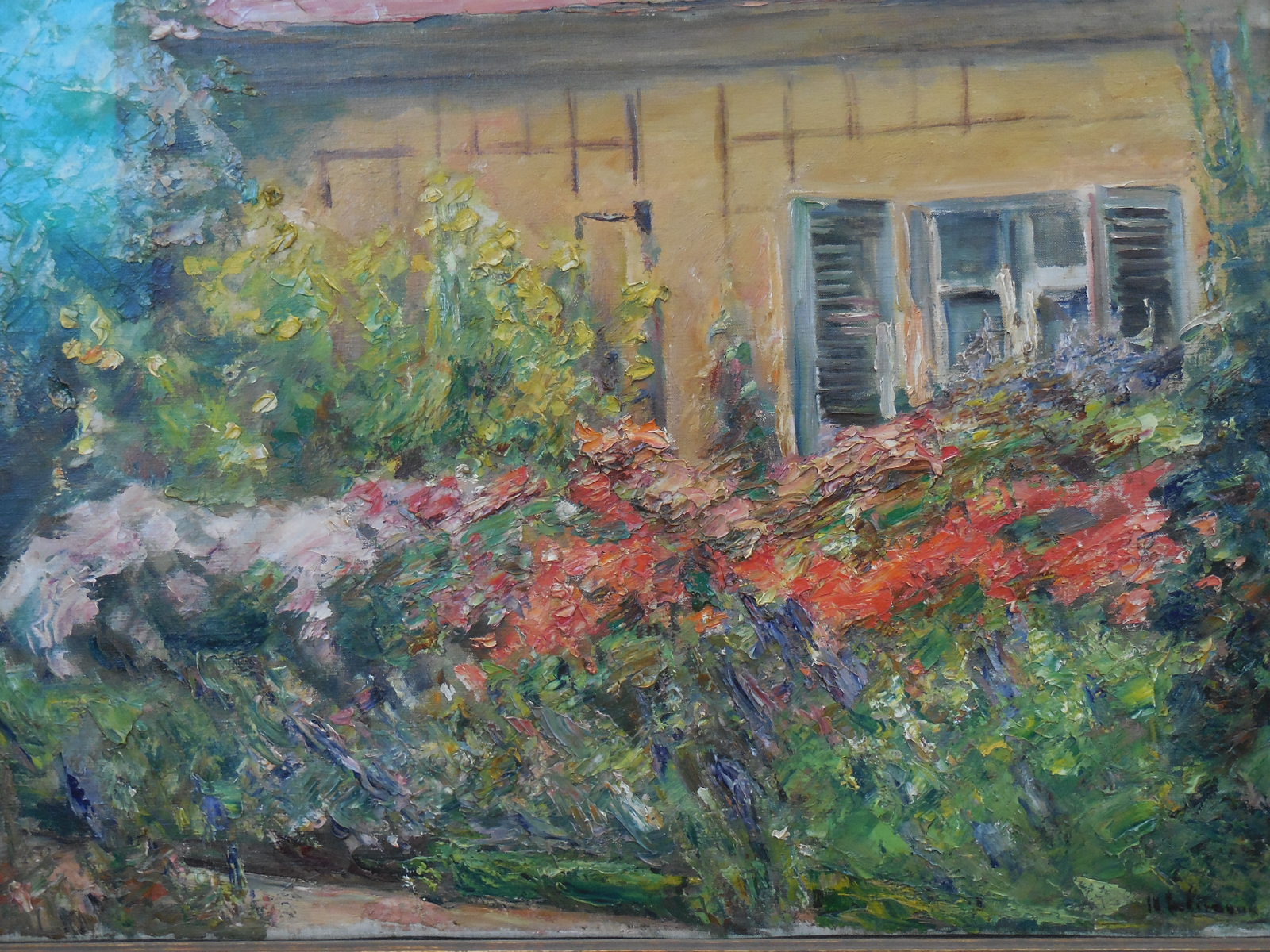
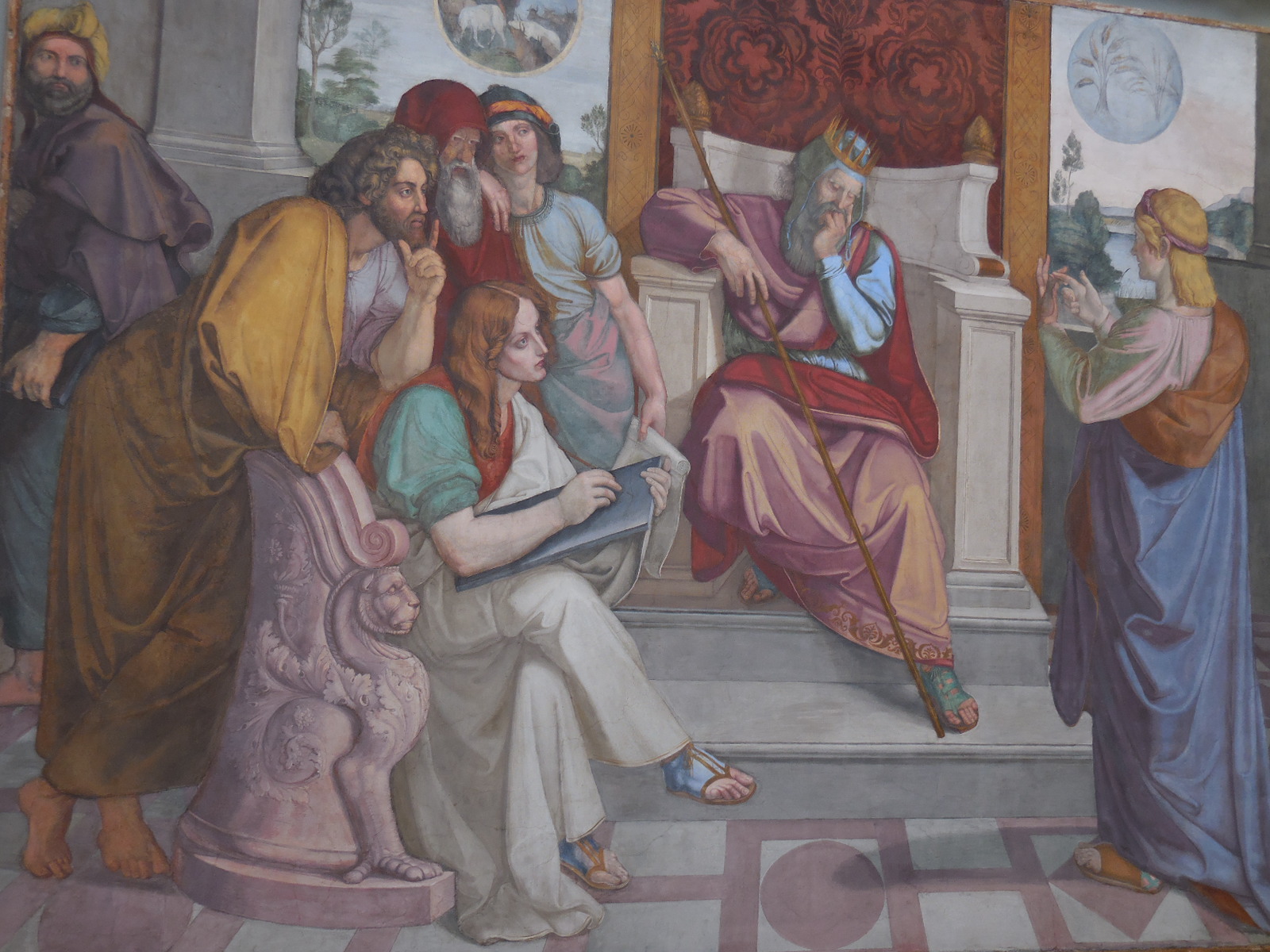
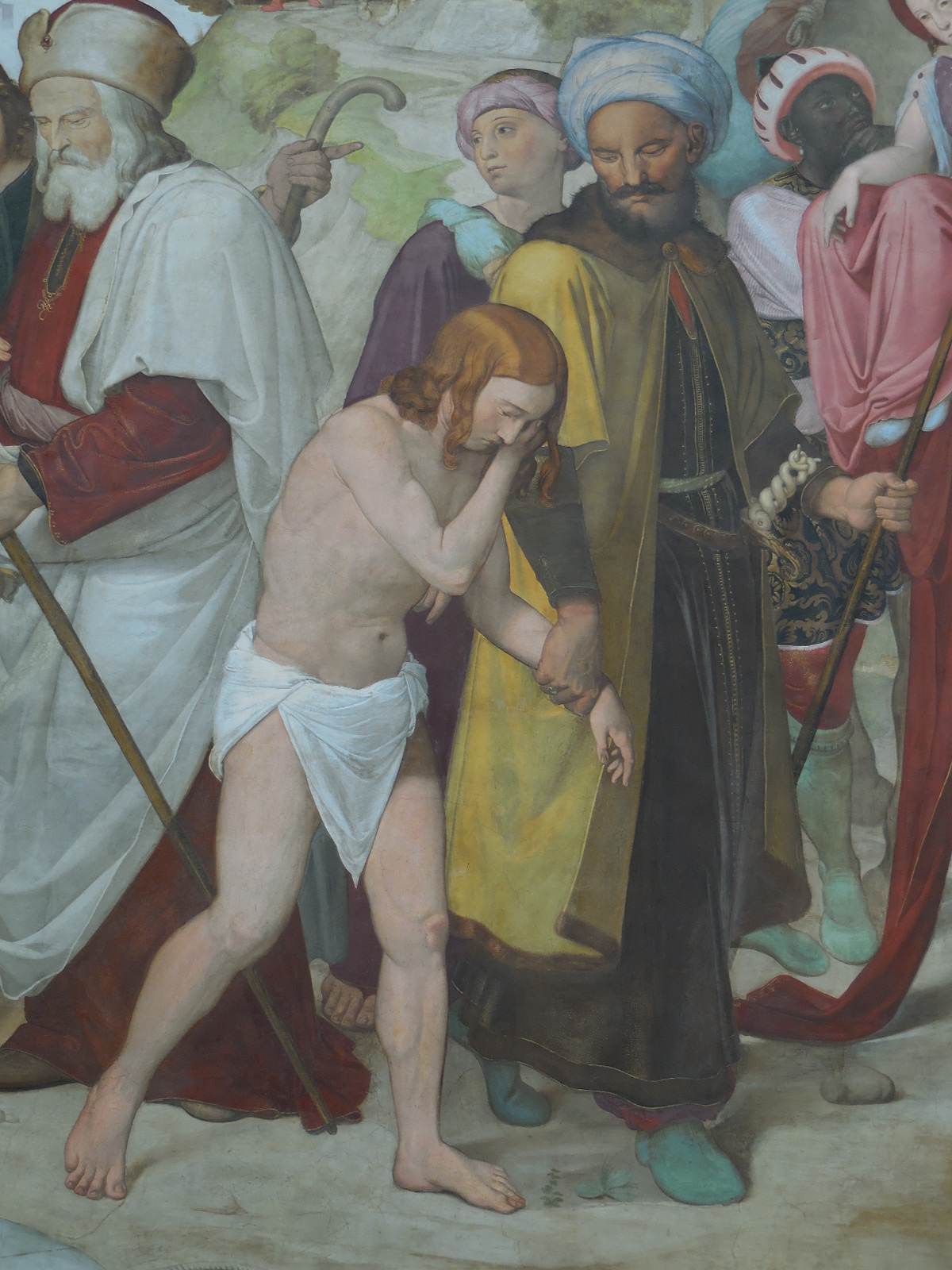
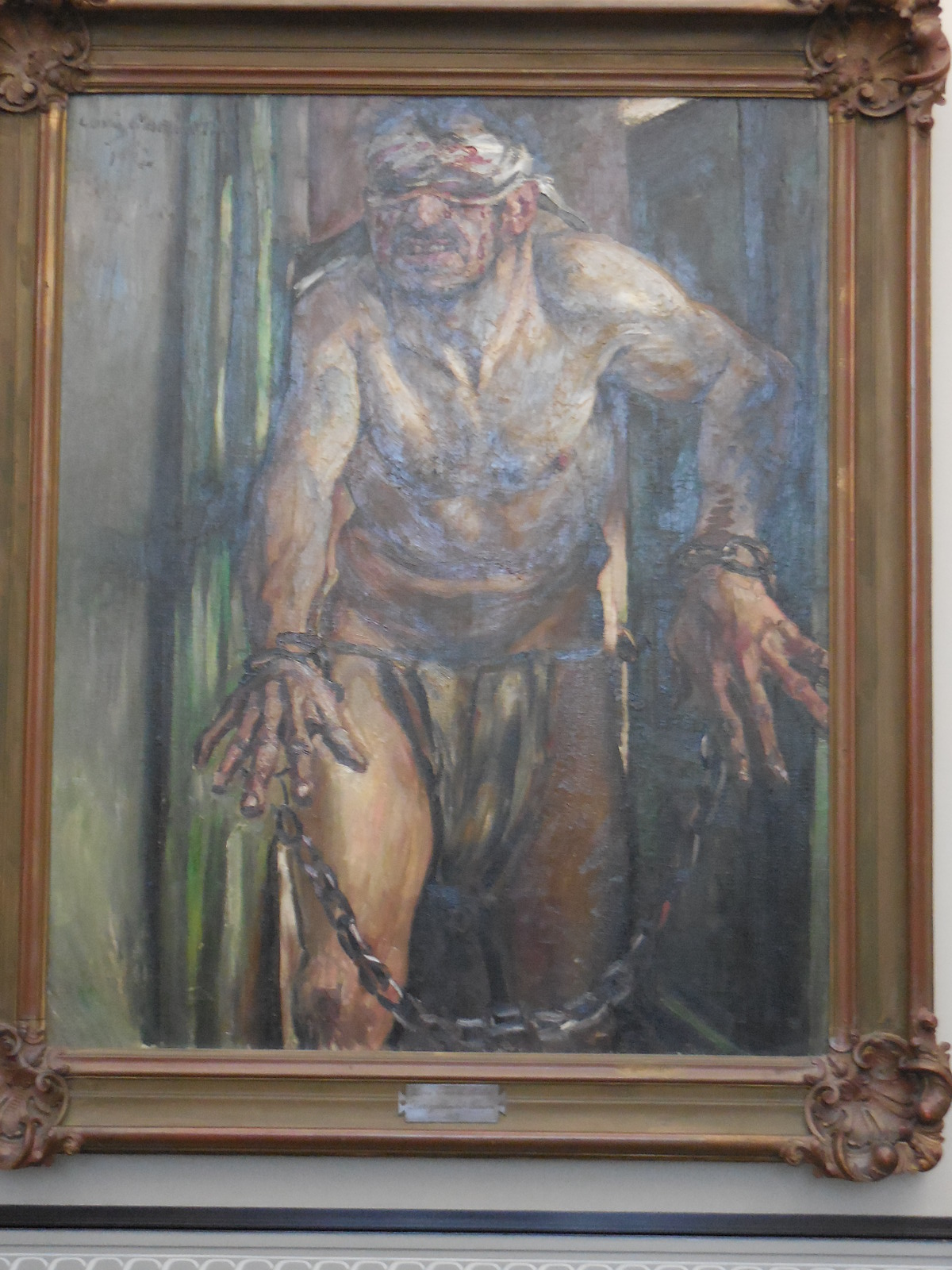
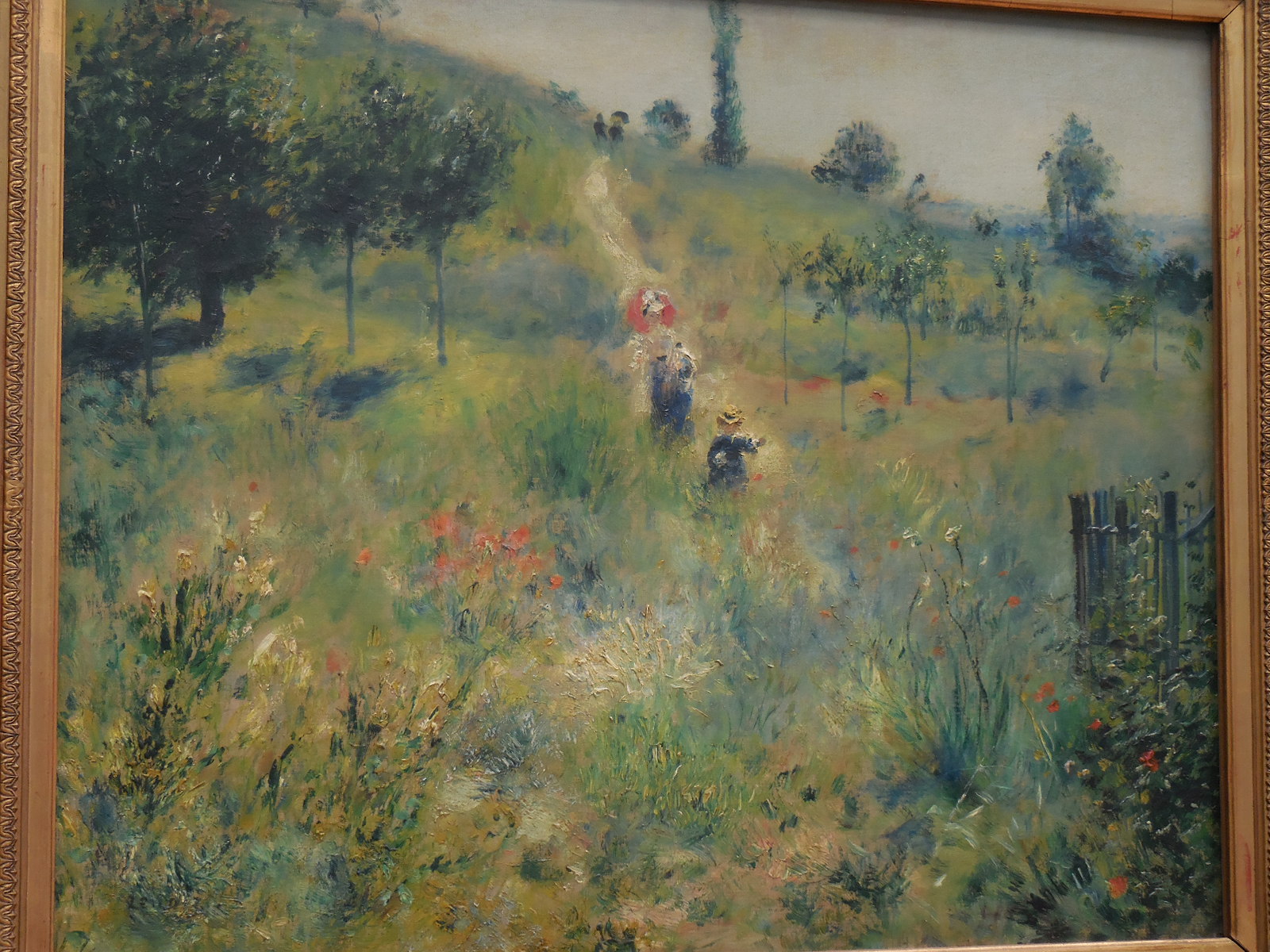
I was so impressed with the collection collection of 19th century art, which ranges in style from NeoClassicist, Romantic to Impressionist. Because Impressionism is my favorite period, I was most struck by the paintings of that era, specifically by the works of Monet. I also admired paintings by Manet and Renoir. The museum also is home to the largest collection of paintings by Adolph Menzel, who I had not heard of previously.

BerlinONG22

BerlinONG23

BerlinONG24

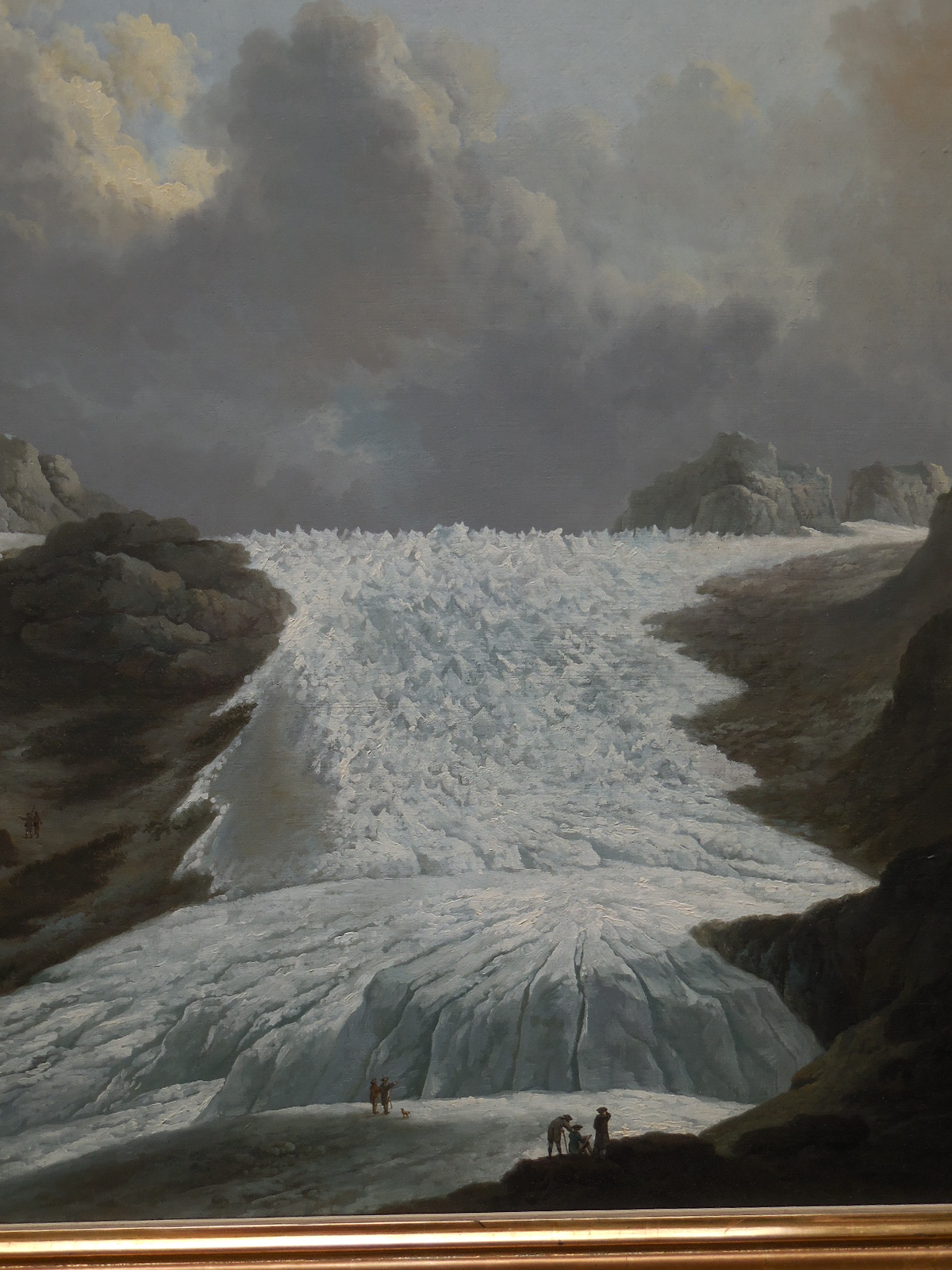
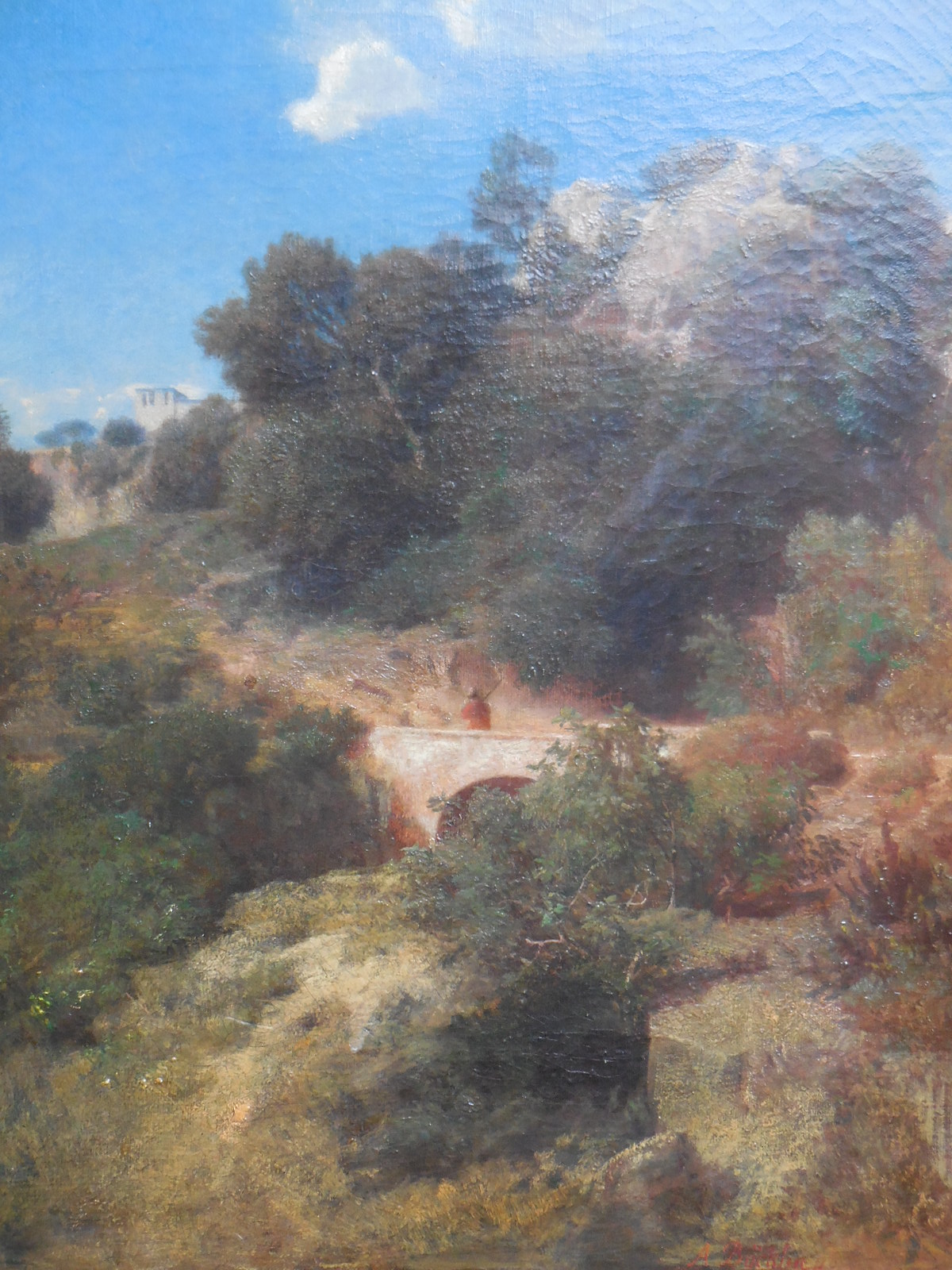
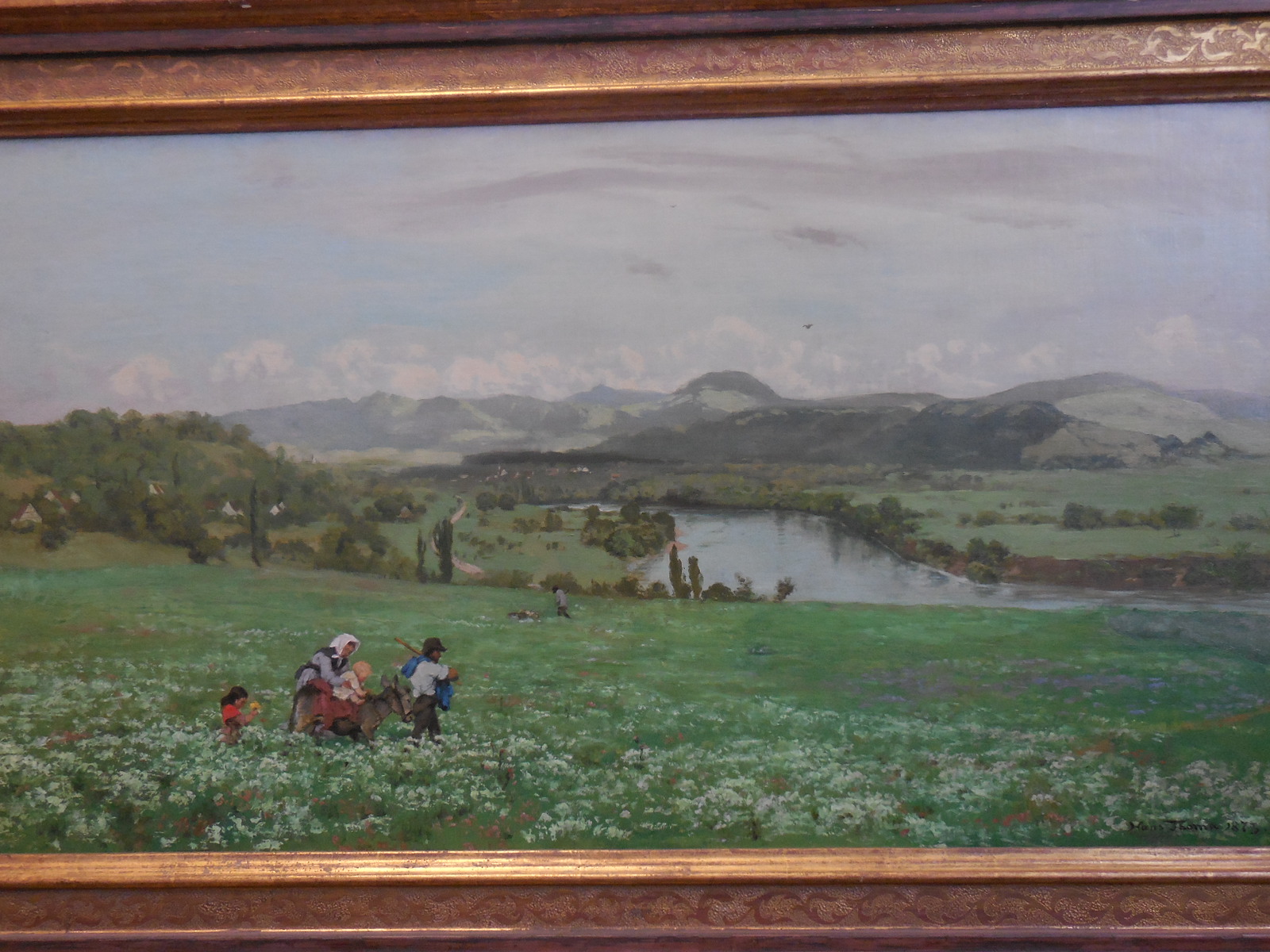
While I was visiting in 2018, there was a fantastic temporary exhibition called Wanderlust. It featured 19th century paintings of landscapes with travelers on foot. I had become a much stronger person from traveling alone, and it reminded me of all my solitary journeys to places unknown. The paintings could represent a person’s journey through life.

BerlinONGWanderlust1

From Wanderlust exhibition

BerlinONGWanderlust2

From Wanderlust exhibition

BerlinONGWanderlust3

From Wanderlust exhibition

I was particularly enamored by the Italian settings of Naples and Sicily in several paintings. I thought back to my trips to those places as I had discovered many gems in Italy and would develop a love for Italy almost as strong as my passion for the Czech Republic.

Tracy A. Burns is a writer, proofreader and editor in Prague.

From Permanent Exhibition

BerlinONG1

BerlinONG16

BerlinONG18

BerlinONG31

BerlinONG38

BerlinONG3

BerlinONG4

BerlinONG5

BerlinONG6

BerlinONG7

BerlinONG10

BerlinONG11

BerlinONG12

BerlinONG13

BerlinONG14

BerlinONG15

BerlinONG28

BerlinONG29

BerlinONG30

BerlinONG32

BerlinONG36

BerlinONG40

BerlinONG41

BerlinONG42

BerlinONG45

BerlinONG46

BerlinONG47

Wanderlust Temporary Exhibition

BerlinONGWanderlust7

BerlinONGWanderlust8

BerlinONGWanderlust10

BerlinONGWanderlust11

My favorite painting in the temporary exhibition

BerlinONGWanderlust12

BerlinONGWanderlust15

BerlinONGWanderlust16