The Last Century – Twenty Artists Exhibition Diary

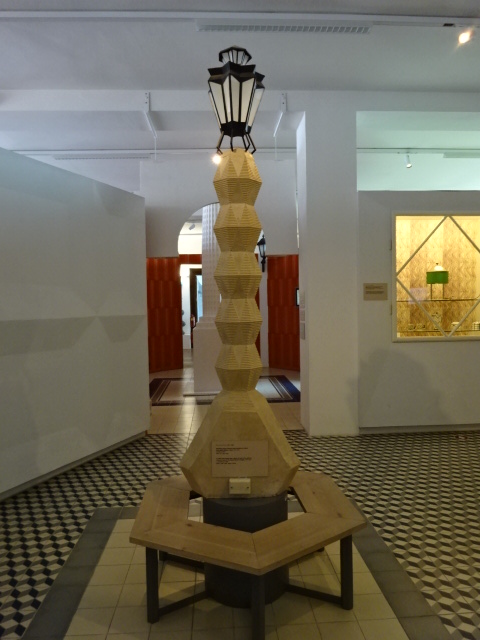
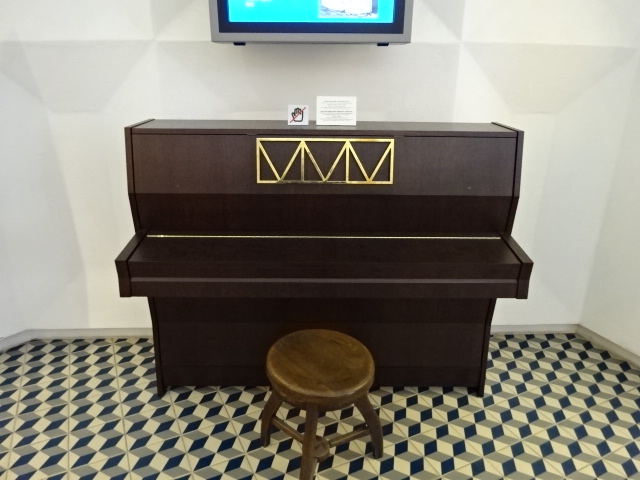
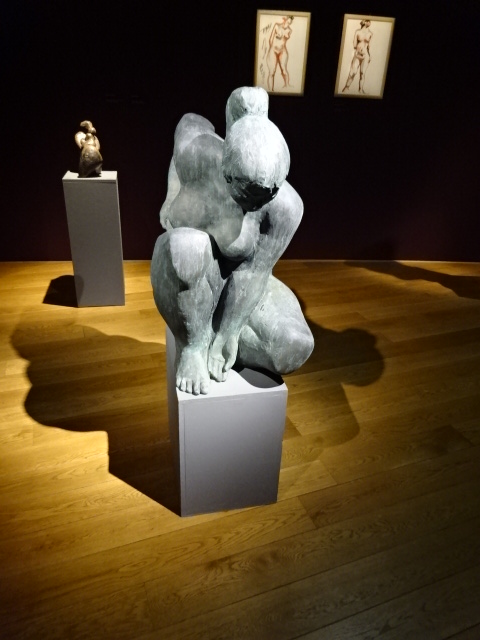
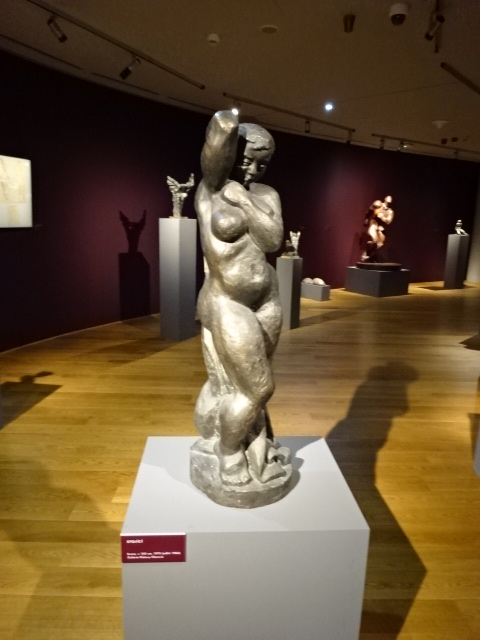
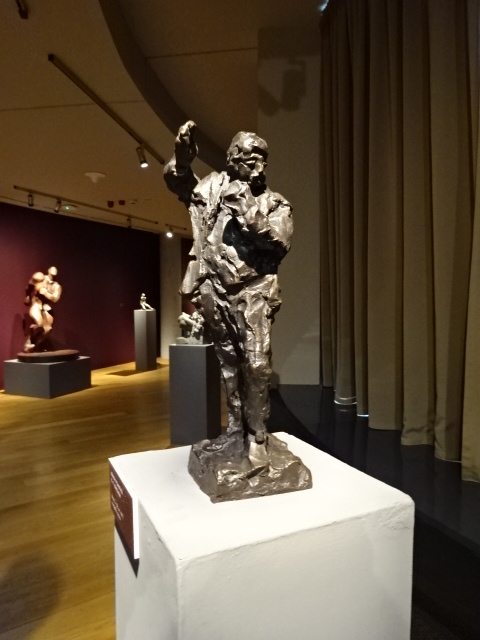
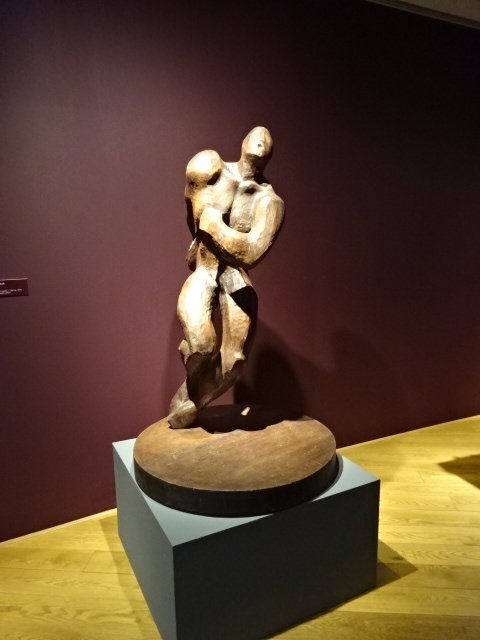
This permanent exhibition at the Gallery of Modern Art in Hradec Králové showcases the works of some of the most influential Czech artists of the 20th century. I liked the fact that the works were organized by person with commentary about the artists’ backgrounds and styles. I will highlight the creations that most influenced me, although all the painters and sculptors are important.

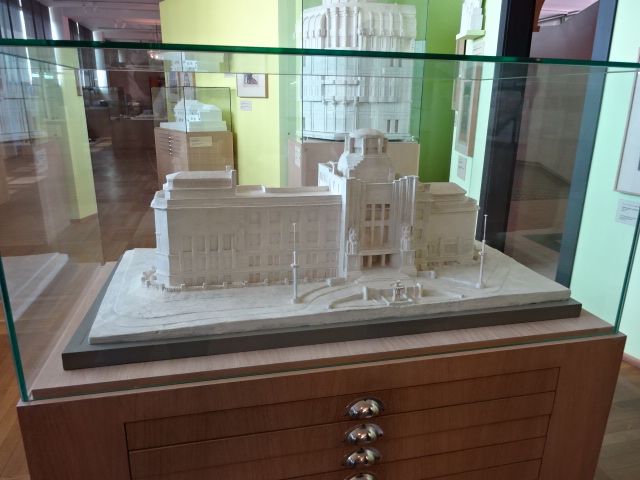
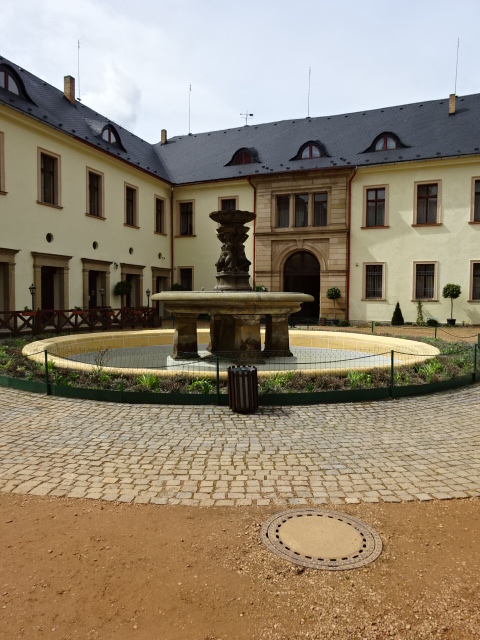
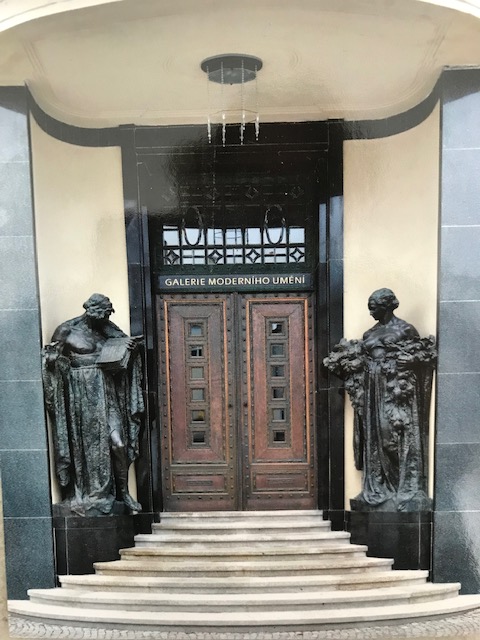
First, about the building housing the Gallery of Modern Art: Like many edifices in Hradec Králové, the museum is an architectural gem. Facing the town’s main square, the building that was completed in 1912 by Osvald Polívka is impressive with two statues flanking the façade. These sculptures were made by Ladislav Šaloun in 1908 and show allegories of commerce and the harvest. Reliefs of atlases with dogs at their feet also make up the external ornamentation. Polívka’s Art Nouveau designs can be found in Prague’s Municipal House, which he decorated from 1905 to 1912. I tell everyone coming to Prague to tour the Art Nouveau Municipal House, as it is certain to be a highlight of any visit. Šaloun created the statue of Jan Hus that dominates Prague’s Old Town Square.

Several banks were housed in this building before and during the First Republic. For many years under Communism, the Cotton Industry Association and an agricultural company called the place home. Renovations took place in the late 1960s. In 1987, the totalitarian regime transformed the building into the Museum of Revolutionary Traditions. This totalitarian exhibition was closed after the 1989 Velvet Revolution that freed Czechoslovakia from Communist control.

In 1990, the Gallery of Modern Art took up residence there. From 2014 to 2016, both the interior and exterior underwent a vast renovation. A walkway was formed around the central atrium, for example. The interior boasts geometric shapes, floral designs and Art Nouveau-styled adornment of garlands and cherubs. I especially liked the stained glass window decoration.

Here are some of my favorite artists represented in this exhibition:

Fate of the Artist, 1909

Quido Kocián

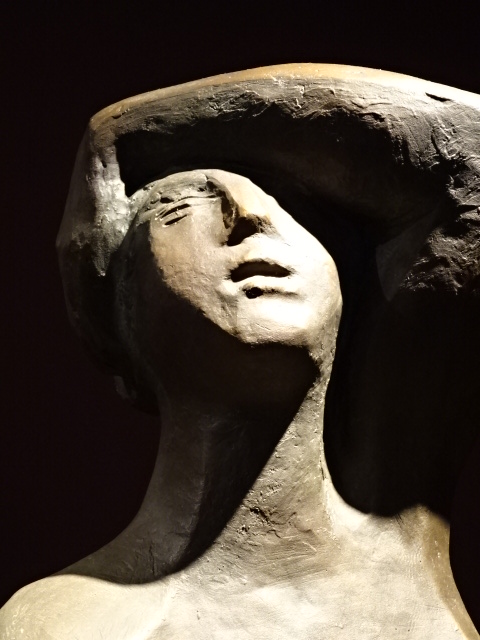
The expressive sculpture of Quido Kocián was influenced by symbolism and Art Nouveau. I love how he was able to express basic emotions like love and suffering. I went to a superb exhibition of his work about 15 years ago on Husova Street in Prague. In some statues I could see the turmoil and anguish of the persons depicted. Other sculptures triggered feelings of happiness and fulfillment. Kocián had a knack for depicting various psychological states and the depths of the human soul. He studied under legendary artist Josef Václav Myslbek but wound up rebelling against Myslbek’s traditional style, opting for expressiveness instead. Kocián’s works were not fully appreciated in the Czech art history sphere for a long time.

Ladislav Zívr

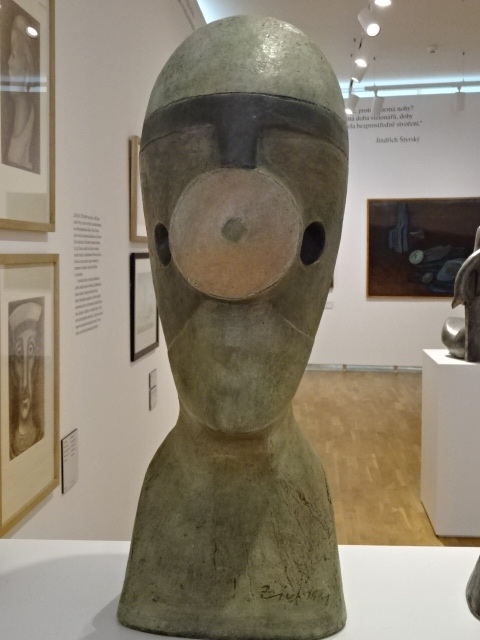
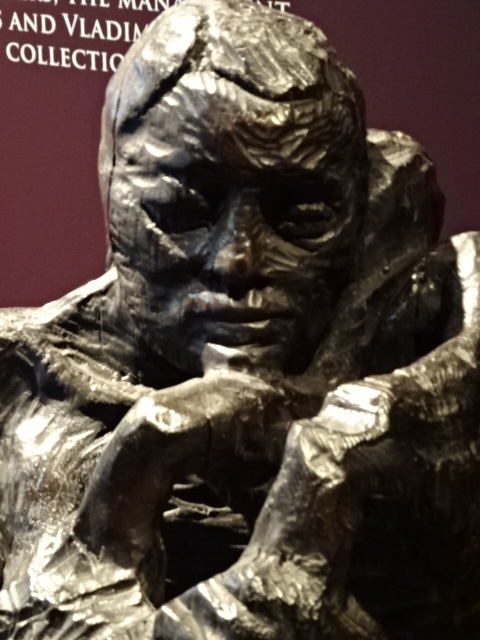
Surgeon, 1961

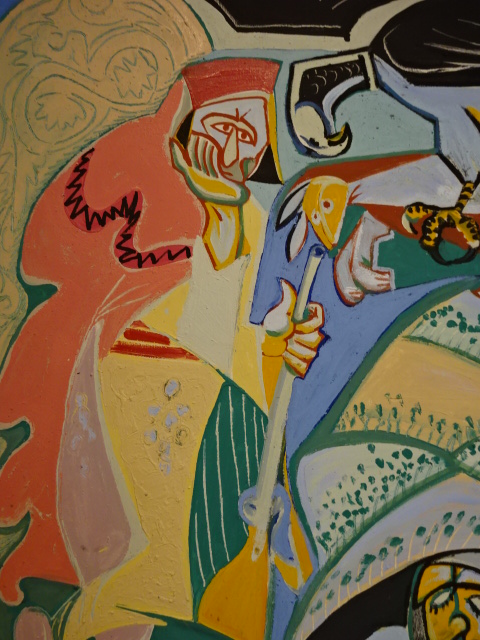
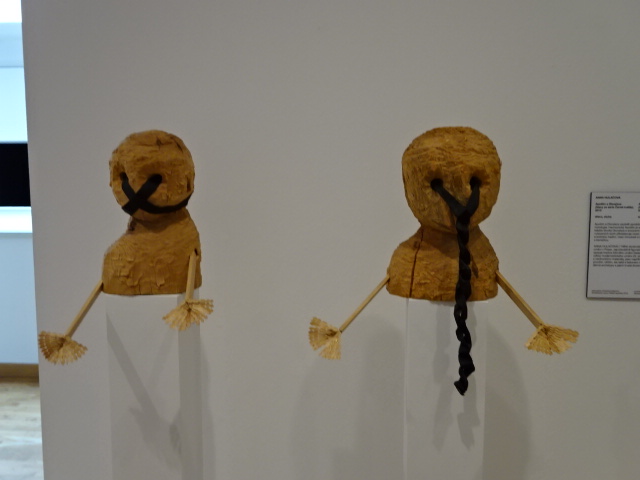
A member of the artist Group 42, Zívr focused on everyday life, a feature that is dear to me in all art forms. Inspired by Cubism and the creations of Otto Gutfreund, he made sculptures that have machine-like qualities as well as human traits. He had a penchant for surrealism. After the world wars, Zívr was influenced by nature, and his works portrayed strong symbolism. I liked the way he was able to express a person’s soul through primitive forms.

Jiří Kolář

I had been to a large exhibition of Kolář’s works in Prague’s Kinský Palace some years ago and was very familiar with his collages that included cut out images and words from publications. (See my article about the exhibition in a much earlier post called Jiří Kolář Exhibition Diary) He was a poet and prose writer as well as a fierce critic of Communism. Kolář emigrated to Paris in 1979. He often used phrases from books or created his own poems in his collages. His works lingered on the border of the dream realm and reality, a trait I found very intriguing. A staunch supporter of democracy, Kolář was also one of the first Czechs to sign Charter 77, a document written by dissidents to promote human rights in the normalization era of Communist Czechoslovakia. He played a major role in publishing literature banned by the regime. Kolář was also one of the founders of the influential Group 42.

Jaroslav Róna

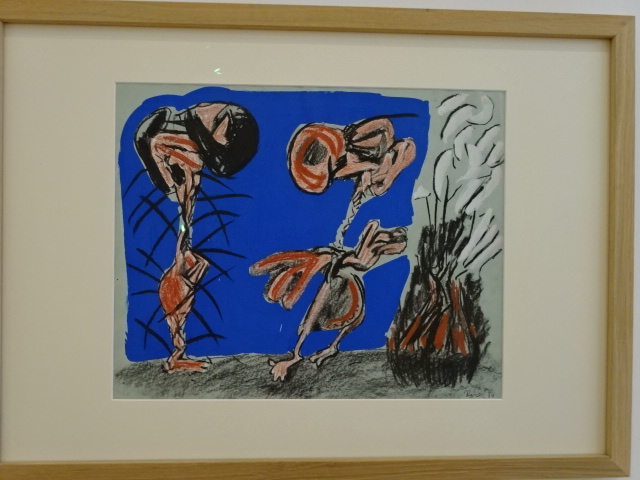
Scene by the Fire, 1984

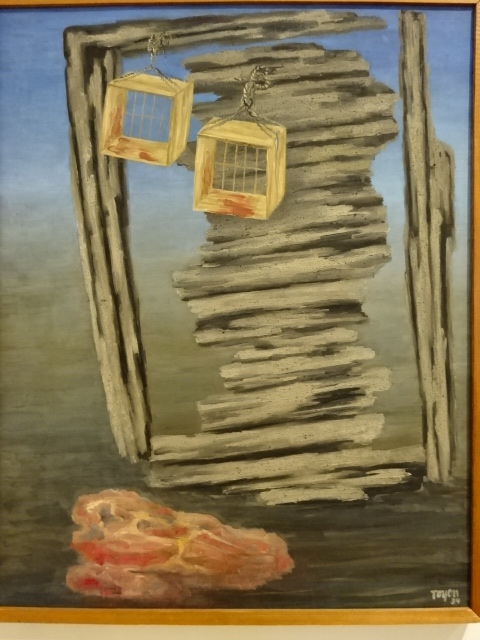
I know Róna’s sculptures well, but I was not familiar with his paintings. Róna designed the abstract Franz Kafka Monument in Prague’s Jewish Quarter, an important sculpture to see in the Jewish Town. He is, indeed, a man of many talents: He has also worked as a painter, illustrator, screenwriter, author of books, actor, singer and educator. His works have a certain dynamic energy. He has been inspired by the Expressionism style of Edvard Munch, Oskar Kokoschka, Max Beckmann, Egon Schiele and Pablo Picasso. A supporter of democracy, he drew brochures for the Velvet Revolution during 1989. Rona is also an avid traveler. His sculptures can be found at Prague Castle as well as on the island of Crete and in many other places.

Josef Váchal

Sacrifice, undated

I liked the mystical quality in Váchal’s works. He was a graphic designer, wood engraver, bookmaker, writer and painter who excelled in all those genres. Váchal was inspired by expressionism. His works featured symbolism, naturalism and Art Nouveau tendencies. A soldier during World War I, he fought in 12 battles. The Communist coup brought hard times for Váchal, who remained isolated after 1948. People did not show much interest in his work then. In the 1960s, he received some acclaim. Much later people recognized that Váchal had created some of the most significant works of Czech graphic design in the 20th century.

Augusta Nekolová

Four Seasons, 1914

Because Nekolová was female, she had limited educational opportunities during the 19th and early 20th century. She did, however, study unofficially under the prominent Czech artist, Jan Preisler. Nekolová worked as a painter, illustrator and graphic artist. She steered away from representations of modern life in her works. She was known for her landscapes and for her emphasis on motherhood. Nekolová strove to promote the national identity of the Slav nation. She developed a strong interest in folk culture. At the end of World War I, Nekolová was hospitalized. She died in 1919 at the age of 29.

Bohumil Kubišta

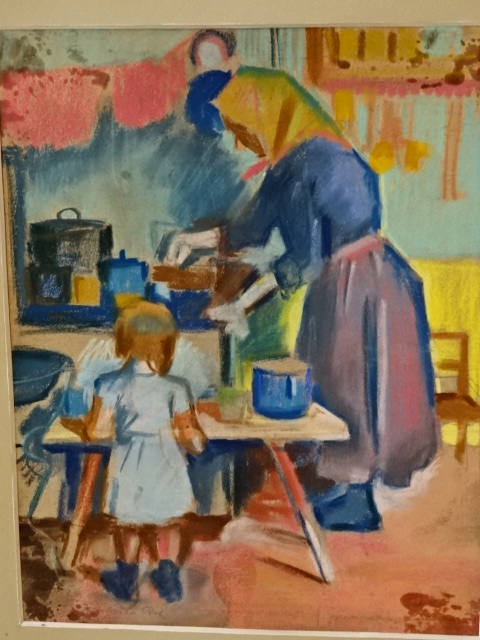
In the Kitchen, 1908

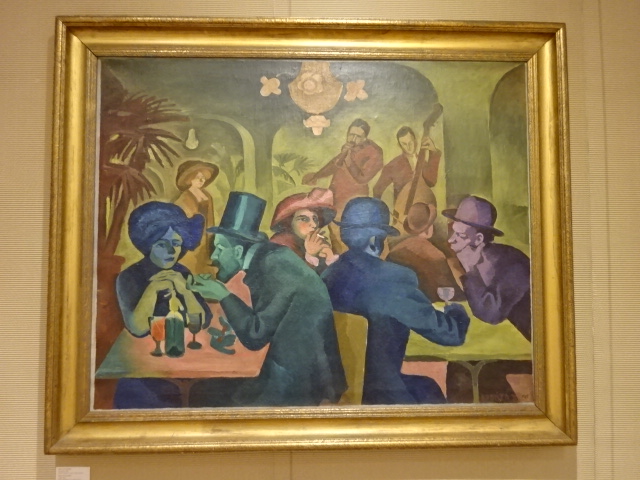
Café, 1910

A prominent avant-garde artist, Kubišta helped found the Expressionist group the Osma (The Eight). He was a painter, graphic designer and theoretician and is considered to be the founder of Czech modern painting. His works dealt with existential issues. Kubišta’s expressionism was inspired by Munch. He was also influenced by Braque and Picasso’s Cubism. Kubišta analyzed the works of Eugene Delacroix and Vincent Van Gogh. His works also contain elements of Futurism and Fauvism. Kubišta often explored themes dealing with modern technology and nature. While serving in the Austrian army during World War I, he won the distinguished Leopold Order. He died of the Spanish flu at the age of 34 in 1918.

Emil Filla

Dance of Salome, 1911

Hej hore háj, Folk Song, 1948

Along with Kubišta, Filla established the Osma group. He also was known for his writings about art theory. During his early artistic endeavors, he drew inspiration from Edvard Munch’s Expressionism. Later he took up Cubism, influenced by Picasso and Braque. He also was captivated by Baroque still lifes by Dutch painters. El Greco and his symbolism fascinated Filla. In the 1930s, he became enthralled with surrealism. His landscapes demonstrate his knowledge of Chinese calligraphy. My favorite trait in his paintings involves his use of a harmony of colors.

Repression (Anxiety) by Josef Wagner – temporary exhibition

I especially liked the exhibition’s pieces of art influenced by Expressionism and Cubism. The colors and shapes in Kubišta’s and Filla’s works caught my undivided attention. I was introduced to Nekolová’s art and intriguing background at this exhibition. I was fascinated how Quido Kocián captured the emotions of the human soul in his sculptures while Zívr concentrated on simple forms to create profound meaning. Kolář’s collages were a sort of visual poetry. Váchal and Róna’s creations displayed impressive energy.

Moscow Diary, 1989 by Anna Daučíková

It was my first visit to Hradec Králové, except for brief stops at the train station and bus station. The Gallery of Modern Art with its poignant exterior and interior decoration and use of space was one of the most impressive buildings I saw.

Tracy A. Burns is a writer, proofreader and editor in Prague.

Landscape, 1962 by Vladimír Boudník

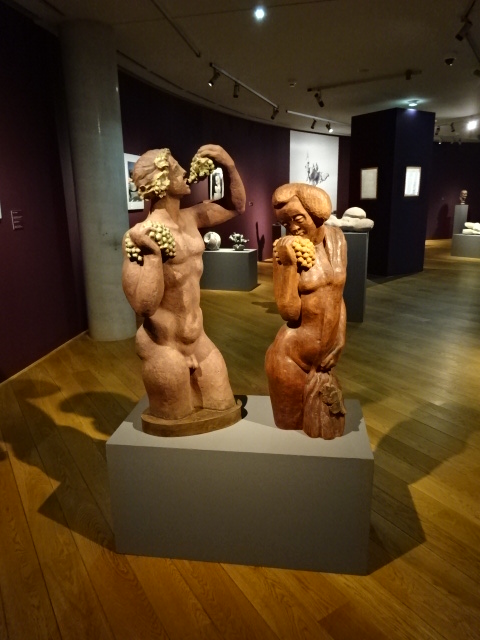
Apollo and Dionysus, 2013 by Anna Hulačová

The gallery also has an impressive collection of contemporary art.

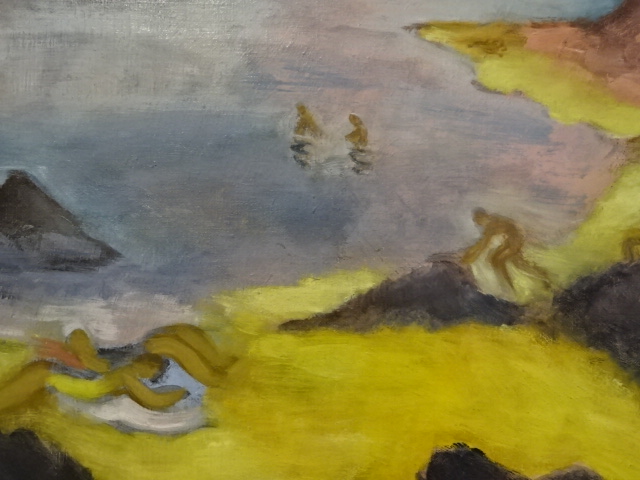
Beach in Crimea (In A Small Bay), 1936 by Věra Jičínská, temporary exhibition

See my post Věra Jičínská Exhibition Diary for more information on this temporary show.

Věra Jičínská Exhibition Diary

Věra Jičínská – On the Terrace, 1934. Photo from webpages of Gallery of Modern Art, Hradec Králové.

What I like most about visiting Czech museums outside of Prague is that I often find an exhibition dedicated to an artist who is underrated and has been overlooked by the capital city’s art scene.I was in luck when I visited the Gallery of Modern Art in east Bohemia’s Hradec Králové because I came across an exhibition dedicated to the late artist and writer Věra Jičínská, who had made a name for herself in Europe during the interwar years. While she is best known as a painter, the thrilling show also emphasized her penchant for traveling and her talent as a journalist, photographer and designer. Back then, women were not expected to have careers but rather to dedicate their lives to raising a family. Jičínská demonstrated her independence by concentrating on an artistic career, smoking and sporting short hair.

Beach in Crimea (In a Small Bay), 1936.

Jičínská grew up near Brno and later studied in Prague at the School of Decorative Arts. She spent the following years living abroad, exhibiting her art during a seven-year sojourn in Paris after spending two years in Munich. In Paris she became steadfast friends with Czech painter Jan Zrzavý and composer Bohuslav Martinů. Her early career was influenced by Purism and Cubism, but during 1925 she developed a Neoclassical style. By the 1930s, her works were imbued with bright colors.

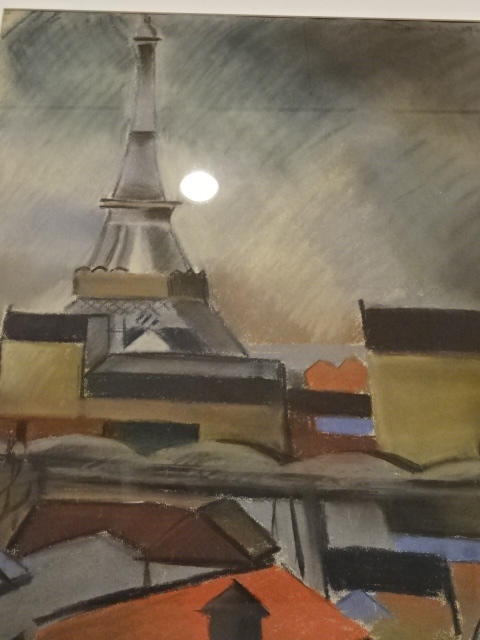
Parisian rooftops, 1923-24.

The exhibition’s display of paintings inspired by her travels was my favorite section. Jičínská’s paintings of Brittany’s landscape and fishing tradition captured my attention. That was one place I longed to see. Her romantic rendition of Paris’ rooftops and the Eiffel Tower brought back memories of my visits to the French capital. I went up the Eiffel Tower for the first time when I was a junior in college.  As my friend and I enjoyed the sights from early morning until night every day, we drew energy from the electric atmosphere of the city and its many wonders. Her works showing places in Hungary and Czechoslovakia also captured my attention.

The Eiffel Tower, 1927.

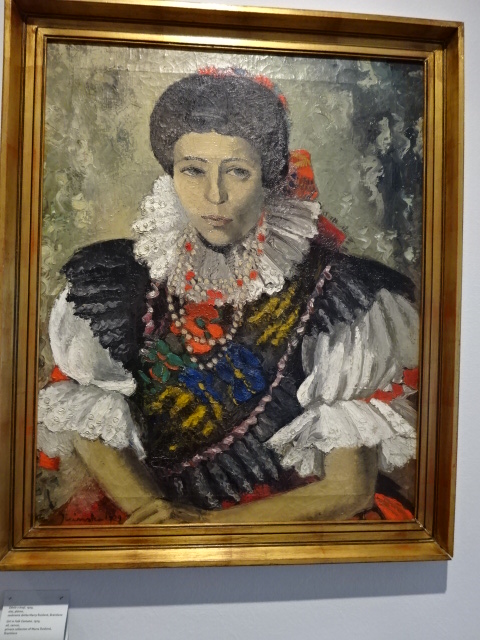
Jičínská also became known for painting female nudes, a subject that, up until then, only had been taken up by male artists. She celebrated the female body in her works, even painting pregnant women. Dance was another theme she dealt with. The bright colors of her painting “Alexander Sakharov in a Fantastic Burlesque” captured the vibrancy of the dance. She was fascinated by folk culture. Her “Girl in Folk Costume” emphasized the beauty of the people, their costumes and folk traditions. Some of her art focused on Hindu dance themes, too.

Journalism by Věra Jičínská

In the early 1930s, she took up journalism. Her articles examined modern culture – theatre, film and architecture, for instance. The profession of journalism was also the theme of some of her paintings. I had spent time as a culture writer for various publications, and her thirst for knowledge in the cultural sphere made me feel a certain kinship.

In 1930 she married a former classmate. The following year the couple moved to Prague, though her work was still exhibited throughout Europe. Together, the two trekked to Slovakia during 1933 and 1934, and she documented her trip with masterful photographs. Her pictures from Slovakia brought out the character of the people photographed. There was no exaggeration or embellishment to the photos. She emphasized everyday activities in her snapshots. This feature made me think of my favorite Czech writer, Bohumil Hrabal, who, in his fiction, stressed the beauty of everyday life. Ever since I read his books, I have become more appreciative of the little things in life that, up until that time, I would often take for granted, the small joys that take on so much meaning when they are gone.

Gulls, 1933.

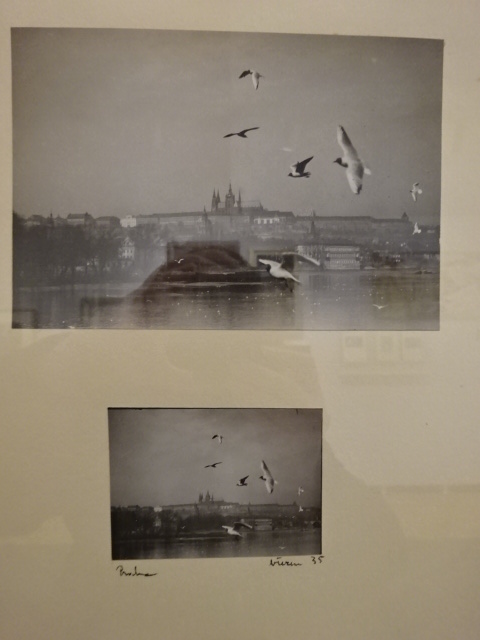
Still, the one photograph that impressed me the most featured gulls swooping around Prague Castle. I was reminded of one of the many views that had made me fall in love with the city – Prague Castle from several of the bridges, Prague Castle from the Vltava embankment, Prague Castle from the window of a flat I had rented long ago. After the attacks on September 11, 2001, I found great solace in that postcard perfect view from the apartment where I was living at the time. It helped me deal with the tragedy of that day, which would be forever etched in so many minds. Jičínská also took poignant photos during trips to Poland, Russia and Ukraine.

Brittany, 1928.

In 1937, her life changed again. Jičínská gave birth to a daughter whom she named Dana. While she devoted much time to motherhood, she did not give up her career. She even exhibited works during World War II. By 1941, she was concentrating on working with pastels to create a colorful dynamic and rendering many landscapes. In 1946, the couple bought a cottage in Říčky, a village nestled in the Orlické Mountains. Jičínská often painted there, and  many Czech artists visited the couple during the 1950s.

The Communist coup of 1948 had had a devastating effect on Jičínská and her family. Her husband’s publishing house was nationalized, and he was no longer the boss but rather one of the employees. Her parents had lived in a villa in Brno, but the Communists only let them occupy several rooms. To make matters worse, her father saw his pension dwindle.

Girl in Folk Costume, 1929.

Due to the financial hardships, Jičínská branched out into more artistic fields. She designed postcards and became a designer who often worked with ceramics. In 1952 she was restoring a ceiling fresco at the Czechoslovak Academy of Arts and Sciences when the scaffolding collapsed. She was severely injured and could not continue as a painter. She focused on her work as a designer. On March 27, 1961, a year after her daughter married, Jičínská died in Prague.

Before this exhibition I had not even heard of Věra Jičínská. After seeing her works, I appreciated the obstacles she must have come across pursuing a career as a female artist, journalist and traveler during the interwar years. I grew up playing baseball and ice hockey with boys, and I often was the only girl in the baseball league. But that was nothing compared to what Jičínská had accomplished as a woman breaking down barriers and living an independent life the way she chose to live it, not allowing herself to be dictated by society’s norms.

Alexander Sakharov in a Fantastic Burlesque, 1932.

The Gallery of Modern Art’s permanent exhibitions were also fascinating, and I will write about that in a separate post. Twenty artists from the last century were featured in one section, and contemporary art played a role in the collections, too. But what stood out most for me was the exhibition of Věra Jičínská’s artistic accomplishments.  

Tracy A. Burns is a writer, proofreader and editor in Prague.  

Ladislav Janouch Exhibition Diary

I love visiting the exhibitions at the Kooperativa Gallery in Prague’s Karlín district. Kooperativa, an insurance company with headquarters in Vienna, created spaces for a café and gallery in its Prague office building during 2012, when it moved there. The exhibitions are free and very intriguing.

I went to an exhibition of Ladislav Janouch’s passionate sculptures in April of 2023. Previously, I had been enthralled by an exhibition showcasing Czech Impressionist art. The works by Janouch certainly did not disappoint.

Born during 1944 in Prague, Janouch has created not only expressive sculptures but also drawings and sketches. After graduating from the Academy of Decorative Arts in Prague during 1973, he has devoted much of his time to sculpture, participating in 25 individual exhibitions. He studied in Italy on a scholarship during 1980. The materials he has utilized include wood, stone, marble, bronze and metal.

Janouch’s works focus on the human figure. Janouch’s poignant sculptures include mothers with their children, female nudes, mythological figures, athletes and busts of famous Czech personalities. The figures are in various positions – some seated, some standing, some lying down. He takes on mythological themes with his creations of Prometheus and Icarus, for example. Sports enthusiasts will take special notice of the discus thrower captured perfectly in motion. I could almost see the athlete’s twisting torso moving because the work is so vivid.

Karel Kryl

He has sculpted many busts, including those of professors. His busts reveal not only facial features but also character traits in an emphatic way. Each bust tells a different tale. My favorite, though, is that of the late singer, songwriter and poet Karel Kryl, whose music I listen to often. Kryl’s songs, made up of poignant poetry, protest against the Communist regime.

Kryl emigrated to Germany in September of 1969, during the strict Communist period of Normalization. After the Prague Spring invasion during August of 1968, the Communists had begun their Normalization era of rigid rules. I remember where I was when I heard Kryl unexpectedly had died of a heart attack on March 3,1994 at the age of 49. A waiter in the Na Rybárně Restaurant near Václav Havel’s embankment apartment had told me, and I had shared his sorrow. Kryl had only been in Prague two days before his sudden death; he passed away in Munich. Kryl died shortly after I had discovered his music. I bought all his cassettes and listened to them religiously, scrutinizing the Czech language in poetic form, too. I could feel Kryl’s penchant for protest and devotion to democracy in the face of his bust.

Ladislav Janouch also created busts of his father and grandfather, who had played roles in the Czech literary world. His father, Jaroslav Janouch, had been a writer, editor and translator. His grandfather had made a name for himself as a writer of humorous stories in numerous magazines and six books. (Two were published posthumously.) He had used the pseudonym Jaroslav Choltický. Ladislav’s son is a sculptor, too. In 2020 Ladislav exhibited his works alongside his son’s creations in Kadaň.

I was very glad to familiarize myself with Janouch’s sculptures. I liked the expressiveness in his human forms. His renditions of athletes gave me the most joy. The tender relationship between mother and child was another meaningful feature. I also was especially moved by the busts as each face told a unique story.

Tracy A. Burns is a writer, editor and proofreader.

Zbiroh Chateau Diary

I was very excited to visit Zbiroh Chateau because, even though it had been open to the public since 2005, I was visiting for the first time. It wasn’t far from Prague, either. I knew that the chateau served as a hotel, but I hadn’t realized that there also were tours of the representative spaces. After a steep incline, I approached the two lavish statues of lions that guarded the entrance. The entrance gate seeped with grandeur. Both features hailed from a 19th century renovation.

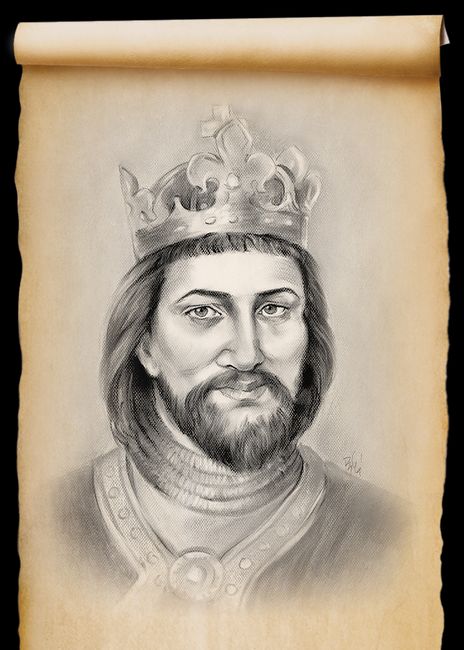
Czech King Přemysl Otakar II, photo from Turistický denník

I learned about the fascinating history of Zbiroh on the tour. It was built before some time before 1230. In the late 13th century, Czech King Přemysl Otakar II conquered Zbiroh. The Přemysl dynasty of Czech rulers was legendary in the Czech lands. Přemysl Otakar II built many towns, among other accomplishments.

Holy Roman Emperor Charles IV, photo from Medieval Histories

In the 1330s, the future Holy Roman Emperor Charles IV gained control of the property. Charles IV would become perhaps the most prominent figure in Czech history. who had controlled the castle after he returned from fighting in France. Charles IV established towns, churches and castles, for instance. He created Prague’s New Town district, what is now called the Charles Bridge and the first university in Prague. He also had Prague’s Saint Vitus’ Cathedral built.

Emperor Sigismund, photo from Quora

During the 14th century, Petr of Rosenberg owned the castle, and it would stay in his family for about 100 years. Emperor Sigismund, the son of Emperor Charles IV, bought the castle from the Rosenbergs during the 15th century. Other famous royal dynasties would take over the chateau from the time of the Hussite wars in the 15th century – first the Kolowrats, then the Lobkowiczes, then the Sternbergs. During the Hussite wars of the 15th century, Zbiroh was not damaged, a fate that did not behold many other Czech monuments.

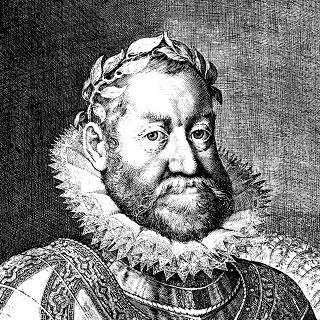
Emperor Rudolf II, photo from Kalendar.beda.cz

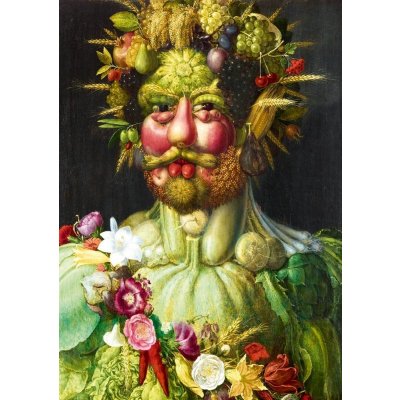
Emperor Rudolf II as Vertumnus, painted by Arcimboldo, photo from Heureka.cz

At the end of the 16th century, Holy Roman Emperor Rudolf II acquired Zbiroh, and he would have a momentous effect on the castle’s history. Emperor Rudolf II had made Prague the center of the Habsburg monarchy. A lover of art, Rudolf II bought many paintings, and, thanks to him, Prague flourish as a cultural center. He made many changes to the Gothic castle, transforming it into a Renaissance chateau. He liked to hunt on the property.

However, this golden age would come to an end. After the Battle of White Mountain, which the Catholics won against the Protestants in November of 1620, the castle was turned into a prison for the defeated soldiers. During the Thirty Years’ War, Swedish troops damaged and pillaged the chateau Until the middle of the 19th century, the chateau was dilapidated.

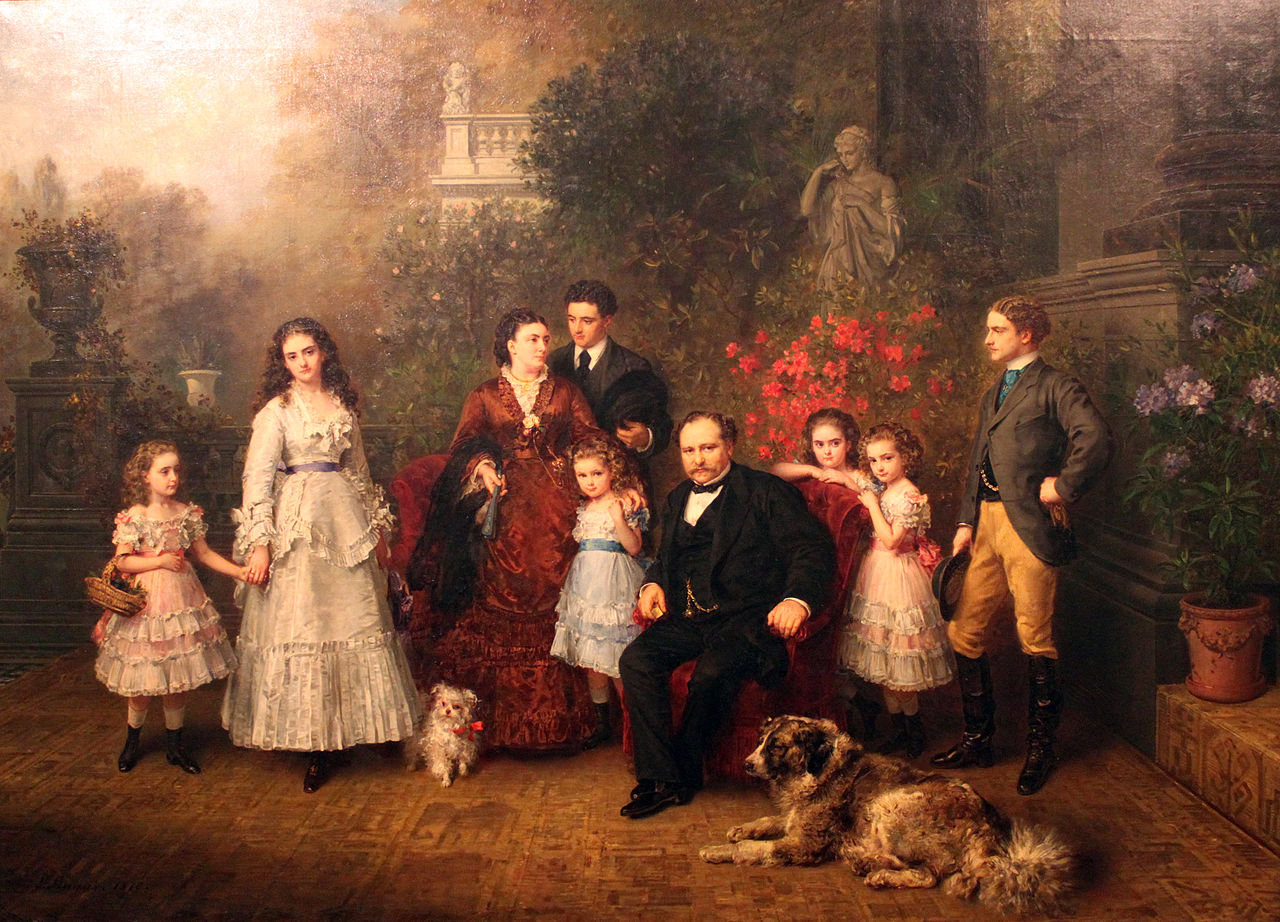
Baron Henry Bethel Strousberg and family, photo from Epochplus.cz

That’s when European entrepreneur Baron Henry Bethel Strousberg came along. He made a name for himself throughout Europe as the owner of iron and coal mines, factories and property, among other things. After he purchased the chateau, he made it a representative seat and modernized it. He envisioned making Zbiroh an industrial center focusing on extracting iron ore and wood coal. However, the ore had phosphorous in it, and the project, thankfully, had to be abandoned. Baron Strousberg wound up going bankrupt. He fled to Russia, where he was incarcerated for two years. Then Strousberg went back to Berlin. His family fled to London. The once influential and wealthy Strousberg called an attic flat owned by his former cook home. He died there, penniless.

The lavish arch built during Strousberg’s tenure at Zbiroh

The next owner of the chateau was Duke Joseph Coloredo-Mansfeld. He rented it to legendary Art Nouveau artist Alphonse Mucha. While residing at Zbiroh, Mucha created some of his most important paintings, such as the 20 Slav Epic depictions that celebrate Slav identity.

View from the terrace at Zbiroh

The Mansfelds hung onto the chateau until the Nazis came and turned the place into a SS headquarters. At the end of the war, the Nazis hid their secret documents in the bottom of the chateau’s well – at 163 meters it was the deepest in Europe. Then they covered it with a metal plate at the 150-meter mark so that their documents would be difficult to retrieve.

View of Zbiroh from postcard

The Czechoslovak army took control after the war, in 1945. Zbiroh was taken off the map as a top-secret facility was placed there. Czechoslovakia gathered information about NATO armies. The soldiers did not take care of the chateau. They even used the unique well as an ashtray. The army didn’t leave until 2004, when a private company bought the chateau and Zbiroh was put back on the map. It was open to the public in 2005. Zbiroh’s history is also connected to the Teutonic Knights as the current owner is a member.

The tour was fascinating. In the first room I liked the collection of African masks on the wall. Remnants of some of the documents the Nazis had tried to destroy in the well were on display in another space. My favorite artifacts were the Madonna statues dotting the representative rooms, some hailing as far back as the Romanesque and Gothic eras. A 650-year old Madonna was the most valuable artifact in the chateau. The Christ child appeared jovial and curious while the Virgin Mary looked like a proud mother. In a Late Gothic Virgin Mary sculpture from the 15th century, the Christ Child was smiling, about to break out in laughter. The Virgin Mary donned an elegant, simple crown. An ivory statue of Saint Nickolas also caught my attention. It hailed from the 14th century.

I saw a masterfully carved 13th century Romanesque chest, too. Chamber tiles from the 15th century showed Saint George battling the dragon. I saw many copies of works by Leonardo DaVinci, including the Mona Lisa, a self-portrait of the painter and a portrait of Mary Magdalene. Even though they were reproductions, these paintings were very impressive. A life-size carving of Saint Vitus from the 18th century was another delight.

On the lavish dining room table gilded silverware hailed from the era of Empress Maria Theresa. The napkins were shaped in the form of a lily, a royal symbol. I also saw a detailed map of Bohemia from 1702. The Empire furnishings bought in the mid-19th century were ravishing, too.

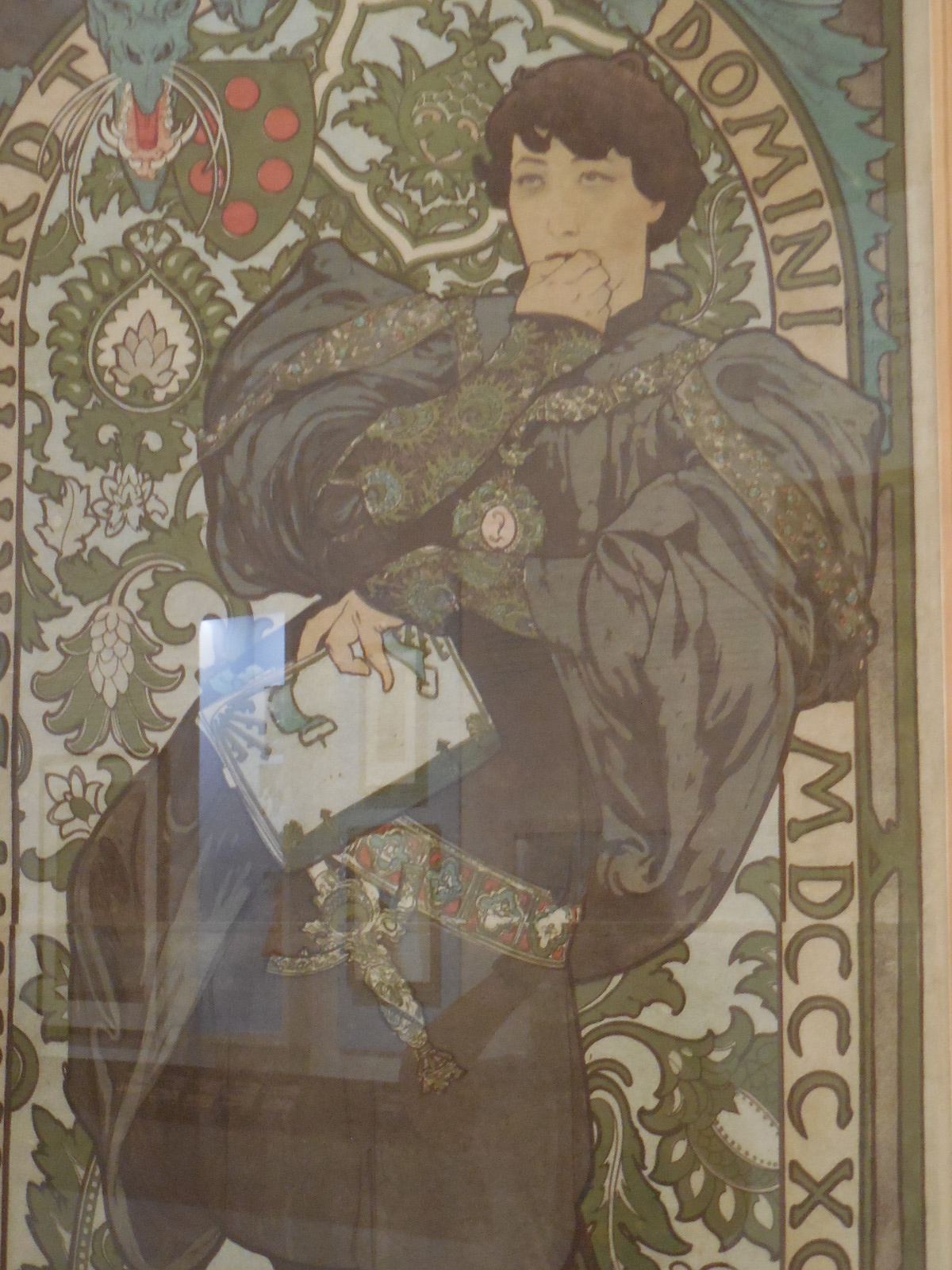
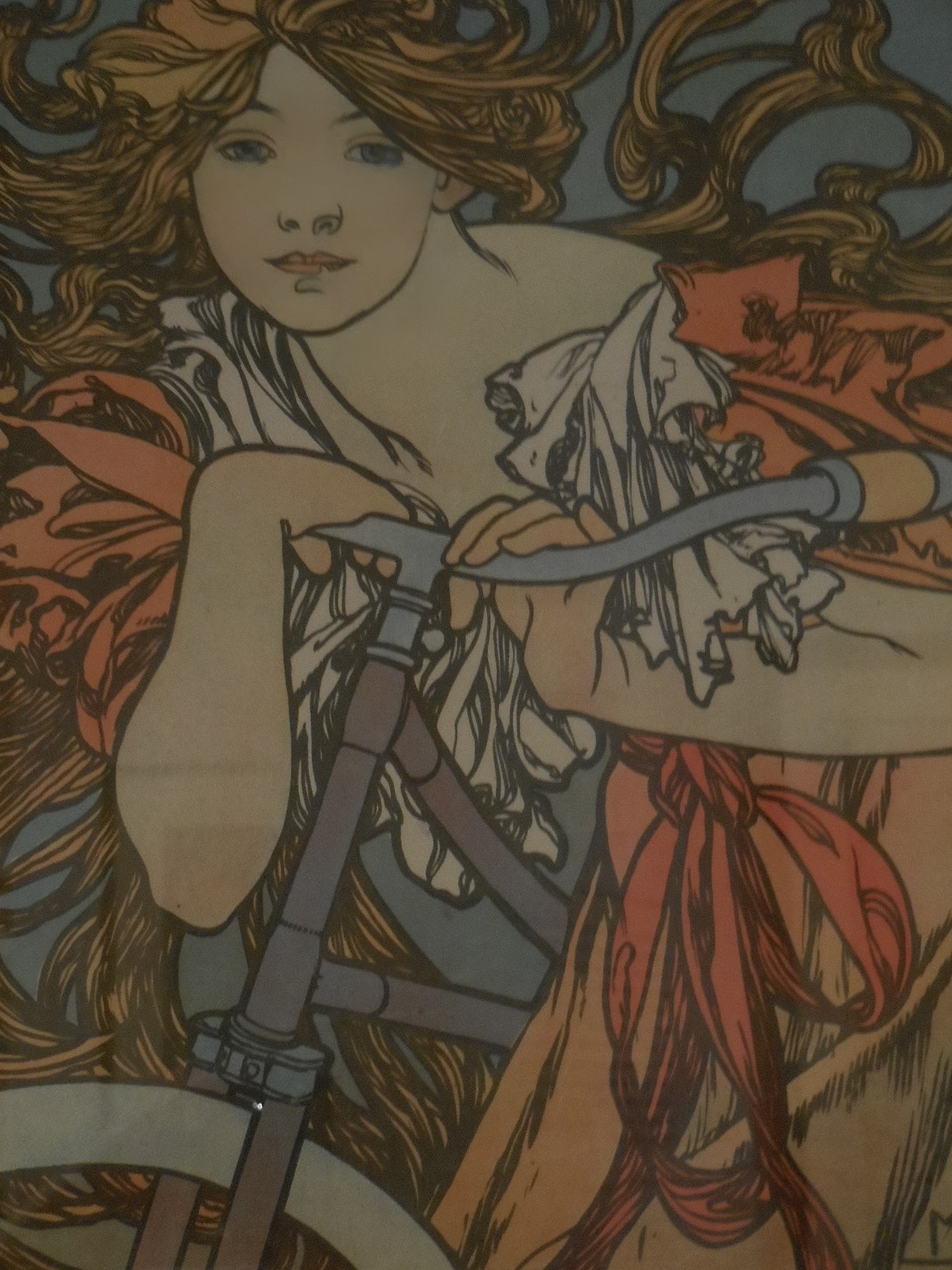
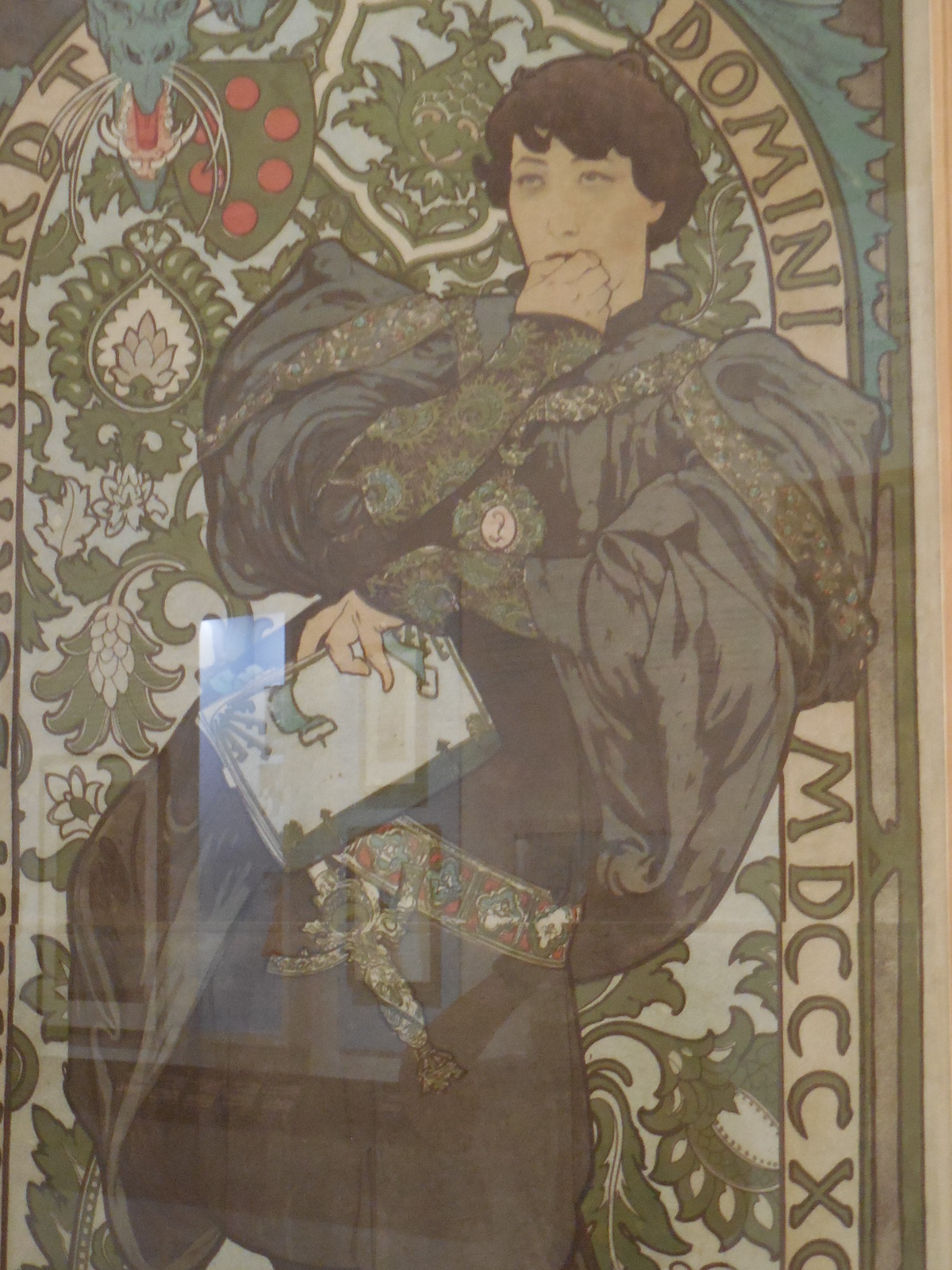
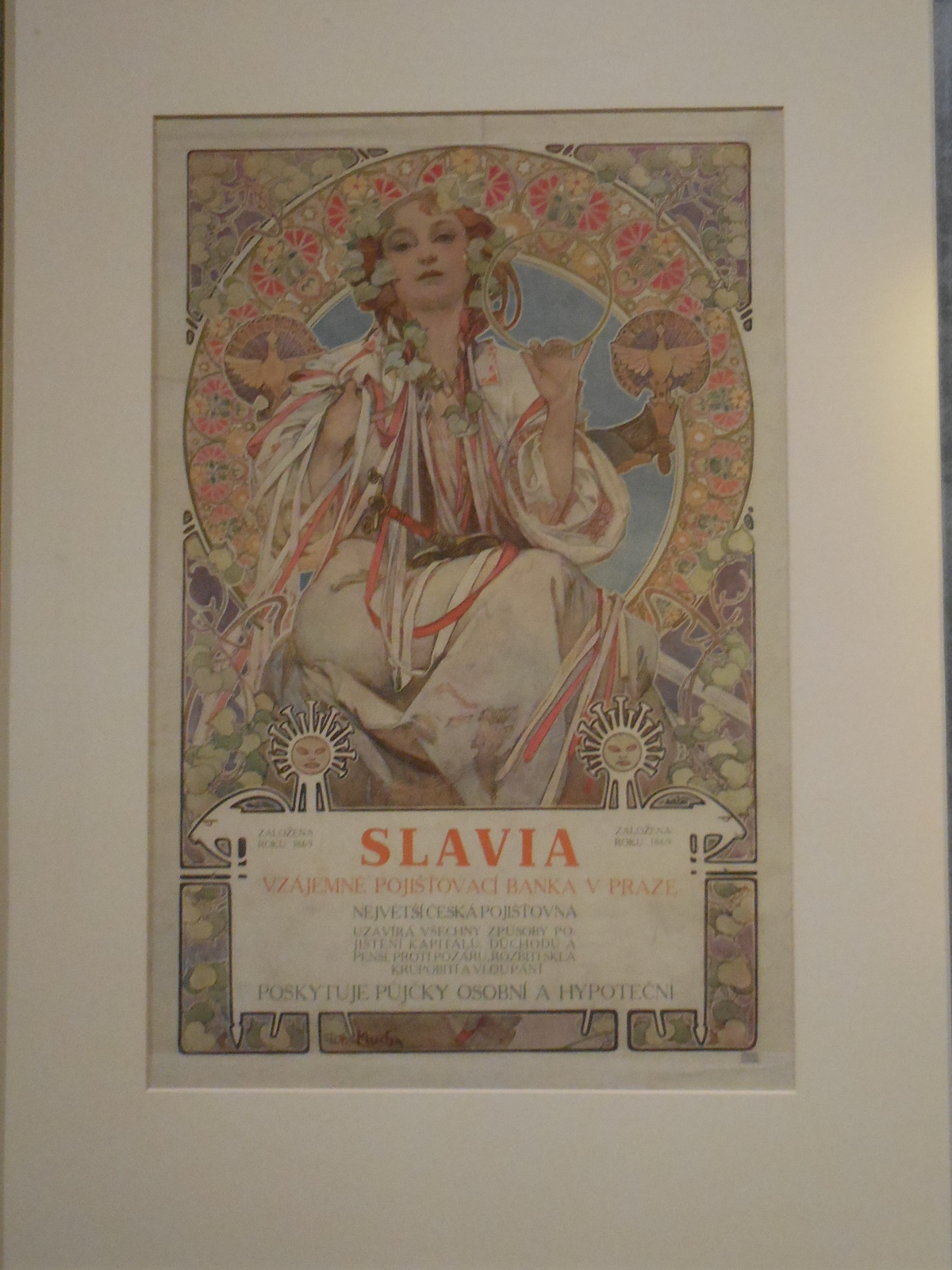
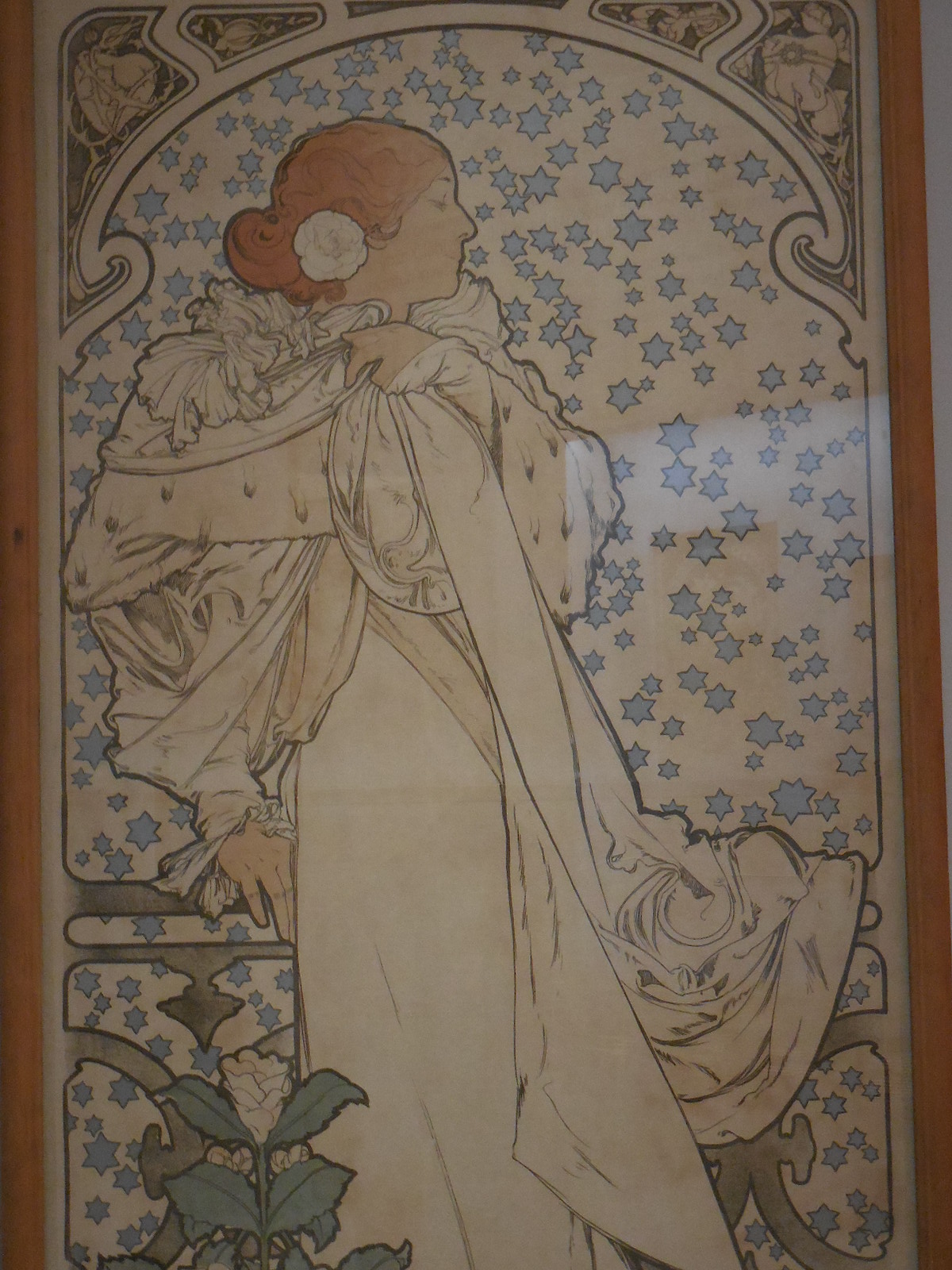
Alphonse Mucha created posters for actress Sarah Bernhardt and achieved worldwide acclaim. Photo taken at Mucha exhibition in Wallenstein Riding Stables, 2022.

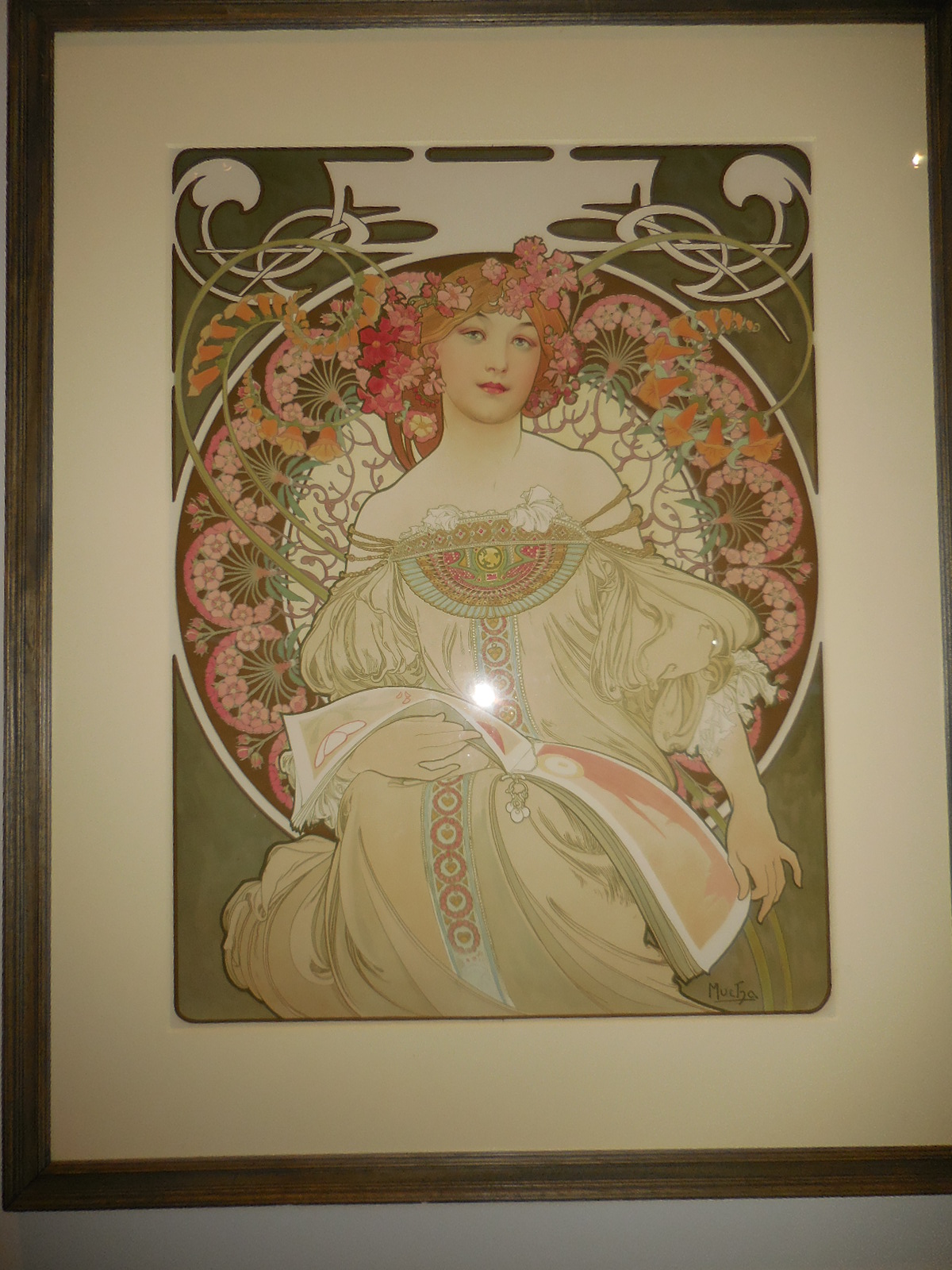
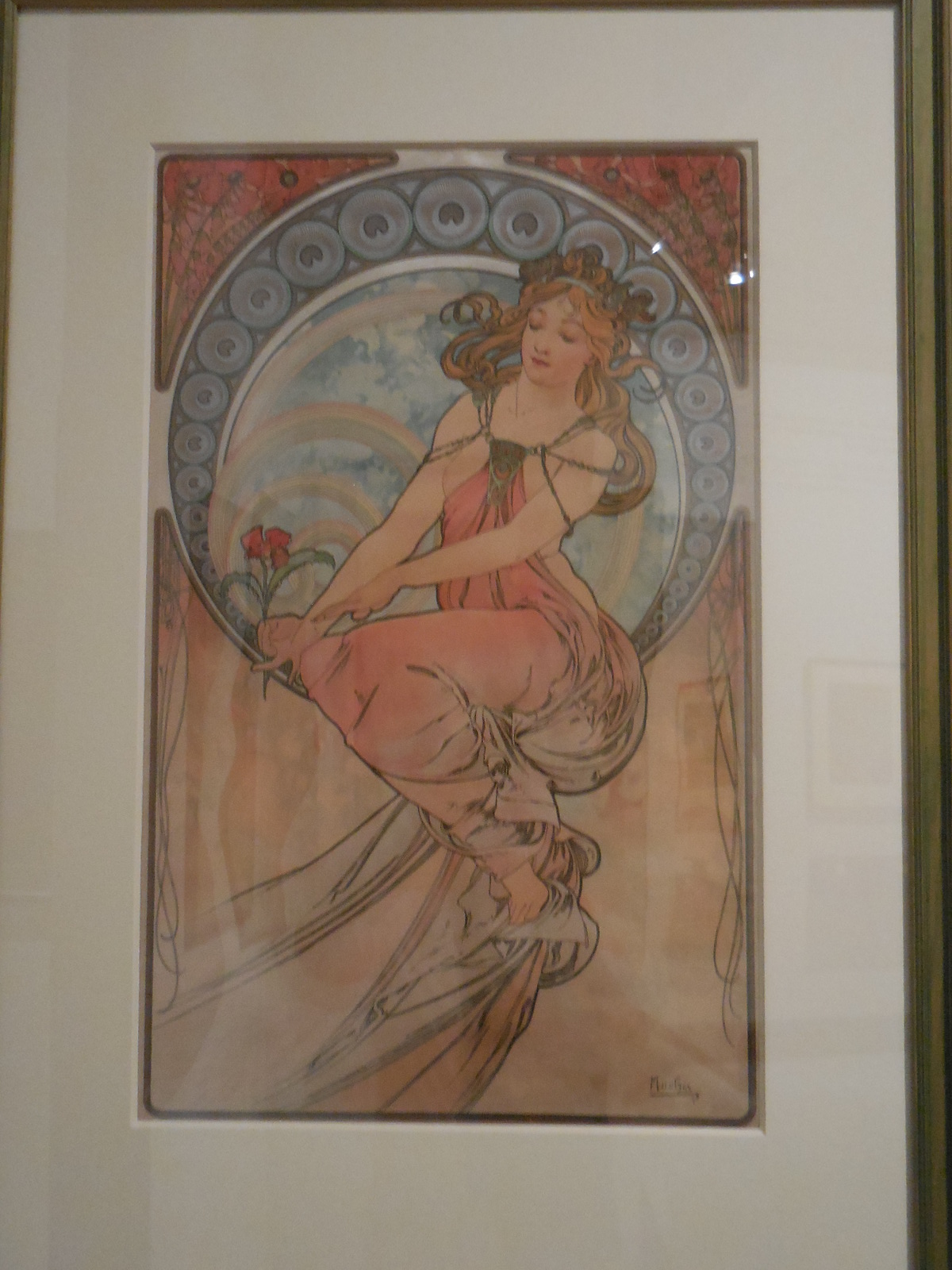
Mucha’s Rooms were another highlight. I had been a fan of Mucha’s Art Nouveau works for a long time. I had visited the Mucha Museum in Prague and only months before this visit, I had seen the comprehensive Mucha exhibition in the Wallenstein Riding Stables in Prague. In these spaces, I saw a portrait of Mucha featuring Masonic symbols because he had been a Mason. Also, Masonic medals owned by Mucha were on display. I was entranced by Mucha’s historical painting “Master John of Rokycany at the Council of Basel” from 1933. On one wall, Mucha’s students had painted female figures in their teacher’s style.

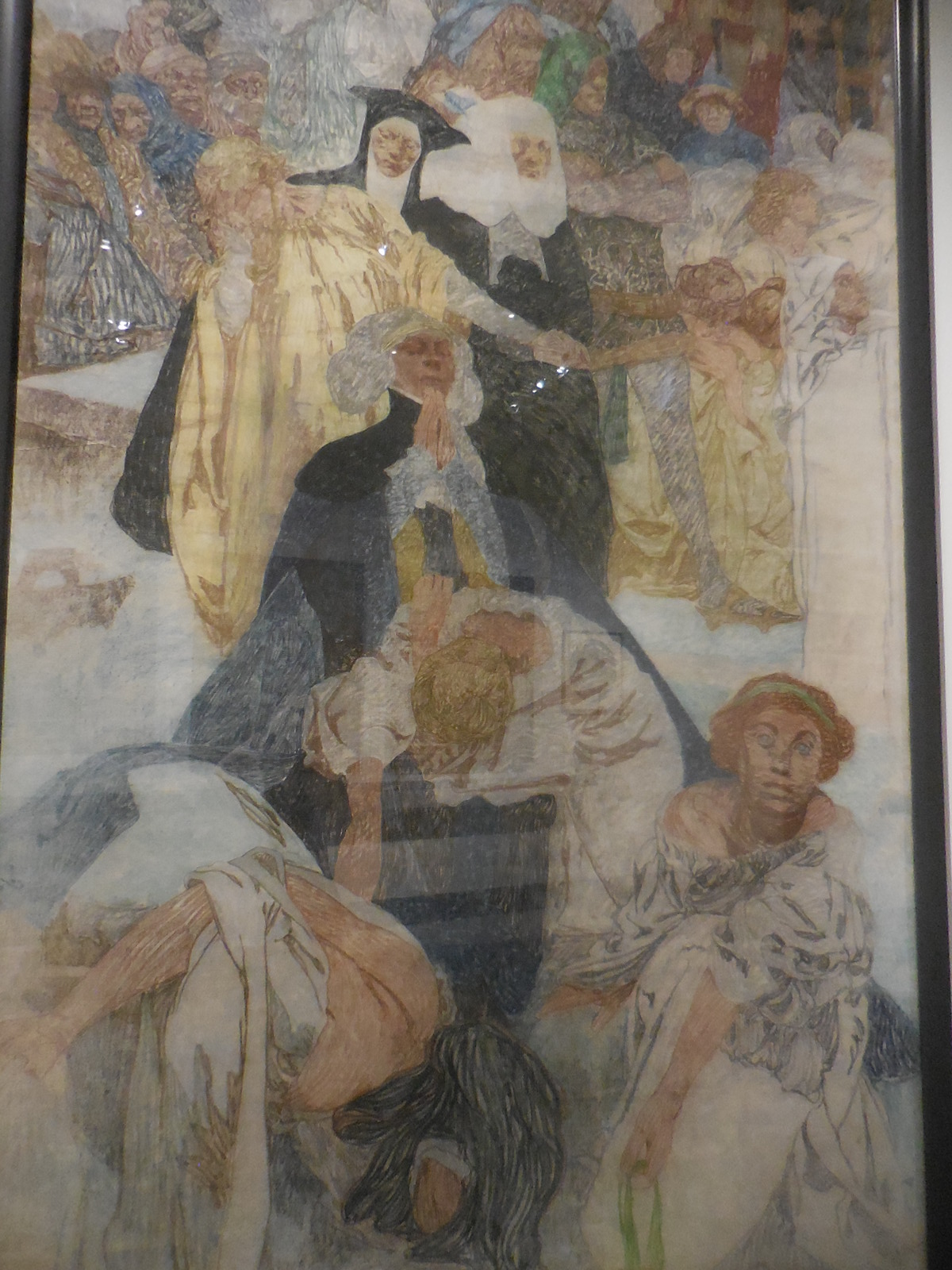
From Mucha’s Slav Epic paintings, photo taken at Mucha exhibition in Wallenstein Riding Stables, 2022.

The ballroom was the most beautiful space. This was once Mucha’s studio while the balcony had served as a dark room for his photographs. The large room was built in the second half of the 19th century. It featured a skylight with glazed glass and two elegant crystal chandeliers. I spotted Zbiroh Chateau behind what looked like blue mist in a painting by Mucha. The yellow, blue and red decorative wall painting enthralled me as well.

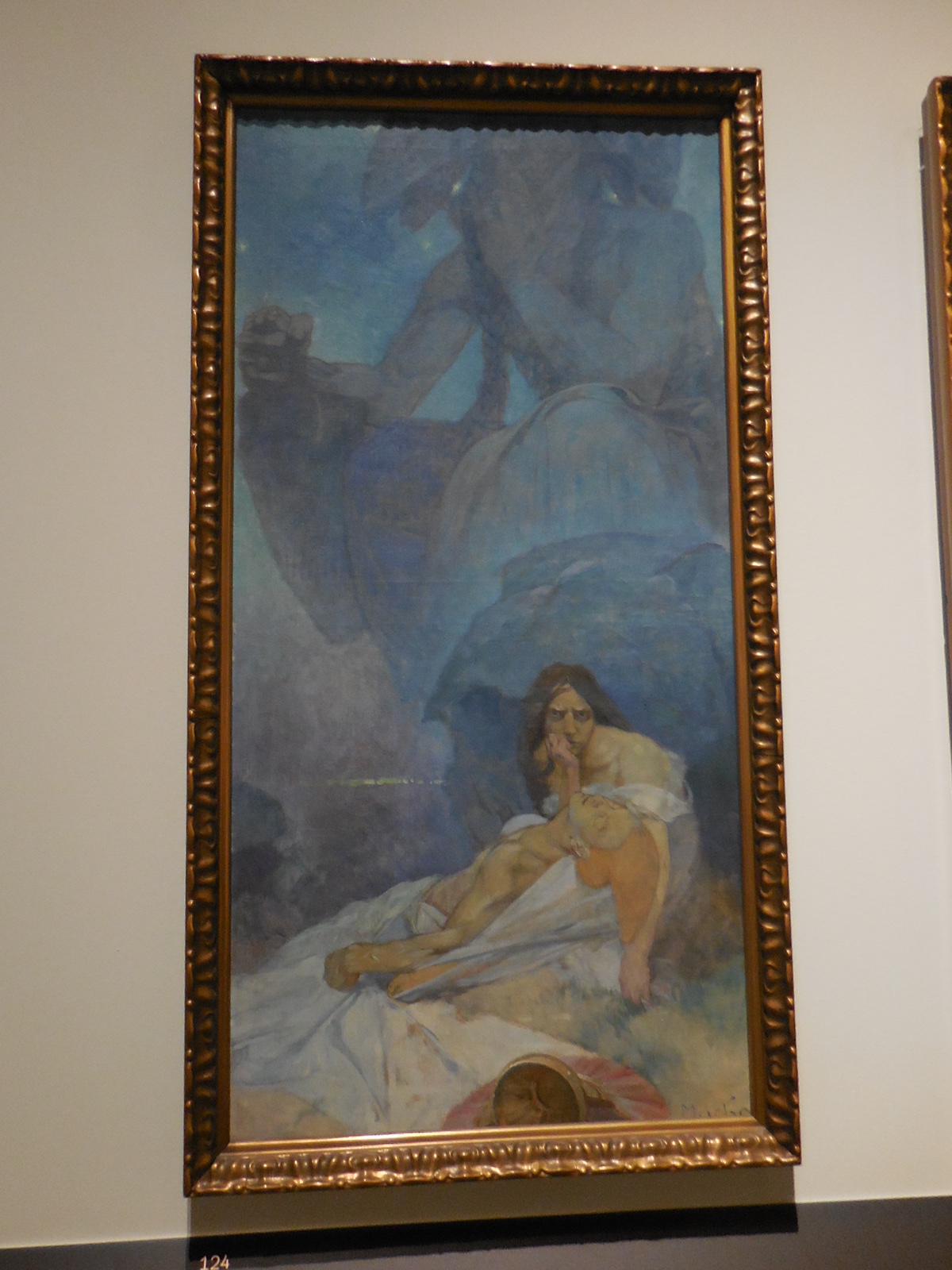
Another masterpiece by Alphonse Mucha, photo taken at Mucha exhibition at Wallenstein Riding Stables, Prague, 2022

Then we walked down a long hallway with Renaissance, Gothic and Baroque tapestries and armors of knights from various eras. As the tour ended, I was very glad I had finally discovered this gem. The history of the chateau was riveting, and the artifacts in the representative spaces were amazing.

It was time to get something to eat. In the parking lot, I noticed the beech trees that surrounded the chateau and listened to the sound of silence. It was so quiet and tranquil, such a relief from the hustle and bustle of daily life.

Tracy A. Burns is a writer, editor and proofreader in Prague.

2022 Travel Diary

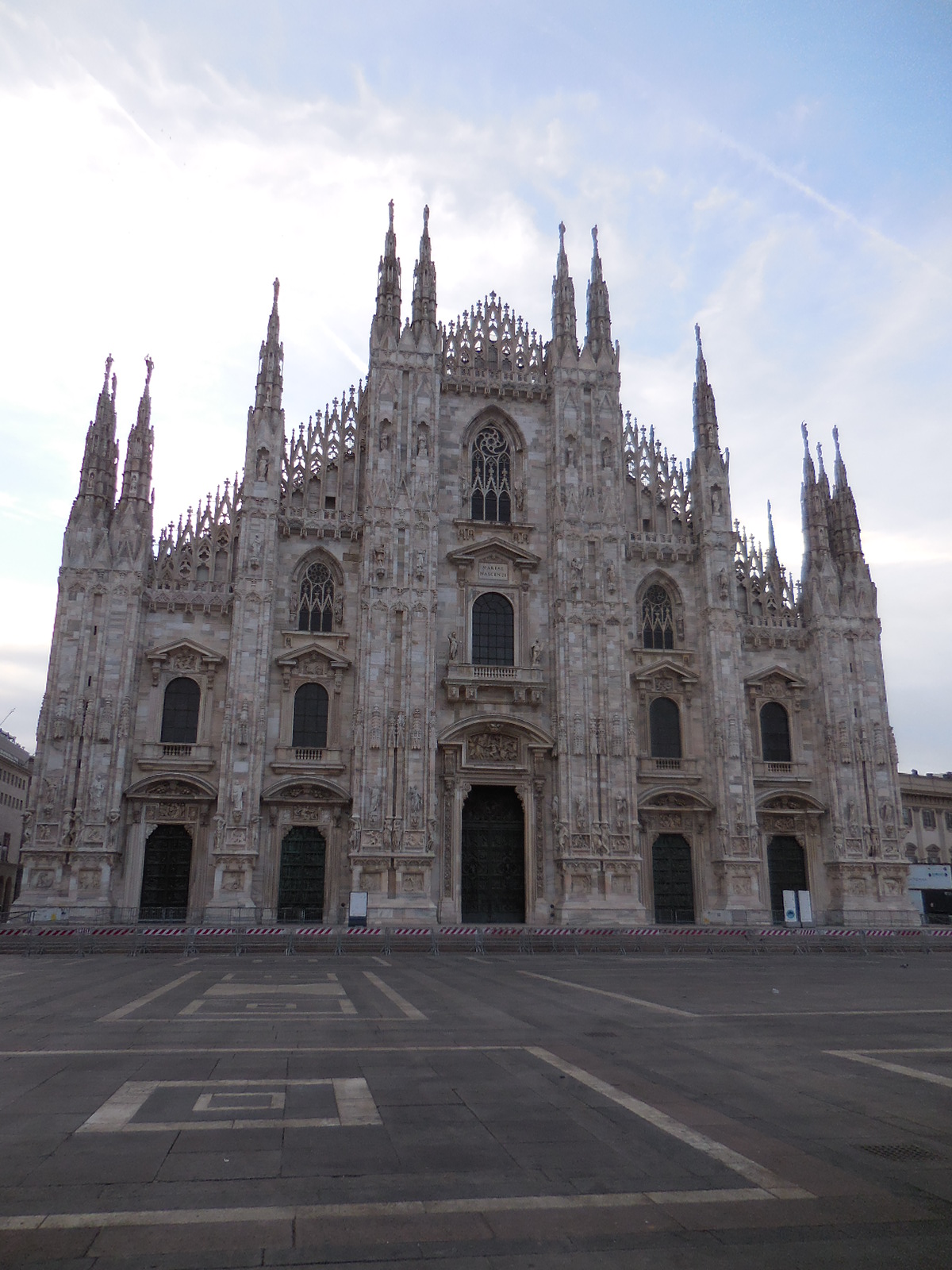
Milan Duomo, one of the highlights of my year of travels

This past year was punctuated by trips to riveting sights in the Czech Republic and Italy. As usual, I went castlehopping on day trips during the spring, summer and fall. My jaunts took me to Sychrov, Mělník, Konopiště and Maleč, to name a few. I visited the former flat of a legendary 19th century historian called The Father of the Nation and his son-in-law, a politician nicknamed The Leader of the Nation. I also visited their chateau out of Prague. I toured the exhibition at the Strž Villa, where Karel Čapek and his wife Olga Scheinpflugová spent three years and three months in the 1930s.

 Exterior of Milan Cathedral

I also enjoyed a week in what is probably my favorite Italian city, Milan, where I saw the most amazing art galleries and stunning architecture. From the Duomo to the Church of Saint Maurizio to the Poldi Pezzoli Gallery to the Ambrosiana to The Last Supper, I was overwhelmed by the incredible artistic creations the city had to offer.

The Last Supper, displayed in Milan

While I did not visit many temporary art exhibitions this past year, the ones I did go to left very positive and powerful impressions. I was lucky to be able to buy tickets for the Titian and Sorella exhibitions in Milan, both so comprehensive and exhilarating. I loved the way Titian masterfully created the material of his models’ clothing; it looked so real. You can almost feel the material just by looking at it. I loved Sorella’s beach scenes and landscapes. I had visited his former home, now a museum, in Madrid, so I was familiar with his work.

From the Kooperativa exhibition

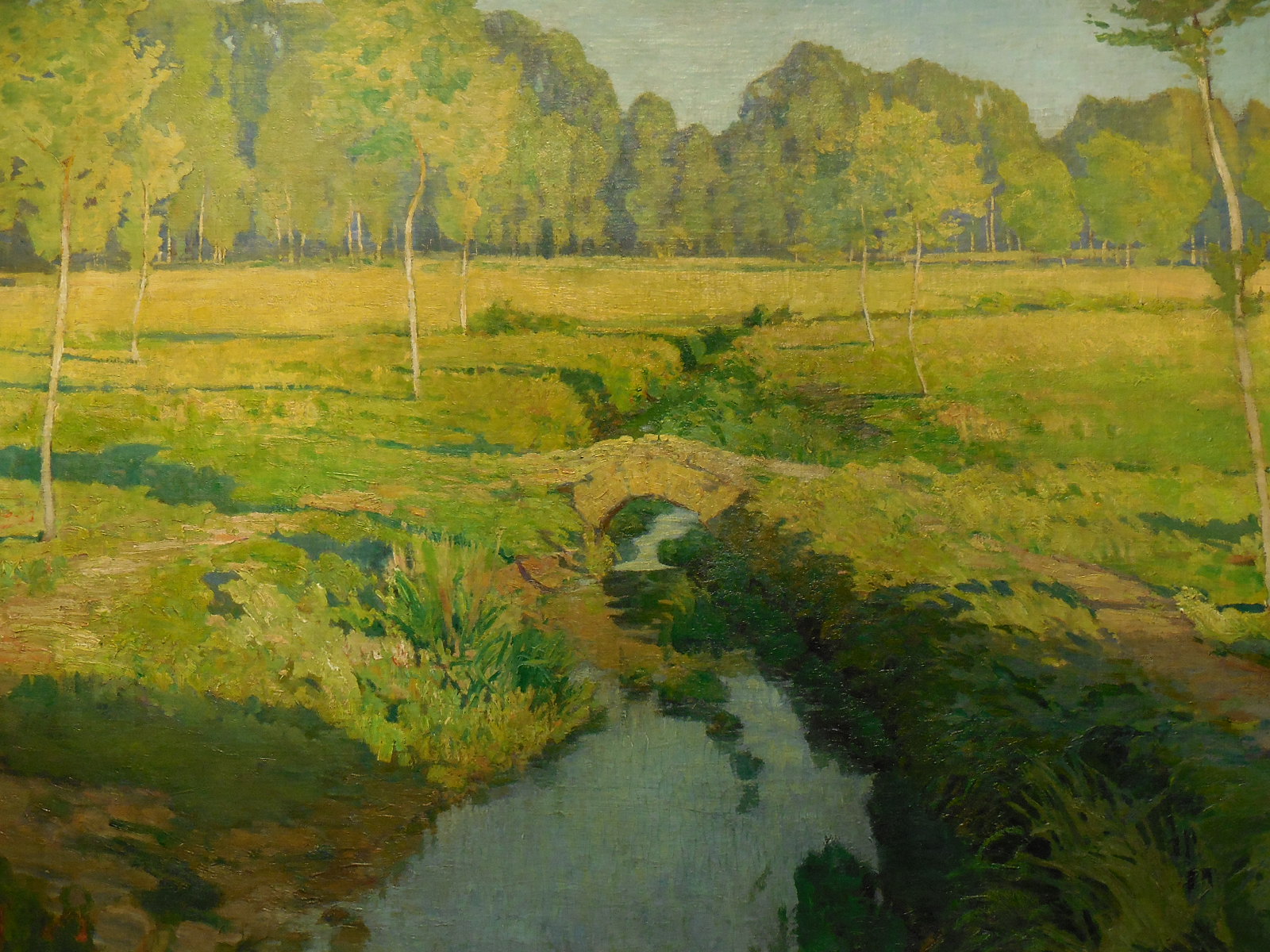
In Prague I went to a few exhibitions. I saw a show at the Kooperativa featuring the theme of water in 19th and 20th century Czech landscapes. Artists such as Julius Mařák, Antonín Hudeček, Václav Špála and Josef Čapek were represented there. My favorite was a tranquil, snowy scene, seemingly out of a Bruegel painting. Čapek’s portrayal of two fishermen also captured my attention. Mařák’s forest landscapes were mystical and magical.

From the East Bohemian Gallery in Pardubice

I also went to Pardubice, where I was immersed in the 19th and 20th century Czech landscape painting at the East Bohemian Art Gallery. The works of Jan Zrzavý, Hudeček, Antonín Slavíček, Antonin Chittussi and Špála all captivated me.

By Peter Paul Rubens from the Prague Castle Gallery

I also saw the temporary exhibition of the Prague Castle Gallery’s permanent collection that had been started by Holy Roman Emperor Rudolf II. I learned about the history of the collection, which was fascinating, and I saw masterpieces by Peter Paul Rubens, Paolo Veronese and many others.

By Alphonse Mucha

Copy of stained-glass window at St. Vitus’ Cathedral in Prague, created by Alphonse Mucha

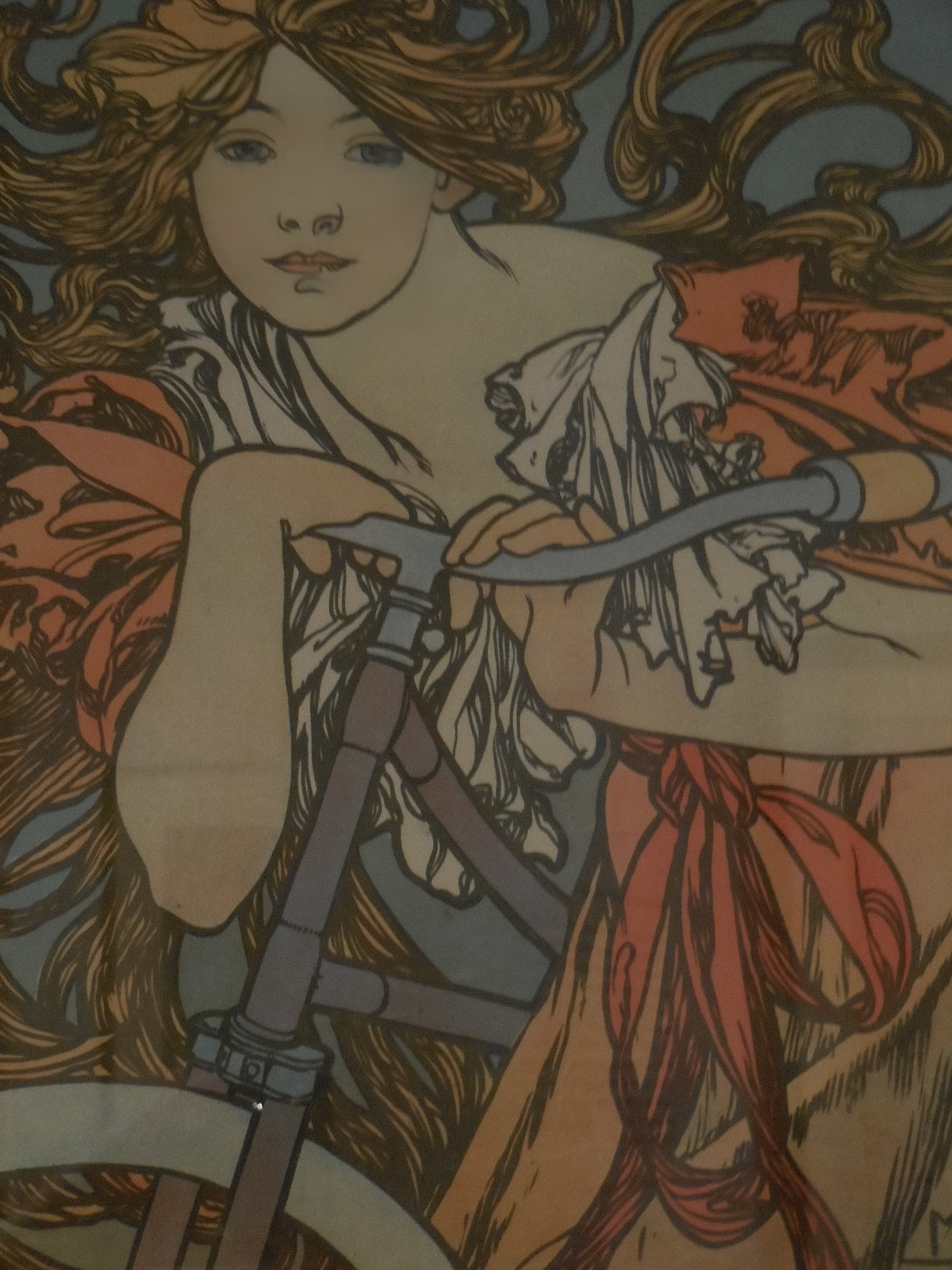
I was enamored by the exhibition of Alphonse Mucha’s art in Mucha: The Family Collection at the Wallenstein Riding Stables. While Mucha is best known for his posters featuring Sarah Bernhardt, this exhibition also highlighted his drawings, paintings, sculptures, photos and jewelry. Some works were on display for the first time. I especially loved the reproductions of his stained-glass windows for Saint Vitus’ Cathedral in Prague.

Jan Werich

From furnished rooms at Werich Villa

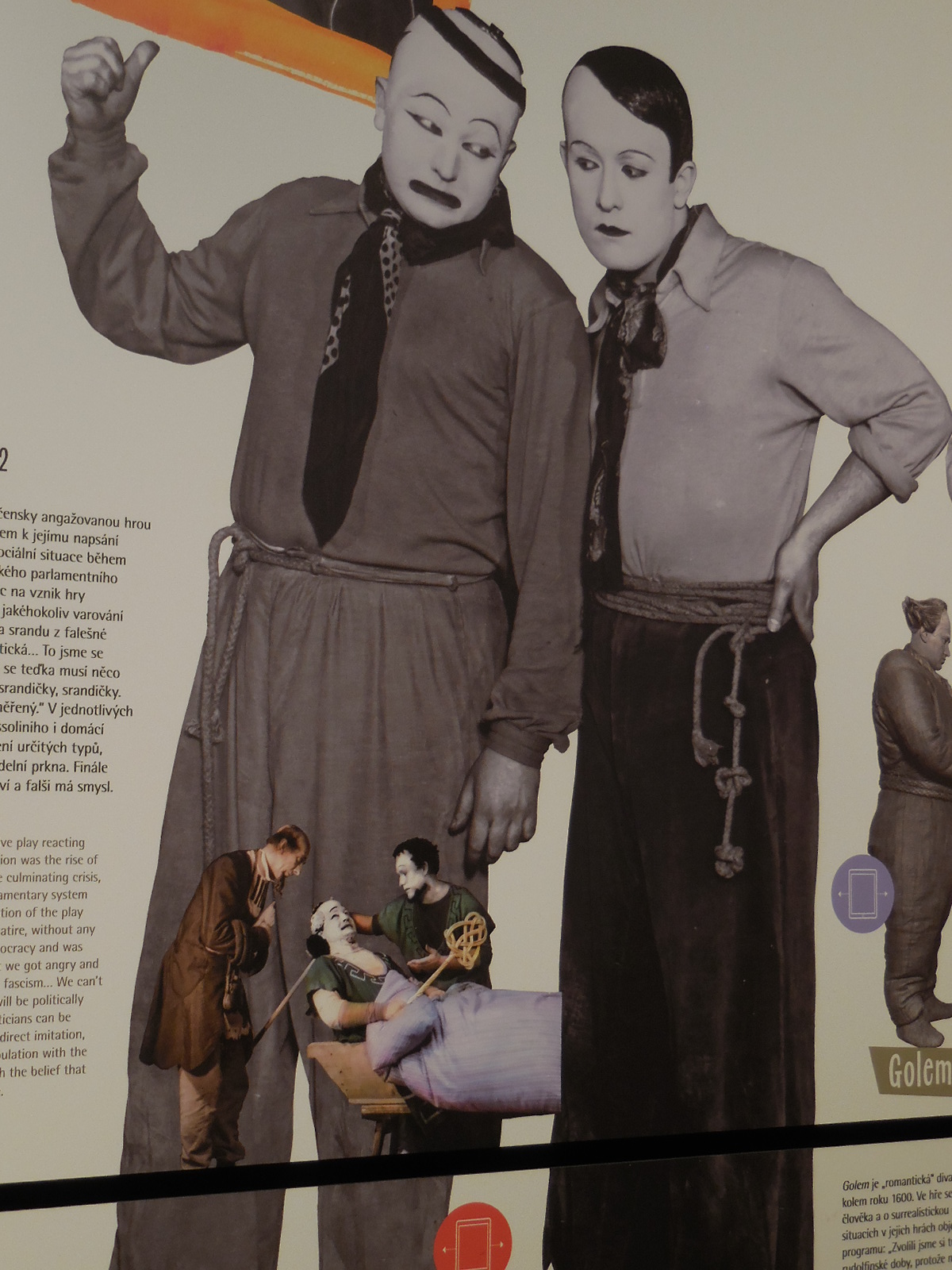
About my day trips: Let’s start in Prague. This year I visited the Werich Villa exhibition for the first time. Located on Prague’s Kampa Island, the villa was the home of actor Jan Werich from 1945 until his death in 1980. I liked the photos from the avant-garde plays of the Liberated Theatre best. The dramatic creations from the 1920s and 1930s were parodies of Dadaistic absurdity inspired by Charlie Chaplin and punctuated by jazz music. I also was captivated by the two rooms made to look as they did when Werich had lived there. Everything from the abstract painting of him and his colleague as actors at the Liberated Theatre to the Ballantine bottle of gin made me feel as if I got a sense of the atmosphere that had prevailed during the decades Werich had lived there.

The legendary Golem in the movie by the same name. Werich starred in the film.

Jan Werich and Jiří Voskovec at the Liberated Theatre

I visited the former flat of the first Czech historian František Palacký on Palacký Street in the city center for the first time in many years. I tried to imagine the bubbling conversations in the 19th century living room as the leaders of the Czech National Revival, who were promoting the Czech language and Czech culture, gathered there with Palacký’s family. I saw the desk where Palacký wrote his History of the Czech Nation as well as intriguing sculptures, paintings and portraits. The guide pointed at a box and told me that Palacký’s brain was inside. I wish the guide would have opened it!

Bust of František Palacký at Maleč Chateau

Bust of F.L. Rieger at Maleč Chateau

His son-in-law František Ladislav Rieger, who organized the first Czech encyclopedia and led a powerful political party, also lived at that address with his family as he had married Palacký’s daughter Marie. I saw the desk where he had labored over the encyclopedia volumes and paintings of his modest birthplace. I also saw the beds in which Palacký and Rieger died.

Piano that was often played by Antonín Dvořák

Funeral of F.L. Rieger

The Main Hall where the leaders of the Czech National Revival often gathered

Then I visited Maleč Chateau outside of Prague, a place where Palacký and Rieger had spent much time. The chateau hosted an exhibition about the two and the time periods in which they lived. There, I saw pictures of visiting Americans from Cleveland and Chicago gathered outside Palacký’s flat in Prague and another showing an American group at the chateau. I liked the portrait of Rieger by František Ženíšek and the piano once played by Antonín Dvořák, a frequent visitor to the chateau. The personalities of the Czech National Revival had once gathered in the main hall, which featured an exquisite chandelier, Renaissance stucco decoration and frescoes depicting landscapes. While looking at the picture of Rieger’s crowded funeral procession, I felt as if I was there among the masses dressed in black, mourning a national figure.

Konopiště Chateau

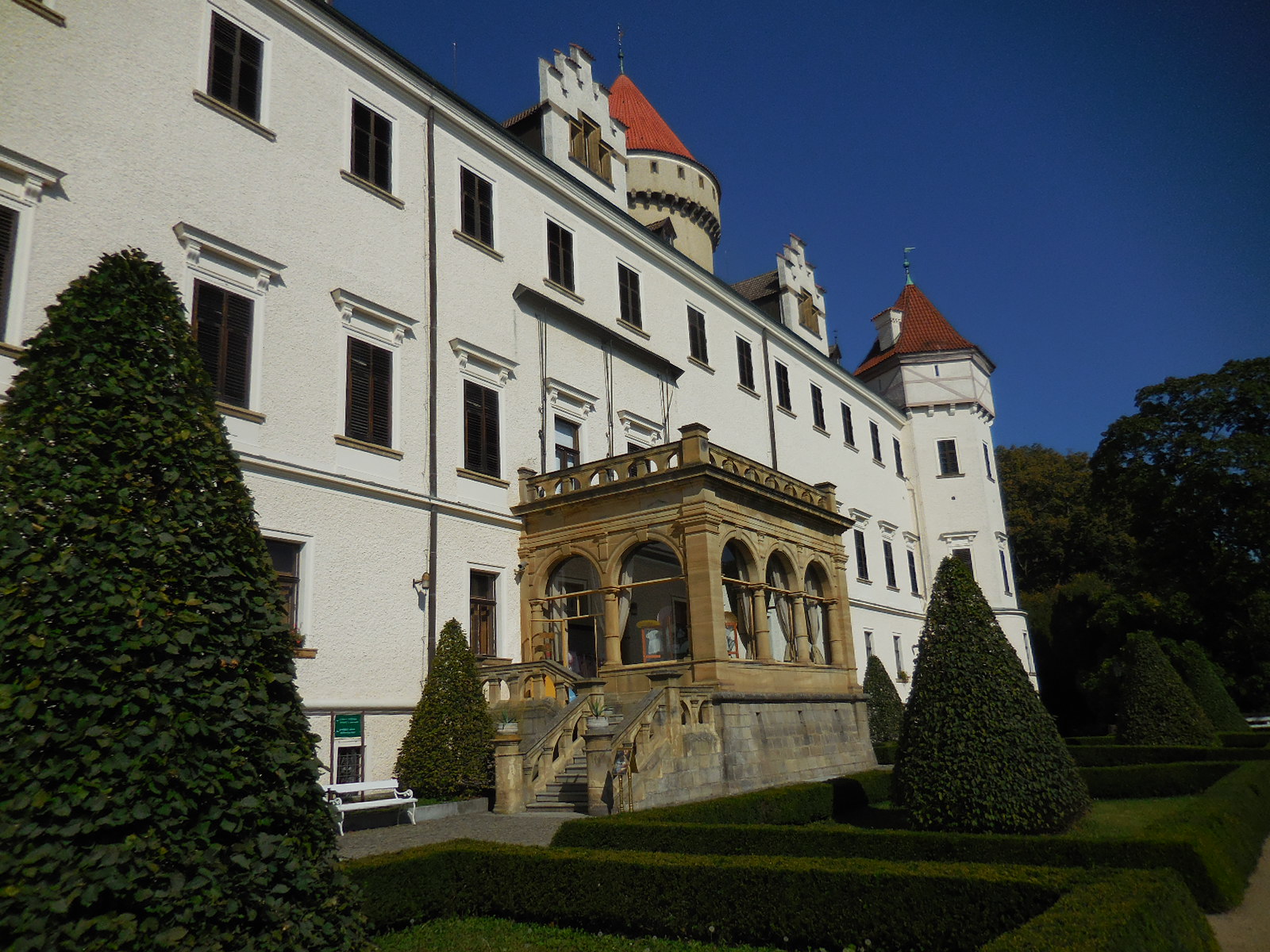
In the spring I took the third tour at Konopiště Chateau, a place I had visited at least eight or nine times. I hadn’t been on the tour of Franz Ferdinand d’Este’s private apartments for many years. I loved the portraits lining one hallway. The historical figures included Dante Alighieri, Titian and Christopher Columbus. In one room there were 1,307 hunting trophies. I enjoyed seeing the family’s photos from their travels in the late 19th and early 20th century.

View from Konopiště Chateau

We briefly visited the chapel, perhaps my favorite of all Czech chateaus with its gold stars dotting the blue ceiling, stained glass windows and Renaissance sculptures. Near the end of the tour, I was reminded of that tragic day in June of 1914, when Franz Ferdinand and his wife were assassinated in Sarajevo, an event that triggered the first world war. I saw a bloodied handkerchief, one of the bullets from Gavrilo Princip’s pistol and the death masks of the royal married couple.

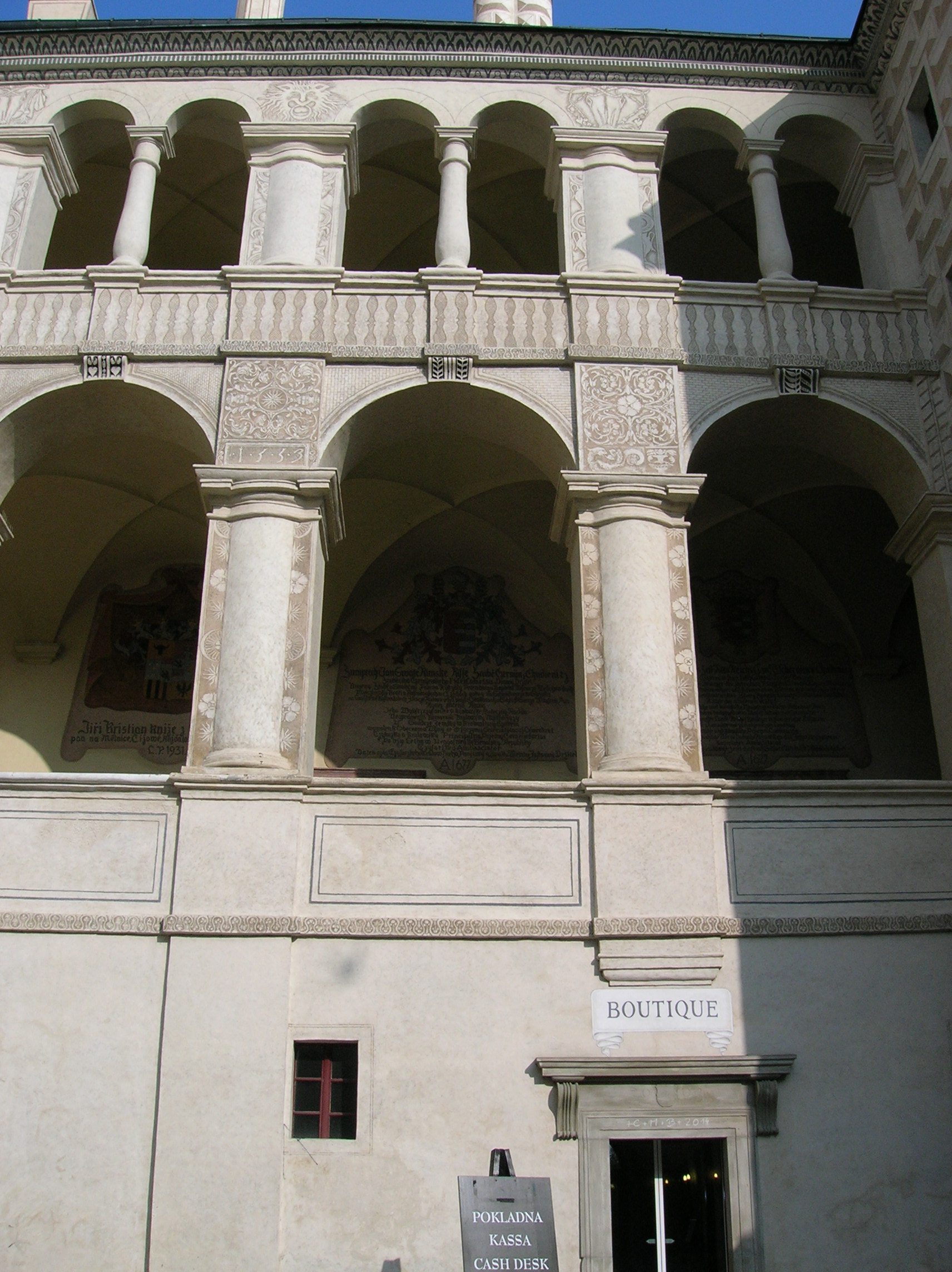
Arcades of Mělnik Chateau

At Mělnik Chateau I was once again overcome with amazement when I peered at detailed 17th century maps of European cities in the Big Hall and the small 18th century black-and-white vedutas of European cities in the Small Hall. The artwork at Mělnik was incredible. I saw paintings by Baroque legendary artists Karel Škréta and Petr Brandl and even a painting by Veronese. I yearned to show this chateau to my parents.

Front page of Lidové noviny announcing Karel Čapek’s death

Karel Čapek and his wife Olga Scheinpflugová

I also visited the museum of the legendary and versatile Czech writer Karel Čapek at what once was his villa in Stará huť. At the Strž Villa I saw 3-D diagrams of stage sets from his plays and the desk where he had written many works. The exhibition included photos of his childhood, pictures of his dogs and cat, and the front page of Lidové noviny newspaper with the large, bold headline announcing his death in 1938. Sections of the exhibition were devoted to his wife, a famous actress, and his brother, a prominent painter and writer.

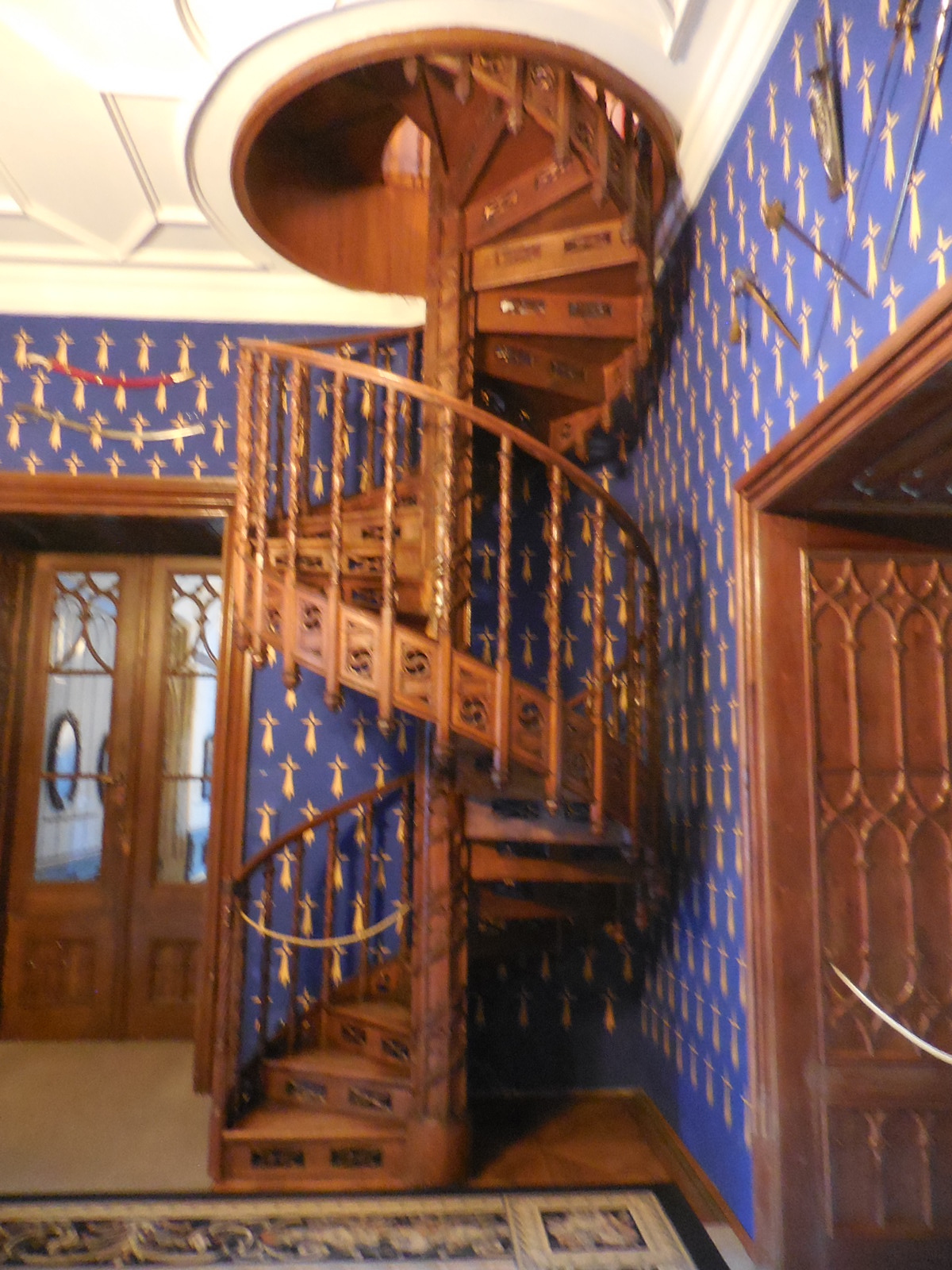
Staircase at Sychrov Chateau

Neo-Gothic facade of Sychrov Chateau

Another chateau I visited for maybe the fourth time was the Neo-Gothic Sychrov in north Bohemia. The Rohan portrait gallery included 242 portraits of French origin, including French kings and queens as well as members of the Rohan family, who owned the chateau for 125 years. It ranks as the biggest collection of French portrait painting in Central Europe. A narrow, spiral, wooden staircase as well as rich wood paneling and leather wallpaper in many rooms also caught my attention.

La Scala Opera House

Finally, this past year I made it to Milan! In this magical city I had so many memorable experiences. I watched some minutes of a rehearsal of Giaconda in the royal box at La Scala Opera House. I finally saw The Last Supper with my own eyes, although we were only allowed to stay in the space for 15 minutes.

Stained-glass window at Milan Cathedral

I gazed at the mostly Gothic exterior of the Duomo at six in the morning, when the square was free of pedestrian traffic. The stained-glass windows inside and the views from the rooftop were other highlights. The artifacts of the Museo del Duomo, including the original stained-glass windows, tapestries and gargoyles, added more context to the tour of the Duomo.

The Basilica of Saint Ambrose

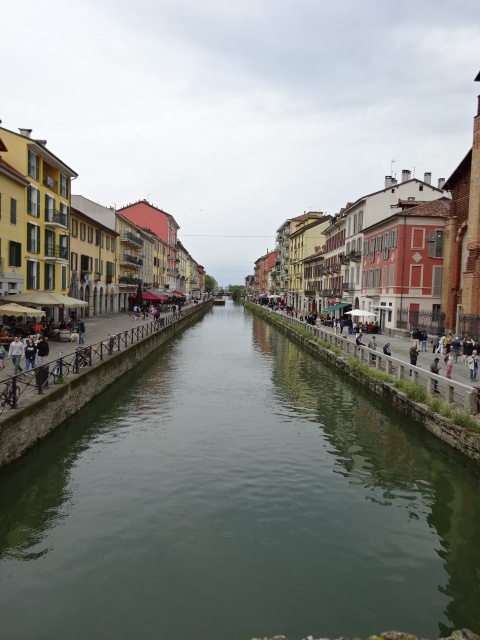
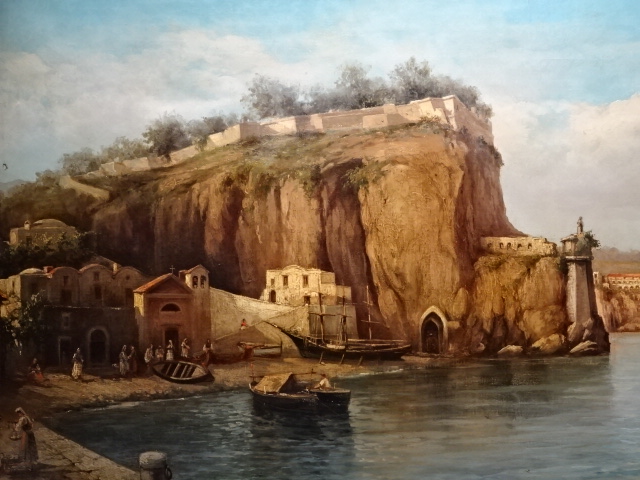
The Basilica di Sant’Ambrogio was one of the most beautiful Romanesque buildings in the world, originating in the fourth century AD and getting its current appearance from a 12th century makeover. The 19th century shopping gallery Galleria Vittorio Emaneuele II with its mosaics on the floor and near the dome was stunning. The bookstore in the shopping gallery was comprehensive and huge, just the way I liked them. I saw impressive vedutas of Milan Cathedral, Alpine scenes and paintings of the Navigli district of Milan as well as sculpture by Antonio Canova in the Gallerie d’Italia.

In the Ambrosiana

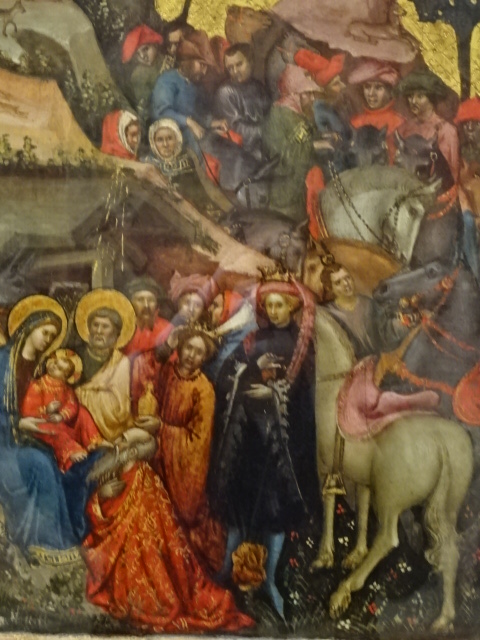
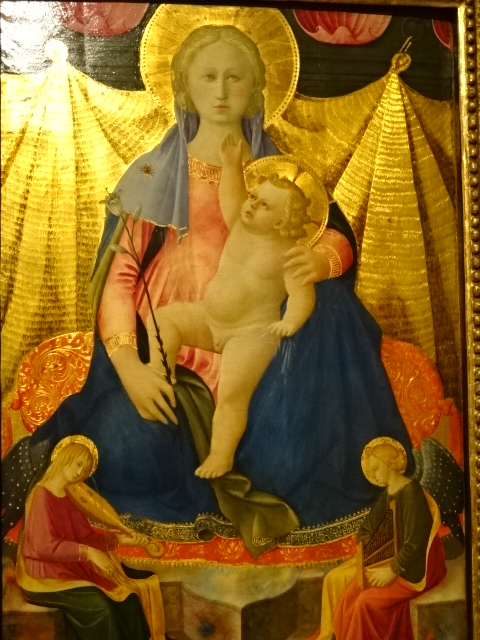
The Ambrosiana’s library stunned me. I gazed at the Leonardo da Vinci drawings of inventions in the Codice Atlantico exhibition as well as the library itself, such an overwhelming place. I loved the paintings in the Ambrosiana, too. Leonardo da Vinci’s The Musician, Titian’s Adoration of the Magi, Botticelli’s Madonna del Padiglione, the paintings by Francesco Hayez, Paul Brill’s fantastic landscapes and Jan Bruegel’s fantasy-tinged renditions all impressed me. Caravaggio’s superb depiction of a bowl of fruit was another highlight.

At the Brera Art Gallery

The Brera Art Gallery was another superb cultural venue. I was enthralled with the Italian paintings from the 13th to 20th centuries, including works by Raphael, Andrea Mantegna, Donato Bramante, Titian, Veronese, Caravaggio, Giovanni Bellini and Bernardino Luini. Flemish art also made an appearance. I was overwhelmed by the paintings by Rembrandt, Rubens, Jacob Jordaens and Anton van Dyck. And who could forget the vedutas of Venice by Canaletto and the famous painting The Kiss by Francesco Hayez?

Museum of the Risorgimento

Around the corner from the Brera, I stopped in the Museo del Risorgimento, which featured 14 rooms of paintings, prints, sculptures and artifacts depicting Italian historical events from the call for Italian independence to the Italian unification. I learned about Napoleon’s reign in Italy as well as the Austrian monarchy’s control of what would later become a unified and independent Italy. I spent a lot of time staring at the photos of soldiers in the Album of the Thousands, the volunteers in  the Expedition of the Thousand. Portraits of the 1,089 soldiers in business card format made up this album. I loved the paintings that brought the turbulent era to life, such as those by Stragliati and Canella.

At the Bagatti Valsecchi Museum

While I loved these museums, my two favorites had been former homes, the Museo Bagatti Valsecchi and Museo Poldi Pezzoli, the first located in an apartment, the second situated in a palace. Two brothers collected Renaissance and Neo-Renaissance art – tapestries, paintings, sculpture and weapons – at the end of the 1800s to decorate the interior of their apartment, which would later become the Museo Bagatti Valsecchi. It is one of the best-preserved house museums in Europe. The furnishings were diverse – Italian, British, German, French, Japanese and Spanish, for instance. It had a more intimate feel than the Poldi Pezzoli, though that was an amazing museum as well.

At the Museum of Poldi Pezzoli

The art collection in the Museo Poldi Pezzoli came into existence during the 19th century, when the Poldi Pezzoli noble family lived there. Artists represented there included Giovanni Bellini, Mantegna, Michelangelo Buonarroti, Hayez, Tiepolo and Canaletto as well as Lucas Cranach the Elder. Many Renaissance and Baroque works punctuate the collection. An armory, a glass collection, ceramics and tapestries also make up the superb objects on display.

The Villa Necchi Campiglio in Milan was another highlight. The villa, now a museum, was built from 1932 to 1935 and included an enchanting garden, the first private pool in Milan and second pool in the city plus tennis courts. The exterior is an example of Italian rationalism with a no-frills attitude of simplicity.

A work by Picasso in the Villa Necchi Campiglio

The interior included Art Deco décor. The Smoking Room featured a large Renaissance fireplace while many paintings and much sculpture from Italian artists in the early 1900s dotted the house museum. Paintings by Pablo Picasso, Giorgio de Chirico and Umberto Boccioni come to mind. Parts of the villa also exuded the atmosphere of the 1800s due to a reconstruction. Some 130 works of art hail from this period – Canaletto and Tiepolo were represented. I also saw intriguing ceramics and Chinese porcelain. The spaces themselves were architecturally evocative.

Main altar at the Church of San Maurizio

The interior of the church of San Maurizio al Monastero Maggiore was a work of art in itself. Divided into two parts, it included a vaulted nave and vaulted chapels plus the Hall of Nuns. The Renaissance church featured 16th century frescoes by Bernardino Luini, his brothers and his son. On the dividing wall in the Hall of Nuns, I gazed at Bernardino Luini’s creations from the 1530s – the figures of Saint Catherine and Saint Agatha as well as scenes from the Marriage at Cana and the Carrying of the Cross of Christ. I also saw his frescoes showing the life of Saint Maurizio. In one chapel Bernardino Luini rendered the martyrdom of Saint Catherine of Alexandria. The main altar with the painting of the Adoration of the Magi by Antonio Campi took my breath away, too.

The Last Supper

At long last I saw The Last Supper in the refectory of the Santa Maria delle Grazie Church. It was a dream come true. The moment following Christ’s assertion that one of those seated at the table would betray him was masterfully portrayed. The facial expressions and body language are works of art in themselves. As Christ utters those immortal words, all the dinner guests look riddled with horror except Judas, who clutches his silver ever so tightly. Even though we were only allowed to be in the room for 15 minutes, I was overcome with amazement at the Renaissance fresco in front of me. It told a complex story so clearly. I was in awe of those gestures and facial expressions.

Gallerie d’Italia in Milan

In the Czech Republic, I had mostly traveled to places I had been before, except for Maleč Chateau, the Strž Villa and the Werich Villa. I saw Milan for the first time, though the trip had been planned and cancelled during two years. I was in awe of the sights I rediscovered and those I experienced for the first time. The visits were eye-opening as I learned new information about Czech and Italian history and culture. The exhibitions of painting, sculpture and more also proved poignant and powerful.

Tracy A. Burns is a proofreader, writer and editor in Prague.

Duomo Museum in Milan

Mucha: The Family Collection Exhibition Diary

I have been a fan of Alphonse Mucha’s Art Nouveau works ever since I came to Prague in the 1990s. While he is best known for his exhilarating posters of actress Sarah Bernhardt, Mucha was a very versatile artist – as is evidenced in this comprehensive exhibition of creations owned by his descendants. The first extensive showing of his works in 30 years is housed at Prague’s Waldstein Palace. The exhibition highlights not only the advertising posters but also his drawings, paintings, sculptures, photos and jewelry, for instance. The family displays some originals to the public for the first time.  

Family portraits evoking Mucha’s childhood add an intimate feel to the exhibition. Born in Ivančice, Moravia, Mucha called home a building that also included the town jail. The Czech lands were under Austrian rule when Mucha grew up. They were part of the Habsburg Empire in which German was the official language. Yet, during that era, the Czech National Revival took place, when Czech nationalists promoted Czech culture and the Czech language.

At the end of 1894, Mucha became a star overnight when he designed a poster for Bernhardt’s production of Gismonda. The following year he created posters that decorated calendars, postcards and menus as well as theatre programs. His work would find enthusiastic audiences in Vienna, Prague, Budapest, Munich, London, New York and other cities during subsequent years.

I loved how, in his advertising posters, Mucha utilized folk features not only found in Czech art but also in Byzantine, Islamic, Japanese, Gothic, Judaic, Celtic and Rococo works. Much of this genre focuses on beautiful, young women with an optimistic and cheerful flair. They are wearing flowing robes in pastel colors. I loved the touches of floral and plant ornamentation plus arabesques and naturalistic elements, too.

The exhibition boasted family portraits and photos, such as those of his friends Paul Gaugin and Auguste Rodin. Gaugin even was Mucha’s housemate for a while. During the Paris Exposition Universalle of 1900, Mucha represented Austria-Hungary as the show focused on the accomplishments of the past century. I had not known that in 1899 Mucha had designed a jewelry collection that was featured at this major show. One of the jewelry pieces on display at the exhibition features a snake-shaped broach that Bernhardt wore during her portrayal as Medusa. I also was captivated by Mucha’s decorations for a German theatre in the USA. He would wind up making three trips to the United States, hailed by The New York Daily News as “the world’s greatest decorative artist.”

Works in the exhibition illustrated how mysticism had influenced him. His philosophy is also apparent in his creations. For example, he believed in beauty, truth and love to guide him on the spiritual path. For a monument he created a triptych called The Age of Reason, the Age of Wisdom and the Age of Love, fusing these three characteristics into one piece of art. Unfortunately, Mucha didn’t get the chance to finish it.

Perhaps what always captivates me the most about Mucha’s art is his emphasis on Slav identity. Indeed, his phenomenal Slav Epic paintings feature the heroic tales of the Slavs in 20 historical, symbolic canvases. Several reproductions of these works at the exhibition reinforced Mucha’s identity as a Czech and Slav patriot.

I saw panels devoted to Mucha’s decorations in the Municipal House, for which he designed numerous pieces – three wall panels, a ceiling painting depicting prominent Czech personalities, eight pendentives and furnishings. I remember seeing these for myself on tours of the Art Nouveau Municipal House, something I recommend to every Prague visitor. It is notable that, while Mucha’s works often were rooted in Slav identity in the past, he also looked to the future for a prosperous Czech nation.

I was enamored by the reproductions of his stained-glass window designs. The originals decorate the interior of Saint Vitus’ Cathedral at Prague Castle. In 1931 he portrayed Saint Wenceslas, the nation’s patron saint, as a child with his grandmother Saint Ludmila in a central panel along with other panels featuring the lives and work of Saints Cyril and Methodius. Seeing examples of his colorful and vibrant stained glass renditions close-up was for me one of the highlights of this exhibition.

Mucha’s life was cut short by the arrival of the Nazis in Prague, where they set up the Protectorate of Bohemia and Moravia during March of 1939. The 79-year-old Mucha, riddled with health problems, was targeted by the Gestapo. Mucha was a Freemason, Judeophile and a promoter of democratic Czechoslovakia. He was one of the first to be interrogated by the Nazis. Mucha was stricken with pneumonia due to the strain from grueling interrogations and died in Prague 10 days short of his 79th birthday on July 14th, 1939. He is now buried in Prague’s Vyšehrad Cemetery along with other prominent Czechs.

This exhibition takes museumgoers on a unique and unforgettable journey from his childhood roots in Moravia to his time as an outsider in Paris to his experiences in the democratic Czechoslovakia until his untimely death. It stresses his identity as a Moravian, as a Czech, as a Slav and as a European. It shows his accomplishments in the art scene by displaying an eclectic collection of his creations that profoundly punctuated the artistic world.

Tracy A. Burns is a writer, proofreader and editor in Prague.

Prague Castle Picture Gallery Diary

Joseph Heintz the Elder – The Last Judgement

The permanent collection of the Prague Castle Picture Gallery has been closed since 2019 due to an air-conditioning defect and a lack of financial means for repairs. A special exhibition of about half of the collection’s works opened at the Castle’s Imperial Stables during July of 2022 and will last for three months.

Veronese – Saint Catherine of Alexandria with an Angel

The Picture Gallery originated during the reign of Emperor Rudolf II, at the end of the 16th century. Rudolf II chose Prague as his residence when he was Holy Roman Emperor. The ruler was passionate about collecting works of art – paintings, curiosities, statues and more. For almost 30 years, Rudolf II amassed artifacts, and inherited other pieces. He exhibited his vast art collection in the then newly constructed north wing of the Castle, the part of the complex where he built the Spanish Hall. The majority of his painting collection was Italian in origin.

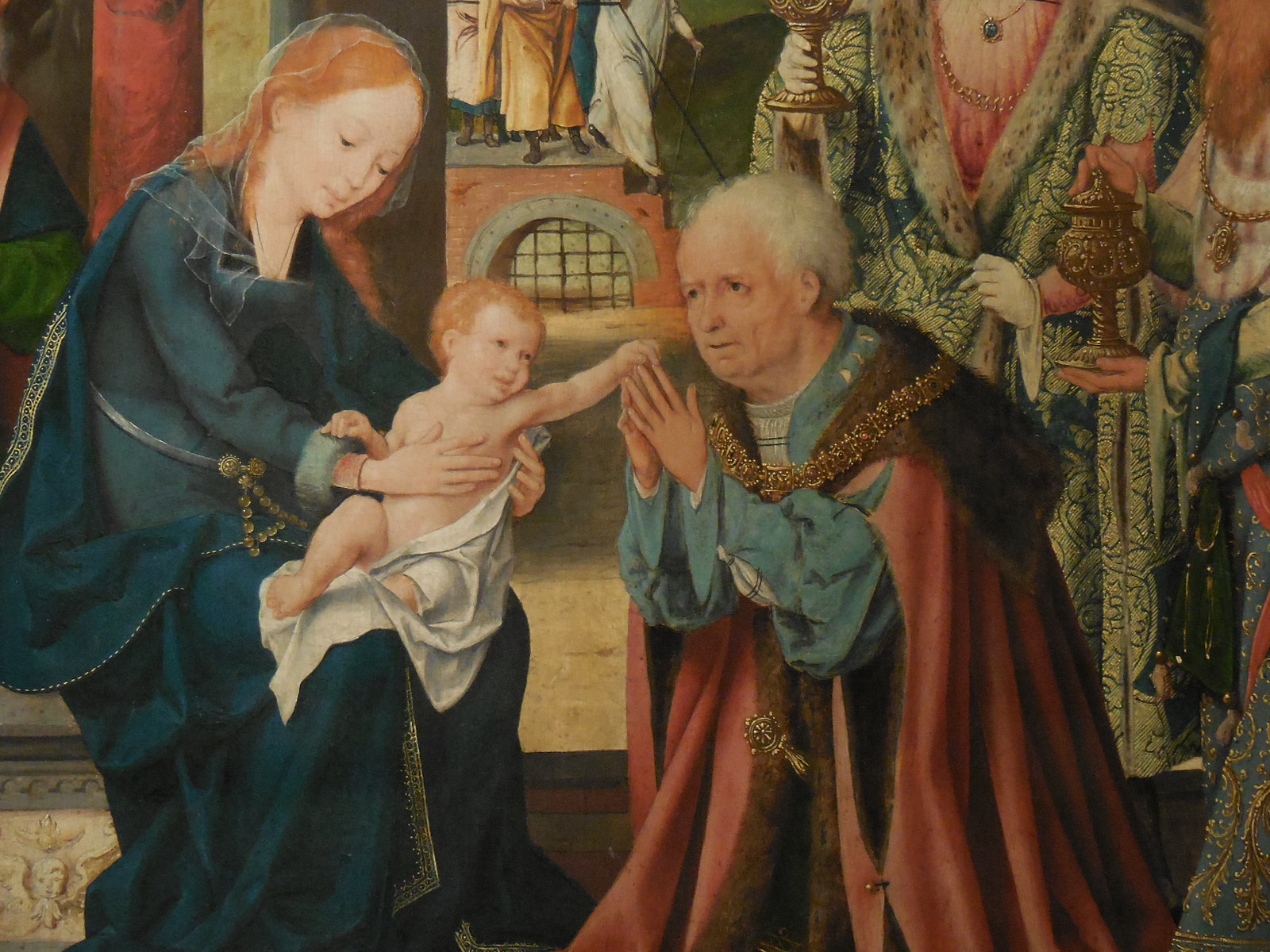
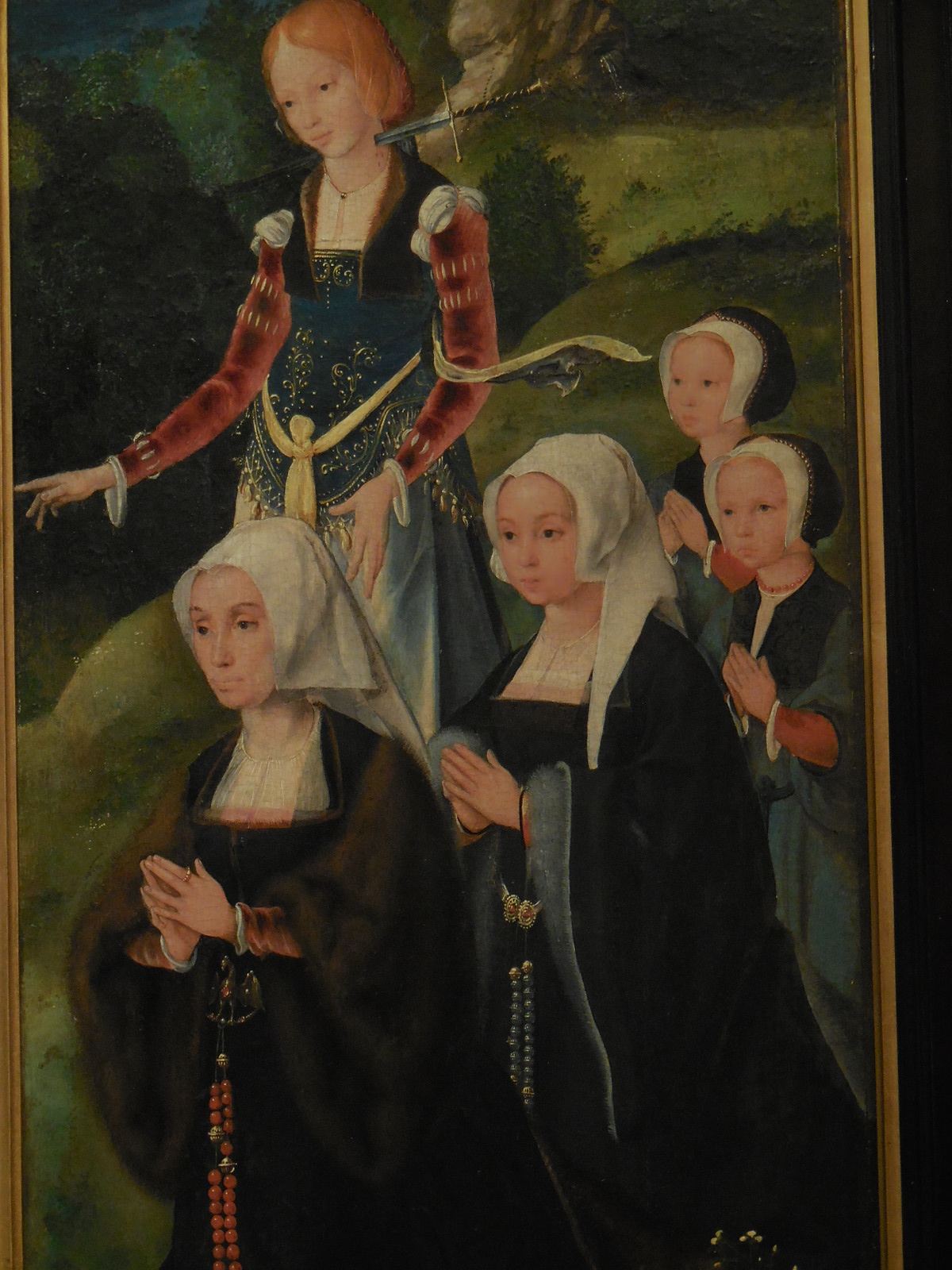
Joos van Cleve – Altarpiece with the Adoration of the Shephards, Saint Jerome with the Donor and Three Sons and Saint Lucy with the Donor and Three Daughters

Stellar artists worked as court painters in Prague: Hans von Aachen, Bartholomeus Spranger, Pieter Stevens and many others. First, allow me to mention Giuseppe Arcimboldo, a portrait painter serving Emperor Maximilian II and Emperor Ferdinand I. Arcimboldo began serving the emperor in 1562. Rudolf, the son of the emperor, was very taken with his work. He composed still lifes for Rudolf, and, after Arcimboldo returned to Milan in 1587 due to illness, he had a now famous portrait of Rudolf, called Vertumnus, sent to Prague. Arcimboldo’s portraits were allegorical, often composed of various objects that would make up the person’s head, for instance.

Lucas Cranach the Elder – Saint Catherine, Saint Barbara and fragments of the figures of Saint Dorothea and Saint Margaret, from Prague Altarpiece

Hans von Aachen was Rudolf II’s favorite when he was emperor. He began painting for Rudolf II in 1592 and wound up making Prague his home, where he created his best portraits. The painter became good friends with Rudolf II, too. The picture gallery still has von Aachen’s portrait of his daughter Maria Maxmiliana. His style was a precursor to the Baroque features that would later dominate Czech art.

Bartholomeus Spranger – Allegory on the Triumph of Fedelity over Destiny

Spranger’s tenure in Prague lasted from 1580 to 1590. His often complicated and ornate works displayed Mannerist features. Spranger created numerous paintings for the Rudolfine collection. In 1607, Spranger created Allegory on the Triumph of Fidelity over Destiny – Allegory on the Fate of Hans Mont, referring to the sculpture to worked for Rudolf II until an eye injury prevented him from doing so. Mont’s whereabouts were unknown. This is one of Spranger’s paintings that has remained at the Castle throughout the centuries. He also created a masterful portrait of Jacob König, a German goldsmith who was selling antiques in Italy.

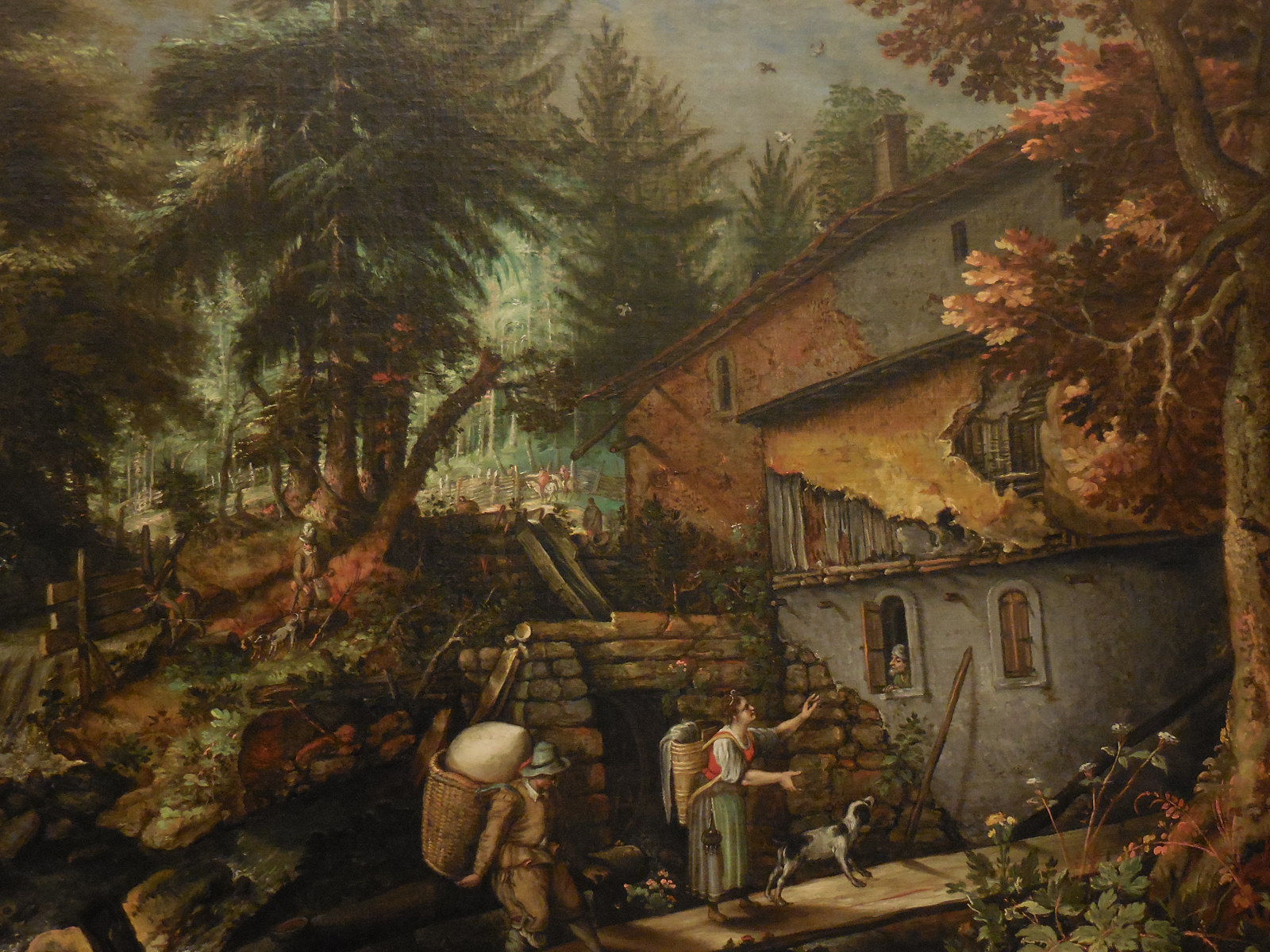
Pieter Stevens – Forest Landscape with a Water Mill

Pieter Stevens was another masterful court painter. He resided in Bohemia with his family and excelled at landscapes, influenced by Paul Brill and Hans Bol. He often portrayed village scenes or rendered forests and mountains in his unique way.

In 1585, Rudolf II’s collection was comprised of 3,000 paintings, including many Italian, Dutch, Flemish and German works, not to mention the numerous curiosities and statues.

Lucas Cranach the Elder – The Ill-Matched Couple

After Rudolf II died in 1612, his successor Emperor Matthias had many of Rudolf’s paintings taken to Vienna, where he had his imperial residence. The Bohemian Estates sold some of Rudolf’s works so they had enough money to pay their soldiers. After the Catholics defeated the Protestant nobles in the Battle of White Mountain during 1620, Archduke Maximilian of Bavaria confiscated many of the works. Others were destroyed. During 1630, while the Thirty Years’ War was raging, Saxon soldiers took over Prague Castle and stole much of the artwork.

Bassano – The Good Samaritan

When the Swedes occupied Prague Castle in 1648, they took some of Rudolf’s collection to Queen Christina in Stockholm, but the most significant works had already been sent to Vienna. The queen sold some of the artwork and gave away others. She also took her favorites to her residence in Italy. Part of the collection was destroyed in a fire at the Royal Palace of Stockholm. Some works stayed in Prague when the Swedes took control because they were hidden.

Tintoretto – Christ and the Woman taken in Adultery

A few paintings made their way to England, becoming part of Lord Buckingham’s collection. Several were returned to Prague from Vienna. Other paintings were sold in Europe. Empress Maria Theresa had the picture gallery at the Castle shut down. In 1782 many of the Rudolfine artworks were sold at auction.

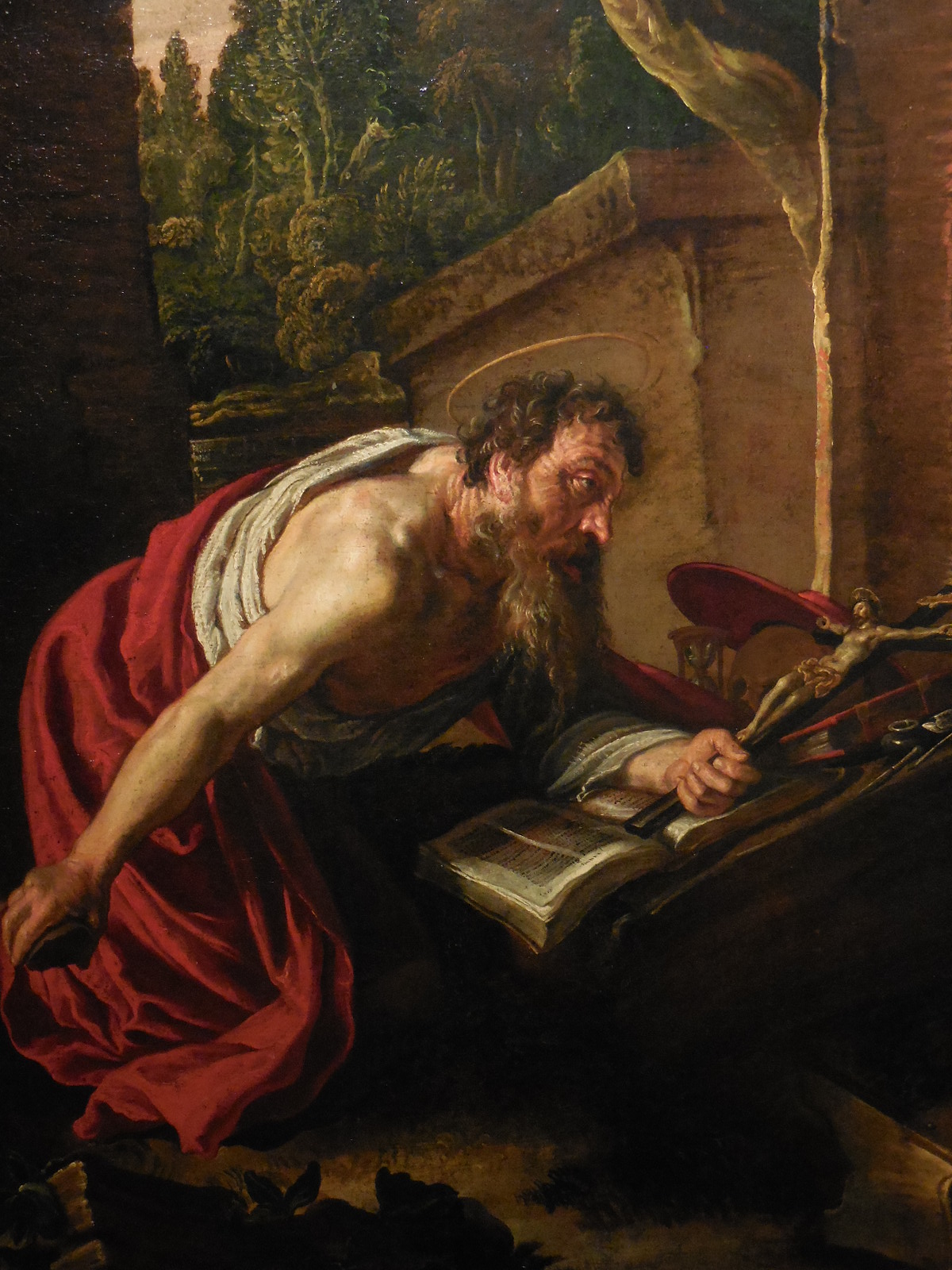
Domenico Fetti – Saint Jerome

Some paintings have perhaps miraculously remained at Prague Castle throughout the trials and tribulations of history. Paolo Veronese’s Portrait of Jakob König and Christ Washing the Feet of his Disciples as well as The Adoration of the Shepherds became property of the gallery in the middle of the 17th century and never left. Titian’s Young Woman at Her Toilet has called Prague Castle home since the 18th century. Several of the paintings by the Bassano brothers have remained in Prague, though many were transported to Vienna.

Bassano – September

In 1796, Czech aristocrats and burghers organized the Picture Gallery of Patriotic Friends of the Arts in Prague, which would later become the National Gallery. Some paintings were not sent to Vienna because they were on loan at the time to this Prague society. The year after its creation, the group was able to get 67 of Rudolf’s paintings back from Vienna. Gradually, they obtained more and more paintings from Vienna.

In 1918 Czechoslovakia was formed, and Prague Castle became the office of the president. In 1930 the Masaryk Fund began to purchase paintings for Prague Castle. During the Nazi Occupation some of the paintings hung at the president’s summer residence of Lány and others stayed at Prague Castle.

Peter Paul Rubens – The Annunciation to the Virgin

Much reconstruction took place at Prague Castle from 1960 to 1961. The National Gallery Commission brought many paintings to the National Gallery and the Museum of Decorative Arts in Prague. Many paintings were stored in a depository at Opočno Chateau during 1961. After the reconstruction, the Prague Castle Painting Gallery was established, taking up six rooms and including works of Titian, Rubens, Veronese and Tintoretto. German masters and Baroque artists from the Czech lands and the Netherlands also made up the collection.

Titian – The Virgin and Child with the Young Saint John the Baptist

The Velvet Revolution of November of 1989 triggered the downfall of Communism. A few years later, in 1993, the Prague Castle Administration was set up. One of its purposes was to organize new exhibitions at the painting gallery. From 1995 to 1998, much reconstruction took place at the Castle, and the Prague Castle Administration bought more paintings from Rudolf’s collection.

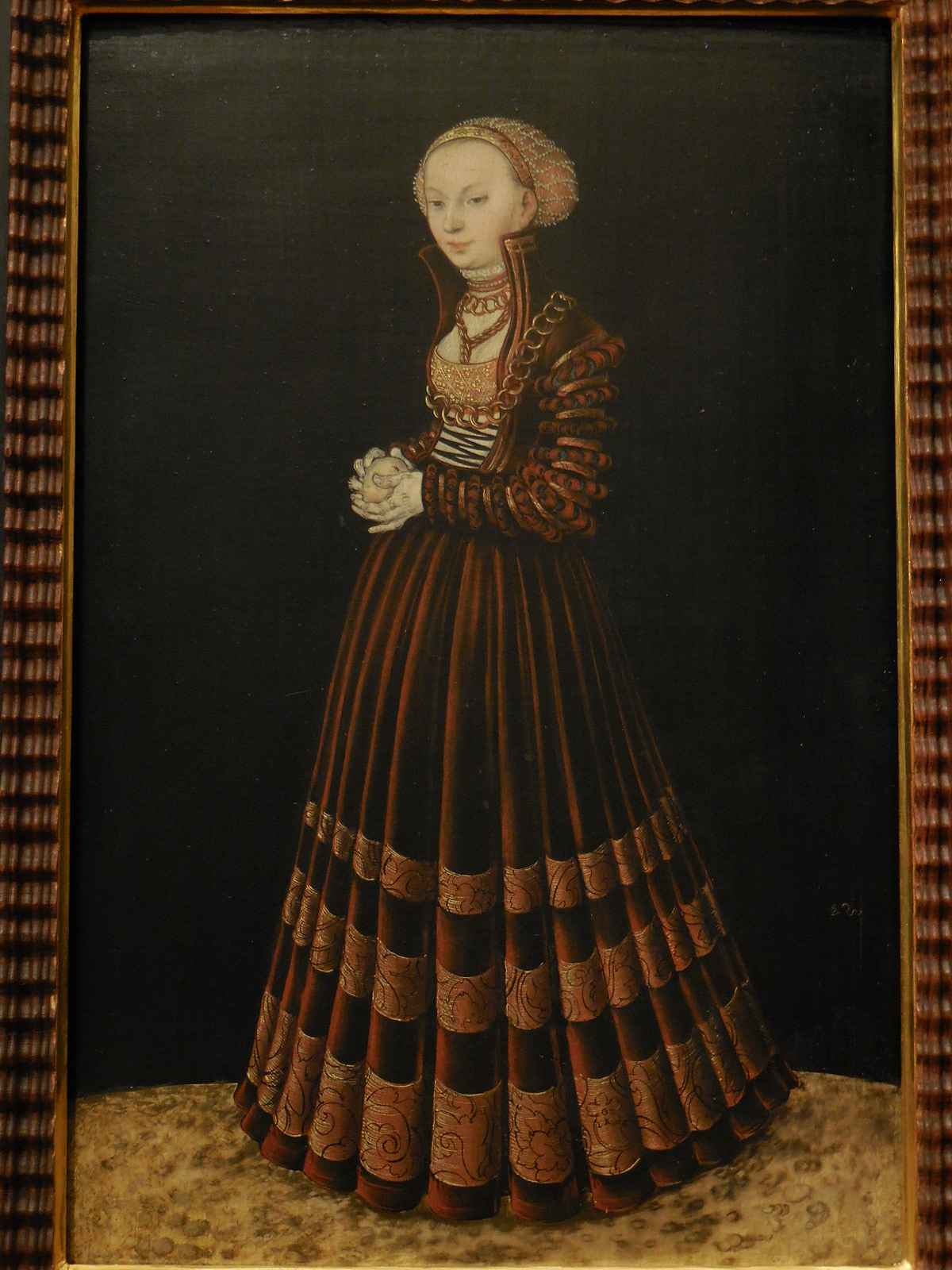
Lucas Cranach the Elder – Portrait of a Lady with an Apple

There has not been such a vast collection at Prague Castle since Rudolf’s death. It is impossible to faithfully recreate the Rudolfine collection because there are not enough inventories. Many of the paintings taken during the Thirty Years’ War have disappeared. Still, the Prague Castle Picture Gallery houses 120 outstanding works, including ones from the original collection.

Tracy A. Burns is a writer, editor and proofreader in Prague.

Veronese – Christ Washing the Feet of the Disciples
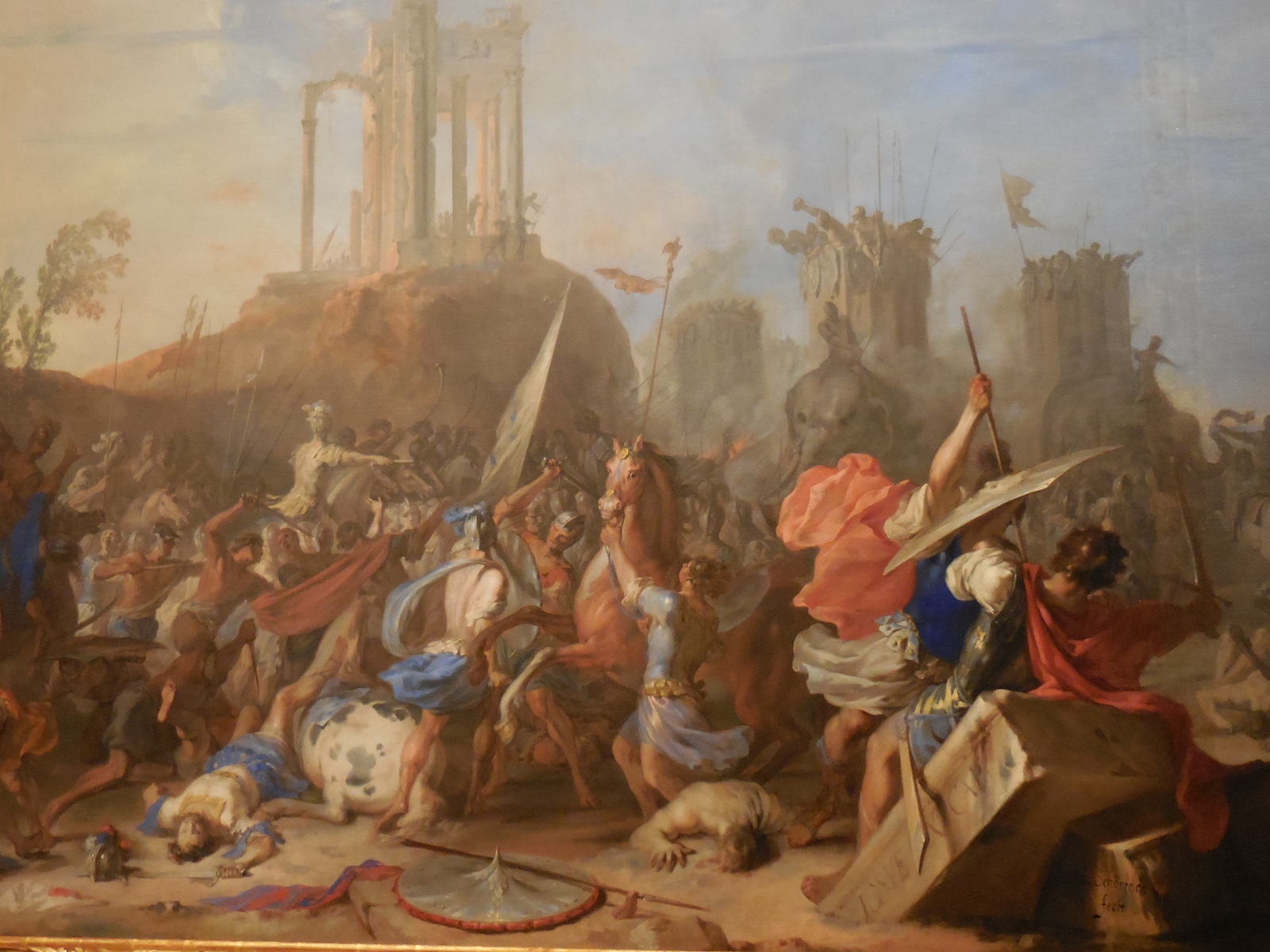
Johann Heinrich Schonfeld – Battle of Jericho
Peeter Snayer – An Ambush in a Village

Veltrusy Chateau Diary

I hadn’t been to Veltrusy since 1992 even though it was a mere 25 kilometers from Prague. I had been hoping to see the Baroque chateau again in 2001, but then that year the floods did major damage to the structure and the vast park. Reconstruction took 19 years. The chateau and park reopened with a flourish in July of 2021. I finally had a chance to visit during May of 2022.

The chateau was built in High Baroque style during the first half of the 18th century by František Maxmilián Kaňka as a summer residence for Václav Antonín Chotek, whose family would own the chateau until it was nationalized in 1945. Prague native of Italian origin Giovanni Battista Alliprandi worked magic on the chateau, too. In the courtyard I saw the Baroque statues by an unknown sculptor from the workshop of Matyáš Bernard Braun – some showed the months of the year, others were allegories of the four seasons. It was no coincidence that I thought of Braun’s statues of vices and virtues at the former hospital, Kuks. Inspired by Viennese architecture, Alliprandi had designed the east Bohemian jewel Kuks, although many of his projects had been built in Prague. I recalled that Alliprandi had designed Opočno Chateau, too. I hoped to set my eyes upon the elegant arcades of Opočno again sometime soon.

The interior did not disappoint. Both tours started off in the grotto with its exquisite painting of people and animals. Then we proceeded to the main hall with its stunning ceiling fresco and large portraits. One of the two monumental fireplaces in the room was artificial. One of the two elegant balustrades was also fake, though it was difficult to tell.

Rudolf Chotek, who had inherited the chateau from his father Václav Antonín, had worked for Empress Maria Theresa who spent a night in this chateau. This was a rare event because she usually stayed at Prague Castle or in a building the Habsburgs owned when she traveled. Her elegant bedroom was on display. Portraits throughout the chateau paid homage to the long-time ruler. Maria Theresa had come to Veltrusy for the trade fair, the first of its kind in the world. This large event took up space from the parking lot through the chateau grounds and promoted Czech manufactured goods. The empress was so impressed that she awarded Rudolf the Order of the Golden Fleece.

The first tour displayed mostly Baroque and Rococo styles. The tiled stoves were beautiful, especially one decorated with the body of a white serpent. What I liked best was the Chinese wallpaper that adorned a room. I also was impressed with other wallpaper that displayed red, blue and yellow designs as well as green foliage on a white background.

During the second tour we saw private rooms of the owner Jindřich Chotek and his family from the early and mid-19th century. Some décor harkened from the Renaissance era, too. Another highlight of my visit was looking at the paintings of Venice. I loved Italy, and the paintings brought back memories of my trip to Venice in 2005, when I wandered the romantic streets early one Sunday morning, practically having the city to myself. Some black-and-white etchings also captured my undivided attention.

We walked through the idyllic park, which is one of the oldest in Europe. At one time, boats had floated down a canal that had gone through the park. By the end of the 19th and beginning of the 20th century, the condition of the park and chateau had deteriorated. Now it has been revitalized, dotted with four Classicist and Empire style pavilions, many statues and rare wooded species. Forests, meadows, gardens and fields all made up the park that spans 300 hectares.

After a delicious lunch at the chateau restaurant, we made the short trip back to Prague.

Tracy A. Burns is a writer, editor and proofreader in Prague.

Chudenice Chateau Diary

It was my first visit to Chudenice. The first thing that caught my attention was the tranquility of the village. It was truly peaceful there. I felt calm in a way I was not able to feel in a busy metropolis.

I took a good look at the exterior of the chateau. One section was beautiful while another was in a dilapidated state. I thought of Nebílovy Chateau near Pilsen and how that chateau badly needed money to restore the façade of one of the buildings.

Actors in the plays Kvapil worked on.
Kvapil directed this Shakespearian classic at the Vinohrady Theatre.

We went inside. First, we visited a museum dedicated, in part, to Chudenice native Jaroslav Kvapil, who had been a poet, playwright, translator, dramaturg and director. The museum also showcased other Chudenice natives and village life. Kvapil worked with the National Theatre and Vinohrady Theatre for many years. In 1901 he wrote the libretto for Antonín Dvořák’s opera Rusalka. He was involved in the resistance during World War I as he supported the creation of an independent Czechoslovakia. During World War II, he founded an organization of resisters. Then the Nazis learned of the existence of his group. Kvapil was imprisoned for 11 months. When the Communists were taking control in 1948, he signed a petition, attempting to save democracy in Czechoslovakia. He died in 1950 and is buried in Chudenice.

Artwork also made up part of the museum.
Part of the museum dealt with village life in the past.
A mill from centuries past.

Kvapil’s career was impressive indeed. From 1893 to 1937, he directed or co-directed 205 plays at the National Theatre. Later, he took up a position with the Vinohrady Theatre. Plays by Jaroslav Vrchlický, Alois Jirásek, the Čapek brothers, William Shakespeare and Henrik Ibsen, for example, were staged under his guidance. In the small museum, I saw family photos, posters of the plays he worked on and his typewriter, for instance. I hadn’t known much about him before visiting the museum, even though I had taken a great interest in Czech theatre over the years.

At first I thought this figure was real.
An old machine used to make honey

Soon the tour began. The guide told us about the history of the chateau and town, which had been connected to the Černín family since the end of the 13th century when Drslav from Chudenice took possession of the village. A Gothic fortress originated in the 14th century. The first time the chateau was mentioned in writing occurred during 1603, after Humprecht Černín died, when his property was divided between his two sons, Jindřich and Adam, who got control of the chateau.

Even though Adam was Catholic, he sided with the nobles in the uprising of the Protestant nobility against the Catholics. Catholicism was the official religion of the Habsburg Empire, controlled by the Germans. Adam was punished for his involvement. Soon afterwards, he died, and his widow Johanka from Loksan and five children lived there. Jindřich took control of the chateau until 1629. During the Thirty Years’ War, there were periods when the chateau was filled with soldiers.

The chateau was transformed into Baroque style during 1776 and now has a Classicist appearance. After World War II, it was nationalized, and the Forest Institute took control. In 1948 the town took over, and the chateau served various functions. At one time, it included a movie theatre, library and Socialist Youth Union club. There had been apartments here, too. Later the Museum of Josef Dobrovský opened on the site, named after the historian because he had spent some time there. We even saw the bedroom where Dobrovský had slept. In 2009 the Černín family moved back to Chudenice and now live in the other chateau in the town, the Empire style Lázeň, which they are reconstructing along with its English park. The guide said the Černíns often visit Chudenice Chateau and even give private tours on weekends.

The most intriguing space was the Angel’s Room, which was connected to a legend about Humprecht Černín, who worked as an imperial advisor to Emperor Rudolf II and caretaker of Prague Castle. He was also a knight of the Golden Fleece. One night during 1601, when Humprecht was 76 years old, an angel came to him and told him he would die within three days. The angel directed him to have a mass in Wolfgang Chapel above Chudenice. The prediction came true.

Now there is a fresco of a red-clad angel with silver wings on the arched ceiling. I also liked the part of another ceiling that was painted in Art Nouveau style. The porcelain in the Oriental Salon was exquisite. An Empire clock stood out as well. The Hunting Salon showcased paintings of dogs and a green tiled stove plus trophies from forests near Chudenice. There were noteworthy paintings and graphic works on display, too. A blue porcelain peacock was impressive. Some unique chandeliers were exquisite, and one Classicist tiled stove captured my attention. Old shooting targets were painted with intriguing bullet-ridden scenes. Still, I would occasionally notice that a piece of furniture needed to be repaired– for example, the upholstery of some chairs was in need of restoration. The chateau just didn’t have the finances at this point.

The portraits and photos of the family gave the chateau an intimate feel. The Černíns had made a name for themselves in Czech history, to be sure. I recalled that a famous palace in Prague, now the Ministry of Foreign Affairs, was named after the Černín family, specifically after Humprecht Jan, who had it built. An employee of the Ministry of Foreign Affairs had showed me around the building, and I was particularly interested in the window out of which Jan Masaryk was pushed to his death by the Communists. Jan Masaryk, the son of  son of the founder of Czechoslovakia, Tomáš G. Masaryk, had been pushed out the window by the Communists after the coup of 1948, on March 10th of that year. He had refused to resign as minister after the Communist coup. Humprecht Jan also had constructed the small chateau Humprecht near Kost Castle in the Czech Paradise. I mused that I hadn’t been there since the late 1990s or earlier.

Humprecht Jan was the most prominent member of the Černín family. The imperial count had made a name for himself as a diplomat, serving as ambassador to Venice for three years and serving Habsburg Leopold I for many years. He had inherited much property in the Czech lands, including Kost Castle, Krásný Dvůr Chateau and Mělník, all of which I had visited. While working for Czech and Austrian King Leopold I, Humprecht Jan became good friends with the Habsburg leader and even was present at Leopold I’s coronation as Roman Emperor in Frankfurt. He was a secret advisor to Leopold I and in 1675 was honored as a recipient of the distinguished Order of the Golden Fleece. He also purchased territory in Lnáře that year. I remembered Lnáře fondly as I had not only toured the chateau with its stunning frescoes but had also visited its Cat Museum, where I admired many feline-related artifacts.

Part of the Secession decoration on a ceiling

While stationed in Venice, Humprecht Jan had developed an art collection. By 1663, he owned about 300 paintings. After building Černín Palace in the 1660s, he made part of the palace into a gallery for his paintings. (Unfortunately, under his heirs the collection became dilapidated due to a lack of finances.) Humprecht Jan died when he was only 54 years old. He is buried in Černín Chapel at Prague’s St. Vitus Cathedral. 

A shooting target

After the tour, we went to the only restaurant in the village, where there were two entrees left on the menu at 2:30 in the afternoon. We had a tasty lunch. I noticed the peace and quiet, the calmness that pervaded in the village. It was wonderful to experience such tranquility in a world that can be so chaotic and troubling.

Tracy A. Burns is a writer, editor and proofreader in Prague.

The room in which Josef Dobrovský stayed

Český Šternberk Castle Diary

Steep steps took me to the top of Český Šternberk, a massive Gothic structure that has an interior just as exciting as its colossal exterior. I had been there more times than I could count – with tour groups, friends, alone. The castle loomed over the surrounding countryside as it was situated 350 meters above sea level. When I had been on a tour of churches in the Posazaví region, our bus had even stopped in front of the castle because it dominated the area. This time I had come by car with a friend. We donned masks during the tour because of rules concerning the pandemic.
Whenever I visited this castle, I thought of George from Australia, my sixtyish friend whom I had met on a tour here in 1993. We spent some time together during his stay in Prague that summer and then became pen pals. About a year later, I received a letter from his daughter saying that he had died unexpectedly. I hadn’t known him well, but it was shocking all the same. So, whenever I come here, I realize how important it is to make good of the time you have with friends because they won’t be there forever.

Soon I gave the castle my full attention. I focused on the exciting history of Český Šternberk. Inside, it was hard to miss the eight-pointed star that symbolized the Sternbergs (in English the dynasty is spelled Sternberg not Šternberk), a name that harkens back to the original owner of the castle. In the mid-13th century, Zděslav of Divišov was responsible for the construction of this castle. He changed his name to a combination of the German word for star (stern) and the word for hill (berk).

Armor-clad George of Poděbrody
Chapel off the Knights’ Hall

In the Knights’ Hall, the vast first room, a portrait of Czech King George of Poděbrady, who had been related to the Sternbergs, hung prominently. A coat-of-arms representing the marriage of George of Poděbrady to Kunhata of Sternberg featured prominently in the space along with many other intriguing coat-of-arms. Indeed, George of Poděbrady influenced the history of the castle. During the 15th century Hussite wars, Catholics including castle owner Petr Sternberg fought against Hussite Czech King George of Poděbrady, who promoted the Utraquist religion. In 1465 Zdeněk Konopistský Sternberg even fought against George of Poděbrady, who was victorious and even destroyed the castle. George of Poděbrady would be the only ruler to conquer Český Šternberk.

Jiří Sternberg

Reconstruction took place in the 15th and 16th centuries. The Thirty Year’s War caused much damage and other difficulties. Still, the castle survived. Due to early Baroque reconstruction in the second half of the 17th century, Český Šternberk could no longer be used for defensive purposes. When the last member of the Holič branch of the Sternbergs passed away, there was not an heir, and the Sternbergs lost the castle. However, they would make a comeback in 1841 when Zdeněk Sternberg purchased it. The castle would remain in the family until 1949. The Communists took over the castle in 1949, but owner Jiří Sternberg was allowed to reside at the castle with his family in two small rooms. Jiří worked as a castle guide during the totalitarian period. He died in 1964. Due to his diligence and attention to detail, a precise inventory was created. This is why it is possible to see many of the original possessions there. A few years after the Velvet Revolution, Zdeněk Sternberg received the castle in restitution. Some 20 generations of Sternbergs have worked and lived there since the castle was built.

The first room, the Knights’ Hall, has always been my favorite. Every time I stepped inside, I felt overwhelmed by the beauty of the large space with 17th century stucco decoration and two Czech crystal chandeliers weighing 250 kilograms each. An eight-pointed Sternberg star decorated the floor. On the walls portraits of generals from the Thirty Years’ War stared at me. George of Poděbrady’s painting also made an appearance. A variety of chairs were situated in this space. Some cozy-looking seating dated from the early 20th century while others hailed from the Gothic and Renaissance periods. I especially was drawn to the 17th century Florentine cabinet. The semi-precious stones and pieces of marble decorating it were sublime.

You can see the eight-pointed star in the coats-of-arms above.

The Sternberg star was evident in the Dining Room, too, another of my favorites and the second largest room. A Bethlehem star was shining in the night sky of a painting of the Three Kings adoring Jesus. Of course, the star had eight points.

I loved the wall painting of idyllic landscapes in the Yellow Salon. I also was captivated by yellow because it had been the color of my mom’s kitchen, where I grew up. The color symbolized for me my mother’s optimism and calming voice telling me my problems would soon be solved, the sun would soon be out. The ceiling was captivating, too. The 18th century stucco ornamentation was amazing. In the Ladies’ Lounge, the ceiling was no less spellbinding. I was enamored by the Baroque frescoes above me. It intrigued me that the 18th century Rococo chairs lacked armrests. Ladies had donned such wide and huge dresses that the armrests were not needed. I would have loved to have been seated at the writing desk hailing from the second Rococo period. What kind of letters would I have written at that desk decorated with carved ivory? Perhaps letters to my parents and friends in the USA.

Dutch Baroque style grandfather clock

I also was excited to find some Dutch Baroque furniture in another space. The furnishings had a floral theme. Some paintings showing the Thirty Year’s War were on display here, examples of battle scenes from the 545 paintings in the Sternberg’s collection that depicted the conflict. My favorite of these renditions is the one showing the Charles Bridge. Back then, it was the only bridge joining both banks of the Vltava River.
Painting supposedly by Petr Brandl

The main altar in the chapel was home to the painting called The Passion of Saint Sebastian as the religious space is dedicated to that saint. What I liked best about the library was a painting that was said to be Apostle Peter, though he is depicted without attributes. The surprised expression on the face of the figure with the thick beard intrigued me. It was probably created by my favorite Baroque painter, Petr Brandl. I recalled his paintings in the cathedral of Sedlec near Kutná Hora. I had been enamored by so many of his works throughout the decades.

I was also astonished at the beauty of the Oriental Antechamber, which was decorated in furniture made from mother-of-pearl and ivory. I have always loved visiting Oriental rooms in castles and chateaus because they remind me of my mother’s fondness for antique Chinese porcelain and how I had come by pieces in various cities in different countries.

Battle of Hradec Králové

A painting that interested me in the hallway that showcased a variety of artifacts at the end of the tour was one by Filip Sternberg, a talented artist who had studied under the tutelage of Art Nouveau master Alphonse Mucha. My parents and friends always enjoyed visiting the Mucha Museum when they came to Prague. The rendition by Sternberg showed the Battle of Hradec Králové (also known as Koeniggraetz), which is situated in east Bohemia. During that 1866 conflict, the Austrians were defeated by the Prussians. Filip had painted the scene masterfully even though he had only been 14 years old when the actual battle had been fought.

Pipe collection

I always leave this castle realizing it is one of the most beautiful castles in the Czech lands if not the most beautiful. This time we retreated to the restaurant below and had a delicious lunch before making our way back to Prague.

Rest In Peace, George.

Tracy A. Burns is a writer, proofreader and editor in Prague.