Otto Gutfreund Diary

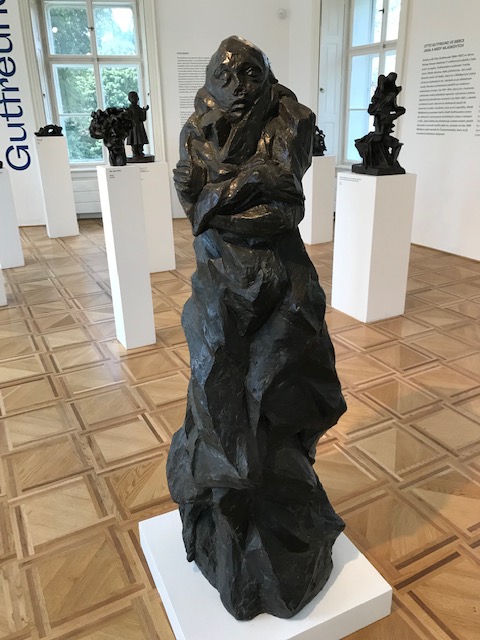
Anxiety, 1911-12.

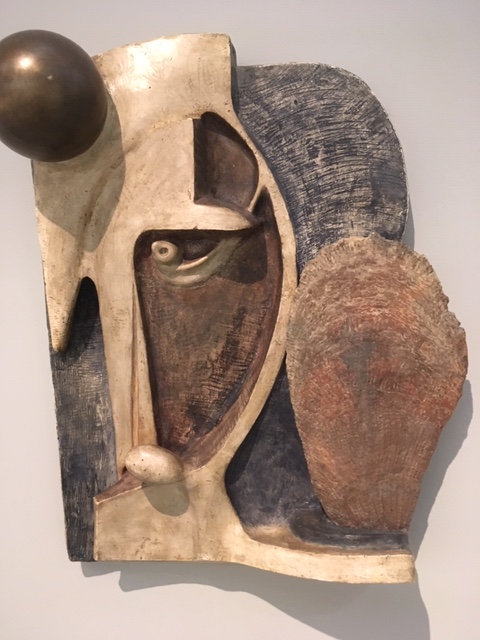
Whenever I come across a Cubist sculpture by Otto Gutfreund in a Czech gallery or museum, I take some time to appreciate the personal feelings that come to mind as I study the masterful figures. While I was perusing the impressive collection of Gutfreund’s works in Prague’s Kampa Museum, I was reminded that this was not the only style he employed in his career. As I studied the creations by Gutfreund there, I mused over the legendary sculpture’s career and the tragedy that befell him.

Lovers (Embracing Figures), 1913-14, bronze

Born in Dvůr Králové nad Labem in Bohemia during 1889, Gutfreund studied drawing and porcelain painting in Prague before turning to sculpture. In Paris his mentor was Antoine Bourdelle. Gutfreund was greatly influenced by the works of Auguste Rodin, whom he knew personally. While in Paris, he also became fascinated with Gothic art and nature. His travels then took him to England, Belgium and the Netherlands. He became immersed in the Cubist style after 1910 as he simplified natural forms into geometric shapes and showed objects and figures from multiple perspectives.

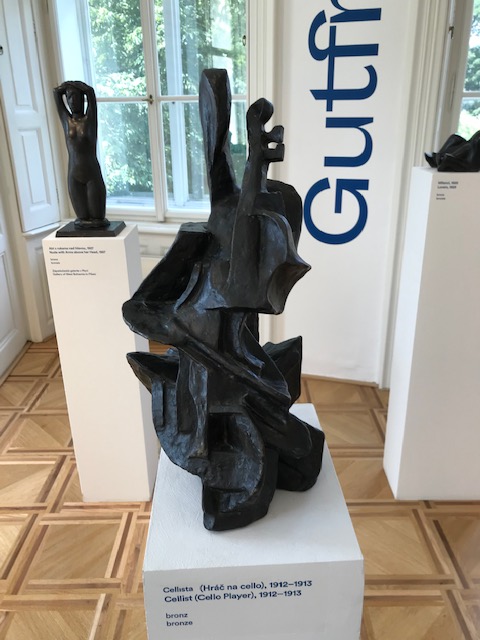
Cellist (Cello Player), 1912-13, bronze.

He made a name for himself as a Cubist guru with his first sculpture in this style, “Anxiety,” of 1911-12. Gutfreund joined the Group of Creative Artists around this time. This emotional and expressive work is my favorite as it stresses the sheer angst and fear that can be debilitating and personally destructive. It reminds me of the anxiety shown in works by Egon Schiele and the German Expressionists of the 1920s. I also see similarities to the emotion-immersed sculptures of František Bílek, a Czech Art Nouveau and Symbolist artist.

Cubist bust, 1913-14, bronze

Some of Gutfreund’s most renowned early Cubist works include his renditions of Don Quixote and Hamlet. Then, becoming more and more inspired by Picasso, he moved to Paris, where he met that artist as well as Apollinaire, to name a few.

World War I brought many changes to Gutfreund’s life. He became a soldier for the Foreign Legion in France and took part in the Battle of the Somme. He wound up in prison during 1916 and wasn’t released until three years later.

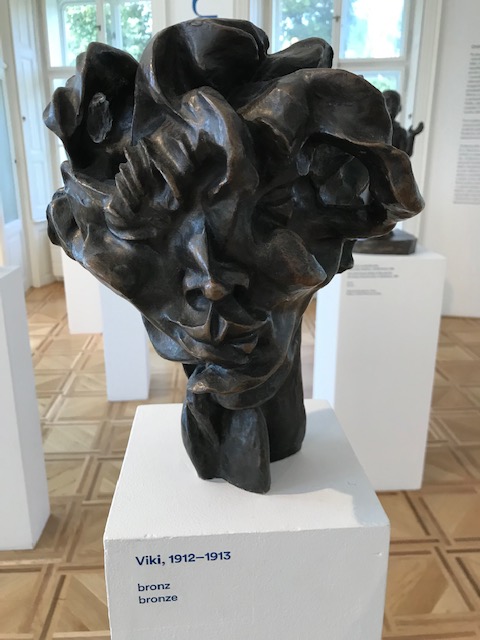
Viki, 1912-13, bronze

Two months after being freed, he moved back to Prague and was lauded as a sculptor of the social civilism style, which emphasized the everyday and was very realistic, nothing like the expressive Cubist movement in which he had participated before the war.

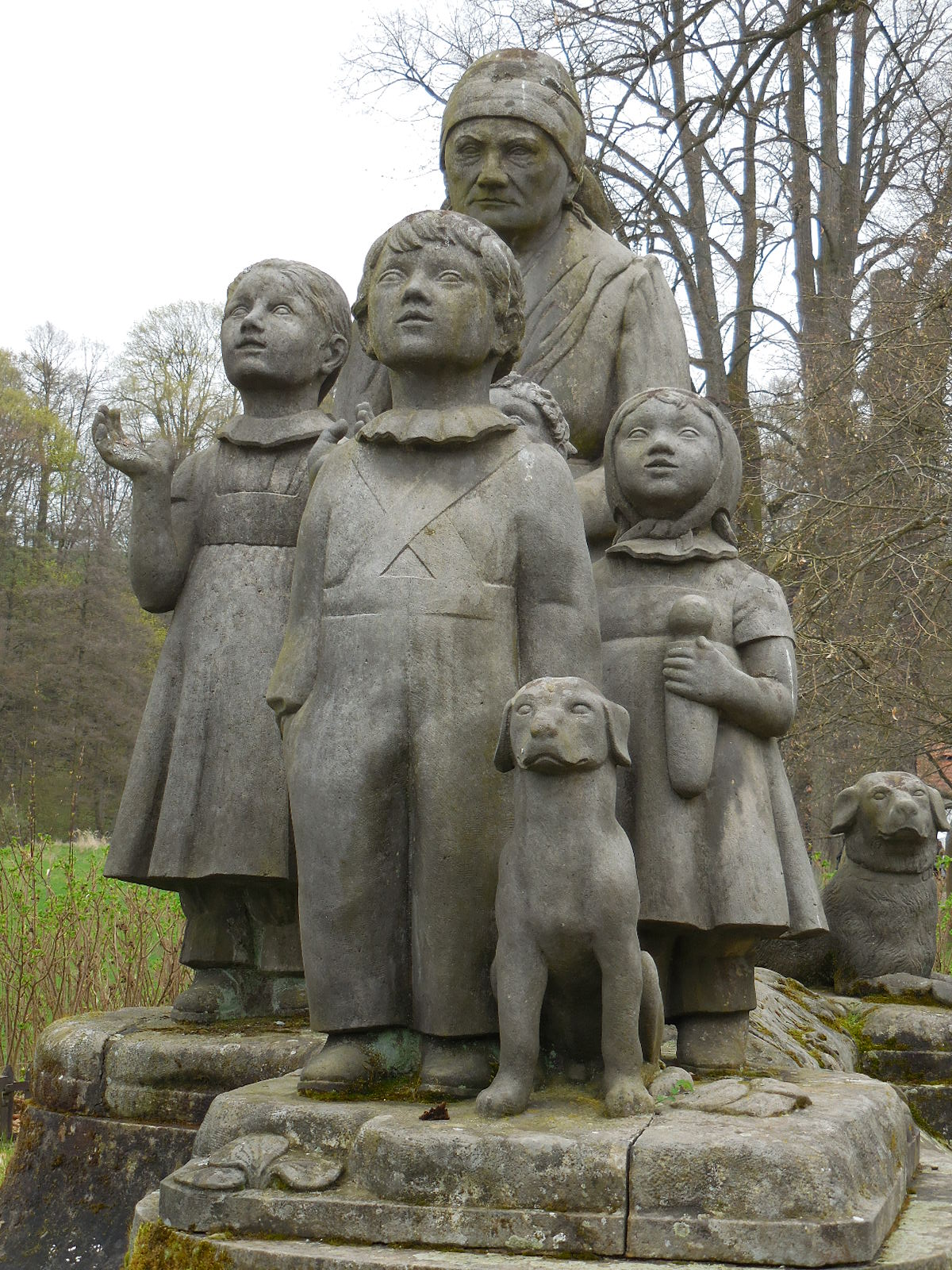
In the early 1920s, he received some big commissions. At this time, he created the monument to 19th century writer Božena Němcová in Ratibořice. The sculptural grouping showed off characters in Němcová’s stellar novel, The Grandmother, a 19th century Czech classic.

Industry, Study (sculpture on the right), 1923.

From 1922 to 1923, Gutfreund decorated the Legiobanka Building in Prague with a relief called “The Legions’ Return,” cooperating with renowned Czech architect Josef Gočár. In 1924 he designed a life-size statue of the first president of Czechoslovakia, Tomáš Garrigue Masaryk in Hradec Králové. I greatly admired likenesses of the first Czechoslovak president. Gutfreund held art shows, adding to his résumé of artistic mastery. During 1926 he became a professor of sculpture at Prague’s College of Decorative Arts, and Americans had the chance to admire his works in a New York City exhibition.

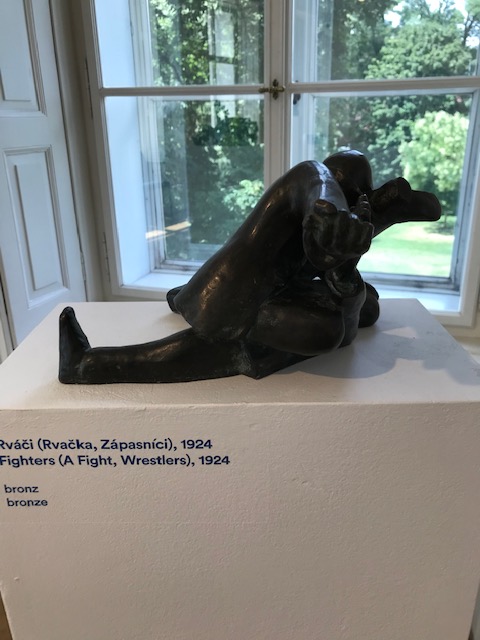
Fighters (A Fight, Wrestlers), 1924, bronze.

Unfortunately, his life was short-lived. On June 2, 1927, he drowned in the Vltava River in Prague. He accomplished so much in such a short time. If he had lived, there is no telling how much he could have influenced the Czechoslovak and world art scene. Gutfreund is buried in Prague.

At the Museum Kampa visitors can see a collection of both his Cubist and realistic sculptures as Otto Gutfreund lives on through his incredible art. It is worth traveling to Ratibořice to see the stunning chateau and park dedicated to Němcová and 19th century country life as well as the impressive statuary grouping by Gutfreund. Admirers of sculpture and architecture are sure to be amazed by Prague’s Legiobanka Building in the center of the city.

Tracy A. Burns is a writer, proofreader and editor in Prague.

Statuary grouping from Němcová’s book The Grandmother, by Otto Gutfreund, in Ratibořice

Ivan Meštrović Exhibition Diary

Early in 2023, I went to an exhibition of sculpture by late Croatian sculptor, architect and writer Ivan Meštrović. The art gallery at Prague’s main library hosted the intriguing show. I was familiar with the artist’s name: I had admired his villa, the Ivan Meštrović Gallery, in Split on my last trip to Croatia some years ago. It contained 86 sculptures made with various materials, showing off his dramatic, dynamic and expressive style that was both poetic and poignant. Drawings and reliefs were displayed, too. The bronze statue-dotted garden was delightful. One of my favorite things about traveling was being introduced to the works of various artists. I was enamored with Meštrović’s creations, and his unique, powerful style was forever embedded in my memory.

During Meštrović’s illustrious career that spanned six decades, he had been influenced by a number of styles ranging from Art Nouveau, Symbolism, Impressionism, Art Deco, Neoclassicism and Late Realism. Classicism played a major role in shaping his artistic style, too. Auguste Rodin’s naturalist style, which he had meticulously studied, greatly inspired him. During his extensive travels, Meštrović also saw Michelangelo’s creations, which affected his own work. poignant.

Meštrović’s subjects were diverse as well. He took on religious themes, created portrait busts, made sculptural monuments and delved into studies of figures. A firm believer in promoting Yugoslav national identity, he also presented folk themes and national myths. He fervently advocated for pan-Slavism, and some of his works represented historical events in Slav history.

The sculptor’s career took off when he exhibited his works in Vienna during 1905 as part of the Secession Group. While living in Paris for two years, he received recognition from all over the world and was very prolific. Then he spent four years in Rome, where he was lauded for his design of the Serbian Pavilion at Rome’s1911 International Exhibition. During World War I, he traveled extensively and spoke out against the Habsburg monarchy that controlled his homeland.

He returned to his homeland after the war ended and achieved much success while living in Zagreb. He even created many sculptures for King Alexander I of the Kingdom of Serbs, Croats and Slovenes. He continued to travel, even having an exhibition at the Brooklyn Museum in New York during the 1920s.

During World War II, Meštrović’s life was far from rosy. In 1941, he spent three-and-a-half months in prison. The following year his first wife died, and many of her Jewish relatives perished during the war. Thanks to the Vatican, Meštrović was let out of prison and took off to Venice and then back to Rome. He even met Pope Pius XII.

After World War II, he refused to return to Yugoslavia because the Communists were in control. He wound up in the USA during 1946, when he took a position as a professor at Syracuse University. His works were displayed at the Metropolitan Museum of New York the following year, and he was the first Croatian to do so. He continued to achieve great success and much recognition in the USA and even received the American Academy of Arts and Letters’ Gold Medal in the field of sculpture during1953. American President Dwight D. Eisenhower was so impressed with Meštrović that he gave him US citizenship. Meštrović took a job at the University of Notre Dame in Indiana soon after that. He designed monuments at Notre Dame, and his sculpture is featured in the university’s art museum.

He died in Indiana during 1962 at the age of 79 and was buried in his hometown of Otavice, though the Communists in control of Yugoslavia created many difficulties. His sculptures can be seen all over the world: in Serbia and Romania as well as in the United States, including Louisiana, Indiana, New York and Illinois.

This exhibition focused on Meštrović’s Czechoslovak connection as he had developed an affinity for Czech culture. He befriended the first democratic President of Czechoslovakia, Tomáš Garrigue Masaryk. They both had taken an anti-Habsburg stance during World War I. Also, Meštrović and Masaryk had lived in exile during the first World War. They both admired Slav history. While Meštrović wanted a united Yugoslavia of Croats, Serbs and Slovenes, Masaryk tried to forge a united Czechoslovakia of Czechs and Slovaks. Meštrović sculpted two busts of Masaryk in 1923 as well as busts of his wife Charlotte and his daughter Alice. He created these busts at the Czechoslovak President’s summer residence, Lány Chateau. I recalled spending some sunny afternoons in the park of the chateau in Lány as well as paying my respects at the Masaryk family graves.

Masaryk was by no means the only Czech Meštrović knew. For example, Meštrović was friends with Czech sculptor Bohumil Kafka and even created a portrait bust of Kafka during 1908.

Meštrović’s work was first unveiled in Prague during 1903, when the Habsburgs ruled the Czech lands. His work was included in an exhibition featuring Croatian artists at the Mánes Association in Prague. Mestrovic had another exhibition in Prague during 1933. President Masaryk was so impressed with Meštrović that he presented the Croatian sculptor with the Order of the White Lion award during 1926.

I was enthralled with the Czech connection between Meštrović and artists in Czechoslovakia. Tomáš Garrigue Masaryk was one of my heroes, and I was very interested in life during the First Republic, when Masaryk was president. I felt strong emotions when viewing Meštrović’s powerful works. I also thought back to my introduction to Meštrović’s creations in Split. What a discovery! I was glad to be reacquainted with Meštrović’s sculptures. Seeing his renditions in person was a profound experience.

Tracy A. Burns is a writer, proofreader and editor in Prague.

Sucharda’s Second Villa Diary

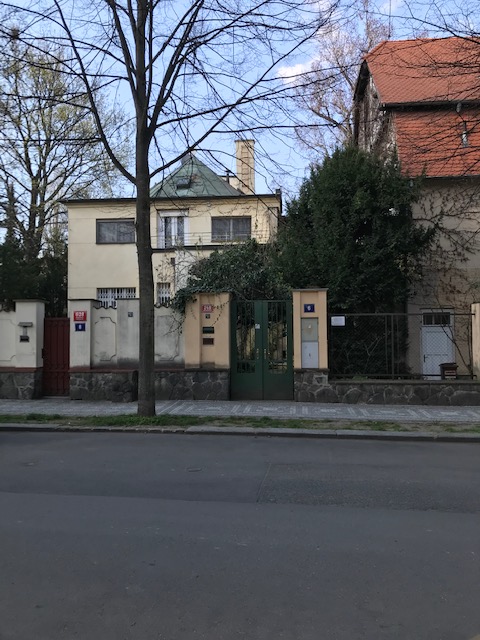
The second Sucharda Villa

I had waited months for the tour of Stanislav Sucharda’s second villa. The first time I had had to cancel due to illness. I had seen the exterior of the Sucharda Villa on Slavíčkova Street for the first time on a tour of Bubeneč in Prague’s sixth district. Constructed for sculptor, designer and medallist Stanislav Sucharda from 1904 to 1907 by architect Jan Kotěra, the villa is shaped like a cube and features a mansard roof, polygonal bay windows and half-timbered gables. To say I was impressed is an understatement.

The studio of the Sucharda Villa, now a separate building

A large studio building, influenced by Cubism, stood next to what was Sucharda’s second villa. A knight figure is featured on its steep roof. This had once been Sucharda’s atelier but now was owned by the government for administrative purposes. Sucharda had needed a large studio after he won the competition for the colossal monument to František Palacký, the founder of Czech historiography as well as a prominent politician. Palacký’s nickname was the Father of the Nation.

Jan Kotěra – Photo from Kralovehradecký architektonický manual

Kotěra received accolades not only as an architect but also as a theoretician of architecture, a furniture designer and a painter. He designed all the interior furnishings for this villa. I was familiar with Kotěra’s National Building in Prostějov, Moravia. The two-winged, L-shaped building in Prostějov was clearly divided into sections for a hall, restaurant and cafes. Kotěra had also designed half of the complex for the Law Faculty of what is now Charles University, which I had often passed on foot or on the tram.

Decoration on Sucharda’s first villa

As I have already pointed out, this was Sucharda’s second villa in Bubeneč. The first one is also on Slavíčkova Street. It is a neo-Renaissance structure that he and his family had inhabited for 10 years. An exquisite painting of the bishop Božetěch is featured on the exterior of this villa. Stanislav sold this building to his brother Vojtěch, who had made a name for himself as an artist, too.

Mašek’s Villa on Slavíčková Street

Indeed, Slavíčkova Street is dotted with villas built for artists, including architect Jan Koula and painter Karel Vítězslav Mašek. The prominent villas on this street were built from 1895 to 1907. On Mašek’s villa there is floral decoration with a painting of the Virgin Mary with Child. Both the Koula and Mašek villas feature motifs of white pigeons. The painting on one side of Koula’s villa is outstanding.

Koula’s Villa on Slavíčkova Street

Back to Stanislav Sucharda: Family members have taken up artistic professions for at least 250 years. Stanislav was brought up in Nová Paka, where his father, Antonín Sucharda, had created and restored sculptures. The five children helped out in their father’s workshop and would continue to pursue artistic careers.

Stanislav Sucharda

Stanislav attended the School of Decorative Arts in Prague, where he studied under the greatest Czech sculptor of the 19th and 20th century, Josef Václav Myslbek. Every Praguer knows Myslbek’s equestrian statue of Saint Wenceslas at the top of Wenceslas Square. I vividly remember the statue being decorated with votive candles and pictures of Václav Havel shortly after the former president and former dissident died in 2011. The sight had made an unforgettable impression of me and filled me with an immense feeling of loss. Many demonstrations have taken place around the statue, too, even under Communism.  

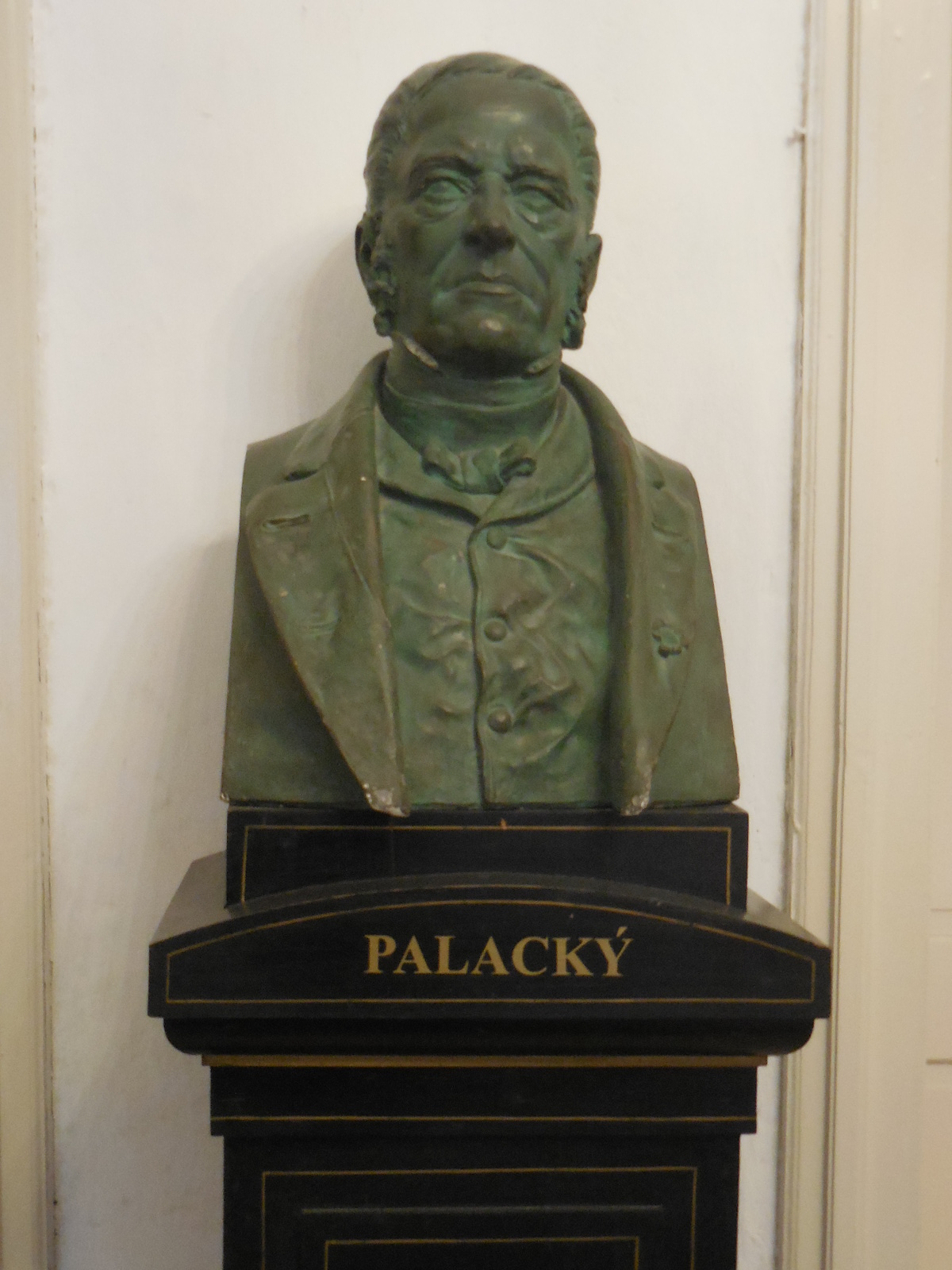
Bust of František Palacký from Maleč Chateau, where Palacky had resided.

Myslbek had been very influenced by the Czech National Revival that promoted Czech culture and the Czech language. I was familiar with Myslbek’s sculptural portrait of František Palacký, who had supported the Czech National Revival, on Palacký’s former home in the street named after him.

Postcard of Sucharda’s Prague and Vltava (1902) printed by Museum of Stanislav Sucharda

It is not surprising that Sucharda’s early creations were greatly influenced by Myslbek’s realism. Sucharda became known for his creations of Czech historical figures and the Slavonic themes in his work, which are two of the reasons his works appeal to me. I love Czech history and studied it in graduate school. After a Prague exhibition of Auguste Rodin’s sculpture in 1902, however, Sucharda’s style became more vibrant and underwent some changes.

Postcard of Sucharda’s Liliana (1909), printed by Museum of Stanislav Sucharda

Sucharda is best known for his sculptural grouping of the monument to Palacký on Palacký Square in Prague’s second district. Many years ago, Palacký’s statue had greeted me every time I took the Metro at the square or rode by on a tram. I had become very interested in Palacký’s work during graduate studies in Czech history, and I found that having a monument dedicated to him near my apartment was refreshing and soothing. The bronze statues of the monument brought to mind the revitalization of Czech history and culture during the Czech National Revival.

Palacký monument on Palacký Square in Prague

The monument also made me think of the Czech nation finally gaining independence after World War I with the creation of Czechoslovakia, even though Palacký had not been alive to see that. I thought of the Czech nation breaking free from the Germanization of the Austro-Hungarian Empire whenever I passed by that sculptural grouping.

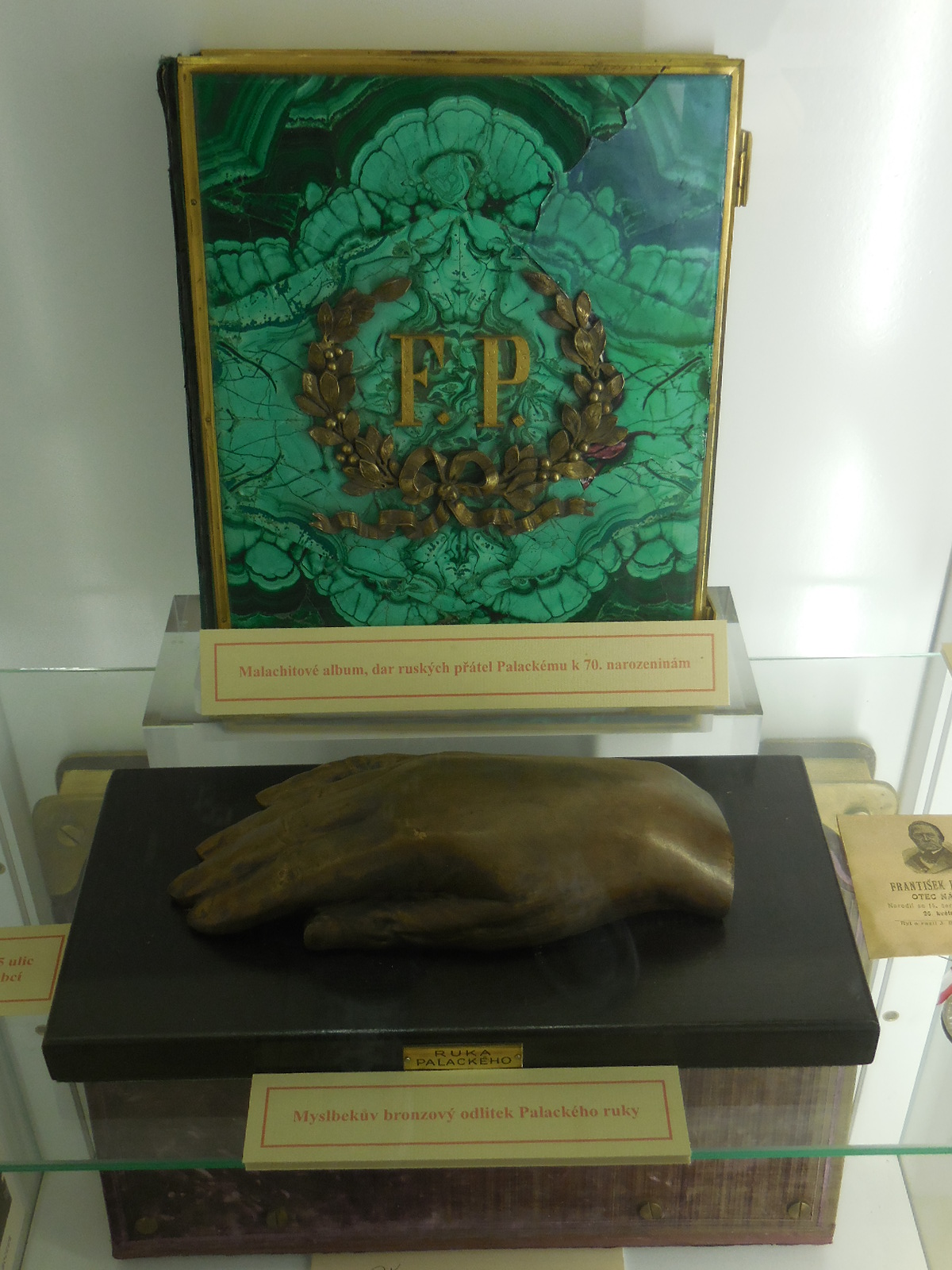
A cast of Palacký’s hand by Myslbek

In the same district as his villa, Sucharda had created a monument to composer Karel Bendl. He also built monuments to Czech historical figures Jan Amos Komenský (Comenius in English) and martyr Jan Hus, for instance. Other designs include sculpture for the study of the mayor of Prague from 1907 to 1909.

Sucharda also authored many reliefs, medals and plaques, and his medal designs were highly praised. His medal works even received international recognition. Stanislav became professor of the first Department of Medal Design of the Academy of Fine Arts in Prague after spending two decades as a professor at the School of Decorative Arts. He had also served for seven years as the chairperson of the Mánes Union of Fine Arts, which organized many influential exhibitions in Prague and was an important promoter of modern art.

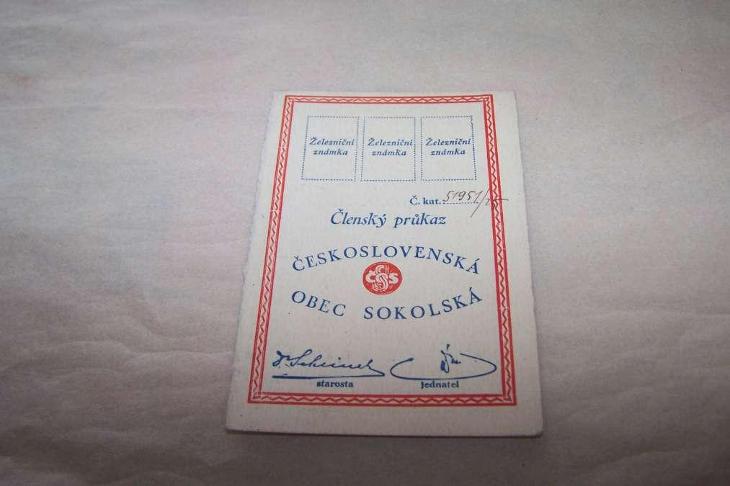
Sokol membership card from 1912. Photo from aukro.cz

For Sucharda there was more to life than artistry. He was an avid member of the legendary Sokol physical education organization, even working as an instructor there. His entire family was involved with this prominent Czech organization.

Then fate intervened. Stanislav served in the military during World War I and did battle on the eastern front. Wounded in the war, he died after returning to the Czech lands in 1916, a year after being chosen to head the medal design department of the Academy of Fine Arts. I thought it was such a shame that he did not get to see the establishment of independent Czechoslovakia with Tomáš Garrigue Masaryk at the helm.

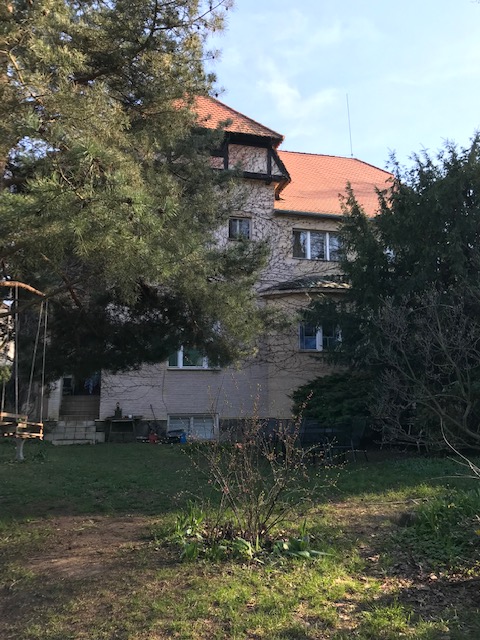
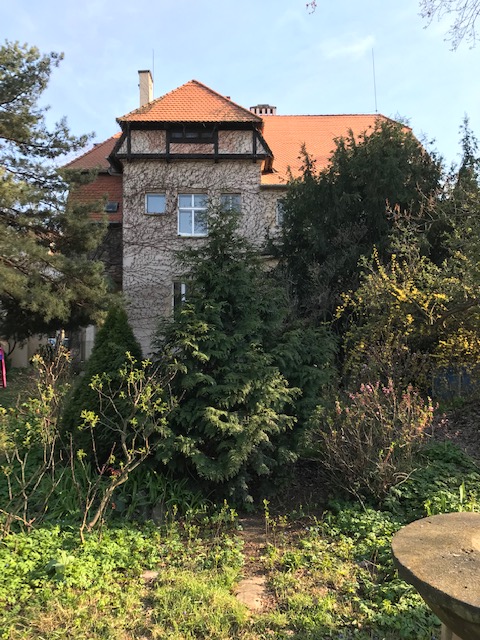
Sucharda’s Second Villa as seen from the garden

The tour of the two-story villa was very impressive as Sucharda’s granddaughter told the group about her father’s work, the pieces of art in the building and the history of the villa. A professional guide was insightful, too. The interior consisted of an English style hall with stained glass decoration on high windows and sculptures, reliefs and paintings. The British architecture of the hall reminded me a bit of Staircase Hall in the Moravian villa of Slovak architect Dušan Jurkovič, who had been inspired by the English Arts and Crafts movement.

Jurkovič’s Villa in Moravia

We saw works by Edvard Munch and Rodin as well as many Czech creations. Small statues and other artworks decorated the top of an elegant decorative fireplace. Behind plush red seating shaped in a semi-circle was a beautiful stained glass window. I especially liked a large relief by Sucharda in the entrance hall and a life-size statue.

In the narrow hallway there was a fountain with sculptural decoration that employed religious motifs. We also saw the dining room with its paintings, statues, busts and ceramics. Works by Stanislav’s daughter were very impressive. The woodcarving of Kotěra furnishings was masterful. A small conservatory was adjoined to the dining room. Intriguing artifacts decorated the piano, and outstanding paintings decorated the walls. I especially liked a rendition of the Roman Forum by Cyril Bouda. It brought to mind my passion for Italy and the time I had showed my parents the Roman Forum

The garden had an intimate feel. I could imagine sitting there, reading a good book and relaxing on a sunny day.

The Muller Villa in Prague

Visiting villas in Prague was one of my favorite pastimes. I recalled touring the František Bílek Villa, the Muller Villa, the Winternitz Villa and the Rothmayer Villa in the capital city. I had also toured several intriguing villas in Brno and the Bauer Villa in central Bohemia. I would definitely recommend touring these villas. I was glad I was able to get to know Stanislav Sucharda better via his villa and the art within it. I developed a much stronger appreciation of Sucharda’s contribution to modern art. The tour was even more impressive than I had imagined it would be.

Tracy A. Burns is a writer, proofreader and editor in Prague. 

Mucha: The Family Collection Exhibition Diary

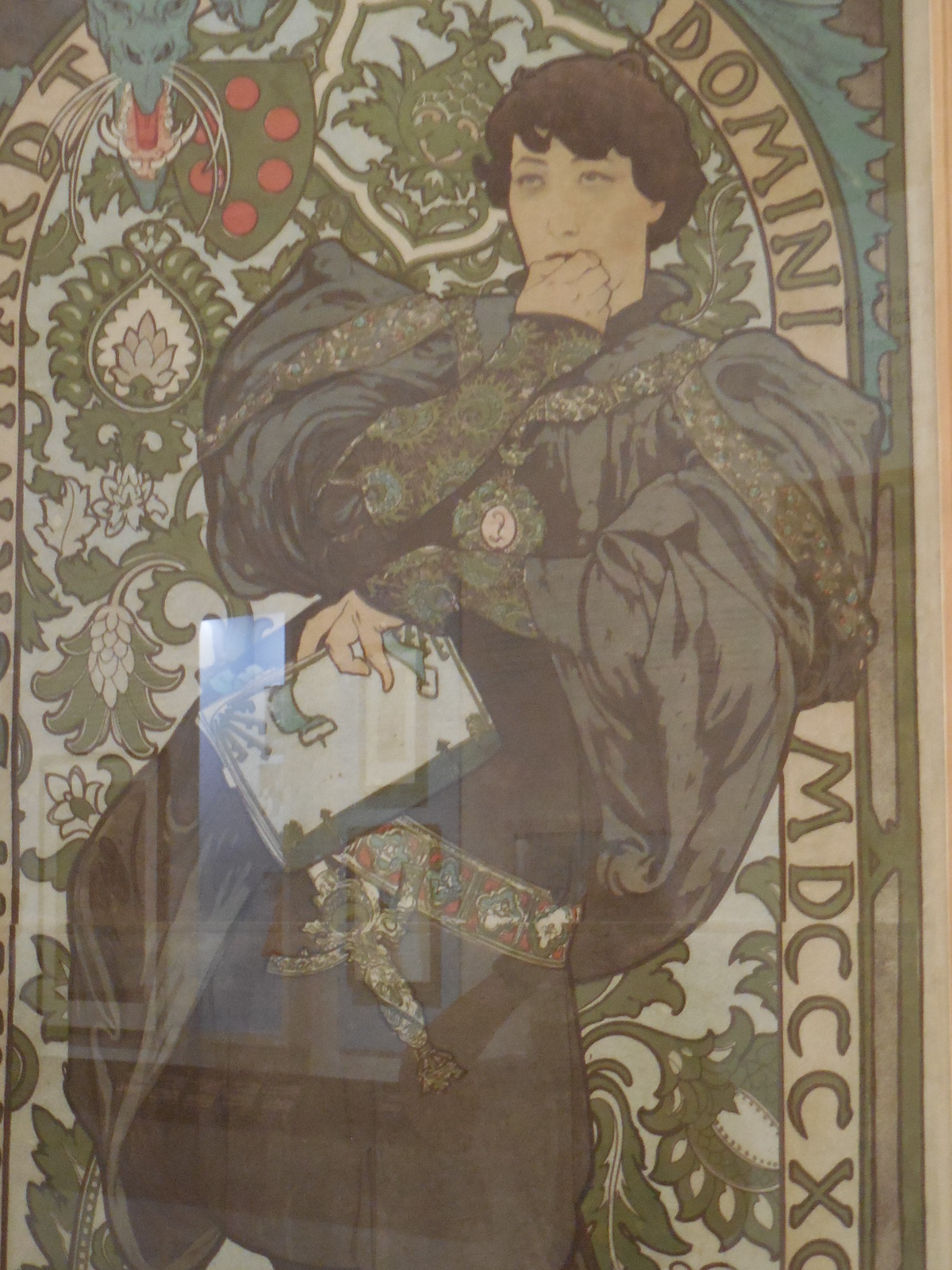
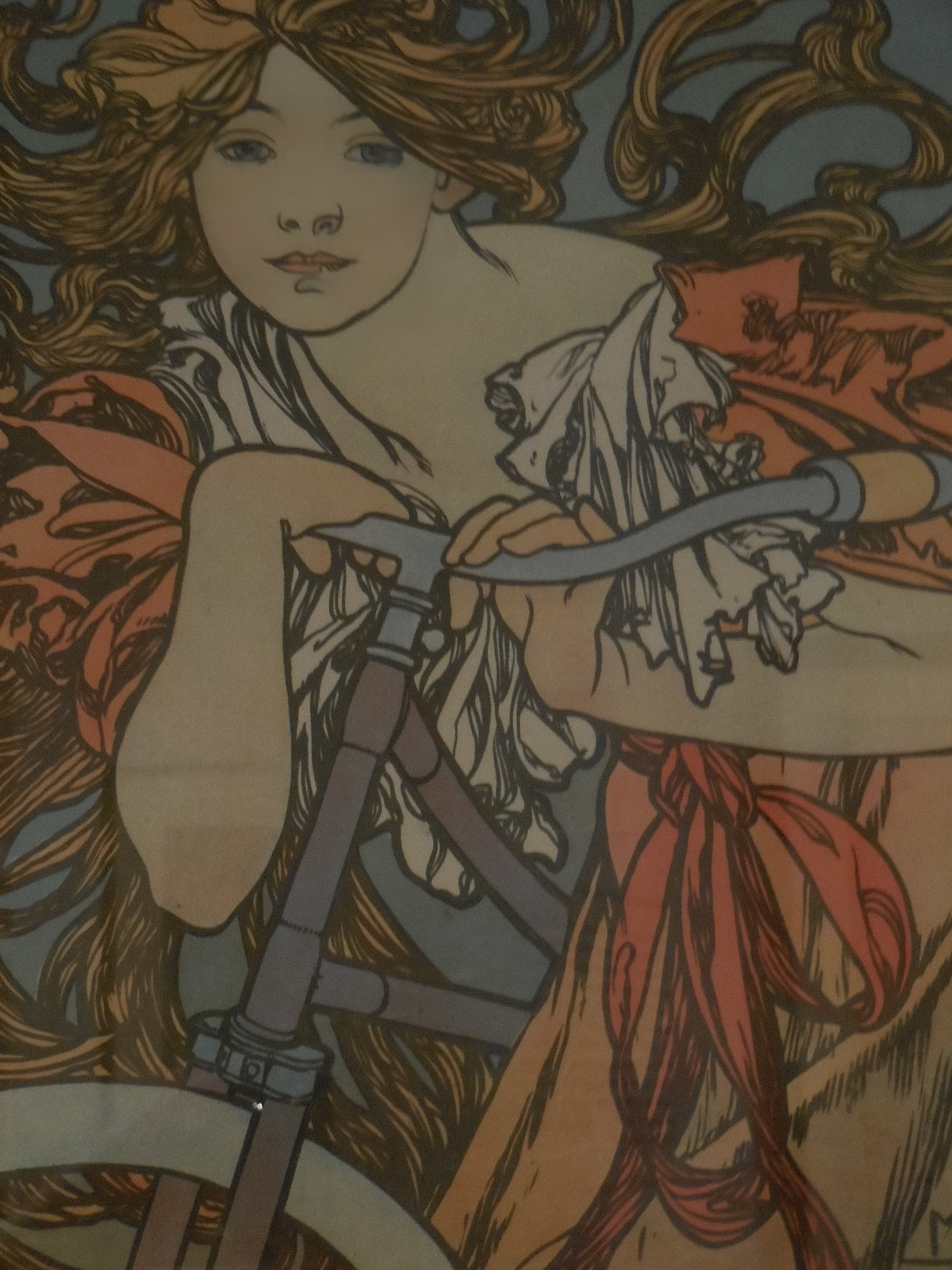
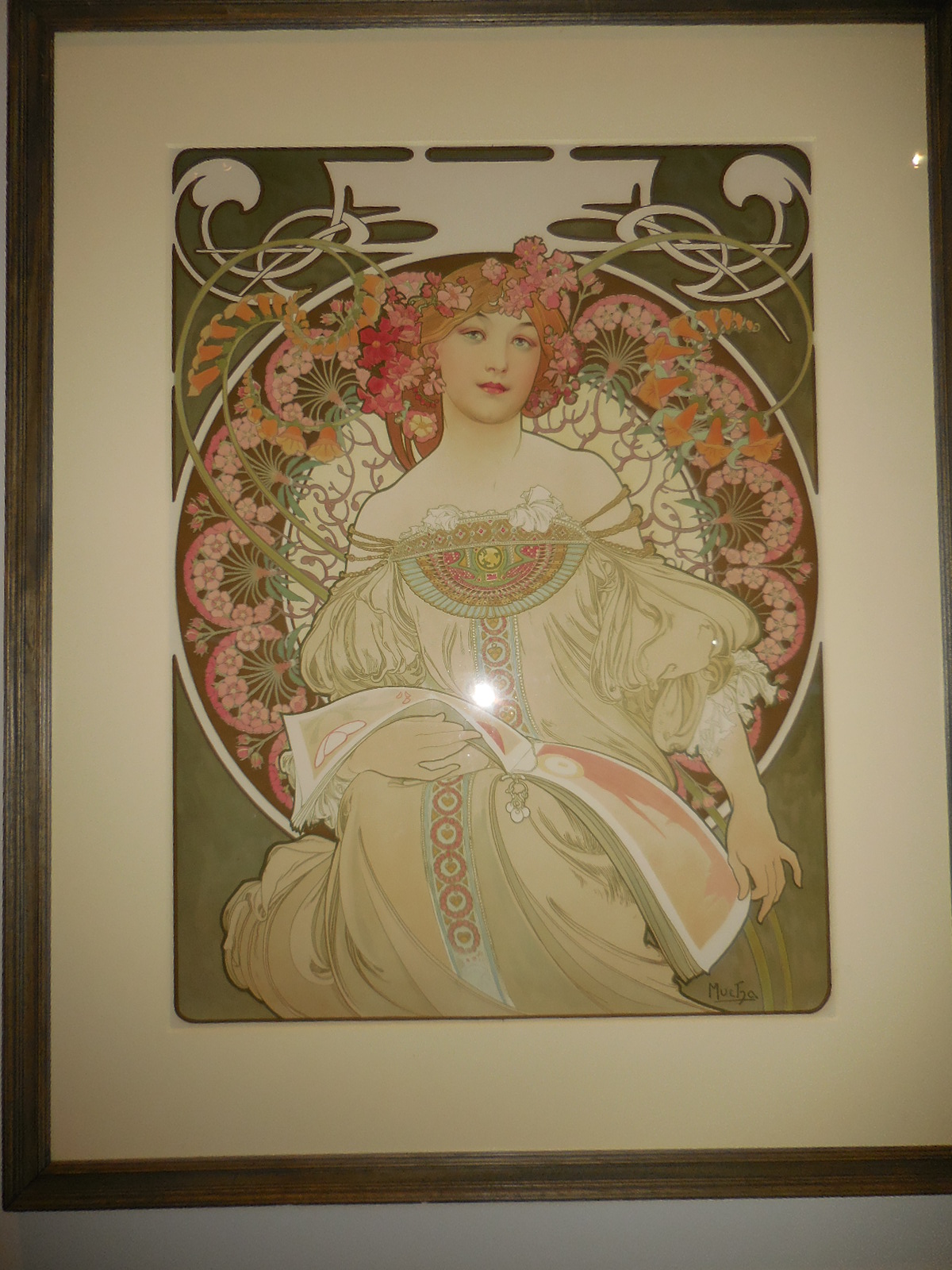
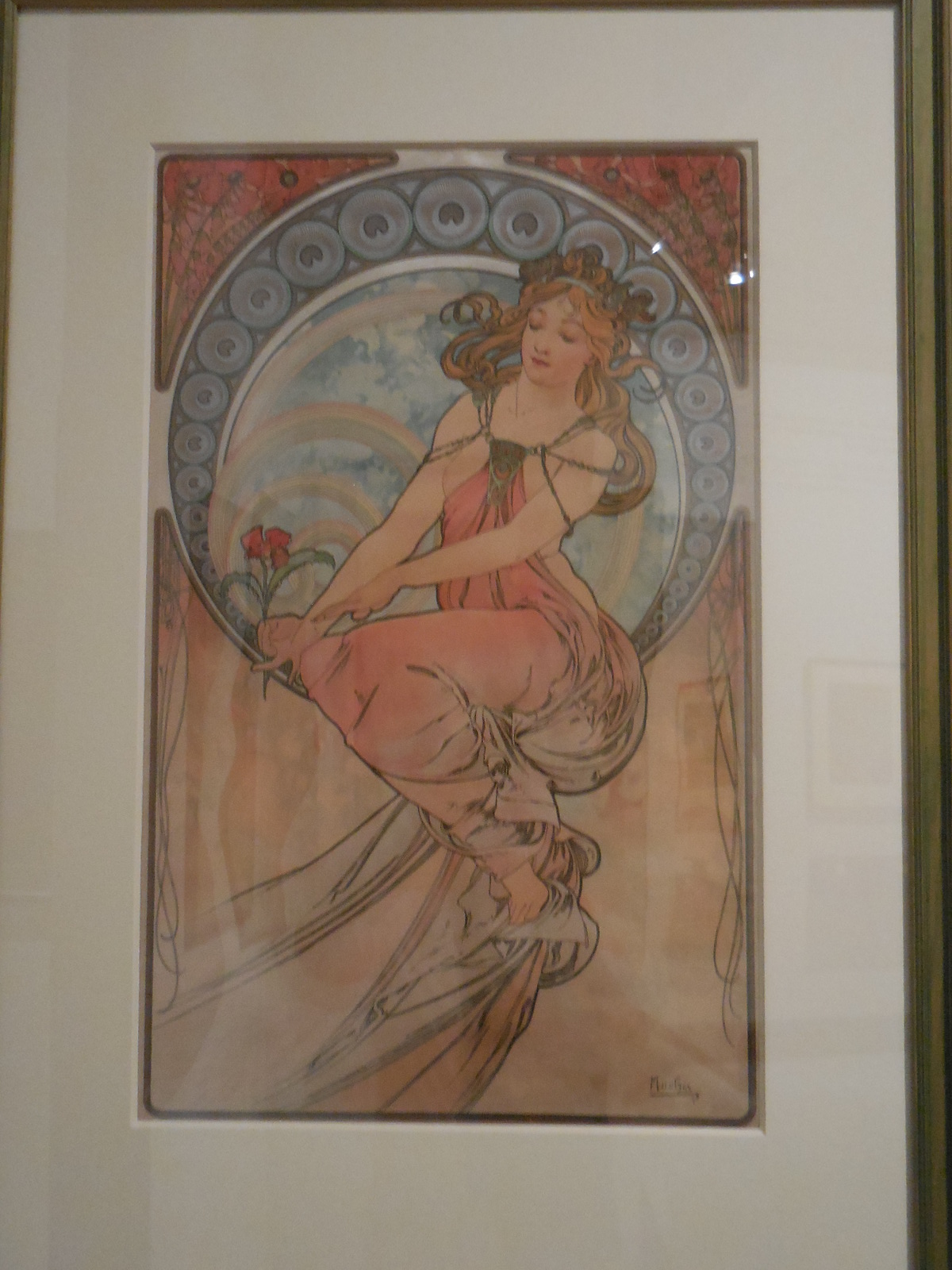
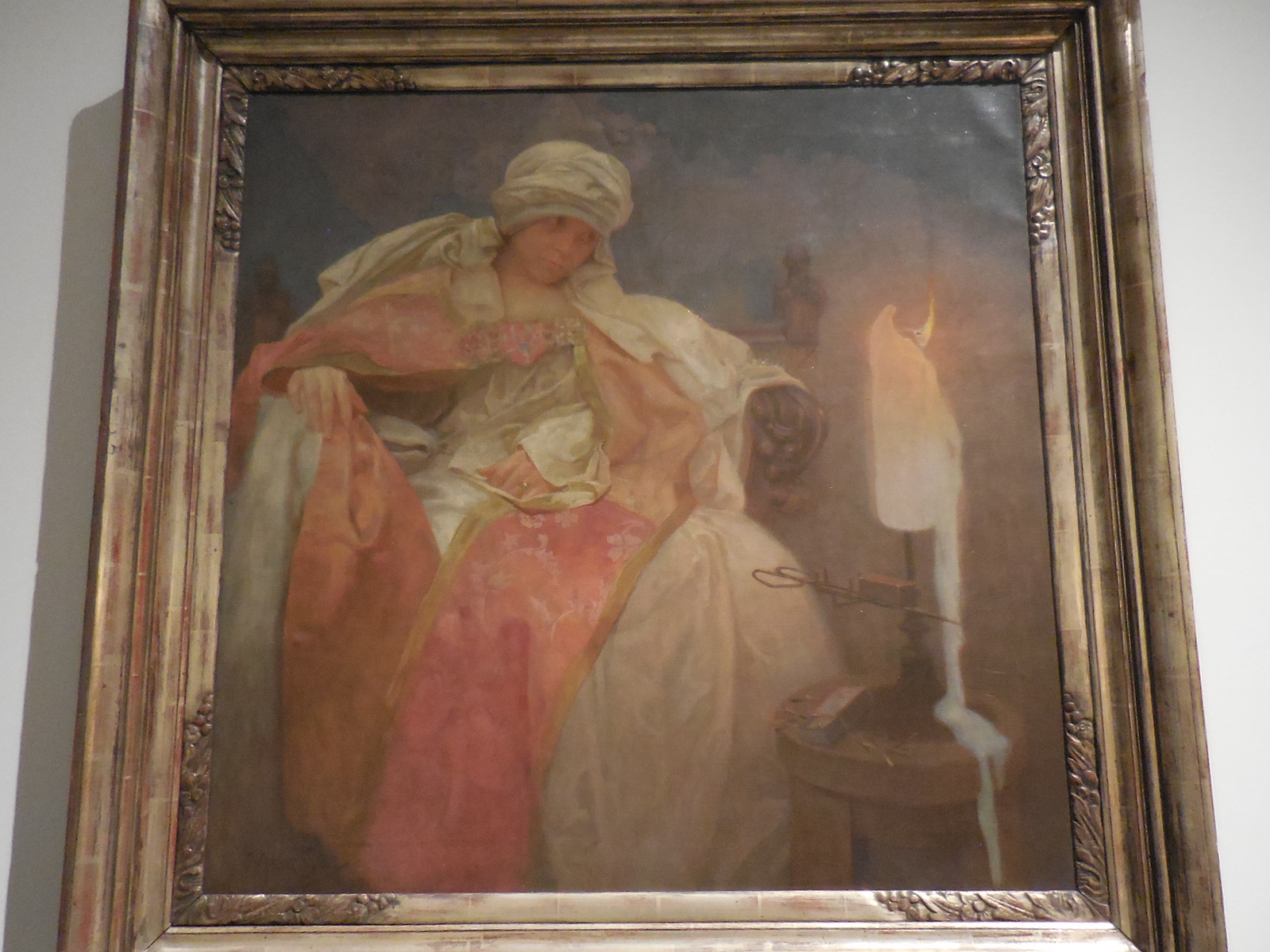
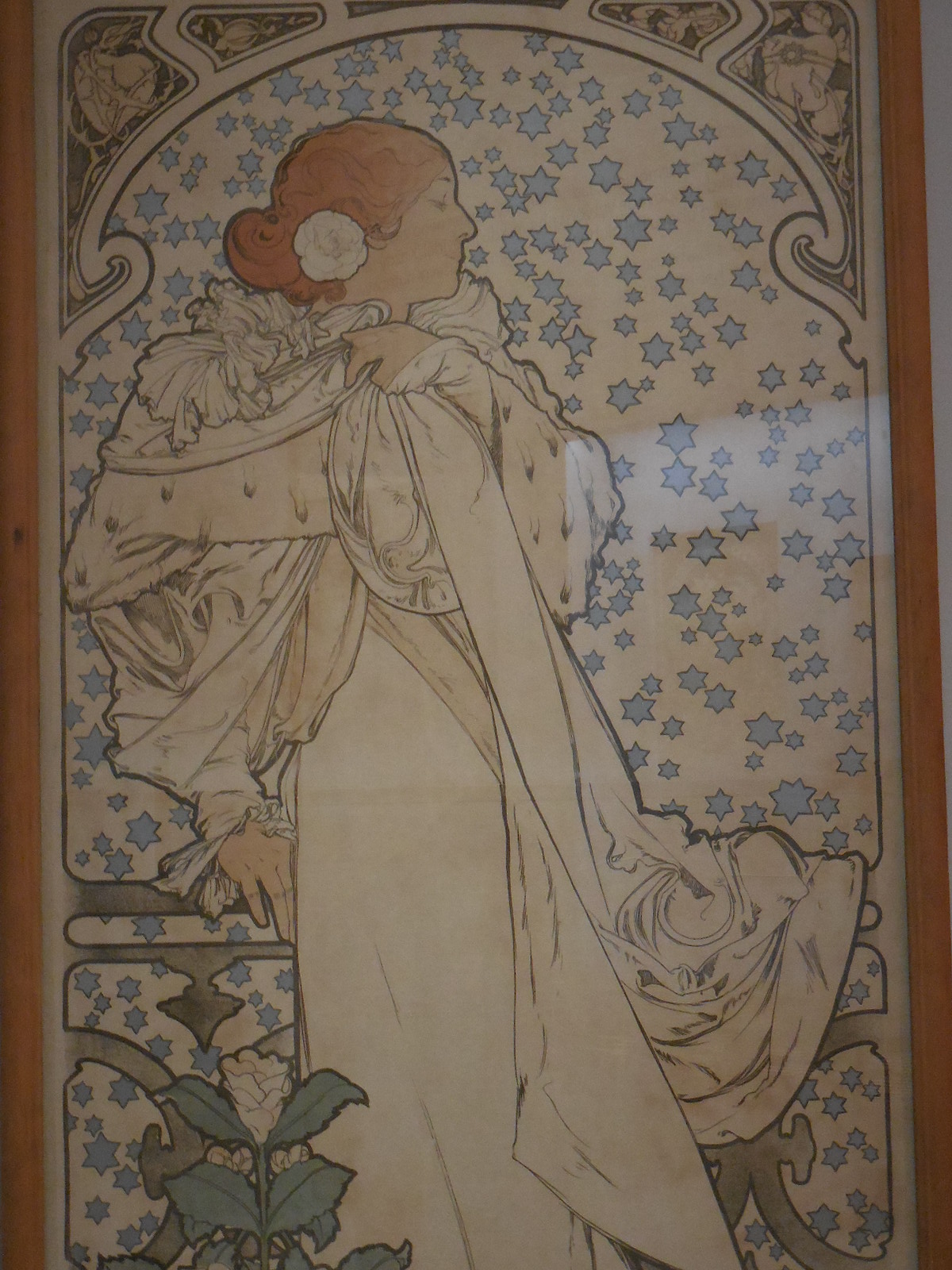
I have been a fan of Alphonse Mucha’s Art Nouveau works ever since I came to Prague in the 1990s. While he is best known for his exhilarating posters of actress Sarah Bernhardt, Mucha was a very versatile artist – as is evidenced in this comprehensive exhibition of creations owned by his descendants. The first extensive showing of his works in 30 years is housed at Prague’s Waldstein Palace. The exhibition highlights not only the advertising posters but also his drawings, paintings, sculptures, photos and jewelry, for instance. The family displays some originals to the public for the first time.  

Family portraits evoking Mucha’s childhood add an intimate feel to the exhibition. Born in Ivančice, Moravia, Mucha called home a building that also included the town jail. The Czech lands were under Austrian rule when Mucha grew up. They were part of the Habsburg Empire in which German was the official language. Yet, during that era, the Czech National Revival took place, when Czech nationalists promoted Czech culture and the Czech language.

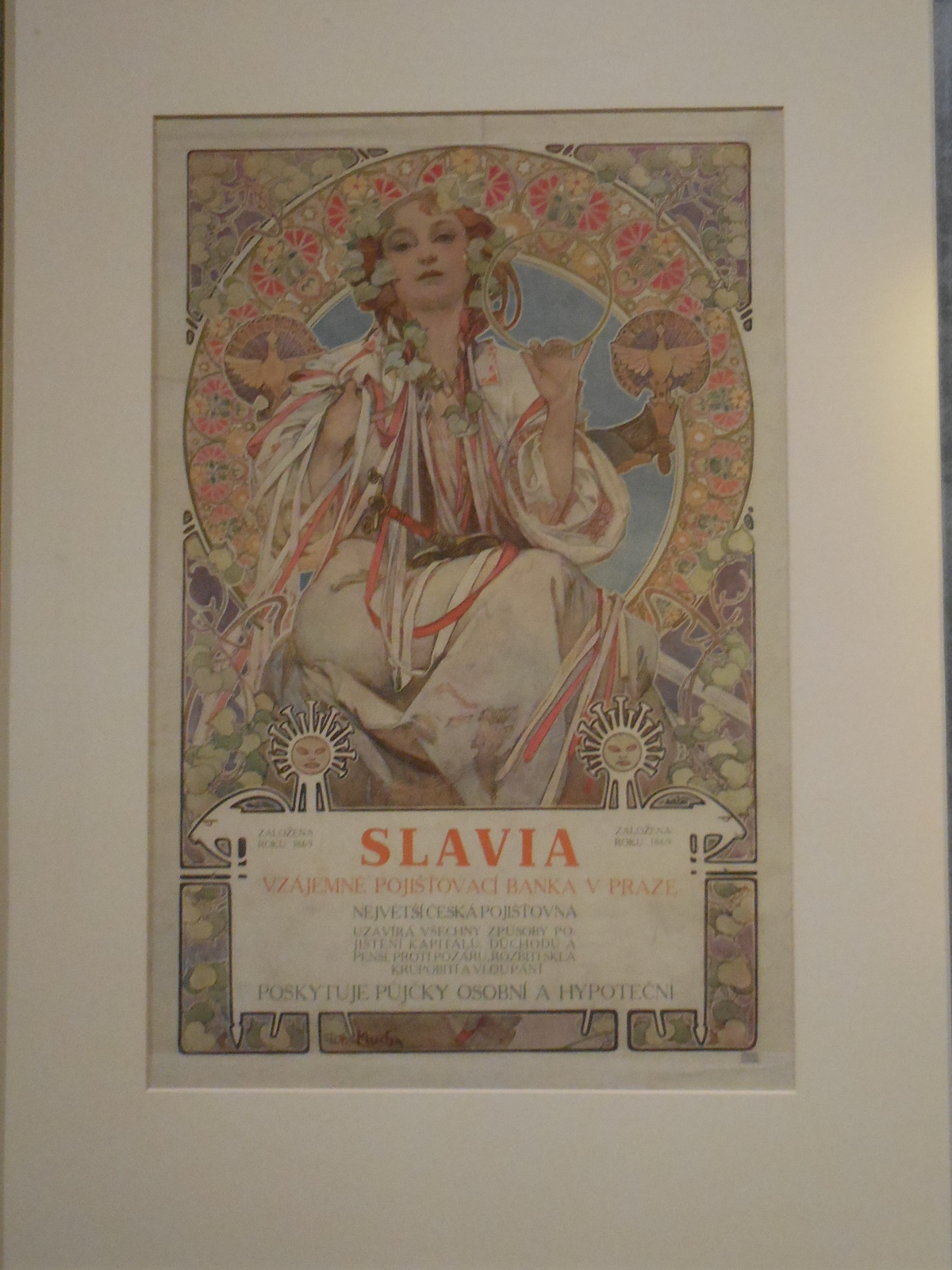
At the end of 1894, Mucha became a star overnight when he designed a poster for Bernhardt’s production of Gismonda. The following year he created posters that decorated calendars, postcards and menus as well as theatre programs. His work would find enthusiastic audiences in Vienna, Prague, Budapest, Munich, London, New York and other cities during subsequent years.

I loved how, in his advertising posters, Mucha utilized folk features not only found in Czech art but also in Byzantine, Islamic, Japanese, Gothic, Judaic, Celtic and Rococo works. Much of this genre focuses on beautiful, young women with an optimistic and cheerful flair. They are wearing flowing robes in pastel colors. I loved the touches of floral and plant ornamentation plus arabesques and naturalistic elements, too.

The exhibition boasted family portraits and photos, such as those of his friends Paul Gaugin and Auguste Rodin. Gaugin even was Mucha’s housemate for a while. During the Paris Exposition Universalle of 1900, Mucha represented Austria-Hungary as the show focused on the accomplishments of the past century. I had not known that in 1899 Mucha had designed a jewelry collection that was featured at this major show. One of the jewelry pieces on display at the exhibition features a snake-shaped broach that Bernhardt wore during her portrayal as Medusa. I also was captivated by Mucha’s decorations for a German theatre in the USA. He would wind up making three trips to the United States, hailed by The New York Daily News as “the world’s greatest decorative artist.”

Works in the exhibition illustrated how mysticism had influenced him. His philosophy is also apparent in his creations. For example, he believed in beauty, truth and love to guide him on the spiritual path. For a monument he created a triptych called The Age of Reason, the Age of Wisdom and the Age of Love, fusing these three characteristics into one piece of art. Unfortunately, Mucha didn’t get the chance to finish it.

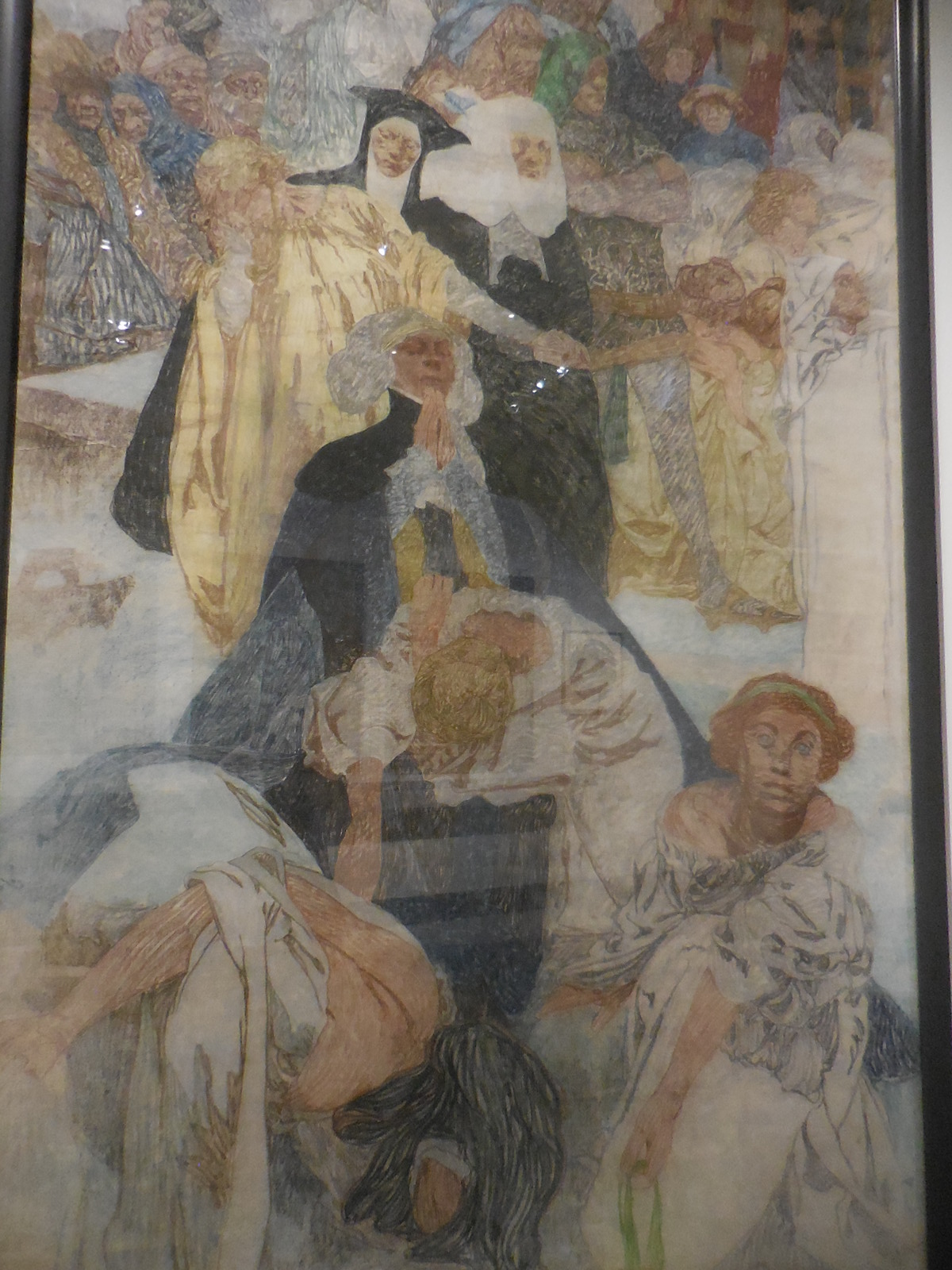
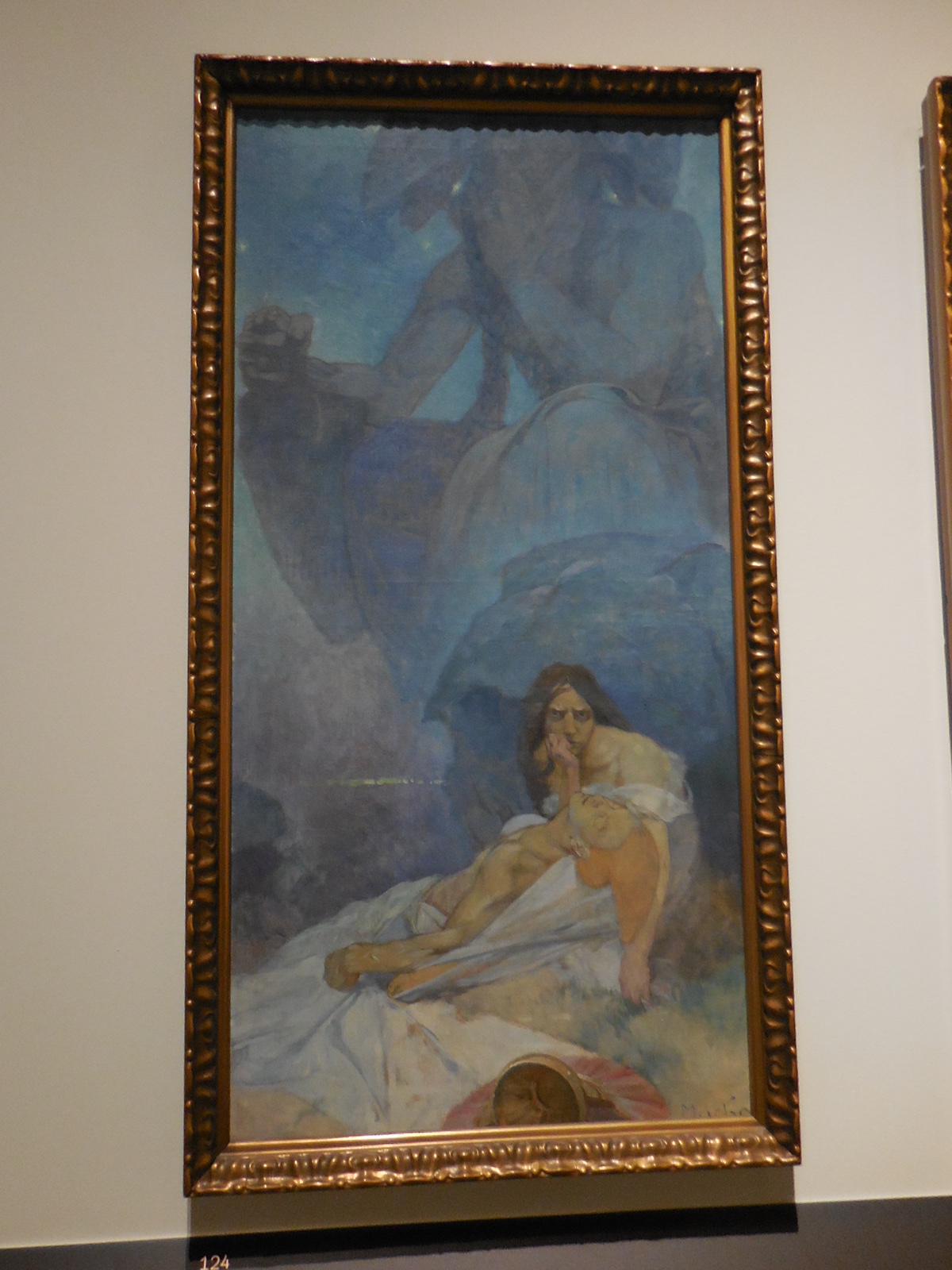
Perhaps what always captivates me the most about Mucha’s art is his emphasis on Slav identity. Indeed, his phenomenal Slav Epic paintings feature the heroic tales of the Slavs in 20 historical, symbolic canvases. Several reproductions of these works at the exhibition reinforced Mucha’s identity as a Czech and Slav patriot.

I saw panels devoted to Mucha’s decorations in the Municipal House, for which he designed numerous pieces – three wall panels, a ceiling painting depicting prominent Czech personalities, eight pendentives and furnishings. I remember seeing these for myself on tours of the Art Nouveau Municipal House, something I recommend to every Prague visitor. It is notable that, while Mucha’s works often were rooted in Slav identity in the past, he also looked to the future for a prosperous Czech nation.

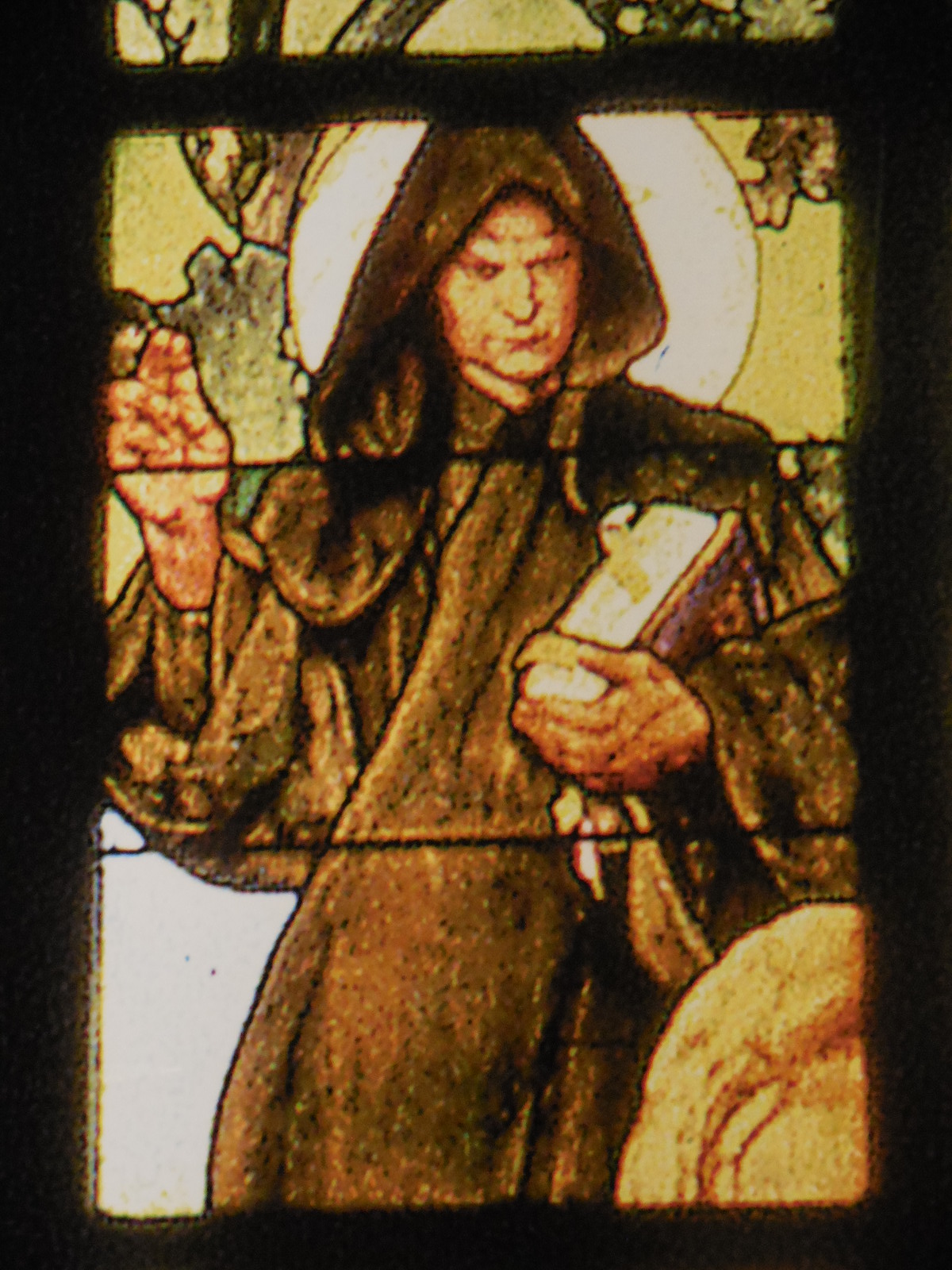
I was enamored by the reproductions of his stained-glass window designs. The originals decorate the interior of Saint Vitus’ Cathedral at Prague Castle. In 1931 he portrayed Saint Wenceslas, the nation’s patron saint, as a child with his grandmother Saint Ludmila in a central panel along with other panels featuring the lives and work of Saints Cyril and Methodius. Seeing examples of his colorful and vibrant stained glass renditions close-up was for me one of the highlights of this exhibition.

Mucha’s life was cut short by the arrival of the Nazis in Prague, where they set up the Protectorate of Bohemia and Moravia during March of 1939. The 79-year-old Mucha, riddled with health problems, was targeted by the Gestapo. Mucha was a Freemason, Judeophile and a promoter of democratic Czechoslovakia. He was one of the first to be interrogated by the Nazis. Mucha was stricken with pneumonia due to the strain from grueling interrogations and died in Prague 10 days short of his 79th birthday on July 14th, 1939. He is now buried in Prague’s Vyšehrad Cemetery along with other prominent Czechs.

This exhibition takes museumgoers on a unique and unforgettable journey from his childhood roots in Moravia to his time as an outsider in Paris to his experiences in the democratic Czechoslovakia until his untimely death. It stresses his identity as a Moravian, as a Czech, as a Slav and as a European. It shows his accomplishments in the art scene by displaying an eclectic collection of his creations that profoundly punctuated the artistic world.

Tracy A. Burns is a writer, proofreader and editor in Prague.

The First Republic Art Exhibition Diary

FirstRepublicexhibitSailorCapek14

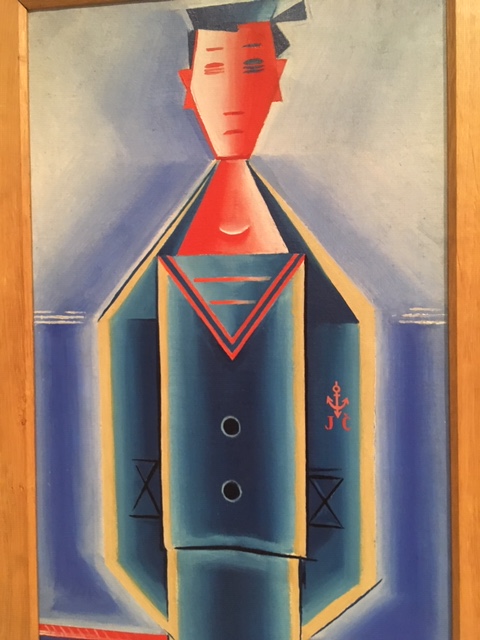
Josef Čapek, The Sailor

A long-term temporary exhibition, the First Republic art exhibition in Prague’s Trade Fair Palace showcases mostly Czechoslovak paintings and sculpture from 1918 to 1938, when Czechoslovakia was a democratic state under the guidance of President Tomáš Garrigue Masaryk. Czechoslovakia was founded in 1918, and Masaryk, who had been living in exile, was welcomed back into the Czech lands with much celebration and fanfare. The Munich Agreement, signed in September of 1938, proved a dark and dismal event in Czechoslovakia’s history, as the country ceded its German-minority Sudetenland to Hitler’s Third Reich. On March 15, 1939, the Nazis would march into Prague, and Hitler would set up the Protectorate of Bohemia and Moravia, starting a horrific chapter in Czech and Central European history.

FirstRepublicexhibitCapek34

Josef Čapek

FirstRepublicexhibitMyslbek31

Myslbek

The exhibition examines the flourishing of art in the various cultural centers of Czechoslovakia, first and foremost in Prague but also in Brno, the capital of Moravia. In Slovakia the cultural hubs were located in Bratislava and eastern Košice. Zarkarpattia was a section of Czechoslovakia from 1920 to 1938, and its city of Užhorod was the setting of some intriguing exhibitions. The exhibition not only features Czech art but also Czech-German production and Slovak artistic endeavors.

FirstRepublicexhibit22

Antonín Slavíček, House in Kameničky, 1904
FirstRepublicexhibit24

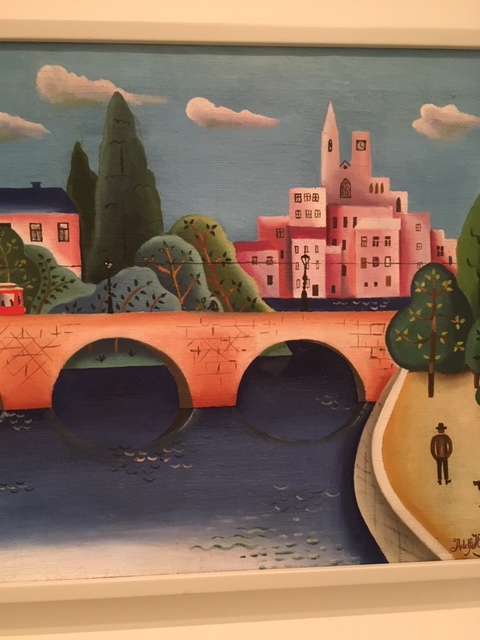
Adolf Hoffmeister, Bridge, 1922

FirstRepublicexhibit26

Bohumil Kubišta, Quarry in Braník, 1910-11

Some of the Czech and Slovak artists whose works shine in the exhibition are Antonin Slavíček, Max Švabinský, Josef Čapek, Václav Špála, Jan Zrzavý, Jan Preisler, Ľudovít Fulla, Martin Benka, Bohumil Kubišta and Josef Šíma as well as Toyen and Jindřich Štyrský. The German and Austrian artists represented include August Bromse, Max Pechstein and Oskar Kokoschka, a favorite of mine.

Sculpture by Auguste Rodin, Paul Cezanne, House in Aix, 1885-87

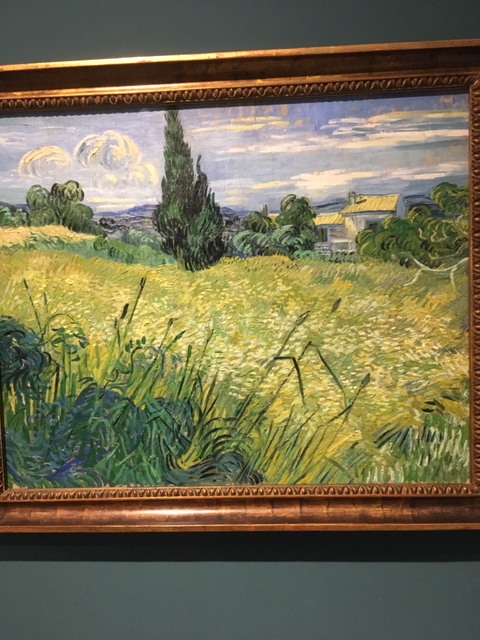
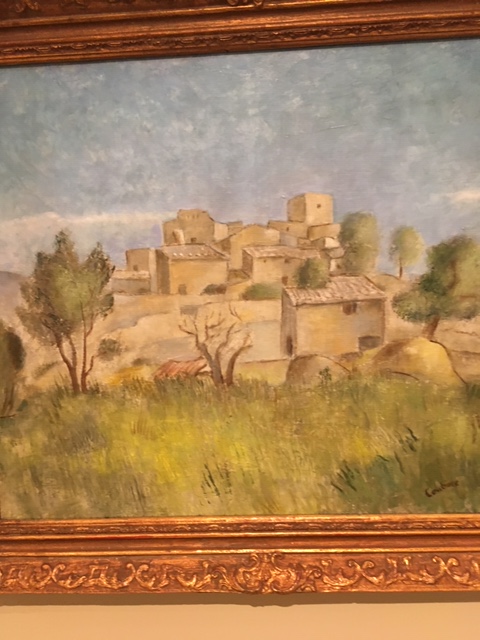
French art from the 19th and 20th century is also on display as the Mánes Association in Prague held an important exhibition of French art at the Municipal House during 1923. The dynamic renditions of Monet, Matisse, Renoir, Van Gogh, Seurat, Gauguin, Rodin, Rousseau and others are in the limelight, too. The paintings of Georges Braque and Pablo Picasso explore Cubist tendencies.
FirstRepublicexhibit11

Vincent Van Gogh, Green Wheat Field, 1889

FirstRepublicexhibit13

Henri Rousseau, Self-Portrait – Me. Portrait – Landscape, 1890
FirstRepublicexhibit15

Paul Cezanne

FirstRepublicexhibitSeurat20

Georges Seurat, Harbor in Honfleur, 1886

I was particularly impressed by the works of a Czech artistic group called the Obstinates, established at the Municipal House. It included artists who spent World War I in Prague. I liked to eat chicken with potatoes at the Art Nouveau Municipal House, and I sometimes would imagine what it had been like for those artists to discuss their ideas and theories of art there. Three of my favorite Czech painters belonged to this group of avant-garde art that had traits of Cubism and Expressionism: Josef Čapek, Špála and Zrzavý. The Municipal House at that time was one of the most prominent exhibition spaces. It still houses art exhibitions and nowadays also includes a concert hall.

On right: Jan Zrzavý, Lady in the Loge, 1918

I also tried to imagine the avant-garde Devětsil group having its first exhibition during 1922 at the Union of Fine Arts in the Rudolfinum, now the main concert house for the Czech Philharmonic. I have attended many concerts there, even seeing my favorite violinist Joshua Bell on its stage twice. I wondered what it had been like to see the works of Karel Teige, Adolf Hoffmeister and Štyrský in that majestic building during 1922 and 1923.

FirstRepublicexhibit19

Jindřich Štyrský, The Puppeteer, 1921

My favorite painting in the exhibition was called “Woman with a Cat” by František Zdeněk Eberl. I am a cat fanatic, and the woman in the painting is holding her cat on her shoulder so lovingly. You can sense that the cat is an important part of her family just as my Šarlota Garrigue Masaryková Burnsová is for me. (My cat is named after President Masaryk’s wife, the First Republic’s First Lady of Czechoslovakia.)

FirstRepublicexhibitPtngwithcat25

František Zdeněk Eberl, Woman with a Cat, around 1929

The exhibition also highlighted the importance of the Mánes Association of Fine Artists, which had been established by Prague students in 1887. It had many functions, organizing exhibitions and lectures as well as editing magazines, for instance.

FirstRepublicexhibit9FirstRepublicexhibit10

Karl Schmidt-Rottluff, Village Square, 1920
FirstRepublicexhibit16

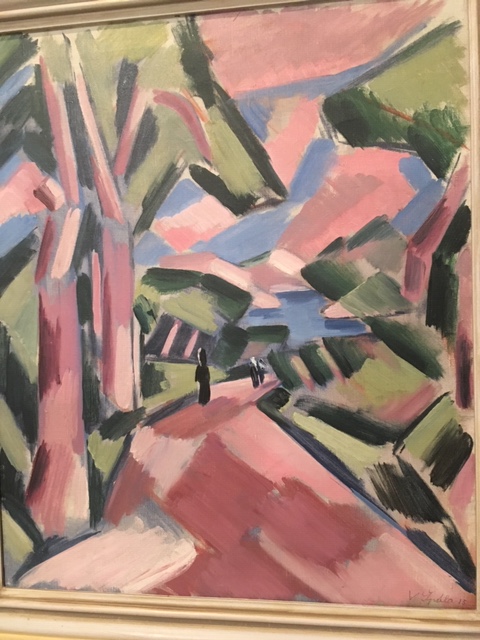
Václav Špála

VFirstRepublicexhibit17

Vincenc Beneš, Behind the Mill in Písek, 1928

There were African art relics in the exhibition as well. I thought of Josef Čapek, who had been greatly influenced by African art. The exhibition informed museumgoers that Emil Filla’s paintings had been on display with African art at the Mánes in 1935. Filla had a strong interest in non-European art and was an avid supporter of the surrealist trends in Czechoslovakia.

FirstRepublicexhibitAfricanart29

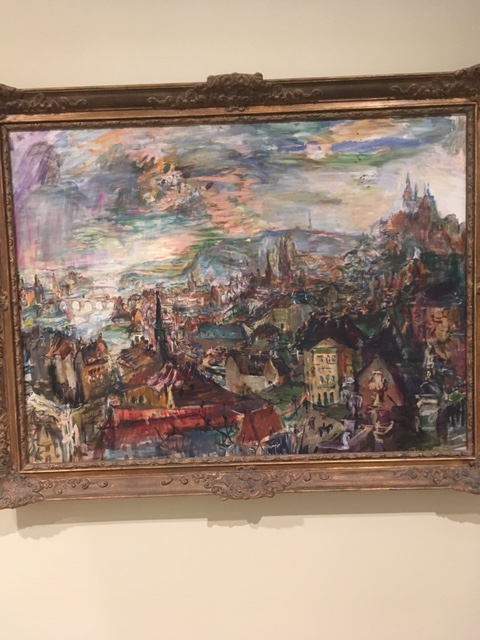
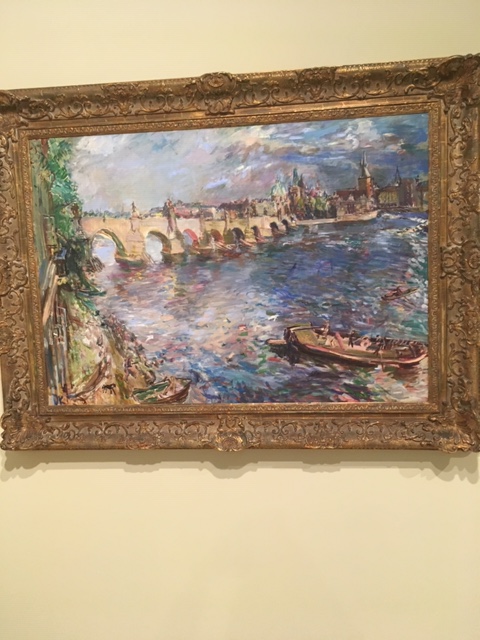
Another significant exhibition space during that era was the Dr. Feigl Gallery. Hugo Feigl made quite a name for himself as a private gallery owner. The exhibitions he put together did not only display Czech art but also highlighted Czech-German, Jewish and artists from around the world. He did not only organize exhibitions at his own gallery. One art show that interested me was Feigl’s exhibition of German and Austrian artists who had come to Prague as refugees, fleeing Hitler as the dictator amassed more and more power. Oskar Kokoschka, one of my favorite painters, was a refugee who had made his home in Prague. I loved his view of the Charles Bridge and his view of Prague on display. They captured the magical spell of Prague using avant-garde techniques.
FirstRepublicexhibit27

Oskar Kokoschka, Prague – View from Kramář’s Villa, 1934-35
FirstRepublicexhibit28

Oskar Kokoschka, Prague – Charles Bridge, 1934

FirstRepublicexhibition23

August Bromse, Descent from the Cross, before 1922

In 1937, Feigl even organized a daring exhibition of German Expressionist works from a German collection of which the Nazis were by no means fans. This exhibition encouraged people to protest against an exhibition in Munich, one that glorified the Nazi regime with its display of Nazi-approved art.

Václav Špála, By the River – Vltava near Červená, 1927, sculpture by Otto Gutfreund

I was also enthralled by the exhibitions that had taken place in Brno, Zlín and Bratislava. I had poignant memories of all three places. I had helped out at the first international theatre festival organized by the Theatre on a String in Brno many years ago. People in Brno had been so friendly, and my Czech really improved thanks to my time spent there. I had also visited some villas in Brno and knew the city’s sights well.

FirstRepublicexhibit5

Max Švabinský, In the Land of Peace, 1922
FirstRepublicexhibit8

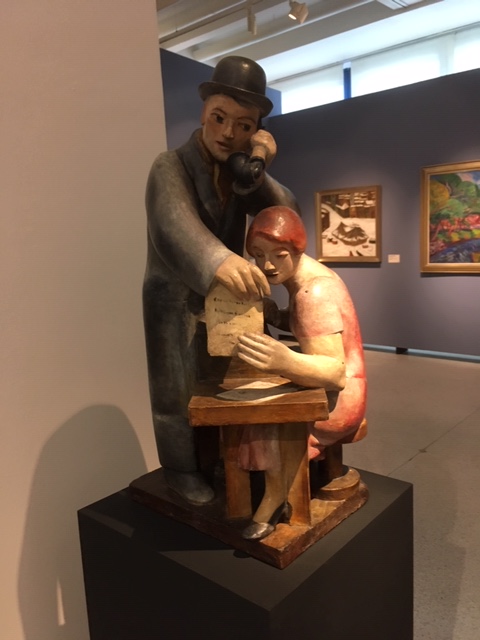
Otto Gutfreund, Business, 1923

FirstRepublicexhibit12

I had spent several days of one vacation in Zlín, where I had toured the fascinating Báťa shoe museum, which probably featured every kind of shoe imaginable. More than a decade ago, I had visited Bratislava once a month to help take care of my favorite Slovak writer’s grave. I had also visited the Slovak National Theatre, learning Slovak in part thanks to its performances. I loved the Slovak language and felt at peace hearing people around me speak it. I also felt this way when I heard Czech. I especially liked the works of Slovak painter Ľudovít Fulla. His use of bright colors, in his work “Balloons” for example, gave his paintings a dynamism and vitality that was unforgettable.

On right: Ľudovít Fulla, Balloons, 1930

Košice and Užhorod were featured as artistic centers, too. I had spent a lot of time in Košice during my travels to Slovakia as some of my ancestors had been from that region, and I had also used Košice as a starting point to visit other places in east Slovakia, such as Humenné and the Vihorlat. I had never been to Užhorod, which Czechoslovakia had begun to modernize during the early days of the country’s existence. I was surprised that architect Josef Gočár had designed some functionalist buildings there. I often walked by some of Gočár’s architectural achievements in the Baba quarter of functionalist individual family homes.
FirstRepublicexhibit33

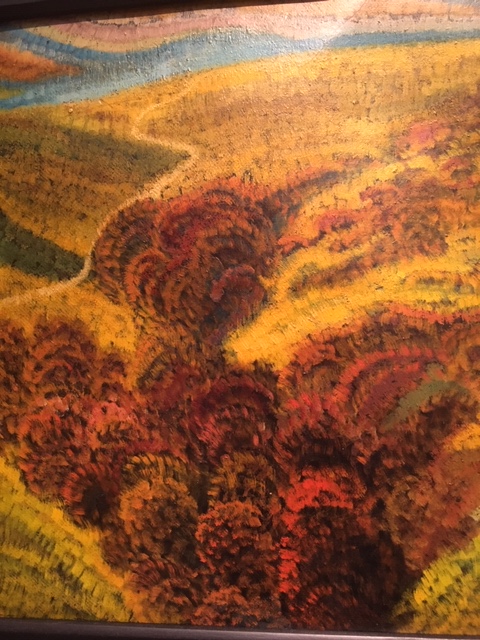
Anton Jaszusch, Landscape, 1920-24

FirstRepublicexhibit36

Pablo Picasso, Still Life with a Goblet, 1922

The exhibition also informed me that between 1933 and 1938, about 10,000 refugees from Germany and Austria had officially made their way to Czechoslovakia while the number of unofficial refugees was about the same. Many significant artists came to Czechoslovakia to flee Hitler’s hold on Germany and Austria.

FirstRepublicexhibitHitler2

Caricature of Hitler, John Heartfield, Adolf the Superman: Swallows Gold and Spouts Junk, 1932

I was surprised to discover that as early as 1934 an exhibition of caricatures and humor protested Hitler’s ascent to power. It took place at the Mánes Association of Fine Artists. The caricatures were not limited to Hitler and even included some of the “good guys.” For instance, artists also poked fun at Masaryk. I was very moved by Josef Čapek’s versions of the painting “Fire,” showing a person unable to escape the dancing flames, artworks providing a stark warning about the danger of Hitler’s ideology and reign. The caricature of Hitler was chilling. Hitler’s head was perched atop a chest x-ray. His spine was made up of coins. His heart was shaped like a swastika.
FirstRepublicexhibit4

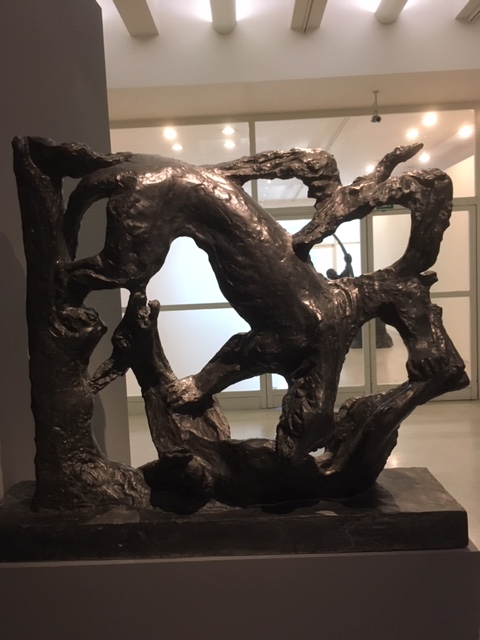
A sculpture commenting on the Munich Agreement of 1938

FirstRepublicexhibitFireCapek3

Josef Čapek, Fire, 1938

The exhibition ended with those works commenting Hitler’s control of the region, specifically on the Munich Agreement of 1938. While those paintings and the sculpture profoundly affected me, I preferred to concentrate on the avant-garde creations that had been featured in an artistically flourishing democratic Czechoslovakia, when artists boldly experimented with their artistic visions, during an era that I had always wanted to visit if I could go back in time. I would have loved to experience the atmosphere of the country when democracy was fresh, the state new and full of promise. Little did anyone know at its inception that the First Republic would not last long and that such a chilling chapter would follow.

Tracy A. Burns is a writer, proofreader and editor in Prague.

FirstRepublicexhibitfurniture35

Furniture set from First Republic, Jan Vaněk