Romanesque and Gothic South Bohemia Diary

Albrechtice nad Vltavou church cemetery

Albrechtice nad Vltavou church cemetery

I went on another tour with the Czech travel agency arsviva at the beginning of May in 2014, this time concentrating on Romanesque and Gothic architecture in south Bohemia. We would explore many churches in villages, and I would finally see more than the bus station in Písek. After so many years in the country, I had seen all the most popular sights. I yearned always to always something new, something that would give me a new perspective on life and art, and I thought that traveling to Romanesque and Gothic churches in villages and visiting Gothic castles would be just the way to do that.
First we stopped in the village of Mirotice, which happens to have two main squares. Most villages have only one. The bus stopped across from the new town hall, which was only about 50 years old. We walked to St. Giles’ Church, Romanesque in style. There are not many churches in south Bohemia with Romanesque features. It hailed from the middle of the 12th century. I admired the lattice Romanesque window on the tower.

St. Giles' Church, Mirotice

St. Giles’ Church, Mirotice

The church had an intriguing past. In 1497 the worshippers had been of the Utraquist faith, who had been Hussites asserting that both the bread and wine should be given to worshippers during the Eucharist, but from 1664 to 1694 Catholics had prayed there. I recalled that the Utraquist branch of Hussites had triumphed over the radical Hussites during the 15th century Hussite wars.
Unfortunately, it was not possible to go inside (we would visit the interiors of most of the churches on our itinerary, though, thanks to our guide), but a Baroque makeover occurred in 1694. PseudoRomanesque reconstruction followed, from 1870 to 1872. I loved seeing elements of Romanesque and Gothic architecture. It amazed me how Romanesque and Gothic elements could survive so many centuries, through all the trials and tribulations of Czech history.
Then we meandered along some narrow cobblestone streets to a museum on the site of the former building where artist Mikuláš Aleš had been born. Aleš had made a name for himself as one of the top 19th century Czech painters and illustrators, among other accomplishments. It fascinated me that in such a small village there could be any intriguing sights, let alone two. I felt as if the village was revealing its secrets to me.

The museum on the site where Mikuláš Aleš was born

The museum on the site where Mikuláš Aleš was born

The next church we visited was dramatically perched on a hill by itself rather than in the midst of a village. The Church of Saint James the Greater in Čížová boasted a ground plan with early Gothic masonry and Late Gothic supporting pillars. It had never had a tower, which was an oddity. Baroque decoration greeted visitors inside, but we did not have the chance to see this interior. The churches we were visiting were not open for the general public. It was difficult to obtain official permission, so that someone would open them for us. Just seeing the exterior was breathtaking enough. And later we would see many interiors.
There is another intriguing feature of the church as well. The tombstones of Knight Ludvík Lorecký and his two sons, who were murdered by serfs in 1571, are in the church. I wondered if the serfs had revolted because they were hungry or overworked. I wondered who the knight and his sons were. Did they hail from this village or did they just happen to die here? How did Lorecký become a knight? Were his two sons knights, too? How old were they when they died? I fascinated me how so many questions could arise from a church in such a small town.

The Church of St. James the Greater in Čížová

The Church of St. James the Greater in Čížová

I was very excited about the next stop, the town of Písek, where I had only been at the bus station. For many years I had wanted to explore Písek, but I just never had the time or had never made the time. Actually, I had been under the impression that there was not much to see except for the Stone Bridge that was the oldest bridge in the country, even older than the Charles Bridge in Prague. In Central Europe only Regensburg’s bridge was older. I fondly recalled my several days discovering stunning medieval architecture and visiting a lavish palace in Regensburg not that long ago.
Písek’s history may go back to the 12th century. There was a castle in Písek, built by Czech King Wenceslas (Václav) I, before the middle of the 13th century. The town was first mentioned in writing during 1243. During the Middle Ages, in the 14th century, Písek prospered because gold was found there. Wenceslas’ son Přemysl Otakar II continued to expand the town during the 13th century, and Písek also played a significant role in the Czech lands under Charles IV’s rule during the 14th century. Czech kings often stayed in Písek.
In the 15th century, during the Hussite wars which were fought between various branches of Hussites, with monarchs helping out the moderate Hussites, Písek was controlled by the Hussites, followers of Bohemian priest and reformer Jan Hus who were battling against the moderate Hussites and other world powers, until 1452. The town flourished during the 16th century, becoming very wealthy.
During the Bohemian Revolt from 1618 to 1621, the town supported the Protestants, who lost to the Catholics, so Písek was severely punished. (Some of the Protestant nobles had protested when the staunchly Catholic Ferdinand of Styria became King of Bohemia, triggering the revolt.)
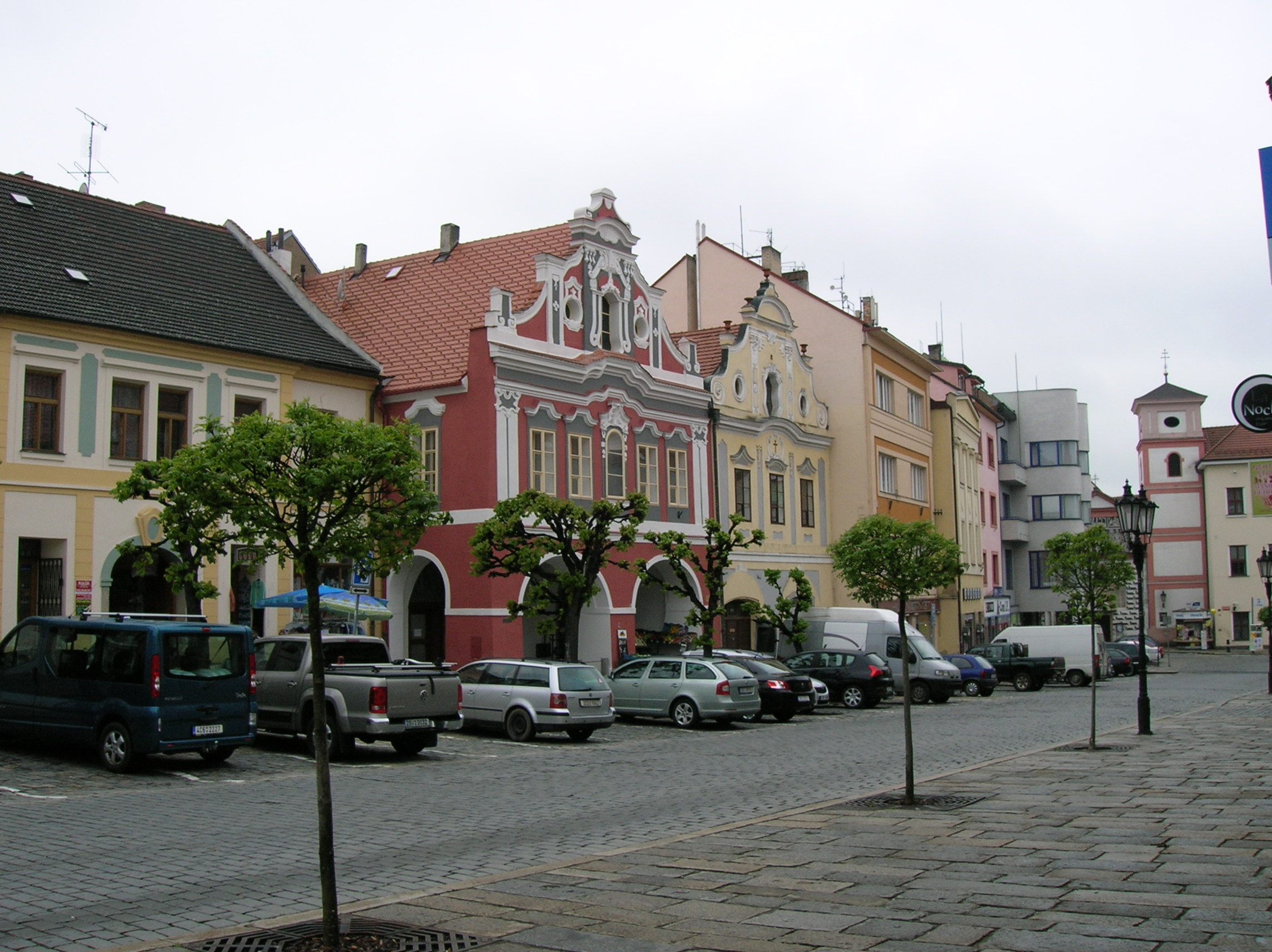
Buildings on a square in Písek

Buildings on a square in Písek

The 18th century brought the plague while during the 19th century there were more positive developments, namely the National Revival, a cultural movement promoting the Czech language, Czech culture and Czech nationalism. More Czech cultural groups and Czech schools were built during that golden age.
Písek focused on industrialization during the second half of the 19th century and even holds the honor of being the first Czech town with permanently installed electric public lighting. While Písek experienced rosy days during the democratic First Republic, the tragic era of Nazi rule followed. On May 6, 1945, the US army liberated Písek. Under Communism factories dotted the town. Písek was badly damaged during the 2002 floods that ravaged the country.

Church of the Birth of the Virgin Mary, Písek

Church of the Birth of the Virgin Mary, Písek

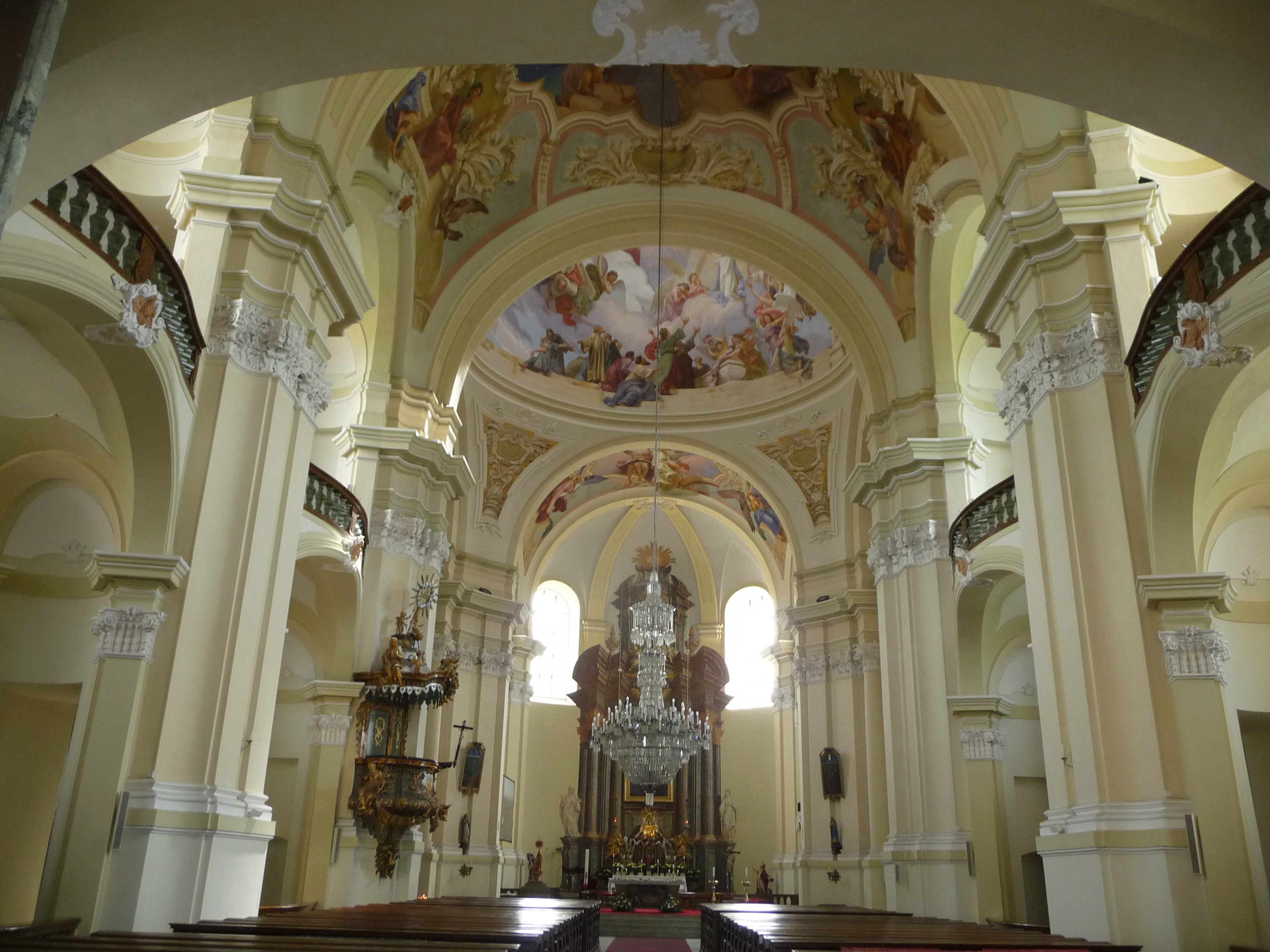
First, we visited the deanery’s Church of the Birth of the Virgin Mary, which hails from the second half of the 13th century and was constructed as a pseudobasilicia with three naves and a five-sided presbytery. Its tower reaches 72 meters. Inside there was an astounding 18th century Baroque chapel dedicated to John of Nepomuk, a Bohemian saint who drowned in the Vltava River, murdered on the order of King Wenceslas in 1393. Above the altar in this chapel I saw vedutas of the town.

The Church of the Virgin Mary in Písek

The Church of the Virgin Mary in Písek

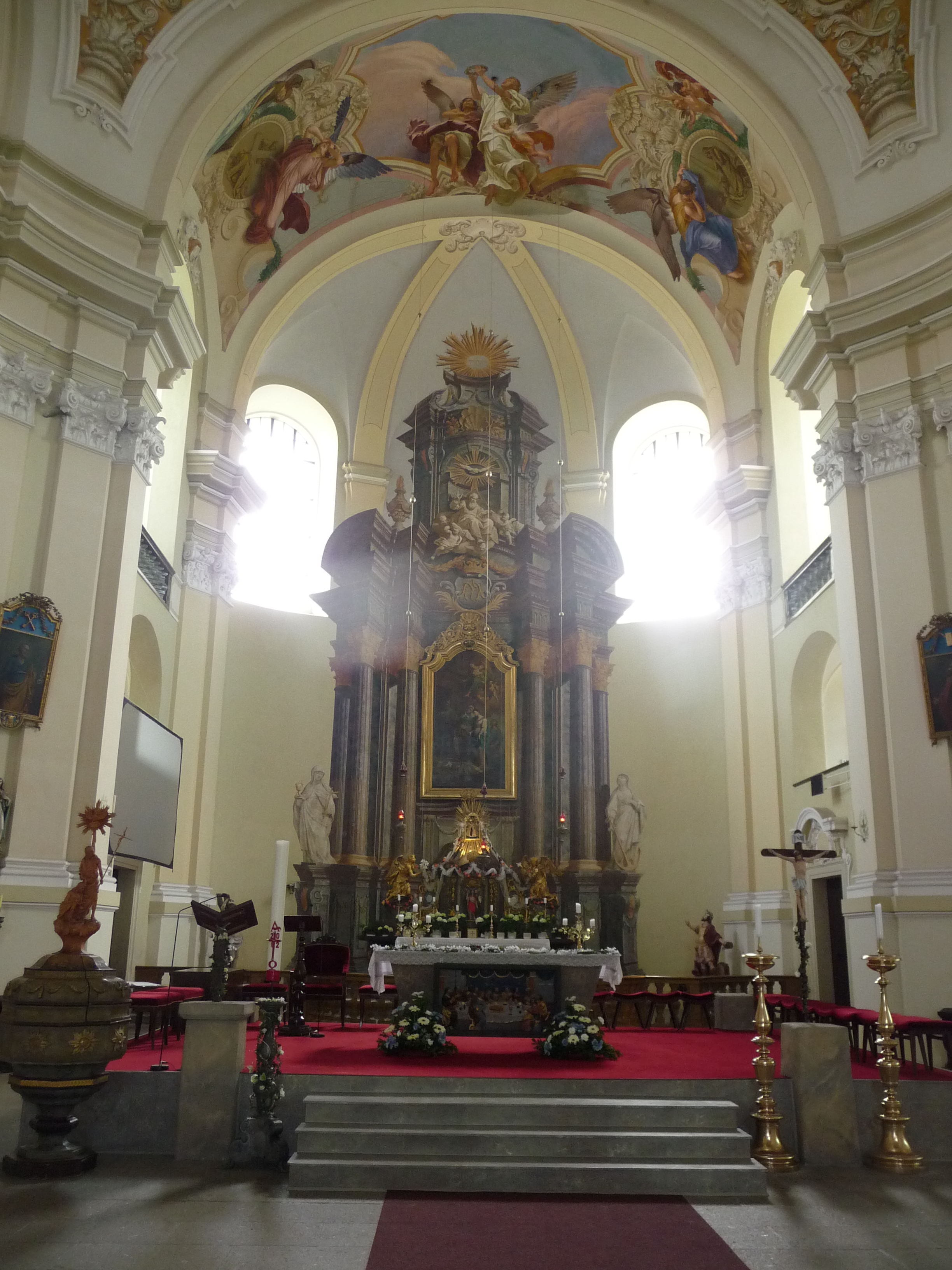
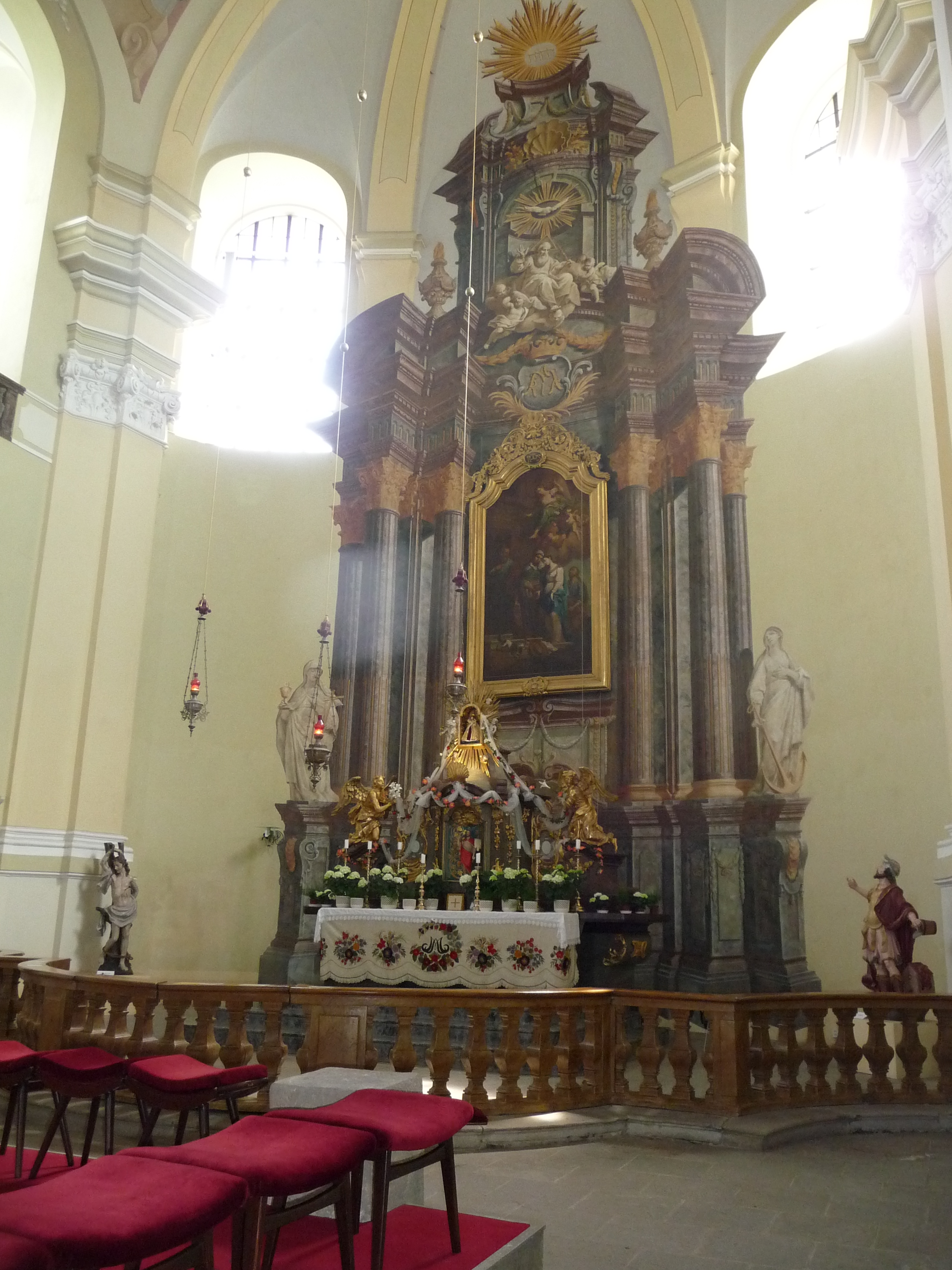
The main altar of the church was Neo-Gothic, from the 19th century. A copy of the statue referred to as the Písek Madonna was located on a side altar. The original, dating back to the 15th century, was stolen in 1975. The pulpit hailed from 1887, and its six-sided cover featured sculptures of five angels. I noticed that one was holding a harp and another was playing the flute. The organ loft went all the way back to the beginning of the 16th century, while the organ was much younger, dating from the early 20th century. I also admired the richly carved 17th century Baroque candelabras. The pewter baptismal font was in Renaissance style, from 1587.

An altarpiece at the Church of the Birth of the Virgin Mary in Písek
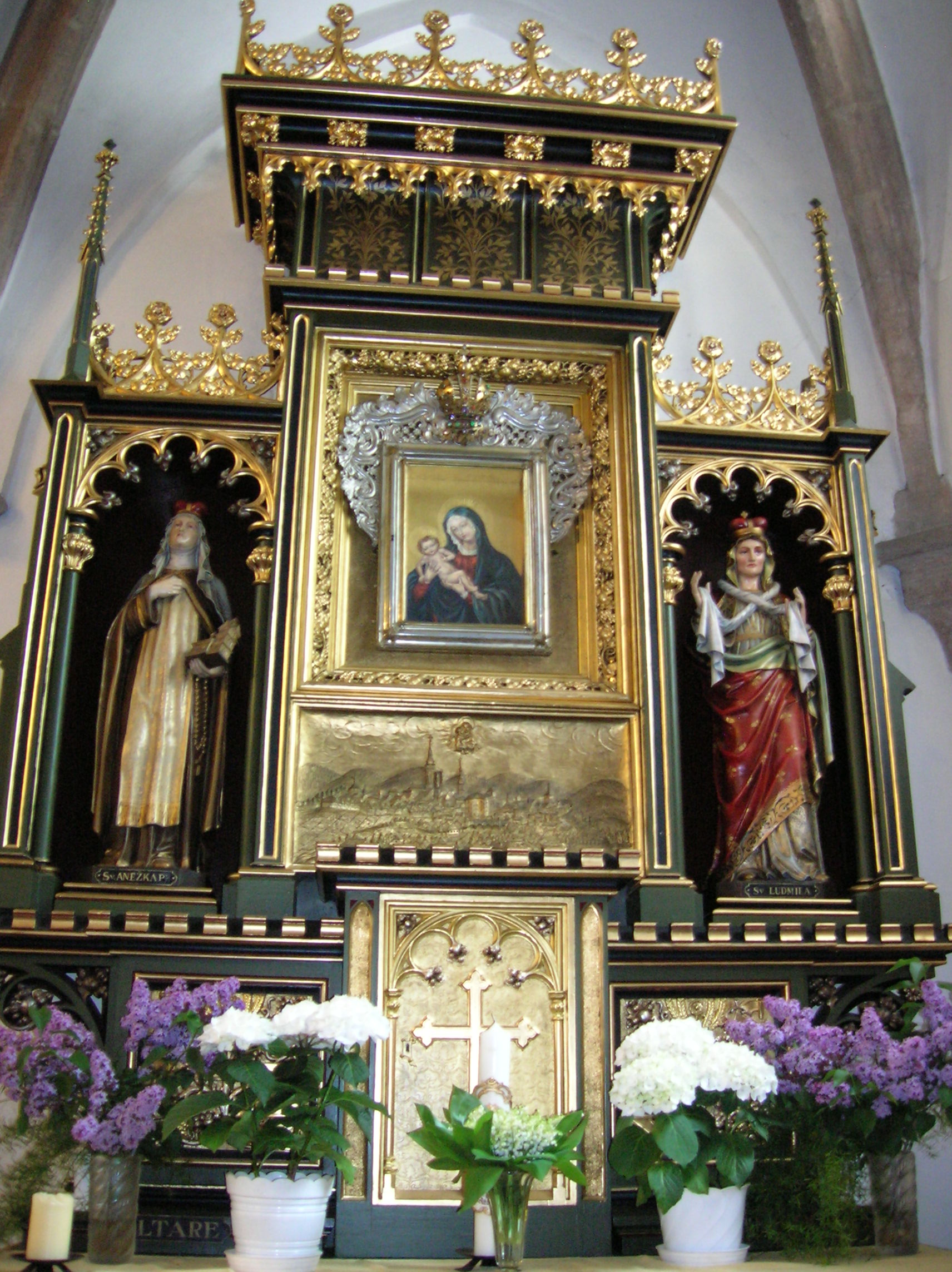
An altarpiece at the Church of the Birth of the Virgin Mary in Písek

The interior of the Church of the Birth of the Virgin Mary in Písek
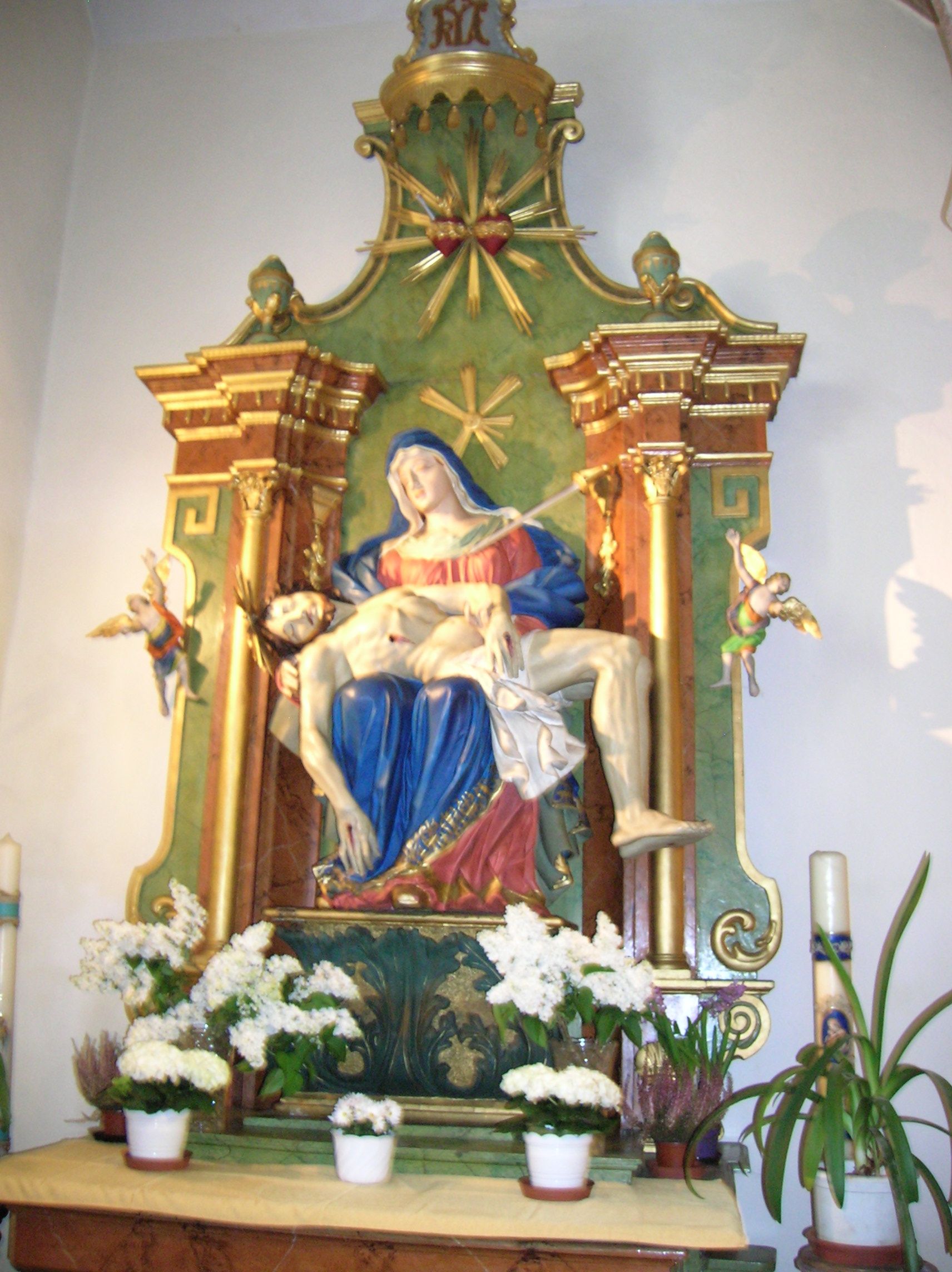
The interior of the Church of the Birth of the Virgin Mary in Písek

The interior of the Church of the Birth of the Virgin Mary

The interior of the Church of the Birth of the Virgin Mary

There were many Gothic characteristics of the church as well. It boasted sturdy, early Gothic ribs and portals. The presbytery, the northern tower and the three naves hailed from the second part of the 13th century, and the sacristy dated from around 1300 while the southern tower could be traced back to 1489. One of the windows was forged in the 13th century. The Gothic wall paintings were spectacular. I could hardly believe that they dated from around 1270. I peered closely at the 13th century rendition of a suffering Christ with figures of angels carrying a cross, nails, scourge and a crown of thorns. The triumphal arch was painted during the first part of the 14th century.
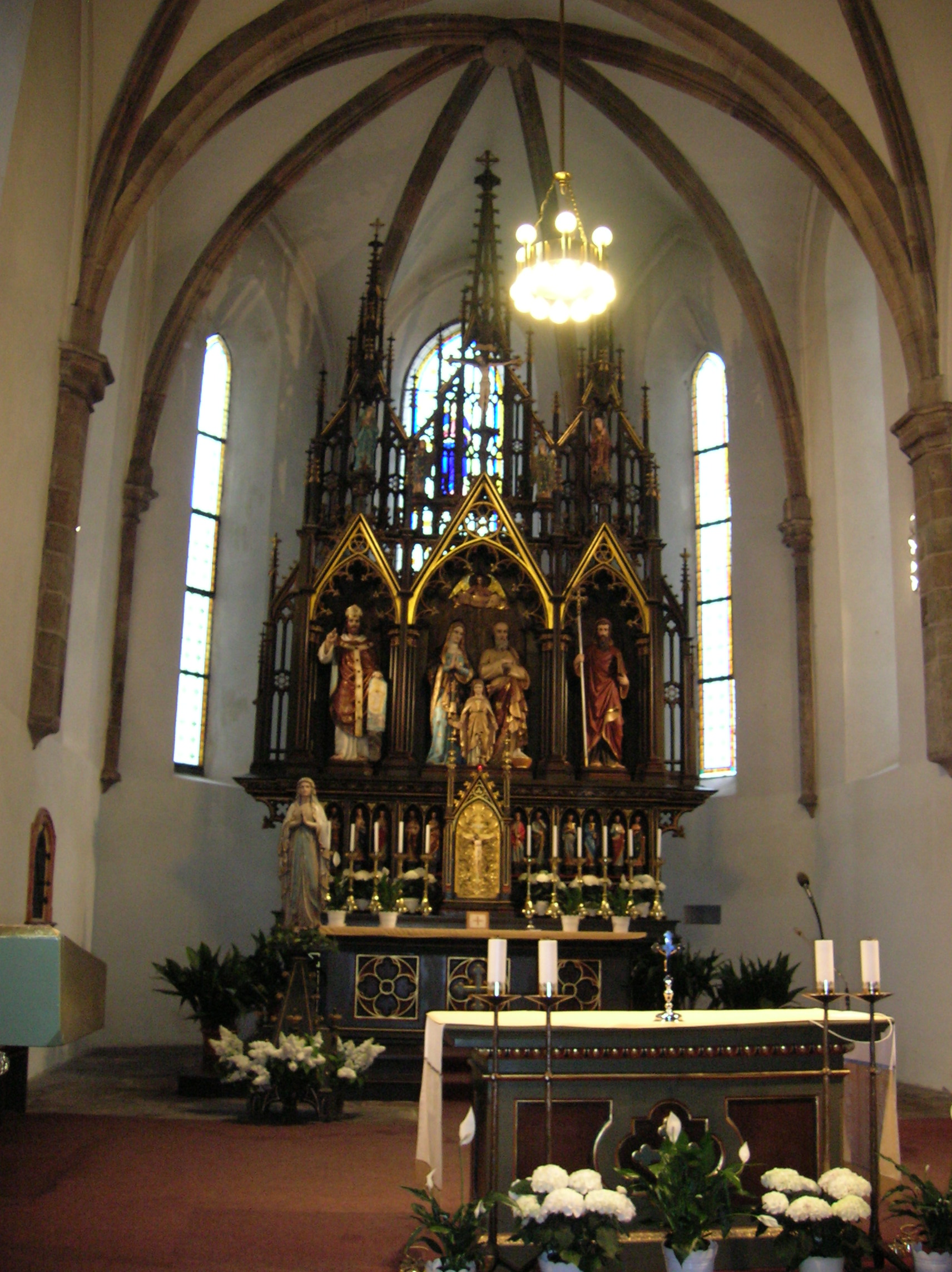
The interior of the Church of the Birth of the Virgin Mary, Písek

The interior of the Church of the Birth of the Virgin Mary, Písek

Some participants followed the guide to the castle, but I joined a group of women to get a bite to eat. We found a basement pub with cozy wood paneling. After lunch we walked through the town for a short while. I noticed a small Renaissance church with amazing sgraffito on one of the three main squares. It was called The Church of the Elevation of the Holy Cross and had a very short tower. The church was all that was left of a monastery founded at the same time as the town itself. It had been destroyed in 1419 during the Hussite wars, when Písek was full of Hussite supporters. Unfortunately, it was not possible to walk through the church; we had to look through a grille. Still, the interior was more than impressive.
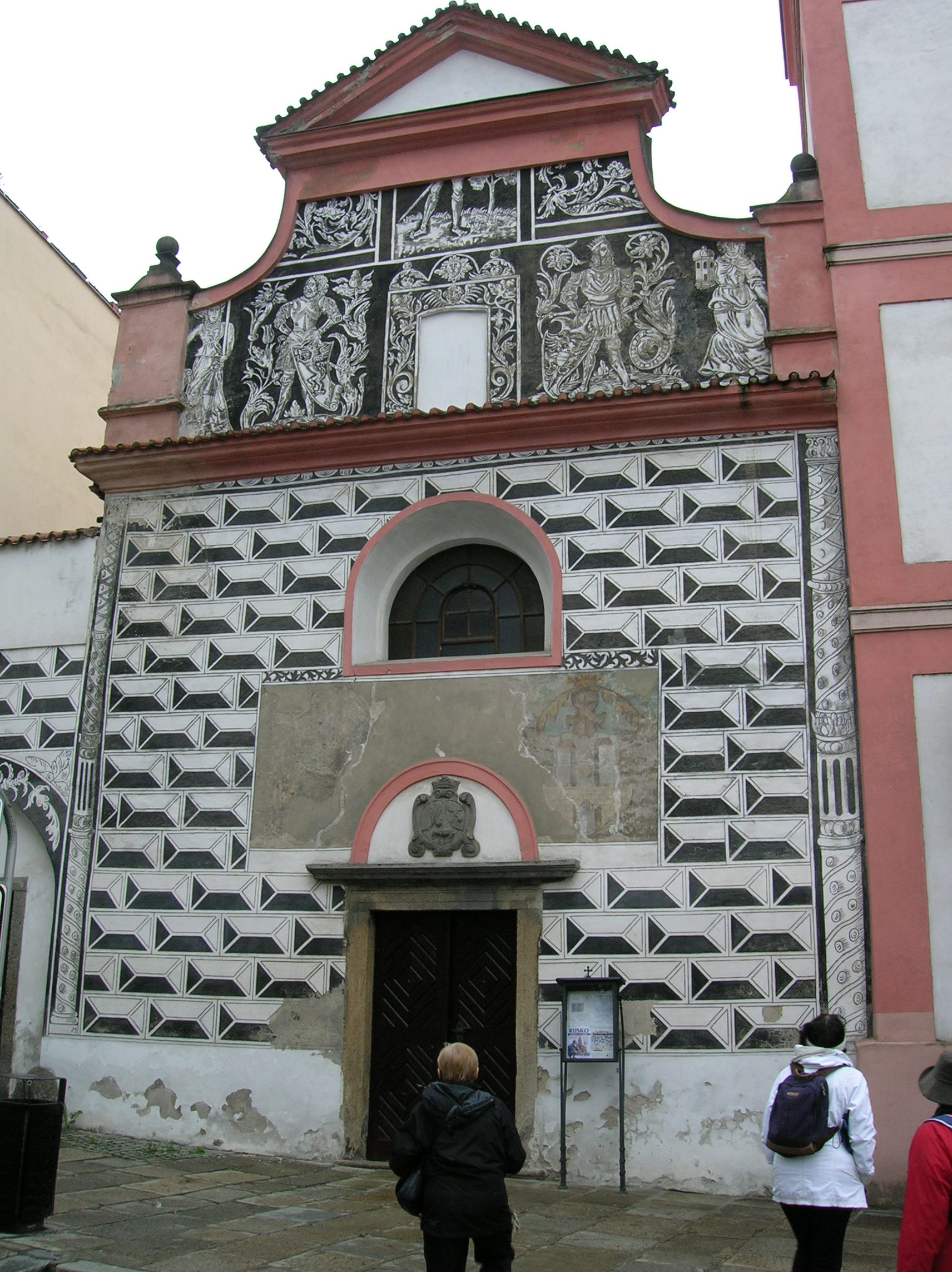
The Renaissance Church on a main square in Písek

The Renaissance Church on a main square in Písek

The Plague Column nearby hailed from 1715 and was crowned by a statue of the Virgin Mary with a total of nine saints making appearances. The town hall was Late Baroque, built from 1740 to 1750. We did not have much time before we had to meet at the Holy Trinity Church in the cemetery park, but we did get a quick look at the medieval castle, now a museum with a variety of exhibits. I tried to imagine what it must have been like when, so many centuries ago, King John the Blind (Jan Lucemberský) declared Písek a free royal town at this very castle. (By the way, there was nothing wrong with John the Blind’s sight. The term “the blind” refers to “fighting blindly” or not giving up.)

The castle in Písek

The castle in Písek

We had time to walk through the exhibition about the Písek countryside during the 19th century and then went downstairs to the space with the larger-than-life portraits of Czech rulers. Oddly enough, the painter had depicted all the Czech leaders with the same serious expression, nose and chin. The original sculptural groupings from the Stone Bridge were kept here as well. I had trouble taking my eyes off them. They were astounding.
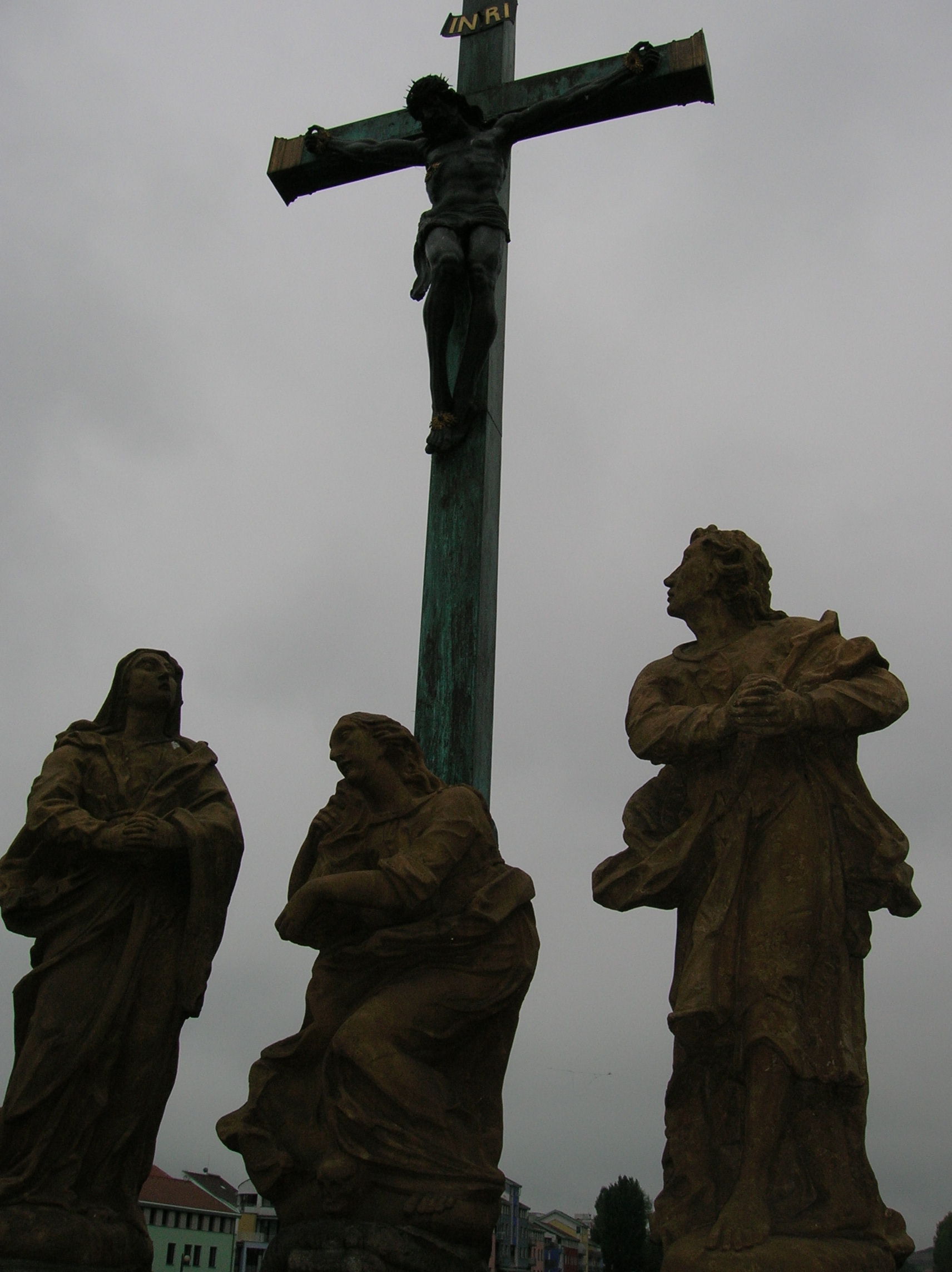
Statuary on the Stone Bridge in Písek

Statuary on the Stone Bridge in Písek

A statue on the Stone Bridge in Písek

A statue on the Stone Bridge in Písek

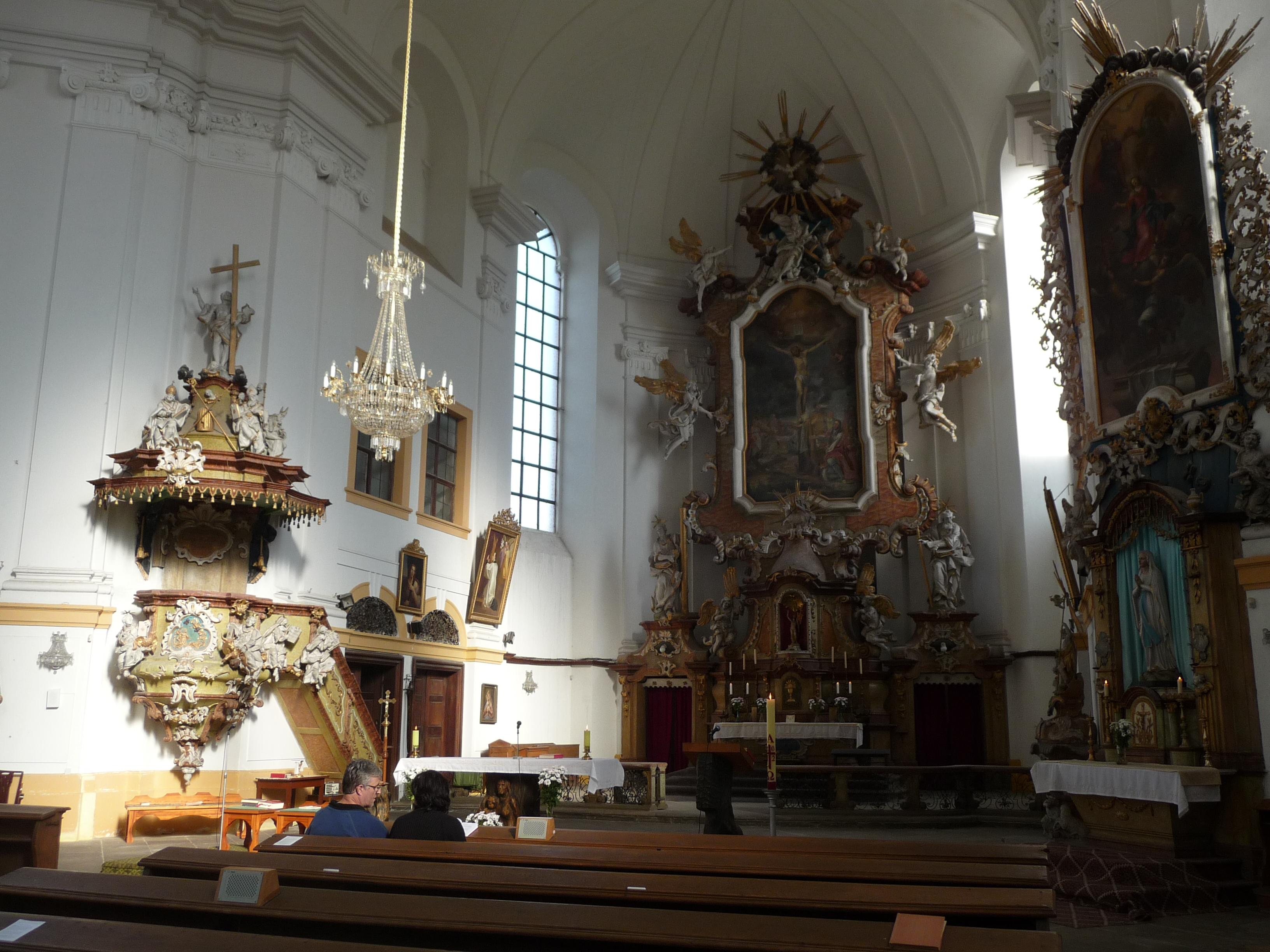
Then we left the museum and crossed the Stone Bridge over the Otava River. The oldest bridge in the country was like a miniature Charles Bridge with evocative statuary. The town cemetery had been founded in 1549, and the deceased were buried there until 1950. It was changed into a park during 1975. The Holy Trinity Church, mostly used for concerts, had a very different sort of interior than the others we had visited. It was decorated with brightly colored, abstract wall hangings and a new organ, donated by the 20th century world traveler and author, Jiří Hanzelka, who was best known for his travels to Africa and South America. There was also a remarkable pulpit with intarsia.
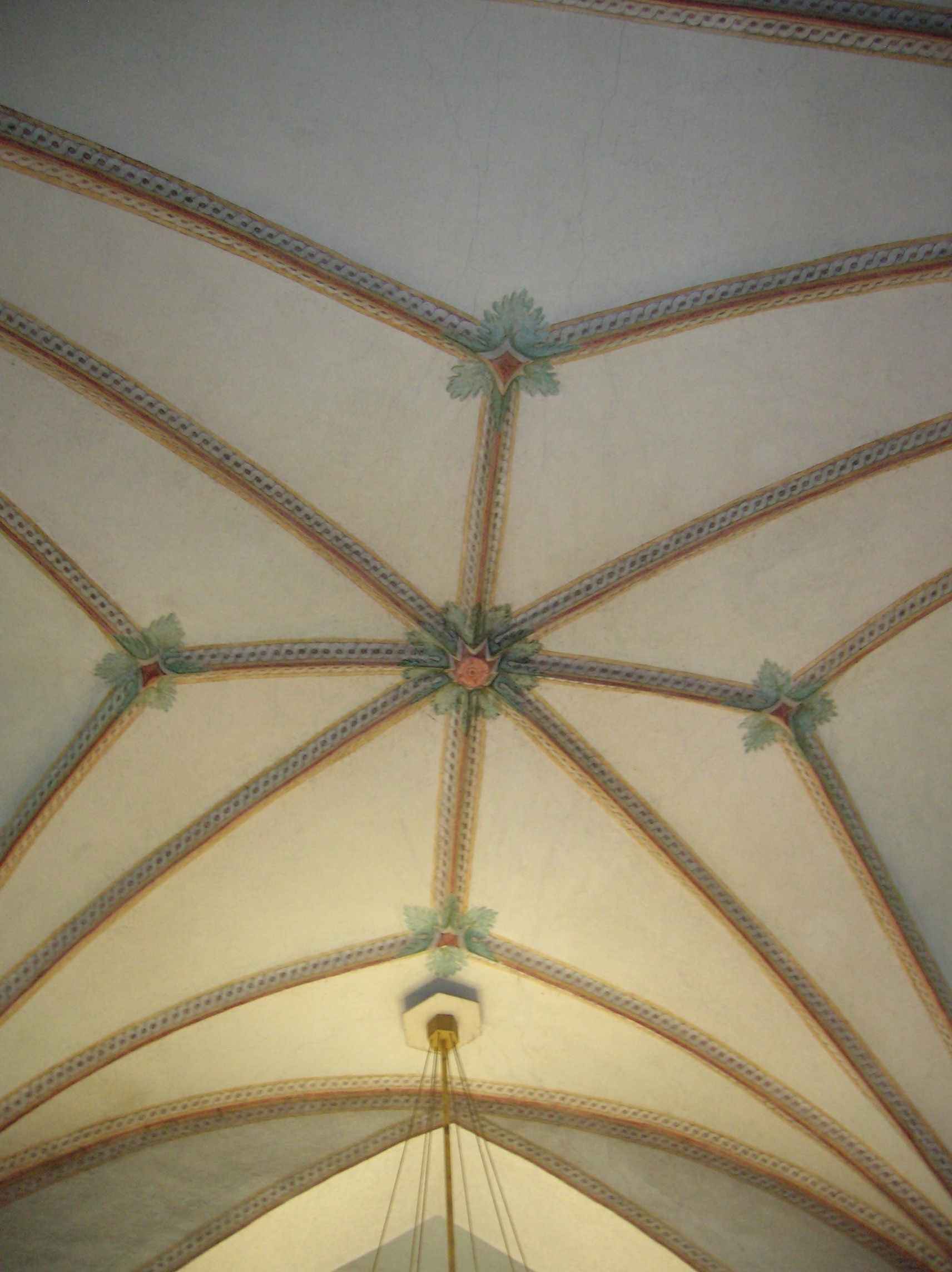
The ceiling of the church

The ceiling of the Holy Trinity Church

The holy place had become a concert and exhibition hall during the 1980s as the Communists had stripped it of its Renaissance identity, destroying the main altar and other furnishings, including the Renaissance organ loft. This destruction was just one example of the Communists’ lack of respect for religion and art. I am so glad I had not had to live through totalitarianism. Later, thankfully, the church’s Renaissance wall paintings had been restored.
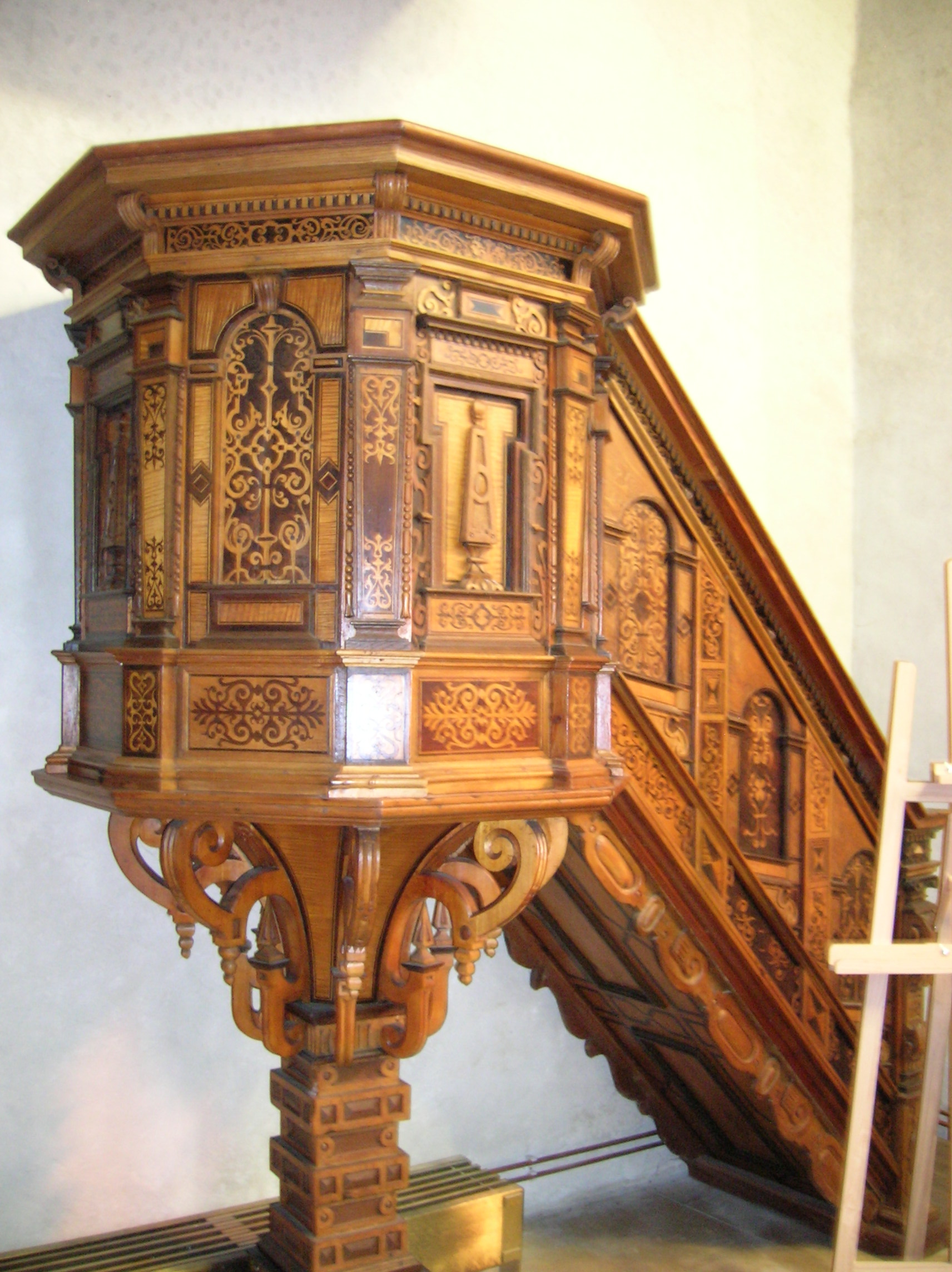
The pulpit with intarsia in the Holy Trinity Church

The pulpit with intarsia in the Holy Trinity Church

In the bell tower we saw tombstones from the 1300s. Renowned Czech historian August Sedláček was buried in this cemetery, too. He compiled the 15-volume work Castles, Chateaus and Fortresses in the Czech lands, which was published at the end of the 19th century and the beginning of the 20th century.
The next stop was Putim, probably most famous for being mentioned in Jaroslav Hašek’s mammoth, early 20th century, anti-militaristic novel, The Good Soldier Švejk, featuring soldier Josef Švejk, who exhibits passive resistance and may or may not be an idiot. Scenes from the 1957 film based on Hašek’s satirical masterpiece set during World War I in the Austro-Hungarian Empire had been shot in this town that was founded in 1205.

The church in Putim

St. Lawrence’s Church in Putim

But that was not Putim’s only claim to fame. The 1908 film Jan Cimbura was based on the life of a Putim farmer by the same name. I saw his modest but impressive grave from 1898. The movie, adapted from a novel by Catholic priest Jindřich Šimon Baar, takes place from 1848 to 1898, examining 50 years of the life of a good Christian and farmer in south Bohemia.

Jan Cimbura's grave in Putim

Jan Cimbura’s grave in Putim

In St. Lawrence’s Church I admired a Gothic window, wooden Gothic vaulting, Gothic masonry and a 13th century portal. The furnishings were much younger, though. The main altar was probably created around 1650, and the other parts of the interior most likely were made around 1700. The impressive tombstones inside the church dated from approximately 1600. One of the bells, called St. Andrew, was original and hailed from 1553.
This church had a characteristic that I had never seen anywhere else. It had two main altars with different seating arrangements for each altar. It fascinated me how it appeared to be two churches built into one. I read that one part of the church had been for Catholics while the other part had been designed for Utraquists, It certainly had an intriguing ground plan.
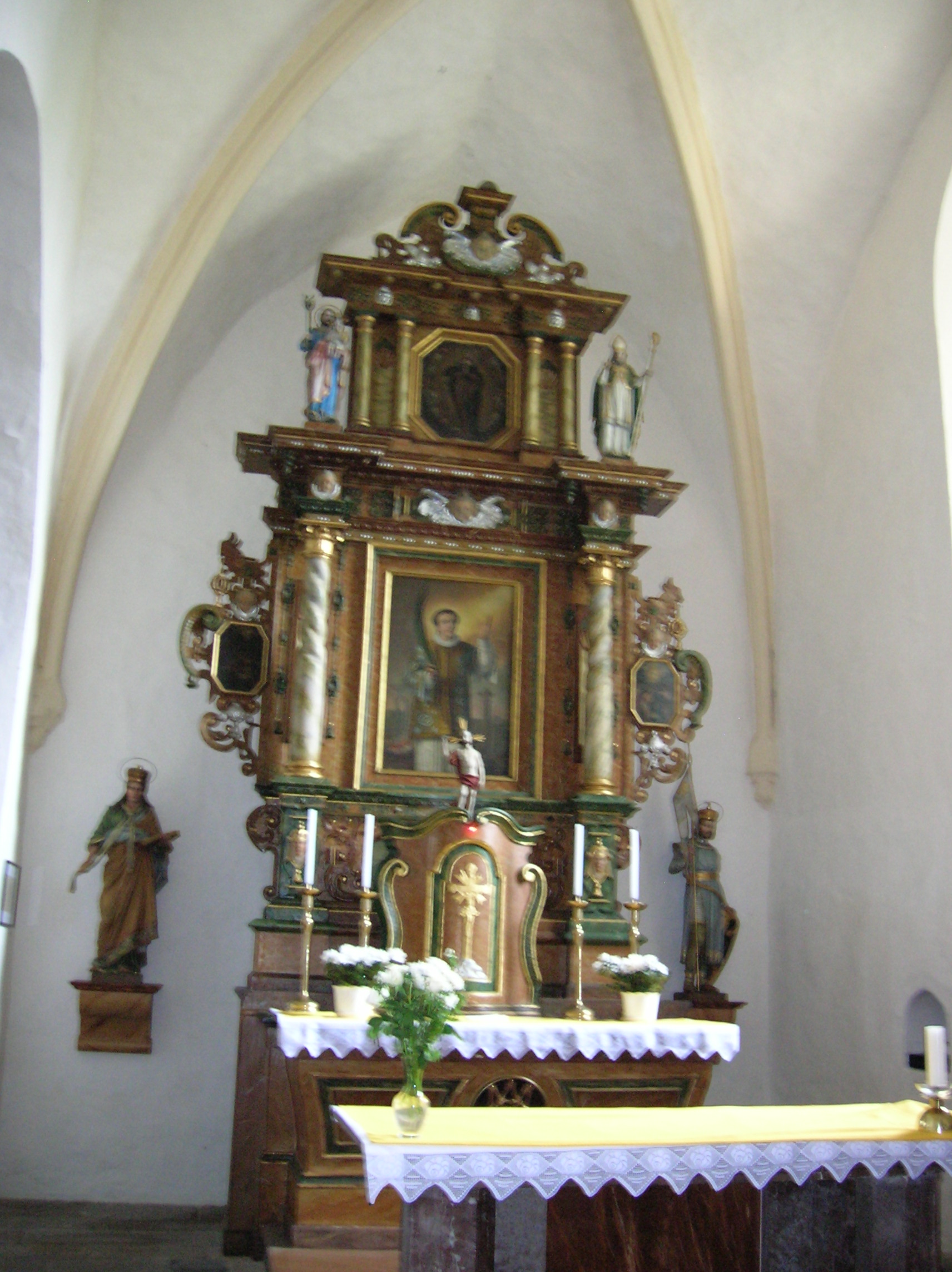
The interior of St. Lawrence's Church

The interior of St. Lawrence’s Church

St. Giles’ Church in Heřmaň also boasted Early Gothic construction. The western tower dated back to the beginning of the Middle Ages. While the village was first mentioned in writing during 1227, the church was founded in 1254 as it was originally late Romanesque. The furnishings were much younger, though. The interior was Baroque from 1720 to 1721. Two elegant white columns framed the painting at the main altar, Classicist in style, dating from the 1800s.
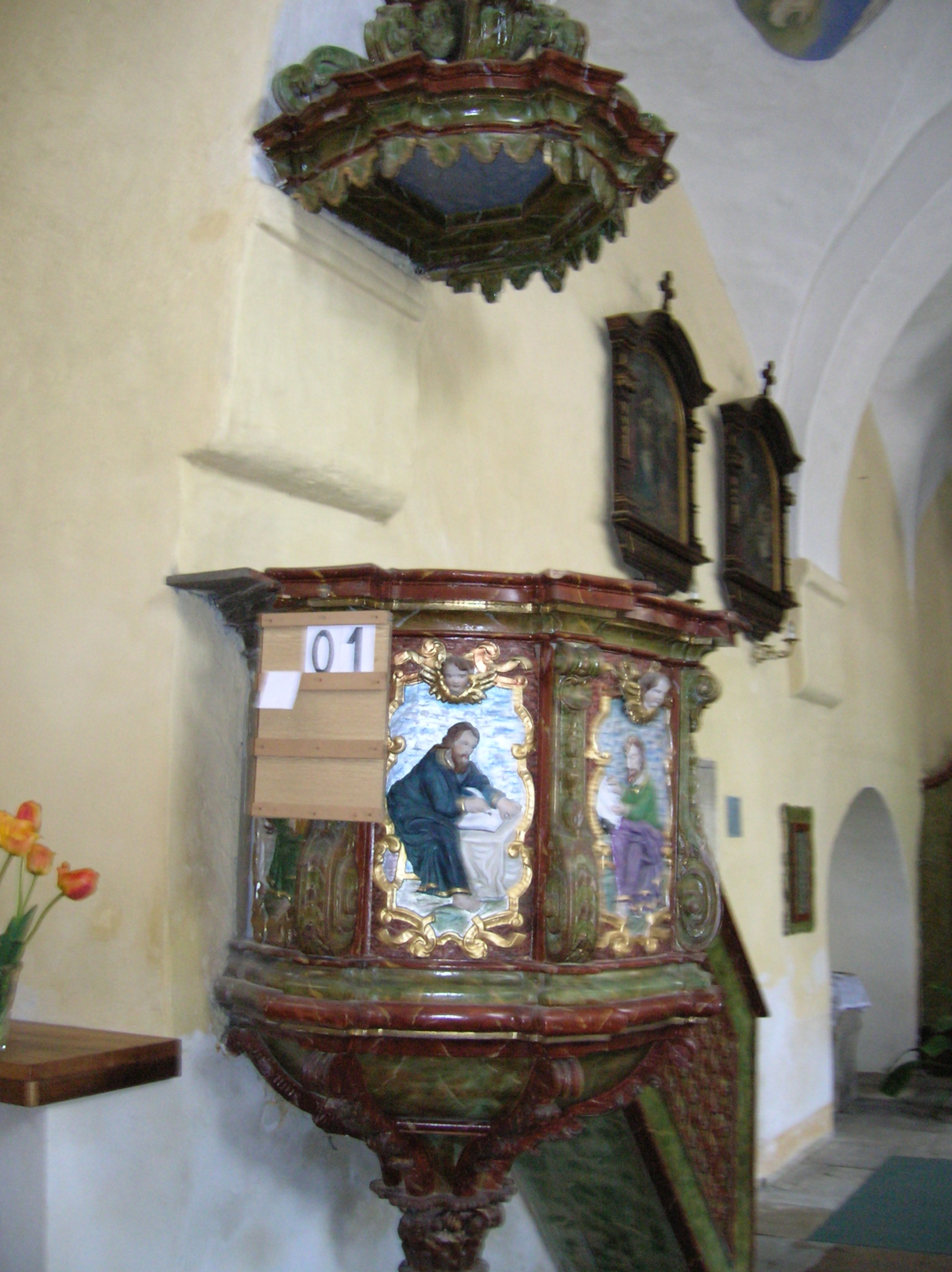
The pulpit in St. Giles' Church in Heřmaň

The pulpit in St. Giles’ Church in Heřmaň

St. Giles' Church in Heřmaň

St. Giles’ Church in Heřmaň

The organ of St. Giles' Church

The organ of St. Giles’ Church

Then our itinerary took us to the Church of Saint Havel in Myšenec, which also had experienced a Romanesque birth. On what is now the sacristy was originally a Romanesque church with apse from the 11th century. There was a Gothic window, too. What impressed me most were the Gothic frescoes on the walls and the vaulting of the sacristy. They dated from 1340 to 1350. In the presbytery Hell was pictured with a burning tower and the devil, and Heaven made an appearance, too. On the north side the life of Saint Catherine was depicted. I loved the stars and angels on the ceiling.

The interior of the church in Myšenec

The interior of the Church of Saint Havel in Myšenec

Gothic paintings in the Church of Saint Havel

Gothic paintings in the Church of Saint Havel

In the small sacristy there were more Gothic wall paintings. The figure of a prophet had been rendered on an arch. On part of one wall there was a pictorial narrative of the legend of Saint Markéta along with the figure of the devil. Arcades and pillars appeared in the renditions, too. Our guide, who had extensive knowledge of Gothic and Romanesque architecture, explained that the paintings in the sacristy had not been created by the same painter who decorated the presbytery. I wondered if there were even more than two contributors to the artwork, who they had been and how they had come about to decorating the church’s interior.

Gothic wall painting at the Church of Saint Havel

Gothic wall painting at the Church of Saint Havel

That was not all there was to see in Myšenec. Between homes 54 and 8, we gazed at the remnants of a castle and the arch of a gate. The castle had been established by the Přemysl dynasty in the 13th century. I wondered what it would be like to have part of a 13th century castle ruin joined to one’s modern house. It reminded me that history was so connected with the present and how ancient history made up such an important part of each village’s identity. It was fascinating how the two different architectural styles of modern and Gothic played off each other. The Gothic walls and arch looked like an odd extension of the house. They were certainly unique.

Gothic painting in the Church of Saint Havel in Myšenec

Gothic painting in the Church of Saint Havel in Myšenec

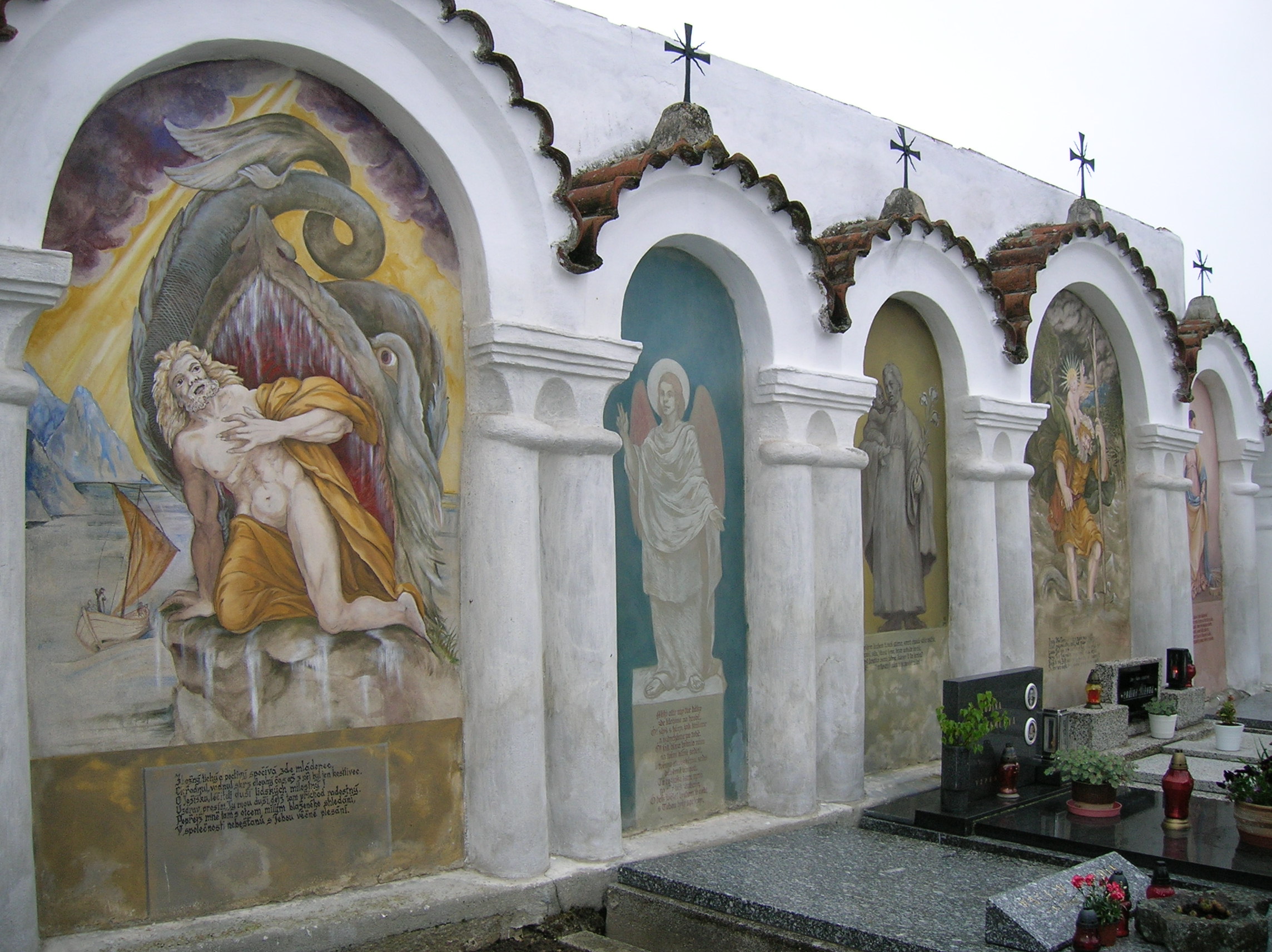
The Church of Saints Peter and Paul in Albrechtice nad Vltavou was a real gem, perhaps my favorite, if it was possible for me to choose one sight over the others. The church was originally Romanesque from the 12th century and still boasted Romanesque masonry. The tower was Romanesque in style, too. The Romanesque wall painting inside was incredible, dating from 1200 or earlier. On the triumphant arch there were frescoes of The Last Judgment with Hell and Paradise. You could see pictures of Christ rising from the dead. The wall painting was restored during the Nazi Occupation, from 1941 to 1942. I hadn’t been aware that any reconstruction occurred in churches during the Protectorate. There were small, exquisite Gothic paintings in the church, too.
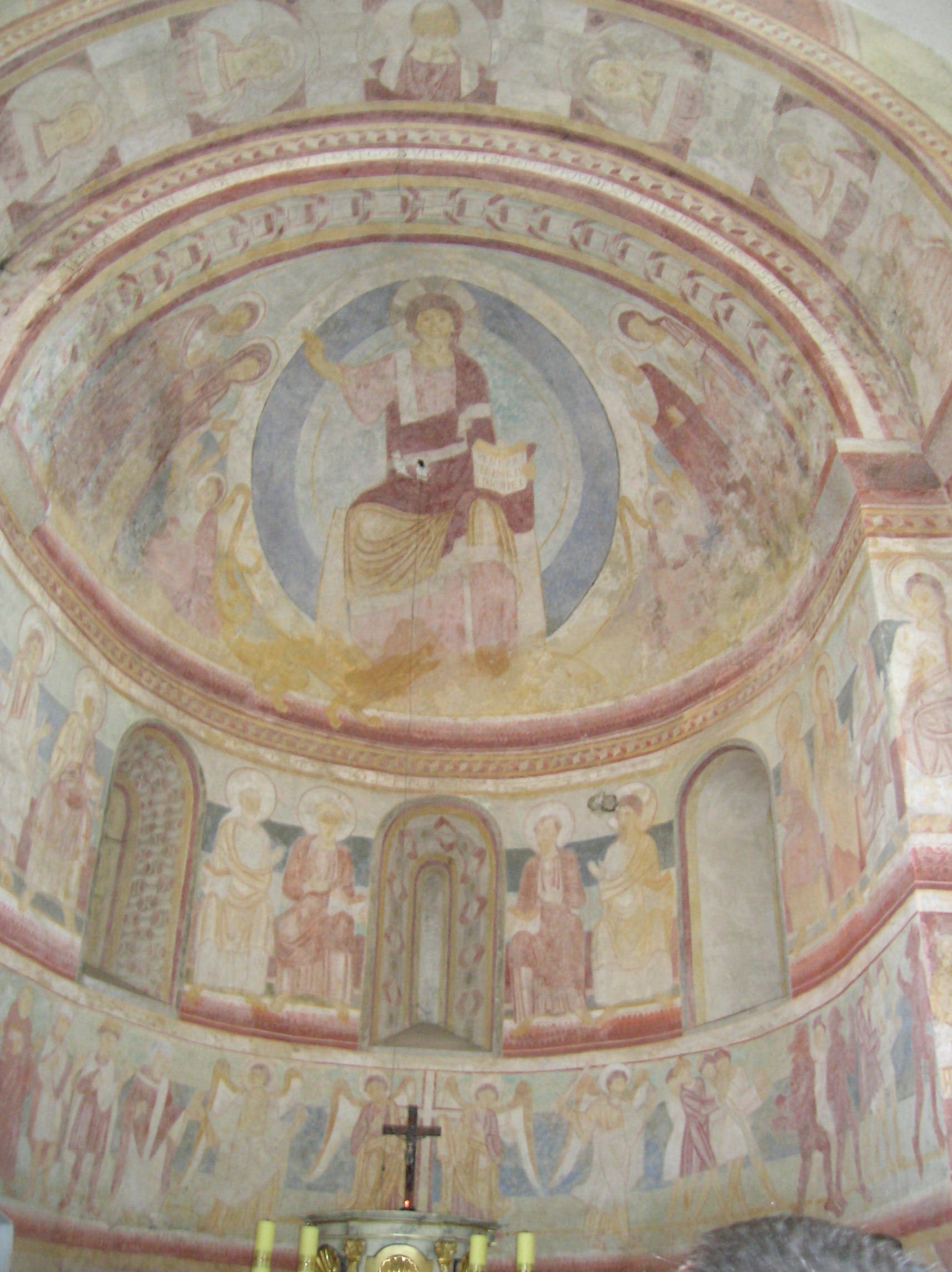
The wall and ceiling painting in Albrechtice

The wall and ceiling painting in Albrechtice

But that was not all the church had to offer. It was surrounded by 85 small chapels behind each gravestone. Each one was unique. They jumped out at the viewer with their bright colors and vitality. Parish priest Vít Cíza, who served there from 1819 to 1854, had had the innovative chapels built. The first chapels were erected in 1841 and took five years to complete. Renovation took place in the middle of the 19th century. I had never seen a cemetery that actually looked cheerful. By erecting these chapels, it was as the cemetery was celebrating the lives and the individuality of the people rather than merely mourning their loss. This was the first time I had visited a cemetery and had not been depressed.

The murals at Albrechtice

The chapels at the Church of Saints Peter and Paul, Albrechtice
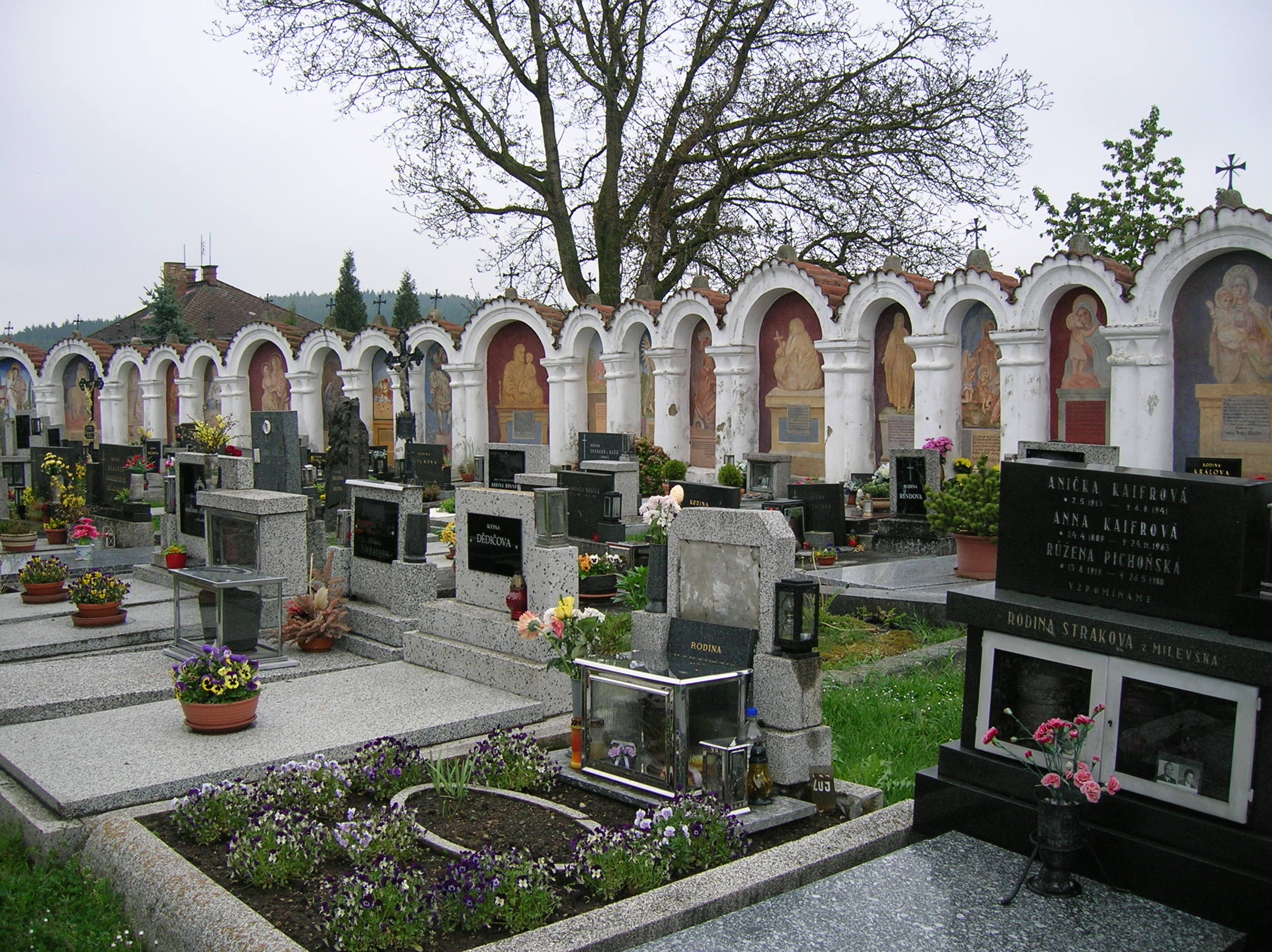
The small chapels at Albrechtice

The small chapels at Albrechtice

Next we visited Zvíkov Castle, which I had seen several times during my long-time stay in the Czech lands. I was glad to have the opportunity to visit it again as I had not been there for at least 10 years. Like the castle in Písek, Zvíkov had a royal palace, four wings and an inner arcade in the courtyard. The crown jewels were even stored there until Karlštejn Castle was finished under Emperor Charles IV’s rule during the middle of the 14th century.
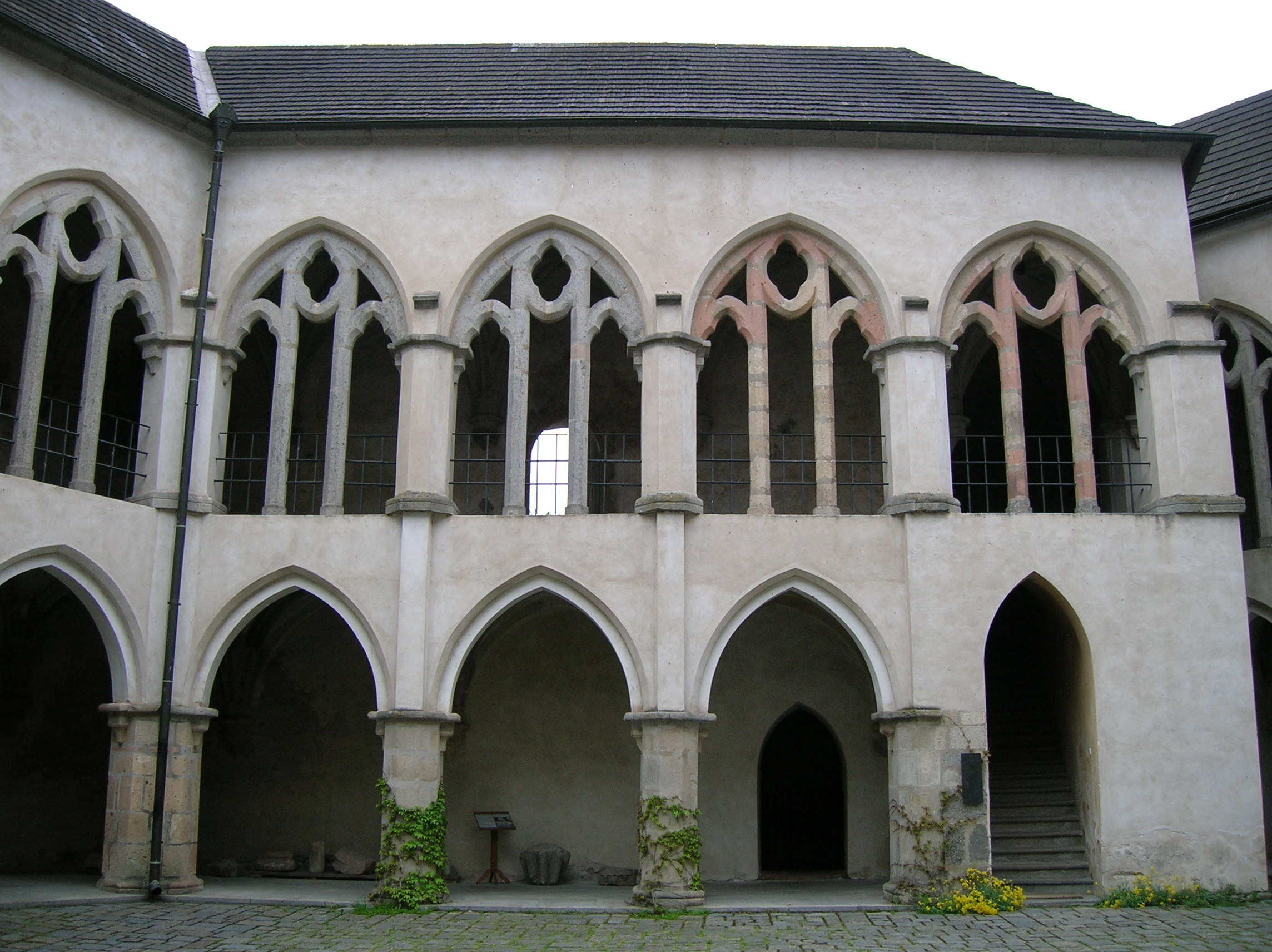
The arcades in the inner courtyard of Zvíkov Castle

The arcades in the inner courtyard of Zvíkov Castle

Set on an island, Zvíkov was first mentioned in writing during 1234. King Wenceslas (Václav) I started to build it in the first part of the 13th century. Construction on the Royal Palace began around 1250. Emperor Charles IV had it renovated during the 14th century. After that there were several owners, including the notable Rožmberk and Švamberk clans. Then came darker days. It was conquered during the Thirty Years’ War, and then Zvíkov was used as a warehouse. It was not until the Schwarzenbergs took control of it in 1719 that renovations occurred. In the 19th century the castle became dilapidated again, but reconstruction in 1880 put Zvíkov back on the Czech castle map.
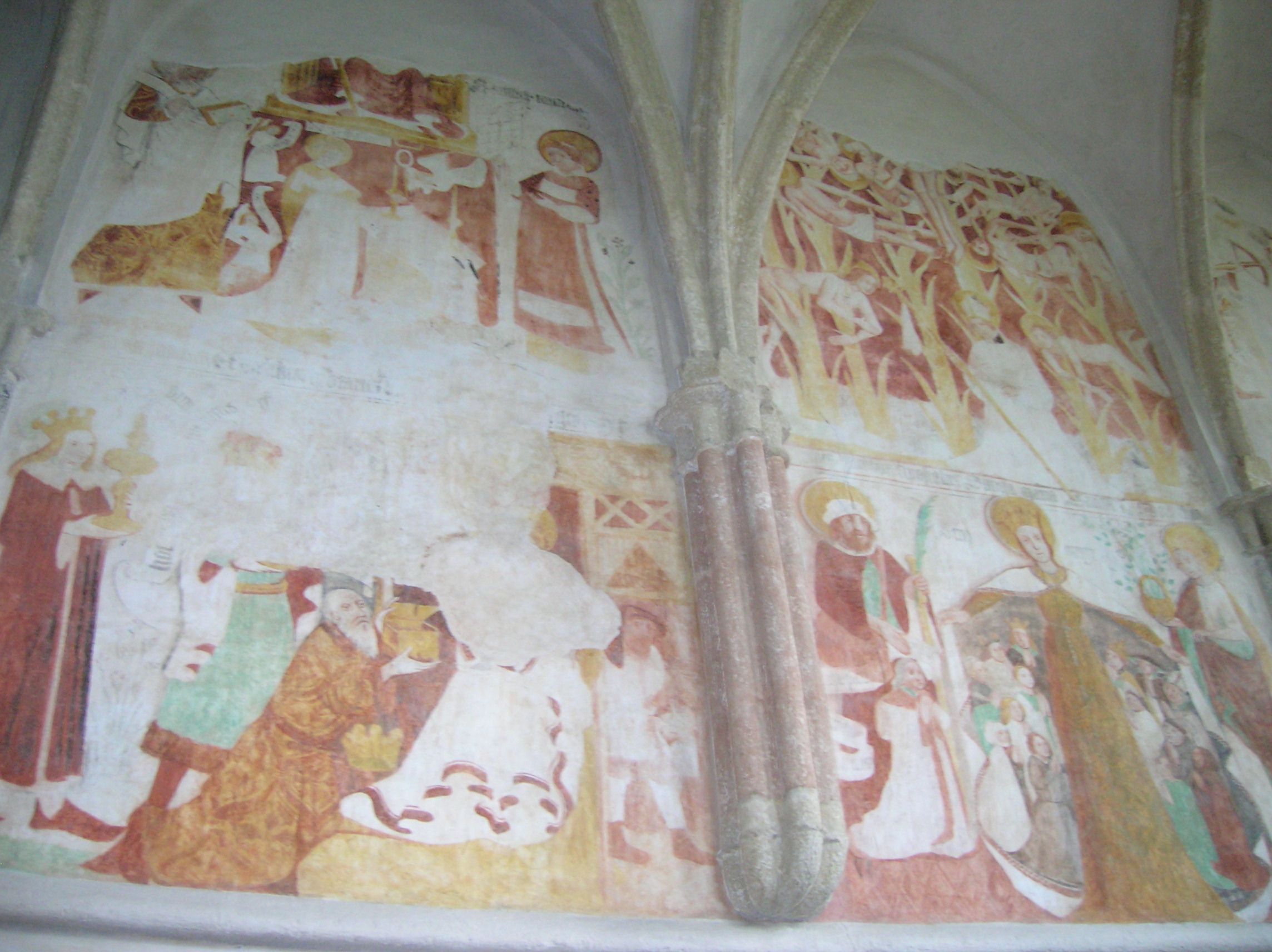
The Gothic paintings in St. Wenceslas Chapel

The Gothic paintings in St. Wenceslas Chapel

Wall painting at St. Wenceslas Chapel

Wall painting at St. Wenceslas Chapel

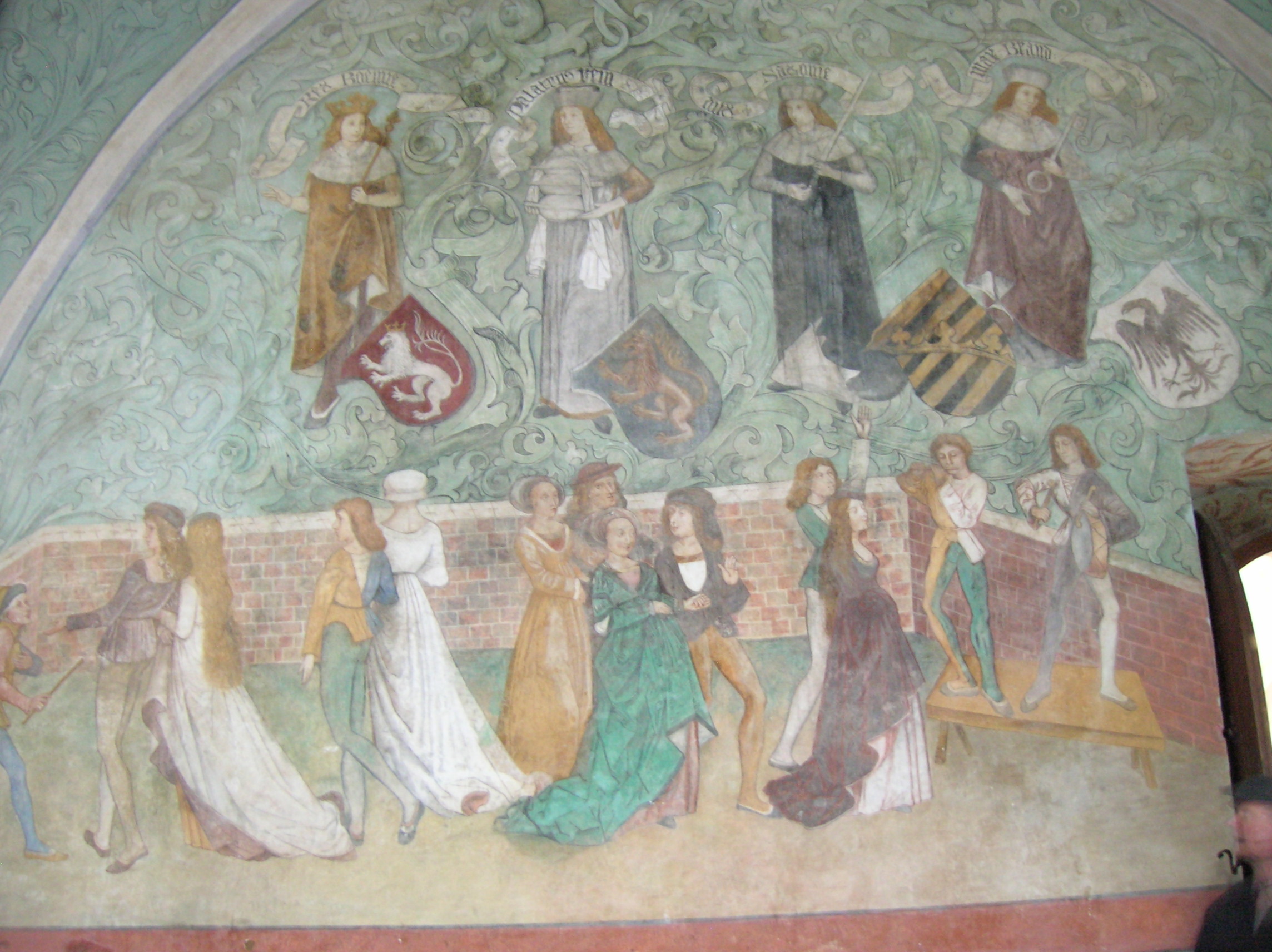
I was most mesmerized by the bright, vibrant Gothic wall paintings in Saint Wenceslas Chapel. They dated from 1480 to 1500. There were also exquisite 15th century frescoes in the Dance Hall. They showed a festive, dancing scene below pictures of the four electors of the emperor, including the Czech king. I admired the Lombard chairs, seating with high decorated backs, in the Knights’ Room. That furniture hailed from Renaissance days, and I thought it looked so distinguished. The Gothic altar was also very impressive.

A Gothic altar at Zvíkov Castle
A Gothic altar at Zvíkov Castle

The 15th century wall painting in the Dance Hall

The 15th century wall painting in the Dance Hall

Our last stop was the Holy Trinity Church in Čimelice, which had Gothic masonry but was furnished in the Baroque style of the 18th century. However, the stunning Gothic Madonna on a side altar dated from the second half of the 15th century. The ceiling was from the Renaissance era, resembling the ceiling of the cemetery church in Písek. The tower had been erected in Empire style during 1821. The altars and sculpture hailed from the second half of the 18th century. The Baroque Chapel of Saint Barbara was stunning, going all the way back to the first half of the 18th century. Then we were in for a real treat. The man in charge of the church played the 15th century organ for us. Its rich, colorful sound filled the holy space.
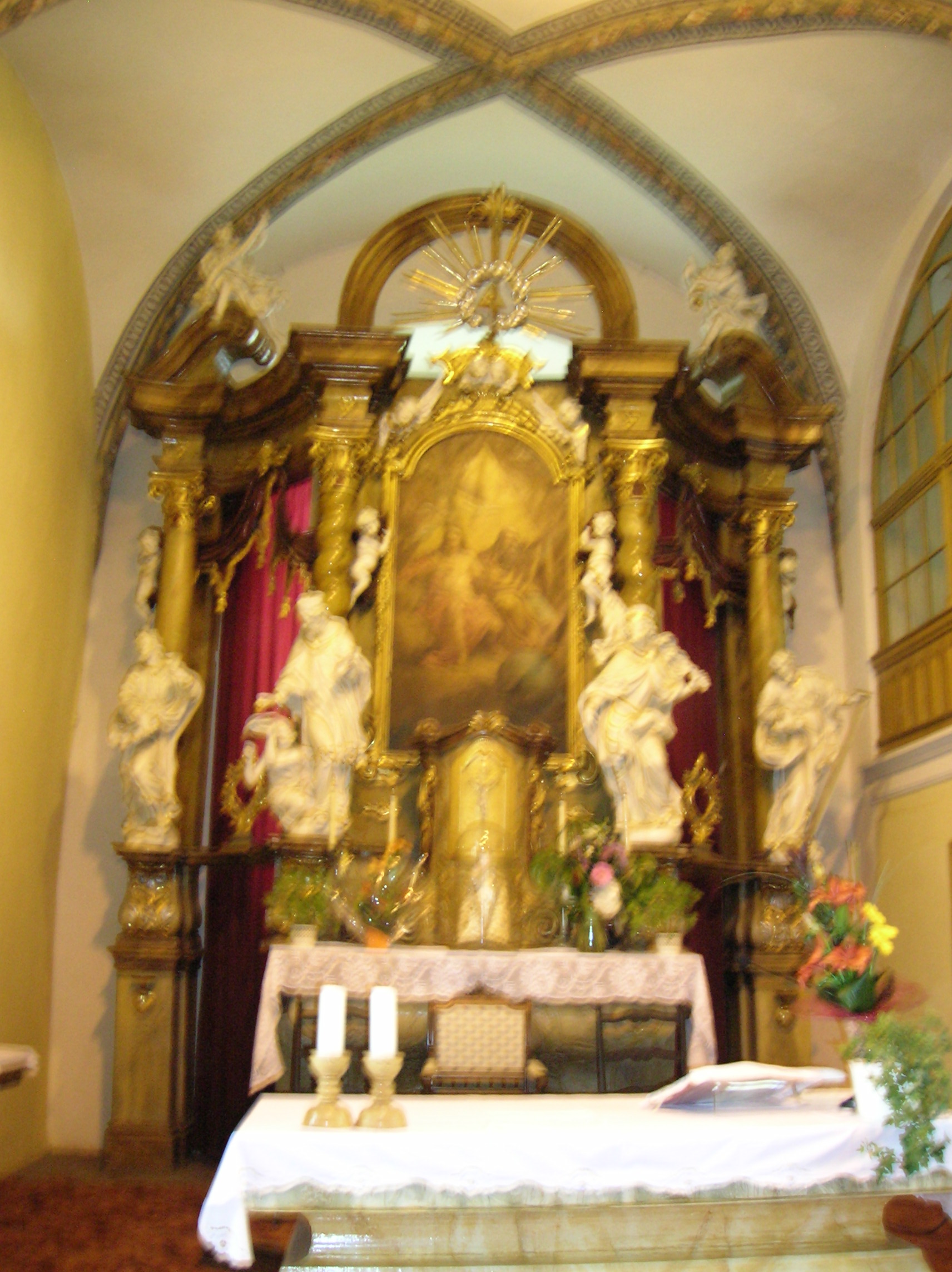
The main altar in Čimelice

The main altar in Čimelice

The Gothic Madonna in Čimelice

The Gothic Madonna at the Holy Trinity Church in Čimelice

The ceiling in Čimelice

The ceiling at the Holy Trinity Church in Čimelice

We also saw a chateau and pond belonging to the Schwarzenbergs, but the chateau had not been restored or was not open the public. The red and yellow colors of the façade reminded me of the magnificent exterior of Dobříš Chateau near Prague.
I had found this tour fascinating. I had learned so much about the Czech lands as well as about Romanesque and Gothic architecture and art, thanks to our remarkable guide, who was so knowledgeable and well-organized. I had never realized that villages had so much history. Each village had its own character, its own identity, its own story to tell. It amazed me that the history of these villages was rooted in Romanesque or Gothic eras. I have lived in the Czech lands for more than 20 years, and it still is difficult for me to fathom that Gothic and Romanesque art and architecture could survive so many centuries, so much turbulent history, so many wars.
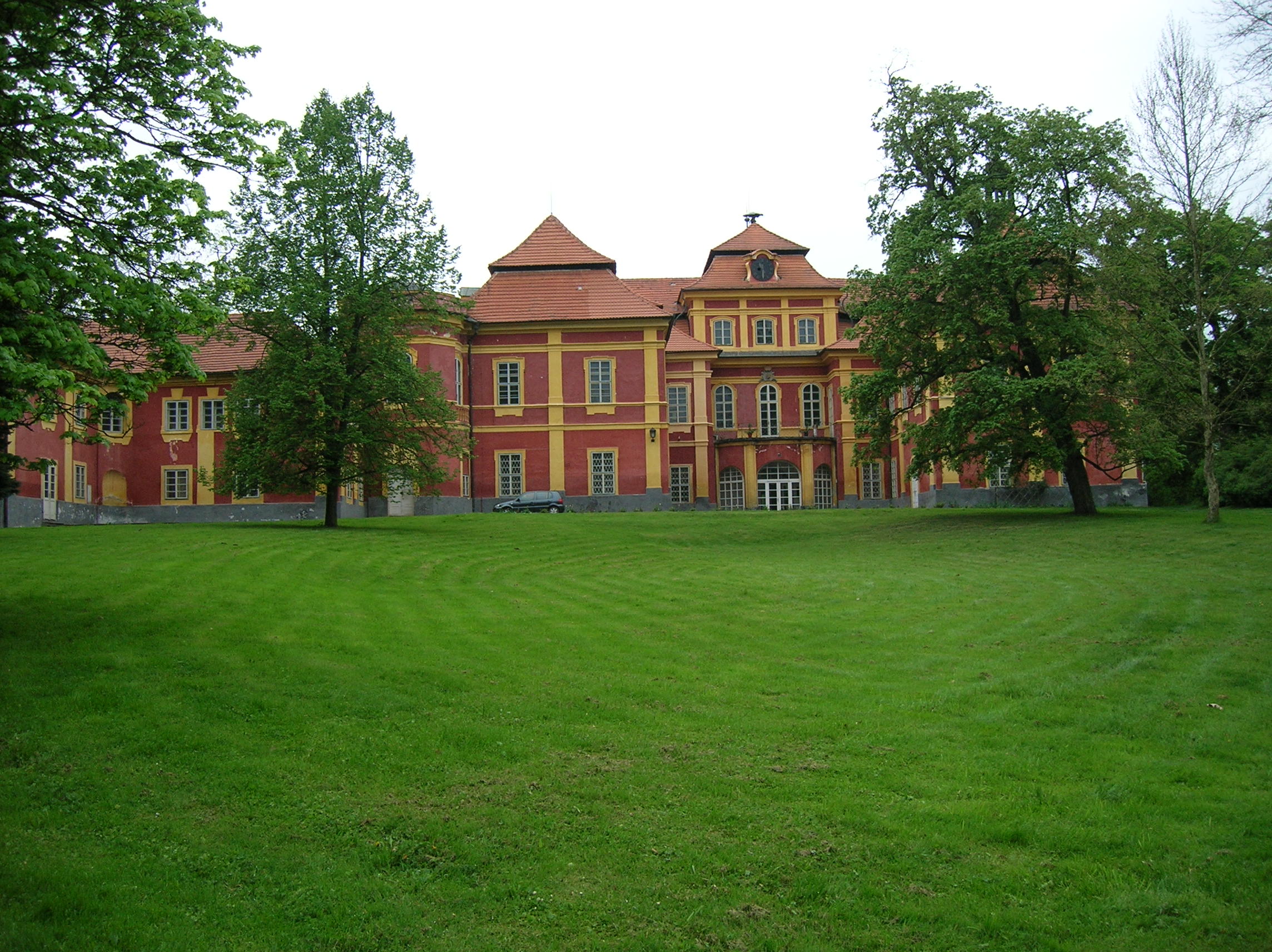
The chateau in Čimelice

The chateau in Čimelice

During the tour I was most impressed with the Gothic wall paintings, especially in Zvíkov’s Saint Wenceslas Chapel, in Myšenec and in Albrechtice nad Vltavou. I also was enamored by the stunning arcades and vaulting at Zvíkov Castle. I was enthralled with the stunning arcade chapels on the cemetery walls at Albrechtice. I could not believe that a cemetery could be so full of life. I also was glad that I had seen parts of Písek other than the bus station. Písek really was a charming town.

A Madonna statue in Myšenec

A Madonna statue in Myšenec

During my many years in the country, I had seen the major castles and sights in south Bohemia – Hluboká nad Vltavou Chateau, Český Krumlov Chateau, Třeboň Chateau, Vyšší Brod and Zlatá koruna monasteries and others. But I had never explored the villages. I had never even thought they were worth exploring, to tell the truth. Now I knew that every nook and cranny of the country had its own rich history, its own secrets to reveal.
Tracy A. Burns is a writer, proofreader and editor in Prague.

Arcades at Zvíkov Castle

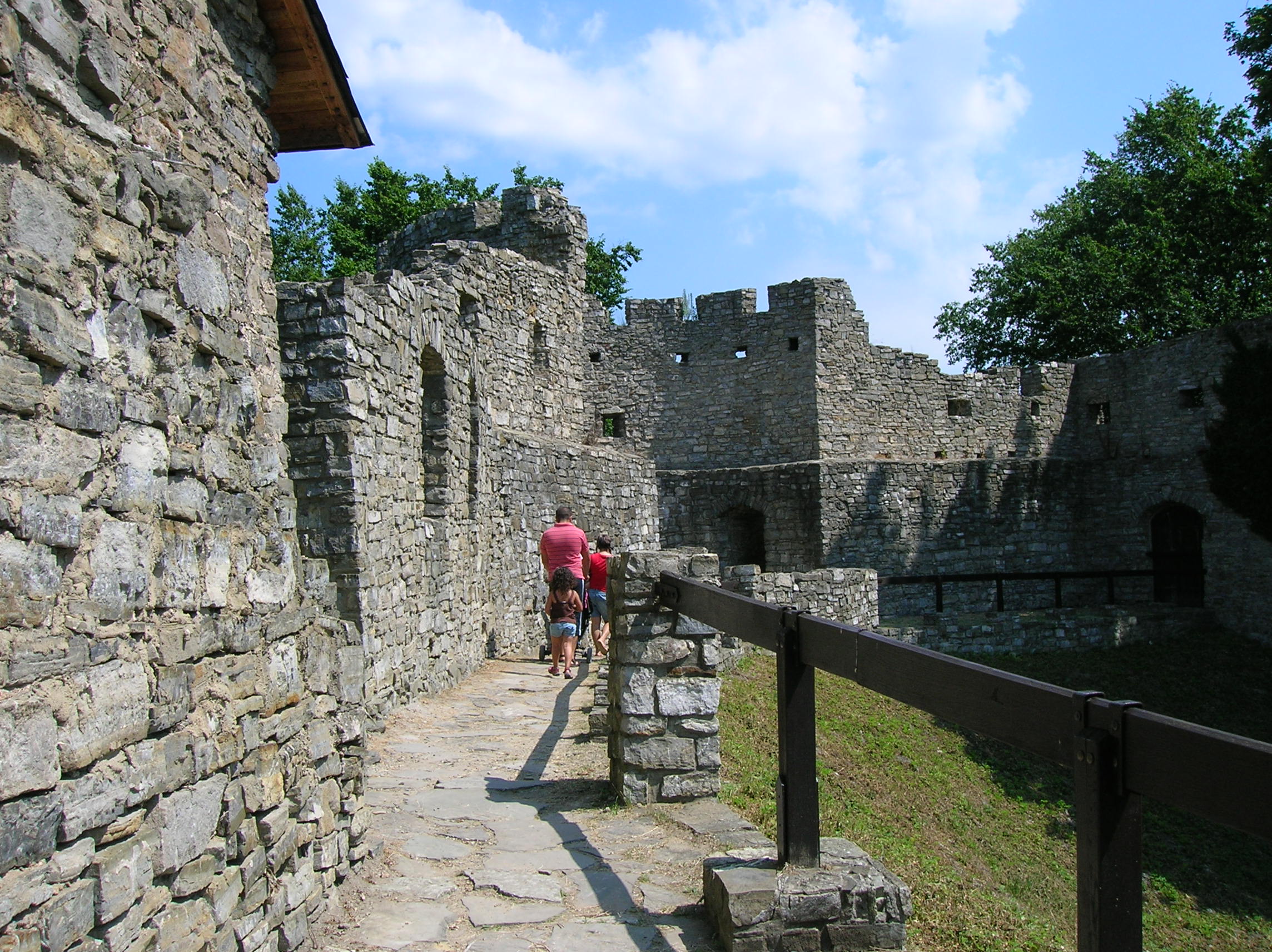
Arcades at Zvíkov Castle
 

Hukvaldy Castle Diary

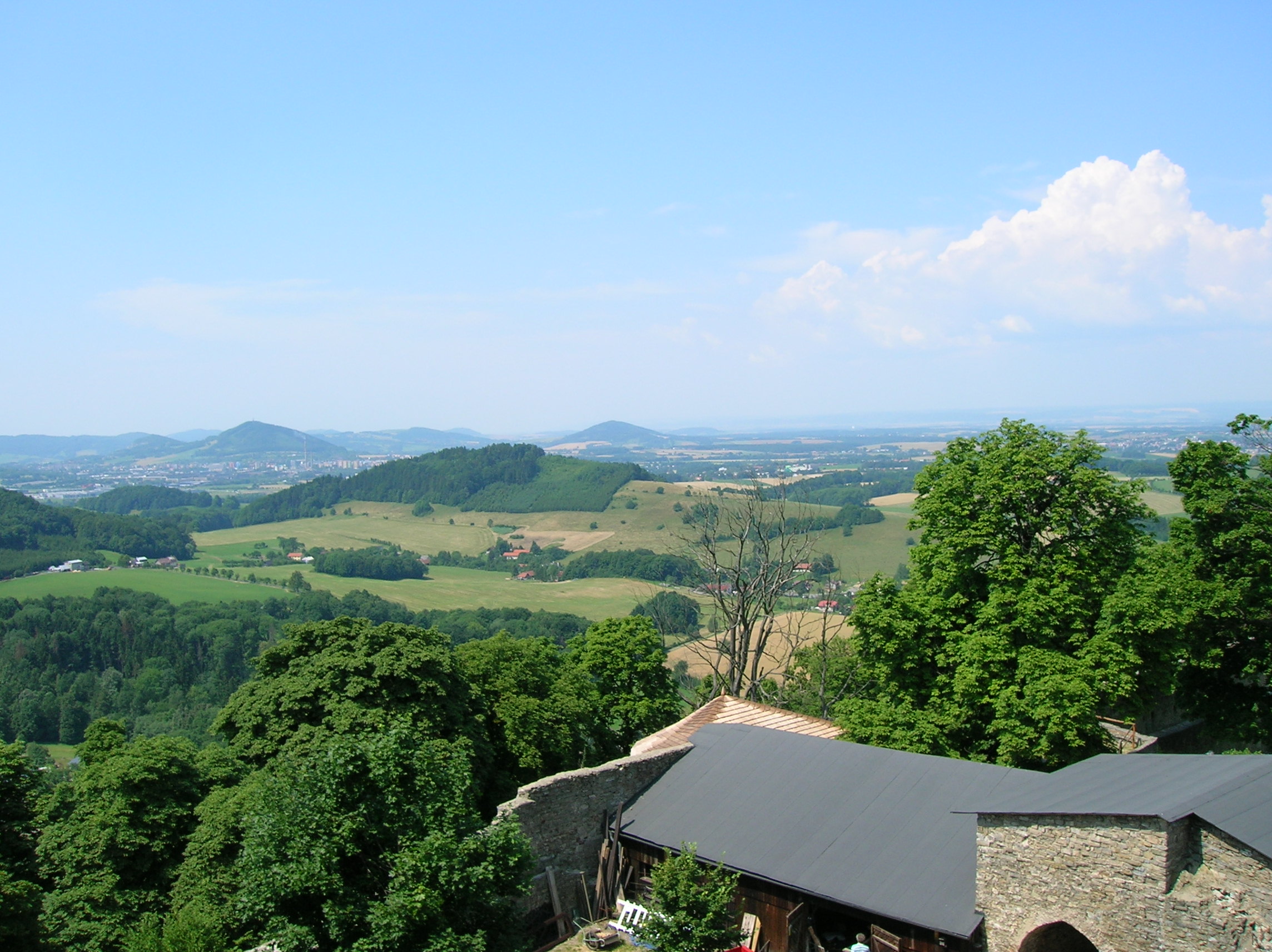
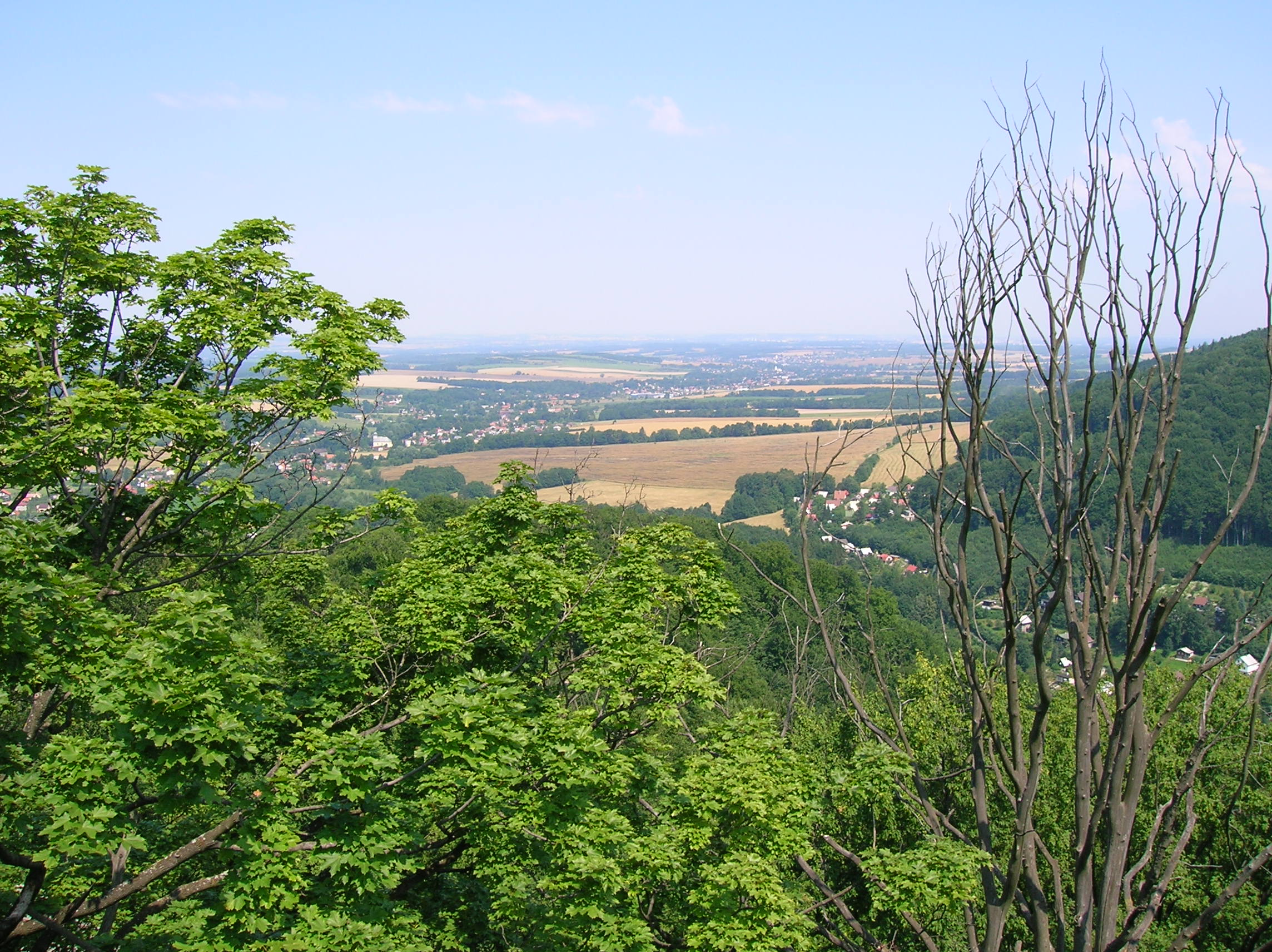
The breathtaking view from Hukvaldy Castle

The breathtaking view from Hukvaldy Castle

A bus took me directly from Frýdek Místek to Hukvaldy, where I embarked on the uphill, demanding 20-minute walk in the scorching heat. The moment I reached the entrance to the castle ruin in northern Moravia, I was beside myself.

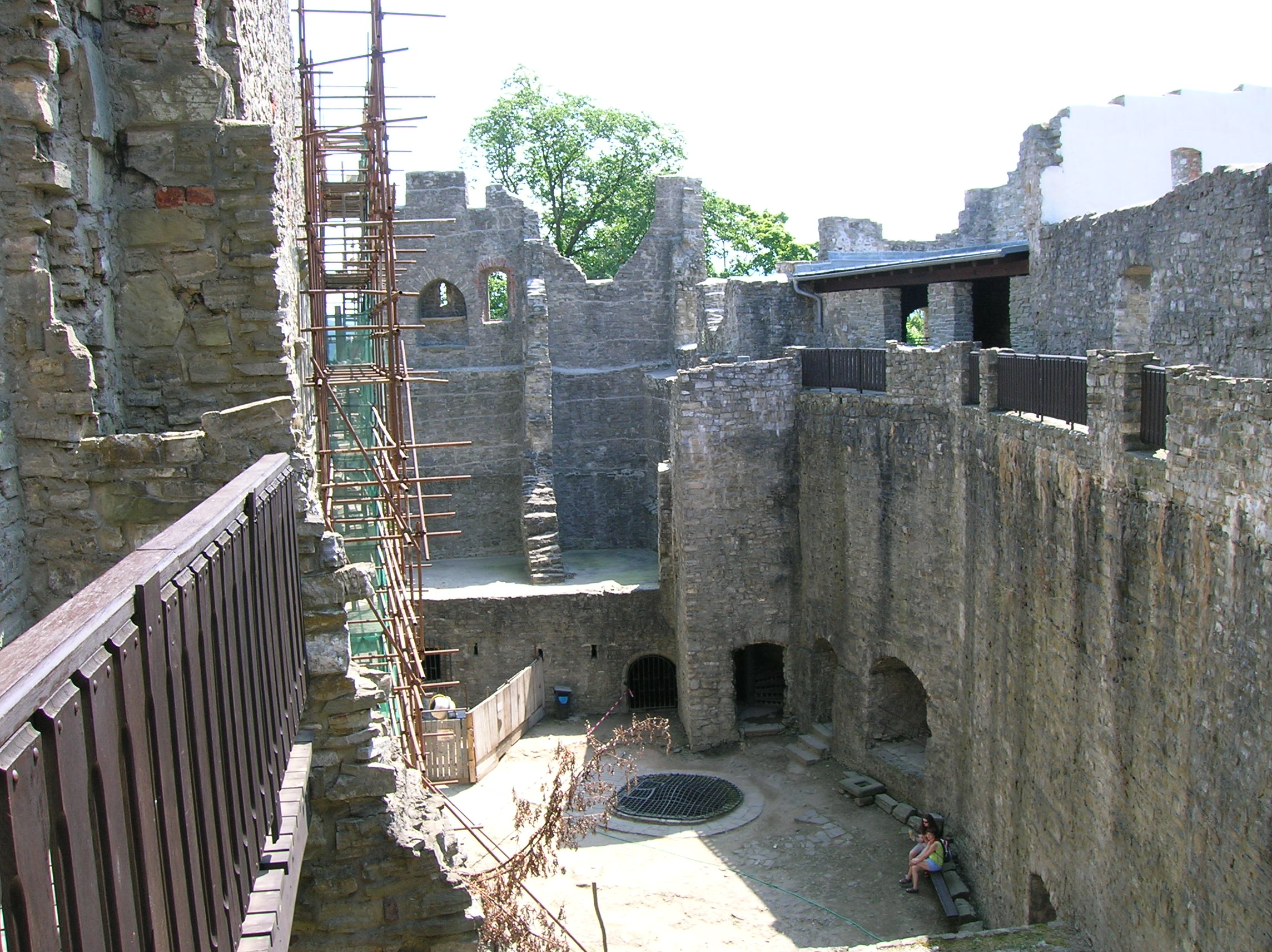
The castle ruins

The castle ruins

The views to the gentle, green Beskydy Mountains, which loomed in the distance, were magnificent. Supposedly, one could even sometimes see as far as the Jeseníky Mountains and Praděd Mountain in the Jeseník region. I saw picturesque, romantic villages in undulating valleys, the lush green of the mountains surrounding the dots that made up the small towns.  I wondered if I could see the Polish or Slovak border.

The views from the castle ruins are breathtaking.

The views from the castle ruins are breathtaking.

Another breathtaking view

Another breathtaking view

Upon entering the castle ruins, I was in for an even bigger surprise. The castle ruins were just as romantic and picturesque as were the views from the wall at the entrance. The music of Leoš Janáček, a native of this village, kept racing through my head. All those compositions inspired by Moravian folk music, the unique melodies and specific, repeating motifs. Before I came to the castle, I had stopped at the local school, where Janácek was born, the ninth child out of 13, on July 3, 1854.

The castle ruins

The castle ruins

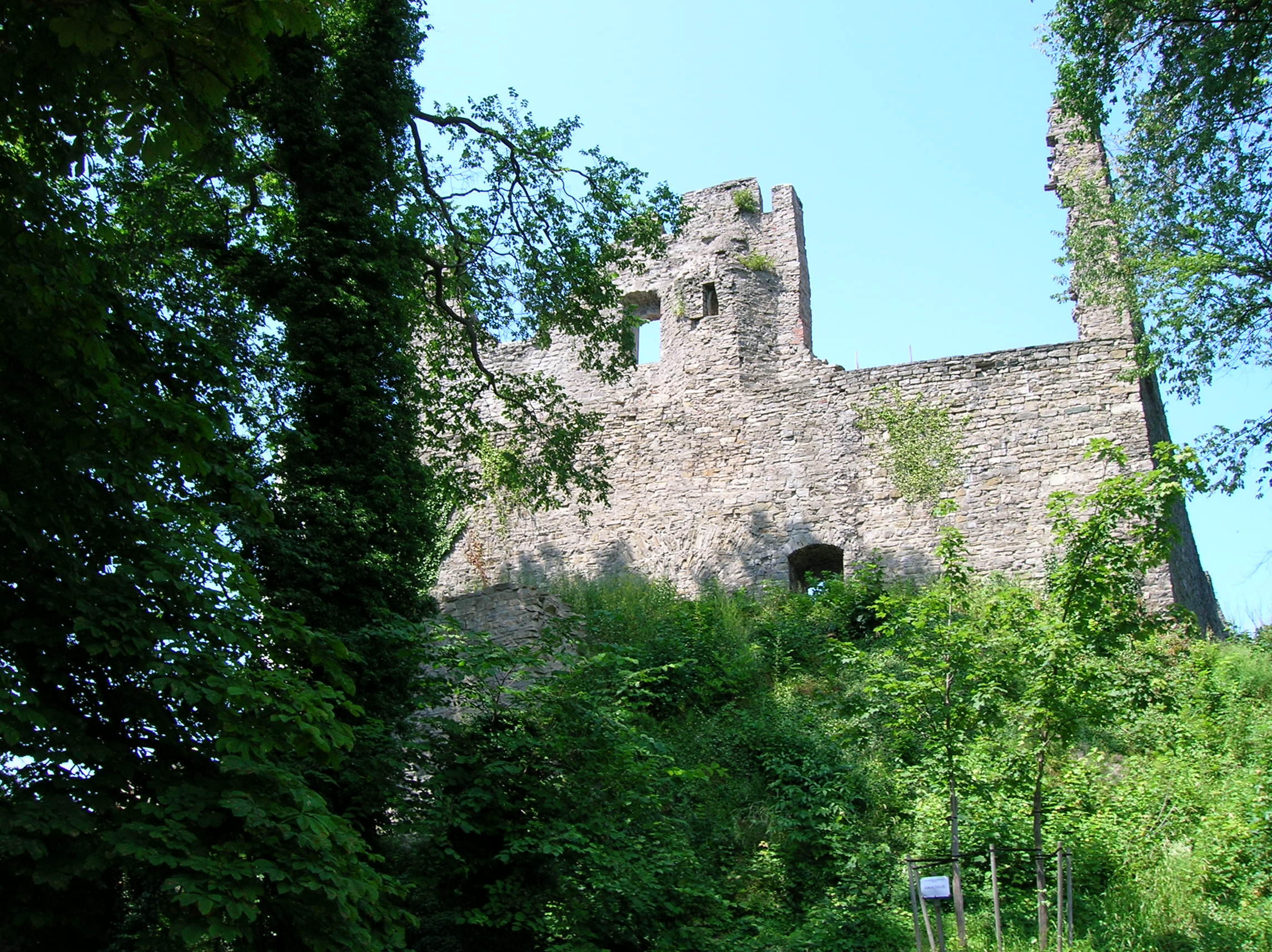
The castle dates from the 13th century.

The castle dates from the 13th century.

I skimmed over a brochure about the castle’s history. The monument dates from around 1285. Olomouc bishops gained ownership of the castle in the middle of the 14th century, then the castle changed hands several times before King Jiří of Poděbrady bought it during 1465 in order to return it to the bishops. From that point on, the Olomouc bishopric and later archbishopric were almost continually the owners of Hukvaldy until it became state property in 1948.

The ruins even have their own ghosts.

The ruins even have their own ghosts.

The castle became a ruin in the 18th century.

The castle became a ruin in the 18th century.

The once vibrant castle became a ruin in 1762, when a fire broke out after lightning struck the fortress. Yet the Chapel of Saint Ondřej remains almost untouched since its construction during the end of the 17th century. Decorated with statues of Jan Nepomuk and František Xavier, it is a real, though small, gem.

Hukvaldychapel1

Hukvaldychapel2Hukvaldy even has its own ghost named Světlík, who was killed by a hejtman that wanted to marry his beautiful daughter. Světlík refused to let him do so. The castle had a famous prisoner, too. Philip Dambrovsky was accused of poisoning four Olomouc bishops.

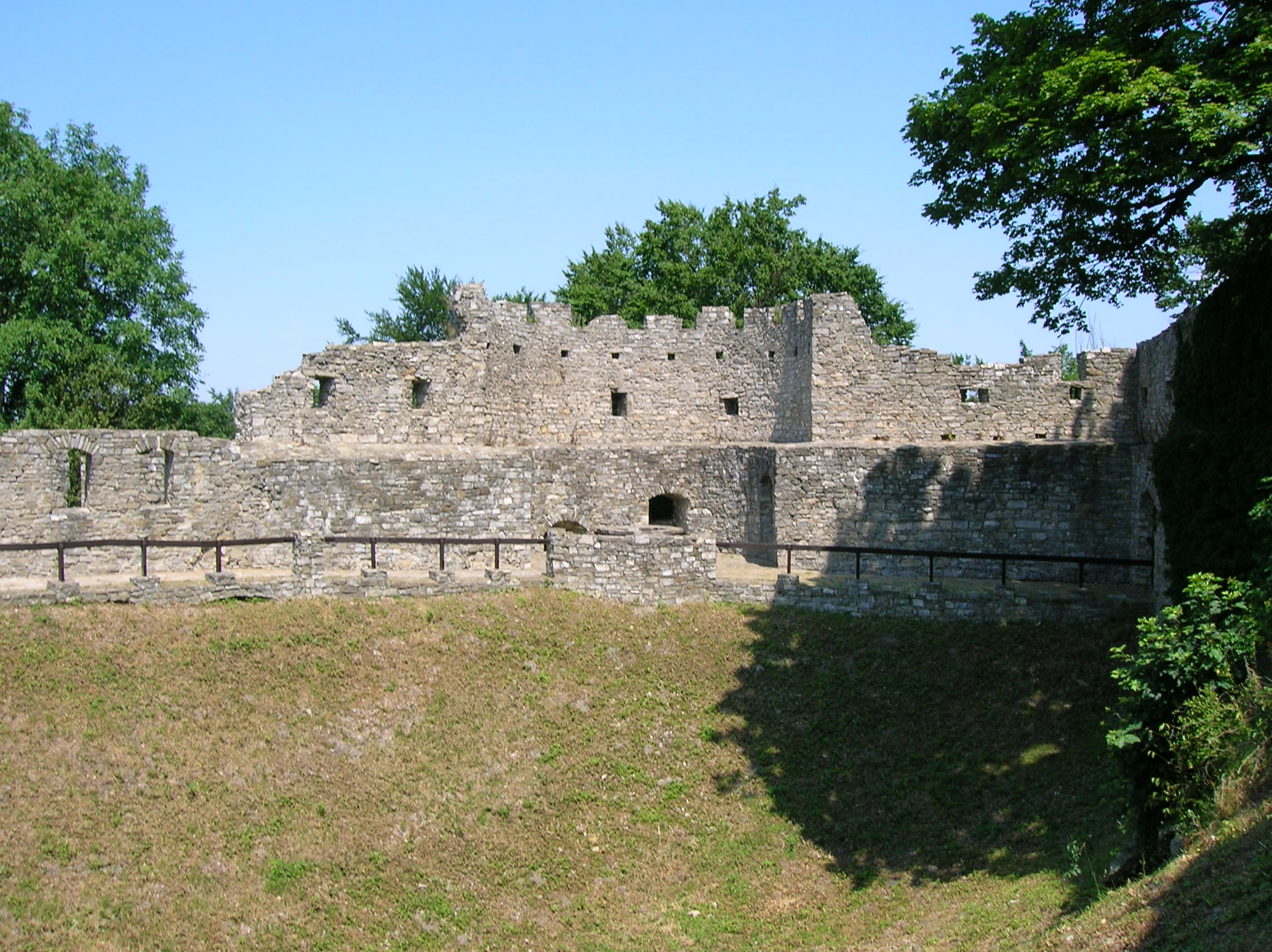
A view through the ruin

A view through the ruin

Another view of the ruin

Another view of the ruin

As I walked through the gates and courtyards, strolled around the bastions, peeked into the cellars and took note of the destroyed buildings that were once occupied by the burgrave, I felt energized from the power that was emitted by the stone walls and fragments, as if this place had a significant story to tell and was telling that story as I stepped through its magical gates.

Hukvaldy is, indeed, magical.

Tracy A. Burns is a writer, proofreader and editor in Prague.

You can almost hear Janáček's music coming from the ruins.

You can almost hear Janáček’s music coming from the ruins.

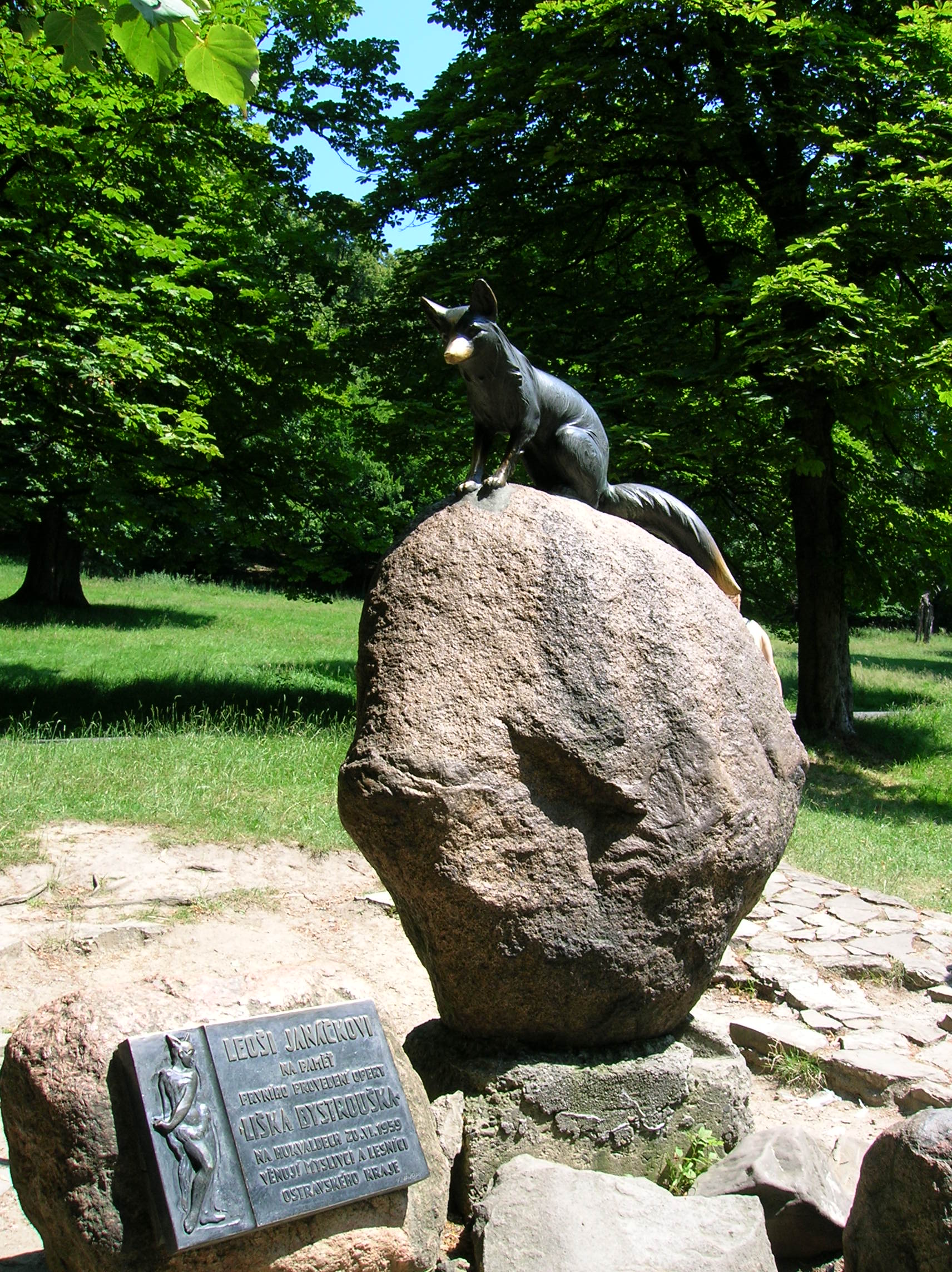
A statue of a fox commemorating Janáček's opera, The Cunning Little Vixen.

A statue of a fox commemorating Janáček’s opera, The Cunning Little Vixen.

The views of the mountains in the distance are sure to amaze.

The views of the mountains in the distance are sure to amaze.

The magical countryside

The magical countryside

Frýdlant Castle and Chateau and Hejnice Basilica Diary

P1080993

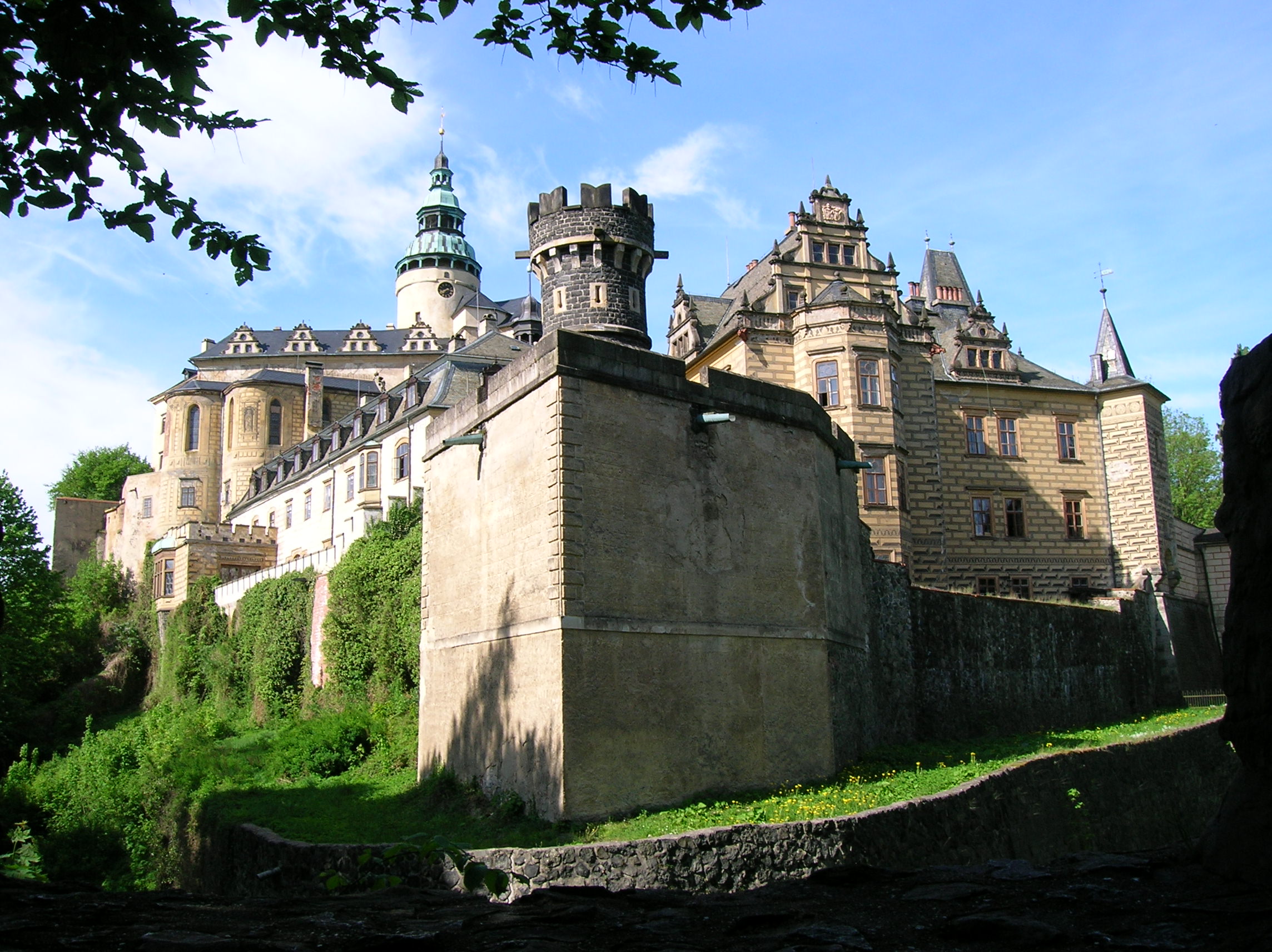
For the first time in a long while I went on a trip by car. Since my friend did not have a highway sticker that permitted her to drive on the highways, we had to take side roads that made the trip to northern Bohemia’s Frýdlant Castle and Chateau more than three hours long but much more scenic and intriguing.

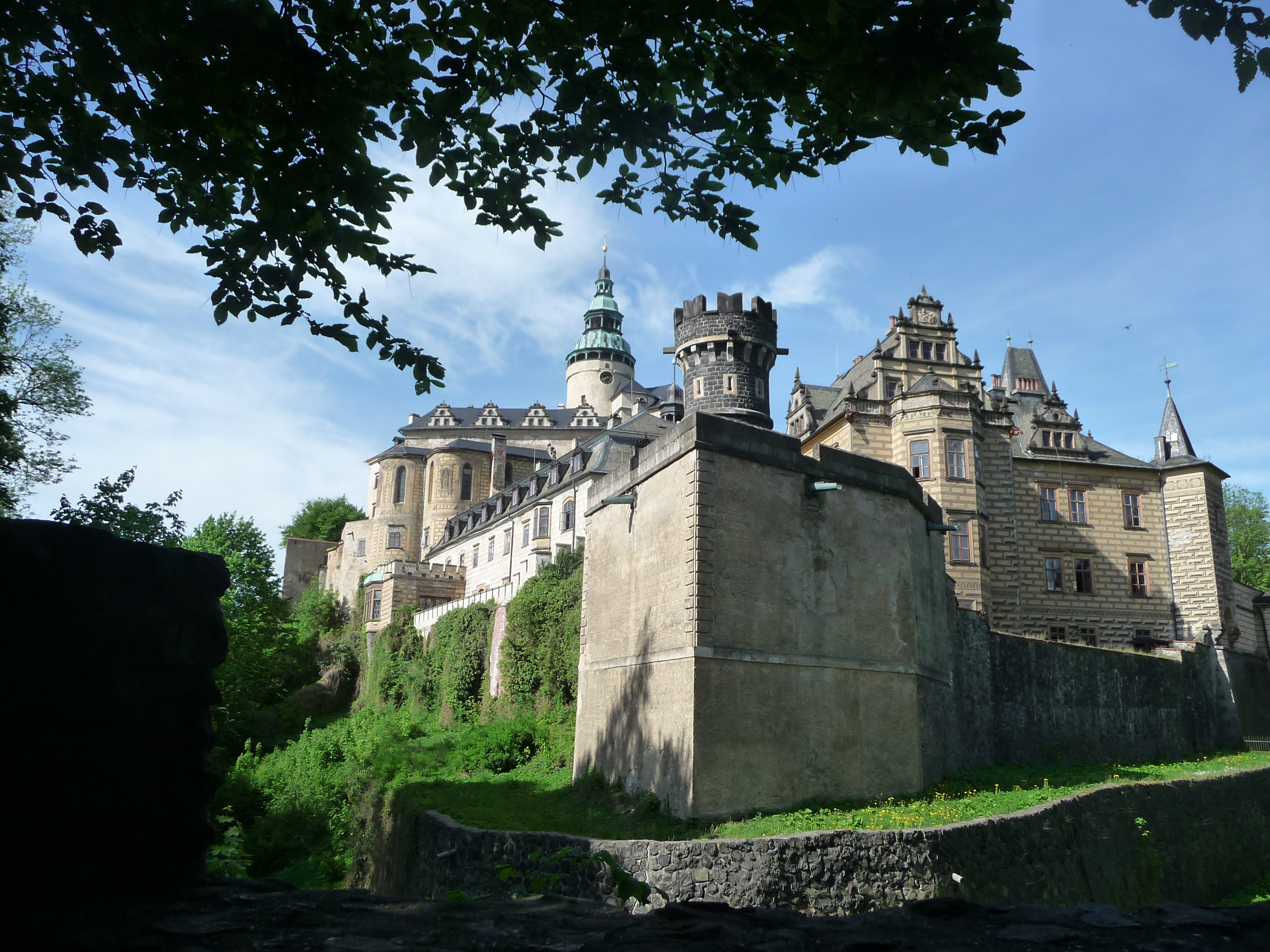
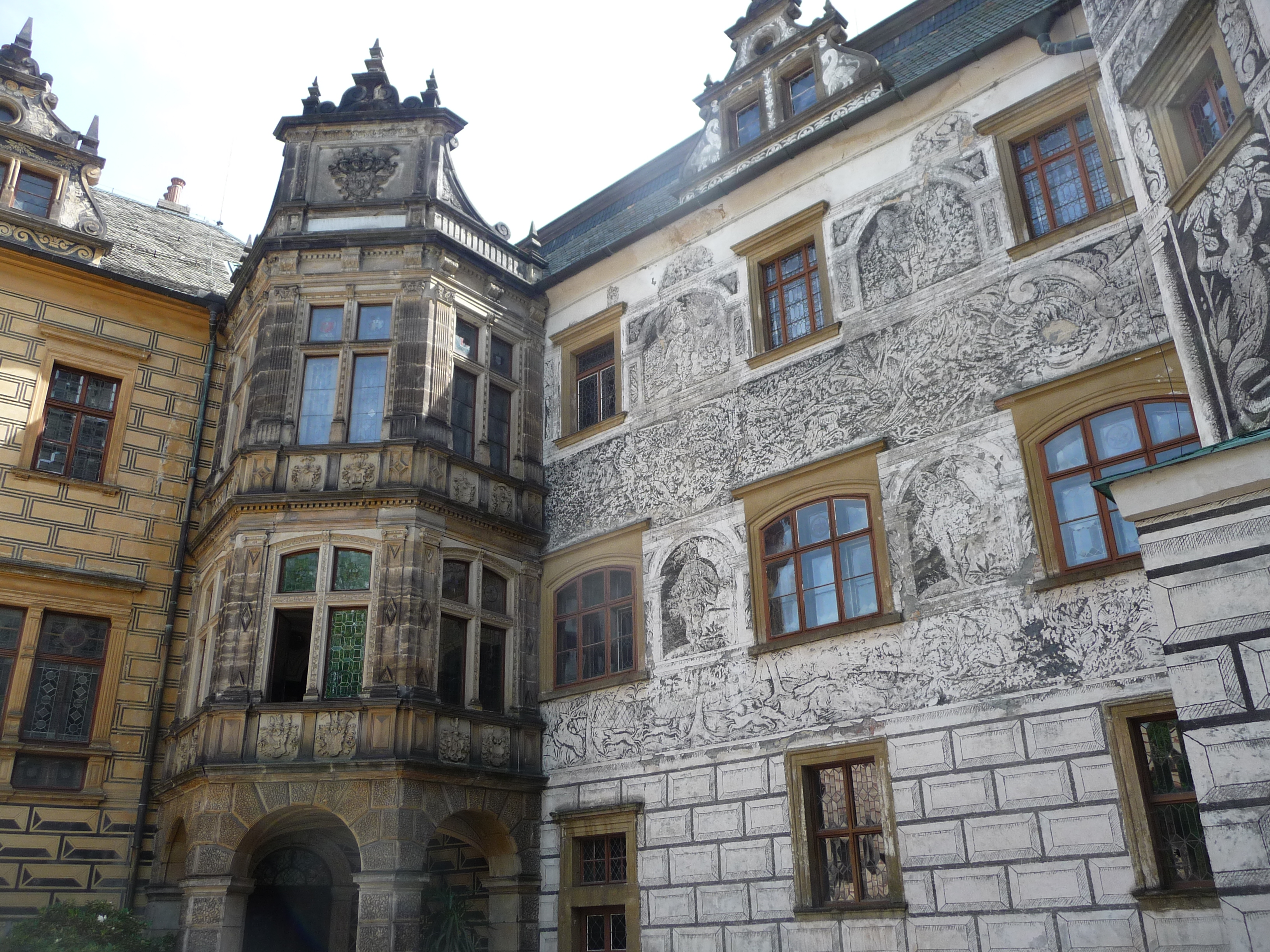
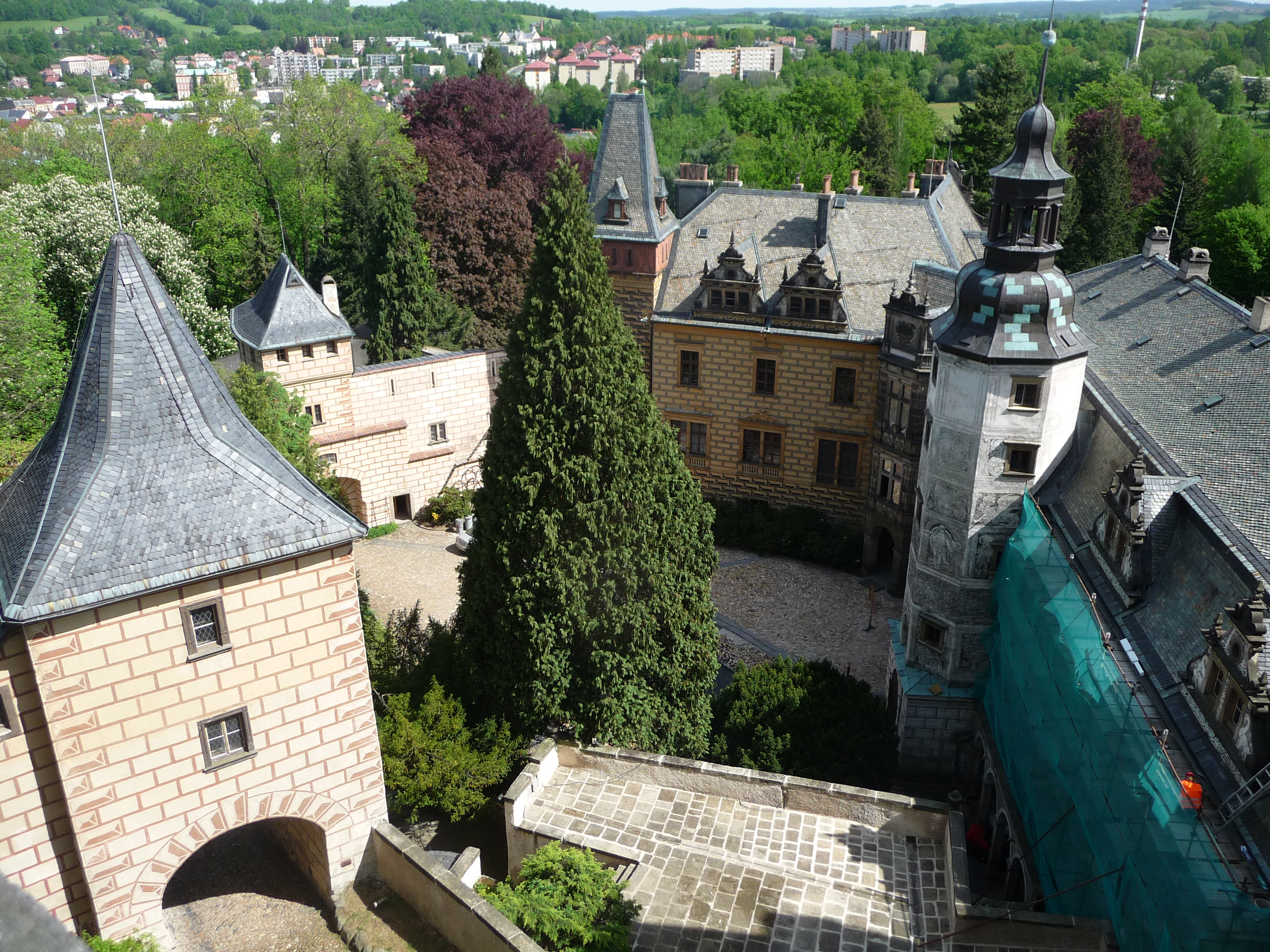
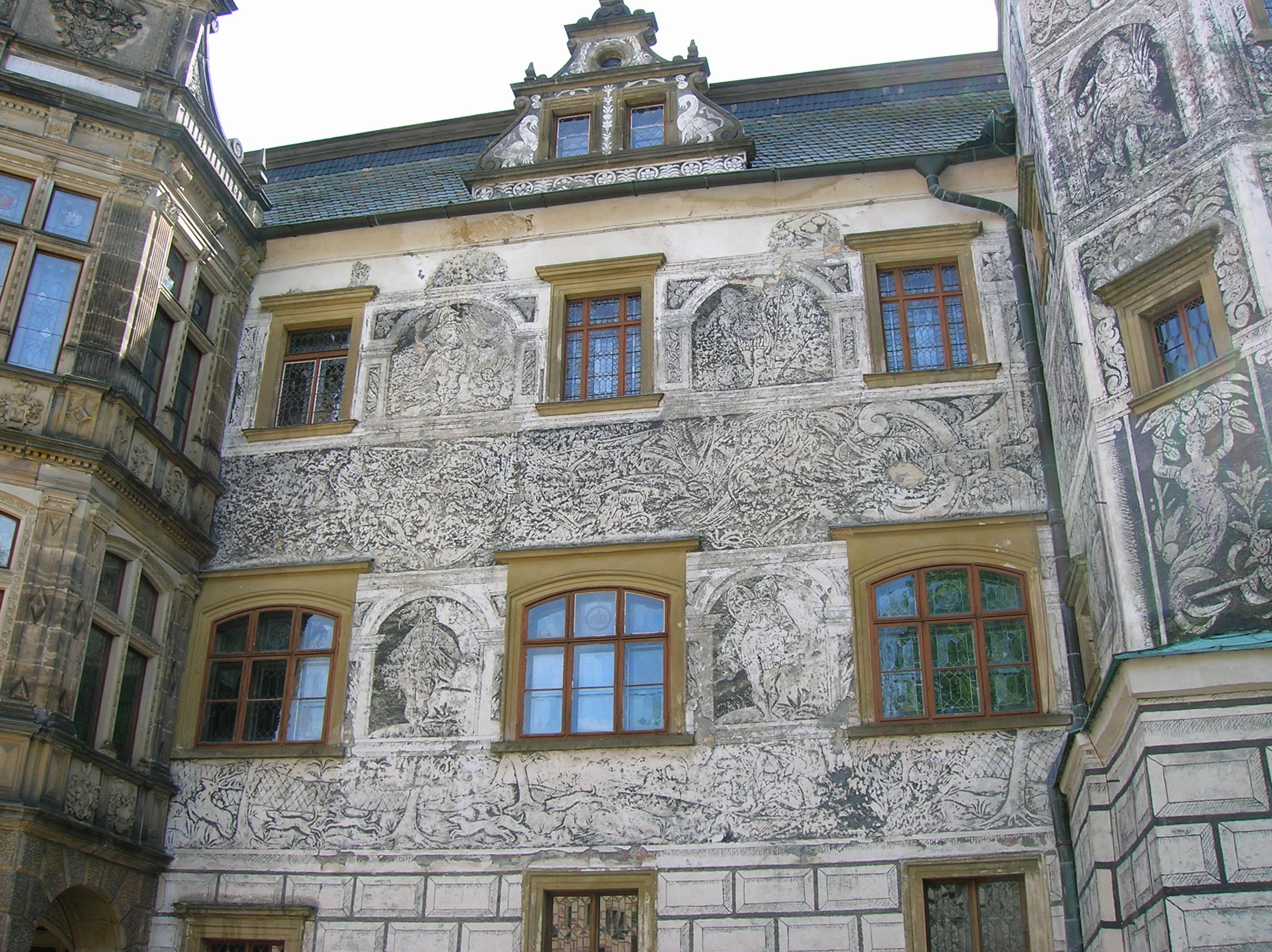
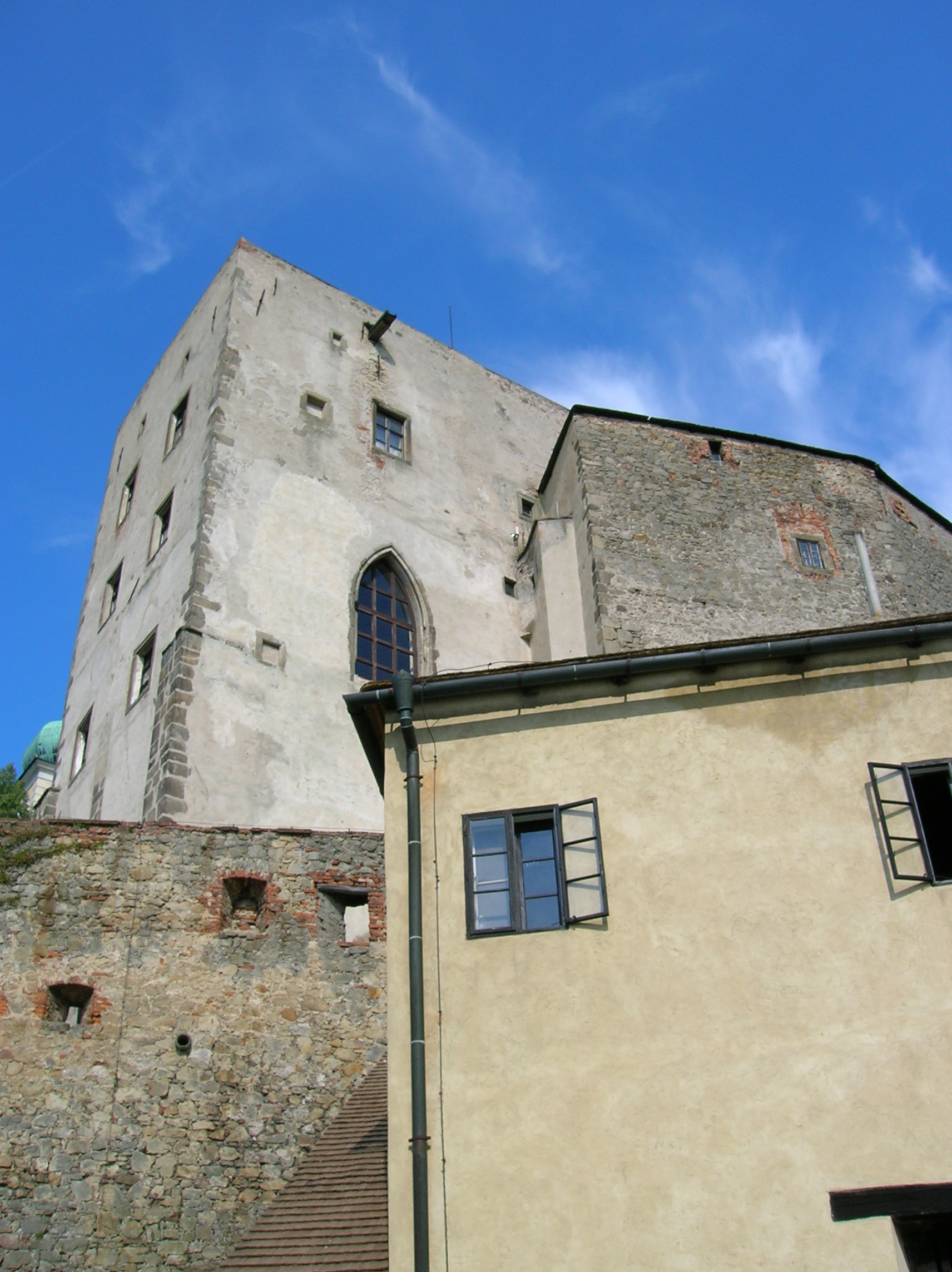
I already was familiar with the history of the mammoth castle and chateau complex, as I had visited it eight years earlier.  The first reference to the impressive sight went back to 1278, when the castle was sold to the Bibrštejn clan who ruled here for 300 years. During the 15th century Hussite wars, the Hussites did not capture the castle, as it was spared the Hussites’ wrath that had destroyed so many sites throughout the Czech lands. The chateau came into existence at the beginning of the 17th century, when Catherine of Redern had it constructed with sgraffito decoration. She also was responsible for adding the exquisite church.

P1080996

Protestant noble Kryštof of Redern participated in the uprising against the Catholics during the Battle of White Mountain in 1620, and after the Protestants lost, Frýdlant was confiscated. Albrecht von Wallenstein, commander of the Habsburg armies and a major player in the Thirty Years’ War, bought the place during 1622. However, Holy Roman Emperor Ferdinand II started to distrust him and in effect gave him a pink slip. When the Protestants notched some victories over the Catholics, Ferdinand asked him for help again, and help he did. Yet, when in 1633 Wallenstein did not attack the enemy during a battle, he was accused of high treason. Unhappy with the way the emperor treated him, he had also been thinking about joining the Protestants. But he would not have the chance. Emperor Ferdinand II had Irish army officer Walter Devereux assassinate Wallenstein in Cheb during 1634.

P1080999

Then Wallenstein’s General Matyáš Gallas took over the castle. The Gallas family owned Frýdlant until 1759, when the Clam-Gallas family became the owners. The castle museum opened in 1801.  In 1945 Frýdlant was confiscated due to the Beneš decrees that ceded all property held by Germans to the state, and it was nationalized.

P1090084

As we approached the castle, it was impossible not to notice the high circular wall that had been built by the Swedes in 1647. After entering the front gate, we walked over the drawbridge to what was called the Swedish courtyard, taking its name from the 17th century occupation by the Swedish army. Then we came to the courtyard of the chateau and negotiated a steep path to the castle. In the castle courtyard we peered at a 13th century round tower and saw Renaissance sgraffito on part of the castle’s wing. One part of the sgraffito portrayed a deer hunting theme.

P1090020

I was glad that my friend and I were the only people on the tour. We went inside. What impressed me the most in the first room were not the huge portraits of the Redern family but rather the richly carved Renaissance chairs and the Renaissance chest. The green and white tiled stove also caught my attention. In the next room a portrait of Albrecht von Wallenstein showed a man with a serious expression, a small beard and moustache. One painting in the room depicted his assassination. In the dramatic rendition Devereux stabs the unarmed Waldstein in the stomach with a halberd.

P1090022

Next came the Portrait Gallery, which boasted of huge paintings of Gallas family members. The Baroque fireplace astounded me with the Clam-Gallas coat-of-arms, cherubs and golden crowns adorning it. In the museum part of the exhibition, the legendary Czech nobleman and Austrian Marshall Jan Radecký of Radče was featured in several displays. His light blue uniform was on display as was a circular portrait of Radecký with gray hair and a gray moustache. A picture of Emperor Franz Joseph I’s wife, Empress Elizabeth (Sissy), who was assassinated in 1898, decorated a cup. A likeness of Emperor of Austria and King of Bohemia Franz Joseph I adorned a silver medal.

P1090031

Then we entered a room featuring many uniforms for the servants during the 19th century. I was surprised that the summer clothing for the carriage driver was so warm and heavy. He must have been burning up inside that thick attire. The embroidery on the sleeves and shoulders for the estate’s clerks was detailed and exquisite as well.

P1090032

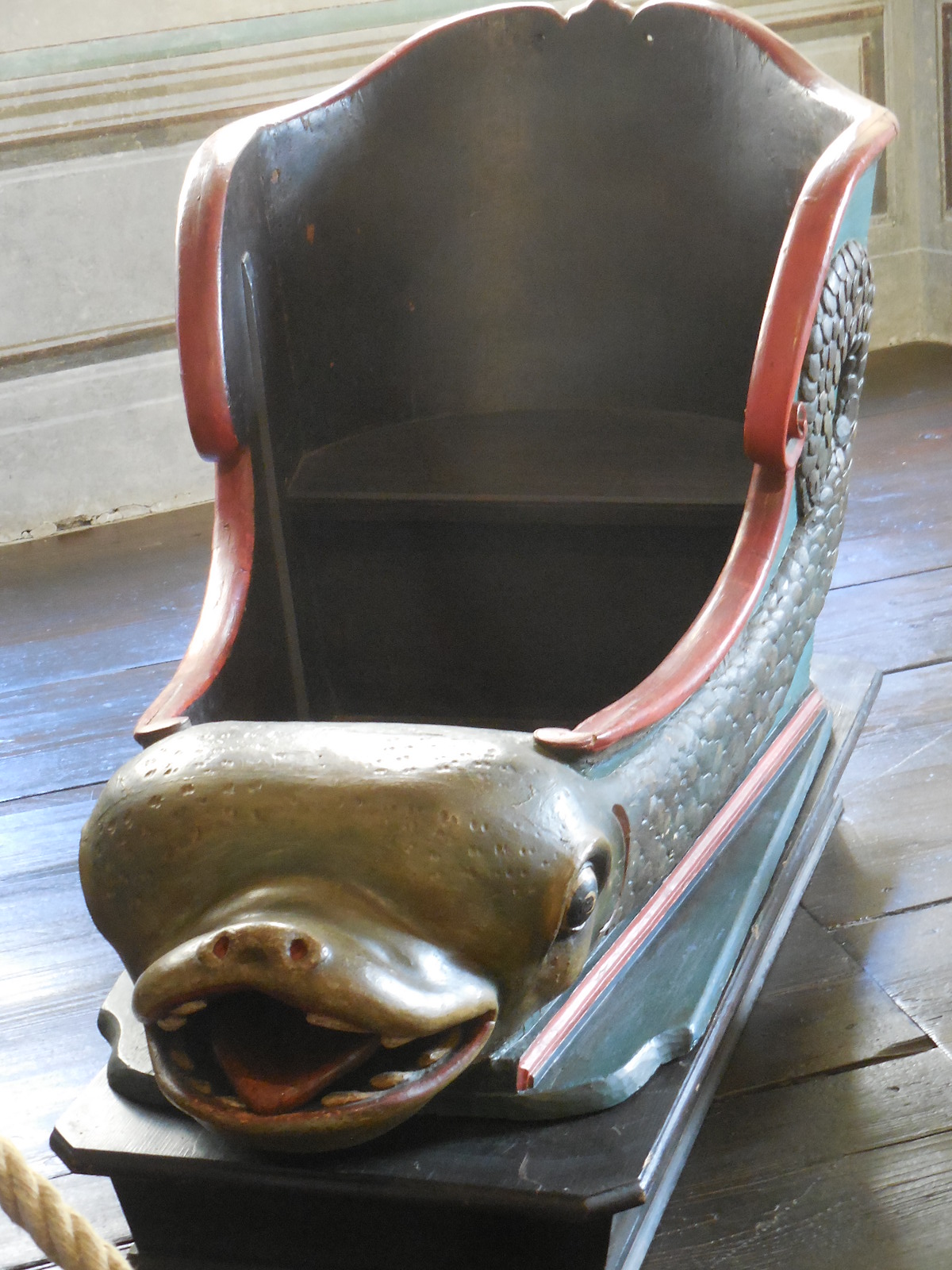
Following the guide, we saw a narrow, yellow women’s carriage. A Baroque sleigh was decorated with a dolphin that looked like a dragon – that was how the dolphin was rendered during those days. The Hunting Salon featured a table of 130-year old wood. In the Dining Room I saw a vibrant Baroque light green and yellow tiled stove. I particularly noticed the emperor’s eagle carved on the back of a black chair that also sported a golden crown.

P1090039

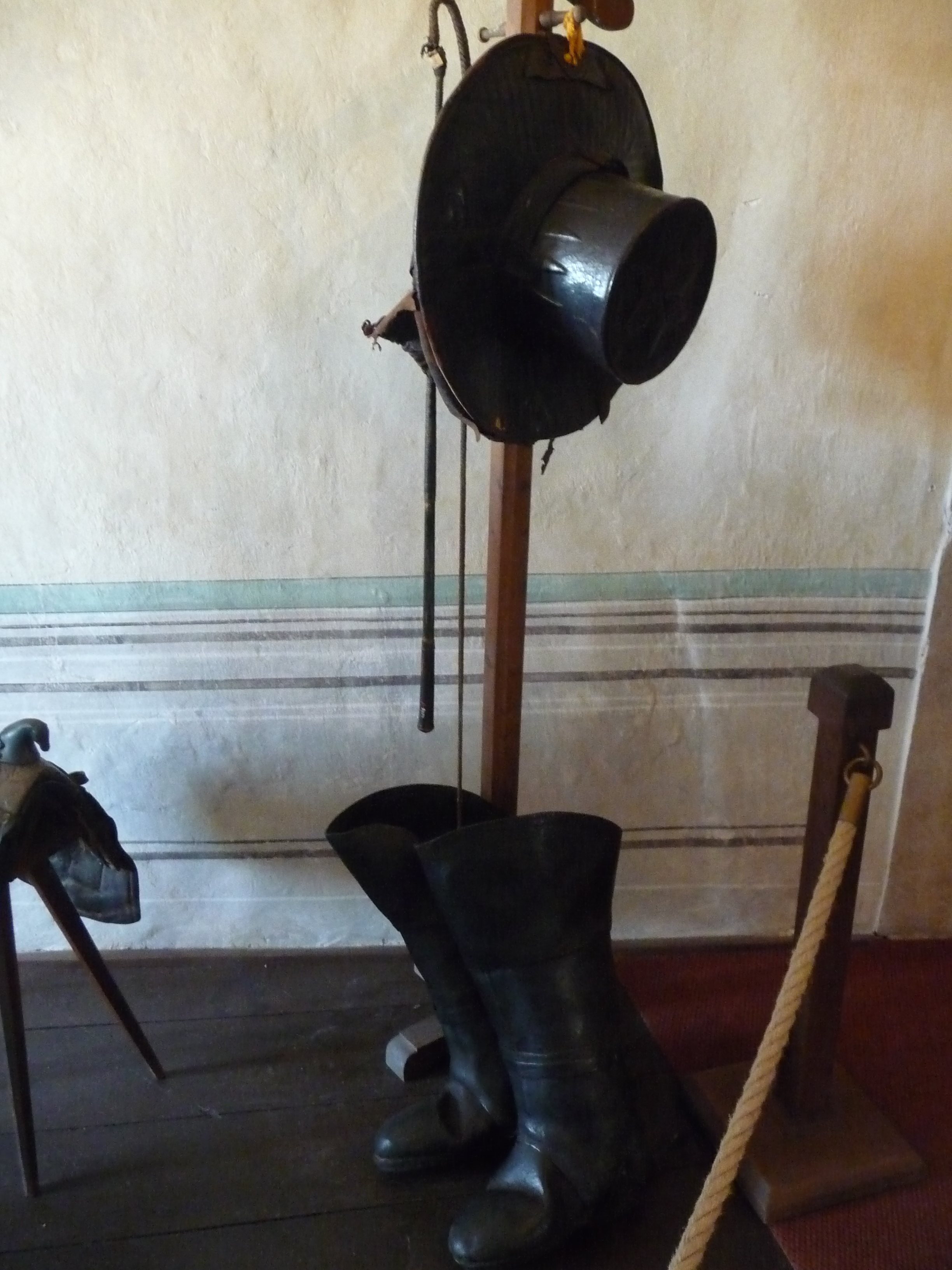
The armory was a treat for those interested in weaponry. Even I was enthralled by it, though weapons are certainly not my cup of tea. Helmets, cannons, spears and knights’ armor adorned the rooms. Some of the spears came from the 15th century Hussite wars; it was hard for me to grasp that I was looking at spears that were so old. Muskets also made appearances as did rifles from the 17th century Thirty Years’ War. What intrigued me the most in the spaces was not a weapon but rather the huge hat and large boots that couriers had worn. The hat was so big because the messenger needed to store the letters inside it in order to keep them dry when it rained.

P1090048

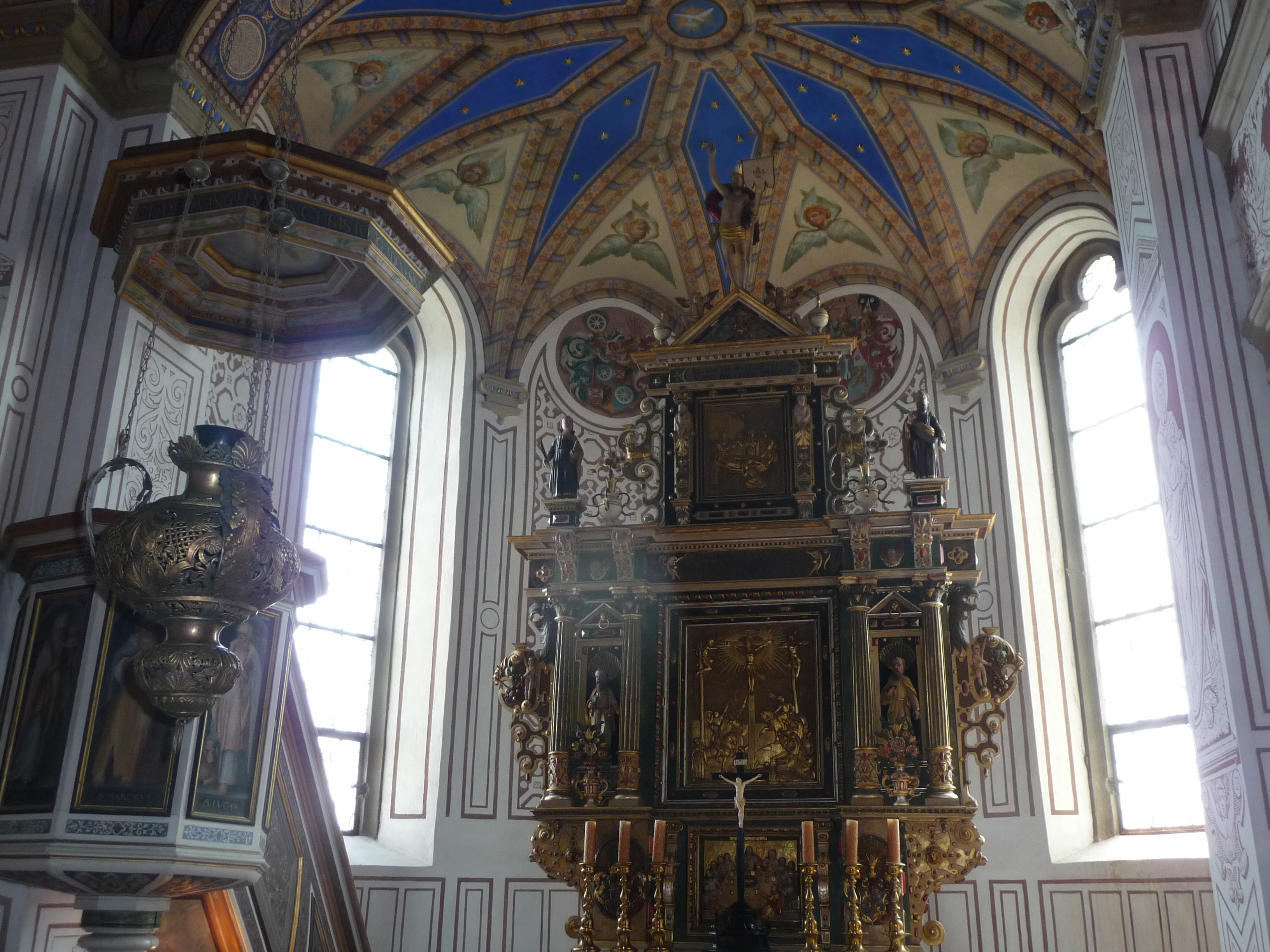
Soon we arrived at the exquisite, stunning chapel. The black and gold altar practically glimmered in the space. While the chapel was built in the 16th and 17th centuries, it now had a 19th century appearance. A gold Renaissance altar also greeted me with its ornate Renaissance pulpit. Saints were gathered around the Baroque altar. A stained glass window added even more ambiance to the room.

P1090050

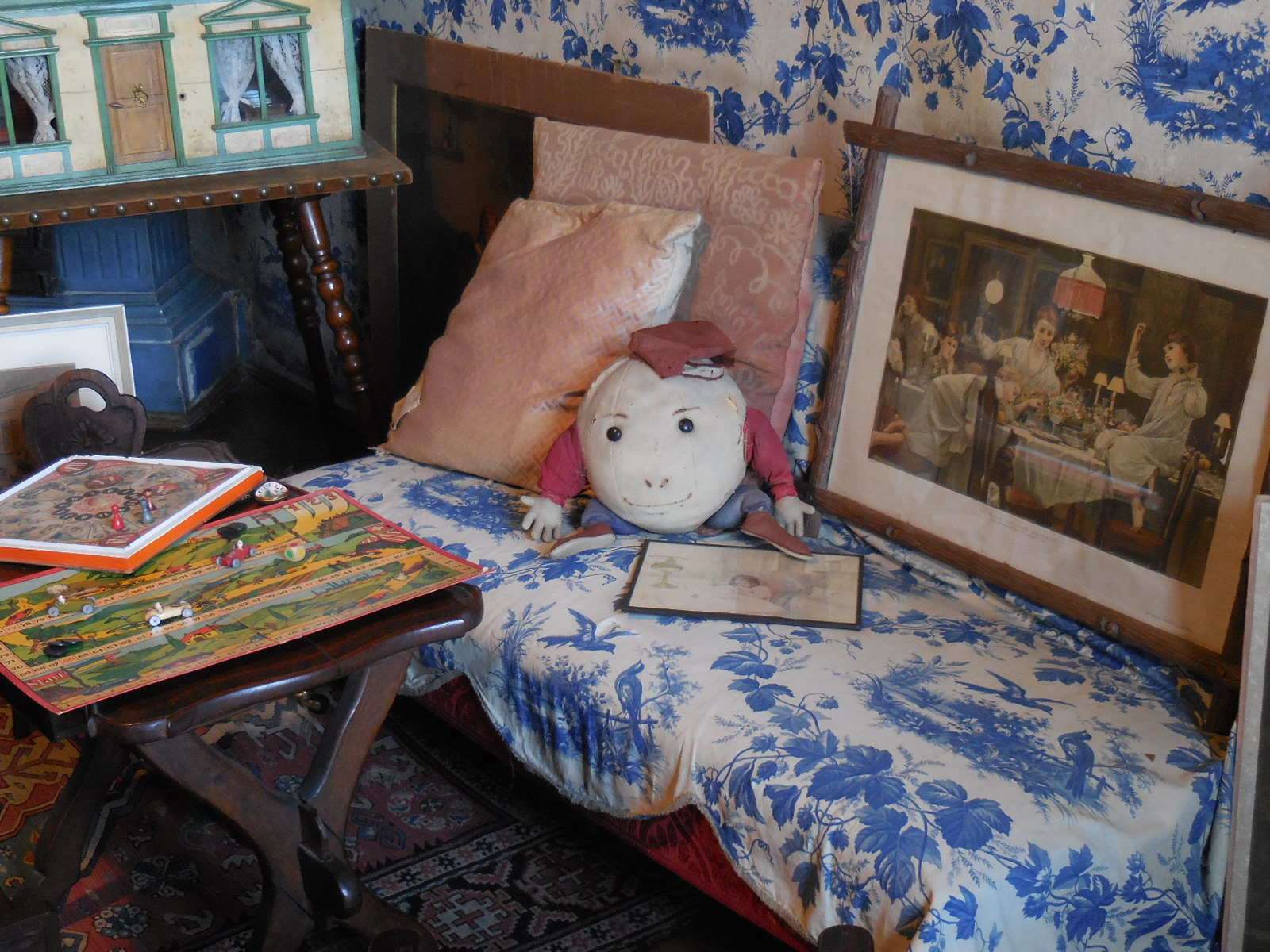
Next we came to the attic of the chateau, where rooms were designed as they had looked in the 19th century. In the servants’ room the 19th century suitcases looked more like bulky chests. The children’s room was intriguing. It included a model of the castle and chateau plus wallpaper made from the comics section of old newspapers, reminding me of today’s wallpaper featuring the Czech Little Mole character or Disney figures.

P1090056

The space below was called the women’s floor, primarily decorated in blue because that was the color attributed to women during the 19th century. One room was fashioned after a military tent with a blue and white painted ceiling and wallpaper of the same design. A blue and white tiled stove also contributed to the atmosphere. A Baroque closet also adorned the space.

P1090066

The Small Salon featured blue and white floral decorated furniture and a display case with women’s hats from the 19th century. What intrigued me most were the two Baroque cabinets with painted drawers. One drawer was decorated with pictures of animals while two others flaunted countryside scenes. The toiletry area was unique as well. There was a lounge chair that reminded me of a chair at a dentist’s office. I had never seen such a piece of furniture in chateau, let alone in a toiletry space. From the space in front of it, I could see all the rooms in the women’s section all the way down to the exquisite Flower Salon at the end.

P1090070

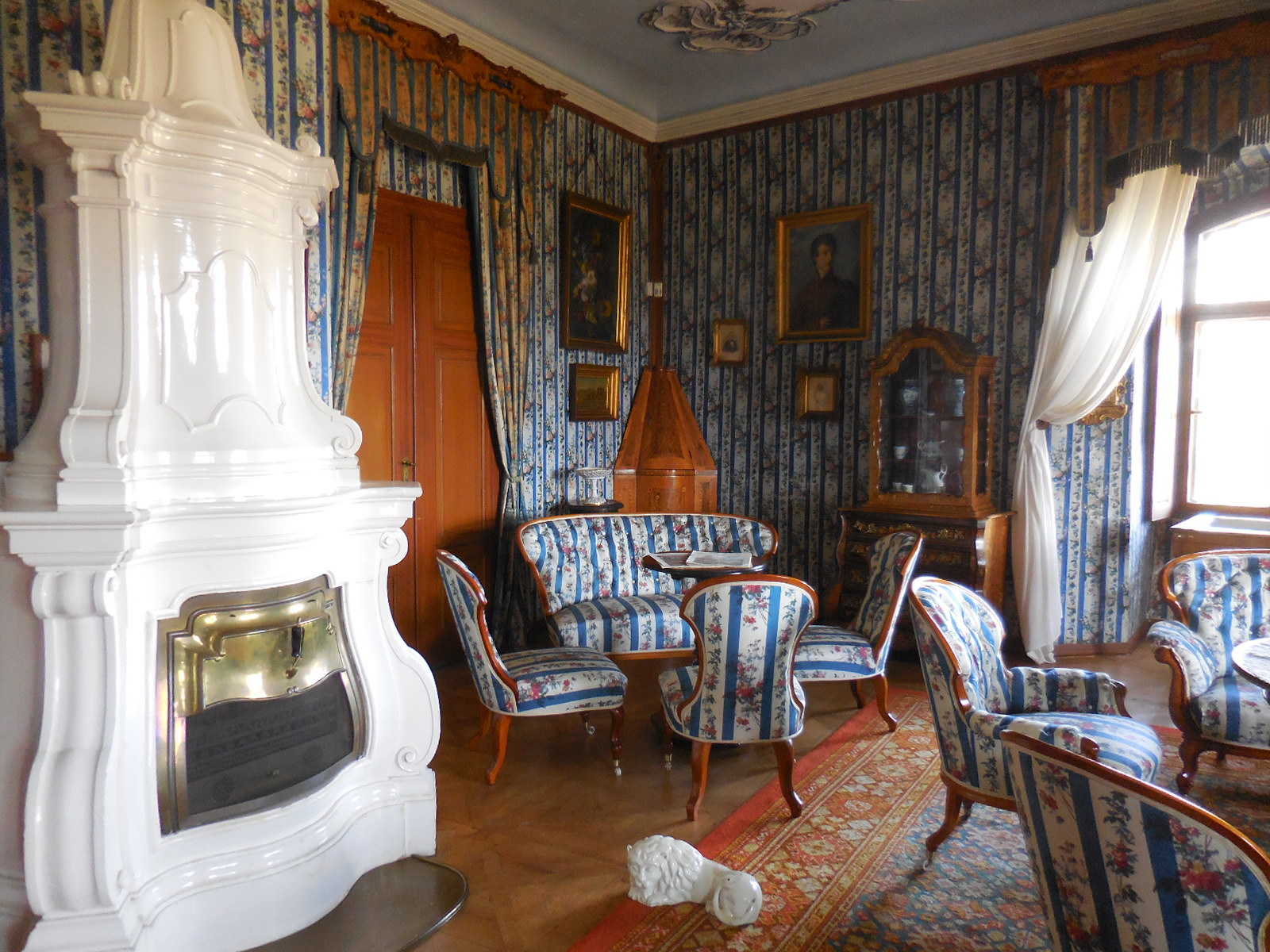
The Flower Salon made me practically dizzy with its blue and white delights. The blue and white floral wallpaper complemented the blue and white striped armchairs, making for an intimate and cozy decor. A while tiled stove also stood in the room. The lovely tea set was Rococo, hailing from the 19th century. To give the room an even more dignified touch, a violin was set on a chair. The marble brown table with white ornamentation also entranced. Plants decorated the room, too, bringing it to life, so that it became more than a museum space.

In the hallway of the Castellan wing, I noticed an engraving of Rome from the 18th century. I could see the Coliseum, which evoked fond memories of showing that sight to my parents a few years earlier. In the entertainment room hung two renderings of battles from antiquity.

P1090069

The Morning Drawing Room would not have been my ideal place to spend my mornings or any other part of the day for that matter, because it was decorated with hunting still lifes that featured dead birds. Birdwatchers would no doubt be enthused, though, as some of the dead birds portrayed were no longer found in the Czech lands. Another painting that did not impress me featured a dead deer. Certainly not my idea of how to start off the day.

But the Women’s Bedroom did not disappoint. The intarsia table, jewel chest and Baroque dresser with intarsia charmed me. Yet another room was decorated with furniture from the 19th century in Biedermeier style.

P1090077

Next was the men’s floor. The Men’s Bedroom featured a hidden door that led to the women’s floor above and a lovely Baroque closet. The leather wallpaper in the Smoking Salon was gold with green in a floral pattern. The next room was decorated with leather wallpaper and English style blue furniture. A red and blue carpet made the room cozy yet lively as well.

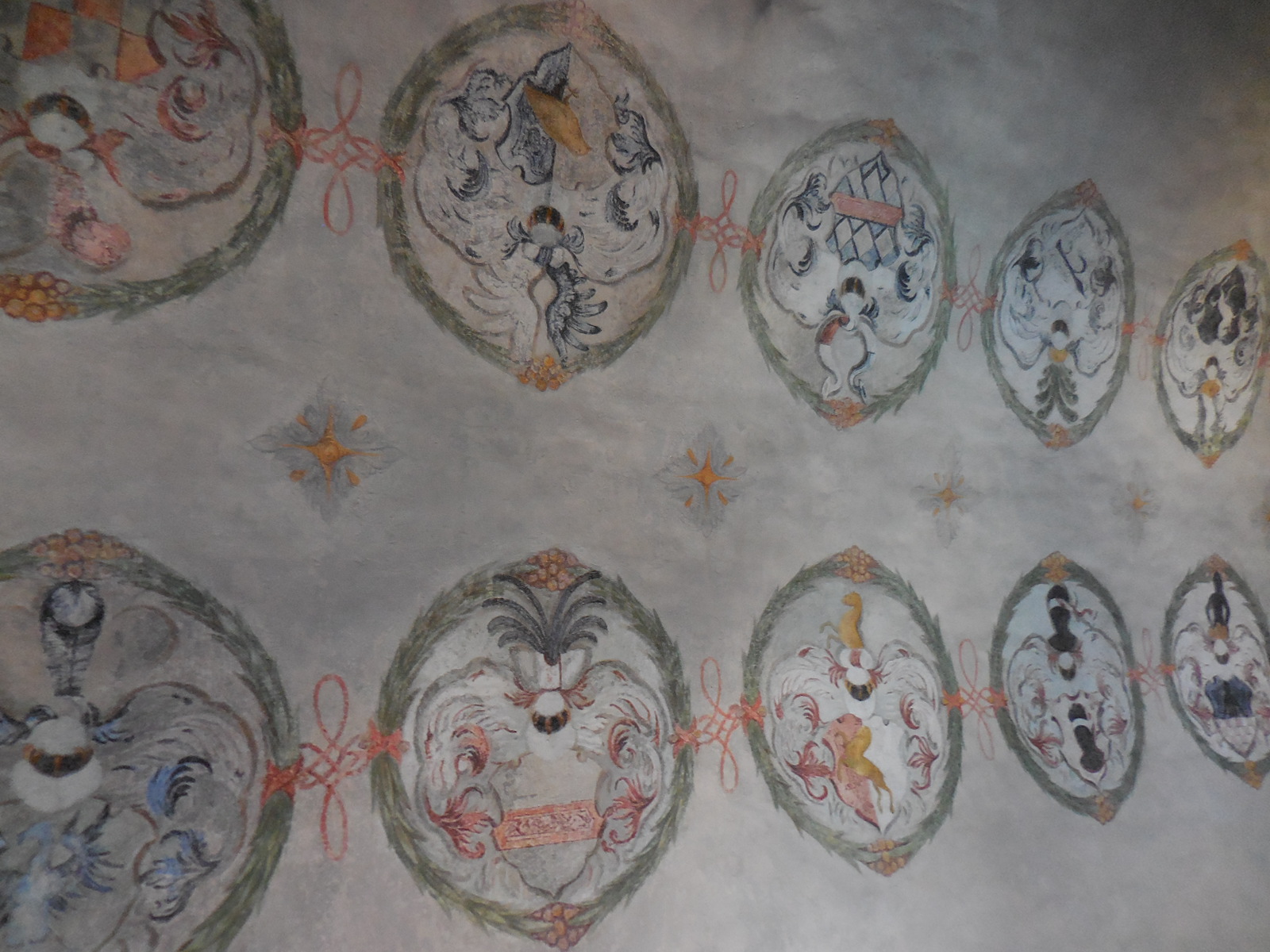
The Coat-of-Arms Salon enthralled me. The dark green fireplace with white columns had a dignified air. On the walls I saw the coat-of-arms of the families that had owned the castle and chateau from the Berka and Dub clan to the Clam-Gallas group. I noticed the blue and yellow wheel on the Redern dynasty’s coat-of-arms and the yellow and light blue stripes of the Gallas family’s coat-of-arms.

P1090079

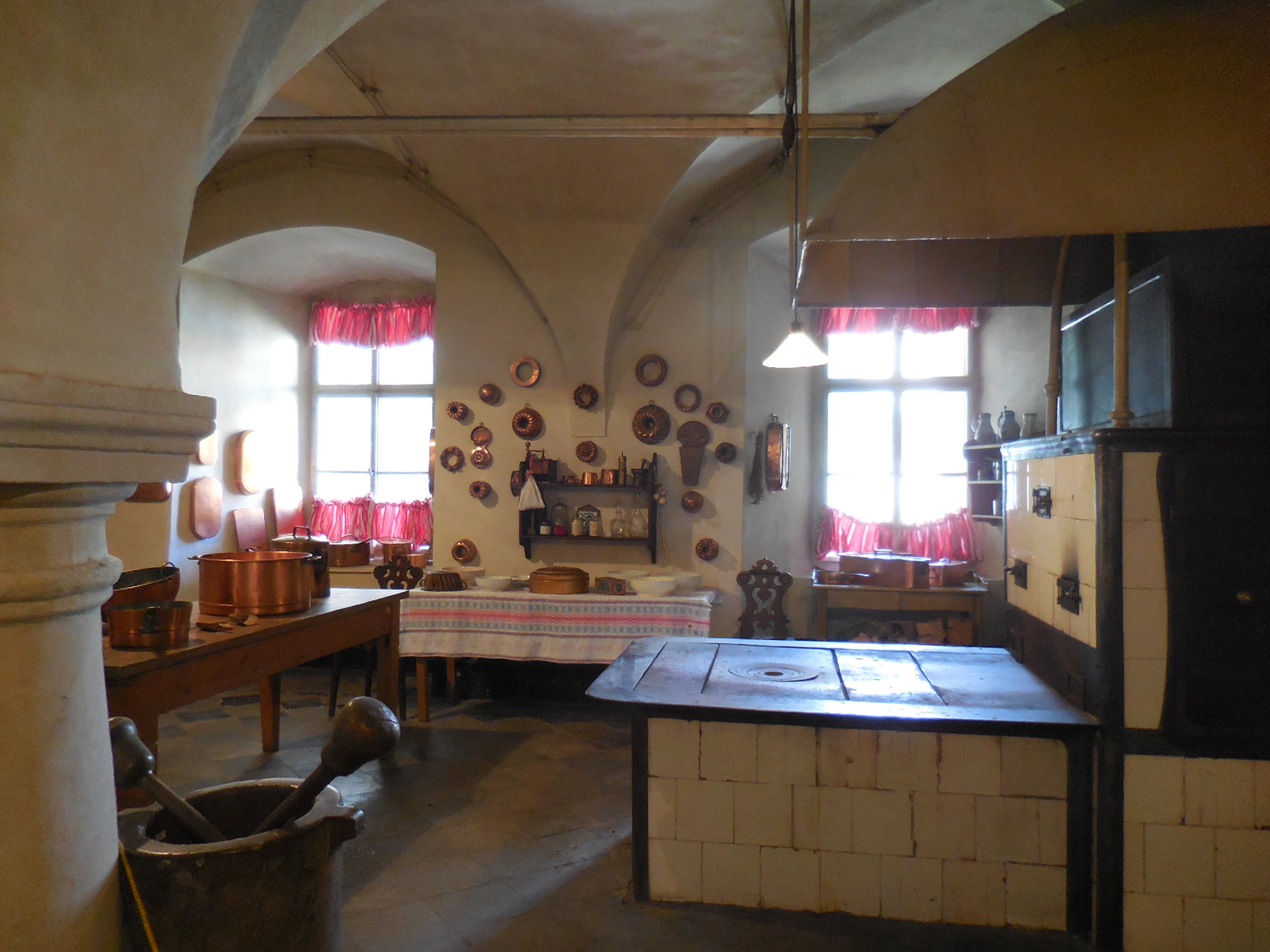
The Dining Room was one of the last rooms on the tour. Velvet chairs with comfortable cushions and a red and blue carpet gave the space a lush appearance. The ornate green tiled stove was decorated with blue and yellow figures. Blue and white porcelain hung from the top of the walls. What I loved most about the space, though, was the richly carved wood paneling. The Baroque bureaus with intarsia greatly impressed me as well. In the still functioning large kitchen areas downstairs I was enamored by what was the largest collection of copper dishes I had ever seen, perhaps the biggest in the Czech Republic.

The tour took almost two hours. I loved long tours of castles! I would be happy to be on a tour that lasted four or five hours! I could spend all day in a castle or chateau. Thanks to our knowledgeable guide, we enjoyed the tour immensely.

P1080992

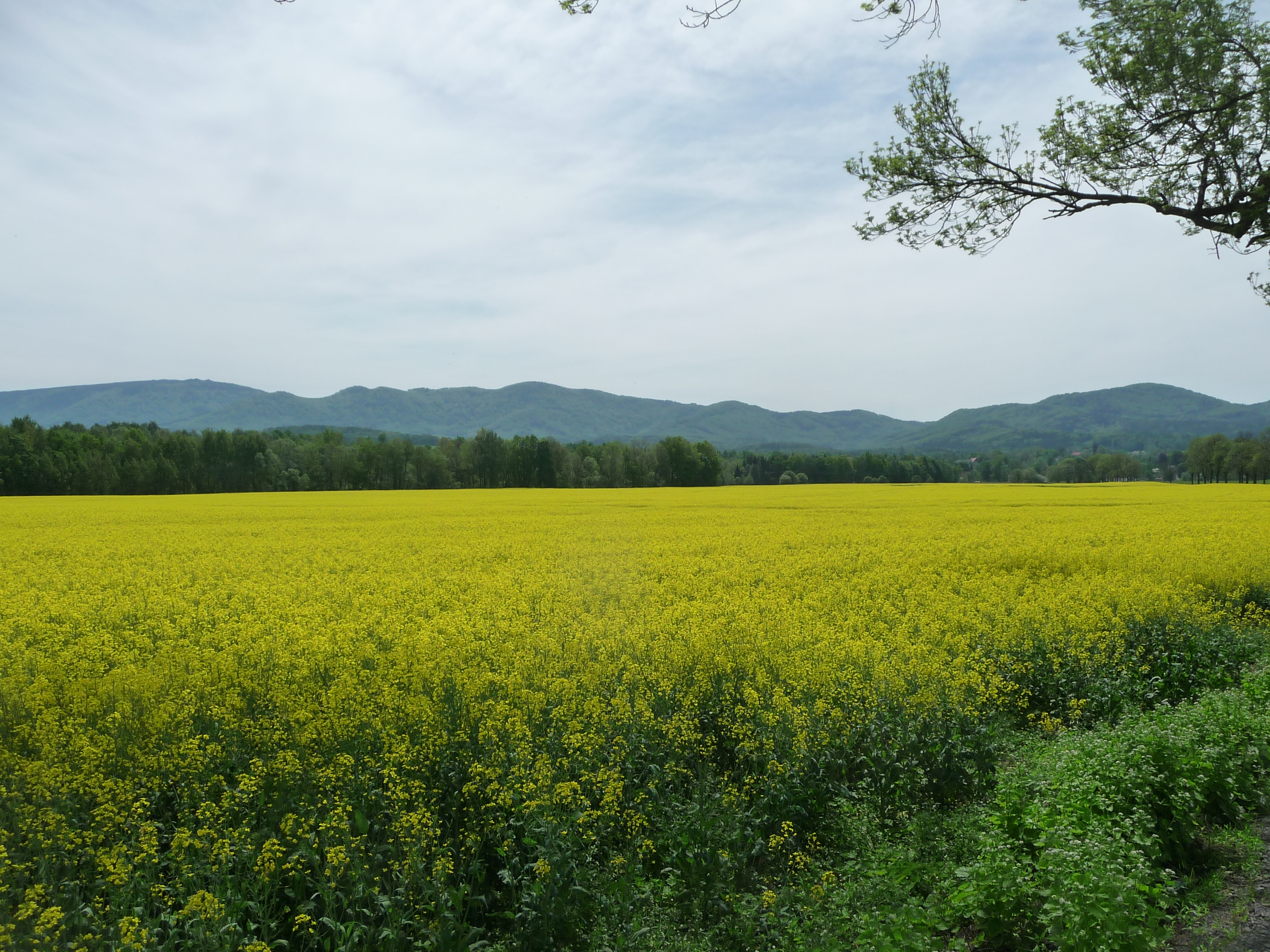
After visiting Frýdlant, we made our way to the basilica in a village called Hejnice, but we often got lost one-lane roads with two-way traffic. The scenery in the Jizerské Mountains was breathtaking.  At one point we were driving down a narrow road flanked by trees, yellow and green fields surrounding us. It was so peaceful and tranquil, just as I imagined the road to Heaven. So relaxing, putting my mind entirely at ease –until a truck came straight at us on the one-lane road. We moved over to the side, partially on the grass and let it pass us. Still, we did not get much of a warning on that winding road whenever a car would come at us from the other direction.

P1090091

Traveling through the Jizerské Mountains, I realized how devastated the area had been by the floods of the previous year. Whole villages had been practically destroyed, homes in ruins. Barriers put up along rivers were now bent and deformed. The roads were in awful shape, too. I thought back to the floods of 2002 in Prague and the devastation that the natural disaster had unleashed on the capital city.  I felt as if I was riding through an area that had just witnessed a war.

It brought to mind the damaged chairs and tables littering the sidewalks of Prague during 2002, so many homes and businesses destroyed. And thoughts of my good friend’s flat decimated in Prague’s Karlín district. It was still hard for me to believe that the flat where we had spent much time discussing anything and everything over cups of Earl Grey tea had been destroyed. I thought of the damaged theatres where I had worked, too. And I thought of the damage in my own flat because workers had been repairing the roof when the downpour had accompanied the floods. Mold everywhere, wet, wool sweaters destroyed, my cat traumatized – at least my home had survived in one piece, and most of my belongings had been saved. Riding through the destruction wrought by those floods in the Liberec region made me realize how quickly we can lose something precious to us and how we have to value each moment in life because drastic change can come at any time, anywhere.

P1090094

Hejnice Basilica seemed to magically appear in a village nestled in the Jizerské Mountains. The Baroque masterpiece used to be, back in the 13th century, a stone chapel with Gothic vaults. Ambulatories were built around the Gothic church in 1676. By 1725, the church was able to hold 1,000 pilgrims. Between 1699 and 1725 there were 1,381,176 people who came here to pray to Our Lady. After suffering a fire in 1761, the religious site was rebuilt during only 18 months. By the beginning of the 19th century, though, the church was plundered and all its valuable items stolen.

Interior of Hejnice Basilica

Interior of Hejnice Basilica

But restorations took place, and in 1936 the church was proclaimed basilica minor. After the war, however, Germans living in Hejnice were expelled from the country, including the Franciscans who lived in the church’s monastery. In 1950 all monks there were arrested and forced to leave the basilica, and the monastery became a concentration camp of sorts under the Communist government. Later, the monastery served as a school cafeteria and a kindergarten. Not surprisingly, the place that was once a glorious pilgrimage site found itself in ruins during the 1970s and 1980s. Thankfully, the church was renovated and restored after the Velvet Revolution of 1989.

P1090098

One step inside and the frescoes and main altar enthralled me with their beauty and charm. I could hardly believe that the main altar was illusionary. An architectural feat, it was painted onto the wall rather than three-dimensional. The ground plan of the basilica took the form of a long cross. At the entrance I admired the two towers with a central convex buttress. In a niche I noticed the statue of the Hejnice Madonna.

P1090100

The vastness of the space awed me. The basilica is the biggest cathedral in northern Bohemia, measuring 50 meters long in its southward cross and 37 meters wide. The cupola is 35 meters high. The central cupola fascinated me. Supported by four Corinthian columns, it was decorated with frescoes portraying events in the life of the Virgin Mary and Jesus Christ. Above the main cupola scenes depicting the crucifixion and the Assumption bewitch the viewer with a swirl of movement of angels along with clouds and sharp light. A group of Apostles filled with awe watch the Assumption. Some angels raise the lid of the coffin while others carry the Holy Cross to Heaven.

The main altar in Hejnice Basilica

The main altar in Hejnice Basilica

The main altar can be divided into parts. There is the fresco of the illusionary altar, which depicts allegorical figures representing belief, hope and love. In the middle of the altar, a large altar-piece portrays Saint Elizabeth and the Virgin Mother. The lower part is a stone altar that includes relics of saints and a tabernacle. A Madonna made from lime wood dominates, called the Mater Formosa or Sleek Mother. It was hard to believe that the Madonna hailed from as far back as the 13th century. I also took special note of the pulpit, dating from 1740. Along with evangelists there was a hand holding a cross with Christ. A large chandelier also hung from the rafters.

P1090105

Going back through the Jizerské Mountains, along the narrow lane flanked by trees and surrounded by fields, I admired the fantastic scenery that seemed to belong in a film. We made our way to Dubá, where we stopped at an intriguing church and then to Mělník and finally to Prague. It had been a fantastic day during which I had learned how important it was to appreciate what I had in life, to not take anything for granted.

The interior of the church in Dubá

The interior of the church in Dubá

Tracy A. Burns is a writer, proofreader and editor in Prague. Some of the photos in this blog were taken by Lenka Hilbertová.

Some of my photos of Frýdlant from a 2022 visit, which includes pictures from the new Children’s Tour.

Buchlov Castle Diary

Image

I had wanted to walk through the forest from Buchlovice Chateau to Buchlov Castle, but I did not have enough time before my bus back to Brno left from Buchlovice. I went to the information office and asked if there was any way I could get to Buchlov and have enough time for the 90-minute tour. The young, blond woman suggested I call a local man who gives rides back and forth. Since the information office recommended him, I thought it would be safe. The stout, bearded man came within 10 minutes, and soon massive, Gothic Buchlov loomed above me, overpowering me with its sheer size and strength.

First, the guide, a lanky man wearing a T-shirt that pictured the castle, explained that the history of Buchlov went all the way back to around 1300, when it was first mentioned in writing. At that time, Buchlov was royal property, but Moravian noble families were put in charge of it. The design of the Early Gothic chapel, forged in the 1370s, was inspired by Sainte-Chapelle Chapel in Paris. Unfortunately, it was mostly destroyed by Hungarians in an attack during 1468 and later abolished. The first private owners of the castle were the Lords of Žerotín, who took it over in 1520. Their tenure at Buchlov was short-lived, however, and the Zástřizly nobility called it home for 100 years, from 1544 to 1644. During this era Renaissance reconstruction took place.

In 1644 the Petřvalds came and would own Buchlov until 1800. The Petřvald family made some Baroque changes in the 17th and 18th centuries. From 1800 the property was transferred to the counts of Berchtold, who would become major players in the castle’s history. The two half-brothers Leopold I Berchtold and Dr. Bedřich Berchtold had been world travelers, and many of the souvenirs they had collected on their trips were displayed in the castle. Dr. Bedřich had another claim to fame: he had been the co-founder of the collection at Prague’s National Museum. The older brother, Leopold I, was known for setting up schools and a poor house, among other achievements.

The family kept it until 1945, when the so-called Beneš decrees made it state property. The Beneš decrees stated that Germans, Nazi collaborators, traitors and others living in Czechoslovakia had to relinquish their Czechoslovak citizenship and property without compensation. The guide did not specify the reason why the Berchtolds had to give up the property, but I guessed it was because they had had German citizenship. Much reconstruction took place during the second half of the 20th century and into the 21st century.

ImageAn intriguing legend is associated with the linden tree situated in front of the Dancing Hall, home to 18th century furnishings and Baroque portraits. According to the legend, some 400 years ago the tree was planted with its roots upward and its crown in the ground.  It was said to be proof that a man sentenced to death for poaching was really innocent.

After passing through a gate hailing from the middle of the 16th century, our group arrived at the third courtyard. In the black kitchen I marveled at the oldest architectural feature in the castle – the Late Romanesque arch dating back to 1340s. The pots and utensils were copies of those used in the Middle Ages.

The armory offered an intriguing perspective on the battle-ridden history of the castle. Some weapons dated back to 1421, when the Hussites tried to conquer Buchlov, and others hailed from the 17th century Thirty Years’ War when the Swedes did much damage. Buchlov survived that war only because a ransom was paid. There were weapons from all over the world – from Asia as well as Central and South America, for example.

ImageOn the first floor we entered the Baroque library, which was home to about 10,000 volumes. Books that promoted Protestantism were removed after the Thirty Years’ War Battle of White Mountain in Prague during 1620. The Bohemian Protestant rebels were defeated by the armies of Holy Roman Emperor Ferdinand II, who was devoutly Catholic, and the German Catholic League.

In the early 17th century the majority of the Bohemian nobility had been Protestant. When die-hard Catholic Ferdinand II was crowned Holy Roman Emperor and King of Bohemia, it meant serious trouble for the Protestants. After the Battle of White Mountain, the Czechs would find themselves under Habsburg rule, and German would become the prominent language of the lands. The books in Czech mostly came from the Czech National Revival, an 18th and 19th century movement that strived to promote the Czech language, Czech culture and national identity.

 I saw an intriguing architectural detail of an Early Gothic portal where the chapel from the 1370s was situated, now an empty space with spectacular views of the countryside.  Then we came to the Buchlov Madonna, whose expression seemed to be asking, “Is this kid mine?”  The statue dated from the first half of the 14th century. Another Madonna appeared to be trying to keep her son from wriggling away.  There was also a rendition called “The Last Supper of the Lord,” a double-sided painting, part of a winged altar, which is composed of a central panel and two side panels. It dated from the end of the 15th century. It always astonished me that artifacts from the 14th or 15th century could survive to the present day.  It fascinated me how they were tangible connections with the distant past.

ImageThe Knights’ Hall featured cross vaulting and reticulated vaulting. These architectural elements were decorated with the coats-of-arms of significant Moravian clans. Then we came to a room decorated with an ornate tiled stove that flaunted cherubs and floral motifs in brown, green, yellow and white. A complete knight’s armor from the 16th century weighed 30 kilograms. I could not imagine wearing it. I do not think I would even be able to stand up in that armor. I was intrigued by the calendar from the Middle Ages. I learned that February of 1693 had had 31 days.

The next section was the castle museum. It had been opened by Count Zikmund I Berchtold in 1856. Zikmund I had revolted against the Habsburgs in Hungary during 1848 and 1849. The rebellion was unsuccessful, and he got the death penalty. The court reduced his sentence to house arrest for life, so he organized the family museum. I saw plumed helmets, weapons of American Indians and the skins of a zebra, polar bear, grizzly bear and alligators. There were also human skeletons and a collection of shoes ranging from sandals to boots. In a jar was an embryo of a baby pig with eight legs and two tails. It made me think back to the revolting human embryos that Peter the Great had collected, now gathered in Saint Petersburg. My stomach had violently churned when I had seen them during that freezing April morning several years ago.

ImageThen the guide explained that after the Battle of Slavkov in 1805 the nearby Buchlovice Chateau had been used as a hospital where military personnel and civilians had received free medical attention. Leopold I Berchtold caught typhus there and died at the relatively young age of 50. On the wall was a picture of a woman in the third stage of syphilis. She had large empty sockets for eyes, and her nose was black. Her teeth made her look sinister and dangerous. It was absolutely horrifying. She looked like a monster, not like a human being. I thought of people with cancer and how the horrible disease could make people look so emaciated. I felt lucky that I did not have cancer and that my father had survived two bouts with the terrifying illness. I knew I would keep the image of that woman, stripped of human dignity, in my mind for a long time.

The next room was totally different. It featured an Egyptian mummy in a coffin made of cedar wood. It was about 2,300 years old. The illusive wall painting dated from the first half of the 19th century and made me feel as though I was inside an Egyptian tomb.

Last, we climbed the tower and saw astounding views of the south and east Moravian countryside. I could also see the church where the family tomb of the Petřvalds and Berchtolds was located, but it was not nearby, and we did not go there. We descended many steps and came to the locked door. For a moment I was disoriented and lost sight of the guide. Then he appeared and opened the door with one of his many large keys. We all filed out, into the sunshine. When I turned around to thank the guide, he had disappeared.

My driver came for me, and soon I was back in Buchlovice, standing at the bus sign on the highway as car after car sped by me. The bus did arrive on time, though, and before long I was back in Brno.


Tracy A. Burns is a writer, proofreader and editor living in Prague, Czech Republic.

Image

Bouzov Castle Diary

BouzovAfter a one-hour ride from Olomouc, the bus left me off in the middle of nowhere. I knew that this bus would not take me to the main square, but I thought it must be near Bouzov Castle. The village of Bouzov, located in the highlands of Moravia, could not be so big, after all. Luckily, two women, a mother in her late forties or early fifties and her daughter, in her mid-twenties, got off with me. It turned off they were going to Bouzov Castle, too.


We climbed a short hill and walked along what could possibly be called a path, passing by some houses where big dogs barked ferociously in the front yards. The mother and daughter told me that they were from southern Bohemia and traveled for a week every year to a different part of the country to visit castles, chateaus and other sights. I began talking to the mother, as there was still no chateau in sight. She informed me that it was a two-kilometer trek.


While I was explaining to her the difference between a castle and a chateau, I thought I saw the daughter glare at me with a jealous look, as if I was intruding into her family by becoming friendly with the mother. She made me uncomfortable, and I felt like an intruder. I told the mother that while chateaus date from the 16th  to 19th  centuries, even sometimes into the beginning of the 20th  century, castles were built between the 12th  and 15th  century. Also, the purpose of construction differs: castles were made as fortresses for defense whereas chateaus were designed for comfortable lifestyles and usually were accompanied by parks and gardens.


Finally, we came to the main square. I was stunned. Bouzov Castle had a fairy-tale appearance. I was so captivated that I was certain this would be one of my favorite chateaus even though I had yet to see the interior. While waiting for the tour to start, I read background material about the chateau in a brochure I had purchased at the souvenir shop.


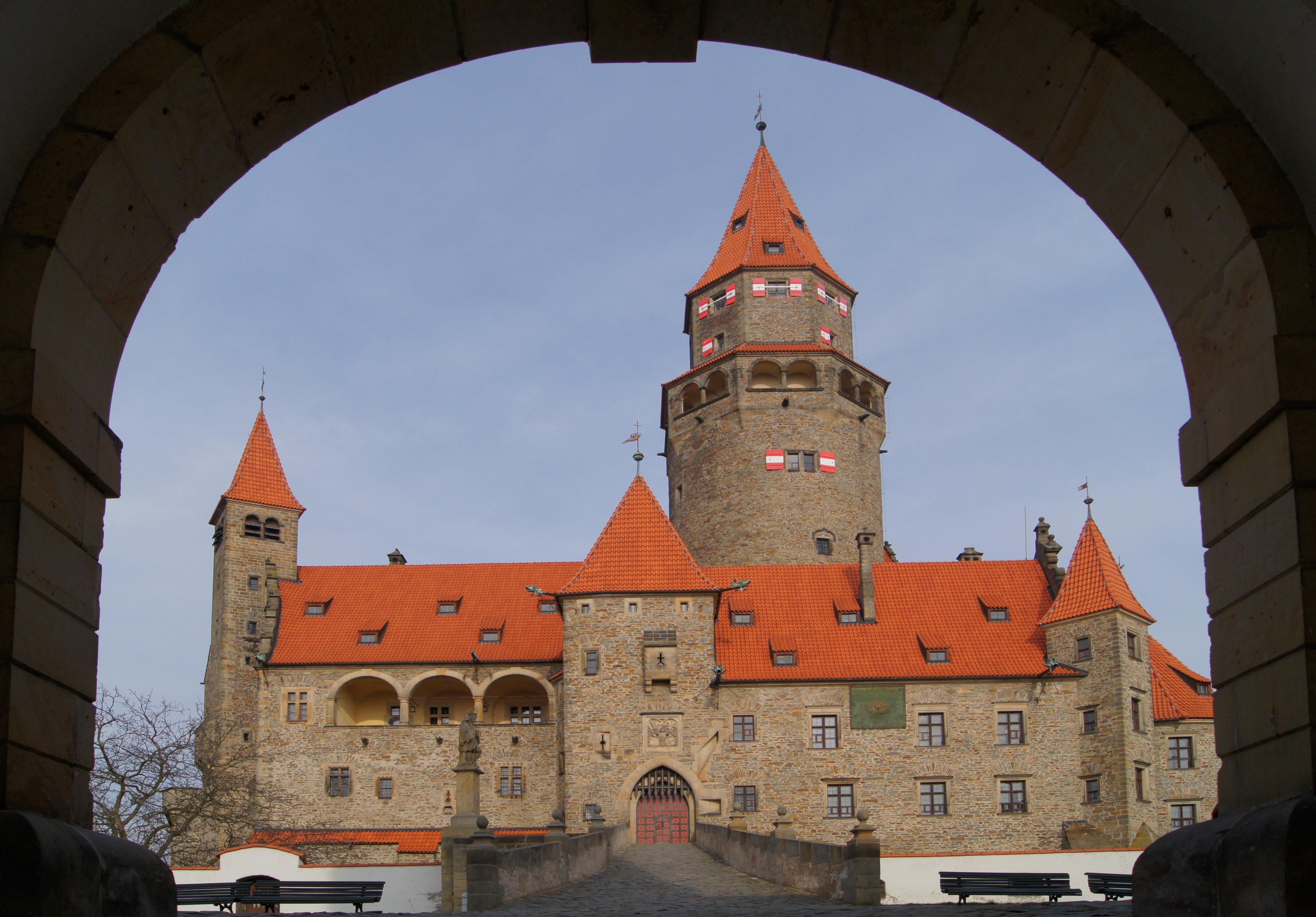
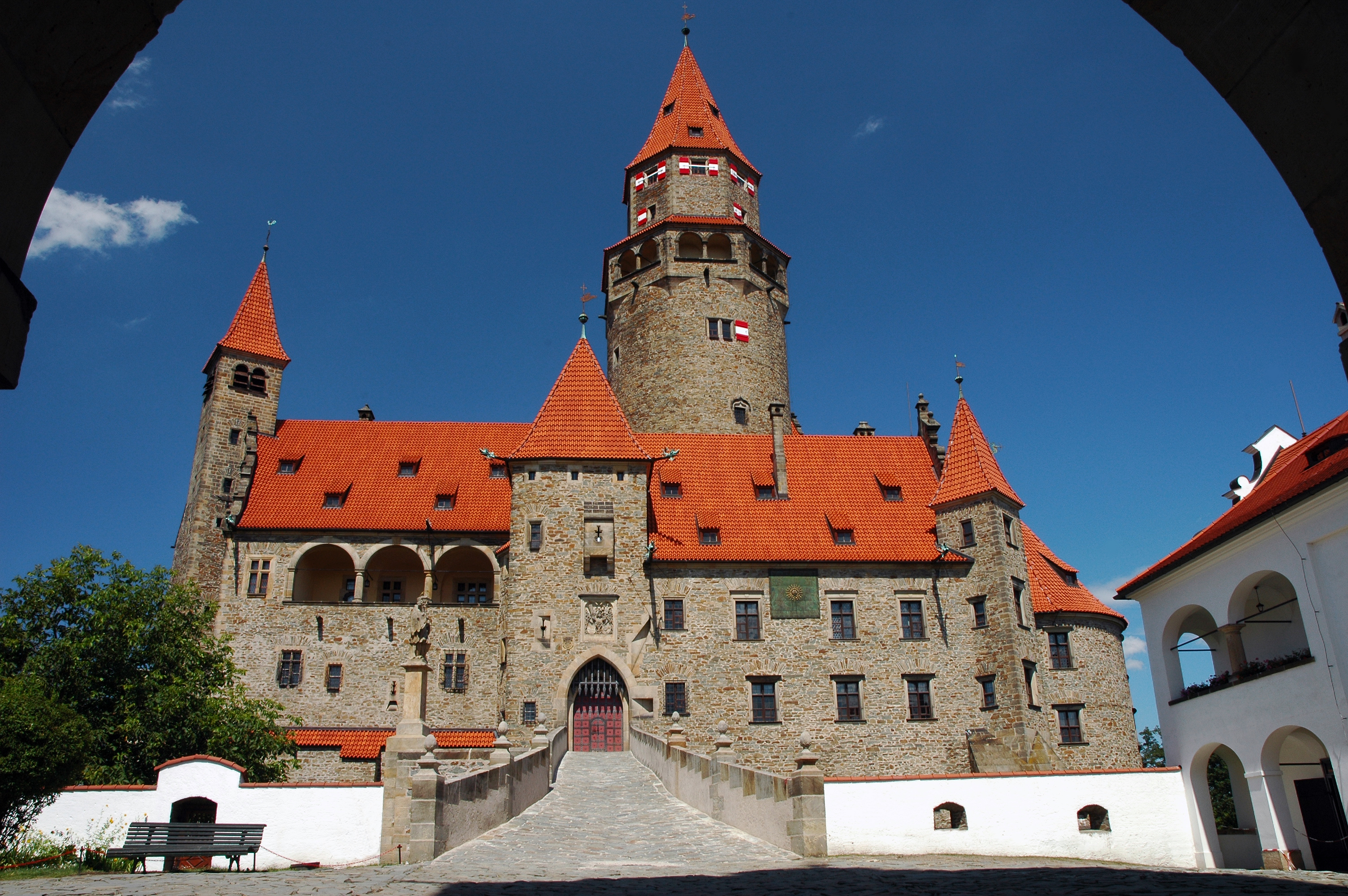
Bouzov4Originally built in the early 13th century as a late Gothic stronghold, Bouzov was the property of the Order of the Teutonic Knights from the late 17th century until the end of World War I. (Founded at the end of the 12th  century by a group of German merchants, the Teutonic Knights first came to Bohemia in 1203.) Now it is owned by the National Monument Institution in Olomouc. The castle looked as it did at the end of its reconstruction at the turn of the 20th century, when Teutonic Knights’ Grand Master Eugene Habsburg, inspired by late Gothic and early Renaissance architecture in Germany and the Netherlands, had what was at the time practically a ruin remade into a residence with a romantic flair.


Indeed, I did find symbols of the Teutonic Knights’ order figuring prominently in the chateau; even the order’s crest adorns the second castle gate. I saw six tombstones of Grand Masters from 1395 to 1515 in the chapel. In the Knights’ Hall the coat-of-arms of all the Grand Masters of Bouzov decorated the walls.


It didn’t take me long to find a figure of Saint George, one of the order’s symbols. For example, a marble Renaissance statue, hailing from Venice, depicted this saint at the chapel’s entrance. Also an exquisite wall painting of St. George fighting the dragon adorned the Knights’ Hall.


I marveled at the walls of the Hunting Hall. They depict the ancient tale of Prince Aktaion and Goddess Diana: When Aktaion spotted the goddess naked, Diana got revenge by changing him into a deer. The Knights’ Hall was another gem. By that time, my head was spinning. I was so enthralled by everything I was seeing. That hall featured a Neo-Gothic fireplace, a Renaissance ceiling, exquisite wall paintings and stained glass pictures in the windows. The ravishing Baroque Grand Master’s Bedroom incorporated exquisitely woodcut sculptural carvings on two closets and chairs and a tiled stove decorated with figures of men and women clothed in Renaissance attire.


Bouzov3I had to watch my step at the grating and hatch on the floor of Court Hall; it led to the dungeon. Convicts were dropped through the hatch into the prison. The Nuremberg chandeliers that combined antlers with wooden figures impressed me in Eugene Habsburg’s private apartments. The guide told us that the biggest one weighed more than 300 kilograms (660 pounds) and held 48 candles.


In the chapel I took special notice of the late Gothic altar from 15th century Germany. The armory featured painted shooting targets of life-size figures. Other intriguing displays included gargoyles showing dragons’ heads. An executioner’s sword dating from 1677 boasted ornate decoration on both sides. There was a helical staircase inside an octagonal tower and a sundial on the courtyard façade, Gothic lattice windows, arcaded loggia and the 1929 signature of Tomáš Garrigue Masaryk (the first president of democratic Czechoslovakia) in the visitors’ book. I was especially excited about seeing Masaryk’s signature. I was a big fan of the Czechoslovak president and wondered how it must have been to live in the country during the 1920s, when he was in charge and democracy flourished here. That era fascinated me. It must have been exciting time to have been alive.


A theatrical performance featuring medieval-dressed performers and sword-fighting also entertained our group. There were four tours to choose from, and I went on two of them: the classic short tour which lasted 60 minutes and the long tour which lasted 100 minutes. A bit later I hopped on a bus that left from the main square and went back to Olomouc, enthusiastic about seeing one of the Czech wonders that had a magical touch and romantic air.


Yes, Bouzov Castle was definitely one of my all-time favorites.

Bouzov2