My first stop in Verona was the Castelvecchio Museum, a sprawling edifice that looks like a medieval fortress. The Castelvecchio hails from 1354 to 1356, when it was built for Cangrande II della Scala as a defensive structure. The Della Scala family lived there for a short time. During Napoleon’s reign, from 1801 to 1806, the building was transformed into barracks, and it served this purpose until 1924. The Castelvecchio was seriously damaged during World War II, during the time when the Germans destroyed all of Verona’s bridges. From 1958 to 1974, architect Carlo Scarpa renovated the Castelvecchio, adding modern elements to the original style that harkens back to the Middle Ages.
The expansive medieval and Renaissance spaces inside house 30 halls of Italian and European painting and sculpture, dating from the Romanesque era to the 1700s. I also saw ancient weapons, ceramics, gold artifacts, bells and miniatures, for instance. I especially liked the walkways outside. They offer panoramic views of romantic Verona.
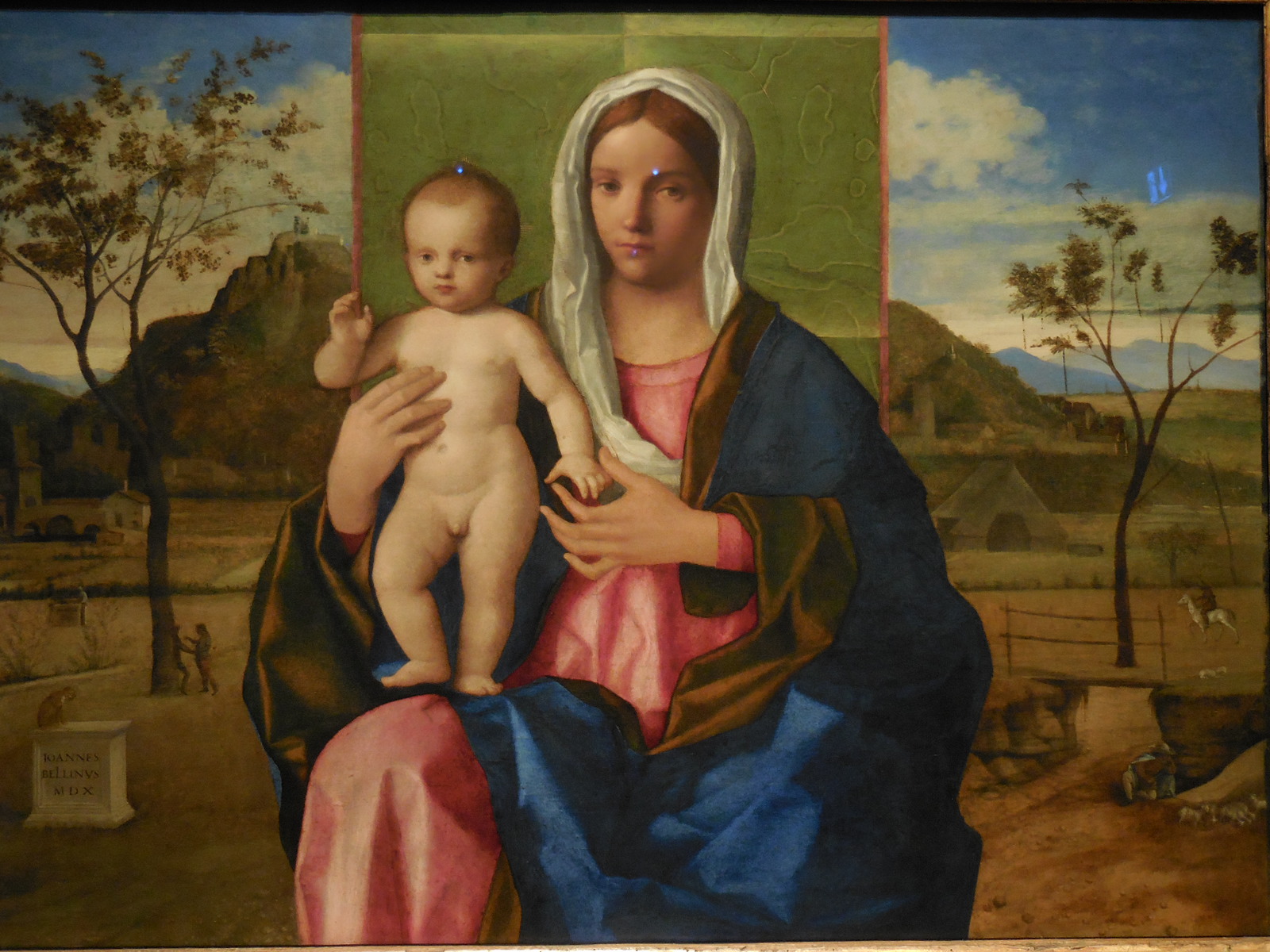
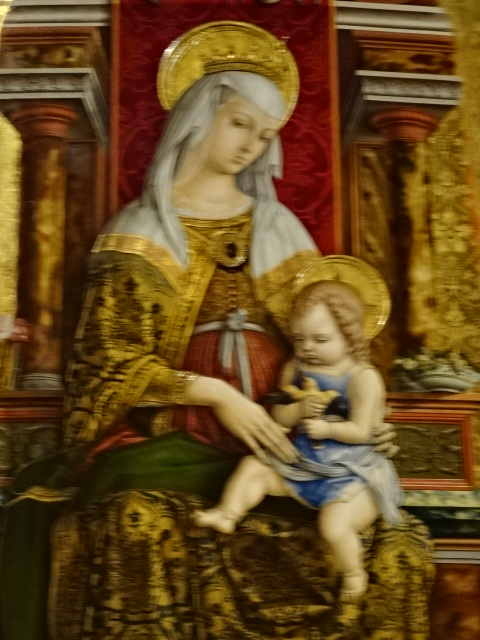
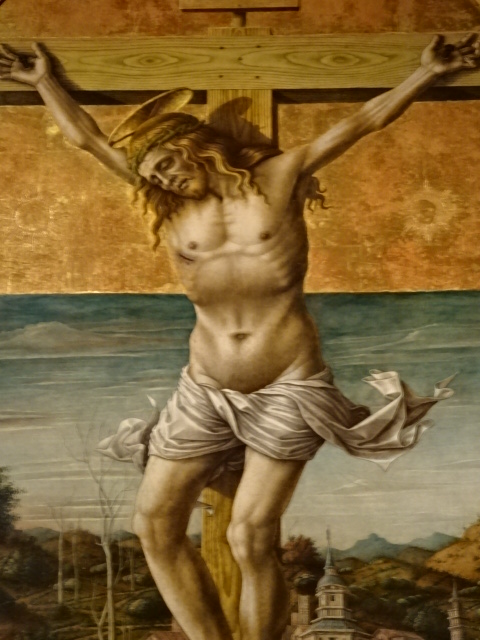
Artists represented in the collection include Pisanello, Giovanni Bellini, Jacopo Bellini, Carlo Crivelli, Andrea Mantegna, Jacopo Tintoretto and Tiepolo. Pisanello’s “Madonna of the Quail,” Jacobo Bellini’s “Madonna of Humility” and Mantegna’s “Holy Family” are a few of the highlights. The Romanesque sculpture also is impressive.
An intriguing true crime story is connected to the museum. In 2015, three thieves made off with 17 paintings, including masterpieces by Jacopo Bellini, Giovanni Bellini, Andrea Mantegna, Tintoretto, Peter Paul Rubens and Hans de Jode. The following year, the museum got the works of art back from Odessa thanks to Ukrainian border guards. It remains one of the most significant art heists to take place in Italy.
Tracy A. Burns is a writer, proofreader and editor in Prague.
I have visited this phenomenal art gallery in Milan twice. I could go there a million times, and I would be just as amazed as I was on the first two occasions. While the gallery includes Italian art from the 13th to 20th century, some remarkable foreign works are on display in its 38 halls, too. Artists from the Netherlands represented in the gallery include Peter Paul Rubens, Anton van Dyck, Jan de Beer and Jacob Jordaens. The Brera focuses on Venetian and Lombard painting.
The art gallery is situated in a large complex that also houses a stunning library (where I saw an exhibition during my second visit), an observatory, a botanical garden and the Brera Academy of Art. In front of the museum is an equestrian statue of Napoleon by Antonio Canova. While the art academy was established as far back as 1776, the museum was opened in August of 1809. When paintings in Lombardy were confiscated from churches and convents in the early 19th century, they wound up at the Brera, so many religious works make up the collection. Parts of the art gallery were damaged in bombing raids during 1943, but they were fully reconstructed by 1948.
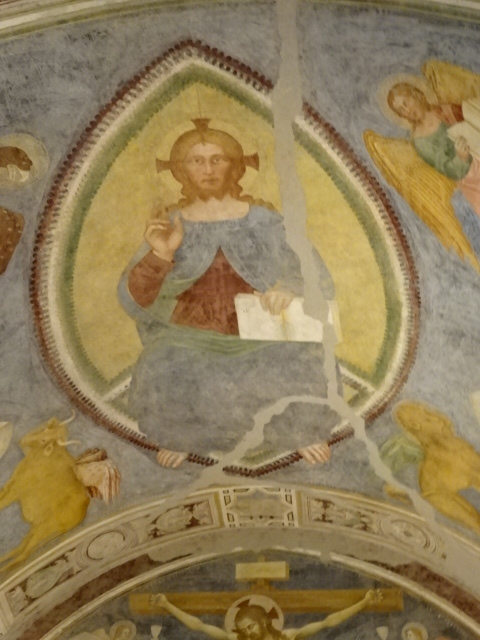
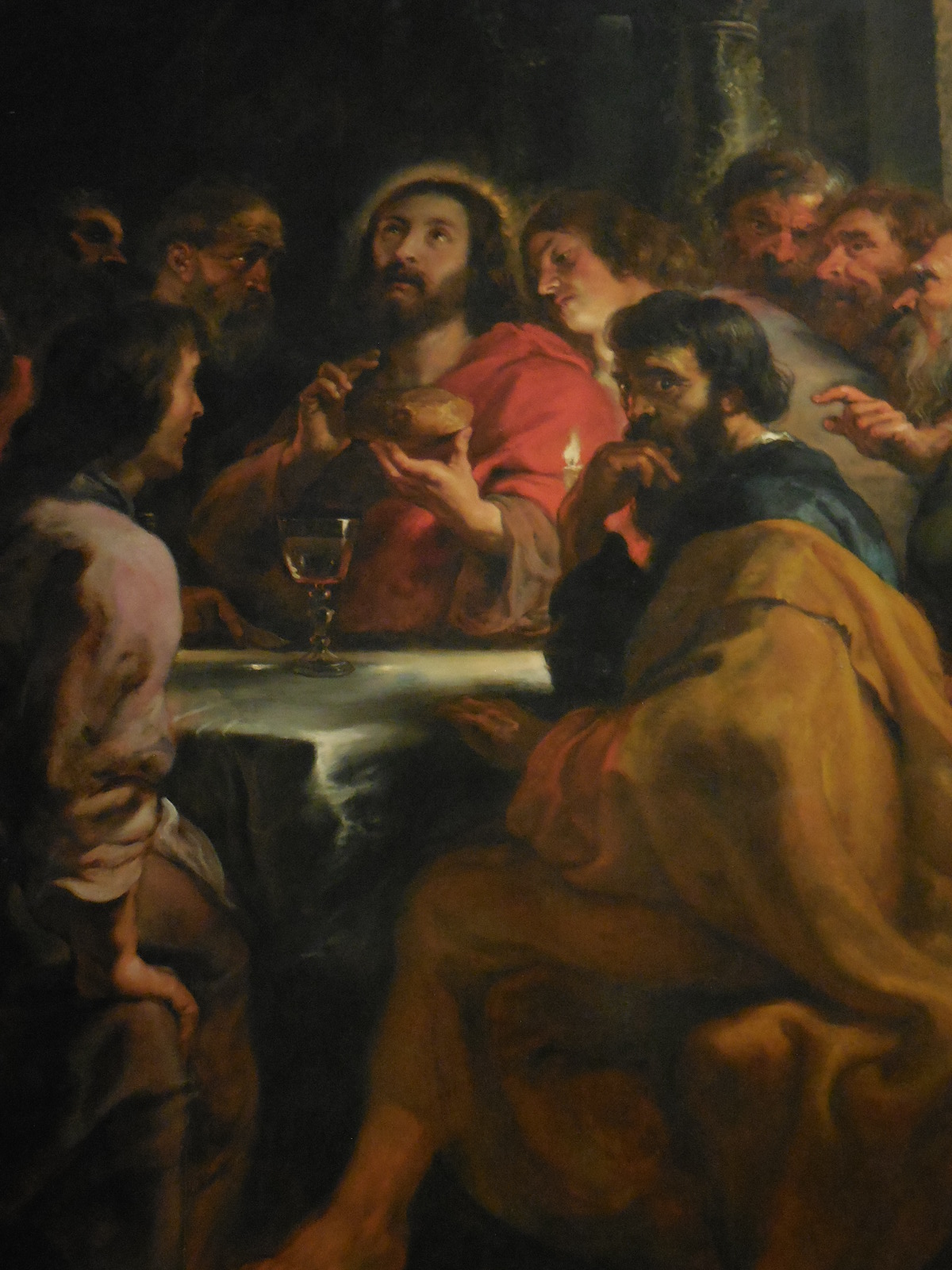
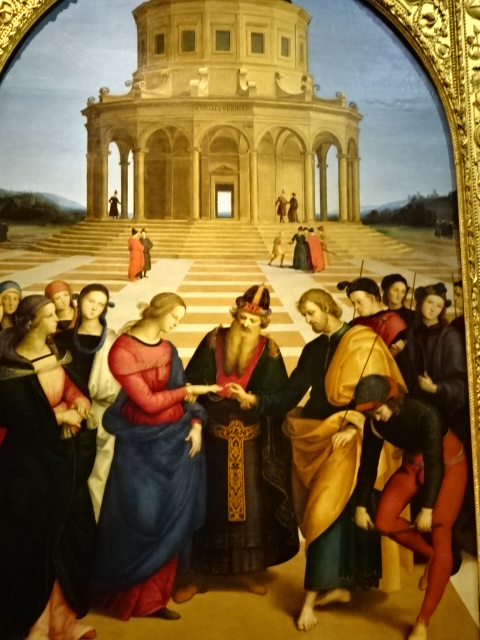
Some of the most famous paintings in the gallery include “The Lamentation of Christ” by Andrea Mantegna, “The Kiss” by Francesco Hayez, “Finding of the Body of St. Mark” by Tintoretto, “The Last Supper” by Rubens and “Supper at Emmaus” by Caravaggio – only one of two Caravaggio paintings in Milan. Also on display are the exquisite “The Marriage of the Virgin” by Raphael and “Christ at the Column” by Donato Bramante. I especially liked the paintings by Canaletto and Hayez as well as the 14th century frescoes. Modern works are exhibited, too. For example, “Enfant gras” by Amedeo Modigliani and “Riot in the Gallery” by Umberto Boccioni take up prominent places in the gallery. The works of Pablo Picasso and Giorgio De Chirico are represented, too.
I was overwhelmed at the beauty and power of the paintings in the Brera. Some of the monumental works just took my breath away. I was moved by all the paintings, each one telling a story.
Tracy A. Burns is a writer, proofreader and editor in Prague.
The permanent collection of the Prague Castle Picture Gallery has been closed since 2019 due to an air-conditioning defect and a lack of financial means for repairs. A special exhibition of about half of the collection’s works opened at the Castle’s Imperial Stables during July of 2022 and will last for three months.
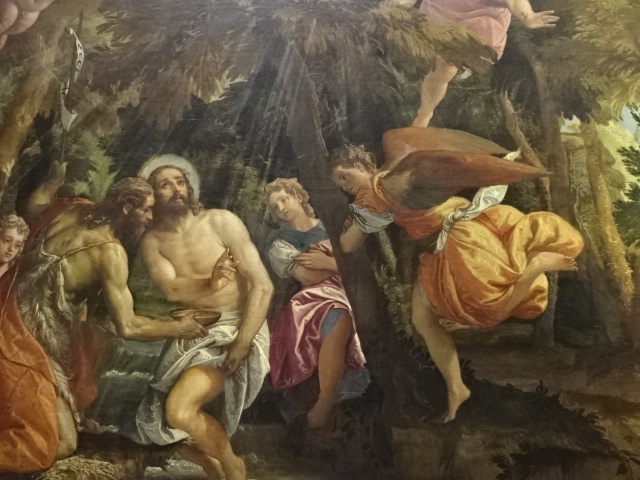
Veronese – Saint Catherine of Alexandria with an Angel
The Picture Gallery originated during the reign of Emperor Rudolf II, at the end of the 16th century. Rudolf II chose Prague as his residence when he was Holy Roman Emperor. The ruler was passionate about collecting works of art – paintings, curiosities, statues and more. For almost 30 years, Rudolf II amassed artifacts, and inherited other pieces. He exhibited his vast art collection in the then newly constructed north wing of the Castle, the part of the complex where he built the Spanish Hall. The majority of his painting collection was Italian in origin.
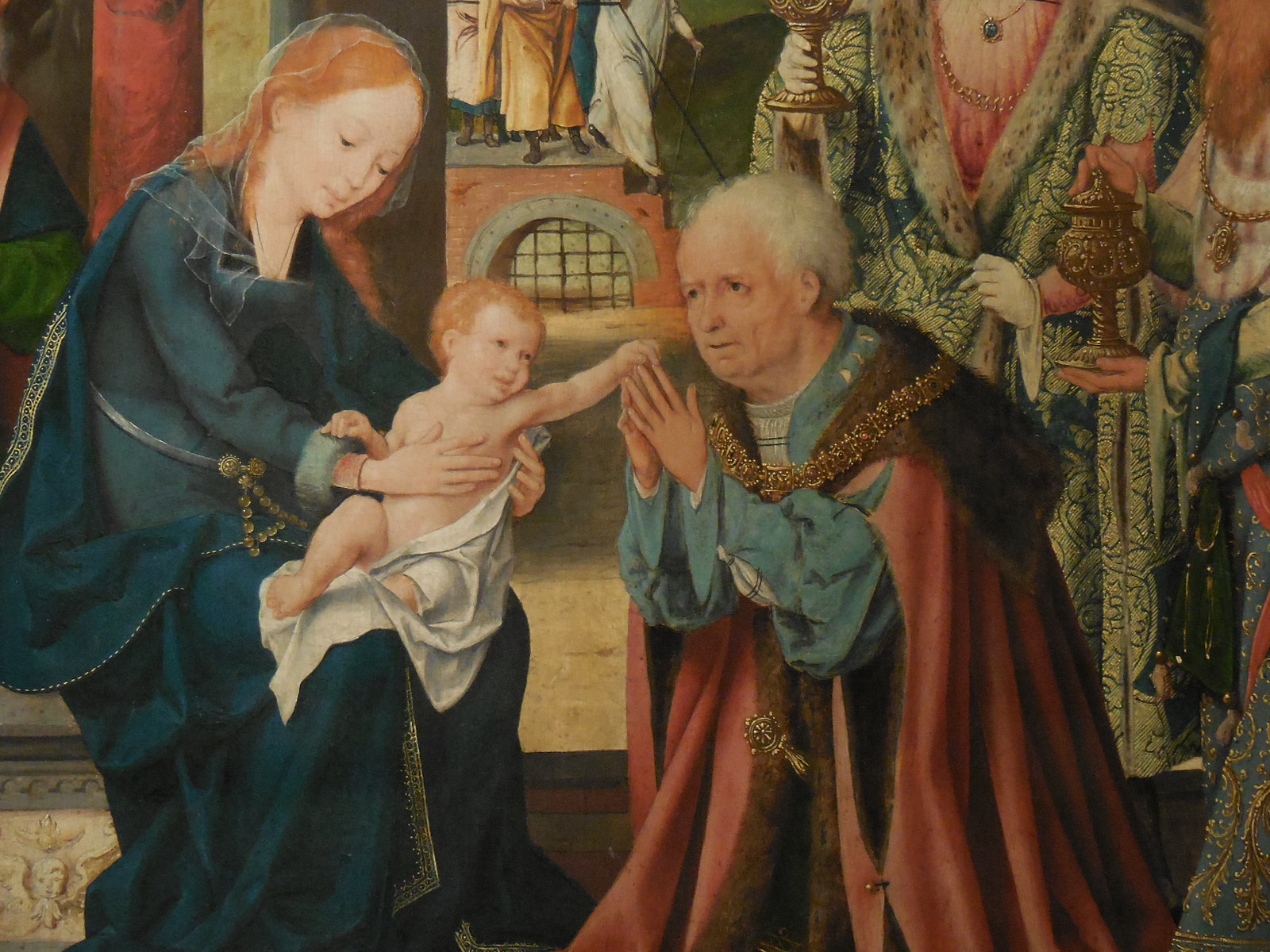
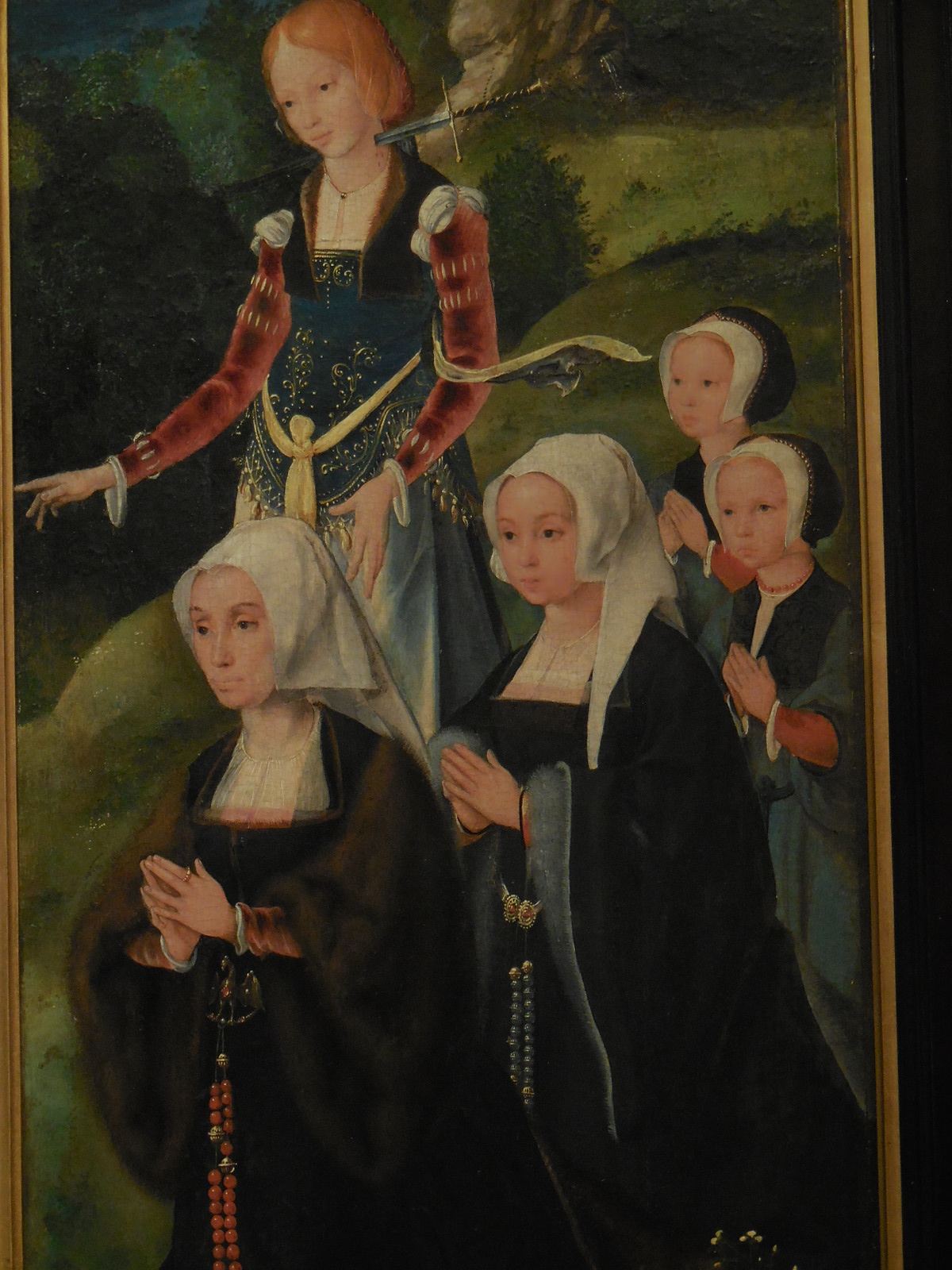
Joos van Cleve – Altarpiece with the Adoration of the Shephards, Saint Jerome with the Donor and Three Sons and Saint Lucy with the Donor and Three Daughters
Stellar artists worked as court painters in Prague: Hans von Aachen, Bartholomeus Spranger, Pieter Stevens and many others. First, allow me to mention Giuseppe Arcimboldo, a portrait painter serving Emperor Maximilian II and Emperor Ferdinand I. Arcimboldo began serving the emperor in 1562. Rudolf, the son of the emperor, was very taken with his work. He composed still lifes for Rudolf, and, after Arcimboldo returned to Milan in 1587 due to illness, he had a now famous portrait of Rudolf, called Vertumnus, sent to Prague. Arcimboldo’s portraits were allegorical, often composed of various objects that would make up the person’s head, for instance.
Lucas Cranach the Elder – Saint Catherine, Saint Barbara and fragments of the figures of Saint Dorothea and Saint Margaret, from Prague Altarpiece
Hans von Aachen was Rudolf II’s favorite when he was emperor. He began painting for Rudolf II in 1592 and wound up making Prague his home, where he created his best portraits. The painter became good friends with Rudolf II, too. The picture gallery still has von Aachen’s portrait of his daughter Maria Maxmiliana. His style was a precursor to the Baroque features that would later dominate Czech art.
Bartholomeus Spranger – Allegory on the Triumph of Fedelity over Destiny
Spranger’s tenure in Prague lasted from 1580 to 1590. His often complicated and ornate works displayed Mannerist features. Spranger created numerous paintings for the Rudolfine collection. In 1607, Spranger created Allegory on the Triumph of Fidelity over Destiny – Allegory on the Fate of Hans Mont, referring to the sculpture to worked for Rudolf II until an eye injury prevented him from doing so. Mont’s whereabouts were unknown. This is one of Spranger’s paintings that has remained at the Castle throughout the centuries. He also created a masterful portrait of Jacob König, a German goldsmith who was selling antiques in Italy.
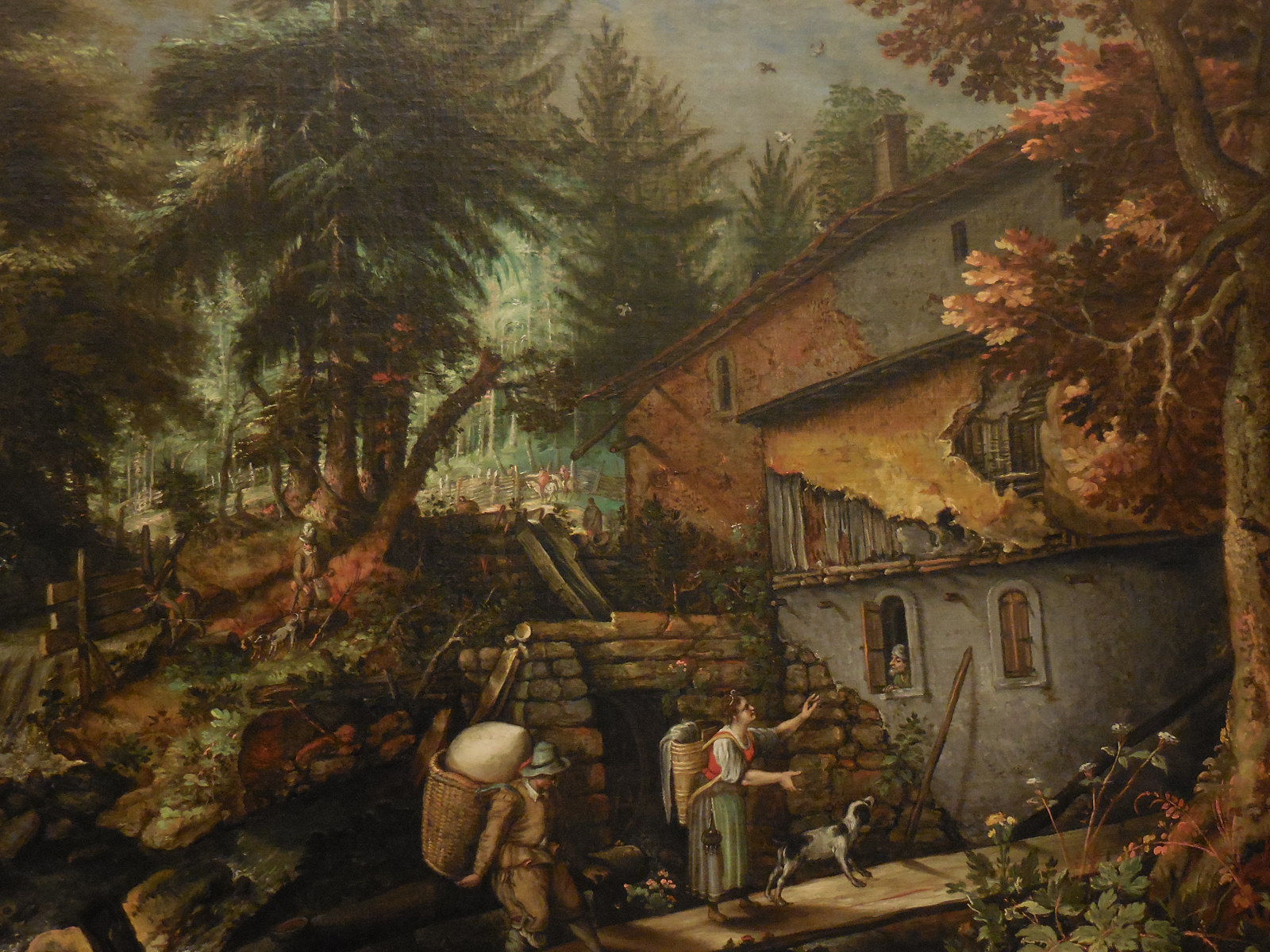
Pieter Stevens – Forest Landscape with a Water Mill
Pieter Stevens was another masterful court painter. He resided in Bohemia with his family and excelled at landscapes, influenced by Paul Brill and Hans Bol. He often portrayed village scenes or rendered forests and mountains in his unique way.
In 1585, Rudolf II’s collection was comprised of 3,000 paintings, including many Italian, Dutch, Flemish and German works, not to mention the numerous curiosities and statues.
Lucas Cranach the Elder – The Ill-Matched Couple
After Rudolf II died in 1612, his successor Emperor Matthias had many of Rudolf’s paintings taken to Vienna, where he had his imperial residence. The Bohemian Estates sold some of Rudolf’s works so they had enough money to pay their soldiers. After the Catholics defeated the Protestant nobles in the Battle of White Mountain during 1620, Archduke Maximilian of Bavaria confiscated many of the works. Others were destroyed. During 1630, while the Thirty Years’ War was raging, Saxon soldiers took over Prague Castle and stole much of the artwork.
Bassano – The Good Samaritan
When the Swedes occupied Prague Castle in 1648, they took some of Rudolf’s collection to Queen Christina in Stockholm, but the most significant works had already been sent to Vienna. The queen sold some of the artwork and gave away others. She also took her favorites to her residence in Italy. Part of the collection was destroyed in a fire at the Royal Palace of Stockholm. Some works stayed in Prague when the Swedes took control because they were hidden.
Tintoretto – Christ and the Woman taken in Adultery
A few paintings made their way to England, becoming part of Lord Buckingham’s collection. Several were returned to Prague from Vienna. Other paintings were sold in Europe. Empress Maria Theresa had the picture gallery at the Castle shut down. In 1782 many of the Rudolfine artworks were sold at auction.
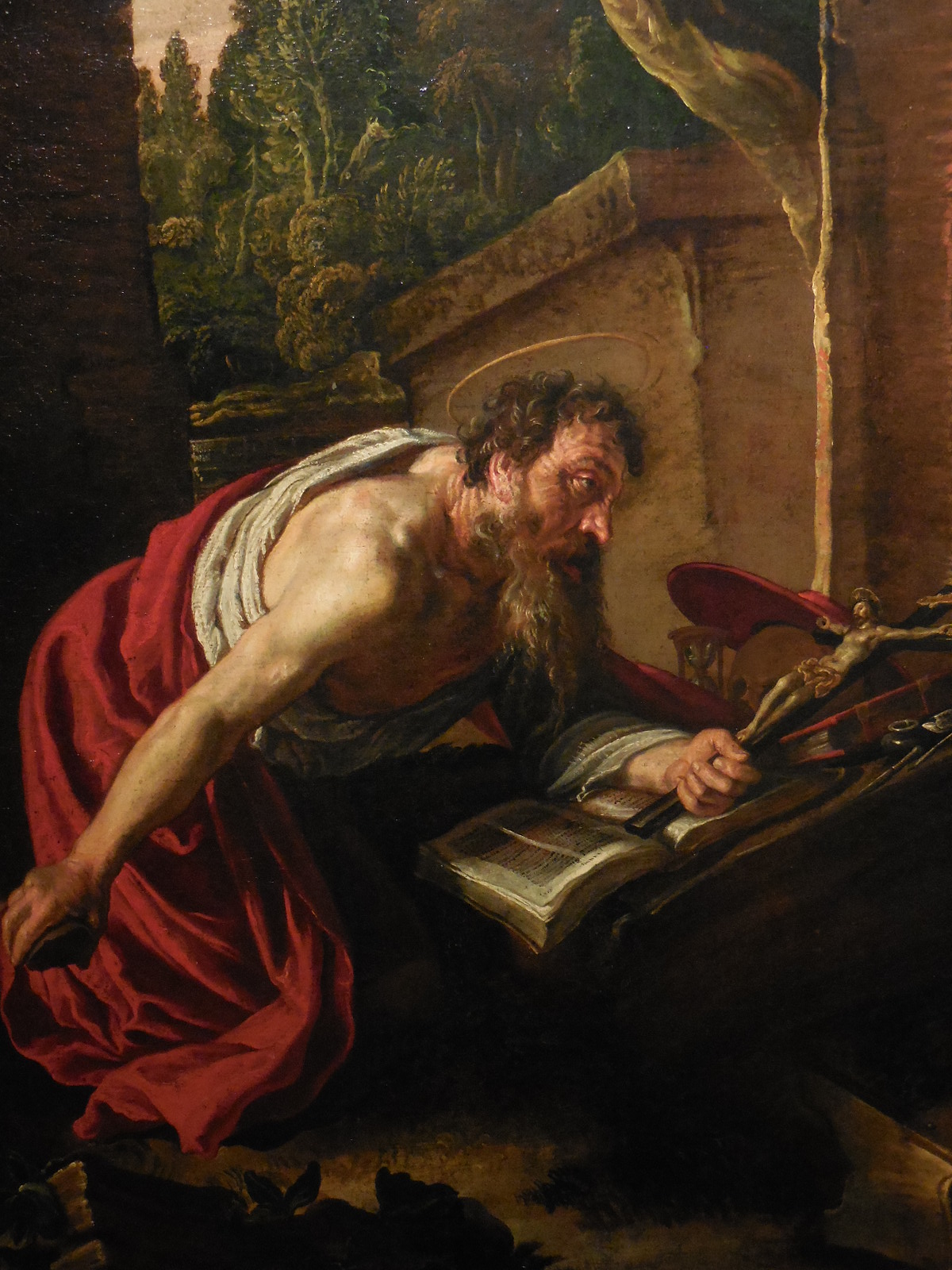
Domenico Fetti – Saint Jerome
Some paintings have perhaps miraculously remained at Prague Castle throughout the trials and tribulations of history. Paolo Veronese’s Portrait of Jakob König and Christ Washing the Feet of his Disciples as well as The Adoration of the Shepherds became property of the gallery in the middle of the 17th century and never left. Titian’s Young Woman at Her Toilet has called Prague Castle home since the 18th century. Several of the paintings by the Bassano brothers have remained in Prague, though many were transported to Vienna.
Bassano – September
In 1796, Czech aristocrats and burghers organized the Picture Gallery of Patriotic Friends of the Arts in Prague, which would later become the National Gallery. Some paintings were not sent to Vienna because they were on loan at the time to this Prague society. The year after its creation, the group was able to get 67 of Rudolf’s paintings back from Vienna. Gradually, they obtained more and more paintings from Vienna.
In 1918 Czechoslovakia was formed, and Prague Castle became the office of the president. In 1930 the Masaryk Fund began to purchase paintings for Prague Castle. During the Nazi Occupation some of the paintings hung at the president’s summer residence of Lány and others stayed at Prague Castle.
Peter Paul Rubens – The Annunciation to the Virgin
Much reconstruction took place at Prague Castle from 1960 to 1961. The National Gallery Commission brought many paintings to the National Gallery and the Museum of Decorative Arts in Prague. Many paintings were stored in a depository at Opočno Chateau during 1961. After the reconstruction, the Prague Castle Painting Gallery was established, taking up six rooms and including works of Titian, Rubens, Veronese and Tintoretto. German masters and Baroque artists from the Czech lands and the Netherlands also made up the collection.
Titian – The Virgin and Child with the Young Saint John the Baptist
The Velvet Revolution of November of 1989 triggered the downfall of Communism. A few years later, in 1993, the Prague Castle Administration was set up. One of its purposes was to organize new exhibitions at the painting gallery. From 1995 to 1998, much reconstruction took place at the Castle, and the Prague Castle Administration bought more paintings from Rudolf’s collection.
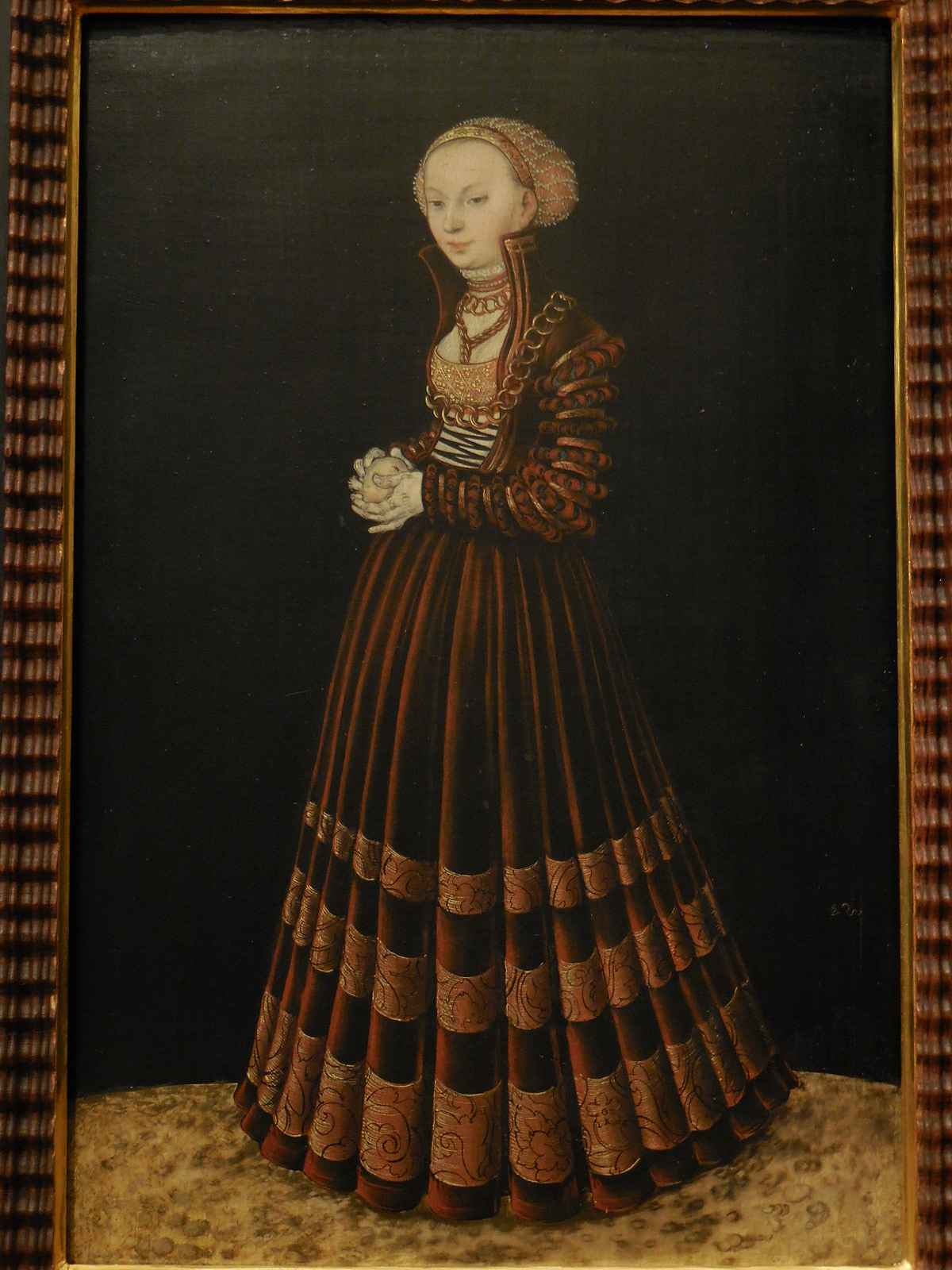
Lucas Cranach the Elder – Portrait of a Lady with an Apple
There has not been such a vast collection at Prague Castle since Rudolf’s death. It is impossible to faithfully recreate the Rudolfine collection because there are not enough inventories. Many of the paintings taken during the Thirty Years’ War have disappeared. Still, the Prague Castle Picture Gallery houses 120 outstanding works, including ones from the original collection.
Tracy A. Burns is a writer, editor and proofreader in Prague.
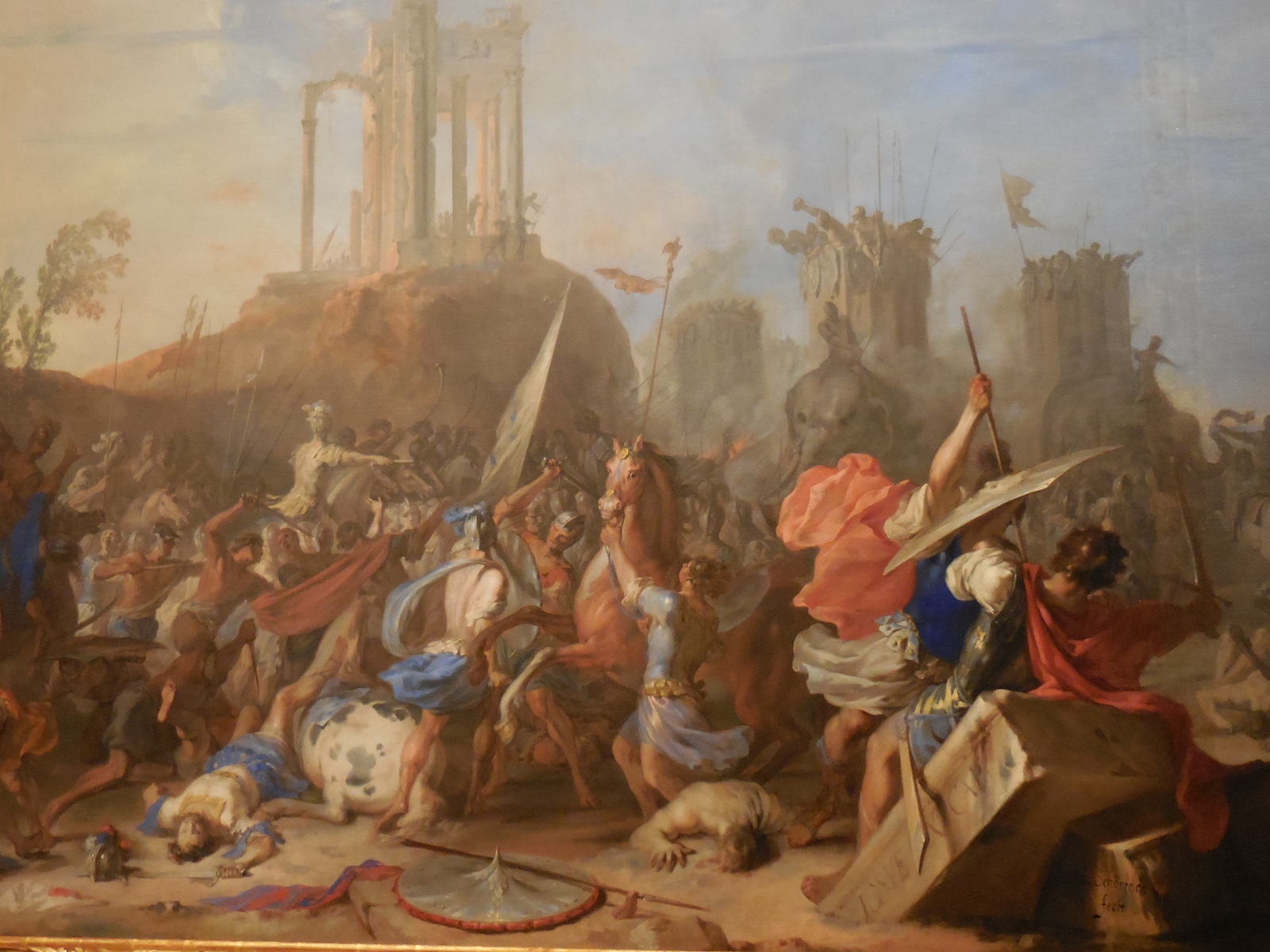
Veronese – Christ Washing the Feet of the DisciplesJohann Heinrich Schonfeld – Battle of JerichoPeeter Snayer – An Ambush in a Village
In March of 2018, I spent time in Vicenza, where I admired Renaissance Palladian architecture. I was enthralled with Vicenza. The elegant arches and arcades of the Basilicata Palladiana and the Renaissance masterpiece called the Theatre Olimpico were two sights that took my breath away. The two art galleries I visited also were stunning. I could have spent hours at each gallery. The Civic Museum, housed in the Chiericati Palace, displays amazing art from the 1200s to the beginning of the 20th century. Even though renovation was ongoing, the collections were extensive.
The palace itself is a masterpiece designed by Palladio in 1550. The building is a work of art with enthralling frescoes and superb stuccoes and has been recognized by UNESCO. The Chiericatis were fans of Palladio; he also designed a villa for them. One prominent architectural feature involves Palladio making the palace look elegant by placing the structure on a podium. The central section, accessible by a grand staircase, resembles a temple, as Palladio respected antique forms. By raising the building, Palladio also was able to protect it from floods, so it served more than a merely decorative purpose. I also found these architectural elements at the Villa Rotunda and the Villa Malcontenta, two places designed by Palladio. The façade has a two-story loggia, typical of Palladio’s designs. One side of the loggia is closed off by a wall with an arch.
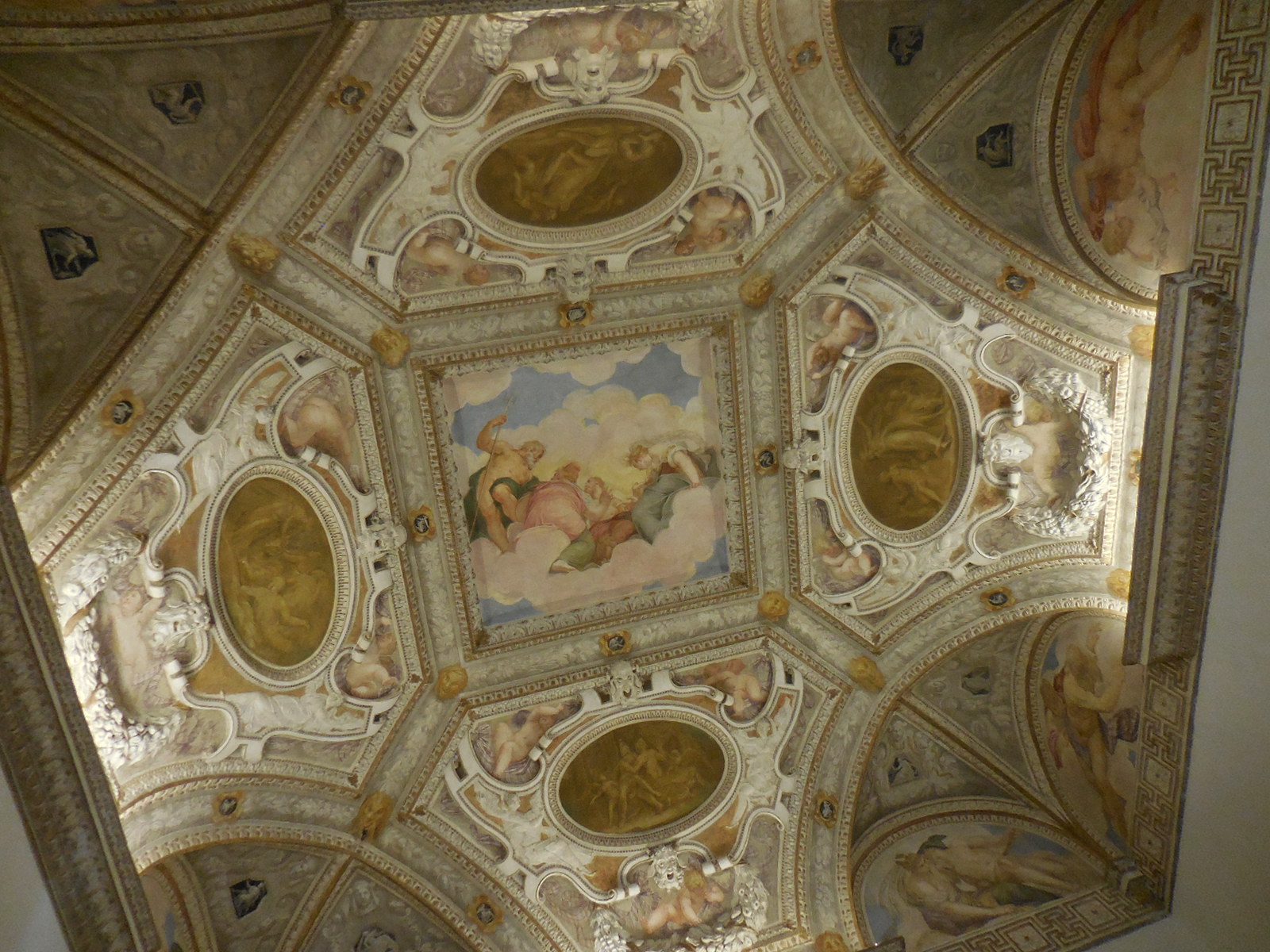
While I was enamored with the exterior of the building, I was not prepared for the onslaught of beautiful artworks that greeted me inside. The ground floor showed off frescoes, stuccoes, grotesques and lunettes. Seven lunettes told the story of the city’s prosperity during the 1500s and 1600s.
The first floor included a medieval section, where work by Hans Memling and others were showcased. I also was introduced to the paintings of Bartolomeo Montagna and his contemporaries. The second floor concentrated on Venetian paintings of the 1500s, with works by Bassano, Tintoretto and Veronese. The 17th century was also represented.
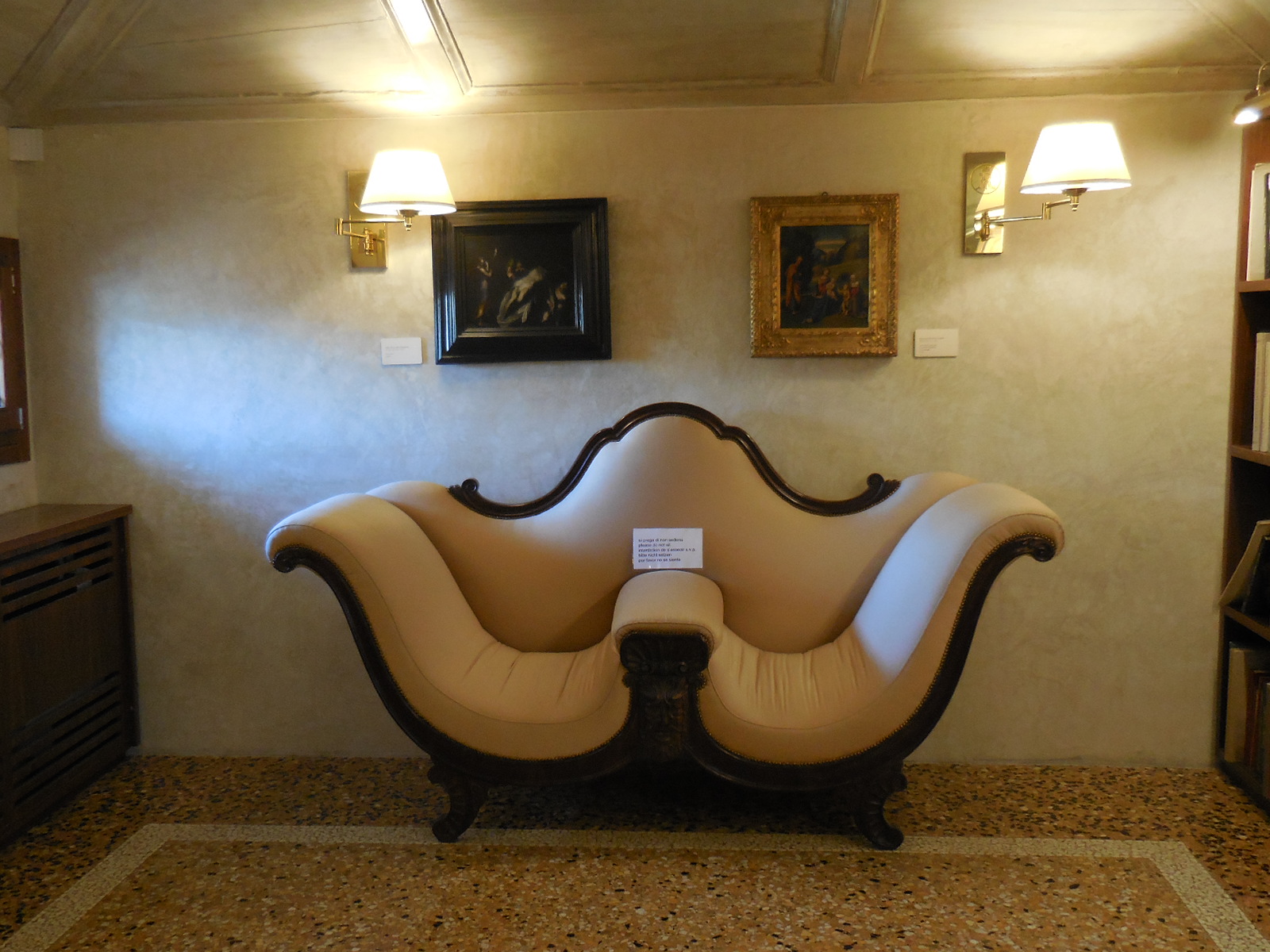
When I reached the attic, I no longer felt as if I was in a museum but rather as if I had set foot in a three-room house. These spaces held the paintings, drawings and etchings that once belonged to Marquis Giuseppe Roi. The works dated from the 15th century to the 20th century. Intriguing furniture also made up the collection.
The basement hosted temporary exhibitions. I could see the 14th and 15th century foundations of the palace, where kitchens and cellars used to be. There was a well and a barrel staircase, for instance. Walking through the basement was like walking back in time.
We got off the bus in Vicenza across from the Palazzo Chiericati, and this was the first building I saw in the city. The exterior certainly didn’t disappoint, and the interior was full of surprises and delights.
Tracy A. Burns is a writer, proofreader and editor in Prague.
During my four-day excursion to north Italy with the arsviva travel agency, we visited the picturesque town of Bassano del Grappa, located 65 kilometers from Venice. It is known not only for its vineyards and Venetian villas but also for its Palladian wooden bridge and for the impressive collection of paintings by Jacopo Bassano (also referred to as Jacopo dal Ponte) in its Civic Museum.
First, a bit about the town: Bassano del Grappa was first mentioned in writing as far back as 998 AD. The symbol of the city, the Ponte Vecchio was designed by the renowned architect Palladio in 1569. A wartime casualty and a victim of floods, the bridge has been rebuilt several times, but the current structure remains faithful to Palladio’s original design.
The town does not lack a castle or a cathedral, either. Ezzelini Castle has not been in use for six centuries. Hailing from 998 A.D., the cathedral now boasts a 17th century appearance, Two of Jacopo’s paintings adorn the interior. Historical monuments abound. The Civic Tower was constructed around 1312. The Loggia of the Mayor dates back to the 15th century. The elegant blue clock has decorated its façade since 1430, though the current one was built in 1747. The loggia features frescoes. The squares of the town are picturesque, though there was a large market on the main square while we were there. Intriguing churches of various architectural styles also dot the town.
The Civic Museum captured my undivided attention for more than two hours. The museum boasts the largest collection of renditions by Jacopo in the world. There was much more to see than Bassano’s masterpieces, however. The art gallery displays some 500 paintings from the 13th to 20th century. Sculptures also delight. There is a 17th century cloister, too.
Jacopo Bassano lived from 1510 or 1515 to 1592. He was a Renaissance Venetian painter whose later works fall into the category of Mannerism. Born in Bassano del Grappa, he resided in Venice during the 1530s before returning to his hometown for good in 1539. Often experimenting with various styles, Jacopo was influenced by Titian, Tintoretto, Durer, Raphael and Roman art, for example. The painting guru is known for his religious paintings rendered in natural landscapes. He also studied the role of light and created significant nocturnal scenes.
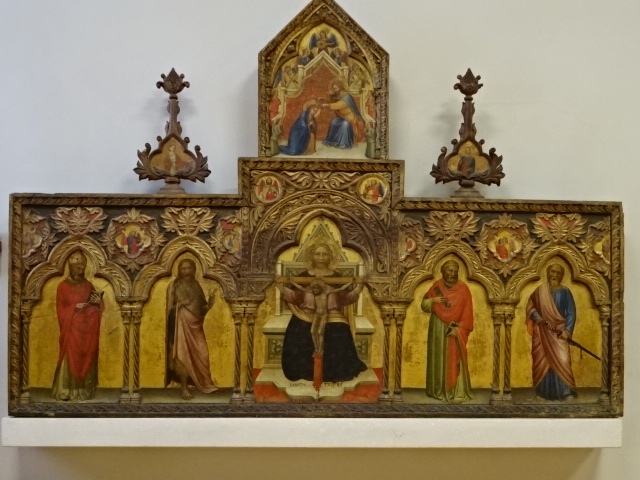
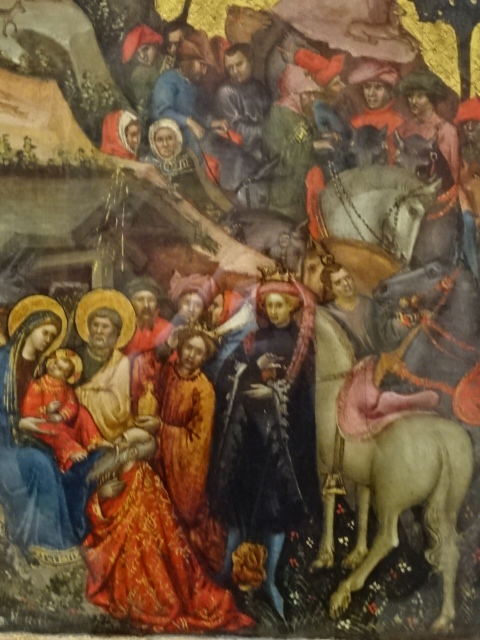
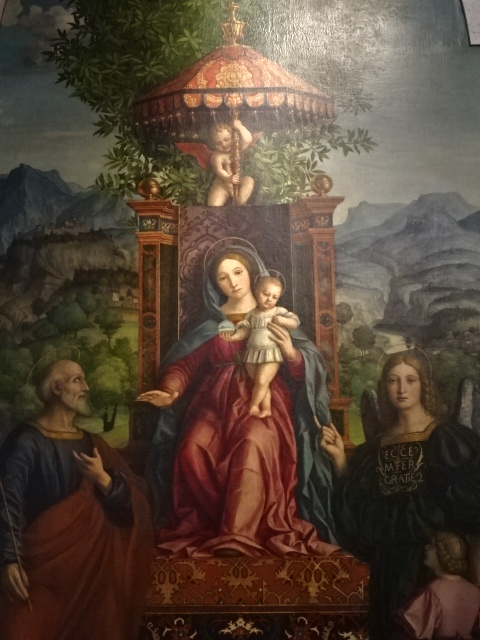
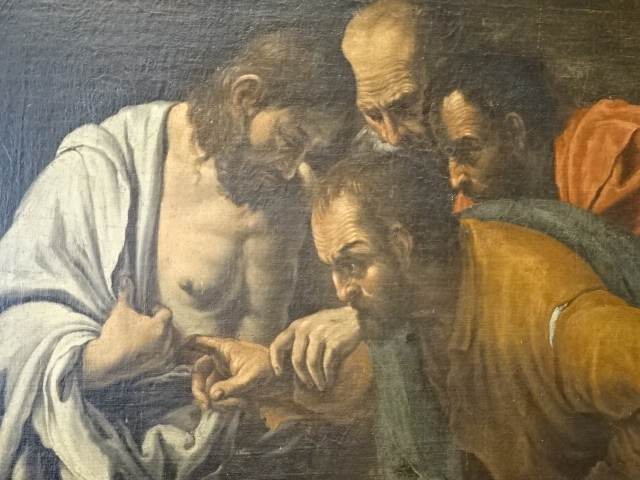
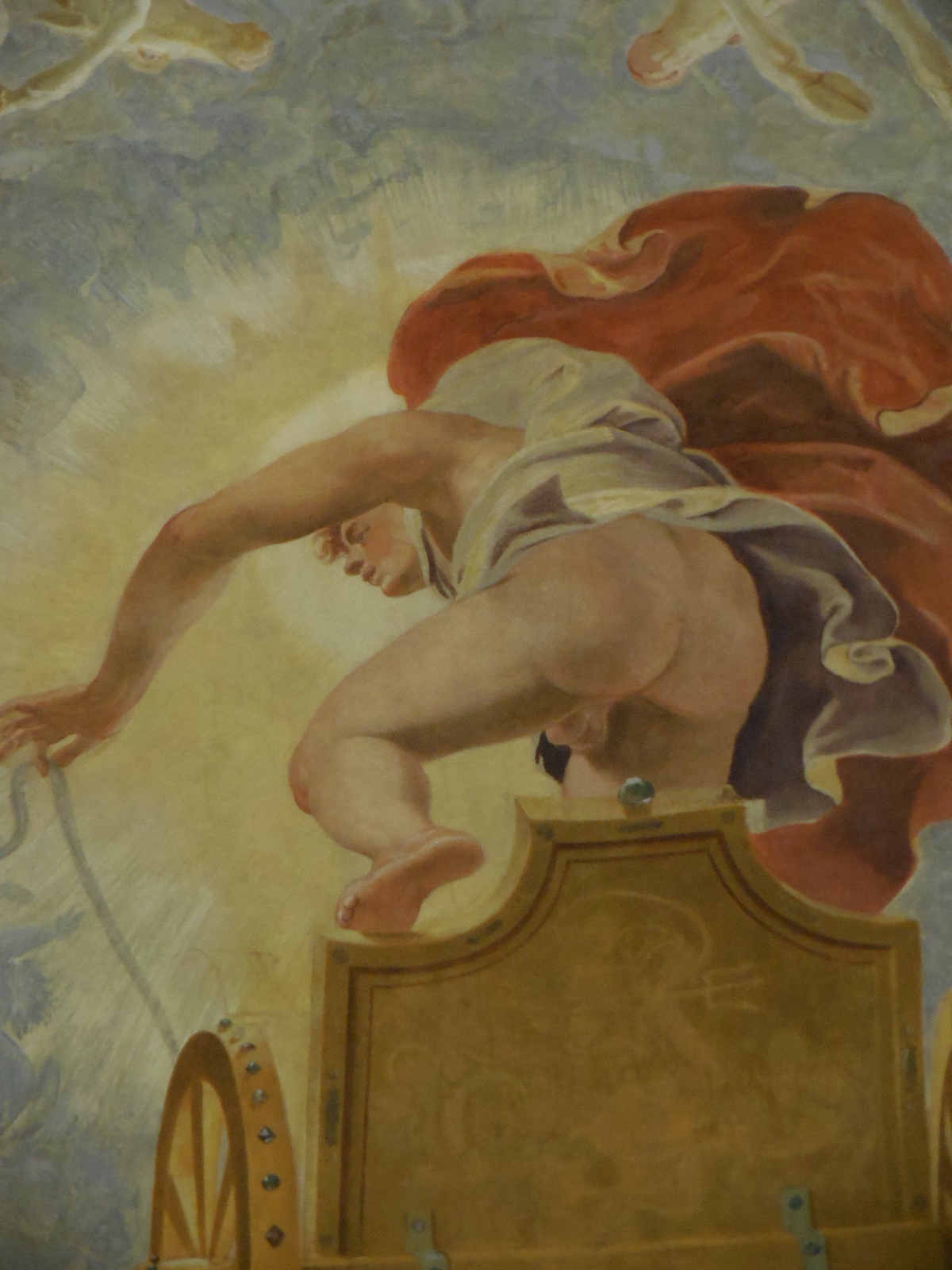
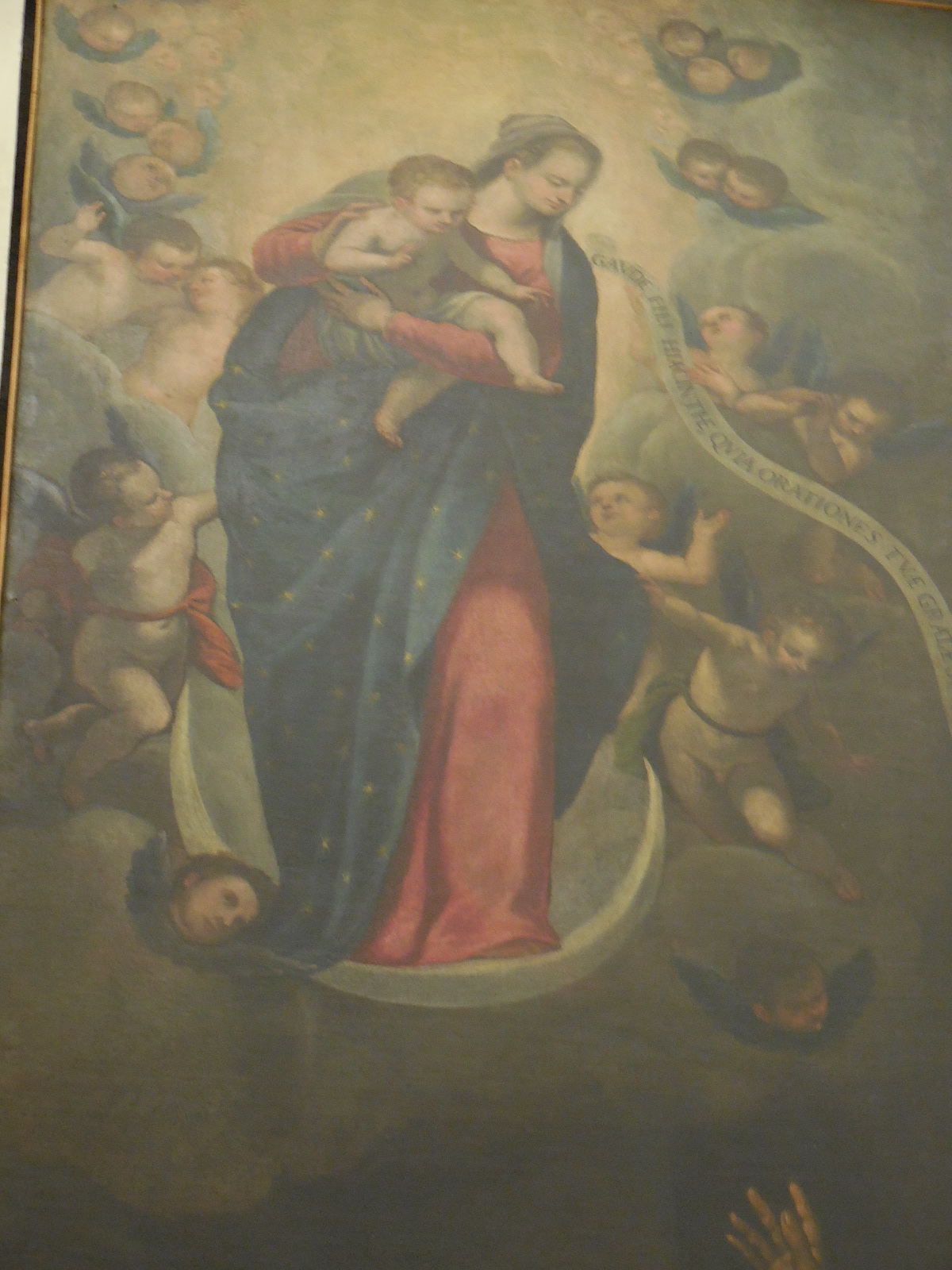
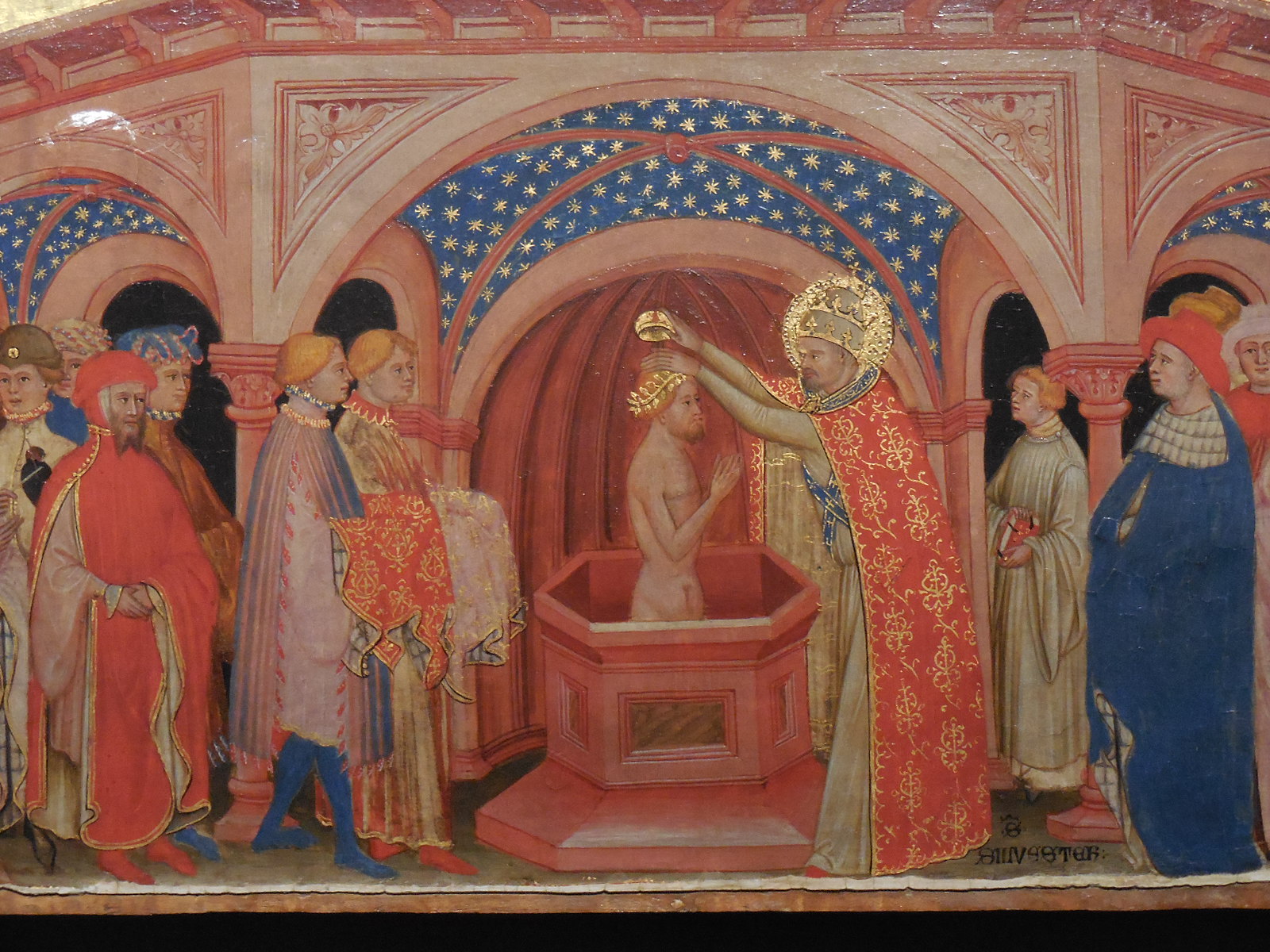
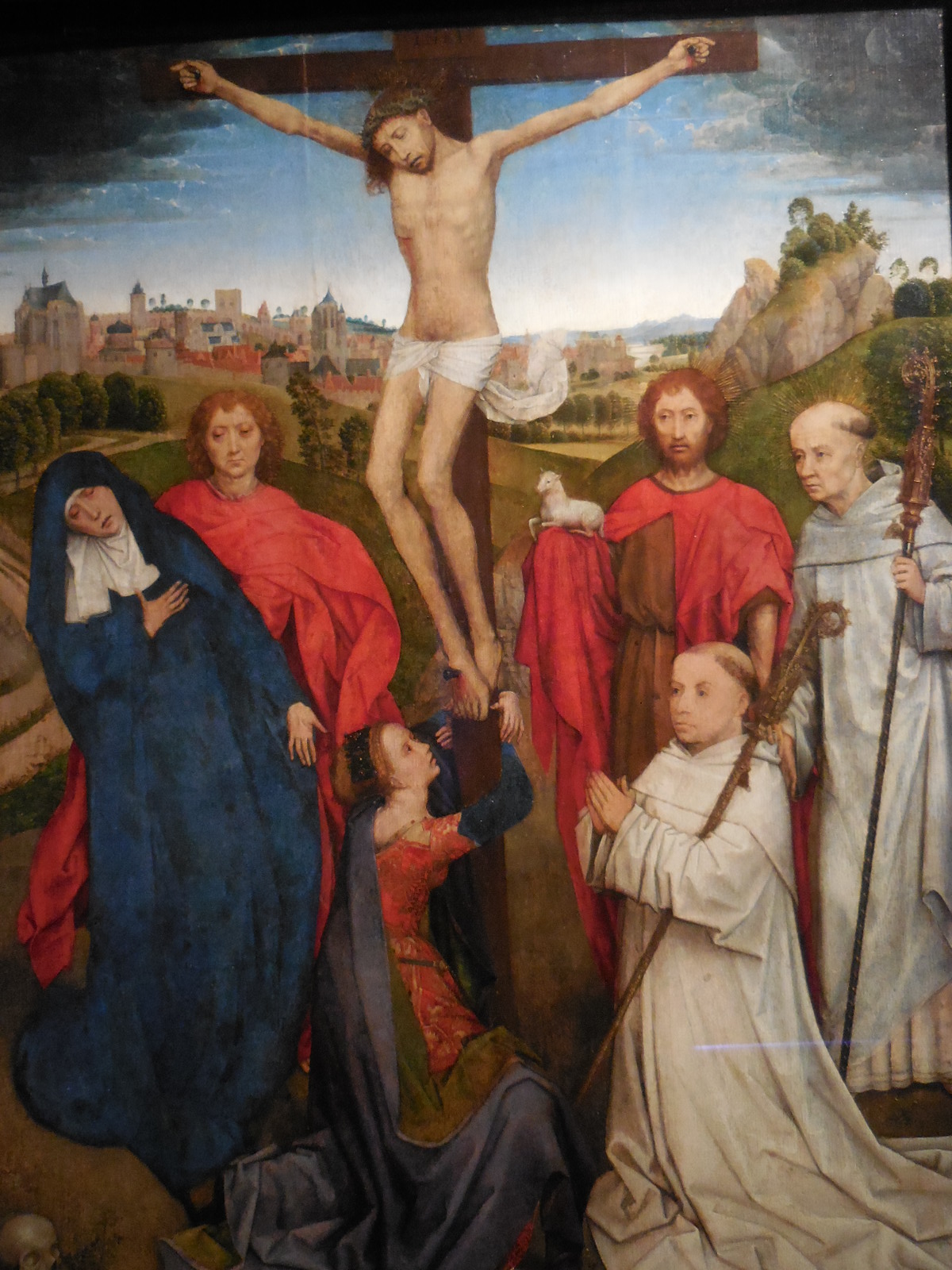
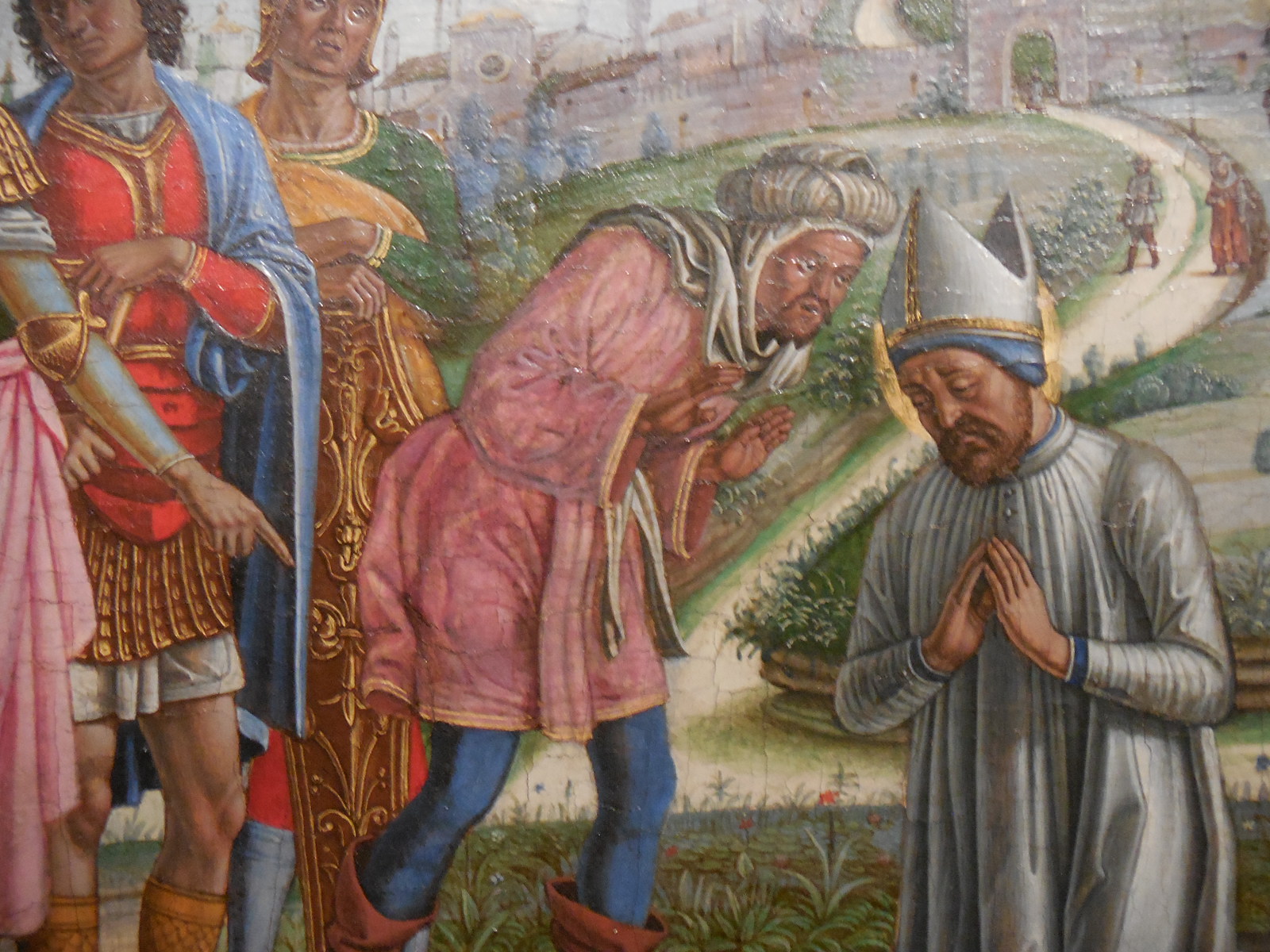
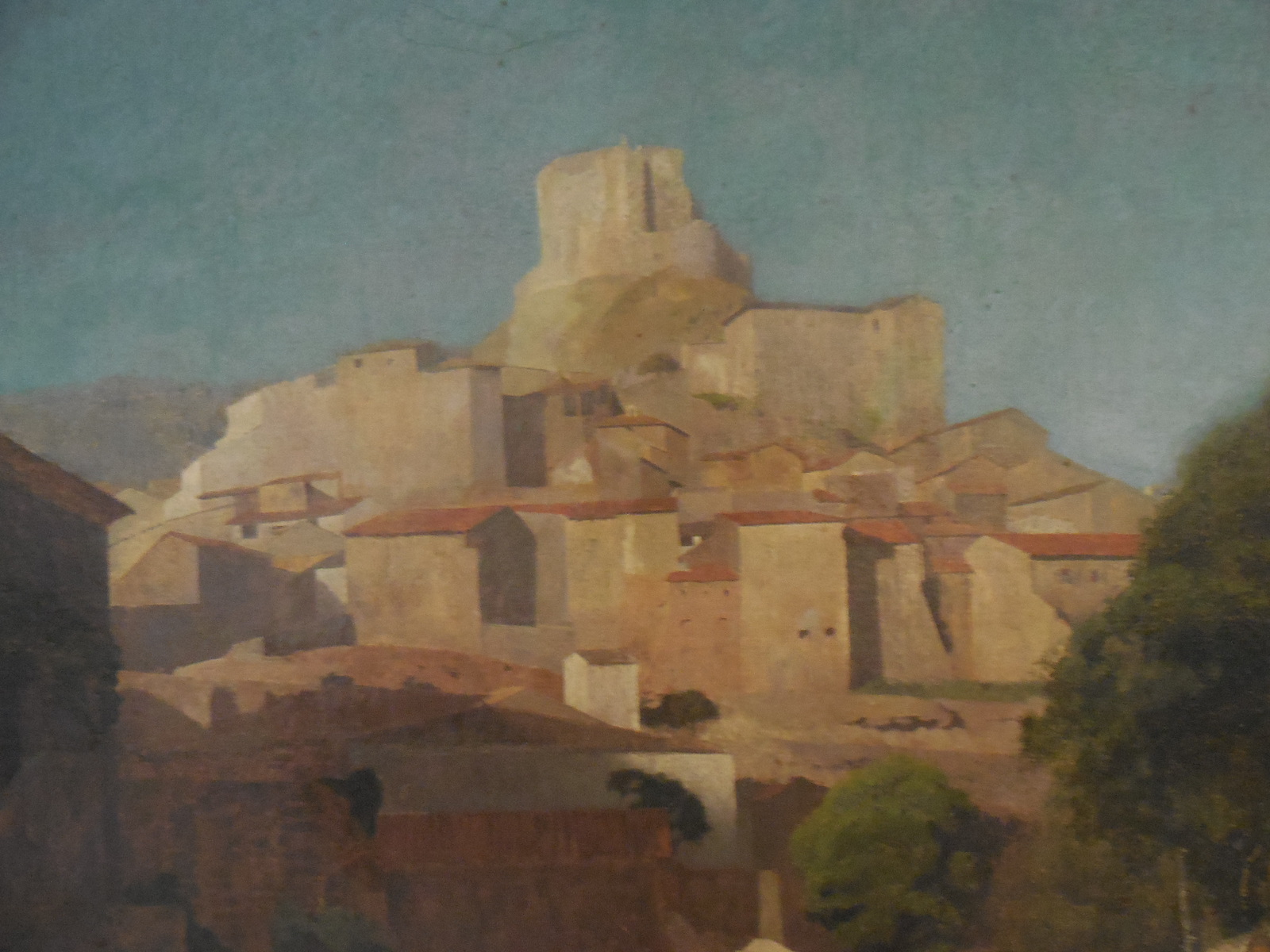
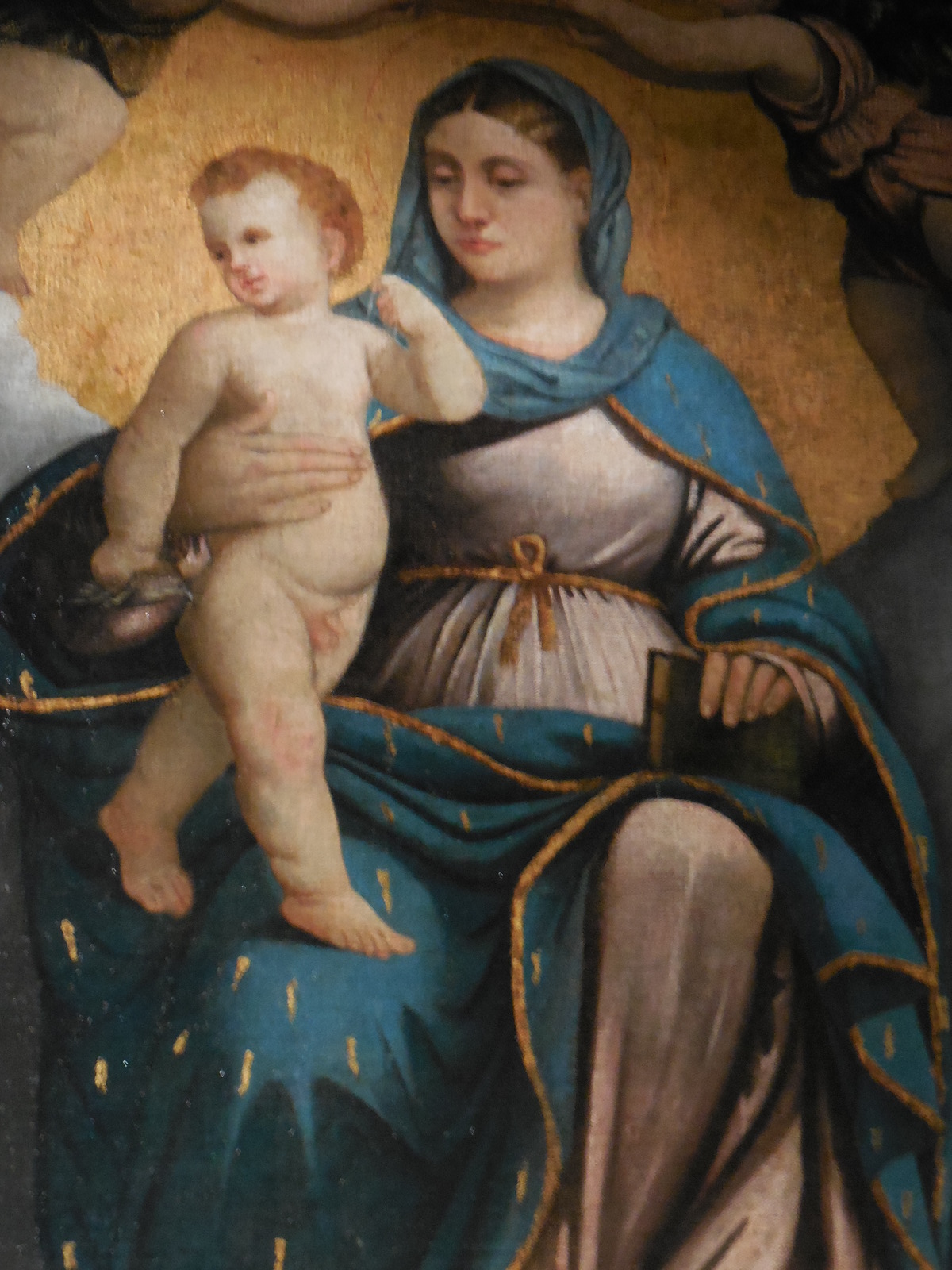
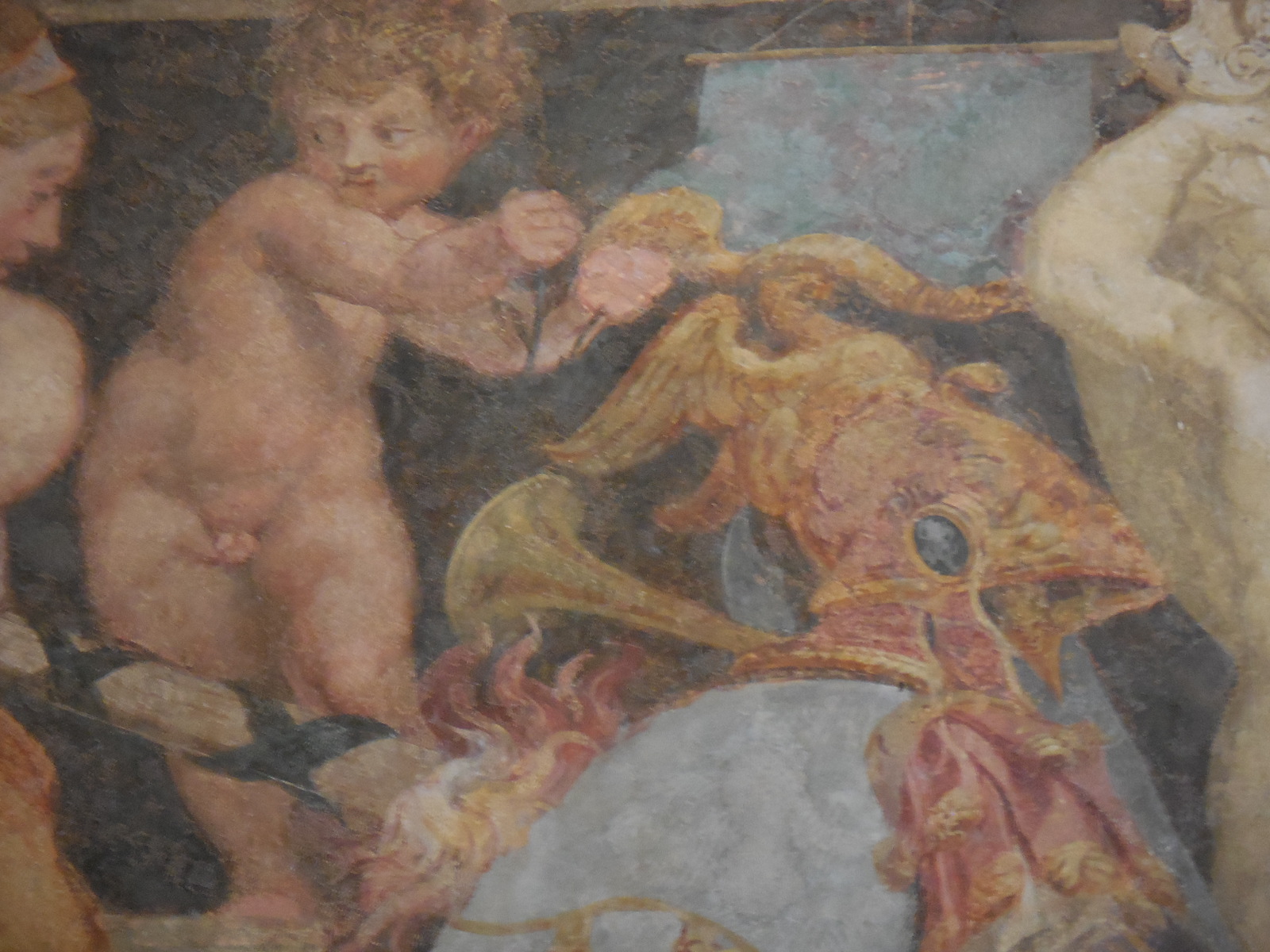
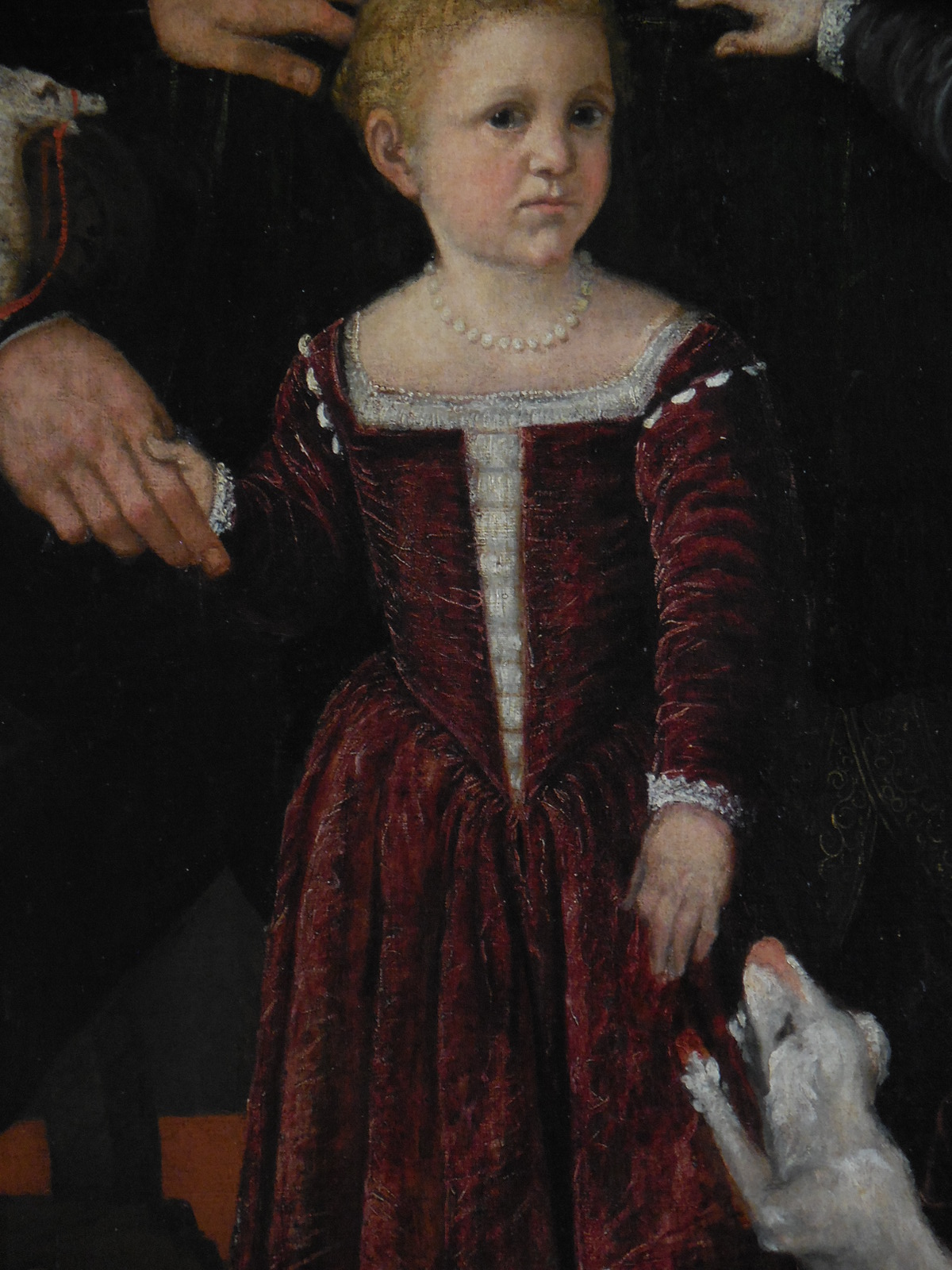
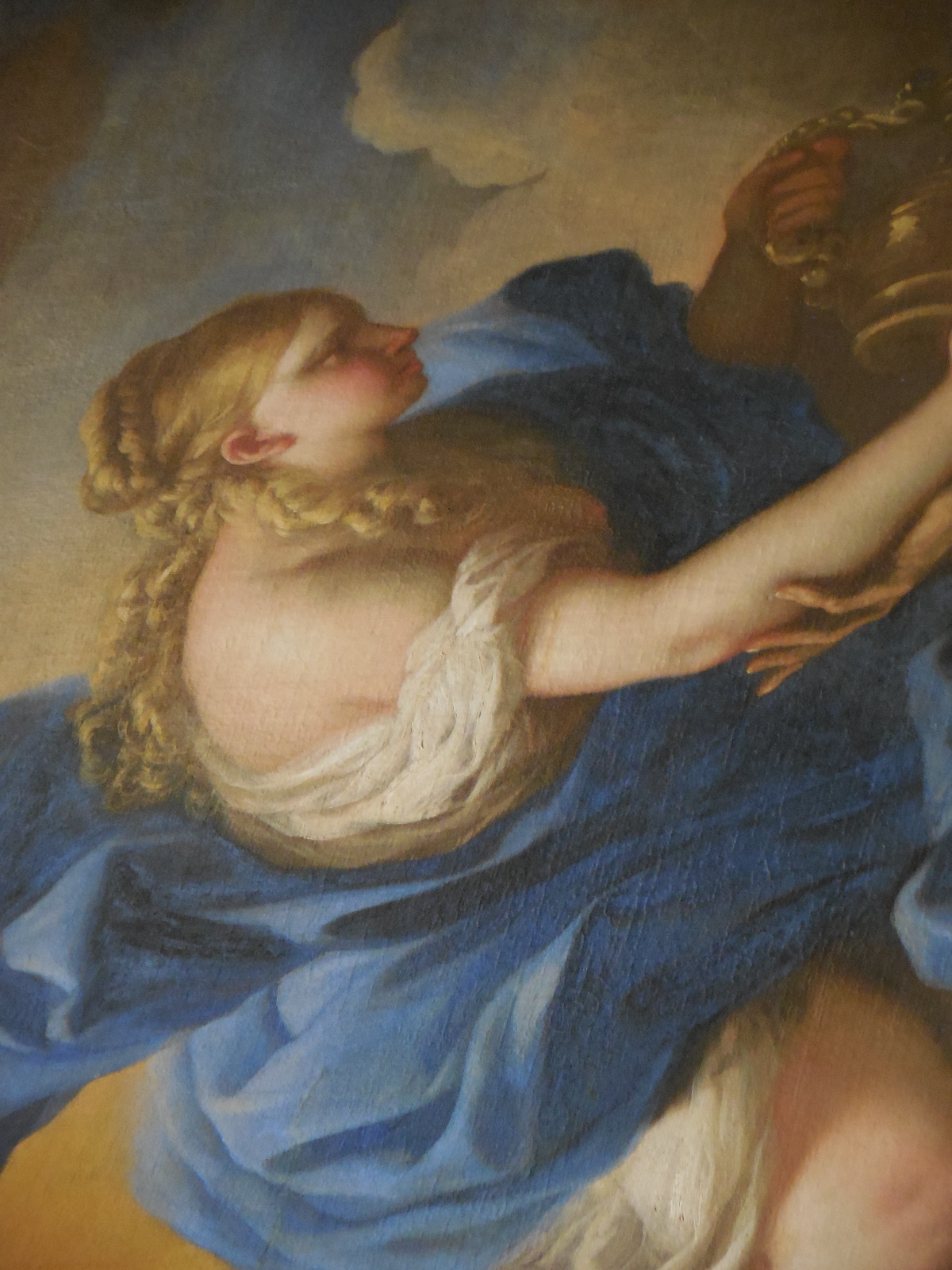
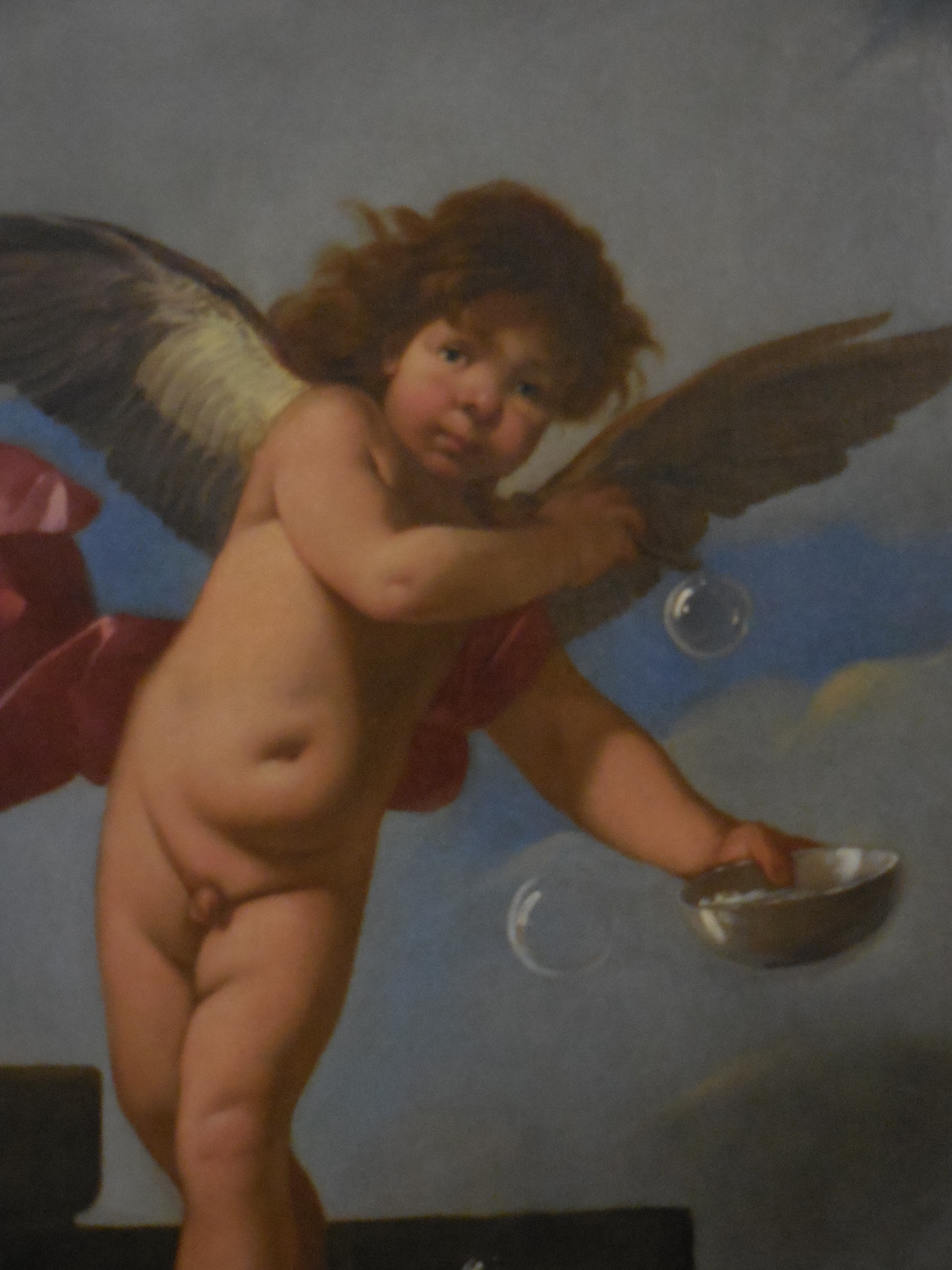
Here are some examples of the artwork in the Civic Museum that kept me entranced for two hours. Some of the paintings, but not all of them, are by Jacopo Bassano.
Tracy A. Burns is a writer, proofreader and editor in Prague.













































 Tracy's Travels