Josef Mánes Exhibition Diary

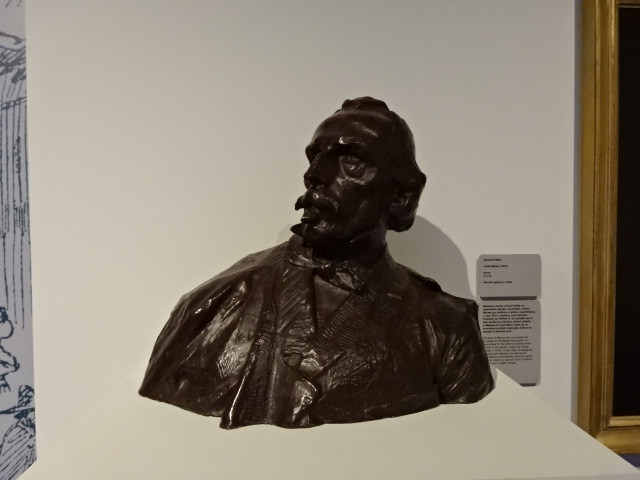
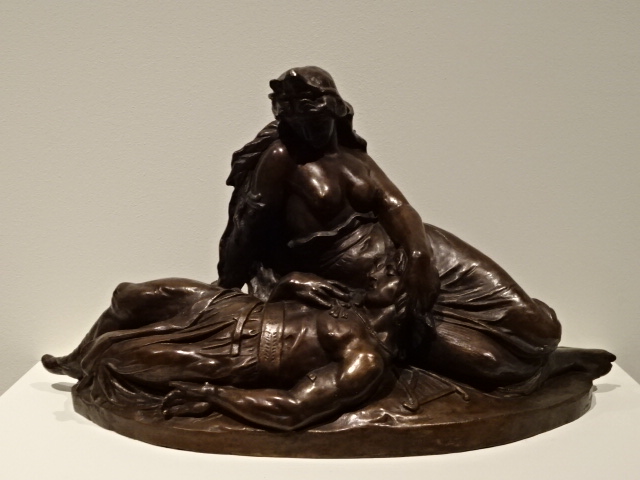
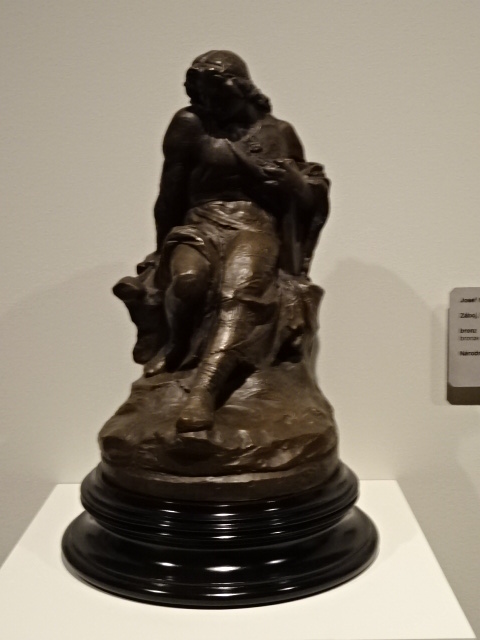
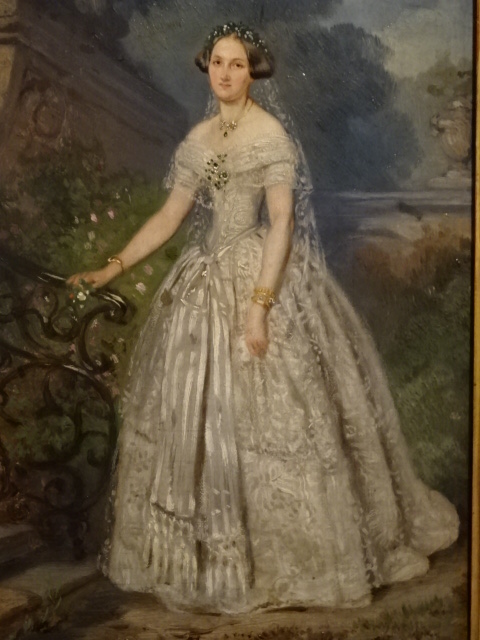
Prague’s Wallenstein Riding Stables hosted a comprehensive exhibition of Josef Mánes’ portraits, genre paintings, landscapes, drawings, prints, designs and illustrations of Slav history from the Czech Romanticism and Realism eras of the 19th century. Some 400 of his creations captured my undivided attention. He also created standards, insignia and uniforms for the Sokol physical education organization, some of which were also on display.

I knew the name well because Josef Mánes had been born into an artistic family: His father, Antonín, created landscapes while his brother and two sisters also became painters. Josef – I will refer to him by his first name so readers do not confuse him with his father or siblings – grew up in the Habsburg Empire when German was the official language of the Czech lands. He spoke only German as a youth. He didn’t learn Czech until he was grown up, even though he was one of the leading figures in the Czech National Revival that promoted the Czech language.

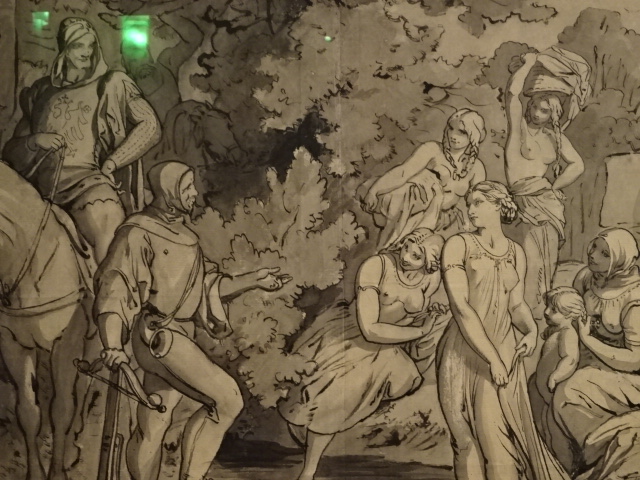
This prominent artist was inspired by his time in Munich, where he spent three years as a young man. For many years he resided in Moravia, including at the Čechy pod Košířem Chateau. In addition to making portraits, landscapes and Second Rococo style genre paintings, Josef developed a strong interest in folk costume, rendering portraits of Czechs in traditional dress. He created many works portraying villagers and everyday life in the Hana region of Moravia.

Inspired by Prague’s Old Town, Josef created portraits of its residents and even painted two genre paintings for Prague brothels. His work also decorated much more elegant structures, such as the Žofín concert hall in the center of Prague, for instance. When I first set foot in Prague, I fell in love with the Old Town. I could sense the history of the nation on its streets and in Josef Mánes’ paintings of that historical quarter.

His portraits are stunning because they are characterized by immense psychological depth and sensitivity. The viewer almost is looking into the sitter’s soul. Each portrait told an individual story of a unique life. Before this exhibition, I had considered him to be first and foremost a portrait painter, but I learned at the Wallenstein Riding Stables that he had been much more versatile in his accomplishments.

I was most enamored by his landscapes because I was fascinated by landscape painting in general, especially by Czech art in this field. I had seen many exciting Czech landscapes in galleries throughout the country as well as in chateaus. Josef’s work utilized subtle colors and masterful brushwork that portrayed both the Czech and Slovak countryside with elements of Romanticism and Realism. He was one of my favorite landscape painters, excelling at employing light and atmosphere in his renderings of the Hana region, the Czech Paradise region, the Krkonoše Mountains and the Šumava Mountains, for instance. I had traveled extensively throughout these parts of the country. Josef’s travels in the Austrian Alps also inspired the creations of some masterful landscapes. While I had never been there in person, I always wound up gawking at the sheer power, beauty and seemingly invincibility of the Austrian Alps. In several other works, he depicted nymphs, using the Šumava Mountains and Moravia’s Čechy pod Košířem as backdrops.

On Astronomical Clock

Astronomical Clock

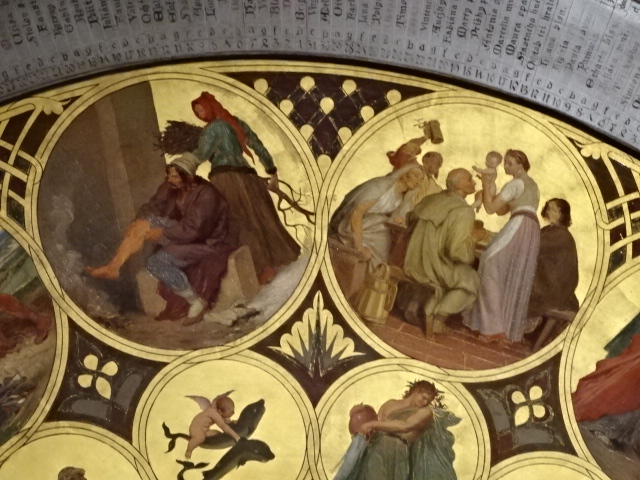
Perhaps Josef’s greatest achievement was creating 12 medallions for Prague’s Astronomical Clock. I recalled how so many tourists crowded around the clock to watch its hourly show in the late morning and afternoon. I always came to admire the clock in the early morning to avoid the crowds and the possibility of getting pickpocketed. Painted in 1865, the original calendar dial was on display at this exhibition. The allegories of the months of the year dealt with agriculture themes. I often had admired the calendar in the Museum of the City of Prague, where it was usually on display.
Astronomical Clock

I looked closely at the calendar dial, which consisted of circular rings. Standing for the 12 months, figures dressed in folk costume glorified Slav identity. September was represented by the ruins of Troský Castle, which I had seen on my trips numerous times. The Czech village tradition of pig-slaughtering was the focus of December. I remember one irate acquaintance telling me that he did not support the European Union because its regulations did not allow citizens to slaughter their own pigs at home.

Bezděz Castle was in the background of March. I recalled the four-kilometer walk up to the castle ruins that had fascinated me, even though I was not usually so enthusiastic about ruins. A young farmer used a plough in the foreground of the March portrayal. Josef had also painted allegories of zodiac signs. I noticed dolphins and a plump cherub for Pisces. Capricorn was represented by a cherub leading a goat. Romanesque features were evident in Josef’s pictorial work for the dial. 

Designed for Sokol physical education organization

Josef’s personal life had not been so rosy, however. After he got a servant pregnant, his parents made him marry her. Josef also was plagued by mental illness from 1866, when he began to lose much weight, to pronounce words badly and behave in a strange manner. It is possible that he suffered from syphilis affecting the brain or tuberculosis. He died in 1871 at the age of 51.

The exhibition also included explanations of how Josef’s work has been perceived throughout the centuries. After his death, he achieved fame because of his work for the Czech National Revival. As the 20th century approached, Josef became known as an artistic pioneer of new trends and advancements in his field. During Communism, though, his works took on an ideological meaning. It was not until after the downfall of Communism that people interested in art could once again express the masterful skill and individuality of his paintings as his works became appreciated in the cultural sphere.
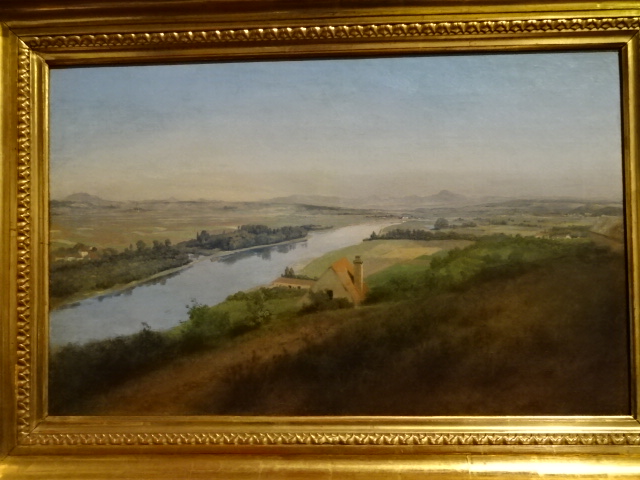
While I had seen many works by Josef throughout the country, I was overwhelmed by viewing so many in one large exhibition hall. I had not truly understood the mastery of Josef’s art and realized that he had been so talented at many genres. For a long time, I had admired the works of his siblings and father, too. Now I knew that Josef was the most skilled in his family. I was fascinated by all aspects of this exhibition.

Tracy A. Burns is a writer, proofreader and editor in Prague.

Josef Mánes

Děčín Chateau Diary

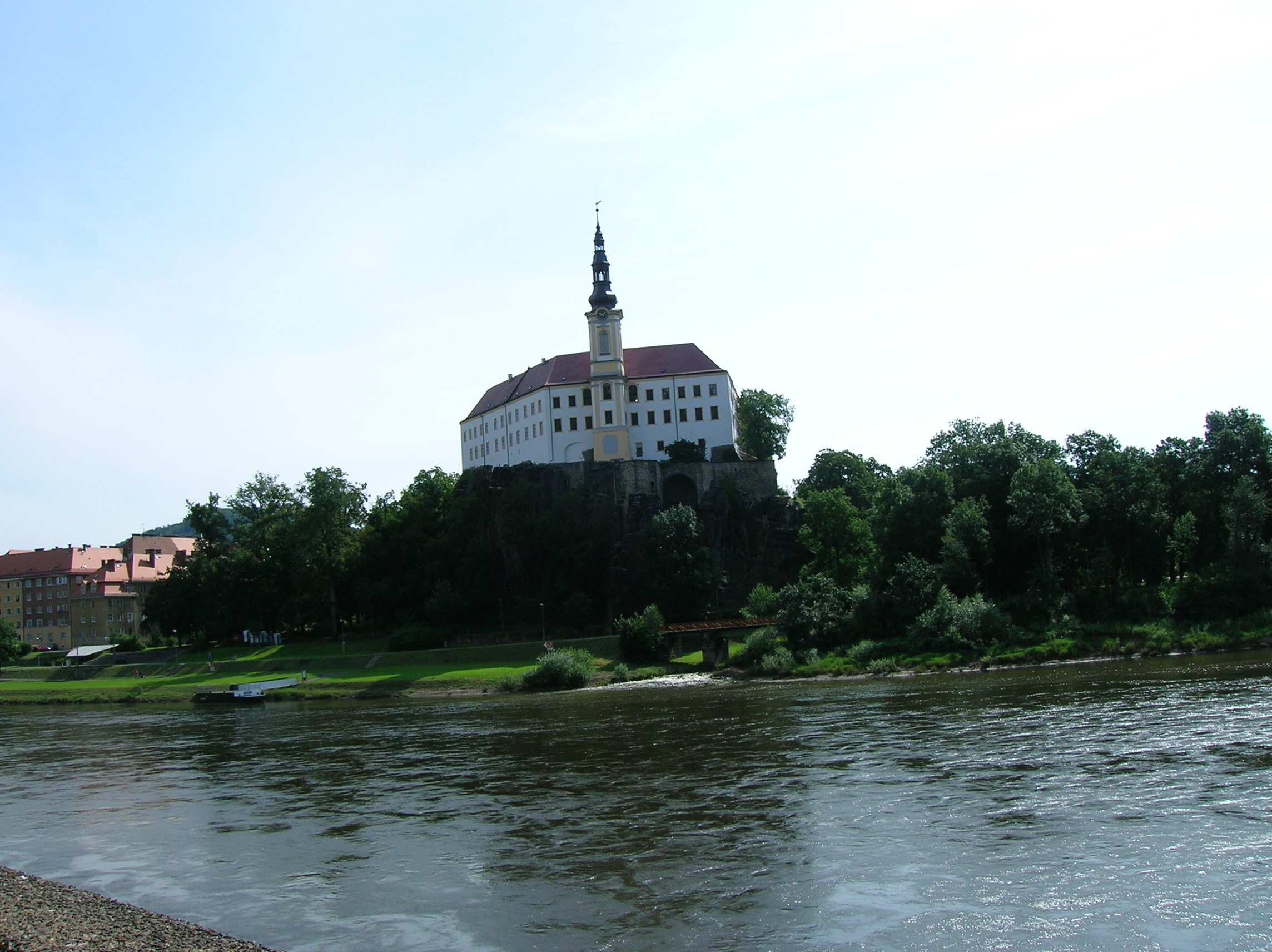
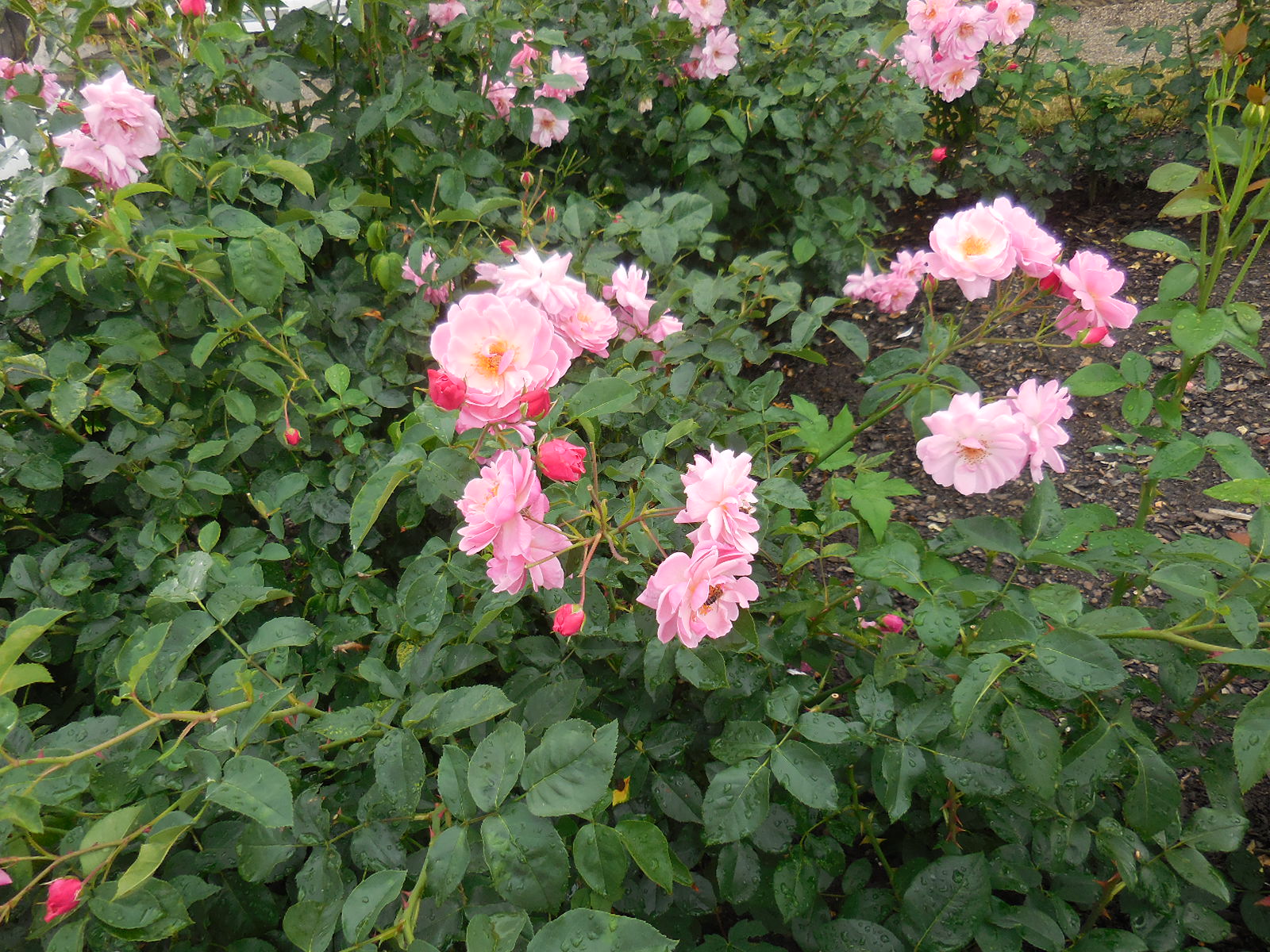
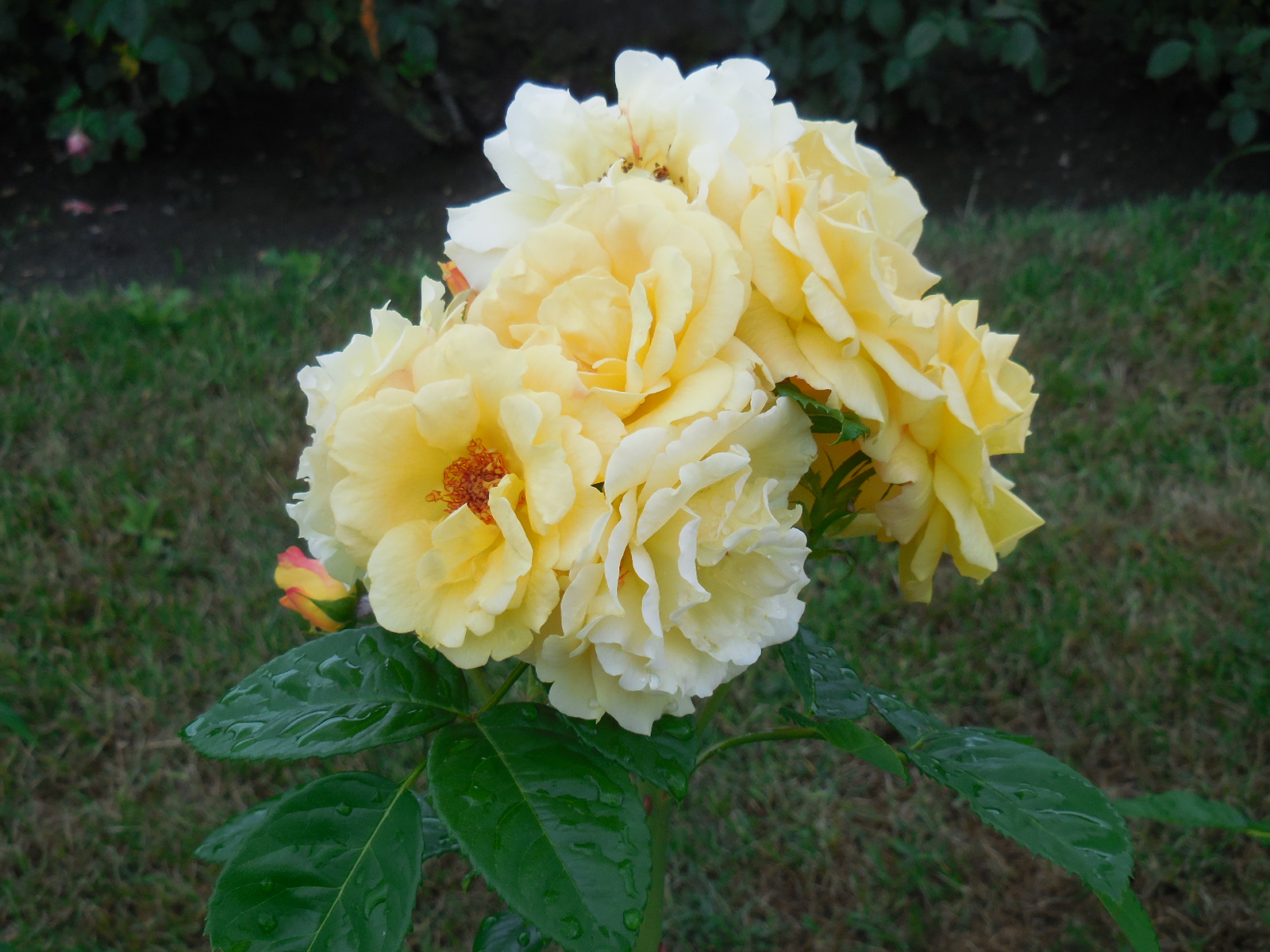
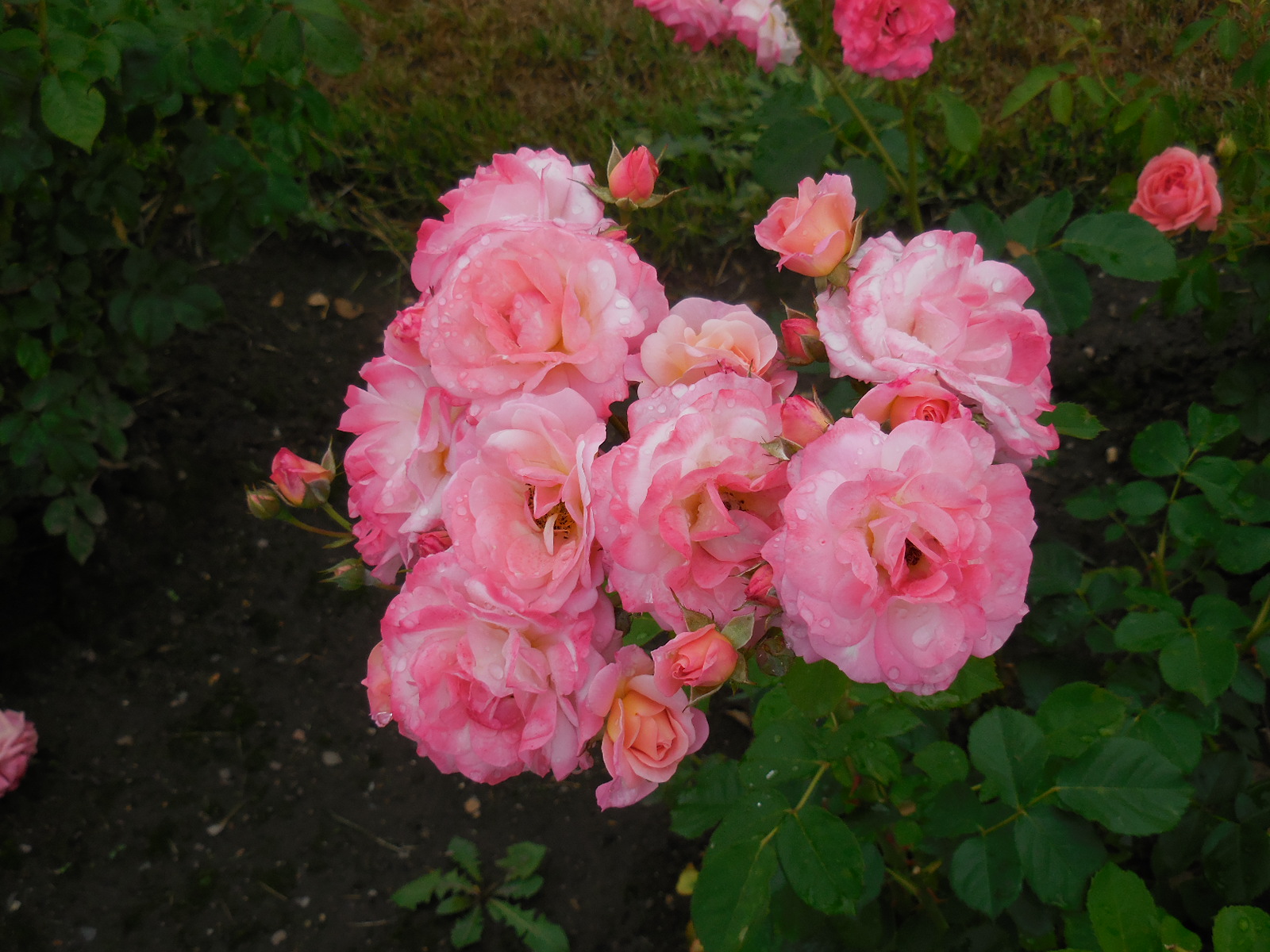
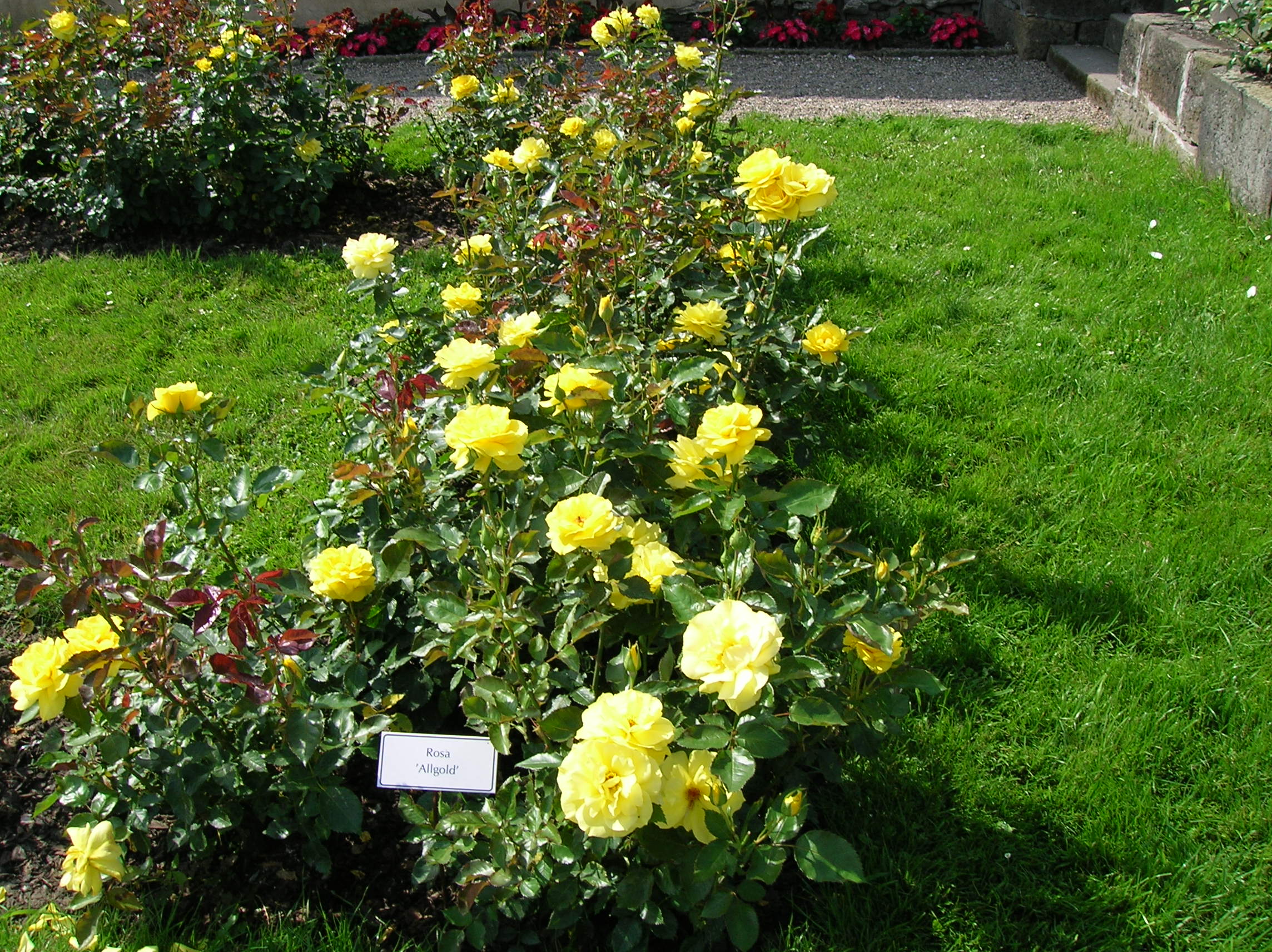
The moment I saw a picture of this majestic and riveting chateau dramatically perched on a cliff, I knew I had to go see it with my own eyes. A snapshot of Děčín Chateau adorned the cover of a guide to Czechoslovakia, a publication I had picked up at the many Prague bookstores I regularly visited. On a whim, during Easter Sunday of 1992, I took the train to Děčín. It was cold and raining. The chateau was closed as it was still under reconstruction, being transformed into a tourist spot from soldiers’ barracks. However, I was able to walk through the rose garden that dreary day, and I was determined to come back.

I did return, several times. My last visit took place during the pandemic, in 2021. By then, I had thoroughly familiarized myself with the history of the chateau. A Gothic castle had been located there as of the second half of the 13th century. Until 1511, the well-renowned Vartenberk clan had owned it. However, during the Hussite wars, in 1444, the structure was conquered and razed. It was rebuilt, and during the second half of the 16th century, the Knights of Bunau transformed the castle into a Renaissance chateau.

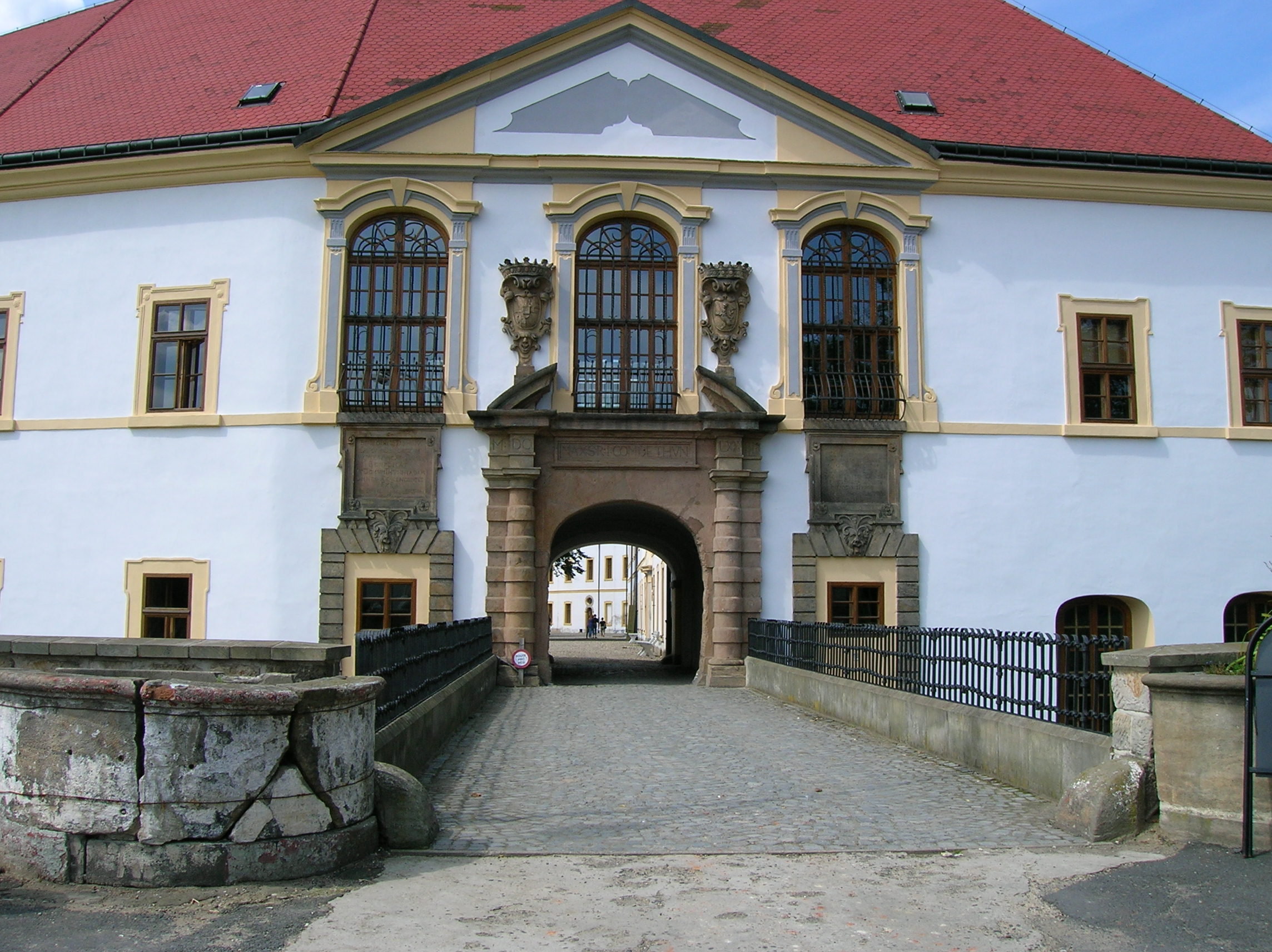
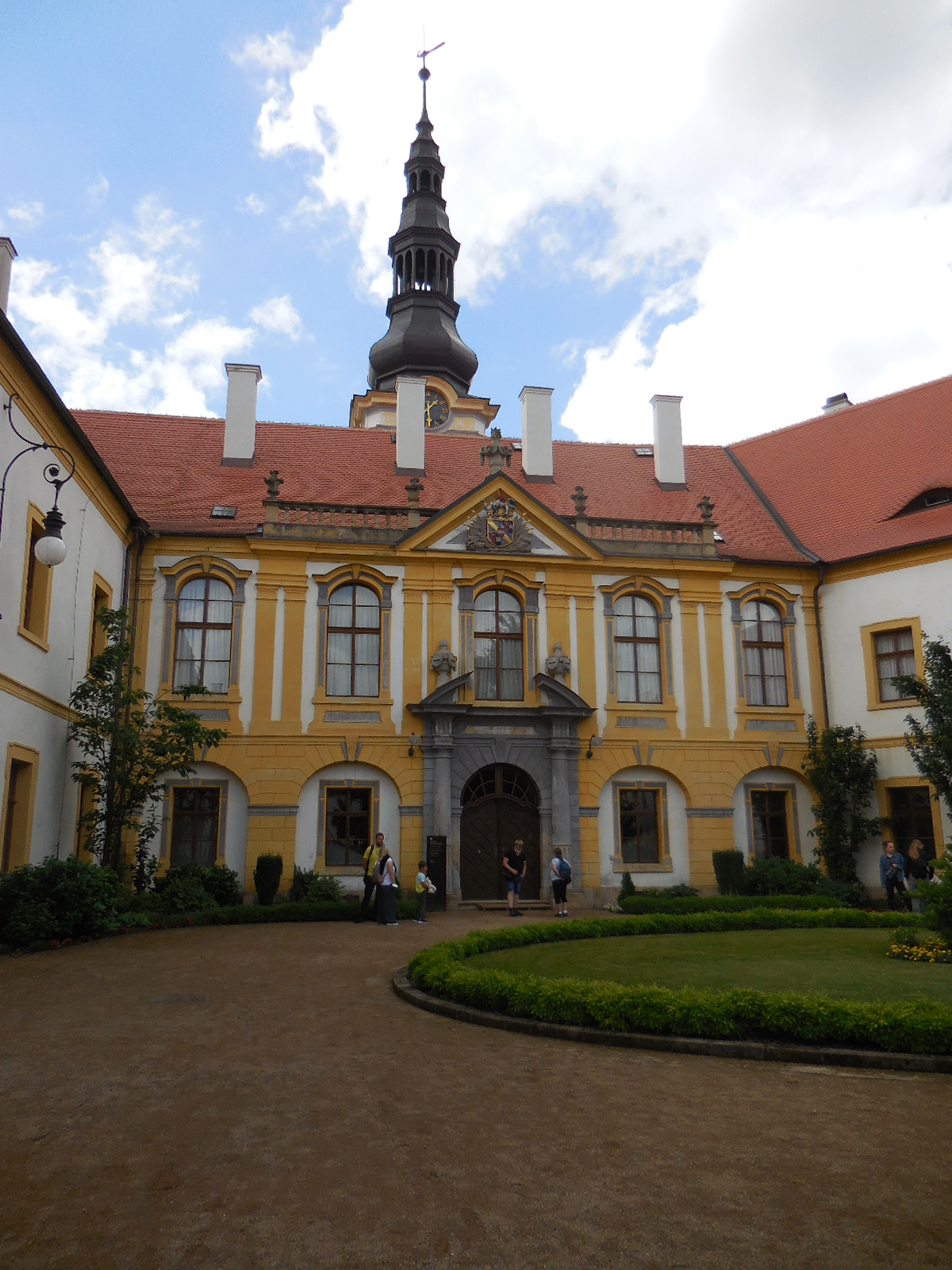
The Thun-Hohenstein clan’s tenure as owners of the chateau lasted from1628 to 1932. Hailing from south Tyrol, the Thun-Hohensteins had made a name for themselves in politics and religion. They were also responsible for renovating the chateau on two occasions. The first time, at the end of the 17th century, owner Maxmilián Thun, an ambassador and diplomat, gave the chateau a High Baroque makeover.

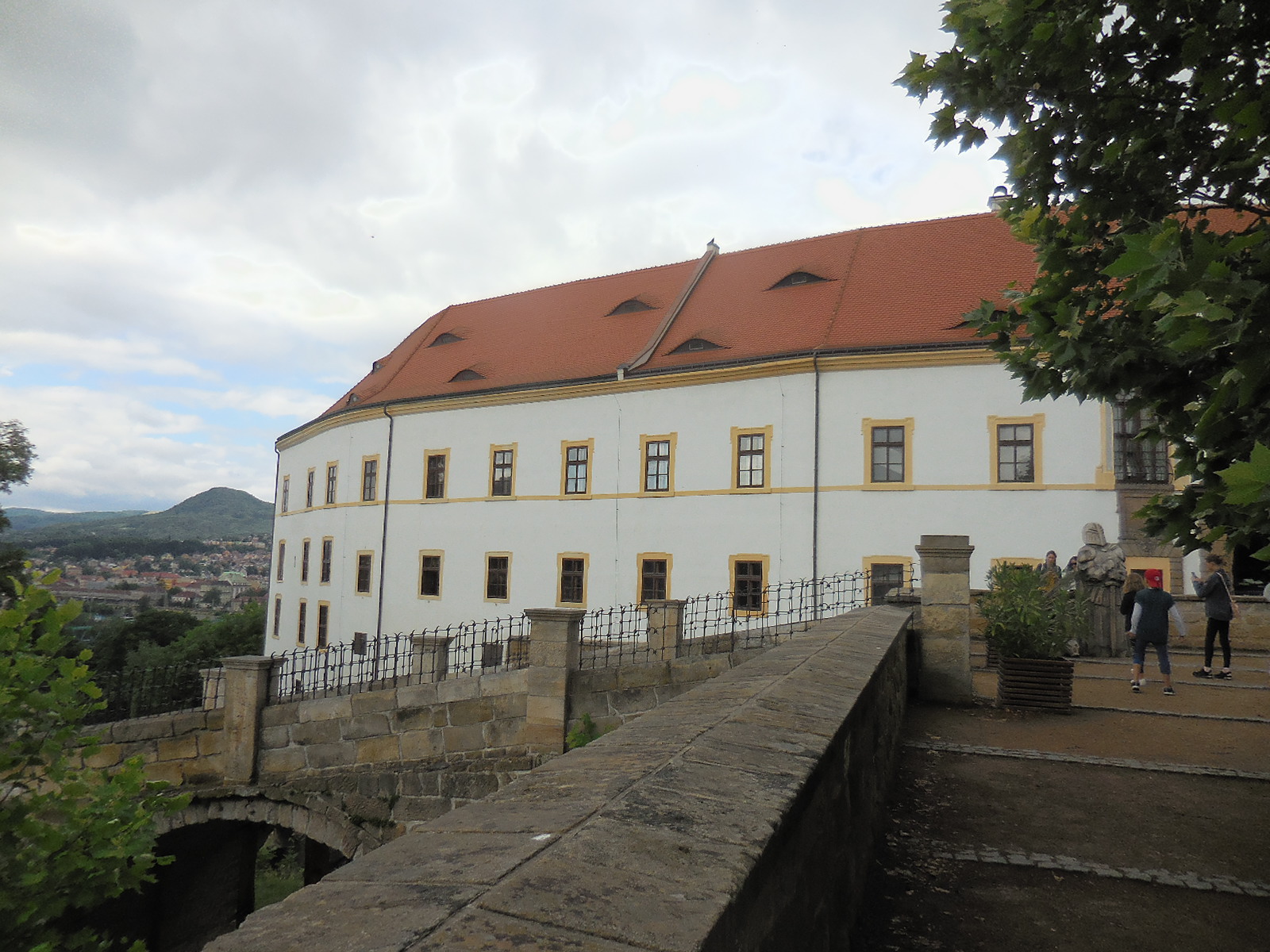
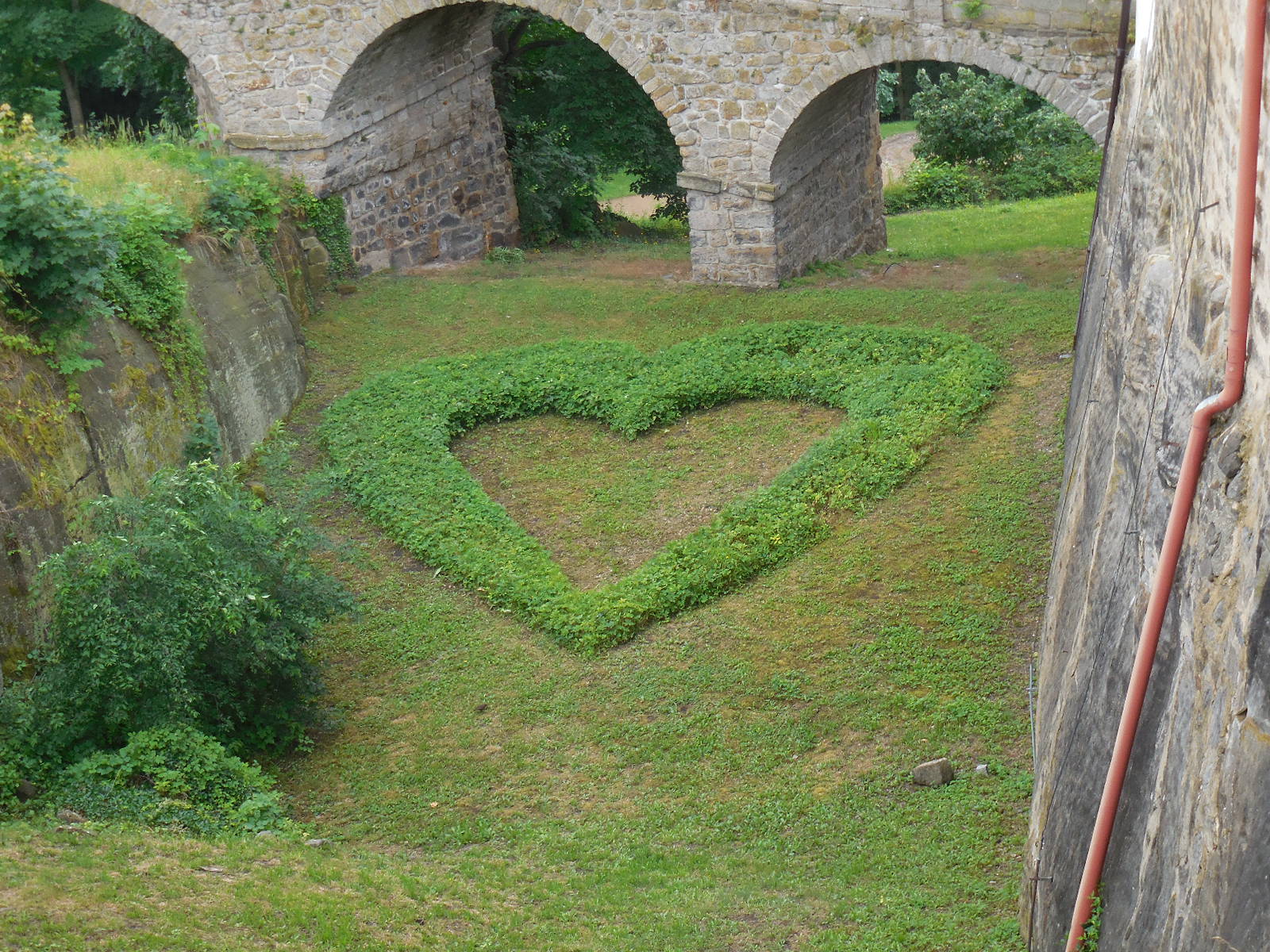
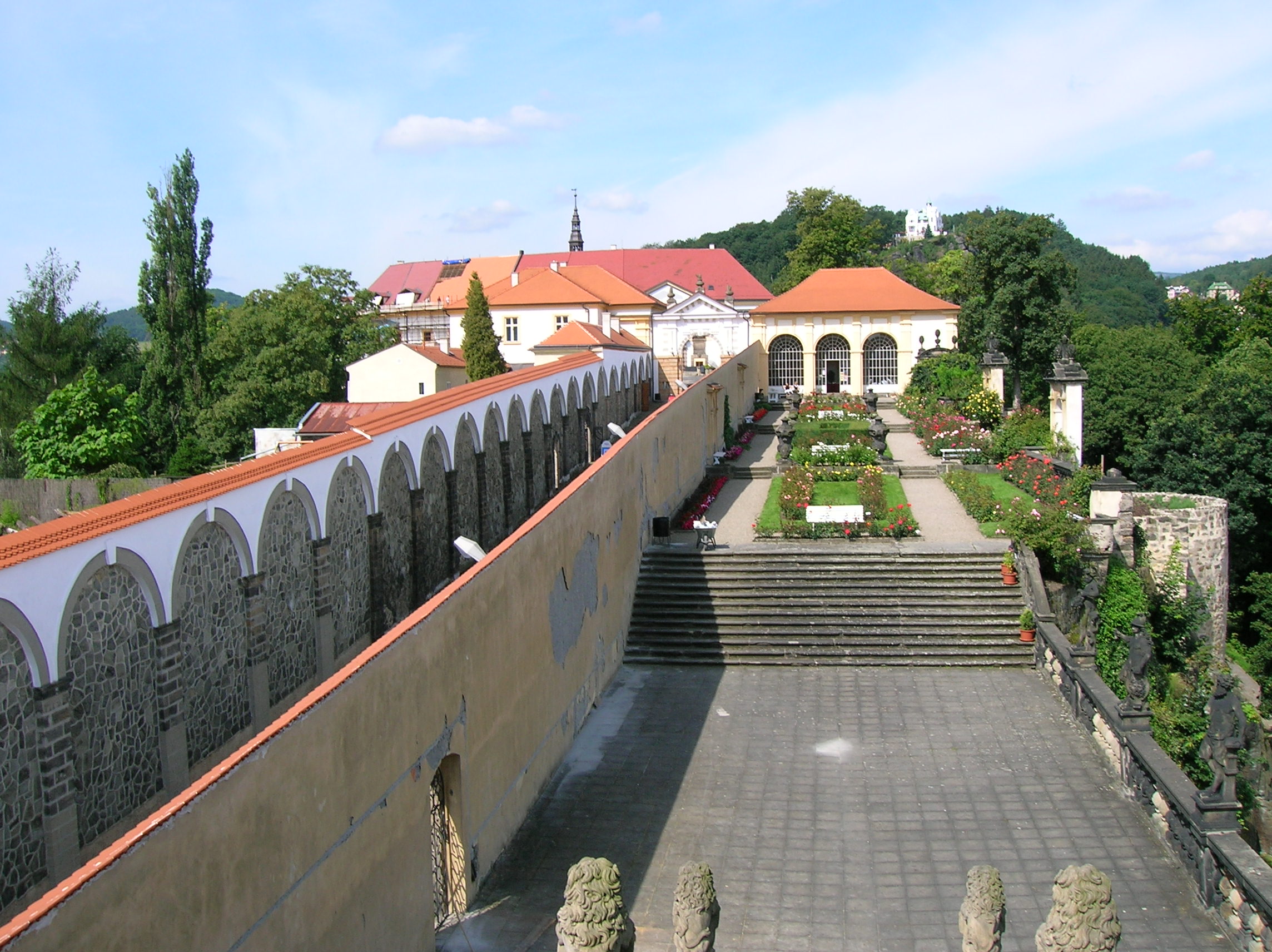
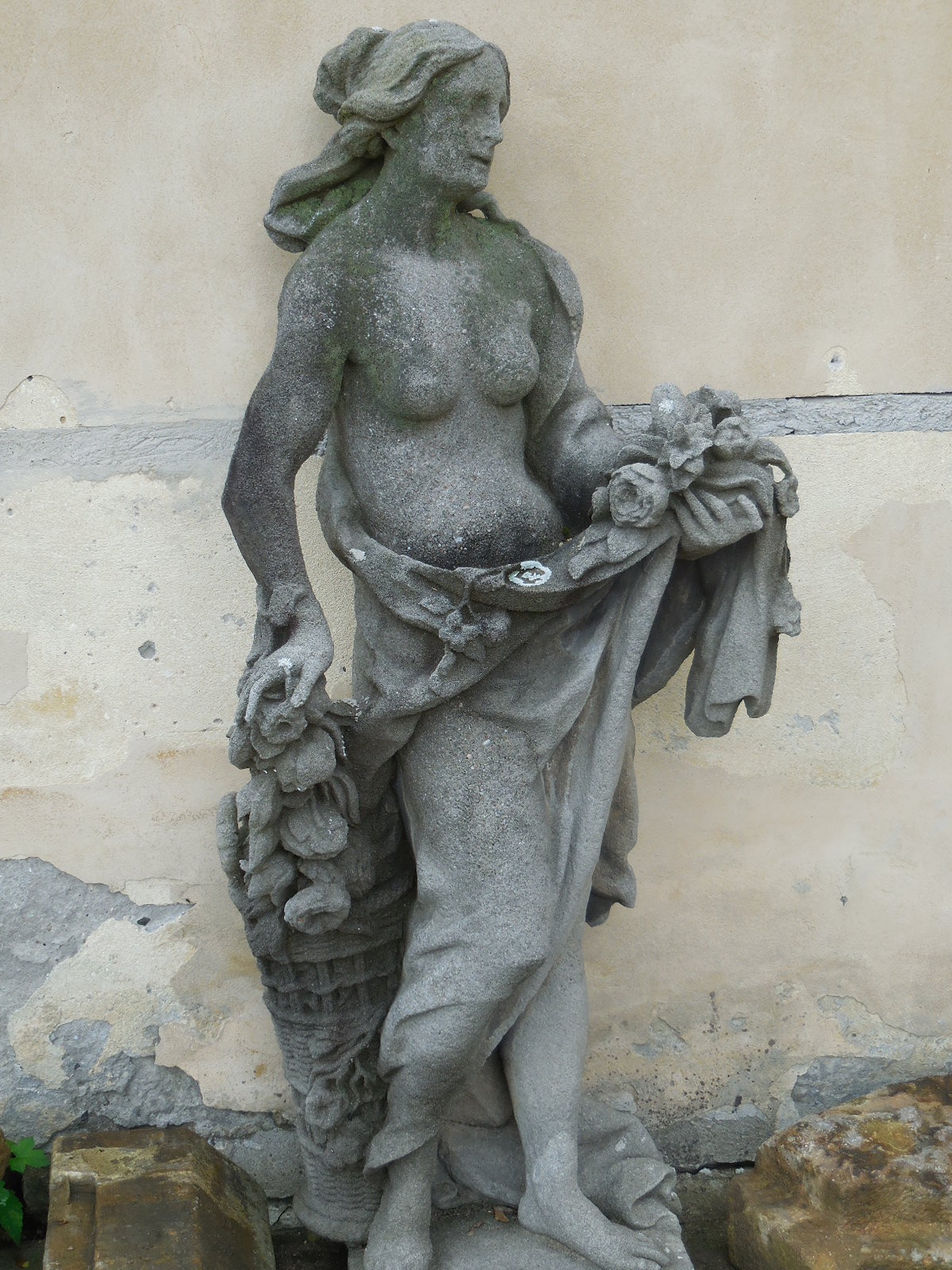
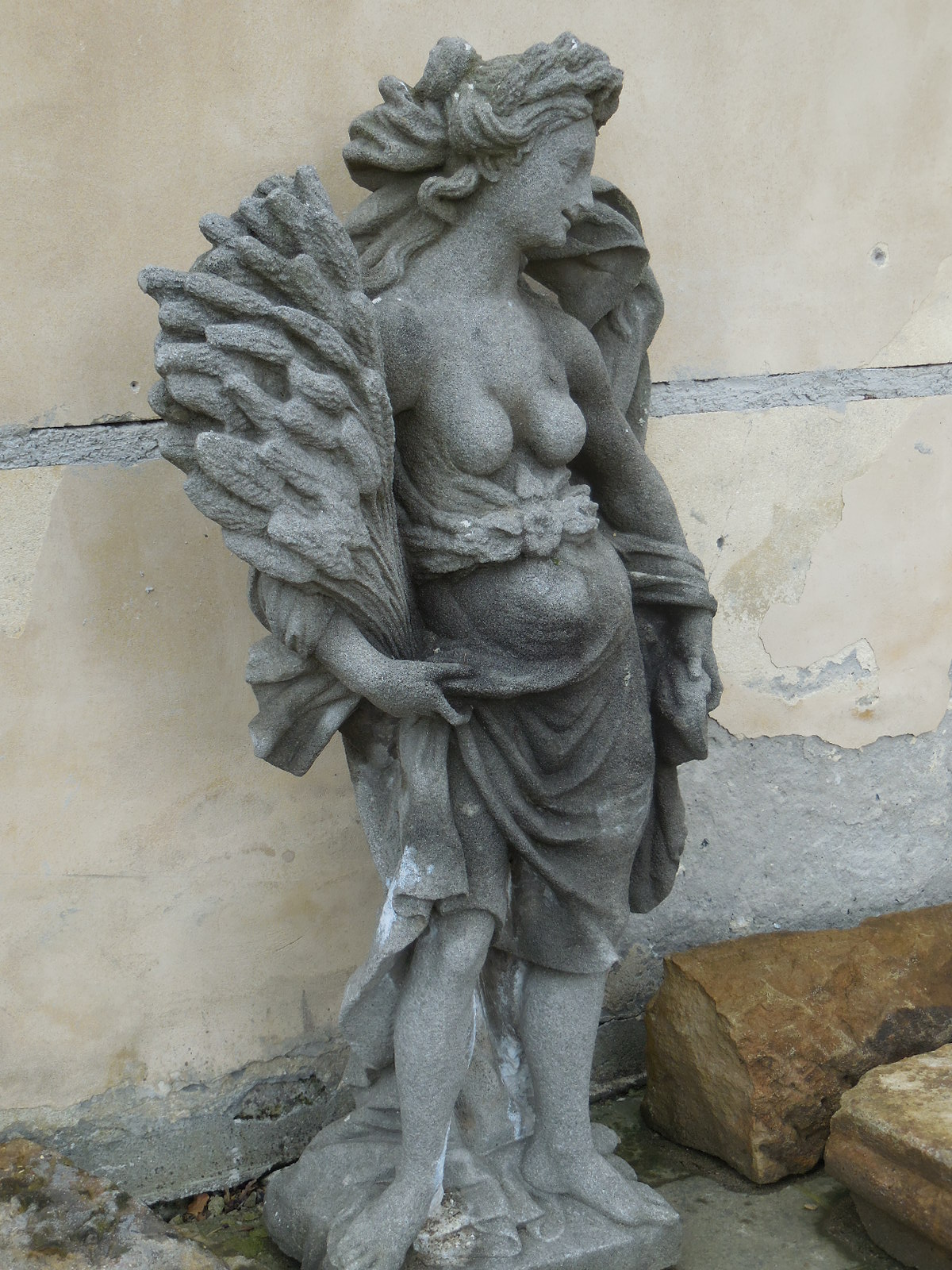
He also had the Long Drive built. This was a steep, Baroque driveway that measured 270 meters long and 9 meters wide. The walls surrounding it were seven meters high. Blind arcades with 64 columns added to the elegance of the approach to the chateau. On one side there was the rose garden with a gloriette and statues of mythological gods as well as a sala terrena. The last major renovation took place from 1783 to 1803 in Baroque-Classicist style, which gave the chateau its current appearance.

During the middle of the 18th century, a comprehensive library was founded. Czech writers and historians František Palacký and Josef Dobrovský came there to do research. At that time, it had held 90,000 books and had taken up the biggest room. Now this room is adorned with the elegant Czech crystal chandeliers and is used for celebrations. During the Soviet army’s tenure, a gym had been located there. At present, the library is housed in a smaller room. Because no one wanted to buy the complete library, the Thun-Hohenstein family had to sell books by the pound, and many museums acquired the volumes. Only about 4,500 books have been returned to the chateau.

During the 19th century, Děčín Chateau blossomed culturally and politically. Frédéric Chopin paid a visit in September of 1835. The Thuns had met him previously in Paris. All their children played the piano. Chopin even wrote a waltz dedicated to Děčín – waltz As-dur op. 34 no. 1. Holy Roman Emperor Franz Joseph I and his wife “Sissy” came to town in 1854, three weeks after they were married.

Later, Archduke Franz Ferdinand d’Este would become a frequent visitor because he was friends with František and Jaroslav Thun. Jaroslav married Marie Chotek while Franz Ferdinand married Maria’s sister, Sophie Chotek. Franz Ferdinand had met Sophie at a ball when she was lady-in-waiting to Archduchess Isabela. The two were smitten. They kept their relationship a secret for two years because she was not considered worthy of marrying an archduke. No one in her family had been descended from any European ruling dynasty. Finally, they did get married, but Emperor Franz Joseph I made some conditions. Their children could never be heirs to the throne. Sophie was not allowed in the royal carriage or royal box. In fact, Ferdinand d’Este’s three children lived at Děčín for a while after their parents were assassinated at Sarajevo in June of 1914. The children’s aunt had married a member of the Thun-Hohenstein family.

 Inspired by a trip to England, František Thun, who promoted sporting activities, brought the rules of tennis to the Czech lands in 1911. Another interesting tidbit is that Miroslav Tyrš, the co-founder of the Sokol gymnastics movement, was born at the chateau because his father worked there as a doctor. He would live there for four years. Many Czech patriots took part in the Sokol organization that was created in 1862. The following year, more than 2,000 Czechs belonged to Sokol. Besides doing sports, the association offered lectures and field trips, for instance. Tyrš was not only known as a leader in Czech sports. He was an acclaimed art historian and university professor.

Unfortunately, in 1933, the Thuns had to sell the chateau, hindered by a high inheritance tax and other financial troubles. That year, the Czechoslovak army took control of the chateau. The Thun-Hohensteins moved to a nearby town called Jílové and eventually to Vienna. When this property was located in the Protectorate of Bohemia and Moravia, the chateau came into the hands of the Nazis. German soldiers lived there. Then the Czechoslovak military once again called the chateau home. From 1968 to 1991, the Soviet army occupied it. In March of 1991, the last Soviet soldier left. That year it was sold to the city of Děčín.

Astounded by the two tours of the chateau, I particularly liked the Blue Hall with its two exquisitely painted blue walls depicting classical landscapes. In the foreground I saw people doing various activities, such as rowing boats. Trees and temples dotted the idyllic landscape. I was amazed that the wall painting had only been uncovered during a renovation in 2001. This space had once been a dining room, and the flooring was original.

At the beginning of the tour, I saw Egyptian drapes that were 3,000 years old. Some puppets in a children’s room hailed from 1906. A historic painting of Děčín showed the same streets that are in the town today.

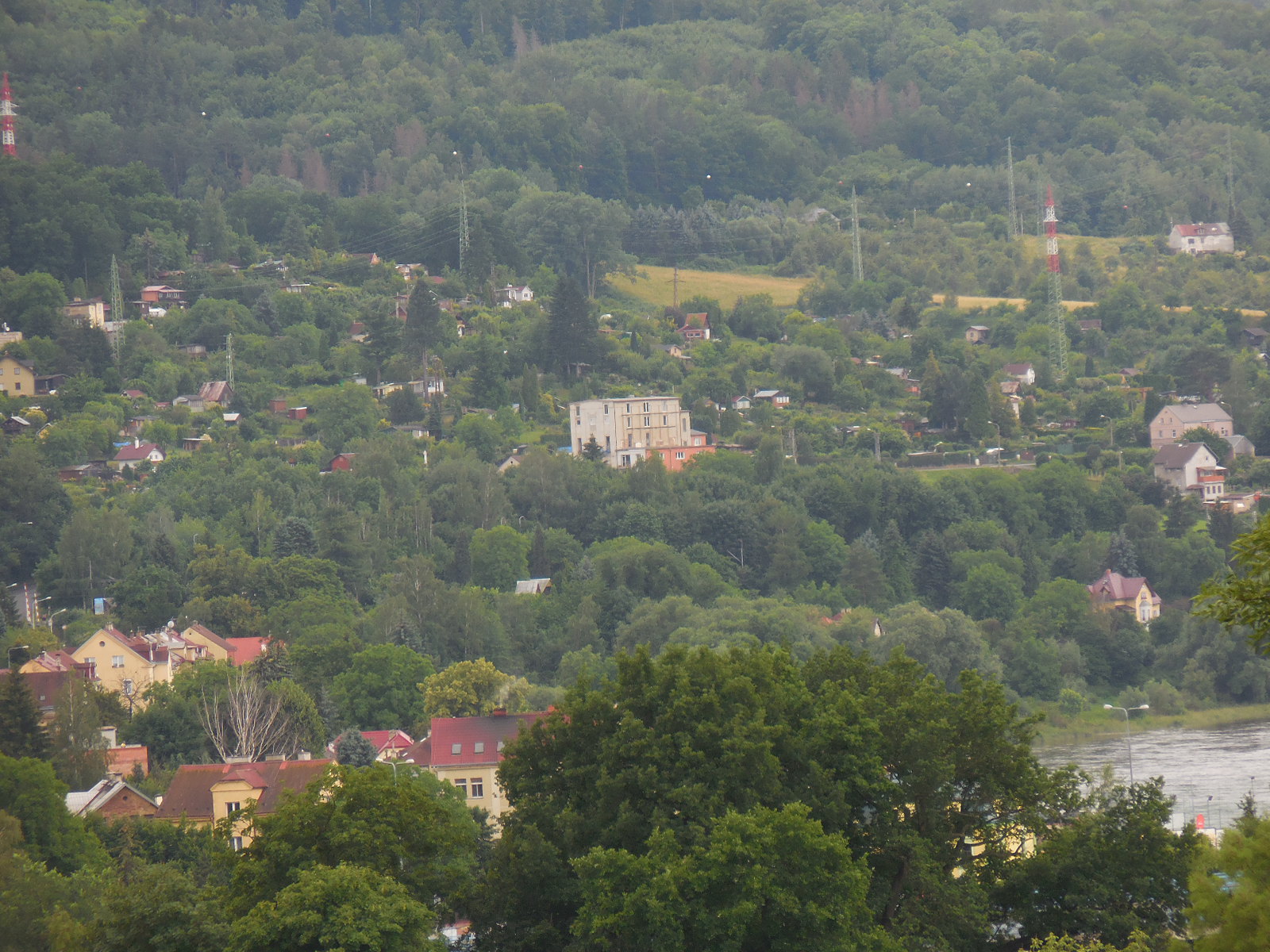
In past centuries, the tower room served as a tranquil place for tea, coffee or meals. The view from the tower, at the confluence of two rivers, was spectacular. I could see the rough-hewn cliffs and the zoo from there. Tourists often climbed the cliffs or went boating to nearby Germany.

A painting of the Thun family tree weighed 150 kilograms and showed the origins of the clan. The Floral Salon with blue flowers painted on the walls had been the bedroom for Franz Ferdinand d’Este’s children.

I saw a short, wooden bed where ladies had once slept. In centuries past, women had slept half-seated because they feared that they would die if they lay down. Also, it was easier this way to keep their hairstyles looking good.

Paintings punctuated the chateau’s décor. One disturbing work showed the building with boars killing dogs in the foreground. At weddings in past centuries, guests had entertained themselves by watching such gruesome events. I noticed the paintings of the town by Karel Graff, whose 26 renditions of Děčín were exquisite. I especially liked a painting of an Italian market by Francesco Bassano. It triggered memories of my many trips to Italy, a place I longed to visit again. I was hesitant to travel there during the pandemic. Another unique and dramatic painting called “Cross in the Mountains” depicted Christ on the Cross with a background of cliffs dotted by evergreens adding vibrancy to the work. I saw other black-and-white paintings of scenes from the Battle of Waterloo. The last room we visited was the elegant Baroque Chapel of Saint George with a main altar featuring a painting of this saint. Exquisite tiled stoves dotted the numerous rooms.

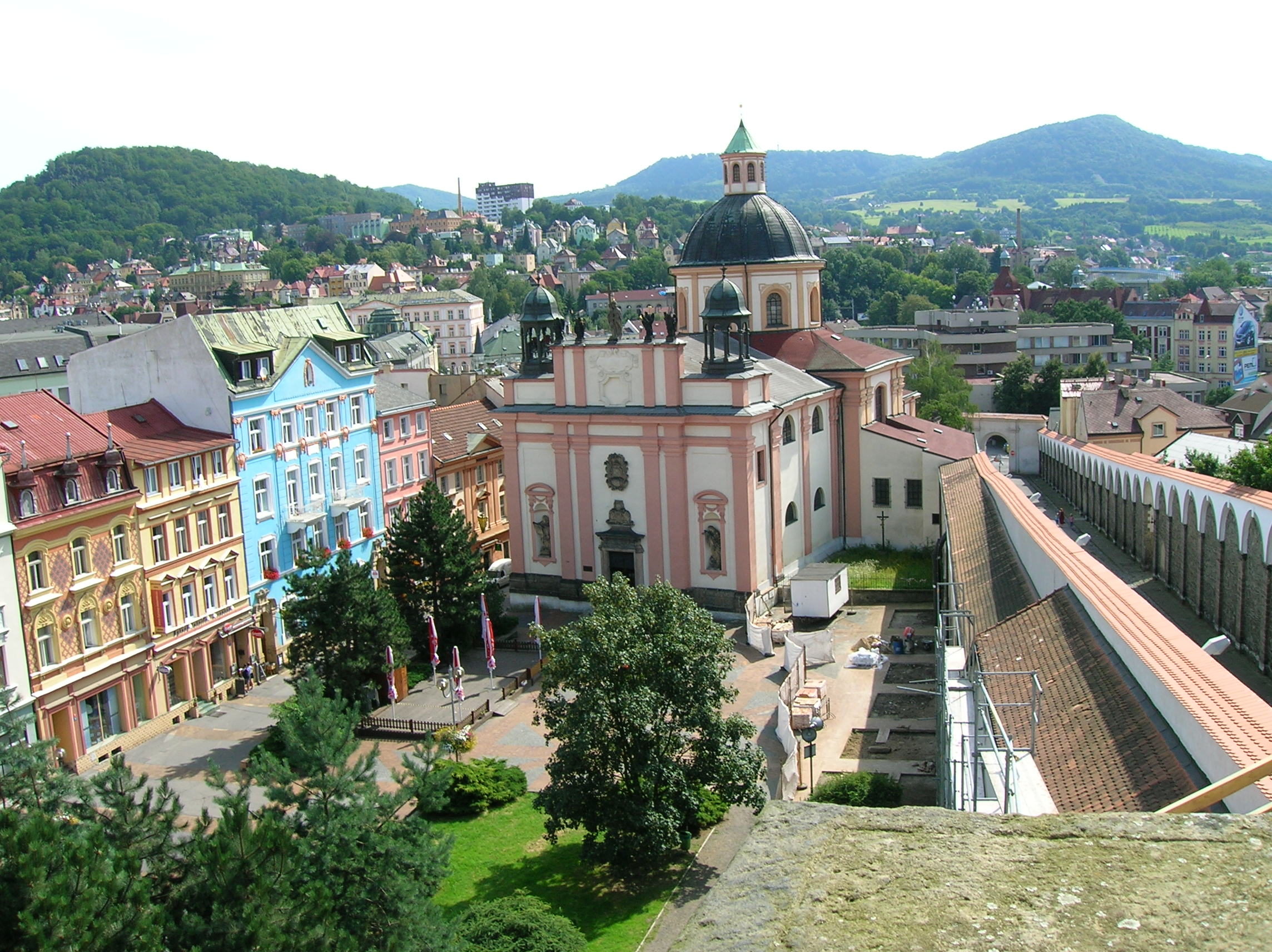
My friend and I left Děčín that day enamored by the two tours that had given a comprehensive and detailed look at the vast chateau’s interiors and exteriors. We were hungry, but we didn’t find a restaurant in Děčín, so we went by car to Ústí nad Labem, another city in north Bohemia. We wound up parking near the center, around the block from an establishment whose sign just read “Restaurant.” In a nook at the back of the restaurant where only locals were seated, I ate one of the best hamburgers I ever had. It was proof once more that one did not need to go to an expensive, modern restaurant to find excellent food in the country. I loved discovering local eateries that catered to people living in the respective towns. It was always a delight to have a delicious lunch after a remarkable visit to a Czech chateau. Then we headed back to Prague.

Tracy A. Burns is an editor, writer and proofreader in Prague.