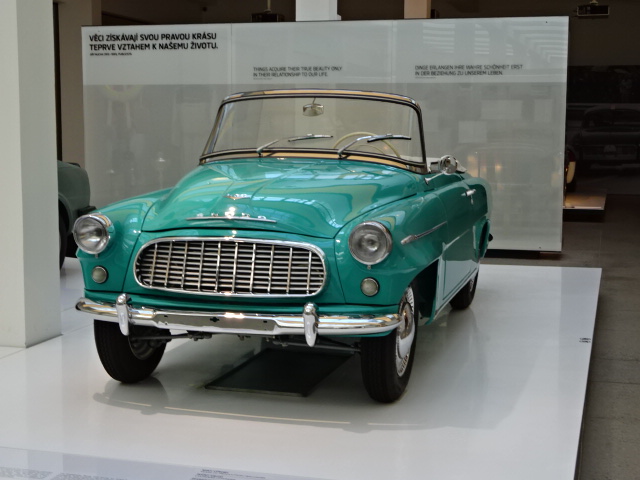
I never imagined I could be fascinated by automobiles because I despise driving. In fact, I have never owned a car.
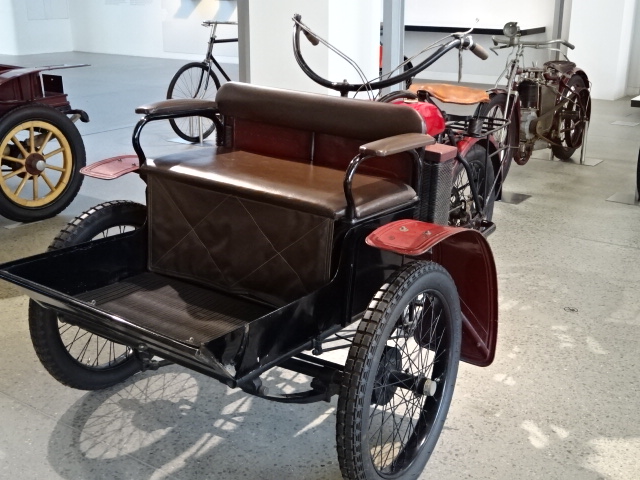
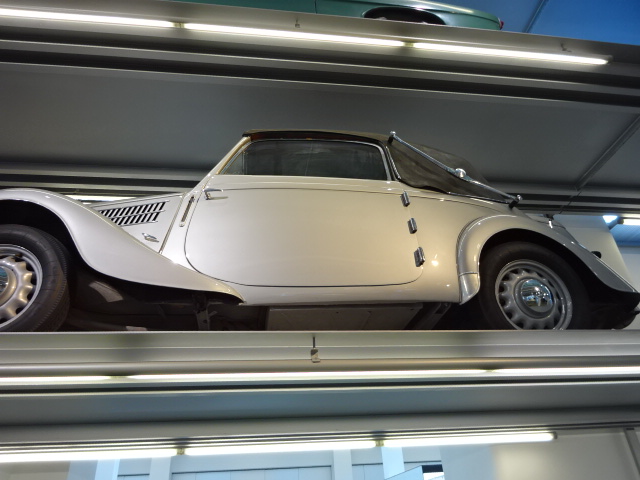
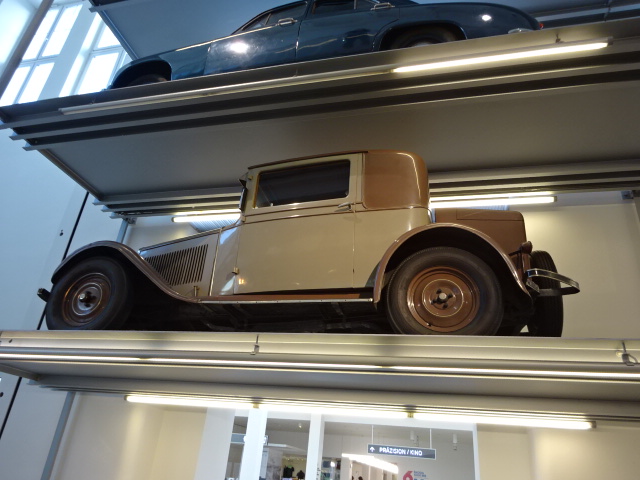
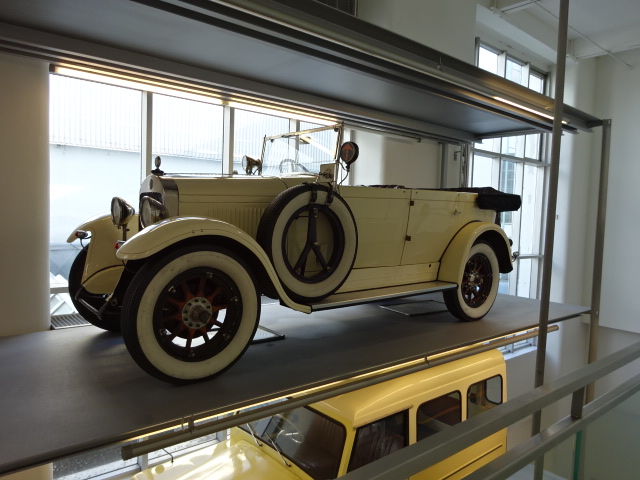
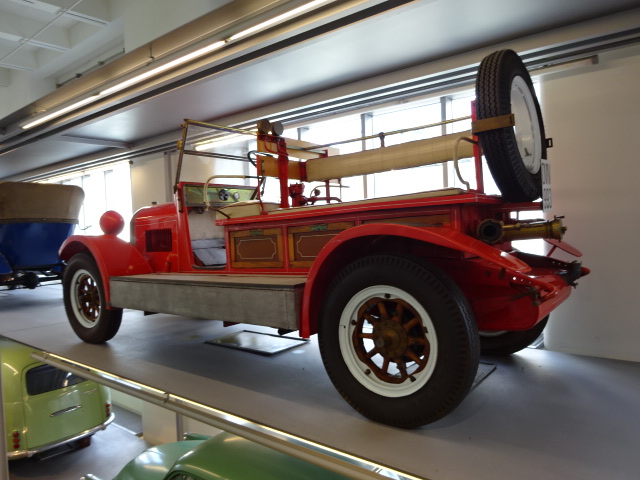
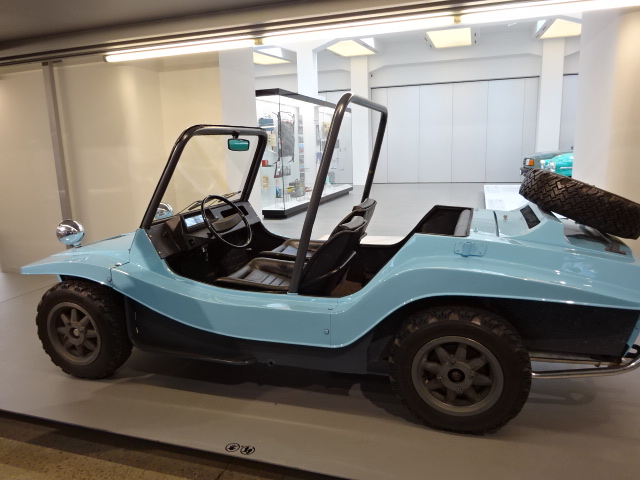
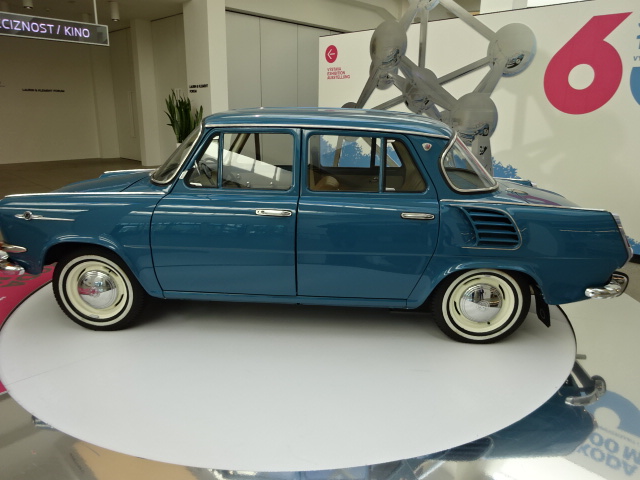
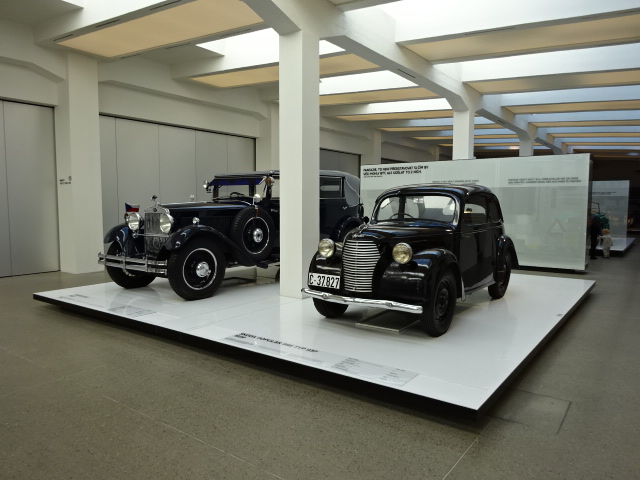
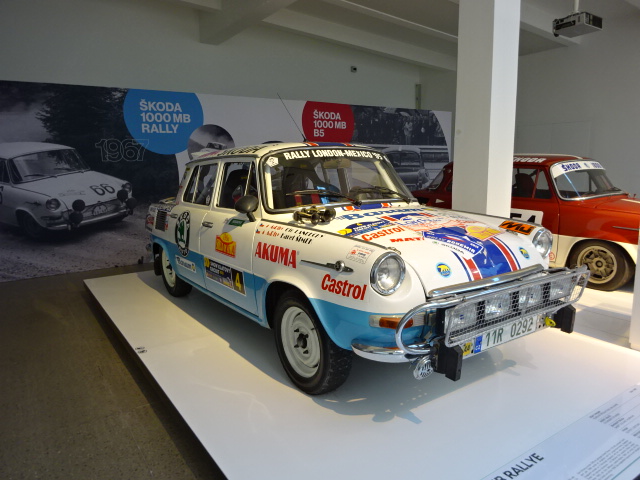
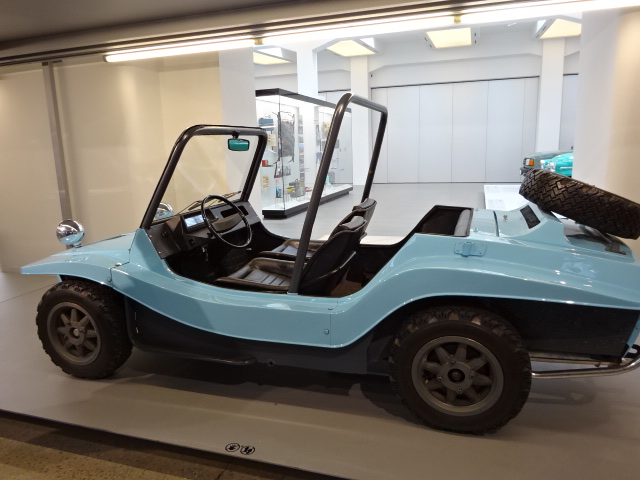
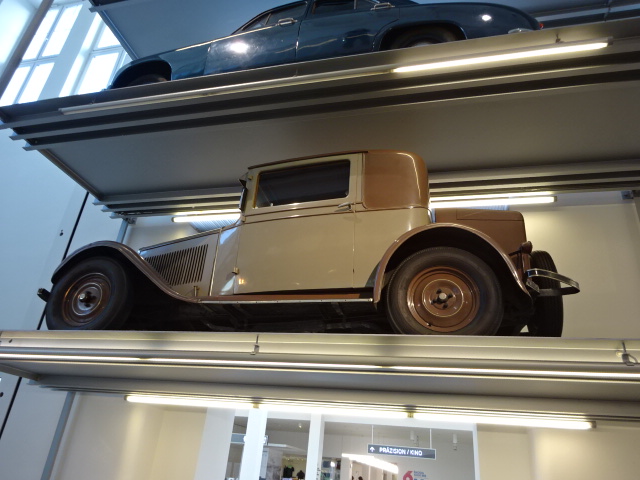
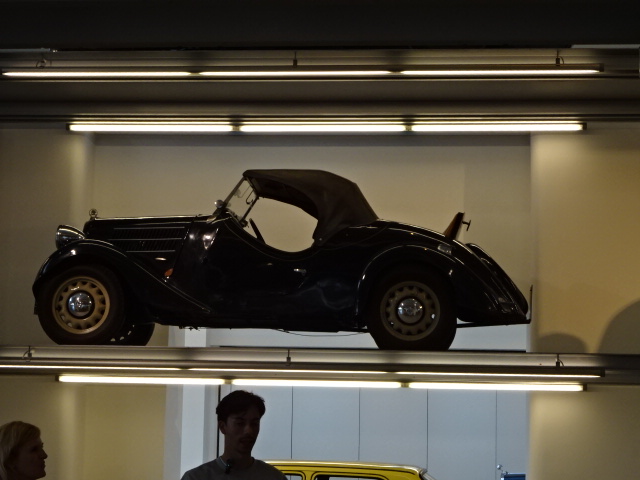
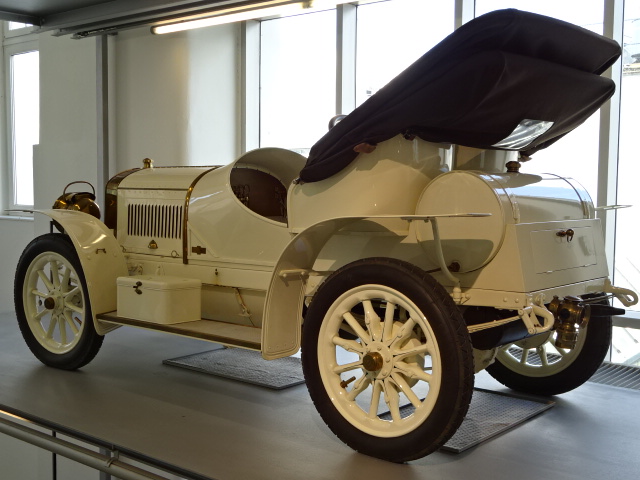
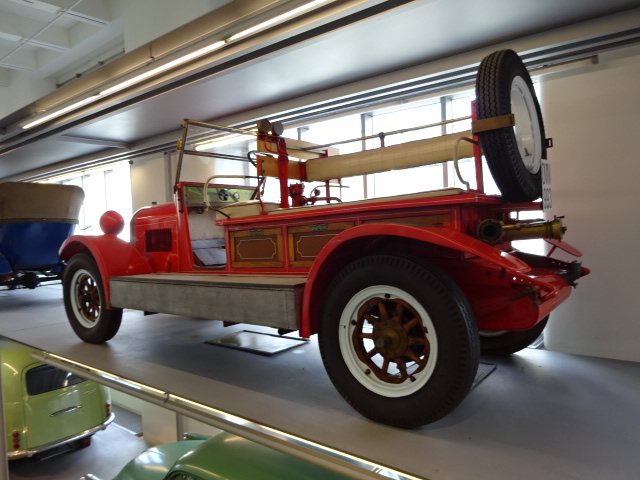
However, during 2024, I would be pleasantly surprised when my friend and I visited the Škoda Museum in Mladá Boleslav, about 70 km from my home in Prague. Škoda is the biggest manufacturer of cars in the Czech Republic. The company has made a name for itself as one of the oldest automobile manufacturers in the world. The museum presented 360 vehicles from the end of the 19th century to contemporary times in a former production hall that measured 1800m2.
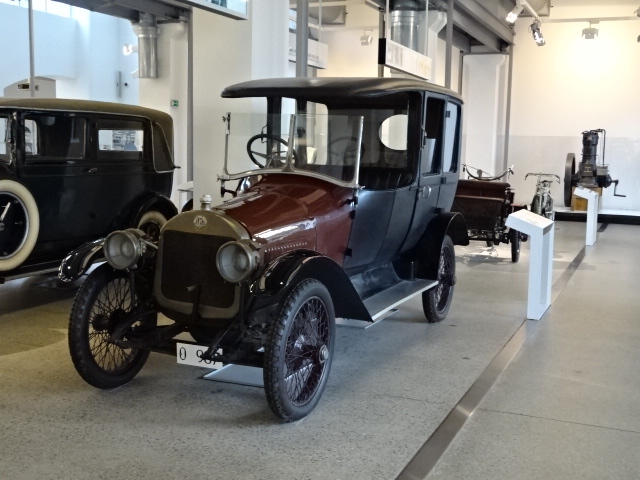
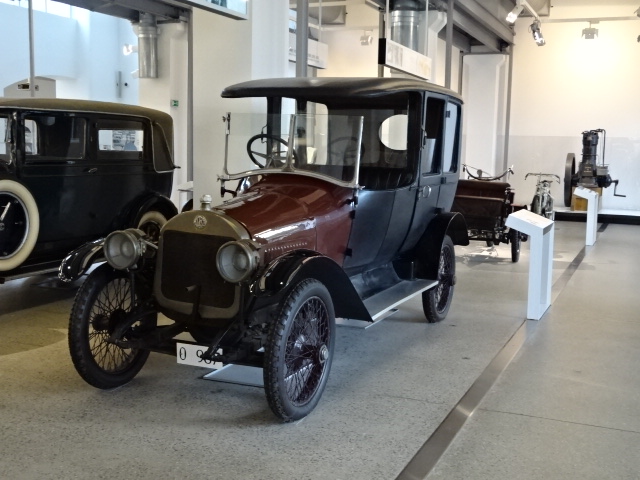
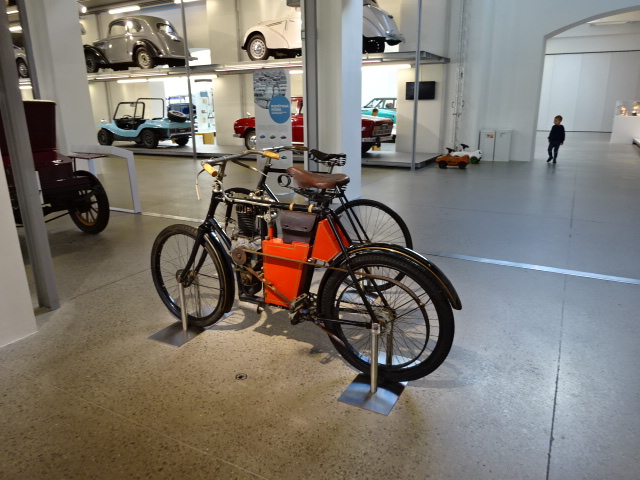
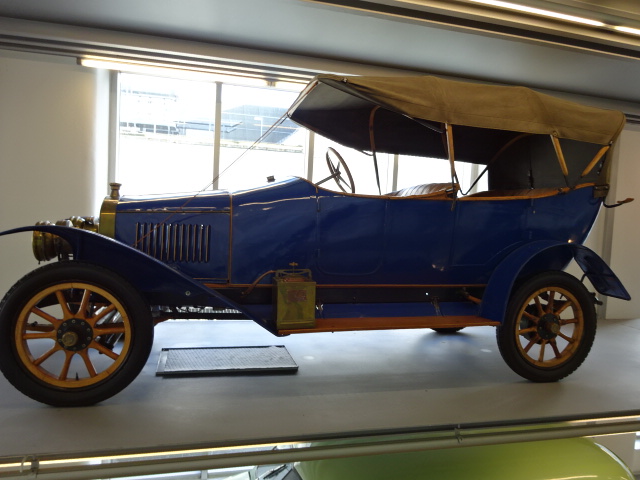
I was most fascinated by the oldest cars – from the late 19th century and early 20th century. The late 19th century and early 20th century bicycles, especially the double-seated one for postal workers, also caught my undivided attention.

Václav Laurin
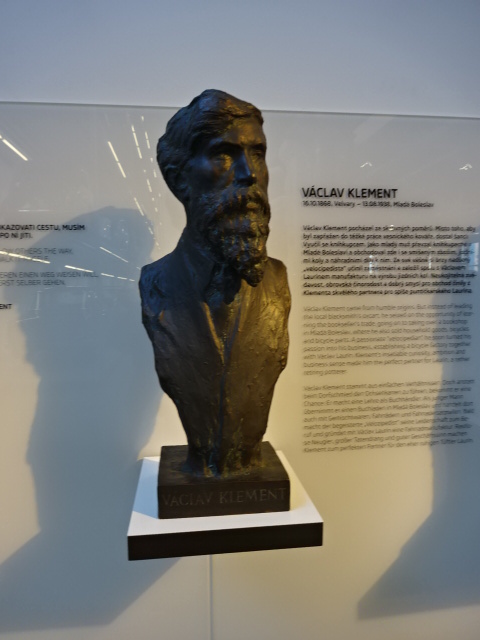
Václav Klement
The company’s history began in 1895, when cyclists Václav Laurin and Václav Klement founded it. They decided to manufacture bicycles after Klement was dissatisfied with a bike he bought. His criticism of the company received an undignified response. So the duo opened their own business.

By 1899, they had begun manufacturing Slavia motorcycles, becoming the first motorcycle manufacturer in the Austro-Hungarian Empire and Germany. Several motorcycles are on display at the museum.

Laurin and Klement branched out into the automobile industry during 1905, when they produced the Voiturette A, a car that received much praise from the public. Even World War I didn’t stop the company from functioning. After the war, the company expanded.
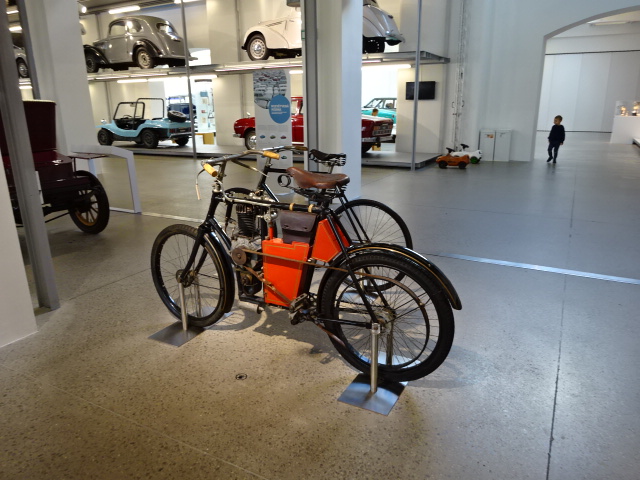
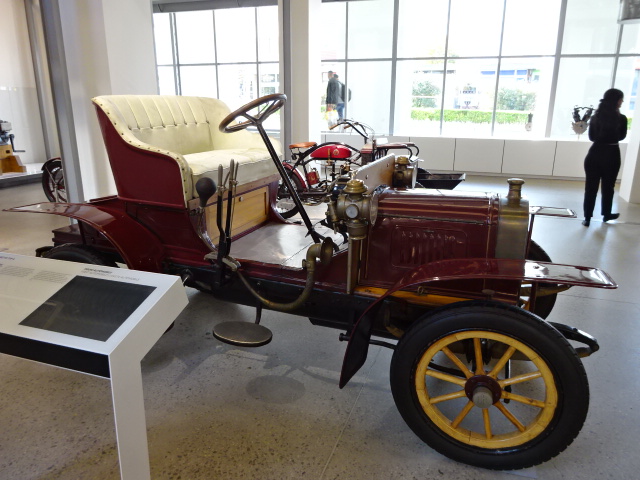
However, a fire in 1924 did much damage. Still, Škoda made a successful comeback. During 1933, the company felt the economic crisis, though, with only 1,607 cars produced that year. However, with their ingenuity and innovation, the manufacturer was able to come up with a cheap car – the Škoda 420 that weighed only 650 kg. By 1936, the company was receiving much acclaim, producing 4,990 vehicles that year, including many exported to other countries. Škoda would branch out and make not only cars but also trucks, buses and trams, similar to trolley buses.

During World War II the company had to manufacture cars, planes and weapons for the Third Reich as the Czech lands were part of the Nazi Protectorate of Bohemia and Moravia.
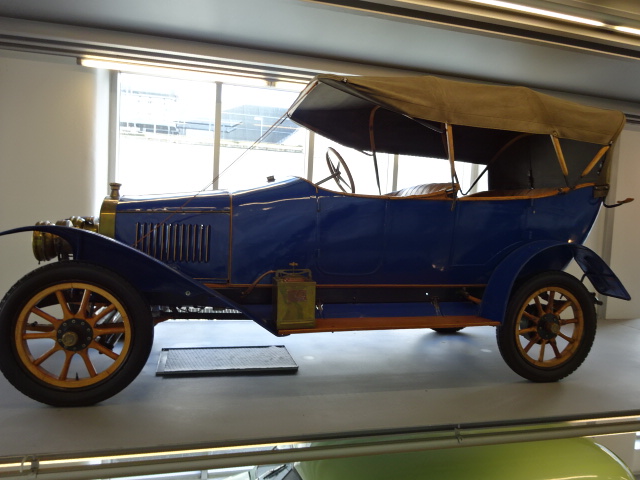
After World War II, Skoda was nationalized. By 1960, the company had 40 new buildings and was touted as one of the most modern factories in Europe. Leading up to 1968, the factory produced about 500 vehicles per day.
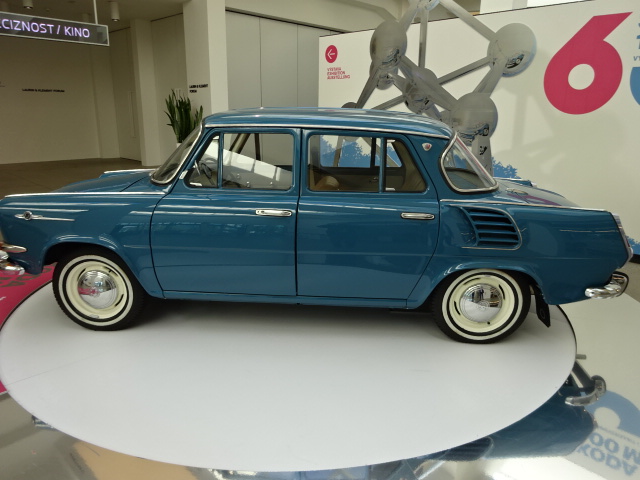
However, due to the strict totalitarian regime of the 1970s called Normalization, many projects were not brought to fruition. In August of 1969, a fire in Mladá Boleslav took four days to extinguish. Yet the company continued to produce cars and other vehicles regardless of the trials and tribulations of the times.
In the early 1980s, the manufacturer moved the engine from the back of its cars to the front. Produced in 1987, the well-known Škoda Favorit became very popular.
By 1989, the company put to use more modern technology, and during that year more than 100,000 Favorits were manufactured. Since the 1989 Velvet Revolution that toppled Communism and brought democracy to Czechoslovakia, the company has continued to make great strides in the automobile industry, achieving much success in subsequent decades.

That day we visited both the aviation museum and automobile museum in Mladá Boleslav. I was surprised how impressed I was with both of them because I usually went to art galleries, castles, chateaus and monasteries. This proved to be one of my most memorable trips.

Tracy A. Burns is a writer and proofreader in Prague.















 Tracy's Travels