House Museum Poldi Pezzoli Diary

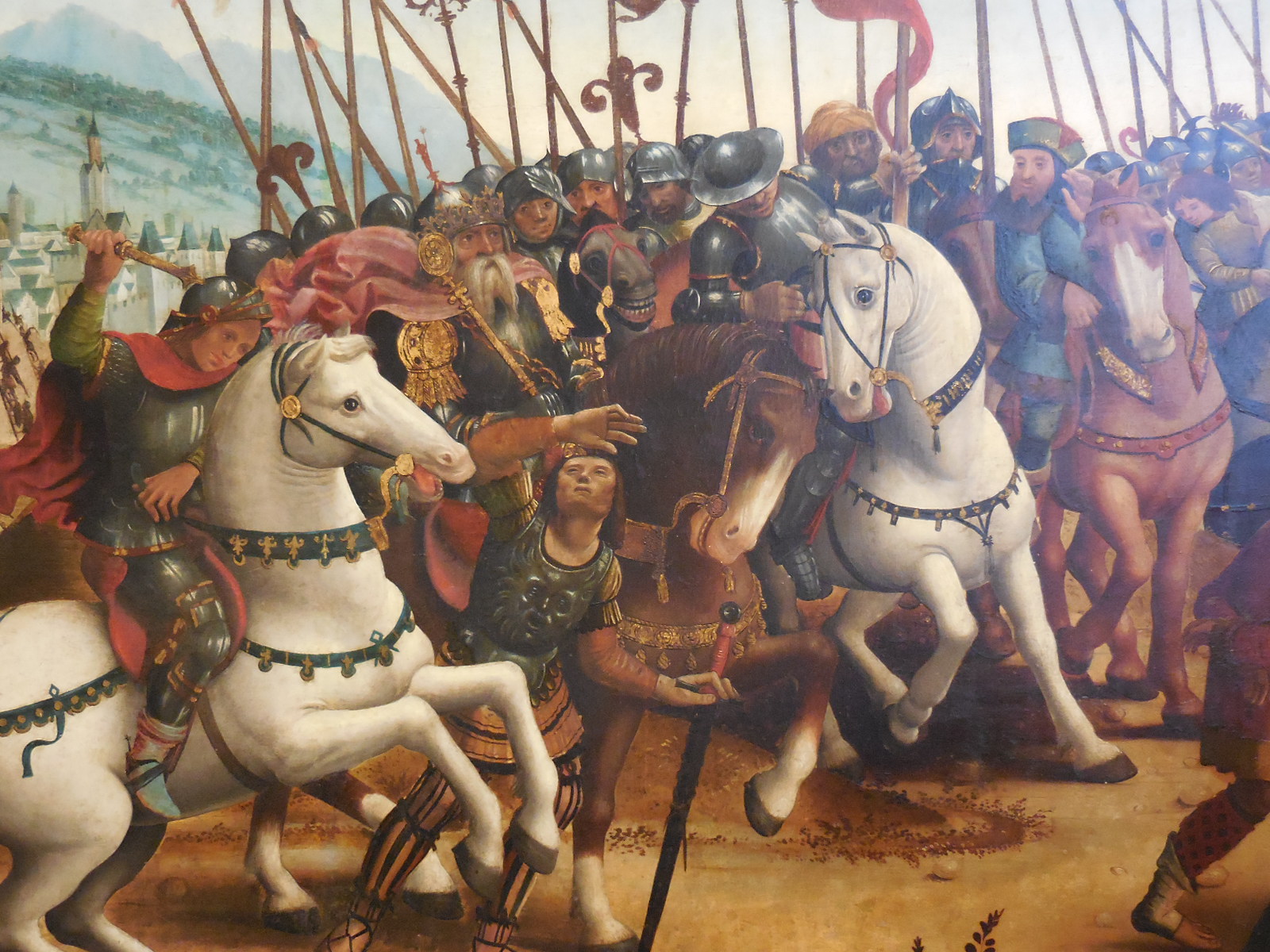
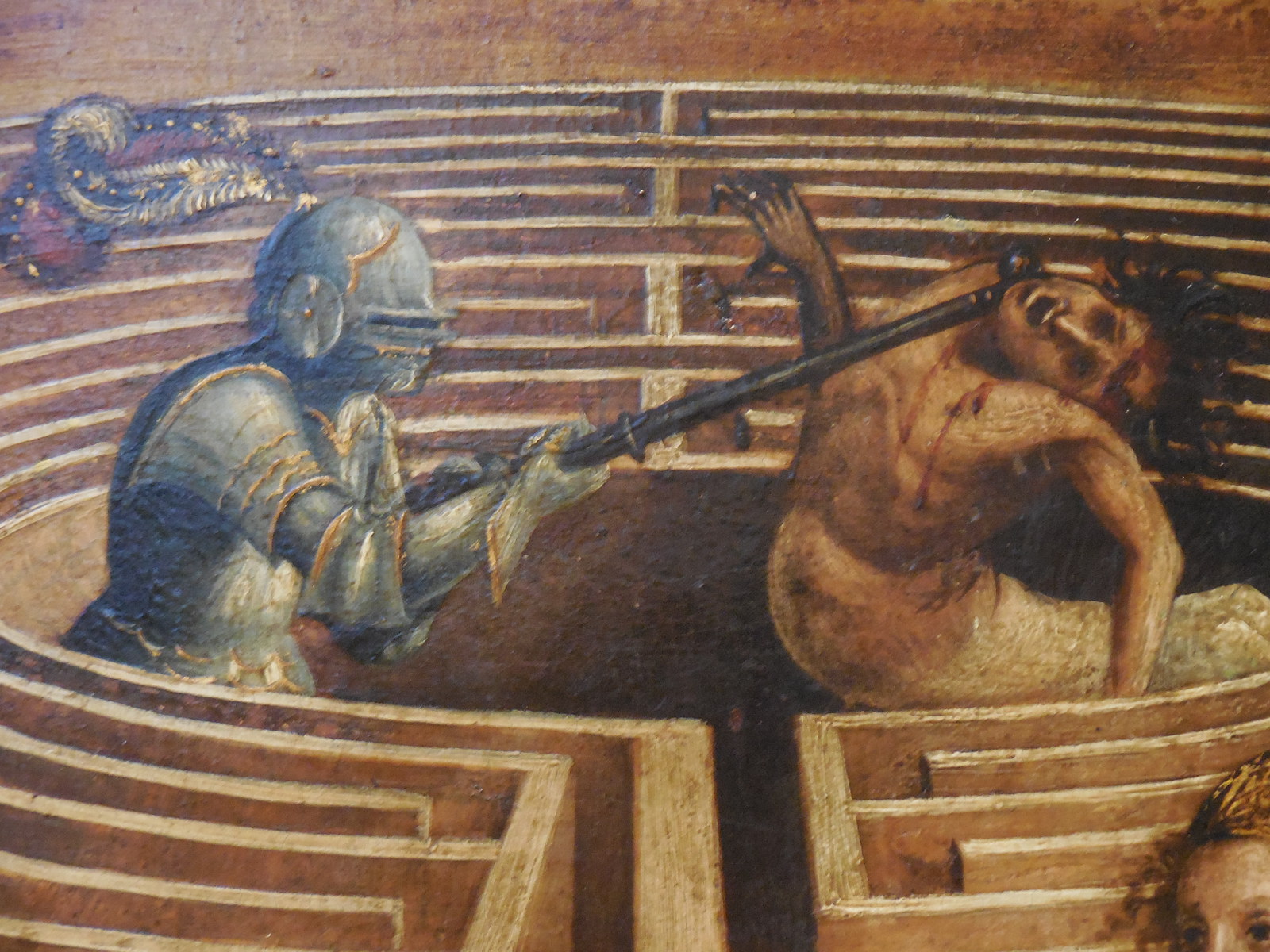
One of Milan’s four house museums, the Poldi Pezzoli was a highlight of my two trips to the city I love so much. The variety of art exhibited made this a top attraction for me. The collections include paintings, sculpture, weapons, tapestries, furniture, glass, ceramics, watches, clocks, goldsmiths’ work and jewelry, for instance. Artists whose works are represented  include Andrea Mantegna, Giovanni Bellini, Sandro Botticelli, Michelangelo Buonarroti, Canaletto, Francesco Hayez and Lucas Cranach the Elder.

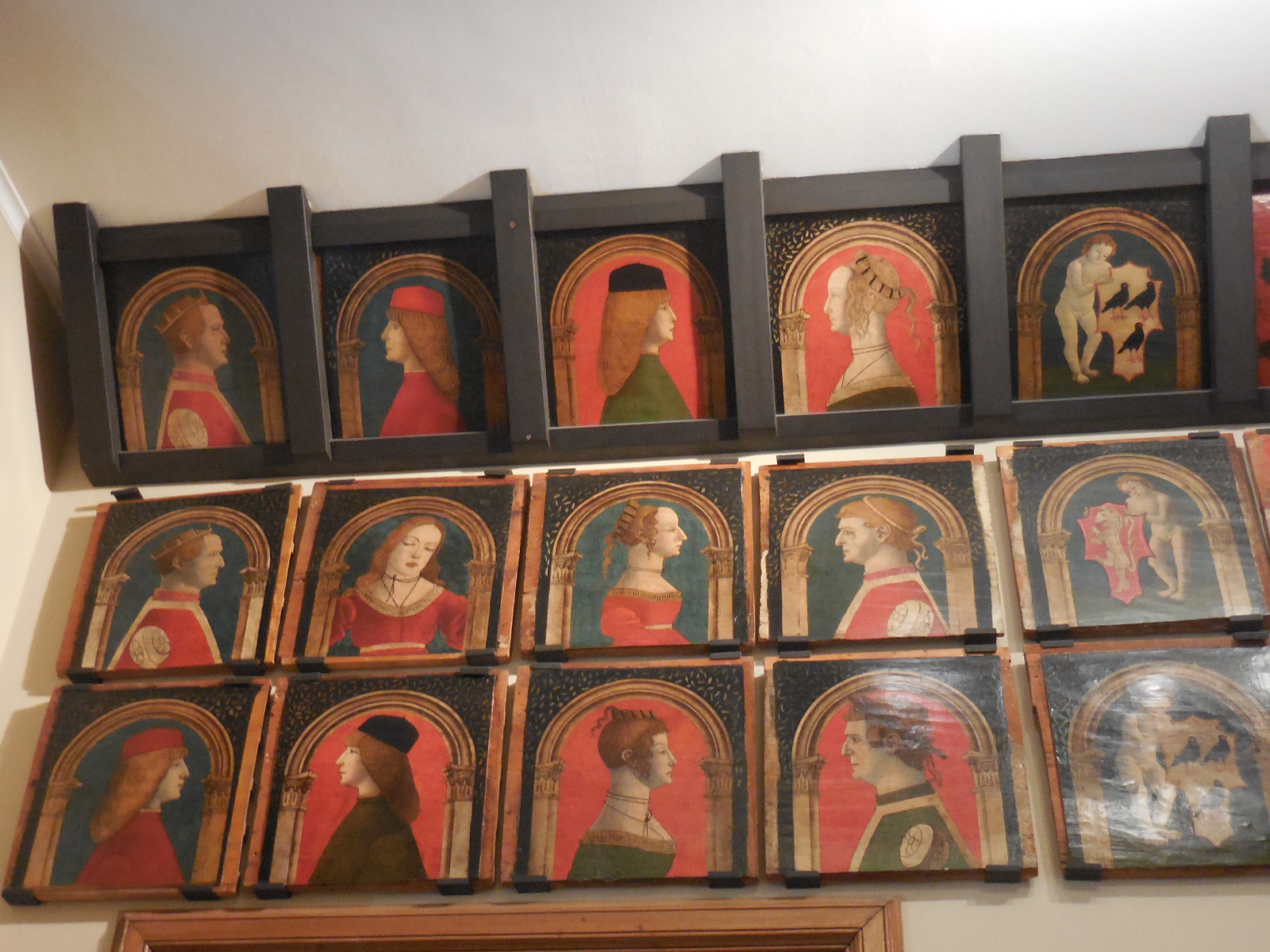
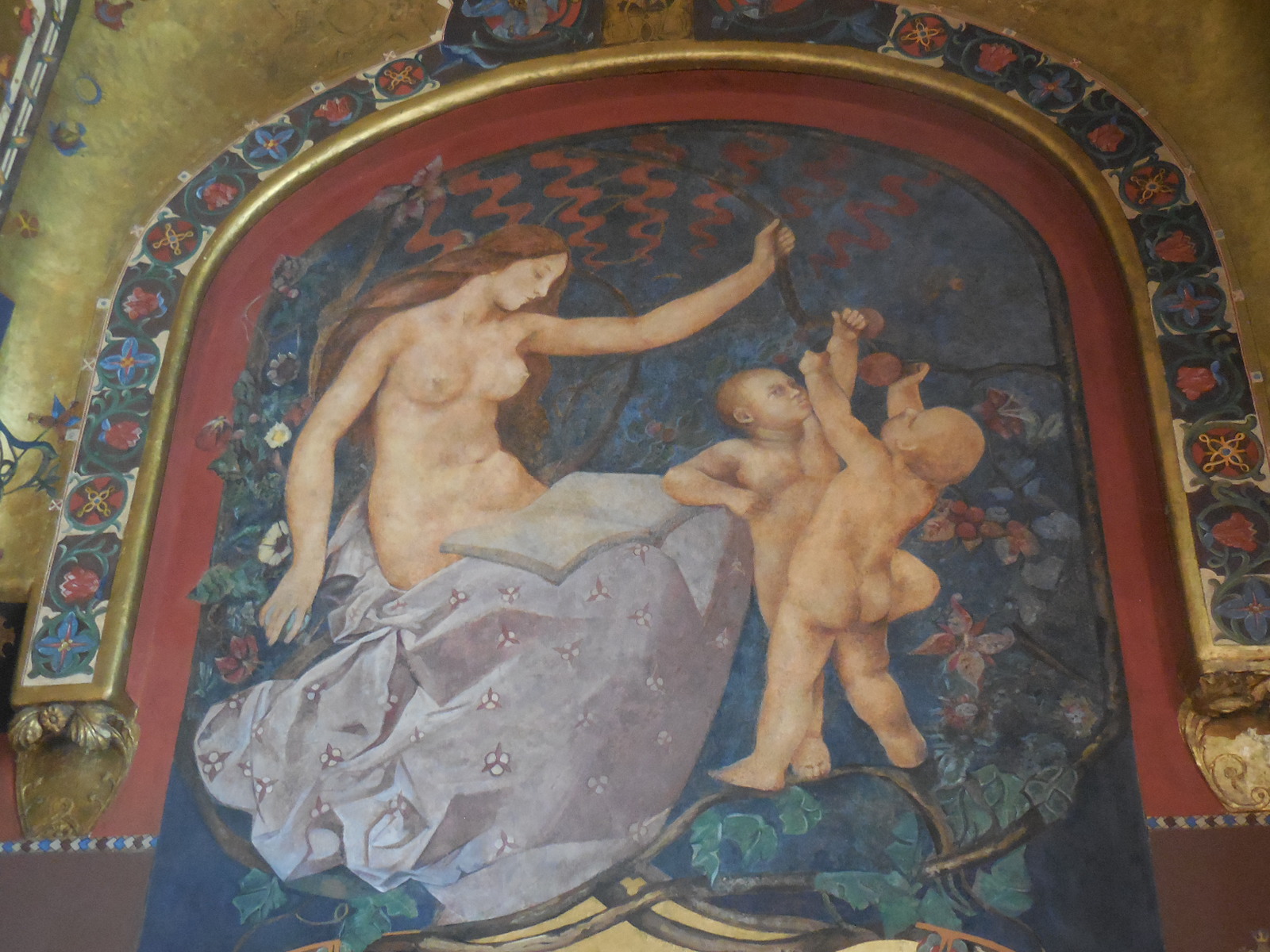
I favored the medieval paintings, but each space had something extraordinary to offer. The Golden Room with its 15th century collection enamored me as did the elaborate, superb furnishings of the Dante Room. The Black Room had six masterfully crafted mahogany and walnut doors. The Lombard Room dazzled with north Italian Renaissance paintings.

The collections were amassed during the 19th century by Gian Giacomo Poldi Pezzoli, who had inherited much money. The Austrians exiled Gian Giacomo from Milan for one year after he supported the revolutionaries during a Risorgimento battle in Milan. He spent that year traveling, but then returned to Milan. Sadly, Gian Giacomo’s life was cut short in 1879, when, at the age of 57, he passed away in the palace’s Dante Study. The museum was opened to the public in 1881. During World War Two the palace was severely damaged. For example, the Neo-Gothic armory was destroyed. Many artifacts were lost. The museum underwent much restoration, not opening its doors again until 1951. The new armory opened much later, in 2000.

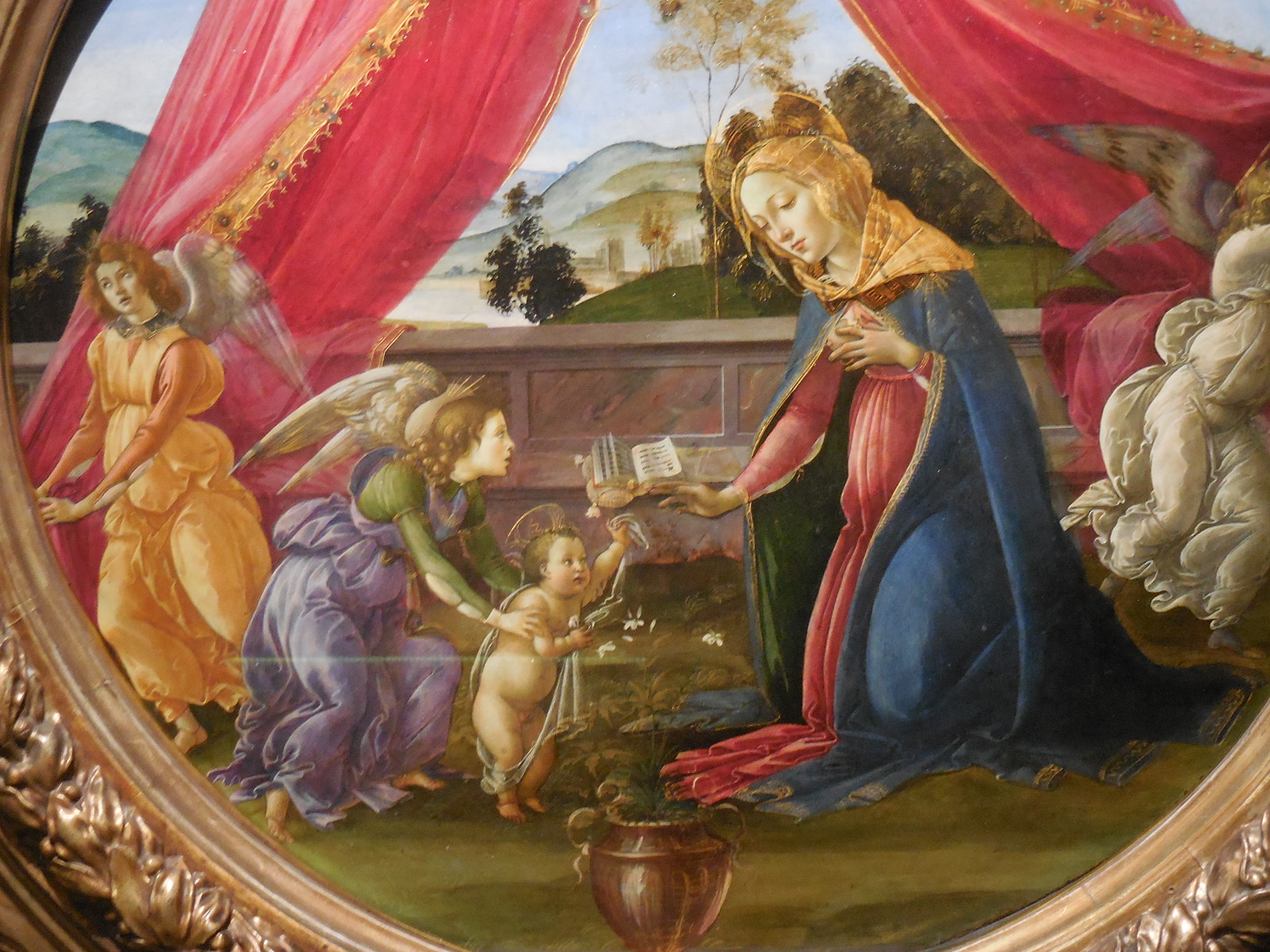
Numerous artworks enthralled me, but I would like to concentrate on several of the many that were remarkable. Some paintings that caught my undivided attention included Sandra Botticelli’s The Virgin and Child (the Madonna of the Book), dating from 1482-83. Showing the Virgin and Child reading, the painting reminded me of how important reading and literature have been in my life. The scene had a mystical appearance due to the superb lighting. I could understand how the act of reading has a sort of mystical power. The painting also exuded elegance.

Another religious rendition that left me in awe was The Madonna of Humility with Musician Angels by Zanobi Strozzi, hailing from 1448 to 1450. In this painting the Christ Child is seated on the Virgin’s lap as I can almost hear the musicians playing a sorrowful tune. Strozzi masterfully portrayed the texture of the clothing, such as Virgin’s red garment with its green lining and blue mantle. I felt as if I could touch the fabric of the veil on the Virgin’s head as it was also superbly rendered. The background was dominated by a stunning gold material.

My admiration of medieval art in the Poldi Pezzoli continued as I became enthralled with Filippo Lippi’s The Pieta (1440) in which the Virgin and Saint John the Evangelist hold up the limp Christ figure who has a gray complexion reminiscent of death. In the distance I saw a mountainous landscape.

Antonio Vivarini and his brother-in-law Giovanni D’Alemagna captivated me with their work, The Virgin and Child Enthroned with Two Angels. In this painting, perhaps part of a polyptych, the Madonna and Child’s throne is pleasantly situated in a garden, giving off a tranquil vibe. The late Gothic and Renaissance features of the throne, figures and landscape were striking.
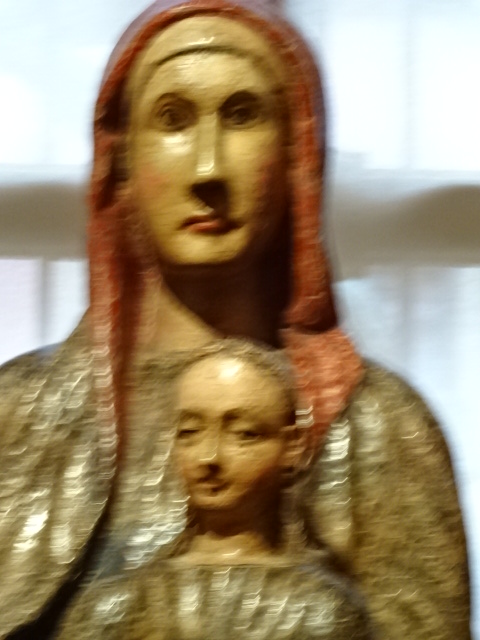
A sculpture that particularly caught my attention was labelled The Virgin and Child, a Florentine masterpiece from 1280 with many Byzantine elements. While Jesus’ body parts aren’t all proportional, the two figures are nevertheless masterfully sculpted.

I was also enthusiastic about the tapestries. For instance, I saw the Tapestry with Esther Presented to Ahasuerus, made in Brussels in the late 15th and early 16th century. The stunning fabrics included wool, silk, silver and gold. One of the most significant Flemish tapestries in Italy, the masterful work takes its theme from the Old Testament. I noted the characters’ luxurious costumes, especially the king’s extravagant hat. The variety of colors also caught my attention.

I also admired the Canaletto landscapes of Padua and Venice with all the architectural features of the cities. Looking at Canaletto’s works gave me a sense of Italian history as if I could go back in time and look deep into the painting as a witness of the scene portrayed. I fondly recalled the extensive exhibition of Canaletto’s work I had seen in Aux-en-Provence a number of years ago.

The armory, refurbished in 2000, included many 16th century weapons, such as a Borromeo helmet from the 16th century. Its exquisite gilded decoration was made up of designs of a unicorn and Saint Justine. The Gonzaga Helmet, also from the 16th century, was also gilded and showed off adornment of a crescent moon, leaves and flowers. I loved the meticulousness and precision of the designs.
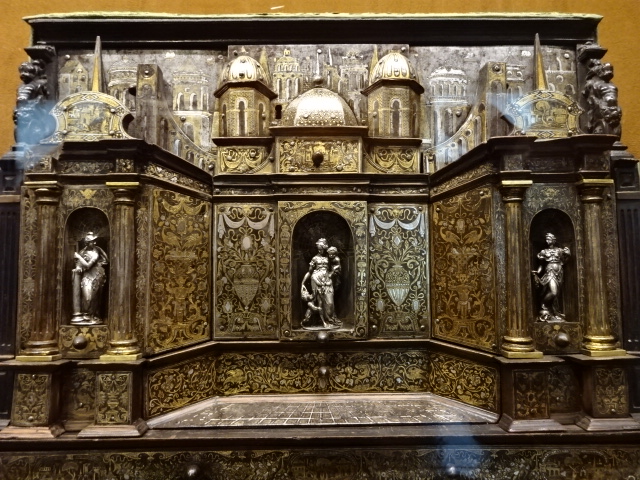
I admired the many stunning pieces of furniture, including the cabinets. One cabinet from the mid-17th century was made of ebony, bronze, silver and semi-precious stones. The small drawers were exquisitely decorated.

My favorite piece of porcelain was a Meissen called The Tooth-Puller from 1750. The woman looked terrified as the evil man held her jaw in an almost violent manner. The facial expressions of terror and evil were well-crafted. I liked the use of the color purple in the designs: the wig-clad tooth-puller was dressed in purple, and the woman wore a purple jacket. Her white skirt was decorated with a purple floral design. The collection included over 80 European porcelain pieces from the 18th century.
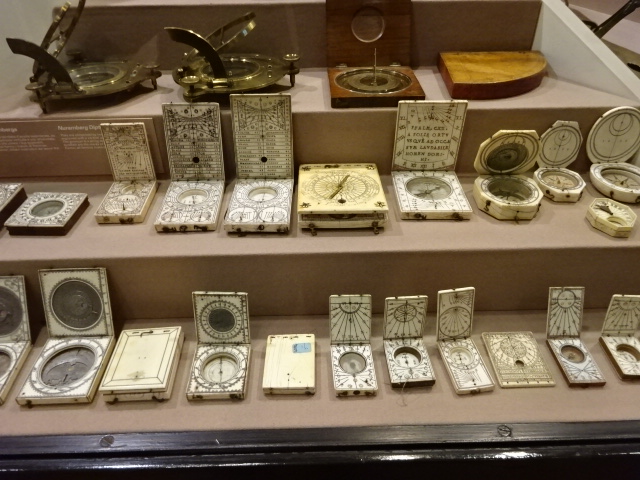
I also admired the decorations on the watches hailing from the 16th to 18th centuries and the various designs of the many clocks and sundials. The jewelry and Murano glassware also captured my undivided attention.
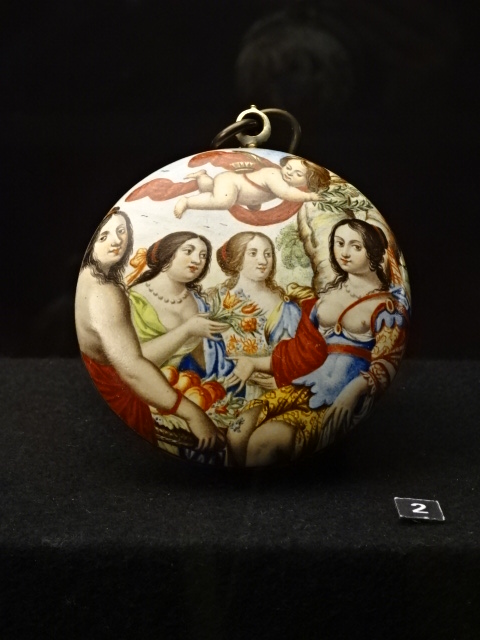
This museum housed such a wide array of stunning artifacts in an intimate setting. I loved the house museums in Milan, and visiting the Poldi Pezzoli was certainly one of my most treasured memories of the Italian city that I hold so dear to my heart.

Tracy A. Burns is a writer, proofreader and editor in Prague.

Biblioteca and Pinacoteca Ambrosiana Diary

This library and art gallery in Milan is named after the patron saint of the city, Ambrose. The library harkens back to 1609, when Cardinal Federico Borromeo founded it, and the same year it opened to the public.

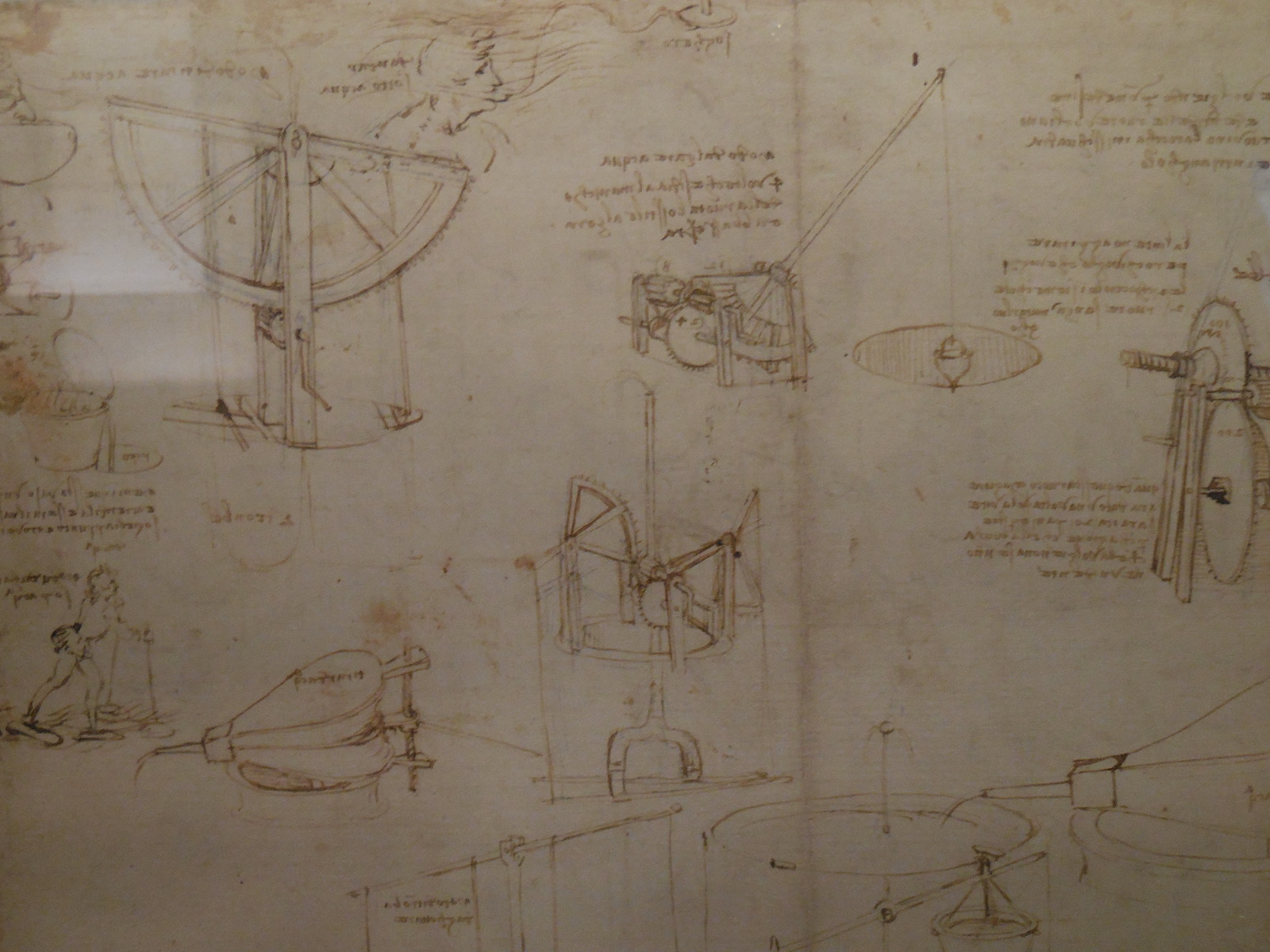
One of Leonardo da Vinci’s drawings of the Codex Atlanticus

The biblioteca houses the Codex Atlanticus by Leonardo da Vinci as well as many of his other manuscripts plus about 12,000 drawings by European artists, ranging from the 14th to 19th century. Raphael and Pisanello are represented in this collection of drawings, too. Many of its more than a million printed volumes hail from the 16th century. There are almost 40,000 manuscripts in numerous languages, including Italian, Latin, Greek and Arabic as well as some 22,000 engravings. Ancient maps, musical manuscripts and parchments also make up the collection. Some prominent guests included poet Lord Byron and novelist Mary Shelley.

Another of Leonardo’s drawings from the Codex Atlanticus

During World War II the library was damaged, and the opera libretti for La Scala Opera House were destroyed. The building was opened again in the early 1950s after undergoing renovations. More reconstruction took place in the 1990s.

When I visited, some of Leonardo’s works for the Codex Atlanticus, the largest collection of da Vinci’s drawings and writings, were on display in the library. The exhibition left me spellbound. I perused studies in aerodynamics and drawings of mechanical wings as well as various types of weapons. Leonardo rendered a large sling to throw stones and a machine to pump water from a well inside a building, for example.

I gazed upwards after studying the drawings by Leonardo, and I was filled with awe. I don’t know if I have ever seen such an incredible library. I just wanted to stand there all day, gazing at the wall-to-wall bookcases as I wondered about the titles and contents of each volume.

Established in 1618 with the collections of Cardinal Federico Borromeo, the pinacoteca was just as impressive as the library. The 24 rooms were dominated by Renaissance artworks but also boasted of renditions by 17th century Lombard artists, 18th century painters and 19th and early 20th century creators. I was especially struck by da Vinci’s 15th century “Portrait of a Musician” as it was the only portrait that he had painted. I noted the musical scroll in one hand of the sitter and was captivated by the detailed curly locks of hair, the musician’s brown eyes and his red cap.

Caravaggio’s insect-infested “Basket of Fruit” tells a story of diminishing beauty by displaying rotting fruit. Bramantino’s “Adoration of the Christ Child” shows the kneeling Bernardino of Siena, Francis of Assisi, Benedict of Nursia and the Virgin Mary making an understandable fuss over baby Jesus. I loved the angels playing musical instruments behind those figures. Emperor Augustus also makes an appearance.

Bergognone’s “Sacred Conversation” shows the Virgin Mary and Christ Child on a massive golden throne, baby Jesus on the Virgin Mary’s lap. Solemn angels flutter in the background. I was struck by the details of the Virgin Mary’s hair and by the material of the clothing worn by the Virgin Mary and baby Jesus. The two were surrounded by saints with captivating headwear, including Saint Ambrose and Saint Jerome.

Another painting that left me speechless was Sandro Botticelli’s “The Madonna of the Pavilion.” The artist’s meticulousness was evident. The artwork shows the Virgin and Child with much symbolism. The pavilion that two angels open to reveal the Christ Child is rich in biblical meaning both in the Old and New Testament. I could almost feel the paper of the pages making up the open book in the painting.

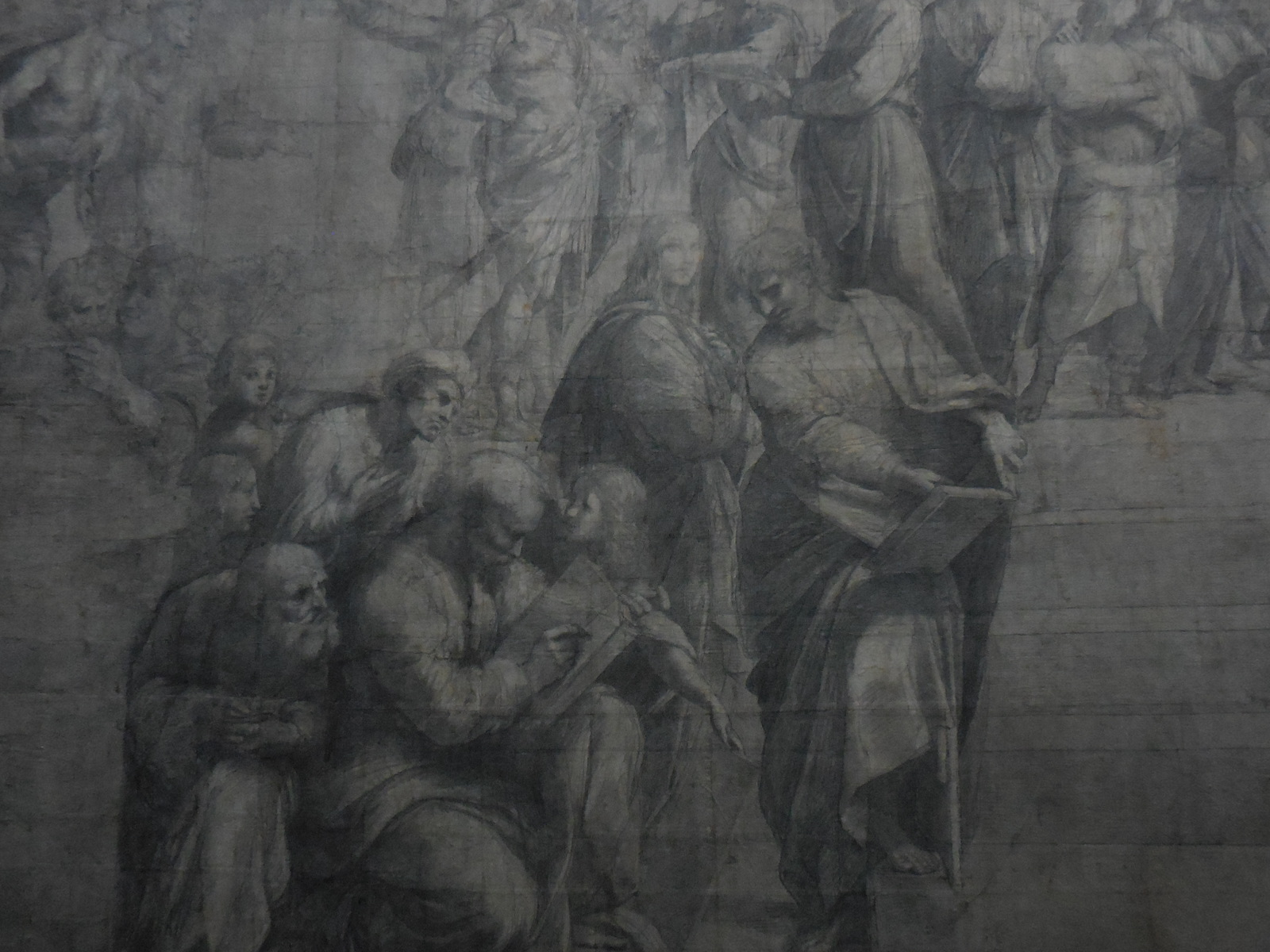
Raphael’s School of Athens

Raphael’s cartoon of the “School of Athens” is a study for the Italian Renaissance fresco painted in the early 1500s for the Raphael Rooms in the Vatican Museum. I recalled seeing the skillful rendition of philosophers and scientists from Ancient Greece at the Vatican on my 40th birthday as I mulled over the dominant role that perspective played in the artwork. Plato, Aristotle and Pythagoras appear in the fresco. Leonardo and Michelangelo are present as Plato and Heraclitus.

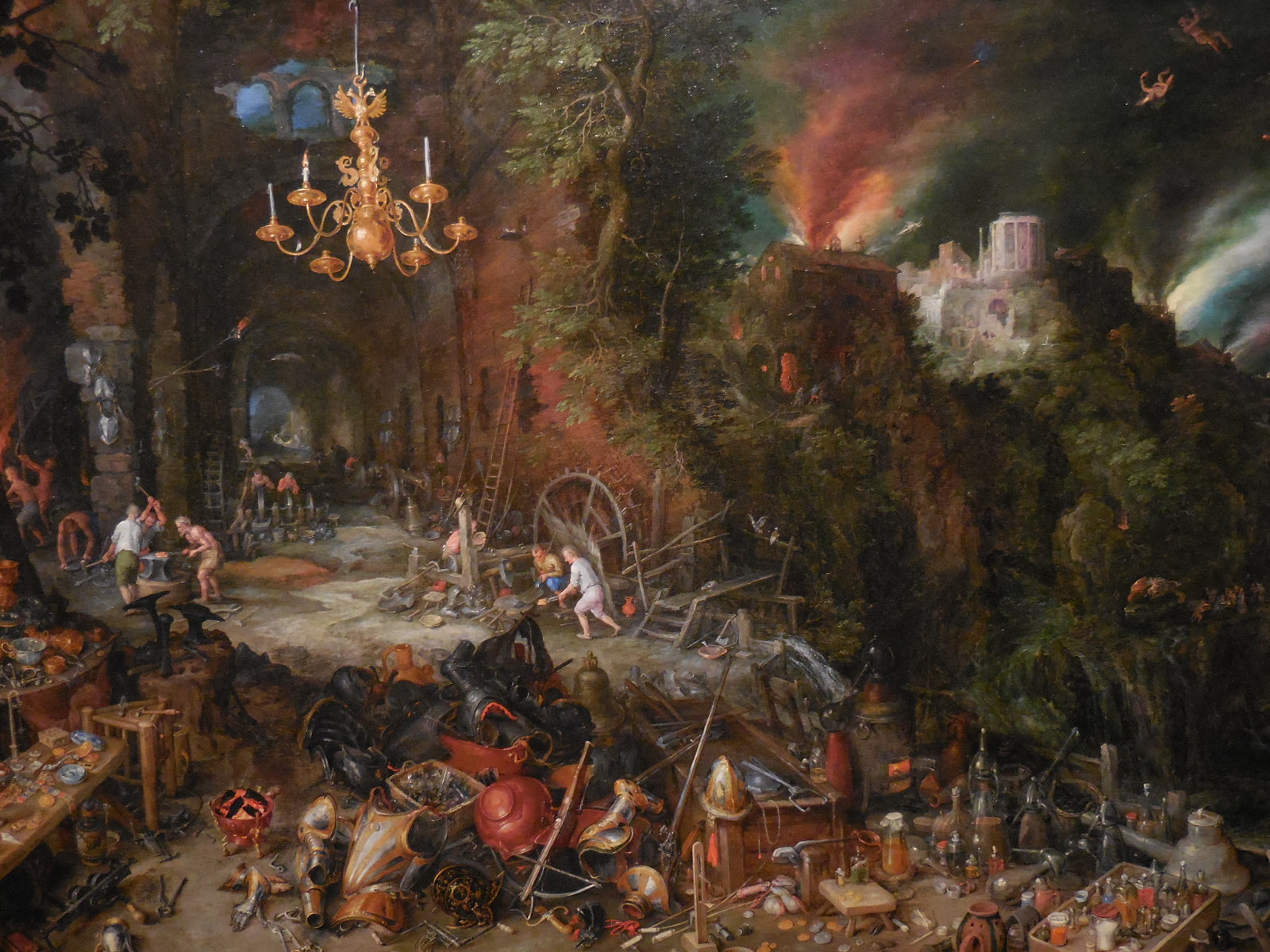
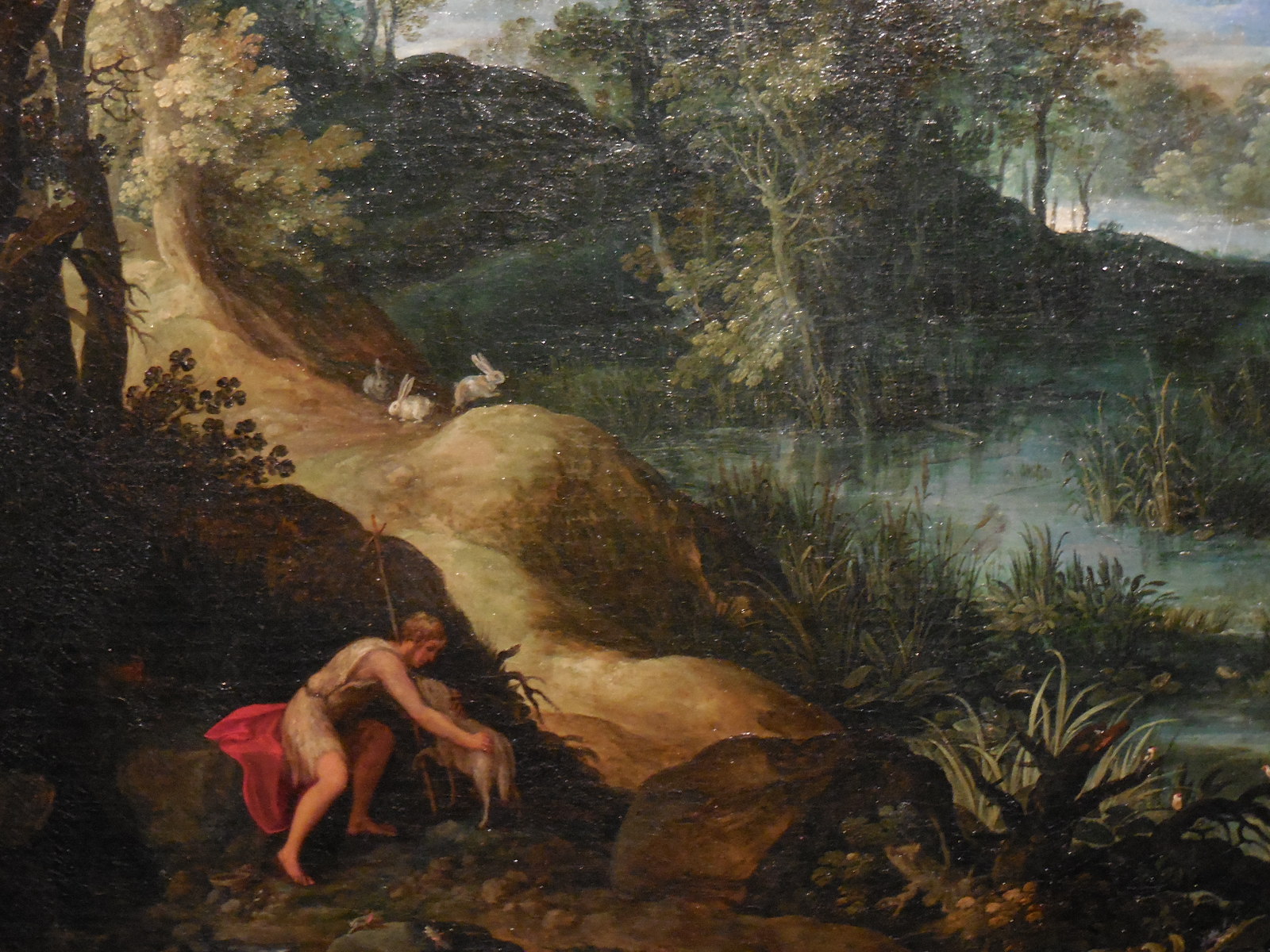
Other paintings that awed me were the fantastic landscapes of Paul Brill, whose works I had discovered some years earlier in Edinburgh. Jan Brueghel’s detailed landscapes and still lifes also are close to my heart, and I adored masterpieces from the Netherlands. I stared at these paintings, losing myself in the fantastical landscapes and details that were so masterfully rendered by both artists. I felt a special connection to these works featuring a dream-like quality as if I could be transported into a fantasy world by merely peering at the canvases.

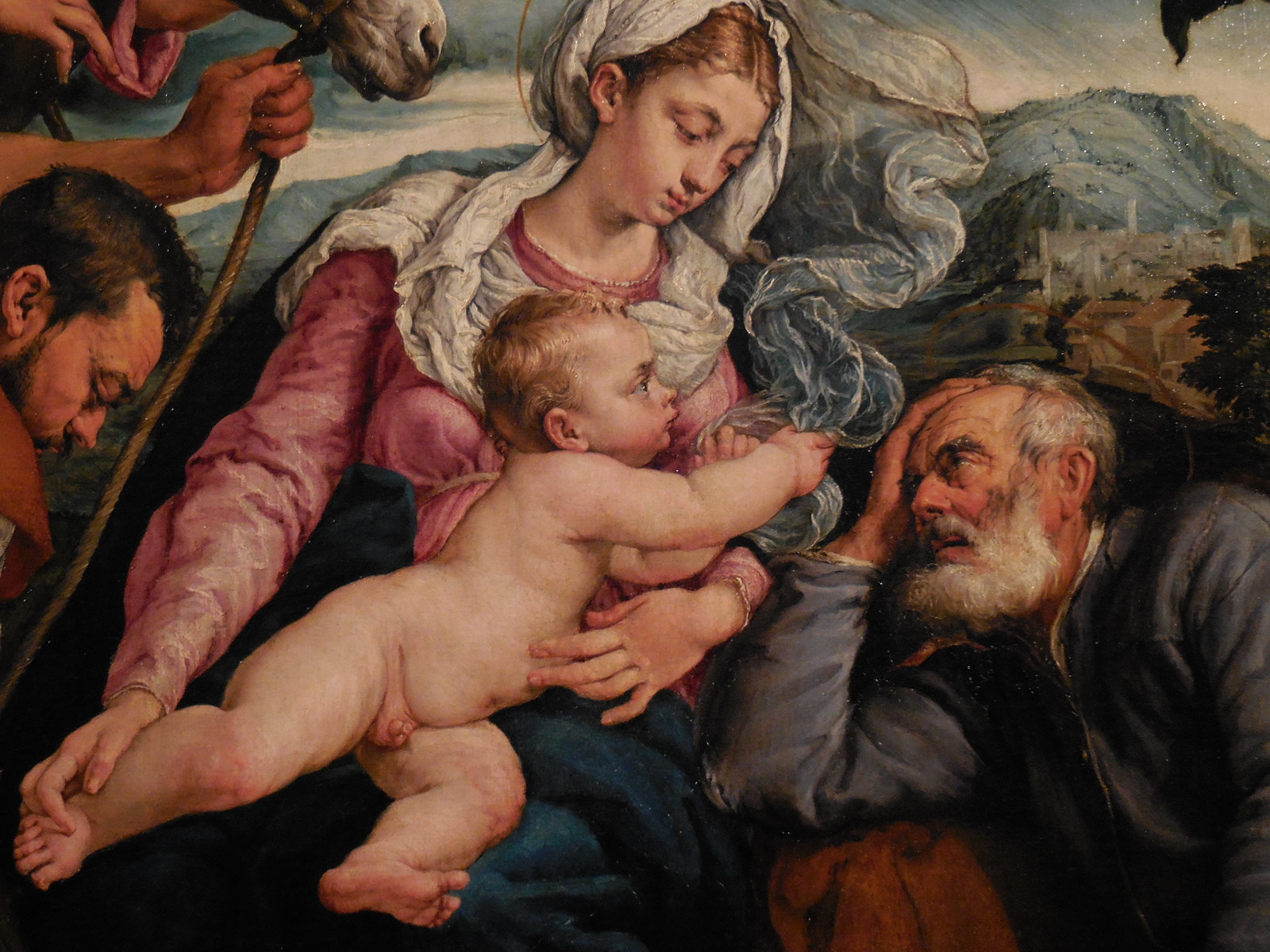
Other paintings that captured my undivided attention had been created by Bernardino Luini (I fondly recalled his paintings in Milan’s Church of Saint Maurizio), Tizian, Jacopo Bassano, Moretto and Daniele Crespi as well as Francesco Hayez, whose works I knew well from the Brera Gallery in the same city. Andrea Bianchi had created “The Last Supper,” imitating da Vinci’s masterpiece. Tizian’s “Adoration of the Magi,” Bramantino’s “Madonna of the Towers” and the locks of hair of Lucrezia Borgia all left me awe-struck.

The sculptures and frescoes from the second to 16th century in the Sala del Bambaia are very noteworthy. The Hindu art of the Berger Collection captivated me. The Flemish and German painting from the 15th to 17th century enthralled. Ceramics also play an intriguing role in the collection.

I was so awed by this gallery and library that I visited it twice during my first trip to Milan. I peered at every painting and sculpture, trying to take in each artistic creation, feeling so blessed to be able to see all these masterpieces with my own eyes.

Tracy A. Burns is a writer, proofreader and editor in Prague.

Musée du Petit Palais Photo Diary

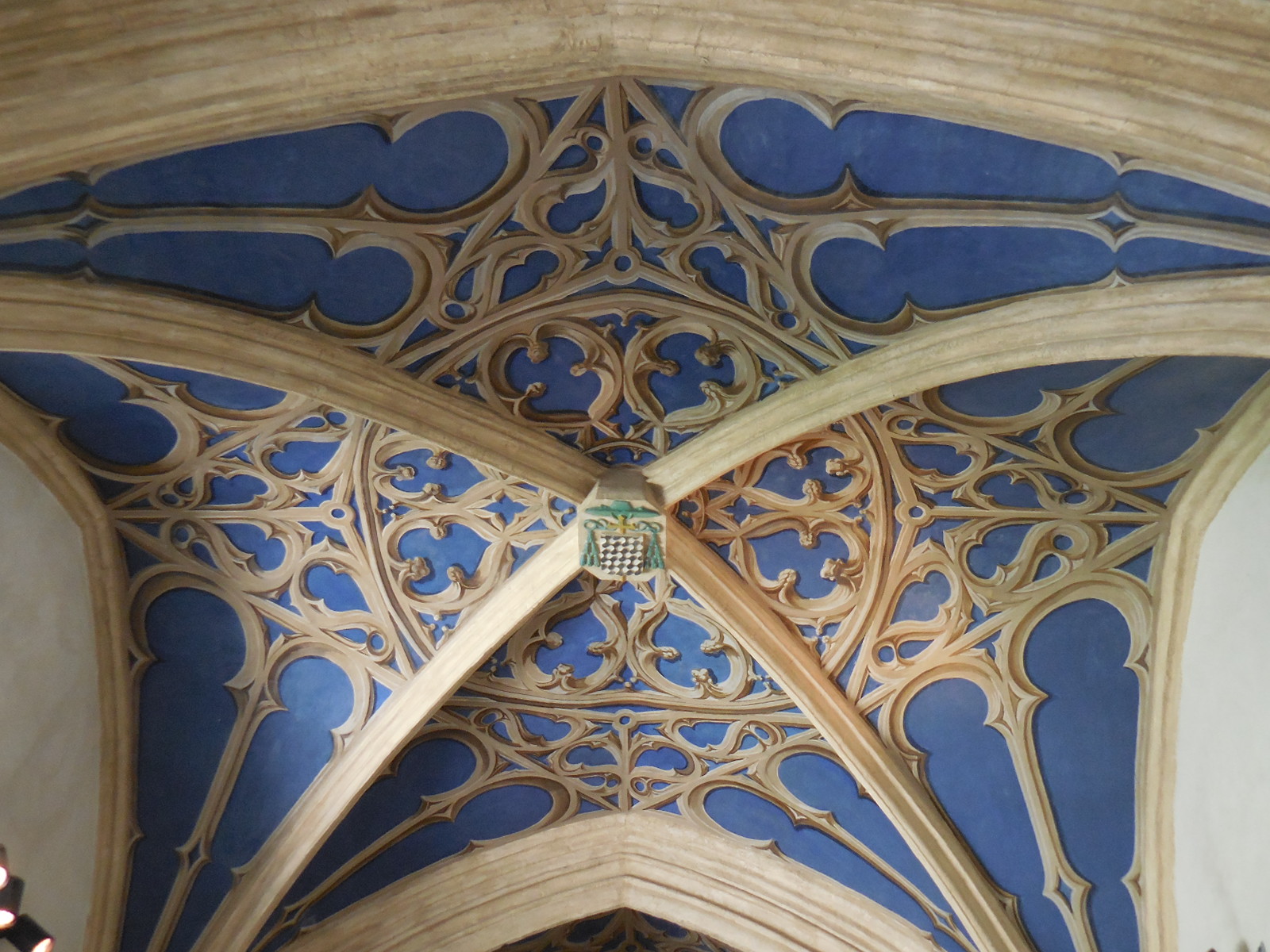
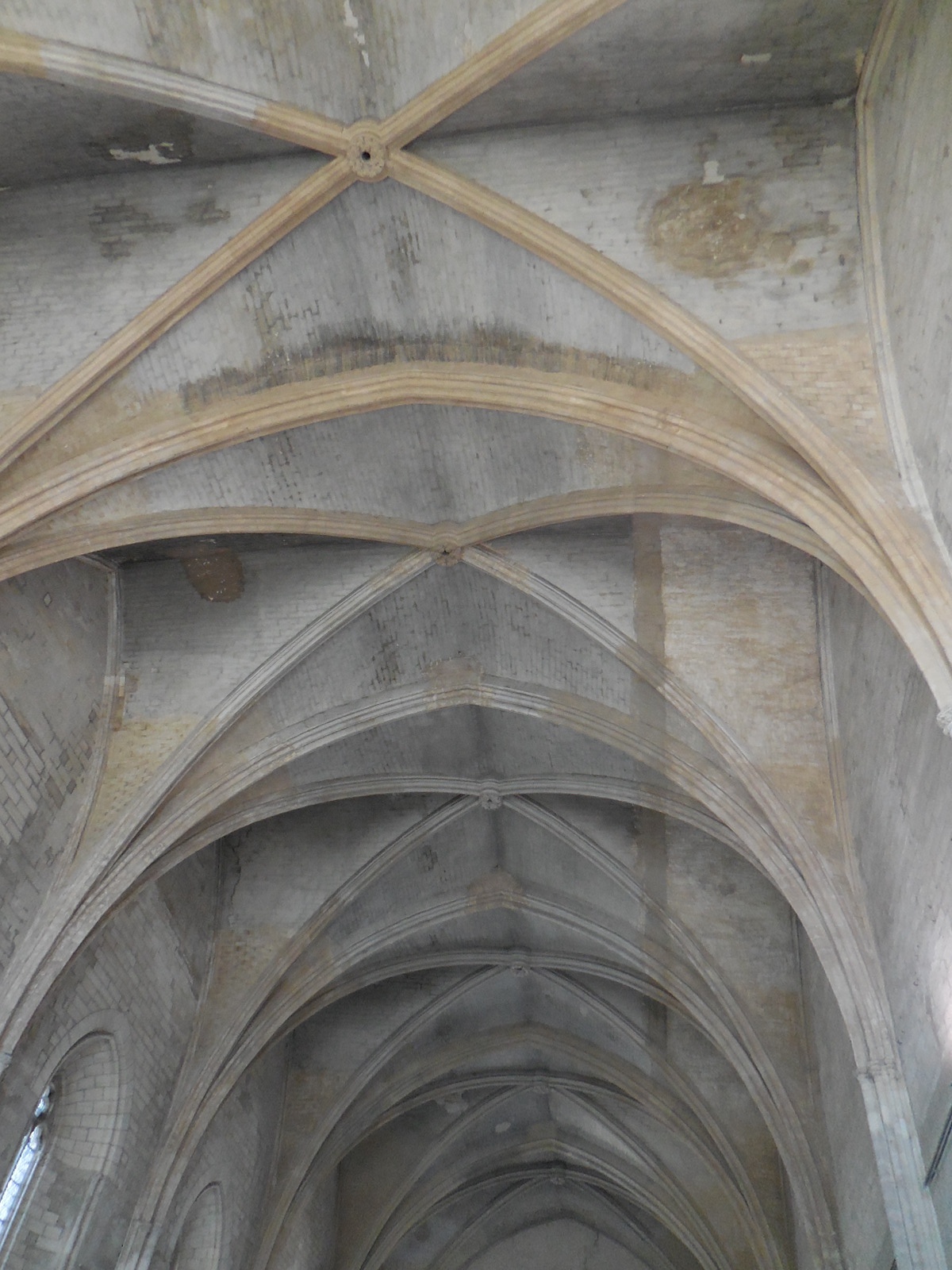
AvignonPetitPalaisceiling2AvignonPetitPalaisceiling1

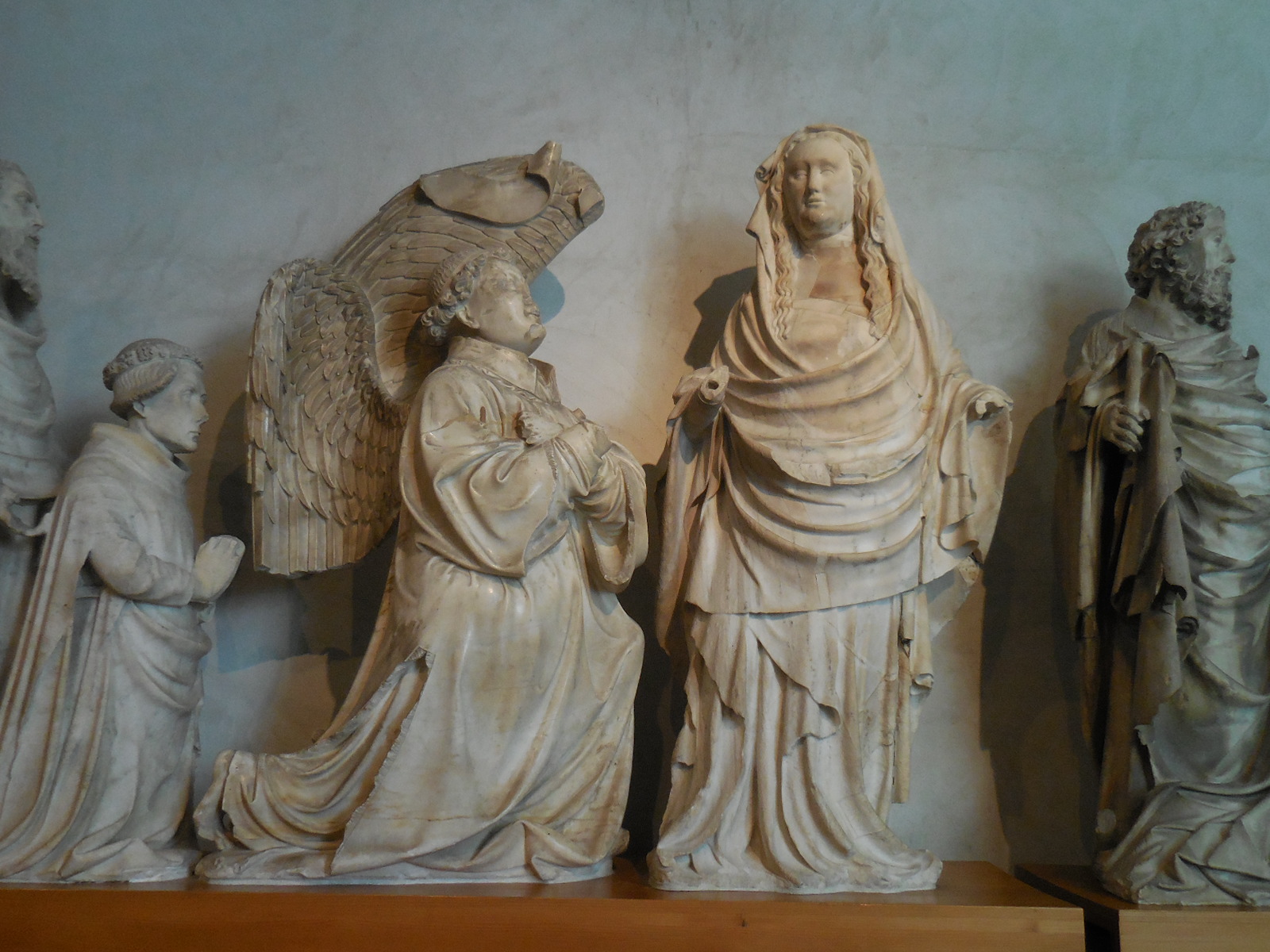
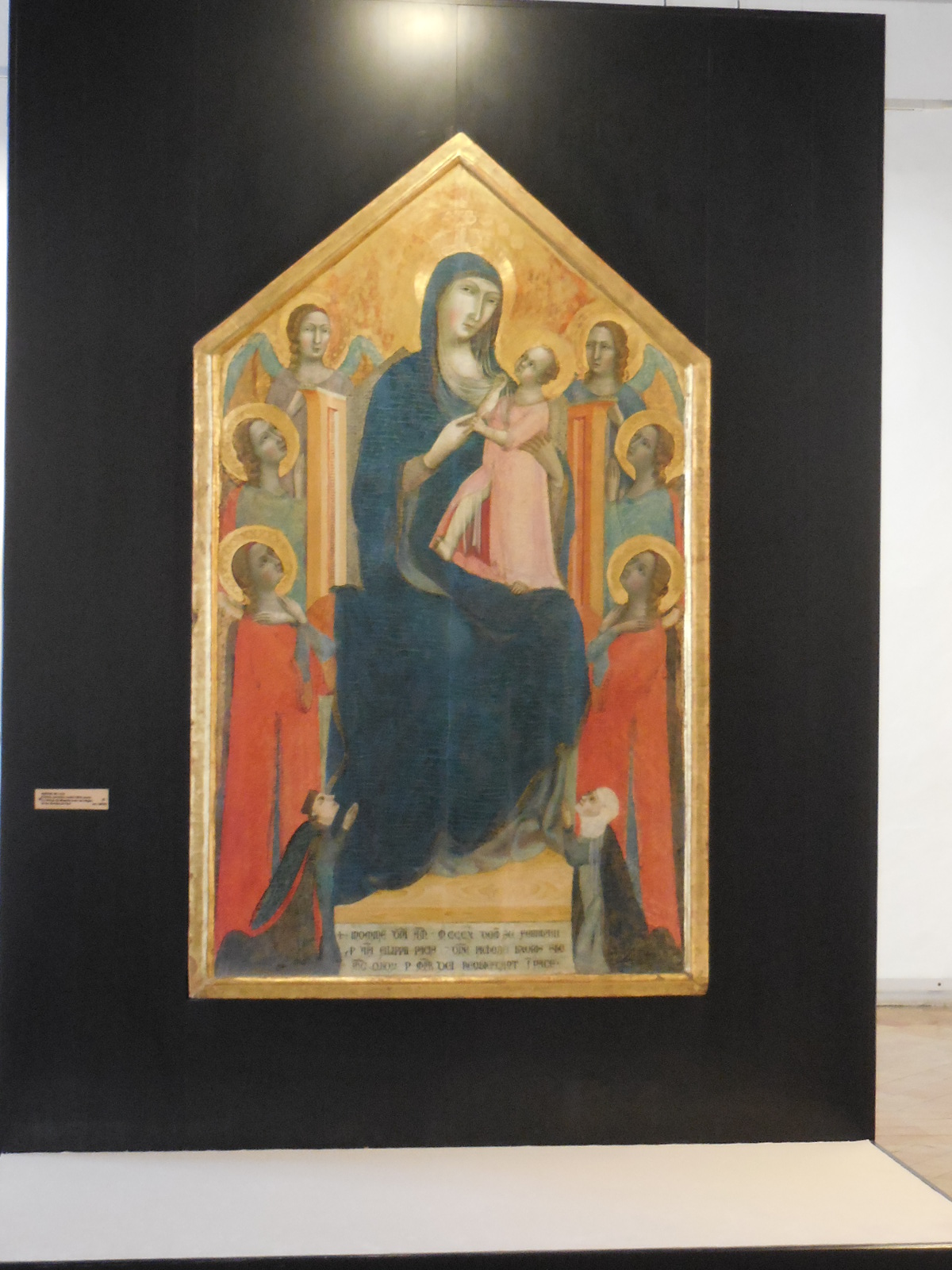
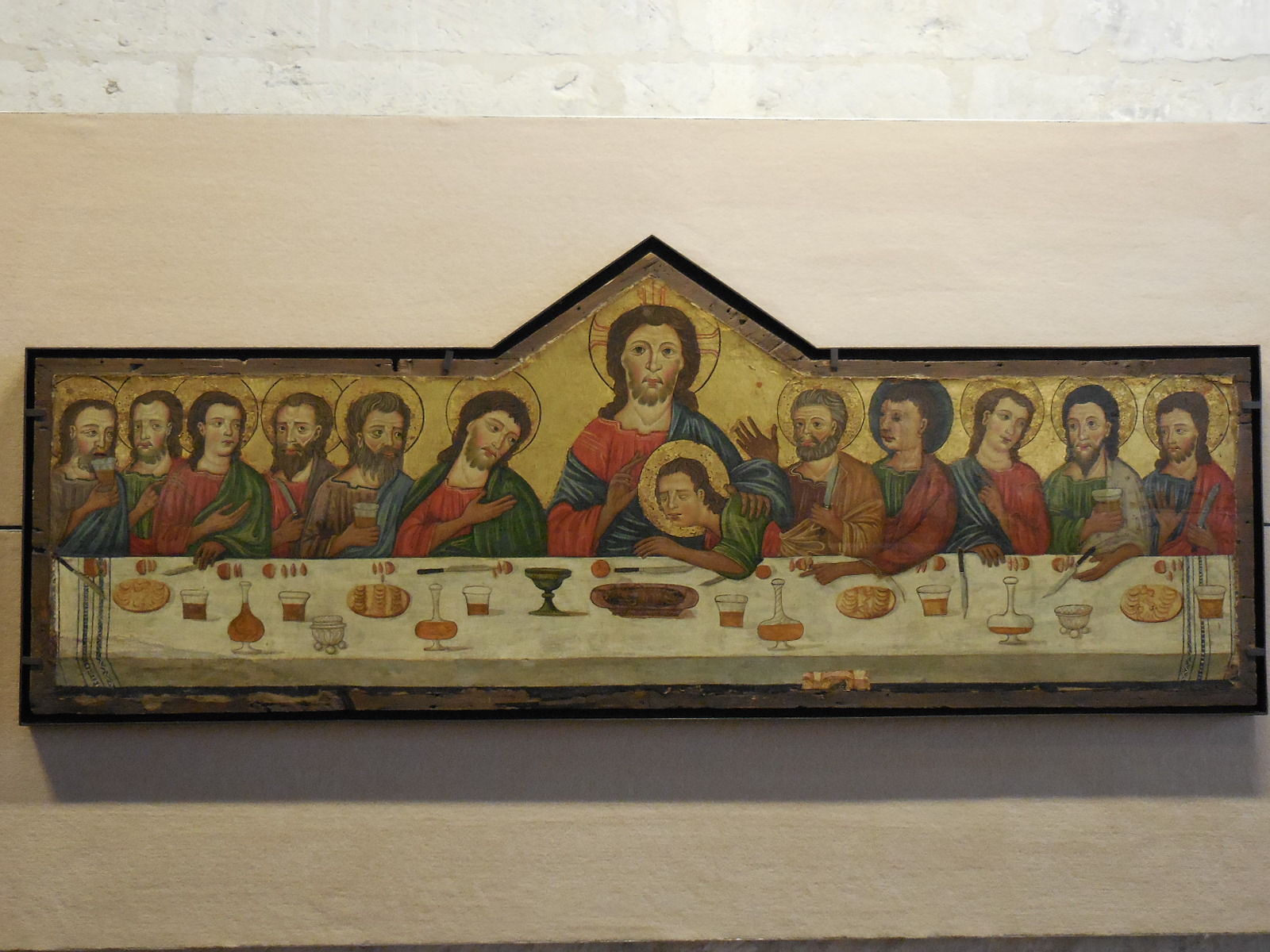
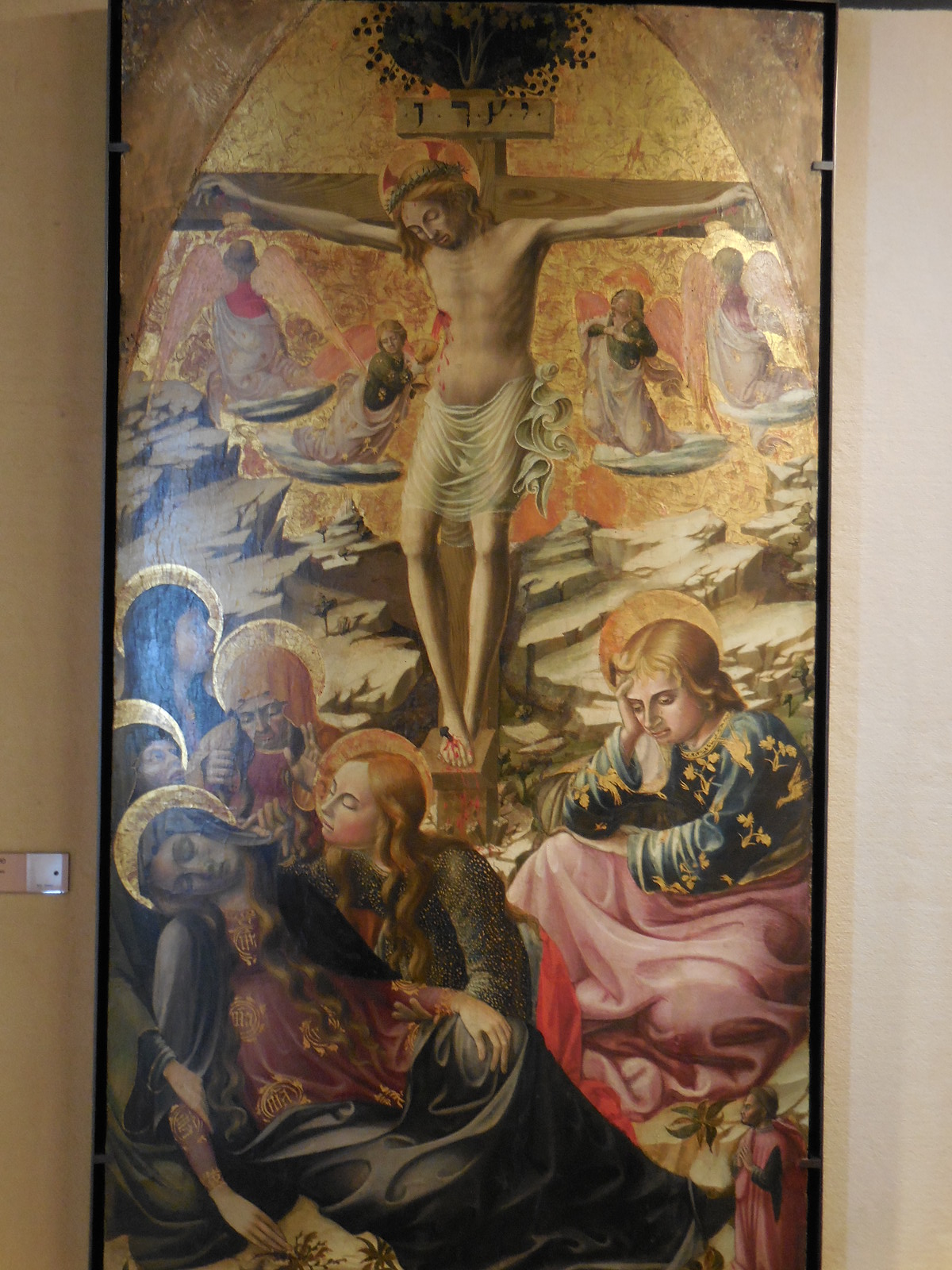
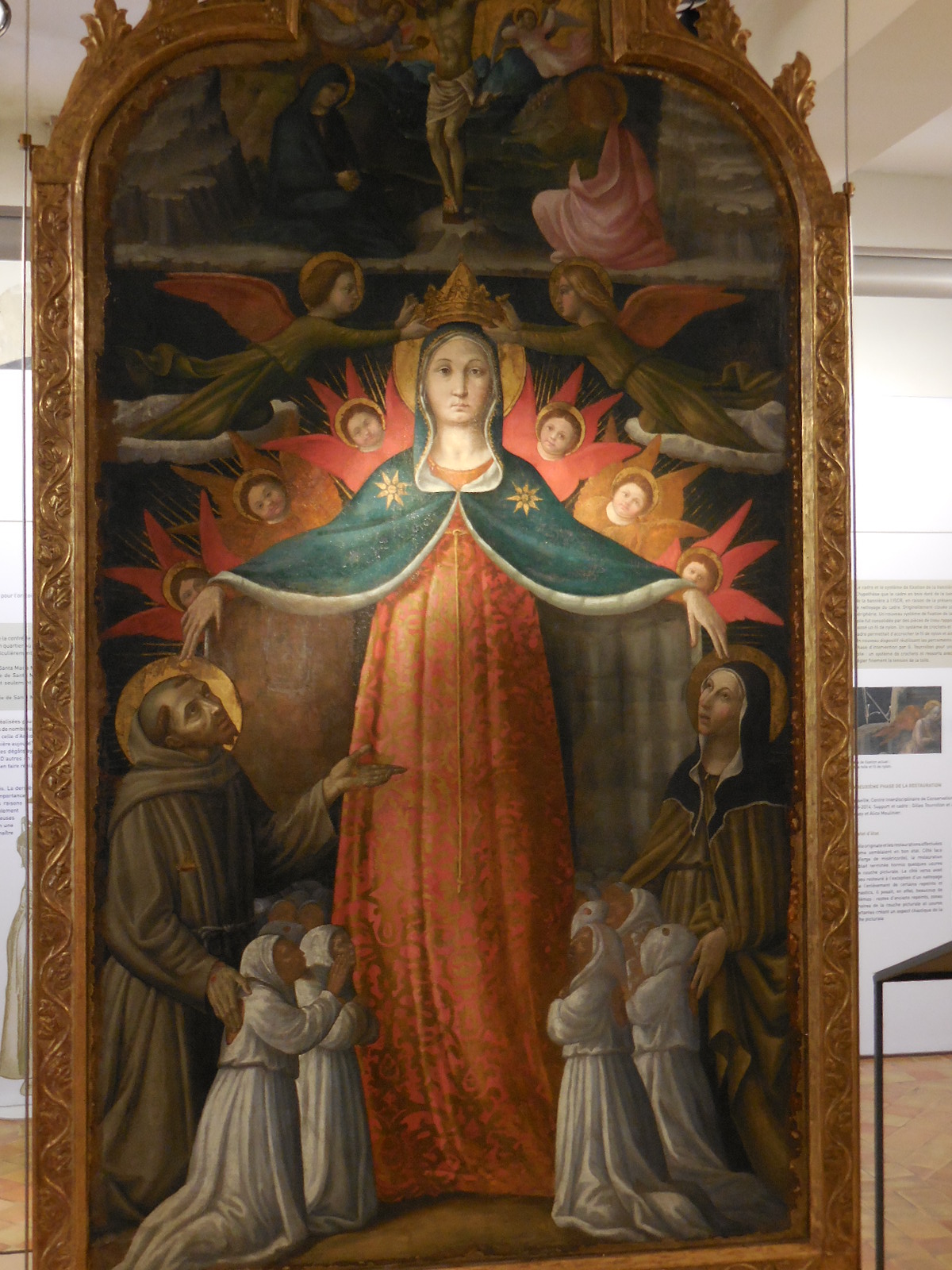
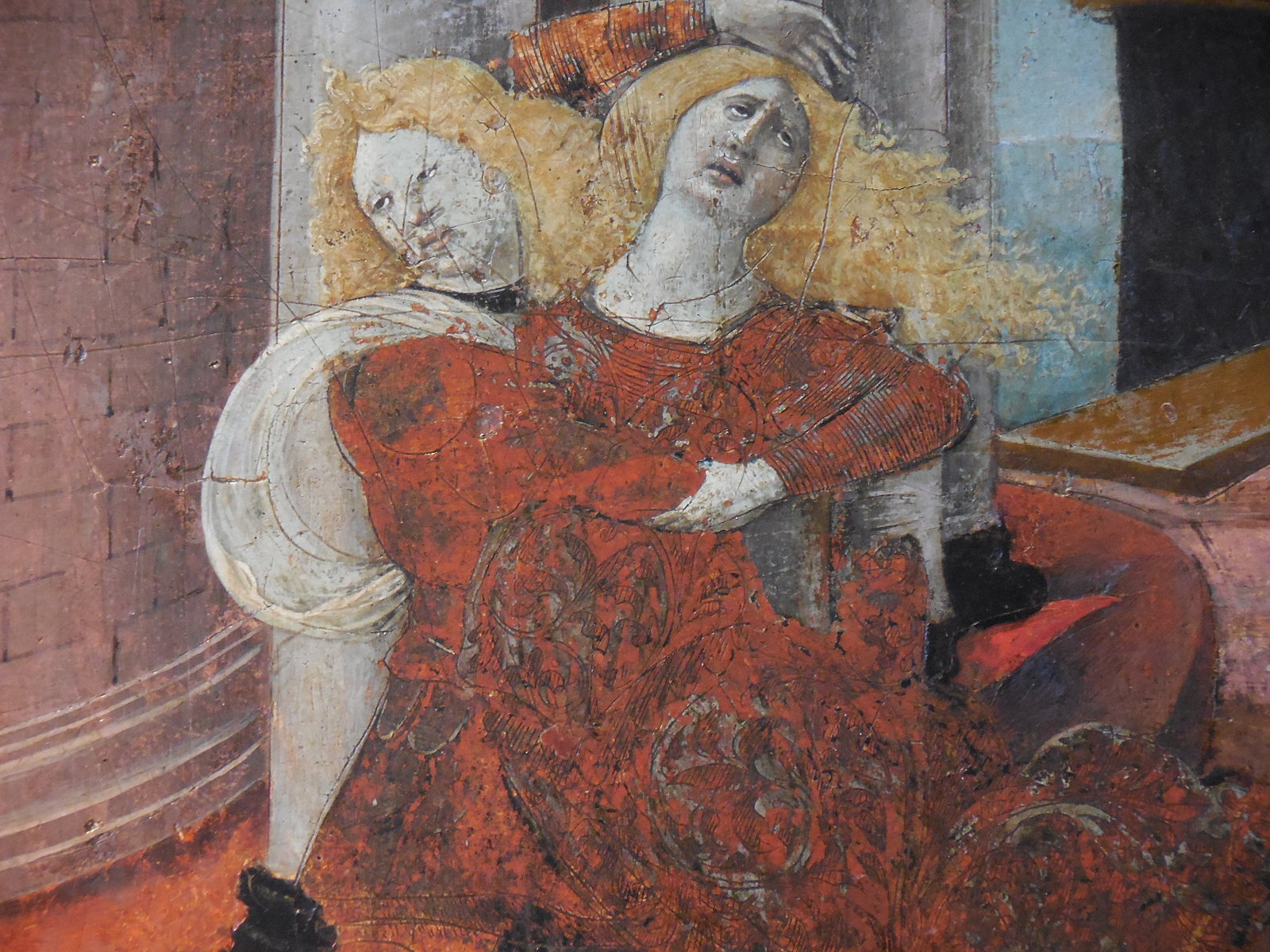
In June of 2015, I visited the Musée du Petit Palais in Avignon and was enamored by the Italian primitive and early Renaissance painting as well as the impressive Renaissance works rendered by the French Avignon School. The 14th century building houses art created from the end of the 13th century to the beginning of the 16th century in chronological and geographical order and includes The Virgin and Child by Sandro Botticelli. Some styles represented include the Siennese School, Florentine Renaissance and the Marches School. There are about 300 Italian paintings housed in the museum that was established in 1976. The structure used to be a citadel, an archbishopric and a Catholic secondary school before it became a museum.

AvignonPetitPalais4AvignonPetitPalais7AvignonPetitPalais10AvignonPetitPalais12AvignonPetitPalais14AvignonPetitPalais15AvignonPetitPalais18AvignonPetitPalais20AvignonPetitPalais22AvignonPetitPalais23AvignonPetitPalais26AvignonPetitPalais28AvignonPetitPalais30AvignonPetitPalais32AvignonPetitPalais31AvignonPetitPalais35

Tracy A. Burns is a writer, proofreader and editor in Prague.