The Art of Mannerist Printmaking Exhibition Diary

Caricature of Laocoon, Niccolo Boldrini, 1540-45, woodcut.

In the exhibition “From Michelangelo to Callot: The Art of Mannerist Printmaking,” held at Prague’s Wallenstein Riding Stables, I studied more than 200 works of 16th and 17th century graphic art, drawings, paintings, jewelry, etchings, lithographs, ceramics and other artistic crafts that hailed from the Netherlands, Germany, France and the Czech lands. The Louvre lent Prague’s National Gallery many works. Some pieces in the collections were being displayed to the public for the first time. A superb small drawing by Michelangelo drew crowds, and art by Hendrick Goltzius, Paul Bril,  Aegidius Sadeler and Niccolo Boldrini stood out to me.

The Great Hercules, Hendrick Goltzius, 1589, engraving.

While Mannerism became a major trend during the 16th century in Italy, Northern Mannerism lasted into the 17th century. Because European artists north of the Alps did not have as many opportunities to travel to Italy in order to familiarize themselves with Mannerism, they often studied the style through prints and books. The decoration at the Chateau of Fontainebleau impressed many artists utilizing this style, and France was the center of the Mannerist movement. The Northern Mannerists also looked to da Vinci, Raphael, Vasari and Michelangelo for inspiration.

The Martyrdom of Saint Lawrence, Cornells Cort, 1571.

The Northern Mannerist style was very visible in Holy Roman Emperor Rudolf II’s collection in Prague, then the capital city. Influenced by prints, Mannerism appeared in Prague during 1576. An avid art collector, Emperor Rudolf II had hired the Flemish painter Bartholomeus Spranger and German artist Hans von Aachen to work for him, and they produced some works in Northern Mannerist style. Both Spranger and von Aachen were known for their Mannerist mythological scenes while von Aachen also concentrated on portraits of the emperor. Rudolf II’s father, Emperor Maximillian II, had chosen Giuseppe Arcimboldo as one of his painters, and Arcimboldo’s fantasy-filled still lifes and portraits feature Mannerist traits. This style also suited Rudolf II when he took over for his father.

The Combat of the Monkey and the Rat, Christoph Jamnitzer.

Mannerist art often included mythological scenes, the grotesque and fantasy. Harmony, symmetry and rationality were notably absent. While Mannerists showed a great interest in anatomy, the figures were often elongated, and many forms had a sculptural quality. Clothing was elaborate. Attention to detail prevailed. Complex and unstable poses as well as dramatic lighting also characterized the Mannerist style. Artists of this era liked to employ symbols and utilize hidden meanings in their works. Black backgrounds were common. A distorted perspective was employed. Mannerism did not often feature religious themes. After Mannerism came the Baroque style, which focused heavily on religious art.

The Last Judgment, Michelangelo, 1536-1541.

The Last Judgment, Michelangelo.
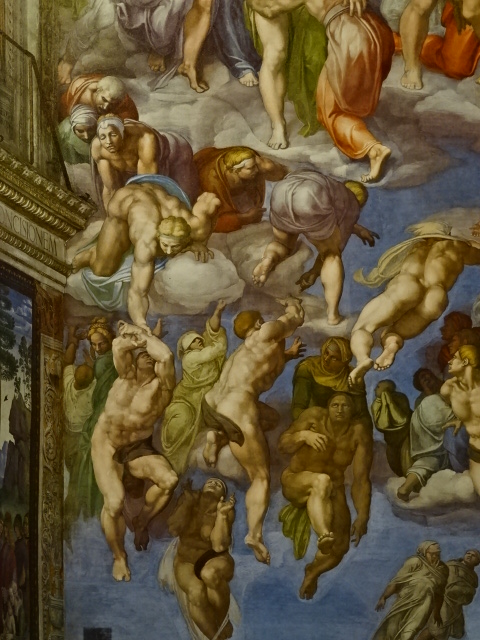
The Last Judgment, Michelangelo.
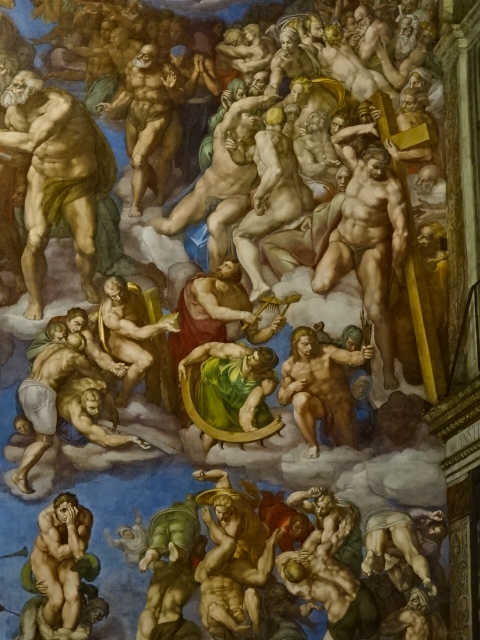
The Last Judgment, Michelangelo.

A copy of a section of “The Last Judgment” as seen in the Sistine Chapel was on display at this exhibition, as this masterpiece greatly influenced Mannerist art. This fresco at The Vatican portrayed more than 300 figures as the dead made their way to idyllic Heaven or horrific Hell. Mythological figures and devils appeared along with a beardless Jesus Christ, the Virgin Mary and saints. I noticed the looks of horror on descending figures. Details in superb portrayals of human anatomy greatly impressed me.

Head of a 12-Year Old Christ, Albrecht Durer, 16th century.

For me, German Albrecht Durer’s 16th century “Head of the 12-year old Christ” was one of the highlights in the exhibition. Durer was a master of High Renaissance printmaking, especially of woodcuts and engravings. He inspired Raphael and Titian. I realized how Durer’s portrayal of human anatomy had impressed Mannerists. While most works displayed did not focus on religion, the Mannerist engraving “The Martyrdom of Saint Lawrence” from 1571 also caught my attention. Cornells Cort created it in the style of Titian.
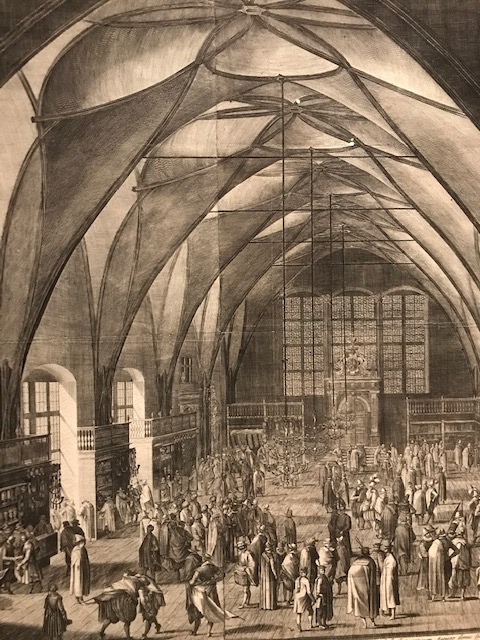
Vladislav Hall, Aegidius Sadeler, 1607.

Some prints showed off specific architectural structures, such as Aegidius Sadeler’s Vladislav Hall from 1607. A fan of Czech architectural history, I was especially engrossed in this rendition of the late 15th century and early 16th century section of Prague Castle built by Benedikt Reid. I loved its complex vaulting system. I noticed Late Gothic and Renaissance elements of the building. This was one of my favorite buildings in Prague due to its exquisite vaulting and its past use for historical events, such as coronations and knights’ tournaments.
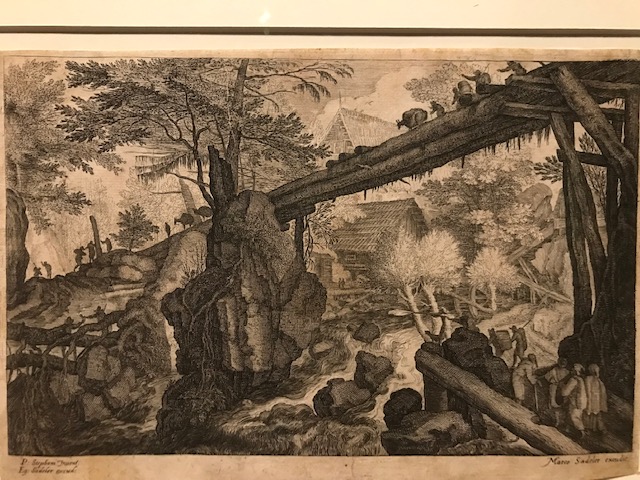
Wooden Bridge from Series Eight Bohemian Landscapes, Aegidius Sadeler, 1605, engraving.

Mountain Landscape, Paul Bril.

Another work by Sadeler, created in the style of Pieter Stevens, was the landscape “Wooden Bridge from Series Eight Bohemian Landscapes.” The 1605 engraving of the idyllic, romantic bridge reminded me of picturesque Vermont, where I had lived for a while. I was also enamored with “Mountain Landscape” by Flemish painter and printmaker Paul Bril. Inspired by my favorite artist Pieter Bruegel the Elder, Bril authored works in the Vatican and Italy. I appreciated the power and beauty of nature as I peered at these two tranquil landscapes.
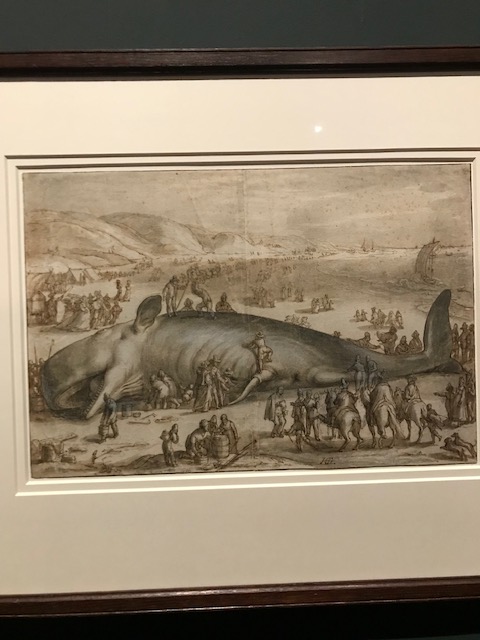
Beached Sperm Whale near Berkhey, Hendrick Goltzius, 1598.

A prominent name in the exhibition, Henrick Goltzius was a stellar printmaker whose works were influenced by drawings he acquired from Prague. My favorite of his contributions was “Beached Sperm Whale near Berkhey” from 1598. People gathered around the gigantic, deceased animal. This artwork was inspired by a real event as a 58-foot long whale had washed up on that shore.
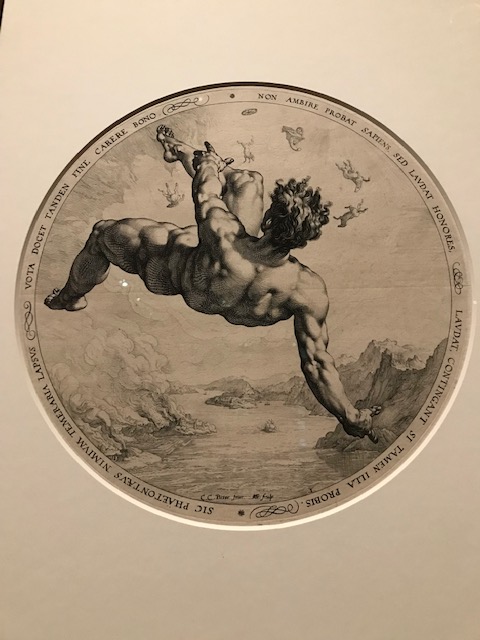
The Four Disgracers, Hendrick Goltzius, 1588, engraving.
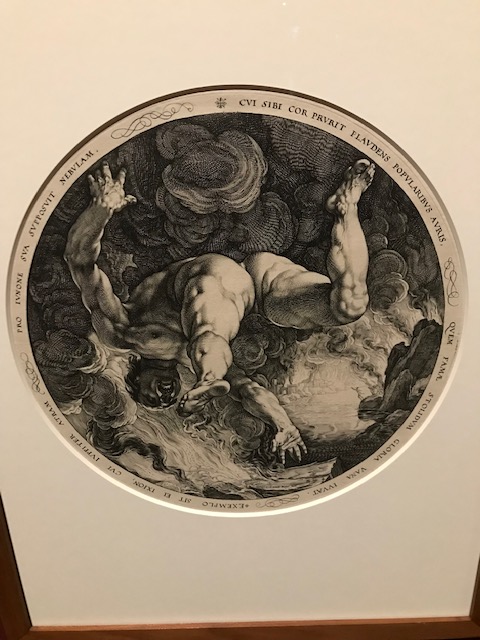
The Four Disgracers, Henrick Goltzius, 1588, engraving.

Goltzius also took on mythological themes, such as his rendition of “The Four Disgracers (Tantalus, Icarus, Phaethon and Ixion).” This engraving appeared to have a three-dimensional quality. The illusion of three-dimensional features, mastered by engravers in the Netherlands during the late 16th century,  was often featured in Northern Mannerist art. Goltzius was the author of “The Great Hercules,” an engraving from 1589. The detailed anatomy, though not correct, interested me. Other works with mythological themes that caught my attention were “Diana and Actaeon” by Joseph Heintz the Elder from 1597 to 1598 and Niccolo Boldrini’s “Caricature of Laocoon,” a woodcut from 1540 to 1545.

The Pairs of Grotesque Heads, Philippe Soye, 1550-65.

The grotesque played a significant role in Northern Mannerist creations. Philippe Soye rendered “The Pairs of Grotesque Heads” after a masterpiece by da Vinci. Soye’s portrayal hailed from 1550 to 1565. Christoph Jamnitzer also stressed grotesque features in his “The Combat of the Monkey and the Rat.” I was also impressed with the masked figures in “Venetian Carnival,” a 1595 engraving by Pieter de Jode the Elder. Seeing the grotesque made me think of gargoyles on cathedrals, such as Milan’s Duomo or Saint Vitus’ Cathedral in Prague.

Fantastic Sea Creatures, Nicolaes de Bruyn, 1594, engraving.

Prints with scenes immersed in the fantasy world made numerous appearances. At the end of the 16th century, Nicolaes de Bruyn became known for his portrayal of animals and fictional sea creatures. His “Fantastic Sea Creatures,” depicted here from a series, was an engraving that made up part of a book about fish. Engravers often worked with fantasy themes in this style.
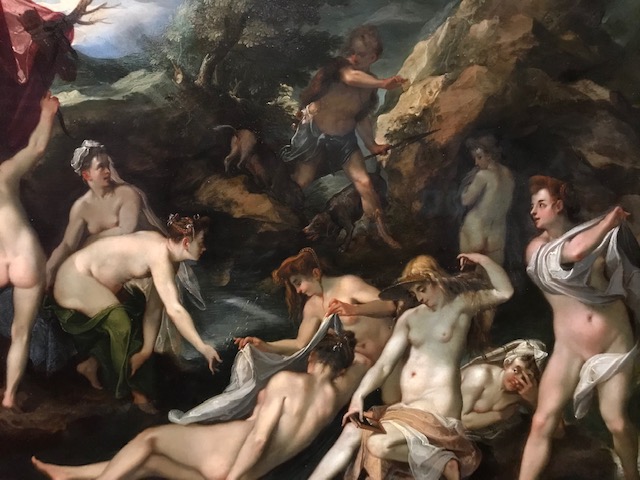
Diana and Actaeon, Joseph Heintz the Elder, 1597-98.

A section of the exhibition was devoted to Northern Mannerist decoration of objects such as vases, plates, mirrors and jewelry. Adornment was often floral or geometric, and I noted similarities to illuminated manuscripts. Artists of this sort of ornamentation were inspired by the grotesque, mythological figures and Roman wall paintings, for instance. I saw examples of mythological themes and the grotesque in the decoration of a majolica plate from the second half of the 16th century. A 16th century black enamel mirror exuded elegance with Mannerist designs.

Venetian Carnival, Pieter de Jode the Elder, 1596, engraving.

The exhibition was comprehensive, divided into clear sections. I was drawn most to the landscapes as I was reminded of the work of Pieter Bruegel the Elder. I also thought of Paul Bril’s creations in Milan’s Ambrosiana Picture Gallery. It was intriguing that the scenes on many prints showed the main figures in the background and the lesser important ones in the foreground. I liked the decorative patterns that were influenced by illuminated manuscripts. I spent my fortieth birthday gazing at the Sistine Chapel and mulled over the experience of seeing those writhing, terrified souls guided by devils and the blessed blissfully ascending into Paradise. I also thought of the awe-inspiring experience of walking into Vladislav Hall because I loved Late Gothic vaulting. That print captured the daunting atmosphere perfectly. Seeing a masterpiece by Durer brought me back to an exhibition of his works at the Albertina in Vienna some years ago. I could hardly catch my breath because I had been so impressed. I had learned a lot about Mannerism from this exhibition and had discovered works that I would never forget.

Tracy A. Burns is a writer, proofreader and editor in Prague.

Prague Castle Picture Gallery Diary

Joseph Heintz the Elder – The Last Judgement

The permanent collection of the Prague Castle Picture Gallery has been closed since 2019 due to an air-conditioning defect and a lack of financial means for repairs. A special exhibition of about half of the collection’s works opened at the Castle’s Imperial Stables during July of 2022 and will last for three months.

Veronese – Saint Catherine of Alexandria with an Angel

The Picture Gallery originated during the reign of Emperor Rudolf II, at the end of the 16th century. Rudolf II chose Prague as his residence when he was Holy Roman Emperor. The ruler was passionate about collecting works of art – paintings, curiosities, statues and more. For almost 30 years, Rudolf II amassed artifacts, and inherited other pieces. He exhibited his vast art collection in the then newly constructed north wing of the Castle, the part of the complex where he built the Spanish Hall. The majority of his painting collection was Italian in origin.

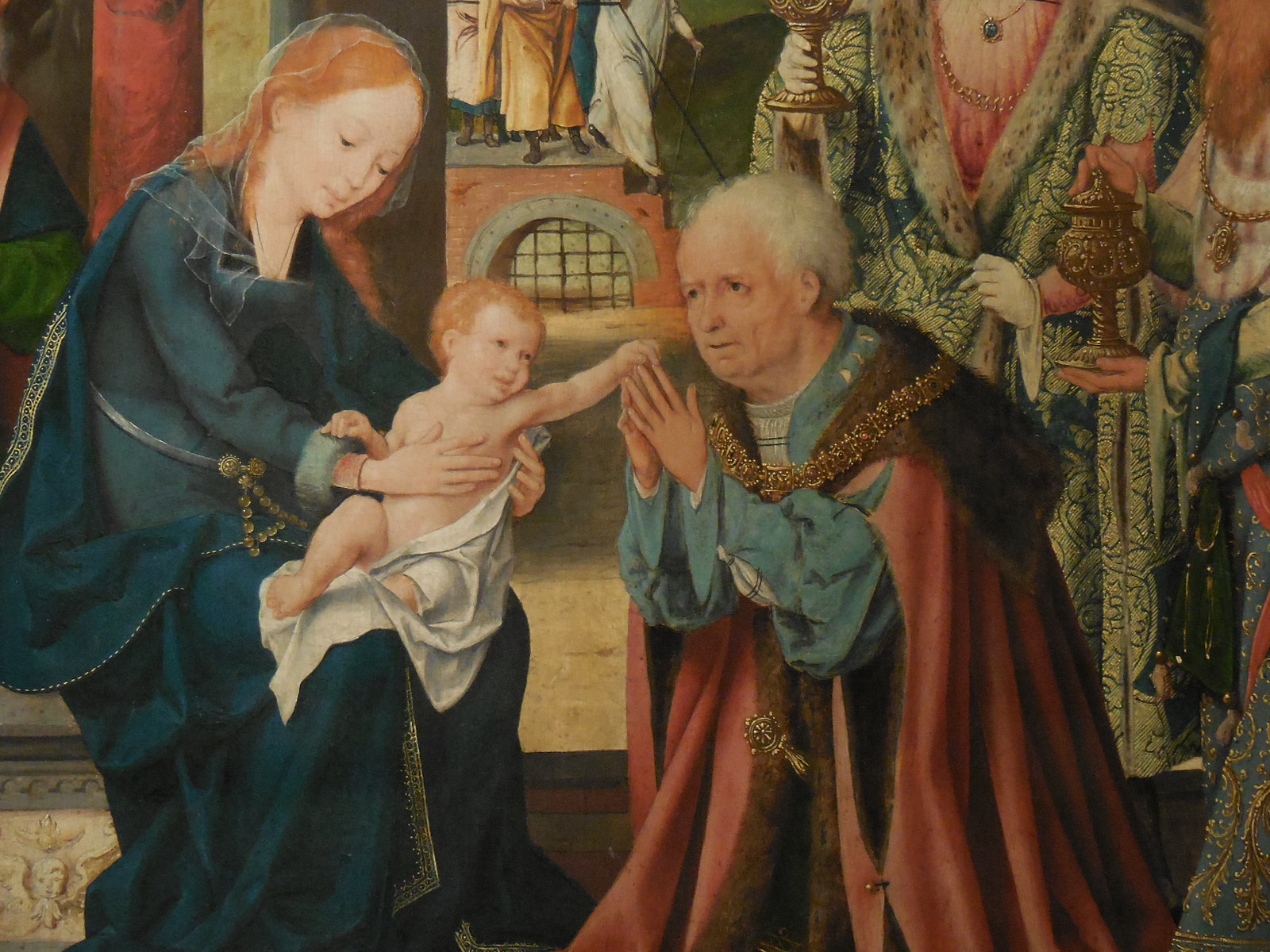
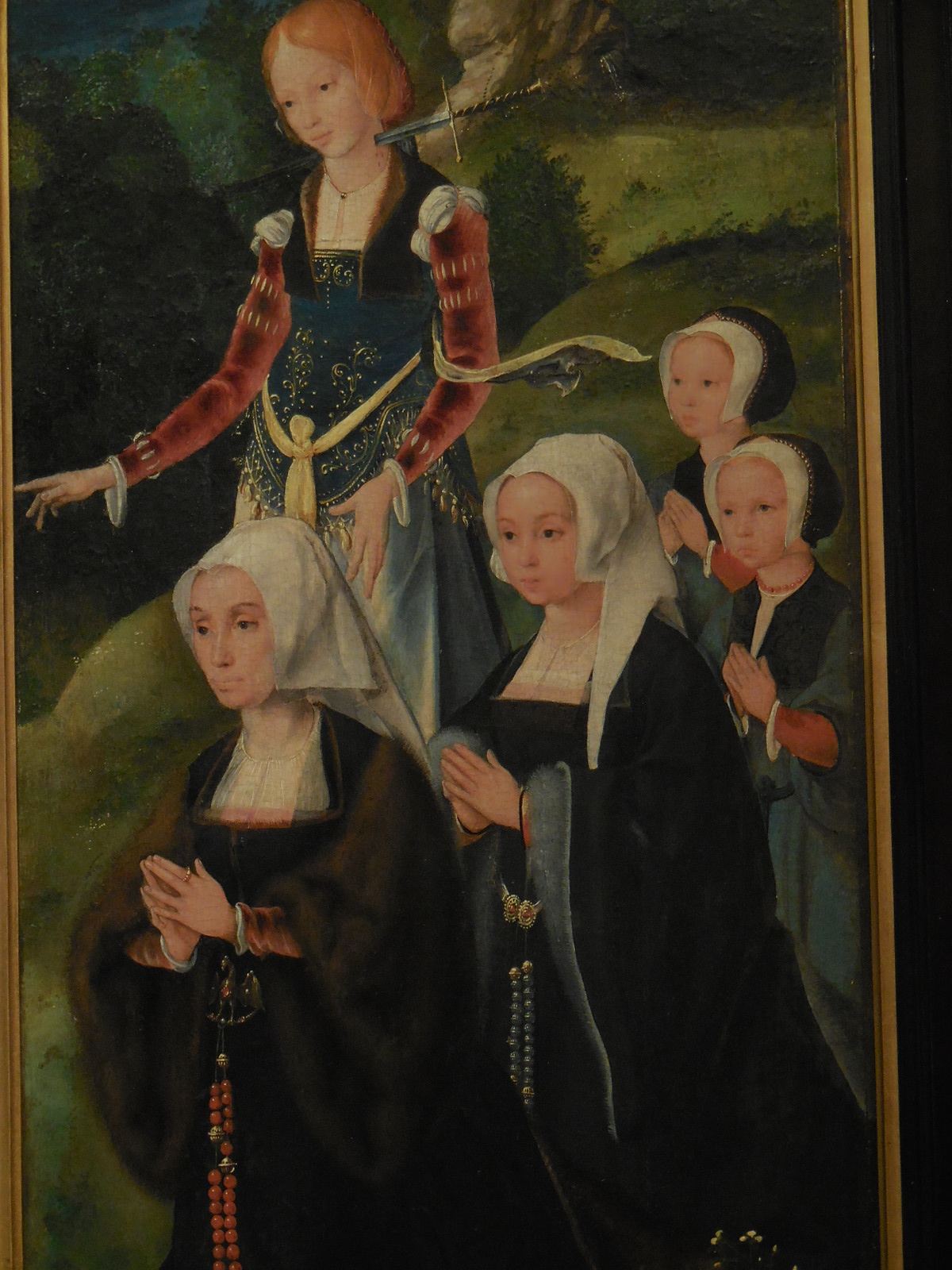
Joos van Cleve – Altarpiece with the Adoration of the Shephards, Saint Jerome with the Donor and Three Sons and Saint Lucy with the Donor and Three Daughters

Stellar artists worked as court painters in Prague: Hans von Aachen, Bartholomeus Spranger, Pieter Stevens and many others. First, allow me to mention Giuseppe Arcimboldo, a portrait painter serving Emperor Maximilian II and Emperor Ferdinand I. Arcimboldo began serving the emperor in 1562. Rudolf, the son of the emperor, was very taken with his work. He composed still lifes for Rudolf, and, after Arcimboldo returned to Milan in 1587 due to illness, he had a now famous portrait of Rudolf, called Vertumnus, sent to Prague. Arcimboldo’s portraits were allegorical, often composed of various objects that would make up the person’s head, for instance.

Lucas Cranach the Elder – Saint Catherine, Saint Barbara and fragments of the figures of Saint Dorothea and Saint Margaret, from Prague Altarpiece

Hans von Aachen was Rudolf II’s favorite when he was emperor. He began painting for Rudolf II in 1592 and wound up making Prague his home, where he created his best portraits. The painter became good friends with Rudolf II, too. The picture gallery still has von Aachen’s portrait of his daughter Maria Maxmiliana. His style was a precursor to the Baroque features that would later dominate Czech art.

Bartholomeus Spranger – Allegory on the Triumph of Fedelity over Destiny

Spranger’s tenure in Prague lasted from 1580 to 1590. His often complicated and ornate works displayed Mannerist features. Spranger created numerous paintings for the Rudolfine collection. In 1607, Spranger created Allegory on the Triumph of Fidelity over Destiny – Allegory on the Fate of Hans Mont, referring to the sculpture to worked for Rudolf II until an eye injury prevented him from doing so. Mont’s whereabouts were unknown. This is one of Spranger’s paintings that has remained at the Castle throughout the centuries. He also created a masterful portrait of Jacob König, a German goldsmith who was selling antiques in Italy.

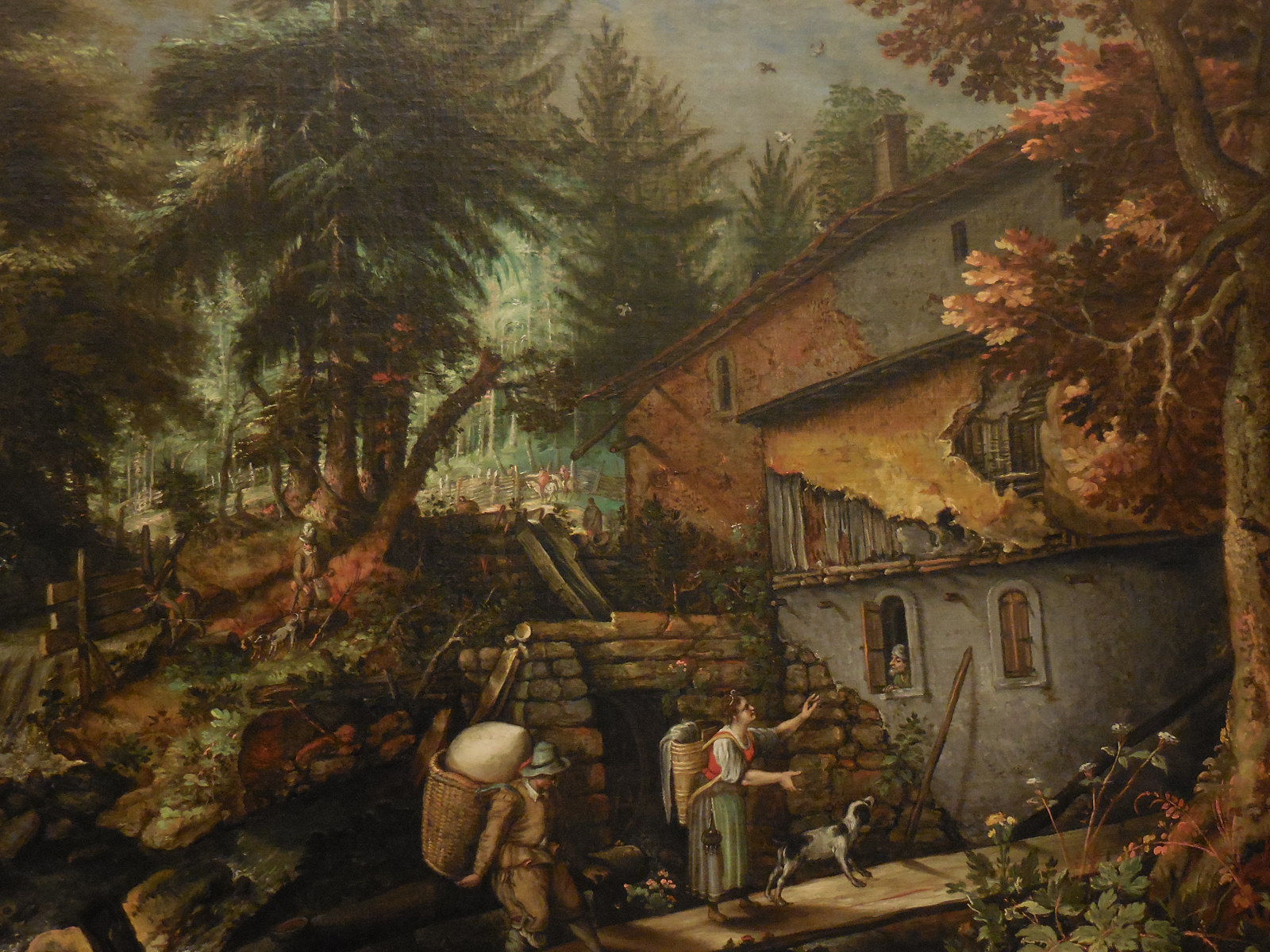
Pieter Stevens – Forest Landscape with a Water Mill

Pieter Stevens was another masterful court painter. He resided in Bohemia with his family and excelled at landscapes, influenced by Paul Brill and Hans Bol. He often portrayed village scenes or rendered forests and mountains in his unique way.

In 1585, Rudolf II’s collection was comprised of 3,000 paintings, including many Italian, Dutch, Flemish and German works, not to mention the numerous curiosities and statues.

Lucas Cranach the Elder – The Ill-Matched Couple

After Rudolf II died in 1612, his successor Emperor Matthias had many of Rudolf’s paintings taken to Vienna, where he had his imperial residence. The Bohemian Estates sold some of Rudolf’s works so they had enough money to pay their soldiers. After the Catholics defeated the Protestant nobles in the Battle of White Mountain during 1620, Archduke Maximilian of Bavaria confiscated many of the works. Others were destroyed. During 1630, while the Thirty Years’ War was raging, Saxon soldiers took over Prague Castle and stole much of the artwork.

Bassano – The Good Samaritan

When the Swedes occupied Prague Castle in 1648, they took some of Rudolf’s collection to Queen Christina in Stockholm, but the most significant works had already been sent to Vienna. The queen sold some of the artwork and gave away others. She also took her favorites to her residence in Italy. Part of the collection was destroyed in a fire at the Royal Palace of Stockholm. Some works stayed in Prague when the Swedes took control because they were hidden.

Tintoretto – Christ and the Woman taken in Adultery

A few paintings made their way to England, becoming part of Lord Buckingham’s collection. Several were returned to Prague from Vienna. Other paintings were sold in Europe. Empress Maria Theresa had the picture gallery at the Castle shut down. In 1782 many of the Rudolfine artworks were sold at auction.

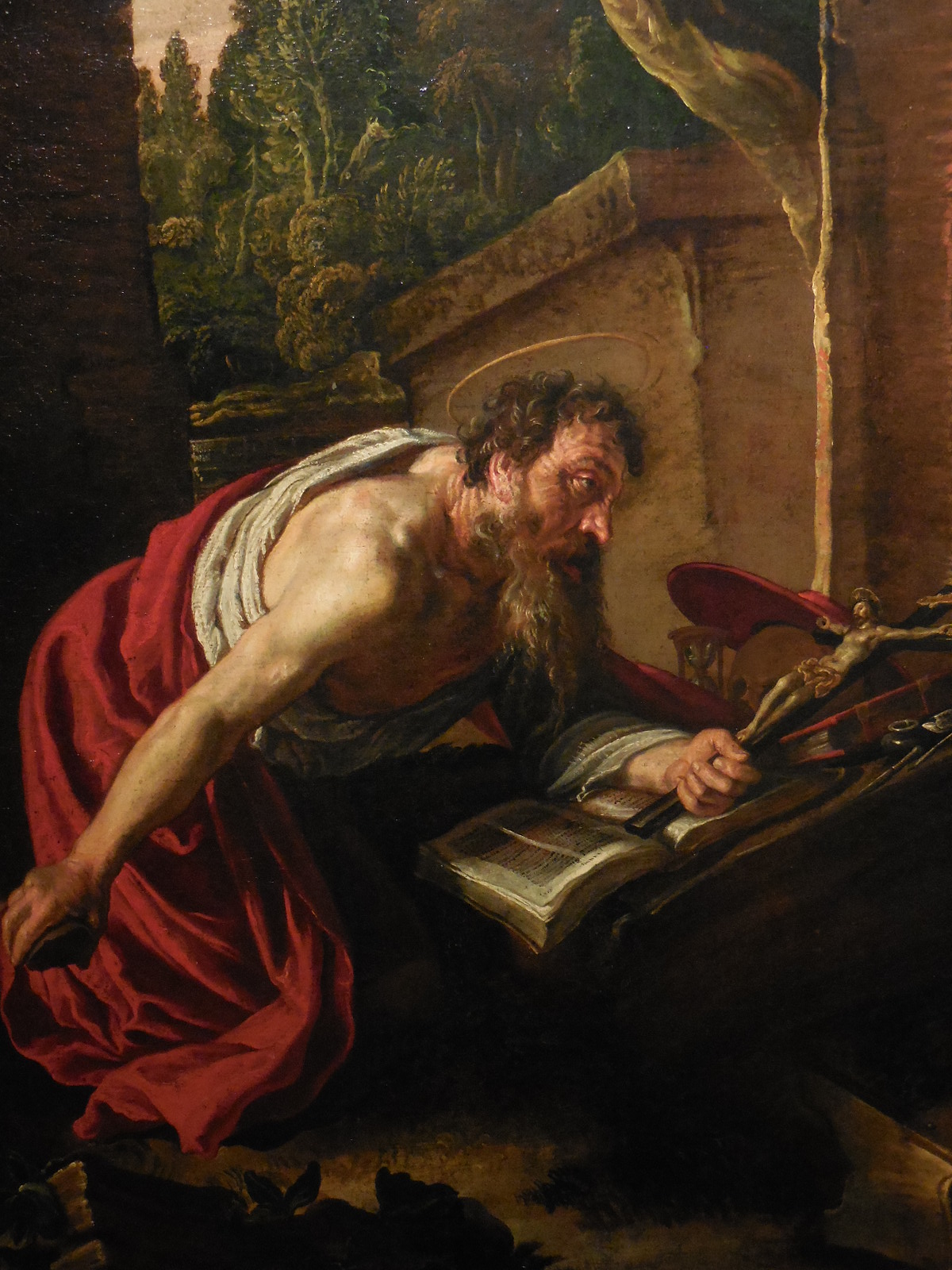
Domenico Fetti – Saint Jerome

Some paintings have perhaps miraculously remained at Prague Castle throughout the trials and tribulations of history. Paolo Veronese’s Portrait of Jakob König and Christ Washing the Feet of his Disciples as well as The Adoration of the Shepherds became property of the gallery in the middle of the 17th century and never left. Titian’s Young Woman at Her Toilet has called Prague Castle home since the 18th century. Several of the paintings by the Bassano brothers have remained in Prague, though many were transported to Vienna.

Bassano – September

In 1796, Czech aristocrats and burghers organized the Picture Gallery of Patriotic Friends of the Arts in Prague, which would later become the National Gallery. Some paintings were not sent to Vienna because they were on loan at the time to this Prague society. The year after its creation, the group was able to get 67 of Rudolf’s paintings back from Vienna. Gradually, they obtained more and more paintings from Vienna.

In 1918 Czechoslovakia was formed, and Prague Castle became the office of the president. In 1930 the Masaryk Fund began to purchase paintings for Prague Castle. During the Nazi Occupation some of the paintings hung at the president’s summer residence of Lány and others stayed at Prague Castle.

Peter Paul Rubens – The Annunciation to the Virgin

Much reconstruction took place at Prague Castle from 1960 to 1961. The National Gallery Commission brought many paintings to the National Gallery and the Museum of Decorative Arts in Prague. Many paintings were stored in a depository at Opočno Chateau during 1961. After the reconstruction, the Prague Castle Painting Gallery was established, taking up six rooms and including works of Titian, Rubens, Veronese and Tintoretto. German masters and Baroque artists from the Czech lands and the Netherlands also made up the collection.

Titian – The Virgin and Child with the Young Saint John the Baptist

The Velvet Revolution of November of 1989 triggered the downfall of Communism. A few years later, in 1993, the Prague Castle Administration was set up. One of its purposes was to organize new exhibitions at the painting gallery. From 1995 to 1998, much reconstruction took place at the Castle, and the Prague Castle Administration bought more paintings from Rudolf’s collection.

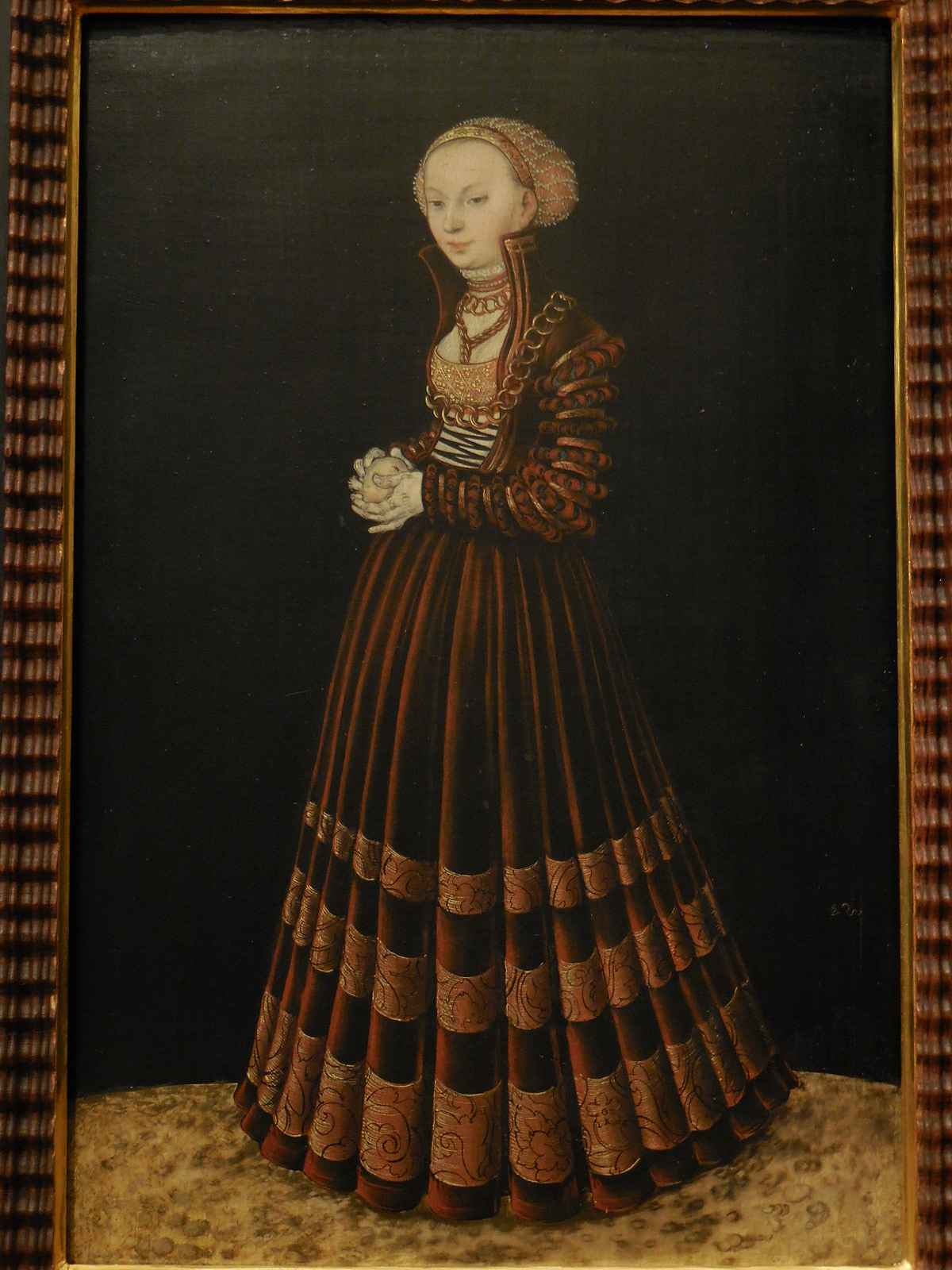
Lucas Cranach the Elder – Portrait of a Lady with an Apple

There has not been such a vast collection at Prague Castle since Rudolf’s death. It is impossible to faithfully recreate the Rudolfine collection because there are not enough inventories. Many of the paintings taken during the Thirty Years’ War have disappeared. Still, the Prague Castle Picture Gallery houses 120 outstanding works, including ones from the original collection.

Tracy A. Burns is a writer, editor and proofreader in Prague.

Veronese – Christ Washing the Feet of the Disciples
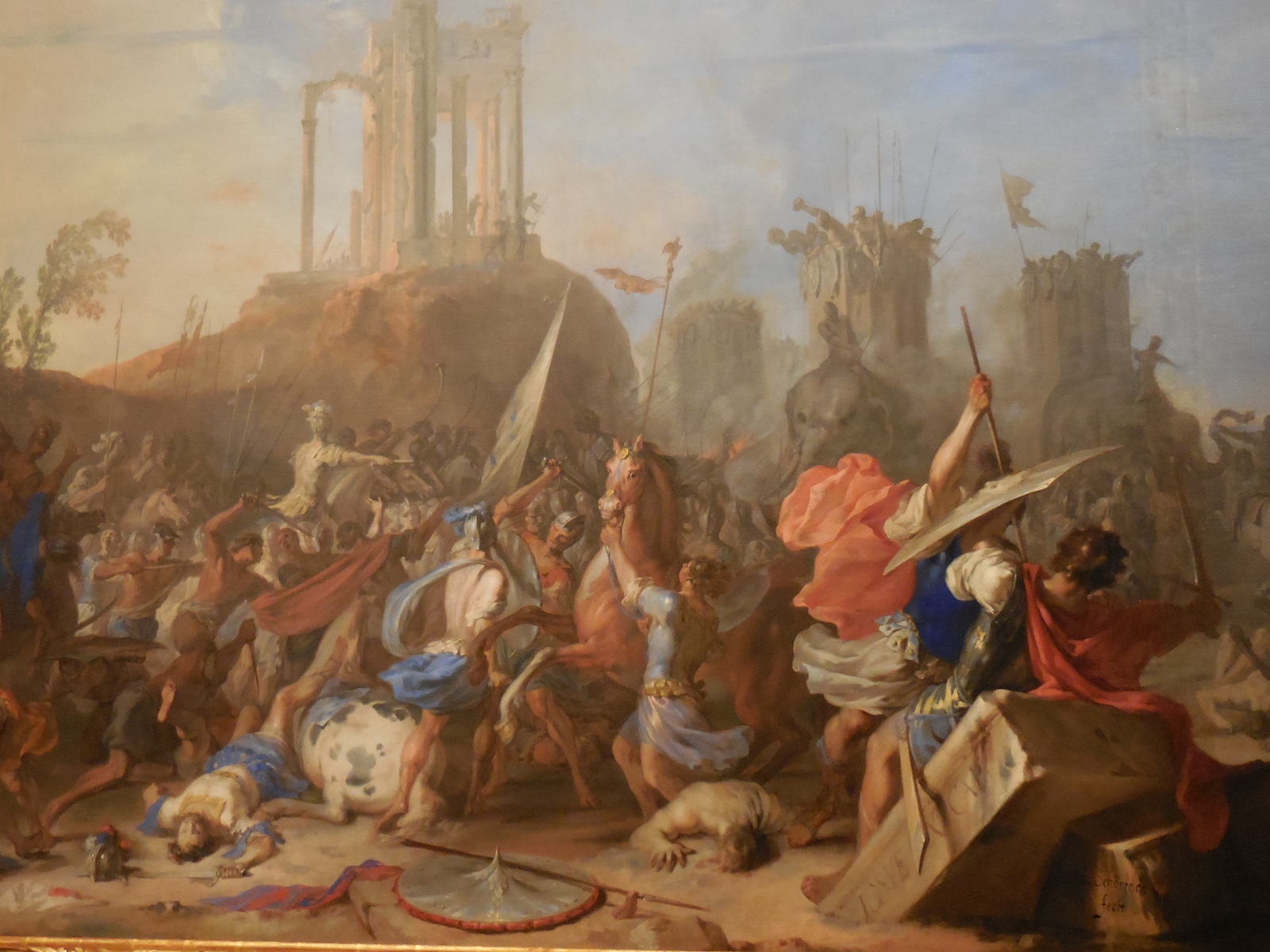
Johann Heinrich Schonfeld – Battle of Jericho
Peeter Snayer – An Ambush in a Village

City Museum of Prague Diary

praguecitymusmodel15

I had wanted to visit the City Museum of Prague again for some time, but I had just not gotten around to it. I remembered how the intriguing museum took visitors through the joys and disappointments of Czech history. This time, I went to see a temporary exhibition about Prague during the 20-year existence of the democratic First Republic, but, of course, I explored the entire museum as well.

praguecitymuseum16

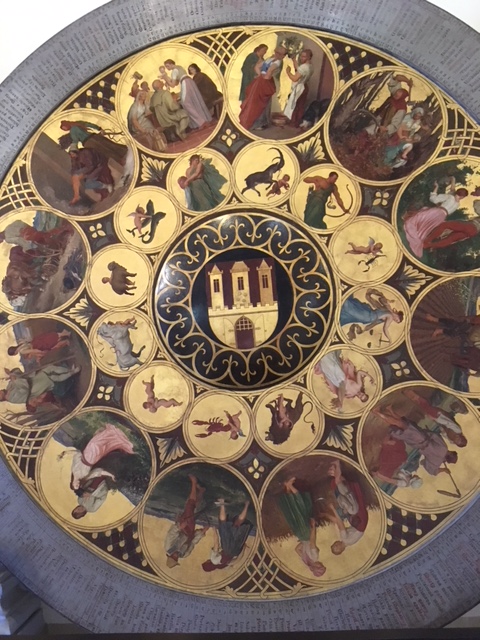
It was even more impressive than I had remembered. In the main hallway, I saw the calendar dial for Old Town’s Astronomical Clock, painted in 1865 by well-acclaimed Czech artist Josef Mánes. The dial was divided into circular rings. I took notice of the medieval syllable calendar. The folk costume-clad figures represented the 12 months, celebrating Slavic identity. I recognized Troský Castle in the background for September, and I knew that December symbolized the tradition of Czech pig-slaughtering, a custom the European Union did not approve of. A castle addict, I was excited to see Bezděz Castle in the background of the portrayal of March as a young farmer did his ploughing duties in the foreground. I remembered walking 4 kilometers from the train station to the ruins of Bezděz. It had entailed two kilometers of a steep, rocky incline that led to the remnants of what must have been at one time an impressive castle. I liked walking around the ruins, several pages that described each part in my hand, trying to imagine what it had looked like in its heyday. I wasn’t a big fan of ruins, but this one had charmed me.

praguecitymuseum12

Mánes had also painted figures as zodiac signs. I saw dolphins with a plump cherub for Pisces. Sagittarius featured an Old Bohemian warrior while the depiction of Capricorn did not include any human figures but rather a cherub guiding a goat.

praguecitymuseum18

I also noticed that Romanesque elements had greatly influenced the adornment on the dial. I recalled the Romanesque church in Regensburg, Germany, the façade an architectural delight. I had also seen many churches with Romanesque features in Czech villages. At the ruins of Vyšehrad Castle in Prague, St. Martin’s rotunda fit the Romanesque style.

praguecitymuseum3

I walked into the prehistory section, not knowing if I would find it interesting as prehistory was not my cup of tea. I discovered that the first archeological find in Prague was unearthed near St. Matthew’s Church in Prague’s sixth district, a nice walk from where I had lived for many years. The small church had an intimate flair, and if I had been religious, I would have gone there for services. I would also like to be buried there. It is a relatively small and beautiful cemetery in my favorite section of Prague, but I do not think that would be possible. The cemetery is home to some famous Czech artists – architect Pavel Janák and actor Jiří Kemr.

praguecitymuseum8

I also learned that the first farmers in Central Bohemia came in 6 BC. Another interesting fact was that the Celts, in the second half of 1 BC, were the first people to wear trousers in Central Europe.

praguecitymuseum6

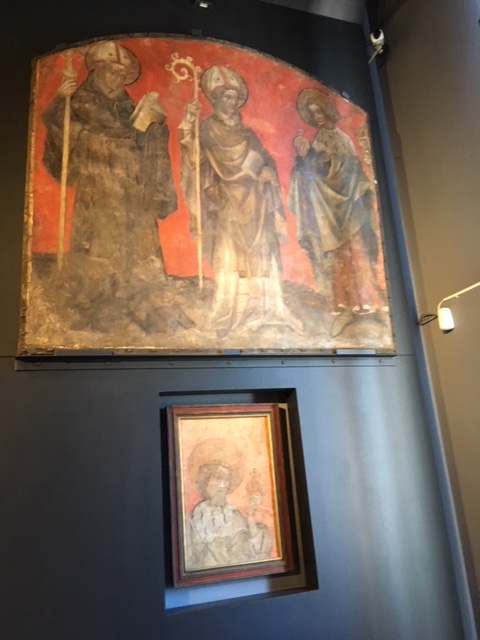
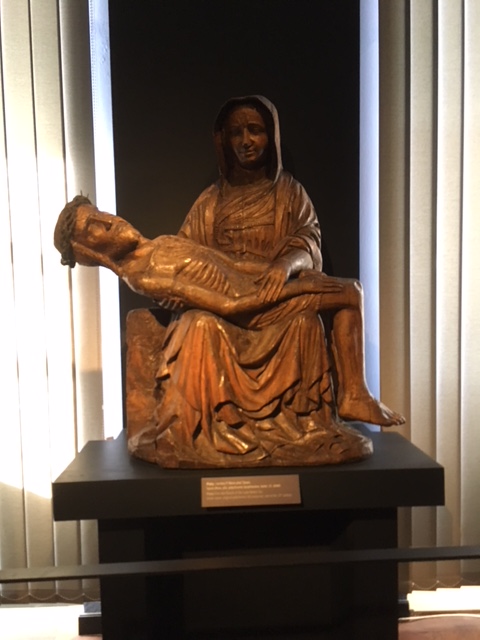
The medieval displays were eye-catching. Frescoes and wall paintings from Prague houses were highlighted. I read that Prague’s boroughs were created in the 13th and 14th centuries when a medieval fortress had been built. I already knew the Old Town was founded by King Wenceslas I during the 1230s. I read about the origins of the various districts of Prague. A statue that got my attention showed Christ in agony, hailing from 1413 and made of linden wood. Ceramic stove tiles showed pictures of Hussite soldiers from the 15th century, when the Hussite wars ravaged the Czech lands.

praguecitymus39

Rudolf II’s Prague was also featured in the museum section that documented Prague from 1434 to 1620. Artists had flocked to Prague, which had made a name for itself as a center of European Mannerism. Rudolf II’s collection of art and curiosities was certainly impressive. An art gallery at Prague Castle displayed much art that had been attained during his reign. I had also seen many of Rudolf II’s curiosities in the Kunsthammer in Vienna.

praguecitymus18

praguecitymus20


Of course, the Thirty Years’ War was given much attention, as the Catholic victory over the Protestants would greatly influence Prague and Czech history for hundreds of years. Before the war, there were many Ultraquists in Prague society. The defining battle for the Czech lands was at White Mountain in Prague during 1620. The townspeople of Prague were not happy with the then current legal, economic and political roles of towns and took part in this battle. During the war, the Saxons occupied Prague, and the Swedes pillaged and bombed the New Town in Prague.

praguecitymus27

praguecitymus28

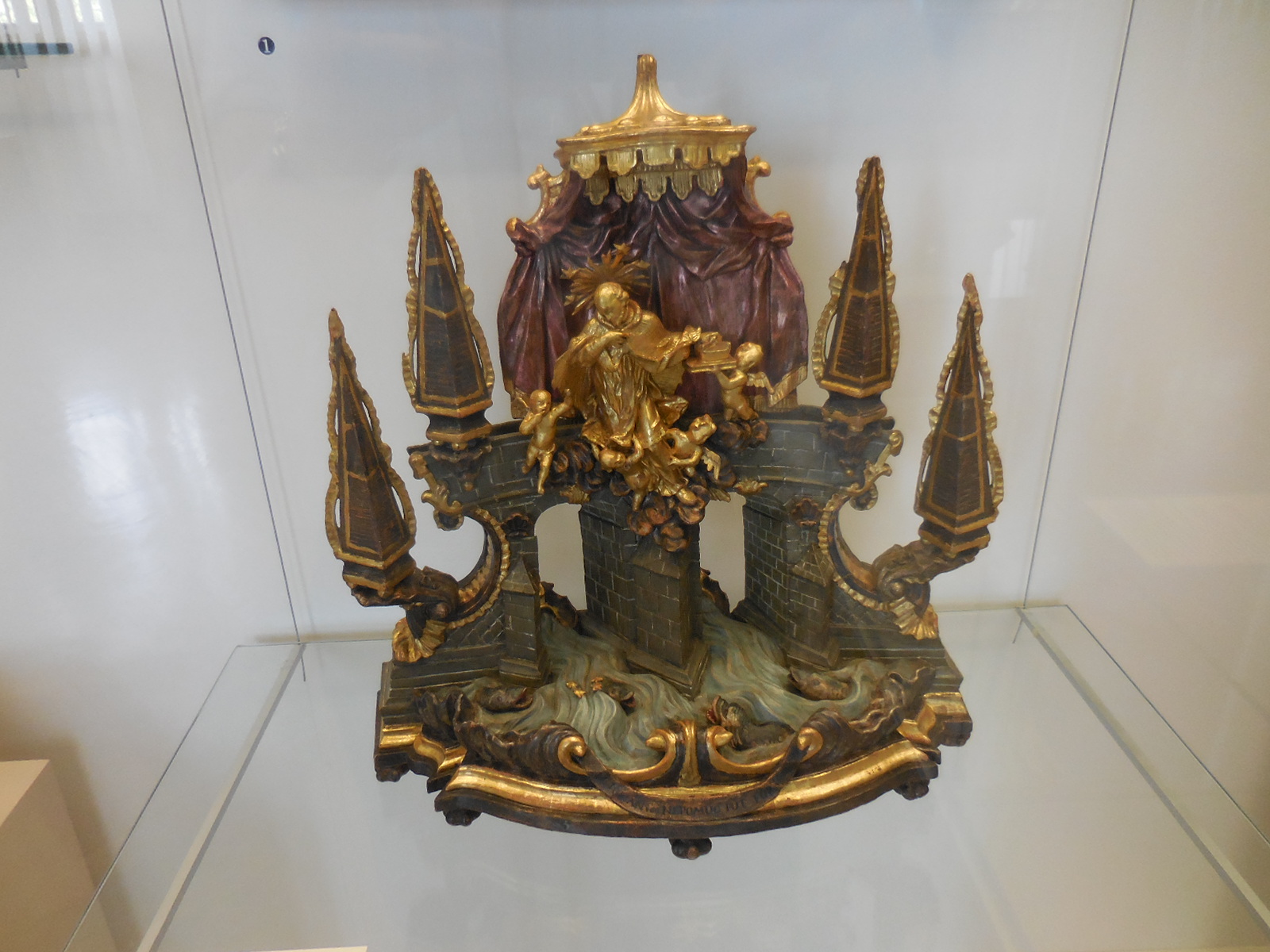
I remembered living near the Vltava embankment in the pleasant New Town. I tried to imagine the damage and destruction that those bombs had brought to the quarter. It must have been a devastating sight. Prague became part of a province after the war, and Baroque art and architecture became the fashion. In 1624 Catholicism became the only religion allowed in the Czech lands. During the Baroque period, Czech artists including the Dientzenhofer family of architects, sculptor Matthias Bernard Braun as well as painters Karel Škréta, Petr Brandl and Norbert Grund made their way to Prague in 1710 and had a great influence on the art in the city.

praguecitymuseum2

praguecitymuseum15

praguecitymus25

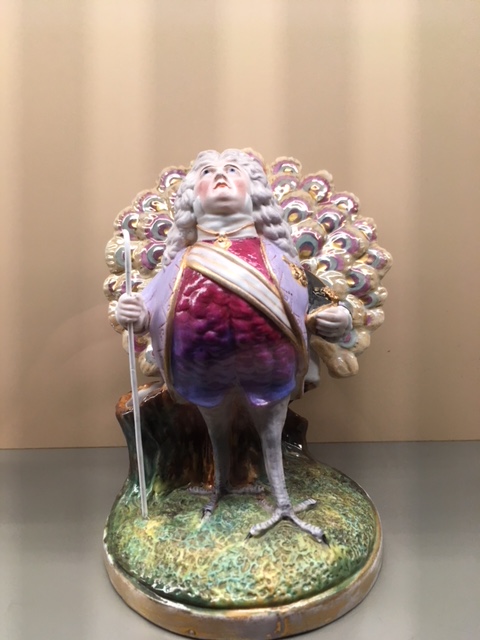
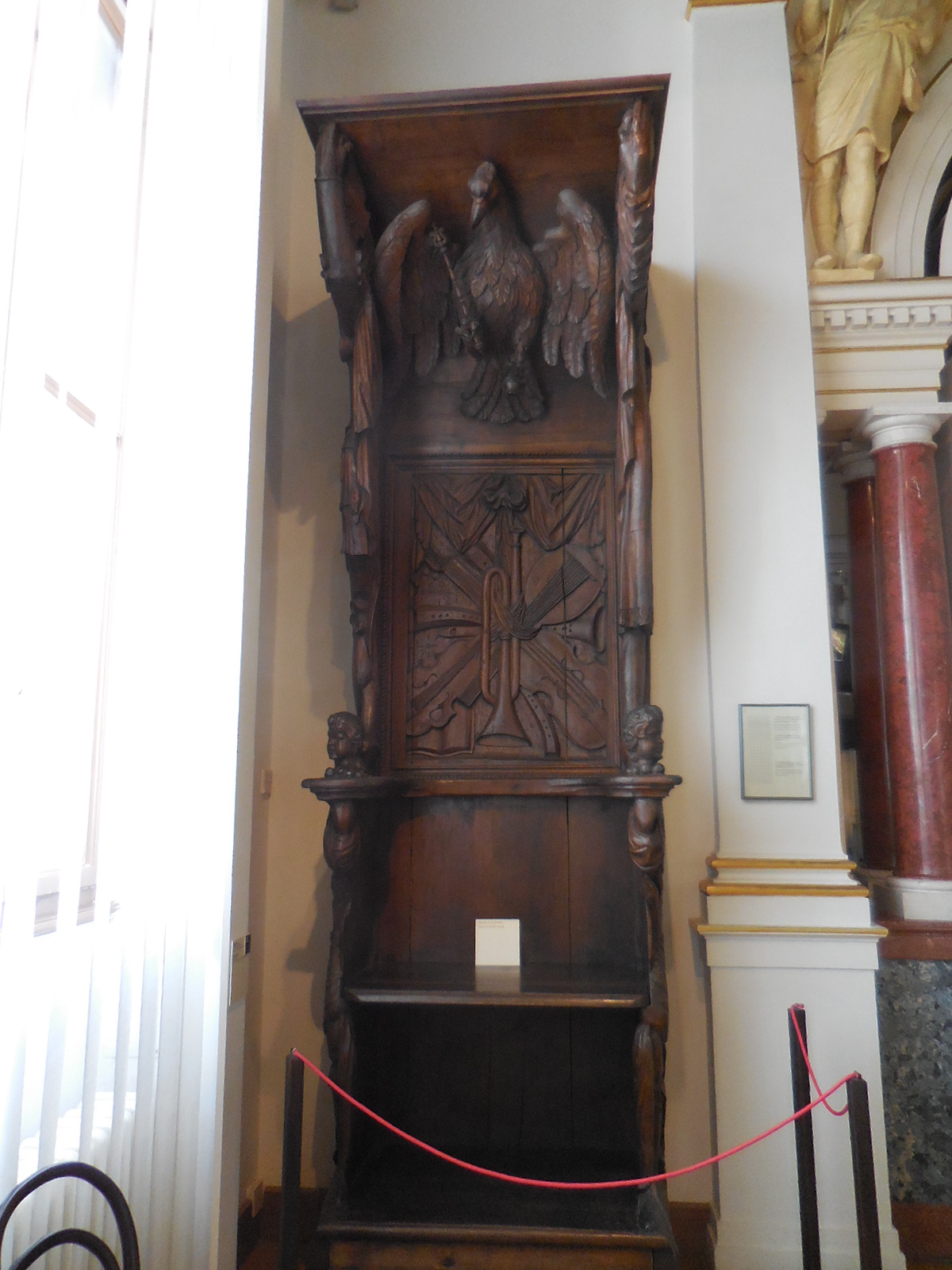
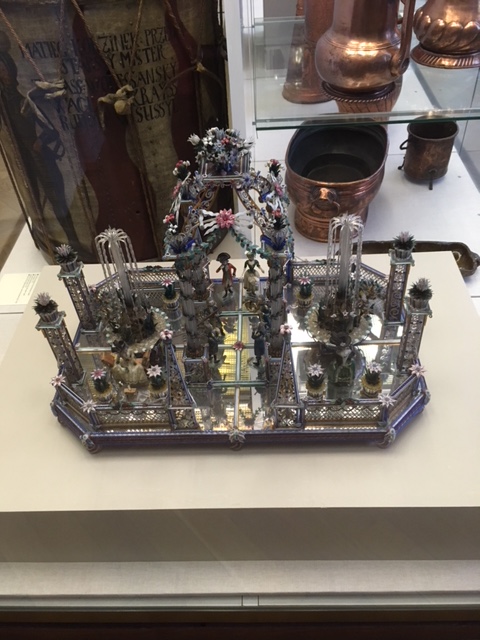
The reign of the Habsburgs brought with it a long period of Germanization and a centralized monarchy that dominated the 18th century. Some of the exhibits on display from this century were intriguing, to say the least. A table clock took on a macabre character, featuring a skeleton wielding a scythe. There was also a wooden throne from St. Vitus Cathedral, made in the second half of the 17th century. A glass garden with musicians and nobles was another impressive creation.

praguecitymus36

praguecitymuseum4

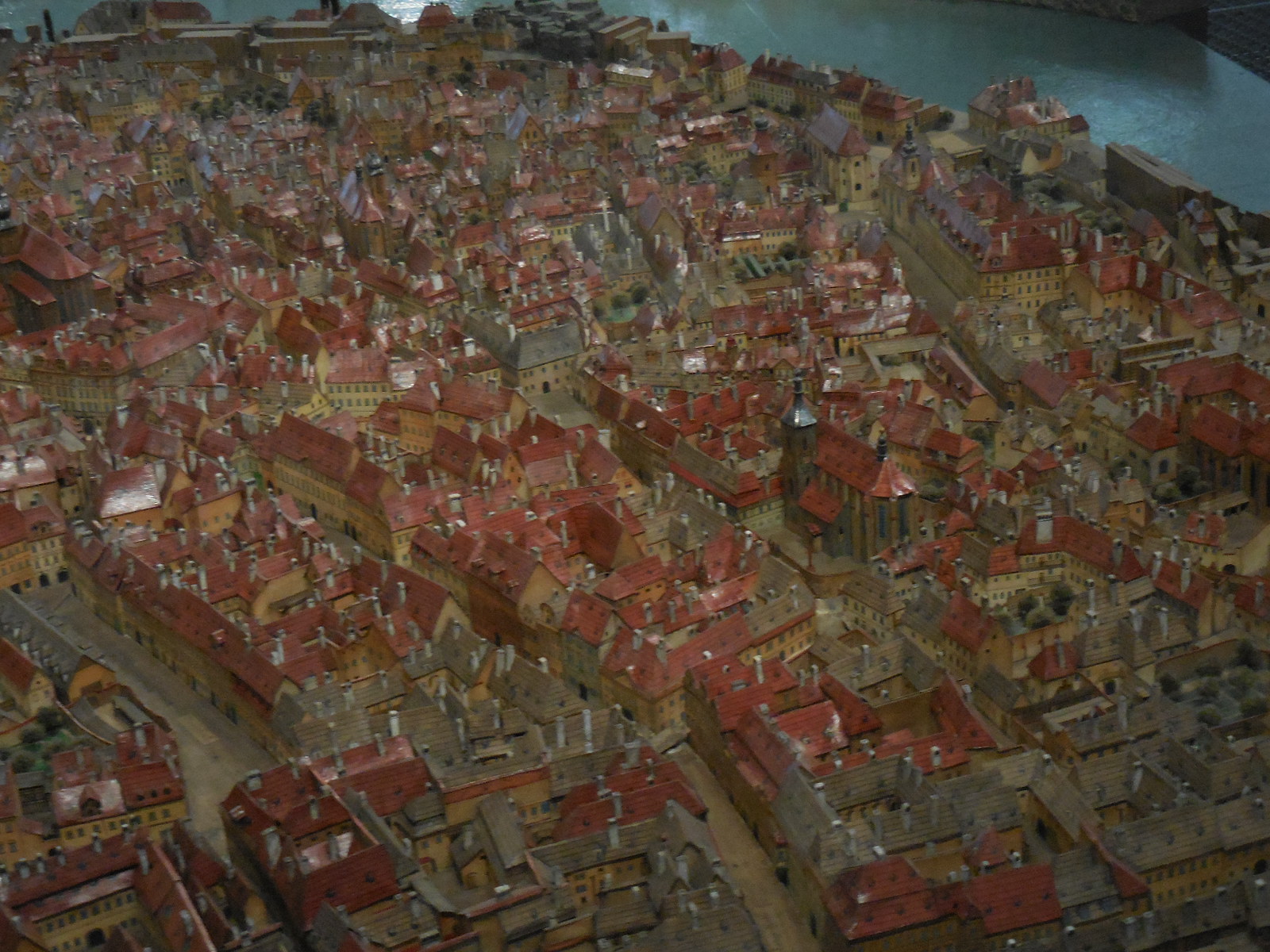
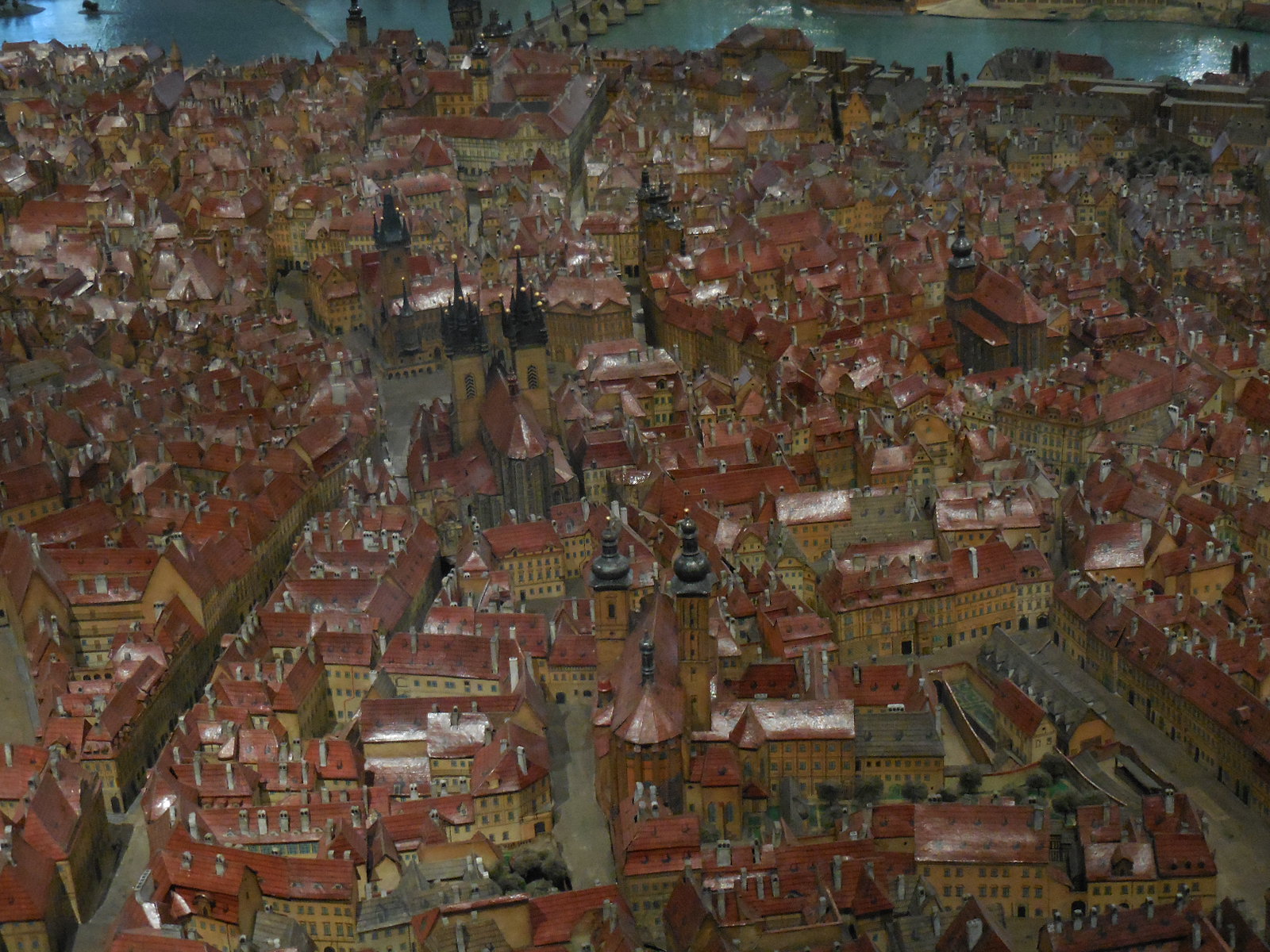
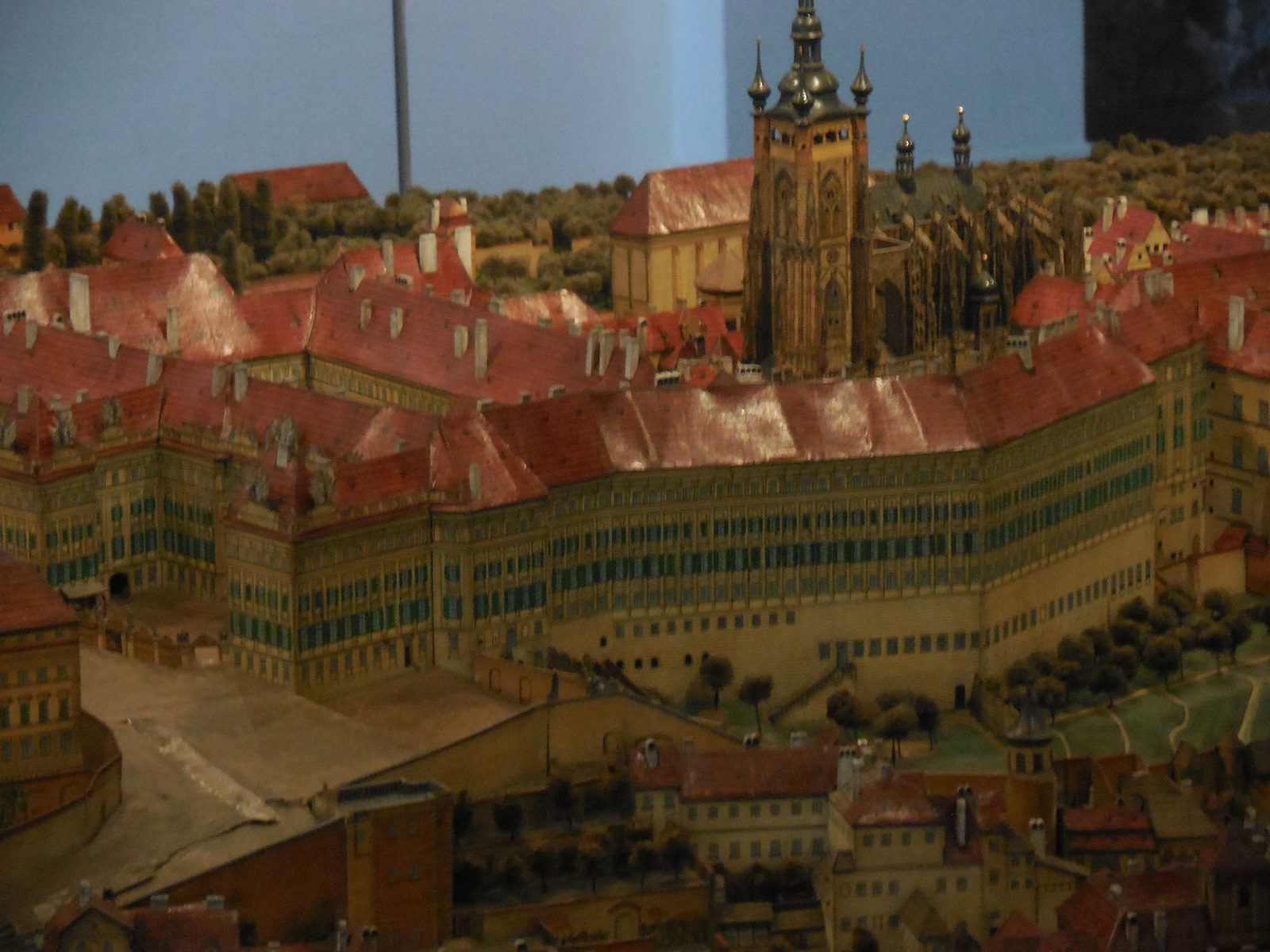
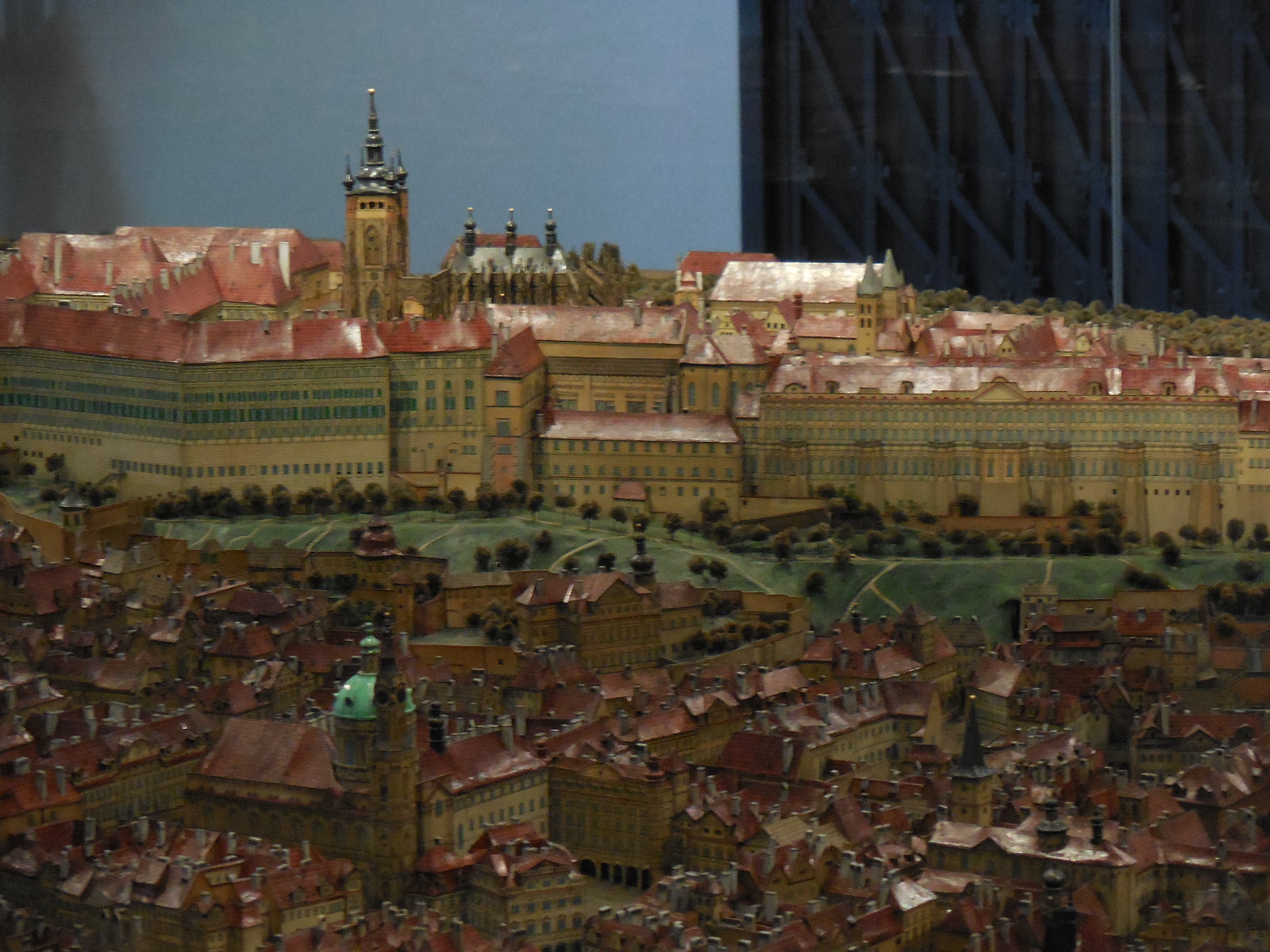
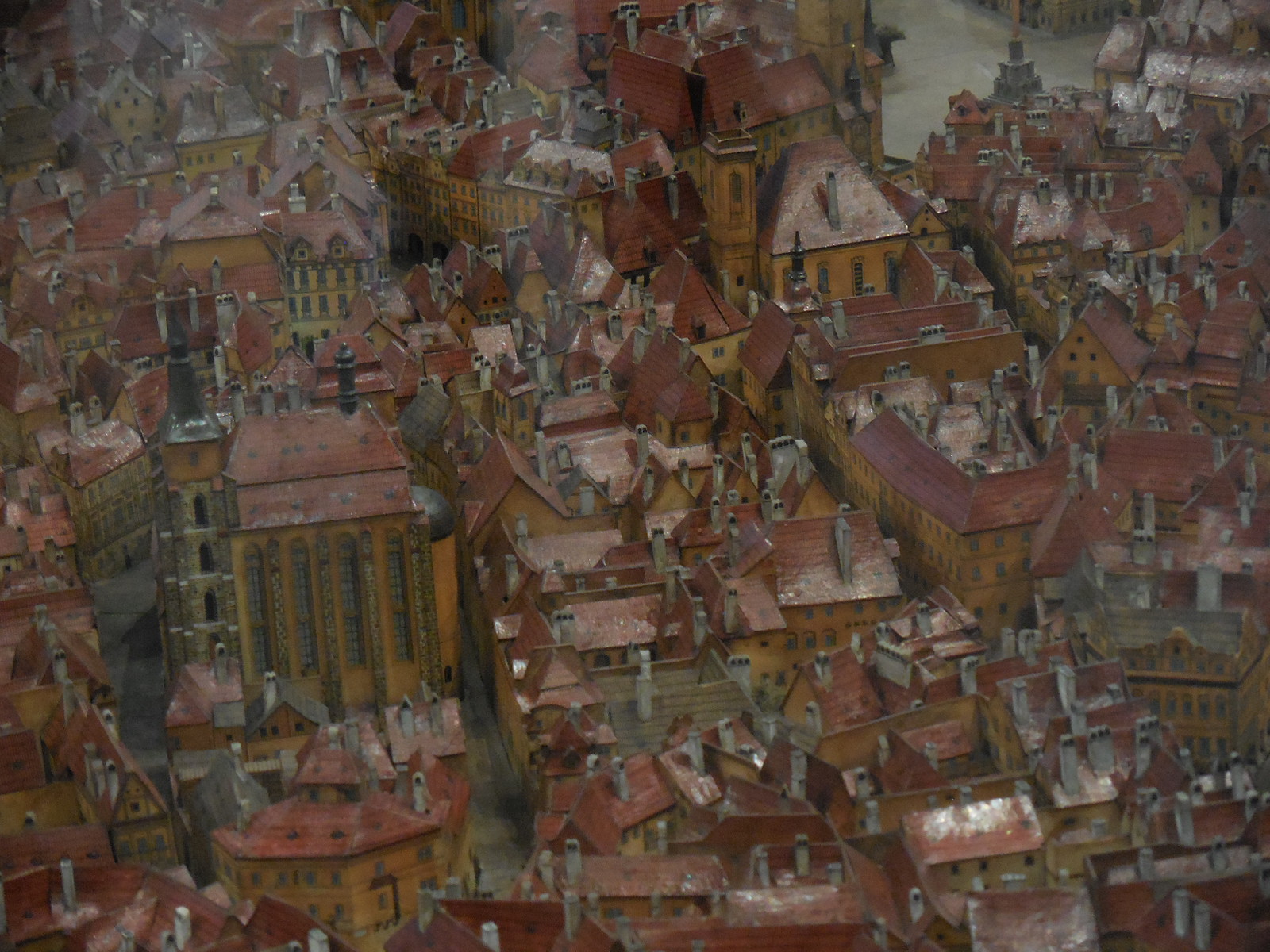
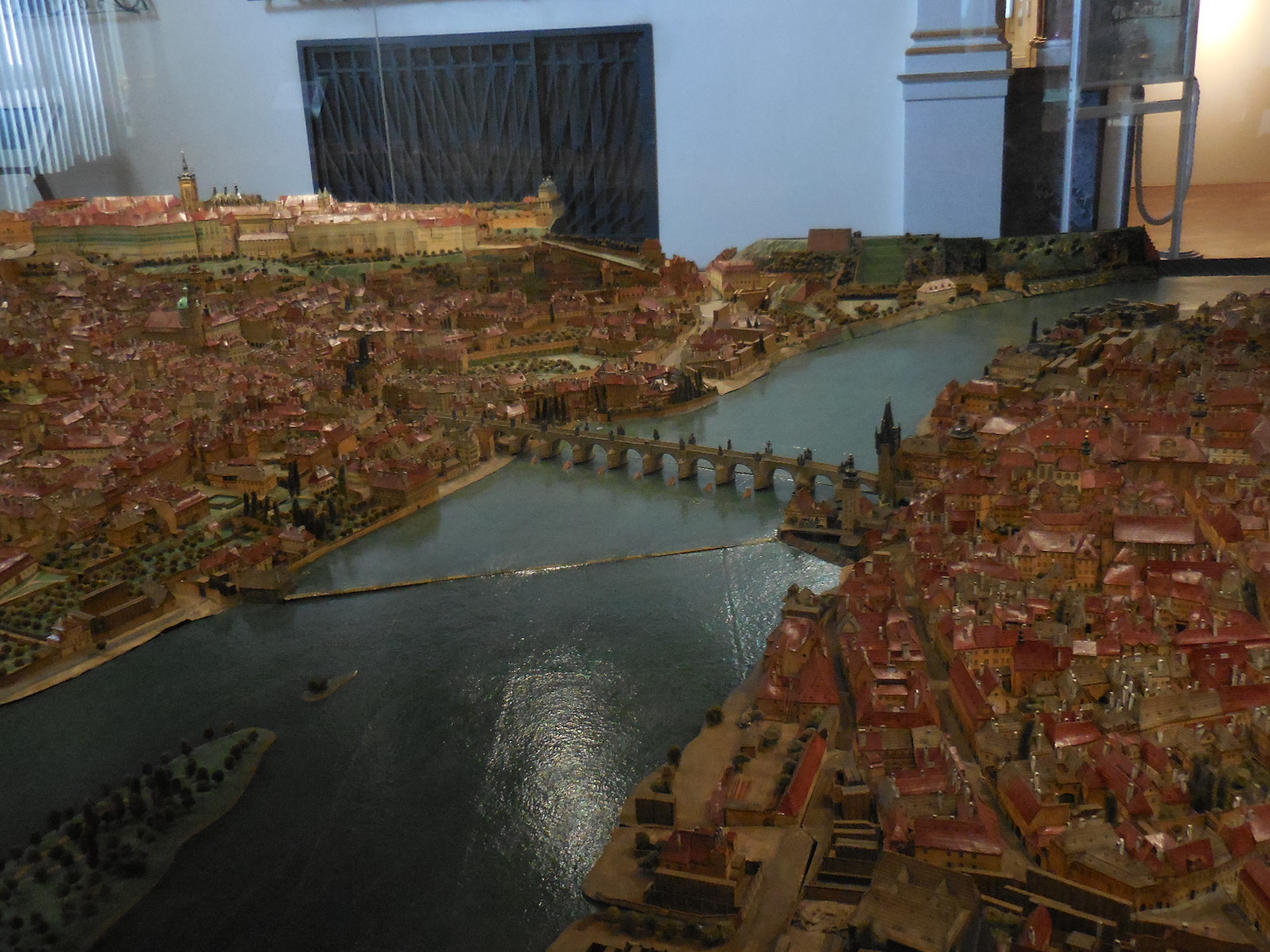
Then Prague experienced peace for 100 years. The exhibition ended with the Baroque section, but there was more to the museum, specifically Antonín Langweil’s model of Prague, constructed from 1826 to 1837. He had worked in the University Library at the Clementinum when he was not creating this amazing three-dimensional model of the city. The precision and detail left me in awe. He did not finish the project, but what he did create is astoundingly beautiful and innovative. I saw many sights I had first become acquainted with when I was a tourist in the city during the summer of 1991 – Prague Castle, the Charles Bridge and the Lesser Quarter’s main square as well as the Old Town, St. Vitus Cathedral and the Old Jewish Cemetery.

praguecitymusmodel14

praguecitymusmodel13

praguecitymusmodel12

I recalled walking to Prague Castle across the Charles Bridge early each morning when I first moved to Prague and lived in the Old Town. I would never forget standing below the balcony of Prague Castle on a frigid February evening in 1994 while Václav Havel gave a speech as the first President of the newly created Czech Republic, his wife Olga by his side. I recalled the moment I had set my eyes on Old Town Square for the first time, back in 1991, feeling at once that I had found my true home.

praguecitymusmodel7

praguecitymusmodel5

praguecitymusmodel4

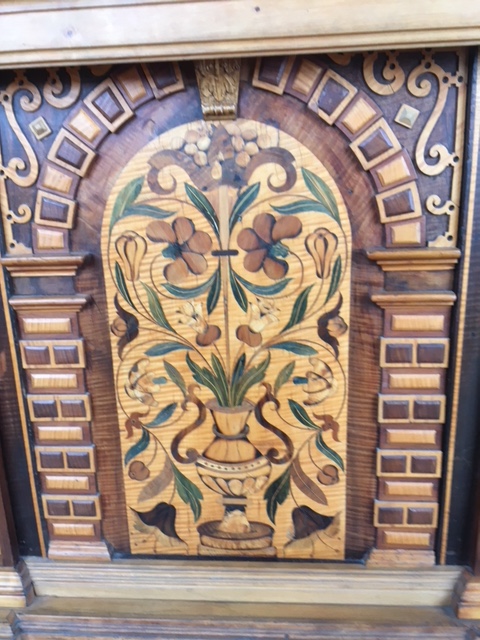
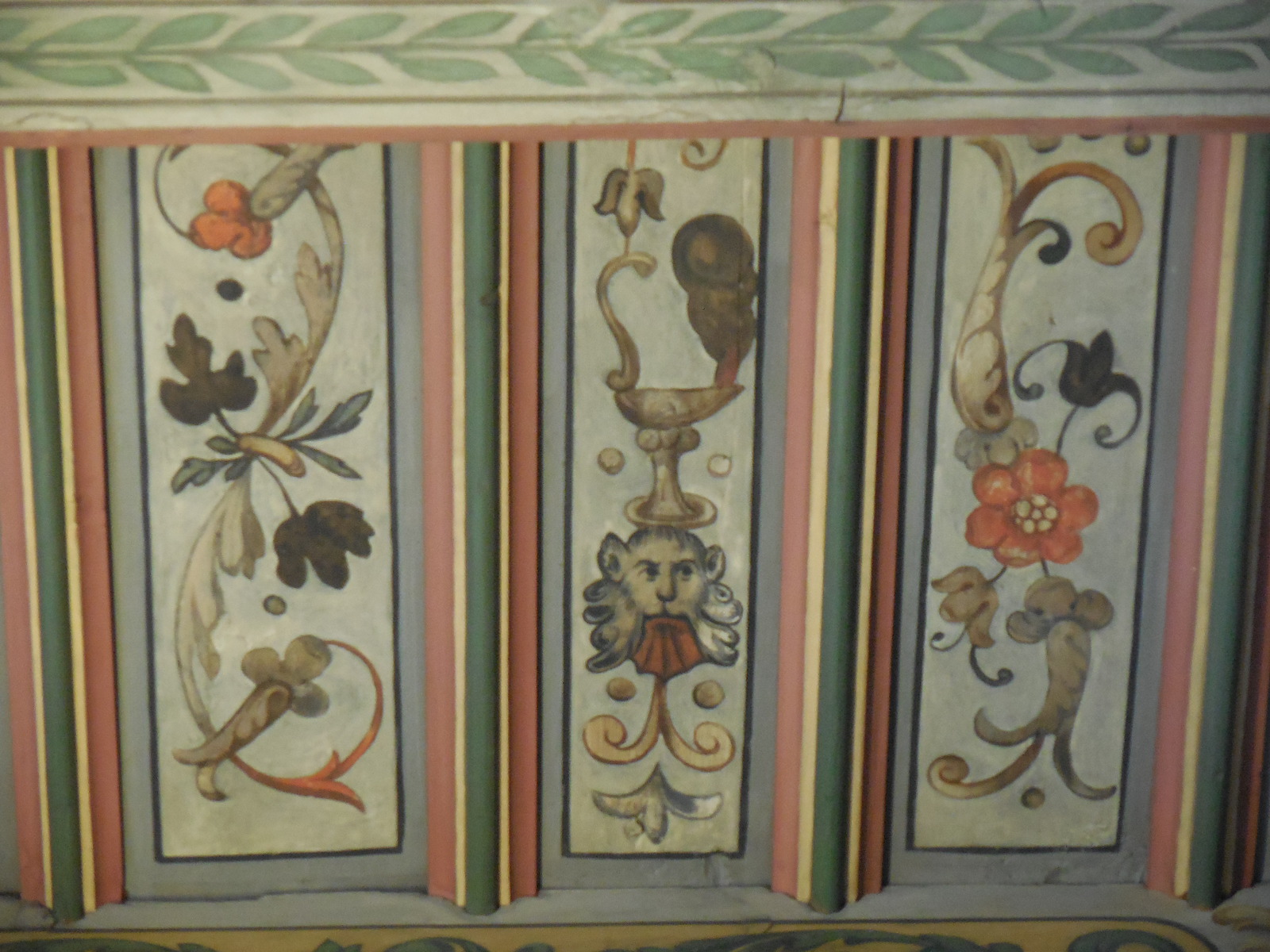
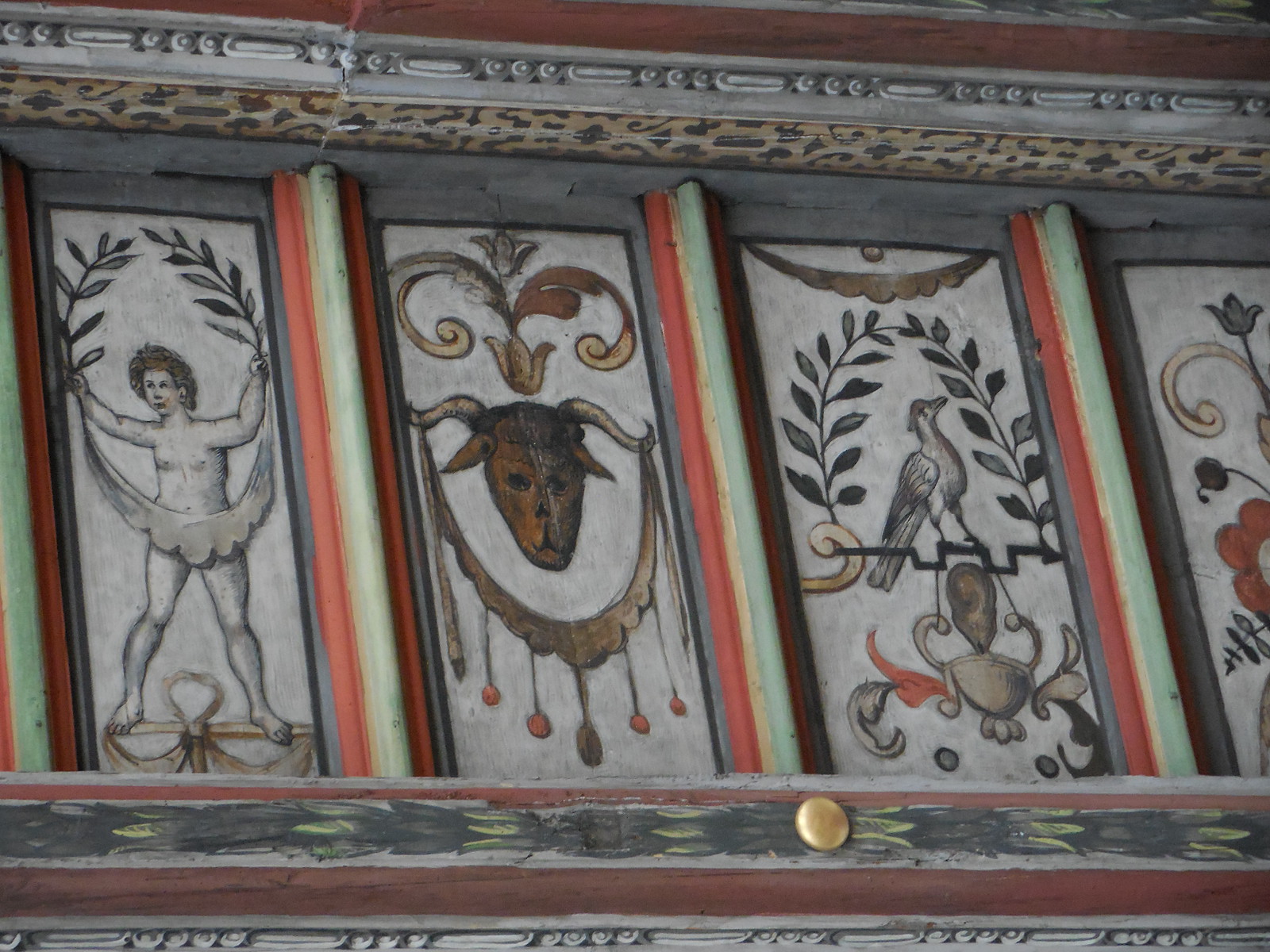
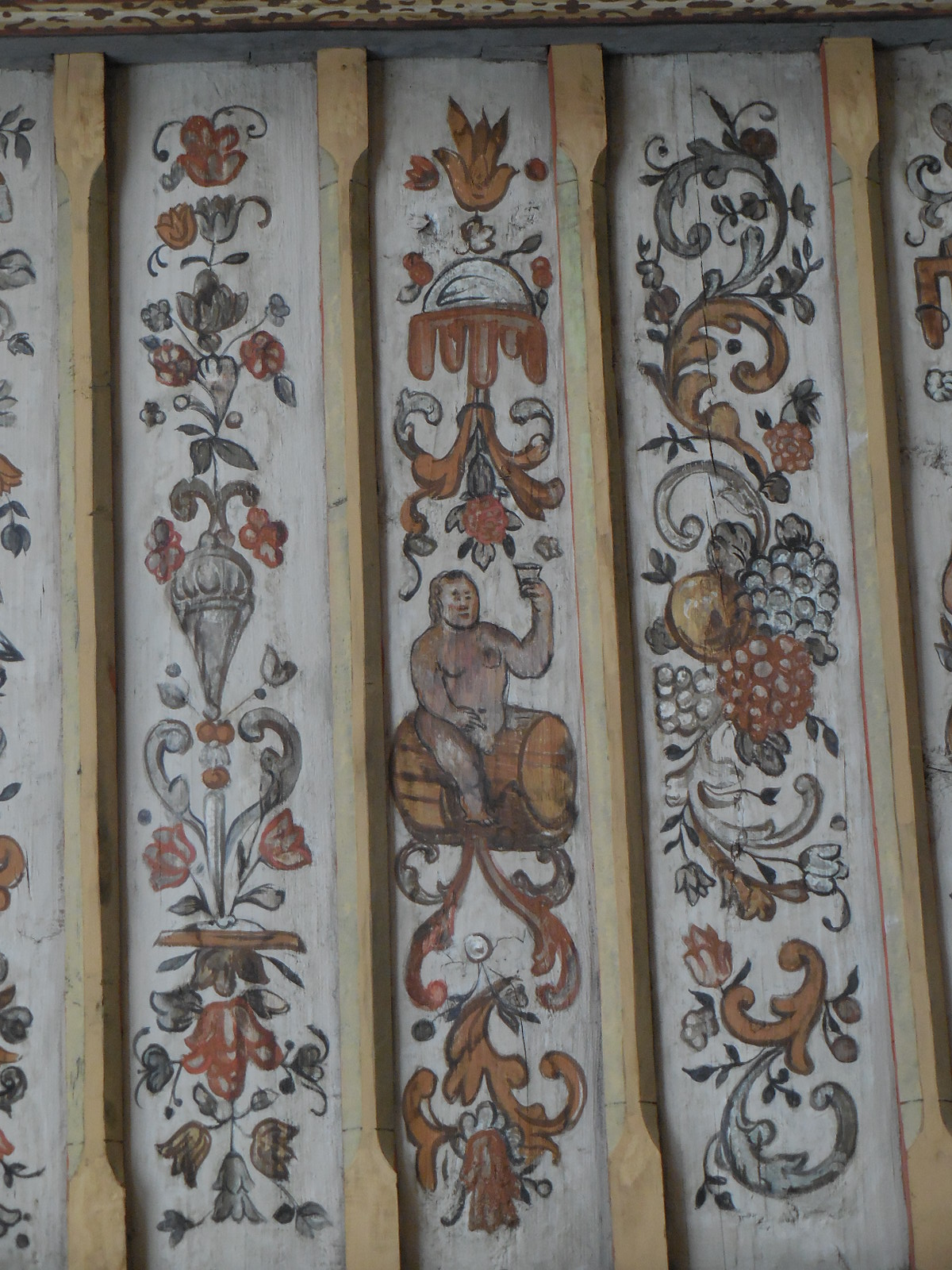
What I found just as impressive as the exhibits were the richly adorned coffered ceilings in the museum. The painting is incredible. One used to be in a house in Prague and hails from the 17th century. On walls of the upper floor is a magnificent painting of the city.

praguecitymusmodel3

praguecitymusmodel1

While I already had a solid foundation in Czech and Prague history before this visit, I realized how important this museum would be as a learning experience for tourists who really wanted to become acquainted with the historical events that had shaped the city’s identity through the Baroque era.

praguecitymuseum19

praguecitymus42

praguecitymus40

It was such a shame that the displays ended with the Baroque era, but there was no more space in the museum. I thought that a museum of more recent history should be created with a special room celebrating Václav Havel as a dissident, playwright and president of Czechoslovakia and the Czech Republic.

praguecitymus34

praguecitymus33

Walking through this museum, I was moved by the lands’ often tumultuous history and reminded how the history of the city seeps into my soul every day, no matter where I am. Just looking around me, I feel the history, which is one of the traits I like most about Prague. It is one reason I feel at home here and don’t want to leave.

Tracy Burns is a writer, proofreader and editor in Prague.

praguecitymus13

praguecitymus10

praguecitymuseum17

praguecitymuseum11