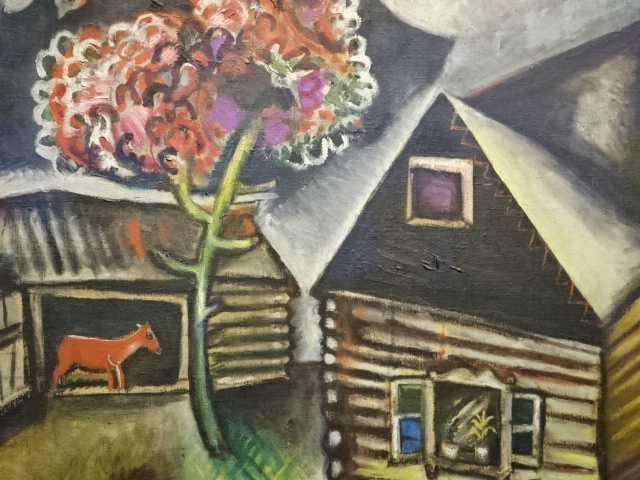
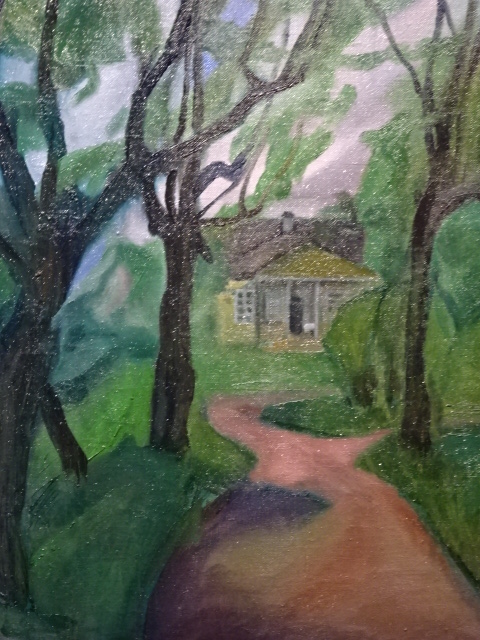
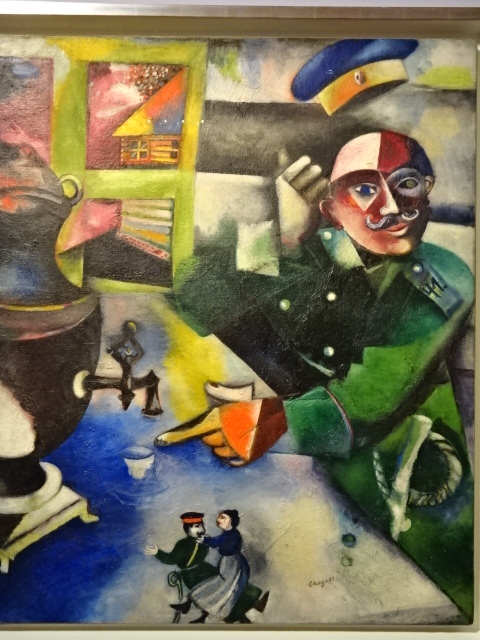
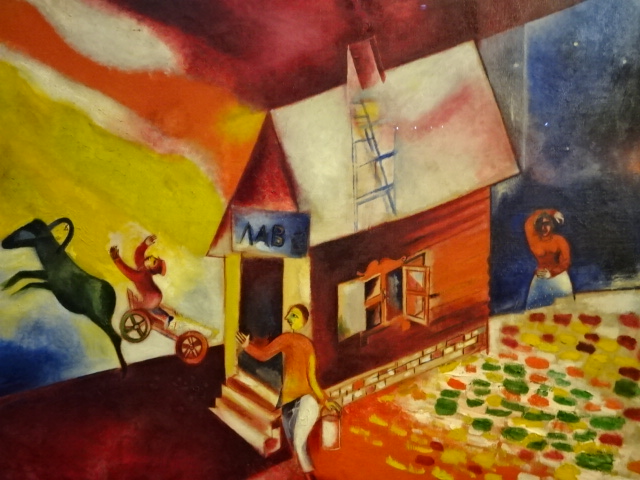
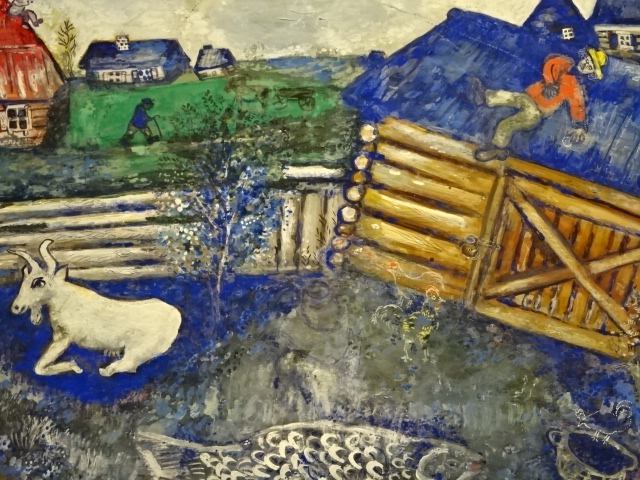
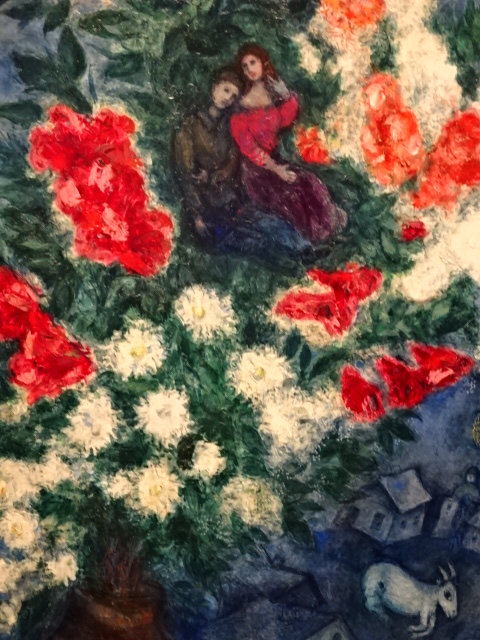
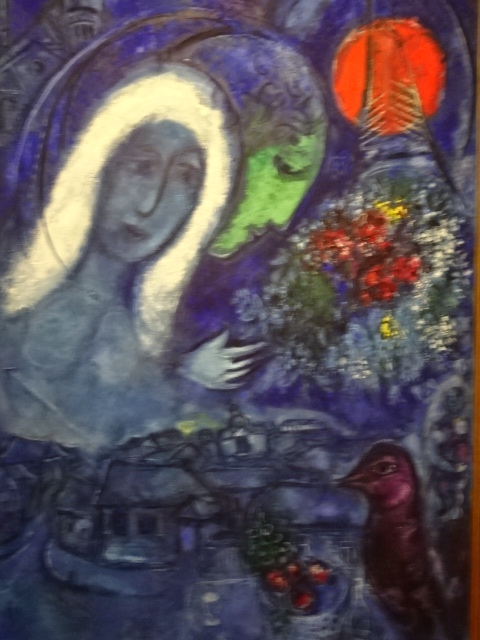
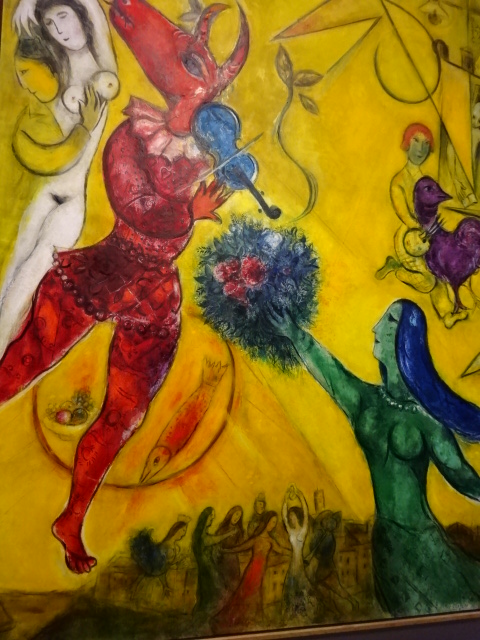
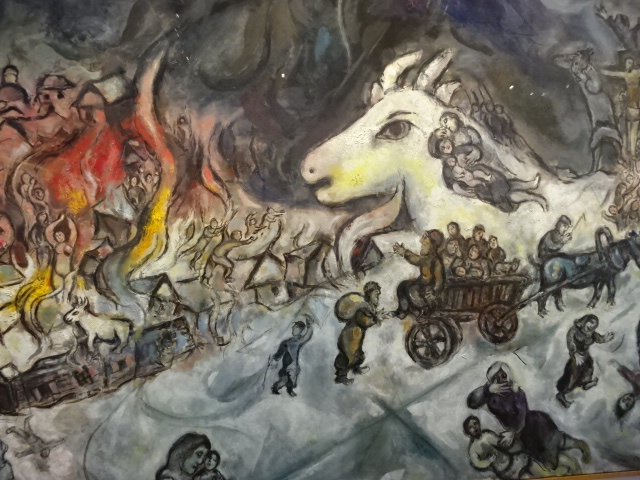
I admired Marc Chagall’s works at the Albertina venue in Vienna, Austria during late October of 2024. I have always loved going to exhibitions in the Albertina. I recalled a comprehensive show of works by Durer at that venue some years ago. A long-time fan of Chagall, I loved his use of bright colors and atmosphere of playfulness in his paintings that had a dreamy, fantasy-filled quality. I was enamored with his mastery of color to express various emotions and to create new worlds. I loved his renditions of Paris, the Eiffel Tower often dominating his creations.
Before this show I hadn’t realized how strongly his Jewish background had influenced his art. Chagall’s paintings were punctuated with Jewish folklore and motifs. I saw a painting of a synagogue and portraits of rabbis, for instance. Many paintings boasted biblical themes. I also hadn’t realized how often he had rendered his hometown, both sadness and joy intermingled in the memories. His yearning to return to his hometown was extremely visible in his art.
The symbolic nature of his artistic creations also enamored me as I noted the many violinists, animals, half-human creatures, wooden houses, circus characters, roosters and floating married couples as well as beautiful floral arrangements. Because I had visited an exhibition in Prague’s Wallenstein Riding Stables about the interwar years of the École de Paris movement, I knew he had been associated with that era during his Paris sojourn.
The exhibition allowed me to become better acquainted with the artist’s life. Marc Chagall (1887-1985)was born as Moishe Shagal on July 6, 1885 into a Hasidic Jewish family in Vitebsk, located in today’s Belarus. During the late 19th century the town was situated in the Russian Empire. His impressive, varied resume includes paintings, drawings, book illustrations, ceramics, prints, tapestries, stained glass and stage sets, but this vast exhibition focused solely on his paintings.
While he spent World War I in his hometown, he went to Paris before the war broke out, moving there in 1910 when he was 23 years old. In France he made friends with Guillaume Apollinaire, Ferdinand Léger and others creating avant-garde works. He often depicted Jewish themes and also evoked Paris in many paintings. During World War I, back in Vitebsk, he married Bella and held exhibitions in Russia as the war made it impossible for him to leave the empire. He founded an arts college in his hometown, too. However, he was in dire financial straits during the Russian Civil War. After World War I, much of his work was Moscow-based.
Following the Bolshevik Revolution, he moved to Paris for the second time, but fled during World War II after the Germans took control of France. The Nazis in occupied France took away Chagall’s French citizenship, and he and his wife were arrested. However, with the help of others, he and his wife found a way to escape to the USA. He felt like an outsider and didn’t speak English.
While he was in New York City, tragedy struck his hometown of Vitebsk, which was destroyed by the Nazis. Things would get even worse. Bela passed in1944 because it was not possible to get her any penicillin. It was no surprise then that Chagall’s late spouse appeared in many of his paintings. In 1948, though, he returned to Paris, and there his paintings focused on Jewish themes and his yearning for the existence of his hometown. Also, he would marry two more times.
He devoted much time to other fields as well. Some of his accomplishments included creating stained glass decoration in the cathedral in Reims and at the Art Institute in Chicago. He also made stained glass adornment for places in Switzerland and Israel. He became even better known for his ceiling painting of the Paris Opera. I remembered gazing in awe at this ceiling several decades ago. It was an experience I will never forget, even though I saw it so long ago. He also made sculpture and ceramics as well as tapestries.
Chagall died at the age of 97 on March 28, 1985 at the age of 97. He is buried with his third wife in a cemetery in Saint Paul-de-Vence, located in the Provence region.
Tracy A. Burns is a writer, proofreader and editor in Prague.
Caricature of Laocoon, Niccolo Boldrini, 1540-45, woodcut.
In the exhibition “From Michelangelo to Callot: The Art of Mannerist Printmaking,” held at Prague’s Wallenstein Riding Stables, I studied more than 200 works of 16th and 17th century graphic art, drawings, paintings, jewelry, etchings, lithographs, ceramics and other artistic crafts that hailed from the Netherlands, Germany, France and the Czech lands. The Louvre lent Prague’s National Gallery many works. Some pieces in the collections were being displayed to the public for the first time. A superb small drawing by Michelangelo drew crowds, and art by Hendrick Goltzius, Paul Bril, Aegidius Sadeler and Niccolo Boldrini stood out to me.
The Great Hercules, Hendrick Goltzius, 1589, engraving.
While Mannerism became a major trend during the 16th century in Italy, Northern Mannerism lasted into the 17th century. Because European artists north of the Alps did not have as many opportunities to travel to Italy in order to familiarize themselves with Mannerism, they often studied the style through prints and books. The decoration at the Chateau of Fontainebleau impressed many artists utilizing this style, and France was the center of the Mannerist movement. The Northern Mannerists also looked to da Vinci, Raphael, Vasari and Michelangelo for inspiration.
The Martyrdom of Saint Lawrence, Cornells Cort, 1571.
The Northern Mannerist style was very visible in Holy Roman Emperor Rudolf II’s collection in Prague, then the capital city. Influenced by prints, Mannerism appeared in Prague during 1576. An avid art collector, Emperor Rudolf II had hired the Flemish painter Bartholomeus Spranger and German artist Hans von Aachen to work for him, and they produced some works in Northern Mannerist style. Both Spranger and von Aachen were known for their Mannerist mythological scenes while von Aachen also concentrated on portraits of the emperor. Rudolf II’s father, Emperor Maximillian II, had chosen Giuseppe Arcimboldo as one of his painters, and Arcimboldo’s fantasy-filled still lifes and portraits feature Mannerist traits. This style also suited Rudolf II when he took over for his father.
The Combat of the Monkey and the Rat, Christoph Jamnitzer.
Mannerist art often included mythological scenes, the grotesque and fantasy. Harmony, symmetry and rationality were notably absent. While Mannerists showed a great interest in anatomy, the figures were often elongated, and many forms had a sculptural quality. Clothing was elaborate. Attention to detail prevailed. Complex and unstable poses as well as dramatic lighting also characterized the Mannerist style. Artists of this era liked to employ symbols and utilize hidden meanings in their works. Black backgrounds were common. A distorted perspective was employed. Mannerism did not often feature religious themes. After Mannerism came the Baroque style, which focused heavily on religious art.
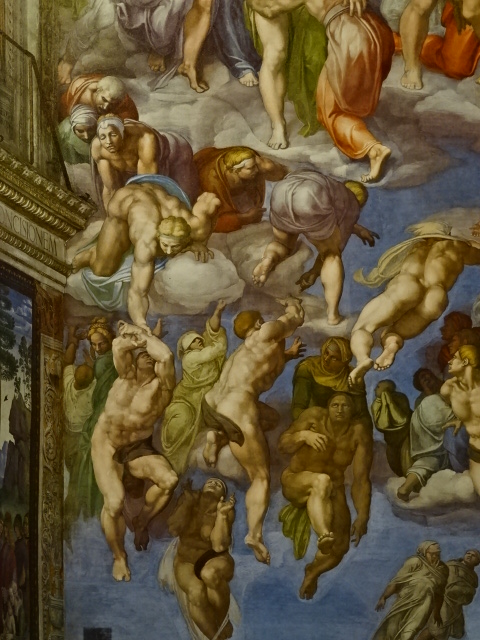
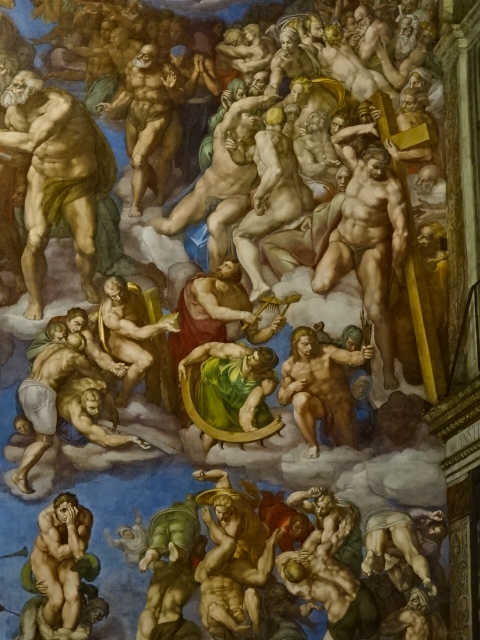
The Last Judgment, Michelangelo, 1536-1541.
The Last Judgment, Michelangelo.
The Last Judgment, Michelangelo.
The Last Judgment, Michelangelo.
A copy of a section of “The Last Judgment” as seen in the Sistine Chapel was on display at this exhibition, as this masterpiece greatly influenced Mannerist art. This fresco at The Vatican portrayed more than 300 figures as the dead made their way to idyllic Heaven or horrific Hell. Mythological figures and devils appeared along with a beardless Jesus Christ, the Virgin Mary and saints. I noticed the looks of horror on descending figures. Details in superb portrayals of human anatomy greatly impressed me.
Head of a 12-Year Old Christ, Albrecht Durer, 16th century.
For me, German Albrecht Durer’s 16th century “Head of the 12-year old Christ” was one of the highlights in the exhibition. Durer was a master of High Renaissance printmaking, especially of woodcuts and engravings. He inspired Raphael and Titian. I realized how Durer’s portrayal of human anatomy had impressed Mannerists. While most works displayed did not focus on religion, the Mannerist engraving “The Martyrdom of Saint Lawrence” from 1571 also caught my attention. Cornells Cort created it in the style of Titian.
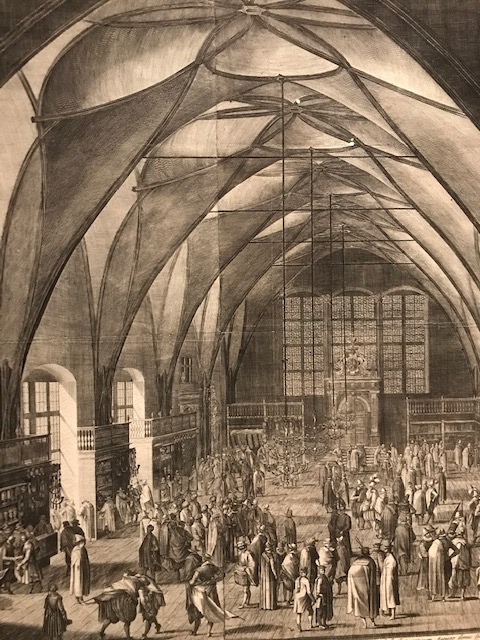
Vladislav Hall, Aegidius Sadeler, 1607.
Some prints showed off specific architectural structures, such as Aegidius Sadeler’s Vladislav Hall from 1607. A fan of Czech architectural history, I was especially engrossed in this rendition of the late 15th century and early 16th century section of Prague Castle built by Benedikt Reid. I loved its complex vaulting system. I noticed Late Gothic and Renaissance elements of the building. This was one of my favorite buildings in Prague due to its exquisite vaulting and its past use for historical events, such as coronations and knights’ tournaments.
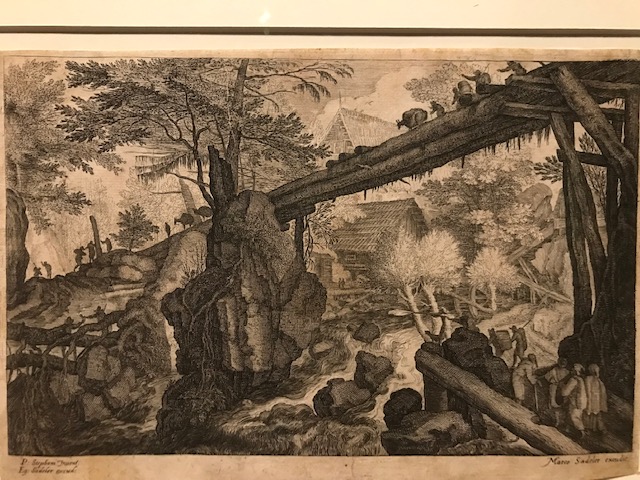
Wooden Bridge from Series Eight Bohemian Landscapes, Aegidius Sadeler, 1605, engraving.
Mountain Landscape, Paul Bril.
Another work by Sadeler, created in the style of Pieter Stevens, was the landscape “Wooden Bridge from Series Eight Bohemian Landscapes.” The 1605 engraving of the idyllic, romantic bridge reminded me of picturesque Vermont, where I had lived for a while. I was also enamored with “Mountain Landscape” by Flemish painter and printmaker Paul Bril. Inspired by my favorite artist Pieter Bruegel the Elder, Bril authored works in the Vatican and Italy. I appreciated the power and beauty of nature as I peered at these two tranquil landscapes.
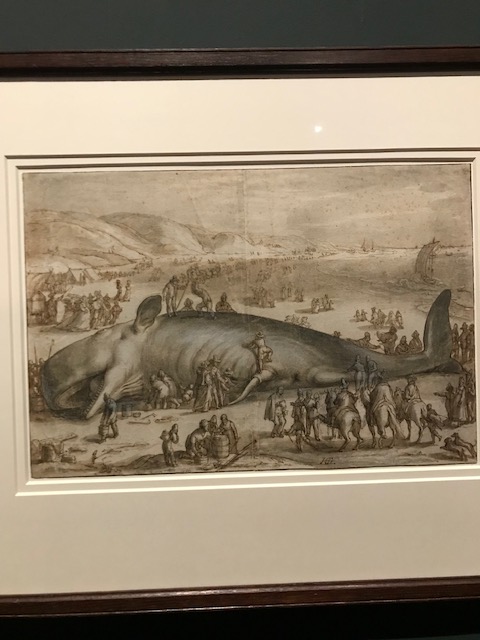
Beached Sperm Whale near Berkhey, Hendrick Goltzius, 1598.
A prominent name in the exhibition, Henrick Goltzius was a stellar printmaker whose works were influenced by drawings he acquired from Prague. My favorite of his contributions was “Beached Sperm Whale near Berkhey” from 1598. People gathered around the gigantic, deceased animal. This artwork was inspired by a real event as a 58-foot long whale had washed up on that shore.
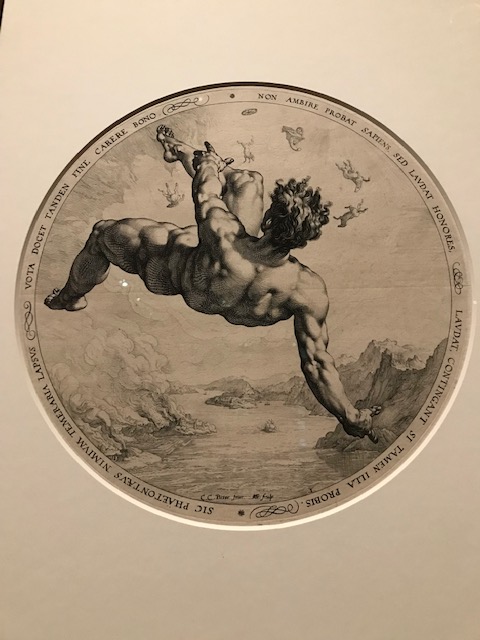
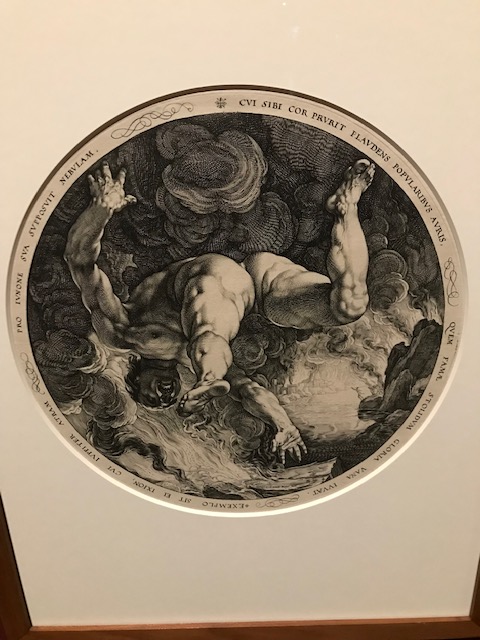
The Four Disgracers, Hendrick Goltzius, 1588, engraving.
The Four Disgracers, Henrick Goltzius, 1588, engraving.
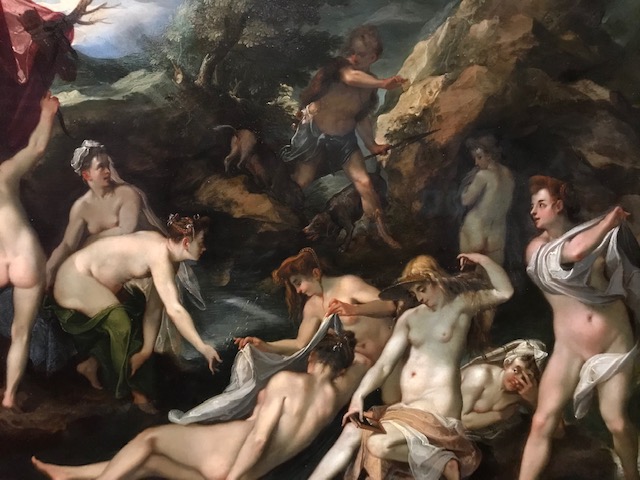
Goltzius also took on mythological themes, such as his rendition of “The Four Disgracers (Tantalus, Icarus, Phaethon and Ixion).” This engraving appeared to have a three-dimensional quality. The illusion of three-dimensional features, mastered by engravers in the Netherlands during the late 16th century, was often featured in Northern Mannerist art. Goltzius was the author of “The Great Hercules,” an engraving from 1589. The detailed anatomy, though not correct, interested me. Other works with mythological themes that caught my attention were “Diana and Actaeon” by Joseph Heintz the Elder from 1597 to 1598 and Niccolo Boldrini’s “Caricature of Laocoon,” a woodcut from 1540 to 1545.
The Pairs of Grotesque Heads, Philippe Soye, 1550-65.
The grotesque played a significant role in Northern Mannerist creations. Philippe Soye rendered “The Pairs of Grotesque Heads” after a masterpiece by da Vinci. Soye’s portrayal hailed from 1550 to 1565. Christoph Jamnitzer also stressed grotesque features in his “The Combat of the Monkey and the Rat.” I was also impressed with the masked figures in “Venetian Carnival,” a 1595 engraving by Pieter de Jode the Elder. Seeing the grotesque made me think of gargoyles on cathedrals, such as Milan’s Duomo or Saint Vitus’ Cathedral in Prague.
Fantastic Sea Creatures, Nicolaes de Bruyn, 1594, engraving.
Prints with scenes immersed in the fantasy world made numerous appearances. At the end of the 16th century, Nicolaes de Bruyn became known for his portrayal of animals and fictional sea creatures. His “Fantastic Sea Creatures,” depicted here from a series, was an engraving that made up part of a book about fish. Engravers often worked with fantasy themes in this style.
Diana and Actaeon, Joseph Heintz the Elder, 1597-98.
A section of the exhibition was devoted to Northern Mannerist decoration of objects such as vases, plates, mirrors and jewelry. Adornment was often floral or geometric, and I noted similarities to illuminated manuscripts. Artists of this sort of ornamentation were inspired by the grotesque, mythological figures and Roman wall paintings, for instance. I saw examples of mythological themes and the grotesque in the decoration of a majolica plate from the second half of the 16th century. A 16th century black enamel mirror exuded elegance with Mannerist designs.
Venetian Carnival, Pieter de Jode the Elder, 1596, engraving.
The exhibition was comprehensive, divided into clear sections. I was drawn most to the landscapes as I was reminded of the work of Pieter Bruegel the Elder. I also thought of Paul Bril’s creations in Milan’s Ambrosiana Picture Gallery. It was intriguing that the scenes on many prints showed the main figures in the background and the lesser important ones in the foreground. I liked the decorative patterns that were influenced by illuminated manuscripts. I spent my fortieth birthday gazing at the Sistine Chapel and mulled over the experience of seeing those writhing, terrified souls guided by devils and the blessed blissfully ascending into Paradise. I also thought of the awe-inspiring experience of walking into Vladislav Hall because I loved Late Gothic vaulting. That print captured the daunting atmosphere perfectly. Seeing a masterpiece by Durer brought me back to an exhibition of his works at the Albertina in Vienna some years ago. I could hardly catch my breath because I had been so impressed. I had learned a lot about Mannerism from this exhibition and had discovered works that I would never forget.
Tracy A. Burns is a writer, proofreader and editor in Prague.
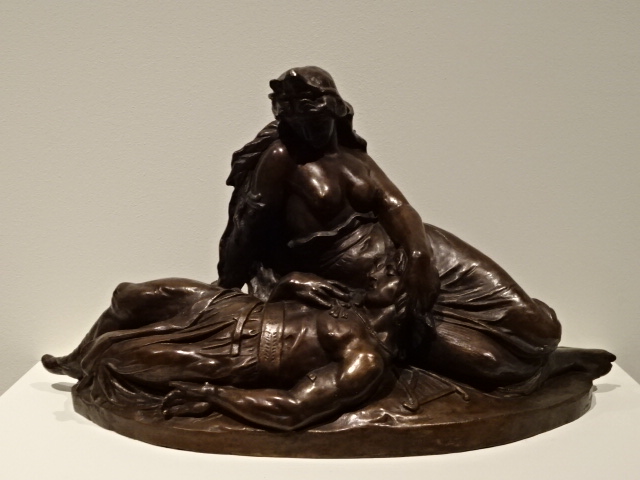
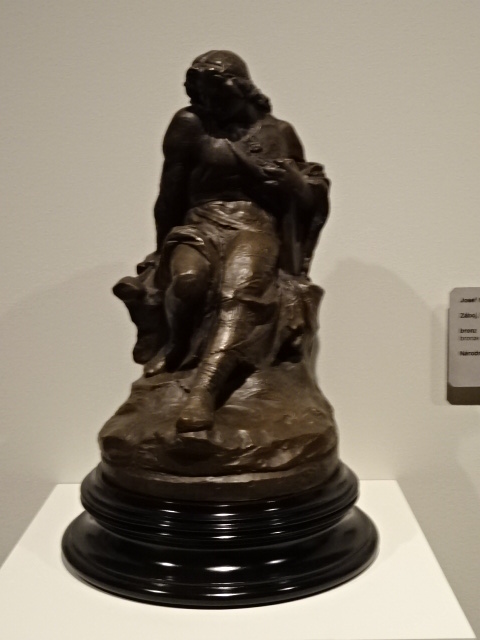
Prague’s Wallenstein Riding Stables hosted a comprehensive exhibition of Josef Mánes’ portraits, genre paintings, landscapes, drawings, prints, designs and illustrations of Slav history from the Czech Romanticism and Realism eras of the 19th century. Some 400 of his creations captured my undivided attention. He also created standards, insignia and uniforms for the Sokol physical education organization, some of which were also on display.
I knew the name well because Josef Mánes had been born into an artistic family: His father, Antonín, created landscapes while his brother and two sisters also became painters. Josef – I will refer to him by his first name so readers do not confuse him with his father or siblings – grew up in the Habsburg Empire when German was the official language of the Czech lands. He spoke only German as a youth. He didn’t learn Czech until he was grown up, even though he was one of the leading figures in the Czech National Revival that promoted the Czech language.
This prominent artist was inspired by his time in Munich, where he spent three years as a young man. For many years he resided in Moravia, including at the Čechy pod Košířem Chateau. In addition to making portraits, landscapes and Second Rococo style genre paintings, Josef developed a strong interest in folk costume, rendering portraits of Czechs in traditional dress. He created many works portraying villagers and everyday life in the Hana region of Moravia.
Inspired by Prague’s Old Town, Josef created portraits of its residents and even painted two genre paintings for Prague brothels. His work also decorated much more elegant structures, such as the Žofín concert hall in the center of Prague, for instance. When I first set foot in Prague, I fell in love with the Old Town. I could sense the history of the nation on its streets and in Josef Mánes’ paintings of that historical quarter.
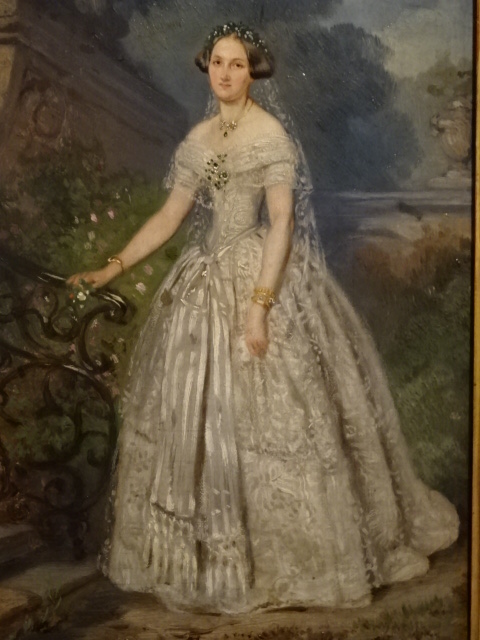
His portraits are stunning because they are characterized by immense psychological depth and sensitivity. The viewer almost is looking into the sitter’s soul. Each portrait told an individual story of a unique life. Before this exhibition, I had considered him to be first and foremost a portrait painter, but I learned at the Wallenstein Riding Stables that he had been much more versatile in his accomplishments.
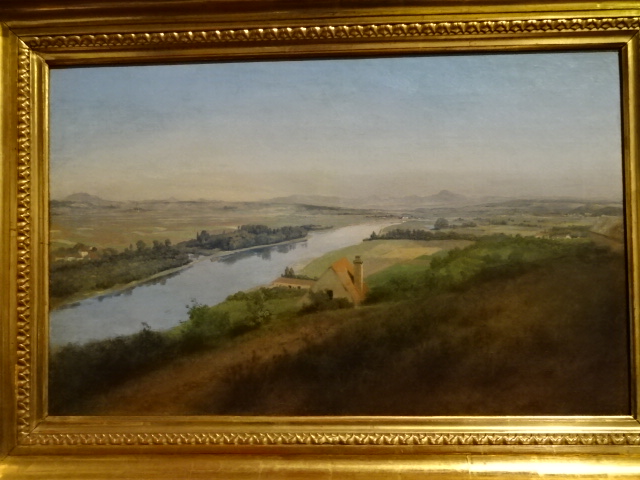
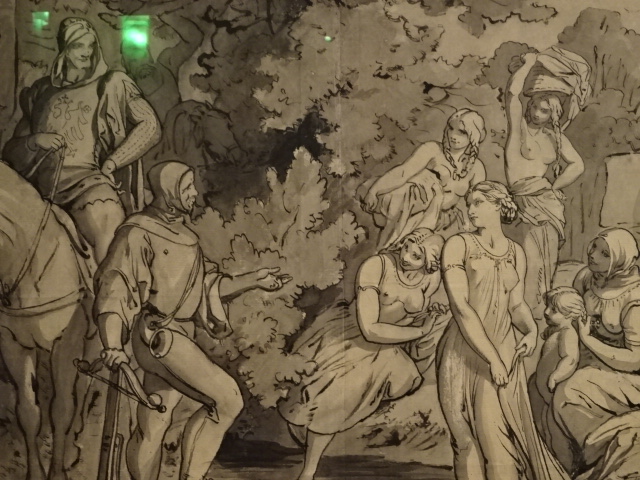
I was most enamored by his landscapes because I was fascinated by landscape painting in general, especially by Czech art in this field. I had seen many exciting Czech landscapes in galleries throughout the country as well as in chateaus. Josef’s work utilized subtle colors and masterful brushwork that portrayed both the Czech and Slovak countryside with elements of Romanticism and Realism. He was one of my favorite landscape painters, excelling at employing light and atmosphere in his renderings of the Hana region, the Czech Paradise region, the Krkonoše Mountains and the Šumava Mountains, for instance. I had traveled extensively throughout these parts of the country. Josef’s travels in the Austrian Alps also inspired the creations of some masterful landscapes. While I had never been there in person, I always wound up gawking at the sheer power, beauty and seemingly invincibility of the Austrian Alps. In several other works, he depicted nymphs, using the Šumava Mountains and Moravia’s Čechy pod Košířem as backdrops.
On Astronomical Clock
Astronomical Clock
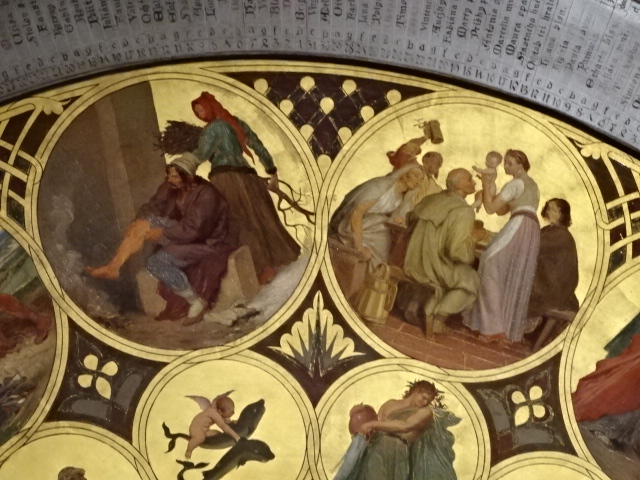
Perhaps Josef’s greatest achievement was creating 12 medallions for Prague’s Astronomical Clock. I recalled how so many tourists crowded around the clock to watch its hourly show in the late morning and afternoon. I always came to admire the clock in the early morning to avoid the crowds and the possibility of getting pickpocketed. Painted in 1865, the original calendar dial was on display at this exhibition. The allegories of the months of the year dealt with agriculture themes. I often had admired the calendar in the Museum of the City of Prague, where it was usually on display.
Astronomical Clock
I looked closely at the calendar dial, which consisted of circular rings. Standing for the 12 months, figures dressed in folk costume glorified Slav identity. September was represented by the ruins of Troský Castle, which I had seen on my trips numerous times. The Czech village tradition of pig-slaughtering was the focus of December. I remember one irate acquaintance telling me that he did not support the European Union because its regulations did not allow citizens to slaughter their own pigs at home.
Bezděz Castle was in the background of March. I recalled the four-kilometer walk up to the castle ruins that had fascinated me, even though I was not usually so enthusiastic about ruins. A young farmer used a plough in the foreground of the March portrayal. Josef had also painted allegories of zodiac signs. I noticed dolphins and a plump cherub for Pisces. Capricorn was represented by a cherub leading a goat. Romanesque features were evident in Josef’s pictorial work for the dial.
Designed for Sokol physical education organization
Josef’s personal life had not been so rosy, however. After he got a servant pregnant, his parents made him marry her. Josef also was plagued by mental illness from 1866, when he began to lose much weight, to pronounce words badly and behave in a strange manner. It is possible that he suffered from syphilis affecting the brain or tuberculosis. He died in 1871 at the age of 51.
The exhibition also included explanations of how Josef’s work has been perceived throughout the centuries. After his death, he achieved fame because of his work for the Czech National Revival. As the 20th century approached, Josef became known as an artistic pioneer of new trends and advancements in his field. During Communism, though, his works took on an ideological meaning. It was not until after the downfall of Communism that people interested in art could once again express the masterful skill and individuality of his paintings as his works became appreciated in the cultural sphere.
While I had seen many works by Josef throughout the country, I was overwhelmed by viewing so many in one large exhibition hall. I had not truly understood the mastery of Josef’s art and realized that he had been so talented at many genres. For a long time, I had admired the works of his siblings and father, too. Now I knew that Josef was the most skilled in his family. I was fascinated by all aspects of this exhibition.
Tracy A. Burns is a writer, proofreader and editor in Prague.
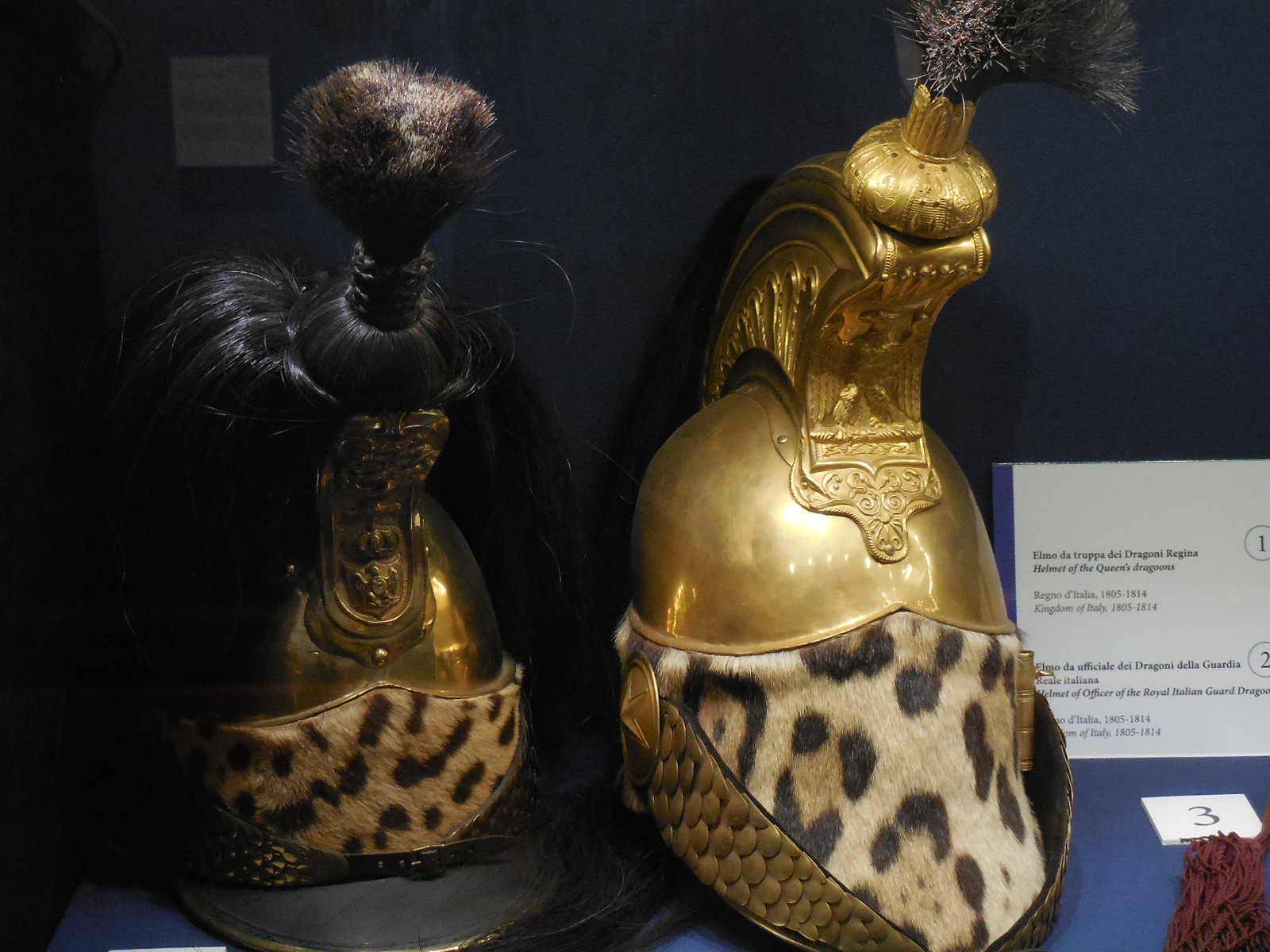
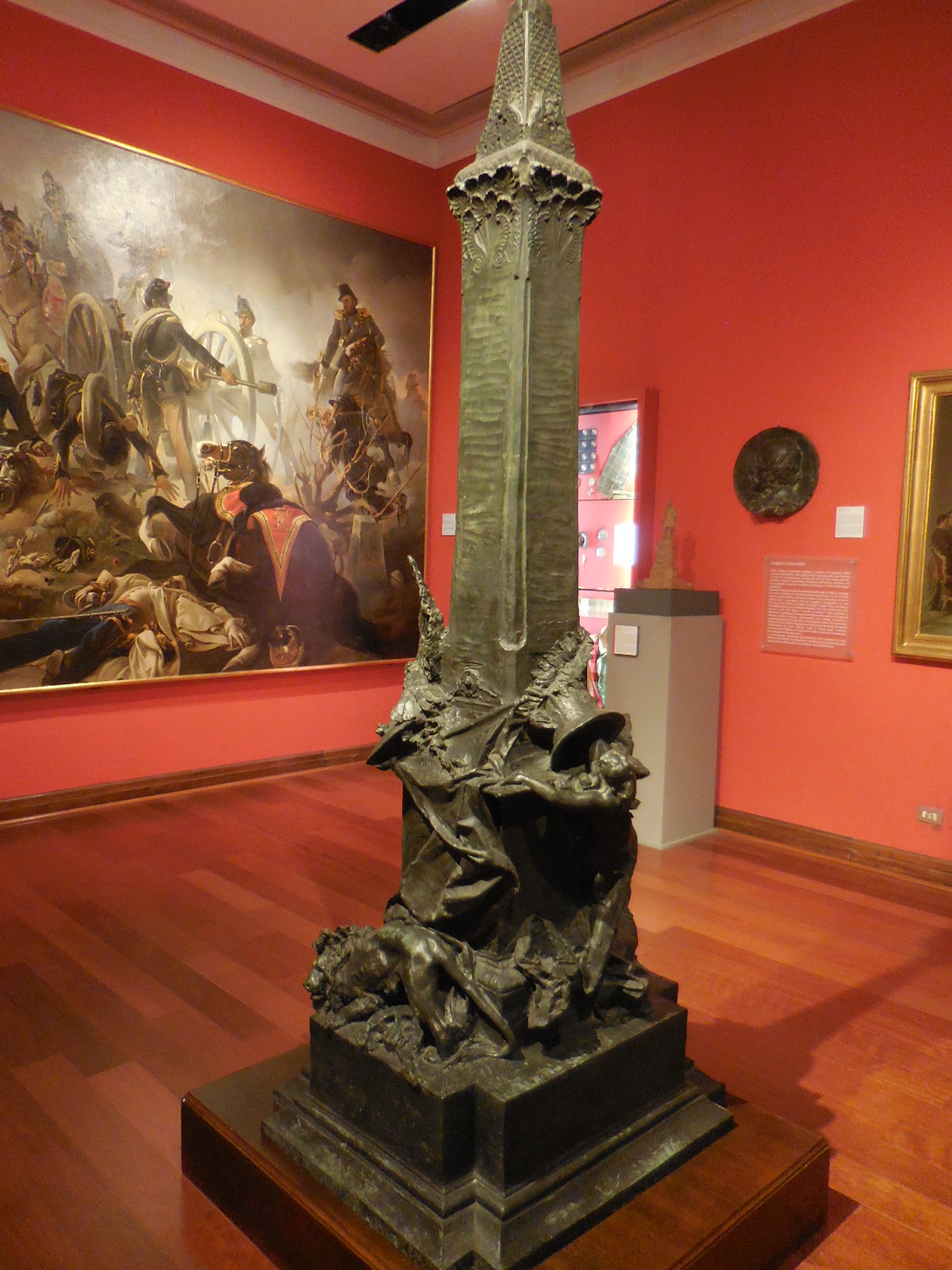
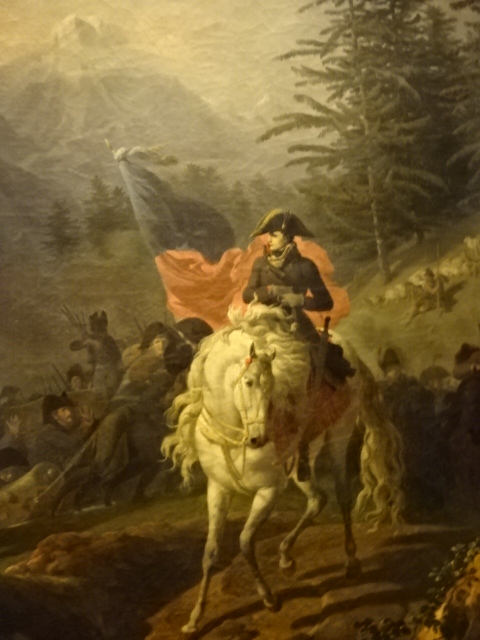
After visiting the Brera Art Gallery in Milan, I walked to the nearby Museo del Risorgimento, which featured 14 rooms of paintings, prints, sculptures and artifacts depicting Italian historical events from 1796 to 1870 as well as arms. It traces the periods from the call for Italian independence to Italian unification. I learned about Napoleon’s reign in Italy as well as the Austrian monarchy’s control. I noticed how prominent Milan’s role had been during the Five Days of Milan, the nickname of the 1848 uprising against the Austrians.
I saw paintings depicting Italian King Victor Emmanuel II, who took the throne in 1861 and reigned until his death in 1878. Two of the paintings were created by Gerolamo Induno. Nicknamed the Father of the Fatherland, Victor Emmanuel II had the distinction of being the first king of a unified Italy since the sixth century. He was born the eldest son of Habsburg Empress Maria Theresa of Austria and made a name for himself in the First Italian War of Independence during 1848-49 before being crowned king.
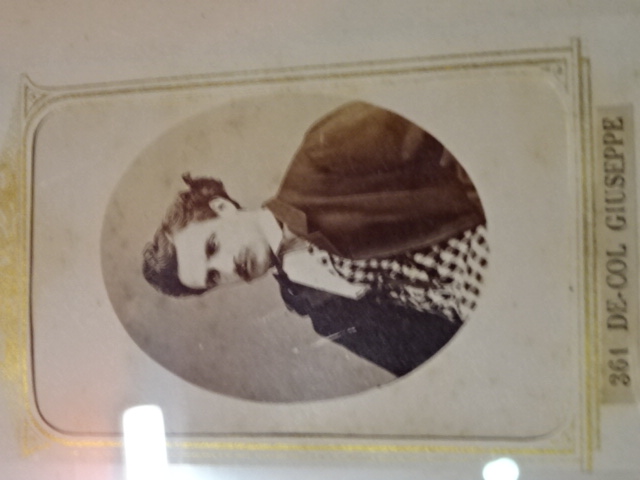
I spent a lot of time staring at the photos of soldiers in the Album of the Thousands, the volunteers in the Expedition of the Thousand, a campaign that took place in 1860. The group of volunteers armed only with out-of-date muskets defeated the more powerful navy of the Kingdom of the Two Sicilies. Portraits of the 1,089 soldiers in business card format made up this album. I saw the volunteers as individuals rather than as a group of soldiers who conquered Bourbon rule in south Italy. Looking at their portraits, I felt as if I could see the personalities of the men.
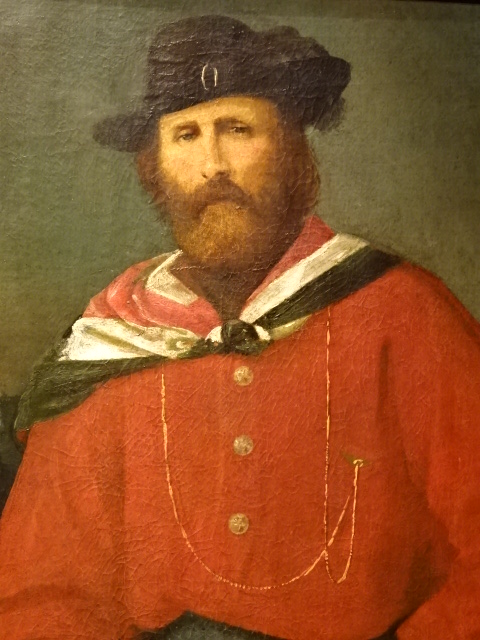
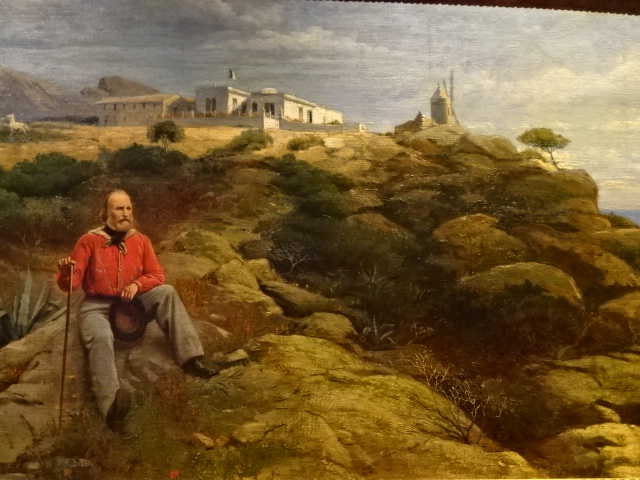
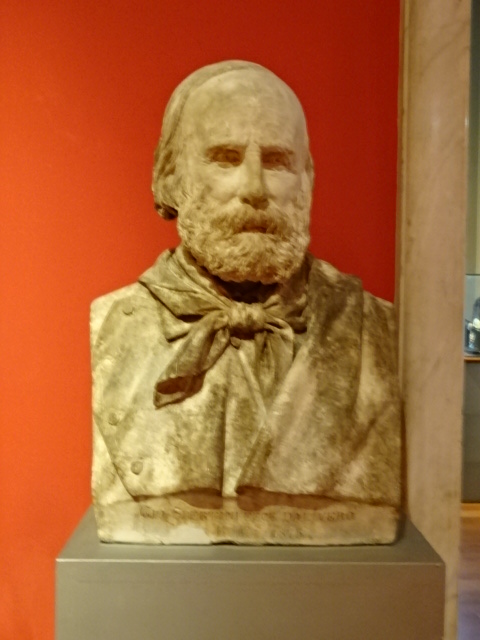
Giuseppe Garibaldi, one of the most prominent generals in modern history, guided the volunteers in the Expedition of the Thousand. Their uniforms were made up of red shirts and grey pants. In the exposition I saw the actual poncho and red shirt donned by Garibaldi, who also had military successes in South Africa and elsewhere in Europe.
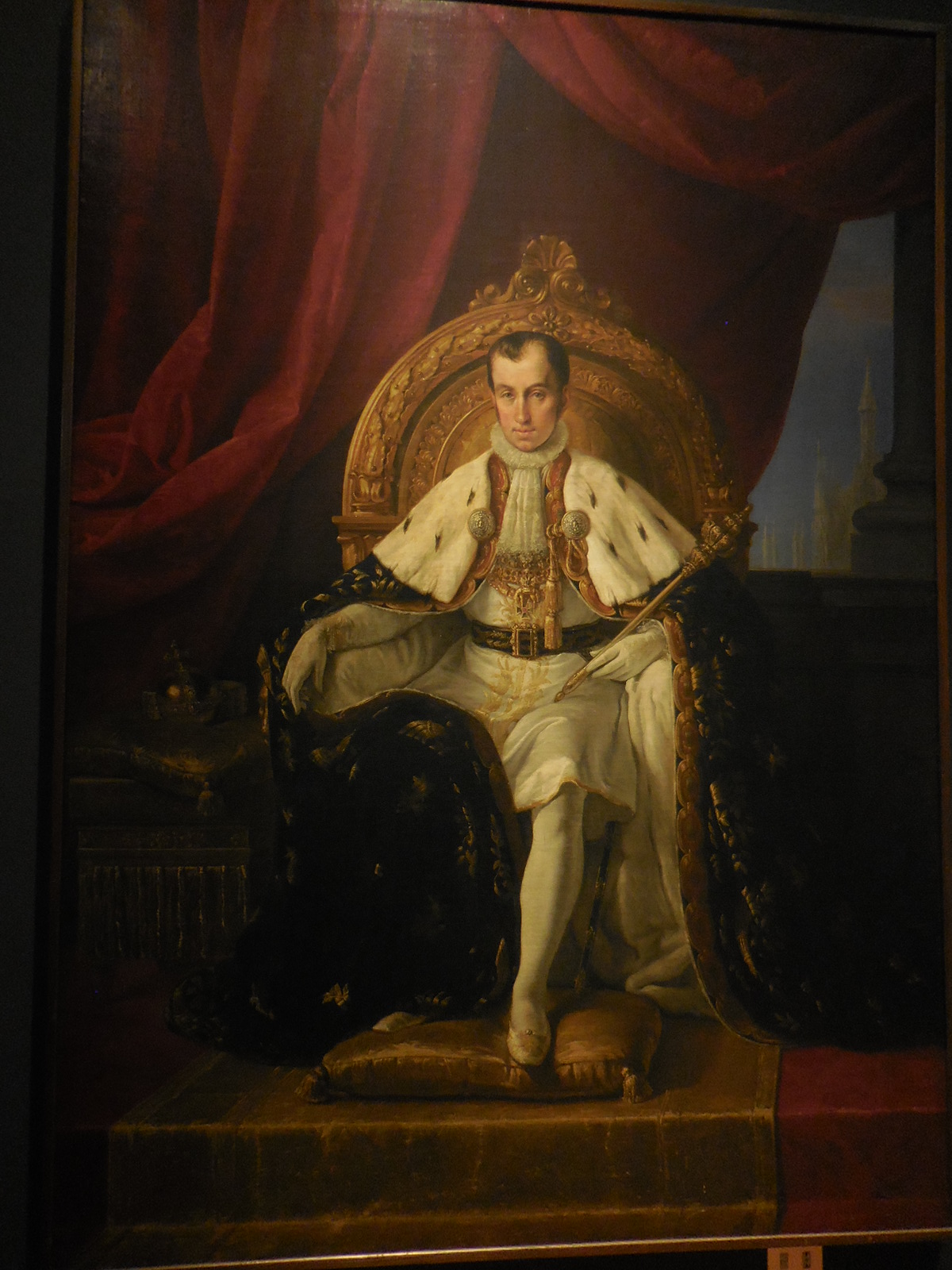
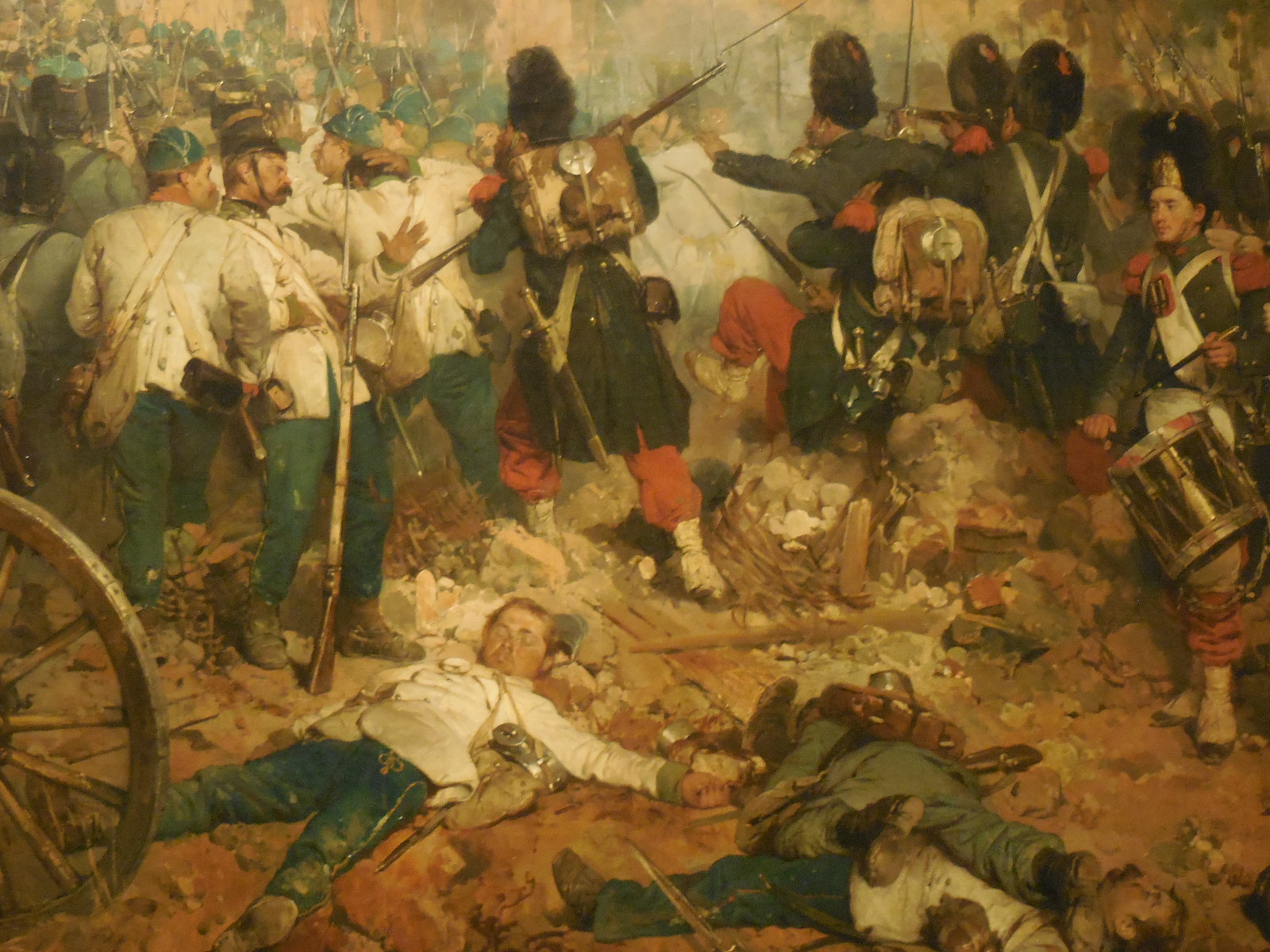
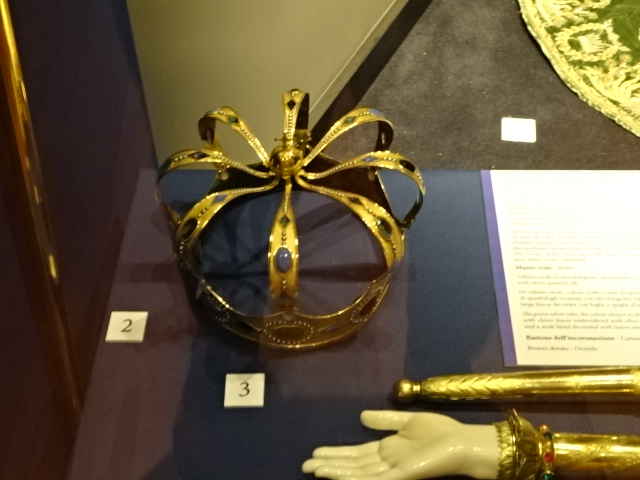
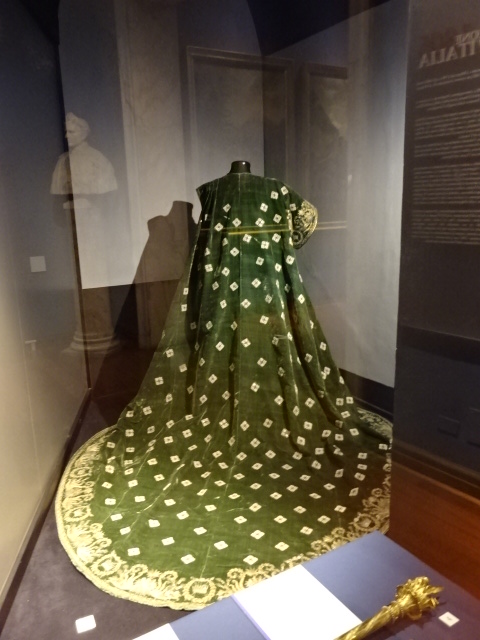
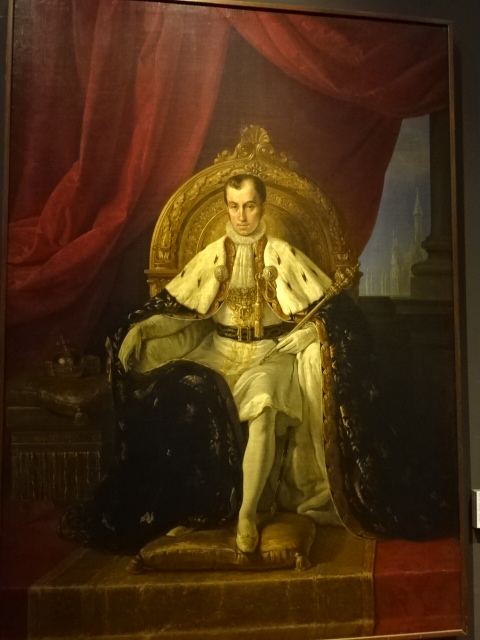
I loved the paintings and sculptures most of all. These collections were especially noteworthy. The collection of paintings depicting the Imperial period from 1804 to 1814 was perhaps the most poignant of all eras represented by this genre. Francesco Hayez, whose works I had seen in the Brera, had depicted Emperor Ferdinand I of Austria in a moving portrait. Also, powerful canvases of the Five Days of Milan had been rendered by Carlo Canelli, Carlo Bossoli and Pietro Bouvier, for example. Gerolamo Induno and Domenico Induno contributed to the paintings depicting the Second War of Independence. The original Italian flag that flew over the Duomo in Milan on March 20, 1848 was another highlight. The cloak and regal insignia from Napoleon’s coronation as King of Italy were also enthralling.
The 18th century Palazzo Moriggio that houses the museum had an intriguing history as well. The museum had been situated there since 1951. Under Napoleon’s reign the Ministry of Foreign Affairs and then the Ministry of Defense had been located in the palace.
This museum really opened my eyes to many events in Italian history. I had known only very basic information about this museum before my visit. It wasn’t on my list of most important places to see. I learned so much about the time periods in which the Risorgimento took place. I had never been a big fan of battle scenes, but I was struck by the details and by the historical significance of these paintings. While the museum is relatively small, it allows visitors to develop much knowledge about poignant eras in Italian history. In this museum I could actually feel the history come to life. Each artifact tells a story.
Tracy Burns is a writer, proofreader and editor in Prague.































 Tracy's Travels