Caso Museo Boschi Di Stefano Diary

I regretted not having time to visit the house museum Boschi Di Stefano the first time I visited Milan. It was far from the center, where I spent much of my introductory days in the city. During my second visit the following year, I made sure I did not miss this museum.

I got off the metro at the Lima station, in which felt to me like a dangerous area. Yet, five minutes from the metro, I walked down a street lined with elegant buildings, which gave off an altogether different atmosphere – one of calmness and grandeur. The museum was on the second floor of a majestic building built between 1929 and 1931 by Piero Portaluppi, whose name was familiar to me because he had designed Milan’s Villa Necchi Campiglio, a former home with dazzling Art Deco adornment inside. I recalled the works by Pablo Picasso and the lush garden with pool and tennis courts at the Villa Necchi, one of the highlights of my first visit to this remarkable city.

I loved house museums because they had a more intimate quality than bigger, impersonal art spaces. I could sense that these house museums had once been somebody’s home. Trials and tribulations of daily life had taken place here. Private conversations had been voiced here. This particular house museum had once been the home of Antonio Boschi and Marieda Di Stefano, a married couple who had amassed a collection of some 2,000 pieces of art, mostly Italian in origin. They tied the knot in 1927 as Boschi, a veteran of World War I, went on to become a successful engineer. Marieda was an artist herself who had an affinity for ceramics. Many of her artistic creations can be seen here, too. A school of ceramics was situated a floor below.

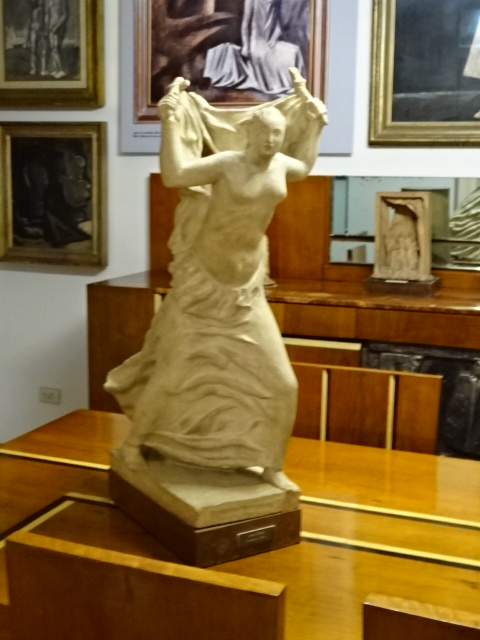
The Caso Museo Boschi Di Stefano includes 11 spaces and focuses on 20th century art dated from 1900 to 1960 – mostly paintings but also drawings, sculpture and furniture. About 300 works are on display. The museum has been open to the public since 2003.
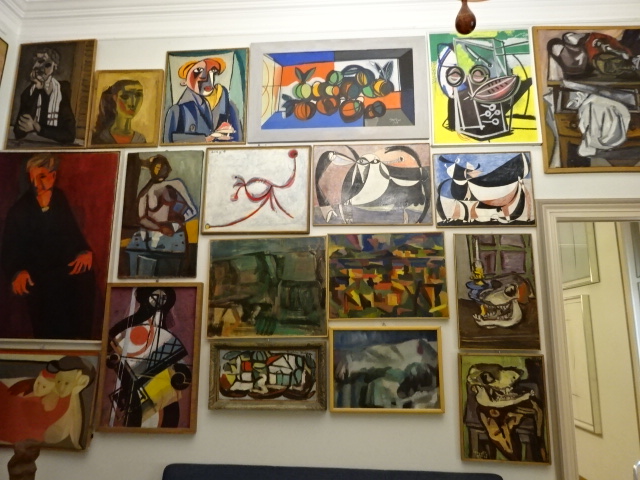
I felt overwhelmed as I contemplated the paintings that covered the entirety of the walls from the bottom all the way to the top. I was almost dizzy with delight, gazing at all the paintings, some falling into the category of modern art while others showed off a contemporary style. The works were displayed in a chronological fashion, so I could see how styles developed during those 60 years.

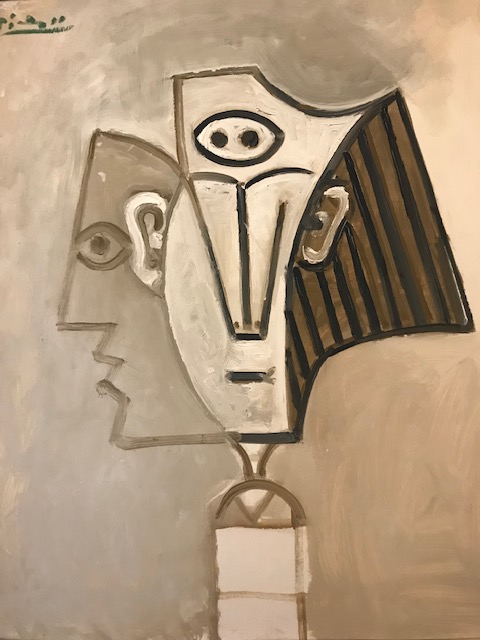
I recognized paintings by Giorgio De Chirico, Pablo Picasso, Amadeo Modigliana, Lucio Fontana and Raoul Dufy. Other pictorial treasures included 66 works by Roberto Crippa; 129 renditions by Gianni Dova; and 57 creations by Cesare Peverelli. Giuseppe Ajmone, Piero Manzoni, Arturo Martini and Sandro Martini, among others, were also represented there. I recognized Joe Columbo’s distinct style from an exhibition at the Museum of Modern Art in Milan the previous year.

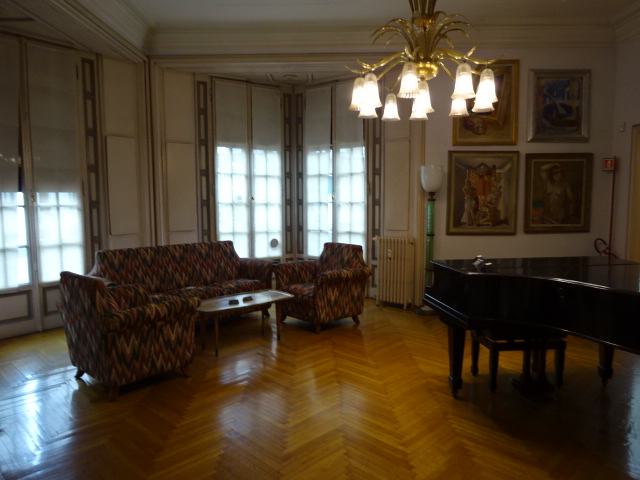
What once was a guest room is now filled with furnishings for a study, the pieces dating from the 1930s. The dining room was a delight, too. I was fascinated with the Agena ceiling light, a unique round structure with what look like yellow cups protruding from the ball-like form. I didn’t understand what the style of the ceiling light meant, but it was fascinating to see it with my own eyes.
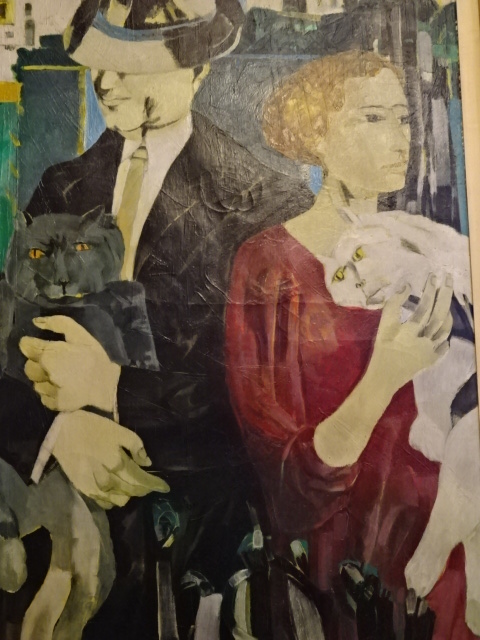
I went through the flat twice to try to take in all the art that surrounded me. It was a mesmerizing and breathtaking experience. The development of 20th century art was on display, each work speaking volumes about artistic creations during a time period in which I had not lived but could now better appreciate.

Tracy A. Burns is a writer, proofreader and editor in Prague.

Galleria d’Arte Moderna Milano Diary

Walking through the charming courtyard of the gallery, I noticed that the villa was in Neoclassical style as was the La Scala Theatre, which I had toured a few days earlier. On the other side of the main street was a vast park. In part of the courtyard was a posh, crowded restaurant. The edifice had two facades, one visible to visitors. Statues and reliefs with a mythological theme decorated the facades. The second façade looked out upon Milan’s first English landscape garden.

Founded in 1903, the modern art gallery was initially housed in Milan’s Castle. In 1921 it moved to its current location, the Villa Reale. Built by Leopold Pollack from 1790 to 1796, the building was originally named Villa Belgiojoso and was used as a private residence. Later, when Napoleon’s adopted son lived there, many famous people gathered at the villa, which was notable for its lavish ornamentation. On August 6, 1849, the Pace di Milano treaty was signed there, making Milan part of Austria.

Austrian Field Marshall Joseph Radetzky von Radez, a Czech noble and Chief of General Staff for the Habsburgs during the Napoleonic Wars, even called the villa home for one year in the 1850s. At one point Radetzky was even knighted for his bravery. Johann Straus composed the Radetzky March after him. His troops appreciated his valor and fairness. He died in Milan during 1858.

When the various states merged into the Kingdom of Italy, the building was no longer used. It was nationalized in 1920 and was refurbished so the Modern Art Gallery could open there the following year. Still, the gallery had to wait until 2006 before they could use the entire building for their exhibits. Before that the gallery had shared the building with other institutions.

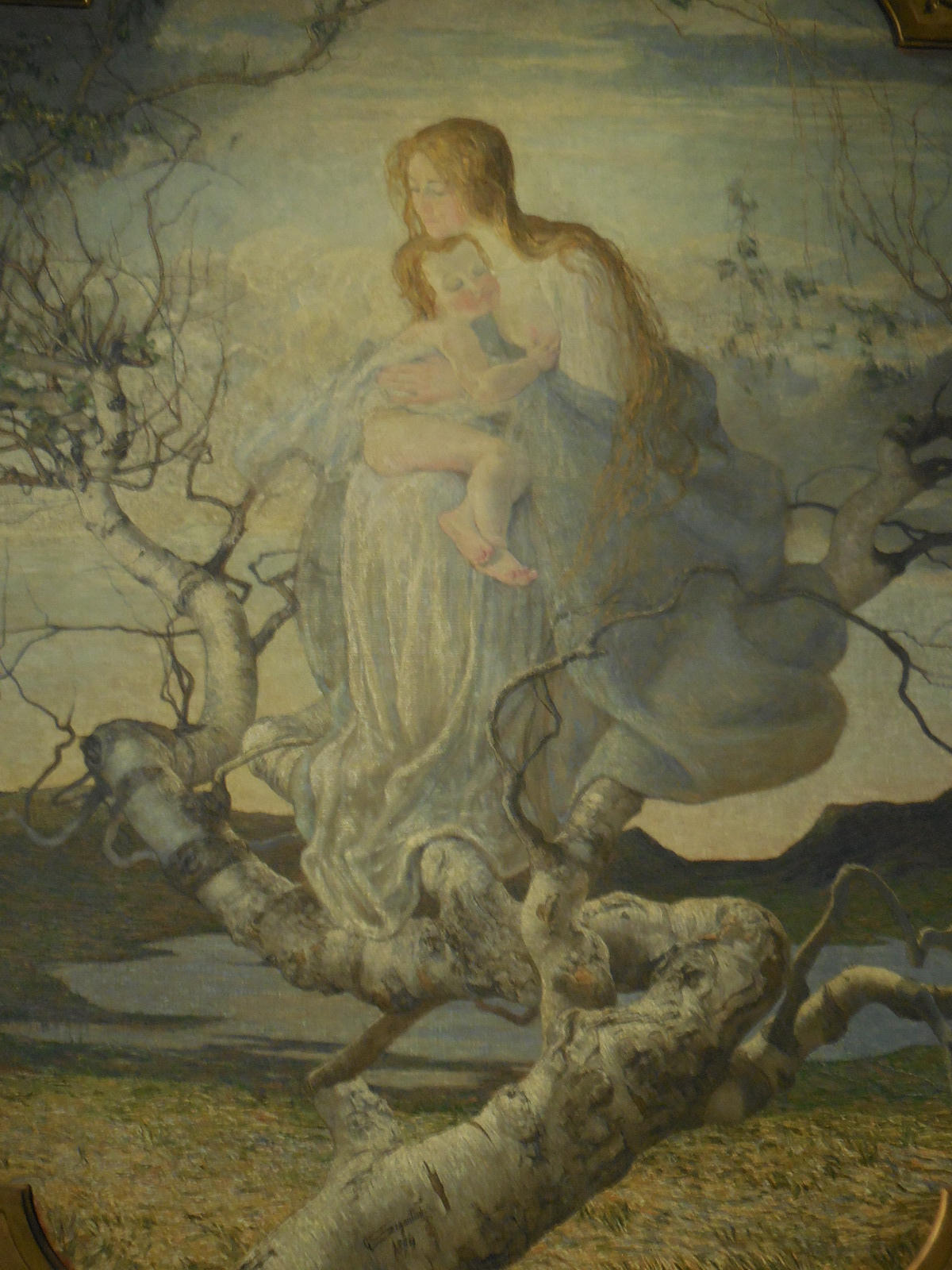
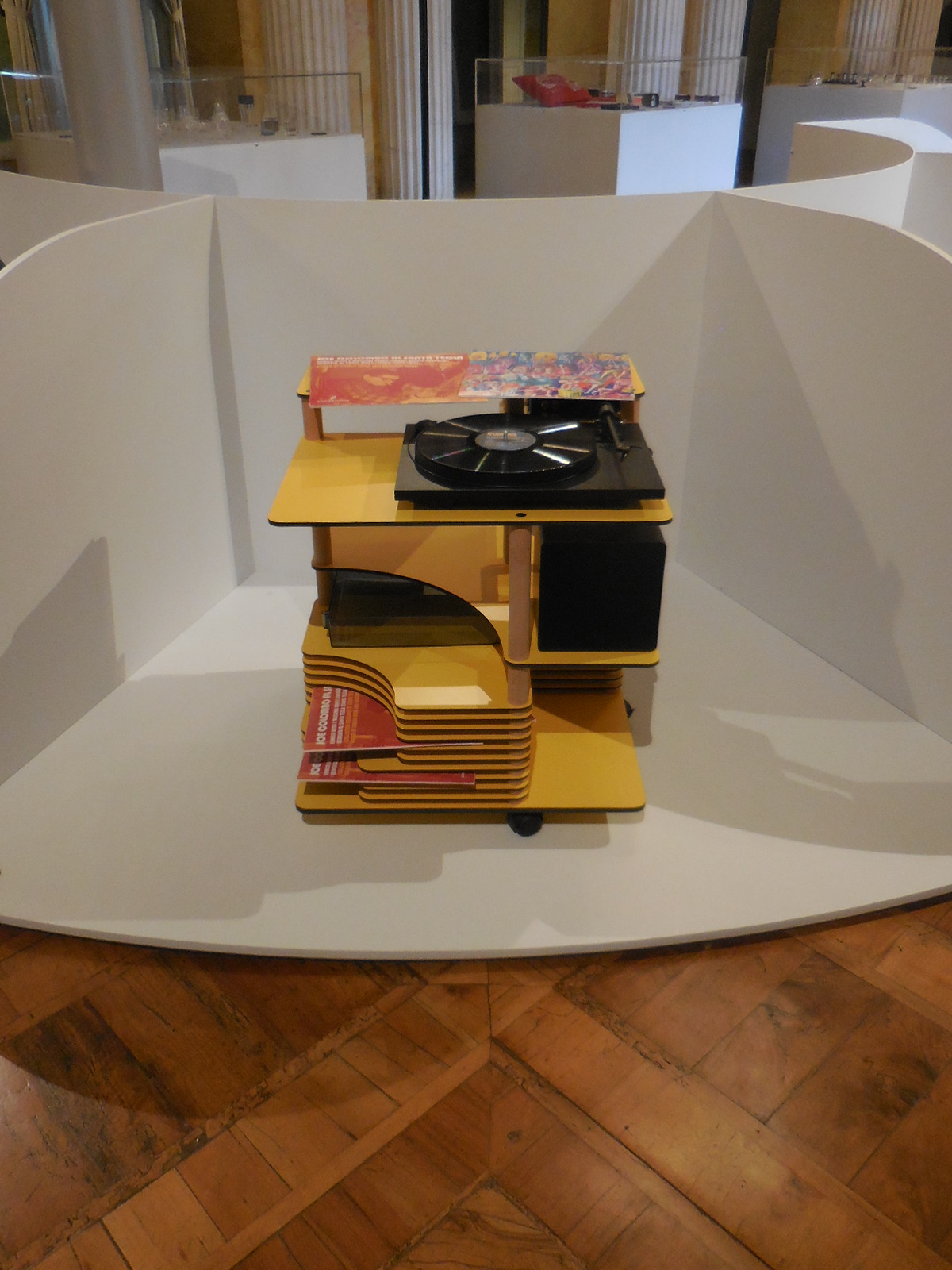
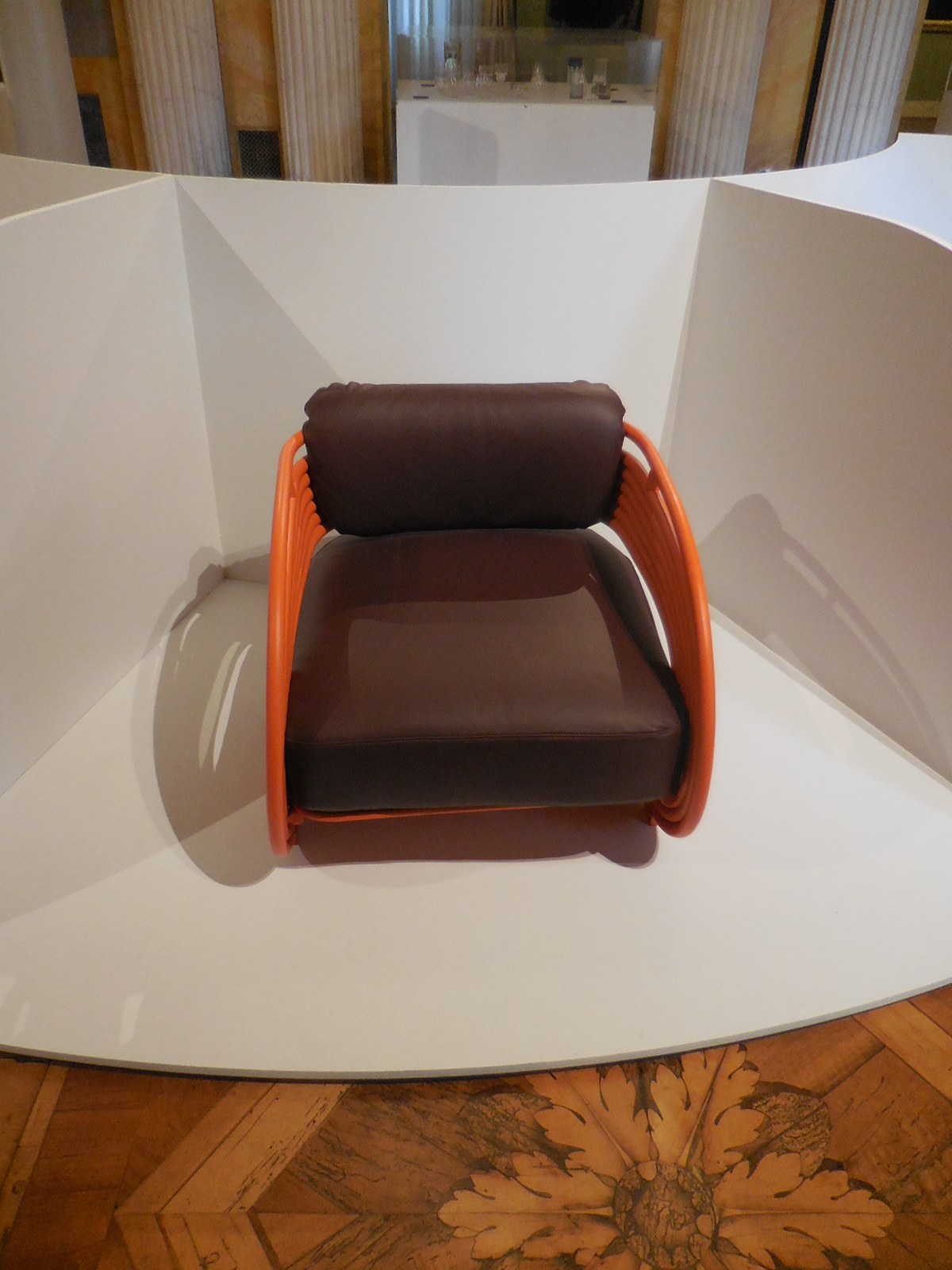
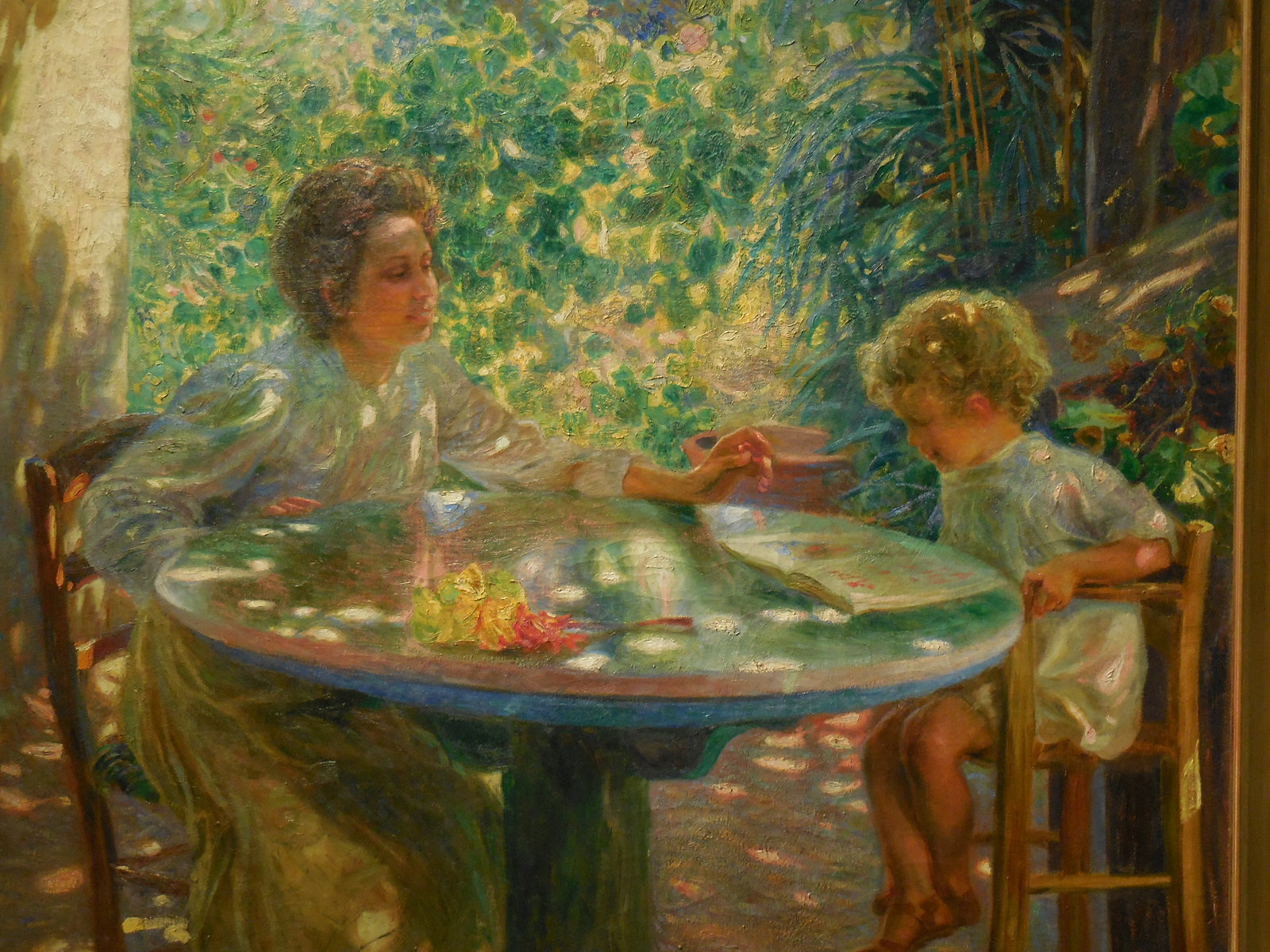
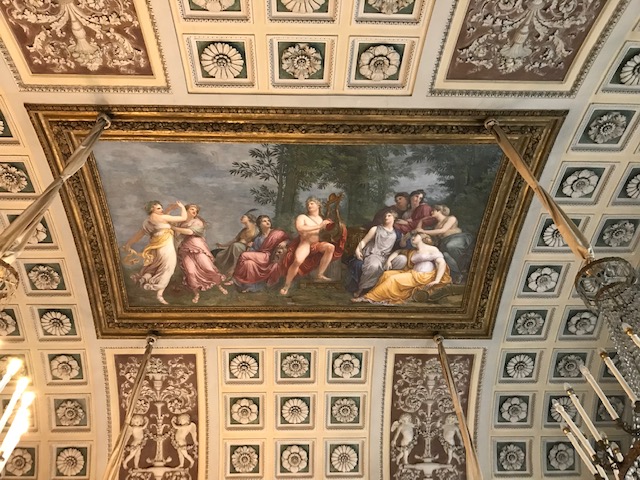
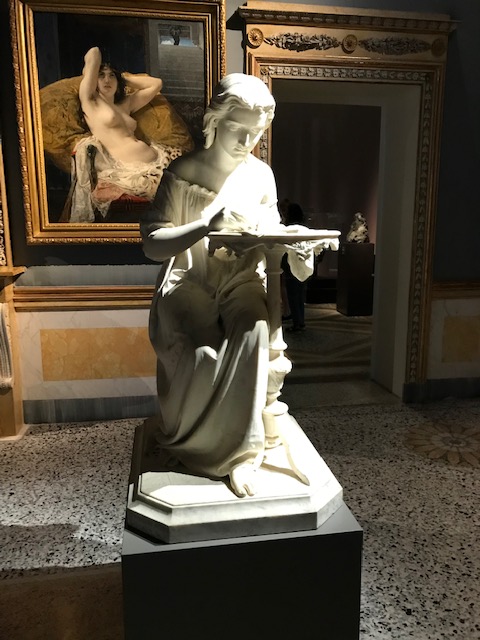
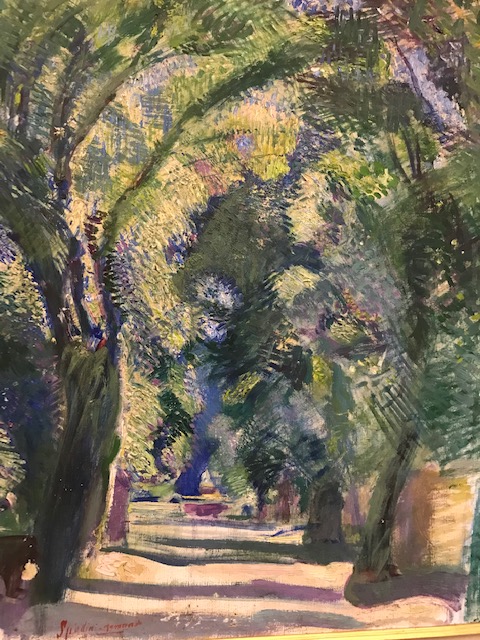
The permanent collection started on the first floor. The first six spaces covered Neoclassical art. The works of Antonio Canova were represented there. Two rooms were dedicated to portraiture, including the renditions of Francesco Hayez. His Portrait of Matilde Juva Brunea from 1851 was one of the gallery’s masterpieces. A luxurious ballroom and the Parnaso Room with its astounding 1811 fresco had come into being during Napoleon’s era. After gazing at these two luxurious spaces, I continued to peruse artwork from the Romantic, Divisionist and Symbolist periods. There was also a temporary exhibition of Italian designer Joe Columbo’s 20th century furnishings on that floor.

From the Joe Columbo exhibition

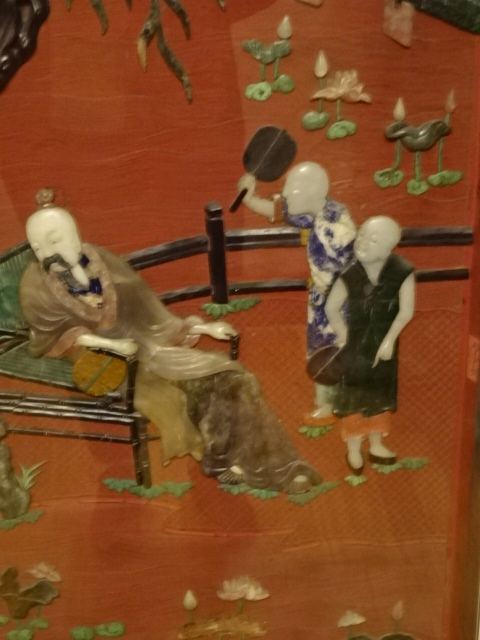
The second floor housed the Grassi Collection and Vismara Collection. The Grassi Collection covered both Italian and foreign works ranging from the 14th to 20th centuries. Eduard Manet, Paul Cezanne and Vincent Van Gogh were all represented. Oriental art was on display, too. The Vismara Collection showcased 40 works of art from the 20th century. The paintings and sculptures included creations by  Picasso, Matisse and Renoir.

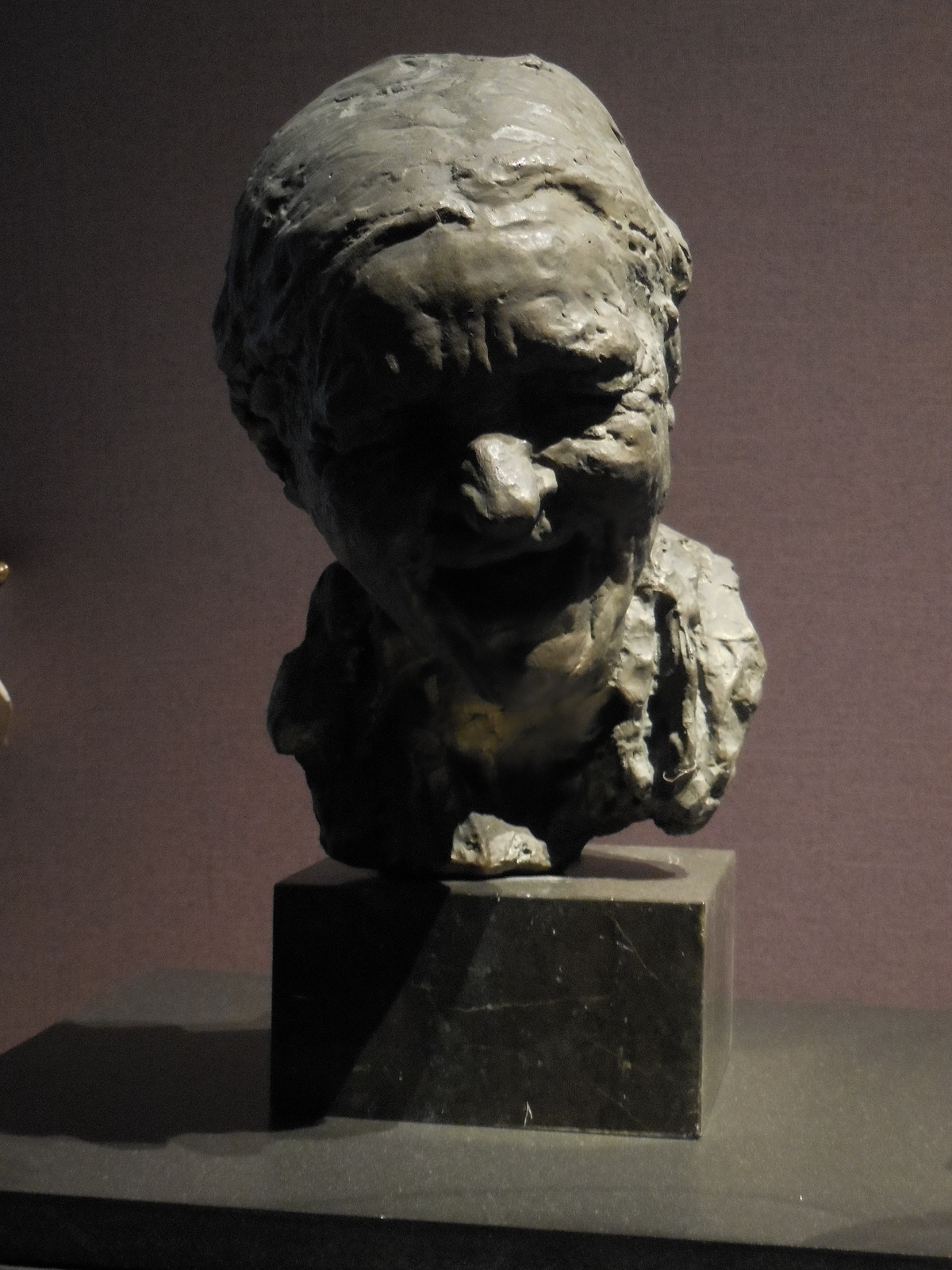
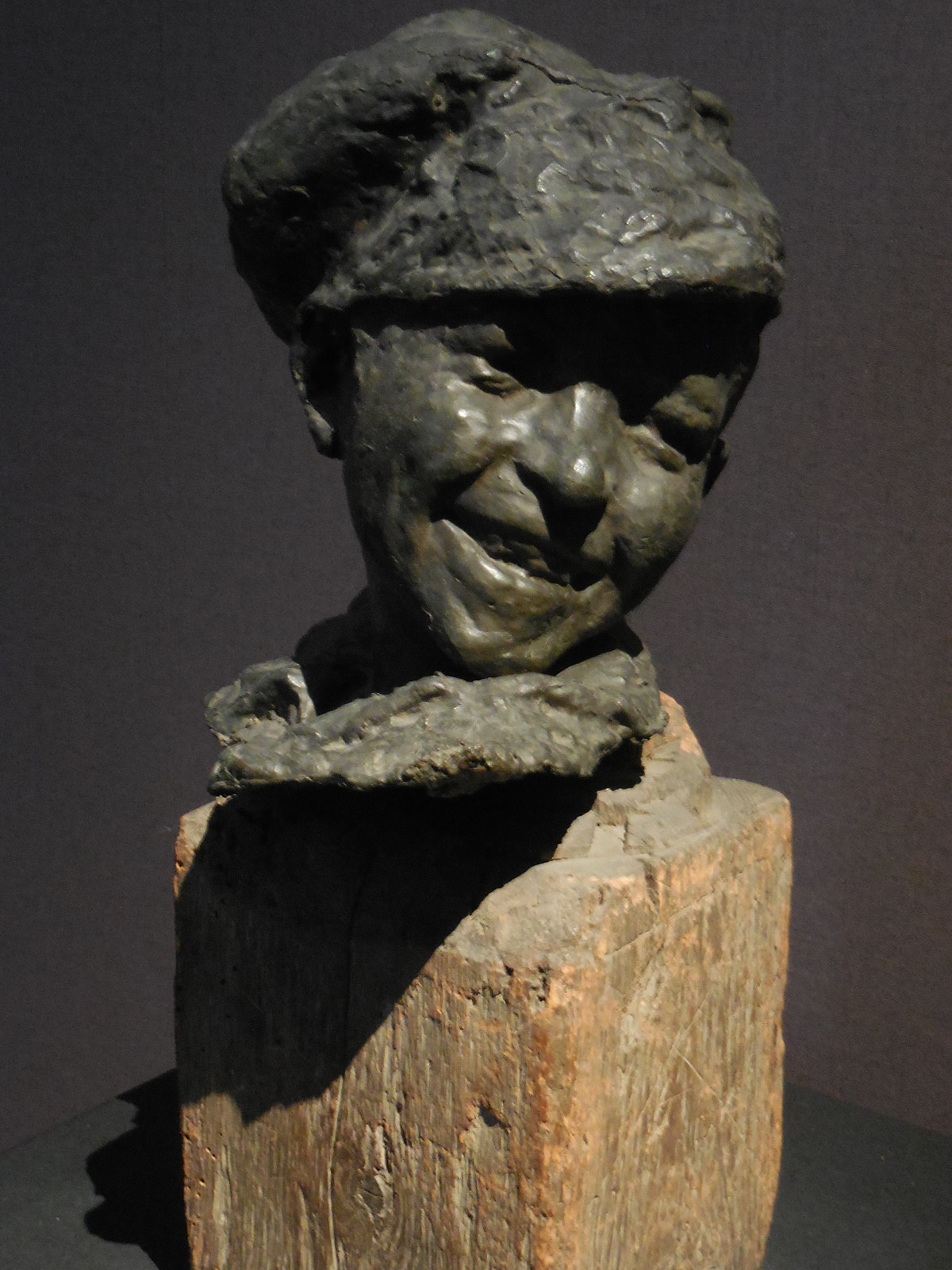
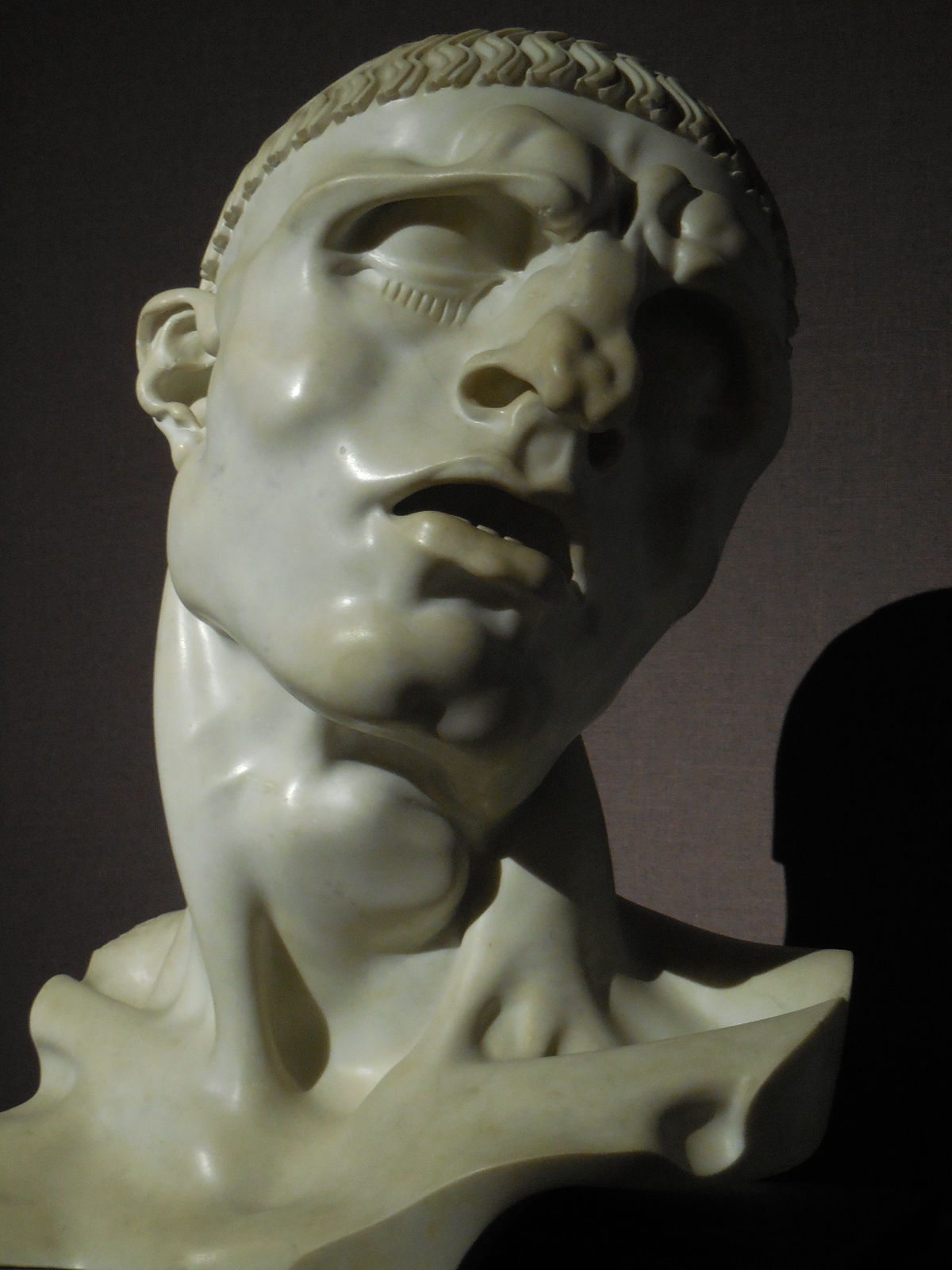
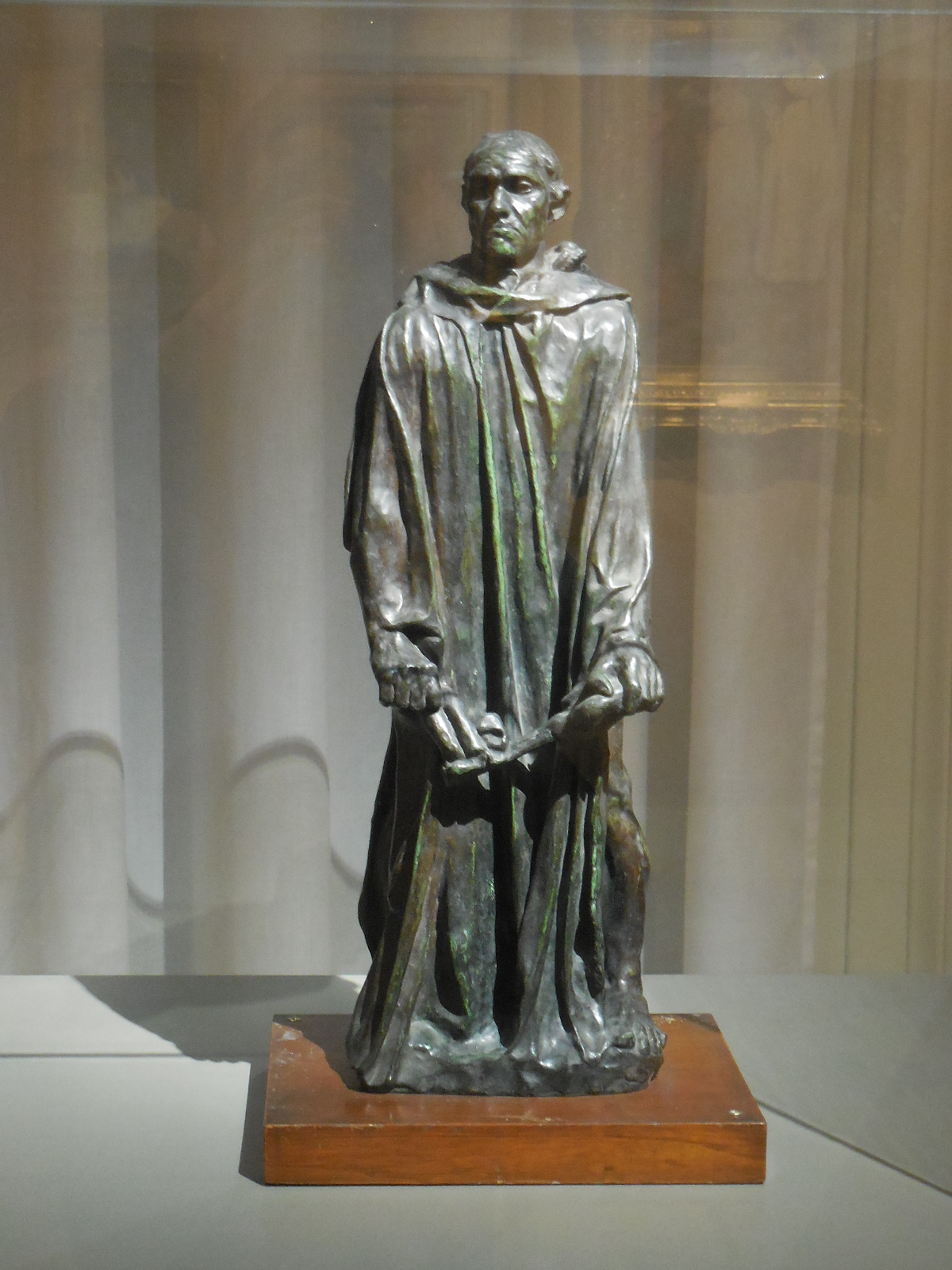
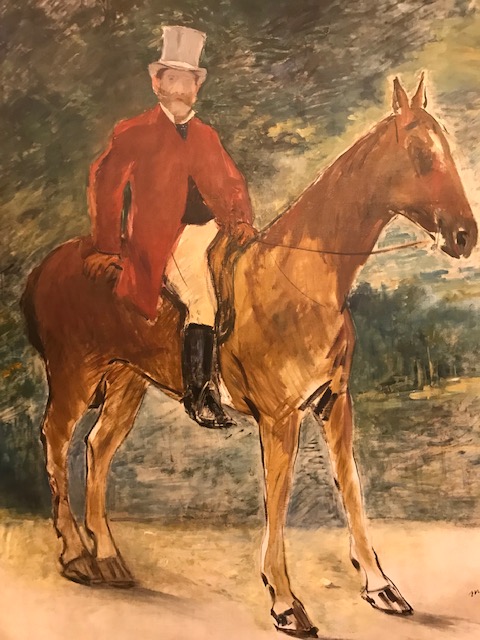
Some significant paintings on display included Paul Gauguin’s Donne di Tahiti from 1891; Vincent Van Gogh’s Breton Women and Children from 1888; Giuseppe De Nittis’ Breakfast in Posillipo from 1878; Eduard Manet’s Portrait of M. Arnaud from 1875 and Umberto Boccioni’s The Mother from 1907. The sculpture was just as impressive as the paintings. A bust of a madwoman caught my attention. It showed not only unique facial features but also delved into the psychological being of the woman. Via the sculpture, it was possible to see into the woman’s soul.  Other busts were just as revealing. A small statue by Rodin was exquisite, too. A bust of Beethoven was very expressive and innovative.

One bust that captured my attention.

I was thrilled to see so many amazing paintings and sculptures and looked forward to my next stop at another nearby villa, which was devoted to modern art of the 1930s.

Tracy A. Burns is a writer, editor and proofreader in Prague.

A bust of Beethoven