Jezeří Chateau Diary

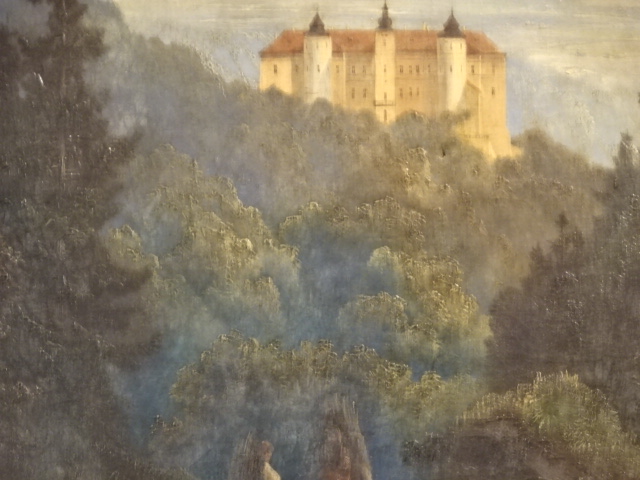
Painting of Jezeří by Carl Robert Croll

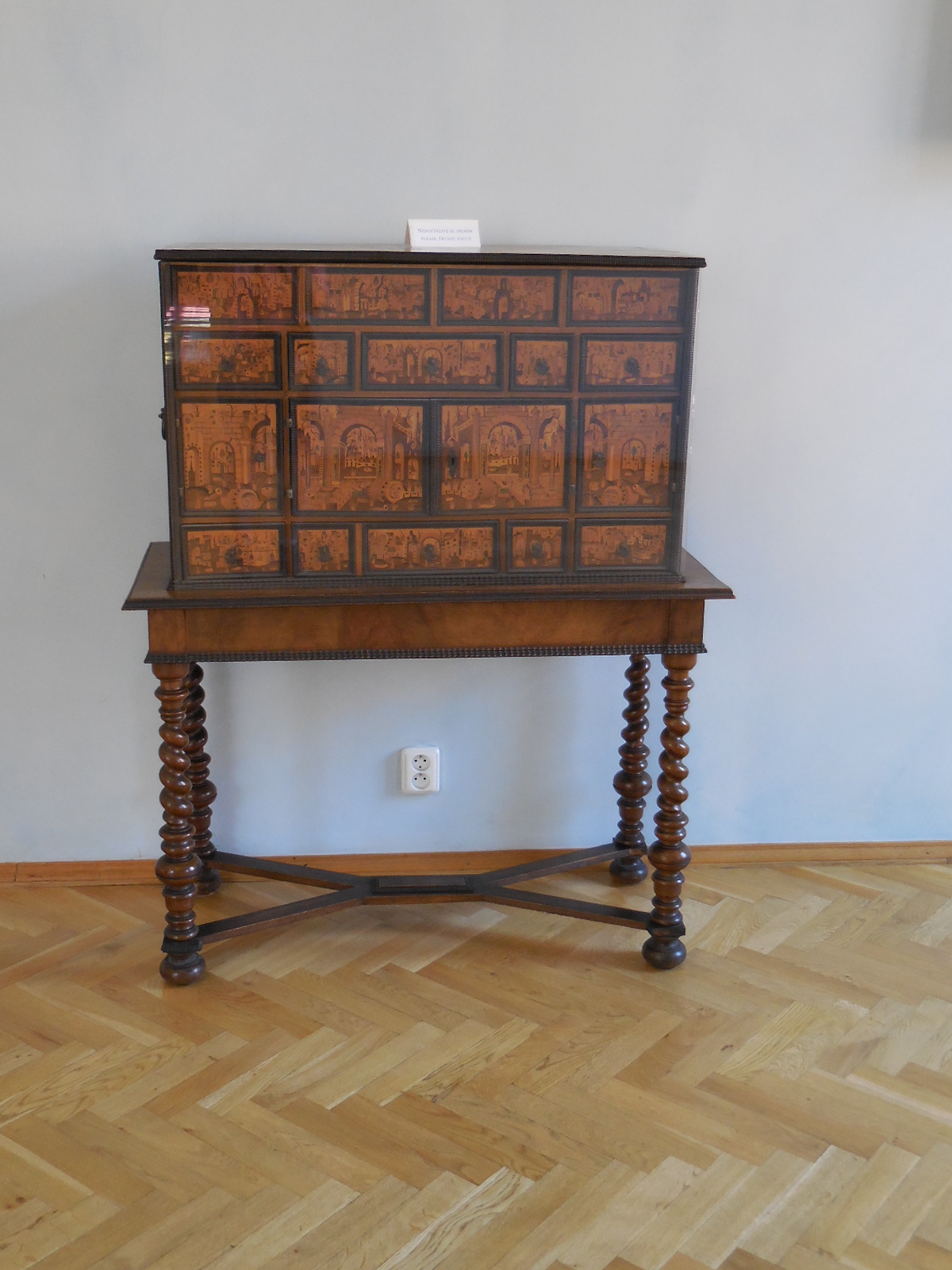
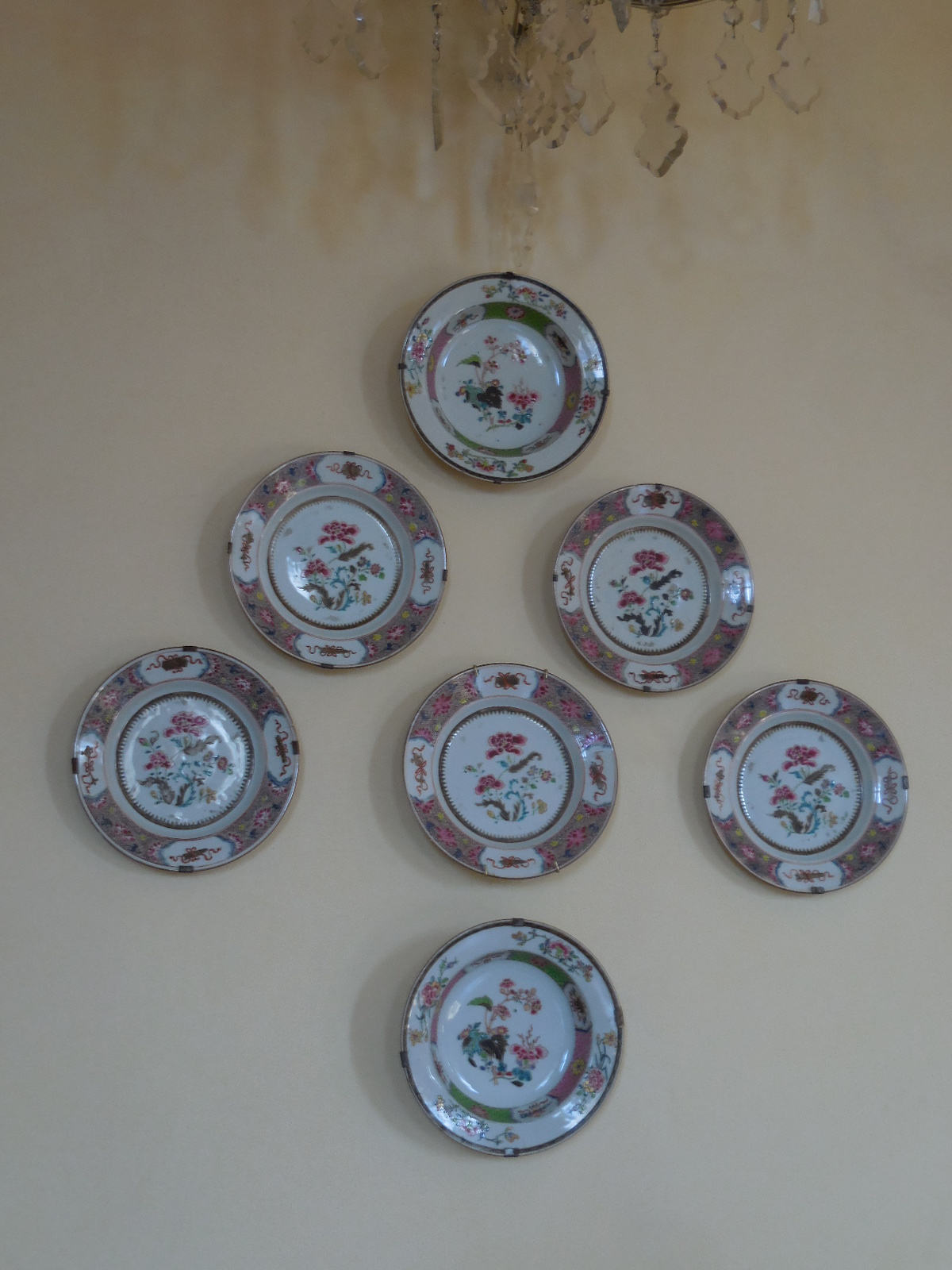
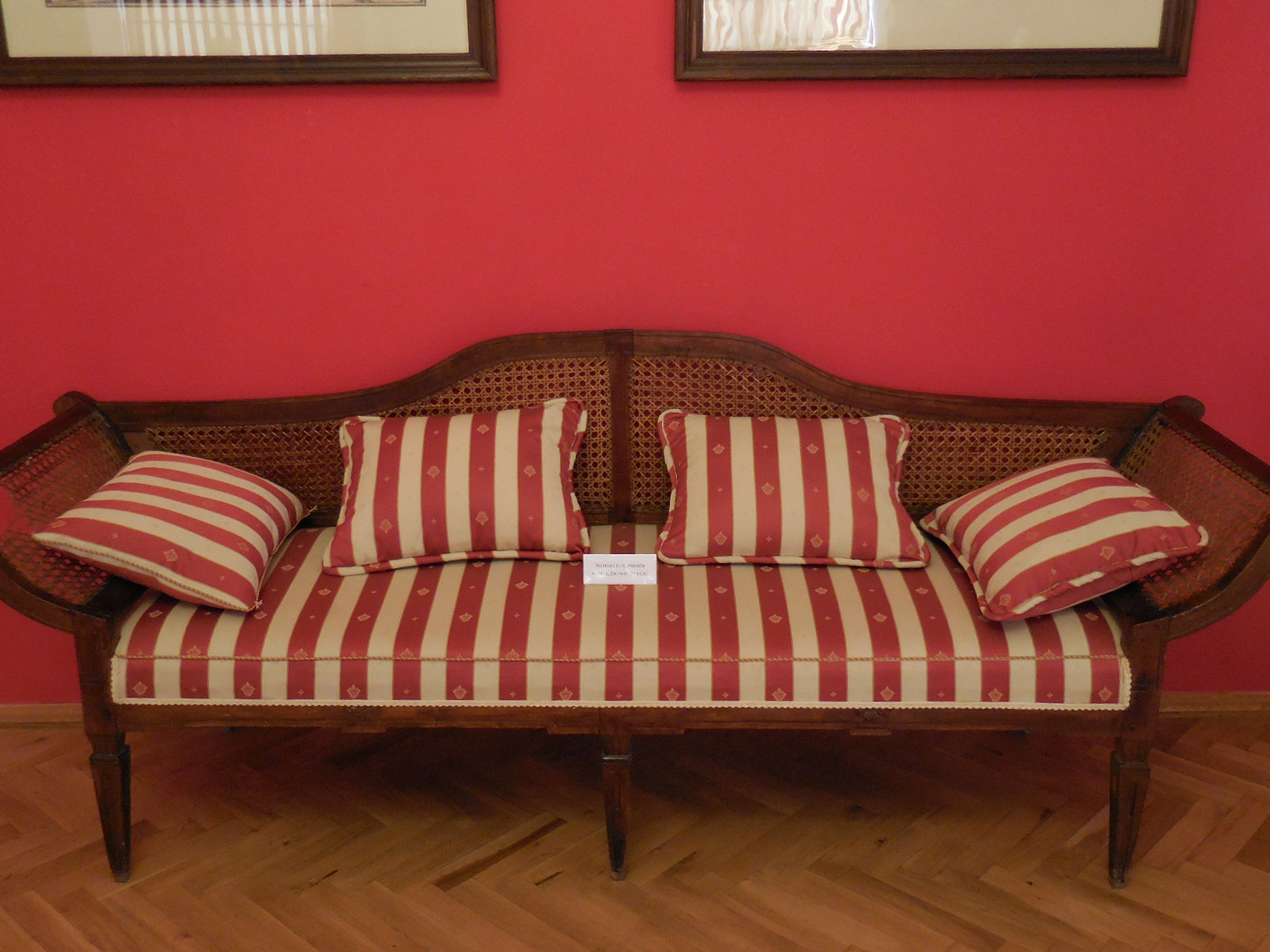
From the chateau interior

The first time I visited Jezeří Chateau was around the year 2000, about four years after it had opened to the public. While the chateau dominating the mountainous landscape appeared impressive from afar, up close it had looked derelict, as if it was about to collapse. The tour had covered only several rooms because much of the structure was under reconstruction. I left Jezeří feeling sad that a chateau with such promise had been derelict for so long. I wondered if the state would ever be able to make the chateau presentable again as so much rebuilding was necessary.
Now, 24 years later, I went back to the chateau situated in the Ore Mountains near the German border. About 10 rooms were open to the public, and they were impressive. I especially loved the paintings of Carl Robert Croll and the room where former Minister of Foreign Affairs and son of the first Czechoslovak President, Jan Masaryk, had stayed overnight. Spaces that had once succumbed to a sad plight now impressed, many harkening back to the golden days of the chateau.

The main facade of the chateau

But it is necessary to start at the beginning and get to know Jezeří’s history and suffering throughout years of dilapidation before touching upon the current appearance. To appreciate Jezeří fully, one has to be aware of the chateau’s journey, a long and winding one that overcame many obstacles.

Atlantis statue on main portal of the chateau

Jezeří Chateau dominates the landscape as a Baroque structure in the Ore (Krušné) Mountains of north Bohemia. It had been transformed from a Gothic castle called De Lacu (from the lake) to a Renaissance chateau by the Hochhauser family and finally to its Baroque appearance today. It was first mentioned in writing as a Gothic castle in the 1360s. The Thirty Years’ War  brought much damage and destruction.

Statue of a dog above the main courtyard of the chateau

Then, in 1623, Vilém the Younger Popel Lobkowicz bought it, and the Lobkowicz name would punctuate the chateau’s history for centuries. Under Ferdinand Vilém Lobkowicz, from 1647 to 1708, extensive reconstruction took place. The property included 500 hectares. A hall replete with grandeur showed off oval vaulting, stucco decoration and large columns while a new richly decorated dining room sported a beautiful ceiling. Rooms were adorned with frescoes. The garden showed off fountains and cascades. A zoo was on the premises. However, all good things came to an end when a fire that could not be extinguished ravaged the building during 1713.

During 1722 the chateau passed into the hands of the Roudnice branch of the family. Jezeří would come to life again when reconstruction occurred during the 18th and 19th centuries. Jezeří flourished, filled with frescoes and paintings by masterful artists. The English style garden included an artificial grotto and lavish statues. The H-shaped chateau became a center for musical and theatrical events during the Baroque and Classicist eras as famous guests visited its renowned theatre.

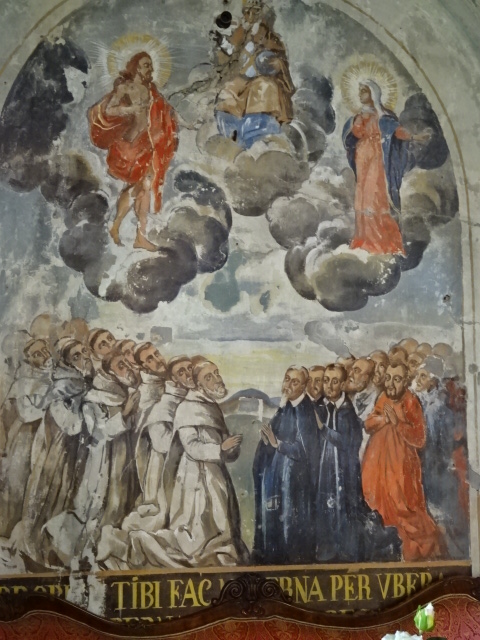
View of oratory of chateau chapel

Owner Maxmilián had opera singers visit from ensembles in Vienna and Dresden. Beethoven was friends with Prince František Maxmilián. The first private performance of Beethoven’s third “Eroica” Symphony, which the composer had dedicated to František Maxmilián, took place here. It also was the site of the first private performance (1797) of Haydn’s Creation. My favorite symphony by Beethoven, his sixth (the Pastoral), was also dedicated to Prince Lobkowicz.
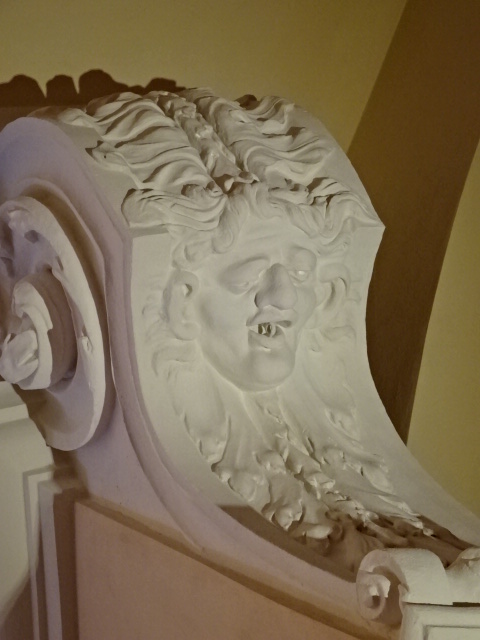
Sculpted heads with facial expressions adorn the Theatre Hall.

Another sculptural decoration in the Theatre Hall

At the time, vast Jezeří was buzzing with excitement in its 114 rooms and numerous smaller spaces. The English gardens and park were Baroque in style and showed off statues of mythological figures, greenhouses, pavilions, an artificial waterfall, terraces with magnificent views and an arboretum.
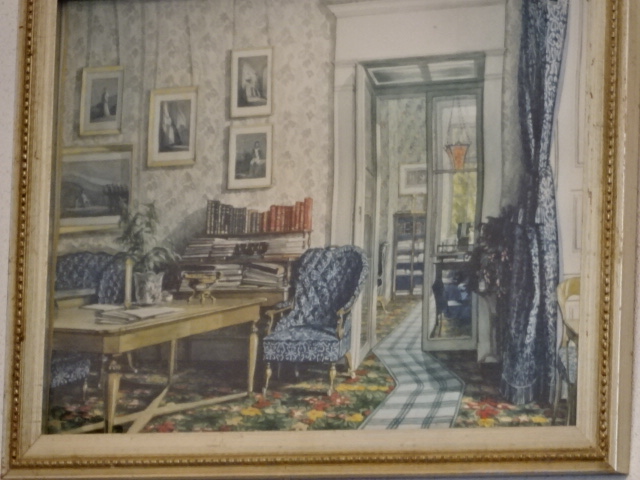
Painting of chateau interior by Carl Robert Croll

In the early 19th century, the prominent painter Carl Robert Croll created canvases for the Lobkowiczes, and his renditions of the chateau’s exterior and interior are magnificent. His “Winter Garden” from 1841 portrayed a light and airy room with many plants and windows, white walls and blue-upholstered furniture. The painting “The Big Salon,” created that same year, showed children dancing and men immersed in a game of billiards. Croll’s work “Smaller Salon at Jezeří” focuses on women and girls chatting and ordering tea or coffee. Croll painted the exterior of the chateau at night, presenting it as mystical and magical.

A painting of the chateau landscape by Carl Robert Croll

During the existence of The First Republic of Czechoslovakia, Jezeří was under the guidance of JUDr. Maxmilián Ervín Lobkowicz (1888 – 1968). Maxmilián served as a Czechoslovak diplomat and during World War II held the post of Czechoslovak Ambassador to Great Britain as he played a major role in the anti-fascist movement with the government-in-exile in London.

After he went into exile in 1938, Nazi soldiers took control of the chateau, and during 1943, a prison camp for Poles, Russians, French and out-of-favor German soldiers was situated on the property. Among the prominent figures incarcerated there was Pierre de Gaulle, brother of former French President Charles de Gaulle.

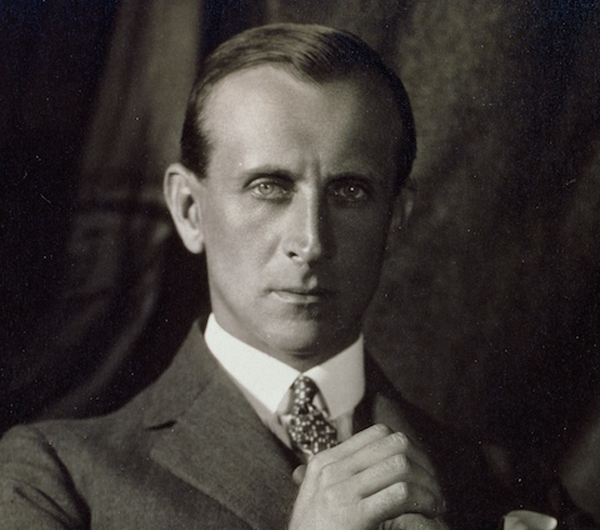
Jan Masaryk, Minister of Foreign Affairs and democrat

Maxmilián Lobkowicz returned after the war, and his good friend Jan Masaryk, then Czechoslovak Minister of Foreign Affairs, visited Maxmilián there on several occasions. However, Jan Masaryk would be shoved out a bathroom window by Communist officials at the Ministry of Foreign Affairs in Prague and fall to his death. The totalitarian regime categorized it as a suicide.
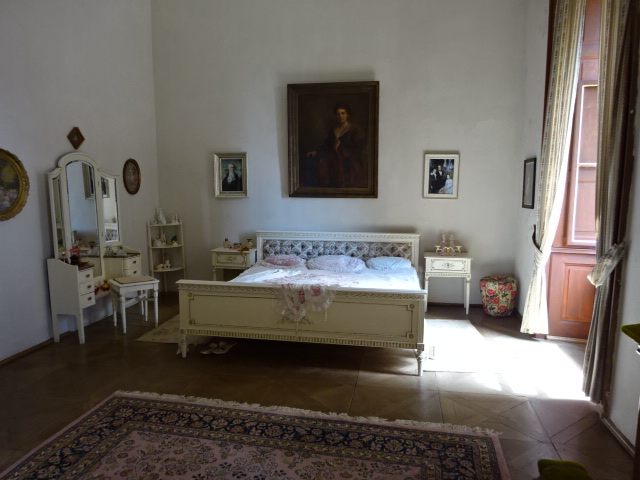
Times would change for the worst as Maxmilián and his family had to go into exile during 1948, carrying with them only a few belongings. The Communist coup had taken place, forcing the lifelong democrat Maxmilián to flee once again. At this time, the chateau was deteriorating.

Jan Masaryk, son of the first president of democratic Czechoslovakia

Jezeří certainly did not get a pretty makeover during the following decades. On the contrary, in 1950 the Czechoslovak army took over Jezeří, and the interior was destroyed. Then, five years later, the Ministry of the Interior used the building. Several other institutions were situated there in subsequent years, and times were definitely not rosy. The place was often vandalized until 1960. Jezeří Chateau became a cultural monument in 1963, though its condition did not improve. At the end of the 1960s and in the 1970s, extensive mining took place on the grounds. During the 1970s and 1980s, there was talk of tearing Jezeří down because the structure was not deemed safe due to the mining activities.
The chateau had been surrounded by intensive coal mining for centuries. Mines with dams and ditches punctuated the Ore Mountains. The mining history harkens back to the 16th century, and though it was halted for a while after the Thirty Years’ War of the 17th century, mining activities returned with a vengeance during the 19th century due to the discovery of cobalt blue and uranium in the mountains. During the first and second world war, much mining took place in the Ore Mountains. Then, after the Soviets took control of Czechoslovakia, the Ore Mountains were used as a source of uranium ore, but it was all kept hush-hush. The beautiful forests were destroyed under Communist rule. Jezeří didn’t even appear on maps anymore.

After the Velvet Revolution of 1989 that triggered the end of Communist rule, the Lobkowiczes got the chateau back in restitution. In 1991, the state declared the chateau a protected cultural monument. However, the chateau was in such bad condition that the Lobkowiczes were not able to do the necessary repairs because it would be so costly. In 1996 Martin Lobkowicz gave the chateau to the state. Repairs began, but it would be a long journey before the chateau appeared in a decent state.

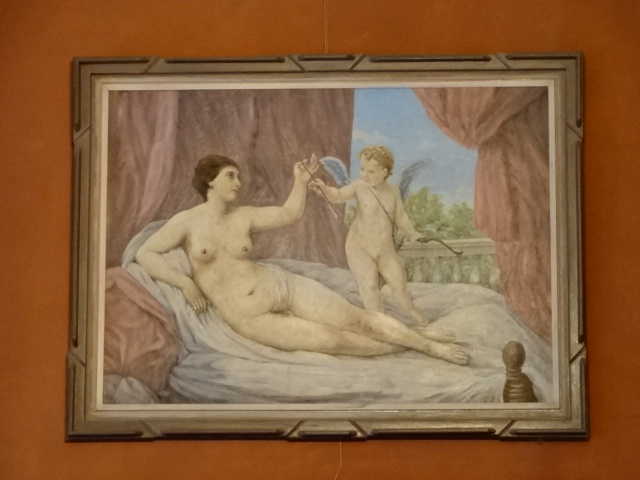
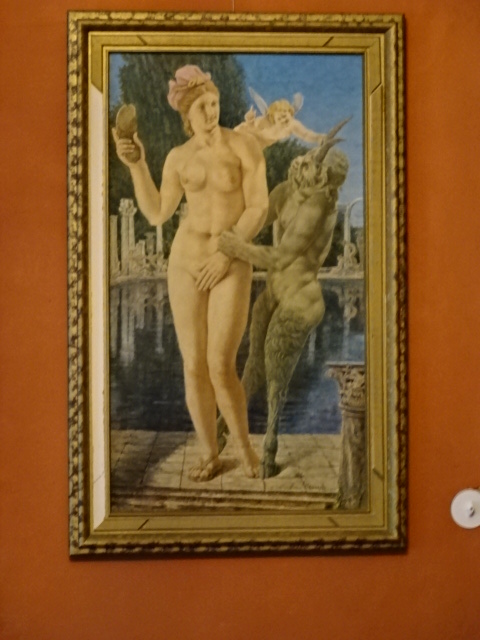
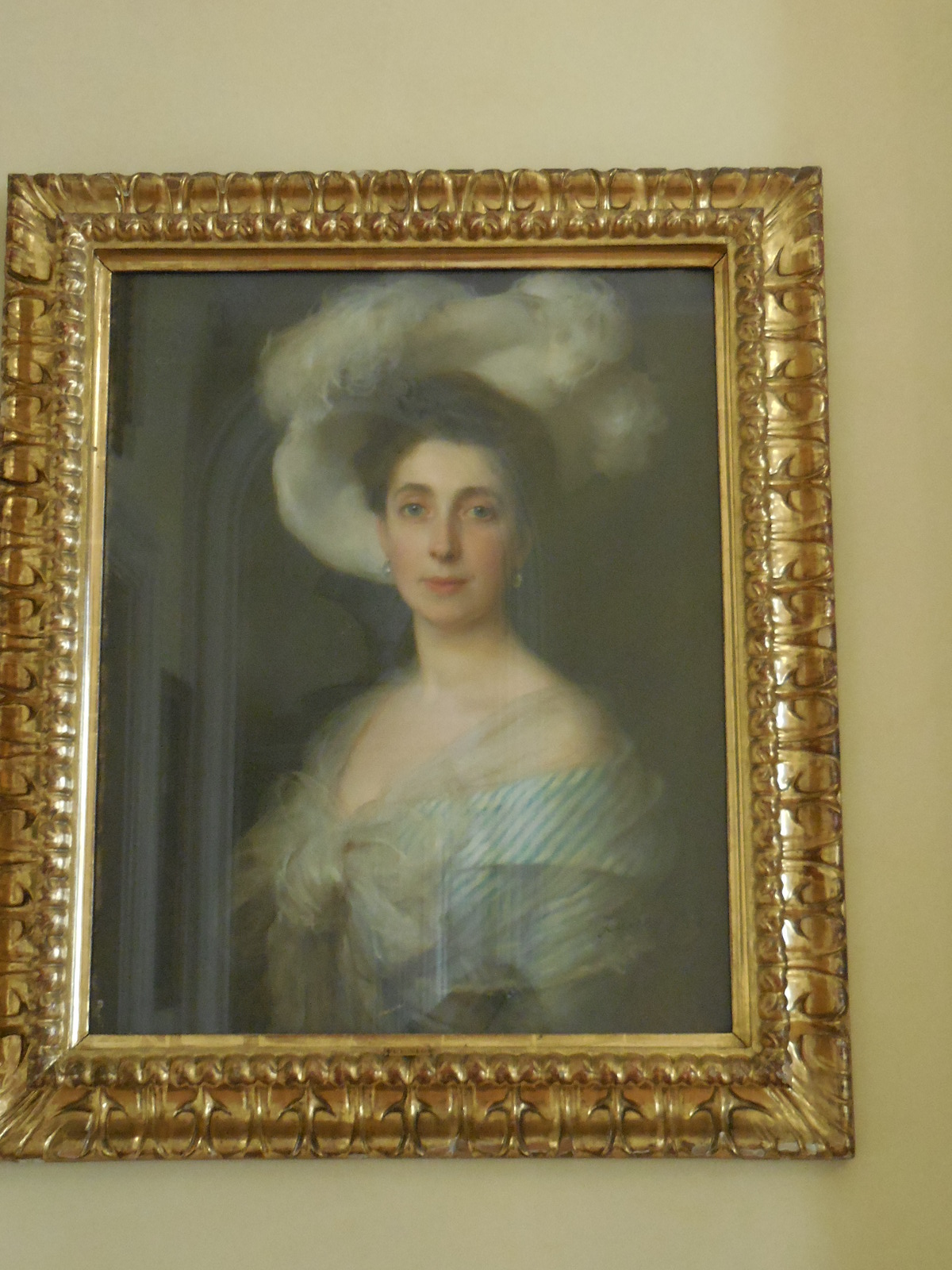
The artwork in the chateau is superb.

During 1996, one room in the chateau was open to the public. When I visited in 2000, more rooms were accessible, but there was a lot of reconstruction taking place. Back then, I felt a sense of profound sadness because the necessary reconstruction would take years to accomplish. Yet hope and determination won out. The chateau continued to be painstakingly restored, and finally part of the first floor and a section of the second floor were on display for visitors. It was made a national cultural monument in 2022.

The chateau Theatre Hall
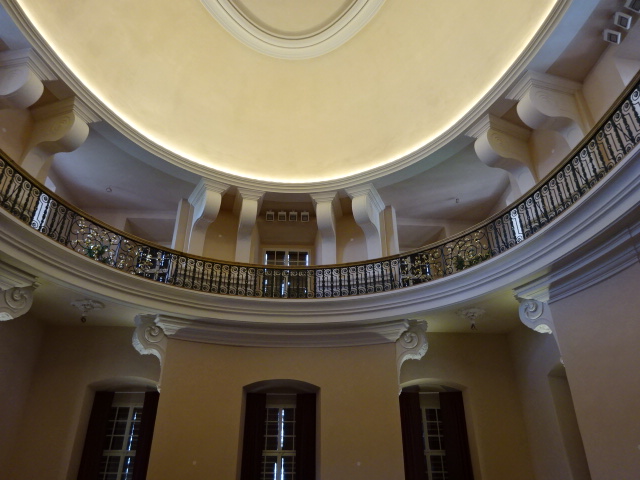
The stunning balustrade of the Theatre Hall

Now visitors can admire the renovated, lavish Theatre Hall with its original fireplace and stucco decoration. Heads of figures with various theatrical expressions decorate the walls. The cupola is impressive as is the balustrade above. Concerts are held here, reviving Jezeří’s musical tradition.

The Winter Garden today

The Winter Garden was renovated to look like it did in Carl Robert Croll’s paintings, and it is a tranquil, comfy place full of greenery. I would love to have tea in that soothing space.
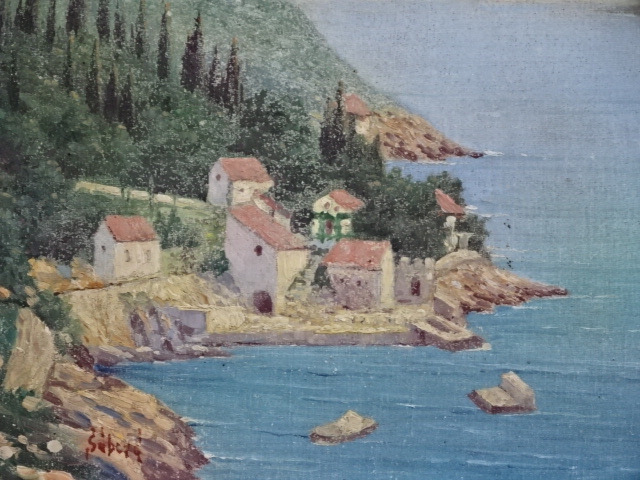
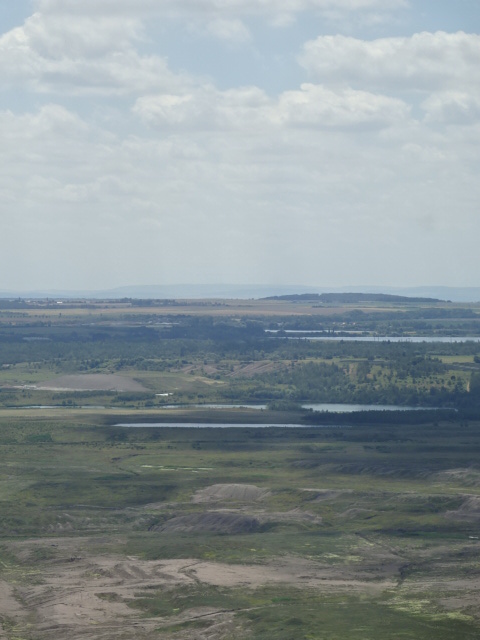
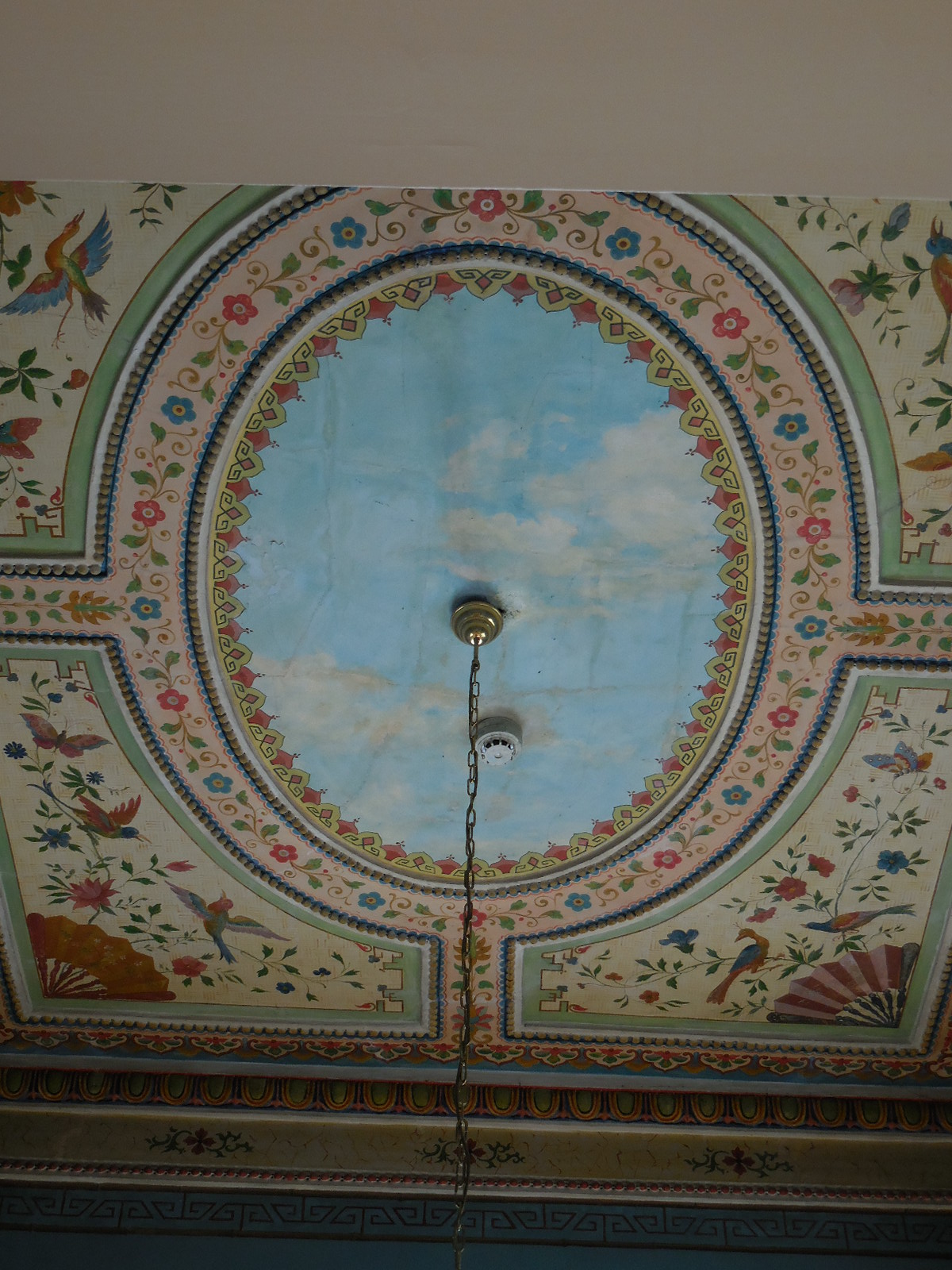
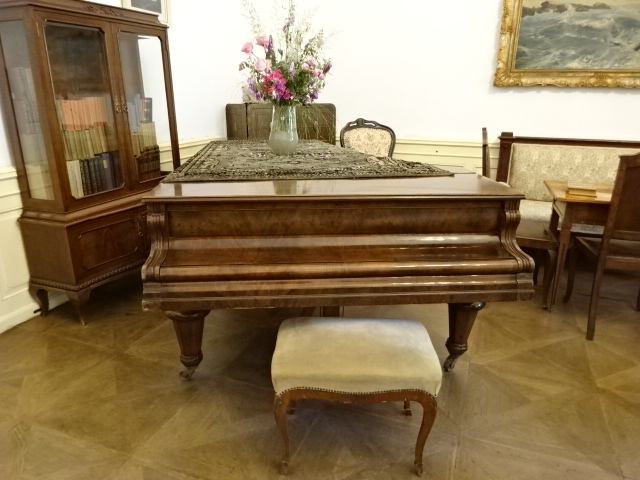
Paintings throughout the chateau are intriguing with Carl Robert Croll’s works showing a stunning chateau interior and exterior at the beginning of the 19th century. Many other artworks are impressive, too. Three pianos are on display. The vaulting and stucco ornamentation in rooms is intriguing to say the least.

Jan Masaryk’s room at the chateau
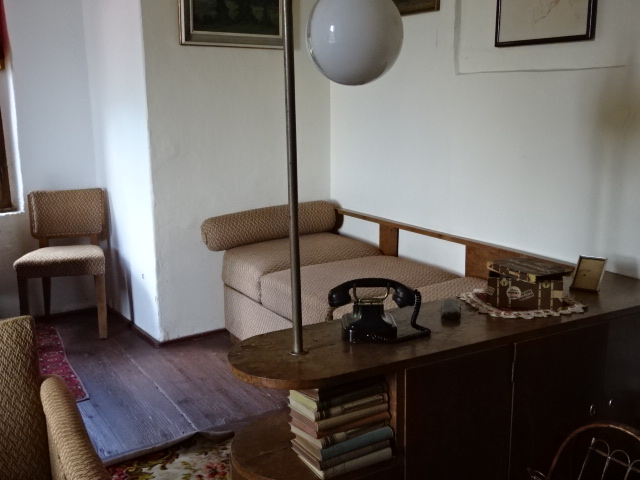
Jan Masaryk’s room at the chateau

My favorite room is the one dedicated to Jan Masaryk. Seeing his room at the chateau made me imagine his visits with the Lobkowiczes during the chateau’s better days. The portraits of Jan Masaryk across from the room brought to mind Masaryk’s fierce fight for democracy and his tragic fate. I remember, during a tour of the Ministry of Foreign Affairs, being shown the bathroom window from which he was shoved to the hard ground outside.

Bust of Tomáš Garrigue Masaryk, first president and Czechoslovakia and father of Jan Masaryk
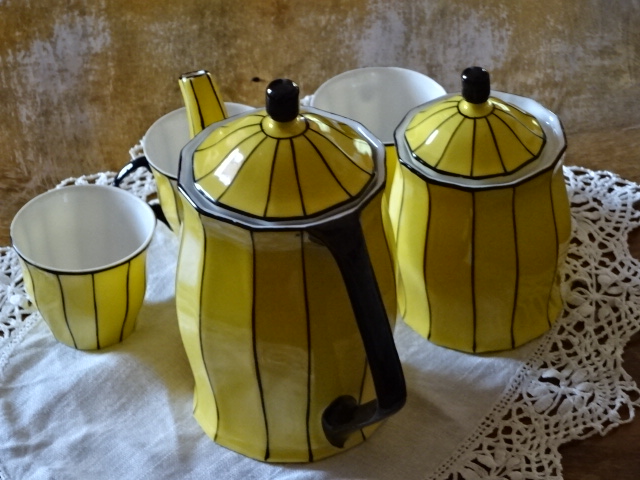
Twentieth century coffee and tea set in Jan Masaryk’s room at the chateau

I see Jezeří Chateau as a symbol of hope, of the determination that can painstakingly change a monument considered for demolition into an edifice with an intriguing interior that impresses visitors. There is still much reconstruction going on, but Jezeří continues to develop – slowly but surely. I was glad I had been able to witness so many positive developments.
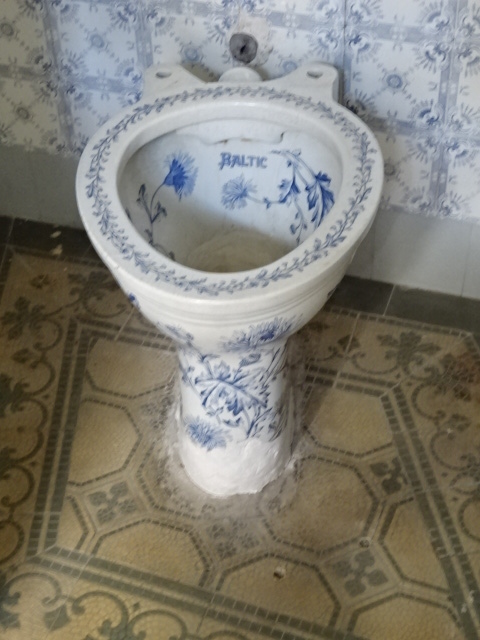
Handpainted toilet in the chateau

Tracy Burns is a writer, proofreader and editor in Prague.
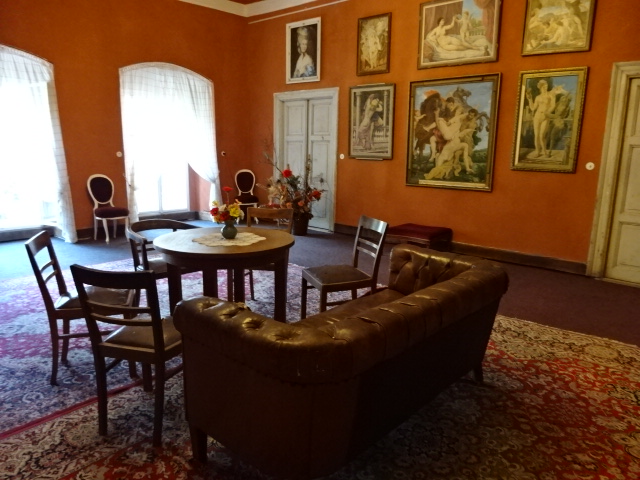
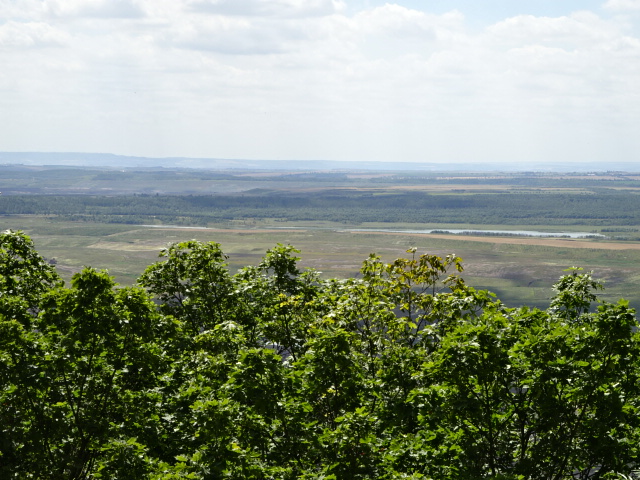
View from the chateau

Lobkowicz Palace Diary

Lobkowicz2
It was one of those places I had been meaning to visit for a long time, but I had just never gotten around to it. Tomorrow. . .this week. . .next week. . .I would always stay home and write instead of visiting the Lobkowicz Palace. Friends and family raved about the museum. In August of 2015, I finally went to check out the Lobkowicz Museum, which opened in 2007.

The beginning of the audio guide tour had me hooked. William Lobkowicz, the current owner of the palace, did most of the narrating. His grandfather Max was married to a British citizen, Gillian. When World War I started, Max had been a very affluent man. During World War II he served as ambassador of the Czech government in exile in London. He was fervently against the Nazis and was an avid supporter of the democratic First Republic of Czechoslovakia. The Nazis disliked Max not only for his anti-Nazi activities but also because he had a British wife. After the Communists took control of the country in 1948, Max found himself trapped in Czechoslovakia. His wife sent him a letter from London, telling him she was gravely ill. She wasn’t, but the ploy worked. The Communists gave Max two days to visit her. With only his coat and the clothes he was wearing, Max fled from his homeland to join his wife in London. He left behind 13 castles. William’s father had been 10 years old at the time and had been sent to live in the USA.

Max Lobkowicz from lobkowicz-palace.com

Max Lobkowicz from lobkowicz-palace.com


What a story! It sounded like something out of a spy novel or film! It must have been so difficult to leave so much property and so many possessions behind. Thirteen castles! It must have been heartwrenching.

Then I found myself in a large room full of family portraits, starting with those of nobility from the house of Pernštejn. The portraits were not merely faces staring at me. Each portrait told a story about an individual thanks to the information on the audio guide. The people came alive as I listened to intriguing facts about their lives. When I was looking at the Pernštejns, I fondly recalled my visits to Pernštejn Castle in Moravia. It was one of my all-time favorites. I wonder if that had been one of the 13 castles grandfather Max left behind.
Lobkowiczportrait
Vratislav Pernštejn, born in 1530, held the distinction of being the first Czech to receive the Order of the Golden Fleece, achieving this feat at the tender age of 25. Later, many more Lobkowiczs would be honored with the award. The Lobkowicz clan was related to King Philip II of Spain, whose tenure on the throne lasted 40 years. His territories even included Central America, the Caribbean and parts of what is today the USA. At one time he was even the King of England. Nicknamed “Philip the Prudent,” he was the son of Holy Roman Emperor Charles V and Infanta Isabella of Portugal. The Philippine Islands were named after him. He founded the first trans-Pacific trade route between America and Asia. He also made sure the Ottomans would no longer be a formidable enemy of his lands. He also helped his empire get back on its feet in times of financial crises.
Lobkowiczint1
I wished I could trace my family tree back so many centuries. I knew that I was of Slovak heritage on one side of the family, had a grandmother of Czech ancestry and a grandfather of Scottish origin, but I did not know any details. My ancestors from Moravia were named Mareš, a common Czech surname. My grandmother’s maiden name had been Šimánek, also a common name. I think my decision to move to Prague had something to do with filling up a vast emptiness about my family’s past, wondering who my ancestors were and what they were like. In Prague I felt in touch with a past I had never known, and that was one of the reasons Prague felt like home.

I was reminded of a Diego Velázquez exhibition I had seen in Vienna about a year ago when I gazed at the portrait of Infanta Margarita, then a four-year old member of the Spanish royal family. I recognized her from Velázquez’s masterpiece, Las Meninas. While Margarita was immortalized in portraiture, she did not enjoy a long life. She died during childbirth when she was only 22 years old.

I found the Lobkowicz’s involvement in the Defenestration of Prague fascinating. One painting showed the historical event, when Protestant nobles revolted against the Catholics and threw two Catholic ministers and a secretary out a window. This event triggered the Thirty Years’ War. Luckily, the three fell onto a pile of dung and did not die. Two of them took refuge in Lobkowicz Palace. According to legend, Polyxana Lobkowicz hid them under her skirts.
Lobkowiczint4
In the next room I was surrounded by fine porcelain. I saw majolica service from Lombardy picturing a calming landscape of coastal scenes with mountains. It dated back to the 17th century and was made in Italy. I was also enamored by service from Delft, dating back to the late 17th century. I had always been fond of porcelain made in Delft.

The painting in the next room captivated me. Lucas Cranach the Elder had rendered Mary and the Christ child in a painting hailing from 1520. Saint Catherine and Saint Barbara also made appearances. I found out that Ferdinand Lobkowicz had been an avid art collector.
Lobkowiczint3
In a separate space stood a processional reliquary cross, Romanesque in style. Hailing from north Germany in the beginning of the 12th century, it was made of gilded copper and adorned with 30 crystal cabochons. I couldn’t believe I was looking at something that ancient and in such good condition. Whenever I saw Romanesque churches, for instance, I could not believe I was standing in a structure built so many centuries ago. I briefly thought back to the Romanesque church with the fascinating façade in Regensburg.

Then I entered a room filled with weapons and knights’ armor. While I was impressed that the Lobkowiczs possessed such a superb armory, weapons were certainly not my cup of tea. I moved on and soon found myself surrounded by musical instruments, especially violins. I love classical music, and the room calmed me while the armory had made me anxious.

I stared for some minutes at the original score of Part III of the Messiah by Handel as arranged by Mozart. I also saw original scores by Beethoven and Mozart, two of my favorites. The first printed edition, dating from 1800, of the score for the oratorio of The Creation by Haydn also caught my attention. My mind wandered back to those classical music classes at Smith College, where I first became enamored with the above-mentioned composers and many more. An entire new world had opened up for me. I also spent some time gazing at the violins and clarinets, wishing I could play an instrument. I had taken beginners’ piano lessons in college for a year, but that was it. In college I always dreamed of being able to play an instrument well enough to major in music. But it had been just a dream. I wasn’t talented enough, and I had concentrated on my writing.

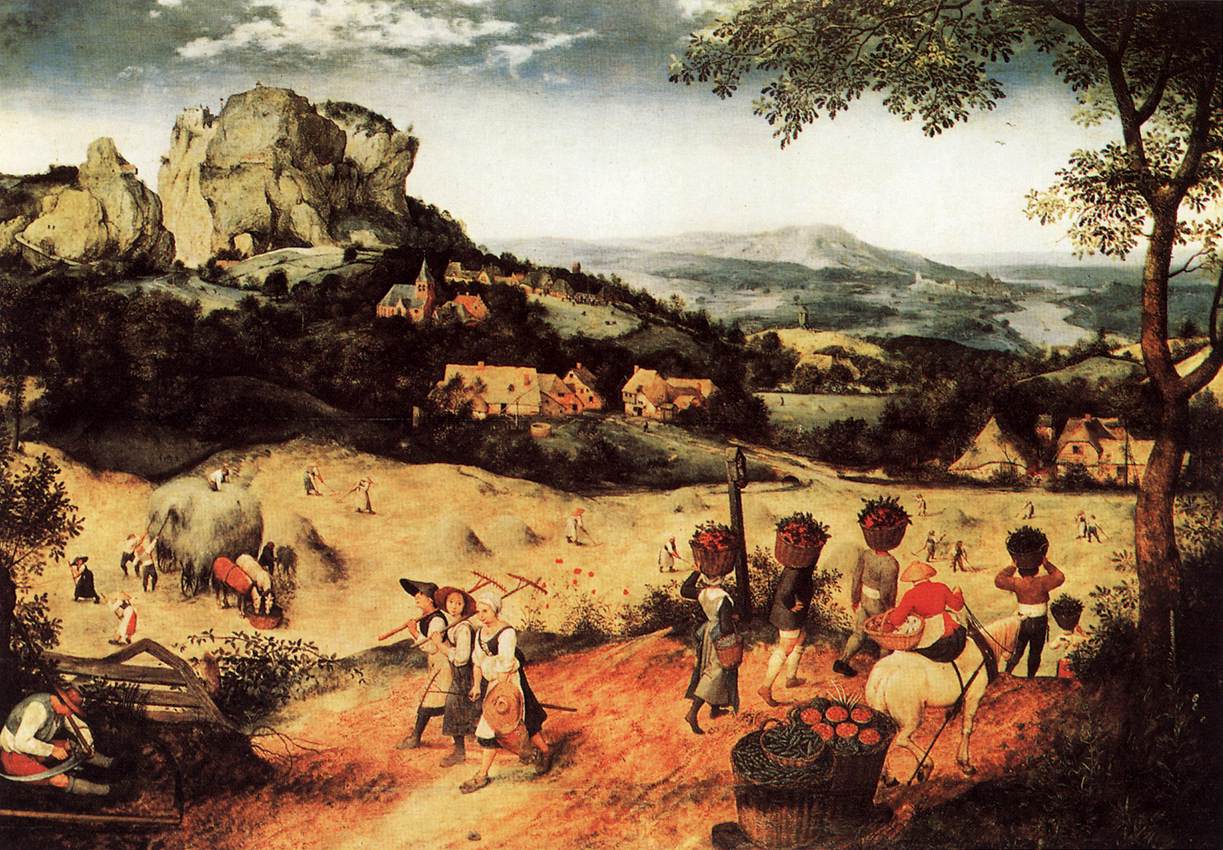
Haymaking by Pieter Bruegel the Elder, 16th century. Photo from www.wga.hu

Haymaking by Pieter Bruegel the Elder, 16th century. Photo from http://www.wga.hu


Soon I set my eyes on one of my all-time favorite paintings by my favorite artist, Pieter Bruegel the Elder. It was his rendition of Haymaking, one of only six panels representing the 12 months of the year. Each panel represented two months. Haymaking depicted June and July. I remembered gaping at the Bruegel collection in Vienna’s Kunsthistoriches Museum, where I had admired The Gloomy Day (Early Spring), The Return of the Herd (Autumn) and the Hunters in the Snow (Winter.) Bruegel’s paintings of the seasons had played a significant role in Western art. It was the first time that landscape was the main subject of the painting. Before, landscape had been utilized as a backdrop for religious figures. I admired how nature played a role in the lives of the people depicted in the paintings. Their daily activities were dictated by the seasons. I loved the way Bruegel depicted the common man in everyday activities and put so many details in his paintings. The landscape was stunning and idyllic, too.

The Croll Room was breathtaking. Carl Robert Croll had painted over 50 works for Ferdinand Joseph Lobkowicz during six years in the 1840s. I recognized Jezeří Castle, which the Lobkowiczs sold to the Czech state in 1996. I had visited Jezeří some years ago, but the chateau was in need of major reconstruction. Its location on a cliff was romantic, but restoring the interiors was going to take a lot of time. I wondered how far the restoration work had come during the past years. I also recognized Roudnice Chateau, shown Italian Baroque style from reconstruction that took place from 1653 to 1677. I had been to the art gallery at Roudnice Chateau some years ago, but most of the chateau was under reconstruction. Nelahozeves, also seen here, was one of my favorite chateaus due to its impressive art collection. Not far from Prague, I always recommended that visitors take a day trip there. I had even written a post about it for my blog.

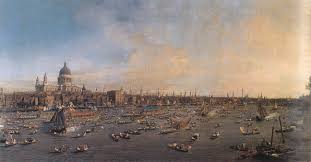
City of London from River Thames with St. Paul's Cathedral on Lord Mayor's Day by Canaletto

City of London from River Thames with St. Paul’s Cathedral on Lord Mayor’s Day by Canaletto, Photo from http://www.wikiart.com


LobkowiczDogRm
Then I saw what have to be two of the most beautiful paintings in the world – two views of London by Antonio Canaletto. I loved Canaletto’s work because he brought out the atmosphere of the place he was painting. I could really feel as if I were looking at London and the Thames in his City of London from River Thames with St. Paul’s Cathedral on Lord Mayor’s Day from 1748 and in The River Thames Looking Toward Westminster from Lambeth from 1746-47. I recalled the extensive Canaletto exhibition I had seen in Aix-en-Provence during June. I loved the details of the boats and sails.
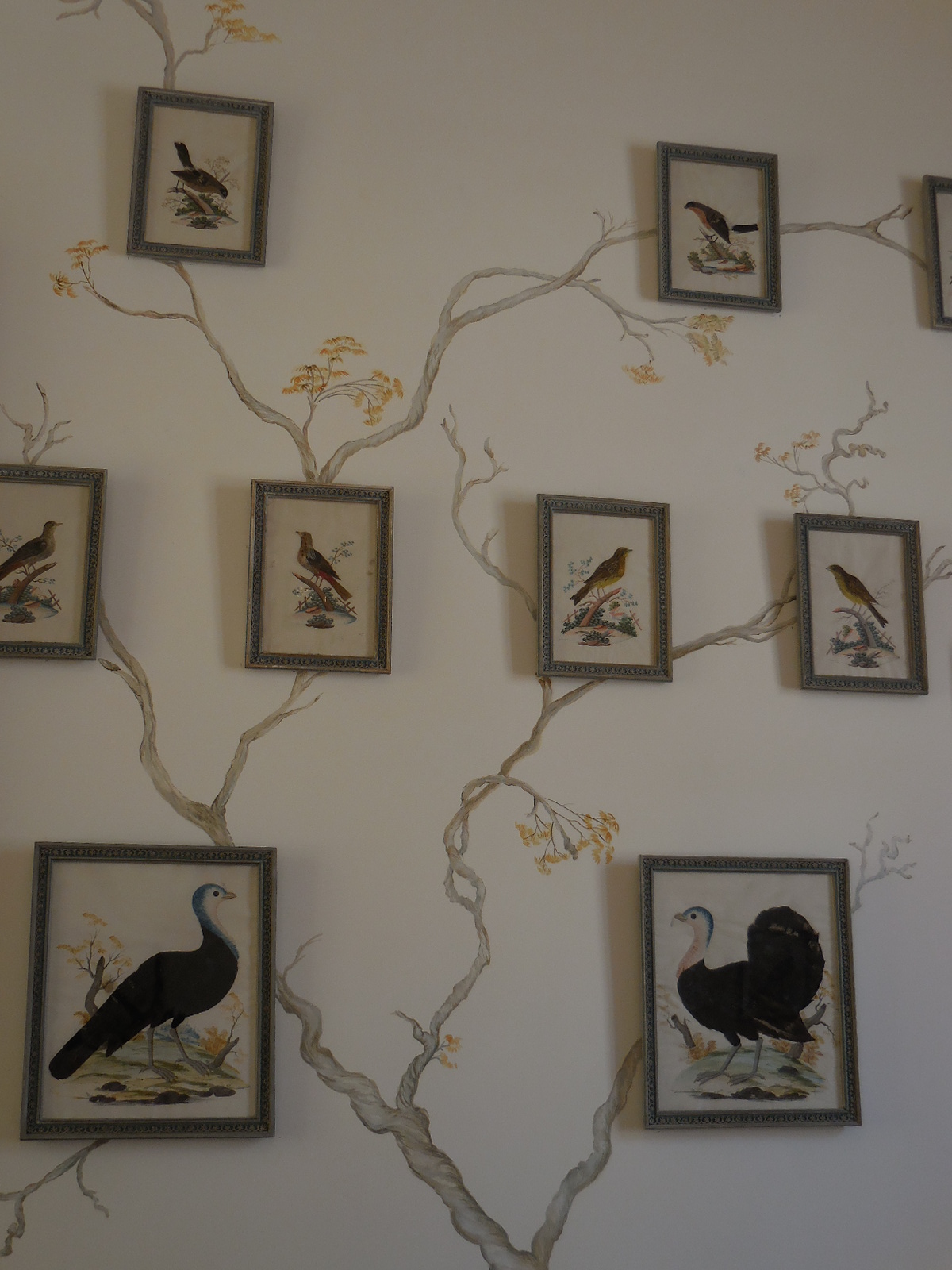
LobkowiczBirdRm
On the first floor I saw a portrait of Princess Ernestine Lobkowicz clad in brilliant red and portraits painted by the princess in the 17th century. I wondered how many female portrait painters there had been in the 17th century. The Bird Room featured pictures of birds made with real feathers. On the audio guide William’s wife, Alexandra Lobkowicz, mentioned that she had found the pictures infested with insects and that they took almost a year to conserve. In the Dog Room I focused on a painting of two dogs proudly seated on velvet cushions in 1700. They looked so spoiled with their luxurious light blue and gold collars. Then again, I had always spoiled my cats.
Lobkowiczint2
Lobkowiczint5
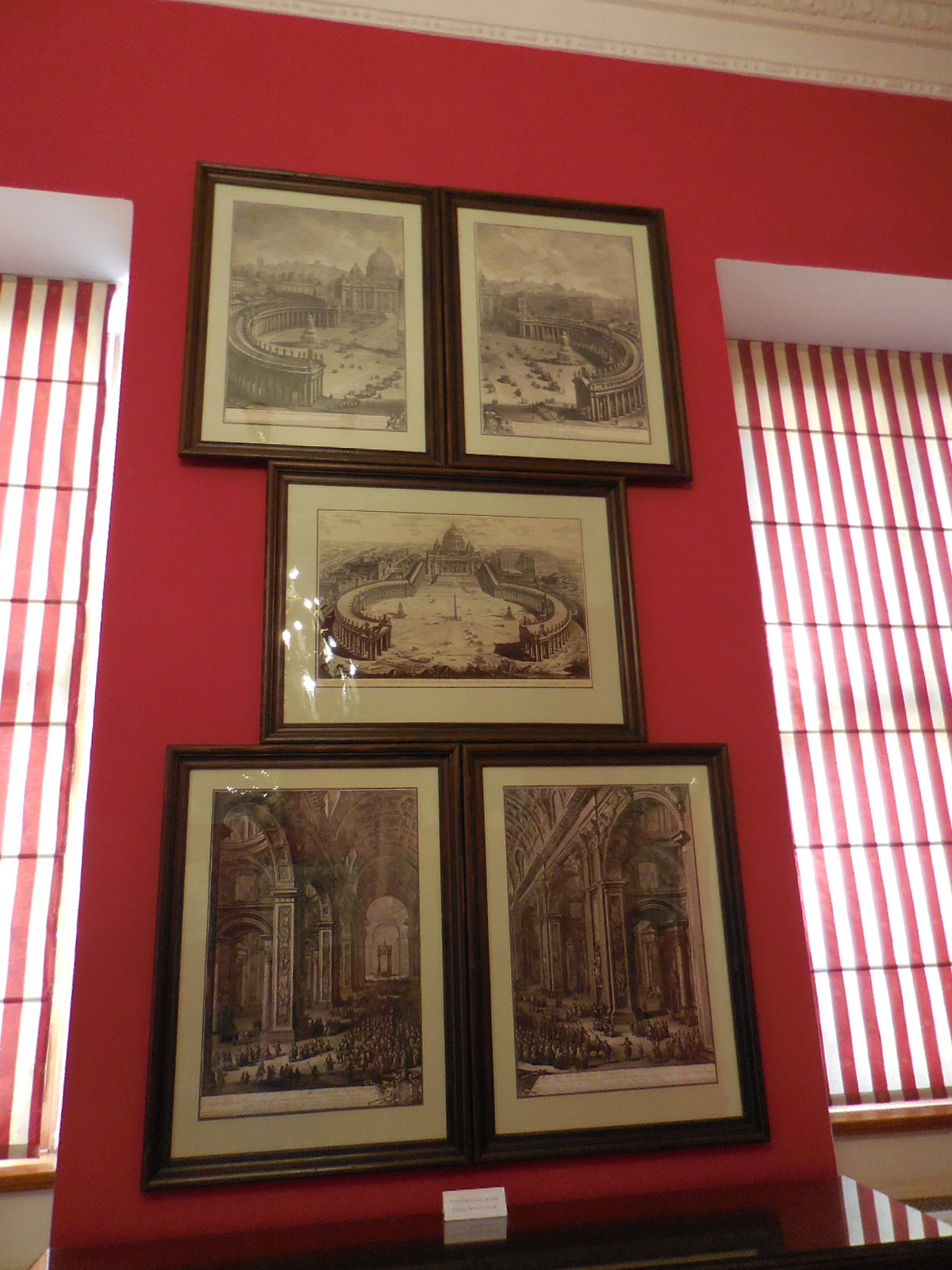
The Firanesi Room was filled with engravings of ancient and modern Rome, one of my favorite cities in the world. I recalled showing my parents the Colosseum, one of my most treasured memories of time spent with my Mom and Dad. The Oriental Room proved a delight as well. It featured nine Chinese embroidered silk panels hailing from the 18th century. I loved Oriental rooms in castles and chateaus. They were so elegant, and the wallpaper was always so beautiful. There was also a Chinese Room in the palace. It had a distinctive Oriental flair and dated from 1900. I loved the bright colors, too.
LobkowiczRococo1
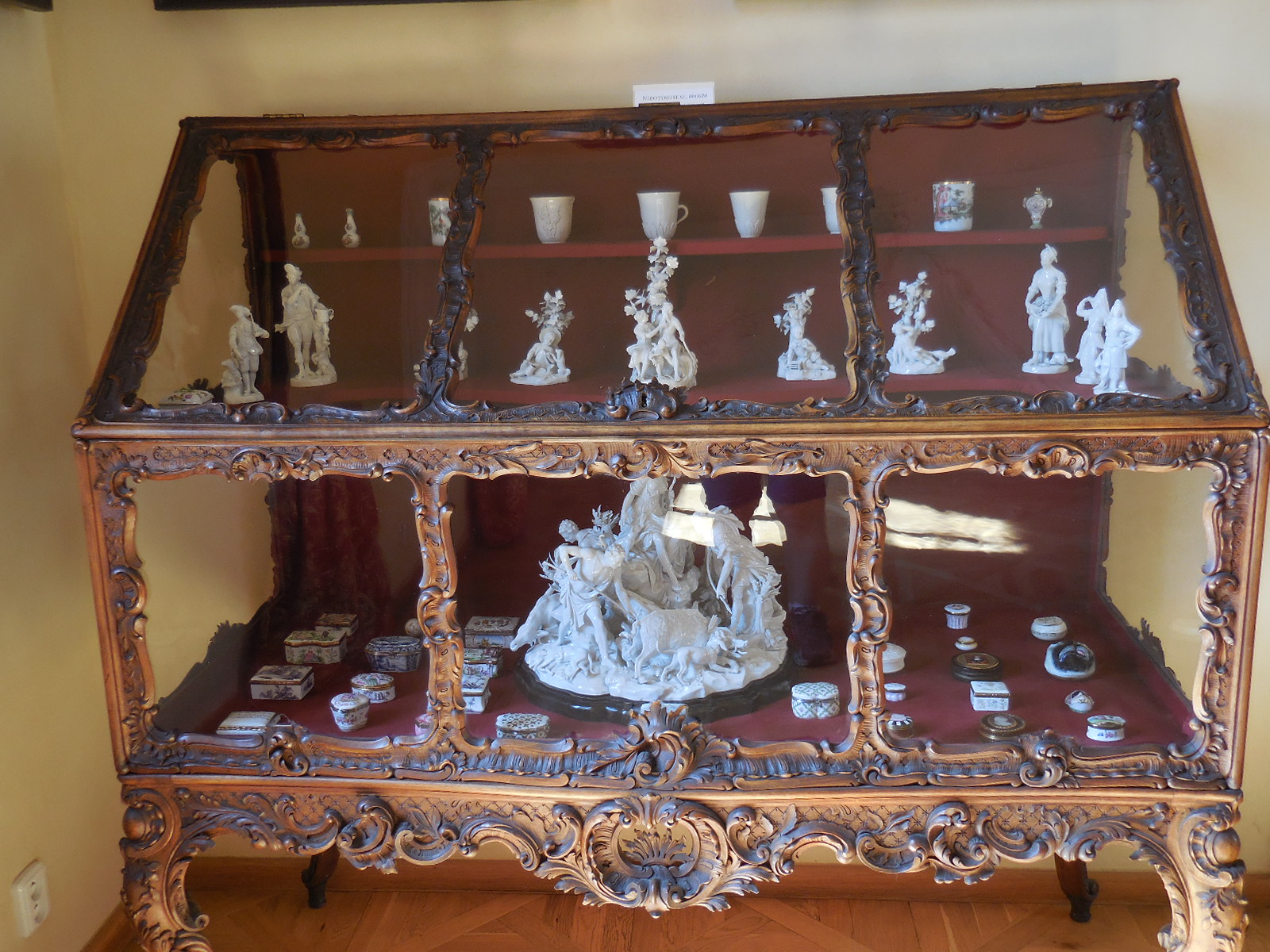
Meissen porcelain in a Rococo cabinet

Meissen porcelain in a Rococo cabinet


Next came the Rococo Room, where two Rococo display cabinets displayed various objects, such as snuff boxes, exquisite fans and Meissen porcelain. I admired the rich carving of the woodwork on the cabinets. Seeing the Meissen porcelain reminded me of the Museum of Porcelain in Dresden, where there was so much Meissen to behold that it had been overwhelming for me. The superb display cases dated from the 18th century.
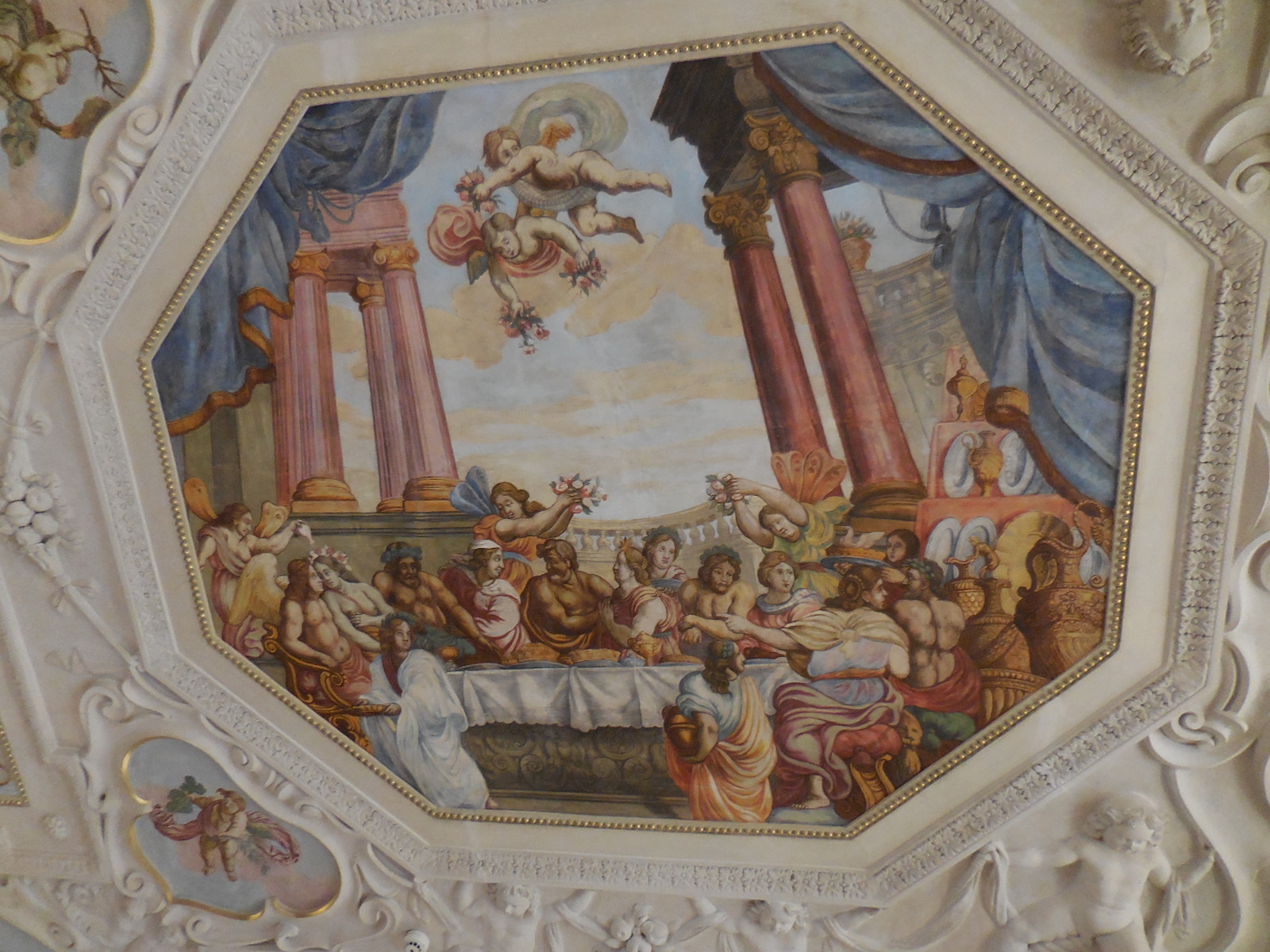
An allegorical fresco in the Dining Room

An allegorical fresco in the Dining Room


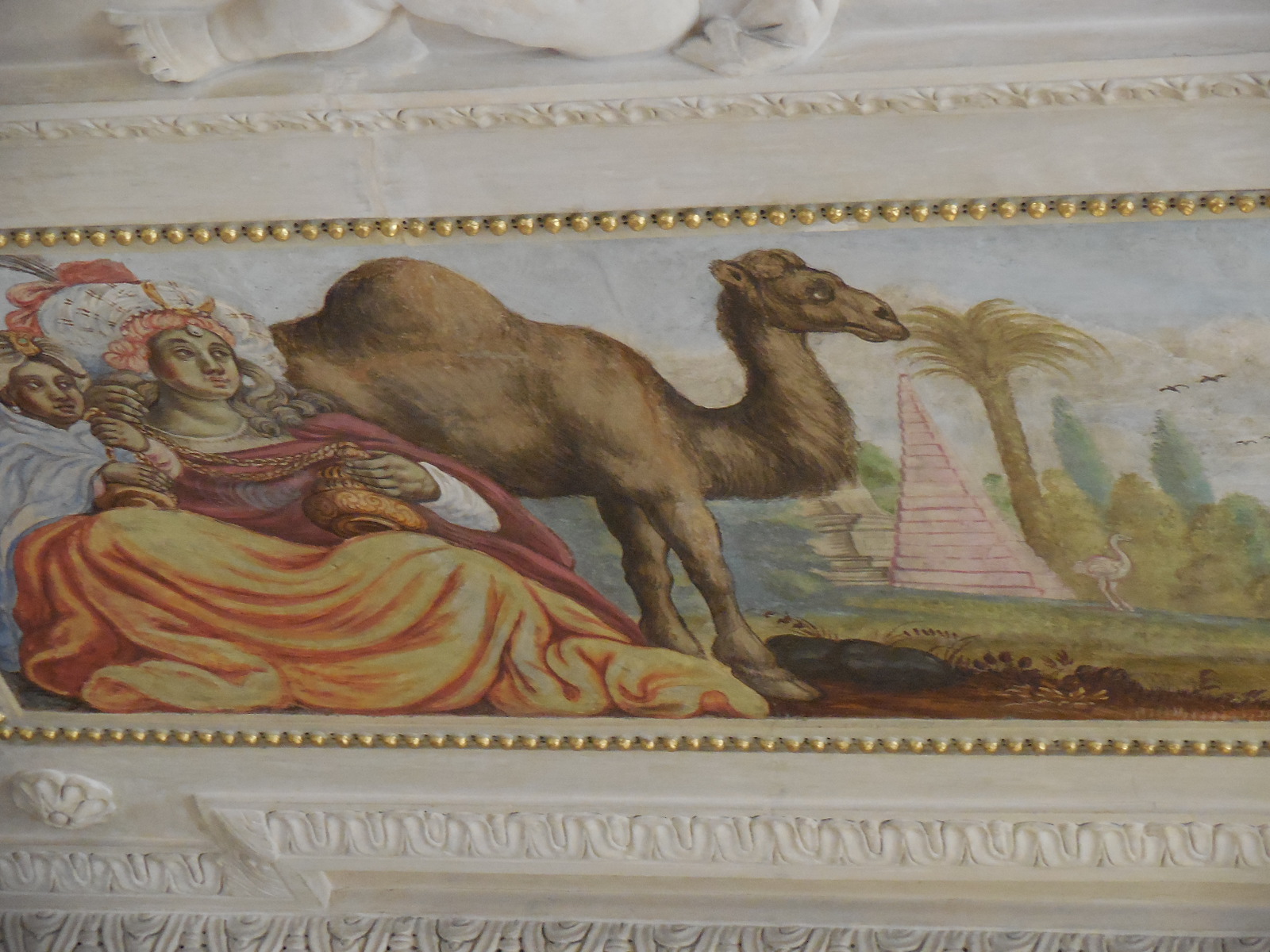
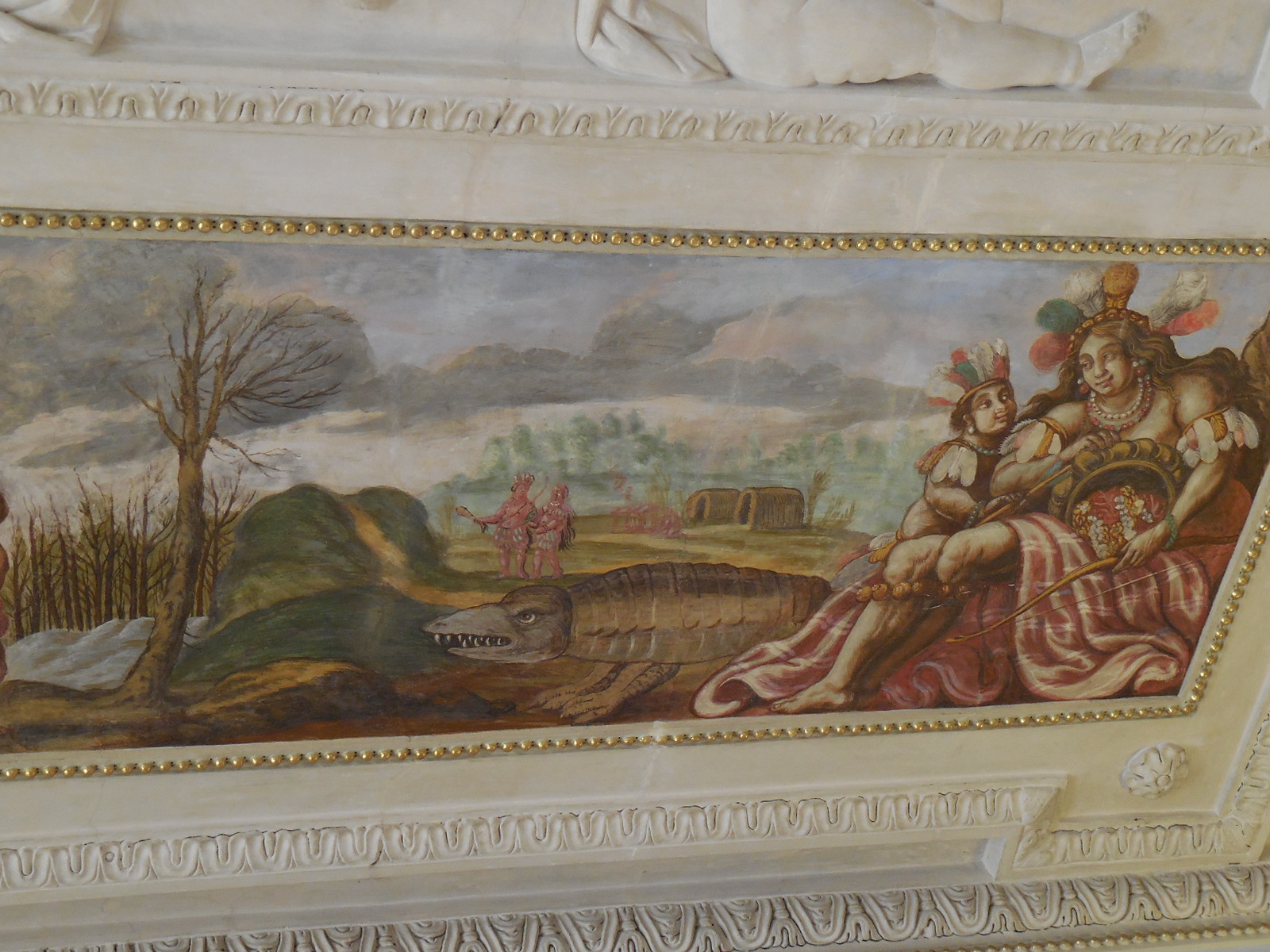
The Dining Room flaunted portraits and ceiling frescoes that enthralled me. I saw the Allegory of Europe, the Allegory of Asia and the Allegory of America, for instance. Poseidon and Bacchus appeared in several frescoes. I loved ceiling frescoes in chateaus, especially ones with mythological figures. The elderly attendant in the room described the various frescoes to me enthusiastically. It was nice to meet a museum attendant proud of the place where she was working.
Lobkowiczfresco2
I punched in a number on the audio guide and listened to how the Lobkowiczs watched the Berlin Wall fall and the Velvet Revolution unfold on television. They returned to Czechoslovakia in 1990 and wanted to make the country their home. Under the first law of restitution, the Lobkowiczs had less than a year to find all the objects that belonged to their family and to make a list of them. It certainly had not been an easy process, but, luckily it had a happy ending.

At the end of the tour I walked by a small concert hall. It would be delightful to attend a concert in such an intimate space in a lavish palace. I would have to come back again to go to a concert. Classical music had played a role in the family history, so perhaps it was only fitting that they had a space for concerts.
Lobkowiczfresco4
I was very impressed with both the palace and the narration on the audio guide. Lobkowicz Palace had a bit of everything – exceptional artwork from various centuries, impressive furnishings, ceiling frescoes, porcelain, musical instruments, original musical scores, weaponry and of course, portraits. I liked the variety of furnishings and pieces of art that I was able to see from various eras – a Romanesque processional reliquary cross and Rococo display cases, for instance. And the family history was so intriguing! What an ordeal William Lobkowicz’s grandfather had gone through! His possessions had not been taken away from him once, but twice – first by the Nazis and then by the Communists.

Now that I knew what an intriguing place the palace was, I was sure I would be coming back for another visit and for a concert sometime soon.
Lobkowiczfresco6
Tracy A. Burns is a proofreader, writer and editor in Prague.
NOTE: No photos were allowed on the second floor, only on the first.