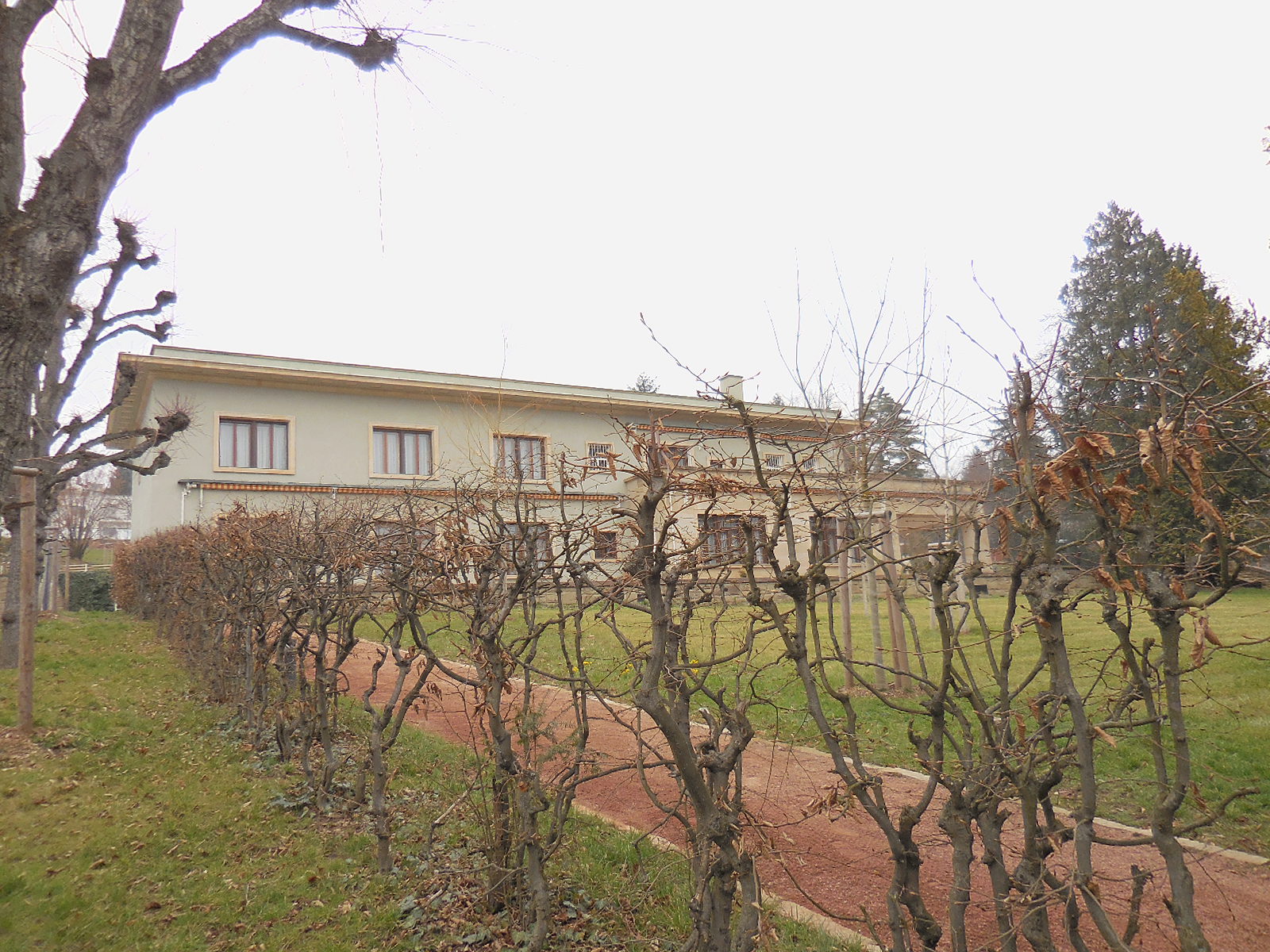
I had heard that the Stiassni Villa in Brno had been open to the public since the end of 2014, but I did not have time to go there in 2015. When the Czech UNISMA travel agency offered a tour of the Stiassni and Löw-Beer villas in the Moravian capital, I immediately signed up. A prime example of modern functionalist architecture in the Czech lands, the Stiassni Villa had been under reconstruction from 2012 to 2014. During Communism renovations had taken place as well –during that time period furniture from various chateaus had been added to the interior. Still, the villa had original furniture, too.
I was entranced with the section of Brno where the architectural gem was located – in the villa-sprinkled Masaryk Quarter, a section that looked tranquil, so different from the hustle and bustle of the city center. It reminded me of the Hanspaulka section of Prague, where I enjoyed taking long walks along villa-flanked streets.
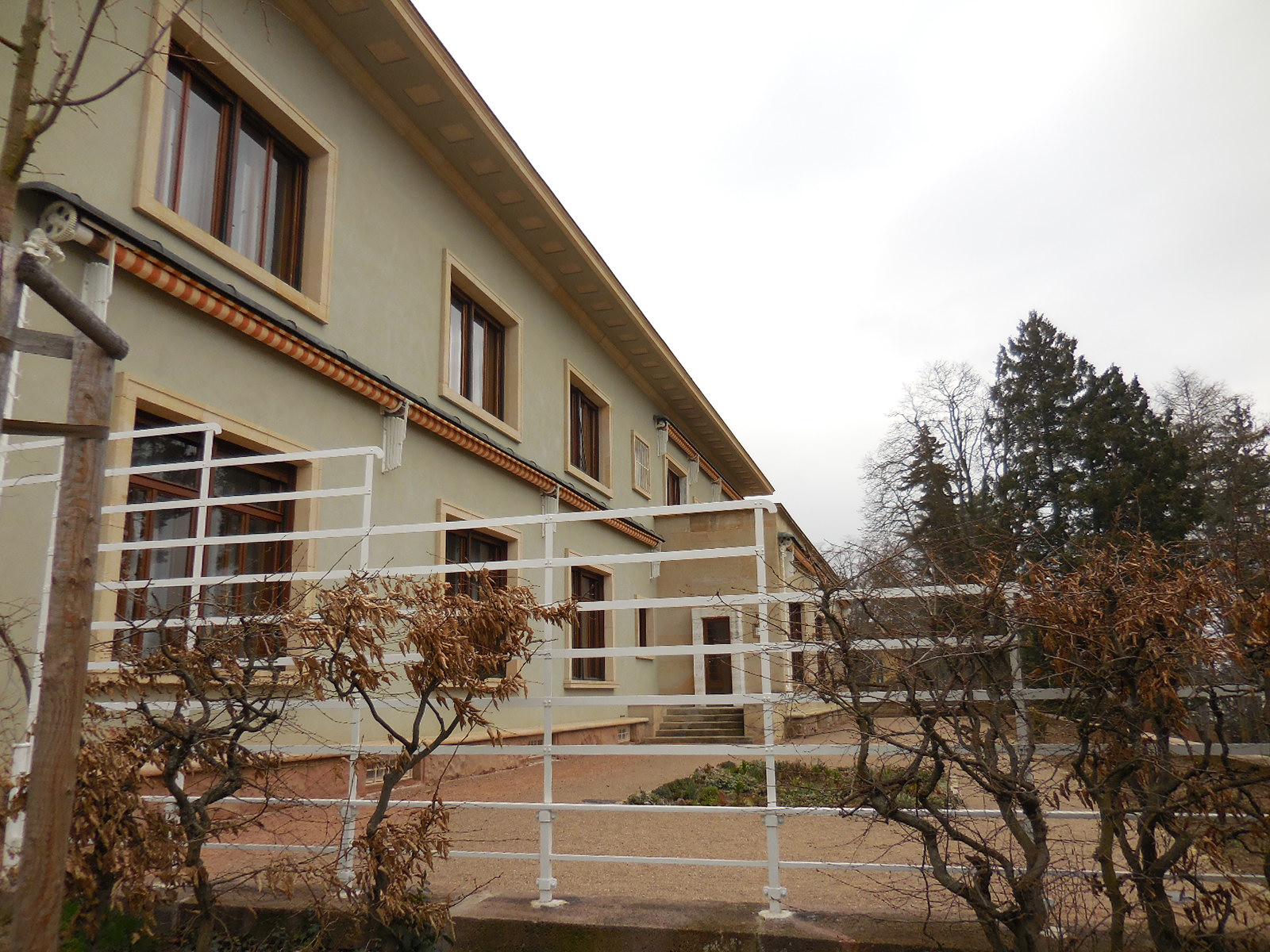
I am not a big fan of the functionalist style, but the exterior was intriguing. Its spartan appearance reminded me a bit of the exteriors of Prague’s Müller Villa and Rothmayer Villa. Shaped like the letter L, the Stiassni Villa was designed by architect Ernst Wiesner, who made quite a name for himself in Brno during the interwar years. His work was influenced by Austrian architect Adolf Loos, who designed the Müller Villa in Prague. Wiesner created the plans for other buildings in Brno as well, such as the Moravia Palace and crematorium. Wiesner fled to Great Britain in 1939, the year the Nazis took over. The villa was completed in 1929 for textile entrepreneur Alfred Stiassni and his family – his wife Hermine and his daughter Susanne. The structure features rectangular windows and a massive cassette cornice, for example.
The Stiassni’s tenure at the villa only lasted nine years. Because they were Jewish, the family fled Czechoslovakia in 1938, when they traveled to London and then continued to Brazil. Alfred Stiassni’s mother decided not to leave her homeland due to her age. She died at the Terezín concentration camp in central Bohemia during 1942, when she was 87 years old. The villa was taken over by the Nazis during World War II. During 1945, the Stiassnis obtained US citizenship. That same year Russian soldiers liberating the city would destroy furnishings in the villa. It was in good shape again when Czechoslovak President Edvard Beneš stayed there later that year, on his first visit to Brno after the war. He and his wife would reside in the villa again the following year during another trip to the Moravian capital.
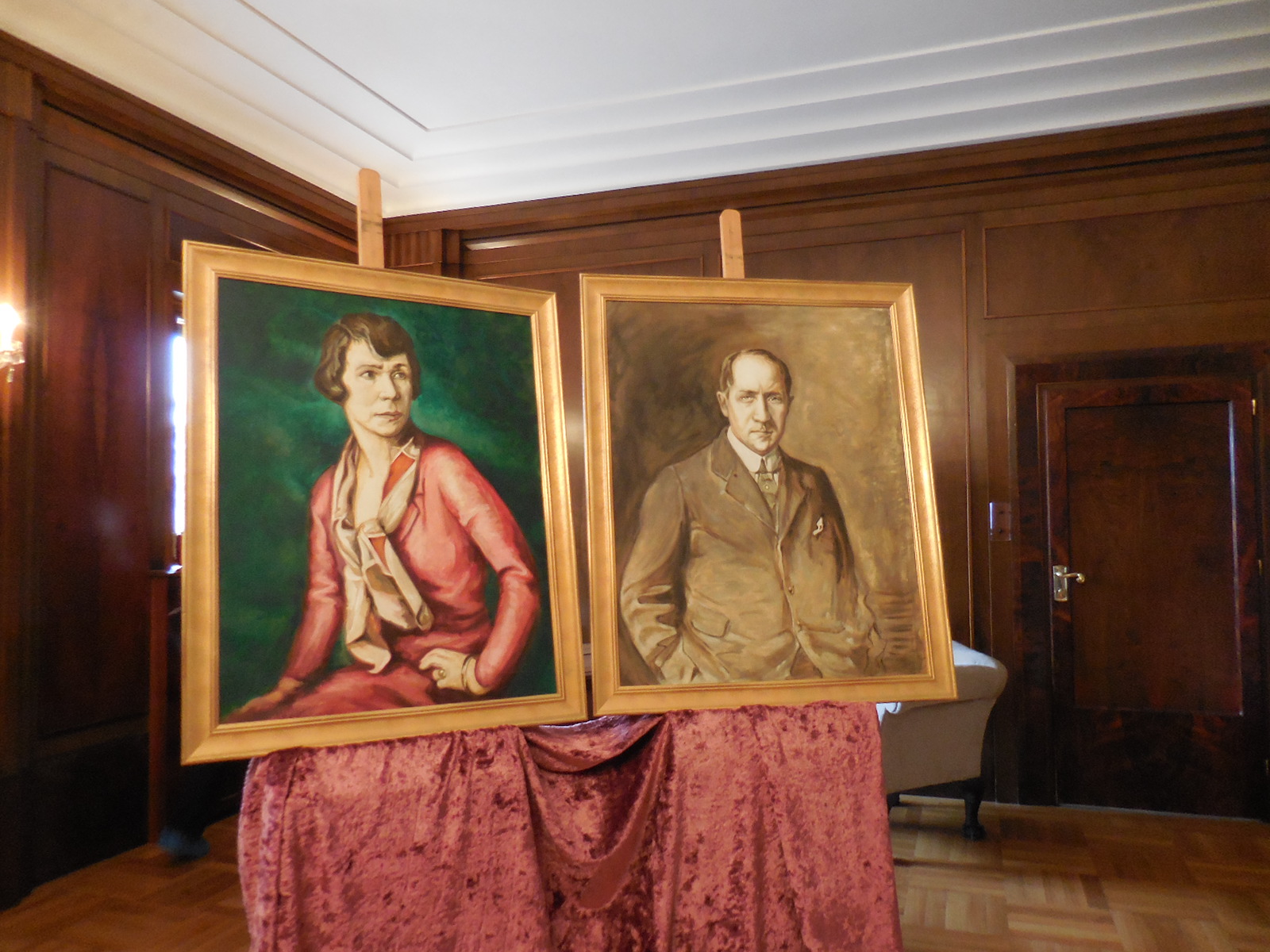
Paintings of the owners of the villa, Alfred and Hermine Stiassni. The paintings are not part of the original furnishings.
From 1952 the villa was the property of the Regional National Committee and was used as accommodation for VIP guests, such as Fidel Castro. In 1961 Alfred Stiassni died in Beverly Hills, California. His wife passed away the following year. In 1964 leading Soviet Union politician Nikita Khrushchev spent time at the villa. From 1990 to 2005, the place served as a four-star hotel. Famous guests included Rudy Giuliani and Bill Gates. In 2005 Susanne, who had married an American, died in Beverly Hills.
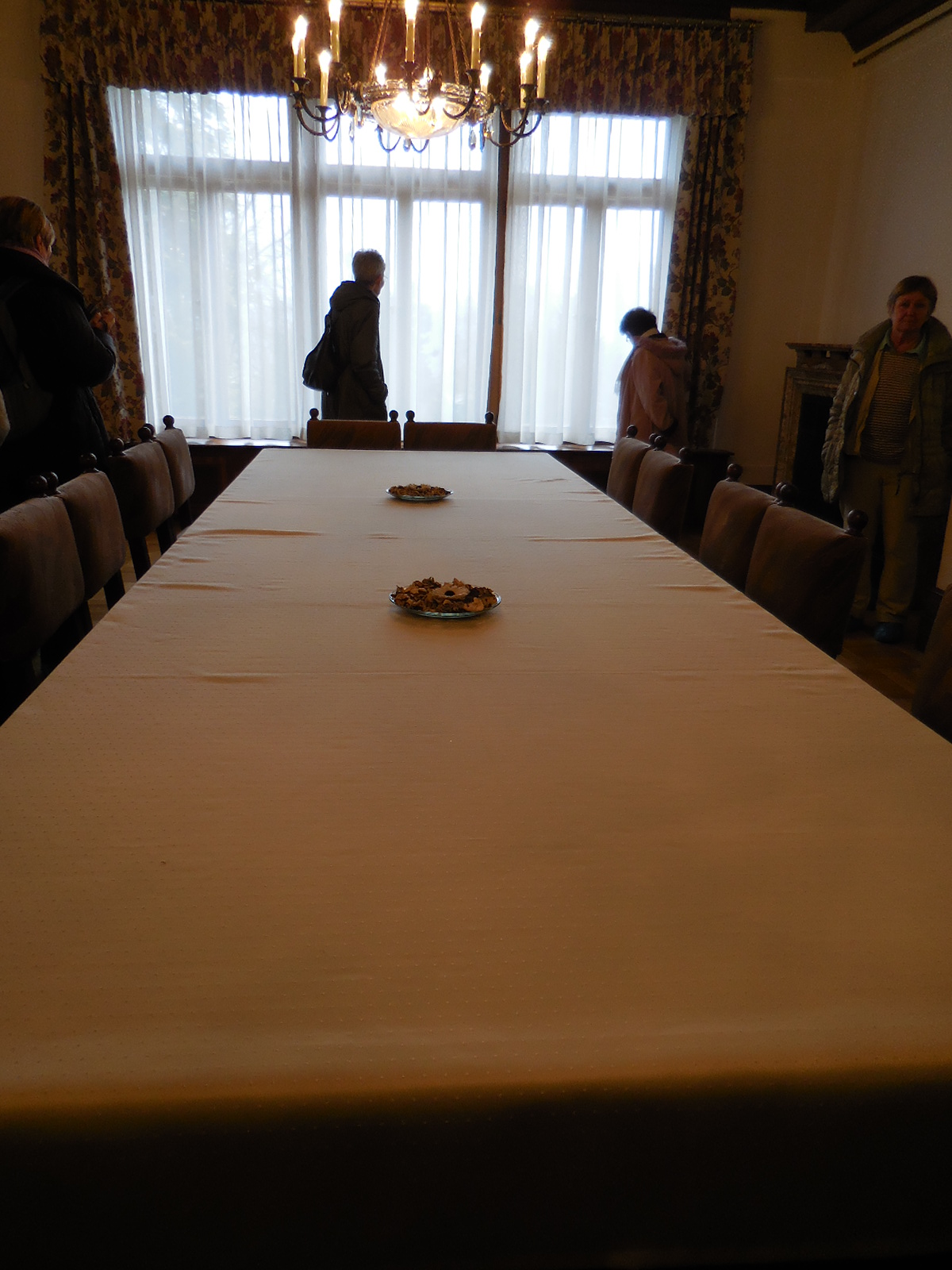
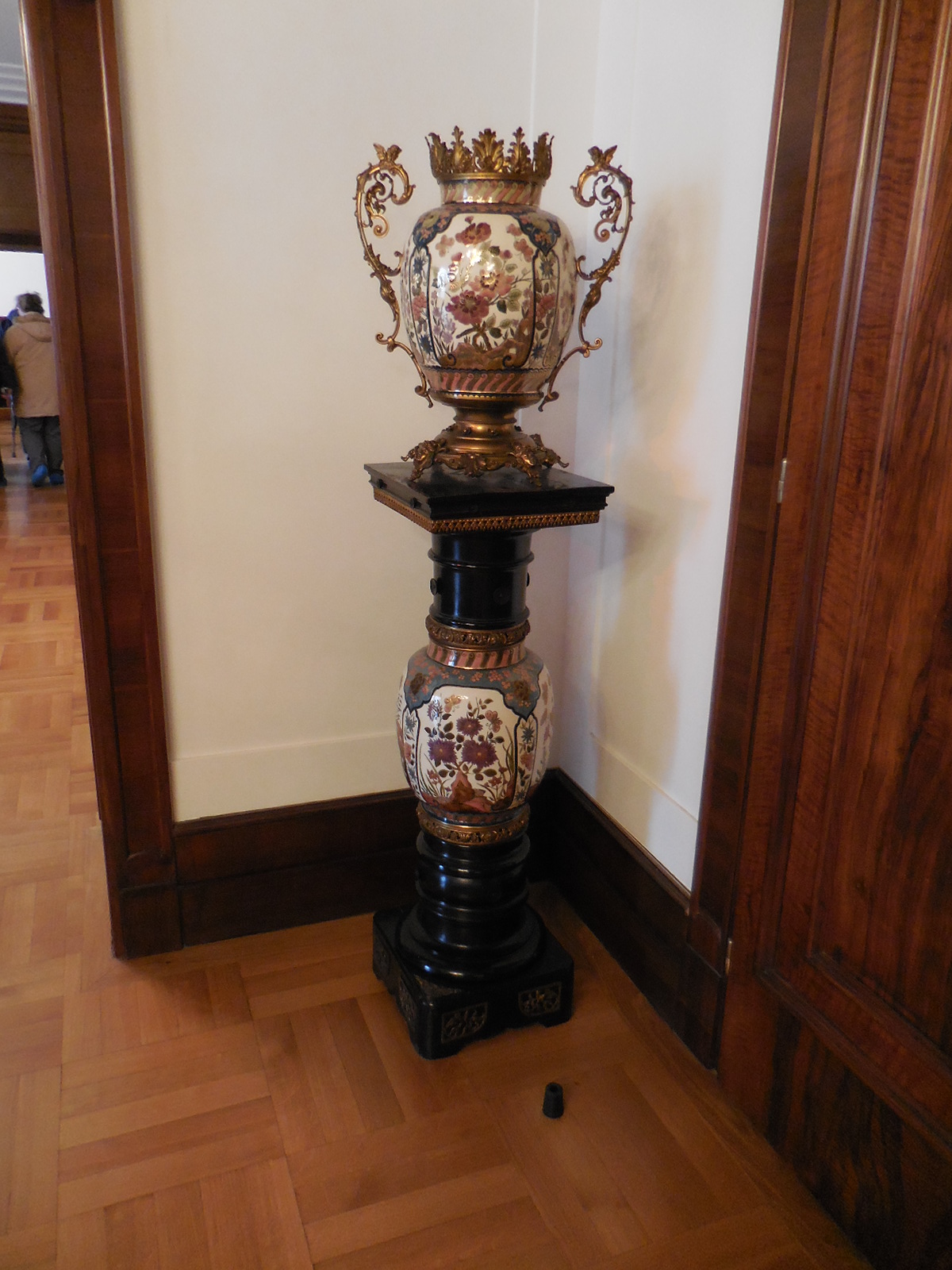
Soon it was time for the tour to begin. In the Large Dining Room I admired the copy of a Baroque painting by 17th century Flemish Baroque painter Jacob Jordaens showing merry people drinking and laughing. I thought I could see the influences of Peter Paul Rubens and Jan Brueghel the Elder in the work. The onyx fireplace also caught my attention. My eyes were drawn to an elegant vase as well.
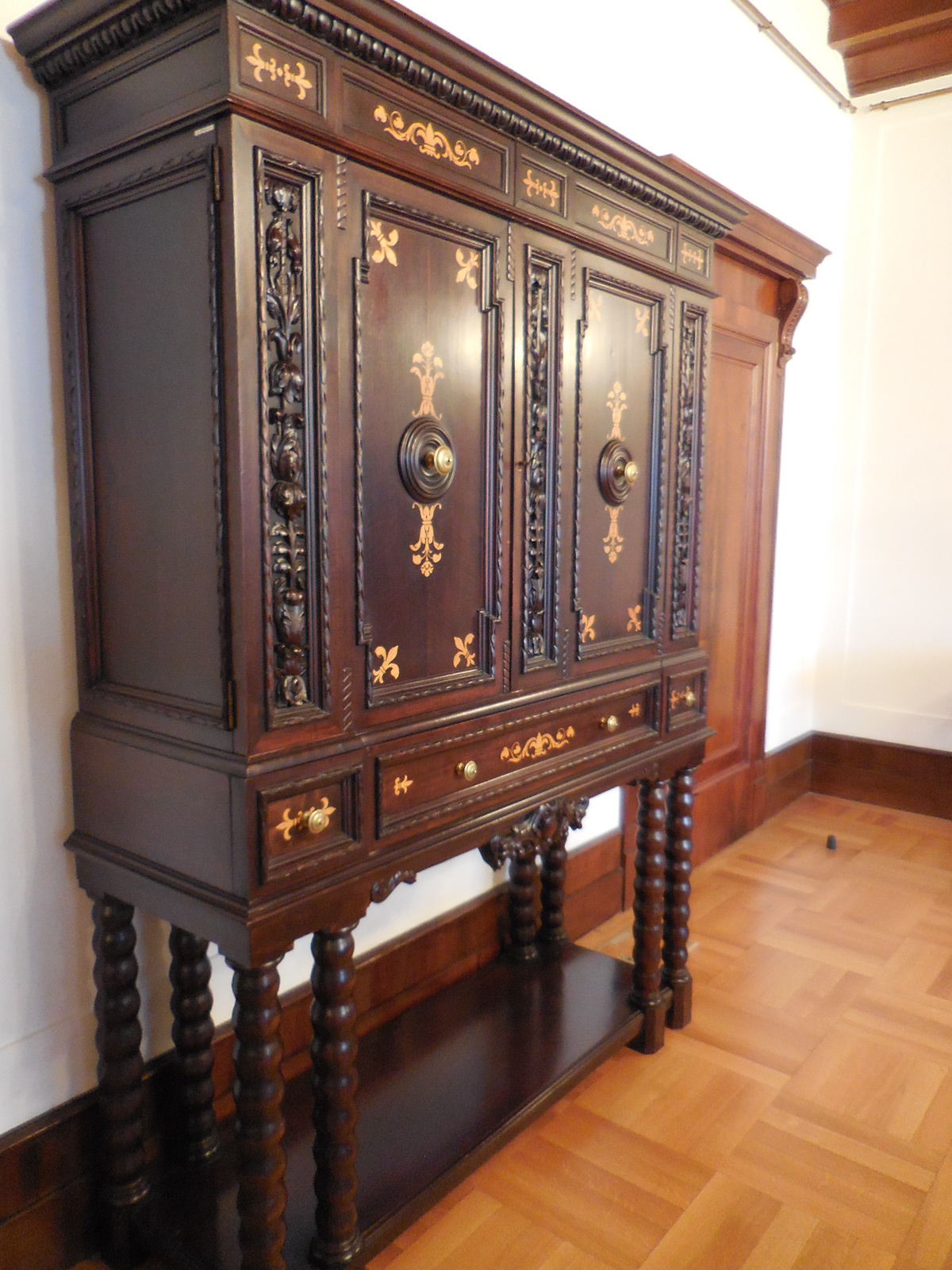
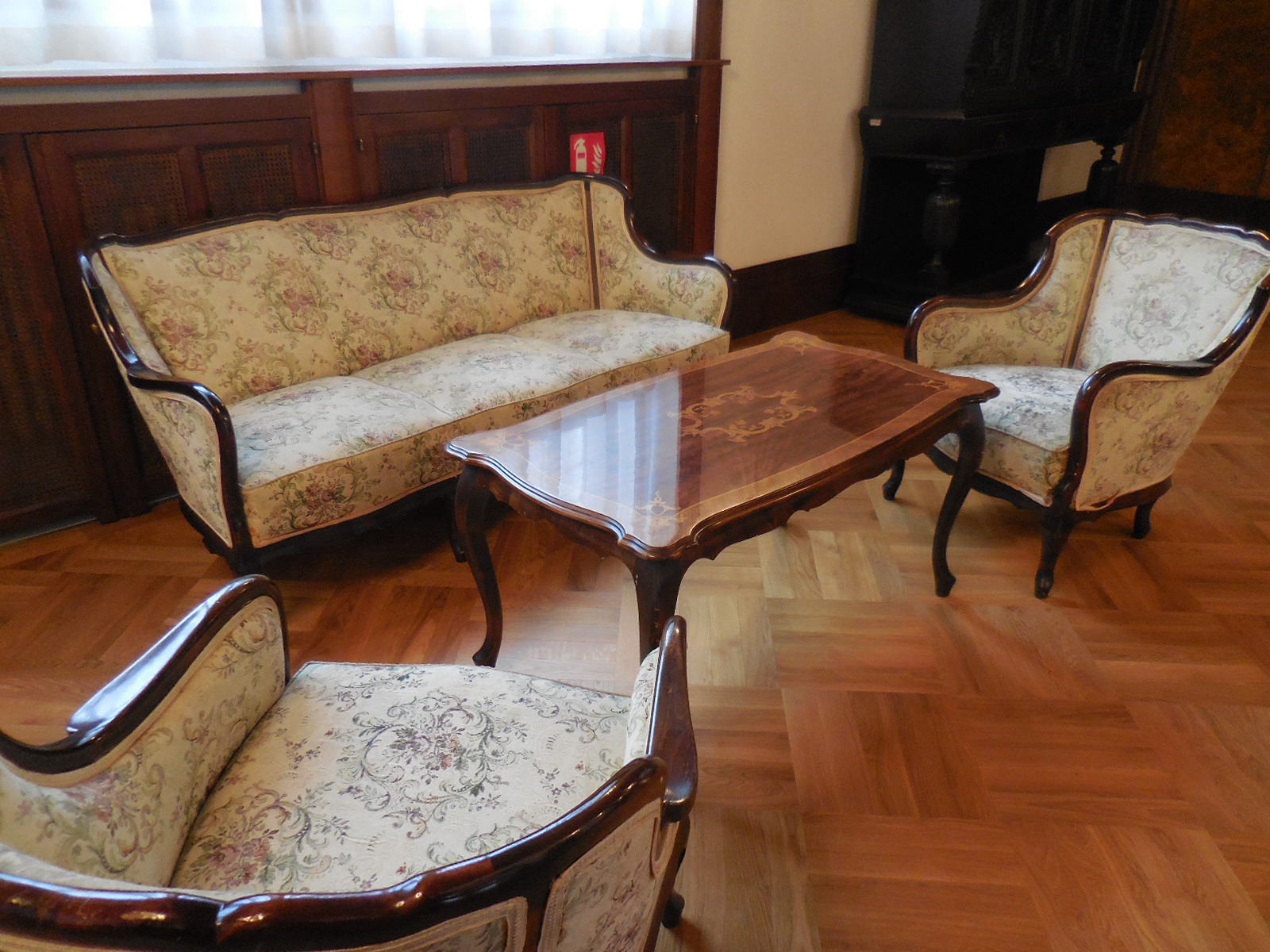
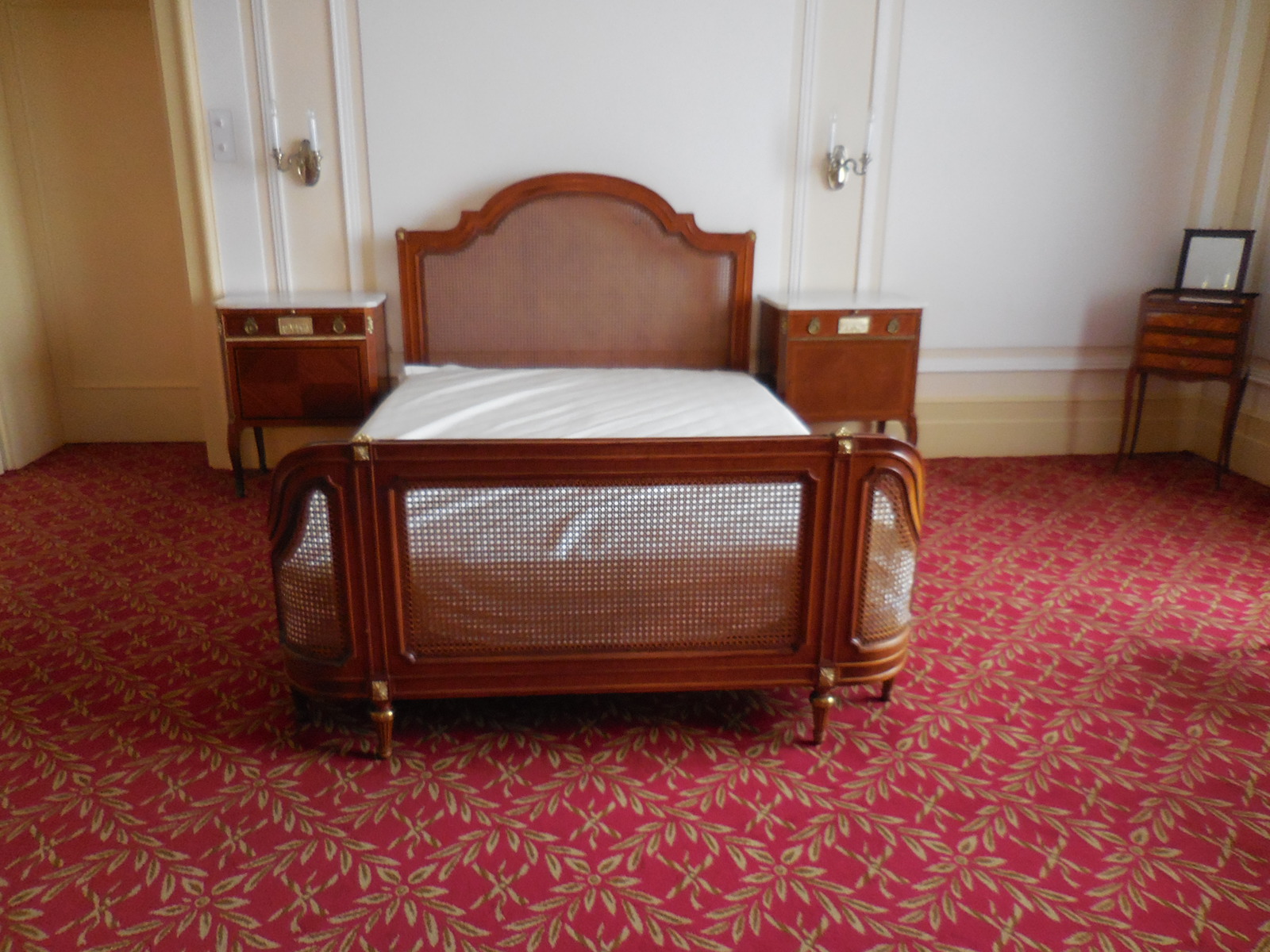
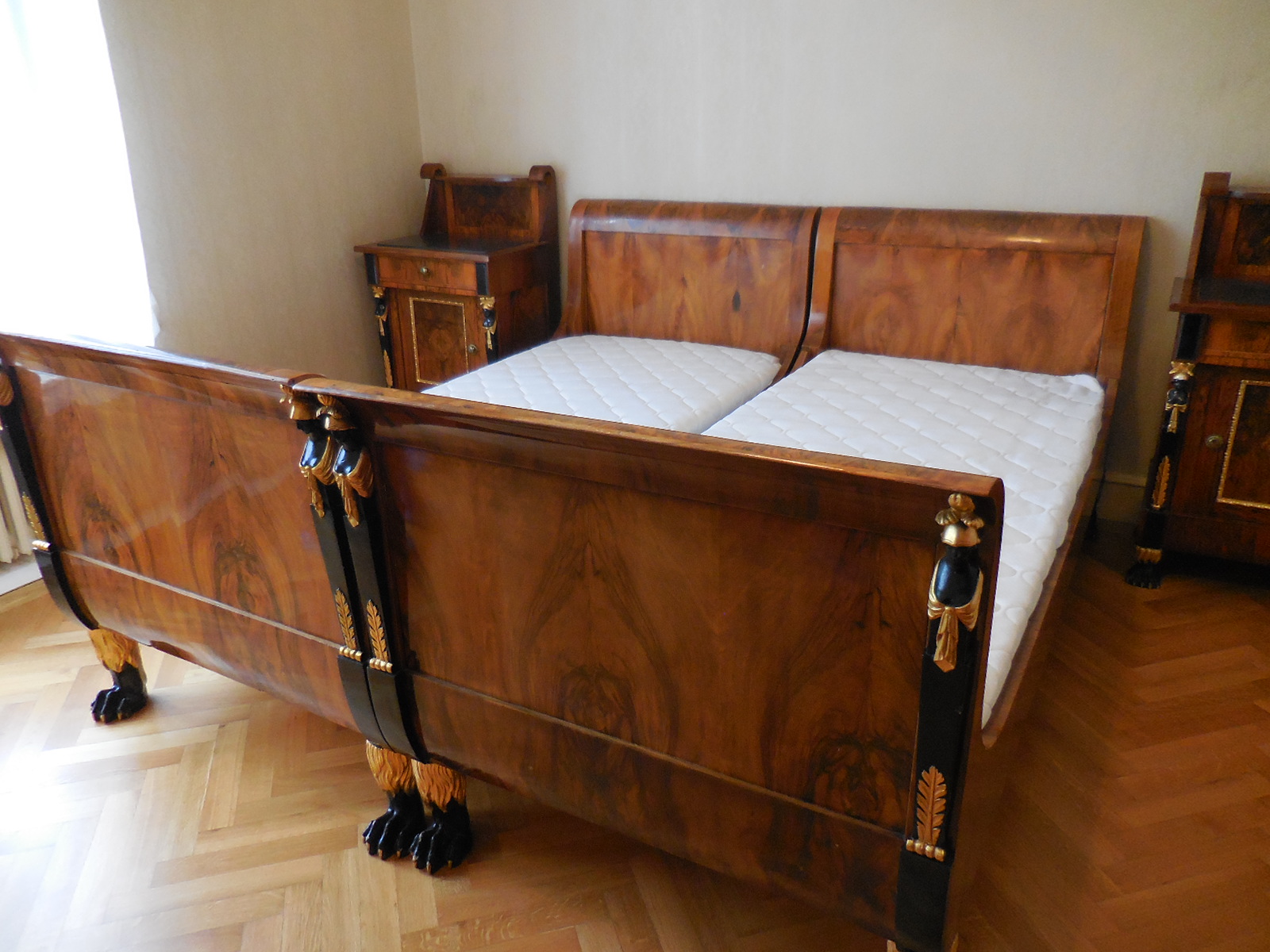
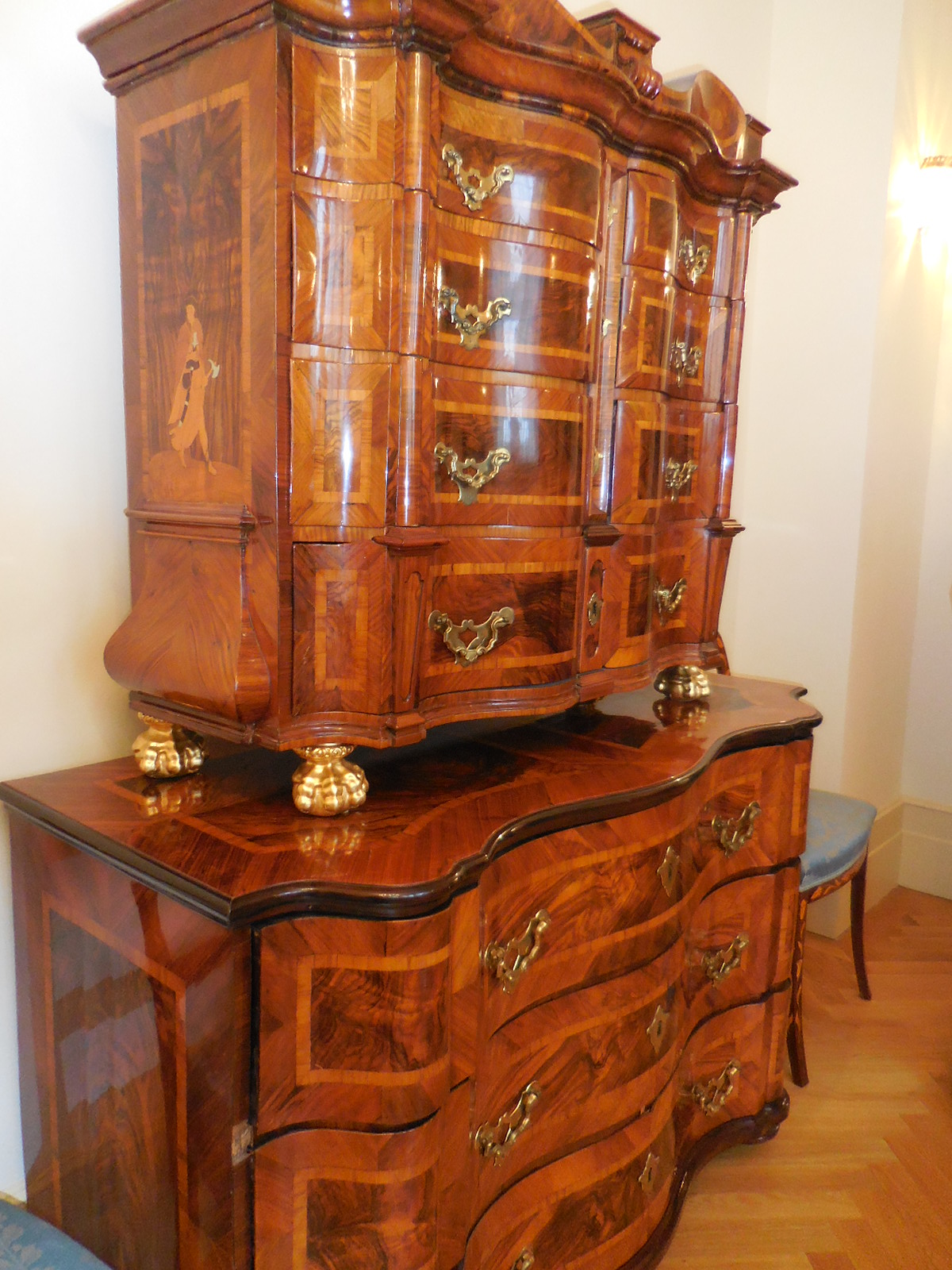
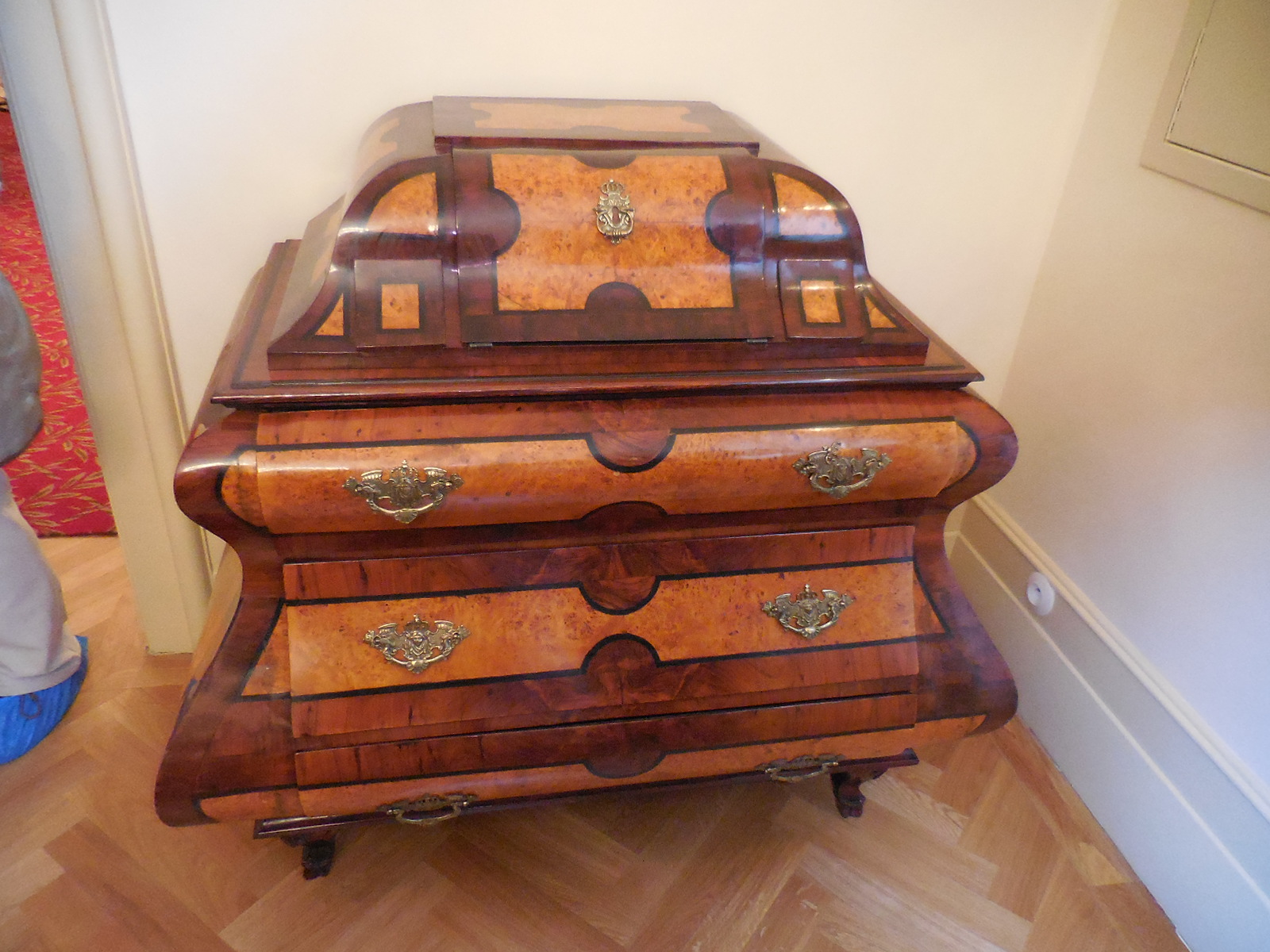
Another room featured watercolor paintings by Hermine and original chairs with grey upholstery. The pewter chandelier was also intriguing. An exquisite table had been originally in Bítov Castle, one of the largest and oldest castles in Moravia, a sight I had toured twice. I also admired a Baroque commode. The stucco decoration on the walls and ceiling was stunning. Then we visited some small rooms, and I especially liked the Empire space with side tables and a bed in that style. The bathroom was made of green marble. It had obtained its appearance during reconstruction in the 1980s. It is not known what the bathroom really looked like during the Stiassni’s tenure there.
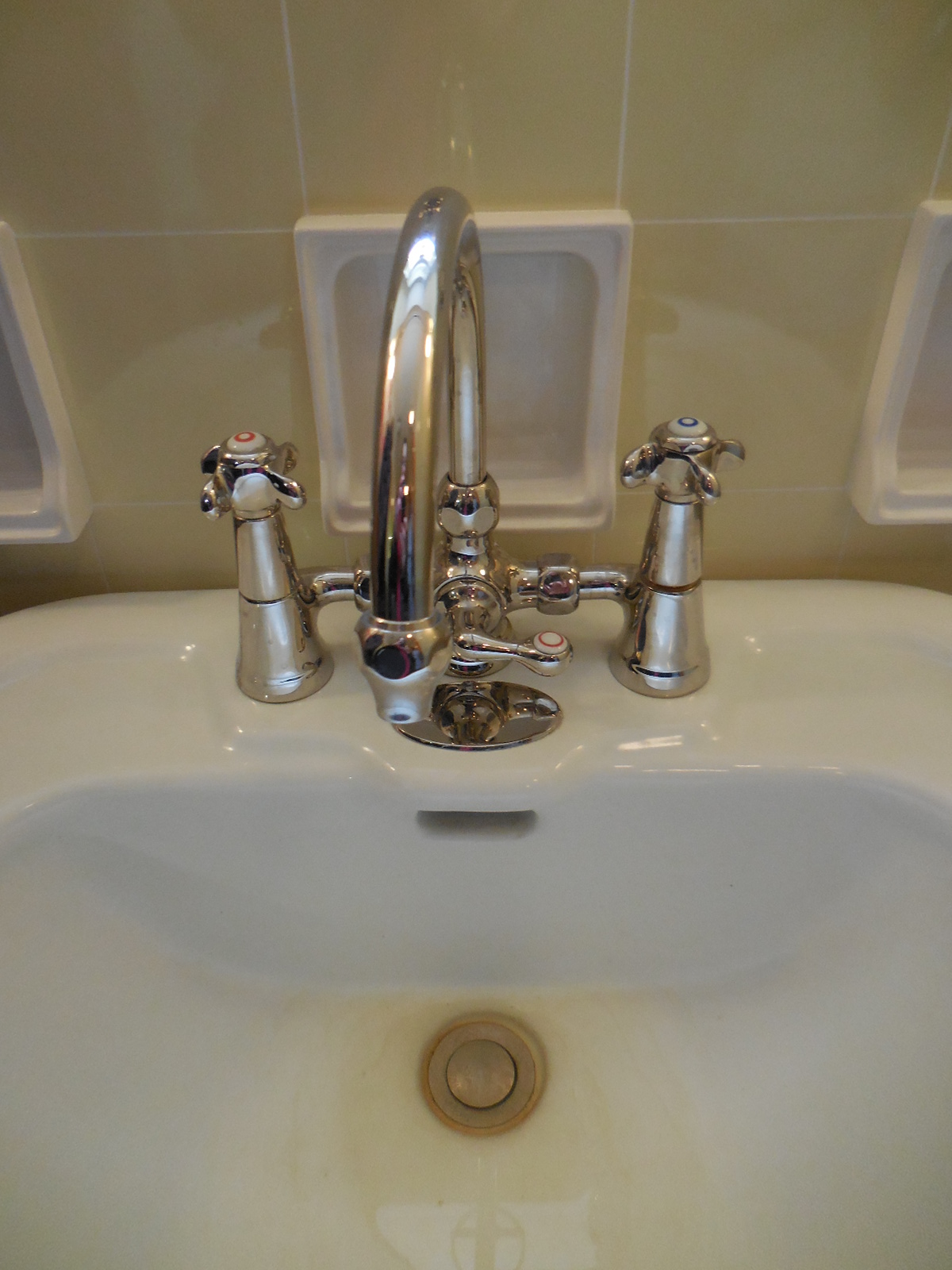
The first floor was even more intriguing. Behind Alfred’s vast closet with moveable drawers was a space for more than 10 pairs of shoes. I recalled how the drawers in the dressing rooms of the Müller Villa were also moveable. In the bathroom the detail on the faucets was superb.

From Hermine’s bedroom it was possible to see the sloping English garden with hills and other greenery in the background. Other villas could also be seen in scenery that would have made a remarkable landscape painting. Mirrors covered Hermine’s closet in her dressing room. Her bathroom was green marble because the architects had no idea what it had looked like originally.
The daughter Susanne had the nicest rooms. Her playroom featured a dressing room, a bathroom and the terrace. I liked the yellow color of the rooms. It was my mother’s favorite color, and it brought back memories of my time spent with her in the yellow-painted kitchen of my parents’ house. So many discussions about so many topics, so many smiles, so many problems resolved. Susanne’s governess also had a small room.
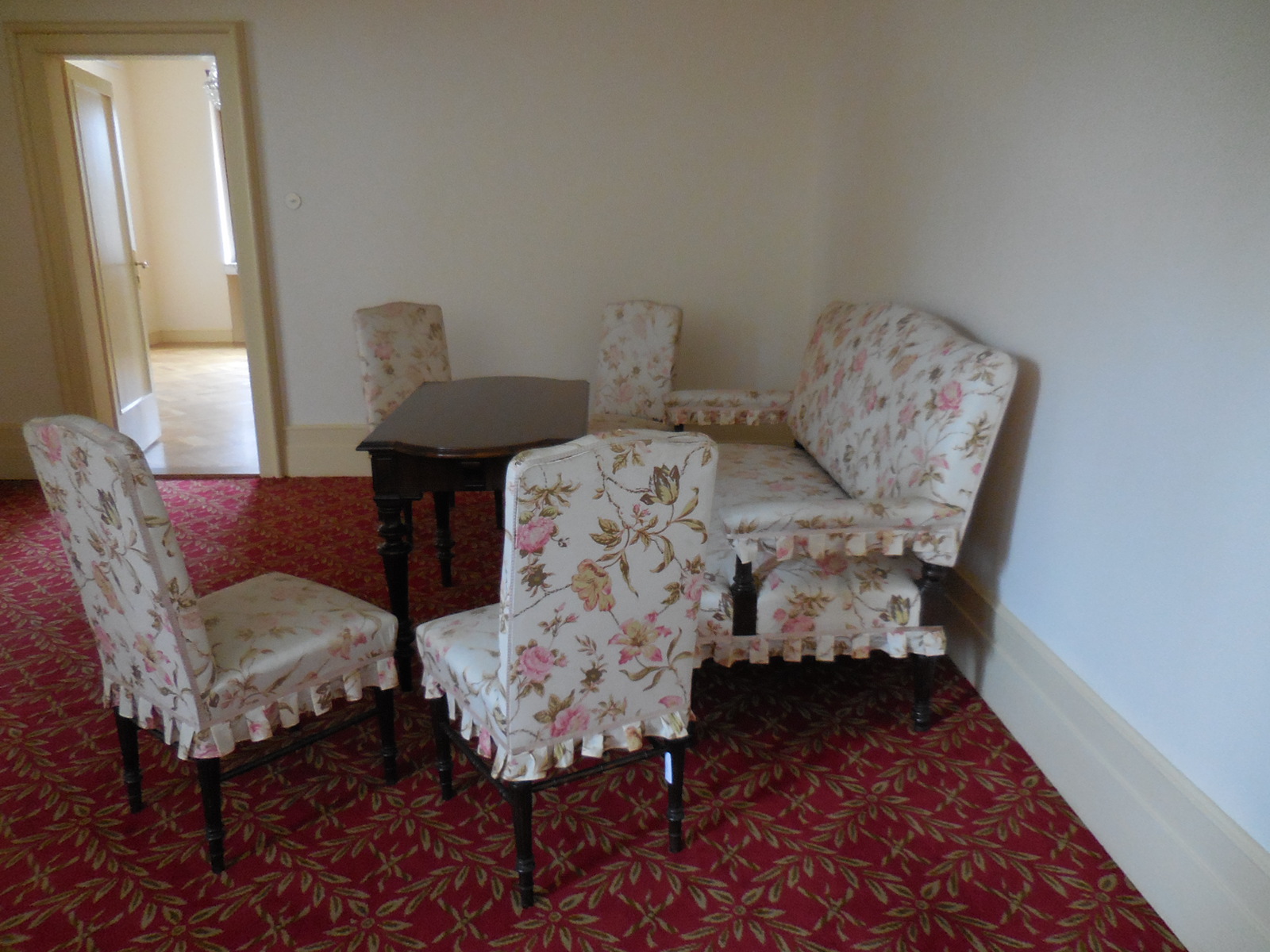
The Small Dining Room, where the Stiassnis usually ate, was very modest with a small table set for three. The garden was another highlight of the villa. It was established in 1927 and included many foreign woody species. I noted its symmetrical design. Each section had been assigned a different use.
The Stiassnis were athletes. They took up swimming, skiing and skating, for example. There had been a swimming pool above the villa, and there still were tennis courts on the property.
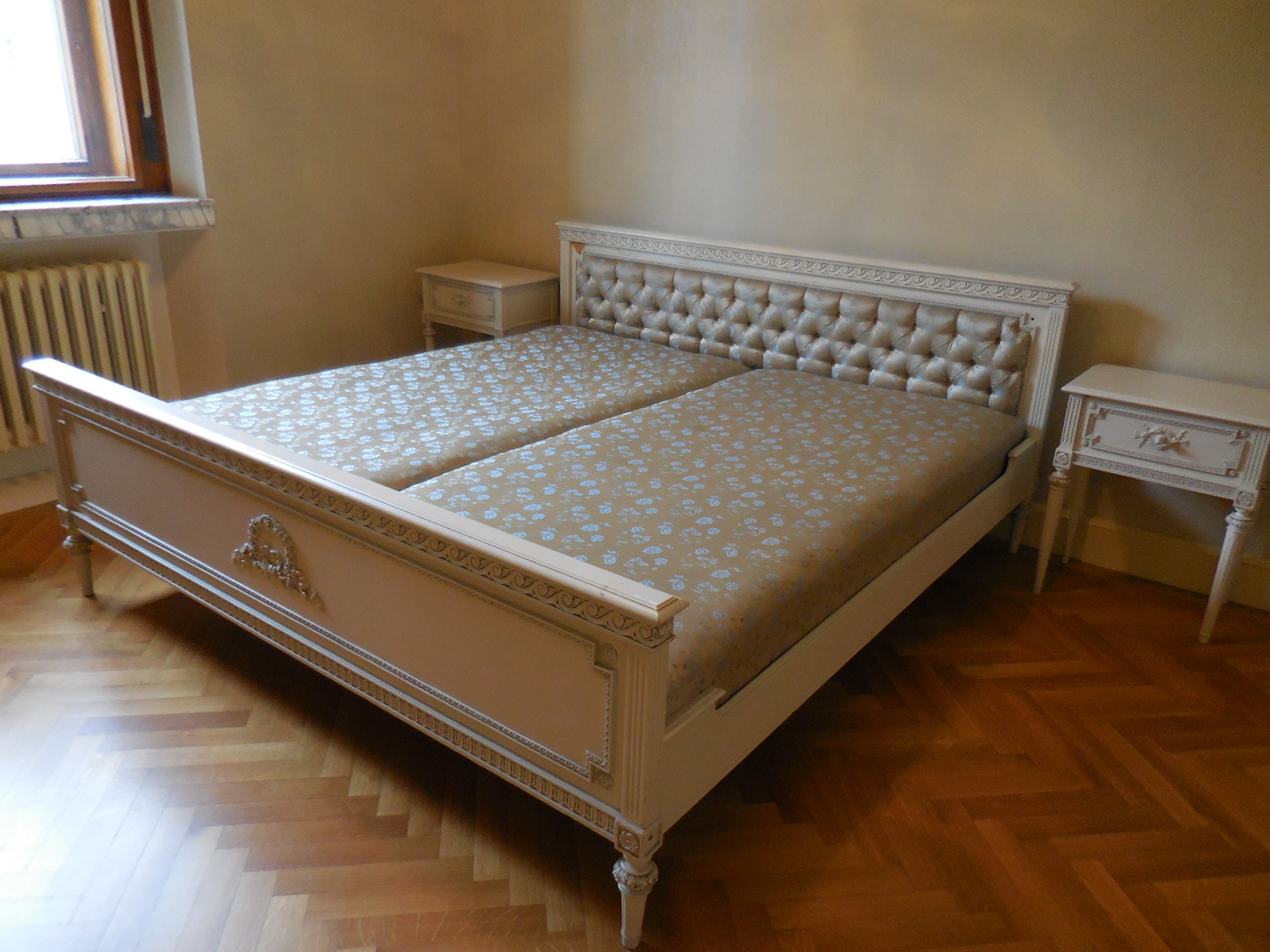
I had enjoyed my tour of the villa, which contained some intriguing furnishings and was architecturally enthralling. I appreciated the functionalist design even though it was not my favorite style. I could imagine the villa in the early 1930s, when the family was settled there, not aware that their time in the villa would be cut short by the Nazis’ rise to power. From there we headed to the Löw-Beer Villa, which had a stunning Secession façade but only one piece of original furniture. Facing the famous Tugendhat Villa, the Löw-Beer Villa is now used as an exhibition space.
Tracy A. Burns is a writer, proofreader and editor in Prague.















 Tracy's Travels