Mělník Chateau Diary


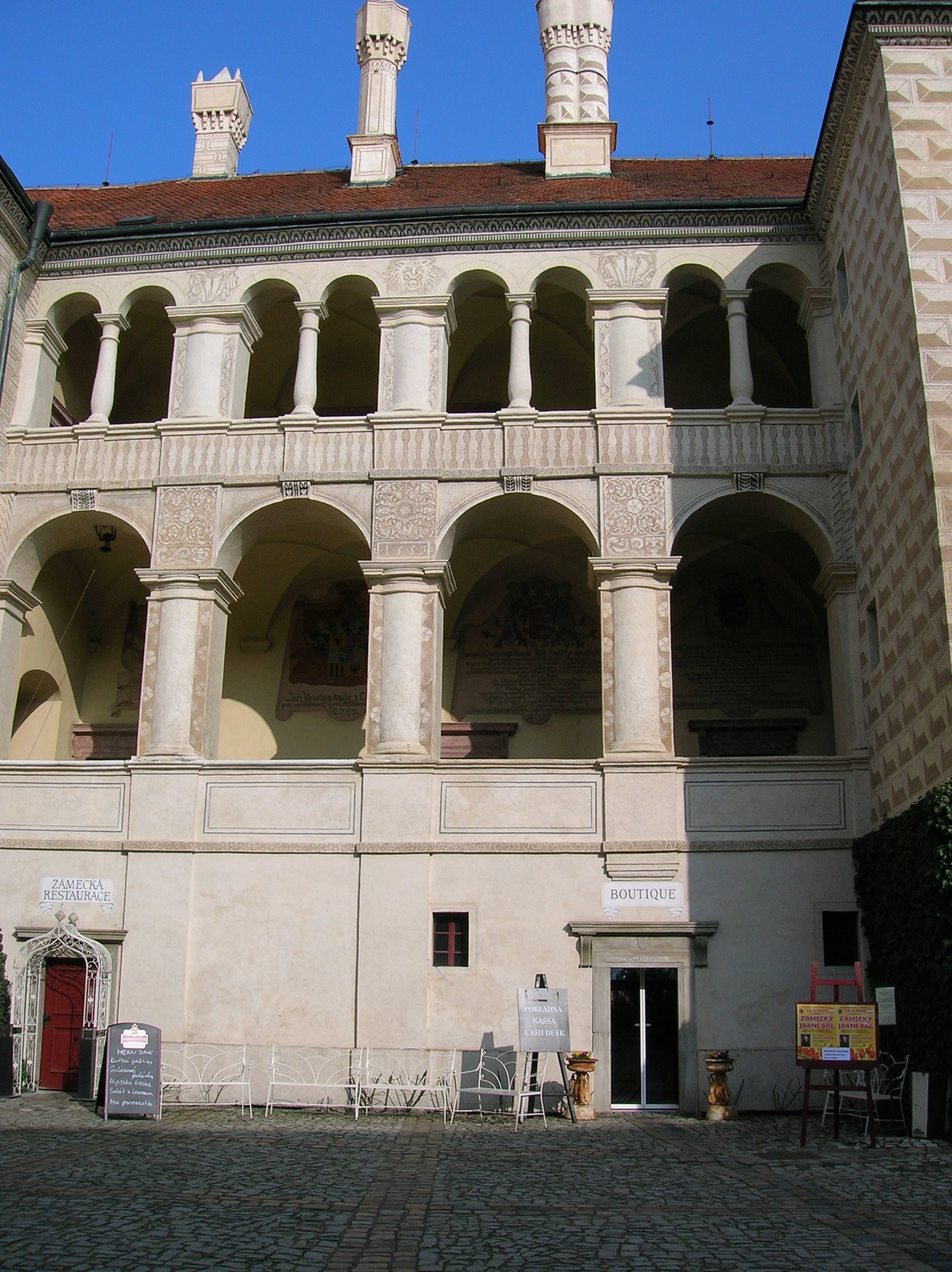
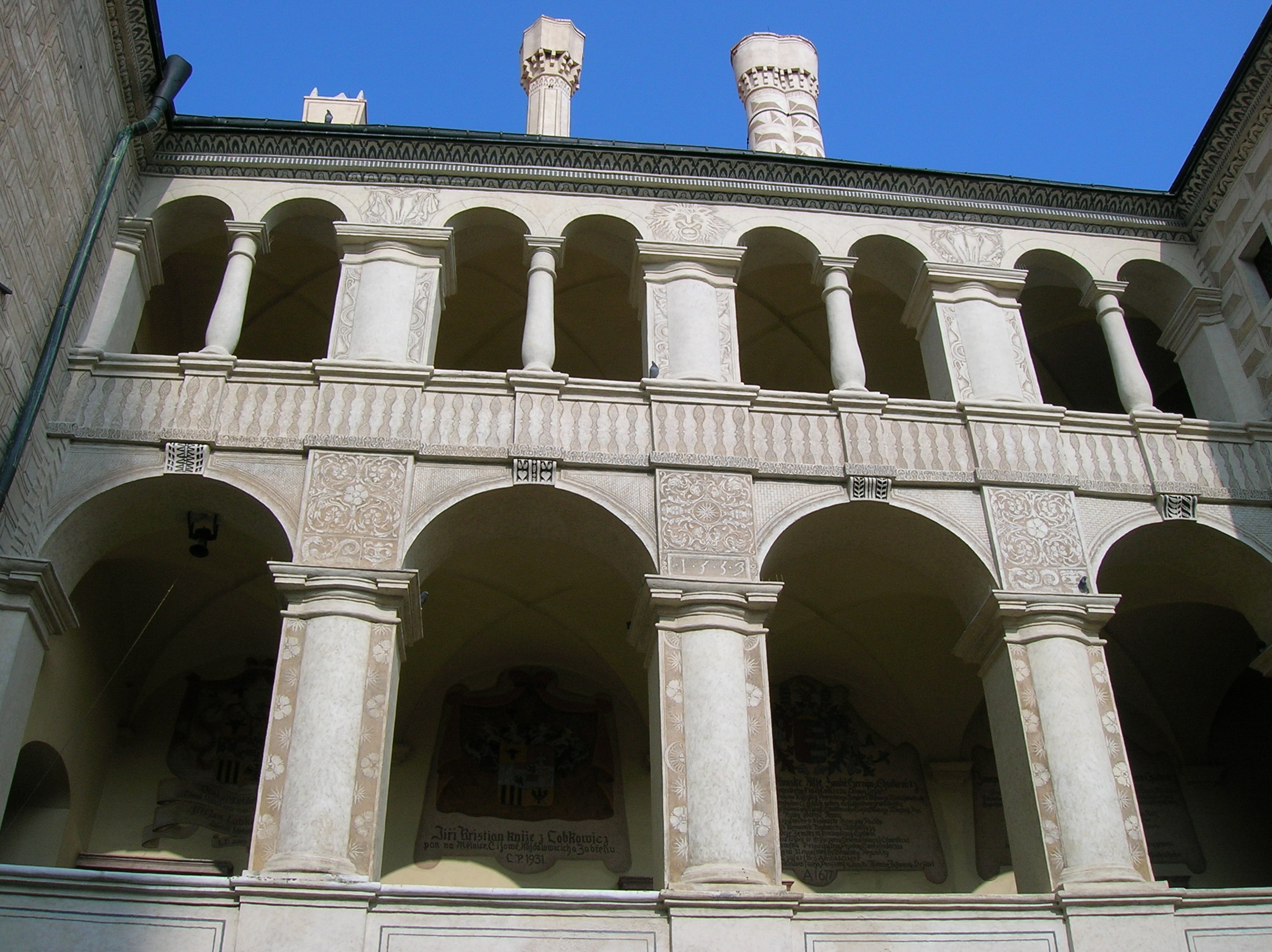
The Renaissance arcades of Mělník Chateau

The Renaissance arcades of Mělník Chateau

This was my second visit to Mělník Chateau, located less than an hour from Prague by bus. I was enthusiastic about getting reacquainted with the interior that I had so admired during my first time here. Back then, there had been no guided tours. Visitors were given a text to read while they walked through the chateau’s rooms. This time I would have a tour, so I was excited about seeing the chateau from a new perspective.
I knew a bit about the history of the chateau already, and what I did not remember I perused in a booklet that I had bought at the box office, which also served as the souvenir shop. Mělník’s history is closely connected with Czech legends. Supposedly, Princess Ludmila often resided in the town while raising her grandson, Wenceslas (Václav), who would later become a well-respected duke of Bohemia and after his death the patron saint of the country. The original wooden structure was changed into a stone castle during the 10th century. Spouses of Bohemian princes owned the castle, which got a Gothic makeover in the second half of the 13th century.
The castle became home to Bohemian queens during Holy Roman Emperor Charles IV’s reign. Emperor Charles IV, who was responsible for building Prague’s New Town, the Charles Bridge and Charles University, supported winemaking in Mělník and the surrounding areas. He even imported burgundy grapes. Queen Elisabeth Přemyslid, the last wife of Emperor Charles IV, resided in the castle for a lengthy period and died there. She was responsible for building the chapel. The Přemyslid dynasty had ruled Bohemia from the 9th century to 1306.
The castle was given Late Gothic features in the late 15th century. During the following century, it was changed into a Renaissance chateau. The reconstruction was finished during the 17th century. While the castle became decrepit during the Thirty Years’ War of the 17th century, it was soon repaired.
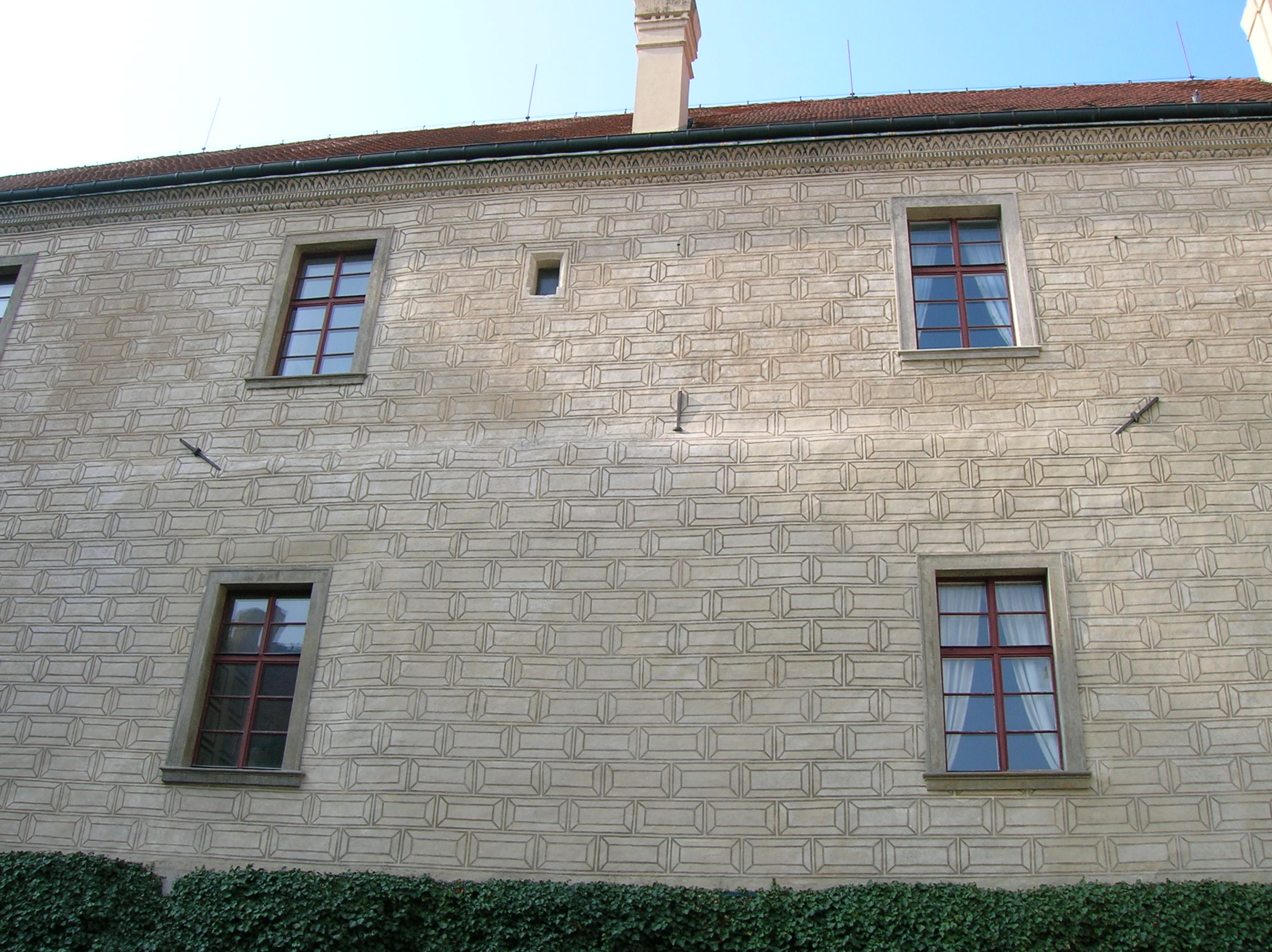
 

One wall of Mělník Chateau

One wall of Mělník Chateau

Then, in 1753, one of the most significant events in the chateau’s history occurred. Marie Ludmila Countess Czernin wed August Anton Eusebius Lobkowicz. The castle would remain in the Lobkowicz family until 1948, when it was nationalized after the Communist coup that instigated 40 years of totalitarianism in Czechoslovakia.
I envied the fact that the Lobkowiczs had played such prominent roles in Czech history. In the early 15th century Nicolas was given the village of Lobkovice nad Labem by King Wenceslas IV, and he took the name of the village. George Popel Lobkowicz of Vysoký Chlumec held the post of the highest chamberlain of Emperor Rudolph II. Zdeněk Vojtěch became the highest chancellor of the Bohemian Kingdom. His son, Wenceslas Eusebius, served as the highest chamberlain in the kingdom and as president of the secret services during the 17th century.
In the following century John George Christian was made a prince due to his military achievements. Anton Isidor was one of the founders of what is now Prague’s National Gallery. George Christian served as supreme marshal of the Bohemian Kingdom and was a member of the Bohemian Parliament during the 19th century.
But there would be dark, turbulent times for the Lobkowicz clan. During World War II the Nazis took over the chateau. The family took refuge in Prague. Then came 1948 and the Communist coup. The Lobkowiczs fled the country, and the chateau was put in the hands of the state. The present owner of the chateau, George John Prince Lobkowicz, moved to the homeland of his ancestors from Switzerland in 1990. He has been owner of the chateau since 1992 and currently resides there.
I also envied the fact that the Lobkowiczs could trace their ancestry so far back. I knew that my Slovak ancestors had been potato farmers in east Slovakia. I even met a few very distant relatives about 10 years ago, but, unfortunately, they do not keep in touch with me anymore. On the Czech side of the family, I know that my great-grandparents were from somewhere near Prague or from Prague itself. They had a common surname – Šimánek. I also know that I had ancestors from somewhere in Moravia, with the popular Czech surname Mareš.
I moved to Czechoslovakia in 1991 partially because I felt a strong association with the country of my roots and intuitively felt that it was a part of my personal identity. If only I knew more about my ancestors, and if only they had played such prominent roles in Czech history as had the Lobkowiczs! Yet, at the same time, I was not sure that I wanted to know more about my ancestors. I had visited the village in east Slovakia where my great aunt had come from, and I was going to look for an inhabitant with the same – not common – last name as my great aunt’s maiden name. But I decided not to because I was scared. While I wanted to meet long lost relatives, I was also scared of finding them. Scared they might not like me or that I might not like them. What if they had been Communists? What if they were mean people? What if they hated Americans or wanted money from me because they thought all Americans were rich?


The elegant Renaissance arcades

The elegant Renaissance arcades

I studied the impressive exterior of the chateau. I loved the elegance of the Renaissance arcades with decorations on the walls. A sundial also adorned the façade. There was sgraffito, too, which I adored. The other wing was built later, in the 17th century, in Baroque style. After admiring the Renaissance arcades for a while, I noticed that it was time for the tour to start and I entered the souvenir shop, ready for what I was sure would be an impressive walk through the ages of Mělník’s top sight.
The guide, a serious and well-dressed woman, described some of the background of the chateau and Lobkowicz family, and it was clear that she was very professional and knowledgeable. The first room was called the Bedroom of George Christian, named after a Lobkowicz who died tragically at the age of 25 in a racing car accident in 1932. I was reminded how we have to treasure each moment in our lives and see the beauty in daily life because we never knew when our time will be up.
I was captivated by a Baroque closet flaunting intarsia. The painted decoration high on the walls showed plant leaves with vases in green and brown. The colors seemed to go well with the 17th century Baroque furniture. On the headboard of the Baroque bed was a painting of a Madonna that appealed to me. I also took note of the richly carved wood of the bed. Portraits of the Lobkowicz family adorned the room, too, and one of the paintings had been executed by master Czech Baroque artist Karel Škréta.
August Longin’s Study was named after a Lobkowicz who had befriended Johann Wolfgang von Goethe, a visitor of Mělník. The room featured two exquisite French desks – one hailing from the 17th century and the other from the 18th century. The older one was inlaid with tortoiseshell, plated brass and tin in ebony wood, made in the Boulle style. The 18th century desk, celebrating the Rococo style, was made of gilded bronze and plated brass. I particularly admired the gold decoration on the younger desk, the one that had been stolen during the totalitarian era. It had wound up in an office at the Ministry of Culture.
However, that was not all the room had to offer. An 18th century table with mother-of-pearl hailed from Japan and had designs of fans on its top. There was also a portable 18th century toilet near the room. Small portraits of Habsburg rulers hung on one wall. I spotted Holy Roman Emperor Joseph II and Empress Maria Theresa right away.


The sundial on the facade

The sundial on the facade

The next room was the Children’s Room with toys from the 19th century, including dolls and a puzzle. Porcelain in a cabinet hailed from Hungary. The 18th century bed in the room was short, but it was standard size for adults at that time. People slept sitting up because they were afraid they would die if they lay down. I admired the rich, wooden carving of the bed and the Madonna on the headboard.
The Big Dining Room featured two Baroque bureaus from the 17th century. They were inlaid with tortoiseshell and adorned with gilded decorations. Some of the pictures painted on them focused on seascapes with ships. The chairs were upholstered with tapestries. The guide pointed out two valuable 17th century lunettes by Škréta; they were part of the story of the life and death of Saint Wenceslas, who, according to legend, had resided in Mělník when he was a child. Other breathtaking paintings rounded out the room’s décor.
The Grand Drawing Room featured 18th century furniture. I noticed two 18th century Rococo tables with gilded brass angels decorating the legs. Portraits of the prominent politician George Christian and his wife Anna were rendered by Czech painter František Ženíšek, who had also decorated the National Theatre. More astounding works of art adorned the walls, some portraits of the Lobkowicz family, others biblical paintings and still others sporting themes from antiquity. I spotted Helen of Troy in one rendition.
I was drawn to the white furniture and pale green walls. It looked airy and light and exuded an atmosphere filled with joy. Chinese and faience porcelain as well as ceramic vases from Asia made up the room, too.
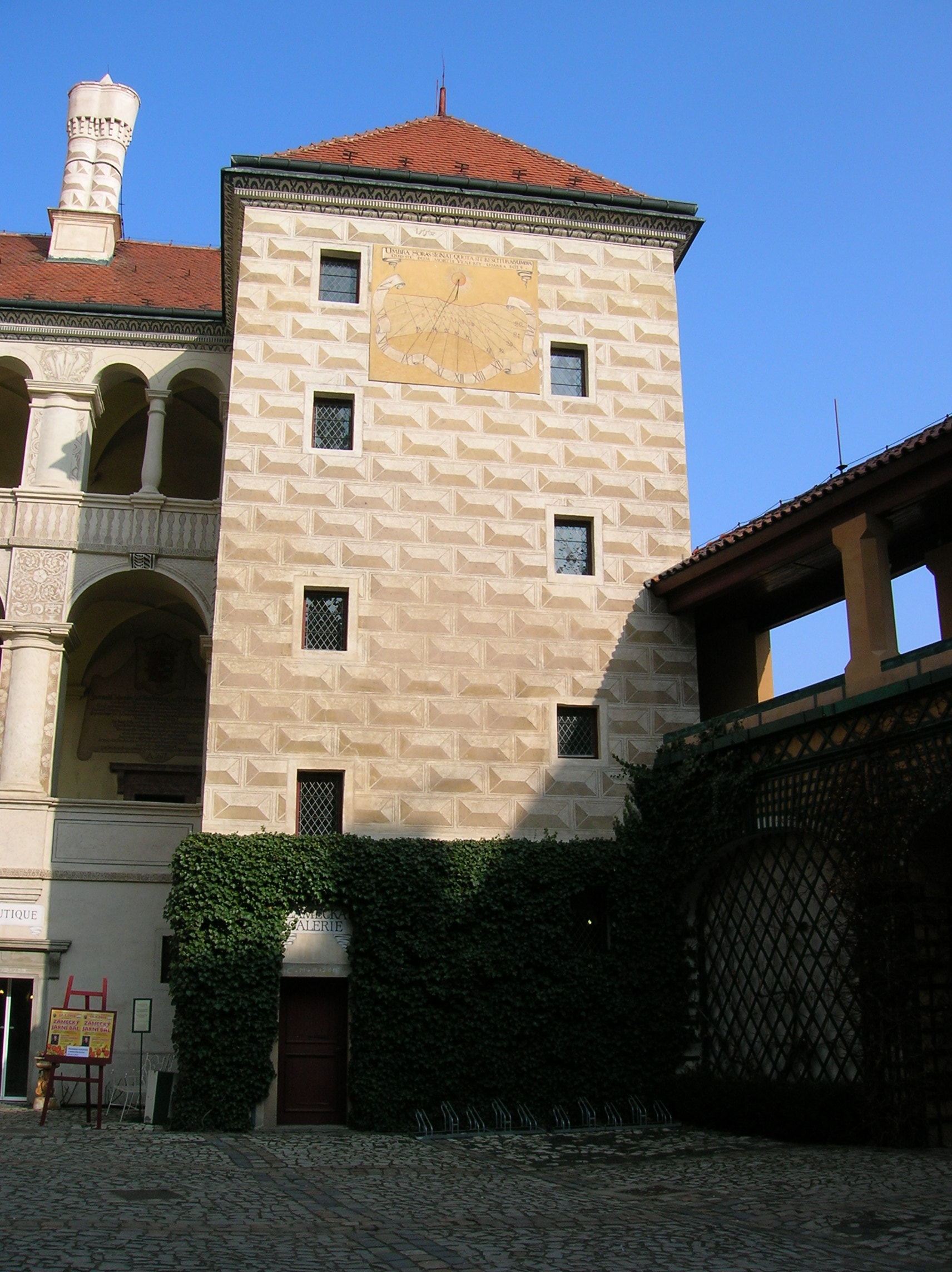
 

Another view of the sundial

Another view of the sundial

The hallway was adorned with a bust of Parliament member George Christian. It had been created by Josef Václav Myslbek, a master of modern sculpture working in the 19th and early 20th century. Engravings featuring carriages decorated one wall, too. I was drawn to other works of art – the pictures of romantic 18th century Prague, especially to Old Town Square, my favorite part of the capital city. I remember the first time I stepped onto Old Town Square. I felt an unexpected electricity, a strong connection with the city and country. I was only a tourist at the time, but at that moment I knew I had to return to live in the homeland of my ancestors.
Perhaps the most astounding room was the Big Hall with Maps and Vedutas that came next. The maps and vedutas hailed from the 17th century. I noticed maps of Italy, France and the Netherlands. Then there were all the big vedutas of European towns on the walls. It was so breathtaking that it was almost overwhelming. The veduta of Prague featured only one bridge, the Charles Bridge, without any statuary decoration. Strasbourg, Nuremburg, Regensburg, Venice, Florence, Seville, Madrid and Brussels were just a few of the other cities represented. The detail of the maps and vedutas was more than impressive. Most of them were made in Amsterdam.
Perhaps I was so drawn to this room because I loved maps so much. I used to buy maps of Czech towns I had never been to and wondered what each building and each street looked like as I took a an imaginary walk through the town. Two large maps decorated my living room – one of the Czech Republic and another of Slovakia, as I treasured memories of Czechoslovakia. I often traced the routes from Prague to various chateaus and impressive towns and thought about my adventures there.
On the map of Slovakia I found Špišský Castle, below which some very distant ancestors were buried, and traced paths to Poprad, Kežmarok and Bratislava. I found Morské Oko in the Vihorlat, near my great aunt’s home village, and traced the path to Košice and Michalovice, where I had heard that some of my other ancestors had hailed from. I found more places I had visited – Humenné, Levoča and Trenčín, for example, and recalled moments of happiness and discovery.
Melnikchateauarcades5Back to the tour. The Knights’ Hall featured 16th century suits of armor on the walls. An 18th century oak table also caught my attention. In the Small Hall with Vedutas, various weapons from the 17th to 19th century were displayed. However, what really caught my attention where the black-and-white vedutas of European cities during the early 18th century. I was entranced by the vedutas of Prague and Brno. Some military equipment on display came from 17th century Turkey. I also admired the richly carved Chinese furniture. I have always been an admirer of wooden Chinese furniture.
The vast Concert Hall was still used for concerts, balls and other events. It was situated in the Baroque wing of the chateau, but the construction of this part had not been finished until 2005. There was an original 16th century wall with sgraffito decorations that delighted me. I’ve always been a big fan of sgraffito! The opposite wall was a copy made in this century, but, faithful to the original plan, it complemented the authentic side. I looked up and saw a painted coffered ceiling. Vedutas of Versailles and its park from the 17th century adorned another wall. Drawn to these works of art, I thought back to my visit to Versailles, during a warm February afternoon and how impressed I had been with the vast French chateau.
Then we went downstairs, passing by colored lithographs of Prague sights from 1792 and 1793. We wound up on the first floor in the lavish Grand Dining Room. Exquisite Baroque paintings adorned the walls. I loved the gold-and-white decoration on the pink-colored ceiling. The silverware hailed from the 18th century, and the guide pointed out Viennese porcelain as well as white Sèvres porcelain. The highlights of the room, though, were two paintings. One was another lunette from the cycle of Saint Wenceslas by Škréta. There was also a spectacular painting called “Christ with Veronica” by Paolo Veronese. It portrayed Christ on the cross with a self-portrait of the painter as the carrier of the cross.
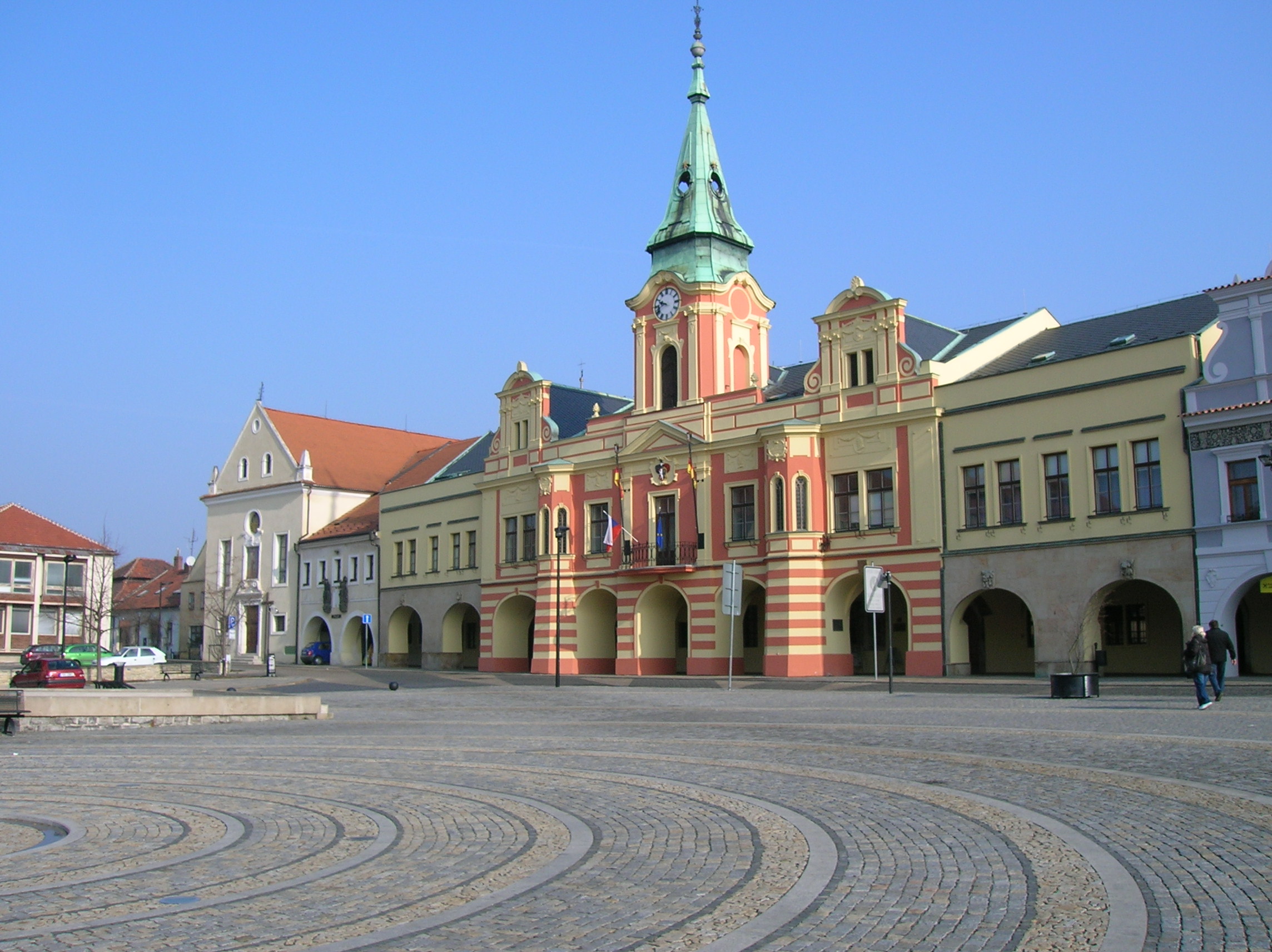
 

The town hall on the main square

The town hall on the main square

The chapel was last. It hailed from the 14th century, built by Queen Elisabeth, the fourth wife of Emperor Charles IV, and was originally dedicated to Saint Louis. During the Thirty Years’ War, the chapel was so badly damaged that it had to be rebuilt, and this time it was consecrated to Saint Ludmila. A painting of Saint Ludmila’s baptism adorned the main altar. Impressive paintings dotted the chapel. Two portraits – of Saint Andrew and Saint Bartholomew – by my favorite Czech Baroque artist, Petr Brandl decorated the space. There was even a painting of an apostle, created by Peter Paul Rubens.
Then the tour ended, and I was thankful that I had been led through the chateau by such a professional guide who had given such detailed information about each room. I was very impressed with her knowledge and enthusiasm. I knew how disappointing tours could be if the guides were not good, though most of my experiences with tour guides in this country has been positive. It was much better to have a tour guide than to be given a text and walk through the chateau by yourself, I mused. The guide helped bring the chateau alive. Her words gave life to the chateau that had played roles in Czech history and legends.
I think it was possible to tour the wine cellars as well, but I do drink much alcohol and am not very interested in wine. However, there are three floors of historical wine cellars below the chateau: Emperor Charles IV had them built. The Lobkowiczs have a family tradition of presenting a new-born with a new wine barrel. The barrel would be filled a year before the young Lobkowicz turned 18. It was remarkable that wine had played such a prevalent role in the family history.
Winetasting tours were available, and if I had liked alcohol, I would have been enthusiastic about taking one of these trips to the cellars with original, wooden barrels.
Instead of sampling wine, I ate a delicious meal in the chateau’s restaurant, though they did not offer my beloved chicken with peaches and cheese. Still, I was pleased with the food and the service.
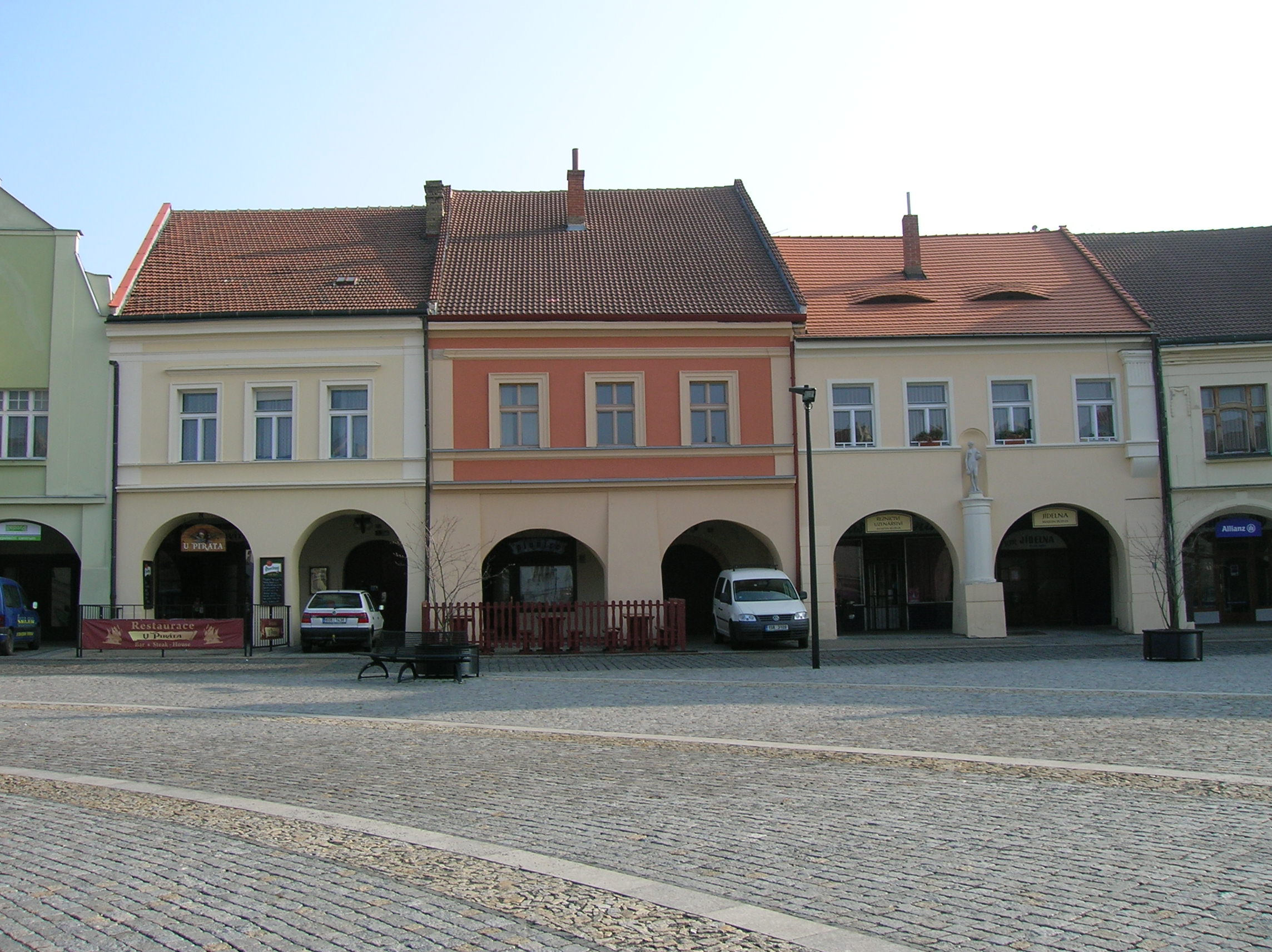
 

The picturesque houses on the main square

The picturesque houses on the main square

I walked around the town and noticed the impressive Renaissance and Baroque houses on the large main square, especially the town hall, which hailed from the late 14th century. Next to the chateau was the Gothic Church of Saints Peter and Paul. Unfortunately, it was closed, but the ossuary was open. I found out that the next tour of the ossuary would not start until after my bus left for Prague. What a pity. I knew I would have to come back someday, to tour the chateau again and to visit this ossuary that I had not known about before this trip.
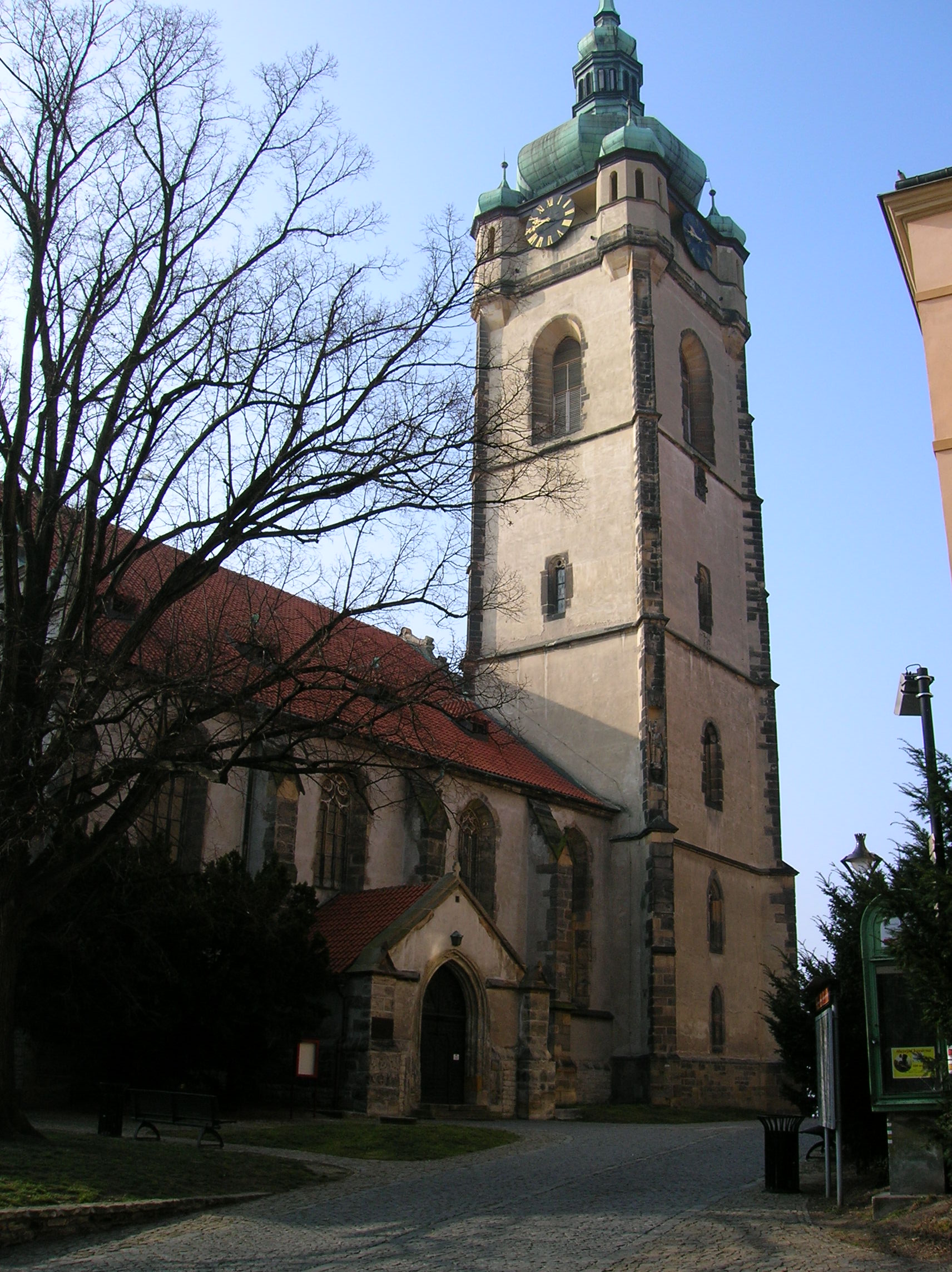
 

The Gothic Church of Saints Peter and Paul

The Gothic Church of Saints Peter and Paul

Soon I walked through the decorated gate from 1500 and made my way to the bus station. I immediately caught a bus bound for Prague. When I disembarked at the Holešovice bus station in Prague 7, I was truly happy. I had had another positive experience at another impressive Czech chateau. My day had been filled with making new discoveries and gathering new perspectives on the Lobkowicz family history, the history of the chateau and my own personal history.


Tracy A. Burns is a writer, proofreader and editor in Prague.

The gate dates back to 1500.

The gate dates back to 1500.

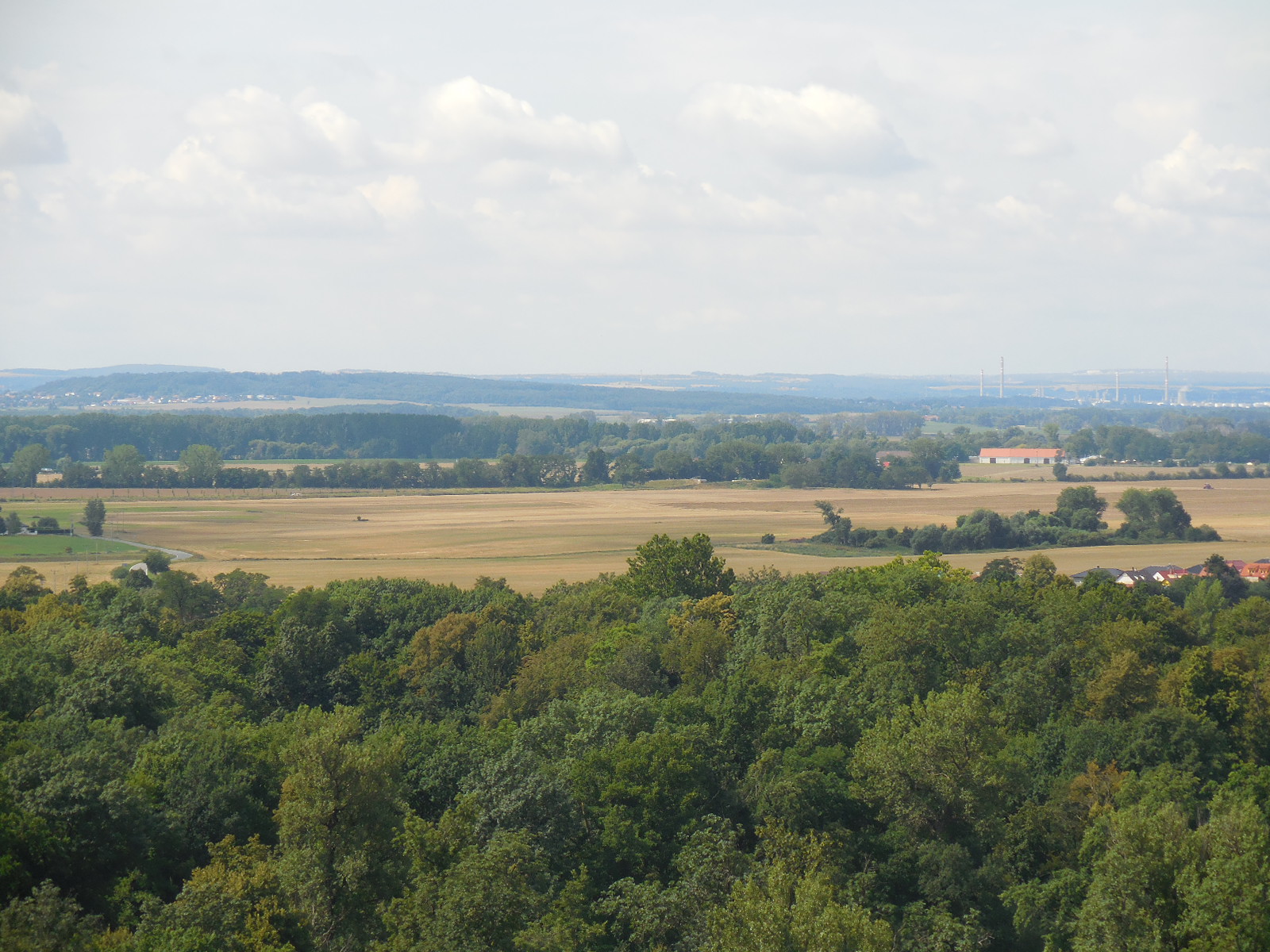
In 2022 I visited Mělník again, this time with a friend who was seeing it for the first time. The chateau was awe-inspiring, and I could tell that my friend was very impressed. We took a few moments to take in the views from the chateau. The panorama was riveting.

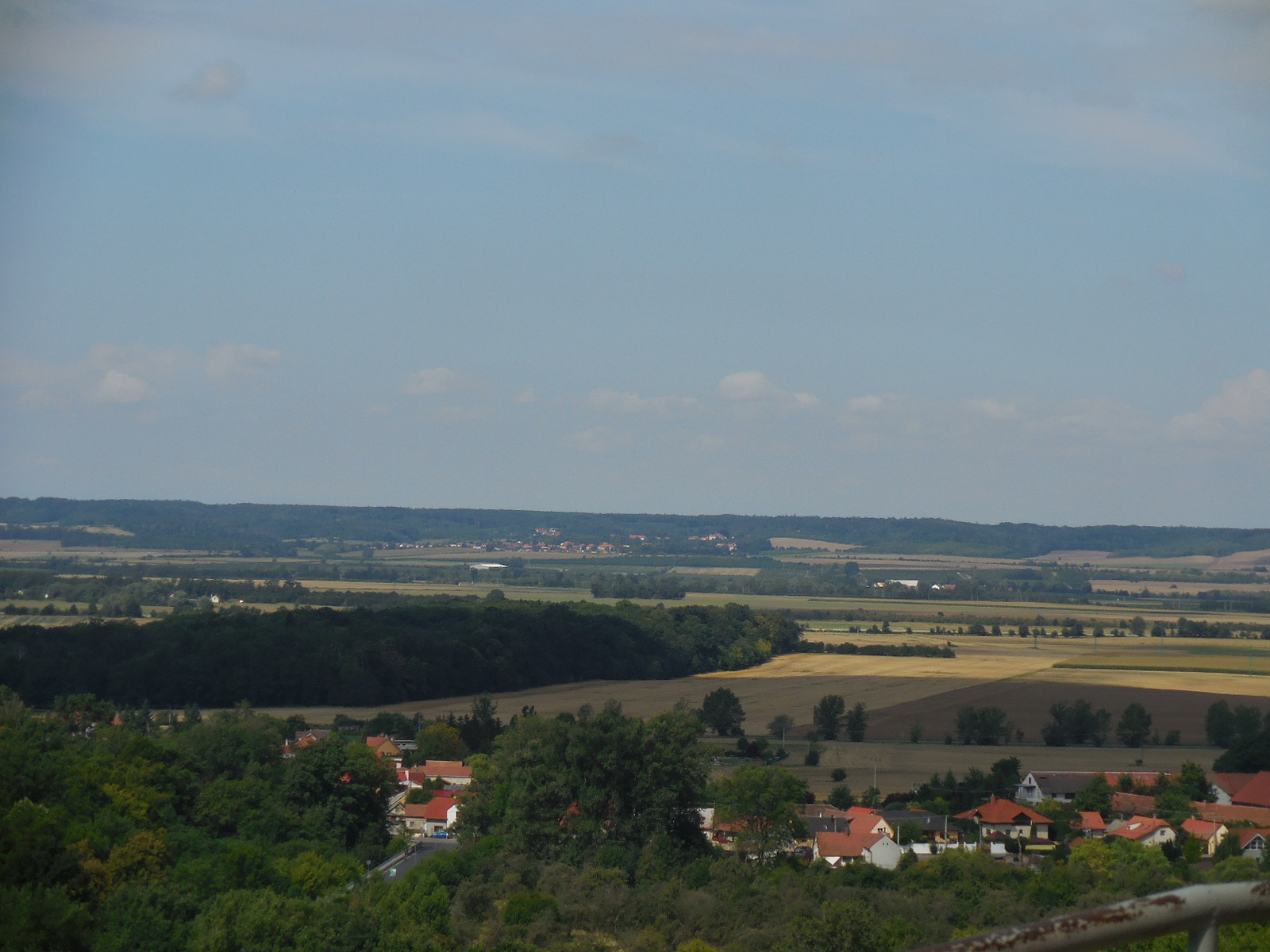
I was in luck because the Church of Saints Peter and Paul was open. It was Gothic in structure with some Romanesque elements. The altars and pulpit were Baroque, though. In the 16th century, well-renowned architect Benedikt Reid was responsible for reconstructing the church. He had designed part of Prague Castle to much acclaim. I was very impressed with the church. It was a pleasant surprise.

Even though the food and parking downtown were expensive, the trip was enlightening. It was another day well spent.
Regensburg Diary

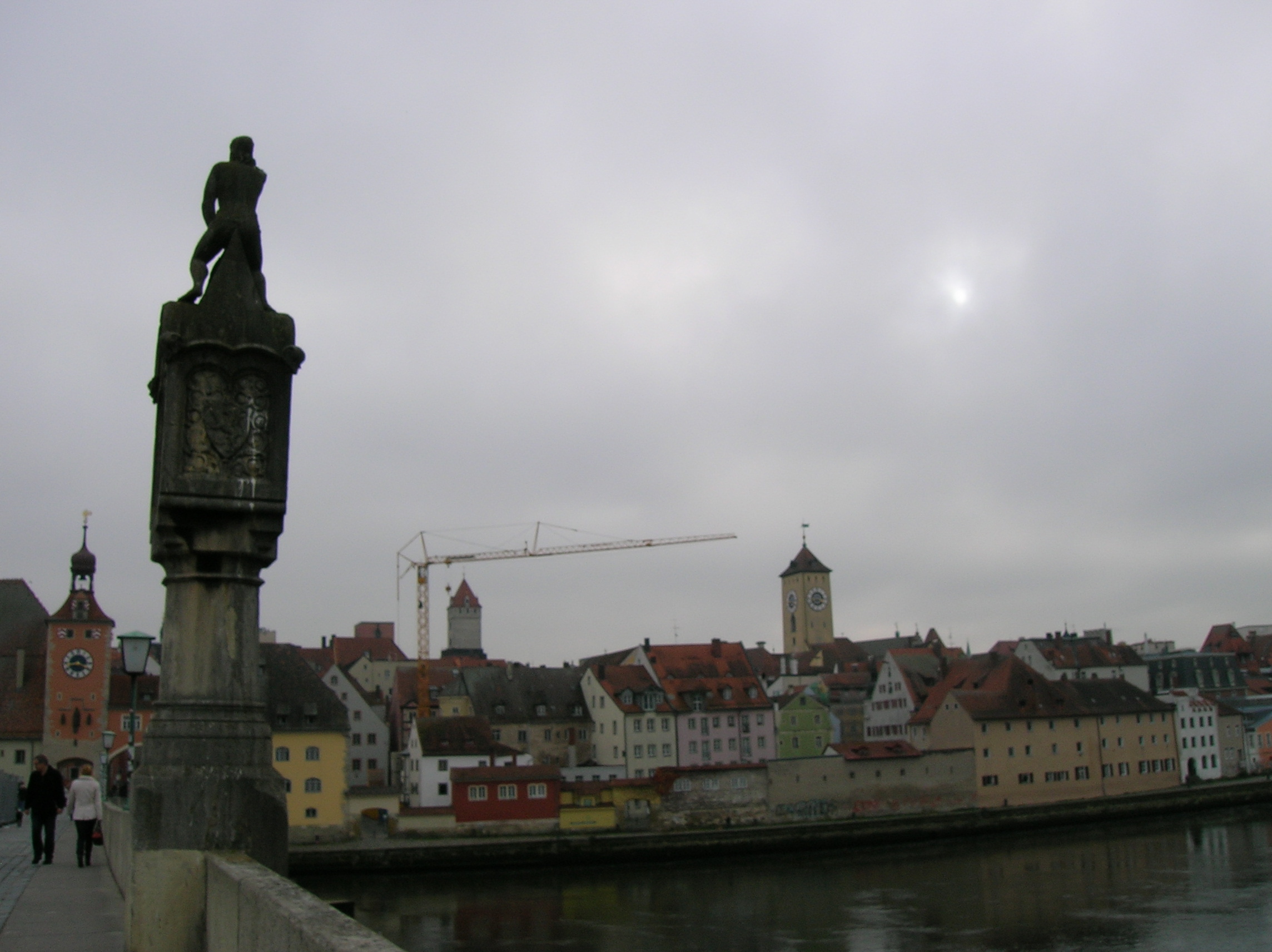
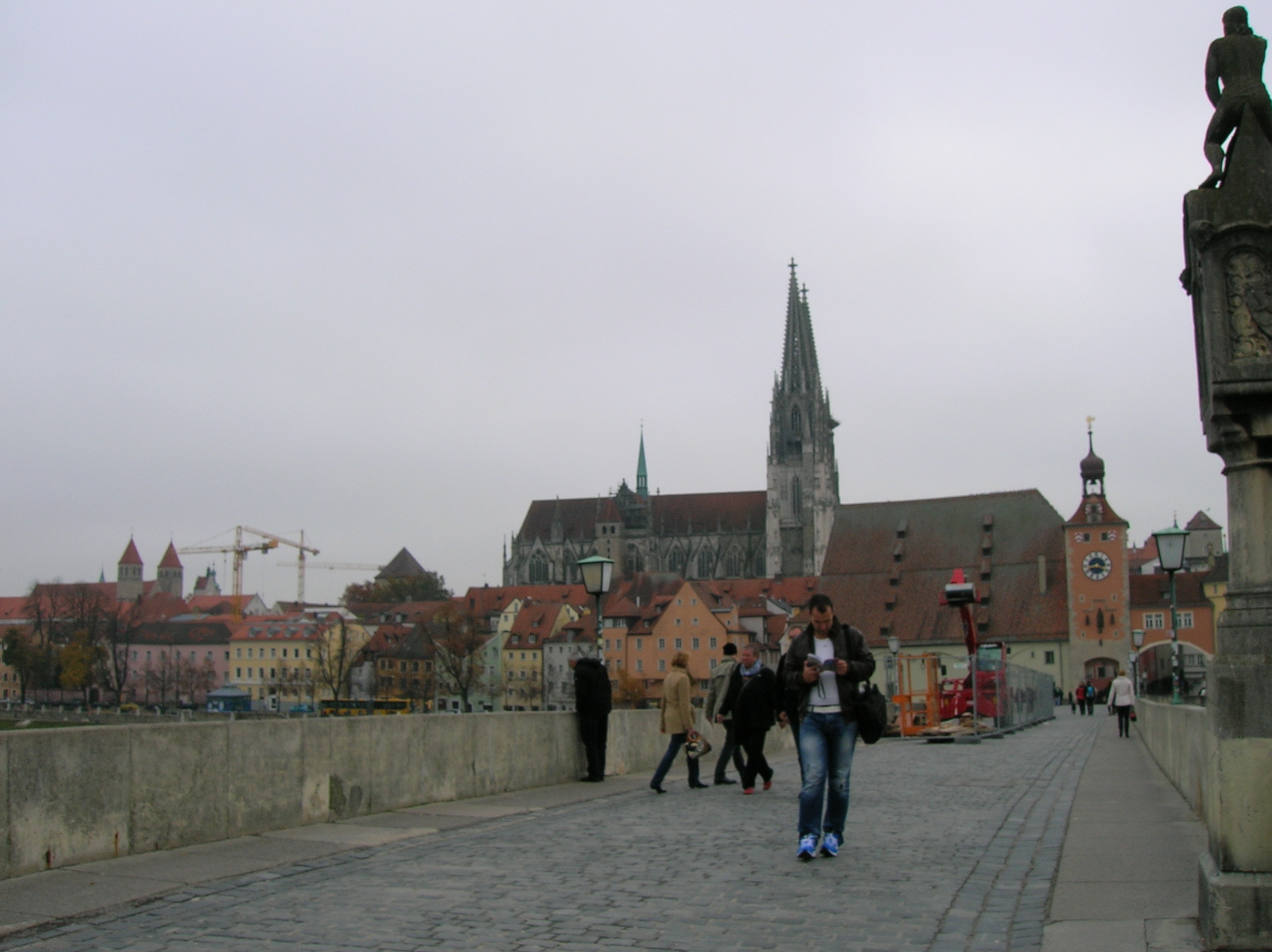
A view of the town from the Stone Bridge

A view of the town from the Stone Bridge


My boss at a languageschool where I had taught had praised Regensburg back in 1997. Ever since then, I had wanted to visit the historic town, but the trip kept being postponed. Then I went on a one-day excursion with arsviva to Bamberg, Germany and got my first taste of the wonders of Bavaria. (I only have faint memories of my visit to Munich when I was nine years old.) I was so enthralled with Bamberg that I just had to explore other towns in Bavaria. So, during October of 2013, the next time I had a few days off work, I took the train to Regensburg.

The direct train only took a little over four hours to get to the only preserved medieval town in Germany. On the train I acquainted myself with the history of this architectural gem. A UNESCO World Heritage site since 2000, Regensburg did not experience much destruction during World War II, enabling it to keep its medieval character. A Roman military camp was located there as far back as 179 AD, and the Romans would greatly influence the town for 300 years. During the Middle Ages, emperors, dukes and kings had frequented the town. After it became a part of the Carolingian Empire, Charlemagne visited Regensburg three times. Regensburg acquired the status of a Free Imperial City in 1245 and also was a bustling trade center. The town lost its independence and became part of the Duchy of Bavaria in 1486, but soon the tables turned again, and Regensburg regained its independence.

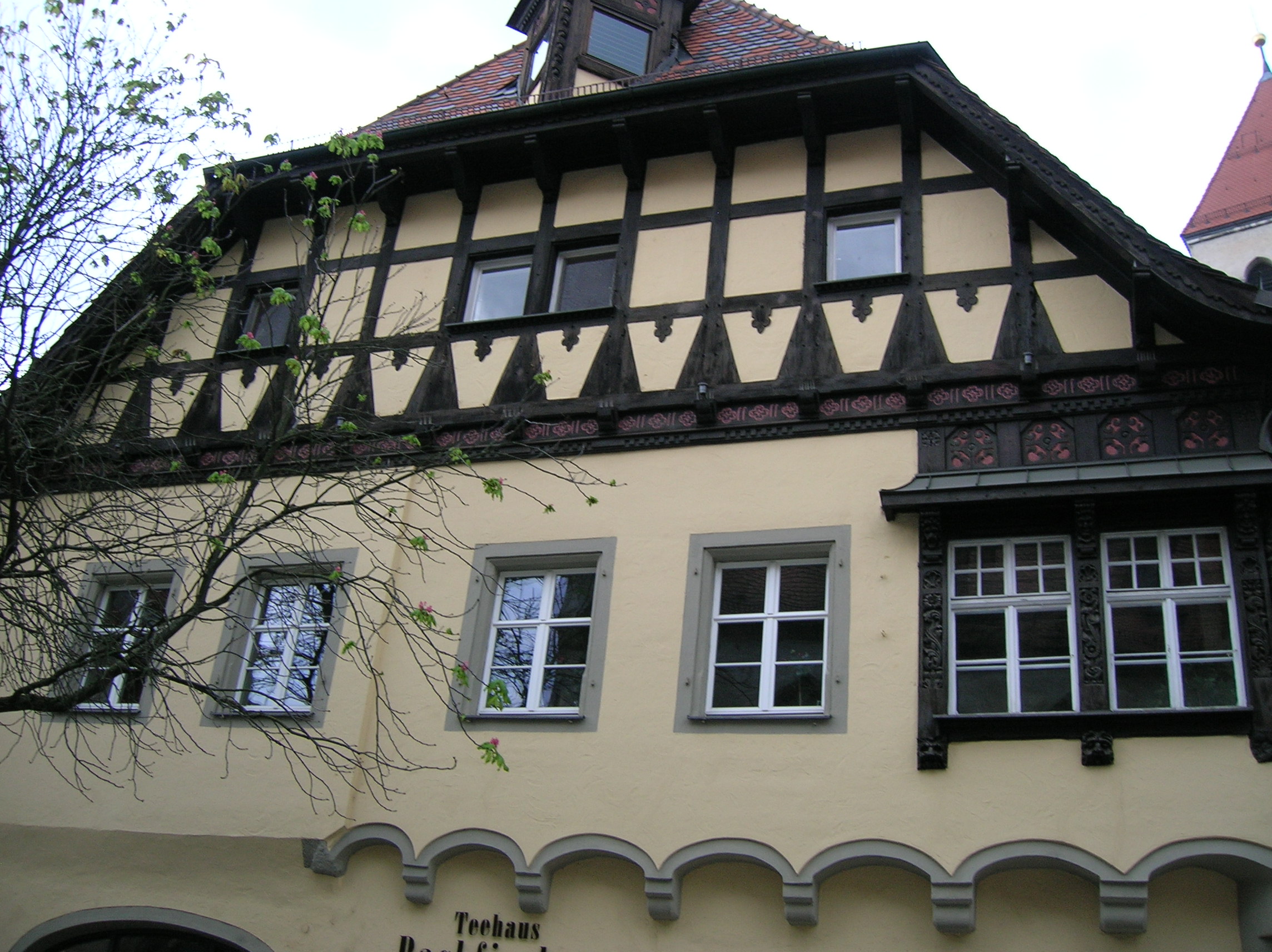
The facade of an architecturally intriguing building in Regensburg

The facade of an architecturally intriguing building in Regensburg

When the Turks overtook Constantinople, this Bavarian city was no longer a gateway to the East, triggering financial hardships. As a result, according to the unwritten law that blamed minorities for economic difficulties, the Jews were expelled in 1519. During 1542 Regensburg became a Protestant town. The town became a household name once again when the Imperial Diet political gatherings took place there for 150 years, from 1663 to 1806, when the assembly of estates held conferences at the Old Town Hall. Electors and princes were among those present for the meetings.

During Napoleon’s reign the town found itself in dire straits. The Imperial Diet was cancelled in 1806, and Regensburg was stripped of its independence once again. In 1810 it became a part of the Kingdom of Bavaria. From 1945 to 1949, the town was the site of the largest displaced persons’ camp in Germany, with mostly Ukrainians in residence. And to think that throughout all those centuries, throughout all those trials and tribulations, Regensburg never lost its medieval flavor!

The Hotel Kaiserhof across from the cathedral

The Hotel Kaiserhof across from the cathedral

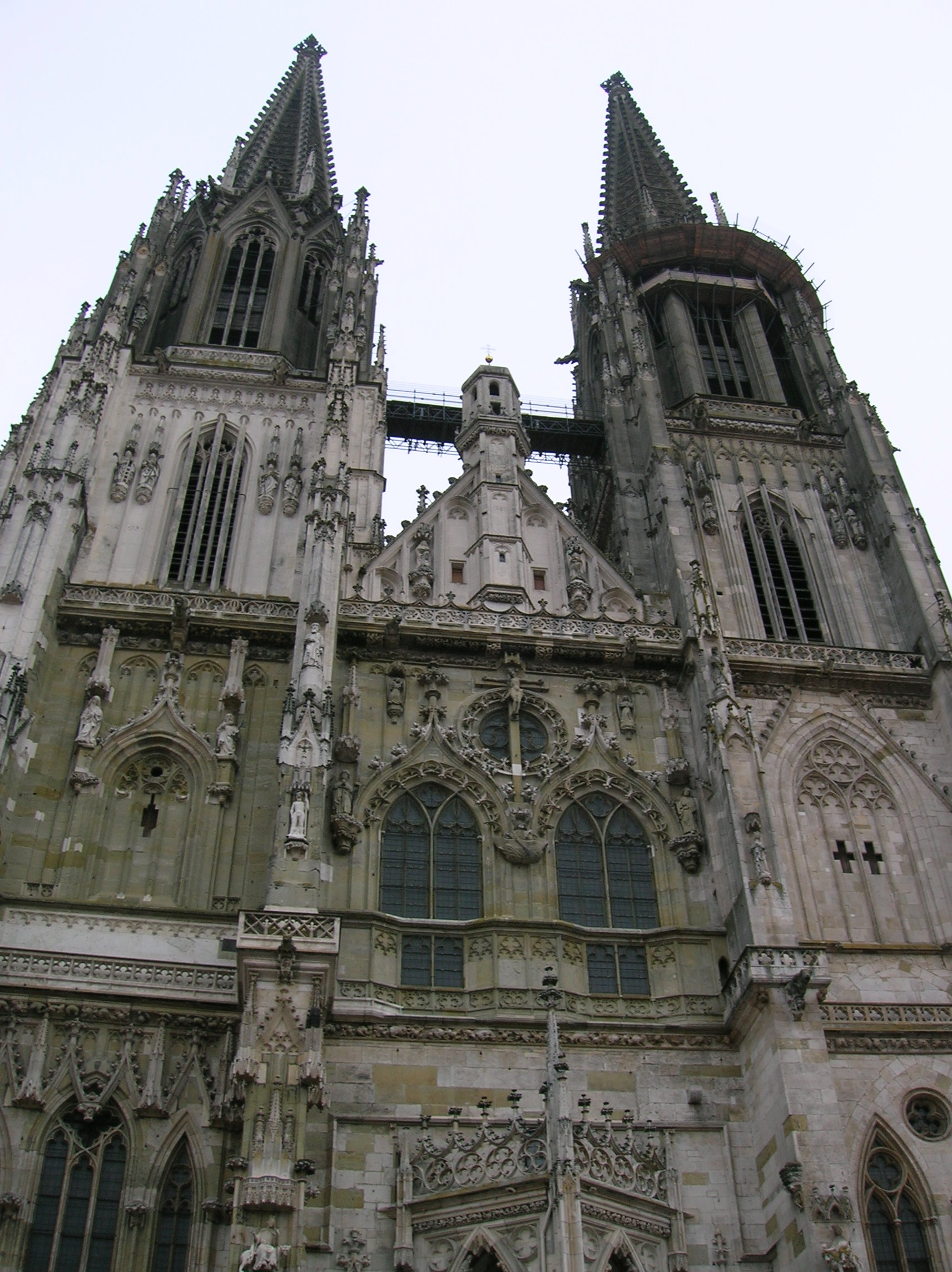
My hotel, the pistachio-colored Hotel Kaiserhof, was situated across from St. Peter’s Cathedral, a Gothic wonder. The clean, no-frills, comfortable room sported a double bed, even though I was paying for a single room. I had stayed in other singles the size of a closet in various hotels throughout Europe. It was refreshing to find myself in a room that was spacious enough, though not large.

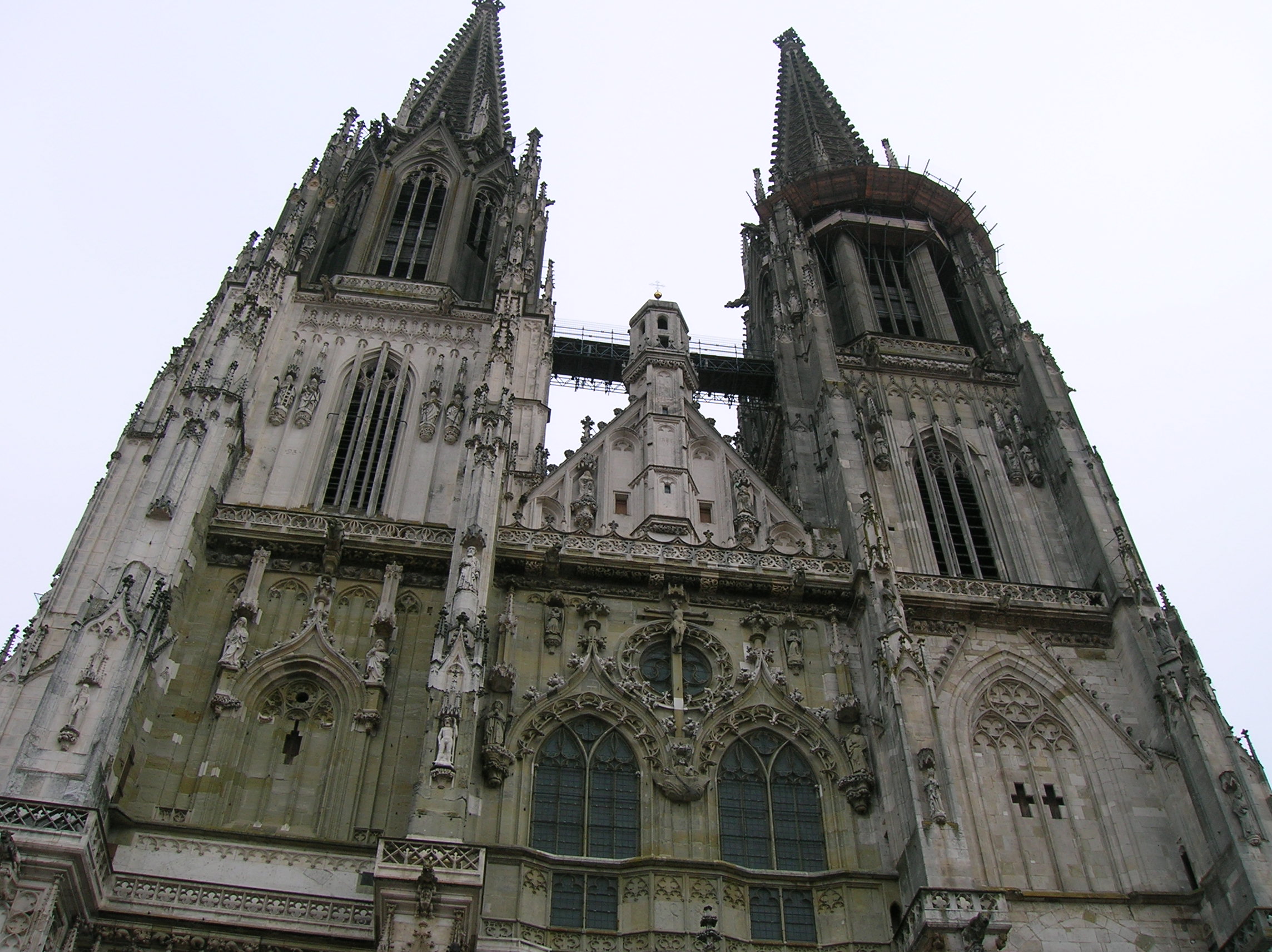
After unpacking the necessities, I headed straight for the St. Peter’s Cathedral. The first cathedral in the town had hailed from the end of the eighth or ninth century, but it fell victim to a fire in 1273. Then this cathedral was erected in a Gothic style inspired by France.  However, there were interruptions, and the cathedral was not completed until 1872, some 600 years later. The west façade boasts two towers while the cathedral has a triple-choir design. The nave is short and has five bays. I had read that the architectural design of the cathedral had influenced Peter Parler’s plans for Prague’s St. Vitus Cathedral, my favorite cathedral in the world.

St. Peter's Cathedral

St. Peter’s Cathedral

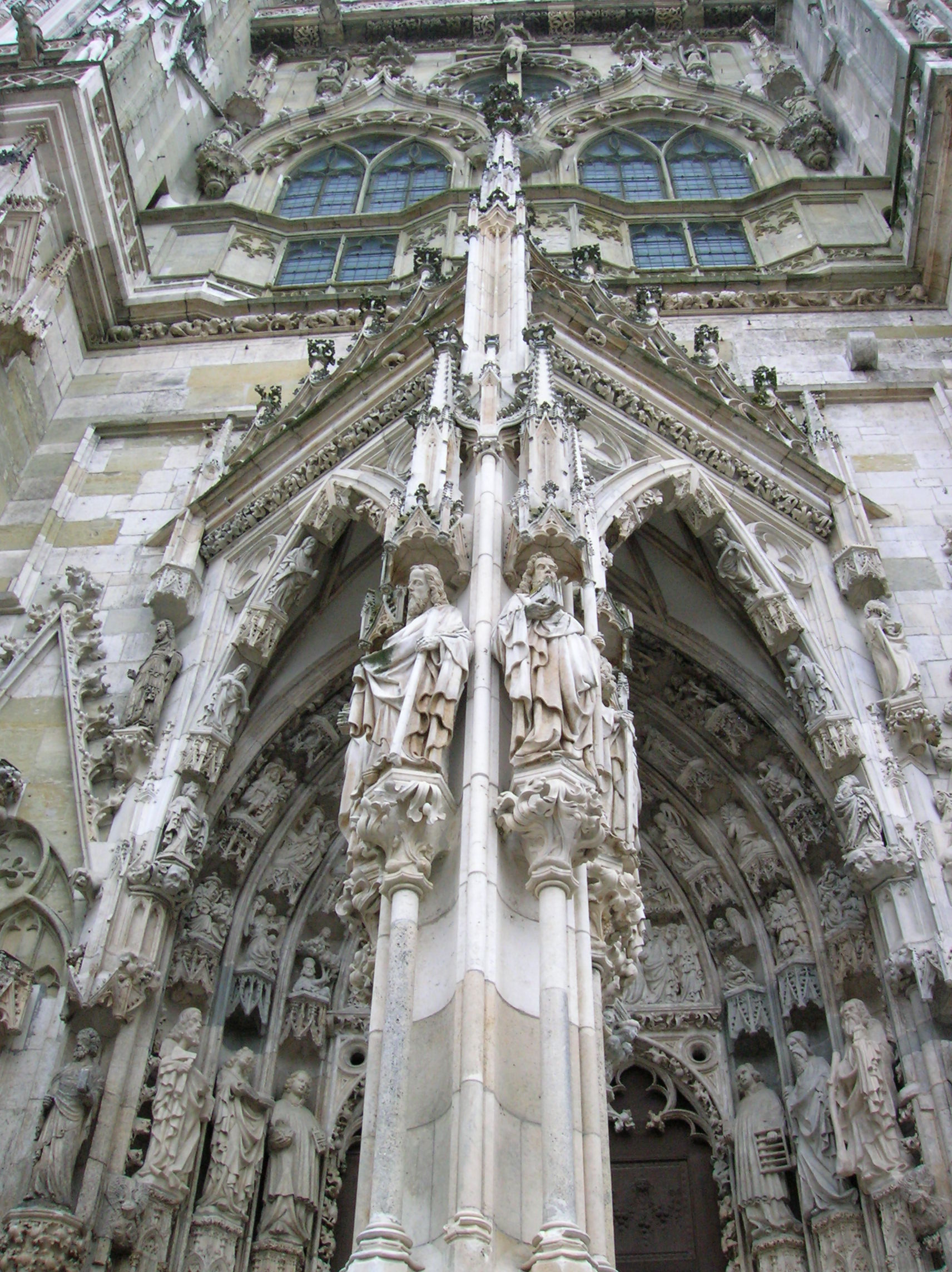
The medieval sculptural decoration on the façade, which dated from around 1400, was breathtaking.  On the train I had learned that this sculptural adornment ranked among the most impressive artistry of the Middle Ages. I gazed up at the main portal with its stunning tympanum and the 22 reliefs focusing on the Virgin Mary’s life.

On the south portal I was awed by a scene showing St. Peter being scooped out of prison by an angel.  I could hardly believe that the relief hailed from 1320. The tympanum of the south façade boasted plentiful rich sculptural ornamentation as well. Reliefs decorated the buttress fronts, too. I spotted St. Peter in a boat, a rendition that I knew appeared on the current coats-of-arms for the cathedral chapter.

However, it made my stomach churn when I saw a sculptural figure of Jews suckling from a pig. I recalled reading that Jews had been expelled from the town in the 16th century. The anti-Semitic artwork reminded me of the anti-Semitic and racist portraits of a Jew, an Arab and a black man stricken with diseases in the library of the Hrádek u Nechanic Chateau in Bohemia. I also recalled eating in a pizzeria in downtown Prague a few years ago, when a waiter told me that Neo-Nazis were marching through the Jewish Town. I also thought of the prejudice against Roma in Czech society today. So many centuries later and religious and racial tolerance were still serious concerns.

The rich ornamentation on the facade of the cathedral

The rich ornamentation on the facade of the cathedral

Upon entering the cathedral, I was instantly transported back to the Middle Ages. It was dark and gloomy except for the light that the stained glass windows let in, giving the cathedral an airy quality. Made from 1300 to 1370, the windows had a mystical aura. I felt as if the light cleansed me spiritually, as if it cleansed my soul. I was so entranced. I could not believe I was looking at original Gothic stained glass. I had read that one window portrayed scenes from Christ’s childhood while another showed scenes from the lives of St. Peter and St. Paul. Pictures of saints decorated the windows, too. Some of the stained glass came from the original cathedral that had burned down. That part was in Romanesque style, dating from 1230.

The vibrant colors inside the cathedral

The vibrant colors inside the cathedral

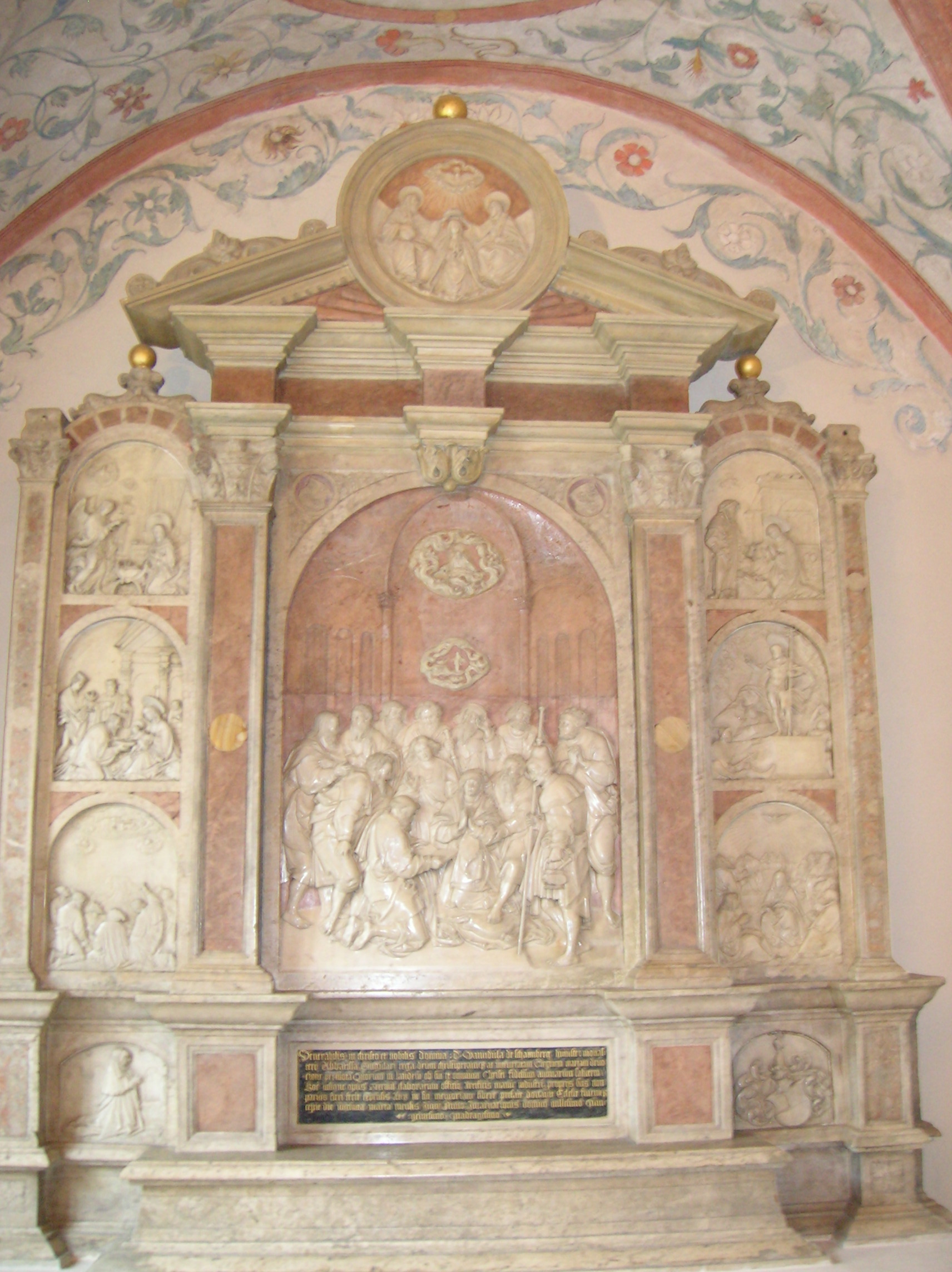
Then I took notice of sculptural figures of St. George and St. Martin on horseback. They were remarkable works of art hailing from the 14th century.  I also saw something I had never seen before – creepy creatures with human heads in niches near the main entrance. Called the Devil and his Grandmother, the figures supposedly kept away any evil spirits that might try to wander inside. Bishops’ tombs also made up the interior. A stone sculpture of a Madonna and Child above one altar was created in 1320. A huge colored wooden crucifix dated from the 16th century. The main altar was silver and was made glorious by busts of St. Mary and St. Joseph as well as Saints Peter and Paul.

On one section there was a relief of St. John of Nepomuk, a Czech saint who was thrown into Prague’s Vltava River from the Charles Bridge on the order of Bohemian King Wenceslas IV, who was married to Joanna of Bavaria. The Queen’s confessor, John of Nepomuk would not tell the king what his wife had said to him in confidence. I thought of the many times I had walked by the five-haloed statue of St. John of Nepomuk on the Charles Bridge. Once again focusing on this cathedral, I was amazed by the ribbed vaulting designed with crossing piers. There was a Late Gothic pulpit, and exquisitely carved Baroque stalls adorned the nave.

One of the side altars in the cathedral

One of the side altars in the cathedral

Another highlight of the interior for me was the Smiling or Laughing Angel, one of the Annunciation figures. Enthusiastic about bearing exciting news for Mary, the angel was absolutely jubilant, and the sense of pure happiness that emanated from the sculpture made me joyful and thankful for everything I had in life. The joy was characterized by a sense of innocence, and it brought to mind the happy moments of my childhood. Opening Christmas presents in my grandparents’ house as Grandpa pretended to be Santa Claus, striking out batter after batter in Little League baseball, riding my sleigh in the fresh snow near our townhouse, reading Paddington the Bear books over and over, holding my Paddington and Snoopy stuffed animals, receiving an autographed picture from one of my favorite baseball or ice hockey players, hugging my mother and knowing that everything would be okay. I was amazed that a sculptural figure from the late 13th century could depict emotions so poignantly.

Downtown Regensburg

Downtown Regensburg

Then I walked around the center of the town, admiring the large patrician houses, some even with towers. One building dating from the 14th century even had a fresco of David and Goliath, created from 1570 to 1580. Dating back to the 12th century, the Stone Bridge measures 30 meters in length and includes 15 arches. I tried to imagine knights of the second and third Crusades marching over the bridge on their way to the Holy Land. The views of the river and town from the bridge were incredible. I loved the small street called Kramgasse, next to my hotel. Once home to shops of grocers and junk dealers, now it flaunted luxurious shops. The oriels on the buildings intrigued me. 

There were other delights in this colorful, vibrant town, too. The Fountain of Bishop’s Court was built in 1980 and showed a priest giving a sermon to geese while a fox nabbed one goose by the neck.  In the tale the priest is an impostor, the Devil pretending to be a man of the cloth. It made me think of the false friends I had known through the years, the times I felt betrayed by people I had trusted.

View from the Stone Bridge

View from the Stone Bridge

I explored Neupfarrplatz, where the homes of 500 Jews had once been located until their expulsion in the early 16th century. The homes were gone now, and stylish shops lined the square. A reminder of the Jewish presence in the town, a relief showed the floor plan of a Jewish synagogue that had once stood near the middle of the square. I felt an emotional connection with the relief. It was modern and fresh, yet also represented the lost history of the town.

The Goldener Turm, built from 1250 to 1300, included the highest patrician tower in the city. Part of the Old Town Hall dated from the 13th century and had a tower, too. I was intrigued by its Gothic windows. Patrician houses also lined Haidplatz Square. Emperor Karl V had been a guest at the architecturally captivating Goldenes Kreuz building. I also gazed at the Porta Praetoria Roman gate from 179 AD with its stone arch and side tower. As I walked through the center of town, I was surprised that Regensburg had so many tea shops and bookstores. A teetotaler and a literature addict, I wandered through each one. The varieties of teas offered were astounding.

In the morning I ate croissants in the hotel’s quaint breakfast room and headed for the Collegiate Church of Our Lady of the Alte Kapelle. A farmer’s market was in progress in the square where the church was situated. All the fruit and vegetables looked delicious. 

The interior of the Alte Kapelle

The interior of the Alte Kapelle

I knew the church dated from 875, when a grandson of Charlemagne had it erected. The medieval sculptures decorating the main portal did not prepare me for the strikingly different interior. I gaped at the 18th century Baroque and Rococo ornamentation. This was definitely one of the most beautiful chapels I had ever seen.  It was light and airy, full of vibrant colors that emitted joy and hope. The main painting depicted the Pope handing Holy Roman Emperor Henry (Heinrich) II a picture of the Virgin Mary.  It was only possible to see the two naves and six bays through an iron grille, unfortunately. I longed to walk through the chapel and peer closely at each decoration.

The Alte Kapelle

The Alte Kapelle

The stucco work was astounding, and the white walls were adorned with putti. The frescoes narrated described the legend of how the church came into being. They also celebrated the Virgin Mary as the patron saint of the church and glorified the founders of the church, Emperor Henry II and Empress Cunigunde of Luxembourg. Emperor Henry II had believed in centralized authority and had strongly supported the Catholic Church. Due to his devotion to the Catholic Church, Pope Eugene III canonized him in 1146. He was the only German bestowed this honor. His wife Cunigunde was involved in politics, participating in the Imperial Diets in Regensburg. She is said to have performed miracles, such as walking over flaming irons. One fresco showed the Virgin Mary as the Queen of Heaven, surrounded by angels and saints. The main altar was decorated in rocaille and focused on the Virgin Mary. God the Father was perched on a globe above her, and a dove symbolizing the Holy Ghost also appeared.

It fascinated me that this church retained elements of the Middle Ages and at the same time celebrated the Baroque and Rococo periods with a flourish. I could not get over how the 18th century styles gave the chapel a sort of weightlessness and airiness that so poignantly represented joy and hope for me.  It was uplifting. I was in an ever better mood when I left the chapel, after staring through the grille for at least a half hour.

Next I found my way to the Emmeram Abbey. I would be touring the Thurn und Taxis Palace adjacent to it later in the day. The monastery had gained independence from the bishopric in 975 and did not lose its independence until 1803. Then, at the beginning of the 19th century, the abbey was secularized. The King of Bavaria gave the Thurn und Taxis family the monastery because the postal services that they had managed for centuries had been nationalized. I had read that the stone reliefs on the north portal, dating from the Middle Ages, were the oldest north of the Alps.

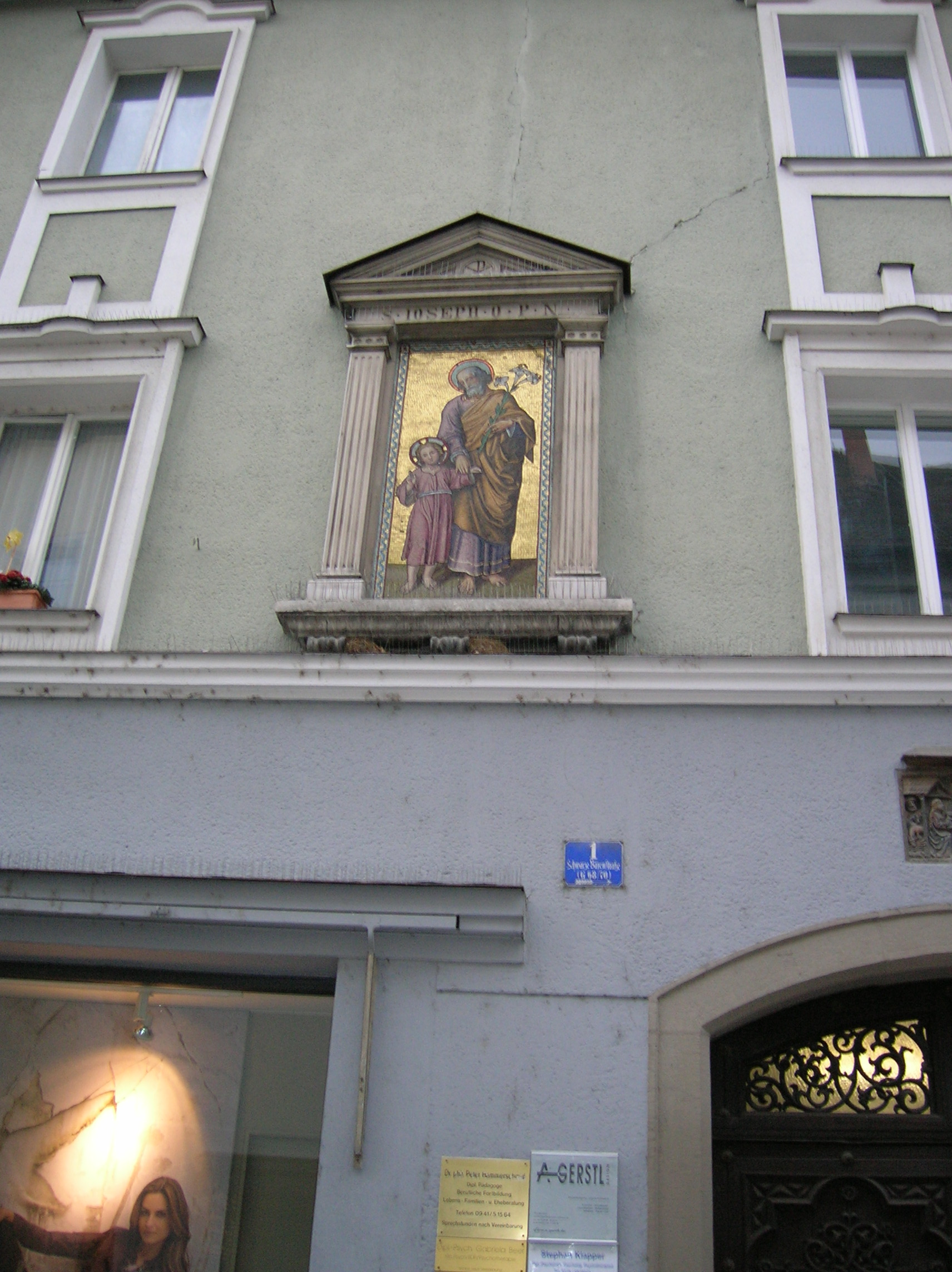
Religious ornamentation on the facade of a building

Religious ornamentation on the facade of a building

The complex was named after the bishop Emmeram, who had lived in Regensburg in the 700s. Inside frescoes told his exciting life story: He had worked as a missionary for Theodo I, the Duke of Bavaria and was much respected throughout the realm. Then the duke’s unwed daughter confided in him that she was pregnant, and she did not want to tell the duke who the father was. Emmeram advised her to lie and say that he was the father. Then he set off on a pilgrimage to Rome.

When the duke’s daughter told her father the news, he had his son and followers chase Emmeram. When they caught the pious missionary, the duke’s followers tied him to a ladder and chopped him into pieces, slowly torturing him. Then the duke found out that Emmeram was not the father of his daughter’s child and ordered his body to be bought back to Regensburg. Emmeram was made a saint.  I also saw fascinating altars and a crypt dating from 780, showing off masterful Romanesque architecture.  The high altar hailed from 1669.

My next stop was the palace. I had to use an audio guide at the palace because the tours were only in German.  I was disappointed that the Electors’ Fountain was covered in scaffolding. I wanted to see the sculpture of Emperor Arnulf bearing a scepter and shield and the eight coats-of-arms standing for the Holy Roman Empire and the seven electors who selected the emperor.

The architecture of Regensburg

The architecture of Regensburg

Upon entering the palace, we came to a monumental marble staircase. The guide spoke animatedly for some minutes before my audio guide started. The German-speaking tourists were enthralled with whatever he was saying. Then we went up one of the 14 marble staircases in the complex that was the largest residential palace in Germany. It included more than 500 rooms. A ceiling  painting looked as if it was about to burst with color above the staircase.

The Thurn und Taxis clan dated back to the 13th century when the family was named Tasso. During the end of the 15th century, Francesco Tasso created the first postal system going from Innsbruck to Brussels. It took a week for the mail to reach its destination. The key to its success was that the rider and horse were changed at each postal station. For his ingenuity, Tasso was given nobility status by Emperor Maximilian I and thus became Franz von Taxis in 1512. By the end of the 18th century, the postal system was flourishing.

Then bad times came. At the beginning of the 19th century, most of the postal service was nationalized. The French Emperor Napoleon Bonaparte put an end to the Thurn und Taxis’ control of the postal service in 1815. After the Napoleonic era, the family managed the postal service once again, but only until Otto von Bismarck became Chancellor of the North Germany Federation in 1867. A very conservative politician and nationalist who did not favor democracy, the prominent Prussian statesman was responsible for forming the German Empire in 1871.

A fascinating facade in downtown Regensburg

A fascinating facade in downtown Regensburg

I was intrigued by the grotesque figures on the ceiling of the Conservatory, also called the Winter Garden. Female figures represented the seasons, though winter was conspicuously absent. I noticed that a sickle and grain stood for summer. The Brussels’ tapestries in the Large Dining Room were astounding. The Throne Room featured a throne from the 18th century and tapestry decoration. The Ballroom took my breath away. Its wall paneling, frames, balustrades and stucco ceilings boasted Rococo and Neo-Rococo styles. Faience Neo-Rococo stoves were present, too. The Ballroom, created in 1730, had been transported from Frankfurt to Regensburg in 1890, when the Thurn und Taxis clan moved to Regensburg. Even the glass chandeliers had been equipped with electric lighting at the end of the 19th century. I liked the idyllic landscape paintings hung high on the walls and the rich white decoration that included garlands and putti as well as plant and ribbon motifs.

I noticed a portrait of Elizabeth of Austria, often called Sisi, in the Balcony Room. Because her sister Helene was married to Crown Prince Maximilian Anton von Thurn und Taxis, she had often stayed here. The sisters’ father had been a Bavarian Duke while their mother was the daughter of the Bavarian King. I had read how uncomfortable Sisi had felt around the ceremony of royal life and how she had been a free spirit who had traveled around the world. I thought about Franz Joseph intending to propose to Helene but changing his mind and asking for Sisi’s hand in marriage instead. And I thought of Sisi’s assassination in Geneva, when an Italian anarchist stabbed her while she was taking a walk. And I remembered reading about the lavish funeral with all the pomp and ceremony that she had despised.

The gate to the Stone Bridge

The gate to the Stone Bridge

The Silver Room featured a silver chandelier with cupids holding candles. The tapestry with a battle theme in the Gobelin Salon got my attention as well. The Yellow Salon exploded with color. It was decorated in Rococo style and dated from about 1740.  I tried to imagine members of the noble family playing music here, the tinkling of piano keys or rich melody of a clarinet. I was happy whenever I saw yellow because it was my Mom’s favorite color and the color of the kitchen walls in my parents’ house. I recalled all the earnest conversations I had with my Mom, seated at that circular kitchen table, sipping green or black tea.

The Green Salon had served as a bedroom for Princess Therese from 1812. I was mesmerized by the bed decorated with four swan figures on its legs. I loved the detail of the feathers and long necks of the swans. A curtain was adorned with gold bees. Both the swans and bees were characteristics of the French style that dominated this room. In the Czar Nikolaus Salon a portrait of Princess Theresa von Thurn und Taxis showed the 37-year old clad in a chemise dress and wearing pearls in front of a forest. I noticed an exquisite blue with gold tea set in another room.

Then we came to a contemporary art exhibition of portraits of the living family. The portraits of four women and one young man had blinking eyes. I thought it was a good idea to put portraits of the current family in the exposition, but I did not understand why their eyes were blinking. I guess it was meant to emphasize that they were living, that the tradition of the family continued, but it seemed out-of-place with the décor of the other rooms. Then I saw the House Chapel that had once been a bedroom for Crown Princess Helene. After the Princess’ death in 1890, her son Prince Albert I had it reconstructed into a chapel. The alloyed coats-of-arms decorating the windows impressed me.

Regensburg's cathedral dominates the skyline.

Regensburg’s cathedral dominates the skyline.

Next we entered part of the cloister. I imagined monks walking through the round Romanesque arches while singing hymns. I saw statues dating back to 1200. I imagined how the room had looked in the Middle Ages with its then colorful decoration depicting biblical stories. I admired a Neo-Gothic tomb chapel as well. Another wing featured high and thin Gothic arches. The cloisters were certainly full of architectural wonders!

After touring the palace, I visited its museum. I saw a Japanese lacquered cabinet from 1690 and took special notice of the exquisite Asian landscape scenes on the front. White gold porcelain featured floral motifs. A ceremonial carrying chair also caught my attention. Medals from the chivalry Order of the Golden Fleece that was founded in 1430 and 55 richly decorated 18th century snuff boxes also made up the exhibition. One room was decorated with Biedermeier furniture, dating from 1815 to 1848. The furniture was not positioned against the walls in order to encourage communication. The highlight, though, was the white with gold porcelain service set from the early 1700s, made by a Viennese manufacturer that had only been in existence for 30 years. It was the only complete service of this manufacturer in the world.

The Old Town Hall

The Old Town Hall

I had a late lunch at an otherwise empty café near the monastery. It was decorated plainly and appeared to be a place for locals as the menu of five entrees was written only in German. I imagined that the restaurant would be packed on weekdays. I chose the Wiener Schnitzel and received a generous portion. It was delicious. I had dessert at the oldest coffeehouse in Germany, the Café Prinzess, where I managed to find a free table despite the crowd. I ordered almond cake and green tea. Surprisingly, service was not slow. The cake and the green tea were excellent.

Soon it was time for the English tour of the Old Town Hall across the street from the coffeehouse. I got a free ticket because I have a press pass and would be writing about the exhibition. However, only the torture chambers in the cellar were open that day. The lavish rooms once used for the Imperial Diet were closed for a conference. Two tourists complained that they had to pay full price for their tickets, even though the Imperial rooms were off limits that day. They decided to come back the following day when both parts of the tour would be open. I was leaving the next day, so I had no chance of seeing the Imperial rooms on this trip.

For almost 150 years from the 17th to the beginning of the 19th centuries, the Imperial Assembly had held political meetings in this building. But the Imperial history of the town was above, in those lavish rooms that I could not see. I descended into the torture chamber, which helped paint a portrait of the history of the town. I peered down at a dungeon that was three meters deep with no light. A Jewish gravestone served as the toilet seat, another reminder of the rampant anti-Semitism that had riddled the town. Once again, I recalled the 1519 expulsion of the Jews.

An ancient door at the Old Town Hall

An ancient door at the Old Town Hall

I also saw a so-called spiked rabbit, consisting of spikes on a wooden chair. I could not imagine the pain a person would feel seated on those spikes. It was too awful to think about. Some prisoners were locked in a neck iron, exposed to the public in a pillory. I also saw a timber cell without any light.  Prisoners sentenced to death stayed in the Dead Man’s Cell, where there was light and fresh air. An opening allowed family members to touch the incarcerated’s hands before the execution. A big beam balance from the 16th century kept the merchants honest. If merchants cheated customers, they went to the pillory.

The instruments had been used from 1530 to 1781, during three centuries. It was difficult for me to imagine that such horrific methods had been used for such a long time. Then again, in in today’s world there is waterboarding. When the accused was detained, he or she might have heard a concert taking place in one of the Imperial rooms above, but the prisoners were never tortured to musical accompaniment.  

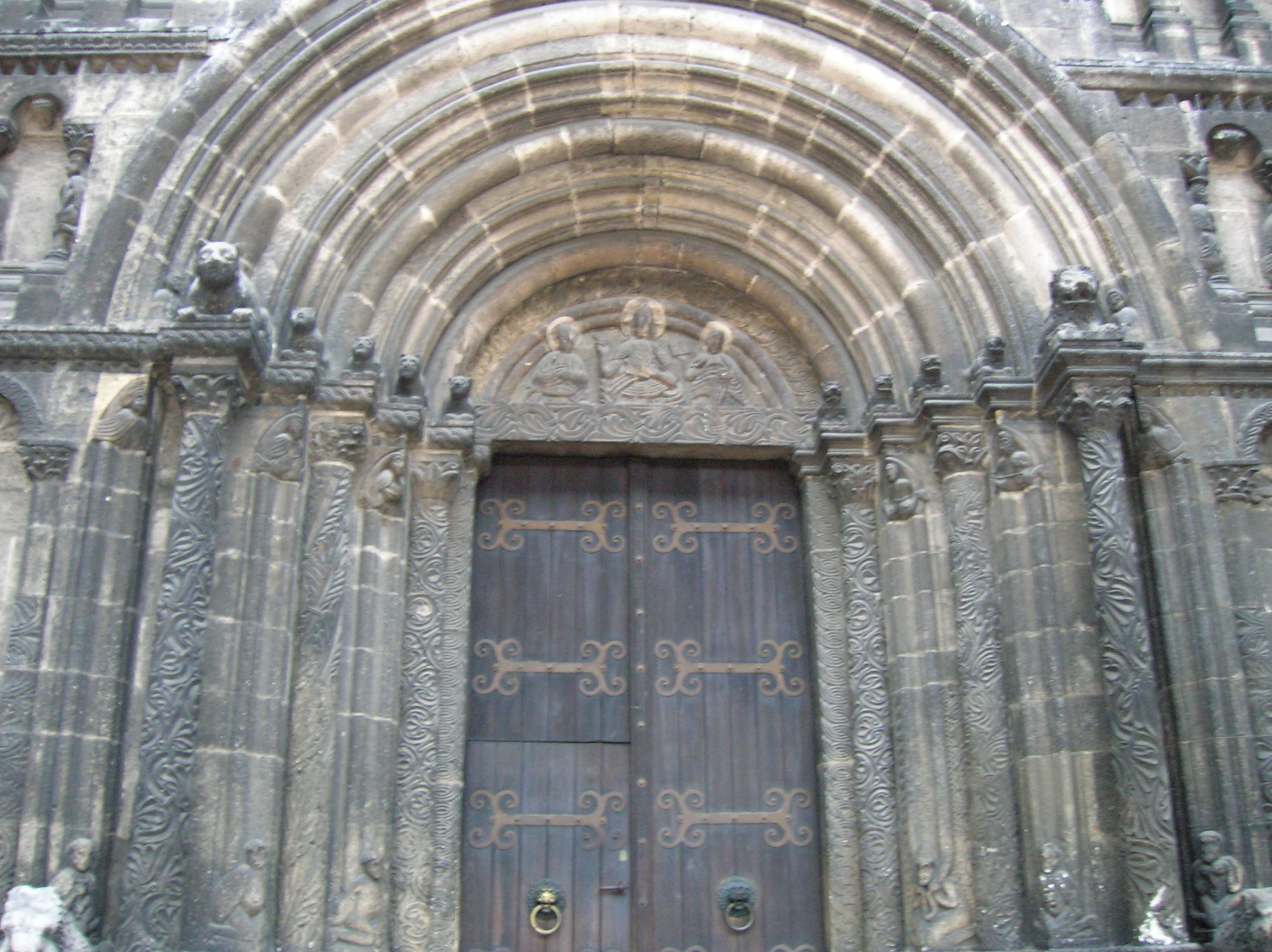
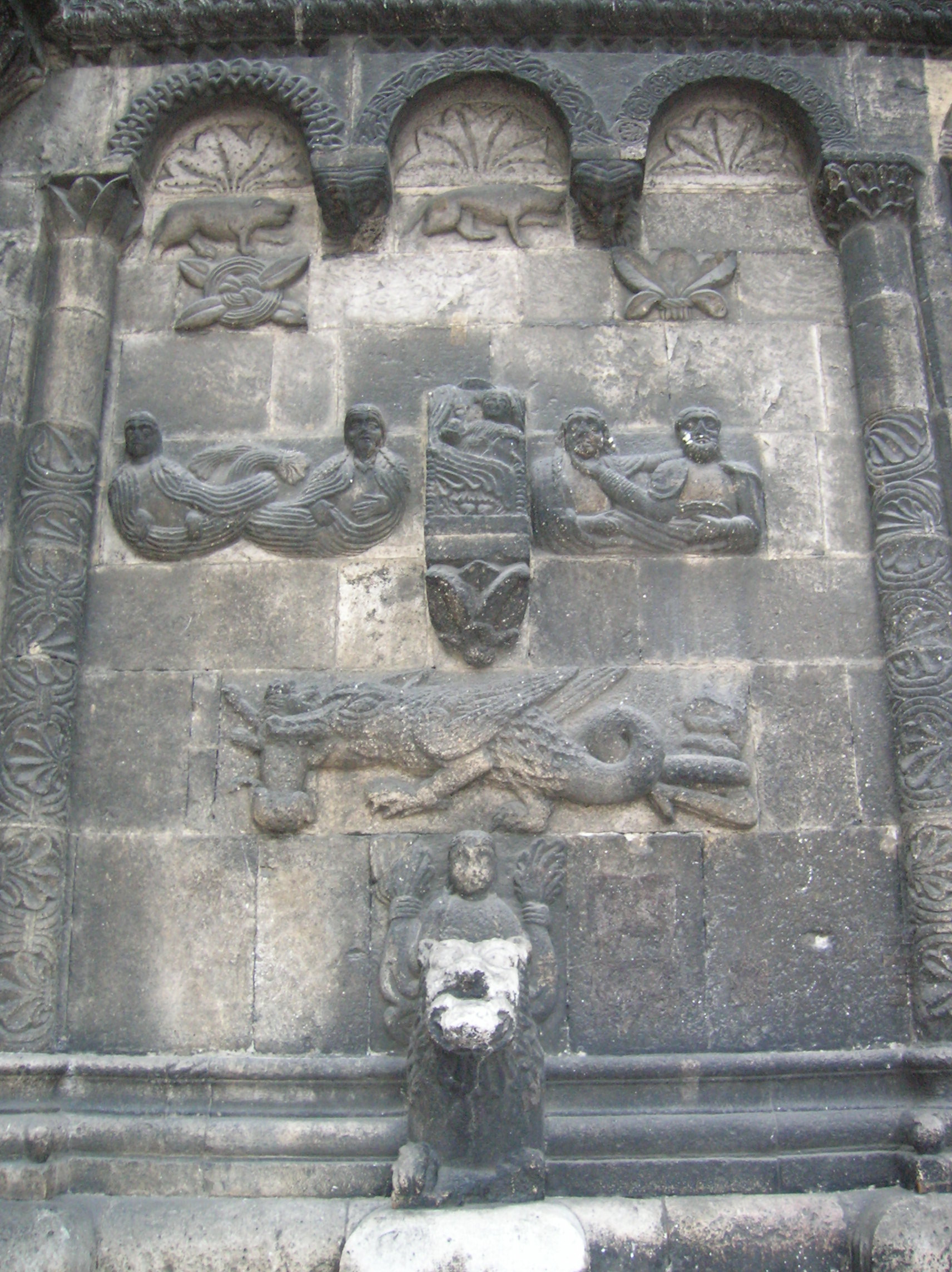
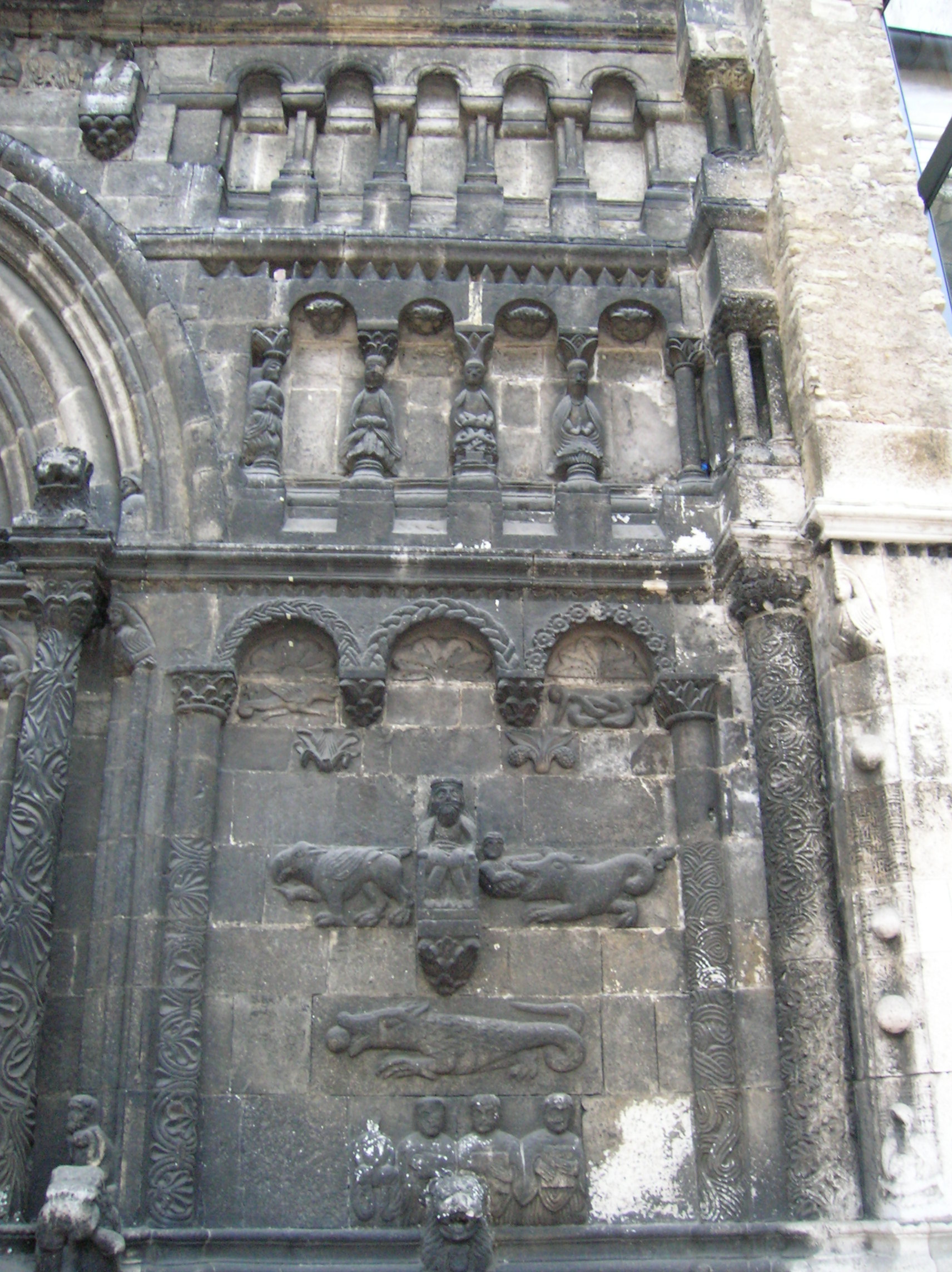
The Romanesque portal at St. James' Church

The Romanesque portal at St. James’ Church

I walked around town for the rest of the day, the history of the town seeping into my soul. The next morning I had a little time before I headed to the train station. I was disappointed that I did not have a chance to visit any of the museums, especially the Historic Museum that told the tales of the town from as far back as Roman times.

First I walked to the Church of St. James, which was built by Scottish monks in 1150. The church still retained its Romanesque style. The entrance portal was pure Romanesque, richly decorated with sculptural figures and grotesque symbols. The architectural gem was encased in glass, so there was a physical barrier between the viewer and the object. I could understand the need to protect such an ancient treasure, but the glass barrier restricted the visual communication with the viewer. I gaped at the entrance portal for about a half hour. The interior was austere but beautiful.

Next, I headed for Dachauplatz, trying to find the remnants of the Roman wall as they were marked on my map. A small section of the wall that did not even come up to my knees disappeared into a parking garage. Modernization had destroyed some of the historical roots of the town, replacing significant reminders of the past with an eyesore common in the contemporary world. I was very disappointed that a car park had been built in the historical center of the town, marring the cityscape. I had read that in the past a monastery had been on the premises.

The decoration on the Romanesque portal

The decoration on the Romanesque portal

As I had made my way to Dachauplatz, I had taken note of all the various architectural styles of the buildings and the artwork adorning the facades. Standing on the square, facing the Historic Museum, I tried to imagine what it would have been like to have been present in 1945, near the end of the war. Residents had taken part in a demonstration, eager for the Americans to take over the city. Some protestors were executed in that same square.

Soon it was time to take the train back to Prague. I yearned to visit the town again and to get to know Bavaria even better. On the train a pleasant surprise awaited me. I began chatting with the woman seated across from me, an American world traveler in her sixties on her way to Prague. It turned out that she also loved reading mysteries and adored cats. As we discussed many topics, I realized that the best thing about traveling is the people you meet on the way to your destination. We would keep in touch, for sure.

I returned to Prague, elated, ready to face the long winter ahead with energy and enthusiasm and ready to plan a spring trip back to Bavaria.

Tracy A. Burns is a writer, proofreader and editor in Prague.


Another look at the Romanesque portal of St. James' Church

Another look at the Romanesque portal of St. James’ Church