Como, Bellagio and Menaggio Diary

One of my dreams was to visit the romantic towns on Lake Como, so I took a day trip to Como, Bellagio and Menaggio when I was in Milan during May of 2023. Unfortunately, the tour did not go to Varenna, a place I longed to see. Maybe next time. The tour only took us to one villa’s grounds, which were open to visitors. I saw the exteriors of many villas from the boat, but it was drizzling, and I was seated on the wrong side to get pictures. I hope to go back one day and visit Villa Carlotta, an architectural gem that includes a botanical garden with 150 types of azaleas, rhododendrons, tropical plants, cedars, palms and more. I heard that its interior is filled with superb art. Antonio Canova and Francesco Hayez are two of the artists represented in the villa’s art-dotted spaces. Maybe next time.

First, we visited the charming town of Como, located only 40 kilometers from the Swiss border. Our guide pointed out that former Fascist Prime Minister Benito Mussolini and his mistress had gone through Como while trying to flee to Switzerland and eventually to Spain. However, in April of 1945 he was arrested in Dingo, a town near Como and a day later shot in Giulino di Mezzegra.
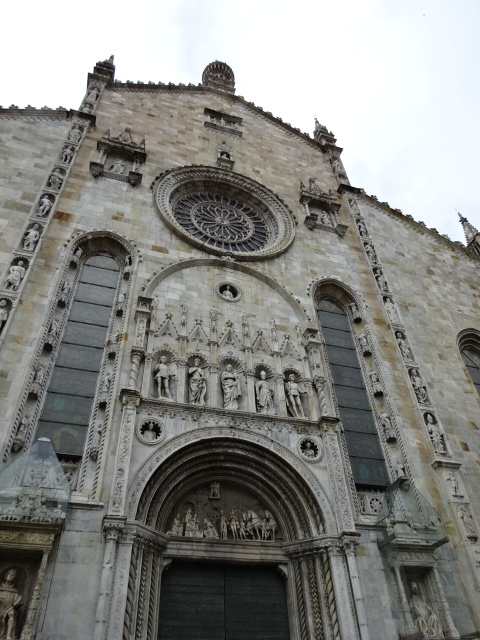
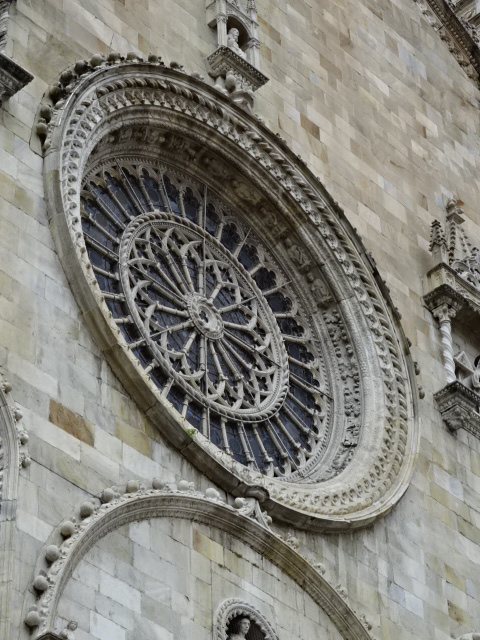
Upon reaching the center, I first noticed the cathedral, dedicated to the Assumption of the Blessed Virgin Mary. It had an impressive Late Gothic façade with sculptural decoration. The construction took a considerable amount of time; in fact, it took four centuries to build. I took note of the statues of writers Pliny the Elder and Pliny the Younger, natives of Como.

Inside, the cathedral had a Latin cross configuration with three naves divided by pilasters. The Romanesque sculpture was noteworthy. Three of Bernardino Luini’s paintings from the 16th century hang inside. Stained glass windows hail from the Gothic and Renaissance eras. The stunning cupola is Rococo while the main altar harkens back to the 14th century. What impressed me the most were the nine tapestries woven in the 16th century. They focused on themes such as the Eucharist, the Sacrifice of Isaac, the Adoration of the Magi and the Pentecost, for example.
The Basilica of Saint Abbondio is another sight worth seeing in Como. This Romanesque edifice included 14th century frescoes. Como also boasted of a very unique building designed during totalitarian times, the Caso del Fascio, which was erected from 1933 to 1936. The functionalist structure lacked any ornamentation. The Caso del Fascio served as an example of Italian architecture designed during totalitarian times. The Como-based building had four geometrical and opaque facades. Designed by Guiseppe Terragni, the place was occupied by the National Fascist Party until 1945, when various political parties had their offices there. Now the Finance Police calls the curious structure home.
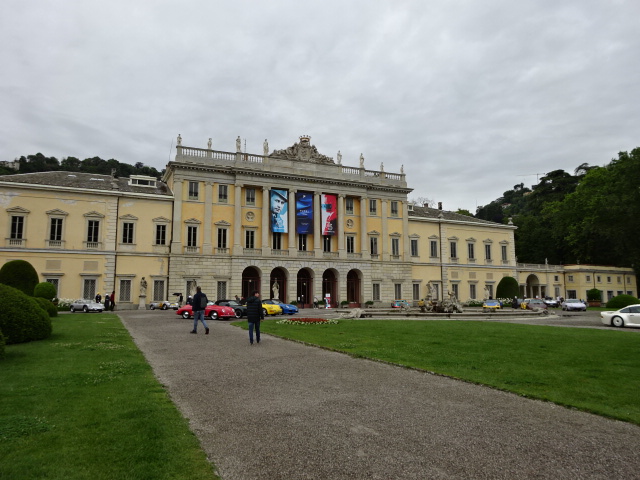
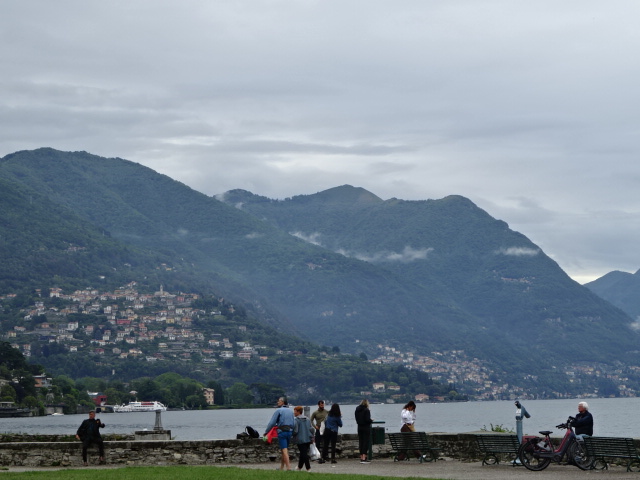
Walking around the center of Como, taking in the romantic atmosphere, was a real thrill. We also visited the grounds of the Villa Olmo, an impressive neoclassical structure dating from the 18th century. The lake views were outstanding, and the English style garden was beautiful.

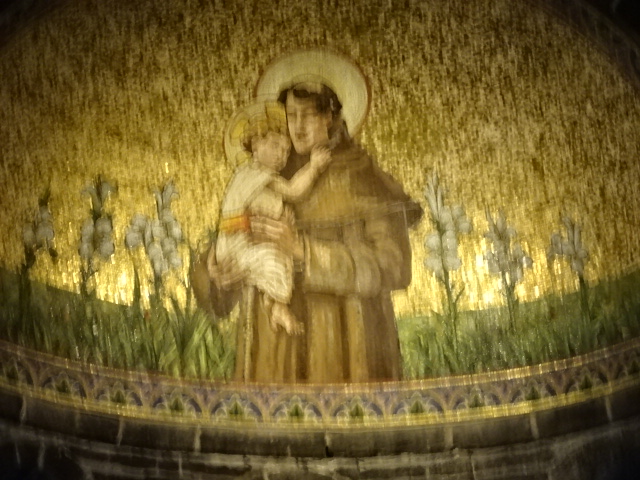
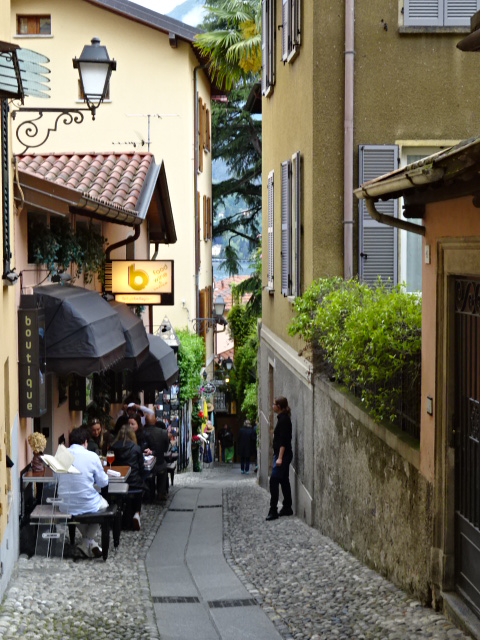
Bellagio was next on the itinerary. I ate a delicious lunch in an costly restaurant in this charming town with steep cobblestoned lanes dotted with some expensive shops. The historic center was made up of only three streets but also sported a park and marina. I walked up one steep street that had a medieval aura and found myself on the main square looking at the Basilica of San Giacomo and a tower. The basilica hailed from the Romanesque days of the 11th and 12th centuries and featured a Romanesque cross and Gothic triptych.
While I didn’t have the chance to visit any of the villas there, the Villa Melzi with its English style garden is worth mentioning. The luxurious structure inspired many of the rich to build villas on Lake Como during the 19th century. Franz Liszt composed many piano works there, inspired by the romantic atmosphere.

We also visited the quaint town of Menaggio with its quaint waterfront square. The three-naved Church of Santo Stefano Protomartire, built on a Paleochristian site, showed off frescoes from the 16th and 17th centuries. The Chiesa di Santa Maria had a neo-Gothic façade and included an artistic rendition of Saint Ambrogio as a young man. Other churches in the town are noteworthy, too. There are many villas in Menaggio, including the neoclassical Villa Vigoni. Goethe often traveled to that villa.

I did get a look at some villas where movies and some episodes of the show Succession had been filmed, and I saw a hotel where Greta Garbo had made a movie. Unfortunately, it wasn’t possible to take good pictures due to the rain slivering down the window and the location of my seat on the boat. I did like Richard Branson’s villa with its fairy-tale appearance, though.

Even though it rained often while I was exploring the towns surrounding Lake Como, I enjoyed the romantic atmosphere that had inspired Liszt, Goethe and so many more. The towns were very crowded even on a rainy day. I could only imagine how crowded they must be in the summer on sunny days. I hope to return to Lake Como sometime, heading to Varenna or Villa Carlotta.

Tracy A. Burns is a writer, proofreader and editor in Prague.

Rovereto and the Depero Futurist House of Art Diary

Roveretoext17

Roveretoext4

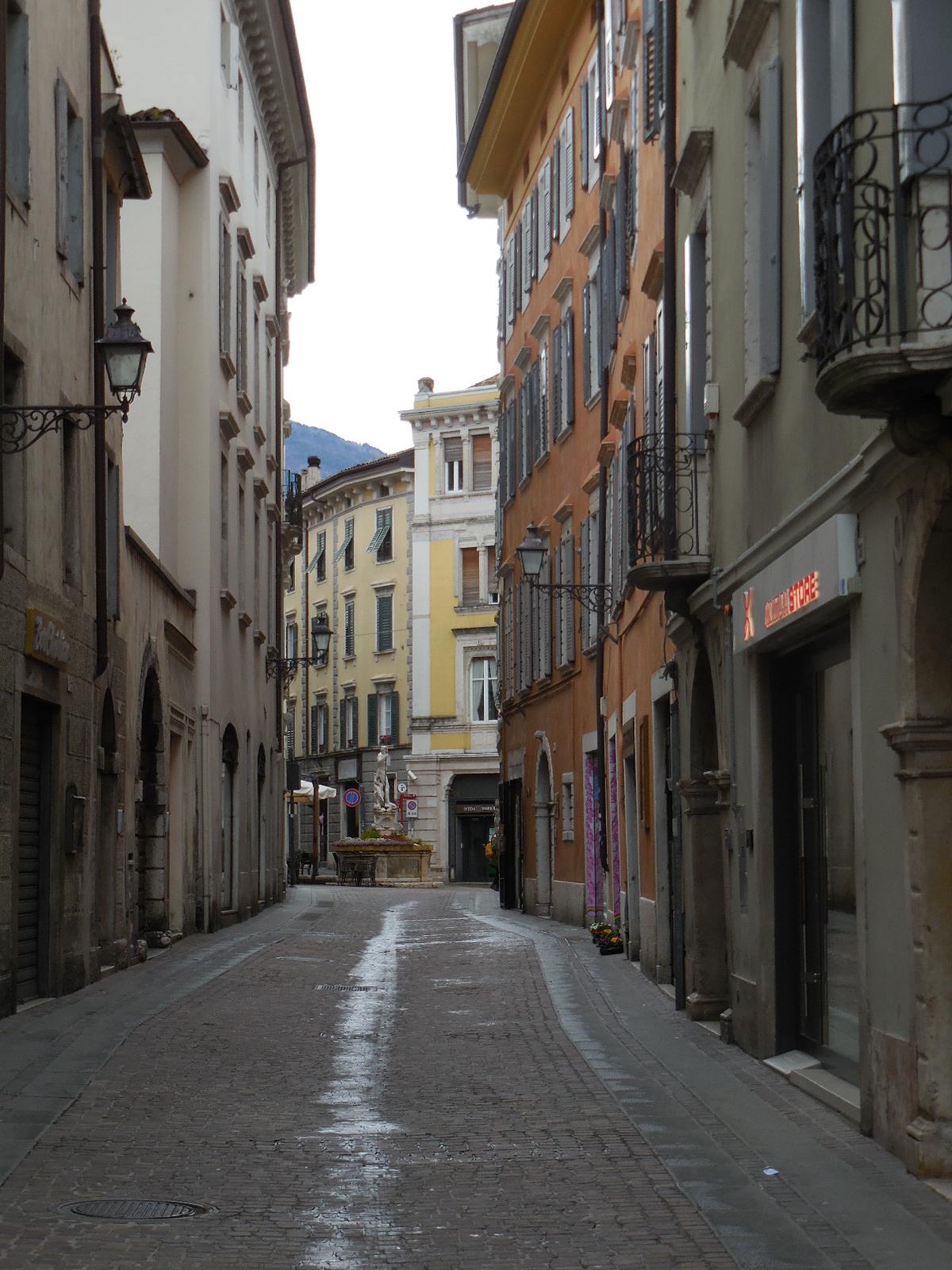
It was the perfect way to spend the last day of my trip to the Veneto region. I had travelled with arsviva travel agency to Vicenza for an art exhibition and to Padua for some sightseeing. The town of Rovereto, below the Dolomites and near Lake Garda, was even more enthralling than the Palladian villas I had seen. The narrow, picturesque streets and quaint squares gave the place a romantic flair. The town had a distinctive poetic quality. I loved the cafes, where I could have sat all day while sipping cappuccinos and eating paninis. There was a lot to see, and, unfortunately, we only had a few hours before the long bus trip back to Prague.

RoveretoDepero24

Roveretoext1

Roveretoext3

Roveretoext11

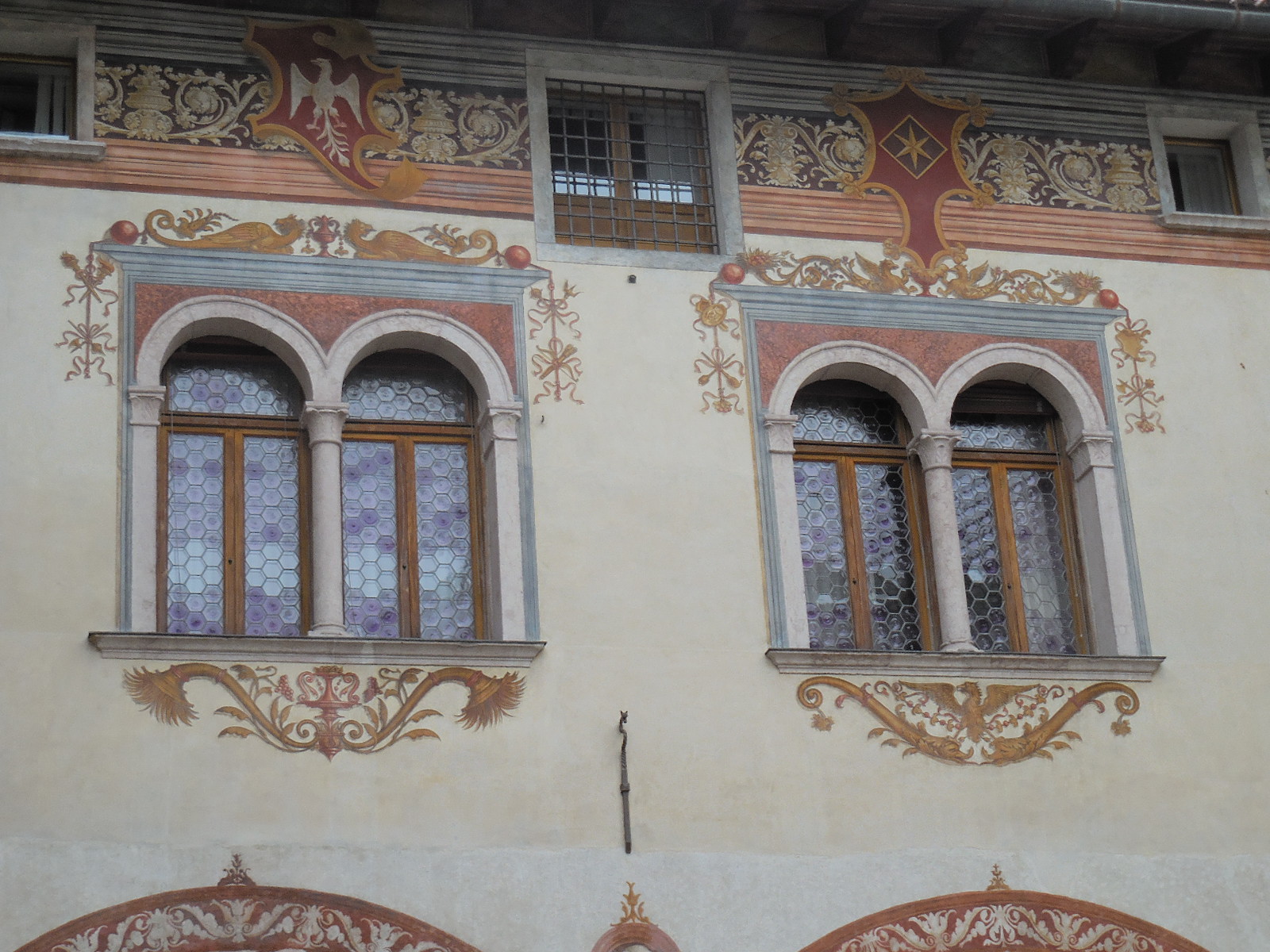
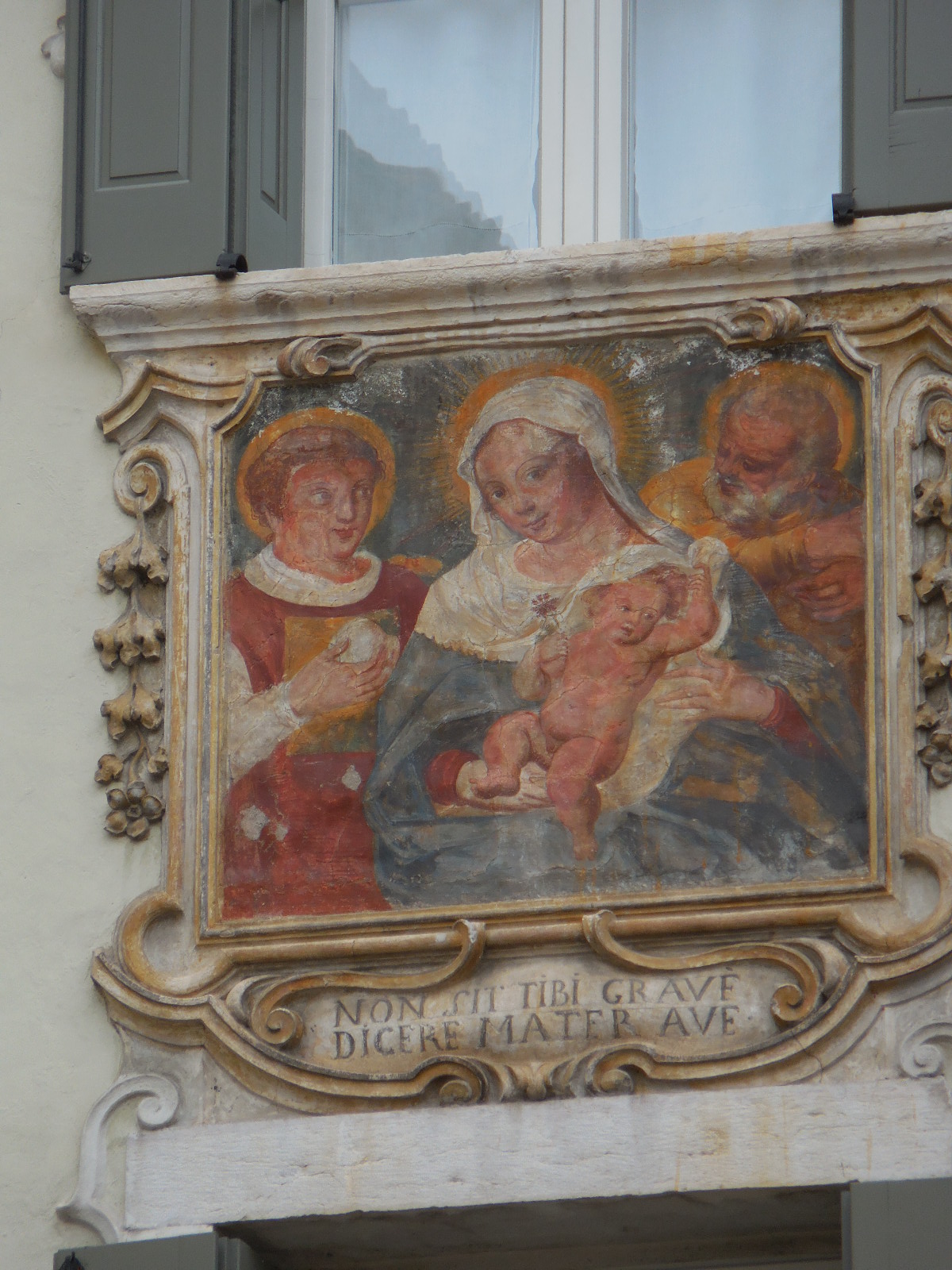
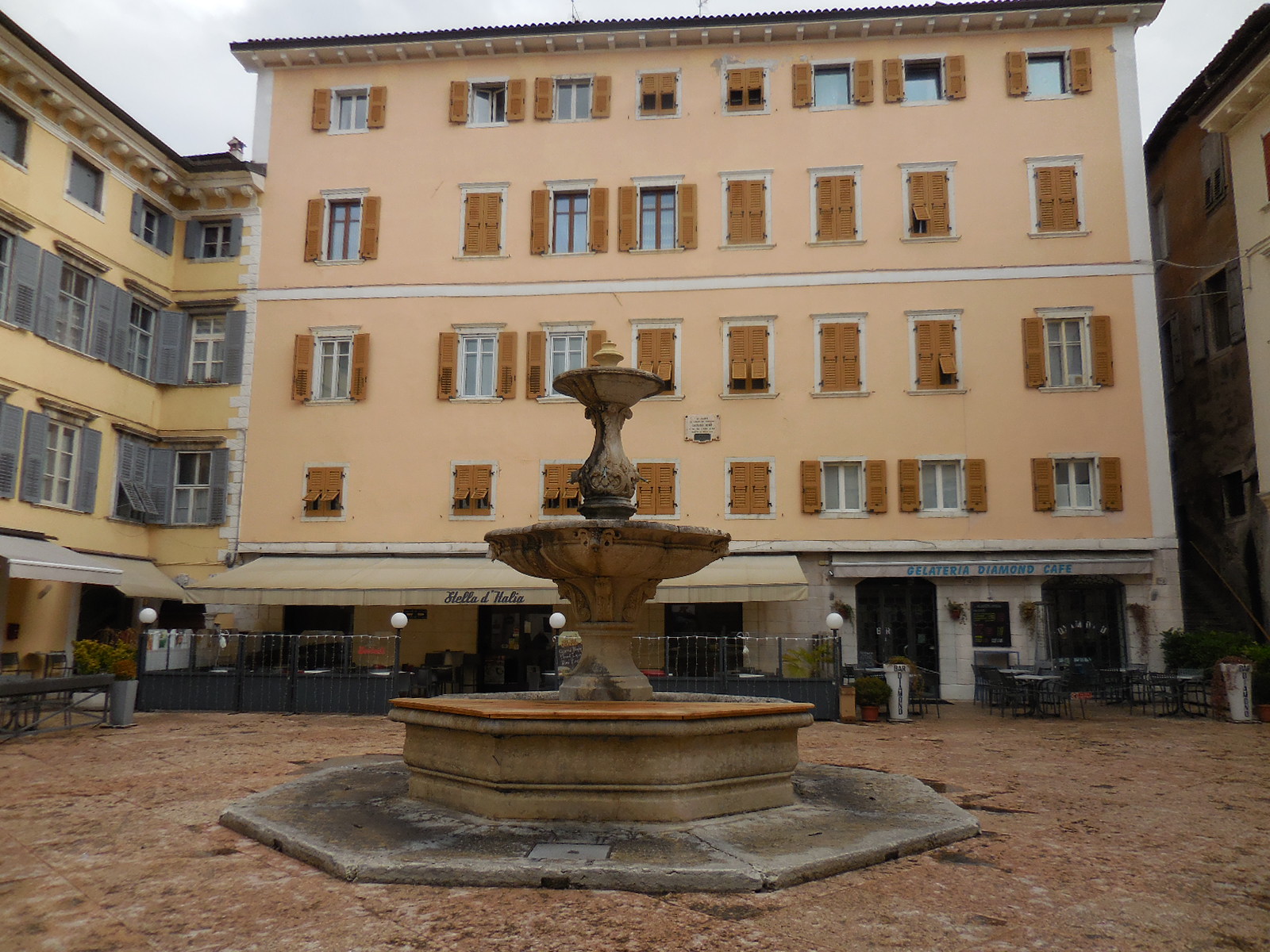
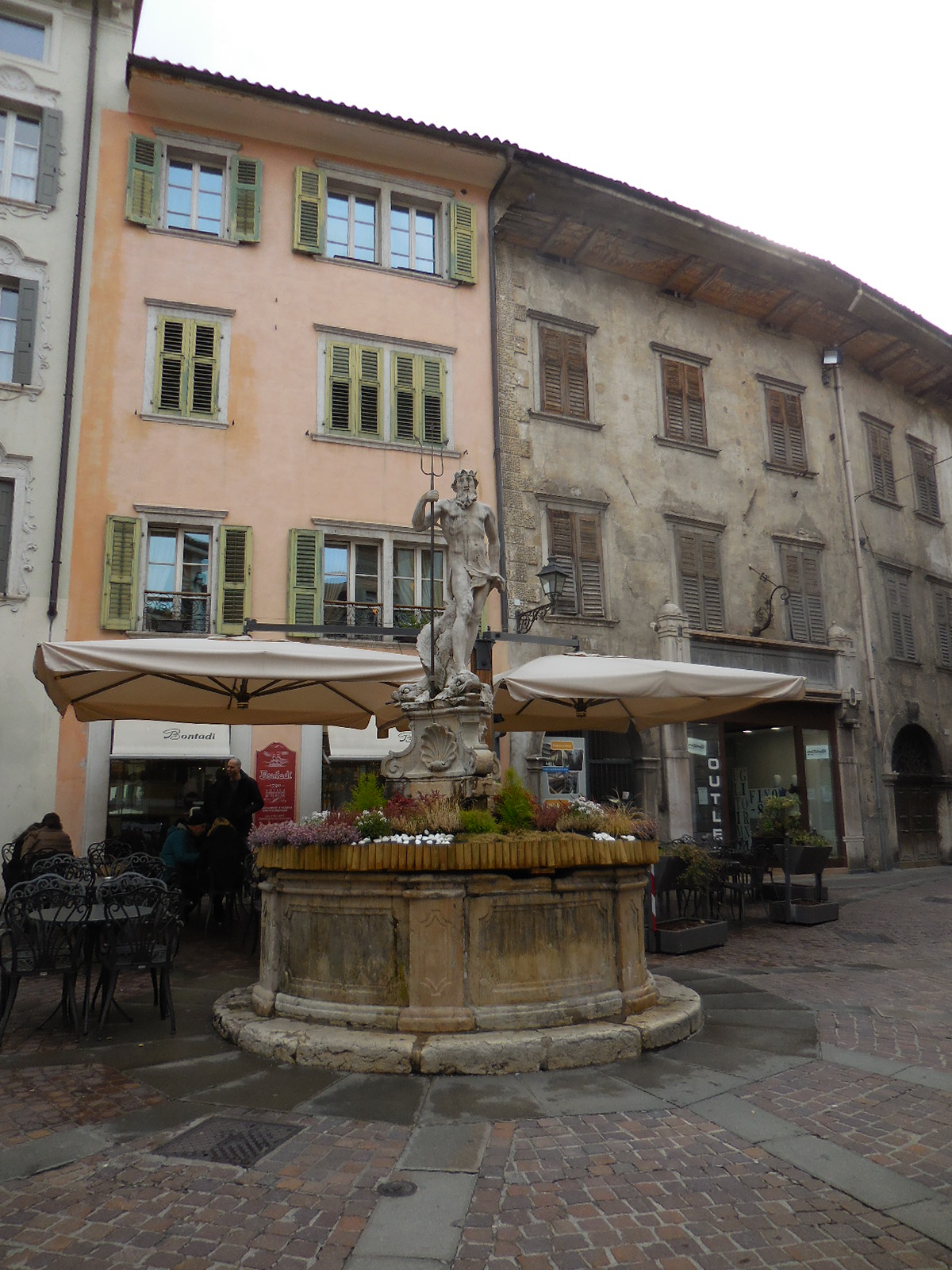
The facades of the buildings caught my undivided attention. I especially liked the floral motifs on the façade of the Palazzo Del Ben-Conti d’Arco behind a fountain on one of the main squares. Other facades showed religious decoration. The town had made a name for itself in history, too. Prominent personalities had set foot in Rovereto, especially during the 18th century. Goethe had visited in 1786, Pope Pius VI in 1782. Mozart gave his first concert in Italy there during 1769. Indeed, I could almost hear Mozart’s lively music as I meandered along the charming streets.

Roveretoext15

Roveretoext5

There’s more. The Public Library holds the distinction of being the location of the longest nonstop reading session ever – 53 hours long. There are intriguing churches while a castle housing a military museum looms above the town. The Bell of the Fallen is the largest bell in the world, made of bronze of cannons from all countries that saw action in World War I.

Roveretoext16

Roveretomuseumext1

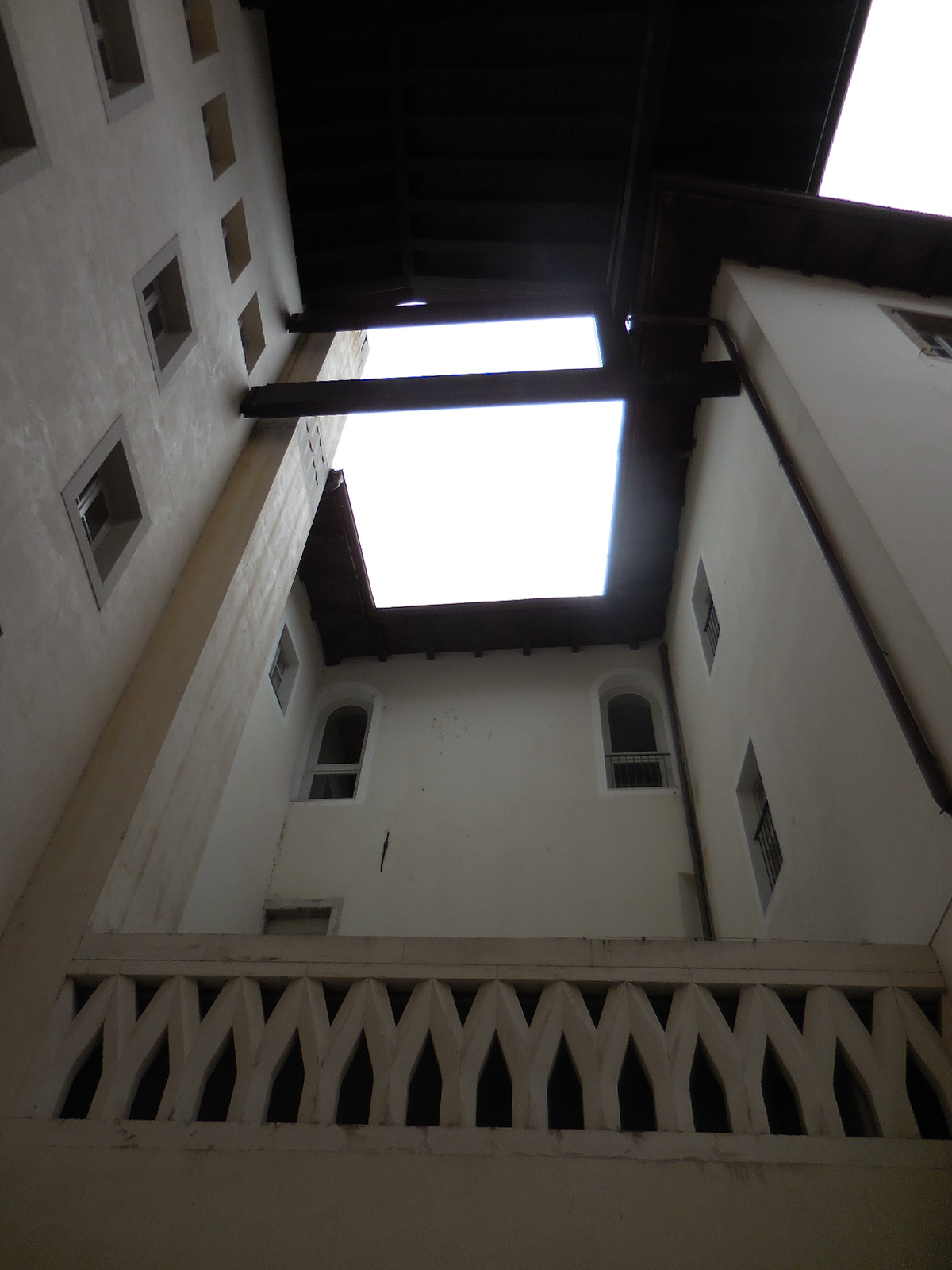
When we came to the Depero Futurist House of Art (Casa d’Arte Futurista Depero), I took one look at the building and knew I had to go inside. Elements of modern architecture somehow accented the medieval character of the structure. The building reminded me of the House of the Stone Bell (Dům U kammeného zvonu) in Prague, an exhibition space in a medieval building that is seeping with history. This was the only Futurist museum in Italy, and I wanted to familiarize myself with the movement in which Fortunato Depero (1892-1960) had played a prominent role.

RoveretoDepero1

RoveretoDepero21

RoveretoDepero18

RoveretoDepero12

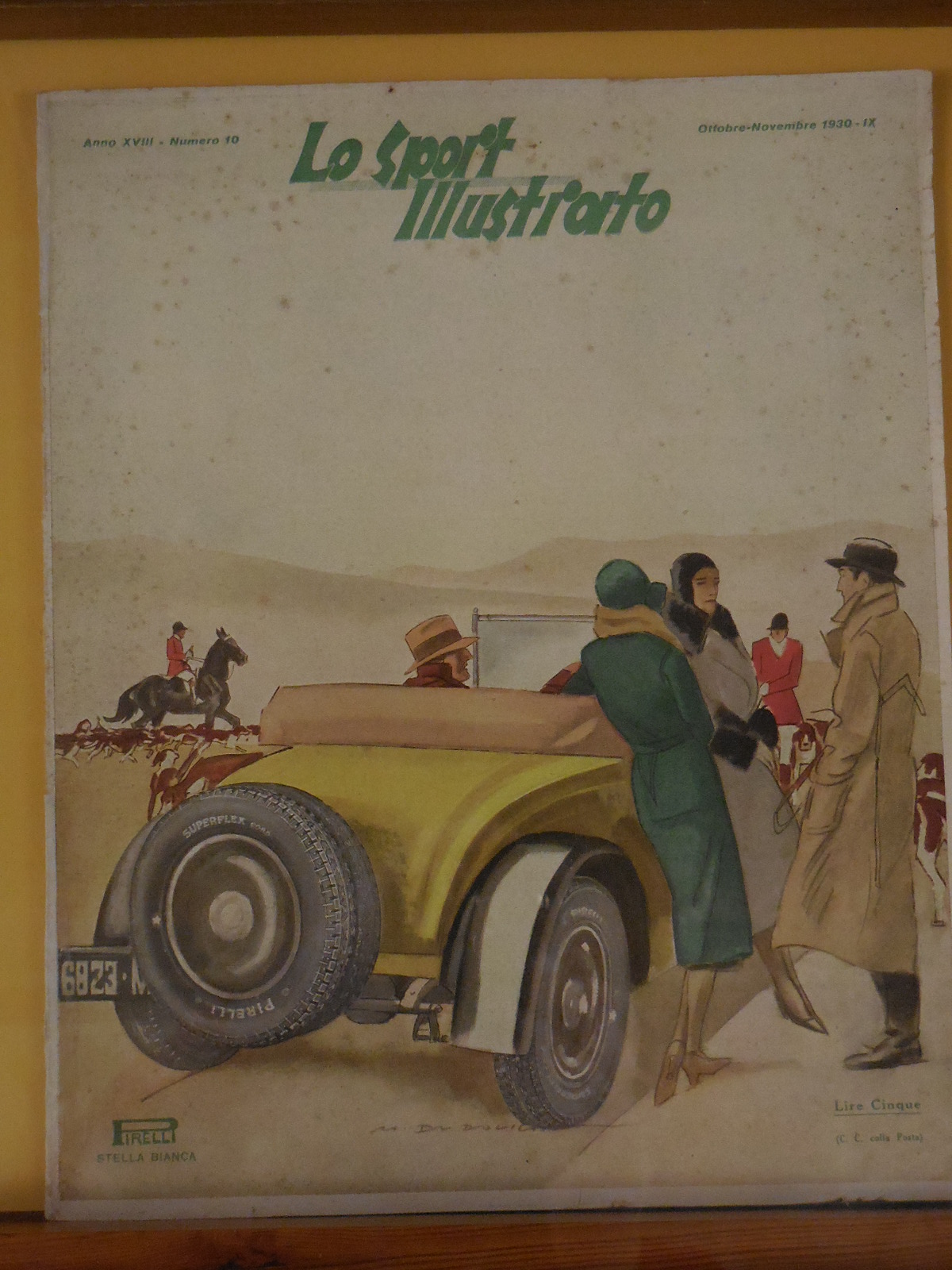
First, I needed some background information about Depero. He grew up in Rovereto, working with marble and creating art, so it was only fitting that in 1919 he chose this town as the location for the museum that would eventually contain as many as 3,000 of his works. Depero made a name for himself as a painter, sculptor, writer and graphic designer. While living in Rome, he wrote a futurist manifesto and created stage sets and costumes. In 1928, he tried his luck in America, settling in New York City, where he designed costumes for the theatre and created covers for magazines. After a stint of several years, he returned to Italy. Depero remained loyal to the futurist movement, even though it was not as well respected in the 1930s and 1940s because many artists working in that style became fascists during those decades. Due to futurism’s negative image, many abandoned the movement. Not Depero. After World War II, he moved back to the USA, residing in Connecticut. In 1949, he returned to his boyhood home of Rovereto, and he would stay there for the remainder of his life. He was ill for two years before passing in 1960 at the age 68.

RoveretoDepero3

Wall decoration of interior

RoveretoDepero6

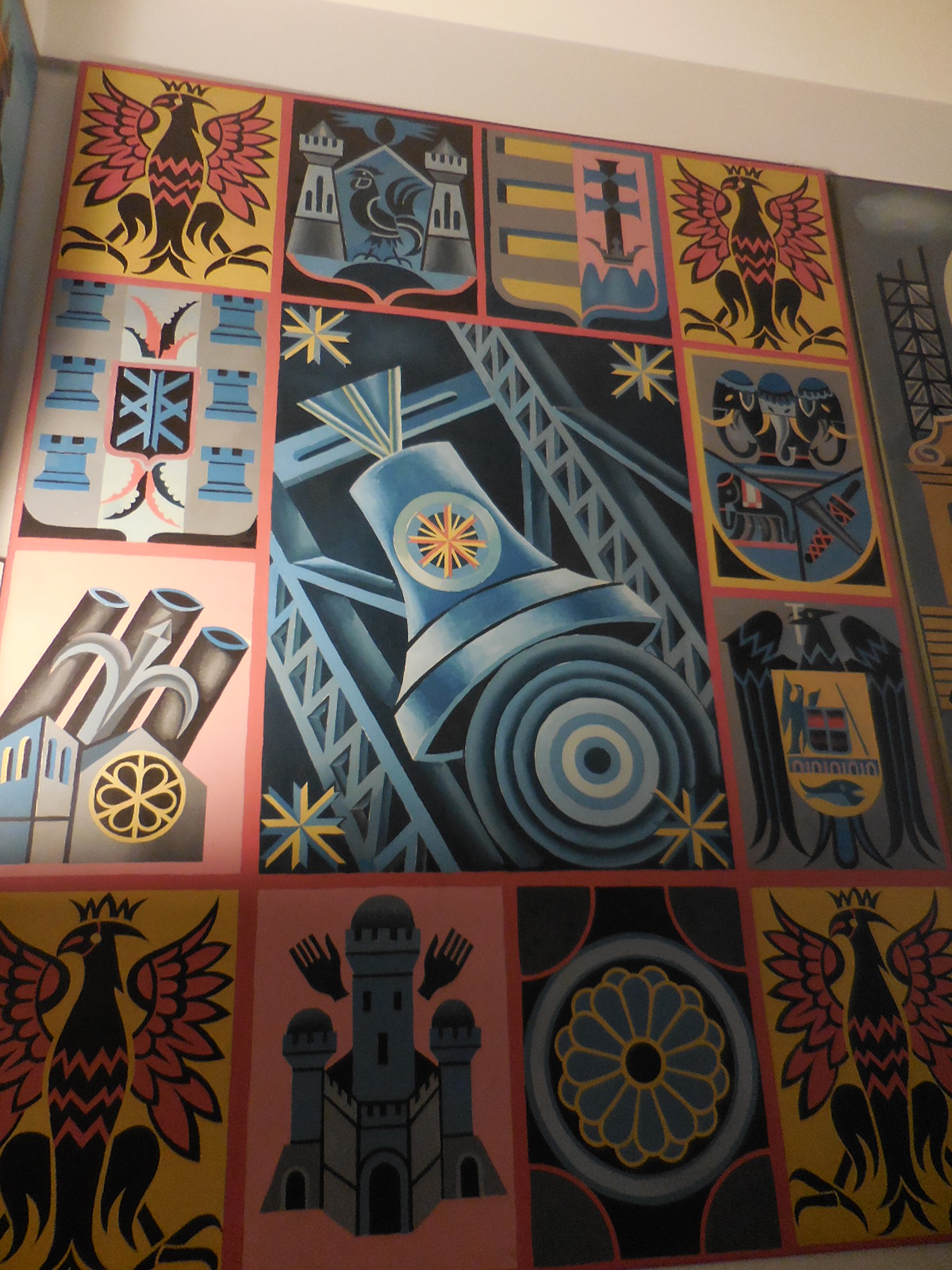
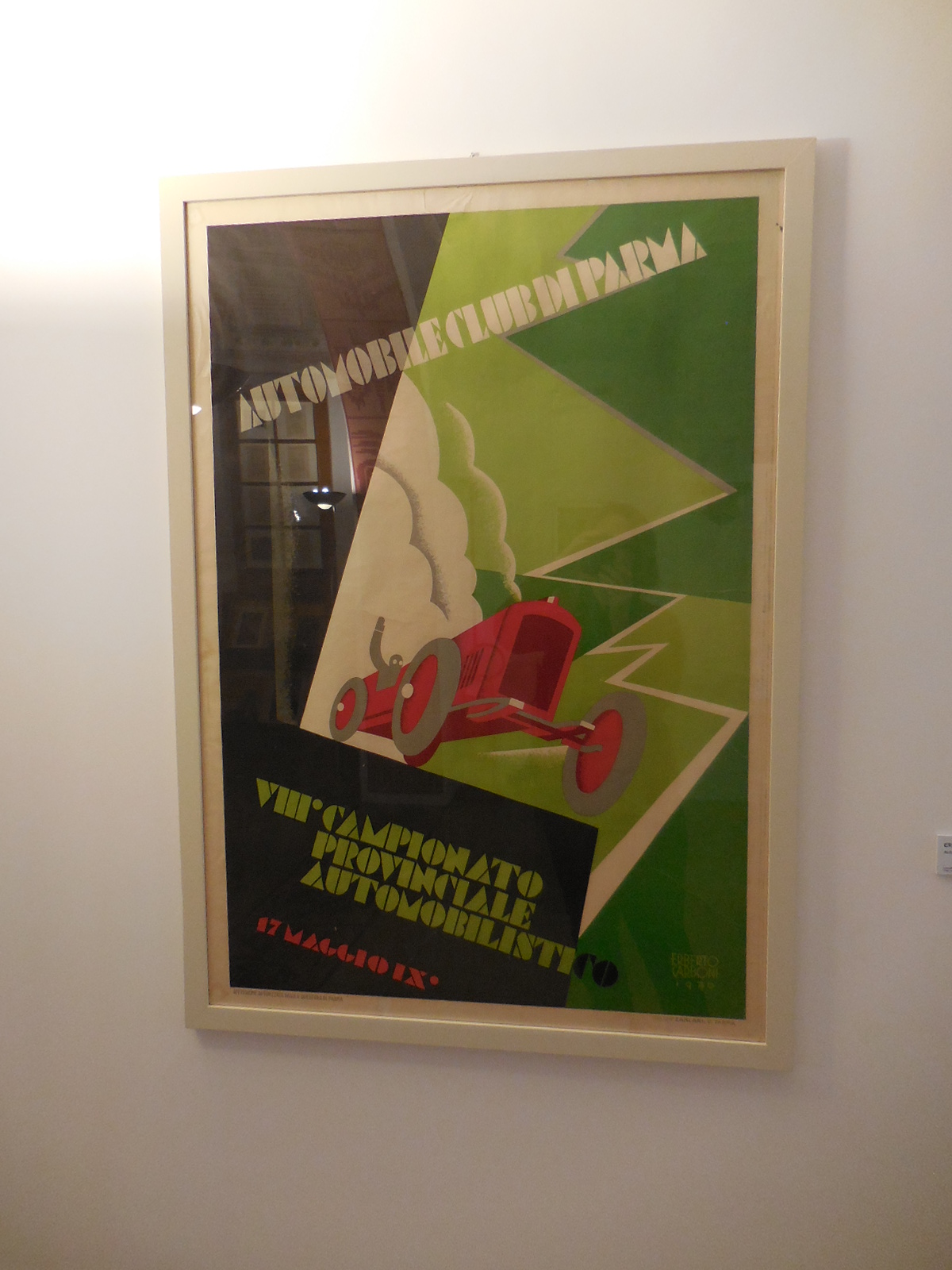
It wasn’t until I came to the museum that I became familiar with the movement of Futurism, a movement that was born in Italy during the early 20th century. Futurism rejected the past and celebrated modernity and technological advances. Often its artists portrayed urban environments and industrial cities. Cars and airplanes made frequent appearances. Vehicles were shown in motion, not standing still. However, futurists also tended to praise violence and war. Artists of this movement took up diverse fields – painting, sculpture, ceramics, graphic design, theatre, film, literature and others.

RoveretoDepero17

RoveretoDepero15

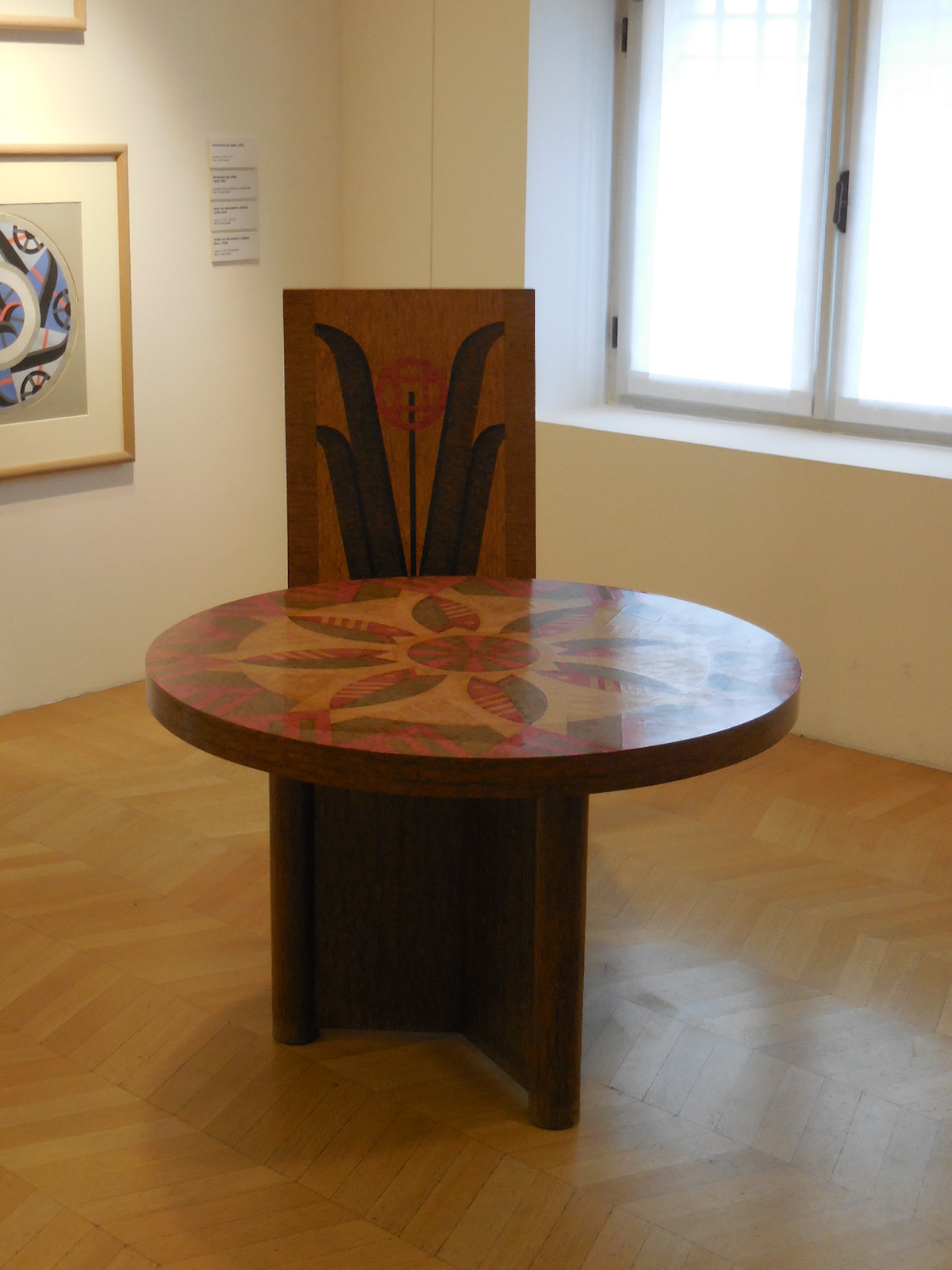
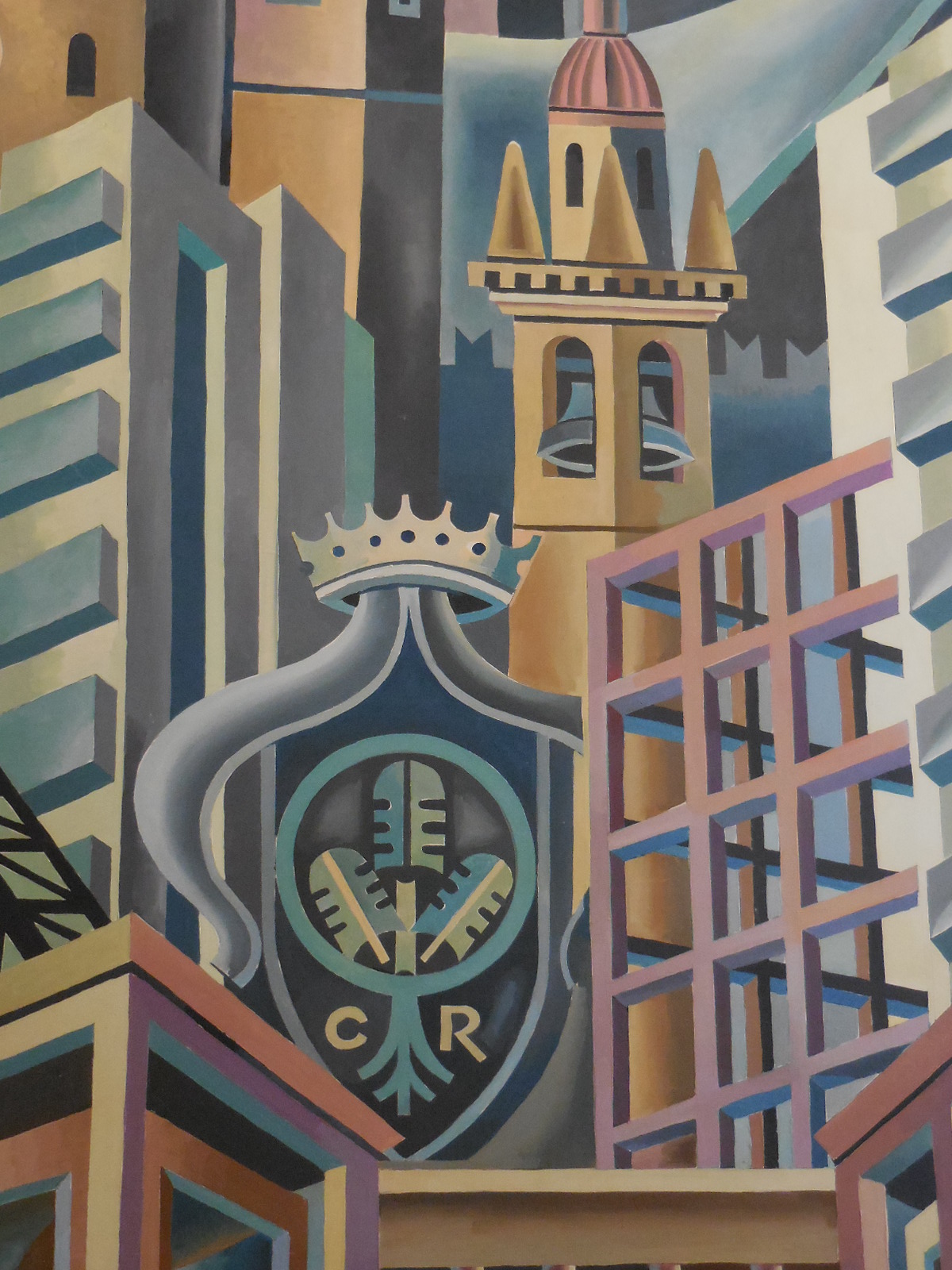
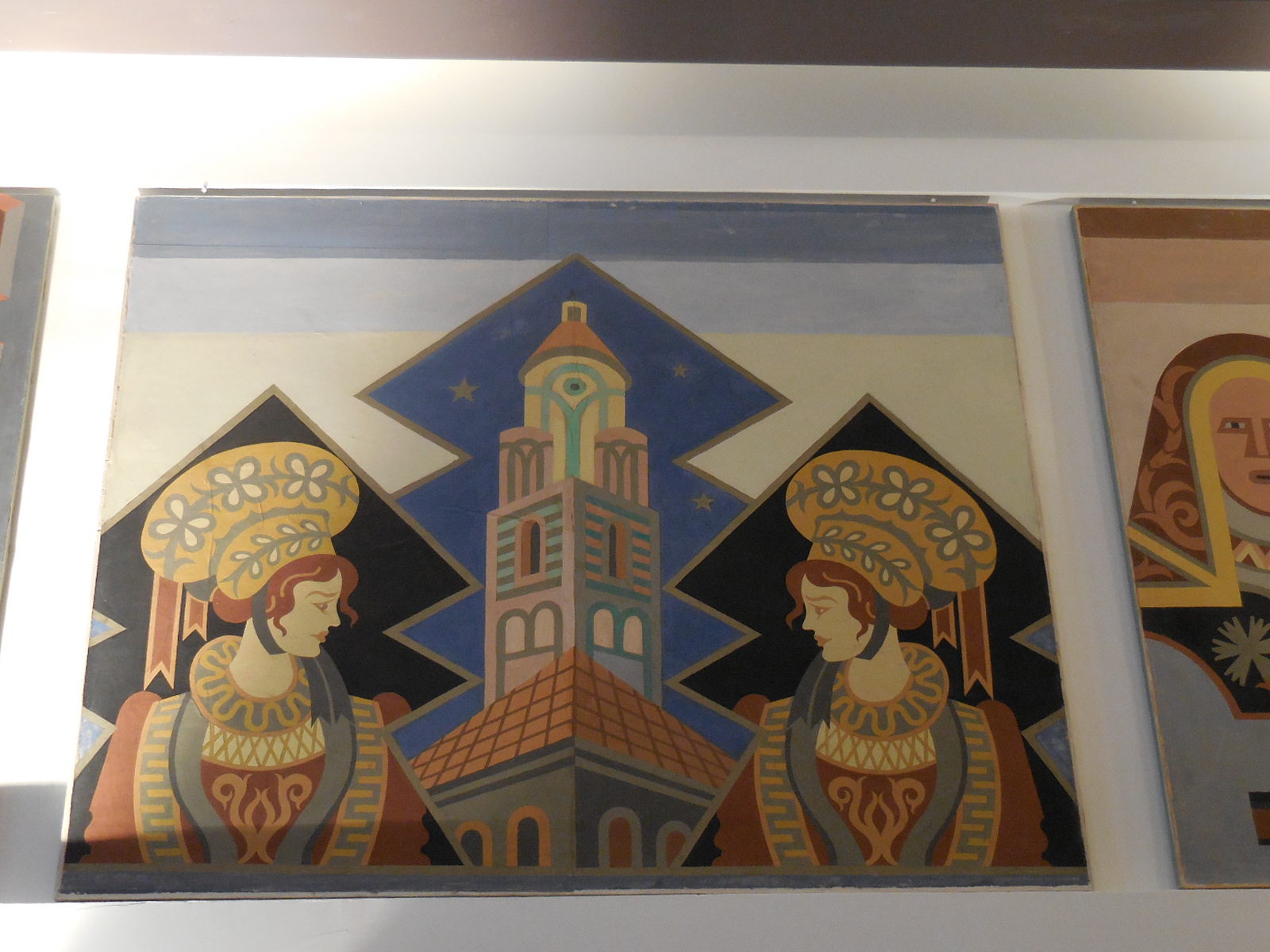
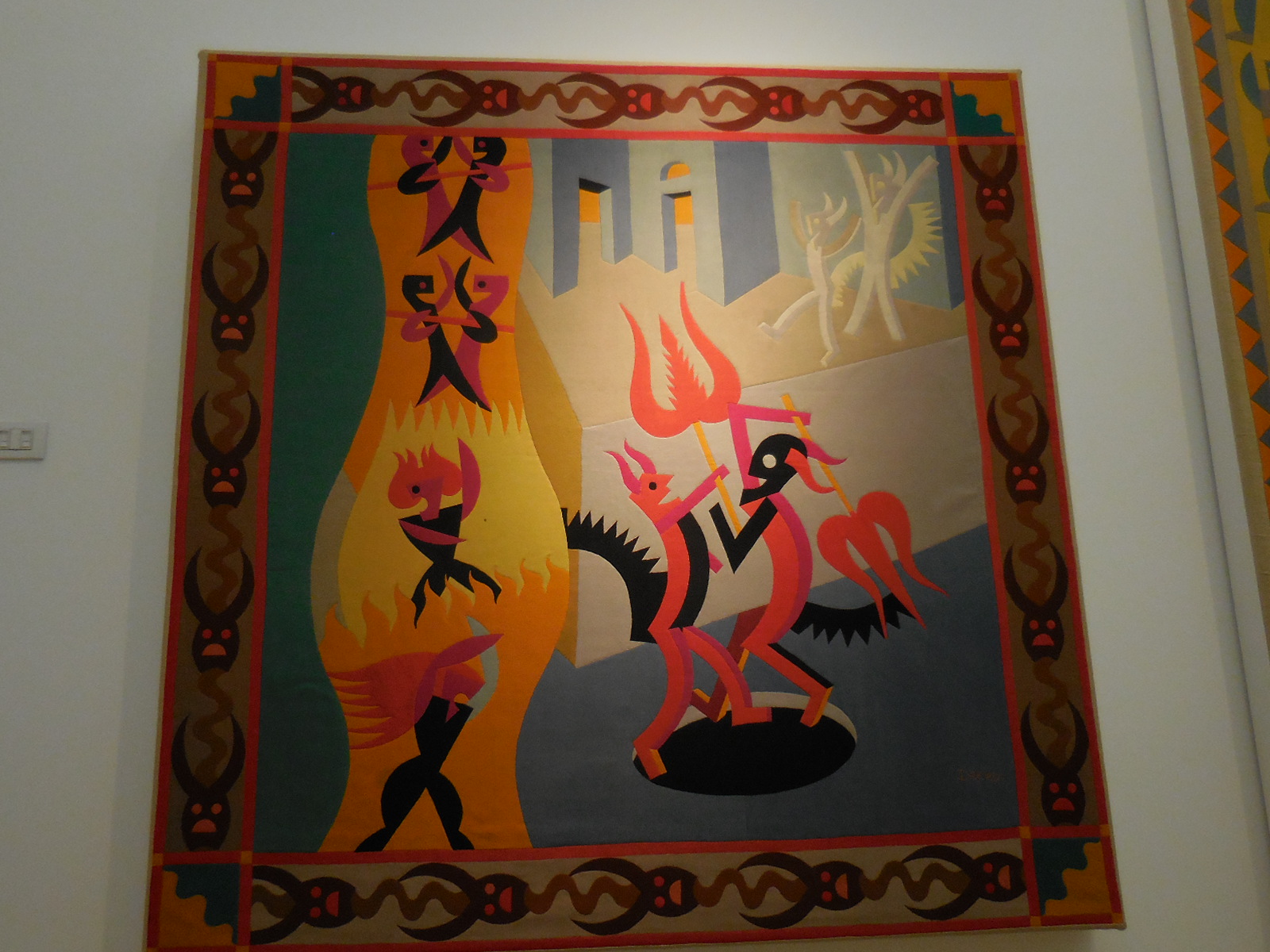
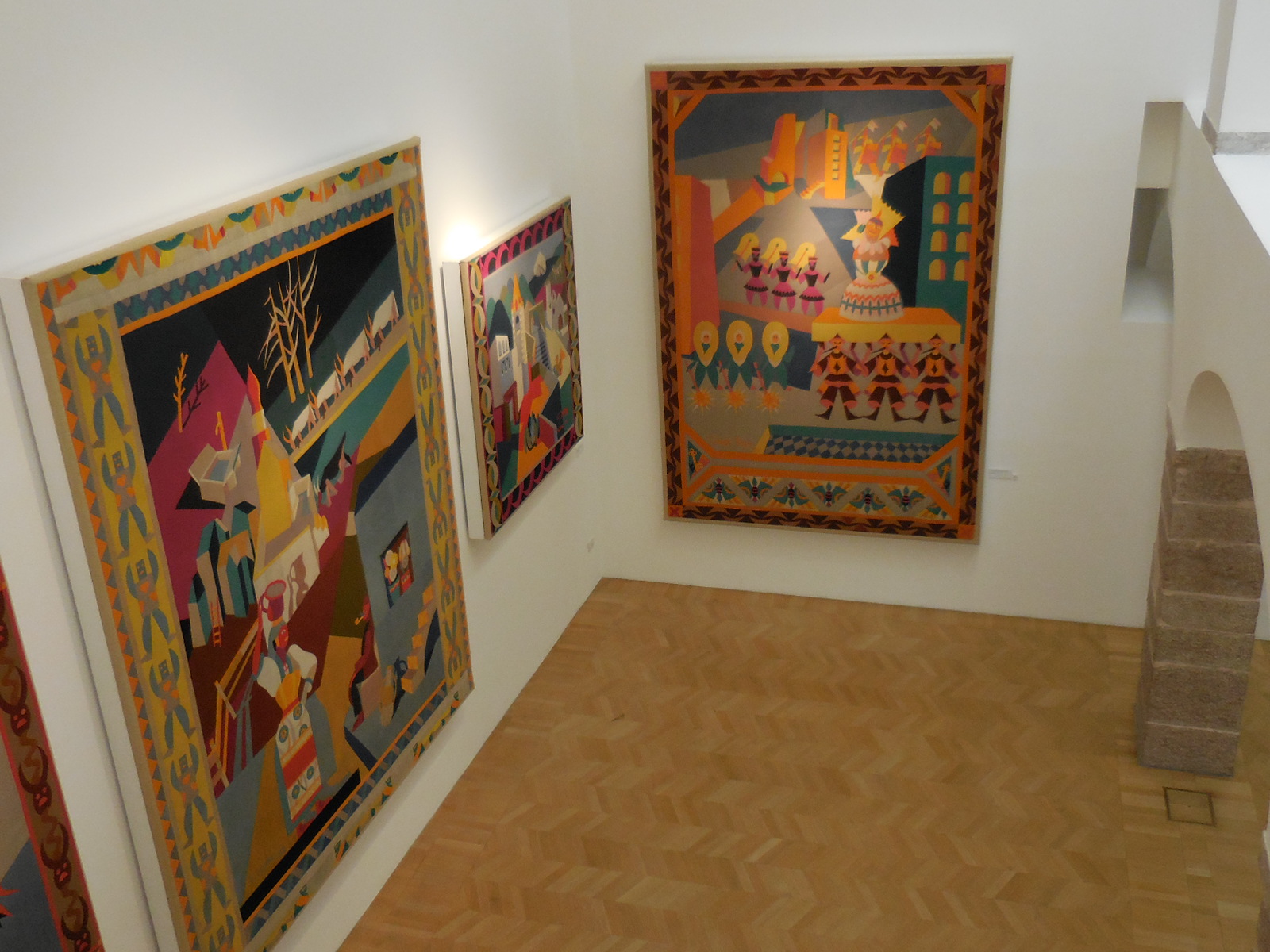
The museum was eclectic with furniture, paintings, tapestries, cloth material, drawings, collages, posters, toys and a film, for instance. I loved the dynamic colors, especially the bright orange of one painting and bright pink hues of others. The works indeed looked as if they were in motion. I could see elements of Cubism in the designs. I especially thought of Josef Čapek’s mechanical figures in his paintings, and I could see characteristics of primitive art, too. I was struck by the way some figures resembled machines. In one sculpture in particular I could see the figures in motion. It was as if the sculpture was not standing still, but, of course, it was.

RoveretoDepero7

RoveretoDepero8

RoveretoDepero10

RoveretoDepero11

There were tranquil scenes, such as a woman with a pink face holding a pot on her head, having stopped to talk to a figure smoking a pipe. Some of the furniture seemed to have designs resembling folk themes. In some paintings I saw a dangerous, impersonal city, sharp as a sword. It was as if the buildings themselves had swallowed up humanity. Of course, these are just my personal impressions. I do not know if they are the impressions Depero wanted viewers to have.

RoveretoDepero2

RoveretoDepero5

RoveretoDepero14

I liked the unique museum because it had both a modern and medieval character architecturally, and the many artifacts introduced me to a movement I had known nothing about. I especially was drawn to the pastel colors of some of the works. I learned about an artist who never gave up on futurism, even when many others had given up on the movement. It was somewhat ironic to have a museum dedicated to art that stressed modernity and despised anything old in a town of rich historical content. It was interesting that Depero chose a medieval building as the place to exhibit his works. The exhibition’s location stressed that the old was fused into the new and vice versa, not that the new rejected the old.

Perhaps the irony was part of the beauty of it all, too.

Tracy A. Burns is a writer, proofreader and editor in Prague.

RoveretoDepero19

RoveretoDepero20

RoveretoDepero22

RoveretoDepero23