The Last Century – Twenty Artists Exhibition Diary

This permanent exhibition at the Gallery of Modern Art in Hradec Králové showcases the works of some of the most influential Czech artists of the 20th century. I liked the fact that the works were organized by person with commentary about the artists’ backgrounds and styles. I will highlight the creations that most influenced me, although all the painters and sculptors are important.

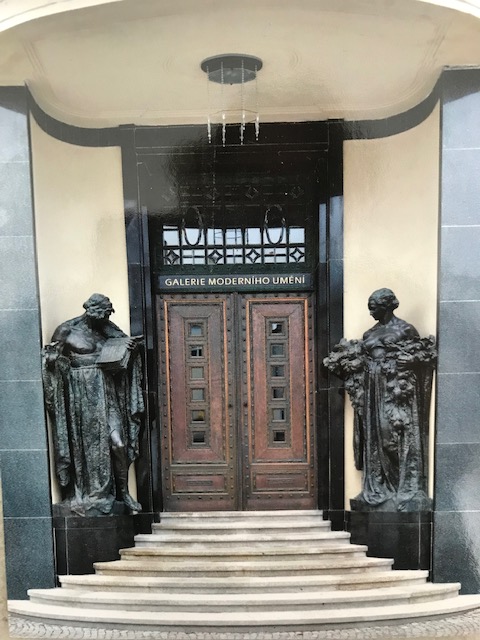
First, about the building housing the Gallery of Modern Art: Like many edifices in Hradec Králové, the museum is an architectural gem. Facing the town’s main square, the building that was completed in 1912 by Osvald Polívka is impressive with two statues flanking the façade. These sculptures were made by Ladislav Šaloun in 1908 and show allegories of commerce and the harvest. Reliefs of atlases with dogs at their feet also make up the external ornamentation. Polívka’s Art Nouveau designs can be found in Prague’s Municipal House, which he decorated from 1905 to 1912. I tell everyone coming to Prague to tour the Art Nouveau Municipal House, as it is certain to be a highlight of any visit. Šaloun created the statue of Jan Hus that dominates Prague’s Old Town Square.

Several banks were housed in this building before and during the First Republic. For many years under Communism, the Cotton Industry Association and an agricultural company called the place home. Renovations took place in the late 1960s. In 1987, the totalitarian regime transformed the building into the Museum of Revolutionary Traditions. This totalitarian exhibition was closed after the 1989 Velvet Revolution that freed Czechoslovakia from Communist control.
In 1990, the Gallery of Modern Art took up residence there. From 2014 to 2016, both the interior and exterior underwent a vast renovation. A walkway was formed around the central atrium, for example. The interior boasts geometric shapes, floral designs and Art Nouveau-styled adornment of garlands and cherubs. I especially liked the stained glass window decoration.

Here are some of my favorite artists represented in this exhibition:

Fate of the Artist, 1909

Quido Kocián

The expressive sculpture of Quido Kocián was influenced by symbolism and Art Nouveau. I love how he was able to express basic emotions like love and suffering. I went to a superb exhibition of his work about 15 years ago on Husova Street in Prague. In some statues I could see the turmoil and anguish of the persons depicted. Other sculptures triggered feelings of happiness and fulfillment. Kocián had a knack for depicting various psychological states and the depths of the human soul. He studied under legendary artist Josef Václav Myslbek but wound up rebelling against Myslbek’s traditional style, opting for expressiveness instead. Kocián’s works were not fully appreciated in the Czech art history sphere for a long time.

Ladislav Zívr
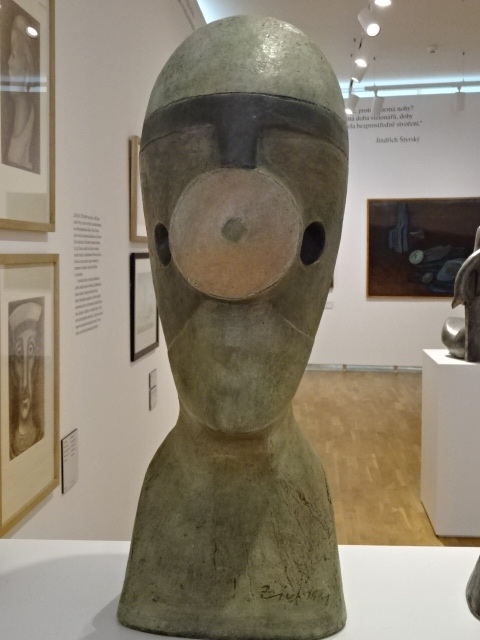
Surgeon, 1961

A member of the artist Group 42, Zívr focused on everyday life, a feature that is dear to me in all art forms. Inspired by Cubism and the creations of Otto Gutfreund, he made sculptures that have machine-like qualities as well as human traits. He had a penchant for surrealism. After the world wars, Zívr was influenced by nature, and his works portrayed strong symbolism. I liked the way he was able to express a person’s soul through primitive forms.

Jiří Kolář

I had been to a large exhibition of Kolář’s works in Prague’s Kinský Palace some years ago and was very familiar with his collages that included cut out images and words from publications. (See my article about the exhibition in a much earlier post called Jiří Kolář Exhibition Diary) He was a poet and prose writer as well as a fierce critic of Communism. Kolář emigrated to Paris in 1979. He often used phrases from books or created his own poems in his collages. His works lingered on the border of the dream realm and reality, a trait I found very intriguing. A staunch supporter of democracy, Kolář was also one of the first Czechs to sign Charter 77, a document written by dissidents to promote human rights in the normalization era of Communist Czechoslovakia. He played a major role in publishing literature banned by the regime. Kolář was also one of the founders of the influential Group 42.

Jaroslav Róna
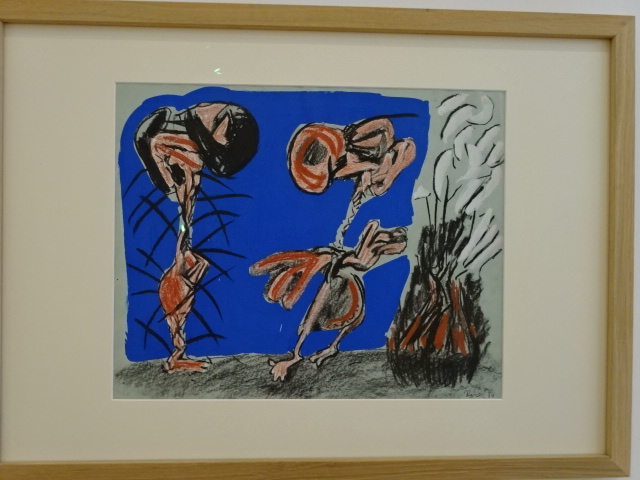
Scene by the Fire, 1984

I know Róna’s sculptures well, but I was not familiar with his paintings. Róna designed the abstract Franz Kafka Monument in Prague’s Jewish Quarter, an important sculpture to see in the Jewish Town. He is, indeed, a man of many talents: He has also worked as a painter, illustrator, screenwriter, author of books, actor, singer and educator. His works have a certain dynamic energy. He has been inspired by the Expressionism style of Edvard Munch, Oskar Kokoschka, Max Beckmann, Egon Schiele and Pablo Picasso. A supporter of democracy, he drew brochures for the Velvet Revolution during 1989. Rona is also an avid traveler. His sculptures can be found at Prague Castle as well as on the island of Crete and in many other places.

Josef Váchal

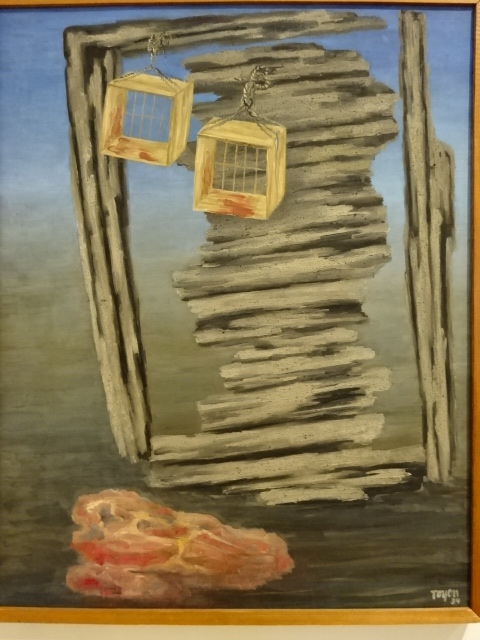
Sacrifice, undated

I liked the mystical quality in Váchal’s works. He was a graphic designer, wood engraver, bookmaker, writer and painter who excelled in all those genres. Váchal was inspired by expressionism. His works featured symbolism, naturalism and Art Nouveau tendencies. A soldier during World War I, he fought in 12 battles. The Communist coup brought hard times for Váchal, who remained isolated after 1948. People did not show much interest in his work then. In the 1960s, he received some acclaim. Much later people recognized that Váchal had created some of the most significant works of Czech graphic design in the 20th century.

Augusta Nekolová

Four Seasons, 1914

Because Nekolová was female, she had limited educational opportunities during the 19th and early 20th century. She did, however, study unofficially under the prominent Czech artist, Jan Preisler. Nekolová worked as a painter, illustrator and graphic artist. She steered away from representations of modern life in her works. She was known for her landscapes and for her emphasis on motherhood. Nekolová strove to promote the national identity of the Slav nation. She developed a strong interest in folk culture. At the end of World War I, Nekolová was hospitalized. She died in 1919 at the age of 29.

Bohumil Kubišta
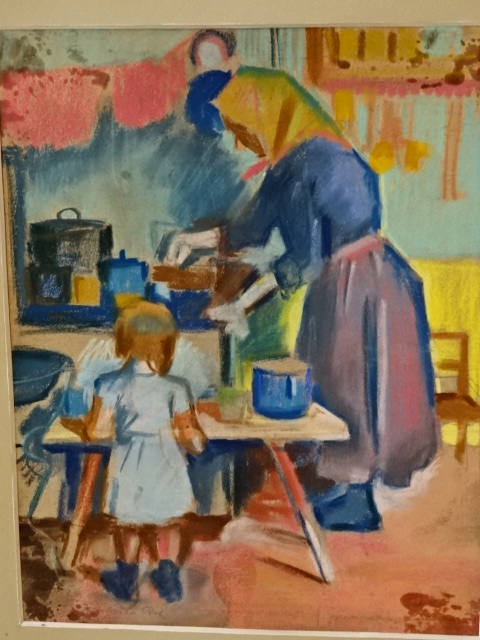
In the Kitchen, 1908
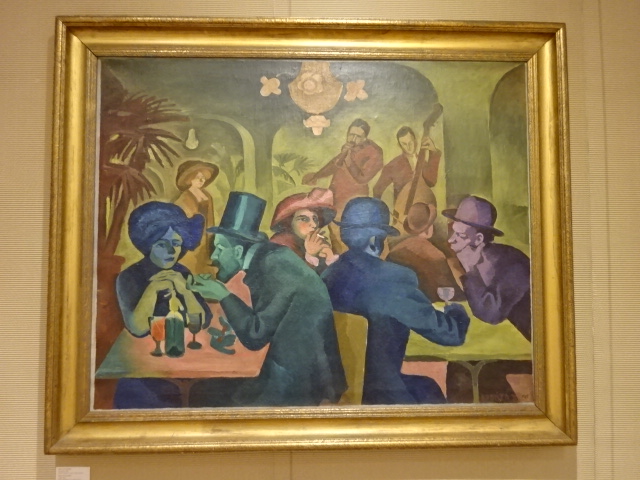
Café, 1910

A prominent avant-garde artist, Kubišta helped found the Expressionist group the Osma (The Eight). He was a painter, graphic designer and theoretician and is considered to be the founder of Czech modern painting. His works dealt with existential issues. Kubišta’s expressionism was inspired by Munch. He was also influenced by Braque and Picasso’s Cubism. Kubišta analyzed the works of Eugene Delacroix and Vincent Van Gogh. His works also contain elements of Futurism and Fauvism. Kubišta often explored themes dealing with modern technology and nature. While serving in the Austrian army during World War I, he won the distinguished Leopold Order. He died of the Spanish flu at the age of 34 in 1918.

Emil Filla

Dance of Salome, 1911

Hej hore háj, Folk Song, 1948

Along with Kubišta, Filla established the Osma group. He also was known for his writings about art theory. During his early artistic endeavors, he drew inspiration from Edvard Munch’s Expressionism. Later he took up Cubism, influenced by Picasso and Braque. He also was captivated by Baroque still lifes by Dutch painters. El Greco and his symbolism fascinated Filla. In the 1930s, he became enthralled with surrealism. His landscapes demonstrate his knowledge of Chinese calligraphy. My favorite trait in his paintings involves his use of a harmony of colors.

Repression (Anxiety) by Josef Wagner – temporary exhibition

I especially liked the exhibition’s pieces of art influenced by Expressionism and Cubism. The colors and shapes in Kubišta’s and Filla’s works caught my undivided attention. I was introduced to Nekolová’s art and intriguing background at this exhibition. I was fascinated how Quido Kocián captured the emotions of the human soul in his sculptures while Zívr concentrated on simple forms to create profound meaning. Kolář’s collages were a sort of visual poetry. Váchal and Róna’s creations displayed impressive energy.

Moscow Diary, 1989 by Anna Daučíková

It was my first visit to Hradec Králové, except for brief stops at the train station and bus station. The Gallery of Modern Art with its poignant exterior and interior decoration and use of space was one of the most impressive buildings I saw.

Tracy A. Burns is a writer, proofreader and editor in Prague.

Landscape, 1962 by Vladimír Boudník
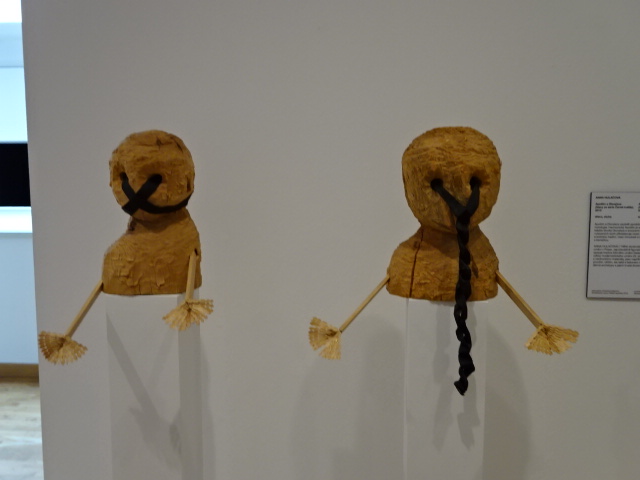
Apollo and Dionysus, 2013 by Anna Hulačová

The gallery also has an impressive collection of contemporary art.
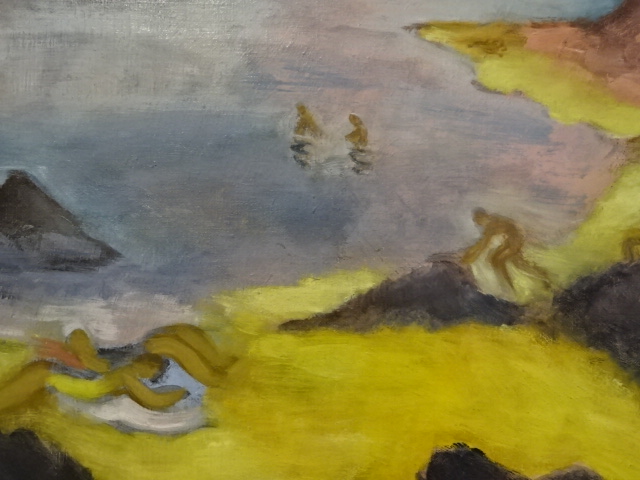
Beach in Crimea (In A Small Bay), 1936 by Věra Jičínská, temporary exhibition

See my post Věra Jičínská Exhibition Diary for more information on this temporary show.

Museo del Novecento Diary

When I looked at the Palazzo dell’Arengario, which houses the Museo del Novecento, I thought that the exterior was an eyesore as it was punctuated by a Fascist style of architecture. It was intriguing, nonetheless. The two symmetrical buildings each had three tiers. Arcades made an appearance as well as did bas reliefs. Even though construction commenced in 1936, the palace was not completed until 1956. During World War II, bombs severely damaged the edifice. In the early years of the 21st century, it was renovated. The museum opened in 2010. About 400 works by mostly Italian artists are on display in chronological order, decade-by-decade.

A spiral ramp takes the visitors to the first three floors. It may look like something out of science fiction, but I thought the ramp interrupted the space. I thought it was more of a hassle rather than a unique and innovative feature. In the Hirschhorn or Guggenheim, the ramp and the locations of the artwork complement each other. I felt that at the Museo del Novecento the ramp and pieces of art worked against each other, dividing rather than complementing.

The first painting that caught my attention was the large canvas called The Fourth Estate by Giuseppe Pellizza da Volpedo. It was lcreated from 1898 to 1902 in Divisionist style. This kind of painting utilizes individual points of color in a neo-Impressionist fashion. Depicting workers on strike, the painting gets its name from the working class that embodies the meaning of “the fourth estate.” Out of the crowd of demonstrators and into the light step three figures, two men and a woman holding a baby. They are walking toward the viewer confidently, not at all in a hurry. They are clearly there to try to reach a deal with their employer. But they are not panicked or nervous. They have terms and conditions that have to be met. The colors in the painting have a cold quality, but the light gives the group a vibrancy that makes them look powerful and in control of the situation.

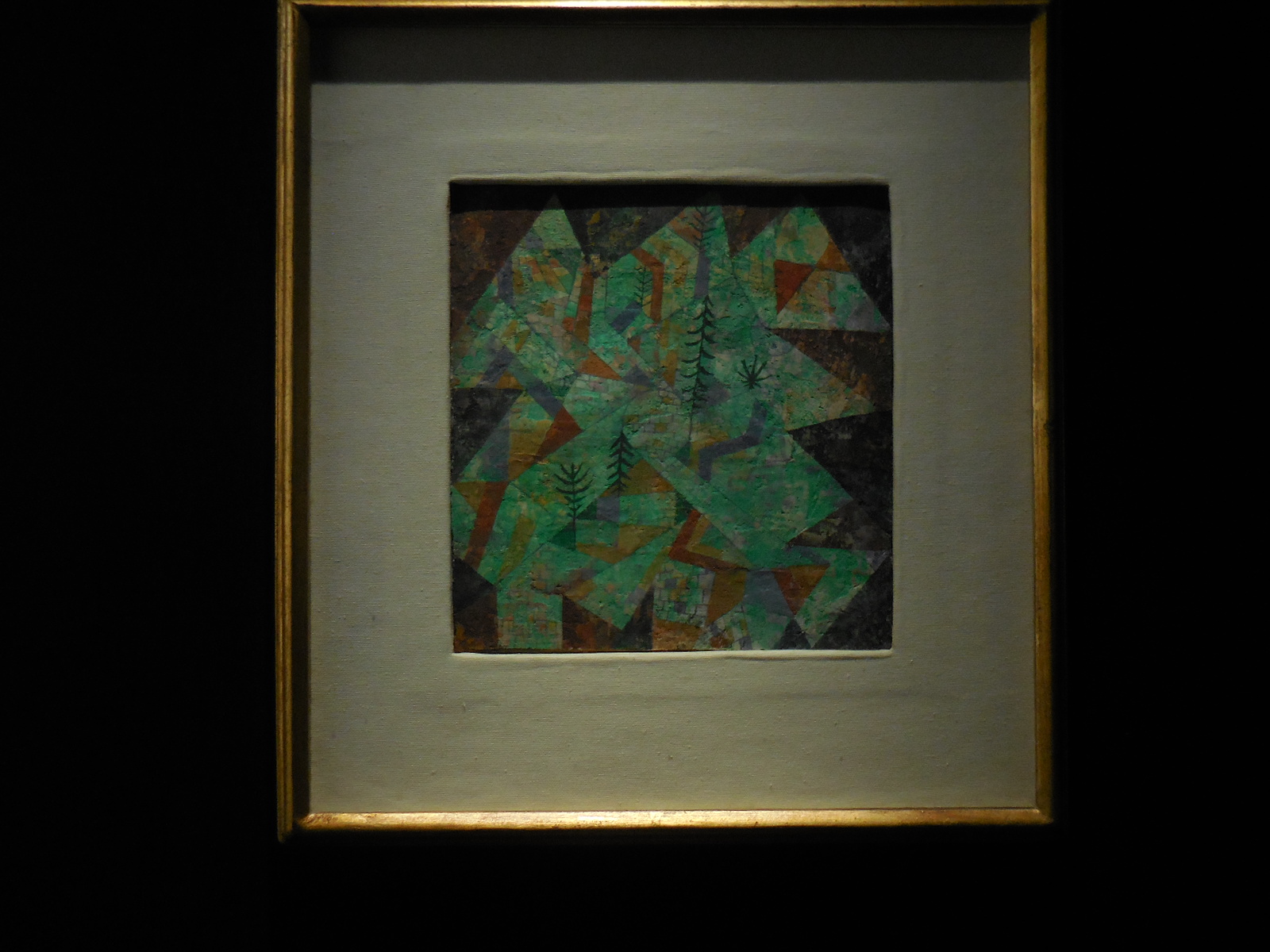
Paul Klee’s artwork holds a prominent place in the museum.

Foreign artists represented included Georges Braque, Wassily Kandinsky, Henri Matisse, Paul Klee, Pablo Picasso and Piet Mondrian. Indeed, these works are some of the most significant in the collection. Klee’s Wald Bau from 1919 and Kandinsky’s Composition 1916 stand out, for example.

One section of the museum focuses on Italian Futurists, such as Umberto Boccioni, Giacomo Balla and Fortunato Depero. In fact, one room is dedicated to Boccioni’s works. I had visited a museum featuring Depero’s works in Rovereto a few years earlier, so I was familiar with the Futurist style. Born in Italy during the early 20th century, Futurism looked to the future rather than to the past. It praised modernity and technological advances. Industrial cities, cars and airplanes were often subjects of Futurist artworks. Depero’s creations certainly looked like they were in motion. I recalled some people depicted in one work as resembling machines.

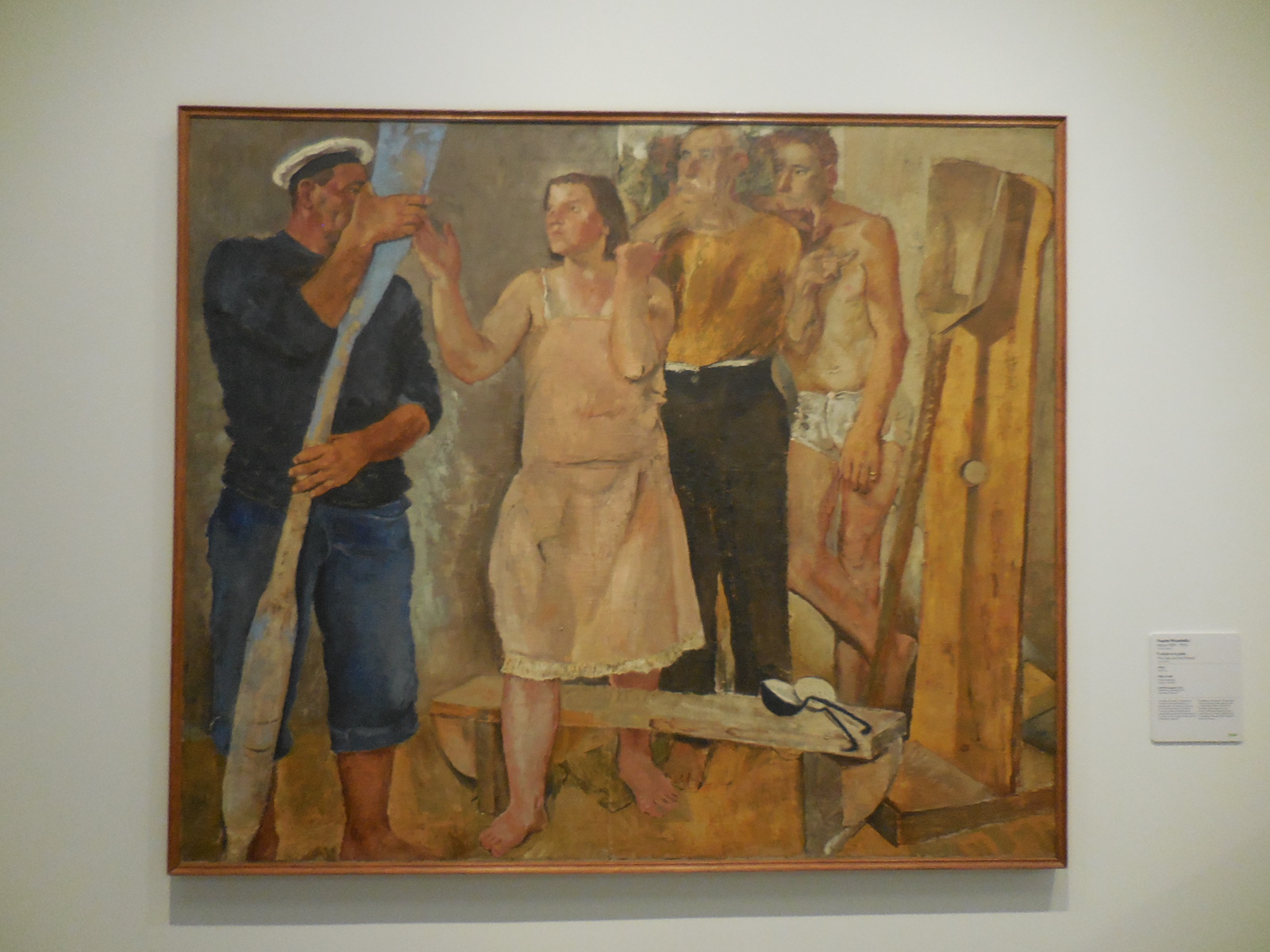
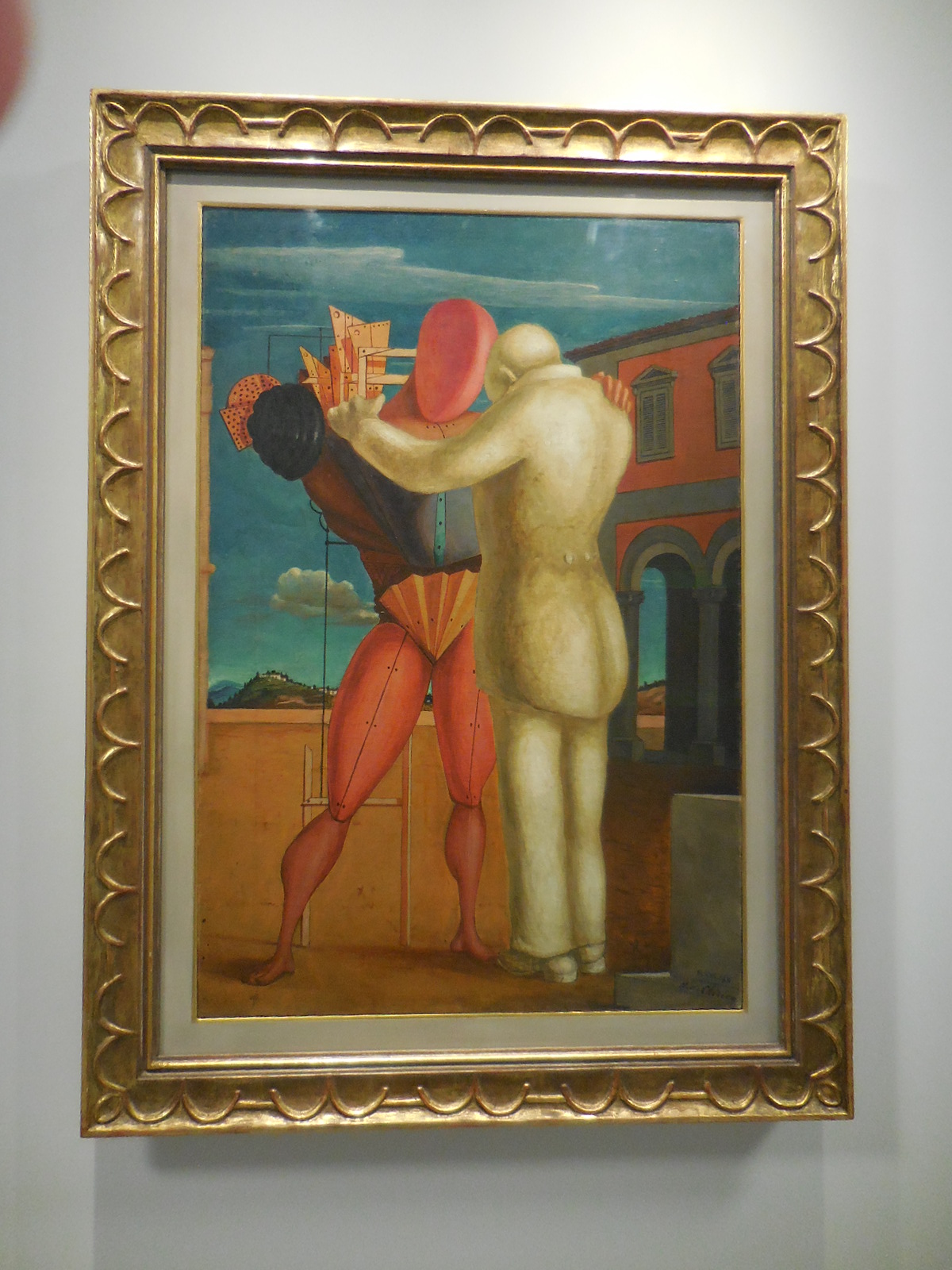
The Novecento of the 1920s is well represented with a style that was inspired by ancient Roman art and Renaissance art, which are meshed together in an abstract way. Giorgio de Chirico’s surrealism is on display, too. In fact, his creations take up an entire room. Art Informel by Italian artists and the Azimeth group are featured in the museum, too. The last section follows trends from the Sixties to the Eighties with exhibits of Kinetic Art, Programmed Art, Pop Art, Analytical Painting and Conceptual Art. Lucio Fontana’s works take up the top floor. Take a look at his neon sculpture and you’ll realize what an artistic journey you have taken from the social realism of The Fourth Estate floors below.
A few works worth mentioning include Giacomo Balla’s Ragazza che corre sul balcone from 1912 and Umberto Boccioni’s Svilippo di una bottiglia nello spazio from 1913-35. Balla’s painting showing a boy running on a balcony is dynamic and vivacious as it shows spontaneous movement and the joy and innocence of childhood. The colors of blue, brown and green with white help to create the sense of motion that is central to the painting. Futurism is all about movement as opposed to the static and still life qualities of Cubism.

While Boccioni was also a Futurist, his bronze sculpture Sviluppo di una bottiglia nello spazio showcased a bottle on a plate in unique way that is reminiscent of a natura morta. This kind of still life was not at all typical for Boccioni’s style because of its lack of movement.

Another painting by Paul Klee

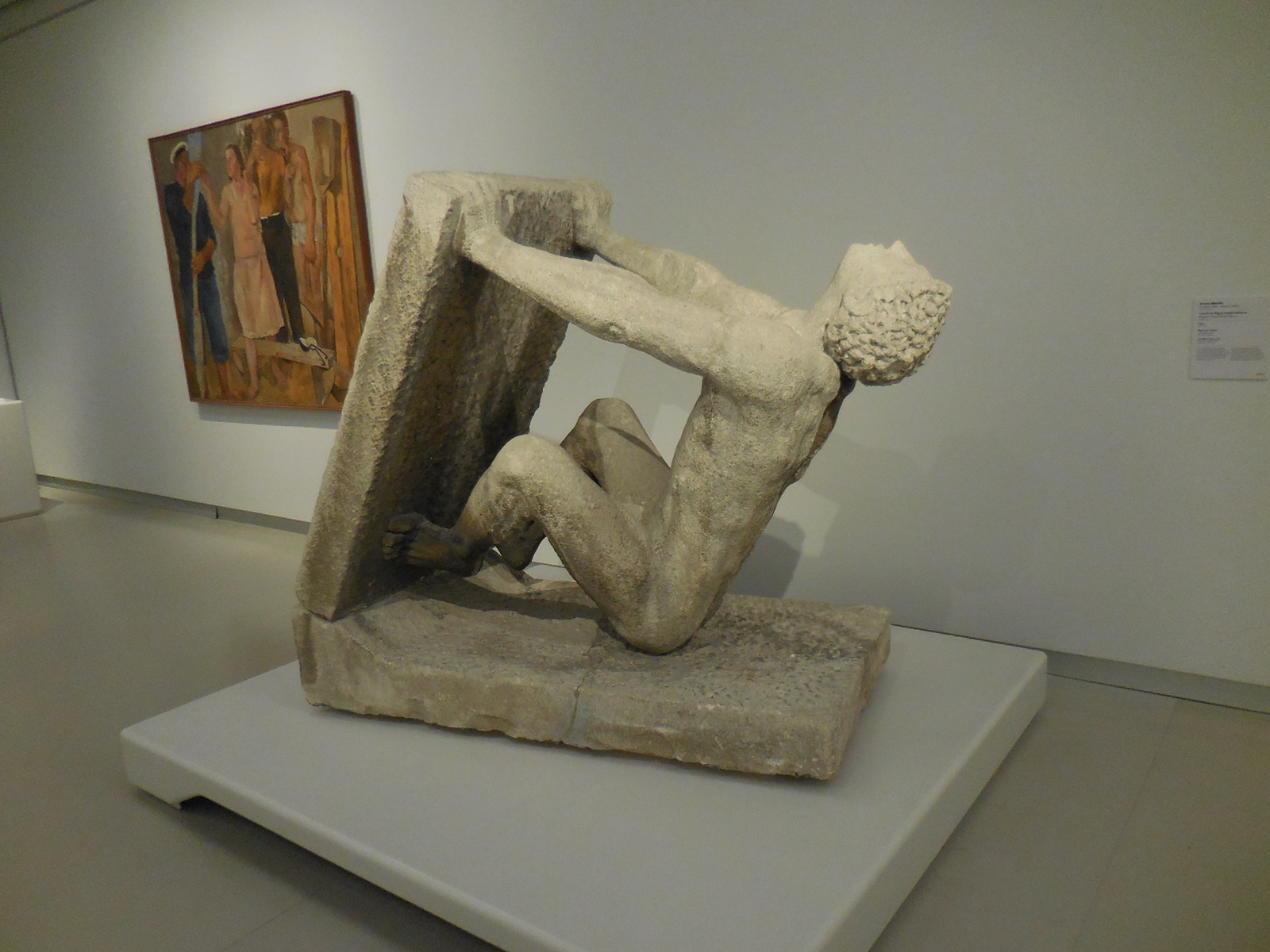
Amedeo Modigliani’s portraits were on display, too. He painted the Parisian art collector Paul Guillaume with one eye, for instance. In Arturo Martini’s sculpture La convalescente from 1932, the sick, young woman who is the subject of the work has been forgotten and abandoned. Her empty gaze and lost look practically ripped through my heart. It reminded me of when I was taken downstairs on a stretcher to have my gallbladder operation. The nurses left me on the stretcher in the empty space next to the operating room. I could hear the doctor trying to wake up the patient. At first she didn’t respond. He had to talk to her several times. For a few minutes, I thought that I had been abandoned and that the woman having the operation before me had died. I wanted to run out of there, but I was drugged and could hardly move. Finally, she regained consciousness.

One of the surrealist works by De Chirico

I particularly liked De Chirico’s surrealist works with vibrant colors. His I bagni misteriosi was inspired by a 16th century work by Lucas Cranach. Ever since I was a child, I have loved Klee’s abstract art. For me Klee’s art has a sense of rationality and logic that I often find absent in abstract works.

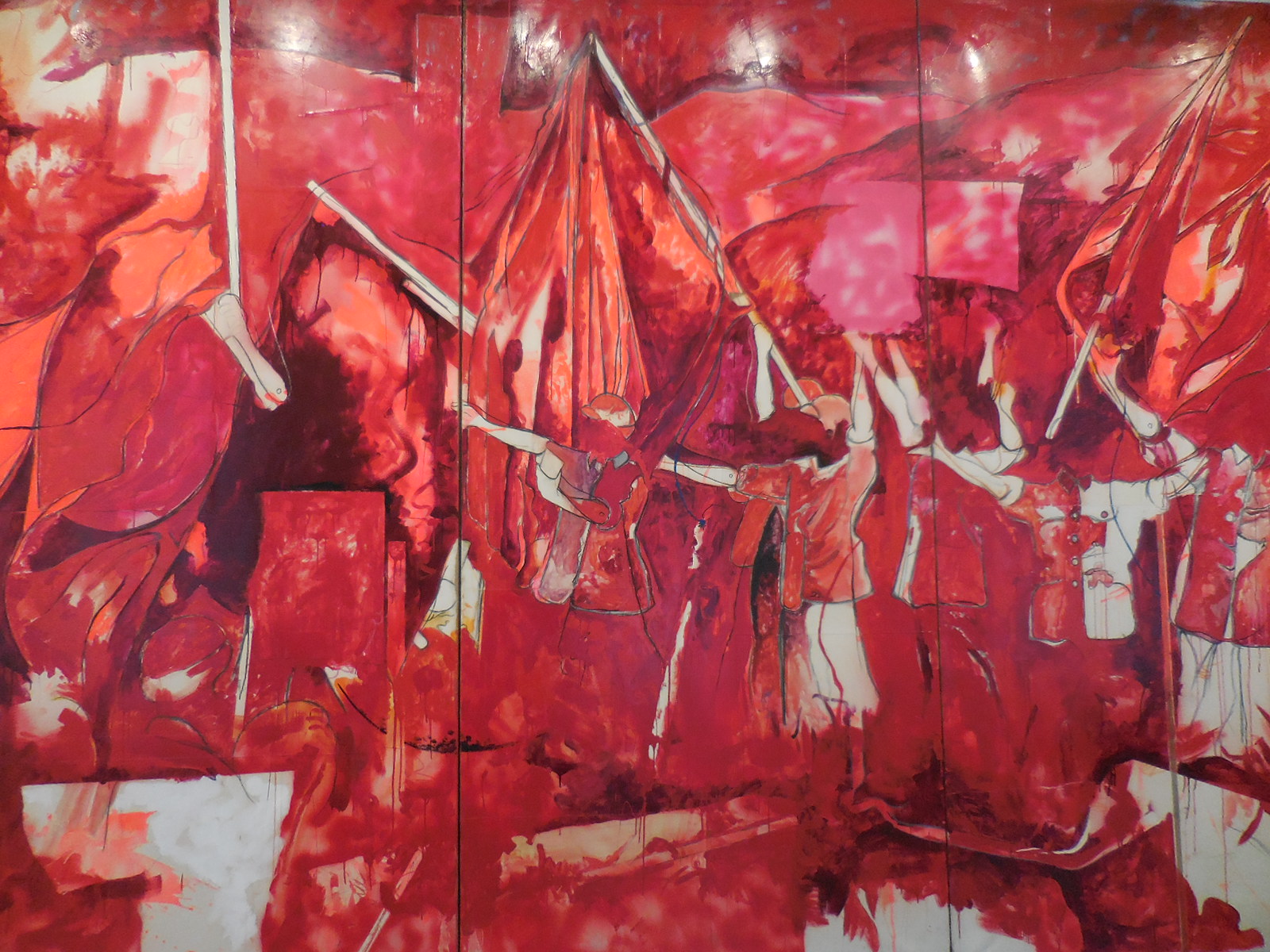
A painting with a theme of Chinese revolutions

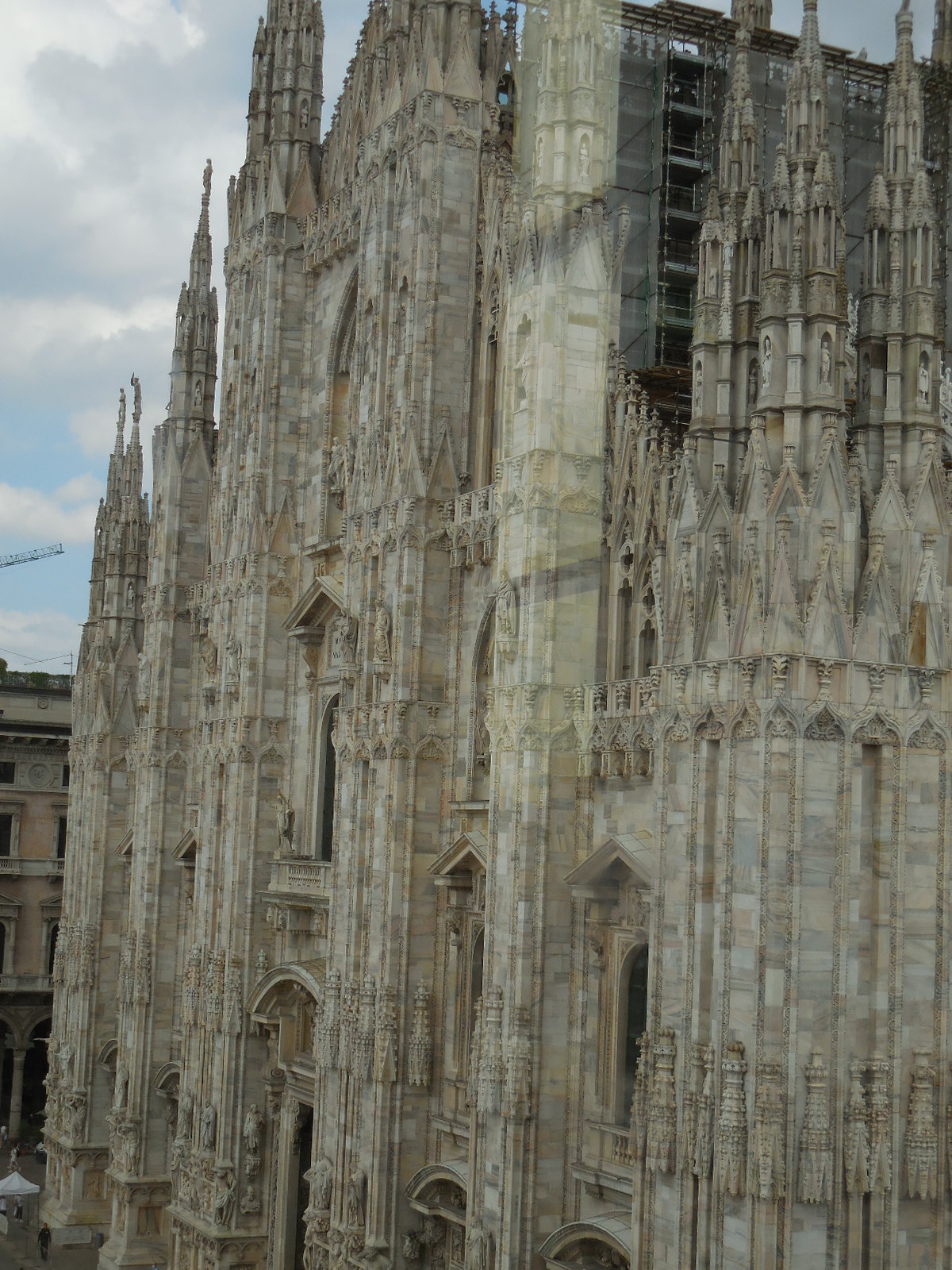
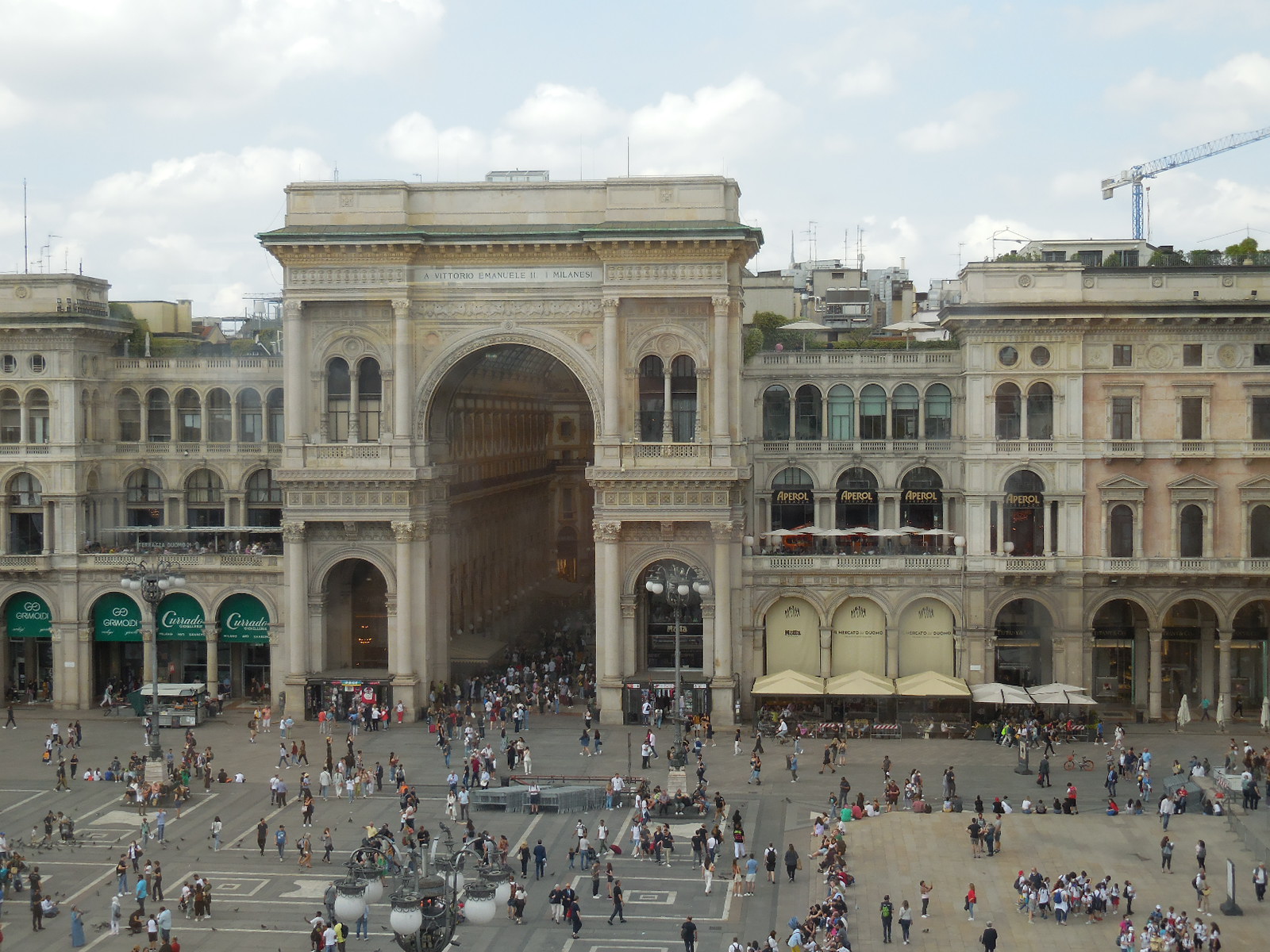
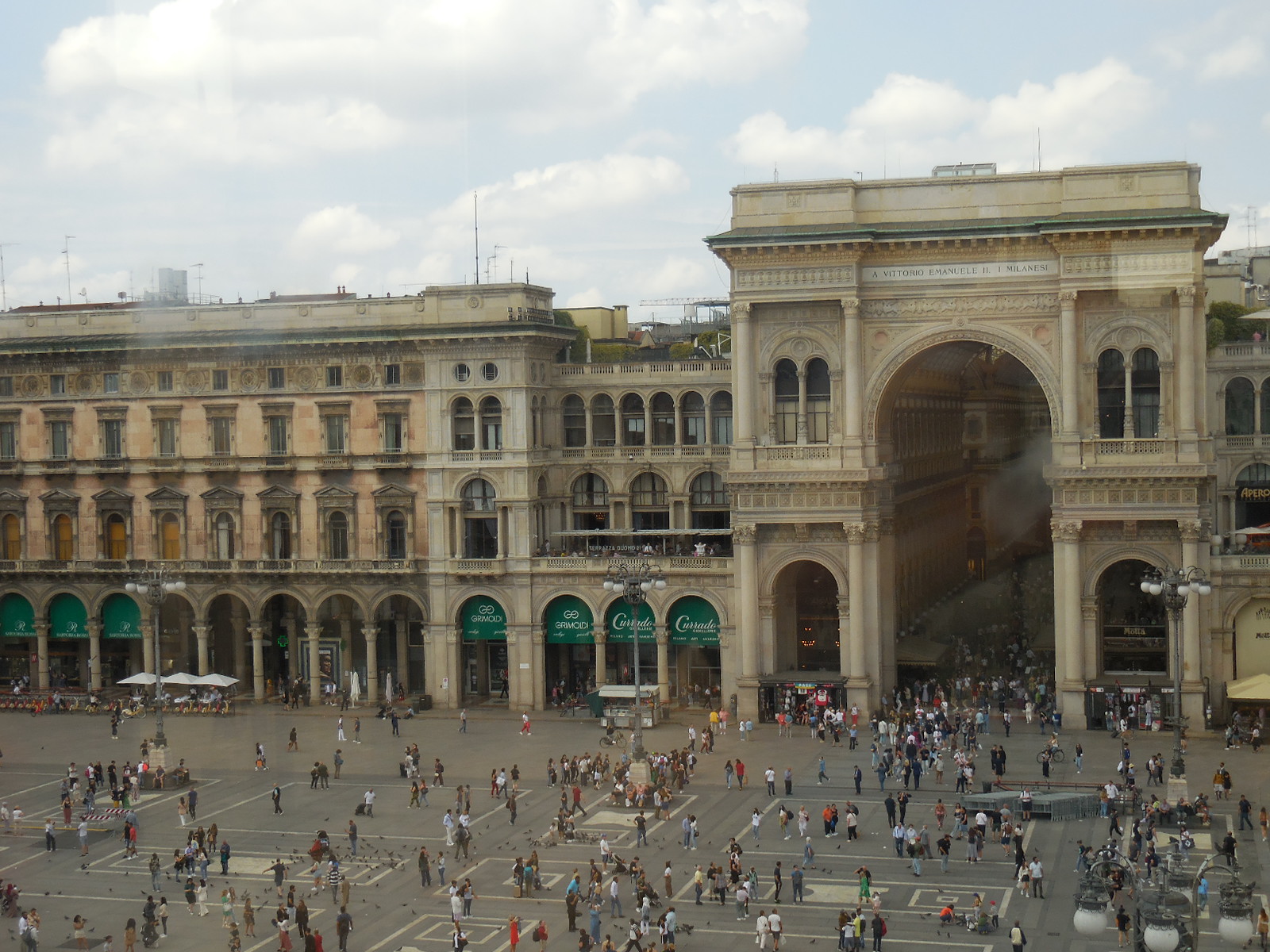
On the third floor there are glass walls that provide great views of the Duomo Square and the cathedral as well as Galleria Vittorio Emanuele II shopping arcade. I stood in that room for a long time, surveying the passersby walking to and fro below me, gazing at the long line to enter the cathedral and the people having lunch at expensive restaurants on the square. It was nice to be up there, looking down at the crowds on that scorching hot May day.

Tracy A. Burns is a writer, editor and proofreader in Prague.

Gallerie d’Italia of Milan Diary

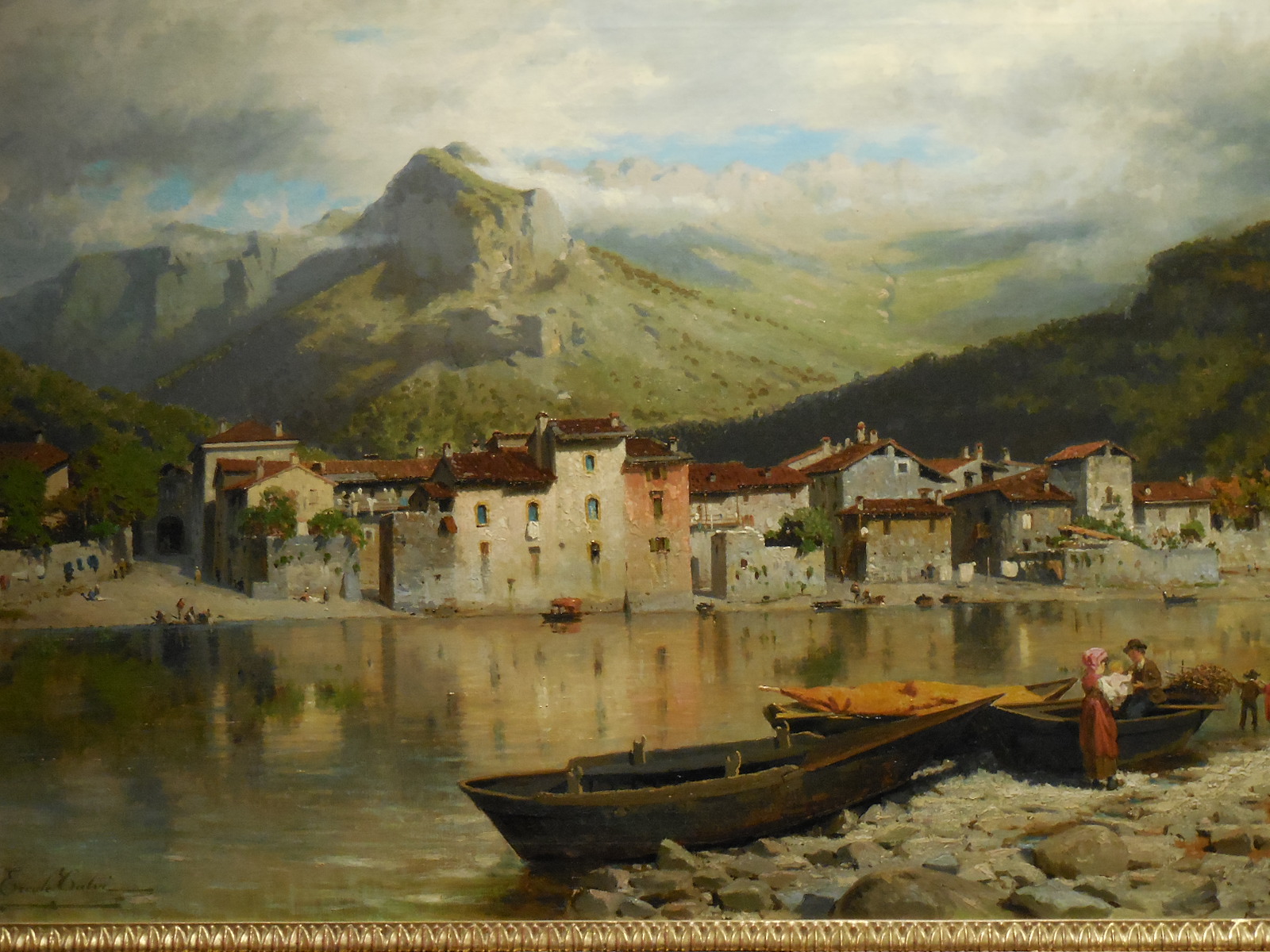
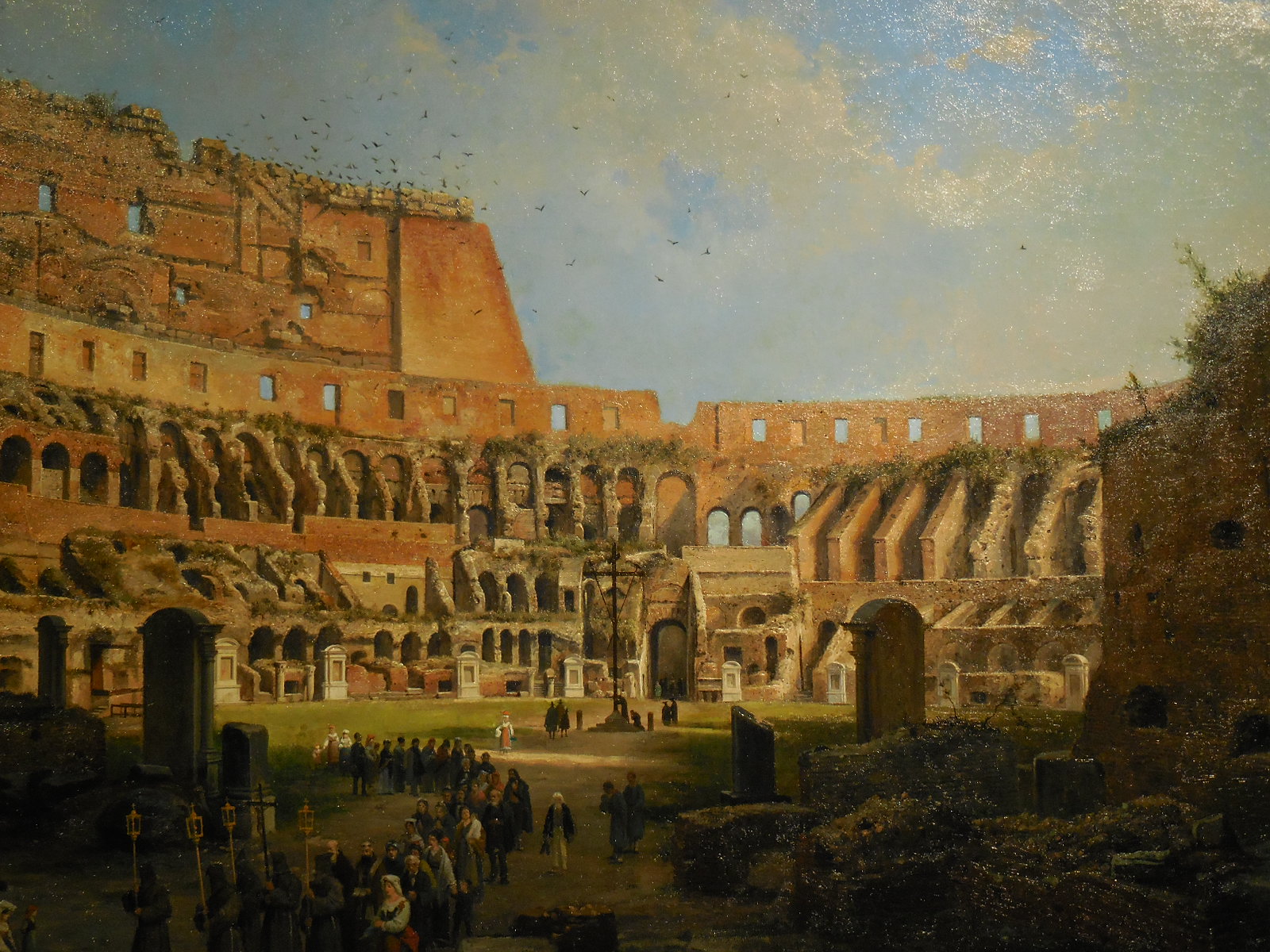
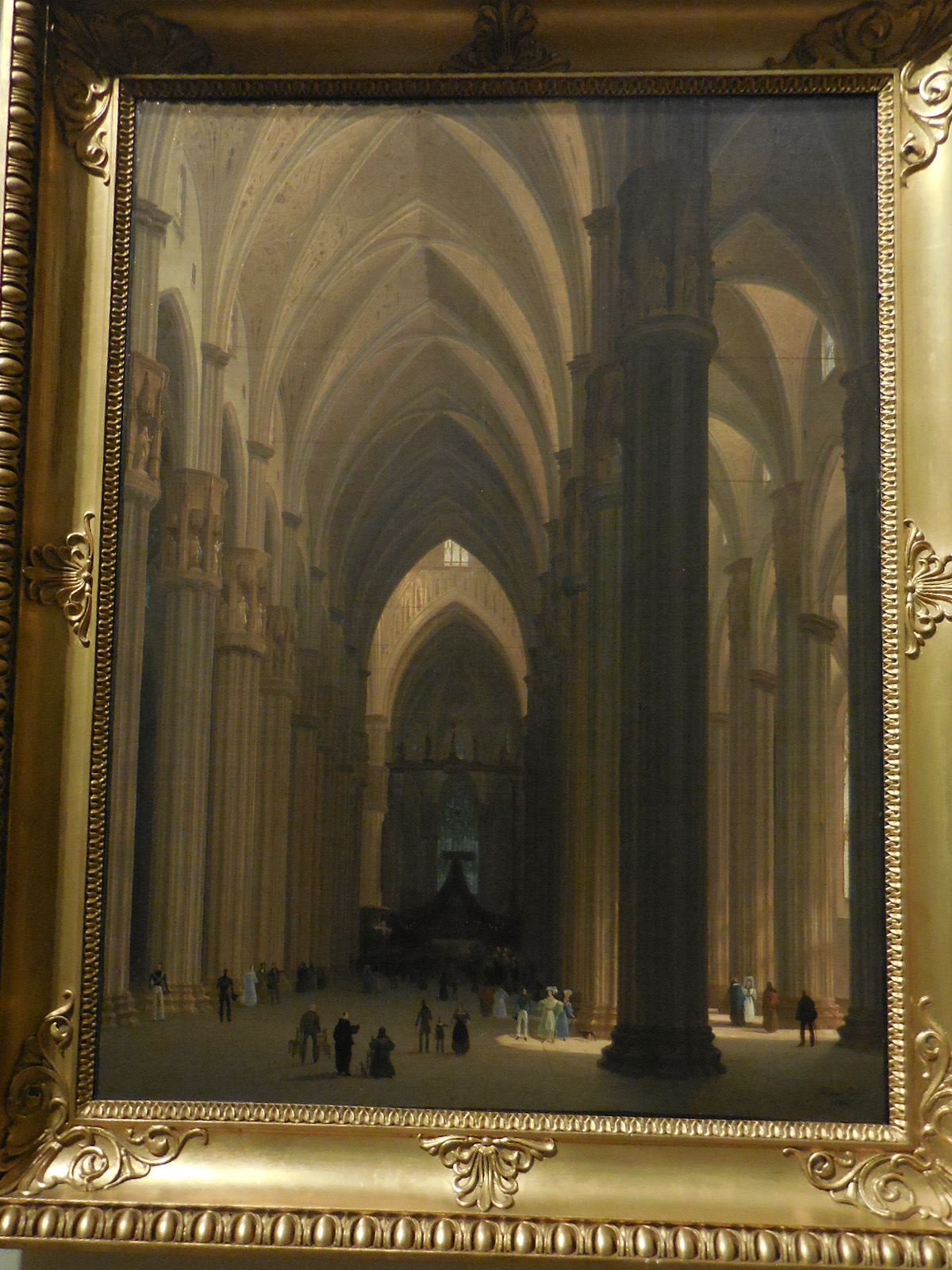
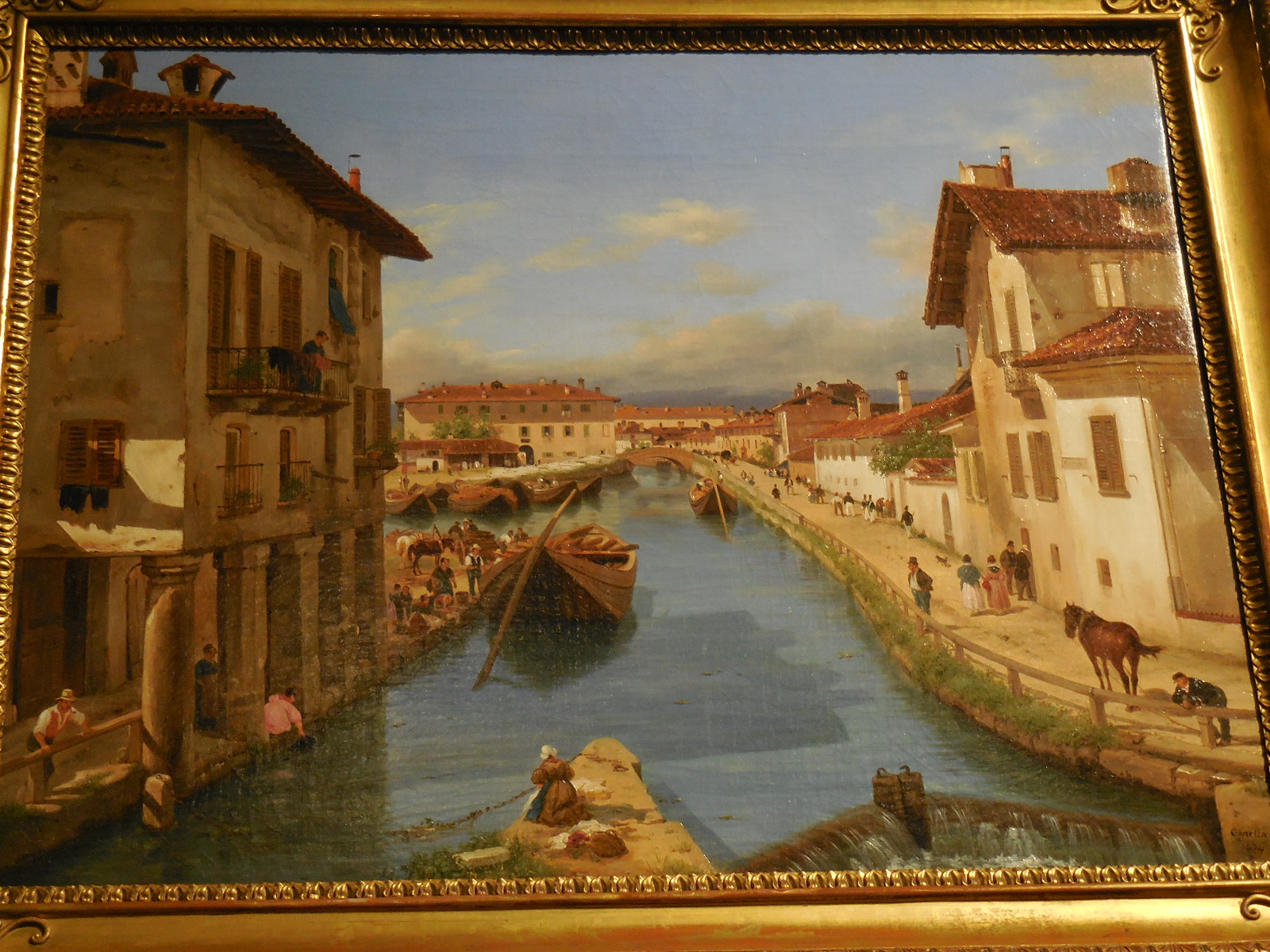
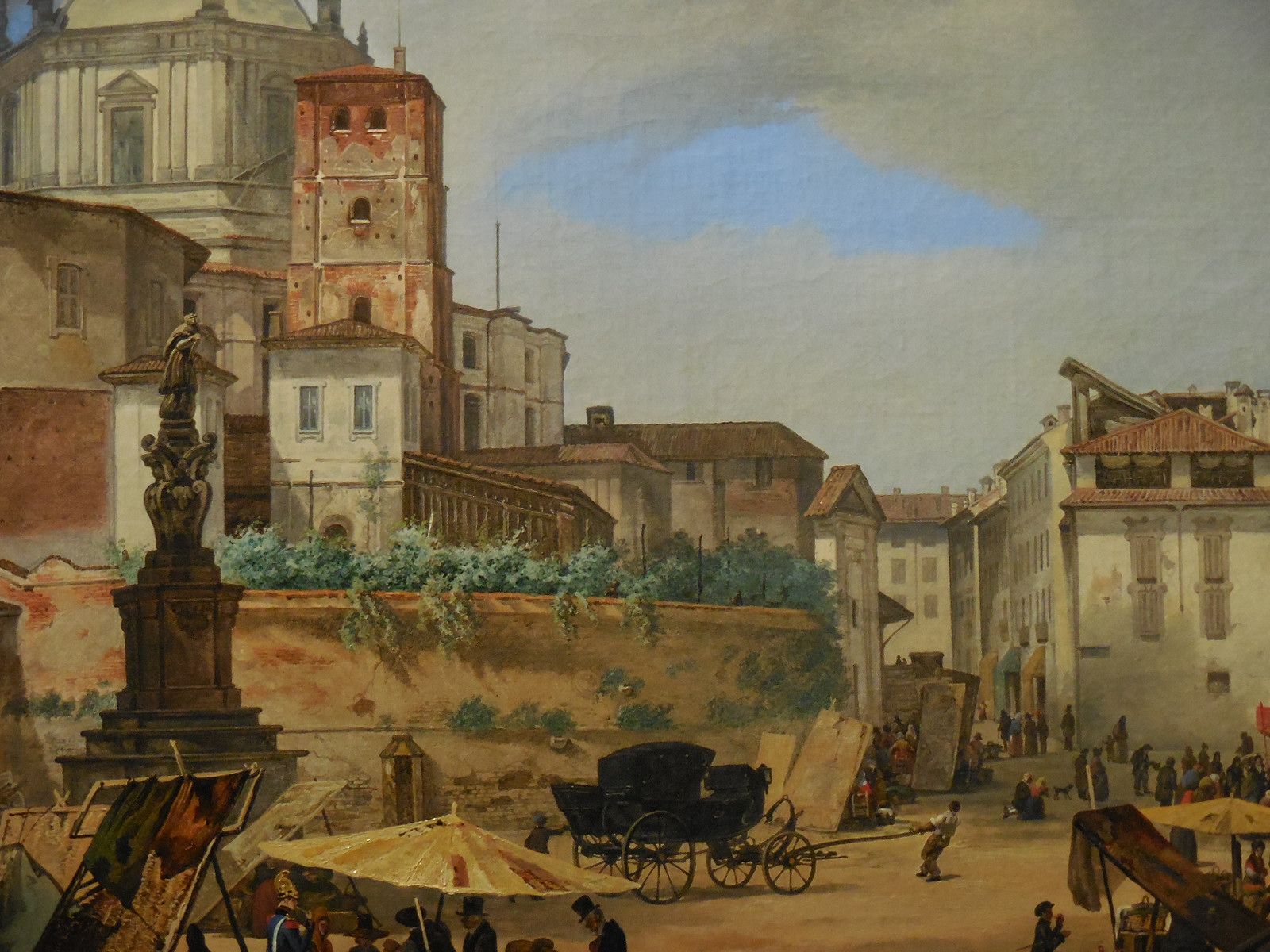
These three palaces, located on the Piazza della Scala near the Scala Theatre, displayed extraordinary artworks of the 19th and 20th century. In the 19th century sections, I was amazed at the vedutas of Milan Cathedral, the system of canals in Milan called Navigli and the Alpine scenes. I found myself thinking of vedutas I had seen in the Czech Republic, such as the masterful ones at Mělník Chateau near Prague.  

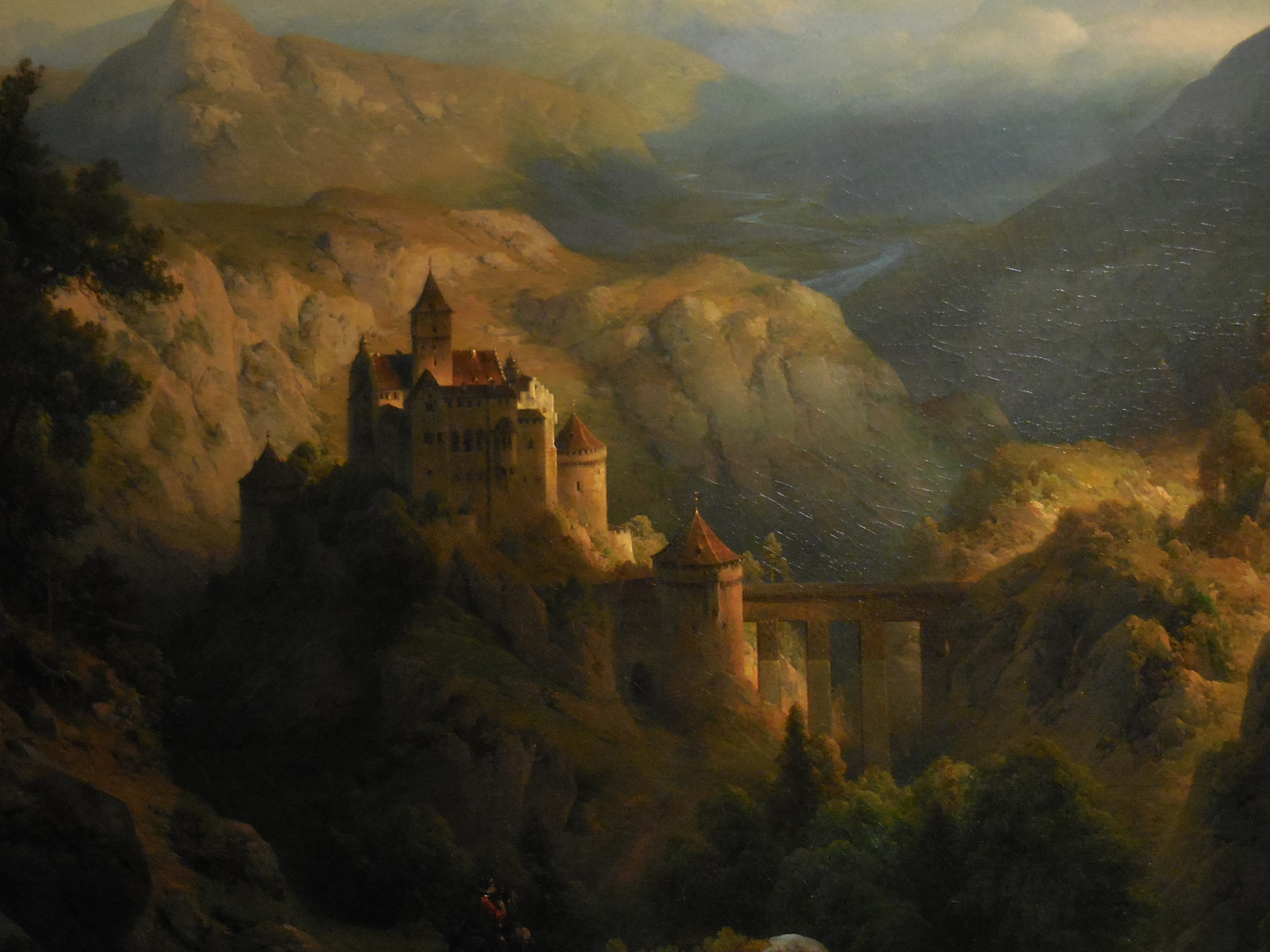
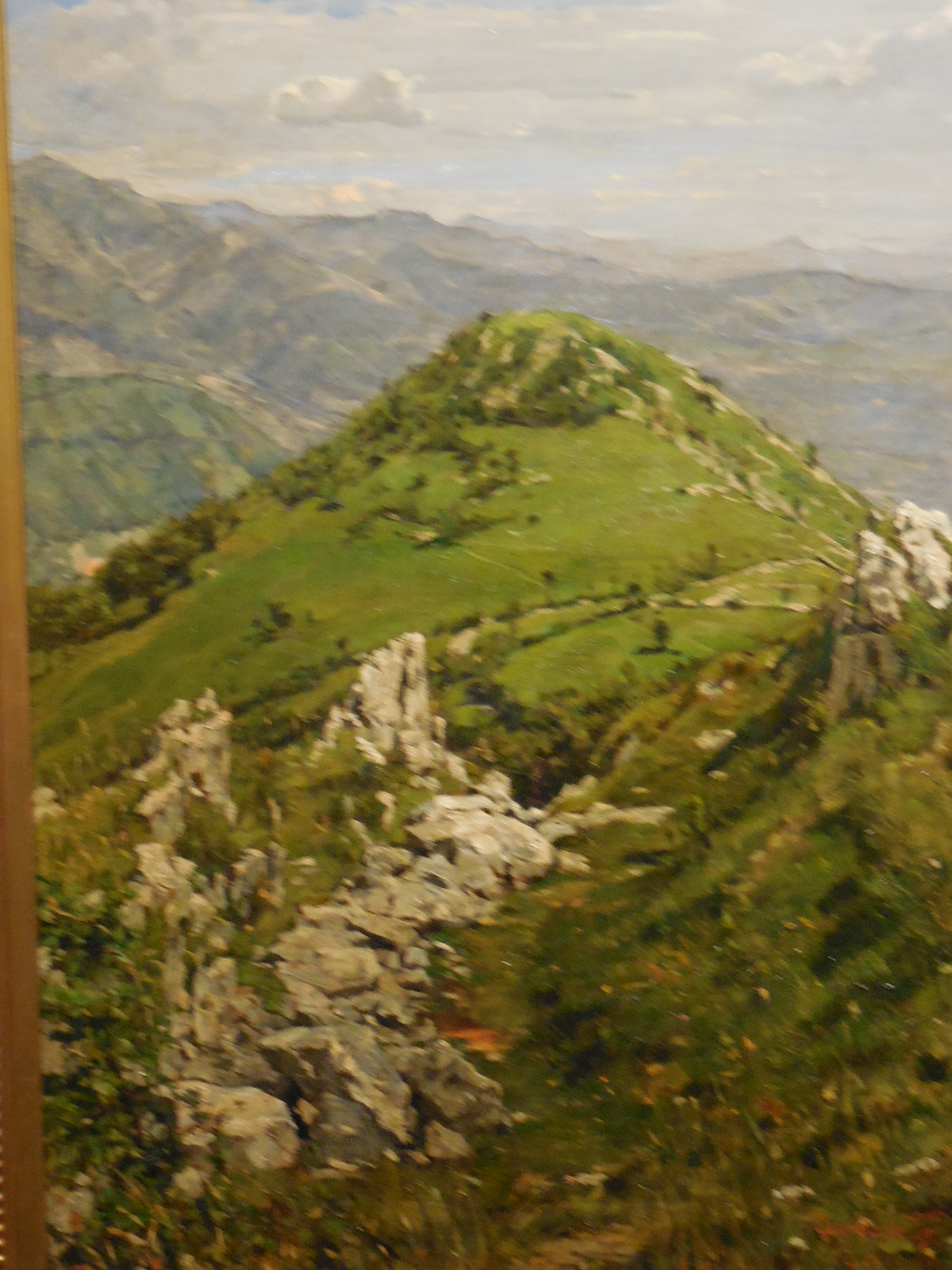
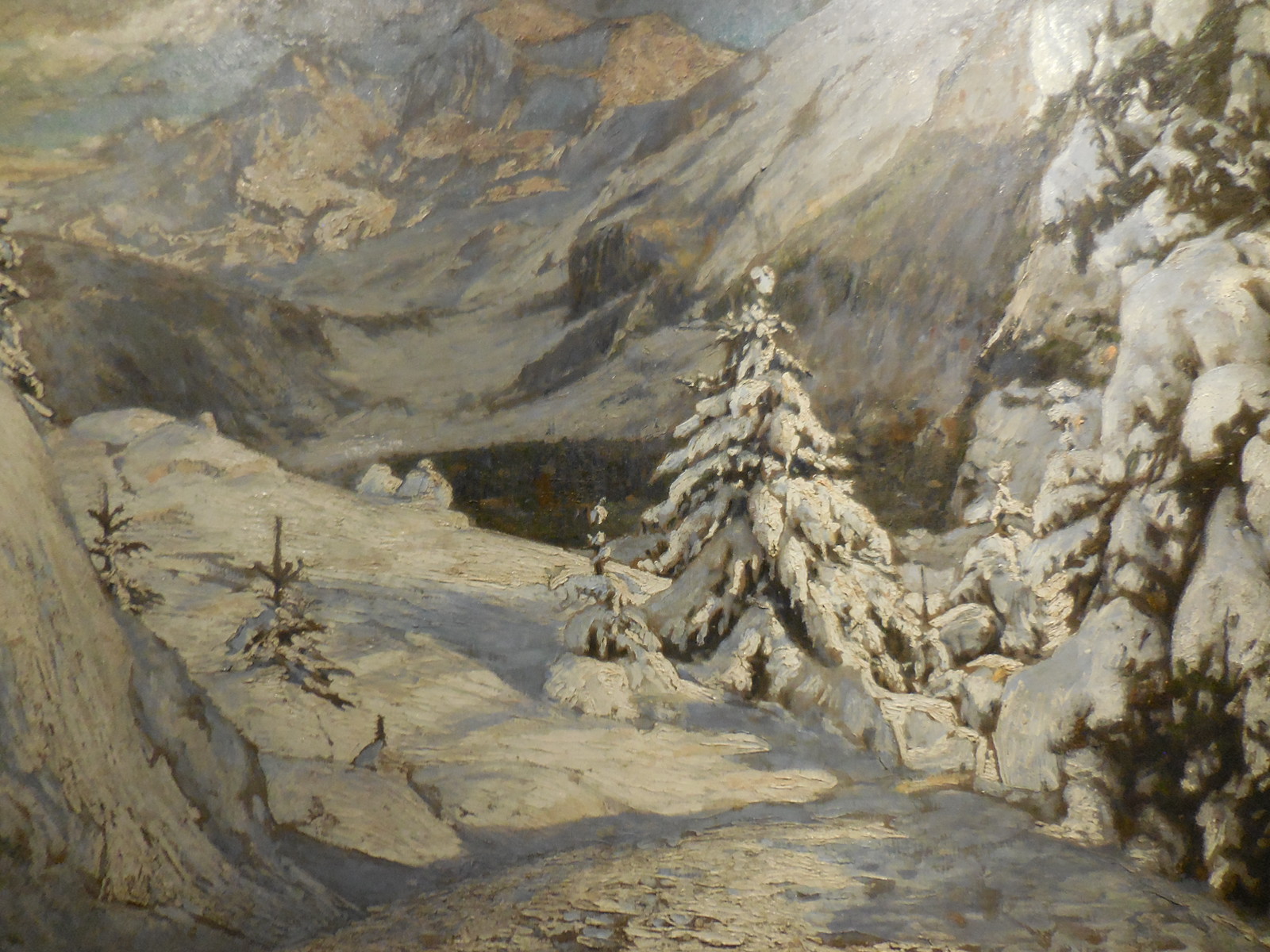
The landscapes from the second half of the 19th century gave me a tranquil feeling. I especially liked the landscape with a magnificent yet mysterious castle perched in the mountains. The painting of the Colosseum reminded me of showing that sight to my parents some years ago, watching them gaze with awe and amazement at the historic monument. That was one of the happiest moments of my life.

The paintings of Milan’s Duomo allowed me to appreciate the exterior and interior of that sight to an even greater extent. I recalled walking down from the roof to the ground floor of the cathedral. I had been worried I would fall because I had nursed a bad leg for nine months not long before my trip.

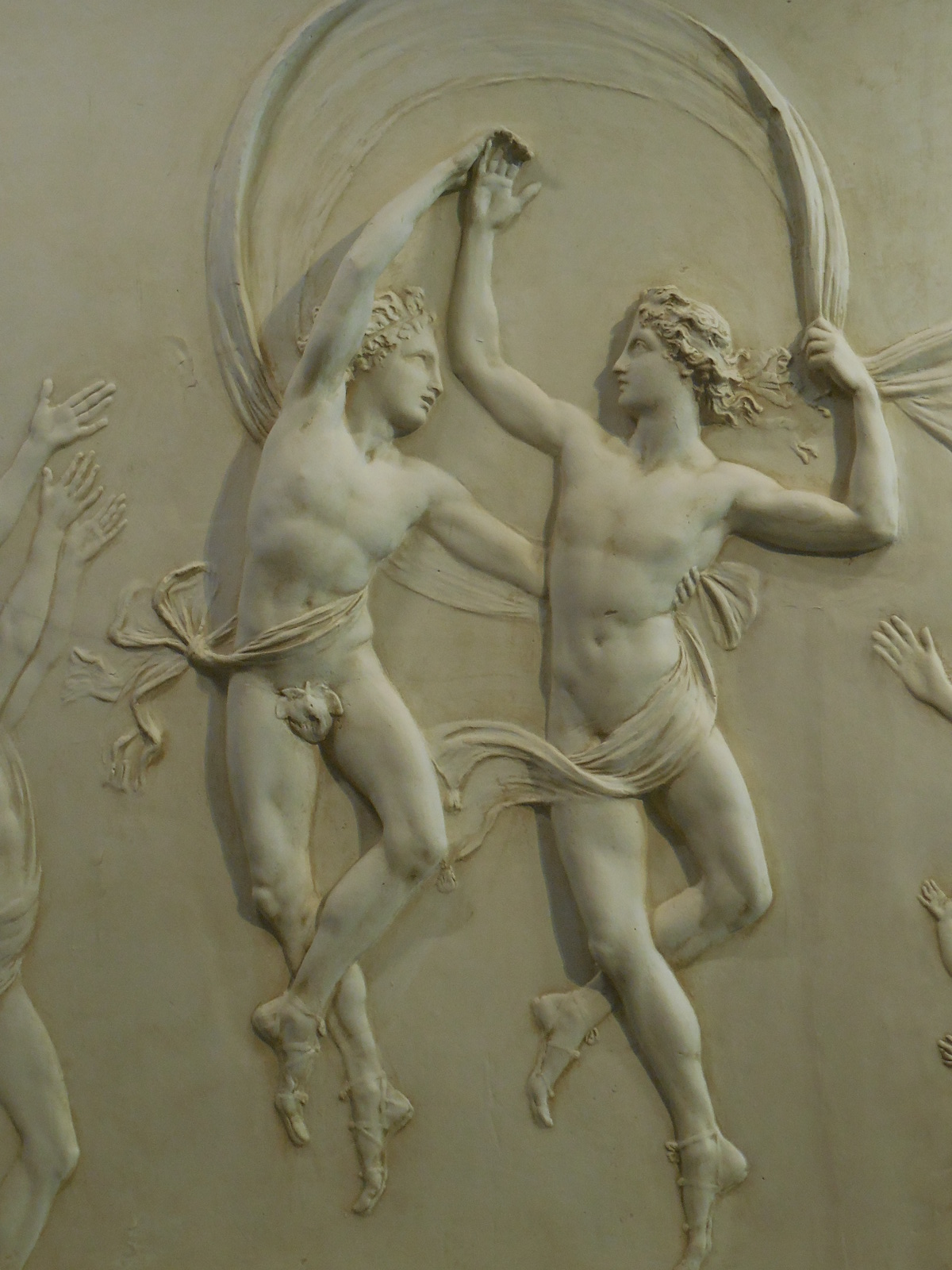
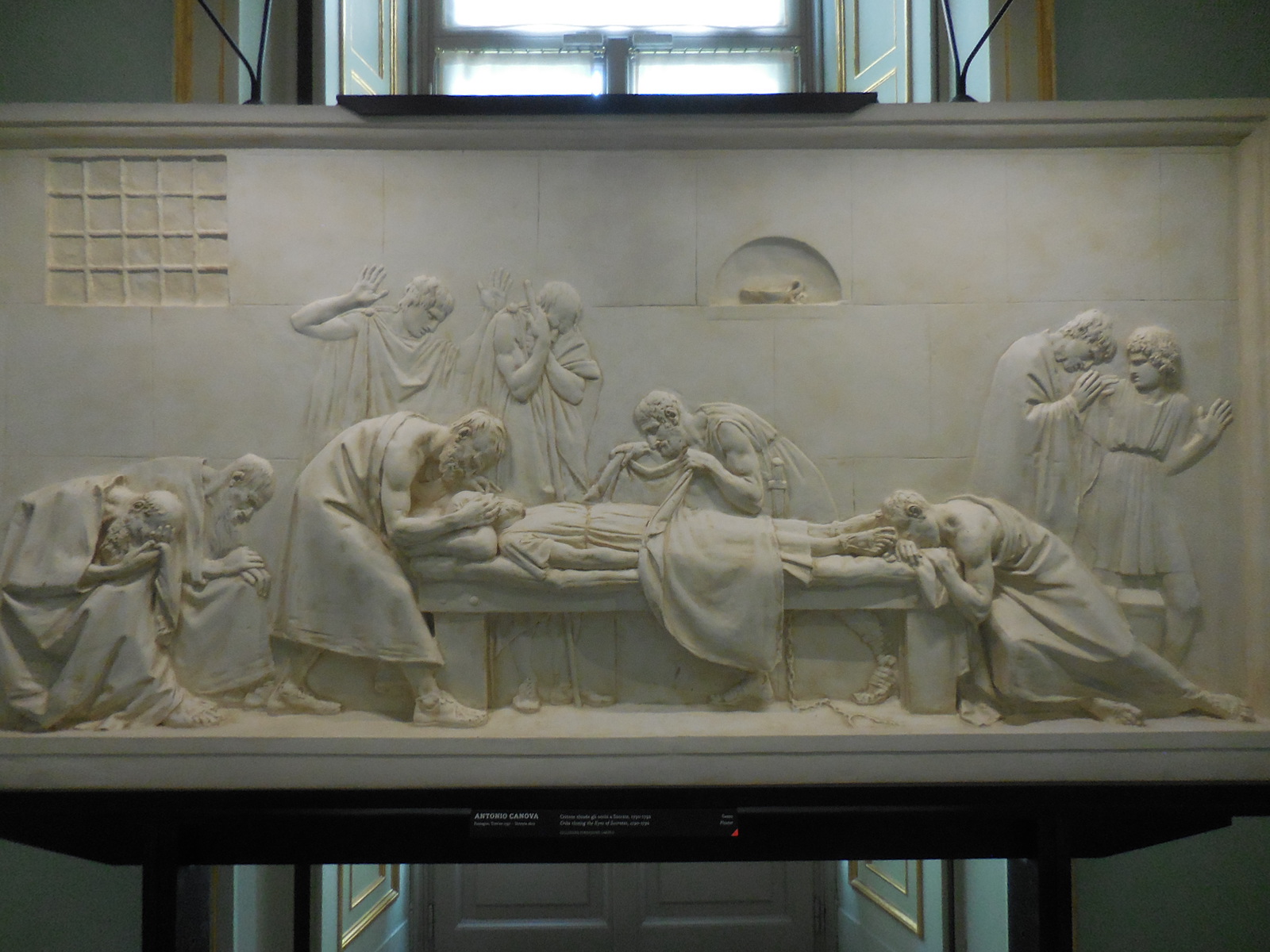
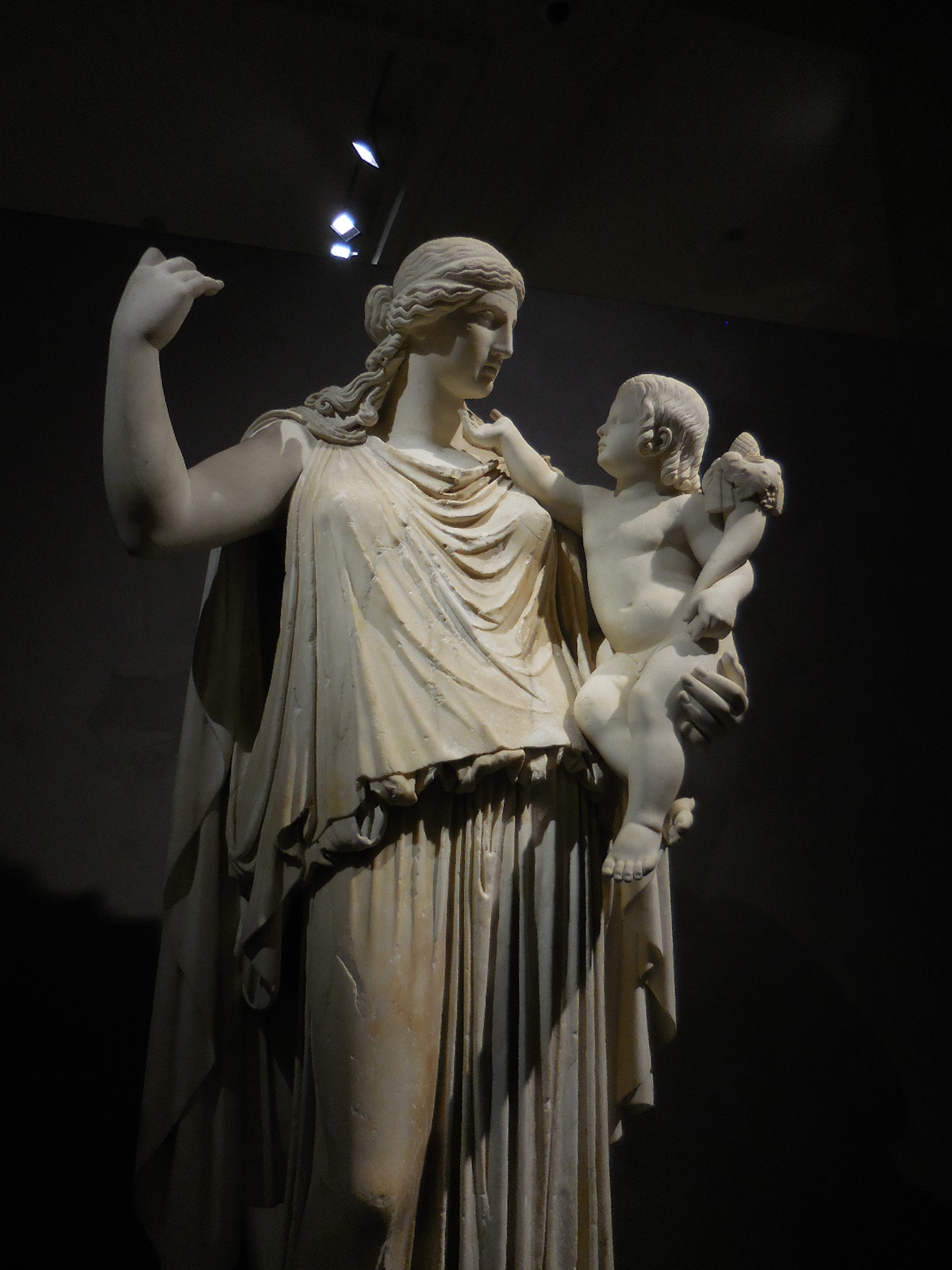
The bas reliefs of Antonio Canova were delights as well. They were inspired by the works of Homer, Virgil and Plato. I remembered seeing Canova’s works at the Borghese Gallery in Rome.

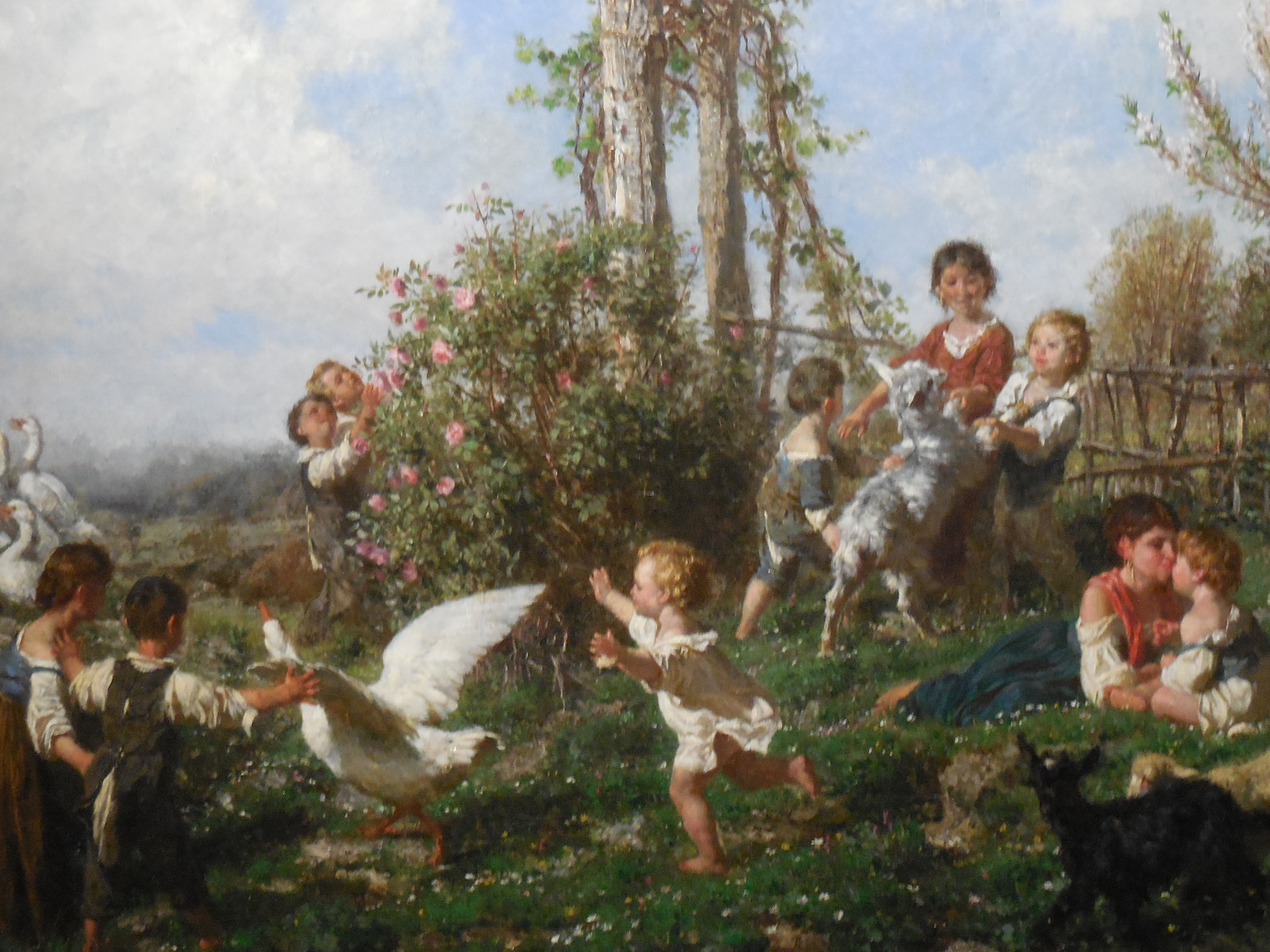
The Lombard painting of the 19th century showed Milan as a vibrant artistic hub and often told pictorial tales of a rapidly changing society. I saw works by Francesco Hayez and other Romanticist artists. Giovanni Migliara focused on ancient monuments.

Works representing Symbolism, Pointillism and Futurism also made up highlights of this museum’s collections. The historical paintings of fight for the unification of Italy profoundly expressed this political and social movement called the Risorgimento, which led to the formation of the Kingdom of Italy. Genre painting showcased people’s daily lives.

The Divisionism of Neo-Impressionist painting that separates colors into dots played a large role, too. The works falling into the Futurism category centered on technology and modernity, for instance. Often cars, airplanes and the industrial city figured in works of this nature.

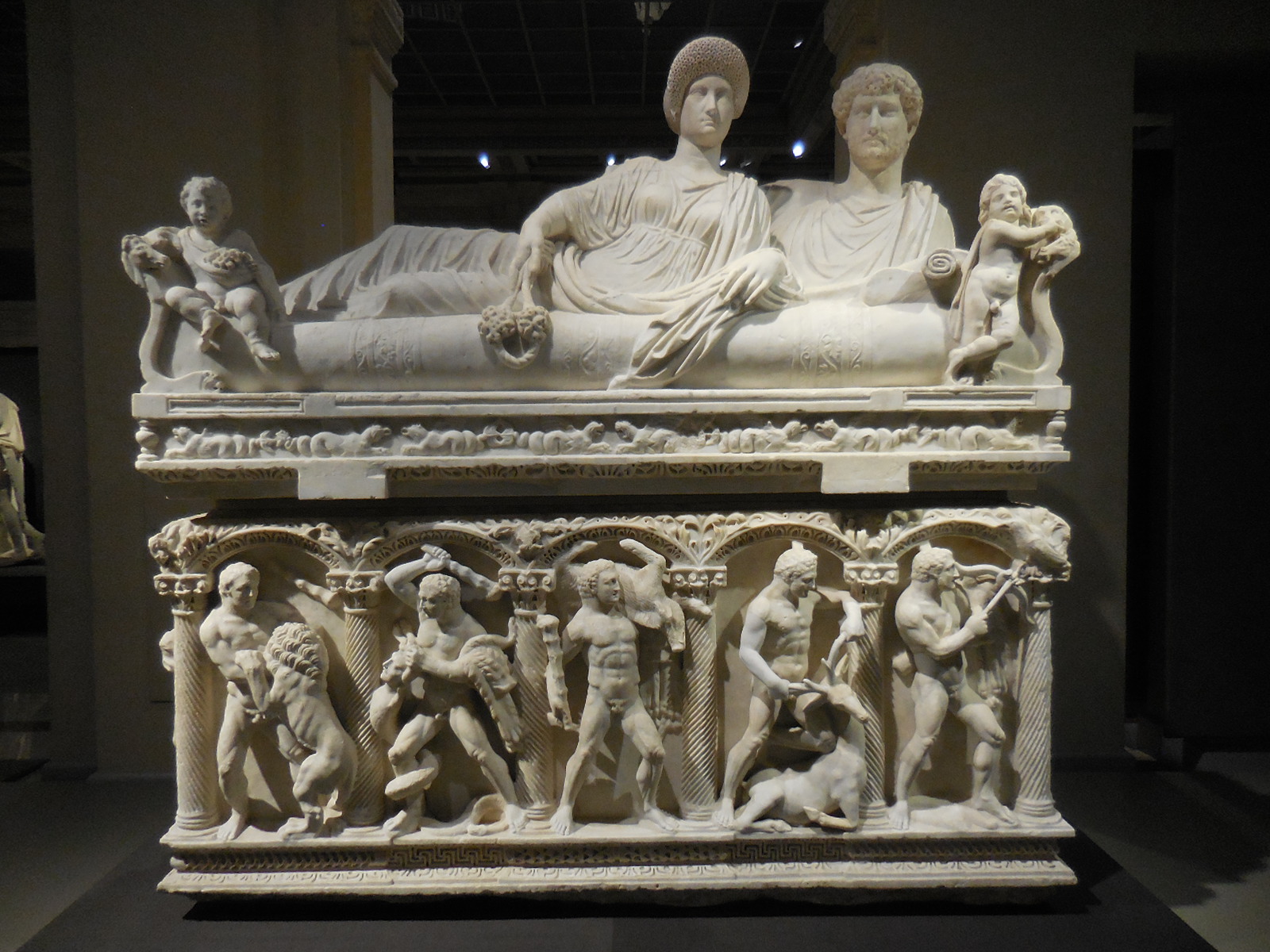
A special exhibition displayed the Torlonia Marbles, a very significant private collection of Roman statuary with many busts. I loved how the busts, though dating back many centuries, brought out the character of the person sculpted.

The 20th century was highlighted as well. Five halls housed artwork from the 1950s to 1980s. Abstract art between the 1940s and 1950s stood out, too. The Sixties were emphasized with a focus on signs, words and images. Kinetic art also was displayed.

While I was most impressed by the landscapes and pictures of Milan’s cathedral, I gazed at each and every piece of art with awe and wonderment. This was truly a great museum.

Tracy A. Burns is a writer, editor and proofreader in Prague.

Rovereto and the Depero Futurist House of Art Diary

Roveretoext17

Roveretoext4

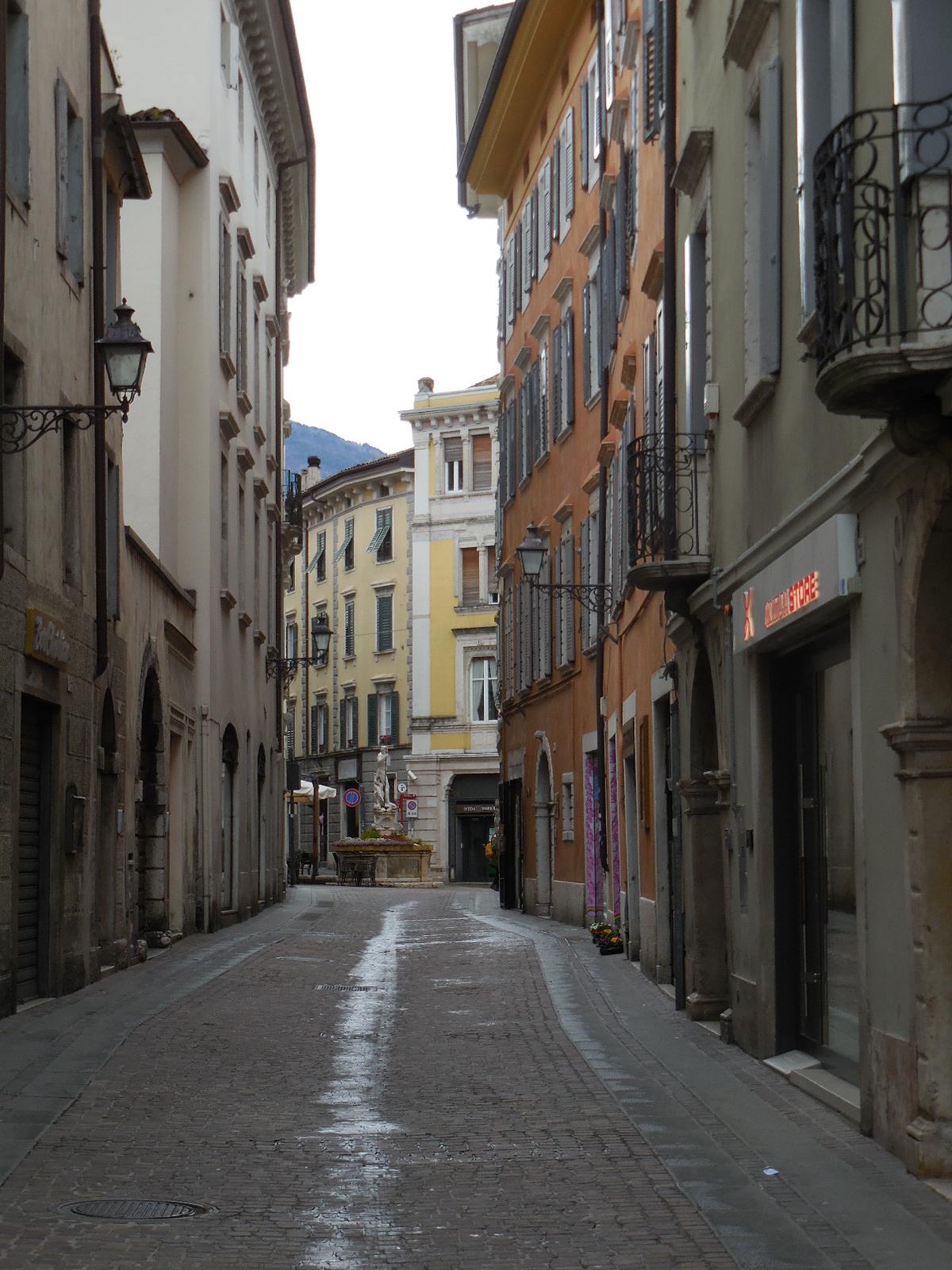
It was the perfect way to spend the last day of my trip to the Veneto region. I had travelled with arsviva travel agency to Vicenza for an art exhibition and to Padua for some sightseeing. The town of Rovereto, below the Dolomites and near Lake Garda, was even more enthralling than the Palladian villas I had seen. The narrow, picturesque streets and quaint squares gave the place a romantic flair. The town had a distinctive poetic quality. I loved the cafes, where I could have sat all day while sipping cappuccinos and eating paninis. There was a lot to see, and, unfortunately, we only had a few hours before the long bus trip back to Prague.

RoveretoDepero24

Roveretoext1

Roveretoext3

Roveretoext11

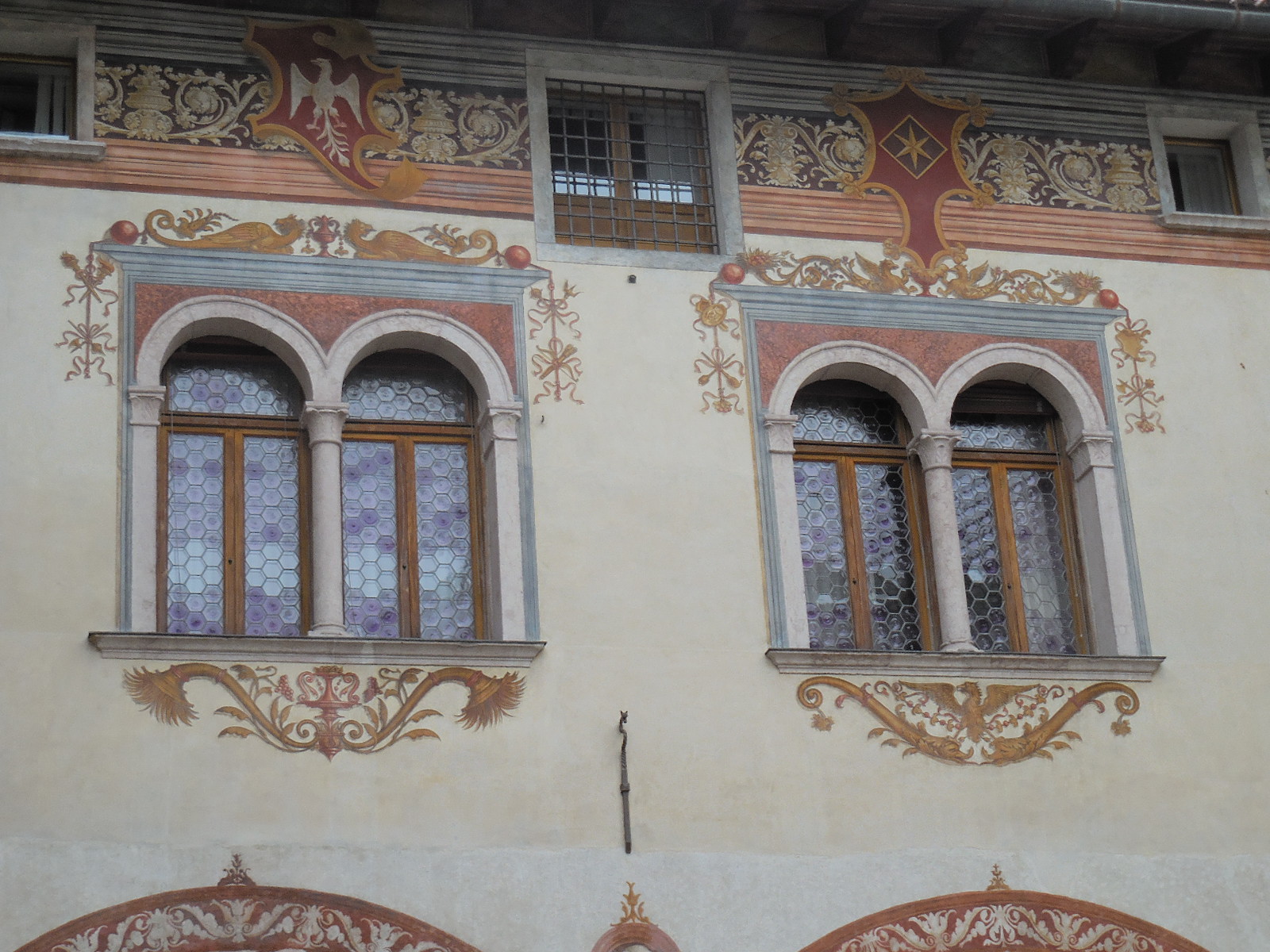
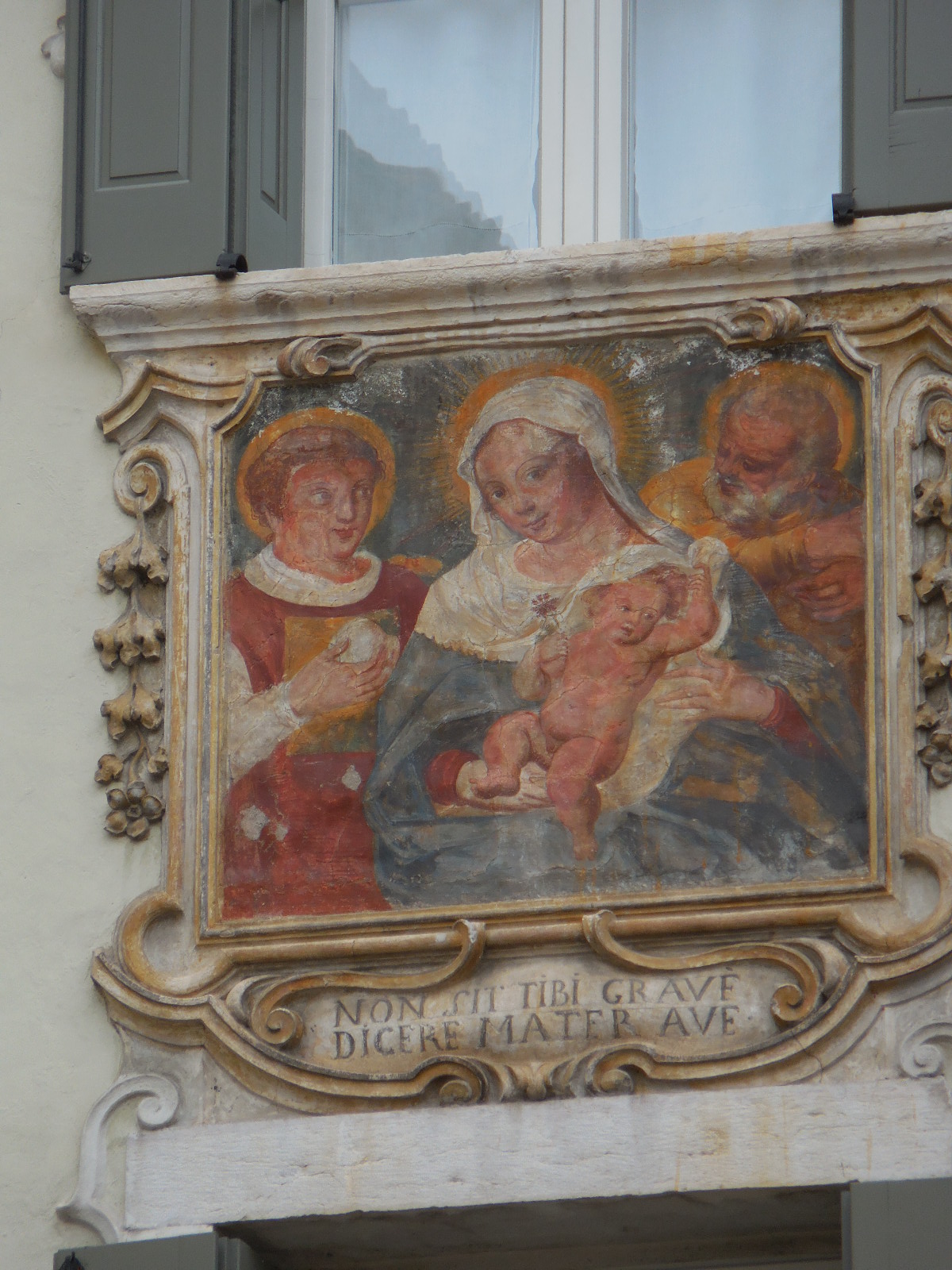
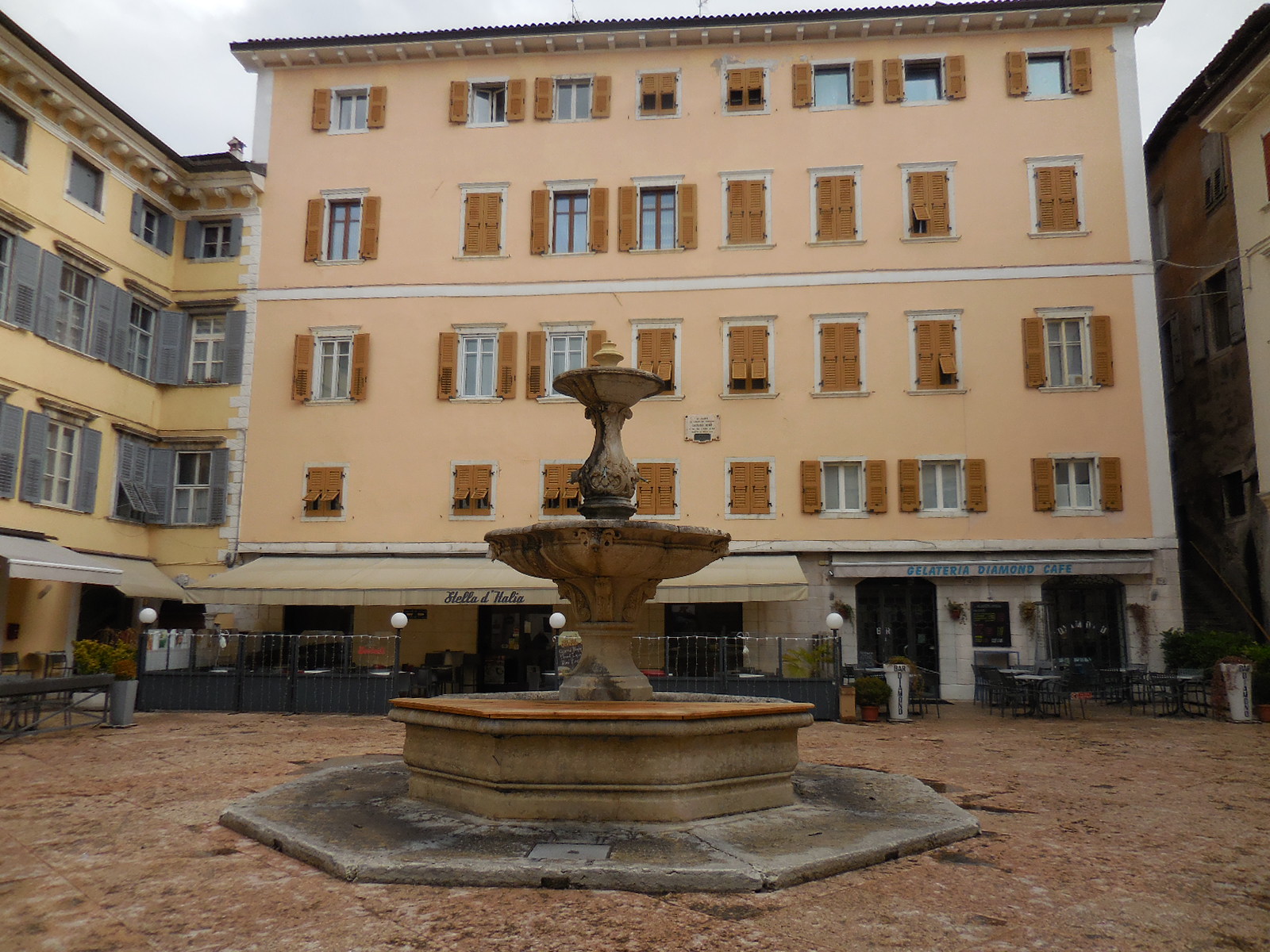
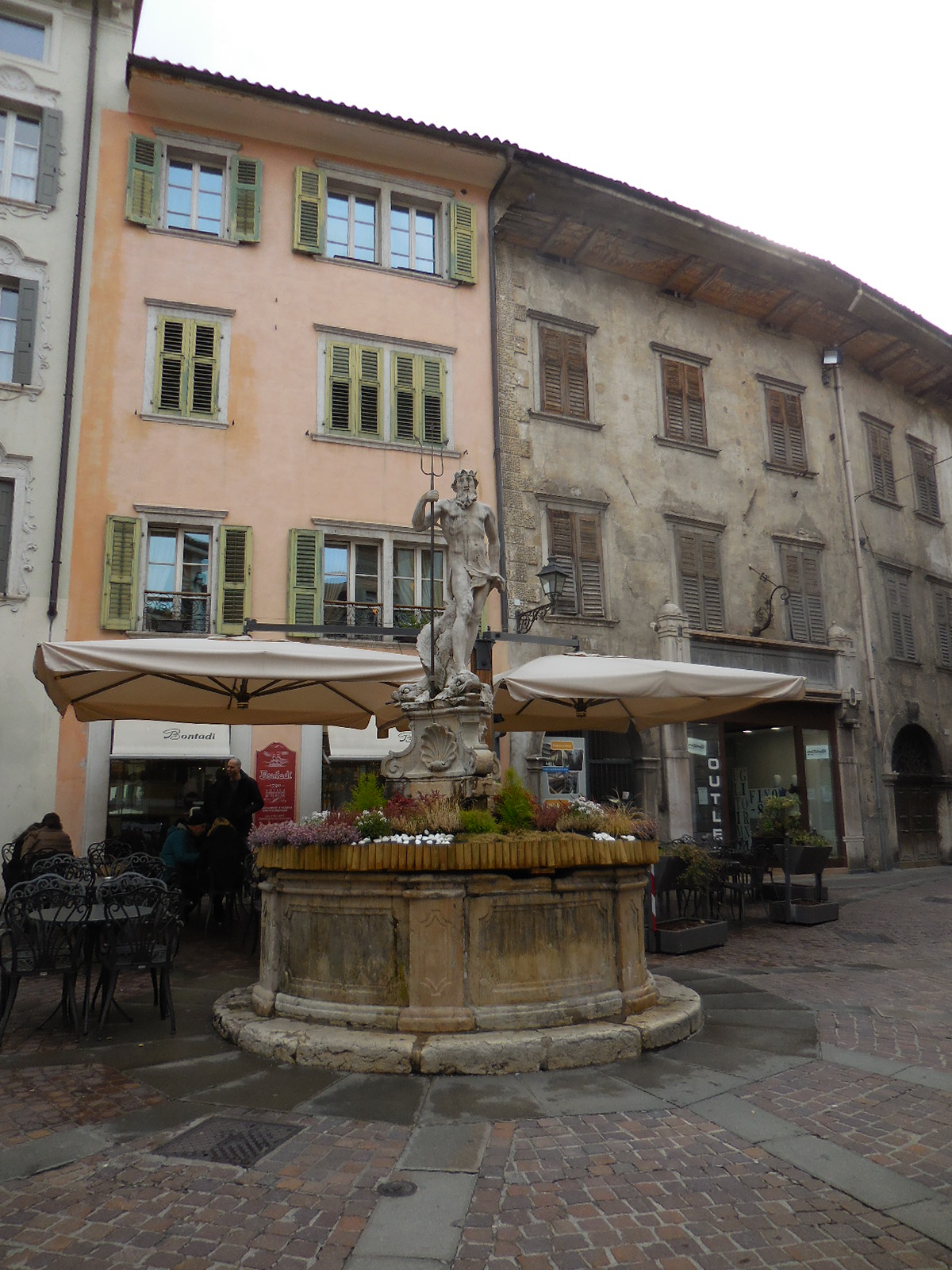
The facades of the buildings caught my undivided attention. I especially liked the floral motifs on the façade of the Palazzo Del Ben-Conti d’Arco behind a fountain on one of the main squares. Other facades showed religious decoration. The town had made a name for itself in history, too. Prominent personalities had set foot in Rovereto, especially during the 18th century. Goethe had visited in 1786, Pope Pius VI in 1782. Mozart gave his first concert in Italy there during 1769. Indeed, I could almost hear Mozart’s lively music as I meandered along the charming streets.

Roveretoext15

Roveretoext5

There’s more. The Public Library holds the distinction of being the location of the longest nonstop reading session ever – 53 hours long. There are intriguing churches while a castle housing a military museum looms above the town. The Bell of the Fallen is the largest bell in the world, made of bronze of cannons from all countries that saw action in World War I.

Roveretoext16

Roveretomuseumext1

When we came to the Depero Futurist House of Art (Casa d’Arte Futurista Depero), I took one look at the building and knew I had to go inside. Elements of modern architecture somehow accented the medieval character of the structure. The building reminded me of the House of the Stone Bell (Dům U kammeného zvonu) in Prague, an exhibition space in a medieval building that is seeping with history. This was the only Futurist museum in Italy, and I wanted to familiarize myself with the movement in which Fortunato Depero (1892-1960) had played a prominent role.

RoveretoDepero1

RoveretoDepero21

RoveretoDepero18

RoveretoDepero12

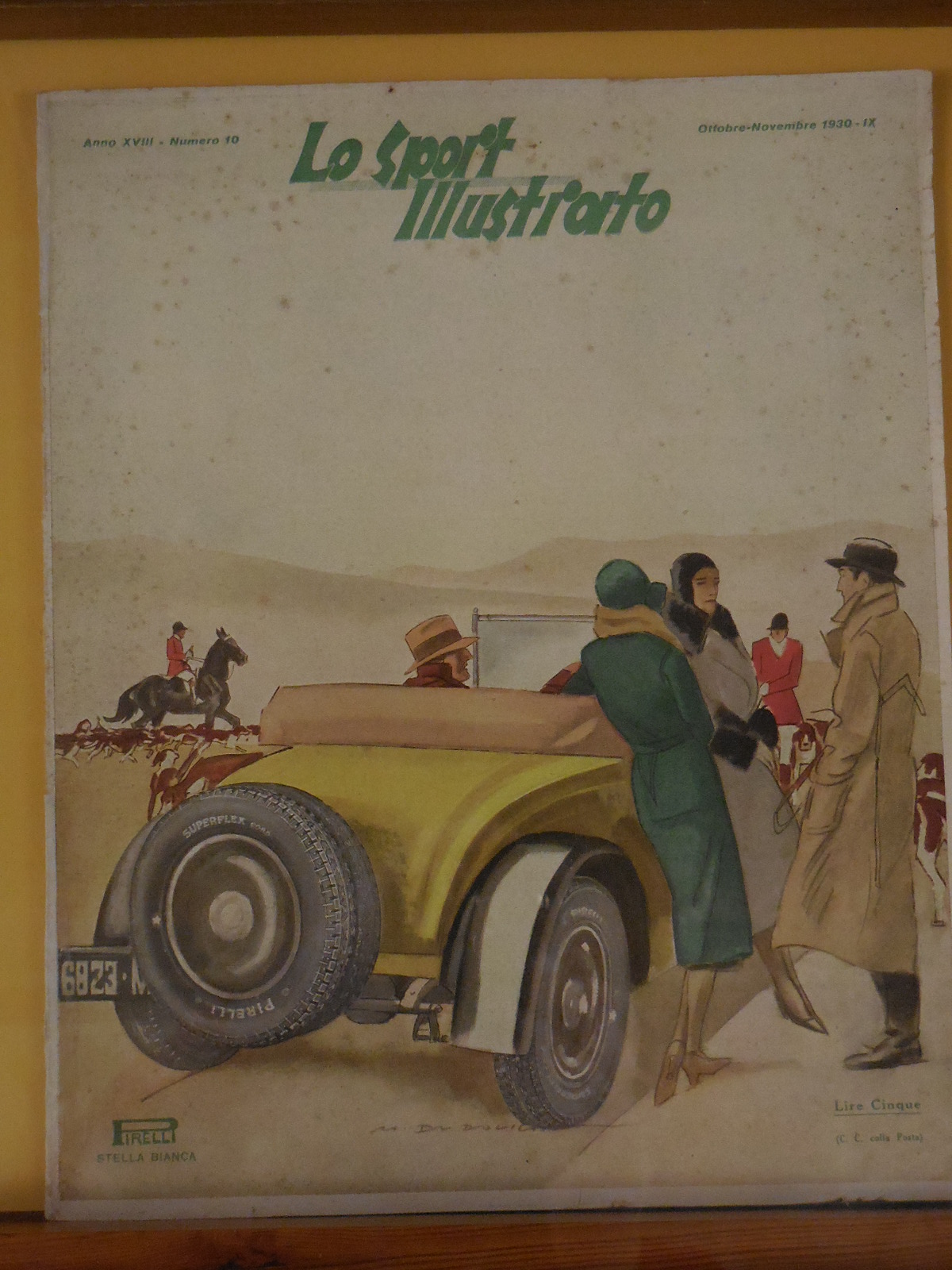
First, I needed some background information about Depero. He grew up in Rovereto, working with marble and creating art, so it was only fitting that in 1919 he chose this town as the location for the museum that would eventually contain as many as 3,000 of his works. Depero made a name for himself as a painter, sculptor, writer and graphic designer. While living in Rome, he wrote a futurist manifesto and created stage sets and costumes. In 1928, he tried his luck in America, settling in New York City, where he designed costumes for the theatre and created covers for magazines. After a stint of several years, he returned to Italy. Depero remained loyal to the futurist movement, even though it was not as well respected in the 1930s and 1940s because many artists working in that style became fascists during those decades. Due to futurism’s negative image, many abandoned the movement. Not Depero. After World War II, he moved back to the USA, residing in Connecticut. In 1949, he returned to his boyhood home of Rovereto, and he would stay there for the remainder of his life. He was ill for two years before passing in 1960 at the age 68.

RoveretoDepero3

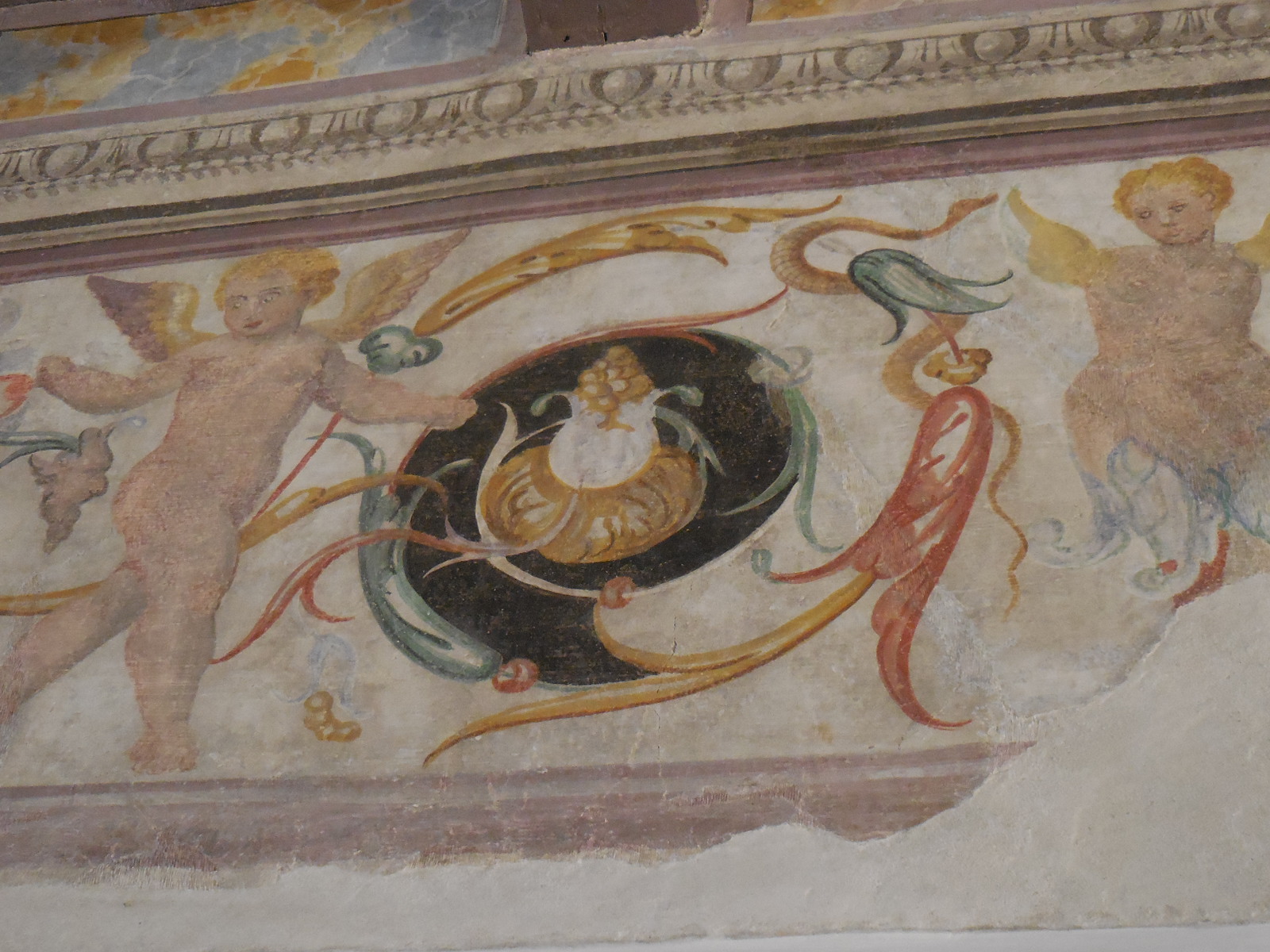
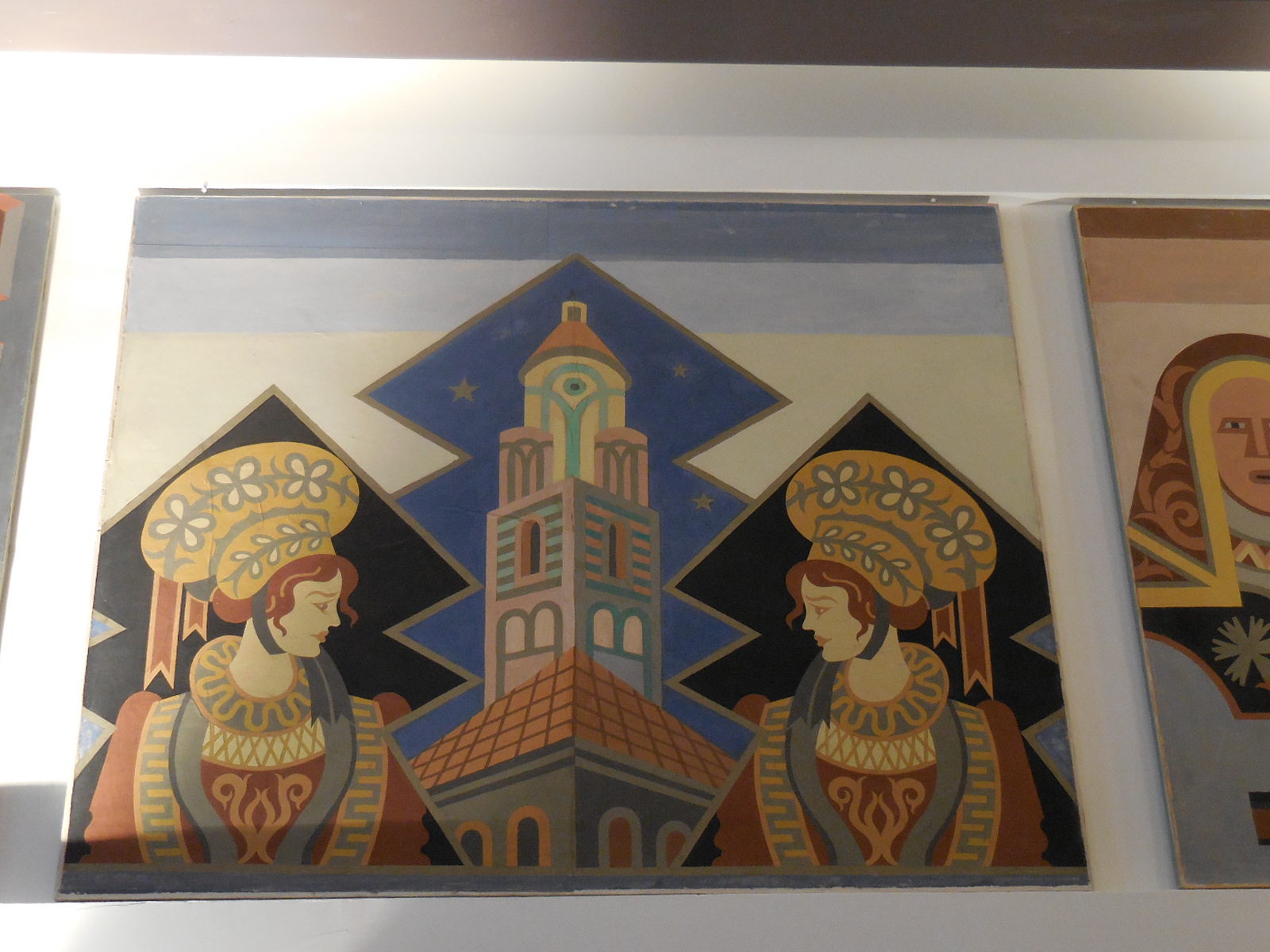
Wall decoration of interior

RoveretoDepero6

It wasn’t until I came to the museum that I became familiar with the movement of Futurism, a movement that was born in Italy during the early 20th century. Futurism rejected the past and celebrated modernity and technological advances. Often its artists portrayed urban environments and industrial cities. Cars and airplanes made frequent appearances. Vehicles were shown in motion, not standing still. However, futurists also tended to praise violence and war. Artists of this movement took up diverse fields – painting, sculpture, ceramics, graphic design, theatre, film, literature and others.

RoveretoDepero17

RoveretoDepero15

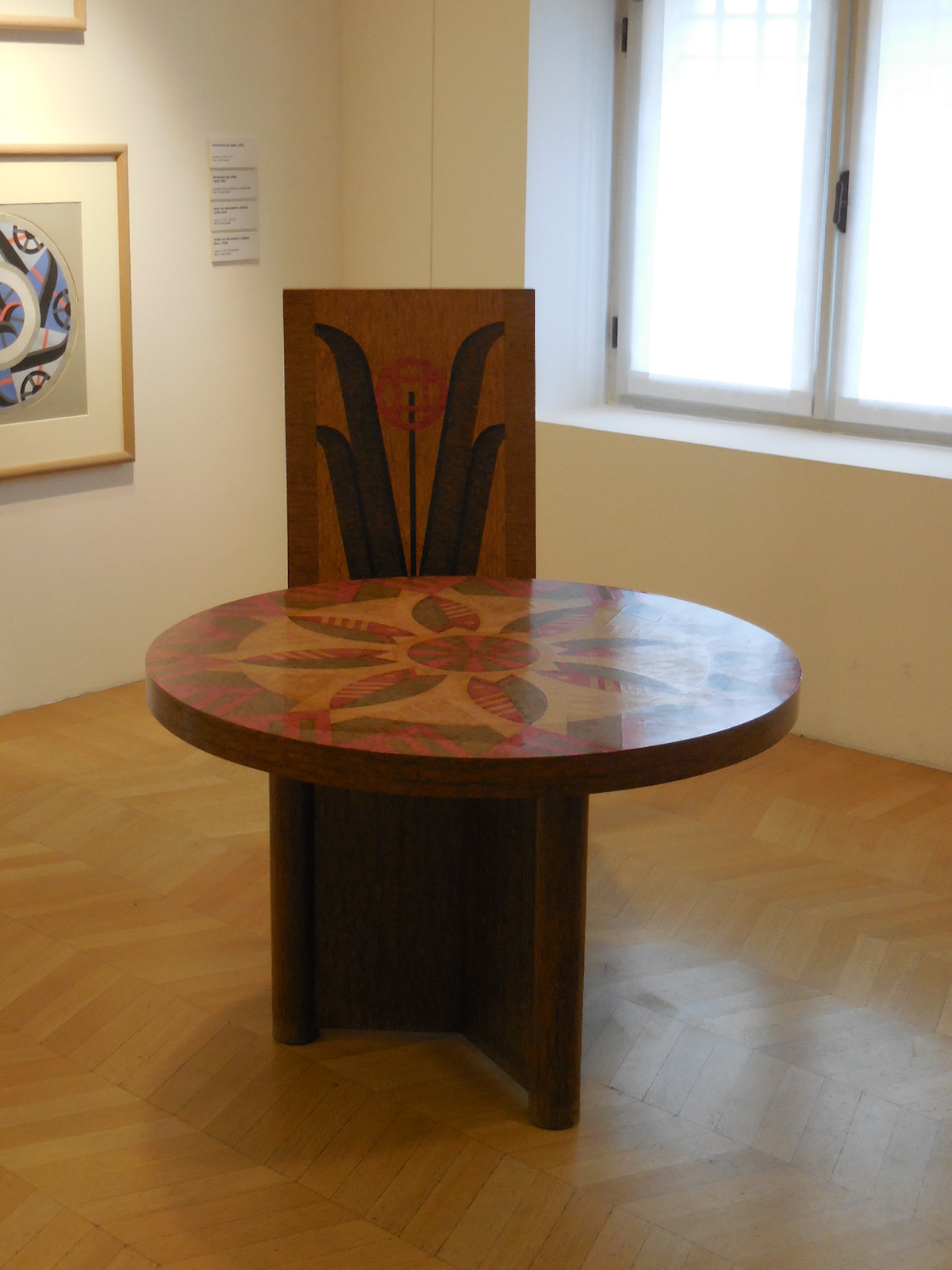
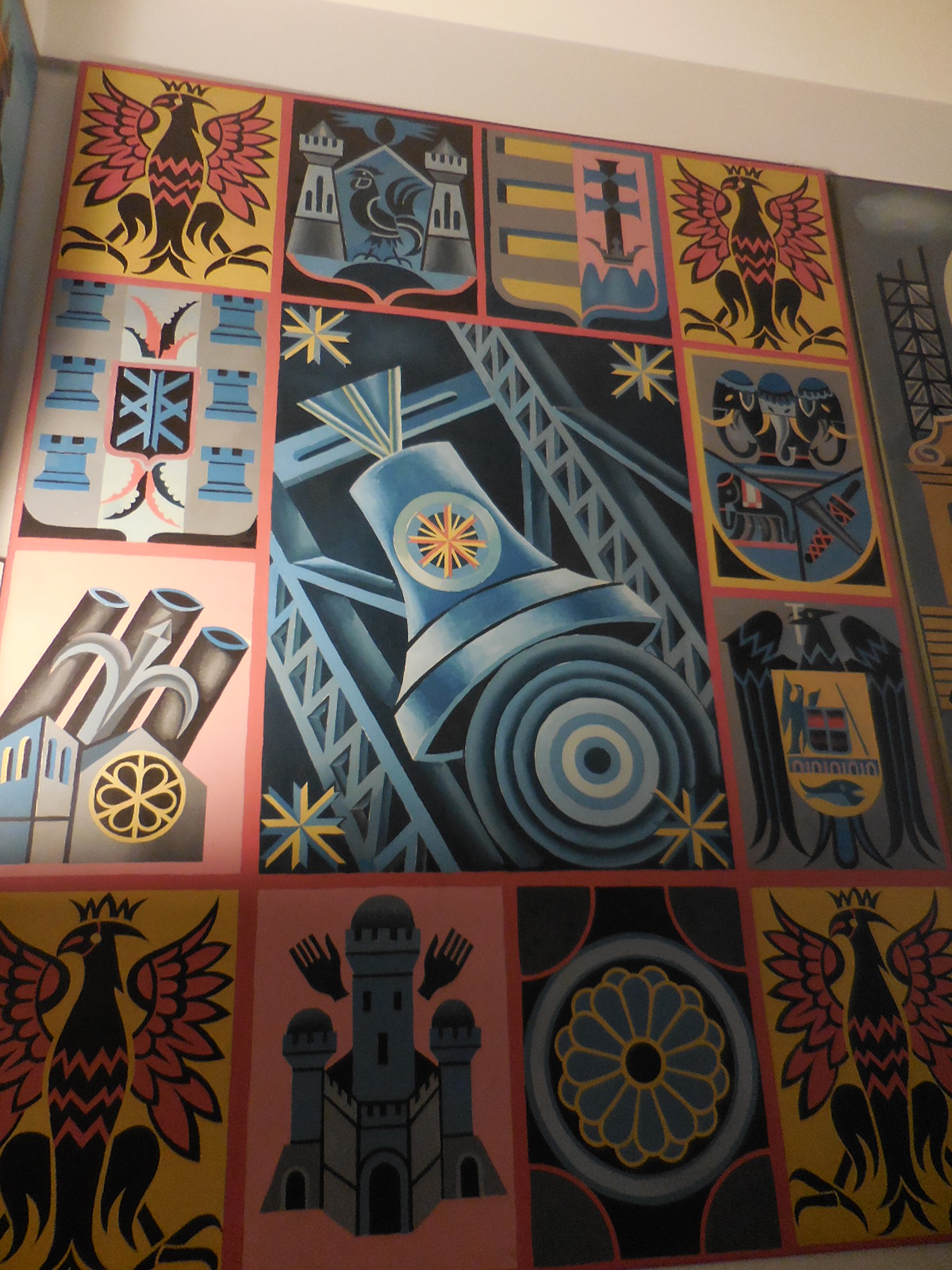
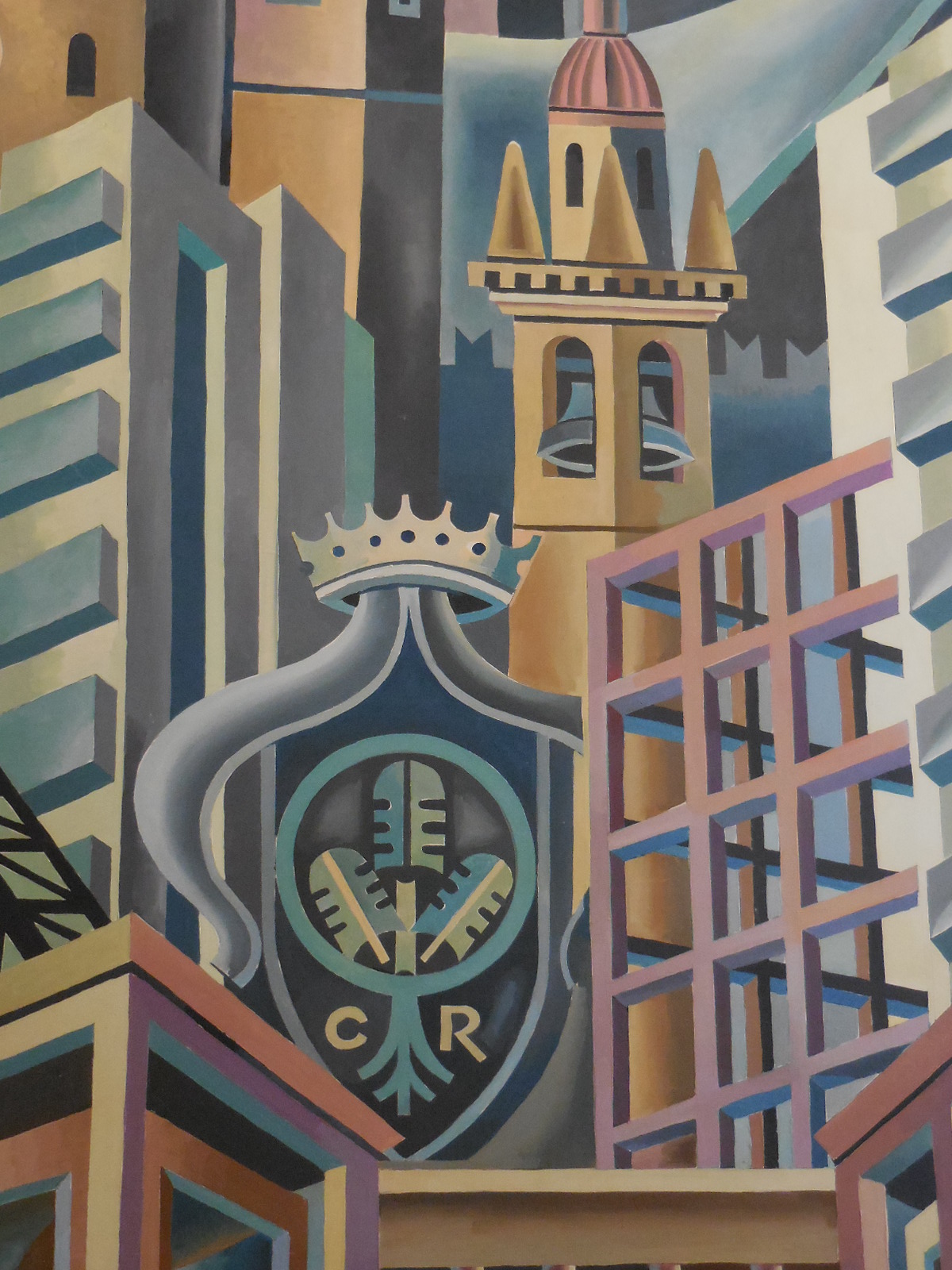
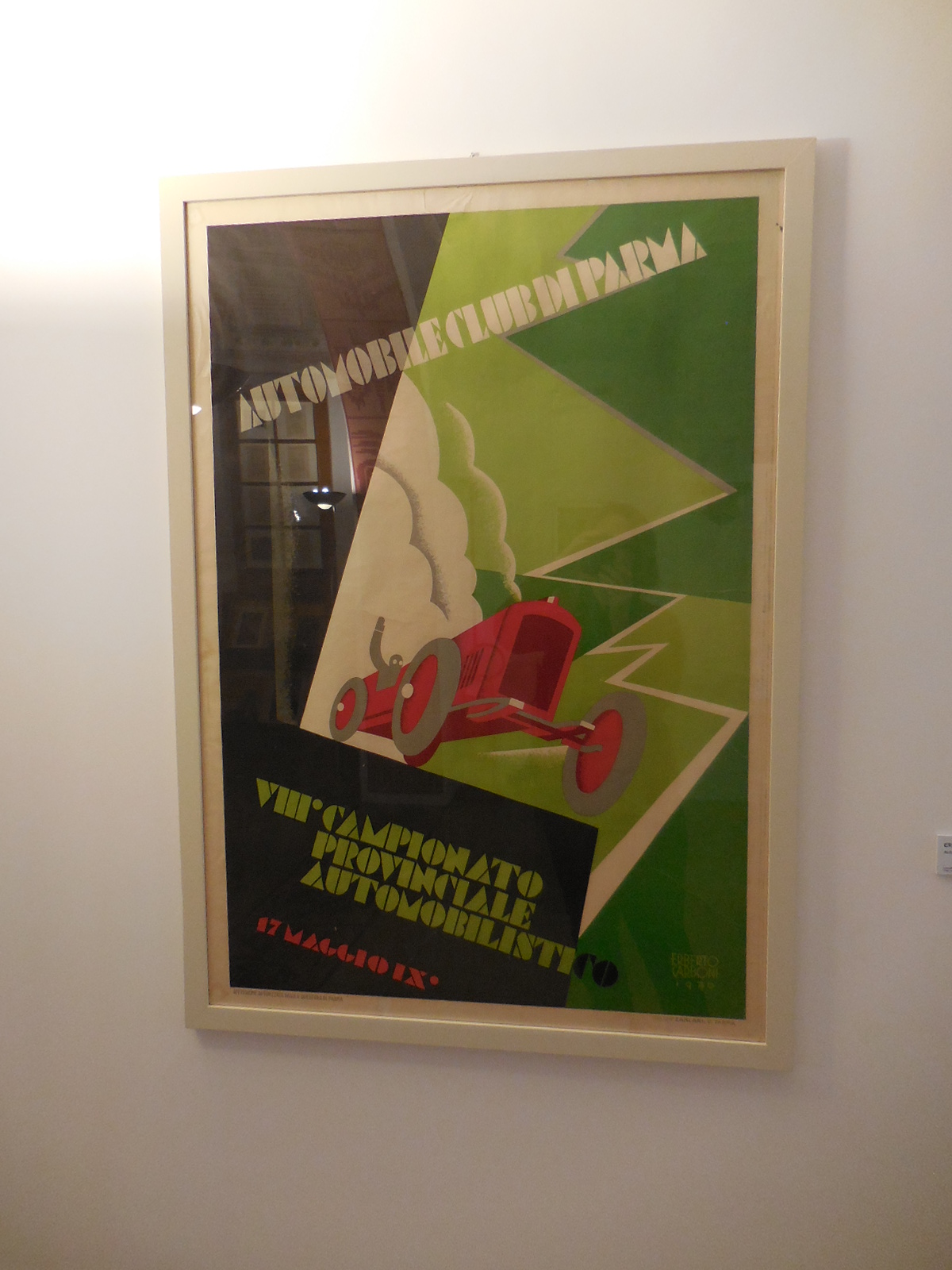
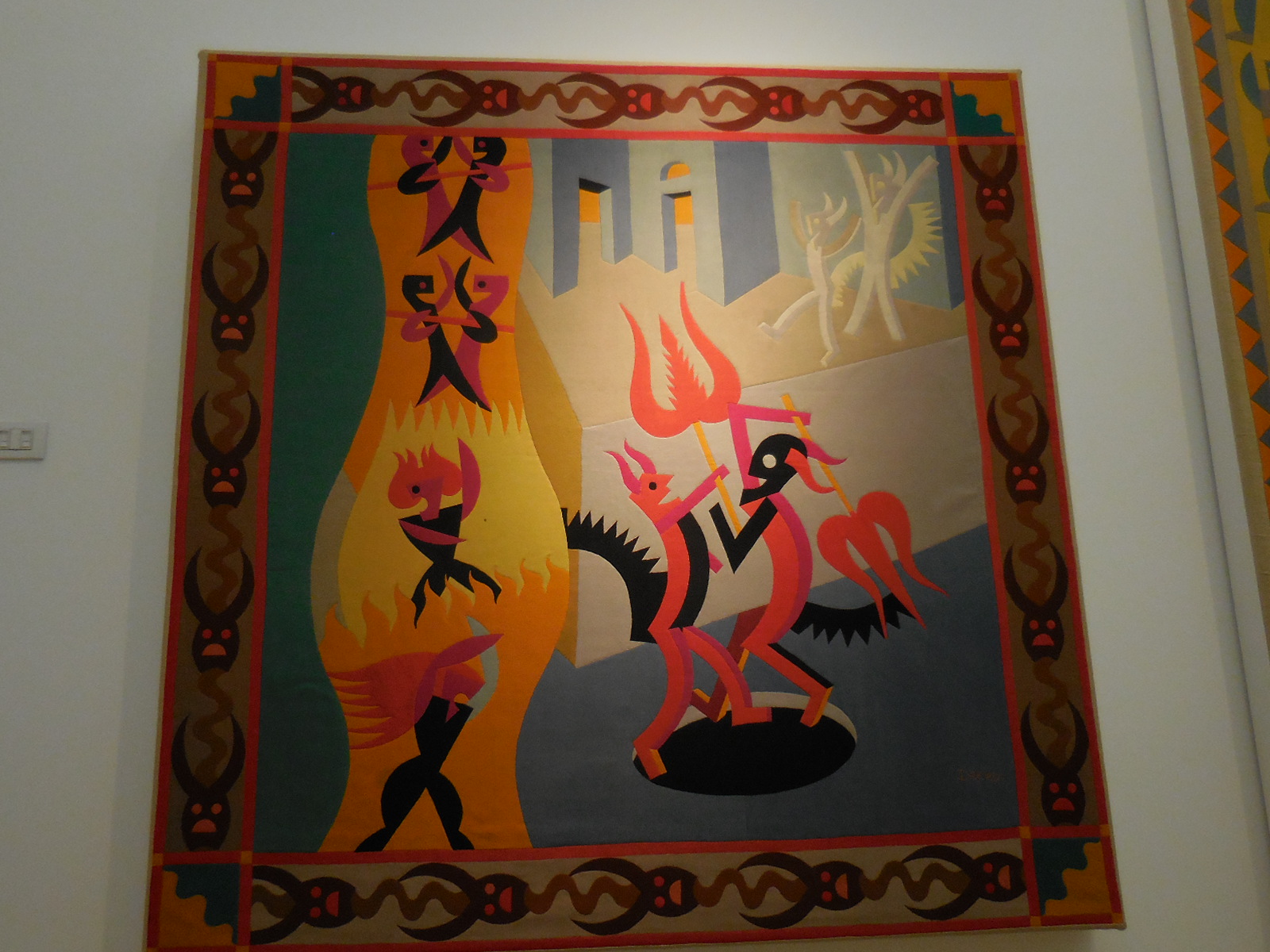
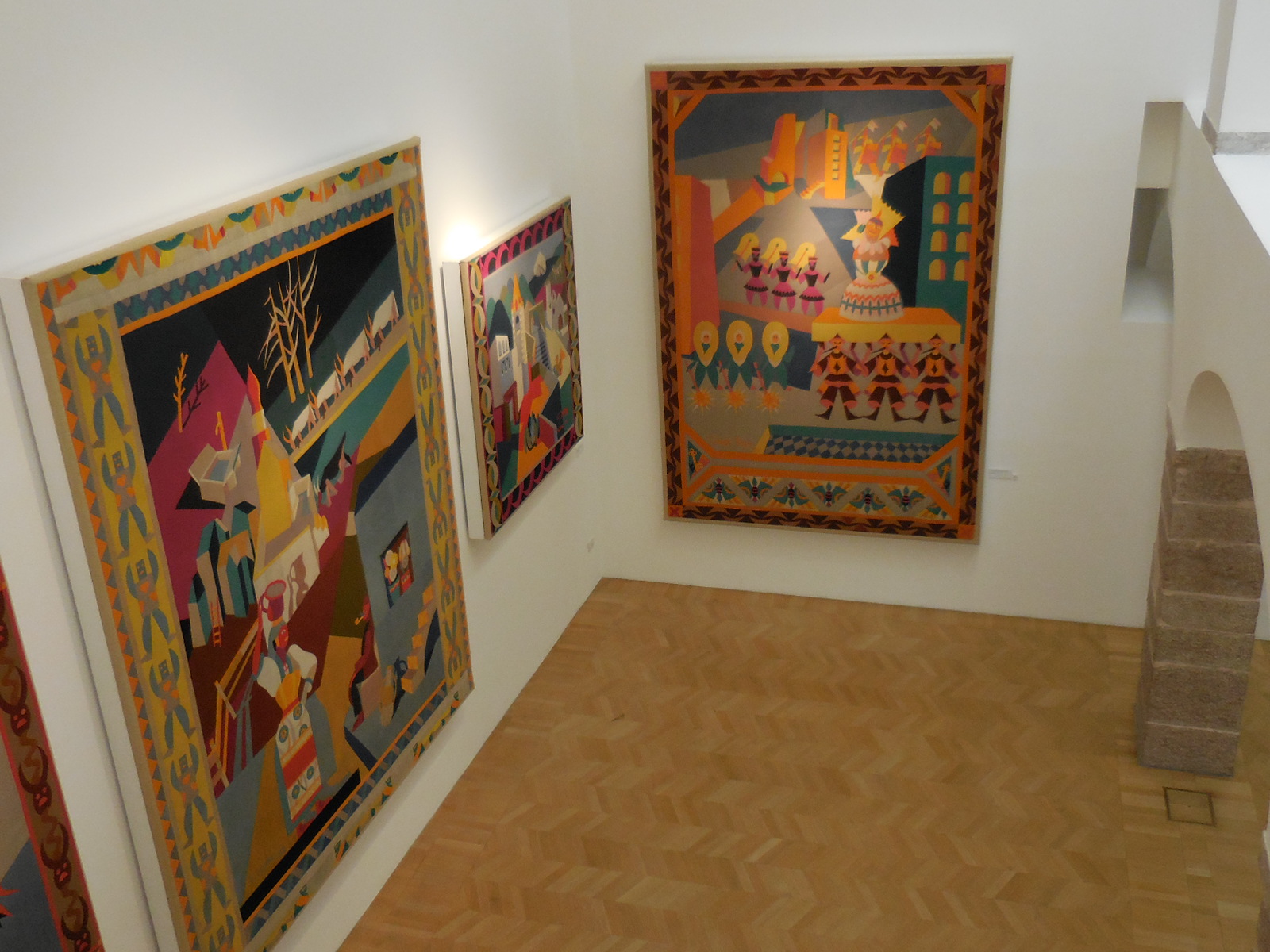
The museum was eclectic with furniture, paintings, tapestries, cloth material, drawings, collages, posters, toys and a film, for instance. I loved the dynamic colors, especially the bright orange of one painting and bright pink hues of others. The works indeed looked as if they were in motion. I could see elements of Cubism in the designs. I especially thought of Josef Čapek’s mechanical figures in his paintings, and I could see characteristics of primitive art, too. I was struck by the way some figures resembled machines. In one sculpture in particular I could see the figures in motion. It was as if the sculpture was not standing still, but, of course, it was.

RoveretoDepero7

RoveretoDepero8

RoveretoDepero10

RoveretoDepero11

There were tranquil scenes, such as a woman with a pink face holding a pot on her head, having stopped to talk to a figure smoking a pipe. Some of the furniture seemed to have designs resembling folk themes. In some paintings I saw a dangerous, impersonal city, sharp as a sword. It was as if the buildings themselves had swallowed up humanity. Of course, these are just my personal impressions. I do not know if they are the impressions Depero wanted viewers to have.

RoveretoDepero2

RoveretoDepero5

RoveretoDepero14

I liked the unique museum because it had both a modern and medieval character architecturally, and the many artifacts introduced me to a movement I had known nothing about. I especially was drawn to the pastel colors of some of the works. I learned about an artist who never gave up on futurism, even when many others had given up on the movement. It was somewhat ironic to have a museum dedicated to art that stressed modernity and despised anything old in a town of rich historical content. It was interesting that Depero chose a medieval building as the place to exhibit his works. The exhibition’s location stressed that the old was fused into the new and vice versa, not that the new rejected the old.

Perhaps the irony was part of the beauty of it all, too.

Tracy A. Burns is a writer, proofreader and editor in Prague.

RoveretoDepero19

RoveretoDepero20

RoveretoDepero22

RoveretoDepero23