
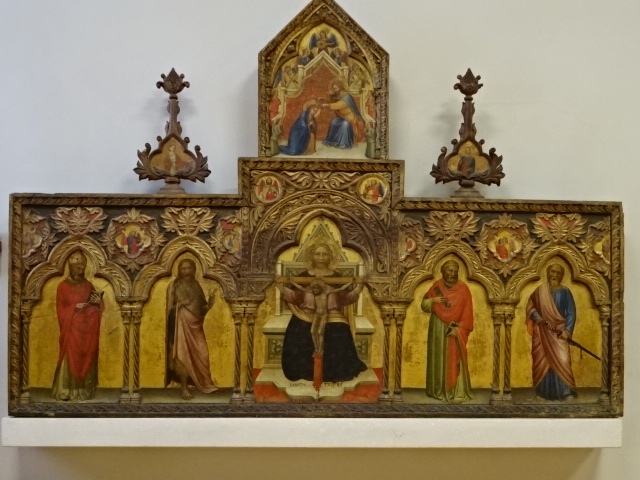

My first stop in Verona was the Castelvecchio Museum, a sprawling edifice that looks like a medieval fortress. The Castelvecchio hails from 1354 to 1356, when it was built for Cangrande II della Scala as a defensive structure. The Della Scala family lived there for a short time. During Napoleon’s reign, from 1801 to 1806, the building was transformed into barracks, and it served this purpose until 1924. The Castelvecchio was seriously damaged during World War II, during the time when the Germans destroyed all of Verona’s bridges. From 1958 to 1974, architect Carlo Scarpa renovated the Castelvecchio, adding modern elements to the original style that harkens back to the Middle Ages.


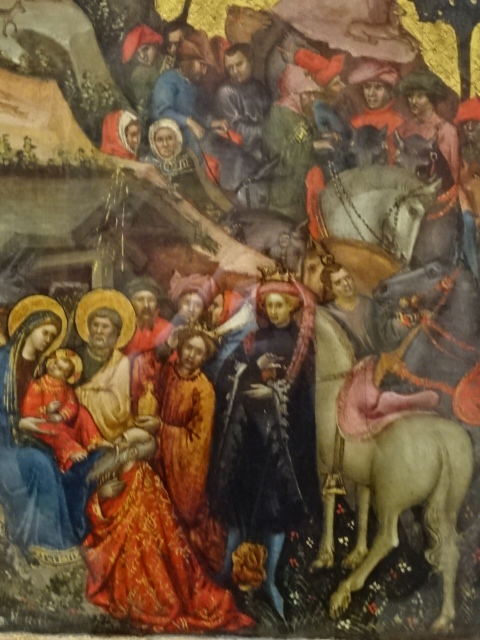
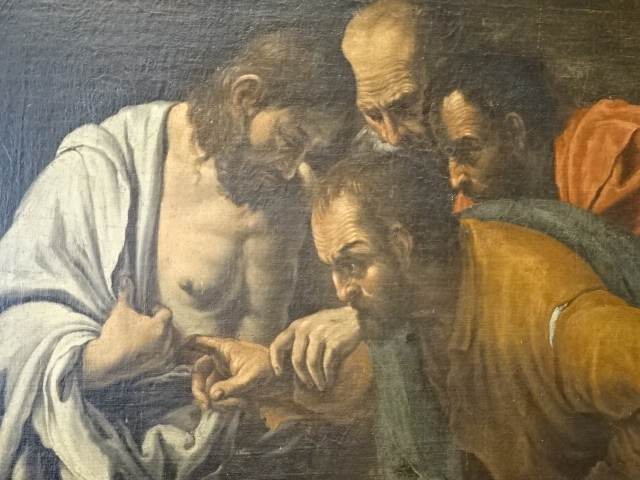
The expansive medieval and Renaissance spaces inside house 30 halls of Italian and European painting and sculpture, dating from the Romanesque era to the 1700s. I also saw ancient weapons, ceramics, gold artifacts, bells and miniatures, for instance. I especially liked the walkways outside. They offer panoramic views of romantic Verona.


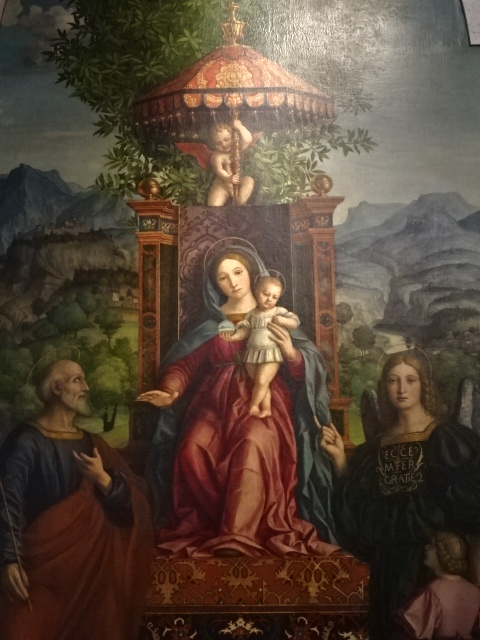
Artists represented in the collection include Pisanello, Giovanni Bellini, Jacopo Bellini, Carlo Crivelli, Andrea Mantegna, Jacopo Tintoretto and Tiepolo. Pisanello’s “Madonna of the Quail,” Jacobo Bellini’s “Madonna of Humility” and Mantegna’s “Holy Family” are a few of the highlights. The Romanesque sculpture also is impressive.


An intriguing true crime story is connected to the museum. In 2015, three thieves made off with 17 paintings, including masterpieces by Jacopo Bellini, Giovanni Bellini, Andrea Mantegna, Tintoretto, Peter Paul Rubens and Hans de Jode. The following year, the museum got the works of art back from Odessa thanks to Ukrainian border guards. It remains one of the most significant art heists to take place in Italy.
Tracy A. Burns is a writer, proofreader and editor in Prague.



 Tracy's Travels