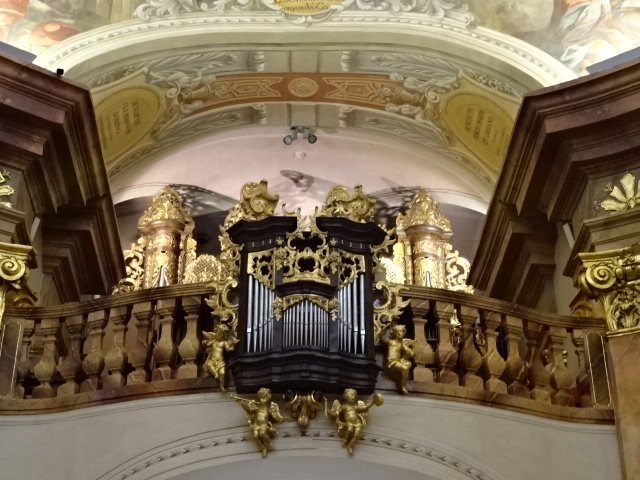
I visited this church, which became a national monument in 2002, for the very first time during 2025. The tour guide, who played for us the exquisite organ, narrated the history of the holy building. The first church on the premises was destroyed by a fire during 1631. The chateau, town hall and some houses also burned down during that catastrophe. There was only one object that survived the fire: a book about the church tower that was erected in 1562. This was not the only fire that would decimate the town during this era. The chateau’s owner Jan Adam of Questenberk, responsible for Jaroměřice’s golden era, promoted the reconstruction for the current church, built in 1737.
The church was in disrepair during the recent 2000s, but much reconstruction occurred from 2019 and lasted until 2022, taking three years to revive the structure that had been so dilapidated. A new sacristy was installed. Electrical and heating systems were redone.
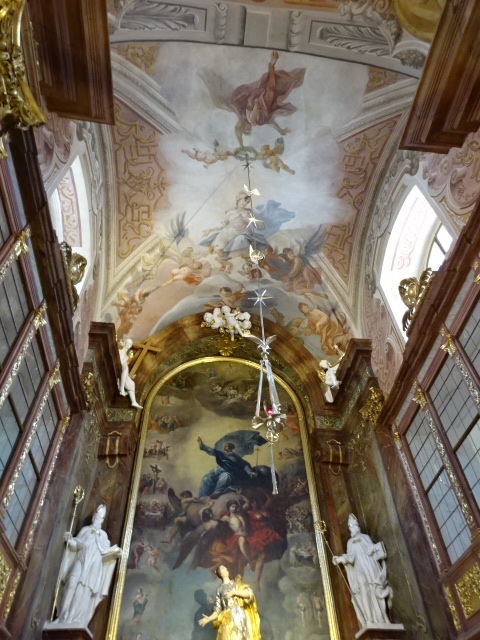
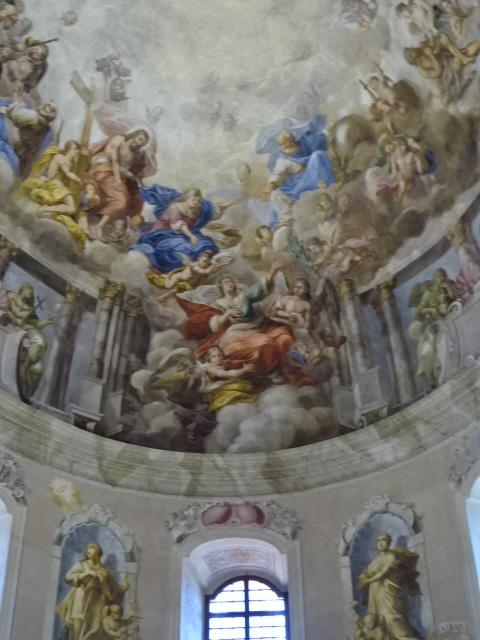
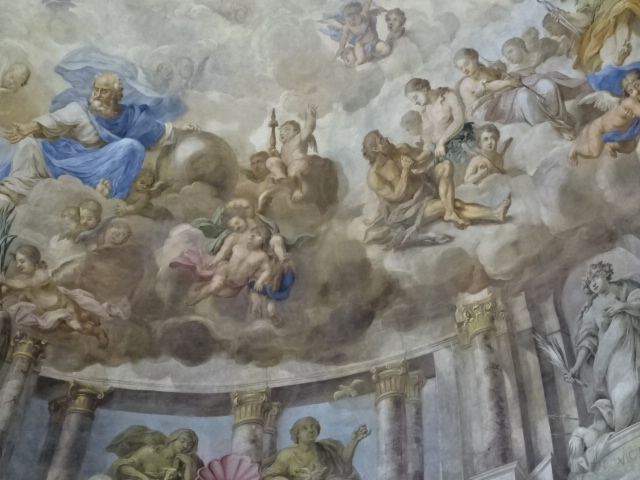
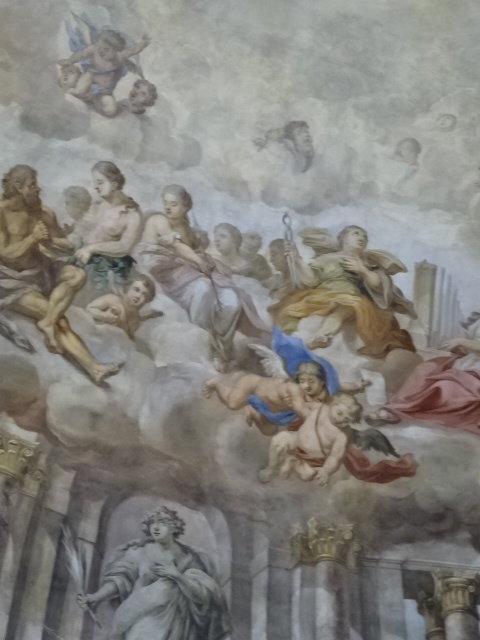
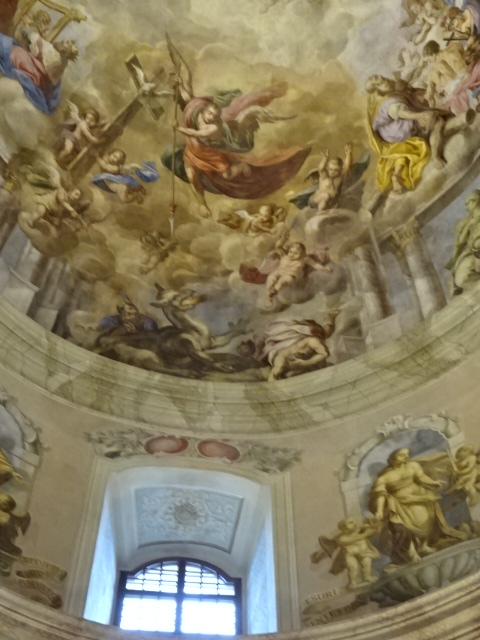
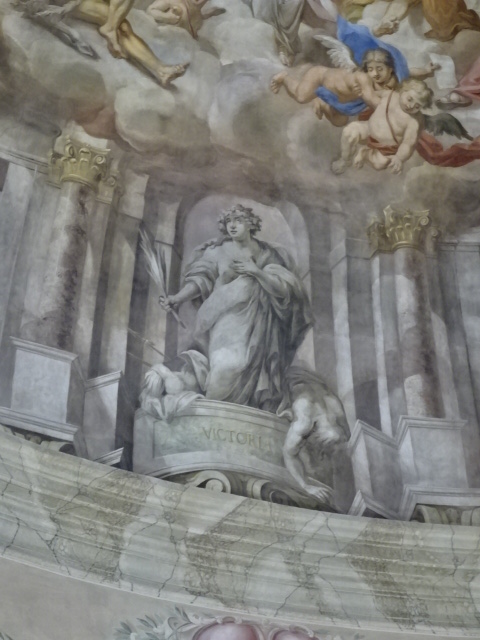
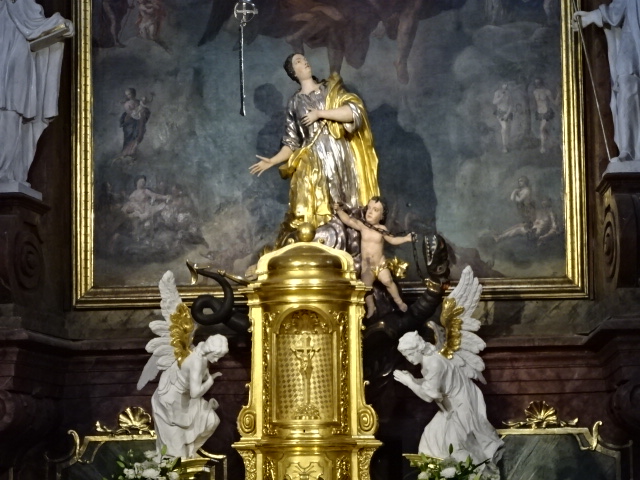
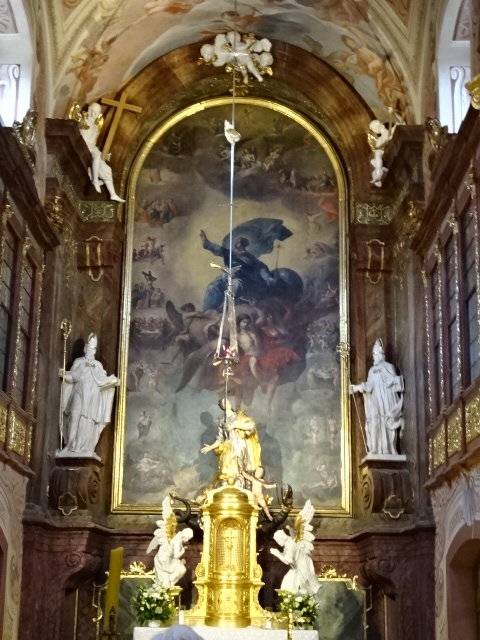
I inspected the main altar. The painting showed fluttering angels surrounding Saint Markéta as they placed laurel wreaths on the holy figure’s head. The creation of light was a major theme in this artwork. I was overwhelmed by the ceiling fresco, which measured 450m2. Painted by Karel František Tepper in 1737, it showed off Saint Markéta in all her glory and celebrated the town of Jaroměřice.
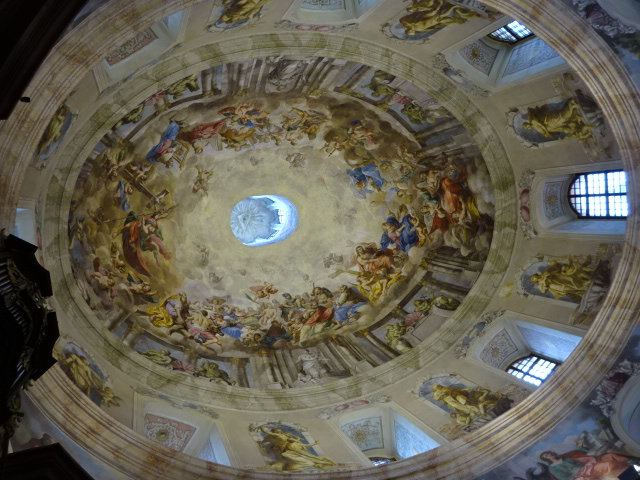
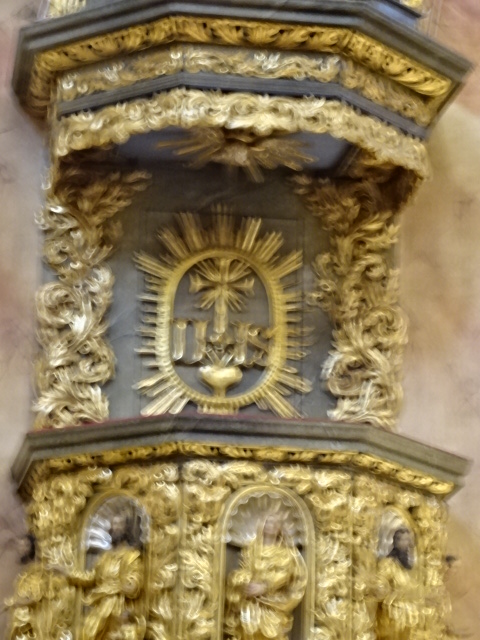
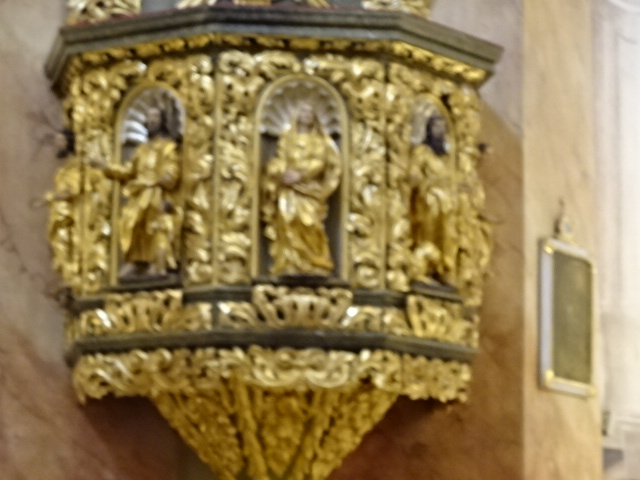
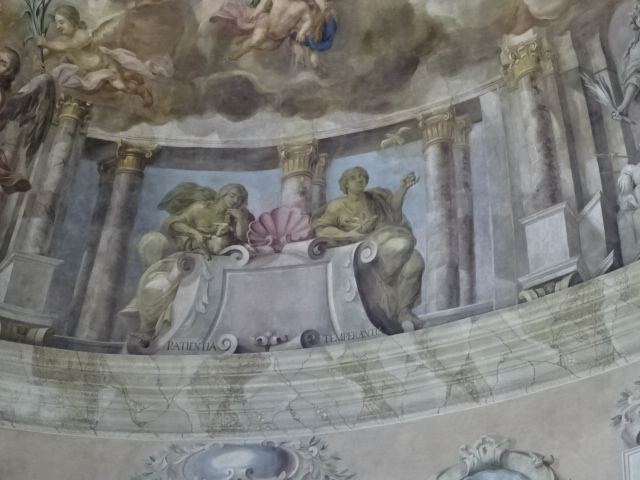
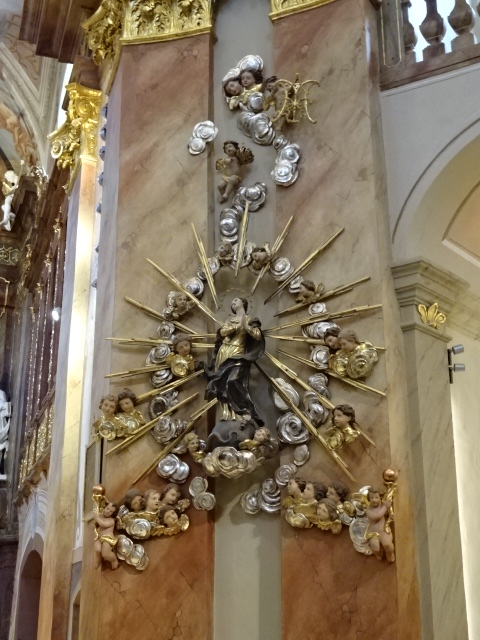
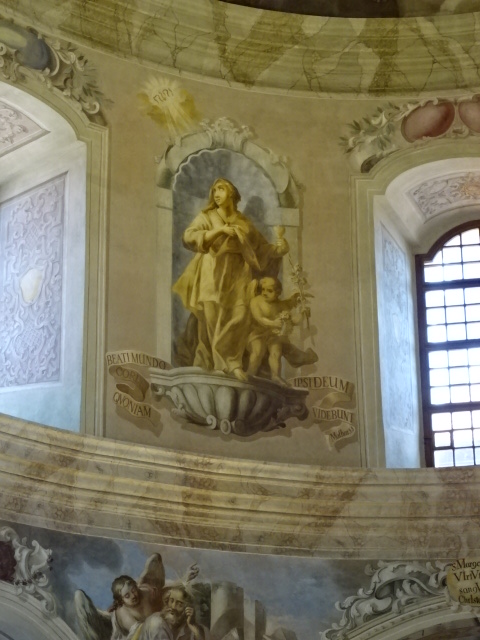
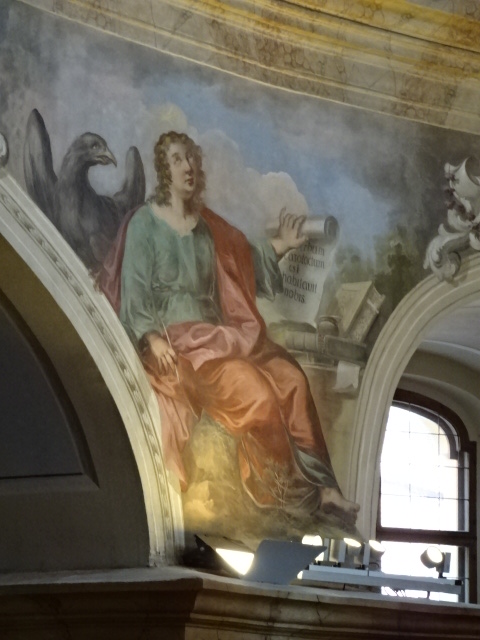
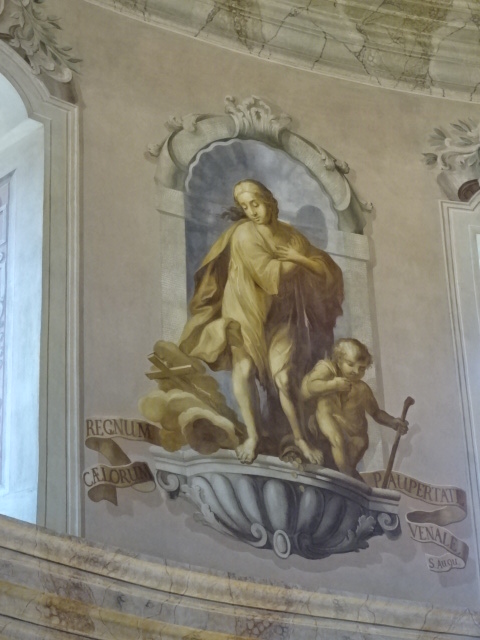
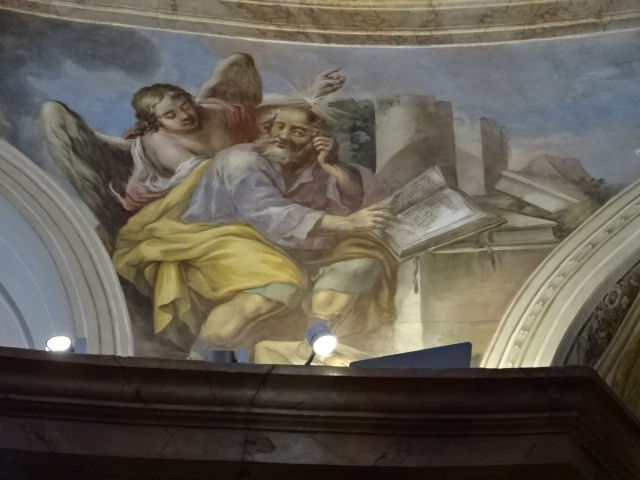
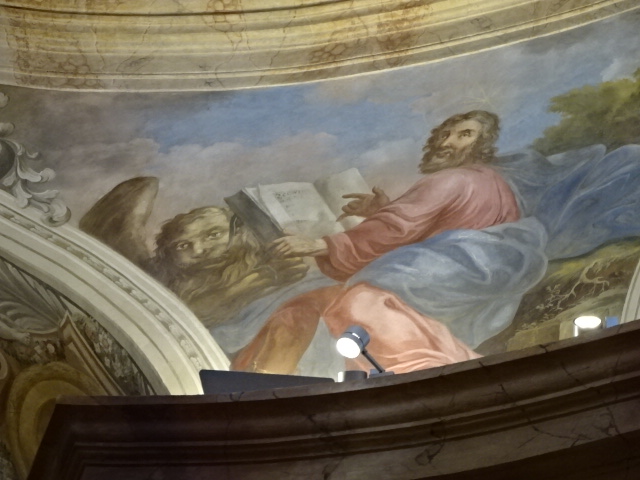
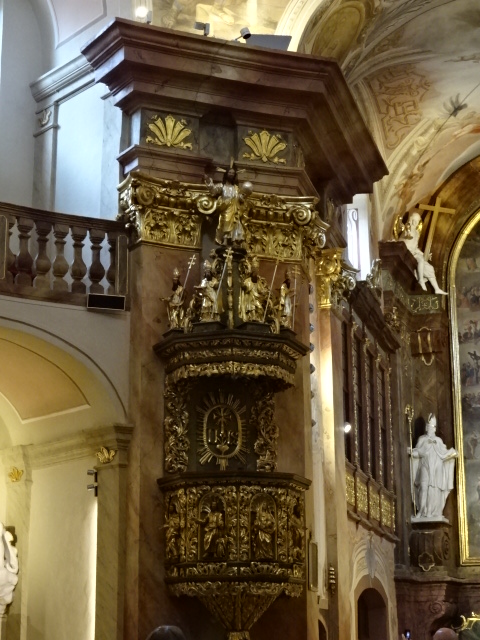
I counted seven side altars and marveled at the paintings of the Evangelists and Roman gods on the upper walls of the church. The remains of Saint Vincent and Saint Rupert were in impressive reliquaries. The pulpit was astounding, too. An astounding altar of Saint Anna took my breath away, too. The church had two square towers, both more than 40 meters in height and each with two floors. I did not overlook the beauty of the exquisitely painted cupola, either. The baptismal font is new, from the most recent reconstruction.
I was dazzled by the church’s overwhelming beauty and was so thankful that I had had this chance to see it. I especially loved the stunning ceiling fresco and decoration on the upper walls. Another highlight was the tour guide playing the organ. The music permeated the church, and I had a great appreciation for the glory days of this church during Questenberk’s Jaroměřice. I was so impressed by the music that seemed to soar through the church and by the town that was seeping with historical importance.
Tracy A. Burns is a writer and proofreader in Prague.
Whenever I visit Kutná Hora, the highlight of my trip there is the Late Gothic Church of Saint Barbara, a five-nave structure dedicated to the martyr representing the mining profession. During the Middle Ages, when the building of the church began, Kutná hora had been thriving thanks to its mining of silver and minting of groschen coins.
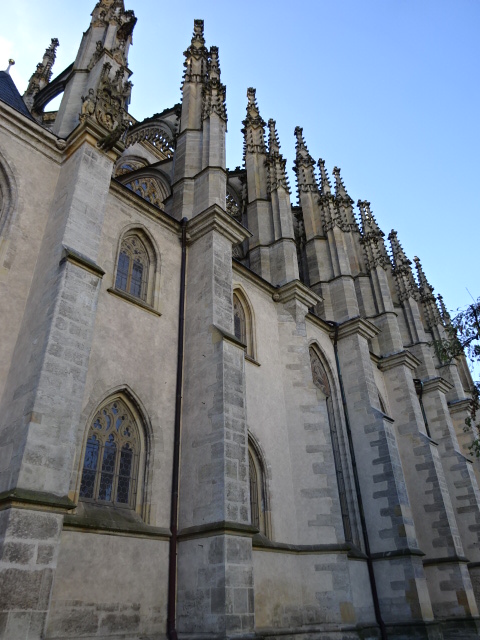
The exterior captures my undivided attention every time thanks to its double-arched flying buttresses and gargoyles. I loved the Late Gothic style that was preserved on the outside. While some of the interior had been transformed into Baroque and Neo-Gothic style, the church still retained many Gothic elements, including frescoes from the Middle Ages.
The construction on the church, initiated in the 14th century, was carried out by Jan Parler, son of Petr Parler. Jan’s father had been one of the most prominent architects and sculptors of the Holy Roman Empire under Emperor Charles IV’s reign, when Prague was the capital. Petr’s major accomplishments included work on Saint Vitus’ Cathedral at Prague Castle and the building of the Charles Bridge. Petr also planned the New Town part of Prague. His unique architectural style can be seen on Prague’s Old Bridge Tower, too. Jan took part in the construction of Saint Vitus’ Cathedral and was the main builder of the Church of Saint Barbara in Kutná Hora.
However, the Hussite wars of the 15th century got in the way, and work was halted as the church was pillaged. Construction was interrupted for 60 years. Then, at the end of the 15th century, Master Hanuš crafted much of the magnificent vaulting and part of the triforium.
After he died in 1489, a stonemason, sculptor and architect named Matyáš Rejsek took over. A master of the Late Gothic style, Rejsek had been inspired by Petr Parler’s creations. Rejsek made Prague’s statue-decorated Powder Tower, for instance. He also built Kutná Hora’s town hall, but that structure no longer stands. A large portion of the Church of Saint Barbara’s Gothic exterior was Rejsek’s work, including the gargoyles and upper triforium. He was responsible for interior décor as well, including the tabernacle, balustrades of the choir and the awe-inspiring choir vaulting adorned with emblems of countries and guilds. During his time, the church became a true Late Gothic gem. Construction did not stop until six years after his death, in 1506.
Then in the 16th century work started again with Benedikt Rejk (sometimes called Reid) in control. I knew him best as the architect of Prague Castle’s Vladislav Hall with its magnificent vaulting. He was responsible for the main nave and the Late Gothic large vaulting with helical ribs of the Church of Saint Barbara, for example.
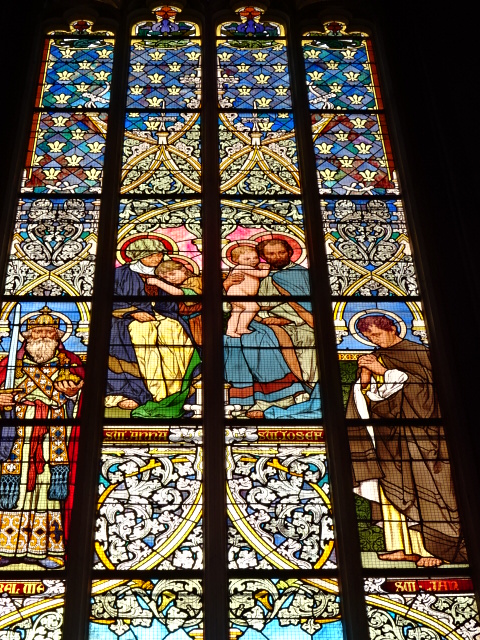
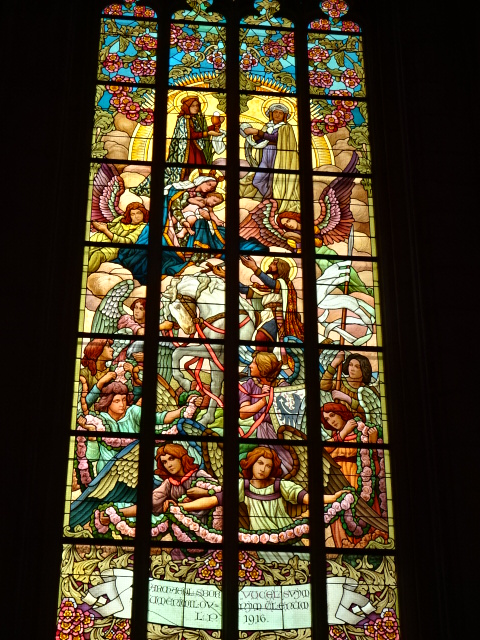
Baroque reconstruction took place when the Jesuits took charge. Then, from 1885 to 1905, remodeling was carried out. At this time the main altar and stained glass windows were formed. I was always particularly captivated with the windows dating from the end of the 19th century and beginning of the 20th century. The stained glass decoration portrays events in Kutná Hora and Czech history. Habsburg Emperor Franz Josef’s visit to Kutná Hora in the early 20th century makes up one scene.
One of my favorite works in the church is the statue of a miner, which hails from 1700. The miner is holding a lamp and tool in his hands as he seems ready to traverse the depths of the mines. Another gem, the statue of Our Lady Enthroned, dates from 1308.
The Minters’ Chapel is one of my favorites with 15th century frescoes that include a scene of two miners doing their job and a mallet-wielding minter making the groschen coins that Kutná Hora was famous for in the Middle Ages. In Smíšek’s Chapel visitors see the family gathered around an altar and other remarkable works. Baroque frescoes also dot the interior, including the altar of Ignatius of Loyola, which shows off the conversion of Ignatius.
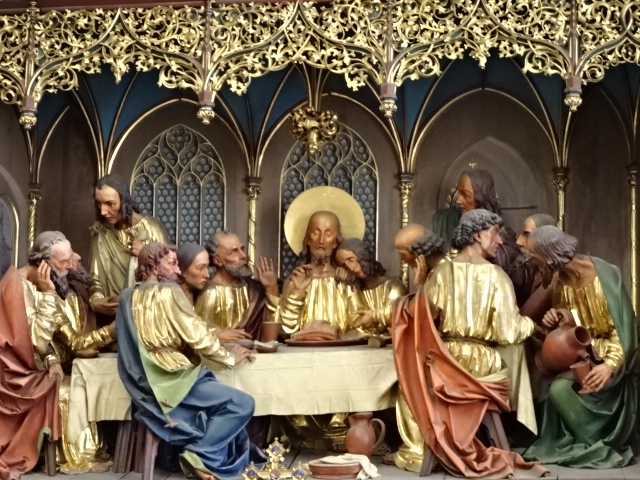
The intricate woodcarving of the choir benches hails from the late 15th century. The main altar is a Neo-Gothic replica of the original Late Gothic altar with the theme of the Last Supper. The Baroque altar of Saint Agatha is home to four Baroque paintings depicting the life of Saint Wenceslas, the patron saint of the Czech lands. The impressive stone pulpit dates from 1566.
I have never grown bored of visiting the Church of Saint Barbara, even though I have been there on numerous occasions. Both the exterior and interior are astounding as this church is the highlight of any trip to Kutná Hora.
Tracy A. Burns is a writer, proofreader and editor in Prague.
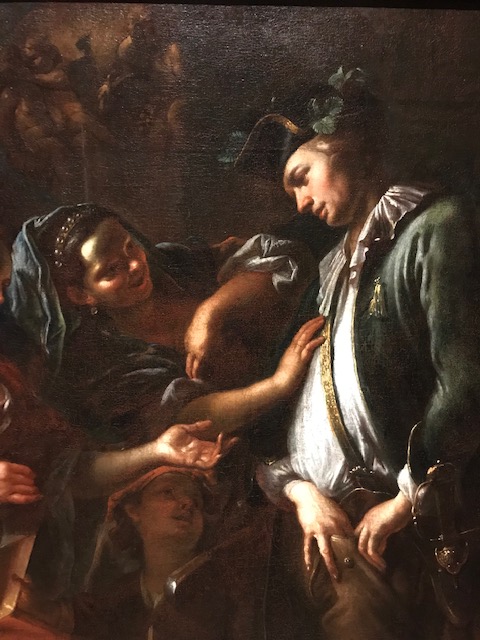
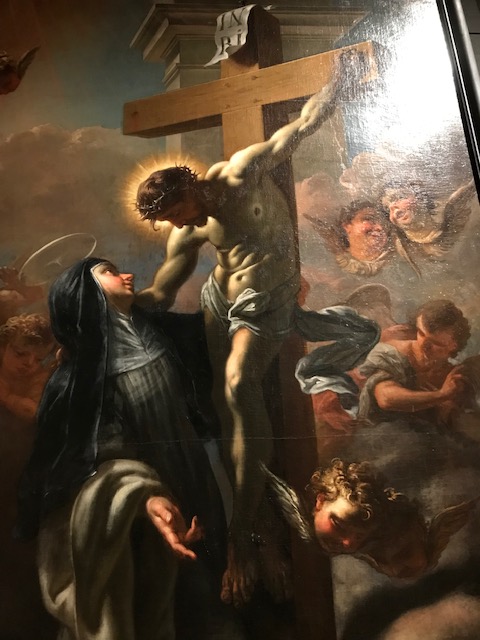
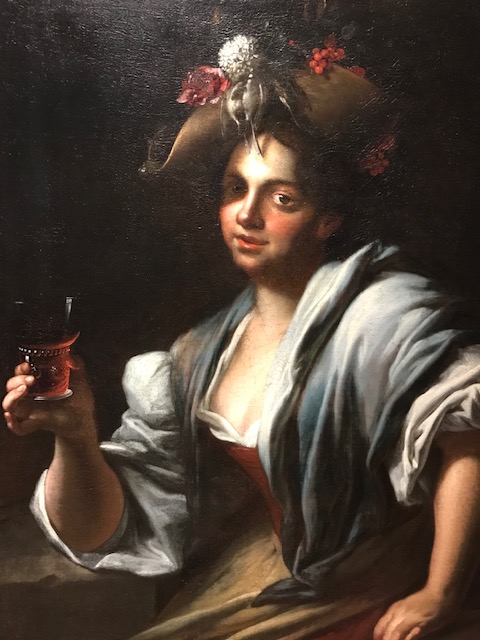
In October of 2023, I saw the comprehensive Prague exhibition “Petr Brandl: Story of a Bohemian” consisting of 64 altar paintings, portraits and genre works by Brandl (1668-1735), a masterful Czech artist during the Late Baroque period.
Self-portrait of Petr Brandl in a wig
I was well familiar with Brandl’s work. Many of the works shown at Wallenstein Palace were creations I had seen at chateaus, churches, cathedrals or monasteries throughout the Czech lands, such as at Břevnov monastery, The Cathedral of the Assumption of the Virgin Mary and Saint John in Sedlec as well as at Jindřichův Hradec Castle and Chateau. Another altar painting hailed from Church of St. John the Baptist near Manětín Chateau. Lnáře was home to another altar painting. I had visited the Baroque chateau and the cat museum in Lnáře a few years previously. The altar paintings on display had been restored over a period of two years.
Brandl was of Czech and German descent, baptized in October of 1668. At age 15, he served as an apprentice to painter Kristián Schroder, who later became custodian of Prague Castle. (Schroder’s work was also represented in this exhibition.) Brandl’s masterpieces showed a distinct influence of Karel Škréta’s dynamic and bold style, which was apparent because Škréta’s creations were displayed, too.
A friend of Brandl’s, legendary sculptor Matthias Bernard Braun utilized one of Brandl’s drawings for his design of the statue of Saint Luitgarda on the Charles Bridge. Coincidentally, Brandl had taken part in the competition to create the statues for the Charles Bridge, but Braun had been the victorious one. (I also saw examples of Braun’s work at this exhibition and couldn’t help thinking about the 24 allegorical statues of vices and virtues for former hospital Kuks in east Bohemia, rendered so masterfully by Braun.
Brandl had worked for some of the most prestigious noble families, including the Černíns, Lobkoviczes and Šporks. Brandl lived in Kuks, working under the guidance of František Antonín Špork, during 1731. The painter created a well-known portrait of his patron there.
Coincidentally, Brandl’s brother had a claim to fame as well. Working as a goldsmith, Brandl’s brother contributed to the building of the Cathedral of Saint Vitus in Prague.
To be sure, Brandl was a prolific painter. In the Church of St. John the Baptist in Manětín, Brandl had designed the painting at the main altar. At the UNESCO-listed cathedral in Sedlec, Brandl was responsible for three paintings in the chapels. I also saw four of his paintings in Lnáře. At Břevnov monastery his works dominated six side altars in the main nave. The themes of the paintings at the monastery, founded in 993 AD, included the dying Saint Benedict, Saint Vojtěch meeting with Prince Boleslav II at a spring, the murder of Saint Wenceslas and the crucified Christ.
I had always been enamored by Brandl’s strong chiaroscuro and thick, energetic brushstrokes. His paintings, dynamic and vibrant in character, told distinct stories. His portraits brought the sitters to life. Those of elderly men, such as St. Jerome, were reminiscent of Rembrandt’s works in their expressive nature. His later works took on darker tones and utilized simpler modelling of shapes.
The exhibition also highlighted Brandl’s personal life, especially his monetary problems. I read descriptions of his troubles as I gazed at his monumental works. Brandl’s marriage was rocky in part due to financial problems. He also cheated on his wife, Helena. Wed to Petr Brandl during 1693, Helen often complained that he was a spendthrift and didn’t provide enough money for the care of his three children. He also owed money to the artist’s guild and was fined accordingly. Brandl was earning money but spent it all on an extravagant lifestyle. Brandl found himself in debt his entire life and even was imprisoned twice as a debtor.
His poor health was also highlighted in the exhibition. Brandl had trouble sleeping and took pills. He had pain in his joints and digestive problems, too. Those were just a few of his many ailments.
Saint Jerome
He was very poor when he died during 1735. Brandl was buried in a church in Kutná hora, a town about an hour from Prague, where he had spent time at the end of his life.
Fire of Troy
Despite his shortcomings as a person, Brandl was my favorite Czech Baroque painter and one of my favorite Baroque painters of all-time. I was enthralled by this exhibition and came away feeling joyous that I had been able to enter Brandl’s artistic worlds.
Tracy A. Burns is a writer, proofreader and editor in Prague.
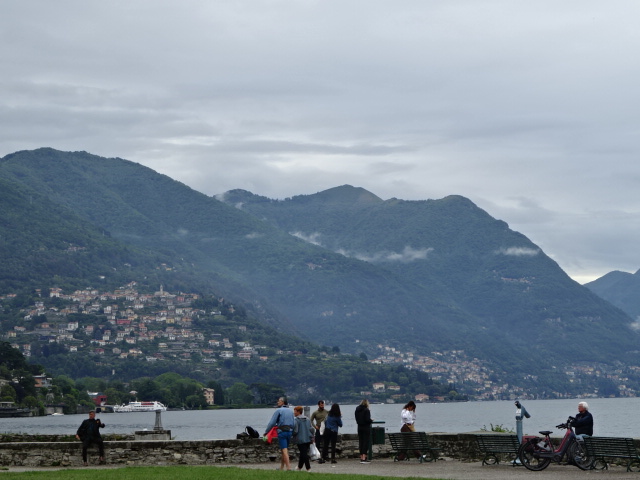
One of my dreams was to visit the romantic towns on Lake Como, so I took a day trip to Como, Bellagio and Menaggio when I was in Milan during May of 2023. Unfortunately, the tour did not go to Varenna, a place I longed to see. Maybe next time. The tour only took us to one villa’s grounds, which were open to visitors. I saw the exteriors of many villas from the boat, but it was drizzling, and I was seated on the wrong side to get pictures. I hope to go back one day and visit Villa Carlotta, an architectural gem that includes a botanical garden with 150 types of azaleas, rhododendrons, tropical plants, cedars, palms and more. I heard that its interior is filled with superb art. Antonio Canova and Francesco Hayez are two of the artists represented in the villa’s art-dotted spaces. Maybe next time.
First, we visited the charming town of Como, located only 40 kilometers from the Swiss border. Our guide pointed out that former Fascist Prime Minister Benito Mussolini and his mistress had gone through Como while trying to flee to Switzerland and eventually to Spain. However, in April of 1945 he was arrested in Dingo, a town near Como and a day later shot in Giulino di Mezzegra.
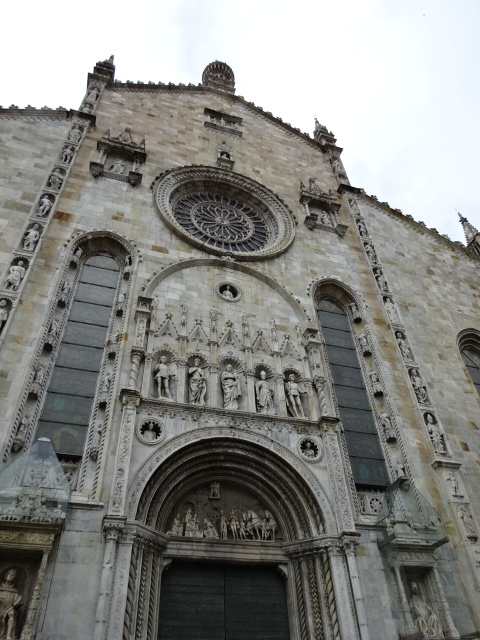
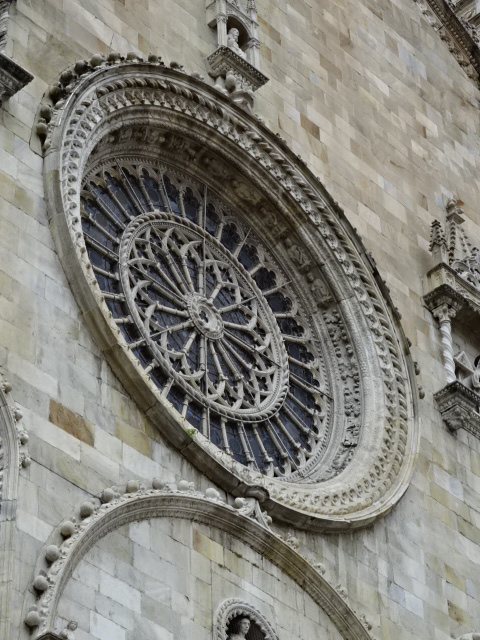
Upon reaching the center, I first noticed the cathedral, dedicated to the Assumption of the Blessed Virgin Mary. It had an impressive Late Gothic façade with sculptural decoration. The construction took a considerable amount of time; in fact, it took four centuries to build. I took note of the statues of writers Pliny the Elder and Pliny the Younger, natives of Como.
Inside, the cathedral had a Latin cross configuration with three naves divided by pilasters. The Romanesque sculpture was noteworthy. Three of Bernardino Luini’s paintings from the 16th century hang inside. Stained glass windows hail from the Gothic and Renaissance eras. The stunning cupola is Rococo while the main altar harkens back to the 14th century. What impressed me the most were the nine tapestries woven in the 16th century. They focused on themes such as the Eucharist, the Sacrifice of Isaac, the Adoration of the Magi and the Pentecost, for example.
The Basilica of Saint Abbondio is another sight worth seeing in Como. This Romanesque edifice included 14th century frescoes. Como also boasted of a very unique building designed during totalitarian times, the Caso del Fascio, which was erected from 1933 to 1936. The functionalist structure lacked any ornamentation. The Caso del Fascio served as an example of Italian architecture designed during totalitarian times. The Como-based building had four geometrical and opaque facades. Designed by Guiseppe Terragni, the place was occupied by the National Fascist Party until 1945, when various political parties had their offices there. Now the Finance Police calls the curious structure home.
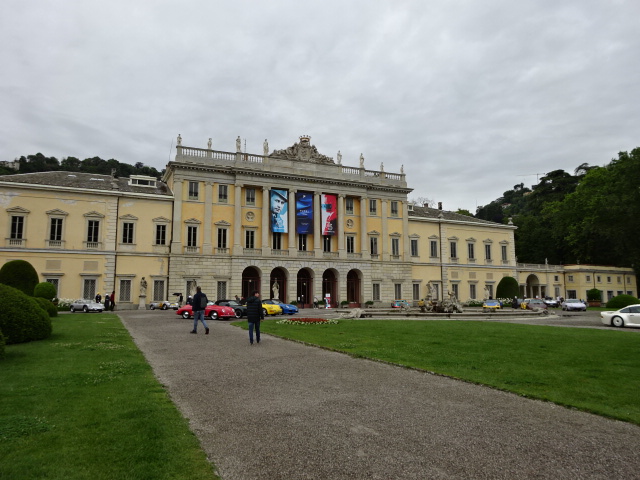
Walking around the center of Como, taking in the romantic atmosphere, was a real thrill. We also visited the grounds of the Villa Olmo, an impressive neoclassical structure dating from the 18th century. The lake views were outstanding, and the English style garden was beautiful.
Bellagio was next on the itinerary. I ate a delicious lunch in an costly restaurant in this charming town with steep cobblestoned lanes dotted with some expensive shops. The historic center was made up of only three streets but also sported a park and marina. I walked up one steep street that had a medieval aura and found myself on the main square looking at the Basilica of San Giacomo and a tower. The basilica hailed from the Romanesque days of the 11th and 12th centuries and featured a Romanesque cross and Gothic triptych.
While I didn’t have the chance to visit any of the villas there, the Villa Melzi with its English style garden is worth mentioning. The luxurious structure inspired many of the rich to build villas on Lake Como during the 19th century. Franz Liszt composed many piano works there, inspired by the romantic atmosphere.
We also visited the quaint town of Menaggio with its quaint waterfront square. The three-naved Church of Santo Stefano Protomartire, built on a Paleochristian site, showed off frescoes from the 16th and 17th centuries. The Chiesa di Santa Maria had a neo-Gothic façade and included an artistic rendition of Saint Ambrogio as a young man. Other churches in the town are noteworthy, too. There are many villas in Menaggio, including the neoclassical Villa Vigoni. Goethe often traveled to that villa.
I did get a look at some villas where movies and some episodes of the show Succession had been filmed, and I saw a hotel where Greta Garbo had made a movie. Unfortunately, it wasn’t possible to take good pictures due to the rain slivering down the window and the location of my seat on the boat. I did like Richard Branson’s villa with its fairy-tale appearance, though.
Even though it rained often while I was exploring the towns surrounding Lake Como, I enjoyed the romantic atmosphere that had inspired Liszt, Goethe and so many more. The towns were very crowded even on a rainy day. I could only imagine how crowded they must be in the summer on sunny days. I hope to return to Lake Como sometime, heading to Varenna or Villa Carlotta.
Tracy A. Burns is a writer, proofreader and editor in Prague.
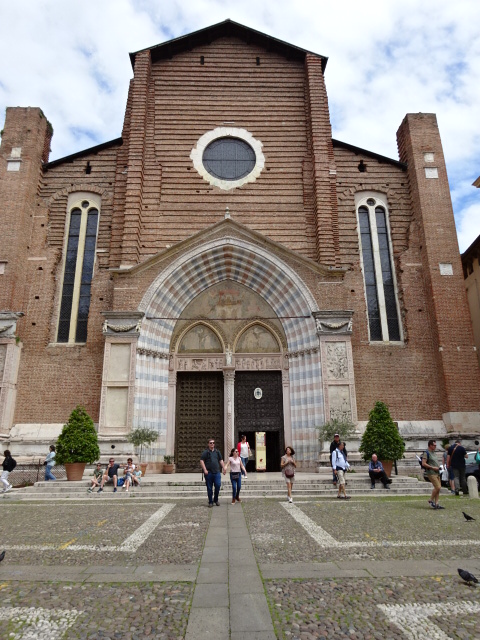
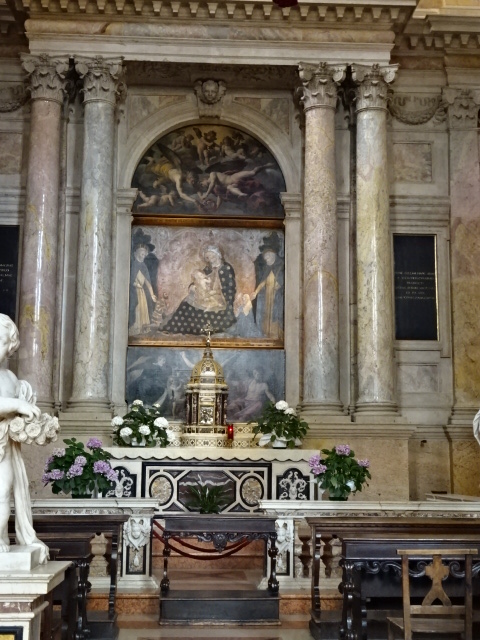
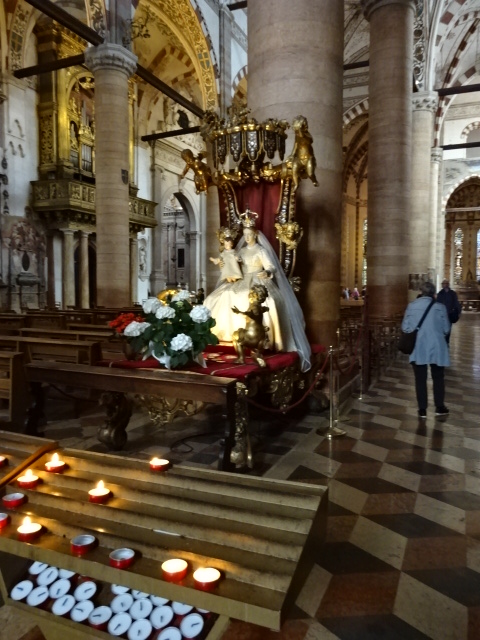
I first set eyes on this basilica during a day trip from Milan to Verona in 2023. The largest church in Verona, Dominicans began to build it in 1280. It is dedicated to both Saint Anastasia and Saint Peter, a Dominican and a patron of the city. The basilica’s Late Gothic façade was never completed but is stunning nonetheless. For the most part, it is made of brick, and the front includes a rose window. I also noticed a 15th century portal. Its belltower measures 72 m2 and has nine bells. With the exception of the façade, the church has been finished, a feat that took two centuries.
The amazing interior features a Latin cross plan with a nave and two aisles plus cross vaults. The columns are made of white and red marble. It contains many intriguing chapels, including one decorated with a fresco of Saint George and the Princess by Pisanello, dating from the 15th century. Two stoups are decorated with hunchbacks. The Baroque organ hails from 1625. The floor boasts of a red, white and black design.
The presbytery includes the main altar carved in light yellow marble. Twentieth century stained-glass windows and a 15th century fresco of the Annunciation are other highlights of this section. The mausoleum of Cortesia Serego shows off richly carved sculpture and remarkable painting. The left transept includes a fresco by the Second Master of Saint Zeno, a disciple of Giotto. It has three paintings featuring Saint Nicholas, Saint Cecilia, Saint Hyacinth and Saint Mary Magdalene, among others.
The Pelligrini Chapel with a superb fresco by that artist may be the best known of all the chapels. Art on the walls depict scenes from Christ’s life. A lunette has another exquisite fresco from the late 14th and early 15th century. The sarcophagus is adorned with stunning sculpture.
The other chapels are stunning, too. The Cavalli Chapel has a late 14th century fresco. Other frescoes, including ones depicting the Virgin and Child and Saint Christopher, add to the allure of this chapel. The Lavoagnoli Chapel, dating from the 15th century, features frescoes dedicated to Saint John the Baptist.
The Salerni Chapel shows off frescoes by the Second Master of Saint Zeno. This chapel hails from the 14th century. The stained-glass windows in the Giusti Chapel harken back to 1460. A 15th century wooden choir is part of the décor. The rudder of a ship hangs from the ceiling and dates from the Battle of Lepanto in 1571. The Rosary Chapel is dedicated to the victory of the Battle of Lepanto and hails from the late 16th and early 17th century. The paintings are exquisite. The Crucifix Chapel includes a 15th century wooden cross and a 15th century funerary monument.
Altars in the basilica are exquisite. The Bevilacqua-Lazise Altar, dedicated to the Virgin Mary, includes a marble sculptural grouping and a richly decorated frieze. Frescoes also make up the décor of this altar. The paintings in the Mazzoleni Altar from 1592 are noteworthy as well and include artwork by Liberale da Verona, showing three saints. The Centrego Altar features a painting of Our Lady enthroned between Saint Thomas and Saint Augustine by a Veronese artist. The Fregoso Altar is another outstanding piece of art.
I was overwhelmed by the superb art in this basilica. Both the exterior and the interior exhibit stunning beauty and masterful craftsmanship. This basilica was one of the highlights of my second trip to Verona.
Tracy A. Burns is a writer, proofreader and editor in Prague.
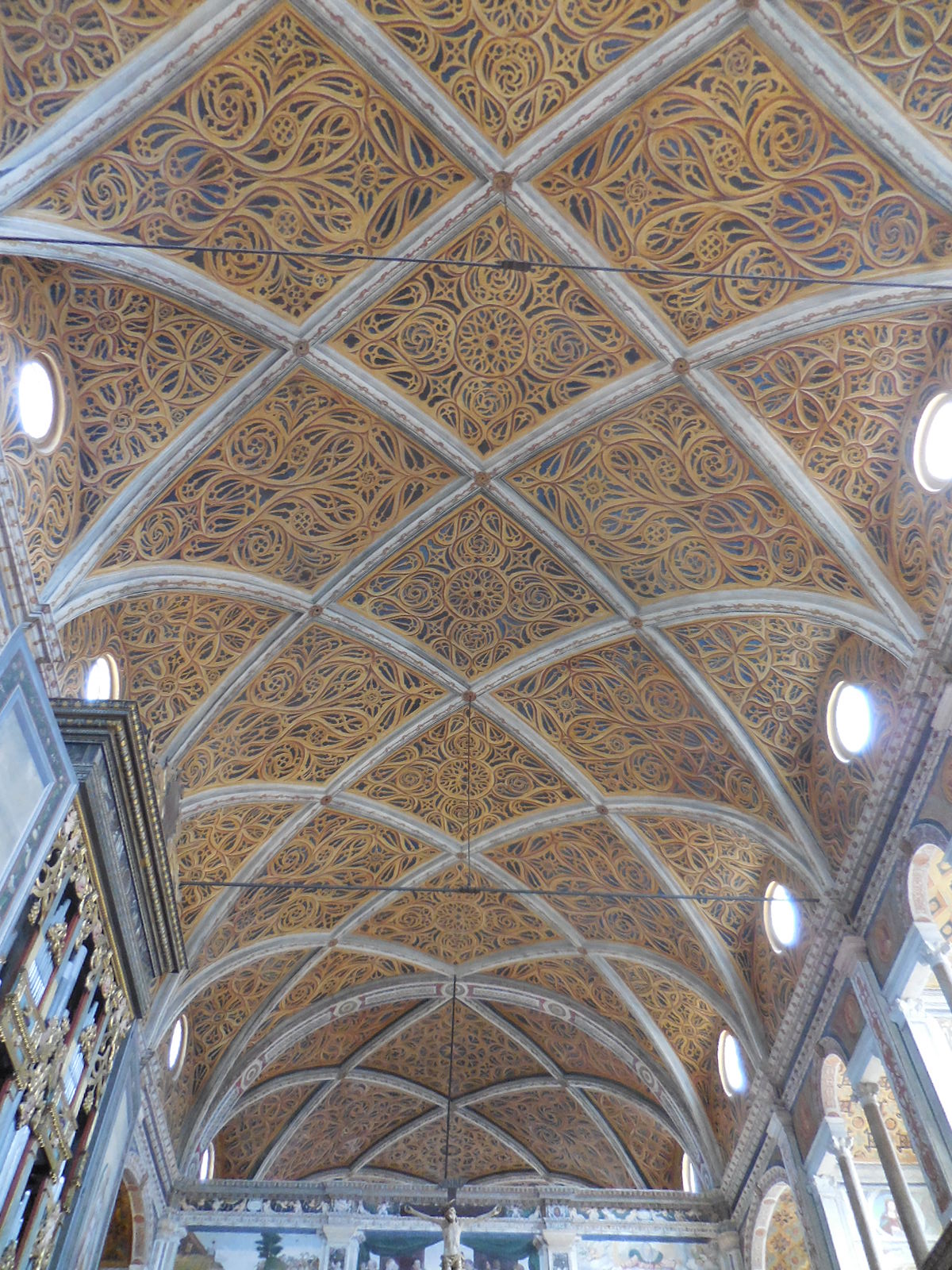
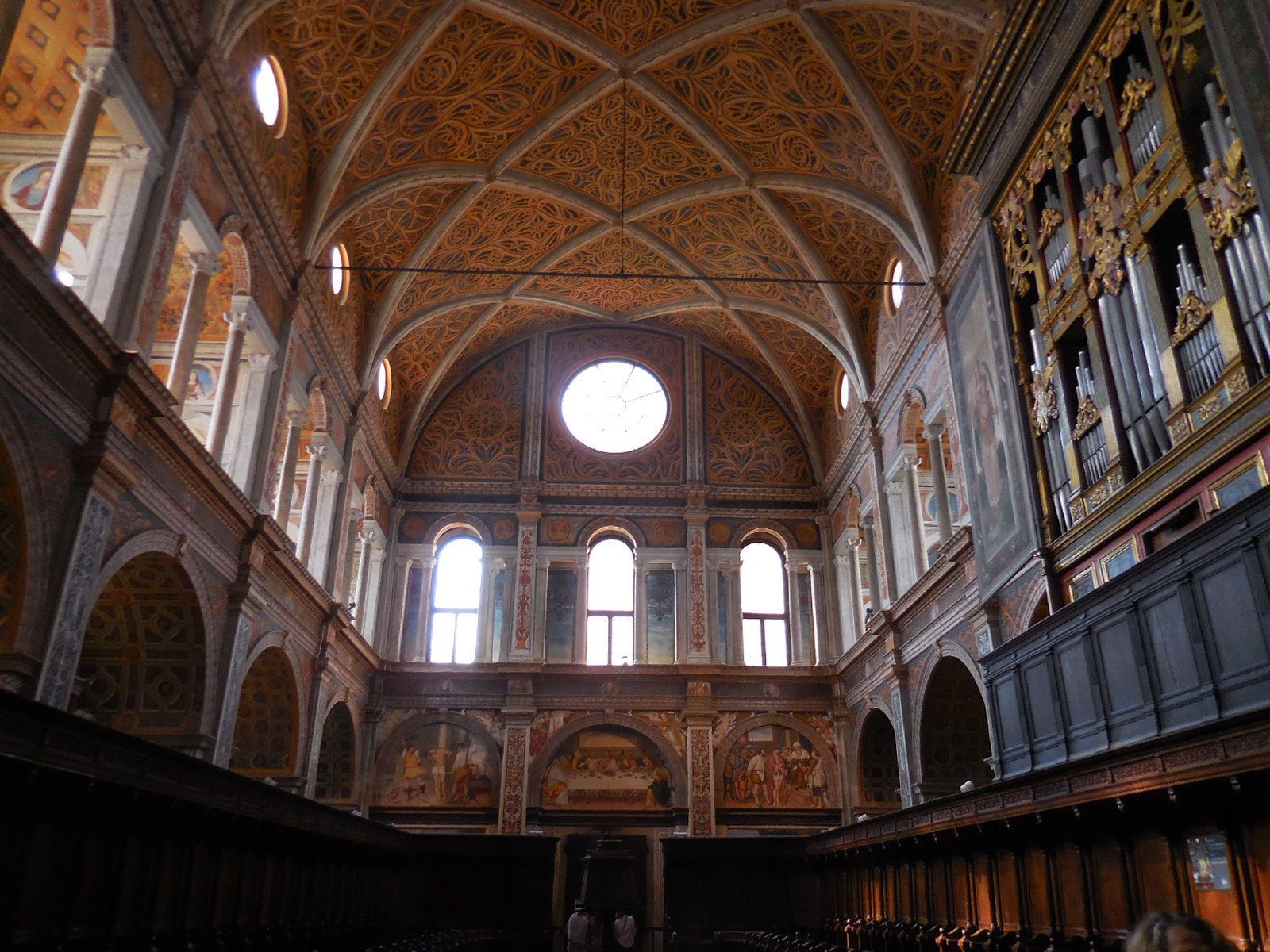
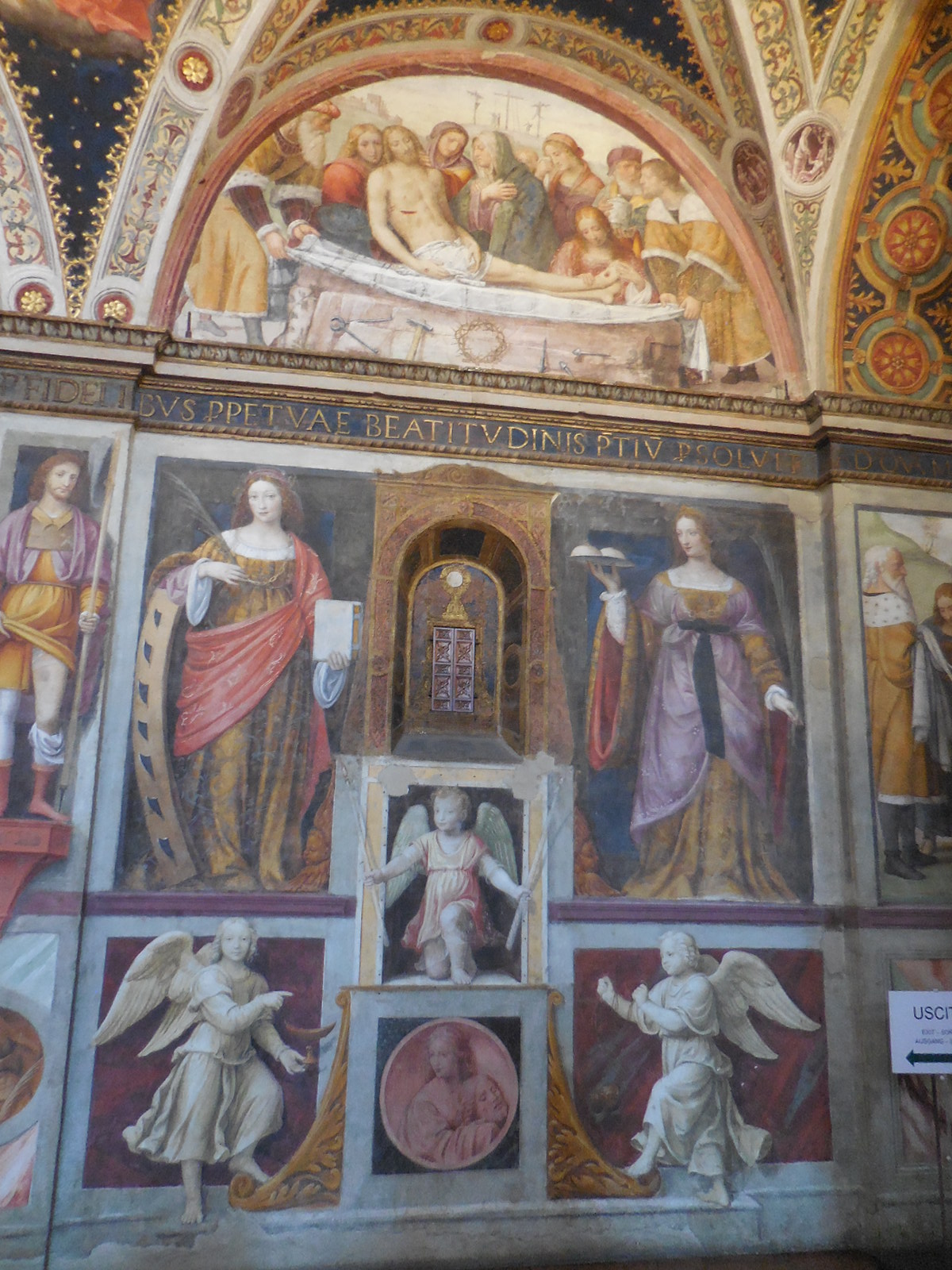
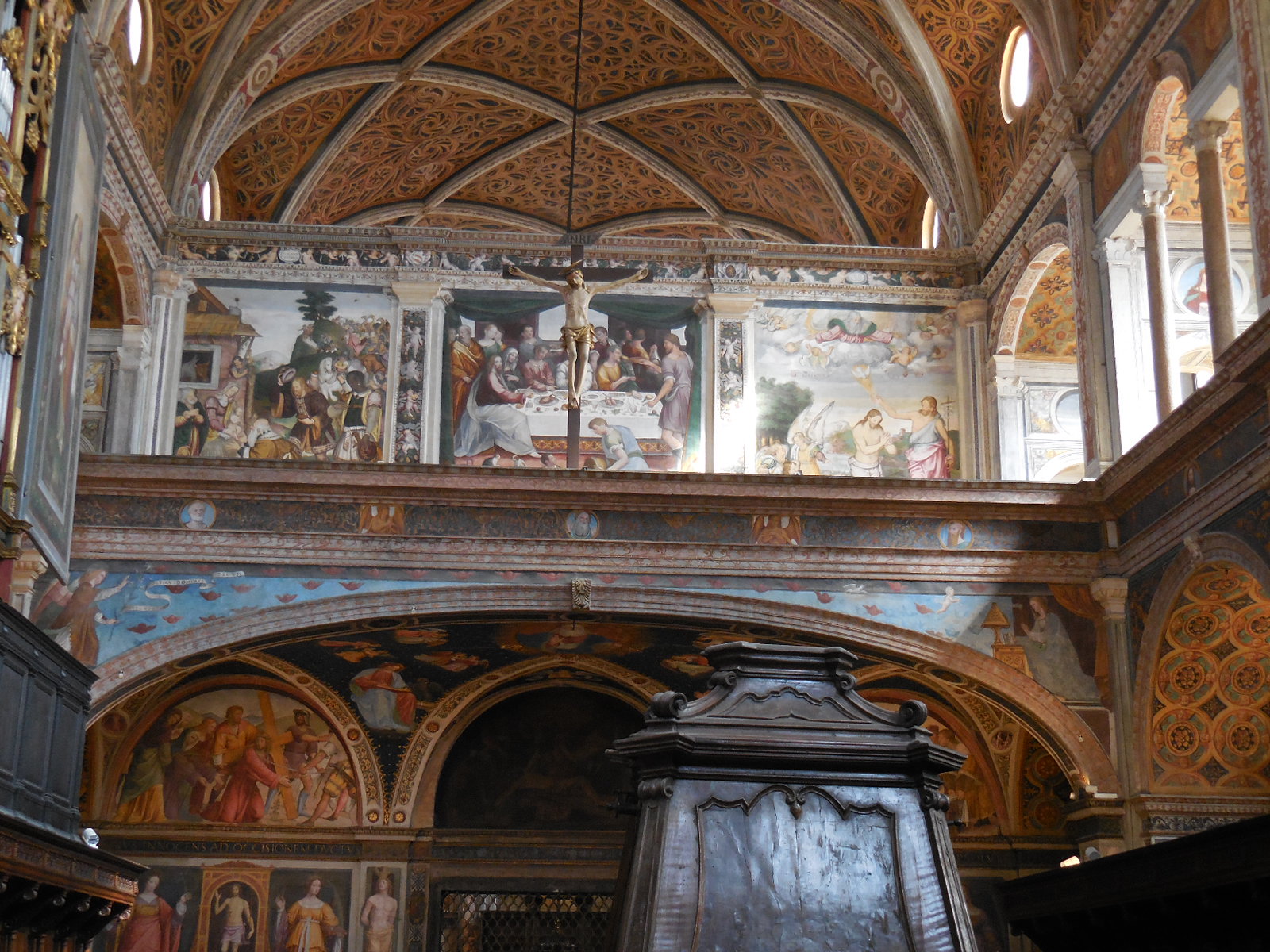
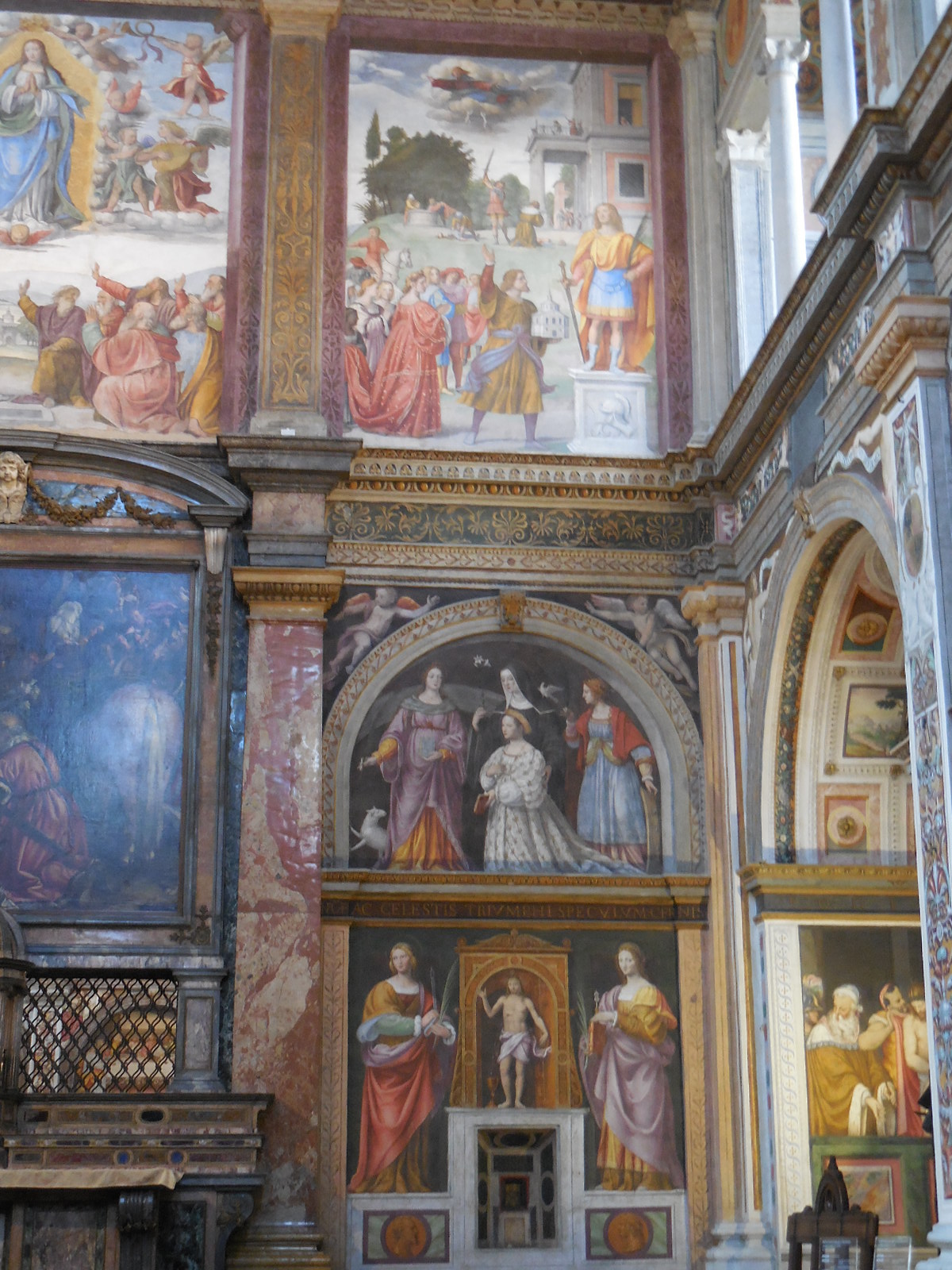
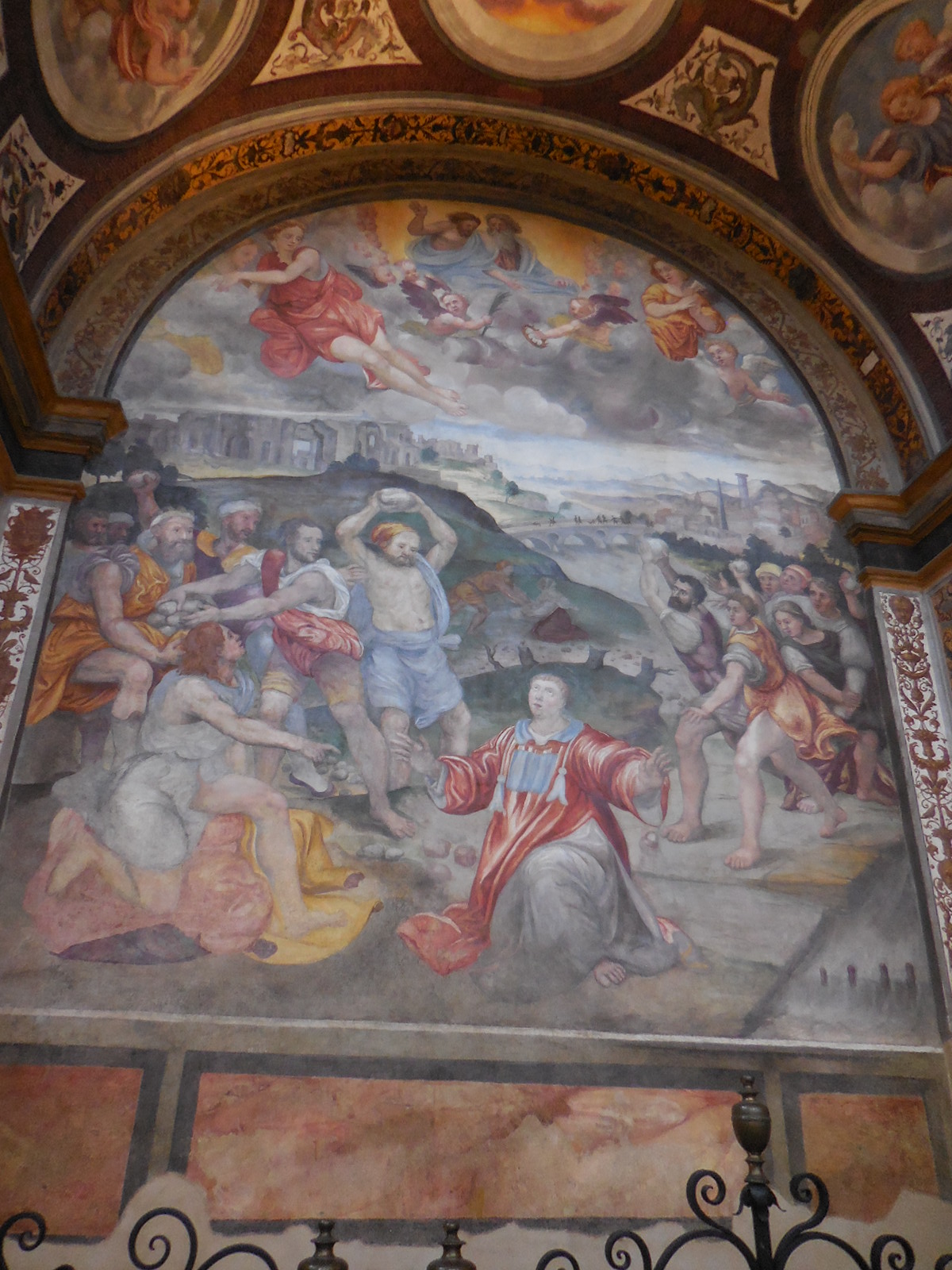
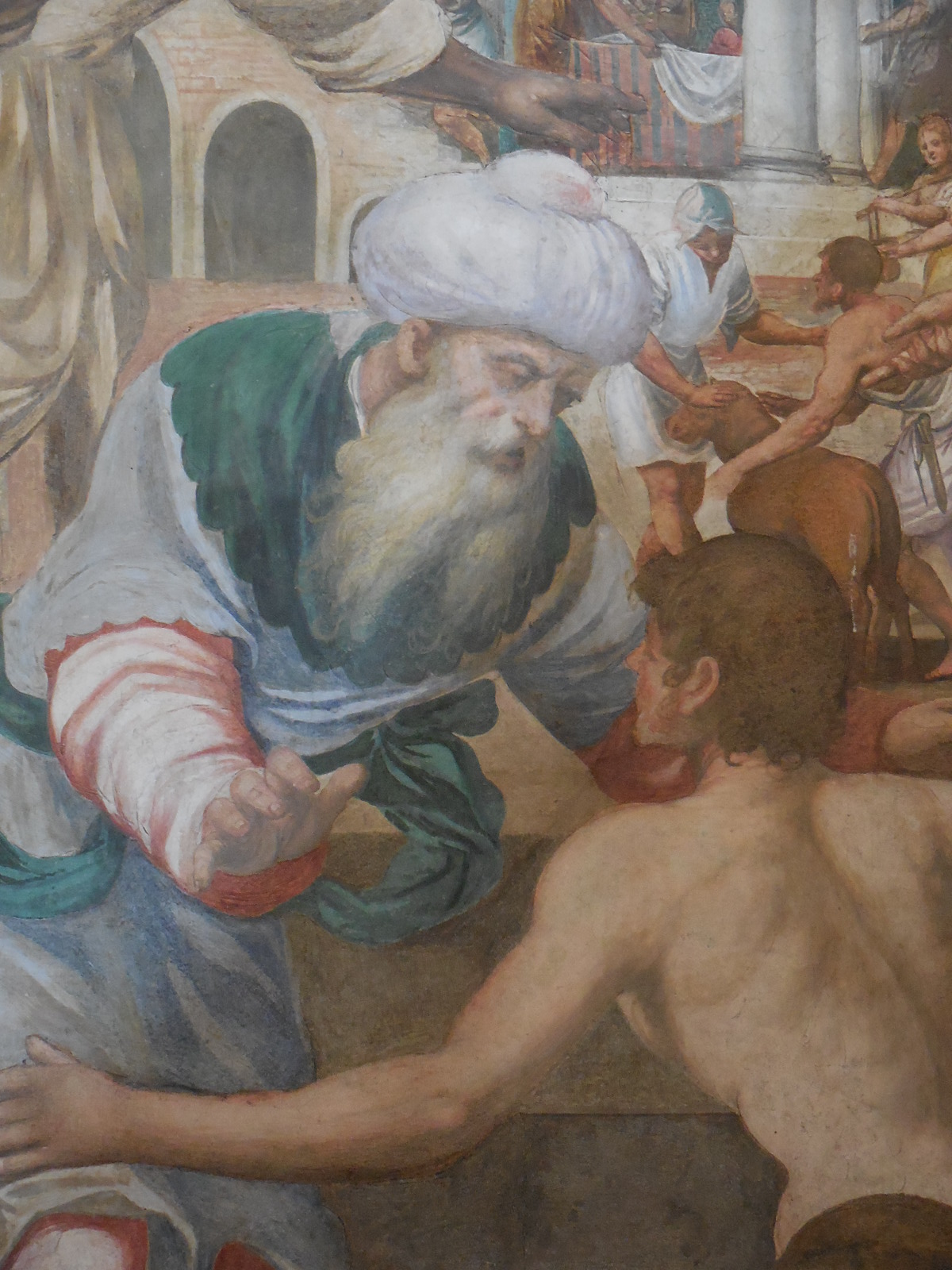
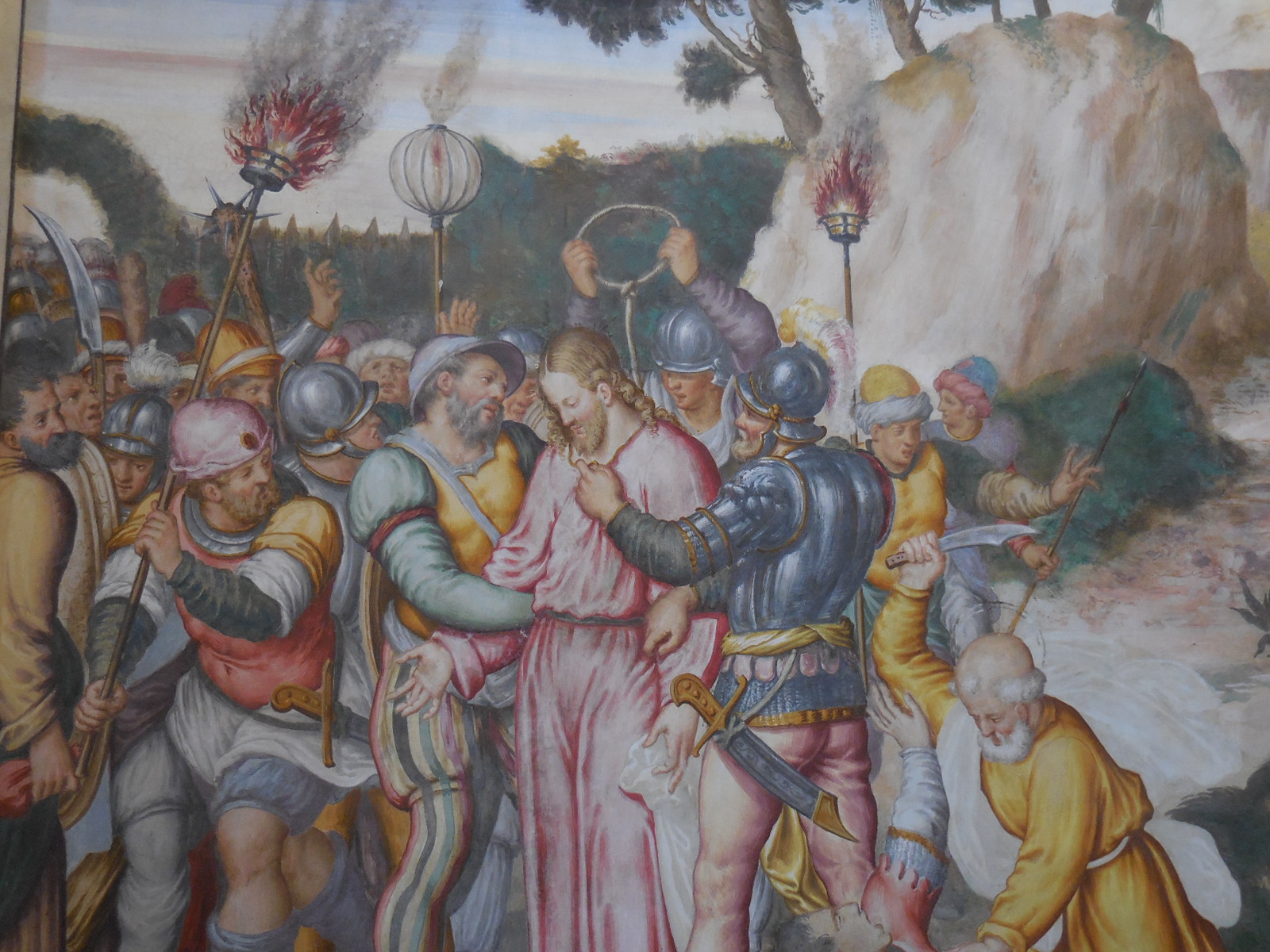
When I left the busy Milan street and stepped inside the Church of San Maurizio al Monastero Maggiore, I could not believe my eyes. The entire interior was a work of art. The Renaissance church featured 16th century frescoes by Bernardino Luini, his brothers and his son. Divided into two parts, it included a worship area for the public and another for the nuns. (An adjacent 17th century former cloister for Benedictine nuns now houses the museum of archeology.) There are eight chapels in the part of the church for the faithful and ten in the section for the nuns. On pilasters between the chapels in the Hall of Nuns, scenes from the life of Christ are portrayed.
I saw a vaulted nave and vaulted chapels in addition to the Hall of Nuns on the other side of the partition. On the dividing wall in the Hall of Nuns, I gazed at Bernardino Luini’s creations from the 1530s – the figures of Saint Catherine and Saint Agatha as well as scenes from the Marriage at Cana and the Carrying of the Cross of Christ. I also saw his frescoes showing the life of Saint Maurizio. The Martyrdom of Saint Maurice and the Theban Legion, probably by Bernardino Luini, shows Maurice fervently praying as an execution is about to behead him. A decapitated body is seen nearby.
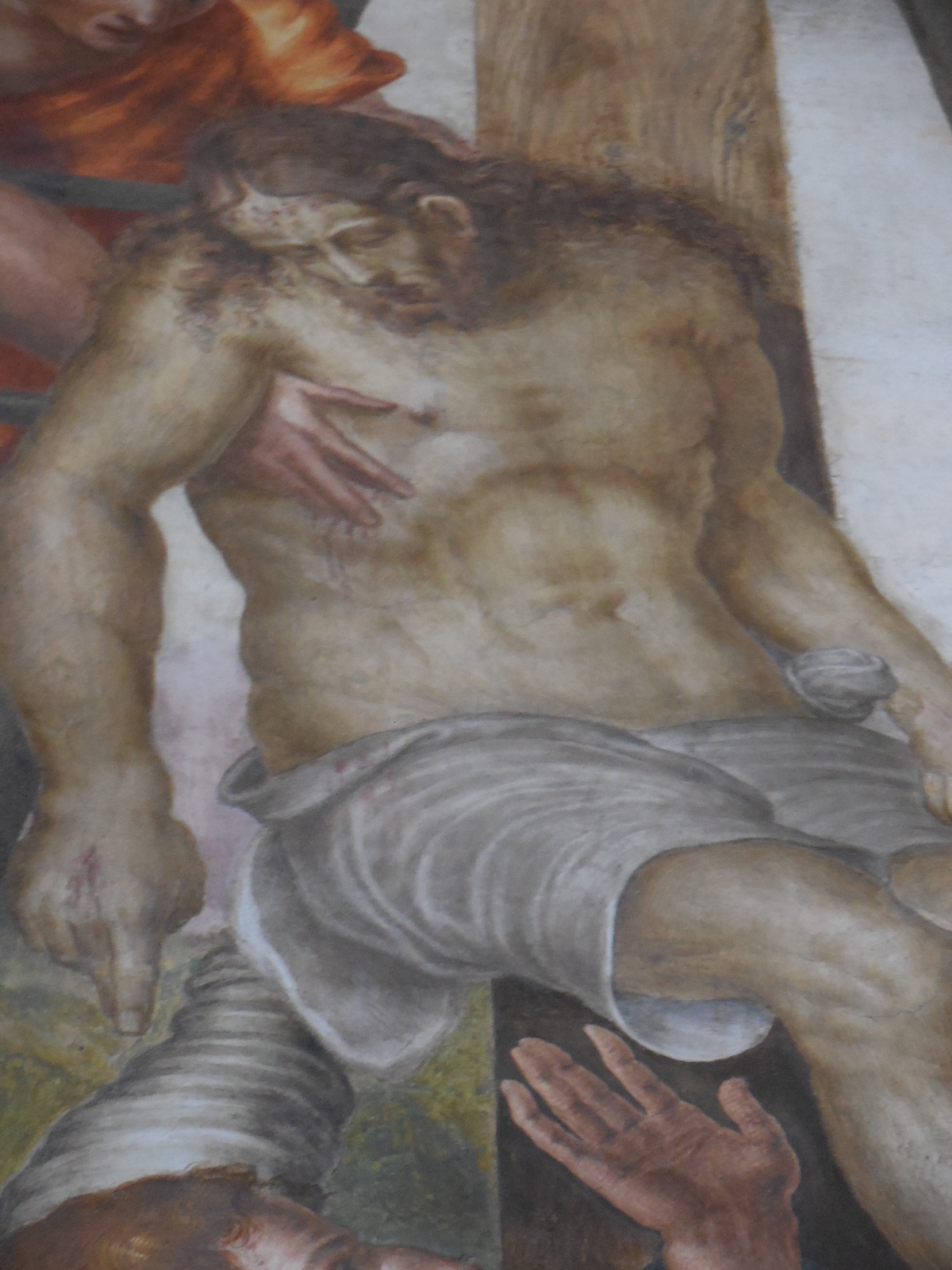
In one chapel, Bernardino Luini rendered the martyrdom of Saint Catherine of Alexandria. In the central panel, blood oozes from Jesus’ collapsing body. The masterful Luini renders the moment of the miracle when Catherine is about to be tortured, but is saved by God.
The main altar of the public area with the painting of the Adoration of the Magi by Antonio Campi took my breath away, too. The high altar dates from the second half of the 16th century. The rear end of a horse plays a prominent role in the foreground of the painting. I had never seen the backside of a horse dominating a canvas in 16th century art.
I especially liked the Chapel of the Flood by the Luini brothers. I gazed at the beasts making their way onto Noah’s Ark. A rainbow flitters across the sky. Yet the landscape is decrepit, in ruins.
Saints are rendered on lunettes of the chapels. For example, on two lunettes flanking the altarpiece, Saint Stephen, Saint Benedict and Saint John the Baptist make appearances.
The Eucharist Chapel boasts illusionist features as putti appear to open a canopy. The depiction deceptively looks three-dimensional.
I saw The Last Supper rendered above a door. It reminded me of the church not far away, where I had seen Leonardo’s Last Supper. I will never forget those masterful gestures and facial expressions of the protagonists as each gesture and expression told a story.
I noticed the organ with many 16th century features. It was a rarity as it had 12 pedals. The cornices of the case were richly decorated with fantasy-like figures, musical instruments and still lifes. Another depiction on the case included Saint Maurice holding a model of the church.
There were so many stories told on these masterful artworks that it was impossible to absorb them all during one visit. The church was one of the most beautiful I had ever seen. It was bewitching, enthralling. I vowed to come back because this church was one that beckoned the viewer to return, to experience its stunning beauty time and time again.
Tracy A. Burns is a writer, proofreader and editor in Prague.
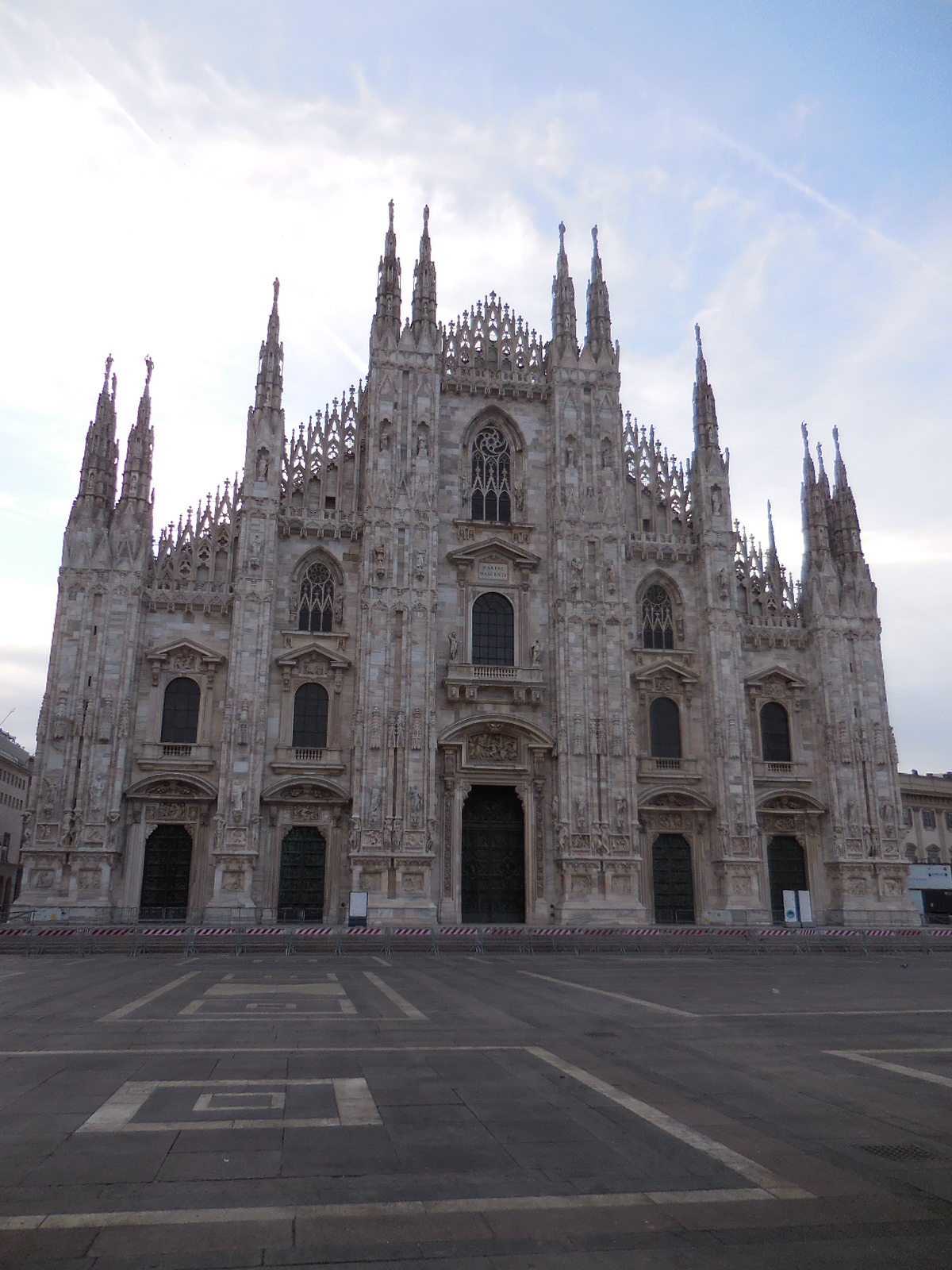
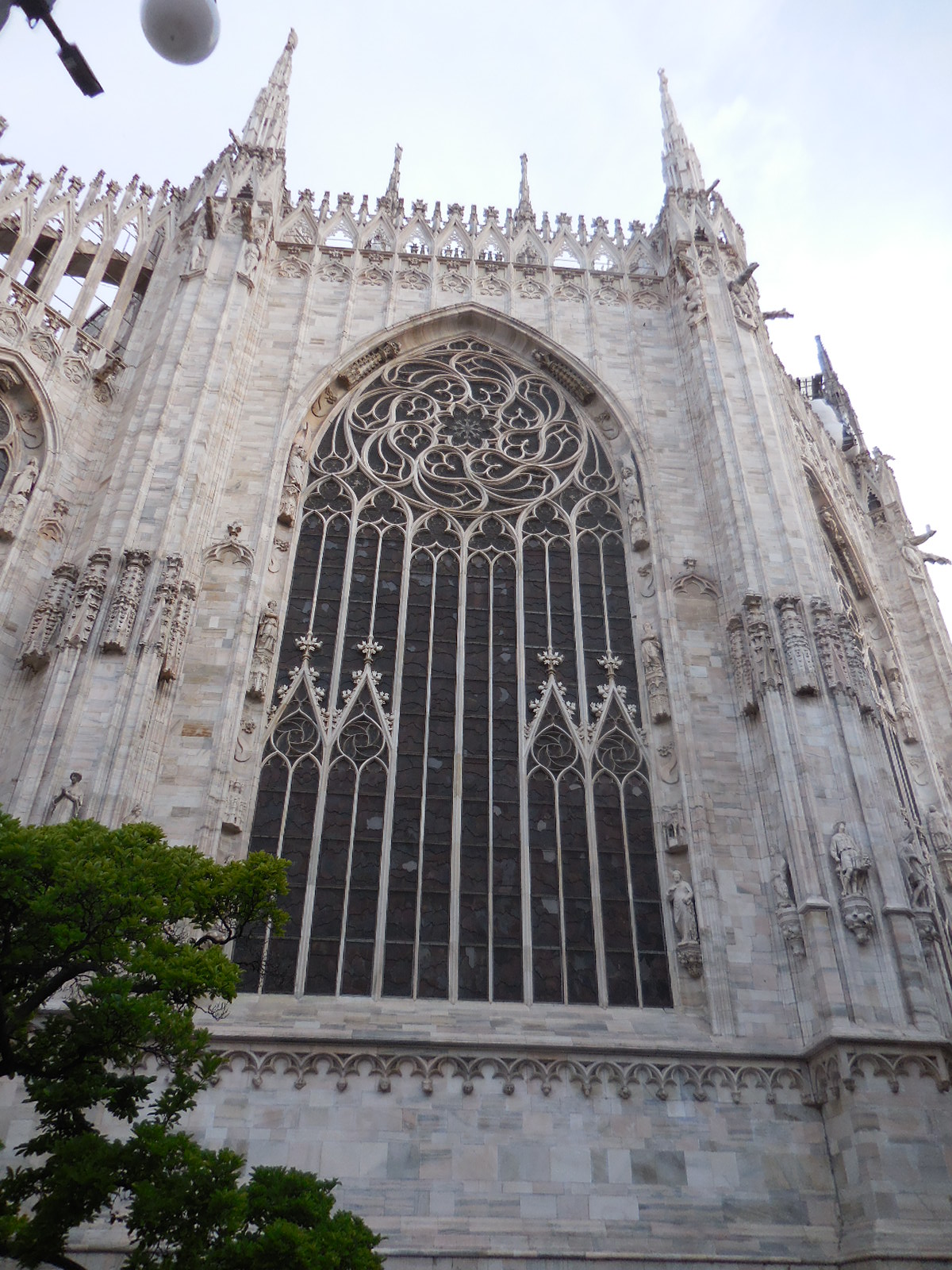
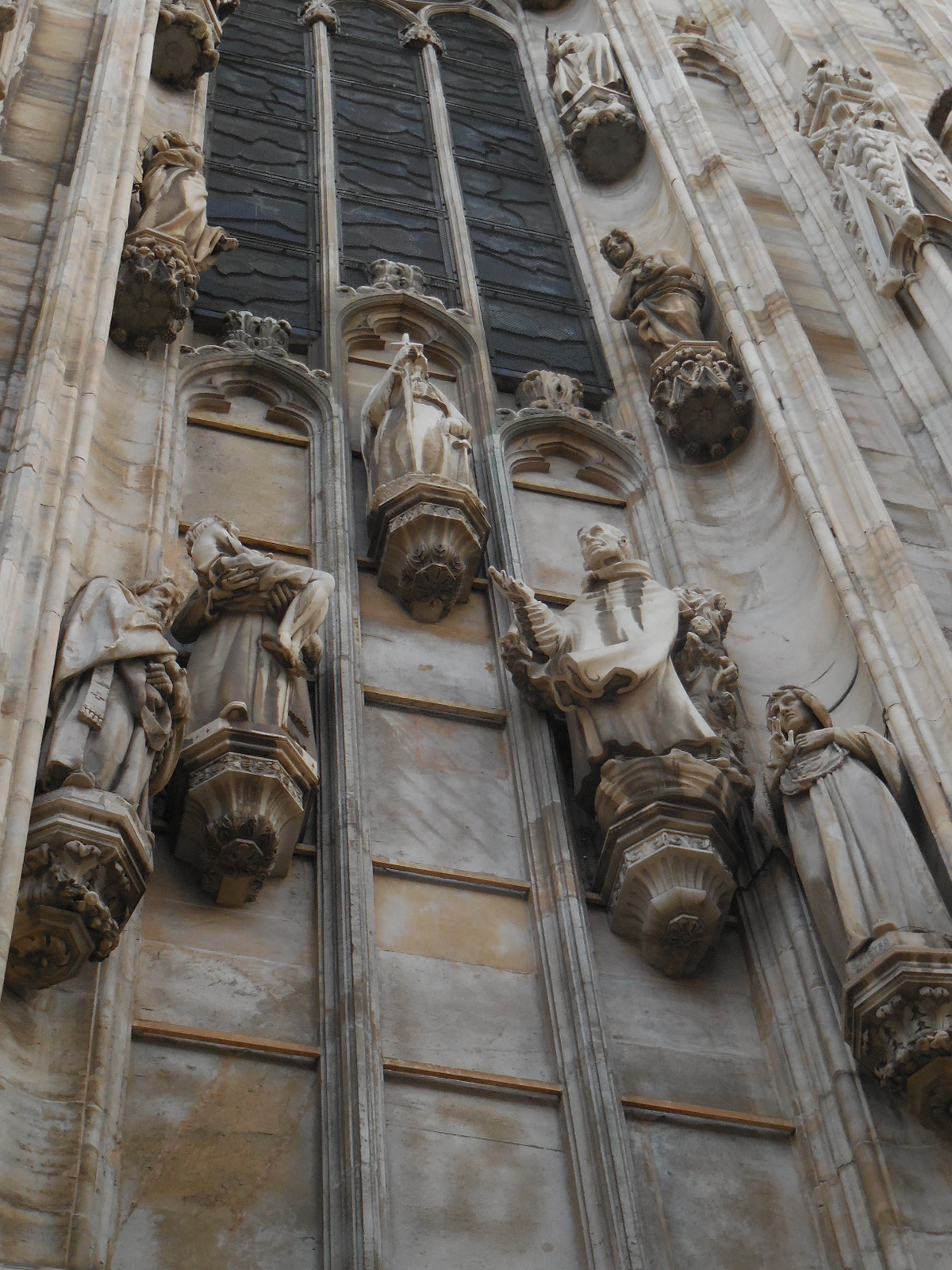
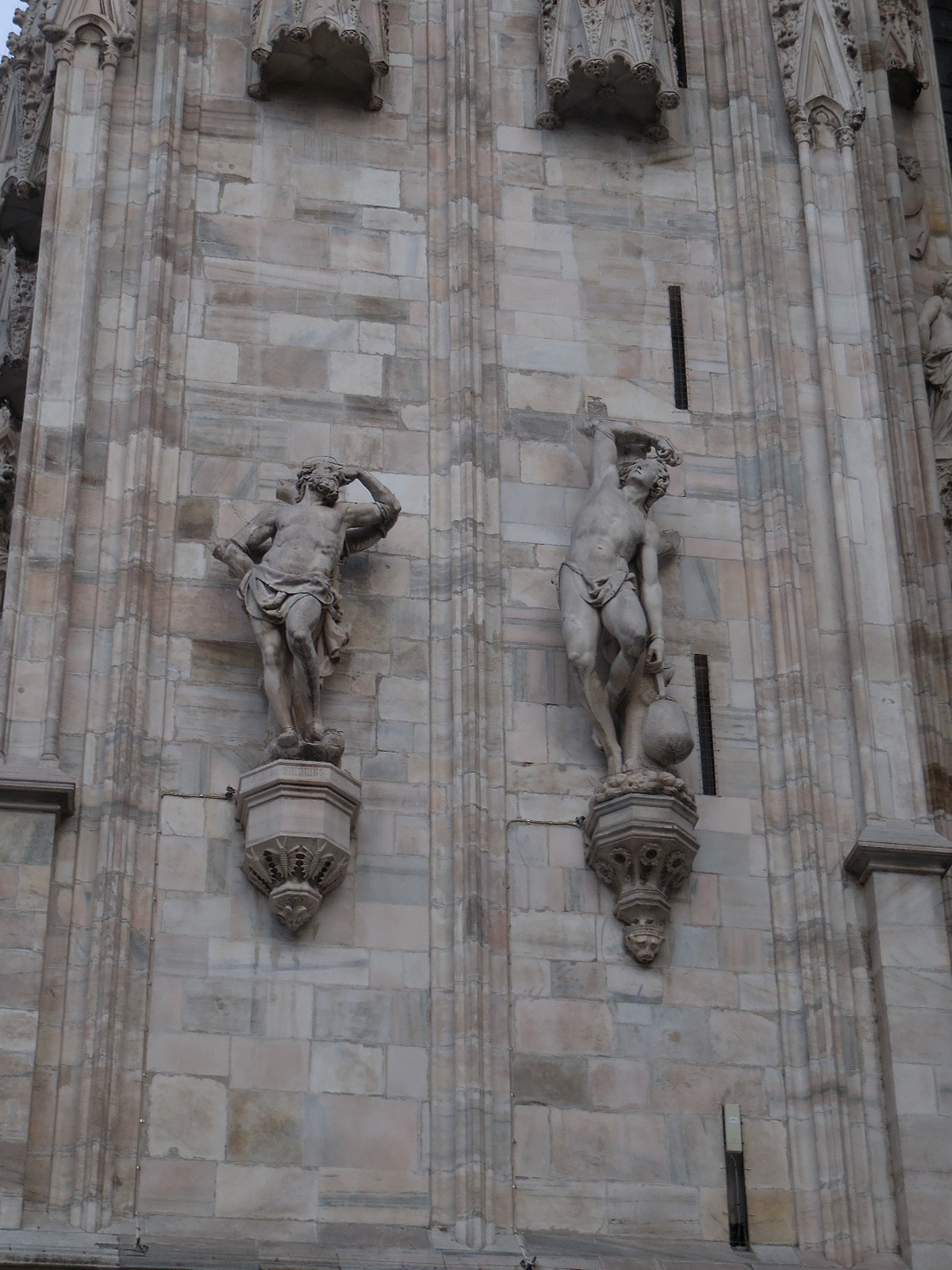
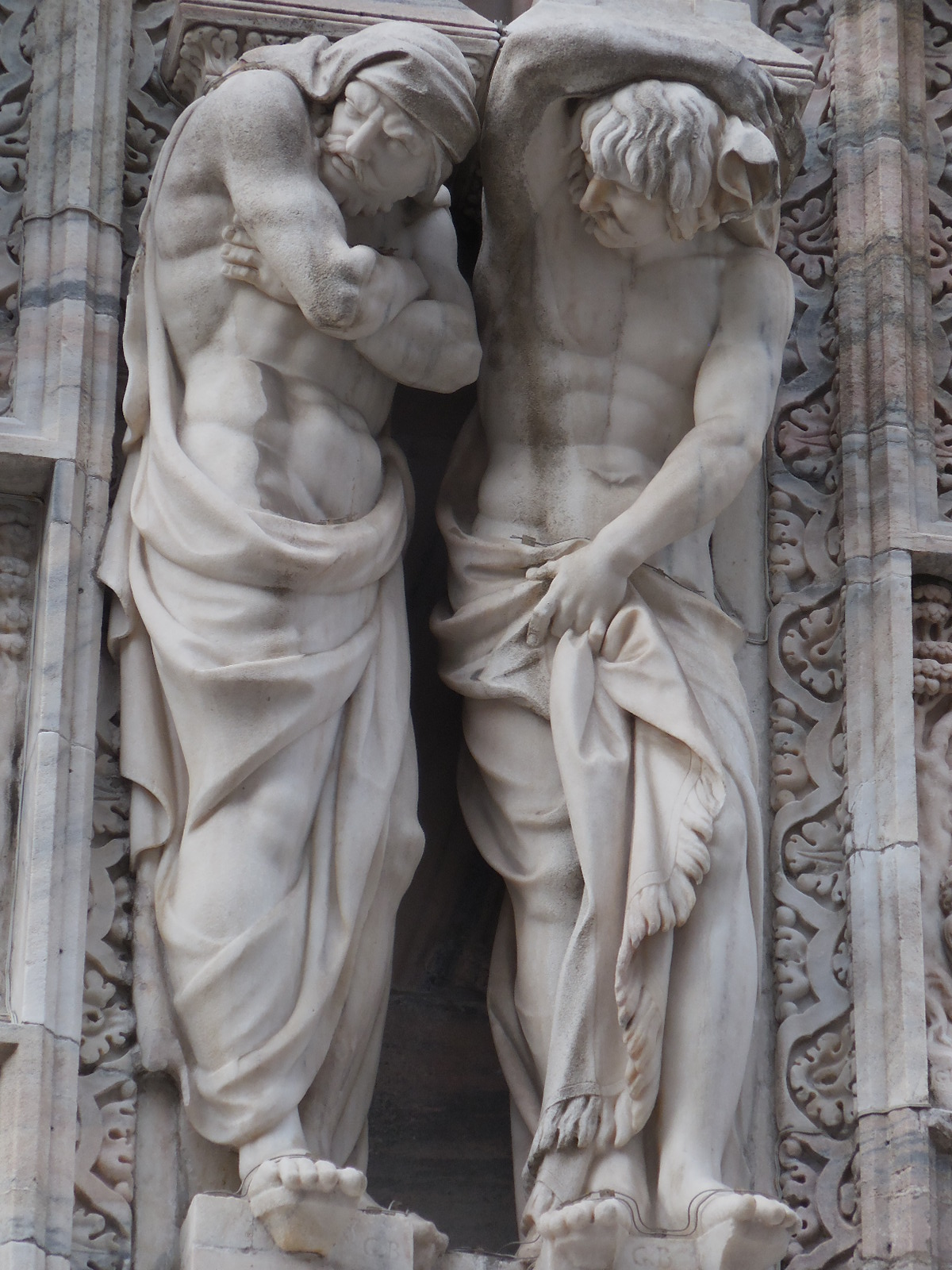
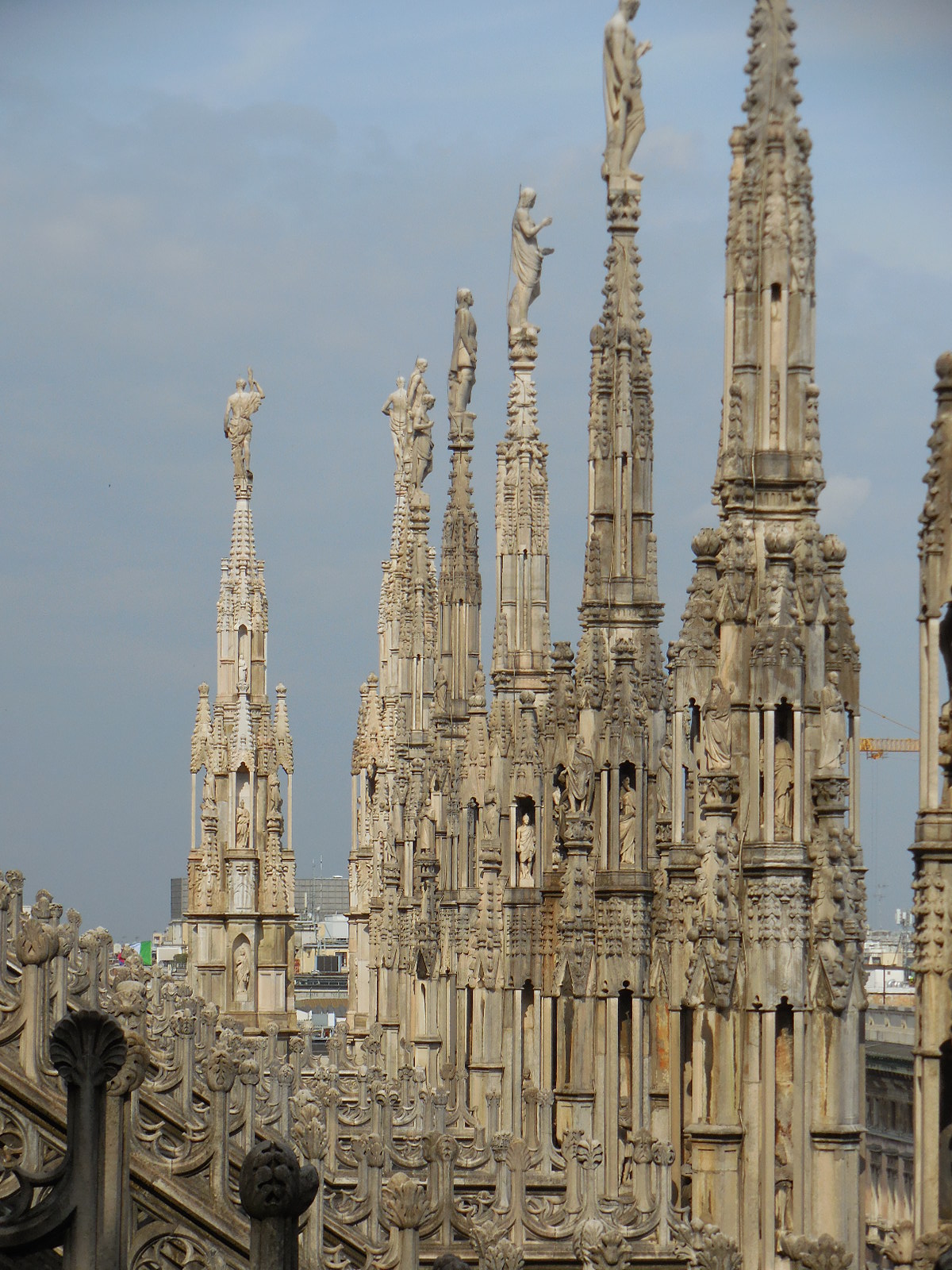
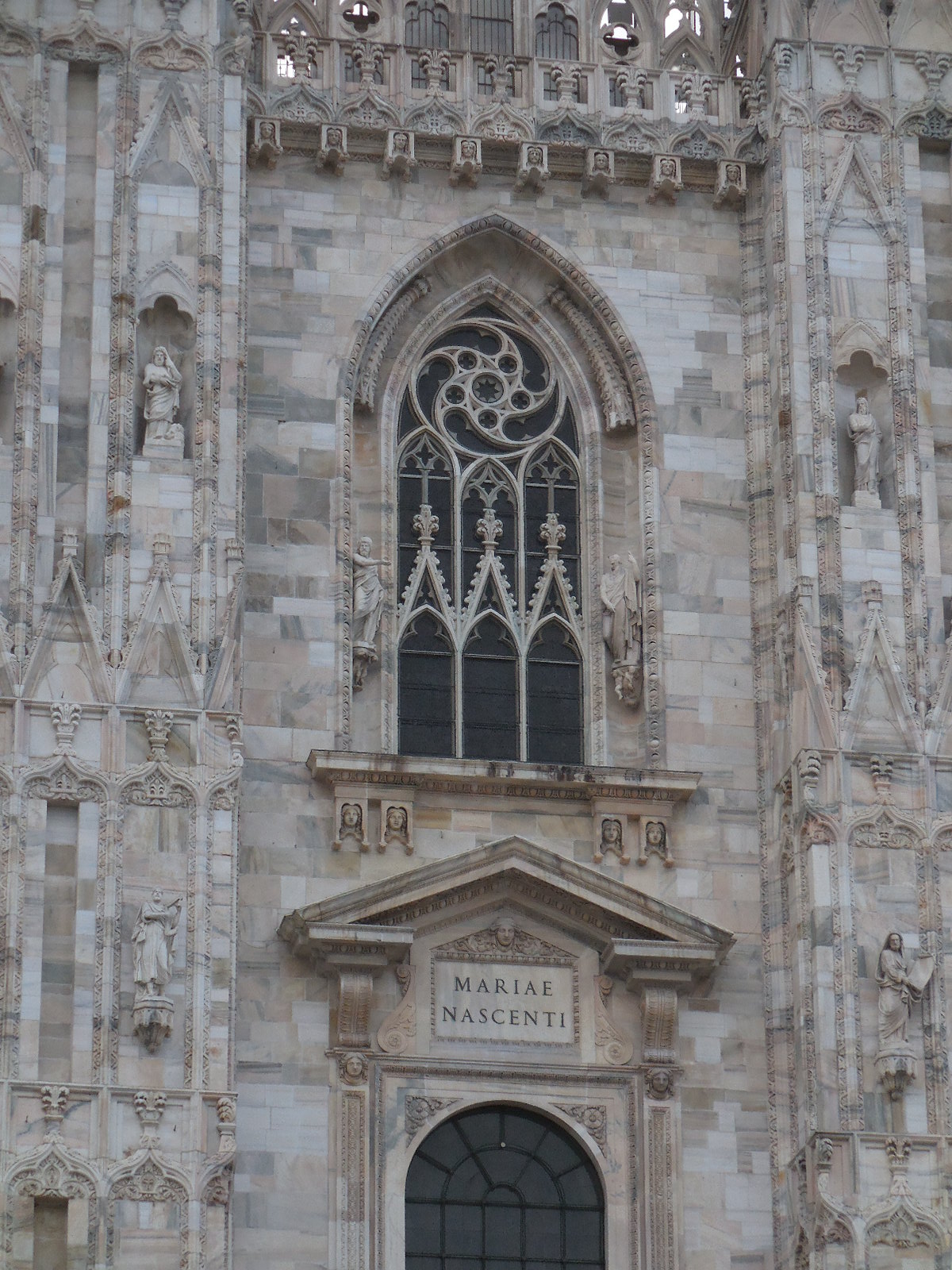
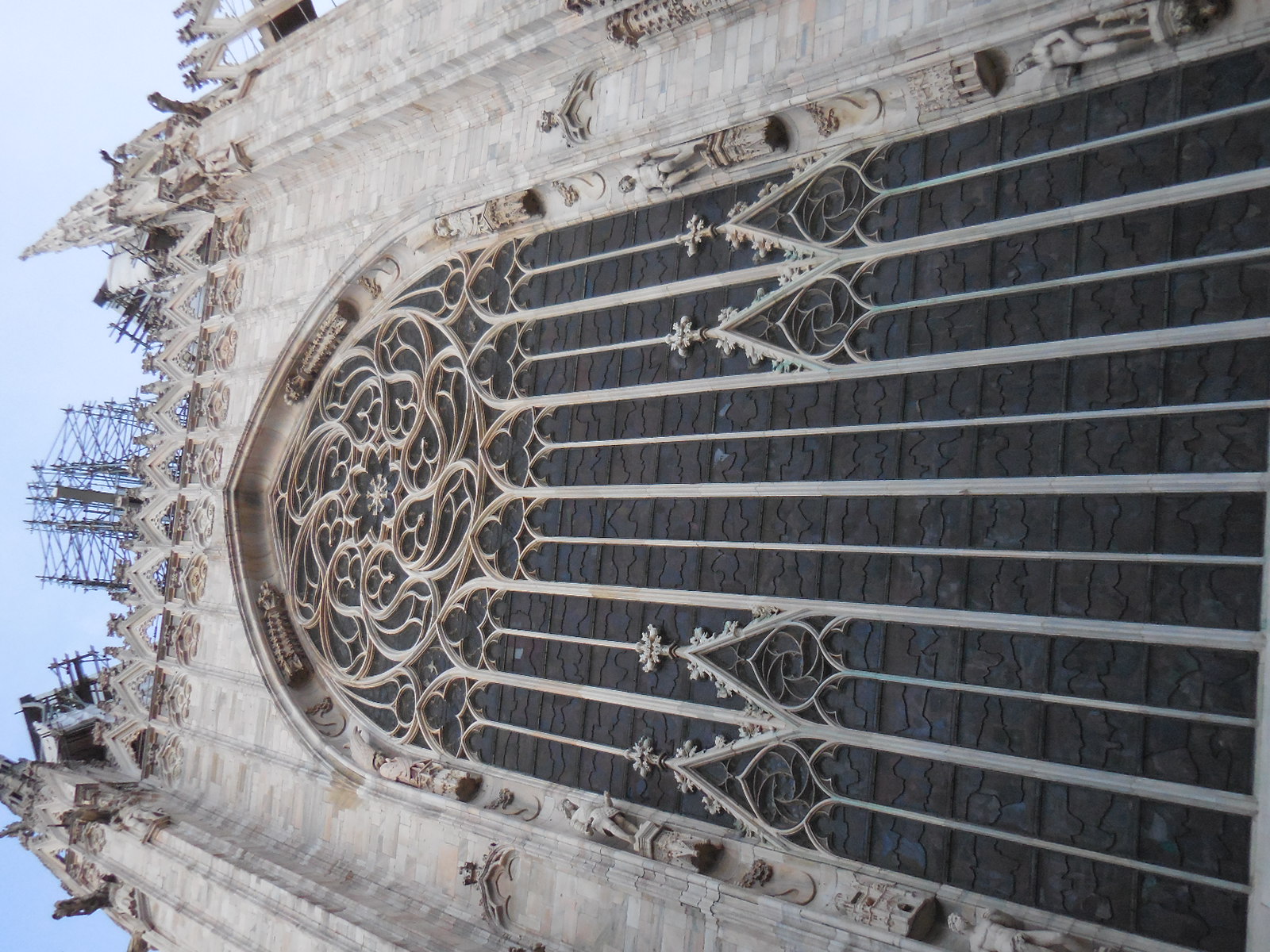
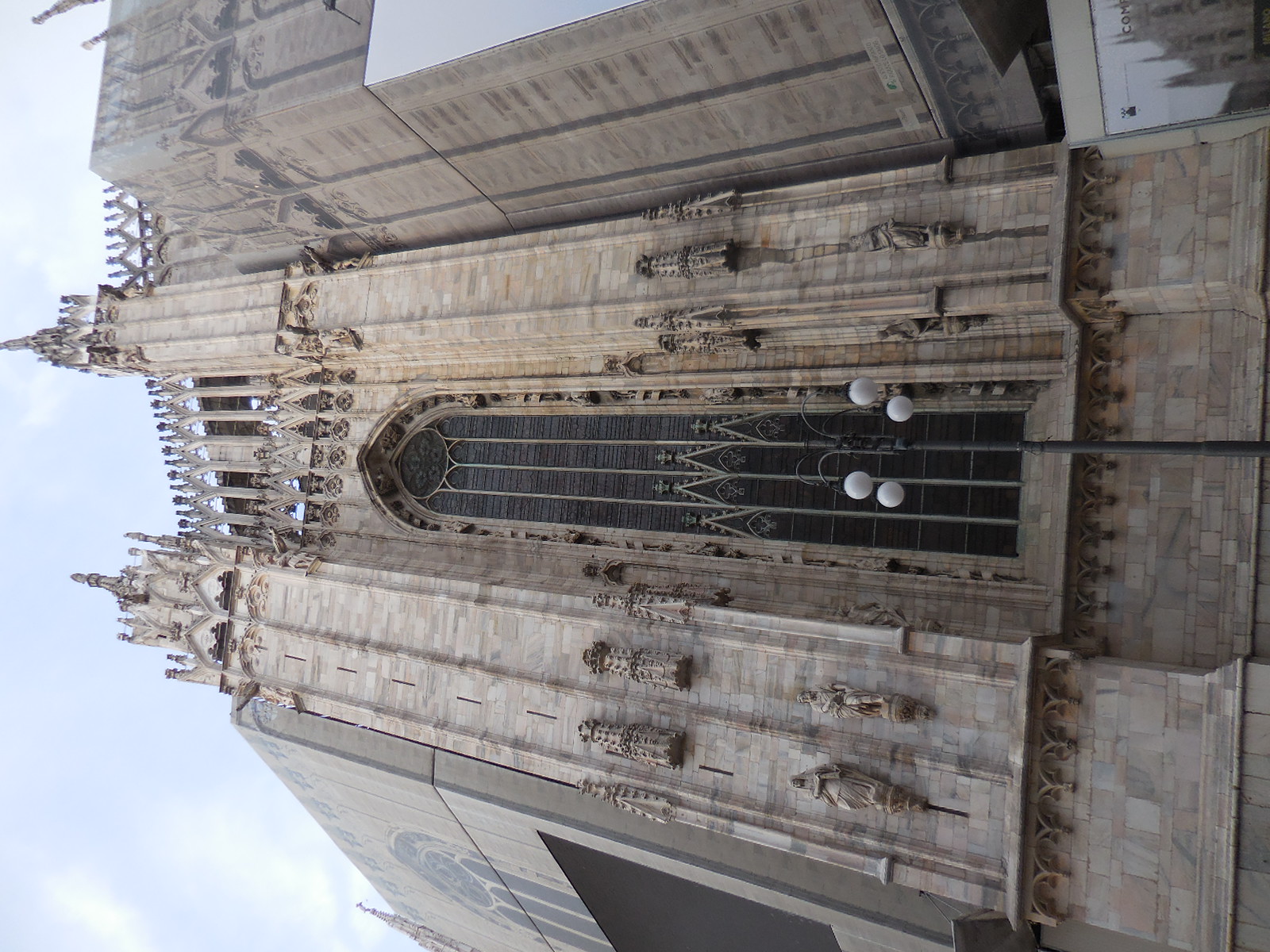
When I arrived at the Duomo in Milan with my camera, it was about six am. I hadn’t been able to sleep because I was so anxious about my exciting itinerary for my first full day in the city. The large square was almost empty, though an occasional jogger passed through. I spent at least an hour walking around the cathedral, gazing at the exterior decoration – the spires, the large windows, the flying buttresses, the rich sculptural adornment, the gargoyles and more.
The Duomo is an architectural gem with a dominating Gothic exterior. It is the symbol of the city I would grow quickly to love. The Milan Cathedral ranks as the largest church in the country, though St. Peter’s Basilica in the Vatican is bigger. The cathedral is one of the largest in the world. Construction started in 1386 and didn’t end until 1965, spanning six centuries. It has 135 spires, the first finished in 1404. Some of its150 gargoyles harken back to the 14th century.
While the style of the cathedral does not correspond to only one type, many features are in French Gothic style, such as the flying buttresses and rib vault. The statuary on the exterior stems from various eras. Some statues were created from 1418 to the middle of the 16th century, placed in niches of capitals of pillars. Many more were created in the 18th century in Late Baroque style. External statuary of the prophets and apostles are in Neo-Classical style. New stained-glass windows were installed in 1470. The construction of the façade started in 1590 in late Mannerist style and was finished in Neo-Gothic style under the guidance of Napoleon Bonaparte’s reign in the 1800s. Using the art of painting on glass, new stained-glass windows were made from 1829 to 1858. During the 19th century more spires were constructed, and the roof terraces were finished. Flying buttresses also appeared as did more statues.
Bombing during August of 1943 damaged the structure, but it was reconstructed. The wooden doors were replaced with bronze ones. The main façade was renovated from 2003 to 2009 in Candoglia marble.
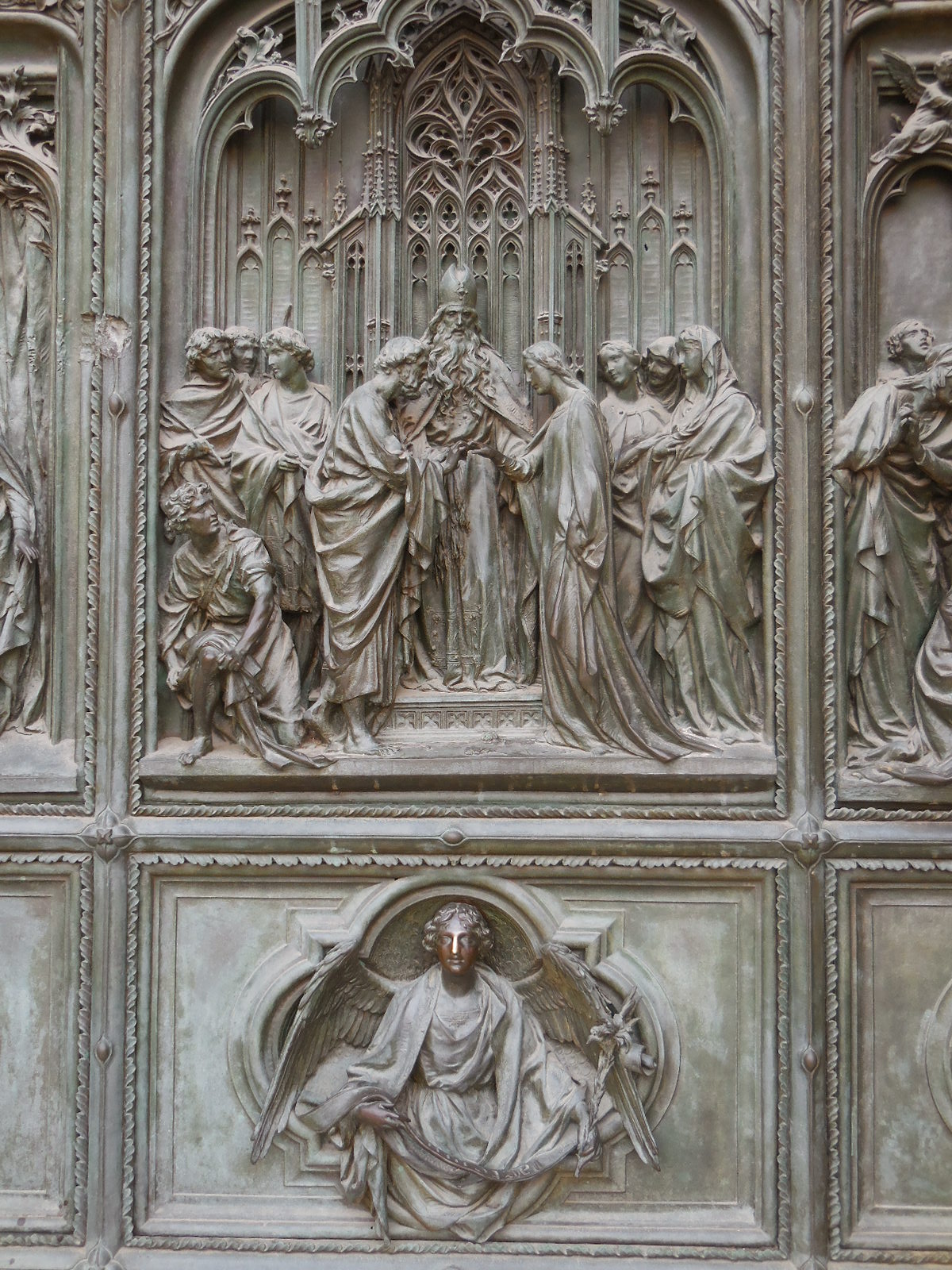
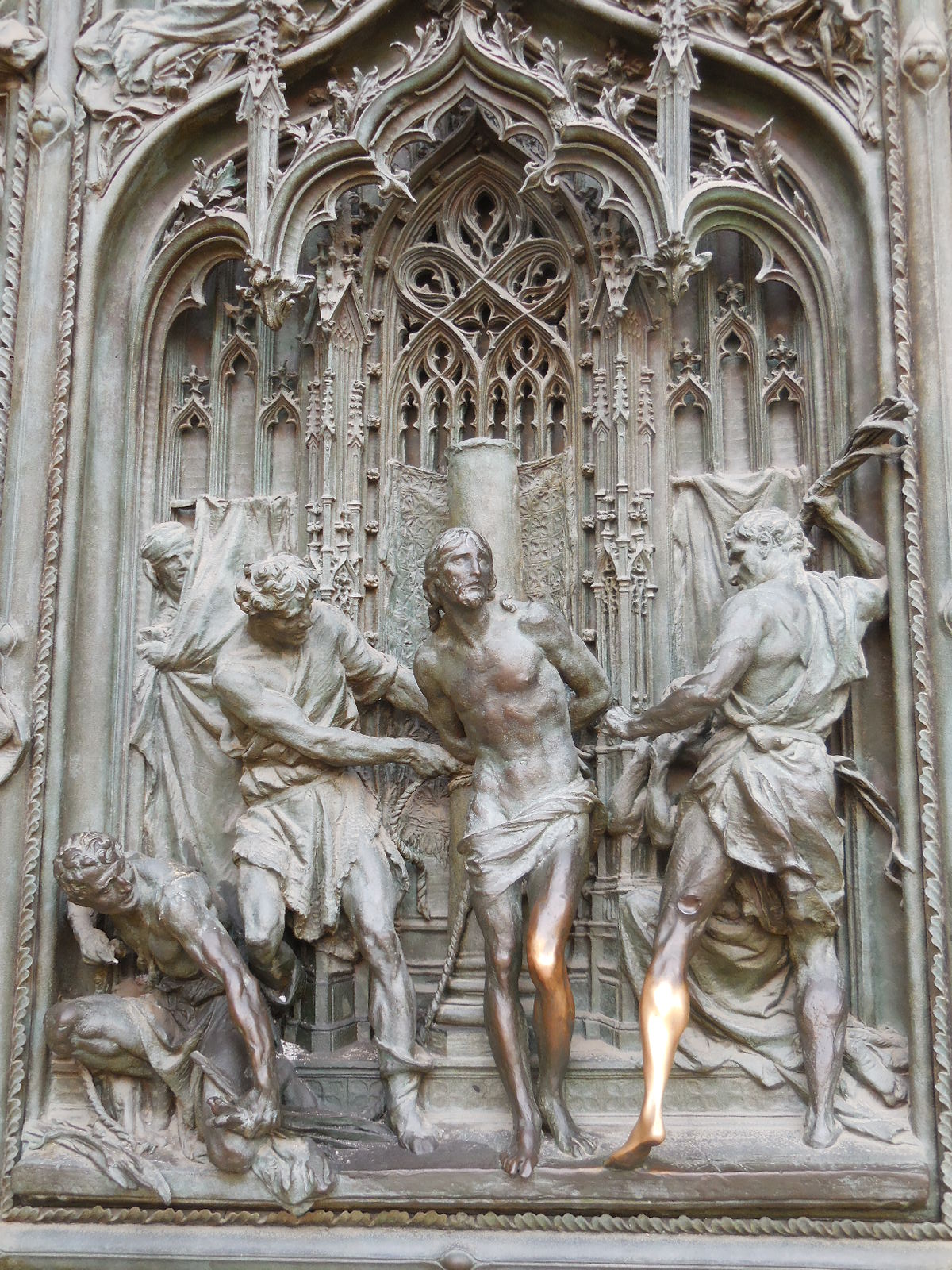
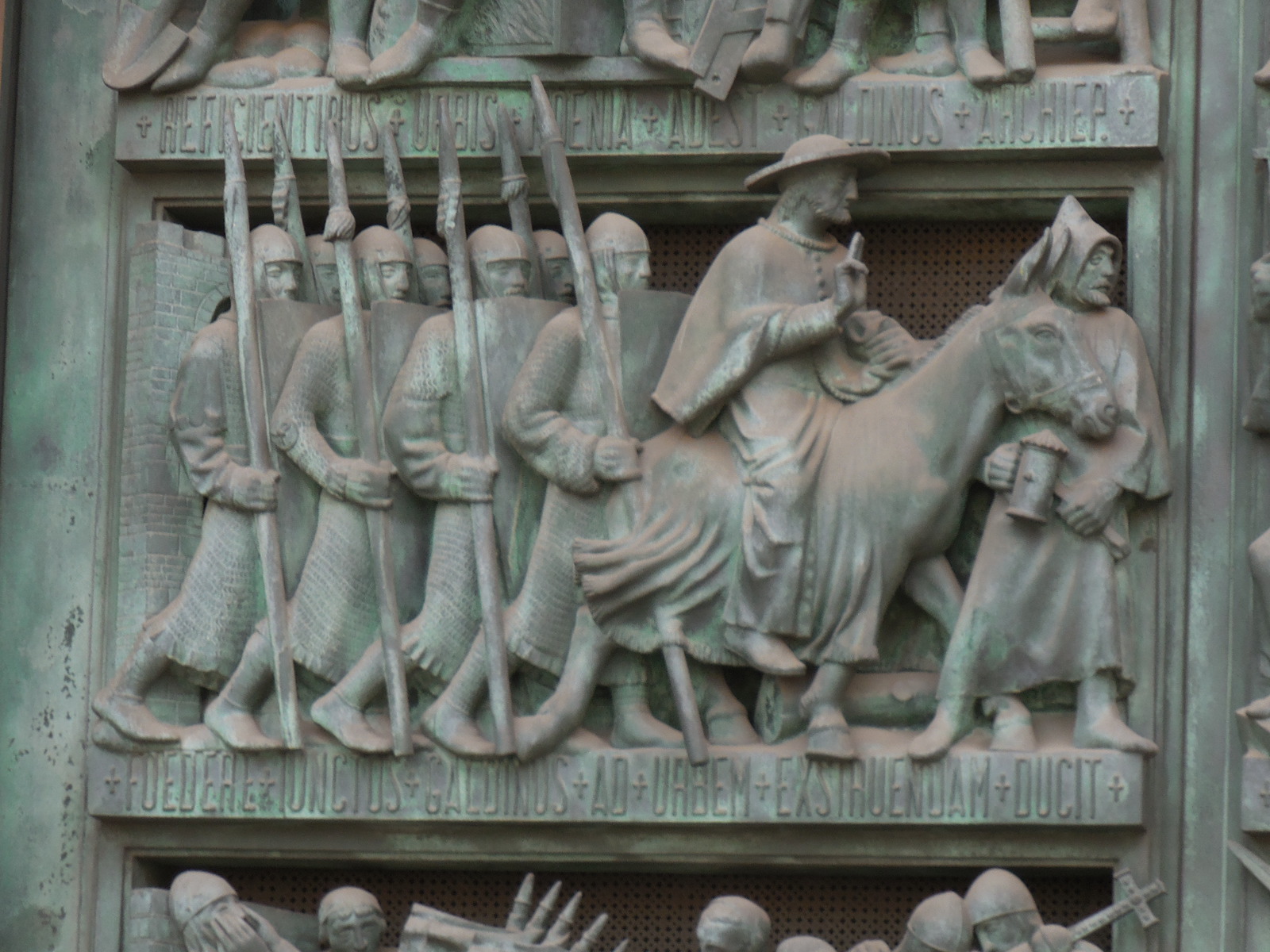
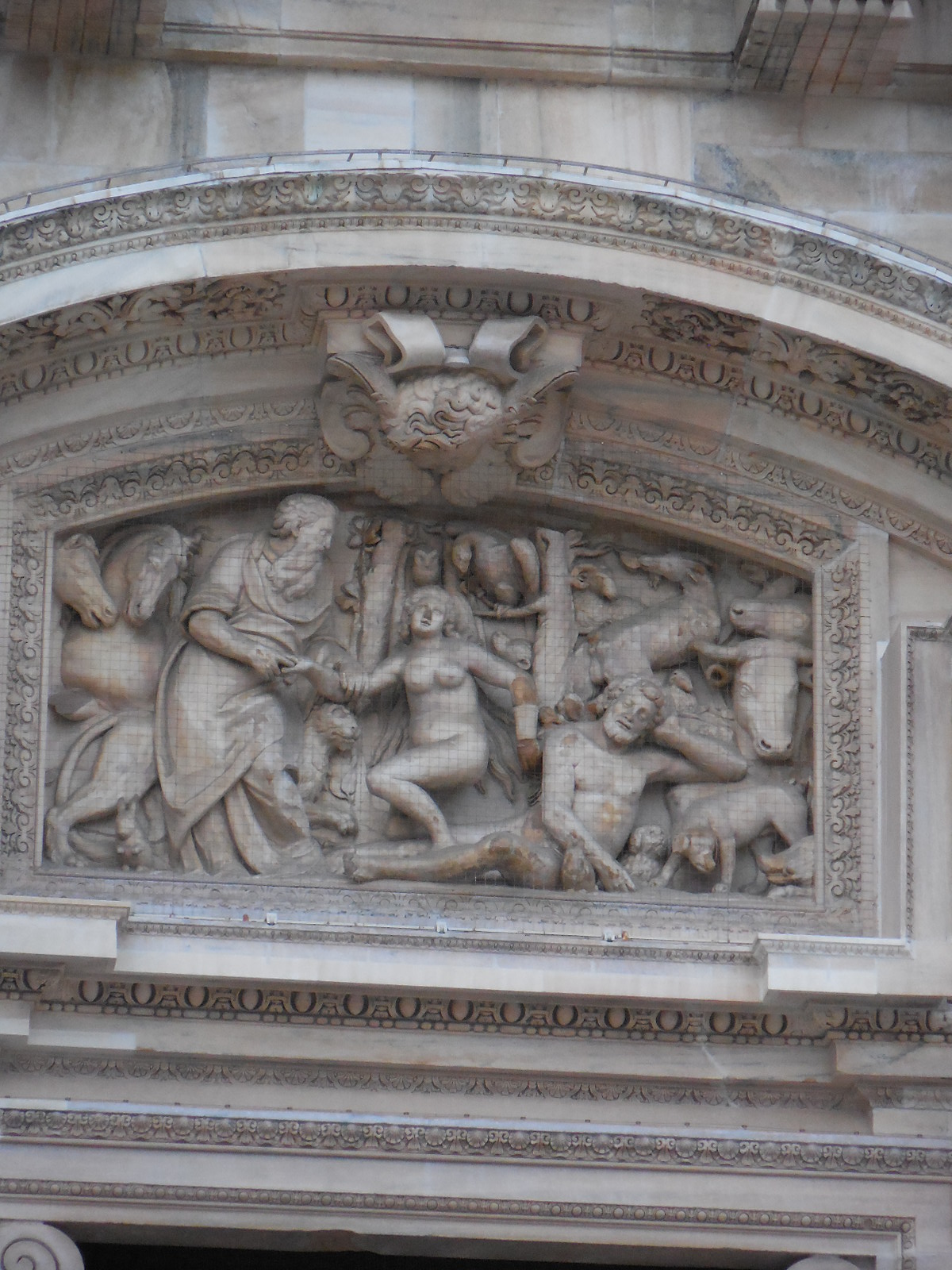
Because the cathedral was not yet open, I was able to study its closed bronze doors. One showed the history of life of Mary with floral reliefs. Another depicted the history of Milan and yet another the history of the cathedral itself. The reliefs on the doors were incredible. I saw the Assumption, the Sacrifice of Cain, David with the Head of Goliath, the Tower of Babel and other biblical pictorial renditions. The floral and animal decoration on the central door was outstanding, too. The tympanium was worth noting, too. The one in the central portal showed off the Creation of Eve.
Later that morning, I walked on the sloping terraces of the roof with its pinnacles and spires on flying buttresses. Gazing at the sheer beauty of the cathedral’s exterior from high up was astounding. I spotted the octagonal lantern from the 15th century with its Madonnina statue from 1769. The Madonnina reaches more than four meters high. The total height of the cathedral is 108.5 meters. The view of the city and spires was phenomenal. It was calming and soothing seeing all the people so far below. Up there I didn’t have a reason to rush or worry. It made me think of how we have to open ourselves to new perspectives when traveling. This applies in daily life as well. Whenever I had a pessimistic attitude, I had to try to see the problem from a fresh perspective that would give me a more positive outlook.
After my visit to the roof terraces, it was time to take a look inside the cathedral. I had expected the cathedral to impress me, even to overwhelm me with its beauty, and it had done just that. I made my way down the narrow spiral staircase to the ground floor, certain I would continue to be amazed at the beauty of such an architectural gem.
Tracy A. Burns is a writer, proofreader and editor in Prague.
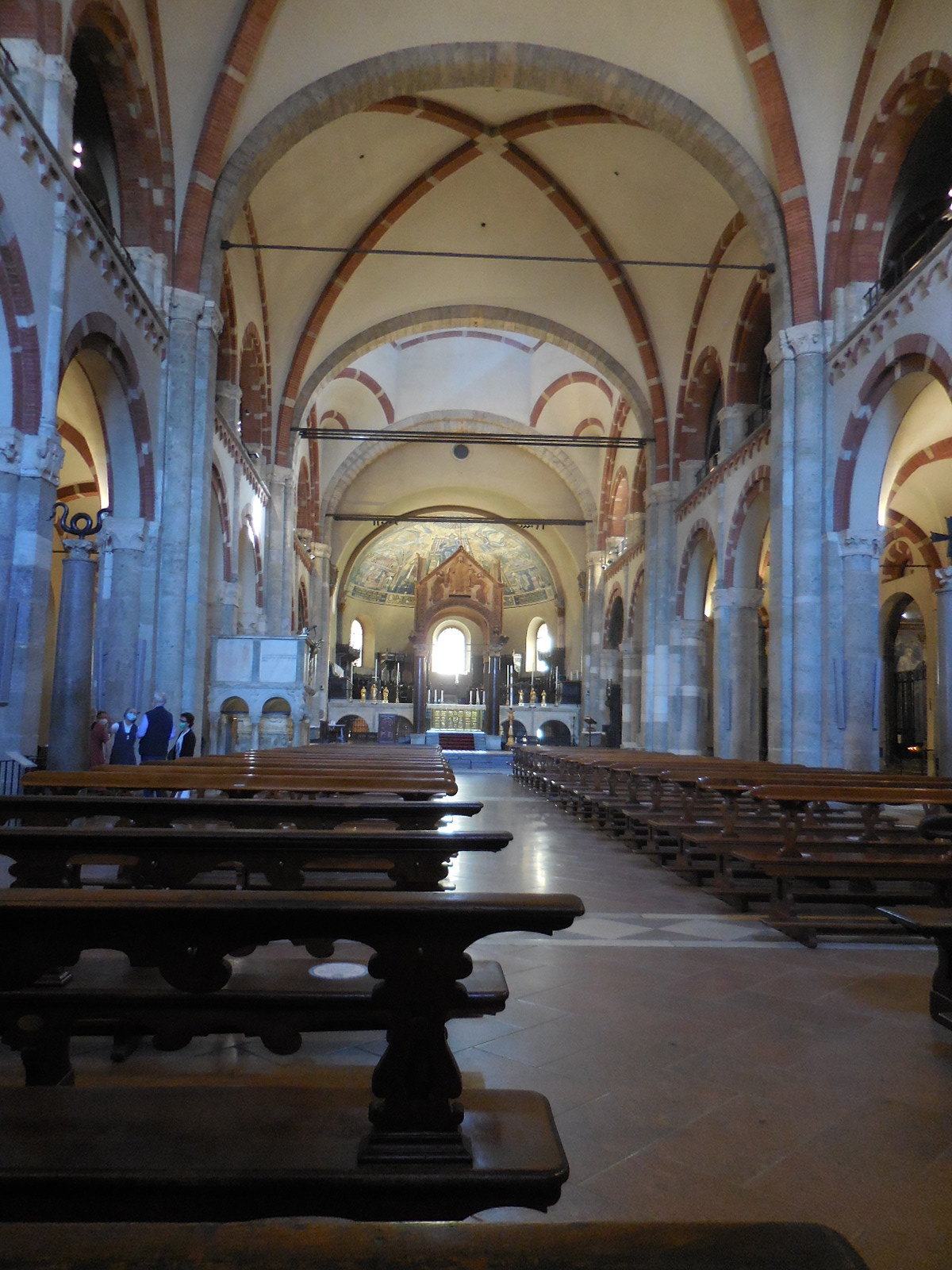
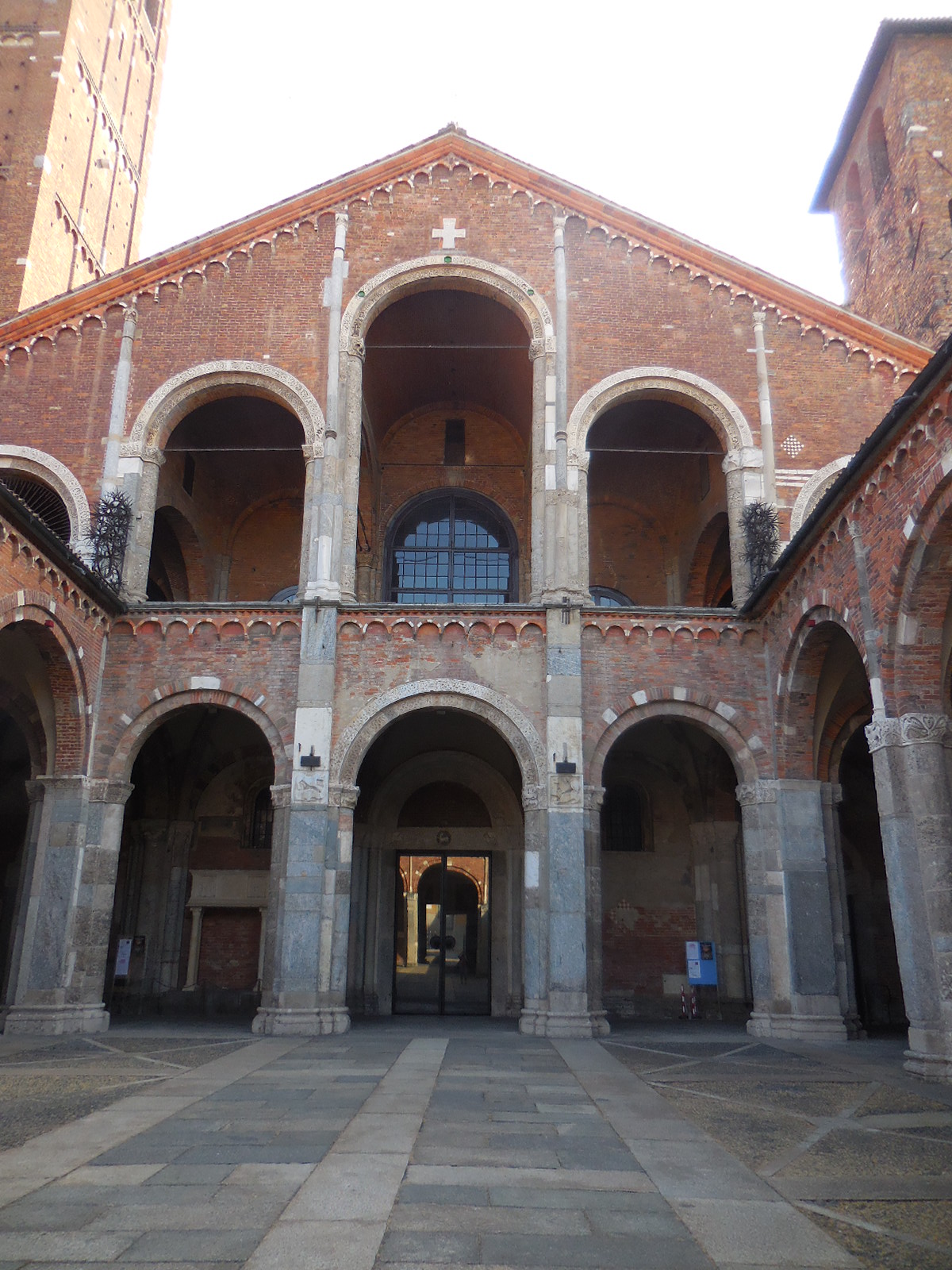
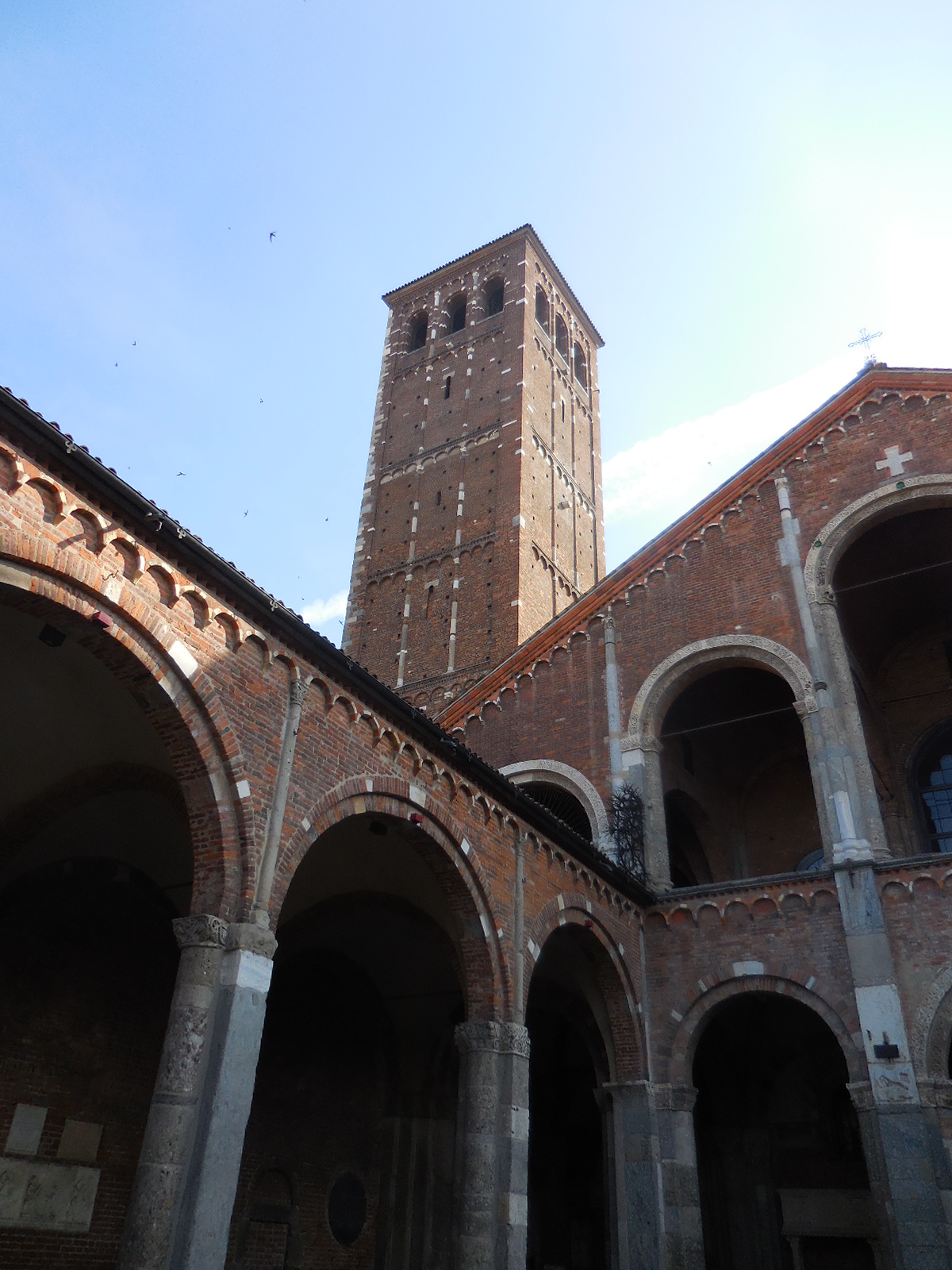
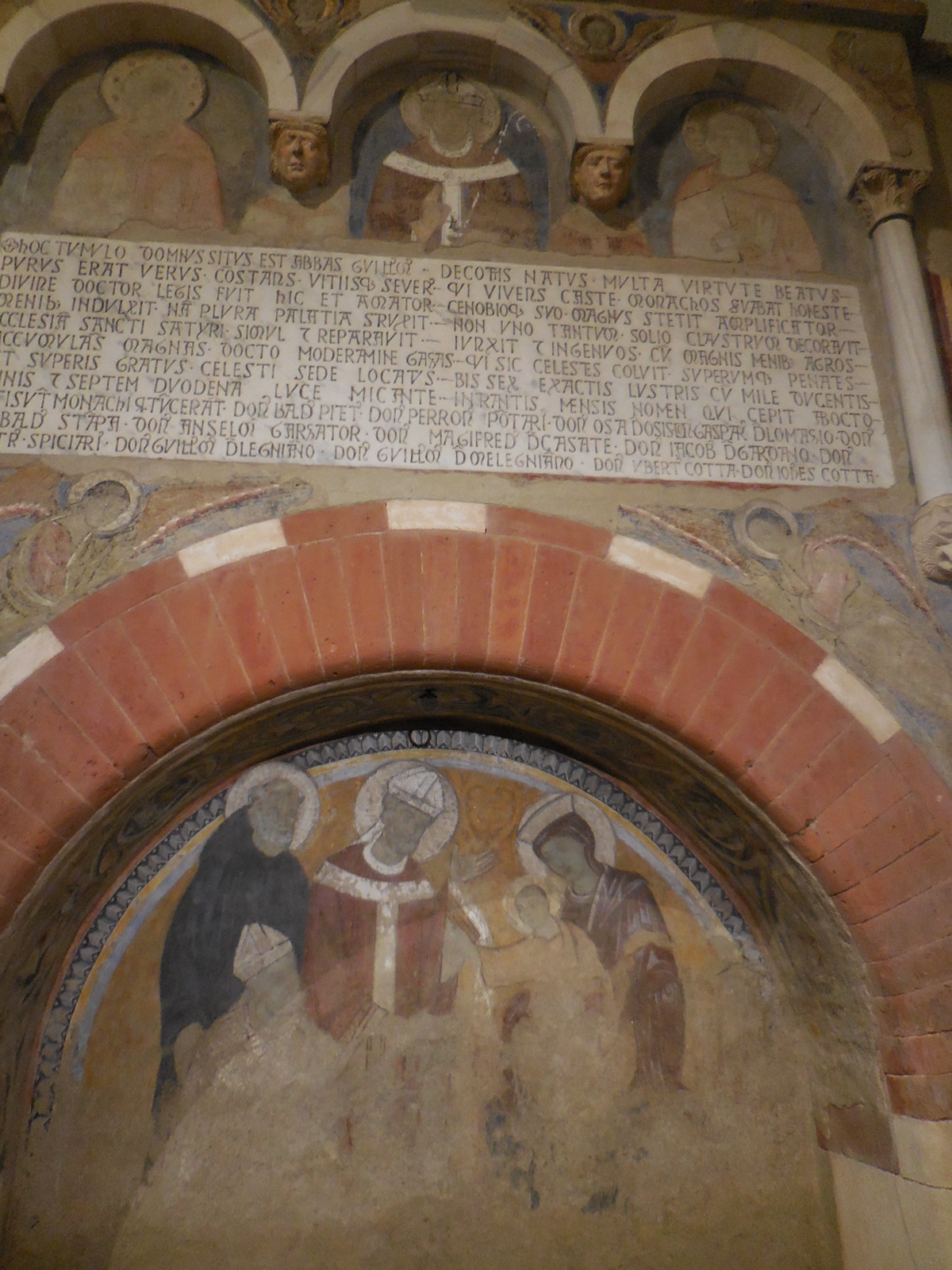
When I entered the large courtyard of the basilica in Milan, I thought that this must be one of the most beautiful Romanesque buildings I had ever seen. I reminded myself that I was looking at one of the oldest churches in Milan, built by Saint Ambrose in the fourth century over a cemetery for martyrs. Saint Ambrose had built four churches, then situated outside the walls of the city. A monastery was located there from 789, housing two different monastic communities who had each built a bell tower.
The current appearance stemmed from a 12th century transformation into Lombard Romanesque style. In 1528, The Peace of St. Ambrose had been penned there between the nobility and the populace. Kings of Italy and emperors of the Holy Roman Empire had been crowned there during Romanesque and medieval times. There was 15th century renovation carried out by Donato Bramante, who had served as architect of St. Peter’s Basilica in Rome. In August of 1943, the basilica was bombed, causing much damage to the apse and other areas. Restoration had worked wonders.
Standing in the atrium, I concentrated on the exterior. The red brick color of the Romanesque architecture was stunning. I saw a portico with arches supported by semi-columns and pilasters. The portico entrance included four blind arcades. The main portal hailed from the 8th to 10th century. One side of the atrium included upper and lower loggias. I looked at the pillars surrounded by semi-columns with lavish capitals adorned with lions, angels and vegetable motifs, to name a few. These were older than the Romanesque elements. I saw the two bell towers, one from the 9th century and a higher one from the 12th century. I gazed at the white marble Devil’s Column, which, according to legend, had two holes made by the Devil’s horns after he was unsuccessful at tempting Saint Ambrose. Tombstones from the former cemetery there also stood outside the entrance.
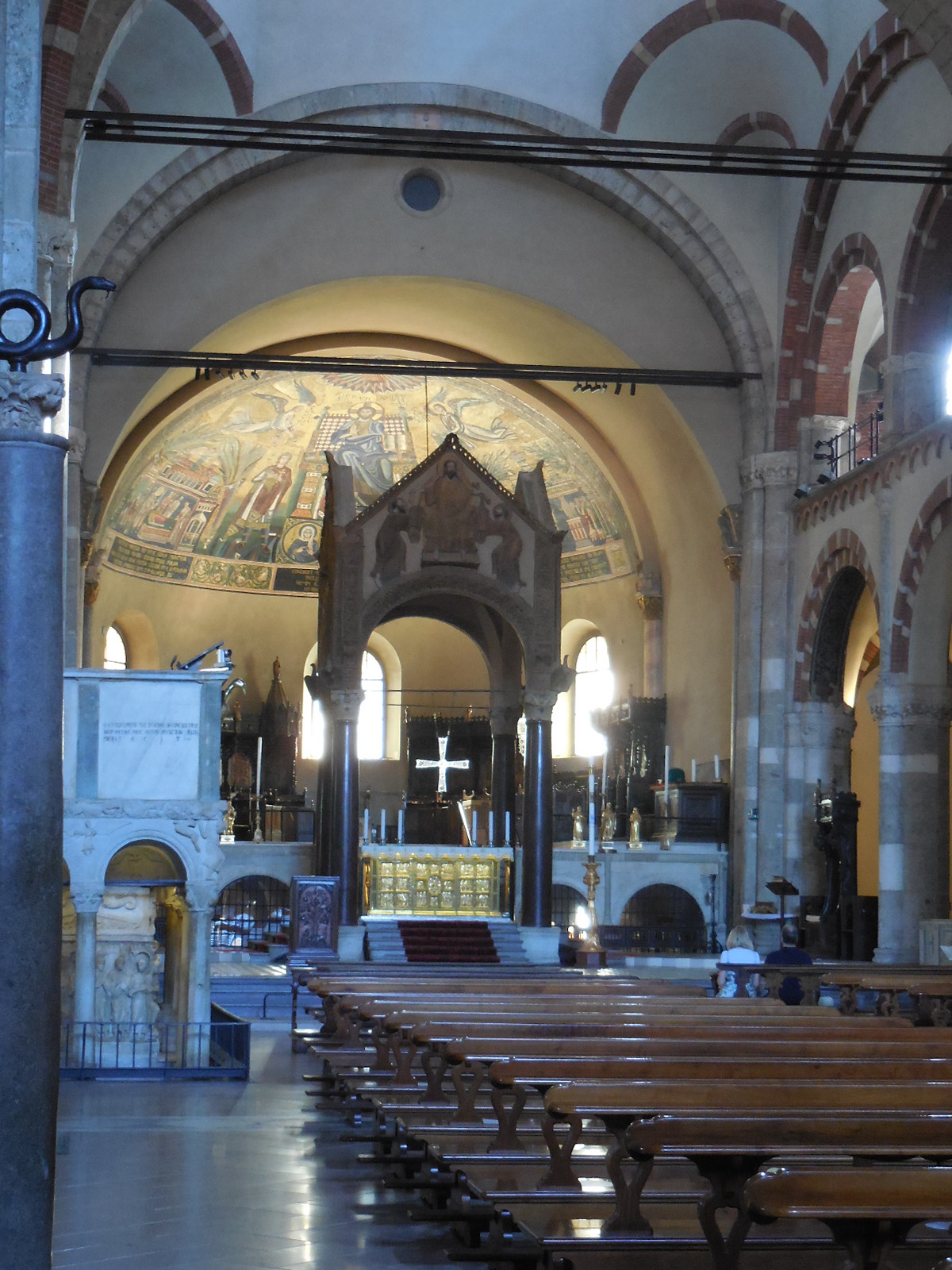
Inside, I saw a 12th century nave with two side aisles that had stunning arcades. The ceiling had remarkable 12th century ribbed vaults, and I saw galleries above the aisles. I loved the Romanesque brickwork of the pillars. It made both the interior and exterior dynamic. There was no transept. I noticed the Serpent’s Column, which was supposedly built by Moses.
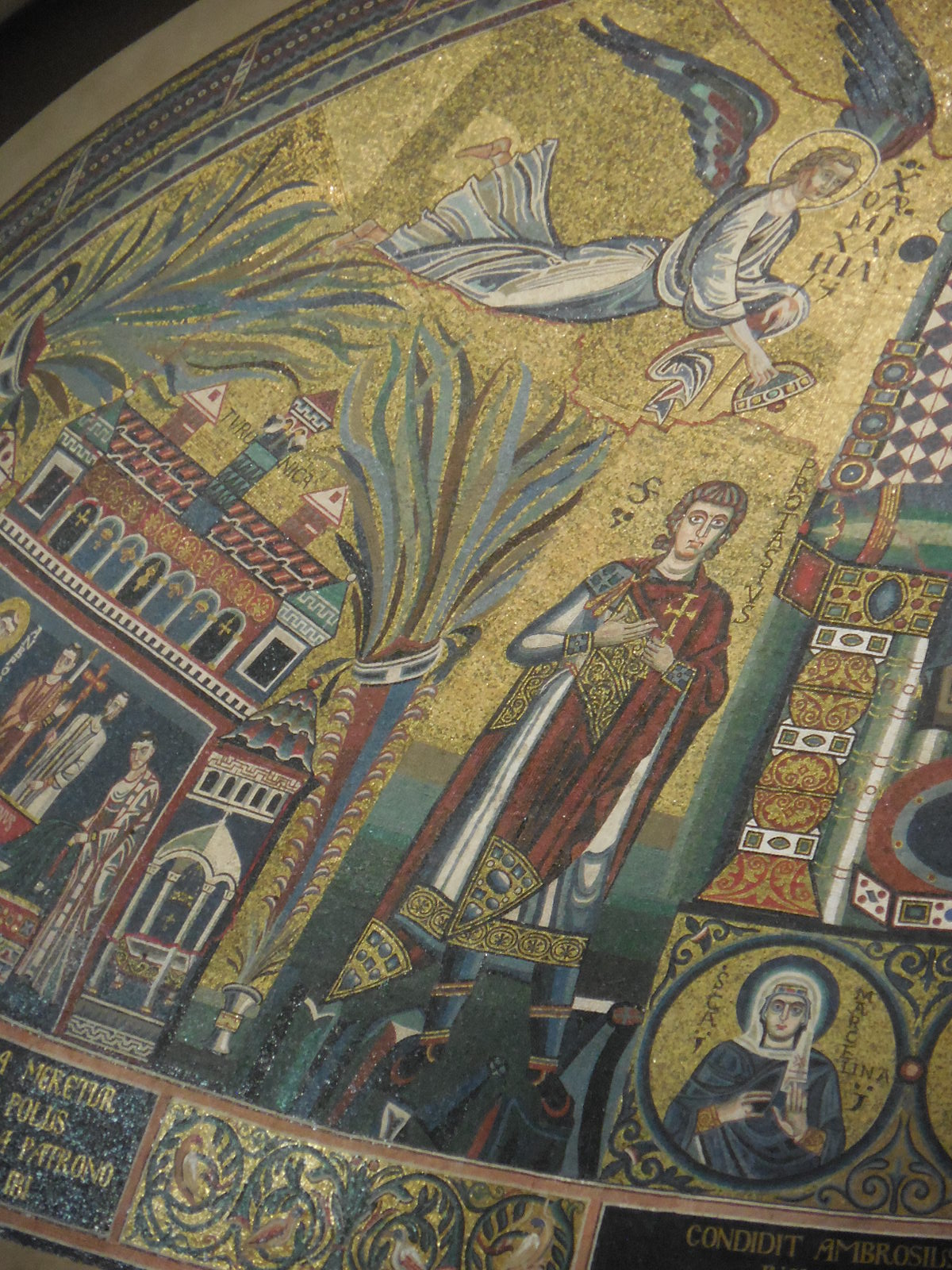
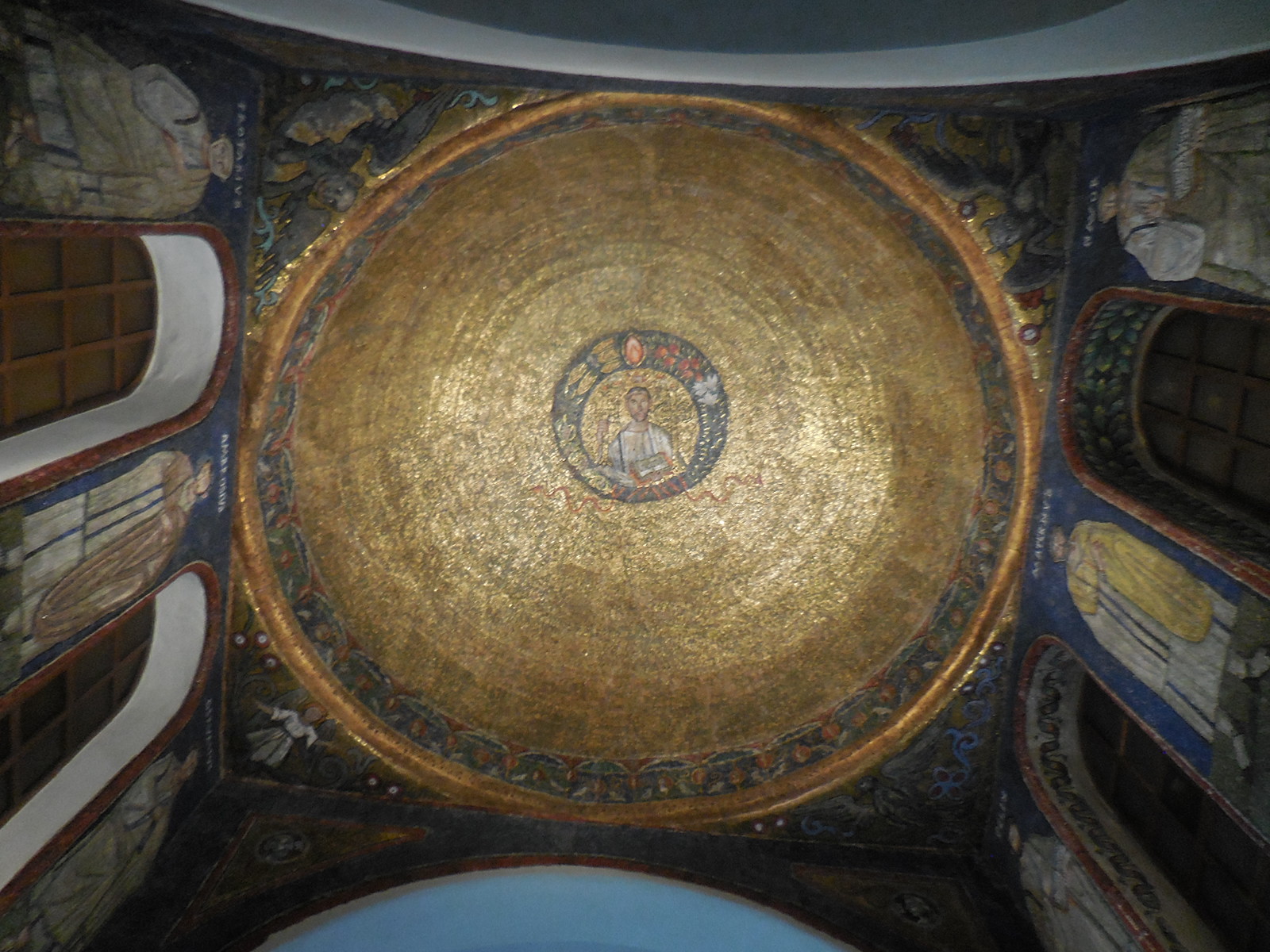
I stared at the apse with its 13th century mosaic of Christ Pantocrator or creator of all. At the sides were scenes featuring the life of Saint Ambrose. A gilded domed ceiling caught my attention as did mosaics on walls dating from the 5th century.
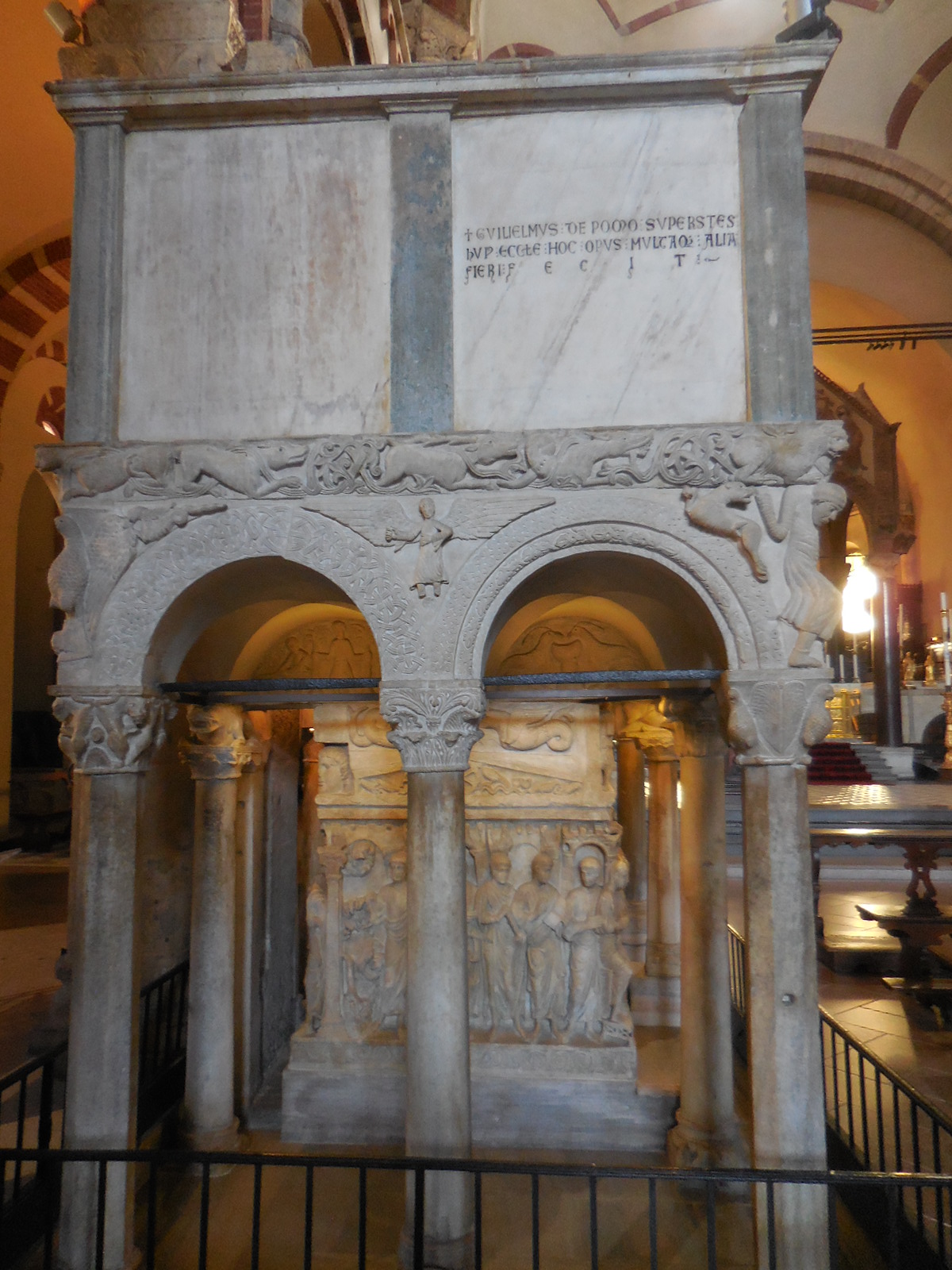
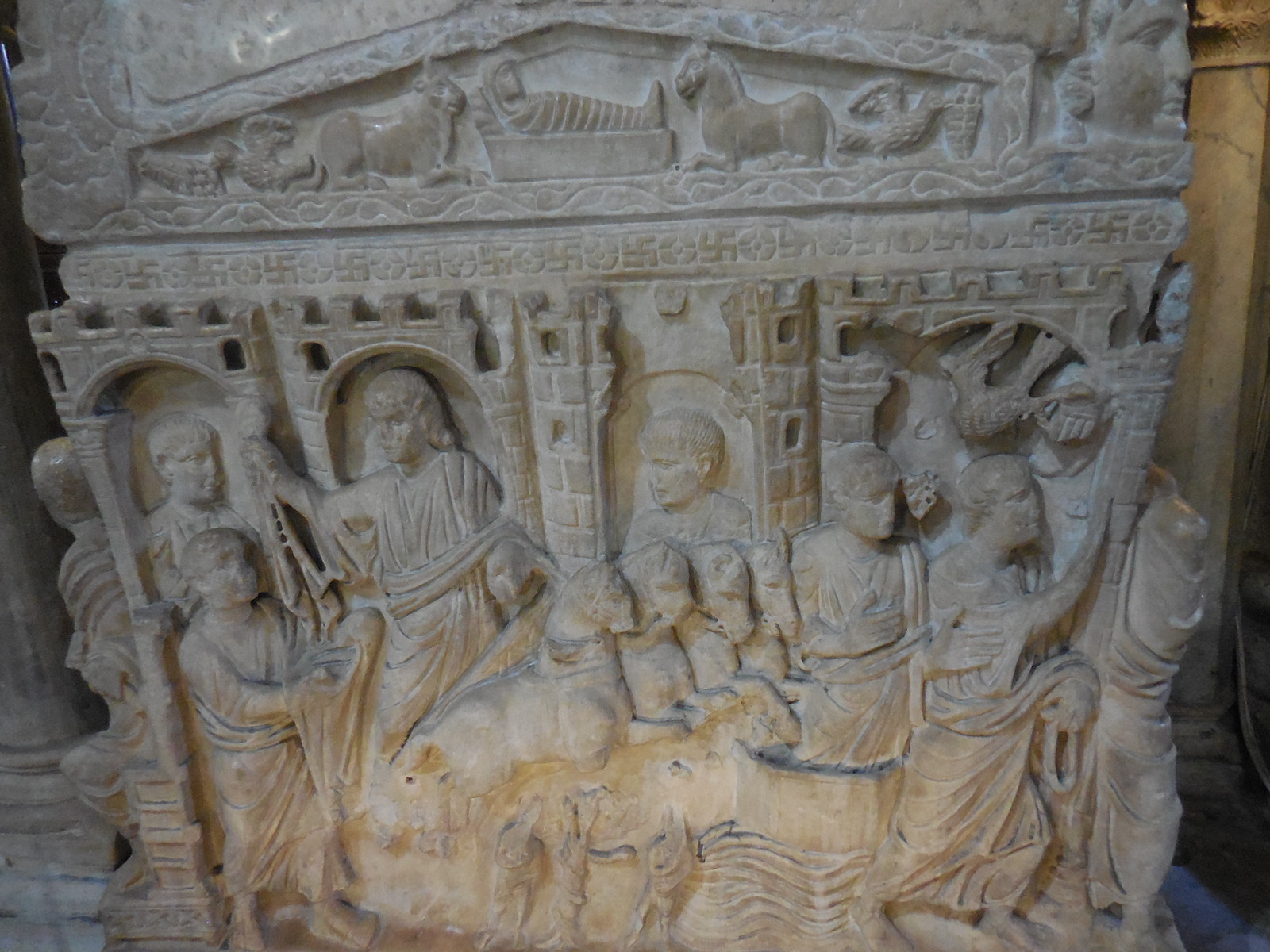
The pulpit was for me perhaps the most intriguing part of the church. It hailed from the 12th century and boasted two gilt copper reliefs showing an eagle and seated man, symbolizing apostles John and Matthew. The base of the pulpit was the fourth century sarcophagus of Stilicho with amazing reliefs from the Old Testament. I also noticed Apollo riding a chariot.
Also, I gazed at the 10th century ciborium which was painted with reliefs showing Christ, Saint Ambrose, Saint Benedict and Saint Scholastica. It included four columns in red porphyry and a canopy. The Golden Altar, another highlight for me, dated from the 9th century. The front showed off masterful goldsmithing skills and was adorned with precious stones. Scenes from the life of Christ decorated this side as well. The back included a silver relief celebrating the life of Saint Ambrose. The bishop’s throne hailed from the 9th and 14th centuries. I imagined the kings of Italy seated on the throne during their coronation ceremonies. Wow!
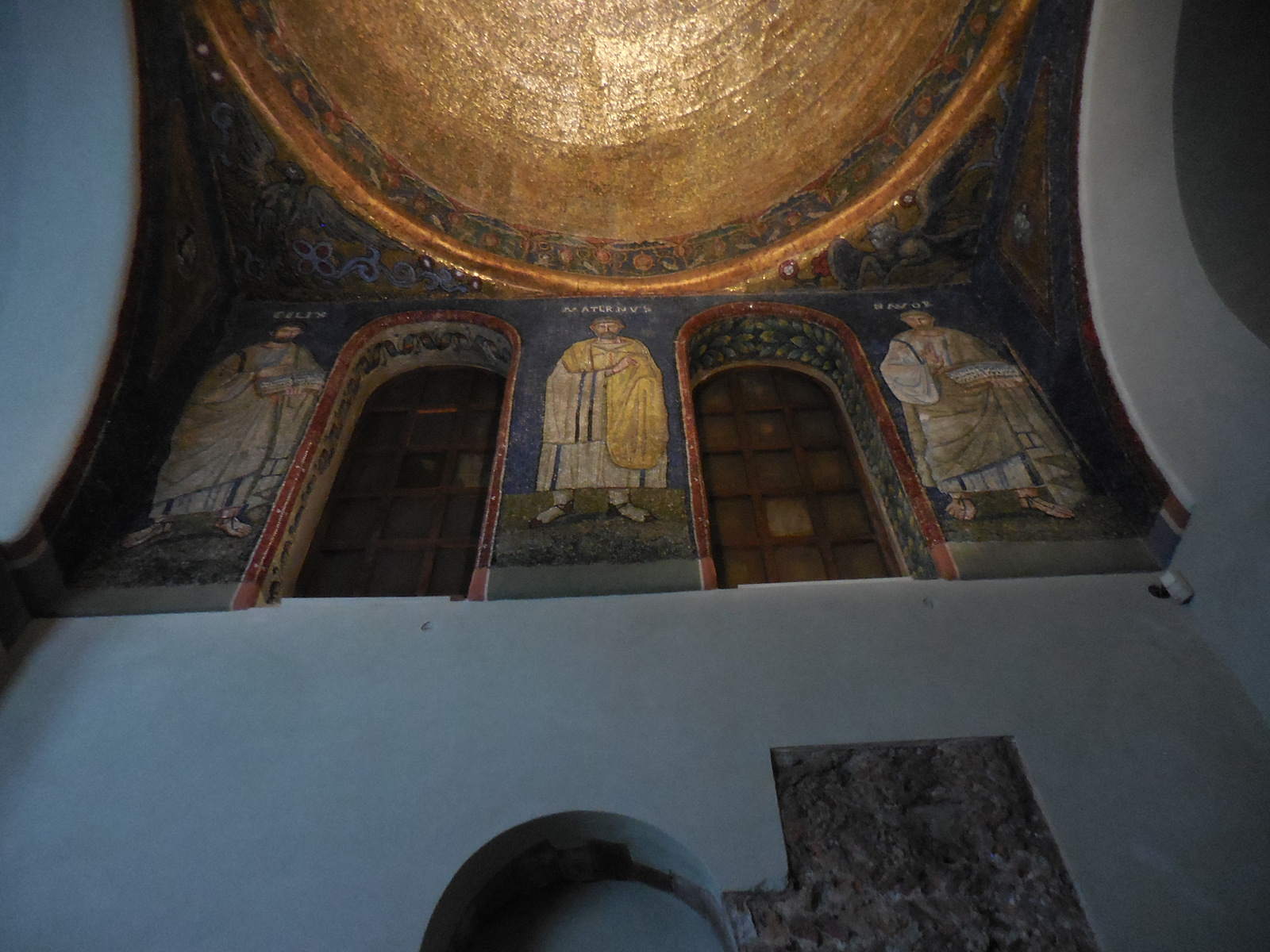
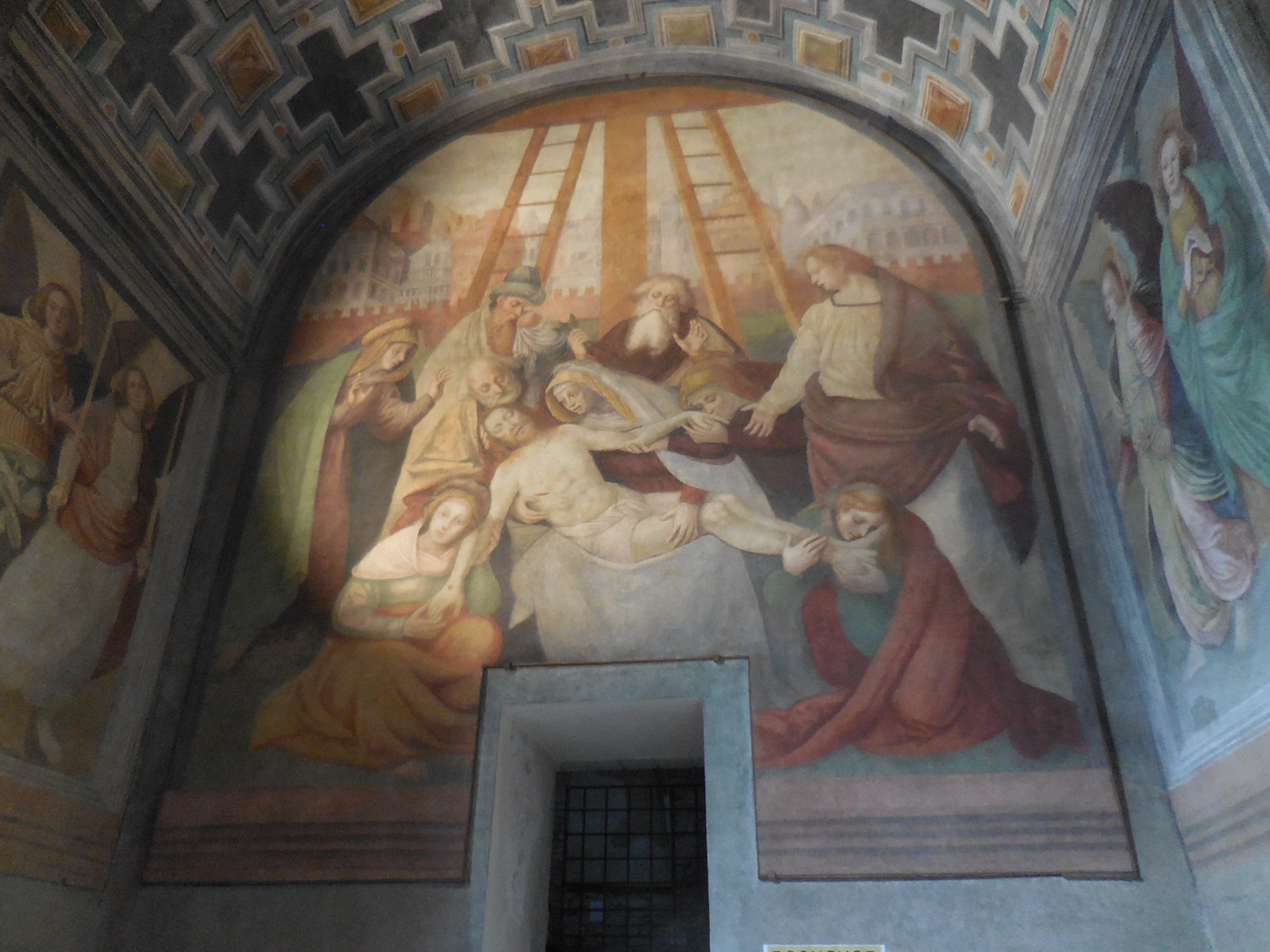
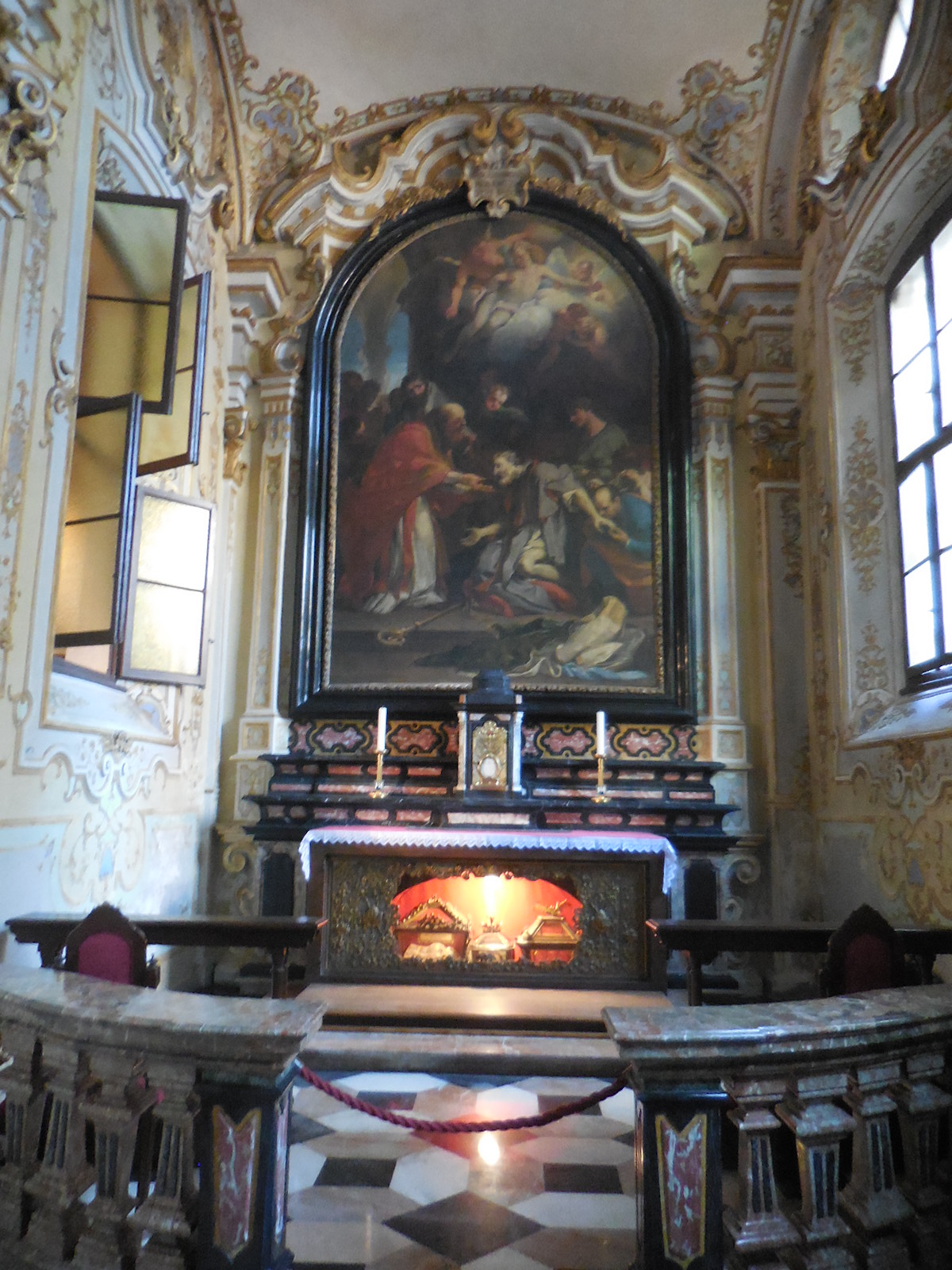
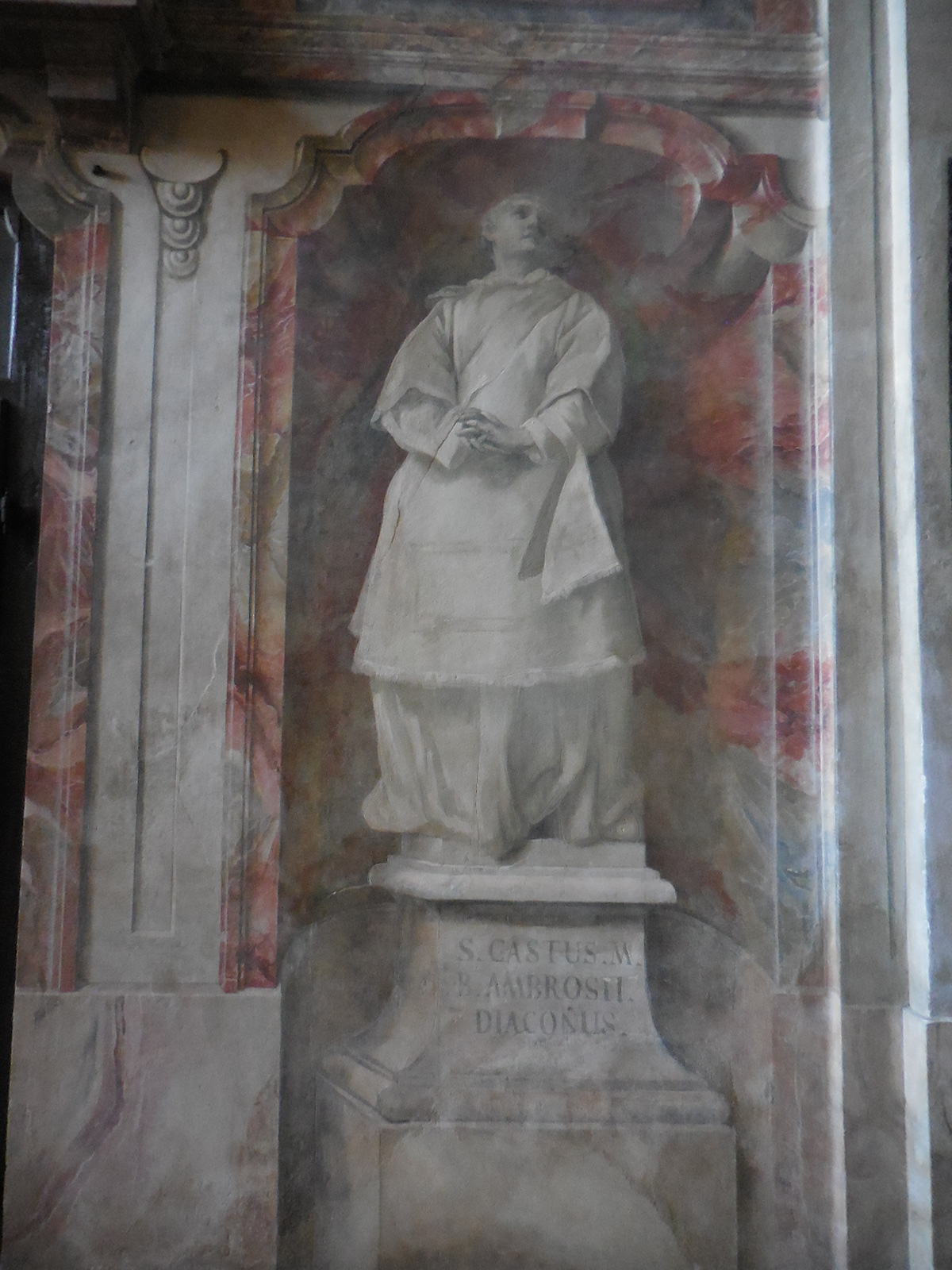
The oratory contained the relics of Saint Vittore and Saint Satiro, who was Saint Ambrose’s brother. The San Vittore in Ciel d’Oro sacellum featured a chapel to Saint Vittore. It was adorned with 5th century mosaics, with the bust of San Vittore making an appearance. The walls were striking in blue and showed six saints. The tomb of Emperor Louis II, who passed in 875, was also in the church. The chapels contained paintings by Tiepolo and Bernardo Luini, for example. In the crypt were the remains of saints Ambrose, Gervasus and Protasus.
The six-room museum included artwork and objects related to the church. Some of the highlights were Saint Ambrose’s bed and a cast of Stilicho’s sarcophagus. I also saw mosaics and triptychs.
Finally, I left the basilica, still stunned by the Romanesque pillars with delightful capitals and sarcophagus from 400 AD under the pulpit as well as the golden altar with its precious stones. The Christ Pantocrater mosaic bewitched me. The museum, too, had been more than intriguing. I gazed at the exterior from the atrium, entranced. My next stop was the Church of Saint Maurizio, where I would be overwhelmed by beauty once more.
Tracy A. Burns is a writer, proofreader and editor in Prague.





















































 Tracy's Travels