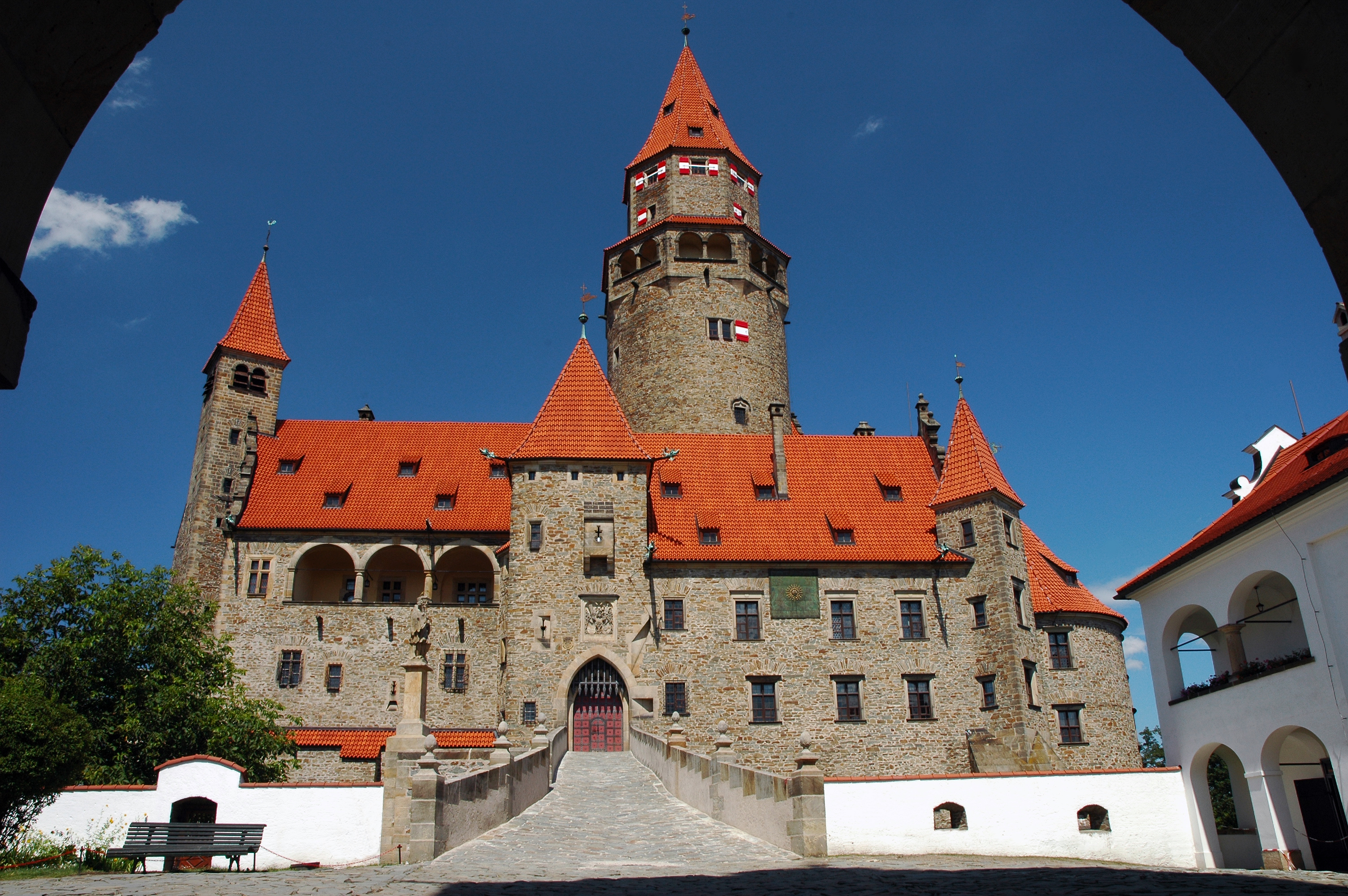
Kladsko Borderland and Božena Němcová Diary

BNvyhlidka3

I went on a UNISMA tour of the Kladsko Borderland area, the region where 19th century Czech writer Božena Němcová grew up. In this post I will refer to her as Barunka, her nickname, as I felt I got to know her well during the excursion. There were about 40 women on the tour, traveling to commemorate this Czech patriot, who was one of the most influential prose writers in the Czech National Revival. During this movement, Czechs tried to promote the Czech language and culture while they lived in the Habsburg Empire, where Germanization was enforced.
BNwww.bozena-nemcova.cz

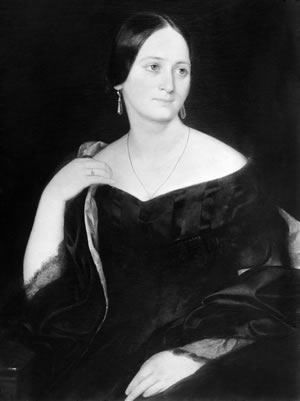
Božena Němcová from http://www.bozena-nemcova.cz

Barunka was an inspiration for women trying to make names for themselves as writers, too and for women in general. Barunka’s most famous literary creation is the novel The Grandmother, about an idealized grandmother and her family living in the countryside of the Kladsko Borderland region. Written during a tumultuous time of her life, The Grandmother was inspired by Barunka’s happy, carefree childhood. We would also visit the Ratibořice Chateau as Barunka had spent joyful days in Ratibořice during her youth. Also on the itinerary was Barunka’s home in Červený Kostelec, where she lived for six months after she got married. We would admire the countryside from a lookout point that commemorated the prestigious writer.  First, though, we would travel to Česká Skalice, the town where Barunka went to grammar school and got married.
Babickawww.radio.cz

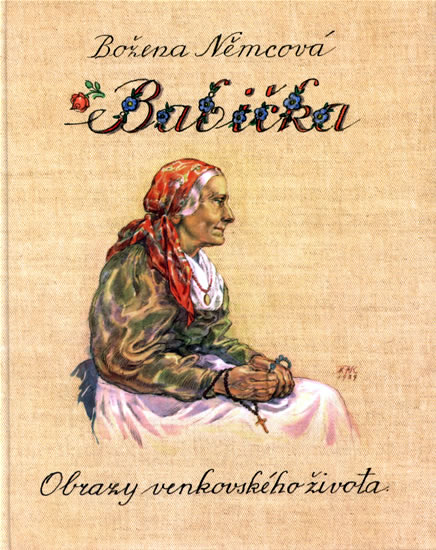
The Grandmother or Babička by Božena Němcová from http://www.radio.cz

The Kladsko Borderland region includes 13 towns, such as Nové Město nad Mětují, which boasts a chateau that I wrote about in another post. It also consists of the Broumov area. I spent a weekend in Broumov – see my post about it – where I toured the impressive monastery and visited the wooden Church of the Virgin Mary, the oldest wooden building in the country. The unique rock formations of Adršpach also belong to this area. I was there one cold, depressing day in November years ago and have always promised myself I would return sometime during the summer.
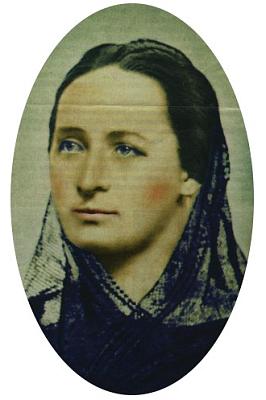
BNwww.martinus.cz

Božena Němcova from http://www.martinus.cz

Because I find Božena Němcová’s life to be so intriguing, I am going to go into some detail about the trials and tribulations she faced. Born in 1820 as Barbora Panklová in Vienna, she spent her childhood in Ratibořice. In 1825 her grandmother settled in with the family. Her grandmother played a major role in Barunka’s upbringing. During 1837, Barunka tied the knot at age 17 in an arranged marriage. Her husband, Josef Němec, was a 32-year old customs officer. They had four children, three sons and a daughter.

Josef was a Czech patriot, but he was a rude, outspoken man. He was transferred many times, so the family moved from place-to-place. When they were living in Polná, Barunka started to read books and newspapers in Czech, even though it was an era of Germanization. After they moved to Prague in 1842, she published poetry in a well-respected periodical.

In 1848, while the family was living in Domažlice, Josef was accused of treason, which brought about more transfers in his job. When he moved to Hungary in 1850, Barunka and the children lived in Prague, where she met with literary figures who were Czech nationalists. The family had severe financial problems and was often in debt. Then Barunka and her husband joined the Czech-Moravian Brotherhood, which promoted the idea of a utopian society, but the Brotherhood fell apart.

BNandchildrencs.wikipedia.org

Božena Němcová and her children from cs.wikipedia.org

Barunka was no saint. She had several lovers. When her son Hyněk became gravely ill, she was the mistress of Hyněk’s doctor. Then one day Josef came across a love letter and put an end to her affair. Josef’s job then took him to Hungary again, and this time Barunka and the children accompanied him. They visited Moravia and Slovakia, two places where Barunka picked up many folk tales from people living in the countryside.

While they were living again in Prague during 1853, Hyněk died of tuberculosis at the tender age of 15. The family had other problems, too, as Josef found himself unemployed. It was while the family was in such dire straits that Barunka wrote The Grandmother, as she mentally transported herself back to the cheerful days of her youth, when she had lived with her grandmother in Ratibořice. In the book the grandmother figure stands for goodness, love and moral values.

BNvyhlidka5

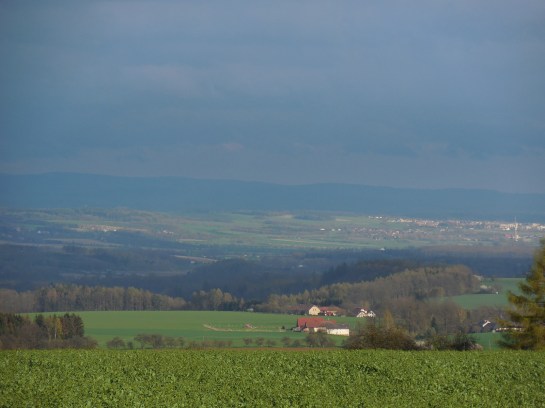
The Kladsko Borderland

The following year Barunka had an affair with a young medical student, but the man’s parents found out and forced him to move from Prague to Poland, ending the relationship. During 1856 Barunka attended the funeral of influential writer and journalist Karel Havlíček Borovský. She paid tribute to him by placing a crown of thorns on the casket as a symbol of martyrdom.  That same year Josef was accused of embezzlement. Barunka and Josef had heated arguments about the children’s future, and Josef filed for divorce. He beat her, and Barunka called the police. They got back together, but they fought so often that Barunka eventually left him.

During 1861, she moved to Litomyšl, where she worked for a publisher as Josef was no longer supporting her. However, illness and the resulting financial problems forced her to honor society’s rules and return to Prague and to her husband. The first installment of the second edition of The Grandmother was published the day before she died on January 21, 1862.
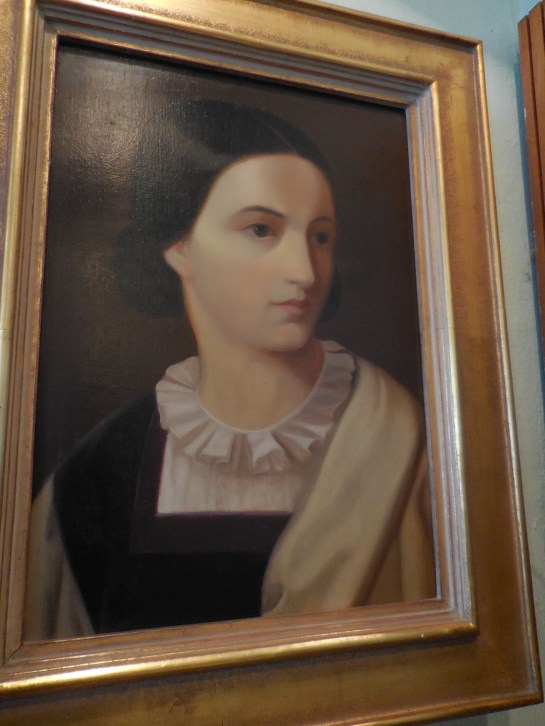
CeskaSkaliceBNmuzeum1

A portrait of Božena Němcová from the Božena Němcová Museum in Česká Skalice

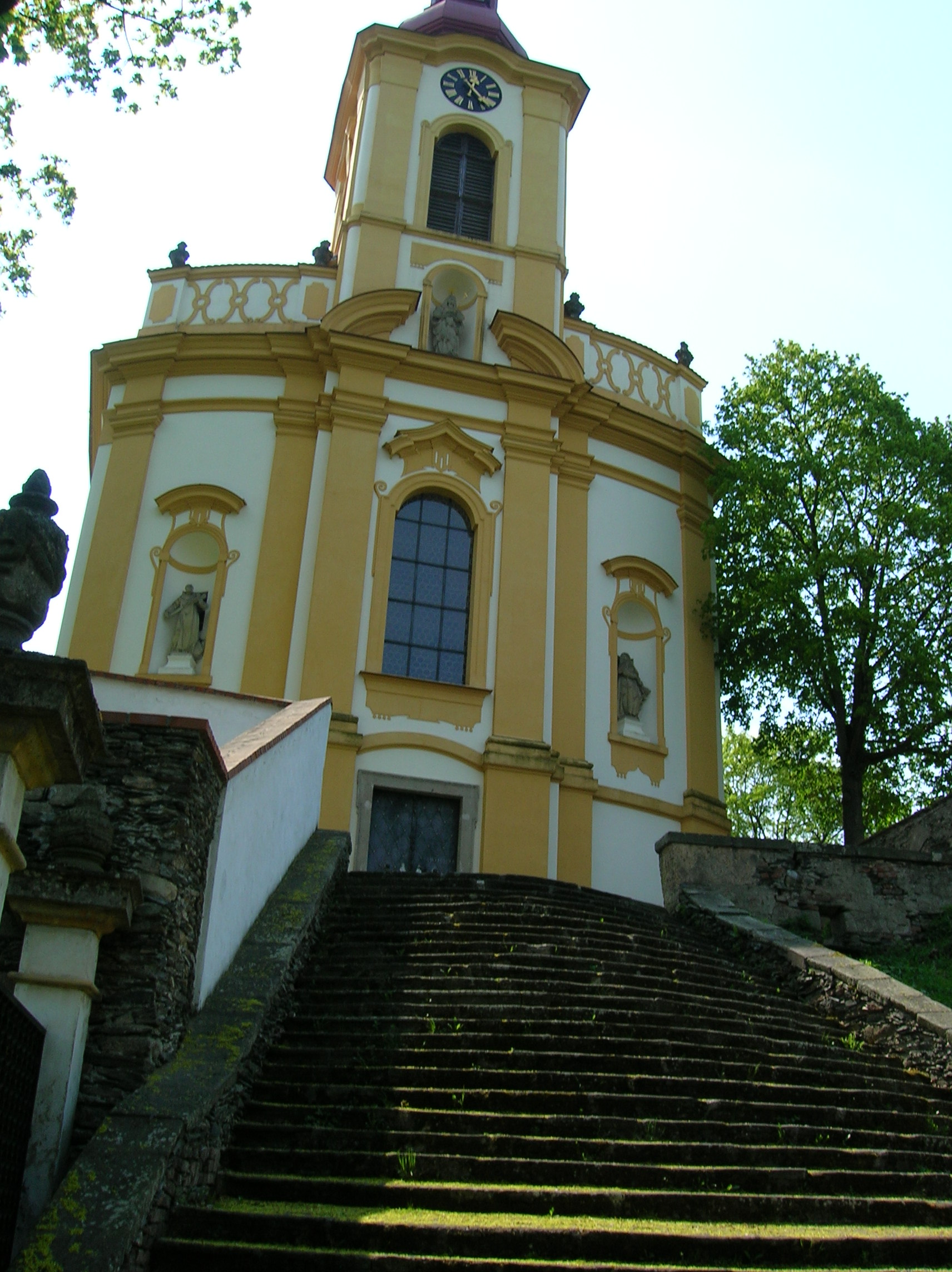
First, we visited Česká Skalice, where the Božena Němcová Museum was situated. The school that Barunka attended and the Baroque church where she was married in 1837 are nearby. Coincidentally, her parents had married in the same church, during 1820.

Česká Skalice has an impressive history. It was first mentioned in writing during 1086, but a settlement existed there even earlier. It obtained the status of a town in 1575. During the Thirty Years’ War, Česká Skalice was occupied by both Swedish and the Emperor’s troops. During the 18th century, the town concentrated on agriculture and textile production. The 19th century was fraught with floods and fires, yet the town still expanded. In 1866, during the Prussian-Austrian War, a significant battle took place nearby. The Austrians lost, amassing over 5,000 casualties. It was a hint of what was to come as the Austrians would go on to lose the war.
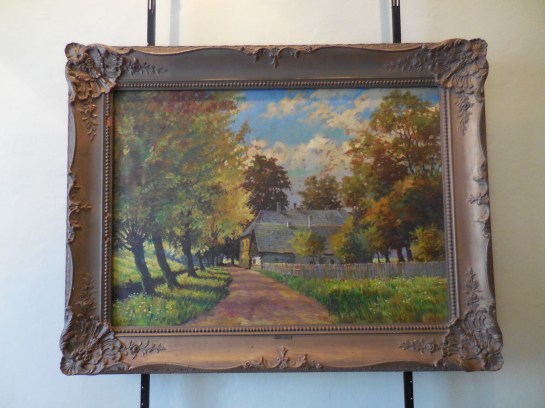
CeskaSkaliceBNmuseum2

from the Božena Němcová Museum

The 19th century was also a time when Dahlia Festivals took place. They were held from 1837 to 1847. Dahlias were plentiful in the region, and the festival took on a nationalistic tone. At the first festival in 1837, Barunka was voted Queen of the Ball. Composer Bedřich Smetana participated in the festival during 1839. Factories for textile production cropped up during that century, too.

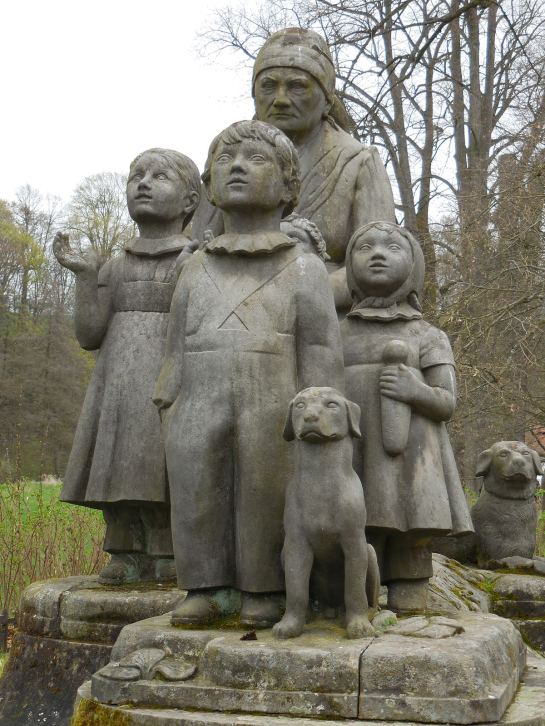
Many citizens of Česká Skalice died during World War I, but life in independent, democratic Czechoslovakia was good. A statue called “Grandmother with Children,” based on the book The Grandmother, was unveiled in 1920 in Ratibořice. The sculptors were the well-renowned Otto Gutfreund and Pavel Janák. A museum dedicated to Božena Němcová was opened in 1931. During the Second World War, times were bleak. Many inhabitants lost their lives in resistance fighting.
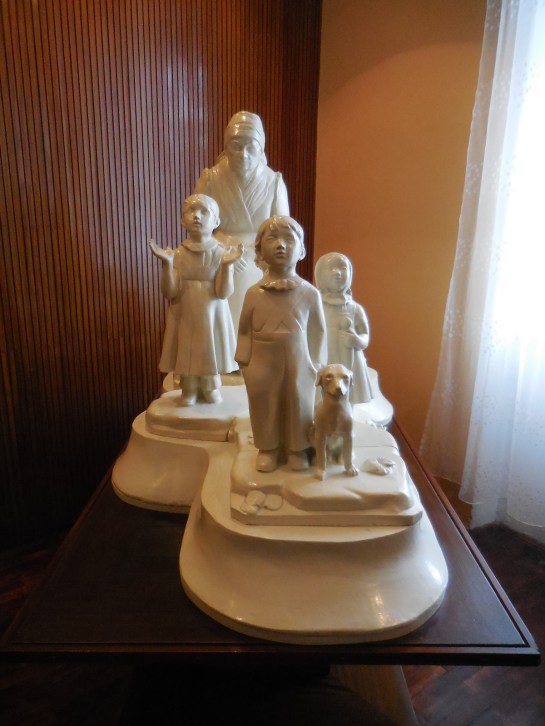
CeskaSkaliceBNmuseum6

Statuary inspired by The Grandmother, Božena Němcová Museum

We could only peek through the iron grille of the Baroque church, but I read that the chapel dates back to 1350, and the baptismal font hails from 1450. The interior became Baroque in 1825.

The Museum of Božena Němcová gave me an overview of her life. I saw her writing desk and tried to imagine her sitting there, composing a story. Photos and documents were on display as well as many editions of her books. A book fiend, I thoroughly enjoyed seeing the various editions and noticed how the books’ designs differed. I also peered at some of her favorite paintings. I learned that Barunka admired English literature, especially the works of Charles Dickens and that she was deeply interested in the fate of textile workers, servants and clerks, for instance. She had even visited textile factories in order to get a sense of the grueling work and long hours that prevailed. I admired a richly decorated fan she had owned. The part of the exhibition dedicated to The Grandmother in film and drama also caught my attention. I had seen the popular film, and I had attended a performance of her literary masterpiece, on stage at the Goose on a String Theatre in Brno.
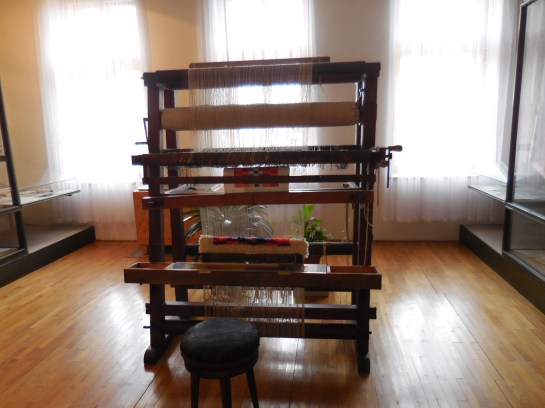
CeskaSkaliceBNmuseum13

From the Textile Museum in Česká Skalice

Adjacent to the literary museum was a textile museum, founded in 1936. Česká Skalice is home to the only museum in the country that focuses on the history of textile production.

We also visited Barunka’s timbered school, which she attended from 1824 to 1833. While it is not known when it was built, legend says that it dates from the 13th century. It was first mentioned in writing during the early 15th century. The school was destroyed by the Swedes in 1639, but, four years later, a new one was built. In 1771, some 280 children were registered at the school. However, only about 80 pupils showed up for lessons. Until 1790 there was only one grade. Later, when Barunka attended, there were two grades. Now it looks like it did from the 1830s and 1840s. The building last served as a school in July of 1864.

CeskaSkaliceBNschool7

The teacher’s desk in the school that Božena Němcová attended

I tried to imagine Barunka going to this school every day. Each row in the classroom consisted of one long bench. I could not imagine how painful my back would be if I had to sit on one of those hard benches all day. A sentence written in 19th century Czech using correct penmanship was on the blackboard. An edition of Barunka’s story, The Teacher, was on display, as she described this school in that work. While I could not imagine going to classes in such a claustrophobic, though quaint, space with uncomfortable seating, some of my fellow seventyish travelers reminisced that the grammar schools they had attended had looked similar. I had spent my elementary school days at a small, modern, private school in the town where I lived in northern Virginia. We had strict rules and a dress code. If students went to their lockers between classes, they were punished. However, we had great teachers and a terrific theatre program. How different my childhood had been from the childhoods of these seventy-something women who had grown up in Communist Czechoslovakia!

CeskaSkaliceBNschool9

The benches where the students sat in the school Božena Němcová attended

The wall in the atrium of the building was richly decorated with ceramics and paintings. Quotations from Barunka’s books adorned the wall, too. I admired the bright colors and cheerfulness of the display.
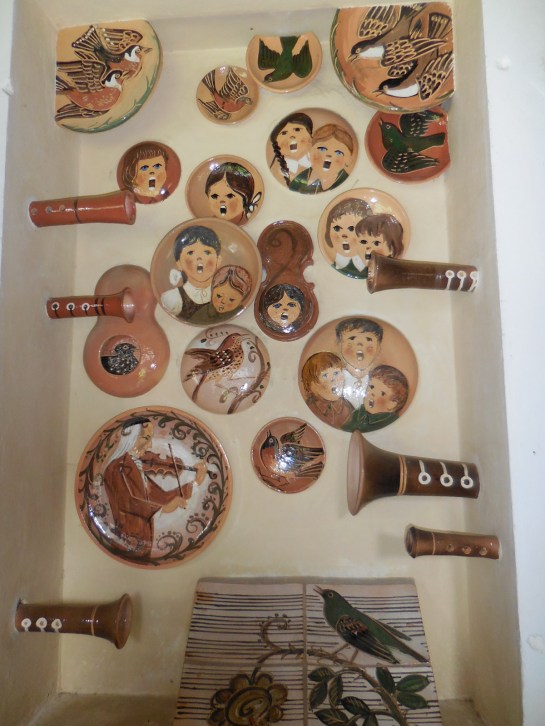
CeskaSkaliceBNschool16

The display of ceramics in the atrium of the school

The highlight of my trip was visiting Ratibořice Chateau, where I had been only once, more than a decade earlier. The village of Ratibořice was first mentioned in writing during the 14th century, when a fortress had stood on the site. The chateau has its origins in the early 18th century, when the then owner, Prince Lorenzo Piccolomini, had it built as one of his residences. It has the appearance of an Italian countryside summerhouse, an architectural style that was popular during the 16th century.

Its golden age took place when Kateřina Frederika Vilemína Benign – the Duchess Zaháňská – inherited the place at the turn of the 19th century. Barunka even based one of the characters in The Grandmother on this former owner of Ratibořice. She made the chateau her permanent residence and was responsible for reconstruction that took place from 1825 to 1826. The chateau was transformed into Classicist style. Also, the park was founded during her tenure as owner. Kateřina was married and divorced on three occasions. The duchess loved children, but her only child was taken away from her in 1801 because she was illegitimate. Then Kateřina was unable to have more children. So she helped educate girls and helped them find rich husbands. She treated them as if they were her own children. One of these girls became a character in The Grandmother, fictionalized as Countess Hortense.
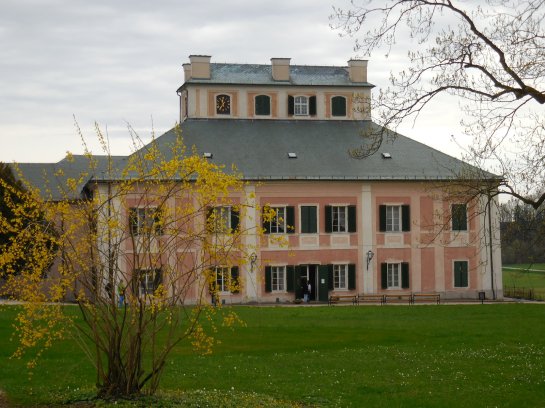
Ratiboriceext2

Kateřina had influential friends. She was on friendly terms with Russian Czar Alexander I, Klemens von Metternich, who served as Minister of Foreign Affairs and later Chancellor of the Austrian Empire and poet Lord Byron. In June of 1813, a significant political meeting took place at the chateau. Czar Alexander I and representatives from Prussia and Austria formed a coalition after the defeat of Napoleon in order to establish the divine rights of kings and Christian values. The alliance focused on preventing revolutions, democracy and secularism. The duchess died during 1839 in Vienna.

Other major reconstruction took place from 1860 to 1864, when Prince Vilém Karel August from Schaumberg-Lippe gave the chateau a second Rococo style makeover. The chateau remained his family property until 1945. The Nazis occupied the chateau during World War II, and after the war, the interiors were changed into Classicist, Empire and Biedermeier styles, which decorate the chateau today. Ratibořice now appears as it did during the first half of the 19th century. In 1978 it obtained the status of a national cultural monument. From 1984 to 1991, there was much restoration work.
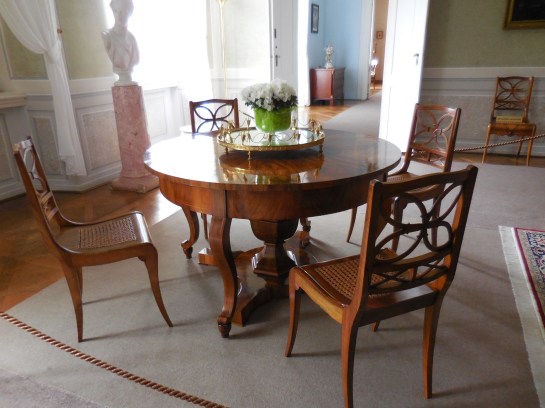
Ratiboriceint3

In the chateau I was enthralled with six Italian paintings from the 17th and 18th centuries. The pictures showed people in landscape settings. How I loved Italy! I had been there nine times and would soon be visiting that country again. I loved the Italian language, too. I wanted to see all the towns in Italy, to visit everything noteworthy. Rome, Arezzo and Pompeii were my three favorite places in Italy.

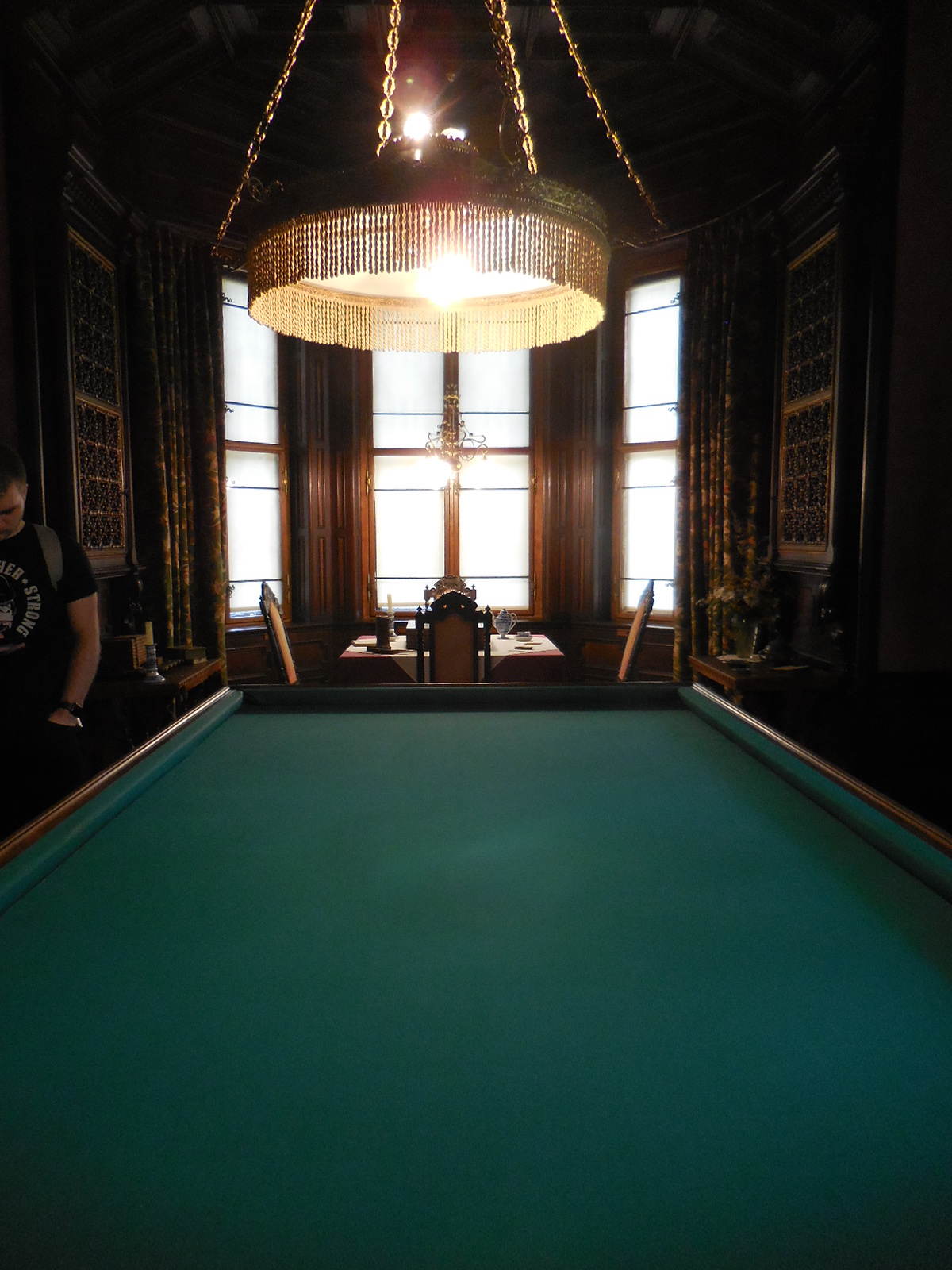
The Men’s Salon was designed in Empire style. In this space I took note of the elegant Empire style bookcase on top of which are busts of the members of the Holy Alliance – Russian Czar Alexander I, Austrian Emperor Franz I and Prussian King Frederick William III along with a bust of Metternich. I loved the paintings of Italy in this room, too. The Social Salon featured a pool table along with Empire style card tables that boasted intarsia designs and a large painting of a biblical scene. I also admired a wooden gilded clock from the first third of the 19th century.
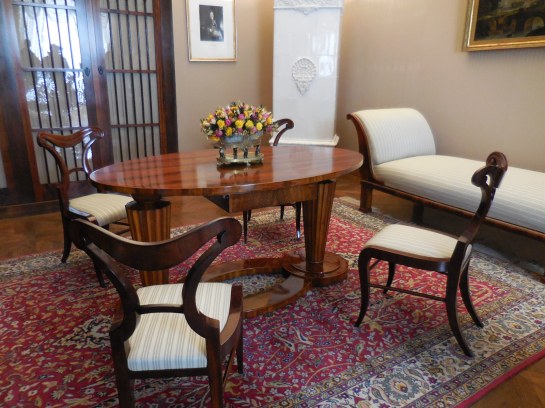
Ratiboriceint4

There was a portrait of a woman who was 46 years old, my age at the time of my visit. I thought she looked so old. Suddenly, I felt so old. I had lived in the Czech Republic and Czechoslovakia for half my life, 23 years. Time went by so fast, and that scared me. Before long, I would be 50. I wondered if I looked that old to other people. Some younger people on trams and Metro gave up their seats for me, an act of respect to elders.

A painting in the Music Salon, which was decorated in Napoleon Empire style, caught my attention. The large canvas portrayed a carnival parade in Naples during 1778. There were 2,338 people painted in the picture. I admired the attention to detail. I thought back to my trip to Naples the previous year. The museums, the pizza, the picturesque streets in the historical center, the opera house, the churches and the cathedral – it had truly been a wonderful experience. And Naples seemed so different from the other towns and cities I had visited in Italy.

Ratiboriceint11

In another room I admired a statue of a Dancing Fawn on a column, an artwork based on a statue unearthed in Pompeii. I recalled seeing the original in the Archeological Museum in Naples. Visiting that museum was certainly a highlight of my trip to southern Italy.

Ornate gilded clocks also decorated interiors. I loved the paintings of two lakes in Italy. I had wanted to visit Lake Garda and surroundings this year, but the trip was not offered at a time when I was free. I also would love to see Lake Como and the surrounding area. I recalled flipping through a book I have about the region and feeling overwhelmed by the beautiful photos. A desk in the room was exquisite, too. I loved the Klimt-style candlesticks in the bright, dynamic blue, gold, and red. What looked like a pile of books was really a trash can. That was an object I wanted in my own home.

Ratiboriceint17

On the first floor I was enthralled with the Servant’s Room. The servant slept on a high, wooden bed that he also used for ironing. My back started to hurt just looking at the hard bed. On the lower floor I loved the coffee service that included cups with pictures of three chateaus on them. One of these was Amalienburg, which I fondly recalled visiting in Munich, although the day had been so rainy that it had not been pleasant walking in the park. The elegant Biedermeier furniture in the Schaumburg Room caught my attention. I especially liked the dark green couch and the room’s warm colors. The Graphics Cabinet was impressive, too.

I also liked the Second Rococo style adornment of the Men’s Parlor, where there were black-and-white portraits of various monarchs, including Russian Czar Nicholas II. In the Women’s Salon I was drawn to an elegant fan picturing cats. A cat lover, I dreamed of having my own shelter for black cats or of owning a mansion where there was enough room for 15 or 20 black cats. I liked black cats best because they are often overlooked. People are prejudiced against them because of their color. Some people consider them to be unlucky, but, to me, they are not unlucky at all.

Ratiboriceint20

I imagined Czar Alexander I seated in the Big Dining Room along with many guests at a lunch honoring the Russian leader. I admired the English Copeland service on the table as well as a green tiled stove. Other appealing rooms had Neo-Baroque and Second Rococo décor.

Babiccinoudoli5

Babiccinoudoli6

Babiccinoudolistatue2

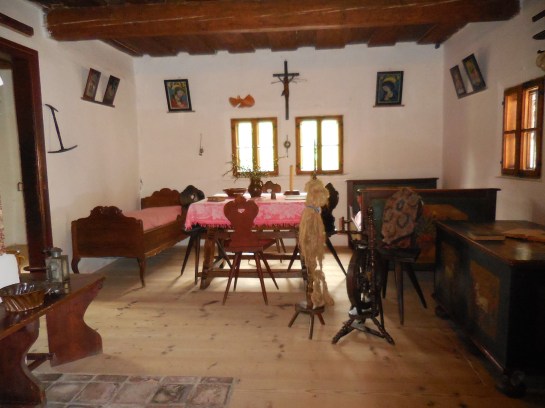
Near the chateau was the Grandmother Valley, where old buildings, some from the 16th century and others from the 19th century, stood among beautiful scenery. The Rudr Mill hails from the second half of the 16th century. It has two floors, and one room is decorated with folk-style furniture. There is an exposition about the processing of flax, too. The statue of the grandmother with her grandchildren was inspired by Barunka’s novel. A timbered pub from the second half of the 16th century impressed me, too. I also saw a timbered cottage covered with shingles. It was built in 1797. I liked the folk-style furniture inside. Finally, I reached Viktoria’s Weir, originally made of wood but redone in concrete during the 1920s. The valley was tranquil and idyllic. I walked at a leisurely pace on that windy day, enjoying the landscape.

CervenyKostelec1

The Winter Kitchen in the house where Božena Němcová once lived in Červený Kostelec

CervenyKostelec2

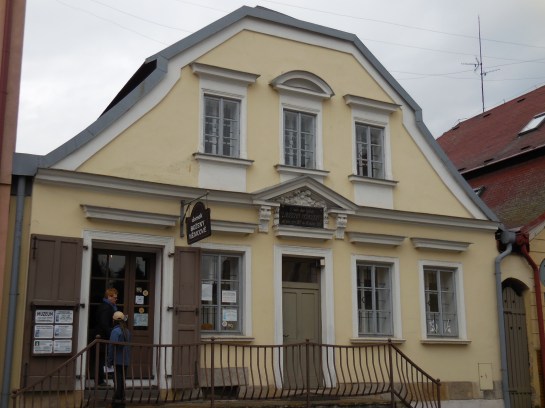
The house in Červený Kostelec


We visited the small house where Barunka had lived with Josef for six months, shortly after their wedding, when she was only 17 years old. In the small town of Červený Kostelec, she had written the book Poor People and had posed for her first portrait. She had also become pregnant with her first child, Hyněk. The three rooms on display included the Winter Kitchen, where the landlady sometimes cooked for Barunka and her husband. Barunka did not cook. The couple often ate at a nearby pub. Across from the house was an orange church, an interesting structure, but we could only peek inside, barred from entering by an iron grille.
CervenyKostelecext2

The house in Červený Kostelec

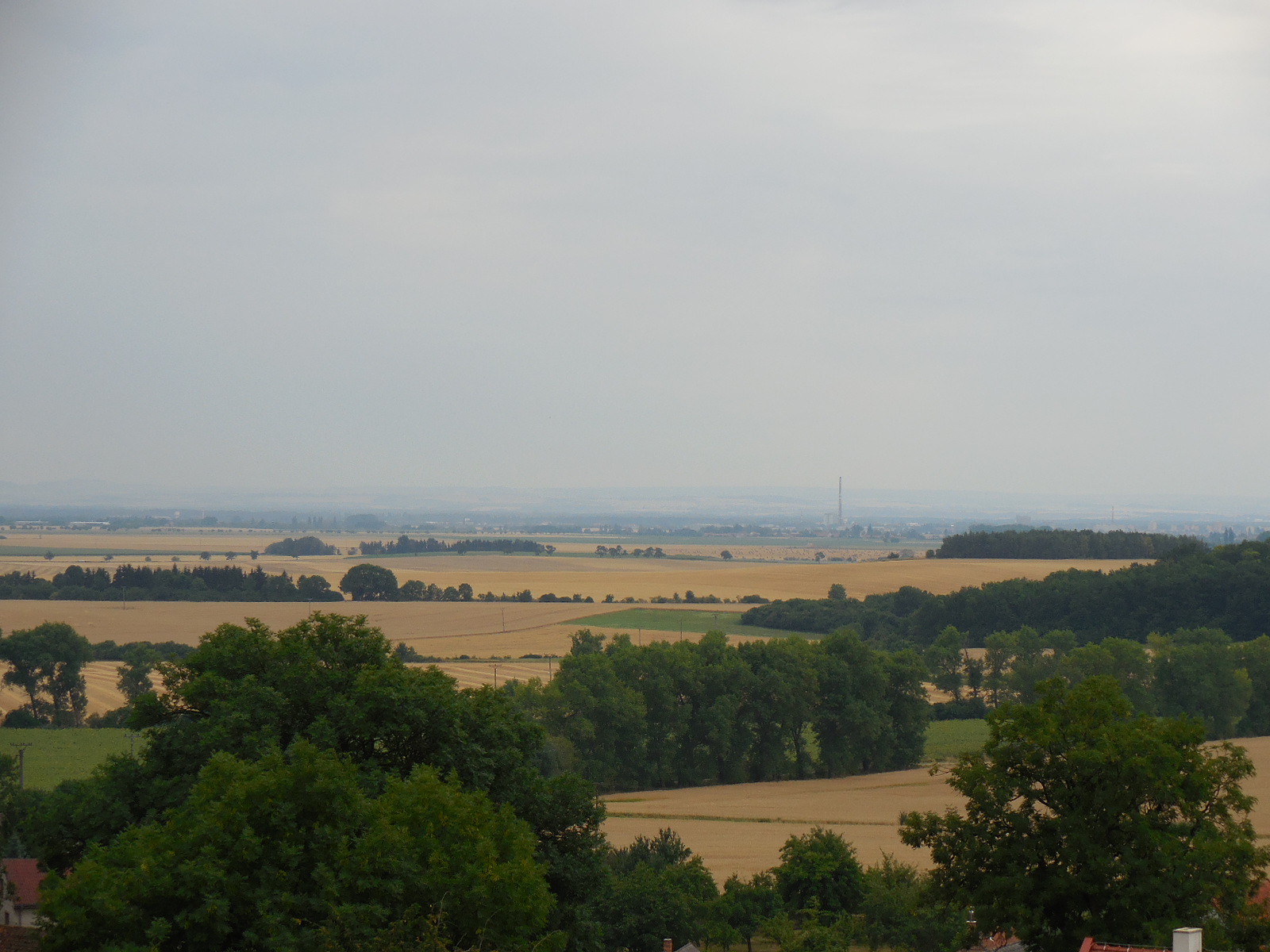
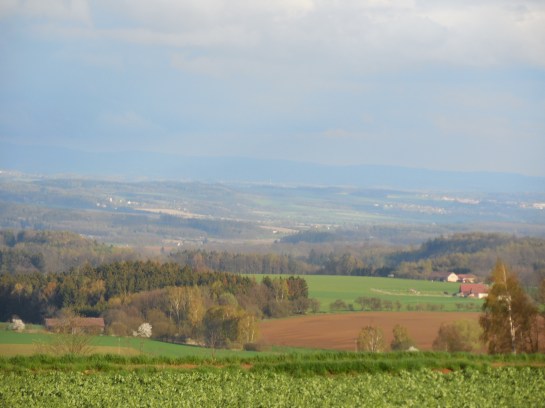
Then we came to Barunka’s Lookout Point commemorating the region where the well-known writer grew up. The views of the countryside are spectacular. It was a wonderful way to end our trip.

When we got back to Prague, I felt enlightened and invigorated. I had learned a lot about Božena Němcová and the region of her happy childhood. The chateau interested me the most, but everything was intriguing. I thought of how she had been physically abused and how she had to return to her husband in the end, and I became sad. What a life she had lived and what magical books she had produced!

Tracy A. Burns is a writer, proofreader and editor in Prague.
BNvyhlidka7

The Kladsko Borderland from the lookout point

Dance of Death Paintings at Kuks Diary

Kukscycleofdeath10

NOTE: See my Kuks Diary for more information on Kuks hospital.

I visited the former Baroque hospital Kuks for the third time last year, soon after reconstruction. In the early 18th century, a spa had been situated across from the hospital, but it was destroyed by a flood in 1740. At Kuks visitors can admire 24 Late Baroque statues of vices and virtues by master sculptor Matthias Bernard Braun, a Baroque pharmacy, a pharmaceutical museum, a lapidarium, a chapel, a church and a crypt. Lining one hallways are 50 Dance of Death paintings that were beautifully restored during the recent reconstruction.

Kukscycleofdeath1

The Dance of Death or Danse Macabre genre in art was revived during the Baroque age and not only at Kuks. It began during the Late Middle Ages in 15th century France. The artistic renderings show death personified summoning people from all walks of life to dance. No one – neither kings nor beggars – could escape death. During medieval days the plague had ravaged Europe, and this was one artistic way to try to come to terms with so many deaths riddling the continent. Dances of death also played roles in religious plays presented in churches. People looking at these paintings during the hospital’s Baroque heyday were supposed to dwell on the fragility of life. Thus, the Dance of Death emphasized a certain mentality, a specific outlook on both life and death.

Tracy A. Burns is a writer, proofreader and editor in Prague.

Kukscycleofdeath2

Kukscycleofdeath3

Kukscycleofdeath4

Kukscycleofdeath5

Kukscycleofdeath6

Loučeň Chateau Diary

Loucen2
Waiting for the tour to start, I was excited that I would soon see the historical interiors of a chateau I had never before visited. Although Baroque Loučeň (also sometimes referred to as Lautschin) had been open to the public since 2007, I had heard about by chance only in 2015 via an article posted on Facebook. The place sounded magical. I knew I had to make a trip there. And soon. While there are many tours for children, I had opted for the classic tour of the interiors.

I was surprised that a settlement at Loučeň had existed as far back as 1223. A castle was in the town even during the Middle Ages, but a turning point in the history of Loučeň came in 1623 when Adam von Wallenstein became the owner. That is when the chateau was built in Baroque style, construction taking place from 1704 to 1713. Adam had a famous nephew: Albrecht von Wallenstein had made quite a name for himself in the military. He even held the post of supreme commander of the armies of the Habsburg Monarchy and was a major player in the Thirty Years’ War. The Wallenstein family tree died out in 1752.
Loucen3
In 1809 the Thurn und Taxis family came into the picture when Maxmilián Thurn und Taxis purchased the chateau. I had become familiar with this dynasty when I had visited Regensburg, where the family had had their main residence. I had toured their elegant palace and distinctly recalled the grotesque figures on the ceiling of the Conservatory, the Brussels’ tapestries in the Large Dining Room and the lavishness of the Rococo and Neo-Rococo Ballroom.

The family’s great influence on the postal system had left me in awe. The Thurn und Taxis family descended from the Tasso clan from the 13th century. During the end of the 15th century, Francesco Tasso created the first postal system going from Innsbruck to Brussels. It took a week for the mail to reach its destination. The key to its success was that the rider and horse were changed at each postal station. For his ingenuity, Tasso was given nobility status by Emperor Maximilian I and thus became Franz von Taxis in 1512. Before long the Thurn and Taxis family had the monopoly of the postal services in Central and Western Europe. By the end of the 18th century, the postal system was enjoying great success.
Loucen6
The Thurn und Taxis clan had some prominent members, that’s for sure. For example, Rudolf von Troskow established the law journal Právník, the first of its kind in the Czech language. He also created some legal vocabulary that is still in use today. His interests were not limited to law, though. He was a patron of the arts as well.

During 1875, when Alexander Thurn und Taxis, a violinist and patron of the arts, wed Marie von Hohenlohe, an amateur painter as well as friend and patron of Rainer Maria
Rilke, times changed at Loučeň, a place many well-known artists and politicians proceeded to visit. Rilke stopped by – not once – but twice. He even dedicated his Notebooks of Malte Laurids Brigge to Marie. Composer Bedřich Smetana lived nearby toward the end of his life and performed on one of the Thurn und Taxis’ pianos. Smetana was a friend of the family; he dedicated his composition Z domoviny to Alexander. Other prominent visitors included Tomáš Garrigue Masaryk, the first president of Czechoslovakia, his daughter Alice, Czech writer Eliška Krásnohorská, musician Josef Suk and American storyteller Mark Twain.

Alexander Thurn und Taxis was a man of many accomplishments. He gave his animal trophies to Prague’s National Museum and helped build the first railway in the region. During the tour I would discover the role he played in bringing soccer to Bohemia.

The Dining Room

The Dining Room


The Thurn und Taxis clan would lose the chateau at the end of World War II, when it became the property of the state. In 1945 the Soviet army and locals plundered the chateau. Under Communism the chateau’s history was not rosy, either. It became a recreation center for Ministry of Transportation employees. Later it was turned into a railway trade school. A landmark event occurred when the company Loučeň a.s. took over the chateau in 2000. Even some of the original furnishings were retrieved.

Our guide was a descendant of the Thurn und Taxis family. I had never been on a tour led by a member of a family that had had such a remarkable impact on the chateau I was visiting. It was a real treat. In Staircase Hall I was captivated by a large painting of Duino Chateau, a romantic structure perched on a cliff in Italy. The young man’s parents were there now, he said. The place had been the Thurn und Taxis’ property for centuries. Rilke had written his Duino Elegies there.
Loucenint6
In the first room there was a sleigh which had been used to move the mail through snowy terrain. It was painted black and yellow, and it was no coincidence that taxis often used the same shade of yellow. In fact, the word taxi derives from the name Thurn und Taxis. I also saw the huge winter boots that a postman would have worn delivering the mail in wintry conditions. A map of Bohemia from 1720 hung on one wall. I loved old maps! It made me think of the vedutas and maps of towns at Mělník Chateau. The family’s coat-of-arms was prominent, too. It featured a badger. (The original name of the family, Tasso, means badger in Italian.)
Loucenint7
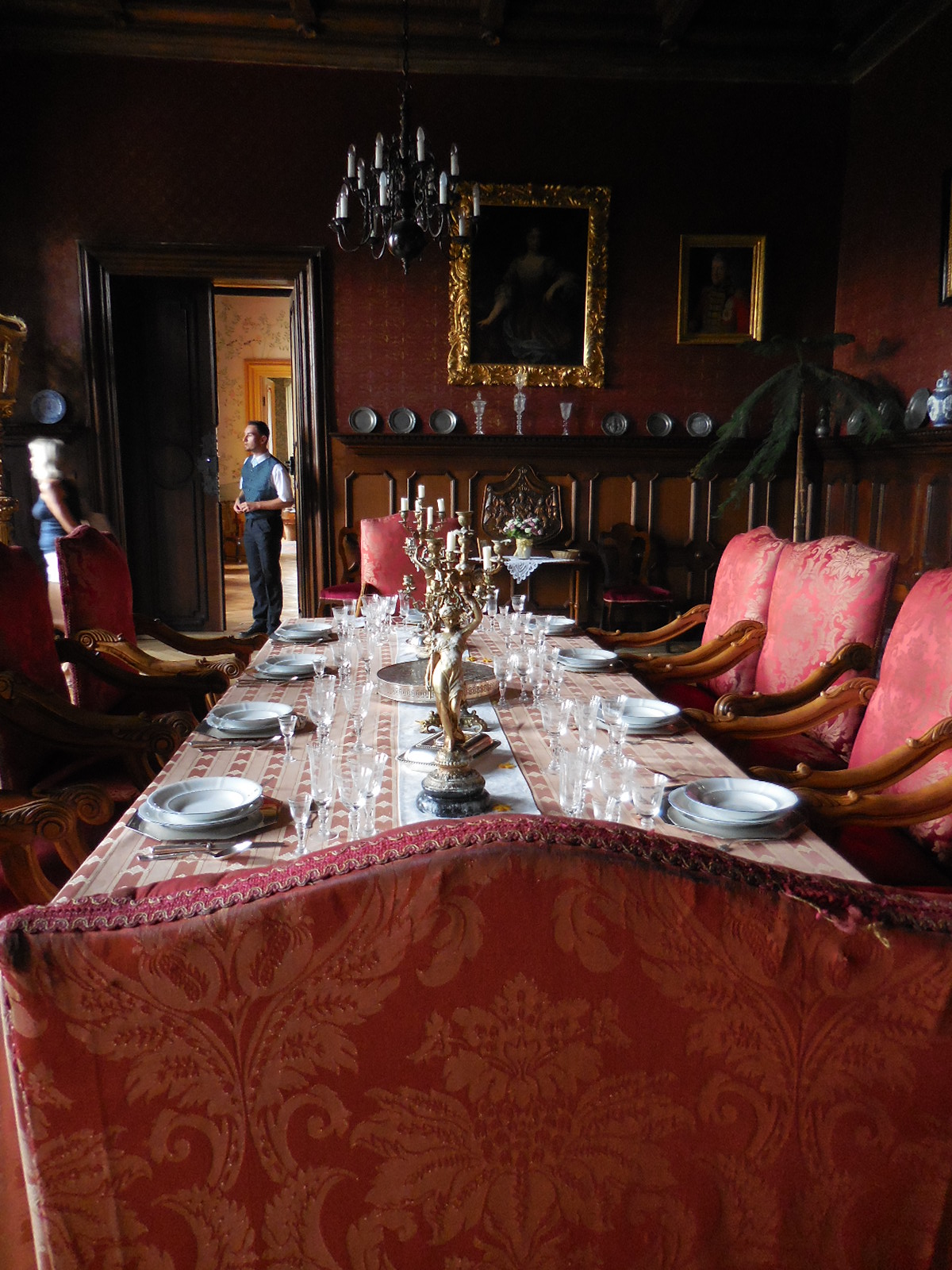
I wanted to sit in the red, plush chairs at the dining room table and stare at the exquisite porcelain service. Overall, there were 600 pieces, but only a portion of them were on display. The fancy gold candlesticks got my attention, too. In the Chinese Salon I was impressed with the big Chinese vases, so colorful with superb designs. The white wallpaper featured pink flowers and green leaves and had a sense of fragility and intimacy to it.

The Prince’s Study was filled with his souvenirs from two trips to Africa, including a crocodile. Paintings of horses also decorated the study. In one rendition a horse was jumping over a barrier in a Pardubice steeplechase race. (I would learn more about the Pardubice steeplechase when I visited Karlova Koruna Chateau a few weeks later.)
Loucenint9
In the Prince’s Bedroom I noticed a photo of Prince Alexander with his four cats, three of whom slept on the bed with him. Curled up on the bed were three stuffed animal cats. I thought that was an interesting touch. My late cat had almost always slept on my head during almost 15 years, and I thought of how much I missed him. I wondered what my five-year old cat was doing at that moment. She liked to sleep at the foot of the bed. I didn’t think I could live without cats in my life. Maybe Alexander had felt the same.

In the servant’s bedroom I saw something that really surprised me. At first I did not understand why there was an iron next to replicas of old banknotes. Then the guide explained. The servant ironed the prince’s money so that it would not be crumpled. That was not all. The servant also ironed the prince’s newspaper to prevent the color from fading and to keep it from getting dirty.

In the hallway I saw a vacuum from the 1930s and red buckets on one wall in case a fire would break out. A picture of the Loučeň soccer team from 1893 also hung in the hall. That team played in the first official soccer game in Bohemia, thanks to Alexander’s interest in the sport.
Loucenint8
An avid fan of classical music, I have always enjoyed visiting the music salons in chateaus. This time was no different. I tried to imagine Smetana performing on the piano in the room. On the piano was a red box of Mozartkugeln truffles. The music sheets were turned to Concertino for violin and piano by Leo Portnoff, who was born in Russia during 1875 and emigrated to the USA in 1922.) I wondered if Alexander had played the violin accompanied by Marie on the piano when performing this piece.

The Princess’ Salon was decorated with books by Rilke and an upright piano from the 18th century. The view of the park from the window here was very romantic and picturesque. There were 10 mazes and 11 labyrinths in the park. I would have to check it out later, I told myself. I loved the bright green painted walls and a nook in one part of the room. I wanted to relax and read, seated in that nook, losing myself in a mystery or art catalogue.

The Church of the Assumption of the Virgin Mary

The Church of the Assumption of the Virgin Mary


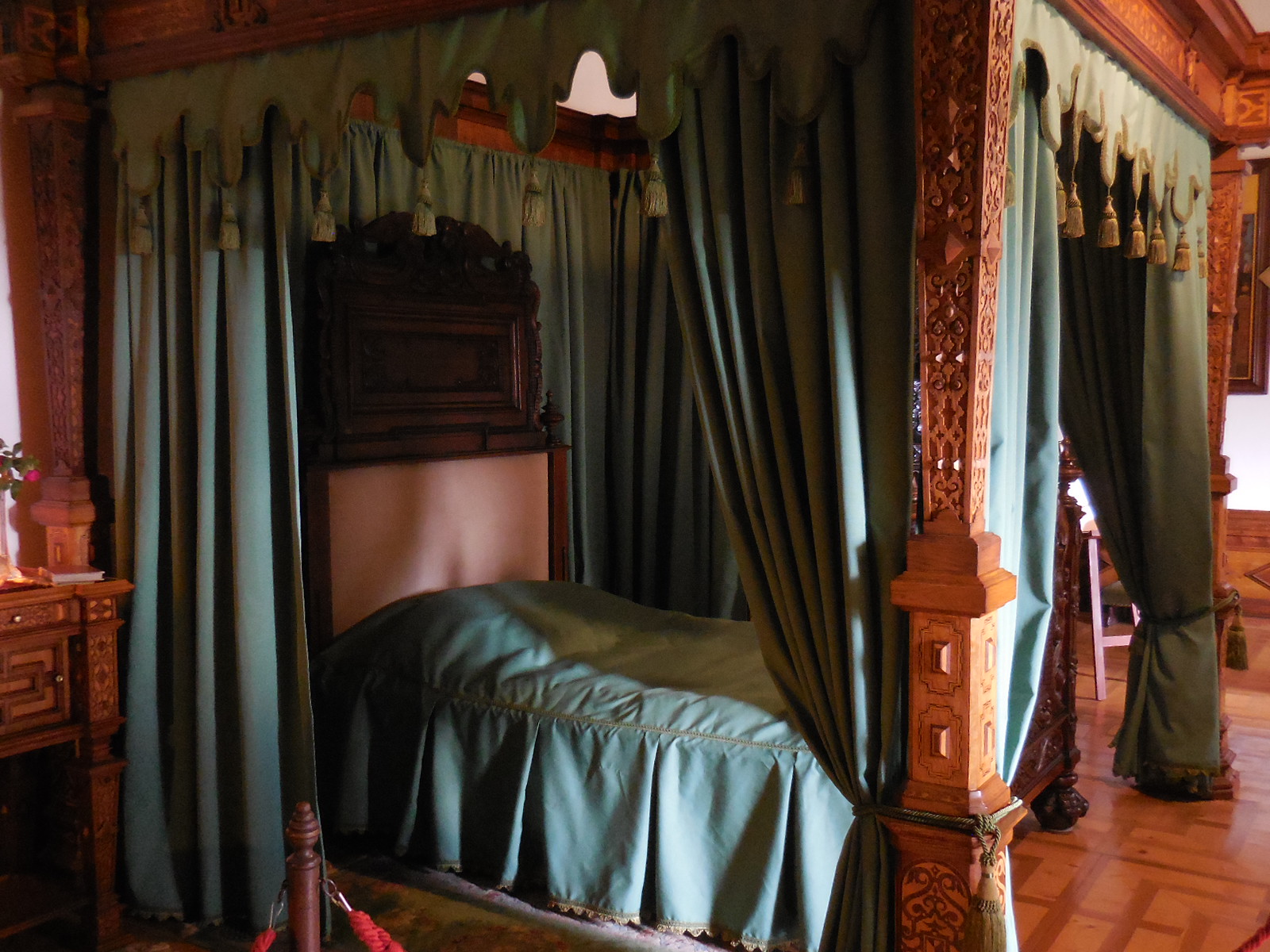
In the Princess’ Bedroom I saw her ravishing pink-and-cream wedding dress, which she had donned at age 40. I marveled at how young she looked in photos. Crowns and lions adorned the light blue wallpaper. A piano made by Rudolf Stenhamer in Vienna stood in the room, too. I admired the richly carved patterns on the front and back of the bed. I also was interested in the personal items that had belonged to the princess. On display were fans, a crocodile handbag and beautiful necklaces as well as a jewelry bag. The Oriental carpet was a nice touch, too.
Loucenint11
The Children’s Room came next and then a small classroom for Thurn und Taxis children. It was very plain. There was a small bench for two students with small blackboards. On the desk were two books called Histoire de la Revolution Française. In the Church of the Assumption of the Virgin Mary there was a real treat. The artwork over the main altar was made by my beloved Czech Baroque painter Petr Brandl. I recalled his altar paintings in the cathedral at Sedlec, which I had visited earlier that year for what must have been the fourth or fifth time. Still, his work never failed to amaze me.
The ceiling of the church

The ceiling of the church


The library consisted of a gallery and ground floor. One of the books prominently displayed was an English version of a fairy tale by Princess Marie – The Tea Party of Miss Moon. I would have been interested in reading it to get a sense of the princess’ writing style, but it was not for sale in the chateau shop. The most valuable book was the huge chronicle of the Thurn und Taxis family. Another enormous volume on a table tackled the theme of the romantic Šumava region in the Czech lands. The room was not without its distinguished family portraits, either.

I walked through the park a bit and then made my way to Nymburk, a town closely associated with my favorite Czech writer, Bohumil Hrabal. In Nymburk I did not have much time for sightseeing, though. I peeked into a Gothic church and had lunch before heading back to Prague, more than satisfied with the trip’s outcome.

View from Loučeň Chateau

View from Loučeň Chateau


Tracy A. Burns is a writer, proofreader and editor in Prague.

Častolovice Chateau Diary


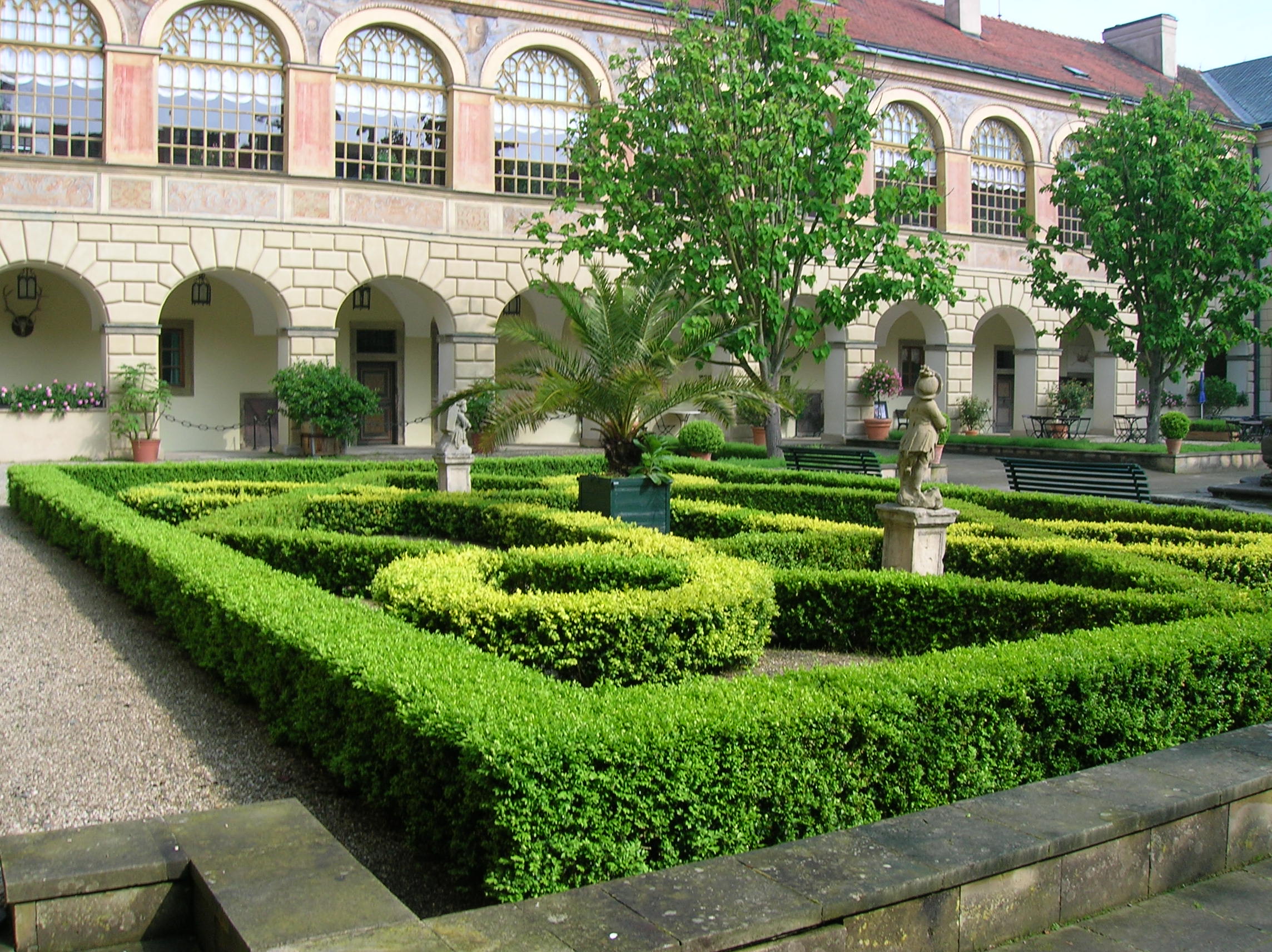
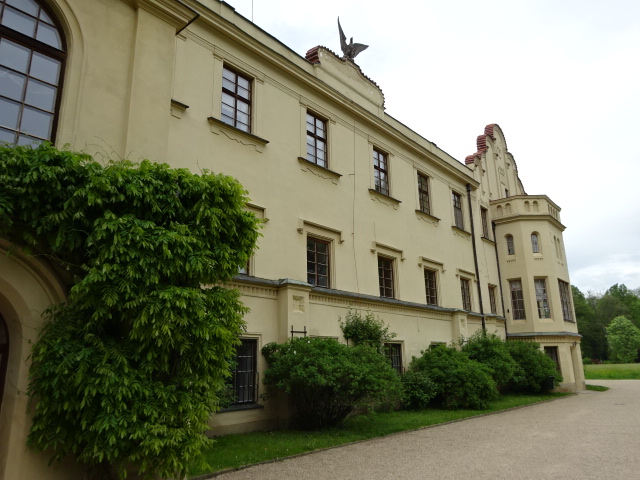
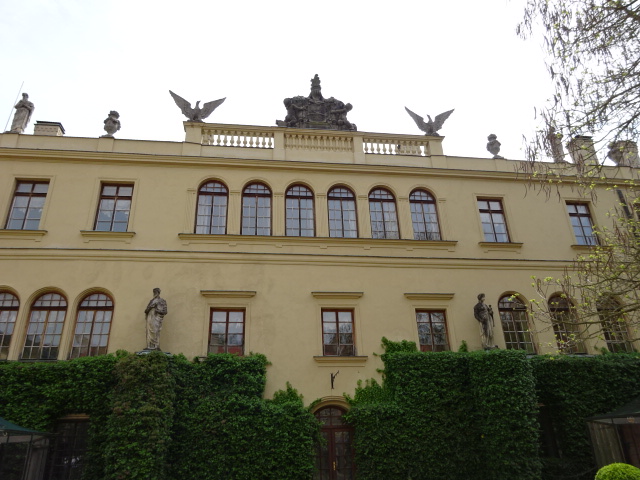
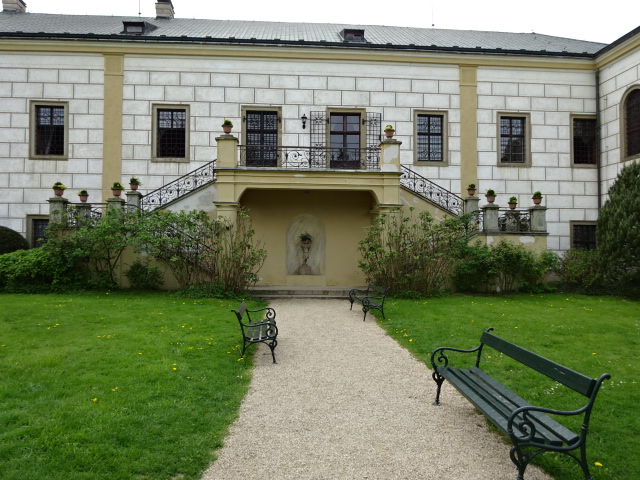
The facade of the chateau

The facade of the chateau

I had visited Častolovice about 10 years earlier, but I did not remember many details of the interior, though I had fond recollections of the picturesque courtyard. For some reason I had fixed in my mind that the chateau was on rather large main square with a pub on one corner, so I expected that the direct bus from Prague would drop me off there.  It turned out to be a three-hour trek to Častolovice, located in northeast Bohemia near the Orlické Mountains, via Hradec Králové, but the trip didn’t actually take so long. There was a 40-minute layover in Hradec Králové, which is only 30 kilometers away.


When the bus arrived in Častolovice, I did not recognize it at all. “This is where I get off?” I asked the elderly woman sitting next to me. She answered affirmatively. I couldn’t believe my eyes. There was no big square with a pub. The main square was hardly a square at all, just a few buildings along the main street with a small parking lot.  I got off the bus, feeling utterly lost. Luckily, a passerby pointed out how to get to the chateau. It was hardly more than a stone’s throw away. I walked by a decent-looking restaurant. I wondered if it was the only one in town. I hoped I would be able to get a table there later in the day.

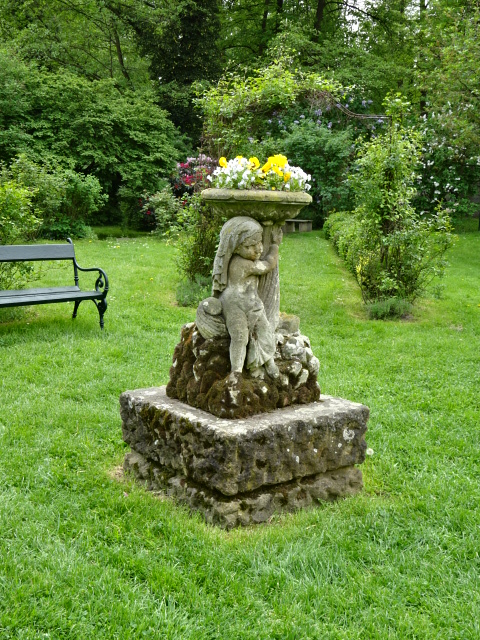
The Baroque fountain

The Baroque fountain

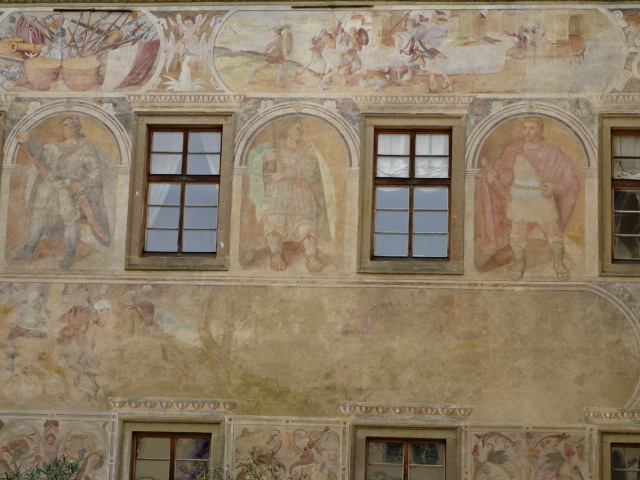
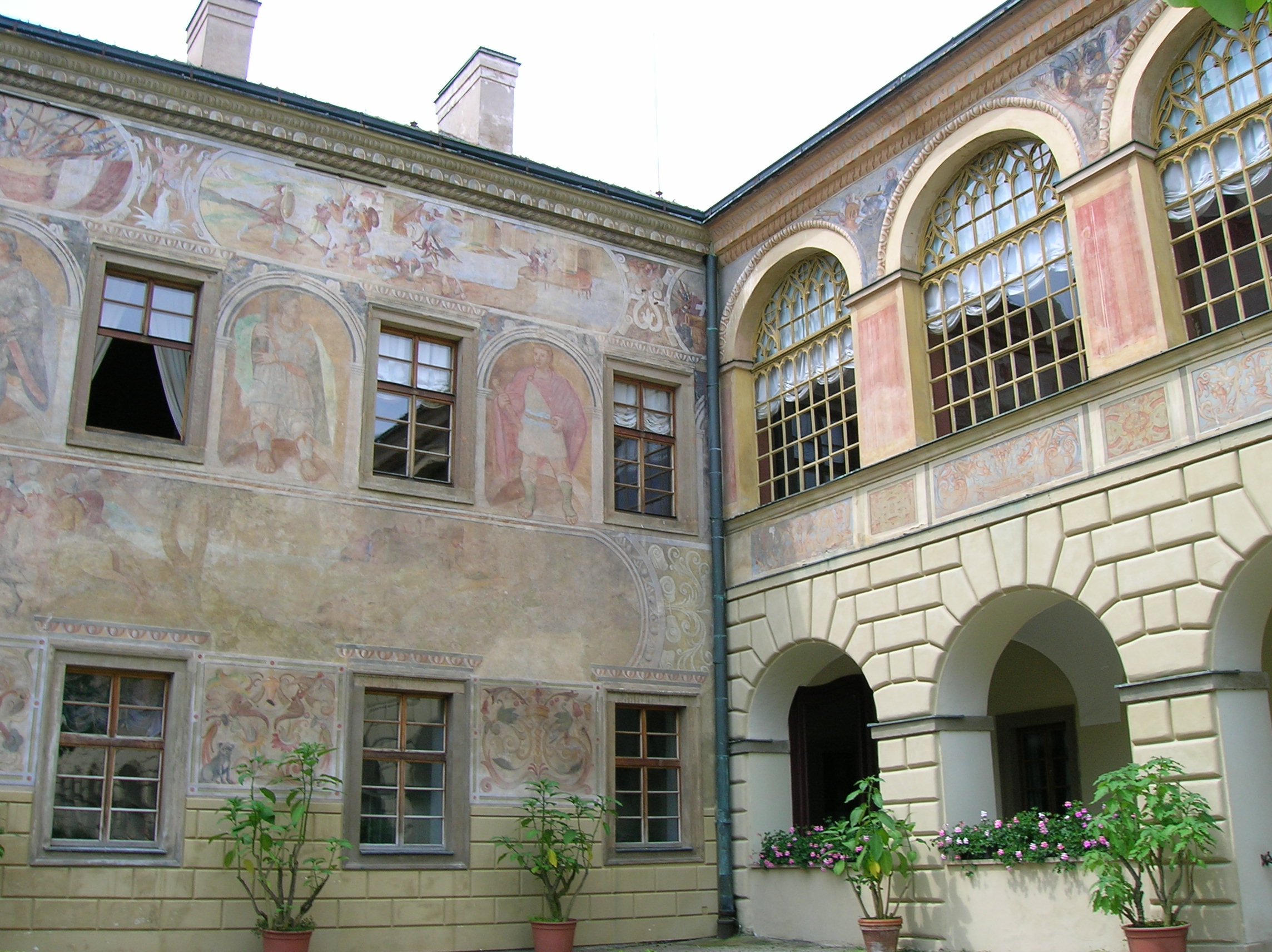
I entered the main gate of the chateau, eager to become reacquainted with the place. A Baroque fountain charmed me in the chateau’s courtyard, where birds in an aviary fluttered while singing pleasant melodies. The gentle, soft tones of classical music also filled the air. The atmosphere made me feel at ease on this sunny, warm, spring day.  I noticed that the wall of the chateau facing the fountain was covered in what I would later find out were 16th and 17th century frescoes depicting six Roman emperors and a battle. Tourists sat idly at the courtyard’s outdoor café.

The 16th and 17th century frescoes of six Roman emperors and a battle

The 16th and 17th century frescoes of six Roman emperors and a battle

After going to the box office, where the attendant announced that I would have a private tour at 11:00 o’clock because I was writing about the chateau, I followed an arcade to the 19th century English park that featured a rose garden, pond and small animal farm with an intriguing combination of ostriches, pheasants and pigs.  I sat on a bench and read a David Hewson mystery in English for a while, feeling relaxed and enthusiastic, after walking to the pond with gazebo. The flowers in the garden were ravishing, in full bloom, bringing vibrant colors to the natural setting.


I still had time to kill, so I went inside the café, as all the outdoor tables were taken. The establishment featured plush couches and armchairs, one of which I sunk into. The pastel colors decorating the space were lively, vibrant. It was also very quaint. I sipped a cappuccino before heading for the box office to start my tour.


The guide told me about the chateau’s long history, much of which was dominated by the Sternberg dynasty. While the first written records of what was then a stronghold dated back to 1342, the chateau was transformed into Renaissance style in the 16th century, renovated into a Neo-Gothic style during the 19th century and then changed back to Renaissance style at the beginning of the 20th century.

The picturesque courtyard

The picturesque courtyard

The Sternberg family has owned the chateau for 11 generations, dating back to 1694, when Count Adolph Vratislav Sternberg, the Highest Burgrave in Bohemia, purchased it. From 1694 to 1948 – not counting the Nazi Occupation of the country – Sternbergs have lived here. During the 15th century, it was Zdeněk of Sternberg who guided the Catholics in their battles with the Hussites and their king, Jiří of Poděbrady (also a former owner of Častolovice).


I hadn’t realized what a mark the Sternbergs had made on Czech culture. Franz Josef Sternberg founded the National Gallery and, along with his cousin Casper Maria Sternberg, established the National Museum. The chateau was returned to interior designer Diana Phipps Sternberg in 1992, and at that time she was residing in one wing where she also had a pension. Even during Communism visitors had a chance to see the chateau’s interior as one wing of the chateau was open to the public while the other served as a school for refrigerator repairmen and repairwomen.

Soon it was time to see the interior of the Renaissance architectural masterpiece. It featured furnishings from the 16th to the 19th century, and the many family portraits attested to the significant role of the Sternberg dynasty.  To be sure, the interior was more than impressive: Take the Gallery of the Bohemian Kings, for instance. Or the Knight’s Hall, one of the largest of its kind in Bohemia. And I certainly didn’t overlook the small, though exquisite, chapel.

The view from the park

The view from the park

In the Dining Room overwhelming, mammoth portraits of four Bohemian kings filled me with awe. I felt so small compared to the vast portraits. These included the black-armor clad Jiří of Poděbrady, who was King of Bohemia, leader of the Christian Hussite movement and owner of the chateau during the 15th and 16th centuries. Breathtaking as well were the portraits of seven Habsburg Emperors who ruled from 1526 to 1705. Two portraits of the Spanish side of the Habsburg dynasty plus three others hung nearby.  What is more, the painted coffered ceiling, another architectural thrill, illustrated a biblical scene from the Old Testament.


The Knight’s Hall was decked with many portraits of Sternbergs, including one of Kateřina Sternberg, also called the Black Lady of Častolovice, because, as a result of an unhappy love affair, she became the chateau’s ghost. I was particularly drawn to her painting. I gazed up at the coffered ceiling, which shows 24 pictures from the Old Testament.  I noticed that the marble fireplace had a bronze relief in the middle; it showed a woman praying.  Another portrait depicted Emperor Charles V, a Great Dane by his side.  In yet another, a woman donning a serious expression and dressed in black stood next to blooming pink roses. I found the juxtaposition of her black attire and the pink roses intriguing.

The park

The park

The adjoining chapel was a real gem, too. The painted doors depicted the 12 apostles, and the painted pews were adorned with floral decoration, which immediately caught my eye. The green and yellow tiles on the floor were original, some bearing imprints of dogs’ paws. I thought this was an impressive, unique touch. The wooden altar dated from 1601, and one of the frescoes inside the chapel harkened back to the Late Gothic period.

While family portraits were scattered throughout the chateau, there were other intriguing paintings as well. Two noblewomen in shepherds’ attire were the work of Czech Baroque master Karel Škréta or one of his students. Škréta was definitely the artist of the 17th century work, “The Young Huntsman,” who gazed confidently at the viewer. Two small pictures of an elderly woman in the Coat-of-Arms Room were from the Peter Paul Rubens’ School, possibly executed by Jacob Jordaens. A copy of a portrait by Rubens, depicting his second wife, Helen Fourment, hailed from 1640.

One painting that drew me into its artistic power was the head of Medusa, with bulging eyes and blue and golden snakes slithering around her head; it was another painting after Rubens. The gem “The Temptation of Anthony” by Flemish artist David Teniers was painted on wood in the Empire Room.

One huge portrait shows a red-robed Vilém Slavata, who was thrown out a window of Prague Castle during the Defenestration of Prague in 1618, when Protestant nobleman rebelled against the Catholic hardliners in an event that would in part trigger the Thirty Years’ War. Slavata lived through the ordeal as he landed on a pile of manure, but was then arrested. The ordeal reminded me of the black humor in the stories and novels by Czech legendary writer Bohumil Hrabal.

Another shot of the frescoes

Another shot of the frescoes

Paintings of Venice, specifically of St. Mark’s Square, the Doges Palace and the Rialto Bridge, decorated the Tower Room and brought to mind my happy days as a tourist in that jewel of an Italian city. Realistic paintings from the Netherlands adorned the chateau, too. I have been fascinated by art from that country ever since taking a course about it in college. In one small portrait, a poor man is eating fish, the bones and head left on the plate he is holding. This work captured the man’s miserable existence – the despair and hopelessness of his life. Another picture from this era depicted a man reading, though he seems lost in thought.

The guide pointed out four portraits of women representing the four seasons. Dating from the middle of the 18th century, they included a woman holding grapes for autumn and one holding a flower for spring. If you look closely, the guide explained, it was possible to discern that one woman was the subject of all the portraits, and she aged as each season went by. I was intrigued by these four unique works of art.

Numerous other objects of interest cropped up in the chateau.  There was a 150-year old Mignon portable folding typewriter and a portable, folding Napoleonic desk in the Empire Room, both of which caught my attention. The Biedermeier Room boasted furniture of that style. I noticed a small statue of Austro-Hungarian Emperor Franz Joseph I and his wife Elizabeth of Austria along with a large portrait of General Leopold M. Sternberg. I was impressed by the many military medals that the general donned.

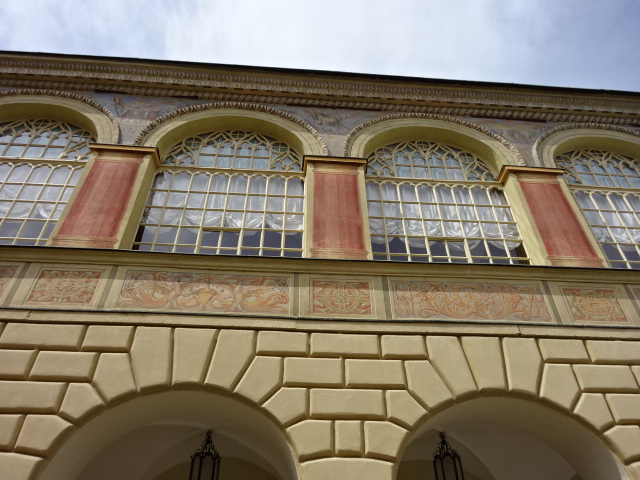
The frescoes and the arcades

The frescoes and the arcades

The State Bedroom featured a stirring portrayal of a figure bringing a drink to his guest in the Flemish tapestry “Welcome to Guests” from the end of the 16th century. I loved Flemish tapestries! Two mirrors seemed to be decorated with small gem stones in the frames, but it was just imitation, painted under the glass. In the Ladies Sitting Room, I noticed that Meissen porcelain birds were suspended from the wall. I found it to be a nice, elegant touch to the interior.

The Wallpaper Room gets its name from gold-and-black wallpaper that imitated leather, though it was made of paper. In the library, which contains political and religious books as well as novels and poetry written in Latin, English, German, French and Czech, I saw a tapestry showing Cleopatra and Mark Antony. It was Flemish, from around 1600. Another thrill for me!

The flowers bursting with color in the garden

The flowers bursting with color in the garden

The Renaissance arcaded Gallery, with its vibrant dark pink walls and flourishing plants, featured lavish silver-framed mirrors that dated from the Second Baroque period.  I marveled at the elegance of the elaborate silver frames. The Ladies Sitting Room also was home to an intriguing item – a small watercolor, on the back of which is a note of condolence by Empress consort of the Holy Roman Empire and Queen of Bohemia Maria Theresa of Austria on the occasion of the death of Francis Phillip Sternberg’s wife. The Children’s Room also moved me. It was almost all white, with dolls, portraits of children and a dollhouse, exuding a sense of purity.

After the breathtaking tour, I walked to the only restaurant in sight and found a table outside. Again I was able to order my favorite – chicken with peaches and cheese – plus a Diet Coke. After a delicious lunch, I made my way to the bus stop to wait 20 minutes. I always arrived early because I was always nervous I would miss my  bus. I stood at the small ČSAD sign, watching cars and trucks drive by.

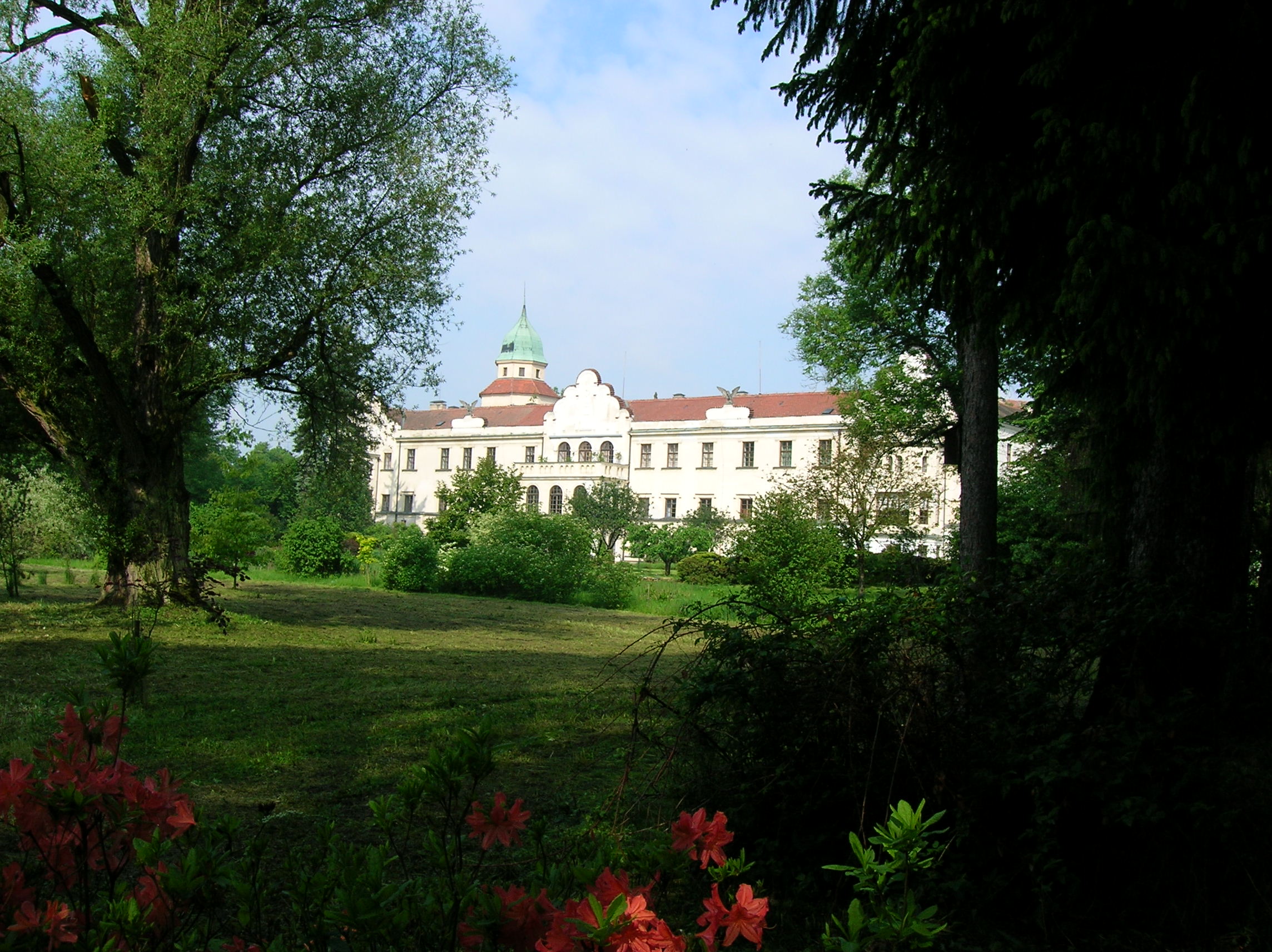
The chateau from the park

The chateau from the park

Finally, after two o’clock, it was time for the bus to come. And it did. I watched it whiz by the other bus stop, without even slowing down. I was at the wrong stop! I chided myself for being so stupid. I had thought the bus would come to this stop and turn around. I sure felt like an idiot!

Then I thought that maybe it was a blessing in disguise. There was another bus in two hours, so I went back to the chateau and sat outside at the café. I read about another murder in front of the Baroque fountain.

The bus was slated to arrive after four o’clock. So, I got there at 3:30, determined not to  miss this bus as it was the last direct one to Prague. Shortly after I arrived, five others with big duffle bags and shopping bags gathered there, too. Then, a little after 3:30, a bus to Prague showed up. Bewildered at the timing of its arrival, I got on and made my way back to Prague. I wondered if it was a bus run by a private company that wasn’t listed on the schedule posted on the Internet.

Curiously enough, the bus driver told me that no bus comes through the town after four o’clock.

Tracy A. Burns is a writer, editor and proofreader in Prague.


The stunning chateau from the park

The stunning chateau from the park


Dobříš diary


Image


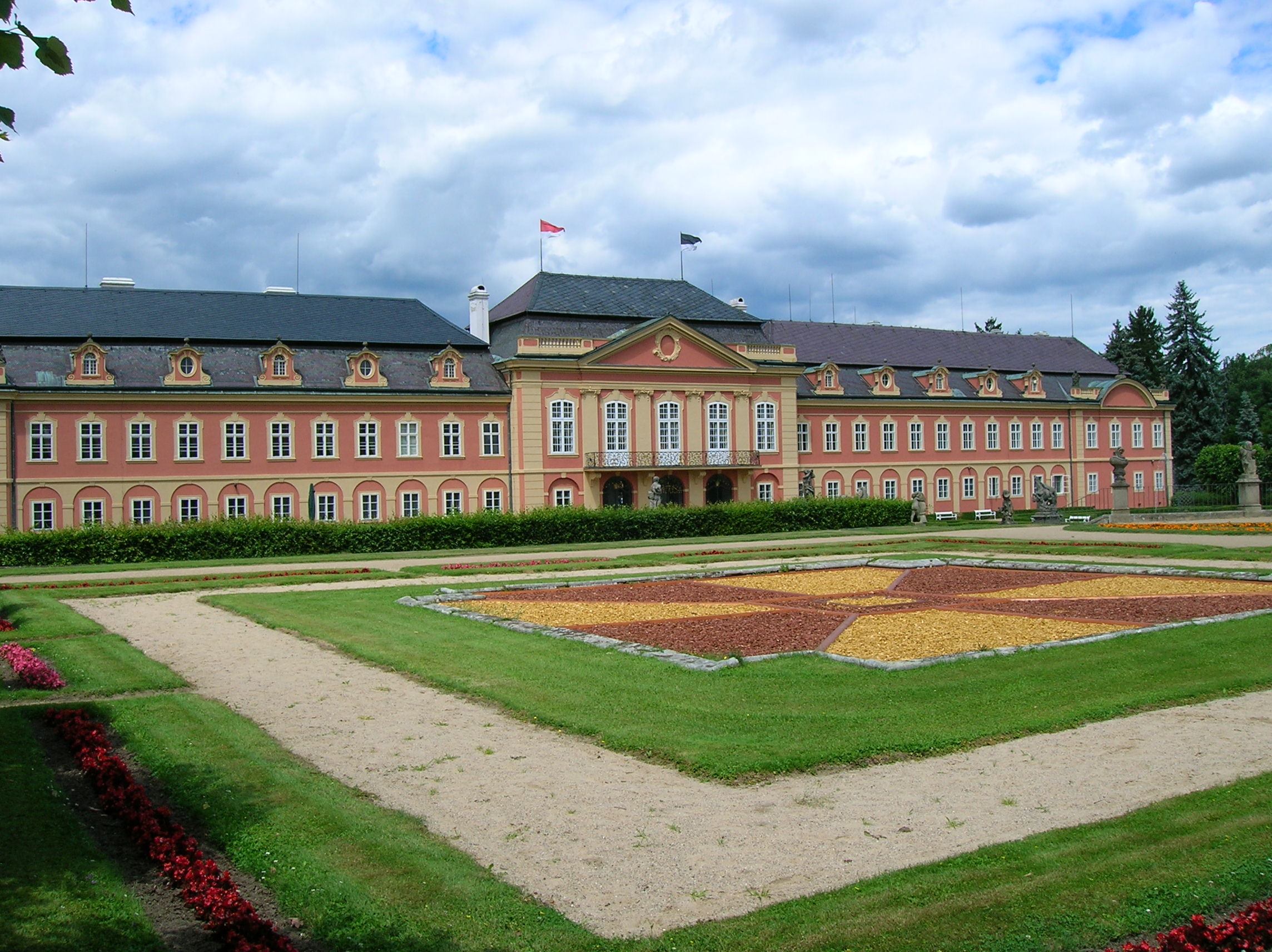
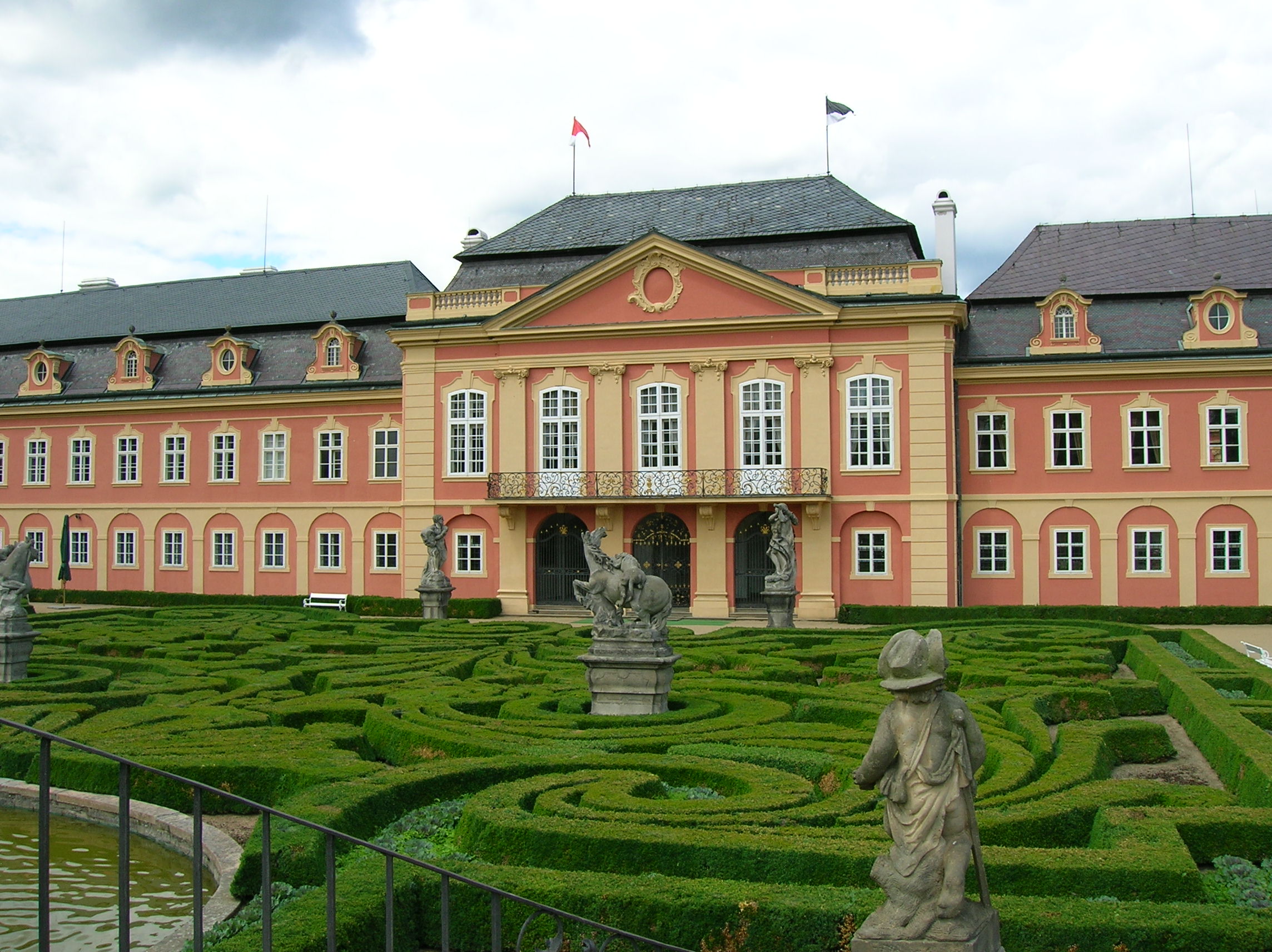
I loved the cheerful red and yellow façade of this charming chateau only a half hour from Prague. The captivating exterior always put me in a good mood. The short bus ride had taken me into a different and exciting world.

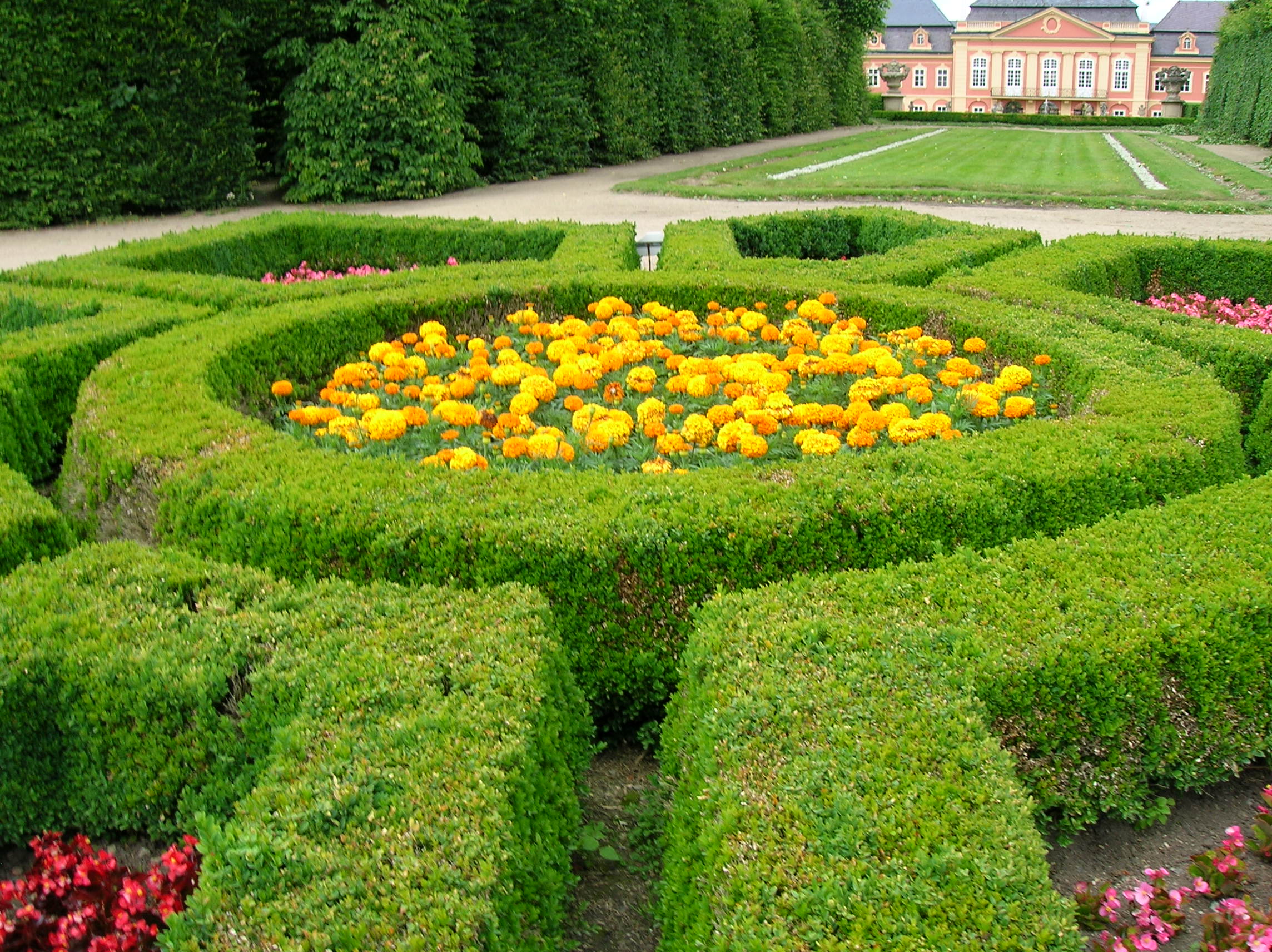
Because it was my third visit to Dobříš, I was well aware of its history. Unlike many other chateaus, Dobříš did not emerge as a Gothic castle or medieval fortress. It was built as a Renaissance chateau at the end of the 16th century when travelers stopped in the town on their way from Prague to Italy. The chateau was purchased by royal hunter Bruno Mannsfeld in 1630, beginning its long ties to that clan. It got a Baroque makeover at the end of the 17th century, when its lush French and English gardens came into being. Although a fire devastated the chateau in 1720, the Baroque jewel was reconstructed by 1765.

ImageThe Colloredo family came into the picture when Marie Isabella, the daughter of Jindřich Pavel Mannsfeld, married František Gundakar Colloredo in 1771, and the new name of the owners became Colloredo-Mannsfeld. World War II brought dark days to the chateau. In 1942 Dobříš was confiscated by the Nazis and served as the seat of acting Protector of the Reich Kurt Daluage, who succeeded the assassinated Reinhard Heydrich that same year. Vikard Colloredo-Mannsfeld, the owner of the chateau during this turbulent time, refused to become a German citizen, taking a stance against the Nazis and targeted as an enemy of the Reich.

In 1945 the chateau was taken over by the state and became the property of the Writers’ Syndicate. As the Writers’ Home from the 1950s to 1990s, the chateau housed scribblers for stays that lasted a week or months. Writers’ conferences were held here, too. A stormy legal battle began in 1992 when Jerome Colloredo-Mannsfeld wanted the chateau and both parks returned. Six years later he got his wish, but he died that same year. Now his descendent, also Jerome Colloredo-Mannsfeld, owns the chateau.

ImageBoth representative rooms and former guest rooms make up the 11 spaces on the tour that lasted an hour and depicted the chateau during the Rococo and Classicist eras. This time I had my own guide, which is the way I preferred to see the interiors. We began in the Salla Terrena where the glazed doors once served as an entrance to the stunning French garden I loved so much. Both the captivating statues in the room and those in the park were the work of legendary 18th century Czech sculptor František Ignác Platzer, who also designed the statue of Saint Norbert on the Charles Bridge and the ornamentation of Saint Nicholas Church in Prague’s Lesser Quarter. The walls of this space were decorated with hunting scenes.

The Hunting Lounge featured 18th century wallpaper with hunting motifs. Admiring the hand-painted décor, I spotted three hunters relaxing in lush scenery, accompanied by a dog.  I took note of the mixture of Classicist, Rococo and Louis XVI styles evident in the pieces of furniture. I found it intriguing that the legs of a chair fit into the Rococo style while the top part exuded Classicism. The exquisite chandelier hailed from Murano. Photos of the chateau from 1910 appeared throughout the rooms.
ImageThe Master Bedrooms were next. Although the furniture flaunted Classicist style, the desk in the space was Baroque. I was particularly drawn to the 18th century armchair upholstered with Gobelin tapestry that showed Venus coming out the sea as she was born. I also adored the gilt Japanese vase that depicted scenes from the life of Buddha. The oldest picture in the chateau, dating from the 16th century, showed Saint Jerome with a skull. The guide explained that St. Jerome was the patron saint of the Colloredo-Mannsfelds. Weird pictures on the drawer of an 18th century ebony bureau depicted angels with instruments of torture.

DobrisChateauThe picture on an easel in the Italian Lounge was called Canal Grande an original rendition by 18th century Venetian painter and printmaker Canaletto. I thought back to my short trip to Venice five years ago and recalled how I was bursting with energy each day. I wish I had that much energy now.  How I had loved meandering down the deserted streets on a Sunday at 7 am! That was when I became hooked on cappuccino.

There were other paintings of Venice in the room, too, as I spotted a gondola and a carnival in full swing. Views of Naples and Messina also adorned the space. A Classicist screen held a compartment for letters. The 50-kilogram chandelier hailing from Murano was light blue and white with floral ornamentation. I loved Italian chandeliers. The tan furniture with black stripes fell into the Classicist category.

ImageI tried to imagine an afternoon tea party in the Ladies’ Rocco Lounge with women relaxing on the maroon Rococo seats and sipping tea from Meissen porcelain cups while recounting anecdotes, telling jokes and complaining about their husbands. A display case with Dresden porcelain had a unique shape – it looked like a carriage. I imagined all the conversations that must have taken place under the Bohemian crystal chandelier hailing from the days of Holy Roman Empress Maria Theresa. Paintings of pastoral scenes rounded out the attractive room.

The first thing I noticed in the Ladies’ Bedroom was that the white bed with shell ornamentation looked too short, but I knew from other tours that people used to sleep sitting up or half-sitting. They were afraid they would die if they lay down, or women did not want to mess up their elaborate hairstyles. I was surprised to hear that the bed is actually two meters long. Ludwig XVI style furniture, harkening back to the 18th century, was featured in this opulent décor. A copy of Raphael’s Madonna hung in the room. The guide told me a legend about the Venetian mirror:  People who look into it will have their wishes fulfilled as long as they do not gaze into another mirror for a year.

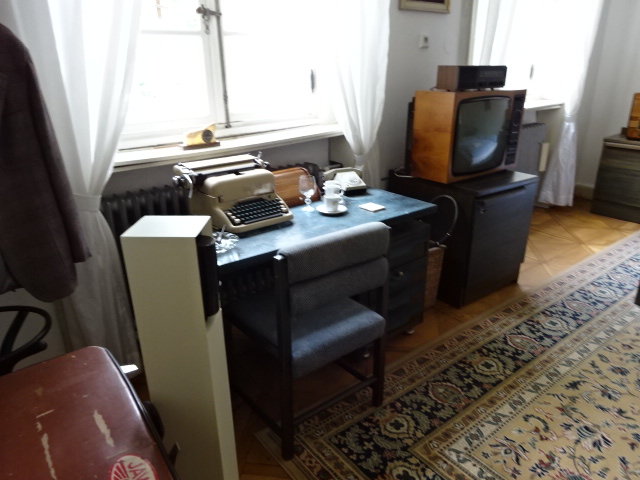
ImageThe next room was totally different, seemingly from another world. This Writer’s Room was decorated the way the room would have looked when the chateau belonged to the Writers’ Union, from the 1950s to the 1990s. The space featured a modern bed, a typewriter, a record player and a modern bathroom with two tubs. The corridor in the chateau was home to intriguing, 18th century pictures of Prague and Vienna. I spotted graphics of Schönbrunn Palace and its surroundings plus a forest with a church and a pond. In the section focusing on Prague I recognized Old Town Square with a plague column in the center and Týn Church’s spires in the background.

Dobrischateau15Measuring 220 square meters, the Hall of Mirrors was the largest room on the tour. It was also the most astounding. It was often used for weddings and concerts, and I recalled attending a concert here in the early 1990s when the chateau’s rooms were not open to the public. Certainly this fresco-filled hall was suitable for weddings with its stucco ceiling décor and other ornamentation dating back to the 18th century. Craning my neck to see the ceiling fresco, I peered at a blue sky with angels fluttering to and fro. Allegories of the four seasons were painted above the door. The frescoes above the balcony represented the five senses.  Eight Venetian chandeliers captured my attention. Two marble fireplaces on opposite sides of the room and two Czech crystal chandeliers added to the room’s opulence. Above one fireplace, Josefína Czernínová held a small dog in one hand. Opposite her, Jindřich Pavel Mannsfeld gripped construction plans in his right hand.

Dobrispark1The Gobelin tapestry room charmed me with its tapestry upholstery on the furniture. I noted the armrests portraying scenes from Italian commedia dell’ arte performances. I especially admired the semi-precious stones in the 18th century jewel chest made of black ebony. In a portrait Marie Isabella Mannsfeld wore an attractive pink dress and had her hair up in a bob. Vases with Oriental motifs were also enticing.

DobrisgardensThe Rococo Room or Music Room featured Rococo stucco wall décor. Vases dotted the room – some Japanese and others made of Viennese porcelain and sporting floral designs. I took special note of the four Venetian mirrors with gold frames. I loved Venetian mirrors despite their opulence!  Above a dominating marble fireplace, a portrait of Joseph II showed the distinguished Holy Roman Emperor with one hand on his hip. Two Czech crystal chandeliers added to the noble atmosphere. An aquarium was unique. The big bowl showed off designs of orange fish and flowers.

Dobrispark6The oldest book in the library was open on the table – a German Bible from the 16th century. I admired its bewitching Gothic script. The 3,600 books on the dark wooden shelves were written in German, English and French with a few in Czech, and most hailed from the 18th and 19th centuries. The collection included the volumes of the History of the Czech Nation in Bohemia and Moravia by legendary Czech 19th century historian, František Palacký. Other valuable items were many books by Alexandre Dumas as well as the Encyclopedia Brittanica. Portraits of the Mannsfelds and Colloredos also adorned the room. I recognized one painting as a copy of the original I had seen in the Prado – Diego Velázquez’s “Portrait of the Spanish Infanta Margarita Teresa.”  Dolls had been placed throughout the rooms as part of a special exhibition, and in this space there were 50 doll figures from novels. Madame Bovary made a memorable appearance.

Dobrispark11The Dining Room boasted of 20th century Neo-Renaissance traits. The 12 chairs made of leather had armrests sporting the eagle on the coat-of-arms of the Colloredo family. Portraits of the Colloredo-Mannsfelds also decorated the walls. In one portrait Josef Colloredo-Mannsfeld was seated on a red chair, with books on a nearby table, perhaps symbolizing his vast knowledge obtained while he had traveled around the world.  The vases from Delft added ambience as did the stucco décor on the ceiling.

After touring the 11 rooms, I paid a visit to the JCM family Gallery. Family portraits and Baroque 17th and 18th century works by Italian painters dotted the walls of the small, intimate spaces. I noticed many biblical and mythological scenes as well as historical themes and landscapes. Salvatore Rosa executed “Saint Peter Fishing” in the 17th century while a portrait of Holy Roman Emperor Leopold II hailed from the end of the 18th century. Other works addressed topics such as the judgment of Paris and the murder of Saint Wenceslas. Leonardo Bassano’s depiction of the Last Supper from 1605 graced a wall, too.

Dobrispark13A temporary exhibition in the gallery featured the work of Belorussian painter Alexandr Iljuščenko. I admired one modern landscape with many greens and browns and his depiction of a tram over a bridge. I could almost hear it clattering over the tracks. An alley flanked by trees during the fall also caught my attention. In another work I saw a green pasture and hills. The people rendered in the paintings appeared too modern for me and took something away from the magical atmosphere of the scenery.

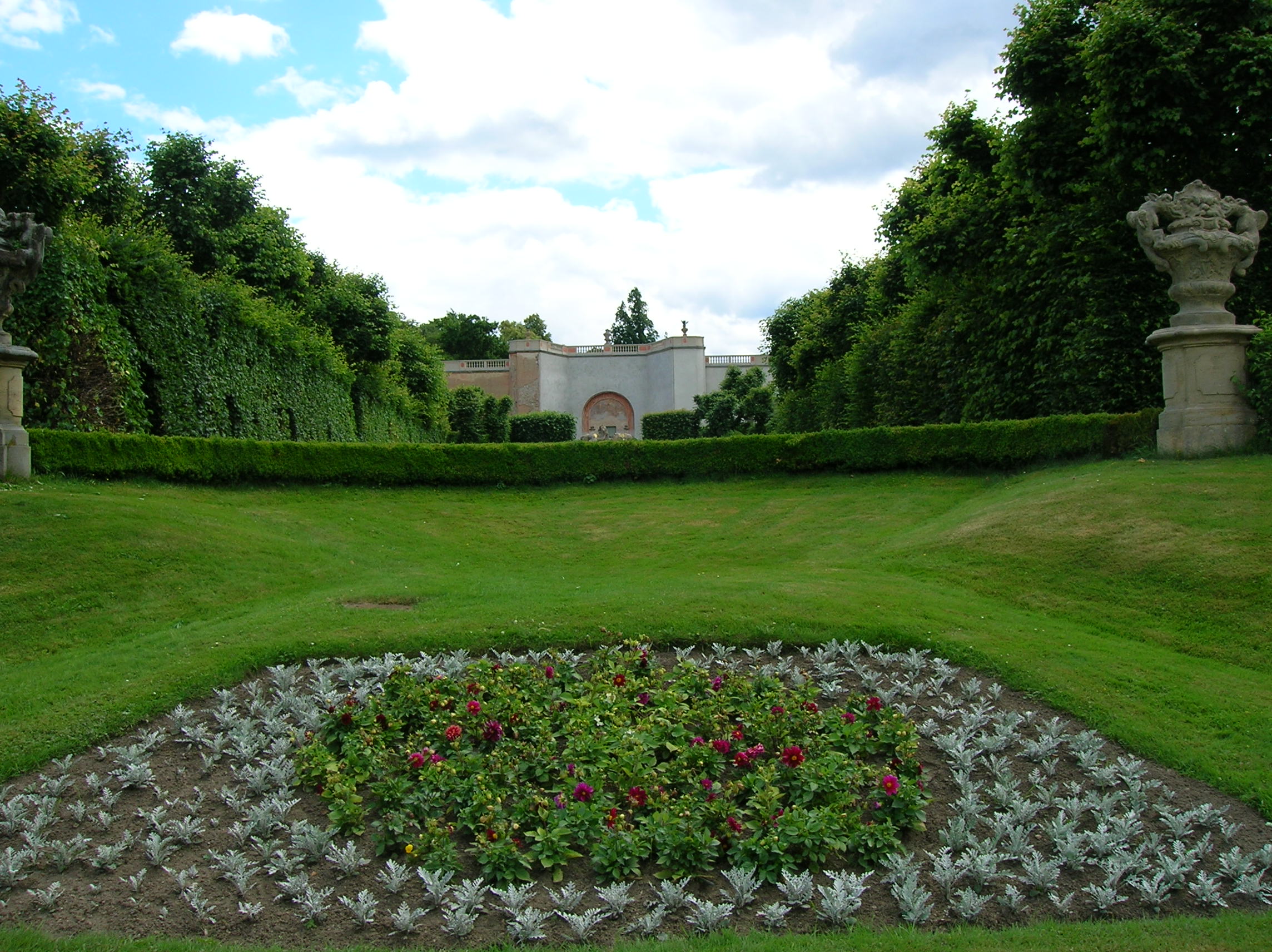
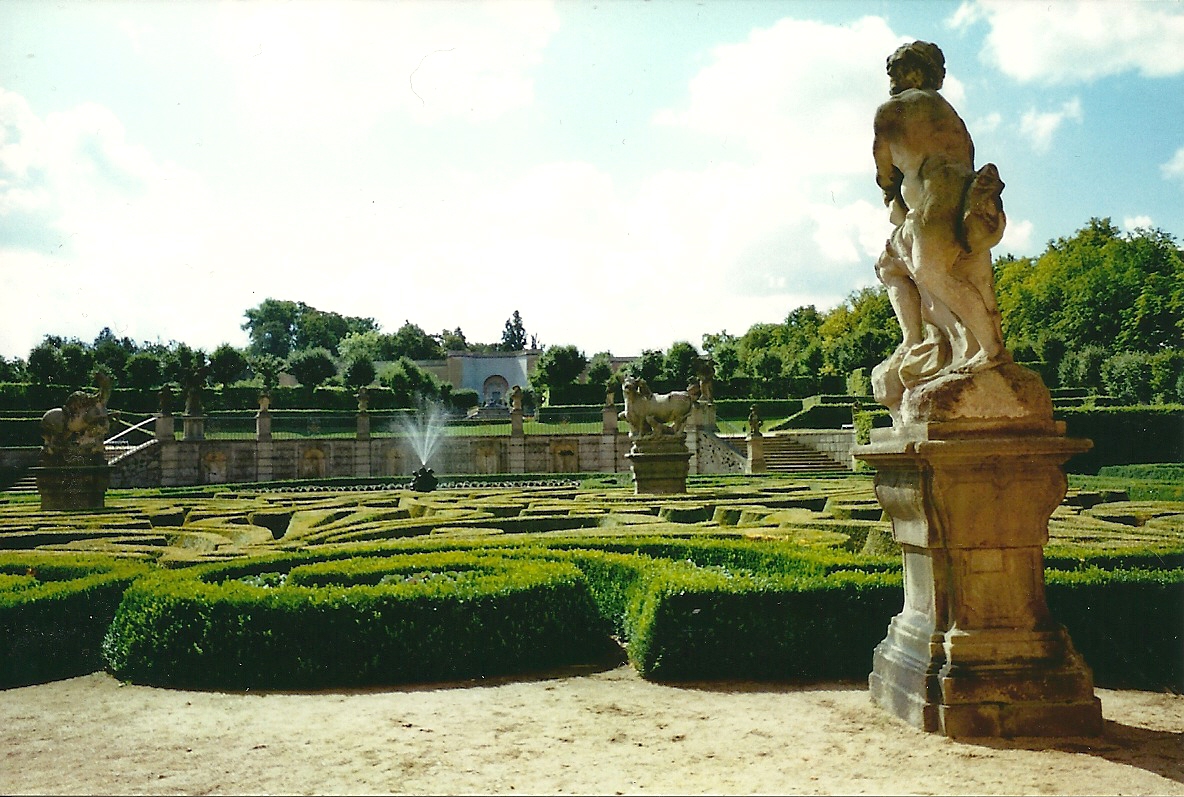
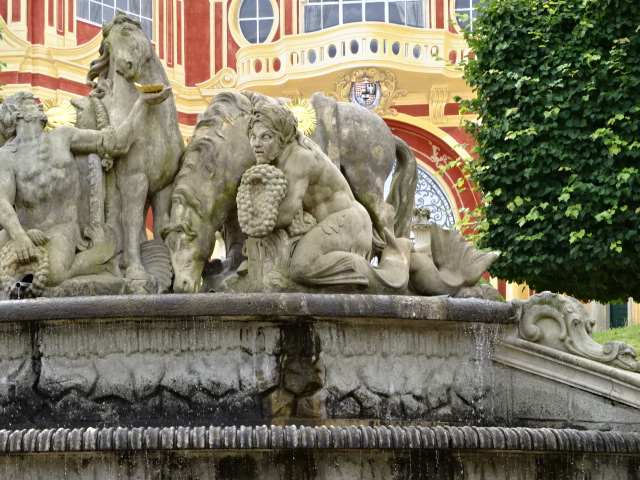
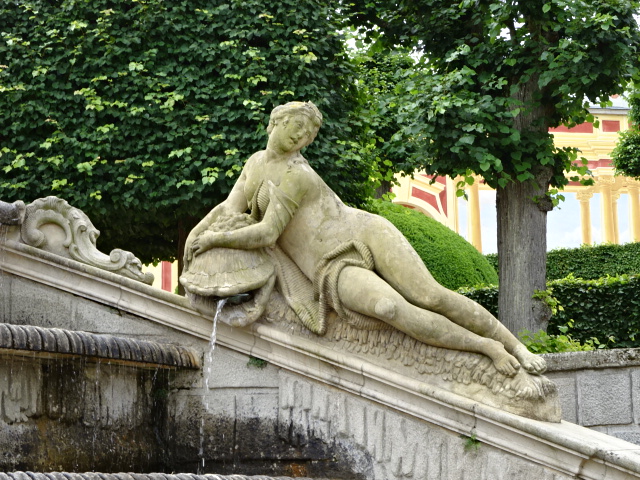
Next I walked into the bewitching French park of nearly two hectares. It was one of my favorites. Founded during the 1770s when the chateau got a Baroque makeover, the French park now boasts of Rococo style. Five terraces, an orangery and a fountain with a Baroque sculptural grouping of horses created by Platzer around 1760 were just a few of the pluses.  I also viewed allegorical statues of the seasons. I spotted Poseidon with a crown and Nares with an oar and ocean wreath, too. In the orangery I took note of the four statues of figures from mythology, including Apollo and Aphrodite.  The English park was much larger, spanning 30 hectares with a pond and stream. Three artificial caves were located here as well.

I had an appetizing lunch of chicken on a skewer in the quaint and busy chateau restaurant and then made my way to the nearby bus stop for the half hour ride back to Prague.

Tracy A. Burns is a writer, proofreader and editor in Prague.

Dobrischateau11

Return Trip to Dobříš Chateau in 2024

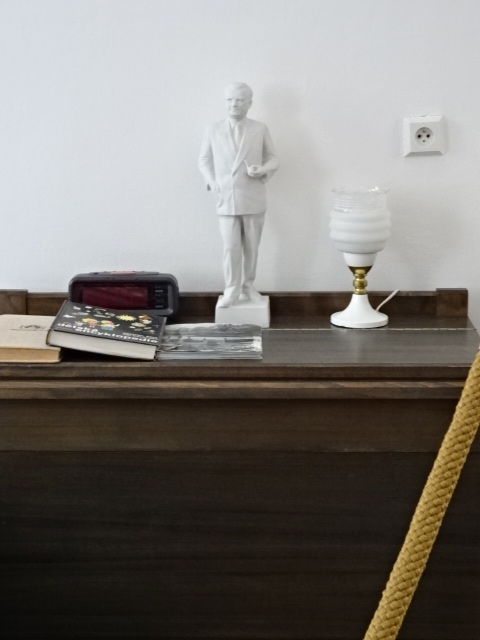
After learning that the chateau had changed its interior, I returned to Dobříš only to be disappointed by the transformation. Formerly richly decorated rooms had become bland spaces with panels narrating the history of the Colloredo-Mansfield clan, who, I recalled, had come into the picture during a 1630 purchase. The information about the family was intriguing as were the objects associated with each member, but these spaces did not compare with the Baroque and Rococo décor of the past. Several rooms were still lavishly adorned – but just a few. The Writers’ Room remained the same, thankfully, showing off objects from the Communist era. The fresco-filled Hall of Mirrors with eight Venetian chandeliers was roped off, so I could only take a few steps into the beautiful space.

Photos from the Writers’ Room, showing portraits and statuettes of Communists and furnishings from the totalitarian era

However, the park was as stunning as ever. The orangery had been reconstructed with illusionary wall painting. The five terraces, the fountain with Baroque statuary and the floral arrangements were just as I remembered them. Walking through the park on a sunny day was a real thrill.

Photos from other spaces in the interior

From the park

The orangery with wall painting

The orangery main gate

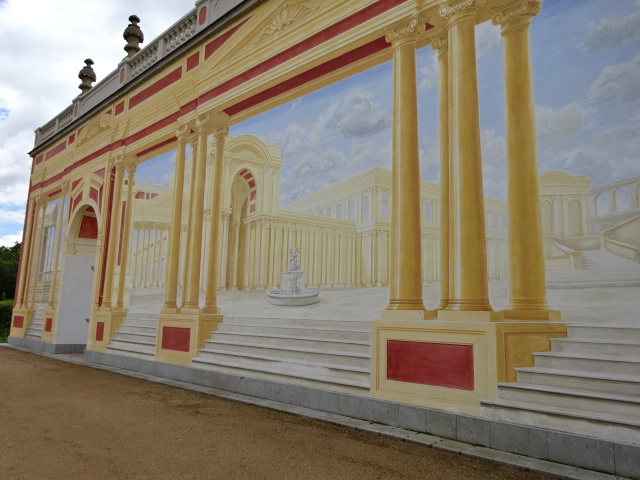
Illusionary wall painting on the orangery

More illusionary wall painting on the orangery

Nové Hrady near Litomyšl Chateau Diary

Image

About eight years ago I mentioned to several English students how I loved traveling to castles and chateaus on the weekends. “Have you been to Nové Hrady near Litomyšl? You have to go there!” my 25-year old female student blurted out, explaining that she was from a nearby town. I had visited Nové Hrady Castle in south Bohemia, but I had never heard of a Nové Hrady Chateau in east Bohemia. I could not find any public transportation at a convenient time, so I put this chateau on the back burner and explored others. Then, on a Friday in 2011, I was so eager to see the Rococo chateau I had looked up on the Internet, that I took the Student Agency bus to Hradec Králové, and then made the one-hour trip to Litomyšl.  From there a friend who owned a cottage nearby gave me a lift to Nové Hrady.

The history of Nové Hrady began with the construction of a church on this site in the 12th century. After the Hussite Wars in the 15th century, a Gothic castle called “Nový Hrad” or “New Castle” was erected there. In the 16th century the castle was transformed into a Renaissance chateau, but during The Thirty Years’ War it was plundered and destroyed. Duchess Anna Barbara Harbuval de Chamaré bought it in 1750, and Nové Hrady got its Rococo appearance from 1773 to 1777, when her son, French nobleman Jean-Antoine Harbural de Chamaré made it his summer residence.

ImageBack then it was dubbed the “Small Schonbrunn” or “Czech Versailles.” The French garden, English park and chateau chapel were created at this time, too. In 1935 Knight Bartoň of Dobenín purchased it and carried out the needed repairs. During the Second World War, the SS and Hitlerjugend occupied the chateau. In 1948 it became the property of the state. One wing of the chateau was turned into an elementary school, which existed here until the 1980s. An exhibition of Rococo art was placed in another wing. During the 1950s the chateau’s situation became even more desolate: Its basement was transformed into a fattening farm for pigs.

Reconstruction was carried out in various phases, but the chateau was still in a very decrepit state when it was returned to its original owner’s grandson, Josef Bartoň, in 1990. Unfortunately, he did not renovate the chateau. Instead, he put it up for sale. In 1997 the Kučera family from Prague purchased it. It finally opened to the public in 2001.

Now it looked so majestic that it was impossible for me to imagine the chateau in such terrible condition. After going through a three-part gate, I walked through a Rococo garden with fountains and ascended a lavish staircase studded with statues. I liked the coral orangish color of the chateau that made the exterior appear playful, cheerful and vibrant.

ImageI had visited enough chateaus to I know a little about the Rococo period. The key word for this style was ornate. Small sculptures often appeared as did lavish mirrors and tapestries. Rococo was even more extravagant than the Baroque style that had preceded it.

The tour began in the hallway below a monumental staircase enriched with putti statues. The side walls of the entrance hall were decorated with hunting trophies. We entered the large Main Hall with its creamy yellow walls and white rich stucco décor. The yellow and white colors made for an airy, joyful combination. The white tile stove was original, in Late Baroque style, and a white piano stood nearby. The crystal chandelier from Empress Marie Theresa’s era used 64 light bulbs and weighed 180 kilograms.

One window looked out to the Classicist circular gazebo with Baroque theatre of evenly sheared high bushes. In the wall the guide showed us two doors that opened outward to reveal a bar. From the terrace I saw the Rococo garden I had passed through to get to the box office.  The staircase looked even more elegant from this perspective.

ImageNext we entered a Baroque bedroom. The pillowcases on the Baroque bed had delicate, lace patterns. A brown table, oak closet and desk featured intarsia. A kneeler also hailed from the Baroque era. In the following room there was a grandfather clock that the guide claimed was impossible to repair. A kneeler featured an engraving of a house and trees using the intarsia technique. A Baroque intarsia table from Holland with motifs of flowers, birds, butterflies and vases rounded out the room.

Then came the Rococo Salon. The table and armchairs had a white floral design. The table impressed me the most with the ornate, gold ornamentation of its legs and sides. A white wardrobe decorated with green laurels was pleasing to the eye. The couch and chairs were pea green with yellow, flaunting a floral pattern. The green color combined with yellow gave the furniture a cheerful appearance.

Unfortunately, original Rococo chapel had been destroyed. The present chapel was sparse.  It featured two stained glass windows and a large carving of Jesus Christ on a cross.

ImageThen it was time for another Rococo style room featuring intarsia. The tops of two dressing tables were decorated with beads shaped into green swirls on a blue and black background. The space also contained two intarsia dressers decorated with floral motifs and a kneeler boasting intarsia.

In the former kitchen the 18th century grandfather clock, varnished in red, was engraved with Oriental themes, one feature of the Rococo period.  A desk featuring Oriental themes, depicting Chinese people and nature, caught my eye. The two jewelry boxes were Chinese, too.

The next room was called the Classicism Room. Classicism relied on order, symmetry and simplicity and began after 1765 as a reaction to Baroque and Rococo. It was connected with the French Revolution. The striped grey with tan couch and two chairs certainly fit the Classicist description. In a display case there were two elegant fans.

However, a clock glittering with gold made me think of the Empire Style that would be featured in the next room. After all, the gold and black color combination was one trait of the Empire style that corresponded with the era of Emperor Napoleon and his military maneuvers into Egypt during 1796. Oriental themes also played a part in the Empire style. Sure enough, in The Empire style room, black and gold freely mingled. A black clock featured two black men wearing gold loincloths and sporting heads of golden hair. Another gold clock was decorated with a seated angel. The furniture featured Oriental and animal themes.

ImageThe next room was set up in the Biedermeier style, from the first half of the 19th century. Carving and intarsia still appeared in smaller objects. A picture of a semi-circular square flanked by columns showed a passion for symmetry and order. I wondered if the painting depicted a place in Rome. The striped chairs and couch featured a simple yet elegant style.

The Smokers’ Salon was all about green. The rug was green, the cushions on the brown chairs were green, a partition was green, and a loveseat was decorated with green and tan stripes. This room was designed in the Art Nouveau style from the beginning of the 20th century.

ImageAfter the tour I explored the garden. There was a pond to my left, near the road. One part consisted of trees and plants on a slope, rising in tiers. It looked wild and untamed. Purple flowers lined a path behind the back gate that had its private garden. I spotted the Baroque theatre of shrubbery and the Classicist garden summerhouse. Further on, there was a hotel, an orangery, a paddock for horses, and an area where deer were bred.

I was very impressed with the Rococo exterior of the chateau, and it had been intriguing for me to see furniture and objects from various periods inside. The tour enlightened me as to the differences between eras. My understanding of the various time periods was enriched. I loved the black with gold combination of some objects. I wish the chateau had more paintings, though. A painting gallery of Baroque and Rococo art would have really added to the already stunning tour.

Soon I got back to Litomyšl, where I ate some chicken with peaches and cheese – my favorite – and then hurried to catch the 1 pm bus back to Hradec Králové. Upon arriving there, I ran to the other side of the terminal, where the Student Agency bus was about to leave for Prague. I made it just in time.Image

Tracy A. Burns is a writer, proofreader and editor living in Prague.

Rabštejn nad Střelou Diary

Image

After visiting the chateau in Manětín not far from Plzeň in west Bohemia, I had to go by car to get to nearby Rabštejn nad Střelou, the smallest town in the Czech Republic and allegedly the smallest in Europe. As I entered the town, I noticed a pub on the right-hand side. I think every town in the Czech Republic has at least one pub. I had tried to visit the town the week before, but the only road to the town had been closed due to construction work.

I expected to see four or five houses, maybe one church, but it was bigger than that. There was a yellow and white church on a hill and next to it a chateau behind a gate. A sign stated that it was private property. The façade was impressive and the lawn meticulously well-kept.  Situated next to the site of a former castle hailing from around 1260, the chateau was built in Baroque style in 1705. The castle originally had a high cylinder tower and walls around it but was severely damaged in the 16th century. Now some of the walls and the foundation of the tower are all that is left of the castle.

ImageThe road dipped down suddenly, and I came to the main square. About five men were struggling to put up a maypole as the May 1 holiday approached. Branches flaunted fluttering, colored ribbons. There was a decrepit building behind me and another one with an old, battered sign above the doorway in German. It read “LIEDFELDERHOF.” I wondered what it meant and if it hailed from World War II or even from the Austro-Hungarian Empire. Later I would find out that the word stood for “Sorrowfields’ Inn,” with “sorrowfields” probably being the surname of the innkeepers.

The sign in German attested to the influence that Germans had had on this town since settling in the region during the 12th century. Even the name of the town derived from the German words “rabe” for raven and “stein” for stone. The town was the property of Germans for many centuries. In 1631 military leader and politician Albrecht von Wallenstein became the owner. Wallenstein played a major role in the Thirty Years’ War, allying himself and his army with the Holy Roman Empire. Under the rule of the Habsburgs, he became supreme commander of the Habsburg armies. Wallenstein was assassinated in the west Bohemian town of Cheb after quarreling with Emperor Ferdinand and considering allying himself with the Protestants.

After World War II, when the Beneš’ decrees came into effect, most of the Germans were banished from the country, and Czechs came to live in the town. In 1930 Rabštejn had a population of 344. By 1950 it had dwindled to 77.

ImageI also wondered what the town had looked like in the Middle Ages. I was impressed that the history of this town could be traced all the way back to the 13th century. I had read that in medieval times two rows of houses surrounded an irregularly-shaped square. How had people lived long ago? I knew that in the past inhabitants had taken up making handicrafts, weaving, painting playing cards and glass as well as producing roof slate.

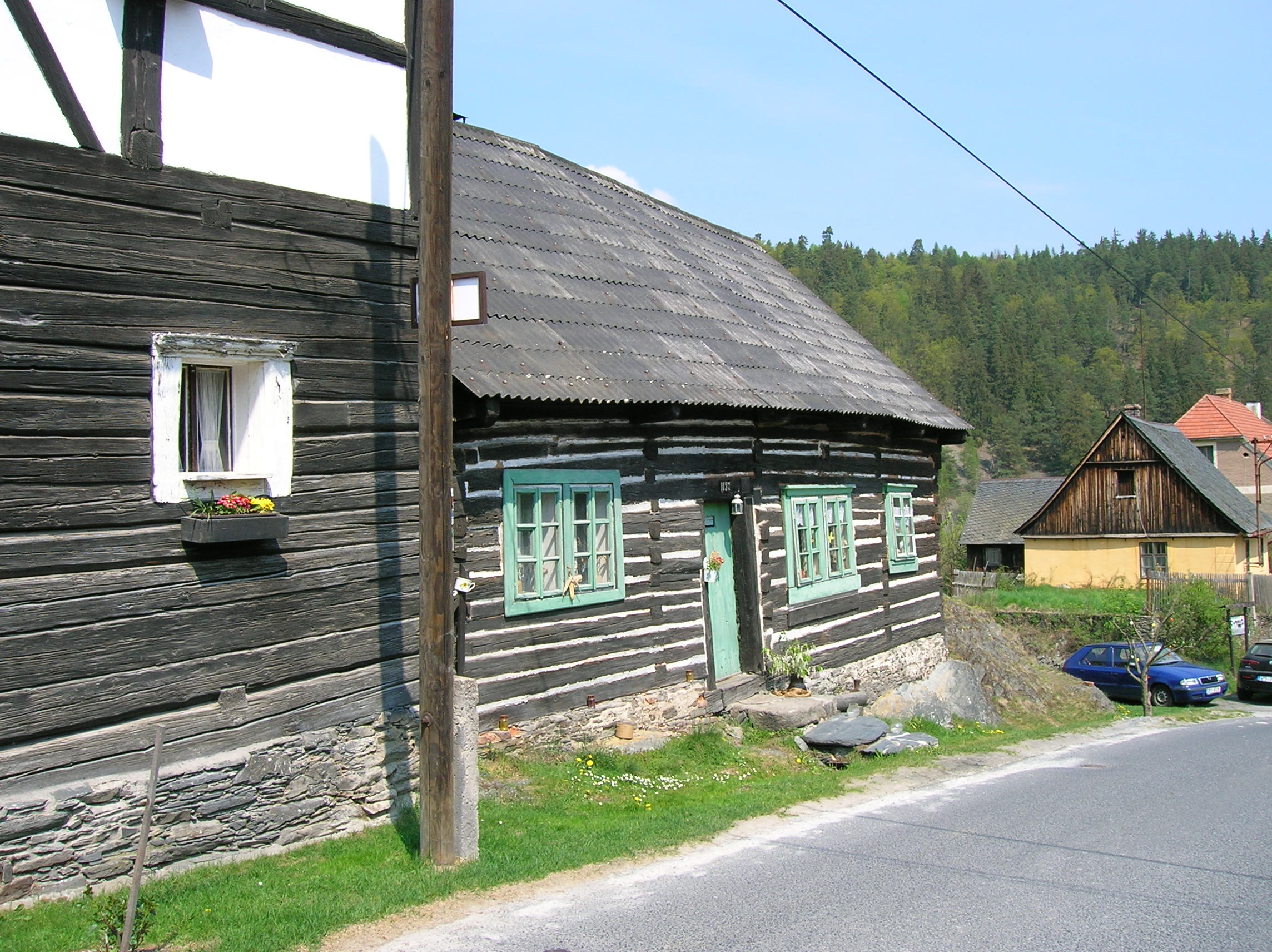
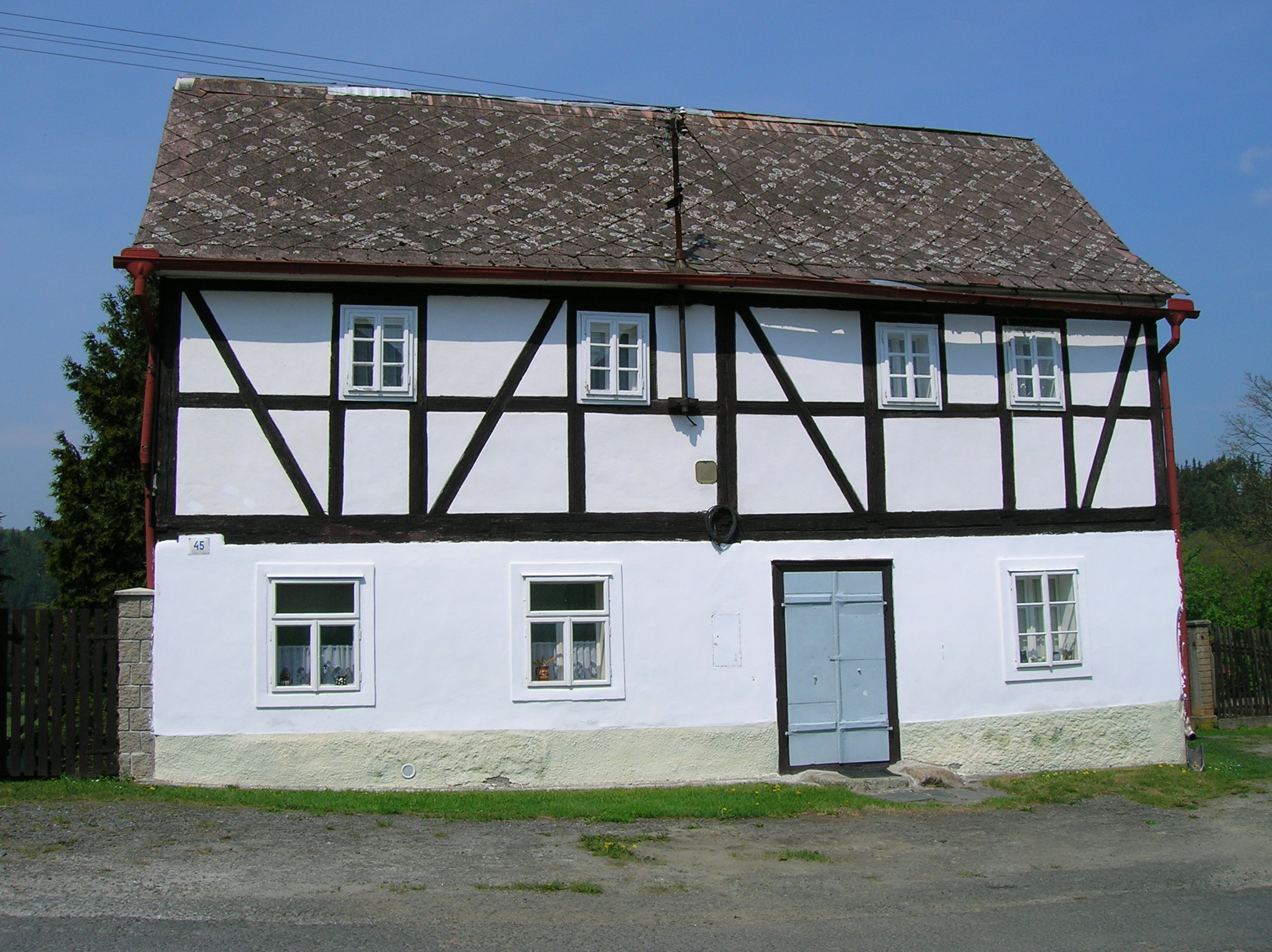
ImageFarther down were several timbered cabins, one painted black with green, another mostly white with black. They looked like they belonged to another century. It was strange when I saw a man open the door of one of these homes and go inside. It was as if a person from the 21st century was entering another time period.

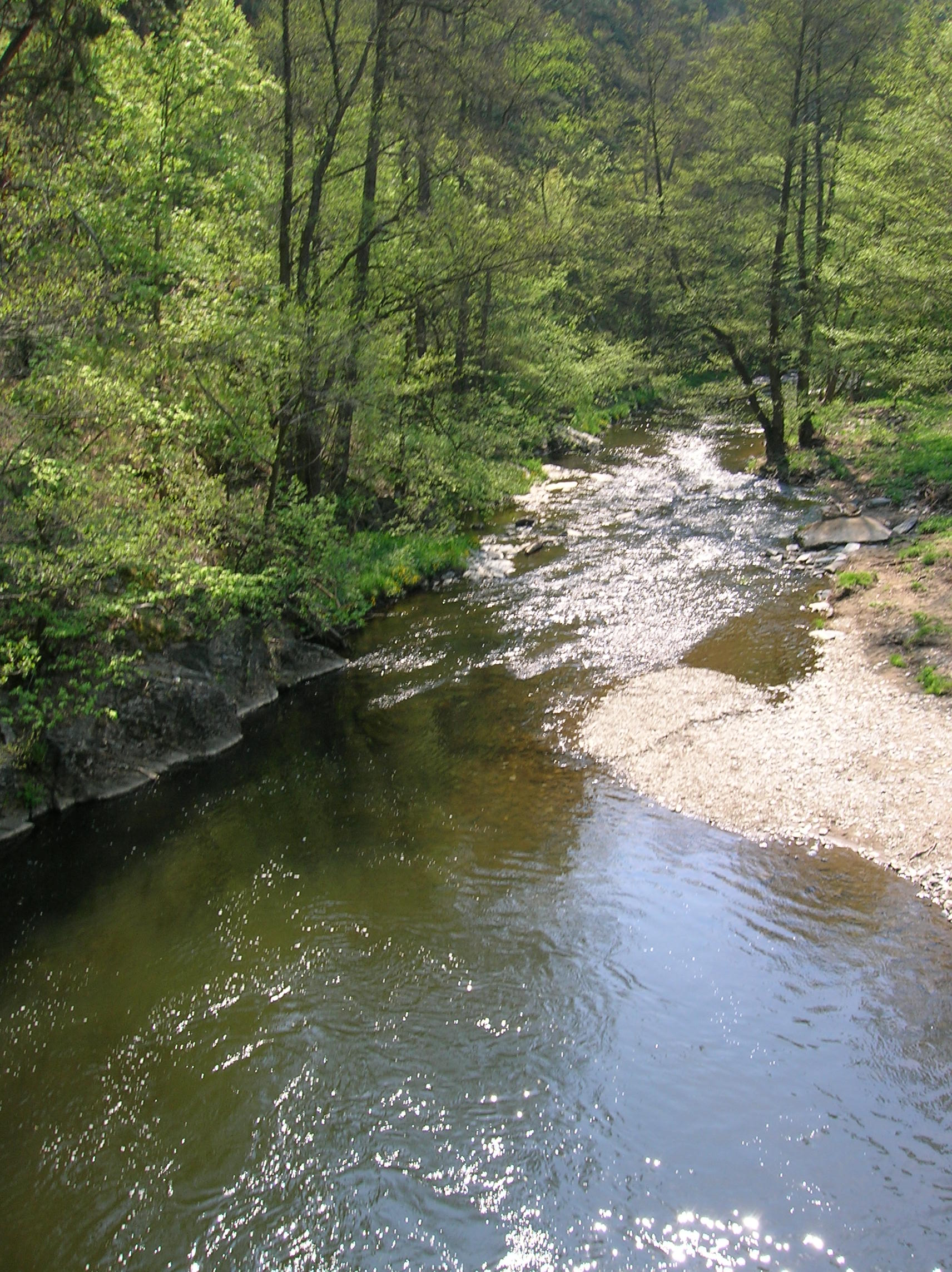
ImageAt the end of the town was a restaurant with picnic tables outside. Seven bikers were sitting there, drinking beer while engaged in animate conversations. There was an old stone bridge, dating most likely from 1335-1340. Under it flowed the Střela River. The body of water meandered through a forest, gurgling softly. A thick forest made up the background. It appeared as if this could be the backdrop for a landscape painting, as if I were looking at a canvas rather than real life. The forest was romantic, but it felt comforting and dangerous at the same time.

ImageI had read about a former brewery that only put out 700 hectoliters of beer during a year, but I did not see anything resembling a brewery. I did not see a former monastery, either, but there had been several in this town over the centuries. One dated back to the end of the 15th century but was destroyed in 1532. A new one was built in the 17th century, but it was abolished in 1787. There were several churches in the town during the 19th century, and legend has it that one of them was damaged in 1856. Workers had to dismantle the cross from the top of the church and reinstall it. While they were doing this, people celebrated below.  The workers drank some wine in the tower and threw a wine glass down. It fell but did not break.

 Image


Hrádek u Nechanic Chateau Diary

HradekuN2020ext3

On a hot Friday morning in August, I went to one of my favorite chateaus, the small yet enchanting Hrádek u Nechanic, situated west of Hradec Králové, a major town in east Bohemia. Once again, I changed buses at Hradec Králové, a station I now felt I knew intimately. (Note: I would visit it again in July of 2020 and be just as amazed by its exterior and interior.)

HradekuN2020ext4

When I reached the chateau, I was struck by its cheerful, romantic, dark orange façade that made it look like it belonged in a fairy tale. After getting my ticket, I walked to the back of the chateau and noticed that this part of the park bordered on a golf course. What struck me most, though, was how the back side was not a playful orange but a mundane grey that was badly in need of a paint job. It even looked a bit dilapidated. A wire fence was set up in front of this side of the chateau. To the far left, though, I climbed a few stairs that led up to the chateau as another wing was painted that dynamic dark orange.

HrádekuN7

At the beginning of the tour, the guide pointed out the lantern lamps hanging on the walls. They harkened back to the 16th and 17th centuries and had been created in Venice. Hunting trophies also adorned the walls. Then the guide acquainted the group with the chateau’s history. While the village dated back to at least the 14th century, the chateau was young, a 19th century construction built in the Neo-Gothic style of English aristocratic homes reminiscent of the times when Queen Elizabeth I and King James I reigned during the 16th and 17th centuries.  Count František Arnošt Harrach of the prominent Harrach family was responsible for building this intimate chateau in 1839. A patron of the arts, he also supported the construction of the National Theatre in Prague.

HrádekuN4

From the July 3, 1866 battle of Hradec Králové during the Prussian-Austrian war to November of that year, the chateau served as a military hospital for the Prussians and was subsequently heavily damaged. Tents had been set up outside the chateau.  In 1884 František Arnošt’s son Jan Nepomuk Harrach took over. A distinguished Czech politician, he also was keen on the arts, giving his support to Czech artists such as Karel Jaromír Erben and Bedřich Smetana.

HradekuN2020ext11

When Jan died, the property was passed on to his brother Otto and then on to Otto’s son Jan, who lived there until 1945, when the Beneš decrees declared the property be handed over to the state. The controversial Beneš decrees declared Germans, Hungarians and collaborators living in the Czech lands and Slovakia would have to relinquish their Czechoslovak citizenship and property without compensation. Approximately three million ethnic Germans and Hungarians were expelled from the country from 1945 to 1947. The chateau was open to the public as early as 1953. It did not become a National Cultural Monument, though, until 2001.

HradekuNint1HradekuNint2

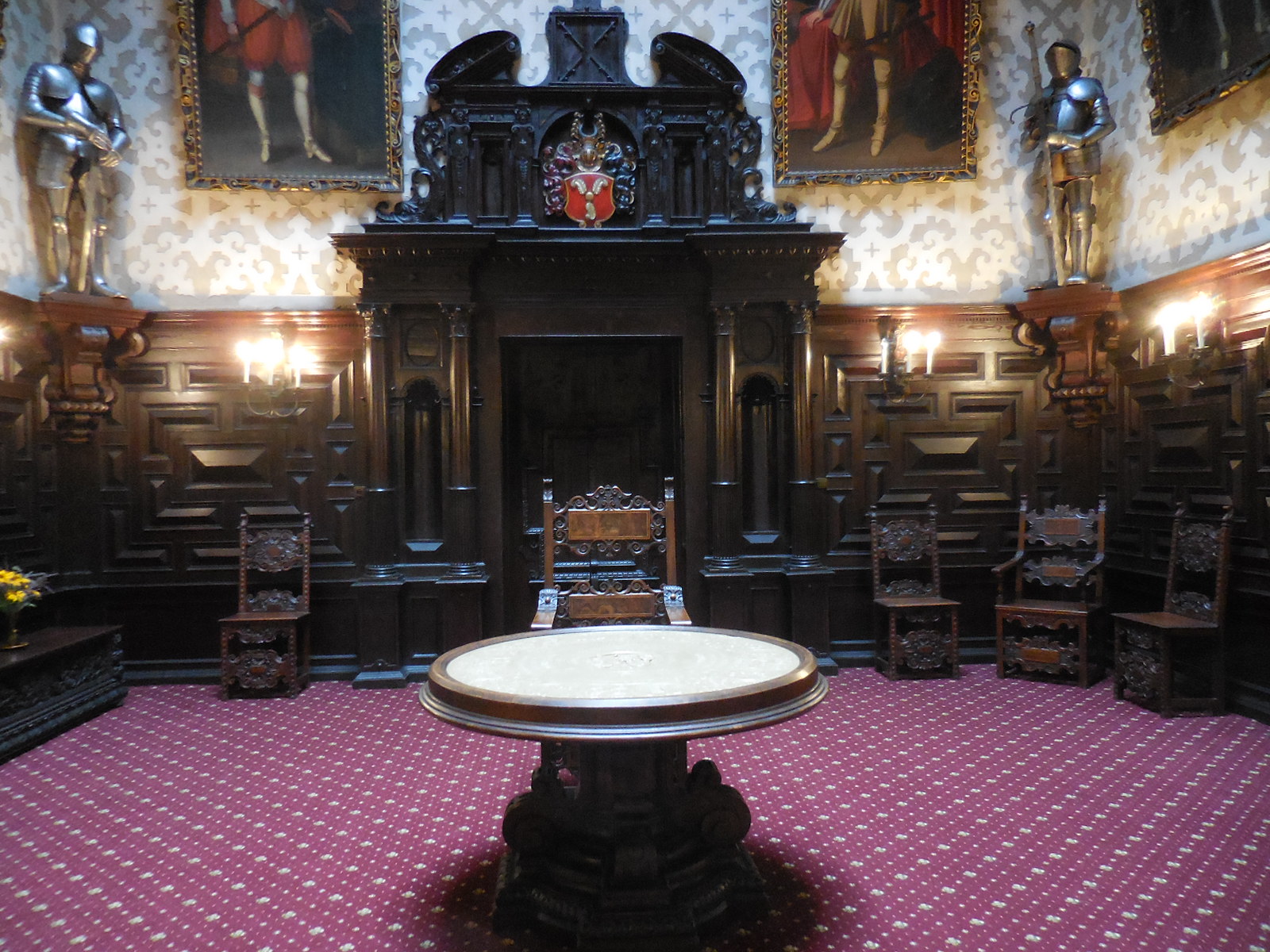
After putting large slippers over my shoes, I followed the group into the Knights’ Hall, a small room that happened to be the biggest in the chateau. I noticed that the floor had a black-and-white diamond pattern. Coats-of-arms decorated the space above the two doors and just below the ceiling. Portraits of Harrach family members dotted the walls. I noted the exquisitely carved backs of the chairs – there were nine of them. I remembered how this entire chateau had always enchanted me with superbly and ornately carved wooden furniture. That was one of the reasons I liked it so much. I found the dark wood appealing, and it made the small rooms feel cozy, perfect for a cup of hot ginger tea on a windy, wintry night. This is definitely a chateau I would not mind living in, if it were not so far from Prague. In the center of the room stood a stone table from the 16th century, decorated with writing and coats-of-arms. Looking up again, I spotted the Lobkowitz family’s coat-of-arms just below the ceiling near the door we had come through. It boasted two black eagles complemented with red and white colors.

HradekuNint55ceilingHradekuNint56HradekuNint57wallpaperHradekuNint60HradekuNint51

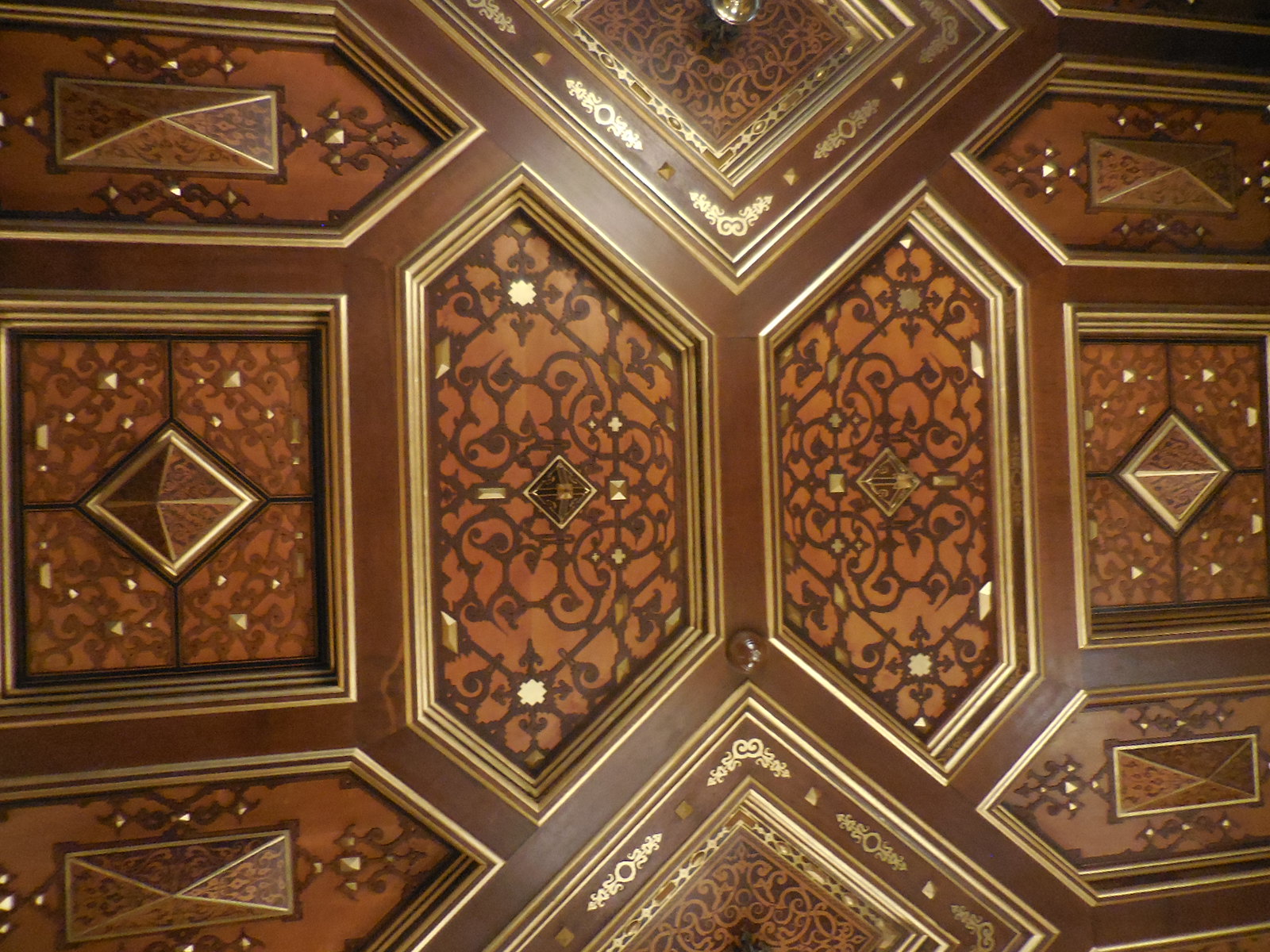
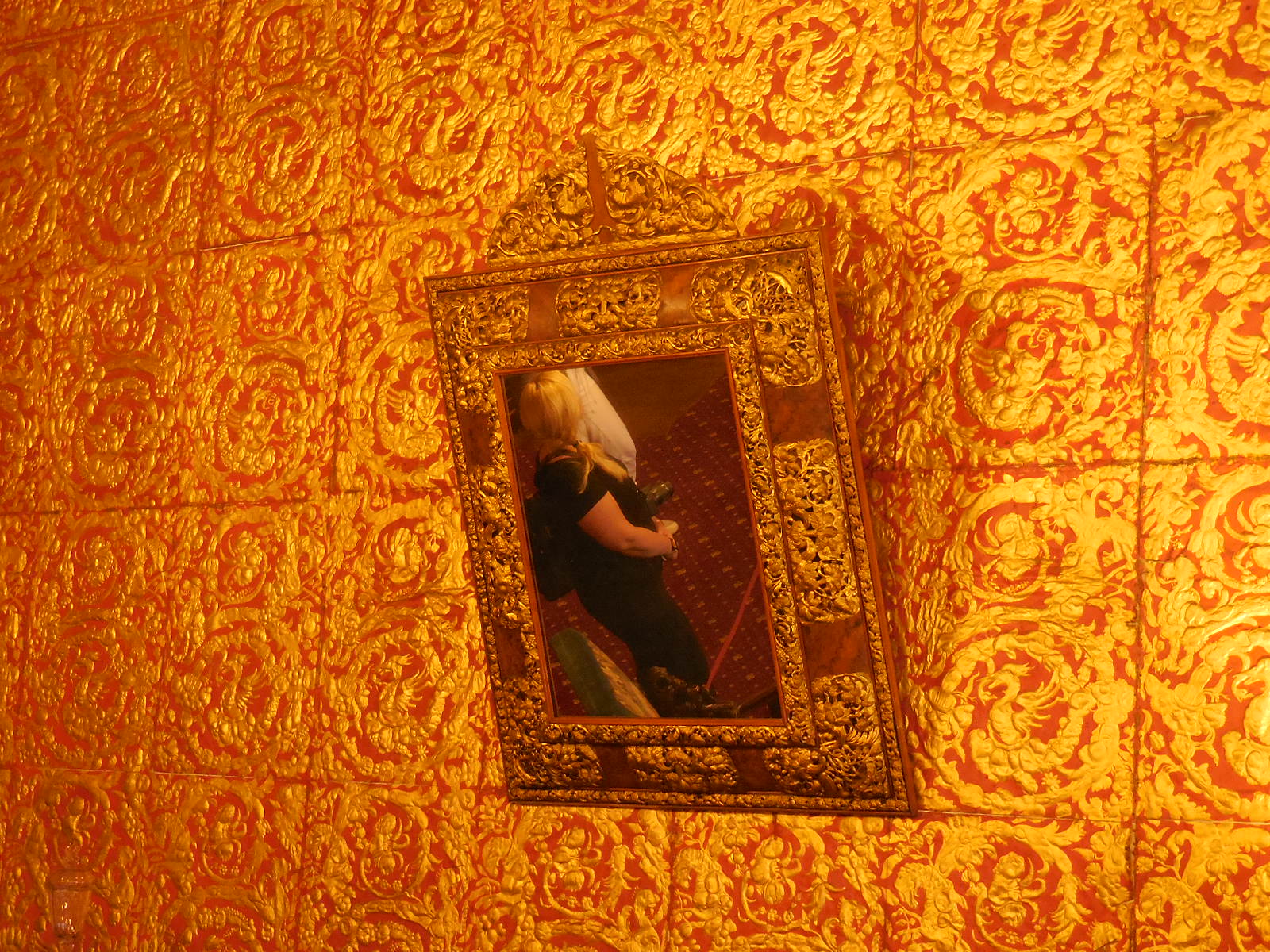
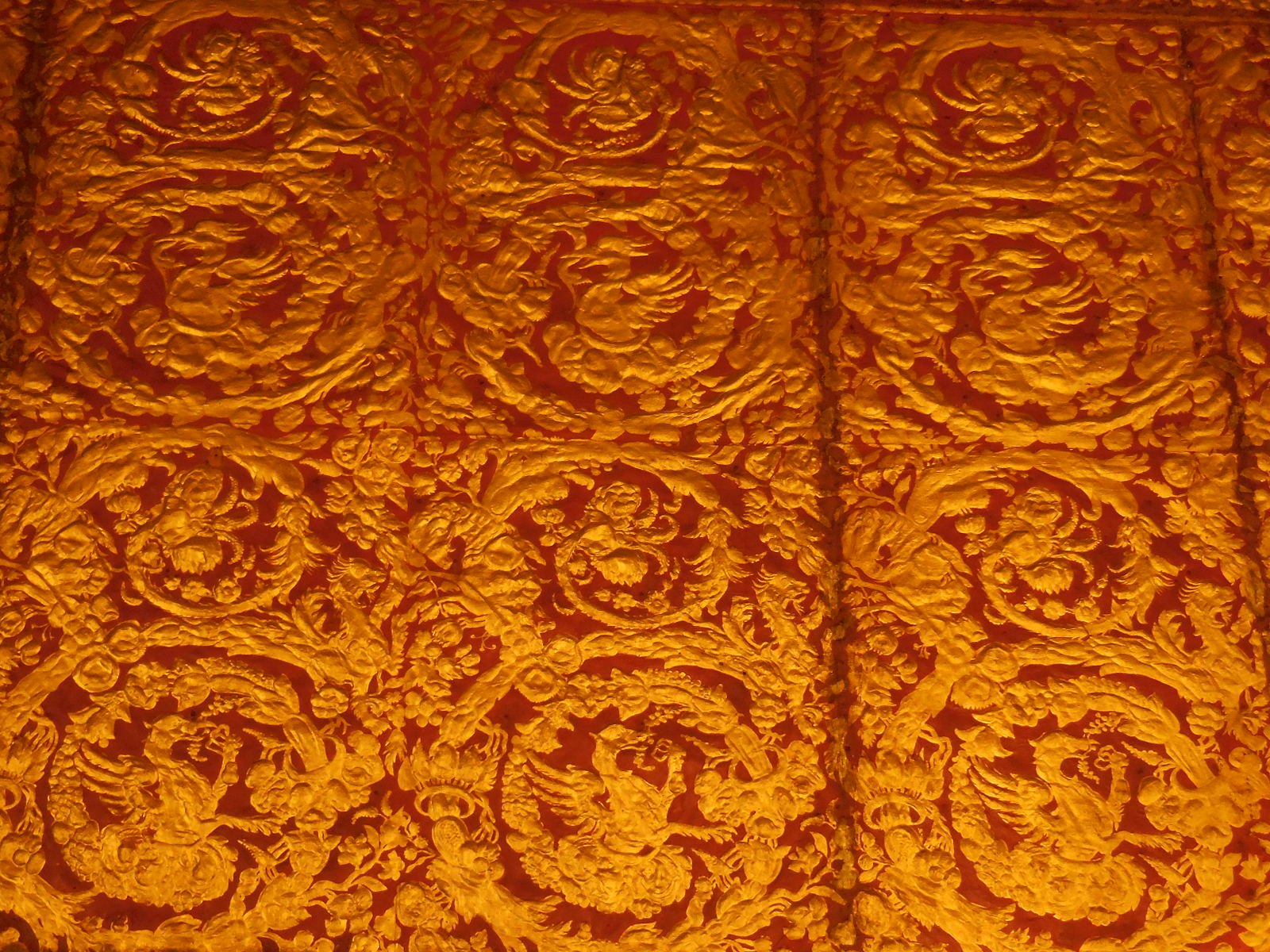
The Golden Hall next on the list was the most riveting space in the entire chateau. Its gold-plated leather wallpaper that featured golden swirls on a dark red background astounded me. The marble fireplace weighed 11 tons, and the tableware was 16th century, from Italy. What looked like a roll-up desk was revealed to be an upright piano. The guide lifted the lid to reveal a keyboard. Opening the two doors above the lid revealed the piano strings. But that was not the only object in that room that amazed me. A figure of a black eagle with a crown had a golden clock on its breast. It used to be able to wave its wings, too. This was the clock of Emperor Leopold I from the 17th century, the one a Russian tsar had given him. It is one of two in the world; the other graces the Hermitage Museum in Saint Petersburg.

HradekuNint63chandelierHradekuNint65

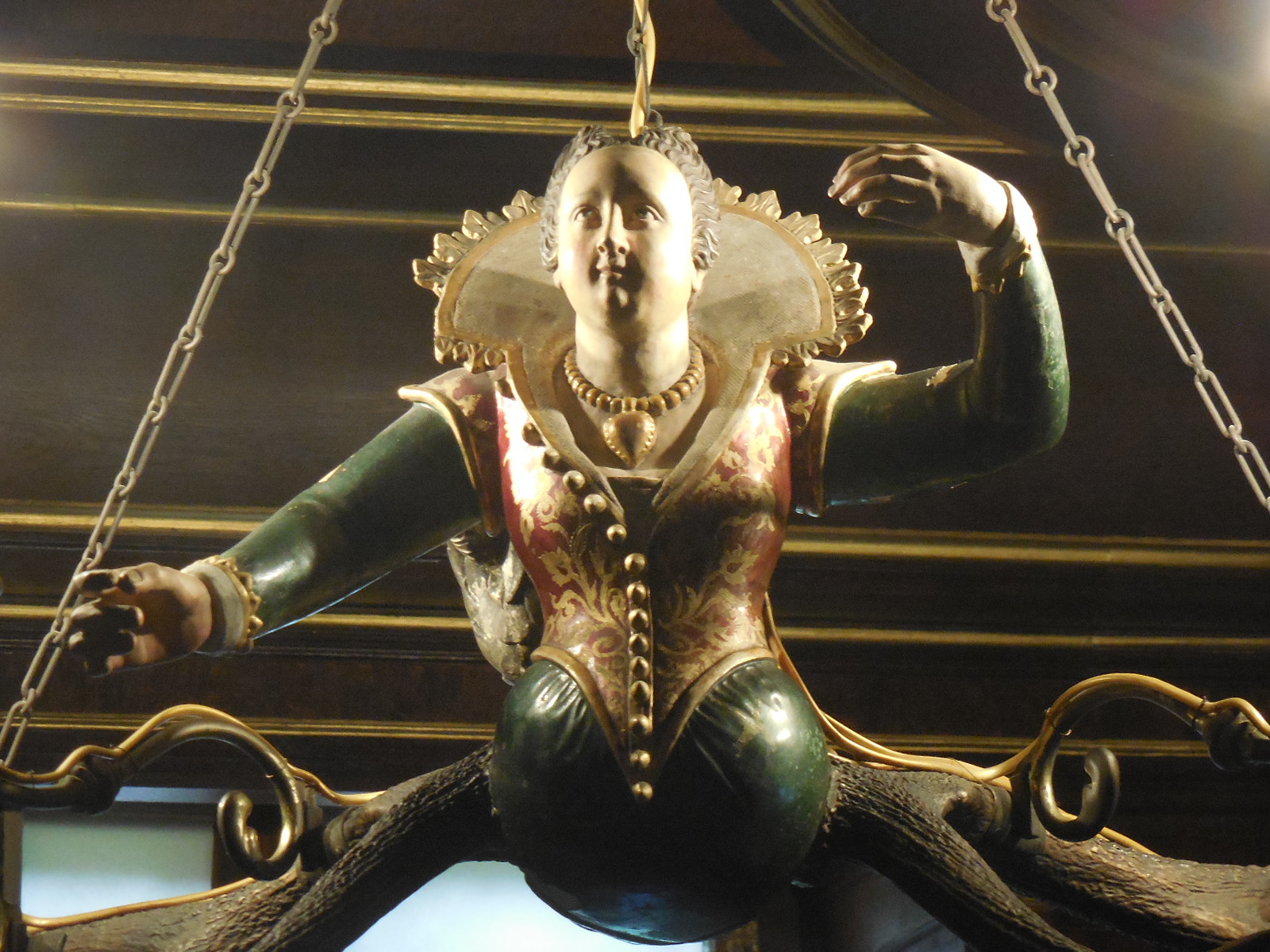
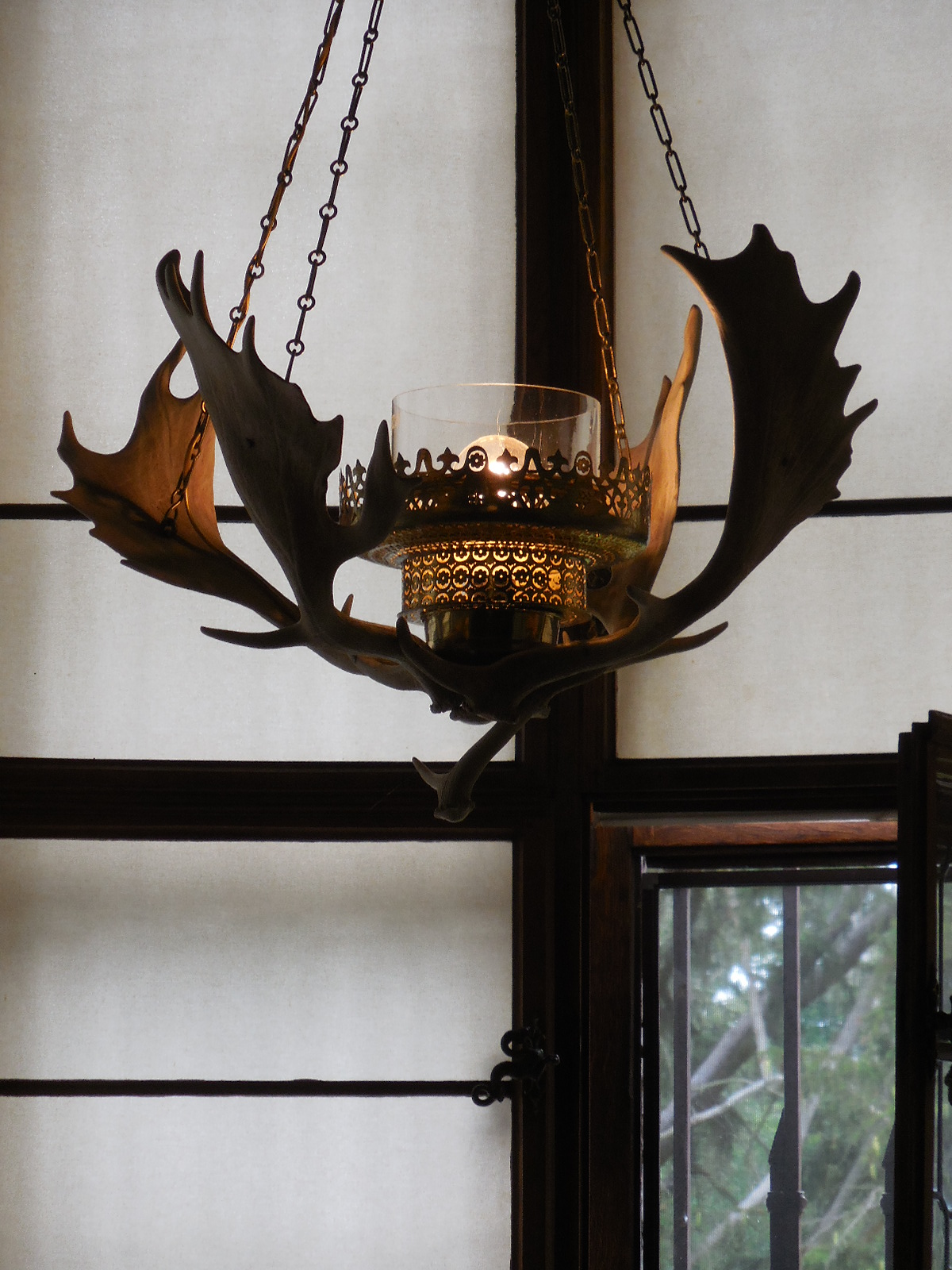
I was also entranced by the chandelier in the Breakfast Room. It featured a figure with a head and body. Its legs had been replaced by antlers that branched out to all sides. It reminded me of a creature from a fairy tale, one that was on the side of good rather than evil. Again, I admired the richly carved backs of the chairs.

HradekuNint72HradekuNint66HradekuNint68HradekuNint70

The Dining Room featured plates and ceramics situated on high shelves around the walls. They hailed from 16th and 17th century Italy and Germany. What looked like a brown and white water fountain once had been used to pour wine on tap. Predictably, in the Billiards’ Room there was a big pool table. Yet the holes had been covered over. A brown with gold décor grandfather clock hailed from 18th century Berlin. The dominant 16th century painting “Celebration in the Spa” by Dutch artist Lucas van Valckenborgh featured hills and a forest dotted with people. The picture was so detailed that if you looked closely, you could see a couple holding hands far in the background.

HradekuNint79libraryHradekuNint75libraryHradekuNint76libraryHradekuNint77chandelier

I marveled at the next room, the library, which housed an impressive collection of 19th century Czech and Slovak books. Usually chateau libraries held few, if any, books in Czech, and I had not heard of any carrying works in Slovak. The room was also home to many publications in English, French, Latin and Greek. There was even one book in Hungarian. But the books were not what caught my undivided attention in the library: The portraits hanging high on the walls did. There were 12 portraits of people’s faces, all with various diseases that resulted in deformities. I had to turn away when I saw the swollen warts on one man’s neck. Another had evil, demented eyes, his mouth open as if screeching in pain and anguish. The portraits also reflected the anti-Semitism and racism of those times by portraying an Arab, a Black man and a Jew. I was relieved that society no longer condoned such revolting prejudices. At the same time, I knew that society still had far to go in the anti-Semitism and racism departments. (When I visited in 2020, seeing the portrait of the Black man reminded me of the systemic racism in America and the murder of George Floyd as well as many others. Even though I was living in Prague, I had watched part of the protests and the moving funeral of Floyd on TV.)

HradekuNint9wallpaperHradekuNint10

Now on the first floor, we came to the Count’s Hall. The gold, blue and green leather wallpaper immediately caught my eye. The guide pointed out a faded pink armchair that was adjustable, able to move up and down. When the back of the chair was in the down position, it looked like a coffin. It so happened that František Arnošt died in that chair.

HradekuNint35HradekuNint36HradekuNint11


The Count’s Study featured a chandelier from Murano and a Renaissance desk. The guide showed our group what looked like a golden miniature telegraph but was really an alarm clock. Even the trash can was elaborate; it was made of carved wood.  How I would love to have a garbage can like that!

HradekuNint15ptngHradekuNint14chandelierHradekuNint16bed

We continued to a bedroom with an icon from the 15th century, the oldest object in the chateau. I liked its bright colors; it had a distinctive vibrancy.  The guide showed us a chandelier that was electric; electricity had been installed in the chateau in the early 20th century. It hung from a flexible band that could be pulled up and down.

HradekuNint18wallpaperHradekuNint20HradekuNint22

We walked through the guest rooms, where historical personalities such as Czech ethnographer and patron Vojta Náprstek had stayed. The exquisite carving on the doors also drew my attention.  On one wall I noticed the black-and-white engravings of an ancient city’s ruins – was it Rome? I saw a lovely, light blue bed frame with floral decoration in one of the rooms as well. Finally, we entered the Family Halls. Landscapes covered one wall. I noticed an impressively carved jewelry box with detailed wooden drawers. On the walls were black-and-white engravings of portraits of Habsburg generals. One of the earliest digital clocks was on display, too. It had a white square and a number in black on top of one other. The top number read two, the bottom one 59.

HradekuNint28HradekuNint31HradekuNint32HradekuNint25

Almost last but certainly not least was the Oriental Hall, which I don’t seem to have pictures of from my 2020 visit. I could hardly believe my eyes when I saw the ornate, detailed craftsmanship of the wooden furniture from China. I could not recall being more impressed by any other wooden furniture in all of the chateaus I had visited.

HradekuNint85chapelHradekuNint86chapelHradekuNint88chapel

The chapel was dedicated to Saint Anna, who was depicted reading to a child in the altarpiece that consisted of lively, red, blue and tan colors. The stained glass windows were also a sight to behold. The men’s oratory was made of finely carved wood.

HradekuNint89chapelHradekuNint90chapel

The tour ended as a thunderstorm ensued. I wanted to take refuge in the cozy rooms of the chateau with dark wood lining. Yes, this chateau was still one of my favorites. I ventured outside and into the downpour, unable to get the images of all that exquisitely carved wooden furniture and lovely leather wallpaper out of my mind. (By the way, during my visit in 2020, it rained as well, but was an awe-inspiring trip nonetheless.)

Tracy A. Burns is a writer, proofreader and editor in Prague.

HradekuNint93chapelHradekuNint91chapel


Bouzov Castle Diary

BouzovAfter a one-hour ride from Olomouc, the bus left me off in the middle of nowhere. I knew that this bus would not take me to the main square, but I thought it must be near Bouzov Castle. The village of Bouzov, located in the highlands of Moravia, could not be so big, after all. Luckily, two women, a mother in her late forties or early fifties and her daughter, in her mid-twenties, got off with me. It turned off they were going to Bouzov Castle, too.


We climbed a short hill and walked along what could possibly be called a path, passing by some houses where big dogs barked ferociously in the front yards. The mother and daughter told me that they were from southern Bohemia and traveled for a week every year to a different part of the country to visit castles, chateaus and other sights. I began talking to the mother, as there was still no chateau in sight. She informed me that it was a two-kilometer trek.


While I was explaining to her the difference between a castle and a chateau, I thought I saw the daughter glare at me with a jealous look, as if I was intruding into her family by becoming friendly with the mother. She made me uncomfortable, and I felt like an intruder. I told the mother that while chateaus date from the 16th  to 19th  centuries, even sometimes into the beginning of the 20th  century, castles were built between the 12th  and 15th  century. Also, the purpose of construction differs: castles were made as fortresses for defense whereas chateaus were designed for comfortable lifestyles and usually were accompanied by parks and gardens.


Finally, we came to the main square. I was stunned. Bouzov Castle had a fairy-tale appearance. I was so captivated that I was certain this would be one of my favorite chateaus even though I had yet to see the interior. While waiting for the tour to start, I read background material about the chateau in a brochure I had purchased at the souvenir shop.


Bouzov4Originally built in the early 13th century as a late Gothic stronghold, Bouzov was the property of the Order of the Teutonic Knights from the late 17th century until the end of World War I. (Founded at the end of the 12th  century by a group of German merchants, the Teutonic Knights first came to Bohemia in 1203.) Now it is owned by the National Monument Institution in Olomouc. The castle looked as it did at the end of its reconstruction at the turn of the 20th century, when Teutonic Knights’ Grand Master Eugene Habsburg, inspired by late Gothic and early Renaissance architecture in Germany and the Netherlands, had what was at the time practically a ruin remade into a residence with a romantic flair.


Indeed, I did find symbols of the Teutonic Knights’ order figuring prominently in the chateau; even the order’s crest adorns the second castle gate. I saw six tombstones of Grand Masters from 1395 to 1515 in the chapel. In the Knights’ Hall the coat-of-arms of all the Grand Masters of Bouzov decorated the walls.


It didn’t take me long to find a figure of Saint George, one of the order’s symbols. For example, a marble Renaissance statue, hailing from Venice, depicted this saint at the chapel’s entrance. Also an exquisite wall painting of St. George fighting the dragon adorned the Knights’ Hall.


I marveled at the walls of the Hunting Hall. They depict the ancient tale of Prince Aktaion and Goddess Diana: When Aktaion spotted the goddess naked, Diana got revenge by changing him into a deer. The Knights’ Hall was another gem. By that time, my head was spinning. I was so enthralled by everything I was seeing. That hall featured a Neo-Gothic fireplace, a Renaissance ceiling, exquisite wall paintings and stained glass pictures in the windows. The ravishing Baroque Grand Master’s Bedroom incorporated exquisitely woodcut sculptural carvings on two closets and chairs and a tiled stove decorated with figures of men and women clothed in Renaissance attire.


Bouzov3I had to watch my step at the grating and hatch on the floor of Court Hall; it led to the dungeon. Convicts were dropped through the hatch into the prison. The Nuremberg chandeliers that combined antlers with wooden figures impressed me in Eugene Habsburg’s private apartments. The guide told us that the biggest one weighed more than 300 kilograms (660 pounds) and held 48 candles.


In the chapel I took special notice of the late Gothic altar from 15th century Germany. The armory featured painted shooting targets of life-size figures. Other intriguing displays included gargoyles showing dragons’ heads. An executioner’s sword dating from 1677 boasted ornate decoration on both sides. There was a helical staircase inside an octagonal tower and a sundial on the courtyard façade, Gothic lattice windows, arcaded loggia and the 1929 signature of Tomáš Garrigue Masaryk (the first president of democratic Czechoslovakia) in the visitors’ book. I was especially excited about seeing Masaryk’s signature. I was a big fan of the Czechoslovak president and wondered how it must have been to live in the country during the 1920s, when he was in charge and democracy flourished here. That era fascinated me. It must have been exciting time to have been alive.


A theatrical performance featuring medieval-dressed performers and sword-fighting also entertained our group. There were four tours to choose from, and I went on two of them: the classic short tour which lasted 60 minutes and the long tour which lasted 100 minutes. A bit later I hopped on a bus that left from the main square and went back to Olomouc, enthusiastic about seeing one of the Czech wonders that had a magical touch and romantic air.


Yes, Bouzov Castle was definitely one of my all-time favorites.

Bouzov2