I never imagined I could be fascinated by automobiles because I despise driving. In fact, I have never owned a car.
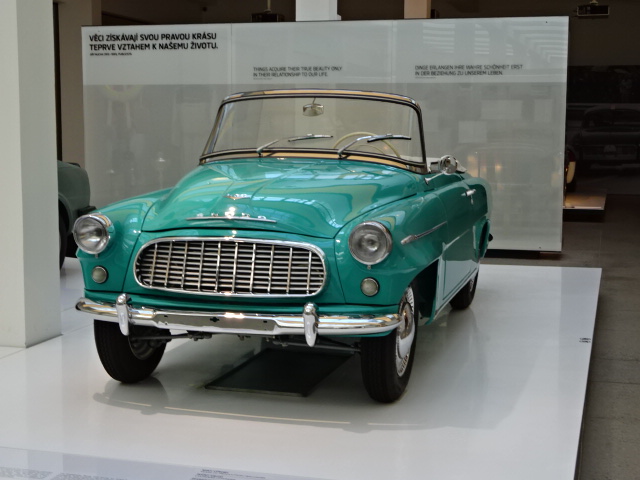
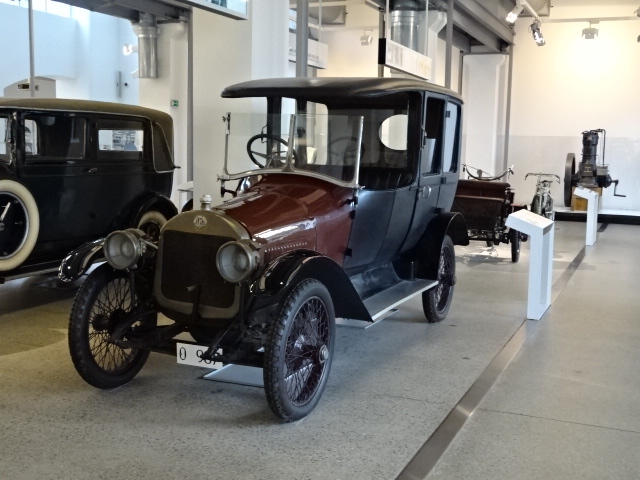
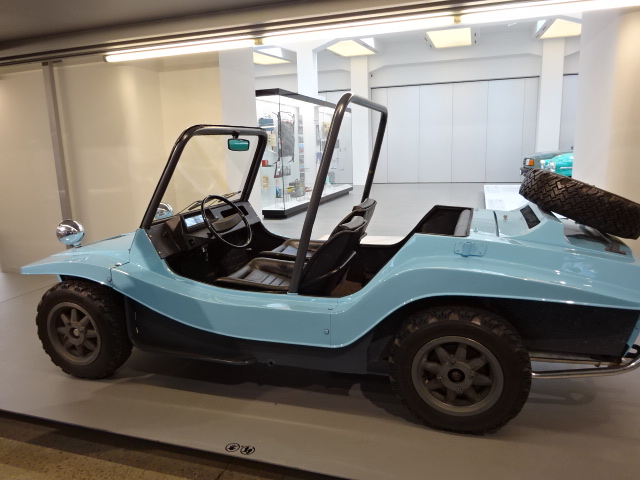
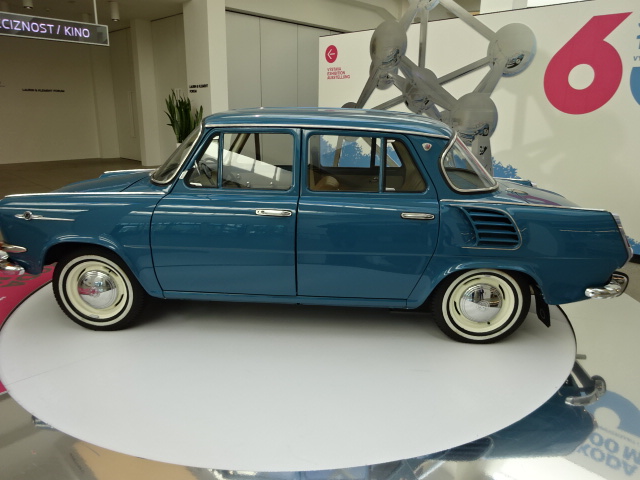
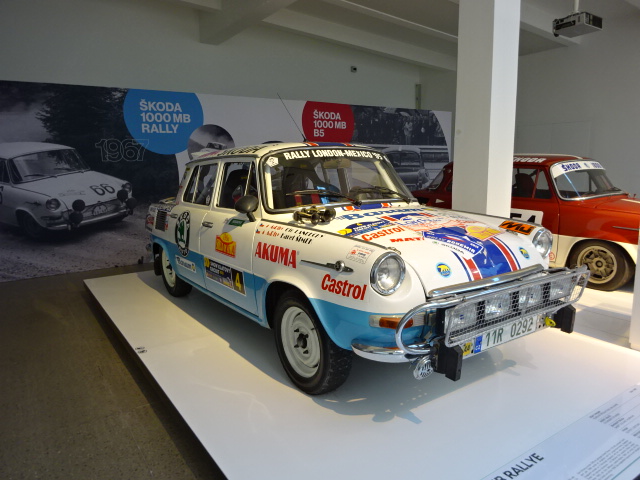
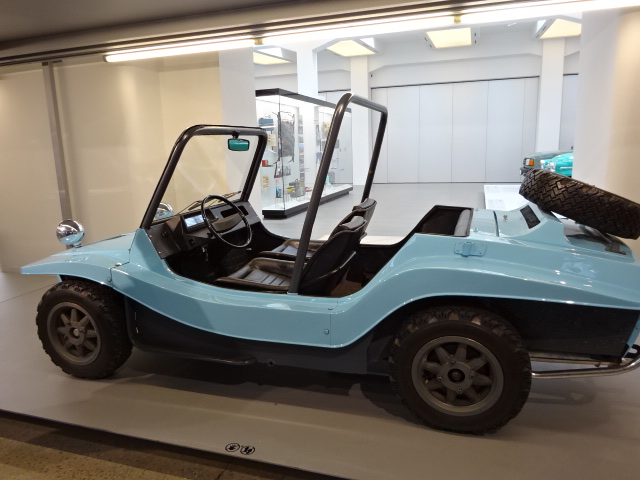
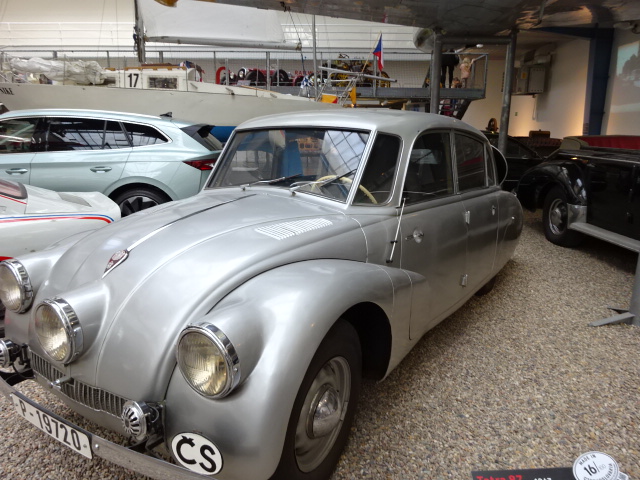
However, during 2024, I would be pleasantly surprised when my friend and I visited the Škoda Museum in Mladá Boleslav, about 70 km from my home in Prague. Škoda is the biggest manufacturer of cars in the Czech Republic. The company has made a name for itself as one of the oldest automobile manufacturers in the world. The museum presented 360 vehicles from the end of the 19th century to contemporary times in a former production hall that measured 1800m2.
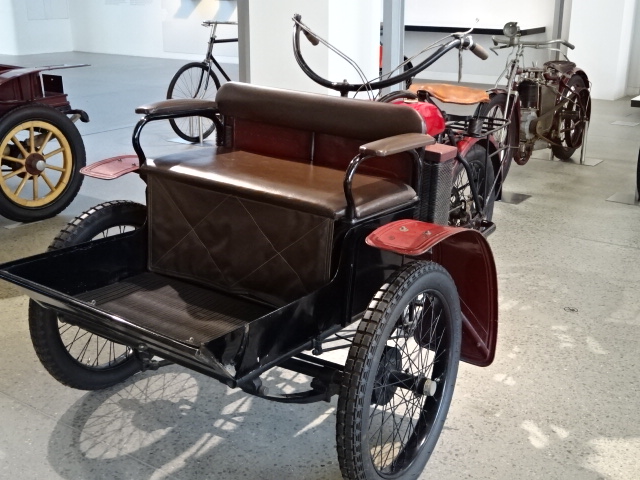
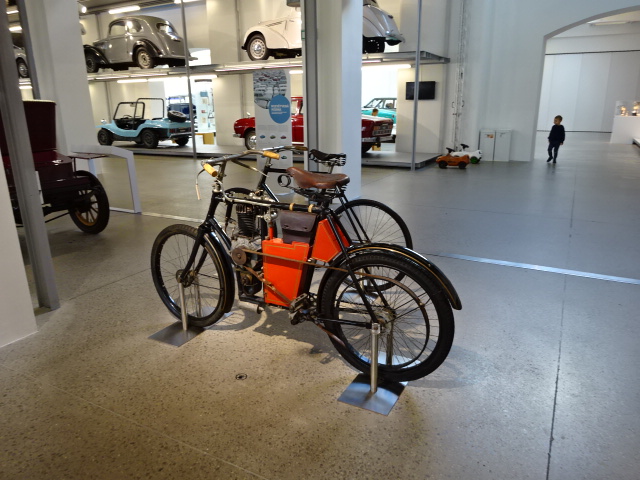
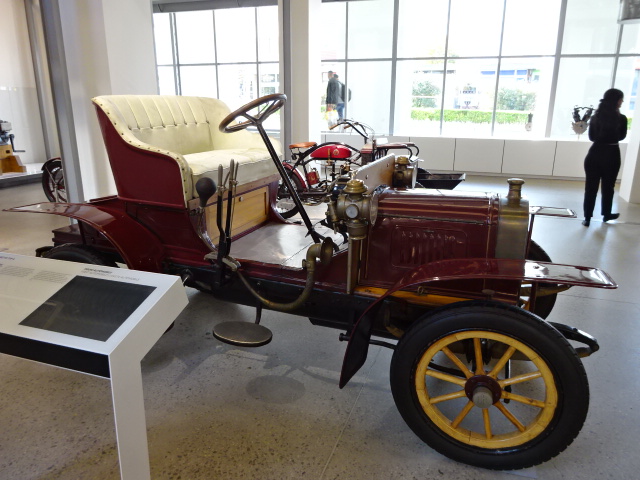
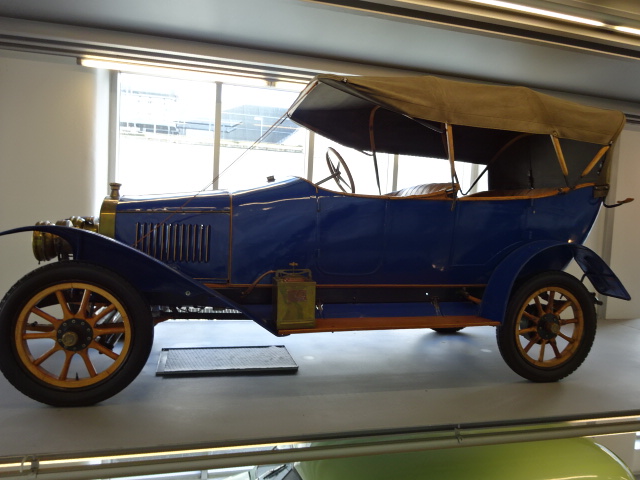
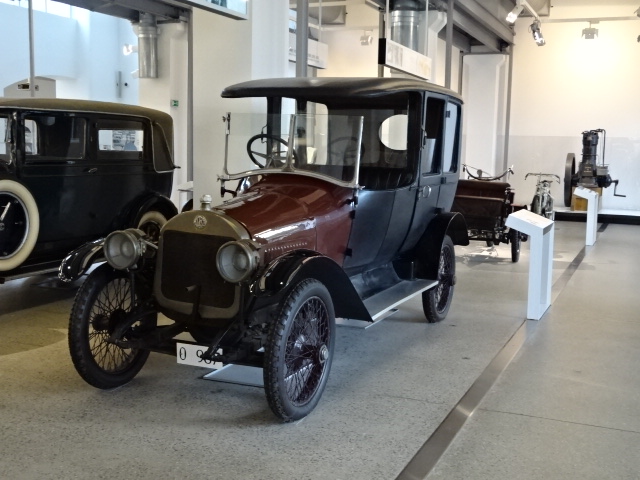
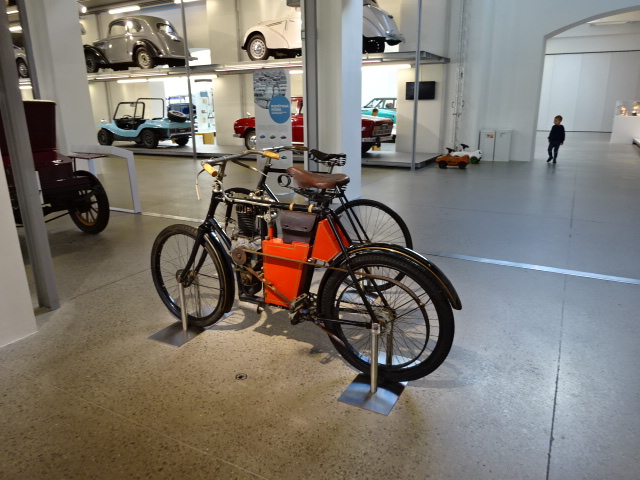
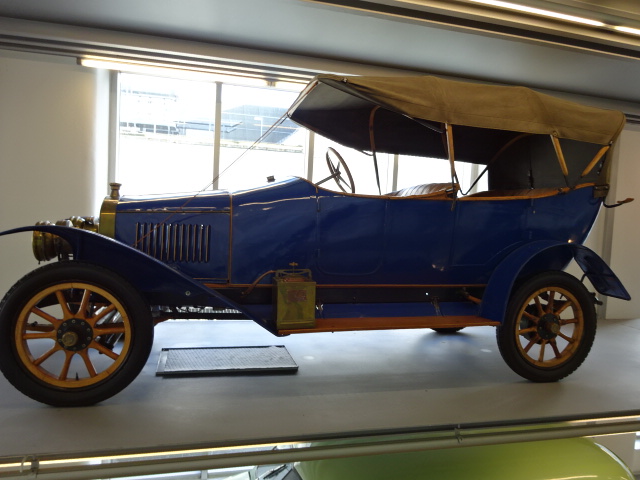
I was most fascinated by the oldest cars – from the late 19th century and early 20th century. The late 19th century and early 20th century bicycles, especially the double-seated one for postal workers, also caught my undivided attention.
Václav Laurin
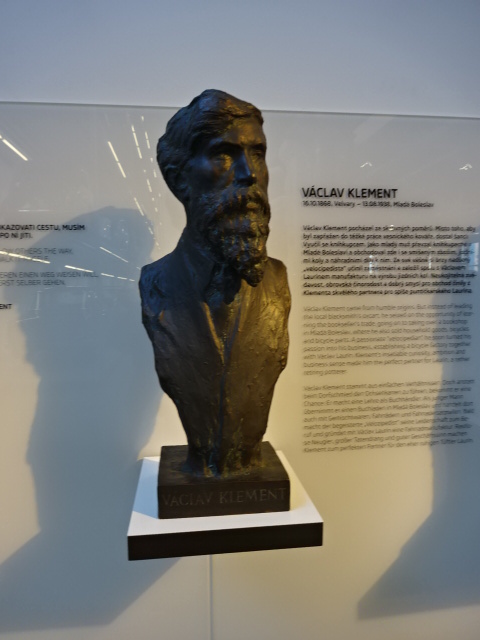
Václav Klement
The company’s history began in 1895, when cyclists Václav Laurin and Václav Klement founded it. They decided to manufacture bicycles after Klement was dissatisfied with a bike he bought. His criticism of the company received an undignified response. So the duo opened their own business.
By 1899, they had begun manufacturing Slavia motorcycles, becoming the first motorcycle manufacturer in the Austro-Hungarian Empire and Germany. Several motorcycles are on display at the museum.
Laurin and Klement branched out into the automobile industry during 1905, when they produced the Voiturette A, a car that received much praise from the public. Even World War I didn’t stop the company from functioning. After the war, the company expanded.
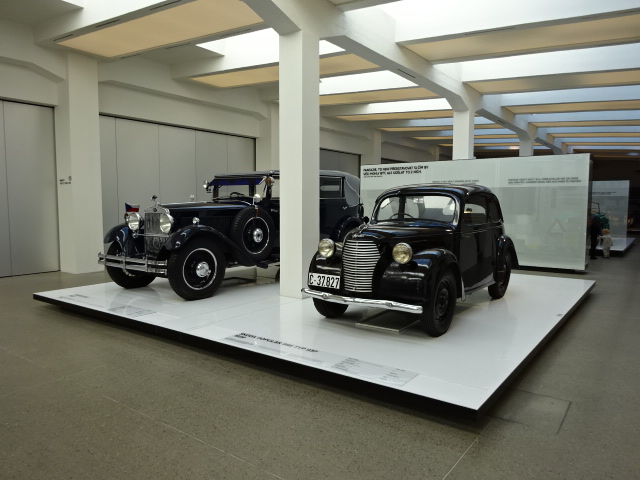
However, a fire in 1924 did much damage. Still, Škoda made a successful comeback. During 1933, the company felt the economic crisis, though, with only 1,607 cars produced that year. However, with their ingenuity and innovation, the manufacturer was able to come up with a cheap car – the Škoda 420 that weighed only 650 kg. By 1936, the company was receiving much acclaim, producing 4,990 vehicles that year, including many exported to other countries. Škoda would branch out and make not only cars but also trucks, buses and trams, similar to trolley buses.
During World War II the company had to manufacture cars, planes and weapons for the Third Reich as the Czech lands were part of the Nazi Protectorate of Bohemia and Moravia.
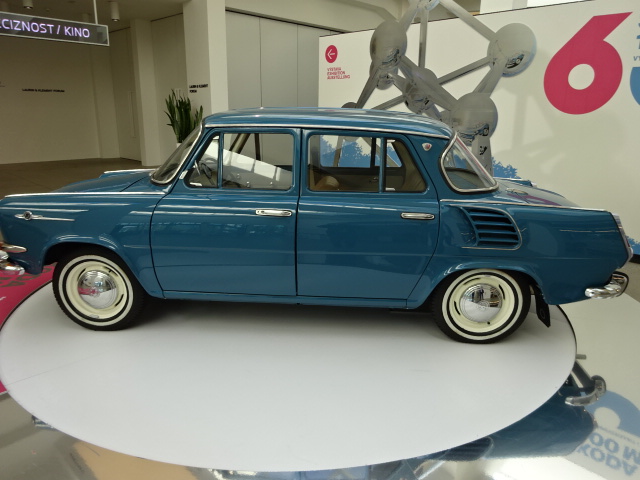
After World War II, Skoda was nationalized. By 1960, the company had 40 new buildings and was touted as one of the most modern factories in Europe. Leading up to 1968, the factory produced about 500 vehicles per day.
However, due to the strict totalitarian regime of the 1970s called Normalization, many projects were not brought to fruition. In August of 1969, a fire in Mladá Boleslav took four days to extinguish. Yet the company continued to produce cars and other vehicles regardless of the trials and tribulations of the times.
In the early 1980s, the manufacturer moved the engine from the back of its cars to the front. Produced in 1987, the well-known Škoda Favorit became very popular.
By 1989, the company put to use more modern technology, and during that year more than 100,000 Favorits were manufactured. Since the 1989 Velvet Revolution that toppled Communism and brought democracy to Czechoslovakia, the company has continued to make great strides in the automobile industry, achieving much success in subsequent decades.
That day we visited both the aviation museum and automobile museum in Mladá Boleslav. I was surprised how impressed I was with both of them because I usually went to art galleries, castles, chateaus and monasteries. This proved to be one of my most memorable trips.
Tracy A. Burns is a writer and proofreader in Prague.
While visiting Mladá Boleslav, a town about 70 kilometers from Prague, I saw many automobiles from various eras in the Škoda Museum, named after a popular Czech car manufacturer that is renowned world-wide. When I walked into the former production halls of the automobile maker, I didn’t know what to expect. I had never been to a museum featuring cars – stagecoaches yes, but cars no. I didn’t have a car and hated driving.
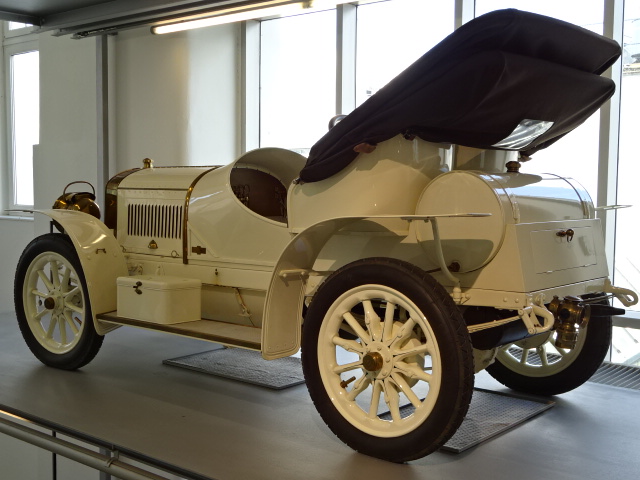
Still, the museum cast a spell on me as I peered at vehicles from the turn of the 19th and 20th century to the present day. The company was established as far back as 1895 by Václav Klement and Václav Laurin, when they focused on bicycles, a few of which were on display. I especially liked the two-seater for postal workers. The unicycle was another delight. I recalled how one Bagatti Valsecchi brother had mastered the unicycle in the early 20th century and how I came across a picture of him posing on one at the Bagatti Valsecchi House Museum in Milan, where Renaissance and Neo-Renaissance art took precedence.
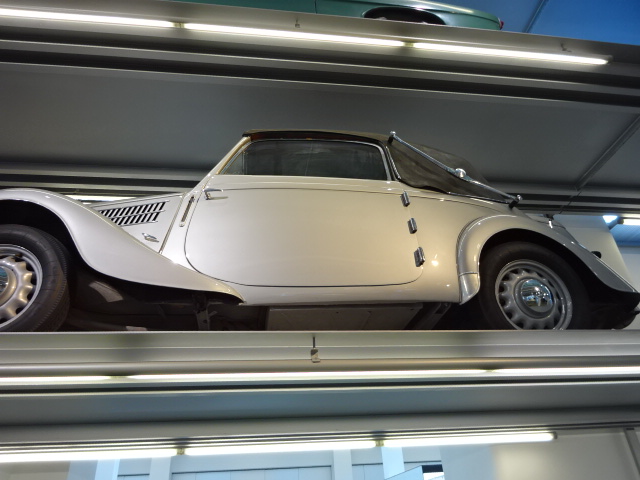
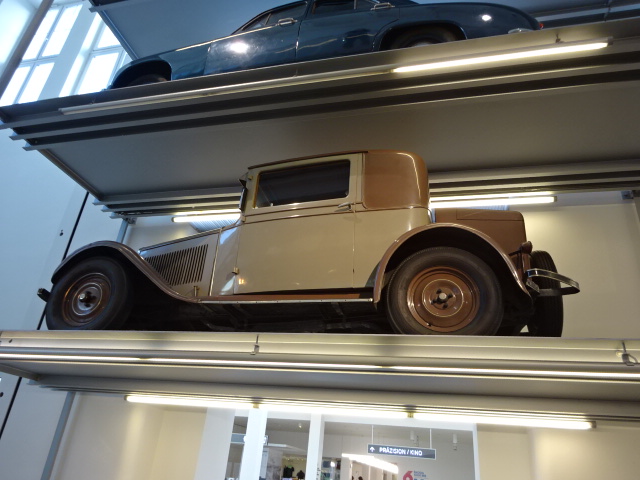
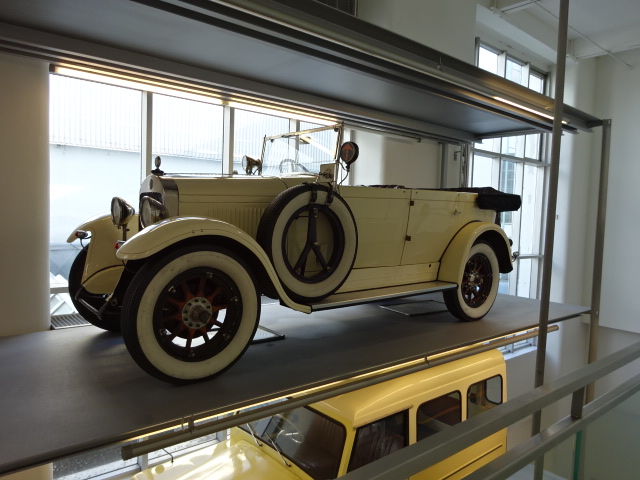
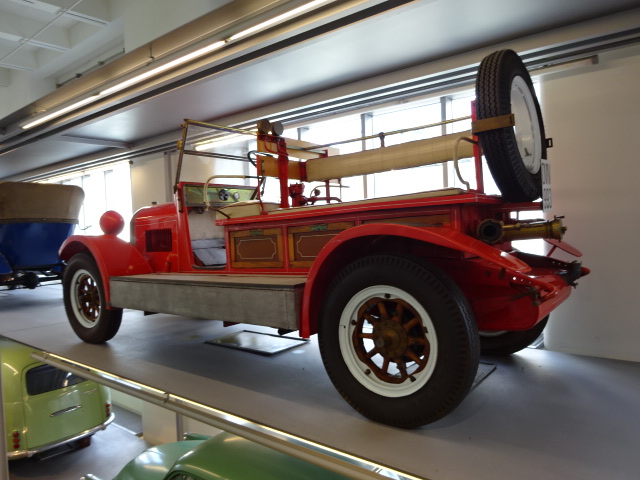
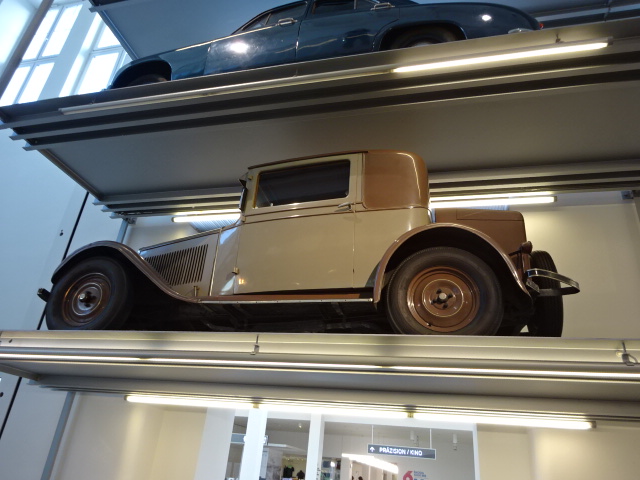
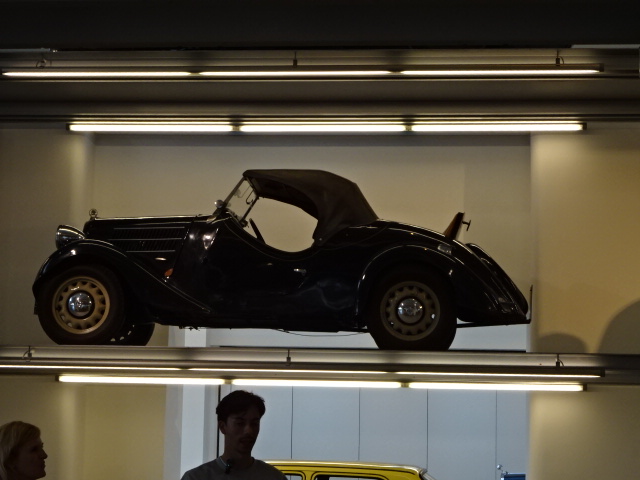
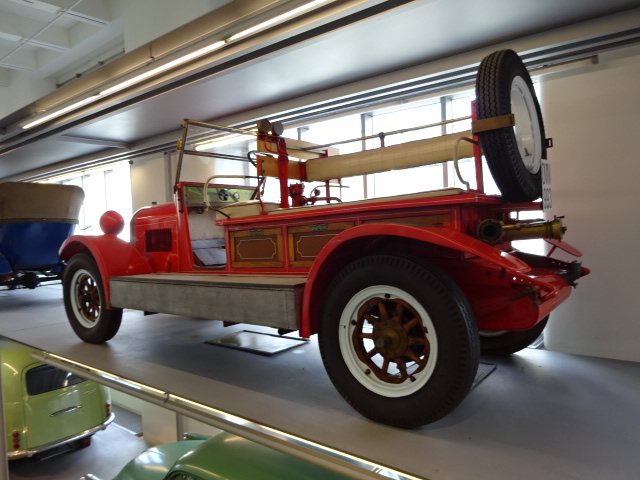
The automobiles that most enamored me were those from the end of the 19th and beginning of the 20th century, although I enjoyed noting how the manufacturing of cars had developed over time. There are cars and bicycles on the ground floor, and after climbing many steps to a viewing platform, more cars are situated on vast shelves.
Here are some photos from bicycles and cars on display in the museum.
Tracy A. Burns is a writer, proofreader and editor in Prague.
I visited Prague’s National Technical Museum for the first time in 2023, even though I have been living in Prague for more than 25 years. I am not a big technology fan and didn’t think I would be very interested in the exhibits.
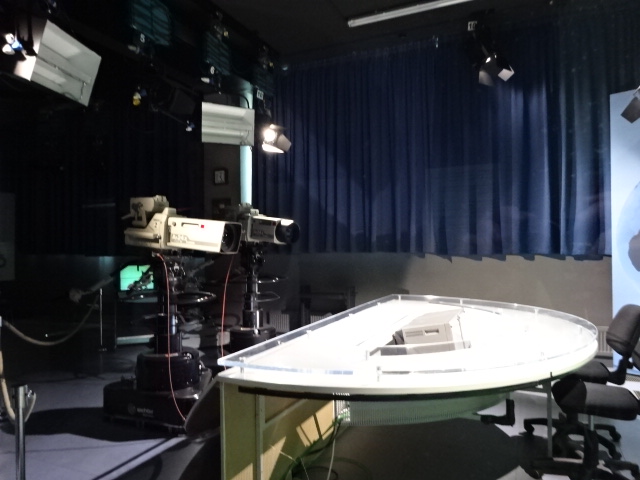
I couldn’t have been more wrong. The museum includes sections on astronomy; chemistry; sugar and chocolate; transportation; printing; household items; photography; the measurement of time; architecture, civil engineering and design; metallurgy and mining, for instance. A TV studio used by Czech television from 1997 to 2011 allows visitors to sit behind a news desk and see how the TV technology works. A mock mine from the 1950s makes up another exposition. In this post I will concentrate on my two favorite parts – transportation and architecture, civil engineering and design.
Television studio in National Technical Museum
The history of the museum itself is intriguing. Vojtěch Náprstek, a Czech patriot and world-traveler, established the Czech Industrial Museum in 1862. While many exhibits from this museum are now in the Náprstek Museum, some pieces in the collection found their way to the National Technical Museum, which was founded in 1908. Two years later, the museum opened in Prague’s Schwarzenberg Palace near the Castle. After Czechoslovakia was founded in 1918, it moved to the Letná district of Prague, where it is situated today. Construction took place from 1938 to 1941, but, during the Nazi Occupation, the building was used as the ministry of the postal service. After World War II, the museum was located on Letná again, though it was not allocated the entire building. In 1951, new expositions were created, such as transportation, mining, astronomy and photography.
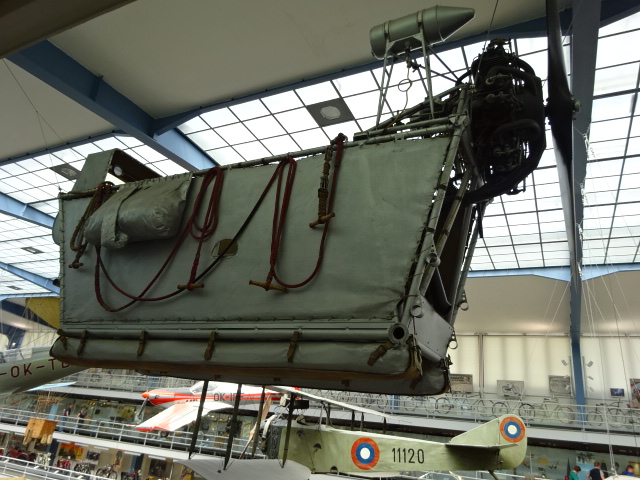
Wicker seat for passengers from Czechoslovak Aria BH-25 airliner, 1920
After the Velvet Revolution that had brought democracy to Czechoslovakia, the museum was able to utilize the entire building. However, there were difficult times ahead. During the 2002 floods, the museum’s depository in the Karlín district was heavily damaged, and some of the artifacts were ruined. Reconstruction started in 2003. In 2011, five expositions were opened. Still, construction wasn’t totally finished until 2013.
Masaryk’s presidential car
Zigmund and Hazelka’s car in which they traveled throughout Africa and South America
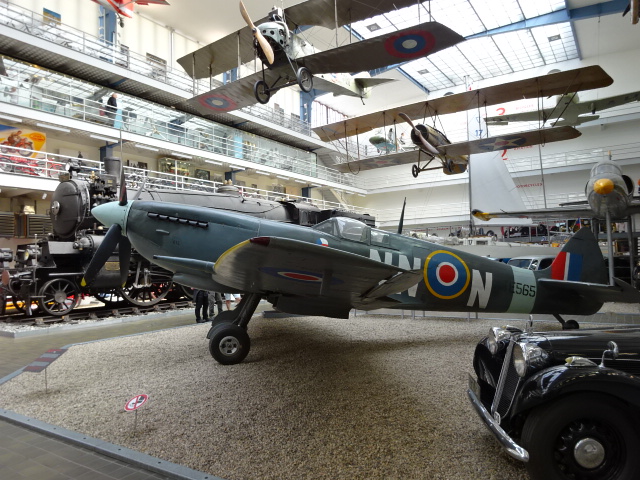
The main hall housing the transportation section is vast and overwhelming. Automobiles, a train dining car, planes, a boat, motorcycles and bicycles all make up the breathtaking exhibition. I liked the Tatra 80 car from 1935, the automobile of the first president of democratic Czechoslovakia, Tomáš Garrigue Masaryk, because I was interested in the First Republic era from 1918 to 1938. I also was excited to see the Tatra 87 car of world travelers Jiří Hanzelka and Miroslav Zigmund. They traveled around Africa and South America in that car from 1947 to 1950 and did more than 700 reports for radio broadcasts about their trips. The two had been the dynamic duo of travel: They visited more than 100 countries. They also made films, mostly documentaries, and wrote books together.
The dining car of Habsburg Emperor Franz Joseph I and later of President Masaryk
I was enamored by the dining car of Habsburg Emperor Franz Joseph I, which in 1923 became part of Masaryk’s presidential train. When President Edvard Beneš returned to his homeland from exile after the war in 1945, this dining car was part of his train. The dining car was put out of commission in 1959.
A sailing boat called Nike was on display, too. Czech Richard Kankolski had sailed around the world in it during 1972, and, at that time, it earned the distinction of being the second smallest boat to sail around the world.
British Spitfire
Three planes that saw action in World War I also are displayed, including an American one. Dating from 1911, the plane manned by the first Czech pilot Jan Kašpar is part of the exhibition. I was drawn to the British Spitfire that members of a Czechoslovak squadron of the RAF had flown during World War II.
Germans drove this kind of motorcycle when they occupied Czechoslovakia in 1939.
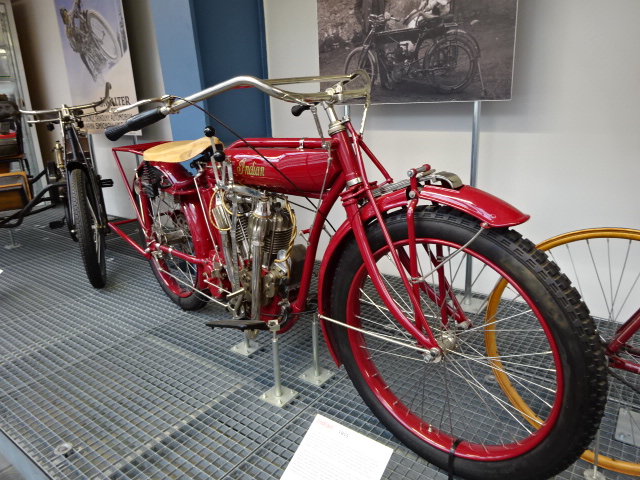
I was very interested in the various bicycles and motorcycles, too, even though I vow never to ride either of them. A bamboo-made Slavia bike hails from 1905. The BMW R11 from 1932 caught my undivided attention because the Germans had driven these motorcycles when they occupied Czechoslovakia on March 15, 1939. I tried to imagine seeing so many of these motorcycles at Prague Castle with the flag of the Third Reich fluttering from the flagpole. The very thought was chilling.
Milan Špinka’s bike
The first series-manufactured motorcycle in the world
I also saw the Jawa 500 – 891 from 1973. While the Soviet Union had excelled on ice speedway competitions, this is the motorcycle on which Czech Milan Špinka defeated the USSR in the world championships of 1974. Another motorcycle that interested me was the Hildebrand & Wolfmuller from 1894. It was the first series-manufactured motorcycle in the world. The one on display is the first motorcycle manufactured for the Austro-Hungarian Empire.
Indian brand, 1915, manufactured in America
Czechoslovak observation balloon, 1934
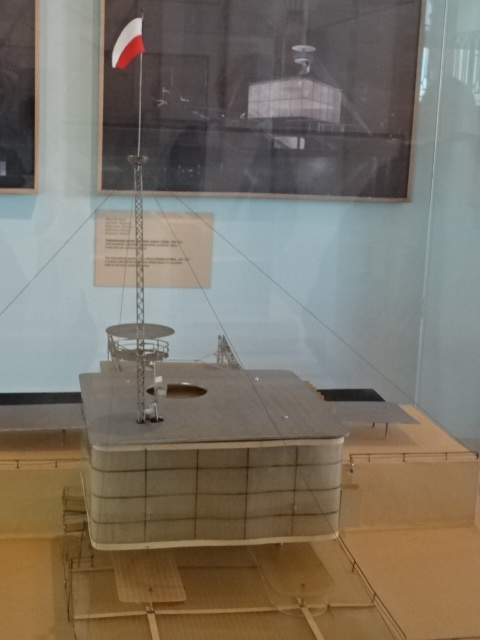
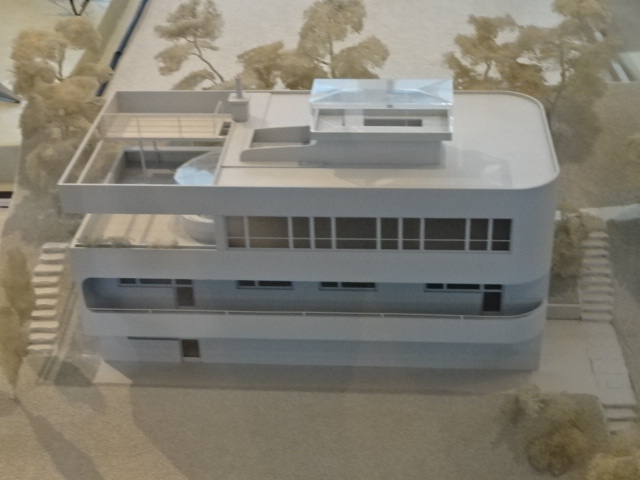
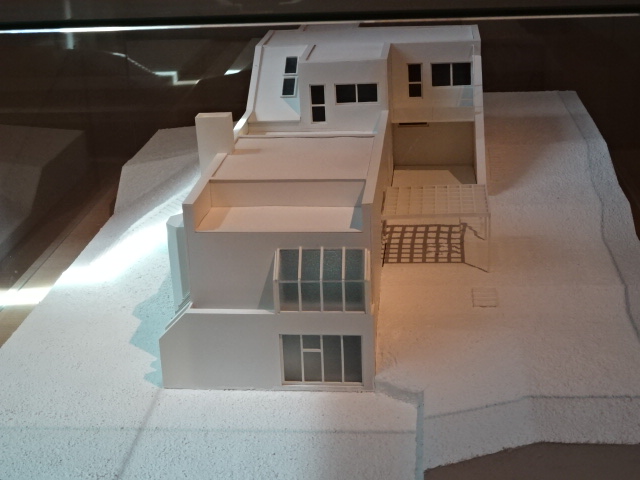
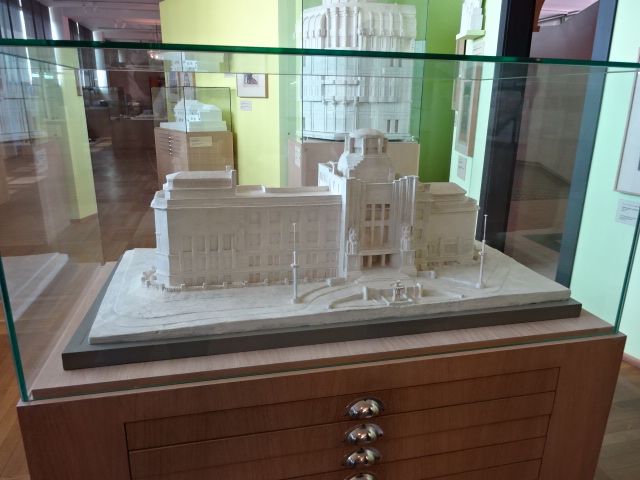
The architectural part of the museum covers the developments in the Czech lands from the second half of the 19th century to the present. Styles of historicism, secession, cubism, constructivism, functionalism and socialist realism as well as modern works are all represented. I loved the architectural models, especially those of villas in Prague, the Czech Pavilion at Expo 58 in Brussels and the Czechoslovak exhibition pavilion at the World Arts and Technology Exhibition in Paris during 1936. I loved to take walks through the villa-dotted sections of Prague’s Baba, Ořechovka and Hanspaulka quarters. In this museum, I saw models of famous villas in the Hodkovičky, Podolí and Troja districts of Prague, for instance.
Czechoslovak World Arts and Technology pavilion, Paris, 1936
Director Martin Frič’s villa in Hodkovičky, 1934-35
Top: Stýblo’s villa in Podolí quarter of Prague, 1935-36, Bottom: Villa of film director Věra Chytilová in Troja quarter of Prague, 1970-75
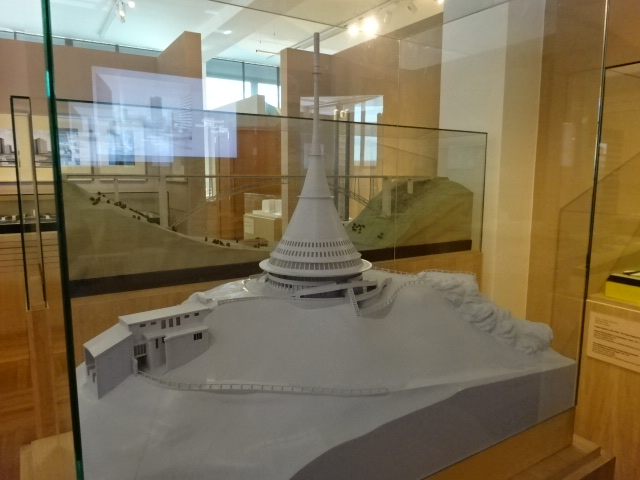
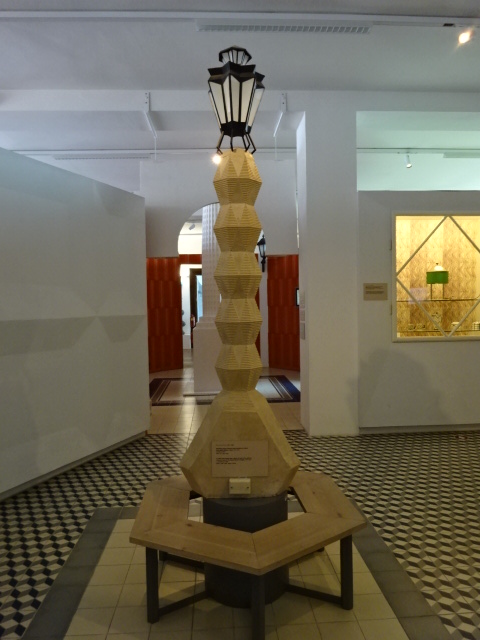
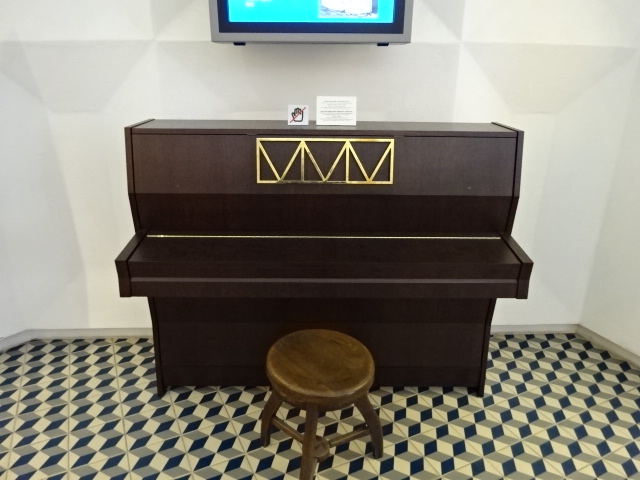
I liked the model of the column with lantern in front of Our Lady of the Snows Church in Prague because it was unique, Cubist in style. I also took notice of the Cubist Petrof BB upright piano. The model of the television transmitter and hotel on Ještěd Hill in Liberec brought back memories of the magnificent views from the observation point at the restaurant and hotel. Some models showed off designs by masterful Czech architect Jan Kotěra, including the East Bohemia Museum in Hradec Králové, which had extremely impressed me about a month previously, and the reconstruction of Saint George’s Church in Doubravka near Pilsen in west Bohemia. The museum in Hradec Králové was constructed from 1906 to 1913 while the church hails from 1899. Architectural plans and photography rounded out the exposition.
Ještěd Hill Hotel and Restaurant
Cubist column in front of church – top photo, Cubist piano – bottom photo
I was glad I had finally visited this museum that offers valuable insights into the technical world. The main hall with various exhibits of transportation was amazing, and my interest in architecture compelled me to take a close look at the exhibits in that section. Overall, it was a day well spent.
Tracy A. Burns is a writer, proofreader and editor in Prague.























 Tracy's Travels