Sucharda’s Second Villa Diary

The second Sucharda Villa

I had waited months for the tour of Stanislav Sucharda’s second villa. The first time I had had to cancel due to illness. I had seen the exterior of the Sucharda Villa on Slavíčkova Street for the first time on a tour of Bubeneč in Prague’s sixth district. Constructed for sculptor, designer and medallist Stanislav Sucharda from 1904 to 1907 by architect Jan Kotěra, the villa is shaped like a cube and features a mansard roof, polygonal bay windows and half-timbered gables. To say I was impressed is an understatement.
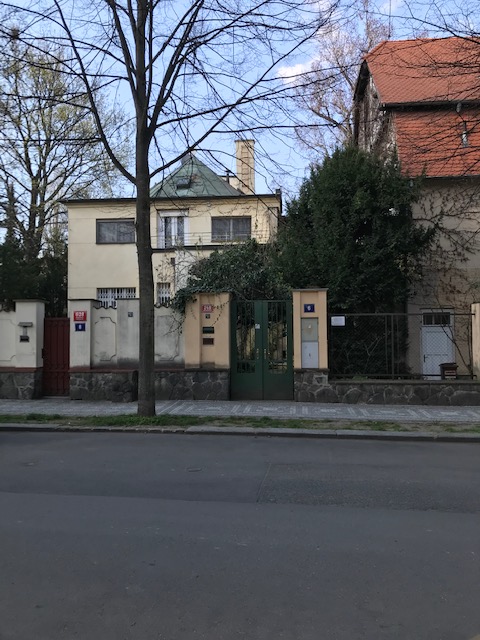
The studio of the Sucharda Villa, now a separate building

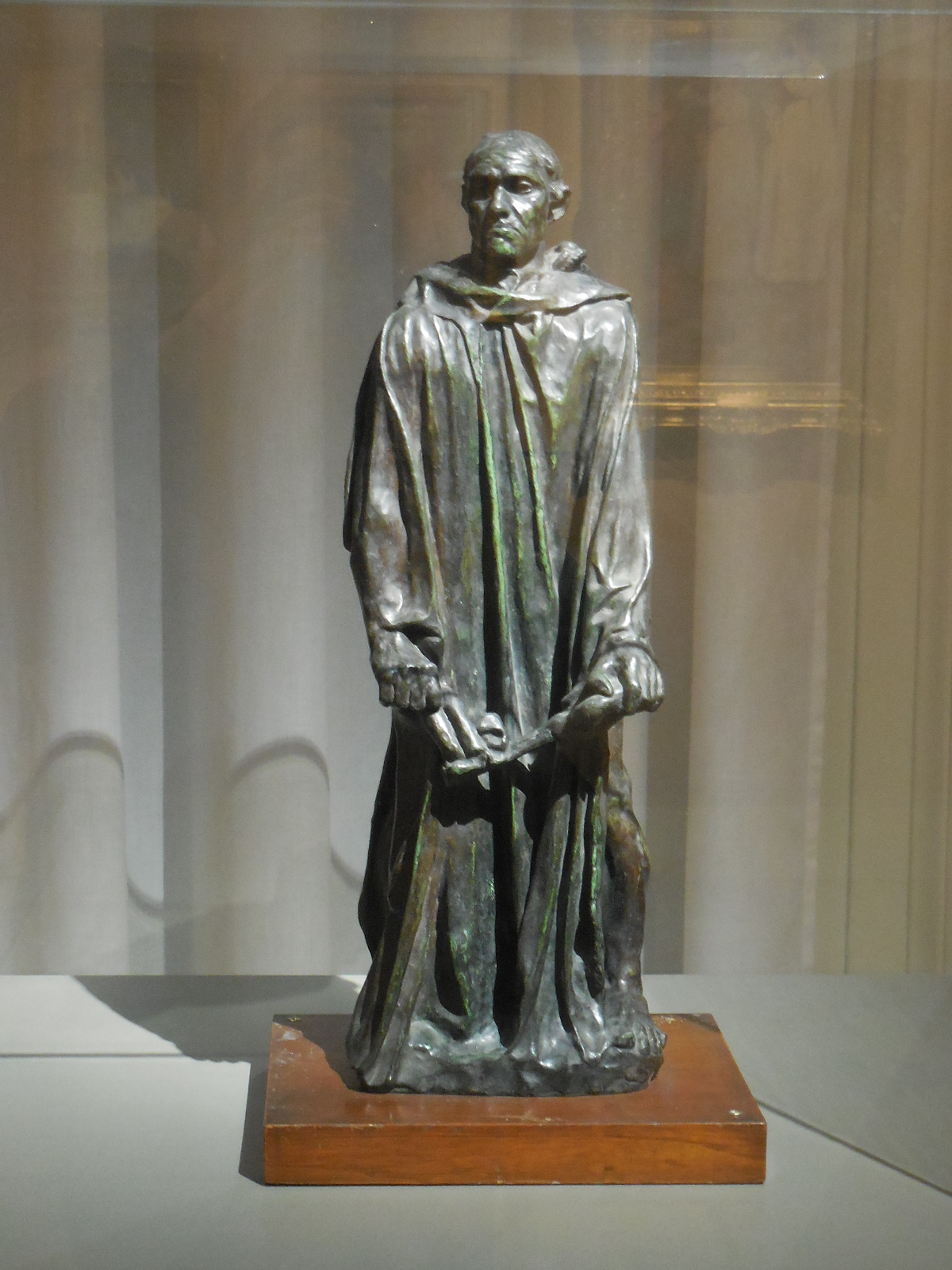
A large studio building, influenced by Cubism, stood next to what was Sucharda’s second villa. A knight figure is featured on its steep roof. This had once been Sucharda’s atelier but now was owned by the government for administrative purposes. Sucharda had needed a large studio after he won the competition for the colossal monument to František Palacký, the founder of Czech historiography as well as a prominent politician. Palacký’s nickname was the Father of the Nation.

Jan Kotěra – Photo from Kralovehradecký architektonický manual

Kotěra received accolades not only as an architect but also as a theoretician of architecture, a furniture designer and a painter. He designed all the interior furnishings for this villa. I was familiar with Kotěra’s National Building in Prostějov, Moravia. The two-winged, L-shaped building in Prostějov was clearly divided into sections for a hall, restaurant and cafes. Kotěra had also designed half of the complex for the Law Faculty of what is now Charles University, which I had often passed on foot or on the tram.

Decoration on Sucharda’s first villa

As I have already pointed out, this was Sucharda’s second villa in Bubeneč. The first one is also on Slavíčkova Street. It is a neo-Renaissance structure that he and his family had inhabited for 10 years. An exquisite painting of the bishop Božetěch is featured on the exterior of this villa. Stanislav sold this building to his brother Vojtěch, who had made a name for himself as an artist, too.

Mašek’s Villa on Slavíčková Street

Indeed, Slavíčkova Street is dotted with villas built for artists, including architect Jan Koula and painter Karel Vítězslav Mašek. The prominent villas on this street were built from 1895 to 1907. On Mašek’s villa there is floral decoration with a painting of the Virgin Mary with Child. Both the Koula and Mašek villas feature motifs of white pigeons. The painting on one side of Koula’s villa is outstanding.

Koula’s Villa on Slavíčkova Street

Back to Stanislav Sucharda: Family members have taken up artistic professions for at least 250 years. Stanislav was brought up in Nová Paka, where his father, Antonín Sucharda, had created and restored sculptures. The five children helped out in their father’s workshop and would continue to pursue artistic careers.

Stanislav Sucharda

Stanislav attended the School of Decorative Arts in Prague, where he studied under the greatest Czech sculptor of the 19th and 20th century, Josef Václav Myslbek. Every Praguer knows Myslbek’s equestrian statue of Saint Wenceslas at the top of Wenceslas Square. I vividly remember the statue being decorated with votive candles and pictures of Václav Havel shortly after the former president and former dissident died in 2011. The sight had made an unforgettable impression of me and filled me with an immense feeling of loss. Many demonstrations have taken place around the statue, too, even under Communism.  
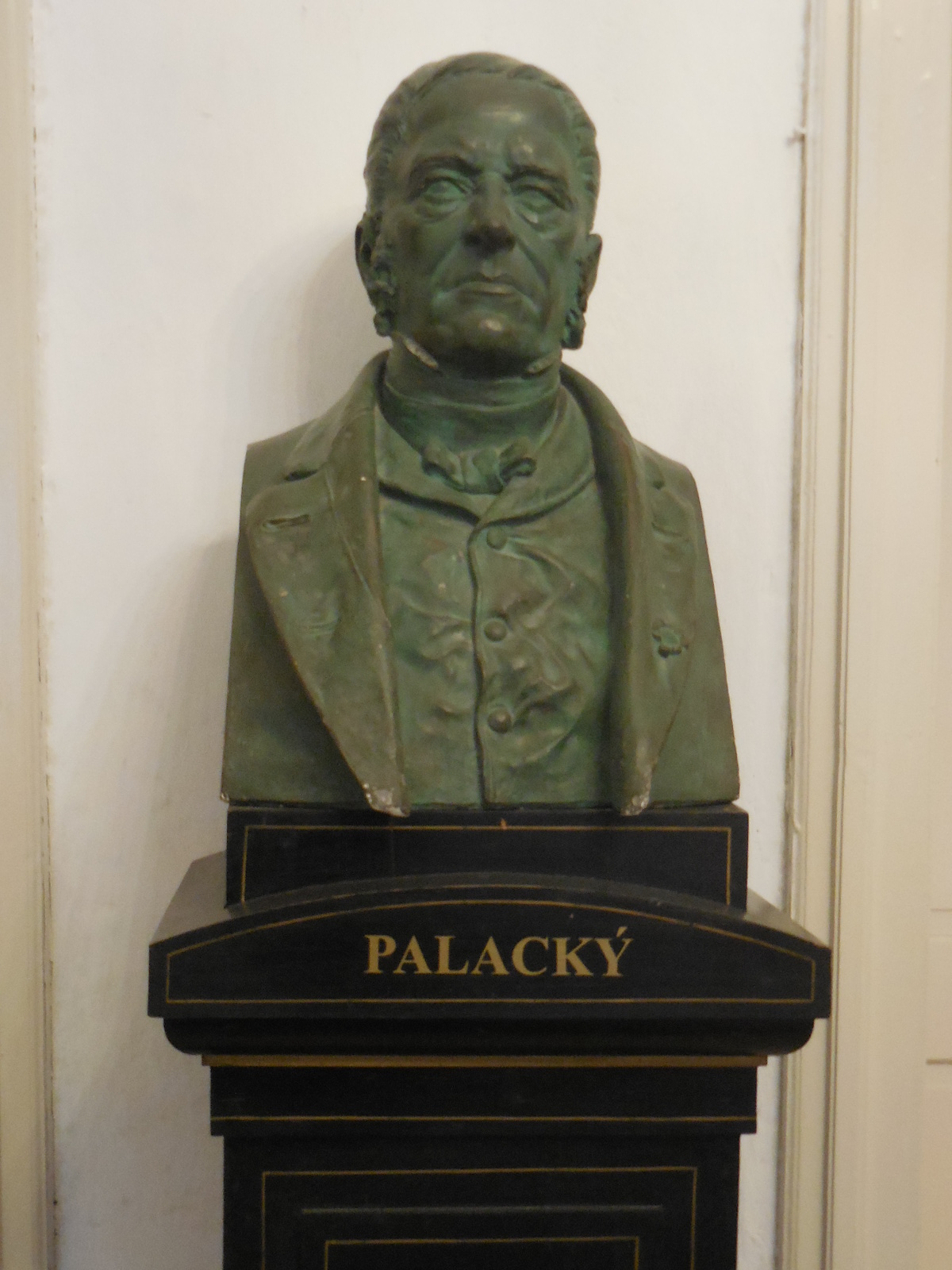
Bust of František Palacký from Maleč Chateau, where Palacky had resided.

Myslbek had been very influenced by the Czech National Revival that promoted Czech culture and the Czech language. I was familiar with Myslbek’s sculptural portrait of František Palacký, who had supported the Czech National Revival, on Palacký’s former home in the street named after him.

Postcard of Sucharda’s Prague and Vltava (1902) printed by Museum of Stanislav Sucharda

It is not surprising that Sucharda’s early creations were greatly influenced by Myslbek’s realism. Sucharda became known for his creations of Czech historical figures and the Slavonic themes in his work, which are two of the reasons his works appeal to me. I love Czech history and studied it in graduate school. After a Prague exhibition of Auguste Rodin’s sculpture in 1902, however, Sucharda’s style became more vibrant and underwent some changes.

Postcard of Sucharda’s Liliana (1909), printed by Museum of Stanislav Sucharda

Sucharda is best known for his sculptural grouping of the monument to Palacký on Palacký Square in Prague’s second district. Many years ago, Palacký’s statue had greeted me every time I took the Metro at the square or rode by on a tram. I had become very interested in Palacký’s work during graduate studies in Czech history, and I found that having a monument dedicated to him near my apartment was refreshing and soothing. The bronze statues of the monument brought to mind the revitalization of Czech history and culture during the Czech National Revival.

Palacký monument on Palacký Square in Prague

The monument also made me think of the Czech nation finally gaining independence after World War I with the creation of Czechoslovakia, even though Palacký had not been alive to see that. I thought of the Czech nation breaking free from the Germanization of the Austro-Hungarian Empire whenever I passed by that sculptural grouping.
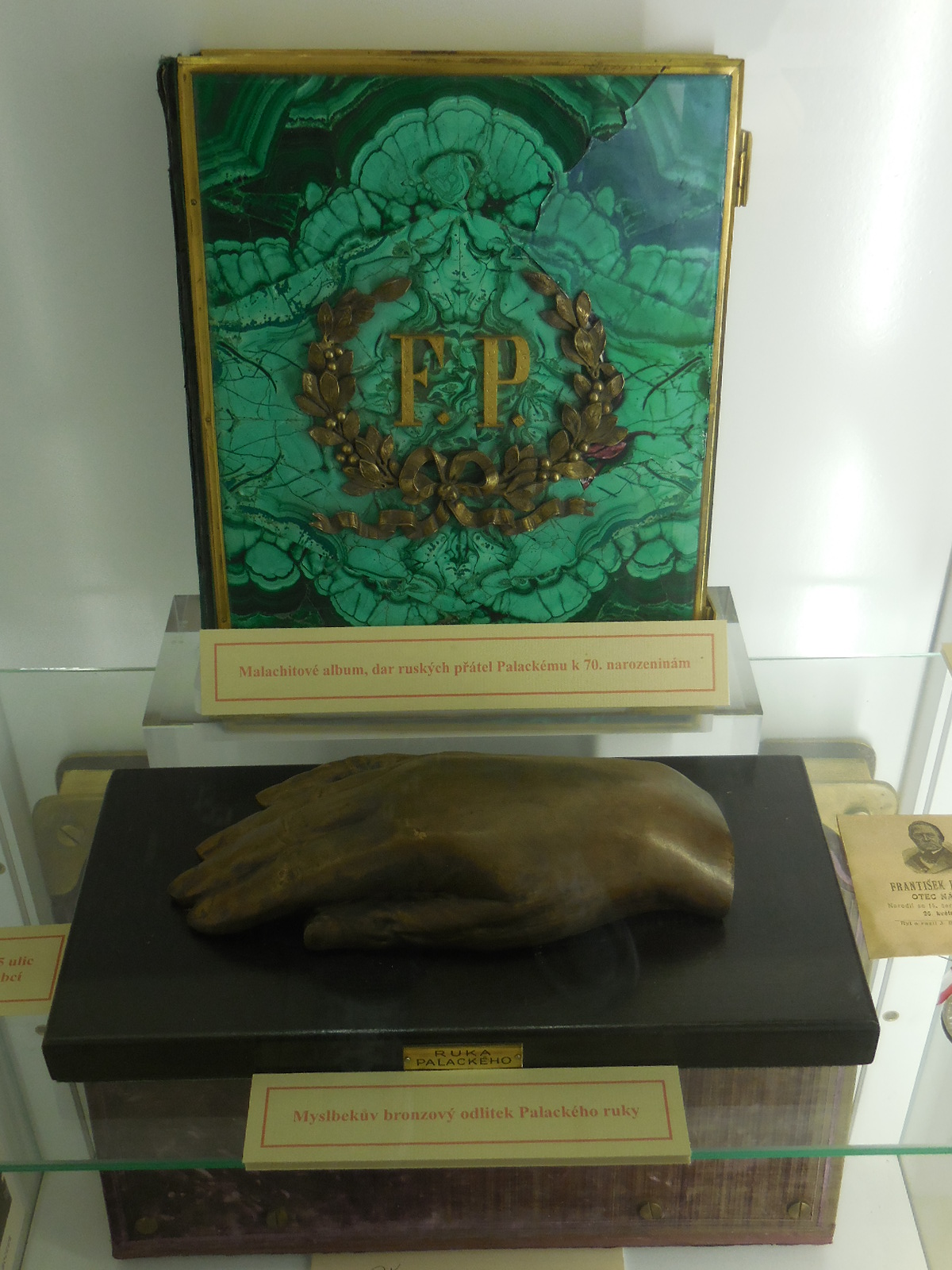
A cast of Palacký’s hand by Myslbek

In the same district as his villa, Sucharda had created a monument to composer Karel Bendl. He also built monuments to Czech historical figures Jan Amos Komenský (Comenius in English) and martyr Jan Hus, for instance. Other designs include sculpture for the study of the mayor of Prague from 1907 to 1909.

Sucharda also authored many reliefs, medals and plaques, and his medal designs were highly praised. His medal works even received international recognition. Stanislav became professor of the first Department of Medal Design of the Academy of Fine Arts in Prague after spending two decades as a professor at the School of Decorative Arts. He had also served for seven years as the chairperson of the Mánes Union of Fine Arts, which organized many influential exhibitions in Prague and was an important promoter of modern art.
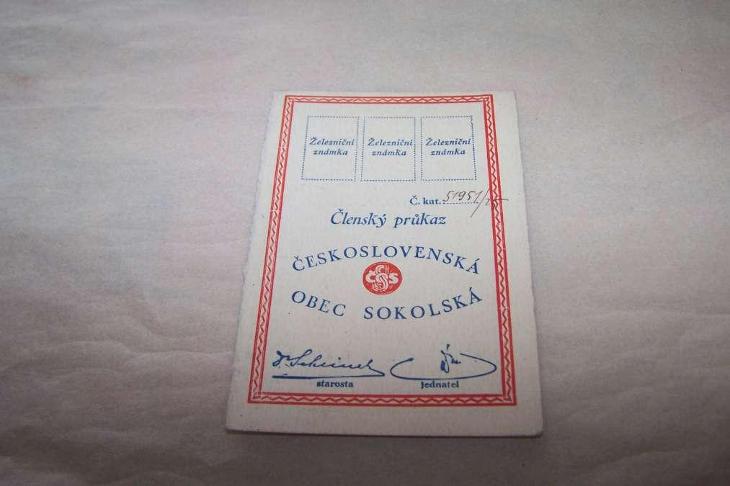
Sokol membership card from 1912. Photo from aukro.cz

For Sucharda there was more to life than artistry. He was an avid member of the legendary Sokol physical education organization, even working as an instructor there. His entire family was involved with this prominent Czech organization.

Then fate intervened. Stanislav served in the military during World War I and did battle on the eastern front. Wounded in the war, he died after returning to the Czech lands in 1916, a year after being chosen to head the medal design department of the Academy of Fine Arts. I thought it was such a shame that he did not get to see the establishment of independent Czechoslovakia with Tomáš Garrigue Masaryk at the helm.
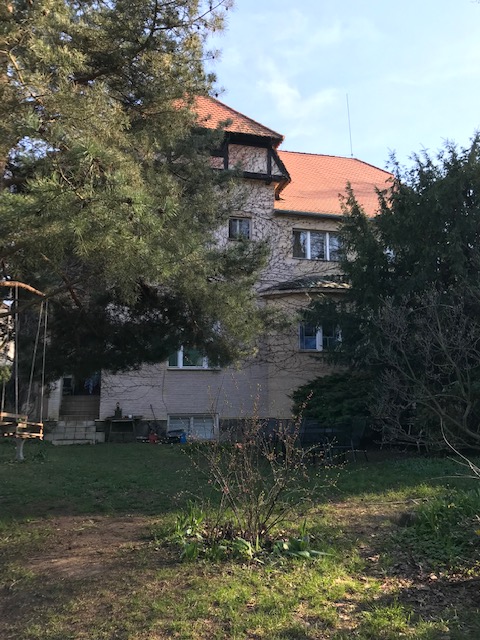
Sucharda’s Second Villa as seen from the garden

The tour of the two-story villa was very impressive as Sucharda’s granddaughter told the group about her father’s work, the pieces of art in the building and the history of the villa. A professional guide was insightful, too. The interior consisted of an English style hall with stained glass decoration on high windows and sculptures, reliefs and paintings. The British architecture of the hall reminded me a bit of Staircase Hall in the Moravian villa of Slovak architect Dušan Jurkovič, who had been inspired by the English Arts and Crafts movement.

Jurkovič’s Villa in Moravia

We saw works by Edvard Munch and Rodin as well as many Czech creations. Small statues and other artworks decorated the top of an elegant decorative fireplace. Behind plush red seating shaped in a semi-circle was a beautiful stained glass window. I especially liked a large relief by Sucharda in the entrance hall and a life-size statue.

In the narrow hallway there was a fountain with sculptural decoration that employed religious motifs. We also saw the dining room with its paintings, statues, busts and ceramics. Works by Stanislav’s daughter were very impressive. The woodcarving of Kotěra furnishings was masterful. A small conservatory was adjoined to the dining room. Intriguing artifacts decorated the piano, and outstanding paintings decorated the walls. I especially liked a rendition of the Roman Forum by Cyril Bouda. It brought to mind my passion for Italy and the time I had showed my parents the Roman Forum
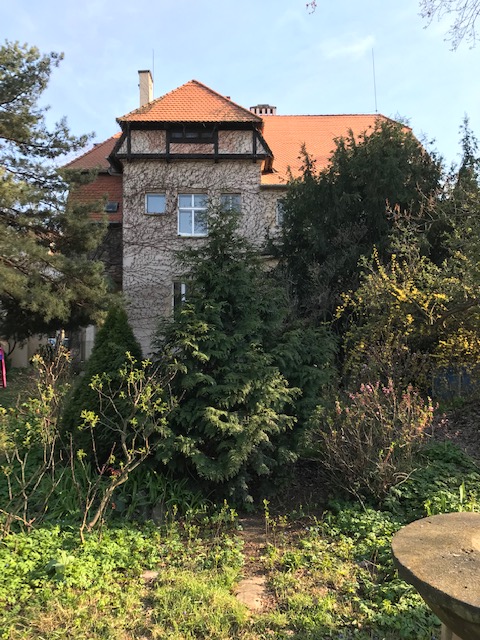
The garden had an intimate feel. I could imagine sitting there, reading a good book and relaxing on a sunny day.

The Muller Villa in Prague

Visiting villas in Prague was one of my favorite pastimes. I recalled touring the František Bílek Villa, the Muller Villa, the Winternitz Villa and the Rothmayer Villa in the capital city. I had also toured several intriguing villas in Brno and the Bauer Villa in central Bohemia. I would definitely recommend touring these villas. I was glad I was able to get to know Stanislav Sucharda better via his villa and the art within it. I developed a much stronger appreciation of Sucharda’s contribution to modern art. The tour was even more impressive than I had imagined it would be.

Tracy A. Burns is a writer, proofreader and editor in Prague. 

The Church of San Maurizio Diary

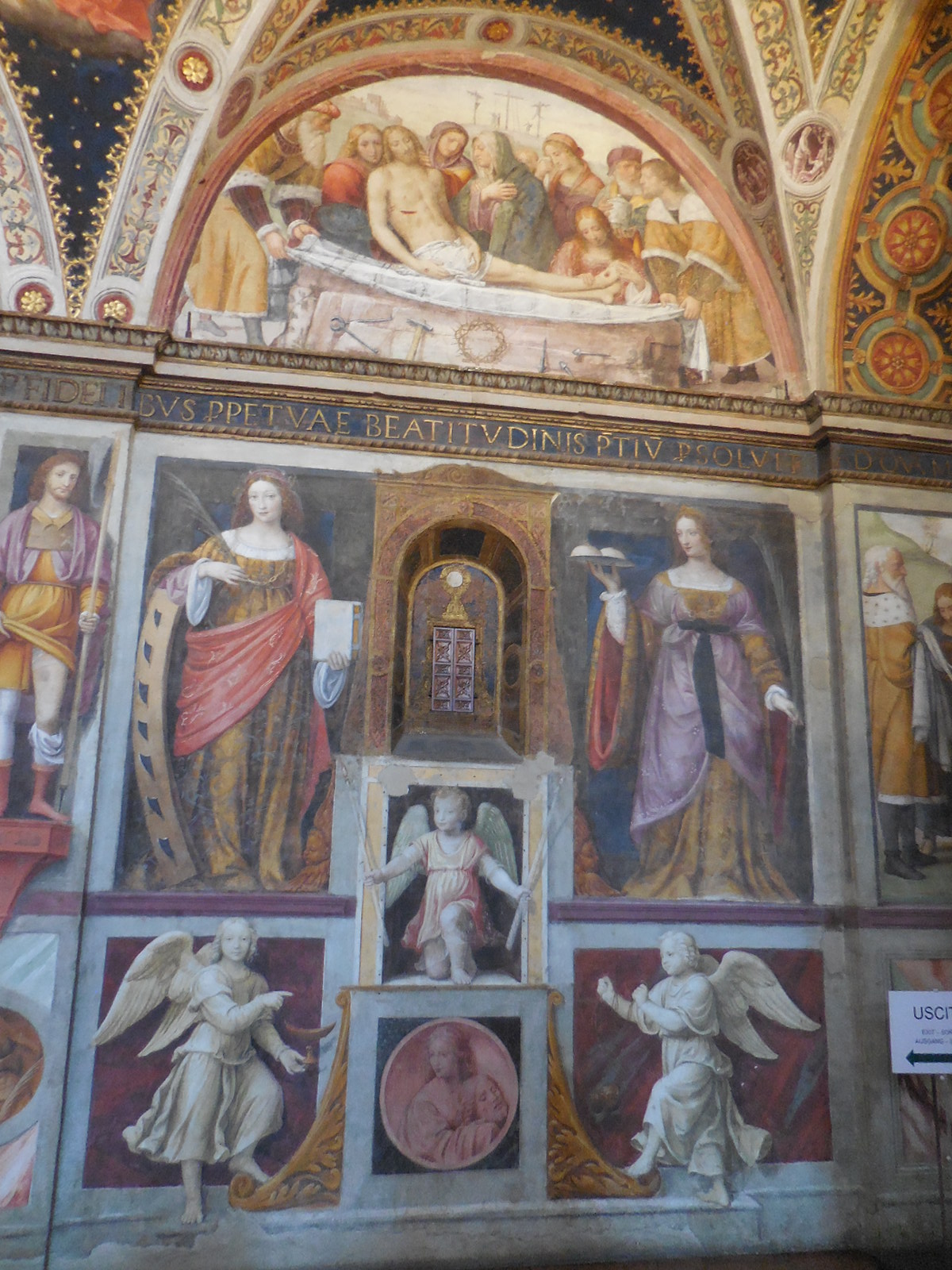
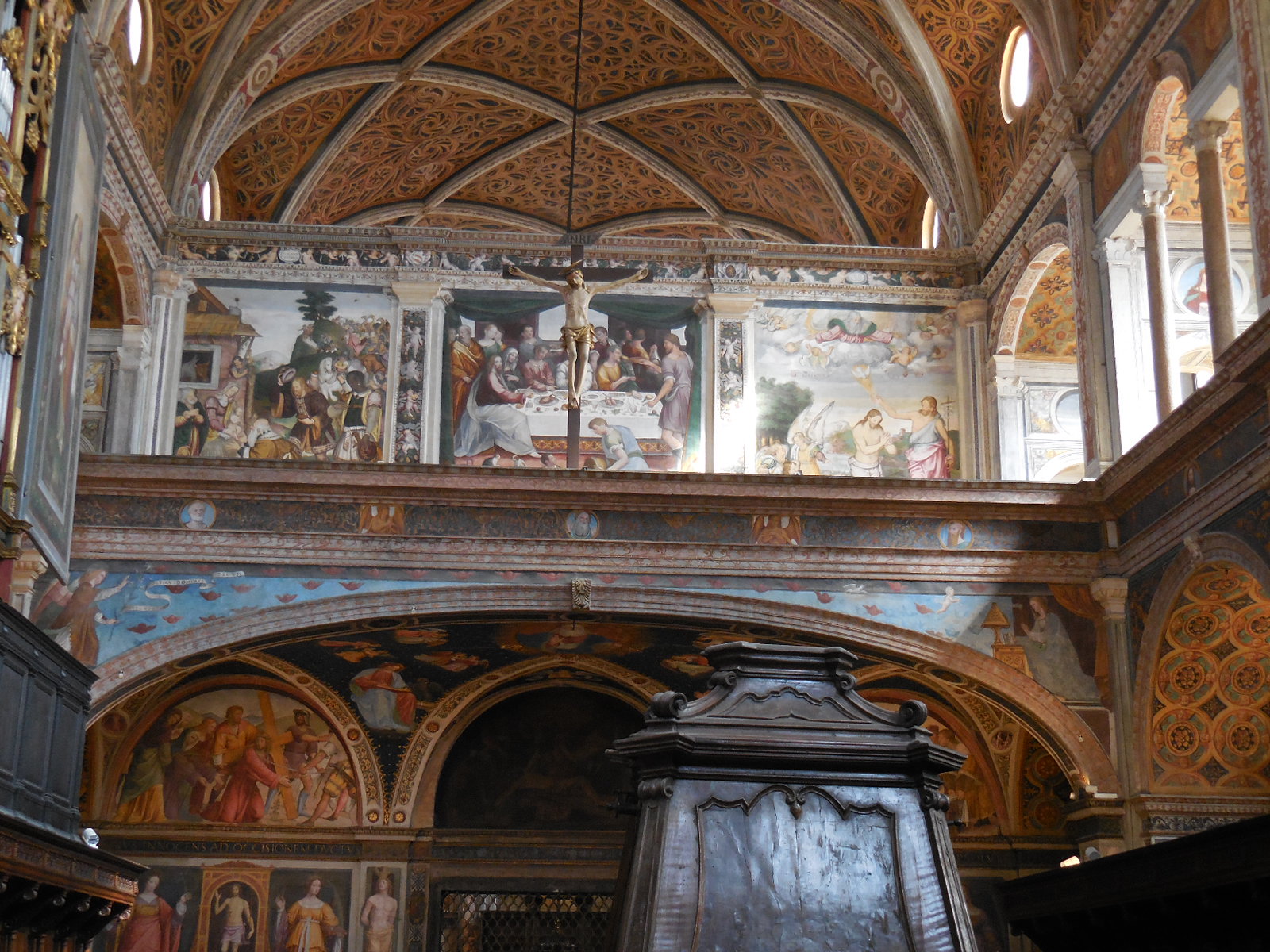
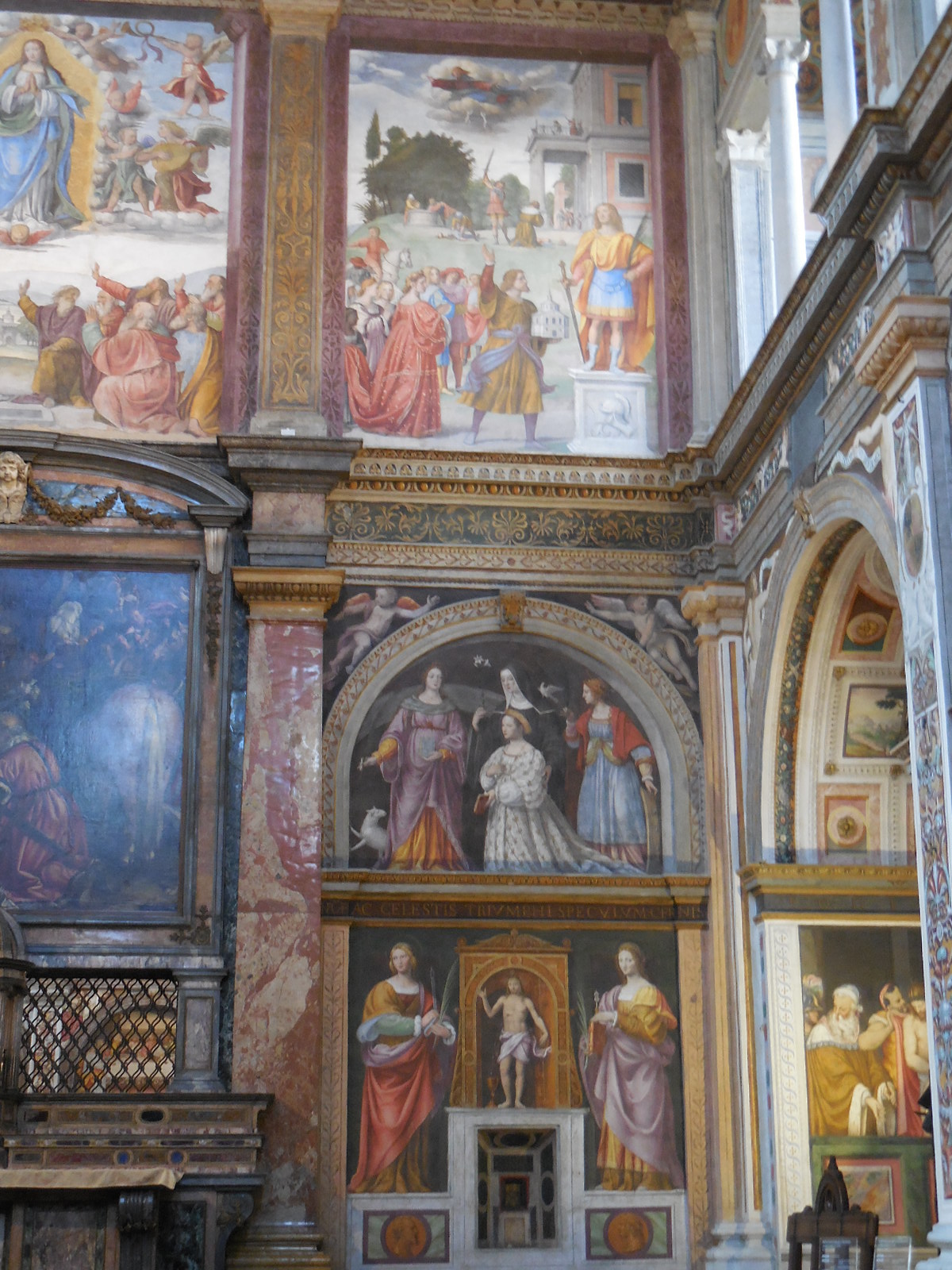
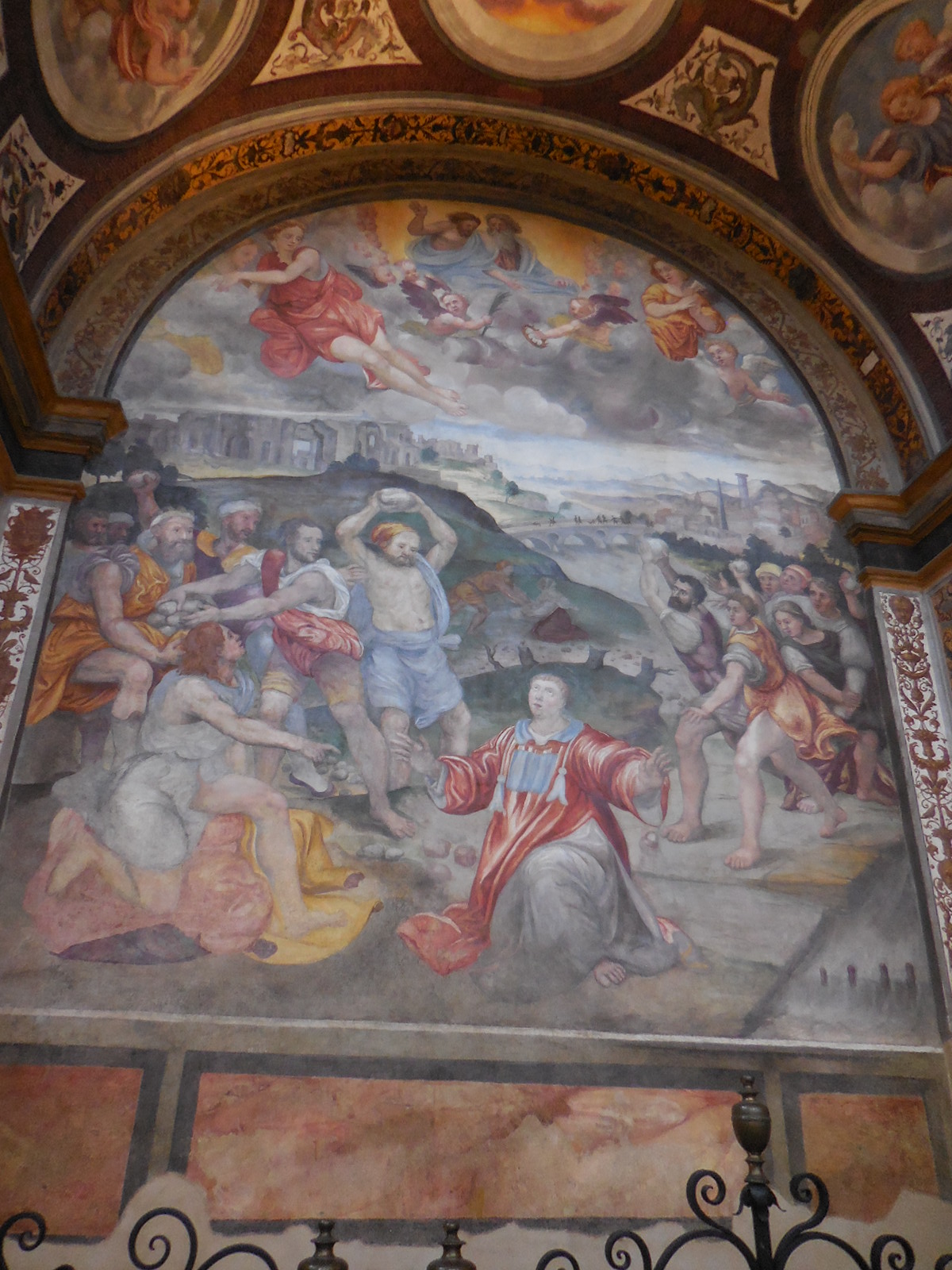
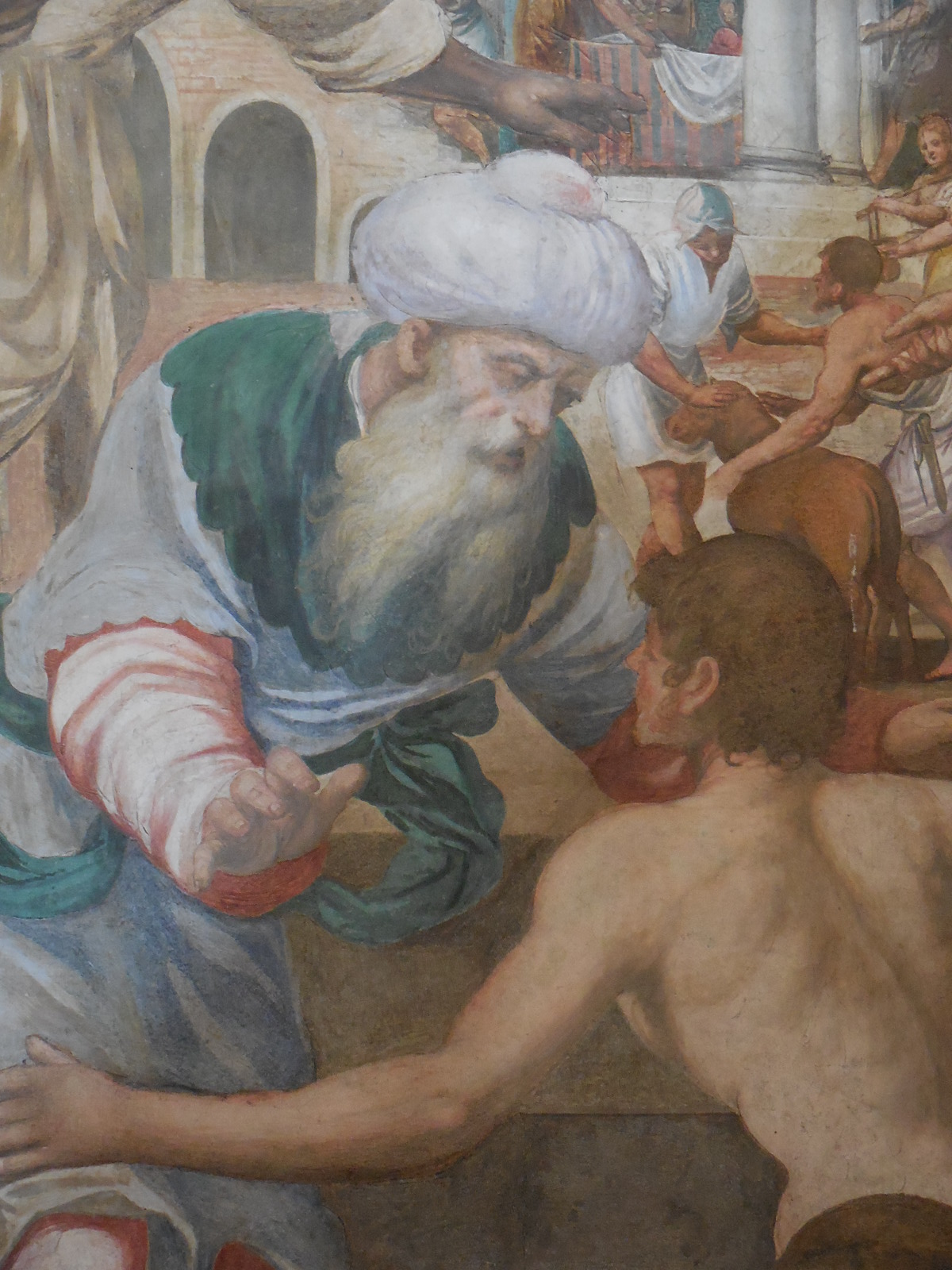
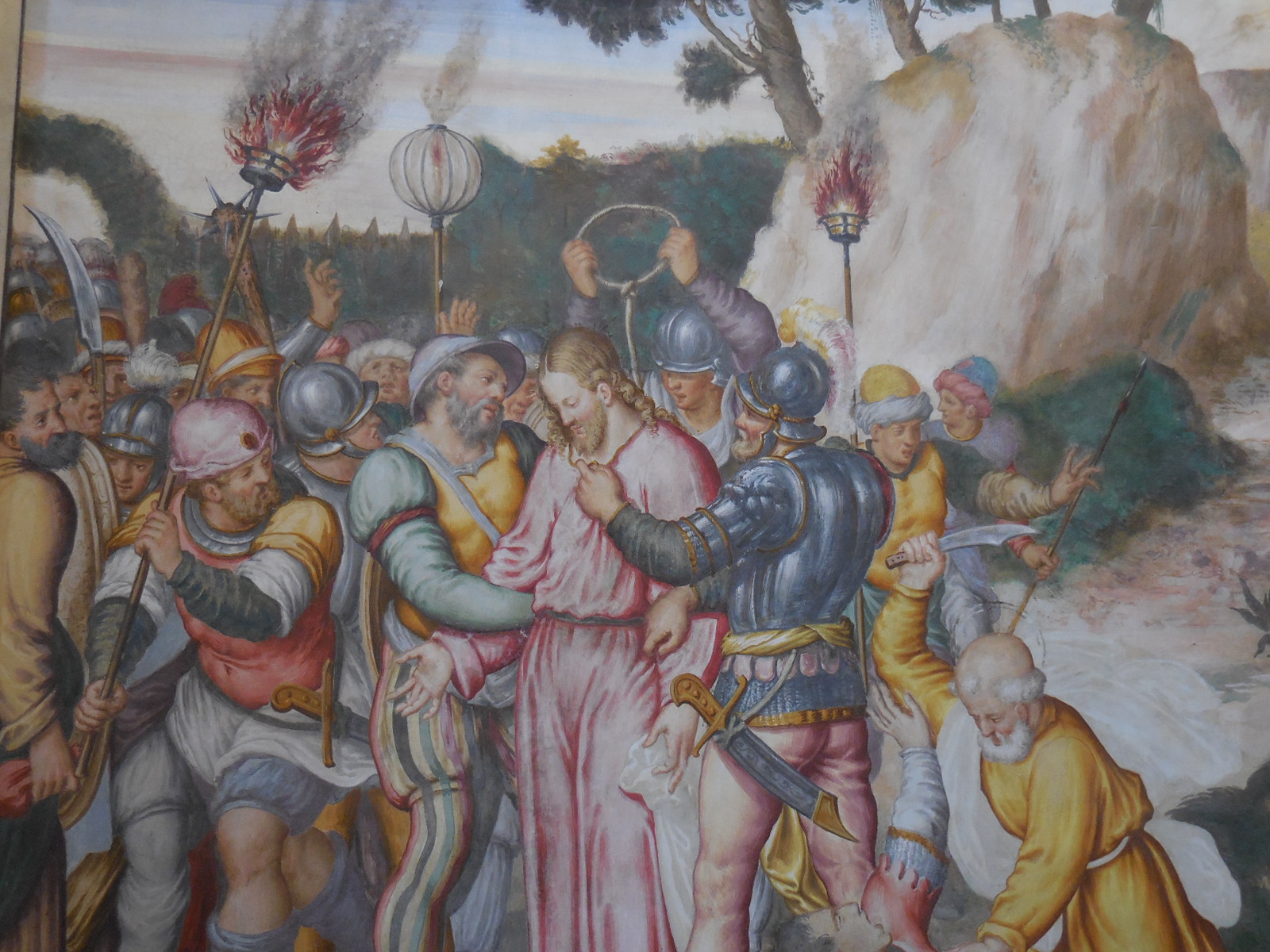
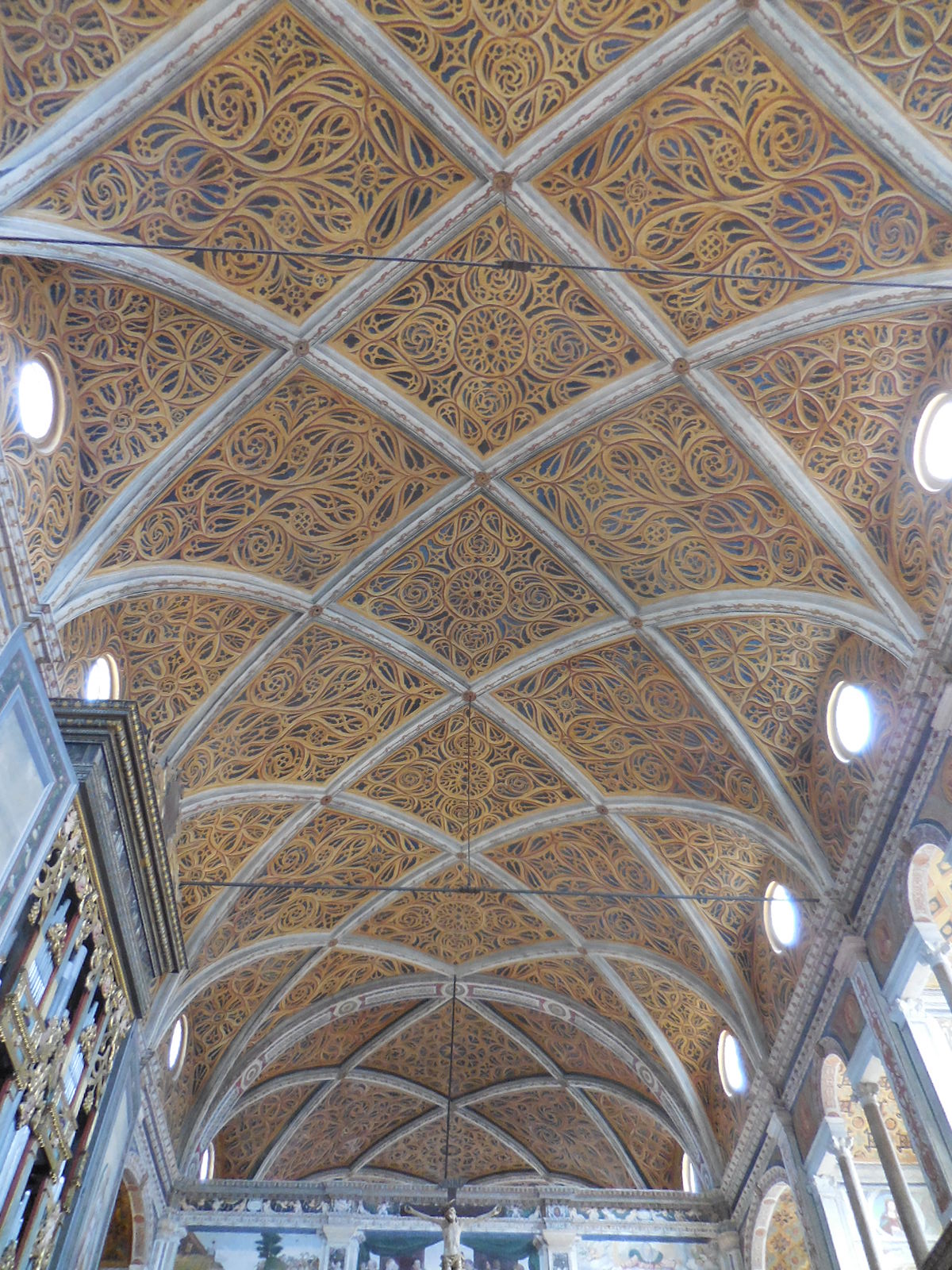
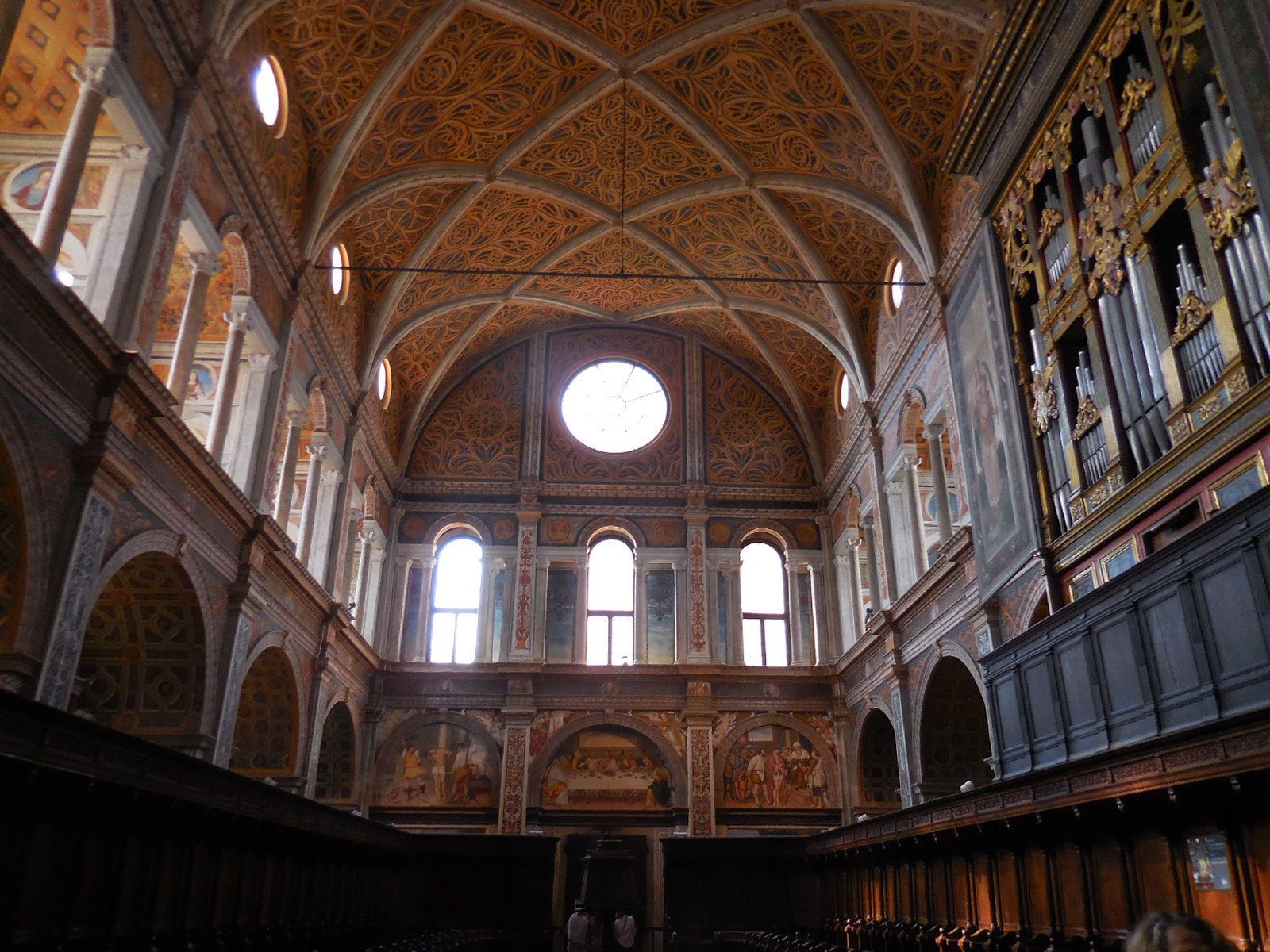
When I left the busy Milan street and stepped inside the Church of San Maurizio al Monastero Maggiore, I could not believe my eyes. The entire interior was a work of art. The Renaissance church featured 16th century frescoes by Bernardino Luini, his brothers and his son. Divided into two parts, it included a worship area for the public and another for the nuns. (An adjacent 17th century former cloister for Benedictine nuns now houses the museum of archeology.) There are eight chapels in the part of the church for the faithful and ten in the section for the nuns. On pilasters between the chapels in the Hall of Nuns, scenes from the life of Christ are portrayed.

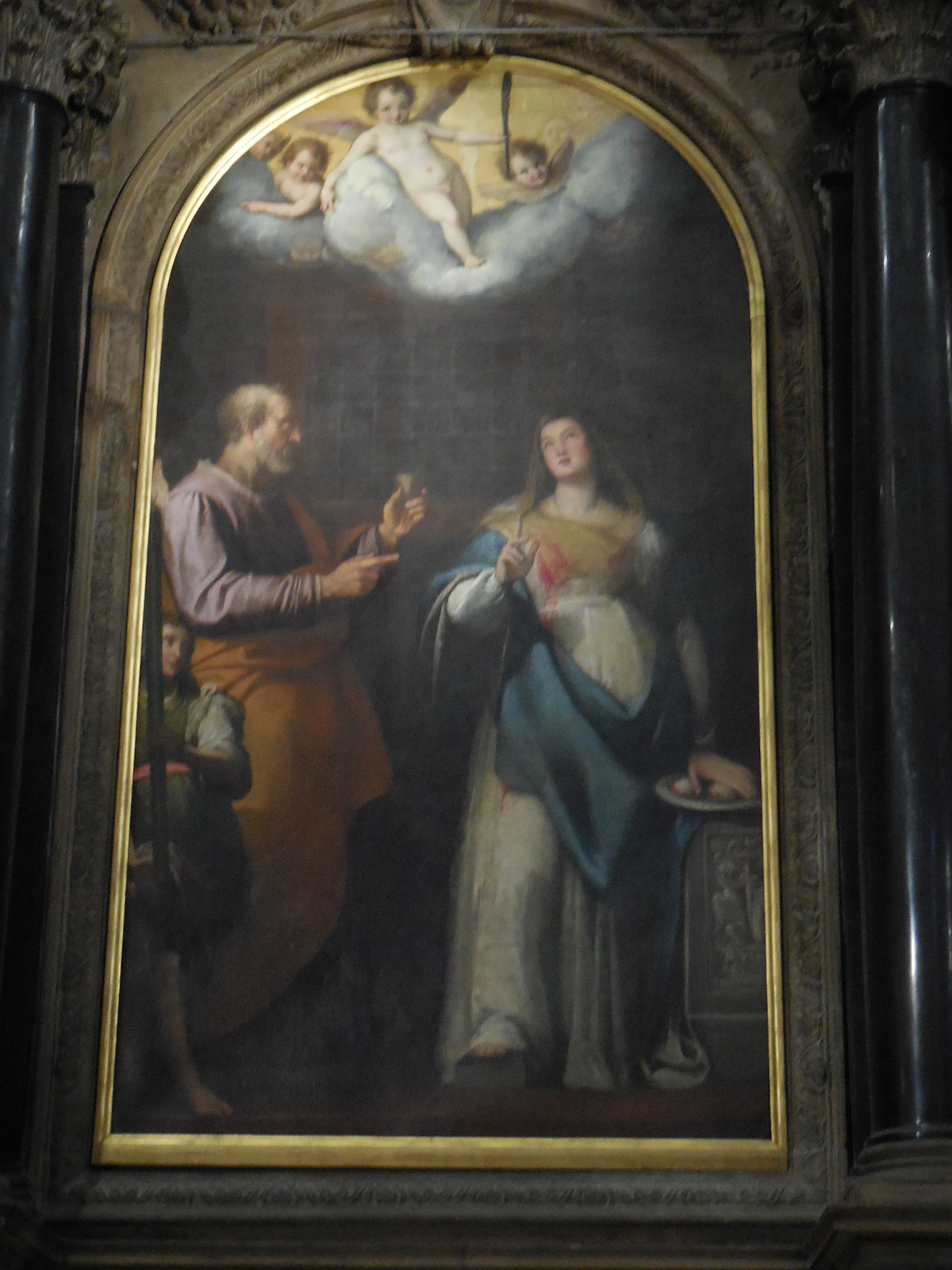
I saw a vaulted nave and vaulted chapels in addition to the Hall of Nuns on the other side of the partition. On the dividing wall in the Hall of Nuns, I gazed at Bernardino Luini’s creations from the 1530s – the figures of Saint Catherine and Saint Agatha as well as scenes from the Marriage at Cana and the Carrying of the Cross of Christ. I also saw his frescoes showing the life of Saint Maurizio. The Martyrdom of Saint Maurice and the Theban Legion, probably by Bernardino Luini, shows Maurice fervently praying as an execution is about to behead him. A decapitated body is seen nearby.

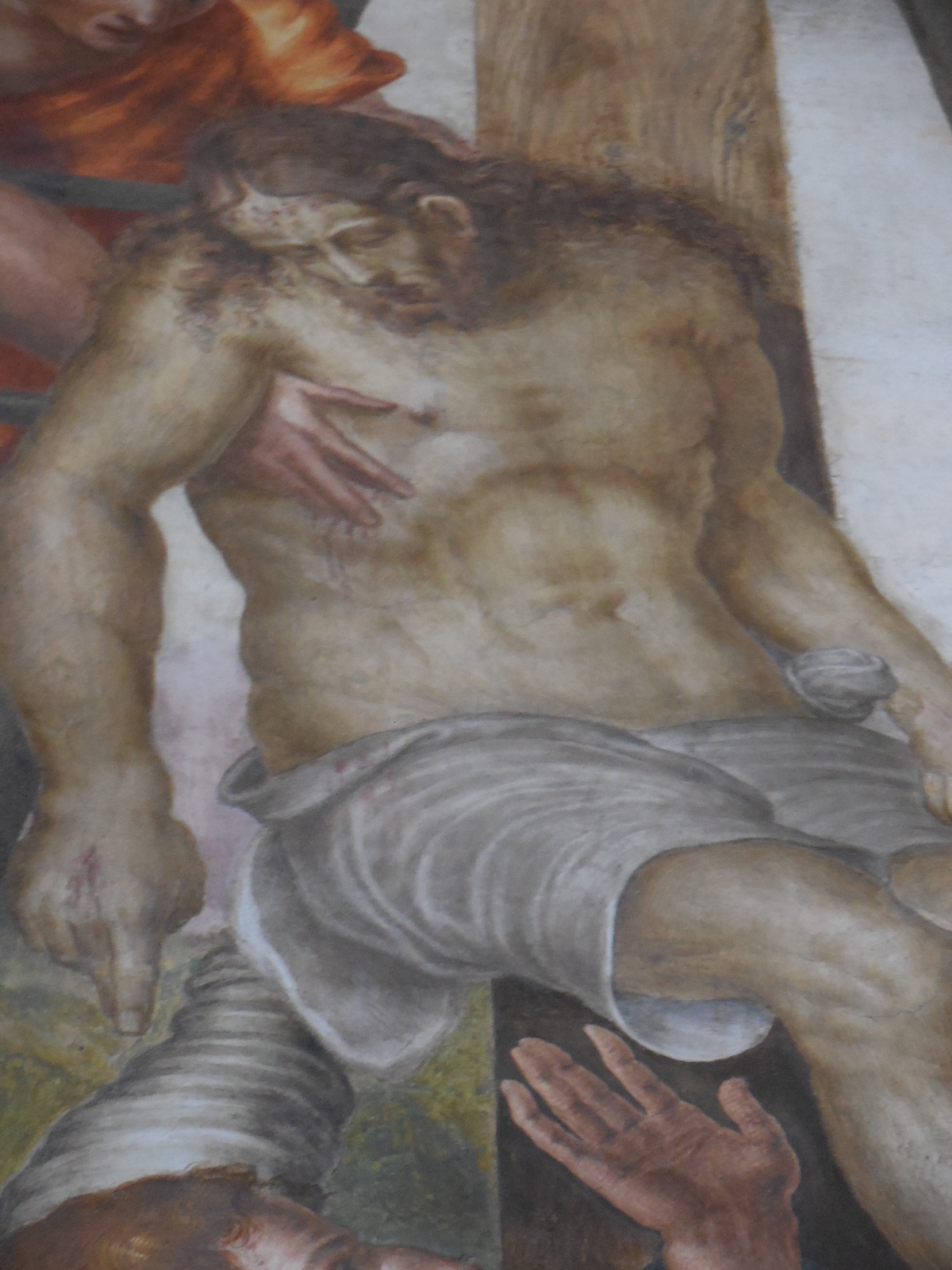
In one chapel, Bernardino Luini rendered the martyrdom of Saint Catherine of Alexandria. In the central panel, blood oozes from Jesus’ collapsing body. The masterful Luini renders the moment of the miracle when Catherine is about to be tortured, but is saved by God.

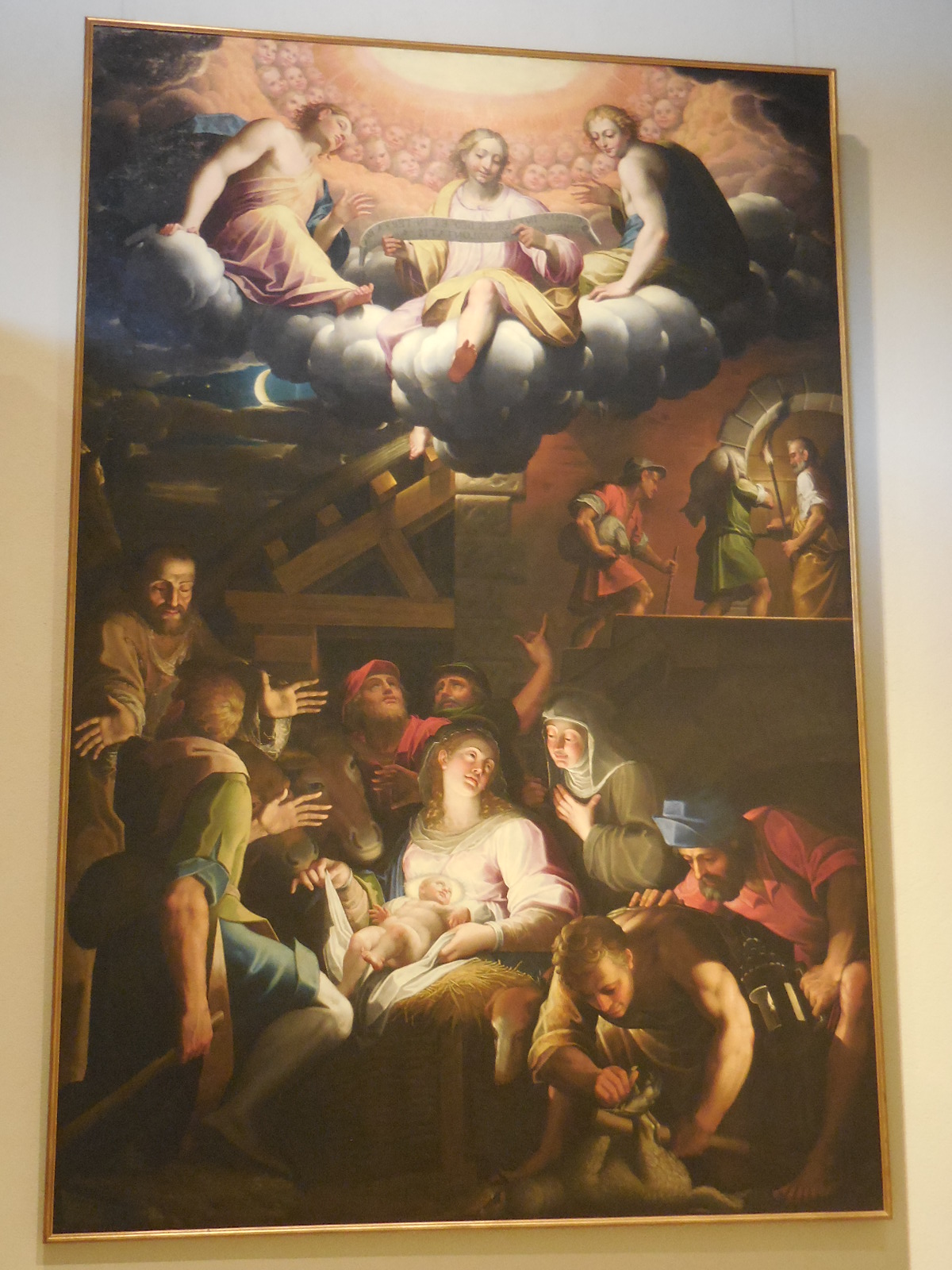
The main altar of the public area with the painting of the Adoration of the Magi by Antonio Campi took my breath away, too. The high altar dates from the second half of the 16th century. The rear end of a horse plays a prominent role in the foreground of the painting. I had never seen the backside of a horse dominating a canvas in 16th century art.

I especially liked the Chapel of the Flood by the Luini brothers. I gazed at the beasts making their way onto Noah’s Ark. A rainbow flitters across the sky. Yet the landscape is decrepit, in ruins.

Saints are rendered on lunettes of the chapels. For example, on two lunettes flanking the altarpiece, Saint Stephen, Saint Benedict and Saint John the Baptist make appearances.

The Eucharist Chapel boasts illusionist features as putti appear to open a canopy. The depiction deceptively looks three-dimensional.

I saw The Last Supper rendered above a door. It reminded me of the church not far away, where I had seen Leonardo’s Last Supper. I will never forget those masterful gestures and facial expressions of the protagonists as each gesture and expression told a story.

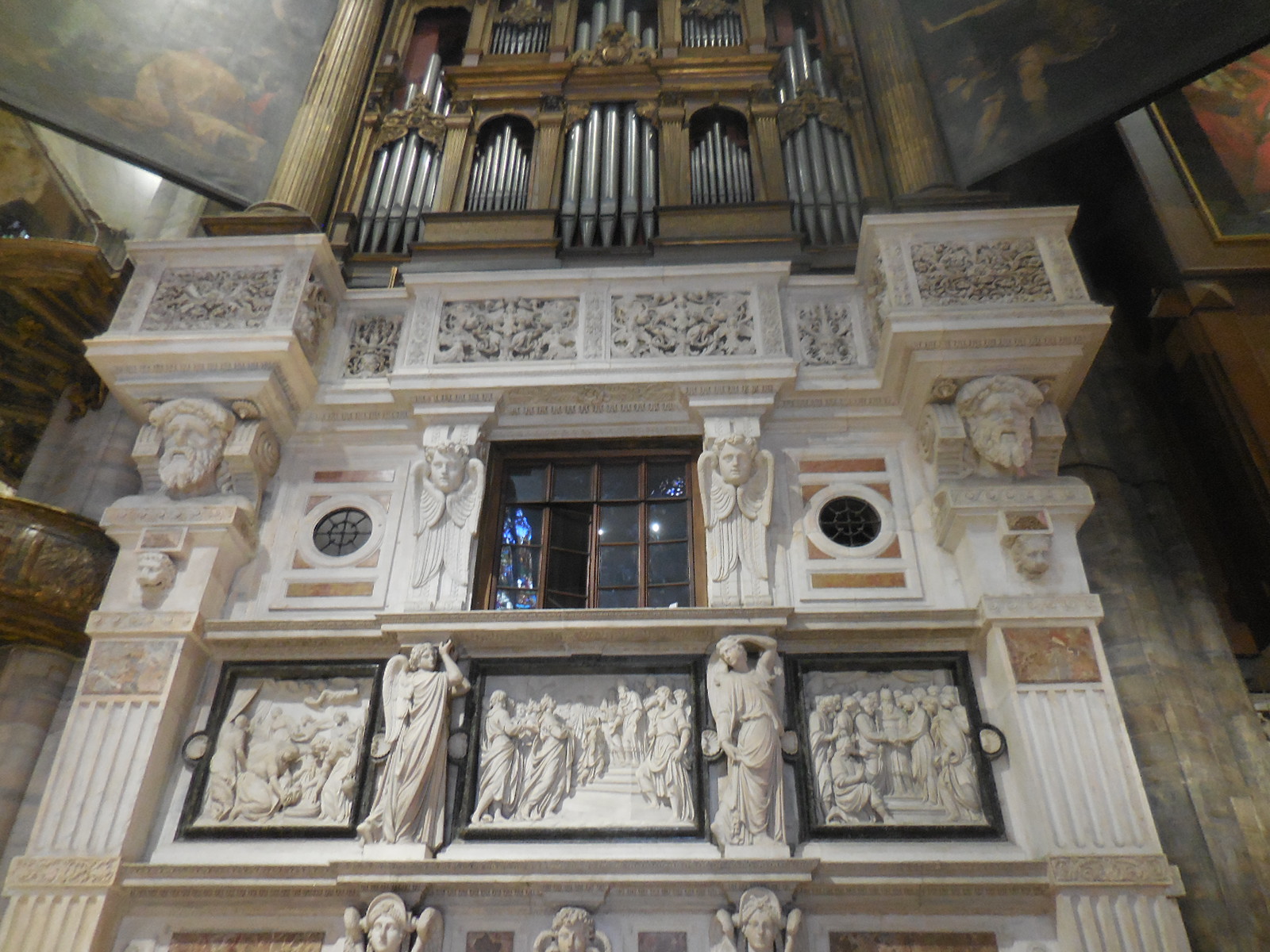
I noticed the organ with many 16th century features. It was a rarity as it had 12 pedals. The cornices of the case were richly decorated with fantasy-like figures, musical instruments and still lifes. Another depiction on the case included Saint Maurice holding a model of the church.

There were so many stories told on these masterful artworks that it was impossible to absorb them all during one visit. The church was one of the most beautiful I had ever seen. It was bewitching, enthralling. I vowed to come back because this church was one that beckoned the viewer to return, to experience its stunning beauty time and time again.

Tracy A. Burns is a writer, proofreader and editor in Prague.

The Interior of the Duomo Milan Cathedral Diary

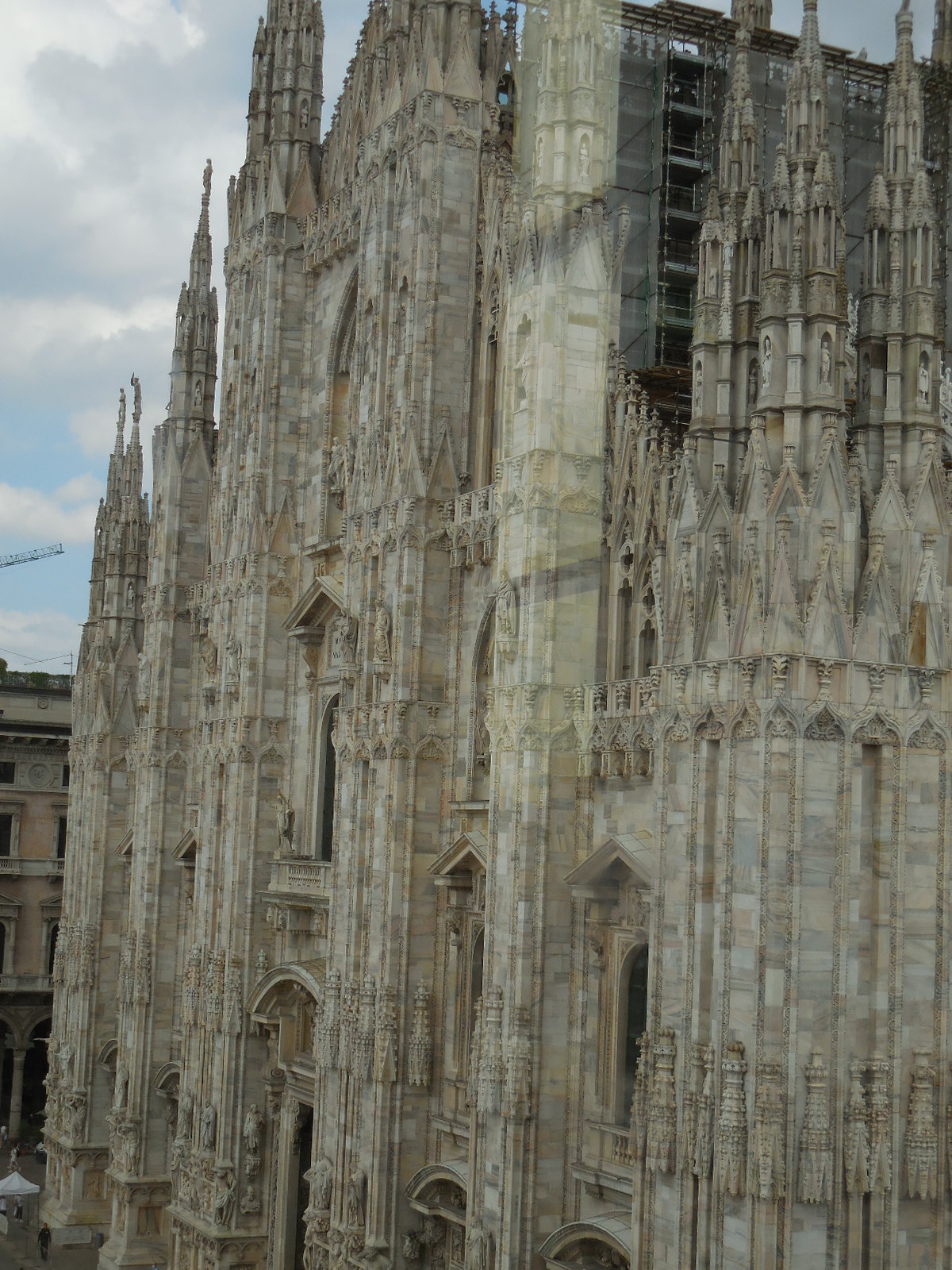
First, I perused the exterior of the Duomo and walked on the sloping terraces of the roof. Then it was time to see the interior. It certainly did not disappoint. I was aware that the Duomo was the second largest cathedral in Europe and that its size ranked third in the world. To say that construction took a long time was an understatement. Work on the cathedral began in 1386 with the demolition of three buildings and did not finish until 1965.

I noticed that the Duomo featured a Latin cross plan. I knew that the nave was twice as wide as the two side aisles, measuring 45 meters in height. Forty pillars divided five naves. I saw stunning capitals on many pillars. Stunning altars and impressive sarcophagi punctuated the building.

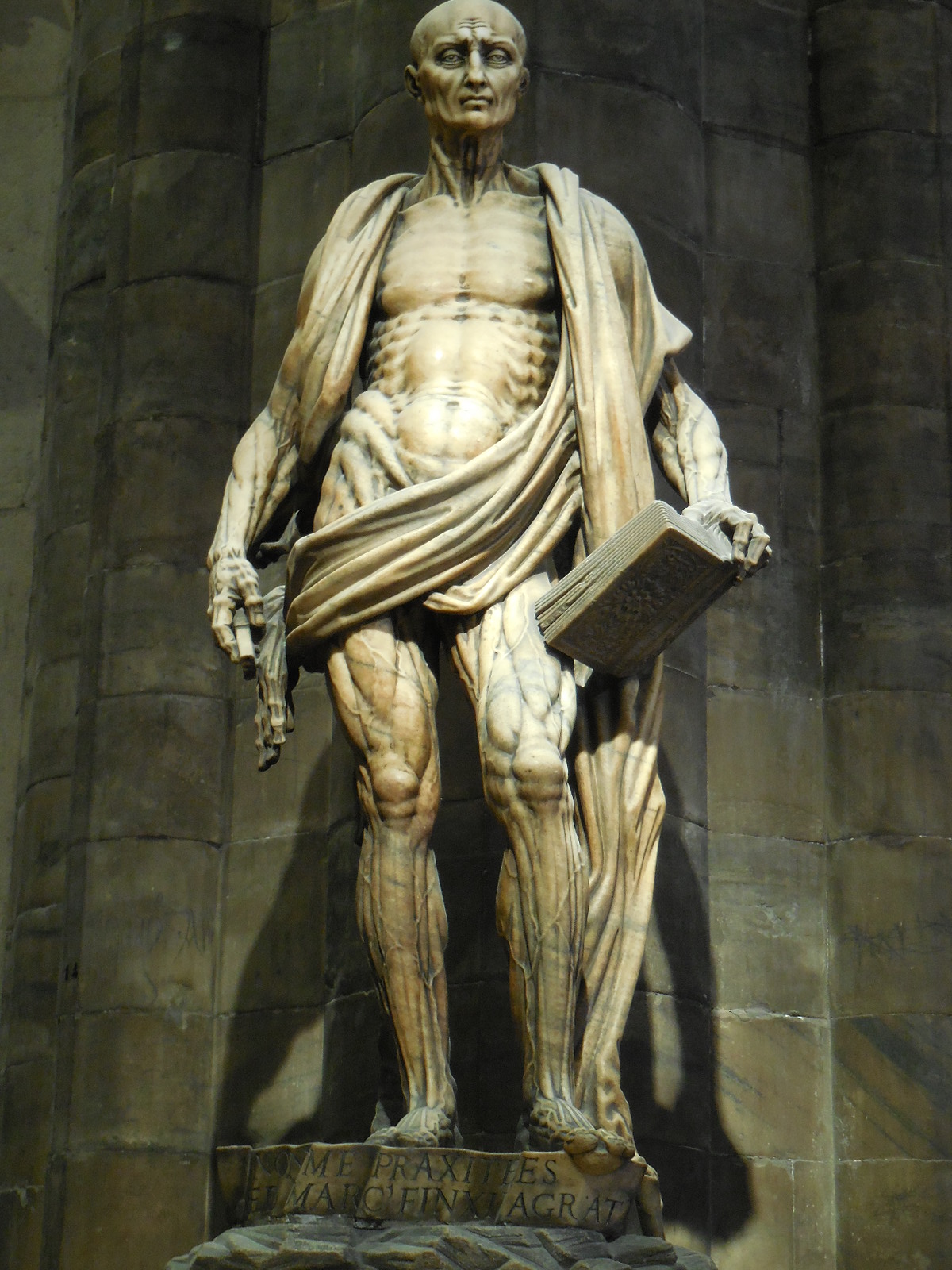
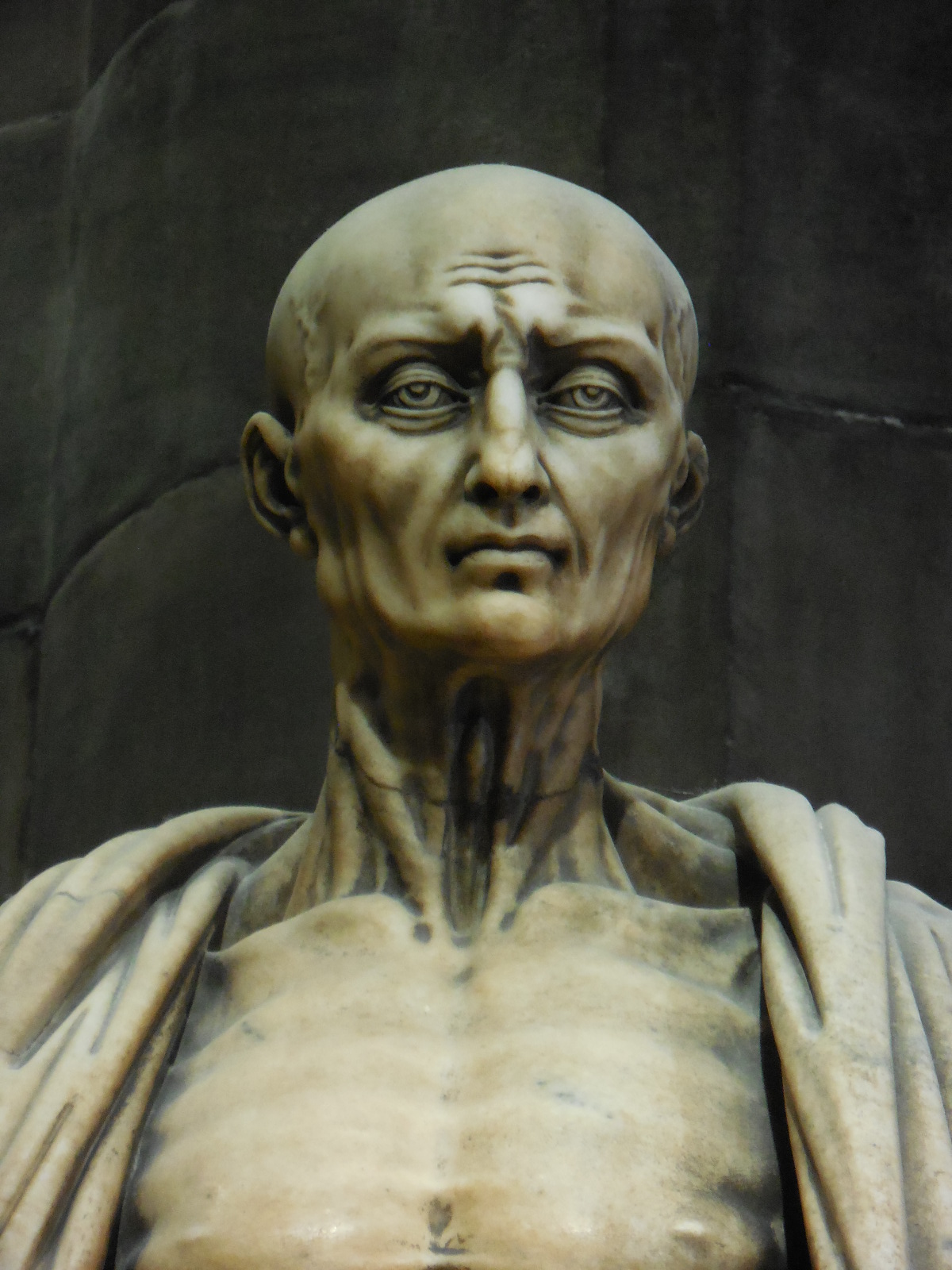
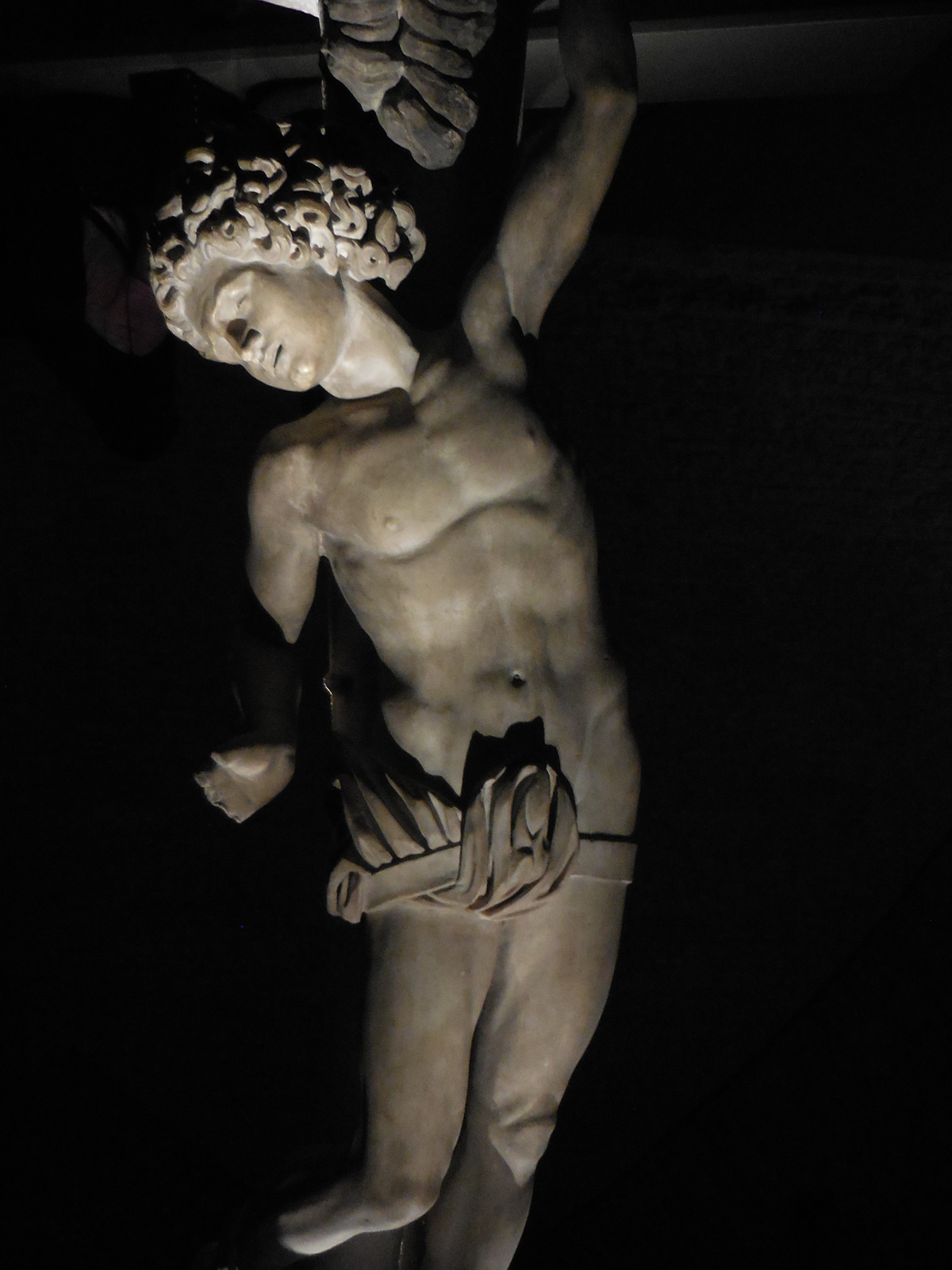
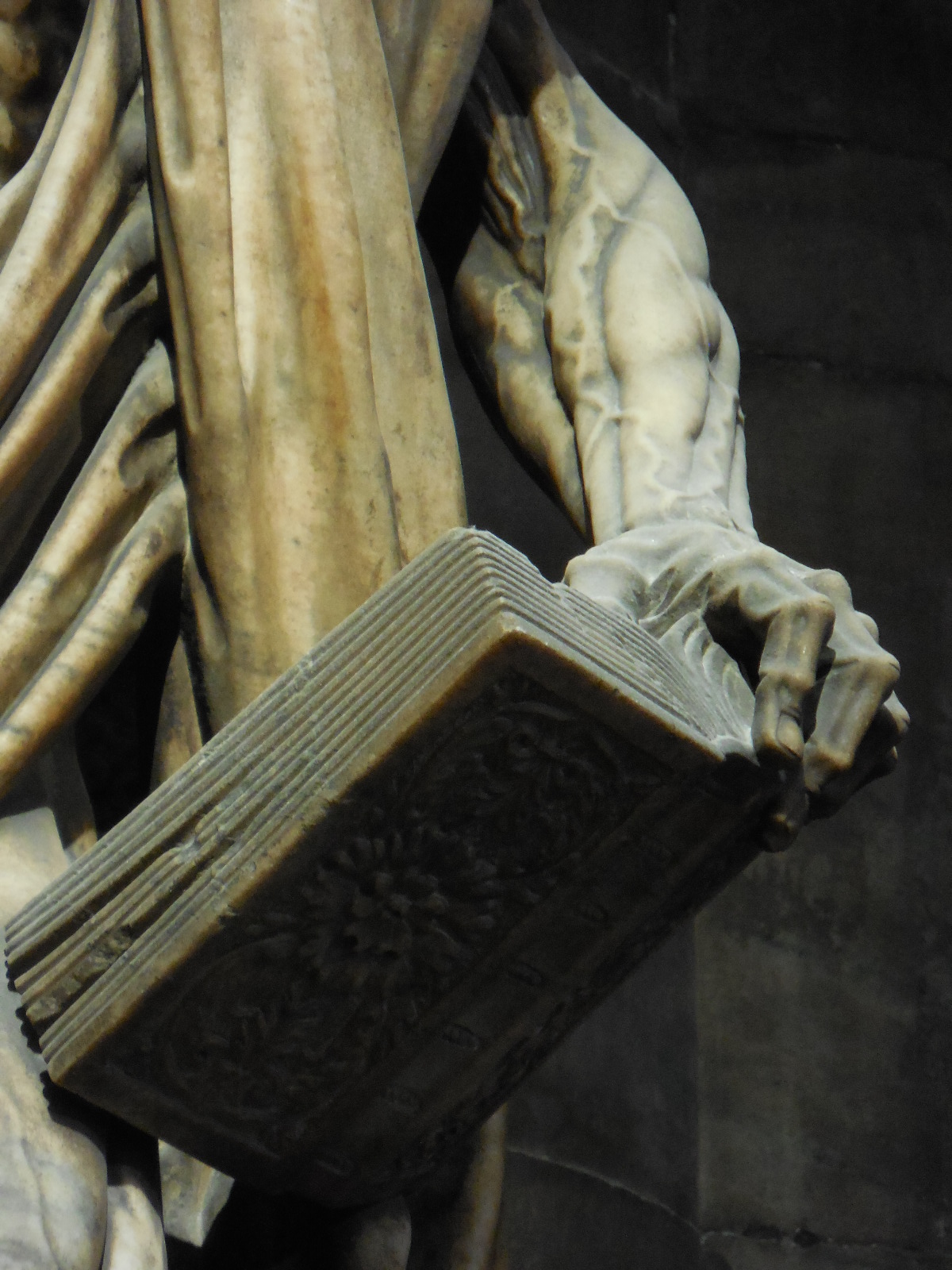
While numerous statues of saints and martyrs dotted the cathedral, the statue which influenced me the most was the one of the flayed Saint Bartholomew, who was depicted holding his skin as a cloak. His ribs and chest, not to mention his whole body, were so anatomically well-defined. The masterful skill of rendering anatomy brought to mind the works of Leonardo da Vinci.  I gazed, almost in a trace, at the 1562-made statue by Marco d’Agrate, that which showed unspeakable suffering and yet a sense of perseverance as well. I thought about those suffering horribly, such as the Ukrainians fighting a war or the mothers and children who have fled to the Czech Republic. I was thankful I did not have to suffer as those people did.

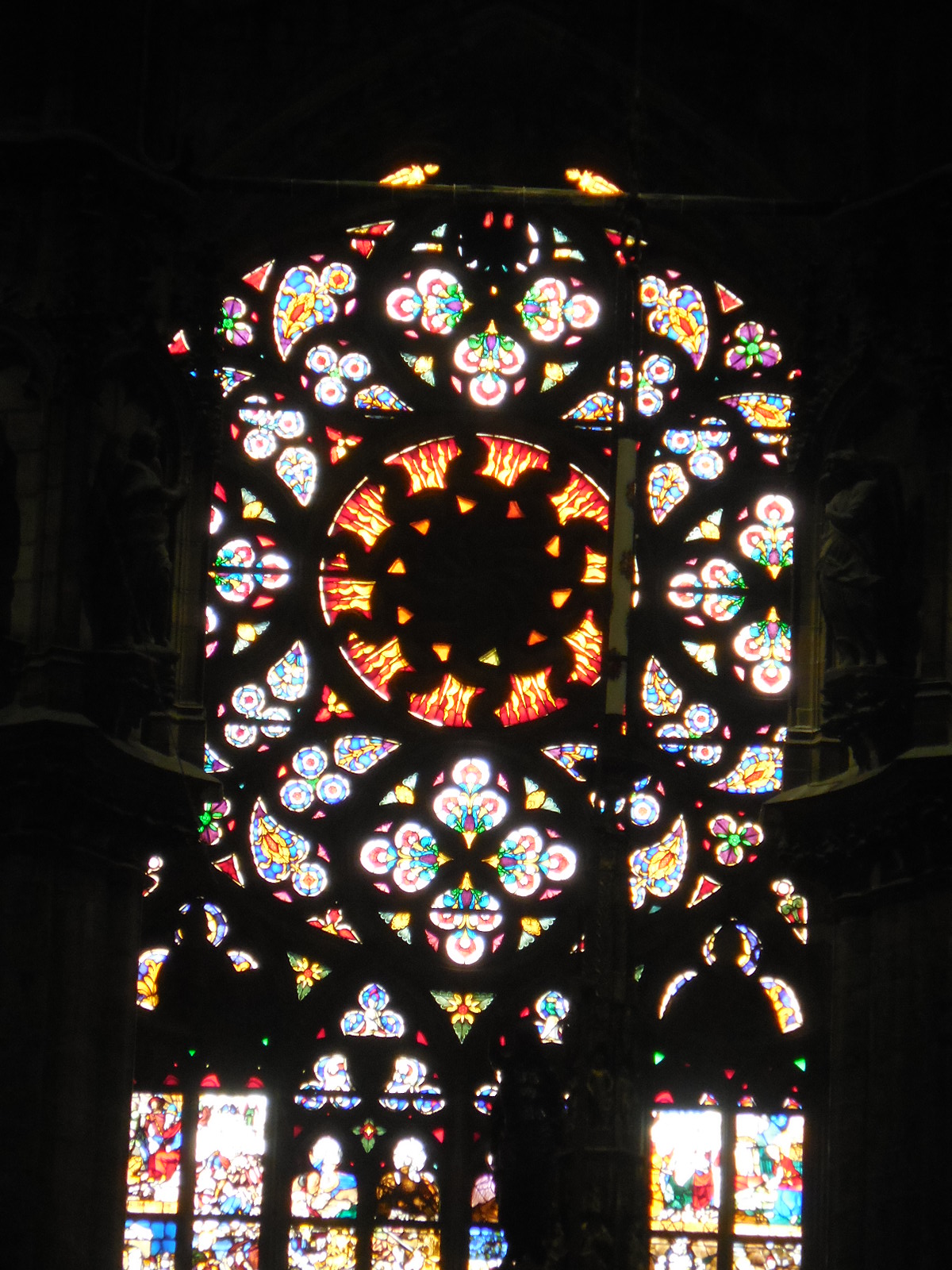
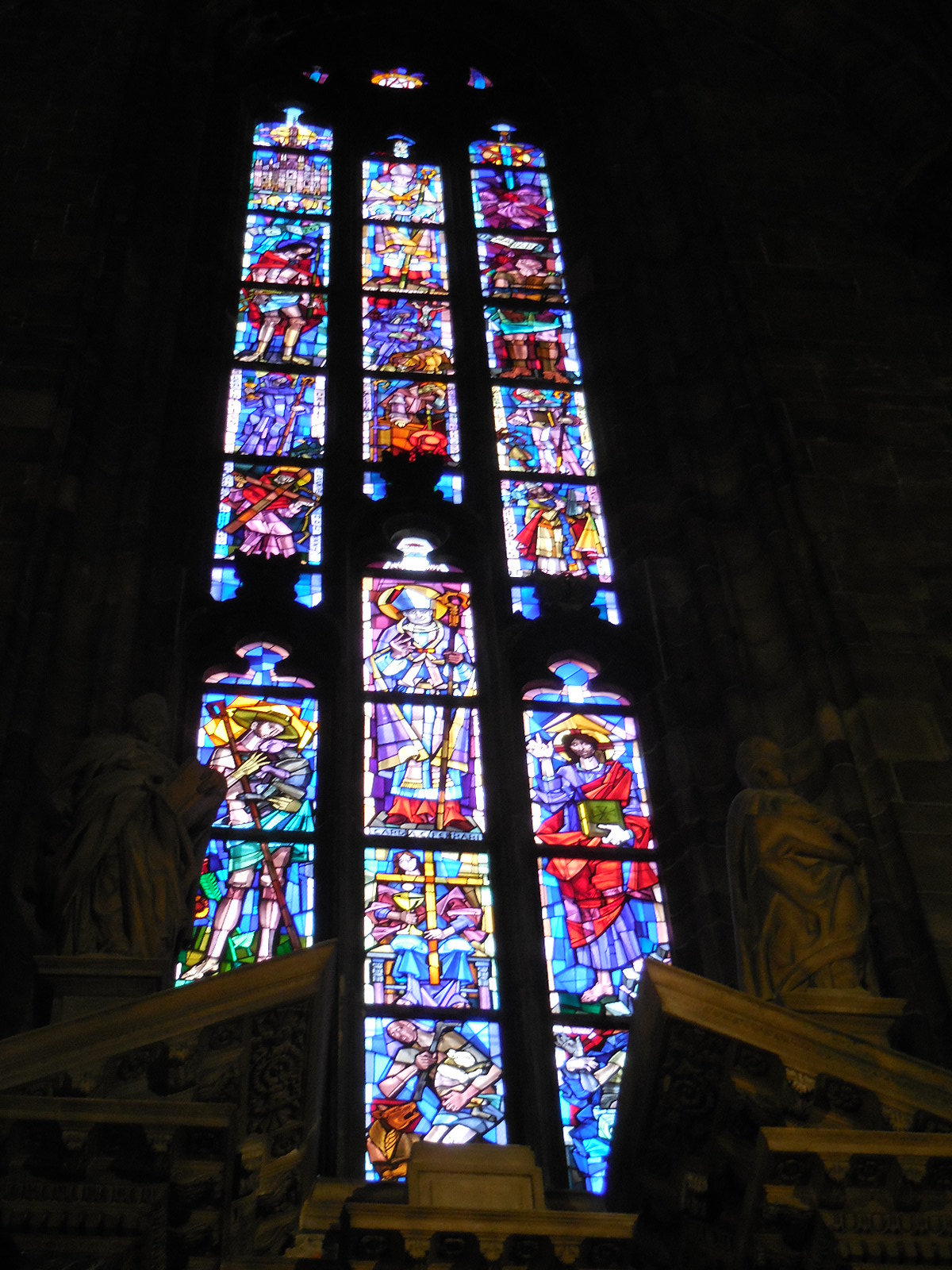
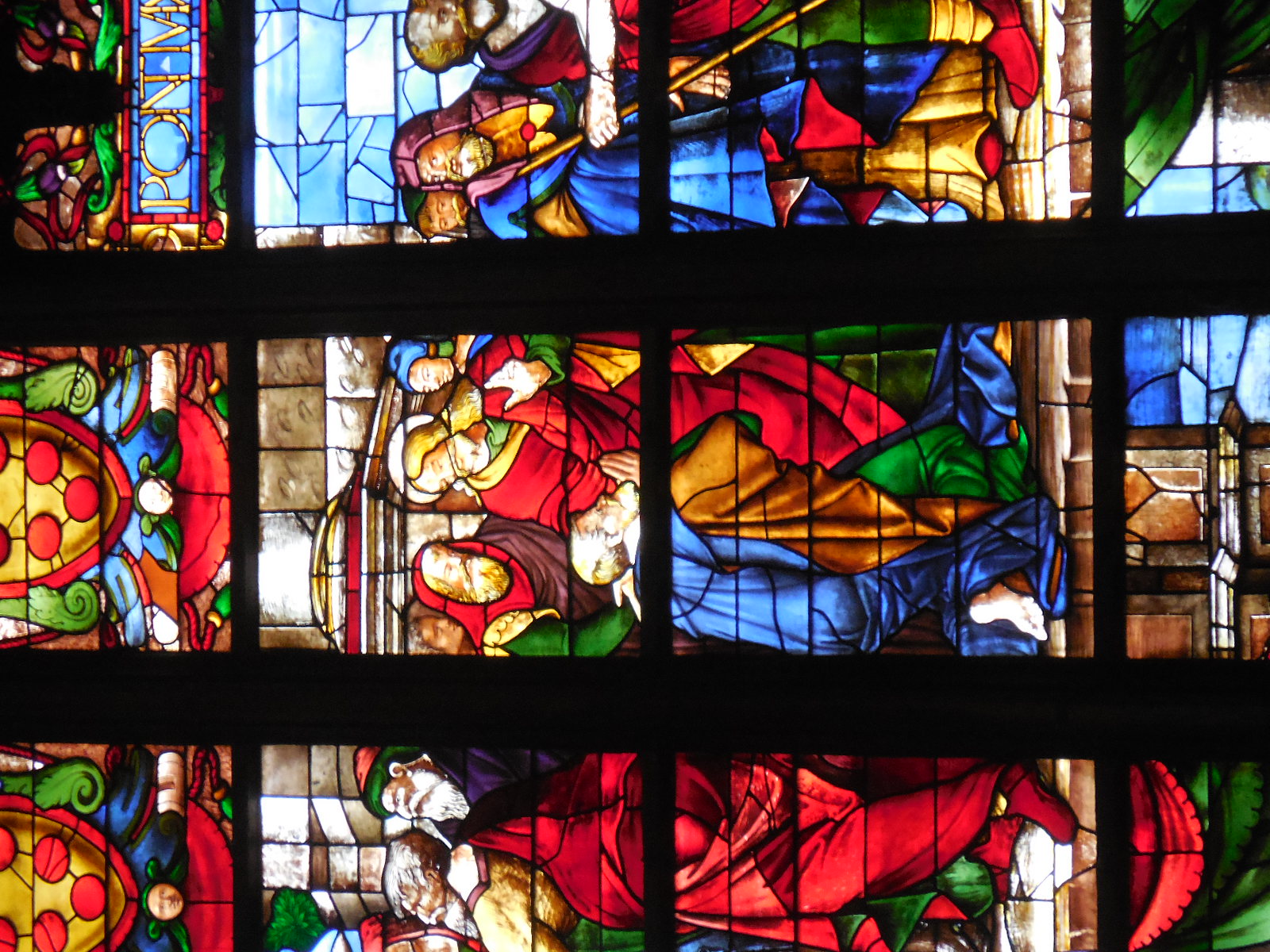
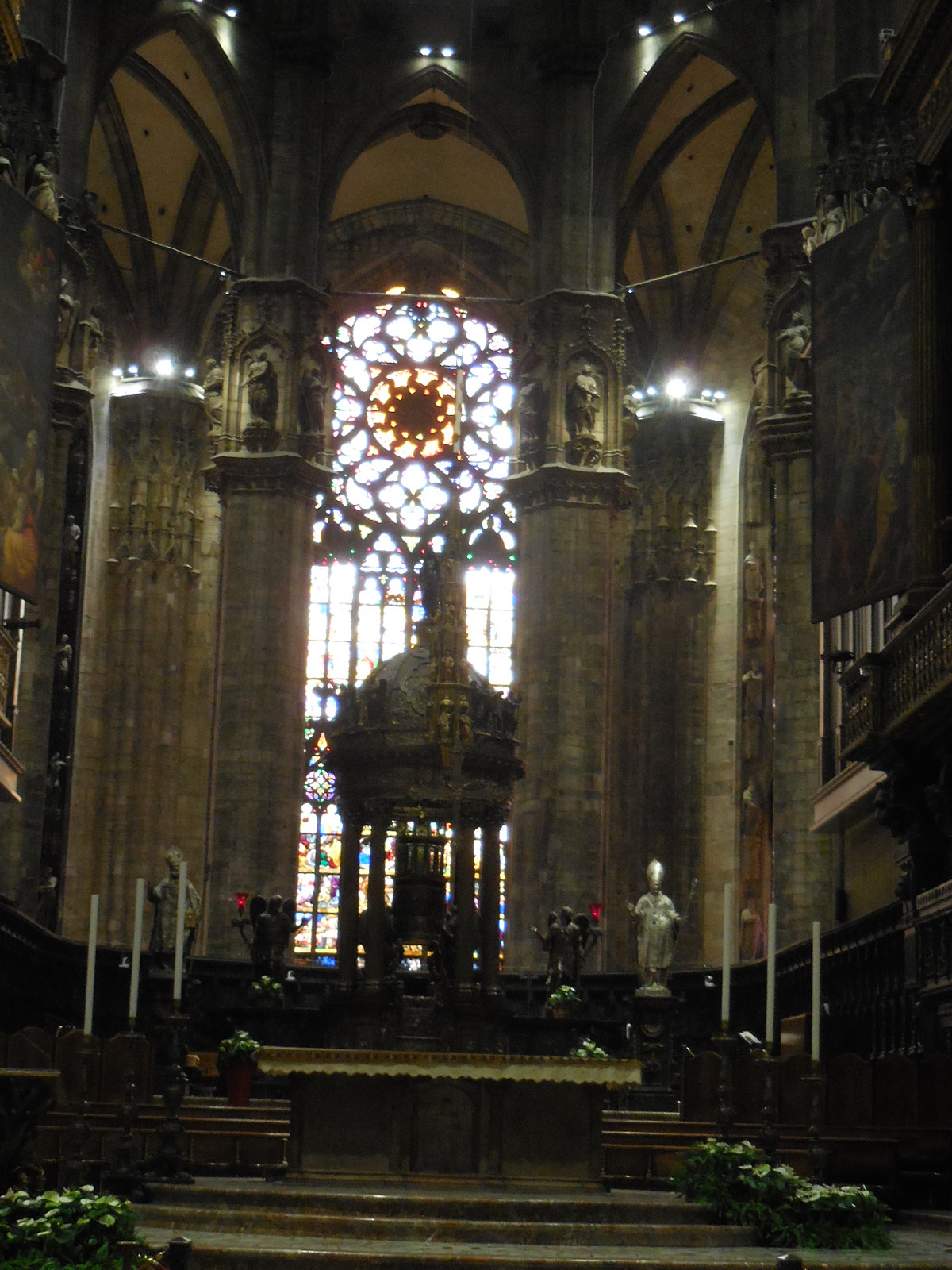
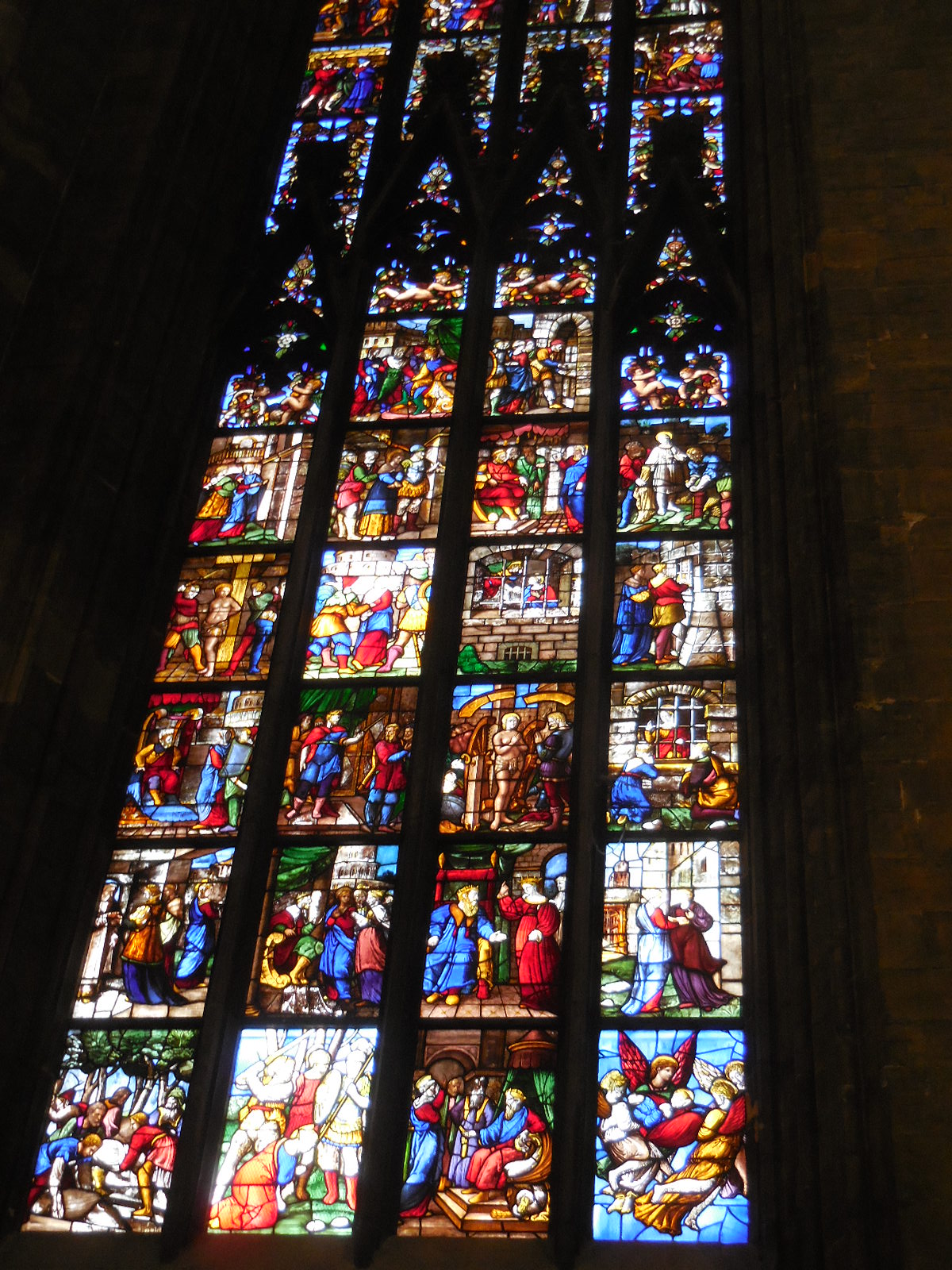
What impressed me just as much as the statue of Saint Bartholomew were the mesmerizing stained-glass windows. All the large windows featured stained glass and served as pictorial narrations of scenes from the Old and New Testaments, the life of Virgin Mary and the lives of various saints. The oldest window dated from the 15th century and was in Renaissance style. In the three walls of the apse, the windows were much younger, hailing from the 19th century while there were even more created in the 20th century. Some windows hailing from the 15th century showed scenes about Saint John Damascene and Saint John the Evangelist.

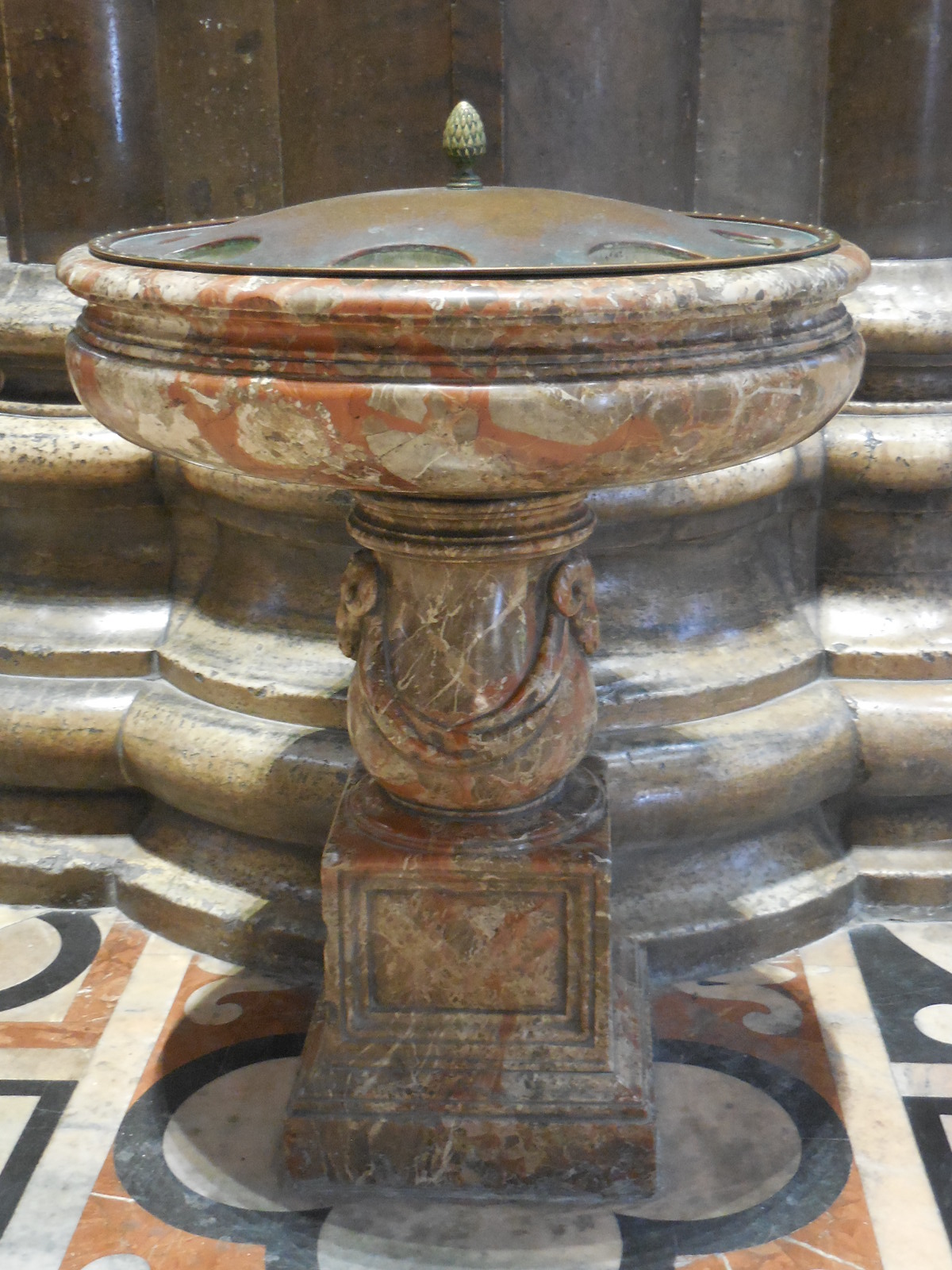
More about the interior: The legendary artist Bramante designed the cupola, which is supported by four pilasters. The baptistery is a 16th century marvel, dominated by an exquisite baptismal font made of porphyry. I also noticed the 18th century sundial. The sun shines on the brass strip exactly at noon. It also displayed the exact time and month.

Several of the sarcophagi were extremely notable. One harkening back to the 15th century and decorated with impressive statues, held the body of Corelli, a merchant who was a patron of the building. In fact, the first spire built in the 18th century was named after him, too.

The transept included three aisles and chapels with splendid altars and artistic creations. The 12th century bronze Trivulzio Candelabrum in Gothic style can be seen here. Its ornamentation was outstanding. The seven-branched Trivulzio Candelabrum was adorned with precious stones. Its height reached five meters. Biblical scenes, allegorical representations of vices and virtues and fantasy-like animals were all represented. One of the Allegory of the Vices appeared as a drunk man.

Gian Giacomo Medici di Marignano, nicknamed the Medeghino, was able to be buried in this cathedral because he had family connections. Appearing pensive and distinguished in his Renaissance likeness, the Medeghino was the brother of Pope Pius IV. His stunning tomb hailed from the 16th century and showed off Roman Renaissance style. Superb allegories of war and peace adorned his tomb.

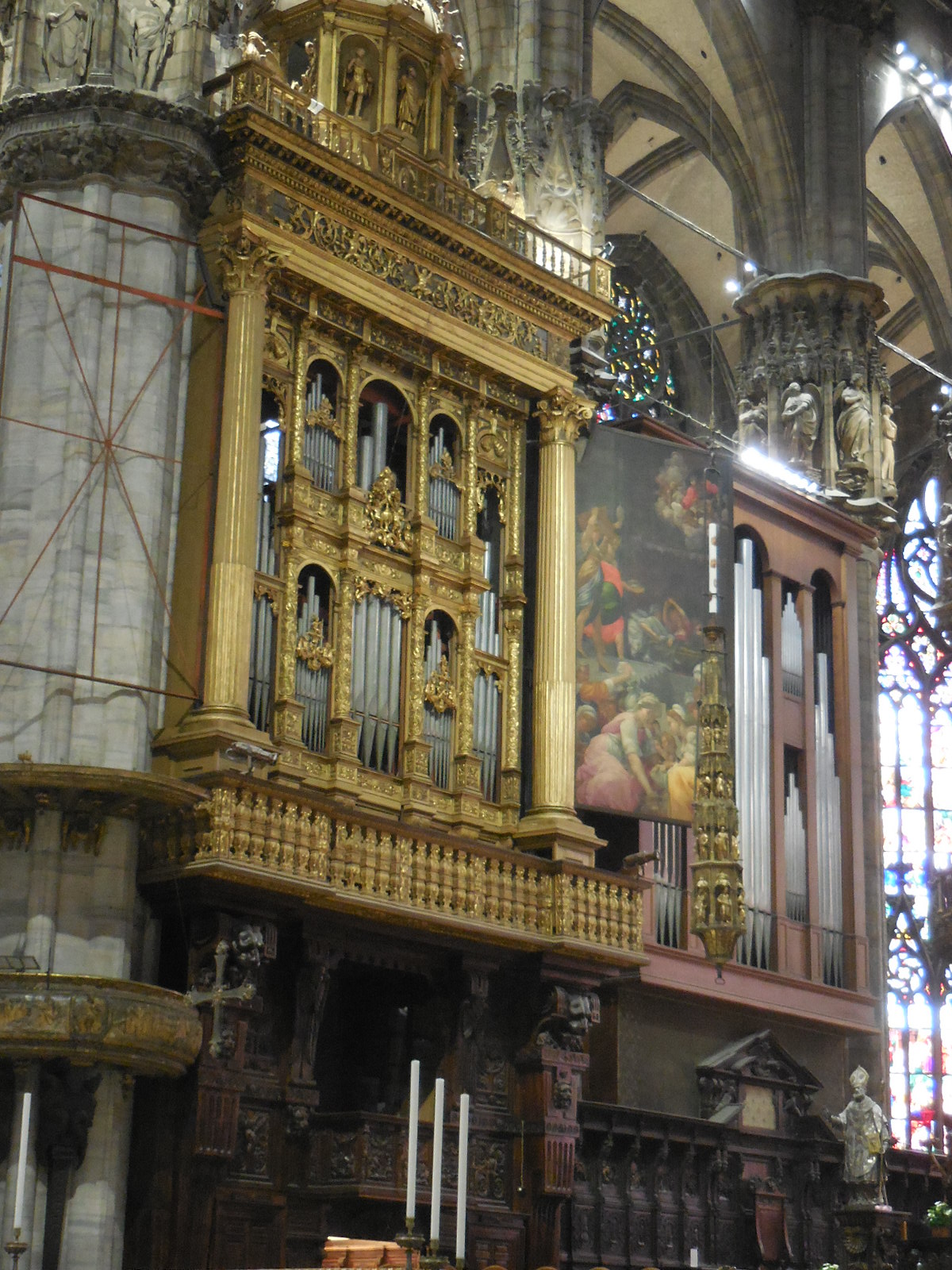
The presbytery harkened back to the 16th century and included a wooden choir, high altar, two pulpits and two large organs, one of which is the largest in Italy. This organ boasted of five manuals and 225 pedals. Silver statues representing saints and a tabernacle made up the ciborium. Above the choir was a large wooden Crucifix with a shrine containing the Holy Nail, supposedly taken from the Cross of the Crucifixion. I mused how intriguing it must be to witness the annual Rite of the Nivola. That’s when the archbishop takes the Holy Nail out of shrine and places it near the main altar. People can pay their respects to it for the following three days.

I made sure I looked down as well. The Candoglia marble floors ranged in age from the 16th to the 20th century. The pink-and-white slabs along with the black-and-red pieces were so beautiful and precious. I stared at the stunning Gothic portals from the 14th century in the sacristies and thought of the many Gothic churches, modest in comparison, that I had visited. The crypt was closed, but I knew that it contained an altar with relics of saints and martyrs.

It took me several hours to familiarize myself with both the exterior and interior of the Duomo. It was an experience that I would never forget. All those centuries of history fused together to make such a grand work of architecture containing so many artistic creations. I was overwhelmed and needed time to process everything that I had seen. I decided to go to lunch over which I could ponder the symbol of the city. Then I would go to a large bookstore, one of my favorite pastimes, and then proceed to the Museum of the Duomo and the Titian exhibition.

Tracy A. Burns is a writer, proofreader and editor in Prague.
Mucha: The Family Collection Exhibition Diary

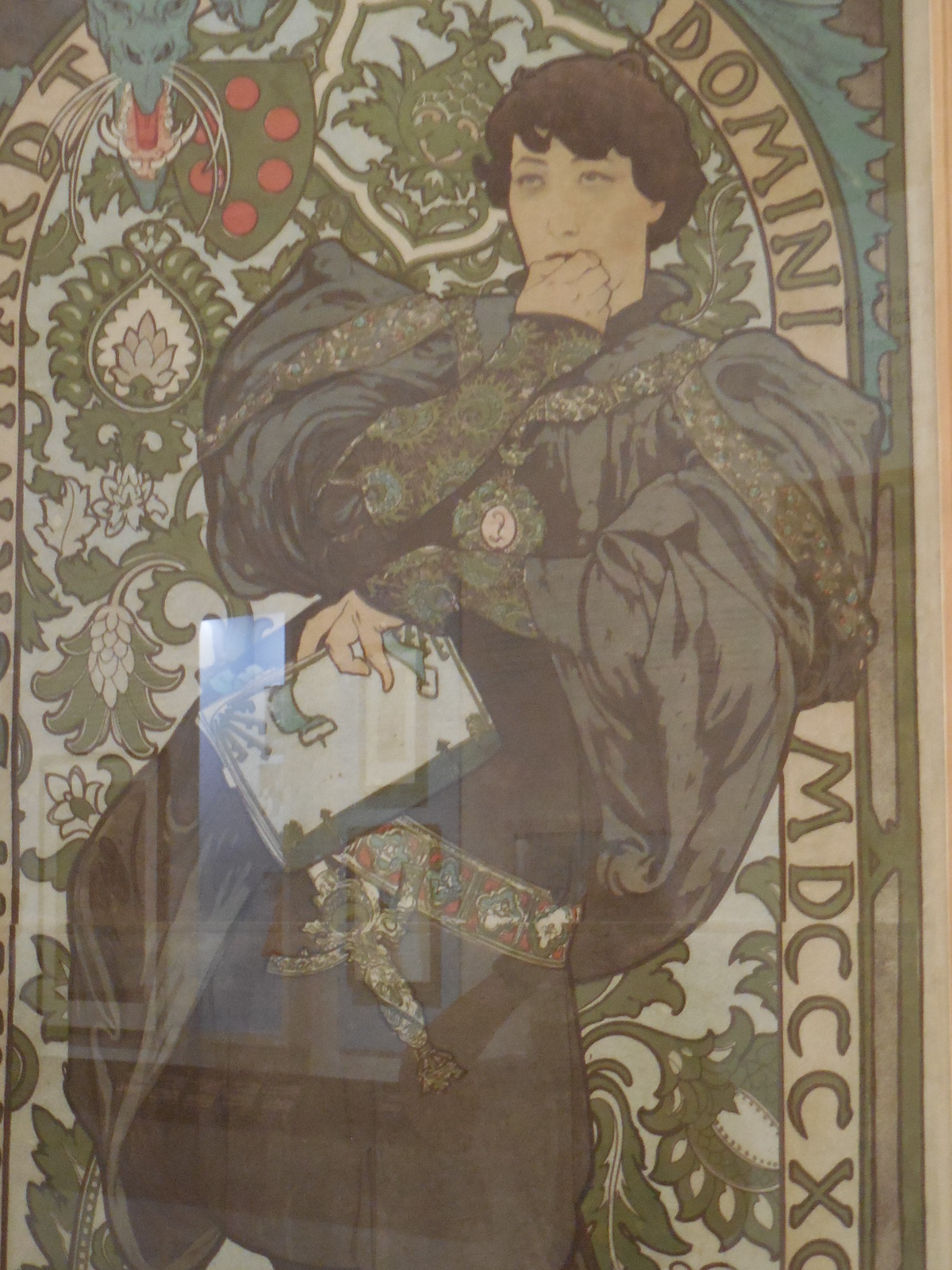
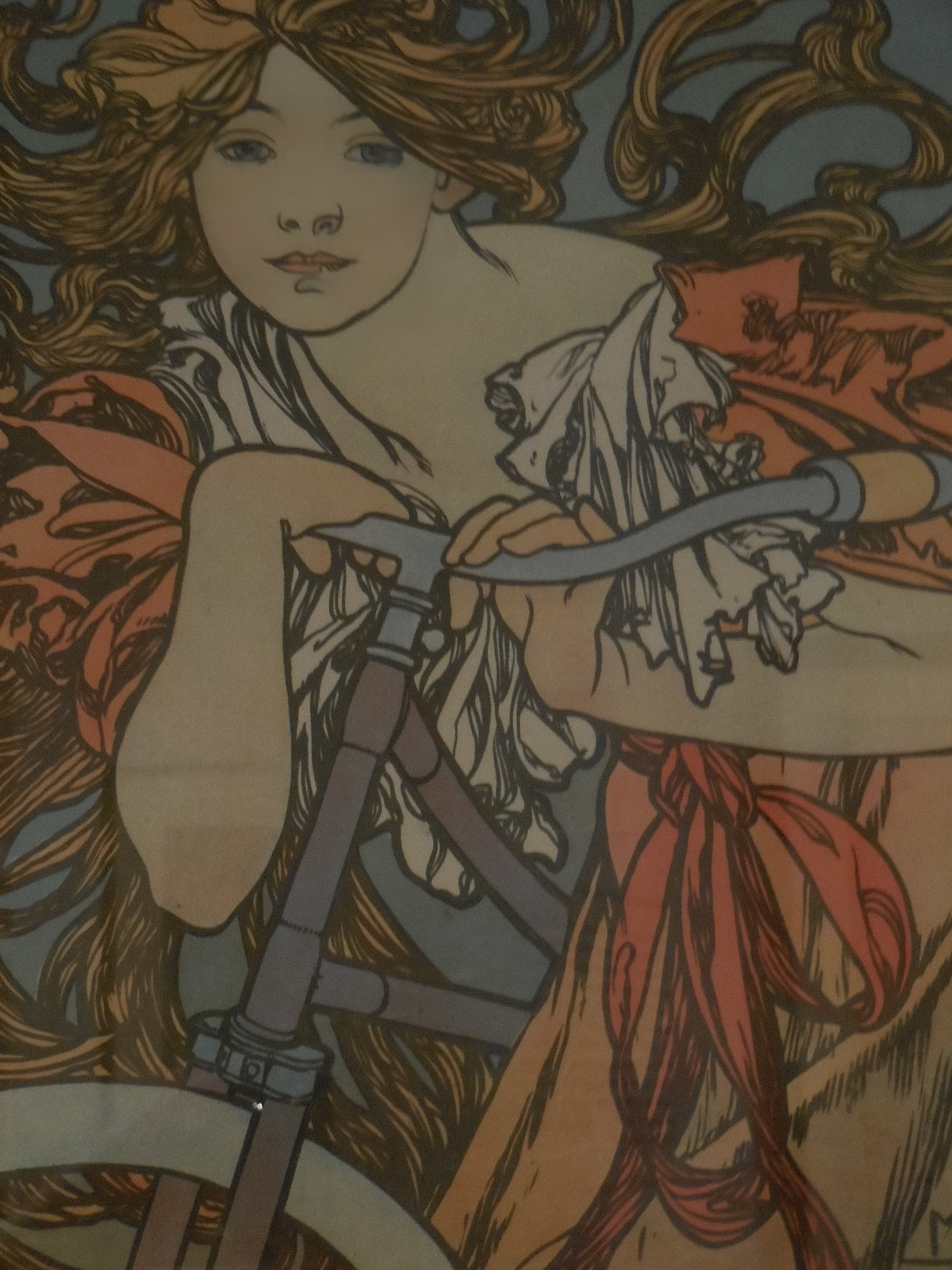
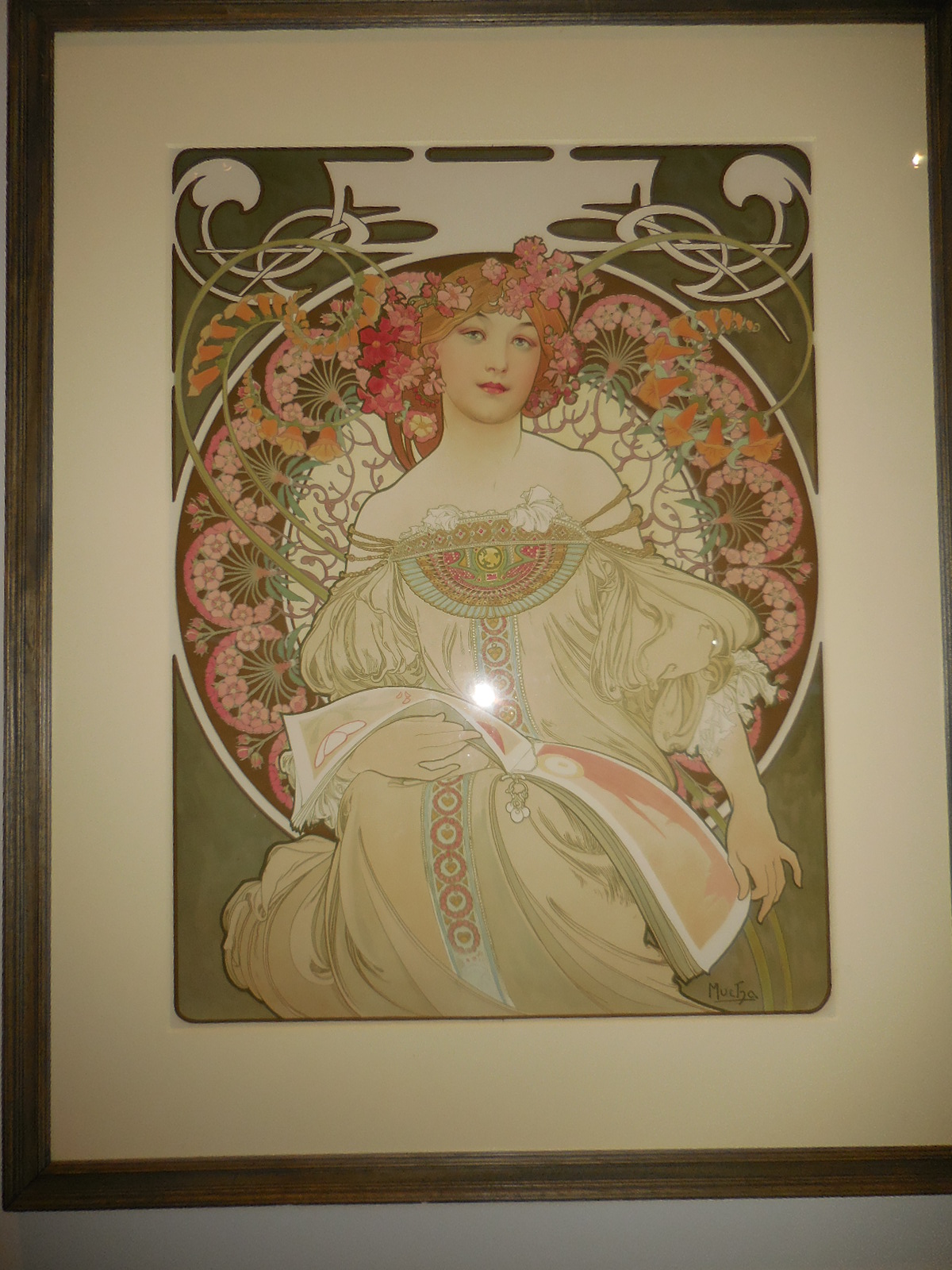
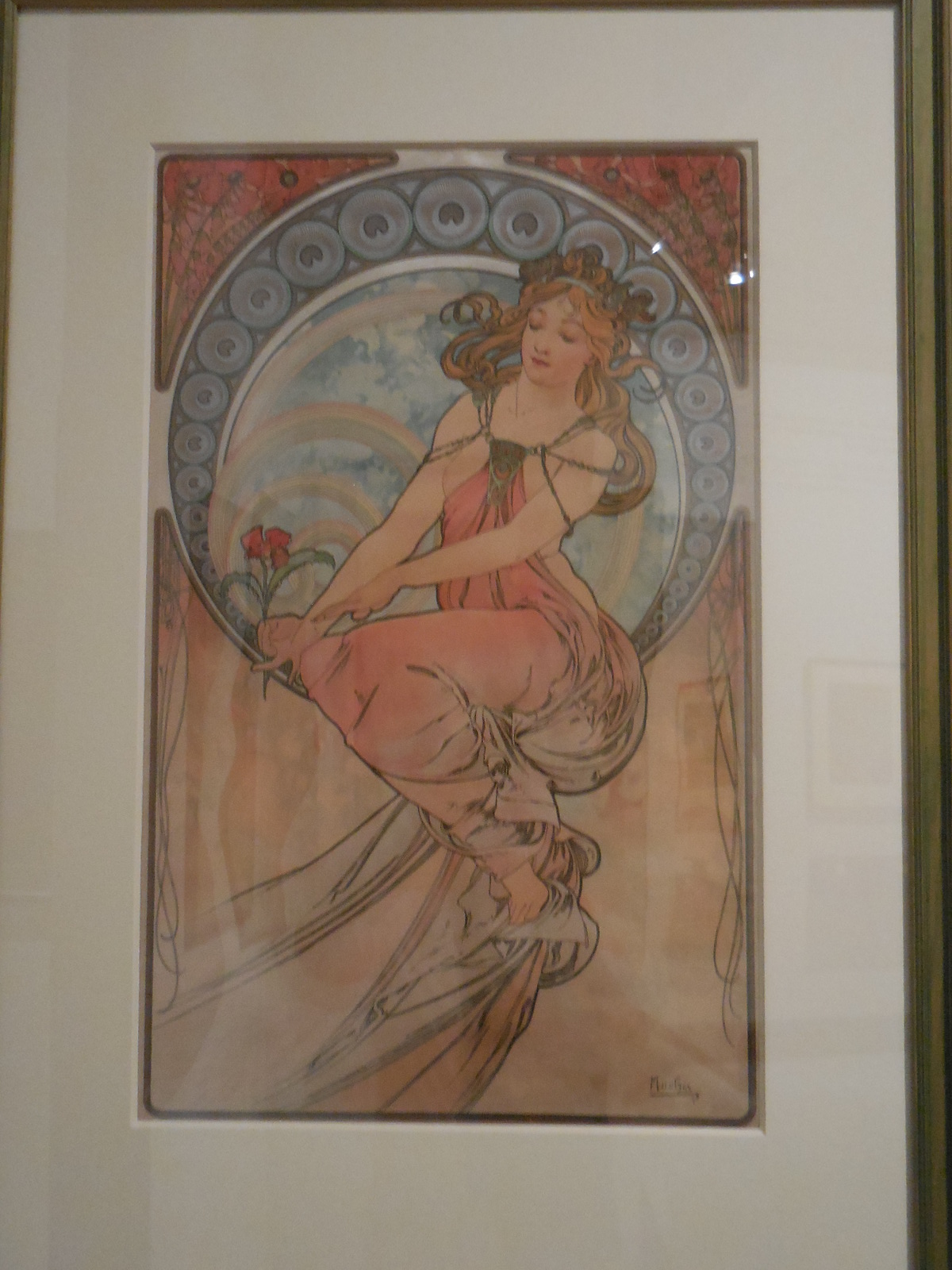
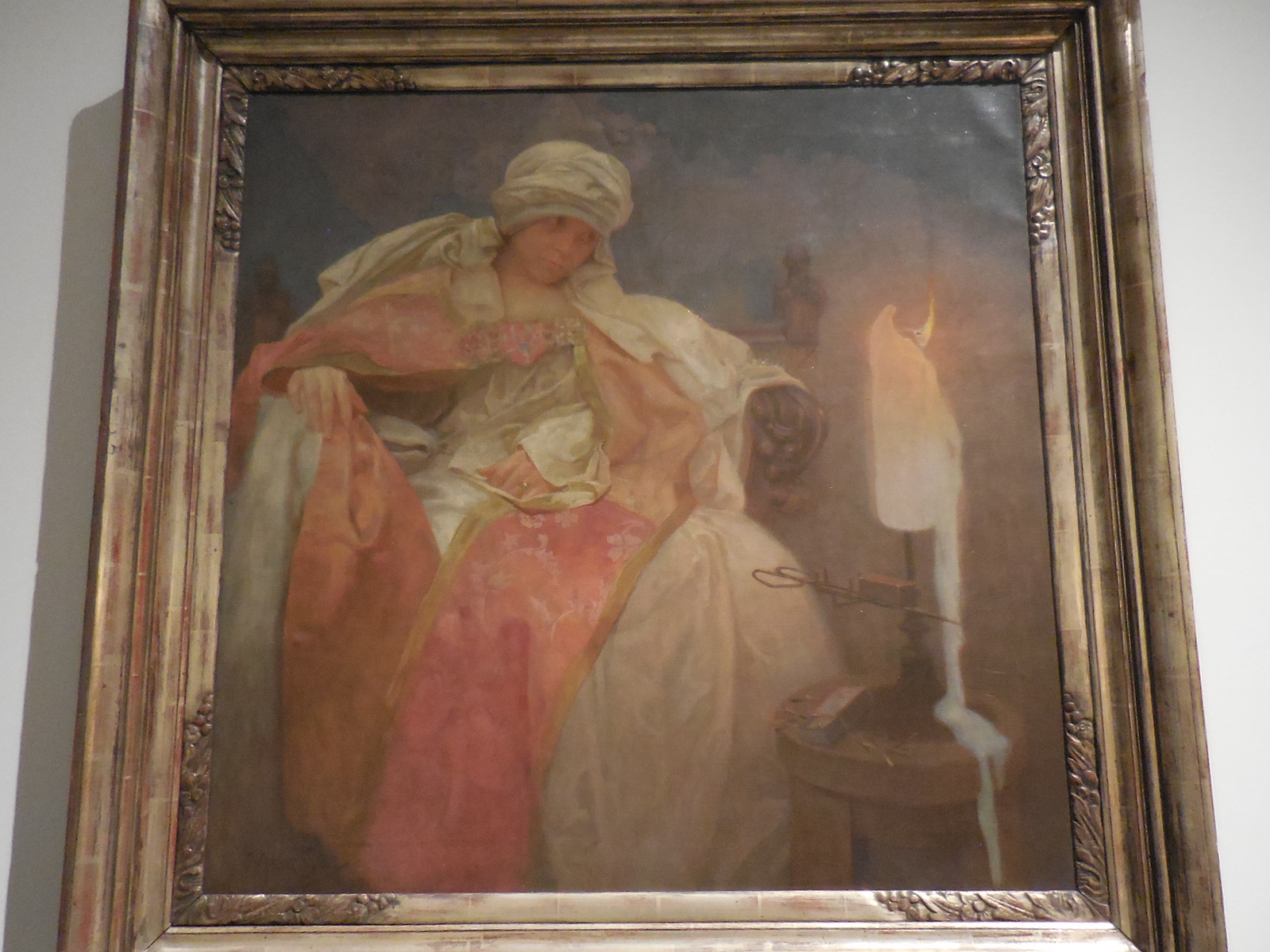
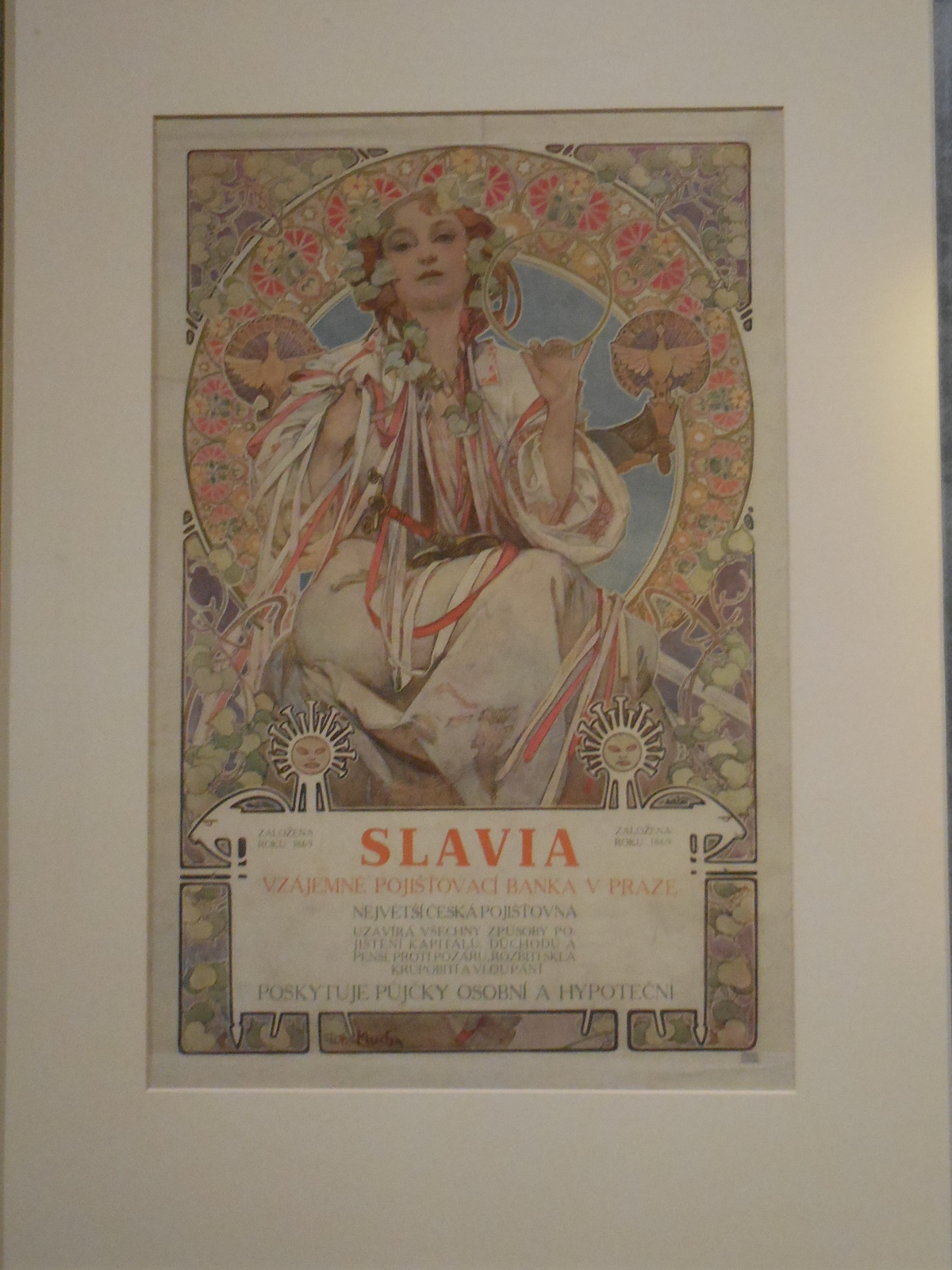
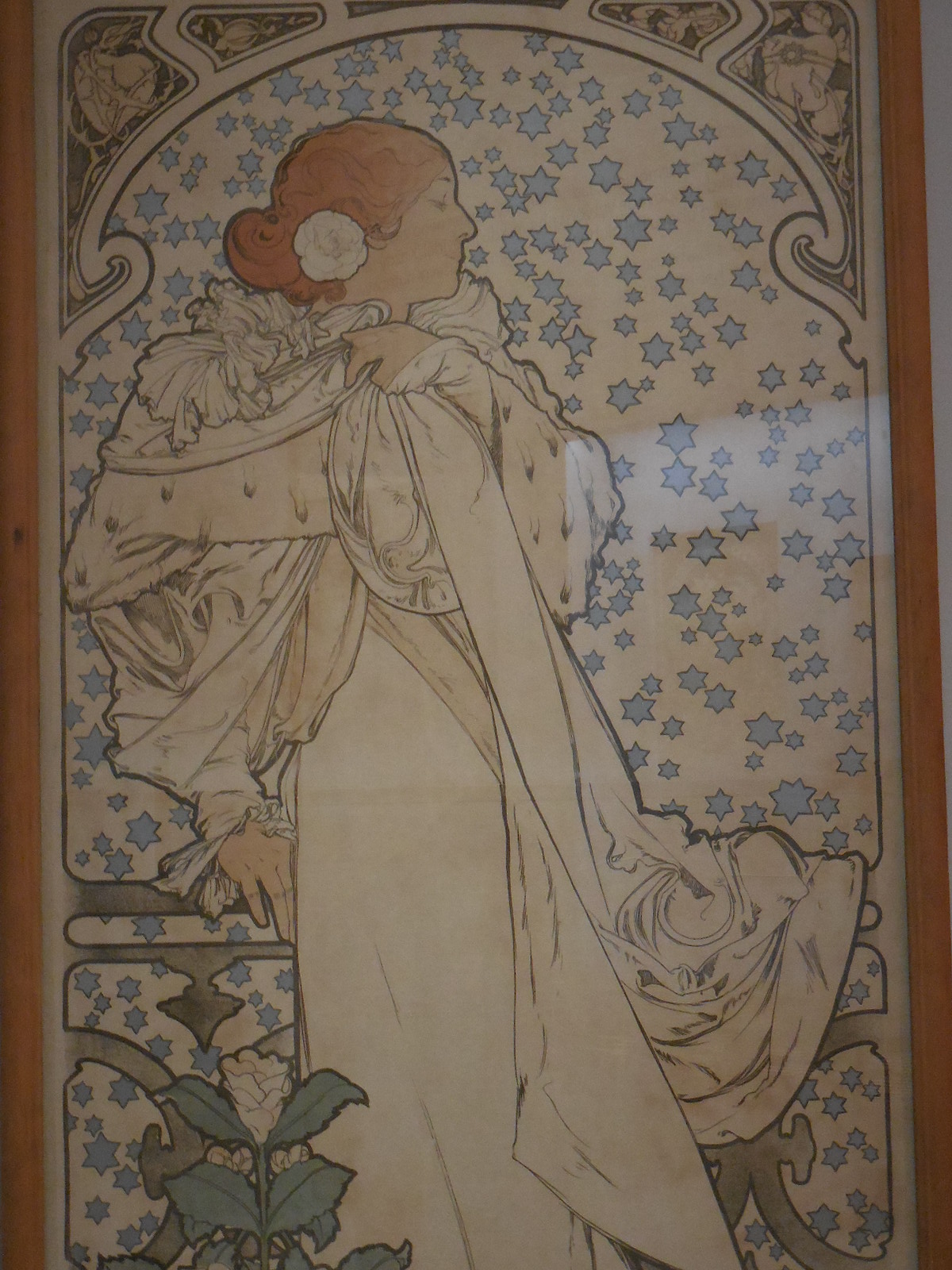
I have been a fan of Alphonse Mucha’s Art Nouveau works ever since I came to Prague in the 1990s. While he is best known for his exhilarating posters of actress Sarah Bernhardt, Mucha was a very versatile artist – as is evidenced in this comprehensive exhibition of creations owned by his descendants. The first extensive showing of his works in 30 years is housed at Prague’s Waldstein Palace. The exhibition highlights not only the advertising posters but also his drawings, paintings, sculptures, photos and jewelry, for instance. The family displays some originals to the public for the first time.  

Family portraits evoking Mucha’s childhood add an intimate feel to the exhibition. Born in Ivančice, Moravia, Mucha called home a building that also included the town jail. The Czech lands were under Austrian rule when Mucha grew up. They were part of the Habsburg Empire in which German was the official language. Yet, during that era, the Czech National Revival took place, when Czech nationalists promoted Czech culture and the Czech language.

At the end of 1894, Mucha became a star overnight when he designed a poster for Bernhardt’s production of Gismonda. The following year he created posters that decorated calendars, postcards and menus as well as theatre programs. His work would find enthusiastic audiences in Vienna, Prague, Budapest, Munich, London, New York and other cities during subsequent years.

I loved how, in his advertising posters, Mucha utilized folk features not only found in Czech art but also in Byzantine, Islamic, Japanese, Gothic, Judaic, Celtic and Rococo works. Much of this genre focuses on beautiful, young women with an optimistic and cheerful flair. They are wearing flowing robes in pastel colors. I loved the touches of floral and plant ornamentation plus arabesques and naturalistic elements, too.

The exhibition boasted family portraits and photos, such as those of his friends Paul Gaugin and Auguste Rodin. Gaugin even was Mucha’s housemate for a while. During the Paris Exposition Universalle of 1900, Mucha represented Austria-Hungary as the show focused on the accomplishments of the past century. I had not known that in 1899 Mucha had designed a jewelry collection that was featured at this major show. One of the jewelry pieces on display at the exhibition features a snake-shaped broach that Bernhardt wore during her portrayal as Medusa. I also was captivated by Mucha’s decorations for a German theatre in the USA. He would wind up making three trips to the United States, hailed by The New York Daily News as “the world’s greatest decorative artist.”

Works in the exhibition illustrated how mysticism had influenced him. His philosophy is also apparent in his creations. For example, he believed in beauty, truth and love to guide him on the spiritual path. For a monument he created a triptych called The Age of Reason, the Age of Wisdom and the Age of Love, fusing these three characteristics into one piece of art. Unfortunately, Mucha didn’t get the chance to finish it.

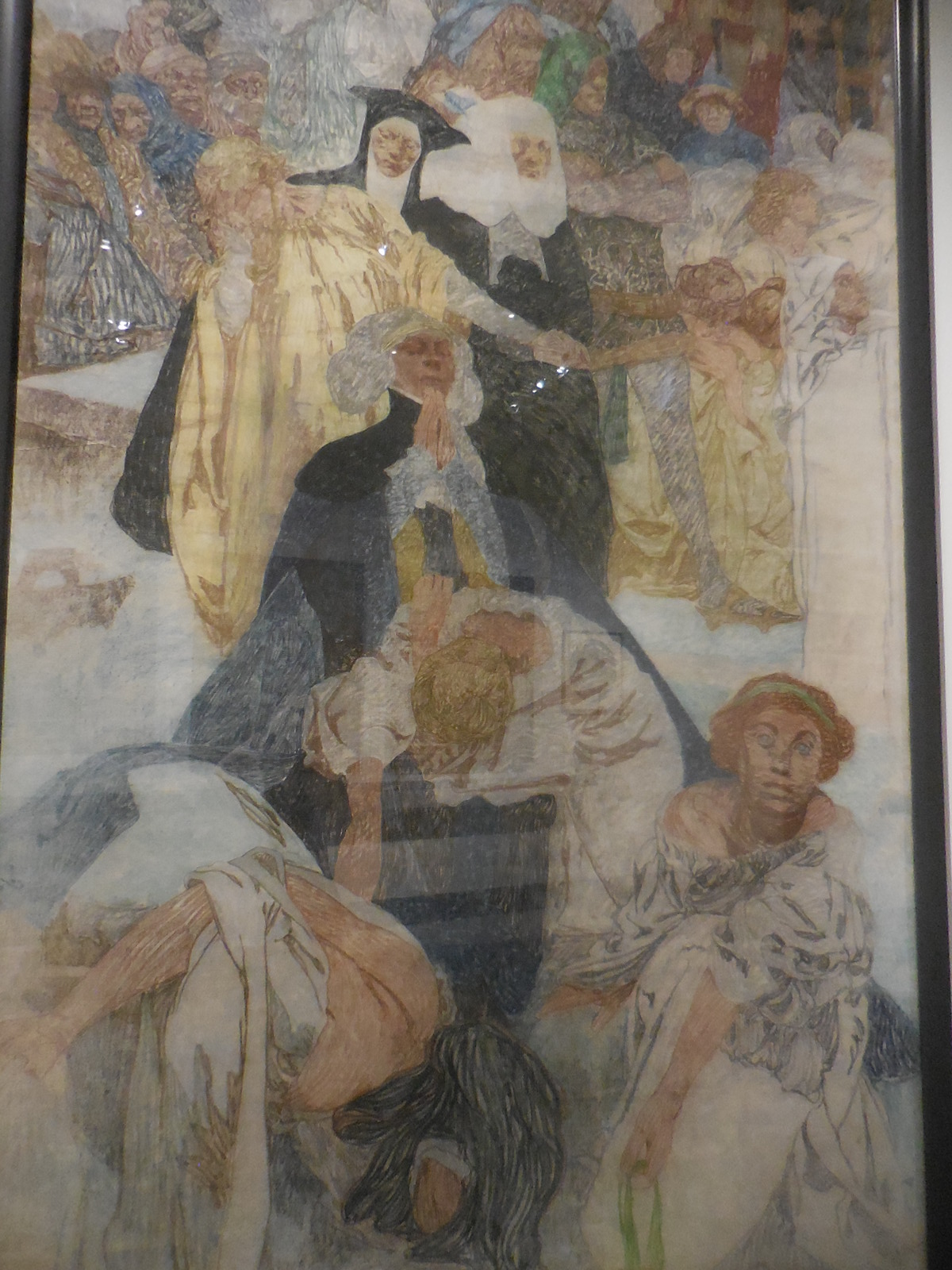
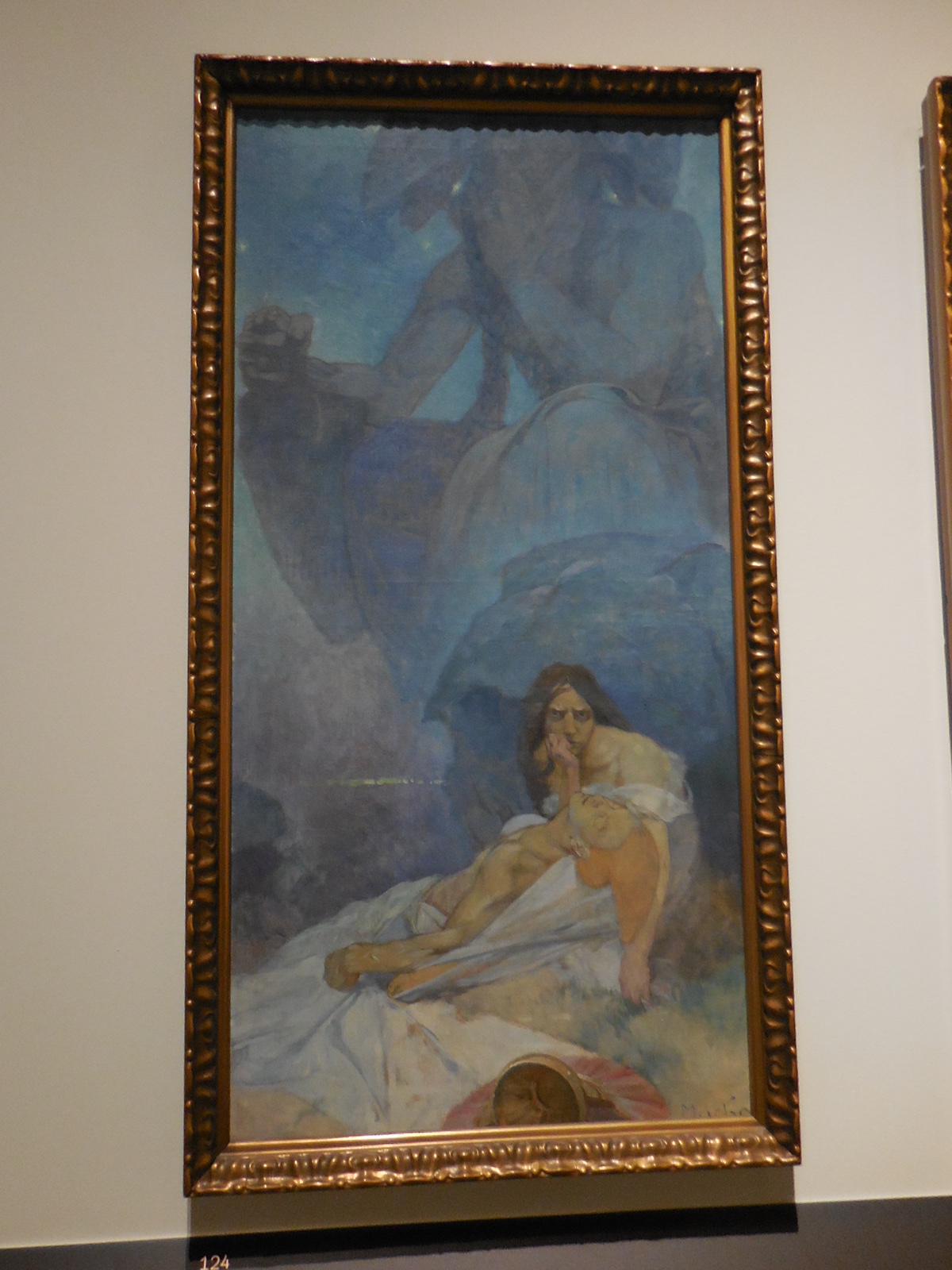
Perhaps what always captivates me the most about Mucha’s art is his emphasis on Slav identity. Indeed, his phenomenal Slav Epic paintings feature the heroic tales of the Slavs in 20 historical, symbolic canvases. Several reproductions of these works at the exhibition reinforced Mucha’s identity as a Czech and Slav patriot.

I saw panels devoted to Mucha’s decorations in the Municipal House, for which he designed numerous pieces – three wall panels, a ceiling painting depicting prominent Czech personalities, eight pendentives and furnishings. I remember seeing these for myself on tours of the Art Nouveau Municipal House, something I recommend to every Prague visitor. It is notable that, while Mucha’s works often were rooted in Slav identity in the past, he also looked to the future for a prosperous Czech nation.

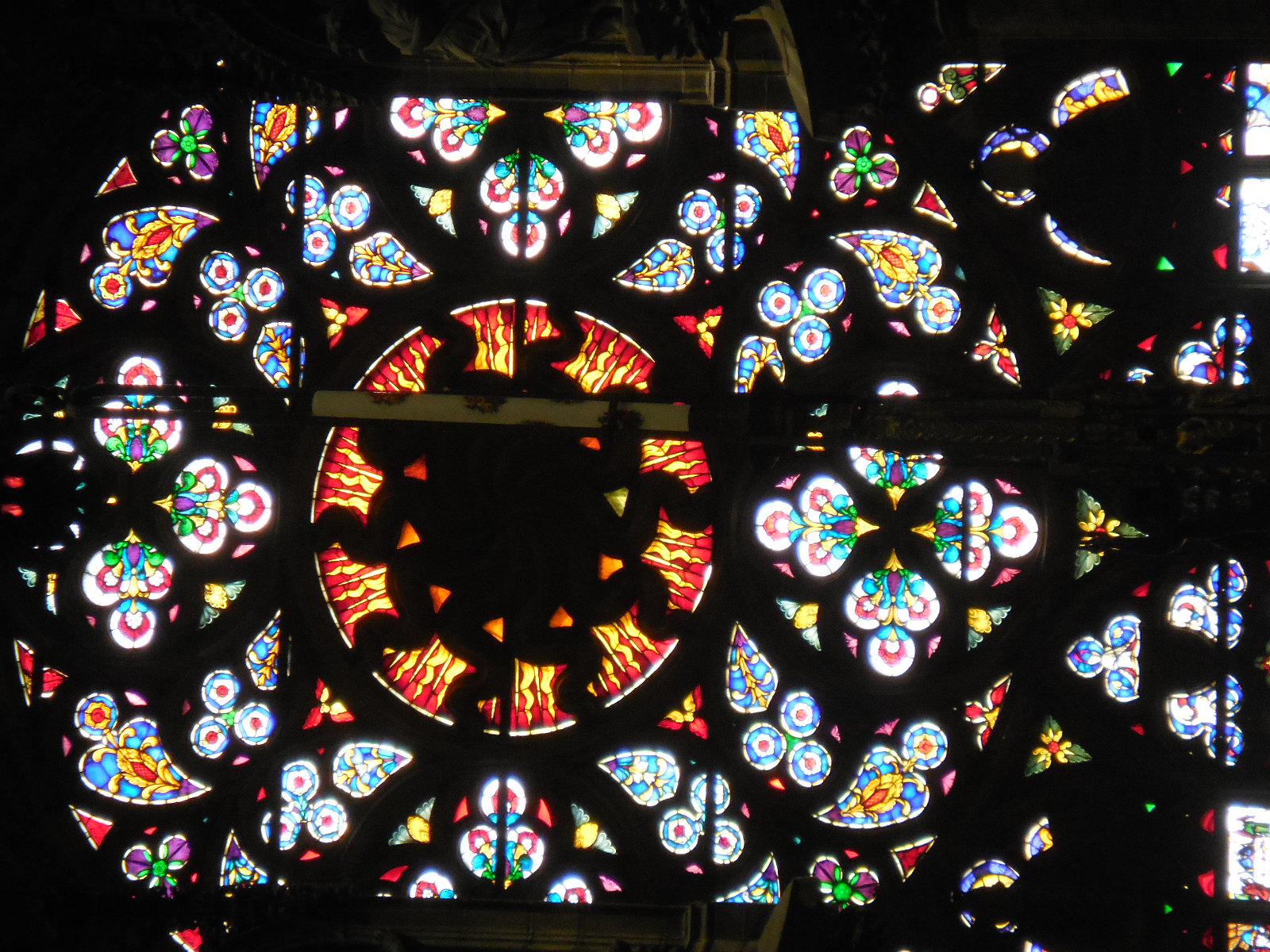
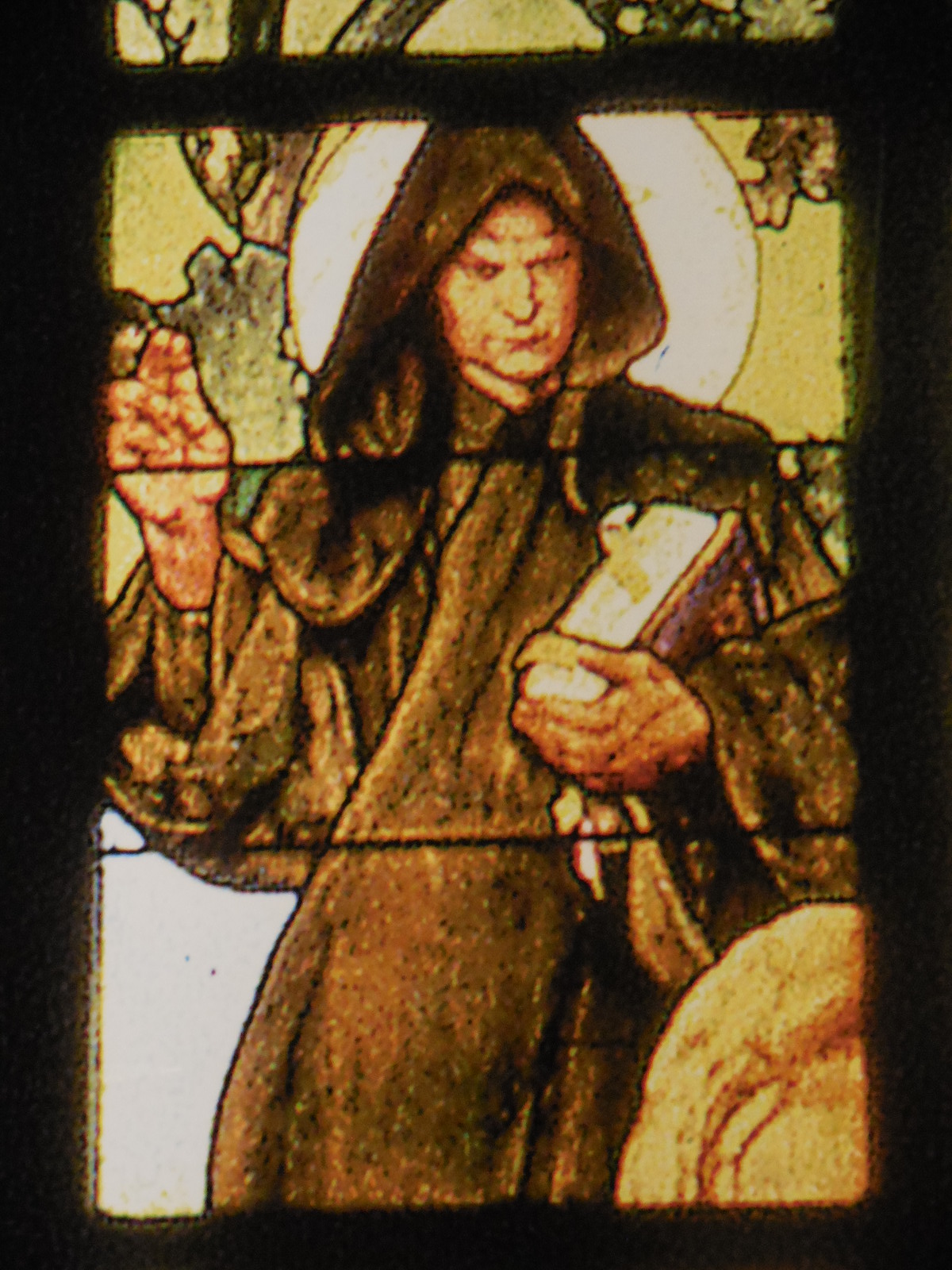
I was enamored by the reproductions of his stained-glass window designs. The originals decorate the interior of Saint Vitus’ Cathedral at Prague Castle. In 1931 he portrayed Saint Wenceslas, the nation’s patron saint, as a child with his grandmother Saint Ludmila in a central panel along with other panels featuring the lives and work of Saints Cyril and Methodius. Seeing examples of his colorful and vibrant stained glass renditions close-up was for me one of the highlights of this exhibition.

Mucha’s life was cut short by the arrival of the Nazis in Prague, where they set up the Protectorate of Bohemia and Moravia during March of 1939. The 79-year-old Mucha, riddled with health problems, was targeted by the Gestapo. Mucha was a Freemason, Judeophile and a promoter of democratic Czechoslovakia. He was one of the first to be interrogated by the Nazis. Mucha was stricken with pneumonia due to the strain from grueling interrogations and died in Prague 10 days short of his 79th birthday on July 14th, 1939. He is now buried in Prague’s Vyšehrad Cemetery along with other prominent Czechs.

This exhibition takes museumgoers on a unique and unforgettable journey from his childhood roots in Moravia to his time as an outsider in Paris to his experiences in the democratic Czechoslovakia until his untimely death. It stresses his identity as a Moravian, as a Czech, as a Slav and as a European. It shows his accomplishments in the art scene by displaying an eclectic collection of his creations that profoundly punctuated the artistic world.

Tracy A. Burns is a writer, proofreader and editor in Prague.
Picture Gallery in Sforza Castle Diary

The Sforza Castle in Milan was built for Galeazzo II Visconti in the second half of the 14th century. It was destroyed in the mid-15th century, but the duke of Milan, Francesco Sforza, rebuilt it. Then the Sforza family inhabited the castle. The end of the 1400s was a time of splendor. During the 15th century, Leonardo da Vinci and Bramante created frescoes in the castle. The castle became one of the largest in Europe in the 16th century.

Later, the castle fell on hard times and was transformed into a citadel. The ducal apartments were used as barracks and stables under Spanish, Austrian, French and again Austrian rule. An armory was for a time also on the premises. At the end of the 1800s, the castle became the property of the city of Milan. The unification of Italy prompted the complex to be reconstructed and made into a museum. The castle took on the appearance it had when it had been under Sforza control. Though the central tower is not original, it is made to look like it had when built in 1521.

During World War II, the complex suffered much damage but was reconstructed. Now the castle includes museums and cultural institutes. Several of the other museums include those featuring ancient art and arms as well as one highlighting antique wooden furniture and sculpture. The Pieta Rondanini by Michelangelo is also a sight not to be missed.

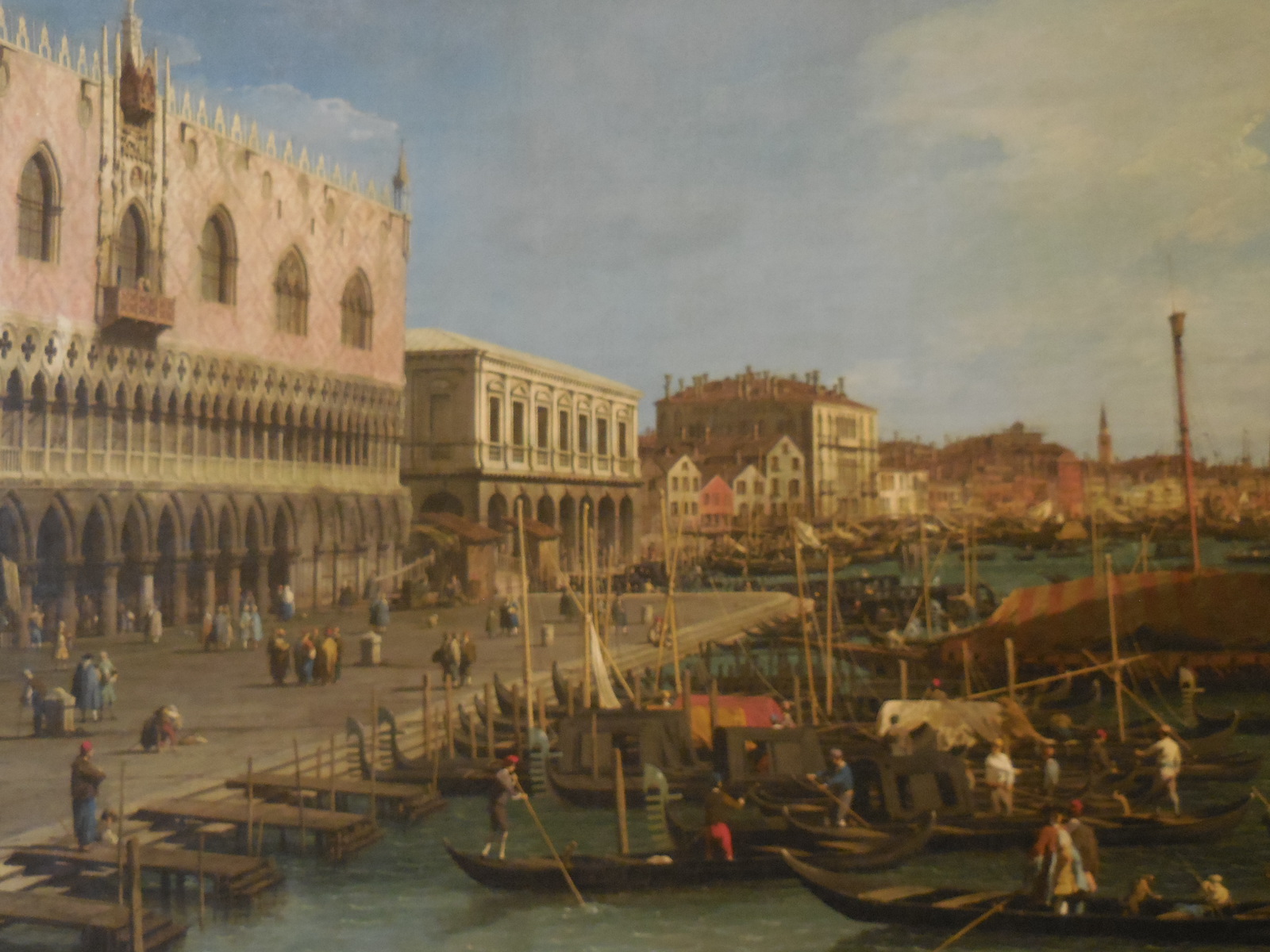
The Picture Gallery focuses on Milanese and Lombard paintings from the 15th to the 18th century with over 230 works on display. It also includes remarkable Venetian and 17th century Dutch and Flemish works. Some Lombard artists represented are Foppa, Bramantino and Bernardino Luini. Other artists whose paintings amaze are Andrea Mantegna, Bergognone, Giovanni Bellini, Lorenzo Lotto, Correggio, Tintoretto, Tiziano, Tiepolo and Canaletto. One highlight is the Trivulzio Madonna by Mantegna from 1497. This important work shows Madonna on a throne, flanked by saints. Angels sing, and cherub faces are included in the decoration. Yet the exhibition does not only contain paintings. Some sculptures, busts and medals are on display, too.

Tracy Burns is a writer, proofreader and editor in Prague.

Prague Castle Picture Gallery Diary

Joseph Heintz the Elder – The Last Judgement

The permanent collection of the Prague Castle Picture Gallery has been closed since 2019 due to an air-conditioning defect and a lack of financial means for repairs. A special exhibition of about half of the collection’s works opened at the Castle’s Imperial Stables during July of 2022 and will last for three months.

Veronese – Saint Catherine of Alexandria with an Angel

The Picture Gallery originated during the reign of Emperor Rudolf II, at the end of the 16th century. Rudolf II chose Prague as his residence when he was Holy Roman Emperor. The ruler was passionate about collecting works of art – paintings, curiosities, statues and more. For almost 30 years, Rudolf II amassed artifacts, and inherited other pieces. He exhibited his vast art collection in the then newly constructed north wing of the Castle, the part of the complex where he built the Spanish Hall. The majority of his painting collection was Italian in origin.

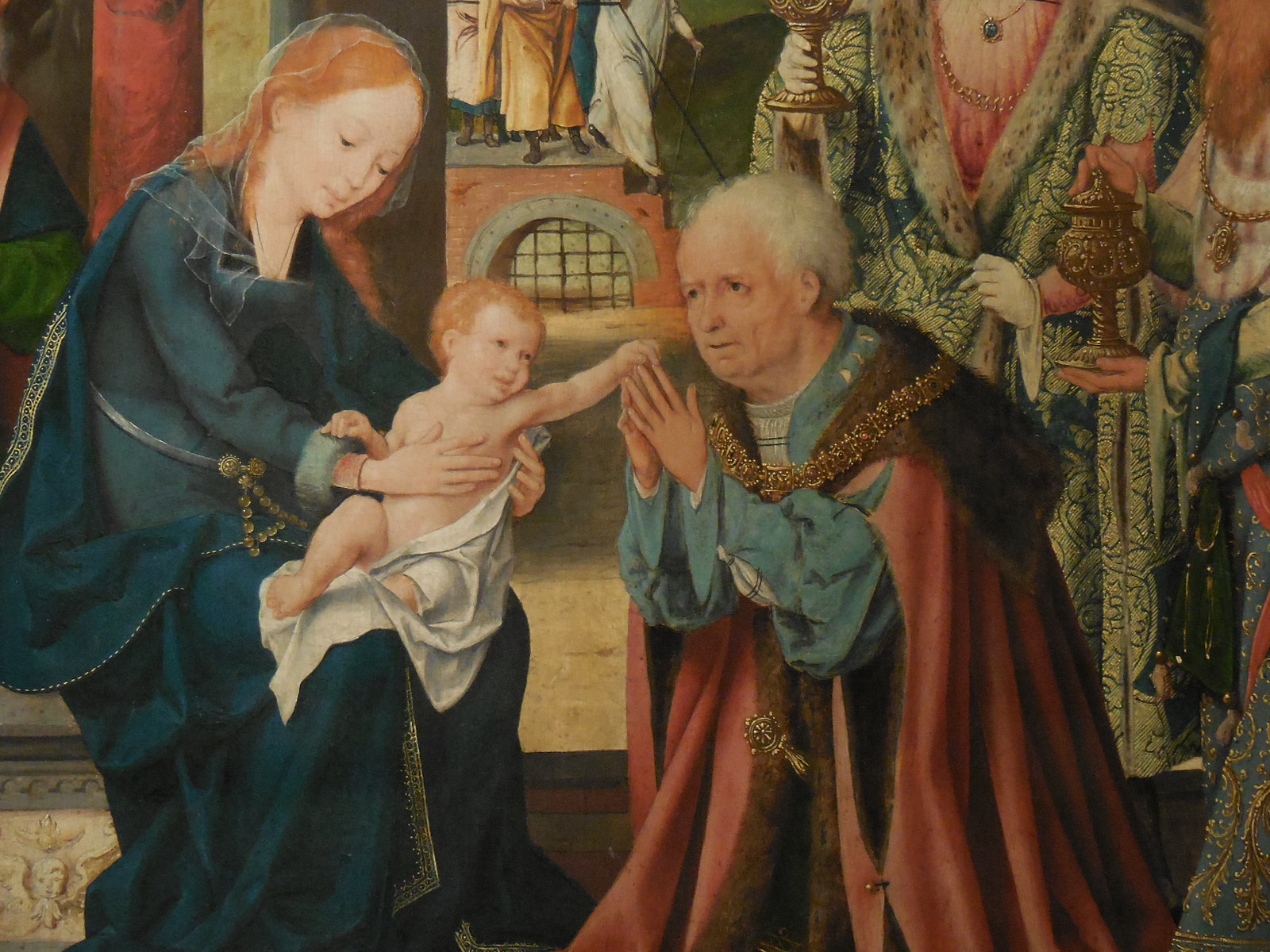
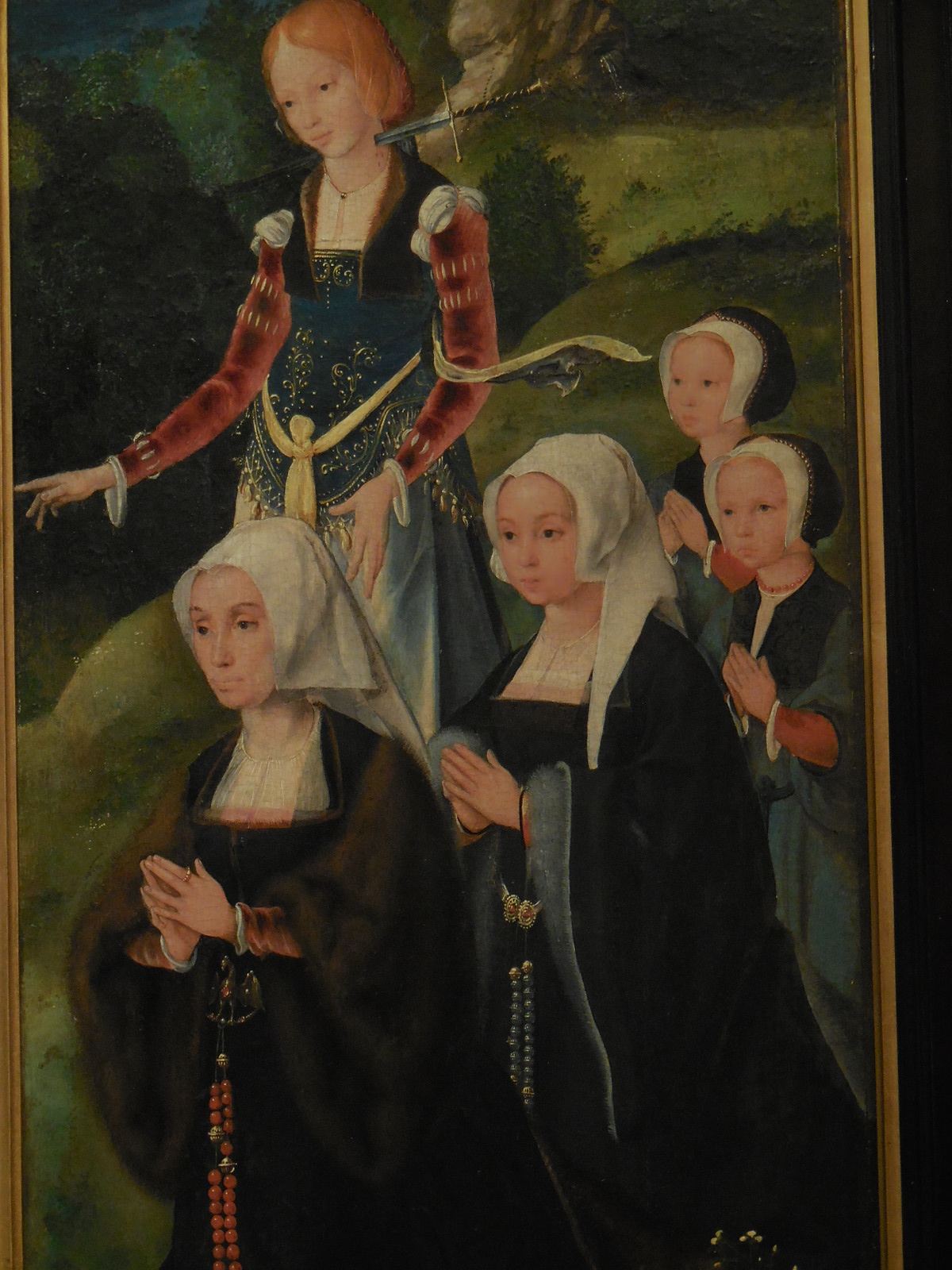
Joos van Cleve – Altarpiece with the Adoration of the Shephards, Saint Jerome with the Donor and Three Sons and Saint Lucy with the Donor and Three Daughters

Stellar artists worked as court painters in Prague: Hans von Aachen, Bartholomeus Spranger, Pieter Stevens and many others. First, allow me to mention Giuseppe Arcimboldo, a portrait painter serving Emperor Maximilian II and Emperor Ferdinand I. Arcimboldo began serving the emperor in 1562. Rudolf, the son of the emperor, was very taken with his work. He composed still lifes for Rudolf, and, after Arcimboldo returned to Milan in 1587 due to illness, he had a now famous portrait of Rudolf, called Vertumnus, sent to Prague. Arcimboldo’s portraits were allegorical, often composed of various objects that would make up the person’s head, for instance.

Lucas Cranach the Elder – Saint Catherine, Saint Barbara and fragments of the figures of Saint Dorothea and Saint Margaret, from Prague Altarpiece

Hans von Aachen was Rudolf II’s favorite when he was emperor. He began painting for Rudolf II in 1592 and wound up making Prague his home, where he created his best portraits. The painter became good friends with Rudolf II, too. The picture gallery still has von Aachen’s portrait of his daughter Maria Maxmiliana. His style was a precursor to the Baroque features that would later dominate Czech art.

Bartholomeus Spranger – Allegory on the Triumph of Fedelity over Destiny

Spranger’s tenure in Prague lasted from 1580 to 1590. His often complicated and ornate works displayed Mannerist features. Spranger created numerous paintings for the Rudolfine collection. In 1607, Spranger created Allegory on the Triumph of Fidelity over Destiny – Allegory on the Fate of Hans Mont, referring to the sculpture to worked for Rudolf II until an eye injury prevented him from doing so. Mont’s whereabouts were unknown. This is one of Spranger’s paintings that has remained at the Castle throughout the centuries. He also created a masterful portrait of Jacob König, a German goldsmith who was selling antiques in Italy.

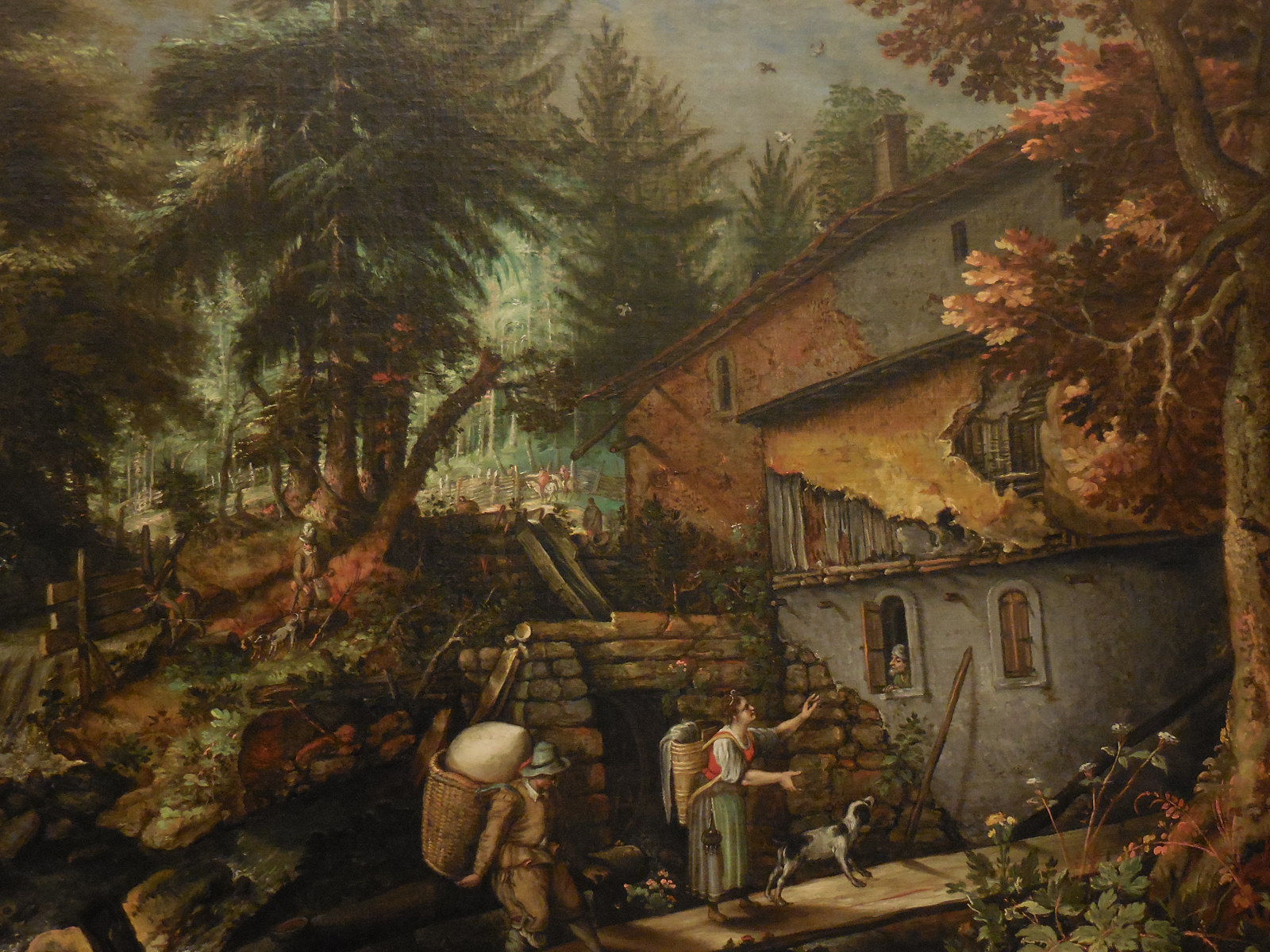
Pieter Stevens – Forest Landscape with a Water Mill

Pieter Stevens was another masterful court painter. He resided in Bohemia with his family and excelled at landscapes, influenced by Paul Brill and Hans Bol. He often portrayed village scenes or rendered forests and mountains in his unique way.

In 1585, Rudolf II’s collection was comprised of 3,000 paintings, including many Italian, Dutch, Flemish and German works, not to mention the numerous curiosities and statues.

Lucas Cranach the Elder – The Ill-Matched Couple

After Rudolf II died in 1612, his successor Emperor Matthias had many of Rudolf’s paintings taken to Vienna, where he had his imperial residence. The Bohemian Estates sold some of Rudolf’s works so they had enough money to pay their soldiers. After the Catholics defeated the Protestant nobles in the Battle of White Mountain during 1620, Archduke Maximilian of Bavaria confiscated many of the works. Others were destroyed. During 1630, while the Thirty Years’ War was raging, Saxon soldiers took over Prague Castle and stole much of the artwork.

Bassano – The Good Samaritan

When the Swedes occupied Prague Castle in 1648, they took some of Rudolf’s collection to Queen Christina in Stockholm, but the most significant works had already been sent to Vienna. The queen sold some of the artwork and gave away others. She also took her favorites to her residence in Italy. Part of the collection was destroyed in a fire at the Royal Palace of Stockholm. Some works stayed in Prague when the Swedes took control because they were hidden.

Tintoretto – Christ and the Woman taken in Adultery

A few paintings made their way to England, becoming part of Lord Buckingham’s collection. Several were returned to Prague from Vienna. Other paintings were sold in Europe. Empress Maria Theresa had the picture gallery at the Castle shut down. In 1782 many of the Rudolfine artworks were sold at auction.

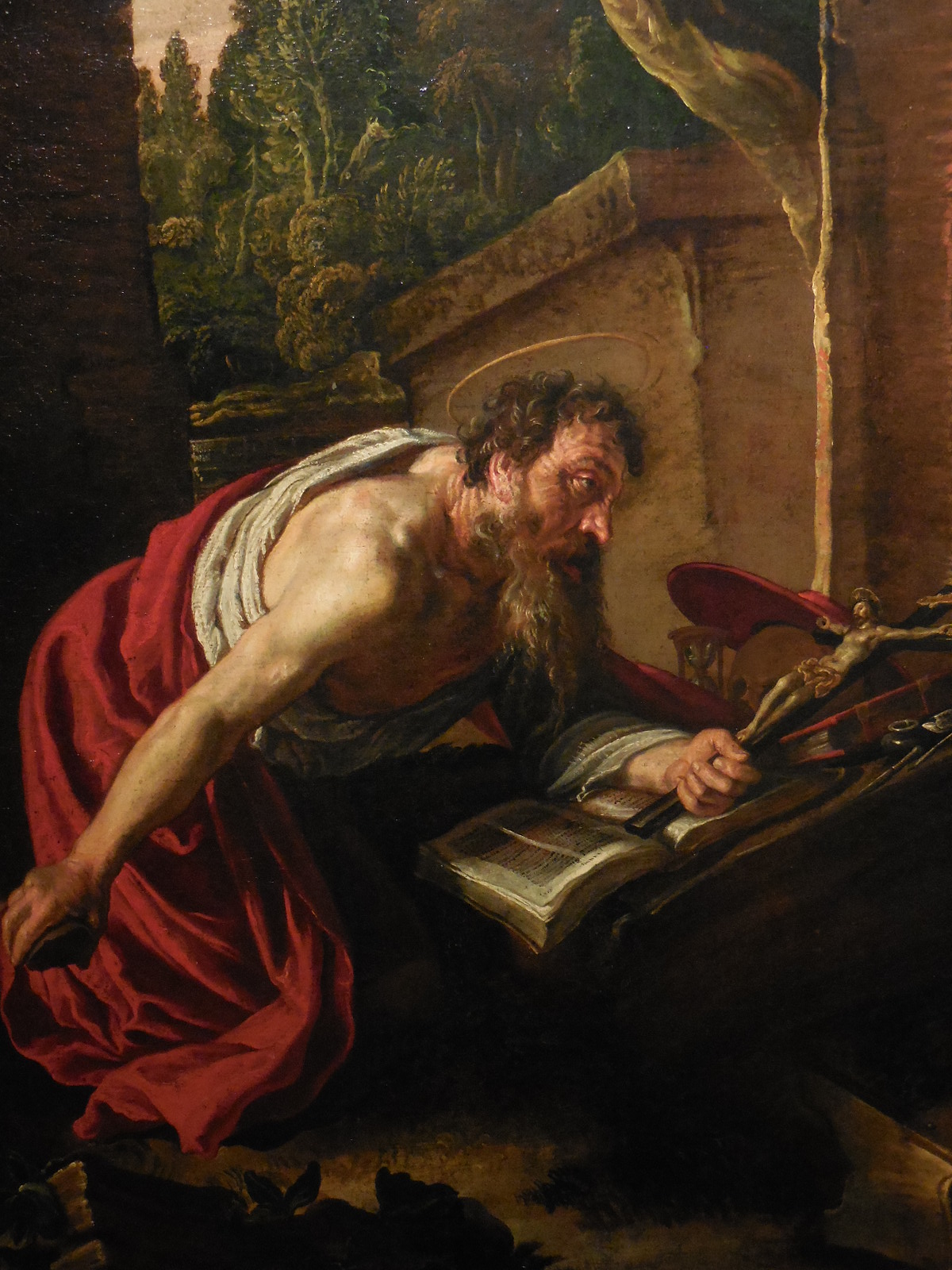
Domenico Fetti – Saint Jerome

Some paintings have perhaps miraculously remained at Prague Castle throughout the trials and tribulations of history. Paolo Veronese’s Portrait of Jakob König and Christ Washing the Feet of his Disciples as well as The Adoration of the Shepherds became property of the gallery in the middle of the 17th century and never left. Titian’s Young Woman at Her Toilet has called Prague Castle home since the 18th century. Several of the paintings by the Bassano brothers have remained in Prague, though many were transported to Vienna.

Bassano – September

In 1796, Czech aristocrats and burghers organized the Picture Gallery of Patriotic Friends of the Arts in Prague, which would later become the National Gallery. Some paintings were not sent to Vienna because they were on loan at the time to this Prague society. The year after its creation, the group was able to get 67 of Rudolf’s paintings back from Vienna. Gradually, they obtained more and more paintings from Vienna.

In 1918 Czechoslovakia was formed, and Prague Castle became the office of the president. In 1930 the Masaryk Fund began to purchase paintings for Prague Castle. During the Nazi Occupation some of the paintings hung at the president’s summer residence of Lány and others stayed at Prague Castle.

Peter Paul Rubens – The Annunciation to the Virgin

Much reconstruction took place at Prague Castle from 1960 to 1961. The National Gallery Commission brought many paintings to the National Gallery and the Museum of Decorative Arts in Prague. Many paintings were stored in a depository at Opočno Chateau during 1961. After the reconstruction, the Prague Castle Painting Gallery was established, taking up six rooms and including works of Titian, Rubens, Veronese and Tintoretto. German masters and Baroque artists from the Czech lands and the Netherlands also made up the collection.

Titian – The Virgin and Child with the Young Saint John the Baptist

The Velvet Revolution of November of 1989 triggered the downfall of Communism. A few years later, in 1993, the Prague Castle Administration was set up. One of its purposes was to organize new exhibitions at the painting gallery. From 1995 to 1998, much reconstruction took place at the Castle, and the Prague Castle Administration bought more paintings from Rudolf’s collection.

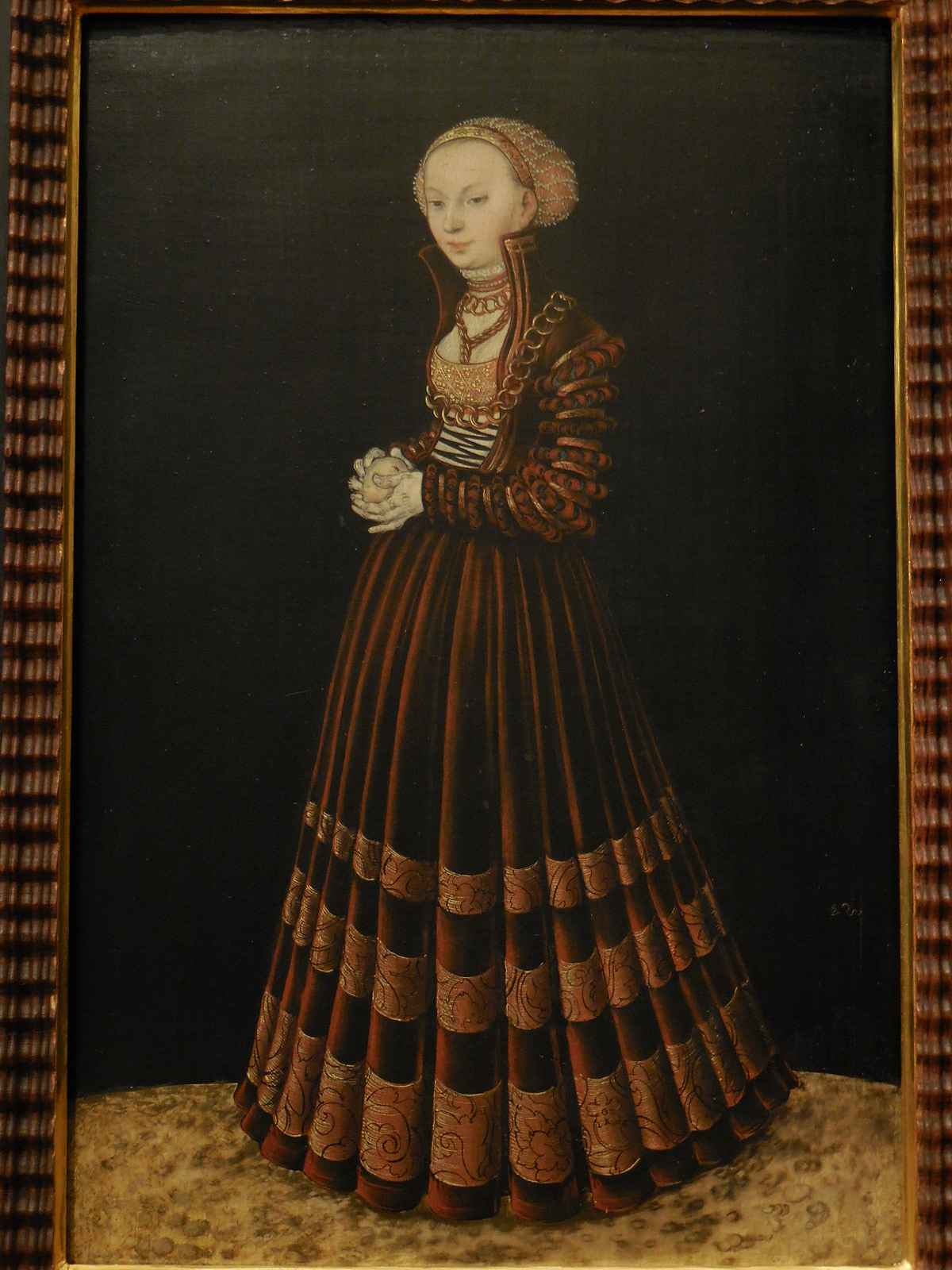
Lucas Cranach the Elder – Portrait of a Lady with an Apple

There has not been such a vast collection at Prague Castle since Rudolf’s death. It is impossible to faithfully recreate the Rudolfine collection because there are not enough inventories. Many of the paintings taken during the Thirty Years’ War have disappeared. Still, the Prague Castle Picture Gallery houses 120 outstanding works, including ones from the original collection.

Tracy A. Burns is a writer, editor and proofreader in Prague.

Veronese – Christ Washing the Feet of the Disciples
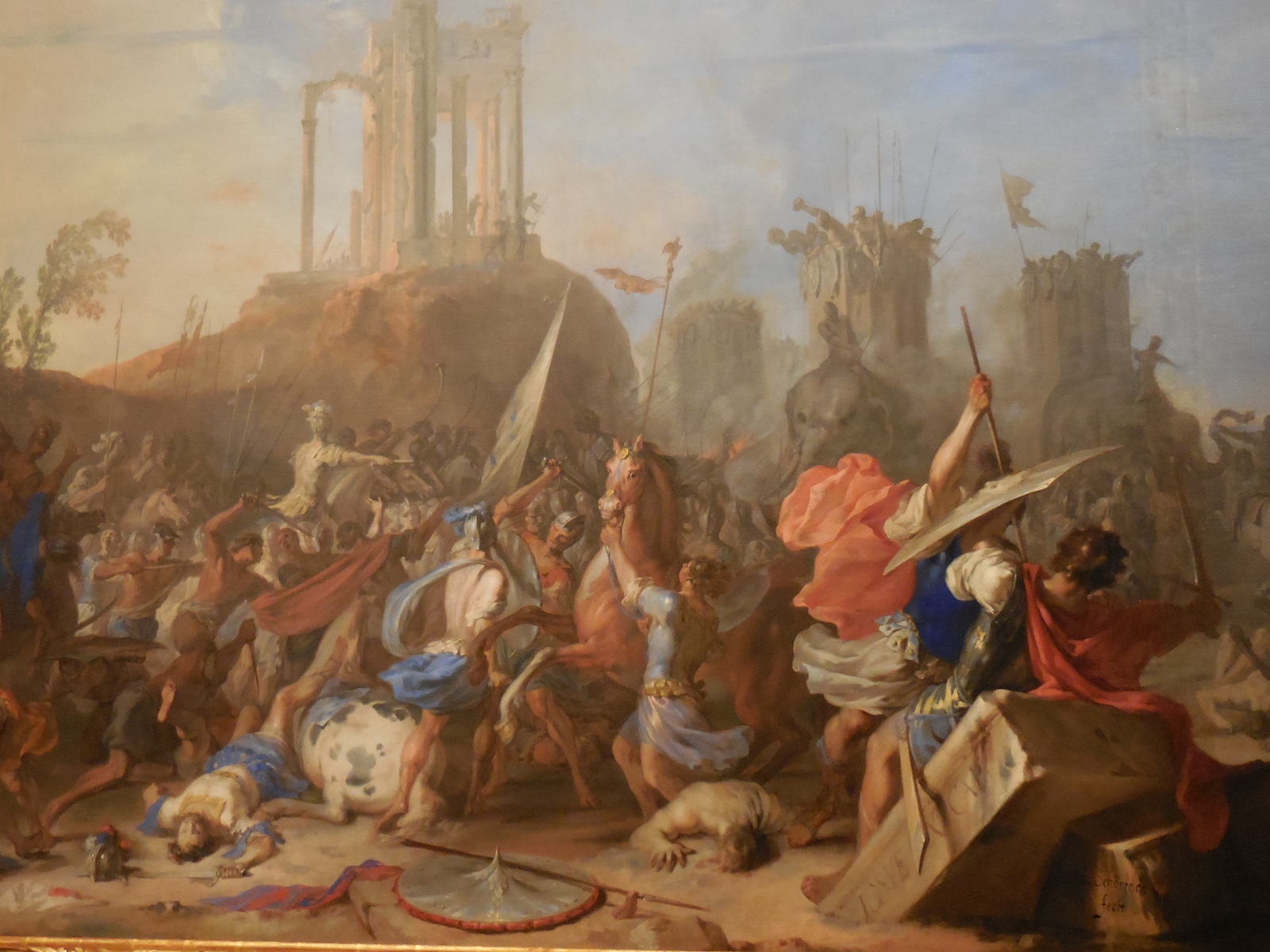
Johann Heinrich Schonfeld – Battle of Jericho
Peeter Snayer – An Ambush in a Village

Museo del Duomo in Milan Diary

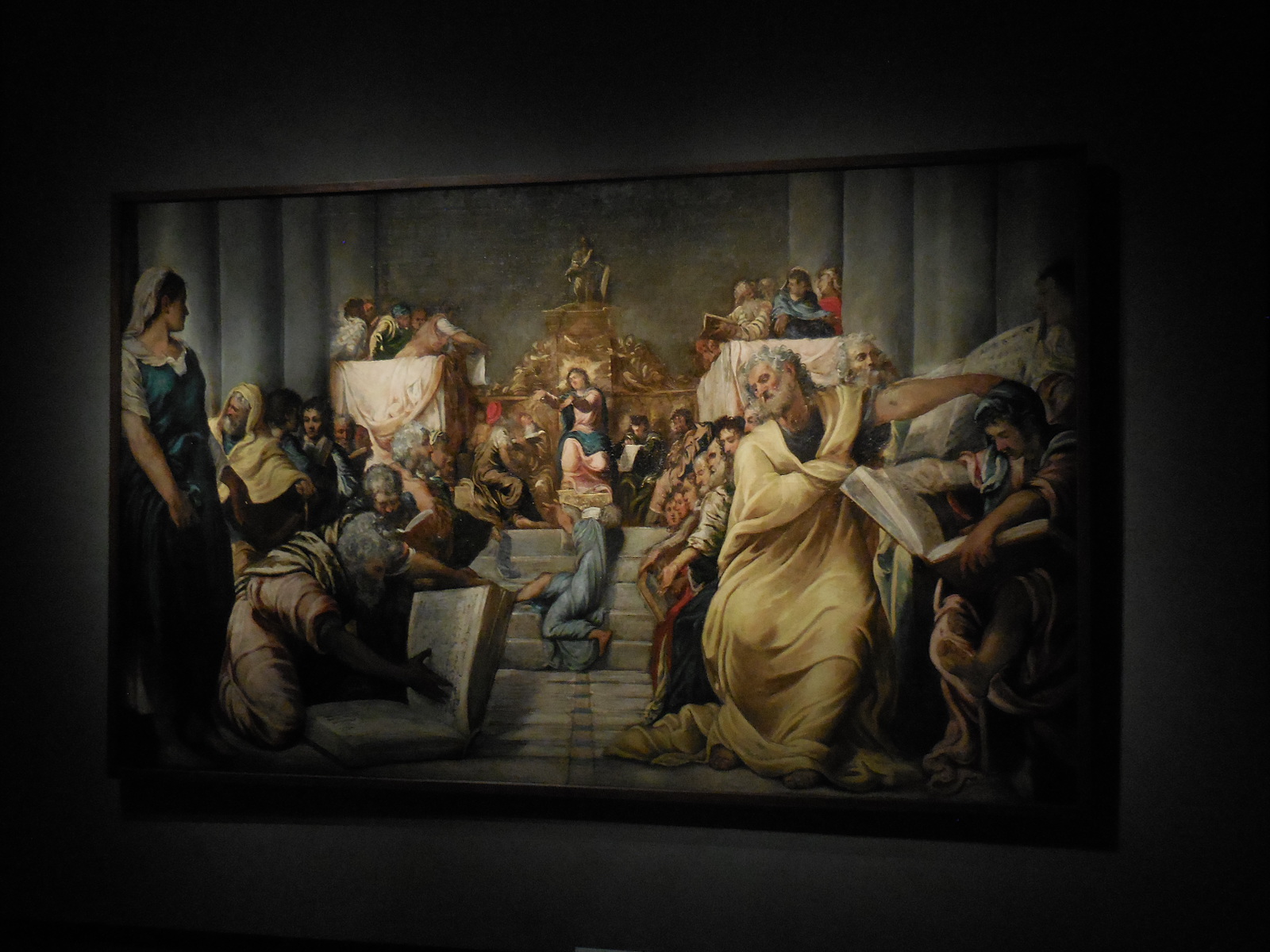
When I visited the Cathedral Museum in Milan, I didn’t expect it to be so big. The museum measured 2,000 meters square, and there were 26 rooms. Set up in chronological order, the artifacts included stained glass windows, paintings, tapestries, architectural models, sculpture, bronze doors, goldsmithing artifacts and more. The museum, located on the ground floor of the Palazzo Reale, allowed me to see the various phases of construction from its foundation in 1386 to the 20th century. The museum dates back to 1953. Ten more rooms were added in 1960, and it was reopened in 1973. It underwent major renovation during this century, too.

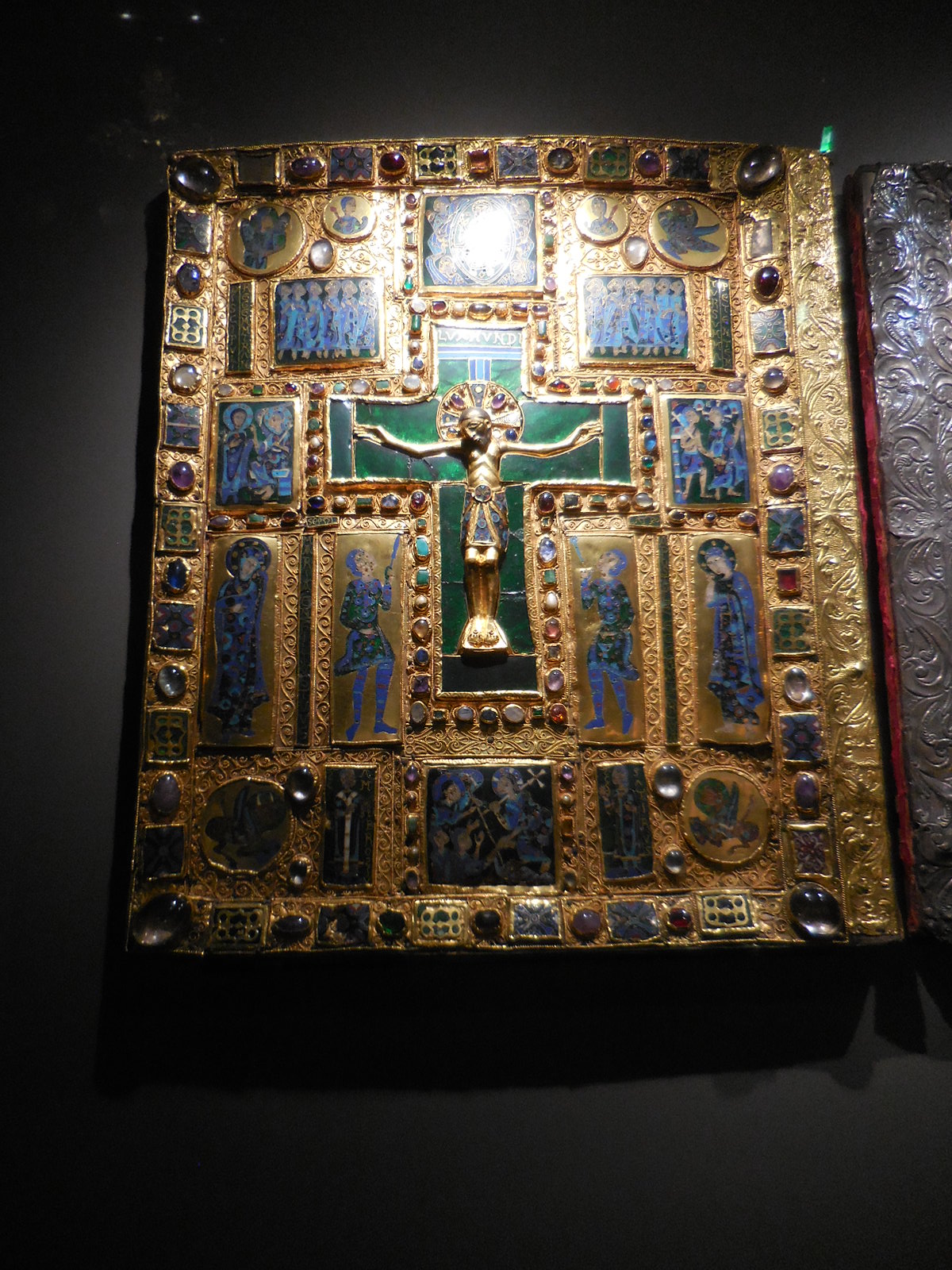
Placed in the museum during 2013 after renovation was completed, the Treasures of the Cathedral are on display in two rooms and feature liturgical objects from the 5th to the 17th century. I saw the Cross of Chiaravalle, a masterpiece of Romanesque goldsmithing art. The Cross of San Carlo was another goldsmithing object that amazed. It was made in Mannerist style during the 1500s. The cross is even used in cathedral ceremonies new archbishops are inaugurated. La Pace di Pio V, dated around 1565, utilized lapis lazuli decoration on columns and a sarcophagus. The cross was studded with diamonds. Gold decoration added to its beauty. Il Calice delle Arti Liberali is a chalice placed on a copper gilded frame. Made in Milan during the 1500s, the chalice has enamel decoration.

Perhaps my favorite part of the museum was the section with the stained-glass windows. I was enthusiastic about having the opportunity to see stained-glass windows up close. These panels depicting scenes from the Old Testament had been created by artists from Lombardy, France, Germany and the Netherlands. I loved stained-glass windows, and they were my favorite part of the cathedral’s interior. I spent so much time staring at those windows when I was inside the cathedral.

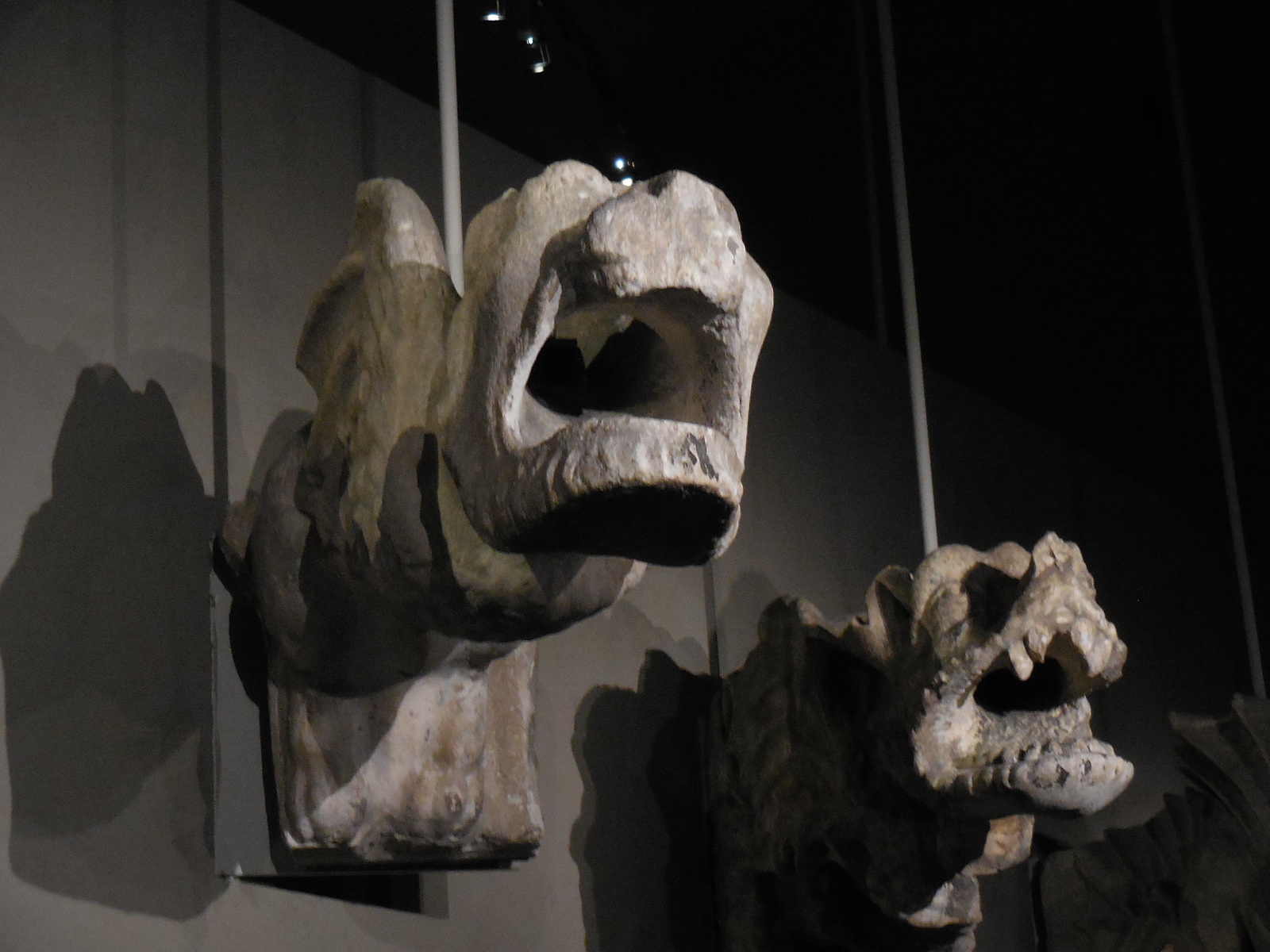
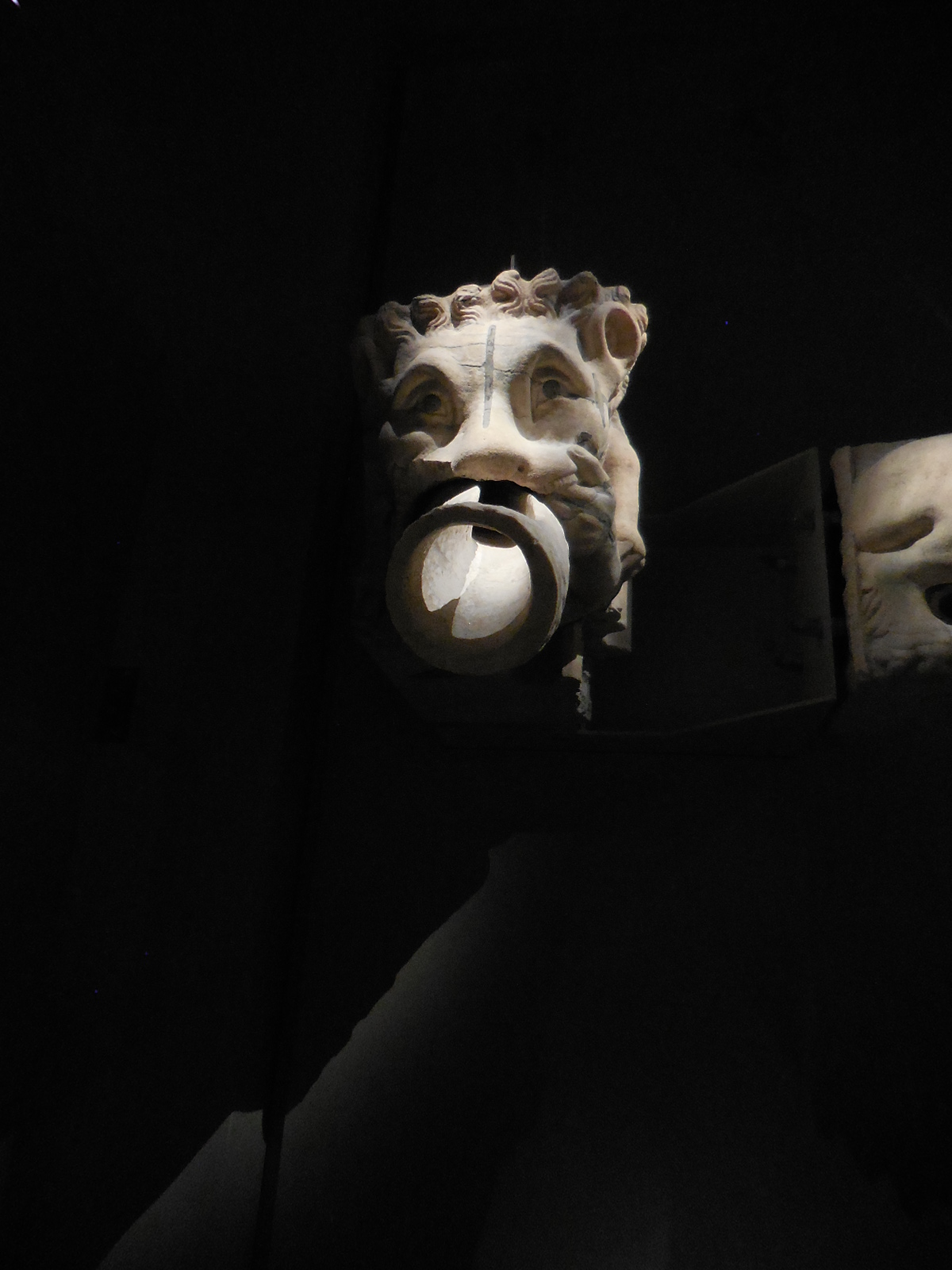
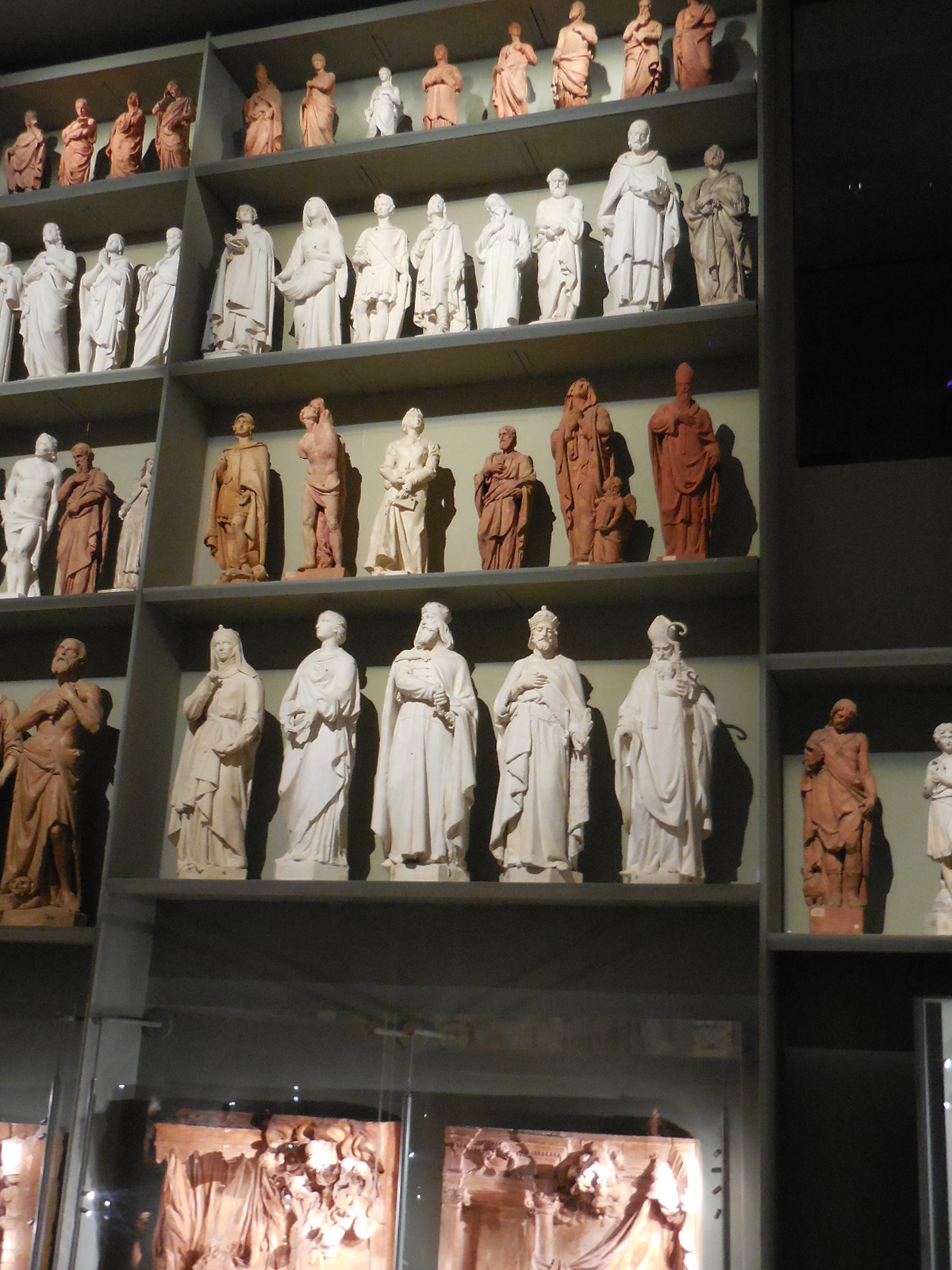
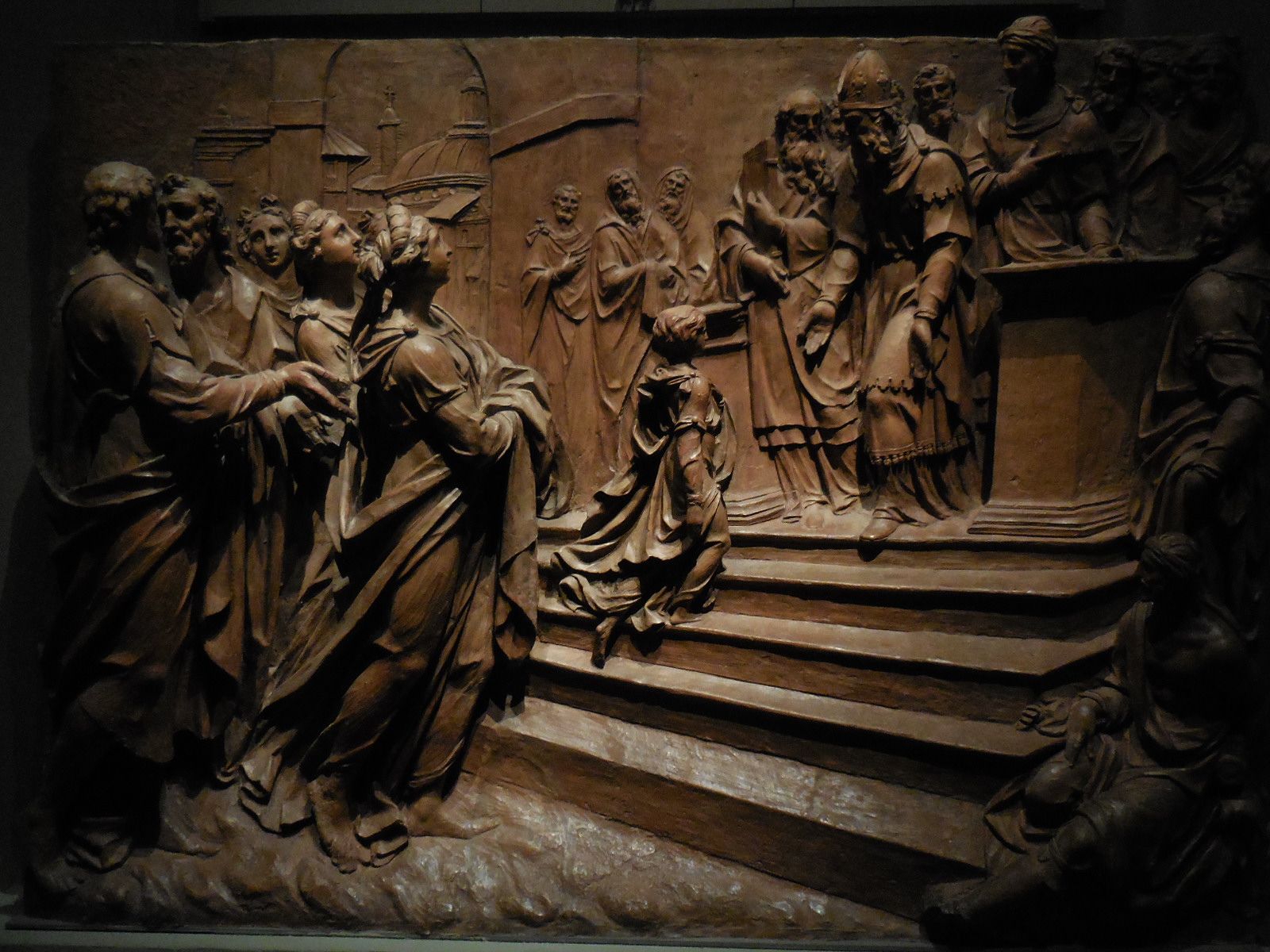
The sculpture was another delight. The marble Late Gothic figures hailed from the first 50 years of the cathedral’s construction. There were also statues made of terracotta from the Mannerist and Baroque eras. A few of the noteworthy sculptures featured Saint Agnes, Saint George and Galeazzo Maria Sforza. The Sforza noble family had had a vast influence on the city’s development and politics. I also was amazed by the gargoyles. I was thrilled that I had the chance to see them close up.

A model of the entire cathedral comprised three centuries of work and was made at a scale of 1:20. Another model that caught my attention was an early 16th century wooden rendition of the cathedral, made by Bernardino Zenale from Treviglio. This model provided insights into the structural development of the various sections of the cathedral, such as the apse, transept and tiberium.

I found the objects in the museum stunning. I was flabbergasted by their beauty. I had expected a small museum of liturgical items, not such an amazing array of artifacts. I had learned how the cathedral had been constructed in various eras and about the main players in the history of the structure.

Leaving the Museo del Duomo, I was very satisfied with my visit and ready for the temporary Titian exhibition in the Palazzo Reale.

Tracy A. Burns is a writer, proofreader and editor in Prague.

Museo del Novecento Diary

When I looked at the Palazzo dell’Arengario, which houses the Museo del Novecento, I thought that the exterior was an eyesore as it was punctuated by a Fascist style of architecture. It was intriguing, nonetheless. The two symmetrical buildings each had three tiers. Arcades made an appearance as well as did bas reliefs. Even though construction commenced in 1936, the palace was not completed until 1956. During World War II, bombs severely damaged the edifice. In the early years of the 21st century, it was renovated. The museum opened in 2010. About 400 works by mostly Italian artists are on display in chronological order, decade-by-decade.

A spiral ramp takes the visitors to the first three floors. It may look like something out of science fiction, but I thought the ramp interrupted the space. I thought it was more of a hassle rather than a unique and innovative feature. In the Hirschhorn or Guggenheim, the ramp and the locations of the artwork complement each other. I felt that at the Museo del Novecento the ramp and pieces of art worked against each other, dividing rather than complementing.

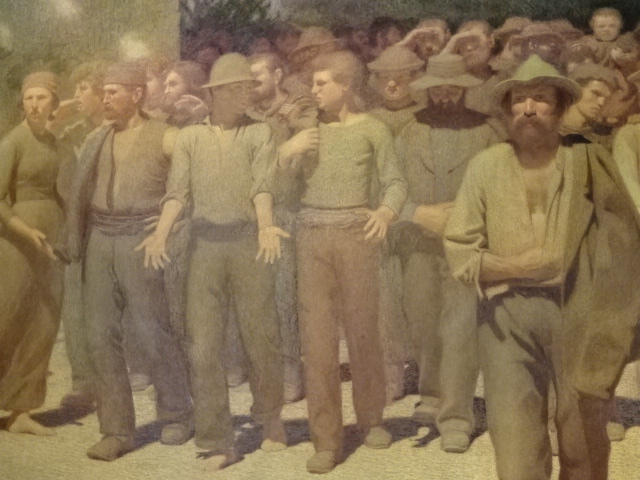
The first painting that caught my attention was the large canvas called The Fourth Estate by Giuseppe Pellizza da Volpedo. It was lcreated from 1898 to 1902 in Divisionist style. This kind of painting utilizes individual points of color in a neo-Impressionist fashion. Depicting workers on strike, the painting gets its name from the working class that embodies the meaning of “the fourth estate.” Out of the crowd of demonstrators and into the light step three figures, two men and a woman holding a baby. They are walking toward the viewer confidently, not at all in a hurry. They are clearly there to try to reach a deal with their employer. But they are not panicked or nervous. They have terms and conditions that have to be met. The colors in the painting have a cold quality, but the light gives the group a vibrancy that makes them look powerful and in control of the situation.

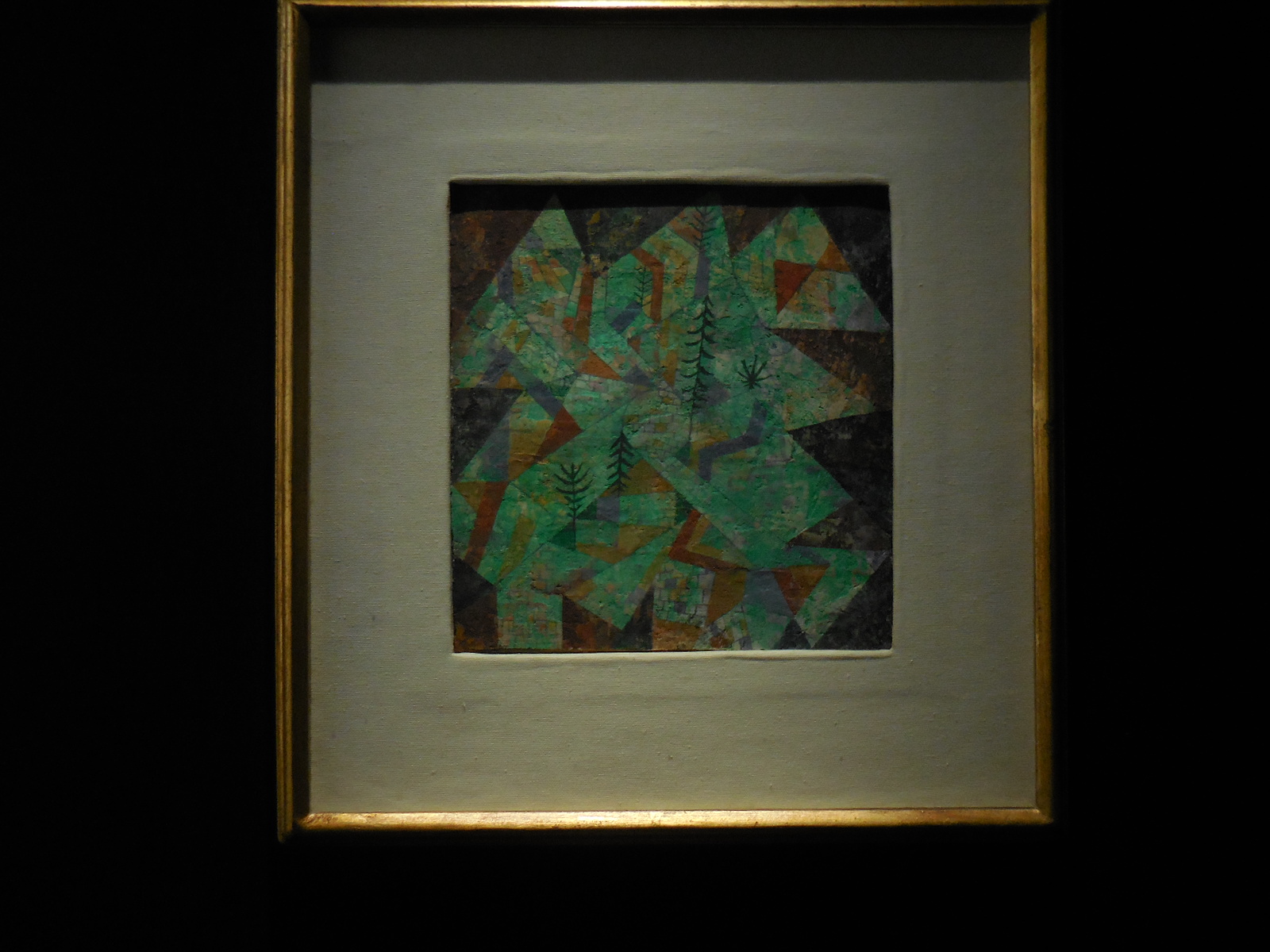
Paul Klee’s artwork holds a prominent place in the museum.

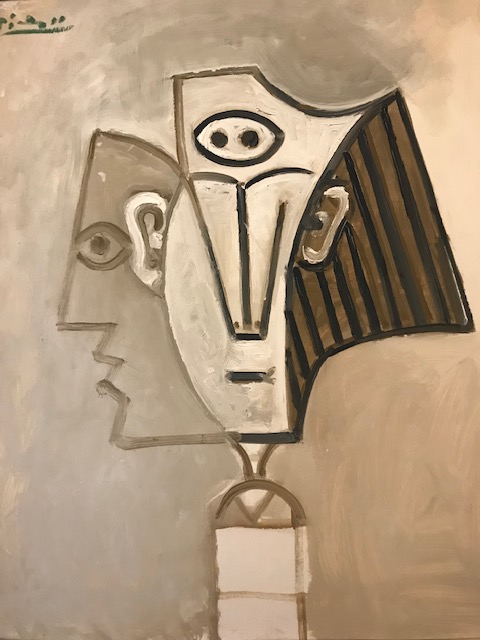
Foreign artists represented included Georges Braque, Wassily Kandinsky, Henri Matisse, Paul Klee, Pablo Picasso and Piet Mondrian. Indeed, these works are some of the most significant in the collection. Klee’s Wald Bau from 1919 and Kandinsky’s Composition 1916 stand out, for example.

One section of the museum focuses on Italian Futurists, such as Umberto Boccioni, Giacomo Balla and Fortunato Depero. In fact, one room is dedicated to Boccioni’s works. I had visited a museum featuring Depero’s works in Rovereto a few years earlier, so I was familiar with the Futurist style. Born in Italy during the early 20th century, Futurism looked to the future rather than to the past. It praised modernity and technological advances. Industrial cities, cars and airplanes were often subjects of Futurist artworks. Depero’s creations certainly looked like they were in motion. I recalled some people depicted in one work as resembling machines.

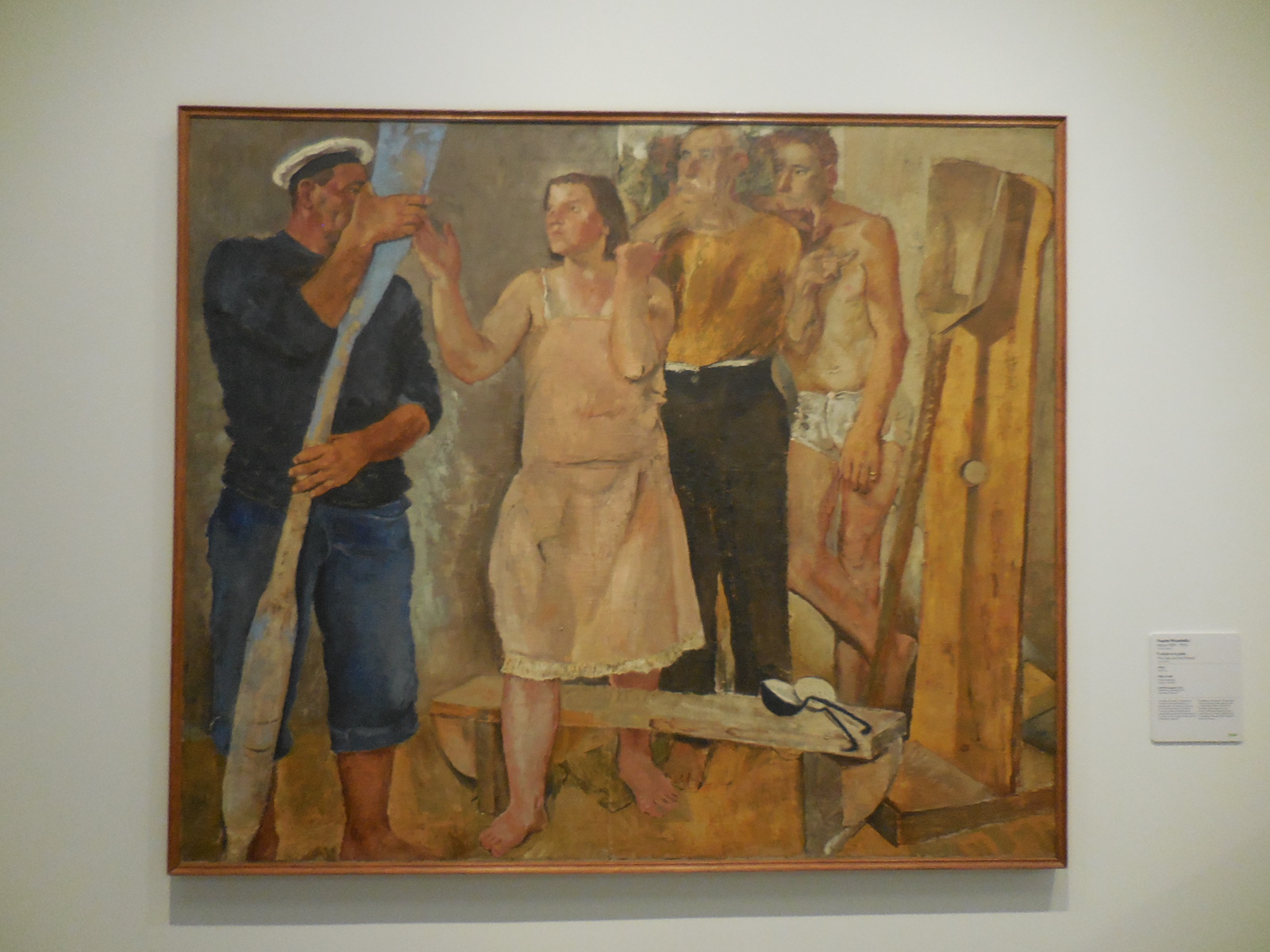
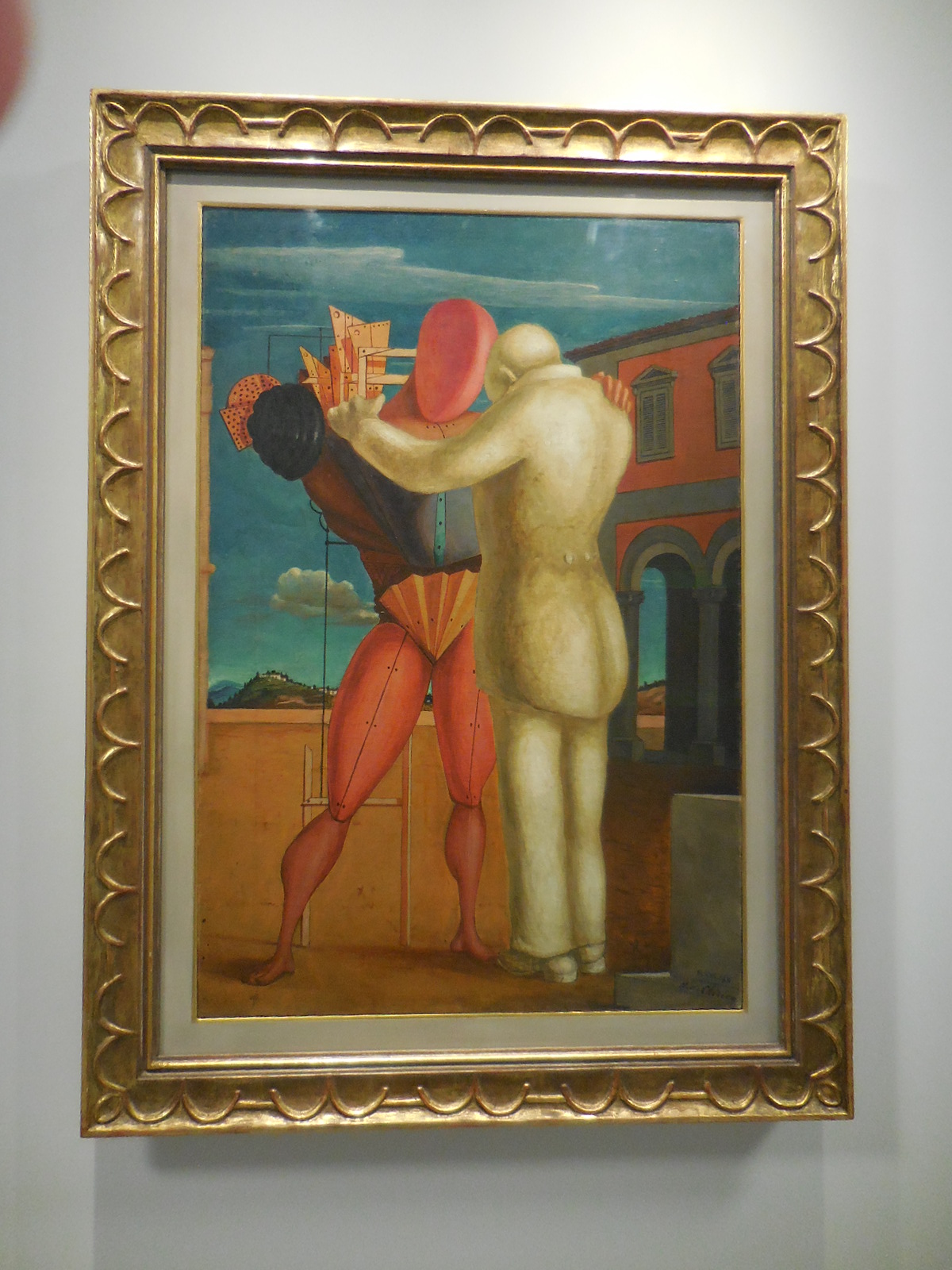
The Novecento of the 1920s is well represented with a style that was inspired by ancient Roman art and Renaissance art, which are meshed together in an abstract way. Giorgio de Chirico’s surrealism is on display, too. In fact, his creations take up an entire room. Art Informel by Italian artists and the Azimeth group are featured in the museum, too. The last section follows trends from the Sixties to the Eighties with exhibits of Kinetic Art, Programmed Art, Pop Art, Analytical Painting and Conceptual Art. Lucio Fontana’s works take up the top floor. Take a look at his neon sculpture and you’ll realize what an artistic journey you have taken from the social realism of The Fourth Estate floors below.

A few works worth mentioning include Giacomo Balla’s Ragazza che corre sul balcone from 1912 and Umberto Boccioni’s Svilippo di una bottiglia nello spazio from 1913-35. Balla’s painting showing a boy running on a balcony is dynamic and vivacious as it shows spontaneous movement and the joy and innocence of childhood. The colors of blue, brown and green with white help to create the sense of motion that is central to the painting. Futurism is all about movement as opposed to the static and still life qualities of Cubism.

While Boccioni was also a Futurist, his bronze sculpture Sviluppo di una bottiglia nello spazio showcased a bottle on a plate in unique way that is reminiscent of a natura morta. This kind of still life was not at all typical for Boccioni’s style because of its lack of movement.

Another painting by Paul Klee

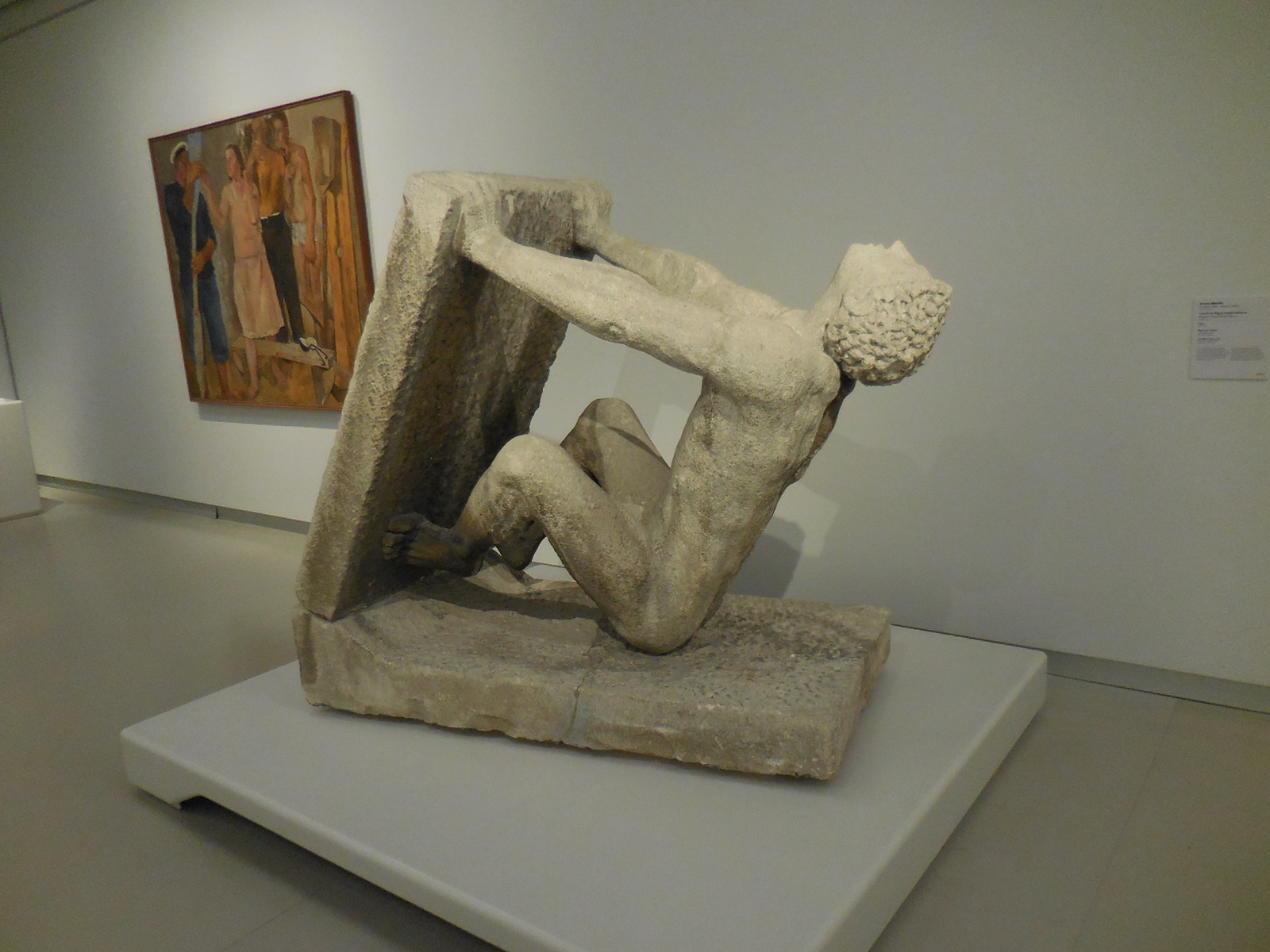
Amedeo Modigliani’s portraits were on display, too. He painted the Parisian art collector Paul Guillaume with one eye, for instance. In Arturo Martini’s sculpture La convalescente from 1932, the sick, young woman who is the subject of the work has been forgotten and abandoned. Her empty gaze and lost look practically ripped through my heart. It reminded me of when I was taken downstairs on a stretcher to have my gallbladder operation. The nurses left me on the stretcher in the empty space next to the operating room. I could hear the doctor trying to wake up the patient. At first she didn’t respond. He had to talk to her several times. For a few minutes, I thought that I had been abandoned and that the woman having the operation before me had died. I wanted to run out of there, but I was drugged and could hardly move. Finally, she regained consciousness.

One of the surrealist works by De Chirico

I particularly liked De Chirico’s surrealist works with vibrant colors. His I bagni misteriosi was inspired by a 16th century work by Lucas Cranach. Ever since I was a child, I have loved Klee’s abstract art. For me Klee’s art has a sense of rationality and logic that I often find absent in abstract works.

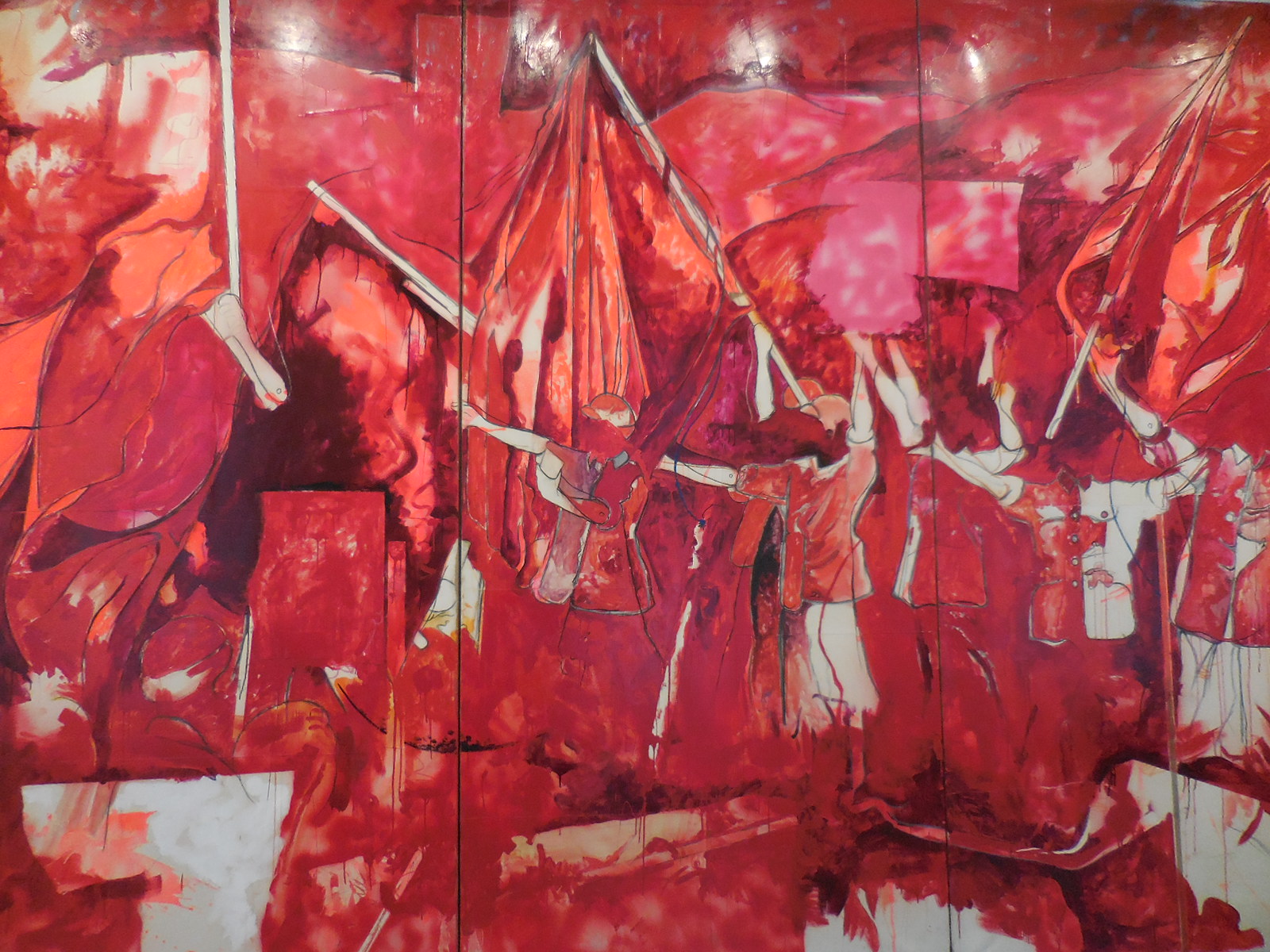
A painting with a theme of Chinese revolutions

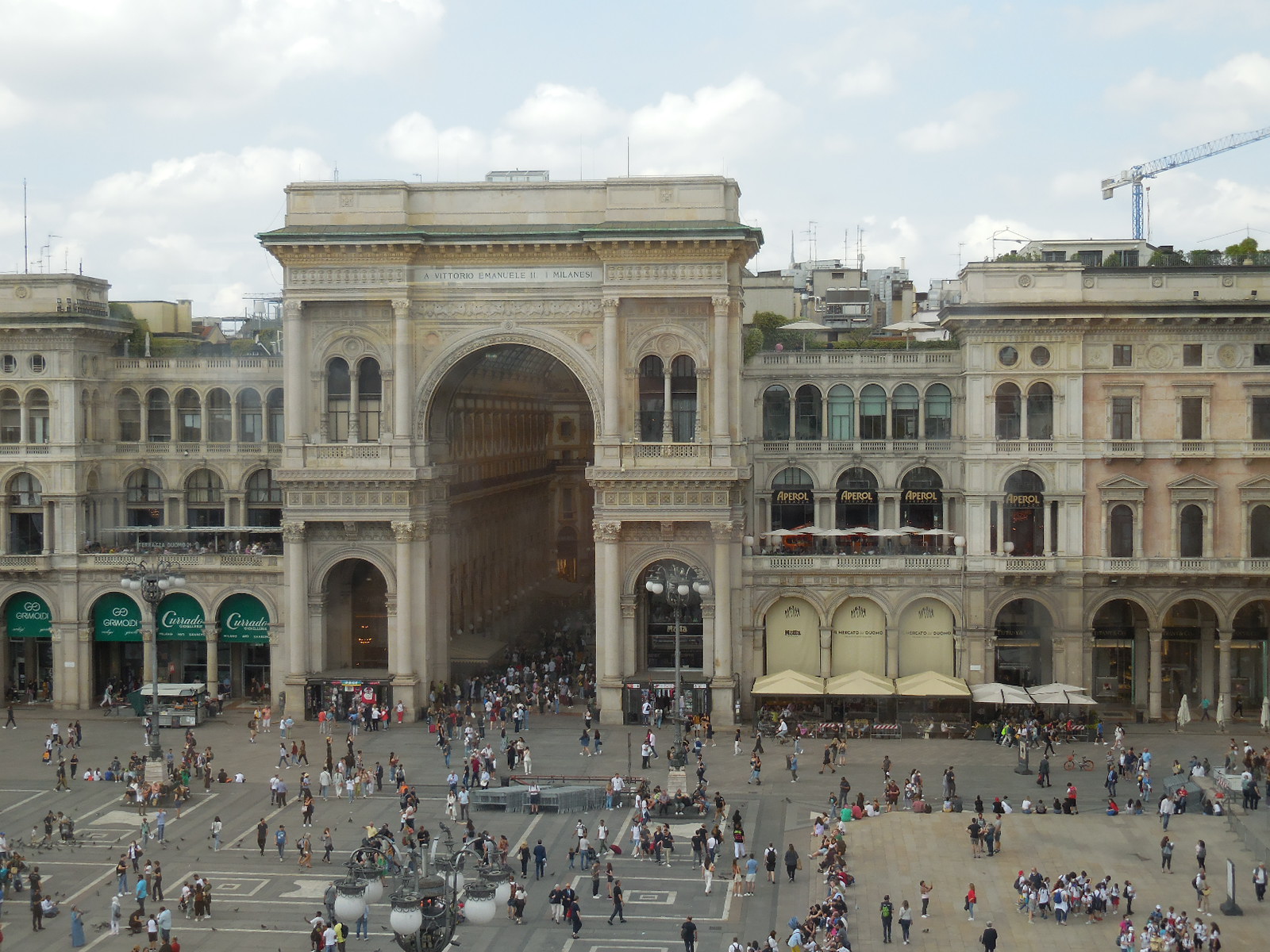
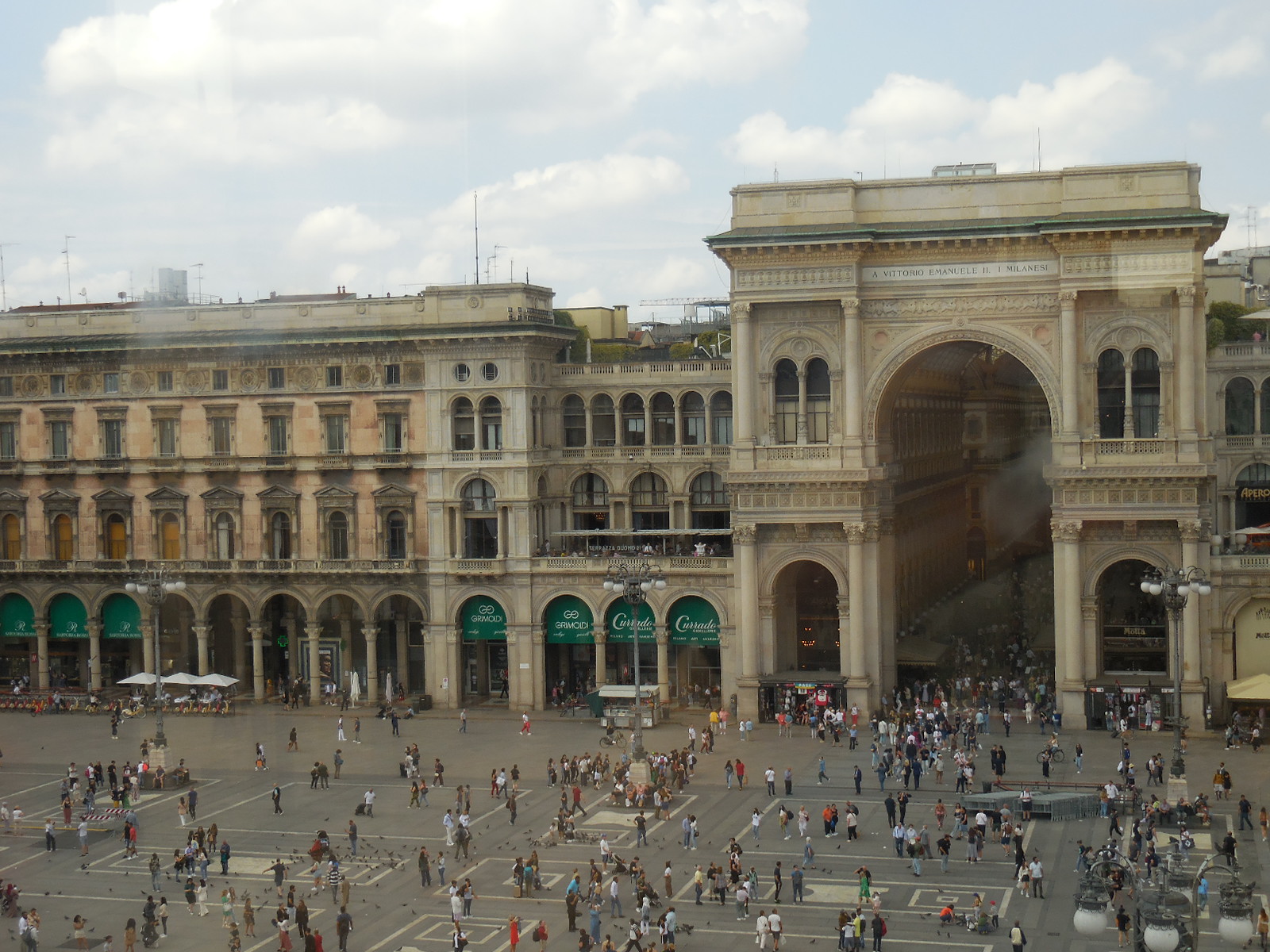
On the third floor there are glass walls that provide great views of the Duomo Square and the cathedral as well as Galleria Vittorio Emanuele II shopping arcade. I stood in that room for a long time, surveying the passersby walking to and fro below me, gazing at the long line to enter the cathedral and the people having lunch at expensive restaurants on the square. It was nice to be up there, looking down at the crowds on that scorching hot May day.

Tracy A. Burns is a writer, editor and proofreader in Prague.
Galleria d’Arte Moderna Milano Diary

Walking through the charming courtyard of the gallery, I noticed that the villa was in Neoclassical style as was the La Scala Theatre, which I had toured a few days earlier. On the other side of the main street was a vast park. In part of the courtyard was a posh, crowded restaurant. The edifice had two facades, one visible to visitors. Statues and reliefs with a mythological theme decorated the facades. The second façade looked out upon Milan’s first English landscape garden.

Founded in 1903, the modern art gallery was initially housed in Milan’s Castle. In 1921 it moved to its current location, the Villa Reale. Built by Leopold Pollack from 1790 to 1796, the building was originally named Villa Belgiojoso and was used as a private residence. Later, when Napoleon’s adopted son lived there, many famous people gathered at the villa, which was notable for its lavish ornamentation. On August 6, 1849, the Pace di Milano treaty was signed there, making Milan part of Austria.

Austrian Field Marshall Joseph Radetzky von Radez, a Czech noble and Chief of General Staff for the Habsburgs during the Napoleonic Wars, even called the villa home for one year in the 1850s. At one point Radetzky was even knighted for his bravery. Johann Straus composed the Radetzky March after him. His troops appreciated his valor and fairness. He died in Milan during 1858.

When the various states merged into the Kingdom of Italy, the building was no longer used. It was nationalized in 1920 and was refurbished so the Modern Art Gallery could open there the following year. Still, the gallery had to wait until 2006 before they could use the entire building for their exhibits. Before that the gallery had shared the building with other institutions.

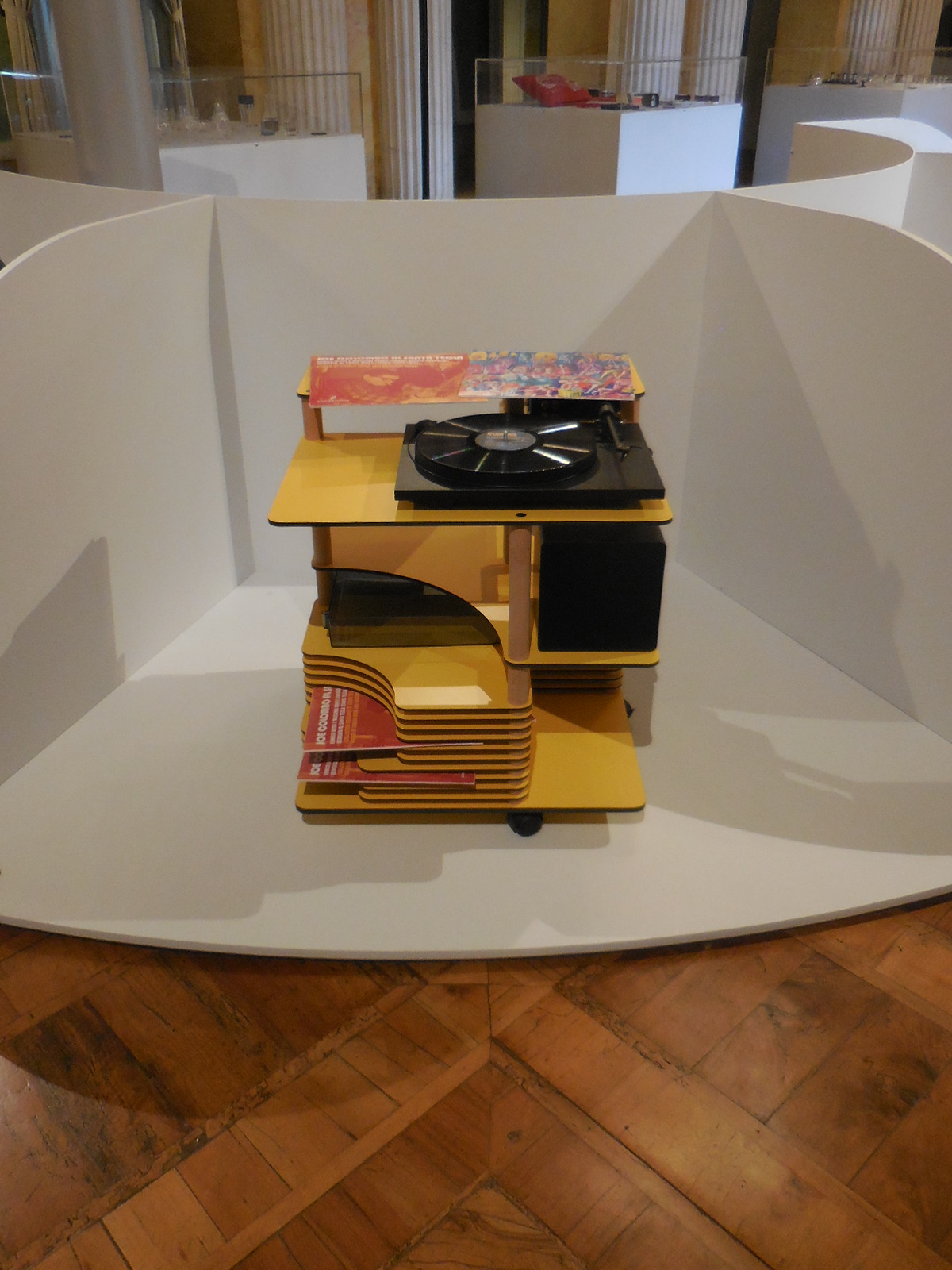
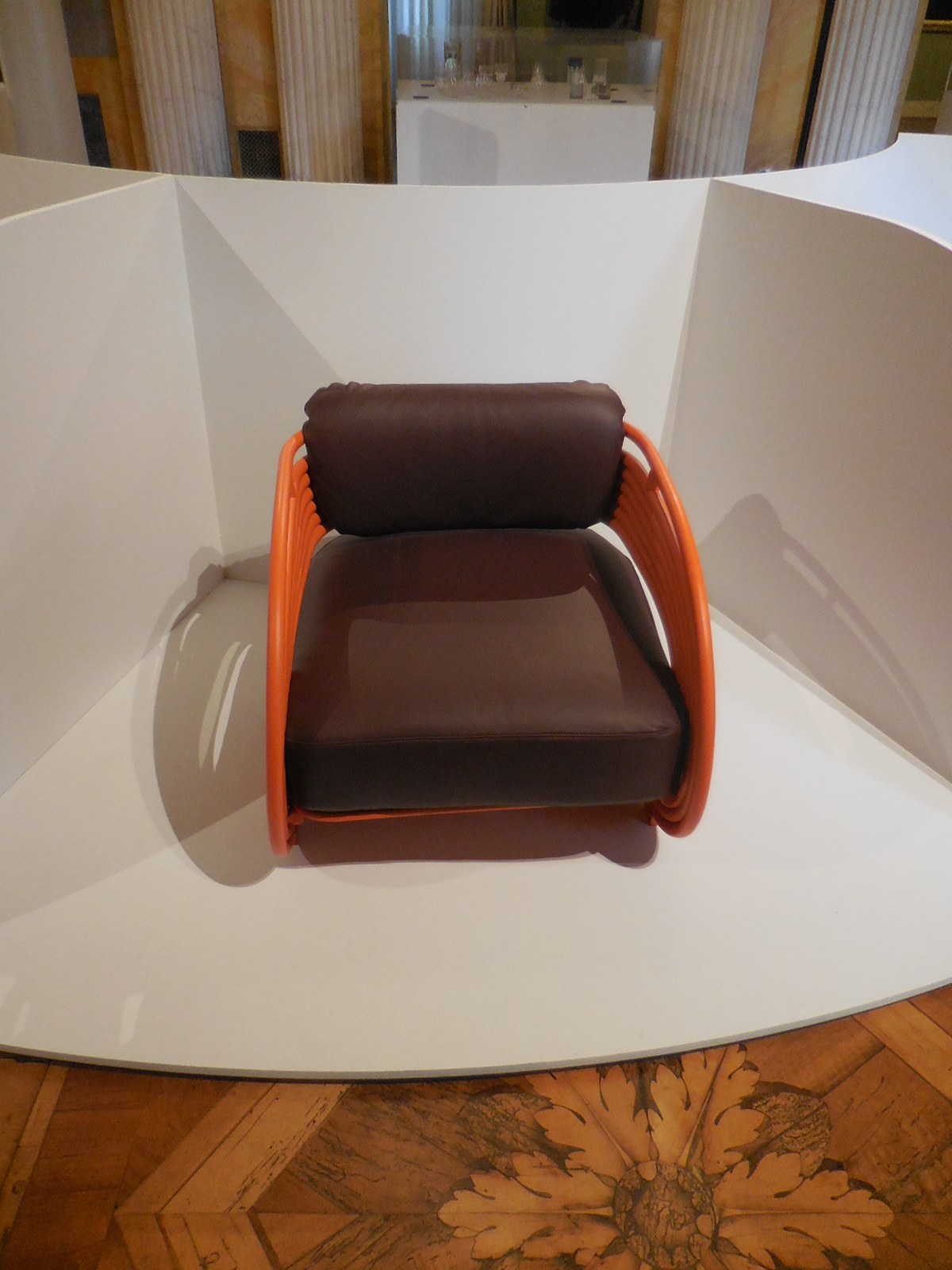
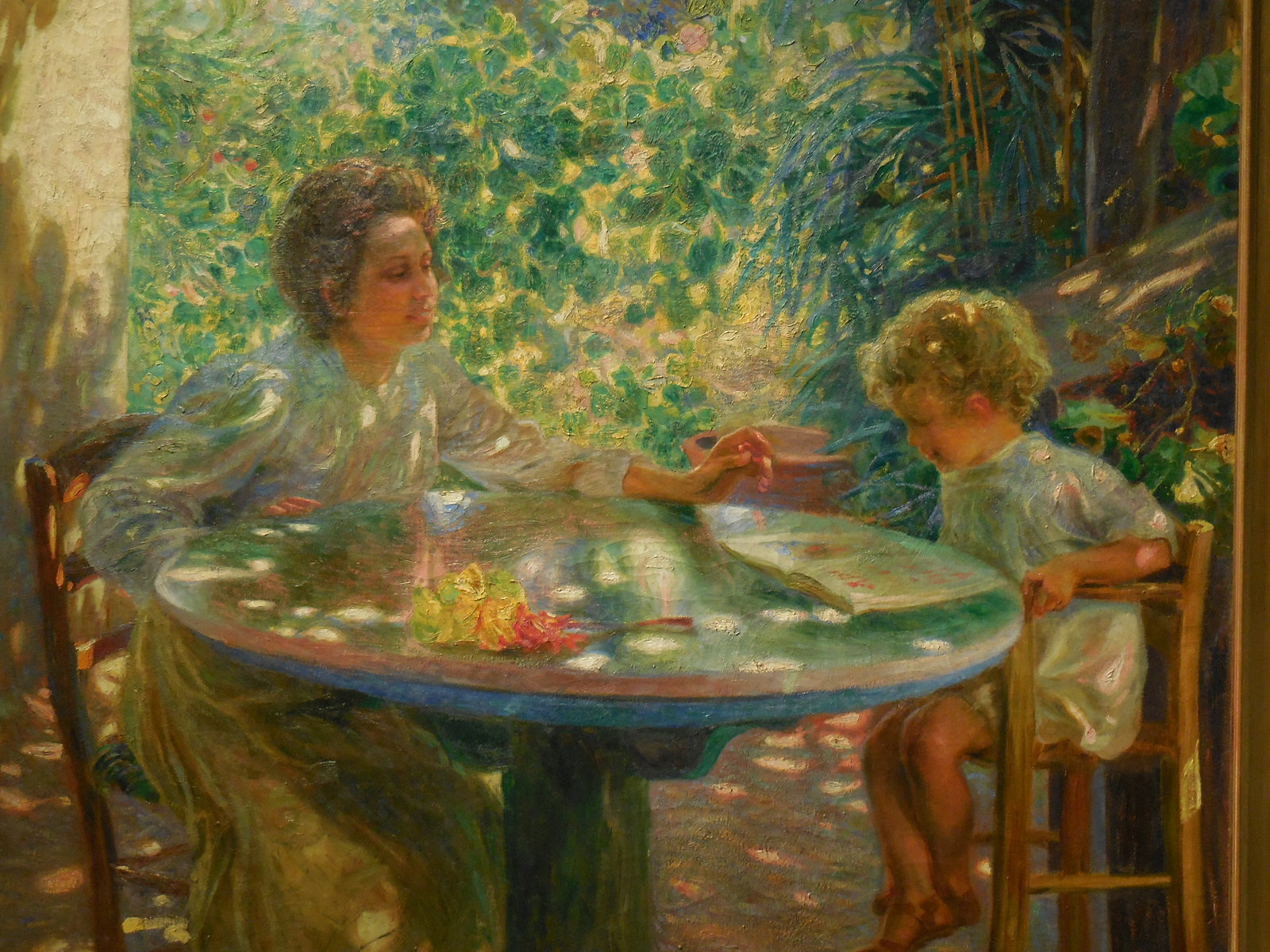
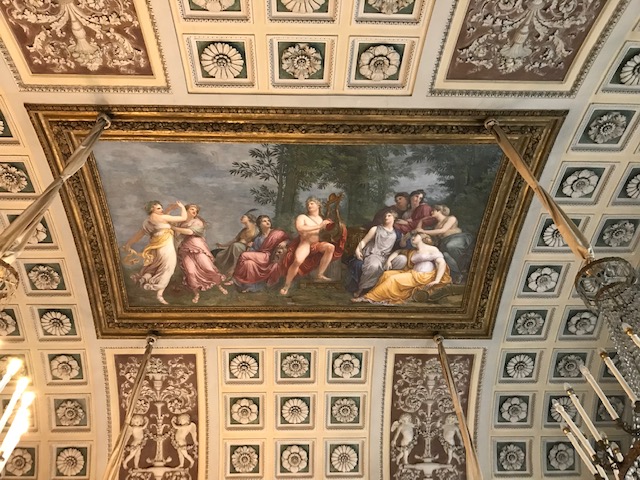
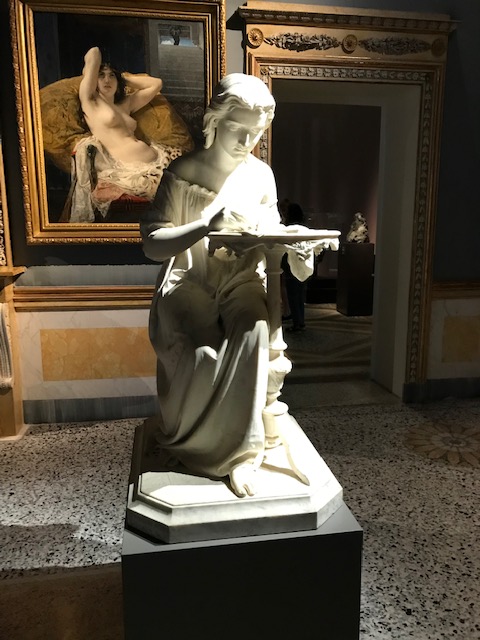
The permanent collection started on the first floor. The first six spaces covered Neoclassical art. The works of Antonio Canova were represented there. Two rooms were dedicated to portraiture, including the renditions of Francesco Hayez. His Portrait of Matilde Juva Brunea from 1851 was one of the gallery’s masterpieces. A luxurious ballroom and the Parnaso Room with its astounding 1811 fresco had come into being during Napoleon’s era. After gazing at these two luxurious spaces, I continued to peruse artwork from the Romantic, Divisionist and Symbolist periods. There was also a temporary exhibition of Italian designer Joe Columbo’s 20th century furnishings on that floor.

From the Joe Columbo exhibition

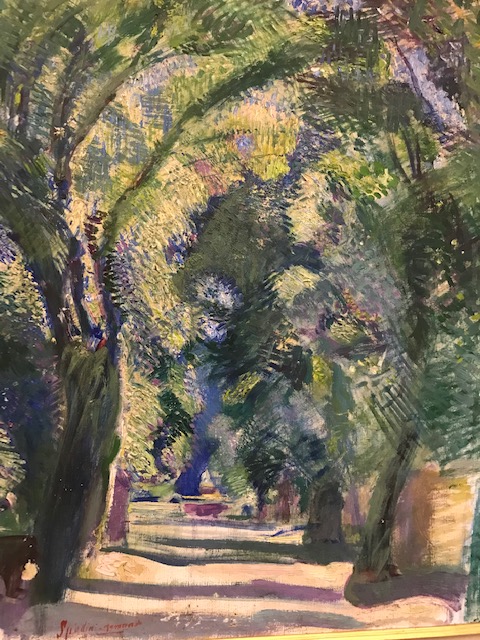
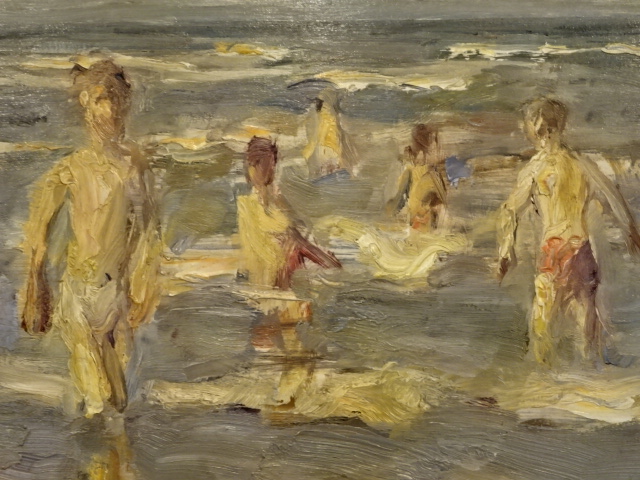
The second floor housed the Grassi Collection and Vismara Collection. The Grassi Collection covered both Italian and foreign works ranging from the 14th to 20th centuries. Eduard Manet, Paul Cezanne and Vincent Van Gogh were all represented. Oriental art was on display, too. The Vismara Collection showcased 40 works of art from the 20th century. The paintings and sculptures included creations by  Picasso, Matisse and Renoir.

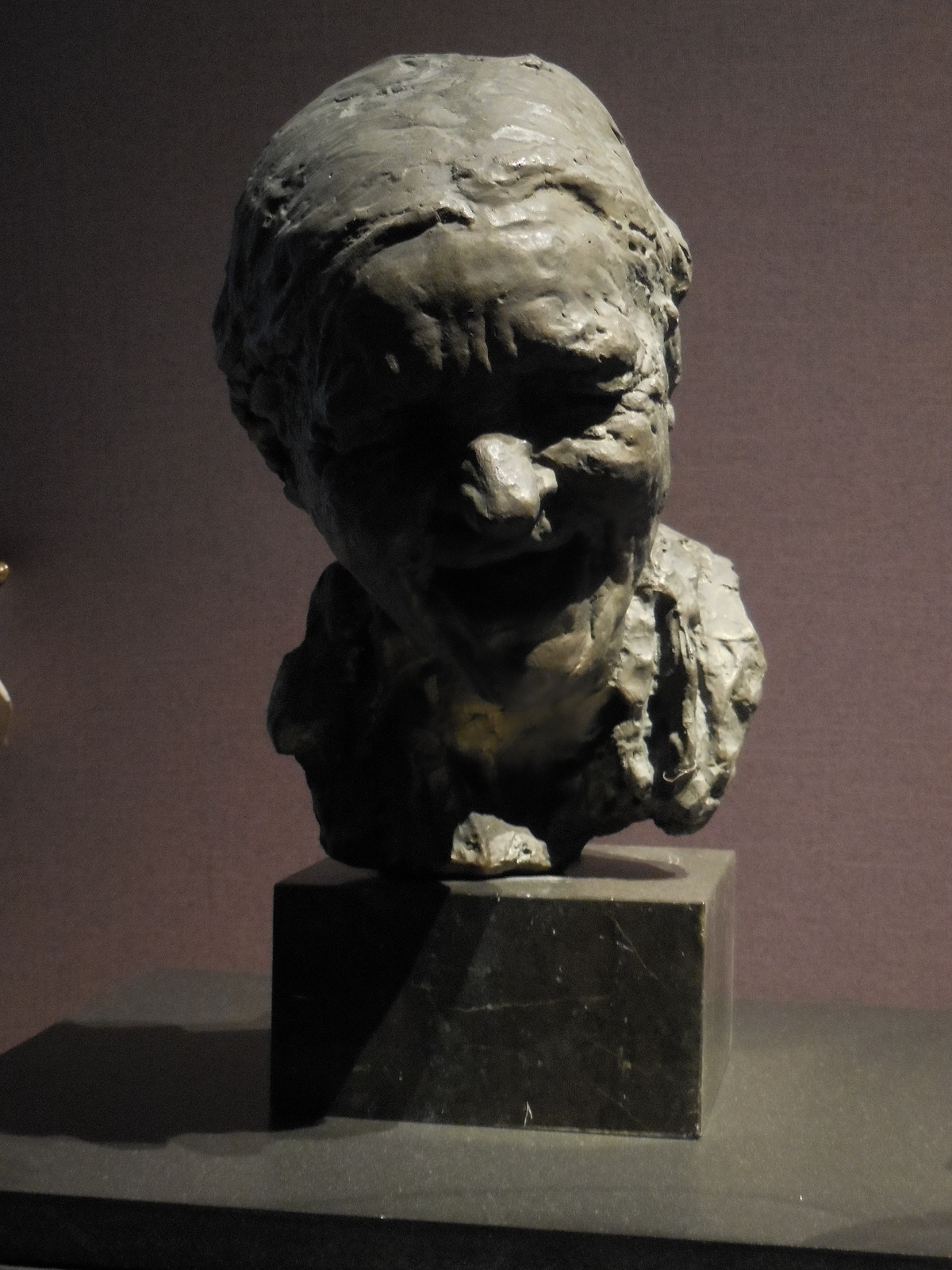
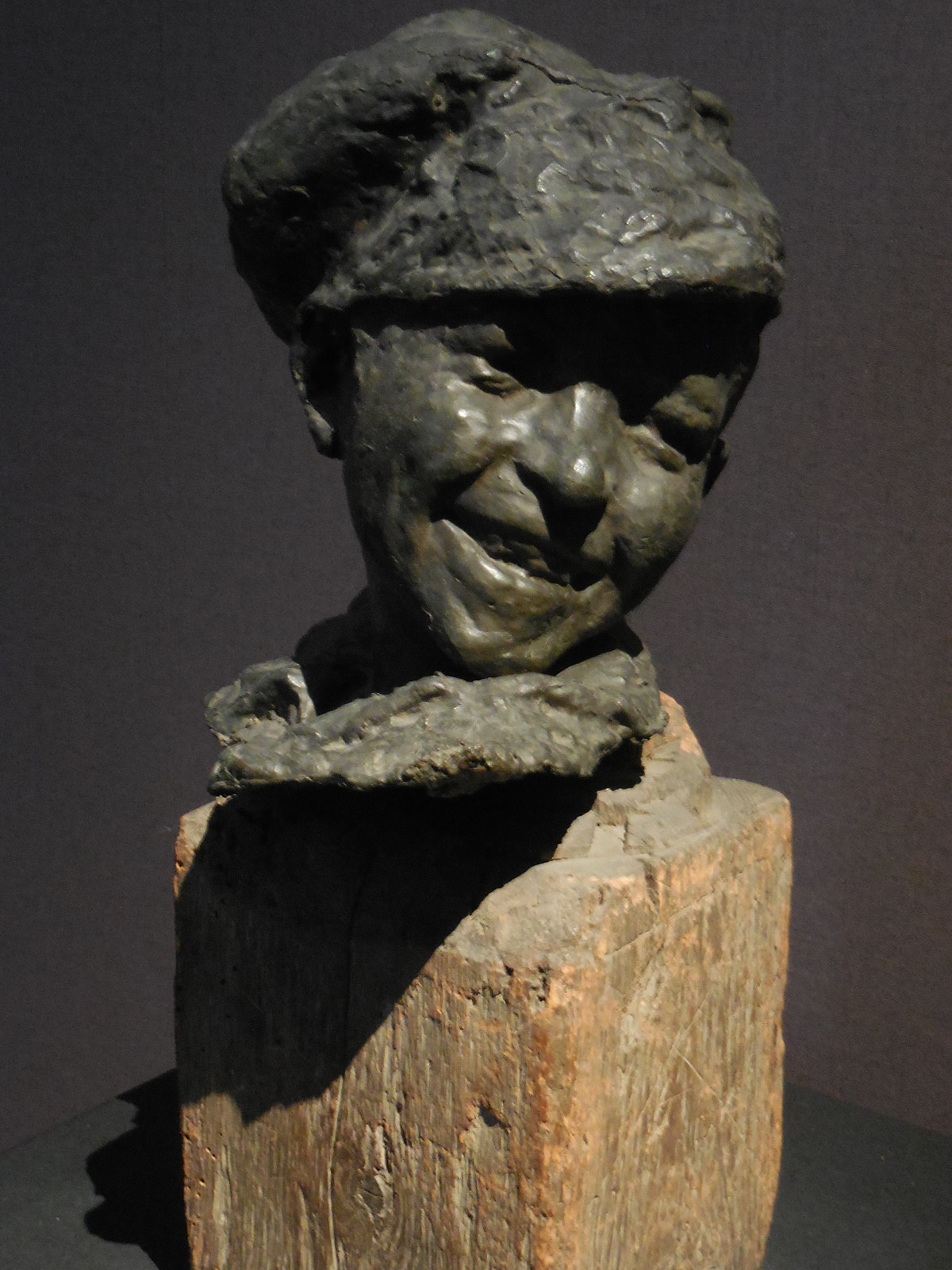
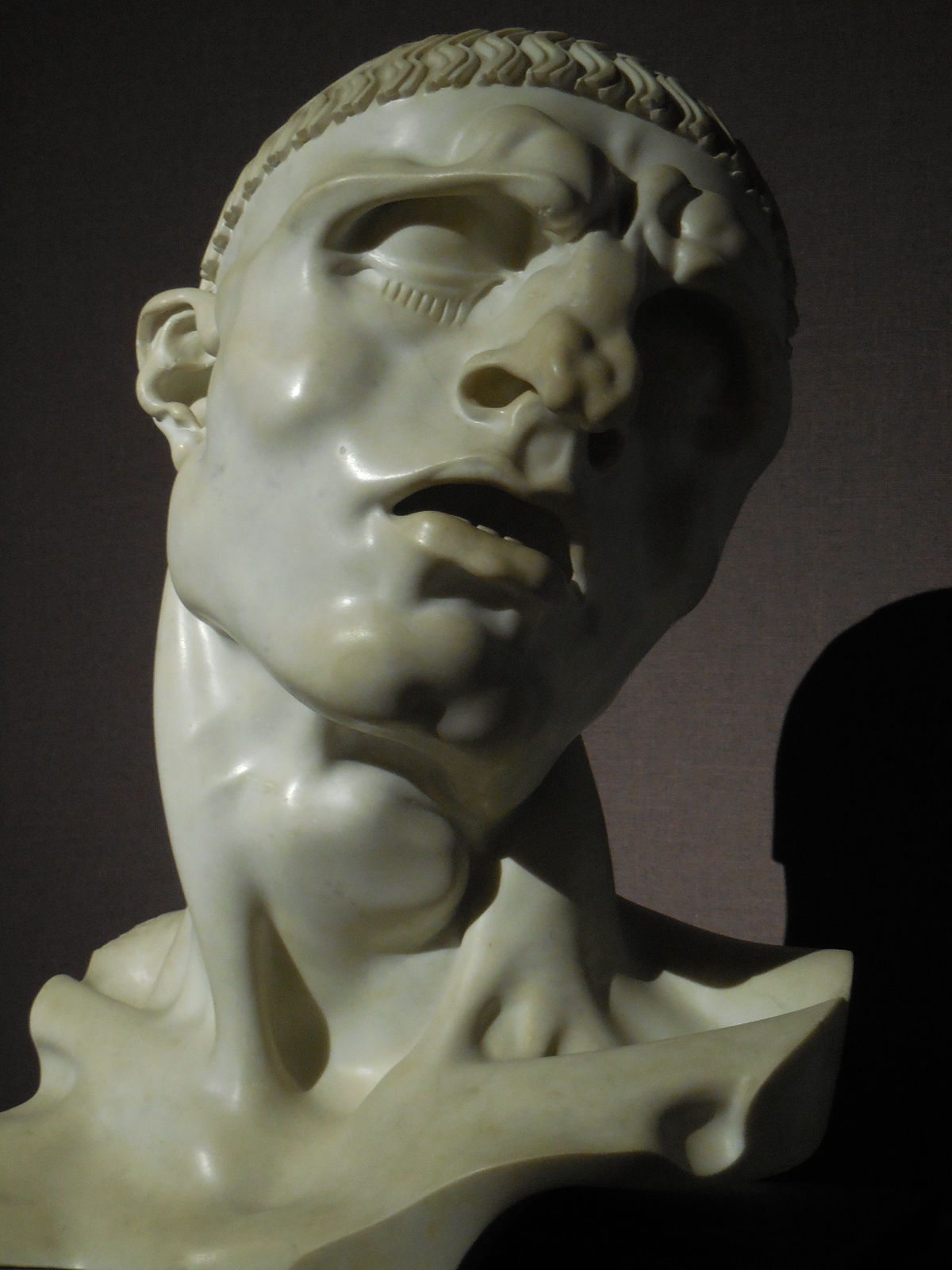
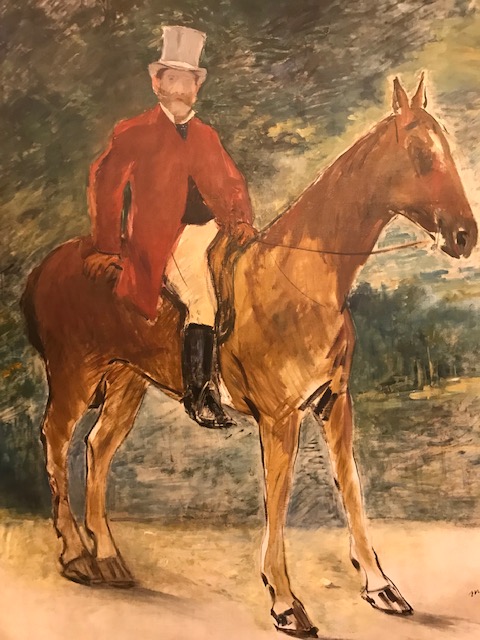
Some significant paintings on display included Paul Gauguin’s Donne di Tahiti from 1891; Vincent Van Gogh’s Breton Women and Children from 1888; Giuseppe De Nittis’ Breakfast in Posillipo from 1878; Eduard Manet’s Portrait of M. Arnaud from 1875 and Umberto Boccioni’s The Mother from 1907. The sculpture was just as impressive as the paintings. A bust of a madwoman caught my attention. It showed not only unique facial features but also delved into the psychological being of the woman. Via the sculpture, it was possible to see into the woman’s soul.  Other busts were just as revealing. A small statue by Rodin was exquisite, too. A bust of Beethoven was very expressive and innovative.

One bust that captured my attention.

I was thrilled to see so many amazing paintings and sculptures and looked forward to my next stop at another nearby villa, which was devoted to modern art of the 1930s.

Tracy A. Burns is a writer, editor and proofreader in Prague.
A bust of Beethoven

Rembrandt Exhibition Portrait of a Man Diary

I had enthusiastically sought out Rembrandt’s works at various galleries throughout Europe. I had marveled at his masterful chiaroscuro at the Rijksmuseum in Amsterdam, at the Hermitage in St. Petersburg, at the Gemaldegalerie in Berlin, at the Gemaldegalerie Alte Meister in Dresden, at the Louvre in Paris and at the National Gallery of Art in Washington, DC, to name a few.
One of my favorite memories of traveling with my parents was visiting the Rembrandt House Museum in Amsterdam, which included a printmaking studio as well as some of his paintings and prints. Rembrandt lived there from 1639 until 1656, when financial woes forced him to move. None of the furnishings is original because he had sold them, but the 17th century interior still delighted and awed both my parents and myself. We were happy. I had recently turned 30 while my parents were still young enough to travel abroad without health concerns. Therefore, Rembrandt’s works had a personal meaning for me, evoking such memories of joy.
I was very excited when the Rembrandt exhibition of his portraits came to Kinský Palace on Old Town Square in Prague on September 25, 2020. The palace’s space for the exhibition took up one floor and was considerable in size. Even though it didn’t end until January 31, 2021, I was eager to see the masterpieces. I went there shortly after it opened, on September 28. Many of the works were normally displayed in Prague, Olomouc, Brno, New York, Antwerp, London, Dresden and Vienna while others had been loaned from private collections. The exhibition featured both his paintings and drawings as well as modern works inspired by the masterful artist. It was a good thing I went so soon after its opening because soon the gallery would be closed due to the high number of coronavirus cases. We had to wear masks, and it was quite crowded, even though only a limited number of people could be in the gallery at the same time. (The gallery would reopen in December.)

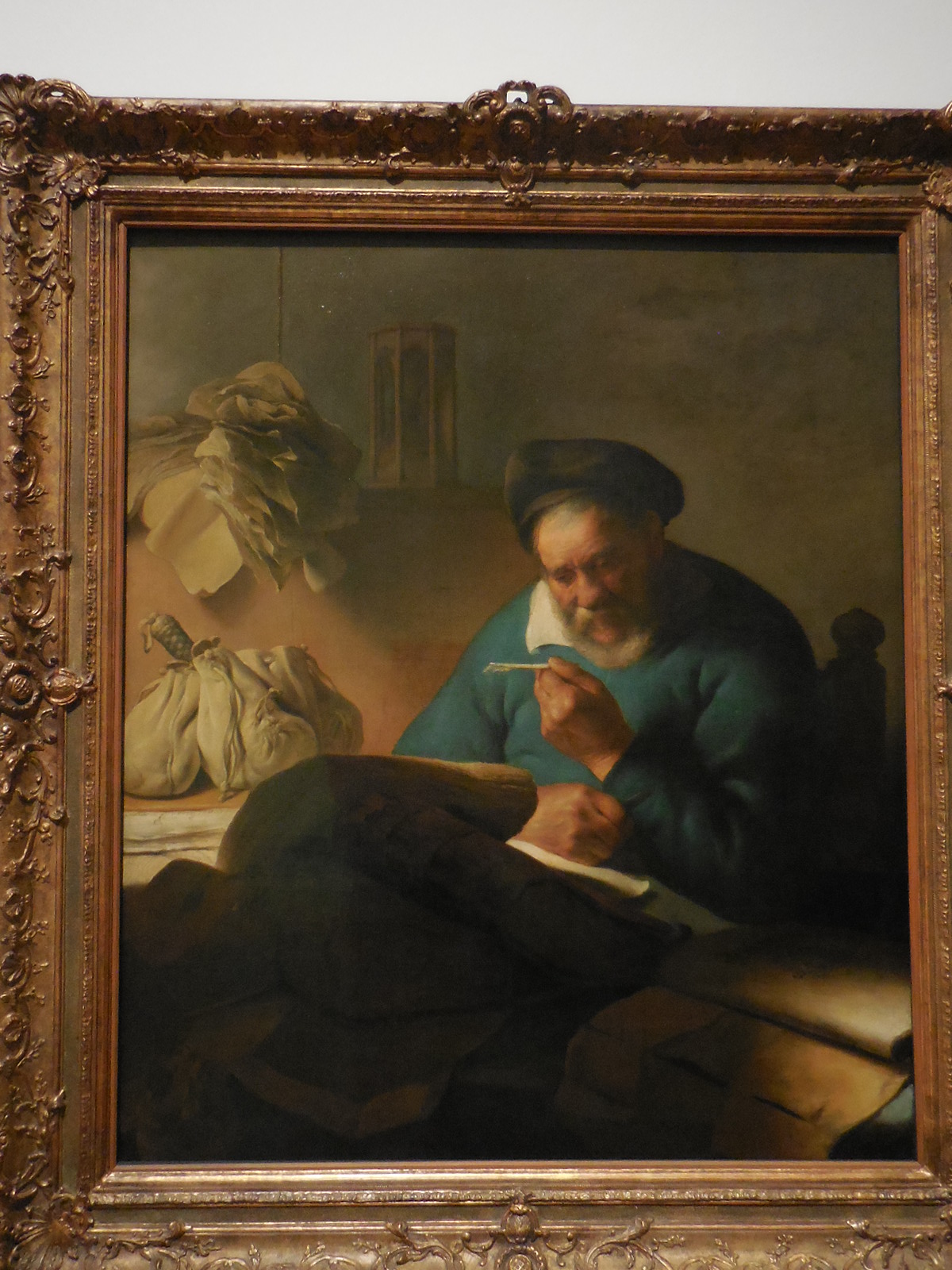
The highlight of the exhibition was the painting A Scholar in His Study, permanently housed in Prague’s National Gallery. The painting exemplifies how Rembrandt achieved great success at portraiture. His work shows not only the physical characteristics of the subject but also the psychological nature of the man in a dramatic way that is unique to Rembrandt’s style.

I was most entranced by Rembrandt’s portraits because they showed the soul of the person. The subject was not standing rigidly. The appearance was very lifelike. Moreover, there was much more to his paintings than the appearance. I felt as if I could look deep into the people in the portraits as his works narrated a visual story of the subject’s life. His portraits showed that he truly cared about the subject.

I especially was keen on the self-portraits as Rembrandt showed his inner self, capturing his psychological state. It was as if he could be objective about himself. I could read the self-portraits as a sort of visual autobiography – as a young man Rembrandt looked a bit insecure, at the peak of his career he appeared successful and confident and finally I saw a sadness and resignation that was both touching and tragic. I recalled his sad fate – a poor man when he died, he was buried in an unknown grave in a church, and his remains were destroyed after resting there for 20 years.

I liked the portraits in which he was making faces. In one particular work, he looked surprised and amazed. I noticed his clothes from bygone eras in some works as he dressed as a historical figure for some self-portraits. A theatre major, I loved the sense of drama in these works.

The self-portraits were dynamic and powerful. This effect was in part achieved by his mastery of light and shadow. I also appreciated the details. His works featured great attention to detail, and that helped bring the portraits to life.

While I made sure I didn’t stand too close to anyone, I perused the works with a sense of enthusiasm that I had missed since early September, when my friend and I stopped visiting castles, chateaus and caves because the number of coronavirus cases had greatly increased. I reveled in that enthusiasm.

I thought I would have the chance to visit other exhibitions in the near future. Alas, soon the museums and galleries closed for a lengthy period, only opening again in December. I missed the excitement of peering at an artwork that spoke to me, that was powerful and poignant.

The Portrait of a Man exhibition was one of my favorite all-time exhibitions. Rembrandt’s works never cease to amaze me, and seeing so many in one place was phenomenal.

Tracy A. Burns is a writer, proofreader and editor in Prague.