The first time I visited Jezeří Chateau was around the year 2000, about four years after it had opened to the public. While the chateau dominating the mountainous landscape appeared impressive from afar, up close it had looked derelict, as if it was about to collapse. The tour had covered only several rooms because much of the structure was under reconstruction. I left Jezeří feeling sad that a chateau with such promise had been derelict for so long. I wondered if the state would ever be able to make the chateau presentable again as so much rebuilding was necessary.
Now, 24 years later, I went back to the chateau situated in the Ore Mountains near the German border. About 10 rooms were open to the public, and they were impressive. I especially loved the paintings of Carl Robert Croll and the room where former Minister of Foreign Affairs and son of the first Czechoslovak President, Jan Masaryk, had stayed overnight. Spaces that had once succumbed to a sad plight now impressed, many harkening back to the golden days of the chateau.
The main facade of the chateau
But it is necessary to start at the beginning and get to know Jezeří’s history and suffering throughout years of dilapidation before touching upon the current appearance. To appreciate Jezeří fully, one has to be aware of the chateau’s journey, a long and winding one that overcame many obstacles.
Atlantis statue on main portal of the chateau
Jezeří Chateau dominates the landscape as a Baroque structure in the Ore (Krušné) Mountains of north Bohemia. It had been transformed from a Gothic castle called De Lacu (from the lake) to a Renaissance chateau by the Hochhauser family and finally to its Baroque appearance today. It was first mentioned in writing as a Gothic castle in the 1360s. The Thirty Years’ War brought much damage and destruction.
Statue of a dog above the main courtyard of the chateau
Then, in 1623, Vilém the Younger Popel Lobkowicz bought it, and the Lobkowicz name would punctuate the chateau’s history for centuries. Under Ferdinand Vilém Lobkowicz, from 1647 to 1708, extensive reconstruction took place. The property included 500 hectares. A hall replete with grandeur showed off oval vaulting, stucco decoration and large columns while a new richly decorated dining room sported a beautiful ceiling. Rooms were adorned with frescoes. The garden showed off fountains and cascades. A zoo was on the premises. However, all good things came to an end when a fire that could not be extinguished ravaged the building during 1713.
During 1722 the chateau passed into the hands of the Roudnice branch of the family. Jezeří would come to life again when reconstruction occurred during the 18th and 19th centuries. Jezeří flourished, filled with frescoes and paintings by masterful artists. The English style garden included an artificial grotto and lavish statues. The H-shaped chateau became a center for musical and theatrical events during the Baroque and Classicist eras as famous guests visited its renowned theatre.
View of oratory of chateau chapel
Owner Maxmilián had opera singers visit from ensembles in Vienna and Dresden. Beethoven was friends with Prince František Maxmilián. The first private performance of Beethoven’s third “Eroica” Symphony, which the composer had dedicated to František Maxmilián, took place here. It also was the site of the first private performance (1797) of Haydn’s Creation. My favorite symphony by Beethoven, his sixth (the Pastoral), was also dedicated to Prince Lobkowicz.
Sculpted heads with facial expressions adorn the Theatre Hall.
Another sculptural decoration in the Theatre Hall
At the time, vast Jezeří was buzzing with excitement in its 114 rooms and numerous smaller spaces. The English gardens and park were Baroque in style and showed off statues of mythological figures, greenhouses, pavilions, an artificial waterfall, terraces with magnificent views and an arboretum.
Painting of chateau interior by Carl Robert Croll
In the early 19th century, the prominent painter Carl Robert Croll created canvases for the Lobkowiczes, and his renditions of the chateau’s exterior and interior are magnificent. His “Winter Garden” from 1841 portrayed a light and airy room with many plants and windows, white walls and blue-upholstered furniture. The painting “The Big Salon,” created that same year, showed children dancing and men immersed in a game of billiards. Croll’s work “Smaller Salon at Jezeří” focuses on women and girls chatting and ordering tea or coffee. Croll painted the exterior of the chateau at night, presenting it as mystical and magical.
A painting of the chateau landscape by Carl Robert Croll
During the existence of The First Republic of Czechoslovakia, Jezeří was under the guidance of JUDr. Maxmilián Ervín Lobkowicz (1888 – 1968). Maxmilián served as a Czechoslovak diplomat and during World War II held the post of Czechoslovak Ambassador to Great Britain as he played a major role in the anti-fascist movement with the government-in-exile in London.
After he went into exile in 1938, Nazi soldiers took control of the chateau, and during 1943, a prison camp for Poles, Russians, French and out-of-favor German soldiers was situated on the property. Among the prominent figures incarcerated there was Pierre de Gaulle, brother of former French President Charles de Gaulle.
Jan Masaryk, Minister of Foreign Affairs and democrat
Maxmilián Lobkowicz returned after the war, and his good friend Jan Masaryk, then Czechoslovak Minister of Foreign Affairs, visited Maxmilián there on several occasions. However, Jan Masaryk would be shoved out a bathroom window by Communist officials at the Ministry of Foreign Affairs in Prague and fall to his death. The totalitarian regime categorized it as a suicide.
Times would change for the worst as Maxmilián and his family had to go into exile during 1948, carrying with them only a few belongings. The Communist coup had taken place, forcing the lifelong democrat Maxmilián to flee once again. At this time, the chateau was deteriorating.
Jan Masaryk, son of the first president of democratic Czechoslovakia
Jezeří certainly did not get a pretty makeover during the following decades. On the contrary, in 1950 the Czechoslovak army took over Jezeří, and the interior was destroyed. Then, five years later, the Ministry of the Interior used the building. Several other institutions were situated there in subsequent years, and times were definitely not rosy. The place was often vandalized until 1960. Jezeří Chateau became a cultural monument in 1963, though its condition did not improve. At the end of the 1960s and in the 1970s, extensive mining took place on the grounds. During the 1970s and 1980s, there was talk of tearing Jezeří down because the structure was not deemed safe due to the mining activities.
The chateau had been surrounded by intensive coal mining for centuries. Mines with dams and ditches punctuated the Ore Mountains. The mining history harkens back to the 16th century, and though it was halted for a while after the Thirty Years’ War of the 17th century, mining activities returned with a vengeance during the 19th century due to the discovery of cobalt blue and uranium in the mountains. During the first and second world war, much mining took place in the Ore Mountains. Then, after the Soviets took control of Czechoslovakia, the Ore Mountains were used as a source of uranium ore, but it was all kept hush-hush. The beautiful forests were destroyed under Communist rule. Jezeří didn’t even appear on maps anymore.
After the Velvet Revolution of 1989 that triggered the end of Communist rule, the Lobkowiczes got the chateau back in restitution. In 1991, the state declared the chateau a protected cultural monument. However, the chateau was in such bad condition that the Lobkowiczes were not able to do the necessary repairs because it would be so costly. In 1996 Martin Lobkowicz gave the chateau to the state. Repairs began, but it would be a long journey before the chateau appeared in a decent state.
The artwork in the chateau is superb.
During 1996, one room in the chateau was open to the public. When I visited in 2000, more rooms were accessible, but there was a lot of reconstruction taking place. Back then, I felt a sense of profound sadness because the necessary reconstruction would take years to accomplish. Yet hope and determination won out. The chateau continued to be painstakingly restored, and finally part of the first floor and a section of the second floor were on display for visitors. It was made a national cultural monument in 2022.
The chateau Theatre Hall
The stunning balustrade of the Theatre Hall
Now visitors can admire the renovated, lavish Theatre Hall with its original fireplace and stucco decoration. Heads of figures with various theatrical expressions decorate the walls. The cupola is impressive as is the balustrade above. Concerts are held here, reviving Jezeří’s musical tradition.
The Winter Garden today
The Winter Garden was renovated to look like it did in Carl Robert Croll’s paintings, and it is a tranquil, comfy place full of greenery. I would love to have tea in that soothing space.
Paintings throughout the chateau are intriguing with Carl Robert Croll’s works showing a stunning chateau interior and exterior at the beginning of the 19th century. Many other artworks are impressive, too. Three pianos are on display. The vaulting and stucco ornamentation in rooms is intriguing to say the least.
Jan Masaryk’s room at the chateau
Jan Masaryk’s room at the chateau
My favorite room is the one dedicated to Jan Masaryk. Seeing his room at the chateau made me imagine his visits with the Lobkowiczes during the chateau’s better days. The portraits of Jan Masaryk across from the room brought to mind Masaryk’s fierce fight for democracy and his tragic fate. I remember, during a tour of the Ministry of Foreign Affairs, being shown the bathroom window from which he was shoved to the hard ground outside.
Bust of Tomáš Garrigue Masaryk, first president and Czechoslovakia and father of Jan Masaryk
Twentieth century coffee and tea set in Jan Masaryk’s room at the chateau
I see Jezeří Chateau as a symbol of hope, of the determination that can painstakingly change a monument considered for demolition into an edifice with an intriguing interior that impresses visitors. There is still much reconstruction going on, but Jezeří continues to develop – slowly but surely. I was glad I had been able to witness so many positive developments.
Handpainted toilet in the chateau
Tracy Burns is a writer, proofreader and editor in Prague.
Czech legendary writer Bohumil Hrabal. Photo by Karel Kestner. Bought by me in Lesní atélier Kuba, Kersko some years ago.
For me Kersko is a sort of catharsis, easing my anxiety about daily life’s concerns and bringing me a sense of tranquilly. I feel at home here, even though I have no personal connection to this area not far from Prague. I can breathe in the clean air and be at peace with the world and myself. I would love to own a house in Kersko, a forested village dotted with traditional cottages and huge homes built by millionaires.
The Kersko restaurant Hájenka
Every now and then I made the trip to the village restaurant Hájenka, a traditional pub-like establishment with delicious Czech food. On the television in the pub, customers can watch scenes from late legendary Czech author Bohumil Hrabal’s film Snowdrop Festival. Some of the exteriors were shot at Hájenka while the interiors of the pub seen on the film were actually shot at a studio. Directed by the world-renowned Jiří Menzel and based on Hrabal’s 1978 novel, the stellar film remains a Czech classic with many unforgettable scenes.
One of many ceramic cat figures at Lesní atélier Kuba, Kersko.
I also always stop at the souvenir and craft shop Lesní atélier Kuba, where beautiful handmade ceramic cats are sold along with other superb figures. The shop has been open since 1992. While a cat theme plays a major role in the inventory, there is much more to see. I always buy some of their delicious cookies. They sell much more than beautiful ceramics: t-shirts, postcards, books, candles and many other things. During my visit in May of 2024, the downstairs area was home to a fascinating temporary exhibition of witty drawings focusing on Hrabal’s life.
Drawing by Radek Steska showing Hrabal and his cats at The Golden Tiger pub in Prague, exhibited in Kersko at Lesní atélier Kuba.
Indeed, Kersko is intricately tied to the life and career of Hrabal, my favorite Czech writer and the name of my first cat. I penned my master’s thesis on his books, focusing on their historical context. From 1965 until his death in 1997, Hrabal often resided in a quaint, two-floor cottage in the village, fed the semi-feral cats, took walks, rode his bike and frequented the pubs, including Hájenka.
Bohumil Hrabal signing autographs in Spain during the mid-1990s. Photo property of Tracy Burns.
Born in the Austro-Hungarian Empire during 1914, Hrabal was renowned for his grotesque, absurd and irreverent humor and witty anecdotes. While he is mostly known as an author of fiction, he excelled at poetry early in his career. What I like best about his writing is his creation of the pábitel, a word connoting a dreamer living on the outskirts of society. Although the pábitel has experienced tragedy, he learns how to be content with life and how to find beauty in even the most horrid conditions. The pábitel often tells meandering, absurd anecdotes that make the reader both laugh and cry.
Bohumil Hrabal and Czech writer Arnošt Lustig in Golden Tiger pub, Prague during the 1990s. Photo property of Tracy Burns.
Hrabal held many jobs throughout his writing career. He worked as a train dispatcher in Kostomlaty, where he was almost killed by Nazi soldiers. Hrabal later was employed as an insurance broker and traveling salesman. After the Communist coup of 1948, he took a position at the Poldi steelworks in Kladno, but in 1952 a crane fell on him. Then Hrabal became a paper baler. He would later make a living as a stagehand in a theatre.
Bohumil Hrabal in photo taken by Karel Kestner, bought by me at Lesni atélier Kuba some years ago.
The year 1956 was very significant for Hrabal as he married Eliška Plevová, a German-Czech kitchen worker in Prague’s luxurious Hotel Paris. In 1965 they bought a cottage in Kersko. During the more liberal 1960s, Hrabal was able to spend more time writing, and he was even able to travel abroad. His 1968 film Closely Watched Trains, directed by Menzel, won an Oscar, based on the novel Hrabal had scribed three years previously.
Bohumil Hrabal in photo by Karel Kestner. Property of Tracy Burns and bought at Lesní atélier Kuba some years ago.
After the Warsaw Pact tanks crushed the Prague Spring of liberal reforms in 1968, Hrabal was banned as an author, and his works only appeared in illegal publications. During 1970 his book Buds (Poupata) was burned by the Communists. These were tumultuous years. Hrabal relented to intense pressure and signed the anti-Charter denouncing the Charter 77 document that called for human rights in Czechoslovakia, and he became an “official” author again. Yet his career was still not without its problems.
Bohumil Hrabal writing in photo by Karel Kestner. Photo property of Tracy Burns and bought at Lesní atélier Kuba some years ago.
During the 1980s, he wrote a famous trilogy that was part autobiography and part fiction, depicting times from the late fifties and the turbulent 1970s, for instance. In 1987 his wife died of cancer. He continued writing and traveled to the USA and Moscow at the end of the 1980s. In 1988 his legendary, long-time apartment on Na Hrázi Street in Prague’s eighth district was demolished to make way for the Metro station Palmovka.
Bohumil Hrabal with then Czech Republic President Václav Havel and then US President Bill Clinton at The Golden Tiger pub, January, 1994. Photo property of Tracy Burns
In the 1990s, Hrabal could be seen drinking beer at the Golden Tiger (U zlatého tygra) pub in Old Town and traveling to Kersko to feed his many semi-feral cats. He won the Jaroslav Seifert prize during 1993 and accepted foreign literary awards as well as honorary degrees. He gave lectures and readings abroad. In January of 1994, the acclaimed author met then US President Bill Clinton and Ambassador to the United Nations Madeleine Albright at the Golden Tiger pub.
Drawing of Bohumil Hrabal by Radek Steska, exhibited at Lesní atélier Kuba in 2024
I first met Hrabal at the Golden Tiger pub in 1994, a few months after the author’s meeting with President Clinton and Ambassador Albright. He always ordered me fried chicken or pork steak because that is what President Clinton had eaten there. (I happened to like that food, too.)
Sometimes, he was in a cheerful mood and other times, he was angry and depressed. He could no longer take walks, something he had loved doing. Hrabal had to take a taxi to the pub. He often complained that his entire body hurt.
Cat sculptures in Kersko
At the end of 1996, Hrabal was hospitalized with neuralgia. He was about to be released when he jumped or fell from the fifth floor window on February 3, 1997. He is buried in the cemetery in Hradištko, near Kersko. The irregular gravestone is especially noteworthy for the sculpted arm and hand seemingly emerging out of the stone monument. The top square section of the gravestone has a circle in the middle. Many wooden and ceramic cat figures as well as beer bottles decorate the grave site. I like the gravestone. It is innovative and unique just as Hrabal had been.
Bohumil Hrabal’s grave in Hradištko
Kersko has an intriguing history. Hradištko was first mentioned in writing during the 11th century and at that time included a fortress called Keřsko. In 1376 Eliška from Lichtenburk acquired the territory. She was the grandmother of George of Poděbrady, who would become a Czech king. The fortress area expanded into a village between 1354 and 1357, but it was destroyed during the Hussite wars of the 15th century. A pond was later created on the site of the former fortress. At the beginning of the 20th century, archeological digs in the village unearthed Gothic weapons and other historical objects. Some trees in Kersko are over 200 years old. The oldest oak in Kersko is 193 meters high. The area includes three small ponds and a mineral spring as well as walking trails.
Some feral cats in front of Hájenka restaurant some years ago
Fast-forward to 1934, when private citizens were first allowed to buy property in Kersko. A café dominated by an octagonal tower was built the following year. Later, it would become the restaurant Hájenka. The village aspired to become a forest spa town. Plans were made to build a hotel, two swimming pools and a sports complex. Then World War II took place, and plans were stalled. The Communist coup of 1948 put a halt to the entire project. In the 1950s, small cottages cropped up in the picturesque lanes.
Odkaz, book about the Mašín brothers by Barbara Masin, published by Mladá fronta, 2005.
While Kersko is most famous for being the location of Hrabal’s cottage, it also made a name for itself in the history books long before Hrabal bought a home there, during September of 1951. The Mašín Brothers, an anti-Communist resistance group of young men who fought against the Communists from 1951 to 1953, made some stops in the Kersko forest. Members included Ctirad Mašín, his brother Josef, Milan Paumer, Zbyněk Janata and Václav Švéda. Their objective was to fight their way to freedom, and the two Mašín brothers and Milan Paumer were successful at doing just that in 1953 when they dramatically escaped to American territory in West Berlin. The armed group carried out violent attacks to get money for their cause. To be sure, the Mašín Brothers’ group is very controversial. Some consider them to be heroes who fought against the Communists while others claim they were murderers because they killed innocent people.
Čtyří české osudy, book about Mašín Brothers, by Zdena Mašínová and Rudolf Martin. Published by Ergo, 2018.
Back to their ties with Kersko: In the Kersko forest, Ctirad Mašín and Milan Paumer tied up a taxi driver and stole the cab in order to rob a police station in Chlumec nad Cidlenou. Two weeks later, three Mašín members came to Kersko in an ambulance they had stolen. They tied up the ambulance works in the forest. Then they robbed a police station in Čélakovice, using the stolen ambulance as transportation.
Guide book Odbojová skupina bratří Mašínů, about the Mašín brothers, by Jiří Padevět, published by Academia, 2018.
I had read and written about the Mašín Brothers’ group and was very interested in the anti-Communist resistance movement of the 1950s, so I found these facts to be very intriguing. I also was intrigued with the public’s perception of this armed group because some called them heroes, others cruel killers.
Bohumil Hrabal’s cottage in Kersko, photo from 2024.
Back to Hrabal. In May of 2024, I visited his cottage, which had recently opened to the public. Hrabal’s neighbor had inherited the cottage, and after a while the neighbor’s son sold it to the Central Bohemian Region, which did some reconstruction and made it look like it had during the 1980s. Some of the furnishings were original, some not.
Bohumil Hrabal’s cottage from the back. Photo taken in 2024.
The small, white, two-story structure had an exterior staircase leading to the enclosed balcony surrounded by windows with views of the big garden. Hrabal spent 18 days one July writing the novel I Served The King of England, seated in that garden. He loved to write on his typewriter in the garden.
Bohumil Hrabal’s cottage from one side. Photo taken in 2024.
We entered the tiny ground floor of the house, which was dominated by bunk beds and a table with three chairs. It served as a bedroom and dining room. Hrabal and his wife slept there when it was cold because the heater was in the space. He sometimes wrote in this room. In 1995 Hrabal wrote his last published piece here. I noticed that the date on the Svobodné slovy newspaper on the table was November 29, 1989, not even two weeks after the Velvet Revolution that brought the end of Communist rule. The hats and boxing gloves on a stand made of antlers were authentic. A small TV from the 1980s stood in a corner above the table. A collage by Karel Marysko was one intriguing artwork in the small space. The kitchen was tiny with a wooden stove and hot plate, for instance.
In the beautiful garden of Bohumil Hrabal’s cottage. Photo taken in 2024.
Upstairs there were only two spaces, much larger. Two single beds, decorated old chests and a closet were placed on a red carpet. I noticed the thick brushstrokes in the portrait of Hrabal by Josef Jíra, who was not only a painter but also a graphic artist and illustrator. He also frequented the Golden Tiger pub. The anxiety of people in the modern world often played a role in Jíra’s works. In the painting Hrabal looked sad and serious. Another painting, a collage, showed him in profile with logos of various beers, such as Pilsner Urquell, Primus and Prior. Another collage featured scenes and objects from the novel Cutting It Short, showing a brewery, an old record player and a couple dancing, among other pictures. I also saw portraits of Hrabal’s beautiful wife and parents.
Drawing of Bohumil Hrabal’s cottage with the semi-feral cats he feed, picture exhibited at Lesní atélier Kuba, 2024.
There were other paintings that caught my undivided attention. One showed a bright blue sea with two people looming above the water in a hot air balloon while a man and woman stood on the coast. The bright blue hue gave me a feeling of tranquillity. The drawing “A Loud Monologue” by Jiří Anderle included faces of Hrabal from early childhood to old age. My favorite picture showed Hrabal, sporting a scarf and hat, with cats seated on chairs in a forest. I knew that Hrabal considered his cats to be his children, which is one reason I named my first cat after him.
The street art memorializing Bohumil Hrabal’s home on the former site of Na Hrázi Street, Libeň, Prague, after his home there had been demolished to make way for the Palmovka Metro station.
The enclosed balcony was fabulous because it was so light and airy with views of the garden. I saw two typewriters and a large table with beer glasses and loose pages with handwritten corrections on it. Hrabal wrote here if the weather was bad. He penned Cutting It Short and The Snowdrop Festival here as well as many other works. I didn’t want to leave the balcony because it had such a calming effect on me.
Bohumil Hrabal’s cottage. Photo taken in 2024.
While Hrabal’s cottage was small, it had character. I could see him on the balcony writing while drinking glasses of beer or seated at the table downstairs playing cards or watching the small TV. I could feel his presence during the tour and realized how his writing was tied intricately to Kersko, a tranquil place where I feel at home and at peace.
Tracy A. Burns is a writer, proofreader and editor in Prague.
Caricature of Laocoon, Niccolo Boldrini, 1540-45, woodcut.
In the exhibition “From Michelangelo to Callot: The Art of Mannerist Printmaking,” held at Prague’s Wallenstein Riding Stables, I studied more than 200 works of 16th and 17th century graphic art, drawings, paintings, jewelry, etchings, lithographs, ceramics and other artistic crafts that hailed from the Netherlands, Germany, France and the Czech lands. The Louvre lent Prague’s National Gallery many works. Some pieces in the collections were being displayed to the public for the first time. A superb small drawing by Michelangelo drew crowds, and art by Hendrick Goltzius, Paul Bril, Aegidius Sadeler and Niccolo Boldrini stood out to me.
The Great Hercules, Hendrick Goltzius, 1589, engraving.
While Mannerism became a major trend during the 16th century in Italy, Northern Mannerism lasted into the 17th century. Because European artists north of the Alps did not have as many opportunities to travel to Italy in order to familiarize themselves with Mannerism, they often studied the style through prints and books. The decoration at the Chateau of Fontainebleau impressed many artists utilizing this style, and France was the center of the Mannerist movement. The Northern Mannerists also looked to da Vinci, Raphael, Vasari and Michelangelo for inspiration.
The Martyrdom of Saint Lawrence, Cornells Cort, 1571.
The Northern Mannerist style was very visible in Holy Roman Emperor Rudolf II’s collection in Prague, then the capital city. Influenced by prints, Mannerism appeared in Prague during 1576. An avid art collector, Emperor Rudolf II had hired the Flemish painter Bartholomeus Spranger and German artist Hans von Aachen to work for him, and they produced some works in Northern Mannerist style. Both Spranger and von Aachen were known for their Mannerist mythological scenes while von Aachen also concentrated on portraits of the emperor. Rudolf II’s father, Emperor Maximillian II, had chosen Giuseppe Arcimboldo as one of his painters, and Arcimboldo’s fantasy-filled still lifes and portraits feature Mannerist traits. This style also suited Rudolf II when he took over for his father.
The Combat of the Monkey and the Rat, Christoph Jamnitzer.
Mannerist art often included mythological scenes, the grotesque and fantasy. Harmony, symmetry and rationality were notably absent. While Mannerists showed a great interest in anatomy, the figures were often elongated, and many forms had a sculptural quality. Clothing was elaborate. Attention to detail prevailed. Complex and unstable poses as well as dramatic lighting also characterized the Mannerist style. Artists of this era liked to employ symbols and utilize hidden meanings in their works. Black backgrounds were common. A distorted perspective was employed. Mannerism did not often feature religious themes. After Mannerism came the Baroque style, which focused heavily on religious art.
The Last Judgment, Michelangelo, 1536-1541.
The Last Judgment, Michelangelo.
The Last Judgment, Michelangelo.
The Last Judgment, Michelangelo.
A copy of a section of “The Last Judgment” as seen in the Sistine Chapel was on display at this exhibition, as this masterpiece greatly influenced Mannerist art. This fresco at The Vatican portrayed more than 300 figures as the dead made their way to idyllic Heaven or horrific Hell. Mythological figures and devils appeared along with a beardless Jesus Christ, the Virgin Mary and saints. I noticed the looks of horror on descending figures. Details in superb portrayals of human anatomy greatly impressed me.
Head of a 12-Year Old Christ, Albrecht Durer, 16th century.
For me, German Albrecht Durer’s 16th century “Head of the 12-year old Christ” was one of the highlights in the exhibition. Durer was a master of High Renaissance printmaking, especially of woodcuts and engravings. He inspired Raphael and Titian. I realized how Durer’s portrayal of human anatomy had impressed Mannerists. While most works displayed did not focus on religion, the Mannerist engraving “The Martyrdom of Saint Lawrence” from 1571 also caught my attention. Cornells Cort created it in the style of Titian.
Vladislav Hall, Aegidius Sadeler, 1607.
Some prints showed off specific architectural structures, such as Aegidius Sadeler’s Vladislav Hall from 1607. A fan of Czech architectural history, I was especially engrossed in this rendition of the late 15th century and early 16th century section of Prague Castle built by Benedikt Reid. I loved its complex vaulting system. I noticed Late Gothic and Renaissance elements of the building. This was one of my favorite buildings in Prague due to its exquisite vaulting and its past use for historical events, such as coronations and knights’ tournaments.
Wooden Bridge from Series Eight Bohemian Landscapes, Aegidius Sadeler, 1605, engraving.
Mountain Landscape, Paul Bril.
Another work by Sadeler, created in the style of Pieter Stevens, was the landscape “Wooden Bridge from Series Eight Bohemian Landscapes.” The 1605 engraving of the idyllic, romantic bridge reminded me of picturesque Vermont, where I had lived for a while. I was also enamored with “Mountain Landscape” by Flemish painter and printmaker Paul Bril. Inspired by my favorite artist Pieter Bruegel the Elder, Bril authored works in the Vatican and Italy. I appreciated the power and beauty of nature as I peered at these two tranquil landscapes.
Beached Sperm Whale near Berkhey, Hendrick Goltzius, 1598.
A prominent name in the exhibition, Henrick Goltzius was a stellar printmaker whose works were influenced by drawings he acquired from Prague. My favorite of his contributions was “Beached Sperm Whale near Berkhey” from 1598. People gathered around the gigantic, deceased animal. This artwork was inspired by a real event as a 58-foot long whale had washed up on that shore.
The Four Disgracers, Hendrick Goltzius, 1588, engraving.
The Four Disgracers, Henrick Goltzius, 1588, engraving.
Goltzius also took on mythological themes, such as his rendition of “The Four Disgracers (Tantalus, Icarus, Phaethon and Ixion).” This engraving appeared to have a three-dimensional quality. The illusion of three-dimensional features, mastered by engravers in the Netherlands during the late 16th century, was often featured in Northern Mannerist art. Goltzius was the author of “The Great Hercules,” an engraving from 1589. The detailed anatomy, though not correct, interested me. Other works with mythological themes that caught my attention were “Diana and Actaeon” by Joseph Heintz the Elder from 1597 to 1598 and Niccolo Boldrini’s “Caricature of Laocoon,” a woodcut from 1540 to 1545.
The Pairs of Grotesque Heads, Philippe Soye, 1550-65.
The grotesque played a significant role in Northern Mannerist creations. Philippe Soye rendered “The Pairs of Grotesque Heads” after a masterpiece by da Vinci. Soye’s portrayal hailed from 1550 to 1565. Christoph Jamnitzer also stressed grotesque features in his “The Combat of the Monkey and the Rat.” I was also impressed with the masked figures in “Venetian Carnival,” a 1595 engraving by Pieter de Jode the Elder. Seeing the grotesque made me think of gargoyles on cathedrals, such as Milan’s Duomo or Saint Vitus’ Cathedral in Prague.
Fantastic Sea Creatures, Nicolaes de Bruyn, 1594, engraving.
Prints with scenes immersed in the fantasy world made numerous appearances. At the end of the 16th century, Nicolaes de Bruyn became known for his portrayal of animals and fictional sea creatures. His “Fantastic Sea Creatures,” depicted here from a series, was an engraving that made up part of a book about fish. Engravers often worked with fantasy themes in this style.
Diana and Actaeon, Joseph Heintz the Elder, 1597-98.
A section of the exhibition was devoted to Northern Mannerist decoration of objects such as vases, plates, mirrors and jewelry. Adornment was often floral or geometric, and I noted similarities to illuminated manuscripts. Artists of this sort of ornamentation were inspired by the grotesque, mythological figures and Roman wall paintings, for instance. I saw examples of mythological themes and the grotesque in the decoration of a majolica plate from the second half of the 16th century. A 16th century black enamel mirror exuded elegance with Mannerist designs.
Venetian Carnival, Pieter de Jode the Elder, 1596, engraving.
The exhibition was comprehensive, divided into clear sections. I was drawn most to the landscapes as I was reminded of the work of Pieter Bruegel the Elder. I also thought of Paul Bril’s creations in Milan’s Ambrosiana Picture Gallery. It was intriguing that the scenes on many prints showed the main figures in the background and the lesser important ones in the foreground. I liked the decorative patterns that were influenced by illuminated manuscripts. I spent my fortieth birthday gazing at the Sistine Chapel and mulled over the experience of seeing those writhing, terrified souls guided by devils and the blessed blissfully ascending into Paradise. I also thought of the awe-inspiring experience of walking into Vladislav Hall because I loved Late Gothic vaulting. That print captured the daunting atmosphere perfectly. Seeing a masterpiece by Durer brought me back to an exhibition of his works at the Albertina in Vienna some years ago. I could hardly catch my breath because I had been so impressed. I had learned a lot about Mannerism from this exhibition and had discovered works that I would never forget.
Tracy A. Burns is a writer, proofreader and editor in Prague.
Whenever I visit Kutná Hora, the highlight of my trip there is the Late Gothic Church of Saint Barbara, a five-nave structure dedicated to the martyr representing the mining profession. During the Middle Ages, when the building of the church began, Kutná hora had been thriving thanks to its mining of silver and minting of groschen coins.
The exterior captures my undivided attention every time thanks to its double-arched flying buttresses and gargoyles. I loved the Late Gothic style that was preserved on the outside. While some of the interior had been transformed into Baroque and Neo-Gothic style, the church still retained many Gothic elements, including frescoes from the Middle Ages.
The construction on the church, initiated in the 14th century, was carried out by Jan Parler, son of Petr Parler. Jan’s father had been one of the most prominent architects and sculptors of the Holy Roman Empire under Emperor Charles IV’s reign, when Prague was the capital. Petr’s major accomplishments included work on Saint Vitus’ Cathedral at Prague Castle and the building of the Charles Bridge. Petr also planned the New Town part of Prague. His unique architectural style can be seen on Prague’s Old Bridge Tower, too. Jan took part in the construction of Saint Vitus’ Cathedral and was the main builder of the Church of Saint Barbara in Kutná Hora.
However, the Hussite wars of the 15th century got in the way, and work was halted as the church was pillaged. Construction was interrupted for 60 years. Then, at the end of the 15th century, Master Hanuš crafted much of the magnificent vaulting and part of the triforium.
After he died in 1489, a stonemason, sculptor and architect named Matyáš Rejsek took over. A master of the Late Gothic style, Rejsek had been inspired by Petr Parler’s creations. Rejsek made Prague’s statue-decorated Powder Tower, for instance. He also built Kutná Hora’s town hall, but that structure no longer stands. A large portion of the Church of Saint Barbara’s Gothic exterior was Rejsek’s work, including the gargoyles and upper triforium. He was responsible for interior décor as well, including the tabernacle, balustrades of the choir and the awe-inspiring choir vaulting adorned with emblems of countries and guilds. During his time, the church became a true Late Gothic gem. Construction did not stop until six years after his death, in 1506.
Then in the 16th century work started again with Benedikt Rejk (sometimes called Reid) in control. I knew him best as the architect of Prague Castle’s Vladislav Hall with its magnificent vaulting. He was responsible for the main nave and the Late Gothic large vaulting with helical ribs of the Church of Saint Barbara, for example.
Baroque reconstruction took place when the Jesuits took charge. Then, from 1885 to 1905, remodeling was carried out. At this time the main altar and stained glass windows were formed. I was always particularly captivated with the windows dating from the end of the 19th century and beginning of the 20th century. The stained glass decoration portrays events in Kutná Hora and Czech history. Habsburg Emperor Franz Josef’s visit to Kutná Hora in the early 20th century makes up one scene.
One of my favorite works in the church is the statue of a miner, which hails from 1700. The miner is holding a lamp and tool in his hands as he seems ready to traverse the depths of the mines. Another gem, the statue of Our Lady Enthroned, dates from 1308.
The Minters’ Chapel is one of my favorites with 15th century frescoes that include a scene of two miners doing their job and a mallet-wielding minter making the groschen coins that Kutná Hora was famous for in the Middle Ages. In Smíšek’s Chapel visitors see the family gathered around an altar and other remarkable works. Baroque frescoes also dot the interior, including the altar of Ignatius of Loyola, which shows off the conversion of Ignatius.
The intricate woodcarving of the choir benches hails from the late 15th century. The main altar is a Neo-Gothic replica of the original Late Gothic altar with the theme of the Last Supper. The Baroque altar of Saint Agatha is home to four Baroque paintings depicting the life of Saint Wenceslas, the patron saint of the Czech lands. The impressive stone pulpit dates from 1566.
I have never grown bored of visiting the Church of Saint Barbara, even though I have been there on numerous occasions. Both the exterior and interior are astounding as this church is the highlight of any trip to Kutná Hora.
Tracy A. Burns is a writer, proofreader and editor in Prague.
This past year’s travels included two trips to Italy, one to my beloved Milan and environs and the other to the Amalfi Coast, somewhere I have dreamed of going for many years. I also spent time visiting sights in the Czech Republic, such as Zbiroh and Karlova Koruna chateaus and the towns of Kutná hora and Hradec Králové. I also dined in the traditional Czech pub Hájenka in Kersko. I flew to northern Virginia to see my parents for two weeks in March and had a great time with them as well as with four friends. In Washington, D.C., I visited the National Portrait Gallery and Museum of American Art.
From Petr Brandl Exhibition
I saw many thrilling art exhibitions, including ones focused on the Baroque art of Petr Brandl and the Art Nouveau works of Alphonse Mucha. Karel Teige, Czech avant-garde artist best known for his interwar works, was the focus of an exhibition at the Museum of Czech Literature, which I visited for the first time in 2023.
Campari Tomb at Monumental Cemetery in Milan
My May trip to Italy last year saw me back in Milan, which I had visited for the first time the previous year. I went to several sights I had not seen before. I toured Milan’s Monumental Cemetery to see the architectural gems of tombstones in various styles from the 18th century to contemporary. A colossal sculptural grouping of Da Vinci’s The Last Supper, made for the Campari family, was my favorite. I also saw a structure resembling the Tower of Babel and another looking like Trajan’s Column. An Egyptian pyramid shape made up another monument. Another artistic delight was Italian artist Lucio Fontana’s design of a modern angel. The sculptural decoration throughout the cemetery was astounding.
At National Museum of Science and Technology Leonardo da Vinci in Milan
I also visited the National Museum of Science and Technology Leonardo da Vinci, where I was enamored by the 170 models of Da Vinci’s drawings of buildings, machines and weaponry. I also loved the hangars featuring planes, ships and trains. A Vega Launcher hailed from 2012. A submarine also stood outside.
Paintings lined the walls at the House Museum of Boschi Da Stefano in Milan.
The House Museum of Boschi Da Stefano, located in a posh apartment outside the city center, featured 300 works of 20th century art, mostly paintings but also drawings, furniture and sculpture. Most pieces hailed from 1900 to 1960. The walls were covered with art from top to bottom. Some artists represented were Fontana, Giorgio De Chirico, Pablo Picasso and Amadeo Modigliani.
Navigli section of Milan
I also visited the Navigli district of Milan, where two picturesque streets flanked a canal, making for a picturesque setting. The Navigli is dotted with outdoor cafes and stores, including a few intriguing bookshops.
Basilica of Saint Anastasia, Verona
I spent time outside of Milan, too. I traveled to Verona for the second time. I marveled at the Basilica of Saint Anastasia, the largest church in the city as well as the cathedral and three museums – the Castelvecchio Museum, the modern art museum and the House Museum Palace Maffei – my favorite. The Basilica of Saint Anastasia was built in the 13th century and boasted a Late Gothic façade. The main altar was made from light yellow marble while one chapel housed a famous 15th century fresco. Red and white marble columns decorated the interior. The Pelligrini Chapel included a fresco from the 14th and 15th century as well as intriguing sculpture. A fresco at the left transept had been rendered by a disciple of Giotto. A rudder of a 16th century ship added to the splendid interior decoration.
Verona, House Museum Palace Maffei
Verona, House Museum Palace Maffei
However, it was the House Museum Palace Maffei that captured my heart. Half of the Palace Maffei was designed as a luxurious home punctuated by art from various eras ranging from the 14th century to modern day. The other half was a 20th century art gallery, featuring works by Picasso, Duchamp, De Chirico, Warhol, Ernst, Modigliani, Fontana and others. Paintings, sculpture, drawings, engravings, pottery, bronzes, frescoes and furniture of both Italian and foreign origin dazzled my mind.
In the Castelvecchio Museum, Verona
The Castelvecchio Museum, established in the 14th century, included 30 halls of Italian and European painting and sculpture from the Romanesque days to the 1700s. Not only did I see many paintings but also ancient weapons, ceramics, gold objects and more. The exterior featured panoramic views of the romantic city.
A romantic lane in Bellagio
My other day trip was to Lake Como, where I visited picturesque Como, Bellagio and Mennagio. Unfortunately, it rained all day, but I still had a great time. I also saw the exterior of some noteworthy villas, such as Richard Branson’s waterfront home, the Villa Carlotta and a villa where some episodes of Succession had been filmed. I saw a hotel where Greta Garbo had acted, too. The Villa Olmo in Como had a neoclassical exterior and stunning lake views. Bellagio featured steep, cobblestoned lanes and the Romanesque Basilica of San Giacomo. Mennagio was home to several intriguing churches and had a picturesque lakefront square.
House Museum Bagatti Valsecchi, Milan
House Museum Poldi Pezzoli, Milan
In Milan I also visited beloved sights that I had first seen the previous year. I returned to the House Museum Bagatti Valsecchi with its Renaissance and Neo-Renaissance art and to the House Museum Poldi Pezzoli with its art of various eras, such as medieval triptychs, ceramics, historical pocket watches and other time pieces.
Gallery of Modern Art, Milan
Gallery of Modern Art, Milan
I visited the second floor of the Gallery of Modern Art with its Grassi and Vismara Collections. The Grassi Collection featured both Italian and foreign works ranging from the 14th century to contemporary times. Oriental art was displayed, too. The Vismara Collection concentrated on 20th century masterpieces. On that floor I saw impressive art by Manet, Picasso, Gauguin, Renoir, Van Gogh and Cezanne. Toulouse Lautrec was well-represented, too.
Museum of the Risorgimento, Milan
Brera Art Gallery, Milan, Work of Andrea Mantegna
The Museum of Risorgimento remains another of my favorites with its painting, prints, sculptures and artifacts depicting Italian historical events from 1796 to 1870. The Brera Art Gallery was another highlight, as I gawked at the Italian art from the 13th to 20th century as well as at the foreign works in the 38 vast halls. I loved the paintings from the Netherlands, including those by Peter Paul Rubens and Jacob Jordaens. Other Brera-represented artists dear to my heart included Francesco Hayez, Andrea Montegna, Tintoretto and Caravaggio. I even visited an exhibition of ancient manuscripts in the historical Baroque library. Once again, I was amazed by the 16th century frescoes by Bernardino Luini, his brothers and his son in the Renaissance Church of San Maurizio in downtown Milan.
Sorrento, Nativity Scene, Cathedral of Saints Filippo and Giacomo
During my trip with arsviva travel agency to the Amalfi Coast in June, I fell in love with Sorrento. The streets were picturesque, and the Cathedral of Saints Filippo and Giacomo was Romanesque with a Neo-Gothic façade. Three lunettes showed off beautiful frescoes while a rose window also astounded. Inside, the Latin cross interior boasted three naves with 14 pilasters. The pulpit, hailing from the 16th century, had Doric columns. Stunning frescoes on the cupola, intarsia adornment and a Baroque ceiling were other remarkable elements. The Chapel of Nativity displayed a Neapolitan Nativity scene from the 17th century.
Correale Museum, Sorrento
Museum of Intarsia, Sorrento
The Correale Museum served as a provincial art gallery, and I was enthralled by the 17th and 18th century Italian landscapes, especially those of Castellammare di Stabia, where we were staying. Greek and Roman fragments, historical furniture, clocks, ceramics and porcelain were also on display. The waterfront boasted spectacular views of the sea, which were very soothing. The highlight of my visit to Sorrento was the Museum of Intarsia, with everything from music stands to large beds showing off intarsia decoration by local artists. Some historical paintings were also on display. Downstairs, I saw the innovative, avantgarde designs of contemporary intarsia artwork.
Pompei
I also visited Pompei for a second time. Even though the day was scorching hot, I enjoyed seeing the small and big theatre, the basilica and three temples, especially the one named after Apollo with its 48 Ionic columns. The amphitheatre with a capacity of 20,000 spectators also caught my undivided attention. The wall paintings and mosaic floors of what had been luxurious homes were sights to behold as well.
Ravello, pulpit in cathedral
We moved to a nice hotel in the picturesque, tranquil town of Maiori, where I could spend time in a café or restaurant overlooking the beach or savor homemade ice cream. The town that had made it on UNESCO’s list during 1997 was a perfect place to relax after a busy day out. Before arriving at our hotel in Maiori, we saw Ravello’s Romanesque Cathedral of Saint Maria Assunta and Saint Panteleone, hailing from the 11th century. I admired the 12th century bronze doors and remarkable 13th century Pulpit of Gospels adorned with mosaics. One 16th century chapel contained an phial of blood of Saint Panteleone. The views of the sea from the hilly town were spectacular, too. Numerous famous guests, from Richard Wagner to Virginia Woolf and Greta Garbo, had graced the streets of this town.
Ravello Cathedral, bronze doors of central portal
Positano, a UNESCO-listed tourist site since 1997, was a picturesque hillside town, but, unfortunately, during this past June, it was much too crowded to enjoy. I did peek into the church, though. Its main altar showed off a Byzantine icon from the 13th century. The views of the sea were fabulous.
Cathedral of Saint Andrew, Amalfi
Cathedral of Saint Andrew, Amalfi
Another highlight of my trip was visiting the Cathedral of Saint Andrew in Amalfi, which was founded in the ninth century AD and boasted a 13th century Arab-Norman exterior with Italian Neo-Gothic elements. The mosaic adornment in the tympanum is stunning. Sixty-two steep steps led to the bronze doors of the central portal that hailed from Constantinople, made in the 11th century. A cloister included some intriguing fragments of wall paintings while the interior had Baroque features along with Gothic and Renaissance chapels. The Basilica of the Crucifix harkened back to the ninth century and served as a museum of sacral objects, including sculpture and vestments. The crypt, where the relics of Saint Andrew were held, was stunning with much ceiling and wall decoration.
Paper Museum at paper mill, Amalfi
I also was enamored with the still functioning paper mill at the Paper Museum. The Pope used paper made in Amalfi, which held the distinction of being the oldest paper manufacturer in Europe. The machines and the processes of making and drying the paper were enthralling.
Cathedral of Saint Matthew, Salerno
Salerno was a pleasant surprise. The Romanesque Cathedral of Saint Matthew hailed from the 11th century. The tower was a mixture of Byzantine and Norman styles. The central bronze door was made in Constantinople. Two Byzantine mosaic-decorated pulpits with intricate intarsia amazed in the once Romanesque interior that had been mostly transformed into Baroque style. Mosaics throughout the cathedral were stunning. Frescoes in the treasury chapels were accompanied by a silver statue of Pope Gregory VII. The Late Mannerist ceiling and wall frescoes in the crypt were remarkable, hailing from the middle of the 17th century. A reliquary of Saint Matthew’s arm was on display, too.
Diocese Museum, Salerno
I also visited the nearby Diocese Museum, which featured paintings, sculpture and objects from the Middle Ages to the 20th century. I was most drawn to the medieval altarpieces. The provincial picture gallery was small but included an eclectic array of intriguing works from the 15th to 18th century.
Cathedral of Saint Barbara, Kutná hora
Cathedral of Saint Barbara, Kutná hora
I took some day trips in the Czech Republic, too. We visited Kutná hora, the home of prosperous silver mines from the 13th to 15th century, during one stunning fall day. Saint Barbara’s Cathedral, with its Neo-Gothic exterior of buttresses and gargoyles, astounded me. Inside, I admired exquisite stained glass windows as well as remarkable late Gothic frescoes and a 16th century stone pulpit. The Gothic royal chapel with Art Nouveau decoration at the Italian Court was another remarkable gem.
Pub in Kersko
I visited Kersko twice this fall. I dreamed of owning a cottage in the tranquil, wooded village. I had lunch at the traditional Czech pub called Hájenka, where several films based on Bohumil Hrabal’s writings had been shot. Hrabal had lived in a cottage nearby for many years, feeding all the feral cats that would wander hungrily toward his home.
Zbiroh Chateau
I also toured the chateaus of Zbiroh and Karlova Koruna. Zbiroh, built before 1230, for decades served as a top-secret facility for the Czechoslovak army. Its representative rooms were open to the public only in 2005. The chateau boasted many Madonna statues and other sculpture of great interest as well as African masks, tapestries, Empire furnishings and copies of Leonardo da Vinci paintings. Alphonse Mucha had used the spectacular main hall as his studio early in the 20th century. A beautiful skylight, two Czech crystal chandeliers and impressive paintings adorned Mucha’s former studio.
Exterior of Karlova Koruna Chateau
Karlova Koruna Chateau, designed by Santini-Aichel and built during the 18th century, had a roof shaped as a crown. The chateau consisted of two stories in cylindrical shape with three one-floor wings. The interior featured paintings of horses, including the unique gold-colored horses that the Kinský family had bred as well as pictures of steeplechase races. One painting of a horse race was made of 12 pieces of deerskin.
Beneš Villa
We visited the former villa of Edvard Beneš, president of Czechoslovakia during the interwar years and a prominent member of the Czechoslovak governments-in-exile during the First World War. The stunning Neo-Spanish structure included the room where Beneš died, a dark landscape painting by Antonín Slavíček hanging over his single bed. The furnishings and artworks in the house were intriguing, to say the least. Beneš and his wife Hana were buried in a monumental tomb on the premises as well.
Sucharda’s Second Villa, Prague
In Prague I visited the second villa of sculptor and relief artist Stanislav Sucharda in the Bubeneč district. Jan Kotěra designed the structure with many architecturally intriguing elements. Much of the remarkable interior furnishings had been designed by Kotěra and Sucharda. I saw examples of Sucharda’s artwork as well as pieces by Edvard Munch, Auguste Rodin and many Czech artists.
Gallery of Modern Art, Hradec Králové, Work by Emil Filla
Gallery of Modern Art, Hradec Králové, Věra Jičínská, Brittany
I saw many impressive art exhibitions this year. I traveled to Hradec Králové, where I saw the Gallery of Modern Art with its impressive collection of works by 20th century artists including Bohumil Kubišta, Emil Filla, Jaroslav Róna, Ladislav Zívr, Quido Kočian and many others. The temporary exhibition of artist and writer Věra Jičínská’s works included paintings of her travels to Brittany and Paris. Her renderings of Paris showed off orange rooftops and the Eiffel Tower. She also created paintings inspired by folk art and dance. Her photography amazed me as well. Influenced by her work as a journalist, she created a painting dedicated to this genre.
Museum of East Bohemia, designed by Jan Kotěra, Hradec Králové
The museum devoted to the history of Hradec Králové was an architectural gem designed by Kotěra. I especially liked the furnishings and designs by Josef Gočár and Kotěra as well as the sculpture by Sucharda. The mock shops from the First Republic (1918-1938) were very intriguing as I could see goods that were sold during that era and feel the atmosphere of those times.
National Technical Museum, Prague
In Prague I saw the National Technical Museum for the first time. The cars, especially the 1935 Tatra 80 vehicle belonging to first Czechoslovak President Tomas G. Masaryk, fascinated me as did the motorcycles, bicycles and planes. The dining car of Habsburg Emperor Franz Joseph I, later used by President Masaryk, was also on display. I also was enamored by the architecture and engineering section and the display of old household items in another section. The TV studio, in use from 1997 to 2011, was another delight. Other areas of interest included astronomy, chemistry, printing, photography, time pieces, metallurgy and mining.
Museum of Czech Literature, book cover by Karel Teige
Another astounding sight in Prague was the newly-located Museum of Czech Literature, which moved to the Petschek Villa in Bubeneč during 2022. The displays cover literary developments from the 19th century National Revival movement through the 20th century. I came to appreciate the significance of the literary and art criticism periodical The Critical Monthly from the 1930s and 1940s as well as the symbolist and mystical paintings of Josef Váchal. I was most enamored by the avantgarde book covers designed by Karel Teige in the 1920s and 1930s. His unique typographical work in Vítězslav Nezval’s The Alphabet book was on display, too. A pantheon of great Czech 19th century artists included objects associated with the writers and their busts.
Karel Teige, Greetings from a Journey
A temporary exhibition focusing on Teige’s youth and early career from 1912 to 1925 was amazing, showing off his artwork, photographs, correspondence and more. I understood very well why this artist, writer, theoretician, critic, translator, book designer, typographer and photographer was considered the leading figure of the Czech avantgarde movement between the wars.
Trade Fair Palace, Prague, Fire by Josef Čapek
At The Trade Fair Palace in Prague, I saw the newly installed End of the Black-and-White Era permanent exhibition of art from 1939 to 2021 in chronological order. More than 300 works, mostly Czech, were displayed with historical context. Josef Čapek’s painting “Fire,” showing a fury of flames behind a woman, presents an anti-Nazi theme. The focus on urban life and factories as well as everyday life was highlighted with the works of Kamil Lhoták. The exhibition featured many works made during the Stalinization period of the 1950s with the style of social realism. Martin Slanský depicted Lenin in a snowy Prague. A model of the design of the monument to Stalin in Prague was on display, too.
Trade Fair Palace, Prague, The Dialogue by Karel Nepráš
The progressive movements of the 1960s made way for the red abstract figures of Karel Nepráš. From the late 1960s to early 1980s art as installation came to the forefront. Action art, performance and body art were often the focus of the times. The late 1980s triggered the impersonal postmodernism movement. After the 1989 Velvet Revolution that toppled the Communist regime in Czechoslovakia, individuality and quests for personal identity came to the fore. Some artists focused on the commercialization of society. This new exhibition was extensive and moving. I felt drawn into each historical period up to the present day. The works displayed well represented the movements expressed. I could see how society and culture kept changing and how art reflected those changes.
Saint Jerome by Petr Brandl
I went to many intriguing temporary exhibitions in Prague, too. I saw 64 religious works, genre paintings and portraits by Czech Baroque artist Petr Brandl. An extensive exhibition of Alphonse Mucha’s versatile works owned by his descendants included some originals never before put on display. Mucha’s ad posters, drawings, paintings, sculptures, photographs and jewelry all captured my undivided attention.
Sculpture by Janouch
I saw sculpture of athletes in motion and busts of illustrious Czechs by Petr Janouch in Prague’s Kooperativa Gallery. An earlier exhibition there featured Czech 19th and 20th century paintings involving water – puddles, lakes, waterfalls, streams, rivers and so on. I especially liked one painting by Josef Čapek showing a fisherman on a boat in a river. Landscapes with water themes by Slavíček and Antonín Hudeček also astounded.
Sculpture by Ivan Mestrovic
At the City Library Gallery I saw an exhibition of sculpture by Croatian Ivan Mestrovic (1883-1962). I had come across his art at his villa in Split during a vacation many years ago. Mestrovic, who had befriended first Czechoslovak President Masaryk and Czech sculptor Bohumil Kafka, had delved into a variety of styles, including Art Nouveau, Symbolism, Impressionism, Art Deco, Neoclassicism and late Realism, while preserving a Classical foundation. He focused on numerous themes – religious motifs, portraits and monumental works as well as studies of figures.
Olinka
However, shortly after I returned from the Amalfi Coast, I had to temporarily halt any traveling so I could be at home with Olinka, who was diagnosed with neurological issues that greatly affected her mobility. A MRI showed that she suffered from inflammation of the middle ear. A terrified Olinka spent a total of four nights in the hospital and was on antibiotics for ten weeks. Every two weeks we went to the vet so she could get her antibiotic shot.
Olinka
The first four days at home after three nights in the hospital she could hardly walk and was very disoriented. Those initial few days she stayed mostly in the bedroom closet, only appearing for food and the use of the litter box. She didn’t play with her toys for three weeks. Before her illness, I had been frustrated with Olinka because she always knocked everything off tables and the kitchen counter. Sometimes it felt like a never-ending battle. At the start of her illness, I came to appreciate even her most frustrating quirks. I just wanted her knocking everything off surfaces again, back to her old self. The broken glass on the screen of my mobile phone is proof that she is once again doing just that.
Olinka
I will never forget her first night back from the hospital. She somehow made her way onto the bed and reclined below my pillow. I rested next to her, my arms around her. We stayed like that for an hour or two, just spending time with each other, appreciating that she was alive and at home. I will always remember that feeling of relief and love more profoundly than any experience during my exciting travels.
Tracy A. Burns is a writer, proofreader and editor in Prague.
Olinka on Christmas Eve
From Alphonse Mucha exhibition
Municipal House, Prague, Mayor’s Hall, decoration by Alphonse Mucha
I toured the Municipal House in Prague. Once again, I was captivated by its Art Nouveau interior.
One of my dreams was to visit the romantic towns on Lake Como, so I took a day trip to Como, Bellagio and Menaggio when I was in Milan during May of 2023. Unfortunately, the tour did not go to Varenna, a place I longed to see. Maybe next time. The tour only took us to one villa’s grounds, which were open to visitors. I saw the exteriors of many villas from the boat, but it was drizzling, and I was seated on the wrong side to get pictures. I hope to go back one day and visit Villa Carlotta, an architectural gem that includes a botanical garden with 150 types of azaleas, rhododendrons, tropical plants, cedars, palms and more. I heard that its interior is filled with superb art. Antonio Canova and Francesco Hayez are two of the artists represented in the villa’s art-dotted spaces. Maybe next time.
First, we visited the charming town of Como, located only 40 kilometers from the Swiss border. Our guide pointed out that former Fascist Prime Minister Benito Mussolini and his mistress had gone through Como while trying to flee to Switzerland and eventually to Spain. However, in April of 1945 he was arrested in Dingo, a town near Como and a day later shot in Giulino di Mezzegra.
Upon reaching the center, I first noticed the cathedral, dedicated to the Assumption of the Blessed Virgin Mary. It had an impressive Late Gothic façade with sculptural decoration. The construction took a considerable amount of time; in fact, it took four centuries to build. I took note of the statues of writers Pliny the Elder and Pliny the Younger, natives of Como.
Inside, the cathedral had a Latin cross configuration with three naves divided by pilasters. The Romanesque sculpture was noteworthy. Three of Bernardino Luini’s paintings from the 16th century hang inside. Stained glass windows hail from the Gothic and Renaissance eras. The stunning cupola is Rococo while the main altar harkens back to the 14th century. What impressed me the most were the nine tapestries woven in the 16th century. They focused on themes such as the Eucharist, the Sacrifice of Isaac, the Adoration of the Magi and the Pentecost, for example.
The Basilica of Saint Abbondio is another sight worth seeing in Como. This Romanesque edifice included 14th century frescoes. Como also boasted of a very unique building designed during totalitarian times, the Caso del Fascio, which was erected from 1933 to 1936. The functionalist structure lacked any ornamentation. The Caso del Fascio served as an example of Italian architecture designed during totalitarian times. The Como-based building had four geometrical and opaque facades. Designed by Guiseppe Terragni, the place was occupied by the National Fascist Party until 1945, when various political parties had their offices there. Now the Finance Police calls the curious structure home.
Walking around the center of Como, taking in the romantic atmosphere, was a real thrill. We also visited the grounds of the Villa Olmo, an impressive neoclassical structure dating from the 18th century. The lake views were outstanding, and the English style garden was beautiful.
Bellagio was next on the itinerary. I ate a delicious lunch in an costly restaurant in this charming town with steep cobblestoned lanes dotted with some expensive shops. The historic center was made up of only three streets but also sported a park and marina. I walked up one steep street that had a medieval aura and found myself on the main square looking at the Basilica of San Giacomo and a tower. The basilica hailed from the Romanesque days of the 11th and 12th centuries and featured a Romanesque cross and Gothic triptych.
While I didn’t have the chance to visit any of the villas there, the Villa Melzi with its English style garden is worth mentioning. The luxurious structure inspired many of the rich to build villas on Lake Como during the 19th century. Franz Liszt composed many piano works there, inspired by the romantic atmosphere.
We also visited the quaint town of Menaggio with its quaint waterfront square. The three-naved Church of Santo Stefano Protomartire, built on a Paleochristian site, showed off frescoes from the 16th and 17th centuries. The Chiesa di Santa Maria had a neo-Gothic façade and included an artistic rendition of Saint Ambrogio as a young man. Other churches in the town are noteworthy, too. There are many villas in Menaggio, including the neoclassical Villa Vigoni. Goethe often traveled to that villa.
I did get a look at some villas where movies and some episodes of the show Succession had been filmed, and I saw a hotel where Greta Garbo had made a movie. Unfortunately, it wasn’t possible to take good pictures due to the rain slivering down the window and the location of my seat on the boat. I did like Richard Branson’s villa with its fairy-tale appearance, though.
Even though it rained often while I was exploring the towns surrounding Lake Como, I enjoyed the romantic atmosphere that had inspired Liszt, Goethe and so many more. The towns were very crowded even on a rainy day. I could only imagine how crowded they must be in the summer on sunny days. I hope to return to Lake Como sometime, heading to Varenna or Villa Carlotta.
Tracy A. Burns is a writer, proofreader and editor in Prague.
My first stop in Verona was the Castelvecchio Museum, a sprawling edifice that looks like a medieval fortress. The Castelvecchio hails from 1354 to 1356, when it was built for Cangrande II della Scala as a defensive structure. The Della Scala family lived there for a short time. During Napoleon’s reign, from 1801 to 1806, the building was transformed into barracks, and it served this purpose until 1924. The Castelvecchio was seriously damaged during World War II, during the time when the Germans destroyed all of Verona’s bridges. From 1958 to 1974, architect Carlo Scarpa renovated the Castelvecchio, adding modern elements to the original style that harkens back to the Middle Ages.
The expansive medieval and Renaissance spaces inside house 30 halls of Italian and European painting and sculpture, dating from the Romanesque era to the 1700s. I also saw ancient weapons, ceramics, gold artifacts, bells and miniatures, for instance. I especially liked the walkways outside. They offer panoramic views of romantic Verona.
Artists represented in the collection include Pisanello, Giovanni Bellini, Jacopo Bellini, Carlo Crivelli, Andrea Mantegna, Jacopo Tintoretto and Tiepolo. Pisanello’s “Madonna of the Quail,” Jacobo Bellini’s “Madonna of Humility” and Mantegna’s “Holy Family” are a few of the highlights. The Romanesque sculpture also is impressive.
An intriguing true crime story is connected to the museum. In 2015, three thieves made off with 17 paintings, including masterpieces by Jacopo Bellini, Giovanni Bellini, Andrea Mantegna, Tintoretto, Peter Paul Rubens and Hans de Jode. The following year, the museum got the works of art back from Odessa thanks to Ukrainian border guards. It remains one of the most significant art heists to take place in Italy.
Tracy A. Burns is a writer, proofreader and editor in Prague.
I first set eyes on this basilica during a day trip from Milan to Verona in 2023. The largest church in Verona, Dominicans began to build it in 1280. It is dedicated to both Saint Anastasia and Saint Peter, a Dominican and a patron of the city. The basilica’s Late Gothic façade was never completed but is stunning nonetheless. For the most part, it is made of brick, and the front includes a rose window. I also noticed a 15th century portal. Its belltower measures 72 m2 and has nine bells. With the exception of the façade, the church has been finished, a feat that took two centuries.
The amazing interior features a Latin cross plan with a nave and two aisles plus cross vaults. The columns are made of white and red marble. It contains many intriguing chapels, including one decorated with a fresco of Saint George and the Princess by Pisanello, dating from the 15th century. Two stoups are decorated with hunchbacks. The Baroque organ hails from 1625. The floor boasts of a red, white and black design.
The presbytery includes the main altar carved in light yellow marble. Twentieth century stained-glass windows and a 15th century fresco of the Annunciation are other highlights of this section. The mausoleum of Cortesia Serego shows off richly carved sculpture and remarkable painting. The left transept includes a fresco by the Second Master of Saint Zeno, a disciple of Giotto. It has three paintings featuring Saint Nicholas, Saint Cecilia, Saint Hyacinth and Saint Mary Magdalene, among others.
The Pelligrini Chapel with a superb fresco by that artist may be the best known of all the chapels. Art on the walls depict scenes from Christ’s life. A lunette has another exquisite fresco from the late 14th and early 15th century. The sarcophagus is adorned with stunning sculpture.
The other chapels are stunning, too. The Cavalli Chapel has a late 14th century fresco. Other frescoes, including ones depicting the Virgin and Child and Saint Christopher, add to the allure of this chapel. The Lavoagnoli Chapel, dating from the 15th century, features frescoes dedicated to Saint John the Baptist.
The Salerni Chapel shows off frescoes by the Second Master of Saint Zeno. This chapel hails from the 14th century. The stained-glass windows in the Giusti Chapel harken back to 1460. A 15th century wooden choir is part of the décor. The rudder of a ship hangs from the ceiling and dates from the Battle of Lepanto in 1571. The Rosary Chapel is dedicated to the victory of the Battle of Lepanto and hails from the late 16th and early 17th century. The paintings are exquisite. The Crucifix Chapel includes a 15th century wooden cross and a 15th century funerary monument.
Altars in the basilica are exquisite. The Bevilacqua-Lazise Altar, dedicated to the Virgin Mary, includes a marble sculptural grouping and a richly decorated frieze. Frescoes also make up the décor of this altar. The paintings in the Mazzoleni Altar from 1592 are noteworthy as well and include artwork by Liberale da Verona, showing three saints. The Centrego Altar features a painting of Our Lady enthroned between Saint Thomas and Saint Augustine by a Veronese artist. The Fregoso Altar is another outstanding piece of art.
I was overwhelmed by the superb art in this basilica. Both the exterior and the interior exhibit stunning beauty and masterful craftsmanship. This basilica was one of the highlights of my second trip to Verona.
Tracy A. Burns is a writer, proofreader and editor in Prague.
My favorite sight in Verona was this house museum of remarkable art from the 14th century to contemporary times in the collection that entrepreneur Luigi Carlon amassed during a 50-year period. I love museums that have an intimate and personal quality that make them appear as private homes rather than galleries of art. In Milan I was entranced with the Pezzoli Poldi and Bagatti Valsecchi house museums that shared this trait.
In the Palazzo Maffei I appreciated that the art was not displayed in a chronological order but rather looked as if the Maffei family had designed their residence with paintings, sculpture, drawings, engravings, pottery, bronzes, ivories, frescoes, furniture and objects of decorative art. I liked the eclectic nature of the collection – it had a bit of everything, a dash of this, a dash of that.
Art by Marcel Duchamp
The collection that was opened to the public after extensive renovation in 2020 included both Italian and foreign artifacts, though the focus is on Veronese representation. While the first section resembles a private home, the second part looks more like a gallery and highlights modern and 20th century art.
Works by Canaletto, Giacomo Balla, Pablo Picasso, Marcel Duchamp, Giorgio de Chirico, Max Ernst, Andy Warhol, Umberto Boccioni, Rene Magritte, Lucio Fontana and Amedeo Modigliani play significant roles in the collection of more than 500 works. I have always been enamored by Canaletto’s Venice scenes. A slashed canvas by Lucio Fontana made me think of his avant-garde sculpture decorating a tomb in Milan’s Monumental Cemetery. I had only been introduced to Fontana’s works while touring Milan. While I am not usually so enthusiastic about contemporary art, the pieces in this museum caught my attention. The three-dimensional installation by Marcel Duchamp was of special interest.
The three-floor building itself is a masterpiece with its origin in the late Middle Ages, when Verona was governed by the Romans. Renovation in the 17th century was responsible for the remarkable façade, transformed into late Renaissance style with some Baroque features. Ionic columns, large French windows with balconies and floral adornment made the front of the building an elegant structure. Six statues of mythological deities decorated the top of the majestic edifice. A monumental spiral staircase welcomed visitors who have entered via a courtyard.
I was amazed at the poignancy of this unique collection. I felt it was meticulously organized in a dynamic way. Each work made me stop and reflect. This was my favorite of the three art museums I visited during my second visit to Verona.
Tracy A. Burns is a writer, proofreader and editor.
I visited the National Museum of Science and Technology dedicated to Leonardo da Vinci on my last trip to Milan, and, quite frankly, I didn’t expect I would be too enthusiastic because neither science nor technology is my cup of tea. However, the museum was fascinating. I especially was excited by the models made from drawings of Leonardo da Vinci. They showed machines and buildings he had designed on paper as well as his version of the ideal city. I also was enthralled with the hangars containing planes, ships and trains.
Opened in 1953, the museum is one of the largest scientific and technological museums in Europe. It is located in an ancient monastery not far from the Chiesa di Santa Maria delle Grazie, where I had seen Da Vinci’s Last Supper. Covering science and technology in Italy from the 19th century to the present, the museum holds the biggest collections of models of machines from designs by Leonardo da Vinci found anywhere. It includes 2,500 pictures, designs, sculptures, medals and artistic objects. There are seven sections, including materials, energy, communication, transport, food and science for young people as well as the Leonardo da Vinci Art and Science department. Musical instruments, clocks and jewelry are on display in this part.
The Leonardo da Vinci galleries display 170 military and civilian models, pieces of art and other objects. The models of buildings based on his drawings are architectural gems. Machines made from his drawings also impressed me. I saw a hydraulic saw, a flying machine and a spinning machine, for instance. I was awed with Da Vinci’s vast knowledge of anatomy, physics, mathematics, botany, geology and cartography.
The transport department includes air, rail and water. The trains are located in a pavilion originally built for the 1906 Expo. A façade resembling a 19th century structure has been added to the historic building. One train that caught my attention was the GR 552 036 locomotive from 1900. It had towed the Indian Mail train from Bardonecchia to Brindisi on its journey from London to Bombay. A horse-powered omnibus from 1885 was another delight.
One of the top exhibits is the submarine S 506 Enrico Toti, the first submarine to be constructed in Italy after World War II. It began operation in 1968 and was roaming the seas for 30 years. During the Cold War, it searched for Soviet submarines.
The Vega Launcher from 2012 is a model of the first Vega made by the European Space Agency. It has a height of 30 meters and weighs 37 tons. The Vega can release satellites that weigh up to 2,000 kilograms.
The ships also intrigued me. One of the largest ships in the museum, the Ebe Schooner from 1921 was initially used by merchants to transport their wares through the Mediterranean. In the 1950s it became a training ship. The ballroom and bridge of the Conte Biancamano ocean liner also are worth seeing. They date from 1925. It has traveled extensively, making the journey from Genoa to Naples to New York and also going to South America and the Far East. During World War II it was used by American soldiers.
The planes were enthralling. I especially liked the Macchi MC 205 V from 1943. It made a name for itself during World War II. The plane has two machine guns and two cannons. Modern military planes and a modern helicopter also are on display.
Enrico Forlanini’s experimental helicopter from 1877 has the distinction of being the first object to fly. Pilotless, it has a steam engine and two counter-rotating propellors. During its flight, the helicopter rose about 13 meters and stayed in the air for 20 seconds. It also made an impressive landing.
I saw other intriguing exhibits. The Regina Margherita Thermoelectric plant had once provided lighting plus electrical power for 1,800 looms. Even King Umberto I and Margherita of Savoy were present for the opening ceremony. It hails from 1895.
Computers made up a significant part of the collections. I saw the Olivetti Programma 101 from the 1960s, the first personal computer. It was a programmable calculator that was small enough to fit on a desk. NASA utilized this contraption for calculating the Moon landing.
Space is another theme on which the museum focuses. I saw a moonrock that is 3.7 billion years old. Astronauts on Apollo 17 brought it back to Earth in 1972. Another exhibit showed space coveralls from 2014 and 2019. Astronomy plays a role, too. Two 17th century globes and telescopes are on display. Giovanni Schiaparelli used a telescope made in 1866 to study the surface of Mars. Schiaparelli peered through another telescope, this one hailing from 1774, when he discovered the asteroid 69 Hesperia and was able to describe what goes on with falling stars.
The diverse exhibits were a big thrill to see. I was so surprised that I had been so interested in the museum. Unfortunately, it was very crowded, so I didn’t get to peruse everything as well as I would have liked. The museum was definitely a popular destination for tourists and Milan dwellers alike. I could certainly understand why.
Tracy A. Burns is a writer, proofreader and editor in Prague.
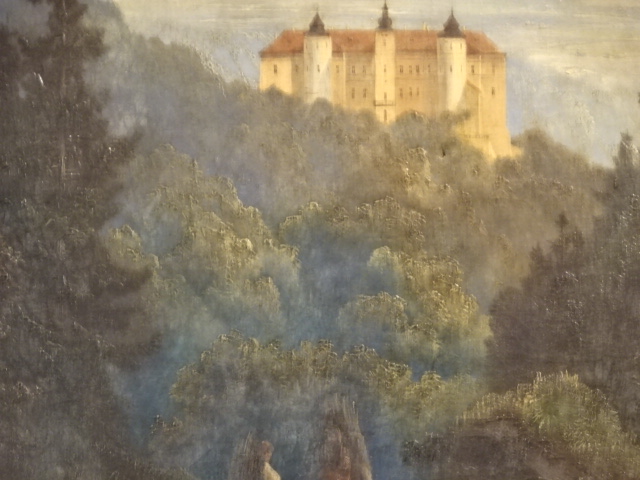

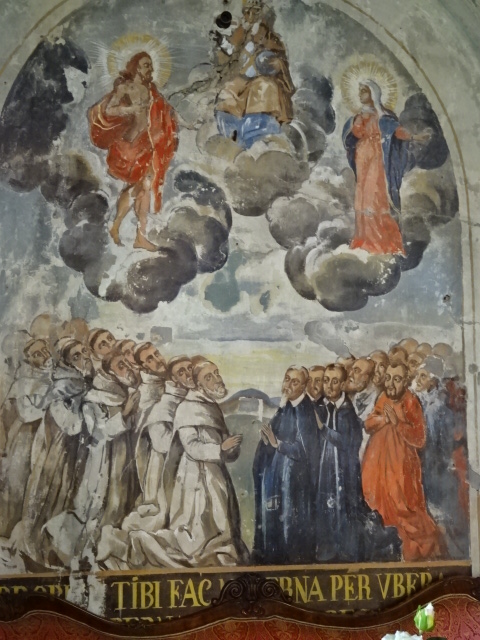


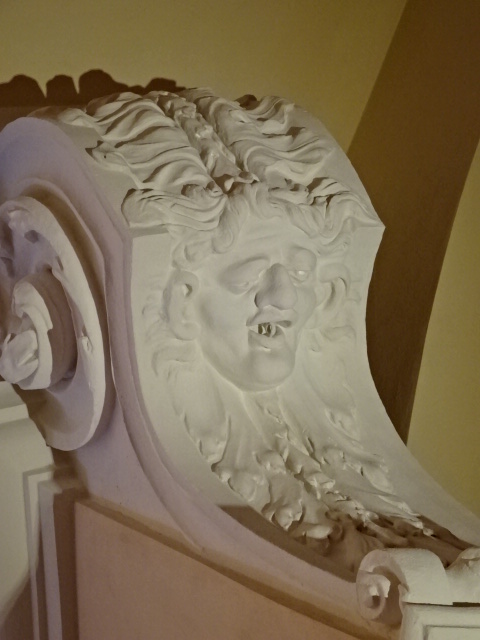

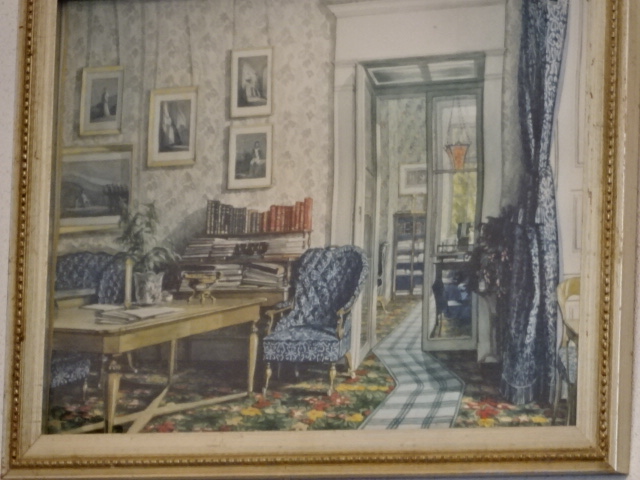


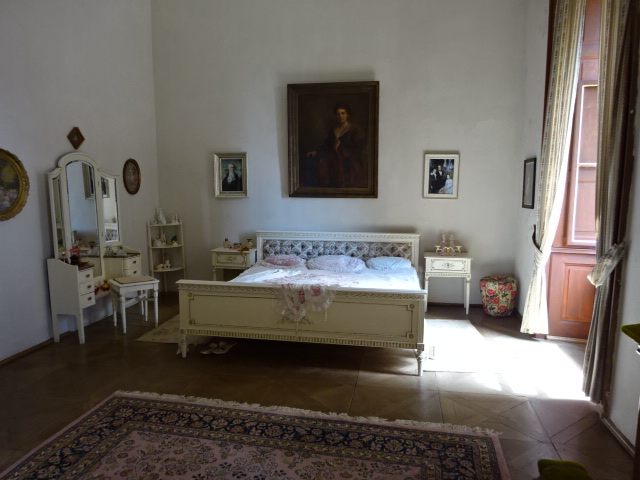

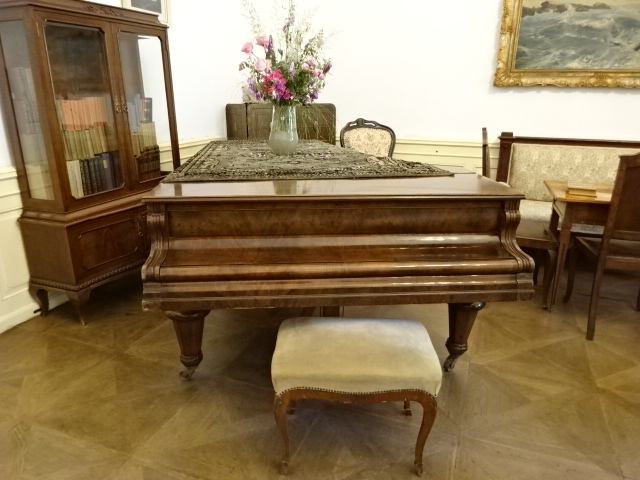


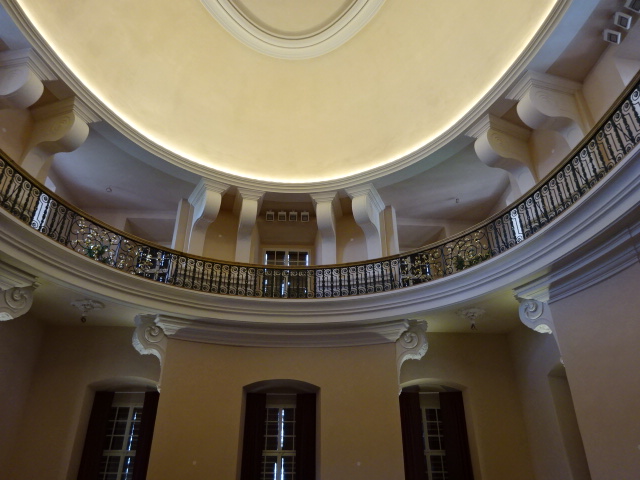

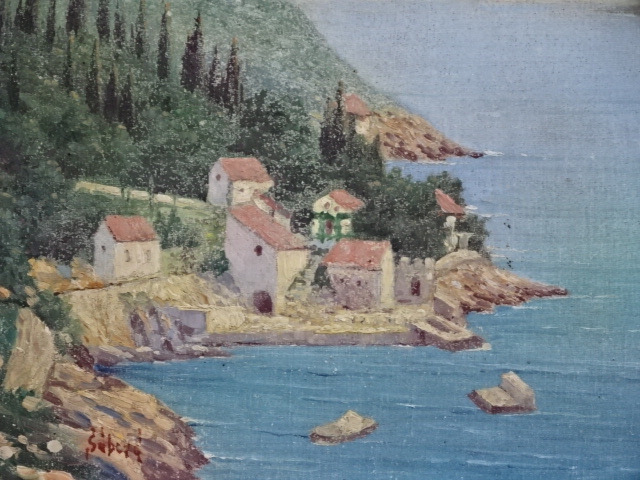
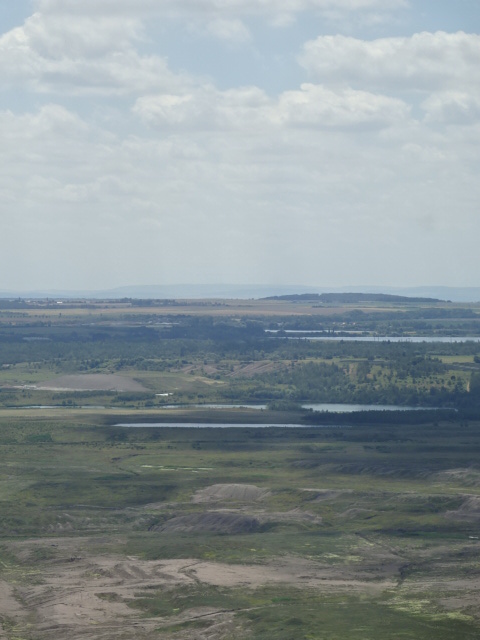

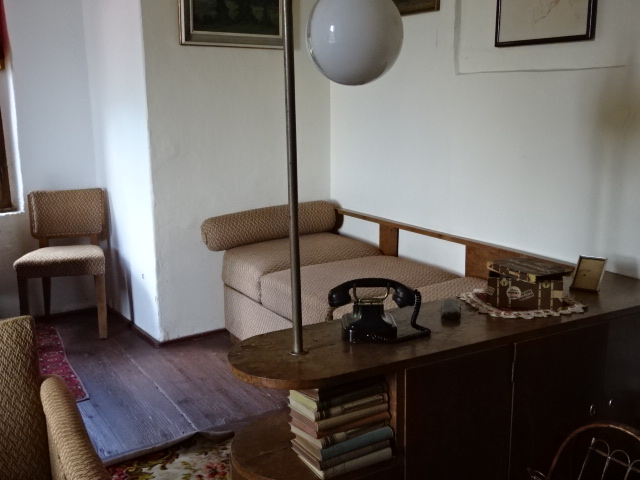

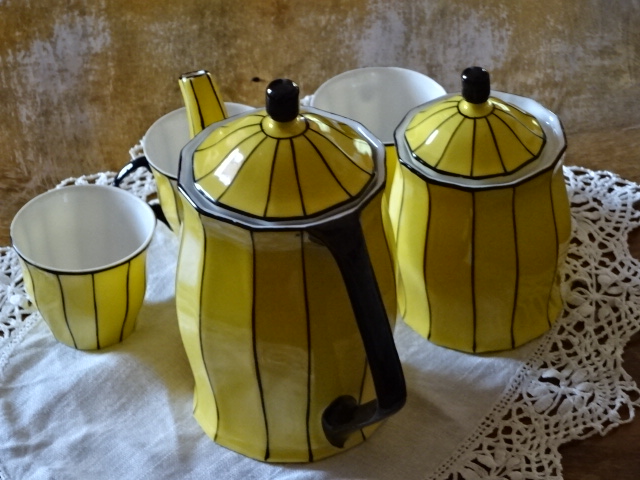
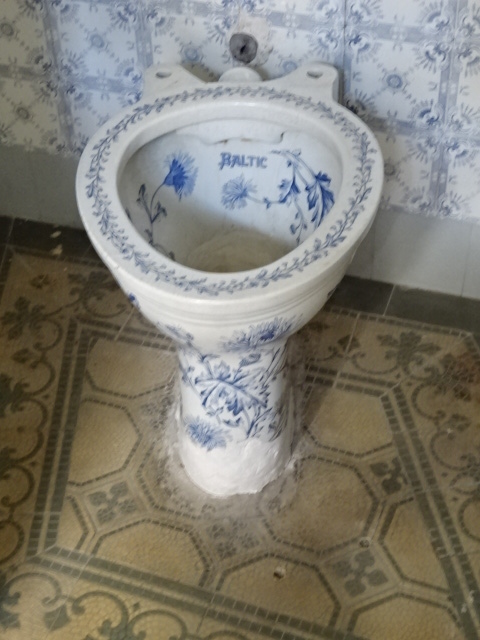

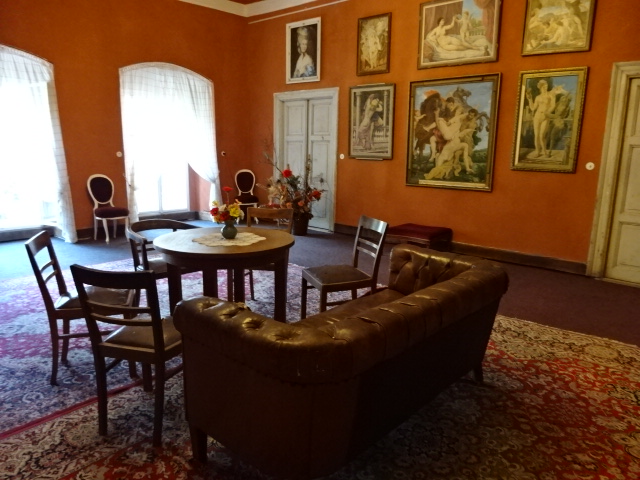

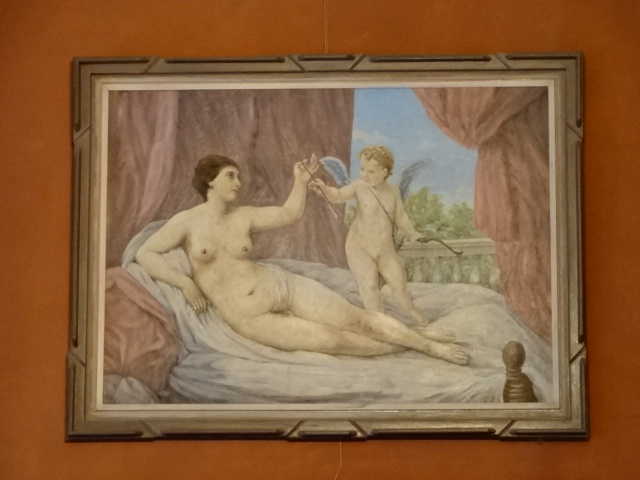
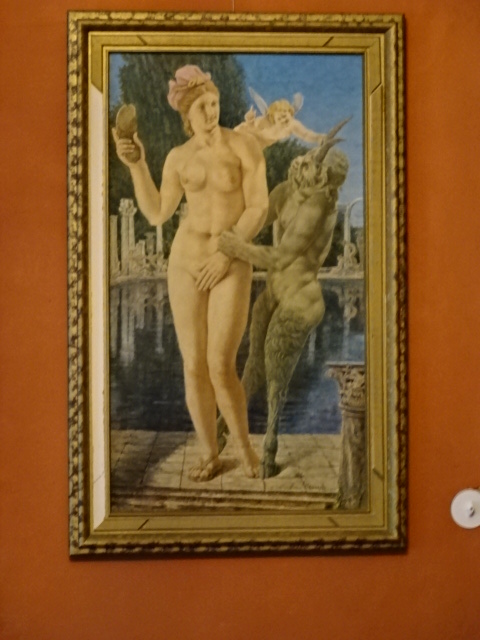


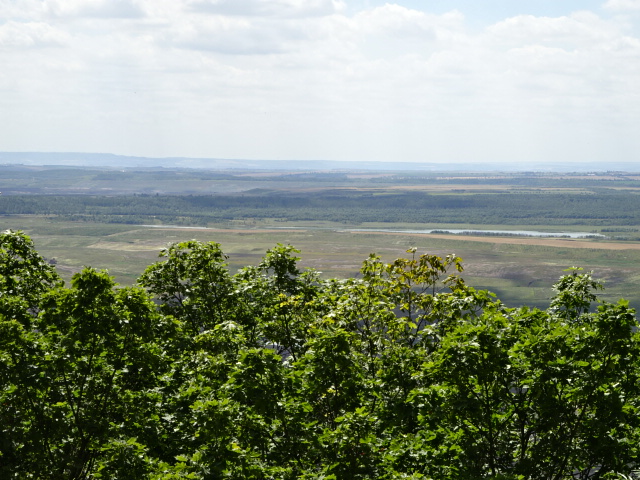
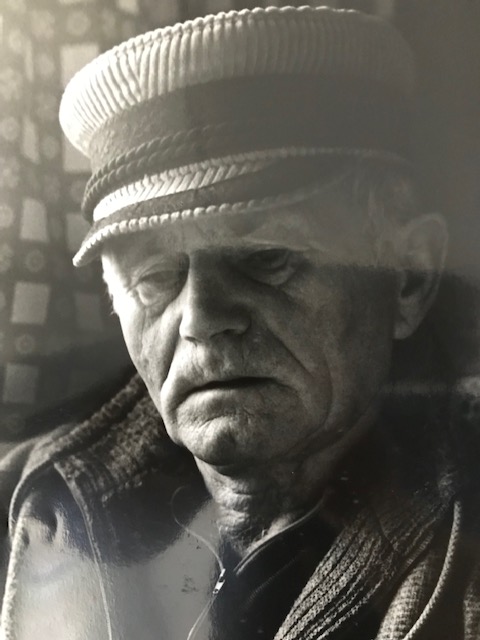


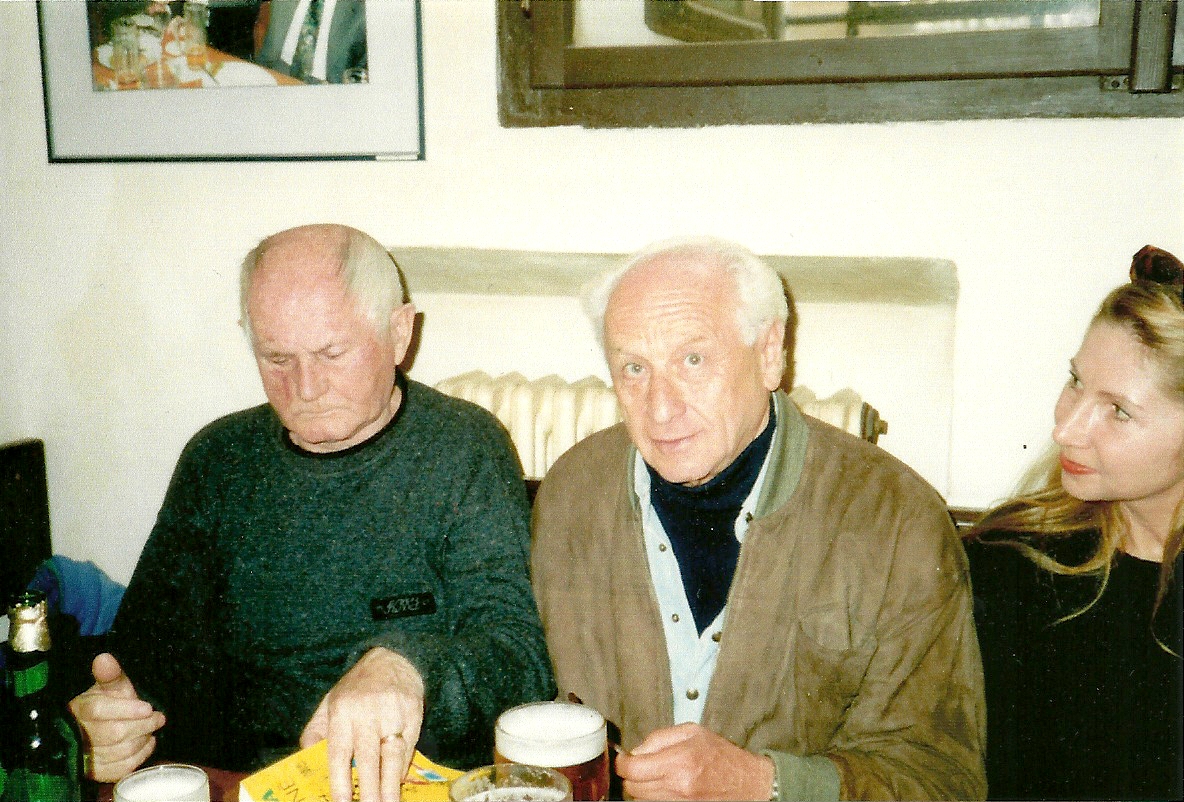
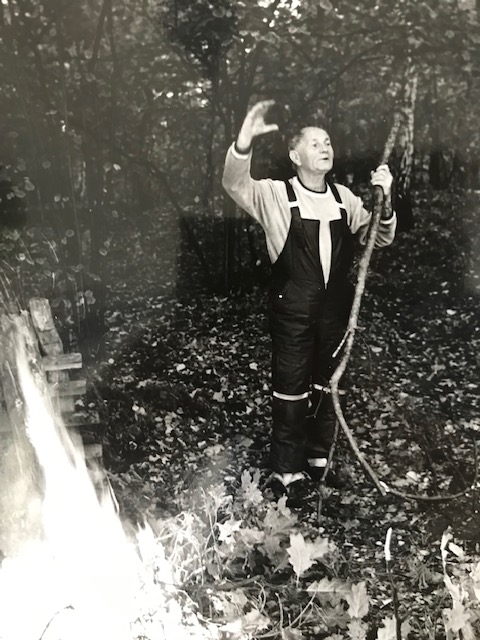
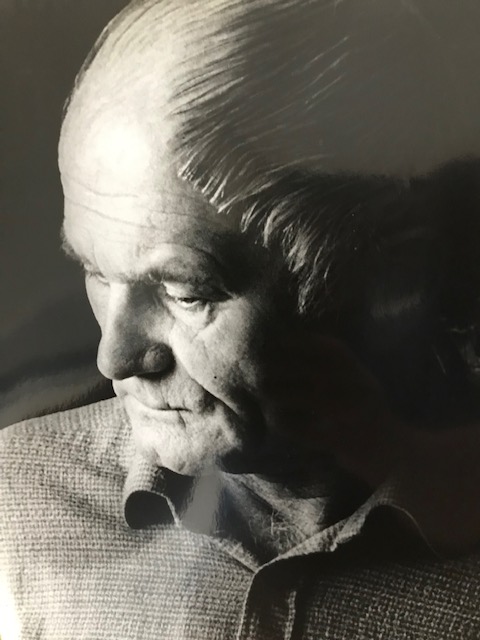


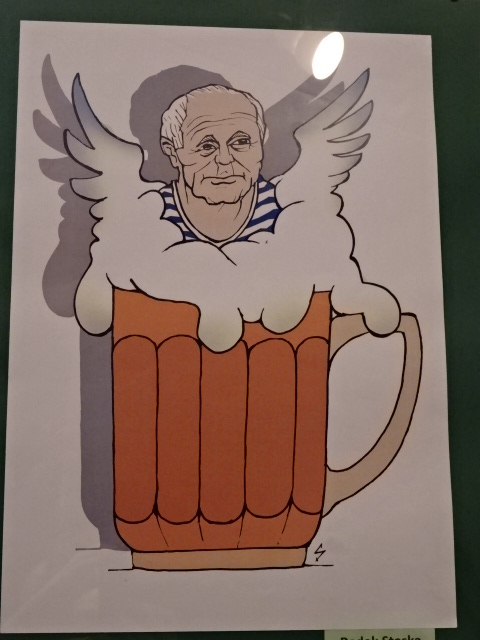

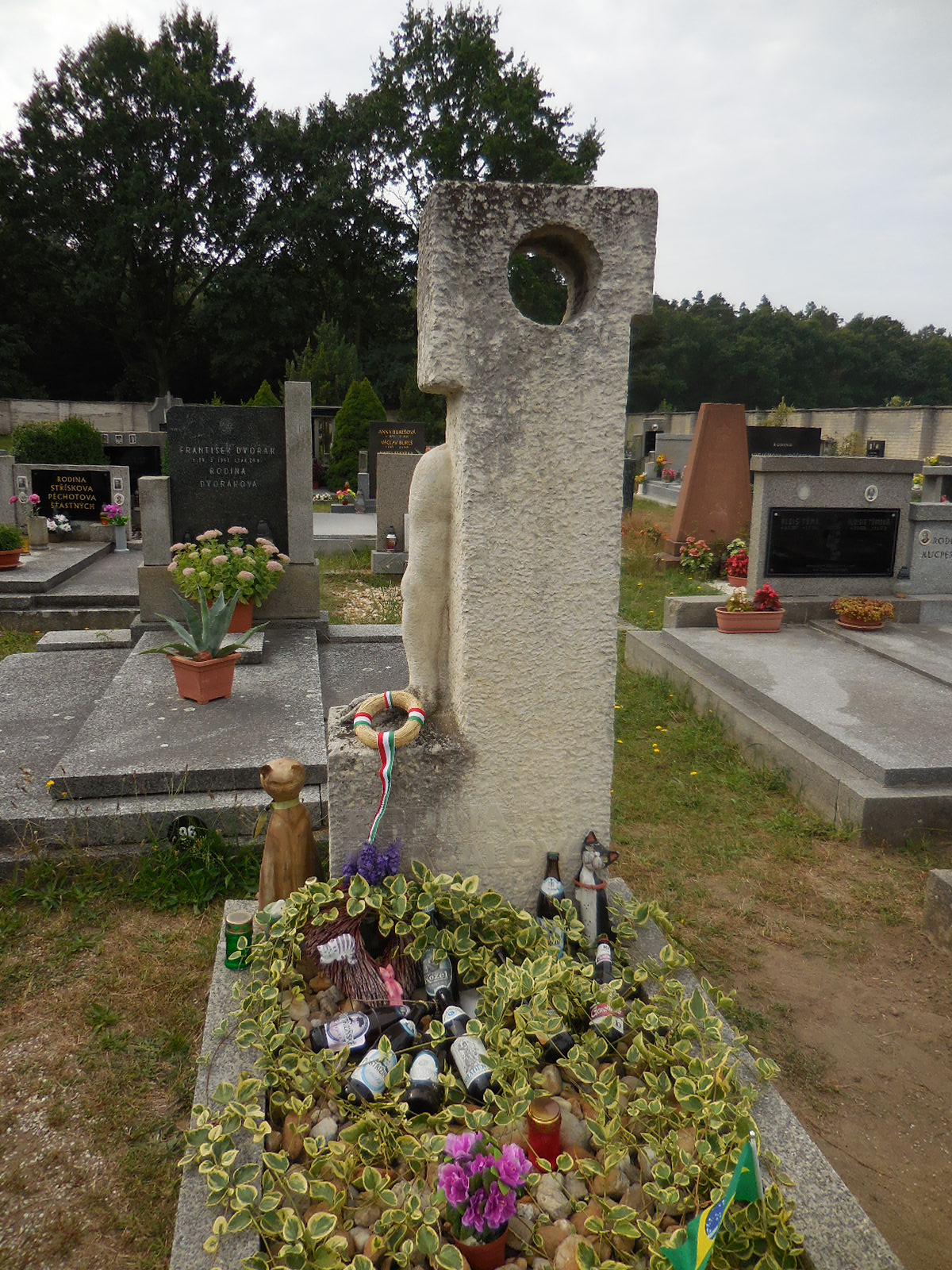
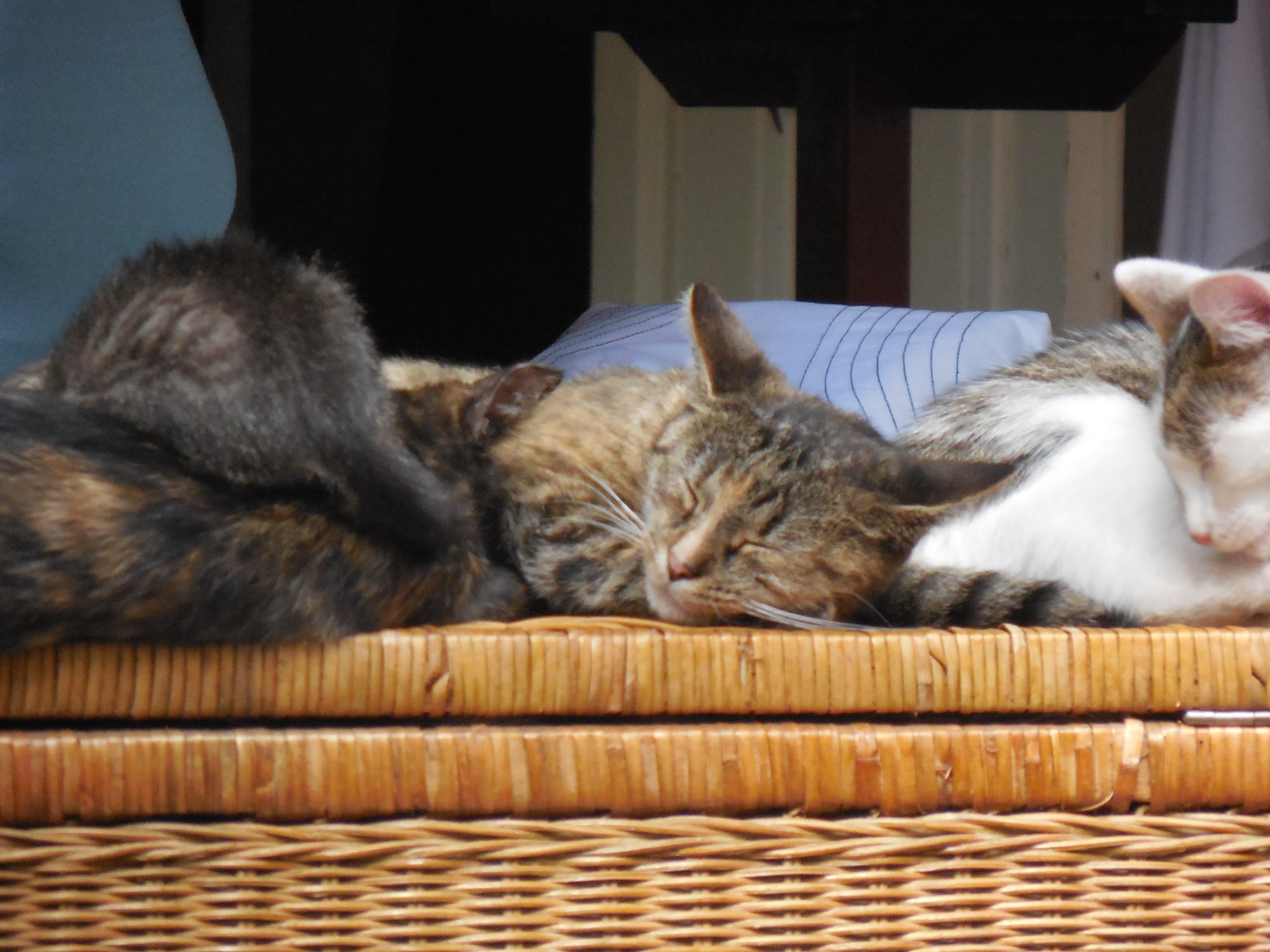

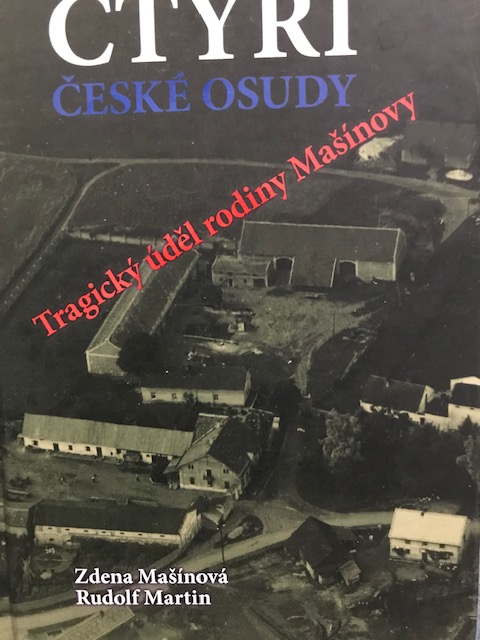
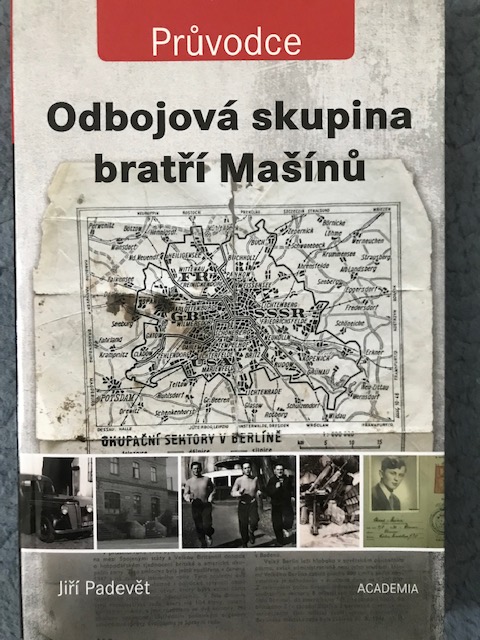
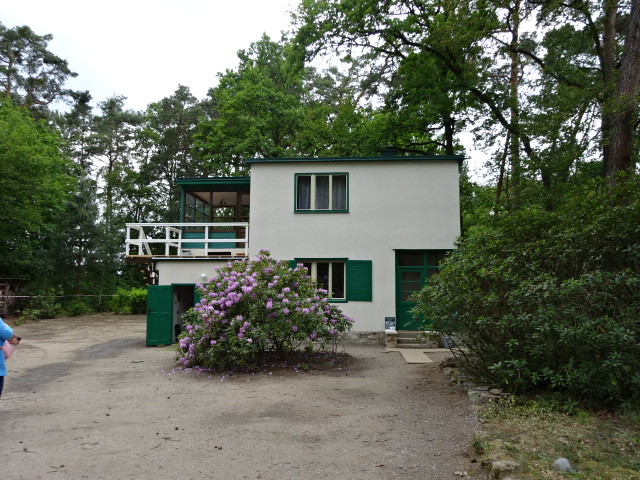


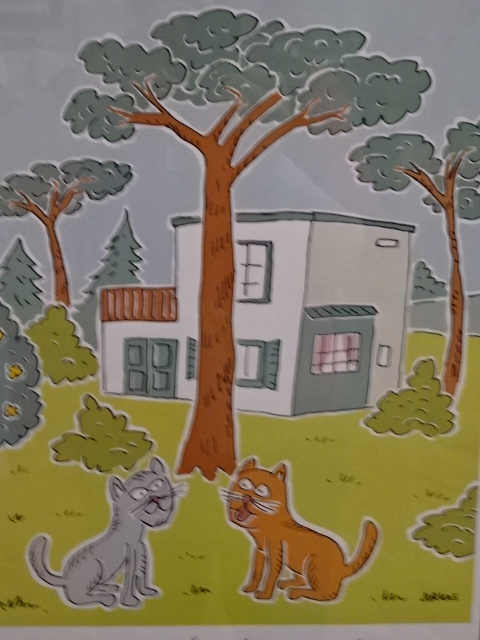
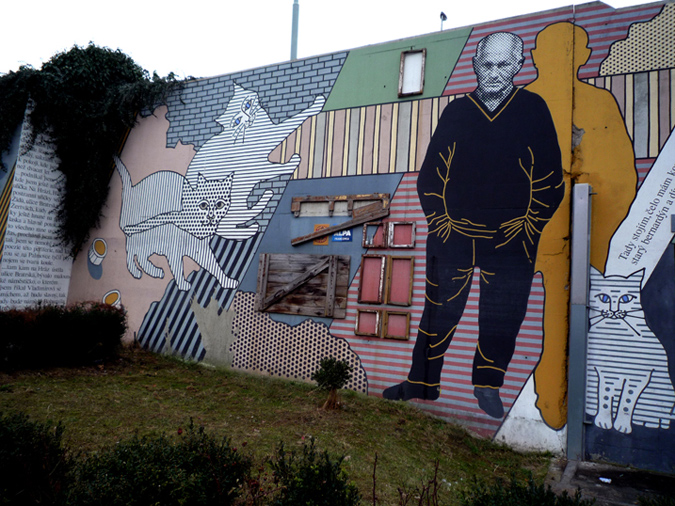
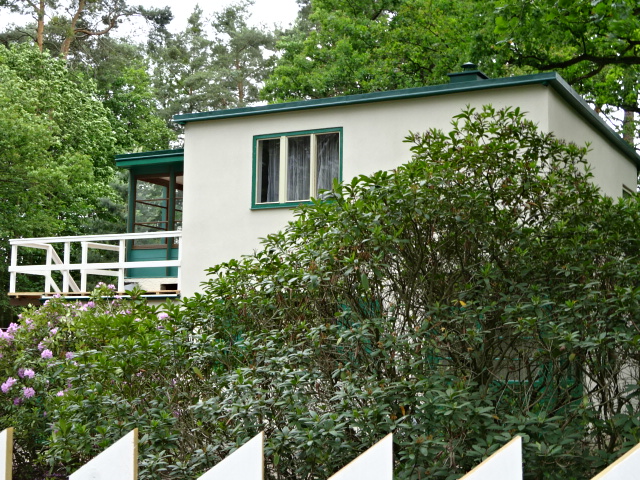
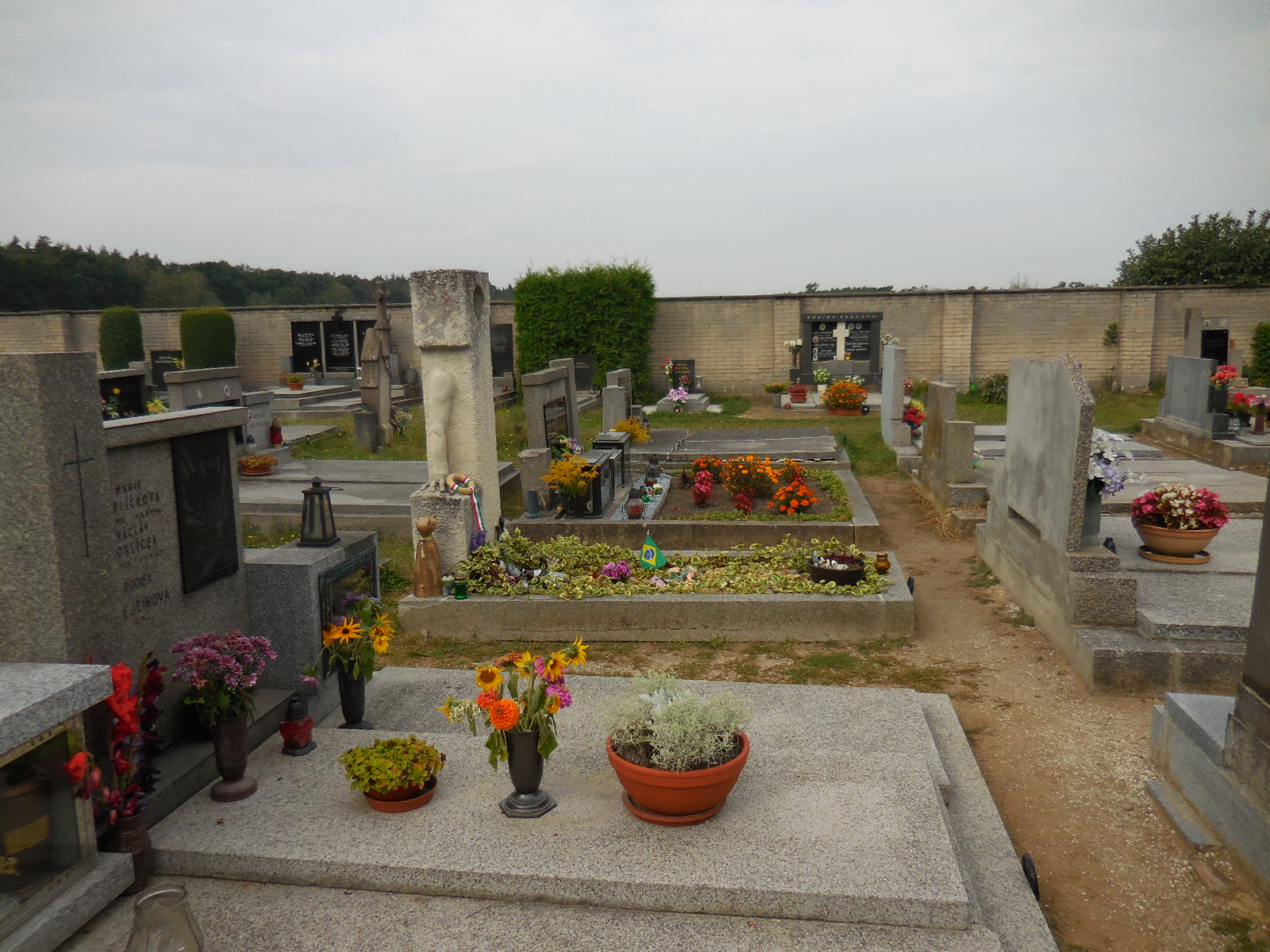


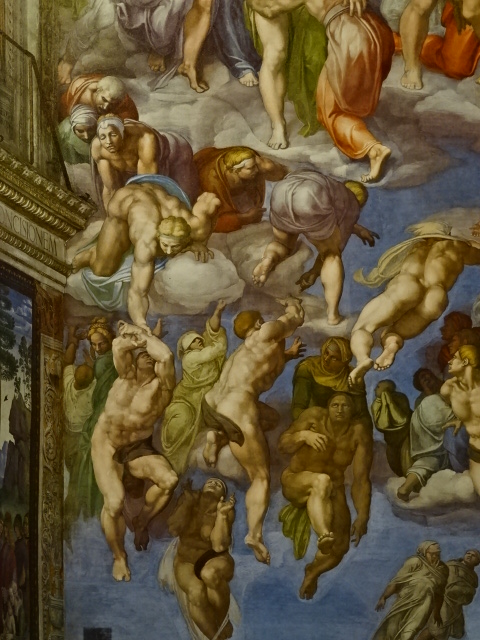
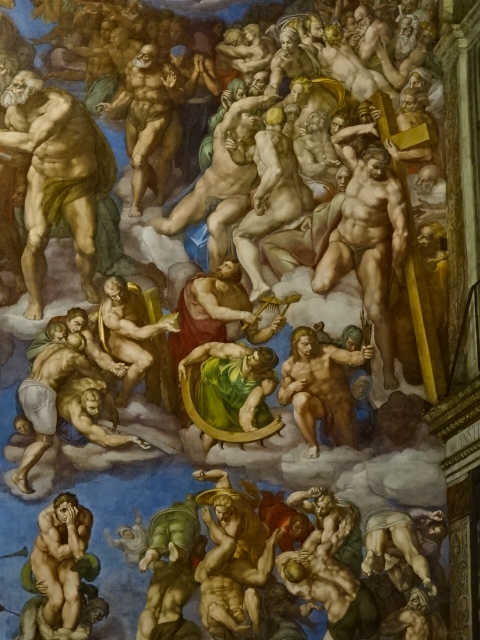

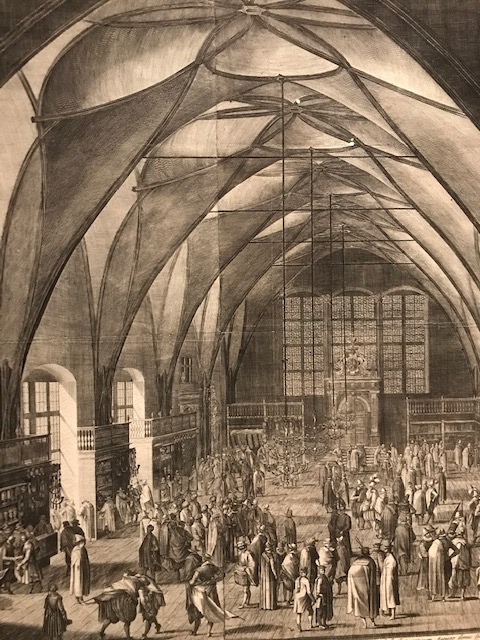
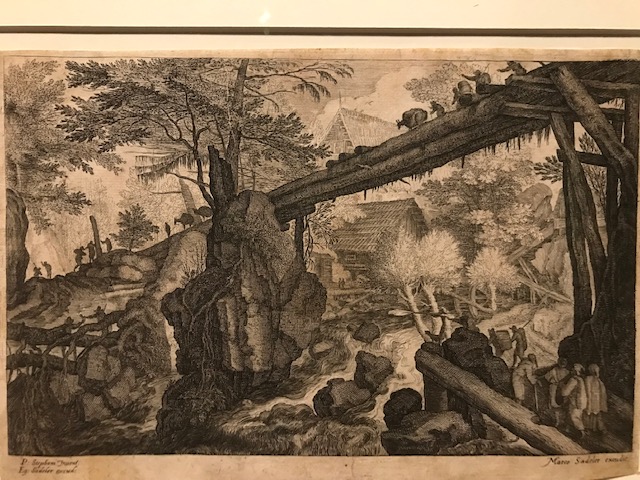

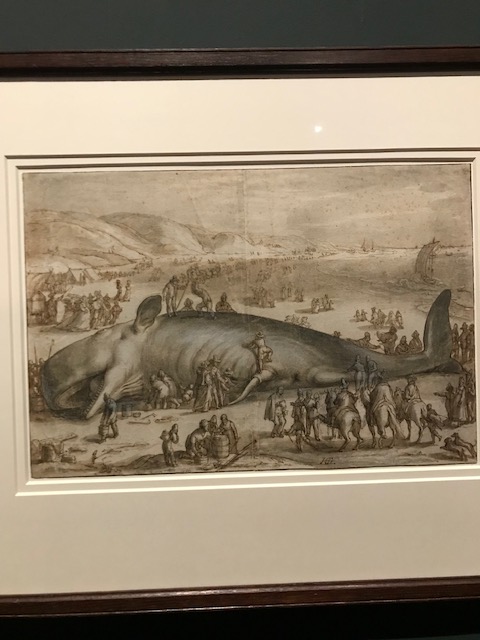
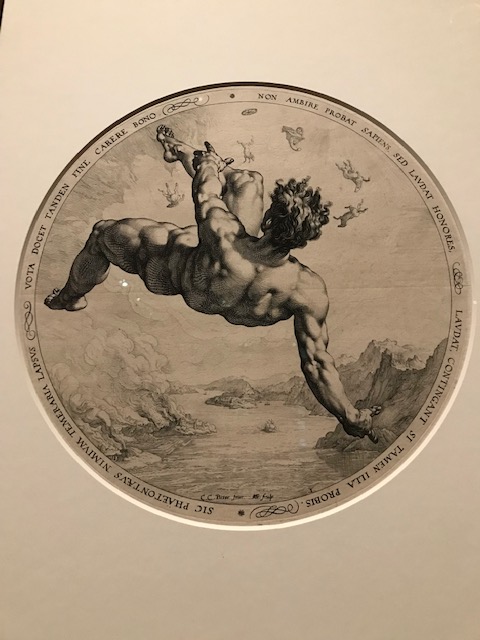
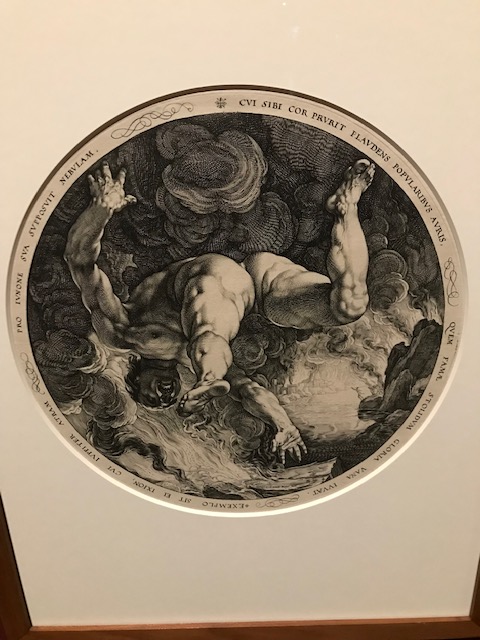


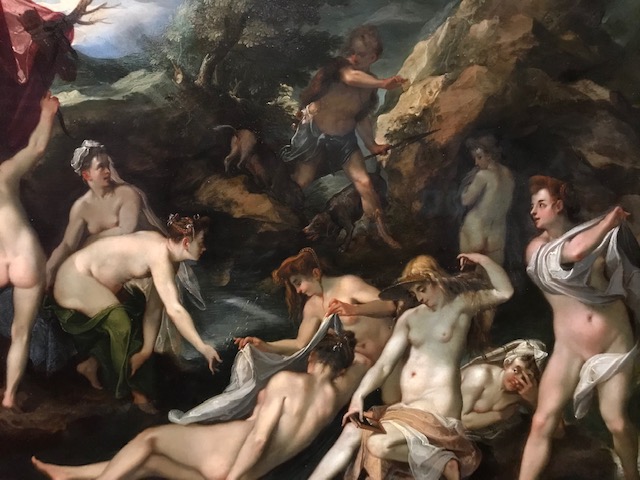


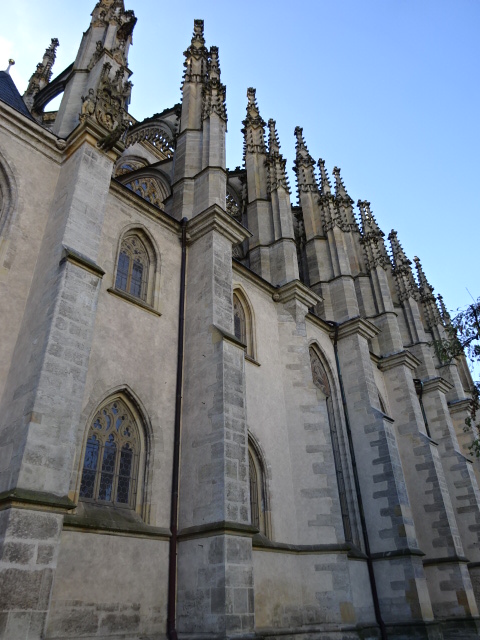


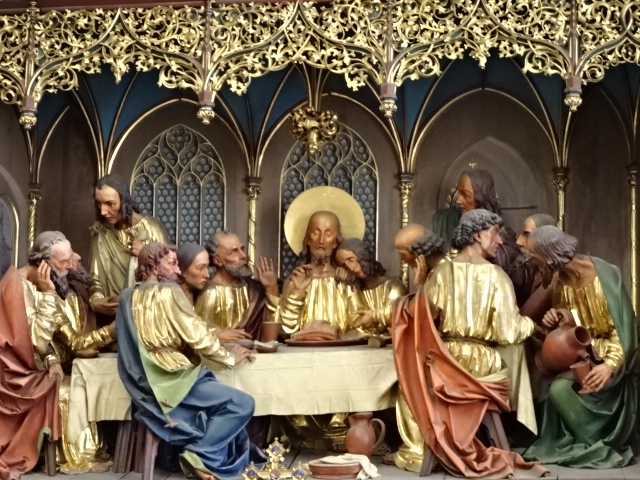
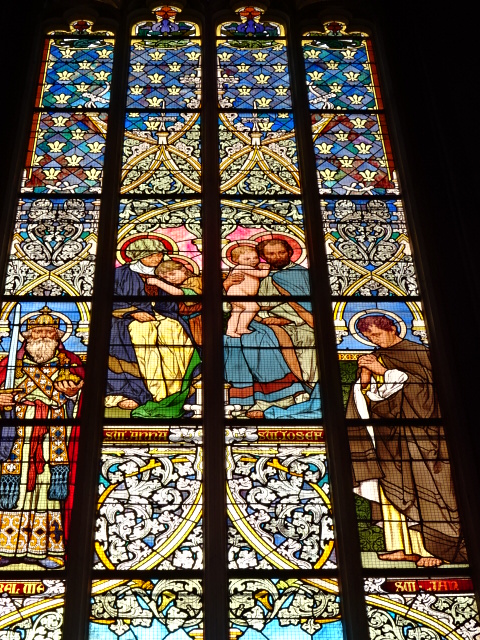


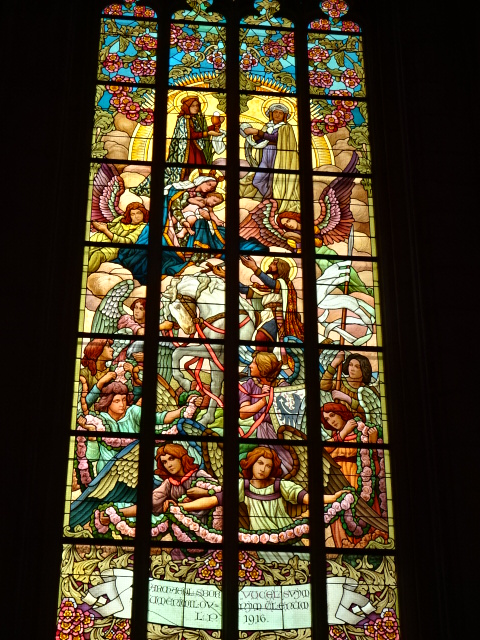


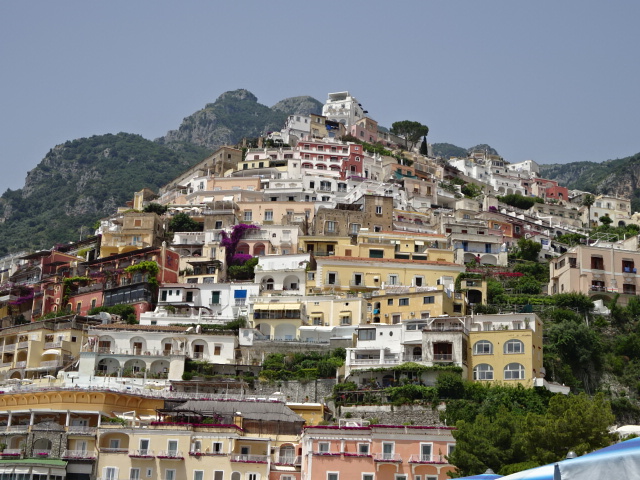


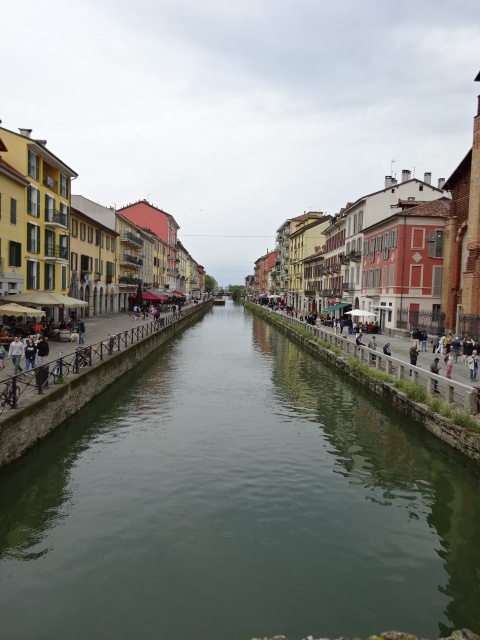


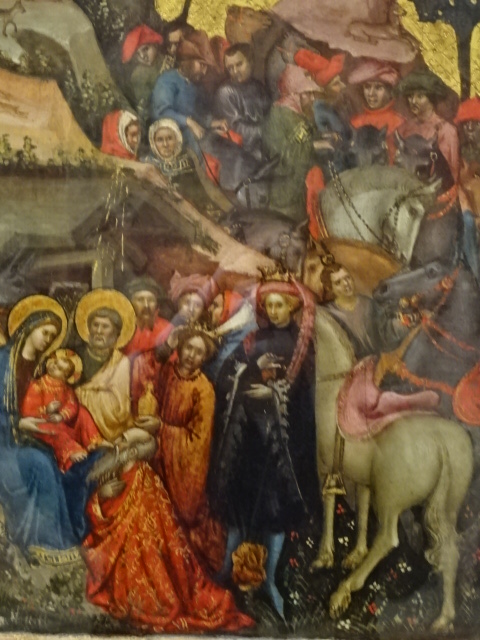


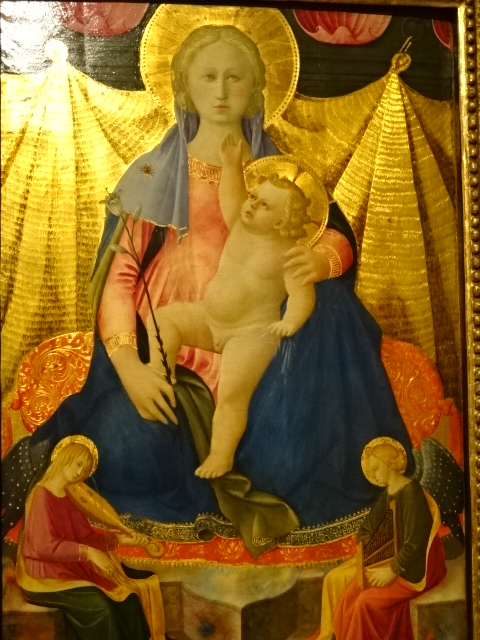


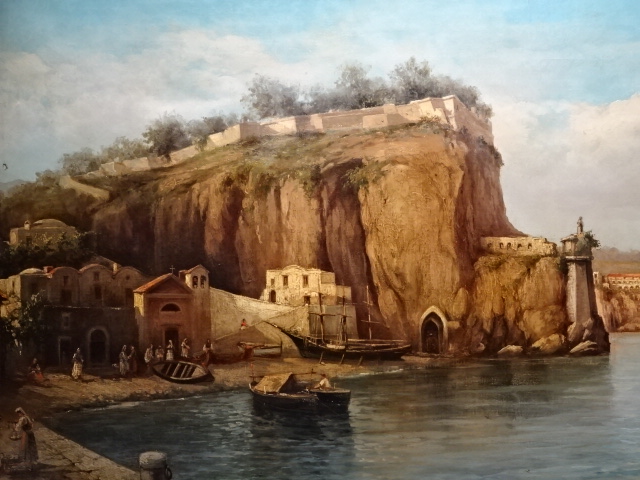

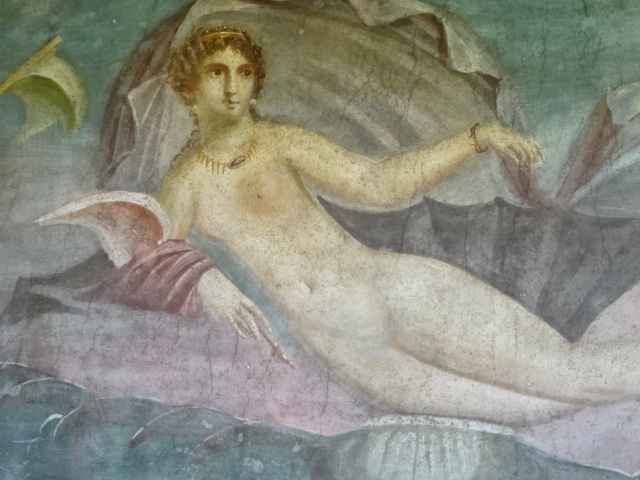
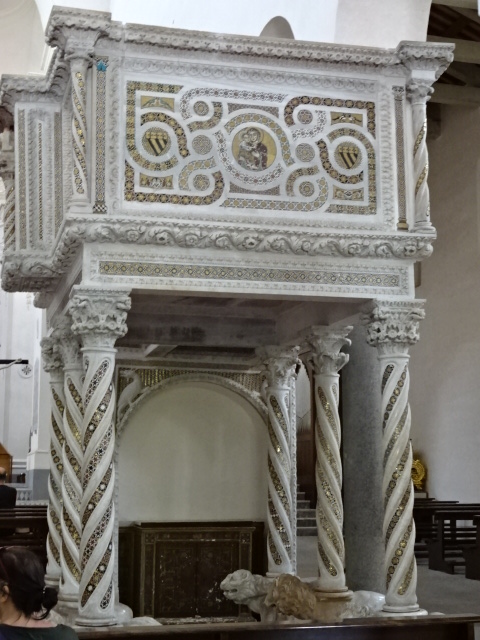


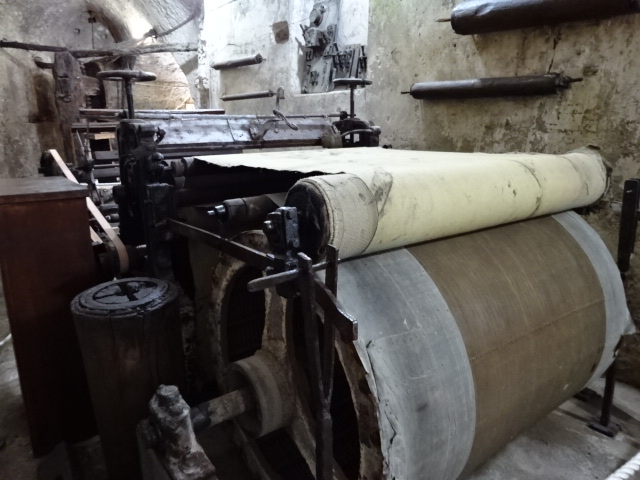


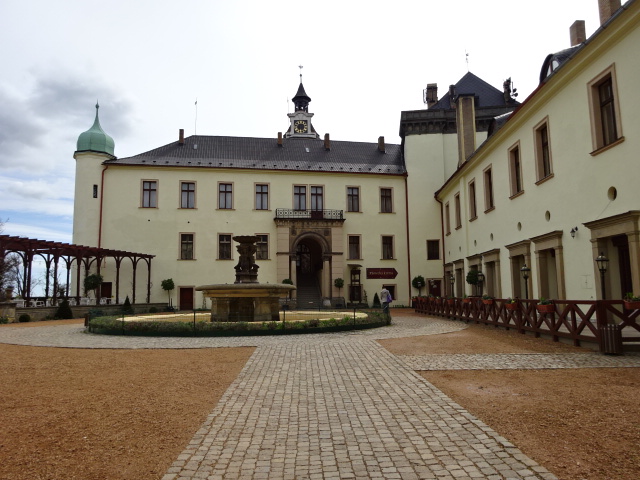


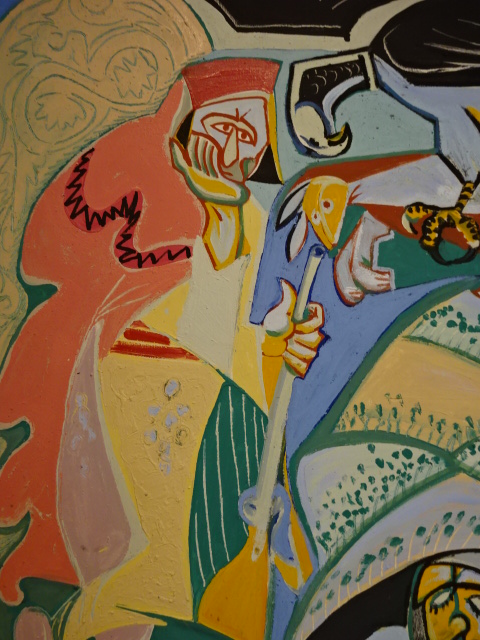


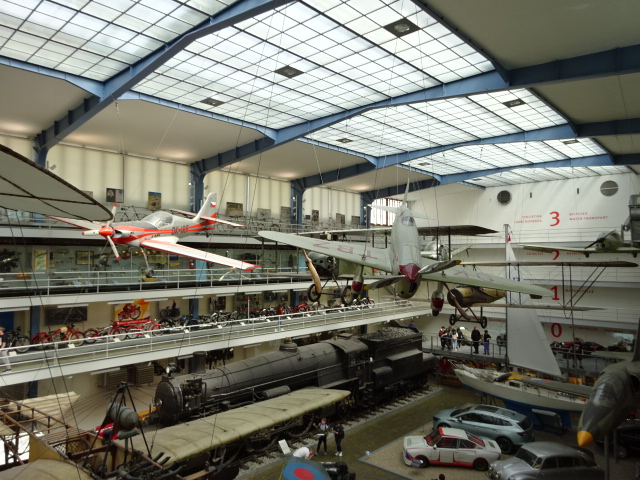


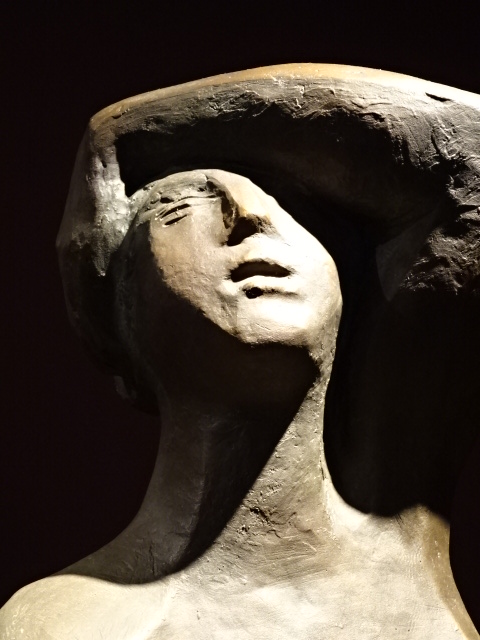


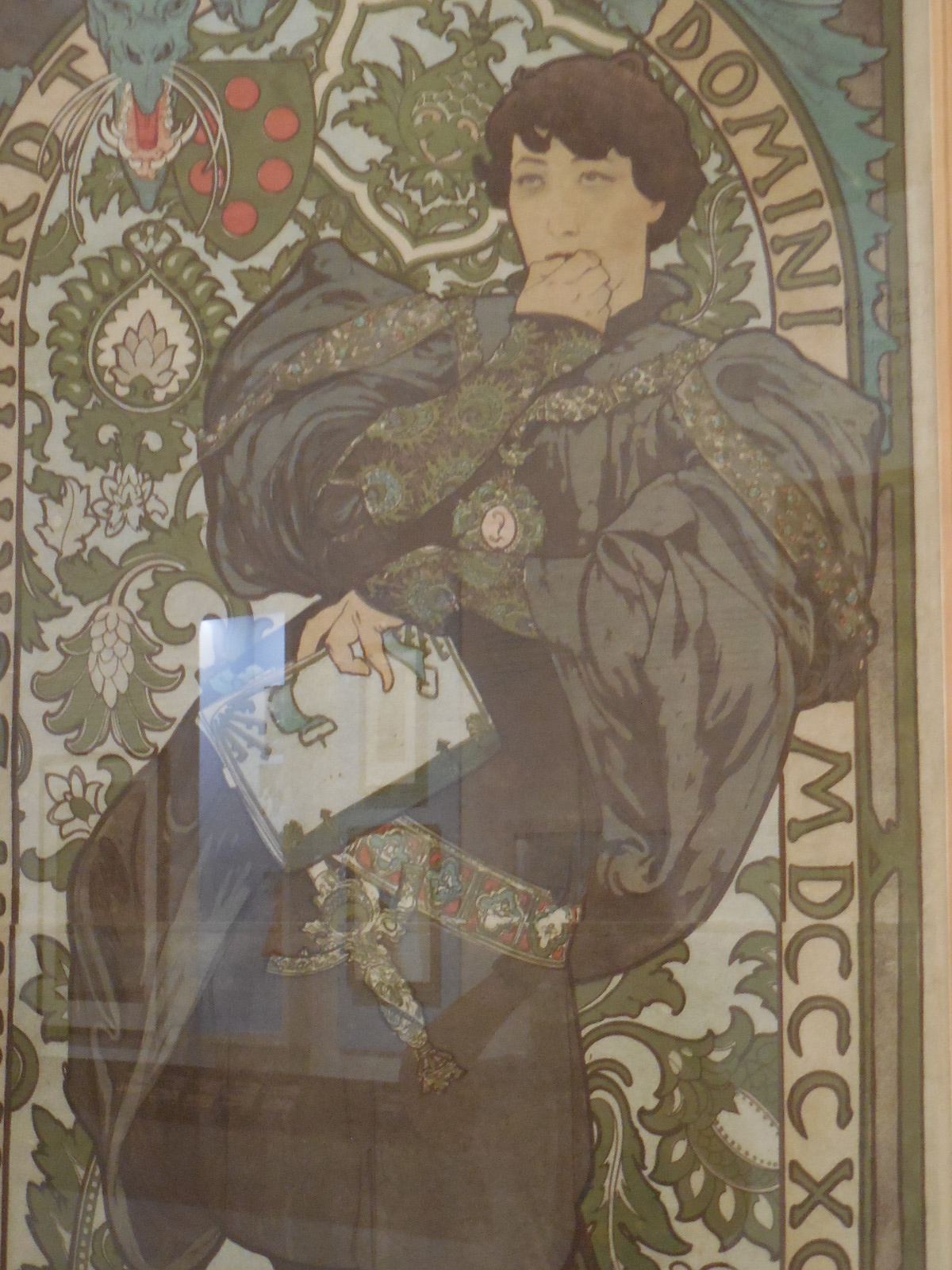


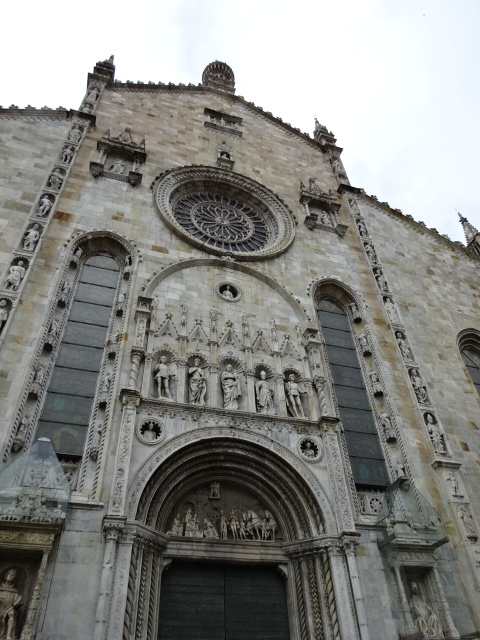

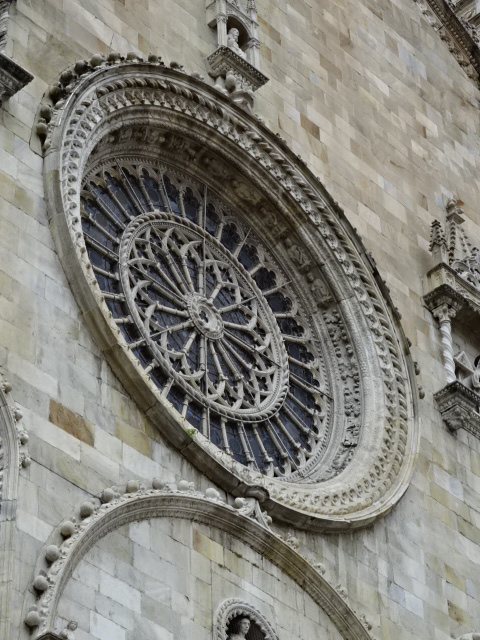
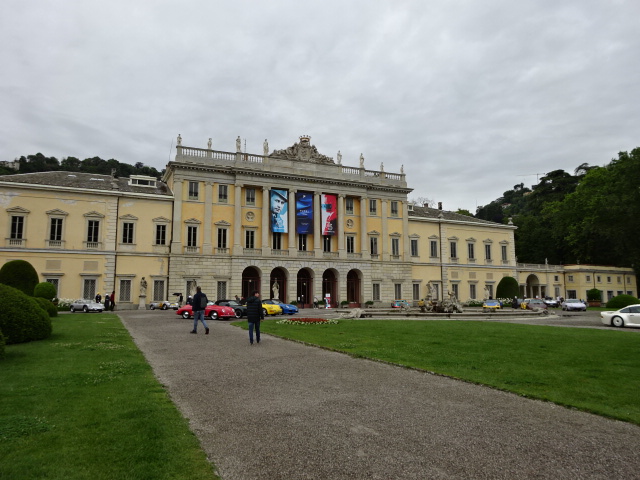
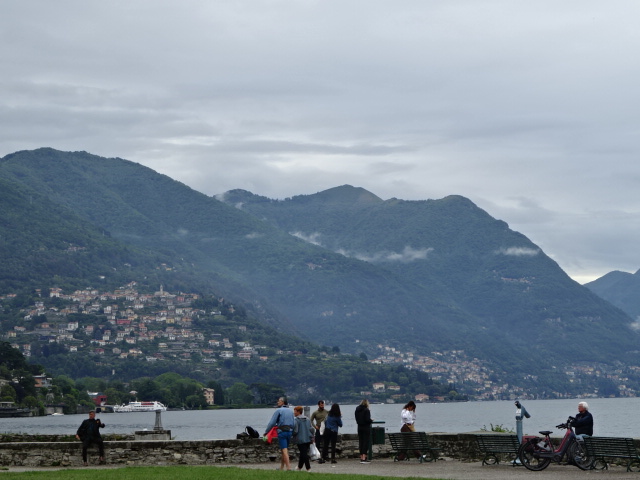

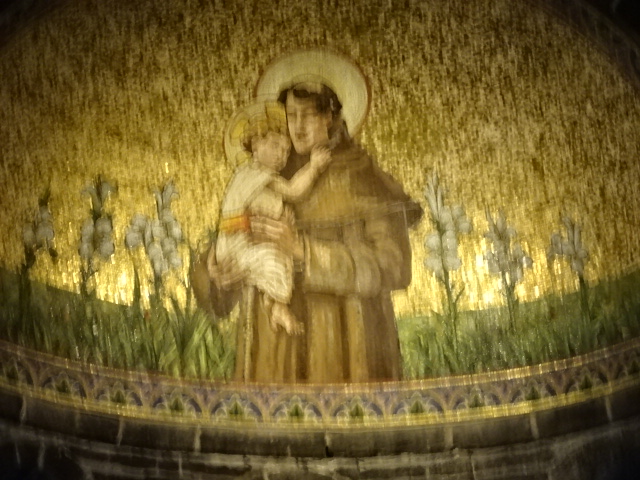
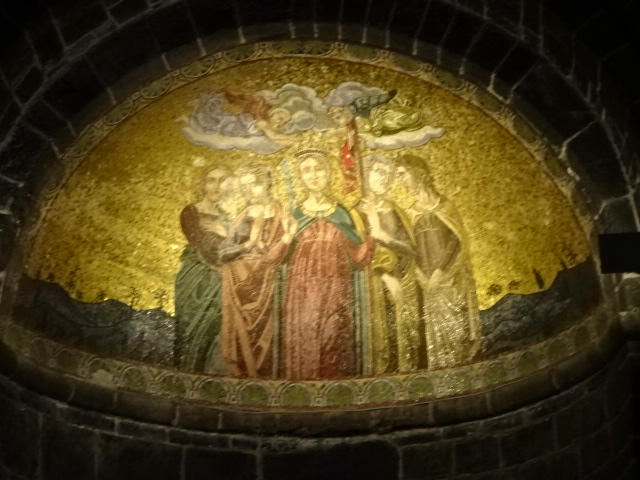

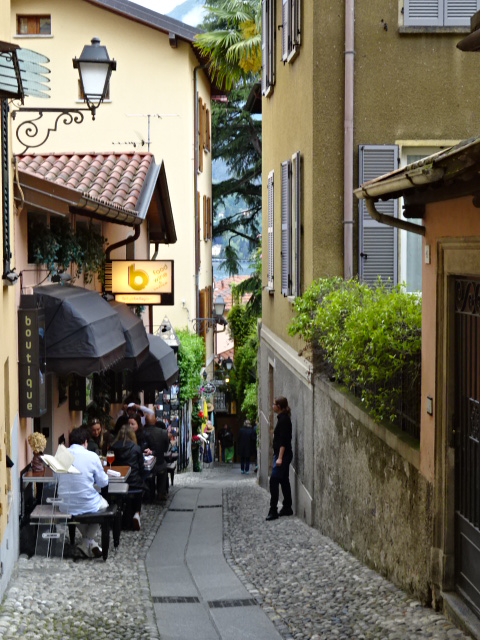


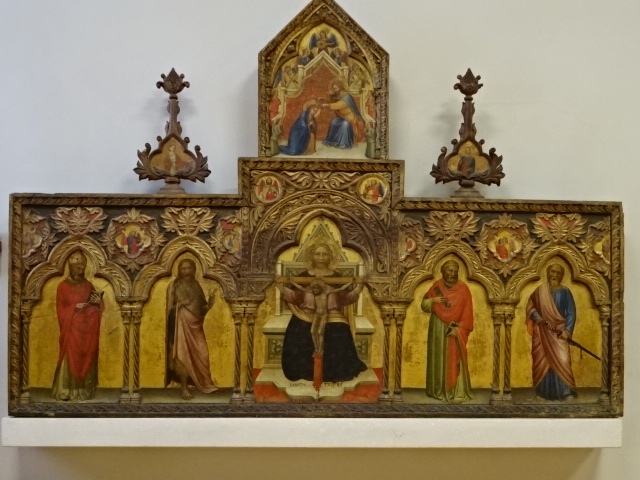

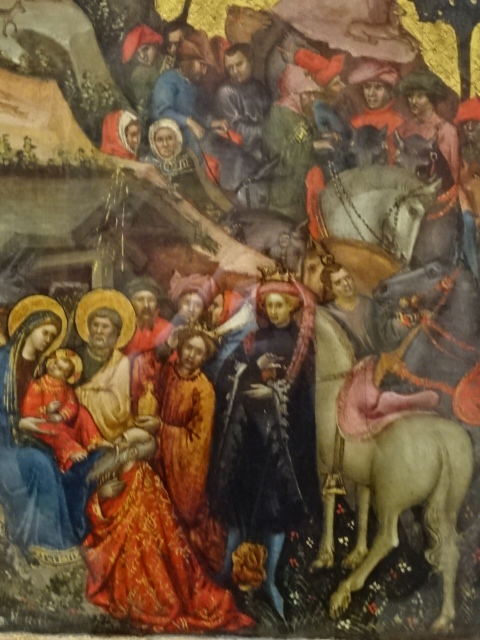


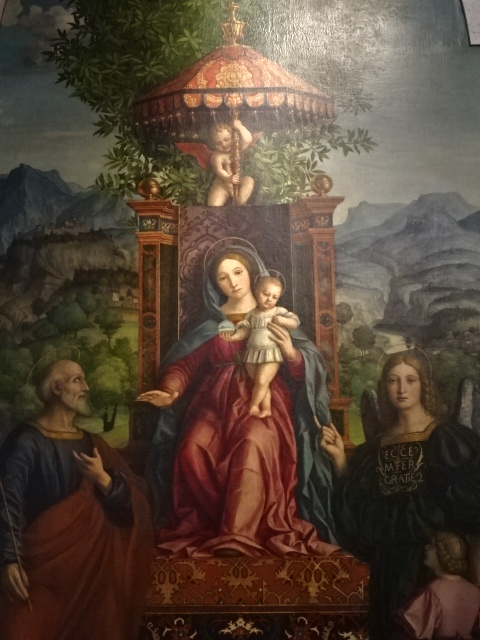


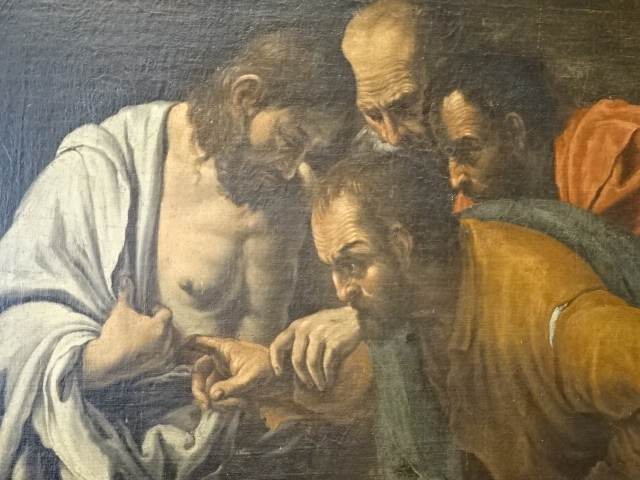


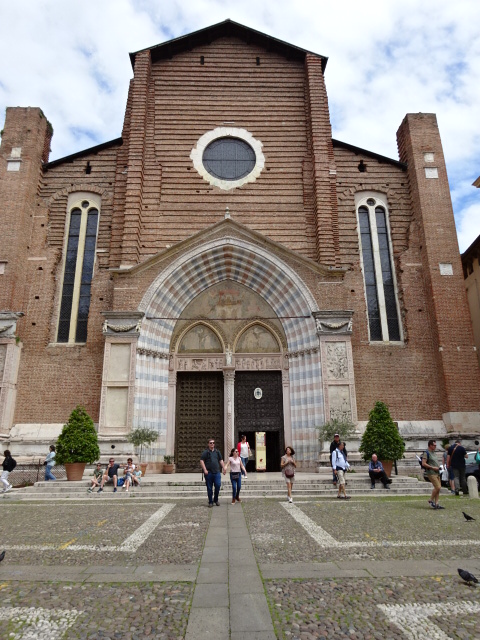


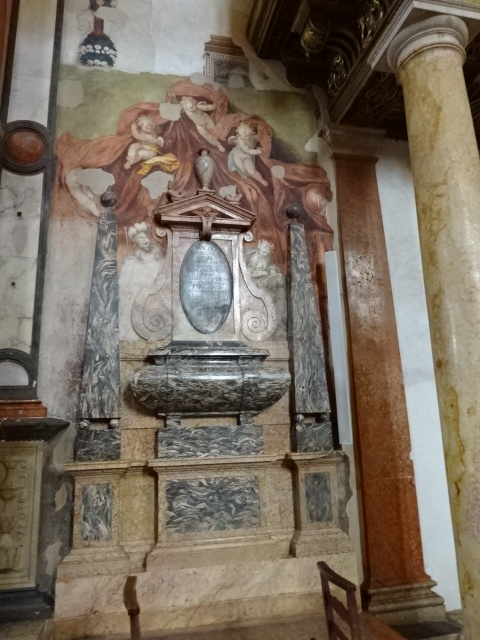
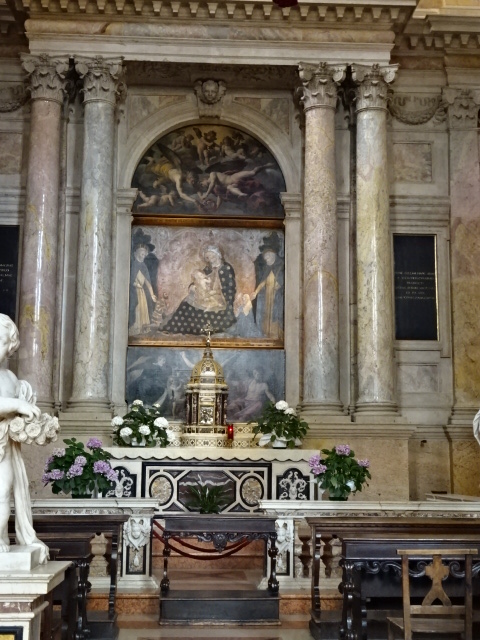


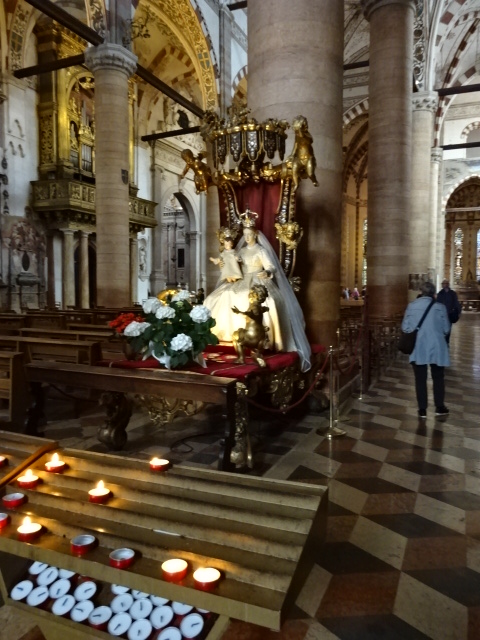

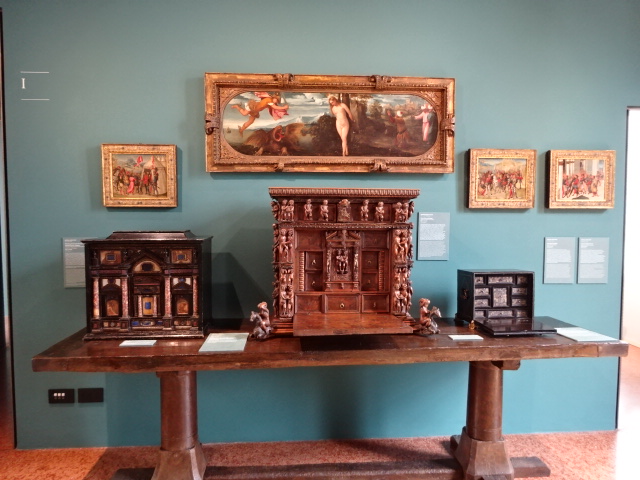

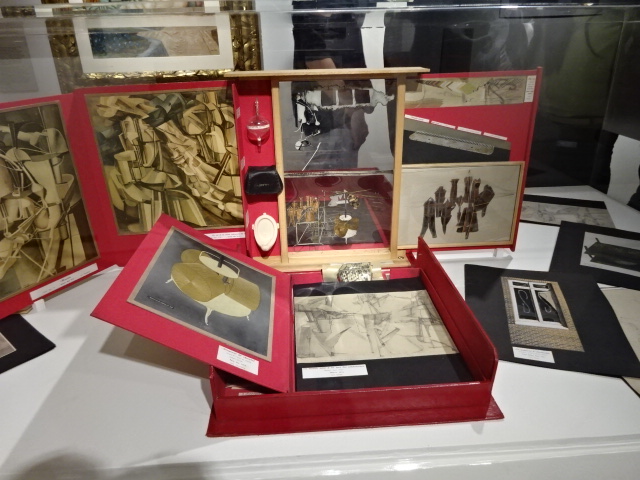
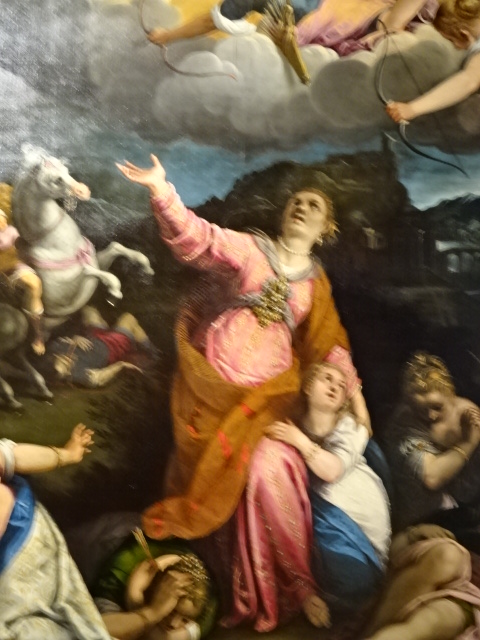

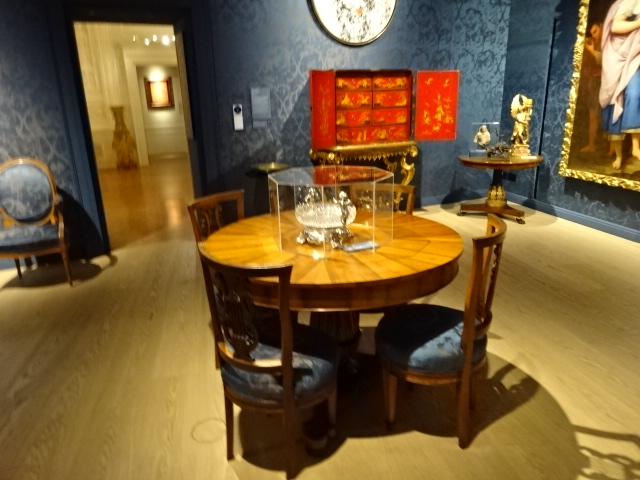
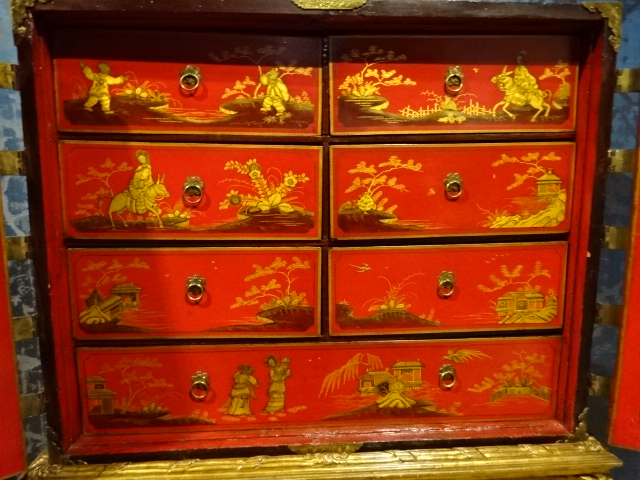


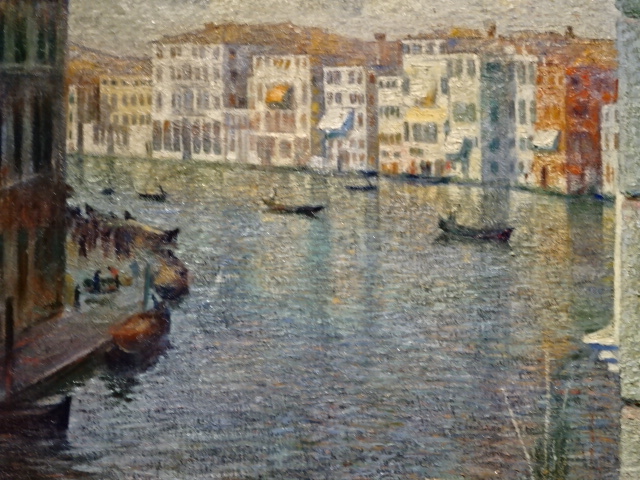
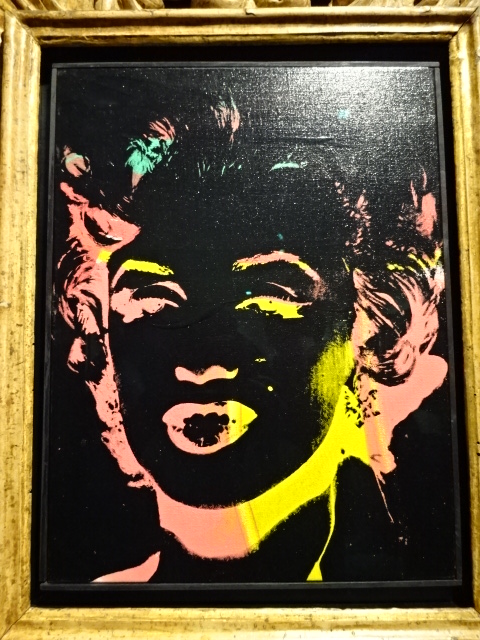

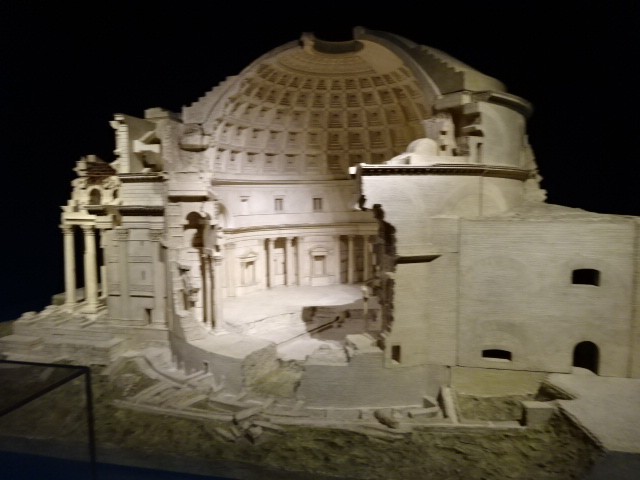


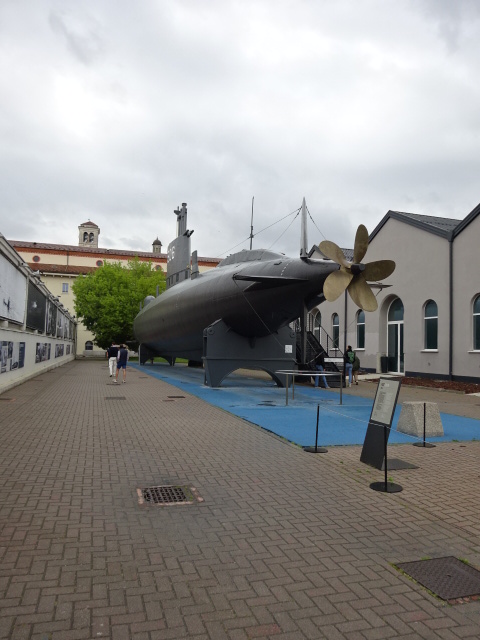


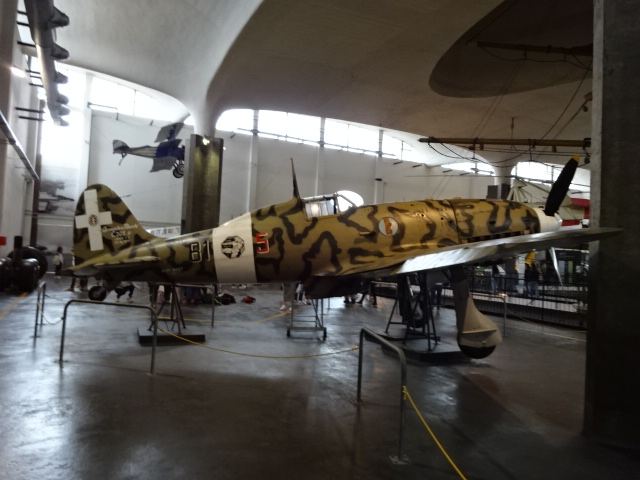
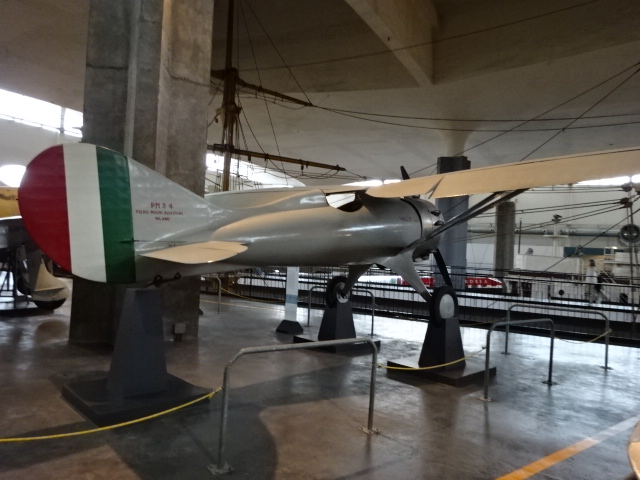


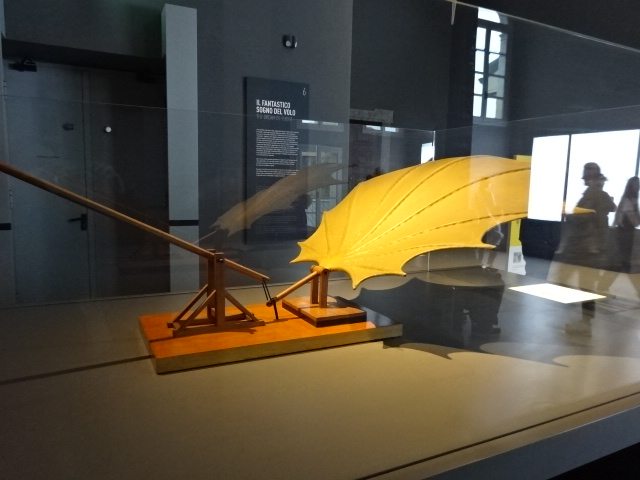
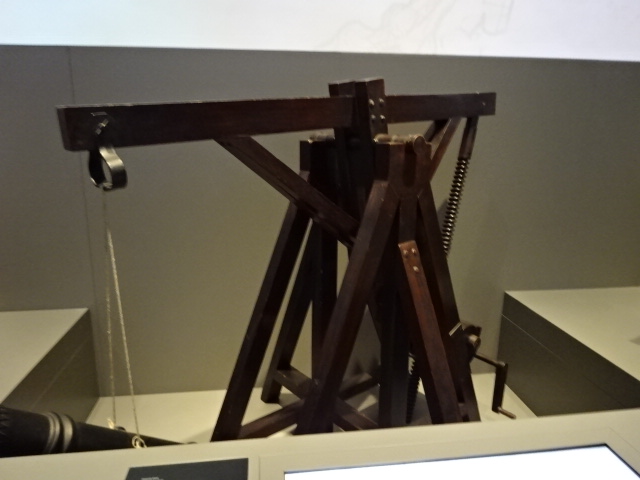

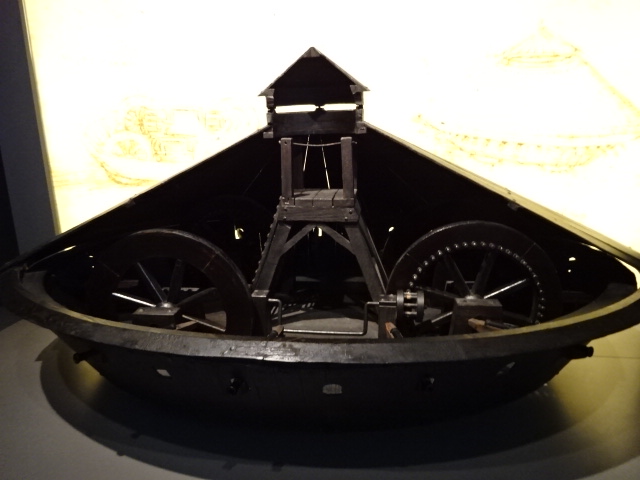
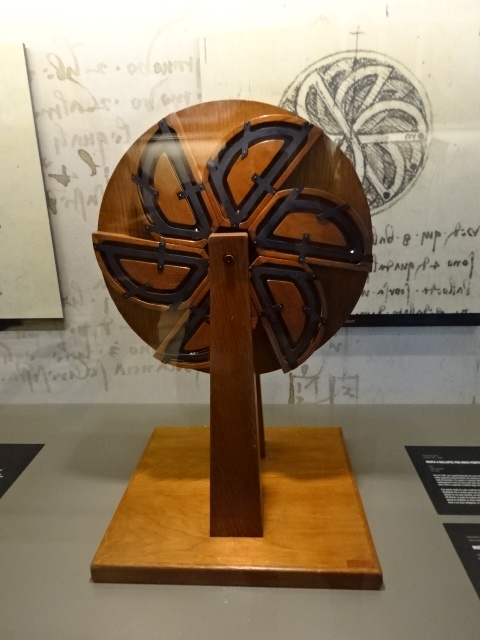
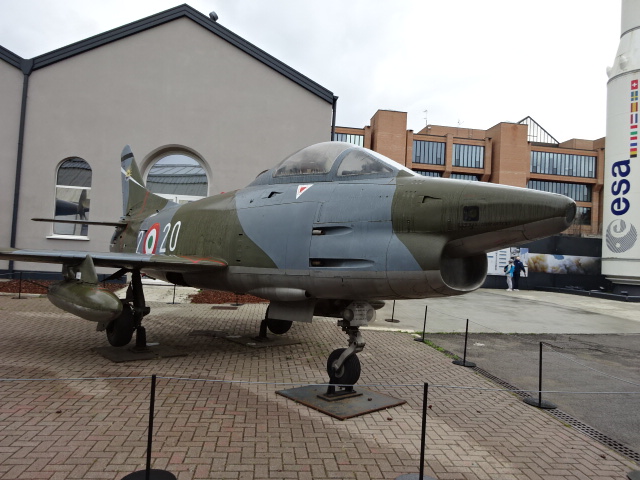

 Tracy's Travels