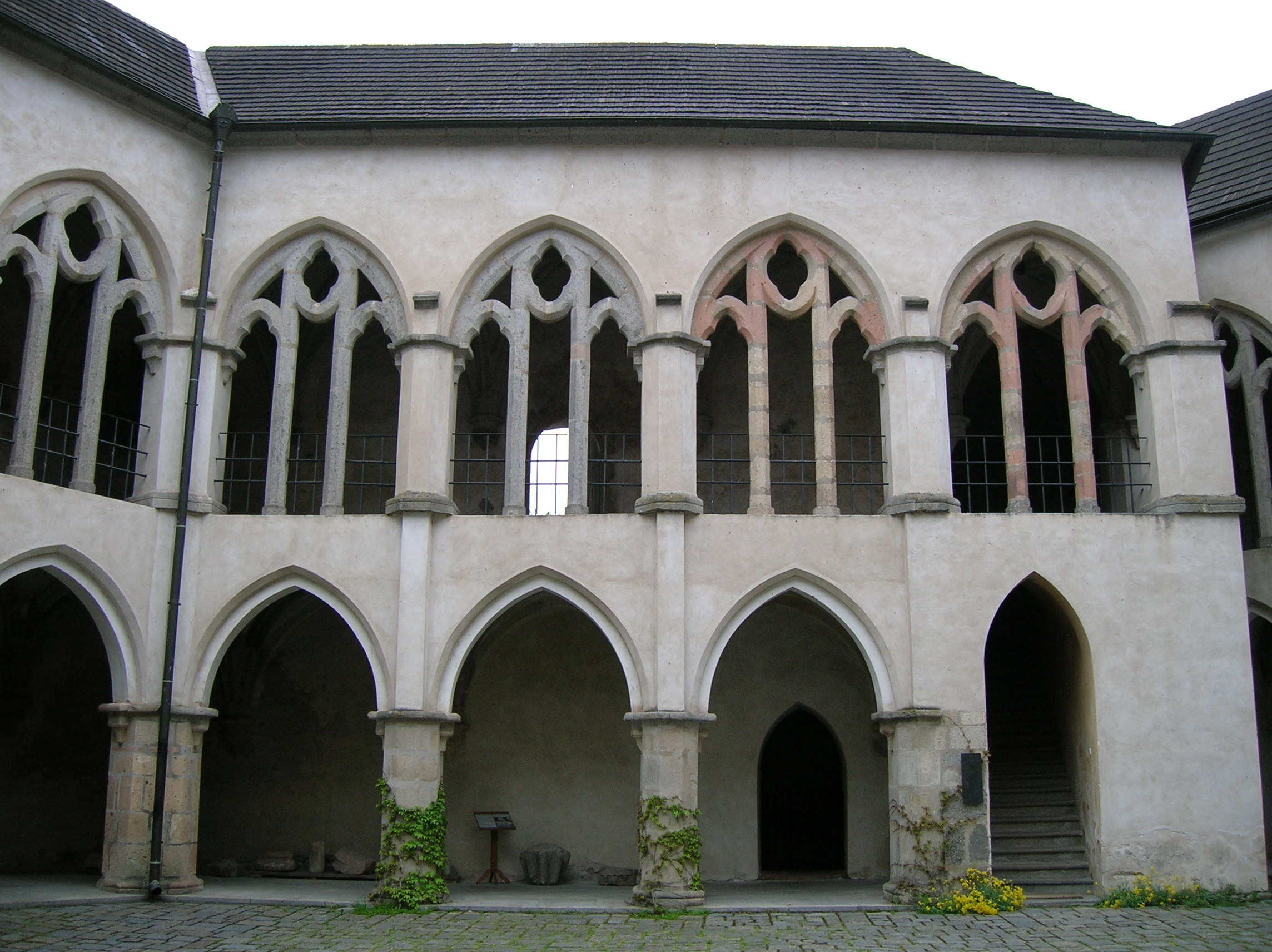
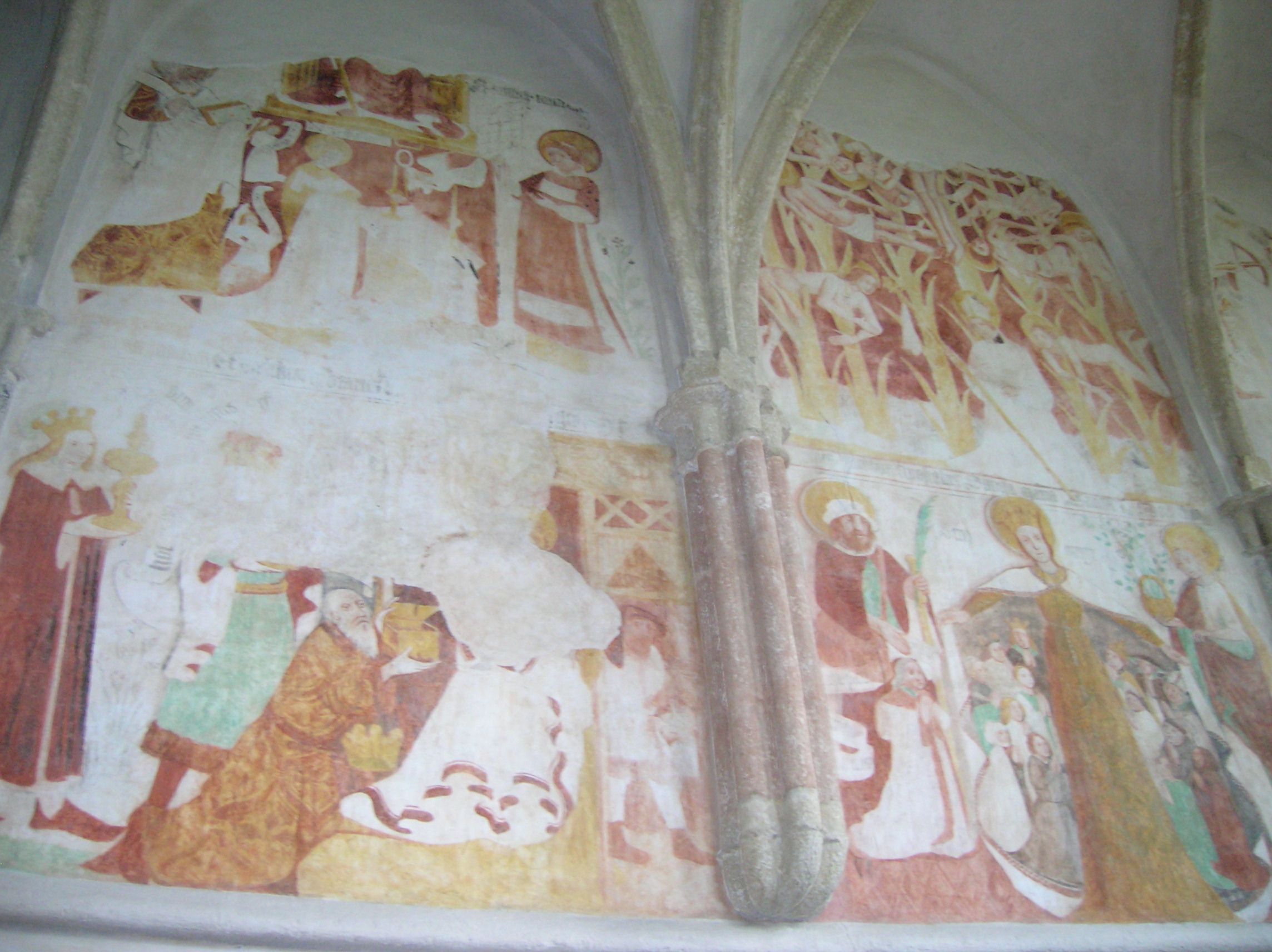
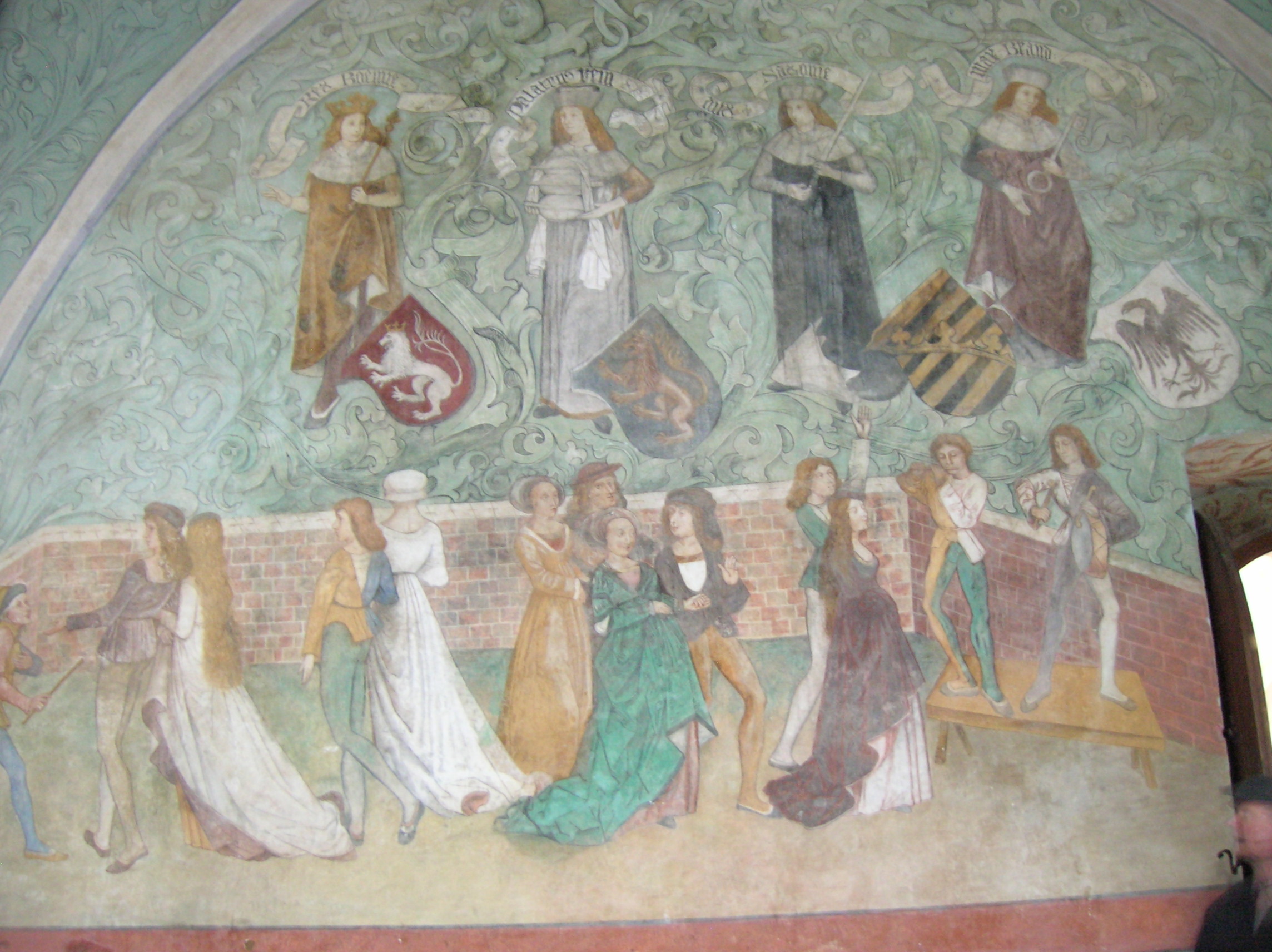
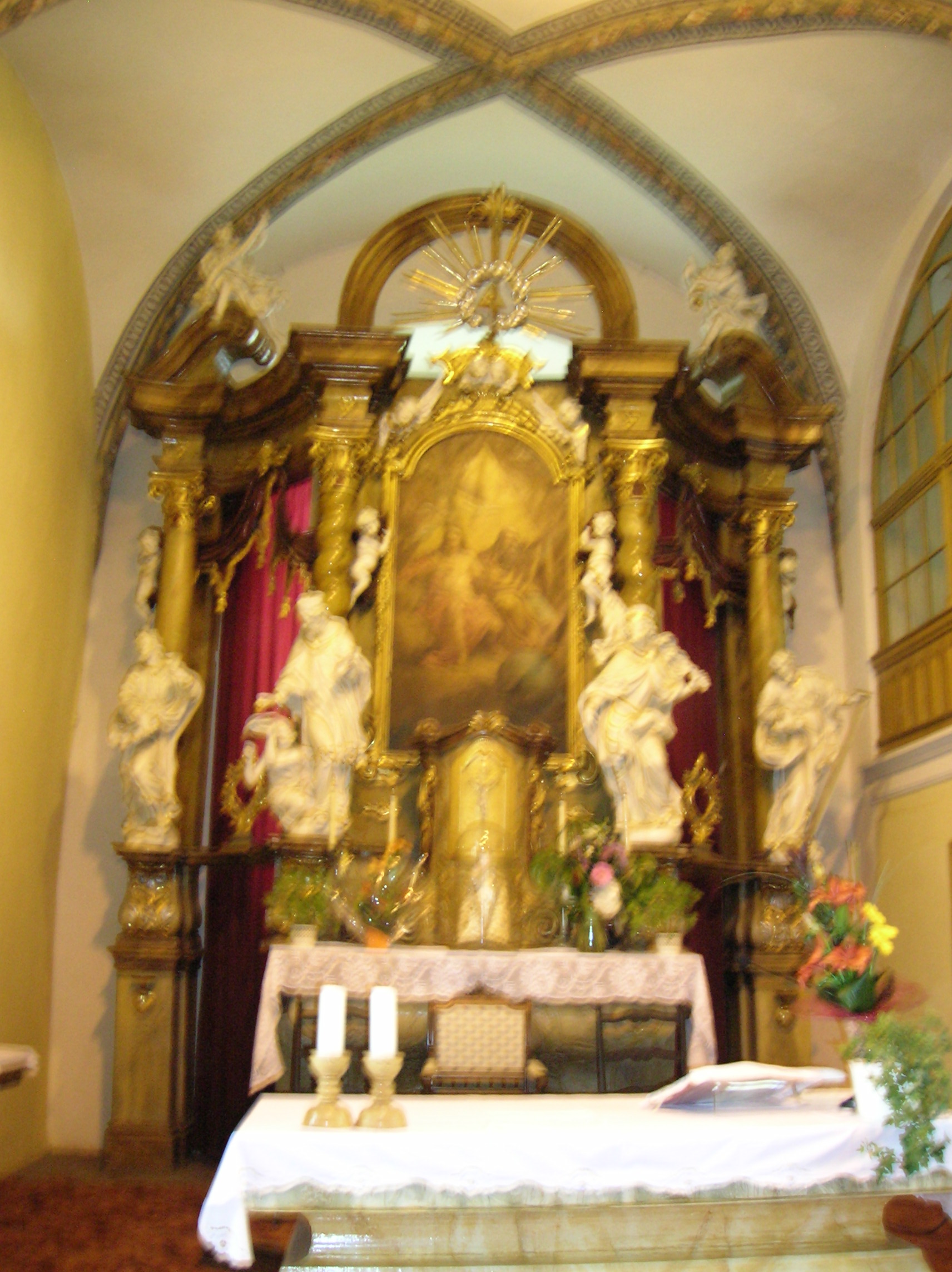
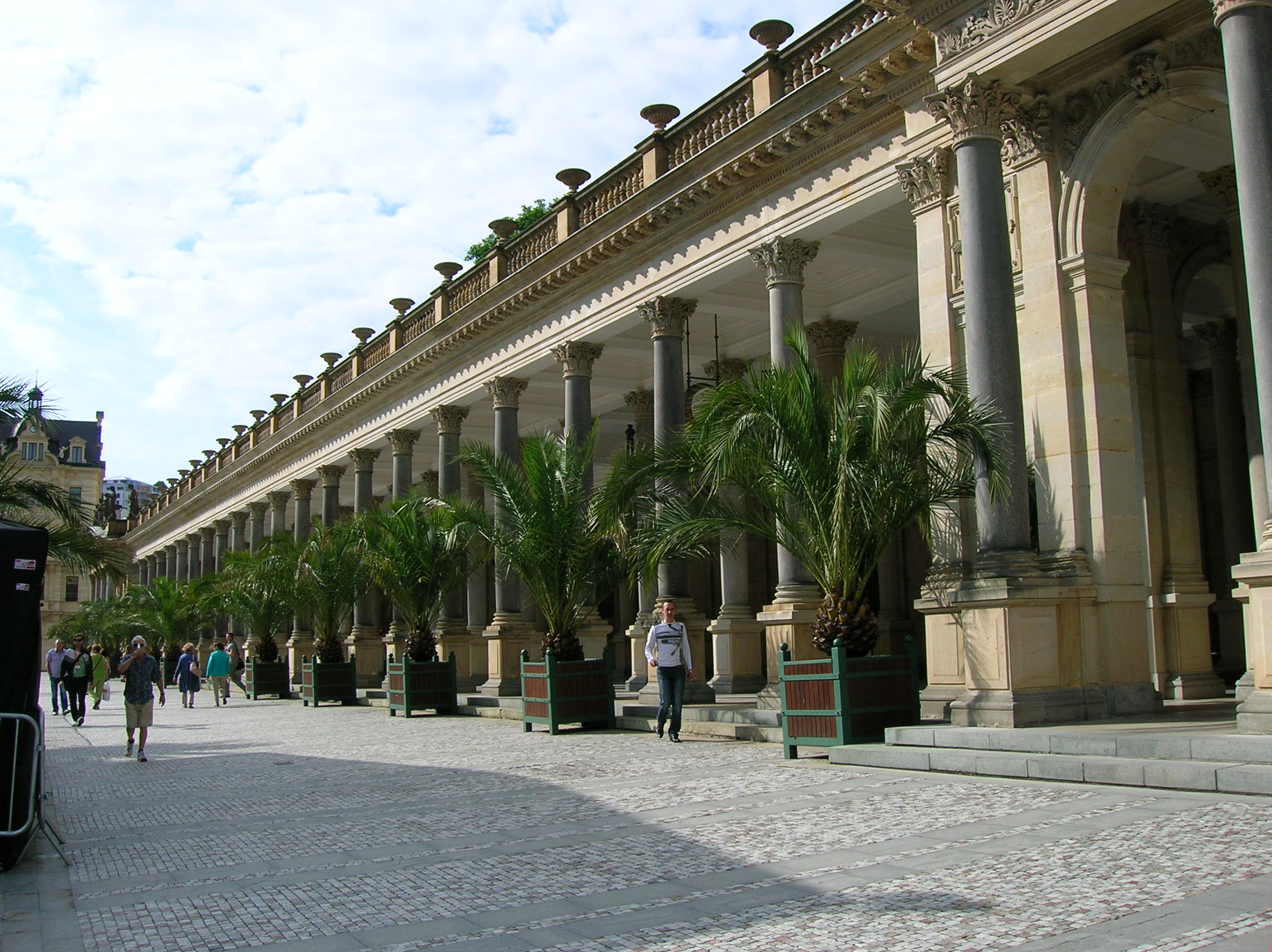
Valtice Chateau Diary

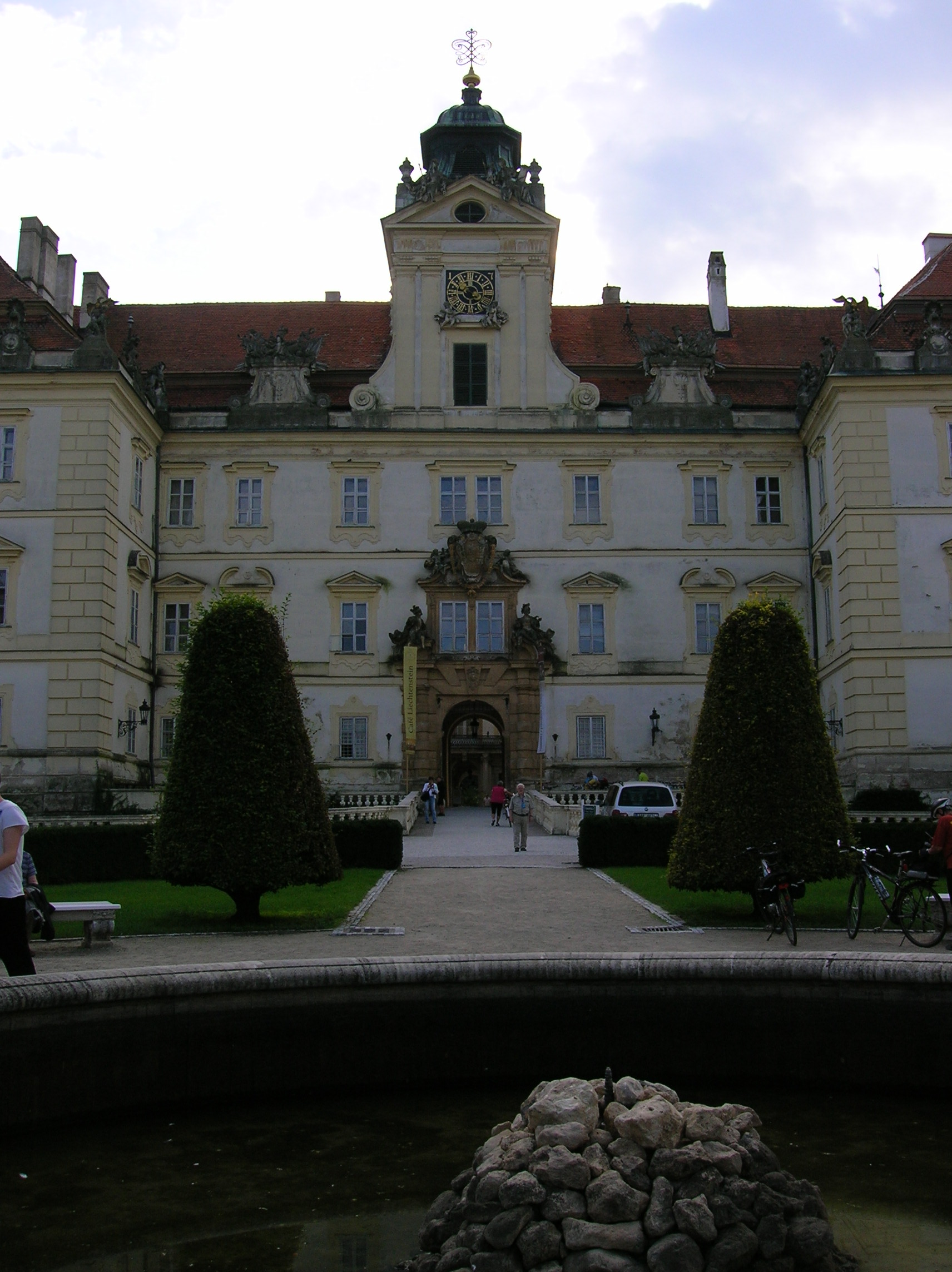
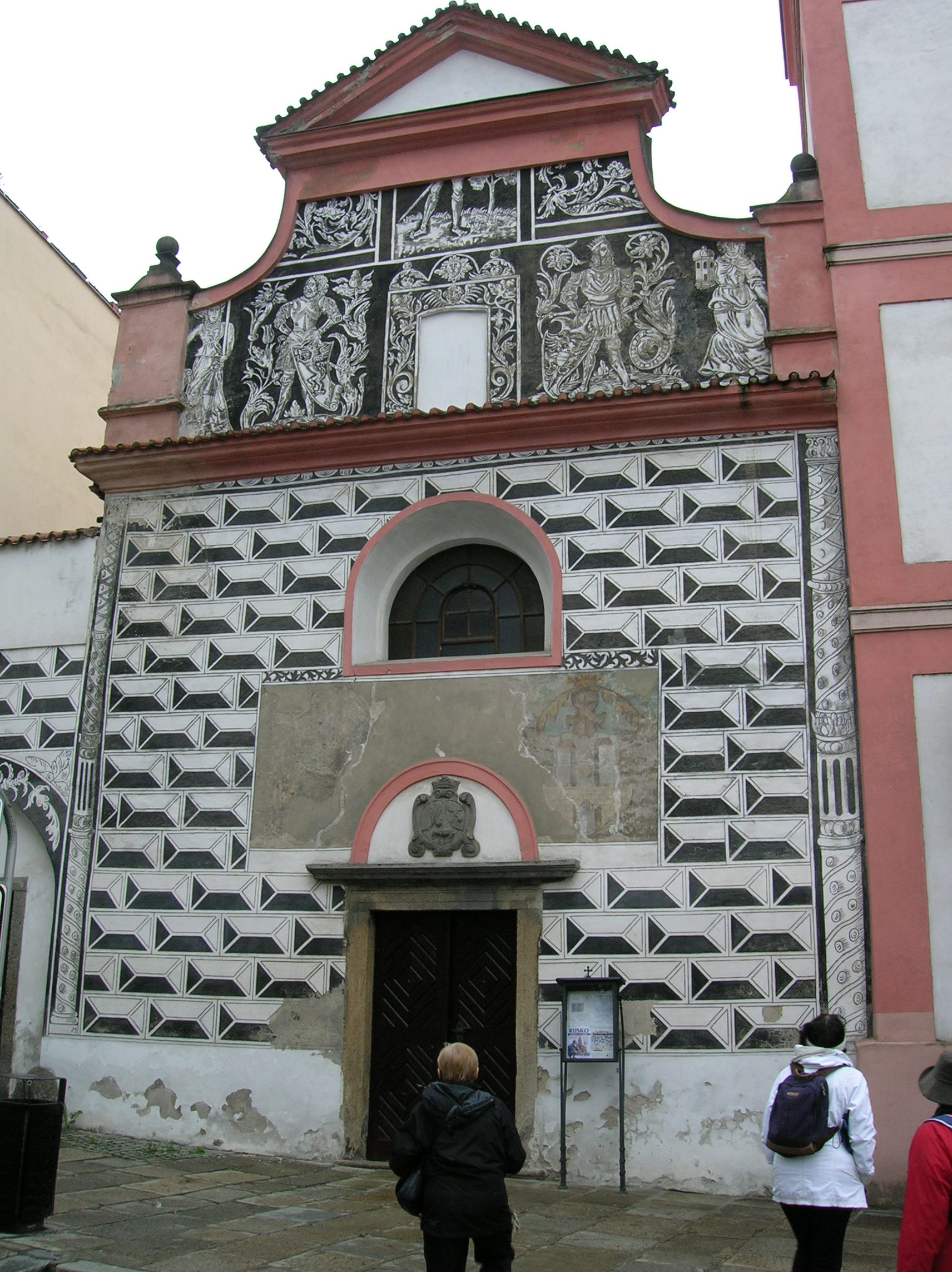
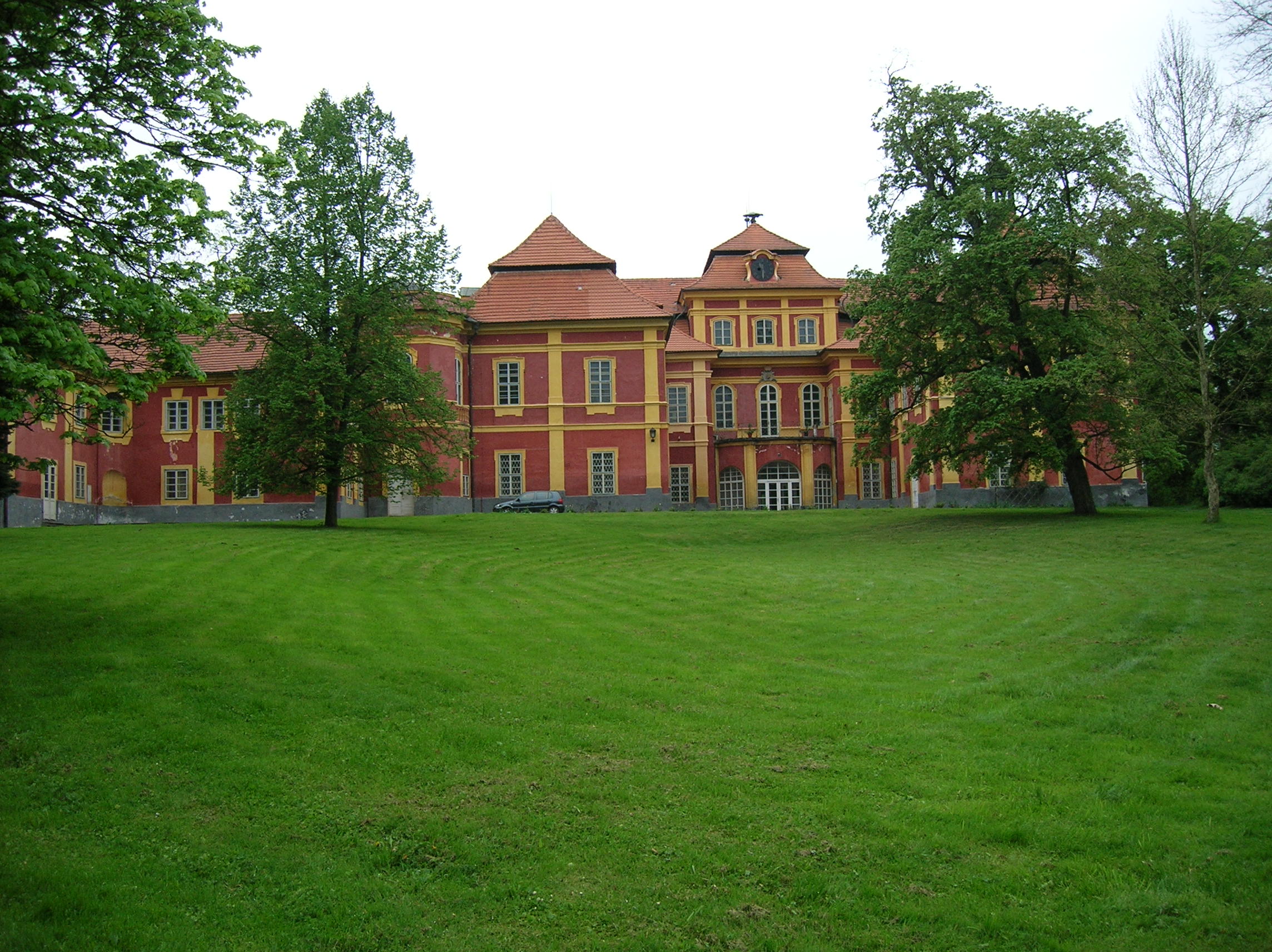
The exterior of Valtice Chateau

The exterior of Valtice Chateau

Often overshadowed by nearby neo-Gothic Lednice, Valtice Chateau is one of the most underrated sights in Moravia. I had visited Valtice Chateau twice before and was bewitched by the Baroque gem both times. The first time I came here, an employee took me quickly through the rooms as she did not want to give a tour to only one person. The Baroque and Rococo interior includes some original 18th century furniture, which never failed to impress me.

Valticeext12
Usually, I traveled to Lednice Chateau and Valtice Chateau by bus from Mikulov, where I had stayed in a hotel. To catch the bus back to Mikulov after visiting Valtice, I always had to hurry and had never had a chance to see the park. This time I was on a tour with the arsviva travel agency, whose tours I had taken to other sights in the Czech Republic and to towns in Germany. Seeing the garden and town were on the itinerary, too.

The facade of Valtice Chateau

The facade of Valtice Chateau

I already knew the background information. Valtice originated in the 12the century or earlier as a castle. The Liechtenstein clan would greatly influence the development of Valtice. They bought it in 1387 and kept the chateau in the family until 1945, creating a legacy that survived for almost 600 years. During 1560 they chose Valtice as their main residence. The castle became a Renaissance chateau during the 17th century. During the Thirty Years’ War the Swedes damaged Valtice. Later it got a Baroque makeover. Much construction took place during the 18th century. For example, the stunning chateau chapel was completed in 1729. At the end of that century, the chateau theatre was built. The garden, established during the Baroque reconstruction underwent renovations at that time.
Representative rooms at the chateau have been opened to visitors since the first half of the 19th century. Austro-Hungarian Emperor Franz Josef I and his wife Princess Elizabeth, often called “Sisi,” came to the chateau as did Austrian Chancellor Klemens von Metternich. When the chateau became the property of the Czechoslovak Republic in 1920, there were no changes made.

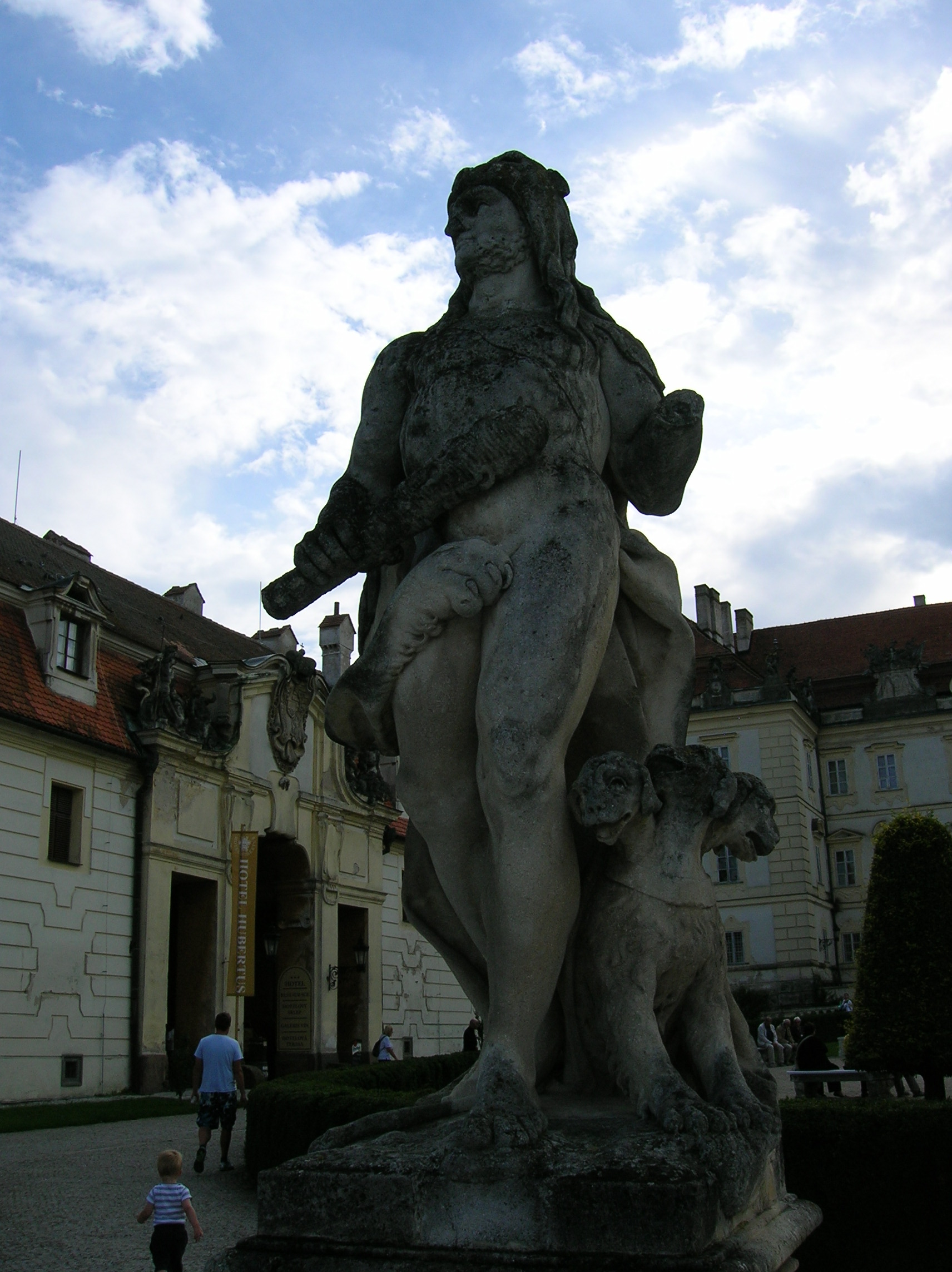
Valtice5statue
But those golden days did not last forever. World War II came, and after the war the chateau was plundered. Considered to be traitors, Soviet prisoners-of-war were shot at Valtice. Then a section of the chateau became a forced labor camp for women while another part was used for drying hops. The grounds were in poor condition, too. Extensive reconstruction took place in the 1960s, and now Valtice is a Baroque beauty. The chateau even made the UNESCO World Cultural Heritage List during 1996, an honor that is well-deserved.

Valticext7
The mammoth statues of Hercules in front of the chateau gave me an imposing welcome. When I looked up at them, I felt that I played such a small role in the huge, scary world. This feeling was not negative; rather, it was humbling. The comprehensive tour lasted one hour. It covered the representative rooms, the emperor’s apartments and the chapel that had been lauded throughout Central Europe.

Valticext6
Our guide was a very scholarly and enthusiastic woman. She clearly liked her job. In the entranceway I saw Japanese porcelain from the 18th century as well as an impressive carriage. The Antechamber was a real treat – I loved the Oriental pink-and-green wallpaper decorated with pink flower buds. I loved the ceiling paintings throughout the chateau. They featured mythological characters. The Emperor’s Salon featured portraits of the Habsburg family – Maria Theresa and Joseph II were two of those making appearances. In another space I saw paintings of battle scenes from the Napoleonic Wars. In this particular room the Roman gods’ victory over the Titans was the pictorial theme.

The Dining Room

The Dining Room

The Dining Room was the biggest space in the chateau. The pink-and-grey imitation marble on the walls looked so elegant and majestic. Above the doors I saw extraordinary reliefs of musical instruments. It reminded me of college, when music had played such an important role in my life. I adored my private piano lessons, even though I was not very talented. During college I was introduced to the magical world of classical music, which I still listen to today. I even went to the symphony in a nearby town once a month, momentarily escaping university life. I should make music a more significant part of my present, I chided myself. The Baroque 18th century chandelier and the Empire style side tables added to the splendor of the room. The view of the park was superb, too.
In another space I liked the floral and bird motifs on the royal blue upholstery on the chairs. The design was so lively, so energetic. I also noticed a Baroque landscape painting by a Dutch painter. I had been enamored by Dutch and Flemish landscape renditions ever since my first semester of college, when I took a course on Dutch and Flemish art. The chandelier, though, was what fascinated me most. It featured Triton and was decorated with antlers. Somehow the two looked out-of-place together. They did not complement each other. Yet that only made the chandelier more unique and more intriguing.

The unique chandelier and exquisite furnishings

The unique chandelier and exquisite furnishings

The Red Salon or Smoking Room featured an exquisite large mirror. How I would love to look into that mirror every day! Olympic gods looked down on me from the ceiling. Paintings with biblical motifs also decorated the room. The two bureaus made with ivory were stunning, forged in the Florence style and dating from the 17th and 18th century. The jewel chest in the Ladies’ Salon showed off Chinese motifs, and the wings featured a Chinese landscape. The ceiling painting was outstanding; it showed the conquering of Troy. In a bedroom there was an elegant bed with canopy. The Madonna painting hanging behind it was a copy of a work by Raphael.

A captivating bed in Valtice Chateau

A captivating bed in Valtice Chateau

The Marble Salon boasted ornamentation from the 18th century. I loved the pink-and-grey imitation marble on the walls. It was so elegant, so sophisticated! I would love to have walls decorating in that fashion in my house. Floral still lifes dominated the walls, and the god Flora took precedence in the ceiling painting. On one wall in another room there was the shell of a huge tortoise between rifles. I had seen many hunting trophies on walls, but never that of a tortoise. The library featured over a 1,000 volumes, most in French but others also in German and Latin. There was even an old-fashioned elevator in the chateau.

Another exquisite bed in Valtice Chateau

Another exquisite bed in Valtice Chateau

It was a pity we could only see the chapel through a glass partition from one side of the upper level. I admired the richly decorated balcony of the chapel that dated from 1726. The intarsia on the benches below astounded me. Such exquisite detail! There were several paintings in the room from which we peered at the chapel. A 15th century oil painting of Jesus Christ with the Cross proved to be the oldest picture in the chateau. I loved the Baroque Picture Gallery with the paintings set so close together. It was overwhelming, though. There was so much to see on each wall. Hunting themes dominated the room. The ceiling painting carried the same theme – it featured Diana, goddess of the hunt. I loved the Holland Baroque furniture in the Study. It reminded me of the Holland Baroque furnishings I had seen at Český Šternberk Castle in central Bohemia. Other rooms featured ceiling paintings of the Allegory of Morning and the Allegory of Evening.

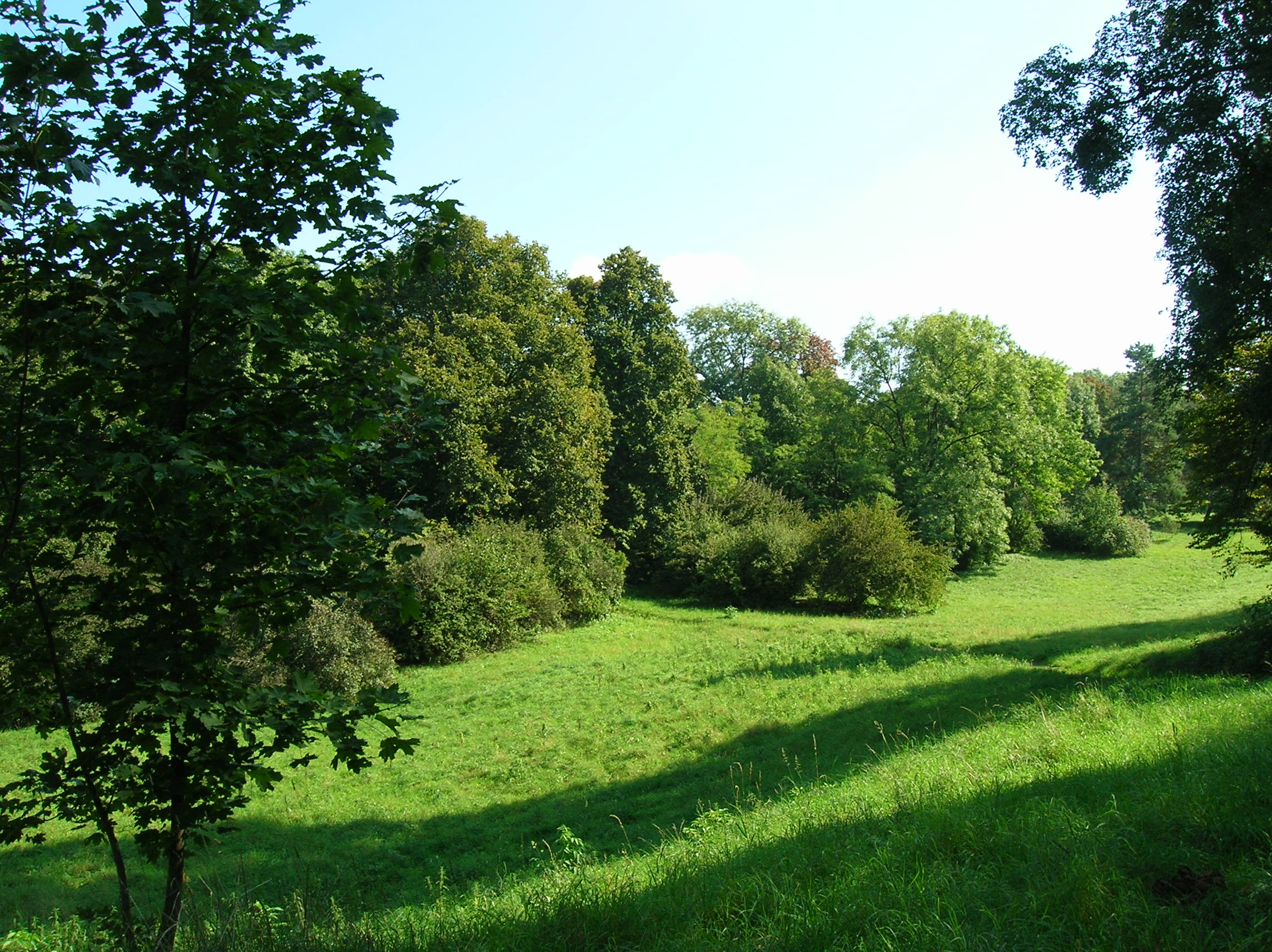
Valtice Chateau Park

Valtice Chateau Park

In yet another space there was a unique bureau. A section of it opened to reveal a desk, but the bottom part was for storing laundry. It was dazzling, made of ivory with intarsia from various woods. There were also Dutch still lifes of fruit and vegetables and an elegant, light blue bed with a canopy. The ceiling painting focused on the allegory of spring. I wanted to pick some of the flowers out of the basket that was portrayed there. The Reception Room featured pink chairs and wallpaper, giving it a cheerful atmosphere. Baroque landscape paintings dotted one wall.

Valtice Chateau Park

Valtice Chateau Park

Next we saw the Baroque park, built midway through the 18th century. Fascinating architectural objects had been situated there at one time. Perhaps it had been most famous for its gloriette. At the beginning of the 19th century, the park was expanded. There was even an amphitheatre with Baroque statuary built in the park during the early 20th century. Vases and benches had also been part of the park decor. Now those objects are gone, but the park remains intriguing with its many varieties of trees, bushes and flowers.

Valticechurch1
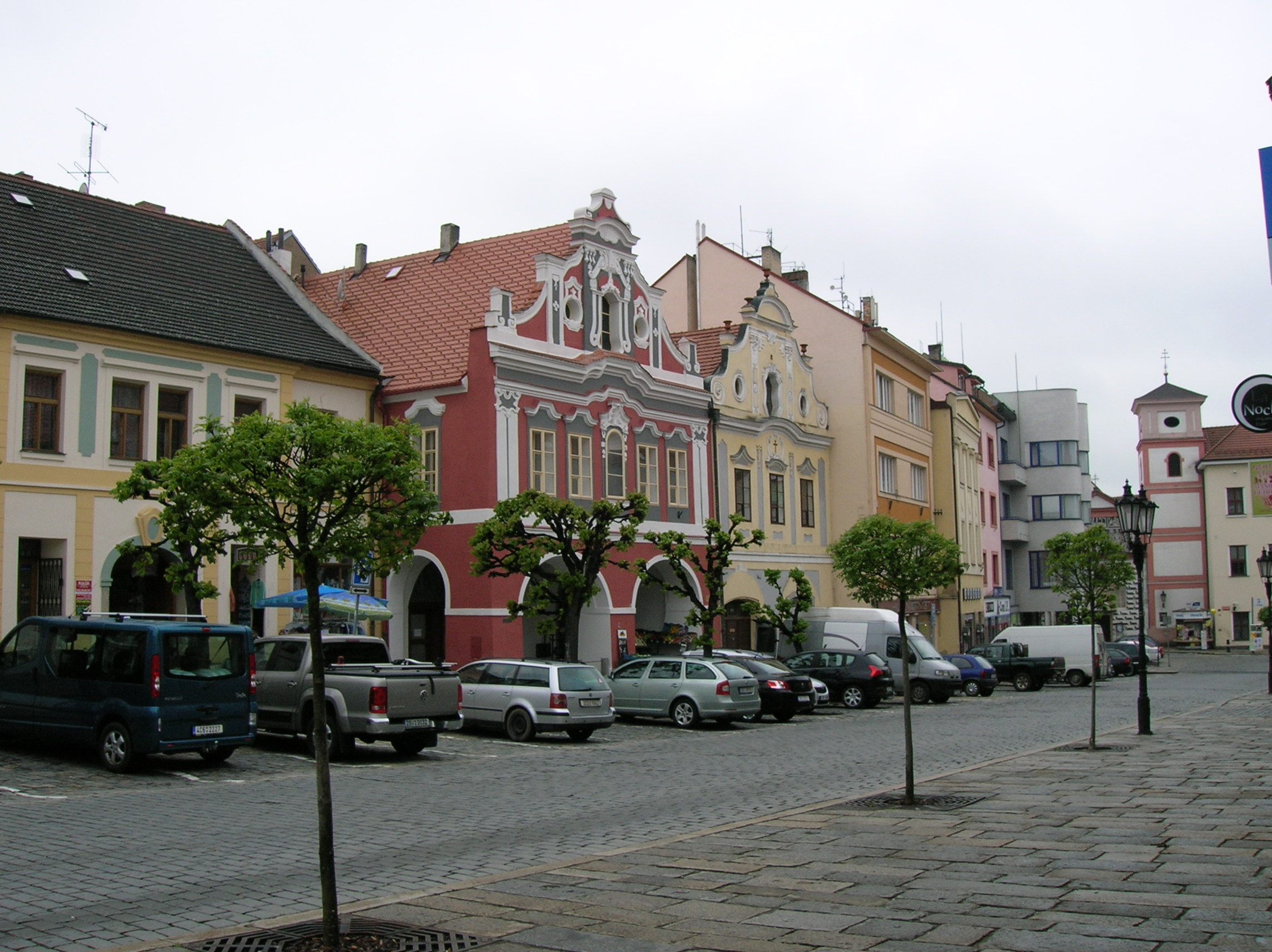
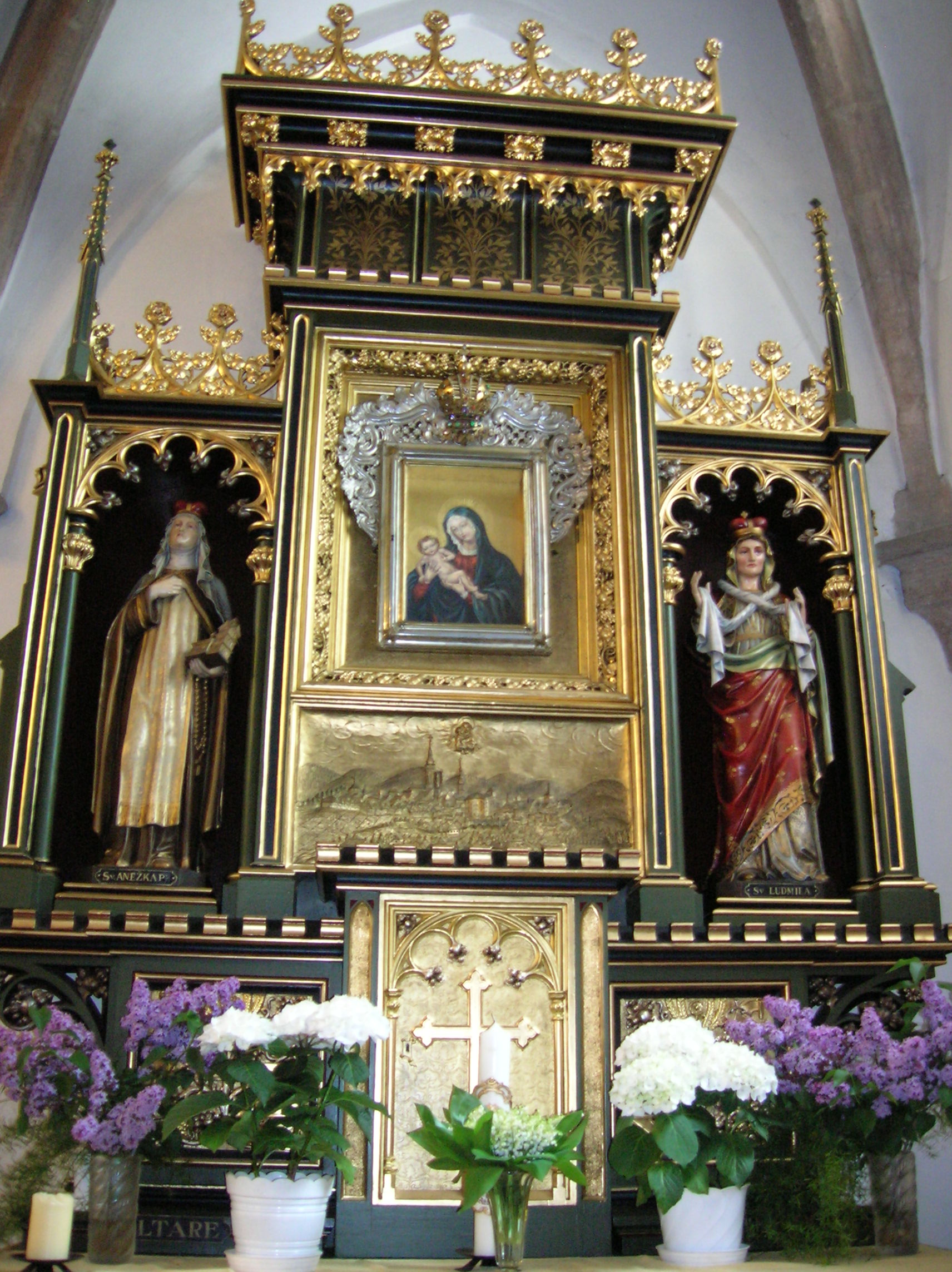
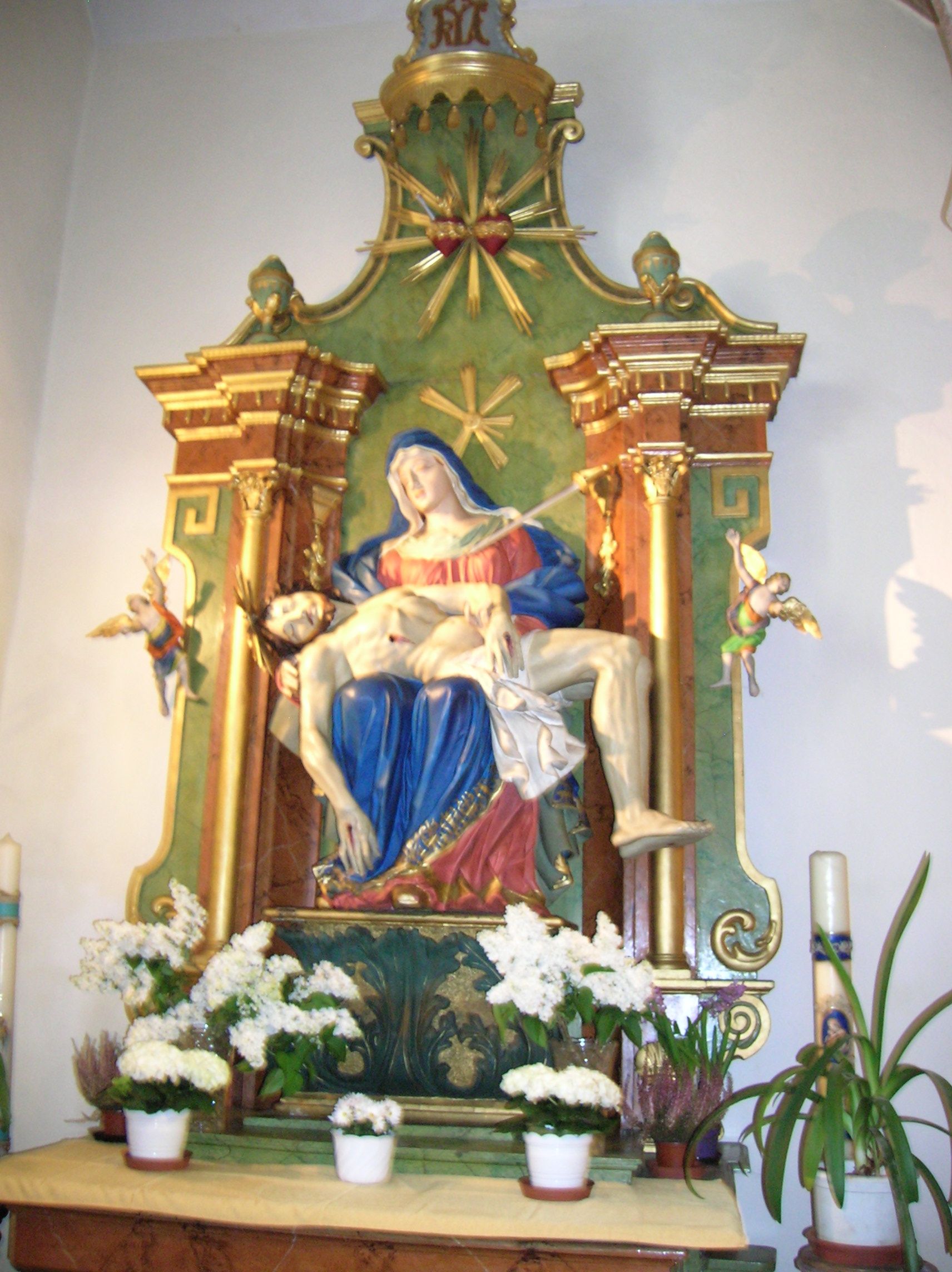
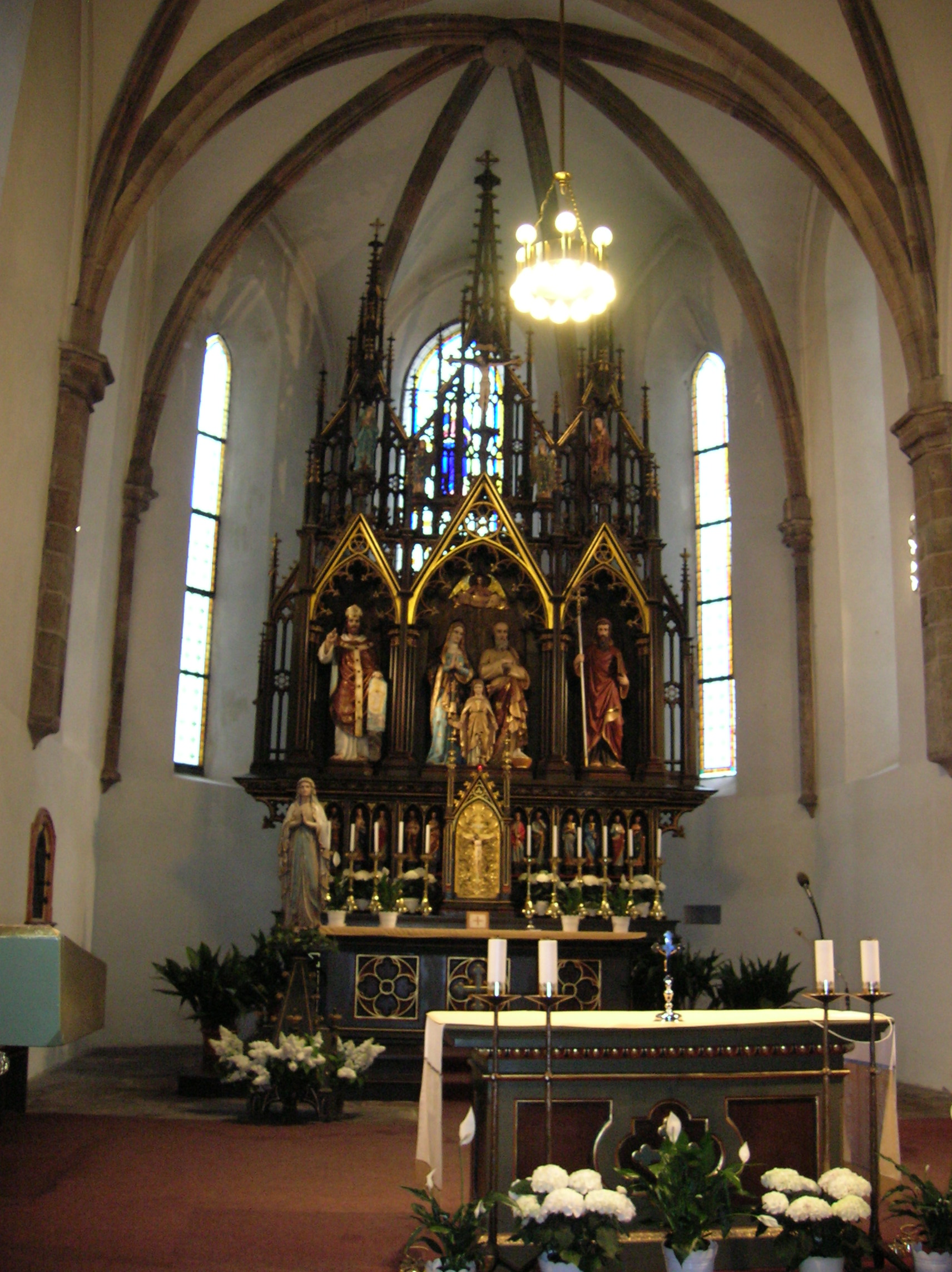
We also visited the small town of Valtice, focusing on the main square. The Church of the The Assumption of the Virgin Mary, situated on the southeast side of the main square, was the most impressive sight in my opinion. The Baroque masterpiece hailed from 1679. It had been built after the earlier church collapsed. The church proved to be a harmonious and tranquil continuation of Roman architecture with significant sculptural decoration. At one time a painting by Peter Paul Rubens adorned the main altar, but it was transferred to Vienna during the Prussian Wars because of the threat of invasion by the Turks. Now it hangs in the National Gallery in London. The church has one rectangular nave with side chapels and a wide main altar. The stucco decoration and sculptural ornamentation is impressive. I was also intrigued by the cupola.

The interior of the Church of the Assumption of the Virgin Mary

The interior of the Church of the Assumption of the Virgin Mary

The interior of the Church of the Assumption of the Virgin Mary

The interior of the Church of the Assumption of the Virgin Mary

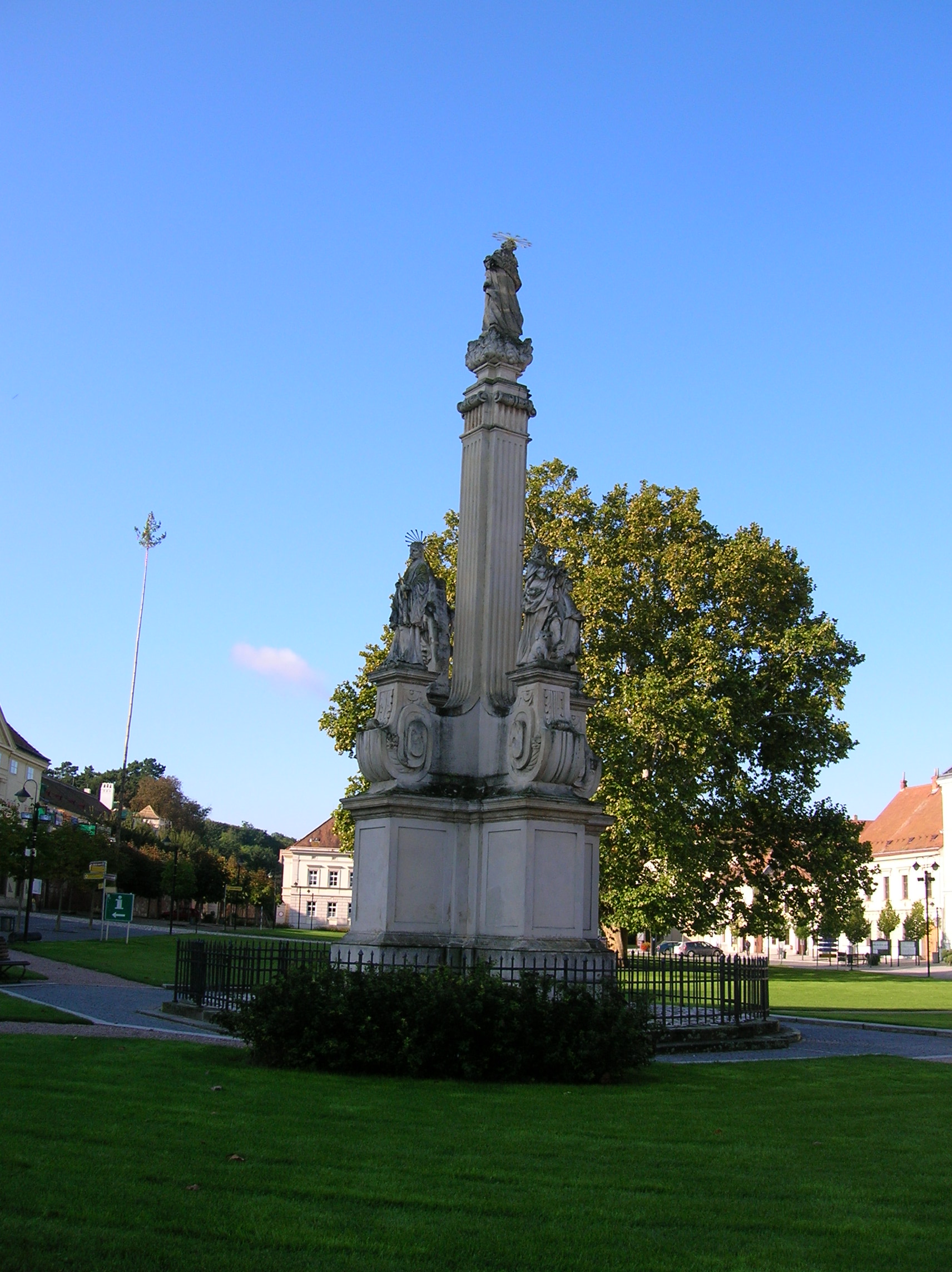
The Baroque Plague Column hails from 1670, when the lands were experiencing a plague epidemic. It was not completed until the second half of the 18th century. The Virgin Mary crowns the column while five saints also make appearances, including Saint Sebastian and John of Nepomuk, who was drowned in the Vltava River on the order of Bohemian King Wenceslas.

The Plague Column in Valtice

The Plague Column in Valtice

I was overjoyed that I had had the opportunity to see all the rooms open to the public plus the garden and town. Thanks to our superb tour guide, I learned information that I would have never known if I had come there by myself. I just wished tourists would appreciate Valtice as much as they did Lednice. Valtice shouldn’t be in second place but tied for first.

Valticeext2


Tracy A. Burns is a writer, proofreader and editor in Prague.

Vysoké Mýto and East Bohemia Diary

The vaulting of the Church of Saint Lawrence in Vysoké Mýto was spectacular.

The vaulting of the Church of Saint Lawrence in Vysoké Mýto was spectacular.

This time I traveled with UNISMA in a small group of 17 participants to see some wonders of east Bohemia. Two wooden churches and the town of Vysoké Mýto were a few places on the itinerary. I had only been to the bus station in Vysoké Mýto long ago. I had not imagined that there was anything interesting in the town.

The fountain with Saint Francis in Vraclav.

The fountain with Saint Francis in Vraclav.

First we visited the Baroque complex of the former spa town of Vraclav. A figure of Saint Francis poured water into a fountain. The Church of St. Nicholas featured 28 Baroque statues made of wood and polychrome plastic by an unknown artist before 1740. It was thought that the creator had been a pupil of Matyáš Bernard Braun, an Austrian sculptor who had worked extensively in the Czech lands and a leading representative of the Baroque style. Three of Braun’s sculptural groupings grace the Charles Bridge in Prague, and he also created a tomb in St. Vitus’ Cathedral. His renditions can be seen throughout churches, palaces and parks in Prague as well as at the former hospital Kuks, the monastery Plasy and the Duchcov Chateau, among other places. The statues had been moved to the Church of Saint Nicholas from a pilgrimage route that had led to a former monastery.

The Church of Saint Nicholas in Vraclav

The Church of Saint Nicholas in Vraclav

At the beginning of the 17th century a chapel and a hermitage were built on the site. From 1724 to 1730 the Baroque church was constructed there. A spring appeared at the chapel under the entranceway, where a statue of Saint Nicholas dominates. A spring flowed underground around the nave from both sides. This former pilgrimage site and spa deteriorated at the end of the 18th century. It was not reconstructed until the 20th century, 1976 to 1986.

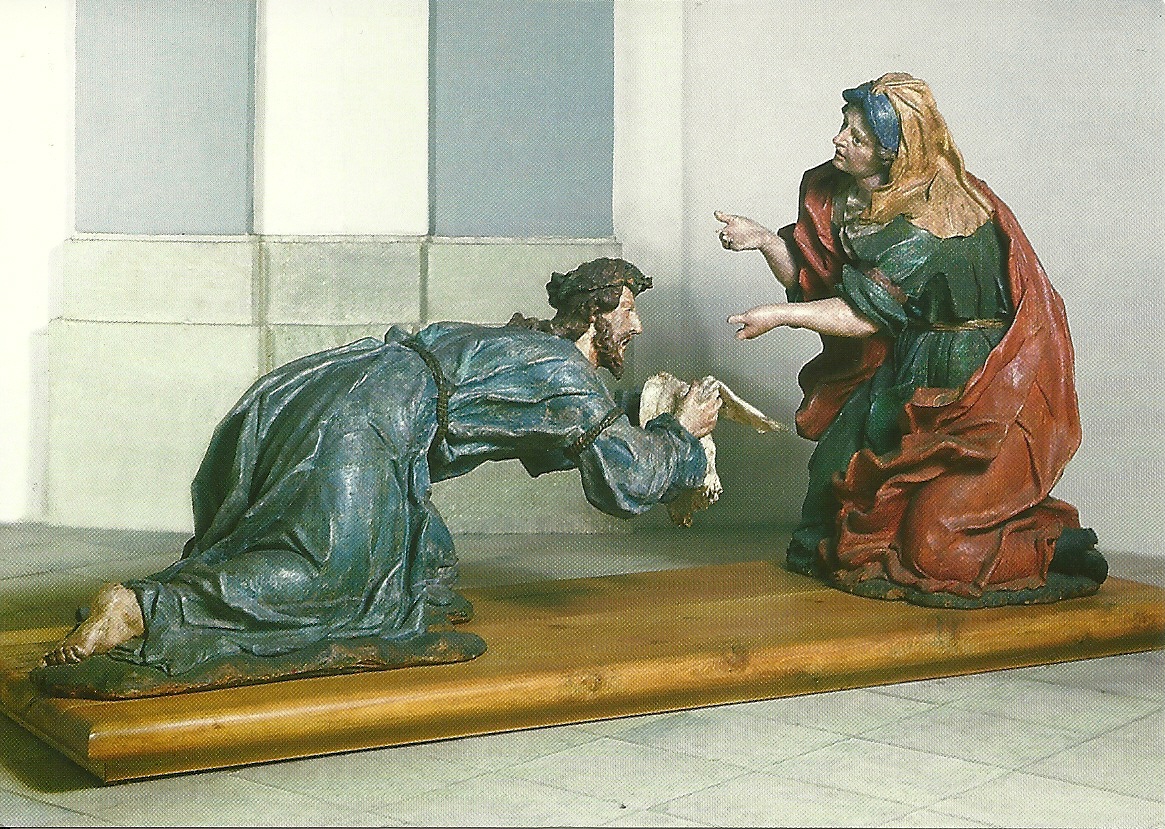
Postcard of a statue in the Church of Saint Nicholas

Postcard of a statue in the Church of Saint Nicholas

At the end of the 17th century and the beginning of the 18th century, a well-known spa had been located nearby. However, its popularity dwindled by the end of the 18th century, and the spa became dilapidated. By the second half of the 19th century, it had been abandoned and for the most part forgotten.
The statues of biblical scenes were expressive and dramatic. I especially loved the details in the depictions. In Ecce Homo I noticed the detailed teeth and tongues. They looked so realistic. One statue showed the Virgin Mary with a pleading expression and what seemed to be fluid hand gestures. I also liked her flowing drapery. In another statuary grouping I took note of the real-looking feathers in the helmets. In yet another sculpture Jesus Christ’s thumb looked so life-like. In one statue of Christ, I admired the artist’s rendition of Christ’s veins on his feet. The detail of this unknown artist was more natural than that in Braun’s sculptures. The Baroque artworks were imbued with strong emotion. Beautiful chandeliers complemented the statuary.

Postcard of a statue in the Church of Saint Nicholas

Postcard of a statue in the Church of Saint Nicholas

There was also a hermitage next to the church. It dated back to 1690. Pilgrims had come here to meditate. There was a legend concerning the bell of the hermitage. If a female rings it while thinking of her love, she will marry him within a year.
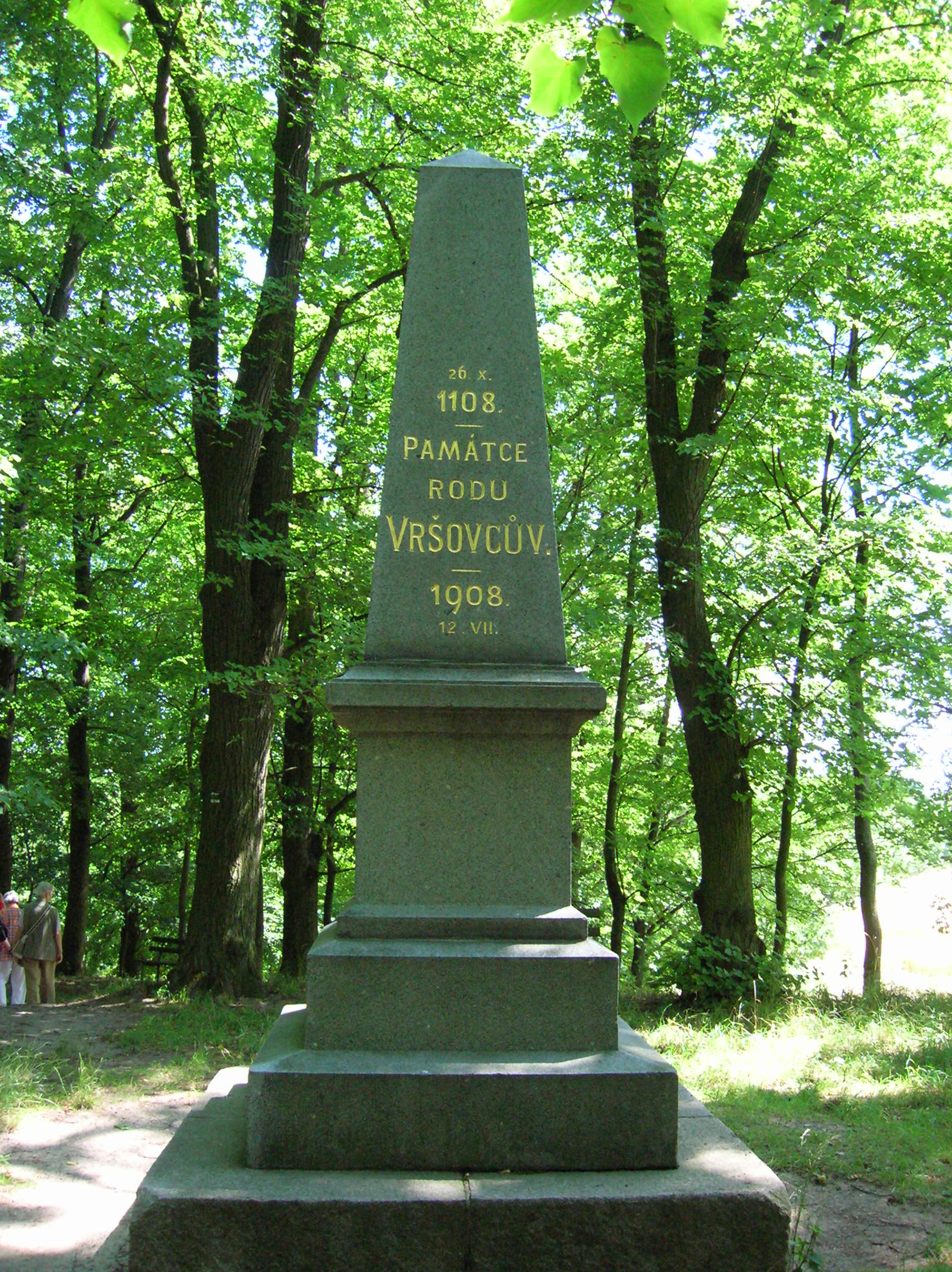
We trekked uphill to a former fortification from the 12th century. Now a monument from 1908 recalling the murdering of the Vršovec clan in 1108 is located on the site. Our guide explained to us why the Vršovices were killed. The tale fascinated me.
At the beginning of the 12th century during the reign of the Přemyslid dynasty, scheming and intrigue prevailed. In 1105 an ambitious Moravian Přemysl named Svatopluk overthrew reigning Bořivoj, and many of Bořivoj’s former supporters switched sides.
While Svatopluk was busy doing battle, Mutina took over the administrative responsibilities of the state. Mutina was a prominent member of the Vršovec clan. The Poles along with Bořivoj invaded the Czech lands, and Mutina did not seem too enthusiastic about fighting them. When Svatopluk returned from war, Mutina was called to the castle in Vraclav, the seat of Svatopluk, who accused Mutina of having ties with Bořivoj. Many members of the Vršovec clan were murdered there in an act of bloody revenge. However, the entire family was not wiped out. The following year one member of the Vršovec family murdered Svatopluk.

The monument honoring the Vršovec clan

The monument honoring the Vršovec clan

I recalled that Bohumil Hrabal had referred to this historical event in one of his books. (The legendary scribe Hrabal was my favorite Czech writer.) I was intrigued by such historical tales. That information alone made the trip worthwhile for me. And I loved the way the guide knew all the information by heart. I could hardly believe that she was able to keep so much information in her mind. It just spewed out of her mouth as if she were an encyclopedia.
Next stop: Vysoké Mýto, a town only six kilometers from the Baroque complex, with a population of 12,000 residents. Vysoké Mýto’s history could be traced back to the Stone Age. The town was created in 1262 by Czech King Přemysl Otakar II. In 1307 it became the property of Czech queens. We walked by the Prague Gate with rich decoration that went back to the Middle Ages, to the 14th century to be precise. A painting of Saint George fighting the dragon adorned the gate. A tower with a broken Gothic portal stood nearby. The main square, also founded by King Přemysl Otakar II, is the biggest in east Bohemia at a width of 152 meters and a length of 152 meters. Forty-seven houses surround it.

Prague Gate in  Vysoké Mýto

Prague Gate in Vysoké Mýto

The tour guide told us that the term Kujebáci or Kujebas enjoyed popularity here. The town’s sports’ teams were even called the Kujebáci. I found the legend about this nickname particularly intriguing. Many centuries ago, the emperor was slated to visit Vysoké Mýto. The townspeople prepared a huge feast, serving trout. However, the emperor did not show up, so the residents all had the delicious fish for themselves. The following day, though, the emperor did arrive in Vysoké Mýto. The inhabitants fed him trout, and when he remarked that the fish was excellent, a townsperson named Kujeba said, “If you think the trout is good today, you should have tasted it yesterday.” The emperor asked the man his name. “Kujeba,” he replied.
The emperor declared, “Then from now on I will call the residents of this town Kujebáci (the Kujebas).” While this term had once been used as a swear word or had referred to a stupid person, the Vysoké Mýto inhabitants were very proud of the legend and asserted that the name stood for someone who is wise.

The exterior of the Church of Saint Lawrence

The exterior of the Church of Saint Lawrence

The differing Kujebáci connotations reminded me of the controversy about Josef Švejk, the seemingly incompetent yet loveable Czech soldier fighting for Austro-Hungary during World War I in Jaroslav Hašek’s satirical, antimilitaristic, mammoth novel, The Good Soldier Švejk. Whether Švejk was really stupid or clever, exhibiting passive resistance, is open to debate.
In Vysoké Mýto we visited the Church of Saint Lawrence, a sight to be remembered. It was probably as old as the town itself, hailing from the 13th century. Several fires plagued the town and the church, in the 15th, 18th and 19th centuries. Consisting of three naves, the church boasted vaulting from 1525 at a height of 21.3 meters. The five-storey tower is 67 meters high.

The altar of Saint Joseph in the Church of Saint Lawrence

The altar of Saint Joseph in the Church of Saint Lawrence

Now it looks as it did after Neo-Gothic reconstruction from 1892 to 1899. There were 10 Neo-Gothic altars and Neo-Gothic wall paintings. The architects of the repairs were František Schmoranz and Josef Mocker. Schmoranz’s résumé included doing Neo-Gothic restoration on Žleby Chateau. Mocker had helped restore many structures in Prague, including the Old-New Synagogue, Prague Gate and St. Vitus’ Cathedral. He had even done some work on Prague Castle. His restorations out of Prague were just as impressive, including Saint Barbara’s Cathedral in Kutná Hora, Karlštejn Castle, Konopiště Chateau, Křivoklát Castle and Saint Bartholomew’s Cathedral in Pilsen.

The largest painting by Petr Brandl - The Assumption of the Virgin Mary from 1728

The largest painting by Petr Brandl – The Assumption of the Virgin Mary from 1728

I was excited to see this church because the painting of the main altar, “The Assumption of the Virgin Mary,” was the largest painting Baroque guru Petr Brandl had ever created, forged in 1728. I recognized his self-portrait in the figure of Saint John. I had admired his creations in many museums, the Prague Chapel of the Holy Mountain pilgrimage site, Jindřichův Hradec Chateau and in numerous churches.
A Late Gothic Madonna – the Vysoké Mýto Madonna – hailed from before 1500. I also marveled at a pewter baptismal font from 1499. Tombstones in the church dated from the 14th to 16th centuries. One of the bells was made in 1466.

Secession wall paintings in the Church of Saint Lawrence

Secession wall paintings in the Church of Saint Lawrence

I loved the Secession wall paintings, too, especially the angels fluttering near the choir loft and the peacock designs. In the windows motifs included stylized plants. I took note of the Fleeing from Egypt scene at the altar of Saint Joseph. Somehow the Baroque main altar painting and Art Nouveau wall and altar decoration complemented each other.
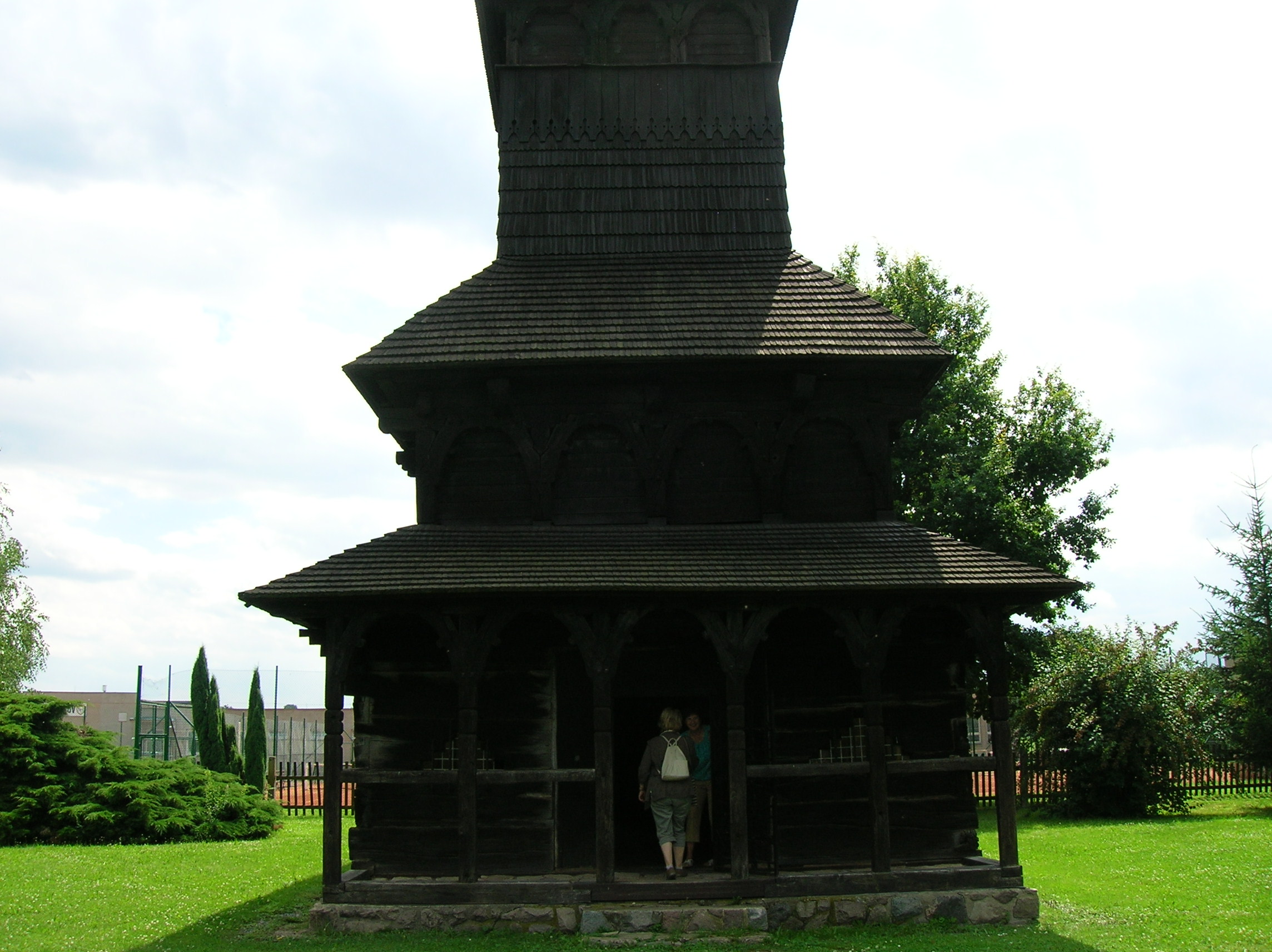
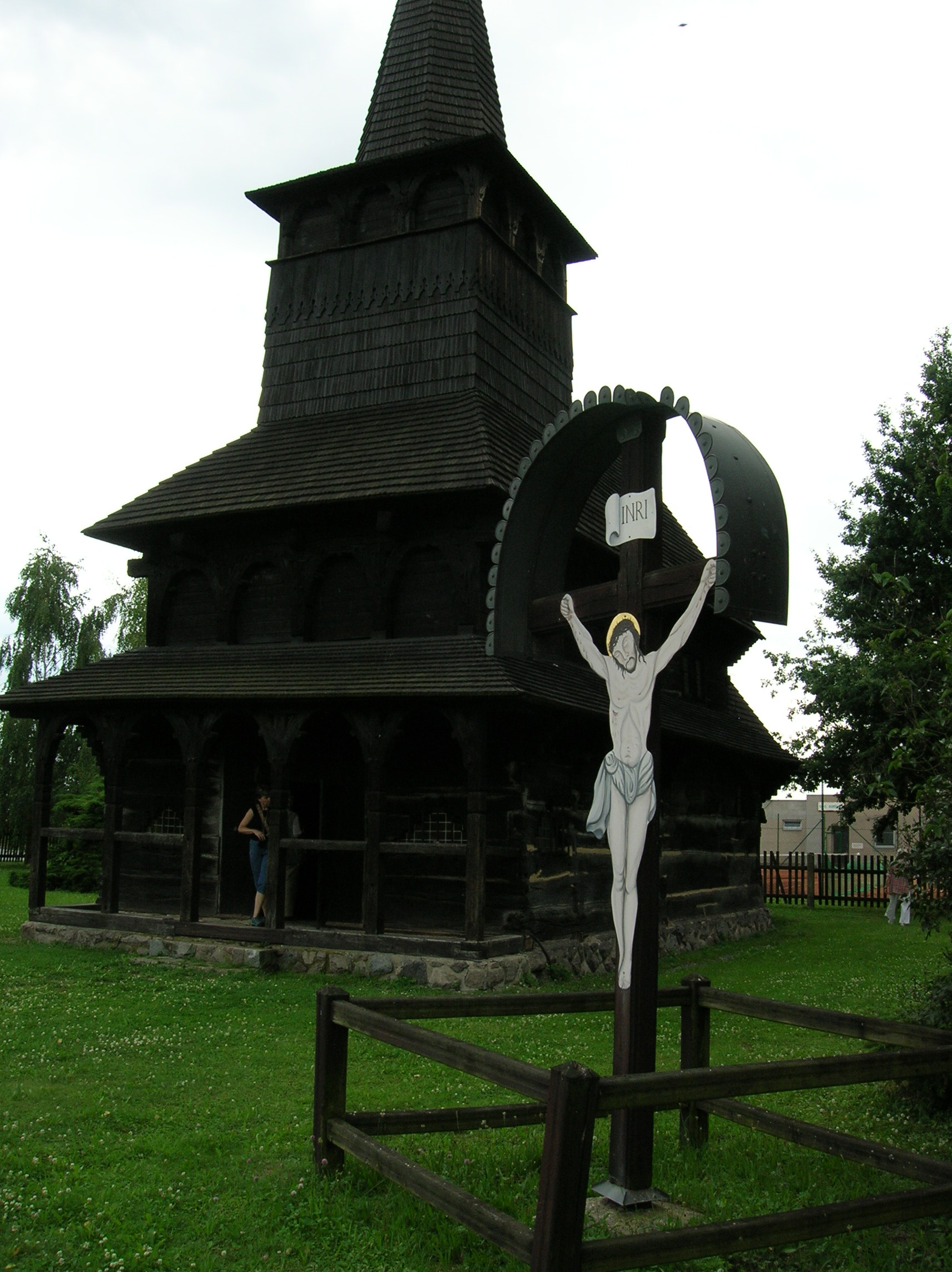
That would not be the most fascinating place I visited on the trip, however. We also saw the romantic wooden Church of All Saints in the village of Dobříkov. Originally located in the Podcarpathian Rus region that is today part of the Ukraine, the church was moved in four train wagons to this village in east Bohemia during 1930 thanks to the initiative of Czech statesman Václav Klofáč.

The Church of All Saints in Dobřikov

The Church of All Saints in Dobřikov

Dating from 1669, the Church of All Saints first moved – 200 years after its creation – to a village situated where the Romanian-Ukrainian border is now located. Then in 1930 it was transported to Dobřikov. Made of all wood, the church was small, with only one nave, 15 meters long and 6 meters wide. Above the entrance front was a 17-meter high tower with a spiked roof.

The icons inside the church amazed me. I felt as if I were in the Russian Museum in Saint Petersburg, only this was a much more intimate experience than gazing at artwork in a large building. The icons in the presbytery hailed from the 18th century. The icons on the sides were even older, dating from the 17th century. All the gold on the icons was overwhelming. On the sides the 12 Apostles appeared in groups of two. Mass was still said here, every other week.
I found it ironic that the church was situated next to a golf course. Wooden churches had been symbols of poverty in villages while golf courses were symbols of wealth. Seeing the two side-by-side was incongruous.

The church in Dobříkov

The church in Dobříkov

The church reminded me of my visit to Broumov a few years earlier, when I visited the Church of the Virgin Mary, the oldest preserved all-wood structure in Central Europe. There had probably been a wooden church on that site as far back as the 12th century, although the church was first mentioned in writing in 1383. It consisted of a single nave with a pyramid steeple and displayed stunning artwork.
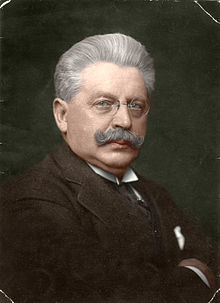
Who was Václav Klofáč? I asked myself. I would find out when we walked to a small museum dedicated to the Czech politician. It was run by Klofáč’s granddaughter, a spunky, energetic 94-year old. I wondered if I would live so long, and if so, if I would be blessed to be so lively and communicative at such an elderly age.

Václav Klofáč Source: WikiMedia

Václav Klofáč Source: WikiMedia

Klofáč, who was born in 1868 and who died in 1942, had been a Czech journalist and politician who had led the Czech National Socialist Party and had worked in the Austro-Hungarian Parliament and later in Czechoslovakia’s Parliament. During World War I he was taken prisoner. After World War I, in 1914, Klofáč was wrongly arrested in Dobříkov and like other Czech heroes, branded a traitor because he had worked in the resistance movement during the war. He was freed in 1917. During 1918, when Czechoslovakia was created, he became the nation’s first Minister of Defense and also served as a senator for a long time. The Czech National Socialist Party, which he co-founded in 1898, was very nationalistic and abhorred Marxism. They sought to foster relations with Americans, for example.
I loved the photos of Klofáč accompanying first Czechoslovak President Tomáš G. Masaryk. If I could meet anyone who was alive or dead, I would probably choose to meet Tomáš G. Masaryk. If I could go back to any time period, I would travel back in time to Czechoslovakia’s First Republic, which lasted from 1918 to 1939. I would have wanted to see the First Republic from 1918 to 1932, before Adolf Hitler came to power in 1933 and the trends of Nazism, Communism and Fascism invaded the country. Masaryk was one of the people I admired the most.

Tomáš Garrigue Masaryk and Karel Čapek

Tomáš Garrigue Masaryk and Karel Čapek

During the First Republic minorities had rights, and all citizens were treated equally. Freedom of the press and universal suffrage existed. Elections were democratic. During Masaryk’s first term from 1918 to 1920, he eased Czech-German tensions. He also stayed in contact with the people. The country had a strong currency and experienced economic success. One of my favorite authors, Karel Čapek, prolific in many genres, was a good friend of Masaryk and even wrote a book about his conversations with him.

The wooden church in Veliny

The wooden church in Veliny

We saw another wooden church, too – the Church of Saint Nicholas in Veliny, which was a prime example of 18th century folk architecture. It was built in 1752 on the site of a former wooden church that hailed from 1576. The timbered church looked so romantic. The one-nave structure had a three-sided presbytery and a flat, wooden ceiling. The choir loft was supported by wooden, carved columns. The interior was sparse, nothing like the Church of All Saints and its dazzling golden icons. The pulpit hailed from 1903. The bareness of the interior emphasized it as a symbol of poverty. I personally liked the interior of the Church of All Saints better, but perhaps a wooden church should be sparsely decorated. It seemed appropriate for to portray such modesty.

The main altar of the Church of Saint Nicholas in Veliny

The main altar of the Church of Saint Nicholas in Veliny

Our last stop was picturesque Zámrsk Chateau with its three-floor, polygon-shaped tower. It was first mentioned in writing as a fortress in 1469 and various owners did restoration work. It burned down in 1924 but was repaired soon thereafter, during 1925 and 1926. There are still remnants of its Gothic days, though, in the east wing and in part of the masonry of both wings. In 1945 it became state property. Under Communism it served as an educational center for youth, and from 1960 to the present it has been the home of regional archives. We were not allowed to go inside, but the exterior was impressive.
The most tragic story concerning the chateau occurred a day after the Nazis took control of the Bohemia and Moravia, on March 16, 1939. At this time Jewish Arnošt and Truda Bondy were the beloved owners of the chateau. Aware that horrific times were beginning, on that day they committed suicide. Arnošt shot his wife and then himself. He fell into the river, where his body was later discovered.

Stories like this always brought to mind the reality of living in that period, and I thought of how I did not think I would have been able to survive living under Nazism, even though I am not Jewish. Living under Nazism and Communism was something I could not even fathom, something too disturbing to ponder.

The chateau in Zámrsk

The chateau in Zámrsk

Jan Blažej Santini-Aichel, of Czech and Italian origin, was considered to be one of the architects contributing to the chateau. His Baroque Gothic style sparkled in a church in the Sedlec area of Kutná Hora and at the pilgrimage church of Green Mountain. His staircase at Plasy Monastery was a gem. A few other sights to which he had contributed included the Kolovrat Palace in Prague’s Lesser Town and the Karlova Koruna Chateau.
Our tour soon ended, but during the ride back to Prague, our excellent and eloquent guide passed around booklets about Slovakia’s wooden churches, some of which I had visited about 14 years earlier. I remembered how my fascination with wooden churches began when I saw the wooden church at Bardejovské Kúpele in east Slovakia. She also let us peruse a book about Václav Klofáč.

The Secession wall paintings in the Church of Saint Lawrence

The Secession wall paintings in the Church of Saint Lawrence

I was more than satisfied with the tour. I had discovered places I have not known existed, such as Vraclav, Dobříkov, Veliny and Zámrsk. I had visited two wooden churches and had become acquainted with some of the splendor of Vysoké Mýto. I had also learned about the Czechoslovak statesman Václav Klofáč, who had greatly contributed to the democratic First Republic. I had been impressed with the historical tales, such as the slaughtering of the Vršovec clan. I was happy with the tour itself. We had an amazing guide. I had met many interesting people on the tour as well.
I came back to Prague richer in my knowledge of the country I loved so much, eager to describe my discoveries to English-speakers who planned on visiting the Czech Republic someday and to Czechs eager to see more sights in their homeland.

The tower of the church in Veliny

The tower of the church in Veliny

Tracy A. Burns is a proofreader, writer and editor in Prague.

Bologna, Italy Diary

A street in Bologna

A street in Bologna

Note: No photos were allowed to be taken in the Basilica of Saint Petronio and in the Oratory of St. Cecilia.

Before traveling to Bologna, I studied the town’s history and was amazed that so many cultures had made such significant imprints on the city. The Romans, the Etruscans, the Byzantines, the Goths, the Gauls, the Celts, the Franks, the Lombards– they all played major roles in the town’s early history. It fascinated me that Bologna’s history dated all the way back to the Bronze Age of 1200 BC. During 9 BC, as a village called Felsina, it made a name for itself in ceramics and bronze objects. The town was under Etruscan rule during the 6th century BC, then the Gauls took over, followed by the Celts. The Romans defeated the Celts in 202 BC. Under Roman leadership the town was transformed into a wealthy and important Roman colony called Bononia.
After dark days of Barbarian raids, the Byzantines took charge in 553 BC and spread Christianity throughout their realm. The Goths and Longobards also made appearances in later centuries. Charlemagne conquered the town, and the Franks became a major influence. When Charlemagne gave the town to the Church, conflict broke out among the residents who wanted the Church to be in charge and those who wanted the town to be part of the Italian Kingdom. The conflict tied to Church versus State under Charlemagne foreshadowed the many centuries of warfare between the pro-Church Guelphs and pro-Emperor Weilblingen and deeply divided cities and territories. Bologna did, in fact, become part of the Italian Kingdom in 898 AD.

The Asinelli tower is the highest in the city at 98 meters.

The Asinelli tower is the highest in the city at 98 meters.

During the 11th century the first university in Europe was established in Bologna. After some civil unrest, the Church took over in the 13th century, and Bologna became very wealthy. By the end of that century, Bologna had the fifth largest population in Europe. During the 12th and 13th centuries, the most prosperous citizens competed by building towers as lookouts and defense structures in case war broke out. Except for the 1795 to 1815 rule of Napoleon, Bologna was part of the Papal State from 1506 to 1860.
The 19th century was fraught with battles, though. Bologna belonged to the Kingdom of Sardinia and then became part of the Kingdom of Italy. At the end of World War I, the town found itself in dire straits with many unemployed and homeless people. The situation during World War II was no better, and the Nazis took over in 1943, the year that bombs fell on the town twice. In April of 1945, Bologna was liberated by the sole partisan unit in Italy that was officially suited and supplied with arms by the Allies. Now nicknamed La Saggia (the Wise One), La Grassa (the Fat One) and La Rossa (the Red One), Bologna is the capital of the Emilia Romagna region with 410, 000 residents.

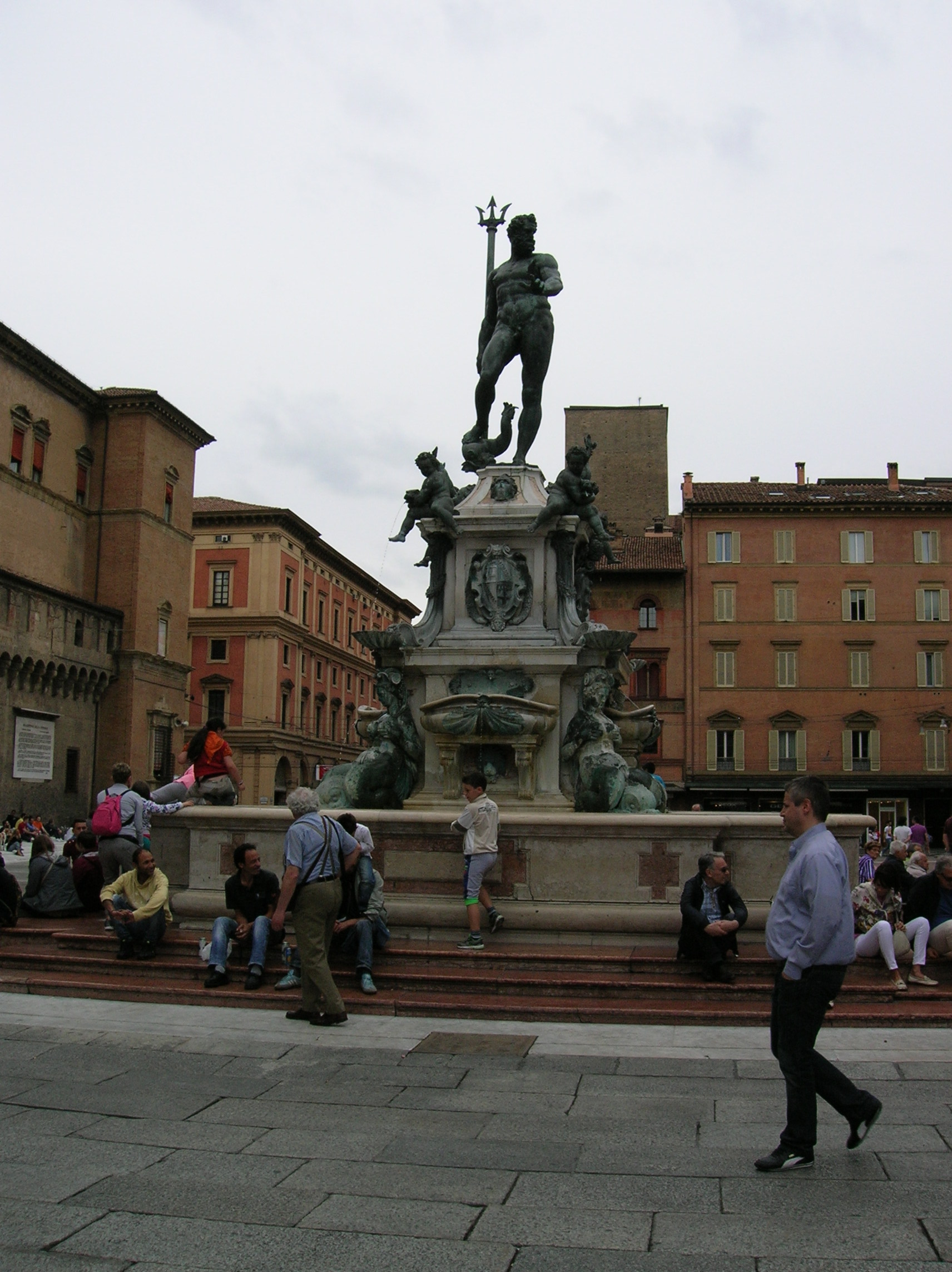
The statue of Neptune is a symbol of the city.

The statue of Neptune is a symbol of the city.

I knew the city was most famous for its food, its university and its towers as well as its red brickwork. Still, I did not have great expectations of Bologna. I thought it would be an intriguing town, but I was most excited about the trip to Ravenna on the itinerary with this five-day tour operated by the Prague-based arsviva travel agency.
I was amazed by the romantic porticos – they spread 59 kilometers and gave the town a unique flavor. And then there were the towers. I stretched my neck and gazed in awe at the imposing structures. The most famous towers in Bologna, the Asinelli (98 meters tall) and the Garisenda (48 meters tall, formerly 61 meters) had been constructed in 1109 and 1119 respectively as two noble families competed to see who could build the highest tower. Garisenda is the “leaning tower” of Bologna with a slant of 3.25 meters. While more than 100 towers were built in Bologna during the 12th and 13th centuries, less than 20 have survived.
But while Bologna represents food, towers and porticos to some, to me the highlights of the city were the magnificent churches. To be sure, Bologna ranks as one of the most romantic and unique cities I have ever visited. Bologna was mystical and mysterious. Bologna was magical.

The exterior of the Basilica of Saint Petronio

The exterior of the Basilica of Saint Petronio

One of the most significant landmarks in the town and one of the most impressive sights for me was the Basilica of Saint Petronio. Built to honor a 5th century bishop of Bologna, the Basilica of Saint Petronio is the largest church in Bologna and the 15th largest in the world at 132 meters long and 66 meters wide. Often depicted holding a model of this very church, Saint Petronio was important in part because he built the Church of Santo Stefano, inspired by his travels to religious sites in Jerusalem.
To stand inside the solemn structure is awe-inspiring and overwhelming. To think that the foundation stone was laid way back in 1390 (though the structure was not completed until 1670) was mind-boggling. Entering the church, I felt as if I had been transported back centuries. It consisted of 22 chapels, 11 on each side. Four carved crosses were supposedly built by Saint Petronio at the four cardinal points of the city. The three-aisled Gothic interior was supported by 10 pillars. The basilica was shaped as a huge cross. The largest sundial in the world, measuring 66.8 meters and hailing from 1655, was inlaid on the floor.

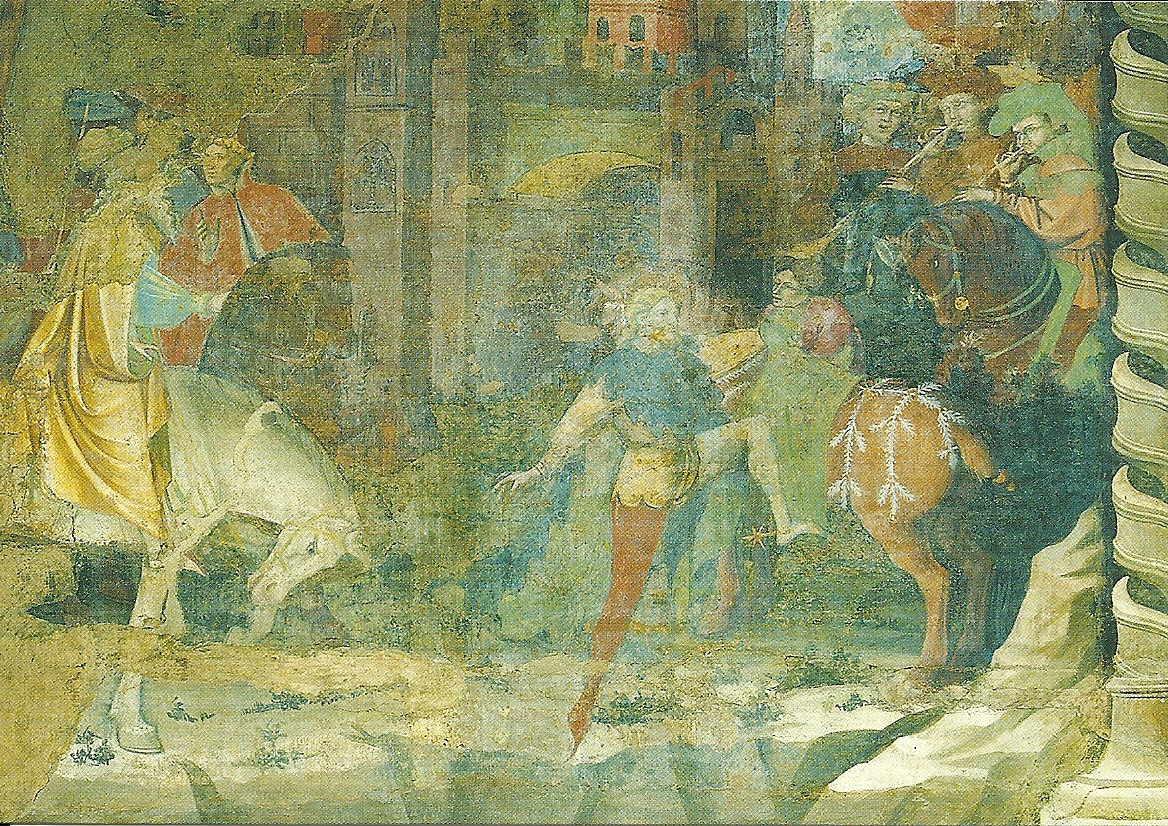
Postcard of Chapel of the Magi, showing the Journeys of the Magi, fresco by Giovanni de Modena, 1410

Postcard of Chapel of the Magi, showing the Journeys of the Magi, fresco by Giovanni da Modena, 1410

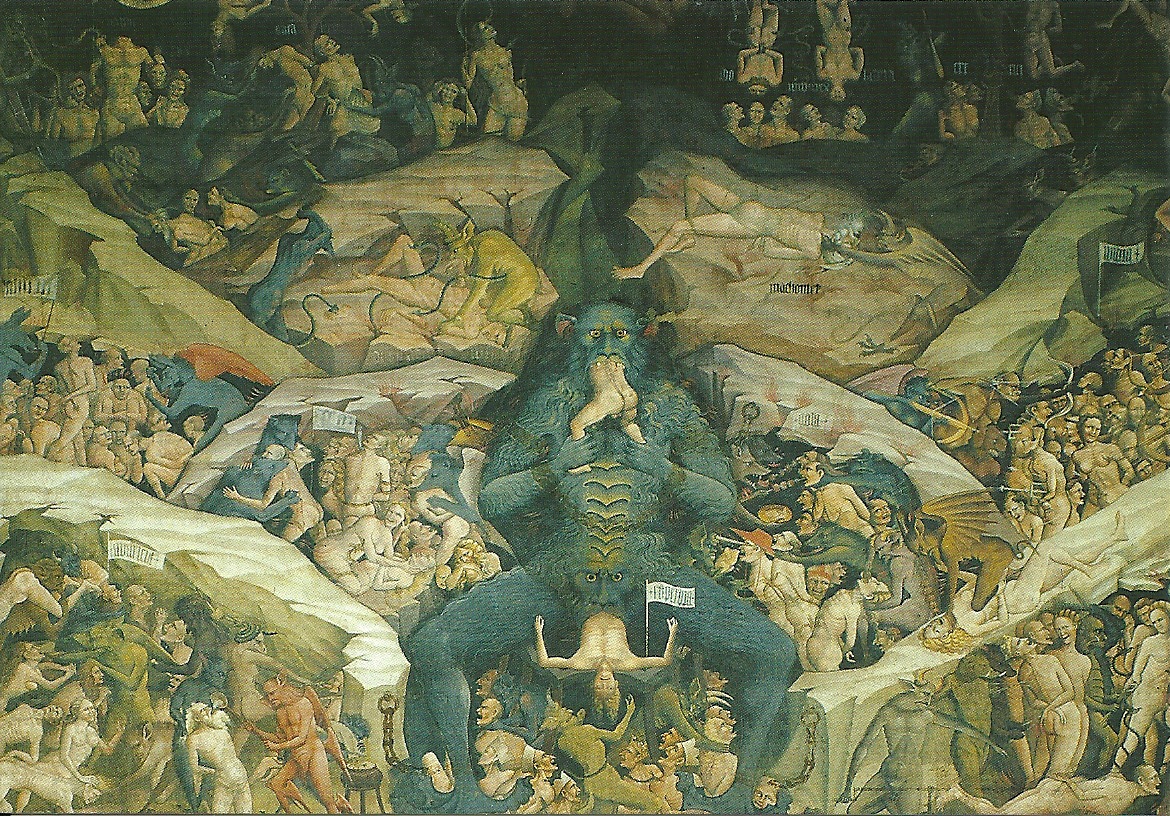
What captivated me the most was the fourth chapel on the left, The Chapel of the Magi. I stared at the Gothic altarpiece with the 27 exquisitely carved, wooden, painted figures, and I was awestruck. Just think of how much work it took to so meticulously carve and paint those figures! I could not peel my eyes away from it. When I finally did, I saw something else magnificent. On the left-hand side wall near the top Heaven was depicted, with the crowned Virgin Mary surrounded by saints.
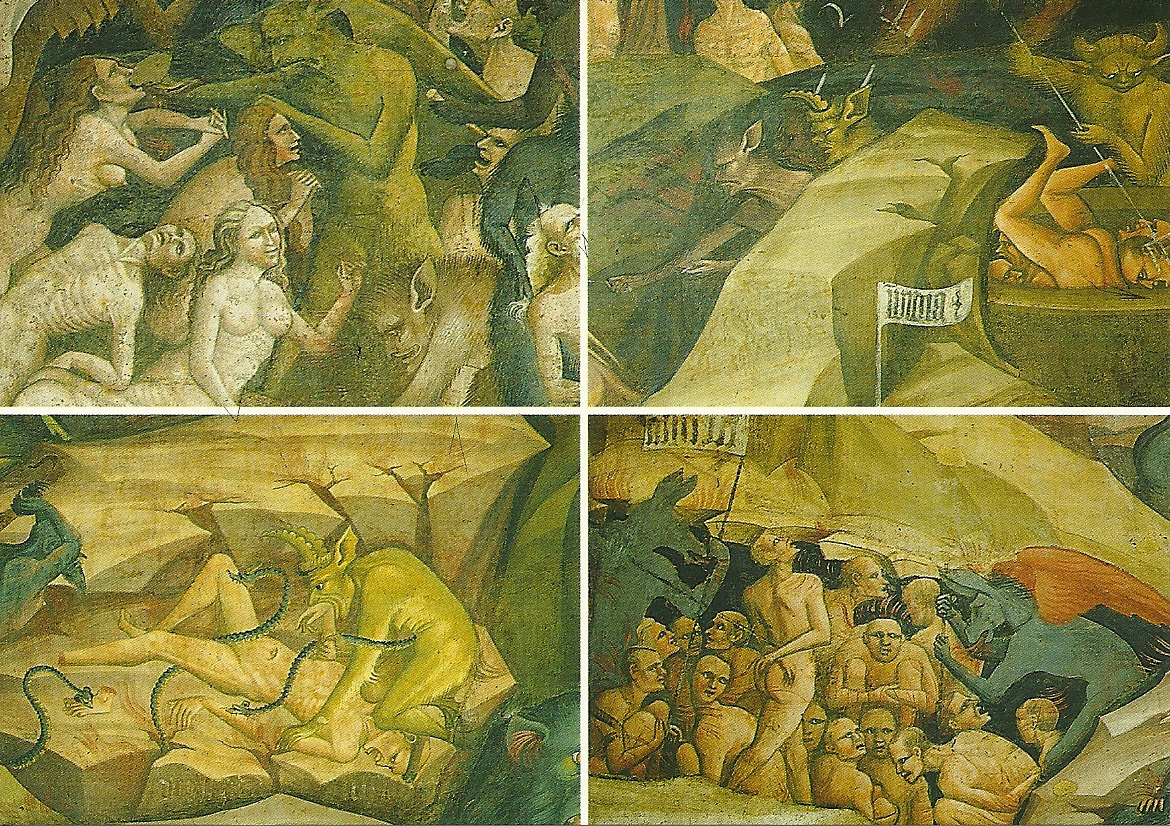
Underneath that idyllic rendition was Hell – right out of Dante’s Divine Comedy. Lucifer, resembling a gigantic monster, was devouring one of the three traitors – though I could not tell if it was Brutus, Cassius or Judas, as described in the 34th canto. The image was much more than grotesque. It was terrifying. For me it represented all the evil in the world. It brought to mind criminal acts, betrayal, hatred. The travels of the Magi were also pictured along with scenes from Saint Petronio’s life. The stained glass in the chapel hailed from the 15th century.

Postcard of the Chapel of the Magi with Lucifer as the central figure in Hell

Postcard of the Chapel of the Magi with Lucifer as the central figure in Hell

The basilica held other delights, too. The frescoes of the Chapel of Saint Abbondio dated from the 15th century. I tried to imagine the festive atmosphere when Charles V was crowned Emperor in this chapel by Pope Clement VII during 1530. What had the invitees worn? What had they talked about while waiting for the coronation to begin? Where had they gone after the historic event?
The second chapel on the left was dedicated to Saint Petronio, and his skull was kept in a silver shrine. The head of this patron saint of Bologna had only been in this basilica since 2000; before that it had been housed in the Basilica of Santo Stefano. Marbles, bronzes, statues and frescoes also decorated the holy space.

Postcard of the Chapel of the Magi, Journeys of the Magi, fresco by Giovanni da Modena, 1410

Postcard of the Chapel of the Magi, Journeys of the Magi, fresco by Giovanni da Modena, 1410

The Chapel of Saint Ivo featured two intriguing clocks. The clock on the left-hand side showed the real time in Bologna. The one on the right, though, depicted the time as seen on Italian clocks from 1857 to 1893, when time started to be counted in the evening. The huge image of Saint Christopher was imposing, too.
The seventh chapel on the left, the Chapel of Saint James, featured a 15th century altarpiece but was perhaps best known for containing the remains of Napoleon’s sister, Elisa Bonaparte, who died in 1845, and those of her husband, a member of the Corsican nobility named Prince Felix Baciocchi, who attained military and political prominence. Elisa served as Princess of Lucca and Piombino, Grand Duchess of Tuscany and Countess of Compignano. She was a patron of the arts who set up academic institutions, had a new hospital built in Piombino, worked with charities and organized free medical help for the poor.

Postcard of Chapel of the Magi, The Inferno, frescoes by Giovanni da Modena, 1410

Postcard of Chapel of the Magi, The Inferno, frescoes by Giovanni da Modena, 1410

The 15th chapel near the left wall was where Pope Clement VIII conducted mass in 1598 before he walked barefoot to greet his followers in the main square, the Piazza Maggiore. The Our Lady of Peace Chapel was connected with an intriguing story. An irate soldier who lost much money while gambling had struck the Madonna in this chapel with his sword, and the sculpture came closing to falling on his head. He was sentenced to death but later pardoned because he had prayed so fervently. There was a 15th century figure of the soldier near the left wall.

All this stunning art work left me dizzy with wonder as I gaped at the interior, not wanting to leave, feeling compelled to stay there forever just gazing at the various chapels, noticing more and more astounding details.

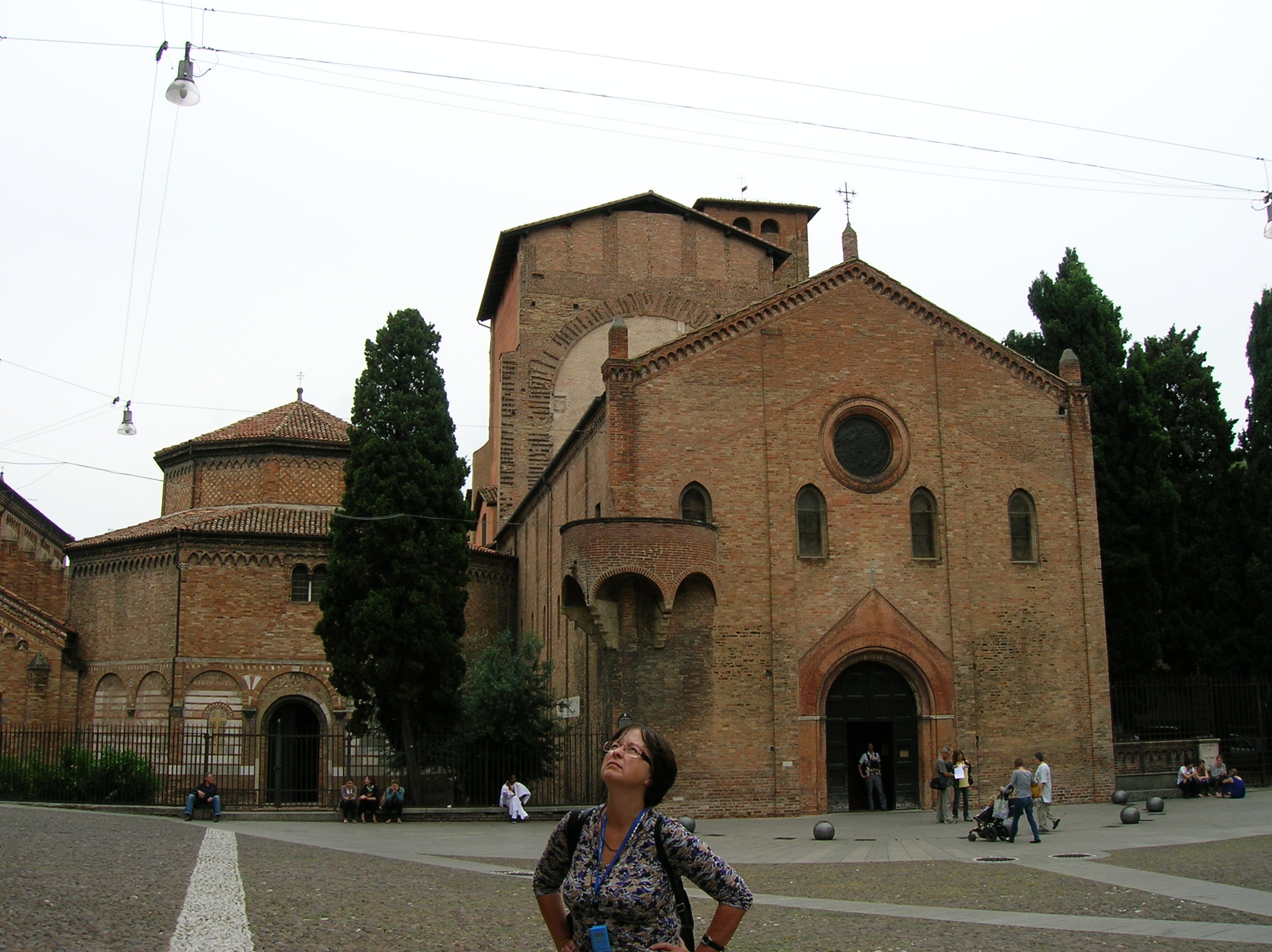
Basilica of Santo Stefano

Basilica of Santo Stefano

I was also fascinated by the Basilica di Santo Stefano, also called “The Seven Churches,” though now there are only four. It intrigued me so much because so many cultures had played a role in its development over the centuries – Roman, ancient Christian, Byzantine, Lombard, Frank, Ottonian – people of all these cultures had once gathered at the complex that goes back at least 2,000 years.
Founded in the early years of 5 AD by Petronio, the bishop of Bologna who would be buried there and would become canonized. It was built on the site of a first century AD pagan temple dedicated to Isis which was built over a spring. Petronio’s visit to Jerusalem even inspired him to create the only copy in the world of the Holy Sepulchre of Christ. In fact, this complex used to be called “Jerusalem.” Now the Oliveitani Order lives there. Before that Benedictine monks and Lombards had been among the owners of Santo Stefano.

Church of the Crucifix

Church of the Crucifix

I entered the Church of the Crucifix and admired its austere Romanesque style. Once a Lombard church, this holy place has no aisles. A striking papier-mâché Pietà scene stood out on the right side. Stairs led to the presbytery. A yellow marble altar and a fresco of the Crucifixion decorated the church, too.

More stunning decoration at the Basilica of Santo Stefano

More stunning decoration at the Basilica of Santo Stefano

What I loved about the crypt were the various styles of the columns’ capitals that divided the nave and aisles. I saw cubic, Frank and Tuscan styles of capitals. A column with no capitals was connected to an intriguing story. Supposedly, it was forged from two stones that Petronio had taken from Jerusalem. The remains of Saints Vitalis and Agricola, Bologna’s first martyrs from 304 AD, were kept in the crypt, too. Christian Agricola had convinced his slave Vitalis also to take up the Christian faith.

Copy of the Holy Sepulchre in Jerusalem, Basilica of the Holy Sepulchre

Copy of the Holy Sepulchre in Jerusalem, Basilica of the Holy Sepulchre

Next came the outstanding Basilica of the Holy Sepulchre. This was the part that began as a pagan temple, constructed on the site of a spring. I tried to imagine all the people who had entered this place since 1 AD. What had they been thinking about? How had they lived? What had their daily life been like? What were the different kinds of services held here? The model of the Holy Sepulchre in Jerusalem astounded me. Just think: I was looking at the only copy of this holy structure in the world. It was breathtaking. Dimly lit, the space looked mystical and mysterious as if it held many secrets that would never be revealed. Saint Petronio’s remains were under a grill in the center of the model sepulchre, but, as I mentioned earlier, his head was housed in the Chapel of San Petronio.

The ceiling at the Basilica of Santo Stefano

The ceiling at the Basilica of Santo Stefano

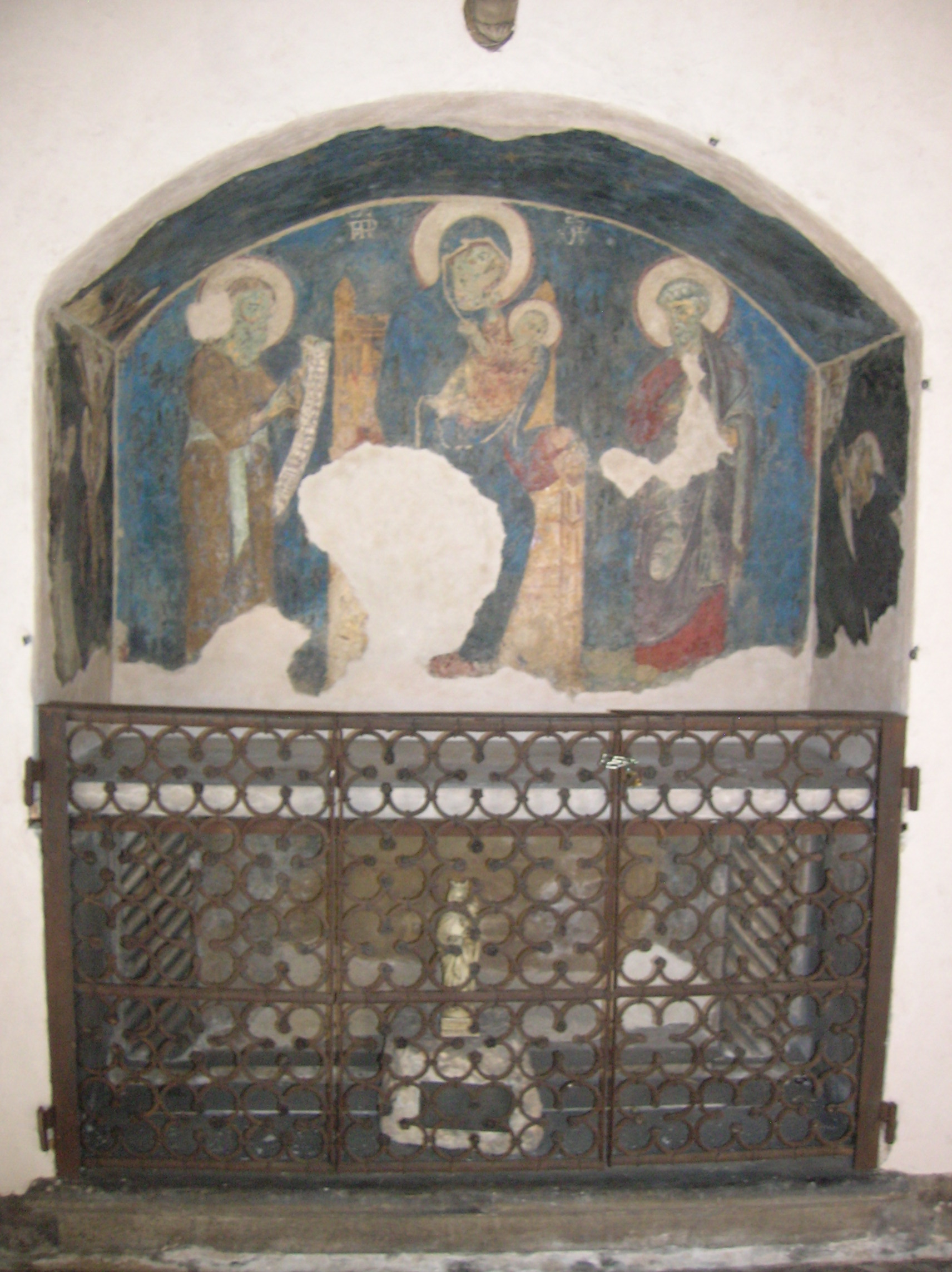
The Basilica of Saint Vitalis and Saint Agricola was simple and austere in its Romanesque Lombard appearance with one nave and two aisles. I saw remnants of mosaics and frescoes. I noticed figures of lions and deer decorating Saint Agricola’s sarcophagus. Legend says that the cross in this church was the same one on which Saint Agricola was crucified. Again, the various styles of capitals captivated me. I saw Ionic, Byzantine and Frank capitals. I could not stop thinking that so many cultures had worshipped in this one space.

Marble Lombard basin in Pilate's Courtyard

Marble Lombard basin in Pilate’s Courtyard

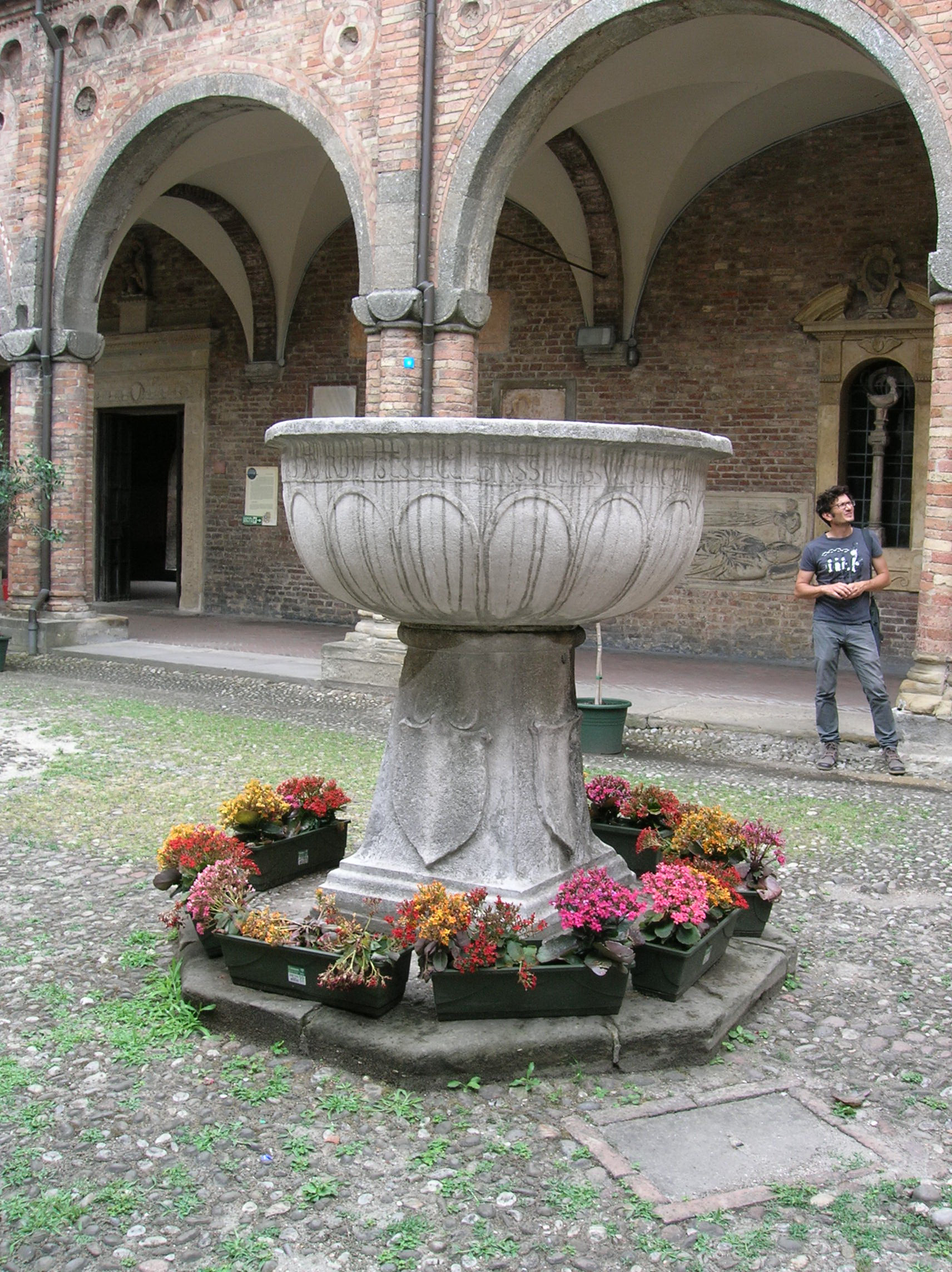
Referring to Pilate’s washing his hands of Christ’s blood as he declared Christ innocent, Pilate’s Courtyard included Romanesque Lombard style arcades and a marble Lombard basin dating from 730 to 740 AD on a 16th century pedestal in the center. While the arcaded space showed off chapels and tombstones, there was a unique object there as well – a 14th century stone rooster that symbolized Saint Peter’s three-time denial of Christ’s existence during the night of his arrest and interrogation. (People at the bonfire recognized Saint Peter as one of the apostles, but he pretended he did not know Christ.)

The Adoration of the Magi in the Martyrium Church

The Adoration of the Magi in the Martyrium Church

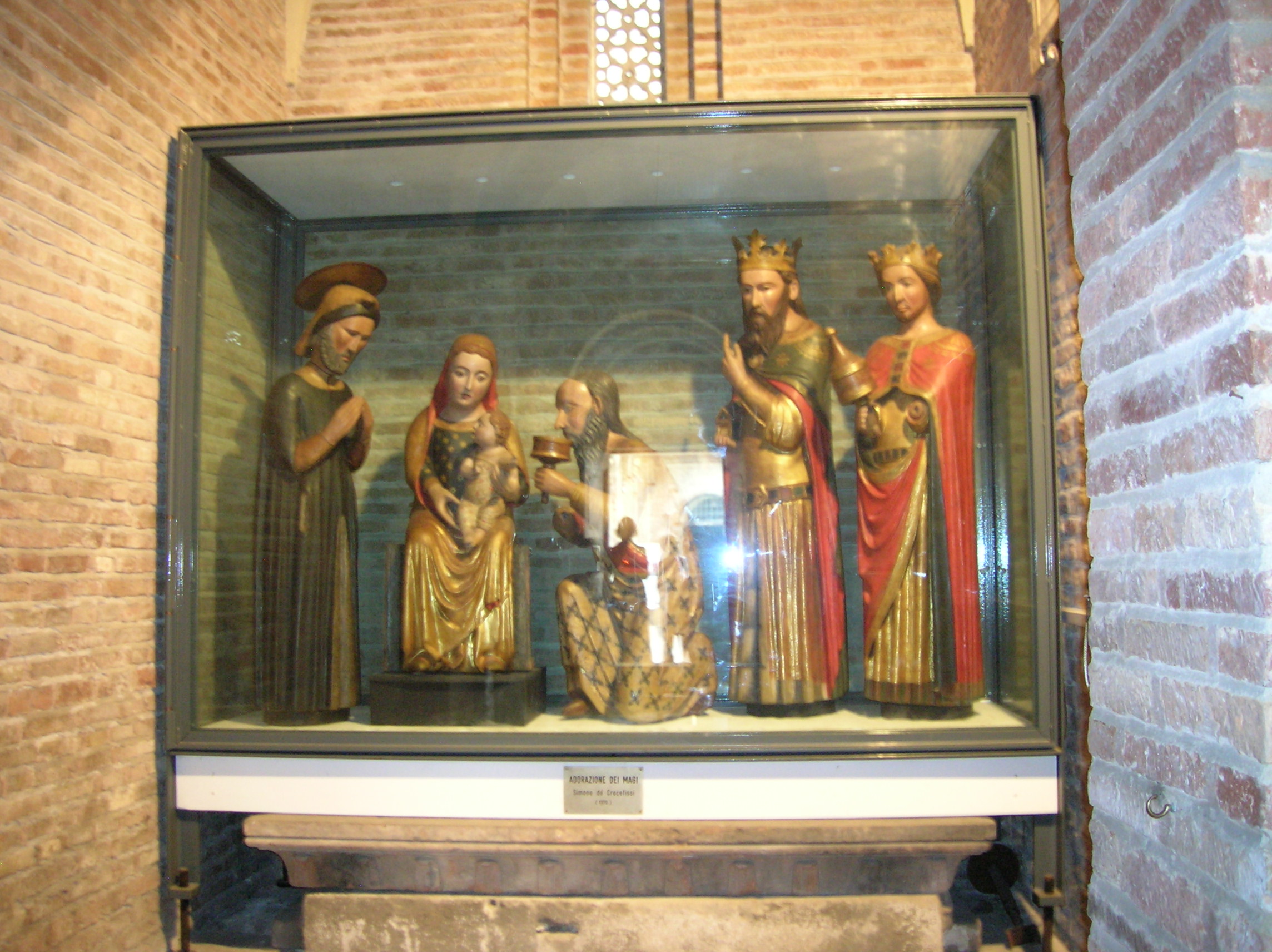
The Martyrium Church, named after the areas where martyrs were buried, had been restored in the Frank style of the 17th century. It consisted of a nave and double aisles with columns. There were 14th and 15th century frescoes in the apses. I particularly liked the sculptural grouping of the Adoration of the Magi, with its enchanting, bright colors, such as deep red. And it always amazed me to see remnants of Romanesque architecture. I was not disappointed.

The Basilica of Santo Stefano boasts breathtaking artworks.

The Basilica of Santo Stefano boasts breathtaking artworks.

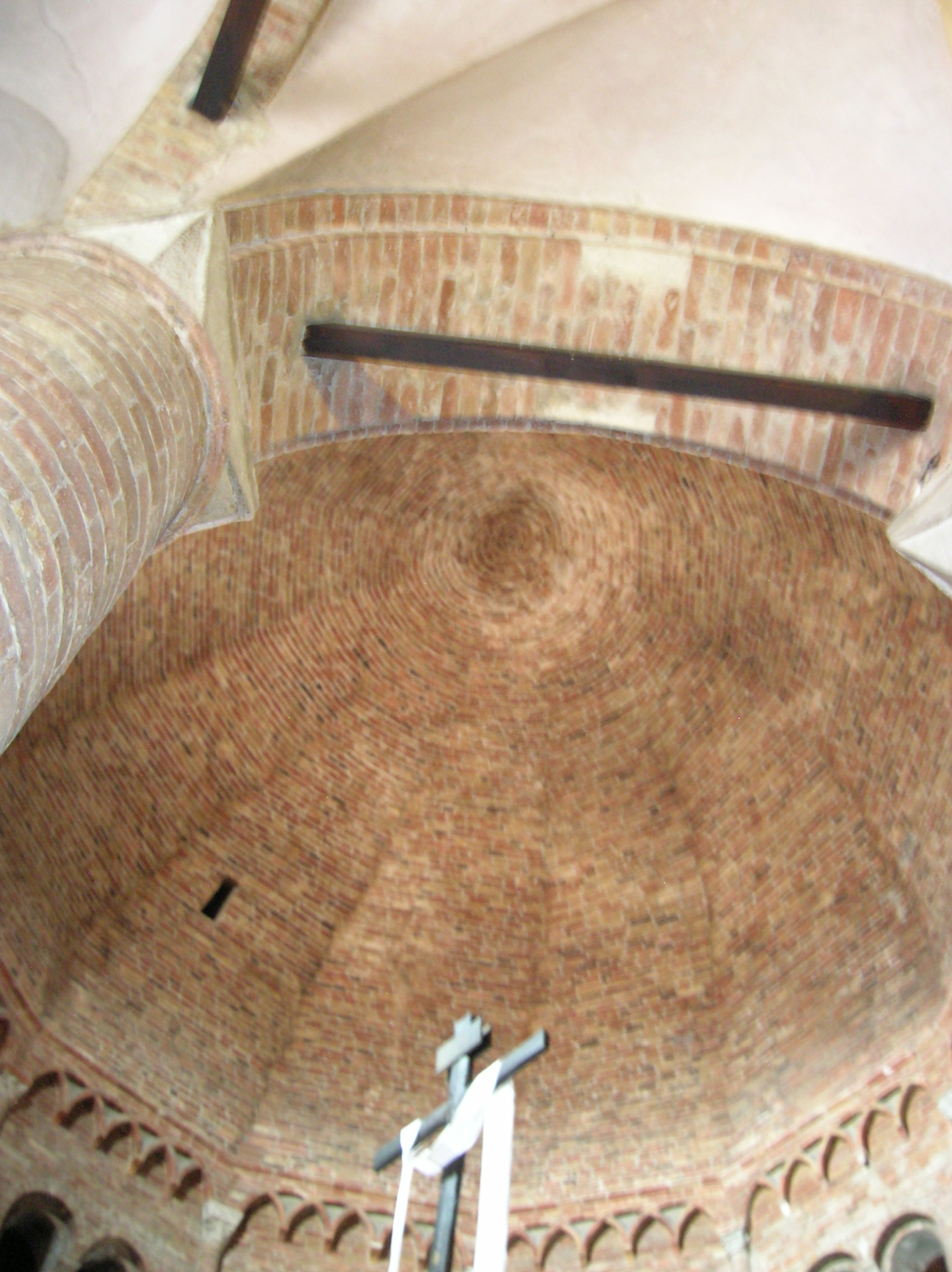
There was a cloister adjacent to the basilica. Supposedly, Dante had been inspired by the animal heads of human faces with scornful, ridiculing expressions. The cloister consisted of two basic sections, the upper part, built at the end of the 17th century and the lower part, constructed around 1000. It was fascinating to see these two greatly different styles side-by-side. I felt as if the human faces with animal characteristics were trying to insult me, as if they were laughing at me. They certainly gave me an uncomfortable feeling.
I was dizzy with delight as I left the basilica. Each church was unique, each church told its own story. I could not believe that I had walked on the same ground that dated back to 1 AD in a structure hailing from 5 AD. I could have spent hours walking through these spaces, taking in the atmosphere, soaking up the ancient history.

The ceiling of St. Dominic's Basilica

The ceiling of St. Dominic’s Basilica

The three-aisled St. Dominic’s Basilica ranked as another highlight of my time in Bologna. Founded in the 13th century, this holy place housed the marble Ark of Saint Dominic, who founded the Dominican Order and died in 1221 in Bologna, when the basilica had been a church. I could hardly believe that I was looking at the 1264 work of master artist Nicola Pisano. I had admired Pisano’s craftsmanship of the pulpit at the baptistery in Pisa and the pulpit at Siena’s cathedral.

The angel carved by Michelangelo on St. Dominic's sarcophagus

The angel carved by Michelangelo on St. Dominic’s sarcophagus

Additions were made from 1469 to 1473, and Michelangelo contributed to the decoration. I was fascinated by the curly-haired angel designed by Michelangelo, who also created the statues of Saint Petronius and Saint Proloco. That angel seemed so lively, as if he could step off the sarcophagus and dance through the aisles. I also admired the gold and silver enameled panels on the reliquary that contained St. Dominic’s head. The statues in niches flanking the reliquary were impressive, too. The ornate spire that crowned the Ark was another delight. Two putti and four dolphins held the candelabrum. The four Evangelists also made appearances.

Saint Dominic's sarcophagus

Saint Dominic’s sarcophagus

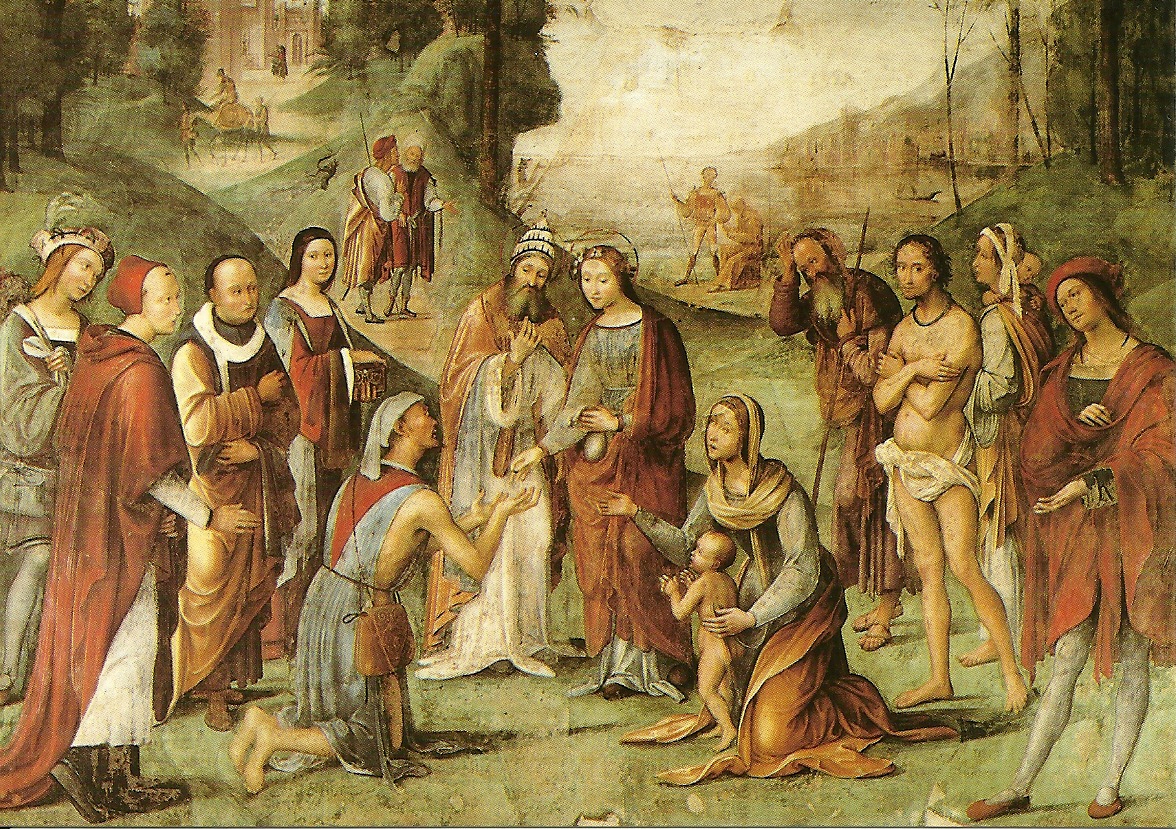
The Oratory of St. Cecilia also caught my undivided attention. The St. Cecilia Church was first mentioned in writing during 1267, and it was moved to its present location in 1359 by Augustinian hermits. Connected to the Church of St. James Major, a 15th century stunning Renaissance structure, the Oratory of St. Cecilia featured paintings from 1505-1506. They told the story of Saint Cecilia’s life.

Oratory of St. Cecilia, St. Cecilia's Trial

Postcard of the Oratory of St. Cecilia, St. Cecilia’s Trial, 1505-1506

The story of Saint Cecilia was intriguing. On her wedding night St. Cecilia told her pagan husband Valerian that an angel would protect her if he tried to take away her virginity. She convinced him to become a Christian and before long he was baptized by Pope St. Urbano. His brother Tiburzio also converted, and together they spread Christianity throughout the land. They were beheaded for their beliefs. Even when St. Cecilia was tortured, she was not injured. She managed to give all her belongings to the poor before she was killed in 230 AD. Interestingly, although St. Cecilia is considered to be the patron of music, there were no references to that art in these renditions.

Postcard of the Oratory of St. Cecilia, St. Cecilia's Charity from 1505-1506

Postcard of the Oratory of St. Cecilia, St. Cecilia’s Charity from 1505-1506

I noticed the classicized angel clad in a fluttering blue drapery in the fourth scene, “Angel bearing the Crowns of Martyrdom” and the gruesome beheading in the “Martyrdom of St. Valerian and St. Tiberius.” I felt the sense of desperation of the naked woman with an emaciated child waiting for alms from St. Cecilia as St. Cecilia gave money to a grateful, kneeling man. I noticed how in “St. Cecilia’s Burial” the bright red garment she was clad in contrasted with the white sheet that held her corpse.

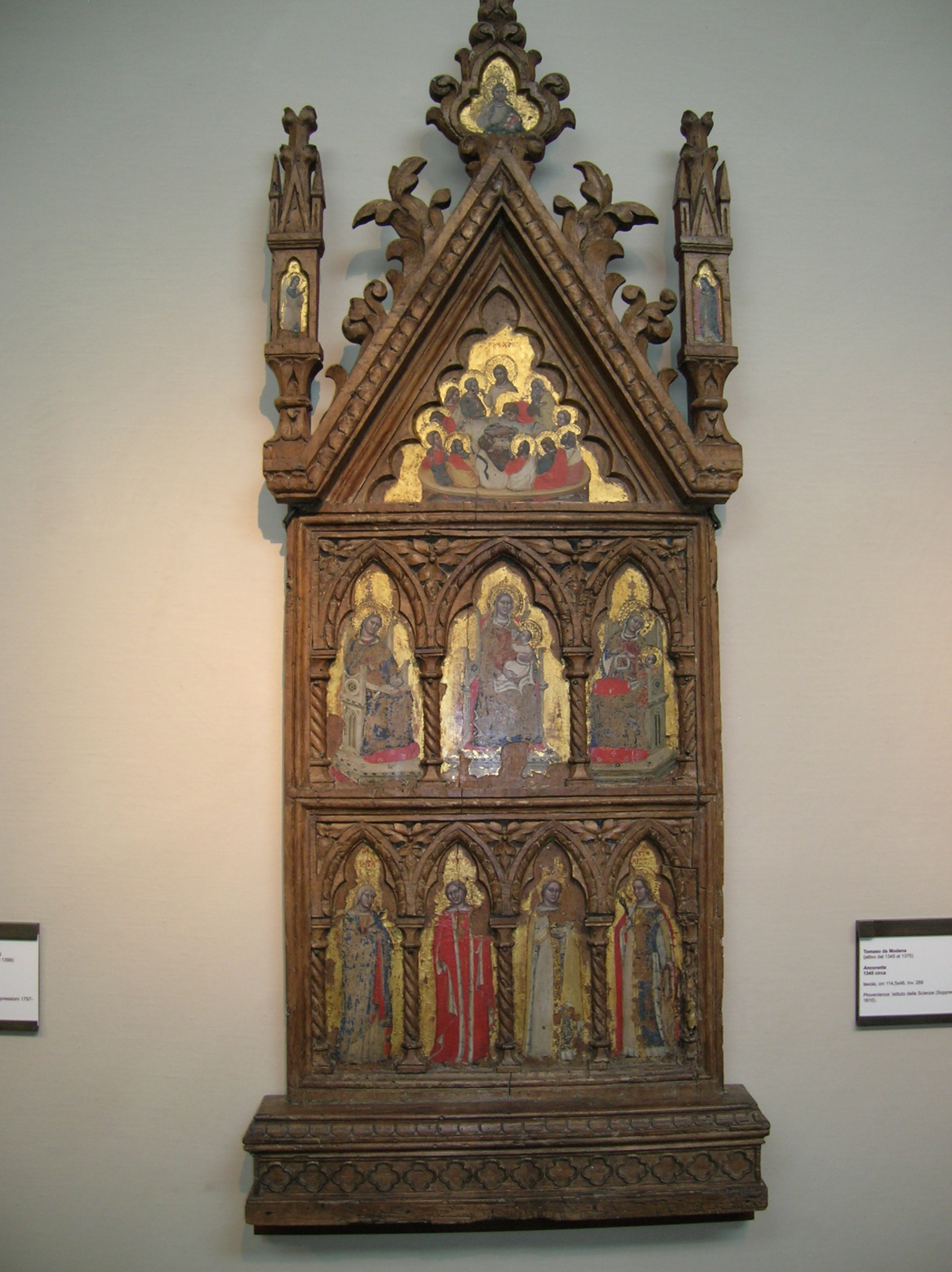
Fascinating medieval art at Bologna's National Gallery

Fascinating medieval art at Bologna’s National Gallery

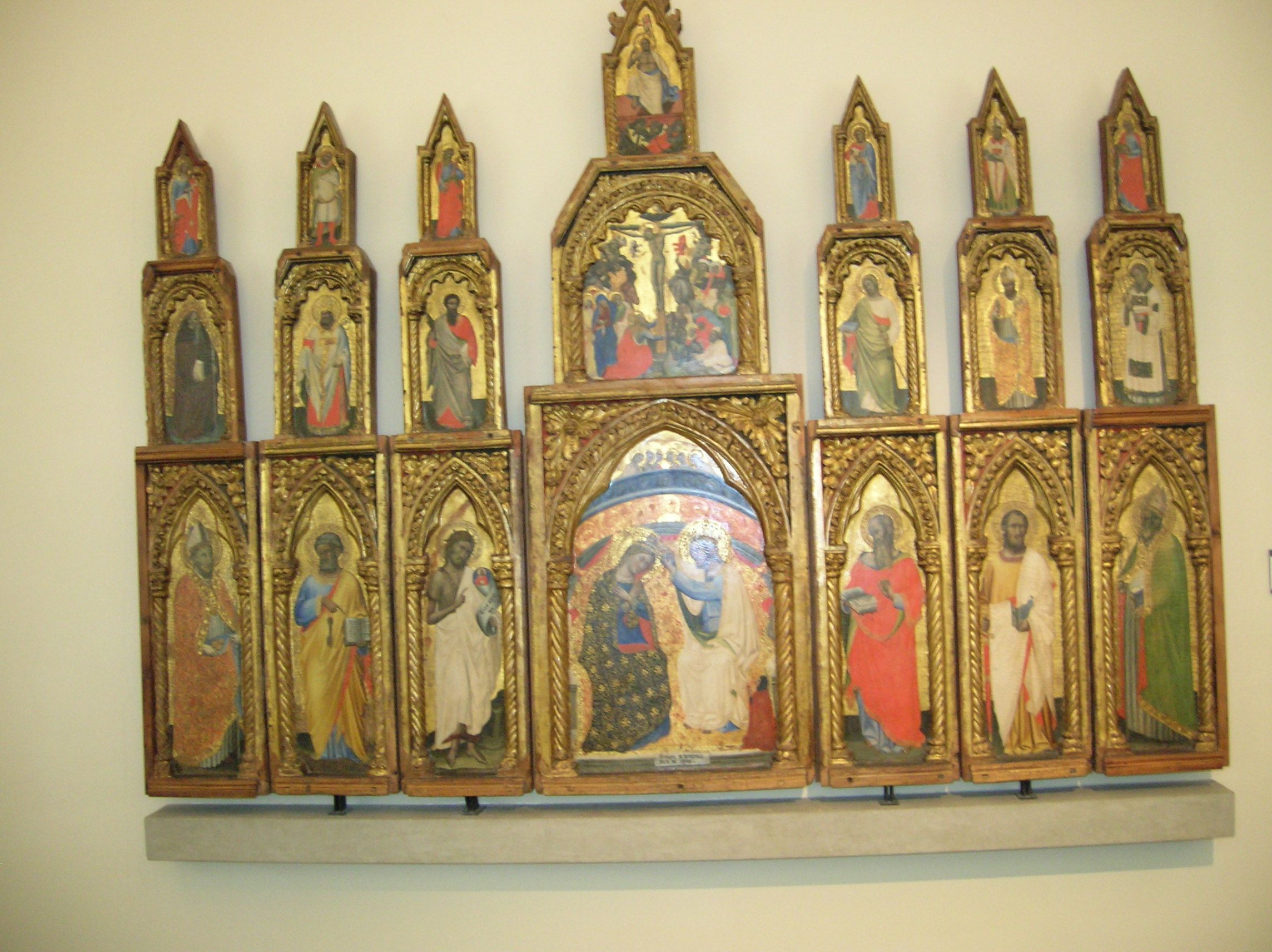
A museum addict, I also enjoyed my time at the Museo Civico Archeologico, perusing its prehistoric, Etruscan, Roman and Egyptian collections. My favorite museum, though, was the National Picture Gallery and its plethora of art from the Middle Ages. The museum certainly held an impressive collection of 14th century works. When the Church was losing power in Bologna, many of these masterpieces were moved from the churches to the picture gallery. When Napoleon’s reign ended, the museum acquired even more artworks. Its 29 halls were filled with fascinating works by Nicola Pisano, Tintoretto, Titian, the Carraccis and Il Perugino, to name a few. Then there was Raphael with his Ecstasy of St. Cecilia. In addition to medieval art, other periods were covered, such as Mannerism and Baroque.

The National Picture Gallery was full of medieval delights.

The National Picture Gallery was full of medieval delights.

Bologna definitely meant towers, porticos and food. Bologna was the delicious Pizza Margherita – the best I had ever had – at a bar I frequented in the center of town. I loved the bars frequented by locals who came in for cappuccinos or shots of espresso, downing them as they stood at the counter and chatted with the bartender.
Yet most of all, Bologna to me will always be churches and the many cultures that they represented. Bologna was romantic and picturesque, but it was first and foremost mystical and mysterious. The churches seemed to contain so many secrets.

National Picture Gallery, Bologna

National Picture Gallery, Bologna

I had stood in what had been a first century temple to Isis and a church dating back to the 5 AD. I had seen a copy of the Holy Sepulchre in Jerusalem. I had marveled at the exquisite carving of the figures on the Gothic altarpiece in the Chapel of the Magi and at the paintings of Heaven and Hell that adorned it. I had been captivated by St. Dominic’s Ark in the basilica, by the exquisite carving of the statuary and other decorations on the sarcophagus. The story of St. Cecilia fascinated me. The medieval art at the National Picture Gallery left me in awe.
However, most of all, for me Bologna was hope and faith. The city reminded me of the importance of having faith in the world, of having faith in myself. When it was time to say goodbye to Bologna, I left this city with a new and more positive perspective on life.

More stunning medieval art at Bologna's National Picture Gallery

More stunning medieval art at Bologna’s National Picture Gallery

Tracy A. Burns is a writer, proofreader and editor in Prague.


Gothic Churches in the Čáslav and Posázaví Regions Diary

The Church of Saints Peter and Paul in Čáslav

The Church of Saints Peter and Paul in Čáslav

I traveled with arsviva again, this time to Gothic churches in the Čáslav and Posázaví regions of central Bohemia. After the last trip spent seeing Romanesque and Gothic buildings in South Bohemia, I was psyched. We would have the same enthusiastic, informative, organized expert as our guide, too. During the last tour I had especially enjoyed visiting churches in villages because they played an integral role in the village’s identity and had helped me come to the realization that each village was unique, with its own story to tell.


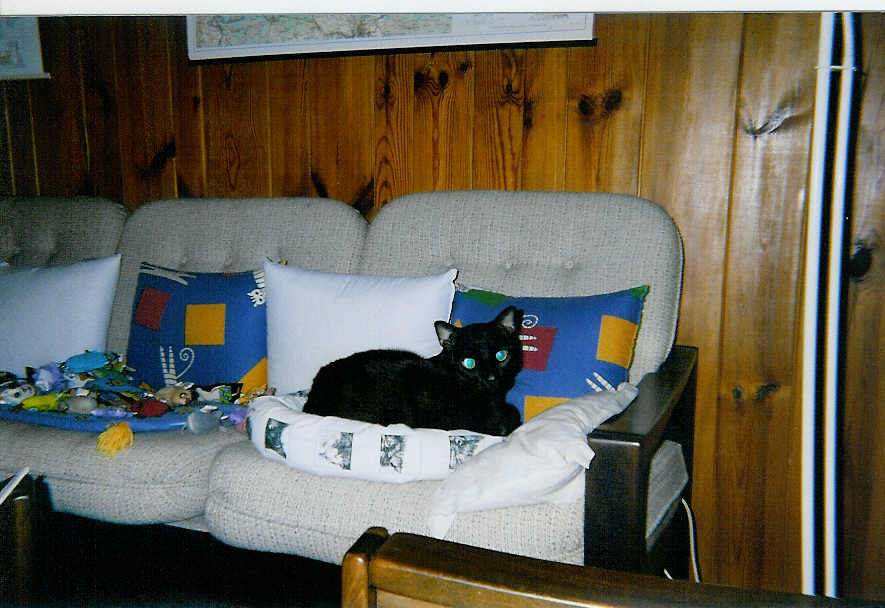
My best friend ever

My best friend ever

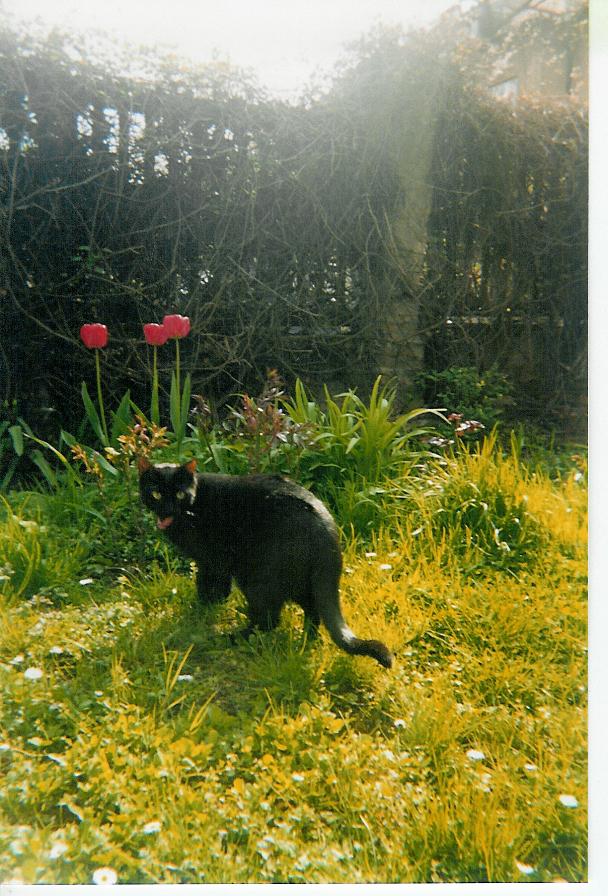
I was not sure if I would be able to go on the tour when my cat, Bohumil Hrabal Burns, suddenly died of a tumor in his mouth two days before the excursion. I lived alone and did not socialize much, and he had been my best friend, who had gotten me through so many troubles and heartbreaks over the previous 15 years. He always sat on my lap when I wrote on the computer. He always relaxed on my chest when I read in the evening. Since I worked mostly at home, we were almost always together. I would never have children. I cared about him as I would for my own child. He and I were inseparable.

Bohumil Hrabal Burns, 1999 - 2014

Bohumil Hrabal Burns, 1999 – 2014

At times I felt bitter. Why did he have to die now? One day it became apparent that he had a tumor in his mouth, two days later he had to be put to sleep. He was supposed to be taking vitamins for his liver, and I was certain that his condition would be improving. It was so hard to see him so sick on my bed. He just wanted to die alone. He would not rest on my lap anymore. And it was the worst moment of my life when I had to take him to the doctor to put him to sleep, knowing he would never be coming back to the place he had called home, where he had shown me so much love. I couldn’t imagine life without him.

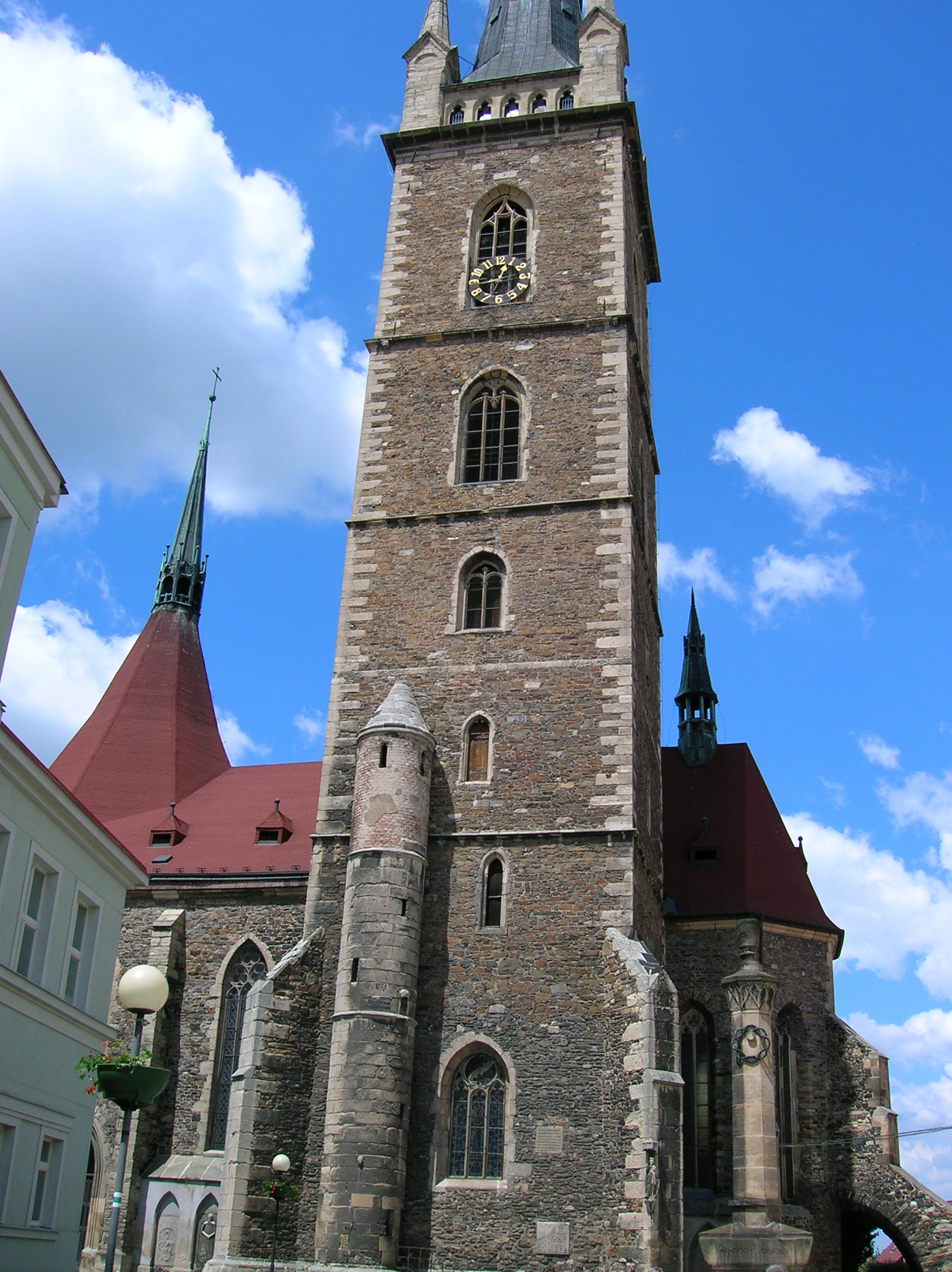
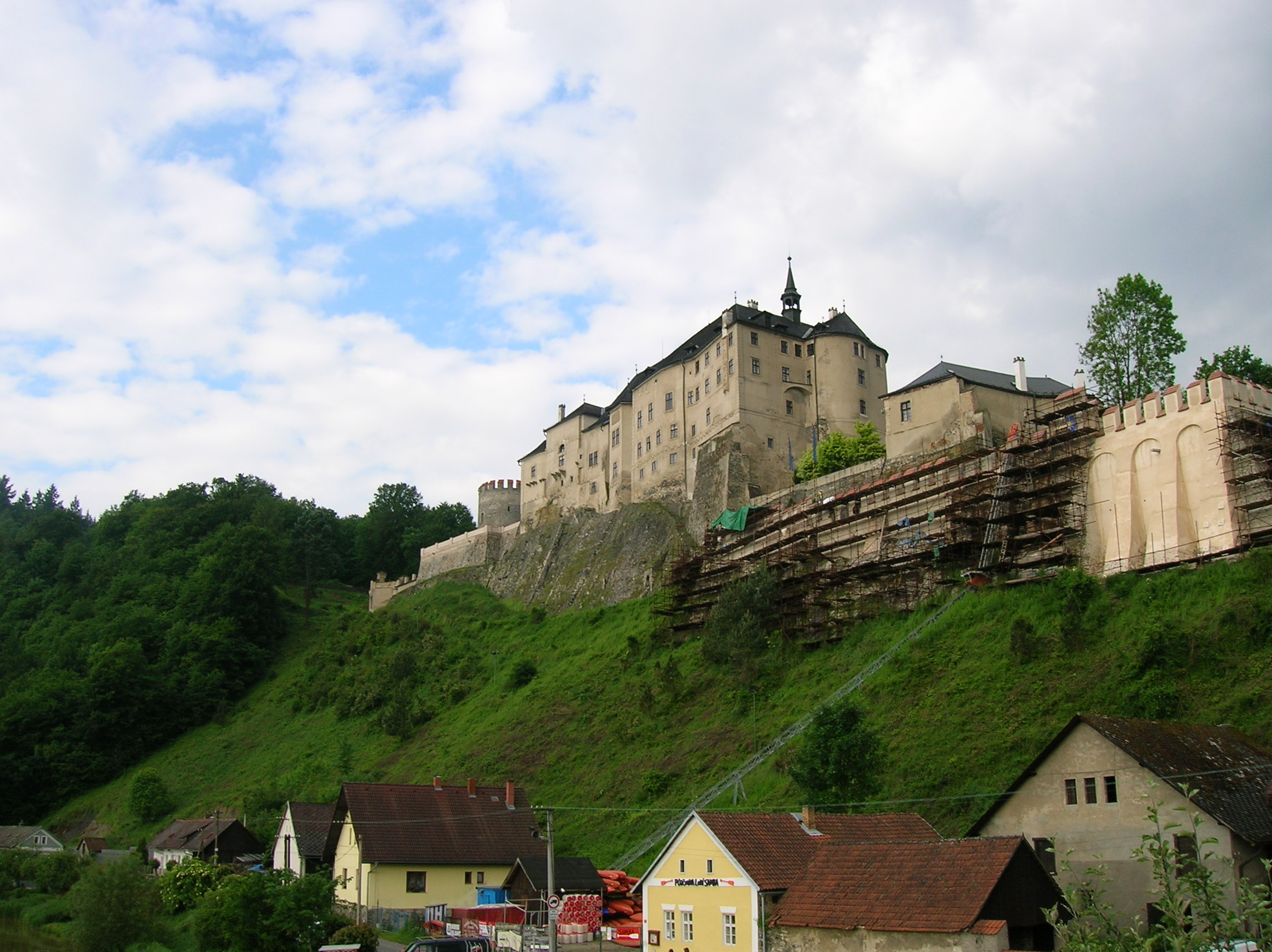
Český Šternberk Castle

Český Šternberk Castle

The tour began, and I was happy. I was glad I was on the excursion and excited about the day to come. First, we stopped at Český Šternberk Castle to take in the view and to use the bathroom in a pub. I had toured the castle last year and had written about it for a travel agency.
Perched on a hill overlooking the Sazáva River, Český Šternberk Castle dominates the Posázaví region with its imposing, massive Gothic exterior. It looked both protective and threatening at the same time. I recalled the eclectic collection of treasures from Renaissance chests to Rococo furniture inside the castle. The castle’s history began sometime before 1242. I remembered seeing the Sternberg clan’s eight-pointed star throughout the castle, which is currently owned by one of the family. I would see that star on the tour that day as well.

The Neo-Gothic interior of the Church of Saint Havel

The Neo-Gothic interior of the Church of Saint Havel

Then we were ready to devote our time to Gothic churches. The first was the Church of Saint Havel in Otryby. It had Romanesque and Gothic features, dating from around 1200. I was amazed at the portals before I entered the church. The side portal was French Gothic, dating from the 13th century. It never failed to amaze me that something that old could stand the test of so much time, so many centuries. I wondered who the people who had walked through that portal during the Middle Ages had been. Who were they, what had they done for a living? Had they been beggars, merchants or farmers? Maybe nobility?

The Neo-Gothic portal

The Neo-Gothic portal

The main portal was of a totally different nature, in 19th century Neo-Gothic style. The interior was Neo-Gothic, too, which strangely complemented the Early Gothic construction and the Romanesque apse. I liked the mixture of styles and have always been a fan of Neo-Gothic features, but I wondered what the entire church had looked like when it was pure Early Gothic or Romanesque style.

The Church of Saint Havel

The Church of Saint Havel

The Church of Saint George in Malejovice was next on the itinerary. It was typical of Early Gothic village architecture, dating from 1250 or earlier, but parts were much younger. The tower dated from 1886 and the main altar from the end of the 18th century. The windows were NeoRomanesque, hailing from the 18th and 19th century. It was intriguing to see so many styles in a relatively small space. The different styles offered a sort of a pictorial narration of the church’s history.
CASPOSMalejovice2
Church of Saint George in Malejovice
Then we stopped in a town with a busy outdoor market on the main square. It was called Ulhířské Janovice, named after Jan Sternberg, who founded a settlement there back in the 13th or 14th century. First we entered the Baroque Church of Saint Alois on the square. The church had been built in 1777, completed in 1792. Its main portal dated from 1784.

The painted main altar of the Church of Saint Alois

The painted main altar of the Church of Saint Alois

The intriguing feature of this church was that the altars were painted onto the walls. The guide explained that this was cheaper and quicker than decorating the church with real, three-dimensional altars and statuary. I recalled the spectacular painted main altar at Hejnice Basilica in northern Bohemia. You would not even guess that the altar in Hejnice was painted; it looked so real. What surprised me about the main altar in this church was that even the statues were painted on.

Uhlířské Janovice, Church of Saint Giles, ceiling panting

Uhlířské Janovice, Church of Saint Giles, ceiling panting

Nearby was the Church of St. Giles, which could not be more different. The church had a Romanesque nave and a 14th century Gothic presbytery and sacristy. The one-nave church was made out of quarry rock with sandstone. A Romanesque window adorned the north side. However, the church did not only boast Romanesque and Gothic styles. The altar was Rococo while the pulpit was in Empire style.
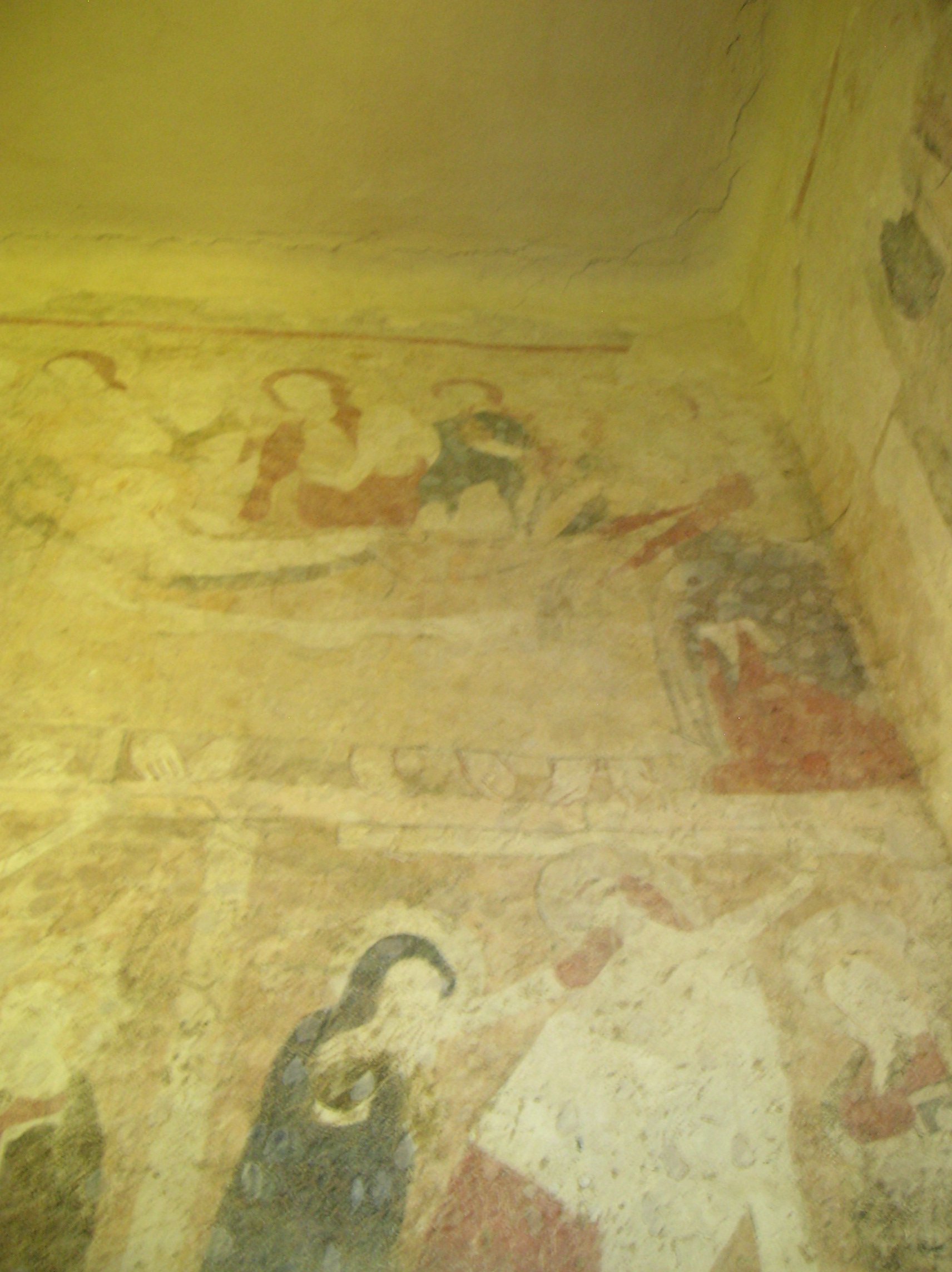
It was a typical Gothic construction with Gothic wall painting. These frescoes dated from the 13th or 14th century but were in poor condition. They depicted the martyrdom and celebration of Jesus Christ. Even though a fire ravaged the church in the early 20th century, the frescoes and the Gothic presbytery had been saved. The church was rebuilt four years later, but the frescoes were not discovered until 1895. They were restored in 1953. I thought about the Stalinization of the 1950s, when Czechoslovakia was under harsh Communist rule and was surprised that frescoes in a church would have been restored then.

Wall paintings in the Church of Saint Giles

Wall paintings in the Church of Saint Giles

In the frescoes it was possible to make out Christ being taken to Jerusalem, and I saw the gate of Jerusalem with a palm tree in the background. I could make out Christ with a halo above his head, but the scene of the Last Supper was hardly visible. King David and King Solomon were present in the paintings, too. It was difficult to see the Crucifixion scene. The frescoes I liked best were the stars on what had been a blue background and the Sternberg family coat-of-arms.

Košice, Church of the Annunciation of the Virgin Mary

Košice, Church of the Annunciation of the Virgin Mary

Then came the village of Košice, where the Church of the Birth of the Virgin Mary was located. As we entered the church through a magnificent Gothic portal, we saw an old inscription, but I am not sure what it said. The church had been originally built in Early Gothic style. The oblong nave and elongated square presbytery were Gothic, dating from 1300. The vaulting, which astounded me, hailed from 1563. One astounding feature of this church was its western tower, also going back to 1563. The tower had a Late Gothic portal and an inscription that dated from the year that the tower was built. The altar was much younger, from NeoBaroque days. I was so amazed that so much of the Gothic construction of this church remained. It was almost as if by walking through that Gothic portal, I had stepped into the Middle Ages.

The ceiling painting in Košice

The ceiling painting in Košice

I knew many castles, but I had never heard of the Sion Castle ruins. Located eight kilometers from the popular town of Kutná Hora, the castle had been constructed from 1426 to 1427 for Hussite leader Jan Roháč from Dubé as a representative seat rather than as a fortification. During the 15th century the castle had been the last stronghold of the Hussite revolutionary movement, when the followers of martyr Jan Hus took on several Catholic monarchs, including the King of Bohemia and the Holy Roman Empire. Hussite factions fought on both sides. The castle had then consisted of a triangular ground plan and a two-storey rectangular palace where Jan Roháč had lived.

A monument at the Sion Castle ruins

A monument at the Sion Castle ruins

It was conquered by Emperor Zikmund Lucemberk after a four-month standoff during September of 1437 and ended the Hussite wars. During the attack about 100 cannonballs damaged the castle palace. After the emperor’s victory, the castle was razed. Two days later Jan Roháč from Dubé was tortured in Prague and executed, most likely in Old Town Square. I tried to imagine the defeated Jan Roháč in red clothes and gilded restraints as he was hanged in public on my favorite square in the world.
The moat had been preserved. We had to walk over flimsy wooden planks to get over it. I looked at these foundations and was amazed at what a story these ruins told in a scene that so resembled a painting by Caspar Friedrich.

The Church of Saint Andrew

The Church of Saint Andrew

Then we hustled through a forest with steep inclines to get to a field where we could see the Church of Saint Andrew with its remarkable wooden bell storey in Chlístovice. We did not go inside because it was not open, but I read that the presbytery was polygon-shaped without supporting pillars, and it had a rectangular nave. While the church dated back to 1352, the entranceway was Baroque.

The Church of Saint Markéta in Křesetice

The Church of Saint Markéta in Křesetice

The next stop was Křesetice, the Church of Saint Markéta. This church had a rectangular presbytery with crisscrossed, ribbed vaulting. One Gothic window had been preserved in the presbytery. The Baroque high tower dated from 1680. Many features of the church hailed from NeoBaroque days. The wooden organ loft was probably NeoBaroque. The windows of the nave and the pulpit were NeoBaroque, too.
The church had been the home of a spectacular Late Gothic Madonna, but it was not on display there anymore, unfortunately. A marble portal dated from 1706. The ceiling painting did not seem to complement the NeoBaroque interior with Gothic elements. It was too modern, dating from 1946. The children and rainbow depicted on the ceiling jumped directly out of the 20th century and marred the interior, in my opinion.

The 1946 ceiling painting in Křesetice

The 1946 ceiling painting in Křesetice

Next we came to Čáslav, where I had waited for a train for two hours about eight years earlier. I did not know the town at all, though. Dominating the town, the deacon’s church of Saints Peter and Paul stood at 12 meters high with a tower that loomed 88.5 meters over Čáslav. Not surprisingly, it was listed as a cultural monument in the Czech Republic. Just one look at the massiveness of the exterior overwhelmed me. This was one of the most powerful churches I had ever seen. Its history goes back to the 12th century, even before the founding of the town.

The exterior of Čáslav Church of Saints Peter and Paul

The exterior of Čáslav Church of Saints Peter and Paul

It had been through some tragic times. Several fires had made rebuilding necessary, and it was plundered more than once during the 15th, 16th and 17th centuries. During the 18th century the interior was changed to Baroque, but during the 19th century, Neo-Gothic furnishings were installed.
One can still see Romanesque elements of the church. Originally, the Romanesque Church of Saint Michael had been located where the sacristy stands today. The Church of Saint Michael had boasted a rectangular nave with apse. A Romanesque portal that still exists had an intriguing tympanum. A Romanesque tower had been preserved with its bell storey and Romanesque latticed windows.

The exterior of the church in Čáslav

The exterior of the church in Čáslav

The Gothic style was also well-represented in this huge sacral building. It had a 13th century early Gothic presbytery and Gothic ribbed vaulting that overwhelmed me. I just stared at that vaulting, gaping. For some reason Gothic vaulting made me feel a deep spiritual connection. The organ loft also dated from the Late Gothic period. During the Middle Ages the presbytery had been covered in wall paintings. I tried to imagine the space with brightly colored frescoes giving it a certain vibrancy. Now all that was left of the wall paintings there was the head of Saint Christopher.

The vaulting in Čáslav

The vaulting in Čáslav

There were other frescoes in the church, though, but they were younger, from about the 15th century. These included the red Crucifixion of Saint John scene from the 1430s. The Virgin Mary was missing from the left-hand side. I wondered if she had never been painted or had been painted over.
The astounding church had features from the Renaissance period, too. In addition to Renaissance tombstones, there was a Renaissance holy water font as well as a pewter baptismal font from that era. The tabernacle was Rococo in style. The Chapel of Saint Anne was 17th century Early Baroque with stucco décor and cross-shaped vaulting. The main altar was Baroque, dating from 1794. In the front of the church stood Neo-Gothic altars.

The interior of the church in Čáslav

The interior of the church in Čáslav

I loved the way all these architectural styles came together to give each church its own personality. There was a little something of almost everything in this church that loomed protectively over the town and made me feel safe. This was one of the most monumental holy sites I had ever seen. And to think I had only been familiar with the train station before this trip!

The Crucifixion of Saint John wall painting

The Crucifixion of Saint John wall painting

To get to the Church of Saint Mark in Markovice, we had to walk down an overgrown path surrounded by high grass in a cemetery that must have been neglected for some time. Only the presbytery still existed, and it looked very modest from the outside as someplace one might easily overlook. Inside, though, were Gothic wall paintings, but the centuries had not been kind to them. It was possible to make out scenes from the martyrdom of Christ and to see Saint Peter in what used to be green drapery. Another part of the wall showed Moses accepting the 10 Commandments. The paintings were probably symbolic of the Old and New Testament.

The wall paintings in Markovice

The wall paintings in Markovice

I tried to imagine it as it had looked at the end of the 13th century or the beginning of the 14th century when it was founded. The place with wall paintings must have been stunning. I stared in awe at its original Late Gothic portal from 1531. I also admired the Gothic windows. An Early Baroque altar dated from 1667. The church had been repaired in 1531, when it served as the parish church. But when the parish was moved to nearby Žleby (where there is a spectacular chateau, by the way), this church’s condition began to deteriorate. Though it was renovated in the 17th century, it still was not in good condition.
Among the wild, high grass we saw the grave of Alois Eliáš, a Czech military leader, politician and supporter of the resistance during World War II, even though he had served as chairman of the Nazi Protectorate government from 1939 to 1941. The Nazis executed him for his resistance activities in June of 1942, when they were killing prisoners to avenge the assassination attempt and subsequent death of high-ranking Nazi Reinhard Heydrich.

A fragment of a wall painting in Markovice

A fragment of a wall painting in Markovice

The more I read about Eliáš, the more intrigued I was. He had made a name for himself fighting with the Czechoslovak Legion during World War I. He had spent part of his military career in Čáslav, not far from Markovice and had met his future wife in Čáslav. During the democratic First Republic Eliáš also advised Czechoslovak Minister of Foreign Affairs and future president Edvard Beneš. Although he was a member of the Nazi government during World War II, he was a symbol of the Czech nation to many Czechs living under the regime. He stayed in contact with underground organizations and the foreign resistance led by Beneš. One intriguing story about his resistance work concerned how he, his wife and his doctor murdered a pro-Nazi journalist by poisoning the bread they gave him.
However, his resistance work did not go unnoticed by the Germans. The Nazis put him on trial, and he received the death penalty. Eliáš languished in prison for a while, and then the assassination attempt on Heydrich took place. After that, the Nazis sent prisoners to concentration camps or to the execution grounds. He was taken to the Kobylisy execution area and shot during June of 1942.
Perhaps Eliáš’ grave had not been looked after for some time because during 2006 his ashes had been brought to Vítkov in Prague. Yet I had read his urn had to be hidden from the Communists because the totalitarian regime considered him to be a traitor. I wondered why he had a grave when his ashes had been in an urn all this time. Maybe initially he had been buried there, but then his wife had been allowed to take his ashes home. I also wondered why he had been buried in this long-neglected church cemetery, where the grass was seemingly never mowed.

An ancient portal in Okřeseneč

An ancient portal in Okřeseneč

The next stop was Okřesaneč, at the Church of Saint Bartholomew. The one-nave sacral building dated from 1300 and featured early Gothic construction. Yet there were Romanesque elements as well. The late Romanesque portal and three Romanesque windows enthralled me. While the sacristy on the north side and the nave were Gothic, the south side featured a Baroque side altar. The church also had a late Gothic tower with three floors. The cross-shaped ribbed vaulting in the presbytery was stunning. The interior was very modest. The church also included Neo-Gothic furnishings. The early Baroque altar featured Saint Bartholomew from 1680. Even though it had experienced Baroque and NeoBaroque reconstruction, the original core of the church was medieval.

The interior of the Church of Saint Bartholomew

The interior of the Church of Saint Bartholomew

Kozohlody was home to the Church of All Saints, constructed around 1300. There were Gothic wall paintings, but they were a bit difficult to decipher. The Last Judgment was pictured, but it was only possible to see Hell. At the top of the eastern side was the Escape into Egypt. Other scenes included the Birth of Christ and the Death of the Virgin Mary with two angels in the foray. On the south side I could barely make out Jesus Christ with Doubting Thomas, and behind the altar were fascinating though faded frescoes of the flogging of Christ. I tried to imagine these wall paintings full of vibrant colors. It was such a shame they had not been better restored and had not stood the test of time so well.

Church of All Saints in Kozohlody

Church of All Saints in Kozohlody


The paintings on the triumphant arch

The paintings on the triumphant arch


The wall paintings in Kozohlody

The wall paintings in Kozohlody

In Bohdaneč the Church of the Annunciation of the Virgin Mary featured an original Gothic portal with a Gothic presbytery that boasted ribbed vaulting and a rectangular nave. The pulpit hailed from the 13th century. Tombstones in the church went back to 1350. The tower, though, was Baroque, and the benches were younger – from the 18th century. There were two remarkable chandeliers made from Czech crystal. They dated from around 1890.

The church in Bohdaneč

The church in Bohdaneč

In the entranceway I saw a plaque to the hometown victims of World War II and read names of people who had died in the Terezín and Mauthausen concentration camps. I was reminded of my most recent visit to Terezín, when I practically vomited from seeing the inhumane conditions in which prisoners were forced to live and die. Auschwitz had been even harder to swallow, but luckily, I somehow managed to get through both places without becoming physically ill. Seeing plaques referring to those lost in concentration camps certainly made me appreciate life more. Even with the death of my best friend, things were not that bad. The sun was shining, and I lived in a beautiful, democratic country.

The chandeliers in Bohdaneč

The chandeliers in Bohdaneč

The Church of Saint Lawrence in Zbraslavice had a Romanesque core, dating from the 12th century, though not much from that period survived. There was a Romanesque portal, though. The church had been reconstructed around 1300 into Gothic style. There was one spacious Early Gothic nave with an Early Gothic polygon-shaped choir plus a Gothic sacristy. The three-storey tower was of Late Gothic origin.

The main altar in Zbraslavice

The main altar in Zbraslavice

I loved the cross-shaped, ribbed vaulting in the presbytery. It somehow made me feel the presence of something or someone omnipresent. There had been Baroque and NeoBaroque reconstruction, and a lot of the furnishings were Neo-Gothic. Still, the medieval construction was very authentic. Once again, I felt as if I had stepped into a time period I could never know. For some minutes I felt such a strong connection to the distant past.

The Romanesque portal in Zbraslavice

The Romanesque portal in Zbraslavice

The Church of the Elevation of the Cross in Zruč nad Sázavou was first mentioned in writing in 1328. The Gothic portals were breathtaking. Again I wondered about the personal histories of all the people who had walked under those portals back in the Middle Ages. Their stories would never be told, but they must be fascinating. The church had a rectangular nave. The pewter baptismal font hailed from around the turn of the 17th century. The organ dated from 1861. The presbytery featured arched ribbed vaulting. The tower had a pyramid-shaped roof with a bell storey.

The Church of the Elevation of the Cross

The Church of the Elevation of the Cross

There was a Neo-Gothic chateau next to the church, and we had time to walk through the park. Since the town had prospered when a Bata shoe factory had been built there in 1939, the chateau featured a museum about shoe-making as well as an exhibition about dolls. It also offered two tours of its representative rooms. It had begun as a Gothic castle in the 14th century and had been changed into a chateau in 1547. It burned down in 1781, but various owners made repairs. Extensive reconstruction occurred from 1872 to 1878. In 1891 and 1892 it was changed into Neo-Gothic style with a stunning Neo-Gothic gate. There were also gazebos and garden terraces in the park.

The pulpit in the Church of the Elevation of the Cross

The pulpit in the Church of the Elevation of the Cross

It was fascinating to be able to visit so many Gothic churches that were normally closed to the public. I was glad I went on the trip and had been happy throughout the tour. Now it was time to go home to an empty apartment, without my loving and faithful Bohumil Hrabal Burns, who I had lived with for so many years. After visiting so many churches, I believed that it must have been his time to die. He had had a long life and would have died much earlier if he had not been on a strict diet. I was glad I was home when he died, that I hadn’t been on a trip when he was feeling so miserable. I realized that everyone had their time.

Zruč nad Sázavou Chateau

Zruč nad Sázavou Chateau

There were things I could not control as much as I wanted to, and in time I would be able to go back to an apartment filled with the joy and excitement of a new cat who got a chance to live a normal life rather than live in a cage in a shelter because of me. I had been necessary for all these generations going back to Romanesque days to believe in God to get them through their trials and tribulations. It was necessary for me to believe, too. Maybe not in God, but in something or someone who had a reason for taking my best friend from me.
I came back to Prague, happy. I was ready to enter my empty apartment, ready to welcome tomorrow as a new day, as a fresh start.

Another wall painting in the Church of Saints Peter and Paul in Čáslav

Another wall painting in the Church of Saints Peter and Paul in Čáslav

Tracy A. Burns is a writer, editor and proofreader.


Romanesque and Gothic South Bohemia Diary

Albrechtice nad Vltavou church cemetery

Albrechtice nad Vltavou church cemetery

I went on another tour with the Czech travel agency arsviva at the beginning of May in 2014, this time concentrating on Romanesque and Gothic architecture in south Bohemia. We would explore many churches in villages, and I would finally see more than the bus station in Písek. After so many years in the country, I had seen all the most popular sights. I yearned always to always something new, something that would give me a new perspective on life and art, and I thought that traveling to Romanesque and Gothic churches in villages and visiting Gothic castles would be just the way to do that.
First we stopped in the village of Mirotice, which happens to have two main squares. Most villages have only one. The bus stopped across from the new town hall, which was only about 50 years old. We walked to St. Giles’ Church, Romanesque in style. There are not many churches in south Bohemia with Romanesque features. It hailed from the middle of the 12th century. I admired the lattice Romanesque window on the tower.
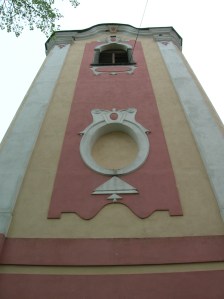
St. Giles' Church, Mirotice

St. Giles’ Church, Mirotice

The church had an intriguing past. In 1497 the worshippers had been of the Utraquist faith, who had been Hussites asserting that both the bread and wine should be given to worshippers during the Eucharist, but from 1664 to 1694 Catholics had prayed there. I recalled that the Utraquist branch of Hussites had triumphed over the radical Hussites during the 15th century Hussite wars.
Unfortunately, it was not possible to go inside (we would visit the interiors of most of the churches on our itinerary, though, thanks to our guide), but a Baroque makeover occurred in 1694. PseudoRomanesque reconstruction followed, from 1870 to 1872. I loved seeing elements of Romanesque and Gothic architecture. It amazed me how Romanesque and Gothic elements could survive so many centuries, through all the trials and tribulations of Czech history.
Then we meandered along some narrow cobblestone streets to a museum on the site of the former building where artist Mikuláš Aleš had been born. Aleš had made a name for himself as one of the top 19th century Czech painters and illustrators, among other accomplishments. It fascinated me that in such a small village there could be any intriguing sights, let alone two. I felt as if the village was revealing its secrets to me.
The museum on the site where Mikuláš Aleš was born

The museum on the site where Mikuláš Aleš was born

The next church we visited was dramatically perched on a hill by itself rather than in the midst of a village. The Church of Saint James the Greater in Čížová boasted a ground plan with early Gothic masonry and Late Gothic supporting pillars. It had never had a tower, which was an oddity. Baroque decoration greeted visitors inside, but we did not have the chance to see this interior. The churches we were visiting were not open for the general public. It was difficult to obtain official permission, so that someone would open them for us. Just seeing the exterior was breathtaking enough. And later we would see many interiors.
There is another intriguing feature of the church as well. The tombstones of Knight Ludvík Lorecký and his two sons, who were murdered by serfs in 1571, are in the church. I wondered if the serfs had revolted because they were hungry or overworked. I wondered who the knight and his sons were. Did they hail from this village or did they just happen to die here? How did Lorecký become a knight? Were his two sons knights, too? How old were they when they died? I fascinated me how so many questions could arise from a church in such a small town.

The Church of St. James the Greater in Čížová

The Church of St. James the Greater in Čížová

I was very excited about the next stop, the town of Písek, where I had only been at the bus station. For many years I had wanted to explore Písek, but I just never had the time or had never made the time. Actually, I had been under the impression that there was not much to see except for the Stone Bridge that was the oldest bridge in the country, even older than the Charles Bridge in Prague. In Central Europe only Regensburg’s bridge was older. I fondly recalled my several days discovering stunning medieval architecture and visiting a lavish palace in Regensburg not that long ago.
Písek’s history may go back to the 12th century. There was a castle in Písek, built by Czech King Wenceslas (Václav) I, before the middle of the 13th century. The town was first mentioned in writing during 1243. During the Middle Ages, in the 14th century, Písek prospered because gold was found there. Wenceslas’ son Přemysl Otakar II continued to expand the town during the 13th century, and Písek also played a significant role in the Czech lands under Charles IV’s rule during the 14th century. Czech kings often stayed in Písek.
In the 15th century, during the Hussite wars which were fought between various branches of Hussites, with monarchs helping out the moderate Hussites, Písek was controlled by the Hussites, followers of Bohemian priest and reformer Jan Hus who were battling against the moderate Hussites and other world powers, until 1452. The town flourished during the 16th century, becoming very wealthy.
During the Bohemian Revolt from 1618 to 1621, the town supported the Protestants, who lost to the Catholics, so Písek was severely punished. (Some of the Protestant nobles had protested when the staunchly Catholic Ferdinand of Styria became King of Bohemia, triggering the revolt.)

Buildings on a square in Písek

Buildings on a square in Písek

The 18th century brought the plague while during the 19th century there were more positive developments, namely the National Revival, a cultural movement promoting the Czech language, Czech culture and Czech nationalism. More Czech cultural groups and Czech schools were built during that golden age.
Písek focused on industrialization during the second half of the 19th century and even holds the honor of being the first Czech town with permanently installed electric public lighting. While Písek experienced rosy days during the democratic First Republic, the tragic era of Nazi rule followed. On May 6, 1945, the US army liberated Písek. Under Communism factories dotted the town. Písek was badly damaged during the 2002 floods that ravaged the country.

Church of the Birth of the Virgin Mary, Písek

Church of the Birth of the Virgin Mary, Písek

First, we visited the deanery’s Church of the Birth of the Virgin Mary, which hails from the second half of the 13th century and was constructed as a pseudobasilicia with three naves and a five-sided presbytery. Its tower reaches 72 meters. Inside there was an astounding 18th century Baroque chapel dedicated to John of Nepomuk, a Bohemian saint who drowned in the Vltava River, murdered on the order of King Wenceslas in 1393. Above the altar in this chapel I saw vedutas of the town.

The Church of the Virgin Mary in Písek

The Church of the Virgin Mary in Písek

The main altar of the church was Neo-Gothic, from the 19th century. A copy of the statue referred to as the Písek Madonna was located on a side altar. The original, dating back to the 15th century, was stolen in 1975. The pulpit hailed from 1887, and its six-sided cover featured sculptures of five angels. I noticed that one was holding a harp and another was playing the flute. The organ loft went all the way back to the beginning of the 16th century, while the organ was much younger, dating from the early 20th century. I also admired the richly carved 17th century Baroque candelabras. The pewter baptismal font was in Renaissance style, from 1587.
An altarpiece at the Church of the Birth of the Virgin Mary in Písek
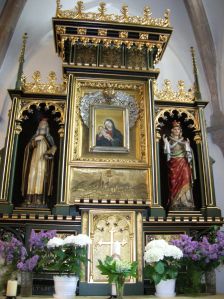
An altarpiece at the Church of the Birth of the Virgin Mary in Písek

The interior of the Church of the Birth of the Virgin Mary in Písek

The interior of the Church of the Birth of the Virgin Mary in Písek

The interior of the Church of the Birth of the Virgin Mary

The interior of the Church of the Birth of the Virgin Mary

There were many Gothic characteristics of the church as well. It boasted sturdy, early Gothic ribs and portals. The presbytery, the northern tower and the three naves hailed from the second part of the 13th century, and the sacristy dated from around 1300 while the southern tower could be traced back to 1489. One of the windows was forged in the 13th century. The Gothic wall paintings were spectacular. I could hardly believe that they dated from around 1270. I peered closely at the 13th century rendition of a suffering Christ with figures of angels carrying a cross, nails, scourge and a crown of thorns. The triumphal arch was painted during the first part of the 14th century.

The interior of the Church of the Birth of the Virgin Mary, Písek

The interior of the Church of the Birth of the Virgin Mary, Písek

Some participants followed the guide to the castle, but I joined a group of women to get a bite to eat. We found a basement pub with cozy wood paneling. After lunch we walked through the town for a short while. I noticed a small Renaissance church with amazing sgraffito on one of the three main squares. It was called The Church of the Elevation of the Holy Cross and had a very short tower. The church was all that was left of a monastery founded at the same time as the town itself. It had been destroyed in 1419 during the Hussite wars, when Písek was full of Hussite supporters. Unfortunately, it was not possible to walk through the church; we had to look through a grille. Still, the interior was more than impressive.

The Renaissance Church on a main square in Písek

The Renaissance Church on a main square in Písek

The Plague Column nearby hailed from 1715 and was crowned by a statue of the Virgin Mary with a total of nine saints making appearances. The town hall was Late Baroque, built from 1740 to 1750. We did not have much time before we had to meet at the Holy Trinity Church in the cemetery park, but we did get a quick look at the medieval castle, now a museum with a variety of exhibits. I tried to imagine what it must have been like when, so many centuries ago, King John the Blind (Jan Lucemberský) declared Písek a free royal town at this very castle. (By the way, there was nothing wrong with John the Blind’s sight. The term “the blind” refers to “fighting blindly” or not giving up.)

The castle in Písek

The castle in Písek

We had time to walk through the exhibition about the Písek countryside during the 19th century and then went downstairs to the space with the larger-than-life portraits of Czech rulers. Oddly enough, the painter had depicted all the Czech leaders with the same serious expression, nose and chin. The original sculptural groupings from the Stone Bridge were kept here as well. I had trouble taking my eyes off them. They were astounding.
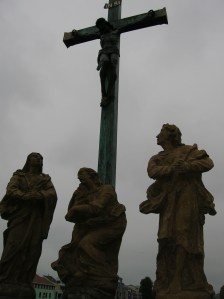
Statuary on the Stone Bridge in Písek
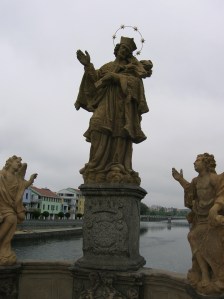
Statuary on the Stone Bridge in Písek

A statue on the Stone Bridge in Písek

A statue on the Stone Bridge in Písek

Then we left the museum and crossed the Stone Bridge over the Otava River. The oldest bridge in the country was like a miniature Charles Bridge with evocative statuary. The town cemetery had been founded in 1549, and the deceased were buried there until 1950. It was changed into a park during 1975. The Holy Trinity Church, mostly used for concerts, had a very different sort of interior than the others we had visited. It was decorated with brightly colored, abstract wall hangings and a new organ, donated by the 20th century world traveler and author, Jiří Hanzelka, who was best known for his travels to Africa and South America. There was also a remarkable pulpit with intarsia.
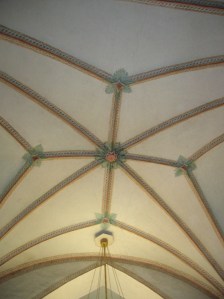
The ceiling of the church

The ceiling of the Holy Trinity Church

The holy place had become a concert and exhibition hall during the 1980s as the Communists had stripped it of its Renaissance identity, destroying the main altar and other furnishings, including the Renaissance organ loft. This destruction was just one example of the Communists’ lack of respect for religion and art. I am so glad I had not had to live through totalitarianism. Later, thankfully, the church’s Renaissance wall paintings had been restored.
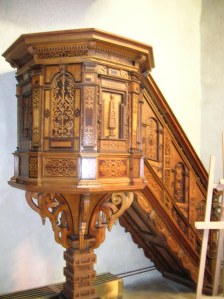
The pulpit with intarsia in the Holy Trinity Church

The pulpit with intarsia in the Holy Trinity Church

In the bell tower we saw tombstones from the 1300s. Renowned Czech historian August Sedláček was buried in this cemetery, too. He compiled the 15-volume work Castles, Chateaus and Fortresses in the Czech lands, which was published at the end of the 19th century and the beginning of the 20th century.
The next stop was Putim, probably most famous for being mentioned in Jaroslav Hašek’s mammoth, early 20th century, anti-militaristic novel, The Good Soldier Švejk, featuring soldier Josef Švejk, who exhibits passive resistance and may or may not be an idiot. Scenes from the 1957 film based on Hašek’s satirical masterpiece set during World War I in the Austro-Hungarian Empire had been shot in this town that was founded in 1205.
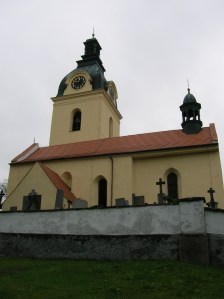
The church in Putim

St. Lawrence’s Church in Putim

But that was not Putim’s only claim to fame. The 1908 film Jan Cimbura was based on the life of a Putim farmer by the same name. I saw his modest but impressive grave from 1898. The movie, adapted from a novel by Catholic priest Jindřich Šimon Baar, takes place from 1848 to 1898, examining 50 years of the life of a good Christian and farmer in south Bohemia.

Jan Cimbura's grave in Putim

Jan Cimbura’s grave in Putim

In St. Lawrence’s Church I admired a Gothic window, wooden Gothic vaulting, Gothic masonry and a 13th century portal. The furnishings were much younger, though. The main altar was probably created around 1650, and the other parts of the interior most likely were made around 1700. The impressive tombstones inside the church dated from approximately 1600. One of the bells, called St. Andrew, was original and hailed from 1553.
This church had a characteristic that I had never seen anywhere else. It had two main altars with different seating arrangements for each altar. It fascinated me how it appeared to be two churches built into one. I read that one part of the church had been for Catholics while the other part had been designed for Utraquists, It certainly had an intriguing ground plan.
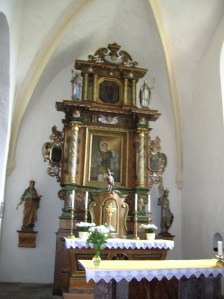
The interior of St. Lawrence's Church

The interior of St. Lawrence’s Church

St. Giles’ Church in Heřmaň also boasted Early Gothic construction. The western tower dated back to the beginning of the Middle Ages. While the village was first mentioned in writing during 1227, the church was founded in 1254 as it was originally late Romanesque. The furnishings were much younger, though. The interior was Baroque from 1720 to 1721. Two elegant white columns framed the painting at the main altar, Classicist in style, dating from the 1800s.

The pulpit in St. Giles' Church in Heřmaň

The pulpit in St. Giles’ Church in Heřmaň
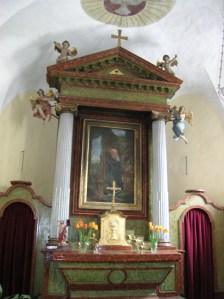
St. Giles' Church in Heřmaň

St. Giles’ Church in Heřmaň
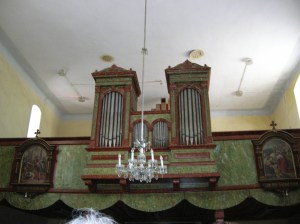
The organ of St. Giles' Church

The organ of St. Giles’ Church

Then our itinerary took us to the Church of Saint Havel in Myšenec, which also had experienced a Romanesque birth. On what is now the sacristy was originally a Romanesque church with apse from the 11th century. There was a Gothic window, too. What impressed me most were the Gothic frescoes on the walls and the vaulting of the sacristy. They dated from 1340 to 1350. In the presbytery Hell was pictured with a burning tower and the devil, and Heaven made an appearance, too. On the north side the life of Saint Catherine was depicted. I loved the stars and angels on the ceiling.

The interior of the church in Myšenec

The interior of the Church of Saint Havel in Myšenec

Gothic paintings in the Church of Saint Havel

Gothic paintings in the Church of Saint Havel

In the small sacristy there were more Gothic wall paintings. The figure of a prophet had been rendered on an arch. On part of one wall there was a pictorial narrative of the legend of Saint Markéta along with the figure of the devil. Arcades and pillars appeared in the renditions, too. Our guide, who had extensive knowledge of Gothic and Romanesque architecture, explained that the paintings in the sacristy had not been created by the same painter who decorated the presbytery. I wondered if there were even more than two contributors to the artwork, who they had been and how they had come about to decorating the church’s interior.
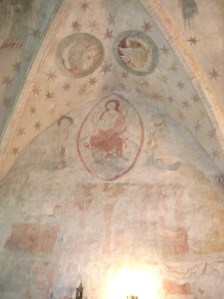
Gothic wall painting at the Church of Saint Havel

Gothic wall painting at the Church of Saint Havel

That was not all there was to see in Myšenec. Between homes 54 and 8, we gazed at the remnants of a castle and the arch of a gate. The castle had been established by the Přemysl dynasty in the 13th century. I wondered what it would be like to have part of a 13th century castle ruin joined to one’s modern house. It reminded me that history was so connected with the present and how ancient history made up such an important part of each village’s identity. It was fascinating how the two different architectural styles of modern and Gothic played off each other. The Gothic walls and arch looked like an odd extension of the house. They were certainly unique.

Gothic painting in the Church of Saint Havel in Myšenec

Gothic painting in the Church of Saint Havel in Myšenec

The Church of Saints Peter and Paul in Albrechtice nad Vltavou was a real gem, perhaps my favorite, if it was possible for me to choose one sight over the others. The church was originally Romanesque from the 12th century and still boasted Romanesque masonry. The tower was Romanesque in style, too. The Romanesque wall painting inside was incredible, dating from 1200 or earlier. On the triumphant arch there were frescoes of The Last Judgment with Hell and Paradise. You could see pictures of Christ rising from the dead. The wall painting was restored during the Nazi Occupation, from 1941 to 1942. I hadn’t been aware that any reconstruction occurred in churches during the Protectorate. There were small, exquisite Gothic paintings in the church, too.

The wall and ceiling painting in Albrechtice

The wall and ceiling painting in Albrechtice

But that was not all the church had to offer. It was surrounded by 85 small chapels behind each gravestone. Each one was unique. They jumped out at the viewer with their bright colors and vitality. Parish priest Vít Cíza, who served there from 1819 to 1854, had had the innovative chapels built. The first chapels were erected in 1841 and took five years to complete. Renovation took place in the middle of the 19th century. I had never seen a cemetery that actually looked cheerful. By erecting these chapels, it was as the cemetery was celebrating the lives and the individuality of the people rather than merely mourning their loss. This was the first time I had visited a cemetery and had not been depressed.

The murals at Albrechtice

The chapels at the Church of Saints Peter and Paul, Albrechtice

The small chapels at Albrechtice

The small chapels at Albrechtice

Next we visited Zvíkov Castle, which I had seen several times during my long-time stay in the Czech lands. I was glad to have the opportunity to visit it again as I had not been there for at least 10 years. Like the castle in Písek, Zvíkov had a royal palace, four wings and an inner arcade in the courtyard. The crown jewels were even stored there until Karlštejn Castle was finished under Emperor Charles IV’s rule during the middle of the 14th century.
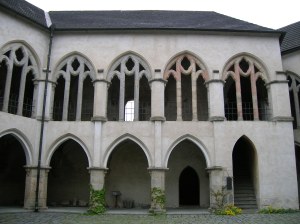
The arcades in the inner courtyard of Zvíkov Castle

The arcades in the inner courtyard of Zvíkov Castle

Set on an island, Zvíkov was first mentioned in writing during 1234. King Wenceslas (Václav) I started to build it in the first part of the 13th century. Construction on the Royal Palace began around 1250. Emperor Charles IV had it renovated during the 14th century. After that there were several owners, including the notable Rožmberk and Švamberk clans. Then came darker days. It was conquered during the Thirty Years’ War, and then Zvíkov was used as a warehouse. It was not until the Schwarzenbergs took control of it in 1719 that renovations occurred. In the 19th century the castle became dilapidated again, but reconstruction in 1880 put Zvíkov back on the Czech castle map.

The Gothic paintings in St. Wenceslas Chapel

The Gothic paintings in St. Wenceslas Chapel

Wall painting at St. Wenceslas Chapel

Wall painting at St. Wenceslas Chapel

I was most mesmerized by the bright, vibrant Gothic wall paintings in Saint Wenceslas Chapel. They dated from 1480 to 1500. There were also exquisite 15th century frescoes in the Dance Hall. They showed a festive, dancing scene below pictures of the four electors of the emperor, including the Czech king. I admired the Lombard chairs, seating with high decorated backs, in the Knights’ Room. That furniture hailed from Renaissance days, and I thought it looked so distinguished. The Gothic altar was also very impressive.

A Gothic altar at Zvíkov Castle
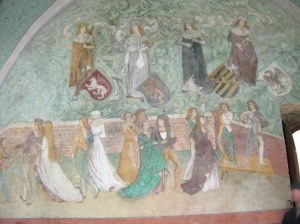
A Gothic altar at Zvíkov Castle

The 15th century wall painting in the Dance Hall

The 15th century wall painting in the Dance Hall

Our last stop was the Holy Trinity Church in Čimelice, which had Gothic masonry but was furnished in the Baroque style of the 18th century. However, the stunning Gothic Madonna on a side altar dated from the second half of the 15th century. The ceiling was from the Renaissance era, resembling the ceiling of the cemetery church in Písek. The tower had been erected in Empire style during 1821. The altars and sculpture hailed from the second half of the 18th century. The Baroque Chapel of Saint Barbara was stunning, going all the way back to the first half of the 18th century. Then we were in for a real treat. The man in charge of the church played the 15th century organ for us. Its rich, colorful sound filled the holy space.

The main altar in Čimelice
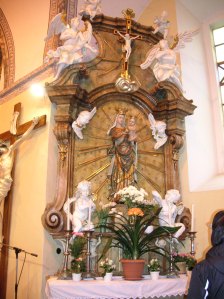
The main altar in Čimelice

The Gothic Madonna in Čimelice

The Gothic Madonna at the Holy Trinity Church in Čimelice

The ceiling in Čimelice

The ceiling at the Holy Trinity Church in Čimelice

We also saw a chateau and pond belonging to the Schwarzenbergs, but the chateau had not been restored or was not open the public. The red and yellow colors of the façade reminded me of the magnificent exterior of Dobříš Chateau near Prague.
I had found this tour fascinating. I had learned so much about the Czech lands as well as about Romanesque and Gothic architecture and art, thanks to our remarkable guide, who was so knowledgeable and well-organized. I had never realized that villages had so much history. Each village had its own character, its own identity, its own story to tell. It amazed me that the history of these villages was rooted in Romanesque or Gothic eras. I have lived in the Czech lands for more than 20 years, and it still is difficult for me to fathom that Gothic and Romanesque art and architecture could survive so many centuries, so much turbulent history, so many wars.
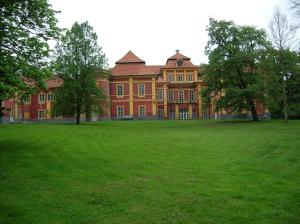
The chateau in Čimelice

The chateau in Čimelice

During the tour I was most impressed with the Gothic wall paintings, especially in Zvíkov’s Saint Wenceslas Chapel, in Myšenec and in Albrechtice nad Vltavou. I also was enamored by the stunning arcades and vaulting at Zvíkov Castle. I was enthralled with the stunning arcade chapels on the cemetery walls at Albrechtice. I could not believe that a cemetery could be so full of life. I also was glad that I had seen parts of Písek other than the bus station. Písek really was a charming town.

A Madonna statue in Myšenec

A Madonna statue in Myšenec

During my many years in the country, I had seen the major castles and sights in south Bohemia – Hluboká nad Vltavou Chateau, Český Krumlov Chateau, Třeboň Chateau, Vyšší Brod and Zlatá koruna monasteries and others. But I had never explored the villages. I had never even thought they were worth exploring, to tell the truth. Now I knew that every nook and cranny of the country had its own rich history, its own secrets to reveal.
Tracy A. Burns is a writer, proofreader and editor in Prague.
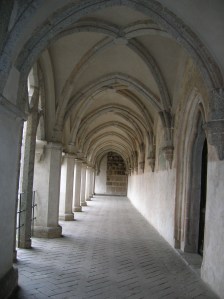
Arcades at Zvíkov Castle
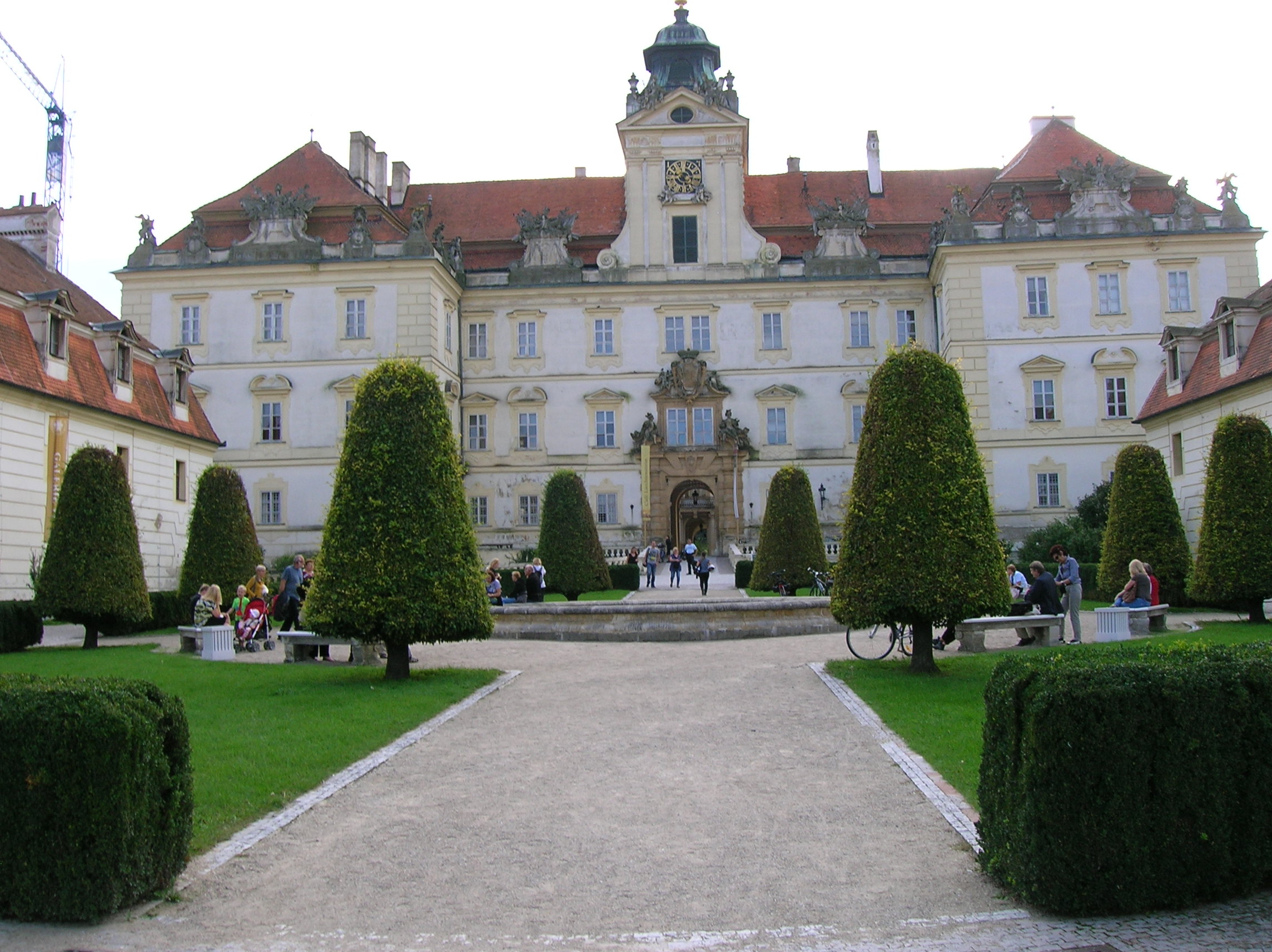
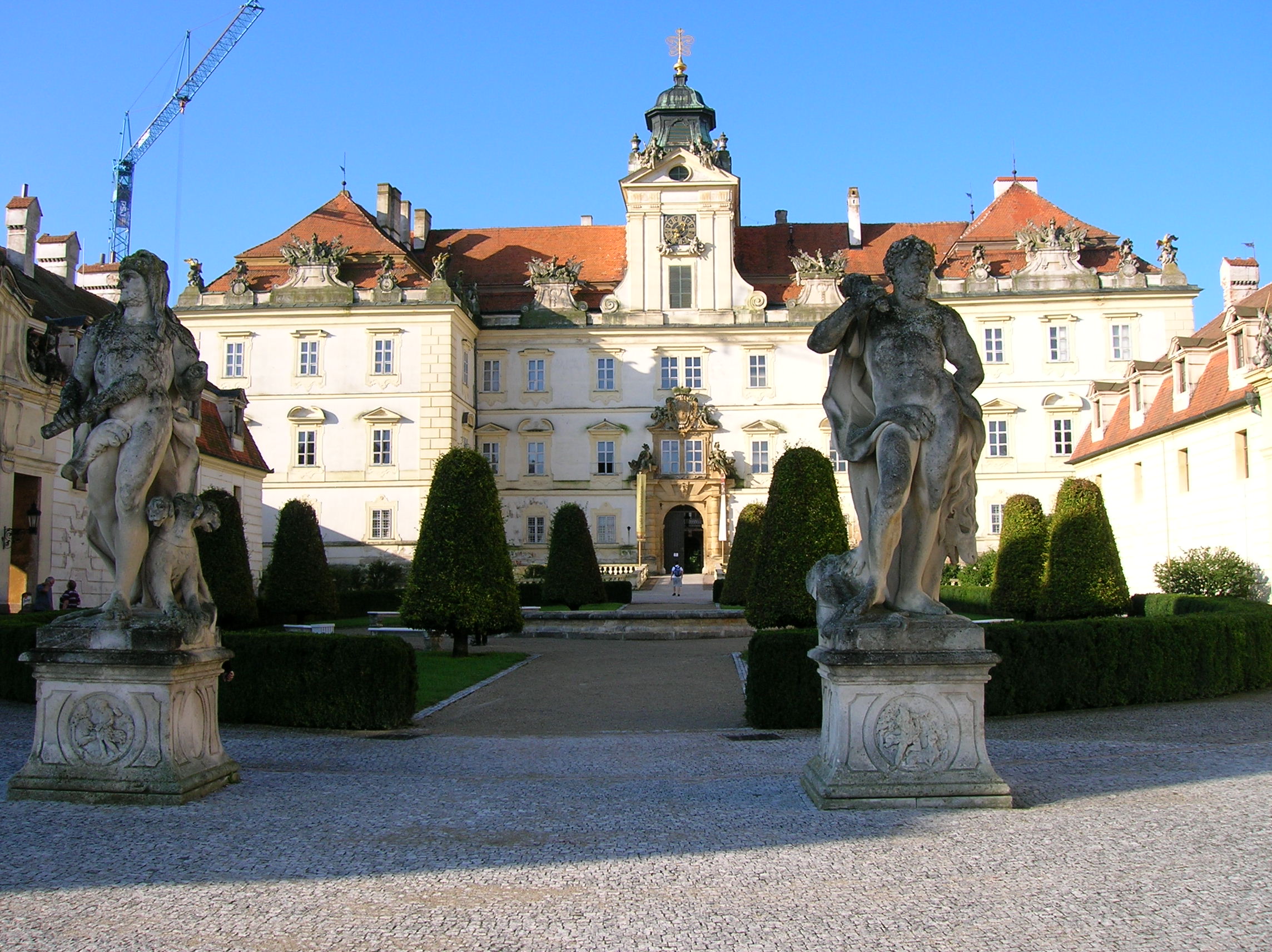
Arcades at Zvíkov Castle


Kutná Hora Diary

A view of the town

A view of the town

I had visited to the medieval, former mining town of Kutná Hora back in 1992. I recalled exploring the mines, touring the awe-inspiring cathedral and gazing at the Italian Court.  I could not forget my visit to the creepy ossuary with shapes made out of human bones. Still, it had been a long time ago. So, in 2012, I decided to return to this special place that for some reason I had not made time for during so many years.

 I sharpened my knowledge of the town’s history during the one and a half hour bus ride on that perfect, sunny morning. Kutná Hora gained recognition thanks to its silver mines from the 13th to 15th centuries. At one time, the town’s mine in was the deepest in the world. There was an international demand for its silver, which was exported to one-third of Europe. During Kutná Hora’s golden days of the Middle Ages, the Prague Groschen, a significant currency in Europe, was produced here. Even after the turbulent years during the Hussite Wars in the 15th century and during the Thirty Years’ War of the 17th century, mining in Kutná Hora preserved. The mine was not even shut down from World War II to 1991.

Plague Column in Kutná Hora

Plague Column in Kutná Hora

I came to the downtown area and soon found myself at the plague column where impressive statues twisted and turned. Then I headed for Saint Barbara’s Cathedral, passing the art museum in the former Jesuit College that hailed from the 18th century. Unfortunately, I did not have time to peruse the art collection during that excursion, but I promised myself to make another trip there in the near future. Too many other sights awaited me on that day. I admired 12 statues of saints, forged from 1650 to 1716, on the way to the impressive cathedral.

A statue on the way to St. Barbara's Cathedral

A statue on the way to St. Barbara’s Cathedral

I could not help noticing the cathedral’s outer buttresses. The gargoyles and monsters on the neo-Gothic façade were imposing, defending their holy site from evil. (By the way, I love Neo-Gothic!) I had familiarized myself with the history of Saint Barbara’s. Its past had much to do with mining. The cathedral was even named after the miners’ patron saint, Barbara. Although construction started on the cathedral in 1338, it was not completed until 1905. The building was as I had remembered it  – absolutely stunning. Once again I marveled at the many Baroque works of art, including three Baroque chapels and a magnificent Baroque organ case.


St. Barbara's Cathedral

St. Barbara’s Cathedral

I was particularly drawn to the oldest piece in the cathedral, a statue of Our Lady Enthroned, hailing from 1380. Flanked by two angels in mid-flight, the gold-clad Our Lady gripped a golden orb. The stained glass windows did not disappoint, either. They were exquisite, dating from the end of the 19th century and the beginning of the 20th century. I spotted the cathedral in the background of two of the windows. I also noticed soldiers on horses raising their swords.

KHsvBarb10Then I came to the unique late Gothic frescoes focusing on the mining profession. I had not seen art with a mining theme anywhere else. In the Mint Chapel frescoes from the 15th century depicted miners making Prague Groschens, striking the coins with mallets. That made me think of how my favorite painter, Pieter Bruegel the Elder, portrayed people at their trades or in scenes from everyday life. A few weeks earlier I had visited the Kunsthistorisches Museum in Vienna, where I had feasted my eyes on 12 canvases by the masterful Bruegel the Elder.

 “The Battle between Carnival and Lent” came to mind. In this depiction celebrating humanity and peasant life, the artist set the scene at a market and church squares. Mass had just ended, and the churchgoers carried their chairs out of the holy building.  Crippled people begged for money in front of the church. A corpulent man dressed in pink and yellow stockings was playing a guitar and wearing what looked like a ceramic pot on his head. Bruegel the Elder’s “Seasons of the Year” cycle was another of my favorites. It focused on activities in the countryside. I thought of the depiction of winter, “Hunters in the Snow,” and the hunters in the scene that visually and poetically described man’s relationship to the last season of the year.

The main altar in the cathedral

The main altar in the cathedral

“Peasant Wedding” also showed the lower class at their trades. A servant was filling mugs with beer, for example. Rich in tradition, it depicted the bride without the groom, seated at the table with her head crowned in a small wreath. A child tried the creamy porridge, licking the bowl. Everyday people were engrossed in what were for them everyday activities, some profession-related, others focusing on leisure. The portrayal of the common man as a miner minting coins was, in my mind, connected to the Flemish and Dutch canvases celebrating everyday life. A statue of a miner appeared in the cathedral as well, which made the relationship with Dutch and Flemish works of art even more apparent.

The exquisite stained glass windows in the cathedral

The exquisite stained glass windows in the cathedral

In another Chapel the Smíšek family huddled around an altar. Saint Christopher carried a child on his shoulders in one large fresco. Then I meandered to the other side of the cathedral, where I saw a mural with a different theme:  Created in 1746, “The Vision of Saint Ignatius Wounded in the Battle of Pamplona” showed off angels fluttering through pink clouds. I was also entranced by the stone pulpit, built in 1560. The 17th century ornate wooden pews caught my eye, too.

Hrádek, a museum about the town, mining and silver

Hrádek, a museum about the town, mining and silver

After exploring the interior of the cathedral, I was hungry. I stopped for chicken on a skewer at a restaurant with outdoor seating in a courtyard on Ruthardka, a romantic and picturesque street cutting through the center of town. After lunch I stopped by Hrádek or The Small Castle and was eager to see the museum about the town as well as the history of mining and silver in Kutná Hora’s past. The entranceway was full of  teenage tourists enthusiastically chatting to each other. I did not want to visit the mines again – I was too claustrophobic – so I asked for the short tour. The man at the box office said he did not think there would be a short tour that day, but maybe he would have one around four p.m., when I had to be back in Prague. I was disappointed as I had read that the former royal residence was decorated with a Renaissance coffered ceiling from 1493 and consisted of halls featuring late Gothic ribbed vaulting. The medieval Saint Václav Chapel boasted wall paintings of Czech saints, I had read.  This museum would have to wait until another time.
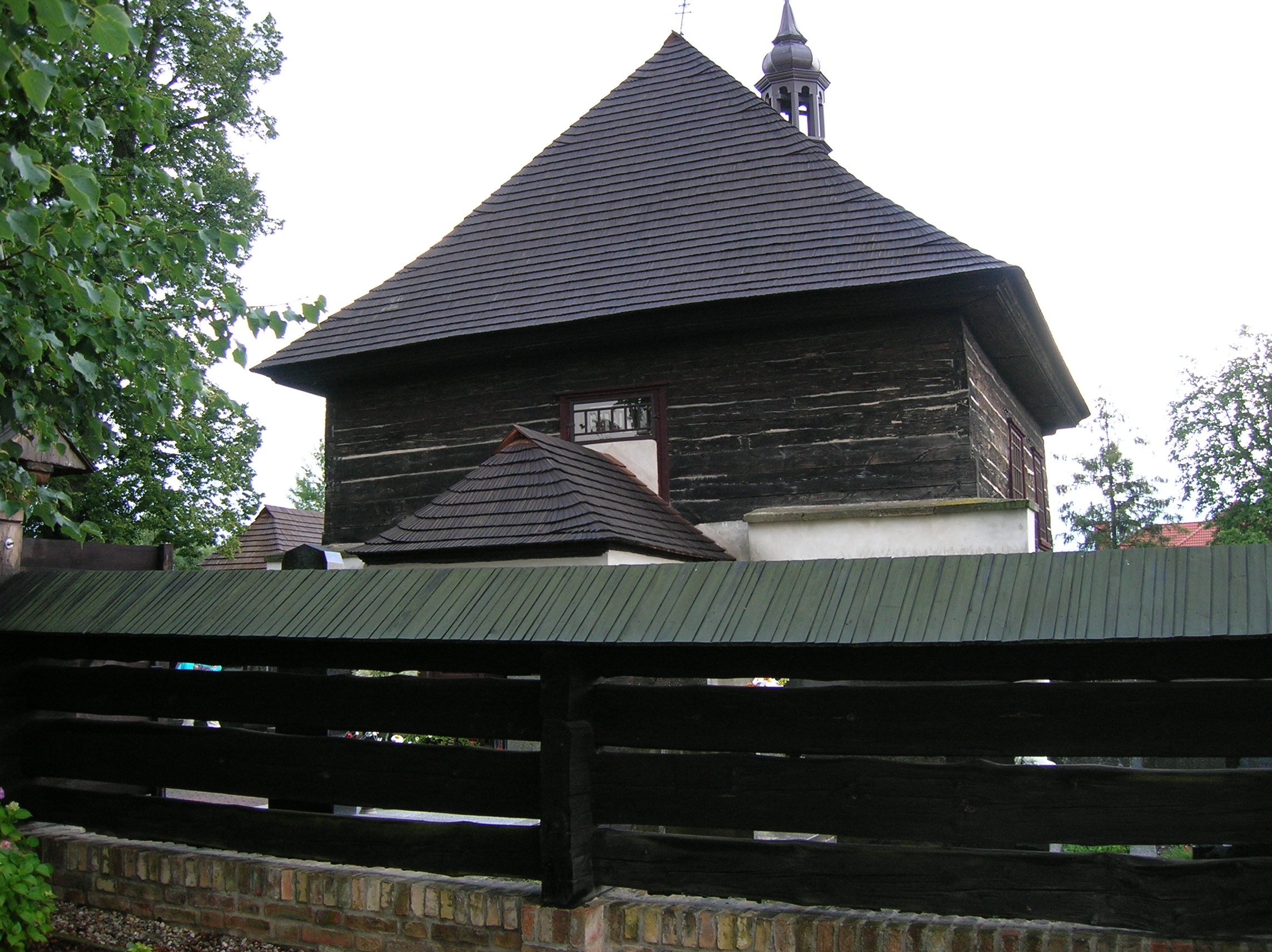
I carried on to the Stone House, which harkened back to the era before the Hussite period of the 15th century, though it was last reconstructed at the turn of the 20th century. I was fascinated by its richly decorated Gothic façade, even though it dealt with the grim theme of death. I spotted Adam and Eve under a tree in the gable.

The Stone House

The Stone House

First, steep stairs led me down into the lapidary in the basement, which was part of the pre-Hussite structure. The collection boasted stone fragments from medieval times. I was especially enthralled by the pieces of the outer buttresses of the Cathedral of Saint Barbara, especially with the stone set in a fleur-de-lis pattern. I also saw pinnacles, finials and crockets. The angels that had originally decorated the cathedral entranced me, too.

Then one of the guides, a cheerful woman in her forties, gave me a tour of the first and second floors. Part of the first floor was devoted to objects representing the city’s former guilds throughout the centuries. This I what I liked about small museums. They often contained pleasant surprises.  I had never seen an exhibition dealing with guilds. One artifact looked like a griffin sticking his tongue out. Two lions and a crown represented another guild. The symbols of the guilds were intriguing.

A closeup of the Gothic facade of The Stone House

A closeup of the Gothic facade of The Stone House

In the hallway stood a painted wardrobe and chest with folk themes. I loved folk art, so rich in tradition. Another space featured Baroque and Biedermeier furniture as well as a forte piano from the 19th century. The Baroque desk and wardrobe from the 18th century caught my attention.

On the second floor relics from religious orders greeted me. A New Testament hailed from 1677. I also saw a silver reliquary and pewter altar vase. Especially intriguing was the small, woodcut relief of Madonna and Child from the 19th century. A Pieta scene from the 18th century captivated me as well. My favorite, though, was a sculpture of Saint Mary surrounded by miners. She wore a star-studded golden halo, her hands clasped in prayer. Bruegel the Elder also dealt with everyday people’s relationship to religion. I thought of the canvas featuring Carnival and Lent again.

The Italian Court

The Italian Court

I did not have time to go to the Italian Court that day, but I would come back again soon to visit it. I recalled its royal chapel in Gothic style with Art Nouveau decoration. The Italian Court, hailing from the end of the 13th century, had played a significant role in the town’s history. The Prague Groschen was first minted there. Kings of Bohemia had stayed at the Italian Court, and Vladislav of Jagollen had been voted King of Bohemia there during 1471.

A chandelier made out of human bones

A chandelier made out of human bones

I knew that the 12-sided stone fountain was under reconstruction, so  I headed for the suburb of Sedlec , where there was an ossuary and cathedral. A 20-minute walk took me to the ossuary with a cemetery, hailing from the 13th century, the resting place of many plague victims and fallen soldiers from the Hussite wars.

The ossuary in Sedlec

The ossuary in Sedlec

The ossuary in the All Saints’ Chapel went back to the 14th century.  I remembered the space being bizarre and morbid yet fascinating at the same time. The Schwarzenberg clan had purchased the ossuary in 1784. They arranged the 40,000 bones and skulls into various shapes. Before that, architect Jan Santini Blažej-Aichel had renovated the space in his unique Baroque Gothic style, which I deeply admired. I gazed at the bones forming a huge chandelier, a Gothic tower and a chalice.


The Schwarzenberg coat-of-arms

Another decoration in the ossuary

I was enamored with the Schwarzenberg coat-of-arms. Bones depicted a severed Turk’s head and a raven. The chandelier was my favorite, though. I also gazed in wonder at the skulls from soldiers during the Hussite wars of the 1420s in one display case. I could hardly believe that I was looking at skulls that were so many centuries old, skulls that had once been heads of living human beings.

A chalice made out of human bones

A chalice made out of human bones

Last but not least I visited the oldest cathedral in the country. The Cathedral of the Assumption of the Virgin Mary and Saint John the Baptist has been a UNESCO site since 1995. It was constructed from 1282 to 1320 and got a makeover in Baroque Gothic style by the brilliant Santini Blažej-Aichel.

The cathedral flaunts Baroque artworks

The cathedral flaunts Baroque artworks

I was astounded by the seven chapels and the renderings of saints. I was very excited to see three paintings by my favorite Czech Baroque painter, Petr Brandl, whose works evoked such strong emotions in me.

An impressive chapel

An impressive chapel

I admired the Baroque confession booths, hailing from 1730. Saint Vincent’s and Saint Felix’s relics, donated by Pope Benedict XIV in 1742 on the 600th anniversary of the monastery, were also fascinating. The Chapel of the Virgin Mary of Sedlec was impressive with its elaborate Ionic columns and plump putti with angels. The statues originally on the west front of the building intrigued me, too. My favorite was a haloed Saint Benedict gripping an open book. I thought of how literature had opened up new worlds for me, especially the Slovak writings of Václav Pankovčín and his penchant for magic realism.

Once again, Kutná Hora had cast a magical spell on me. I had strolled down medieval streets, toured two cathedrals, visited an ossuary and a museum- all delightful  and inspiring experiences. Now it was time to catch the bus back to Prague. One thing was for certain:  I would definitely be coming back here. Soon.

 Tracy A. Burns is a writer, proofreader and editor in Prague.

A picturesque street in Kutná Hora

A picturesque street in Kutná Hora

Rabštejn nad Střelou Diary

Image

After visiting the chateau in Manětín not far from Plzeň in west Bohemia, I had to go by car to get to nearby Rabštejn nad Střelou, the smallest town in the Czech Republic and allegedly the smallest in Europe. As I entered the town, I noticed a pub on the right-hand side. I think every town in the Czech Republic has at least one pub. I had tried to visit the town the week before, but the only road to the town had been closed due to construction work.

I expected to see four or five houses, maybe one church, but it was bigger than that. There was a yellow and white church on a hill and next to it a chateau behind a gate. A sign stated that it was private property. The façade was impressive and the lawn meticulously well-kept.  Situated next to the site of a former castle hailing from around 1260, the chateau was built in Baroque style in 1705. The castle originally had a high cylinder tower and walls around it but was severely damaged in the 16th century. Now some of the walls and the foundation of the tower are all that is left of the castle.

ImageThe road dipped down suddenly, and I came to the main square. About five men were struggling to put up a maypole as the May 1 holiday approached. Branches flaunted fluttering, colored ribbons. There was a decrepit building behind me and another one with an old, battered sign above the doorway in German. It read “LIEDFELDERHOF.” I wondered what it meant and if it hailed from World War II or even from the Austro-Hungarian Empire. Later I would find out that the word stood for “Sorrowfields’ Inn,” with “sorrowfields” probably being the surname of the innkeepers.

The sign in German attested to the influence that Germans had had on this town since settling in the region during the 12th century. Even the name of the town derived from the German words “rabe” for raven and “stein” for stone. The town was the property of Germans for many centuries. In 1631 military leader and politician Albrecht von Wallenstein became the owner. Wallenstein played a major role in the Thirty Years’ War, allying himself and his army with the Holy Roman Empire. Under the rule of the Habsburgs, he became supreme commander of the Habsburg armies. Wallenstein was assassinated in the west Bohemian town of Cheb after quarreling with Emperor Ferdinand and considering allying himself with the Protestants.

After World War II, when the Beneš’ decrees came into effect, most of the Germans were banished from the country, and Czechs came to live in the town. In 1930 Rabštejn had a population of 344. By 1950 it had dwindled to 77.

ImageI also wondered what the town had looked like in the Middle Ages. I was impressed that the history of this town could be traced all the way back to the 13th century. I had read that in medieval times two rows of houses surrounded an irregularly-shaped square. How had people lived long ago? I knew that in the past inhabitants had taken up making handicrafts, weaving, painting playing cards and glass as well as producing roof slate.

ImageFarther down were several timbered cabins, one painted black with green, another mostly white with black. They looked like they belonged to another century. It was strange when I saw a man open the door of one of these homes and go inside. It was as if a person from the 21st century was entering another time period.

ImageAt the end of the town was a restaurant with picnic tables outside. Seven bikers were sitting there, drinking beer while engaged in animate conversations. There was an old stone bridge, dating most likely from 1335-1340. Under it flowed the Střela River. The body of water meandered through a forest, gurgling softly. A thick forest made up the background. It appeared as if this could be the backdrop for a landscape painting, as if I were looking at a canvas rather than real life. The forest was romantic, but it felt comforting and dangerous at the same time.

ImageI had read about a former brewery that only put out 700 hectoliters of beer during a year, but I did not see anything resembling a brewery. I did not see a former monastery, either, but there had been several in this town over the centuries. One dated back to the end of the 15th century but was destroyed in 1532. A new one was built in the 17th century, but it was abolished in 1787. There were several churches in the town during the 19th century, and legend has it that one of them was damaged in 1856. Workers had to dismantle the cross from the top of the church and reinstall it. While they were doing this, people celebrated below.  The workers drank some wine in the tower and threw a wine glass down. It fell but did not break.

 Image


Karlovy Vary Diary

ImageI had not properly visited the west Bohemian spa town of Karlovy Vary, sometimes referred to as Carlsbad or Karlsbad, since 1991, when I was a tourist mesmerized by Czechoslovakia and the Czech language. True, I had changed buses and trains here many times – on the way to Bečov nad Teplou Chateau and Loket Castle, for instance, but I had never devoted an entire day to the town that boasted five impressive colonnades with 13 curative springs. So, I decided to travel by a comfortable Student Agency bus to see the city that Emperor and Bohemian King Charles IV founded during the mid-14th century, after one of his hunting dogs was burned by a hot spring.

From the Market bus stop it was only a short stroll to the center of town. I stopped at the main post office, erected at the turn of the 20th century, to stare at its incredible façade. It was dominated by large, allegorical sculptures. One stood for a telegraph while another represented the postal services. I also spotted sculptures depicting sea and rail transportation. The remarkable sculptures seemed to jump out at me, compelling me to gape in awe at the Renaissance style building’s ornamentation.

ImageNext I came to the hideous structure called the Hotel Thermal, a tall building made of steel and concrete. Its architecture reminded me of the stagnation of the totalitarian era, during which it was built. The building marred the cityscape. The hotel did not fit in with the majestic buildings and elegant colonnades but rather appeared as a permanent scar in the town. Just looking at it almost made me nauseous. Inside the monstrosity there was a hotel and sanatorium plus halls used for festivals. A big banner announced the Karlovy Vary International Film Festival that was going on during my visit, and a red carpet led into the hotel. I wanted to see the hotel’s outdoor pool that was carved into a rock above the building, but the receptionist said it was closed that day.

ImageI did not plan to come to Karlovy Vary during the International Film Festival. That just happened to be when I had time. Still, it was nice to see the town boasting such an electric atmosphere.

From there I went straight to the Hot Spring Colonnade, where I had an appointment to tour the underground area below what used to be a stunning, 19th century wrought-iron pavilion. That former structure was designed by the Viennese architectural duo of Ferdinand Fellner and Hermann Helmer, who were responsible for many buildings in the town. I walked by the other colonnades, but I decided to devote time to them after lunch.

The Hot Spring Colonnade, made of glass and concrete, hailed from 1975, when it took on an appearance that was almost as hideous as the Hotel Thermal. Like the hotel it was an eyesore, not at all meshing with the romantic buildings surrounded by woods.  I tried to imagine it as it had been during the 19th century, when Fellner and Helmer had done their architectural magic. Then I went inside. A geyser gushed from the Hot Spring, sending 2,000 liters of water into the air per minute to a height of 12 meters.  I just stood there, not moving, entranced by the geyser’s movement. It was an incredible thing to see.

ImageThe underground tour gave me insights into the workings of the thermal springs. I learned that because the springs spewed out so many tons of minerals per day, there were small outbursts that could not be totally controlled. I saw an object created by the seeps. It looked like an abstract tower perched on a cliff. The guide also explained how souvenirs – such as pieces of porcelain or paper roses – were covered with mineral water.

Behind the Hot Spring Colonnade was the Baroque Church of Saint Mary Magdalene, but it was only possible to peek inside. I wish I could have seen the interior of this sacral building designed by prominent Baroque architect Kilian Ignác Dientzenhofer from 1732 to 1737.

From there I headed to the town theatre, designed in Third Baroque style. It was the magnificent work of Fellner and Helmer, erected during the late 19th century.  I was impressed by the many sculptural creations on the exterior, especially the angel and cherubs making music on the parapet. One pudgy putti figure held a horn. The theatre was not open, but I did get to go into the foyer where stunning stucco work greeted me.

I wanted so badly to see the auditorium! I knew that Gustav Klimt, his brother Ernest and their friend Franz Matsche had created the ceiling fresco and the curtain, which showed an idyllic setting. Called “The apotheosis of the art of poetry,” the curtain scene was focused on a poet and beautiful women representing muses of the arts. Chubby cherubs also joined in. The entire curtain was rendered to resemble a banknote. I would have to come back to see it with my own eyes.

ImageDisappointed that I could not see these masterpieces, I decided it was time for rest and a snack. I sipped green tea and ate a croissant at the Café Elephant, which actually was adorned with a golden elephant. Later I would read that the building had been built as a late Classicist building with Italian Neo-Renaissance features during the 19th century. The foyer was lined with unique, straw tiles. It had the atmosphere of an elegant café where customers could peruse the paper for hours or scribble notes about philosophy in their diaries.

From my table outside, I peered at the charming buildings exuding an elegance that characterized the town, despite the Hotel Thermal and the Hot Spring Colonnade. A forest was set in a hilly background. I tried to imagine Johann Wolfgang Goethe, who spent 13 spa seasons here, strolling down the main street or Franz Kafka brooding in a café.  What had been Russian Czar Peter the Great’s impressions of Karlovy Vary when he had visited this popular spa resort? I knew that Frédéric Chopin and Ludwig van Beethoven had also graced the colonnades.

ImageThen it was time to explore the Grandhotel Pupp. The world famous hotel took its name from Johann Georg Pupp, a confectioner who, along with his wife, bought what were then individual buildings. During the 19th century the hotel prospered, and near the turn of the 20th century, Fellner and Helmer reconstructed the buildings into a single Neo-Baroque complex. Many notable figures had stayed there. English King Edward VII, Empress Maria Theresa and Karl Marx were just a few. Casino Royale and Last Holiday were two of the films shot here. I wanted to see the casino that had been featured in the James Bond thriller Casino Royale, but it was closed. Just by gazing at the exterior, I sensed the luxury and grandeur that were associated with this top-notch accommodation.

I went inside, but there was not much to see. I saw a dining room filled with late risers and people with the festival. At reception I asked if I could see a typical room, but there were no vacant rooms. I looked at a price list and discovered that one night in the presidential suite costs 40,000 Czech crowns. I gathered that I would never have enough money to be a guest here, but who knows? In the Neo-Baroque Festival Hall films were being shown, so that was off limits to me. The other lavish lounges were now offices. I would have to come back when the hotel was not full, I told myself.

ImageNext I walked back up the main street and took a left onto an uphill road that took me to a tranquil, tree-dotted quarter. The atmosphere was so different from the hustle and bustle of the town’s center. The leafy, winding street led to the Russian Saint Peter and Paul Cathedral, its four blue domes and golden central dome dominating the horizon. I stared at the remarkable paintings of saints on the façade of this shrine built in the second half of the 19th century. The architecture had been influenced by 17th century churches in Russia.

The interior was breathtaking, too. I marveled at the impressive woodwork at the main altar. Icons were sprinkled in the sacral space, and I noticed altar crosses as well. It reminded me of those churches I had entered in Saint Petersburg, where I had spent a week absorbing art at the Hermitage and seeing the other major sights. I knew that Karlovy Vary had a large Russian population, and I had dreaded that I would have to resort to my very basic Russian to make myself understood. Luckily, all the people I had met in Karlovy Vary spoke Czech.

ImageLunch was the next priority. I found a quaint and almost empty restaurant in a cellar of a hotel on a leafy street.  While reflecting on what I had seen so far, I had tasty potato soup and delicious chicken. The prices were reasonable, too.

Then I explored the colonnades. First, I was off to the Market Colonnade, my favorite because the façade looked like a Swiss chalet with delicate, white, lace motifs. The light and airy appearance appealed to me. It had a sense of fragility as if the façade would break if someone touched it. The romantic colonnade was yet another masterpiece by Fellner and Helmer from the late 19th century. I also noticed the gabled roof and columned arcade sprinkled with wood décor. I spotted the relief portraying the founding of the town as Emperor Charles IV’s hunting dogs wandered upon the Hot Spring.

ImageThe Castle Colonnade was situated above the Market Colonnade, but the Upper Castle Colonnade seemed to be closed. The Lower Castle Colonnade was only accessible to guests of a spa there. The tower that once was part of a Gothic castle loomed above the main promenade.
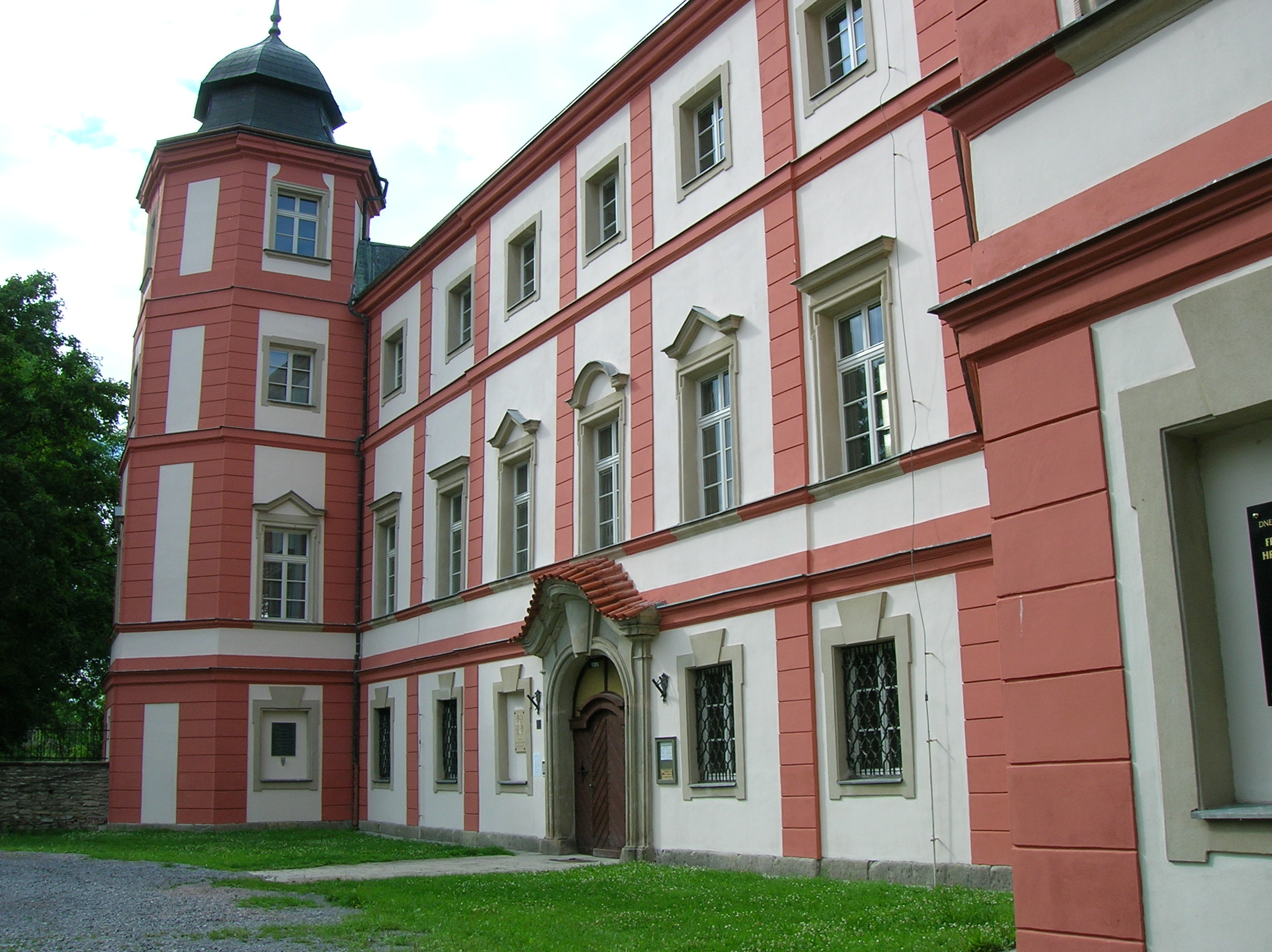
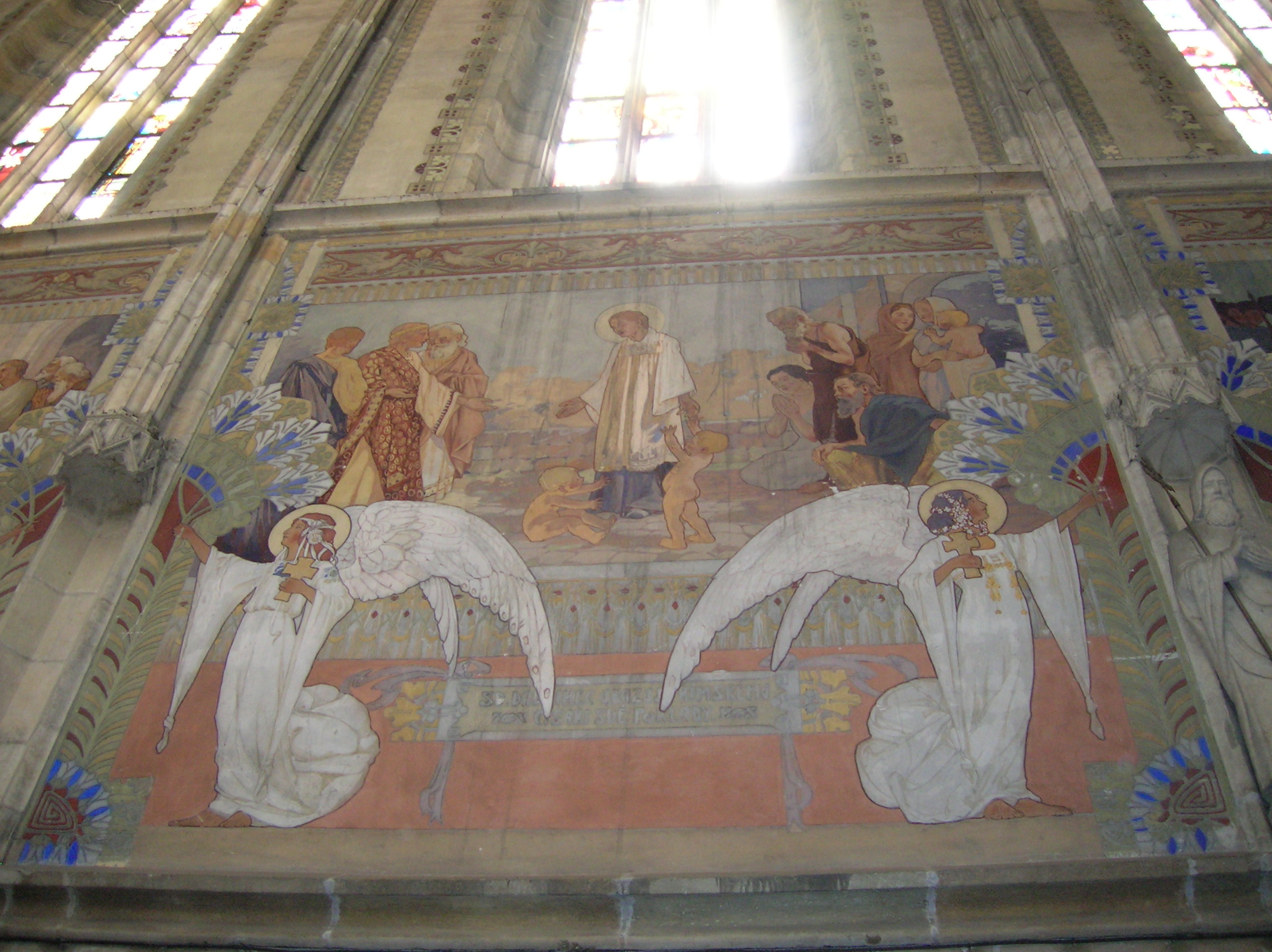
The Mill Colonnade, composed of a nave and two aisles, was next on the agenda. The pseudo-Renaissance style building was characterized by an elegance totally different from that of the Market Colonnade. The Mill Colonnade took me back to antiquity with its 24 elegant Corinthian columns on the roof. There were also 12 allegorical statues above the portico, each standing for a month of the year.  I admired the stone reliefs in the orchestra pit. They illustrated scenes from the town’s rich past.
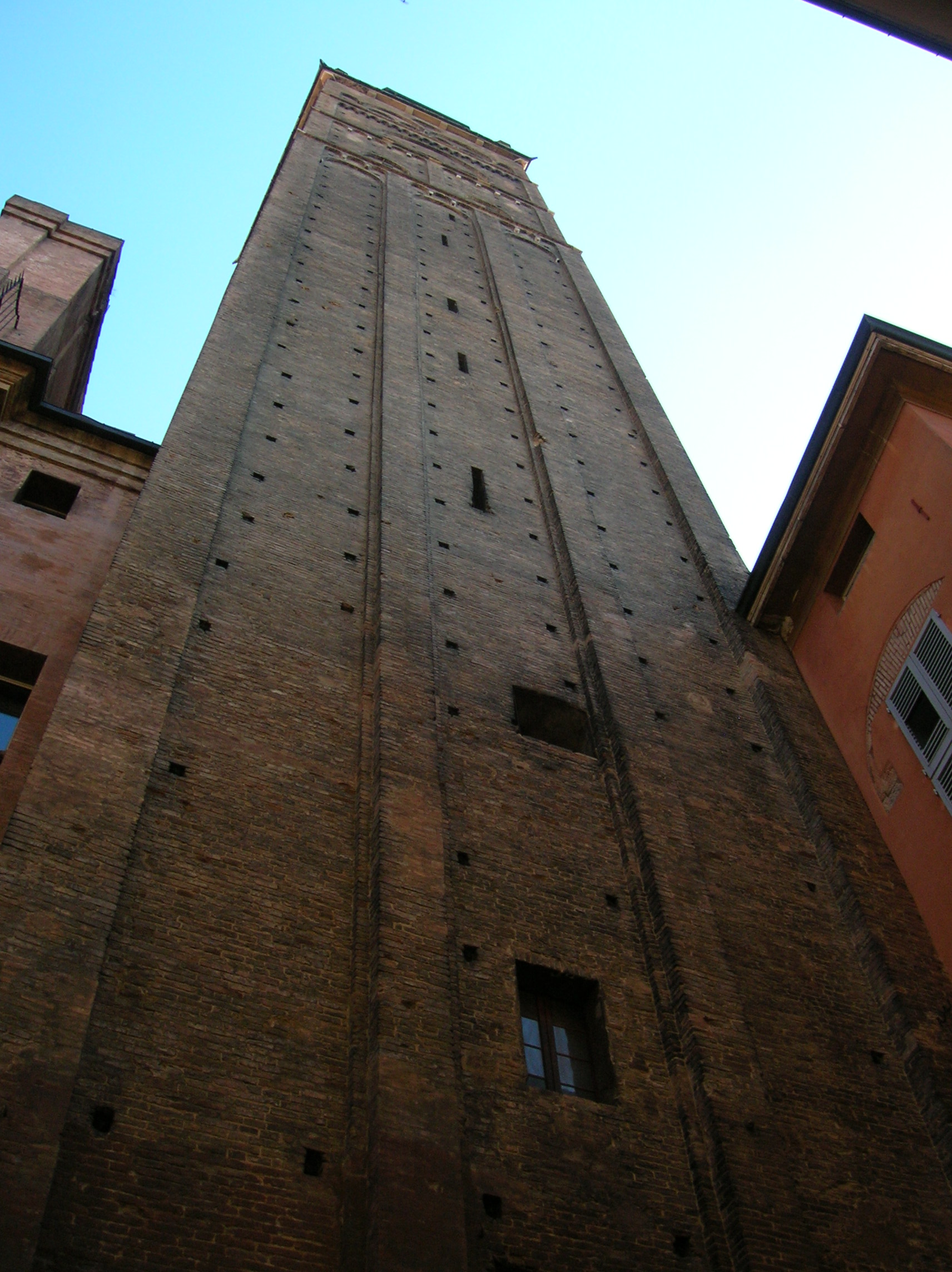
ImageLast but not least I visited was the Park Colonnade, situated in a small park. I walked down the veranda and admired the wrought-iron ornamentation in Neo-Renaissance style. I liked the Snake Spring with its water spout shaped as a snake’s head. I also saw the nearby Liberty Pavilion, which also had a Swiss-style design, too.

I had time to pop into the Karlovy Vary Museum, where I saw Madonna statues, historical weapons and armor from the 17th century Thirty Years’ War. Blue and gray jugs flaunted grotesque reliefs forged in the 1600s. A Renaissance intarsia chest dated from 1600. There was also an admirable collection of clocks. A Meissen porcelain figure played a lute while another looked for inspiration with an easel and paintbrush. A bureau decorated with intarsia was adorned with a picture of the Karlovy Vary landscape. The 19th and 20th century colored and Moser glass designs intrigued me, too. I loved town museums because they often held an array of delights from archeological finds to present day objects. Their contents were always diverse and often held hidden treasures. Placards explained the history of the town, but I thought it was a shame that they were only in Czech. English-speaking tourists could not learn about the town’s history by visiting the museum.
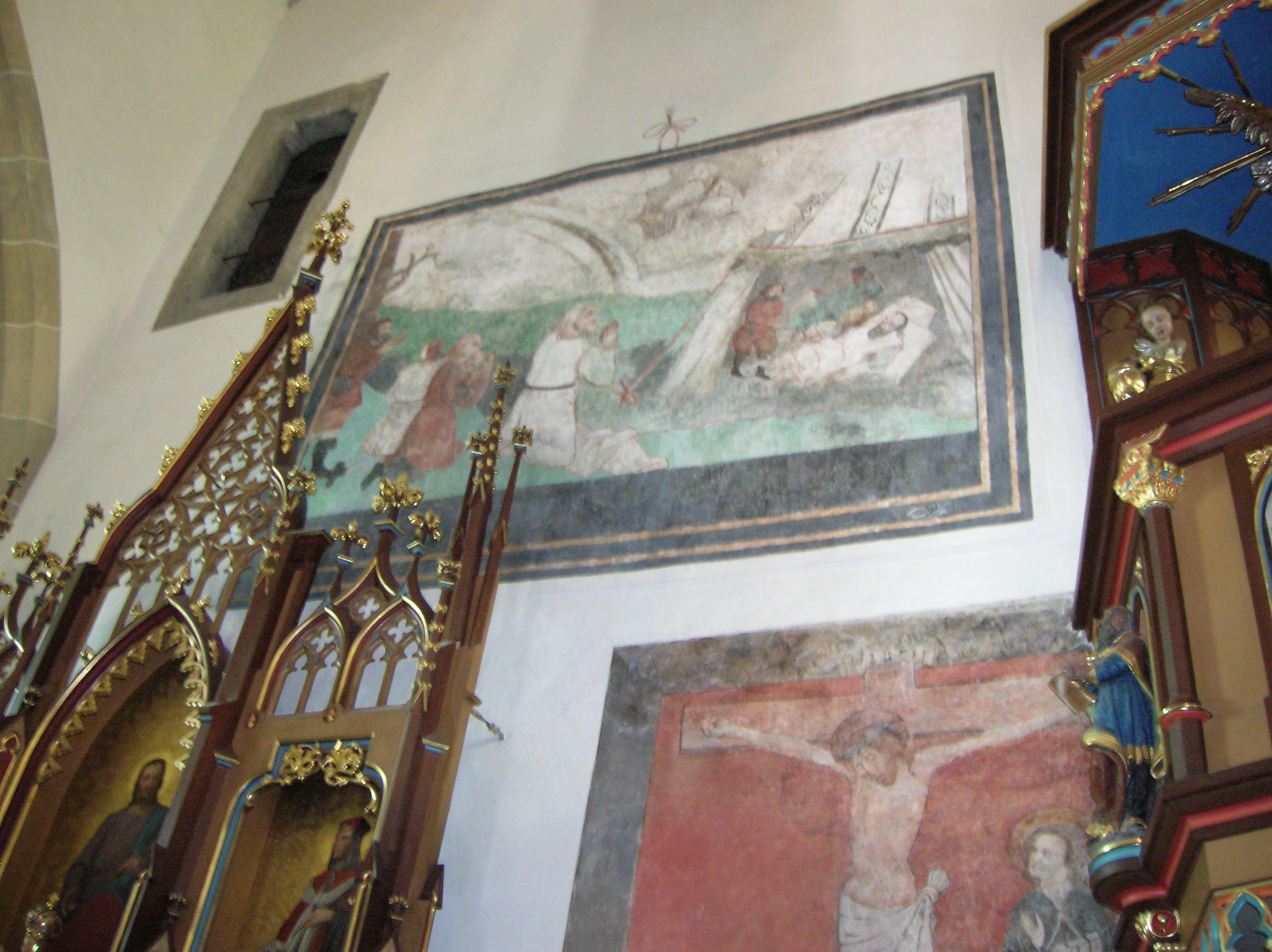
ImageI decided to return to the Café Elephant for a snack before I made my way to the bus station. Sitting outside again, I watched passersby get their photos taken with people who I assumed were film stars, though I did not recognize them. One female tourist paused at a stand selling all sorts of porcelain drinking cups. She deliberated over whether to buy one shaped as a pink cat or one adorned with a picture of the town panorama. A thirty-something man licked an ice cream cone, chocolate on his chin.

I wanted to visit the Becher Museum, dedicated to the Czech herbal bitters Becherovka, which was made in Karlovy Vary. With a strong cinnamon-like flavor, it is considered therapeutic for digestive ailments and arthritis. I had read that the museum featured the original factory cellars and acquainted visitors with the beverage’s history and manufacturing. I did have a few minutes to admire the rustic, brick masonry of the façade, though.

Practically across the street from the museum was the bus station. Yes, Karlovy Vary had exceeded my expectations. I was most impressed by the diverse architecture. The Neo-Renaissance Mill Colonnade and the Neo-Baroque Grandhotel Pupp were only two examples of the architectural richness of the town. The renovated facades of many buildings on and near the main street also sported various architectural styles.

There were other sights I did not have time to visit. I would have loved to have ridden the funicular from Theatre Square to the Hotel Imperial. It dated from the early 20th century. There was an underground funicular, too. It took people to a lookout point where there were spectacular views of Karlovy Vary.

Next time. There would definitely be a next time.

 Image