Basilica of Saint Anastasia Diary

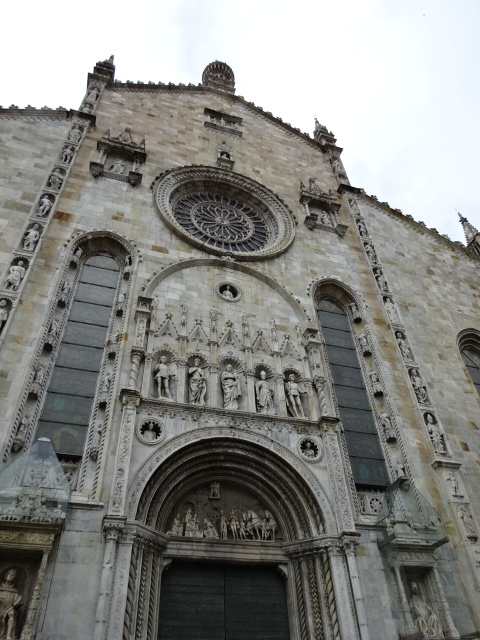
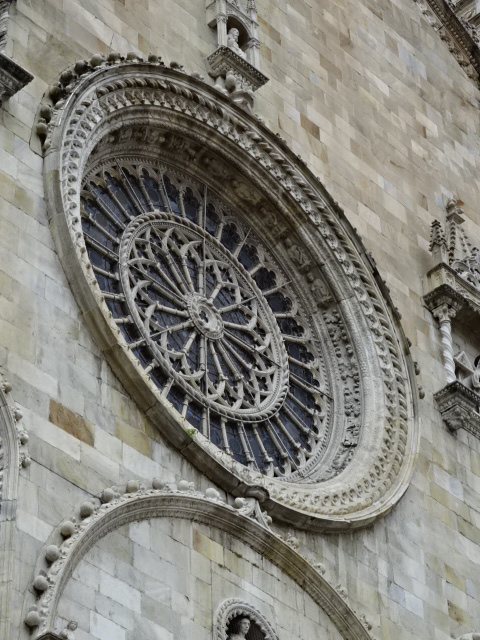
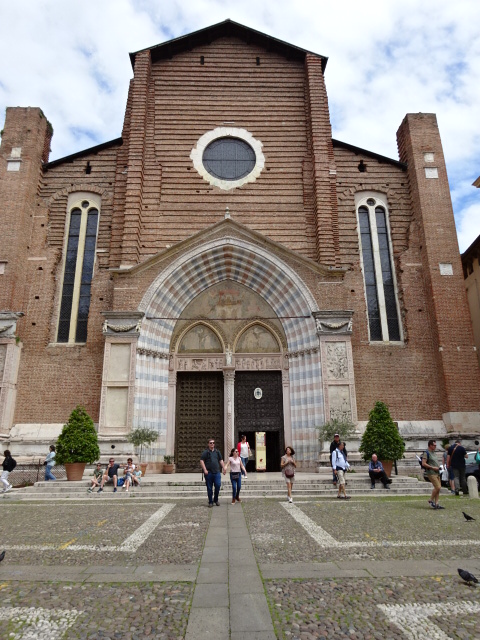
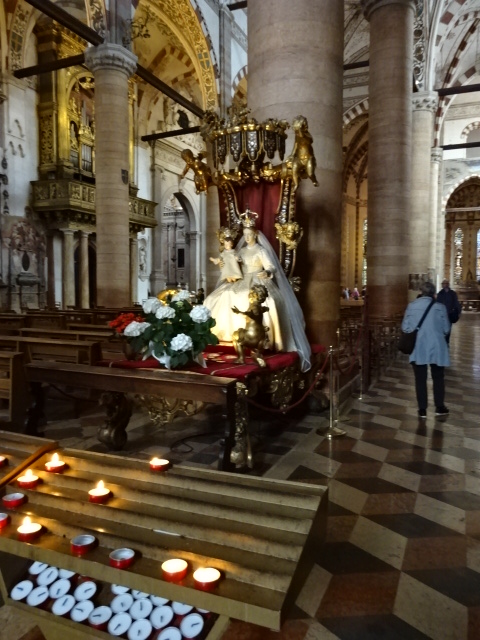
I first set eyes on this basilica during a day trip from Milan to Verona in 2023.  The largest church in Verona, Dominicans began to build it in 1280. It is dedicated to both Saint Anastasia and Saint Peter, a Dominican and a patron of the city. The basilica’s Late Gothic façade was never completed but is stunning nonetheless. For the most part, it is made of brick, and the front includes a rose window. I also noticed a 15th century portal. Its belltower measures 72 m2 and has nine bells. With the exception of the façade, the church has been finished, a feat that took two centuries.

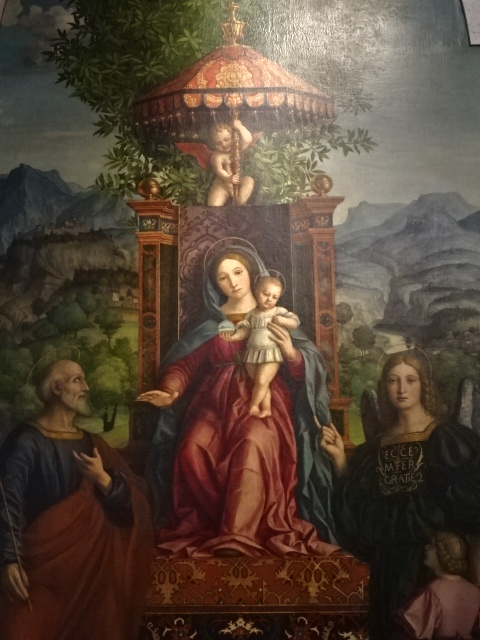
The amazing interior features a Latin cross plan with a nave and two aisles plus cross vaults. The columns are made of white and red marble. It contains many intriguing chapels, including one decorated with a fresco of Saint George and the Princess by Pisanello, dating from the 15th century. Two stoups are decorated with hunchbacks. The Baroque organ hails from 1625. The floor boasts of a red, white and black design.

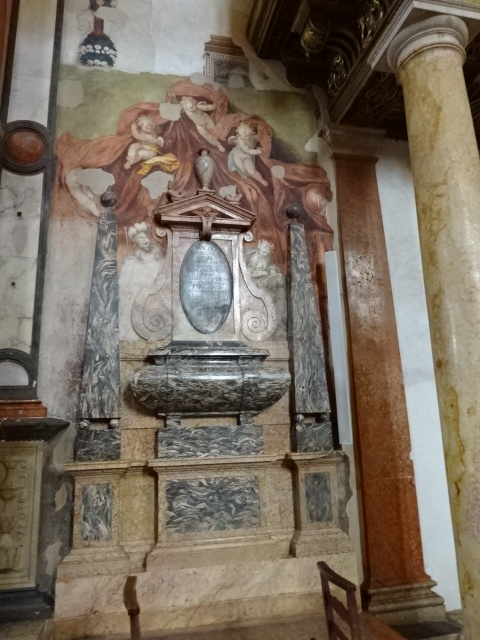
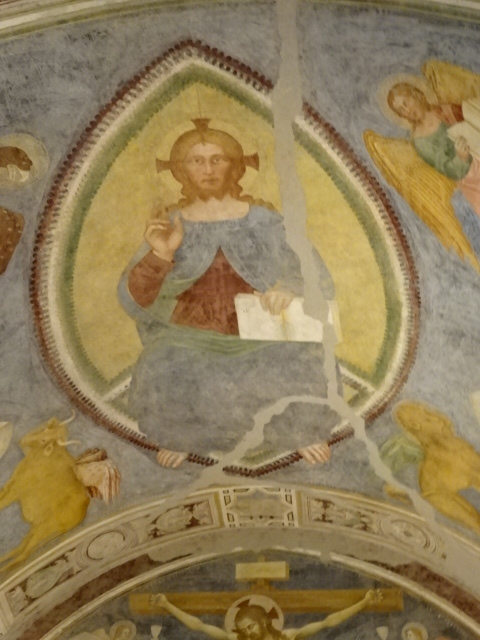
The presbytery includes the main altar carved in light yellow marble. Twentieth century stained-glass windows and a 15th century fresco of the Annunciation are other highlights of this section. The mausoleum of Cortesia Serego shows off richly carved sculpture and remarkable painting. The left transept includes a fresco by the Second Master of Saint Zeno, a disciple of Giotto. It has three paintings featuring Saint Nicholas, Saint Cecilia, Saint Hyacinth and Saint Mary Magdalene, among others.

The Pelligrini Chapel with a superb fresco by that artist may be the best known of all the chapels. Art on the walls depict scenes from Christ’s life. A lunette has another exquisite fresco from the late 14th and early 15th century. The sarcophagus is adorned with stunning sculpture.

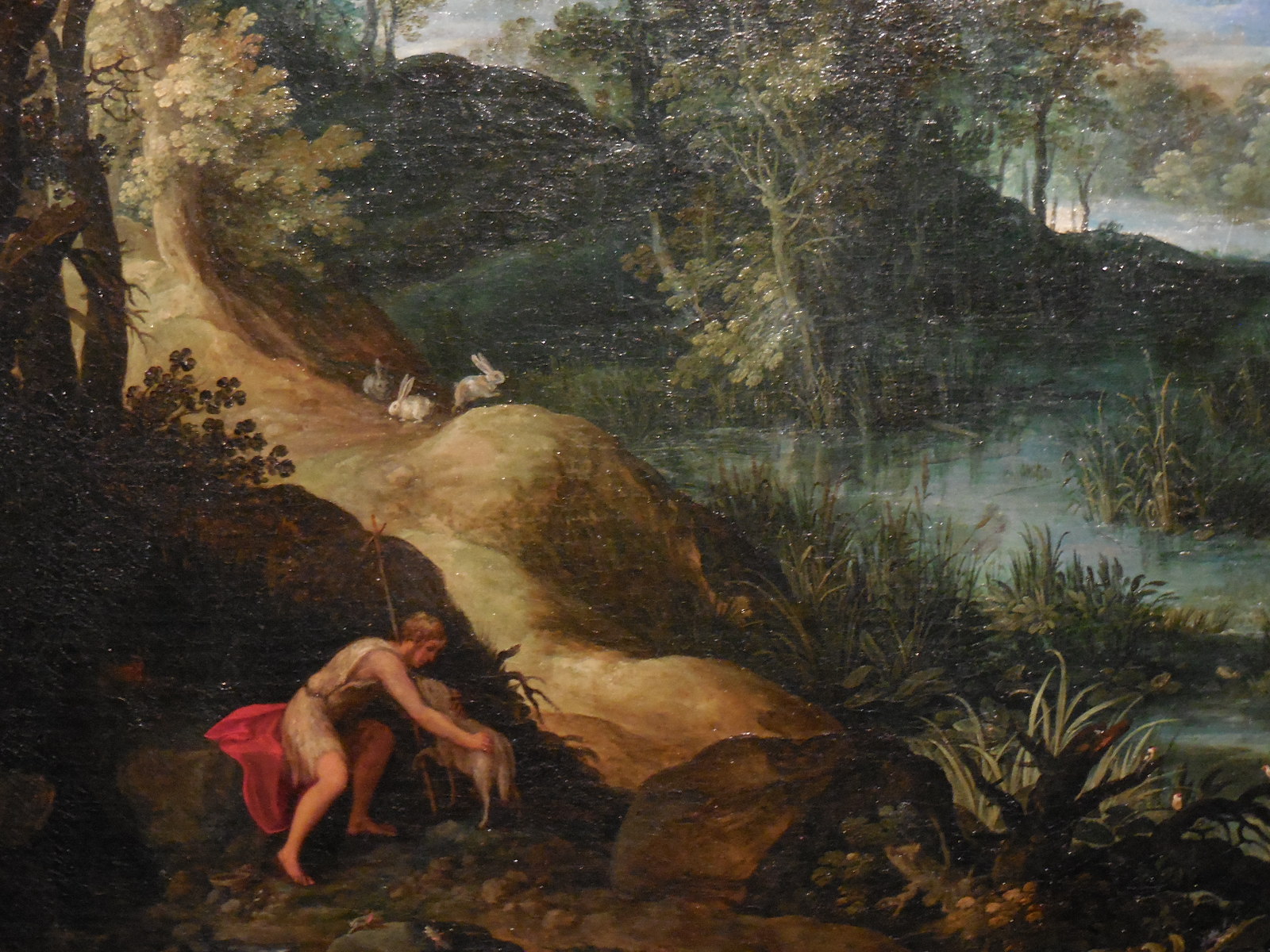
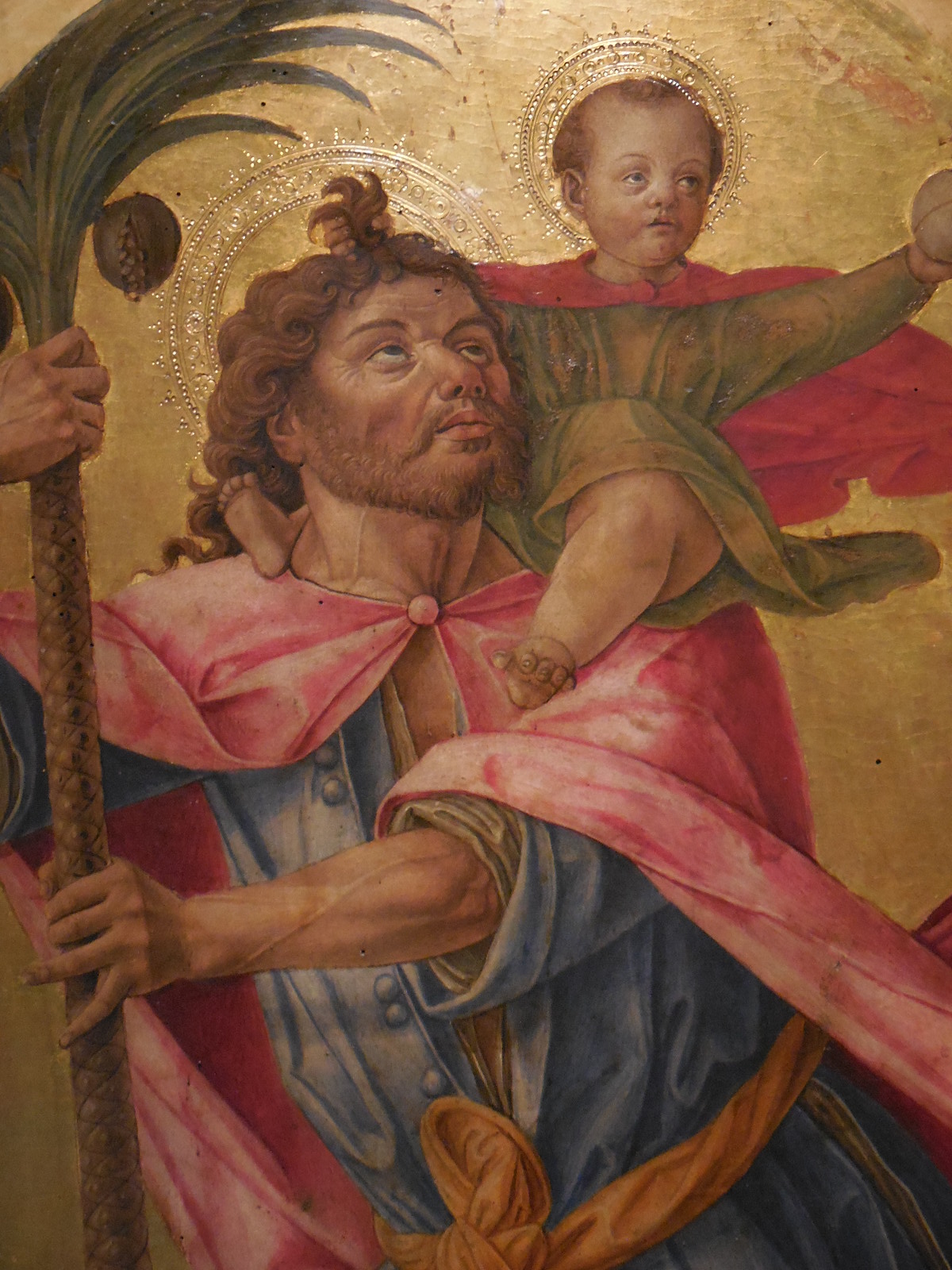
The other chapels are stunning, too. The Cavalli Chapel has a late 14th century fresco. Other frescoes, including ones depicting the Virgin and Child and Saint Christopher, add to the allure of this chapel. The Lavoagnoli Chapel, dating from the 15th century, features frescoes dedicated to Saint John the Baptist.

The Salerni Chapel shows off frescoes by the Second Master of Saint Zeno. This chapel hails from the 14th century. The stained-glass windows in the Giusti Chapel harken back to 1460. A 15th century wooden choir is part of the décor. The rudder of a ship hangs from the ceiling and dates from the Battle of Lepanto in 1571. The Rosary Chapel is dedicated to the victory of the Battle of Lepanto and hails from the late 16th and early 17th century. The paintings are exquisite. The Crucifix Chapel includes a 15th century wooden cross and a 15th century funerary monument.

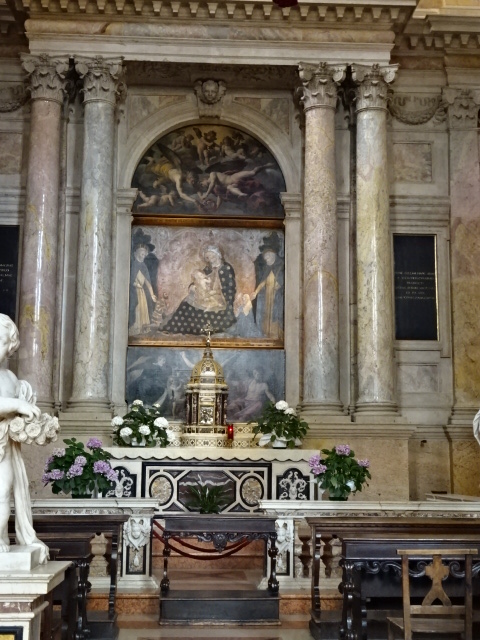
Altars in the basilica are exquisite. The Bevilacqua-Lazise Altar, dedicated to the Virgin Mary, includes a marble sculptural grouping and a richly decorated frieze. Frescoes also make up the décor of this altar. The paintings in the Mazzoleni Altar from 1592 are noteworthy as well and include artwork by Liberale da Verona, showing three saints. The Centrego Altar features a painting of Our Lady enthroned between Saint Thomas and Saint Augustine by a Veronese artist. The Fregoso Altar is another outstanding piece of art.

I was overwhelmed by the superb art in this basilica. Both the exterior and the interior exhibit stunning beauty and masterful craftsmanship. This basilica was one of the highlights of my second trip to Verona.

Tracy A. Burns is a writer, proofreader and editor in Prague.

House Museum Palazzo Maffei Diary

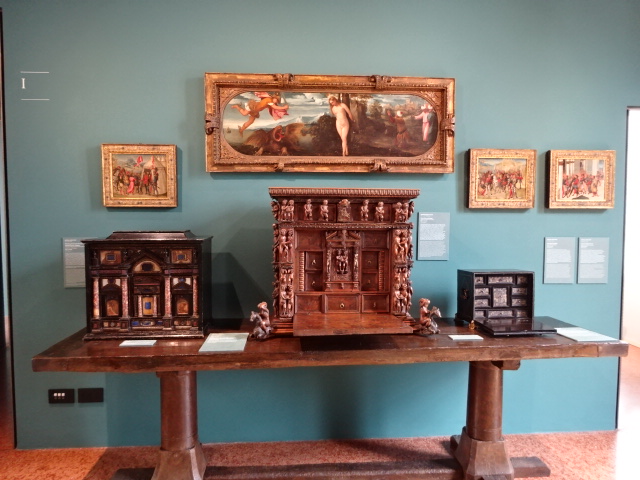
My favorite sight in Verona was this house museum of remarkable art from the 14th century to contemporary times in the collection that entrepreneur Luigi Carlon amassed during a 50-year period. I love museums that have an intimate and personal quality that make them appear as private homes rather than galleries of art. In Milan I was entranced with the Pezzoli Poldi and Bagatti Valsecchi house museums that shared this trait.

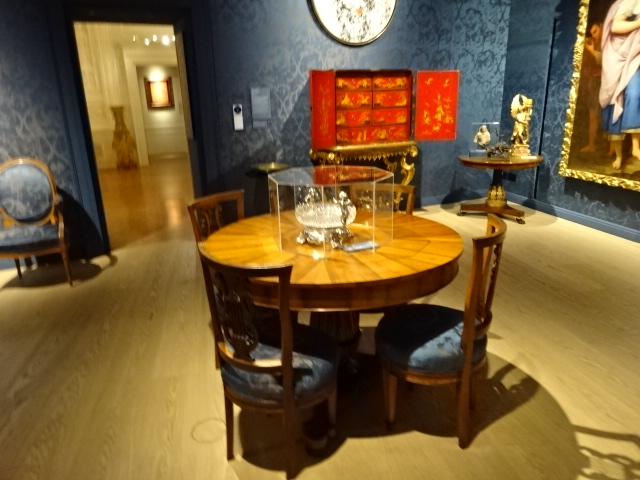
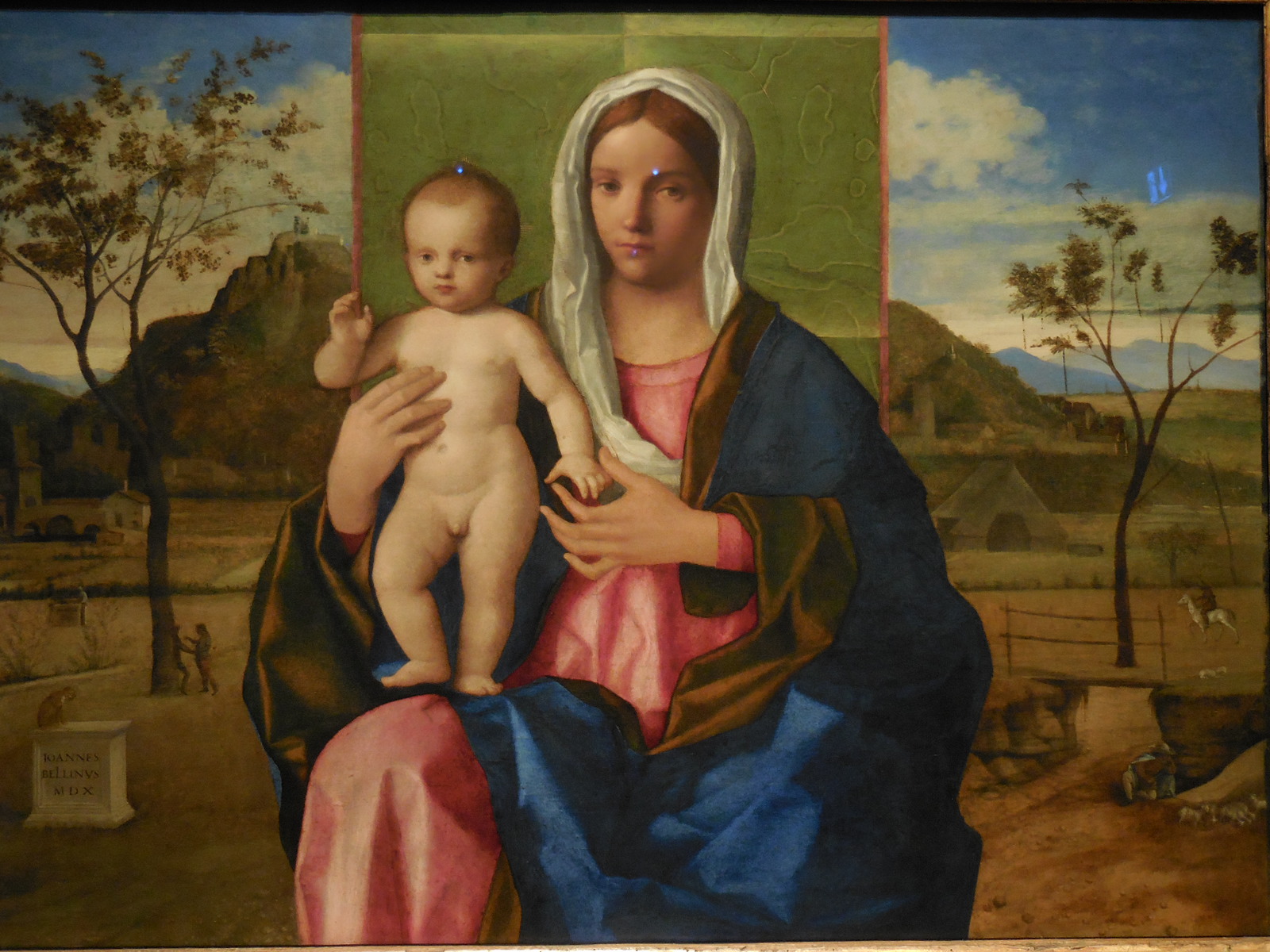
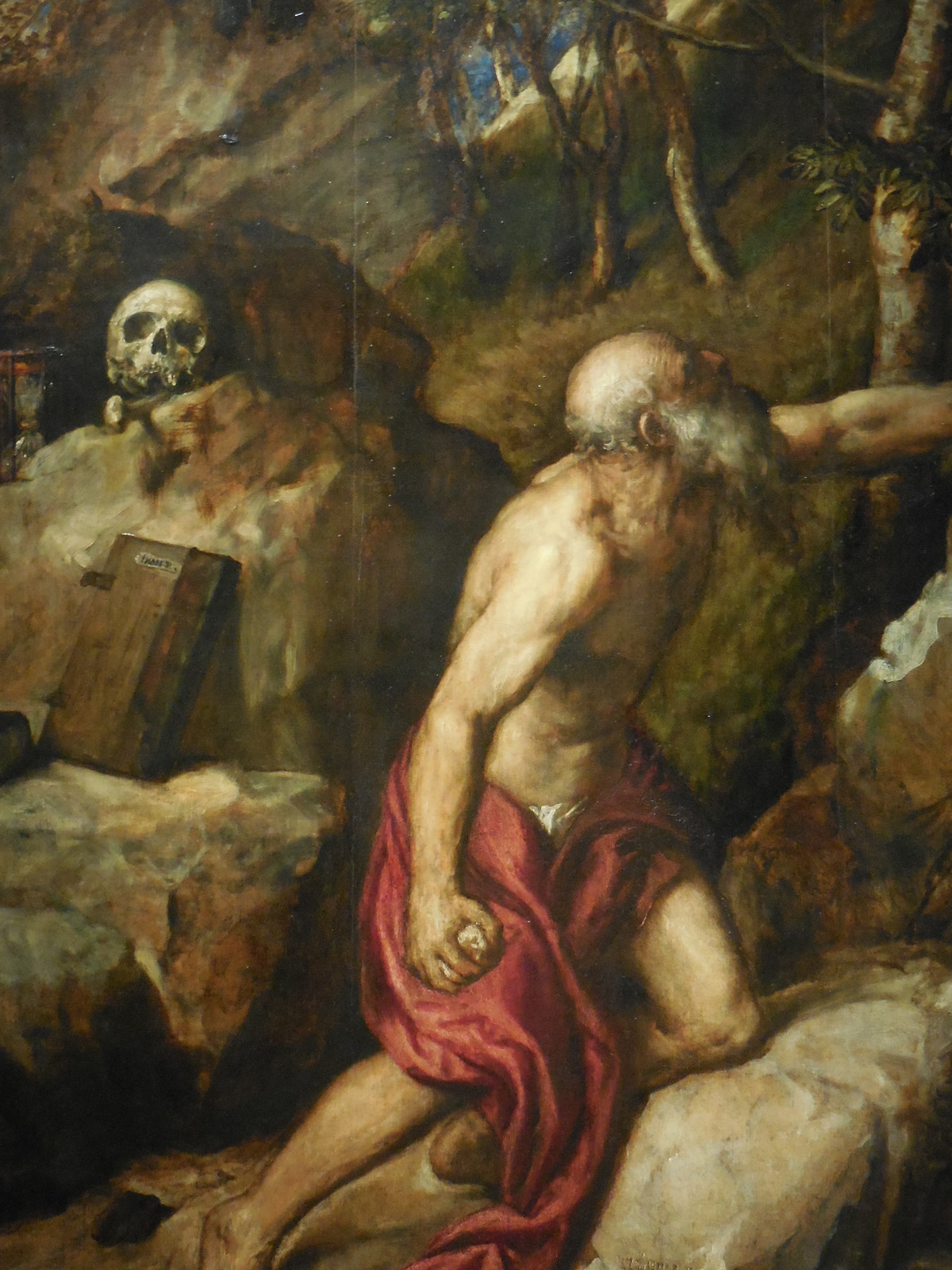
In the Palazzo Maffei I appreciated that the art was not displayed in a chronological order but rather looked as if the Maffei family had designed their residence with paintings, sculpture, drawings, engravings, pottery, bronzes, ivories, frescoes, furniture and objects of decorative art. I liked the eclectic nature of the collection – it had a bit of everything, a dash of this, a dash of that.

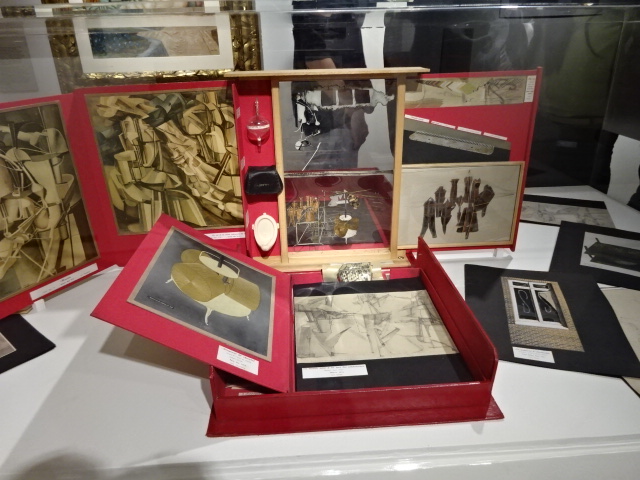
Art by Marcel Duchamp

The collection that was opened to the public after extensive renovation in 2020 included both Italian and foreign artifacts, though the focus is on Veronese representation. While the first section resembles a private home, the second part looks more like a gallery and highlights modern and 20th century art.

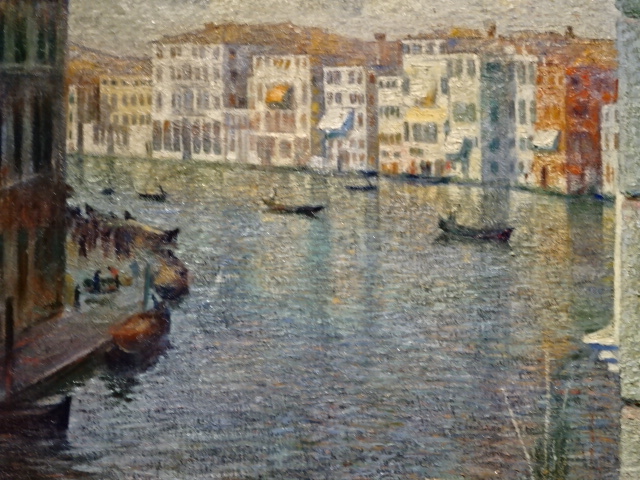
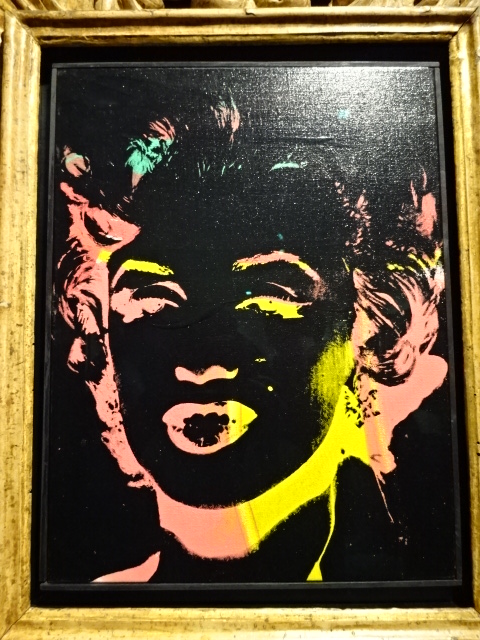
Works by Canaletto, Giacomo Balla, Pablo Picasso, Marcel Duchamp, Giorgio de Chirico, Max Ernst, Andy Warhol, Umberto Boccioni, Rene Magritte, Lucio Fontana and Amedeo Modigliani play significant roles in the collection of more than 500 works. I have always been enamored by Canaletto’s Venice scenes. A slashed canvas by Lucio Fontana made me think of his avant-garde sculpture decorating a tomb in Milan’s Monumental Cemetery. I had only been introduced to Fontana’s works while touring Milan. While I am not usually so enthusiastic about contemporary art, the pieces in this museum caught my attention. The three-dimensional installation by Marcel Duchamp was of special interest.

The three-floor building itself is a masterpiece with its origin in the late Middle Ages, when Verona was governed by the Romans. Renovation in the 17th century was responsible for the remarkable façade, transformed into late Renaissance style with some Baroque features. Ionic columns, large French windows with balconies and floral adornment made the front of the building an elegant structure. Six statues of mythological deities decorated the top of the majestic edifice. A monumental spiral staircase welcomed visitors who have entered via a courtyard.

I was amazed at the poignancy of this unique collection. I felt it was meticulously organized in a dynamic way. Each work made me stop and reflect. This was my favorite of the three art museums I visited during my second visit to Verona.

Tracy A. Burns is a writer, proofreader and editor.

Pinacoteca di Brera Diary

I have visited this phenomenal art gallery in Milan twice. I could go there a million times, and I would be just as amazed as I was on the first two occasions. While the gallery includes Italian art from the 13th to 20th century, some remarkable foreign works are on display in its 38 halls, too. Artists from the Netherlands represented in the gallery include Peter Paul Rubens, Anton van Dyck, Jan de Beer and Jacob Jordaens. The Brera focuses on Venetian and Lombard painting.

The art gallery is situated in a large complex that also houses a stunning library (where I saw an exhibition during my second visit), an observatory, a botanical garden and the Brera Academy of Art. In front of the museum is an equestrian statue of Napoleon by Antonio Canova. While the art academy was established as far back as 1776, the museum was opened in August of 1809. When paintings in Lombardy were confiscated from churches and convents in the early 19th century, they wound up at the Brera, so many religious works make up the collection. Parts of the art gallery were damaged in bombing raids during 1943, but they were fully reconstructed by 1948.

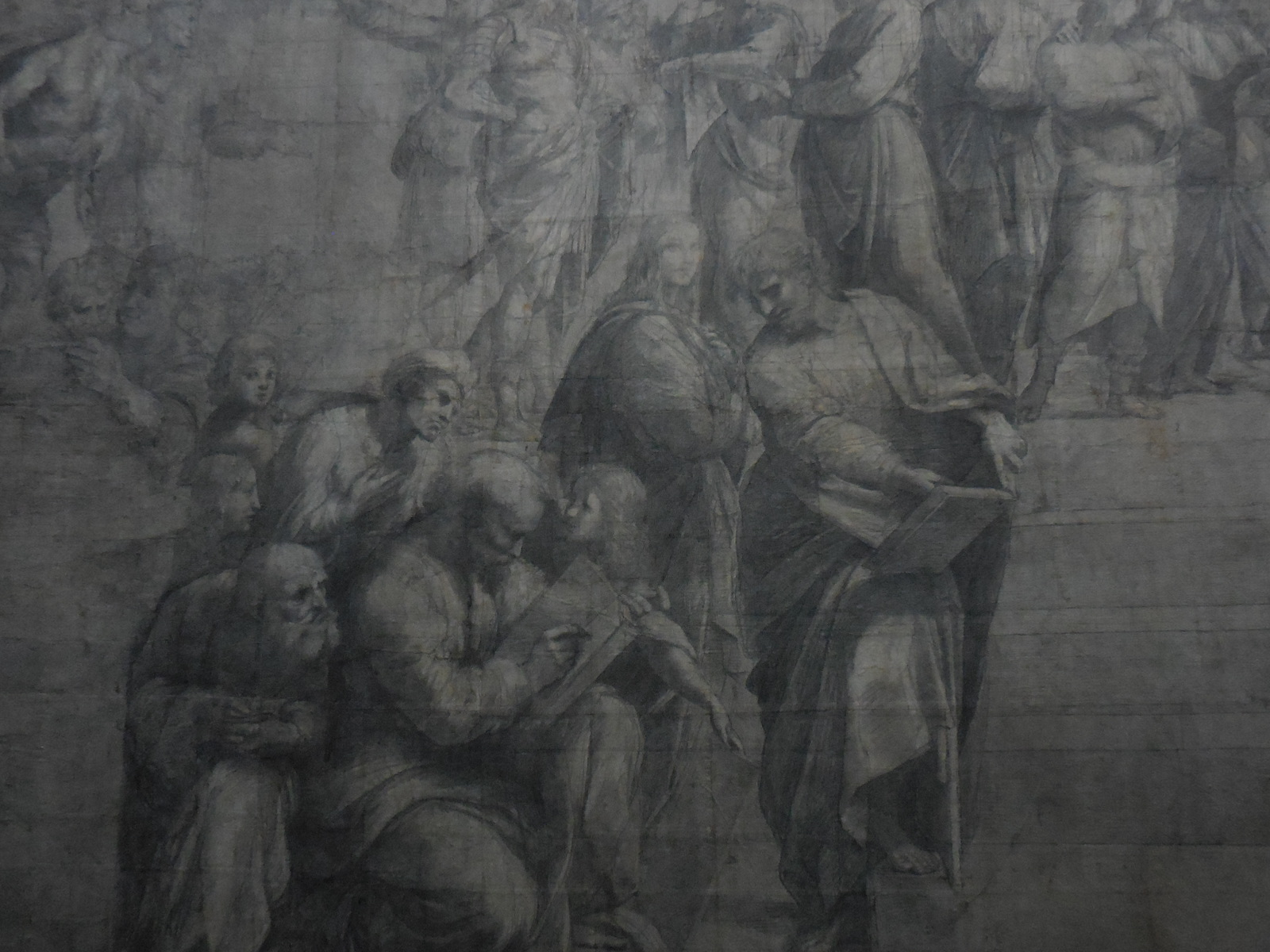
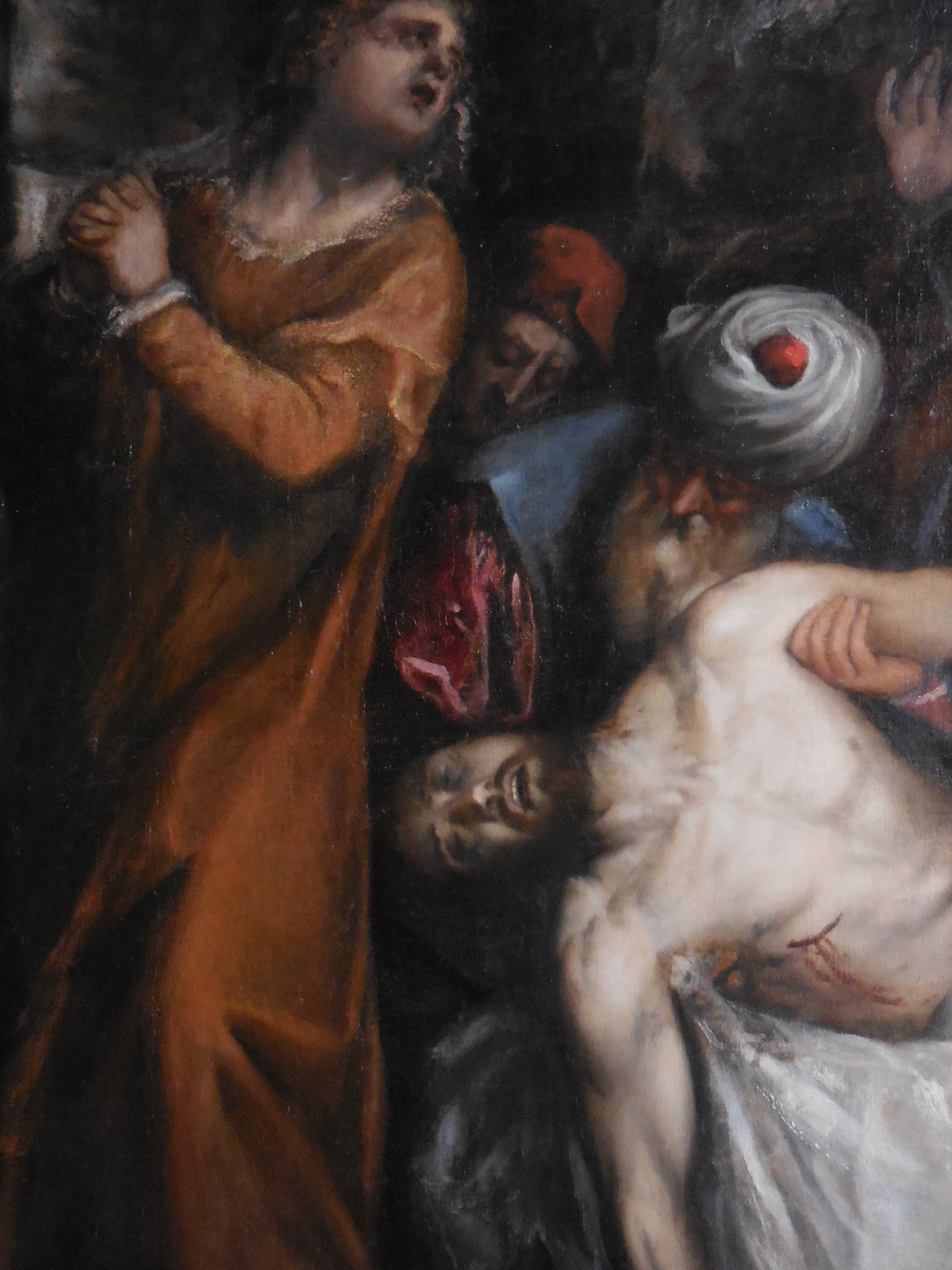
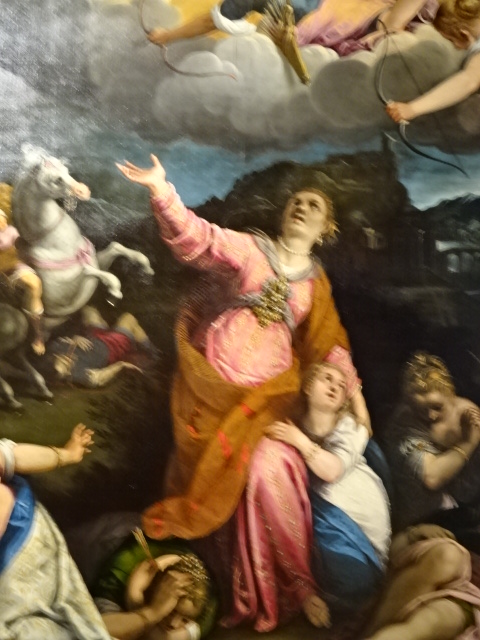
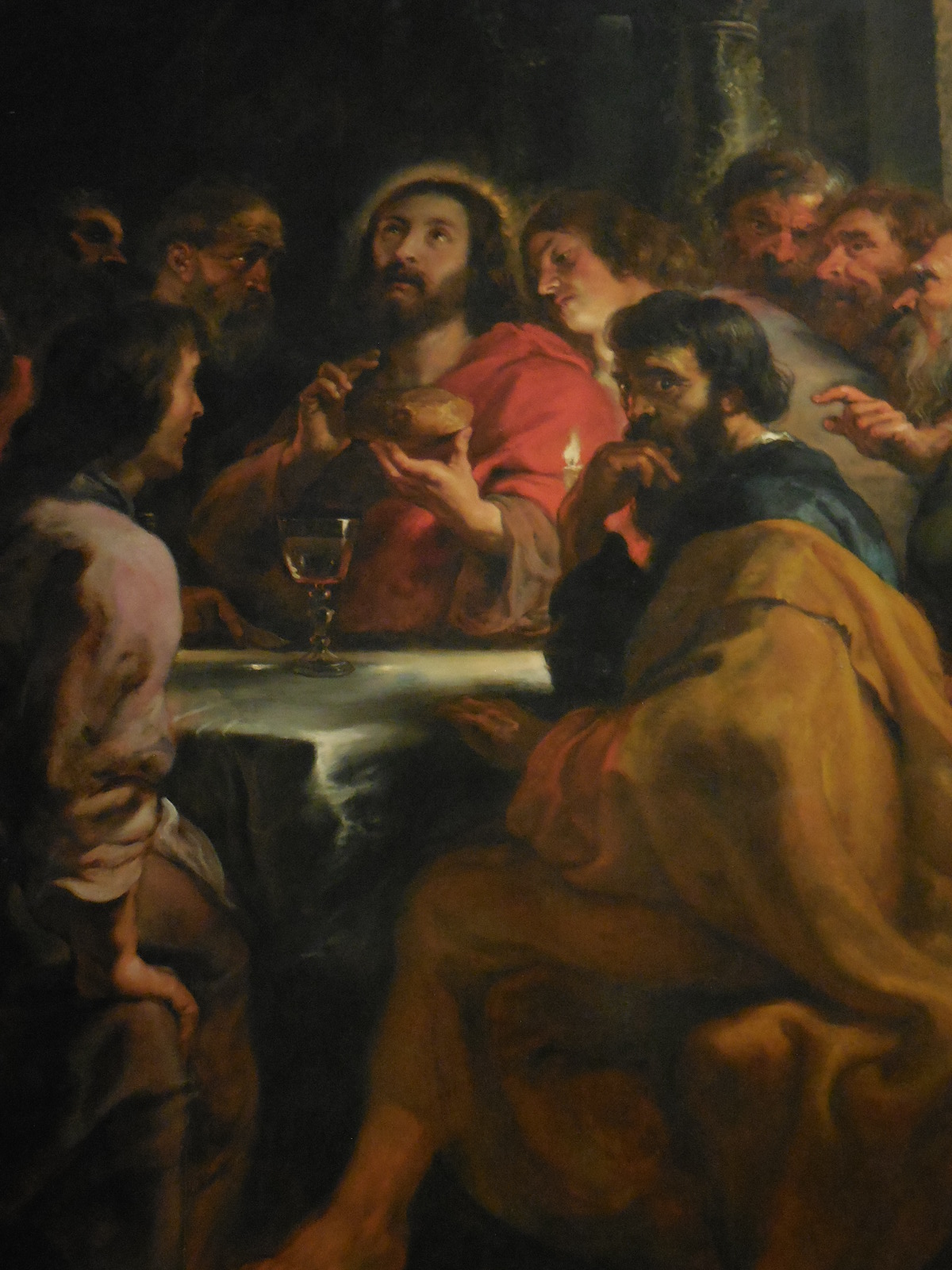
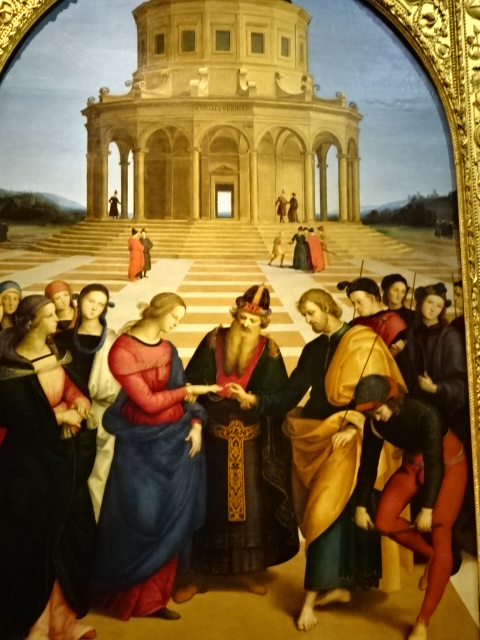
Some of the most famous paintings in the gallery include “The Lamentation of Christ” by Andrea Mantegna, “The Kiss” by Francesco Hayez, “Finding of the Body of St. Mark” by Tintoretto, “The Last Supper” by Rubens and “Supper at Emmaus” by Caravaggio – only one of two Caravaggio paintings in Milan. Also on display are the exquisite “The Marriage of the Virgin” by Raphael and “Christ at the Column” by Donato Bramante. I especially liked the paintings by Canaletto and Hayez as well as the 14th century frescoes. Modern works are exhibited, too. For example, “Enfant gras” by Amedeo Modigliani and “Riot in the Gallery” by Umberto Boccioni take up prominent places in the gallery. The works of Pablo Picasso and Giorgio De Chirico are represented, too.

I was overwhelmed at the beauty and power of the paintings in the Brera. Some of the monumental works just took my breath away. I was moved by all the paintings, each one telling a story.

Tracy A. Burns is a writer, proofreader and editor in Prague. 
Monumental Cemetery in Milan Diary

During my first trip to Milan, I didn’t have time to see the Monumental Cemetery, where graves adorned with magnificent sculpture abound. Designed by master architect Carlo Maciachini in various styles, it was open to the public during 1866. The tombstones are elaborate works of art showing off styles from the end of the 18th century through the 19th century and beyond. For example, I saw a tombstone shaped as an Egyptian pyramid and another resembling Trajan’s Column. I even found some graves decorated with modern architecture.

The Neo-Gothic Famidio, which looks like a church but houses tombstones of eight famous Italians, was the first place I entered. One wall is covered with names of others who are buried on the premises. Smack in the center of the Famedio is the tombstone of Alessandro Manzoni, a 19th century Italian author who wrote the patriotic worldwide masterpiece, The Betrothed. I knew he had been instrumental in creating the modern Italian language and had been admired during the Risorgimento, the movement that culminated in Italy’s unification. I had seen displays dedicated to him in the Museum of the Risorgimento in Milan and had viewed editions of The Betrothed in a temporary exhibition at the Brera Art Gallery’s historical library. I also had visited the museum dedicated to his life and work, though I hadn’t been that well-schooled in his background and literary works to appreciate everything I saw. In that museum, I especially liked the paintings showing scenes from his works.

Many famous Italians are buried in this cemetery – the painter Francesco Hayez whose creation “The Kiss” I had admired in the Brera along with many other of his works; Dario Fo, a playwright whose literary contributions I had read with great enthusiasm; and conductor and cellist Arturo Toscanni as well as pianist Vladimir Horowitz. I had been introduced to their classical music accomplishments when I had studied classical music in college.

The cemetery has three main sections – one for Catholics, one for non-Catholics and one for Jews. The central edifice in the Jewish section boasts beautiful windows that symbolize the 12 tribes of Israel. Inaugurated during 1876, the Greek Revival styled Cremation Temple has the distinction of being the first crematorium used in the Western world. It was in service until 1992. I also saw a moving monument to those 800-some Milanese who died in Nazi concentration camps. It was created in 1945.

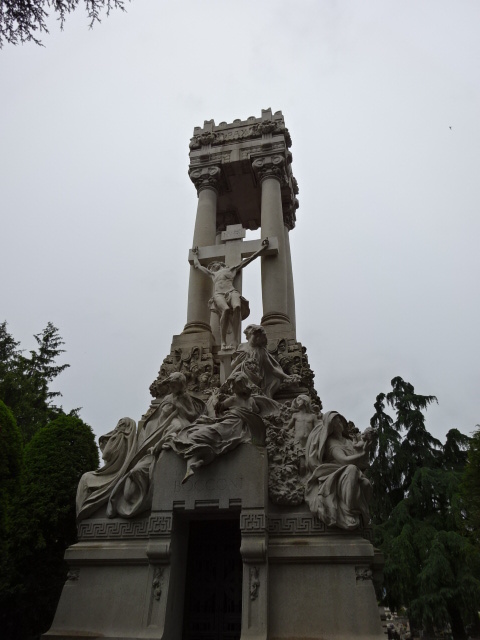
All the tombstones I viewed were outstanding works of art. I saw a tall tombstone that symbolized the Tower of Babel in the center of the cemetery. Looking like a tower with many sculpted figures on the outside, the tombstone was empty on the inside. Designed by architect Alessandro Minali and sculpture Giannino Castiglioni in 1936, it featured numerous biblical scenes. I recalled viewing Peter Bruegel’s painting called “The Tower of Babel” at an exhibition in Vienna. Though markedly different, both works contained an amazing amount of detail in the various scenes portrayed.

Another tombstone on the central path was nubbed “Work” because it extolled an allegory on that subject, played out in a scene devoted to agriculture. The female figure looking down on the scene symbolizes Mother Nature, her face so well-sculpted by Enrico Butti in 1912. The episode shows a male figure pulling his cattle with some difficulty. He is leaning in one direction due to the heavy weight of the animals. The two cattle and male figure are made of bronze while Mother Nature above is made of red-colored rock. I found this tombstone to be very compelling, especially with Mother Nature looming over the scene.

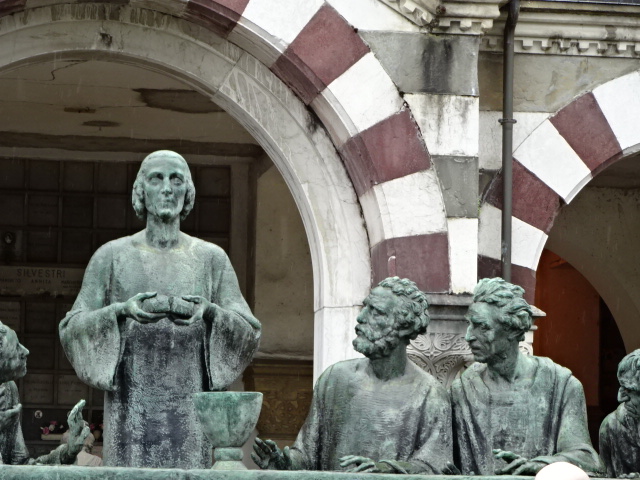
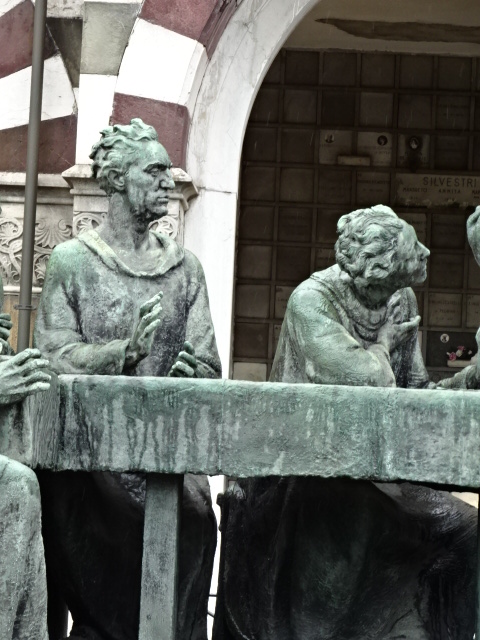
My favorite sculptural grouping represents Leonardo da Vinci’s “Last Supper.” I had viewed the painting in Milan during my previous visit and had been drawn to the details in the work, especially the facial expressions and gestures of each character that was portrayed uniquely and exquisitely in the unfolding drama. In this sculptural rendition, the bronze larger-than-life-sized figures share the same theme as the painting, though there are some differences from the masterpiece in the Church of Santa Maria delle Grazie. This tombstone overwhelmed me with its dramatic and vibrant qualities. It had been made for David Campari and the Campari family and designed by Giannino Castiglioni in 1935. Representing a painting in sculptural form was audacious and formidable. I especially noticed the detail in Judas’ bag of money.

I also saw a more modern work, dated from 1949 and created by modern Italian artist Lucio Fontana for the Chinelli family. The large sculpture of a headless blue angel was made in paper mâché, hovering over the earth. I took notice of the vibrant color.

After an hour and a half, I had to leave the cemetery because it was just too depressing looking at graves, even though they were masterfully made. Every one told a unique story. I was glad I had finally made it to the cemetery and certainly was not disappointed.

Tracy A. Burns is a writer, proofreader and editor in Prague.

Museo Nazionale Scienza e Tecnologia Leonardo da Vinci

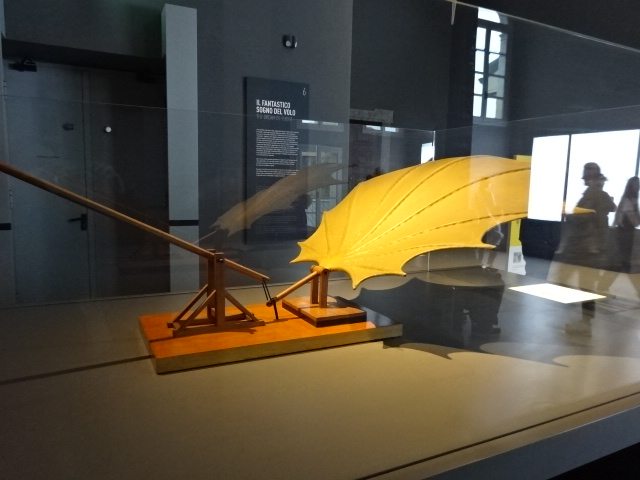
I visited the National Museum of Science and Technology dedicated to Leonardo da Vinci on my last trip to Milan, and, quite frankly, I didn’t expect I would be too enthusiastic because neither science nor technology is my cup of tea. However, the museum was fascinating. I especially was excited by the models made from drawings of Leonardo da Vinci. They showed machines and buildings he had designed on paper as well as his version of the ideal city. I also was enthralled with the hangars containing planes, ships and trains.

Opened in 1953, the museum is one of the largest scientific and technological museums in Europe. It is located in an ancient monastery not far from the Chiesa di Santa Maria delle Grazie, where I had seen Da Vinci’s Last Supper. Covering science and technology in Italy from the 19th century to the present, the museum holds the biggest collections of models of machines from designs by Leonardo da Vinci found anywhere. It includes 2,500 pictures, designs, sculptures, medals and artistic objects. There are seven sections, including materials, energy, communication, transport, food and science for young people as well as the Leonardo da Vinci Art and Science department. Musical instruments, clocks and jewelry are on display in this part.

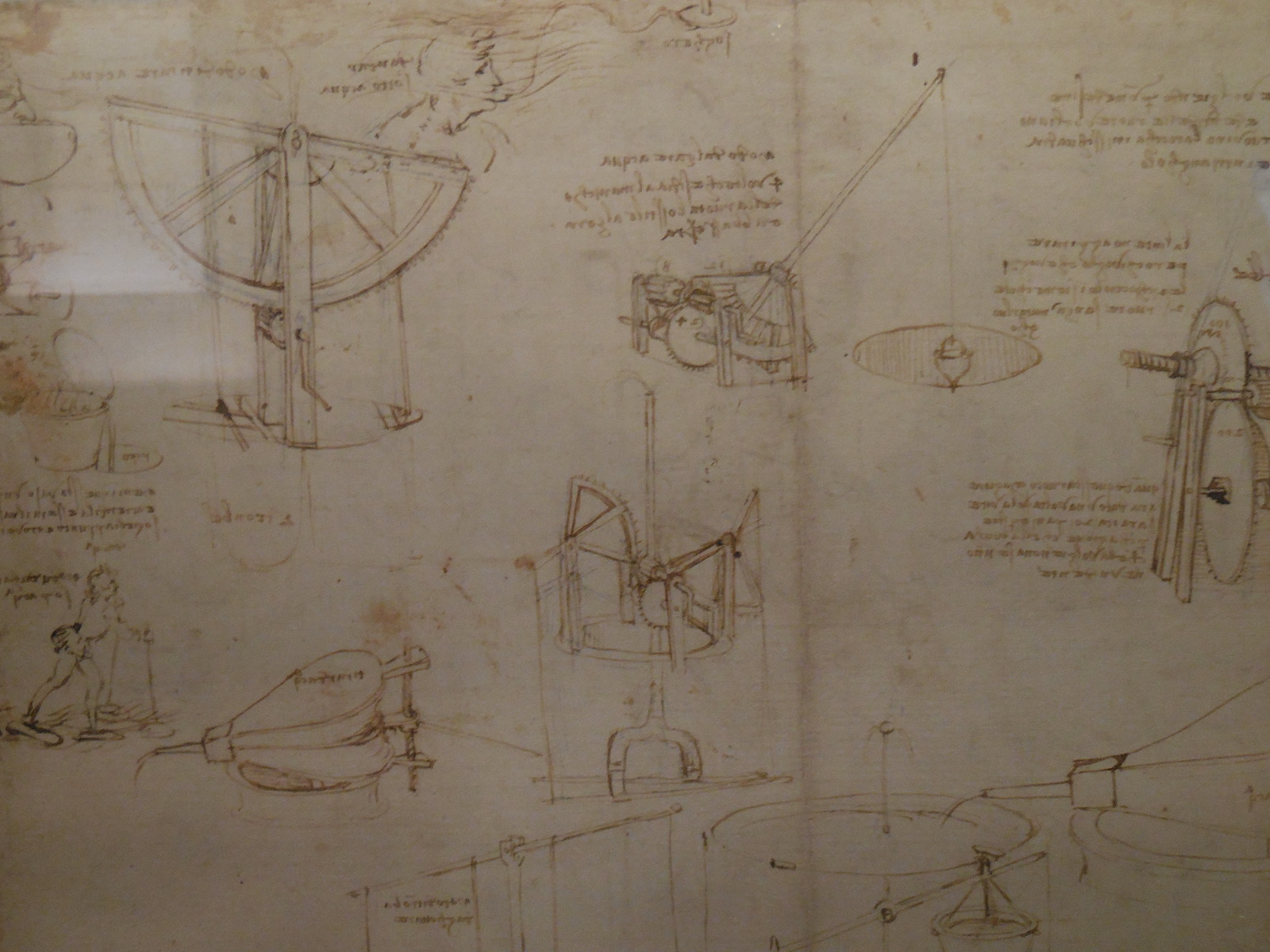
The Leonardo da Vinci galleries display 170 military and civilian models, pieces of art and other objects. The models of buildings based on his drawings are architectural gems. Machines made from his drawings also impressed me. I saw a hydraulic saw, a flying machine and a spinning machine, for instance. I was awed with Da Vinci’s vast knowledge of anatomy, physics, mathematics, botany, geology and cartography.

The transport department includes air, rail and water. The trains are located in a pavilion originally built for the 1906 Expo. A façade resembling a 19th century structure has been added to the historic building. One train that caught my attention was the GR 552 036 locomotive from 1900. It had towed the Indian Mail train from Bardonecchia to Brindisi on its journey from London to Bombay. A horse-powered omnibus from 1885 was another delight.

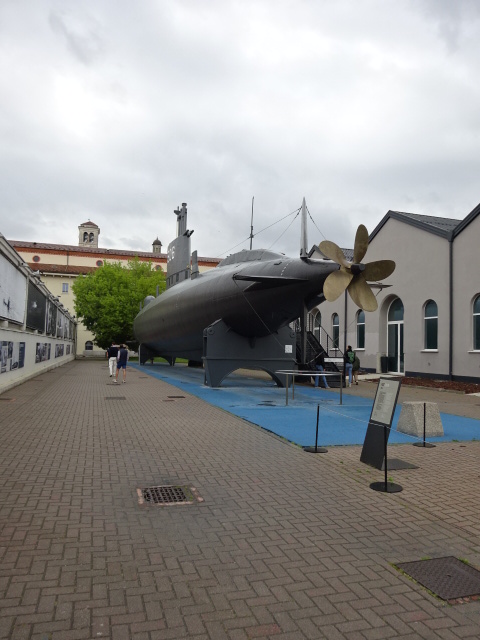
One of the top exhibits is the submarine S 506 Enrico Toti, the first submarine to be constructed in Italy after World War II. It began operation in 1968 and was roaming the seas for 30 years. During the Cold War, it searched for Soviet submarines.

The Vega Launcher from 2012 is a model of the first Vega made by the European Space Agency. It has a height of 30 meters and weighs 37 tons. The Vega can release satellites that weigh up to 2,000 kilograms.

The ships also intrigued me. One of the largest ships in the museum, the Ebe Schooner from 1921 was initially used by merchants to transport their wares through the Mediterranean. In the 1950s it became a training ship. The ballroom and bridge of the Conte Biancamano ocean liner also are worth seeing. They date from 1925. It has traveled extensively, making the journey from Genoa to Naples to New York and also going to South America and the Far East. During World War II it was used by American soldiers.

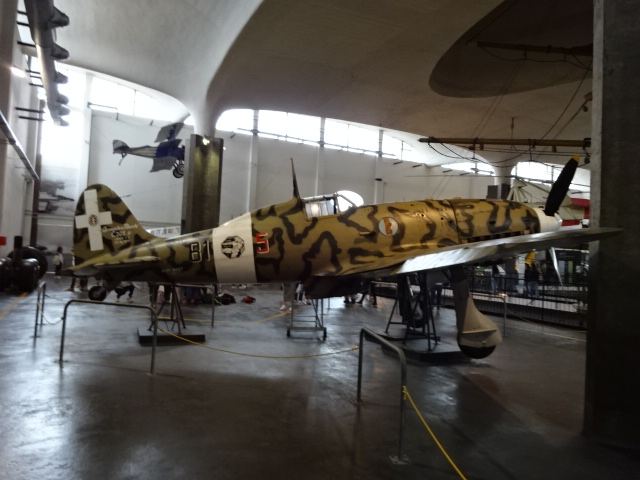
The planes were enthralling. I especially liked the Macchi MC 205 V from 1943. It made a name for itself during World War II. The plane has two machine guns and two cannons. Modern military planes and a modern helicopter also are on display.

Enrico Forlanini’s experimental helicopter from 1877 has the distinction of being the first object to fly. Pilotless, it has a steam engine and two counter-rotating propellors. During its flight, the helicopter rose about 13 meters and stayed in the air for 20 seconds. It also made an impressive landing.

I saw other intriguing exhibits. The Regina Margherita Thermoelectric plant had once provided lighting plus electrical power for 1,800 looms. Even King Umberto I and Margherita of Savoy were present for the opening ceremony. It hails from 1895.

Computers made up a significant part of the collections. I saw the Olivetti Programma 101 from the 1960s, the first personal computer. It was a programmable calculator that was small enough to fit on a desk. NASA utilized this contraption for calculating the Moon landing.

Space is another theme on which the museum focuses. I saw a moonrock that is 3.7 billion years old. Astronauts on Apollo 17 brought it back to Earth in 1972. Another exhibit showed space coveralls from 2014 and 2019. Astronomy plays a role, too. Two 17th century globes and telescopes are on display. Giovanni Schiaparelli used a telescope made in 1866 to study the surface of Mars. Schiaparelli peered through another telescope, this one hailing from 1774, when he discovered the asteroid 69 Hesperia and was able to describe what goes on with falling stars.

The diverse exhibits were a big thrill to see. I was so surprised that I had been so interested in the museum. Unfortunately, it was very crowded, so I didn’t get to peruse everything as well as I would have liked. The museum was definitely a popular destination for tourists and Milan dwellers alike. I could certainly understand why.

Tracy A. Burns is a writer, proofreader and editor in Prague.

Caso Museo Boschi Di Stefano Diary

I regretted not having time to visit the house museum Boschi Di Stefano the first time I visited Milan. It was far from the center, where I spent much of my introductory days in the city. During my second visit the following year, I made sure I did not miss this museum.

I got off the metro at the Lima station, in which felt to me like a dangerous area. Yet, five minutes from the metro, I walked down a street lined with elegant buildings, which gave off an altogether different atmosphere – one of calmness and grandeur. The museum was on the second floor of a majestic building built between 1929 and 1931 by Piero Portaluppi, whose name was familiar to me because he had designed Milan’s Villa Necchi Campiglio, a former home with dazzling Art Deco adornment inside. I recalled the works by Pablo Picasso and the lush garden with pool and tennis courts at the Villa Necchi, one of the highlights of my first visit to this remarkable city.

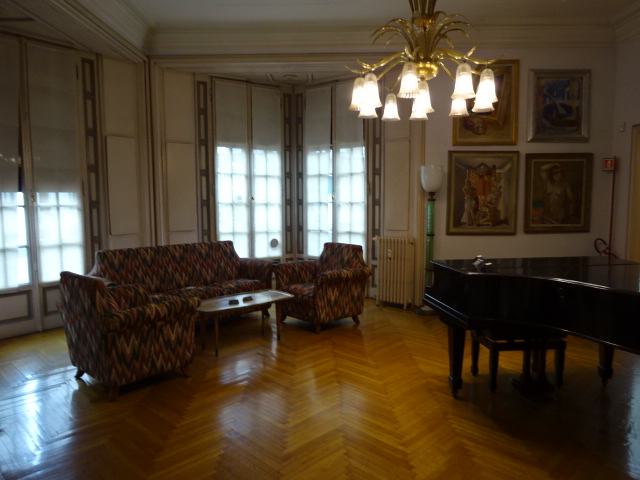
I loved house museums because they had a more intimate quality than bigger, impersonal art spaces. I could sense that these house museums had once been somebody’s home. Trials and tribulations of daily life had taken place here. Private conversations had been voiced here. This particular house museum had once been the home of Antonio Boschi and Marieda Di Stefano, a married couple who had amassed a collection of some 2,000 pieces of art, mostly Italian in origin. They tied the knot in 1927 as Boschi, a veteran of World War I, went on to become a successful engineer. Marieda was an artist herself who had an affinity for ceramics. Many of her artistic creations can be seen here, too. A school of ceramics was situated a floor below.

The Caso Museo Boschi Di Stefano includes 11 spaces and focuses on 20th century art dated from 1900 to 1960 – mostly paintings but also drawings, sculpture and furniture. About 300 works are on display. The museum has been open to the public since 2003.

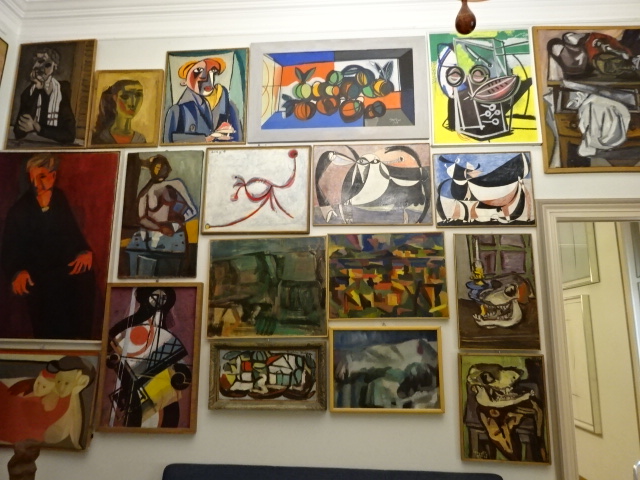
I felt overwhelmed as I contemplated the paintings that covered the entirety of the walls from the bottom all the way to the top. I was almost dizzy with delight, gazing at all the paintings, some falling into the category of modern art while others showed off a contemporary style. The works were displayed in a chronological fashion, so I could see how styles developed during those 60 years.

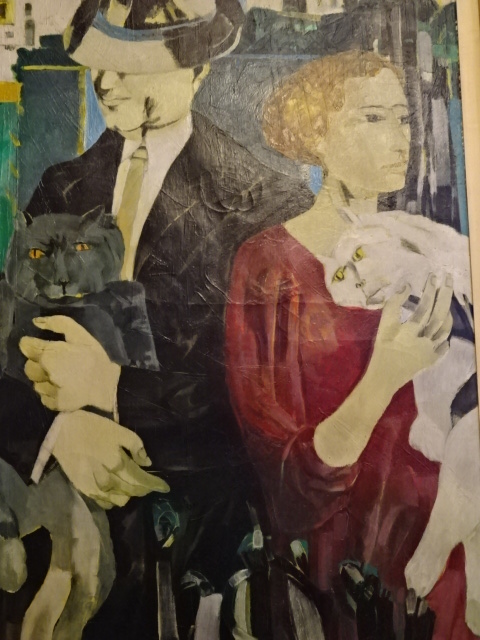
I recognized paintings by Giorgio De Chirico, Pablo Picasso, Amadeo Modigliana, Lucio Fontana and Raoul Dufy. Other pictorial treasures included 66 works by Roberto Crippa; 129 renditions by Gianni Dova; and 57 creations by Cesare Peverelli. Giuseppe Ajmone, Piero Manzoni, Arturo Martini and Sandro Martini, among others, were also represented there. I recognized Joe Columbo’s distinct style from an exhibition at the Museum of Modern Art in Milan the previous year.

What once was a guest room is now filled with furnishings for a study, the pieces dating from the 1930s. The dining room was a delight, too. I was fascinated with the Agena ceiling light, a unique round structure with what look like yellow cups protruding from the ball-like form. I didn’t understand what the style of the ceiling light meant, but it was fascinating to see it with my own eyes.

I went through the flat twice to try to take in all the art that surrounded me. It was a mesmerizing and breathtaking experience. The development of 20th century art was on display, each work speaking volumes about artistic creations during a time period in which I had not lived but could now better appreciate.

Tracy A. Burns is a writer, proofreader and editor in Prague.

Prague’s National Technical Museum Diary

I visited Prague’s National Technical Museum for the first time in 2023, even though I have been living in Prague for more than 25 years. I am not a big technology fan and didn’t think I would be very interested in the exhibits.

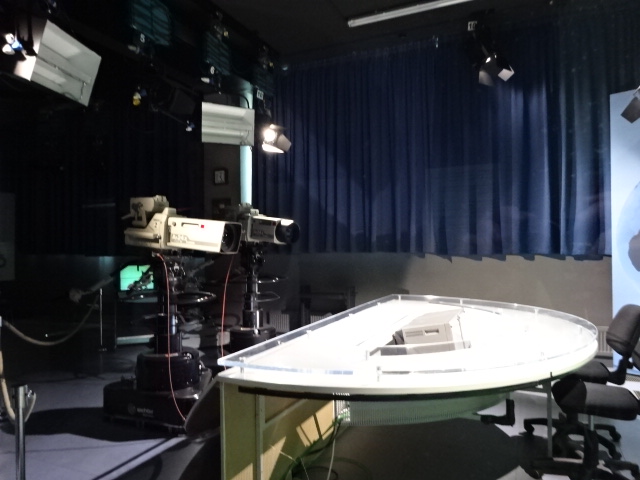
I couldn’t have been more wrong. The museum includes sections on astronomy; chemistry; sugar and chocolate; transportation; printing; household items; photography; the measurement of time; architecture, civil engineering and design; metallurgy and mining, for instance.  A TV studio used by Czech television from 1997 to 2011 allows visitors to sit behind a news desk and see how the TV technology works. A mock mine from the 1950s makes up another exposition. In this post I will concentrate on my two favorite parts – transportation and architecture, civil engineering and design.

Television studio in National Technical Museum

The history of the museum itself is intriguing. Vojtěch Náprstek, a Czech patriot and world-traveler, established the Czech Industrial Museum in 1862. While many exhibits from this museum are now in the Náprstek Museum, some pieces in the collection found their way to the National Technical Museum, which was founded in 1908. Two years later, the museum opened in Prague’s Schwarzenberg Palace near the Castle. After Czechoslovakia was founded in 1918, it moved to the Letná district of Prague, where it is situated today. Construction took place from 1938 to 1941, but, during the Nazi Occupation, the building was used as the ministry of the postal service. After World War II, the museum was located on Letná again, though it was not allocated the entire building. In 1951, new expositions were created, such as transportation, mining, astronomy and photography.

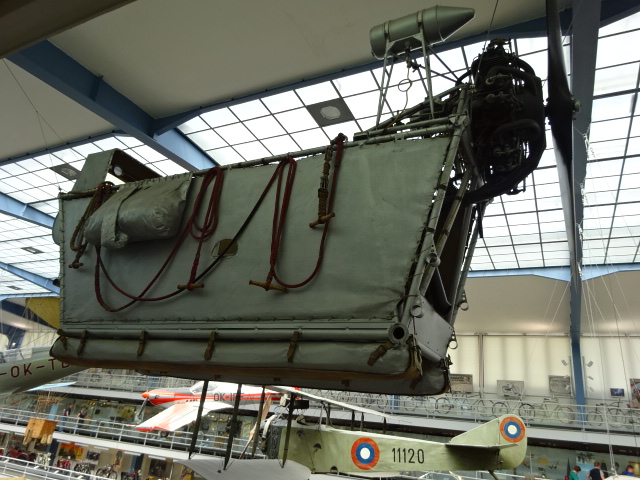
Wicker seat for passengers from Czechoslovak Aria BH-25 airliner, 1920

After the Velvet Revolution that had brought democracy to Czechoslovakia, the museum was able to utilize the entire building. However, there were difficult times ahead. During the 2002 floods, the museum’s depository in the Karlín district was heavily damaged, and some of the artifacts were ruined. Reconstruction started in 2003. In 2011, five expositions were opened. Still, construction wasn’t totally finished until 2013.

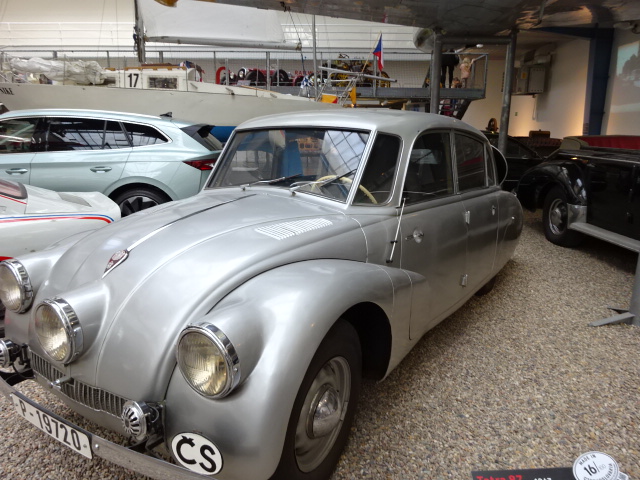
Masaryk’s presidential car

Zigmund and Hazelka’s car in which they traveled throughout Africa and South America

The main hall housing the transportation section is vast and overwhelming. Automobiles, a train dining car, planes, a boat, motorcycles and bicycles all make up the breathtaking exhibition. I liked the Tatra 80 car from 1935, the automobile of the first president of democratic Czechoslovakia, Tomáš Garrigue Masaryk, because I was interested in the First Republic era from 1918 to 1938. I also was excited to see the Tatra 87 car of world travelers Jiří Hanzelka and Miroslav Zigmund. They traveled around Africa and South America in that car from 1947 to 1950 and did more than 700 reports for radio broadcasts about their trips. The two had been the dynamic duo of travel: They visited more than 100 countries. They also made films, mostly documentaries, and wrote books together.

The dining car of Habsburg Emperor Franz Joseph I and later of President Masaryk

I was enamored by the dining car of Habsburg Emperor Franz Joseph I, which in 1923 became part of Masaryk’s presidential train. When President Edvard Beneš returned to his homeland from exile after the war in 1945, this dining car was part of his train. The dining car was put out of commission in 1959.

A sailing boat called Nike was on display, too. Czech Richard Kankolski had sailed around the world in it during 1972, and, at that time, it earned the distinction of being the second smallest boat to sail around the world.

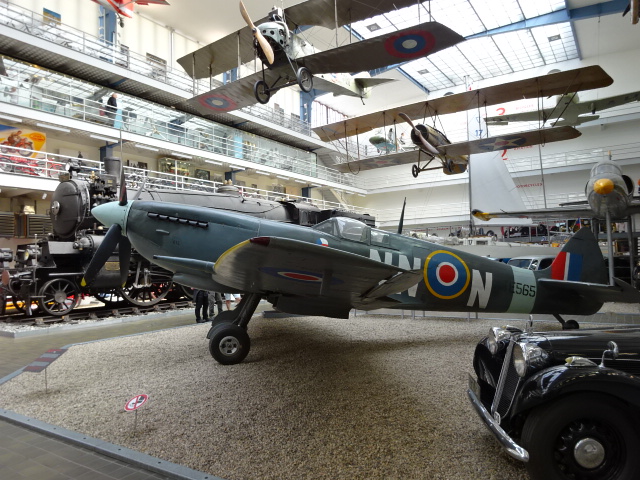
British Spitfire

Three planes that saw action in World War I also are displayed, including an American one. Dating from 1911, the plane manned by the first Czech pilot Jan Kašpar is part of the exhibition. I was drawn to the British Spitfire that members of a Czechoslovak squadron of the RAF had flown during World War II.

Germans drove this kind of motorcycle when they occupied Czechoslovakia in 1939.

I was very interested in the various bicycles and motorcycles, too, even though I vow never to ride either of them. A bamboo-made Slavia bike hails from 1905. The BMW R11 from 1932 caught my undivided attention because the Germans had driven these motorcycles when they occupied Czechoslovakia on March 15, 1939. I tried to imagine seeing so many of these motorcycles at Prague Castle with the flag of the Third Reich fluttering from the flagpole. The very thought was chilling.

Milan Špinka’s bike

The first series-manufactured motorcycle in the world

I also saw the Jawa 500 – 891 from 1973. While the Soviet Union had excelled on ice speedway competitions, this is the motorcycle on which Czech Milan Špinka defeated the USSR in the world championships of 1974. Another motorcycle that interested me was the Hildebrand & Wolfmuller from 1894. It was the first series-manufactured motorcycle in the world. The one on display is the first motorcycle manufactured for the Austro-Hungarian Empire.

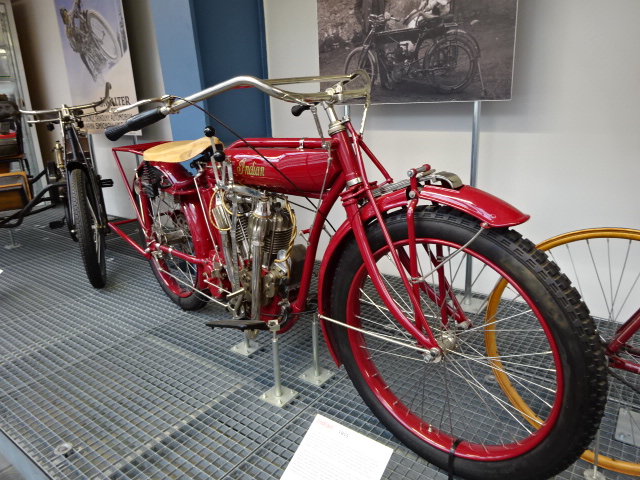
Indian brand, 1915, manufactured in America

Czechoslovak observation balloon, 1934

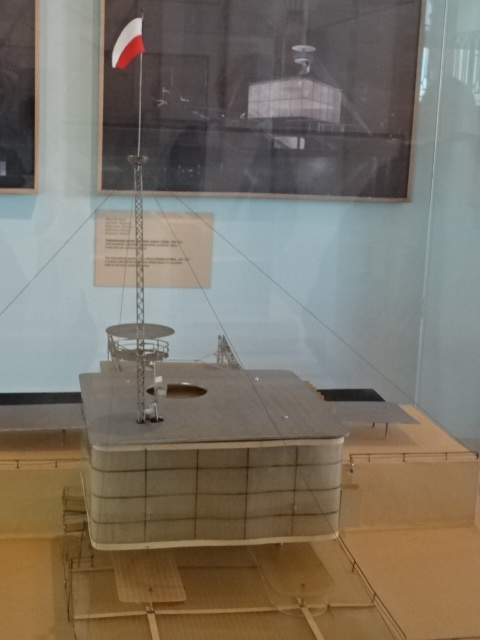
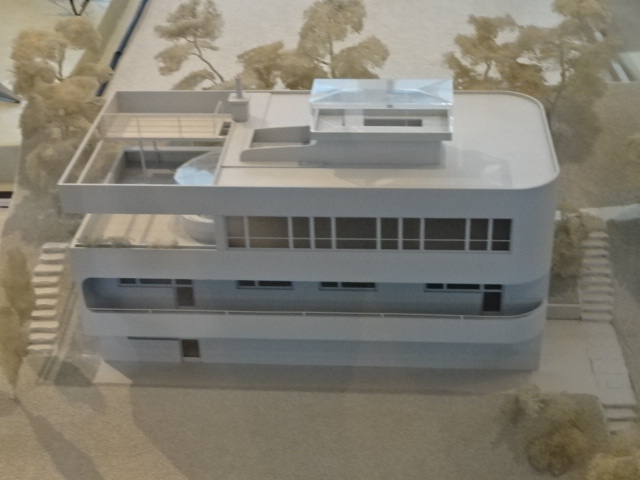
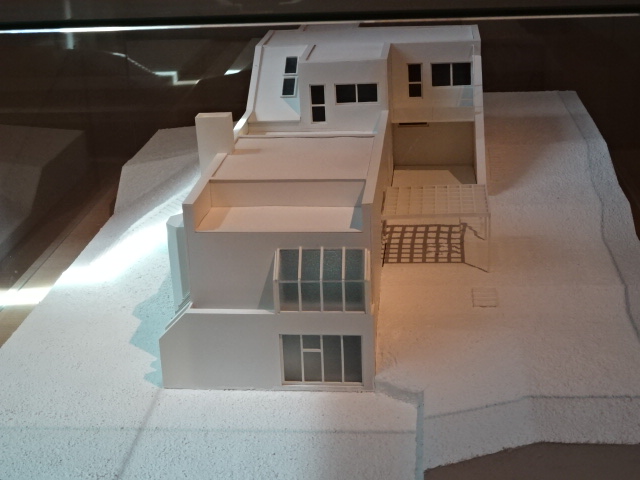
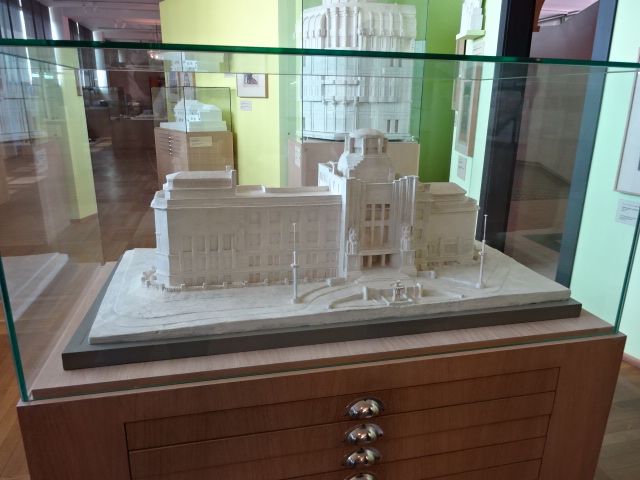
The architectural part of the museum covers the developments in the Czech lands from the second half of the 19th century to the present. Styles of historicism, secession, cubism, constructivism, functionalism and socialist realism as well as modern works are all represented. I loved the architectural models, especially those of villas in Prague, the Czech Pavilion at Expo 58 in Brussels and the Czechoslovak exhibition pavilion at the World Arts and Technology Exhibition in Paris during 1936. I loved to take walks through the villa-dotted sections of Prague’s Baba, Ořechovka and Hanspaulka quarters. In this museum, I saw models of famous villas in the Hodkovičky, Podolí and Troja districts of Prague, for instance.

Czechoslovak World Arts and Technology pavilion, Paris, 1936

Director Martin Frič’s villa in Hodkovičky, 1934-35

Top: Stýblo’s villa in Podolí quarter of Prague, 1935-36, Bottom: Villa of film director Věra Chytilová in Troja quarter of Prague, 1970-75

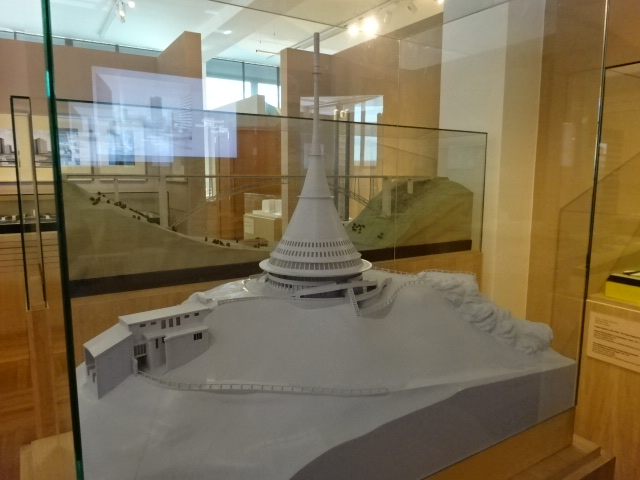
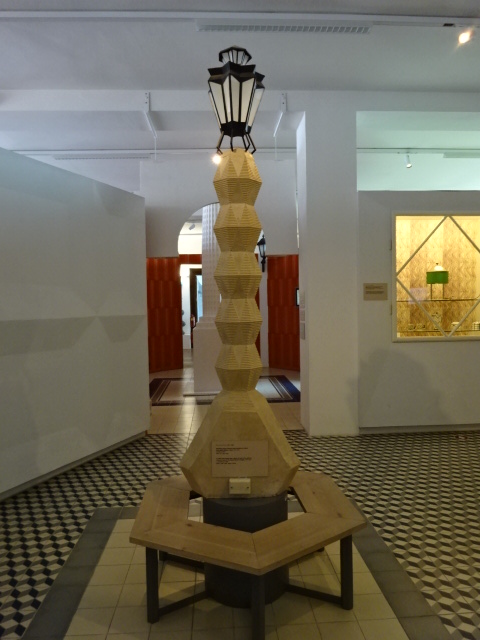
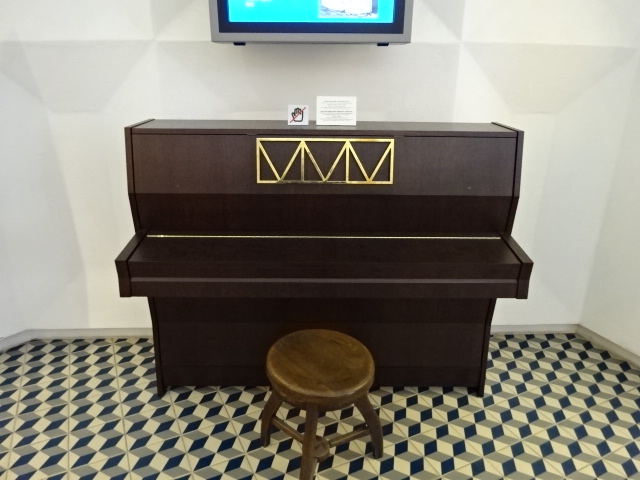
I liked the model of the column with lantern in front of Our Lady of the Snows Church in Prague because it was unique, Cubist in style. I also took notice of the Cubist Petrof BB upright piano. The model of the television transmitter and hotel on Ještěd Hill in Liberec brought back memories of the magnificent views from the observation point at the restaurant and hotel. Some models showed off designs by masterful Czech architect Jan Kotěra, including the East Bohemia Museum in Hradec Králové, which had extremely impressed me about a month previously, and the reconstruction of Saint George’s Church in Doubravka near Pilsen in west Bohemia. The museum in Hradec Králové was constructed from 1906 to 1913 while the church hails from 1899. Architectural plans and photography rounded out the exposition.

Ještěd Hill Hotel and Restaurant

Cubist column in front of church – top photo, Cubist piano – bottom photo

I was glad I had finally visited this museum that offers valuable insights into the technical world. The main hall with various exhibits of transportation was amazing, and my interest in architecture compelled me to take a close look at the exhibits in that section. Overall, it was a day well spent.

Tracy A. Burns is a writer, proofreader and editor in Prague.

Museum of East Bohemia designed by Jan Kotěra

St. George’s Church designed by Jan Kotěra

The Last Century – Twenty Artists Exhibition Diary

This permanent exhibition at the Gallery of Modern Art in Hradec Králové showcases the works of some of the most influential Czech artists of the 20th century. I liked the fact that the works were organized by person with commentary about the artists’ backgrounds and styles. I will highlight the creations that most influenced me, although all the painters and sculptors are important.

First, about the building housing the Gallery of Modern Art: Like many edifices in Hradec Králové, the museum is an architectural gem. Facing the town’s main square, the building that was completed in 1912 by Osvald Polívka is impressive with two statues flanking the façade. These sculptures were made by Ladislav Šaloun in 1908 and show allegories of commerce and the harvest. Reliefs of atlases with dogs at their feet also make up the external ornamentation. Polívka’s Art Nouveau designs can be found in Prague’s Municipal House, which he decorated from 1905 to 1912. I tell everyone coming to Prague to tour the Art Nouveau Municipal House, as it is certain to be a highlight of any visit. Šaloun created the statue of Jan Hus that dominates Prague’s Old Town Square.

Several banks were housed in this building before and during the First Republic. For many years under Communism, the Cotton Industry Association and an agricultural company called the place home. Renovations took place in the late 1960s. In 1987, the totalitarian regime transformed the building into the Museum of Revolutionary Traditions. This totalitarian exhibition was closed after the 1989 Velvet Revolution that freed Czechoslovakia from Communist control.

In 1990, the Gallery of Modern Art took up residence there. From 2014 to 2016, both the interior and exterior underwent a vast renovation. A walkway was formed around the central atrium, for example. The interior boasts geometric shapes, floral designs and Art Nouveau-styled adornment of garlands and cherubs. I especially liked the stained glass window decoration.

Here are some of my favorite artists represented in this exhibition:

Fate of the Artist, 1909

Quido Kocián

The expressive sculpture of Quido Kocián was influenced by symbolism and Art Nouveau. I love how he was able to express basic emotions like love and suffering. I went to a superb exhibition of his work about 15 years ago on Husova Street in Prague. In some statues I could see the turmoil and anguish of the persons depicted. Other sculptures triggered feelings of happiness and fulfillment. Kocián had a knack for depicting various psychological states and the depths of the human soul. He studied under legendary artist Josef Václav Myslbek but wound up rebelling against Myslbek’s traditional style, opting for expressiveness instead. Kocián’s works were not fully appreciated in the Czech art history sphere for a long time.

Ladislav Zívr

Surgeon, 1961

A member of the artist Group 42, Zívr focused on everyday life, a feature that is dear to me in all art forms. Inspired by Cubism and the creations of Otto Gutfreund, he made sculptures that have machine-like qualities as well as human traits. He had a penchant for surrealism. After the world wars, Zívr was influenced by nature, and his works portrayed strong symbolism. I liked the way he was able to express a person’s soul through primitive forms.

Jiří Kolář

I had been to a large exhibition of Kolář’s works in Prague’s Kinský Palace some years ago and was very familiar with his collages that included cut out images and words from publications. (See my article about the exhibition in a much earlier post called Jiří Kolář Exhibition Diary) He was a poet and prose writer as well as a fierce critic of Communism. Kolář emigrated to Paris in 1979. He often used phrases from books or created his own poems in his collages. His works lingered on the border of the dream realm and reality, a trait I found very intriguing. A staunch supporter of democracy, Kolář was also one of the first Czechs to sign Charter 77, a document written by dissidents to promote human rights in the normalization era of Communist Czechoslovakia. He played a major role in publishing literature banned by the regime. Kolář was also one of the founders of the influential Group 42.

Jaroslav Róna

Scene by the Fire, 1984

I know Róna’s sculptures well, but I was not familiar with his paintings. Róna designed the abstract Franz Kafka Monument in Prague’s Jewish Quarter, an important sculpture to see in the Jewish Town. He is, indeed, a man of many talents: He has also worked as a painter, illustrator, screenwriter, author of books, actor, singer and educator. His works have a certain dynamic energy. He has been inspired by the Expressionism style of Edvard Munch, Oskar Kokoschka, Max Beckmann, Egon Schiele and Pablo Picasso. A supporter of democracy, he drew brochures for the Velvet Revolution during 1989. Rona is also an avid traveler. His sculptures can be found at Prague Castle as well as on the island of Crete and in many other places.

Josef Váchal

Sacrifice, undated

I liked the mystical quality in Váchal’s works. He was a graphic designer, wood engraver, bookmaker, writer and painter who excelled in all those genres. Váchal was inspired by expressionism. His works featured symbolism, naturalism and Art Nouveau tendencies. A soldier during World War I, he fought in 12 battles. The Communist coup brought hard times for Váchal, who remained isolated after 1948. People did not show much interest in his work then. In the 1960s, he received some acclaim. Much later people recognized that Váchal had created some of the most significant works of Czech graphic design in the 20th century.

Augusta Nekolová

Four Seasons, 1914

Because Nekolová was female, she had limited educational opportunities during the 19th and early 20th century. She did, however, study unofficially under the prominent Czech artist, Jan Preisler. Nekolová worked as a painter, illustrator and graphic artist. She steered away from representations of modern life in her works. She was known for her landscapes and for her emphasis on motherhood. Nekolová strove to promote the national identity of the Slav nation. She developed a strong interest in folk culture. At the end of World War I, Nekolová was hospitalized. She died in 1919 at the age of 29.

Bohumil Kubišta

In the Kitchen, 1908

Café, 1910

A prominent avant-garde artist, Kubišta helped found the Expressionist group the Osma (The Eight). He was a painter, graphic designer and theoretician and is considered to be the founder of Czech modern painting. His works dealt with existential issues. Kubišta’s expressionism was inspired by Munch. He was also influenced by Braque and Picasso’s Cubism. Kubišta analyzed the works of Eugene Delacroix and Vincent Van Gogh. His works also contain elements of Futurism and Fauvism. Kubišta often explored themes dealing with modern technology and nature. While serving in the Austrian army during World War I, he won the distinguished Leopold Order. He died of the Spanish flu at the age of 34 in 1918.

Emil Filla

Dance of Salome, 1911

Hej hore háj, Folk Song, 1948

Along with Kubišta, Filla established the Osma group. He also was known for his writings about art theory. During his early artistic endeavors, he drew inspiration from Edvard Munch’s Expressionism. Later he took up Cubism, influenced by Picasso and Braque. He also was captivated by Baroque still lifes by Dutch painters. El Greco and his symbolism fascinated Filla. In the 1930s, he became enthralled with surrealism. His landscapes demonstrate his knowledge of Chinese calligraphy. My favorite trait in his paintings involves his use of a harmony of colors.

Repression (Anxiety) by Josef Wagner – temporary exhibition

I especially liked the exhibition’s pieces of art influenced by Expressionism and Cubism. The colors and shapes in Kubišta’s and Filla’s works caught my undivided attention. I was introduced to Nekolová’s art and intriguing background at this exhibition. I was fascinated how Quido Kocián captured the emotions of the human soul in his sculptures while Zívr concentrated on simple forms to create profound meaning. Kolář’s collages were a sort of visual poetry. Váchal and Róna’s creations displayed impressive energy.

Moscow Diary, 1989 by Anna Daučíková

It was my first visit to Hradec Králové, except for brief stops at the train station and bus station. The Gallery of Modern Art with its poignant exterior and interior decoration and use of space was one of the most impressive buildings I saw.

Tracy A. Burns is a writer, proofreader and editor in Prague.

Landscape, 1962 by Vladimír Boudník

Apollo and Dionysus, 2013 by Anna Hulačová

The gallery also has an impressive collection of contemporary art.

Beach in Crimea (In A Small Bay), 1936 by Věra Jičínská, temporary exhibition

See my post Věra Jičínská Exhibition Diary for more information on this temporary show.

Věra Jičínská Exhibition Diary

Věra Jičínská – On the Terrace, 1934. Photo from webpages of Gallery of Modern Art, Hradec Králové.

What I like most about visiting Czech museums outside of Prague is that I often find an exhibition dedicated to an artist who is underrated and has been overlooked by the capital city’s art scene.I was in luck when I visited the Gallery of Modern Art in east Bohemia’s Hradec Králové because I came across an exhibition dedicated to the late artist and writer Věra Jičínská, who had made a name for herself in Europe during the interwar years. While she is best known as a painter, the thrilling show also emphasized her penchant for traveling and her talent as a journalist, photographer and designer. Back then, women were not expected to have careers but rather to dedicate their lives to raising a family. Jičínská demonstrated her independence by concentrating on an artistic career, smoking and sporting short hair.

Beach in Crimea (In a Small Bay), 1936.

Jičínská grew up near Brno and later studied in Prague at the School of Decorative Arts. She spent the following years living abroad, exhibiting her art during a seven-year sojourn in Paris after spending two years in Munich. In Paris she became steadfast friends with Czech painter Jan Zrzavý and composer Bohuslav Martinů. Her early career was influenced by Purism and Cubism, but during 1925 she developed a Neoclassical style. By the 1930s, her works were imbued with bright colors.

Parisian rooftops, 1923-24.

The exhibition’s display of paintings inspired by her travels was my favorite section. Jičínská’s paintings of Brittany’s landscape and fishing tradition captured my attention. That was one place I longed to see. Her romantic rendition of Paris’ rooftops and the Eiffel Tower brought back memories of my visits to the French capital. I went up the Eiffel Tower for the first time when I was a junior in college.  As my friend and I enjoyed the sights from early morning until night every day, we drew energy from the electric atmosphere of the city and its many wonders. Her works showing places in Hungary and Czechoslovakia also captured my attention.

The Eiffel Tower, 1927.

Jičínská also became known for painting female nudes, a subject that, up until then, only had been taken up by male artists. She celebrated the female body in her works, even painting pregnant women. Dance was another theme she dealt with. The bright colors of her painting “Alexander Sakharov in a Fantastic Burlesque” captured the vibrancy of the dance. She was fascinated by folk culture. Her “Girl in Folk Costume” emphasized the beauty of the people, their costumes and folk traditions. Some of her art focused on Hindu dance themes, too.

Journalism by Věra Jičínská

In the early 1930s, she took up journalism. Her articles examined modern culture – theatre, film and architecture, for instance. The profession of journalism was also the theme of some of her paintings. I had spent time as a culture writer for various publications, and her thirst for knowledge in the cultural sphere made me feel a certain kinship.

In 1930 she married a former classmate. The following year the couple moved to Prague, though her work was still exhibited throughout Europe. Together, the two trekked to Slovakia during 1933 and 1934, and she documented her trip with masterful photographs. Her pictures from Slovakia brought out the character of the people photographed. There was no exaggeration or embellishment to the photos. She emphasized everyday activities in her snapshots. This feature made me think of my favorite Czech writer, Bohumil Hrabal, who, in his fiction, stressed the beauty of everyday life. Ever since I read his books, I have become more appreciative of the little things in life that, up until that time, I would often take for granted, the small joys that take on so much meaning when they are gone.

Gulls, 1933.

Still, the one photograph that impressed me the most featured gulls swooping around Prague Castle. I was reminded of one of the many views that had made me fall in love with the city – Prague Castle from several of the bridges, Prague Castle from the Vltava embankment, Prague Castle from the window of a flat I had rented long ago. After the attacks on September 11, 2001, I found great solace in that postcard perfect view from the apartment where I was living at the time. It helped me deal with the tragedy of that day, which would be forever etched in so many minds. Jičínská also took poignant photos during trips to Poland, Russia and Ukraine.

Brittany, 1928.

In 1937, her life changed again. Jičínská gave birth to a daughter whom she named Dana. While she devoted much time to motherhood, she did not give up her career. She even exhibited works during World War II. By 1941, she was concentrating on working with pastels to create a colorful dynamic and rendering many landscapes. In 1946, the couple bought a cottage in Říčky, a village nestled in the Orlické Mountains. Jičínská often painted there, and  many Czech artists visited the couple during the 1950s.

The Communist coup of 1948 had had a devastating effect on Jičínská and her family. Her husband’s publishing house was nationalized, and he was no longer the boss but rather one of the employees. Her parents had lived in a villa in Brno, but the Communists only let them occupy several rooms. To make matters worse, her father saw his pension dwindle.

Girl in Folk Costume, 1929.

Due to the financial hardships, Jičínská branched out into more artistic fields. She designed postcards and became a designer who often worked with ceramics. In 1952 she was restoring a ceiling fresco at the Czechoslovak Academy of Arts and Sciences when the scaffolding collapsed. She was severely injured and could not continue as a painter. She focused on her work as a designer. On March 27, 1961, a year after her daughter married, Jičínská died in Prague.

Before this exhibition I had not even heard of Věra Jičínská. After seeing her works, I appreciated the obstacles she must have come across pursuing a career as a female artist, journalist and traveler during the interwar years. I grew up playing baseball and ice hockey with boys, and I often was the only girl in the baseball league. But that was nothing compared to what Jičínská had accomplished as a woman breaking down barriers and living an independent life the way she chose to live it, not allowing herself to be dictated by society’s norms.

Alexander Sakharov in a Fantastic Burlesque, 1932.

The Gallery of Modern Art’s permanent exhibitions were also fascinating, and I will write about that in a separate post. Twenty artists from the last century were featured in one section, and contemporary art played a role in the collections, too. But what stood out most for me was the exhibition of Věra Jičínská’s artistic accomplishments.  

Tracy A. Burns is a writer, proofreader and editor in Prague.  

Ladislav Janouch Exhibition Diary

I love visiting the exhibitions at the Kooperativa Gallery in Prague’s Karlín district. Kooperativa, an insurance company with headquarters in Vienna, created spaces for a café and gallery in its Prague office building during 2012, when it moved there. The exhibitions are free and very intriguing.
I went to an exhibition of Ladislav Janouch’s passionate sculptures in April of 2023. Previously, I had been enthralled by an exhibition showcasing Czech Impressionist art. The works by Janouch certainly did not disappoint.

Born during 1944 in Prague, Janouch has created not only expressive sculptures but also drawings and sketches. After graduating from the Academy of Decorative Arts in Prague during 1973, he has devoted much of his time to sculpture, participating in 25 individual exhibitions. He studied in Italy on a scholarship during 1980. The materials he has utilized include wood, stone, marble, bronze and metal.

Janouch’s works focus on the human figure. Janouch’s poignant sculptures include mothers with their children, female nudes, mythological figures, athletes and busts of famous Czech personalities. The figures are in various positions – some seated, some standing, some lying down. He takes on mythological themes with his creations of Prometheus and Icarus, for example. Sports enthusiasts will take special notice of the discus thrower captured perfectly in motion. I could almost see the athlete’s twisting torso moving because the work is so vivid.

Karel Kryl

He has sculpted many busts, including those of professors. His busts reveal not only facial features but also character traits in an emphatic way. Each bust tells a different tale. My favorite, though, is that of the late singer, songwriter and poet Karel Kryl, whose music I listen to often. Kryl’s songs, made up of poignant poetry, protest against the Communist regime.

Kryl emigrated to Germany in September of 1969, during the strict Communist period of Normalization. After the Prague Spring invasion during August of 1968, the Communists had begun their Normalization era of rigid rules. I remember where I was when I heard Kryl unexpectedly had died of a heart attack on March 3,1994 at the age of 49. A waiter in the Na Rybárně Restaurant near Václav Havel’s embankment apartment had told me, and I had shared his sorrow. Kryl had only been in Prague two days before his sudden death; he passed away in Munich. Kryl died shortly after I had discovered his music. I bought all his cassettes and listened to them religiously, scrutinizing the Czech language in poetic form, too. I could feel Kryl’s penchant for protest and devotion to democracy in the face of his bust.

Ladislav Janouch also created busts of his father and grandfather, who had played roles in the Czech literary world. His father, Jaroslav Janouch, had been a writer, editor and translator. His grandfather had made a name for himself as a writer of humorous stories in numerous magazines and six books. (Two were published posthumously.) He had used the pseudonym Jaroslav Choltický. Ladislav’s son is a sculptor, too. In 2020 Ladislav exhibited his works alongside his son’s creations in Kadaň.

I was very glad to familiarize myself with Janouch’s sculptures. I liked the expressiveness in his human forms. His renditions of athletes gave me the most joy. The tender relationship between mother and child was another meaningful feature. I also was especially moved by the busts as each face told a unique story.

Tracy A. Burns is a writer, editor and proofreader.