
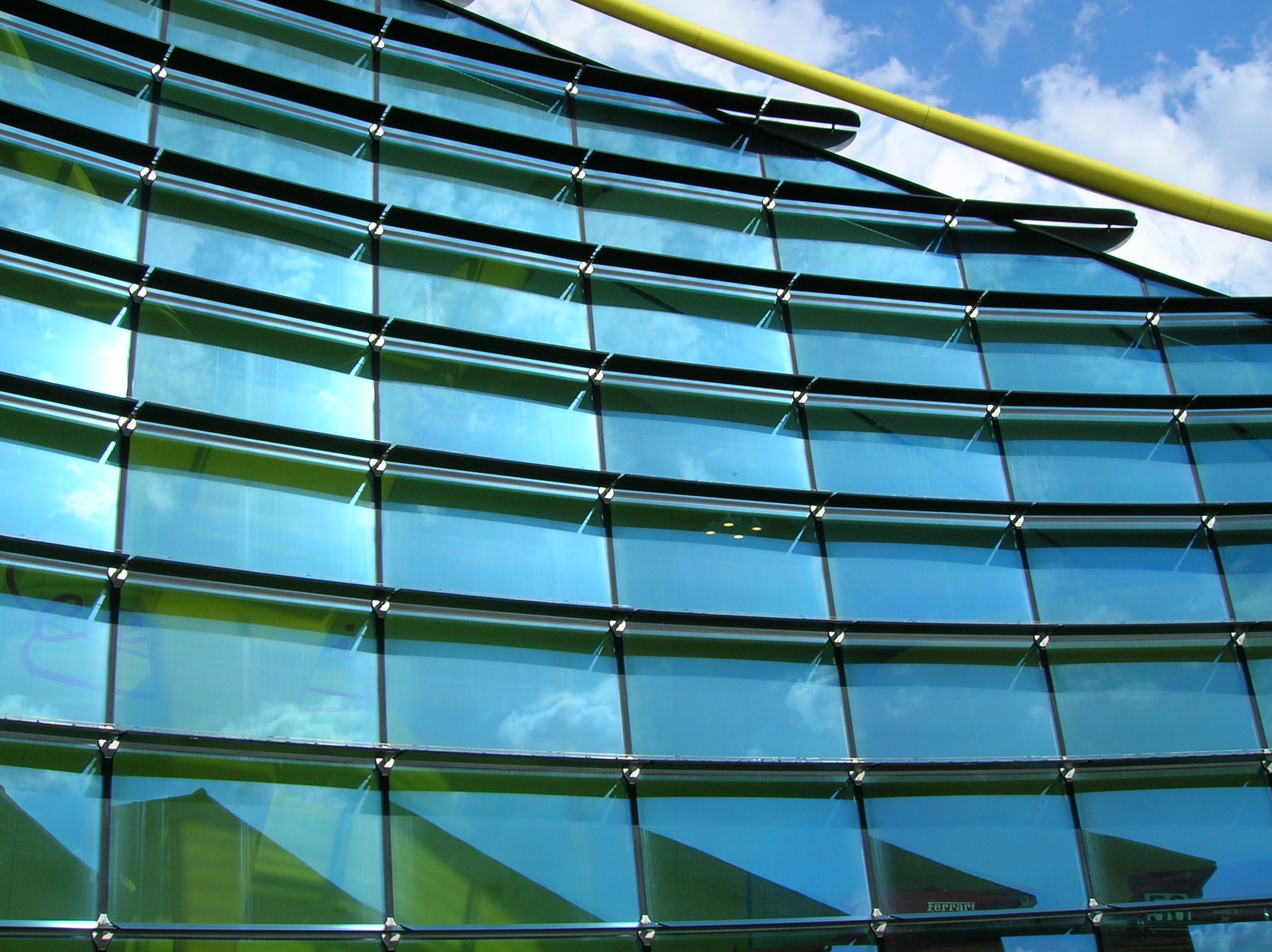
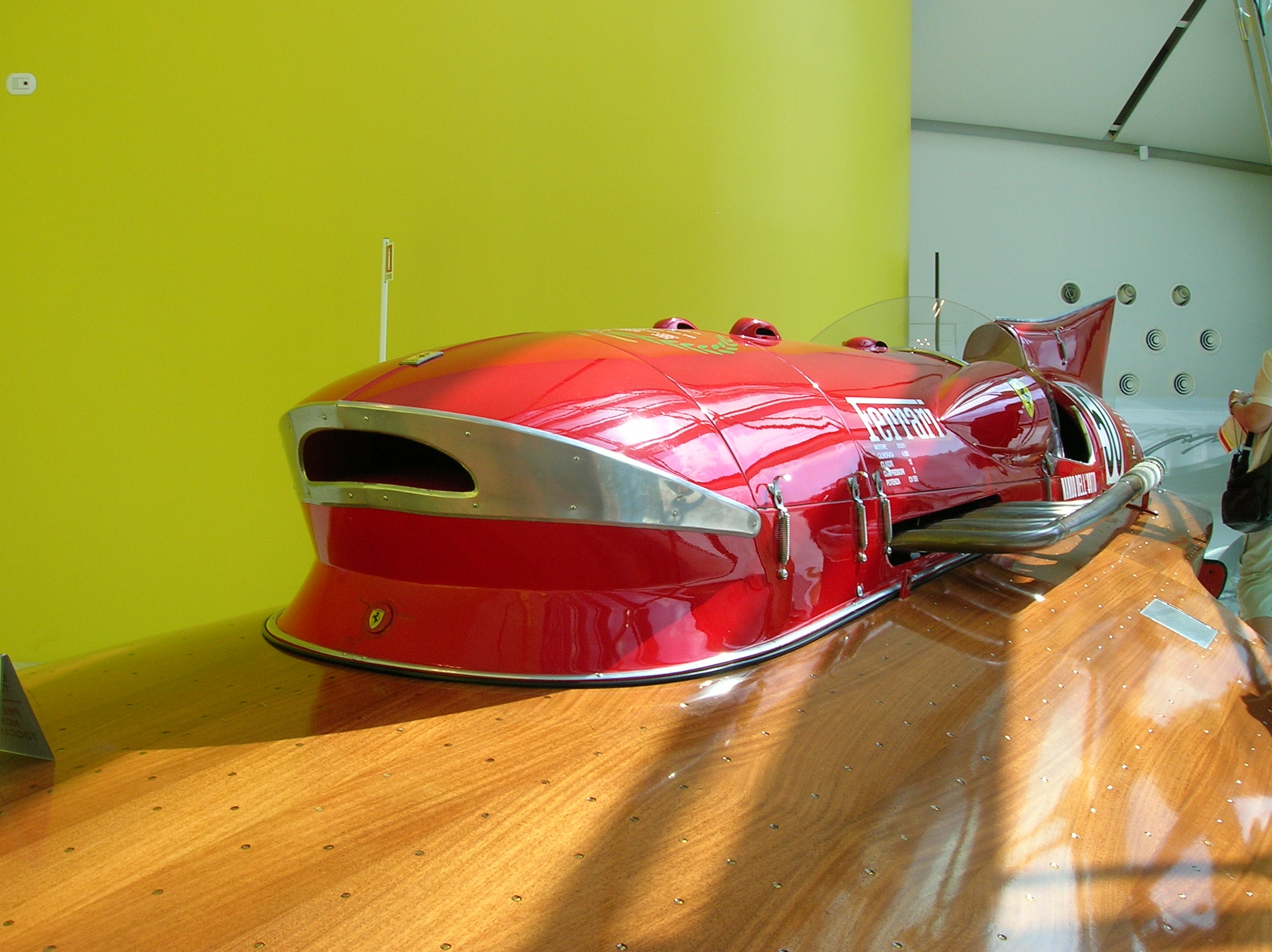
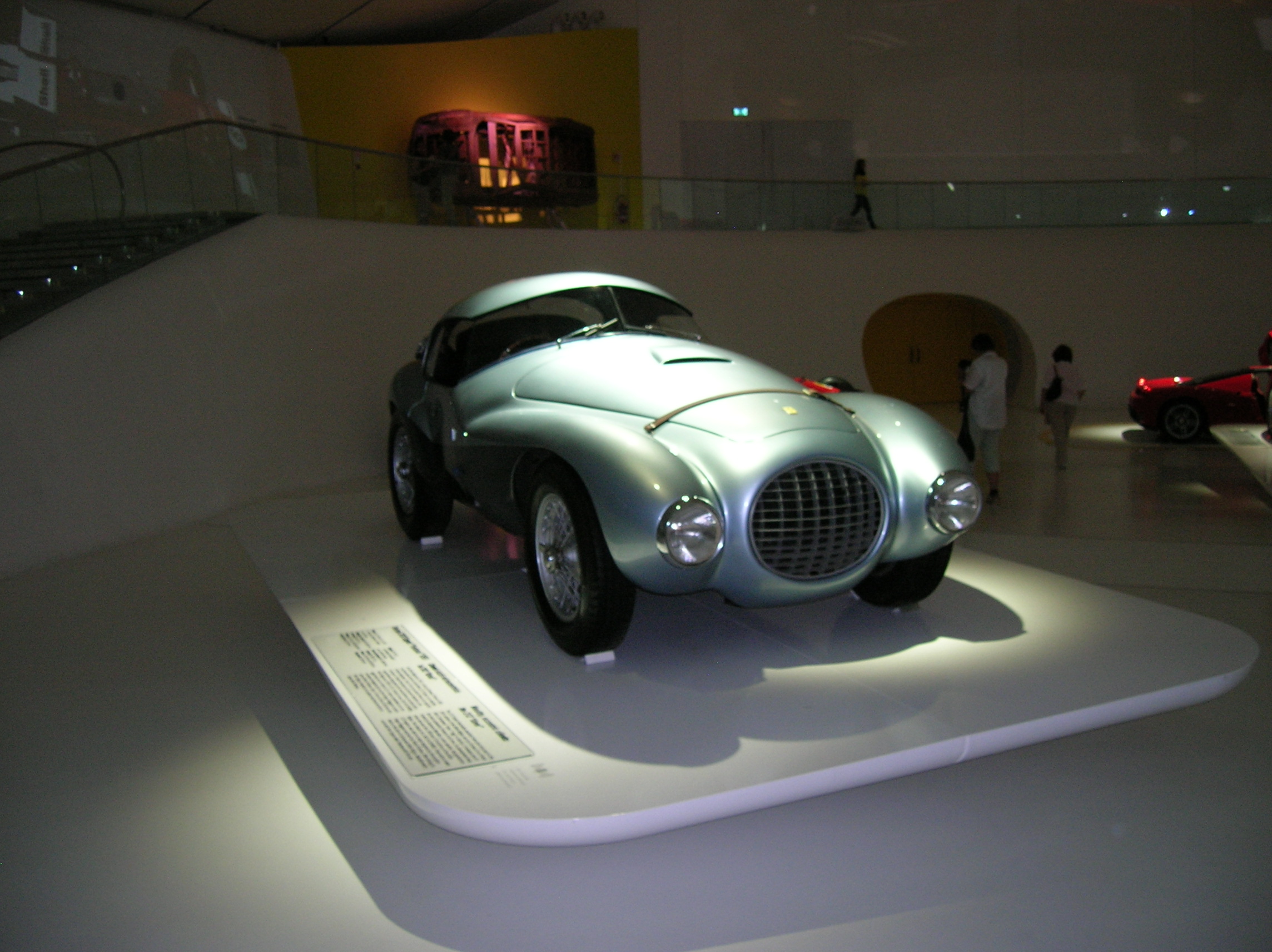
I hadn’t ever been interested in cars. Then I was traveling through Italy with a travel agency, and we stopped at the Enzo Ferrari Museum in Modena. The place captured my undivided attention. The museum, on the premises of the former metal-making shop of the founder’s father, is named after the man who created the Ferrari brand, Enzo Ferrari (1898-1988). Enzo used to be a stellar racing driver. Behind the wheel he won 11 Grand Prix competitions, nine World Driver’s Championships and eight World Constructors’ Championships, to name a few. He chose the career of a racing driver over singing tenor in operas or focusing on sports journalism, two of his other passions.

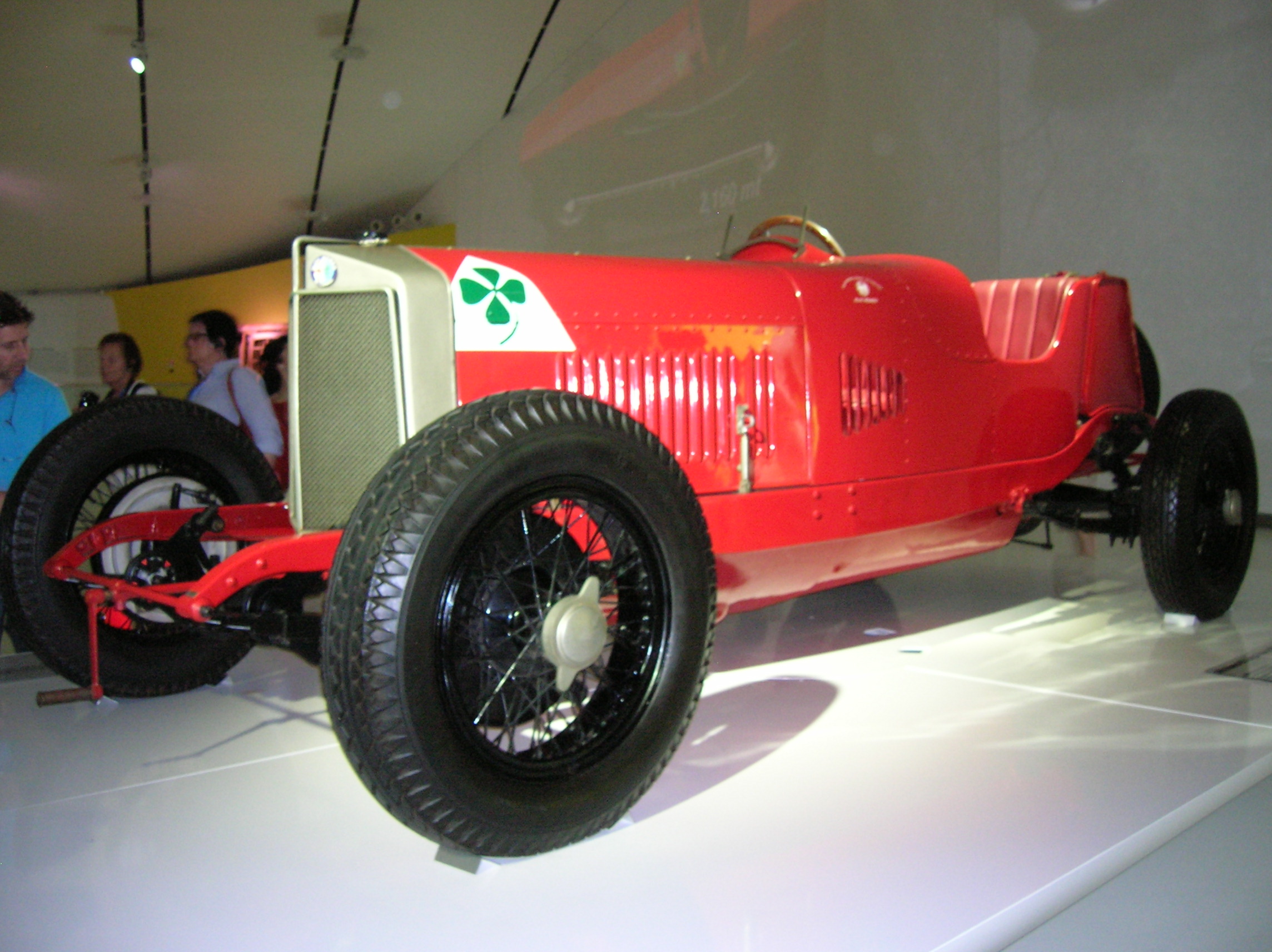
During World War I, he fought for the Italian army amidst family tragedy. Both his father and older brother passed from the flu epidemic in 1918. Enzo survived a severe bout of the flu himself, and the army sent him home. He made his debut as a professional racing car driver in 1919 and joined Alfa Romeo the following year. During 1923, he won his first Grand Prix. His career was punctuated by accomplishments. In 1932 he retired and formed his own team, Scuderia Ferrari, but the company only lasted until 1937. Two years later, he started a business making car parts for racing teams. During World War II, his company focused on manufacturing for the war.
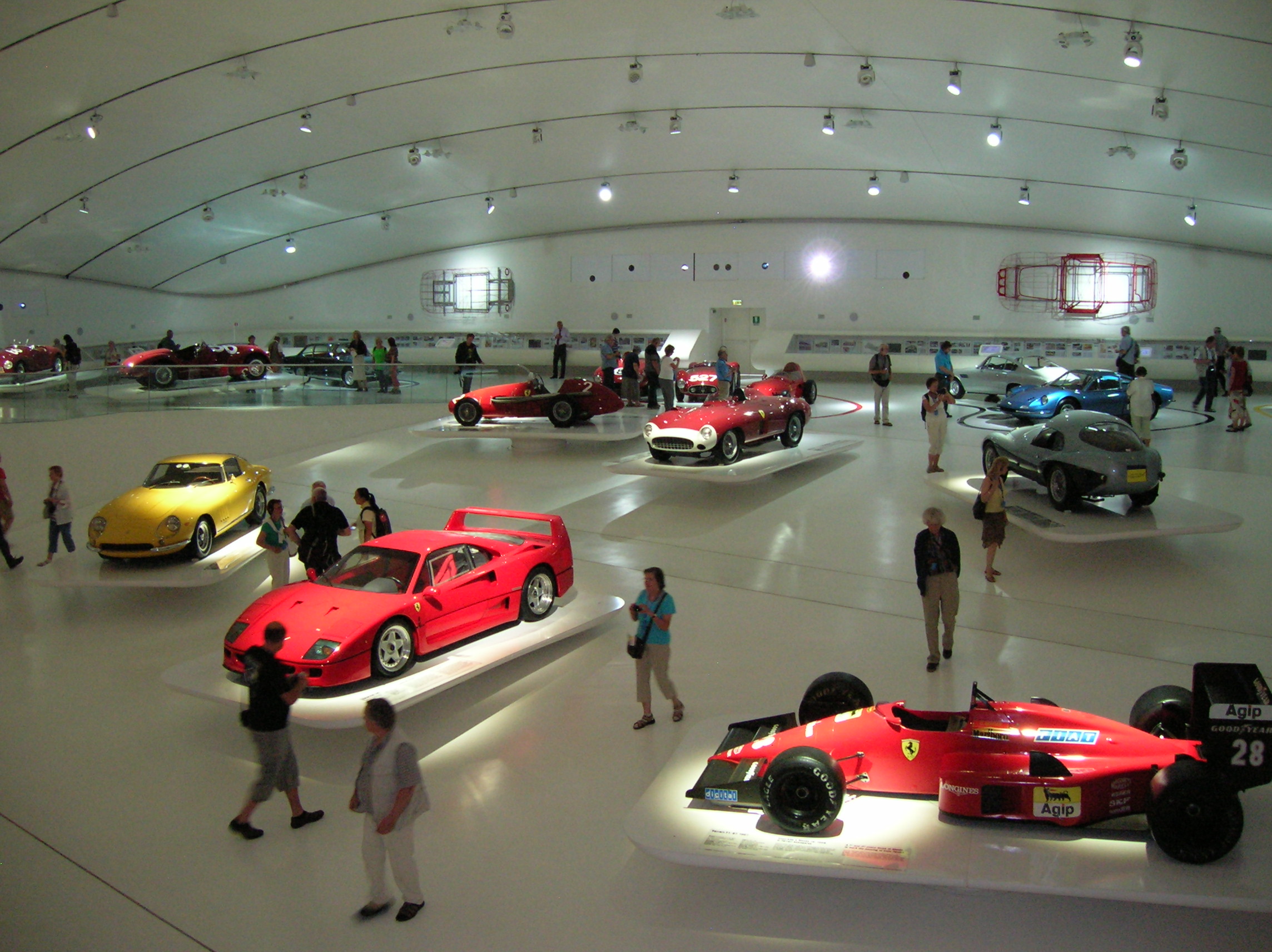
However, when the war ended, Ferrari decided to produce cars. He established Ferrar S.p.A with his own drivers during 1947. The praiseworthy team was successful, winning its first Grand Prix during 1951. That’s when Enzo decided to branch out and sell sports cars in addition to overseeing his racing team’s competitions.

The late 1950s proved to be a dark time in Ferrari’s history. Few people showed up for races, and the roads were in horrible condition, for instance. To make matters worse, in 1957, during a race, a Ferrari crashed. It was a nightmare. Not only did the two drivers die, but 11 pedestrians, including children, also lost their lives. Criminal charges were filed against Enzo, but the case was later dismissed.
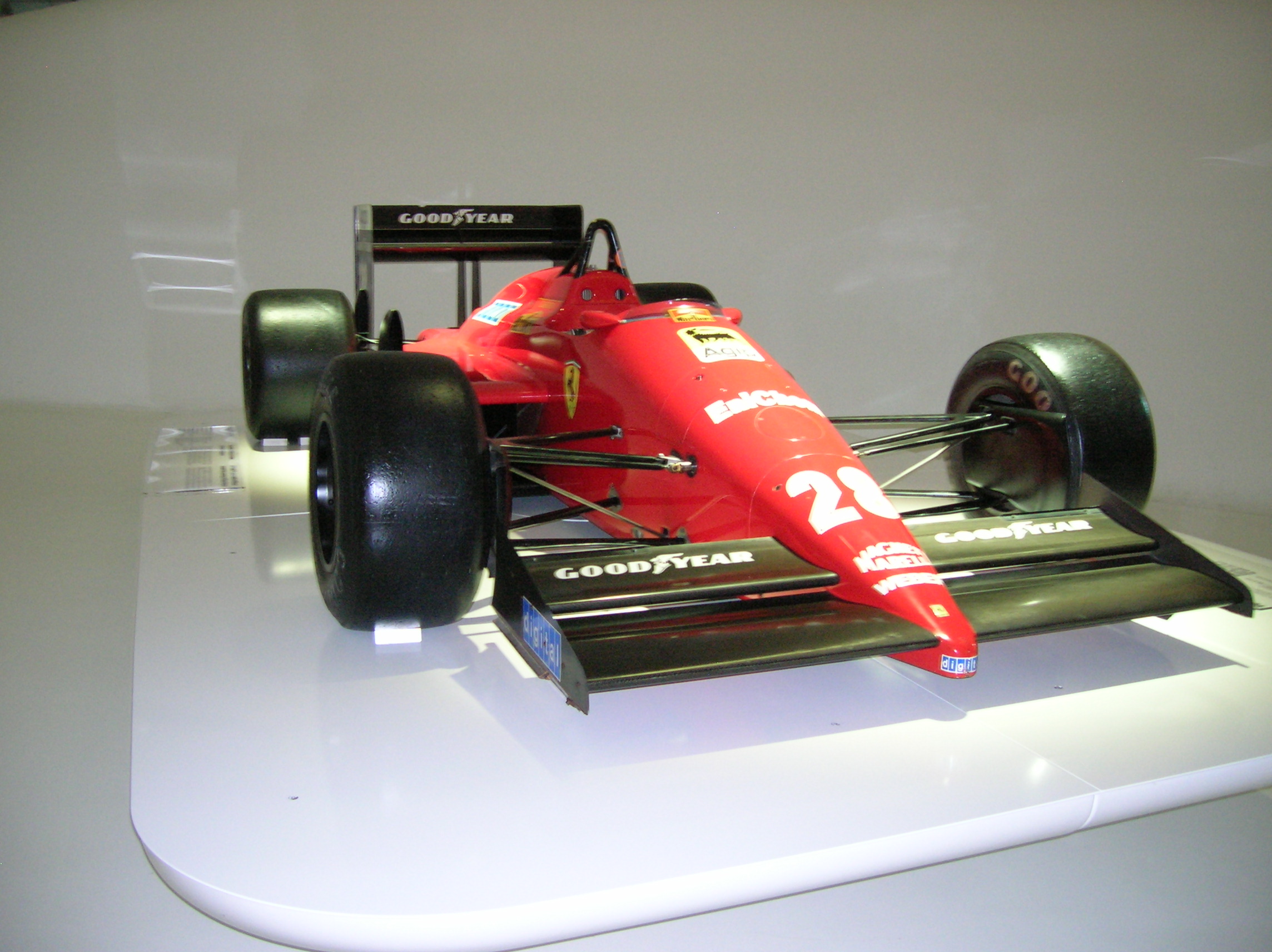
The 1960s proved a stellar time for the company, despite the fact that many employees left in 1962. The Ferrari team won six consecutive years at Le Mans, nabbing victories from 1960 to 1965. Also, the popular Dino cars began to be produced in the 1960s.

During the 1970s, a three-kilometer racing track was added to the Modena premises so Enzo could make sure his cars drove well. It is still in use. Having achieved much success, Enzo died of leukemia during 1988. To this day, the Ferrari brand remains one of the most significant worldwide.
Tracy A. Burns is a writer and proofreader in Prague.








 Tracy's Travels