
My favorite sight in Verona was this house museum of remarkable art from the 14th century to contemporary times in the collection that entrepreneur Luigi Carlon amassed during a 50-year period. I love museums that have an intimate and personal quality that make them appear as private homes rather than galleries of art. In Milan I was entranced with the Pezzoli Poldi and Bagatti Valsecchi house museums that shared this trait.
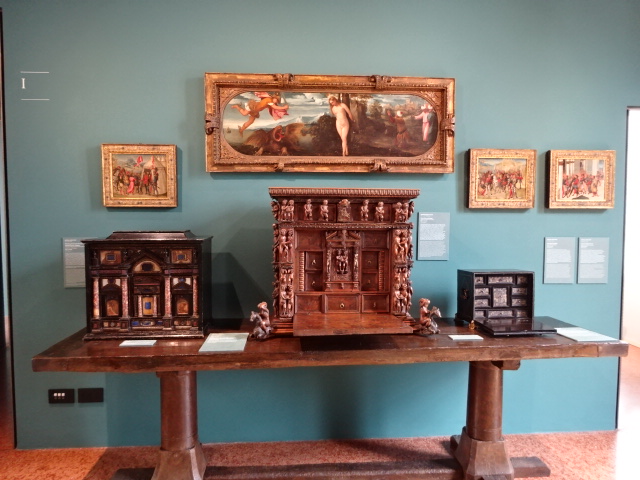
In the Palazzo Maffei I appreciated that the art was not displayed in a chronological order but rather looked as if the Maffei family had designed their residence with paintings, sculpture, drawings, engravings, pottery, bronzes, ivories, frescoes, furniture and objects of decorative art. I liked the eclectic nature of the collection – it had a bit of everything, a dash of this, a dash of that.

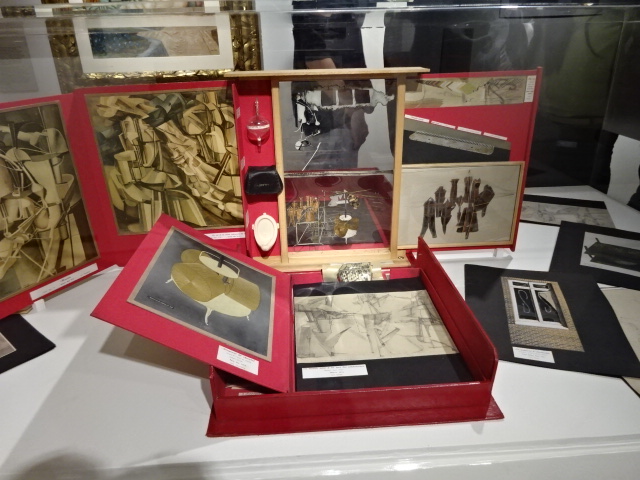
Art by Marcel Duchamp
The collection that was opened to the public after extensive renovation in 2020 included both Italian and foreign artifacts, though the focus is on Veronese representation. While the first section resembles a private home, the second part looks more like a gallery and highlights modern and 20th century art.
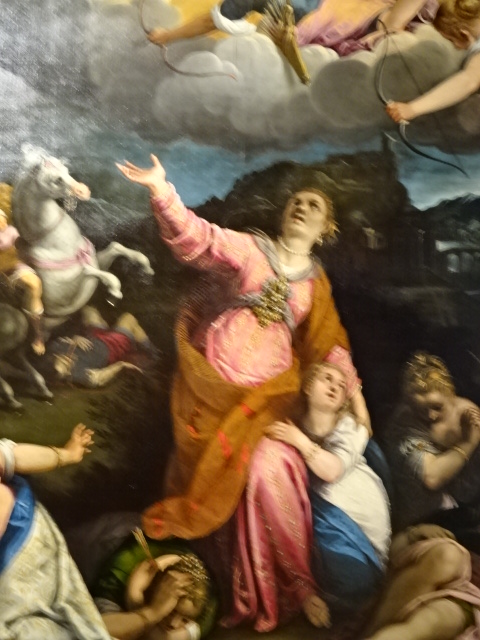
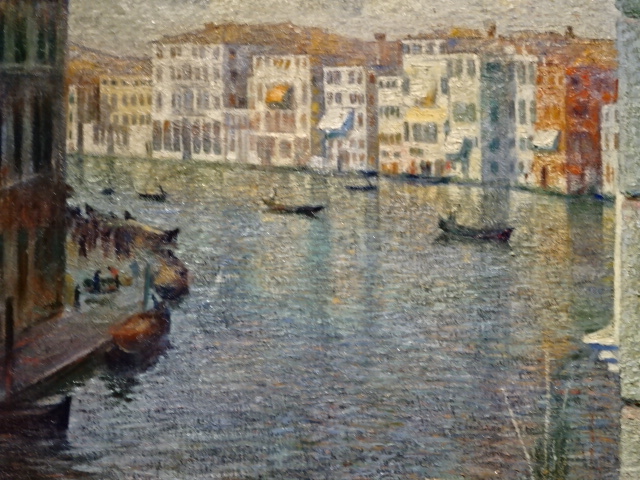
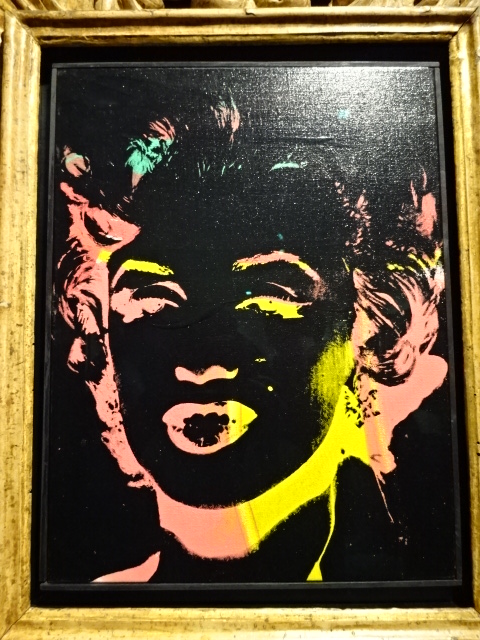
Works by Canaletto, Giacomo Balla, Pablo Picasso, Marcel Duchamp, Giorgio de Chirico, Max Ernst, Andy Warhol, Umberto Boccioni, Rene Magritte, Lucio Fontana and Amedeo Modigliani play significant roles in the collection of more than 500 works. I have always been enamored by Canaletto’s Venice scenes. A slashed canvas by Lucio Fontana made me think of his avant-garde sculpture decorating a tomb in Milan’s Monumental Cemetery. I had only been introduced to Fontana’s works while touring Milan. While I am not usually so enthusiastic about contemporary art, the pieces in this museum caught my attention. The three-dimensional installation by Marcel Duchamp was of special interest.

The three-floor building itself is a masterpiece with its origin in the late Middle Ages, when Verona was governed by the Romans. Renovation in the 17th century was responsible for the remarkable façade, transformed into late Renaissance style with some Baroque features. Ionic columns, large French windows with balconies and floral adornment made the front of the building an elegant structure. Six statues of mythological deities decorated the top of the majestic edifice. A monumental spiral staircase welcomed visitors who have entered via a courtyard.
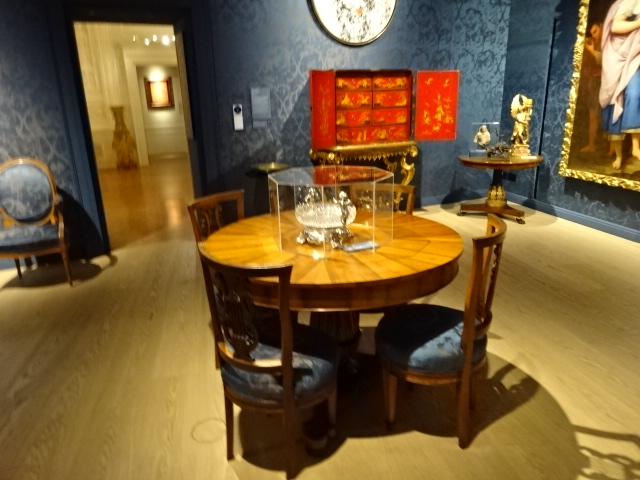
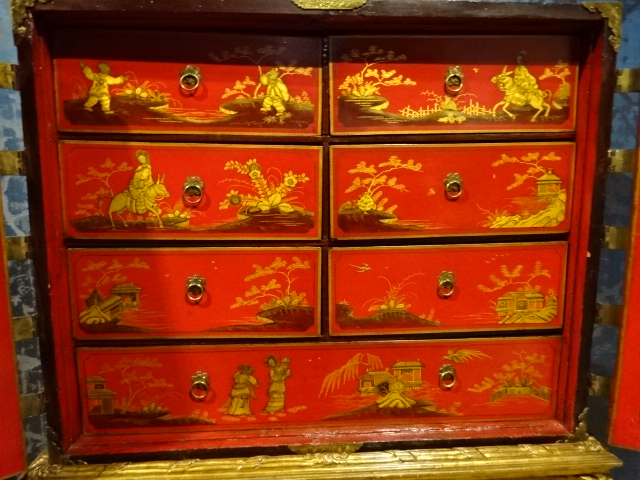
I was amazed at the poignancy of this unique collection. I felt it was meticulously organized in a dynamic way. Each work made me stop and reflect. This was my favorite of the three art museums I visited during my second visit to Verona.
Tracy A. Burns is a writer, proofreader and editor.



 Tracy's Travels